Categories
Uncategorized

Steam Turbines for Power System Balance

Steam Turbines for Power System Balance

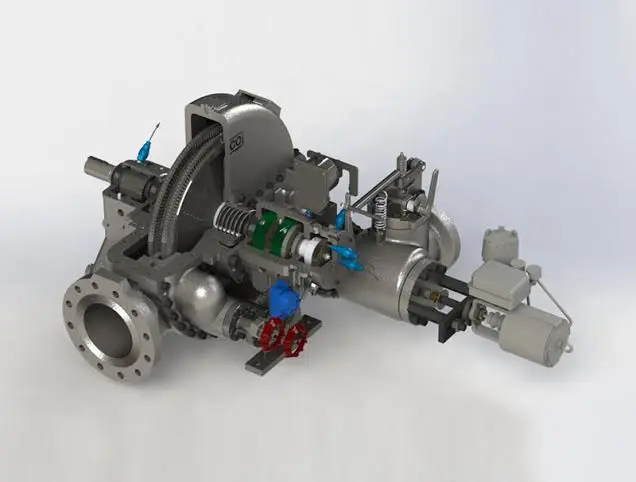
Steam Turbines for Power System Balance: Steam turbine technology is a fundamental aspect of power generation and industrial processes, relying on the principles of thermodynamics and fluid mechanics to convert thermal energy into mechanical work. The core of this technology lies in the steam turbine, a rotating machine that extracts energy from high-pressure, high-temperature steam and converts it into rotational motion. This rotational energy can then drive an electrical generator to produce electricity or power mechanical equipment in various industrial applications.

The operation of a steam turbine begins with the generation of steam in a boiler. Water is heated under high pressure to produce steam with a high enthalpy, a measure of the total energy content in the steam. The high-pressure steam is directed into the turbine through nozzles or inlet valves, where it expands and accelerates. This expansion converts the potential energy of the steam into kinetic energy, which then imparts force onto the turbine’s blades. Steam turbines typically consist of a series of rotating blades, mounted on a shaft, and stationary blades or vanes that guide the steam flow. These stationary and rotating blades work together to extract as much energy as possible from the steam.

Steam turbines are categorized into different types based on their design and applications. One common classification is based on the steam exhaust conditions. Condensing turbines, for example, exhaust steam into a condenser where it is cooled and condensed back into water. This process creates a vacuum that enhances the turbine’s efficiency by allowing for a greater pressure drop between the inlet and exhaust. Back-pressure turbines, on the other hand, discharge steam at a pressure higher than atmospheric pressure for use in industrial processes that require steam for heating or other purposes. These turbines are often used in cogeneration plants, where both electricity and process steam are produced.

Another way to classify steam turbines is based on their flow design. Axial-flow turbines are the most common and involve steam flowing parallel to the axis of rotation. Radial-flow turbines, where steam moves perpendicular to the axis, are less common but can be used in specific applications. Steam turbines can also be divided into impulse and reaction types, depending on how the energy is extracted. Impulse turbines rely on high-velocity steam jets striking the blades, with all the pressure drop occurring in the nozzles. Reaction turbines, in contrast, utilize both the pressure drop across the blades and the reactive force of the steam as it accelerates through the blade passages.

Efficiency is a critical factor in steam turbine operation and design. A variety of techniques are used to maximize the efficiency of steam turbines, including the use of multiple stages and reheating. In multistage turbines, steam passes through several sets of blades, each designed to extract energy at different pressure and temperature levels. Reheating involves partially expanding the steam in the turbine, then returning it to the boiler for reheating before it re-enters the turbine. This process reduces moisture content in the later stages of the turbine, minimizing blade erosion and improving performance.

Steam turbines are designed to operate under a wide range of conditions, making them versatile in various industries. In power plants, they are commonly used with fossil fuels, nuclear reactors, or renewable energy sources like biomass and geothermal energy. In industrial settings, they serve as prime movers for compressors, pumps, and other mechanical equipment. They also play a critical role in combined heat and power systems, where they help optimize energy use by simultaneously generating electricity and providing thermal energy.

Modern steam turbine technology incorporates advanced materials and engineering techniques to enhance performance and reliability. High-performance alloys and coatings are used to withstand extreme temperatures and pressures, while precise manufacturing techniques ensure optimal blade profiles for efficient energy conversion. Additionally, digital monitoring and control systems allow operators to optimize turbine performance in real time, detect potential issues, and ensure safe operation.

Despite their widespread use and proven reliability, steam turbines face challenges such as efficiency losses due to steam leakage and wear over time. Regular maintenance, condition monitoring, and retrofitting with modern components are essential to maintaining their performance and extending their service life. In the broader energy landscape, steam turbines continue to evolve, integrating with renewable energy systems and adapting to changing environmental regulations to remain a cornerstone of energy production and industrial applications.

Steam Turbine
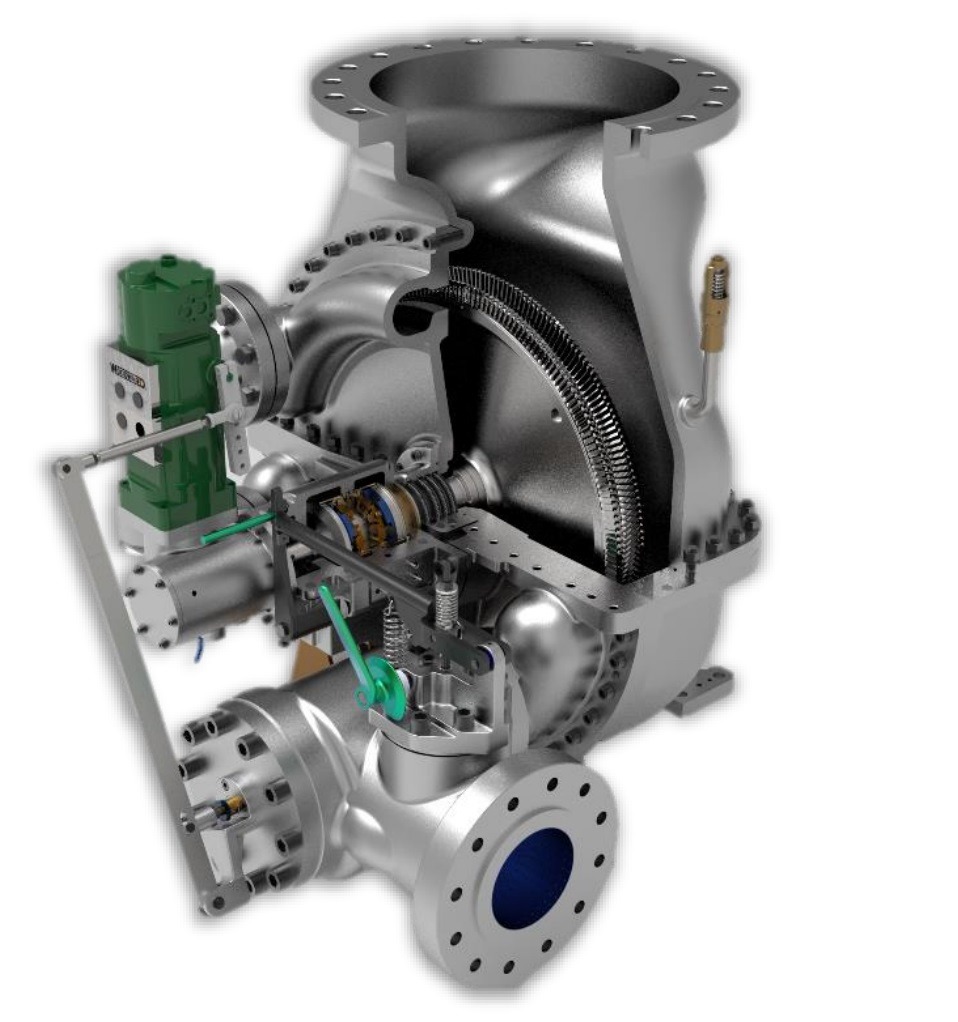
Steam Turbine
Steam Turbine

The versatility and adaptability of steam turbine technology have cemented its place as a cornerstone in global energy systems. Its ability to operate across a wide range of scales, from small industrial applications to massive utility-scale power plants, highlights its importance. Furthermore, steam turbines have a key role in facilitating the energy transition by integrating with renewable energy technologies such as biomass, concentrated solar power (CSP), and geothermal systems. These applications leverage the fundamental strengths of steam turbines while aligning with the global push toward cleaner energy sources.

In biomass power plants, for instance, organic material such as agricultural waste, forestry residues, or dedicated energy crops is burned to generate steam, which is then used to drive a steam turbine. Similarly, in CSP systems, mirrors concentrate sunlight to heat a fluid, producing steam that powers a turbine. Geothermal power plants utilize steam from naturally occurring geothermal reservoirs to produce electricity. These systems demonstrate the adaptability of steam turbines to various heat sources, highlighting their integral role in achieving a sustainable energy future.

Another emerging application of steam turbines is their integration into carbon capture and storage (CCS) systems. CCS is a critical technology for reducing carbon dioxide (CO₂) emissions from fossil fuel-based power plants. In such systems, the steam extracted from turbines can be used to power the CO₂ capture process, ensuring that the plant operates with minimal additional energy penalties. This highlights how steam turbines can evolve to meet the demands of a decarbonized energy landscape while maintaining their efficiency and reliability.

Steam turbines are also central to combined cycle power plants (CCPPs), which represent one of the most efficient methods of electricity generation. In a combined cycle configuration, a gas turbine generates electricity while its exhaust heat is used to produce steam for a steam turbine, effectively combining two thermodynamic cycles. This arrangement significantly enhances overall plant efficiency, often exceeding 60%. By utilizing waste heat from the gas turbine, combined cycle plants maximize energy recovery and reduce fuel consumption, aligning with the industry’s goals of improved efficiency and reduced environmental impact.

The operational efficiency and longevity of steam turbines depend heavily on advanced design and materials science. Innovations in blade design, for example, have focused on improving aerodynamics to reduce losses and enhance energy extraction. Computational fluid dynamics (CFD) and finite element analysis (FEA) are routinely employed to optimize blade profiles, ensuring that steam flow is directed and expanded efficiently throughout the turbine stages. Materials advancements, such as the use of superalloys and thermal barrier coatings, have enabled turbines to withstand higher temperatures and pressures, which are essential for increasing thermodynamic efficiency.

Digitalization and predictive maintenance are transforming the way steam turbines are operated and maintained. Modern turbines are equipped with sensors and control systems that provide real-time data on parameters such as temperature, pressure, vibration, and rotational speed. These data are analyzed using advanced algorithms to detect anomalies and predict potential failures before they occur. This approach, often referred to as condition-based maintenance (CBM), minimizes unplanned downtime, reduces maintenance costs, and extends the operational life of the turbine. Additionally, digital twins—virtual models of physical assets—are increasingly used to simulate turbine behavior under various operating conditions, enabling operators to optimize performance and plan maintenance with greater precision.

Steam turbine technology also faces challenges, particularly in the context of global efforts to reduce greenhouse gas emissions and improve energy efficiency. While steam turbines themselves are highly efficient machines, the overall efficiency of a power plant depends on the integration of the turbine with other components, such as the boiler, condenser, and heat exchangers. Optimizing the performance of these subsystems is critical to achieving higher efficiencies. Furthermore, the global energy transition away from fossil fuels presents challenges and opportunities for steam turbines, as their design and operation must adapt to new energy paradigms, including the integration with intermittent renewable energy sources.

As the energy landscape continues to evolve, the role of steam turbines is likely to diversify further. Innovations in energy storage, for example, could enhance the flexibility of steam turbine systems, enabling them to respond more effectively to fluctuations in renewable energy generation. Advanced thermodynamic cycles, such as supercritical and ultra-supercritical cycles, are being developed to push the boundaries of efficiency and reduce emissions. These cycles operate at extremely high temperatures and pressures, demanding further advancements in materials and engineering.

In summary, steam turbine technology remains a cornerstone of modern energy systems due to its efficiency, reliability, and adaptability. From traditional fossil fuel-based power generation to renewable energy integration and advanced industrial applications, steam turbines have demonstrated their ability to evolve and meet the demands of a changing energy landscape. With continued innovation and adaptation, steam turbines are poised to remain a critical component of global energy infrastructure, supporting the transition to a more sustainable and efficient future.

The future of steam turbine technology is deeply intertwined with the growing emphasis on sustainability and innovation. As industries and governments worldwide strive to meet ambitious climate goals, steam turbines are being reimagined and retrofitted to align with these evolving demands. One area of significant development is the transition to using alternative working fluids, such as supercritical CO₂, which offers distinct advantages over traditional steam. Supercritical CO₂ operates at higher densities and temperatures, allowing for compact turbine designs, improved efficiency, and reduced greenhouse gas emissions. This technology, while still in its developmental stages, has the potential to revolutionize thermal power generation and expand the applications of steam turbine principles.

Hydrogen-based power generation is another avenue where steam turbines are finding new applications. Hydrogen, when burned, produces only water as a byproduct, making it a clean energy carrier. Steam turbines can be adapted to work with hydrogen combustion systems or with hydrogen-fueled gas turbines in combined cycle configurations. This flexibility underscores the adaptability of steam turbines to new fuels and energy sources, ensuring their relevance in a decarbonized energy system.

The hybridization of steam turbines with renewable energy technologies is also gaining traction. For instance, concentrated solar power (CSP) plants with integrated thermal storage systems can provide a stable and dispatchable source of energy, addressing the intermittency issues of solar photovoltaics. Steam turbines in CSP systems are specifically designed to handle fluctuating loads and variable operating conditions, showcasing their robustness in emerging applications. Similarly, geothermal plants that utilize enhanced geothermal systems (EGS) benefit from steam turbine designs optimized for lower-temperature and lower-pressure steam, enabling wider adoption of geothermal energy in diverse geographic regions.

Efficiency improvements remain a central focus in steam turbine innovation. Advanced thermodynamic cycles, such as the Kalina cycle and organic Rankine cycle (ORC), are being explored to harness waste heat from industrial processes and low-grade thermal sources. These cycles leverage specialized working fluids and turbine designs to extract energy from heat sources that were previously considered inefficient or uneconomical. The scalability of these technologies allows them to be deployed in a variety of settings, from small industrial plants to large-scale power generation facilities.

Another critical aspect of modern steam turbine technology is its role in grid stability and flexibility. As renewable energy sources like wind and solar become more prevalent, the need for flexible and reliable grid-balancing solutions has grown. Steam turbines, particularly in combined cycle and cogeneration plants, are well-suited to provide the ancillary services required to stabilize the grid. Their ability to operate efficiently at part loads and respond to rapid changes in demand makes them a valuable asset in modern energy systems.

Retrofitting and upgrading existing steam turbine installations is another key strategy for extending their operational life and improving their performance. Older turbines can be upgraded with advanced blade designs, modern seals, and improved materials to enhance their efficiency and reliability. Additionally, control system upgrades enable better integration with modern grid requirements and digital monitoring tools. Retrofitting not only reduces the environmental impact of existing infrastructure but also provides a cost-effective alternative to building new power plants.

Environmental considerations are also driving advancements in steam turbine condenser and cooling technologies. Traditional cooling systems, which rely heavily on water, are being replaced or supplemented with air-cooled or hybrid cooling systems to reduce water consumption and environmental impact. These innovations are particularly relevant in regions facing water scarcity or stringent environmental regulations.

The integration of artificial intelligence (AI) and machine learning (ML) into steam turbine operations is poised to transform how these machines are monitored and maintained. AI-powered systems can analyze vast amounts of operational data to identify patterns, predict failures, and recommend optimal operating conditions. These insights enable operators to implement predictive maintenance strategies, reduce downtime, and maximize efficiency. Furthermore, digital twin technology is increasingly being used to model steam turbine performance, simulate various scenarios, and optimize design and operation throughout the turbine’s lifecycle.

Looking further ahead, steam turbines may play a role in emerging energy storage technologies. Advanced thermal energy storage systems, such as molten salt or phase-change materials, can store excess energy from renewable sources and convert it back to electricity using steam turbines when needed. This application highlights the enduring relevance of steam turbines in a world transitioning toward a more dynamic and distributed energy infrastructure.

Despite the challenges posed by the global shift away from fossil fuels, steam turbines continue to demonstrate their adaptability and resilience. By embracing new technologies, fuels, and applications, they remain a vital component of the energy ecosystem. The ability of steam turbines to operate efficiently in diverse environments, from traditional power plants to cutting-edge renewable energy systems, ensures their ongoing importance in addressing the world’s energy needs while moving toward a sustainable future.

Key fundamentals of steam turbine design
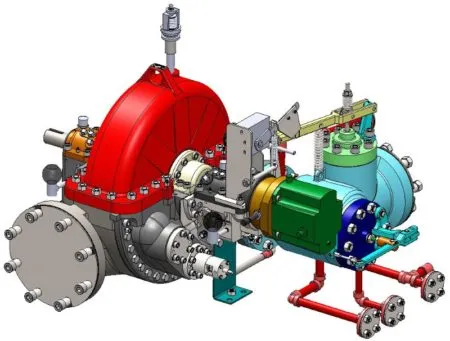
Key Fundamentals of Steam Turbine Design

Key fundamentals of steam turbine design revolve around optimizing efficiency, reliability, and performance while accommodating the specific requirements of power generation or industrial applications. Steam turbines are complex machines that convert thermal energy in steam into mechanical work, and their design must carefully balance thermodynamic principles, mechanical integrity, material science, and operational flexibility. Each component of a steam turbine is engineered to handle the high temperatures, pressures, and stresses involved in steam expansion while minimizing energy losses and ensuring long-term durability.

A critical aspect of steam turbine design is the thermodynamic efficiency, which is largely governed by the Rankine cycle. The turbine’s efficiency depends on maximizing the pressure and temperature drop across its stages while minimizing irreversibilities such as friction, turbulence, and heat loss. This requires precise control over the expansion process of steam through the turbine. Key to this is the design of the blades and vanes, which guide and accelerate the steam flow. Steam turbine blades are aerodynamically shaped to extract the maximum amount of energy from the steam while maintaining structural integrity under high centrifugal and thermal stresses.

The blade design is further refined based on the type of turbine—impulse or reaction. In impulse turbines, the steam expands entirely in stationary nozzles before striking the rotor blades, which absorb the kinetic energy. The blades in these turbines are typically bucket-shaped to redirect the high-speed steam efficiently. In contrast, reaction turbines rely on the combined effect of pressure drop and reactive force within the blade passages. These blades are designed to act like miniature nozzles, with both stationary and rotating blades contributing to the steam expansion. The choice between impulse and reaction design depends on factors such as the desired operating range, efficiency requirements, and cost considerations.

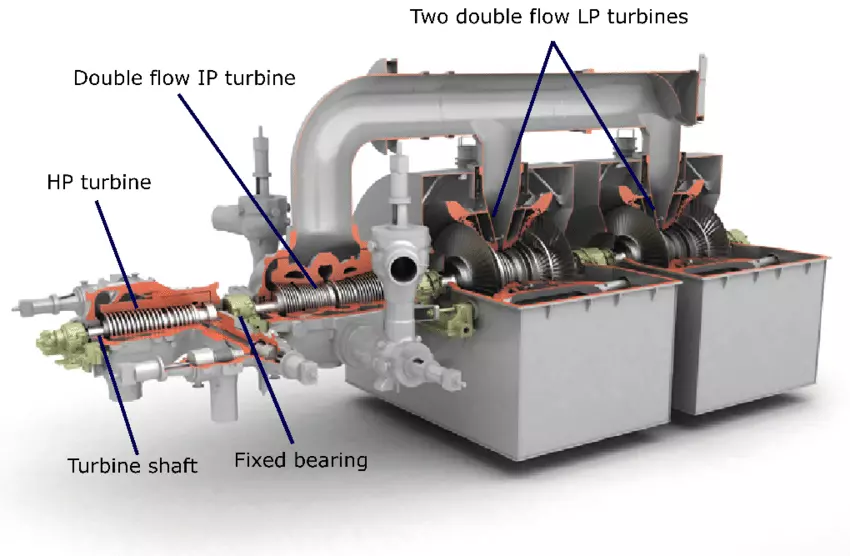
The number of turbine stages is another key design consideration. Multistage turbines are often employed to maximize efficiency by dividing the expansion process into several steps, each designed to handle specific pressure and temperature ranges. High-pressure (HP), intermediate-pressure (IP), and low-pressure (LP) stages are arranged in sequence, with each stage optimized for its operating conditions. HP stages are compact and designed to handle high-pressure, high-temperature steam, while LP stages are larger, with longer blades to handle the expanded, lower-pressure steam. The gradual expansion across multiple stages ensures efficient energy extraction and reduces the likelihood of excessive moisture formation, which can erode turbine blades.

Moisture management is a critical aspect of steam turbine design, particularly in the later stages of the expansion process. As steam expands and cools, it can condense into water droplets that cause erosion and reduce efficiency. Designers address this challenge by incorporating features such as moisture removal systems, reheating stages, and optimized blade profiles to minimize the effects of condensation. Reheating involves redirecting partially expanded steam back to the boiler for reheating before it continues through the turbine. This process not only improves efficiency but also reduces the moisture content in the steam.

The choice of materials is another cornerstone of steam turbine design. The high-temperature and high-pressure environments within the turbine demand materials that can withstand extreme conditions without deforming or degrading over time. High-performance alloys, such as those based on nickel, chromium, and molybdenum, are commonly used for turbine components. These materials offer excellent strength, corrosion resistance, and thermal stability. Advances in material science have also enabled the use of thermal barrier coatings to protect turbine components from excessive heat, further extending their operational life.

Sealing systems play a vital role in minimizing steam leakage and maintaining efficiency. Labyrinth seals, for example, are widely used to create a series of narrow passages that restrict steam flow and reduce losses. Advanced sealing technologies, such as brush seals or abradable seals, offer even better performance, particularly in high-efficiency turbines. These seals are designed to accommodate thermal expansion and rotor movement without compromising the tightness of the seal.

Another fundamental aspect of steam turbine design is the integration of the rotor and casing. The rotor, which supports the turbine blades and transfers mechanical energy to the generator or driven equipment, must be carefully designed to minimize vibration and withstand dynamic loads. It is typically made from a single piece of forged steel to ensure strength and reliability. The casing, which houses the rotor and guides the steam flow, must be robust enough to contain the high-pressure steam while maintaining precise clearances around the blades.

The condenser is an integral part of condensing steam turbines, and its design directly impacts the turbine’s performance. By condensing the exhaust steam into water, the condenser creates a vacuum that maximizes the pressure drop across the turbine, improving efficiency. The design of the condenser, including its heat exchanger tubes, cooling medium, and vacuum system, must ensure effective heat transfer while minimizing backpressure on the turbine.

Steam turbine design also accounts for operational flexibility, particularly in modern energy systems where turbines must adapt to variable loads and changing grid demands. Advanced control systems are integrated into turbine designs to regulate steam flow, monitor critical parameters, and optimize performance in real time. These systems use sensors and actuators to maintain safe and efficient operation, allowing turbines to respond dynamically to changes in load or steam conditions.

Noise and vibration management are additional considerations in steam turbine design. Excessive vibration can lead to mechanical failures and reduced efficiency, while high noise levels can pose environmental and occupational hazards. Designers use techniques such as dynamic balancing, tuned dampers, and optimized blade geometry to address these issues. Computational tools, including finite element analysis (FEA) and computational fluid dynamics (CFD), are extensively used to predict and mitigate vibration and noise during the design phase.

Finally, environmental considerations influence steam turbine design, particularly with regard to emissions and resource usage. Innovations in turbine technology aim to minimize energy losses and waste heat, reduce water consumption in cooling systems, and enable integration with renewable energy sources. These advancements ensure that steam turbines continue to meet evolving regulatory standards and contribute to sustainable energy production.

In summary, the key fundamentals of steam turbine design are rooted in a deep understanding of thermodynamics, material science, aerodynamics, and mechanical engineering. By carefully balancing these principles, designers create turbines that deliver high efficiency, reliability, and adaptability in a wide range of applications, from traditional power plants to cutting-edge renewable energy systems. With ongoing advancements in technology and materials, steam turbine design continues to evolve, ensuring its relevance in an increasingly sustainable and dynamic energy landscape.

Another critical consideration in steam turbine design is scalability and application-specific customization. Steam turbines are engineered to operate efficiently across a wide range of capacities, from small-scale turbines generating a few kilowatts for industrial or localized applications to massive utility-scale turbines producing hundreds of megawatts for large power plants. This scalability is achieved through modular designs, where components such as turbine stages, rotors, and casings can be tailored to match the specific operating conditions and power output requirements of the application.

For example, small-scale steam turbines designed for industrial cogeneration systems often emphasize compactness, operational simplicity, and ease of maintenance. These turbines are typically designed to operate at moderate pressures and temperatures while providing both electricity and process steam to industrial facilities. In contrast, large-scale turbines for power generation prioritize high thermal efficiency and durability. They often operate in advanced thermodynamic cycles, such as supercritical or ultra-supercritical conditions, where steam reaches extremely high temperatures and pressures to maximize energy conversion efficiency.

The flexibility of steam turbine designs also allows them to accommodate various steam conditions and operational scenarios. For instance, some turbines are designed to handle saturated steam, which contains moisture, while others operate with superheated steam, which is dry and contains no water droplets. The latter is particularly advantageous in high-efficiency applications, as it minimizes the risk of blade erosion caused by moisture. Steam turbines can also be designed to accept steam from multiple sources, such as exhaust steam from industrial processes or waste heat recovery systems, further enhancing their adaptability to different energy systems.

Cooling and heat rejection systems are another fundamental aspect of steam turbine design. In condensing turbines, the exhaust steam is cooled and condensed back into water in the condenser. The efficiency of this process directly affects the turbine’s overall performance. Cooling systems can be water-based, air-cooled, or hybrid, depending on the availability of cooling resources and environmental constraints. Water-cooled systems, which use large volumes of water to absorb and transfer heat, are highly efficient but may face limitations in water-scarce regions. Air-cooled systems, while less efficient, are often used in areas where water availability is limited. Hybrid systems combine the benefits of both approaches, offering flexibility and efficiency under varying operating conditions.

Operational flexibility is another cornerstone of modern steam turbine design. In an energy landscape increasingly dominated by renewable energy sources, steam turbines must be capable of accommodating fluctuations in power demand and integrating with variable energy inputs. This requires turbines to operate efficiently across a wide load range and to respond quickly to changes in operating conditions. Advanced control systems, equipped with sensors and real-time monitoring capabilities, allow operators to fine-tune turbine performance based on current demand and steam availability. These systems also enhance safety by detecting potential issues, such as overheating or vibration anomalies, and triggering preventive measures.

The lifecycle of a steam turbine is also a key consideration in its design. Turbines are typically designed for operational lifespans of 30 to 40 years or more, depending on the application. To ensure longevity, turbine components are subjected to rigorous testing during the design and manufacturing phases. Stress testing, fatigue analysis, and material property evaluations are conducted to ensure that the turbine can withstand prolonged exposure to high temperatures, pressures, and mechanical loads. Additionally, maintenance-friendly designs, such as modular components and easy access to critical parts, facilitate repairs and replacements, minimizing downtime and operational costs.

Efficiency enhancements are continuously pursued in steam turbine design through innovations in blade technology and steam path optimization. The development of three-dimensional blade profiles, for example, has significantly improved the aerodynamic efficiency of turbines by reducing losses due to secondary flows and turbulence. Advanced computational tools, such as computational fluid dynamics (CFD) and finite element analysis (FEA), are used extensively to simulate and optimize the flow of steam through the turbine. These tools enable designers to refine blade geometries, improve steam distribution, and minimize energy losses.

Another area of focus is reducing parasitic losses, such as steam leakage, mechanical friction, and heat loss. Innovations in sealing technology, such as advanced labyrinth seals and brush seals, have significantly reduced steam leakage between turbine stages. Improved bearing designs and lubrication systems help minimize mechanical friction, while enhanced insulation and thermal barrier coatings reduce heat loss from the turbine casing.

Environmental considerations also play a central role in steam turbine design, particularly in the context of global efforts to reduce greenhouse gas emissions and improve resource efficiency. Steam turbines are increasingly being integrated into carbon capture and storage (CCS) systems, where they provide the energy required for CO₂ capture processes. Additionally, steam turbines are being adapted to work with alternative fuels, such as biomass and hydrogen, and to operate in hybrid systems that combine renewable and conventional energy sources. These advancements not only enhance the environmental performance of steam turbines but also ensure their continued relevance in a decarbonizing energy sector.

In summary, the key fundamentals of steam turbine design encompass a wide range of technical and operational considerations, from thermodynamic efficiency and material selection to scalability, adaptability, and environmental performance. By addressing these factors, designers create turbines that deliver high performance, reliability, and flexibility across diverse applications and operating conditions. As technology continues to evolve, steam turbines will remain at the forefront of energy conversion systems, supporting the transition to a more sustainable and efficient energy future.
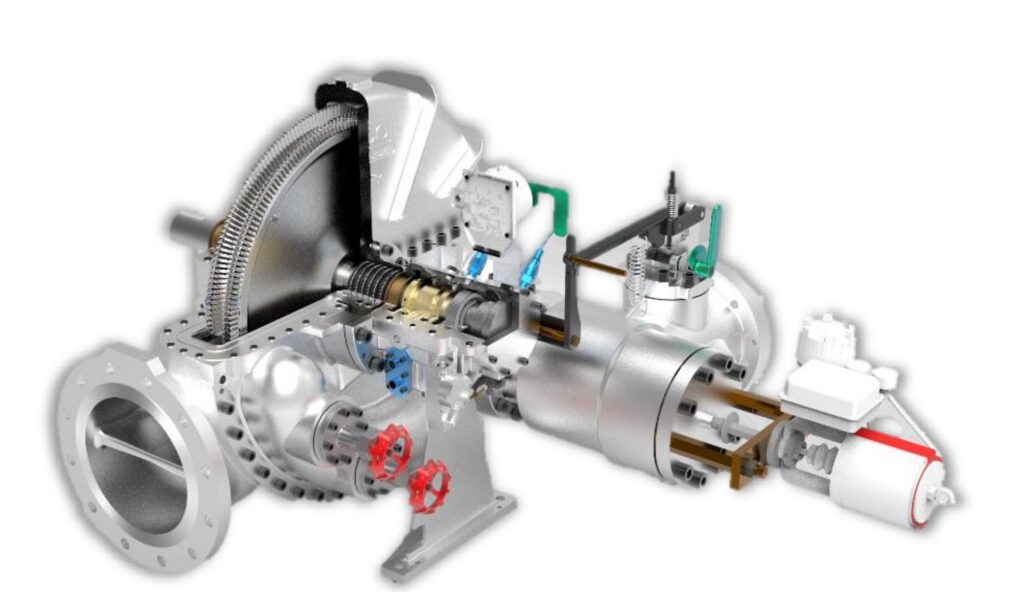
Steam Turbine Generator Manufacturers

The continued evolution of steam turbine design is driven by advancements in technology, the growing demand for efficiency, and the increasing need for sustainability in energy systems. One of the most exciting areas of innovation lies in the integration of steam turbines with advanced power cycles. These include supercritical and ultra-supercritical cycles, which push the boundaries of operating conditions to achieve unprecedented levels of efficiency. By operating at higher pressures and temperatures than traditional subcritical cycles, these systems minimize energy losses and maximize power output. However, such demanding conditions require further advancements in materials and engineering, as components must withstand extreme thermal and mechanical stresses without compromising reliability.

Another promising development is the integration of steam turbines with advanced combined heat and power (CHP) systems. In these systems, waste heat from electricity generation is captured and used for heating or industrial processes, significantly increasing overall system efficiency. Steam turbines play a vital role in CHP applications due to their ability to efficiently convert thermal energy into mechanical work while also providing useful heat. These systems are particularly valuable in industrial settings where both electricity and heat are required, such as in chemical plants, refineries, and district heating networks. By optimizing the design of steam turbines for CHP applications, engineers can enhance energy utilization and reduce carbon emissions.

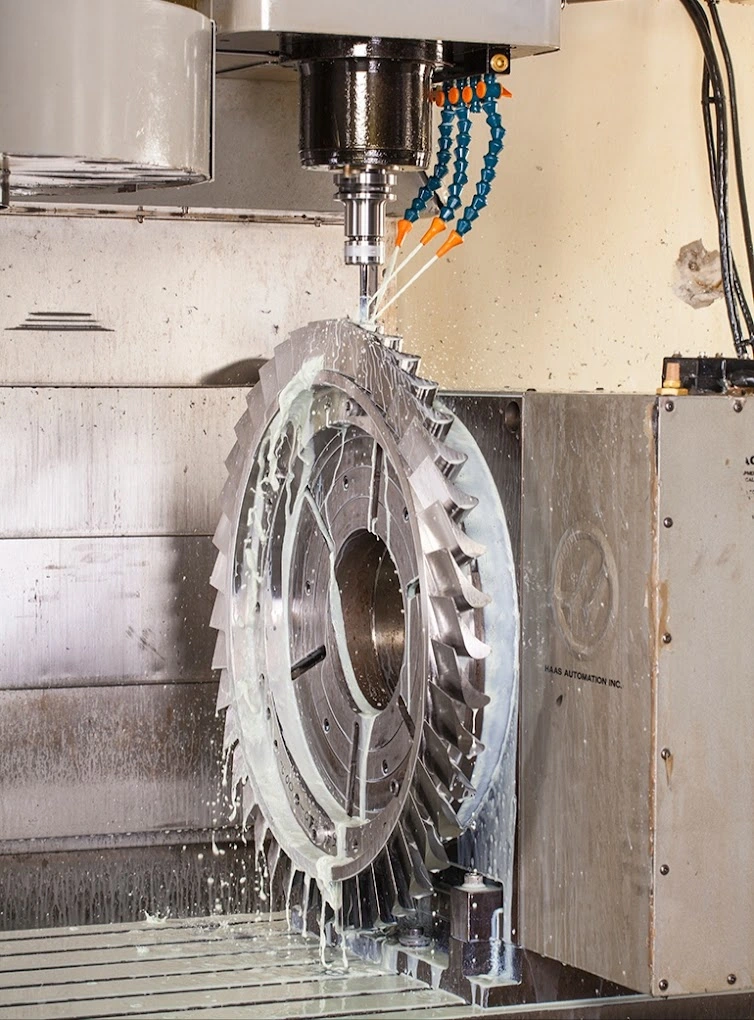
Additive manufacturing, or 3D printing, is also beginning to impact steam turbine design and production. This technology allows for the creation of complex components with precise geometries that would be difficult or impossible to achieve using traditional manufacturing methods. For example, turbine blades with intricate cooling passages or novel aerodynamic shapes can be produced more efficiently using additive manufacturing. This not only improves the performance of the turbine but also reduces production time and costs. Additionally, 3D printing enables rapid prototyping, allowing engineers to test and refine designs more quickly, further accelerating innovation.

The application of digital technologies, such as artificial intelligence (AI) and machine learning (ML), is transforming how steam turbines are designed, operated, and maintained. AI algorithms can analyze vast amounts of operational data to optimize turbine performance, predict maintenance needs, and identify opportunities for efficiency improvements. For instance, digital twins—virtual models of physical turbines—allow engineers to simulate real-world operating conditions, assess the impact of design changes, and optimize performance in a virtual environment before implementation. This approach not only reduces the risks associated with design modifications but also ensures that turbines operate at peak efficiency throughout their lifecycle.

In the realm of maintenance and reliability, predictive maintenance is becoming increasingly common. By continuously monitoring key parameters such as vibration, temperature, pressure, and rotational speed, operators can identify potential issues before they lead to failures. This proactive approach minimizes unplanned downtime, reduces repair costs, and extends the operational life of the turbine. Advanced analytics and sensor technologies are making predictive maintenance more accurate and accessible, enabling even smaller-scale operators to benefit from these capabilities.

Hybrid energy systems represent another area where steam turbines are finding new applications. These systems combine traditional power generation technologies with renewable energy sources to provide a stable and reliable energy supply. For example, a hybrid system might use solar thermal energy during the day and steam turbines powered by biomass or natural gas during periods of low sunlight. The flexibility of steam turbines to operate with various heat sources and adapt to changing loads makes them an ideal component of such systems. As the world transitions toward cleaner energy, the ability of steam turbines to integrate with renewable technologies will become increasingly important.

In addressing the environmental impact of steam turbines, engineers are exploring ways to reduce water consumption in cooling systems and improve the efficiency of condensers. Air-cooled condensers, for instance, use ambient air instead of water to condense exhaust steam, making them suitable for regions with limited water resources. Additionally, advanced heat exchanger designs and materials are being developed to improve the efficiency of heat transfer, further reducing resource usage and environmental impact.

Emerging storage technologies are also opening new opportunities for steam turbines. Thermal energy storage systems, such as those using molten salts or phase-change materials, can store excess energy generated by renewable sources. When demand increases, this stored energy can be used to produce steam, which drives a turbine to generate electricity. This approach provides a flexible and efficient way to balance energy supply and demand while ensuring that renewable energy resources are utilized effectively.

Research into alternative working fluids is another frontier in steam turbine innovation. While water remains the most commonly used working fluid due to its excellent thermal properties and availability, alternative fluids like supercritical CO₂ and organic compounds are being explored for specific applications. These fluids can operate at higher efficiencies under certain conditions and are particularly well-suited for systems that recover waste heat or utilize low-temperature heat sources. Designing turbines to handle these fluids requires a rethinking of traditional steam turbine principles, but the potential benefits in efficiency and environmental performance are significant.

The modularity of steam turbines is also being enhanced to meet the needs of diverse applications. Modular turbine designs allow for faster installation, easier maintenance, and greater flexibility in scaling power output. For example, modular components can be pre-assembled in factories and transported to the installation site, reducing construction time and costs. This approach is particularly advantageous in remote or off-grid locations, where logistical challenges can complicate traditional turbine installation.

Finally, the role of steam turbines in the circular economy is gaining attention. As older turbines reach the end of their operational life, strategies for recycling and reusing materials are being developed to minimize waste and environmental impact. High-value materials such as superalloys can be recovered and repurposed, reducing the demand for new raw materials and supporting sustainable manufacturing practices.

In conclusion, the key fundamentals of steam turbine design are evolving in response to the challenges and opportunities of the modern energy landscape. From advanced thermodynamic cycles and hybrid systems to digital technologies and alternative working fluids, the design and operation of steam turbines are being reimagined to meet the demands of efficiency, sustainability, and reliability. As a versatile and proven technology, steam turbines will continue to play a pivotal role in energy generation and industrial processes, adapting to the needs of a rapidly changing world while driving innovation and progress.

Steam Turbines for Power System Balance
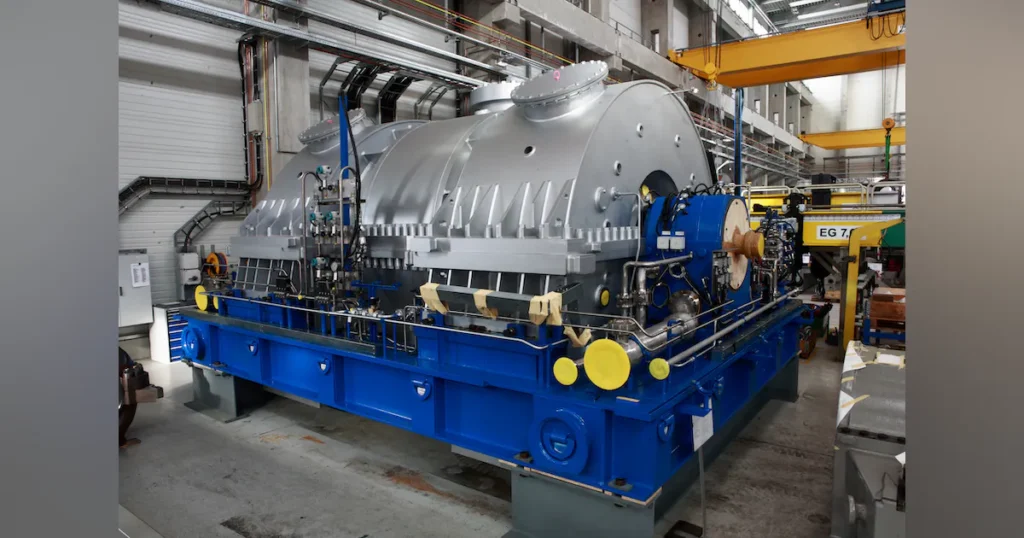
Steam Turbines for Power System Balance

Steam turbines play a crucial role in maintaining power system balance by providing reliable, controllable, and efficient electricity generation. Their versatility and ability to adapt to varying grid conditions make them an essential component of modern power systems, particularly as the energy landscape shifts toward greater reliance on renewable energy sources. Steam turbines contribute to system stability, flexibility, and efficiency, addressing challenges related to fluctuating demand, variable renewable generation, and the need for secure and consistent power supply.

One of the primary contributions of steam turbines to power system balance is their ability to provide base-load power generation. In traditional power systems, steam turbines are integral to large-scale thermal power plants, including coal, natural gas, nuclear, and biomass facilities. These turbines are designed to operate continuously and efficiently, supplying a steady stream of electricity to meet the minimum level of demand on the grid. Their reliability and high capacity make them indispensable for ensuring a stable foundation of electricity supply, particularly during periods when intermittent renewable energy sources, such as wind and solar, may not be producing power.

In addition to base-load generation, steam turbines offer significant load-following capabilities, enabling them to adjust their output in response to changes in electricity demand. This flexibility is particularly valuable in modern grids, where demand can vary dramatically throughout the day and across seasons. By rapidly increasing or decreasing power output, steam turbines help maintain the balance between supply and demand, preventing frequency fluctuations and ensuring grid stability. This capability is enhanced by advanced control systems that allow precise regulation of turbine operation based on real-time grid conditions.

Steam turbines also play a critical role in integrating renewable energy sources into power systems. As the share of wind and solar power in the energy mix increases, the variability and intermittency of these sources pose challenges to grid reliability. Steam turbines, particularly in combined-cycle configurations, can complement renewable generation by providing dispatchable power that can quickly compensate for fluctuations in renewable output. For example, when cloud cover reduces solar generation or wind speeds drop, steam turbines can ramp up to fill the gap and stabilize the grid. This capability ensures that renewable energy can be utilized effectively without compromising system reliability.

Another important aspect of steam turbines in power system balance is their ability to provide ancillary services. Ancillary services are essential for maintaining grid stability and include functions such as frequency regulation, voltage support, spinning reserve, and black start capability. Steam turbines, due to their precise control and reliability, are well-suited to deliver these services. Frequency regulation, for instance, requires turbines to adjust their output in response to minor imbalances between supply and demand, helping to maintain the grid frequency within acceptable limits. Similarly, spinning reserves provided by steam turbines ensure that additional power is available on short notice to respond to sudden increases in demand or unexpected generation outages.

Steam turbines also contribute to power system balance through their role in combined heat and power (CHP) systems. In CHP applications, steam turbines are used to generate electricity while simultaneously producing useful heat for industrial processes or district heating. By efficiently utilizing the thermal energy in steam, these systems reduce waste and improve overall energy efficiency. CHP systems can also enhance grid stability by operating flexibly and providing additional capacity during peak demand periods or grid emergencies.

The integration of energy storage technologies with steam turbines is another emerging approach to improving power system balance. Thermal energy storage systems, for example, can store excess heat generated during periods of low demand and use it later to produce steam for electricity generation. This approach allows steam turbines to operate more flexibly and efficiently, smoothing out variations in demand and improving the utilization of generation assets. Additionally, the combination of steam turbines with batteries or other storage systems can provide fast-responding capacity to stabilize the grid during rapid changes in renewable generation or demand.

In regions with high levels of renewable energy penetration, steam turbines can also support grid stability by operating in hybrid power systems. Hybrid systems combine conventional power generation with renewable sources and energy storage, leveraging the strengths of each technology to maintain a reliable and efficient energy supply. For instance, a hybrid system might pair a steam turbine-based power plant with a solar thermal plant, where solar energy is used to preheat water or generate steam, reducing fuel consumption and emissions from the turbine. This integration maximizes resource utilization while ensuring that sufficient capacity is available to meet demand.

Efficiency improvements in steam turbine technology further enhance their role in power system balance. Advances in materials, blade design, and thermodynamic cycles have led to higher efficiency levels, reducing fuel consumption and emissions while increasing power output. Supercritical and ultra-supercritical steam turbines, for instance, operate at higher temperatures and pressures than conventional turbines, achieving greater efficiency and reducing the environmental impact of power generation. These high-efficiency turbines are particularly valuable in balancing power systems by providing a low-emission and cost-effective source of dispatchable electricity.

Environmental considerations are also shaping the role of steam turbines in power system balance. As global efforts to reduce greenhouse gas emissions intensify, steam turbines are being adapted to operate with cleaner fuels, such as natural gas, hydrogen, or biomass. This transition allows steam turbines to continue supporting grid stability while aligning with decarbonization goals. For example, turbines designed for co-firing hydrogen with natural gas can provide a low-carbon solution for balancing variable renewable energy sources, contributing to the overall sustainability of the power system.

In summary, steam turbines are indispensable for maintaining power system balance in both traditional and modern grids. Their ability to provide reliable base-load generation, adapt to changing demand, support renewable energy integration, and deliver ancillary services makes them a versatile and essential component of energy systems. As technology advances and the energy landscape evolves, steam turbines will continue to play a critical role in ensuring the stability, efficiency, and sustainability of power systems worldwide. Through innovations in design, materials, and operational strategies, steam turbines are poised to meet the challenges of the future while supporting the transition to a cleaner and more resilient energy infrastructure.

The evolving energy landscape underscores the increasing importance of steam turbines in addressing the complexities of modern power systems. As the transition to renewable energy accelerates, steam turbines are adapting to new roles that extend beyond traditional power generation. These roles include facilitating grid flexibility, integrating with emerging energy technologies, and enhancing overall system reliability while meeting stringent environmental standards.

One of the emerging applications for steam turbines is their role in carbon capture and storage (CCS) systems. As decarbonization becomes a priority for governments and industries worldwide, CCS technologies are being deployed to capture carbon dioxide emissions from power plants and industrial facilities. Steam turbines play a critical role in these systems by providing the energy required for CO₂ capture processes. This is achieved by extracting steam from the turbine at specific stages to power the capture equipment while continuing to generate electricity efficiently. By integrating CCS systems with steam turbines, power plants can significantly reduce their carbon footprint without compromising performance or reliability.

Moreover, the flexibility of steam turbines allows them to contribute to demand-side management initiatives. In power systems where demand-response programs are implemented, steam turbines can adjust their output to align with consumer behavior and grid requirements. This capability is especially important during peak demand periods or when renewable energy generation fluctuates. By operating flexibly and efficiently, steam turbines can help utilities balance supply and demand while minimizing operational costs and emissions.

Steam turbines are also being designed to accommodate the growing demand for decentralized energy systems. Distributed energy resources (DERs), such as small-scale turbines, microgrids, and community-based CHP systems, are gaining traction as solutions for localized power generation. In these systems, steam turbines can provide reliable and efficient electricity and heat, reducing dependence on centralized power plants and enhancing energy security. This decentralization not only improves resilience to grid disruptions but also supports the integration of locally available resources, such as biomass or waste heat.

The integration of steam turbines with advanced renewable energy technologies further enhances their relevance in modern power systems. For instance, solar thermal power plants use concentrated solar power (CSP) to generate steam, which is then used to drive a steam turbine. This configuration enables the direct use of solar energy for electricity generation while leveraging the efficiency and reliability of steam turbines. Additionally, geothermal power plants rely on steam turbines to convert the heat from underground reservoirs into electricity, providing a consistent and renewable energy source that complements intermittent solar and wind generation.

Hydrogen is another area where steam turbines are playing a growing role. As the hydrogen economy develops, steam turbines are being adapted to operate with hydrogen-rich fuels or in combination with hydrogen production systems. For example, in power-to-hydrogen applications, surplus electricity from renewable sources can be used to produce hydrogen via electrolysis. This hydrogen can then be stored and later used as fuel for steam turbines, providing a means of balancing renewable energy supply and demand. Similarly, steam turbines can be integrated into hydrogen production facilities to provide the thermal energy needed for processes such as steam methane reforming or water splitting.

The digital transformation of power systems is also influencing the operation and maintenance of steam turbines. Advanced monitoring and diagnostics technologies, powered by the Internet of Things (IoT) and artificial intelligence, are enabling real-time performance optimization and predictive maintenance. These tools provide operators with insights into turbine performance, allowing them to identify inefficiencies or potential issues before they escalate. For instance, digital twin technology creates a virtual replica of the turbine, enabling detailed analysis and simulation of various operating scenarios. This not only improves operational efficiency but also extends the lifespan of the turbine, reducing lifecycle costs and enhancing sustainability.

In addition to their operational roles, steam turbines are contributing to the circular economy by supporting waste-to-energy systems. In these systems, waste materials such as municipal solid waste, agricultural residues, or industrial by-products are used as fuel to produce steam, which drives a turbine to generate electricity. This approach not only reduces waste sent to landfills but also provides a renewable and low-carbon energy source. Steam turbines are particularly well-suited for waste-to-energy applications due to their ability to handle diverse steam conditions and adapt to varying fuel types.

The global focus on energy efficiency and resource conservation is driving further advancements in steam turbine technology. New materials and manufacturing techniques are enabling the development of turbines that operate at higher temperatures and pressures, achieving greater efficiency and reducing emissions. Additionally, innovations in blade design and steam flow optimization are minimizing energy losses and improving performance. These advancements ensure that steam turbines remain a cornerstone of efficient power generation, even as the energy landscape continues to evolve.

In conclusion, steam turbines are indispensable for maintaining power system balance and adapting to the challenges of a rapidly changing energy sector. Their versatility, reliability, and efficiency make them a critical component of both traditional and modern power systems. By integrating with renewable energy technologies, supporting carbon capture efforts, enabling decentralized energy solutions, and embracing digital transformation, steam turbines are poised to play a central role in the transition to a sustainable and resilient energy future. As technological advancements continue, steam turbines will remain at the forefront of innovation, ensuring that power systems worldwide can meet the demands of a cleaner, more efficient, and more dynamic energy environment.
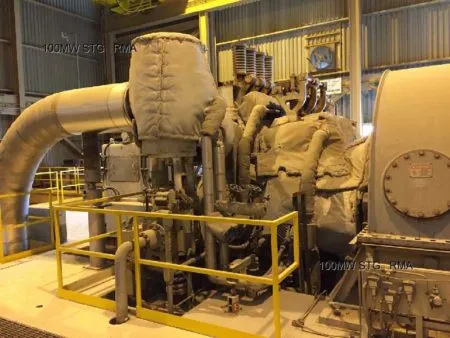
Types of Turbine in Thermal Power Plant

The future of steam turbines in power system balance is further reinforced by their adaptability to emerging global energy trends. These trends are reshaping the energy industry and creating opportunities for steam turbines to contribute in new and innovative ways. As power systems become increasingly complex, interconnected, and sustainable, steam turbines continue to evolve, offering solutions to challenges such as grid decarbonization, energy security, and resilience in the face of climate change.

One of the most significant trends is the global shift toward low-carbon and net-zero energy systems. Governments and industries are setting ambitious targets to reduce greenhouse gas emissions, which is driving the adoption of renewable energy and cleaner technologies. Steam turbines, particularly in advanced configurations, are uniquely positioned to support this transition. For example, their ability to operate efficiently with alternative fuels, such as biomass, hydrogen, or synthetic fuels, ensures their relevance in a low-carbon future. Moreover, the integration of carbon capture and utilization (CCU) technologies with steam turbines allows power plants to not only capture emissions but also convert them into valuable products, such as chemicals, fuels, or construction materials.

Another trend shaping the role of steam turbines is the increasing need for energy resilience and reliability. Extreme weather events, natural disasters, and cyber threats pose risks to power systems, making resilience a top priority for energy planners. Steam turbines contribute to resilience by providing stable and dispatchable power that can support the grid during emergencies or disruptions. Their ability to operate independently in islanded or microgrid configurations further enhances their value in ensuring energy security, particularly in remote or vulnerable regions. Additionally, steam turbines’ long operational lifespan and robust design make them a dependable choice for critical infrastructure, where reliability is paramount.

Energy storage technologies are becoming a vital component of power systems, and steam turbines are finding innovative applications in this context. Thermal energy storage systems, for instance, can store heat generated by renewable energy sources or industrial processes, which can later be used to produce steam and generate electricity on demand. This capability aligns steam turbines with the growing need for flexible, scalable, and sustainable energy storage solutions. The integration of steam turbines with emerging technologies such as compressed air energy storage (CAES) and pumped thermal energy storage (PTES) further expands their role in balancing energy supply and demand.

The rise of electrification across various sectors, including transportation, industry, and buildings, is creating new opportunities for steam turbines to contribute to the decarbonization of energy systems. As electricity demand grows, steam turbines will play a crucial role in providing reliable and efficient power to support electrification initiatives. For example, they can be used in large-scale industrial applications that require both electricity and heat, such as steel production, chemical manufacturing, or desalination. Their ability to deliver high-quality steam for industrial processes while generating electricity makes them an integral part of sustainable industrial operations.

Steam turbines are also enabling the development of hybrid energy systems, where multiple energy sources are combined to optimize performance and reduce environmental impact. These systems integrate steam turbines with renewable energy, energy storage, and advanced power generation technologies to create flexible and efficient energy solutions. For example, in a solar hybrid plant, steam turbines can complement photovoltaic systems by using solar thermal energy to produce steam during peak sunlight hours and transitioning to other heat sources when sunlight is unavailable. This hybrid approach maximizes resource utilization and ensures a consistent power supply, even in regions with variable renewable energy potential.

In the context of energy markets, steam turbines are becoming increasingly valuable for their ability to provide ancillary services that support grid operations. As renewable energy penetration increases, the demand for grid services such as inertia, frequency regulation, and reactive power support is growing. Steam turbines, with their large rotating masses and precise control systems, are well-suited to provide these services, helping to stabilize the grid and ensure reliable operation. Their role in providing spinning reserves and black start capabilities further enhances their importance in modern power systems, where resilience and reliability are critical.

Sustainability considerations are driving innovations in steam turbine manufacturing, operation, and end-of-life management. The use of sustainable materials, energy-efficient production methods, and recycling processes is reducing the environmental impact of turbine manufacturing. Additionally, advancements in digital technologies, such as condition monitoring and predictive maintenance, are optimizing turbine performance and extending their operational life, reducing waste and resource consumption. At the end of their lifecycle, steam turbines are increasingly being decommissioned in ways that allow valuable materials, such as metals and alloys, to be recovered and reused, supporting the principles of a circular economy.

Lastly, the role of steam turbines in decarbonizing hard-to-abate sectors is gaining attention. These sectors, which include cement production, aviation, and shipping, are challenging to electrify and require innovative solutions to reduce emissions. Steam turbines are being adapted to provide power and heat for processes in these industries, often in combination with carbon capture technologies or alternative fuels. For instance, in the production of green ammonia—a key ingredient for fertilizers and a potential fuel for shipping—steam turbines can play a role in generating the energy required for hydrogen production and ammonia synthesis.

In conclusion, steam turbines remain a cornerstone of power system balance, adapting to meet the demands of an evolving energy landscape. Their versatility, efficiency, and ability to integrate with new technologies ensure their continued relevance in addressing the challenges of energy transition, decarbonization, and resilience. By leveraging advancements in materials, design, and digital technologies, steam turbines are poised to play a pivotal role in creating a cleaner, more reliable, and sustainable energy future. As the energy sector continues to innovate, steam turbines will remain a vital component of the global effort to achieve energy security and environmental sustainability.

General Structure of Steam Turbines
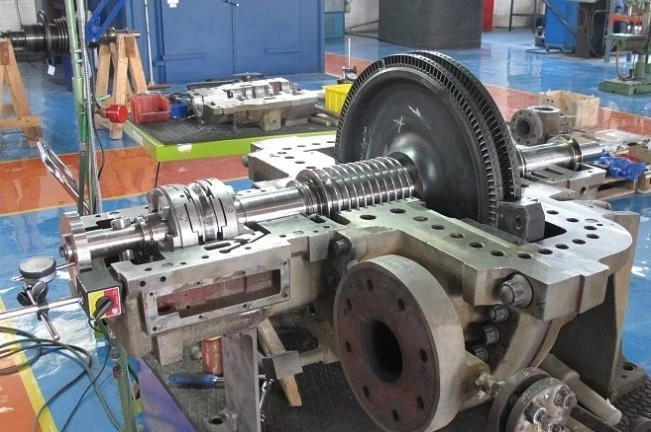
General Structure of Steam Turbines

The general structure of turbines is designed to efficiently convert energy from a working fluid—such as steam, gas, or water—into mechanical power, which can then be used to generate electricity or drive other machinery. Turbines operate on the principles of thermodynamics and fluid mechanics, employing carefully engineered components to ensure optimal performance, reliability, and durability. Despite variations in design based on the type of turbine (e.g., steam, gas, wind, or hydro), their fundamental structure typically comprises several key elements, each fulfilling a specific function within the overall system.

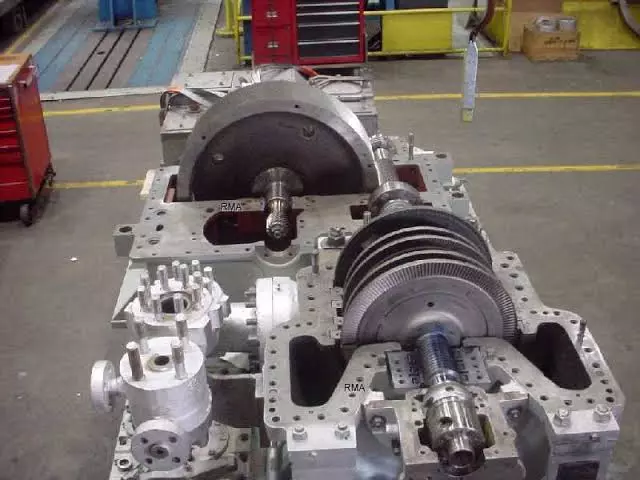
At the heart of any turbine is the rotor, which is the central rotating component. The rotor is equipped with blades or buckets that are specifically shaped to interact with the working fluid. In a steam turbine, for example, the rotor blades are designed to capture the energy from high-pressure steam and convert it into rotational motion. The shape, size, and arrangement of the blades are critical to the turbine’s efficiency, as they determine how effectively energy is extracted from the working fluid. Blades may be fixed or adjustable, depending on the design and application, and are often made from materials that can withstand high temperatures, pressures, and corrosive environments.

The stator is another essential component of a turbine, forming the stationary part of the system that directs and controls the flow of the working fluid. In steam turbines, the stator consists of fixed blades or nozzles arranged in a specific pattern to guide steam onto the rotor blades at the correct angle and velocity. This ensures that the energy transfer between the working fluid and the rotor is maximized. The interaction between the stator and rotor creates a series of expansion stages, each contributing to the overall energy conversion process. The stator also helps maintain the structural integrity of the turbine by supporting the rotor and housing other internal components.

The casing, or housing, encloses the turbine and provides a protective shell that contains the working fluid and maintains the system’s pressure. The casing is designed to withstand the operating conditions of the turbine, including high temperatures and pressures, and is often made from high-strength alloys. In addition to its protective function, the casing includes openings for the inlet and exhaust of the working fluid, as well as ports for monitoring, maintenance, and lubrication systems. The design of the casing also plays a role in reducing noise and vibration, contributing to the turbine’s operational stability and efficiency.

A critical subsystem of the turbine is the shaft, which connects the rotor to the external machinery, such as a generator or mechanical load. The shaft transmits the rotational energy produced by the turbine to the generator, where it is converted into electrical energy. The shaft is supported by bearings, which reduce friction and ensure smooth rotation. Bearings are typically designed to handle both radial and axial loads and are lubricated to minimize wear and extend their operational lifespan. Shaft seals are used to prevent leakage of the working fluid along the shaft, maintaining the turbine’s efficiency and preventing contamination of the surrounding environment.

Control systems are integral to the operation of a turbine, ensuring that it performs safely, reliably, and efficiently. These systems monitor parameters such as pressure, temperature, rotational speed, and flow rate, adjusting the operation of the turbine as needed to maintain optimal performance. For instance, in a steam turbine, the control system regulates the flow of steam into the turbine through valves or nozzles, managing the energy input to match the required output. Advanced control systems often incorporate digital technologies, such as sensors and real-time data analysis, to enhance precision and responsiveness.

The foundation and support structures of a turbine are designed to secure it in place and minimize vibrations. A stable foundation is essential for maintaining the alignment of internal components and preventing damage during operation. Turbines are typically mounted on reinforced concrete or steel structures, which are engineered to absorb the dynamic forces generated during operation. Vibration damping systems may also be included to reduce mechanical stresses and enhance the turbine’s durability.

Thermal insulation is another important aspect of turbine design, particularly in steam and gas turbines. Insulation materials are used to minimize heat loss and protect personnel and surrounding equipment from high temperatures. This improves the overall efficiency of the turbine and ensures compliance with safety standards. In addition to thermal insulation, turbines may also be equipped with acoustic insulation to reduce noise levels during operation.

The exhaust system of a turbine is designed to manage the discharge of the working fluid after it has passed through the turbine. In steam turbines, for example, the exhaust steam is typically directed into a condenser, where it is cooled and converted back into water for reuse in the power cycle. The design of the exhaust system must account for factors such as back pressure and flow dynamics to ensure efficient operation. In gas turbines, the exhaust system may include heat recovery units to capture residual thermal energy for additional applications, such as steam generation or district heating.

Auxiliary systems support the operation of the turbine and include lubrication systems, cooling systems, and monitoring equipment. The lubrication system ensures that bearings and other moving parts operate smoothly by reducing friction and preventing overheating. Cooling systems, such as water or air cooling, are used to maintain the temperature of critical components within safe limits. Monitoring equipment provides real-time data on the turbine’s performance, enabling operators to detect potential issues and perform predictive maintenance.

In modern turbine designs, materials science and advanced manufacturing techniques play a crucial role in enhancing performance and durability. Components are often made from high-performance alloys, ceramics, or composite materials that can withstand extreme conditions while minimizing wear and fatigue. Additive manufacturing, or 3D printing, is increasingly being used to produce complex turbine components with high precision and reduced material waste. These advancements contribute to the overall efficiency, reliability, and sustainability of turbine systems.

In summary, the general structure of turbines is a carefully engineered system that integrates multiple components to convert energy efficiently and reliably. From the rotor and stator to the casing, shaft, and auxiliary systems, each element is designed to perform a specific function while working seamlessly with the others. Advances in materials, design, and technology continue to refine turbine performance, ensuring their relevance across a wide range of applications, from power generation to industrial processes and renewable energy systems. As energy systems evolve, the fundamental principles and structure of turbines remain central to their success, adapting to meet the demands of a dynamic and sustainable energy future.

Continuing from where we left off, the evolution of turbine technology is increasingly focused on improving efficiency, reducing environmental impact, and integrating with newer energy solutions. Modern turbines are becoming more sophisticated, with an emphasis on flexibility, durability, and adaptability to changing grid conditions and fuel sources. As such, ongoing advancements are reshaping turbine structures to meet the demands of a decarbonized energy system, offering opportunities to enhance performance in a variety of sectors, including power generation, transportation, and industrial applications.

One significant area of improvement in turbine structure is the development of high-temperature materials. Turbines, particularly those used in gas-fired and combined-cycle power plants, operate under extreme thermal conditions. The blades, rotors, and other critical components must withstand temperatures that can exceed 1,500°C (2,732°F) in advanced gas turbines. To cope with these extreme conditions, turbine components are increasingly made from superalloys, advanced ceramics, or ceramic matrix composites (CMCs), which offer superior heat resistance, strength, and fatigue resistance. These materials enhance the turbine’s ability to operate at higher temperatures, improving thermal efficiency and reducing fuel consumption. The use of thermal barrier coatings on turbine blades further improves heat retention, reducing the amount of heat that is lost to the surrounding environment.

In addition to high-temperature materials, advanced cooling techniques are being integrated into turbine designs to prevent overheating and maintain optimal performance. Modern steam and gas turbines may feature advanced internal cooling systems, including complex channels inside the blades or rotor discs that allow air or steam to pass through and cool the components during operation. These cooling systems are essential for ensuring that turbines continue to operate safely and efficiently, especially in high-performance applications like combined-cycle power plants, where turbines must handle rapidly changing load conditions.

Another key development is the integration of additive manufacturing (3D printing) technologies in turbine design and production. Additive manufacturing allows for the creation of complex, custom-designed turbine components with greater precision and reduced waste. By using 3D printing, turbine manufacturers can produce parts with intricate geometries that would be difficult or impossible to create using traditional manufacturing methods. This not only improves the efficiency and performance of the turbine but also reduces production costs and lead times. For example, 3D-printed blades can be designed to optimize airflow, reduce weight, and improve cooling efficiency, all of which contribute to the overall efficiency of the turbine.

Hybrid turbine systems are becoming more common in modern power generation, where turbines are integrated with renewable energy sources, energy storage, and advanced power generation technologies to maximize efficiency and reliability. In such systems, turbines are often combined with wind, solar, or geothermal energy to provide a stable and dispatchable power supply. For example, in solar thermal power plants, concentrated solar energy is used to heat a working fluid, which is then passed through a steam turbine to generate electricity. This hybrid approach allows for the continuous generation of electricity, even when the sun isn’t shining, by using stored thermal energy to maintain turbine operation.

Additionally, turbines are being increasingly integrated with energy storage systems like battery storage or thermal energy storage (TES) to improve grid flexibility and stability. By pairing turbines with energy storage, excess energy generated during off-peak periods can be stored and used to generate power during periods of high demand or when renewable energy generation fluctuates. This integration helps to ensure that the turbine can operate more efficiently, supporting grid stability while contributing to the decarbonization of the energy sector.

In response to growing concerns over environmental impact, turbine designs are incorporating features that reduce emissions and increase overall sustainability. Hydrogen-powered turbines are one such example, as they can burn hydrogen or hydrogen-rich fuels to generate power while producing zero carbon emissions at the point of combustion. Turbines that are capable of operating on hydrogen are being tested and developed for use in both industrial and power generation applications, helping to reduce reliance on fossil fuels and contribute to the transition to a low-carbon energy future. Carbon capture technologies can also be integrated into turbine systems to capture and store CO₂ emissions, further improving their environmental footprint.

In terms of operation, digitalization and smart technologies are revolutionizing the way turbines are monitored and controlled. The use of sensors, artificial intelligence (AI), and machine learning (ML) is making it possible to optimize turbine performance in real-time, predict maintenance needs, and detect potential issues before they become critical. For instance, predictive maintenance tools can analyze turbine data to forecast when components like bearings or blades are likely to wear out, allowing operators to perform maintenance proactively. This reduces downtime, extends the operational life of the turbine, and enhances overall system efficiency.

Furthermore, advanced control systems are improving the flexibility of turbines in responding to changing grid conditions. Smart grids that incorporate real-time data exchange and automated control mechanisms enable turbines to adjust their output dynamically based on factors such as grid demand, fuel availability, or environmental conditions. These intelligent systems ensure that turbines can operate at peak efficiency, providing fast responses to sudden changes in load and contributing to the overall stability of the grid.

The role of turbines is also expanding in non-traditional applications, such as marine propulsion systems and aviation, where turbines are used in engines for ships, aircraft, and even drones. In these sectors, turbines must be designed to be lightweight, compact, and efficient, all while delivering high performance. Gas turbines and microturbines are often used in these applications due to their power-to-weight ratio and their ability to generate high thrust efficiently. In maritime transport, for example, turbines are used in combined-cycle systems to power ships, offering a combination of electricity generation and propulsion. This trend is expected to grow as maritime industries seek to reduce their carbon emissions and transition to more sustainable forms of power.

In industrial sectors, turbines are increasingly used for combined heat and power (CHP) applications, where they generate both electricity and useful heat for industrial processes, district heating, or other thermal energy needs. This dual-use capability makes turbines an attractive solution for industries seeking to increase energy efficiency and reduce waste. For instance, biomass-fired turbines provide both electricity and heat by burning organic materials like wood or agricultural waste, offering a renewable energy solution for industrial operations while reducing overall carbon emissions.

In conclusion, the general structure of turbines continues to evolve as technology advances and new energy challenges arise. The integration of advanced materials, manufacturing techniques, energy storage solutions, and digital technologies is improving turbine performance, increasing their flexibility, and reducing their environmental impact. Whether in power generation, industrial applications, or emerging sectors like marine propulsion and aviation, turbines remain a critical component of modern energy systems. Their continued evolution will be essential in supporting the transition to a cleaner, more sustainable, and efficient energy future, meeting the growing global demand for reliable, low-carbon power.

The future of turbine technology promises even more innovations, particularly as the energy landscape continues to transform with the rise of renewables, energy storage, and decarbonization efforts. Several emerging trends in turbine design, material science, and integration with new technologies will shape the next generation of turbines, making them even more efficient, flexible, and sustainable.

Advanced Materials and Nanotechnology
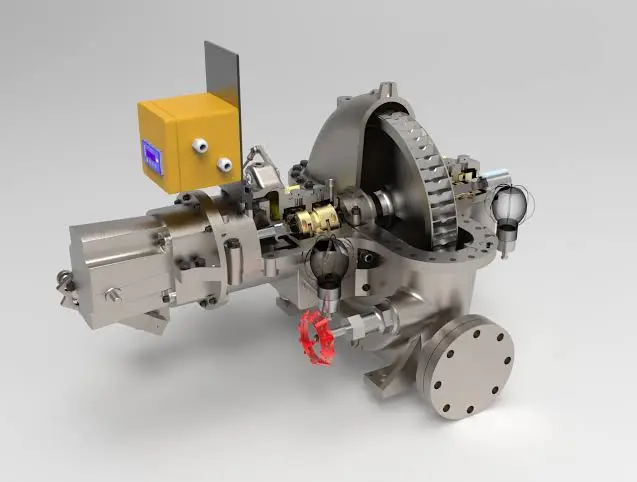
Steam Turbine Efficiency

The continued development of advanced materials will play a crucial role in turbine efficiency and longevity. Beyond superalloys and ceramics, nanotechnology is expected to be increasingly employed in turbine components. Nanomaterials, such as carbon nanotubes and graphene, offer extraordinary strength, thermal conductivity, and resistance to corrosion and wear. The incorporation of these materials could result in turbines that can operate at even higher temperatures and pressures, further enhancing their thermal efficiency and power output. These materials may also contribute to the development of lightweight turbine components, making them more suitable for new applications in industries like aviation, marine propulsion, and distributed power generation.

Hybrid Turbine Configurations

The concept of hybrid turbine systems is gaining traction, particularly in industries where both power and heat are required. In power generation, hybrid systems that combine turbines with solar thermalgeothermal, or biomass sources can provide cleaner energy solutions while optimizing resource use. For example, in a combined-cycle power plant, steam turbines are paired with gas turbines, improving the overall efficiency of the plant. Likewise, solar gas hybrid plants can incorporate solar thermal energy into the gas turbine’s operation to reduce reliance on fossil fuels. Such hybrid configurations not only improve the flexibility and efficiency of turbines but also contribute to reducing carbon emissions by utilizing renewable energy sources.

Flexibility in Fuel Use

Another significant trend is the growing demand for turbines to operate on a wider variety of fuels, including hydrogenbiofuels, and synthetic fuels. Hydrogen-powered turbines, in particular, are poised to play a critical role in decarbonizing the energy sector. Hydrogen is considered a clean fuel that, when burned, produces only water vapor as a byproduct, making it an attractive option for zero-emission power generation. Many turbine manufacturers are already developing hydrogen-compatible turbines that can operate on pure hydrogen or hydrogen-blended fuels. These turbines could be used in industries like steelmakingchemical production, and electricity generation, where high temperatures are required.

Turbine designs for carbon-neutral fuels are being refined to ensure that they can efficiently combust alternative fuels while minimizing emissions. For example, biofuels derived from organic matter, or synthetic fuels produced from renewable electricity, can replace traditional fossil fuels in turbines without the need for significant design changes. The ability of turbines to operate on multiple fuel sources enhances their adaptability, making them valuable assets in an energy system that increasingly relies on intermittent renewable energy sources like wind and solar power.

Integration with Digital Twin Technology

The integration of digital twin technology is set to revolutionize turbine operations. A digital twin is a virtual model of a turbine that simulates its performance in real-time by integrating data from sensors and other sources. This digital representation allows operators to monitor turbine performance remotely and gain insights into factors such as efficiencywear and tearvibration, and temperature. With the use of artificial intelligence (AI) and machine learning (ML), digital twins can predict future turbine behavior and recommend maintenance before a failure occurs. This predictive capability helps extend the life of turbines, reduce downtime, and optimize performance, contributing to more sustainable and cost-effective operations.

Moreover, digital twins can also be used in the design and prototyping phases, allowing engineers to test turbine configurations and materials virtually before physical production begins. This approach can lead to faster, more efficient design processes and the development of innovative turbine technologies.

Offshore and Floating Turbine Systems

As the global demand for clean energy increases, turbines are increasingly being deployed in offshore and floating turbine systems. Offshore wind farms have become a major focus for renewable energy generation, as wind speeds at sea are generally higher and more consistent than on land. Offshore turbines, particularly floating wind turbines, offer a way to harness wind energy in deeper waters where traditional fixed-bottom turbines are impractical. These floating systems use advanced buoyancy technologies to keep turbines stable while operating at sea, opening up vast new areas for renewable energy generation. Similarly, offshore steam turbines are being used in combination with geothermal energy extracted from beneath the seabed, offering the potential to develop large-scale renewable power plants far from shore.

In addition, turbines used in marine energy systems, such as tidal and wave energy turbines, are being refined for better efficiency and durability in harsh marine environments. These turbines capture energy from ocean currents, tides, or waves, offering a consistent and reliable source of renewable power. As technology improves, the cost of marine turbine systems is expected to decrease, making them a more feasible option for global energy infrastructure.

Efficiency through Supercritical and Ultra-Supercritical Steam Cycles

In the area of steam turbine technologysupercritical and ultra-supercritical steam cycles are leading to breakthroughs in efficiency. Supercritical steam cycles use steam at pressures and temperatures higher than the critical point of water (374°C and 22.06 MPa), enabling greater energy extraction from the steam. Ultra-supercritical cycles take this a step further, using even higher temperatures and pressures. These cycles improve thermodynamic efficiency, allowing power plants to generate more electricity with less fuel and reduced emissions. Turbines designed for these cycles must be built with advanced materials capable of withstanding extreme heat and pressure, pushing the boundaries of turbine design and contributing to the decarbonization of the power generation industry.

Decentralized and Micro-Grid Applications

As energy systems become more decentralized and localized, turbines are finding new roles in micro-grid and distributed generation systems. These smaller-scale power systems are designed to generate and manage electricity locally, often using a combination of renewable energy sources (like solar or wind) and backup turbine generators. Micro-grids can operate independently or be connected to the larger grid, providing flexibility and resilience to communities and industries. Turbines, particularly small-scale gas turbines and microturbines, are well-suited for these applications, as they can provide both electricity and heat for industrial and residential needs. This decentralized approach improves energy access and reliability, especially in remote or off-grid locations.

Conclusion

In conclusion, the future of turbine technology is poised to see significant advancements, driven by the demands of an evolving energy landscape. From advanced materials that enhance efficiency and durability to hybrid systems that combine renewable sources with traditional power generation, turbines are becoming more versatile and efficient. Their role in decarbonizing energy systems is increasingly crucial, as they adapt to new fuels like hydrogen and biofuels, integrate with energy storage solutions, and contribute to grid stability through advanced control systems and digital monitoring. As turbines evolve, they will continue to serve as a cornerstone of modern power systems, driving the transition toward a cleaner, more sustainable, and reliable energy future.

Primary Roles of Steam Turbines
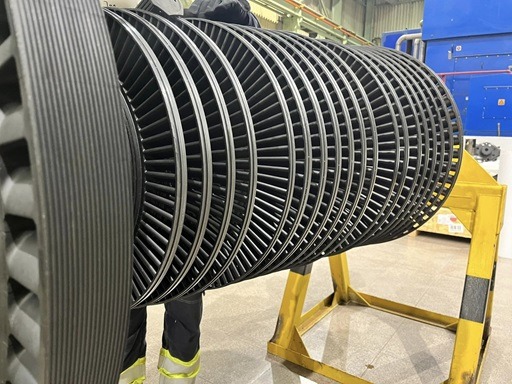
Waste Heat Recovery System

Turbines play a central role in the production of mechanical energy, which can be converted into electricity, propulsion, or mechanical work. These primary roles are crucial across a variety of industries, from power generation to transportation and manufacturing. The function and efficiency of turbines make them a vital component in modern energy systems and applications. The primary roles of turbines can be broadly categorized into the following:

Power Generation

One of the most significant and widespread roles of turbines is in electricity generation. Steam turbines, gas turbines, and even hydro turbines are essential in power plants where they convert thermal, mechanical, or hydraulic energy into electrical power. In fossil fuel power plantsnuclear power stations, and renewable energy plants, turbines are used to drive generators, providing a reliable source of electricity to the grid.

  • Steam Turbines: In thermal power plants, steam turbines are driven by high-pressure steam produced from burning fossil fuels or nuclear reactions. The steam passes through stages of blades within the turbine, expanding and transferring its energy to the rotor, causing it to spin and drive a generator.
  • Gas Turbines: In gas-fired power plants or combined-cycle power plants, gas turbines are used to generate electricity by burning natural gas or synthetic fuels. The hot gases produced by combustion expand through the turbine, driving the rotor. Combined-cycle plants utilize both gas turbines and steam turbines to achieve higher efficiencies.
  • Hydroelectric TurbinesHydropower plants convert the energy from moving water into mechanical energy. The kinetic energy of water flowing over a dam or through a river is used to spin turbines, which then drive generators to produce electricity.
  • Wind TurbinesWind power utilizes the kinetic energy from the wind to turn turbine blades, which are connected to a generator to produce electricity. These turbines are often used in offshore and onshore wind farms as part of large-scale renewable energy projects.
  • Geothermal Turbines: In geothermal power plants, steam or hot water from the Earth’s crust is used to drive turbines, converting thermal energy into mechanical energy to generate electricity. This role is especially important in regions with significant geothermal resources, like Iceland and parts of the United States.

Mechanical Power Generation

Apart from electricity generation, turbines are used to generate mechanical power for various industrial and commercial applications. This is common in industries that rely on continuous motion or high-efficiency equipment, such as in chemical plantsrefineries, and manufacturing facilities.

  • Mechanical Drives: Industrial turbines, particularly steam turbines or gas turbines, can be used to drive mechanical equipment such as pumps, compressors, and fans in industries like petrochemical, chemical, and paper manufacturing. These turbines are coupled directly to the machinery that needs to be powered, enabling continuous and reliable operation.
  • Cogeneration (Combined Heat and Power): In some industries, turbines are employed for cogeneration, where both electricity and useful heat are produced simultaneously. This process is highly efficient, as the heat produced during the turbine’s operation can be used for industrial processes, heating buildings, or powering district heating systems. Industrial cogeneration systems are common in industries like cement, steel, and food processing, where both mechanical energy and heat are essential.

Propulsion Systems

Turbines play a vital role in propulsion systems, particularly in transportation, aviation, and marine industries. By converting fuel energy into thrust or motion, turbines are responsible for powering a wide variety of vehicles and equipment.

  • Aviation (Jet Engines): In jet engines, gas turbines are used to generate thrust by accelerating exhaust gases through a series of rotating blades and nozzles. The engine burns fuel, creating hot gases that expand rapidly, driving the turbine rotor. The rotation of the turbine helps power the engine’s compressors, which provide the necessary airflow for combustion. The turbine’s function is essential for jet propulsion in both commercial aircraft and military jets.
  • Marine PropulsionGas turbines and steam turbines are used in marine propulsion systems for large vessels, including naval ships, cargo ships, and cruise liners. In ships, turbines generate high-speed mechanical power, which is then transferred to the propeller shaft to provide thrust. Marine turbines are particularly favored for their ability to produce high power with relatively compact sizes, making them well-suited for military vessels and large passenger ships.
  • Land-based Transportation: While less common in land-based vehicles, turbines are sometimes used in land-based military vehicles, like tank engines, and are also explored for use in hybrid electric vehicles. Turbines in these applications provide power in a compact and efficient manner, capable of running on various fuels.

Energy Efficiency and Load Balancing

Turbines also play an essential role in maintaining the efficiency and stability of power systems, especially in balancing supply and demand on the grid.

  • Load Following and Peak Shaving: In power generation, turbines, particularly gas turbines, are often used for load-following or peak-shaving. Gas turbines can ramp up or down rapidly, making them ideal for responding to fluctuations in demand on the electrical grid. They provide power when demand is high and can be turned off when demand decreases, helping to balance supply and demand.
  • Backup Power: In some systems, turbines serve as backup power sources, particularly in industries or regions where power outages can be particularly detrimental. These turbines are often part of emergency or standby systems, ensuring that critical infrastructure (e.g., hospitals, data centers, or industrial plants) continues to operate during power disruptions.

Renewable Energy Integration

Turbines play a key role in the integration of renewable energy into existing energy systems, helping to diversify the energy mix and reduce reliance on fossil fuels.

  • Wind Turbines: As part of the renewable energy transition, wind turbines play an increasingly important role in clean energy generation. They convert kinetic energy from the wind into electrical power, contributing to reducing carbon emissions and reliance on fossil fuels.
  • Hydropower and Tidal Energy: Turbines in hydropower and tidal power systems provide renewable energy through the conversion of the movement of water, whether from rivers, reservoirs, or ocean tides. Hydropower turbines are often part of large-scale facilities, whereas tidal turbines harness energy from the ocean’s currents to produce sustainable power.

Pumping and Water Management

Another key role of turbines is in pumping and water management, particularly in hydraulic systemsirrigation, and water supply.

  • Pumps and Compressors: In some applications, turbines are used to drive pumps and compressors that move liquids or gases through pipelines or other systems. Pumping stations rely on turbines to maintain water flow for irrigation, flood control, or municipal water supply.
  • Flood Control: In flood-prone areas, turbines may also be used to drive large pumps that help remove excess water, especially in stormwater management systems or when dealing with excess runoff. Turbines in these settings contribute to protecting infrastructure, agricultural land, and homes from flooding.

Waste Heat Recovery

Turbines also play an important role in waste heat recovery, helping to improve the overall efficiency of industrial processes and power plants.

  • Waste Heat Recovery Systems (WHR): In systems like combined heat and power (CHP) plants, turbines recover waste heat produced during the operation of other equipment. The heat is converted into steam or hot gases, which then drive a turbine to generate additional power. This improves overall system efficiency by reusing energy that would otherwise be lost.
  • Regenerative Systems: In some advanced power systems, turbines are used as part of regenerative cycles, where exhaust gases or heat from one process are redirected to fuel another process. This can help industrial facilities save energy and reduce overall fuel consumption.

Conclusion

The primary roles of turbines span a wide range of applications, each contributing to the efficient generation of power, mechanical energy, and propulsion in industries as diverse as power generationtransportationmanufacturing, and renewable energy. Their flexibility and adaptability allow turbines to play a critical part in both traditional and emerging energy systems. Whether used to generate electricity, provide mechanical power for industrial machinery, drive engines for propulsion, or support sustainable energy sources like wind and hydropower, turbines continue to be indispensable components of modern infrastructure. As technology advances, turbines will only become more efficient, environmentally friendly, and integral to the global energy transition.

Turbines are indispensable across a wide range of industries due to their ability to efficiently convert different forms of energy into useful mechanical power. In the power generation sector, turbines are at the core of electricity production, where they transform thermal, mechanical, or hydraulic energy into electrical energy. Steam turbines, driven by steam produced from burning fossil fuels or using nuclear reactions, are commonly employed in thermal power plants.

The high-pressure steam passes through a series of blades within the turbine, transferring its energy to the rotor, which then drives a generator to produce electricity. Similarly, gas turbines, found in gas-fired power plants, utilize the combustion of natural gas or synthetic fuels to produce hot gases, which drive the turbine and generate electricity. These gas turbines are also often part of combined-cycle power plants, where they are paired with steam turbines to improve overall efficiency. Turbines are also essential in renewable energy applications. Wind turbines harness the kinetic energy from the wind, converting it into electricity, while hydroelectric turbines use the energy from flowing water to generate power. Geothermal turbines, on the other hand, utilize steam or hot water from beneath the Earth’s surface to drive generators, producing electricity from geothermal resources.

Turbines also serve significant roles in industrial settings, where they are used to generate mechanical power for various processes. In chemical plants, refineries, and manufacturing facilities, turbines are coupled directly to mechanical equipment like pumps, compressors, and fans, providing the continuous motion necessary for these operations. Turbines are often utilized in cogeneration systems, where they not only produce electricity but also supply useful heat for industrial processes. This dual-generation capability significantly improves the efficiency of power generation systems. Turbines are also pivotal in load balancing on the electrical grid, helping maintain system stability. For example, gas turbines can rapidly ramp up or down to meet fluctuations in demand, providing power when needed and allowing for better management of resources. Similarly, turbines can serve as backup power sources in case of outages, ensuring the continued operation of critical infrastructure like hospitals, data centers, and industrial facilities.

In transportation, turbines are key components in propulsion systems. In aviation, gas turbines, or jet engines, convert fuel energy into thrust, propelling aircraft through the air. These engines rely on the high-temperature gases produced by burning fuel to rotate the turbine, which powers the compressors needed for combustion and the exhaust system that generates thrust. Similarly, gas turbines are also used in marine propulsion systems to power ships, where their high power output and compact size make them ideal for large vessels, including military ships and passenger vessels. While less common, turbines are also being explored in land-based transportation, including hybrid vehicles and military vehicles, where their efficiency and power density can be leveraged.

Turbines also contribute to renewable energy integration by making it possible to harness the power of the wind, water, and geothermal sources. In wind energy, turbines capture the kinetic energy of the wind and convert it into electrical power. The increasing deployment of wind farms, both onshore and offshore, contributes significantly to the global shift toward clean energy. Similarly, in hydropower and tidal energy systems, turbines convert the energy from flowing or moving water into electricity, supporting a cleaner energy future. With the world increasingly looking to decarbonize energy systems, turbines are being adapted to run on hydrogen, biofuels, and other alternative fuels, offering flexible solutions for the future of clean energy. These developments also help reduce the reliance on fossil fuels, making turbines even more vital in the global transition toward renewable and sustainable energy sources.

Turbines are also critical in water management, particularly in pumping systems. Whether for irrigationstormwater management, or municipal water supply, turbines are used to drive pumps that move liquids or gases through pipelines. Large-scale pumping stations rely on turbines to ensure a steady and reliable flow of water for various uses. In flood-prone regions, turbines drive pumps that remove excess water, mitigating the risk of floods and protecting infrastructure. Furthermore, in waste heat recovery systems, turbines help improve the efficiency of industrial processes. These systems capture waste heat from one part of the process and convert it into mechanical energy, contributing to overall system efficiency. By utilizing the heat that would otherwise be lost, turbines help reduce fuel consumption and make energy-intensive operations more sustainable.

Turbines also play a pivotal role in energy efficiency by supporting systems like combined heat and power (CHP), where both electricity and heat are generated in a single process. In industrial settings, turbines can drive the generation of electricity while also providing heat for industrial operations, district heating, or building energy needs. This approach reduces energy losses and enhances the overall productivity of a power plant or facility. As technology continues to advance, turbines are becoming more efficient, durable, and adaptable, driving innovations across sectors. As renewable energy sources like wind and solar power become more prevalent, turbines are playing an increasingly important role in stabilizing the grid and ensuring a reliable energy supply. Their versatility, efficiency, and ability to operate on a wide variety of fuels ensure that turbines will remain at the forefront of global energy production and infrastructure. The development of advanced materials, hybrid systems, and smart grid technology will only increase the importance of turbines in meeting future energy demands while reducing environmental impacts. As turbines continue to evolve, their role in providing reliable, clean, and efficient power will remain essential in shaping the future of energy.

Steam Turbine Generator Manufacturers

As we look towards the future, the role of turbines will continue to evolve and adapt to emerging technological advancements and global energy demands. One of the most significant trends shaping the future of turbines is the push toward decarbonization and the integration of clean energy technologies. This will necessitate innovations in turbine design to accommodate new fuels, improve energy efficiency, and support the growing demand for renewable energy sources.

The development of hydrogen-powered turbines is a key area of focus. Hydrogen, when burned as a fuel, produces only water vapor, making it a clean alternative to traditional fossil fuels. Hydrogen-powered turbines are being designed to operate on either pure hydrogen or hydrogen blends with natural gas, offering a low-carbon solution for power generation. These turbines can play a major role in reducing emissions in hard-to-decarbonize sectors, including heavy industries and transportation. In addition, as green hydrogen becomes more widely available through renewable energy-powered electrolysis, turbines powered by hydrogen could help achieve a more sustainable and carbon-neutral energy system.

The growth of offshore wind energy is another area where turbines are expanding their role. Offshore wind turbines, particularly floating wind turbines, have become an increasingly viable option for large-scale renewable energy production in deep water areas. Floating turbines allow for the deployment of wind farms in locations that were previously inaccessible to traditional fixed-bottom turbines, vastly increasing the potential for offshore wind energy. These turbines will require advanced materials and innovative designs to withstand the harsh marine environment and provide continuous, reliable power. As the cost of offshore wind energy continues to decline and the technology matures, turbines will become a cornerstone of the global renewable energy transition.

Moreover, digitization and smart technology are transforming the way turbines are monitored, maintained, and optimized. The integration of artificial intelligence (AI)machine learning (ML), and Internet of Things (IoT) technology into turbine systems allows for real-time monitoring, predictive maintenance, and enhanced performance optimization. Digital twins, virtual models of turbines, are increasingly used to simulate real-world performance, enabling operators to monitor conditions remotely and predict potential failures before they happen. This predictive capability improves the lifespan and reliability of turbines, reduces downtime, and increases operational efficiency. By continuously analyzing data from sensors and operational inputs, these smart systems can adjust turbine settings in real time to optimize efficiency based on environmental conditions or energy demand, contributing to better grid stability and energy distribution.

In parallel, advancements in materials science are enabling turbines to operate at higher temperatures and pressures, which directly contributes to improved efficiency. Superalloysceramics, and composite materials are being developed to withstand the extreme conditions inside high-efficiency turbines. For example, ultra-supercritical steam turbines, which operate at higher temperatures and pressures than traditional turbines, are being employed in power plants to extract more energy from the same amount of fuel. These advances in materials science allow turbines to operate more efficiently and for longer periods of time, reducing fuel consumption and extending the life of turbines.

In the transportation sector, turbines will continue to play a crucial role in aircraft propulsion and marine energy systems. In aviation, next-generation jet engines are being developed to reduce fuel consumption and emissions. Hybrid and fully electric aircraft turbines are under research to pave the way for zero-emission flights, particularly for short to medium-haul routes. These turbines will likely incorporate new energy storage technologies, such as battery-electric or fuel cell systems, to work alongside conventional jet engines or provide propulsion for smaller aircraft. Similarly, marine turbines, such as those used in submarines and naval ships, are being improved for greater efficiency, power output, and environmental performance. Marine turbines will also be used in conjunction with alternative fuels like biofuels and ammonia to reduce carbon emissions in the maritime industry, which has traditionally been one of the largest sources of global greenhouse gases.

Microturbines and small-scale turbines are also gaining prominence in distributed energy applications. These turbines are compact and can be deployed for power generation in homes, businesses, and remote areas. As energy systems become more decentralized, microturbines will provide a reliable and efficient means of power generation, especially in combination with solarwind, and battery storage systems. Microturbines are ideal for off-grid applications, rural communities, and emergency backup systems, offering flexible, small-scale solutions to meet local energy needs.

The role of turbines in combined heat and power (CHP) systems will also become more prominent as industries seek to improve their energy efficiency. In these systems, turbines not only generate electricity but also capture the heat produced during the process, which can be used for heating or industrial processes. This cogeneration reduces energy waste and enhances the overall efficiency of power plants and industrial facilities. District heating systems, in which turbines supply heat to entire communities or neighborhoods, are another example of how turbines are being leveraged to improve energy efficiency on a larger scale.

Lastly, as the world transitions to a more sustainable energy future, turbines will play a pivotal role in integrating renewable energy sources into the grid. Wind and solar energy, while growing rapidly, are intermittent by nature. Turbines, particularly gas turbines, can be used to balance these fluctuations in supply by providing backup power when renewable generation is low or demand spikes. By acting as peaking power plants and grid stabilizers, turbines ensure a consistent and reliable energy supply while supporting the integration of renewables. Additionally, turbine systems will be coupled with energy storage technologies such as batteries or compressed air energy storage to further enhance grid stability and flexibility.

The increasing demand for clean, reliable, and affordable energy will ensure that turbines remain a critical component of the global energy infrastructure. Their ability to adapt to new fuels, technologies, and energy systems will cement their place as a cornerstone of both traditional and renewable energy generation. As technology advances, turbines will continue to become more efficient, flexible, and sustainable, supporting the transition to a low-carbon economy and helping meet the world’s growing energy needs.

Energy Output from Steam Turbines
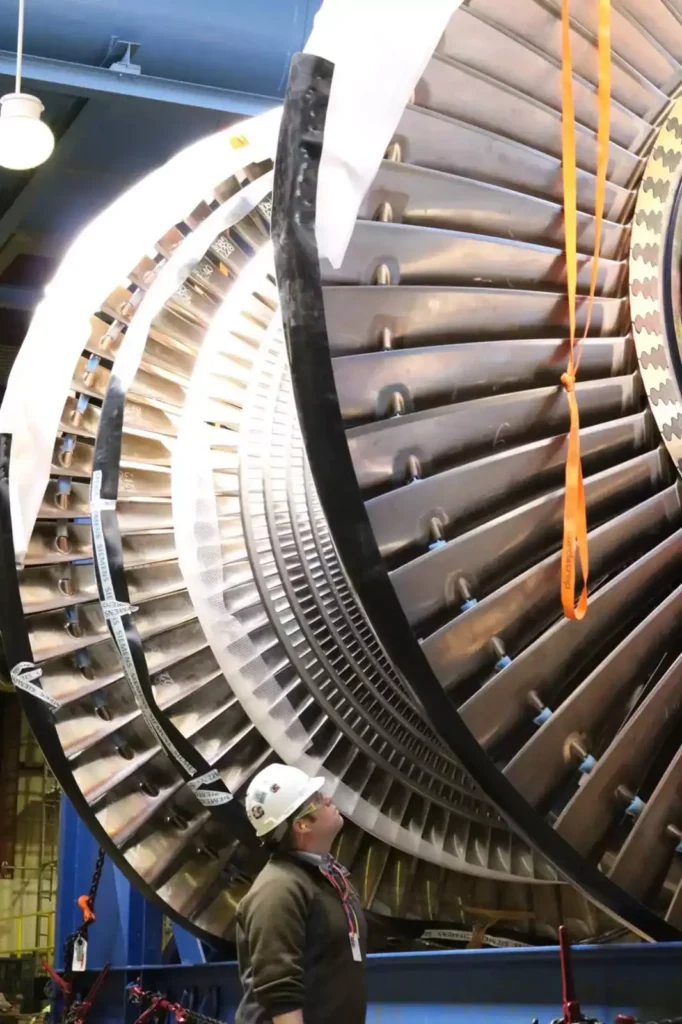
Turbine Generators: Working Principle and Operation

Energy output from turbines is a critical measure of a turbine’s effectiveness in converting various energy sources into usable mechanical or electrical energy. The efficiency and power output of a turbine are influenced by a range of factors, including the type of turbine, the energy source used, the design of the turbine, and the operating conditions. Turbines are designed to maximize energy conversion from thermal, kinetic, or hydraulic energy, and their output is typically measured in terms of power, expressed in watts (W), kilowatts (kW), megawatts (MW), or even gigawatts (GW) for larger systems. Understanding the energy output from turbines involves several key aspects that include the operating conditions, the type of turbine, and its role in the energy system.

In steam turbines, the energy output is primarily determined by the thermal energy provided by the steam. Steam turbines convert the thermal energy of high-pressure steam into mechanical energy. The steam is produced by burning fossil fuels (coal, natural gas, oil), nuclear reactions, or even renewable sources like biomass. The efficiency of the steam turbine depends on the temperature and pressure of the steam, with higher temperatures and pressures leading to higher energy output. Advanced supercritical and ultra-supercritical steam turbines operate at higher pressures and temperatures, allowing for more efficient conversion of heat into mechanical energy and, subsequently, electricity. The power output from steam turbines can range from small-scale units (in industrial applications) to large-scale generators used in thermal power plants and nuclear power stations, which can have outputs in the range of hundreds of megawatts.

Gas turbines, commonly used in both power generation and transportation, operate based on the combustion of fuel (usually natural gas, but sometimes diesel or other fuels). These turbines convert the high-temperature exhaust gases generated by combustion into mechanical power. The energy output of gas turbines depends largely on the efficiency of the combustion process, the temperature and pressure of the gases, and the design of the turbine. Gas turbines are highly flexible and can produce power quickly, making them ideal for peak-load generation, where they are brought online during periods of high electricity demand. In combined-cycle power plants, gas turbines are paired with steam turbines to increase overall efficiency. The energy output from gas turbines can also vary significantly, ranging from tens of kilowatts in smaller industrial or backup systems to hundreds of megawatts in large-scale combined-cycle plants.

Hydroelectric turbines generate energy by converting the kinetic energy of moving water into mechanical energy. Water flowing from a height or through a dam is directed toward turbines, which are driven by the force of the water’s movement. The amount of energy a hydroelectric turbine can generate is determined by the volume of water passing through the turbine, the height from which the water falls (referred to as “head”), and the efficiency of the turbine itself. Large-scale hydroelectric plants can produce significant energy outputs, often in the range of several hundred megawatts to gigawatts, depending on the size and capacity of the facility. These turbines are particularly important in regions with abundant water resources and are one of the largest sources of renewable electricity globally. Small-scale or micro-hydro turbines are also used in rural or off-grid locations to generate localized power, providing energy outputs in the range of kilowatts to tens of kilowatts.

Wind turbines generate electrical energy by harnessing the kinetic energy of the wind. The blades of a wind turbine capture the wind’s motion, causing them to spin, which in turn drives a generator to produce electricity. The energy output of a wind turbine depends on the wind speed, the size of the turbine’s blades, and the efficiency of the turbine. The power output increases with the cube of the wind speed, meaning that a small increase in wind speed can result in a significant increase in energy production. Modern onshore wind turbines can have outputs ranging from 1.5 MW to 3 MW, while offshore wind turbines, which benefit from higher and more consistent wind speeds, can produce 8 MW or more per unit. Wind energy is one of the fastest-growing sources of renewable energy worldwide, and the output from wind turbines continues to increase as turbine technology improves.

Geothermal turbines use the thermal energy stored in the Earth to generate electricity. The heat from underground reservoirs of hot water or steam is brought to the surface, where it drives turbines connected to generators. The power output of geothermal turbines is influenced by the temperature and pressure of the geothermal fluids, as well as the efficiency of the turbines. Geothermal power plants, typically located in areas with significant geothermal activity, such as parts of the United States, Iceland, and New Zealand, can produce energy outputs in the range of tens of megawatts. Unlike other renewable sources, geothermal energy provides a stable and continuous source of power, making it a valuable part of the energy mix.

The energy output from wind turbines can vary greatly depending on factors such as the wind speed, the size of the turbine, and its location. At lower wind speeds, turbines may not produce much energy, while at higher speeds, they can reach their maximum power output. Modern onshore wind turbines typically generate between 1.5 MW and 3 MW of electricity, whereas larger offshore turbines can produce 8 MW or more. The amount of energy produced also depends on the efficiency of the turbine design and the surrounding environment, with wind farms strategically placed in areas that experience consistently strong winds. Turbine size and design are critical for achieving optimal output, with larger blades and higher tower heights increasing the potential for power generation. Offshore wind farms, in particular, benefit from the fact that wind speeds are typically higher and more consistent over the open water.

The energy output from turbines is also closely tied to their operating efficiency. Turbines are designed to operate within certain parameters to maximize their energy output while minimizing losses. This efficiency is influenced by the turbine’s design, the quality of materials used, and the conditions under which it operates. For example, high-efficiency gas turbines used in combined-cycle power plants can achieve efficiencies of over 60%, making them one of the most efficient methods of generating electricity. In comparison, older steam turbines in conventional power plants may operate at lower efficiencies, especially if they are not designed for modern supercritical or ultra-supercritical steam conditions. Wind and hydro turbines also vary in their efficiency, with factors such as blade design, generator efficiency, and environmental conditions affecting overall performance.

One of the key factors in determining the energy output of a turbine is the capacity factor, which is a measure of how much power a turbine actually generates compared to its maximum possible output over a given period of time. This factor takes into account variations in environmental conditions, equipment downtime for maintenance, and other factors that can reduce a turbine’s output. For example, wind turbines have a capacity factor that can range from 25% to 45%, depending on the location and wind conditions. On the other hand, hydroelectric turbines typically have a higher capacity factor, often exceeding 50% to 60%, due to the steady and predictable nature of water flow.

Energy output from turbines can also be influenced by storage systems. In renewable energy systems, particularly wind and solar, the energy generated by turbines is often stored in batteries or other energy storage systems for later use. This allows turbines to continue generating energy even when the renewable resource (wind or sunlight) is not available. Battery storage systemspumped hydro storage, and compressed air energy storage can be used to store excess energy produced by turbines during periods of low demand, ensuring a steady and reliable energy supply when production decreases or demand peaks. The integration of turbines with storage systems is a key development in making renewable energy more reliable and reducing dependence on fossil fuels.

Ultimately, the energy output of turbines is a reflection of their capacity to convert mechanical, thermal, or kinetic energy into usable power. Whether in the form of electricity generation for the grid or mechanical power for industrial processes, turbines continue to be a cornerstone of modern energy systems. As technologies advance and demand for renewable energy grows, turbines will continue to evolve, increasing in size, efficiency, and adaptability to meet the energy challenges of the future.

As turbine technologies continue to evolve, several key trends and innovations are shaping the future of energy output. Advanced materials and design enhancements are playing a crucial role in maximizing the energy output from turbines. With ongoing advancements in materials science, turbines are becoming more durable, efficient, and capable of handling extreme conditions. High-performance composite materials and ceramic coatings allow turbines to operate at higher temperatures and pressures without compromising their structural integrity. For example, the use of advanced alloys and coatings in steam and gas turbines allows for greater thermal efficiency, enabling these turbines to extract more energy from the same amount of fuel.

Hybrid turbine systems are another innovation that has the potential to significantly enhance energy output. These systems combine different types of turbines or integrate turbines with other power generation technologies. For instance, solar-thermal hybrid systems can incorporate turbines to generate electricity from concentrated solar power (CSP). In these systems, solar energy is used to generate heat, which then drives a steam turbine to produce power. Similarly, hybrid power plants that combine wind and gas turbines or biomass and steam turbines can provide a more stable and reliable energy output, improving the overall efficiency and capacity factor of the system.

In the field of wind energy, the development of taller wind turbines is allowing for increased energy output by accessing higher and more consistent wind speeds. As the wind resource at higher altitudes tends to be stronger and more stable, taller turbines are able to generate more power over the same time period. Additionally, floating wind turbines are expanding the potential for wind energy by enabling turbines to be deployed in deeper waters, where traditional fixed-bottom turbines would not be feasible. These floating platforms allow for greater access to offshore wind resources, which can lead to higher capacity factors and more reliable energy production.

Another important factor driving energy output is the development of energy storage technologies. As more renewable energy sources like wind and solar are integrated into the grid, the intermittency of these sources can affect the consistency of energy output. Advanced battery storage systems, such as lithium-ion and solid-state batteries, allow for the capture of excess energy generated during periods of high production, such as during strong winds or sunny days, and release it during periods of low generation. This helps smooth out fluctuations in renewable energy output and ensures that turbines can continue to contribute to the grid even when environmental conditions change. Pumped hydro storagecompressed air energy storage, and flywheels are also important technologies that can help store energy produced by turbines, making renewable energy more reliable and helping to balance supply and demand.

In addition to improving energy output through physical and technological enhancements, there is also a growing emphasis on digitalization and data-driven optimization. The integration of smart sensorsbig data analytics, and machine learning algorithms allows for real-time monitoring and performance optimization of turbines. By continuously gathering and analyzing data from turbines, operators can identify inefficiencies and make adjustments to improve energy output. For example, predictive maintenance can help ensure turbines operate at peak efficiency by identifying potential issues before they lead to costly breakdowns or inefficiencies. Moreover, artificial intelligence (AI) can be used to optimize turbine operation, adjusting parameters such as blade pitch or rotor speed in real time based on environmental conditions or demand patterns, further improving energy output.

Energy output from turbines is also being shaped by the global push toward decarbonization and reducing greenhouse gas emissions. As governments, industries, and consumers increasingly prioritize clean energy solutions, turbines are evolving to support low-carbon technologies. The transition to hydrogen-powered turbines is one example of how turbines are adapting to the demand for cleaner energy sources. Hydrogen, when used as a fuel, produces no carbon emissions, and hydrogen-powered turbines can help decarbonize industries that are traditionally difficult to electrify, such as heavy manufacturing, steel production, and transportation.

Furthermore, bioenergy and biomass turbines are providing a renewable solution to replace traditional fossil fuel-based power generation. Biomass turbines operate by burning organic materials like wood pellets, agricultural waste, or dedicated energy crops to generate heat and power. Biomass is considered carbon-neutral since the carbon dioxide released during combustion is offset by the carbon absorbed by the plants during their growth. Biomass-powered turbines are part of the circular economy approach, where waste materials are used as resources for energy production, further improving the sustainability of the power generation sector.

The concept of distributed energy generation is also reshaping the role of turbines in energy output. Rather than relying on large, centralized power plants, turbines are being increasingly deployed in smaller, decentralized configurations, where power is generated closer to where it is needed. Microturbines, for example, can be used in residential, commercial, or industrial settings to generate power on-site. These small-scale turbines are highly flexible and can be used in combination with other distributed energy resources, such as solar panels, battery storage, and electric vehicle charging stations, to provide reliable and efficient energy output in remote areas or as backup power systems.

As renewable energy systems continue to grow, grid stability and energy storage will become increasingly important in managing the energy output from turbines. While wind and solar energy are abundant, their variability presents challenges for maintaining a steady and reliable energy supply. Turbines, particularly gas turbines and hydropower turbines, are often used to complement intermittent renewable resources by providing load-following and peak-shaving capabilities. These turbines can be brought online quickly during periods of high demand or when renewable generation is low, ensuring that the grid remains stable and that energy output is consistently delivered to consumers.

In conclusion, the energy output from turbines is being shaped by a combination of advances in technology, design, and materials science. With improvements in turbine efficiency, the integration of storage technologies, and the continued growth of renewable energy, turbines are becoming even more critical to the future of global energy systems. Their adaptability to different energy sources, from traditional fossil fuels to cleaner alternatives like hydrogen and biomass, ensures that turbines will remain at the heart of power generation for decades to come. As technology continues to evolve, turbines will play a central role in meeting the world’s growing energy demands, while supporting the transition to a sustainable, low-carbon energy future.

As turbine technologies continue to develop, further advancements are expected to significantly enhance the overall performance and output of turbines in various sectors. This includes greater integration of artificial intelligence (AI)big data, and automation, which are transforming how turbines operate and how their output is managed. In the future, turbines will be able to self-optimize and adjust in real-time to maximize energy output while maintaining system stability, reducing operational costs, and improving lifespan. Here are some more trends and innovations that will drive the evolution of turbine energy output:

1. Integration of Artificial Intelligence and Machine Learning

Artificial intelligence and machine learning algorithms will play a significant role in optimizing turbine performance. These technologies will continuously monitor turbine operations and environmental conditions, making real-time adjustments to improve efficiency and output. AI can help predict potential malfunctions or performance degradation, allowing for predictive maintenance that reduces downtime and ensures turbines are operating at peak performance. By analyzing vast amounts of operational data, AI-driven systems can determine optimal operating conditions for turbines, minimizing energy losses, and improving power output. Over time, AI will be able to identify patterns and implement corrective actions more quickly than human operators, making the entire system more responsive and efficient.

2. Advanced Computational Fluid Dynamics (CFD)

Another exciting area of development is the use of computational fluid dynamics (CFD) in the design of turbine blades and other critical components. CFD simulations allow engineers to model and analyze how fluids (such as steam, water, air, or gas) behave inside turbines under different operating conditions. This technology enables turbine designers to optimize blade shapes, rotor dynamics, and cooling systems for maximum energy conversion. By reducing losses caused by turbulence, drag, or friction, CFD can help improve the overall energy output of turbines. In wind turbines, for example, more efficient blade designs resulting from CFD simulations can allow turbines to generate more power from lower wind speeds, thus increasing their energy capture.

3. Hybrid and Multi-Fuel Turbines

The future of turbine energy output is closely linked to the increasing flexibility of turbines to operate on a variety of fuels. As the energy sector moves toward cleaner, low-carbon alternatives, hybrid and multi-fuel turbines are emerging as solutions to increase energy output while reducing emissions. For example, gas turbines can be designed to switch between different fuels like natural gas, hydrogen, or synthetic fuels, depending on availability and cost. Similarly, turbines may be used in combination with renewable energy sources such as solar or wind, creating hybrid systems that can maintain a steady output while minimizing reliance on fossil fuels. This approach enhances the versatility of turbine technology and enables operators to increase power generation while reducing environmental impact.

4. Offshore and Floating Wind Turbines

As offshore wind energy grows, turbines will continue to increase in size and capacity. Floating wind turbines, which can be deployed in deep waters far from shore, represent a major leap forward in the capacity of wind power. These turbines are mounted on floating platforms that can be tethered to the seabed, enabling them to access stronger and more consistent winds than onshore turbines. Floating wind turbines are also more scalable than traditional offshore turbines and can be deployed in previously unreachable areas. The energy output of these turbines can range from several megawatts to potentially more than 10 MW per unit, significantly increasing the contribution of wind energy to the global grid.

5. Energy Storage and Grid Integration

The integration of turbines with advanced energy storage systems will become increasingly important in the future to ensure consistent energy output. Battery storage (such as lithium-ion and solid-state batteries) and other storage methods like pumped hydro storagecompressed air energy storage (CAES), and flywheels can store excess energy generated during periods of low demand or high renewable production. This stored energy can then be released when needed, smoothing out fluctuations in power generation and improving the overall efficiency of turbines. Energy storage will help mitigate the intermittency issues associated with renewable sources like wind and solar, allowing turbines to operate in synergy with storage systems and provide more reliable and consistent energy output.

6. Turbine Digitalization and Remote Monitoring

The digitalization of turbine systems, including the use of smart sensorsIoT (Internet of Things) devices, and cloud computing, is transforming how turbines are monitored, maintained, and optimized. Digital technologies enable real-time monitoring of turbine performance, allowing for immediate detection of inefficiencies or malfunctions. Remote monitoring systems can track turbine health from anywhere in the world, enabling operators to diagnose and resolve issues without needing to be physically on-site. This reduces maintenance costs, increases turbine availability, and improves overall energy output. Additionally, cloud-based platforms enable more sophisticated data analytics and optimization techniques that can continuously refine turbine performance over time.

7. Enhanced Wind Turbine Blade Materials

The materials used in the construction of wind turbine blades are undergoing significant innovation. As the demand for larger and more efficient turbines grows, composite materials that are lighter and more durable are being developed to improve turbine performance. For example, carbon fiber and advanced epoxy resins are being used to create longer, more aerodynamic blades that can capture more energy from the wind. Lighter blades reduce the weight of the turbine structure, enabling turbines to be installed on taller towers, which are exposed to stronger winds and can generate more power. The durability of these new materials also helps extend the lifespan of turbines, further improving energy output and reducing the need for costly replacements.

8. Concentrated Solar Power (CSP) Integration

In addition to wind and hydropower, concentrated solar power (CSP) is emerging as a promising method for enhancing turbine energy output. CSP systems use mirrors or lenses to focus sunlight onto a receiver, which heats a fluid that then drives a turbine to generate electricity. This technology can be integrated with thermal energy storage systems to provide a consistent power output, even when the sun isn’t shining. CSP can be used in combination with other power generation methods, such as gas or steam turbines, to create hybrid thermal power plants that can operate efficiently 24/7. These hybrid systems can deliver a high energy output while leveraging solar power during the day and conventional fuels at night.

9. Carbon Capture and Storage (CCS) in Turbines

As the world moves toward decarbonizing power generation, the incorporation of carbon capture and storage (CCS) systems in turbine power plants is a critical strategy for reducing greenhouse gas emissions. By capturing CO2 emissions at the source and storing them underground, CCS technologies enable the continued use of fossil fuel-based turbines while minimizing environmental impact. In the future, turbines may be designed with integrated CCS systems that capture emissions during operation, improving the overall sustainability of power generation and allowing turbines to remain a part of the energy mix even in a low-carbon future.

10. Integration with Smart Grids and Distributed Energy Resources

The future of turbine energy output will also be closely tied to the rise of smart grids and distributed energy resources (DERs). Smart grids use digital communication technology to better monitor and manage electricity flow, ensuring that power from turbines is efficiently distributed across the grid. By integrating turbines with DERs such as solar panels, batteries, and microgrids, energy can be generated closer to where it is needed, reducing transmission losses and increasing overall energy efficiency. Turbines in these systems can be controlled and optimized in real-time based on supply and demand, ensuring a stable and reliable power output.

11. Emerging Small-Scale and Micro-Turbines

While large-scale turbines dominate power generation, there is growing interest in small-scale turbines for decentralized power generation. Microturbines and small-scale turbines are being developed for use in residential, commercial, and industrial applications. These compact turbines are highly efficient and flexible, capable of operating on a variety of fuels, including natural gas, biogas, and hydrogen. They can be used to provide power in remote areas or as part of hybrid energy systems that combine multiple energy sources. As energy demand grows, microturbines will offer an efficient, scalable solution for distributed generation and backup power, providing significant benefits in terms of energy output and reliability.

In conclusion, the future of turbine energy output is intertwined with advancements in technology, fuel flexibility, and system integration. By leveraging emerging technologies, turbines will continue to improve their efficiency, energy output, and environmental sustainability. Whether through better materials, digitalization, hybrid systems, or integration with renewable energy, turbines will remain a cornerstone of modern energy systems, playing a key role in meeting the world’s growing demand for clean, reliable, and efficient energy.

Theoretical Basics of Steam Turbine Energy
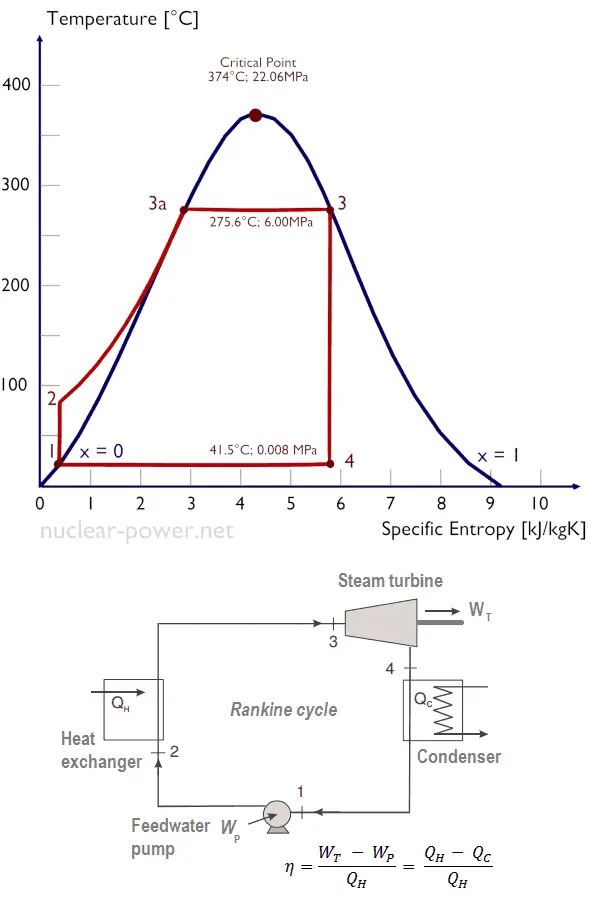
Steam turbine Decarbonization

Theoretical principles behind turbine energy involve a blend of thermodynamics, fluid mechanics, and mechanical engineering that together govern the conversion of energy into useful work. These principles form the foundation for the design, operation, and optimization of turbines across a variety of applications, including steam, gas, and wind turbines. Understanding the theoretical basics allows engineers and researchers to predict turbine behavior, optimize energy output, and improve the overall efficiency of power generation systems.

1. Energy Conversion and the First Law of Thermodynamics

The fundamental process behind turbines is energy conversion, where energy in the form of steam, gas, or wind is transformed into mechanical energy (usually rotational energy) to generate electricity or perform mechanical work. The First Law of Thermodynamics, also known as the law of conservation of energy, states that energy cannot be created or destroyed, only converted from one form to another. In turbines, energy is typically extracted from a high-energy fluid (steam, air, or gas) and converted into kinetic energy, which drives a rotor to produce mechanical work.

For example, in a steam turbine, water vapor at high pressure enters the turbine and passes through a series of stages where its thermal energy is converted into kinetic energy as it expands through the rotor blades. The expansion of the steam drives the turbine, which is connected to a generator, converting the mechanical energy into electrical energy. The process is governed by principles of enthalpyentropy, and pressure-volume relationships, which determine how energy flows through the system and how efficiently it is converted.

2. Thermodynamics of Fluid Flow

In the operation of turbines, the behavior of the working fluid (steam, gas, or air) is governed by thermodynamic principles. One of the key concepts is the Rankine cycle (for steam turbines) and the Brayton cycle (for gas turbines), which describe the energy conversion process in these machines.

  • Rankine Cycle: In steam turbines, the Rankine cycle explains how water is heated into steam, expanded to do work in the turbine, and then condensed back into water. The cycle is composed of four main processes: heat addition at a constant pressure, expansion through the turbine (where work is done), heat rejection in the condenser, and compression of the water in the pump.
  • Brayton Cycle: For gas turbines, the Brayton cycle consists of compression of air, followed by heat addition (usually by combustion), expansion through the turbine, and finally heat rejection through a cooler or exhaust. The cycle is typically more efficient at higher temperatures, which is why modern gas turbines operate at very high temperatures and pressures.

Understanding these cycles is critical for optimizing turbine design and operation. Efficiency improvements, such as reducing heat loss, optimizing pressure and temperature conditions, and improving material properties, are all guided by the principles of thermodynamics.

3. Entropy and the Second Law of Thermodynamics

The Second Law of Thermodynamics introduces the concept of entropy, a measure of the disorder or randomness of a system. In the context of turbines, the Second Law explains that no process is perfectly efficient; there will always be losses due to friction, heat dissipation, and other factors that increase the entropy of the system.

In ideal turbines, where entropy increase is minimized, the energy conversion process would be perfectly efficient. However, in real turbines, losses occur due to the inherent friction between moving parts, heat losses through the casing, and mechanical inefficiencies. The goal of turbine design is to minimize these losses by using high-efficiency components, advanced materials, and optimized operating conditions.

For example, in steam turbines, steam expands in a series of stages, and ideally, the steam should expand isentropically (with no change in entropy). However, due to friction and other losses, the expansion process is not perfect, and some energy is lost. Engineers aim to reduce this loss through better blade designs, materials that can withstand higher temperatures, and improved lubrication and cooling systems.

4. Fluid Dynamics and Turbine Blade Design

Fluid dynamics is a crucial aspect of turbine design, as it governs how the working fluid moves through the turbine blades. In a turbine, the working fluid (steam, gas, or air) flows over or through a series of blades that are strategically shaped to extract energy from the fluid. The principles of fluid dynamics, including Bernoulli’s principlecontinuity equation, and Navier-Stokes equations, help engineers understand the behavior of fluids as they interact with turbine blades.

  • Bernoulli’s Principle explains how fluid velocity and pressure are related. As steam or gas flows over the blades of a turbine, its velocity increases and pressure decreases. This pressure drop helps to convert thermal energy into kinetic energy, driving the turbine blades.
  • The continuity equation ensures that mass is conserved as the fluid passes through the turbine. It relates the velocity of the fluid to the cross-sectional area of the flow path and ensures that the mass flow rate remains constant throughout the system.
  • Navier-Stokes equations describe the motion of viscous fluid flows. These equations are crucial in modeling how fluids behave under various conditions inside the turbine, especially when the fluid is turbulent or when it undergoes expansion or compression.

Blade design is critical to maximizing energy extraction from the fluid. Blades are shaped to optimize the angle of attack (the angle between the fluid flow and the blade surface) and to minimize losses due to turbulent flow, separation, and friction. The goal is to convert as much of the fluid’s thermal energy into mechanical work as possible, with minimal losses due to inefficient fluid flow patterns.

5. Rotor Dynamics and Mechanical Principles

The rotor, which is the central rotating component of a turbine, is subject to a variety of mechanical forces as it interacts with the fluid. Rotor dynamics is a branch of mechanical engineering that deals with the behavior of rotating systems, particularly the effects of forces like centrifugal forcestorsional vibration, and thermal stresses on the rotor’s stability and performance.

The rotor is typically connected to a shaft, which is linked to a generator or mechanical load. The efficiency of energy conversion depends on how effectively the rotor can extract energy from the working fluid and transfer it to the shaft without excessive vibrations or mechanical losses. The rotor must be designed to withstand the forces generated during turbine operation, which may involve dynamic balancingfatigue analysis, and careful consideration of material properties to prevent failure under high-stress conditions.

One important concept in rotor dynamics is resonance, which occurs when the natural frequency of the rotor matches the frequency of external forces (such as fluid pulsations or mechanical vibrations). Engineers must ensure that turbine rotors are designed to avoid resonance, as this can lead to catastrophic failure.

6. Mechanical Work and Power Output

The ultimate goal of a turbine is to convert thermal or kinetic energy into mechanical work that can be used to generate electricity or perform other tasks. The work done by the turbine is the result of the force exerted by the working fluid on the blades as it moves through the turbine stages. This force causes the rotor to rotate, and the mechanical energy is transferred to a shaft connected to a generator or other load.

The amount of work and energy output depends on several factors:

  • Mass flow rate of the fluid: The greater the mass flow rate of steam, gas, or air passing through the turbine, the more energy is available for conversion.
  • Pressure and temperature conditions: Higher pressure and temperature conditions enable the fluid to carry more energy, which can then be converted into mechanical work.
  • Turbine efficiency: Ideal turbines would convert all available energy into work. However, in reality, some energy is lost due to friction, heat dissipation, and other inefficiencies.

Power output from a turbine is typically measured in terms of shaft power (the mechanical energy delivered by the turbine) or electric power (in the case of generators), and it is generally calculated as the product of torque and angular velocity (for rotational motion).

7. Theoretical Efficiency and Performance Optimization

The theoretical efficiency of a turbine is determined by comparing the actual energy output to the maximum possible energy output, as dictated by thermodynamic laws. In ideal conditions (e.g., isentropic expansion), turbines can achieve near-perfect efficiency, but in practice, losses due to friction, turbulence, heat dissipation, and mechanical inefficiencies reduce the actual efficiency.

To optimize turbine performance, engineers focus on reducing these losses through improved materials, better aerodynamics, and more precise control over operating conditions. Additionally, modern turbines are often equipped with variable geometry blades or control systems that allow them to adapt to changing operating conditions, optimizing performance across a wide range of loads and fluid characteristics.

In summary, the theoretical basics of turbine energy are grounded in fundamental principles of thermodynamics, fluid dynamics, and mechanical engineering. By understanding these principles, engineers can design turbines that convert thermal or kinetic energy into useful work with high efficiency, while also identifying ways to minimize losses and optimize energy output. Advances in turbine technology continue to rely on these theoretical foundations to improve performance, reduce environmental impact, and meet the increasing global demand for sustainable energy solutions.

The theoretical understanding of turbine energy revolves around the application of fundamental principles of thermodynamics, fluid dynamics, and mechanical engineering. At the core of turbine operation is the conversion of energy, typically in the form of thermal or kinetic energy, into mechanical work. The principle that governs this process is the First Law of Thermodynamics, which asserts that energy can neither be created nor destroyed, but can only change form. In turbines, thermal or kinetic energy from fluids like steam, gas, or air is converted into rotational mechanical energy, which can be harnessed to do work or generate electricity.

The efficiency with which turbines convert energy depends heavily on the properties and behavior of the working fluid. In steam turbines, the Rankine cycle governs the energy transformation, where steam is heated, expanded through the turbine to do work, and then cooled and condensed back into water. This cycle involves heat addition, expansion, heat rejection, and compression, all of which need to be optimized to minimize losses. Similarly, gas turbines follow the Brayton cycle, in which air is compressed, mixed with fuel and combusted, and then expanded through a turbine to generate mechanical work. The performance of turbines is thus deeply influenced by the interplay between the thermodynamic cycles, temperature, pressure, and volume conditions of the working fluid.

At a deeper level, the behavior of fluids within turbines is influenced by the Second Law of Thermodynamics, which introduces the concept of entropy. While the First Law tells us that energy is conserved, the Second Law explains that energy transformations always result in some degree of energy loss due to entropy, or the increase in disorder. In turbines, this manifests in losses that occur due to friction, heat dissipation, and other factors that increase the disorder of the system. Although ideal turbines operate under conditions that minimize entropy, in reality, these losses are inevitable, and engineers aim to design turbines that keep these losses as low as possible to maximize energy conversion efficiency.

Fluid dynamics plays a critical role in understanding how the working fluid interacts with the turbine blades. When the fluid flows over the blades, it imparts kinetic energy that drives the rotor. This process is influenced by principles like Bernoulli’s principle, which describes how fluid velocity and pressure are inversely related in a flow. As the steam or gas flows through the turbine blades, it accelerates, and its pressure drops. This pressure difference is what drives the turbine’s rotation. The continuity equation ensures that mass flow is conserved as the fluid moves through the turbine, and the Navier-Stokes equations govern the movement of the fluid, accounting for turbulence and viscosity that can affect turbine performance.

The blades themselves are designed to capture as much energy as possible from the fluid while minimizing losses due to turbulence, friction, and separation of the flow from the blade surface. The angle of the blades and their shape are critical to optimizing this energy capture. Blade design is deeply connected to rotor dynamics, as the rotation of the turbine is influenced by the forces exerted by the fluid on the blades. These forces include centrifugal forcestorsional vibration, and thermal stresses, all of which affect the rotor’s stability and performance. The behavior of rotating machinery under these forces is studied in rotor dynamics, where engineers ensure that the blades and rotor are designed to handle these stresses while maintaining efficient operation.

The mechanical work produced by the turbine is the result of the fluid’s energy being transferred to the blades, which causes the rotor to rotate. This rotational energy is then converted into electrical energy by coupling the turbine to a generator. The amount of energy generated depends on factors like the mass flow rate of the working fluid, the pressure and temperature conditions of the fluid, and the efficiency of the turbine itself. High-efficiency turbines are designed to extract as much energy as possible from the fluid, with minimal losses due to friction and heat dissipation.

Ultimately, the theoretical efficiency of a turbine is determined by comparing the actual energy output to the maximum possible energy output, which is theoretically achievable if the system were perfect. In real-world turbines, losses due to friction, turbulence, and other inefficiencies result in a decrease in performance. Therefore, turbine design focuses on improving materials, blade shapes, and operating conditions to minimize these losses. Modern turbines also incorporate advanced technologies such as variable geometry blades or digital control systems to adapt to changing operating conditions, which helps optimize performance over a wide range of loads and fluid characteristics.

The basic theoretical principles of turbine energy are rooted in these areas of thermodynamics and fluid dynamics, and they continue to evolve as turbine technology advances. Engineers are constantly refining turbine designs to improve efficiency, reduce losses, and increase energy output. As a result, turbines remain one of the most vital components in energy systems worldwide, powering everything from electricity generation to mechanical systems in industries across the globe. By harnessing these theoretical principles, engineers are able to push the boundaries of turbine performance, ensuring they meet the growing demand for efficient and sustainable energy solutions.

The ongoing evolution of turbine technology relies heavily on advancements in material science, computational modeling, and optimization techniques to refine turbine efficiency and performance. The theoretical foundations of turbine energy provide a solid framework for understanding the processes at play, but modern turbines are often designed using highly sophisticated tools that allow engineers to simulate and predict real-world performance more accurately than ever before.

One of the most important areas of research in turbine technology is the development of advanced materials that can withstand the extreme conditions inside a turbine. The high temperatures, pressures, and mechanical stresses that turbines experience require materials with exceptional strength, durability, and thermal resistance. Materials such as superalloysceramic composites, and titanium alloys are often used to ensure the turbine components can perform reliably over long periods. These materials are designed to retain their properties at elevated temperatures, minimizing the effects of thermal expansion, corrosion, and fatigue, which can otherwise reduce efficiency and lead to costly maintenance issues.

In addition to material innovations, computational fluid dynamics (CFD) and advanced simulation tools have become integral to turbine design. CFD allows engineers to model fluid behavior within the turbine, simulating complex interactions between the fluid and the blades. These simulations help optimize blade shapes, angles, and surface textures to ensure that the fluid is efficiently directed through the turbine stages. Additionally, the computational models allow for the prediction of turbulence, pressure losses, and flow separation, which can cause significant energy losses in real-world systems. By using these tools, engineers can iterate and test turbine designs virtually, accelerating the development process and minimizing the need for costly physical prototypes.

Optimization techniques also play a crucial role in improving turbine performance. With the increasing complexity of modern turbine systems, engineers now use optimization algorithms that take into account a vast range of factors, including fluid dynamics, thermodynamic efficiency, material properties, and mechanical loads. These algorithms help identify the best configuration for turbines based on the specific operating conditions, allowing for more tailored designs that deliver higher efficiency and reliability. For example, genetic algorithmsgradient-based methods, and machine learning approaches are becoming more common in turbine design, as they can identify optimal solutions faster and more accurately than traditional methods.

Another promising area of turbine energy theory is the integration of advanced cooling technologies. In high-efficiency turbines, particularly those used in gas power plants, cooling is essential to maintain the integrity of turbine components. Cooling techniques such as advanced air coolingfilm cooling, and blade internal cooling help maintain blade temperatures within tolerable limits while still allowing for higher combustion temperatures and better performance. Research into more efficient cooling systems not only improves turbine longevity but also opens up the possibility of operating turbines at even higher temperatures and pressures, leading to more efficient energy conversion.

For gas turbines, the use of combined-cycle power plants represents another significant advancement. In this system, the waste heat from the gas turbine is used to generate steam, which drives a steam turbine, resulting in a more efficient overall power plant. This system increases the efficiency of the turbine by effectively utilizing the heat that would otherwise be wasted. The theory behind combined-cycle systems is rooted in the Rankine cycle and Brayton cycle, where both cycles are optimized to work in tandem for maximum energy extraction. These systems demonstrate the importance of not only understanding individual turbine performance but also how turbines can interact within broader energy systems to improve overall efficiency.

In wind turbines, theoretical advancements are similarly driving progress. Aerodynamic blade design is one of the critical areas of focus, as the goal is to capture the maximum amount of energy from the wind while minimizing structural loads. Computational methods are used to simulate wind flow around blades and determine the optimal blade shape and material to maximize efficiency. Researchers are also investigating active blade control mechanisms, where the blade pitch can be adjusted in real-time to respond to changes in wind speed and direction, optimizing performance across a range of conditions.

In addition to efficiency improvements, the drive toward sustainability has led to increased interest in offshore wind turbines, which harness the more consistent and stronger winds found at sea. Theoretical studies have focused on the unique challenges of offshore turbine design, including the effects of saltwater corrosion, extreme weather conditions, and the need for large-scale energy transmission. Advances in floating wind turbine technology are allowing turbines to be deployed in deeper waters, where traditional fixed foundations would be impractical. These systems are still in the early stages of development but hold great promise for expanding renewable energy capacity.

Another key area of theoretical development is the focus on hybrid systems. For example, the integration of turbines with solar power systems, where a gas or steam turbine is combined with solar thermal energy, is an emerging trend. These hybrid systems combine the strengths of renewable energy sources with the reliability and efficiency of conventional turbines. The theoretical frameworks for these hybrid systems incorporate both solar energy collection models and turbine performance models to ensure that the combined system can operate efficiently and consistently.

As turbines continue to evolve, so does the theoretical understanding of their energy output and efficiency. There is an increasing emphasis on improving part-load performance, as turbines often operate below full capacity, particularly in power plants that must respond to fluctuations in demand. The ability to design turbines that maintain high efficiency at lower loads is crucial for optimizing their overall operational flexibility. This requires a deep understanding of how turbines behave under various operating conditions and how best to adjust their performance dynamically.

In summary, while the theoretical basics of turbine energy remain grounded in the principles of thermodynamics, fluid dynamics, and mechanical engineering, the field continues to advance through innovations in materials, design techniques, optimization, and hybrid technologies. By applying these advancements, turbines are becoming more efficient, reliable, and adaptable, enabling them to meet the growing demands for clean, sustainable, and high-performance energy systems. As new theories and technologies emerge, the future of turbine energy will continue to evolve, contributing to a more sustainable and energy-efficient world.

As turbine technology continues to advance, the future of turbine energy is deeply intertwined with the evolving landscape of global energy needs. The growing demand for cleaner, more efficient energy solutions is pushing turbine design to not only improve efficiency but also minimize environmental impact. This includes the development of technologies aimed at reducing emissions, enhancing system reliability, and facilitating the integration of renewable energy sources into the global grid.

Carbon Capture and Storage (CCS) technology is one such example. For conventional fossil fuel-based power plants using gas and steam turbines, integrating CCS can help reduce carbon dioxide emissions, a major contributor to climate change. The theoretical principles behind CCS involve capturing CO2 from the exhaust gases and then compressing it for storage, usually in underground reservoirs. For turbines, this means optimizing the exhaust systems to handle the additional thermal and mechanical load of CCS equipment, as well as improving the capture process itself to reduce energy consumption. Engineers are working on ways to incorporate CCS seamlessly into turbine-based power generation, enhancing the sustainability of fossil fuel plants while transitioning toward lower-carbon energy solutions.

The rise of distributed energy systems also influences turbine development. These systems rely on smaller, decentralized units for power generation, which can be based on gas turbines, steam turbines, or renewable technologies like wind and solar power. In these systems, turbines need to be designed with greater flexibility, ensuring they can operate efficiently under varying loads and conditions. Furthermore, the integration of microgrids and smart grids demands turbines that are responsive to real-time changes in demand and supply. Turbine technology must therefore evolve to meet the specific needs of localized energy systems, offering high efficiency while being adaptable to new sources of energy.

In wind energy, the shift toward larger turbines with higher capacity is already under way. Larger offshore wind turbines are being developed with larger rotor diameters, which are designed to capture more energy from the wind, even at lower wind speeds. The theoretical foundation for these designs involves advanced aerodynamic and structural simulations to ensure the turbines can handle the mechanical loads associated with larger sizes. Researchers are also focusing on novel blade materials and design improvements to make these larger turbines more cost-effective and durable. The challenge here lies not only in the mechanical design of the turbines but also in integrating them efficiently with the electrical grid, which requires careful consideration of transmission infrastructure and storage solutions.

The integration of energy storage systems with turbines is another significant area of development. As renewable energy sources like wind and solar are intermittent, energy storage is crucial to ensuring a reliable and consistent supply. When turbines generate more energy than is needed, excess electricity can be stored in batteriespumped hydro storage, or compressed air storage systems, and then used when demand peaks. Theoretical models for energy storage focus on the capacity to efficiently store and discharge energy, ensuring that turbines remain flexible and can provide power when needed most. This is especially important in offshore wind farms and other large-scale renewable projects, where energy storage can significantly enhance the overall efficiency and stability of the grid.

Theoretical research also focuses on multi-modal turbines, which could potentially be used across different types of energy generation systems. For instance, there is interest in turbines that can operate efficiently both in traditional thermal applications and in renewable settings. A promising avenue of development in this area is the concentrated solar power (CSP) system, where mirrors or lenses concentrate sunlight onto a small area, creating high-temperature steam that drives a turbine. The turbine is then designed to handle high-temperature steam while maintaining the necessary efficiency. These hybrid turbine systems aim to maximize the use of available energy while minimizing environmental impacts.

In the field of geothermal energy, turbine technology is also evolving to better harness the Earth’s heat. Geothermal turbines extract energy from hot steam or hot water reservoirs beneath the Earth’s surface. The theoretical models behind geothermal turbines need to consider the unique characteristics of geothermal fluids, including their temperature, pressure, and chemical composition. Engineers are working to design turbines that can operate efficiently with the variable and sometimes corrosive fluids found in geothermal systems. The integration of binary cycle technology, where heat is exchanged between geothermal fluids and a secondary working fluid with a lower boiling point, is helping to expand the use of geothermal energy and enhance turbine performance.

Another cutting-edge area in turbine theory is the development of direct-drive turbines. Traditional turbines are often connected to generators via a gearbox, but in a direct-drive system, the turbine rotor is directly connected to the generator, eliminating the mechanical losses associated with gearboxes. This reduces maintenance requirements and improves reliability, as gearboxes are often one of the weakest points in turbine systems. Theoretical research in this area is focused on overcoming the challenges of scaling direct-drive systems for large turbines while maintaining high efficiency.

As turbine technology moves forward, digitalization plays an increasingly important role in its operation and maintenance. Digital twins and predictive analytics are being incorporated into turbine systems, allowing operators to monitor real-time performance and predict failures before they occur. This data-driven approach enables more precise maintenance, reduces downtime, and extends the life of turbines. The integration of advanced sensors, Internet of Things (IoT) technologies, and machine learning algorithms allows for continuous monitoring of turbine health, ensuring that turbines operate within optimal parameters and minimizing the likelihood of catastrophic failures. Digital tools also help in performance optimization, allowing engineers to adjust turbine settings remotely based on real-time data.

With these advancements in turbine technology, the potential for highly efficient, reliable, and environmentally sustainable power generation systems is greater than ever. Whether through the development of more efficient materials, more intelligent control systems, or the integration of renewable energy sources, turbine technology is evolving in ways that will have a significant impact on the future of energy production. The continued study of the theoretical principles behind turbine energy is essential to unlocking the full potential of these systems, ensuring they remain at the forefront of global efforts to meet the energy demands of the future in a way that is both sustainable and economically viable.

As the industry continues to innovate and evolve, turbines will play a central role in helping to meet global energy goals, from reducing carbon emissions to increasing the use of renewable resources. The theoretical developments that underpin turbine technology will continue to drive the progress of energy systems around the world, enabling the transition to a cleaner, more efficient, and more resilient energy future.

Common Turbine Materials
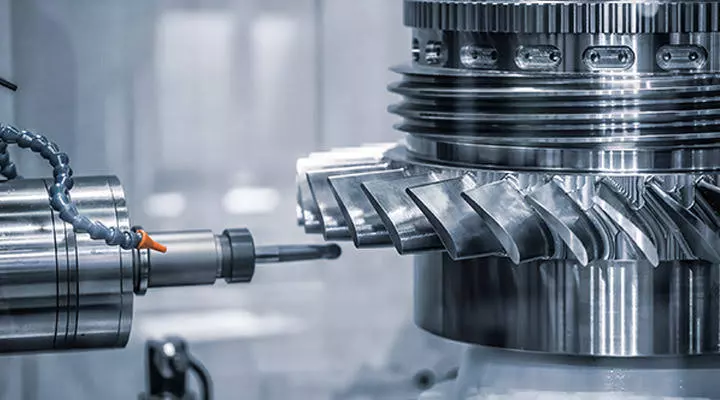
Single-stage Steam Turbine Parts

Common turbine materials are selected for their ability to withstand extreme conditions such as high temperatures, mechanical stresses, and corrosive environments while maintaining optimal performance over long periods. These materials must exhibit a combination of mechanical strength, thermal stability, and resistance to fatigue and corrosion. As turbine technology evolves, new materials and manufacturing techniques are developed to enhance performance and increase efficiency.

1. Superalloys

Superalloys are a class of materials that have excellent mechanical strength and resistance to thermal degradation, making them ideal for turbine applications. These materials are typically used in the high-temperature sections of turbines, such as the combustion chamber, turbine blades, and rotors. Superalloys are designed to maintain their strength and stability even at temperatures exceeding 1,000°C (1,832°F). The key components of superalloys include nickel (Ni)cobalt (Co), and iron (Fe), with various alloying elements such as chromium (Cr)molybdenum (Mo)tungsten (W)tantalum (Ta), and ruthenium (Ru) added to enhance specific properties.

  • Nickel-based superalloys are the most commonly used in gas turbines, especially in the hot sections like blades and combustion chambers, due to their excellent high-temperature strength and oxidation resistance. These alloys are also highly resistant to creep, which is the gradual deformation of a material under constant stress at high temperatures.
  • Cobalt-based superalloys are also used for turbine components but are less common than nickel-based superalloys. They offer good resistance to high-temperature oxidation and corrosion but tend to be more brittle than nickel alloys.
  • Iron-based superalloys are typically used for turbine components that operate at lower temperatures than those exposed to the highest stresses, such as steam turbines.

2. Titanium Alloys

Titanium alloys are valued for their low density, high strength, and excellent corrosion resistance. These alloys are commonly used in the lower-temperature sections of gas turbines, such as in compressor blades and casing components. Titanium alloys are particularly useful in applications where weight is a concern, as they offer a favorable strength-to-weight ratio compared to other metals.

  • Titanium-aluminum (Ti-Al) alloys are often used in gas turbines for their combination of strength, low density, and heat resistance. These alloys provide an ideal balance between high-performance characteristics and lightness, which is essential for improving the overall efficiency of turbines.

3. Ceramics and Ceramic Composites

Ceramics and ceramic matrix composites (CMCs) are increasingly used in turbine technology due to their ability to withstand extreme temperatures and their resistance to wear, corrosion, and oxidation. Ceramics can tolerate higher temperatures than most metals, making them ideal for high-performance turbine applications in both gas and steam turbines.

  • Silicon carbide (SiC) and silicon nitride (Si₃N₄) are two common ceramic materials used in turbine applications. These materials can operate at temperatures above 1,600°C (2,912°F), well beyond the limits of conventional metals and superalloys. They also have a low thermal expansion coefficient, which minimizes thermal stresses and improves the structural integrity of turbine components.
  • Ceramic matrix composites (CMCs), made from a matrix of ceramic fibers embedded in a ceramic or polymer matrix, combine the advantages of ceramics (high-temperature tolerance) with the benefits of composites (toughness and strength). CMCs are used in advanced turbine designs to reduce weight while maintaining high performance.

4. Stainless Steel

Stainless steel is widely used in turbine construction due to its excellent resistance to oxidation and corrosion, as well as its strength at moderate to high temperatures. It is often used in steam turbines, where temperatures are lower than in gas turbines, but high strength and durability are still required.

  • Austenitic stainless steel is commonly used in turbine blades, rotors, and other components exposed to high stress and moderate temperatures. This steel contains high amounts of chromium and nickel, which contribute to its excellent corrosion resistance.
  • Martensitic stainless steel is used for turbine components that require high strength and wear resistance. It is often used in steam turbines, particularly in parts exposed to the steam flow, such as rotors and valves.

5. Alloy Steels

Alloy steels are steel alloys that are specifically engineered to improve the properties of carbon steel by adding elements such as chromium, molybdenum, vanadium, and nickel. These steels are often used for turbine shafts, casings, and other structural components.

  • Chromium-molybdenum steel (Cr-Mo) is a widely used alloy in steam turbines and industrial gas turbines. It has good strength, hardness, and resistance to oxidation at elevated temperatures, making it suitable for parts that experience both mechanical stress and thermal loads.
  • Vanadium steel is another type of alloy steel that is often used in turbine components that require high wear resistance and strength, such as in the construction of turbine blades and seals.

6. Aluminum Alloys

Aluminum alloys are used in the construction of turbine components that are exposed to lower temperatures and require low weight, such as in turbine casings, covers, and components of the compressor stage in gas turbines. These alloys offer excellent corrosion resistance and strength-to-weight ratios.

  • Aluminum-lithium alloys are used in specific turbine applications, such as in aircraft engines, due to their lower density and good strength-to-weight properties. These alloys provide an advantage in applications where minimizing weight is critical.

7. Copper Alloys

Copper alloys are often used in turbine applications that require excellent thermal and electrical conductivity, as well as good corrosion resistance. These alloys are commonly found in turbine rotorssteam paths, and generator components.

  • Bronze and brass, copper-based alloys, are used in components that require good corrosion resistance, especially in steam turbines where water and steam exposure are significant. Copper alloys are also used in bearings and seals due to their resistance to wear and friction.

8. Coatings and Surface Treatments

In addition to the base materials, turbine components often feature specialized coatings or surface treatments to improve their performance under extreme conditions. These coatings help enhance the material’s resistance to wear, oxidation, and thermal fatigue, extending the life of turbine components.

  • Thermal Barrier Coatings (TBCs) are ceramic coatings applied to turbine blades and other high-temperature components. These coatings provide thermal insulation, allowing the turbine to operate at higher temperatures without damaging the base material.
  • Chromium and platinum coatings are used to enhance oxidation resistance in gas turbine components exposed to extreme heat, especially in the hot sections like the combustion chamber and turbine blades.
  • Hard-facing coatings are used to increase the wear resistance of turbine components such as valves, rotors, and seals. These coatings are typically made from carbide materials that protect the underlying metal from erosion and abrasion.

9. Composites and Hybrid Materials

In modern turbine technology, composite materials and hybrid materials are gaining attention due to their potential to reduce weight, improve performance, and increase efficiency. Composites, made by combining materials like carbon fibers or glass fibers with resins or other matrices, offer an excellent strength-to-weight ratio.

  • Carbon fiber-reinforced composites (CFRPs) are used in certain turbine applications, such as in blades and casings for aircraft engines and other specialized turbines. These materials combine high strength with low weight, providing benefits in applications where both mechanical strength and reduced weight are critical.
  • Glass fiber composites are also used in turbine applications where extreme temperature resistance is not required but where strength and durability are important. These composites are often used for non-rotating parts such as casings, housings, and other structural components.

In summary, turbine materials are carefully chosen for their performance characteristics in extreme environments. These materials, from superalloys and ceramics to composite materials, must balance high strength, corrosion resistance, thermal stability, and fatigue resistance to ensure reliable operation over long periods. As turbine technology continues to evolve, new materials and manufacturing techniques will further enhance the capabilities of turbines, enabling them to operate more efficiently and sustainably in the face of increasing energy demands and environmental challenges.

The continued development of turbine materials is driven by the need for greater efficiency, durability, and sustainability in turbine systems. This drive not only focuses on improving existing materials but also on innovating new materials that can withstand increasingly extreme operating conditions. As turbines are required to operate at higher temperatures, pressures, and rotational speeds, the materials used in their construction must be able to handle the associated mechanical and thermal stresses without compromising their performance.

The use of advanced ceramics in turbines, particularly in high-temperature regions, has gained momentum in recent years. Ceramics like silicon carbide (SiC) and silicon nitride (Si₃N₄) are especially promising because they can operate at temperatures well beyond the capability of most metals. These materials have a high melting point, which makes them suitable for turbine blades and other critical components exposed to the highest temperatures. However, while ceramics offer superior heat resistance, they are also more brittle compared to metals. This challenge is being addressed by combining ceramics with fiber reinforcements, creating ceramic matrix composites (CMCs). These composites retain the high temperature resistance of ceramics while adding strength and toughness, making them more suitable for turbine applications that require high mechanical performance.

At the same time, advances in the field of nanomaterials are beginning to show promise for turbine design. By manipulating materials at the nanoscale, researchers can create alloys with enhanced properties, such as improved resistance to fatigue and creep, which are key concerns for turbine components subjected to constant stress over time. Nanostructuring materials can also improve thermal conductivity and enhance the overall energy efficiency of turbines. One area where nanomaterials are being actively explored is in thermal barrier coatings (TBCs). These coatings, often made from ceramic nanomaterials, are applied to turbine blades and other high-temperature components to provide insulation and reduce the heat transferred to the underlying metal, allowing turbines to operate at higher temperatures without damaging the structural materials.

The shift toward additive manufacturing, or 3D printing, in turbine manufacturing is another significant trend. Additive manufacturing allows for the creation of complex geometries that were previously impossible or prohibitively expensive to achieve using traditional manufacturing techniques. For turbines, this technology enables the production of parts with optimized shapes that improve efficiency, reduce weight, and enhance durability. This is particularly beneficial in the manufacturing of turbine blades, where complex internal cooling channels can be incorporated directly into the design, enhancing the blade’s cooling efficiency and overall performance.

Moreover, alloy development remains a core area of research. Engineers are continuously working on creating new alloys that can better withstand the harsh conditions inside turbines. For instance, the development of high-entropy alloys (HEAs), which consist of multiple elements in roughly equal proportions, offers the potential for materials that are stronger and more resistant to corrosion and oxidation than traditional alloys. These materials could be especially useful in the hottest and most mechanically demanding sections of turbines, such as gas turbine blades and rotors.

As turbines are increasingly integrated into renewable energy systems, such as wind and solar power, the materials used in these turbines must also be adaptable to the specific conditions of these energy sources. For example, wind turbine blades are typically made from fiberglass composites because of their strength, lightness, and resistance to corrosion. However, as wind turbines continue to grow in size, the demand for stronger and more durable materials increases. The use of carbon fiber composites is being explored for large-scale turbines because they provide superior strength-to-weight ratios compared to traditional fiberglass materials. Carbon fiber blades can withstand higher wind loads, which is crucial for offshore wind farms, where the blades are exposed to more extreme conditions.

In the development of geothermal turbines, which utilize heat from the Earth’s core to generate energy, materials must not only withstand high temperatures but also resist the corrosive effects of the geothermal fluids. This requires the use of materials that are highly resistant to corrosion and erosion, such as specialized stainless steel alloys and nickel-based alloys. The challenging conditions in geothermal power plants are pushing the boundaries of material science, leading to innovations in corrosion-resistant coatings and more durable materials that can extend the operational lifespan of geothermal turbines.

For steam turbines, materials need to balance high-temperature performance with resistance to the erosion caused by high-velocity steam flow. Alloy steels and stainless steels are commonly used, but ongoing improvements in these alloys are needed to enhance their resistance to steam oxidation and fatigue, ensuring the longevity of the turbine components. Moreover, heat-resistant coatings are increasingly used to protect the turbine components from the corrosive effects of steam and other fluids, contributing to improved operational efficiency and reduced maintenance costs.

In terms of composite materials, their use is also expanding beyond wind turbines. Composites, including those made from carbon fibers and glass fibers, are being tested for use in turbine blades and other rotating components in both gas and steam turbines. The reason for this is that composites can offer a significant weight reduction without sacrificing strength, which is crucial for optimizing the overall efficiency of the turbine. The use of hybrid materials, where composites are combined with metals or ceramics, is another area of research aimed at creating turbines that are lighter, stronger, and more heat-resistant.

The future of turbine materials also looks toward sustainable alternatives. As the demand for clean energy increases, there is growing pressure to develop materials that not only perform well but are also environmentally friendly. For example, recyclable materials and biodegradable composites are being considered as potential materials for certain turbine applications. This shift towards sustainability is driven by the need to reduce the environmental footprint of turbine production and operation, and to make the entire lifecycle of turbine components more energy-efficient and sustainable.

The continued research into and development of new turbine materials are vital for improving the performance and efficiency of turbines in a range of energy applications, from traditional fossil-fuel-based power plants to renewable energy systems like wind and geothermal power. As material science advances, turbines will become more capable of handling the demands of a rapidly changing energy landscape, enabling more sustainable and efficient energy production in the future. The ongoing exploration of new alloys, composites, ceramics, and hybrid materials promises to push the boundaries of what turbines can achieve, providing a more reliable and environmentally friendly energy future.

Steam Turbine
Steam Turbine

As the demand for cleaner, more efficient energy sources increases, the role of advanced turbine materials becomes even more critical. The development of these materials not only aims to improve the performance of turbines but also to address environmental concerns, as the energy sector faces increasing pressure to reduce carbon emissions and limit its ecological footprint. Research is ongoing into biomaterials and eco-friendly materials that could be used in turbine systems, creating a more sustainable approach to turbine manufacturing and operation.

The use of carbon-based materials, such as carbon nanotubes (CNTs) and graphene, is a cutting-edge area of research for turbine applications. These materials possess exceptional strength, thermal conductivity, and electrical properties, making them ideal candidates for high-performance turbine components. Carbon nanotubes, for example, have been shown to have tensile strength many times that of steel, and graphene, a one-atom-thick layer of carbon, has impressive electrical and thermal conductivity. These materials could be used in turbine blades or in coatings that protect parts exposed to extreme heat, corrosion, or wear. Their application could not only improve turbine efficiency but also contribute to making turbines lighter, stronger, and more resistant to the stresses associated with prolonged operation.

The development of smart materials is another promising direction for turbine technology. Smart materials are capable of responding to environmental stimuli, such as changes in temperature, pressure, or strain, by altering their properties in real-time. For turbines, this could mean materials that adjust their shape or structure to optimize performance under varying conditions. For instance, certain types of smart coatings could change their thermal conductivity based on the temperature of the turbine, improving the efficiency of heat management. Similarly, piezoelectric materials—which generate electricity when subjected to mechanical stress—could be used in turbines to harvest energy from vibrations or pressure changes within the system, potentially contributing to self-sustaining turbine operations.

Another area of exploration involves the integration of hybrid materials that combine the best properties of metals, ceramics, and composites. These materials are engineered to have enhanced characteristics that improve performance in extreme environments. For example, a hybrid material might combine the high temperature resistance and toughness of a ceramic matrix with the mechanical strength and fatigue resistance of a metal. This would create a material capable of enduring the high stresses and thermal loads present in turbines while being lighter and more resistant to corrosion or oxidation. Such materials could extend the lifespan of turbine components and reduce maintenance requirements, ultimately leading to lower operating costs.

While the development of novel materials is essential for improving turbine performance, the manufacturing processes used to produce turbine components are just as important. As turbine materials become more advanced, new methods of manufacturing and processing must also be developed to accommodate these materials’ unique properties. Advanced casting techniques, such as investment casting and directional solidification, are commonly used to create complex turbine components from high-performance alloys. These methods allow for precise control over the material’s structure, ensuring that the final component is free from defects and has the necessary strength and durability. Additionally, powder metallurgy, a technique that involves creating parts from metal powders, is being explored for its ability to produce turbine components with unique material properties, such as enhanced wear resistance or the ability to operate at higher temperatures.

Additive manufacturing, or 3D printing, is another promising technique for creating turbine components, particularly for complex or customized parts. By printing components layer by layer, additive manufacturing allows for the creation of highly intricate and optimized geometries that would be difficult or impossible to achieve with traditional manufacturing methods. This technology can also reduce waste and allow for rapid prototyping, speeding up the design and testing phases of turbine development. For turbines, additive manufacturing can be used to produce parts such as turbine blades, cooling channels, and other internal components that are typically difficult to manufacture with conventional methods.

As turbine systems become more integrated with renewable energy sources, material innovation is also taking place in the context of wind turbines and solar-thermal turbines. For wind turbines, the development of new composite materials that combine lightweight properties with strength and fatigue resistance is crucial. Larger blades and higher-efficiency wind turbines are pushing the limits of existing materials, and new materials such as carbon fiber reinforced polymers (CFRPs) and glass fiber reinforced polymers (GFRPs) are being researched for their potential to provide stronger, lighter, and more durable blades. These materials not only increase turbine performance but also help reduce maintenance costs and improve overall efficiency by withstanding the dynamic forces of wind.

In solar-thermal turbines, which rely on concentrated solar power (CSP) to produce steam and drive turbines, advanced materials are also needed to handle the high heat generated by concentrated sunlight. The introduction of high-temperature alloys and thermal barrier coatings is helping improve the efficiency of these systems by allowing them to operate at higher temperatures without damaging the turbine components. Additionally, new heat-resistant ceramics are being developed to handle the intense heat generated in CSP systems, improving their performance and durability in the long term.

As the energy sector shifts toward cleaner and more sustainable power generation, the material science behind turbines will continue to evolve. The integration of advanced compositessmart materialshybrid materials, and additive manufacturing will play a crucial role in enhancing the performance, efficiency, and longevity of turbines. These innovations will not only help reduce the costs associated with turbine operation and maintenance but also enable turbines to meet the growing demands for energy in a world that is increasingly focused on sustainability.

The ongoing development and application of these advanced materials will likely lead to turbines that are more efficient, longer-lasting, and environmentally friendly. Whether in traditional power plants, wind farms, or solar-thermal energy systems, the materials used in turbine construction will be a key factor in driving the next generation of energy technologies. The continued research into materials that can withstand extreme temperatures, pressures, and mechanical stresses will ensure that turbines remain at the forefront of energy generation, enabling the transition to a cleaner, more sustainable energy future.

As we move forward, the future of turbine technology will increasingly rely on innovative materials that not only meet the demands of performance and durability but also align with global goals of reducing environmental impacts. With the growing focus on carbon-neutral energy systems and the broader push to transition to sustainable energy sources, the development of turbines that use cutting-edge materials will be essential in facilitating this shift. These turbines will play a key role in decarbonizing industries, as they serve as integral components in power generation from both conventional and renewable sources.

One major avenue of development is in biodegradable and recyclable materials. The life cycle of turbines, including the materials used in their construction, needs to be reconsidered as part of the broader global effort to reduce waste and increase the sustainability of energy systems. The growing interest in sustainable composites—materials that can be safely disposed of, recycled, or repurposed—is becoming a significant area of research. By developing materials that are both high-performing and eco-friendly, turbine manufacturers can reduce the environmental footprint of their systems from production to decommissioning.

Another crucial consideration is the long-term performance of turbines. The development of materials that can withstand material fatiguethermal cycling, and stress corrosion cracking over decades is essential. To ensure turbines continue to operate efficiently for their entire lifespan, the application of advanced coatings that resist these phenomena will become more widespread. Self-healing materials, which can repair themselves when exposed to damage, are being explored to enhance the longevity of turbines, especially in demanding environments where the turbines operate under continuous stress.

In addition to high-performance materials, there is growing interest in optimizing the design of turbine components. The design process for turbines has evolved to make more use of advanced simulation tools, including finite element analysis (FEA), to model the stresses, heat distribution, and material behaviors under operational conditions. This allows for more accurate predictions of material performance and enables the design of turbine components that are optimized for the least amount of material use while maintaining strength, durability, and performance. Topology optimization is another advanced design method used to create the most efficient structural layout, reducing material waste and improving turbine performance. This method often leads to parts that are lighter, stronger, and more cost-effective to produce.

Hybrid systems involving turbines are also increasingly being explored. These systems, which combine turbines with other power generation technologies such as solar powerwind power, and battery storage, require materials that are both flexible and efficient. In these systems, the turbine may not always operate at full capacity, so materials that can handle variable stresses and intermittent operation are crucial. Energy storage systems, which complement turbine-based generation, require advanced materials for batteries and supercapacitors. The ability to integrate these systems seamlessly is critical to the overall efficiency and reliability of renewable energy generation.

Moreover, the integration of turbines into smart grids is becoming an essential part of the modern energy landscape. Smart grids use advanced technology to manage the distribution and storage of electricity more efficiently, with turbines playing a key role in ensuring a stable and responsive energy supply. As part of these grids, turbines must be able to respond rapidly to changes in energy demand and supply. The materials used in these turbines must be able to perform reliably during frequent start-up and shut-down cycles without degradation, further necessitating the development of advanced high-fatigue-resistant alloys and dynamic performance-enhancing coatings.

Marine energy turbines, which harness the power of ocean currents and tides, represent another frontier for material science. These turbines face unique challenges, including exposure to saline waterhigh-pressure environments, and extreme wave conditions. To combat these factors, corrosion-resistant materials, such as titanium alloysnickel-based alloys, and marine-grade stainless steels, are used in these systems. Furthermore, the development of biofouling-resistant coatings is crucial to ensuring that turbines remain operational in marine environments by preventing the accumulation of organic materials on turbine blades, which can reduce their efficiency and performance.

As offshore wind farms continue to grow in scale and complexity, the materials used in offshore turbines must withstand the added challenges of exposure to saltwater and high winds. The push for larger, more efficient turbines means that materials must also be able to handle increased mechanical stress without compromising their structural integrity. This is driving research into new lightweight composites and the use of advanced marine coatings that provide long-lasting protection against the corrosive effects of saltwater and high humidity.

In the nuclear energy sectorturbine materials must also withstand the highly radioactive environments within nuclear power plants. The high-energy environment in nuclear reactors requires turbine components made from radiation-resistant materialsspecial alloys, and high-temperature resistant materials to ensure the turbine operates safely and efficiently for extended periods. Materials such as zirconium alloys and tungsten-based composites are often used in these environments to ensure that the turbine can withstand radiation, high temperatures, and potential neutron bombardment without degradation.

On the frontier of turbine innovation, quantum materials might soon play a role in revolutionizing turbine technology. These materials, which exhibit extraordinary properties at the quantum level, could potentially lead to new ways of managing heat and energy flow within turbines, vastly improving efficiency and enabling operation at even higher temperatures. Although still in the early stages of research, the development of quantum materials could open new doors for energy generation and significantly improve the performance of turbines in the future.

In conclusion, the evolution of turbine materials is critical to the advancement of energy generation technologies. From enhancing the performance and durability of turbine components in existing systems to enabling breakthroughs in renewable energy technologies, the role of materials in turbine development cannot be overstated. As new materials such as superalloysceramicscompositessmart materials, and sustainable alternatives continue to be developed, turbines will become more efficient, durable, and capable of meeting the world’s growing energy demands. With further advancements in material science, turbines will play a central role in achieving a sustainable, low-carbon energy future.
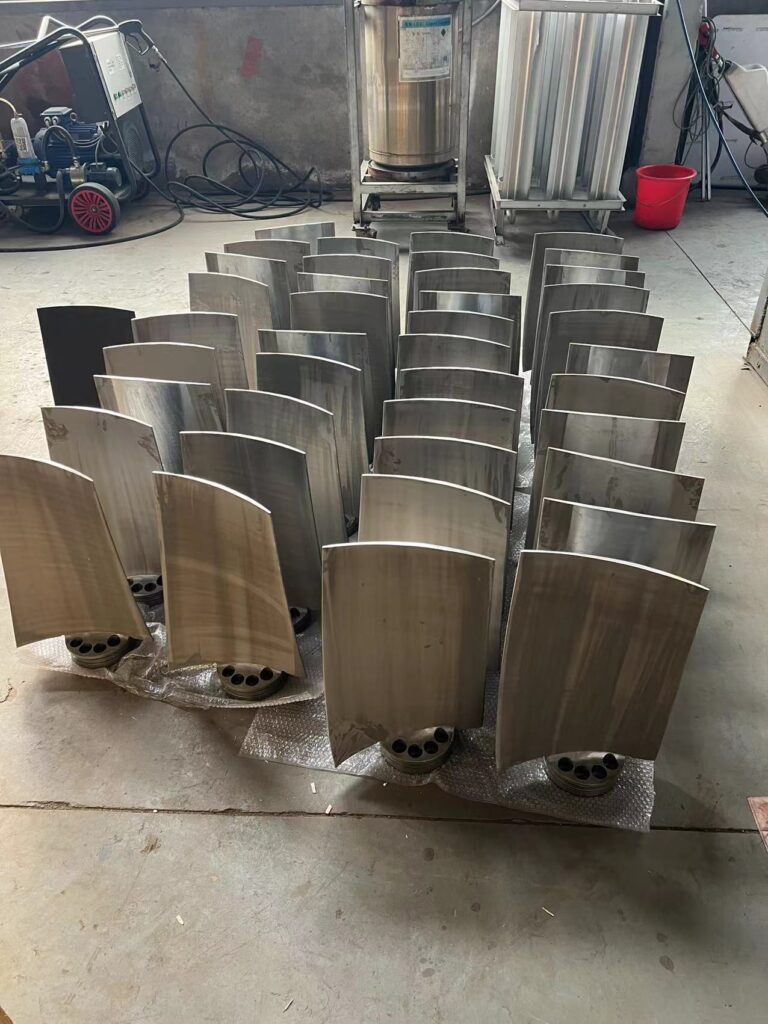
Steam Turbine Blades

As turbine technology continues to advance, the integration of artificial intelligence (AI) and machine learning (ML) into material design and turbine operation is poised to further revolutionize the industry. AI and ML can analyze vast datasets from turbines, helping to predict failure points, optimize operational performance, and guide the development of materials with superior properties. These technologies can help identify material degradation patterns, detect anomalies during turbine operation, and suggest the most effective maintenance schedules, thus extending the service life of turbines and improving their overall reliability. For instance, AI could be used to predict when turbine components might need repairs or replacements, ensuring that turbines are not taken offline prematurely and avoiding unnecessary costs.

In addition to predictive maintenance, AI can play a significant role in the design phase of turbine components. By using algorithms to simulate various material combinations and operational conditions, engineers can accelerate the process of discovering the most efficient materials for turbines. Machine learning can analyze the outcomes of these simulations and improve upon the designs iteratively, making material selection more precise and reducing the need for costly trial-and-error testing. As a result, turbines can be designed with more optimized geometries, incorporating advanced materials that would have otherwise been difficult to identify.

Biomimicry, or the application of biological processes and structures to engineering, is another fascinating area of research for turbine material innovation. Nature has evolved solutions to challenges similar to those faced by turbines, such as aerodynamicsmaterial strength, and thermal regulation. By studying the way birds’ wings, fish fins, and the shells of marine animals withstand stress, scientists can design turbine components that mimic these natural structures for improved efficiency and performance. For example, the study of shark skin has inspired the design of more aerodynamic surfaces that can reduce drag on turbine blades, improving energy efficiency.

Moreover, research into advanced coatings is expected to continue playing a pivotal role in protecting turbine materials from environmental and operational stresses. Coatings that provide self-healing properties or actively repair damage from wear and tear could significantly extend the lifespan of turbine components. In addition, nano-coatings and surface treatments are being explored to improve corrosion resistancewear resistance, and thermal management. These coatings could enable turbines to operate in even more extreme conditions while maintaining high levels of performance, particularly in industries such as aerospace, geothermal, and nuclear energy, where turbines are exposed to some of the most demanding environments.

As the world continues to invest in renewable energy technologies, the circular economy model is becoming increasingly relevant in turbine development. This approach emphasizes resource efficiencyrecycling, and reusing materials throughout the lifecycle of turbine components. The development of recyclable materials that can be easily recovered and repurposed at the end of a turbine’s life could significantly reduce the environmental impact of turbine production and disposal. Materials such as aluminum alloys and carbon fiber composites are already being investigated for their recyclability, and future innovations may allow for even more sustainable production processes.

The advent of smart sensors embedded in turbine components will provide continuous real-time data on material performance, structural health, and operating conditions. This data will be critical for both manufacturers and operators to monitor the condition of turbines, make proactive adjustments, and prevent costly failures. Sensors that can detect microfracturestemperature fluctuations, and corrosion buildup will provide detailed insights into the condition of turbine materials, allowing for more precise maintenance and material replacement decisions.

As we look to the future, hybrid energy systems that combine turbines with other renewable technologies will require a new generation of materials capable of handling the unique stresses and conditions created by these systems. The transition from traditional fossil-fuel-based power generation to integrated renewable energy solutions presents an exciting challenge for turbine technology. These systems will demand materials that are not only high-performing but also sustainable and adaptable to the fluctuating nature of renewable resources like wind, solar, and tidal energy.

The development of next-generation gas turbines for applications in clean hydrogen power and carbon capture is another emerging field where materials will be key to success. Gas turbines running on hydrogen or utilizing captured carbon dioxide will need materials that can resist the corrosive and high-temperature environments created by these processes. The materials that can meet these demands will enable turbines to operate efficiently in a future where carbon-neutral technologies are critical to meeting global energy needs.

High-performance coatings will continue to evolve, with new developments such as multi-layered coatings that offer superior protection against high heat, wear, and oxidation. These coatings could also be used in advanced energy storage systems, such as thermal energy storage or battery technologies, where high energy densities and long-term stability are critical.

In wind energy, ongoing advancements in blade materials will enable the development of even larger, more efficient turbines. Materials that combine strengthlightweight properties, and fatigue resistance are essential for these massive wind turbines, which are being designed to operate in offshore environments where conditions are more challenging. Future developments might include the use of aerogels and other advanced composites to reduce the weight of turbine blades without sacrificing their structural integrity, leading to more efficient energy production from wind.

Similarly, marine turbines that harness energy from ocean currents and tides will continue to benefit from material innovations. These turbines must withstand the corrosive effects of saltwater and the intense mechanical stresses of ocean environments. Advanced corrosion-resistant alloyscomposite materials, and specialized coatings will ensure these turbines are capable of surviving harsh marine conditions for long periods, ensuring the stability and reliability of offshore renewable energy systems.

The use of nuclear fusion energy is also becoming a long-term goal for many researchers, and turbines will play a significant role in this future energy source. Nuclear fusion turbines will require materials that can withstand extreme levels of heat and radiation. The need for radiation-resistant materials that can maintain their structural integrity in the harsh environment of a fusion reactor will be critical to the development of fusion power. These turbines will push the boundaries of material science, leading to innovations that could revolutionize energy production for the entire planet.

In summary, the future of turbine technology is deeply intertwined with the ongoing development of advanced materials. From superalloys to smart materialscomposites, and biomimetic solutions, the materials used in turbines will continue to evolve to meet the ever-increasing demands for efficiency, durability, and sustainability. The integration of new manufacturing techniques, advanced coatings, AI-driven design, and innovative recycling processes will ensure that turbines remain at the forefront of energy generation technology, driving the transition to cleaner, more efficient, and more sustainable power systems. As these technologies evolve, turbines will continue to play a central role in powering our world, enabling the shift toward a greener, more energy-efficient future.

Evolutionary Design in Steam Turbines

General Structure of Steam Turbines

The evolutionary design of steam turbines has been shaped by the growing demand for higher efficiencyreduced environmental impact, and the ability to meet the diverse needs of modern energy systems. Over the years, steam turbine technology has undergone significant transformations, and these innovations continue to propel the design of more advanced, reliable, and efficient turbines. The design evolution of steam turbines has been a response to technological advancements, changes in energy demands, and the drive for sustainability, all of which have contributed to the optimization of turbine performance.

Early steam turbines, such as those developed by Charles Parsons in the late 19th century, were relatively simple in their design, focusing primarily on maximizing the mechanical power extracted from steam. These turbines operated on the basic principle of converting thermal energy into mechanical work through steam expansion and condensation. However, these early designs had limited efficiency, especially when it came to managing the heat energy of steam and minimizing losses during expansion.

As the need for more efficient power generation increased, evolutionary design improvements began focusing on key areas like thermodynamicsmaterial science, and fluid dynamics. The implementation of multi-stage turbines was one of the first significant steps forward, allowing steam to expand over several stages, which improved the efficiency of energy conversion. By introducing multiple pressure levels, turbines were able to extract more energy from the steam, improving overall performance and reducing fuel consumption.

The design evolution of steam turbines was significantly influenced by the growing use of superheated steam, a critical step in increasing turbine efficiency. In the early 20th century, the introduction of superheating allowed steam to reach higher temperatures before entering the turbine, leading to a more efficient conversion of thermal energy into mechanical energy. This evolution was made possible by advances in material technology, as the high temperatures of superheated steam required turbine components to be made of stronger, heat-resistant materials. This led to the development of heat-resistant alloys, which were capable of withstanding the higher temperatures without suffering from thermal degradation.

Higher pressure levels were also introduced into steam turbines during this period, driven by the need to improve efficiency by increasing the energy density of steam. By employing high-pressure boilers and multiple-pressure turbine systems, steam turbines were able to extract more energy from the same amount of fuel. This technological advancement enabled the development of more powerful and compact turbines, which were essential for large-scale power generation in industrial and utility applications.

In the latter half of the 20th century, steam turbine technology entered an era of refinement, with ongoing improvements in blade designaerodynamics, and material science. The blades of steam turbines became more advanced as computational techniques and wind tunnel testing allowed for more efficient blade shapes. These designs took advantage of aerodynamic principles to maximize energy extraction while minimizing friction and losses due to steam flow. The use of blade cooling technologies also became widespread, with systems designed to reduce the thermal stress on turbine blades and maintain their structural integrity during prolonged operation at high temperatures.

The introduction of computer-aided design (CAD) and computational fluid dynamics (CFD) in the 1980s and 1990s marked a revolutionary step in steam turbine design. These tools allowed engineers to model steam flow through turbine stages and optimize designs to maximize efficiency. Through the use of simulation software, designers could now predict the behavior of steam at different temperatures, pressures, and flow rates, allowing for more precise and efficient designs. This technology also enabled the integration of advanced materials such as titanium alloysceramics, and composites, which offered superior strength and heat resistance, allowing turbines to operate at higher temperatures and pressures.

As environmental concerns and regulations around carbon emissions grew, the focus of turbine design shifted toward improving the overall efficiency of power plants to reduce fuel consumption and emissions. The concept of the combined cycle was introduced, wherein steam turbines were paired with gas turbines in a combined cycle power plant. In these systems, gas turbines generate electricity by burning natural gas, while the waste heat is used to produce steam for the steam turbine, thereby improving overall plant efficiency. This combination of technologies led to a significant increase in the performance of steam turbines in power generation, pushing the development of turbines capable of operating efficiently in hybrid systems.

At the same time, there was a growing focus on the modular design of steam turbines, particularly for renewable energy applications. In the case of geothermal and solar thermal power plants, steam turbines are used to generate electricity by converting the heat from geothermal reservoirs or concentrated solar power systems into mechanical energy. The design of these turbines needed to be flexible, efficient, and able to operate in a variety of temperature and pressure conditions. The ability to scale turbines to meet the needs of different power plants, while maintaining efficiency, was a significant step forward in the evolutionary design of steam turbines.

As the 21st century progressed, the digitalization of steam turbines became a key trend in their design evolution. The integration of smart sensors and real-time monitoring systems has allowed for the continuous tracking of turbine performance, enabling operators to optimize efficiency and detect problems before they lead to failures. Sensors embedded within turbine blades, casings, and other critical components provide data on temperature, pressure, vibration, and wear. This data is analyzed to make adjustments to the turbine’s operation, thereby extending its lifespan, reducing maintenance costs, and ensuring that the turbine operates at its peak efficiency.

The incorporation of artificial intelligence (AI) and machine learning into turbine operations is also driving design innovations. These technologies allow turbines to “learn” from historical performance data, making real-time adjustments to optimize energy production. AI can also be used to predict when specific components, such as blades or bearings, might require maintenance or replacement, enabling predictive maintenance strategies that reduce downtime and improve reliability.

Looking toward the future, the next phase in the evolutionary design of steam turbines will likely focus on adaptabilitysustainability, and efficiency. As the world shifts toward carbon-neutral energy sources, steam turbines will play a significant role in renewable energy integrationHybrid power systems involving steam turbines, wind powersolar power, and battery storage will require turbines that can efficiently operate in conjunction with these variable sources of energy.

Steam turbines will also need to evolve to handle the rising importance of clean hydrogen powerHydrogen-fueled turbines are being developed to operate on hydrogen as a clean energy source, which could significantly reduce carbon emissions. The materials used in these turbines will need to be resistant to the unique properties of hydrogen, such as its tendency to cause embrittlement of metals. Research into hydrogen-compatible materials will be crucial to the continued development of steam turbines in a hydrogen economy.

In nuclear power plants, where steam turbines are a central part of the energy production process, advances will be driven by the need for higher efficiency and safety in reactors. Next-generation reactors, such as molten salt reactors and high-temperature gas reactors, may require turbine designs that can operate at significantly higher temperatures and pressures, requiring further innovations in materials and cooling technologies. Additionally, fusion power—if realized—could introduce a new set of challenges for turbine design, requiring materials and cooling methods that can withstand extremely high-energy environments.

In conclusion, the evolutionary design of steam turbines has been driven by advancements in material science, fluid dynamics, computational modeling, and environmental considerations. From the early, simple turbines to today’s high-efficiency, multi-stage and superheated steam turbines, the field has made significant progress. As the energy landscape continues to evolve, steam turbines will remain integral to power generation systems, requiring continued innovation to meet the demands of a sustainable and low-carbon future. The future of steam turbine design will rely heavily on the integration of advanced materials, digital technologies, and hybrid systems that optimize efficiency and minimize environmental impact.

As the demand for clean energy continues to rise, the evolution of steam turbine technology will also pivot toward greater flexibility in accommodating fluctuating renewable energy sources. Steam turbines, traditionally used in baseload power plants, will need to evolve to handle intermittent energy generation from sources like wind and solar power. These sources often produce electricity when conditions are favorable but cannot consistently provide power at a stable rate. As a result, turbines will need to be designed to rapidly adjust to changing energy inputs, which requires innovations in control systemsmaterial durability, and response times.

In response to these evolving needs, advanced turbine designs may incorporate variable-speed operation. Traditional steam turbines have typically operated at fixed speeds, but as the grid becomes more dynamic, turbines may need to adjust their output in real time. This can be accomplished by improving the turbine’s mechanical components, such as the use of variable-pitch blades and adaptive systems that adjust the steam flow based on energy demand. Smart grid integration will be key in enabling steam turbines to communicate with other grid-connected systems, optimizing the energy flow across diverse sources of generation. Additionally, this will allow turbines to operate more flexibly in hybrid systems, where steam turbines work in tandem with gas turbines, wind farms, and solar installations.

Another major focus in the evolution of steam turbines is the ability to handle carbon capture. With the global push for carbon-neutral energy generation, power plants using fossil fuels, especially coal and natural gas, are being retrofitted to capture CO2 emissions. Steam turbines in these systems will need to be designed for greater efficiency while integrating with carbon capture technologies such as post-combustion capture and pre-combustion capture systems. This will involve enhancing turbine heat recovery to reduce the energy consumption of the capture process itself, as carbon capture can be energy-intensive. Advances in heat exchanger technologies and thermal integration will play a pivotal role in optimizing steam turbine performance when operating alongside carbon capture systems.

Moreover, advanced materials will remain a central focus in the evolutionary design of steam turbines. To meet the challenges of higher pressures, temperatures, and the aggressive operating environments associated with new energy technologies, the development of superalloysceramics, and nanomaterials will be essential. For example, advanced composites that offer high strength-to-weight ratios and excellent fatigue resistance could enable turbine blades to handle more demanding operating conditions. These materials will also need to withstand the effects of thermal cycling, where turbines experience extreme temperature fluctuations as they start up and shut down repeatedly. The combination of material innovation with 3D printing technologies may allow for complex geometries in turbine components, enabling more efficient designs and reducing material waste.

As the transition to a hydrogen economy progresses, turbines that run on hydrogen fuel will be crucial in facilitating the clean energy transition. Hydrogen-fueled steam turbines must be designed to handle the specific challenges posed by hydrogen’s unique properties, such as its low energy density compared to natural gas and its tendency to cause embrittlement in certain metals. Research into hydrogen-resistant alloys and advanced sealing technologies will be critical to the future of hydrogen-powered steam turbines. Additionally, these turbines may be required to operate in combination with other technologies that enable hydrogen production and storage, such as electrolysis or liquid hydrogen storage systems, further driving the need for adaptable, versatile turbine designs.

The concept of modular turbines is gaining traction, particularly in applications such as small modular reactors (SMRs)distributed energy systems, and off-grid power generation. Modular turbines, designed for smaller-scale installations, allow for flexible energy production that can be scaled up or down based on demand. These turbines are easier to transport, install, and maintain, making them ideal for use in remote or off-grid locations where large, centralized power plants may not be feasible. Moreover, modular designs can provide a more cost-effective solution for integrating renewable energy sources into the grid, particularly in areas with limited access to large-scale infrastructure.

In offshore wind farms, turbines face additional challenges due to the harsh marine environment. Here, the evolutionary design of steam turbines must incorporate materials that can withstand saltwater corrosionhigh winds, and frequent wave exposure. While wind turbines dominate offshore energy generation, steam turbines are still critical in some offshore power plants, particularly those using combined cycle systems or in hybrid power setups. In these systems, the ability of steam turbines to work in tandem with wind energy generation and battery storage will be essential for maintaining grid stability and ensuring a consistent power supply.

In terms of long-term sustainability, steam turbines will also need to address the growing demand for circular economy practices. This involves designing turbines with recyclability in mind, reducing the use of non-renewable materials, and enhancing the ability to recover and reuse critical components. In a circular economy, materials like rare earth metalshigh-performance alloys, and composite materials used in turbine construction will be recycled or repurposed at the end of their lifecycle, reducing the need for mining and minimizing the environmental impact of turbine disposal.

Fusion energy, still in its infancy but with vast potential, could drastically change the role of steam turbines in power generation. Fusion power plants may require ultra-high temperature steam turbines that operate under extreme conditions. Fusion-generated heat, unlike traditional nuclear fission reactors, would generate temperatures on the order of millions of degrees, requiring materials capable of withstanding extreme radiation and thermal stress. Steam turbines used in fusion reactors will likely need to be made from advanced heat-resistant materials such as tungsten-based alloys and ceramic composites. The combination of fusion energy with steam turbines could mark a groundbreaking shift in global energy production, providing abundant, low-carbon energy.

Another area of focus is the development of hybrid systems where steam turbines are integrated with energy storage solutions like superconducting magnets or high-capacity batteries. These systems would allow for a more efficient way to store and distribute energy from fluctuating sources, enabling the use of steam turbines to provide power during periods of high demand. The integration of energy storage technologies with turbines could help smooth out the peaks and valleys of renewable energy production, ensuring that turbines can operate efficiently even when renewable energy sources are not at full capacity.

In conclusion, the evolutionary design of steam turbines continues to be driven by the need for greater efficiencyflexibility, and sustainability in energy production. As the world moves toward carbon-neutral energy systems, steam turbines will need to adapt to new fuels, technologies, and operating environments. From hydrogen-powered turbines to modular designs for decentralized power generation, the future of steam turbine technology will be shaped by innovations in materialsdigitalization, and hybrid energy systems. The continued evolution of these turbines is essential to meeting global energy demands while minimizing the environmental impact of power generation. As renewable energy sources grow and energy systems become more interconnected, steam turbines will remain a crucial technology in the transition to a cleaner, more sustainable energy future.

As we look further into the future of steam turbine technology, there are several emerging trends and challenges that are likely to shape the direction of the industry. One of the most significant driving forces will be the global push for decarbonization and the ongoing efforts to combat climate change. With nations around the world setting ambitious targets for reducing carbon emissions and moving toward net-zero emissions by 2050, the role of steam turbines in the energy mix will become even more critical. This will involve not only improving the efficiency of existing steam turbine systems but also adapting these technologies to run on cleaner, renewable fuels.

The evolution of carbon capture and storage (CCS) technologies will also continue to influence steam turbine design. As power plants are increasingly retrofitted to capture and store carbon emissions, there will be a need for turbines that are optimized for operation alongside CCS systems. The extra energy required for the compressiontransport, and storage of CO2 can place additional demands on the turbine system, requiring careful integration to maintain overall efficiency. Advances in thermal integration and waste heat recovery will be crucial to minimizing the energy penalty associated with CCS technologies.

Another key area of focus will be the development of integrated energy systems, where steam turbines are not only used for electricity generation but are also part of multi-purpose systems that produce heat and power simultaneously. This concept, known as combined heat and power (CHP) or cogeneration, is particularly relevant in industrial processes where both electricity and thermal energy are required. The ability of steam turbines to generate both power and heat efficiently in a single system offers considerable savings in energy consumption and environmental impact. Advances in turbine design and control systems will allow these integrated systems to operate with even greater flexibility, maximizing energy efficiency while reducing emissions.

In the realm of distributed energy generation, the trend toward smaller, modular systems is expected to continue. Steam turbines are well-suited for use in small-scale power plants and microgrids, especially in remote areas or developing regions where access to large-scale energy infrastructure may be limited. The ability to deploy smaller, more efficient turbines that can be scaled up or down based on local demand will be crucial to providing reliable, affordable power in these areas. Additionally, such systems may benefit from local renewable energy sources, such as biomassgeothermal, or solar thermal, which can be used to drive steam turbines in a decentralized, sustainable way.

As the energy market continues to evolve, digital technologies will increasingly become integrated into the operation and maintenance of steam turbines. The use of Internet of Things (IoT) devices, smart sensors, and advanced analytics will allow operators to monitor the performance of turbines in real time, identifying potential issues before they lead to failures. These technologies will enable a more predictive maintenance approach, reducing downtime and extending the lifespan of turbine components. Additionally, machine learning algorithms will help optimize the performance of turbines, adjusting operational parameters in real time to maximize efficiency based on changing energy demand and supply conditions.

The integration of renewable energy sources into the power grid will also require steam turbines to operate in more complex, dynamic environments. The ability to balance the intermittent nature of renewable energy with the steady power generation from steam turbines will be crucial to maintaining grid stability. In particular, the development of energy storage systems, such as battery storage and pumped hydro storage, will play a pivotal role in smoothing out fluctuations in renewable energy production. Steam turbines may be used in combination with these energy storage systems to provide backup power when renewable sources are not available, ensuring that the grid remains reliable and resilient.

At the same time, the role of nuclear power in the energy mix is undergoing significant changes. Next-generation small modular reactors (SMRs) are being developed with an eye toward greater safetyefficiency, and cost-effectiveness. These reactors, which are smaller and more flexible than traditional nuclear plants, may incorporate steam turbines in novel configurations. The ability of steam turbines to work in conjunction with SMRs will be critical to ensuring that these reactors can operate efficiently and provide a reliable source of low-carbon energy. Additionally, the development of fusion reactors, if successful, could present a new frontier for steam turbines, as these reactors would generate extremely high temperatures and require turbines capable of operating under extreme conditions.

The development of advanced materials will continue to play a significant role in the evolution of steam turbines. New high-performance alloys and composite materials will be needed to withstand the higher temperatures, pressures, and mechanical stresses associated with modern turbine operation. Additive manufacturing (3D printing) will also enable the creation of complex, optimized turbine components with reduced material waste. By allowing for greater precision in design, additive manufacturing can help improve the efficiency and durability of turbines, while also enabling the rapid prototyping and production of custom components.

Another important factor driving the evolution of steam turbines is the growing emphasis on global energy security. As energy demand increases and energy supply chains become more complex, the need for reliable, flexible, and resilient power generation systems becomes more urgent. Steam turbines, with their ability to run on a wide range of fuels and integrate with various energy systems, are well-positioned to play a key role in ensuring energy security. The ability to operate on both conventional and renewable fuels, such as natural gas, biomass, hydrogen, and waste products, will allow steam turbines to adapt to the changing energy landscape while helping to reduce dependency on fossil fuels.

Finally, international collaboration in research and development will be essential to accelerating the pace of innovation in steam turbine technology. As countries work together to meet global climate goals and transition to cleaner energy systems, sharing knowledge, expertise, and technological advancements will be crucial to driving the future of steam turbine design. Collaborative efforts between governments, research institutions, and private industry will ensure that steam turbine technology evolves in a way that supports both environmental sustainability and economic growth.

In conclusion, the evolutionary design of steam turbines is a dynamic process driven by advancements in materials science, digital technologies, renewable energy integration, and the ongoing pursuit of greater efficiency and sustainability. As the world moves toward a carbon-neutral energy future, steam turbines will continue to play a vital role in providing reliable, flexible, and efficient power generation. The continued innovation in turbine design will ensure that steam turbines remain at the forefront of global energy systems, adapting to new fuels, new technologies, and new operational environments to meet the challenges of the future.

Turbine Applications in Industrial Sectors
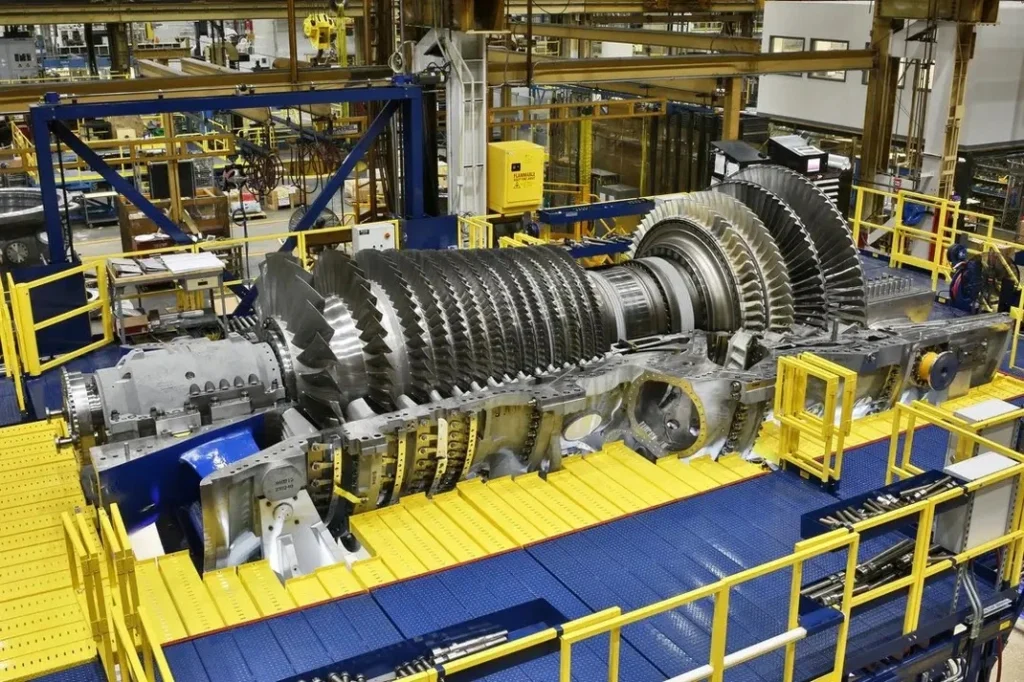
Turbo Generator on Ship

Turbines have long been essential in the industrial sector, providing a reliable source of mechanical power for a wide range of processes. As industries increasingly focus on improving energy efficiency, reducing emissions, and meeting regulatory standards, the application of turbines in these sectors continues to evolve. Turbines are used across multiple industries, each benefiting from the unique characteristics of steam, gas, and hydraulic turbines. These include their ability to operate at high efficiency, handle large power loads, and integrate with various energy generation systems.

Power Generation is the most prominent application of turbines, with steam turbines being used in thermal power plants, nuclear plants, and renewable energy setups. In thermal power plants, steam turbines convert the energy from burning fossil fuels (such as coal, oil, or natural gas) into electricity. Similarly, nuclear power plants rely on steam turbines to convert heat generated from nuclear fission into electricity. These turbines operate at high pressures and temperatures, requiring advanced materials to withstand the harsh conditions. As renewable energy sources like solar and wind grow in prominence, turbines also play a role in hybrid systems, combining thermal power with renewable generation for improved efficiency and reduced carbon emissions.

In petrochemical industries, turbines are commonly used to power large compressors and pumps, facilitating the movement of fluids and gases through pipelines and processing facilities. Steam turbines are often integrated with cogeneration systems to produce both electricity and useful thermal energy (such as for heating or for process-related applications). These systems help optimize energy use, reducing the need for external power sources and improving the overall efficiency of operations. Gas turbines are frequently used in the petrochemical sector due to their flexibility, quick start-up times, and ability to provide both mechanical and electrical power to a variety of applications.

The chemical industry also benefits from turbine applications, particularly in integrated energy systems. Turbines are employed in facilities that produce a range of chemicals, where their efficiency helps reduce operational costs. For example, steam turbines drive large compressors that are vital to the production of ammonia, an essential component in fertilizers, and other chemicals. In these settings, turbines often work alongside waste heat recovery systems to make the process more sustainable, improving energy efficiency by reusing heat from industrial processes to generate power.

In the cement industry, turbines are used to drive the kilns that produce clinker, a key component in cement. This is a high-energy process requiring constant, reliable power. Steam turbines, in particular, are often used in integrated systems that combine both thermal and electric power production, ensuring a continuous and reliable energy supply for the cement manufacturing process. As the cement industry strives for greater sustainability, turbines are being paired with alternative fuels like biomass and waste-derived fuels, reducing reliance on traditional fossil fuels and lowering carbon emissions.

In the paper and pulp industry, steam turbines are extensively used to drive machinery for processes such as grinding, pressing, and drying. The steam is often generated using waste wood or other residual materials from the manufacturing process. This helps to create a closed-loop system, where waste is used to generate the energy needed for production, reducing both operational costs and environmental impact. Turbines in these industries are also critical in combined heat and power (CHP) systems, providing electricity and heat to the mill simultaneously.

The food and beverage industry relies on turbines primarily for heating, power generation, and process control. In particular, steam turbines are used in facilities that require consistent high-temperature steam for cooking, sterilizing, or drying. The use of turbines in CHP systems also helps improve energy efficiency in these facilities, providing both electricity and heat for processing. In large food production facilities, turbines may drive compressors for refrigeration systems, improving the overall energy footprint.

In mining operations, turbines are critical for powering large machinery used in extraction and processing activities. Steam turbines can be found in hydraulic power plants, which provide electricity to power mining operations, as well as in offshore drilling rigs and gas compression stations. Gas turbines are particularly well-suited for powering remote or off-grid mining sites due to their ability to operate on a variety of fuels, including natural gas and diesel. These turbines are often part of a larger energy network designed to ensure reliable power supply in areas with challenging infrastructure.

The metal processing industry, which includes steel, aluminum, and other heavy metals, relies on turbines to power critical systems like smelting furnaces and rolling mills. Steam and gas turbines provide the high levels of mechanical power needed for these energy-intensive operations, helping to produce metal products in large quantities. Turbines are integrated into combined cycle power plants in these industries, where they help recover waste heat and improve the overall efficiency of the system. The increasing demand for energy-efficient manufacturing is prompting industries to invest in modern turbine technologies that can operate on a broader range of fuels and provide higher power output at lower operational costs.

In the marine industry, turbines are a crucial power source for both commercial and military vessels. Steam turbines have long been used in large ships, particularly in naval applications. These turbines generate the mechanical power required to propel the vessel forward, and in some cases, they are also connected to electric generators that provide power for shipboard systems. Modern developments in gas turbines and integrated electric propulsion systems have improved fuel efficiency and provided greater flexibility in vessel design, making turbines a reliable power source for ships of various sizes and functions.

District heating systems in urban areas also benefit from turbine technology. Steam turbines are used to generate power and simultaneously provide district heating, where hot water or steam is distributed to multiple buildings for heating and hot water supply. In these systems, turbines are often coupled with waste heat recovery technologies to make use of excess energy that would otherwise be lost. These district heating applications are becoming increasingly important as cities strive to reduce their carbon footprints and provide more sustainable energy solutions to residents.

The pharmaceutical industry also uses turbines in specialized applications, such as the sterilization of medical equipment and the production of various chemical compounds. Turbines in pharmaceutical manufacturing provide steam for autoclaves and other sterilization equipment, helping maintain the required cleanliness standards. As pharmaceutical production becomes more complex and energy-intensive, turbines play an important role in maintaining efficiency and meeting increasing production demands.

Finally, hydropower represents another significant application for turbines, particularly hydraulic turbines. These turbines, typically used in hydroelectric power plants, convert the energy from falling water into mechanical power to generate electricity. The evolving design of hydropower turbines aims to improve energy efficiency, reduce environmental impacts, and increase the ability to operate in low-flow conditions. The integration of pumped storage systems with hydropower turbines helps balance energy demand and supply, making hydropower a flexible and reliable source of renewable energy.

As industries continue to demand higher levels of energy efficiency, sustainability, and flexibility, the applications of turbines in these sectors will only grow. New turbine technologies, such as hybrid systems that integrate renewable energy sources with traditional power generation, will be central to meeting future energy needs. Additionally, advances in turbine design, materials science, and control systems will further enhance the capabilities of turbines, allowing industries to reduce their environmental impact while maximizing energy production. The versatility of turbines, from steam to gas and hydraulic, ensures they will remain a key component in industrial sectors for decades to come, driving innovation and contributing to a more sustainable energy future.

Looking toward the future, there are several emerging trends and innovations that are likely to impact turbine applications across industrial sectors. Digitalization and automation are two critical forces driving change. The integration of IoT sensorssmart grids, and advanced analytics into turbine operations is enabling real-time monitoring and predictive maintenance, which significantly enhances the performance and reliability of turbines. These technologies allow industrial operators to track various parameters, such as temperature, vibration, and pressure, to predict when components may need maintenance or replacement before failures occur, reducing downtime and increasing operational efficiency.

In addition, machine learning and artificial intelligence are being applied to optimize turbine performance. By analyzing vast amounts of operational data, AI algorithms can identify patterns and optimize operational parameters in real time. This is especially important in industries like power generation, where turbines may need to adapt quickly to fluctuating energy demands. AI can also be used to optimize fuel consumption, enhance load balancing, and reduce emissions by fine-tuning turbine operations to suit specific conditions.

Energy storage integration is another key area of focus for turbines. As renewable energy sources like wind and solar power become more prevalent, energy storage technologies such as batteries and pumped storage are being developed to store excess energy produced during peak times for use when renewable generation is low. Steam turbines are being integrated into these systems to convert stored energy back into electricity efficiently, ensuring that energy produced from renewable sources can be utilized even when demand peaks or when the wind isn’t blowing and the sun isn’t shining. The integration of turbines with energy storage systems could transform the way energy is generated, stored, and distributed in industries and power grids.

In renewable energy applications, turbines are also evolving to meet the specific needs of alternative energy sources. Offshore wind turbines have become one of the most promising renewable energy technologies, and they rely on gas turbines and steam turbines to complement the power produced by the wind. These turbines are being designed to be more robust and capable of withstanding the harsh marine environment, including saltwater corrosionhigh winds, and turbulent seas. Advances in floating wind turbines are opening new possibilities for offshore wind power, where turbines can be deployed in deeper waters that were previously inaccessible. The ability to harness these more challenging offshore wind resources can greatly increase the total renewable energy capacity available, benefiting industries that rely on clean power.

In the hydrogen economy, turbines will play a crucial role in the transition to a hydrogen-based energy systemHydrogen turbines are already in development, with the potential to use hydrogen as a fuel source in both gas turbines and combined cycle systems. Hydrogen turbines offer a low-emission solution for industries that require high-temperature heat and power, such as steel manufacturing and refining. The ability to burn hydrogen in turbines could significantly reduce the carbon footprint of these industries. Furthermore, the integration of hydrogen production with steam turbines could enable more efficient generation of power from green hydrogen, particularly when combined with electrolysis systems powered by renewable energy sources.

Decarbonization of heavy industries is another area where turbines will have an increasingly important role. Heavy industries such as steel productioncement manufacturing, and chemical processing are significant contributors to global greenhouse gas emissions due to their high energy demands and reliance on fossil fuels. Steam turbines, combined with carbon capture, utilization, and storage (CCUS) technologies, can help these industries reduce their emissions. The turbines can power the CO2 capture systems, while also providing the necessary thermal and electrical power for production. The development of more efficient CCUS technologies, alongside advancements in turbine design, will allow industries to reduce their environmental impact while maintaining productivity.

Additionally, there is a growing emphasis on circular economy practices in industrial turbine applications. This involves designing turbines that are easier to maintain, repair, and recycle at the end of their life. Turbines are being designed with modular components that can be easily swapped out and reused, rather than disposed of. This not only reduces waste but also lowers operational costs over the turbine’s lifetime. The adoption of remanufacturing and refurbishing practices will also increase as industries strive to improve sustainability.

As the demand for electrification in industrial processes rises, turbines will be an integral part of electrification efforts in sectors such as transportationmining, and manufacturing. For example, electric trains and shipping vessels powered by turbines are being developed, reducing reliance on fossil fuels and contributing to cleaner transportation networks. Turbines are also being integrated into industrial electrification systems to replace coal and oil-based heating systems with more efficient and sustainable power generation methods.

Advanced manufacturing techniques such as additive manufacturing (3D printing) will likely play a growing role in turbine production. Additive manufacturing enables the creation of highly complex turbine components that are lighter, more durable, and more efficient than those made through traditional methods. 3D printing could allow turbine manufacturers to create custom components tailored to specific applications, enhancing performance and extending the lifespan of the turbines. The ability to print turbine parts using exotic materials that can withstand extreme conditions—such as high temperatures and pressures—may also drive the evolution of turbines, enabling them to operate in previously impossible conditions.

One of the challenges in turbine applications will continue to be the management of materials degradation over time. Components such as turbine blades are subjected to extreme stresses during operation, which can lead to fatigueerosion, and corrosion. As turbines operate in more challenging environments, such as offshore wind farms or hydrogen-fueled plants, the need for materials that can withstand these stresses without deteriorating will grow. Research into new high-temperature alloyscoatings, and composite materials will be critical for improving the durability of turbine components and reducing maintenance costs.

Finally, as global energy infrastructure continues to evolve, turbines will play an important role in providing grid stability and energy reliability. With the increase in distributed energy systems and microgrids, turbines will be deployed in more flexible and decentralized power generation systems. This will allow for greater energy independence and more resilient energy networks. Turbines will need to be integrated with smart grids and energy management systems, which will allow them to respond quickly to fluctuations in energy demand and supply, ensuring that power is distributed efficiently across the grid.

In conclusion, turbine applications in industrial sectors are evolving rapidly in response to the growing demand for energy efficiency, sustainability, and flexibility. Whether it’s through innovations in digital technologiesenergy storagehydrogen utilization, or carbon capture, turbines continue to adapt to the changing energy landscape. They will remain an essential component in industrial power generation, serving as the backbone for clean, reliable energy in industries such as power generation, petrochemical, manufacturing, and beyond. As new challenges arise, turbines will continue to evolve, providing critical solutions that will help industries meet their energy needs while reducing their environmental footprint.

As industries evolve and adapt to new challenges in the energy landscape, turbine technologies will continue to progress, driven by the demand for higher efficiencylower emissions, and increased flexibility. The growing focus on decarbonization and the transition to sustainable energy systems will have a profound impact on the role turbines play in industrial applications, pushing the boundaries of innovation and the development of cutting-edge technologies.

Decentralized energy systems, such as microgrids and distributed generation, will require turbines that can operate effectively at smaller scales and in variable conditions. These systems offer greater energy resilience, allowing industries to generate power locally while reducing dependence on centralized grids. For example, biomass and waste-to-energy plants equipped with steam turbines are increasingly used in remote areas or in industries like agriculture and forestry, where waste materials can be converted into valuable energy. The ability to integrate turbines into these systems, along with renewable power sources such as solar and wind, will enable industries to achieve greater sustainability and energy independence.

In the transportation sector, turbines are also poised to play a significant role, especially with the push toward cleaner fuels and more sustainable mobility. The development of hybrid propulsion systems that combine turbines with electric motors is gaining traction, particularly in the aviation and maritime industries. In aviationturbofan engines used in commercial aircraft are continually evolving to be more fuel-efficient and to accommodate sustainable aviation fuels (SAFs). The integration of these renewable fuels with turbine technology will significantly reduce the carbon footprint of air travel.

In the maritime sectorgas turbines and hybrid propulsion systems are increasingly being used to power vessels, from large cargo ships to luxury cruise liners. These systems are more efficient and environmentally friendly compared to traditional marine engines that rely on heavy fuel oils. The ability to run on a mix of fuels, including LNG (liquefied natural gas), biofuels, or even hydrogen, is opening new possibilities for reducing emissions in the maritime industry, which has historically been a significant contributor to global greenhouse gas emissions.

Another key development is the growing role of turbines in hydrogen production and utilization. As the world shifts towards green hydrogen as a clean energy carrier, turbines are being adapted to burn hydrogen as a fuel. This is particularly relevant for industrial sectors with high energy demands, such as steelmaking and refining, where hydrogen turbines could replace traditional fossil fuel combustion. The use of hydrogen-powered turbines will contribute to the decarbonization of these industries, making it possible to produce goods like steel and chemicals without emitting carbon dioxide.

The development of advanced turbine control systems is also a crucial area of focus for the industry. These systems use real-time data and advanced algorithms to optimize turbine performance under varying operational conditions. For instance, turbine control systems in combined cycle plants can adjust operational parameters in response to fluctuations in electricity demand or fuel supply, ensuring maximum efficiency and minimizing emissions. In renewable energy integration, turbines will need to rapidly adjust to changing environmental conditions, such as variations in wind speed or solar irradiance, in order to maintain stable energy production. Enhanced control systems will enable turbines to operate more efficiently in these dynamic environments, ensuring that energy generation is always aligned with demand.

The increasing importance of digital twins and advanced simulation in turbine design is another trend that will shape the future of turbine applications. A digital twin is a virtual model of a physical asset that simulates its performance under various conditions. By creating digital twins of turbines, manufacturers can simulate how turbines will behave under real-world operational conditions before they are built. This technology allows for the identification of design flaws, optimization of performance, and reduction of the need for physical prototypes, leading to faster, more cost-effective development of turbines. Additionally, advanced simulation tools allow engineers to model how turbines interact with other systems, such as cooling systems, fuel systems, and power grids, providing deeper insights into the overall efficiency of industrial processes.

The material science used in turbine manufacturing is also undergoing rapid advancements. As turbines operate at higher temperatures and pressures, the materials used must withstand greater thermal stress and mechanical fatigue. New high-temperature alloysceramic matrix composites, and coatings are being developed to improve the performance and durability of turbine components. These materials allow turbines to run more efficiently and for longer periods, reducing maintenance costs and increasing operational uptime. The development of corrosion-resistant materials is also critical in applications such as offshore wind and marine turbines, where exposure to harsh environmental conditions can accelerate wear and tear.

Moreover, the transition to low-carbon technologies and the need for sustainable manufacturing are driving the development of turbines that can operate in a more environmentally conscious manner. Innovations in turbine design are aimed at reducing the carbon footprint of both the manufacturing process and the operational phase. The use of sustainable materialsenergy-efficient manufacturing techniques, and circular economy principles—such as the reuse of turbine components at the end of their life cycle—will help minimize the environmental impact of turbine systems throughout their entire life cycle.

As industries become more reliant on digital technologies and the Internet of Things (IoT), turbines are becoming integral to the digital transformation of industrial operations. IoT-enabled turbines can transmit real-time performance data to central control systems, enabling operators to remotely monitor turbine performance, diagnose potential issues, and adjust operational settings. These systems also provide valuable insights into how turbines are used over time, enabling predictive maintenance and helping to prevent unplanned downtime.

Finally, the global energy transition and the growing importance of distributed energy resources (DERs) will influence turbine applications in industries across the world. As industries, particularly in emerging markets, move toward renewable energy and decentralized power generation, turbines will be essential for balancing supply and demand. Turbines in microgrid systems will help ensure the reliability and stability of energy systems in remote or off-grid locations. In developing countries, where access to reliable energy is crucial for economic growth, turbines will play a key role in providing affordable, sustainable power solutions. The adaptability of turbines to a variety of fuels and renewable energy sources will ensure they continue to meet the needs of diverse industries across the globe.

In conclusion, the future of turbine applications in industrial sectors is marked by increasing efficiencyflexibility, and sustainability. The ongoing evolution of turbine technologies is driven by the demand for cleaner, more reliable energy solutions across various industries. The integration of digital technologiesrenewable energy sourcesadvanced materials, and energy storage systems will enhance turbine performance and ensure that they remain a vital component in industrial power generation. As the global energy landscape shifts towards a more sustainable and decarbonized future, turbines will continue to play an essential role in providing clean, efficient, and reliable power to industries worldwide.
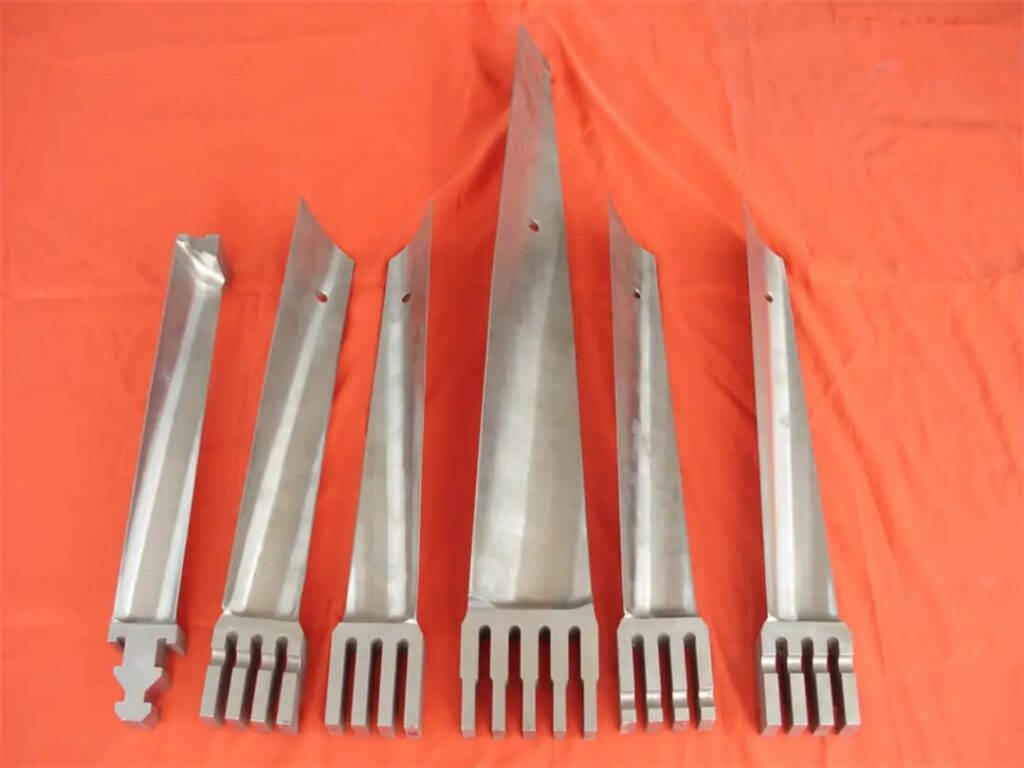
Turbine Blade Assembly

As we continue to explore the future of turbine technology and its applications, there are several other areas that are evolving and contributing to more advanced, sustainable, and efficient energy systems. The constant push for innovation in turbine design, driven by the need to meet global energy demands while reducing carbon emissions, highlights the adaptability and critical role turbines will play in various industrial sectors.

One significant trend that is gaining momentum is the rise of decarbonized heating systems powered by turbines. Industries such as chemicalscement, and refining require high-temperature heat for their processes, traditionally obtained through the combustion of fossil fuels. With increasing regulatory pressure to reduce carbon emissions, these industries are exploring more sustainable alternatives, including the integration of electrified heating systems driven by turbines. Electric steam boilers and cogeneration plants equipped with steam turbines can efficiently provide the heat and power needed while significantly lowering emissions. The use of green hydrogen or biomass as fuels for these systems is also gaining ground, providing a cleaner alternative to fossil fuels.

In the field of offshore wind energy, the demand for larger and more powerful wind turbines is pushing the boundaries of turbine technology. Offshore wind farms, which are typically located far from shore, require turbines that can withstand harsh marine environments, including strong winds, saltwater corrosion, and high wave forces. Floating wind turbine technology, for example, is rapidly evolving to harness wind resources in deeper waters that were previously inaccessible to traditional fixed-bottom turbines. These turbines are designed to be installed on floating platforms, connected to the seabed by anchors. The development of more efficient turbines that can harness the power of deep-water wind resources will enable the expansion of offshore wind energy, playing a key role in the transition to renewable energy.

In nuclear power generation, turbines are central to the efficient conversion of heat produced by nuclear reactions into electricity. With the global shift toward clean energy sources, next-generation nuclear reactors are being developed that offer safer, more efficient, and smaller-scale power production. Small modular reactors (SMRs) are a promising technology that could revolutionize nuclear power by providing compact, scalable energy solutions. These smaller reactors can be coupled with advanced turbine designs to produce energy with a lower environmental footprint. Additionally, integrated energy systems that combine nuclear power with renewable energy sources, such as solar or wind, could further enhance the sustainability of the energy grid.

Turbine technology is also essential for the development of advanced power storage solutions, particularly in the form of pumped hydro storage. This energy storage method involves using excess electricity to pump water uphill into a reservoir during periods of low demand. When electricity is needed, the stored water is released to flow downhill and drive a turbine, converting the potential energy back into electricity. Pumped hydro storage is one of the most effective ways to store large amounts of energy and provide grid stability. The integration of turbines into these systems is critical to ensuring that energy can be stored efficiently and released when demand peaks, making it an essential component of a reliable and sustainable energy grid.

With the growing complexity of modern energy systems and the increasing demand for energy storagegrid management technologies are evolving. Smart grids, which integrate advanced digital communication, real-time monitoring, and data analytics, are becoming essential for managing power distribution across regions and industries. Turbine-based power plants are increasingly being integrated with smart grid technologies, enabling more responsive and adaptive energy systems. The ability to monitor turbine performance in real time and adjust operations based on fluctuations in power demand or the availability of renewable energy sources enhances grid stability and reliability.

The adoption of machine learning and artificial intelligence (AI) in turbine operations is also changing how turbines are maintained and optimized. AI algorithms can predict maintenance needs, identify performance issues, and even propose operational adjustments to optimize turbine efficiency. By integrating AI into turbine control systems, operators can enhance the predictive maintenance capabilities, reducing the risk of failure, extending the lifespan of turbines, and lowering operating costs. This shift toward automated and data-driven maintenance approaches is helping industries reduce unplanned downtime and improve overall turbine performance.

As decentralized energy systems become more widespread, turbines will continue to play a key role in balancing supply and demand. In microgrids, turbines can provide reliable backup power during outages or periods of high demand. These systems are particularly useful in regions with unreliable power infrastructure or remote locations where access to the central grid is limited. The ability to deploy turbines as part of localized energy solutions ensures that industries and communities can maintain a steady supply of energy, even in challenging environments.

Turbine applications in carbon capture, utilization, and storage (CCUS) technologies are also becoming increasingly important. Industries that generate large amounts of carbon emissions, such as cement and steel production, are under pressure to reduce their environmental impact. Turbines play a critical role in powering carbon capture systems, which capture CO2 from industrial processes and prevent it from being released into the atmosphere. By combining steam turbines with carbon capture technologies, industries can reduce their emissions while continuing to produce goods and services. In the long term, the integration of turbines with CCUS systems may allow industries to achieve net-zero emissions, making a significant contribution to global climate goals.

Finally, digitalization is transforming the way turbines are designed, built, and operated. The development of digital twins and advanced simulation tools allows turbine manufacturers and operators to create virtual models of turbines, which simulate their performance under a wide range of conditions. This enables engineers to optimize turbine designs, improve efficiency, and identify potential problems before they occur. The use of cloud computing and big data analytics also facilitates real-time monitoring and optimization of turbine operations, allowing for more efficient and proactive management of turbine fleets.

In conclusion, the future of turbines in industrial applications is incredibly dynamic, with continuous advancements driven by the need for more efficient, sustainable, and adaptable energy solutions. From green hydrogen and offshore wind to smart grids and carbon capture technologies, turbines will remain at the core of the energy transformation. The integration of digital technologies, advanced materials, and automation will ensure that turbines continue to meet the growing demands of industries worldwide, contributing to a cleaner, more resilient, and more sustainable energy future. The evolution of turbines will play a pivotal role in the global effort to address climate change, reduce emissions, and transition to a low-carbon economy.

Overview of Steam Turbine Electricity Generation

Steam Turbine Efficiency

Turbine electricity generation has become one of the most important technologies in global power generation, harnessing mechanical energy to produce electrical power efficiently. Turbines convert various forms of energy, such as thermal energy from fossil fuels, nuclear energy, or renewable sources like wind and water, into mechanical energy. This mechanical energy is then used to drive a generator, producing electricity. Over the years, turbine technologies have evolved to meet the increasing demand for more efficient, cleaner, and sustainable energy sources, making them a key component of modern power systems. The basic working principle of turbine electricity generation relies on the conversion of energy through rotational motion to power generators, with each turbine type designed to suit different energy sources and operational environments.

Steam turbines

Steam turbines are widely used in thermal power plants, where boilers convert fuel into heat, turning water into steam. The steam is directed at the blades of the turbine, which rotate due to the high-pressure steam pushing against them. This rotational motion is connected to a generator, which produces electricity. Steam turbines can run on a variety of fuels, including coalnatural gas, and nuclear fuel, as well as renewable sources such as biomass. In combined cycle power plants, the exhaust heat from the steam turbine can be used to produce additional electricity by driving a gas turbine. This type of generation, known as combined heat and power (CHP), maximizes the energy efficiency of the system by utilizing waste heat.

Steam turbines are highly efficient, with modern designs capable of converting up to 45-50% of the thermal energy into usable electricity. In addition, advancements in supercritical and ultrasupercritical steam turbines, which operate at higher pressures and temperatures, have led to significant increases in efficiency and power output. However, steam turbines also come with environmental concerns due to the emissions from fossil fuels. As a result, there has been a global push to incorporate carbon capture technologies in coal-fired plants to reduce greenhouse gas emissions, as well as a transition toward cleaner sources like natural gas and renewables.

Gas turbines

Gas turbines are widely used in combined cycle power plants, where their efficiency can be significantly enhanced by using the exhaust gases to generate steam for a steam turbine. Gas turbines operate by compressing air, mixing it with fuel, and igniting the mixture to create high-temperature, high-pressure gases. These gases expand rapidly through a turbine, causing it to spin. This spinning motion drives the generator, producing electricity. Gas turbines are often used for peaking power plants, where they can quickly ramp up production to meet spikes in electricity demand.

Gas turbines are more efficient than steam turbines in many cases, with modern designs achieving efficiencies of up to 60%. Their ability to quickly respond to changes in electricity demand makes them an essential part of modern grid stability and load balancing systems. Additionally, advancements in combined cycle technology, where both a gas turbine and a steam turbine are employed together, further enhance the efficiency and output of gas turbine power plants. However, like steam turbines, gas turbines are still dependent on fossil fuels for fuel combustion, which presents ongoing environmental concerns.

Wind turbines

Wind turbines are a key technology in renewable energy generation. These turbines use the kinetic energy of the wind to spin blades connected to a generator. The rotational motion generated by the wind-driven blades is used to generate electricity. Wind turbines come in two main types: horizontal-axis wind turbines (HAWTs) and vertical-axis wind turbines (VAWTs). HAWTs are the most common, with large blades mounted on a horizontal axis, whereas VAWTs have vertical blades that allow them to capture wind from any direction.

Wind turbines are considered a clean energy solution as they produce electricity without emitting greenhouse gases. They are also scalable, with wind farms consisting of dozens or even hundreds of individual turbines. While wind turbines are highly efficient, with some modern designs achieving power conversion rates of up to 40-50%, they are dependent on wind availability and therefore cannot produce electricity constantly. This variability can present challenges for grid integration, though advancements in energy storage systems and grid management technologies are helping to address these challenges. Offshore wind turbines, in particular, are becoming increasingly important as they can harness stronger and more consistent winds in coastal areas.

Hydro turbines

Hydropower is one of the oldest and most established forms of renewable energy generation, relying on the force of water to turn a turbine. Hydro turbines are typically installed in dams or flowing rivers, where the movement of water, whether in a river or controlled flow from a dam, is used to drive turbine blades. The rotating turbine is connected to a generator, which produces electricity. Hydropower can be divided into large-scale hydroelectric damsrun-of-river systems, and small hydro systems.

Hydropower is a highly efficient energy source, with large-scale hydroelectric plants often achieving efficiencies above 90%. It is also a reliable and consistent power source, as water flow is continuous. However, the environmental impact of large dams—such as habitat disruption, water quality issues, and displacement of local communities—has led to concerns. Smaller-scale, low-impact hydropower systems, such as run-of-river plants, are being developed to mitigate some of these issues.

Wind and steam turbines in hybrid systems

As the push for renewable energy integration grows, turbine-based systems that combine multiple power generation methods are becoming more common. Hybrid energy systems that integrate wind turbines with steam or gas turbines are one example of how turbine technology can be used to complement and stabilize intermittent renewable energy sources. For example, a wind turbine farm can generate electricity when wind speeds are high, but when winds die down, a backup steam turbine or gas turbine can be used to maintain a constant electricity supply. This approach provides the benefits of renewable energy while minimizing the reliance on fossil fuels and ensuring continuous power generation.

Future trends in turbine electricity generation

Looking ahead, the role of turbines in electricity generation will continue to evolve as industries push for cleaner, more sustainable energy sources. Decarbonization efforts are driving innovation in hydrogen turbines, where green hydrogen produced from renewable sources is burned in gas turbines. This process emits only water vapor, making hydrogen-powered turbines a promising solution for reducing the carbon footprint of power generation.

Advances in digitalization and automation will also transform turbine electricity generation. Internet of Things (IoT) sensors embedded in turbines will enable operators to remotely monitor turbine performance, predict maintenance needs, and optimize efficiency. Machine learning and artificial intelligence (AI) will further enhance turbine operations by providing real-time data analysis and automated decision-making, ensuring that turbines operate at peak efficiency under varying load conditions.

Floating wind turbines are another exciting development. These turbines are mounted on floating platforms, enabling them to be deployed in deeper waters where wind speeds are higher and more consistent. As offshore wind power continues to grow, floating wind turbines could significantly expand the potential for wind energy generation.

Finally, the growing integration of energy storage systems with turbines will help to address the intermittency of renewable energy sources like wind and solar. By coupling turbines with advanced energy storage technologies, such as batteries and pumped hydro storage, excess energy generated during periods of high production can be stored and used when demand rises or when renewable generation falls. This integration will enhance the stability and reliability of power grids, enabling a more resilient and sustainable energy system.

In conclusion, turbine-based electricity generation is a central pillar of the global energy transition. From steam and gas turbines in thermal power plants to wind and hydro turbines in renewable energy systems, turbines are at the forefront of producing clean, reliable power. The continued evolution of turbine technologies—driven by the need for greater efficiency, sustainability, and flexibility—will ensure that turbines remain essential to meeting the world’s growing energy needs while addressing environmental challenges.

As turbine technology continues to evolve, several key trends and advancements are expected to shape the future of electricity generation and enhance the role of turbines in meeting the world’s energy demands. These developments are not just focused on improving efficiency but also on reducing environmental impact, ensuring reliability, and adapting to changing energy grids.

1. Integration with Renewable Energy Systems

The push for renewable energy is driving the integration of turbines with sources like wind, solar, and hydropower, making turbines a key enabler of the transition to a low-carbon future. As the share of renewables in the energy mix increases, hybrid systems that combine turbines with renewable technologies are becoming more common. For instance, wind farms paired with battery storage or pumped hydro storage can provide a more stable and reliable power output, helping to smooth out the intermittent nature of wind and solar power. Turbines are also being integrated into smart grids to allow for more efficient energy distribution and to enable real-time balancing of supply and demand.

2. Advancements in Turbine Materials

The development of advanced materials is another area where turbine technology is making significant strides. High-temperature alloyscomposite materials, and ceramic coatings are being developed to improve the performance, durability, and lifespan of turbine components. These materials allow turbines to operate at higher temperatures and pressures, enhancing their overall efficiency. Additionally, these materials can help turbines withstand harsh operating environments, such as the high-wind and corrosive conditions found in offshore wind farms. The use of lighter materials can also reduce the weight of turbines, making them easier to transport, install, and maintain.

3. Advanced Control and Monitoring Systems

The rise of digital technologies such as artificial intelligence (AI)machine learning, and big data analytics is revolutionizing turbine operations. Advanced control systems allow for real-time monitoring of turbine performance, enabling operators to predict maintenance needs and optimize performance. Predictive analytics can identify issues before they become major problems, reducing the risk of failure and extending the lifespan of turbines. Additionally, AI-driven optimization systems can dynamically adjust turbine operations to maximize efficiency under varying environmental conditions, such as changes in wind speed, temperature, and grid demand.

The integration of Internet of Things (IoT) sensors within turbines further enhances operational efficiency. These sensors can measure key parameters such as vibration, temperature, and pressure, providing valuable data that helps operators monitor turbine health and performance remotely. This real-time data collection also helps in performing more targeted maintenance, reducing downtime, and improving the overall economics of turbine-based electricity generation.

4. Energy Storage Solutions

As mentioned earlier, the integration of energy storage technologies with turbines will play an important role in enhancing the reliability of renewable energy sources. Battery storage systems, pumped hydro storage, and compressed air energy storage (CAES) are all being explored as ways to store excess energy generated by turbines during periods of high production and release it during periods of low demand. These storage systems can help mitigate the intermittency of wind, solar, and hydropower, ensuring a continuous and stable energy supply.

Battery energy storage systems (BESS), in particular, are being rapidly developed to store electricity at a large scale. As these storage systems become more cost-effective and efficient, they can be deployed alongside wind and solar turbines to create a more flexible and resilient energy grid. Additionally, distributed energy storage at the consumer level could allow for a more decentralized energy system, where turbines and storage systems are directly connected to local communities or industries.

5. Decarbonization through Green Hydrogen

One of the most promising areas for the future of turbine electricity generation is the use of green hydrogen. Hydrogen produced through electrolysis powered by renewable energy (green hydrogen) can be used as a clean fuel for gas turbines. When burned, hydrogen produces only water vapor, making it a zero-emission fuel. This offers a potential pathway for decarbonizing heavy industries that rely on gas turbines, such as power generation, chemical production, and aviation.

Turbine manufacturers are already exploring the integration of hydrogen-ready turbines, which are designed to operate on hydrogen or hydrogen-blended fuels. Hydrogen combustion in turbines has the potential to replace natural gas as a cleaner alternative, allowing turbines to continue providing reliable electricity without contributing to greenhouse gas emissions.

In the future, turbines will play an essential role in the hydrogen economy by converting hydrogen into electricity or using it in combined heat and power (CHP) systems, where the waste heat can be utilized for industrial processes. This creates a closed-loop system that can drastically reduce the carbon footprint of energy-intensive industries.

6. Offshore Wind Expansion

The development of offshore wind energy is another area where turbine technology is seeing substantial growth. Offshore wind farms have the advantage of stronger, more consistent winds compared to onshore sites, which allows for higher electricity generation. As turbine designs improve, particularly in floating wind turbine technology, the potential for offshore wind power is expanding rapidly.

Floating wind turbines, unlike traditional fixed-bottom turbines, are installed on floating platforms anchored to the seabed. This allows them to be deployed in deeper waters where wind speeds are higher and more consistent, opening up vast new areas for wind power generation. Offshore wind farms are also being designed with higher capacity turbines that can generate more power from a single unit, further increasing the scale and efficiency of offshore wind projects.

These turbines will be integral to achieving global renewable energy targets, providing a significant share of electricity generation in coastal regions worldwide. Additionally, the integration of offshore wind power into hybrid offshore grids—where wind, solar, and storage are combined—could provide a more stable and sustainable power source for the future.

7. Small-Scale and Distributed Power Generation

While large utility-scale turbines are critical for meeting national energy demands, small-scale and distributed turbine systems are becoming increasingly important. These systems, such as microturbines and small wind turbines, are ideal for remote locations and off-grid applications. They offer flexibility, portability, and the ability to generate power locally without relying on the central power grid.

Microturbines, which are small gas turbines capable of generating electricity in the range of 30 to 300 kW, are being used in various applications, including industrial cogenerationdistrict heating systems, and remote power stations. In off-grid areas or regions with unreliable electricity supply, small-scale turbines can provide a reliable source of power, enabling communities and industries to operate independently of the main electricity grid.

8. Energy Efficiency and Hybrid Turbine Systems

As the demand for more energy-efficient systems grows, turbine designs will continue to evolve to maximize energy conversion and minimize waste. Hybrid turbine systems that combine turbines with gas enginesfuel cells, or solar panels are being explored to improve the efficiency of power generation. For example, a combined heat and power (CHP) system that integrates a steam turbine with a gas turbine can capture and reuse waste heat, making the system more efficient. These hybrid systems can operate across various sectors, from industrial facilities to residential buildings, providing reliable power while optimizing energy usage.

In the future, we can expect further integration of turbine technology with other innovative systems to create highly efficient, low-emission energy solutions.

Conclusion

The future of turbine electricity generation looks incredibly promising, with numerous advancements underway to improve efficiency, reduce environmental impact, and enhance the flexibility of turbine-based power systems. From renewable integration and advanced materials to energy storagegreen hydrogen, and smart grid technologies, turbines will continue to be at the heart of the global energy transition.

As these technologies evolve, turbines will remain crucial for providing reliable, sustainable, and cost-effective electricity generation that can meet the demands of a growing population and an increasingly decarbonized world. With a focus on innovation, decarbonization, and energy resilience, turbine technology will continue to shape the future of the energy sector.

The future of turbine electricity generation is shaped by advancements that aim to make turbines more efficient, environmentally friendly, and adaptable to diverse energy systems. The global transition to renewable energy sources, in particular, is driving innovation in turbine technology, ensuring that turbines play a key role in meeting the world’s growing electricity needs. As renewable sources like wind and solar become more dominant, turbines need to integrate seamlessly into the grid while dealing with their inherent intermittency and variability. This integration requires improvements in turbine design, energy storage solutions, and grid management technologies.

In the context of wind power, offshore wind is emerging as a major source of energy, driven by the development of floating wind turbines that can be deployed in deeper waters. These turbines harness stronger and more consistent wind patterns, making offshore wind a powerful tool for generating large-scale renewable electricity. Offshore wind farms are becoming larger and more efficient, with turbines being designed to produce higher capacity output. This advancement not only supports global renewable energy goals but also helps reduce dependence on fossil fuels, which are major contributors to climate change.

Furthermore, floating turbines are expected to open up new opportunities for offshore wind energy production in areas previously inaccessible. The development of hybrid turbine systems that combine multiple renewable energy sources, such as wind and solar, along with energy storage technologies like batteries, will improve the flexibility and reliability of renewable power. These hybrid systems provide a more consistent electricity supply, even when wind or solar power is not available, ensuring a stable power grid that can handle fluctuating demand.

The use of green hydrogen in turbines is another transformative trend. Hydrogen, when produced using renewable energy through electrolysis, can serve as a clean fuel for turbines. Unlike natural gas or coal, hydrogen combustion only produces water vapor, making it a zero-emission fuel source. Hydrogen-ready turbines are being developed to burn hydrogen or hydrogen blends, offering a sustainable way to decarbonize industries and power systems that still rely on fossil fuels. This technology could significantly reduce emissions in sectors that are difficult to electrify, such as heavy industry, aviation, and maritime transportation.

Advancements in turbine materials are also driving the efficiency of electricity generation. New materials that can withstand higher temperatures and pressures allow turbines to operate at higher efficiency levels. These materials, including high-temperature alloys and composite materials, enable turbines to perform better in harsh environments, such as offshore wind farms or high-temperature steam cycles in power plants. Ceramic coatings are also being used to protect turbine components from erosion and corrosion, extending their lifespan and improving their overall performance.

The digitalization of turbine operations is another major shift in the energy sector. Sensors embedded in turbines, part of the Internet of Things (IoT), collect real-time data that operators can use to monitor performance, predict maintenance needs, and optimize energy output. These data-driven insights allow for more efficient turbine management, reducing downtime and improving system reliability. The integration of artificial intelligence (AI) and machine learning will further enhance turbine performance, allowing systems to automatically adjust to changing conditions to optimize power generation.

One of the most promising aspects of future turbine electricity generation is the role of energy storage systems. As renewable energy sources like wind and solar power are intermittent, the ability to store excess energy for use during periods of low production is crucial for grid stability. Battery energy storage systems (BESS)pumped hydro storage, and compressed air energy storage (CAES) are all being explored to store energy generated by turbines, ensuring that electricity is available when demand spikes or when renewable generation drops. With advances in energy storage technologies, turbines will be able to operate more flexibly, helping to maintain a stable electricity supply even in the face of unpredictable weather patterns or grid disturbances.

In addition to large-scale turbines in utility-scale power plants, there is growing interest in small-scale turbine systems that can be deployed for distributed energy generationMicroturbines, which are small gas turbines capable of generating electricity in the range of tens to hundreds of kilowatts, can be used for industrial applications, remote power generation, and off-grid communities. These systems are increasingly being used in combined heat and power (CHP) applications, where the waste heat from turbines is captured and used for heating purposes, improving overall energy efficiency.

As the demand for energy efficiency and sustainability increases, turbines will continue to evolve. The integration of sustainable fuels, such as biofuels and hydrogen, into turbine systems will reduce the carbon footprint of power generation. Additionally, advancements in turbine efficiency and performance will help meet the growing energy demands of a rapidly urbanizing and industrializing world. By improving the design, performance, and operation of turbines, the energy sector will be better equipped to transition to a cleaner, more sustainable energy future.

Turbine technology, driven by innovations in materialscontrol systems, and energy storage, will remain a core component of global electricity generation. The continued focus on decarbonizationrenewable energy integration, and smart grid technologies will ensure that turbines continue to play a vital role in providing reliable, clean, and efficient power. With the right combination of technological advancements and policy support, turbines will be essential to achieving a sustainable energy future for all.

Introductory Knowledge on Steam Turbines

Steam Turbine Generator Manufacturers

Turbines are essential machines that convert different types of energy, primarily thermal or kinetic, into mechanical energy. This energy conversion process is vital in a variety of industries, including power generation, transportation, and manufacturing. At their core, turbines operate by using a fluid—whether it’s steam, gas, or water—to rotate blades attached to a rotor. As the fluid moves across the blades, it causes the rotor to spin, which in turn drives machinery, such as electric generators, compressors, or pumps. The spinning of the rotor is what generates mechanical energy, which can be converted into electricity or used for other industrial processes.

The operation of turbines is governed by the basic principles of fluid dynamics and thermodynamics. These principles explain how energy is transferred from the fluid to the turbine blades and subsequently converted into mechanical energy. Turbines are designed to operate in a wide range of conditions, from the high pressures and temperatures found in steam turbines used in power plants to the high-speed rotations of gas turbines in aviation engines.

One of the most common types of turbines is the steam turbine, which converts thermal energy from steam into mechanical energy. Steam turbines are widely used in thermal power plants, where water is heated in a boiler, producing steam. This steam then flows through the turbine, causing the blades to spin and generate mechanical energy. This energy is then used to drive generators that produce electricity. Steam turbines are highly efficient, especially when designed for specific conditions, and they can operate for long periods with minimal maintenance.

Another type of turbine is the gas turbine, commonly used in both power generation and aviation. In a gas turbine, air is compressed and then mixed with fuel, which is ignited to create high-temperature, high-pressure gases. These gases expand rapidly and pass through the turbine blades, causing the rotor to spin. Gas turbines are often used for combined-cycle power plants, where the exhaust gases from the turbine are used to produce steam that drives a steam turbine, further increasing the efficiency of the system.

Hydraulic turbines, on the other hand, convert the kinetic energy of flowing water into mechanical energy. They are typically used in hydroelectric power plants. Water from a reservoir flows through the turbine, causing the blades to rotate and drive a generator. The potential energy of water stored at a height is converted into mechanical energy as the water flows downwards, and this is used to produce electricity.

The basic components of a turbine include the rotor, which consists of the shaft and blades, and the stator, which is stationary and serves to direct the fluid flow toward the rotor. The rotor is typically connected to a generator or other machinery, depending on the application. The energy produced by the rotor can be used for a variety of purposes, including electricity generationpumping water or fluids, compressing gases, or even driving large machinery in industrial settings.

A key feature of turbines is their ability to be scaled up or down for different applications. Large turbines in power plants are designed to generate electricity for entire cities, while smaller turbines, such as microturbines or small wind turbines, can be used in more localized or specialized applications. Wind turbines are another example of how turbines can be adapted for renewable energy generation. Wind turbines use the kinetic energy of wind to rotate large blades, which then drive a generator to produce electricity.

The design of turbines has evolved significantly over the years, incorporating advancements in materialsaerodynamics, and fluid mechanics to improve efficiency and reliability. Advanced materials, such as high-temperature alloys and composites, are used to ensure that turbines can withstand extreme operating conditions, such as high pressures, temperatures, and corrosive environments. These materials help increase the lifespan of turbines and allow them to operate more efficiently.

Turbines are crucial to the energy sector, but their applications extend beyond power generation. They are used in marine propulsion systems, where gas turbines or steam turbines are used to power ships, and in the aerospace industry, where turbines are used in jet engines. Their versatility makes them valuable across various sectors, contributing to everything from sustainable energy production to transportation and industrial processes.

In conclusion, turbines are integral to many industrial applications, especially in energy generation. Their ability to convert energy from fluids into mechanical power is fundamental to modern society, providing reliable sources of electricity, propulsion, and mechanical power. As technology continues to evolve, turbine designs will likely become more efficient, adaptable, and environmentally friendly, supporting the global push toward cleaner, more sustainable energy solutions.

Turbines continue to play a crucial role in modern industry, and their evolution is strongly influenced by ongoing developments in energy efficiency, sustainability, and technological advancements. As global energy demands increase and the push for renewable energy accelerates, turbines are being increasingly adapted to meet the challenges of a changing energy landscape.

One significant trend is the development of hybrid turbine systems that combine turbines with other technologies such as solar panelswind energy, and energy storage systems. This approach enhances the flexibility and reliability of energy generation, allowing turbines to function more effectively alongside renewable sources. For example, combined-cycle power plants, which integrate both gas turbines and steam turbines, are increasingly being used to optimize fuel consumption and increase efficiency. The high efficiency of these systems allows for better use of resources while also reducing the environmental impact of energy generation.

Furthermore, the integration of smart grid technologies with turbines is enabling more efficient distribution and management of electricity. Smart grids use digital technology to monitor and manage the flow of electricity, ensuring that energy is used more efficiently and that renewable energy sources like wind and solar are incorporated effectively into the grid. Turbines, especially those used for wind power, are a key part of this transition, as they are capable of adjusting output based on real-time data from the grid, thus helping to balance supply and demand.

Another aspect of turbine development is the growing use of advanced manufacturing techniques to improve the production and efficiency of turbine components. Techniques such as 3D printing and precision engineering allow for the creation of more complex and optimized turbine blades, rotors, and other components. These advancements improve turbine performance, reduce manufacturing costs, and allow for quicker adaptation to new technologies. By using advanced materials such as carbon fiber and ceramic coatings, manufacturers can produce turbines that are lighter, more durable, and capable of handling extreme operating conditions. For instance, wind turbine blades are being designed with more aerodynamic shapes and materials that allow for greater energy capture from lower wind speeds, enhancing the efficiency of wind power generation.

Turbines also play a significant role in addressing climate change, particularly as the world looks to decarbonize the energy sector. Green hydrogen is emerging as a promising solution for reducing emissions in industries that are difficult to electrify. Turbines are being developed to run on hydrogen, a clean fuel that produces no emissions when burned. In particular, gas turbines are being adapted to handle hydrogen or hydrogen-blended fuels, which could play a pivotal role in achieving net-zero emissions goals. By using hydrogen in turbines, power plants can generate electricity without contributing to carbon emissions, making turbines an integral part of future sustainable energy systems.

In the transportation and aerospace industries, turbines are evolving to meet the demand for more efficient, high-performance systems. In aviation, the development of more efficient jet engines and fuel-efficient gas turbines is critical to reducing the carbon footprint of air travel. Manufacturers are exploring new turbine designs that can provide greater thrust while using less fuel, as well as engines that can run on sustainable aviation fuels (SAF), which are derived from renewable sources. These innovations are essential for reducing aviation’s reliance on fossil fuels and mitigating the environmental impact of air travel.

In the marine sector, turbines are also advancing to meet the energy demands of ships and boats, particularly in the form of marine gas turbines. These turbines offer high power-to-weight ratios, making them ideal for large ships and vessels that need to operate efficiently while reducing their environmental impact. As shipping companies face increasing pressure to cut emissions, there is growing interest in alternative fuels such as hydrogen, ammonia, and biofuels for powering marine turbines. These fuels, when combined with turbine technology, could help reduce the carbon footprint of global shipping, which is a significant contributor to greenhouse gas emissions.

Turbine technology will also play a role in improving energy access in remote and off-grid regions. Microturbinessmall wind turbines, and hydropower turbines can provide decentralized power generation for communities that are not connected to the main electrical grid. These systems offer a reliable source of electricity in areas where traditional grid infrastructure is impractical or too expensive to build. By integrating turbines with solar power and battery storage, off-grid systems can provide a consistent supply of energy, improving living conditions and promoting economic development in remote areas.

The future of turbines is also tied to advances in digital technologies that are revolutionizing turbine operations. Turbines are increasingly becoming part of the Internet of Things (IoT), where sensors and monitoring systems provide real-time data on turbine performance. This data is analyzed using artificial intelligence (AI) and machine learning algorithms to optimize turbine operation, predict maintenance needs, and extend the lifespan of turbine components. These technologies also allow operators to monitor turbine performance remotely, improving efficiency and reducing the need for physical inspections, which can be costly and time-consuming.

As turbines become more interconnected with smart technologies, their role in the energy ecosystem will evolve. In particular, autonomous turbines that can self-optimize based on environmental conditions and grid demand are on the horizon. These turbines will be able to adjust their operations without human intervention, further increasing efficiency and reducing operational costs. Furthermore, the integration of turbines with blockchain technology could enable more secure, transparent, and efficient energy trading systems, allowing consumers and producers to trade electricity generated by turbines on decentralized platforms.

In conclusion, turbines are a key technology in the ongoing evolution of energy systems, with applications spanning from large-scale power generation to transportation and industrial processes. The continued development of turbine technology will focus on enhancing efficiencyreliability, and sustainability to meet the growing demand for clean, renewable energy. By incorporating advanced materialssmart technologiesrenewable fuels, and hybrid systems, turbines will continue to play a pivotal role in the global transition to a low-carbon future. As turbine designs evolve, they will not only contribute to sustainable power generation but will also enable innovations across a wide range of industries, creating new opportunities for energy access and environmental protection.

As we move further into the future, turbines are likely to undergo even more transformative changes, aligning with the demands of an increasingly digital and decentralized energy landscape. The continuous pursuit of higher efficiency, lower emissions, and greater integration with renewable energy sources will drive the next generation of turbine technologies. Several key trends are emerging that will shape the evolution of turbines:

  1. Decentralized and Distributed Energy Systems: The shift toward decentralized energy systems will see turbines used not only in large power plants but also in small-scale applications, such as residential and community-based energy systems. Small-scale turbines, like microturbines and small wind turbines, will become more prevalent in off-grid and rural areas where energy access is limited. These systems, often integrated with solar panels, batteries, and smart controllers, will provide localized power generation, improving energy resilience and reducing dependence on centralized grid infrastructure. This trend aligns with the growing movement toward distributed generation, where energy is produced closer to where it is consumed, reducing transmission losses and increasing energy security.
  2. Wind Turbine Advancements: Wind energy continues to be a key component of renewable energy generation, and the design of wind turbines will evolve to harness more energy from available wind resources. Innovations such as vertical-axis wind turbines (VAWTs) could provide advantages in urban settings or areas with lower wind speeds, offering greater flexibility in terms of installation. Additionally, advancements in offshore wind turbine technology, such as the development of floating wind turbines, will allow for the exploitation of more consistent and powerful winds in deep ocean waters. The increasing size and efficiency of wind turbines will contribute to the scalability of wind energy, allowing it to become an even larger part of the global energy mix.
  3. Integration with Smart Grids and Energy Management Systems: As energy grids become more smart, turbines will be seamlessly integrated into smart grids and energy management systems that optimize energy production and distribution. These systems will use real-time data and advanced analytics to monitor grid demand, predict renewable energy output from turbines, and balance supply and demand more effectively. Demand-response technologies will be increasingly used to adjust energy consumption based on availability, helping to optimize turbine energy production and ensure grid stability. This integration with digital technologies will improve the overall efficiency of turbine-powered systems and increase their flexibility in adapting to changing energy needs.
  4. Zero-Emission and Sustainable Fuels: The future of turbine technology is closely linked to the adoption of zero-emission fuels, especially in sectors that are difficult to decarbonize, such as heavy industry, aviation, and shipping. Hydrogen, produced through electrolysis using renewable electricity, is gaining attention as a clean fuel for turbines. Hydrogen-ready turbines that can burn pure hydrogen or hydrogen blends will play a crucial role in reducing emissions in power plants and industrial applications. By utilizing biofuels and other sustainable fuels, turbines can be designed to operate with little to no environmental impact, supporting the transition toward a net-zero emissions world.
  5. Artificial Intelligence and Predictive Maintenance: As turbines become more interconnected with digital technologies, the role of artificial intelligence (AI) in managing turbine operations will continue to grow. AI and machine learning algorithms will be used to optimize turbine performance by adjusting operating parameters based on real-time data. For example, turbines can use AI to predict changes in wind or weather patterns, adjusting their blades and operational settings accordingly to maximize efficiency. Additionally, predictive maintenance will allow for earlier detection of component failures, reducing downtime and maintenance costs. This proactive approach to turbine maintenance will extend the lifespan of turbine systems and reduce operational disruptions.
  6. Energy Storage Integration: The intermittency of renewable energy sources like wind and solar means that energy storage technologies will continue to play a crucial role in complementing turbine energy generation. Batteriespumped hydro storagecompressed air energy storage (CAES), and flywheel energy storage are some of the systems being developed to store excess energy produced by turbines during periods of low demand. This stored energy can then be released during peak demand times or when renewable generation is low, helping to balance supply and demand. The integration of energy storage with turbine systems will enhance the stability and reliability of power grids, especially in regions with a high penetration of renewable energy.
  7. Customization and Flexibility: Turbines will become more adaptable to diverse energy needs. In industries such as oil and gaschemical manufacturing, and mining, turbines will be tailored to specific operational requirements, ensuring that they deliver optimal performance in each setting. The use of modular turbine systems will allow for greater flexibility in scaling up or down based on energy demands, reducing installation costs and making turbines more accessible for smaller-scale projects.
  8. Sustainability and Circular Economy: The lifecycle of turbines, from manufacturing to disposal, will increasingly focus on sustainability. Turbine manufacturers will prioritize using materials that are recyclable and eco-friendly, reducing the environmental impact of production and disposal. For instance, the development of recyclable composite materials for wind turbine blades will reduce waste generated at the end of their operational life. Additionally, advances in circular economy practices will encourage turbine components to be reused, remanufactured, or refurbished rather than discarded. This approach will help reduce the carbon footprint of turbine systems and contribute to more sustainable manufacturing practices.
  9. Hybrid Power SystemsHybrid power systems, which combine turbines with other power generation technologies like solar and battery storage, will become more prevalent. These hybrid systems will optimize the use of available resources, ensuring a continuous and stable power supply while reducing reliance on fossil fuels. For example, in remote locations or island communities, solar-powered turbines or wind-solar hybrid systems could provide an affordable and reliable energy solution. This trend will not only enhance the efficiency of turbines but also make renewable energy systems more accessible to underserved regions.

In summary, the future of turbines is poised for significant advancements, driven by the need for cleaner, more efficient, and adaptable energy solutions. As turbine technology evolves, we will see increased integration with smart technologiesrenewable energy sources, and energy storage systems. These innovations will enable turbines to play a critical role in achieving a sustainable and decarbonized global energy system, ensuring reliable, affordable, and low-impact energy for generations to come. The continued development of turbines, supported by technological, material, and digital innovations, will make them even more integral to the future of energy production across a wide range of industries.

Steam Turbine Industry Overview
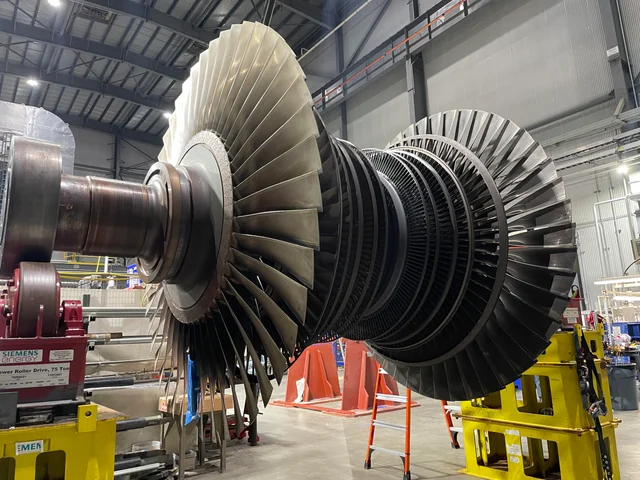
Energy Production and Steam Turbine Systems

The steam turbine industry has been a cornerstone of global power generation for over a century. These turbines are primarily used to convert thermal energy from steam into mechanical energy, which is then typically used to generate electricity. The steam turbine industry has evolved significantly over the years, driven by the demands for greater efficiency, reliability, and environmental sustainability. Today, steam turbines are used in a variety of applications, from large-scale power plants to industrial processes, and are an integral part of the energy mix worldwide.

The origins of the steam turbine industry can be traced back to the industrial revolution, when the need for more efficient power generation systems became paramount. Charles Parsons, an English engineer, is credited with developing the first commercially successful steam turbine in the late 19th century. His work laid the foundation for the widespread use of steam turbines in power generation, particularly in electricity plants. Parsons’ turbine design provided a more compact and efficient alternative to traditional reciprocating steam engines, enabling the growth of centralized power stations.

In the early 20th century, steam turbines became the primary technology for power plants, especially after the development of large, high-capacity turbines that could handle higher pressures and temperatures. Thermal power plants powered by steam turbines became the backbone of industrialized economies, driving the growth of electricity grids and supporting industrialization in both developed and developing regions.

Over time, the steam turbine industry expanded beyond electricity generation into various other sectors, including chemical processingoil and gas refining, marine propulsion, and even aircraft engines. The versatility of steam turbines in handling various heat sources, including coal, nuclear, and natural gas, made them essential to a wide range of applications. In nuclear power plants, steam turbines are used to convert the heat produced by nuclear fission into steam, which drives the turbine to generate electricity.

As the steam turbine industry has matured, there have been significant advances in turbine designmaterial science, and control systems. Modern steam turbines are designed for high efficiency and reliability, with advancements in high-temperature alloysadvanced cooling techniques, and turbine blade design helping to improve their performance. The integration of digital technologies and automation has also played a role in improving turbine operation, allowing for real-time monitoring, predictive maintenance, and better control of turbine performance.

In recent decades, the steam turbine industry has faced significant challenges related to environmental sustainability and the shift toward renewable energy sources. The global push for decarbonization and the transition to cleaner energy has led to increased interest in combined-cycle power plants (CCPPs) that use both gas turbines and steam turbines for higher efficiency. These plants reduce carbon emissions by using the waste heat from gas turbines to produce steam for the steam turbine, creating a more efficient system than using a steam turbine alone.

In response to these challenges, steam turbine manufacturers have focused on improving thermal efficiencyreducing emissions, and making turbines more adaptable to cleaner fuels. This includes the development of low-carbon steam turbines that can be powered by alternative fuels such as biomasswaste heat, and hydrogen. Hydrogen-powered steam turbines are an emerging technology that could play a crucial role in the transition to a low-carbon energy future. These turbines burn hydrogen as a fuel source, producing only water vapor as a byproduct and contributing to the reduction of greenhouse gas emissions.

The global steam turbine market has been experiencing steady growth, particularly in developing countries where industrialization and urbanization are driving the demand for reliable and efficient power generation. These regions are building new coal-fired and gas-fired power plants, as well as expanding nuclear power generation, all of which rely on steam turbine technology. According to industry reports, the Asia-Pacific region, particularly China and India, is expected to continue driving the largest share of demand for steam turbines, with significant investments in energy infrastructure.

In mature markets like North America and Europe, the focus is shifting toward modernization and upgrading existing steam turbine systems to improve their efficiency and reduce emissions. Many plants are being retrofitted with high-efficiency steam turbines, which help to meet increasingly stringent environmental regulations. These regions are also focusing on combined-cycle and renewable-integrated systems that use steam turbines in conjunction with other technologies like solar and wind power to enhance overall grid stability and efficiency.

As the demand for renewable energy grows, the role of steam turbines in combined heat and power (CHP) systems and cogeneration plants is becoming more prominent. In these systems, steam turbines generate both electricity and heat, providing a more efficient use of energy. This approach is particularly effective in industries like chemicalspaper manufacturing, and food processing, where both electricity and thermal energy are needed for production processes.

Steam turbine manufacturers are increasingly investing in R&D to improve turbine performance, reduce maintenance costs, and meet the evolving demands of the energy sector. This includes exploring new materials that can withstand higher temperatures and pressures, as well as developing advanced cooling systems that improve efficiency and extend the life of turbine components. Manufacturers are also focusing on modular designs that allow for easier transportation and installation, particularly in remote locations.

The steam turbine industry has also seen the rise of digital twins—virtual models of turbines that allow operators to simulate their performance, predict potential issues, and optimize maintenance schedules. This technology, combined with IoT sensors and cloud-based analytics, enables real-time monitoring and optimization of turbine performance, improving operational efficiency and reducing downtime.

Emerging markets are also investing heavily in renewable energy, and as part of this trend, the demand for hybrid power plants that combine steam turbines with renewable energy sources is on the rise. These hybrid systems can help stabilize the grid and provide a reliable energy supply even when renewable generation fluctuates. Additionally, the potential for using waste heat recovery and geothermal energy to power steam turbines is gaining attention in areas where these resources are abundant.

Looking ahead, the steam turbine industry is likely to continue evolving to meet the challenges of a rapidly changing energy landscape. As power generation transitions toward cleaner, more sustainable sources, steam turbines will remain an essential part of the global energy mix. Their ability to integrate with renewable energy systems, improve efficiency, and reduce emissions will ensure their continued relevance in the coming decades.

In conclusion, the steam turbine industry is a dynamic and essential part of the global energy sector. Its history is marked by continual innovation in design, materials, and application, and its future will be shaped by ongoing efforts to improve efficiency, reduce emissions, and integrate with renewable energy sources. As the world transitions to a low-carbon future, steam turbines will continue to play a pivotal role in providing reliable, efficient, and sustainable energy solutions.

The continued evolution of the steam turbine industry will be shaped by several key factors, including advancements in technologysustainability, and global energy trends. While steam turbines have been a longstanding cornerstone of industrial energy production, there are emerging developments and challenges that will influence their role in the future energy landscape.

Technological Advancements and Efficiency Improvements

As energy systems become more sophisticated, technological advancements in steam turbine design will play a critical role in boosting efficiency and performance. One major area of focus is the development of advanced materials capable of withstanding higher temperatures and pressures. Materials like superalloysceramic coatings, and composite materials are expected to make turbines more durable, allowing them to operate more efficiently under extreme conditions. These innovations will help extend the lifespan of turbines, reducing maintenance costs and improving overall performance.

Additionally, advancements in turbine blade design are expected to increase the efficiency of steam turbines. New blade shapes and advanced aerodynamics, such as bladed rotors with low-pressure drop designs, could help capture more energy from steam, thereby improving the overall conversion of thermal energy to mechanical power. As these technologies are developed and implemented, turbines will become even more efficient at converting steam into energy, making them more competitive in the rapidly changing energy market.

The rise of digital technologies, such as IoT sensors and predictive maintenance systems, will also have a significant impact on the future of steam turbines. Real-time data collected from turbines can be analyzed using machine learning algorithms to predict performance degradation, detect faults before they happen, and optimize turbine operations. By using these advanced digital tools, operators can ensure that turbines are running at peak efficiency, thereby reducing downtime and minimizing the need for costly repairs.

Integration with Renewable Energy Sources

One of the most significant trends in the energy sector is the shift toward renewable energy, and steam turbines are increasingly being integrated with renewable power generation systems. While turbines have traditionally been used in fossil-fuel-based power plants, there is growing interest in using steam turbines alongside solarwind, and biomass energy sources.

In solar power plants, steam turbines can be combined with concentrated solar power (CSP) systems, which use mirrors or lenses to concentrate sunlight onto a fluid that is then heated to produce steam. The steam is used to drive the turbine and generate electricity. This hybrid approach enables solar power to be used for baseload power generation, helping to stabilize the grid during periods of low sunlight.

Similarly, in biomass power plants, steam turbines can be fueled by organic materials, such as wood chipsagricultural residues, and municipal waste. By burning these materials to produce steam, biomass plants can generate renewable electricity while reducing reliance on fossil fuels. As the technology for waste-to-energy (WTE) systems improves, steam turbines will become even more critical in managing waste and contributing to the renewable energy transition.

Additionally, as the share of intermittent renewable energy sources such as wind and solar increases in the grid, steam turbines will be integral in stabilizing power generation. Combined-cycle plants, which use both gas turbines and steam turbines, are already being deployed to maximize the efficiency of fossil-fuel-based power plants. However, with a higher focus on renewables, similar hybrid systems will likely emerge to combine steam turbines with renewable sources, helping to smooth out the fluctuations in renewable power generation.

Environmental Sustainability and Decarbonization

The drive for decarbonization and environmental sustainability is one of the most significant forces shaping the future of steam turbines. Governments, industries, and international organizations are pushing for net-zero emissions targets, and the energy sector is under increasing pressure to reduce its carbon footprint.

Steam turbines will play a key role in this transition by being adaptable to low-carbon fuels such as hydrogenHydrogen-powered turbines represent an exciting opportunity to decarbonize the power generation sector. When burned, hydrogen produces only water vapor as a byproduct, making it a completely zero-emission fuel. This potential makes hydrogen-powered steam turbines a critical part of a low-carbon energy future.

Manufacturers are already working on developing hydrogen-compatible turbines, which can burn hydrogen directly or in a mixture with natural gas. These turbines are expected to become a key technology in power plants that will transition from fossil fuels to hydrogen. Additionally, some carbon capture technologies are being developed to be paired with steam turbines in fossil-fuel plants, enabling them to capture CO2 emissions before they are released into the atmosphere.

Beyond hydrogen, carbon-neutral biofuels and waste-derived fuels also offer a potential solution for reducing the carbon impact of steam turbines. As demand for renewable and sustainable fuel sources grows, steam turbines will likely continue to evolve to burn these low-emission fuels efficiently.

The Role of Steam Turbines in Emerging Markets

Steam turbines will continue to play a vital role in emerging markets around the world. In countries that are undergoing industrialization and urbanization, the demand for reliable, affordable, and scalable power generation is growing. Steam turbines, particularly in coalgas, and nuclear power plants, remain a central technology for meeting this demand.

In regions such as AsiaAfrica, and Latin America, investments in large-scale energy infrastructure will continue to drive the need for steam turbines. As these regions build new power plants and expand their electricity grids, steam turbines will be needed to meet rising energy demands and to provide reliable baseload power generation.

These regions are also increasingly investing in renewable energy technologies, such as wind and solar, and steam turbines will likely be integrated into hybrid and renewable-focused energy systems. The transition to cleaner power generation will require turbines that can operate efficiently with alternative fuels and integrate with renewable technologies.

The Future of Turbines in Power Generation

The future of steam turbines in power generation will be driven by the convergence of several global trends. As energy storage technologies improve, turbines will be used more flexibly to meet fluctuating power demand. Energy storage systems, such as batteries and pumped hydro storage, will store excess energy from renewable sources during times of low demand, allowing steam turbines to be deployed when renewable generation is insufficient.

The development of smart grid technologies will also make turbines more adaptable to demand response systems, enabling operators to more efficiently manage electricity generation and distribution. As part of this transformation, steam turbines will likely work alongside other technologies, such as gas turbineswind turbines, and solar power systems, in hybrid power plants designed to deliver optimal efficiency and reliability.

The use of steam turbines in emergency backup power systems and off-grid applications will also expand. In remote areas or disaster-prone regions, microgrids with steam turbines and renewable energy sources can provide critical power in the event of grid failures, ensuring energy security and resilience.

Conclusion

In conclusion, steam turbines are poised to continue playing a central role in the global energy landscape. Despite challenges such as the rise of renewable energy and the push for decarbonization, steam turbines remain a versatile and efficient technology for power generation. Their role in combined-cycle power plantsrenewable energy integration, and low-carbon fuels will ensure that they remain a critical component of the energy mix for decades to come. As technology continues to evolve, steam turbines will become more efficient, adaptable, and environmentally sustainable, supporting the transition to a cleaner, more resilient energy future.

As we look ahead, the future of steam turbines in the global energy system will be shaped by several converging factors. Beyond technological innovations, steam turbines will be key to addressing some of the most pressing energy challenges of the 21st century, including grid stability, energy efficiency, and the reduction of greenhouse gas emissions. The industry’s response to these challenges will determine the extent to which steam turbines continue to thrive in a rapidly changing energy landscape.

Innovation in Steam Turbine Design

The continuous improvement in steam turbine design will be essential to meet the growing demands for more efficient and environmentally friendly power generation. One of the key areas of development is supercritical and ultra-supercritical steam cycles. These cycles operate at much higher pressures and temperatures than conventional steam turbines, enabling power plants to achieve higher thermal efficiencies. By using advanced materials that can withstand these extreme conditions, turbines can operate more efficiently, converting more of the thermal energy from fuel into useful electricity.

Additionally, advanced control systems and AI-driven optimization will further enhance turbine performance. These systems will allow turbines to adjust their operation in real-time, responding dynamically to changes in power demand and grid conditions. Machine learning algorithms can predict system behavior based on vast amounts of real-time data, improving turbine performance and reducing wear and tear, while also identifying areas for maintenance before a failure occurs.

In parallel, modular turbine designs are being explored to provide more flexibility in turbine installation and operation. Modular systems allow for quicker construction times and lower upfront costs, making it easier to deploy turbines in remote or challenging environments. This approach also helps to reduce downtime during maintenance, as smaller, standardized components can be swapped out more easily.

Steam Turbines and Energy Storage Solutions

As renewable energy sources like solar and wind become more prevalent, energy storage solutions will play an increasingly important role in maintaining grid stability. Steam turbines will be integrated with energy storage technologies to help balance power generation with demand, particularly when renewable generation fluctuates.

For example, in pumped-storage hydropower systems, steam turbines can be used to generate electricity from stored water when energy demand spikes. Similarly, steam turbines can work in tandem with battery storage systems in hybrid plants, providing a reliable backup when batteries are drained or when renewable energy output is inconsistent. These hybrid setups will become essential as grids rely more on intermittent renewable power sources.

Moreover, thermal energy storage systems are another promising application. These systems store heat (produced from renewable or waste heat sources) in the form of molten salts, phase-change materials, or other substances, which is later converted into steam to drive turbines. This allows for grid flexibility by using stored thermal energy during times of low renewable generation.

Decarbonizing with Hydrogen and Carbon Capture

As part of the energy transition, steam turbines will increasingly be coupled with hydrogen as a fuel source. Hydrogen is a versatile, zero-emission fuel that can be produced from renewable electricity (green hydrogen) or from low-carbon sources such as natural gas with carbon capture and storage (blue hydrogen). Hydrogen-powered steam turbines will play a critical role in decarbonizing industries that are traditionally difficult to electrify, such as heavy industry and transportation.

For example, hydrogen-based power plants using steam turbines could significantly reduce the carbon emissions associated with traditional coal or natural gas power plants. Steam turbines designed for hydrogen combustion will need to be modified to handle the unique combustion characteristics of hydrogen, which burns at a higher temperature and creates a different exhaust profile compared to conventional fuels.

Another promising avenue for decarbonization is the use of carbon capture and storage (CCS) technology, which can be integrated with steam turbine systems. In fossil-fuel-based power plants, steam turbines can be coupled with CCS technologies to capture CO2 emissions produced during combustion. These systems will reduce the environmental impact of steam turbines while still allowing them to be used for power generation, helping bridge the gap as the world transitions to fully renewable energy sources.

Grid Flexibility and Decentralized Power Generation

In the future, the role of distributed generation—where power is generated closer to the point of use—will expand. Steam turbines are well-suited for distributed energy systems because they can operate at different scales, from small industrial cogeneration plants to larger utility-scale facilities. This decentralization of power generation will help improve the resilience of the grid and reduce transmission losses.

Steam turbines are also capable of running in peaking power plants, where they are used to quickly ramp up power production during times of high demand. This will be particularly important as renewable energy sources become more dominant, since the variability of wind and solar power may lead to demand-supply imbalances.

Additionally, microgrids—small, localized networks that can operate independently or in conjunction with the main grid—are gaining traction, especially in regions with unreliable or limited access to central power grids. Steam turbines can provide critical backup power in these microgrids, ensuring energy security during emergencies or power outages.

Sustainability and Circular Economy

The global push toward sustainability means that steam turbines will be increasingly designed with the concept of a circular economy in mind. This includes the use of recyclable materialsreduced resource consumption, and extended product life cycles. Manufacturers are increasingly focused on designing turbines that are easier to repair, upgrade, and recycle at the end of their useful life. This reduces waste and ensures that valuable resources are reused.

In waste-to-energy plants, steam turbines will play an important role in turning municipal or industrial waste into energy, helping to reduce landfill waste while providing renewable power. Advances in waste management and bioenergy will expand the number of applications for steam turbines, especially in urban areas.

Global Market and Investment Trends

The global steam turbine market is poised for continued growth, driven by increasing investments in energy infrastructure, particularly in developing regions. The demand for reliable and affordable power generation systems is expected to remain strong, especially in countries experiencing rapid industrialization and urbanization. As these nations build out their energy infrastructure, steam turbines will continue to be central to meeting their energy needs.

Renewable energy investments will also contribute to the growth of the steam turbine industry, as more hybrid systems are developed to integrate renewable sources with traditional steam turbine technology. In addition, global government initiatives aimed at reducing carbon emissions and supporting cleaner energy technologies will encourage investment in innovative steam turbine solutions.

Concluding Remarks

As the world continues to transition toward cleaner, more efficient, and sustainable energy systems, steam turbines will remain a fundamental component of the global power generation landscape. Innovations in turbine design, fuel flexibility, digitalization, and integration with renewable energy sources will allow steam turbines to continue delivering reliable, efficient, and environmentally friendly power for decades to come.

While challenges like decarbonization, grid flexibility, and sustainability will continue to shape the industry, steam turbines’ versatility, efficiency, and adaptability to emerging technologies will ensure they remain a vital part of the global energy mix. Through continued innovation and integration with other energy systems, steam turbines will play a central role in building the resilient, low-carbon energy systems of the future.

General Advantages of Using Turbines

Waste Heat Recovery System

Turbines, particularly steam turbines, offer a range of significant advantages that make them an essential component in various power generation systems. These benefits span from operational efficiency to environmental sustainability, making turbines integral to both traditional and emerging energy markets. The general advantages of using turbines can be broken down into several key areas:

1. High Efficiency

One of the most notable advantages of turbines, especially steam turbines, is their ability to operate at high levels of efficiency. Steam turbines, when used in combined-cycle power plants, can achieve efficiency levels greater than 60%. By utilizing the waste heat from gas turbines to generate steam for the steam turbine, this combined-cycle approach maximizes the energy extracted from the fuel, reducing waste and improving overall system efficiency. Turbines are also highly efficient in converting thermal energy into mechanical energy, which is essential for large-scale power generation.

In addition, modern supercritical and ultra-supercritical steam turbines, which operate at higher pressures and temperatures than traditional turbines, can achieve even higher efficiencies. These turbines enable power plants to generate more electricity per unit of fuel, lowering operational costs and making them ideal for high-demand environments.

2. Reliability and Durability

Turbines are known for their reliability and durability in continuous operation. Steam turbines, in particular, have been used in power plants for over a century due to their ability to run for long periods without significant wear or failure. These turbines are designed to handle large-scale operations, making them suitable for baseload power generation, where a steady and reliable supply of electricity is required.

Their ability to withstand long hours of operation with minimal downtime also makes them ideal for applications where consistent performance is critical, such as in industrial settings and remote energy generation. Regular predictive maintenance and the use of advanced sensors have further extended the life of turbines, ensuring that they can continue to deliver reliable performance over many years.

3. Flexibility and Adaptability

Turbines, particularly steam turbines, offer a high level of flexibility and can be adapted to various fuel sources. While traditionally used in fossil fuel-based power plants, turbines are increasingly being designed to operate with renewable fuels such as biomasshydrogen, and waste-to-energy applications. This flexibility allows turbines to play a role in the transition to low-carbon and renewable energy sources.

Additionally, steam turbines can be integrated into hybrid power plants that combine fossil fuels and renewable energy. This adaptability allows them to work alongside solarwind, and hydropower systems, balancing power generation with demand and ensuring grid stability even when renewable output is variable. Their ability to quickly respond to changes in load demand further enhances their versatility.

4. Scalability

Turbines can be scaled to suit a wide range of power generation needs, from small-scale cogeneration plants to large utility-scale power plantsIndustrial cogeneration systems, for instance, use steam turbines to produce both electricity and process heat, making them highly efficient for energy-intensive industries such as chemical plantsrefineries, and paper mills.

On the larger scale, combined-cycle power plants use both gas and steam turbines to generate a substantial amount of electricity while achieving maximum efficiency. This scalability makes turbines suitable for a wide variety of sectors, from industrial manufacturing to municipal power generation.

5. Energy Security and Grid Stability

Turbines contribute significantly to energy security and grid stability. By providing reliable and consistent power, turbines ensure that electricity supply is maintained, even in the face of fluctuating energy demand. Steam turbines, especially in combined-cycle plants, can help stabilize the grid by supplying baseload power and providing backup generation during peak demand periods.

In regions with high penetration of renewable energy sources, such as wind and solar, steam turbines can work as flexible backup generators to fill in the gaps when renewable production is low, ensuring that the grid remains stable and reliable. This flexibility in operation is critical as the share of intermittent renewable energy grows in many regions.

6. Lower Environmental Impact

While turbines are commonly used in fossil fuel-based plants, modern turbine technologies are contributing to lower emissions and reduced environmental impactCombined-cycle plants that use both gas and steam turbines are inherently more efficient, which means less fuel is burned to produce the same amount of electricity, resulting in lower greenhouse gas emissions.

Additionally, turbines can be adapted to run on renewable fuels, such as biomass or hydrogen, which produce little to no carbon emissions. The development of hydrogen-powered turbines is particularly promising, as hydrogen combustion results in only water vapor as a byproduct, making these turbines a crucial technology for achieving net-zero emissions in the energy sector.

Carbon capture and storage (CCS) technologies can also be integrated with steam turbines to capture CO2 emissions produced during the combustion of fossil fuels. This technology can reduce the carbon footprint of traditional power plants, allowing turbines to continue to contribute to energy generation while minimizing their environmental impact.

7. Cost-Effectiveness

Despite the initial capital investment required to build steam turbine-based power plants, turbines are often more cost-effective in the long term compared to other power generation technologies. The combination of high efficiencyreliability, and long operational lifespan helps to lower operational and maintenance costs, making turbines an economically viable option for many power producers.

In addition, the development of modular turbine designs has reduced upfront costs and construction times, making turbines more accessible to smaller power plants and reducing the economic barriers for energy producers in developing regions. The ability to integrate turbines with renewable energy systems also provides economic benefits by improving the overall efficiency of hybrid power plants.

8. Advanced Control and Monitoring

Modern steam turbines are equipped with advanced control systems and monitoring technologies that improve their performance and operational efficiency. Digital turbines, which integrate Internet of Things (IoT) sensors and artificial intelligence (AI), can constantly monitor turbine conditions, predict potential failures, and optimize performance in real-time.

This smart monitoring enables operators to make data-driven decisions to ensure that turbines are running at peak performance, reducing the risk of unplanned outages and costly repairs. Additionally, predictive maintenance can help identify issues before they become major problems, further improving the overall efficiency of turbine-based systems.

9. Wide Range of Applications

Turbines are incredibly versatile and have a broad range of applications beyond power generation. In industries such as oil and gas, turbines are used to drive compressorspumps, and other mechanical equipment. In naval and aerospace applications, turbines are used to power ships and aircraft, where their high power-to-weight ratio is essential for efficient performance.

In district heating systems, steam turbines can be used to produce both electricity and heat for residential and commercial buildings, providing an integrated solution for energy needs. This ability to serve multiple functions in different sectors makes turbines indispensable in a variety of industrial contexts.

10. Long History and Proven Track Record

Finally, steam turbines have a long history and a proven track record in large-scale power generation. They have been the cornerstone of electricity generation for over a century, and their continued use and development demonstrate their effectiveness, reliability, and adaptability to changing technological and environmental requirements.

The extensive operational data and established infrastructure for steam turbines mean that power producers can rely on a well-understood and robust technology with minimal risk. This history, combined with ongoing innovation, ensures that turbines will remain an essential part of the energy landscape for the foreseeable future.

Conclusion

In conclusion, the advantages of using turbines are numerous and far-reaching. From their high efficiency and reliability to their flexibility in fuel use and wide-ranging applications, turbines continue to play a central role in modern power generation systems. As the world moves toward a more sustainable energy future, turbines will remain a vital component, adapting to new technologies, renewable fuels, and environmental standards. Their versatility, scalability, and efficiency ensure that turbines will continue to meet the growing global demand for energy while minimizing the environmental impact of power generation.

Turbines provide several key advantages that make them a cornerstone in power generation and other industrial applications. One of their most significant benefits is their high efficiency, particularly in combined-cycle power plants where both gas and steam turbines work together to maximize energy extraction from fuel. This hybrid system allows turbines to reach efficiencies of over 60%, reducing waste and improving the overall economic performance of power generation systems. With advancements in technology, supercritical and ultra-supercritical steam turbines now operate at even higher pressures and temperatures, further enhancing efficiency and fuel use.

Additionally, turbines are known for their reliability and durability. Steam turbines, in particular, have a long operational history in power plants due to their ability to operate continuously for extended periods with minimal maintenance. Their robust design enables them to handle the stresses of high-energy output and fluctuating operational conditions, ensuring a consistent power supply. This makes them an ideal choice for both baseload and peak-load power generation, providing grid stability and consistent energy output even during periods of high demand.

Turbines also offer significant flexibility and adaptability, as they can run on a variety of fuel sources, including fossil fuelsbiomass, and hydrogen, which is increasingly being explored as a cleaner fuel option. Their ability to integrate with renewable energy sources like wind and solar also ensures they can complement these intermittent energy supplies by providing backup power and stabilizing the grid. Their adaptability allows them to be used in hybrid power plants that combine traditional fossil fuels with renewable sources, making them a key player in the transition to low-carbon energy systems.

One of the other major advantages of turbines is their scalability. They can be used in a wide range of applications, from small-scale cogeneration plants to massive utility-scale power stations. In industries such as chemical processing or heavy manufacturing, turbines can be used for cogeneration, where they produce both electricity and process heat, improving energy efficiency and reducing operational costs. This scalability ensures that turbines are suitable for a diverse set of industries and applications.

Turbines also contribute significantly to energy security and grid stability. With their ability to quickly ramp up or down to meet fluctuating energy demands, turbines play an essential role in ensuring a reliable power supply, especially in regions with high renewable energy penetration. They act as a reliable backup when renewable sources like solar or wind are not producing sufficient power, thus helping maintain a stable grid.

Moreover, modern turbines are designed to have a lower environmental impact compared to older power generation technologies. The integration of combined-cycle systems allows for more efficient use of fuel, which reduces carbon emissions. Furthermore, the use of renewable fuels like hydrogen or biomass in turbines results in lower emissions, making turbines a cleaner option for power generation. When combined with carbon capture and storage (CCS) technologies, turbines can significantly reduce the environmental footprint of fossil fuel-based power plants.

The cost-effectiveness of turbines is another key benefit. Although the initial capital cost for constructing turbine-based power plants can be high, the long-term operational cost is relatively low due to their high efficiency and long lifespan. The use of predictive maintenance and digital technologies further optimizes turbine operation, reducing the frequency of breakdowns and lowering maintenance costs. These factors make turbines an attractive investment for both large utility companies and industrial sectors.

Turbines are also equipped with advanced control systems that allow operators to monitor and adjust their performance in real-time. These digital turbines, with embedded sensors and machine learning algorithms, enable precise control of turbine operation, enhancing efficiency and minimizing the risk of downtime. Predictive maintenance technologies also help identify potential issues before they result in costly repairs, improving the overall reliability and performance of turbine-based systems.

The wide range of applications for turbines extends beyond power generation into sectors such as transportation and industrial processes. In aviation and marine transportation, turbines are used to generate the high thrust required for aircraft and ships. In industrial settings, turbines drive machinery, compressors, and pumps, ensuring energy efficiency and operational productivity. Their ability to perform in various sectors underlines their versatility.

Turbines have a long history of successful implementation in large-scale power plants, and their proven track record adds to their credibility. The vast amount of operational data and experience accumulated over decades of use ensures that power producers can rely on turbines for steady and efficient performance. Furthermore, the ongoing innovation in turbine design ensures that this technology continues to evolve, meeting the demands of a changing energy landscape.

In conclusion, turbines are integral to modern energy systems, offering high efficiencyreliabilityflexibilityscalability, and cost-effectiveness. Their ability to adapt to a variety of fuel sources and power generation needs makes them a critical component in the transition toward sustainable and renewable energy systems. With continued advancements in design and integration with emerging technologies, turbines will continue to play a vital role in meeting global energy demands while minimizing environmental impact.

Turbines continue to evolve as technologies improve and the energy landscape shifts toward greater sustainability and efficiency. The integration of digital technologies, such as advanced sensorsreal-time data analytics, and AI-powered control systems, is transforming how turbines are monitored and managed. This digitalization enhances operational efficiency by providing real-time feedback, identifying potential performance issues before they cause failures, and optimizing turbine operation. With continuous performance monitoring and predictive maintenance capabilities, turbines can achieve even greater uptime, reducing the need for unplanned repairs and extending their lifespan.

Another major area of advancement is the design of turbines to accommodate a broader range of fuels. As industries and power plants seek to transition away from fossil fuels, there is growing emphasis on designing turbines that can run on renewable fuels such as biomasshydrogen, or even synthetic fuelsHydrogen-powered turbines, for example, are being developed to produce zero-emissions power by combusting hydrogen, which only releases water vapor as a byproduct. This marks a significant step in decarbonizing the power generation sector, particularly in hard-to-electrify industries.

Furthermore, turbine design continues to push the boundaries of efficiency. Advances in materials science, including the development of high-performance alloys and ceramic coatings, are enabling turbines to operate at even higher temperatures and pressures, leading to further increases in efficiency. These innovations not only improve fuel efficiency but also reduce the environmental impact of energy production by reducing the amount of fuel required to generate electricity.

Renewable energy integration is another important aspect in which turbines play a crucial role. In regions with high levels of renewable generation, steam turbines can act as backup generators, ensuring grid stability when wind or solar output fluctuates. Additionally, energy storage systems can be paired with turbines to store excess energy produced during times of high renewable generation and release it when demand rises or renewable generation drops. This combination of renewable energy, storage, and turbine backup creates a more resilient and flexible grid, capable of managing the transition to cleaner energy sources.

As turbines are increasingly used in emerging markets, their role in providing affordable and reliable electricity becomes even more critical. Many countries in AfricaAsia, and Latin America are turning to turbines to help power their growing populations and industries. The ability to build turbines for small-scale and modular power plants allows for decentralized energy solutions that can be quickly deployed in areas where access to the grid is limited.

Moreover, turbines are integral to the circular economy in various industrial processes. In waste-to-energy plants, turbines convert municipal solid waste and biomass into electricity, reducing the environmental burden of waste disposal while generating power. This shift not only reduces reliance on landfills but also provides a sustainable source of energy that can contribute to local power grids and communities.

The continued globalization of energy markets also underscores the importance of turbines in promoting energy independence. By using turbines to optimize local power generation, countries can reduce their reliance on imported energy, enhance energy security, and promote economic development. This is especially crucial for regions with abundant natural resources but limited access to conventional energy infrastructure, where turbines can help unlock new pathways to development.

Turbines will also play a role in hybrid power systems where traditional generation sources are integrated with renewables and storage technologies. These hybrid systems can leverage the strengths of turbines’ efficiency and reliability while incorporating the environmental benefits of renewable sources. This combination will allow power generation to be more sustainable while maintaining high levels of energy security and flexibility in response to changing demand patterns.

In the future, the development of next-generation turbines will likely focus on further improving their environmental performance, making them compatible with a wider variety of fuels, and enhancing their ability to operate in combination with advanced energy storage systems and grid technologies. Research into superconducting materialsadvanced cooling techniques, and artificial intelligence could result in even more efficient turbines that require less maintenance, have a longer lifespan, and produce even fewer emissions.

Ultimately, turbines will continue to be an indispensable part of the global energy transition. Whether in large-scale power plantsdistributed energy systemsindustrial processes, or emerging markets, their combination of efficiencyreliability, and flexibility makes them central to achieving the world’s energy goals. As the demand for clean, reliable, and affordable energy grows, turbines are expected to remain at the heart of both traditional and renewable energy solutions, powering a sustainable and low-carbon future.

Basic Mechanics of Steam Turbine Operations
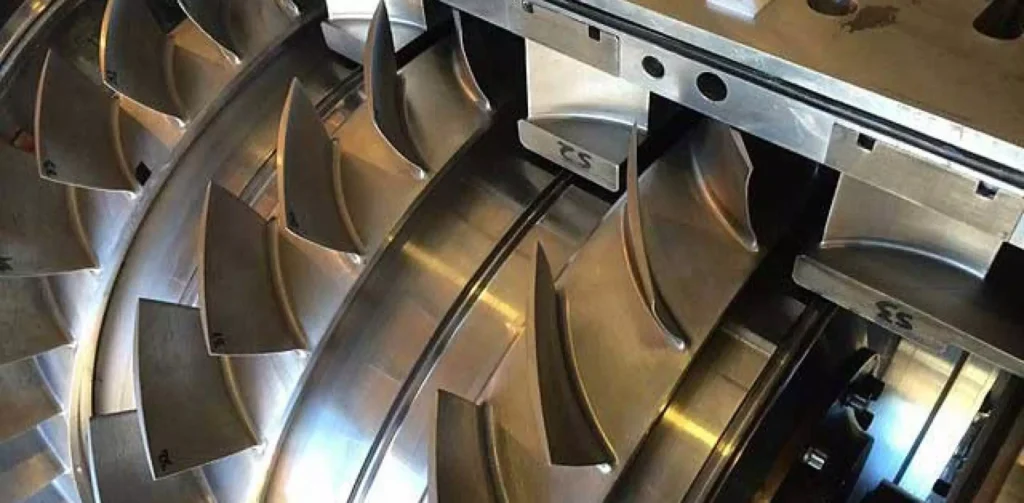
Exhaust Back Pressure

The basic mechanics of turbine operations are rooted in fundamental principles of thermodynamics and fluid dynamics. A turbine is essentially a device that converts fluid energy—typically steam, gas, or water—into mechanical energy that can be used to generate electricity or perform mechanical work. The process involves a series of steps that harness the energy from the fluid and convert it into rotational energy, which is then transmitted to a generator or other equipment.

The core principle behind turbine operation is the conversion of thermal energy into mechanical work. In steam turbines, for example, high-pressure steam generated in a boiler is directed onto a set of rotating blades attached to a shaft. The steam expands and loses pressure as it passes through the blades, causing them to rotate. This rotational energy is transferred to the shaft, which is connected to a generator, converting mechanical energy into electrical energy.

Fluid Dynamics and Blade Action

The basic working mechanism of a turbine revolves around the interaction between the fluid (such as steam, gas, or water) and the rotating blades. These blades are carefully designed to optimize the conversion of fluid energy into mechanical energy. When the high-pressure fluid enters the turbine, it strikes the blades at a specific angle, exerting force on them. This force causes the blades to rotate, and this rotational motion is then transferred to the turbine shaft.

The design of the blades is critical to turbine operation. In steam turbines, for instance, the blades are shaped to efficiently extract energy from the steam as it passes over them. The steam enters the turbine at high pressure and temperature, and as it flows over the blades, it expands and loses pressure, causing a conversion of thermal energy into kinetic energy. The blades are designed with specific aerodynamic profiles to ensure that this energy conversion is as efficient as possible, resulting in the maximum rotational speed of the turbine shaft.

Thermodynamics of Turbine Operations

The operation of a turbine can be understood through thermodynamic cycles, particularly the Rankine cycle in steam turbines or the Brayton cycle in gas turbines. In a steam turbine, the Rankine cycle involves four main stages: heating water into steam, expanding the steam through the turbine, condensing the steam back into water, and pumping the water back into the boiler for reheating. During the expansion stage, steam loses both pressure and temperature, and this energy is converted into mechanical energy via the turbine blades.

In gas turbines, the Brayton cycle is employed. This cycle involves compressing air, adding fuel, igniting the mixture to create high-pressure, high-temperature gases, and then expanding these gases through the turbine. The expanding gases cause the turbine blades to rotate, providing mechanical work that drives a generator or other equipment.

The thermodynamic efficiency of a turbine is a crucial aspect of its design and operation. High-efficiency turbines extract the maximum possible energy from the fluid, minimizing energy losses. This is often achieved by optimizing factors such as blade designfluid temperaturepressure, and turbine speed. More efficient turbines reduce fuel consumption, lower operating costs, and decrease environmental impact.

Shaft and Generator Mechanism

Once the turbine blades are in motion, the rotational energy is transferred to the turbine shaft, which is connected to a generator in most power generation systems. The shaft rotates, causing the generator rotor to turn. The rotor is surrounded by a set of stationary magnets, and as it turns, it induces an electric current in the surrounding coils of copper wire, creating electricity. This mechanical-to-electrical energy conversion process is the foundation of most modern power generation plants.

In industrial applications, turbines may also be directly coupled to machinery like compressorspumps, or propellers to perform mechanical work, rather than generating electricity. In these cases, the turbine’s rotational energy is used to drive the equipment directly, eliminating the need for a generator.

Pressure and Temperature Control

To optimize turbine efficiency, it is crucial to maintain precise control over the pressure and temperature of the fluid entering the turbine. In steam turbines, the steam must be at the right temperature and pressure to ensure that maximum energy is extracted as it expands through the blades. The pressure drop from the inlet to the outlet of the turbine is carefully managed to ensure that the steam expands in a controlled manner, preventing any potential damage to the blades while maximizing energy conversion.

In gas turbines, maintaining high combustion temperatures and pressures is essential to ensure efficient energy extraction from the expanding gases. Gas turbines operate at extremely high temperatures, which can reach over 1,000 degrees Celsius in some cases. Specialized materials, such as high-temperature alloys and ceramic coatings, are used to ensure that the turbine components can withstand these extreme conditions without degrading over time.

Turbine Stages and Multistage Design

Most turbines are designed with multiple stages to enhance energy extraction. A single-stage turbine has only one set of blades, but multistage turbines contain several sets of blades arranged in sequence. As the fluid passes through each stage, its energy is progressively converted into mechanical work. The fluid typically expands in pressure and temperature at each stage, with each set of blades extracting additional energy.

For example, in a steam turbine, the steam passes through multiple stages of expanding blades, with each stage progressively reducing the pressure and temperature of the steam. By using multiple stages, turbines can achieve higher efficiencies because the energy is extracted in stages, allowing for better utilization of the steam’s energy.

Similarly, gas turbines often have multiple stages for both compression and expansion. In the compression stages, air is compressed to high pressures, while in the expansion stages, the high-pressure gases are expanded to extract mechanical energy. Multistage design is crucial for achieving high power outputs and efficiency, particularly in large-scale power generation.

Mechanical Work and Load Response

Turbines are designed to handle varying levels of mechanical load. In power generation, turbines must be able to adjust their speed and output to match changes in electricity demand. When there is an increase in demand for electricity, the turbine speed increases, leading to more energy being converted into electricity. Conversely, when demand decreases, the turbine speed can be reduced, conserving fuel and reducing wear on the system.

This ability to respond to changing loads is one of the reasons why turbines are favored for baseload and peaking power generation. In industrial settings, turbines must also be able to handle load variations depending on the operational needs of the machinery they are driving.

Maintenance and Operation Optimization

The operation and maintenance of turbines are critical to ensuring long-term performance and reliability. Turbines are subject to wear and tear from continuous operation, particularly the rotating blades, which are subjected to high stresses and temperatures. To prevent failure and ensure optimal performance, turbines require regular inspections, maintenance, and parts replacement, such as blade repairsseal replacements, and lubrication system checks.

Advances in monitoring technologies have made it easier to track turbine performance in real-time, allowing for predictive maintenance and reducing the risk of unexpected downtime. Sensors and diagnostic systems can detect signs of wear, temperature fluctuations, or other potential issues before they result in costly failures, helping to extend the turbine’s lifespan and maintain operational efficiency.

In conclusion, the basic mechanics of turbine operations are built around the principles of fluid dynamics and thermodynamics. By converting the energy from steam, gas, or water into rotational motion, turbines can provide a reliable source of mechanical work or electricity. With ongoing advancements in materials, design, and control systems, turbines will continue to evolve, becoming more efficient, reliable, and adaptable to a broader range of energy sources and applications.

The mechanics of turbine operations continue to advance as innovations in materials, thermodynamics, and control systems push the boundaries of efficiency and capability. There are several areas in which turbines are being optimized for better performance, reliability, and environmental impact.

Advances in Materials and Durability

One of the most critical aspects of turbine operation is ensuring the durability of components, especially the turbine blades, which are subjected to extreme conditions, including high temperatures, pressures, and mechanical stresses. The development of advanced materials has been key in improving turbine longevity and efficiency. For example, superalloys made from combinations of metals like nickelchromium, and iron are used in gas turbines to withstand extreme heat without losing strength. These materials help to reduce thermal fatiguecorrosion, and erosion that would otherwise degrade turbine components over time.

Additionally, ceramic matrix composites (CMCs) and coatings that offer thermal barrier properties are becoming increasingly important. CMCs are lightweight yet durable materials that resist high temperatures and can maintain their strength even in extreme conditions. The application of thermal barrier coatings to turbine blades reduces the amount of heat that penetrates into the metal, which enables turbines to run at higher temperatures and pressures while maintaining structural integrity. This leads to higher efficiency because turbines can extract more energy from the working fluid at these elevated conditions.

These innovations in material science not only extend the lifespan of turbine components but also allow turbines to operate at higher efficiencies, contributing to a lower carbon footprint and reduced fuel consumption.

Advances in Turbine Design and Aerodynamics

In addition to materials, there has been significant progress in aerodynamics to improve turbine performance. The design of turbine blades has evolved over time to enhance energy extraction while minimizing energy losses due to friction, turbulence, and flow misalignment. Advances in computational fluid dynamics (CFD) allow engineers to simulate and optimize the fluid flow around turbine blades with great precision, leading to more effective blade shapes and configurations.

The introduction of blade tip modifications such as winglets and blade cooling techniques helps to improve the efficiency of turbines. In steam turbines, advanced cooling systems are used to prevent overheating of the blades, especially in the last stages of the turbine where the steam has cooled and expanded significantly. These cooling mechanisms can significantly improve the overall efficiency of turbines, especially in high-pressure, high-temperature environments.

In gas turbines, the improvement in blade designs has allowed for higher combustion efficiency by allowing for better mixing of air and fuel in the combustion chamber, which results in more complete combustion. This leads to better performance and lower emissions.

Integration of Digital Technologies

The ongoing integration of digital technologies is transforming how turbines operate and are managed. One of the key innovations is the use of smart sensors that provide real-time data on turbine performance, temperature, pressure, vibration, and other key parameters. This allows operators to monitor turbine conditions continuously and make adjustments as needed to optimize performance.

For instance, advanced monitoring systems can detect early signs of mechanical stress, corrosion, or vibration issues that could potentially lead to failure. This allows for predictive maintenance, meaning turbines can be serviced before problems arise, avoiding costly unplanned downtimes and extending the life of turbine components. Moreover, these systems can provide insights into how turbines perform under different operating conditions, enabling operators to fine-tune the operations for maximum efficiency.

In addition to monitoring, AI and machine learning algorithms are being used to analyze large datasets from turbine operations. These algorithms can predict trends, optimize fuel usage, and even forecast the maintenance needs of turbines based on historical data. This data-driven approach is becoming increasingly important in industries that rely heavily on turbines, such as power generationaviation, and marine transportation.

Turbines in Hybrid Power Systems

As the world moves towards a more decarbonized energy system, turbines are becoming increasingly integrated with renewable energy sources in hybrid power systems. While renewable sources like wind and solar provide clean energy, they are intermittent, meaning their output can fluctuate depending on weather conditions and time of day. Turbines, particularly gas turbines and steam turbines, are playing a crucial role in complementing these intermittent sources by providing dispatchable power that can be ramped up when renewable output is low and scaled down when renewable production is high.

For example, combined-cycle power plants (CCPPs), which integrate both gas and steam turbines, have become a prominent solution in the transition to cleaner energy. In a CCPP, the gas turbine generates power using natural gas, and the waste heat from this process is used to produce steam, which then drives a steam turbine. This combined efficiency ensures that the fuel is used as effectively as possible, and the overall emissions from the plant are reduced compared to conventional power plants.

Turbines are also increasingly being paired with energy storage systems like batteries or pumped hydro storage to create more flexible and reliable power systems. The energy storage can capture excess electricity generated from renewable sources and release it when needed, with the turbine systems ensuring that the grid remains stable and demand is met.

Turbine Role in Decarbonization and Sustainable Energy

In the pursuit of a low-carbon future, turbines play an essential role in decarbonizing the power generation sectorHydrogen-powered turbines are being actively developed to replace conventional gas turbines that run on fossil fuels. Hydrogen is a clean fuel that, when combusted, produces only water vapor as a byproduct. Using hydrogen in turbines can contribute significantly to decarbonizing sectors that are difficult to electrify, such as heavy industry and transportation.

Furthermore, biomass and biogas are increasingly being used as fuel sources for turbines, offering another path to cleaner energy generation. Biomass-based power plants, which burn organic material such as wood, agricultural waste, or municipal solid waste, use turbines to generate electricity. While burning biomass still produces some emissions, the carbon dioxide released is generally considered part of the natural carbon cycle, as the plants used for biomass absorb CO2 during their growth.

Turbines are also essential for the operation of waste-to-energy plants, where they convert municipal and industrial waste into electricity, providing a sustainable method of waste disposal while simultaneously producing power. This process reduces the reliance on landfills and helps meet the growing demand for electricity, especially in urban centers.

Future of Turbine Technology

Looking ahead, the future of turbine technology is focused on further improving efficiencyreducing emissions, and enhancing flexibility. There is ongoing research into supercritical and ultra-supercritical steam turbines, which operate at even higher temperatures and pressures, improving efficiency and reducing environmental impact. The introduction of additive manufacturing (3D printing) in turbine production allows for more precise and complex designs, potentially improving efficiency and reducing manufacturing costs.

Fusion power and advanced nuclear reactors may also drive the next generation of turbines, with high-temperature reactors generating the heat needed to drive steam turbines at unprecedented levels of efficiency. Additionally, carbon capture and storage technologies are expected to play a critical role in further reducing the carbon footprint of turbines, particularly in industries that rely on fossil fuels.

As turbines evolve to meet the challenges of a cleaner and more sustainable energy future, they will continue to be an essential part of the global energy landscape, providing reliable, efficient, and environmentally responsible energy solutions. The continued integration of digital, material, and design innovations will help turbines maintain their relevance and adaptability in the face of changing energy demands and environmental priorities.

As turbines continue to evolve in response to global energy needs, several exciting trends are shaping their future capabilities. The ongoing drive for sustainabilityefficiency, and adaptability in turbine technology is expected to expand the range of applications and increase the overall performance of turbines, ensuring they remain at the heart of modern power generation and industrial processes.

Innovation in Turbine Efficiency

A central goal for future turbine development is further optimization of efficiency, particularly by advancing the thermodynamic cycles and incorporating higher temperature and pressure conditions. High-efficiency steam turbines are likely to operate in supercritical or ultra-supercritical conditions, where steam is heated to pressures and temperatures beyond its critical point. By doing so, the system can extract more energy from the same amount of fuel, improving overall energy production while reducing emissions.

Similarly, in gas turbines, improvements in the Brayton cycle and the use of intercoolers and reheat stages are expected to enhance both efficiency and power output. Intercooled gas turbines can be more efficient because the compressed air is cooled between compression stages, reducing the energy required to compress the air. Reheat stages help recover energy from the exhaust gases, further boosting the overall efficiency of the turbine.

These developments will help turbines achieve higher power outputs with lower fuel consumption, resulting in reduced operational costs and less environmental impact. The continued development of hybrid systems combining renewable energy with turbine-based backup will also support the transition toward zero-emissions power generation, particularly when paired with technologies like green hydrogen and carbon capture and storage (CCS).

Role of Digitalization and Artificial Intelligence

The integration of digital technologies will continue to play a crucial role in improving turbine operation. The use of artificial intelligence (AI) and machine learning is enabling turbines to operate more efficiently by learning from real-time data and adjusting operation parameters dynamically. These technologies can predict potential issues before they occur, reducing the likelihood of unexpected downtime and optimizing maintenance schedules.

In particular, predictive analytics can help identify trends in turbine performance that may indicate the need for repairs or maintenance, potentially before a mechanical failure occurs. By processing large amounts of data from sensors and control systems, AI algorithms can optimize turbine performance by adjusting parameters like speed, fuel mix, and temperature in real-time, making turbines more adaptive to changing conditions.

AI can also play a role in improving the design phase of turbines by analyzing vast amounts of design data to propose new, more efficient configurations for turbine blades, combustion chambers, and other components. This data-driven design approach will help develop more efficient and longer-lasting turbines, while also enabling rapid customization for different fuel types or operational environments.

Integration with Renewable Energy Sources

The future of turbine technology is closely linked to the rise of renewable energy sources, and turbines are increasingly being integrated into hybrid systems that combine traditional power generation with renewable resources. As the world transitions to cleaner energy, turbines will play an essential role in supporting grid stability and energy security, especially when renewable energy sources such as wind, solar, and hydropower produce intermittent or fluctuating output.

Gas turbines are particularly well-suited for this role due to their ability to quickly ramp up or down in response to changes in demand or fluctuations in renewable energy supply. This flexibility allows turbines to act as backup generators during periods of low renewable output, ensuring a consistent and reliable supply of power. Combined-cycle plants, which use both gas turbines and steam turbines, are becoming an increasingly important part of the energy mix, as they allow for more efficient use of natural gas while reducing carbon emissions.

In the context of green hydrogen, turbines designed to run on hydrogen fuel are expected to play a crucial role in decarbonizing the energy sector. Hydrogen can be produced using renewable electricity through electrolysis and then used in turbines to generate power without producing carbon emissions. The development of hydrogen-compatible turbines is a key area of research and development, as it will help bridge the gap between renewable energy production and the need for reliable, dispatchable power.

High-Temperature and High-Efficiency Materials

As turbines are expected to operate in increasingly demanding conditions, there is growing demand for high-temperature materials that can withstand extreme stresses while maintaining their strength and integrity. In gas turbines, the high temperatures generated during combustion are a critical challenge, as they require materials that can resist thermal fatigue and creep.

Ceramic materials, such as ceramic matrix composites (CMCs), are increasingly being used for turbine components that must withstand high temperatures. These materials are capable of maintaining their strength at temperatures above 1,000°C, making them ideal for use in advanced turbine designs. Similarly, thermal barrier coatings (TBCs) are being applied to turbine blades to protect them from extreme heat. These coatings can reduce the temperature experienced by the blade, allowing turbines to operate at higher temperatures and increase overall efficiency.

Another promising innovation in turbine materials is the development of superalloys that are resistant to oxidation, corrosion, and high-temperature degradation. These materials are designed to withstand the harshest operating conditions, ensuring that turbine blades and other critical components remain functional and efficient over longer periods of time.

Advanced Manufacturing Techniques

Advances in additive manufacturing (3D printing) are expected to revolutionize the way turbine components are designed and produced. Additive manufacturing allows for the creation of complex geometries that were previously difficult or impossible to achieve using traditional manufacturing techniques. This can lead to lighter, stronger, and more efficient turbine components, which in turn can improve overall turbine performance.

In particular, 3D printing can be used to create customized turbine blades with optimized cooling channels or aerodynamic features. These components can be designed to operate more efficiently in specific environments, whether in high-temperature gas turbines or in turbines running on alternative fuels such as hydrogen or biomass.

Additive manufacturing also allows for rapid prototyping and on-demand production, which can reduce the lead time for developing and producing new turbine models. This flexibility can accelerate the adoption of next-generation turbine technologies and help turbine manufacturers respond more quickly to changing market demands or regulatory requirements.

Turbine Applications in Non-Energy Sectors

Beyond power generation, turbines have a growing role in a variety of industrial applications, where their high efficiency and reliability make them ideal for driving heavy machinery or providing mechanical power. For example, turbines are used in compressorspumps, and propulsion systems in sectors such as oil and gaschemical manufacturing, and aerospace.

In the oil and gas industry, turbines are used to drive gas compressors and pumps that are essential for transporting and processing natural gas and oil. These turbines must operate in challenging environments, often in remote locations or offshore platforms, where reliability and performance are paramount.

In aerospacejet engines are essentially specialized gas turbines that convert combustion energy into thrust, enabling airplanes to fly. The development of more efficient and lightweight turbine engines will continue to drive advancements in aviation technology, reducing fuel consumption and emissions in the air travel sector.

The Role of Turbines in Achieving Global Energy Goals

As countries around the world commit to ambitious net-zero emissions targets, turbines will continue to play a pivotal role in decarbonizing global energy systems. By improving the efficiency of turbine designs, reducing fuel consumption, and enabling the use of clean fuels like hydrogen, turbines will help meet the world’s energy needs in a sustainable way.

Carbon capture and storage (CCS) technologies, when paired with turbines, can help mitigate the environmental impact of fossil-fuel-based power generation. Turbines equipped with carbon capture systems can capture CO2 emissions from power plants and industrial processes, storing them underground or using them in other applications, such as enhanced oil recovery or as a feedstock for synthetic fuels.

In conclusion, the future of turbine technology is marked by continued innovation in materials, design, efficiency, and integration with renewable energy systems. Turbines will remain an essential part of the global energy mix, not only in electricity generation but also in industrial applications and the broader push for sustainability and decarbonization. As technology evolves and new challenges arise, turbines will continue to adapt, providing reliable, efficient, and environmentally friendly solutions to meet the growing energy demands of the future.

Turbines as Energy Converters

Turbines, as energy converters, play a crucial role in modern power generation and mechanical processes. Their primary function is to convert one form of energy into mechanical energy, which can then be used for a variety of applications, from generating electricity to driving machinery. The most common types of turbines—steam turbines, gas turbines, and hydraulic turbines—are designed to extract energy from different energy sources, such as steam, compressed air, or water. The fundamental process involves harnessing the power of high-energy fluid flow, converting its thermal, kinetic, or potential energy into mechanical power that can be used directly or converted into electricity.

Principles of Energy Conversion in Turbines

The principle behind turbines as energy converters is based on the laws of thermodynamics and fluid mechanics. In a turbine, fluid energy (whether in the form of steam, gas, or water) enters the turbine at high pressure or velocity and passes through rotating blades. The force of the fluid on the blades causes them to rotate, and this rotational motion is transferred to a shaft connected to an electrical generator, mechanical system, or other output device.

In the case of a steam turbine, steam generated in a boiler expands through the turbine blades, and as it moves through the turbine, it loses energy in the form of pressure and temperature. This loss of energy is captured by the turbine blades, which convert it into rotational mechanical energy. Similarly, in a gas turbine, high-pressure gas from the combustion process passes through rotating blades, transferring its energy to the turbine and producing mechanical power. Hydraulic turbines operate in a similar way, where water flow or pressure drives blades, converting the energy of moving water into mechanical energy.

Types of Energy Conversion in Turbines

  1. Thermal Energy to Mechanical Energy (Steam and Gas Turbines): Both steam turbines and gas turbines convert thermal energy into mechanical energy, but they operate on different cycles. In a steam turbine, water is heated in a boiler to create steam, which expands through the turbine blades and drives a generator. The steam’s thermal energy is transferred to the turbine blades, which rotate as a result. Gas turbines, on the other hand, convert the thermal energy of combustion into mechanical energy through high-speed gas expansion in the turbine stages. The high-temperature gases pass through the turbine blades, causing them to spin and generate power.
  2. Kinetic Energy to Mechanical Energy (Wind Turbines): Wind turbines convert kinetic energy from the wind into mechanical energy. The wind’s force on the blades causes them to rotate, and this motion is transferred through a shaft to a generator. The amount of mechanical energy produced depends on the wind speed, the size of the turbine blades, and the design of the system. Wind turbines are a key player in renewable energy generation, as they rely on the movement of air (a naturally occurring resource) to produce electricity.
  3. Potential Energy to Mechanical Energy (Hydropower Turbines)Hydropower turbines, such as those found in dams, convert the potential energy of water stored at height into mechanical energy. When water is released from a dam, the gravitational force causes it to flow downwards, gaining kinetic energy in the process. This kinetic energy is captured by the turbine blades, which rotate and drive a generator to produce electricity. Hydropower is a well-established form of renewable energy that exploits the energy of moving water to generate power.

Efficiency and Performance of Turbines as Energy Converters

The efficiency of a turbine in converting energy depends on several factors, including the fluid propertiesturbine design, and the operating conditions. In steam turbines, the efficiency is often determined by how well the thermodynamic cycle (Rankine cycle) is optimized. Similarly, gas turbine efficiency is determined by the efficiency of the Brayton cycle, which involves the compression and expansion of gases at high temperatures.

The performance of turbines can be significantly impacted by factors such as temperaturepressureflow rate, and turbine blade design. For example, steam turbines perform more efficiently when the steam is superheated (heated to a temperature beyond its boiling point), and the efficiency of gas turbines is higher when the combustion process is optimized to burn fuel as completely as possible. In the case of hydropower turbines, the height of the water (head) and the flow rate are key factors in determining how efficiently the turbine can convert potential energy into mechanical power.

Advanced materials and design innovations also play a critical role in improving turbine efficiency. The development of high-temperature materials for gas turbines, ceramic composites for steam turbines, and aerodynamically optimized blades for wind turbines all contribute to better energy conversion and performance. These materials and designs enable turbines to operate at higher temperatures, pressures, or flow rates, improving their overall efficiency and output.

Applications of Turbines as Energy Converters

  1. Power Generation: Turbines are primarily used in electricity generation, where they convert various forms of energy into mechanical energy, which is then converted into electrical power. Steam turbines are commonly used in thermal power plants that burn coal, natural gas, or nuclear fuel to heat water and produce steam. Gas turbines are used in combined-cycle power plants, where the waste heat from a gas turbine is used to generate steam, which drives a steam turbine. These plants are highly efficient because they make use of the waste energy from one turbine to power another.
  2. AviationJet engines, which are specialized gas turbines, convert chemical energy from fuel into mechanical energy to provide thrust for aircraft. The high-speed exhaust gases generated by combustion are expelled through the turbine stages, creating a reaction force that propels the aircraft forward. The efficiency of turbine engines has improved over time due to better materialsdesigns, and aerodynamics, making air travel faster and more energy-efficient.
  3. Marine Propulsion: Turbines are also used in marine propulsion systems, such as those in naval ships and large commercial vessels. In these applications, turbines convert thermal energy from fuel into mechanical energy, which drives the propellers of ships. Gas turbines are commonly used in military and high-speed commercial vessels due to their compact size and high power-to-weight ratio.
  4. Industrial Applications: Turbines are employed in various industrial settings, where they serve as mechanical power sources for driving equipment like compressors, pumps, and fans. In the chemical and petrochemical industries, turbines are used to drive compressors and other mechanical devices that handle gases and liquids under high pressure. The oil and gas industry also uses turbines for natural gas compression and other tasks requiring high levels of mechanical energy.
  5. Renewable Energy Generation: Wind turbines and hydropower turbines are central to the renewable energy sector. Wind turbines harness kinetic energy from the wind to generate electricity, while hydropower turbines extract potential and kinetic energy from water to power generators. These renewable sources are particularly attractive because they do not produce emissions or rely on finite resources. Both forms of turbine-based energy generation are crucial in the transition to a low-carbon energy future.

Challenges in Turbine Efficiency and Energy Conversion

While turbines are highly effective energy converters, they are not without challenges. One of the major challenges lies in improving energy conversion efficiency, especially in fossil fuel-based turbines where fuel combustion processes can lead to heat losses. In gas turbines, exhaust gases still retain significant energy that is often lost, although combined-cycle plants help to recover some of this waste heat.

Another challenge is material degradation due to the extreme conditions in which turbines operate. High temperatures, pressure, and exposure to corrosive or abrasive fluids can cause wear and tear on turbine components, especially blades. Research in advanced materials, coatings, and coatings technologies is helping to extend the life of turbines and reduce maintenance costs.

Lastly, for renewable turbines such as wind turbines, there are challenges related to intermittency (fluctuations in wind speed), which can affect the consistency of energy output. However, technological advancements such as smart grids and energy storage systems are helping to mitigate these challenges and ensure that turbine-based renewable energy can be integrated effectively into the broader energy grid.

Conclusion

Turbines are highly effective energy converters that play a central role in generating electricity, powering machines, and supporting industrial processes. By harnessing different forms of energy—thermal, kinetic, and potential—turbines have become indispensable to modern society. As technology advances, turbines will continue to improve in terms of efficiency, durability, and adaptability, ensuring their place as a critical technology in both traditional and renewable energy systems. With ongoing innovation in materials, design, and control systems, turbines will remain key players in the global energy transition, helping to meet the growing demand for reliable, efficient, and sustainable power.

Turbines are at the heart of many energy conversion processes, and their ability to efficiently convert different forms of energy into mechanical power or electricity is a key factor in their widespread use. The versatility of turbines spans across various industries, from power generation to industrial applications and even transportation. Their role in converting thermal, kinetic, and potential energy into mechanical energy is vital for both conventional and renewable energy systems. As technology advances, turbines continue to evolve, incorporating better materials, improved designs, and more efficient operational systems.

One of the most notable aspects of turbine technology is its ability to work with a variety of energy sources. Steam turbines convert thermal energy from steam produced by burning fuel or nuclear reactions into mechanical power. Similarly, gas turbines harness the thermal energy from combustion, turning high-pressure gases into mechanical energy. In hydropower plants, turbines are driven by the potential energy of water stored at a height, while wind turbines capitalize on the kinetic energy of moving air to generate power. The principle of converting energy from one form to another through the motion of rotating blades or shafts remains a constant across all turbine types.

As turbines continue to advance, there is an increasing emphasis on improving their efficiency. In steam turbines, this involves optimizing the thermodynamic cycles and increasing the operating temperature and pressure to extract more energy from the steam. In gas turbines, innovations in materials and turbine blade designs are helping to push the boundaries of efficiency by enabling turbines to operate at higher temperatures and pressures without compromising the structural integrity of components. These improvements are essential for reducing fuel consumption, lowering emissions, and making power generation more environmentally friendly.

The ongoing development of advanced materials is critical to the evolution of turbine technology. Ceramic materialssuperalloys, and composite materials are all playing a role in increasing the operating temperatures and reducing wear and tear on turbine components. For example, the use of high-temperature alloys in gas turbines allows for more efficient operation and reduces the need for frequent maintenance. In the case of steam turbines, ceramic coatings and advanced turbine blade materials can extend the lifespan of components and improve overall efficiency.

In renewable energy applications, wind turbines and hydropower turbines are leading the way in green power generation. Wind turbines, for instance, convert the kinetic energy of the wind into electrical energy without emitting greenhouse gases or relying on finite resources. Similarly, hydropower turbines capitalize on the energy stored in water and its potential to generate large amounts of power with minimal environmental impact. These renewable sources of power, while intermittent in the case of wind, are becoming increasingly reliable thanks to advances in energy storage systems and grid integration technologies.

Turbines are also integral to industrial processes, where they provide the mechanical energy required to drive compressors, pumps, and other heavy machinery. In industries like oil and gas, chemical manufacturing, and aerospace, turbines are used to convert thermal or kinetic energy into mechanical work, facilitating a wide range of operations, from natural gas compression to aircraft propulsion. As the world focuses on transitioning to cleaner energy sources, turbines are evolving to handle renewable fuels such as hydrogen, which can replace fossil fuels in many turbine systems.

The future of turbine technology is exciting, with ongoing innovations focused on increasing efficiency, reducing environmental impact, and enhancing operational flexibility. Hybrid turbine systems that combine traditional fossil fuel power with renewable energy sources are likely to become more common, ensuring a more resilient and flexible power grid. Artificial intelligence and machine learning are also playing a growing role in optimizing turbine performance by predicting maintenance needs, adjusting operational parameters in real time, and improving overall system efficiency.

As turbines become more efficient and adaptable, their role in global energy systems will only continue to expand. Whether in thermal power plantswind farmshydropower facilities, or industrial applications, turbines remain indispensable for meeting the energy demands of a growing global population. Their ability to convert energy from various sources into usable mechanical power and electricity will continue to be a cornerstone of modern energy systems, helping drive the transition to a more sustainable and energy-efficient future.

As the world faces the challenges of meeting increasing energy demands while simultaneously addressing environmental concerns, turbines will continue to evolve as a critical technology in the energy sector. Their ability to adapt to a variety of energy sources, from fossil fuels to renewable resources, makes them uniquely suited for integration into diverse energy grids. The ongoing push towards decarbonization and sustainable energy will undoubtedly lead to even greater innovations in turbine design, materials, and performance optimization.

One area where turbines are likely to play an increasingly vital role is in the transition to hydrogen-powered energy systems. Hydrogen, as a clean fuel source, can be used in both gas turbines and steam turbines. In gas turbines, hydrogen can be combusted to generate high-temperature gases, which then drive the turbine blades to produce mechanical energy. For steam turbines, hydrogen can be used to generate steam in a cleaner manner compared to traditional fossil fuels. As hydrogen technology advances, turbines will be central to achieving the full potential of hydrogen-based power generation, particularly in industrial and large-scale energy applications.

Additionally, the integration of energy storage technologies with turbine systems is expected to improve the reliability and stability of renewable energy sources like wind and solar. One of the inherent challenges of these energy sources is their intermittent nature — energy generation fluctuates depending on factors such as wind speed or sunlight. By pairing turbines with advanced storage solutions like batteries or pumped hydro storage, excess energy generated during peak production times can be stored and released when demand is high or when the energy source is not available. This combination of turbine technology and energy storage will enhance grid resilience and ensure a stable, continuous energy supply.

Another frontier in turbine development is the enhancement of digital monitoring and control systems. Advances in IoT (Internet of Things) and big data analytics are allowing for real-time monitoring of turbine performance, enabling predictive maintenance, and optimizing efficiency. By using sensors embedded in turbine components, engineers can track key performance indicators such as temperature, vibration, pressure, and rotational speed. This data can be analyzed to predict potential failures, optimize turbine settings, and minimize downtime. The ability to gather and analyze this data will enable turbines to operate more efficiently and cost-effectively, while also extending their operational life.

In the maritime industry, turbines will continue to be key to the development of green propulsion systems. With growing emphasis on reducing carbon emissions from ships, there is an increasing interest in using gas turbines and hydrogen fuel cells as alternative propulsion methods. Gas turbines, with their high power-to-weight ratio, are already used in fast naval vessels and are being explored for commercial maritime applications as well. Similarly, hydrogen-powered turbines could help reduce the reliance on traditional marine fuels, supporting the transition to cleaner energy sources in maritime transport.

Offshore wind turbines represent another area where turbine technology is making a significant impact. As countries look to expand their renewable energy capacity, offshore wind farms have become an attractive option due to their ability to capture stronger, more consistent winds far from shore. These large-scale turbines are often located in deep water, where challenges such as harsh weather, strong currents, and installation complexity must be addressed. However, innovations in floating wind turbines and subsea turbine technologies are helping to overcome these obstacles, opening up vast potential for offshore wind energy generation.

In the realm of nuclear power generation, turbines are an integral part of the system. Nuclear reactors use steam turbines to convert the thermal energy produced during nuclear fission into electricity. While nuclear power plants are subject to concerns over safety and waste disposal, ongoing research into small modular reactors (SMRs) and fusion power could result in cleaner, more efficient nuclear energy solutions. Turbines will be at the center of these advancements, helping to maximize the potential of these emerging nuclear technologies.

In terms of energy efficiency, turbines continue to improve through innovations like combined heat and power (CHP) systems, where the waste heat from turbine operation is harnessed for industrial heating or district heating applications. CHP systems significantly improve the overall efficiency of the energy conversion process by capturing and utilizing heat that would otherwise be lost.

As turbines become more efficient and adaptable, their role in power generation, industrial processes, and transportation will continue to expand. With a growing focus on sustainable energy, cleaner fuels, and more resilient energy systems, turbines are likely to remain central to addressing the world’s energy challenges. Whether through advancements in hydrogen fuel useenergy storagedigital optimization, or advanced materials, turbines will remain at the forefront of energy conversion technology, powering everything from the global energy grid to the latest innovations in industrial and maritime sectors.

The continuing evolution of turbines in these various fields underscores their importance in both the current and future energy landscape. Their ability to provide reliable, efficient, and flexible energy solutions will help pave the way for a sustainable, low-carbon energy future. As research and technology continue to push the boundaries of what is possible, turbines will undoubtedly remain a cornerstone of global energy production for years to come.

As turbines continue to evolve, several emerging trends and innovations are shaping the future of energy conversion technology. The shift towards sustainable energy solutions will drive further advancements in turbine design, efficiency, and integration with other technologies. A significant aspect of this transformation is the rise of digitalization in turbine operations, which allows for smarter, more predictive systems that can optimize performance, reduce maintenance costs, and minimize downtime.

The incorporation of artificial intelligence (AI) and machine learning (ML) into turbine monitoring systems represents a major leap forward. These technologies can analyze vast amounts of data from turbine sensors, enabling operators to predict and prevent mechanical failures before they happen. AI algorithms can optimize turbine settings based on real-time data, adjusting variables like blade angles or fuel flow to maintain peak efficiency. By making these systems more autonomous and responsive, turbines will become even more reliable, reducing the need for human intervention and allowing for more efficient operations in both renewable and traditional power generation systems.

The ongoing integration of blockchain technology is another area to watch in turbine technology. Blockchain can provide secure, transparent, and efficient ways to manage and track the performance of turbines across large-scale energy grids. By integrating blockchain with turbine management systems, operators can ensure that energy production data is accurate, secure, and verifiable, which is crucial for the growing reliance on decentralized energy systems. This integration could also help with carbon tracking in renewable energy projects, allowing stakeholders to monitor emissions reductions and verify the environmental impact of turbine-based energy generation.

In parallel with digitalization, additive manufacturing (commonly known as 3D printing) is revolutionizing the way turbines are designed and produced. This technology enables the creation of complex turbine parts that are lighter, stronger, and more tailored to specific performance needs. By using 3D printing, turbine manufacturers can produce custom-designed components that optimize airflow or reduce material stress. These innovations can lead to turbines that are not only more efficient but also easier and cheaper to maintain, as bespoke parts can be produced on demand rather than relying on mass production methods.

In the realm of wind energy, turbines are becoming larger and more efficient. The trend towards bigger turbines with longer blades is driven by the need to harness higher-altitude winds, which are faster and more consistent. These advancements allow for higher energy capture with fewer turbines, reducing the environmental impact of wind farms. Floating wind turbines—a groundbreaking innovation in offshore wind technology—are making it possible to install turbines in deeper waters, where traditional fixed-bottom turbines would be impractical. This opens up vast new areas for offshore wind development, significantly increasing the potential for wind energy generation.

Hybrid turbine systems, which combine multiple energy sources, are also gaining traction. These systems can integrate wind, solar, and energy storage with turbine technology to create more resilient, reliable, and efficient energy generation solutions. For instance, in areas with variable wind speeds, hybrid systems can use solar power to complement wind energy production, ensuring a constant energy supply. Such systems are particularly useful for remote locations or regions where energy demand fluctuates. Microgrids and distributed energy systems, powered by hybrid turbine setups, are becoming more common in both developed and developing regions, providing decentralized power solutions that reduce reliance on traditional grid infrastructure.

In the nuclear sector, turbines will remain a central component of advanced power plants, especially with the growing interest in small modular reactors (SMRs). These compact reactors offer the potential for safer, more flexible nuclear energy generation, and turbines will be essential in converting the heat produced by the nuclear fission process into usable electricity. As the world continues to explore fusion energy as a potential game-changer for power generation, turbines may also play a key role in converting the immense heat produced by fusion reactions into electricity, should these technologies become commercially viable.

The next decade is likely to bring turbine-based energy solutions that are more integrated, more intelligent, and more efficient than ever before. Energy storage systems such as pumped hydro storage and advanced batteries will work in tandem with turbines to smooth out the intermittency of renewable energy sources like wind and solar, while grid-scale energy storage will ensure a steady supply of power even when renewable generation is low. By pairing turbines with innovative energy storage solutions, the electricity grid will become increasingly stable, resilient, and capable of handling fluctuations in supply and demand.

As the world shifts toward net-zero emissions and increasingly seeks to decarbonize its energy systems, turbines will play a pivotal role. Their ability to adapt to various fuels, from traditional coal and natural gas to biomass and hydrogen, will allow them to remain integral to the energy mix. Furthermore, turbines’ capacity for flexible operation, such as quickly ramping up and down in response to grid demands, will help balance the intermittency of renewable energy sources and enable a smoother transition to a sustainable energy future.

Finally, the global focus on reducing carbon emissions and tackling climate change will continue to drive innovation in turbine technology. Governments, utilities, and energy companies will invest heavily in research and development (R&D) to make turbines even more efficient, cost-effective, and environmentally friendly. From advanced turbine materials and design improvements to fuel innovations and energy integration technologies, the next phase of turbine development promises to revolutionize energy production in ways that were once thought impossible.

In conclusion, turbines are not only enduring technological marvels, but they are also evolving rapidly to meet the demands of a modern, sustainable, and increasingly digital world. Whether through advancements in materials sciencedigital technology, or hybrid energy systems, turbines will continue to be central to the generation, conversion, and management of energy across a variety of sectors. As the global energy landscape transforms, turbines will remain essential to the world’s efforts to meet energy needs, reduce emissions, and ensure a cleaner, more sustainable future.

Steam Turbine-driven Electrical Systems
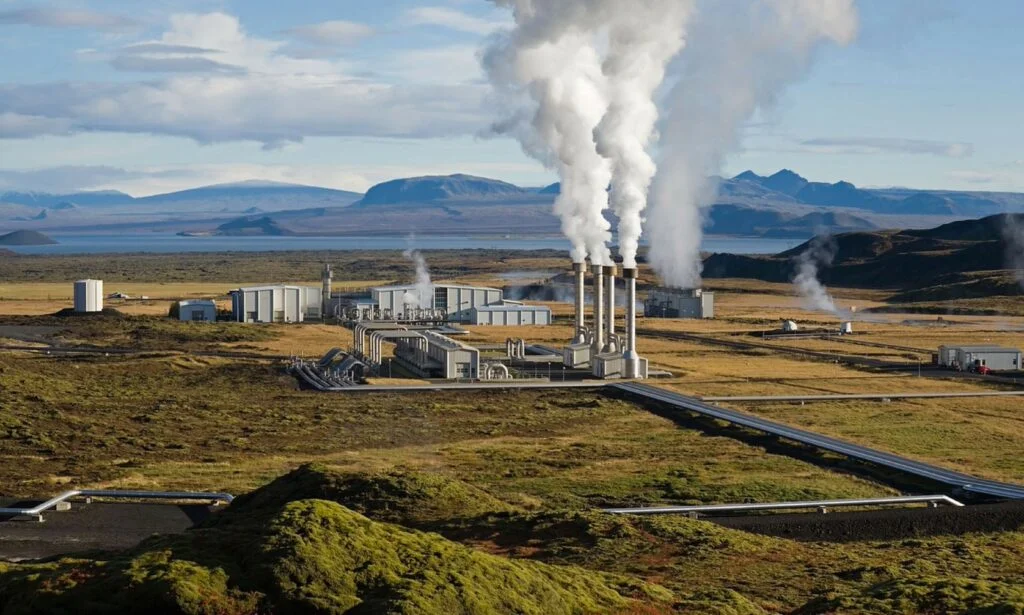
Steam Turbines for Geothermal Power Plants

Steam turbine-driven electrical systems have long been a cornerstone of power generation, offering a reliable and efficient means of converting thermal energy into electrical power. These systems operate on the fundamental principle of steam expansion driving a turbine, which in turn drives an electrical generator to produce electricity. Steam turbines are widely used in thermal power plants, including those fueled by coalnatural gasnuclear energy, and biomass, as well as in some renewable energy systems that use steam generated from geothermal sources. The steam turbine’s role in power generation is crucial, with its capacity to generate large amounts of electricity for industrial, commercial, and residential use.

At the heart of a steam turbine-driven electrical system is the steam cycle, which involves the transformation of heat energy into mechanical energy. In a typical system, water is heated in a boiler (or a nuclear reactor, in the case of nuclear power plants) to produce high-pressure steam. This steam then enters the turbine, where it expands and loses pressure, turning the turbine blades. As the blades rotate, they drive a connected generator, which converts the mechanical energy into electrical energy. The steam exiting the turbine is usually condensed back into water in a condenser and then pumped back into the boiler to be reheated and reused in a continuous cycle.

One of the most important factors in steam turbine-driven systems is thermodynamics, particularly the Rankine cycle, which governs the efficiency of steam turbines. In the Rankine cycle, water undergoes a series of transformations: from a liquid to a gas as it is heated, expanding through the turbine to produce mechanical power, then condensing back into a liquid. The efficiency of this cycle is directly influenced by the temperature and pressure at which steam is generated. Higher temperatures and pressures generally result in more efficient energy conversion, which is why modern steam turbines operate at increasingly higher temperatures and pressures. This trend is especially important in supercritical and ultracritical steam cycles, where water is heated beyond its critical point to further increase efficiency.

In fossil fuel power plants, steam turbines are driven by steam produced by the combustion of coal, natural gas, or oil. These thermal power stations account for a significant portion of the world’s electricity generation, despite increasing attention on renewable energy sources. In nuclear power plants, steam turbines are driven by steam generated by nuclear fission reactions, with the heat from these reactions used to produce high-pressure steam that drives the turbine. Both types of plants rely on the basic principles of steam turbine operation to convert thermal energy into electricity, though the fuel sources and methods of heat generation differ significantly.

Combined cycle power plants are a notable development in steam turbine-driven electrical systems. These plants combine gas turbines and steam turbines to improve overall efficiency. In a combined cycle system, a gas turbine burns natural gas to generate electricity, and the exhaust gases from the gas turbine are used to produce steam. This steam then drives a steam turbine, generating additional electricity without requiring extra fuel. Combined cycle systems are known for their high efficiency, often exceeding 60%, compared to the 30-40% efficiency of simple cycle gas turbine plants. This hybrid system is widely used in modern power plants and helps reduce fuel consumption and emissions.

One of the major advantages of steam turbine-driven electrical systems is their ability to generate large amounts of electricity consistently. Steam turbines are typically employed in power plants that require continuous, high-capacity electricity generation, such as those used to power cities, industrial operations, and critical infrastructure. They provide a reliable base-load power generation option, which is essential for grid stability and meeting energy demands around the clock.

In addition to their capacity for large-scale electricity generation, steam turbines can also be used in cogeneration or combined heat and power (CHP) systems. In a CHP system, the waste heat from the steam turbine’s operation is captured and used for industrial heating, district heating, or other applications. This improves the overall efficiency of the system by making use of heat that would otherwise be wasted. Cogeneration plants are particularly common in industrial settings where both electricity and thermal energy are needed, such as in chemical manufacturing, food processing, and pulp and paper industries.

The design of steam turbines for electrical generation has evolved significantly over time. Modern turbines are designed for higher efficiency, greater durability, and longer operational lifespans. The development of advanced materials that can withstand higher temperatures and pressures, along with improvements in blade and turbine casing designs, has resulted in significant performance gains. For example, the use of superalloys in turbine blades allows for operation at higher temperatures, which increases the efficiency of the steam cycle. Additionally, coating technologies have been developed to prevent corrosion and wear, further extending the life of turbine components and improving overall system reliability.

In terms of control and optimization, steam turbine-driven electrical systems have seen significant advancements with the integration of digital control systems and automated monitoring technologies. These systems allow for real-time adjustments and predictive maintenance, which can reduce downtime and improve operational efficiency. Sensors placed throughout the turbine system monitor key parameters such as pressure, temperature, vibration, and rotational speed. The data collected from these sensors is analyzed to optimize turbine performance and detect any anomalies that might indicate potential failures. By using big data and AI-driven analytics, operators can forecast when maintenance is needed and optimize operating parameters for maximum efficiency.

Despite their efficiency and reliability, steam turbine-driven electrical systems are facing increasing pressure to become more sustainable and reduce their carbon footprint. This is especially true for fossil-fuel-based plants, where the burning of coal and gas contributes to greenhouse gas emissions. As the world transitions to renewable energy sources, many countries are looking for ways to integrate low-carbon technologies into their existing power generation systems. Carbon capture and storage (CCS) technologies are being explored to capture CO2 emissions from power plants and store them underground, helping to mitigate the environmental impact of steam turbine-driven electrical systems.

In addition, the integration of renewable energy into steam turbine systems is becoming more common. For example, biomass and waste-to-energy plants use organic materials as a fuel source for steam turbines, providing a more sustainable alternative to fossil fuels. Geothermal power plants, which utilize the heat from beneath the Earth’s surface to produce steam, also rely on steam turbines for electricity generation. These renewable sources, combined with steam turbine technology, offer cleaner, more sustainable alternatives to traditional fossil fuel-based power plants.

The role of steam turbine-driven electrical systems in distributed energy generation is also growing. Smaller-scale steam turbine systems, known as microturbines, are being developed for use in remote locations or as part of microgrids. These systems offer flexibility and can be powered by a variety of fuels, including natural gas, biomass, or waste heat. In industrial applications, steam turbines are increasingly being used in cogeneration setups, where both electricity and heat are generated for use on-site. This allows for more efficient energy use and can reduce the need for external power sources.

Looking forward, the development of next-generation steam turbines will likely focus on improving efficiency, reducing emissions, and incorporating advanced digital technologies for better performance monitoring and predictive maintenance. The future of steam turbine-driven electrical systems will see even greater integration with renewable energy sources, as well as innovations in fuel usage, efficiency, and overall system design.

In conclusion, steam turbine-driven electrical systems will remain a critical component of global power generation for the foreseeable future. Their ability to produce reliable, large-scale electricity efficiently is unmatched, and with ongoing advancements in materials, design, and control systems, these systems will continue to evolve to meet the needs of a more sustainable, low-carbon energy future. Whether in traditional thermal power plants, cogeneration systems, or emerging renewable energy applications, steam turbines will continue to play a central role in the transition to cleaner, more efficient energy systems worldwide.

As we look to the future, several trends and innovations are likely to further enhance the role of steam turbine-driven electrical systems in global power generation. One of the most significant developments is the increasing decarbonization of power generation. As part of the global effort to meet climate targets and reduce greenhouse gas emissions, many countries and companies are seeking ways to integrate cleaner energy technologies into their existing steam turbine systems. This shift is driving research into cleaner and more sustainable fuel sources for steam turbines, as well as technologies that enable carbon capture and storage (CCS) and carbon capture, utilization, and storage (CCUS).

While the transition to renewables like wind and solar energy is a key focus, steam turbines will continue to play an essential role in hybrid systems that combine renewable energy with other energy sources. For example, biomass and waste-to-energy plants that use organic material to generate heat for steam turbines will become more widespread. These systems provide a renewable alternative to fossil fuels and are particularly valuable for providing base-load power generation while reducing reliance on traditional carbon-heavy sources. Likewise, geothermal energy continues to expand as a reliable and sustainable source of thermal energy for steam turbines, offering low-emission power generation solutions that can complement wind and solar power.

Hydrogen is also emerging as a potential game-changer for steam turbine-driven electrical systems. As a clean fuel source, hydrogen can be used in gas turbines to produce heat and steam. With advancements in hydrogen production, storage, and distribution technologies, steam turbines could help unlock hydrogen’s full potential as a clean energy source. Some power plants are already testing hydrogen blending, where hydrogen is mixed with natural gas in gas turbines, creating a low-carbon energy generation option. Over time, steam turbines could be adapted to run on 100% hydrogen, dramatically reducing the carbon footprint of power generation.

Furthermore, innovations in supercritical and ultracritical steam cycles are likely to lead to even greater efficiency gains. These systems use water at higher pressures and temperatures than conventional steam cycles, leading to more efficient energy conversion. Advances in materials science are key to enabling these ultra-high-pressure, high-temperature systems. Superalloys and ceramics capable of withstanding extreme conditions are being developed to improve the performance and lifespan of steam turbines operating at these conditions. As a result, steam turbine systems could become more efficient while maintaining their reliability and scalability.

The ongoing development of digital twin technology and IoT-based monitoring systems will also play a pivotal role in transforming steam turbine-driven electrical systems. Digital twins allow for the creation of virtual replicas of physical systems, enabling operators to simulate and monitor turbine performance in real-time. By feeding data from sensors and control systems into digital models, engineers can optimize turbine performance, predict maintenance needs, and improve system reliability. This predictive capability reduces downtime, extends the operational life of turbines, and allows for faster response times to any anomalies or potential failures.

The integration of artificial intelligence (AI) and machine learning (ML) into steam turbine operations will further improve predictive maintenance and operational efficiency. AI can process vast amounts of data from turbines, identifying patterns and trends that may not be immediately apparent to human operators. This enables smarter decision-making and the ability to adjust turbine operations dynamically based on real-time conditions. Over time, AI can learn from turbine behavior, improving its predictions and optimization strategies, which will contribute to the overall efficiency and cost-effectiveness of steam turbine systems.

Another promising area of innovation is the expansion of microgrids and distributed energy systems, where small-scale steam turbine systems are integrated into localized energy networks. Microgrids are becoming more prevalent in remote and off-grid locations, providing electricity and heat from locally generated sources. These distributed systems offer increased energy security and resilience, especially in areas prone to power outages or those without access to a centralized electricity grid. Steam turbines in these systems can be powered by various fuels, including natural gasbiomass, or waste heat, ensuring a sustainable and adaptable energy solution for isolated regions or industrial facilities.

In the context of industrial applications, steam turbine systems will continue to play a key role in cogeneration and process heat. By generating both electricity and thermal energy, cogeneration systems maximize the use of fuel and improve overall energy efficiency. These systems are particularly valuable in industries such as chemicalspetrochemicals, and food processing, where both electricity and heat are needed for manufacturing processes. As industrial sectors increasingly focus on reducing their environmental impact, steam turbine-driven cogeneration systems will become an essential part of the transition to more sustainable production methods.

In terms of energy efficiency, the integration of advanced thermal energy storage technologies with steam turbine systems offers significant promise. Thermal storage systems capture and store excess heat generated by steam turbines for later use, improving overall system efficiency and providing a buffer against fluctuating demand. By pairing steam turbines with thermal storage, power plants can store heat during periods of low demand and release it during peak demand, reducing the need for additional fuel consumption and enabling smoother integration with renewable energy sources.

Looking ahead, floating steam turbines may become a more common feature in offshore and deep-water energy projects. In offshore wind farms, floating steam turbines could use steam generated by natural gas or other renewable sources to produce electricity. These floating platforms would allow turbines to be installed in deeper waters, where traditional fixed-bottom turbines are not feasible. Such developments could unlock new opportunities for offshore power generation, both in traditional and renewable energy sectors.

In summary, steam turbine-driven electrical systems will continue to evolve in response to the changing energy landscape. The ongoing advancements in fuel technology, efficiency, sustainability, and digital innovation will ensure that steam turbines remain integral to power generation for the foreseeable future. Whether for large-scale base-load generationcogenerationrenewable energy integration, or offshore energy projects, steam turbine systems will remain a cornerstone of the global energy mix. Their ability to provide reliable, efficient, and scalable power generation makes them essential to meeting the growing energy demands of the world while reducing environmental impacts and supporting the transition to a more sustainable energy future.

As the world continues to prioritize sustainability and energy efficiency, the role of steam turbine-driven electrical systems in shaping the future of power generation will only become more critical. Continued innovation in turbine design, fuel types, and energy storage solutions will help address challenges such as grid stability, energy storage, and carbon emissions, while still maintaining the reliability and scalability that steam turbines are known for.

In the coming years, steam turbines are expected to play an even more prominent role in hybrid energy systems that combine renewable and non-renewable energy sources. As intermittent renewable energy sources like solar and wind become more widespread, steam turbines will be essential in stabilizing the grid and ensuring a continuous power supply. Energy storage technologies, such as battery storage and pumped hydro, combined with steam turbine systems, will offer solutions to the challenge of storing excess renewable energy generated during periods of high production and releasing it when needed.

Moreover, steam turbines will become increasingly integrated with advanced grid management technologies. Smart grids and demand response systems that optimize energy usage and distribution can work in tandem with steam turbine plants to enhance grid reliability and efficiency. By adjusting the output of steam turbines in real-time based on grid demand, operators can prevent blackouts, reduce energy wastage, and optimize the flow of electricity, ensuring that energy generation remains in balance with consumption. This will be particularly important in grid-scale power systems where variable renewable energy sources need to be managed alongside traditional generation methods.

In addition, with the growing focus on decarbonization, steam turbines are likely to be retrofitted to run on a wider range of low-carbon or carbon-neutral fuels. For example, steam turbines could eventually use ammonia or synthetic fuels, produced from renewable sources, as their primary fuel. These alternative fuels could provide a viable solution for sectors where electrification is challenging, such as heavy industry and shippingAmmonia-powered turbines are being actively researched as part of efforts to decarbonize maritime and aviation industries. Similarly, biomethane, derived from organic waste, could also be used to fuel steam turbines in combination with biomass plants, creating a sustainable energy loop.

The continued development of advanced materials will also play a crucial role in the future of steam turbines. With an emphasis on high-efficiency and low-maintenance systems, new materials that can withstand the extreme conditions of supercritical and ultracritical steam cycles are being explored. Ceramic materialscomposite alloys, and coatings that resist high temperatures, corrosion, and erosion will extend the lifespan of turbine components and reduce maintenance costs. These materials will also allow turbines to operate at even higher temperatures and pressures, increasing the overall efficiency of power plants.

Another area of focus is the improvement of turbine blade technology. Blade design and materials are central to the efficiency of a steam turbine. 3D printing and additive manufacturing are increasingly being used to create more complex and optimized blade geometries that enhance fluid dynamics, minimize drag, and improve the heat exchange process. The use of advanced manufacturing techniques can also help lower production costs and reduce the time required for turbine fabrication, making turbines more accessible for smaller or more distributed energy systems.

Digitalization will also continue to transform steam turbine operations. The integration of AI-powered analyticsmachine learning, and cloud computing will enable more sophisticated data analysis and predictive maintenance capabilities. By collecting data from a network of sensors installed throughout the turbine, operators will be able to predict potential issues before they occur, minimizing downtime and ensuring a smooth operation. Additionally, real-time monitoring will allow for dynamic adjustments to turbine performance, optimizing fuel consumption, improving efficiency, and reducing emissions.

As the push for renewable energy adoption accelerates, steam turbines may also see a more prominent role in district energy systems. District heating, where steam or hot water is generated centrally and distributed to buildings for space heating, is a technology that is particularly effective in urban environments. Steam turbine systems can be integrated into these district energy systems, which are becoming increasingly popular in cities as a means of reducing emissions and improving the energy efficiency of buildings. These systems can leverage low-carbon or renewable energy sources, such as geothermal heat, combined with steam turbines to provide both heating and electricity to urban populations.

In the broader context of global energy transition, steam turbine technology will be crucial in facilitating the shift from fossil fuel-heavy power generation toward more sustainable energy solutions. The continuing improvements in steam turbine efficiency, combined with growing emphasis on cleaner fuel sources and carbon capture, will ensure that steam turbines remain competitive and adaptable to the energy mix of the future. Despite the increasing role of wind, solar, and other renewable sources, steam turbines will remain a backbone of energy production, especially in baseload generationhybrid systems, and in industrial processes where heat and power are required.

In the near future, global collaboration will be necessary to deploy and optimize these technologies on a large scale. International cooperation on the development of global energy infrastructureclean energy policies, and technology sharing will be key to accelerating the adoption of sustainable steam turbine systems. Whether through the creation of low-emission power plants, the retrofitting of existing turbines to run on renewable fuels, or the development of next-generation energy storage solutions, steam turbines will remain a vital technology in the global effort to combat climate change and meet future energy needs.

In conclusion, the future of steam turbine-driven electrical systems is marked by innovation, adaptability, and a focus on sustainability. As the energy landscape shifts toward low-carbon technologies, steam turbines will continue to play a central role in meeting the world’s energy needs, from large-scale power generation to distributed energy systems and industrial applications. With ongoing improvements in efficiency, fuel flexibility, and integration with renewable energy, steam turbines are poised to remain a critical component in the global energy transition, helping to ensure reliable, sustainable, and efficient energy for generations to come.

Energy Production and Steam Turbine Systems
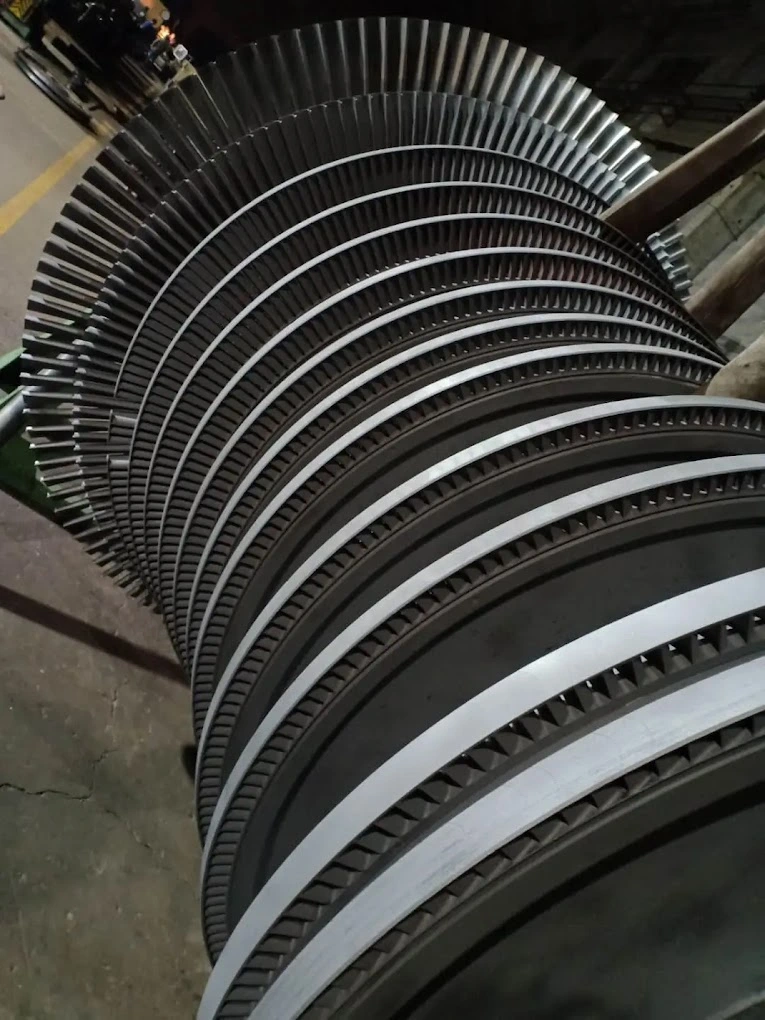
Steam Turbines as Energy Converters

Energy production is the cornerstone of modern economies, and turbines play a pivotal role in converting various forms of energy into electricity, heat, or mechanical power. Turbine systems, particularly steam turbines, are integral to large-scale power generation, serving as the backbone of many energy plants worldwide. As global energy demand continues to rise, understanding the mechanisms of energy production and the role of turbine systems in that process becomes essential for achieving efficiency, sustainability, and reliability in energy systems.

At the core of turbine technology is the principle of mechanical work conversion. In steam turbine systems, thermal energy is transformed into mechanical energy by utilizing high-pressure steam to rotate turbine blades. The steam is generated by heating water using various heat sources such as fossil fuelsnuclear energy, or renewable sources like biomass and solar thermal energy. This steam expands through the turbine, causing blades to spin. The spinning blades drive a generator to produce electricity. The efficiency of this process depends on several factors, including the temperature and pressure of the steam, the quality of the turbine design, and the operation of the associated equipment, such as feedwater heaters and condensers.

A key aspect of turbine systems for energy production is their adaptability to different heat sources. While traditional coal and natural gas-fired plants have long relied on steam turbines for energy production, modern turbine systems are increasingly being used in combined-cycle plants, where both gas turbines and steam turbines are used in tandem. In such systems, the waste heat from the gas turbine is captured and used to generate steam, which then drives the steam turbine. This process, known as the combined heat and power (CHP) cycle, significantly increases the overall efficiency of the system by making use of energy that would otherwise be wasted.

Hydroelectric power is another area where turbines are used for energy production. Hydraulic turbines, such as Pelton and Francis turbines, convert the energy from flowing water into mechanical energy, which is then used to drive generators and produce electricity. In pumped-storage hydroelectric systems, water is pumped to a higher elevation during periods of low electricity demand and released to generate electricity during peak demand. These systems offer significant energy storage capabilities, allowing for better integration of intermittent renewable energy sources like wind and solar.

Wind turbines, although operating on a similar principle of converting mechanical motion into electrical energy, work differently from steam turbines. The rotor blades of a wind turbine are driven by the force of the wind, which causes them to rotate. This rotational motion is transferred to a generator, which produces electricity. Wind turbines are a cornerstone of the renewable energy sector and are especially important in regions with abundant wind resources. Offshore wind farms, in particular, are gaining popularity as they allow for larger turbines to be installed in locations with stronger and more consistent winds.

Turbines are also used in geothermal power generation, where the natural heat from beneath the Earth’s surface is used to produce steam. This steam drives a turbine, which is connected to a generator that produces electricity. Geothermal power has the advantage of being a baseload energy source, meaning it can provide continuous, reliable power generation regardless of weather or time of day. Enhanced geothermal systems (EGS), which involve injecting water into hot rock formations to create steam, are an emerging technology with the potential to significantly expand geothermal energy production.

In addition to these traditional applications, there are emerging areas where turbine systems are becoming increasingly relevant. Waste-to-energy plants use steam turbines to convert waste materials, such as municipal solid waste or industrial waste, into electricity. The waste is burned in a furnace to produce steam, which then drives a turbine connected to a generator. These systems help address waste management challenges while producing valuable energy. Similarly, biomass power plants rely on steam turbines to generate electricity from organic materials like wood chips, agricultural residues, or other biofuels.

The integration of renewable energy sources, particularly solar power, is another area where turbines are being used more frequently. In concentrated solar power (CSP) systems, mirrors or lenses are used to focus sunlight onto a receiver, which heats a fluid to produce steam. This steam is then used to drive a steam turbine, much like in traditional fossil-fuel-based power plants. CSP technology offers the advantage of energy storage, as the thermal energy captured during the day can be stored and used to produce electricity during the night or cloudy periods.

Advancements in turbine technology are focused on improving efficiency, reducing emissions, and increasing the flexibility of turbines to operate on different types of fuels. Supercritical steam turbines operate at pressures and temperatures higher than traditional steam turbines, making them more efficient in converting heat to mechanical energy. Ultra-supercritical turbines, operating at even higher temperatures and pressures, are at the cutting edge of steam turbine technology, offering potential for even greater efficiency gains.

In the context of energy production, turbine systems must also be considered in the broader context of energy system integration. A major challenge in today’s power grid is the increasing use of intermittent renewable energy sources like solar and wind. Turbine systems, especially steam turbines, will continue to play a vital role in providing grid stability by complementing renewable energy production with reliable base-load generation. By coupling energy storage technologiessmart grid systems, and demand response mechanisms, turbine-driven plants can provide flexible, on-demand power when renewable sources are not available, ensuring a stable and reliable energy supply.

One of the emerging trends in turbine technology for energy production is the increased use of hydrogen as a fuel source. Hydrogen-powered turbines are being tested and developed as part of efforts to decarbonize the energy sector. In this scenario, hydrogen is used to generate heat, which then produces steam to drive the turbine. This represents a significant advancement toward achieving zero-emission energy production, as hydrogen combustion results in water vapor as the primary byproduct. Several countries and companies are investing heavily in hydrogen infrastructure as a key element of their future energy strategies, especially for decarbonizing heavy industry and transportation.

The evolution of turbine technology will continue to be driven by the need for greater efficiency and environmental sustainability. Innovations such as digital twinsartificial intelligence, and predictive maintenance are enabling operators to optimize turbine performance and reduce downtime. These technologies allow for real-time monitoring and adjustments based on operating conditions, ensuring that turbines perform at their optimal efficiency while minimizing fuel consumption and emissions.

Additionally, advanced materials will play a key role in the future of turbine systems. Turbine blades and components are subjected to extreme stresses, such as high temperatures, pressure, and corrosion, and advancements in materials science are key to enhancing turbine performance and longevity. New materials, such as ceramic coatings and superalloys, are being developed to withstand these harsh conditions and improve turbine efficiency. As a result, turbines will become more durable, requiring less maintenance and offering better performance over longer periods.

In conclusion, turbine systems are essential to the future of energy production across a wide range of sectors. From traditional coal and gas-fired power plants to cutting-edge renewable energy technologies, turbines are integral to converting thermal, mechanical, or fluid energy into usable power. With ongoing advancements in efficiency, materials, and system integration, turbines will continue to be at the heart of global efforts to provide clean, reliable, and sustainable energy for the world’s growing population. As the energy transition accelerates, turbine systems will adapt to new fuel sources and technologies, ensuring that they remain a crucial element of a low-carbon, high-efficiency energy future.

The role of turbines in energy production will continue to evolve alongside global efforts to meet growing energy demands and tackle climate change. Key trends such as decarbonizationdigitalization, and energy efficiency will shape the future of turbine systems, ensuring that turbines remain central to both traditional power generation and emerging clean energy technologies.

One of the major developments on the horizon is the continued decarbonization of power generation. As part of the global push to reduce greenhouse gas emissions, turbines will increasingly be powered by low-carbon or zero-emission fuels. The transition to using hydrogen as a fuel source in turbines represents one of the most promising ways to decarbonize heavy industry and power generationGreen hydrogen, produced using renewable energy sources like wind or solar to split water molecules, holds significant potential as a clean fuel for steam turbines and gas turbines. The combustion of hydrogen in turbine systems results in water vapor as the only byproduct, making it a viable option for low-emission power plants and industrial processes. The ability to scale up hydrogen production and infrastructure will be crucial in realizing this vision, as hydrogen infrastructure is still in the early stages of development.

In addition to hydrogen, biomass and biogas will likely play an increasing role in powering turbine systems. Biomass power generation involves using organic materials such as wood chipsagricultural residues, or municipal solid waste to generate steam, which drives turbines to produce electricity. Biomass power plants can operate much like conventional fossil-fuel plants but with the advantage of utilizing renewable feedstocks. Similarly, biogas, produced from organic waste through anaerobic digestion, can be used in combined heat and power (CHP) plants. These biogas-powered systems can provide both electricity and heat, making them suitable for decentralized energy production in communities and industries. The sustainability of these technologies will depend on sourcing biomass from responsible, renewable practices and minimizing any potential emissions during combustion.

Another major factor influencing the future of turbine systems is digitalization. The use of advanced sensorsartificial intelligence (AI)machine learning, and big data analytics is revolutionizing turbine operation and maintenance. Digital twins are digital replicas of physical turbines that allow operators to simulate turbine performance in real time and predict maintenance needs before they become critical. This capability enables more efficient predictive maintenance, reducing downtime, increasing turbine lifespan, and improving overall system efficiency. Operators can analyze turbine data from sensors to detect anomalies and fine-tune performance, ensuring turbines run at their highest possible efficiency. By integrating these digital tools with other smart grid technologies, turbine systems can dynamically adjust their operation in response to changes in demand or supply, ensuring grid stability and efficient energy distribution.

The integration of renewable energy technologies with turbine systems will also lead to the rise of hybrid energy systems, where turbines work alongside other energy generation methods such as solarwind, and battery storage. In these systems, turbines can provide reliable baseload power to complement the intermittent nature of solar and wind energy. For example, in a wind-solar hybrid plant, turbines can provide backup power during periods of low wind or sunlight, ensuring that electricity demand is met even when renewable sources are not producing at full capacity. Similarly, in pumped-storage hydroelectric plants, steam turbines can be used to balance the supply of electricity, using stored water to generate power during peak demand periods. These hybrid systems offer a path toward increasing renewable energy penetration in the grid without compromising stability or reliability.

The advancement of energy storage technologies will also influence the role of turbines in energy production. As the demand for renewable energy increases, the ability to store electricity generated during periods of high production will become increasingly important. Battery storage systems and pumped-storage hydro systems can work in tandem with turbines to smooth out fluctuations in renewable energy generation. In pumped-storage systems, excess electricity from renewable sources is used to pump water to a higher elevation, and the stored water can be released to drive turbines and produce electricity when demand rises. Similarly, batteries can store surplus energy from wind and solar generation and release it when the supply is low, reducing the need for conventional turbines to ramp up rapidly. This complementary relationship between turbines and energy storage technologies will help optimize grid performance while enabling higher shares of renewable energy.

As turbine systems evolve, advanced materials will play a critical role in increasing efficiency and durability. In particular, superalloysceramic coatings, and high-temperature materials will allow turbines to operate at higher pressures and temperatures, which directly translates into improved efficiency. High-efficiency turbines are essential for reducing fuel consumption and minimizing environmental impact in both conventional and renewable energy systems. The development of corrosion-resistant materials will also extend the life of turbines, reducing the frequency of maintenance and replacement while enhancing the overall reliability of energy production systems.

Looking forward, turbine systems are likely to be a crucial part of distributed energy systems. These systems, which involve generating power closer to the point of use rather than relying on large centralized plants, offer several advantages, such as reduced transmission losses, increased energy security, and enhanced grid flexibility. Small-scale gas turbinesmicro-turbines, and combined heat and power (CHP) systems are already being used in industries, residential buildings, and remote areas to generate both electricity and heat. These turbines can be integrated into district heating and cooling systems, where steam or hot water generated by turbines is distributed to multiple buildings for heating or industrial processes.

In the transportation sector, turbine technology could also find a role in the future of electric vehicles (EVs), particularly through the use of turbine-based range extenders. These compact turbine generators can be used in hybrid electric vehicles to charge batteries and extend the driving range. Gas turbines are already being used in aerospace for jet engines, and their use in future electric aircraft powered by turbine-based systems could represent a breakthrough in the development of low-emission aviation technologies.

At the same time, the global regulatory environment will continue to shape the future of turbine systems. Governments around the world are setting stricter emissions standards and pushing for the adoption of cleaner technologies. The Paris Agreement and national decarbonization strategies will require the energy sector to rapidly reduce its carbon footprint. This will incentivize the development of low-carbon turbine systems, including those that run on renewable fuels like hydrogen and biogas. Policies that support carbon capture and storage technologies (CCS) will also influence the role of turbines in fossil fuel-based power plants. By capturing and storing carbon emissions, these technologies allow turbines to continue playing a role in energy production while mitigating their environmental impact.

In conclusion, the future of energy production will be increasingly shaped by turbine systems that provide efficient, reliable, and sustainable power. Whether through advanced steam turbines in combined-cycle plants, wind turbines harnessing natural energy, or hydrogen-powered turbines driving the next phase of decarbonization, turbines will remain a key component in the global transition to a low-carbon energy future. Technological advancements in turbine design, materials, digitalization, and integration with renewable energy systems will ensure that turbines continue to meet the world’s growing energy needs while minimizing environmental impact. The continued development of turbines for energy production, alongside the integration of energy storage and grid management technologies, will help ensure a reliable and sustainable energy future for generations to come.

As the world continues to pursue a sustainable and low-carbon energy future, turbine technology will remain an essential driver in the transformation of global energy systems. The focus will shift increasingly toward maximizing efficiency, minimizing environmental impact, and adapting to new sources of energy. Several key areas of innovation and expansion in turbine technology are likely to dominate the future of energy production:

  1. Energy Transition to Clean Fuels: As fossil fuels phase out and renewable energy sources dominate, turbines are expected to undergo significant modifications to run on clean fuels like hydrogenbiofuels, and renewable natural gas. Hydrogen, in particular, holds vast promise for decarbonizing power generation, heavy industry, and even transportation. The development of hydrogen turbines—which use hydrogen as a fuel source—will likely expand to support energy systems aiming for net-zero emissions. New turbine designs will need to be compatible with the combustion characteristics of hydrogen, such as its higher combustion temperature and lower energy density than natural gas.
  2. Waste Heat Recovery and Combined Heat and Power (CHP): In the face of increasing demand for energy efficiency, the concept of waste heat recovery will continue to play a major role in improving the efficiency of turbine systems. Combined Heat and Power (CHP) systems, which capture waste heat and use it for heating or further power generation, are expected to grow in importance. This technology reduces the overall energy consumption of a plant or facility and improves system reliability. Cogeneration plants (where both electricity and useful heat are produced) will likely see further development, especially in industries such as chemical processing, food production, and district heating.
  3. Smart Grid and Distributed Energy: With the increasing adoption of renewable energy sources such as wind and solar, the integration of turbine-driven systems into smart grids will be crucial. Smart grids allow for better coordination of power generation and distribution by using real-time data and AI-driven decision-making to ensure that energy flows efficiently from producers to consumers. The integration of distributed energy systems—smaller, decentralized power generation units powered by turbines—will allow for local generation of power close to demand, which can help reduce transmission losses and provide resilience to the grid. These smaller turbine systems are particularly beneficial in regions where central grid infrastructure is lacking, such as rural or off-grid communities.
  4. Hybrid Power Systems: Hybrid energy systems that combine various technologies—such as wind, solar, gas turbinesbattery storage, and energy storage—will become more common as the demand for renewable energy increases. In these systems, turbines can provide a steady power output when intermittent renewable sources like wind and solar are not producing enough electricity. By working in tandem with energy storage solutions like lithium-ion batteries or pumped-storage hydro, turbines can ensure that electricity is always available to meet demand, even when renewable generation dips. The challenge will be optimizing these hybrid systems for efficiency, grid stability, and cost-effectiveness, but as technology improves, these systems will become more widely used in both industrial and residential applications.
  5. Innovation in Turbine Materials: As turbines are pushed to operate at higher temperatures and pressures to improve their efficiency, advanced materials will continue to be a focus of innovation. New materials that can withstand extreme heat, pressure, and stress—such as superalloys and ceramic coatings—will enhance turbine performance and longevity. Materials that reduce friction, wear, and corrosion are critical to increasing turbine efficiency and reducing maintenance costs. The ability to manufacture lightweight turbine components will also improve overall system performance, reduce fuel consumption, and lower environmental impact.
  6. Zero-Emission Turbines and Carbon Capture: In the context of global climate goals, turbines used in fossil fuel power plants are expected to integrate carbon capture and storage (CCS) technologies. CCS involves capturing carbon dioxide emissions before they are released into the atmosphere and either storing them underground or using them in industrial applications. This technology could allow gas turbines to continue to operate while mitigating their environmental impact, especially in countries that rely heavily on natural gas for power generation. The development of zero-emission turbines, which would either run on carbon-neutral fuels like hydrogen or integrate CCS technologies, will be a key part of the transition to a low-carbon energy system.
  7. Flexible Turbine Systems for Grid Support: One of the emerging requirements of modern power grids is the ability to rapidly adjust turbine output in response to fluctuating demand or renewable energy supply. The ability of turbines to ramp up or down quickly is essential in maintaining grid stability, especially as more variable sources of energy such as wind and solar are integrated. Flexible turbine systems that can quickly respond to changes in electricity demand or shifts in renewable energy production will be in high demand. These turbines will not only provide base-load power but also contribute to load balancing by adjusting their output in real time. The flexibility of turbine systems will enable them to integrate seamlessly with smart grids and provide grid operators with the tools to manage a diverse range of power generation technologies.
  8. Turbines in the Maritime and Aerospace Sectors: Marine turbines used in marine energy (such as tidal power and wave power) are becoming increasingly important as the world looks to tap into new renewable energy sources. Marine turbines are similar to wind turbines but are submerged in water, where ocean currents or tides generate mechanical power. The integration of turbine technology into marine renewable energy systems offers a promising avenue for expanding clean energy sources, especially in coastal regions.In the aerospace sector, turbine engines have long been used in jet aircraft, and turboelectric propulsion systems are being explored as part of efforts to decarbonize the aviation industry. These systems combine turbines with electric motors and batteries, creating a hybrid propulsion system that offers the potential to reduce carbon emissions in aviation. As advancements in electric and hybrid technologies continue, turbine-driven systems will remain a critical component of aviation energy production, especially for large-scale, long-range aircraft.
  9. Global Standards and Policy Frameworks: As the global energy landscape shifts toward renewable and low-carbon solutions, governments, regulators, and international organizations will play a crucial role in shaping the future of turbine systems. Global standards for turbine efficiency, emissions, and safety will drive innovation and guide the development of next-generation turbines. Policy incentives, such as subsidies for renewable energy projects, tax credits for clean energy investments, and emissions reduction targets, will further accelerate the transition to cleaner energy sources. Governments will also need to invest in research and development to advance turbine technology and provide the necessary infrastructure for hydrogen and other alternative fuels.
  10. Public Awareness and Social Impact: Finally, public awareness and social acceptance will play an essential role in the widespread adoption of turbine technologies. As the demand for renewable energy grows, consumers, industries, and governments must come to terms with the social and environmental impact of energy production. Awareness of the importance of sustainable energy sources, alongside the role of turbines in meeting energy needs, will drive further investments in these technologies. Public support for renewable energy infrastructure and technological innovation will be critical for achieving global energy goals.

In conclusion, turbines will continue to be at the forefront of energy production, driving innovation and contributing to the global push for cleaner, more sustainable energy systems. Whether through advancements in fuel sources, materials, digital technologies, or system integration, turbines will remain a vital tool in the transition to a low-carbon energy future. The ongoing evolution of turbine technology will ensure that it remains adaptable, efficient, and resilient, meeting the energy needs of an increasingly interconnected and energy-conscious world. As new challenges arise, turbine systems will evolve to meet the demands of the next generation of power production and consumption.

Key Innovations in Steam Turbines
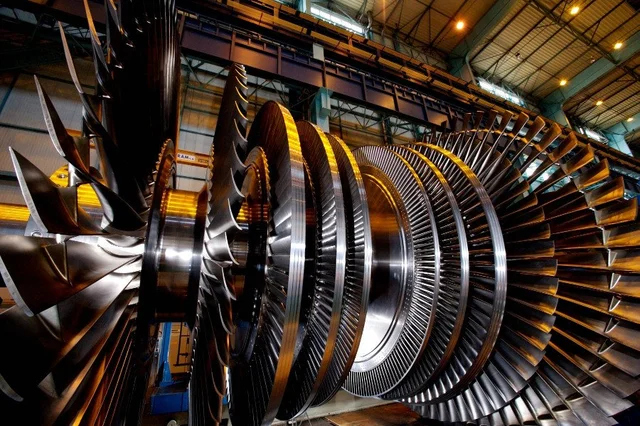
Steam Turbine Industry Overview

Key innovations in steam turbine technology have been crucial in improving the efficiency, reliability, and performance of power plants, as well as expanding the applications of steam turbines in various industries. As the global energy landscape shifts toward more sustainable and efficient technologies, steam turbine manufacturers and researchers continue to develop and refine innovations that can address the challenges of modern power generation, including reducing emissions, optimizing fuel consumption, and integrating renewable energy sources. Here are some of the key innovations in steam turbines:

1. High-Efficiency Steam Turbines

One of the main focuses in recent years has been improving the efficiency of steam turbines. As the demand for more sustainable and energy-efficient power generation grows, advanced steam turbines have been developed to operate at higher thermal efficiency. This includes increasing turbine performance by optimizing the thermodynamic cycle, using supercritical steam conditions, and developing ultra-supercritical (USC) and advanced ultra-supercritical (AUSC) steam turbines. These turbines operate at higher steam temperatures and pressures, allowing them to achieve greater efficiency in converting thermal energy into mechanical power.

The use of ultra-supercritical steam allows for a higher heat rate and lower fuel consumption, which results in reduced carbon emissions and improved operational efficiency. This is particularly relevant for reducing the environmental impact of coal-fired power plants, which are increasingly being pushed to reduce emissions through efficiency improvements.

2. Advanced Materials and Coatings

The development of advanced materials and coatings for steam turbines has been a significant innovation in extending their operational life and improving performance. Superalloysceramic materials, and heat-resistant coatings have been increasingly used to withstand the high-temperature and high-pressure conditions in modern steam turbines.

These advanced materials can operate in environments where traditional materials would degrade, reducing the frequency of turbine overhauls and lowering maintenance costs. New ceramic coatings and thermal barrier coatings are designed to resist corrosionerosion, and high-temperature oxidation, ensuring the durability and reliability of turbine components.

Additionally, advanced forging techniques and 3D printing are being explored to improve the manufacturing of turbine blades and other critical components, allowing for more complex geometries and reduced material waste.

3. Integrated Digital Monitoring and Control

The integration of digital technologies in steam turbine systems is transforming how turbines are monitored, operated, and maintained. The use of advanced sensorsdata analyticsmachine learning, and artificial intelligence (AI) enables real-time monitoring of turbine performance, detecting potential issues before they result in failures.

Digital twins—virtual models of physical steam turbines—are being used to simulate turbine performance under various operating conditions. These models can predict performance degradationvibration patterns, and thermal stress, providing early warning signs for maintenance and helping optimize turbine operation. This type of predictive maintenance allows for a reduced risk of unplanned downtime and extends the service life of steam turbines.

Additionally, AI and advanced control systems are being implemented to optimize turbine performance in real-time, improving efficiency and reducing operational costs by adjusting turbine settings based on changing load demands and fuel conditions.

4. Hybrid Systems and Renewables Integration

In the transition toward cleaner energy systems, the integration of steam turbines with renewable energy sources has become an area of innovation. Hybrid energy systems that combine steam turbines with solarwind, or battery storage are being developed to provide stable, reliable power while using renewable energy as a primary source.

For example, in solar thermal power plants, steam turbines are used to convert heat from solar energy into electricity. These systems use large parabolic mirrors or heliostats to concentrate sunlight onto a receiver, heating a fluid (often water or molten salt), which then generates steam to drive a turbine. This integration allows for intermittent renewable energy sources like solar to provide continuous power by incorporating thermal storage to supply energy when the sun is not shining.

Steam turbines are also being coupled with biomass and waste-to-energy systems, where organic materials are burned to generate steam, which powers the turbine. These hybrid systems provide a renewable alternative to conventional fossil fuel-based power plants.

5. Steam Turbine Efficiency in Combined-Cycle Power Plants

Combined-cycle power plants, which combine both gas turbines and steam turbines, have been a major innovation in increasing overall plant efficiency. In these plants, gas turbines generate electricity and the waste heat from the gas turbine is used to produce steam, which then drives a steam turbine to generate additional electricity. This process significantly improves the overall efficiency of the plant.

The use of combined-cycle technology has become particularly important in natural gas power plants, where it enables higher fuel efficiency, lower emissions, and reduced operational costs. Ongoing improvements in steam turbine design, such as reducing thermal losses and optimizing heat recovery, are driving further efficiency gains in these plants.

6. Flexible Operation and Load Following

As the share of intermittent renewable energy sources such as wind and solar increases in the energy mix, the ability of steam turbines to respond to fluctuations in demand and supply is becoming more critical. Flexible operation capabilities allow steam turbines to quickly ramp up or down their output in response to changes in energy demand or renewable energy production.

Modern steam turbines are being designed for load-following operation, where the turbine’s output can be adjusted to meet real-time power demands. This is especially important as grids become more decentralized and renewable energy sources fluctuate. Flexible steam turbines ensure that power plants can provide stable, reliable electricity even with high levels of renewable integration.

Innovations in turbine control systems, as well as in materials and cooling technologies, are helping steam turbines handle variable load demands without compromising performance or efficiency.

7. Modular and Scalable Turbine Designs

Another key innovation is the development of modular steam turbines that can be scaled to meet the needs of different power plants and industrial applications. These modular turbines can be more easily adapted to varying power outputs, offering flexibility in installation and operation.

Scalable steam turbines are particularly beneficial for distributed generation systems, where smaller turbines can be installed closer to the point of energy consumption. This approach is being used in industrial CHP systemsdistrict heating systems, and remote or off-grid energy projects. Modular turbines offer both cost and space savings, as well as improved reliability and maintenance, making them an ideal choice for growing energy demands in these markets.

8. Advanced Turbine Blade Design

Innovations in turbine blade design have significantly improved the performance and efficiency of steam turbines. New blade materials, coatings, and aerodynamic designs allow for better heat transfer and fluid dynamics, improving the steam turbine’s efficiency. The latest high-efficiency blades are designed to extract more energy from the steam as it passes through, resulting in higher electrical output per unit of fuel burned.

Additionally, 3D printing and additive manufacturing techniques are being used to create more complex blade geometries and optimize material usage, which helps reduce the overall weight and cost of the turbine. Advanced blade coatings that prevent erosion and corrosion can also extend the life of turbine blades, improving their durability and performance.

9. Hydrogen-Fueled Steam Turbines

Hydrogen is emerging as a potential fuel for steam turbines, particularly in the pursuit of carbon-neutral energy production. Hydrogen can be used in gas turbines and combined-cycle plants, and there is growing interest in adapting steam turbines to run on hydrogen or hydrogen blends.

Hydrogen-fired steam turbines could play an important role in the decarbonization of power plants that rely on fossil fuels. When hydrogen is burned, the only byproduct is water vapor, making it a zero-emission fuel. Research is ongoing into how to modify steam turbine designs to effectively burn hydrogen and take full advantage of this clean fuel.

10. Decentralized and Off-Grid Power Systems

Steam turbines are also being integrated into decentralized energy systems and off-grid applications, where they provide electricity to remote communitiesindustrial sites, and island nations. Smaller-scale turbines can be used in remote power generation, either as stand-alone units or as part of hybrid systems combined with other power sources like solar, wind, or diesel.

The development of compact and portable steam turbines has enabled greater access to reliable power in areas where large-scale grid infrastructure is not feasible. These innovations have the potential to improve energy access and sustainability in underserved regions.

In summary, the evolution of steam turbine technology continues to focus on improving efficiency, adaptability, and sustainability. With advancements in materials, digital technologies, hybrid systems, and renewable energy integration, steam turbines will remain a cornerstone of modern power generation. As the world transitions to a low-carbon energy future, the role of steam turbines will be crucial in ensuring a reliable, efficient, and environmentally responsible energy supply. The ongoing development of these technologies will continue to drive innovation in the global energy landscape.

As the global energy landscape continues to evolve, the role of steam turbines in various applications—especially in power generation, industrial processes, and renewable energy integration—will be pivotal in shaping a more sustainable and efficient energy future. Continuing innovations in steam turbine technology will contribute to reducing the environmental footprint of energy production, improving the flexibility and resilience of energy systems, and addressing the growing demand for cleaner and more efficient power sources.

11. Advanced Turbine Diagnostics and Maintenance Techniques

As the demand for efficient and reliable steam turbine operation increases, there has been significant progress in turbine diagnostics and predictive maintenance technologies. Advanced non-destructive testing (NDT) techniques such as ultrasonic testingvibration analysis, and infrared thermography are being incorporated to monitor the internal condition of turbine components without causing damage. These technologies allow for early detection of wear, corrosion, or other issues before they result in costly failures or downtime.

Predictive maintenance driven by machine learning algorithms is also being used to analyze large datasets from turbines in real time, identifying trends in turbine performance that could indicate the need for maintenance or component replacement. This reduces the likelihood of unplanned outages and ensures optimal turbine performance, extending the lifespan of equipment and lowering maintenance costs.

In conjunction with digital technologies, remote monitoring systems enable turbine operators to access performance data from anywhere, allowing for faster decision-making and enhanced control over operations. These advances in diagnostic tools and maintenance strategies will continue to improve the reliability and efficiency of steam turbines, further integrating them into the broader Internet of Things (IoT) ecosystem in energy systems.

12. Integration with Carbon Capture and Storage (CCS) Systems

With the growing urgency to mitigate climate change, carbon capture and storage (CCS) technologies are gaining traction as part of the solution to reduce greenhouse gas emissions from fossil fuel power plants. Steam turbines, particularly those in coal-fired power plants, are being designed to integrate with CCS systems. These systems capture carbon dioxide (CO2) emissions from the exhaust gases and prevent them from entering the atmosphere by either storing them underground or using them in other industrial processes.

The integration of CCS with steam turbines requires significant modifications to turbine design to handle the additional load and energy requirements associated with the capture, compression, and transportation of CO2. For instance, additional steam can be extracted from the turbine to power the CCS system, or the plant can operate at partial capacity to make room for the energy demands of CCS processes. Innovations in turbine design that optimize energy use and reduce waste heat can help minimize the impact of CCS on overall plant efficiency.

13. Cogeneration and Trigeneration Systems

Cogeneration, the simultaneous production of electricity and useful heat from the same energy source, has long been a focus of steam turbine technology. In industrial applications, steam turbines are often used in cogeneration systems to meet both electricity and thermal energy needs, reducing fuel consumption and increasing overall energy efficiency.

The development of trigeneration systems, which produce electricity, heating, and cooling, is expanding the application of steam turbines. These systems are highly efficient because they utilize waste heat not only for electricity generation but also for cooling processes, often through absorption chillers or thermal-driven refrigeration. Such systems are increasingly being deployed in industrial facilities, commercial buildings, and district energy systems to achieve near-zero waste energy consumption. The growth of trigeneration systems further boosts the appeal of steam turbines as versatile, multi-purpose energy converters.

14. Water and Steam Cycle Optimization

Another area of innovation involves optimizing the water and steam cycles that steam turbines rely on for power generation. In power plants, water is heated to produce steam, which drives the turbine and generates electricity. The efficiency of this cycle is crucial to the overall performance of the power plant.

Innovations in heat recovery and water treatment technologies can help reduce energy losses in the water and steam cycle. For example, closed-loop cooling systems, which reuse water in a cycle, are more energy-efficient and environmentally friendly than open-loop systems that discharge heated water back into nearby water bodies. In addition, the use of desalination technology in power plants located in coastal regions can help mitigate water scarcity issues, making them more adaptable to different geographical locations.

Moreover, advancements in thermodynamic cycles, such as the integration of organic Rankine cycles or Kalina cycles, are also being explored. These cycles allow for the recovery of waste heat at lower temperatures, increasing the overall efficiency of the plant by utilizing energy that would otherwise be lost.

15. Hybrid Turbine Systems for Diverse Applications

The rise of hybrid turbine systems is an innovation that allows steam turbines to work seamlessly with other forms of energy production. These systems typically combine steam turbines with gas turbinesrenewable energy sources, and energy storage solutions to create a flexible, low-emission energy system.

In hybrid systems, steam turbines can be used to balance the intermittency of renewable energy sources like wind or solar. For example, steam turbines in solar thermal power plants work alongside solar energy collectors to provide power when sunlight is insufficient. Similarly, steam turbines can be integrated with battery storage or pumped-storage hydro systems to provide stable power during periods of high demand.

The ability to combine various energy sources in a hybrid turbine system increases flexibility, improves grid stability, and ensures that energy production can be maintained regardless of fluctuating energy sources.

16. Micro- and Small-Scale Turbines

As the demand for decentralized energy systems increases, particularly in remote areas and developing regions, there is growing interest in micro-turbines and small-scale steam turbines. These turbines can be used for on-site power generation in industrial facilities, commercial buildings, and even in residential applications. By offering a more compact and cost-effective solution, these small-scale turbines can be paired with renewable energy systems, such as biomasssolar, or geothermal, to provide distributed power generation.

Microturbines are particularly well-suited for combined heat and power (CHP) systems, where they can provide both electricity and thermal energy for heating. Small-scale steam turbines are being used in industrial sectors like food processingchemical manufacturing, and petroleum refining to improve energy efficiency and reduce reliance on external power sources.

17. Power-to-X (P2X) Integration

The concept of Power-to-X (P2X) refers to technologies that convert surplus electrical power (particularly from renewable sources) into other forms of energy, such as hydrogen or synthetic fuels. Steam turbines are being explored for their potential to integrate with P2X technologies, especially in systems that convert renewable electricity into hydrogen or ammonia, which can then be used as fuel in power plants or other applications.

In the context of steam turbines, P2X can help optimize energy storage and create a link between the electrical grid and the production of carbon-neutral fuels. By using excess renewable electricity to produce hydrogen, which can be stored and used as fuel in steam turbines, power systems can become more flexible, carbon-neutral, and aligned with global decarbonization goals.

18. Energy Storage for Steam Turbines

Innovations in energy storage systems, such as pumped hydro storagecompressed air energy storage (CAES), and advanced batteries, have enhanced the operation of steam turbines by providing a way to store surplus energy. These systems store energy when production exceeds demand and release it to maintain consistent output when demand is high.

Steam turbines, when coupled with energy storage technologies, can be used to balance fluctuations in power generation, particularly when dealing with renewable sources that are subject to variable conditions. This combination of energy generation and storage ensures that steam turbines contribute to a stable, reliable energy supply even during periods of grid instability or high demand.

Conclusion

The key innovations in steam turbine technology are driving significant changes in the global energy landscape, allowing for more efficient, flexible, and sustainable energy systems. The development of high-efficiency turbines, new materials, hybrid systems, and integration with renewable energy and storage technologies will play a central role in reducing carbon emissions, improving power generation efficiency, and adapting to the needs of a rapidly changing energy market. Steam turbines will continue to be an essential component in the transition to a low-carbon, sustainable energy future, offering solutions that improve the reliability, resilience, and efficiency of modern power grids and industrial applications.

Steam Turbine-based power systems

Steam Turbines for Power System Balance

Steam turbine-based power systems play a pivotal role in both traditional and modern power generation. These systems are integral to the production of electricity in thermal power plants, industrial applications, and even renewable energy integration. The fundamental principle of a steam turbine power system is the conversion of thermal energy from steam into mechanical energy, which is then used to generate electricity. Over the years, steam turbine-based systems have evolved, incorporating advanced technologies that improve efficiency, reliability, and environmental sustainability. Below are the key aspects and innovations in steam turbine-based power systems:

1. Basic Operation of Steam Turbine-Based Power Systems

In a steam turbine-based power system, water is heated to produce steam, typically through the combustion of fossil fuels such as coal, oil, or natural gas, or through the use of nuclear energy or renewable sources like biomass or solar thermal. The steam is then passed through a turbine, which consists of rotating blades. As steam expands and moves through the turbine, it causes the blades to spin, converting thermal energy into mechanical energy. The mechanical energy is used to turn a generator, which produces electricity.

After passing through the turbine, the steam is condensed back into water in a condenser, and the cycle repeats. This process is known as the Rankine cycle, and steam turbine-based systems are a key implementation of this cycle in power plants. The efficiency of the system is largely determined by the temperature and pressure of the steam and the efficiency of the turbine and generator components.

2. Types of Steam Turbine-Based Power Systems

Steam turbine-based power systems can be classified into various types depending on their specific design, fuel source, and application. Some of the most common types include:

  • Fossil Fuel Steam Turbine Power Plants: These are traditional power plants that burn coal, natural gas, or oil to generate steam. They are still widely used, though there is a shift toward cleaner energy sources.
  • Nuclear Steam Turbine Power Plants: Nuclear reactors produce heat through the process of nuclear fission, which is used to generate steam for driving turbines. These plants provide a large and steady power output and have very low direct emissions.
  • Combined Cycle Power Plants: These systems combine a gas turbine and a steam turbine to increase overall efficiency. The waste heat from the gas turbine is used to produce steam for the steam turbine, improving the system’s overall thermal efficiency.
  • Renewable Steam Turbine Power Plants: These systems utilize solar thermalbiomass, or geothermal energy to generate steam. In solar thermal plants, concentrated solar power (CSP) is used to heat a fluid that generates steam to drive turbines.

3. Efficiency Improvements in Steam Turbine Power Systems

Efficiency is one of the most important considerations in steam turbine power systems, as it directly impacts both operational costs and environmental performance. Some of the key innovations to improve the efficiency of steam turbine power systems include:

  • Supercritical and Ultra-Supercritical Steam Turbines: These turbines operate at higher temperatures and pressures than traditional turbines, which allows for greater efficiency. Supercritical and ultra-supercritical systems can achieve efficiencies of 45-50% or higher compared to traditional systems, which typically achieve around 35-40% efficiency.
  • Combined Cycle Systems: As mentioned earlier, the combination of gas turbines and steam turbines in combined-cycle systems allows for higher overall efficiency by using the waste heat from the gas turbine to produce steam for the steam turbine. This hybrid system can achieve efficiencies of up to 60% or more.
  • Regenerative Rankine Cycle: This system recycles part of the heat from the exhaust steam to preheat the incoming water, reducing fuel consumption and increasing the overall efficiency of the cycle.
  • Advanced Materials and Coatings: Using superalloys and heat-resistant coatings for turbine components helps them withstand higher temperatures and pressures, which increases efficiency and longevity.

4. Cogeneration and Combined Heat and Power (CHP) Systems

One of the main applications of steam turbine-based power systems in industrial and commercial settings is cogeneration, also known as combined heat and power (CHP). These systems generate both electricity and useful thermal energy (e.g., steam or hot water) simultaneously. By using the waste heat from electricity generation for heating, cogeneration systems significantly improve the overall efficiency of the energy conversion process.

CHP systems are commonly used in industries such as chemical manufacturingfood processingdistrict heating, and paper mills, where both electricity and heat are needed for various processes. By making use of otherwise wasted heat, cogeneration systems can achieve efficiencies of 70-90%, much higher than conventional power plants.

5. Flexible Operation for Renewables Integration

The integration of renewable energy into the grid is one of the most significant challenges in modern power generation. Steam turbine-based power systems are increasingly being designed for flexible operation to support the variability of renewable energy sources like wind and solar.

Flexible steam turbines are capable of adjusting their output to match fluctuations in demand and supply, helping to stabilize the grid when renewable generation is low or intermittent. Steam turbine-based plants are often part of hybrid systems that combine renewable generation with traditional or storage-based power systems to provide a stable and reliable energy supply. Flexible steam turbine operation is particularly crucial as more countries and regions adopt higher percentages of renewable energy in their energy mix.

6. Distributed Energy Systems

In recent years, there has been a growing interest in distributed energy systems, where smaller-scale steam turbine systems are used for on-site power generation. These systems are particularly useful in remote areasindustrial facilities, and combined heat and power applications, where a reliable and independent power source is needed.

Small-scale steam turbines can be used in industrial settings for cogeneration, as well as in off-grid communities that rely on local power generation. These turbines can run on biomassbiogas, or geothermal energy, providing a cleaner and more reliable power source for areas that are disconnected from the main grid.

In addition, micro-turbines are being developed for even smaller-scale applications, providing power for commercial buildings, hospitals, and schools. The adoption of steam turbine technology in these distributed systems helps reduce dependency on large central power plants and provides greater energy security in remote or isolated locations.

7. Environmental and Emission Control Technologies

Environmental concerns and regulatory pressure have pushed the development of steam turbine-based systems that can significantly reduce emissions. In fossil-fuel-based steam turbine power plants, technologies such as carbon capture and storage (CCS)scrubbers, and low-nitrogen oxide (NOx) burners are used to limit the environmental impact.

  • Carbon Capture and Storage (CCS): In fossil-fuel-based power plants, CCS technologies capture carbon dioxide (CO2) from exhaust gases and store it underground or repurpose it for other industrial processes. This helps reduce the plant’s carbon footprint and is a crucial innovation for mitigating climate change.
  • Flue Gas Desulfurization: Scrubbers and other flue gas cleaning systems are employed to reduce sulfur dioxide (SO2) emissions, which are a major contributor to acid rain and air pollution.
  • Selective Catalytic Reduction (SCR): This technology is used to reduce nitrogen oxide (NOx) emissions from steam turbine-based power plants. SCR systems use a catalyst to convert NOx into nitrogen and water vapor, significantly lowering emissions.

For renewable energy-powered steam turbines, the focus is on minimizing the environmental impact of energy extraction and ensuring that the turbines themselves are manufactured and operated with low environmental footprints.

8. Integration with Energy Storage Systems

Steam turbine-based systems are increasingly being integrated with energy storage technologies, such as pumped hydro storagecompressed air energy storage (CAES), and batteries. Energy storage systems help balance the supply and demand for electricity by storing excess energy during periods of low demand and releasing it when needed.

When paired with renewable energy sources like wind or solar, energy storage systems can store excess energy generated during peak production times and use it to generate electricity with steam turbines when renewable generation is insufficient. This integration supports grid stability and helps prevent curtailment of renewable energy during periods of high supply.

Energy storage also allows steam turbine-based power systems to operate more flexibly, reducing their reliance on fossil fuels and increasing the overall share of renewable energy in the grid.

9. Advanced Control Systems and Automation

The operation of modern steam turbine-based power systems increasingly relies on advanced control systems that improve efficiency, safety, and flexibility. Automated control systems, equipped with real-time monitoringdata analytics, and artificial intelligence (AI), can optimize turbine performance, adjust operational parameters, and predict maintenance needs.

For example, digital twins, which are virtual representations of physical steam turbines, are used to simulate and monitor the turbine’s performance under various conditions. These technologies help operators detect potential issues before they result in failure, reducing downtime and maintenance costs. Furthermore, AI-driven algorithms can adjust steam conditions, turbine speed, and output based on real-time demand and system performance, improving overall plant efficiency.

Conclusion

Steam turbine-based power systems remain a cornerstone of global power generation, with continuous innovations driving improvements in efficiency, reliability, and environmental performance. Whether in fossil-fuelnuclear, or renewable energy applications, steam turbines are evolving to meet the challenges of modern energy demands. Innovations in efficiencyemission controlsintegrated energy storage, and flexibility for renewable integration will ensure that steam turbines continue to play a central role in the decarbonization and modernization of power systems around the world. As the energy transition progresses, steam turbine-based power systems will continue to be key players in providing reliable, flexible, and sustainable electricity.

Steam turbine-based power systems are essential to modern electricity generation, and they continue to evolve as technological advancements improve their efficiency, flexibility, and environmental sustainability. The process of generating electricity through steam turbines relies on converting thermal energy from steam into mechanical energy, which is then used to drive a generator. This process is most commonly used in thermal power plants that utilize fossil fuels, nuclear energy, or renewable energy sources to produce steam. The efficiency of steam turbines is crucial for reducing operational costs and minimizing environmental impact. Over time, innovations have significantly improved the performance of these systems, helping them meet the growing demands for cleaner and more efficient energy generation.

One of the most important innovations in steam turbine-based systems is the development of supercritical and ultra-supercritical steam turbines. These turbines operate at higher pressures and temperatures than conventional steam turbines, allowing for greater thermal efficiency. By increasing the temperature and pressure of the steam, these systems can extract more energy from the same amount of fuel, resulting in higher efficiency and lower emissions. Supercritical and ultra-supercritical systems are increasingly used in both coal-fired and natural gas-fired power plants to reduce the carbon footprint of traditional power generation. Additionally, the adoption of combined cycle power plants, where both gas and steam turbines are used together, has significantly improved overall efficiency. In these systems, the waste heat from the gas turbine is used to generate steam for the steam turbine, allowing the system to achieve higher efficiency levels.

The integration of steam turbine-based systems with renewable energy sources is another key area of development. Solar thermal power plants, for example, use concentrated solar power (CSP) technology to focus sunlight and generate steam to drive turbines. Similarly, geothermal energy systems use steam produced by the Earth’s internal heat to generate power. These renewable steam turbine applications offer a cleaner alternative to fossil fuel-based power generation and contribute to the global transition to renewable energy.

Steam turbines also play a central role in cogeneration and combined heat and power (CHP) systems. These systems are designed to generate both electricity and useful thermal energy simultaneously. Cogeneration systems are highly efficient because they use the waste heat from power generation for heating or other industrial processes, reducing the need for additional fuel consumption. In industrial applications, steam turbine-based cogeneration systems are used to provide power and heat for facilities such as chemical plantsfood processing plants, and district heating networks. These systems can achieve efficiencies of up to 80-90%, much higher than traditional power plants that generate electricity alone.

As the demand for cleaner energy grows, steam turbine systems are also being designed for flexible operation to support the integration of intermittent renewable energy sources like wind and solar. Flexible steam turbine plants can quickly ramp up or down in response to fluctuations in power demand, helping to balance supply and demand on the grid. This capability is particularly important as more renewable energy comes online, as renewable sources like wind and solar are often variable, depending on weather conditions. By providing backup generation capacity when renewable output is low, steam turbines help stabilize the grid and ensure a reliable power supply.

Steam turbines are also being used in distributed energy systems. In these systems, smaller-scale steam turbines are used for on-site power generation, especially in remote areas or off-grid communities. These systems can run on a variety of fuels, including biomassbiogas, and geothermal energy, providing reliable power to areas that are not connected to the central electricity grid. In industrial applications, steam turbines can be used for cogeneration, where both electricity and heat are produced on-site to meet the needs of the facility. These small-scale systems are more efficient than relying on centralized power plants, as they reduce transmission losses and provide greater energy security for local communities.

Another important development in steam turbine technology is the integration of energy storage systems. Energy storage technologies, such as pumped hydro storagebatteries, and compressed air energy storage (CAES), can store excess energy during periods of low demand and release it when needed. When paired with steam turbine systems, these storage technologies can help smooth out fluctuations in power generation and provide backup power during periods of high demand. This integration is particularly valuable in systems that rely on intermittent renewable energy sources, as energy storage can store surplus renewable energy and use it to generate power when the renewable supply is insufficient.

As environmental regulations become more stringent, steam turbine-based systems are increasingly equipped with emission control technologies to reduce their environmental impact. Carbon capture and storage (CCS) technologies capture carbon dioxide (CO2) emissions from exhaust gases and either store it underground or repurpose it for other industrial uses. Flue gas desulfurization (scrubbing) technologies remove sulfur dioxide (SO2) emissions, while selective catalytic reduction (SCR) technologies reduce nitrogen oxide (NOx) emissions. These emission control systems help steam turbine plants comply with environmental standards and reduce their contribution to air pollution and climate change.

Steam turbines are also benefiting from advancements in materials and coatings. New materials, such as superalloys, and advanced heat-resistant coatings allow turbines to operate at higher temperatures and pressures, improving their efficiency and longevity. These materials can withstand the extreme conditions inside modern steam turbines, enabling them to run for longer periods without significant wear and tear. The use of these advanced materials is particularly important in the context of supercritical and ultra-supercritical steam turbines, where high temperatures and pressures are required for optimal performance.

Digital technologies have also revolutionized the operation of steam turbine systems. The use of real-time monitoringpredictive maintenance, and automated control systems allows operators to monitor turbine performance and detect potential issues before they lead to failures. Predictive maintenance systems use machine learning algorithms to analyze data from sensors embedded in turbine components, helping to identify patterns that indicate wear or malfunction. This allows for proactive maintenance, reducing downtime and repair costs while extending the lifespan of turbine equipment.

In addition to their role in electricity generation, steam turbines are being integrated into industrial processes to improve energy efficiency. For example, in the chemical and petroleum refining industries, steam turbines can be used to drive compressors, pumps, and other equipment. This reduces the need for external power sources and makes the overall process more energy-efficient.

As global energy demand continues to rise and the world seeks to transition to a cleaner, more sustainable energy future, steam turbine-based power systems will continue to play a crucial role. Ongoing developments in turbine efficiency, renewable energy integration, energy storage, and emission control technologies will ensure that steam turbines remain a reliable, flexible, and environmentally responsible option for power generation. By incorporating innovative materials, advanced diagnostics, and automated controls, steam turbine-based systems are poised to meet the challenges of the 21st century and contribute to a more sustainable and resilient global energy infrastructure.

The ongoing advancements in steam turbine-based power systems are also supported by a growing focus on digitalization and smart grid integration. These technologies enable better monitoring, control, and optimization of turbine performance. By implementing advanced sensorspredictive analytics, and cloud-based data platforms, operators can gain real-time insights into turbine operation. This data-driven approach allows for more precise adjustments, ensuring that turbines operate at peak efficiency while reducing wear and tear. In addition, these systems can integrate seamlessly with smart grids, which use digital communication and automation to optimize the distribution of electricity across the grid. This enhances the ability of steam turbines to respond to dynamic changes in power demand, making them more adaptable in a grid increasingly influenced by renewable energy sources.

In the context of steam turbine-based power plants, the integration with energy management systems (EMS) plays a vital role in balancing the supply of electricity. These systems enable power plant operators to forecast energy demand, adjust turbine output, and integrate with other generation sources such as wind and solar. By using energy storage systems in combination with steam turbines, energy storage facilities can absorb surplus electricity when renewable output is high and discharge stored energy when renewable generation is low or insufficient. This ensures a steady and reliable power supply, even as renewable energy sources become a larger portion of the global energy mix.

Additionally, as the world shifts toward more sustainable energy systems, steam turbine systems are playing a growing role in the decarbonization of the power sector. Carbon-intensive sources of power generation, such as coal-fired plants, are being phased out in favor of cleaner energy technologies. However, in many cases, natural gas-fired plants still rely on steam turbines to provide base-load power. By combining these turbines with carbon capture technologies, natural gas plants can significantly reduce their CO2 emissions, helping to bridge the gap between fossil fuels and renewable energy. Furthermore, innovations in biomass and waste-to-energy plants, which use organic materials as fuel, are expanding the range of renewable fuels that can be used to power steam turbines.

Beyond electricity generation, industrial applications of steam turbines continue to grow. The chemicalpaper, and food processing industries, for example, use steam turbines for both power and process heat. Steam turbines are used in these industries for driving mechanical equipment like compressors and pumps, as well as for providing the necessary heat for various processes, such as distillation and drying. The ability of steam turbines to generate both electricity and thermal energy makes them highly versatile in these settings, contributing to energy efficiency and cost savings.

The importance of environmental sustainability continues to drive research and development in steam turbine systems. As the world faces the growing challenges of climate change, power generation systems must evolve to meet stringent emissions reduction targets. This involves not only improving turbine efficiency but also exploring alternative fuel sources, such as green hydrogen and biofuels, which can be used in steam turbine systems. These fuels offer the potential for carbon-neutral or even carbon-negative power generation, enabling steam turbines to continue providing essential services while supporting global decarbonization efforts.

The role of steam turbines in modern power systems is also being influenced by advances in hydrogen energyHydrogen, particularly green hydrogen produced from renewable electricity, is being explored as a clean energy source for steam turbines. In this scenario, hydrogen can be burned to produce steam, which can then drive a turbine to generate electricity. This is seen as a potential way to store excess renewable energy and utilize it later when demand is high or renewable production is low. The use of hydrogen in steam turbines would further enhance their role in energy transition strategies, contributing to both cleaner energy production and energy storage solutions.

Steam turbines are also evolving in terms of their maintenance and lifecycle management. The integration of condition-based monitoring systems, which track the health of turbine components, has enabled operators to extend the operational life of steam turbines and reduce downtime. These monitoring systems track parameters such as temperature, pressure, vibration, and efficiency, allowing for early detection of potential problems before they lead to costly repairs or outages. This predictive maintenance approach not only enhances turbine reliability but also reduces the overall operating costs of steam turbine power plants.

As the demand for cleaner and more efficient energy grows, there is also a focus on making steam turbines more cost-effective. One of the key drivers of this trend is the desire to reduce the capital cost of installing steam turbine-based power systems, which can be a significant investment. Advances in modular design and the use of standardized components are helping to lower these costs. Modular turbines can be scaled up or down depending on the specific requirements of a power plant, allowing for greater flexibility in system design. The use of standardized components also helps to streamline manufacturing, reduce production costs, and improve supply chain efficiency.

Another area of growth for steam turbines is in the development of small-scale turbines. These turbines are being increasingly used for distributed generation applications, such as microgrids and industrial cogeneration. These smaller systems offer a more localized approach to energy generation, reducing transmission losses and providing greater control over energy use. Additionally, these small-scale systems can be powered by a variety of fuels, including biomassbiogas, and geothermal energy, making them more versatile in applications where large-scale power generation is not feasible.

Finally, the shift toward a more decentralized energy system opens up new possibilities for steam turbine-based systems. In the past, power generation was typically concentrated in large, centralized plants. Today, however, there is increasing interest in decentralized energy production, where smaller, localized power systems are integrated into the grid. Steam turbines play an important role in this transformation, providing reliable and efficient power in remote locations, as well as serving as backup power sources for critical infrastructure like hospitals and data centers. The combination of steam turbines with energy storage and renewable generation is expected to be a key element in the future of smart grids, ensuring a stable and resilient energy supply.

As the global energy landscape continues to evolve, steam turbines will remain at the heart of power generation, helping to balance the need for reliable electricity with the growing demand for clean energy. Advances in efficiency, fuel flexibility, and environmental performance, along with innovations in digitalizationenergy storage, and smart grids, will ensure that steam turbine-based power systems continue to play a vital role in meeting the world’s energy needs. These technologies will enable steam turbines to adapt to the changing demands of the energy market, offering both flexibility and sustainability in the transition to a low-carbon energy future.

EMS Power Machines
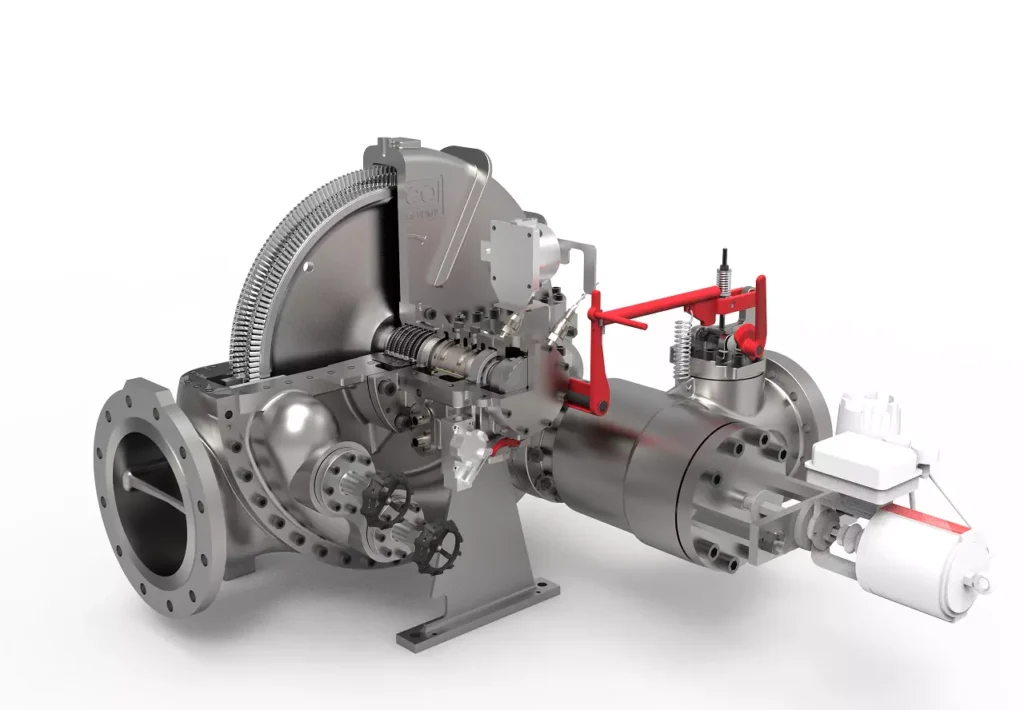
EMS Power Machines
EMS Power Machines

We design, manufacture and assembly Power Machines such as – diesel generators, electric motors, vibration motors, pumps, steam engines and steam turbines

EMS Power Machines is a global power engineering company, one of the five world leaders in the industry in terms of installed equipment. The companies included in the company have been operating in the energy market for more than 60 years.

EMS Power Machines manufactures steam turbines, gas turbines, hydroelectric turbines, generators, and other power equipment for thermal, nuclear, and hydroelectric power plants, as well as for various industries, transport, and marine energy.

EMS Power Machines is a major player in the global power industry, and its equipment is used in power plants all over the world. The company has a strong track record of innovation, and it is constantly developing new and improved technologies.

Here are some examples of Power Machines’ products and services:

  • Steam turbines for thermal and nuclear power plants
  • Gas turbines for combined cycle power plants and industrial applications
  • Hydroelectric turbines for hydroelectric power plants
  • Generators for all types of power plants
  • Boilers for thermal power plants
  • Condensers for thermal power plants
  • Reheaters for thermal power plants
  • Air preheaters for thermal power plants
  • Feedwater pumps for thermal power plants
  • Control systems for power plants
  • Maintenance and repair services for power plants

EMS Power Machines is committed to providing its customers with high-quality products and services. The company has a strong reputation for reliability and innovation. Power Machines is a leading provider of power equipment and services, and it plays a vital role in the global power industry.

EMS Power Machines, which began in 1961 as a small factory of electric motors, has become a leading global supplier of electronic products for different segments. The search for excellence has resulted in the diversification of the business, adding to the electric motors products which provide from power generation to more efficient means of use.
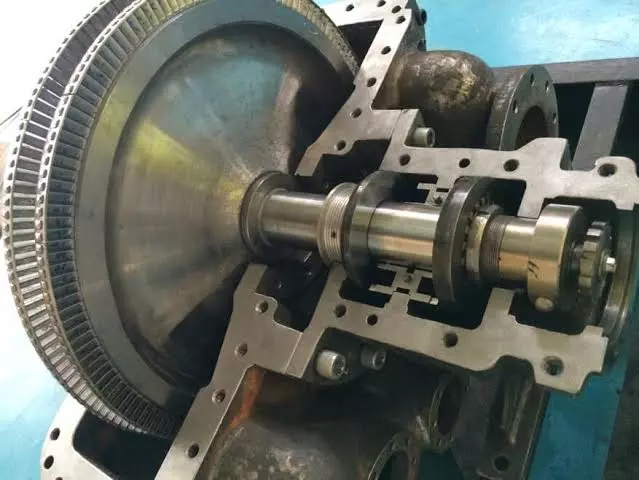
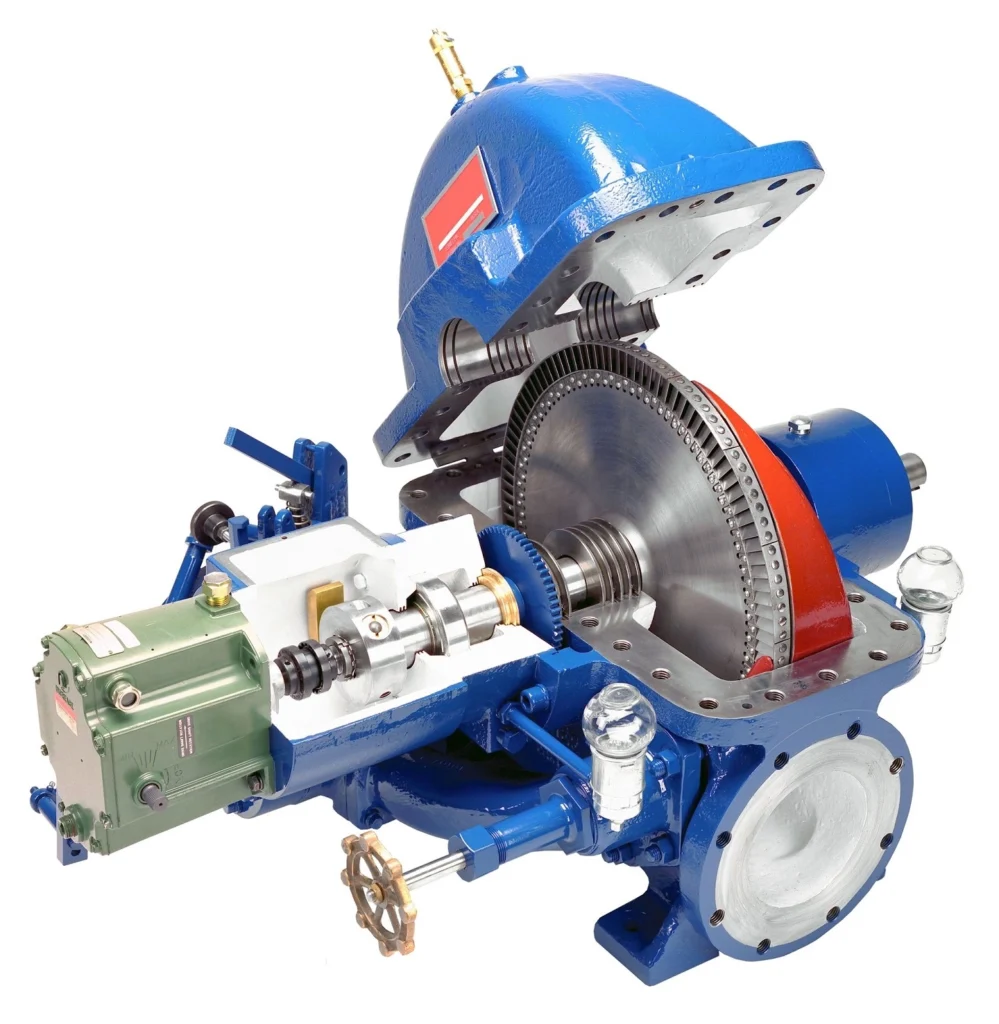
Categories
Uncategorized

Key Fundamentals of Steam Turbine Design

Key Fundamentals of Steam Turbine Design

Key Fundamentals of Steam Turbine Design: Steam turbine technology is a fundamental aspect of power generation and industrial processes, relying on the principles of thermodynamics and fluid mechanics to convert thermal energy into mechanical work. The core of this technology lies in the steam turbine, a rotating machine that extracts energy from high-pressure, high-temperature steam and converts it into rotational motion. This rotational energy can then drive an electrical generator to produce electricity or power mechanical equipment in various industrial applications.

The operation of a steam turbine begins with the generation of steam in a boiler. Water is heated under high pressure to produce steam with a high enthalpy, a measure of the total energy content in the steam. The high-pressure steam is directed into the turbine through nozzles or inlet valves, where it expands and accelerates. This expansion converts the potential energy of the steam into kinetic energy, which then imparts force onto the turbine’s blades. Steam turbines typically consist of a series of rotating blades, mounted on a shaft, and stationary blades or vanes that guide the steam flow. These stationary and rotating blades work together to extract as much energy as possible from the steam.

Steam turbines are categorized into different types based on their design and applications. One common classification is based on the steam exhaust conditions. Condensing turbines, for example, exhaust steam into a condenser where it is cooled and condensed back into water. This process creates a vacuum that enhances the turbine’s efficiency by allowing for a greater pressure drop between the inlet and exhaust. Back-pressure turbines, on the other hand, discharge steam at a pressure higher than atmospheric pressure for use in industrial processes that require steam for heating or other purposes. These turbines are often used in cogeneration plants, where both electricity and process steam are produced.

Another way to classify steam turbines is based on their flow design. Axial-flow turbines are the most common and involve steam flowing parallel to the axis of rotation. Radial-flow turbines, where steam moves perpendicular to the axis, are less common but can be used in specific applications. Steam turbines can also be divided into impulse and reaction types, depending on how the energy is extracted. Impulse turbines rely on high-velocity steam jets striking the blades, with all the pressure drop occurring in the nozzles. Reaction turbines, in contrast, utilize both the pressure drop across the blades and the reactive force of the steam as it accelerates through the blade passages.

Efficiency is a critical factor in steam turbine operation and design. A variety of techniques are used to maximize the efficiency of steam turbines, including the use of multiple stages and reheating. In multistage turbines, steam passes through several sets of blades, each designed to extract energy at different pressure and temperature levels. Reheating involves partially expanding the steam in the turbine, then returning it to the boiler for reheating before it re-enters the turbine. This process reduces moisture content in the later stages of the turbine, minimizing blade erosion and improving performance.

Steam turbines are designed to operate under a wide range of conditions, making them versatile in various industries. In power plants, they are commonly used with fossil fuels, nuclear reactors, or renewable energy sources like biomass and geothermal energy. In industrial settings, they serve as prime movers for compressors, pumps, and other mechanical equipment. They also play a critical role in combined heat and power systems, where they help optimize energy use by simultaneously generating electricity and providing thermal energy.

Modern steam turbine technology incorporates advanced materials and engineering techniques to enhance performance and reliability. High-performance alloys and coatings are used to withstand extreme temperatures and pressures, while precise manufacturing techniques ensure optimal blade profiles for efficient energy conversion. Additionally, digital monitoring and control systems allow operators to optimize turbine performance in real time, detect potential issues, and ensure safe operation.

Despite their widespread use and proven reliability, steam turbines face challenges such as efficiency losses due to steam leakage and wear over time. Regular maintenance, condition monitoring, and retrofitting with modern components are essential to maintaining their performance and extending their service life. In the broader energy landscape, steam turbines continue to evolve, integrating with renewable energy systems and adapting to changing environmental regulations to remain a cornerstone of energy production and industrial applications.

Steam Turbine

Steam Turbine
Steam Turbine

The versatility and adaptability of steam turbine technology have cemented its place as a cornerstone in global energy systems. Its ability to operate across a wide range of scales, from small industrial applications to massive utility-scale power plants, highlights its importance. Furthermore, steam turbines have a key role in facilitating the energy transition by integrating with renewable energy technologies such as biomass, concentrated solar power (CSP), and geothermal systems. These applications leverage the fundamental strengths of steam turbines while aligning with the global push toward cleaner energy sources.

In biomass power plants, for instance, organic material such as agricultural waste, forestry residues, or dedicated energy crops is burned to generate steam, which is then used to drive a steam turbine. Similarly, in CSP systems, mirrors concentrate sunlight to heat a fluid, producing steam that powers a turbine. Geothermal power plants utilize steam from naturally occurring geothermal reservoirs to produce electricity. These systems demonstrate the adaptability of steam turbines to various heat sources, highlighting their integral role in achieving a sustainable energy future.

Another emerging application of steam turbines is their integration into carbon capture and storage (CCS) systems. CCS is a critical technology for reducing carbon dioxide (CO₂) emissions from fossil fuel-based power plants. In such systems, the steam extracted from turbines can be used to power the CO₂ capture process, ensuring that the plant operates with minimal additional energy penalties. This highlights how steam turbines can evolve to meet the demands of a decarbonized energy landscape while maintaining their efficiency and reliability.

Steam turbines are also central to combined cycle power plants (CCPPs), which represent one of the most efficient methods of electricity generation. In a combined cycle configuration, a gas turbine generates electricity while its exhaust heat is used to produce steam for a steam turbine, effectively combining two thermodynamic cycles. This arrangement significantly enhances overall plant efficiency, often exceeding 60%. By utilizing waste heat from the gas turbine, combined cycle plants maximize energy recovery and reduce fuel consumption, aligning with the industry’s goals of improved efficiency and reduced environmental impact.

The operational efficiency and longevity of steam turbines depend heavily on advanced design and materials science. Innovations in blade design, for example, have focused on improving aerodynamics to reduce losses and enhance energy extraction. Computational fluid dynamics (CFD) and finite element analysis (FEA) are routinely employed to optimize blade profiles, ensuring that steam flow is directed and expanded efficiently throughout the turbine stages. Materials advancements, such as the use of superalloys and thermal barrier coatings, have enabled turbines to withstand higher temperatures and pressures, which are essential for increasing thermodynamic efficiency.

Digitalization and predictive maintenance are transforming the way steam turbines are operated and maintained. Modern turbines are equipped with sensors and control systems that provide real-time data on parameters such as temperature, pressure, vibration, and rotational speed. These data are analyzed using advanced algorithms to detect anomalies and predict potential failures before they occur. This approach, often referred to as condition-based maintenance (CBM), minimizes unplanned downtime, reduces maintenance costs, and extends the operational life of the turbine. Additionally, digital twins—virtual models of physical assets—are increasingly used to simulate turbine behavior under various operating conditions, enabling operators to optimize performance and plan maintenance with greater precision.

Steam turbine technology also faces challenges, particularly in the context of global efforts to reduce greenhouse gas emissions and improve energy efficiency. While steam turbines themselves are highly efficient machines, the overall efficiency of a power plant depends on the integration of the turbine with other components, such as the boiler, condenser, and heat exchangers. Optimizing the performance of these subsystems is critical to achieving higher efficiencies. Furthermore, the global energy transition away from fossil fuels presents challenges and opportunities for steam turbines, as their design and operation must adapt to new energy paradigms, including the integration with intermittent renewable energy sources.

As the energy landscape continues to evolve, the role of steam turbines is likely to diversify further. Innovations in energy storage, for example, could enhance the flexibility of steam turbine systems, enabling them to respond more effectively to fluctuations in renewable energy generation. Advanced thermodynamic cycles, such as supercritical and ultra-supercritical cycles, are being developed to push the boundaries of efficiency and reduce emissions. These cycles operate at extremely high temperatures and pressures, demanding further advancements in materials and engineering.

In summary, steam turbine technology remains a cornerstone of modern energy systems due to its efficiency, reliability, and adaptability. From traditional fossil fuel-based power generation to renewable energy integration and advanced industrial applications, steam turbines have demonstrated their ability to evolve and meet the demands of a changing energy landscape. With continued innovation and adaptation, steam turbines are poised to remain a critical component of global energy infrastructure, supporting the transition to a more sustainable and efficient future.

The future of steam turbine technology is deeply intertwined with the growing emphasis on sustainability and innovation. As industries and governments worldwide strive to meet ambitious climate goals, steam turbines are being reimagined and retrofitted to align with these evolving demands. One area of significant development is the transition to using alternative working fluids, such as supercritical CO₂, which offers distinct advantages over traditional steam. Supercritical CO₂ operates at higher densities and temperatures, allowing for compact turbine designs, improved efficiency, and reduced greenhouse gas emissions. This technology, while still in its developmental stages, has the potential to revolutionize thermal power generation and expand the applications of steam turbine principles.

Hydrogen-based power generation is another avenue where steam turbines are finding new applications. Hydrogen, when burned, produces only water as a byproduct, making it a clean energy carrier. Steam turbines can be adapted to work with hydrogen combustion systems or with hydrogen-fueled gas turbines in combined cycle configurations. This flexibility underscores the adaptability of steam turbines to new fuels and energy sources, ensuring their relevance in a decarbonized energy system.

The hybridization of steam turbines with renewable energy technologies is also gaining traction. For instance, concentrated solar power (CSP) plants with integrated thermal storage systems can provide a stable and dispatchable source of energy, addressing the intermittency issues of solar photovoltaics. Steam turbines in CSP systems are specifically designed to handle fluctuating loads and variable operating conditions, showcasing their robustness in emerging applications. Similarly, geothermal plants that utilize enhanced geothermal systems (EGS) benefit from steam turbine designs optimized for lower-temperature and lower-pressure steam, enabling wider adoption of geothermal energy in diverse geographic regions.

Efficiency improvements remain a central focus in steam turbine innovation. Advanced thermodynamic cycles, such as the Kalina cycle and organic Rankine cycle (ORC), are being explored to harness waste heat from industrial processes and low-grade thermal sources. These cycles leverage specialized working fluids and turbine designs to extract energy from heat sources that were previously considered inefficient or uneconomical. The scalability of these technologies allows them to be deployed in a variety of settings, from small industrial plants to large-scale power generation facilities.

Another critical aspect of modern steam turbine technology is its role in grid stability and flexibility. As renewable energy sources like wind and solar become more prevalent, the need for flexible and reliable grid-balancing solutions has grown. Steam turbines, particularly in combined cycle and cogeneration plants, are well-suited to provide the ancillary services required to stabilize the grid. Their ability to operate efficiently at part loads and respond to rapid changes in demand makes them a valuable asset in modern energy systems.

Retrofitting and upgrading existing steam turbine installations is another key strategy for extending their operational life and improving their performance. Older turbines can be upgraded with advanced blade designs, modern seals, and improved materials to enhance their efficiency and reliability. Additionally, control system upgrades enable better integration with modern grid requirements and digital monitoring tools. Retrofitting not only reduces the environmental impact of existing infrastructure but also provides a cost-effective alternative to building new power plants.

Environmental considerations are also driving advancements in steam turbine condenser and cooling technologies. Traditional cooling systems, which rely heavily on water, are being replaced or supplemented with air-cooled or hybrid cooling systems to reduce water consumption and environmental impact. These innovations are particularly relevant in regions facing water scarcity or stringent environmental regulations.

The integration of artificial intelligence (AI) and machine learning (ML) into steam turbine operations is poised to transform how these machines are monitored and maintained. AI-powered systems can analyze vast amounts of operational data to identify patterns, predict failures, and recommend optimal operating conditions. These insights enable operators to implement predictive maintenance strategies, reduce downtime, and maximize efficiency. Furthermore, digital twin technology is increasingly being used to model steam turbine performance, simulate various scenarios, and optimize design and operation throughout the turbine’s lifecycle.

Looking further ahead, steam turbines may play a role in emerging energy storage technologies. Advanced thermal energy storage systems, such as molten salt or phase-change materials, can store excess energy from renewable sources and convert it back to electricity using steam turbines when needed. This application highlights the enduring relevance of steam turbines in a world transitioning toward a more dynamic and distributed energy infrastructure.

Despite the challenges posed by the global shift away from fossil fuels, steam turbines continue to demonstrate their adaptability and resilience. By embracing new technologies, fuels, and applications, they remain a vital component of the energy ecosystem. The ability of steam turbines to operate efficiently in diverse environments, from traditional power plants to cutting-edge renewable energy systems, ensures their ongoing importance in addressing the world’s energy needs while moving toward a sustainable future.

Key fundamentals of steam turbine design

Key Fundamentals of Steam Turbine Design

Key fundamentals of steam turbine design revolve around optimizing efficiency, reliability, and performance while accommodating the specific requirements of power generation or industrial applications. Steam turbines are complex machines that convert thermal energy in steam into mechanical work, and their design must carefully balance thermodynamic principles, mechanical integrity, material science, and operational flexibility. Each component of a steam turbine is engineered to handle the high temperatures, pressures, and stresses involved in steam expansion while minimizing energy losses and ensuring long-term durability.

A critical aspect of steam turbine design is the thermodynamic efficiency, which is largely governed by the Rankine cycle. The turbine’s efficiency depends on maximizing the pressure and temperature drop across its stages while minimizing irreversibilities such as friction, turbulence, and heat loss. This requires precise control over the expansion process of steam through the turbine. Key to this is the design of the blades and vanes, which guide and accelerate the steam flow. Steam turbine blades are aerodynamically shaped to extract the maximum amount of energy from the steam while maintaining structural integrity under high centrifugal and thermal stresses.

The blade design is further refined based on the type of turbine—impulse or reaction. In impulse turbines, the steam expands entirely in stationary nozzles before striking the rotor blades, which absorb the kinetic energy. The blades in these turbines are typically bucket-shaped to redirect the high-speed steam efficiently. In contrast, reaction turbines rely on the combined effect of pressure drop and reactive force within the blade passages. These blades are designed to act like miniature nozzles, with both stationary and rotating blades contributing to the steam expansion. The choice between impulse and reaction design depends on factors such as the desired operating range, efficiency requirements, and cost considerations.

The number of turbine stages is another key design consideration. Multistage turbines are often employed to maximize efficiency by dividing the expansion process into several steps, each designed to handle specific pressure and temperature ranges. High-pressure (HP), intermediate-pressure (IP), and low-pressure (LP) stages are arranged in sequence, with each stage optimized for its operating conditions. HP stages are compact and designed to handle high-pressure, high-temperature steam, while LP stages are larger, with longer blades to handle the expanded, lower-pressure steam. The gradual expansion across multiple stages ensures efficient energy extraction and reduces the likelihood of excessive moisture formation, which can erode turbine blades.

Moisture management is a critical aspect of steam turbine design, particularly in the later stages of the expansion process. As steam expands and cools, it can condense into water droplets that cause erosion and reduce efficiency. Designers address this challenge by incorporating features such as moisture removal systems, reheating stages, and optimized blade profiles to minimize the effects of condensation. Reheating involves redirecting partially expanded steam back to the boiler for reheating before it continues through the turbine. This process not only improves efficiency but also reduces the moisture content in the steam.

The choice of materials is another cornerstone of steam turbine design. The high-temperature and high-pressure environments within the turbine demand materials that can withstand extreme conditions without deforming or degrading over time. High-performance alloys, such as those based on nickel, chromium, and molybdenum, are commonly used for turbine components. These materials offer excellent strength, corrosion resistance, and thermal stability. Advances in material science have also enabled the use of thermal barrier coatings to protect turbine components from excessive heat, further extending their operational life.

Sealing systems play a vital role in minimizing steam leakage and maintaining efficiency. Labyrinth seals, for example, are widely used to create a series of narrow passages that restrict steam flow and reduce losses. Advanced sealing technologies, such as brush seals or abradable seals, offer even better performance, particularly in high-efficiency turbines. These seals are designed to accommodate thermal expansion and rotor movement without compromising the tightness of the seal.

Another fundamental aspect of steam turbine design is the integration of the rotor and casing. The rotor, which supports the turbine blades and transfers mechanical energy to the generator or driven equipment, must be carefully designed to minimize vibration and withstand dynamic loads. It is typically made from a single piece of forged steel to ensure strength and reliability. The casing, which houses the rotor and guides the steam flow, must be robust enough to contain the high-pressure steam while maintaining precise clearances around the blades.

The condenser is an integral part of condensing steam turbines, and its design directly impacts the turbine’s performance. By condensing the exhaust steam into water, the condenser creates a vacuum that maximizes the pressure drop across the turbine, improving efficiency. The design of the condenser, including its heat exchanger tubes, cooling medium, and vacuum system, must ensure effective heat transfer while minimizing backpressure on the turbine.

Steam turbine design also accounts for operational flexibility, particularly in modern energy systems where turbines must adapt to variable loads and changing grid demands. Advanced control systems are integrated into turbine designs to regulate steam flow, monitor critical parameters, and optimize performance in real time. These systems use sensors and actuators to maintain safe and efficient operation, allowing turbines to respond dynamically to changes in load or steam conditions.

Noise and vibration management are additional considerations in steam turbine design. Excessive vibration can lead to mechanical failures and reduced efficiency, while high noise levels can pose environmental and occupational hazards. Designers use techniques such as dynamic balancing, tuned dampers, and optimized blade geometry to address these issues. Computational tools, including finite element analysis (FEA) and computational fluid dynamics (CFD), are extensively used to predict and mitigate vibration and noise during the design phase.

Finally, environmental considerations influence steam turbine design, particularly with regard to emissions and resource usage. Innovations in turbine technology aim to minimize energy losses and waste heat, reduce water consumption in cooling systems, and enable integration with renewable energy sources. These advancements ensure that steam turbines continue to meet evolving regulatory standards and contribute to sustainable energy production.

In summary, the key fundamentals of steam turbine design are rooted in a deep understanding of thermodynamics, material science, aerodynamics, and mechanical engineering. By carefully balancing these principles, designers create turbines that deliver high efficiency, reliability, and adaptability in a wide range of applications, from traditional power plants to cutting-edge renewable energy systems. With ongoing advancements in technology and materials, steam turbine design continues to evolve, ensuring its relevance in an increasingly sustainable and dynamic energy landscape.

Another critical consideration in steam turbine design is scalability and application-specific customization. Steam turbines are engineered to operate efficiently across a wide range of capacities, from small-scale turbines generating a few kilowatts for industrial or localized applications to massive utility-scale turbines producing hundreds of megawatts for large power plants. This scalability is achieved through modular designs, where components such as turbine stages, rotors, and casings can be tailored to match the specific operating conditions and power output requirements of the application.

For example, small-scale steam turbines designed for industrial cogeneration systems often emphasize compactness, operational simplicity, and ease of maintenance. These turbines are typically designed to operate at moderate pressures and temperatures while providing both electricity and process steam to industrial facilities. In contrast, large-scale turbines for power generation prioritize high thermal efficiency and durability. They often operate in advanced thermodynamic cycles, such as supercritical or ultra-supercritical conditions, where steam reaches extremely high temperatures and pressures to maximize energy conversion efficiency.

The flexibility of steam turbine designs also allows them to accommodate various steam conditions and operational scenarios. For instance, some turbines are designed to handle saturated steam, which contains moisture, while others operate with superheated steam, which is dry and contains no water droplets. The latter is particularly advantageous in high-efficiency applications, as it minimizes the risk of blade erosion caused by moisture. Steam turbines can also be designed to accept steam from multiple sources, such as exhaust steam from industrial processes or waste heat recovery systems, further enhancing their adaptability to different energy systems.

Cooling and heat rejection systems are another fundamental aspect of steam turbine design. In condensing turbines, the exhaust steam is cooled and condensed back into water in the condenser. The efficiency of this process directly affects the turbine’s overall performance. Cooling systems can be water-based, air-cooled, or hybrid, depending on the availability of cooling resources and environmental constraints. Water-cooled systems, which use large volumes of water to absorb and transfer heat, are highly efficient but may face limitations in water-scarce regions. Air-cooled systems, while less efficient, are often used in areas where water availability is limited. Hybrid systems combine the benefits of both approaches, offering flexibility and efficiency under varying operating conditions.

Operational flexibility is another cornerstone of modern steam turbine design. In an energy landscape increasingly dominated by renewable energy sources, steam turbines must be capable of accommodating fluctuations in power demand and integrating with variable energy inputs. This requires turbines to operate efficiently across a wide load range and to respond quickly to changes in operating conditions. Advanced control systems, equipped with sensors and real-time monitoring capabilities, allow operators to fine-tune turbine performance based on current demand and steam availability. These systems also enhance safety by detecting potential issues, such as overheating or vibration anomalies, and triggering preventive measures.

The lifecycle of a steam turbine is also a key consideration in its design. Turbines are typically designed for operational lifespans of 30 to 40 years or more, depending on the application. To ensure longevity, turbine components are subjected to rigorous testing during the design and manufacturing phases. Stress testing, fatigue analysis, and material property evaluations are conducted to ensure that the turbine can withstand prolonged exposure to high temperatures, pressures, and mechanical loads. Additionally, maintenance-friendly designs, such as modular components and easy access to critical parts, facilitate repairs and replacements, minimizing downtime and operational costs.

Efficiency enhancements are continuously pursued in steam turbine design through innovations in blade technology and steam path optimization. The development of three-dimensional blade profiles, for example, has significantly improved the aerodynamic efficiency of turbines by reducing losses due to secondary flows and turbulence. Advanced computational tools, such as computational fluid dynamics (CFD) and finite element analysis (FEA), are used extensively to simulate and optimize the flow of steam through the turbine. These tools enable designers to refine blade geometries, improve steam distribution, and minimize energy losses.

Another area of focus is reducing parasitic losses, such as steam leakage, mechanical friction, and heat loss. Innovations in sealing technology, such as advanced labyrinth seals and brush seals, have significantly reduced steam leakage between turbine stages. Improved bearing designs and lubrication systems help minimize mechanical friction, while enhanced insulation and thermal barrier coatings reduce heat loss from the turbine casing.

Environmental considerations also play a central role in steam turbine design, particularly in the context of global efforts to reduce greenhouse gas emissions and improve resource efficiency. Steam turbines are increasingly being integrated into carbon capture and storage (CCS) systems, where they provide the energy required for CO₂ capture processes. Additionally, steam turbines are being adapted to work with alternative fuels, such as biomass and hydrogen, and to operate in hybrid systems that combine renewable and conventional energy sources. These advancements not only enhance the environmental performance of steam turbines but also ensure their continued relevance in a decarbonizing energy sector.

In summary, the key fundamentals of steam turbine design encompass a wide range of technical and operational considerations, from thermodynamic efficiency and material selection to scalability, adaptability, and environmental performance. By addressing these factors, designers create turbines that deliver high performance, reliability, and flexibility across diverse applications and operating conditions. As technology continues to evolve, steam turbines will remain at the forefront of energy conversion systems, supporting the transition to a more sustainable and efficient energy future.

Steam Turbine Generator Manufacturers

The continued evolution of steam turbine design is driven by advancements in technology, the growing demand for efficiency, and the increasing need for sustainability in energy systems. One of the most exciting areas of innovation lies in the integration of steam turbines with advanced power cycles. These include supercritical and ultra-supercritical cycles, which push the boundaries of operating conditions to achieve unprecedented levels of efficiency. By operating at higher pressures and temperatures than traditional subcritical cycles, these systems minimize energy losses and maximize power output. However, such demanding conditions require further advancements in materials and engineering, as components must withstand extreme thermal and mechanical stresses without compromising reliability.

Another promising development is the integration of steam turbines with advanced combined heat and power (CHP) systems. In these systems, waste heat from electricity generation is captured and used for heating or industrial processes, significantly increasing overall system efficiency. Steam turbines play a vital role in CHP applications due to their ability to efficiently convert thermal energy into mechanical work while also providing useful heat. These systems are particularly valuable in industrial settings where both electricity and heat are required, such as in chemical plants, refineries, and district heating networks. By optimizing the design of steam turbines for CHP applications, engineers can enhance energy utilization and reduce carbon emissions.

Additive manufacturing, or 3D printing, is also beginning to impact steam turbine design and production. This technology allows for the creation of complex components with precise geometries that would be difficult or impossible to achieve using traditional manufacturing methods. For example, turbine blades with intricate cooling passages or novel aerodynamic shapes can be produced more efficiently using additive manufacturing. This not only improves the performance of the turbine but also reduces production time and costs. Additionally, 3D printing enables rapid prototyping, allowing engineers to test and refine designs more quickly, further accelerating innovation.

The application of digital technologies, such as artificial intelligence (AI) and machine learning (ML), is transforming how steam turbines are designed, operated, and maintained. AI algorithms can analyze vast amounts of operational data to optimize turbine performance, predict maintenance needs, and identify opportunities for efficiency improvements. For instance, digital twins—virtual models of physical turbines—allow engineers to simulate real-world operating conditions, assess the impact of design changes, and optimize performance in a virtual environment before implementation. This approach not only reduces the risks associated with design modifications but also ensures that turbines operate at peak efficiency throughout their lifecycle.

In the realm of maintenance and reliability, predictive maintenance is becoming increasingly common. By continuously monitoring key parameters such as vibration, temperature, pressure, and rotational speed, operators can identify potential issues before they lead to failures. This proactive approach minimizes unplanned downtime, reduces repair costs, and extends the operational life of the turbine. Advanced analytics and sensor technologies are making predictive maintenance more accurate and accessible, enabling even smaller-scale operators to benefit from these capabilities.

Hybrid energy systems represent another area where steam turbines are finding new applications. These systems combine traditional power generation technologies with renewable energy sources to provide a stable and reliable energy supply. For example, a hybrid system might use solar thermal energy during the day and steam turbines powered by biomass or natural gas during periods of low sunlight. The flexibility of steam turbines to operate with various heat sources and adapt to changing loads makes them an ideal component of such systems. As the world transitions toward cleaner energy, the ability of steam turbines to integrate with renewable technologies will become increasingly important.

In addressing the environmental impact of steam turbines, engineers are exploring ways to reduce water consumption in cooling systems and improve the efficiency of condensers. Air-cooled condensers, for instance, use ambient air instead of water to condense exhaust steam, making them suitable for regions with limited water resources. Additionally, advanced heat exchanger designs and materials are being developed to improve the efficiency of heat transfer, further reducing resource usage and environmental impact.

Emerging storage technologies are also opening new opportunities for steam turbines. Thermal energy storage systems, such as those using molten salts or phase-change materials, can store excess energy generated by renewable sources. When demand increases, this stored energy can be used to produce steam, which drives a turbine to generate electricity. This approach provides a flexible and efficient way to balance energy supply and demand while ensuring that renewable energy resources are utilized effectively.

Research into alternative working fluids is another frontier in steam turbine innovation. While water remains the most commonly used working fluid due to its excellent thermal properties and availability, alternative fluids like supercritical CO₂ and organic compounds are being explored for specific applications. These fluids can operate at higher efficiencies under certain conditions and are particularly well-suited for systems that recover waste heat or utilize low-temperature heat sources. Designing turbines to handle these fluids requires a rethinking of traditional steam turbine principles, but the potential benefits in efficiency and environmental performance are significant.

The modularity of steam turbines is also being enhanced to meet the needs of diverse applications. Modular turbine designs allow for faster installation, easier maintenance, and greater flexibility in scaling power output. For example, modular components can be pre-assembled in factories and transported to the installation site, reducing construction time and costs. This approach is particularly advantageous in remote or off-grid locations, where logistical challenges can complicate traditional turbine installation.

Finally, the role of steam turbines in the circular economy is gaining attention. As older turbines reach the end of their operational life, strategies for recycling and reusing materials are being developed to minimize waste and environmental impact. High-value materials such as superalloys can be recovered and repurposed, reducing the demand for new raw materials and supporting sustainable manufacturing practices.

In conclusion, the key fundamentals of steam turbine design are evolving in response to the challenges and opportunities of the modern energy landscape. From advanced thermodynamic cycles and hybrid systems to digital technologies and alternative working fluids, the design and operation of steam turbines are being reimagined to meet the demands of efficiency, sustainability, and reliability. As a versatile and proven technology, steam turbines will continue to play a pivotal role in energy generation and industrial processes, adapting to the needs of a rapidly changing world while driving innovation and progress.

Steam Turbines for Power System Balance

Steam Turbines for Power System Balance

Steam turbines play a crucial role in maintaining power system balance by providing reliable, controllable, and efficient electricity generation. Their versatility and ability to adapt to varying grid conditions make them an essential component of modern power systems, particularly as the energy landscape shifts toward greater reliance on renewable energy sources. Steam turbines contribute to system stability, flexibility, and efficiency, addressing challenges related to fluctuating demand, variable renewable generation, and the need for secure and consistent power supply.

One of the primary contributions of steam turbines to power system balance is their ability to provide base-load power generation. In traditional power systems, steam turbines are integral to large-scale thermal power plants, including coal, natural gas, nuclear, and biomass facilities. These turbines are designed to operate continuously and efficiently, supplying a steady stream of electricity to meet the minimum level of demand on the grid. Their reliability and high capacity make them indispensable for ensuring a stable foundation of electricity supply, particularly during periods when intermittent renewable energy sources, such as wind and solar, may not be producing power.

In addition to base-load generation, steam turbines offer significant load-following capabilities, enabling them to adjust their output in response to changes in electricity demand. This flexibility is particularly valuable in modern grids, where demand can vary dramatically throughout the day and across seasons. By rapidly increasing or decreasing power output, steam turbines help maintain the balance between supply and demand, preventing frequency fluctuations and ensuring grid stability. This capability is enhanced by advanced control systems that allow precise regulation of turbine operation based on real-time grid conditions.

Steam turbines also play a critical role in integrating renewable energy sources into power systems. As the share of wind and solar power in the energy mix increases, the variability and intermittency of these sources pose challenges to grid reliability. Steam turbines, particularly in combined-cycle configurations, can complement renewable generation by providing dispatchable power that can quickly compensate for fluctuations in renewable output. For example, when cloud cover reduces solar generation or wind speeds drop, steam turbines can ramp up to fill the gap and stabilize the grid. This capability ensures that renewable energy can be utilized effectively without compromising system reliability.

Another important aspect of steam turbines in power system balance is their ability to provide ancillary services. Ancillary services are essential for maintaining grid stability and include functions such as frequency regulation, voltage support, spinning reserve, and black start capability. Steam turbines, due to their precise control and reliability, are well-suited to deliver these services. Frequency regulation, for instance, requires turbines to adjust their output in response to minor imbalances between supply and demand, helping to maintain the grid frequency within acceptable limits. Similarly, spinning reserves provided by steam turbines ensure that additional power is available on short notice to respond to sudden increases in demand or unexpected generation outages.

Steam turbines also contribute to power system balance through their role in combined heat and power (CHP) systems. In CHP applications, steam turbines are used to generate electricity while simultaneously producing useful heat for industrial processes or district heating. By efficiently utilizing the thermal energy in steam, these systems reduce waste and improve overall energy efficiency. CHP systems can also enhance grid stability by operating flexibly and providing additional capacity during peak demand periods or grid emergencies.

The integration of energy storage technologies with steam turbines is another emerging approach to improving power system balance. Thermal energy storage systems, for example, can store excess heat generated during periods of low demand and use it later to produce steam for electricity generation. This approach allows steam turbines to operate more flexibly and efficiently, smoothing out variations in demand and improving the utilization of generation assets. Additionally, the combination of steam turbines with batteries or other storage systems can provide fast-responding capacity to stabilize the grid during rapid changes in renewable generation or demand.

In regions with high levels of renewable energy penetration, steam turbines can also support grid stability by operating in hybrid power systems. Hybrid systems combine conventional power generation with renewable sources and energy storage, leveraging the strengths of each technology to maintain a reliable and efficient energy supply. For instance, a hybrid system might pair a steam turbine-based power plant with a solar thermal plant, where solar energy is used to preheat water or generate steam, reducing fuel consumption and emissions from the turbine. This integration maximizes resource utilization while ensuring that sufficient capacity is available to meet demand.

Efficiency improvements in steam turbine technology further enhance their role in power system balance. Advances in materials, blade design, and thermodynamic cycles have led to higher efficiency levels, reducing fuel consumption and emissions while increasing power output. Supercritical and ultra-supercritical steam turbines, for instance, operate at higher temperatures and pressures than conventional turbines, achieving greater efficiency and reducing the environmental impact of power generation. These high-efficiency turbines are particularly valuable in balancing power systems by providing a low-emission and cost-effective source of dispatchable electricity.

Environmental considerations are also shaping the role of steam turbines in power system balance. As global efforts to reduce greenhouse gas emissions intensify, steam turbines are being adapted to operate with cleaner fuels, such as natural gas, hydrogen, or biomass. This transition allows steam turbines to continue supporting grid stability while aligning with decarbonization goals. For example, turbines designed for co-firing hydrogen with natural gas can provide a low-carbon solution for balancing variable renewable energy sources, contributing to the overall sustainability of the power system.

In summary, steam turbines are indispensable for maintaining power system balance in both traditional and modern grids. Their ability to provide reliable base-load generation, adapt to changing demand, support renewable energy integration, and deliver ancillary services makes them a versatile and essential component of energy systems. As technology advances and the energy landscape evolves, steam turbines will continue to play a critical role in ensuring the stability, efficiency, and sustainability of power systems worldwide. Through innovations in design, materials, and operational strategies, steam turbines are poised to meet the challenges of the future while supporting the transition to a cleaner and more resilient energy infrastructure.

The evolving energy landscape underscores the increasing importance of steam turbines in addressing the complexities of modern power systems. As the transition to renewable energy accelerates, steam turbines are adapting to new roles that extend beyond traditional power generation. These roles include facilitating grid flexibility, integrating with emerging energy technologies, and enhancing overall system reliability while meeting stringent environmental standards.

One of the emerging applications for steam turbines is their role in carbon capture and storage (CCS) systems. As decarbonization becomes a priority for governments and industries worldwide, CCS technologies are being deployed to capture carbon dioxide emissions from power plants and industrial facilities. Steam turbines play a critical role in these systems by providing the energy required for CO₂ capture processes. This is achieved by extracting steam from the turbine at specific stages to power the capture equipment while continuing to generate electricity efficiently. By integrating CCS systems with steam turbines, power plants can significantly reduce their carbon footprint without compromising performance or reliability.

Moreover, the flexibility of steam turbines allows them to contribute to demand-side management initiatives. In power systems where demand-response programs are implemented, steam turbines can adjust their output to align with consumer behavior and grid requirements. This capability is especially important during peak demand periods or when renewable energy generation fluctuates. By operating flexibly and efficiently, steam turbines can help utilities balance supply and demand while minimizing operational costs and emissions.

Steam turbines are also being designed to accommodate the growing demand for decentralized energy systems. Distributed energy resources (DERs), such as small-scale turbines, microgrids, and community-based CHP systems, are gaining traction as solutions for localized power generation. In these systems, steam turbines can provide reliable and efficient electricity and heat, reducing dependence on centralized power plants and enhancing energy security. This decentralization not only improves resilience to grid disruptions but also supports the integration of locally available resources, such as biomass or waste heat.

The integration of steam turbines with advanced renewable energy technologies further enhances their relevance in modern power systems. For instance, solar thermal power plants use concentrated solar power (CSP) to generate steam, which is then used to drive a steam turbine. This configuration enables the direct use of solar energy for electricity generation while leveraging the efficiency and reliability of steam turbines. Additionally, geothermal power plants rely on steam turbines to convert the heat from underground reservoirs into electricity, providing a consistent and renewable energy source that complements intermittent solar and wind generation.

Hydrogen is another area where steam turbines are playing a growing role. As the hydrogen economy develops, steam turbines are being adapted to operate with hydrogen-rich fuels or in combination with hydrogen production systems. For example, in power-to-hydrogen applications, surplus electricity from renewable sources can be used to produce hydrogen via electrolysis. This hydrogen can then be stored and later used as fuel for steam turbines, providing a means of balancing renewable energy supply and demand. Similarly, steam turbines can be integrated into hydrogen production facilities to provide the thermal energy needed for processes such as steam methane reforming or water splitting.

The digital transformation of power systems is also influencing the operation and maintenance of steam turbines. Advanced monitoring and diagnostics technologies, powered by the Internet of Things (IoT) and artificial intelligence, are enabling real-time performance optimization and predictive maintenance. These tools provide operators with insights into turbine performance, allowing them to identify inefficiencies or potential issues before they escalate. For instance, digital twin technology creates a virtual replica of the turbine, enabling detailed analysis and simulation of various operating scenarios. This not only improves operational efficiency but also extends the lifespan of the turbine, reducing lifecycle costs and enhancing sustainability.

In addition to their operational roles, steam turbines are contributing to the circular economy by supporting waste-to-energy systems. In these systems, waste materials such as municipal solid waste, agricultural residues, or industrial by-products are used as fuel to produce steam, which drives a turbine to generate electricity. This approach not only reduces waste sent to landfills but also provides a renewable and low-carbon energy source. Steam turbines are particularly well-suited for waste-to-energy applications due to their ability to handle diverse steam conditions and adapt to varying fuel types.

The global focus on energy efficiency and resource conservation is driving further advancements in steam turbine technology. New materials and manufacturing techniques are enabling the development of turbines that operate at higher temperatures and pressures, achieving greater efficiency and reducing emissions. Additionally, innovations in blade design and steam flow optimization are minimizing energy losses and improving performance. These advancements ensure that steam turbines remain a cornerstone of efficient power generation, even as the energy landscape continues to evolve.

In conclusion, steam turbines are indispensable for maintaining power system balance and adapting to the challenges of a rapidly changing energy sector. Their versatility, reliability, and efficiency make them a critical component of both traditional and modern power systems. By integrating with renewable energy technologies, supporting carbon capture efforts, enabling decentralized energy solutions, and embracing digital transformation, steam turbines are poised to play a central role in the transition to a sustainable and resilient energy future. As technological advancements continue, steam turbines will remain at the forefront of innovation, ensuring that power systems worldwide can meet the demands of a cleaner, more efficient, and more dynamic energy environment.

Types of Turbine in Thermal Power Plant

The future of steam turbines in power system balance is further reinforced by their adaptability to emerging global energy trends. These trends are reshaping the energy industry and creating opportunities for steam turbines to contribute in new and innovative ways. As power systems become increasingly complex, interconnected, and sustainable, steam turbines continue to evolve, offering solutions to challenges such as grid decarbonization, energy security, and resilience in the face of climate change.

One of the most significant trends is the global shift toward low-carbon and net-zero energy systems. Governments and industries are setting ambitious targets to reduce greenhouse gas emissions, which is driving the adoption of renewable energy and cleaner technologies. Steam turbines, particularly in advanced configurations, are uniquely positioned to support this transition. For example, their ability to operate efficiently with alternative fuels, such as biomass, hydrogen, or synthetic fuels, ensures their relevance in a low-carbon future. Moreover, the integration of carbon capture and utilization (CCU) technologies with steam turbines allows power plants to not only capture emissions but also convert them into valuable products, such as chemicals, fuels, or construction materials.

Another trend shaping the role of steam turbines is the increasing need for energy resilience and reliability. Extreme weather events, natural disasters, and cyber threats pose risks to power systems, making resilience a top priority for energy planners. Steam turbines contribute to resilience by providing stable and dispatchable power that can support the grid during emergencies or disruptions. Their ability to operate independently in islanded or microgrid configurations further enhances their value in ensuring energy security, particularly in remote or vulnerable regions. Additionally, steam turbines’ long operational lifespan and robust design make them a dependable choice for critical infrastructure, where reliability is paramount.

Energy storage technologies are becoming a vital component of power systems, and steam turbines are finding innovative applications in this context. Thermal energy storage systems, for instance, can store heat generated by renewable energy sources or industrial processes, which can later be used to produce steam and generate electricity on demand. This capability aligns steam turbines with the growing need for flexible, scalable, and sustainable energy storage solutions. The integration of steam turbines with emerging technologies such as compressed air energy storage (CAES) and pumped thermal energy storage (PTES) further expands their role in balancing energy supply and demand.

The rise of electrification across various sectors, including transportation, industry, and buildings, is creating new opportunities for steam turbines to contribute to the decarbonization of energy systems. As electricity demand grows, steam turbines will play a crucial role in providing reliable and efficient power to support electrification initiatives. For example, they can be used in large-scale industrial applications that require both electricity and heat, such as steel production, chemical manufacturing, or desalination. Their ability to deliver high-quality steam for industrial processes while generating electricity makes them an integral part of sustainable industrial operations.

Steam turbines are also enabling the development of hybrid energy systems, where multiple energy sources are combined to optimize performance and reduce environmental impact. These systems integrate steam turbines with renewable energy, energy storage, and advanced power generation technologies to create flexible and efficient energy solutions. For example, in a solar hybrid plant, steam turbines can complement photovoltaic systems by using solar thermal energy to produce steam during peak sunlight hours and transitioning to other heat sources when sunlight is unavailable. This hybrid approach maximizes resource utilization and ensures a consistent power supply, even in regions with variable renewable energy potential.

In the context of energy markets, steam turbines are becoming increasingly valuable for their ability to provide ancillary services that support grid operations. As renewable energy penetration increases, the demand for grid services such as inertia, frequency regulation, and reactive power support is growing. Steam turbines, with their large rotating masses and precise control systems, are well-suited to provide these services, helping to stabilize the grid and ensure reliable operation. Their role in providing spinning reserves and black start capabilities further enhances their importance in modern power systems, where resilience and reliability are critical.

Sustainability considerations are driving innovations in steam turbine manufacturing, operation, and end-of-life management. The use of sustainable materials, energy-efficient production methods, and recycling processes is reducing the environmental impact of turbine manufacturing. Additionally, advancements in digital technologies, such as condition monitoring and predictive maintenance, are optimizing turbine performance and extending their operational life, reducing waste and resource consumption. At the end of their lifecycle, steam turbines are increasingly being decommissioned in ways that allow valuable materials, such as metals and alloys, to be recovered and reused, supporting the principles of a circular economy.

Lastly, the role of steam turbines in decarbonizing hard-to-abate sectors is gaining attention. These sectors, which include cement production, aviation, and shipping, are challenging to electrify and require innovative solutions to reduce emissions. Steam turbines are being adapted to provide power and heat for processes in these industries, often in combination with carbon capture technologies or alternative fuels. For instance, in the production of green ammonia—a key ingredient for fertilizers and a potential fuel for shipping—steam turbines can play a role in generating the energy required for hydrogen production and ammonia synthesis.

In conclusion, steam turbines remain a cornerstone of power system balance, adapting to meet the demands of an evolving energy landscape. Their versatility, efficiency, and ability to integrate with new technologies ensure their continued relevance in addressing the challenges of energy transition, decarbonization, and resilience. By leveraging advancements in materials, design, and digital technologies, steam turbines are poised to play a pivotal role in creating a cleaner, more reliable, and sustainable energy future. As the energy sector continues to innovate, steam turbines will remain a vital component of the global effort to achieve energy security and environmental sustainability.

General Structure of Steam Turbines

General Structure of Steam Turbines

The general structure of turbines is designed to efficiently convert energy from a working fluid—such as steam, gas, or water—into mechanical power, which can then be used to generate electricity or drive other machinery. Turbines operate on the principles of thermodynamics and fluid mechanics, employing carefully engineered components to ensure optimal performance, reliability, and durability. Despite variations in design based on the type of turbine (e.g., steam, gas, wind, or hydro), their fundamental structure typically comprises several key elements, each fulfilling a specific function within the overall system.

At the heart of any turbine is the rotor, which is the central rotating component. The rotor is equipped with blades or buckets that are specifically shaped to interact with the working fluid. In a steam turbine, for example, the rotor blades are designed to capture the energy from high-pressure steam and convert it into rotational motion. The shape, size, and arrangement of the blades are critical to the turbine’s efficiency, as they determine how effectively energy is extracted from the working fluid. Blades may be fixed or adjustable, depending on the design and application, and are often made from materials that can withstand high temperatures, pressures, and corrosive environments.

The stator is another essential component of a turbine, forming the stationary part of the system that directs and controls the flow of the working fluid. In steam turbines, the stator consists of fixed blades or nozzles arranged in a specific pattern to guide steam onto the rotor blades at the correct angle and velocity. This ensures that the energy transfer between the working fluid and the rotor is maximized. The interaction between the stator and rotor creates a series of expansion stages, each contributing to the overall energy conversion process. The stator also helps maintain the structural integrity of the turbine by supporting the rotor and housing other internal components.

The casing, or housing, encloses the turbine and provides a protective shell that contains the working fluid and maintains the system’s pressure. The casing is designed to withstand the operating conditions of the turbine, including high temperatures and pressures, and is often made from high-strength alloys. In addition to its protective function, the casing includes openings for the inlet and exhaust of the working fluid, as well as ports for monitoring, maintenance, and lubrication systems. The design of the casing also plays a role in reducing noise and vibration, contributing to the turbine’s operational stability and efficiency.

A critical subsystem of the turbine is the shaft, which connects the rotor to the external machinery, such as a generator or mechanical load. The shaft transmits the rotational energy produced by the turbine to the generator, where it is converted into electrical energy. The shaft is supported by bearings, which reduce friction and ensure smooth rotation. Bearings are typically designed to handle both radial and axial loads and are lubricated to minimize wear and extend their operational lifespan. Shaft seals are used to prevent leakage of the working fluid along the shaft, maintaining the turbine’s efficiency and preventing contamination of the surrounding environment.

Control systems are integral to the operation of a turbine, ensuring that it performs safely, reliably, and efficiently. These systems monitor parameters such as pressure, temperature, rotational speed, and flow rate, adjusting the operation of the turbine as needed to maintain optimal performance. For instance, in a steam turbine, the control system regulates the flow of steam into the turbine through valves or nozzles, managing the energy input to match the required output. Advanced control systems often incorporate digital technologies, such as sensors and real-time data analysis, to enhance precision and responsiveness.

The foundation and support structures of a turbine are designed to secure it in place and minimize vibrations. A stable foundation is essential for maintaining the alignment of internal components and preventing damage during operation. Turbines are typically mounted on reinforced concrete or steel structures, which are engineered to absorb the dynamic forces generated during operation. Vibration damping systems may also be included to reduce mechanical stresses and enhance the turbine’s durability.

Thermal insulation is another important aspect of turbine design, particularly in steam and gas turbines. Insulation materials are used to minimize heat loss and protect personnel and surrounding equipment from high temperatures. This improves the overall efficiency of the turbine and ensures compliance with safety standards. In addition to thermal insulation, turbines may also be equipped with acoustic insulation to reduce noise levels during operation.

The exhaust system of a turbine is designed to manage the discharge of the working fluid after it has passed through the turbine. In steam turbines, for example, the exhaust steam is typically directed into a condenser, where it is cooled and converted back into water for reuse in the power cycle. The design of the exhaust system must account for factors such as back pressure and flow dynamics to ensure efficient operation. In gas turbines, the exhaust system may include heat recovery units to capture residual thermal energy for additional applications, such as steam generation or district heating.

Auxiliary systems support the operation of the turbine and include lubrication systems, cooling systems, and monitoring equipment. The lubrication system ensures that bearings and other moving parts operate smoothly by reducing friction and preventing overheating. Cooling systems, such as water or air cooling, are used to maintain the temperature of critical components within safe limits. Monitoring equipment provides real-time data on the turbine’s performance, enabling operators to detect potential issues and perform predictive maintenance.

In modern turbine designs, materials science and advanced manufacturing techniques play a crucial role in enhancing performance and durability. Components are often made from high-performance alloys, ceramics, or composite materials that can withstand extreme conditions while minimizing wear and fatigue. Additive manufacturing, or 3D printing, is increasingly being used to produce complex turbine components with high precision and reduced material waste. These advancements contribute to the overall efficiency, reliability, and sustainability of turbine systems.

In summary, the general structure of turbines is a carefully engineered system that integrates multiple components to convert energy efficiently and reliably. From the rotor and stator to the casing, shaft, and auxiliary systems, each element is designed to perform a specific function while working seamlessly with the others. Advances in materials, design, and technology continue to refine turbine performance, ensuring their relevance across a wide range of applications, from power generation to industrial processes and renewable energy systems. As energy systems evolve, the fundamental principles and structure of turbines remain central to their success, adapting to meet the demands of a dynamic and sustainable energy future.

Continuing from where we left off, the evolution of turbine technology is increasingly focused on improving efficiency, reducing environmental impact, and integrating with newer energy solutions. Modern turbines are becoming more sophisticated, with an emphasis on flexibility, durability, and adaptability to changing grid conditions and fuel sources. As such, ongoing advancements are reshaping turbine structures to meet the demands of a decarbonized energy system, offering opportunities to enhance performance in a variety of sectors, including power generation, transportation, and industrial applications.

One significant area of improvement in turbine structure is the development of high-temperature materials. Turbines, particularly those used in gas-fired and combined-cycle power plants, operate under extreme thermal conditions. The blades, rotors, and other critical components must withstand temperatures that can exceed 1,500°C (2,732°F) in advanced gas turbines. To cope with these extreme conditions, turbine components are increasingly made from superalloys, advanced ceramics, or ceramic matrix composites (CMCs), which offer superior heat resistance, strength, and fatigue resistance. These materials enhance the turbine’s ability to operate at higher temperatures, improving thermal efficiency and reducing fuel consumption. The use of thermal barrier coatings on turbine blades further improves heat retention, reducing the amount of heat that is lost to the surrounding environment.

In addition to high-temperature materials, advanced cooling techniques are being integrated into turbine designs to prevent overheating and maintain optimal performance. Modern steam and gas turbines may feature advanced internal cooling systems, including complex channels inside the blades or rotor discs that allow air or steam to pass through and cool the components during operation. These cooling systems are essential for ensuring that turbines continue to operate safely and efficiently, especially in high-performance applications like combined-cycle power plants, where turbines must handle rapidly changing load conditions.

Another key development is the integration of additive manufacturing (3D printing) technologies in turbine design and production. Additive manufacturing allows for the creation of complex, custom-designed turbine components with greater precision and reduced waste. By using 3D printing, turbine manufacturers can produce parts with intricate geometries that would be difficult or impossible to create using traditional manufacturing methods. This not only improves the efficiency and performance of the turbine but also reduces production costs and lead times. For example, 3D-printed blades can be designed to optimize airflow, reduce weight, and improve cooling efficiency, all of which contribute to the overall efficiency of the turbine.

Hybrid turbine systems are becoming more common in modern power generation, where turbines are integrated with renewable energy sources, energy storage, and advanced power generation technologies to maximize efficiency and reliability. In such systems, turbines are often combined with wind, solar, or geothermal energy to provide a stable and dispatchable power supply. For example, in solar thermal power plants, concentrated solar energy is used to heat a working fluid, which is then passed through a steam turbine to generate electricity. This hybrid approach allows for the continuous generation of electricity, even when the sun isn’t shining, by using stored thermal energy to maintain turbine operation.

Additionally, turbines are being increasingly integrated with energy storage systems like battery storage or thermal energy storage (TES) to improve grid flexibility and stability. By pairing turbines with energy storage, excess energy generated during off-peak periods can be stored and used to generate power during periods of high demand or when renewable energy generation fluctuates. This integration helps to ensure that the turbine can operate more efficiently, supporting grid stability while contributing to the decarbonization of the energy sector.

In response to growing concerns over environmental impact, turbine designs are incorporating features that reduce emissions and increase overall sustainability. Hydrogen-powered turbines are one such example, as they can burn hydrogen or hydrogen-rich fuels to generate power while producing zero carbon emissions at the point of combustion. Turbines that are capable of operating on hydrogen are being tested and developed for use in both industrial and power generation applications, helping to reduce reliance on fossil fuels and contribute to the transition to a low-carbon energy future. Carbon capture technologies can also be integrated into turbine systems to capture and store CO₂ emissions, further improving their environmental footprint.

In terms of operation, digitalization and smart technologies are revolutionizing the way turbines are monitored and controlled. The use of sensors, artificial intelligence (AI), and machine learning (ML) is making it possible to optimize turbine performance in real-time, predict maintenance needs, and detect potential issues before they become critical. For instance, predictive maintenance tools can analyze turbine data to forecast when components like bearings or blades are likely to wear out, allowing operators to perform maintenance proactively. This reduces downtime, extends the operational life of the turbine, and enhances overall system efficiency.

Furthermore, advanced control systems are improving the flexibility of turbines in responding to changing grid conditions. Smart grids that incorporate real-time data exchange and automated control mechanisms enable turbines to adjust their output dynamically based on factors such as grid demand, fuel availability, or environmental conditions. These intelligent systems ensure that turbines can operate at peak efficiency, providing fast responses to sudden changes in load and contributing to the overall stability of the grid.

The role of turbines is also expanding in non-traditional applications, such as marine propulsion systems and aviation, where turbines are used in engines for ships, aircraft, and even drones. In these sectors, turbines must be designed to be lightweight, compact, and efficient, all while delivering high performance. Gas turbines and microturbines are often used in these applications due to their power-to-weight ratio and their ability to generate high thrust efficiently. In maritime transport, for example, turbines are used in combined-cycle systems to power ships, offering a combination of electricity generation and propulsion. This trend is expected to grow as maritime industries seek to reduce their carbon emissions and transition to more sustainable forms of power.

In industrial sectors, turbines are increasingly used for combined heat and power (CHP) applications, where they generate both electricity and useful heat for industrial processes, district heating, or other thermal energy needs. This dual-use capability makes turbines an attractive solution for industries seeking to increase energy efficiency and reduce waste. For instance, biomass-fired turbines provide both electricity and heat by burning organic materials like wood or agricultural waste, offering a renewable energy solution for industrial operations while reducing overall carbon emissions.

In conclusion, the general structure of turbines continues to evolve as technology advances and new energy challenges arise. The integration of advanced materials, manufacturing techniques, energy storage solutions, and digital technologies is improving turbine performance, increasing their flexibility, and reducing their environmental impact. Whether in power generation, industrial applications, or emerging sectors like marine propulsion and aviation, turbines remain a critical component of modern energy systems. Their continued evolution will be essential in supporting the transition to a cleaner, more sustainable, and efficient energy future, meeting the growing global demand for reliable, low-carbon power.

The future of turbine technology promises even more innovations, particularly as the energy landscape continues to transform with the rise of renewables, energy storage, and decarbonization efforts. Several emerging trends in turbine design, material science, and integration with new technologies will shape the next generation of turbines, making them even more efficient, flexible, and sustainable.

Advanced Materials and Nanotechnology

Steam Turbine Efficiency

The continued development of advanced materials will play a crucial role in turbine efficiency and longevity. Beyond superalloys and ceramics, nanotechnology is expected to be increasingly employed in turbine components. Nanomaterials, such as carbon nanotubes and graphene, offer extraordinary strength, thermal conductivity, and resistance to corrosion and wear. The incorporation of these materials could result in turbines that can operate at even higher temperatures and pressures, further enhancing their thermal efficiency and power output. These materials may also contribute to the development of lightweight turbine components, making them more suitable for new applications in industries like aviation, marine propulsion, and distributed power generation.

Hybrid Turbine Configurations

The concept of hybrid turbine systems is gaining traction, particularly in industries where both power and heat are required. In power generation, hybrid systems that combine turbines with solar thermalgeothermal, or biomass sources can provide cleaner energy solutions while optimizing resource use. For example, in a combined-cycle power plant, steam turbines are paired with gas turbines, improving the overall efficiency of the plant. Likewise, solar gas hybrid plants can incorporate solar thermal energy into the gas turbine’s operation to reduce reliance on fossil fuels. Such hybrid configurations not only improve the flexibility and efficiency of turbines but also contribute to reducing carbon emissions by utilizing renewable energy sources.

Flexibility in Fuel Use

Another significant trend is the growing demand for turbines to operate on a wider variety of fuels, including hydrogenbiofuels, and synthetic fuels. Hydrogen-powered turbines, in particular, are poised to play a critical role in decarbonizing the energy sector. Hydrogen is considered a clean fuel that, when burned, produces only water vapor as a byproduct, making it an attractive option for zero-emission power generation. Many turbine manufacturers are already developing hydrogen-compatible turbines that can operate on pure hydrogen or hydrogen-blended fuels. These turbines could be used in industries like steelmakingchemical production, and electricity generation, where high temperatures are required.

Turbine designs for carbon-neutral fuels are being refined to ensure that they can efficiently combust alternative fuels while minimizing emissions. For example, biofuels derived from organic matter, or synthetic fuels produced from renewable electricity, can replace traditional fossil fuels in turbines without the need for significant design changes. The ability of turbines to operate on multiple fuel sources enhances their adaptability, making them valuable assets in an energy system that increasingly relies on intermittent renewable energy sources like wind and solar power.

Integration with Digital Twin Technology

The integration of digital twin technology is set to revolutionize turbine operations. A digital twin is a virtual model of a turbine that simulates its performance in real-time by integrating data from sensors and other sources. This digital representation allows operators to monitor turbine performance remotely and gain insights into factors such as efficiencywear and tearvibration, and temperature. With the use of artificial intelligence (AI) and machine learning (ML), digital twins can predict future turbine behavior and recommend maintenance before a failure occurs. This predictive capability helps extend the life of turbines, reduce downtime, and optimize performance, contributing to more sustainable and cost-effective operations.

Moreover, digital twins can also be used in the design and prototyping phases, allowing engineers to test turbine configurations and materials virtually before physical production begins. This approach can lead to faster, more efficient design processes and the development of innovative turbine technologies.

Offshore and Floating Turbine Systems

As the global demand for clean energy increases, turbines are increasingly being deployed in offshore and floating turbine systems. Offshore wind farms have become a major focus for renewable energy generation, as wind speeds at sea are generally higher and more consistent than on land. Offshore turbines, particularly floating wind turbines, offer a way to harness wind energy in deeper waters where traditional fixed-bottom turbines are impractical. These floating systems use advanced buoyancy technologies to keep turbines stable while operating at sea, opening up vast new areas for renewable energy generation. Similarly, offshore steam turbines are being used in combination with geothermal energy extracted from beneath the seabed, offering the potential to develop large-scale renewable power plants far from shore.

In addition, turbines used in marine energy systems, such as tidal and wave energy turbines, are being refined for better efficiency and durability in harsh marine environments. These turbines capture energy from ocean currents, tides, or waves, offering a consistent and reliable source of renewable power. As technology improves, the cost of marine turbine systems is expected to decrease, making them a more feasible option for global energy infrastructure.

Efficiency through Supercritical and Ultra-Supercritical Steam Cycles

In the area of steam turbine technologysupercritical and ultra-supercritical steam cycles are leading to breakthroughs in efficiency. Supercritical steam cycles use steam at pressures and temperatures higher than the critical point of water (374°C and 22.06 MPa), enabling greater energy extraction from the steam. Ultra-supercritical cycles take this a step further, using even higher temperatures and pressures. These cycles improve thermodynamic efficiency, allowing power plants to generate more electricity with less fuel and reduced emissions. Turbines designed for these cycles must be built with advanced materials capable of withstanding extreme heat and pressure, pushing the boundaries of turbine design and contributing to the decarbonization of the power generation industry.

Decentralized and Micro-Grid Applications

As energy systems become more decentralized and localized, turbines are finding new roles in micro-grid and distributed generation systems. These smaller-scale power systems are designed to generate and manage electricity locally, often using a combination of renewable energy sources (like solar or wind) and backup turbine generators. Micro-grids can operate independently or be connected to the larger grid, providing flexibility and resilience to communities and industries. Turbines, particularly small-scale gas turbines and microturbines, are well-suited for these applications, as they can provide both electricity and heat for industrial and residential needs. This decentralized approach improves energy access and reliability, especially in remote or off-grid locations.

Conclusion

In conclusion, the future of turbine technology is poised to see significant advancements, driven by the demands of an evolving energy landscape. From advanced materials that enhance efficiency and durability to hybrid systems that combine renewable sources with traditional power generation, turbines are becoming more versatile and efficient. Their role in decarbonizing energy systems is increasingly crucial, as they adapt to new fuels like hydrogen and biofuels, integrate with energy storage solutions, and contribute to grid stability through advanced control systems and digital monitoring. As turbines evolve, they will continue to serve as a cornerstone of modern power systems, driving the transition toward a cleaner, more sustainable, and reliable energy future.

Primary Roles of Steam Turbines

Waste Heat Recovery System

Turbines play a central role in the production of mechanical energy, which can be converted into electricity, propulsion, or mechanical work. These primary roles are crucial across a variety of industries, from power generation to transportation and manufacturing. The function and efficiency of turbines make them a vital component in modern energy systems and applications. The primary roles of turbines can be broadly categorized into the following:

Power Generation

One of the most significant and widespread roles of turbines is in electricity generation. Steam turbines, gas turbines, and even hydro turbines are essential in power plants where they convert thermal, mechanical, or hydraulic energy into electrical power. In fossil fuel power plantsnuclear power stations, and renewable energy plants, turbines are used to drive generators, providing a reliable source of electricity to the grid.

  • Steam Turbines: In thermal power plants, steam turbines are driven by high-pressure steam produced from burning fossil fuels or nuclear reactions. The steam passes through stages of blades within the turbine, expanding and transferring its energy to the rotor, causing it to spin and drive a generator.
  • Gas Turbines: In gas-fired power plants or combined-cycle power plants, gas turbines are used to generate electricity by burning natural gas or synthetic fuels. The hot gases produced by combustion expand through the turbine, driving the rotor. Combined-cycle plants utilize both gas turbines and steam turbines to achieve higher efficiencies.
  • Hydroelectric TurbinesHydropower plants convert the energy from moving water into mechanical energy. The kinetic energy of water flowing over a dam or through a river is used to spin turbines, which then drive generators to produce electricity.
  • Wind TurbinesWind power utilizes the kinetic energy from the wind to turn turbine blades, which are connected to a generator to produce electricity. These turbines are often used in offshore and onshore wind farms as part of large-scale renewable energy projects.
  • Geothermal Turbines: In geothermal power plants, steam or hot water from the Earth’s crust is used to drive turbines, converting thermal energy into mechanical energy to generate electricity. This role is especially important in regions with significant geothermal resources, like Iceland and parts of the United States.

Mechanical Power Generation

Apart from electricity generation, turbines are used to generate mechanical power for various industrial and commercial applications. This is common in industries that rely on continuous motion or high-efficiency equipment, such as in chemical plantsrefineries, and manufacturing facilities.

  • Mechanical Drives: Industrial turbines, particularly steam turbines or gas turbines, can be used to drive mechanical equipment such as pumps, compressors, and fans in industries like petrochemical, chemical, and paper manufacturing. These turbines are coupled directly to the machinery that needs to be powered, enabling continuous and reliable operation.
  • Cogeneration (Combined Heat and Power): In some industries, turbines are employed for cogeneration, where both electricity and useful heat are produced simultaneously. This process is highly efficient, as the heat produced during the turbine’s operation can be used for industrial processes, heating buildings, or powering district heating systems. Industrial cogeneration systems are common in industries like cement, steel, and food processing, where both mechanical energy and heat are essential.

Propulsion Systems

Turbines play a vital role in propulsion systems, particularly in transportation, aviation, and marine industries. By converting fuel energy into thrust or motion, turbines are responsible for powering a wide variety of vehicles and equipment.

  • Aviation (Jet Engines): In jet engines, gas turbines are used to generate thrust by accelerating exhaust gases through a series of rotating blades and nozzles. The engine burns fuel, creating hot gases that expand rapidly, driving the turbine rotor. The rotation of the turbine helps power the engine’s compressors, which provide the necessary airflow for combustion. The turbine’s function is essential for jet propulsion in both commercial aircraft and military jets.
  • Marine PropulsionGas turbines and steam turbines are used in marine propulsion systems for large vessels, including naval ships, cargo ships, and cruise liners. In ships, turbines generate high-speed mechanical power, which is then transferred to the propeller shaft to provide thrust. Marine turbines are particularly favored for their ability to produce high power with relatively compact sizes, making them well-suited for military vessels and large passenger ships.
  • Land-based Transportation: While less common in land-based vehicles, turbines are sometimes used in land-based military vehicles, like tank engines, and are also explored for use in hybrid electric vehicles. Turbines in these applications provide power in a compact and efficient manner, capable of running on various fuels.

Energy Efficiency and Load Balancing

Turbines also play an essential role in maintaining the efficiency and stability of power systems, especially in balancing supply and demand on the grid.

  • Load Following and Peak Shaving: In power generation, turbines, particularly gas turbines, are often used for load-following or peak-shaving. Gas turbines can ramp up or down rapidly, making them ideal for responding to fluctuations in demand on the electrical grid. They provide power when demand is high and can be turned off when demand decreases, helping to balance supply and demand.
  • Backup Power: In some systems, turbines serve as backup power sources, particularly in industries or regions where power outages can be particularly detrimental. These turbines are often part of emergency or standby systems, ensuring that critical infrastructure (e.g., hospitals, data centers, or industrial plants) continues to operate during power disruptions.

Renewable Energy Integration

Turbines play a key role in the integration of renewable energy into existing energy systems, helping to diversify the energy mix and reduce reliance on fossil fuels.

  • Wind Turbines: As part of the renewable energy transition, wind turbines play an increasingly important role in clean energy generation. They convert kinetic energy from the wind into electrical power, contributing to reducing carbon emissions and reliance on fossil fuels.
  • Hydropower and Tidal Energy: Turbines in hydropower and tidal power systems provide renewable energy through the conversion of the movement of water, whether from rivers, reservoirs, or ocean tides. Hydropower turbines are often part of large-scale facilities, whereas tidal turbines harness energy from the ocean’s currents to produce sustainable power.

Pumping and Water Management

Another key role of turbines is in pumping and water management, particularly in hydraulic systemsirrigation, and water supply.

  • Pumps and Compressors: In some applications, turbines are used to drive pumps and compressors that move liquids or gases through pipelines or other systems. Pumping stations rely on turbines to maintain water flow for irrigation, flood control, or municipal water supply.
  • Flood Control: In flood-prone areas, turbines may also be used to drive large pumps that help remove excess water, especially in stormwater management systems or when dealing with excess runoff. Turbines in these settings contribute to protecting infrastructure, agricultural land, and homes from flooding.

Waste Heat Recovery

Turbines also play an important role in waste heat recovery, helping to improve the overall efficiency of industrial processes and power plants.

  • Waste Heat Recovery Systems (WHR): In systems like combined heat and power (CHP) plants, turbines recover waste heat produced during the operation of other equipment. The heat is converted into steam or hot gases, which then drive a turbine to generate additional power. This improves overall system efficiency by reusing energy that would otherwise be lost.
  • Regenerative Systems: In some advanced power systems, turbines are used as part of regenerative cycles, where exhaust gases or heat from one process are redirected to fuel another process. This can help industrial facilities save energy and reduce overall fuel consumption.

Conclusion

The primary roles of turbines span a wide range of applications, each contributing to the efficient generation of power, mechanical energy, and propulsion in industries as diverse as power generationtransportationmanufacturing, and renewable energy. Their flexibility and adaptability allow turbines to play a critical part in both traditional and emerging energy systems. Whether used to generate electricity, provide mechanical power for industrial machinery, drive engines for propulsion, or support sustainable energy sources like wind and hydropower, turbines continue to be indispensable components of modern infrastructure. As technology advances, turbines will only become more efficient, environmentally friendly, and integral to the global energy transition.

Turbines are indispensable across a wide range of industries due to their ability to efficiently convert different forms of energy into useful mechanical power. In the power generation sector, turbines are at the core of electricity production, where they transform thermal, mechanical, or hydraulic energy into electrical energy. Steam turbines, driven by steam produced from burning fossil fuels or using nuclear reactions, are commonly employed in thermal power plants.

The high-pressure steam passes through a series of blades within the turbine, transferring its energy to the rotor, which then drives a generator to produce electricity. Similarly, gas turbines, found in gas-fired power plants, utilize the combustion of natural gas or synthetic fuels to produce hot gases, which drive the turbine and generate electricity. These gas turbines are also often part of combined-cycle power plants, where they are paired with steam turbines to improve overall efficiency. Turbines are also essential in renewable energy applications. Wind turbines harness the kinetic energy from the wind, converting it into electricity, while hydroelectric turbines use the energy from flowing water to generate power. Geothermal turbines, on the other hand, utilize steam or hot water from beneath the Earth’s surface to drive generators, producing electricity from geothermal resources.

Turbines also serve significant roles in industrial settings, where they are used to generate mechanical power for various processes. In chemical plants, refineries, and manufacturing facilities, turbines are coupled directly to mechanical equipment like pumps, compressors, and fans, providing the continuous motion necessary for these operations. Turbines are often utilized in cogeneration systems, where they not only produce electricity but also supply useful heat for industrial processes. This dual-generation capability significantly improves the efficiency of power generation systems. Turbines are also pivotal in load balancing on the electrical grid, helping maintain system stability. For example, gas turbines can rapidly ramp up or down to meet fluctuations in demand, providing power when needed and allowing for better management of resources. Similarly, turbines can serve as backup power sources in case of outages, ensuring the continued operation of critical infrastructure like hospitals, data centers, and industrial facilities.

In transportation, turbines are key components in propulsion systems. In aviation, gas turbines, or jet engines, convert fuel energy into thrust, propelling aircraft through the air. These engines rely on the high-temperature gases produced by burning fuel to rotate the turbine, which powers the compressors needed for combustion and the exhaust system that generates thrust. Similarly, gas turbines are also used in marine propulsion systems to power ships, where their high power output and compact size make them ideal for large vessels, including military ships and passenger vessels. While less common, turbines are also being explored in land-based transportation, including hybrid vehicles and military vehicles, where their efficiency and power density can be leveraged.

Turbines also contribute to renewable energy integration by making it possible to harness the power of the wind, water, and geothermal sources. In wind energy, turbines capture the kinetic energy of the wind and convert it into electrical power. The increasing deployment of wind farms, both onshore and offshore, contributes significantly to the global shift toward clean energy. Similarly, in hydropower and tidal energy systems, turbines convert the energy from flowing or moving water into electricity, supporting a cleaner energy future. With the world increasingly looking to decarbonize energy systems, turbines are being adapted to run on hydrogen, biofuels, and other alternative fuels, offering flexible solutions for the future of clean energy. These developments also help reduce the reliance on fossil fuels, making turbines even more vital in the global transition toward renewable and sustainable energy sources.

Turbines are also critical in water management, particularly in pumping systems. Whether for irrigationstormwater management, or municipal water supply, turbines are used to drive pumps that move liquids or gases through pipelines. Large-scale pumping stations rely on turbines to ensure a steady and reliable flow of water for various uses. In flood-prone regions, turbines drive pumps that remove excess water, mitigating the risk of floods and protecting infrastructure. Furthermore, in waste heat recovery systems, turbines help improve the efficiency of industrial processes. These systems capture waste heat from one part of the process and convert it into mechanical energy, contributing to overall system efficiency. By utilizing the heat that would otherwise be lost, turbines help reduce fuel consumption and make energy-intensive operations more sustainable.

Turbines also play a pivotal role in energy efficiency by supporting systems like combined heat and power (CHP), where both electricity and heat are generated in a single process. In industrial settings, turbines can drive the generation of electricity while also providing heat for industrial operations, district heating, or building energy needs. This approach reduces energy losses and enhances the overall productivity of a power plant or facility. As technology continues to advance, turbines are becoming more efficient, durable, and adaptable, driving innovations across sectors. As renewable energy sources like wind and solar power become more prevalent, turbines are playing an increasingly important role in stabilizing the grid and ensuring a reliable energy supply. Their versatility, efficiency, and ability to operate on a wide variety of fuels ensure that turbines will remain at the forefront of global energy production and infrastructure. The development of advanced materials, hybrid systems, and smart grid technology will only increase the importance of turbines in meeting future energy demands while reducing environmental impacts. As turbines continue to evolve, their role in providing reliable, clean, and efficient power will remain essential in shaping the future of energy.

Steam Turbine Generator Manufacturers

As we look towards the future, the role of turbines will continue to evolve and adapt to emerging technological advancements and global energy demands. One of the most significant trends shaping the future of turbines is the push toward decarbonization and the integration of clean energy technologies. This will necessitate innovations in turbine design to accommodate new fuels, improve energy efficiency, and support the growing demand for renewable energy sources.

The development of hydrogen-powered turbines is a key area of focus. Hydrogen, when burned as a fuel, produces only water vapor, making it a clean alternative to traditional fossil fuels. Hydrogen-powered turbines are being designed to operate on either pure hydrogen or hydrogen blends with natural gas, offering a low-carbon solution for power generation. These turbines can play a major role in reducing emissions in hard-to-decarbonize sectors, including heavy industries and transportation. In addition, as green hydrogen becomes more widely available through renewable energy-powered electrolysis, turbines powered by hydrogen could help achieve a more sustainable and carbon-neutral energy system.

The growth of offshore wind energy is another area where turbines are expanding their role. Offshore wind turbines, particularly floating wind turbines, have become an increasingly viable option for large-scale renewable energy production in deep water areas. Floating turbines allow for the deployment of wind farms in locations that were previously inaccessible to traditional fixed-bottom turbines, vastly increasing the potential for offshore wind energy. These turbines will require advanced materials and innovative designs to withstand the harsh marine environment and provide continuous, reliable power. As the cost of offshore wind energy continues to decline and the technology matures, turbines will become a cornerstone of the global renewable energy transition.

Moreover, digitization and smart technology are transforming the way turbines are monitored, maintained, and optimized. The integration of artificial intelligence (AI)machine learning (ML), and Internet of Things (IoT) technology into turbine systems allows for real-time monitoring, predictive maintenance, and enhanced performance optimization. Digital twins, virtual models of turbines, are increasingly used to simulate real-world performance, enabling operators to monitor conditions remotely and predict potential failures before they happen. This predictive capability improves the lifespan and reliability of turbines, reduces downtime, and increases operational efficiency. By continuously analyzing data from sensors and operational inputs, these smart systems can adjust turbine settings in real time to optimize efficiency based on environmental conditions or energy demand, contributing to better grid stability and energy distribution.

In parallel, advancements in materials science are enabling turbines to operate at higher temperatures and pressures, which directly contributes to improved efficiency. Superalloysceramics, and composite materials are being developed to withstand the extreme conditions inside high-efficiency turbines. For example, ultra-supercritical steam turbines, which operate at higher temperatures and pressures than traditional turbines, are being employed in power plants to extract more energy from the same amount of fuel. These advances in materials science allow turbines to operate more efficiently and for longer periods of time, reducing fuel consumption and extending the life of turbines.

In the transportation sector, turbines will continue to play a crucial role in aircraft propulsion and marine energy systems. In aviation, next-generation jet engines are being developed to reduce fuel consumption and emissions. Hybrid and fully electric aircraft turbines are under research to pave the way for zero-emission flights, particularly for short to medium-haul routes. These turbines will likely incorporate new energy storage technologies, such as battery-electric or fuel cell systems, to work alongside conventional jet engines or provide propulsion for smaller aircraft. Similarly, marine turbines, such as those used in submarines and naval ships, are being improved for greater efficiency, power output, and environmental performance. Marine turbines will also be used in conjunction with alternative fuels like biofuels and ammonia to reduce carbon emissions in the maritime industry, which has traditionally been one of the largest sources of global greenhouse gases.

Microturbines and small-scale turbines are also gaining prominence in distributed energy applications. These turbines are compact and can be deployed for power generation in homes, businesses, and remote areas. As energy systems become more decentralized, microturbines will provide a reliable and efficient means of power generation, especially in combination with solarwind, and battery storage systems. Microturbines are ideal for off-grid applications, rural communities, and emergency backup systems, offering flexible, small-scale solutions to meet local energy needs.

The role of turbines in combined heat and power (CHP) systems will also become more prominent as industries seek to improve their energy efficiency. In these systems, turbines not only generate electricity but also capture the heat produced during the process, which can be used for heating or industrial processes. This cogeneration reduces energy waste and enhances the overall efficiency of power plants and industrial facilities. District heating systems, in which turbines supply heat to entire communities or neighborhoods, are another example of how turbines are being leveraged to improve energy efficiency on a larger scale.

Lastly, as the world transitions to a more sustainable energy future, turbines will play a pivotal role in integrating renewable energy sources into the grid. Wind and solar energy, while growing rapidly, are intermittent by nature. Turbines, particularly gas turbines, can be used to balance these fluctuations in supply by providing backup power when renewable generation is low or demand spikes. By acting as peaking power plants and grid stabilizers, turbines ensure a consistent and reliable energy supply while supporting the integration of renewables. Additionally, turbine systems will be coupled with energy storage technologies such as batteries or compressed air energy storage to further enhance grid stability and flexibility.

The increasing demand for clean, reliable, and affordable energy will ensure that turbines remain a critical component of the global energy infrastructure. Their ability to adapt to new fuels, technologies, and energy systems will cement their place as a cornerstone of both traditional and renewable energy generation. As technology advances, turbines will continue to become more efficient, flexible, and sustainable, supporting the transition to a low-carbon economy and helping meet the world’s growing energy needs.

Energy Output from Steam Turbines

Turbine Generators: Working Principle and Operation

Energy output from turbines is a critical measure of a turbine’s effectiveness in converting various energy sources into usable mechanical or electrical energy. The efficiency and power output of a turbine are influenced by a range of factors, including the type of turbine, the energy source used, the design of the turbine, and the operating conditions. Turbines are designed to maximize energy conversion from thermal, kinetic, or hydraulic energy, and their output is typically measured in terms of power, expressed in watts (W), kilowatts (kW), megawatts (MW), or even gigawatts (GW) for larger systems. Understanding the energy output from turbines involves several key aspects that include the operating conditions, the type of turbine, and its role in the energy system.

In steam turbines, the energy output is primarily determined by the thermal energy provided by the steam. Steam turbines convert the thermal energy of high-pressure steam into mechanical energy. The steam is produced by burning fossil fuels (coal, natural gas, oil), nuclear reactions, or even renewable sources like biomass. The efficiency of the steam turbine depends on the temperature and pressure of the steam, with higher temperatures and pressures leading to higher energy output. Advanced supercritical and ultra-supercritical steam turbines operate at higher pressures and temperatures, allowing for more efficient conversion of heat into mechanical energy and, subsequently, electricity. The power output from steam turbines can range from small-scale units (in industrial applications) to large-scale generators used in thermal power plants and nuclear power stations, which can have outputs in the range of hundreds of megawatts.

Gas turbines, commonly used in both power generation and transportation, operate based on the combustion of fuel (usually natural gas, but sometimes diesel or other fuels). These turbines convert the high-temperature exhaust gases generated by combustion into mechanical power. The energy output of gas turbines depends largely on the efficiency of the combustion process, the temperature and pressure of the gases, and the design of the turbine. Gas turbines are highly flexible and can produce power quickly, making them ideal for peak-load generation, where they are brought online during periods of high electricity demand. In combined-cycle power plants, gas turbines are paired with steam turbines to increase overall efficiency. The energy output from gas turbines can also vary significantly, ranging from tens of kilowatts in smaller industrial or backup systems to hundreds of megawatts in large-scale combined-cycle plants.

Hydroelectric turbines generate energy by converting the kinetic energy of moving water into mechanical energy. Water flowing from a height or through a dam is directed toward turbines, which are driven by the force of the water’s movement. The amount of energy a hydroelectric turbine can generate is determined by the volume of water passing through the turbine, the height from which the water falls (referred to as “head”), and the efficiency of the turbine itself. Large-scale hydroelectric plants can produce significant energy outputs, often in the range of several hundred megawatts to gigawatts, depending on the size and capacity of the facility. These turbines are particularly important in regions with abundant water resources and are one of the largest sources of renewable electricity globally. Small-scale or micro-hydro turbines are also used in rural or off-grid locations to generate localized power, providing energy outputs in the range of kilowatts to tens of kilowatts.

Wind turbines generate electrical energy by harnessing the kinetic energy of the wind. The blades of a wind turbine capture the wind’s motion, causing them to spin, which in turn drives a generator to produce electricity. The energy output of a wind turbine depends on the wind speed, the size of the turbine’s blades, and the efficiency of the turbine. The power output increases with the cube of the wind speed, meaning that a small increase in wind speed can result in a significant increase in energy production. Modern onshore wind turbines can have outputs ranging from 1.5 MW to 3 MW, while offshore wind turbines, which benefit from higher and more consistent wind speeds, can produce 8 MW or more per unit. Wind energy is one of the fastest-growing sources of renewable energy worldwide, and the output from wind turbines continues to increase as turbine technology improves.

Geothermal turbines use the thermal energy stored in the Earth to generate electricity. The heat from underground reservoirs of hot water or steam is brought to the surface, where it drives turbines connected to generators. The power output of geothermal turbines is influenced by the temperature and pressure of the geothermal fluids, as well as the efficiency of the turbines. Geothermal power plants, typically located in areas with significant geothermal activity, such as parts of the United States, Iceland, and New Zealand, can produce energy outputs in the range of tens of megawatts. Unlike other renewable sources, geothermal energy provides a stable and continuous source of power, making it a valuable part of the energy mix.

The energy output from wind turbines can vary greatly depending on factors such as the wind speed, the size of the turbine, and its location. At lower wind speeds, turbines may not produce much energy, while at higher speeds, they can reach their maximum power output. Modern onshore wind turbines typically generate between 1.5 MW and 3 MW of electricity, whereas larger offshore turbines can produce 8 MW or more. The amount of energy produced also depends on the efficiency of the turbine design and the surrounding environment, with wind farms strategically placed in areas that experience consistently strong winds. Turbine size and design are critical for achieving optimal output, with larger blades and higher tower heights increasing the potential for power generation. Offshore wind farms, in particular, benefit from the fact that wind speeds are typically higher and more consistent over the open water.

The energy output from turbines is also closely tied to their operating efficiency. Turbines are designed to operate within certain parameters to maximize their energy output while minimizing losses. This efficiency is influenced by the turbine’s design, the quality of materials used, and the conditions under which it operates. For example, high-efficiency gas turbines used in combined-cycle power plants can achieve efficiencies of over 60%, making them one of the most efficient methods of generating electricity. In comparison, older steam turbines in conventional power plants may operate at lower efficiencies, especially if they are not designed for modern supercritical or ultra-supercritical steam conditions. Wind and hydro turbines also vary in their efficiency, with factors such as blade design, generator efficiency, and environmental conditions affecting overall performance.

One of the key factors in determining the energy output of a turbine is the capacity factor, which is a measure of how much power a turbine actually generates compared to its maximum possible output over a given period of time. This factor takes into account variations in environmental conditions, equipment downtime for maintenance, and other factors that can reduce a turbine’s output. For example, wind turbines have a capacity factor that can range from 25% to 45%, depending on the location and wind conditions. On the other hand, hydroelectric turbines typically have a higher capacity factor, often exceeding 50% to 60%, due to the steady and predictable nature of water flow.

Energy output from turbines can also be influenced by storage systems. In renewable energy systems, particularly wind and solar, the energy generated by turbines is often stored in batteries or other energy storage systems for later use. This allows turbines to continue generating energy even when the renewable resource (wind or sunlight) is not available. Battery storage systemspumped hydro storage, and compressed air energy storage can be used to store excess energy produced by turbines during periods of low demand, ensuring a steady and reliable energy supply when production decreases or demand peaks. The integration of turbines with storage systems is a key development in making renewable energy more reliable and reducing dependence on fossil fuels.

Ultimately, the energy output of turbines is a reflection of their capacity to convert mechanical, thermal, or kinetic energy into usable power. Whether in the form of electricity generation for the grid or mechanical power for industrial processes, turbines continue to be a cornerstone of modern energy systems. As technologies advance and demand for renewable energy grows, turbines will continue to evolve, increasing in size, efficiency, and adaptability to meet the energy challenges of the future.

As turbine technologies continue to evolve, several key trends and innovations are shaping the future of energy output. Advanced materials and design enhancements are playing a crucial role in maximizing the energy output from turbines. With ongoing advancements in materials science, turbines are becoming more durable, efficient, and capable of handling extreme conditions. High-performance composite materials and ceramic coatings allow turbines to operate at higher temperatures and pressures without compromising their structural integrity. For example, the use of advanced alloys and coatings in steam and gas turbines allows for greater thermal efficiency, enabling these turbines to extract more energy from the same amount of fuel.

Hybrid turbine systems are another innovation that has the potential to significantly enhance energy output. These systems combine different types of turbines or integrate turbines with other power generation technologies. For instance, solar-thermal hybrid systems can incorporate turbines to generate electricity from concentrated solar power (CSP). In these systems, solar energy is used to generate heat, which then drives a steam turbine to produce power. Similarly, hybrid power plants that combine wind and gas turbines or biomass and steam turbines can provide a more stable and reliable energy output, improving the overall efficiency and capacity factor of the system.

In the field of wind energy, the development of taller wind turbines is allowing for increased energy output by accessing higher and more consistent wind speeds. As the wind resource at higher altitudes tends to be stronger and more stable, taller turbines are able to generate more power over the same time period. Additionally, floating wind turbines are expanding the potential for wind energy by enabling turbines to be deployed in deeper waters, where traditional fixed-bottom turbines would not be feasible. These floating platforms allow for greater access to offshore wind resources, which can lead to higher capacity factors and more reliable energy production.

Another important factor driving energy output is the development of energy storage technologies. As more renewable energy sources like wind and solar are integrated into the grid, the intermittency of these sources can affect the consistency of energy output. Advanced battery storage systems, such as lithium-ion and solid-state batteries, allow for the capture of excess energy generated during periods of high production, such as during strong winds or sunny days, and release it during periods of low generation. This helps smooth out fluctuations in renewable energy output and ensures that turbines can continue to contribute to the grid even when environmental conditions change. Pumped hydro storagecompressed air energy storage, and flywheels are also important technologies that can help store energy produced by turbines, making renewable energy more reliable and helping to balance supply and demand.

In addition to improving energy output through physical and technological enhancements, there is also a growing emphasis on digitalization and data-driven optimization. The integration of smart sensorsbig data analytics, and machine learning algorithms allows for real-time monitoring and performance optimization of turbines. By continuously gathering and analyzing data from turbines, operators can identify inefficiencies and make adjustments to improve energy output. For example, predictive maintenance can help ensure turbines operate at peak efficiency by identifying potential issues before they lead to costly breakdowns or inefficiencies. Moreover, artificial intelligence (AI) can be used to optimize turbine operation, adjusting parameters such as blade pitch or rotor speed in real time based on environmental conditions or demand patterns, further improving energy output.

Energy output from turbines is also being shaped by the global push toward decarbonization and reducing greenhouse gas emissions. As governments, industries, and consumers increasingly prioritize clean energy solutions, turbines are evolving to support low-carbon technologies. The transition to hydrogen-powered turbines is one example of how turbines are adapting to the demand for cleaner energy sources. Hydrogen, when used as a fuel, produces no carbon emissions, and hydrogen-powered turbines can help decarbonize industries that are traditionally difficult to electrify, such as heavy manufacturing, steel production, and transportation.

Furthermore, bioenergy and biomass turbines are providing a renewable solution to replace traditional fossil fuel-based power generation. Biomass turbines operate by burning organic materials like wood pellets, agricultural waste, or dedicated energy crops to generate heat and power. Biomass is considered carbon-neutral since the carbon dioxide released during combustion is offset by the carbon absorbed by the plants during their growth. Biomass-powered turbines are part of the circular economy approach, where waste materials are used as resources for energy production, further improving the sustainability of the power generation sector.

The concept of distributed energy generation is also reshaping the role of turbines in energy output. Rather than relying on large, centralized power plants, turbines are being increasingly deployed in smaller, decentralized configurations, where power is generated closer to where it is needed. Microturbines, for example, can be used in residential, commercial, or industrial settings to generate power on-site. These small-scale turbines are highly flexible and can be used in combination with other distributed energy resources, such as solar panels, battery storage, and electric vehicle charging stations, to provide reliable and efficient energy output in remote areas or as backup power systems.

As renewable energy systems continue to grow, grid stability and energy storage will become increasingly important in managing the energy output from turbines. While wind and solar energy are abundant, their variability presents challenges for maintaining a steady and reliable energy supply. Turbines, particularly gas turbines and hydropower turbines, are often used to complement intermittent renewable resources by providing load-following and peak-shaving capabilities. These turbines can be brought online quickly during periods of high demand or when renewable generation is low, ensuring that the grid remains stable and that energy output is consistently delivered to consumers.

In conclusion, the energy output from turbines is being shaped by a combination of advances in technology, design, and materials science. With improvements in turbine efficiency, the integration of storage technologies, and the continued growth of renewable energy, turbines are becoming even more critical to the future of global energy systems. Their adaptability to different energy sources, from traditional fossil fuels to cleaner alternatives like hydrogen and biomass, ensures that turbines will remain at the heart of power generation for decades to come. As technology continues to evolve, turbines will play a central role in meeting the world’s growing energy demands, while supporting the transition to a sustainable, low-carbon energy future.

As turbine technologies continue to develop, further advancements are expected to significantly enhance the overall performance and output of turbines in various sectors. This includes greater integration of artificial intelligence (AI)big data, and automation, which are transforming how turbines operate and how their output is managed. In the future, turbines will be able to self-optimize and adjust in real-time to maximize energy output while maintaining system stability, reducing operational costs, and improving lifespan. Here are some more trends and innovations that will drive the evolution of turbine energy output:

1. Integration of Artificial Intelligence and Machine Learning

Artificial intelligence and machine learning algorithms will play a significant role in optimizing turbine performance. These technologies will continuously monitor turbine operations and environmental conditions, making real-time adjustments to improve efficiency and output. AI can help predict potential malfunctions or performance degradation, allowing for predictive maintenance that reduces downtime and ensures turbines are operating at peak performance. By analyzing vast amounts of operational data, AI-driven systems can determine optimal operating conditions for turbines, minimizing energy losses, and improving power output. Over time, AI will be able to identify patterns and implement corrective actions more quickly than human operators, making the entire system more responsive and efficient.

2. Advanced Computational Fluid Dynamics (CFD)

Another exciting area of development is the use of computational fluid dynamics (CFD) in the design of turbine blades and other critical components. CFD simulations allow engineers to model and analyze how fluids (such as steam, water, air, or gas) behave inside turbines under different operating conditions. This technology enables turbine designers to optimize blade shapes, rotor dynamics, and cooling systems for maximum energy conversion. By reducing losses caused by turbulence, drag, or friction, CFD can help improve the overall energy output of turbines. In wind turbines, for example, more efficient blade designs resulting from CFD simulations can allow turbines to generate more power from lower wind speeds, thus increasing their energy capture.

3. Hybrid and Multi-Fuel Turbines

The future of turbine energy output is closely linked to the increasing flexibility of turbines to operate on a variety of fuels. As the energy sector moves toward cleaner, low-carbon alternatives, hybrid and multi-fuel turbines are emerging as solutions to increase energy output while reducing emissions. For example, gas turbines can be designed to switch between different fuels like natural gas, hydrogen, or synthetic fuels, depending on availability and cost. Similarly, turbines may be used in combination with renewable energy sources such as solar or wind, creating hybrid systems that can maintain a steady output while minimizing reliance on fossil fuels. This approach enhances the versatility of turbine technology and enables operators to increase power generation while reducing environmental impact.

4. Offshore and Floating Wind Turbines

As offshore wind energy grows, turbines will continue to increase in size and capacity. Floating wind turbines, which can be deployed in deep waters far from shore, represent a major leap forward in the capacity of wind power. These turbines are mounted on floating platforms that can be tethered to the seabed, enabling them to access stronger and more consistent winds than onshore turbines. Floating wind turbines are also more scalable than traditional offshore turbines and can be deployed in previously unreachable areas. The energy output of these turbines can range from several megawatts to potentially more than 10 MW per unit, significantly increasing the contribution of wind energy to the global grid.

5. Energy Storage and Grid Integration

The integration of turbines with advanced energy storage systems will become increasingly important in the future to ensure consistent energy output. Battery storage (such as lithium-ion and solid-state batteries) and other storage methods like pumped hydro storagecompressed air energy storage (CAES), and flywheels can store excess energy generated during periods of low demand or high renewable production. This stored energy can then be released when needed, smoothing out fluctuations in power generation and improving the overall efficiency of turbines. Energy storage will help mitigate the intermittency issues associated with renewable sources like wind and solar, allowing turbines to operate in synergy with storage systems and provide more reliable and consistent energy output.

6. Turbine Digitalization and Remote Monitoring

The digitalization of turbine systems, including the use of smart sensorsIoT (Internet of Things) devices, and cloud computing, is transforming how turbines are monitored, maintained, and optimized. Digital technologies enable real-time monitoring of turbine performance, allowing for immediate detection of inefficiencies or malfunctions. Remote monitoring systems can track turbine health from anywhere in the world, enabling operators to diagnose and resolve issues without needing to be physically on-site. This reduces maintenance costs, increases turbine availability, and improves overall energy output. Additionally, cloud-based platforms enable more sophisticated data analytics and optimization techniques that can continuously refine turbine performance over time.

7. Enhanced Wind Turbine Blade Materials

The materials used in the construction of wind turbine blades are undergoing significant innovation. As the demand for larger and more efficient turbines grows, composite materials that are lighter and more durable are being developed to improve turbine performance. For example, carbon fiber and advanced epoxy resins are being used to create longer, more aerodynamic blades that can capture more energy from the wind. Lighter blades reduce the weight of the turbine structure, enabling turbines to be installed on taller towers, which are exposed to stronger winds and can generate more power. The durability of these new materials also helps extend the lifespan of turbines, further improving energy output and reducing the need for costly replacements.

8. Concentrated Solar Power (CSP) Integration

In addition to wind and hydropower, concentrated solar power (CSP) is emerging as a promising method for enhancing turbine energy output. CSP systems use mirrors or lenses to focus sunlight onto a receiver, which heats a fluid that then drives a turbine to generate electricity. This technology can be integrated with thermal energy storage systems to provide a consistent power output, even when the sun isn’t shining. CSP can be used in combination with other power generation methods, such as gas or steam turbines, to create hybrid thermal power plants that can operate efficiently 24/7. These hybrid systems can deliver a high energy output while leveraging solar power during the day and conventional fuels at night.

9. Carbon Capture and Storage (CCS) in Turbines

As the world moves toward decarbonizing power generation, the incorporation of carbon capture and storage (CCS) systems in turbine power plants is a critical strategy for reducing greenhouse gas emissions. By capturing CO2 emissions at the source and storing them underground, CCS technologies enable the continued use of fossil fuel-based turbines while minimizing environmental impact. In the future, turbines may be designed with integrated CCS systems that capture emissions during operation, improving the overall sustainability of power generation and allowing turbines to remain a part of the energy mix even in a low-carbon future.

10. Integration with Smart Grids and Distributed Energy Resources

The future of turbine energy output will also be closely tied to the rise of smart grids and distributed energy resources (DERs). Smart grids use digital communication technology to better monitor and manage electricity flow, ensuring that power from turbines is efficiently distributed across the grid. By integrating turbines with DERs such as solar panels, batteries, and microgrids, energy can be generated closer to where it is needed, reducing transmission losses and increasing overall energy efficiency. Turbines in these systems can be controlled and optimized in real-time based on supply and demand, ensuring a stable and reliable power output.

11. Emerging Small-Scale and Micro-Turbines

While large-scale turbines dominate power generation, there is growing interest in small-scale turbines for decentralized power generation. Microturbines and small-scale turbines are being developed for use in residential, commercial, and industrial applications. These compact turbines are highly efficient and flexible, capable of operating on a variety of fuels, including natural gas, biogas, and hydrogen. They can be used to provide power in remote areas or as part of hybrid energy systems that combine multiple energy sources. As energy demand grows, microturbines will offer an efficient, scalable solution for distributed generation and backup power, providing significant benefits in terms of energy output and reliability.

In conclusion, the future of turbine energy output is intertwined with advancements in technology, fuel flexibility, and system integration. By leveraging emerging technologies, turbines will continue to improve their efficiency, energy output, and environmental sustainability. Whether through better materials, digitalization, hybrid systems, or integration with renewable energy, turbines will remain a cornerstone of modern energy systems, playing a key role in meeting the world’s growing demand for clean, reliable, and efficient energy.

Theoretical Basics of Steam Turbine Energy

Steam turbine Decarbonization

Theoretical principles behind turbine energy involve a blend of thermodynamics, fluid mechanics, and mechanical engineering that together govern the conversion of energy into useful work. These principles form the foundation for the design, operation, and optimization of turbines across a variety of applications, including steam, gas, and wind turbines. Understanding the theoretical basics allows engineers and researchers to predict turbine behavior, optimize energy output, and improve the overall efficiency of power generation systems.

1. Energy Conversion and the First Law of Thermodynamics

The fundamental process behind turbines is energy conversion, where energy in the form of steam, gas, or wind is transformed into mechanical energy (usually rotational energy) to generate electricity or perform mechanical work. The First Law of Thermodynamics, also known as the law of conservation of energy, states that energy cannot be created or destroyed, only converted from one form to another. In turbines, energy is typically extracted from a high-energy fluid (steam, air, or gas) and converted into kinetic energy, which drives a rotor to produce mechanical work.

For example, in a steam turbine, water vapor at high pressure enters the turbine and passes through a series of stages where its thermal energy is converted into kinetic energy as it expands through the rotor blades. The expansion of the steam drives the turbine, which is connected to a generator, converting the mechanical energy into electrical energy. The process is governed by principles of enthalpyentropy, and pressure-volume relationships, which determine how energy flows through the system and how efficiently it is converted.

2. Thermodynamics of Fluid Flow

In the operation of turbines, the behavior of the working fluid (steam, gas, or air) is governed by thermodynamic principles. One of the key concepts is the Rankine cycle (for steam turbines) and the Brayton cycle (for gas turbines), which describe the energy conversion process in these machines.

  • Rankine Cycle: In steam turbines, the Rankine cycle explains how water is heated into steam, expanded to do work in the turbine, and then condensed back into water. The cycle is composed of four main processes: heat addition at a constant pressure, expansion through the turbine (where work is done), heat rejection in the condenser, and compression of the water in the pump.
  • Brayton Cycle: For gas turbines, the Brayton cycle consists of compression of air, followed by heat addition (usually by combustion), expansion through the turbine, and finally heat rejection through a cooler or exhaust. The cycle is typically more efficient at higher temperatures, which is why modern gas turbines operate at very high temperatures and pressures.

Understanding these cycles is critical for optimizing turbine design and operation. Efficiency improvements, such as reducing heat loss, optimizing pressure and temperature conditions, and improving material properties, are all guided by the principles of thermodynamics.

3. Entropy and the Second Law of Thermodynamics

The Second Law of Thermodynamics introduces the concept of entropy, a measure of the disorder or randomness of a system. In the context of turbines, the Second Law explains that no process is perfectly efficient; there will always be losses due to friction, heat dissipation, and other factors that increase the entropy of the system.

In ideal turbines, where entropy increase is minimized, the energy conversion process would be perfectly efficient. However, in real turbines, losses occur due to the inherent friction between moving parts, heat losses through the casing, and mechanical inefficiencies. The goal of turbine design is to minimize these losses by using high-efficiency components, advanced materials, and optimized operating conditions.

For example, in steam turbines, steam expands in a series of stages, and ideally, the steam should expand isentropically (with no change in entropy). However, due to friction and other losses, the expansion process is not perfect, and some energy is lost. Engineers aim to reduce this loss through better blade designs, materials that can withstand higher temperatures, and improved lubrication and cooling systems.

4. Fluid Dynamics and Turbine Blade Design

Fluid dynamics is a crucial aspect of turbine design, as it governs how the working fluid moves through the turbine blades. In a turbine, the working fluid (steam, gas, or air) flows over or through a series of blades that are strategically shaped to extract energy from the fluid. The principles of fluid dynamics, including Bernoulli’s principlecontinuity equation, and Navier-Stokes equations, help engineers understand the behavior of fluids as they interact with turbine blades.

  • Bernoulli’s Principle explains how fluid velocity and pressure are related. As steam or gas flows over the blades of a turbine, its velocity increases and pressure decreases. This pressure drop helps to convert thermal energy into kinetic energy, driving the turbine blades.
  • The continuity equation ensures that mass is conserved as the fluid passes through the turbine. It relates the velocity of the fluid to the cross-sectional area of the flow path and ensures that the mass flow rate remains constant throughout the system.
  • Navier-Stokes equations describe the motion of viscous fluid flows. These equations are crucial in modeling how fluids behave under various conditions inside the turbine, especially when the fluid is turbulent or when it undergoes expansion or compression.

Blade design is critical to maximizing energy extraction from the fluid. Blades are shaped to optimize the angle of attack (the angle between the fluid flow and the blade surface) and to minimize losses due to turbulent flow, separation, and friction. The goal is to convert as much of the fluid’s thermal energy into mechanical work as possible, with minimal losses due to inefficient fluid flow patterns.

5. Rotor Dynamics and Mechanical Principles

The rotor, which is the central rotating component of a turbine, is subject to a variety of mechanical forces as it interacts with the fluid. Rotor dynamics is a branch of mechanical engineering that deals with the behavior of rotating systems, particularly the effects of forces like centrifugal forcestorsional vibration, and thermal stresses on the rotor’s stability and performance.

The rotor is typically connected to a shaft, which is linked to a generator or mechanical load. The efficiency of energy conversion depends on how effectively the rotor can extract energy from the working fluid and transfer it to the shaft without excessive vibrations or mechanical losses. The rotor must be designed to withstand the forces generated during turbine operation, which may involve dynamic balancingfatigue analysis, and careful consideration of material properties to prevent failure under high-stress conditions.

One important concept in rotor dynamics is resonance, which occurs when the natural frequency of the rotor matches the frequency of external forces (such as fluid pulsations or mechanical vibrations). Engineers must ensure that turbine rotors are designed to avoid resonance, as this can lead to catastrophic failure.

6. Mechanical Work and Power Output

The ultimate goal of a turbine is to convert thermal or kinetic energy into mechanical work that can be used to generate electricity or perform other tasks. The work done by the turbine is the result of the force exerted by the working fluid on the blades as it moves through the turbine stages. This force causes the rotor to rotate, and the mechanical energy is transferred to a shaft connected to a generator or other load.

The amount of work and energy output depends on several factors:

  • Mass flow rate of the fluid: The greater the mass flow rate of steam, gas, or air passing through the turbine, the more energy is available for conversion.
  • Pressure and temperature conditions: Higher pressure and temperature conditions enable the fluid to carry more energy, which can then be converted into mechanical work.
  • Turbine efficiency: Ideal turbines would convert all available energy into work. However, in reality, some energy is lost due to friction, heat dissipation, and other inefficiencies.

Power output from a turbine is typically measured in terms of shaft power (the mechanical energy delivered by the turbine) or electric power (in the case of generators), and it is generally calculated as the product of torque and angular velocity (for rotational motion).

7. Theoretical Efficiency and Performance Optimization

The theoretical efficiency of a turbine is determined by comparing the actual energy output to the maximum possible energy output, as dictated by thermodynamic laws. In ideal conditions (e.g., isentropic expansion), turbines can achieve near-perfect efficiency, but in practice, losses due to friction, turbulence, heat dissipation, and mechanical inefficiencies reduce the actual efficiency.

To optimize turbine performance, engineers focus on reducing these losses through improved materials, better aerodynamics, and more precise control over operating conditions. Additionally, modern turbines are often equipped with variable geometry blades or control systems that allow them to adapt to changing operating conditions, optimizing performance across a wide range of loads and fluid characteristics.

In summary, the theoretical basics of turbine energy are grounded in fundamental principles of thermodynamics, fluid dynamics, and mechanical engineering. By understanding these principles, engineers can design turbines that convert thermal or kinetic energy into useful work with high efficiency, while also identifying ways to minimize losses and optimize energy output. Advances in turbine technology continue to rely on these theoretical foundations to improve performance, reduce environmental impact, and meet the increasing global demand for sustainable energy solutions.

The theoretical understanding of turbine energy revolves around the application of fundamental principles of thermodynamics, fluid dynamics, and mechanical engineering. At the core of turbine operation is the conversion of energy, typically in the form of thermal or kinetic energy, into mechanical work. The principle that governs this process is the First Law of Thermodynamics, which asserts that energy can neither be created nor destroyed, but can only change form. In turbines, thermal or kinetic energy from fluids like steam, gas, or air is converted into rotational mechanical energy, which can be harnessed to do work or generate electricity.

The efficiency with which turbines convert energy depends heavily on the properties and behavior of the working fluid. In steam turbines, the Rankine cycle governs the energy transformation, where steam is heated, expanded through the turbine to do work, and then cooled and condensed back into water. This cycle involves heat addition, expansion, heat rejection, and compression, all of which need to be optimized to minimize losses. Similarly, gas turbines follow the Brayton cycle, in which air is compressed, mixed with fuel and combusted, and then expanded through a turbine to generate mechanical work. The performance of turbines is thus deeply influenced by the interplay between the thermodynamic cycles, temperature, pressure, and volume conditions of the working fluid.

At a deeper level, the behavior of fluids within turbines is influenced by the Second Law of Thermodynamics, which introduces the concept of entropy. While the First Law tells us that energy is conserved, the Second Law explains that energy transformations always result in some degree of energy loss due to entropy, or the increase in disorder. In turbines, this manifests in losses that occur due to friction, heat dissipation, and other factors that increase the disorder of the system. Although ideal turbines operate under conditions that minimize entropy, in reality, these losses are inevitable, and engineers aim to design turbines that keep these losses as low as possible to maximize energy conversion efficiency.

Fluid dynamics plays a critical role in understanding how the working fluid interacts with the turbine blades. When the fluid flows over the blades, it imparts kinetic energy that drives the rotor. This process is influenced by principles like Bernoulli’s principle, which describes how fluid velocity and pressure are inversely related in a flow. As the steam or gas flows through the turbine blades, it accelerates, and its pressure drops. This pressure difference is what drives the turbine’s rotation. The continuity equation ensures that mass flow is conserved as the fluid moves through the turbine, and the Navier-Stokes equations govern the movement of the fluid, accounting for turbulence and viscosity that can affect turbine performance.

The blades themselves are designed to capture as much energy as possible from the fluid while minimizing losses due to turbulence, friction, and separation of the flow from the blade surface. The angle of the blades and their shape are critical to optimizing this energy capture. Blade design is deeply connected to rotor dynamics, as the rotation of the turbine is influenced by the forces exerted by the fluid on the blades. These forces include centrifugal forcestorsional vibration, and thermal stresses, all of which affect the rotor’s stability and performance. The behavior of rotating machinery under these forces is studied in rotor dynamics, where engineers ensure that the blades and rotor are designed to handle these stresses while maintaining efficient operation.

The mechanical work produced by the turbine is the result of the fluid’s energy being transferred to the blades, which causes the rotor to rotate. This rotational energy is then converted into electrical energy by coupling the turbine to a generator. The amount of energy generated depends on factors like the mass flow rate of the working fluid, the pressure and temperature conditions of the fluid, and the efficiency of the turbine itself. High-efficiency turbines are designed to extract as much energy as possible from the fluid, with minimal losses due to friction and heat dissipation.

Ultimately, the theoretical efficiency of a turbine is determined by comparing the actual energy output to the maximum possible energy output, which is theoretically achievable if the system were perfect. In real-world turbines, losses due to friction, turbulence, and other inefficiencies result in a decrease in performance. Therefore, turbine design focuses on improving materials, blade shapes, and operating conditions to minimize these losses. Modern turbines also incorporate advanced technologies such as variable geometry blades or digital control systems to adapt to changing operating conditions, which helps optimize performance over a wide range of loads and fluid characteristics.

The basic theoretical principles of turbine energy are rooted in these areas of thermodynamics and fluid dynamics, and they continue to evolve as turbine technology advances. Engineers are constantly refining turbine designs to improve efficiency, reduce losses, and increase energy output. As a result, turbines remain one of the most vital components in energy systems worldwide, powering everything from electricity generation to mechanical systems in industries across the globe. By harnessing these theoretical principles, engineers are able to push the boundaries of turbine performance, ensuring they meet the growing demand for efficient and sustainable energy solutions.

The ongoing evolution of turbine technology relies heavily on advancements in material science, computational modeling, and optimization techniques to refine turbine efficiency and performance. The theoretical foundations of turbine energy provide a solid framework for understanding the processes at play, but modern turbines are often designed using highly sophisticated tools that allow engineers to simulate and predict real-world performance more accurately than ever before.

One of the most important areas of research in turbine technology is the development of advanced materials that can withstand the extreme conditions inside a turbine. The high temperatures, pressures, and mechanical stresses that turbines experience require materials with exceptional strength, durability, and thermal resistance. Materials such as superalloysceramic composites, and titanium alloys are often used to ensure the turbine components can perform reliably over long periods. These materials are designed to retain their properties at elevated temperatures, minimizing the effects of thermal expansion, corrosion, and fatigue, which can otherwise reduce efficiency and lead to costly maintenance issues.

In addition to material innovations, computational fluid dynamics (CFD) and advanced simulation tools have become integral to turbine design. CFD allows engineers to model fluid behavior within the turbine, simulating complex interactions between the fluid and the blades. These simulations help optimize blade shapes, angles, and surface textures to ensure that the fluid is efficiently directed through the turbine stages. Additionally, the computational models allow for the prediction of turbulence, pressure losses, and flow separation, which can cause significant energy losses in real-world systems. By using these tools, engineers can iterate and test turbine designs virtually, accelerating the development process and minimizing the need for costly physical prototypes.

Optimization techniques also play a crucial role in improving turbine performance. With the increasing complexity of modern turbine systems, engineers now use optimization algorithms that take into account a vast range of factors, including fluid dynamics, thermodynamic efficiency, material properties, and mechanical loads. These algorithms help identify the best configuration for turbines based on the specific operating conditions, allowing for more tailored designs that deliver higher efficiency and reliability. For example, genetic algorithmsgradient-based methods, and machine learning approaches are becoming more common in turbine design, as they can identify optimal solutions faster and more accurately than traditional methods.

Another promising area of turbine energy theory is the integration of advanced cooling technologies. In high-efficiency turbines, particularly those used in gas power plants, cooling is essential to maintain the integrity of turbine components. Cooling techniques such as advanced air coolingfilm cooling, and blade internal cooling help maintain blade temperatures within tolerable limits while still allowing for higher combustion temperatures and better performance. Research into more efficient cooling systems not only improves turbine longevity but also opens up the possibility of operating turbines at even higher temperatures and pressures, leading to more efficient energy conversion.

For gas turbines, the use of combined-cycle power plants represents another significant advancement. In this system, the waste heat from the gas turbine is used to generate steam, which drives a steam turbine, resulting in a more efficient overall power plant. This system increases the efficiency of the turbine by effectively utilizing the heat that would otherwise be wasted. The theory behind combined-cycle systems is rooted in the Rankine cycle and Brayton cycle, where both cycles are optimized to work in tandem for maximum energy extraction. These systems demonstrate the importance of not only understanding individual turbine performance but also how turbines can interact within broader energy systems to improve overall efficiency.

In wind turbines, theoretical advancements are similarly driving progress. Aerodynamic blade design is one of the critical areas of focus, as the goal is to capture the maximum amount of energy from the wind while minimizing structural loads. Computational methods are used to simulate wind flow around blades and determine the optimal blade shape and material to maximize efficiency. Researchers are also investigating active blade control mechanisms, where the blade pitch can be adjusted in real-time to respond to changes in wind speed and direction, optimizing performance across a range of conditions.

In addition to efficiency improvements, the drive toward sustainability has led to increased interest in offshore wind turbines, which harness the more consistent and stronger winds found at sea. Theoretical studies have focused on the unique challenges of offshore turbine design, including the effects of saltwater corrosion, extreme weather conditions, and the need for large-scale energy transmission. Advances in floating wind turbine technology are allowing turbines to be deployed in deeper waters, where traditional fixed foundations would be impractical. These systems are still in the early stages of development but hold great promise for expanding renewable energy capacity.

Another key area of theoretical development is the focus on hybrid systems. For example, the integration of turbines with solar power systems, where a gas or steam turbine is combined with solar thermal energy, is an emerging trend. These hybrid systems combine the strengths of renewable energy sources with the reliability and efficiency of conventional turbines. The theoretical frameworks for these hybrid systems incorporate both solar energy collection models and turbine performance models to ensure that the combined system can operate efficiently and consistently.

As turbines continue to evolve, so does the theoretical understanding of their energy output and efficiency. There is an increasing emphasis on improving part-load performance, as turbines often operate below full capacity, particularly in power plants that must respond to fluctuations in demand. The ability to design turbines that maintain high efficiency at lower loads is crucial for optimizing their overall operational flexibility. This requires a deep understanding of how turbines behave under various operating conditions and how best to adjust their performance dynamically.

In summary, while the theoretical basics of turbine energy remain grounded in the principles of thermodynamics, fluid dynamics, and mechanical engineering, the field continues to advance through innovations in materials, design techniques, optimization, and hybrid technologies. By applying these advancements, turbines are becoming more efficient, reliable, and adaptable, enabling them to meet the growing demands for clean, sustainable, and high-performance energy systems. As new theories and technologies emerge, the future of turbine energy will continue to evolve, contributing to a more sustainable and energy-efficient world.

As turbine technology continues to advance, the future of turbine energy is deeply intertwined with the evolving landscape of global energy needs. The growing demand for cleaner, more efficient energy solutions is pushing turbine design to not only improve efficiency but also minimize environmental impact. This includes the development of technologies aimed at reducing emissions, enhancing system reliability, and facilitating the integration of renewable energy sources into the global grid.

Carbon Capture and Storage (CCS) technology is one such example. For conventional fossil fuel-based power plants using gas and steam turbines, integrating CCS can help reduce carbon dioxide emissions, a major contributor to climate change. The theoretical principles behind CCS involve capturing CO2 from the exhaust gases and then compressing it for storage, usually in underground reservoirs. For turbines, this means optimizing the exhaust systems to handle the additional thermal and mechanical load of CCS equipment, as well as improving the capture process itself to reduce energy consumption. Engineers are working on ways to incorporate CCS seamlessly into turbine-based power generation, enhancing the sustainability of fossil fuel plants while transitioning toward lower-carbon energy solutions.

The rise of distributed energy systems also influences turbine development. These systems rely on smaller, decentralized units for power generation, which can be based on gas turbines, steam turbines, or renewable technologies like wind and solar power. In these systems, turbines need to be designed with greater flexibility, ensuring they can operate efficiently under varying loads and conditions. Furthermore, the integration of microgrids and smart grids demands turbines that are responsive to real-time changes in demand and supply. Turbine technology must therefore evolve to meet the specific needs of localized energy systems, offering high efficiency while being adaptable to new sources of energy.

In wind energy, the shift toward larger turbines with higher capacity is already under way. Larger offshore wind turbines are being developed with larger rotor diameters, which are designed to capture more energy from the wind, even at lower wind speeds. The theoretical foundation for these designs involves advanced aerodynamic and structural simulations to ensure the turbines can handle the mechanical loads associated with larger sizes. Researchers are also focusing on novel blade materials and design improvements to make these larger turbines more cost-effective and durable. The challenge here lies not only in the mechanical design of the turbines but also in integrating them efficiently with the electrical grid, which requires careful consideration of transmission infrastructure and storage solutions.

The integration of energy storage systems with turbines is another significant area of development. As renewable energy sources like wind and solar are intermittent, energy storage is crucial to ensuring a reliable and consistent supply. When turbines generate more energy than is needed, excess electricity can be stored in batteriespumped hydro storage, or compressed air storage systems, and then used when demand peaks. Theoretical models for energy storage focus on the capacity to efficiently store and discharge energy, ensuring that turbines remain flexible and can provide power when needed most. This is especially important in offshore wind farms and other large-scale renewable projects, where energy storage can significantly enhance the overall efficiency and stability of the grid.

Theoretical research also focuses on multi-modal turbines, which could potentially be used across different types of energy generation systems. For instance, there is interest in turbines that can operate efficiently both in traditional thermal applications and in renewable settings. A promising avenue of development in this area is the concentrated solar power (CSP) system, where mirrors or lenses concentrate sunlight onto a small area, creating high-temperature steam that drives a turbine. The turbine is then designed to handle high-temperature steam while maintaining the necessary efficiency. These hybrid turbine systems aim to maximize the use of available energy while minimizing environmental impacts.

In the field of geothermal energy, turbine technology is also evolving to better harness the Earth’s heat. Geothermal turbines extract energy from hot steam or hot water reservoirs beneath the Earth’s surface. The theoretical models behind geothermal turbines need to consider the unique characteristics of geothermal fluids, including their temperature, pressure, and chemical composition. Engineers are working to design turbines that can operate efficiently with the variable and sometimes corrosive fluids found in geothermal systems. The integration of binary cycle technology, where heat is exchanged between geothermal fluids and a secondary working fluid with a lower boiling point, is helping to expand the use of geothermal energy and enhance turbine performance.

Another cutting-edge area in turbine theory is the development of direct-drive turbines. Traditional turbines are often connected to generators via a gearbox, but in a direct-drive system, the turbine rotor is directly connected to the generator, eliminating the mechanical losses associated with gearboxes. This reduces maintenance requirements and improves reliability, as gearboxes are often one of the weakest points in turbine systems. Theoretical research in this area is focused on overcoming the challenges of scaling direct-drive systems for large turbines while maintaining high efficiency.

As turbine technology moves forward, digitalization plays an increasingly important role in its operation and maintenance. Digital twins and predictive analytics are being incorporated into turbine systems, allowing operators to monitor real-time performance and predict failures before they occur. This data-driven approach enables more precise maintenance, reduces downtime, and extends the life of turbines. The integration of advanced sensors, Internet of Things (IoT) technologies, and machine learning algorithms allows for continuous monitoring of turbine health, ensuring that turbines operate within optimal parameters and minimizing the likelihood of catastrophic failures. Digital tools also help in performance optimization, allowing engineers to adjust turbine settings remotely based on real-time data.

With these advancements in turbine technology, the potential for highly efficient, reliable, and environmentally sustainable power generation systems is greater than ever. Whether through the development of more efficient materials, more intelligent control systems, or the integration of renewable energy sources, turbine technology is evolving in ways that will have a significant impact on the future of energy production. The continued study of the theoretical principles behind turbine energy is essential to unlocking the full potential of these systems, ensuring they remain at the forefront of global efforts to meet the energy demands of the future in a way that is both sustainable and economically viable.

As the industry continues to innovate and evolve, turbines will play a central role in helping to meet global energy goals, from reducing carbon emissions to increasing the use of renewable resources. The theoretical developments that underpin turbine technology will continue to drive the progress of energy systems around the world, enabling the transition to a cleaner, more efficient, and more resilient energy future.

Common Turbine Materials

Single-stage Steam Turbine Parts

Common turbine materials are selected for their ability to withstand extreme conditions such as high temperatures, mechanical stresses, and corrosive environments while maintaining optimal performance over long periods. These materials must exhibit a combination of mechanical strength, thermal stability, and resistance to fatigue and corrosion. As turbine technology evolves, new materials and manufacturing techniques are developed to enhance performance and increase efficiency.

1. Superalloys

Superalloys are a class of materials that have excellent mechanical strength and resistance to thermal degradation, making them ideal for turbine applications. These materials are typically used in the high-temperature sections of turbines, such as the combustion chamber, turbine blades, and rotors. Superalloys are designed to maintain their strength and stability even at temperatures exceeding 1,000°C (1,832°F). The key components of superalloys include nickel (Ni)cobalt (Co), and iron (Fe), with various alloying elements such as chromium (Cr)molybdenum (Mo)tungsten (W)tantalum (Ta), and ruthenium (Ru) added to enhance specific properties.

  • Nickel-based superalloys are the most commonly used in gas turbines, especially in the hot sections like blades and combustion chambers, due to their excellent high-temperature strength and oxidation resistance. These alloys are also highly resistant to creep, which is the gradual deformation of a material under constant stress at high temperatures.
  • Cobalt-based superalloys are also used for turbine components but are less common than nickel-based superalloys. They offer good resistance to high-temperature oxidation and corrosion but tend to be more brittle than nickel alloys.
  • Iron-based superalloys are typically used for turbine components that operate at lower temperatures than those exposed to the highest stresses, such as steam turbines.

2. Titanium Alloys

Titanium alloys are valued for their low density, high strength, and excellent corrosion resistance. These alloys are commonly used in the lower-temperature sections of gas turbines, such as in compressor blades and casing components. Titanium alloys are particularly useful in applications where weight is a concern, as they offer a favorable strength-to-weight ratio compared to other metals.

  • Titanium-aluminum (Ti-Al) alloys are often used in gas turbines for their combination of strength, low density, and heat resistance. These alloys provide an ideal balance between high-performance characteristics and lightness, which is essential for improving the overall efficiency of turbines.

3. Ceramics and Ceramic Composites

Ceramics and ceramic matrix composites (CMCs) are increasingly used in turbine technology due to their ability to withstand extreme temperatures and their resistance to wear, corrosion, and oxidation. Ceramics can tolerate higher temperatures than most metals, making them ideal for high-performance turbine applications in both gas and steam turbines.

  • Silicon carbide (SiC) and silicon nitride (Si₃N₄) are two common ceramic materials used in turbine applications. These materials can operate at temperatures above 1,600°C (2,912°F), well beyond the limits of conventional metals and superalloys. They also have a low thermal expansion coefficient, which minimizes thermal stresses and improves the structural integrity of turbine components.
  • Ceramic matrix composites (CMCs), made from a matrix of ceramic fibers embedded in a ceramic or polymer matrix, combine the advantages of ceramics (high-temperature tolerance) with the benefits of composites (toughness and strength). CMCs are used in advanced turbine designs to reduce weight while maintaining high performance.

4. Stainless Steel

Stainless steel is widely used in turbine construction due to its excellent resistance to oxidation and corrosion, as well as its strength at moderate to high temperatures. It is often used in steam turbines, where temperatures are lower than in gas turbines, but high strength and durability are still required.

  • Austenitic stainless steel is commonly used in turbine blades, rotors, and other components exposed to high stress and moderate temperatures. This steel contains high amounts of chromium and nickel, which contribute to its excellent corrosion resistance.
  • Martensitic stainless steel is used for turbine components that require high strength and wear resistance. It is often used in steam turbines, particularly in parts exposed to the steam flow, such as rotors and valves.

5. Alloy Steels

Alloy steels are steel alloys that are specifically engineered to improve the properties of carbon steel by adding elements such as chromium, molybdenum, vanadium, and nickel. These steels are often used for turbine shafts, casings, and other structural components.

  • Chromium-molybdenum steel (Cr-Mo) is a widely used alloy in steam turbines and industrial gas turbines. It has good strength, hardness, and resistance to oxidation at elevated temperatures, making it suitable for parts that experience both mechanical stress and thermal loads.
  • Vanadium steel is another type of alloy steel that is often used in turbine components that require high wear resistance and strength, such as in the construction of turbine blades and seals.

6. Aluminum Alloys

Aluminum alloys are used in the construction of turbine components that are exposed to lower temperatures and require low weight, such as in turbine casings, covers, and components of the compressor stage in gas turbines. These alloys offer excellent corrosion resistance and strength-to-weight ratios.

  • Aluminum-lithium alloys are used in specific turbine applications, such as in aircraft engines, due to their lower density and good strength-to-weight properties. These alloys provide an advantage in applications where minimizing weight is critical.

7. Copper Alloys

Copper alloys are often used in turbine applications that require excellent thermal and electrical conductivity, as well as good corrosion resistance. These alloys are commonly found in turbine rotorssteam paths, and generator components.

  • Bronze and brass, copper-based alloys, are used in components that require good corrosion resistance, especially in steam turbines where water and steam exposure are significant. Copper alloys are also used in bearings and seals due to their resistance to wear and friction.

8. Coatings and Surface Treatments

In addition to the base materials, turbine components often feature specialized coatings or surface treatments to improve their performance under extreme conditions. These coatings help enhance the material’s resistance to wear, oxidation, and thermal fatigue, extending the life of turbine components.

  • Thermal Barrier Coatings (TBCs) are ceramic coatings applied to turbine blades and other high-temperature components. These coatings provide thermal insulation, allowing the turbine to operate at higher temperatures without damaging the base material.
  • Chromium and platinum coatings are used to enhance oxidation resistance in gas turbine components exposed to extreme heat, especially in the hot sections like the combustion chamber and turbine blades.
  • Hard-facing coatings are used to increase the wear resistance of turbine components such as valves, rotors, and seals. These coatings are typically made from carbide materials that protect the underlying metal from erosion and abrasion.

9. Composites and Hybrid Materials

In modern turbine technology, composite materials and hybrid materials are gaining attention due to their potential to reduce weight, improve performance, and increase efficiency. Composites, made by combining materials like carbon fibers or glass fibers with resins or other matrices, offer an excellent strength-to-weight ratio.

  • Carbon fiber-reinforced composites (CFRPs) are used in certain turbine applications, such as in blades and casings for aircraft engines and other specialized turbines. These materials combine high strength with low weight, providing benefits in applications where both mechanical strength and reduced weight are critical.
  • Glass fiber composites are also used in turbine applications where extreme temperature resistance is not required but where strength and durability are important. These composites are often used for non-rotating parts such as casings, housings, and other structural components.

In summary, turbine materials are carefully chosen for their performance characteristics in extreme environments. These materials, from superalloys and ceramics to composite materials, must balance high strength, corrosion resistance, thermal stability, and fatigue resistance to ensure reliable operation over long periods. As turbine technology continues to evolve, new materials and manufacturing techniques will further enhance the capabilities of turbines, enabling them to operate more efficiently and sustainably in the face of increasing energy demands and environmental challenges.

The continued development of turbine materials is driven by the need for greater efficiency, durability, and sustainability in turbine systems. This drive not only focuses on improving existing materials but also on innovating new materials that can withstand increasingly extreme operating conditions. As turbines are required to operate at higher temperatures, pressures, and rotational speeds, the materials used in their construction must be able to handle the associated mechanical and thermal stresses without compromising their performance.

The use of advanced ceramics in turbines, particularly in high-temperature regions, has gained momentum in recent years. Ceramics like silicon carbide (SiC) and silicon nitride (Si₃N₄) are especially promising because they can operate at temperatures well beyond the capability of most metals. These materials have a high melting point, which makes them suitable for turbine blades and other critical components exposed to the highest temperatures. However, while ceramics offer superior heat resistance, they are also more brittle compared to metals. This challenge is being addressed by combining ceramics with fiber reinforcements, creating ceramic matrix composites (CMCs). These composites retain the high temperature resistance of ceramics while adding strength and toughness, making them more suitable for turbine applications that require high mechanical performance.

At the same time, advances in the field of nanomaterials are beginning to show promise for turbine design. By manipulating materials at the nanoscale, researchers can create alloys with enhanced properties, such as improved resistance to fatigue and creep, which are key concerns for turbine components subjected to constant stress over time. Nanostructuring materials can also improve thermal conductivity and enhance the overall energy efficiency of turbines. One area where nanomaterials are being actively explored is in thermal barrier coatings (TBCs). These coatings, often made from ceramic nanomaterials, are applied to turbine blades and other high-temperature components to provide insulation and reduce the heat transferred to the underlying metal, allowing turbines to operate at higher temperatures without damaging the structural materials.

The shift toward additive manufacturing, or 3D printing, in turbine manufacturing is another significant trend. Additive manufacturing allows for the creation of complex geometries that were previously impossible or prohibitively expensive to achieve using traditional manufacturing techniques. For turbines, this technology enables the production of parts with optimized shapes that improve efficiency, reduce weight, and enhance durability. This is particularly beneficial in the manufacturing of turbine blades, where complex internal cooling channels can be incorporated directly into the design, enhancing the blade’s cooling efficiency and overall performance.

Moreover, alloy development remains a core area of research. Engineers are continuously working on creating new alloys that can better withstand the harsh conditions inside turbines. For instance, the development of high-entropy alloys (HEAs), which consist of multiple elements in roughly equal proportions, offers the potential for materials that are stronger and more resistant to corrosion and oxidation than traditional alloys. These materials could be especially useful in the hottest and most mechanically demanding sections of turbines, such as gas turbine blades and rotors.

As turbines are increasingly integrated into renewable energy systems, such as wind and solar power, the materials used in these turbines must also be adaptable to the specific conditions of these energy sources. For example, wind turbine blades are typically made from fiberglass composites because of their strength, lightness, and resistance to corrosion. However, as wind turbines continue to grow in size, the demand for stronger and more durable materials increases. The use of carbon fiber composites is being explored for large-scale turbines because they provide superior strength-to-weight ratios compared to traditional fiberglass materials. Carbon fiber blades can withstand higher wind loads, which is crucial for offshore wind farms, where the blades are exposed to more extreme conditions.

In the development of geothermal turbines, which utilize heat from the Earth’s core to generate energy, materials must not only withstand high temperatures but also resist the corrosive effects of the geothermal fluids. This requires the use of materials that are highly resistant to corrosion and erosion, such as specialized stainless steel alloys and nickel-based alloys. The challenging conditions in geothermal power plants are pushing the boundaries of material science, leading to innovations in corrosion-resistant coatings and more durable materials that can extend the operational lifespan of geothermal turbines.

For steam turbines, materials need to balance high-temperature performance with resistance to the erosion caused by high-velocity steam flow. Alloy steels and stainless steels are commonly used, but ongoing improvements in these alloys are needed to enhance their resistance to steam oxidation and fatigue, ensuring the longevity of the turbine components. Moreover, heat-resistant coatings are increasingly used to protect the turbine components from the corrosive effects of steam and other fluids, contributing to improved operational efficiency and reduced maintenance costs.

In terms of composite materials, their use is also expanding beyond wind turbines. Composites, including those made from carbon fibers and glass fibers, are being tested for use in turbine blades and other rotating components in both gas and steam turbines. The reason for this is that composites can offer a significant weight reduction without sacrificing strength, which is crucial for optimizing the overall efficiency of the turbine. The use of hybrid materials, where composites are combined with metals or ceramics, is another area of research aimed at creating turbines that are lighter, stronger, and more heat-resistant.

The future of turbine materials also looks toward sustainable alternatives. As the demand for clean energy increases, there is growing pressure to develop materials that not only perform well but are also environmentally friendly. For example, recyclable materials and biodegradable composites are being considered as potential materials for certain turbine applications. This shift towards sustainability is driven by the need to reduce the environmental footprint of turbine production and operation, and to make the entire lifecycle of turbine components more energy-efficient and sustainable.

The continued research into and development of new turbine materials are vital for improving the performance and efficiency of turbines in a range of energy applications, from traditional fossil-fuel-based power plants to renewable energy systems like wind and geothermal power. As material science advances, turbines will become more capable of handling the demands of a rapidly changing energy landscape, enabling more sustainable and efficient energy production in the future. The ongoing exploration of new alloys, composites, ceramics, and hybrid materials promises to push the boundaries of what turbines can achieve, providing a more reliable and environmentally friendly energy future.

Steam Turbine
Steam Turbine

As the demand for cleaner, more efficient energy sources increases, the role of advanced turbine materials becomes even more critical. The development of these materials not only aims to improve the performance of turbines but also to address environmental concerns, as the energy sector faces increasing pressure to reduce carbon emissions and limit its ecological footprint. Research is ongoing into biomaterials and eco-friendly materials that could be used in turbine systems, creating a more sustainable approach to turbine manufacturing and operation.

The use of carbon-based materials, such as carbon nanotubes (CNTs) and graphene, is a cutting-edge area of research for turbine applications. These materials possess exceptional strength, thermal conductivity, and electrical properties, making them ideal candidates for high-performance turbine components. Carbon nanotubes, for example, have been shown to have tensile strength many times that of steel, and graphene, a one-atom-thick layer of carbon, has impressive electrical and thermal conductivity. These materials could be used in turbine blades or in coatings that protect parts exposed to extreme heat, corrosion, or wear. Their application could not only improve turbine efficiency but also contribute to making turbines lighter, stronger, and more resistant to the stresses associated with prolonged operation.

The development of smart materials is another promising direction for turbine technology. Smart materials are capable of responding to environmental stimuli, such as changes in temperature, pressure, or strain, by altering their properties in real-time. For turbines, this could mean materials that adjust their shape or structure to optimize performance under varying conditions. For instance, certain types of smart coatings could change their thermal conductivity based on the temperature of the turbine, improving the efficiency of heat management. Similarly, piezoelectric materials—which generate electricity when subjected to mechanical stress—could be used in turbines to harvest energy from vibrations or pressure changes within the system, potentially contributing to self-sustaining turbine operations.

Another area of exploration involves the integration of hybrid materials that combine the best properties of metals, ceramics, and composites. These materials are engineered to have enhanced characteristics that improve performance in extreme environments. For example, a hybrid material might combine the high temperature resistance and toughness of a ceramic matrix with the mechanical strength and fatigue resistance of a metal. This would create a material capable of enduring the high stresses and thermal loads present in turbines while being lighter and more resistant to corrosion or oxidation. Such materials could extend the lifespan of turbine components and reduce maintenance requirements, ultimately leading to lower operating costs.

While the development of novel materials is essential for improving turbine performance, the manufacturing processes used to produce turbine components are just as important. As turbine materials become more advanced, new methods of manufacturing and processing must also be developed to accommodate these materials’ unique properties. Advanced casting techniques, such as investment casting and directional solidification, are commonly used to create complex turbine components from high-performance alloys. These methods allow for precise control over the material’s structure, ensuring that the final component is free from defects and has the necessary strength and durability. Additionally, powder metallurgy, a technique that involves creating parts from metal powders, is being explored for its ability to produce turbine components with unique material properties, such as enhanced wear resistance or the ability to operate at higher temperatures.

Additive manufacturing, or 3D printing, is another promising technique for creating turbine components, particularly for complex or customized parts. By printing components layer by layer, additive manufacturing allows for the creation of highly intricate and optimized geometries that would be difficult or impossible to achieve with traditional manufacturing methods. This technology can also reduce waste and allow for rapid prototyping, speeding up the design and testing phases of turbine development. For turbines, additive manufacturing can be used to produce parts such as turbine blades, cooling channels, and other internal components that are typically difficult to manufacture with conventional methods.

As turbine systems become more integrated with renewable energy sources, material innovation is also taking place in the context of wind turbines and solar-thermal turbines. For wind turbines, the development of new composite materials that combine lightweight properties with strength and fatigue resistance is crucial. Larger blades and higher-efficiency wind turbines are pushing the limits of existing materials, and new materials such as carbon fiber reinforced polymers (CFRPs) and glass fiber reinforced polymers (GFRPs) are being researched for their potential to provide stronger, lighter, and more durable blades. These materials not only increase turbine performance but also help reduce maintenance costs and improve overall efficiency by withstanding the dynamic forces of wind.

In solar-thermal turbines, which rely on concentrated solar power (CSP) to produce steam and drive turbines, advanced materials are also needed to handle the high heat generated by concentrated sunlight. The introduction of high-temperature alloys and thermal barrier coatings is helping improve the efficiency of these systems by allowing them to operate at higher temperatures without damaging the turbine components. Additionally, new heat-resistant ceramics are being developed to handle the intense heat generated in CSP systems, improving their performance and durability in the long term.

As the energy sector shifts toward cleaner and more sustainable power generation, the material science behind turbines will continue to evolve. The integration of advanced compositessmart materialshybrid materials, and additive manufacturing will play a crucial role in enhancing the performance, efficiency, and longevity of turbines. These innovations will not only help reduce the costs associated with turbine operation and maintenance but also enable turbines to meet the growing demands for energy in a world that is increasingly focused on sustainability.

The ongoing development and application of these advanced materials will likely lead to turbines that are more efficient, longer-lasting, and environmentally friendly. Whether in traditional power plants, wind farms, or solar-thermal energy systems, the materials used in turbine construction will be a key factor in driving the next generation of energy technologies. The continued research into materials that can withstand extreme temperatures, pressures, and mechanical stresses will ensure that turbines remain at the forefront of energy generation, enabling the transition to a cleaner, more sustainable energy future.

As we move forward, the future of turbine technology will increasingly rely on innovative materials that not only meet the demands of performance and durability but also align with global goals of reducing environmental impacts. With the growing focus on carbon-neutral energy systems and the broader push to transition to sustainable energy sources, the development of turbines that use cutting-edge materials will be essential in facilitating this shift. These turbines will play a key role in decarbonizing industries, as they serve as integral components in power generation from both conventional and renewable sources.

One major avenue of development is in biodegradable and recyclable materials. The life cycle of turbines, including the materials used in their construction, needs to be reconsidered as part of the broader global effort to reduce waste and increase the sustainability of energy systems. The growing interest in sustainable composites—materials that can be safely disposed of, recycled, or repurposed—is becoming a significant area of research. By developing materials that are both high-performing and eco-friendly, turbine manufacturers can reduce the environmental footprint of their systems from production to decommissioning.

Another crucial consideration is the long-term performance of turbines. The development of materials that can withstand material fatiguethermal cycling, and stress corrosion cracking over decades is essential. To ensure turbines continue to operate efficiently for their entire lifespan, the application of advanced coatings that resist these phenomena will become more widespread. Self-healing materials, which can repair themselves when exposed to damage, are being explored to enhance the longevity of turbines, especially in demanding environments where the turbines operate under continuous stress.

In addition to high-performance materials, there is growing interest in optimizing the design of turbine components. The design process for turbines has evolved to make more use of advanced simulation tools, including finite element analysis (FEA), to model the stresses, heat distribution, and material behaviors under operational conditions. This allows for more accurate predictions of material performance and enables the design of turbine components that are optimized for the least amount of material use while maintaining strength, durability, and performance. Topology optimization is another advanced design method used to create the most efficient structural layout, reducing material waste and improving turbine performance. This method often leads to parts that are lighter, stronger, and more cost-effective to produce.

Hybrid systems involving turbines are also increasingly being explored. These systems, which combine turbines with other power generation technologies such as solar powerwind power, and battery storage, require materials that are both flexible and efficient. In these systems, the turbine may not always operate at full capacity, so materials that can handle variable stresses and intermittent operation are crucial. Energy storage systems, which complement turbine-based generation, require advanced materials for batteries and supercapacitors. The ability to integrate these systems seamlessly is critical to the overall efficiency and reliability of renewable energy generation.

Moreover, the integration of turbines into smart grids is becoming an essential part of the modern energy landscape. Smart grids use advanced technology to manage the distribution and storage of electricity more efficiently, with turbines playing a key role in ensuring a stable and responsive energy supply. As part of these grids, turbines must be able to respond rapidly to changes in energy demand and supply. The materials used in these turbines must be able to perform reliably during frequent start-up and shut-down cycles without degradation, further necessitating the development of advanced high-fatigue-resistant alloys and dynamic performance-enhancing coatings.

Marine energy turbines, which harness the power of ocean currents and tides, represent another frontier for material science. These turbines face unique challenges, including exposure to saline waterhigh-pressure environments, and extreme wave conditions. To combat these factors, corrosion-resistant materials, such as titanium alloysnickel-based alloys, and marine-grade stainless steels, are used in these systems. Furthermore, the development of biofouling-resistant coatings is crucial to ensuring that turbines remain operational in marine environments by preventing the accumulation of organic materials on turbine blades, which can reduce their efficiency and performance.

As offshore wind farms continue to grow in scale and complexity, the materials used in offshore turbines must withstand the added challenges of exposure to saltwater and high winds. The push for larger, more efficient turbines means that materials must also be able to handle increased mechanical stress without compromising their structural integrity. This is driving research into new lightweight composites and the use of advanced marine coatings that provide long-lasting protection against the corrosive effects of saltwater and high humidity.

In the nuclear energy sectorturbine materials must also withstand the highly radioactive environments within nuclear power plants. The high-energy environment in nuclear reactors requires turbine components made from radiation-resistant materialsspecial alloys, and high-temperature resistant materials to ensure the turbine operates safely and efficiently for extended periods. Materials such as zirconium alloys and tungsten-based composites are often used in these environments to ensure that the turbine can withstand radiation, high temperatures, and potential neutron bombardment without degradation.

On the frontier of turbine innovation, quantum materials might soon play a role in revolutionizing turbine technology. These materials, which exhibit extraordinary properties at the quantum level, could potentially lead to new ways of managing heat and energy flow within turbines, vastly improving efficiency and enabling operation at even higher temperatures. Although still in the early stages of research, the development of quantum materials could open new doors for energy generation and significantly improve the performance of turbines in the future.

In conclusion, the evolution of turbine materials is critical to the advancement of energy generation technologies. From enhancing the performance and durability of turbine components in existing systems to enabling breakthroughs in renewable energy technologies, the role of materials in turbine development cannot be overstated. As new materials such as superalloysceramicscompositessmart materials, and sustainable alternatives continue to be developed, turbines will become more efficient, durable, and capable of meeting the world’s growing energy demands. With further advancements in material science, turbines will play a central role in achieving a sustainable, low-carbon energy future.

Steam Turbine Blades

As turbine technology continues to advance, the integration of artificial intelligence (AI) and machine learning (ML) into material design and turbine operation is poised to further revolutionize the industry. AI and ML can analyze vast datasets from turbines, helping to predict failure points, optimize operational performance, and guide the development of materials with superior properties. These technologies can help identify material degradation patterns, detect anomalies during turbine operation, and suggest the most effective maintenance schedules, thus extending the service life of turbines and improving their overall reliability. For instance, AI could be used to predict when turbine components might need repairs or replacements, ensuring that turbines are not taken offline prematurely and avoiding unnecessary costs.

In addition to predictive maintenance, AI can play a significant role in the design phase of turbine components. By using algorithms to simulate various material combinations and operational conditions, engineers can accelerate the process of discovering the most efficient materials for turbines. Machine learning can analyze the outcomes of these simulations and improve upon the designs iteratively, making material selection more precise and reducing the need for costly trial-and-error testing. As a result, turbines can be designed with more optimized geometries, incorporating advanced materials that would have otherwise been difficult to identify.

Biomimicry, or the application of biological processes and structures to engineering, is another fascinating area of research for turbine material innovation. Nature has evolved solutions to challenges similar to those faced by turbines, such as aerodynamicsmaterial strength, and thermal regulation. By studying the way birds’ wings, fish fins, and the shells of marine animals withstand stress, scientists can design turbine components that mimic these natural structures for improved efficiency and performance. For example, the study of shark skin has inspired the design of more aerodynamic surfaces that can reduce drag on turbine blades, improving energy efficiency.

Moreover, research into advanced coatings is expected to continue playing a pivotal role in protecting turbine materials from environmental and operational stresses. Coatings that provide self-healing properties or actively repair damage from wear and tear could significantly extend the lifespan of turbine components. In addition, nano-coatings and surface treatments are being explored to improve corrosion resistancewear resistance, and thermal management. These coatings could enable turbines to operate in even more extreme conditions while maintaining high levels of performance, particularly in industries such as aerospace, geothermal, and nuclear energy, where turbines are exposed to some of the most demanding environments.

As the world continues to invest in renewable energy technologies, the circular economy model is becoming increasingly relevant in turbine development. This approach emphasizes resource efficiencyrecycling, and reusing materials throughout the lifecycle of turbine components. The development of recyclable materials that can be easily recovered and repurposed at the end of a turbine’s life could significantly reduce the environmental impact of turbine production and disposal. Materials such as aluminum alloys and carbon fiber composites are already being investigated for their recyclability, and future innovations may allow for even more sustainable production processes.

The advent of smart sensors embedded in turbine components will provide continuous real-time data on material performance, structural health, and operating conditions. This data will be critical for both manufacturers and operators to monitor the condition of turbines, make proactive adjustments, and prevent costly failures. Sensors that can detect microfracturestemperature fluctuations, and corrosion buildup will provide detailed insights into the condition of turbine materials, allowing for more precise maintenance and material replacement decisions.

As we look to the future, hybrid energy systems that combine turbines with other renewable technologies will require a new generation of materials capable of handling the unique stresses and conditions created by these systems. The transition from traditional fossil-fuel-based power generation to integrated renewable energy solutions presents an exciting challenge for turbine technology. These systems will demand materials that are not only high-performing but also sustainable and adaptable to the fluctuating nature of renewable resources like wind, solar, and tidal energy.

The development of next-generation gas turbines for applications in clean hydrogen power and carbon capture is another emerging field where materials will be key to success. Gas turbines running on hydrogen or utilizing captured carbon dioxide will need materials that can resist the corrosive and high-temperature environments created by these processes. The materials that can meet these demands will enable turbines to operate efficiently in a future where carbon-neutral technologies are critical to meeting global energy needs.

High-performance coatings will continue to evolve, with new developments such as multi-layered coatings that offer superior protection against high heat, wear, and oxidation. These coatings could also be used in advanced energy storage systems, such as thermal energy storage or battery technologies, where high energy densities and long-term stability are critical.

In wind energy, ongoing advancements in blade materials will enable the development of even larger, more efficient turbines. Materials that combine strengthlightweight properties, and fatigue resistance are essential for these massive wind turbines, which are being designed to operate in offshore environments where conditions are more challenging. Future developments might include the use of aerogels and other advanced composites to reduce the weight of turbine blades without sacrificing their structural integrity, leading to more efficient energy production from wind.

Similarly, marine turbines that harness energy from ocean currents and tides will continue to benefit from material innovations. These turbines must withstand the corrosive effects of saltwater and the intense mechanical stresses of ocean environments. Advanced corrosion-resistant alloyscomposite materials, and specialized coatings will ensure these turbines are capable of surviving harsh marine conditions for long periods, ensuring the stability and reliability of offshore renewable energy systems.

The use of nuclear fusion energy is also becoming a long-term goal for many researchers, and turbines will play a significant role in this future energy source. Nuclear fusion turbines will require materials that can withstand extreme levels of heat and radiation. The need for radiation-resistant materials that can maintain their structural integrity in the harsh environment of a fusion reactor will be critical to the development of fusion power. These turbines will push the boundaries of material science, leading to innovations that could revolutionize energy production for the entire planet.

In summary, the future of turbine technology is deeply intertwined with the ongoing development of advanced materials. From superalloys to smart materialscomposites, and biomimetic solutions, the materials used in turbines will continue to evolve to meet the ever-increasing demands for efficiency, durability, and sustainability. The integration of new manufacturing techniques, advanced coatings, AI-driven design, and innovative recycling processes will ensure that turbines remain at the forefront of energy generation technology, driving the transition to cleaner, more efficient, and more sustainable power systems. As these technologies evolve, turbines will continue to play a central role in powering our world, enabling the shift toward a greener, more energy-efficient future.

Evolutionary Design in Steam Turbines

General Structure of Steam Turbines

The evolutionary design of steam turbines has been shaped by the growing demand for higher efficiencyreduced environmental impact, and the ability to meet the diverse needs of modern energy systems. Over the years, steam turbine technology has undergone significant transformations, and these innovations continue to propel the design of more advanced, reliable, and efficient turbines. The design evolution of steam turbines has been a response to technological advancements, changes in energy demands, and the drive for sustainability, all of which have contributed to the optimization of turbine performance.

Early steam turbines, such as those developed by Charles Parsons in the late 19th century, were relatively simple in their design, focusing primarily on maximizing the mechanical power extracted from steam. These turbines operated on the basic principle of converting thermal energy into mechanical work through steam expansion and condensation. However, these early designs had limited efficiency, especially when it came to managing the heat energy of steam and minimizing losses during expansion.

As the need for more efficient power generation increased, evolutionary design improvements began focusing on key areas like thermodynamicsmaterial science, and fluid dynamics. The implementation of multi-stage turbines was one of the first significant steps forward, allowing steam to expand over several stages, which improved the efficiency of energy conversion. By introducing multiple pressure levels, turbines were able to extract more energy from the steam, improving overall performance and reducing fuel consumption.

The design evolution of steam turbines was significantly influenced by the growing use of superheated steam, a critical step in increasing turbine efficiency. In the early 20th century, the introduction of superheating allowed steam to reach higher temperatures before entering the turbine, leading to a more efficient conversion of thermal energy into mechanical energy. This evolution was made possible by advances in material technology, as the high temperatures of superheated steam required turbine components to be made of stronger, heat-resistant materials. This led to the development of heat-resistant alloys, which were capable of withstanding the higher temperatures without suffering from thermal degradation.

Higher pressure levels were also introduced into steam turbines during this period, driven by the need to improve efficiency by increasing the energy density of steam. By employing high-pressure boilers and multiple-pressure turbine systems, steam turbines were able to extract more energy from the same amount of fuel. This technological advancement enabled the development of more powerful and compact turbines, which were essential for large-scale power generation in industrial and utility applications.

In the latter half of the 20th century, steam turbine technology entered an era of refinement, with ongoing improvements in blade designaerodynamics, and material science. The blades of steam turbines became more advanced as computational techniques and wind tunnel testing allowed for more efficient blade shapes. These designs took advantage of aerodynamic principles to maximize energy extraction while minimizing friction and losses due to steam flow. The use of blade cooling technologies also became widespread, with systems designed to reduce the thermal stress on turbine blades and maintain their structural integrity during prolonged operation at high temperatures.

The introduction of computer-aided design (CAD) and computational fluid dynamics (CFD) in the 1980s and 1990s marked a revolutionary step in steam turbine design. These tools allowed engineers to model steam flow through turbine stages and optimize designs to maximize efficiency. Through the use of simulation software, designers could now predict the behavior of steam at different temperatures, pressures, and flow rates, allowing for more precise and efficient designs. This technology also enabled the integration of advanced materials such as titanium alloysceramics, and composites, which offered superior strength and heat resistance, allowing turbines to operate at higher temperatures and pressures.

As environmental concerns and regulations around carbon emissions grew, the focus of turbine design shifted toward improving the overall efficiency of power plants to reduce fuel consumption and emissions. The concept of the combined cycle was introduced, wherein steam turbines were paired with gas turbines in a combined cycle power plant. In these systems, gas turbines generate electricity by burning natural gas, while the waste heat is used to produce steam for the steam turbine, thereby improving overall plant efficiency. This combination of technologies led to a significant increase in the performance of steam turbines in power generation, pushing the development of turbines capable of operating efficiently in hybrid systems.

At the same time, there was a growing focus on the modular design of steam turbines, particularly for renewable energy applications. In the case of geothermal and solar thermal power plants, steam turbines are used to generate electricity by converting the heat from geothermal reservoirs or concentrated solar power systems into mechanical energy. The design of these turbines needed to be flexible, efficient, and able to operate in a variety of temperature and pressure conditions. The ability to scale turbines to meet the needs of different power plants, while maintaining efficiency, was a significant step forward in the evolutionary design of steam turbines.

As the 21st century progressed, the digitalization of steam turbines became a key trend in their design evolution. The integration of smart sensors and real-time monitoring systems has allowed for the continuous tracking of turbine performance, enabling operators to optimize efficiency and detect problems before they lead to failures. Sensors embedded within turbine blades, casings, and other critical components provide data on temperature, pressure, vibration, and wear. This data is analyzed to make adjustments to the turbine’s operation, thereby extending its lifespan, reducing maintenance costs, and ensuring that the turbine operates at its peak efficiency.

The incorporation of artificial intelligence (AI) and machine learning into turbine operations is also driving design innovations. These technologies allow turbines to “learn” from historical performance data, making real-time adjustments to optimize energy production. AI can also be used to predict when specific components, such as blades or bearings, might require maintenance or replacement, enabling predictive maintenance strategies that reduce downtime and improve reliability.

Looking toward the future, the next phase in the evolutionary design of steam turbines will likely focus on adaptabilitysustainability, and efficiency. As the world shifts toward carbon-neutral energy sources, steam turbines will play a significant role in renewable energy integrationHybrid power systems involving steam turbines, wind powersolar power, and battery storage will require turbines that can efficiently operate in conjunction with these variable sources of energy.

Steam turbines will also need to evolve to handle the rising importance of clean hydrogen powerHydrogen-fueled turbines are being developed to operate on hydrogen as a clean energy source, which could significantly reduce carbon emissions. The materials used in these turbines will need to be resistant to the unique properties of hydrogen, such as its tendency to cause embrittlement of metals. Research into hydrogen-compatible materials will be crucial to the continued development of steam turbines in a hydrogen economy.

In nuclear power plants, where steam turbines are a central part of the energy production process, advances will be driven by the need for higher efficiency and safety in reactors. Next-generation reactors, such as molten salt reactors and high-temperature gas reactors, may require turbine designs that can operate at significantly higher temperatures and pressures, requiring further innovations in materials and cooling technologies. Additionally, fusion power—if realized—could introduce a new set of challenges for turbine design, requiring materials and cooling methods that can withstand extremely high-energy environments.

In conclusion, the evolutionary design of steam turbines has been driven by advancements in material science, fluid dynamics, computational modeling, and environmental considerations. From the early, simple turbines to today’s high-efficiency, multi-stage and superheated steam turbines, the field has made significant progress. As the energy landscape continues to evolve, steam turbines will remain integral to power generation systems, requiring continued innovation to meet the demands of a sustainable and low-carbon future. The future of steam turbine design will rely heavily on the integration of advanced materials, digital technologies, and hybrid systems that optimize efficiency and minimize environmental impact.

As the demand for clean energy continues to rise, the evolution of steam turbine technology will also pivot toward greater flexibility in accommodating fluctuating renewable energy sources. Steam turbines, traditionally used in baseload power plants, will need to evolve to handle intermittent energy generation from sources like wind and solar power. These sources often produce electricity when conditions are favorable but cannot consistently provide power at a stable rate. As a result, turbines will need to be designed to rapidly adjust to changing energy inputs, which requires innovations in control systemsmaterial durability, and response times.

In response to these evolving needs, advanced turbine designs may incorporate variable-speed operation. Traditional steam turbines have typically operated at fixed speeds, but as the grid becomes more dynamic, turbines may need to adjust their output in real time. This can be accomplished by improving the turbine’s mechanical components, such as the use of variable-pitch blades and adaptive systems that adjust the steam flow based on energy demand. Smart grid integration will be key in enabling steam turbines to communicate with other grid-connected systems, optimizing the energy flow across diverse sources of generation. Additionally, this will allow turbines to operate more flexibly in hybrid systems, where steam turbines work in tandem with gas turbines, wind farms, and solar installations.

Another major focus in the evolution of steam turbines is the ability to handle carbon capture. With the global push for carbon-neutral energy generation, power plants using fossil fuels, especially coal and natural gas, are being retrofitted to capture CO2 emissions. Steam turbines in these systems will need to be designed for greater efficiency while integrating with carbon capture technologies such as post-combustion capture and pre-combustion capture systems. This will involve enhancing turbine heat recovery to reduce the energy consumption of the capture process itself, as carbon capture can be energy-intensive. Advances in heat exchanger technologies and thermal integration will play a pivotal role in optimizing steam turbine performance when operating alongside carbon capture systems.

Moreover, advanced materials will remain a central focus in the evolutionary design of steam turbines. To meet the challenges of higher pressures, temperatures, and the aggressive operating environments associated with new energy technologies, the development of superalloysceramics, and nanomaterials will be essential. For example, advanced composites that offer high strength-to-weight ratios and excellent fatigue resistance could enable turbine blades to handle more demanding operating conditions. These materials will also need to withstand the effects of thermal cycling, where turbines experience extreme temperature fluctuations as they start up and shut down repeatedly. The combination of material innovation with 3D printing technologies may allow for complex geometries in turbine components, enabling more efficient designs and reducing material waste.

As the transition to a hydrogen economy progresses, turbines that run on hydrogen fuel will be crucial in facilitating the clean energy transition. Hydrogen-fueled steam turbines must be designed to handle the specific challenges posed by hydrogen’s unique properties, such as its low energy density compared to natural gas and its tendency to cause embrittlement in certain metals. Research into hydrogen-resistant alloys and advanced sealing technologies will be critical to the future of hydrogen-powered steam turbines. Additionally, these turbines may be required to operate in combination with other technologies that enable hydrogen production and storage, such as electrolysis or liquid hydrogen storage systems, further driving the need for adaptable, versatile turbine designs.

The concept of modular turbines is gaining traction, particularly in applications such as small modular reactors (SMRs)distributed energy systems, and off-grid power generation. Modular turbines, designed for smaller-scale installations, allow for flexible energy production that can be scaled up or down based on demand. These turbines are easier to transport, install, and maintain, making them ideal for use in remote or off-grid locations where large, centralized power plants may not be feasible. Moreover, modular designs can provide a more cost-effective solution for integrating renewable energy sources into the grid, particularly in areas with limited access to large-scale infrastructure.

In offshore wind farms, turbines face additional challenges due to the harsh marine environment. Here, the evolutionary design of steam turbines must incorporate materials that can withstand saltwater corrosionhigh winds, and frequent wave exposure. While wind turbines dominate offshore energy generation, steam turbines are still critical in some offshore power plants, particularly those using combined cycle systems or in hybrid power setups. In these systems, the ability of steam turbines to work in tandem with wind energy generation and battery storage will be essential for maintaining grid stability and ensuring a consistent power supply.

In terms of long-term sustainability, steam turbines will also need to address the growing demand for circular economy practices. This involves designing turbines with recyclability in mind, reducing the use of non-renewable materials, and enhancing the ability to recover and reuse critical components. In a circular economy, materials like rare earth metalshigh-performance alloys, and composite materials used in turbine construction will be recycled or repurposed at the end of their lifecycle, reducing the need for mining and minimizing the environmental impact of turbine disposal.

Fusion energy, still in its infancy but with vast potential, could drastically change the role of steam turbines in power generation. Fusion power plants may require ultra-high temperature steam turbines that operate under extreme conditions. Fusion-generated heat, unlike traditional nuclear fission reactors, would generate temperatures on the order of millions of degrees, requiring materials capable of withstanding extreme radiation and thermal stress. Steam turbines used in fusion reactors will likely need to be made from advanced heat-resistant materials such as tungsten-based alloys and ceramic composites. The combination of fusion energy with steam turbines could mark a groundbreaking shift in global energy production, providing abundant, low-carbon energy.

Another area of focus is the development of hybrid systems where steam turbines are integrated with energy storage solutions like superconducting magnets or high-capacity batteries. These systems would allow for a more efficient way to store and distribute energy from fluctuating sources, enabling the use of steam turbines to provide power during periods of high demand. The integration of energy storage technologies with turbines could help smooth out the peaks and valleys of renewable energy production, ensuring that turbines can operate efficiently even when renewable energy sources are not at full capacity.

In conclusion, the evolutionary design of steam turbines continues to be driven by the need for greater efficiencyflexibility, and sustainability in energy production. As the world moves toward carbon-neutral energy systems, steam turbines will need to adapt to new fuels, technologies, and operating environments. From hydrogen-powered turbines to modular designs for decentralized power generation, the future of steam turbine technology will be shaped by innovations in materialsdigitalization, and hybrid energy systems. The continued evolution of these turbines is essential to meeting global energy demands while minimizing the environmental impact of power generation. As renewable energy sources grow and energy systems become more interconnected, steam turbines will remain a crucial technology in the transition to a cleaner, more sustainable energy future.

As we look further into the future of steam turbine technology, there are several emerging trends and challenges that are likely to shape the direction of the industry. One of the most significant driving forces will be the global push for decarbonization and the ongoing efforts to combat climate change. With nations around the world setting ambitious targets for reducing carbon emissions and moving toward net-zero emissions by 2050, the role of steam turbines in the energy mix will become even more critical. This will involve not only improving the efficiency of existing steam turbine systems but also adapting these technologies to run on cleaner, renewable fuels.

The evolution of carbon capture and storage (CCS) technologies will also continue to influence steam turbine design. As power plants are increasingly retrofitted to capture and store carbon emissions, there will be a need for turbines that are optimized for operation alongside CCS systems. The extra energy required for the compressiontransport, and storage of CO2 can place additional demands on the turbine system, requiring careful integration to maintain overall efficiency. Advances in thermal integration and waste heat recovery will be crucial to minimizing the energy penalty associated with CCS technologies.

Another key area of focus will be the development of integrated energy systems, where steam turbines are not only used for electricity generation but are also part of multi-purpose systems that produce heat and power simultaneously. This concept, known as combined heat and power (CHP) or cogeneration, is particularly relevant in industrial processes where both electricity and thermal energy are required. The ability of steam turbines to generate both power and heat efficiently in a single system offers considerable savings in energy consumption and environmental impact. Advances in turbine design and control systems will allow these integrated systems to operate with even greater flexibility, maximizing energy efficiency while reducing emissions.

In the realm of distributed energy generation, the trend toward smaller, modular systems is expected to continue. Steam turbines are well-suited for use in small-scale power plants and microgrids, especially in remote areas or developing regions where access to large-scale energy infrastructure may be limited. The ability to deploy smaller, more efficient turbines that can be scaled up or down based on local demand will be crucial to providing reliable, affordable power in these areas. Additionally, such systems may benefit from local renewable energy sources, such as biomassgeothermal, or solar thermal, which can be used to drive steam turbines in a decentralized, sustainable way.

As the energy market continues to evolve, digital technologies will increasingly become integrated into the operation and maintenance of steam turbines. The use of Internet of Things (IoT) devices, smart sensors, and advanced analytics will allow operators to monitor the performance of turbines in real time, identifying potential issues before they lead to failures. These technologies will enable a more predictive maintenance approach, reducing downtime and extending the lifespan of turbine components. Additionally, machine learning algorithms will help optimize the performance of turbines, adjusting operational parameters in real time to maximize efficiency based on changing energy demand and supply conditions.

The integration of renewable energy sources into the power grid will also require steam turbines to operate in more complex, dynamic environments. The ability to balance the intermittent nature of renewable energy with the steady power generation from steam turbines will be crucial to maintaining grid stability. In particular, the development of energy storage systems, such as battery storage and pumped hydro storage, will play a pivotal role in smoothing out fluctuations in renewable energy production. Steam turbines may be used in combination with these energy storage systems to provide backup power when renewable sources are not available, ensuring that the grid remains reliable and resilient.

At the same time, the role of nuclear power in the energy mix is undergoing significant changes. Next-generation small modular reactors (SMRs) are being developed with an eye toward greater safetyefficiency, and cost-effectiveness. These reactors, which are smaller and more flexible than traditional nuclear plants, may incorporate steam turbines in novel configurations. The ability of steam turbines to work in conjunction with SMRs will be critical to ensuring that these reactors can operate efficiently and provide a reliable source of low-carbon energy. Additionally, the development of fusion reactors, if successful, could present a new frontier for steam turbines, as these reactors would generate extremely high temperatures and require turbines capable of operating under extreme conditions.

The development of advanced materials will continue to play a significant role in the evolution of steam turbines. New high-performance alloys and composite materials will be needed to withstand the higher temperatures, pressures, and mechanical stresses associated with modern turbine operation. Additive manufacturing (3D printing) will also enable the creation of complex, optimized turbine components with reduced material waste. By allowing for greater precision in design, additive manufacturing can help improve the efficiency and durability of turbines, while also enabling the rapid prototyping and production of custom components.

Another important factor driving the evolution of steam turbines is the growing emphasis on global energy security. As energy demand increases and energy supply chains become more complex, the need for reliable, flexible, and resilient power generation systems becomes more urgent. Steam turbines, with their ability to run on a wide range of fuels and integrate with various energy systems, are well-positioned to play a key role in ensuring energy security. The ability to operate on both conventional and renewable fuels, such as natural gas, biomass, hydrogen, and waste products, will allow steam turbines to adapt to the changing energy landscape while helping to reduce dependency on fossil fuels.

Finally, international collaboration in research and development will be essential to accelerating the pace of innovation in steam turbine technology. As countries work together to meet global climate goals and transition to cleaner energy systems, sharing knowledge, expertise, and technological advancements will be crucial to driving the future of steam turbine design. Collaborative efforts between governments, research institutions, and private industry will ensure that steam turbine technology evolves in a way that supports both environmental sustainability and economic growth.

In conclusion, the evolutionary design of steam turbines is a dynamic process driven by advancements in materials science, digital technologies, renewable energy integration, and the ongoing pursuit of greater efficiency and sustainability. As the world moves toward a carbon-neutral energy future, steam turbines will continue to play a vital role in providing reliable, flexible, and efficient power generation. The continued innovation in turbine design will ensure that steam turbines remain at the forefront of global energy systems, adapting to new fuels, new technologies, and new operational environments to meet the challenges of the future.

Turbine Applications in Industrial Sectors

Turbo Generator on Ship

Turbines have long been essential in the industrial sector, providing a reliable source of mechanical power for a wide range of processes. As industries increasingly focus on improving energy efficiency, reducing emissions, and meeting regulatory standards, the application of turbines in these sectors continues to evolve. Turbines are used across multiple industries, each benefiting from the unique characteristics of steam, gas, and hydraulic turbines. These include their ability to operate at high efficiency, handle large power loads, and integrate with various energy generation systems.

Power Generation is the most prominent application of turbines, with steam turbines being used in thermal power plants, nuclear plants, and renewable energy setups. In thermal power plants, steam turbines convert the energy from burning fossil fuels (such as coal, oil, or natural gas) into electricity. Similarly, nuclear power plants rely on steam turbines to convert heat generated from nuclear fission into electricity. These turbines operate at high pressures and temperatures, requiring advanced materials to withstand the harsh conditions. As renewable energy sources like solar and wind grow in prominence, turbines also play a role in hybrid systems, combining thermal power with renewable generation for improved efficiency and reduced carbon emissions.

In petrochemical industries, turbines are commonly used to power large compressors and pumps, facilitating the movement of fluids and gases through pipelines and processing facilities. Steam turbines are often integrated with cogeneration systems to produce both electricity and useful thermal energy (such as for heating or for process-related applications). These systems help optimize energy use, reducing the need for external power sources and improving the overall efficiency of operations. Gas turbines are frequently used in the petrochemical sector due to their flexibility, quick start-up times, and ability to provide both mechanical and electrical power to a variety of applications.

The chemical industry also benefits from turbine applications, particularly in integrated energy systems. Turbines are employed in facilities that produce a range of chemicals, where their efficiency helps reduce operational costs. For example, steam turbines drive large compressors that are vital to the production of ammonia, an essential component in fertilizers, and other chemicals. In these settings, turbines often work alongside waste heat recovery systems to make the process more sustainable, improving energy efficiency by reusing heat from industrial processes to generate power.

In the cement industry, turbines are used to drive the kilns that produce clinker, a key component in cement. This is a high-energy process requiring constant, reliable power. Steam turbines, in particular, are often used in integrated systems that combine both thermal and electric power production, ensuring a continuous and reliable energy supply for the cement manufacturing process. As the cement industry strives for greater sustainability, turbines are being paired with alternative fuels like biomass and waste-derived fuels, reducing reliance on traditional fossil fuels and lowering carbon emissions.

In the paper and pulp industry, steam turbines are extensively used to drive machinery for processes such as grinding, pressing, and drying. The steam is often generated using waste wood or other residual materials from the manufacturing process. This helps to create a closed-loop system, where waste is used to generate the energy needed for production, reducing both operational costs and environmental impact. Turbines in these industries are also critical in combined heat and power (CHP) systems, providing electricity and heat to the mill simultaneously.

The food and beverage industry relies on turbines primarily for heating, power generation, and process control. In particular, steam turbines are used in facilities that require consistent high-temperature steam for cooking, sterilizing, or drying. The use of turbines in CHP systems also helps improve energy efficiency in these facilities, providing both electricity and heat for processing. In large food production facilities, turbines may drive compressors for refrigeration systems, improving the overall energy footprint.

In mining operations, turbines are critical for powering large machinery used in extraction and processing activities. Steam turbines can be found in hydraulic power plants, which provide electricity to power mining operations, as well as in offshore drilling rigs and gas compression stations. Gas turbines are particularly well-suited for powering remote or off-grid mining sites due to their ability to operate on a variety of fuels, including natural gas and diesel. These turbines are often part of a larger energy network designed to ensure reliable power supply in areas with challenging infrastructure.

The metal processing industry, which includes steel, aluminum, and other heavy metals, relies on turbines to power critical systems like smelting furnaces and rolling mills. Steam and gas turbines provide the high levels of mechanical power needed for these energy-intensive operations, helping to produce metal products in large quantities. Turbines are integrated into combined cycle power plants in these industries, where they help recover waste heat and improve the overall efficiency of the system. The increasing demand for energy-efficient manufacturing is prompting industries to invest in modern turbine technologies that can operate on a broader range of fuels and provide higher power output at lower operational costs.

In the marine industry, turbines are a crucial power source for both commercial and military vessels. Steam turbines have long been used in large ships, particularly in naval applications. These turbines generate the mechanical power required to propel the vessel forward, and in some cases, they are also connected to electric generators that provide power for shipboard systems. Modern developments in gas turbines and integrated electric propulsion systems have improved fuel efficiency and provided greater flexibility in vessel design, making turbines a reliable power source for ships of various sizes and functions.

District heating systems in urban areas also benefit from turbine technology. Steam turbines are used to generate power and simultaneously provide district heating, where hot water or steam is distributed to multiple buildings for heating and hot water supply. In these systems, turbines are often coupled with waste heat recovery technologies to make use of excess energy that would otherwise be lost. These district heating applications are becoming increasingly important as cities strive to reduce their carbon footprints and provide more sustainable energy solutions to residents.

The pharmaceutical industry also uses turbines in specialized applications, such as the sterilization of medical equipment and the production of various chemical compounds. Turbines in pharmaceutical manufacturing provide steam for autoclaves and other sterilization equipment, helping maintain the required cleanliness standards. As pharmaceutical production becomes more complex and energy-intensive, turbines play an important role in maintaining efficiency and meeting increasing production demands.

Finally, hydropower represents another significant application for turbines, particularly hydraulic turbines. These turbines, typically used in hydroelectric power plants, convert the energy from falling water into mechanical power to generate electricity. The evolving design of hydropower turbines aims to improve energy efficiency, reduce environmental impacts, and increase the ability to operate in low-flow conditions. The integration of pumped storage systems with hydropower turbines helps balance energy demand and supply, making hydropower a flexible and reliable source of renewable energy.

As industries continue to demand higher levels of energy efficiency, sustainability, and flexibility, the applications of turbines in these sectors will only grow. New turbine technologies, such as hybrid systems that integrate renewable energy sources with traditional power generation, will be central to meeting future energy needs. Additionally, advances in turbine design, materials science, and control systems will further enhance the capabilities of turbines, allowing industries to reduce their environmental impact while maximizing energy production. The versatility of turbines, from steam to gas and hydraulic, ensures they will remain a key component in industrial sectors for decades to come, driving innovation and contributing to a more sustainable energy future.

Looking toward the future, there are several emerging trends and innovations that are likely to impact turbine applications across industrial sectors. Digitalization and automation are two critical forces driving change. The integration of IoT sensorssmart grids, and advanced analytics into turbine operations is enabling real-time monitoring and predictive maintenance, which significantly enhances the performance and reliability of turbines. These technologies allow industrial operators to track various parameters, such as temperature, vibration, and pressure, to predict when components may need maintenance or replacement before failures occur, reducing downtime and increasing operational efficiency.

In addition, machine learning and artificial intelligence are being applied to optimize turbine performance. By analyzing vast amounts of operational data, AI algorithms can identify patterns and optimize operational parameters in real time. This is especially important in industries like power generation, where turbines may need to adapt quickly to fluctuating energy demands. AI can also be used to optimize fuel consumption, enhance load balancing, and reduce emissions by fine-tuning turbine operations to suit specific conditions.

Energy storage integration is another key area of focus for turbines. As renewable energy sources like wind and solar power become more prevalent, energy storage technologies such as batteries and pumped storage are being developed to store excess energy produced during peak times for use when renewable generation is low. Steam turbines are being integrated into these systems to convert stored energy back into electricity efficiently, ensuring that energy produced from renewable sources can be utilized even when demand peaks or when the wind isn’t blowing and the sun isn’t shining. The integration of turbines with energy storage systems could transform the way energy is generated, stored, and distributed in industries and power grids.

In renewable energy applications, turbines are also evolving to meet the specific needs of alternative energy sources. Offshore wind turbines have become one of the most promising renewable energy technologies, and they rely on gas turbines and steam turbines to complement the power produced by the wind. These turbines are being designed to be more robust and capable of withstanding the harsh marine environment, including saltwater corrosionhigh winds, and turbulent seas. Advances in floating wind turbines are opening new possibilities for offshore wind power, where turbines can be deployed in deeper waters that were previously inaccessible. The ability to harness these more challenging offshore wind resources can greatly increase the total renewable energy capacity available, benefiting industries that rely on clean power.

In the hydrogen economy, turbines will play a crucial role in the transition to a hydrogen-based energy systemHydrogen turbines are already in development, with the potential to use hydrogen as a fuel source in both gas turbines and combined cycle systems. Hydrogen turbines offer a low-emission solution for industries that require high-temperature heat and power, such as steel manufacturing and refining. The ability to burn hydrogen in turbines could significantly reduce the carbon footprint of these industries. Furthermore, the integration of hydrogen production with steam turbines could enable more efficient generation of power from green hydrogen, particularly when combined with electrolysis systems powered by renewable energy sources.

Decarbonization of heavy industries is another area where turbines will have an increasingly important role. Heavy industries such as steel productioncement manufacturing, and chemical processing are significant contributors to global greenhouse gas emissions due to their high energy demands and reliance on fossil fuels. Steam turbines, combined with carbon capture, utilization, and storage (CCUS) technologies, can help these industries reduce their emissions. The turbines can power the CO2 capture systems, while also providing the necessary thermal and electrical power for production. The development of more efficient CCUS technologies, alongside advancements in turbine design, will allow industries to reduce their environmental impact while maintaining productivity.

Additionally, there is a growing emphasis on circular economy practices in industrial turbine applications. This involves designing turbines that are easier to maintain, repair, and recycle at the end of their life. Turbines are being designed with modular components that can be easily swapped out and reused, rather than disposed of. This not only reduces waste but also lowers operational costs over the turbine’s lifetime. The adoption of remanufacturing and refurbishing practices will also increase as industries strive to improve sustainability.

As the demand for electrification in industrial processes rises, turbines will be an integral part of electrification efforts in sectors such as transportationmining, and manufacturing. For example, electric trains and shipping vessels powered by turbines are being developed, reducing reliance on fossil fuels and contributing to cleaner transportation networks. Turbines are also being integrated into industrial electrification systems to replace coal and oil-based heating systems with more efficient and sustainable power generation methods.

Advanced manufacturing techniques such as additive manufacturing (3D printing) will likely play a growing role in turbine production. Additive manufacturing enables the creation of highly complex turbine components that are lighter, more durable, and more efficient than those made through traditional methods. 3D printing could allow turbine manufacturers to create custom components tailored to specific applications, enhancing performance and extending the lifespan of the turbines. The ability to print turbine parts using exotic materials that can withstand extreme conditions—such as high temperatures and pressures—may also drive the evolution of turbines, enabling them to operate in previously impossible conditions.

One of the challenges in turbine applications will continue to be the management of materials degradation over time. Components such as turbine blades are subjected to extreme stresses during operation, which can lead to fatigueerosion, and corrosion. As turbines operate in more challenging environments, such as offshore wind farms or hydrogen-fueled plants, the need for materials that can withstand these stresses without deteriorating will grow. Research into new high-temperature alloyscoatings, and composite materials will be critical for improving the durability of turbine components and reducing maintenance costs.

Finally, as global energy infrastructure continues to evolve, turbines will play an important role in providing grid stability and energy reliability. With the increase in distributed energy systems and microgrids, turbines will be deployed in more flexible and decentralized power generation systems. This will allow for greater energy independence and more resilient energy networks. Turbines will need to be integrated with smart grids and energy management systems, which will allow them to respond quickly to fluctuations in energy demand and supply, ensuring that power is distributed efficiently across the grid.

In conclusion, turbine applications in industrial sectors are evolving rapidly in response to the growing demand for energy efficiency, sustainability, and flexibility. Whether it’s through innovations in digital technologiesenergy storagehydrogen utilization, or carbon capture, turbines continue to adapt to the changing energy landscape. They will remain an essential component in industrial power generation, serving as the backbone for clean, reliable energy in industries such as power generation, petrochemical, manufacturing, and beyond. As new challenges arise, turbines will continue to evolve, providing critical solutions that will help industries meet their energy needs while reducing their environmental footprint.

As industries evolve and adapt to new challenges in the energy landscape, turbine technologies will continue to progress, driven by the demand for higher efficiencylower emissions, and increased flexibility. The growing focus on decarbonization and the transition to sustainable energy systems will have a profound impact on the role turbines play in industrial applications, pushing the boundaries of innovation and the development of cutting-edge technologies.

Decentralized energy systems, such as microgrids and distributed generation, will require turbines that can operate effectively at smaller scales and in variable conditions. These systems offer greater energy resilience, allowing industries to generate power locally while reducing dependence on centralized grids. For example, biomass and waste-to-energy plants equipped with steam turbines are increasingly used in remote areas or in industries like agriculture and forestry, where waste materials can be converted into valuable energy. The ability to integrate turbines into these systems, along with renewable power sources such as solar and wind, will enable industries to achieve greater sustainability and energy independence.

In the transportation sector, turbines are also poised to play a significant role, especially with the push toward cleaner fuels and more sustainable mobility. The development of hybrid propulsion systems that combine turbines with electric motors is gaining traction, particularly in the aviation and maritime industries. In aviationturbofan engines used in commercial aircraft are continually evolving to be more fuel-efficient and to accommodate sustainable aviation fuels (SAFs). The integration of these renewable fuels with turbine technology will significantly reduce the carbon footprint of air travel.

In the maritime sectorgas turbines and hybrid propulsion systems are increasingly being used to power vessels, from large cargo ships to luxury cruise liners. These systems are more efficient and environmentally friendly compared to traditional marine engines that rely on heavy fuel oils. The ability to run on a mix of fuels, including LNG (liquefied natural gas), biofuels, or even hydrogen, is opening new possibilities for reducing emissions in the maritime industry, which has historically been a significant contributor to global greenhouse gas emissions.

Another key development is the growing role of turbines in hydrogen production and utilization. As the world shifts towards green hydrogen as a clean energy carrier, turbines are being adapted to burn hydrogen as a fuel. This is particularly relevant for industrial sectors with high energy demands, such as steelmaking and refining, where hydrogen turbines could replace traditional fossil fuel combustion. The use of hydrogen-powered turbines will contribute to the decarbonization of these industries, making it possible to produce goods like steel and chemicals without emitting carbon dioxide.

The development of advanced turbine control systems is also a crucial area of focus for the industry. These systems use real-time data and advanced algorithms to optimize turbine performance under varying operational conditions. For instance, turbine control systems in combined cycle plants can adjust operational parameters in response to fluctuations in electricity demand or fuel supply, ensuring maximum efficiency and minimizing emissions. In renewable energy integration, turbines will need to rapidly adjust to changing environmental conditions, such as variations in wind speed or solar irradiance, in order to maintain stable energy production. Enhanced control systems will enable turbines to operate more efficiently in these dynamic environments, ensuring that energy generation is always aligned with demand.

The increasing importance of digital twins and advanced simulation in turbine design is another trend that will shape the future of turbine applications. A digital twin is a virtual model of a physical asset that simulates its performance under various conditions. By creating digital twins of turbines, manufacturers can simulate how turbines will behave under real-world operational conditions before they are built. This technology allows for the identification of design flaws, optimization of performance, and reduction of the need for physical prototypes, leading to faster, more cost-effective development of turbines. Additionally, advanced simulation tools allow engineers to model how turbines interact with other systems, such as cooling systems, fuel systems, and power grids, providing deeper insights into the overall efficiency of industrial processes.

The material science used in turbine manufacturing is also undergoing rapid advancements. As turbines operate at higher temperatures and pressures, the materials used must withstand greater thermal stress and mechanical fatigue. New high-temperature alloysceramic matrix composites, and coatings are being developed to improve the performance and durability of turbine components. These materials allow turbines to run more efficiently and for longer periods, reducing maintenance costs and increasing operational uptime. The development of corrosion-resistant materials is also critical in applications such as offshore wind and marine turbines, where exposure to harsh environmental conditions can accelerate wear and tear.

Moreover, the transition to low-carbon technologies and the need for sustainable manufacturing are driving the development of turbines that can operate in a more environmentally conscious manner. Innovations in turbine design are aimed at reducing the carbon footprint of both the manufacturing process and the operational phase. The use of sustainable materialsenergy-efficient manufacturing techniques, and circular economy principles—such as the reuse of turbine components at the end of their life cycle—will help minimize the environmental impact of turbine systems throughout their entire life cycle.

As industries become more reliant on digital technologies and the Internet of Things (IoT), turbines are becoming integral to the digital transformation of industrial operations. IoT-enabled turbines can transmit real-time performance data to central control systems, enabling operators to remotely monitor turbine performance, diagnose potential issues, and adjust operational settings. These systems also provide valuable insights into how turbines are used over time, enabling predictive maintenance and helping to prevent unplanned downtime.

Finally, the global energy transition and the growing importance of distributed energy resources (DERs) will influence turbine applications in industries across the world. As industries, particularly in emerging markets, move toward renewable energy and decentralized power generation, turbines will be essential for balancing supply and demand. Turbines in microgrid systems will help ensure the reliability and stability of energy systems in remote or off-grid locations. In developing countries, where access to reliable energy is crucial for economic growth, turbines will play a key role in providing affordable, sustainable power solutions. The adaptability of turbines to a variety of fuels and renewable energy sources will ensure they continue to meet the needs of diverse industries across the globe.

In conclusion, the future of turbine applications in industrial sectors is marked by increasing efficiencyflexibility, and sustainability. The ongoing evolution of turbine technologies is driven by the demand for cleaner, more reliable energy solutions across various industries. The integration of digital technologiesrenewable energy sourcesadvanced materials, and energy storage systems will enhance turbine performance and ensure that they remain a vital component in industrial power generation. As the global energy landscape shifts towards a more sustainable and decarbonized future, turbines will continue to play an essential role in providing clean, efficient, and reliable power to industries worldwide.

Turbine Blade Assembly

As we continue to explore the future of turbine technology and its applications, there are several other areas that are evolving and contributing to more advanced, sustainable, and efficient energy systems. The constant push for innovation in turbine design, driven by the need to meet global energy demands while reducing carbon emissions, highlights the adaptability and critical role turbines will play in various industrial sectors.

One significant trend that is gaining momentum is the rise of decarbonized heating systems powered by turbines. Industries such as chemicalscement, and refining require high-temperature heat for their processes, traditionally obtained through the combustion of fossil fuels. With increasing regulatory pressure to reduce carbon emissions, these industries are exploring more sustainable alternatives, including the integration of electrified heating systems driven by turbines. Electric steam boilers and cogeneration plants equipped with steam turbines can efficiently provide the heat and power needed while significantly lowering emissions. The use of green hydrogen or biomass as fuels for these systems is also gaining ground, providing a cleaner alternative to fossil fuels.

In the field of offshore wind energy, the demand for larger and more powerful wind turbines is pushing the boundaries of turbine technology. Offshore wind farms, which are typically located far from shore, require turbines that can withstand harsh marine environments, including strong winds, saltwater corrosion, and high wave forces. Floating wind turbine technology, for example, is rapidly evolving to harness wind resources in deeper waters that were previously inaccessible to traditional fixed-bottom turbines. These turbines are designed to be installed on floating platforms, connected to the seabed by anchors. The development of more efficient turbines that can harness the power of deep-water wind resources will enable the expansion of offshore wind energy, playing a key role in the transition to renewable energy.

In nuclear power generation, turbines are central to the efficient conversion of heat produced by nuclear reactions into electricity. With the global shift toward clean energy sources, next-generation nuclear reactors are being developed that offer safer, more efficient, and smaller-scale power production. Small modular reactors (SMRs) are a promising technology that could revolutionize nuclear power by providing compact, scalable energy solutions. These smaller reactors can be coupled with advanced turbine designs to produce energy with a lower environmental footprint. Additionally, integrated energy systems that combine nuclear power with renewable energy sources, such as solar or wind, could further enhance the sustainability of the energy grid.

Turbine technology is also essential for the development of advanced power storage solutions, particularly in the form of pumped hydro storage. This energy storage method involves using excess electricity to pump water uphill into a reservoir during periods of low demand. When electricity is needed, the stored water is released to flow downhill and drive a turbine, converting the potential energy back into electricity. Pumped hydro storage is one of the most effective ways to store large amounts of energy and provide grid stability. The integration of turbines into these systems is critical to ensuring that energy can be stored efficiently and released when demand peaks, making it an essential component of a reliable and sustainable energy grid.

With the growing complexity of modern energy systems and the increasing demand for energy storagegrid management technologies are evolving. Smart grids, which integrate advanced digital communication, real-time monitoring, and data analytics, are becoming essential for managing power distribution across regions and industries. Turbine-based power plants are increasingly being integrated with smart grid technologies, enabling more responsive and adaptive energy systems. The ability to monitor turbine performance in real time and adjust operations based on fluctuations in power demand or the availability of renewable energy sources enhances grid stability and reliability.

The adoption of machine learning and artificial intelligence (AI) in turbine operations is also changing how turbines are maintained and optimized. AI algorithms can predict maintenance needs, identify performance issues, and even propose operational adjustments to optimize turbine efficiency. By integrating AI into turbine control systems, operators can enhance the predictive maintenance capabilities, reducing the risk of failure, extending the lifespan of turbines, and lowering operating costs. This shift toward automated and data-driven maintenance approaches is helping industries reduce unplanned downtime and improve overall turbine performance.

As decentralized energy systems become more widespread, turbines will continue to play a key role in balancing supply and demand. In microgrids, turbines can provide reliable backup power during outages or periods of high demand. These systems are particularly useful in regions with unreliable power infrastructure or remote locations where access to the central grid is limited. The ability to deploy turbines as part of localized energy solutions ensures that industries and communities can maintain a steady supply of energy, even in challenging environments.

Turbine applications in carbon capture, utilization, and storage (CCUS) technologies are also becoming increasingly important. Industries that generate large amounts of carbon emissions, such as cement and steel production, are under pressure to reduce their environmental impact. Turbines play a critical role in powering carbon capture systems, which capture CO2 from industrial processes and prevent it from being released into the atmosphere. By combining steam turbines with carbon capture technologies, industries can reduce their emissions while continuing to produce goods and services. In the long term, the integration of turbines with CCUS systems may allow industries to achieve net-zero emissions, making a significant contribution to global climate goals.

Finally, digitalization is transforming the way turbines are designed, built, and operated. The development of digital twins and advanced simulation tools allows turbine manufacturers and operators to create virtual models of turbines, which simulate their performance under a wide range of conditions. This enables engineers to optimize turbine designs, improve efficiency, and identify potential problems before they occur. The use of cloud computing and big data analytics also facilitates real-time monitoring and optimization of turbine operations, allowing for more efficient and proactive management of turbine fleets.

In conclusion, the future of turbines in industrial applications is incredibly dynamic, with continuous advancements driven by the need for more efficient, sustainable, and adaptable energy solutions. From green hydrogen and offshore wind to smart grids and carbon capture technologies, turbines will remain at the core of the energy transformation. The integration of digital technologies, advanced materials, and automation will ensure that turbines continue to meet the growing demands of industries worldwide, contributing to a cleaner, more resilient, and more sustainable energy future. The evolution of turbines will play a pivotal role in the global effort to address climate change, reduce emissions, and transition to a low-carbon economy.

Overview of Steam Turbine Electricity Generation

Steam Turbine Efficiency

Turbine electricity generation has become one of the most important technologies in global power generation, harnessing mechanical energy to produce electrical power efficiently. Turbines convert various forms of energy, such as thermal energy from fossil fuels, nuclear energy, or renewable sources like wind and water, into mechanical energy. This mechanical energy is then used to drive a generator, producing electricity. Over the years, turbine technologies have evolved to meet the increasing demand for more efficient, cleaner, and sustainable energy sources, making them a key component of modern power systems. The basic working principle of turbine electricity generation relies on the conversion of energy through rotational motion to power generators, with each turbine type designed to suit different energy sources and operational environments.

Steam turbines

Steam turbines are widely used in thermal power plants, where boilers convert fuel into heat, turning water into steam. The steam is directed at the blades of the turbine, which rotate due to the high-pressure steam pushing against them. This rotational motion is connected to a generator, which produces electricity. Steam turbines can run on a variety of fuels, including coalnatural gas, and nuclear fuel, as well as renewable sources such as biomass. In combined cycle power plants, the exhaust heat from the steam turbine can be used to produce additional electricity by driving a gas turbine. This type of generation, known as combined heat and power (CHP), maximizes the energy efficiency of the system by utilizing waste heat.

Steam turbines are highly efficient, with modern designs capable of converting up to 45-50% of the thermal energy into usable electricity. In addition, advancements in supercritical and ultrasupercritical steam turbines, which operate at higher pressures and temperatures, have led to significant increases in efficiency and power output. However, steam turbines also come with environmental concerns due to the emissions from fossil fuels. As a result, there has been a global push to incorporate carbon capture technologies in coal-fired plants to reduce greenhouse gas emissions, as well as a transition toward cleaner sources like natural gas and renewables.

Gas turbines

Gas turbines are widely used in combined cycle power plants, where their efficiency can be significantly enhanced by using the exhaust gases to generate steam for a steam turbine. Gas turbines operate by compressing air, mixing it with fuel, and igniting the mixture to create high-temperature, high-pressure gases. These gases expand rapidly through a turbine, causing it to spin. This spinning motion drives the generator, producing electricity. Gas turbines are often used for peaking power plants, where they can quickly ramp up production to meet spikes in electricity demand.

Gas turbines are more efficient than steam turbines in many cases, with modern designs achieving efficiencies of up to 60%. Their ability to quickly respond to changes in electricity demand makes them an essential part of modern grid stability and load balancing systems. Additionally, advancements in combined cycle technology, where both a gas turbine and a steam turbine are employed together, further enhance the efficiency and output of gas turbine power plants. However, like steam turbines, gas turbines are still dependent on fossil fuels for fuel combustion, which presents ongoing environmental concerns.

Wind turbines

Wind turbines are a key technology in renewable energy generation. These turbines use the kinetic energy of the wind to spin blades connected to a generator. The rotational motion generated by the wind-driven blades is used to generate electricity. Wind turbines come in two main types: horizontal-axis wind turbines (HAWTs) and vertical-axis wind turbines (VAWTs). HAWTs are the most common, with large blades mounted on a horizontal axis, whereas VAWTs have vertical blades that allow them to capture wind from any direction.

Wind turbines are considered a clean energy solution as they produce electricity without emitting greenhouse gases. They are also scalable, with wind farms consisting of dozens or even hundreds of individual turbines. While wind turbines are highly efficient, with some modern designs achieving power conversion rates of up to 40-50%, they are dependent on wind availability and therefore cannot produce electricity constantly. This variability can present challenges for grid integration, though advancements in energy storage systems and grid management technologies are helping to address these challenges. Offshore wind turbines, in particular, are becoming increasingly important as they can harness stronger and more consistent winds in coastal areas.

Hydro turbines

Hydropower is one of the oldest and most established forms of renewable energy generation, relying on the force of water to turn a turbine. Hydro turbines are typically installed in dams or flowing rivers, where the movement of water, whether in a river or controlled flow from a dam, is used to drive turbine blades. The rotating turbine is connected to a generator, which produces electricity. Hydropower can be divided into large-scale hydroelectric damsrun-of-river systems, and small hydro systems.

Hydropower is a highly efficient energy source, with large-scale hydroelectric plants often achieving efficiencies above 90%. It is also a reliable and consistent power source, as water flow is continuous. However, the environmental impact of large dams—such as habitat disruption, water quality issues, and displacement of local communities—has led to concerns. Smaller-scale, low-impact hydropower systems, such as run-of-river plants, are being developed to mitigate some of these issues.

Wind and steam turbines in hybrid systems

As the push for renewable energy integration grows, turbine-based systems that combine multiple power generation methods are becoming more common. Hybrid energy systems that integrate wind turbines with steam or gas turbines are one example of how turbine technology can be used to complement and stabilize intermittent renewable energy sources. For example, a wind turbine farm can generate electricity when wind speeds are high, but when winds die down, a backup steam turbine or gas turbine can be used to maintain a constant electricity supply. This approach provides the benefits of renewable energy while minimizing the reliance on fossil fuels and ensuring continuous power generation.

Future trends in turbine electricity generation

Looking ahead, the role of turbines in electricity generation will continue to evolve as industries push for cleaner, more sustainable energy sources. Decarbonization efforts are driving innovation in hydrogen turbines, where green hydrogen produced from renewable sources is burned in gas turbines. This process emits only water vapor, making hydrogen-powered turbines a promising solution for reducing the carbon footprint of power generation.

Advances in digitalization and automation will also transform turbine electricity generation. Internet of Things (IoT) sensors embedded in turbines will enable operators to remotely monitor turbine performance, predict maintenance needs, and optimize efficiency. Machine learning and artificial intelligence (AI) will further enhance turbine operations by providing real-time data analysis and automated decision-making, ensuring that turbines operate at peak efficiency under varying load conditions.

Floating wind turbines are another exciting development. These turbines are mounted on floating platforms, enabling them to be deployed in deeper waters where wind speeds are higher and more consistent. As offshore wind power continues to grow, floating wind turbines could significantly expand the potential for wind energy generation.

Finally, the growing integration of energy storage systems with turbines will help to address the intermittency of renewable energy sources like wind and solar. By coupling turbines with advanced energy storage technologies, such as batteries and pumped hydro storage, excess energy generated during periods of high production can be stored and used when demand rises or when renewable generation falls. This integration will enhance the stability and reliability of power grids, enabling a more resilient and sustainable energy system.

In conclusion, turbine-based electricity generation is a central pillar of the global energy transition. From steam and gas turbines in thermal power plants to wind and hydro turbines in renewable energy systems, turbines are at the forefront of producing clean, reliable power. The continued evolution of turbine technologies—driven by the need for greater efficiency, sustainability, and flexibility—will ensure that turbines remain essential to meeting the world’s growing energy needs while addressing environmental challenges.

As turbine technology continues to evolve, several key trends and advancements are expected to shape the future of electricity generation and enhance the role of turbines in meeting the world’s energy demands. These developments are not just focused on improving efficiency but also on reducing environmental impact, ensuring reliability, and adapting to changing energy grids.

1. Integration with Renewable Energy Systems

The push for renewable energy is driving the integration of turbines with sources like wind, solar, and hydropower, making turbines a key enabler of the transition to a low-carbon future. As the share of renewables in the energy mix increases, hybrid systems that combine turbines with renewable technologies are becoming more common. For instance, wind farms paired with battery storage or pumped hydro storage can provide a more stable and reliable power output, helping to smooth out the intermittent nature of wind and solar power. Turbines are also being integrated into smart grids to allow for more efficient energy distribution and to enable real-time balancing of supply and demand.

2. Advancements in Turbine Materials

The development of advanced materials is another area where turbine technology is making significant strides. High-temperature alloyscomposite materials, and ceramic coatings are being developed to improve the performance, durability, and lifespan of turbine components. These materials allow turbines to operate at higher temperatures and pressures, enhancing their overall efficiency. Additionally, these materials can help turbines withstand harsh operating environments, such as the high-wind and corrosive conditions found in offshore wind farms. The use of lighter materials can also reduce the weight of turbines, making them easier to transport, install, and maintain.

3. Advanced Control and Monitoring Systems

The rise of digital technologies such as artificial intelligence (AI)machine learning, and big data analytics is revolutionizing turbine operations. Advanced control systems allow for real-time monitoring of turbine performance, enabling operators to predict maintenance needs and optimize performance. Predictive analytics can identify issues before they become major problems, reducing the risk of failure and extending the lifespan of turbines. Additionally, AI-driven optimization systems can dynamically adjust turbine operations to maximize efficiency under varying environmental conditions, such as changes in wind speed, temperature, and grid demand.

The integration of Internet of Things (IoT) sensors within turbines further enhances operational efficiency. These sensors can measure key parameters such as vibration, temperature, and pressure, providing valuable data that helps operators monitor turbine health and performance remotely. This real-time data collection also helps in performing more targeted maintenance, reducing downtime, and improving the overall economics of turbine-based electricity generation.

4. Energy Storage Solutions

As mentioned earlier, the integration of energy storage technologies with turbines will play an important role in enhancing the reliability of renewable energy sources. Battery storage systems, pumped hydro storage, and compressed air energy storage (CAES) are all being explored as ways to store excess energy generated by turbines during periods of high production and release it during periods of low demand. These storage systems can help mitigate the intermittency of wind, solar, and hydropower, ensuring a continuous and stable energy supply.

Battery energy storage systems (BESS), in particular, are being rapidly developed to store electricity at a large scale. As these storage systems become more cost-effective and efficient, they can be deployed alongside wind and solar turbines to create a more flexible and resilient energy grid. Additionally, distributed energy storage at the consumer level could allow for a more decentralized energy system, where turbines and storage systems are directly connected to local communities or industries.

5. Decarbonization through Green Hydrogen

One of the most promising areas for the future of turbine electricity generation is the use of green hydrogen. Hydrogen produced through electrolysis powered by renewable energy (green hydrogen) can be used as a clean fuel for gas turbines. When burned, hydrogen produces only water vapor, making it a zero-emission fuel. This offers a potential pathway for decarbonizing heavy industries that rely on gas turbines, such as power generation, chemical production, and aviation.

Turbine manufacturers are already exploring the integration of hydrogen-ready turbines, which are designed to operate on hydrogen or hydrogen-blended fuels. Hydrogen combustion in turbines has the potential to replace natural gas as a cleaner alternative, allowing turbines to continue providing reliable electricity without contributing to greenhouse gas emissions.

In the future, turbines will play an essential role in the hydrogen economy by converting hydrogen into electricity or using it in combined heat and power (CHP) systems, where the waste heat can be utilized for industrial processes. This creates a closed-loop system that can drastically reduce the carbon footprint of energy-intensive industries.

6. Offshore Wind Expansion

The development of offshore wind energy is another area where turbine technology is seeing substantial growth. Offshore wind farms have the advantage of stronger, more consistent winds compared to onshore sites, which allows for higher electricity generation. As turbine designs improve, particularly in floating wind turbine technology, the potential for offshore wind power is expanding rapidly.

Floating wind turbines, unlike traditional fixed-bottom turbines, are installed on floating platforms anchored to the seabed. This allows them to be deployed in deeper waters where wind speeds are higher and more consistent, opening up vast new areas for wind power generation. Offshore wind farms are also being designed with higher capacity turbines that can generate more power from a single unit, further increasing the scale and efficiency of offshore wind projects.

These turbines will be integral to achieving global renewable energy targets, providing a significant share of electricity generation in coastal regions worldwide. Additionally, the integration of offshore wind power into hybrid offshore grids—where wind, solar, and storage are combined—could provide a more stable and sustainable power source for the future.

7. Small-Scale and Distributed Power Generation

While large utility-scale turbines are critical for meeting national energy demands, small-scale and distributed turbine systems are becoming increasingly important. These systems, such as microturbines and small wind turbines, are ideal for remote locations and off-grid applications. They offer flexibility, portability, and the ability to generate power locally without relying on the central power grid.

Microturbines, which are small gas turbines capable of generating electricity in the range of 30 to 300 kW, are being used in various applications, including industrial cogenerationdistrict heating systems, and remote power stations. In off-grid areas or regions with unreliable electricity supply, small-scale turbines can provide a reliable source of power, enabling communities and industries to operate independently of the main electricity grid.

8. Energy Efficiency and Hybrid Turbine Systems

As the demand for more energy-efficient systems grows, turbine designs will continue to evolve to maximize energy conversion and minimize waste. Hybrid turbine systems that combine turbines with gas enginesfuel cells, or solar panels are being explored to improve the efficiency of power generation. For example, a combined heat and power (CHP) system that integrates a steam turbine with a gas turbine can capture and reuse waste heat, making the system more efficient. These hybrid systems can operate across various sectors, from industrial facilities to residential buildings, providing reliable power while optimizing energy usage.

In the future, we can expect further integration of turbine technology with other innovative systems to create highly efficient, low-emission energy solutions.

Conclusion

The future of turbine electricity generation looks incredibly promising, with numerous advancements underway to improve efficiency, reduce environmental impact, and enhance the flexibility of turbine-based power systems. From renewable integration and advanced materials to energy storagegreen hydrogen, and smart grid technologies, turbines will continue to be at the heart of the global energy transition.

As these technologies evolve, turbines will remain crucial for providing reliable, sustainable, and cost-effective electricity generation that can meet the demands of a growing population and an increasingly decarbonized world. With a focus on innovation, decarbonization, and energy resilience, turbine technology will continue to shape the future of the energy sector.

The future of turbine electricity generation is shaped by advancements that aim to make turbines more efficient, environmentally friendly, and adaptable to diverse energy systems. The global transition to renewable energy sources, in particular, is driving innovation in turbine technology, ensuring that turbines play a key role in meeting the world’s growing electricity needs. As renewable sources like wind and solar become more dominant, turbines need to integrate seamlessly into the grid while dealing with their inherent intermittency and variability. This integration requires improvements in turbine design, energy storage solutions, and grid management technologies.

In the context of wind power, offshore wind is emerging as a major source of energy, driven by the development of floating wind turbines that can be deployed in deeper waters. These turbines harness stronger and more consistent wind patterns, making offshore wind a powerful tool for generating large-scale renewable electricity. Offshore wind farms are becoming larger and more efficient, with turbines being designed to produce higher capacity output. This advancement not only supports global renewable energy goals but also helps reduce dependence on fossil fuels, which are major contributors to climate change.

Furthermore, floating turbines are expected to open up new opportunities for offshore wind energy production in areas previously inaccessible. The development of hybrid turbine systems that combine multiple renewable energy sources, such as wind and solar, along with energy storage technologies like batteries, will improve the flexibility and reliability of renewable power. These hybrid systems provide a more consistent electricity supply, even when wind or solar power is not available, ensuring a stable power grid that can handle fluctuating demand.

The use of green hydrogen in turbines is another transformative trend. Hydrogen, when produced using renewable energy through electrolysis, can serve as a clean fuel for turbines. Unlike natural gas or coal, hydrogen combustion only produces water vapor, making it a zero-emission fuel source. Hydrogen-ready turbines are being developed to burn hydrogen or hydrogen blends, offering a sustainable way to decarbonize industries and power systems that still rely on fossil fuels. This technology could significantly reduce emissions in sectors that are difficult to electrify, such as heavy industry, aviation, and maritime transportation.

Advancements in turbine materials are also driving the efficiency of electricity generation. New materials that can withstand higher temperatures and pressures allow turbines to operate at higher efficiency levels. These materials, including high-temperature alloys and composite materials, enable turbines to perform better in harsh environments, such as offshore wind farms or high-temperature steam cycles in power plants. Ceramic coatings are also being used to protect turbine components from erosion and corrosion, extending their lifespan and improving their overall performance.

The digitalization of turbine operations is another major shift in the energy sector. Sensors embedded in turbines, part of the Internet of Things (IoT), collect real-time data that operators can use to monitor performance, predict maintenance needs, and optimize energy output. These data-driven insights allow for more efficient turbine management, reducing downtime and improving system reliability. The integration of artificial intelligence (AI) and machine learning will further enhance turbine performance, allowing systems to automatically adjust to changing conditions to optimize power generation.

One of the most promising aspects of future turbine electricity generation is the role of energy storage systems. As renewable energy sources like wind and solar power are intermittent, the ability to store excess energy for use during periods of low production is crucial for grid stability. Battery energy storage systems (BESS)pumped hydro storage, and compressed air energy storage (CAES) are all being explored to store energy generated by turbines, ensuring that electricity is available when demand spikes or when renewable generation drops. With advances in energy storage technologies, turbines will be able to operate more flexibly, helping to maintain a stable electricity supply even in the face of unpredictable weather patterns or grid disturbances.

In addition to large-scale turbines in utility-scale power plants, there is growing interest in small-scale turbine systems that can be deployed for distributed energy generationMicroturbines, which are small gas turbines capable of generating electricity in the range of tens to hundreds of kilowatts, can be used for industrial applications, remote power generation, and off-grid communities. These systems are increasingly being used in combined heat and power (CHP) applications, where the waste heat from turbines is captured and used for heating purposes, improving overall energy efficiency.

As the demand for energy efficiency and sustainability increases, turbines will continue to evolve. The integration of sustainable fuels, such as biofuels and hydrogen, into turbine systems will reduce the carbon footprint of power generation. Additionally, advancements in turbine efficiency and performance will help meet the growing energy demands of a rapidly urbanizing and industrializing world. By improving the design, performance, and operation of turbines, the energy sector will be better equipped to transition to a cleaner, more sustainable energy future.

Turbine technology, driven by innovations in materialscontrol systems, and energy storage, will remain a core component of global electricity generation. The continued focus on decarbonizationrenewable energy integration, and smart grid technologies will ensure that turbines continue to play a vital role in providing reliable, clean, and efficient power. With the right combination of technological advancements and policy support, turbines will be essential to achieving a sustainable energy future for all.

Introductory Knowledge on Steam Turbines

Steam Turbine Generator Manufacturers

Turbines are essential machines that convert different types of energy, primarily thermal or kinetic, into mechanical energy. This energy conversion process is vital in a variety of industries, including power generation, transportation, and manufacturing. At their core, turbines operate by using a fluid—whether it’s steam, gas, or water—to rotate blades attached to a rotor. As the fluid moves across the blades, it causes the rotor to spin, which in turn drives machinery, such as electric generators, compressors, or pumps. The spinning of the rotor is what generates mechanical energy, which can be converted into electricity or used for other industrial processes.

The operation of turbines is governed by the basic principles of fluid dynamics and thermodynamics. These principles explain how energy is transferred from the fluid to the turbine blades and subsequently converted into mechanical energy. Turbines are designed to operate in a wide range of conditions, from the high pressures and temperatures found in steam turbines used in power plants to the high-speed rotations of gas turbines in aviation engines.

One of the most common types of turbines is the steam turbine, which converts thermal energy from steam into mechanical energy. Steam turbines are widely used in thermal power plants, where water is heated in a boiler, producing steam. This steam then flows through the turbine, causing the blades to spin and generate mechanical energy. This energy is then used to drive generators that produce electricity. Steam turbines are highly efficient, especially when designed for specific conditions, and they can operate for long periods with minimal maintenance.

Another type of turbine is the gas turbine, commonly used in both power generation and aviation. In a gas turbine, air is compressed and then mixed with fuel, which is ignited to create high-temperature, high-pressure gases. These gases expand rapidly and pass through the turbine blades, causing the rotor to spin. Gas turbines are often used for combined-cycle power plants, where the exhaust gases from the turbine are used to produce steam that drives a steam turbine, further increasing the efficiency of the system.

Hydraulic turbines, on the other hand, convert the kinetic energy of flowing water into mechanical energy. They are typically used in hydroelectric power plants. Water from a reservoir flows through the turbine, causing the blades to rotate and drive a generator. The potential energy of water stored at a height is converted into mechanical energy as the water flows downwards, and this is used to produce electricity.

The basic components of a turbine include the rotor, which consists of the shaft and blades, and the stator, which is stationary and serves to direct the fluid flow toward the rotor. The rotor is typically connected to a generator or other machinery, depending on the application. The energy produced by the rotor can be used for a variety of purposes, including electricity generationpumping water or fluids, compressing gases, or even driving large machinery in industrial settings.

A key feature of turbines is their ability to be scaled up or down for different applications. Large turbines in power plants are designed to generate electricity for entire cities, while smaller turbines, such as microturbines or small wind turbines, can be used in more localized or specialized applications. Wind turbines are another example of how turbines can be adapted for renewable energy generation. Wind turbines use the kinetic energy of wind to rotate large blades, which then drive a generator to produce electricity.

The design of turbines has evolved significantly over the years, incorporating advancements in materialsaerodynamics, and fluid mechanics to improve efficiency and reliability. Advanced materials, such as high-temperature alloys and composites, are used to ensure that turbines can withstand extreme operating conditions, such as high pressures, temperatures, and corrosive environments. These materials help increase the lifespan of turbines and allow them to operate more efficiently.

Turbines are crucial to the energy sector, but their applications extend beyond power generation. They are used in marine propulsion systems, where gas turbines or steam turbines are used to power ships, and in the aerospace industry, where turbines are used in jet engines. Their versatility makes them valuable across various sectors, contributing to everything from sustainable energy production to transportation and industrial processes.

In conclusion, turbines are integral to many industrial applications, especially in energy generation. Their ability to convert energy from fluids into mechanical power is fundamental to modern society, providing reliable sources of electricity, propulsion, and mechanical power. As technology continues to evolve, turbine designs will likely become more efficient, adaptable, and environmentally friendly, supporting the global push toward cleaner, more sustainable energy solutions.

Turbines continue to play a crucial role in modern industry, and their evolution is strongly influenced by ongoing developments in energy efficiency, sustainability, and technological advancements. As global energy demands increase and the push for renewable energy accelerates, turbines are being increasingly adapted to meet the challenges of a changing energy landscape.

One significant trend is the development of hybrid turbine systems that combine turbines with other technologies such as solar panelswind energy, and energy storage systems. This approach enhances the flexibility and reliability of energy generation, allowing turbines to function more effectively alongside renewable sources. For example, combined-cycle power plants, which integrate both gas turbines and steam turbines, are increasingly being used to optimize fuel consumption and increase efficiency. The high efficiency of these systems allows for better use of resources while also reducing the environmental impact of energy generation.

Furthermore, the integration of smart grid technologies with turbines is enabling more efficient distribution and management of electricity. Smart grids use digital technology to monitor and manage the flow of electricity, ensuring that energy is used more efficiently and that renewable energy sources like wind and solar are incorporated effectively into the grid. Turbines, especially those used for wind power, are a key part of this transition, as they are capable of adjusting output based on real-time data from the grid, thus helping to balance supply and demand.

Another aspect of turbine development is the growing use of advanced manufacturing techniques to improve the production and efficiency of turbine components. Techniques such as 3D printing and precision engineering allow for the creation of more complex and optimized turbine blades, rotors, and other components. These advancements improve turbine performance, reduce manufacturing costs, and allow for quicker adaptation to new technologies. By using advanced materials such as carbon fiber and ceramic coatings, manufacturers can produce turbines that are lighter, more durable, and capable of handling extreme operating conditions. For instance, wind turbine blades are being designed with more aerodynamic shapes and materials that allow for greater energy capture from lower wind speeds, enhancing the efficiency of wind power generation.

Turbines also play a significant role in addressing climate change, particularly as the world looks to decarbonize the energy sector. Green hydrogen is emerging as a promising solution for reducing emissions in industries that are difficult to electrify. Turbines are being developed to run on hydrogen, a clean fuel that produces no emissions when burned. In particular, gas turbines are being adapted to handle hydrogen or hydrogen-blended fuels, which could play a pivotal role in achieving net-zero emissions goals. By using hydrogen in turbines, power plants can generate electricity without contributing to carbon emissions, making turbines an integral part of future sustainable energy systems.

In the transportation and aerospace industries, turbines are evolving to meet the demand for more efficient, high-performance systems. In aviation, the development of more efficient jet engines and fuel-efficient gas turbines is critical to reducing the carbon footprint of air travel. Manufacturers are exploring new turbine designs that can provide greater thrust while using less fuel, as well as engines that can run on sustainable aviation fuels (SAF), which are derived from renewable sources. These innovations are essential for reducing aviation’s reliance on fossil fuels and mitigating the environmental impact of air travel.

In the marine sector, turbines are also advancing to meet the energy demands of ships and boats, particularly in the form of marine gas turbines. These turbines offer high power-to-weight ratios, making them ideal for large ships and vessels that need to operate efficiently while reducing their environmental impact. As shipping companies face increasing pressure to cut emissions, there is growing interest in alternative fuels such as hydrogen, ammonia, and biofuels for powering marine turbines. These fuels, when combined with turbine technology, could help reduce the carbon footprint of global shipping, which is a significant contributor to greenhouse gas emissions.

Turbine technology will also play a role in improving energy access in remote and off-grid regions. Microturbinessmall wind turbines, and hydropower turbines can provide decentralized power generation for communities that are not connected to the main electrical grid. These systems offer a reliable source of electricity in areas where traditional grid infrastructure is impractical or too expensive to build. By integrating turbines with solar power and battery storage, off-grid systems can provide a consistent supply of energy, improving living conditions and promoting economic development in remote areas.

The future of turbines is also tied to advances in digital technologies that are revolutionizing turbine operations. Turbines are increasingly becoming part of the Internet of Things (IoT), where sensors and monitoring systems provide real-time data on turbine performance. This data is analyzed using artificial intelligence (AI) and machine learning algorithms to optimize turbine operation, predict maintenance needs, and extend the lifespan of turbine components. These technologies also allow operators to monitor turbine performance remotely, improving efficiency and reducing the need for physical inspections, which can be costly and time-consuming.

As turbines become more interconnected with smart technologies, their role in the energy ecosystem will evolve. In particular, autonomous turbines that can self-optimize based on environmental conditions and grid demand are on the horizon. These turbines will be able to adjust their operations without human intervention, further increasing efficiency and reducing operational costs. Furthermore, the integration of turbines with blockchain technology could enable more secure, transparent, and efficient energy trading systems, allowing consumers and producers to trade electricity generated by turbines on decentralized platforms.

In conclusion, turbines are a key technology in the ongoing evolution of energy systems, with applications spanning from large-scale power generation to transportation and industrial processes. The continued development of turbine technology will focus on enhancing efficiencyreliability, and sustainability to meet the growing demand for clean, renewable energy. By incorporating advanced materialssmart technologiesrenewable fuels, and hybrid systems, turbines will continue to play a pivotal role in the global transition to a low-carbon future. As turbine designs evolve, they will not only contribute to sustainable power generation but will also enable innovations across a wide range of industries, creating new opportunities for energy access and environmental protection.

As we move further into the future, turbines are likely to undergo even more transformative changes, aligning with the demands of an increasingly digital and decentralized energy landscape. The continuous pursuit of higher efficiency, lower emissions, and greater integration with renewable energy sources will drive the next generation of turbine technologies. Several key trends are emerging that will shape the evolution of turbines:

  1. Decentralized and Distributed Energy Systems: The shift toward decentralized energy systems will see turbines used not only in large power plants but also in small-scale applications, such as residential and community-based energy systems. Small-scale turbines, like microturbines and small wind turbines, will become more prevalent in off-grid and rural areas where energy access is limited. These systems, often integrated with solar panels, batteries, and smart controllers, will provide localized power generation, improving energy resilience and reducing dependence on centralized grid infrastructure. This trend aligns with the growing movement toward distributed generation, where energy is produced closer to where it is consumed, reducing transmission losses and increasing energy security.
  2. Wind Turbine Advancements: Wind energy continues to be a key component of renewable energy generation, and the design of wind turbines will evolve to harness more energy from available wind resources. Innovations such as vertical-axis wind turbines (VAWTs) could provide advantages in urban settings or areas with lower wind speeds, offering greater flexibility in terms of installation. Additionally, advancements in offshore wind turbine technology, such as the development of floating wind turbines, will allow for the exploitation of more consistent and powerful winds in deep ocean waters. The increasing size and efficiency of wind turbines will contribute to the scalability of wind energy, allowing it to become an even larger part of the global energy mix.
  3. Integration with Smart Grids and Energy Management Systems: As energy grids become more smart, turbines will be seamlessly integrated into smart grids and energy management systems that optimize energy production and distribution. These systems will use real-time data and advanced analytics to monitor grid demand, predict renewable energy output from turbines, and balance supply and demand more effectively. Demand-response technologies will be increasingly used to adjust energy consumption based on availability, helping to optimize turbine energy production and ensure grid stability. This integration with digital technologies will improve the overall efficiency of turbine-powered systems and increase their flexibility in adapting to changing energy needs.
  4. Zero-Emission and Sustainable Fuels: The future of turbine technology is closely linked to the adoption of zero-emission fuels, especially in sectors that are difficult to decarbonize, such as heavy industry, aviation, and shipping. Hydrogen, produced through electrolysis using renewable electricity, is gaining attention as a clean fuel for turbines. Hydrogen-ready turbines that can burn pure hydrogen or hydrogen blends will play a crucial role in reducing emissions in power plants and industrial applications. By utilizing biofuels and other sustainable fuels, turbines can be designed to operate with little to no environmental impact, supporting the transition toward a net-zero emissions world.
  5. Artificial Intelligence and Predictive Maintenance: As turbines become more interconnected with digital technologies, the role of artificial intelligence (AI) in managing turbine operations will continue to grow. AI and machine learning algorithms will be used to optimize turbine performance by adjusting operating parameters based on real-time data. For example, turbines can use AI to predict changes in wind or weather patterns, adjusting their blades and operational settings accordingly to maximize efficiency. Additionally, predictive maintenance will allow for earlier detection of component failures, reducing downtime and maintenance costs. This proactive approach to turbine maintenance will extend the lifespan of turbine systems and reduce operational disruptions.
  6. Energy Storage Integration: The intermittency of renewable energy sources like wind and solar means that energy storage technologies will continue to play a crucial role in complementing turbine energy generation. Batteriespumped hydro storagecompressed air energy storage (CAES), and flywheel energy storage are some of the systems being developed to store excess energy produced by turbines during periods of low demand. This stored energy can then be released during peak demand times or when renewable generation is low, helping to balance supply and demand. The integration of energy storage with turbine systems will enhance the stability and reliability of power grids, especially in regions with a high penetration of renewable energy.
  7. Customization and Flexibility: Turbines will become more adaptable to diverse energy needs. In industries such as oil and gaschemical manufacturing, and mining, turbines will be tailored to specific operational requirements, ensuring that they deliver optimal performance in each setting. The use of modular turbine systems will allow for greater flexibility in scaling up or down based on energy demands, reducing installation costs and making turbines more accessible for smaller-scale projects.
  8. Sustainability and Circular Economy: The lifecycle of turbines, from manufacturing to disposal, will increasingly focus on sustainability. Turbine manufacturers will prioritize using materials that are recyclable and eco-friendly, reducing the environmental impact of production and disposal. For instance, the development of recyclable composite materials for wind turbine blades will reduce waste generated at the end of their operational life. Additionally, advances in circular economy practices will encourage turbine components to be reused, remanufactured, or refurbished rather than discarded. This approach will help reduce the carbon footprint of turbine systems and contribute to more sustainable manufacturing practices.
  9. Hybrid Power SystemsHybrid power systems, which combine turbines with other power generation technologies like solar and battery storage, will become more prevalent. These hybrid systems will optimize the use of available resources, ensuring a continuous and stable power supply while reducing reliance on fossil fuels. For example, in remote locations or island communities, solar-powered turbines or wind-solar hybrid systems could provide an affordable and reliable energy solution. This trend will not only enhance the efficiency of turbines but also make renewable energy systems more accessible to underserved regions.

In summary, the future of turbines is poised for significant advancements, driven by the need for cleaner, more efficient, and adaptable energy solutions. As turbine technology evolves, we will see increased integration with smart technologiesrenewable energy sources, and energy storage systems. These innovations will enable turbines to play a critical role in achieving a sustainable and decarbonized global energy system, ensuring reliable, affordable, and low-impact energy for generations to come. The continued development of turbines, supported by technological, material, and digital innovations, will make them even more integral to the future of energy production across a wide range of industries.

Steam Turbine Industry Overview

Energy Production and Steam Turbine Systems

The steam turbine industry has been a cornerstone of global power generation for over a century. These turbines are primarily used to convert thermal energy from steam into mechanical energy, which is then typically used to generate electricity. The steam turbine industry has evolved significantly over the years, driven by the demands for greater efficiency, reliability, and environmental sustainability. Today, steam turbines are used in a variety of applications, from large-scale power plants to industrial processes, and are an integral part of the energy mix worldwide.

The origins of the steam turbine industry can be traced back to the industrial revolution, when the need for more efficient power generation systems became paramount. Charles Parsons, an English engineer, is credited with developing the first commercially successful steam turbine in the late 19th century. His work laid the foundation for the widespread use of steam turbines in power generation, particularly in electricity plants. Parsons’ turbine design provided a more compact and efficient alternative to traditional reciprocating steam engines, enabling the growth of centralized power stations.

In the early 20th century, steam turbines became the primary technology for power plants, especially after the development of large, high-capacity turbines that could handle higher pressures and temperatures. Thermal power plants powered by steam turbines became the backbone of industrialized economies, driving the growth of electricity grids and supporting industrialization in both developed and developing regions.

Over time, the steam turbine industry expanded beyond electricity generation into various other sectors, including chemical processingoil and gas refining, marine propulsion, and even aircraft engines. The versatility of steam turbines in handling various heat sources, including coal, nuclear, and natural gas, made them essential to a wide range of applications. In nuclear power plants, steam turbines are used to convert the heat produced by nuclear fission into steam, which drives the turbine to generate electricity.

As the steam turbine industry has matured, there have been significant advances in turbine designmaterial science, and control systems. Modern steam turbines are designed for high efficiency and reliability, with advancements in high-temperature alloysadvanced cooling techniques, and turbine blade design helping to improve their performance. The integration of digital technologies and automation has also played a role in improving turbine operation, allowing for real-time monitoring, predictive maintenance, and better control of turbine performance.

In recent decades, the steam turbine industry has faced significant challenges related to environmental sustainability and the shift toward renewable energy sources. The global push for decarbonization and the transition to cleaner energy has led to increased interest in combined-cycle power plants (CCPPs) that use both gas turbines and steam turbines for higher efficiency. These plants reduce carbon emissions by using the waste heat from gas turbines to produce steam for the steam turbine, creating a more efficient system than using a steam turbine alone.

In response to these challenges, steam turbine manufacturers have focused on improving thermal efficiencyreducing emissions, and making turbines more adaptable to cleaner fuels. This includes the development of low-carbon steam turbines that can be powered by alternative fuels such as biomasswaste heat, and hydrogen. Hydrogen-powered steam turbines are an emerging technology that could play a crucial role in the transition to a low-carbon energy future. These turbines burn hydrogen as a fuel source, producing only water vapor as a byproduct and contributing to the reduction of greenhouse gas emissions.

The global steam turbine market has been experiencing steady growth, particularly in developing countries where industrialization and urbanization are driving the demand for reliable and efficient power generation. These regions are building new coal-fired and gas-fired power plants, as well as expanding nuclear power generation, all of which rely on steam turbine technology. According to industry reports, the Asia-Pacific region, particularly China and India, is expected to continue driving the largest share of demand for steam turbines, with significant investments in energy infrastructure.

In mature markets like North America and Europe, the focus is shifting toward modernization and upgrading existing steam turbine systems to improve their efficiency and reduce emissions. Many plants are being retrofitted with high-efficiency steam turbines, which help to meet increasingly stringent environmental regulations. These regions are also focusing on combined-cycle and renewable-integrated systems that use steam turbines in conjunction with other technologies like solar and wind power to enhance overall grid stability and efficiency.

As the demand for renewable energy grows, the role of steam turbines in combined heat and power (CHP) systems and cogeneration plants is becoming more prominent. In these systems, steam turbines generate both electricity and heat, providing a more efficient use of energy. This approach is particularly effective in industries like chemicalspaper manufacturing, and food processing, where both electricity and thermal energy are needed for production processes.

Steam turbine manufacturers are increasingly investing in R&D to improve turbine performance, reduce maintenance costs, and meet the evolving demands of the energy sector. This includes exploring new materials that can withstand higher temperatures and pressures, as well as developing advanced cooling systems that improve efficiency and extend the life of turbine components. Manufacturers are also focusing on modular designs that allow for easier transportation and installation, particularly in remote locations.

The steam turbine industry has also seen the rise of digital twins—virtual models of turbines that allow operators to simulate their performance, predict potential issues, and optimize maintenance schedules. This technology, combined with IoT sensors and cloud-based analytics, enables real-time monitoring and optimization of turbine performance, improving operational efficiency and reducing downtime.

Emerging markets are also investing heavily in renewable energy, and as part of this trend, the demand for hybrid power plants that combine steam turbines with renewable energy sources is on the rise. These hybrid systems can help stabilize the grid and provide a reliable energy supply even when renewable generation fluctuates. Additionally, the potential for using waste heat recovery and geothermal energy to power steam turbines is gaining attention in areas where these resources are abundant.

Looking ahead, the steam turbine industry is likely to continue evolving to meet the challenges of a rapidly changing energy landscape. As power generation transitions toward cleaner, more sustainable sources, steam turbines will remain an essential part of the global energy mix. Their ability to integrate with renewable energy systems, improve efficiency, and reduce emissions will ensure their continued relevance in the coming decades.

In conclusion, the steam turbine industry is a dynamic and essential part of the global energy sector. Its history is marked by continual innovation in design, materials, and application, and its future will be shaped by ongoing efforts to improve efficiency, reduce emissions, and integrate with renewable energy sources. As the world transitions to a low-carbon future, steam turbines will continue to play a pivotal role in providing reliable, efficient, and sustainable energy solutions.

The continued evolution of the steam turbine industry will be shaped by several key factors, including advancements in technologysustainability, and global energy trends. While steam turbines have been a longstanding cornerstone of industrial energy production, there are emerging developments and challenges that will influence their role in the future energy landscape.

Technological Advancements and Efficiency Improvements

As energy systems become more sophisticated, technological advancements in steam turbine design will play a critical role in boosting efficiency and performance. One major area of focus is the development of advanced materials capable of withstanding higher temperatures and pressures. Materials like superalloysceramic coatings, and composite materials are expected to make turbines more durable, allowing them to operate more efficiently under extreme conditions. These innovations will help extend the lifespan of turbines, reducing maintenance costs and improving overall performance.

Additionally, advancements in turbine blade design are expected to increase the efficiency of steam turbines. New blade shapes and advanced aerodynamics, such as bladed rotors with low-pressure drop designs, could help capture more energy from steam, thereby improving the overall conversion of thermal energy to mechanical power. As these technologies are developed and implemented, turbines will become even more efficient at converting steam into energy, making them more competitive in the rapidly changing energy market.

The rise of digital technologies, such as IoT sensors and predictive maintenance systems, will also have a significant impact on the future of steam turbines. Real-time data collected from turbines can be analyzed using machine learning algorithms to predict performance degradation, detect faults before they happen, and optimize turbine operations. By using these advanced digital tools, operators can ensure that turbines are running at peak efficiency, thereby reducing downtime and minimizing the need for costly repairs.

Integration with Renewable Energy Sources

One of the most significant trends in the energy sector is the shift toward renewable energy, and steam turbines are increasingly being integrated with renewable power generation systems. While turbines have traditionally been used in fossil-fuel-based power plants, there is growing interest in using steam turbines alongside solarwind, and biomass energy sources.

In solar power plants, steam turbines can be combined with concentrated solar power (CSP) systems, which use mirrors or lenses to concentrate sunlight onto a fluid that is then heated to produce steam. The steam is used to drive the turbine and generate electricity. This hybrid approach enables solar power to be used for baseload power generation, helping to stabilize the grid during periods of low sunlight.

Similarly, in biomass power plants, steam turbines can be fueled by organic materials, such as wood chipsagricultural residues, and municipal waste. By burning these materials to produce steam, biomass plants can generate renewable electricity while reducing reliance on fossil fuels. As the technology for waste-to-energy (WTE) systems improves, steam turbines will become even more critical in managing waste and contributing to the renewable energy transition.

Additionally, as the share of intermittent renewable energy sources such as wind and solar increases in the grid, steam turbines will be integral in stabilizing power generation. Combined-cycle plants, which use both gas turbines and steam turbines, are already being deployed to maximize the efficiency of fossil-fuel-based power plants. However, with a higher focus on renewables, similar hybrid systems will likely emerge to combine steam turbines with renewable sources, helping to smooth out the fluctuations in renewable power generation.

Environmental Sustainability and Decarbonization

The drive for decarbonization and environmental sustainability is one of the most significant forces shaping the future of steam turbines. Governments, industries, and international organizations are pushing for net-zero emissions targets, and the energy sector is under increasing pressure to reduce its carbon footprint.

Steam turbines will play a key role in this transition by being adaptable to low-carbon fuels such as hydrogenHydrogen-powered turbines represent an exciting opportunity to decarbonize the power generation sector. When burned, hydrogen produces only water vapor as a byproduct, making it a completely zero-emission fuel. This potential makes hydrogen-powered steam turbines a critical part of a low-carbon energy future.

Manufacturers are already working on developing hydrogen-compatible turbines, which can burn hydrogen directly or in a mixture with natural gas. These turbines are expected to become a key technology in power plants that will transition from fossil fuels to hydrogen. Additionally, some carbon capture technologies are being developed to be paired with steam turbines in fossil-fuel plants, enabling them to capture CO2 emissions before they are released into the atmosphere.

Beyond hydrogen, carbon-neutral biofuels and waste-derived fuels also offer a potential solution for reducing the carbon impact of steam turbines. As demand for renewable and sustainable fuel sources grows, steam turbines will likely continue to evolve to burn these low-emission fuels efficiently.

The Role of Steam Turbines in Emerging Markets

Steam turbines will continue to play a vital role in emerging markets around the world. In countries that are undergoing industrialization and urbanization, the demand for reliable, affordable, and scalable power generation is growing. Steam turbines, particularly in coalgas, and nuclear power plants, remain a central technology for meeting this demand.

In regions such as AsiaAfrica, and Latin America, investments in large-scale energy infrastructure will continue to drive the need for steam turbines. As these regions build new power plants and expand their electricity grids, steam turbines will be needed to meet rising energy demands and to provide reliable baseload power generation.

These regions are also increasingly investing in renewable energy technologies, such as wind and solar, and steam turbines will likely be integrated into hybrid and renewable-focused energy systems. The transition to cleaner power generation will require turbines that can operate efficiently with alternative fuels and integrate with renewable technologies.

The Future of Turbines in Power Generation

The future of steam turbines in power generation will be driven by the convergence of several global trends. As energy storage technologies improve, turbines will be used more flexibly to meet fluctuating power demand. Energy storage systems, such as batteries and pumped hydro storage, will store excess energy from renewable sources during times of low demand, allowing steam turbines to be deployed when renewable generation is insufficient.

The development of smart grid technologies will also make turbines more adaptable to demand response systems, enabling operators to more efficiently manage electricity generation and distribution. As part of this transformation, steam turbines will likely work alongside other technologies, such as gas turbineswind turbines, and solar power systems, in hybrid power plants designed to deliver optimal efficiency and reliability.

The use of steam turbines in emergency backup power systems and off-grid applications will also expand. In remote areas or disaster-prone regions, microgrids with steam turbines and renewable energy sources can provide critical power in the event of grid failures, ensuring energy security and resilience.

Conclusion

In conclusion, steam turbines are poised to continue playing a central role in the global energy landscape. Despite challenges such as the rise of renewable energy and the push for decarbonization, steam turbines remain a versatile and efficient technology for power generation. Their role in combined-cycle power plantsrenewable energy integration, and low-carbon fuels will ensure that they remain a critical component of the energy mix for decades to come. As technology continues to evolve, steam turbines will become more efficient, adaptable, and environmentally sustainable, supporting the transition to a cleaner, more resilient energy future.

As we look ahead, the future of steam turbines in the global energy system will be shaped by several converging factors. Beyond technological innovations, steam turbines will be key to addressing some of the most pressing energy challenges of the 21st century, including grid stability, energy efficiency, and the reduction of greenhouse gas emissions. The industry’s response to these challenges will determine the extent to which steam turbines continue to thrive in a rapidly changing energy landscape.

Innovation in Steam Turbine Design

The continuous improvement in steam turbine design will be essential to meet the growing demands for more efficient and environmentally friendly power generation. One of the key areas of development is supercritical and ultra-supercritical steam cycles. These cycles operate at much higher pressures and temperatures than conventional steam turbines, enabling power plants to achieve higher thermal efficiencies. By using advanced materials that can withstand these extreme conditions, turbines can operate more efficiently, converting more of the thermal energy from fuel into useful electricity.

Additionally, advanced control systems and AI-driven optimization will further enhance turbine performance. These systems will allow turbines to adjust their operation in real-time, responding dynamically to changes in power demand and grid conditions. Machine learning algorithms can predict system behavior based on vast amounts of real-time data, improving turbine performance and reducing wear and tear, while also identifying areas for maintenance before a failure occurs.

In parallel, modular turbine designs are being explored to provide more flexibility in turbine installation and operation. Modular systems allow for quicker construction times and lower upfront costs, making it easier to deploy turbines in remote or challenging environments. This approach also helps to reduce downtime during maintenance, as smaller, standardized components can be swapped out more easily.

Steam Turbines and Energy Storage Solutions

As renewable energy sources like solar and wind become more prevalent, energy storage solutions will play an increasingly important role in maintaining grid stability. Steam turbines will be integrated with energy storage technologies to help balance power generation with demand, particularly when renewable generation fluctuates.

For example, in pumped-storage hydropower systems, steam turbines can be used to generate electricity from stored water when energy demand spikes. Similarly, steam turbines can work in tandem with battery storage systems in hybrid plants, providing a reliable backup when batteries are drained or when renewable energy output is inconsistent. These hybrid setups will become essential as grids rely more on intermittent renewable power sources.

Moreover, thermal energy storage systems are another promising application. These systems store heat (produced from renewable or waste heat sources) in the form of molten salts, phase-change materials, or other substances, which is later converted into steam to drive turbines. This allows for grid flexibility by using stored thermal energy during times of low renewable generation.

Decarbonizing with Hydrogen and Carbon Capture

As part of the energy transition, steam turbines will increasingly be coupled with hydrogen as a fuel source. Hydrogen is a versatile, zero-emission fuel that can be produced from renewable electricity (green hydrogen) or from low-carbon sources such as natural gas with carbon capture and storage (blue hydrogen). Hydrogen-powered steam turbines will play a critical role in decarbonizing industries that are traditionally difficult to electrify, such as heavy industry and transportation.

For example, hydrogen-based power plants using steam turbines could significantly reduce the carbon emissions associated with traditional coal or natural gas power plants. Steam turbines designed for hydrogen combustion will need to be modified to handle the unique combustion characteristics of hydrogen, which burns at a higher temperature and creates a different exhaust profile compared to conventional fuels.

Another promising avenue for decarbonization is the use of carbon capture and storage (CCS) technology, which can be integrated with steam turbine systems. In fossil-fuel-based power plants, steam turbines can be coupled with CCS technologies to capture CO2 emissions produced during combustion. These systems will reduce the environmental impact of steam turbines while still allowing them to be used for power generation, helping bridge the gap as the world transitions to fully renewable energy sources.

Grid Flexibility and Decentralized Power Generation

In the future, the role of distributed generation—where power is generated closer to the point of use—will expand. Steam turbines are well-suited for distributed energy systems because they can operate at different scales, from small industrial cogeneration plants to larger utility-scale facilities. This decentralization of power generation will help improve the resilience of the grid and reduce transmission losses.

Steam turbines are also capable of running in peaking power plants, where they are used to quickly ramp up power production during times of high demand. This will be particularly important as renewable energy sources become more dominant, since the variability of wind and solar power may lead to demand-supply imbalances.

Additionally, microgrids—small, localized networks that can operate independently or in conjunction with the main grid—are gaining traction, especially in regions with unreliable or limited access to central power grids. Steam turbines can provide critical backup power in these microgrids, ensuring energy security during emergencies or power outages.

Sustainability and Circular Economy

The global push toward sustainability means that steam turbines will be increasingly designed with the concept of a circular economy in mind. This includes the use of recyclable materialsreduced resource consumption, and extended product life cycles. Manufacturers are increasingly focused on designing turbines that are easier to repair, upgrade, and recycle at the end of their useful life. This reduces waste and ensures that valuable resources are reused.

In waste-to-energy plants, steam turbines will play an important role in turning municipal or industrial waste into energy, helping to reduce landfill waste while providing renewable power. Advances in waste management and bioenergy will expand the number of applications for steam turbines, especially in urban areas.

Global Market and Investment Trends

The global steam turbine market is poised for continued growth, driven by increasing investments in energy infrastructure, particularly in developing regions. The demand for reliable and affordable power generation systems is expected to remain strong, especially in countries experiencing rapid industrialization and urbanization. As these nations build out their energy infrastructure, steam turbines will continue to be central to meeting their energy needs.

Renewable energy investments will also contribute to the growth of the steam turbine industry, as more hybrid systems are developed to integrate renewable sources with traditional steam turbine technology. In addition, global government initiatives aimed at reducing carbon emissions and supporting cleaner energy technologies will encourage investment in innovative steam turbine solutions.

Concluding Remarks

As the world continues to transition toward cleaner, more efficient, and sustainable energy systems, steam turbines will remain a fundamental component of the global power generation landscape. Innovations in turbine design, fuel flexibility, digitalization, and integration with renewable energy sources will allow steam turbines to continue delivering reliable, efficient, and environmentally friendly power for decades to come.

While challenges like decarbonization, grid flexibility, and sustainability will continue to shape the industry, steam turbines’ versatility, efficiency, and adaptability to emerging technologies will ensure they remain a vital part of the global energy mix. Through continued innovation and integration with other energy systems, steam turbines will play a central role in building the resilient, low-carbon energy systems of the future.

General Advantages of Using Turbines

Waste Heat Recovery System

Turbines, particularly steam turbines, offer a range of significant advantages that make them an essential component in various power generation systems. These benefits span from operational efficiency to environmental sustainability, making turbines integral to both traditional and emerging energy markets. The general advantages of using turbines can be broken down into several key areas:

1. High Efficiency

One of the most notable advantages of turbines, especially steam turbines, is their ability to operate at high levels of efficiency. Steam turbines, when used in combined-cycle power plants, can achieve efficiency levels greater than 60%. By utilizing the waste heat from gas turbines to generate steam for the steam turbine, this combined-cycle approach maximizes the energy extracted from the fuel, reducing waste and improving overall system efficiency. Turbines are also highly efficient in converting thermal energy into mechanical energy, which is essential for large-scale power generation.

In addition, modern supercritical and ultra-supercritical steam turbines, which operate at higher pressures and temperatures than traditional turbines, can achieve even higher efficiencies. These turbines enable power plants to generate more electricity per unit of fuel, lowering operational costs and making them ideal for high-demand environments.

2. Reliability and Durability

Turbines are known for their reliability and durability in continuous operation. Steam turbines, in particular, have been used in power plants for over a century due to their ability to run for long periods without significant wear or failure. These turbines are designed to handle large-scale operations, making them suitable for baseload power generation, where a steady and reliable supply of electricity is required.

Their ability to withstand long hours of operation with minimal downtime also makes them ideal for applications where consistent performance is critical, such as in industrial settings and remote energy generation. Regular predictive maintenance and the use of advanced sensors have further extended the life of turbines, ensuring that they can continue to deliver reliable performance over many years.

3. Flexibility and Adaptability

Turbines, particularly steam turbines, offer a high level of flexibility and can be adapted to various fuel sources. While traditionally used in fossil fuel-based power plants, turbines are increasingly being designed to operate with renewable fuels such as biomasshydrogen, and waste-to-energy applications. This flexibility allows turbines to play a role in the transition to low-carbon and renewable energy sources.

Additionally, steam turbines can be integrated into hybrid power plants that combine fossil fuels and renewable energy. This adaptability allows them to work alongside solarwind, and hydropower systems, balancing power generation with demand and ensuring grid stability even when renewable output is variable. Their ability to quickly respond to changes in load demand further enhances their versatility.

4. Scalability

Turbines can be scaled to suit a wide range of power generation needs, from small-scale cogeneration plants to large utility-scale power plantsIndustrial cogeneration systems, for instance, use steam turbines to produce both electricity and process heat, making them highly efficient for energy-intensive industries such as chemical plantsrefineries, and paper mills.

On the larger scale, combined-cycle power plants use both gas and steam turbines to generate a substantial amount of electricity while achieving maximum efficiency. This scalability makes turbines suitable for a wide variety of sectors, from industrial manufacturing to municipal power generation.

5. Energy Security and Grid Stability

Turbines contribute significantly to energy security and grid stability. By providing reliable and consistent power, turbines ensure that electricity supply is maintained, even in the face of fluctuating energy demand. Steam turbines, especially in combined-cycle plants, can help stabilize the grid by supplying baseload power and providing backup generation during peak demand periods.

In regions with high penetration of renewable energy sources, such as wind and solar, steam turbines can work as flexible backup generators to fill in the gaps when renewable production is low, ensuring that the grid remains stable and reliable. This flexibility in operation is critical as the share of intermittent renewable energy grows in many regions.

6. Lower Environmental Impact

While turbines are commonly used in fossil fuel-based plants, modern turbine technologies are contributing to lower emissions and reduced environmental impactCombined-cycle plants that use both gas and steam turbines are inherently more efficient, which means less fuel is burned to produce the same amount of electricity, resulting in lower greenhouse gas emissions.

Additionally, turbines can be adapted to run on renewable fuels, such as biomass or hydrogen, which produce little to no carbon emissions. The development of hydrogen-powered turbines is particularly promising, as hydrogen combustion results in only water vapor as a byproduct, making these turbines a crucial technology for achieving net-zero emissions in the energy sector.

Carbon capture and storage (CCS) technologies can also be integrated with steam turbines to capture CO2 emissions produced during the combustion of fossil fuels. This technology can reduce the carbon footprint of traditional power plants, allowing turbines to continue to contribute to energy generation while minimizing their environmental impact.

7. Cost-Effectiveness

Despite the initial capital investment required to build steam turbine-based power plants, turbines are often more cost-effective in the long term compared to other power generation technologies. The combination of high efficiencyreliability, and long operational lifespan helps to lower operational and maintenance costs, making turbines an economically viable option for many power producers.

In addition, the development of modular turbine designs has reduced upfront costs and construction times, making turbines more accessible to smaller power plants and reducing the economic barriers for energy producers in developing regions. The ability to integrate turbines with renewable energy systems also provides economic benefits by improving the overall efficiency of hybrid power plants.

8. Advanced Control and Monitoring

Modern steam turbines are equipped with advanced control systems and monitoring technologies that improve their performance and operational efficiency. Digital turbines, which integrate Internet of Things (IoT) sensors and artificial intelligence (AI), can constantly monitor turbine conditions, predict potential failures, and optimize performance in real-time.

This smart monitoring enables operators to make data-driven decisions to ensure that turbines are running at peak performance, reducing the risk of unplanned outages and costly repairs. Additionally, predictive maintenance can help identify issues before they become major problems, further improving the overall efficiency of turbine-based systems.

9. Wide Range of Applications

Turbines are incredibly versatile and have a broad range of applications beyond power generation. In industries such as oil and gas, turbines are used to drive compressorspumps, and other mechanical equipment. In naval and aerospace applications, turbines are used to power ships and aircraft, where their high power-to-weight ratio is essential for efficient performance.

In district heating systems, steam turbines can be used to produce both electricity and heat for residential and commercial buildings, providing an integrated solution for energy needs. This ability to serve multiple functions in different sectors makes turbines indispensable in a variety of industrial contexts.

10. Long History and Proven Track Record

Finally, steam turbines have a long history and a proven track record in large-scale power generation. They have been the cornerstone of electricity generation for over a century, and their continued use and development demonstrate their effectiveness, reliability, and adaptability to changing technological and environmental requirements.

The extensive operational data and established infrastructure for steam turbines mean that power producers can rely on a well-understood and robust technology with minimal risk. This history, combined with ongoing innovation, ensures that turbines will remain an essential part of the energy landscape for the foreseeable future.

Conclusion

In conclusion, the advantages of using turbines are numerous and far-reaching. From their high efficiency and reliability to their flexibility in fuel use and wide-ranging applications, turbines continue to play a central role in modern power generation systems. As the world moves toward a more sustainable energy future, turbines will remain a vital component, adapting to new technologies, renewable fuels, and environmental standards. Their versatility, scalability, and efficiency ensure that turbines will continue to meet the growing global demand for energy while minimizing the environmental impact of power generation.

Turbines provide several key advantages that make them a cornerstone in power generation and other industrial applications. One of their most significant benefits is their high efficiency, particularly in combined-cycle power plants where both gas and steam turbines work together to maximize energy extraction from fuel. This hybrid system allows turbines to reach efficiencies of over 60%, reducing waste and improving the overall economic performance of power generation systems. With advancements in technology, supercritical and ultra-supercritical steam turbines now operate at even higher pressures and temperatures, further enhancing efficiency and fuel use.

Additionally, turbines are known for their reliability and durability. Steam turbines, in particular, have a long operational history in power plants due to their ability to operate continuously for extended periods with minimal maintenance. Their robust design enables them to handle the stresses of high-energy output and fluctuating operational conditions, ensuring a consistent power supply. This makes them an ideal choice for both baseload and peak-load power generation, providing grid stability and consistent energy output even during periods of high demand.

Turbines also offer significant flexibility and adaptability, as they can run on a variety of fuel sources, including fossil fuelsbiomass, and hydrogen, which is increasingly being explored as a cleaner fuel option. Their ability to integrate with renewable energy sources like wind and solar also ensures they can complement these intermittent energy supplies by providing backup power and stabilizing the grid. Their adaptability allows them to be used in hybrid power plants that combine traditional fossil fuels with renewable sources, making them a key player in the transition to low-carbon energy systems.

One of the other major advantages of turbines is their scalability. They can be used in a wide range of applications, from small-scale cogeneration plants to massive utility-scale power stations. In industries such as chemical processing or heavy manufacturing, turbines can be used for cogeneration, where they produce both electricity and process heat, improving energy efficiency and reducing operational costs. This scalability ensures that turbines are suitable for a diverse set of industries and applications.

Turbines also contribute significantly to energy security and grid stability. With their ability to quickly ramp up or down to meet fluctuating energy demands, turbines play an essential role in ensuring a reliable power supply, especially in regions with high renewable energy penetration. They act as a reliable backup when renewable sources like solar or wind are not producing sufficient power, thus helping maintain a stable grid.

Moreover, modern turbines are designed to have a lower environmental impact compared to older power generation technologies. The integration of combined-cycle systems allows for more efficient use of fuel, which reduces carbon emissions. Furthermore, the use of renewable fuels like hydrogen or biomass in turbines results in lower emissions, making turbines a cleaner option for power generation. When combined with carbon capture and storage (CCS) technologies, turbines can significantly reduce the environmental footprint of fossil fuel-based power plants.

The cost-effectiveness of turbines is another key benefit. Although the initial capital cost for constructing turbine-based power plants can be high, the long-term operational cost is relatively low due to their high efficiency and long lifespan. The use of predictive maintenance and digital technologies further optimizes turbine operation, reducing the frequency of breakdowns and lowering maintenance costs. These factors make turbines an attractive investment for both large utility companies and industrial sectors.

Turbines are also equipped with advanced control systems that allow operators to monitor and adjust their performance in real-time. These digital turbines, with embedded sensors and machine learning algorithms, enable precise control of turbine operation, enhancing efficiency and minimizing the risk of downtime. Predictive maintenance technologies also help identify potential issues before they result in costly repairs, improving the overall reliability and performance of turbine-based systems.

The wide range of applications for turbines extends beyond power generation into sectors such as transportation and industrial processes. In aviation and marine transportation, turbines are used to generate the high thrust required for aircraft and ships. In industrial settings, turbines drive machinery, compressors, and pumps, ensuring energy efficiency and operational productivity. Their ability to perform in various sectors underlines their versatility.

Turbines have a long history of successful implementation in large-scale power plants, and their proven track record adds to their credibility. The vast amount of operational data and experience accumulated over decades of use ensures that power producers can rely on turbines for steady and efficient performance. Furthermore, the ongoing innovation in turbine design ensures that this technology continues to evolve, meeting the demands of a changing energy landscape.

In conclusion, turbines are integral to modern energy systems, offering high efficiencyreliabilityflexibilityscalability, and cost-effectiveness. Their ability to adapt to a variety of fuel sources and power generation needs makes them a critical component in the transition toward sustainable and renewable energy systems. With continued advancements in design and integration with emerging technologies, turbines will continue to play a vital role in meeting global energy demands while minimizing environmental impact.

Turbines continue to evolve as technologies improve and the energy landscape shifts toward greater sustainability and efficiency. The integration of digital technologies, such as advanced sensorsreal-time data analytics, and AI-powered control systems, is transforming how turbines are monitored and managed. This digitalization enhances operational efficiency by providing real-time feedback, identifying potential performance issues before they cause failures, and optimizing turbine operation. With continuous performance monitoring and predictive maintenance capabilities, turbines can achieve even greater uptime, reducing the need for unplanned repairs and extending their lifespan.

Another major area of advancement is the design of turbines to accommodate a broader range of fuels. As industries and power plants seek to transition away from fossil fuels, there is growing emphasis on designing turbines that can run on renewable fuels such as biomasshydrogen, or even synthetic fuelsHydrogen-powered turbines, for example, are being developed to produce zero-emissions power by combusting hydrogen, which only releases water vapor as a byproduct. This marks a significant step in decarbonizing the power generation sector, particularly in hard-to-electrify industries.

Furthermore, turbine design continues to push the boundaries of efficiency. Advances in materials science, including the development of high-performance alloys and ceramic coatings, are enabling turbines to operate at even higher temperatures and pressures, leading to further increases in efficiency. These innovations not only improve fuel efficiency but also reduce the environmental impact of energy production by reducing the amount of fuel required to generate electricity.

Renewable energy integration is another important aspect in which turbines play a crucial role. In regions with high levels of renewable generation, steam turbines can act as backup generators, ensuring grid stability when wind or solar output fluctuates. Additionally, energy storage systems can be paired with turbines to store excess energy produced during times of high renewable generation and release it when demand rises or renewable generation drops. This combination of renewable energy, storage, and turbine backup creates a more resilient and flexible grid, capable of managing the transition to cleaner energy sources.

As turbines are increasingly used in emerging markets, their role in providing affordable and reliable electricity becomes even more critical. Many countries in AfricaAsia, and Latin America are turning to turbines to help power their growing populations and industries. The ability to build turbines for small-scale and modular power plants allows for decentralized energy solutions that can be quickly deployed in areas where access to the grid is limited.

Moreover, turbines are integral to the circular economy in various industrial processes. In waste-to-energy plants, turbines convert municipal solid waste and biomass into electricity, reducing the environmental burden of waste disposal while generating power. This shift not only reduces reliance on landfills but also provides a sustainable source of energy that can contribute to local power grids and communities.

The continued globalization of energy markets also underscores the importance of turbines in promoting energy independence. By using turbines to optimize local power generation, countries can reduce their reliance on imported energy, enhance energy security, and promote economic development. This is especially crucial for regions with abundant natural resources but limited access to conventional energy infrastructure, where turbines can help unlock new pathways to development.

Turbines will also play a role in hybrid power systems where traditional generation sources are integrated with renewables and storage technologies. These hybrid systems can leverage the strengths of turbines’ efficiency and reliability while incorporating the environmental benefits of renewable sources. This combination will allow power generation to be more sustainable while maintaining high levels of energy security and flexibility in response to changing demand patterns.

In the future, the development of next-generation turbines will likely focus on further improving their environmental performance, making them compatible with a wider variety of fuels, and enhancing their ability to operate in combination with advanced energy storage systems and grid technologies. Research into superconducting materialsadvanced cooling techniques, and artificial intelligence could result in even more efficient turbines that require less maintenance, have a longer lifespan, and produce even fewer emissions.

Ultimately, turbines will continue to be an indispensable part of the global energy transition. Whether in large-scale power plantsdistributed energy systemsindustrial processes, or emerging markets, their combination of efficiencyreliability, and flexibility makes them central to achieving the world’s energy goals. As the demand for clean, reliable, and affordable energy grows, turbines are expected to remain at the heart of both traditional and renewable energy solutions, powering a sustainable and low-carbon future.

Basic Mechanics of Steam Turbine Operations

Exhaust Back Pressure

The basic mechanics of turbine operations are rooted in fundamental principles of thermodynamics and fluid dynamics. A turbine is essentially a device that converts fluid energy—typically steam, gas, or water—into mechanical energy that can be used to generate electricity or perform mechanical work. The process involves a series of steps that harness the energy from the fluid and convert it into rotational energy, which is then transmitted to a generator or other equipment.

The core principle behind turbine operation is the conversion of thermal energy into mechanical work. In steam turbines, for example, high-pressure steam generated in a boiler is directed onto a set of rotating blades attached to a shaft. The steam expands and loses pressure as it passes through the blades, causing them to rotate. This rotational energy is transferred to the shaft, which is connected to a generator, converting mechanical energy into electrical energy.

Fluid Dynamics and Blade Action

The basic working mechanism of a turbine revolves around the interaction between the fluid (such as steam, gas, or water) and the rotating blades. These blades are carefully designed to optimize the conversion of fluid energy into mechanical energy. When the high-pressure fluid enters the turbine, it strikes the blades at a specific angle, exerting force on them. This force causes the blades to rotate, and this rotational motion is then transferred to the turbine shaft.

The design of the blades is critical to turbine operation. In steam turbines, for instance, the blades are shaped to efficiently extract energy from the steam as it passes over them. The steam enters the turbine at high pressure and temperature, and as it flows over the blades, it expands and loses pressure, causing a conversion of thermal energy into kinetic energy. The blades are designed with specific aerodynamic profiles to ensure that this energy conversion is as efficient as possible, resulting in the maximum rotational speed of the turbine shaft.

Thermodynamics of Turbine Operations

The operation of a turbine can be understood through thermodynamic cycles, particularly the Rankine cycle in steam turbines or the Brayton cycle in gas turbines. In a steam turbine, the Rankine cycle involves four main stages: heating water into steam, expanding the steam through the turbine, condensing the steam back into water, and pumping the water back into the boiler for reheating. During the expansion stage, steam loses both pressure and temperature, and this energy is converted into mechanical energy via the turbine blades.

In gas turbines, the Brayton cycle is employed. This cycle involves compressing air, adding fuel, igniting the mixture to create high-pressure, high-temperature gases, and then expanding these gases through the turbine. The expanding gases cause the turbine blades to rotate, providing mechanical work that drives a generator or other equipment.

The thermodynamic efficiency of a turbine is a crucial aspect of its design and operation. High-efficiency turbines extract the maximum possible energy from the fluid, minimizing energy losses. This is often achieved by optimizing factors such as blade designfluid temperaturepressure, and turbine speed. More efficient turbines reduce fuel consumption, lower operating costs, and decrease environmental impact.

Shaft and Generator Mechanism

Once the turbine blades are in motion, the rotational energy is transferred to the turbine shaft, which is connected to a generator in most power generation systems. The shaft rotates, causing the generator rotor to turn. The rotor is surrounded by a set of stationary magnets, and as it turns, it induces an electric current in the surrounding coils of copper wire, creating electricity. This mechanical-to-electrical energy conversion process is the foundation of most modern power generation plants.

In industrial applications, turbines may also be directly coupled to machinery like compressorspumps, or propellers to perform mechanical work, rather than generating electricity. In these cases, the turbine’s rotational energy is used to drive the equipment directly, eliminating the need for a generator.

Pressure and Temperature Control

To optimize turbine efficiency, it is crucial to maintain precise control over the pressure and temperature of the fluid entering the turbine. In steam turbines, the steam must be at the right temperature and pressure to ensure that maximum energy is extracted as it expands through the blades. The pressure drop from the inlet to the outlet of the turbine is carefully managed to ensure that the steam expands in a controlled manner, preventing any potential damage to the blades while maximizing energy conversion.

In gas turbines, maintaining high combustion temperatures and pressures is essential to ensure efficient energy extraction from the expanding gases. Gas turbines operate at extremely high temperatures, which can reach over 1,000 degrees Celsius in some cases. Specialized materials, such as high-temperature alloys and ceramic coatings, are used to ensure that the turbine components can withstand these extreme conditions without degrading over time.

Turbine Stages and Multistage Design

Most turbines are designed with multiple stages to enhance energy extraction. A single-stage turbine has only one set of blades, but multistage turbines contain several sets of blades arranged in sequence. As the fluid passes through each stage, its energy is progressively converted into mechanical work. The fluid typically expands in pressure and temperature at each stage, with each set of blades extracting additional energy.

For example, in a steam turbine, the steam passes through multiple stages of expanding blades, with each stage progressively reducing the pressure and temperature of the steam. By using multiple stages, turbines can achieve higher efficiencies because the energy is extracted in stages, allowing for better utilization of the steam’s energy.

Similarly, gas turbines often have multiple stages for both compression and expansion. In the compression stages, air is compressed to high pressures, while in the expansion stages, the high-pressure gases are expanded to extract mechanical energy. Multistage design is crucial for achieving high power outputs and efficiency, particularly in large-scale power generation.

Mechanical Work and Load Response

Turbines are designed to handle varying levels of mechanical load. In power generation, turbines must be able to adjust their speed and output to match changes in electricity demand. When there is an increase in demand for electricity, the turbine speed increases, leading to more energy being converted into electricity. Conversely, when demand decreases, the turbine speed can be reduced, conserving fuel and reducing wear on the system.

This ability to respond to changing loads is one of the reasons why turbines are favored for baseload and peaking power generation. In industrial settings, turbines must also be able to handle load variations depending on the operational needs of the machinery they are driving.

Maintenance and Operation Optimization

The operation and maintenance of turbines are critical to ensuring long-term performance and reliability. Turbines are subject to wear and tear from continuous operation, particularly the rotating blades, which are subjected to high stresses and temperatures. To prevent failure and ensure optimal performance, turbines require regular inspections, maintenance, and parts replacement, such as blade repairsseal replacements, and lubrication system checks.

Advances in monitoring technologies have made it easier to track turbine performance in real-time, allowing for predictive maintenance and reducing the risk of unexpected downtime. Sensors and diagnostic systems can detect signs of wear, temperature fluctuations, or other potential issues before they result in costly failures, helping to extend the turbine’s lifespan and maintain operational efficiency.

In conclusion, the basic mechanics of turbine operations are built around the principles of fluid dynamics and thermodynamics. By converting the energy from steam, gas, or water into rotational motion, turbines can provide a reliable source of mechanical work or electricity. With ongoing advancements in materials, design, and control systems, turbines will continue to evolve, becoming more efficient, reliable, and adaptable to a broader range of energy sources and applications.

The mechanics of turbine operations continue to advance as innovations in materials, thermodynamics, and control systems push the boundaries of efficiency and capability. There are several areas in which turbines are being optimized for better performance, reliability, and environmental impact.

Advances in Materials and Durability

One of the most critical aspects of turbine operation is ensuring the durability of components, especially the turbine blades, which are subjected to extreme conditions, including high temperatures, pressures, and mechanical stresses. The development of advanced materials has been key in improving turbine longevity and efficiency. For example, superalloys made from combinations of metals like nickelchromium, and iron are used in gas turbines to withstand extreme heat without losing strength. These materials help to reduce thermal fatiguecorrosion, and erosion that would otherwise degrade turbine components over time.

Additionally, ceramic matrix composites (CMCs) and coatings that offer thermal barrier properties are becoming increasingly important. CMCs are lightweight yet durable materials that resist high temperatures and can maintain their strength even in extreme conditions. The application of thermal barrier coatings to turbine blades reduces the amount of heat that penetrates into the metal, which enables turbines to run at higher temperatures and pressures while maintaining structural integrity. This leads to higher efficiency because turbines can extract more energy from the working fluid at these elevated conditions.

These innovations in material science not only extend the lifespan of turbine components but also allow turbines to operate at higher efficiencies, contributing to a lower carbon footprint and reduced fuel consumption.

Advances in Turbine Design and Aerodynamics

In addition to materials, there has been significant progress in aerodynamics to improve turbine performance. The design of turbine blades has evolved over time to enhance energy extraction while minimizing energy losses due to friction, turbulence, and flow misalignment. Advances in computational fluid dynamics (CFD) allow engineers to simulate and optimize the fluid flow around turbine blades with great precision, leading to more effective blade shapes and configurations.

The introduction of blade tip modifications such as winglets and blade cooling techniques helps to improve the efficiency of turbines. In steam turbines, advanced cooling systems are used to prevent overheating of the blades, especially in the last stages of the turbine where the steam has cooled and expanded significantly. These cooling mechanisms can significantly improve the overall efficiency of turbines, especially in high-pressure, high-temperature environments.

In gas turbines, the improvement in blade designs has allowed for higher combustion efficiency by allowing for better mixing of air and fuel in the combustion chamber, which results in more complete combustion. This leads to better performance and lower emissions.

Integration of Digital Technologies

The ongoing integration of digital technologies is transforming how turbines operate and are managed. One of the key innovations is the use of smart sensors that provide real-time data on turbine performance, temperature, pressure, vibration, and other key parameters. This allows operators to monitor turbine conditions continuously and make adjustments as needed to optimize performance.

For instance, advanced monitoring systems can detect early signs of mechanical stress, corrosion, or vibration issues that could potentially lead to failure. This allows for predictive maintenance, meaning turbines can be serviced before problems arise, avoiding costly unplanned downtimes and extending the life of turbine components. Moreover, these systems can provide insights into how turbines perform under different operating conditions, enabling operators to fine-tune the operations for maximum efficiency.

In addition to monitoring, AI and machine learning algorithms are being used to analyze large datasets from turbine operations. These algorithms can predict trends, optimize fuel usage, and even forecast the maintenance needs of turbines based on historical data. This data-driven approach is becoming increasingly important in industries that rely heavily on turbines, such as power generationaviation, and marine transportation.

Turbines in Hybrid Power Systems

As the world moves towards a more decarbonized energy system, turbines are becoming increasingly integrated with renewable energy sources in hybrid power systems. While renewable sources like wind and solar provide clean energy, they are intermittent, meaning their output can fluctuate depending on weather conditions and time of day. Turbines, particularly gas turbines and steam turbines, are playing a crucial role in complementing these intermittent sources by providing dispatchable power that can be ramped up when renewable output is low and scaled down when renewable production is high.

For example, combined-cycle power plants (CCPPs), which integrate both gas and steam turbines, have become a prominent solution in the transition to cleaner energy. In a CCPP, the gas turbine generates power using natural gas, and the waste heat from this process is used to produce steam, which then drives a steam turbine. This combined efficiency ensures that the fuel is used as effectively as possible, and the overall emissions from the plant are reduced compared to conventional power plants.

Turbines are also increasingly being paired with energy storage systems like batteries or pumped hydro storage to create more flexible and reliable power systems. The energy storage can capture excess electricity generated from renewable sources and release it when needed, with the turbine systems ensuring that the grid remains stable and demand is met.

Turbine Role in Decarbonization and Sustainable Energy

In the pursuit of a low-carbon future, turbines play an essential role in decarbonizing the power generation sectorHydrogen-powered turbines are being actively developed to replace conventional gas turbines that run on fossil fuels. Hydrogen is a clean fuel that, when combusted, produces only water vapor as a byproduct. Using hydrogen in turbines can contribute significantly to decarbonizing sectors that are difficult to electrify, such as heavy industry and transportation.

Furthermore, biomass and biogas are increasingly being used as fuel sources for turbines, offering another path to cleaner energy generation. Biomass-based power plants, which burn organic material such as wood, agricultural waste, or municipal solid waste, use turbines to generate electricity. While burning biomass still produces some emissions, the carbon dioxide released is generally considered part of the natural carbon cycle, as the plants used for biomass absorb CO2 during their growth.

Turbines are also essential for the operation of waste-to-energy plants, where they convert municipal and industrial waste into electricity, providing a sustainable method of waste disposal while simultaneously producing power. This process reduces the reliance on landfills and helps meet the growing demand for electricity, especially in urban centers.

Future of Turbine Technology

Looking ahead, the future of turbine technology is focused on further improving efficiencyreducing emissions, and enhancing flexibility. There is ongoing research into supercritical and ultra-supercritical steam turbines, which operate at even higher temperatures and pressures, improving efficiency and reducing environmental impact. The introduction of additive manufacturing (3D printing) in turbine production allows for more precise and complex designs, potentially improving efficiency and reducing manufacturing costs.

Fusion power and advanced nuclear reactors may also drive the next generation of turbines, with high-temperature reactors generating the heat needed to drive steam turbines at unprecedented levels of efficiency. Additionally, carbon capture and storage technologies are expected to play a critical role in further reducing the carbon footprint of turbines, particularly in industries that rely on fossil fuels.

As turbines evolve to meet the challenges of a cleaner and more sustainable energy future, they will continue to be an essential part of the global energy landscape, providing reliable, efficient, and environmentally responsible energy solutions. The continued integration of digital, material, and design innovations will help turbines maintain their relevance and adaptability in the face of changing energy demands and environmental priorities.

As turbines continue to evolve in response to global energy needs, several exciting trends are shaping their future capabilities. The ongoing drive for sustainabilityefficiency, and adaptability in turbine technology is expected to expand the range of applications and increase the overall performance of turbines, ensuring they remain at the heart of modern power generation and industrial processes.

Innovation in Turbine Efficiency

A central goal for future turbine development is further optimization of efficiency, particularly by advancing the thermodynamic cycles and incorporating higher temperature and pressure conditions. High-efficiency steam turbines are likely to operate in supercritical or ultra-supercritical conditions, where steam is heated to pressures and temperatures beyond its critical point. By doing so, the system can extract more energy from the same amount of fuel, improving overall energy production while reducing emissions.

Similarly, in gas turbines, improvements in the Brayton cycle and the use of intercoolers and reheat stages are expected to enhance both efficiency and power output. Intercooled gas turbines can be more efficient because the compressed air is cooled between compression stages, reducing the energy required to compress the air. Reheat stages help recover energy from the exhaust gases, further boosting the overall efficiency of the turbine.

These developments will help turbines achieve higher power outputs with lower fuel consumption, resulting in reduced operational costs and less environmental impact. The continued development of hybrid systems combining renewable energy with turbine-based backup will also support the transition toward zero-emissions power generation, particularly when paired with technologies like green hydrogen and carbon capture and storage (CCS).

Role of Digitalization and Artificial Intelligence

The integration of digital technologies will continue to play a crucial role in improving turbine operation. The use of artificial intelligence (AI) and machine learning is enabling turbines to operate more efficiently by learning from real-time data and adjusting operation parameters dynamically. These technologies can predict potential issues before they occur, reducing the likelihood of unexpected downtime and optimizing maintenance schedules.

In particular, predictive analytics can help identify trends in turbine performance that may indicate the need for repairs or maintenance, potentially before a mechanical failure occurs. By processing large amounts of data from sensors and control systems, AI algorithms can optimize turbine performance by adjusting parameters like speed, fuel mix, and temperature in real-time, making turbines more adaptive to changing conditions.

AI can also play a role in improving the design phase of turbines by analyzing vast amounts of design data to propose new, more efficient configurations for turbine blades, combustion chambers, and other components. This data-driven design approach will help develop more efficient and longer-lasting turbines, while also enabling rapid customization for different fuel types or operational environments.

Integration with Renewable Energy Sources

The future of turbine technology is closely linked to the rise of renewable energy sources, and turbines are increasingly being integrated into hybrid systems that combine traditional power generation with renewable resources. As the world transitions to cleaner energy, turbines will play an essential role in supporting grid stability and energy security, especially when renewable energy sources such as wind, solar, and hydropower produce intermittent or fluctuating output.

Gas turbines are particularly well-suited for this role due to their ability to quickly ramp up or down in response to changes in demand or fluctuations in renewable energy supply. This flexibility allows turbines to act as backup generators during periods of low renewable output, ensuring a consistent and reliable supply of power. Combined-cycle plants, which use both gas turbines and steam turbines, are becoming an increasingly important part of the energy mix, as they allow for more efficient use of natural gas while reducing carbon emissions.

In the context of green hydrogen, turbines designed to run on hydrogen fuel are expected to play a crucial role in decarbonizing the energy sector. Hydrogen can be produced using renewable electricity through electrolysis and then used in turbines to generate power without producing carbon emissions. The development of hydrogen-compatible turbines is a key area of research and development, as it will help bridge the gap between renewable energy production and the need for reliable, dispatchable power.

High-Temperature and High-Efficiency Materials

As turbines are expected to operate in increasingly demanding conditions, there is growing demand for high-temperature materials that can withstand extreme stresses while maintaining their strength and integrity. In gas turbines, the high temperatures generated during combustion are a critical challenge, as they require materials that can resist thermal fatigue and creep.

Ceramic materials, such as ceramic matrix composites (CMCs), are increasingly being used for turbine components that must withstand high temperatures. These materials are capable of maintaining their strength at temperatures above 1,000°C, making them ideal for use in advanced turbine designs. Similarly, thermal barrier coatings (TBCs) are being applied to turbine blades to protect them from extreme heat. These coatings can reduce the temperature experienced by the blade, allowing turbines to operate at higher temperatures and increase overall efficiency.

Another promising innovation in turbine materials is the development of superalloys that are resistant to oxidation, corrosion, and high-temperature degradation. These materials are designed to withstand the harshest operating conditions, ensuring that turbine blades and other critical components remain functional and efficient over longer periods of time.

Advanced Manufacturing Techniques

Advances in additive manufacturing (3D printing) are expected to revolutionize the way turbine components are designed and produced. Additive manufacturing allows for the creation of complex geometries that were previously difficult or impossible to achieve using traditional manufacturing techniques. This can lead to lighter, stronger, and more efficient turbine components, which in turn can improve overall turbine performance.

In particular, 3D printing can be used to create customized turbine blades with optimized cooling channels or aerodynamic features. These components can be designed to operate more efficiently in specific environments, whether in high-temperature gas turbines or in turbines running on alternative fuels such as hydrogen or biomass.

Additive manufacturing also allows for rapid prototyping and on-demand production, which can reduce the lead time for developing and producing new turbine models. This flexibility can accelerate the adoption of next-generation turbine technologies and help turbine manufacturers respond more quickly to changing market demands or regulatory requirements.

Turbine Applications in Non-Energy Sectors

Beyond power generation, turbines have a growing role in a variety of industrial applications, where their high efficiency and reliability make them ideal for driving heavy machinery or providing mechanical power. For example, turbines are used in compressorspumps, and propulsion systems in sectors such as oil and gaschemical manufacturing, and aerospace.

In the oil and gas industry, turbines are used to drive gas compressors and pumps that are essential for transporting and processing natural gas and oil. These turbines must operate in challenging environments, often in remote locations or offshore platforms, where reliability and performance are paramount.

In aerospacejet engines are essentially specialized gas turbines that convert combustion energy into thrust, enabling airplanes to fly. The development of more efficient and lightweight turbine engines will continue to drive advancements in aviation technology, reducing fuel consumption and emissions in the air travel sector.

The Role of Turbines in Achieving Global Energy Goals

As countries around the world commit to ambitious net-zero emissions targets, turbines will continue to play a pivotal role in decarbonizing global energy systems. By improving the efficiency of turbine designs, reducing fuel consumption, and enabling the use of clean fuels like hydrogen, turbines will help meet the world’s energy needs in a sustainable way.

Carbon capture and storage (CCS) technologies, when paired with turbines, can help mitigate the environmental impact of fossil-fuel-based power generation. Turbines equipped with carbon capture systems can capture CO2 emissions from power plants and industrial processes, storing them underground or using them in other applications, such as enhanced oil recovery or as a feedstock for synthetic fuels.

In conclusion, the future of turbine technology is marked by continued innovation in materials, design, efficiency, and integration with renewable energy systems. Turbines will remain an essential part of the global energy mix, not only in electricity generation but also in industrial applications and the broader push for sustainability and decarbonization. As technology evolves and new challenges arise, turbines will continue to adapt, providing reliable, efficient, and environmentally friendly solutions to meet the growing energy demands of the future.

Turbines as Energy Converters

Turbines, as energy converters, play a crucial role in modern power generation and mechanical processes. Their primary function is to convert one form of energy into mechanical energy, which can then be used for a variety of applications, from generating electricity to driving machinery. The most common types of turbines—steam turbines, gas turbines, and hydraulic turbines—are designed to extract energy from different energy sources, such as steam, compressed air, or water. The fundamental process involves harnessing the power of high-energy fluid flow, converting its thermal, kinetic, or potential energy into mechanical power that can be used directly or converted into electricity.

Principles of Energy Conversion in Turbines

The principle behind turbines as energy converters is based on the laws of thermodynamics and fluid mechanics. In a turbine, fluid energy (whether in the form of steam, gas, or water) enters the turbine at high pressure or velocity and passes through rotating blades. The force of the fluid on the blades causes them to rotate, and this rotational motion is transferred to a shaft connected to an electrical generator, mechanical system, or other output device.

In the case of a steam turbine, steam generated in a boiler expands through the turbine blades, and as it moves through the turbine, it loses energy in the form of pressure and temperature. This loss of energy is captured by the turbine blades, which convert it into rotational mechanical energy. Similarly, in a gas turbine, high-pressure gas from the combustion process passes through rotating blades, transferring its energy to the turbine and producing mechanical power. Hydraulic turbines operate in a similar way, where water flow or pressure drives blades, converting the energy of moving water into mechanical energy.

Types of Energy Conversion in Turbines

  1. Thermal Energy to Mechanical Energy (Steam and Gas Turbines): Both steam turbines and gas turbines convert thermal energy into mechanical energy, but they operate on different cycles. In a steam turbine, water is heated in a boiler to create steam, which expands through the turbine blades and drives a generator. The steam’s thermal energy is transferred to the turbine blades, which rotate as a result. Gas turbines, on the other hand, convert the thermal energy of combustion into mechanical energy through high-speed gas expansion in the turbine stages. The high-temperature gases pass through the turbine blades, causing them to spin and generate power.
  2. Kinetic Energy to Mechanical Energy (Wind Turbines): Wind turbines convert kinetic energy from the wind into mechanical energy. The wind’s force on the blades causes them to rotate, and this motion is transferred through a shaft to a generator. The amount of mechanical energy produced depends on the wind speed, the size of the turbine blades, and the design of the system. Wind turbines are a key player in renewable energy generation, as they rely on the movement of air (a naturally occurring resource) to produce electricity.
  3. Potential Energy to Mechanical Energy (Hydropower Turbines)Hydropower turbines, such as those found in dams, convert the potential energy of water stored at height into mechanical energy. When water is released from a dam, the gravitational force causes it to flow downwards, gaining kinetic energy in the process. This kinetic energy is captured by the turbine blades, which rotate and drive a generator to produce electricity. Hydropower is a well-established form of renewable energy that exploits the energy of moving water to generate power.

Efficiency and Performance of Turbines as Energy Converters

The efficiency of a turbine in converting energy depends on several factors, including the fluid propertiesturbine design, and the operating conditions. In steam turbines, the efficiency is often determined by how well the thermodynamic cycle (Rankine cycle) is optimized. Similarly, gas turbine efficiency is determined by the efficiency of the Brayton cycle, which involves the compression and expansion of gases at high temperatures.

The performance of turbines can be significantly impacted by factors such as temperaturepressureflow rate, and turbine blade design. For example, steam turbines perform more efficiently when the steam is superheated (heated to a temperature beyond its boiling point), and the efficiency of gas turbines is higher when the combustion process is optimized to burn fuel as completely as possible. In the case of hydropower turbines, the height of the water (head) and the flow rate are key factors in determining how efficiently the turbine can convert potential energy into mechanical power.

Advanced materials and design innovations also play a critical role in improving turbine efficiency. The development of high-temperature materials for gas turbines, ceramic composites for steam turbines, and aerodynamically optimized blades for wind turbines all contribute to better energy conversion and performance. These materials and designs enable turbines to operate at higher temperatures, pressures, or flow rates, improving their overall efficiency and output.

Applications of Turbines as Energy Converters

  1. Power Generation: Turbines are primarily used in electricity generation, where they convert various forms of energy into mechanical energy, which is then converted into electrical power. Steam turbines are commonly used in thermal power plants that burn coal, natural gas, or nuclear fuel to heat water and produce steam. Gas turbines are used in combined-cycle power plants, where the waste heat from a gas turbine is used to generate steam, which drives a steam turbine. These plants are highly efficient because they make use of the waste energy from one turbine to power another.
  2. AviationJet engines, which are specialized gas turbines, convert chemical energy from fuel into mechanical energy to provide thrust for aircraft. The high-speed exhaust gases generated by combustion are expelled through the turbine stages, creating a reaction force that propels the aircraft forward. The efficiency of turbine engines has improved over time due to better materialsdesigns, and aerodynamics, making air travel faster and more energy-efficient.
  3. Marine Propulsion: Turbines are also used in marine propulsion systems, such as those in naval ships and large commercial vessels. In these applications, turbines convert thermal energy from fuel into mechanical energy, which drives the propellers of ships. Gas turbines are commonly used in military and high-speed commercial vessels due to their compact size and high power-to-weight ratio.
  4. Industrial Applications: Turbines are employed in various industrial settings, where they serve as mechanical power sources for driving equipment like compressors, pumps, and fans. In the chemical and petrochemical industries, turbines are used to drive compressors and other mechanical devices that handle gases and liquids under high pressure. The oil and gas industry also uses turbines for natural gas compression and other tasks requiring high levels of mechanical energy.
  5. Renewable Energy Generation: Wind turbines and hydropower turbines are central to the renewable energy sector. Wind turbines harness kinetic energy from the wind to generate electricity, while hydropower turbines extract potential and kinetic energy from water to power generators. These renewable sources are particularly attractive because they do not produce emissions or rely on finite resources. Both forms of turbine-based energy generation are crucial in the transition to a low-carbon energy future.

Challenges in Turbine Efficiency and Energy Conversion

While turbines are highly effective energy converters, they are not without challenges. One of the major challenges lies in improving energy conversion efficiency, especially in fossil fuel-based turbines where fuel combustion processes can lead to heat losses. In gas turbines, exhaust gases still retain significant energy that is often lost, although combined-cycle plants help to recover some of this waste heat.

Another challenge is material degradation due to the extreme conditions in which turbines operate. High temperatures, pressure, and exposure to corrosive or abrasive fluids can cause wear and tear on turbine components, especially blades. Research in advanced materials, coatings, and coatings technologies is helping to extend the life of turbines and reduce maintenance costs.

Lastly, for renewable turbines such as wind turbines, there are challenges related to intermittency (fluctuations in wind speed), which can affect the consistency of energy output. However, technological advancements such as smart grids and energy storage systems are helping to mitigate these challenges and ensure that turbine-based renewable energy can be integrated effectively into the broader energy grid.

Conclusion

Turbines are highly effective energy converters that play a central role in generating electricity, powering machines, and supporting industrial processes. By harnessing different forms of energy—thermal, kinetic, and potential—turbines have become indispensable to modern society. As technology advances, turbines will continue to improve in terms of efficiency, durability, and adaptability, ensuring their place as a critical technology in both traditional and renewable energy systems. With ongoing innovation in materials, design, and control systems, turbines will remain key players in the global energy transition, helping to meet the growing demand for reliable, efficient, and sustainable power.

Turbines are at the heart of many energy conversion processes, and their ability to efficiently convert different forms of energy into mechanical power or electricity is a key factor in their widespread use. The versatility of turbines spans across various industries, from power generation to industrial applications and even transportation. Their role in converting thermal, kinetic, and potential energy into mechanical energy is vital for both conventional and renewable energy systems. As technology advances, turbines continue to evolve, incorporating better materials, improved designs, and more efficient operational systems.

One of the most notable aspects of turbine technology is its ability to work with a variety of energy sources. Steam turbines convert thermal energy from steam produced by burning fuel or nuclear reactions into mechanical power. Similarly, gas turbines harness the thermal energy from combustion, turning high-pressure gases into mechanical energy. In hydropower plants, turbines are driven by the potential energy of water stored at a height, while wind turbines capitalize on the kinetic energy of moving air to generate power. The principle of converting energy from one form to another through the motion of rotating blades or shafts remains a constant across all turbine types.

As turbines continue to advance, there is an increasing emphasis on improving their efficiency. In steam turbines, this involves optimizing the thermodynamic cycles and increasing the operating temperature and pressure to extract more energy from the steam. In gas turbines, innovations in materials and turbine blade designs are helping to push the boundaries of efficiency by enabling turbines to operate at higher temperatures and pressures without compromising the structural integrity of components. These improvements are essential for reducing fuel consumption, lowering emissions, and making power generation more environmentally friendly.

The ongoing development of advanced materials is critical to the evolution of turbine technology. Ceramic materialssuperalloys, and composite materials are all playing a role in increasing the operating temperatures and reducing wear and tear on turbine components. For example, the use of high-temperature alloys in gas turbines allows for more efficient operation and reduces the need for frequent maintenance. In the case of steam turbines, ceramic coatings and advanced turbine blade materials can extend the lifespan of components and improve overall efficiency.

In renewable energy applications, wind turbines and hydropower turbines are leading the way in green power generation. Wind turbines, for instance, convert the kinetic energy of the wind into electrical energy without emitting greenhouse gases or relying on finite resources. Similarly, hydropower turbines capitalize on the energy stored in water and its potential to generate large amounts of power with minimal environmental impact. These renewable sources of power, while intermittent in the case of wind, are becoming increasingly reliable thanks to advances in energy storage systems and grid integration technologies.

Turbines are also integral to industrial processes, where they provide the mechanical energy required to drive compressors, pumps, and other heavy machinery. In industries like oil and gas, chemical manufacturing, and aerospace, turbines are used to convert thermal or kinetic energy into mechanical work, facilitating a wide range of operations, from natural gas compression to aircraft propulsion. As the world focuses on transitioning to cleaner energy sources, turbines are evolving to handle renewable fuels such as hydrogen, which can replace fossil fuels in many turbine systems.

The future of turbine technology is exciting, with ongoing innovations focused on increasing efficiency, reducing environmental impact, and enhancing operational flexibility. Hybrid turbine systems that combine traditional fossil fuel power with renewable energy sources are likely to become more common, ensuring a more resilient and flexible power grid. Artificial intelligence and machine learning are also playing a growing role in optimizing turbine performance by predicting maintenance needs, adjusting operational parameters in real time, and improving overall system efficiency.

As turbines become more efficient and adaptable, their role in global energy systems will only continue to expand. Whether in thermal power plantswind farmshydropower facilities, or industrial applications, turbines remain indispensable for meeting the energy demands of a growing global population. Their ability to convert energy from various sources into usable mechanical power and electricity will continue to be a cornerstone of modern energy systems, helping drive the transition to a more sustainable and energy-efficient future.

As the world faces the challenges of meeting increasing energy demands while simultaneously addressing environmental concerns, turbines will continue to evolve as a critical technology in the energy sector. Their ability to adapt to a variety of energy sources, from fossil fuels to renewable resources, makes them uniquely suited for integration into diverse energy grids. The ongoing push towards decarbonization and sustainable energy will undoubtedly lead to even greater innovations in turbine design, materials, and performance optimization.

One area where turbines are likely to play an increasingly vital role is in the transition to hydrogen-powered energy systems. Hydrogen, as a clean fuel source, can be used in both gas turbines and steam turbines. In gas turbines, hydrogen can be combusted to generate high-temperature gases, which then drive the turbine blades to produce mechanical energy. For steam turbines, hydrogen can be used to generate steam in a cleaner manner compared to traditional fossil fuels. As hydrogen technology advances, turbines will be central to achieving the full potential of hydrogen-based power generation, particularly in industrial and large-scale energy applications.

Additionally, the integration of energy storage technologies with turbine systems is expected to improve the reliability and stability of renewable energy sources like wind and solar. One of the inherent challenges of these energy sources is their intermittent nature — energy generation fluctuates depending on factors such as wind speed or sunlight. By pairing turbines with advanced storage solutions like batteries or pumped hydro storage, excess energy generated during peak production times can be stored and released when demand is high or when the energy source is not available. This combination of turbine technology and energy storage will enhance grid resilience and ensure a stable, continuous energy supply.

Another frontier in turbine development is the enhancement of digital monitoring and control systems. Advances in IoT (Internet of Things) and big data analytics are allowing for real-time monitoring of turbine performance, enabling predictive maintenance, and optimizing efficiency. By using sensors embedded in turbine components, engineers can track key performance indicators such as temperature, vibration, pressure, and rotational speed. This data can be analyzed to predict potential failures, optimize turbine settings, and minimize downtime. The ability to gather and analyze this data will enable turbines to operate more efficiently and cost-effectively, while also extending their operational life.

In the maritime industry, turbines will continue to be key to the development of green propulsion systems. With growing emphasis on reducing carbon emissions from ships, there is an increasing interest in using gas turbines and hydrogen fuel cells as alternative propulsion methods. Gas turbines, with their high power-to-weight ratio, are already used in fast naval vessels and are being explored for commercial maritime applications as well. Similarly, hydrogen-powered turbines could help reduce the reliance on traditional marine fuels, supporting the transition to cleaner energy sources in maritime transport.

Offshore wind turbines represent another area where turbine technology is making a significant impact. As countries look to expand their renewable energy capacity, offshore wind farms have become an attractive option due to their ability to capture stronger, more consistent winds far from shore. These large-scale turbines are often located in deep water, where challenges such as harsh weather, strong currents, and installation complexity must be addressed. However, innovations in floating wind turbines and subsea turbine technologies are helping to overcome these obstacles, opening up vast potential for offshore wind energy generation.

In the realm of nuclear power generation, turbines are an integral part of the system. Nuclear reactors use steam turbines to convert the thermal energy produced during nuclear fission into electricity. While nuclear power plants are subject to concerns over safety and waste disposal, ongoing research into small modular reactors (SMRs) and fusion power could result in cleaner, more efficient nuclear energy solutions. Turbines will be at the center of these advancements, helping to maximize the potential of these emerging nuclear technologies.

In terms of energy efficiency, turbines continue to improve through innovations like combined heat and power (CHP) systems, where the waste heat from turbine operation is harnessed for industrial heating or district heating applications. CHP systems significantly improve the overall efficiency of the energy conversion process by capturing and utilizing heat that would otherwise be lost.

As turbines become more efficient and adaptable, their role in power generation, industrial processes, and transportation will continue to expand. With a growing focus on sustainable energy, cleaner fuels, and more resilient energy systems, turbines are likely to remain central to addressing the world’s energy challenges. Whether through advancements in hydrogen fuel useenergy storagedigital optimization, or advanced materials, turbines will remain at the forefront of energy conversion technology, powering everything from the global energy grid to the latest innovations in industrial and maritime sectors.

The continuing evolution of turbines in these various fields underscores their importance in both the current and future energy landscape. Their ability to provide reliable, efficient, and flexible energy solutions will help pave the way for a sustainable, low-carbon energy future. As research and technology continue to push the boundaries of what is possible, turbines will undoubtedly remain a cornerstone of global energy production for years to come.

As turbines continue to evolve, several emerging trends and innovations are shaping the future of energy conversion technology. The shift towards sustainable energy solutions will drive further advancements in turbine design, efficiency, and integration with other technologies. A significant aspect of this transformation is the rise of digitalization in turbine operations, which allows for smarter, more predictive systems that can optimize performance, reduce maintenance costs, and minimize downtime.

The incorporation of artificial intelligence (AI) and machine learning (ML) into turbine monitoring systems represents a major leap forward. These technologies can analyze vast amounts of data from turbine sensors, enabling operators to predict and prevent mechanical failures before they happen. AI algorithms can optimize turbine settings based on real-time data, adjusting variables like blade angles or fuel flow to maintain peak efficiency. By making these systems more autonomous and responsive, turbines will become even more reliable, reducing the need for human intervention and allowing for more efficient operations in both renewable and traditional power generation systems.

The ongoing integration of blockchain technology is another area to watch in turbine technology. Blockchain can provide secure, transparent, and efficient ways to manage and track the performance of turbines across large-scale energy grids. By integrating blockchain with turbine management systems, operators can ensure that energy production data is accurate, secure, and verifiable, which is crucial for the growing reliance on decentralized energy systems. This integration could also help with carbon tracking in renewable energy projects, allowing stakeholders to monitor emissions reductions and verify the environmental impact of turbine-based energy generation.

In parallel with digitalization, additive manufacturing (commonly known as 3D printing) is revolutionizing the way turbines are designed and produced. This technology enables the creation of complex turbine parts that are lighter, stronger, and more tailored to specific performance needs. By using 3D printing, turbine manufacturers can produce custom-designed components that optimize airflow or reduce material stress. These innovations can lead to turbines that are not only more efficient but also easier and cheaper to maintain, as bespoke parts can be produced on demand rather than relying on mass production methods.

In the realm of wind energy, turbines are becoming larger and more efficient. The trend towards bigger turbines with longer blades is driven by the need to harness higher-altitude winds, which are faster and more consistent. These advancements allow for higher energy capture with fewer turbines, reducing the environmental impact of wind farms. Floating wind turbines—a groundbreaking innovation in offshore wind technology—are making it possible to install turbines in deeper waters, where traditional fixed-bottom turbines would be impractical. This opens up vast new areas for offshore wind development, significantly increasing the potential for wind energy generation.

Hybrid turbine systems, which combine multiple energy sources, are also gaining traction. These systems can integrate wind, solar, and energy storage with turbine technology to create more resilient, reliable, and efficient energy generation solutions. For instance, in areas with variable wind speeds, hybrid systems can use solar power to complement wind energy production, ensuring a constant energy supply. Such systems are particularly useful for remote locations or regions where energy demand fluctuates. Microgrids and distributed energy systems, powered by hybrid turbine setups, are becoming more common in both developed and developing regions, providing decentralized power solutions that reduce reliance on traditional grid infrastructure.

In the nuclear sector, turbines will remain a central component of advanced power plants, especially with the growing interest in small modular reactors (SMRs). These compact reactors offer the potential for safer, more flexible nuclear energy generation, and turbines will be essential in converting the heat produced by the nuclear fission process into usable electricity. As the world continues to explore fusion energy as a potential game-changer for power generation, turbines may also play a key role in converting the immense heat produced by fusion reactions into electricity, should these technologies become commercially viable.

The next decade is likely to bring turbine-based energy solutions that are more integrated, more intelligent, and more efficient than ever before. Energy storage systems such as pumped hydro storage and advanced batteries will work in tandem with turbines to smooth out the intermittency of renewable energy sources like wind and solar, while grid-scale energy storage will ensure a steady supply of power even when renewable generation is low. By pairing turbines with innovative energy storage solutions, the electricity grid will become increasingly stable, resilient, and capable of handling fluctuations in supply and demand.

As the world shifts toward net-zero emissions and increasingly seeks to decarbonize its energy systems, turbines will play a pivotal role. Their ability to adapt to various fuels, from traditional coal and natural gas to biomass and hydrogen, will allow them to remain integral to the energy mix. Furthermore, turbines’ capacity for flexible operation, such as quickly ramping up and down in response to grid demands, will help balance the intermittency of renewable energy sources and enable a smoother transition to a sustainable energy future.

Finally, the global focus on reducing carbon emissions and tackling climate change will continue to drive innovation in turbine technology. Governments, utilities, and energy companies will invest heavily in research and development (R&D) to make turbines even more efficient, cost-effective, and environmentally friendly. From advanced turbine materials and design improvements to fuel innovations and energy integration technologies, the next phase of turbine development promises to revolutionize energy production in ways that were once thought impossible.

In conclusion, turbines are not only enduring technological marvels, but they are also evolving rapidly to meet the demands of a modern, sustainable, and increasingly digital world. Whether through advancements in materials sciencedigital technology, or hybrid energy systems, turbines will continue to be central to the generation, conversion, and management of energy across a variety of sectors. As the global energy landscape transforms, turbines will remain essential to the world’s efforts to meet energy needs, reduce emissions, and ensure a cleaner, more sustainable future.

Steam Turbine-driven Electrical Systems

Steam Turbines for Geothermal Power Plants

Steam turbine-driven electrical systems have long been a cornerstone of power generation, offering a reliable and efficient means of converting thermal energy into electrical power. These systems operate on the fundamental principle of steam expansion driving a turbine, which in turn drives an electrical generator to produce electricity. Steam turbines are widely used in thermal power plants, including those fueled by coalnatural gasnuclear energy, and biomass, as well as in some renewable energy systems that use steam generated from geothermal sources. The steam turbine’s role in power generation is crucial, with its capacity to generate large amounts of electricity for industrial, commercial, and residential use.

At the heart of a steam turbine-driven electrical system is the steam cycle, which involves the transformation of heat energy into mechanical energy. In a typical system, water is heated in a boiler (or a nuclear reactor, in the case of nuclear power plants) to produce high-pressure steam. This steam then enters the turbine, where it expands and loses pressure, turning the turbine blades. As the blades rotate, they drive a connected generator, which converts the mechanical energy into electrical energy. The steam exiting the turbine is usually condensed back into water in a condenser and then pumped back into the boiler to be reheated and reused in a continuous cycle.

One of the most important factors in steam turbine-driven systems is thermodynamics, particularly the Rankine cycle, which governs the efficiency of steam turbines. In the Rankine cycle, water undergoes a series of transformations: from a liquid to a gas as it is heated, expanding through the turbine to produce mechanical power, then condensing back into a liquid. The efficiency of this cycle is directly influenced by the temperature and pressure at which steam is generated. Higher temperatures and pressures generally result in more efficient energy conversion, which is why modern steam turbines operate at increasingly higher temperatures and pressures. This trend is especially important in supercritical and ultracritical steam cycles, where water is heated beyond its critical point to further increase efficiency.

In fossil fuel power plants, steam turbines are driven by steam produced by the combustion of coal, natural gas, or oil. These thermal power stations account for a significant portion of the world’s electricity generation, despite increasing attention on renewable energy sources. In nuclear power plants, steam turbines are driven by steam generated by nuclear fission reactions, with the heat from these reactions used to produce high-pressure steam that drives the turbine. Both types of plants rely on the basic principles of steam turbine operation to convert thermal energy into electricity, though the fuel sources and methods of heat generation differ significantly.

Combined cycle power plants are a notable development in steam turbine-driven electrical systems. These plants combine gas turbines and steam turbines to improve overall efficiency. In a combined cycle system, a gas turbine burns natural gas to generate electricity, and the exhaust gases from the gas turbine are used to produce steam. This steam then drives a steam turbine, generating additional electricity without requiring extra fuel. Combined cycle systems are known for their high efficiency, often exceeding 60%, compared to the 30-40% efficiency of simple cycle gas turbine plants. This hybrid system is widely used in modern power plants and helps reduce fuel consumption and emissions.

One of the major advantages of steam turbine-driven electrical systems is their ability to generate large amounts of electricity consistently. Steam turbines are typically employed in power plants that require continuous, high-capacity electricity generation, such as those used to power cities, industrial operations, and critical infrastructure. They provide a reliable base-load power generation option, which is essential for grid stability and meeting energy demands around the clock.

In addition to their capacity for large-scale electricity generation, steam turbines can also be used in cogeneration or combined heat and power (CHP) systems. In a CHP system, the waste heat from the steam turbine’s operation is captured and used for industrial heating, district heating, or other applications. This improves the overall efficiency of the system by making use of heat that would otherwise be wasted. Cogeneration plants are particularly common in industrial settings where both electricity and thermal energy are needed, such as in chemical manufacturing, food processing, and pulp and paper industries.

The design of steam turbines for electrical generation has evolved significantly over time. Modern turbines are designed for higher efficiency, greater durability, and longer operational lifespans. The development of advanced materials that can withstand higher temperatures and pressures, along with improvements in blade and turbine casing designs, has resulted in significant performance gains. For example, the use of superalloys in turbine blades allows for operation at higher temperatures, which increases the efficiency of the steam cycle. Additionally, coating technologies have been developed to prevent corrosion and wear, further extending the life of turbine components and improving overall system reliability.

In terms of control and optimization, steam turbine-driven electrical systems have seen significant advancements with the integration of digital control systems and automated monitoring technologies. These systems allow for real-time adjustments and predictive maintenance, which can reduce downtime and improve operational efficiency. Sensors placed throughout the turbine system monitor key parameters such as pressure, temperature, vibration, and rotational speed. The data collected from these sensors is analyzed to optimize turbine performance and detect any anomalies that might indicate potential failures. By using big data and AI-driven analytics, operators can forecast when maintenance is needed and optimize operating parameters for maximum efficiency.

Despite their efficiency and reliability, steam turbine-driven electrical systems are facing increasing pressure to become more sustainable and reduce their carbon footprint. This is especially true for fossil-fuel-based plants, where the burning of coal and gas contributes to greenhouse gas emissions. As the world transitions to renewable energy sources, many countries are looking for ways to integrate low-carbon technologies into their existing power generation systems. Carbon capture and storage (CCS) technologies are being explored to capture CO2 emissions from power plants and store them underground, helping to mitigate the environmental impact of steam turbine-driven electrical systems.

In addition, the integration of renewable energy into steam turbine systems is becoming more common. For example, biomass and waste-to-energy plants use organic materials as a fuel source for steam turbines, providing a more sustainable alternative to fossil fuels. Geothermal power plants, which utilize the heat from beneath the Earth’s surface to produce steam, also rely on steam turbines for electricity generation. These renewable sources, combined with steam turbine technology, offer cleaner, more sustainable alternatives to traditional fossil fuel-based power plants.

The role of steam turbine-driven electrical systems in distributed energy generation is also growing. Smaller-scale steam turbine systems, known as microturbines, are being developed for use in remote locations or as part of microgrids. These systems offer flexibility and can be powered by a variety of fuels, including natural gas, biomass, or waste heat. In industrial applications, steam turbines are increasingly being used in cogeneration setups, where both electricity and heat are generated for use on-site. This allows for more efficient energy use and can reduce the need for external power sources.

Looking forward, the development of next-generation steam turbines will likely focus on improving efficiency, reducing emissions, and incorporating advanced digital technologies for better performance monitoring and predictive maintenance. The future of steam turbine-driven electrical systems will see even greater integration with renewable energy sources, as well as innovations in fuel usage, efficiency, and overall system design.

In conclusion, steam turbine-driven electrical systems will remain a critical component of global power generation for the foreseeable future. Their ability to produce reliable, large-scale electricity efficiently is unmatched, and with ongoing advancements in materials, design, and control systems, these systems will continue to evolve to meet the needs of a more sustainable, low-carbon energy future. Whether in traditional thermal power plants, cogeneration systems, or emerging renewable energy applications, steam turbines will continue to play a central role in the transition to cleaner, more efficient energy systems worldwide.

As we look to the future, several trends and innovations are likely to further enhance the role of steam turbine-driven electrical systems in global power generation. One of the most significant developments is the increasing decarbonization of power generation. As part of the global effort to meet climate targets and reduce greenhouse gas emissions, many countries and companies are seeking ways to integrate cleaner energy technologies into their existing steam turbine systems. This shift is driving research into cleaner and more sustainable fuel sources for steam turbines, as well as technologies that enable carbon capture and storage (CCS) and carbon capture, utilization, and storage (CCUS).

While the transition to renewables like wind and solar energy is a key focus, steam turbines will continue to play an essential role in hybrid systems that combine renewable energy with other energy sources. For example, biomass and waste-to-energy plants that use organic material to generate heat for steam turbines will become more widespread. These systems provide a renewable alternative to fossil fuels and are particularly valuable for providing base-load power generation while reducing reliance on traditional carbon-heavy sources. Likewise, geothermal energy continues to expand as a reliable and sustainable source of thermal energy for steam turbines, offering low-emission power generation solutions that can complement wind and solar power.

Hydrogen is also emerging as a potential game-changer for steam turbine-driven electrical systems. As a clean fuel source, hydrogen can be used in gas turbines to produce heat and steam. With advancements in hydrogen production, storage, and distribution technologies, steam turbines could help unlock hydrogen’s full potential as a clean energy source. Some power plants are already testing hydrogen blending, where hydrogen is mixed with natural gas in gas turbines, creating a low-carbon energy generation option. Over time, steam turbines could be adapted to run on 100% hydrogen, dramatically reducing the carbon footprint of power generation.

Furthermore, innovations in supercritical and ultracritical steam cycles are likely to lead to even greater efficiency gains. These systems use water at higher pressures and temperatures than conventional steam cycles, leading to more efficient energy conversion. Advances in materials science are key to enabling these ultra-high-pressure, high-temperature systems. Superalloys and ceramics capable of withstanding extreme conditions are being developed to improve the performance and lifespan of steam turbines operating at these conditions. As a result, steam turbine systems could become more efficient while maintaining their reliability and scalability.

The ongoing development of digital twin technology and IoT-based monitoring systems will also play a pivotal role in transforming steam turbine-driven electrical systems. Digital twins allow for the creation of virtual replicas of physical systems, enabling operators to simulate and monitor turbine performance in real-time. By feeding data from sensors and control systems into digital models, engineers can optimize turbine performance, predict maintenance needs, and improve system reliability. This predictive capability reduces downtime, extends the operational life of turbines, and allows for faster response times to any anomalies or potential failures.

The integration of artificial intelligence (AI) and machine learning (ML) into steam turbine operations will further improve predictive maintenance and operational efficiency. AI can process vast amounts of data from turbines, identifying patterns and trends that may not be immediately apparent to human operators. This enables smarter decision-making and the ability to adjust turbine operations dynamically based on real-time conditions. Over time, AI can learn from turbine behavior, improving its predictions and optimization strategies, which will contribute to the overall efficiency and cost-effectiveness of steam turbine systems.

Another promising area of innovation is the expansion of microgrids and distributed energy systems, where small-scale steam turbine systems are integrated into localized energy networks. Microgrids are becoming more prevalent in remote and off-grid locations, providing electricity and heat from locally generated sources. These distributed systems offer increased energy security and resilience, especially in areas prone to power outages or those without access to a centralized electricity grid. Steam turbines in these systems can be powered by various fuels, including natural gasbiomass, or waste heat, ensuring a sustainable and adaptable energy solution for isolated regions or industrial facilities.

In the context of industrial applications, steam turbine systems will continue to play a key role in cogeneration and process heat. By generating both electricity and thermal energy, cogeneration systems maximize the use of fuel and improve overall energy efficiency. These systems are particularly valuable in industries such as chemicalspetrochemicals, and food processing, where both electricity and heat are needed for manufacturing processes. As industrial sectors increasingly focus on reducing their environmental impact, steam turbine-driven cogeneration systems will become an essential part of the transition to more sustainable production methods.

In terms of energy efficiency, the integration of advanced thermal energy storage technologies with steam turbine systems offers significant promise. Thermal storage systems capture and store excess heat generated by steam turbines for later use, improving overall system efficiency and providing a buffer against fluctuating demand. By pairing steam turbines with thermal storage, power plants can store heat during periods of low demand and release it during peak demand, reducing the need for additional fuel consumption and enabling smoother integration with renewable energy sources.

Looking ahead, floating steam turbines may become a more common feature in offshore and deep-water energy projects. In offshore wind farms, floating steam turbines could use steam generated by natural gas or other renewable sources to produce electricity. These floating platforms would allow turbines to be installed in deeper waters, where traditional fixed-bottom turbines are not feasible. Such developments could unlock new opportunities for offshore power generation, both in traditional and renewable energy sectors.

In summary, steam turbine-driven electrical systems will continue to evolve in response to the changing energy landscape. The ongoing advancements in fuel technology, efficiency, sustainability, and digital innovation will ensure that steam turbines remain integral to power generation for the foreseeable future. Whether for large-scale base-load generationcogenerationrenewable energy integration, or offshore energy projects, steam turbine systems will remain a cornerstone of the global energy mix. Their ability to provide reliable, efficient, and scalable power generation makes them essential to meeting the growing energy demands of the world while reducing environmental impacts and supporting the transition to a more sustainable energy future.

As the world continues to prioritize sustainability and energy efficiency, the role of steam turbine-driven electrical systems in shaping the future of power generation will only become more critical. Continued innovation in turbine design, fuel types, and energy storage solutions will help address challenges such as grid stability, energy storage, and carbon emissions, while still maintaining the reliability and scalability that steam turbines are known for.

In the coming years, steam turbines are expected to play an even more prominent role in hybrid energy systems that combine renewable and non-renewable energy sources. As intermittent renewable energy sources like solar and wind become more widespread, steam turbines will be essential in stabilizing the grid and ensuring a continuous power supply. Energy storage technologies, such as battery storage and pumped hydro, combined with steam turbine systems, will offer solutions to the challenge of storing excess renewable energy generated during periods of high production and releasing it when needed.

Moreover, steam turbines will become increasingly integrated with advanced grid management technologies. Smart grids and demand response systems that optimize energy usage and distribution can work in tandem with steam turbine plants to enhance grid reliability and efficiency. By adjusting the output of steam turbines in real-time based on grid demand, operators can prevent blackouts, reduce energy wastage, and optimize the flow of electricity, ensuring that energy generation remains in balance with consumption. This will be particularly important in grid-scale power systems where variable renewable energy sources need to be managed alongside traditional generation methods.

In addition, with the growing focus on decarbonization, steam turbines are likely to be retrofitted to run on a wider range of low-carbon or carbon-neutral fuels. For example, steam turbines could eventually use ammonia or synthetic fuels, produced from renewable sources, as their primary fuel. These alternative fuels could provide a viable solution for sectors where electrification is challenging, such as heavy industry and shippingAmmonia-powered turbines are being actively researched as part of efforts to decarbonize maritime and aviation industries. Similarly, biomethane, derived from organic waste, could also be used to fuel steam turbines in combination with biomass plants, creating a sustainable energy loop.

The continued development of advanced materials will also play a crucial role in the future of steam turbines. With an emphasis on high-efficiency and low-maintenance systems, new materials that can withstand the extreme conditions of supercritical and ultracritical steam cycles are being explored. Ceramic materialscomposite alloys, and coatings that resist high temperatures, corrosion, and erosion will extend the lifespan of turbine components and reduce maintenance costs. These materials will also allow turbines to operate at even higher temperatures and pressures, increasing the overall efficiency of power plants.

Another area of focus is the improvement of turbine blade technology. Blade design and materials are central to the efficiency of a steam turbine. 3D printing and additive manufacturing are increasingly being used to create more complex and optimized blade geometries that enhance fluid dynamics, minimize drag, and improve the heat exchange process. The use of advanced manufacturing techniques can also help lower production costs and reduce the time required for turbine fabrication, making turbines more accessible for smaller or more distributed energy systems.

Digitalization will also continue to transform steam turbine operations. The integration of AI-powered analyticsmachine learning, and cloud computing will enable more sophisticated data analysis and predictive maintenance capabilities. By collecting data from a network of sensors installed throughout the turbine, operators will be able to predict potential issues before they occur, minimizing downtime and ensuring a smooth operation. Additionally, real-time monitoring will allow for dynamic adjustments to turbine performance, optimizing fuel consumption, improving efficiency, and reducing emissions.

As the push for renewable energy adoption accelerates, steam turbines may also see a more prominent role in district energy systems. District heating, where steam or hot water is generated centrally and distributed to buildings for space heating, is a technology that is particularly effective in urban environments. Steam turbine systems can be integrated into these district energy systems, which are becoming increasingly popular in cities as a means of reducing emissions and improving the energy efficiency of buildings. These systems can leverage low-carbon or renewable energy sources, such as geothermal heat, combined with steam turbines to provide both heating and electricity to urban populations.

In the broader context of global energy transition, steam turbine technology will be crucial in facilitating the shift from fossil fuel-heavy power generation toward more sustainable energy solutions. The continuing improvements in steam turbine efficiency, combined with growing emphasis on cleaner fuel sources and carbon capture, will ensure that steam turbines remain competitive and adaptable to the energy mix of the future. Despite the increasing role of wind, solar, and other renewable sources, steam turbines will remain a backbone of energy production, especially in baseload generationhybrid systems, and in industrial processes where heat and power are required.

In the near future, global collaboration will be necessary to deploy and optimize these technologies on a large scale. International cooperation on the development of global energy infrastructureclean energy policies, and technology sharing will be key to accelerating the adoption of sustainable steam turbine systems. Whether through the creation of low-emission power plants, the retrofitting of existing turbines to run on renewable fuels, or the development of next-generation energy storage solutions, steam turbines will remain a vital technology in the global effort to combat climate change and meet future energy needs.

In conclusion, the future of steam turbine-driven electrical systems is marked by innovation, adaptability, and a focus on sustainability. As the energy landscape shifts toward low-carbon technologies, steam turbines will continue to play a central role in meeting the world’s energy needs, from large-scale power generation to distributed energy systems and industrial applications. With ongoing improvements in efficiency, fuel flexibility, and integration with renewable energy, steam turbines are poised to remain a critical component in the global energy transition, helping to ensure reliable, sustainable, and efficient energy for generations to come.

Energy Production and Steam Turbine Systems

Steam Turbines as Energy Converters

Energy production is the cornerstone of modern economies, and turbines play a pivotal role in converting various forms of energy into electricity, heat, or mechanical power. Turbine systems, particularly steam turbines, are integral to large-scale power generation, serving as the backbone of many energy plants worldwide. As global energy demand continues to rise, understanding the mechanisms of energy production and the role of turbine systems in that process becomes essential for achieving efficiency, sustainability, and reliability in energy systems.

At the core of turbine technology is the principle of mechanical work conversion. In steam turbine systems, thermal energy is transformed into mechanical energy by utilizing high-pressure steam to rotate turbine blades. The steam is generated by heating water using various heat sources such as fossil fuelsnuclear energy, or renewable sources like biomass and solar thermal energy. This steam expands through the turbine, causing blades to spin. The spinning blades drive a generator to produce electricity. The efficiency of this process depends on several factors, including the temperature and pressure of the steam, the quality of the turbine design, and the operation of the associated equipment, such as feedwater heaters and condensers.

A key aspect of turbine systems for energy production is their adaptability to different heat sources. While traditional coal and natural gas-fired plants have long relied on steam turbines for energy production, modern turbine systems are increasingly being used in combined-cycle plants, where both gas turbines and steam turbines are used in tandem. In such systems, the waste heat from the gas turbine is captured and used to generate steam, which then drives the steam turbine. This process, known as the combined heat and power (CHP) cycle, significantly increases the overall efficiency of the system by making use of energy that would otherwise be wasted.

Hydroelectric power is another area where turbines are used for energy production. Hydraulic turbines, such as Pelton and Francis turbines, convert the energy from flowing water into mechanical energy, which is then used to drive generators and produce electricity. In pumped-storage hydroelectric systems, water is pumped to a higher elevation during periods of low electricity demand and released to generate electricity during peak demand. These systems offer significant energy storage capabilities, allowing for better integration of intermittent renewable energy sources like wind and solar.

Wind turbines, although operating on a similar principle of converting mechanical motion into electrical energy, work differently from steam turbines. The rotor blades of a wind turbine are driven by the force of the wind, which causes them to rotate. This rotational motion is transferred to a generator, which produces electricity. Wind turbines are a cornerstone of the renewable energy sector and are especially important in regions with abundant wind resources. Offshore wind farms, in particular, are gaining popularity as they allow for larger turbines to be installed in locations with stronger and more consistent winds.

Turbines are also used in geothermal power generation, where the natural heat from beneath the Earth’s surface is used to produce steam. This steam drives a turbine, which is connected to a generator that produces electricity. Geothermal power has the advantage of being a baseload energy source, meaning it can provide continuous, reliable power generation regardless of weather or time of day. Enhanced geothermal systems (EGS), which involve injecting water into hot rock formations to create steam, are an emerging technology with the potential to significantly expand geothermal energy production.

In addition to these traditional applications, there are emerging areas where turbine systems are becoming increasingly relevant. Waste-to-energy plants use steam turbines to convert waste materials, such as municipal solid waste or industrial waste, into electricity. The waste is burned in a furnace to produce steam, which then drives a turbine connected to a generator. These systems help address waste management challenges while producing valuable energy. Similarly, biomass power plants rely on steam turbines to generate electricity from organic materials like wood chips, agricultural residues, or other biofuels.

The integration of renewable energy sources, particularly solar power, is another area where turbines are being used more frequently. In concentrated solar power (CSP) systems, mirrors or lenses are used to focus sunlight onto a receiver, which heats a fluid to produce steam. This steam is then used to drive a steam turbine, much like in traditional fossil-fuel-based power plants. CSP technology offers the advantage of energy storage, as the thermal energy captured during the day can be stored and used to produce electricity during the night or cloudy periods.

Advancements in turbine technology are focused on improving efficiency, reducing emissions, and increasing the flexibility of turbines to operate on different types of fuels. Supercritical steam turbines operate at pressures and temperatures higher than traditional steam turbines, making them more efficient in converting heat to mechanical energy. Ultra-supercritical turbines, operating at even higher temperatures and pressures, are at the cutting edge of steam turbine technology, offering potential for even greater efficiency gains.

In the context of energy production, turbine systems must also be considered in the broader context of energy system integration. A major challenge in today’s power grid is the increasing use of intermittent renewable energy sources like solar and wind. Turbine systems, especially steam turbines, will continue to play a vital role in providing grid stability by complementing renewable energy production with reliable base-load generation. By coupling energy storage technologiessmart grid systems, and demand response mechanisms, turbine-driven plants can provide flexible, on-demand power when renewable sources are not available, ensuring a stable and reliable energy supply.

One of the emerging trends in turbine technology for energy production is the increased use of hydrogen as a fuel source. Hydrogen-powered turbines are being tested and developed as part of efforts to decarbonize the energy sector. In this scenario, hydrogen is used to generate heat, which then produces steam to drive the turbine. This represents a significant advancement toward achieving zero-emission energy production, as hydrogen combustion results in water vapor as the primary byproduct. Several countries and companies are investing heavily in hydrogen infrastructure as a key element of their future energy strategies, especially for decarbonizing heavy industry and transportation.

The evolution of turbine technology will continue to be driven by the need for greater efficiency and environmental sustainability. Innovations such as digital twinsartificial intelligence, and predictive maintenance are enabling operators to optimize turbine performance and reduce downtime. These technologies allow for real-time monitoring and adjustments based on operating conditions, ensuring that turbines perform at their optimal efficiency while minimizing fuel consumption and emissions.

Additionally, advanced materials will play a key role in the future of turbine systems. Turbine blades and components are subjected to extreme stresses, such as high temperatures, pressure, and corrosion, and advancements in materials science are key to enhancing turbine performance and longevity. New materials, such as ceramic coatings and superalloys, are being developed to withstand these harsh conditions and improve turbine efficiency. As a result, turbines will become more durable, requiring less maintenance and offering better performance over longer periods.

In conclusion, turbine systems are essential to the future of energy production across a wide range of sectors. From traditional coal and gas-fired power plants to cutting-edge renewable energy technologies, turbines are integral to converting thermal, mechanical, or fluid energy into usable power. With ongoing advancements in efficiency, materials, and system integration, turbines will continue to be at the heart of global efforts to provide clean, reliable, and sustainable energy for the world’s growing population. As the energy transition accelerates, turbine systems will adapt to new fuel sources and technologies, ensuring that they remain a crucial element of a low-carbon, high-efficiency energy future.

The role of turbines in energy production will continue to evolve alongside global efforts to meet growing energy demands and tackle climate change. Key trends such as decarbonizationdigitalization, and energy efficiency will shape the future of turbine systems, ensuring that turbines remain central to both traditional power generation and emerging clean energy technologies.

One of the major developments on the horizon is the continued decarbonization of power generation. As part of the global push to reduce greenhouse gas emissions, turbines will increasingly be powered by low-carbon or zero-emission fuels. The transition to using hydrogen as a fuel source in turbines represents one of the most promising ways to decarbonize heavy industry and power generationGreen hydrogen, produced using renewable energy sources like wind or solar to split water molecules, holds significant potential as a clean fuel for steam turbines and gas turbines. The combustion of hydrogen in turbine systems results in water vapor as the only byproduct, making it a viable option for low-emission power plants and industrial processes. The ability to scale up hydrogen production and infrastructure will be crucial in realizing this vision, as hydrogen infrastructure is still in the early stages of development.

In addition to hydrogen, biomass and biogas will likely play an increasing role in powering turbine systems. Biomass power generation involves using organic materials such as wood chipsagricultural residues, or municipal solid waste to generate steam, which drives turbines to produce electricity. Biomass power plants can operate much like conventional fossil-fuel plants but with the advantage of utilizing renewable feedstocks. Similarly, biogas, produced from organic waste through anaerobic digestion, can be used in combined heat and power (CHP) plants. These biogas-powered systems can provide both electricity and heat, making them suitable for decentralized energy production in communities and industries. The sustainability of these technologies will depend on sourcing biomass from responsible, renewable practices and minimizing any potential emissions during combustion.

Another major factor influencing the future of turbine systems is digitalization. The use of advanced sensorsartificial intelligence (AI)machine learning, and big data analytics is revolutionizing turbine operation and maintenance. Digital twins are digital replicas of physical turbines that allow operators to simulate turbine performance in real time and predict maintenance needs before they become critical. This capability enables more efficient predictive maintenance, reducing downtime, increasing turbine lifespan, and improving overall system efficiency. Operators can analyze turbine data from sensors to detect anomalies and fine-tune performance, ensuring turbines run at their highest possible efficiency. By integrating these digital tools with other smart grid technologies, turbine systems can dynamically adjust their operation in response to changes in demand or supply, ensuring grid stability and efficient energy distribution.

The integration of renewable energy technologies with turbine systems will also lead to the rise of hybrid energy systems, where turbines work alongside other energy generation methods such as solarwind, and battery storage. In these systems, turbines can provide reliable baseload power to complement the intermittent nature of solar and wind energy. For example, in a wind-solar hybrid plant, turbines can provide backup power during periods of low wind or sunlight, ensuring that electricity demand is met even when renewable sources are not producing at full capacity. Similarly, in pumped-storage hydroelectric plants, steam turbines can be used to balance the supply of electricity, using stored water to generate power during peak demand periods. These hybrid systems offer a path toward increasing renewable energy penetration in the grid without compromising stability or reliability.

The advancement of energy storage technologies will also influence the role of turbines in energy production. As the demand for renewable energy increases, the ability to store electricity generated during periods of high production will become increasingly important. Battery storage systems and pumped-storage hydro systems can work in tandem with turbines to smooth out fluctuations in renewable energy generation. In pumped-storage systems, excess electricity from renewable sources is used to pump water to a higher elevation, and the stored water can be released to drive turbines and produce electricity when demand rises. Similarly, batteries can store surplus energy from wind and solar generation and release it when the supply is low, reducing the need for conventional turbines to ramp up rapidly. This complementary relationship between turbines and energy storage technologies will help optimize grid performance while enabling higher shares of renewable energy.

As turbine systems evolve, advanced materials will play a critical role in increasing efficiency and durability. In particular, superalloysceramic coatings, and high-temperature materials will allow turbines to operate at higher pressures and temperatures, which directly translates into improved efficiency. High-efficiency turbines are essential for reducing fuel consumption and minimizing environmental impact in both conventional and renewable energy systems. The development of corrosion-resistant materials will also extend the life of turbines, reducing the frequency of maintenance and replacement while enhancing the overall reliability of energy production systems.

Looking forward, turbine systems are likely to be a crucial part of distributed energy systems. These systems, which involve generating power closer to the point of use rather than relying on large centralized plants, offer several advantages, such as reduced transmission losses, increased energy security, and enhanced grid flexibility. Small-scale gas turbinesmicro-turbines, and combined heat and power (CHP) systems are already being used in industries, residential buildings, and remote areas to generate both electricity and heat. These turbines can be integrated into district heating and cooling systems, where steam or hot water generated by turbines is distributed to multiple buildings for heating or industrial processes.

In the transportation sector, turbine technology could also find a role in the future of electric vehicles (EVs), particularly through the use of turbine-based range extenders. These compact turbine generators can be used in hybrid electric vehicles to charge batteries and extend the driving range. Gas turbines are already being used in aerospace for jet engines, and their use in future electric aircraft powered by turbine-based systems could represent a breakthrough in the development of low-emission aviation technologies.

At the same time, the global regulatory environment will continue to shape the future of turbine systems. Governments around the world are setting stricter emissions standards and pushing for the adoption of cleaner technologies. The Paris Agreement and national decarbonization strategies will require the energy sector to rapidly reduce its carbon footprint. This will incentivize the development of low-carbon turbine systems, including those that run on renewable fuels like hydrogen and biogas. Policies that support carbon capture and storage technologies (CCS) will also influence the role of turbines in fossil fuel-based power plants. By capturing and storing carbon emissions, these technologies allow turbines to continue playing a role in energy production while mitigating their environmental impact.

In conclusion, the future of energy production will be increasingly shaped by turbine systems that provide efficient, reliable, and sustainable power. Whether through advanced steam turbines in combined-cycle plants, wind turbines harnessing natural energy, or hydrogen-powered turbines driving the next phase of decarbonization, turbines will remain a key component in the global transition to a low-carbon energy future. Technological advancements in turbine design, materials, digitalization, and integration with renewable energy systems will ensure that turbines continue to meet the world’s growing energy needs while minimizing environmental impact. The continued development of turbines for energy production, alongside the integration of energy storage and grid management technologies, will help ensure a reliable and sustainable energy future for generations to come.

As the world continues to pursue a sustainable and low-carbon energy future, turbine technology will remain an essential driver in the transformation of global energy systems. The focus will shift increasingly toward maximizing efficiency, minimizing environmental impact, and adapting to new sources of energy. Several key areas of innovation and expansion in turbine technology are likely to dominate the future of energy production:

  1. Energy Transition to Clean Fuels: As fossil fuels phase out and renewable energy sources dominate, turbines are expected to undergo significant modifications to run on clean fuels like hydrogenbiofuels, and renewable natural gas. Hydrogen, in particular, holds vast promise for decarbonizing power generation, heavy industry, and even transportation. The development of hydrogen turbines—which use hydrogen as a fuel source—will likely expand to support energy systems aiming for net-zero emissions. New turbine designs will need to be compatible with the combustion characteristics of hydrogen, such as its higher combustion temperature and lower energy density than natural gas.
  2. Waste Heat Recovery and Combined Heat and Power (CHP): In the face of increasing demand for energy efficiency, the concept of waste heat recovery will continue to play a major role in improving the efficiency of turbine systems. Combined Heat and Power (CHP) systems, which capture waste heat and use it for heating or further power generation, are expected to grow in importance. This technology reduces the overall energy consumption of a plant or facility and improves system reliability. Cogeneration plants (where both electricity and useful heat are produced) will likely see further development, especially in industries such as chemical processing, food production, and district heating.
  3. Smart Grid and Distributed Energy: With the increasing adoption of renewable energy sources such as wind and solar, the integration of turbine-driven systems into smart grids will be crucial. Smart grids allow for better coordination of power generation and distribution by using real-time data and AI-driven decision-making to ensure that energy flows efficiently from producers to consumers. The integration of distributed energy systems—smaller, decentralized power generation units powered by turbines—will allow for local generation of power close to demand, which can help reduce transmission losses and provide resilience to the grid. These smaller turbine systems are particularly beneficial in regions where central grid infrastructure is lacking, such as rural or off-grid communities.
  4. Hybrid Power Systems: Hybrid energy systems that combine various technologies—such as wind, solar, gas turbinesbattery storage, and energy storage—will become more common as the demand for renewable energy increases. In these systems, turbines can provide a steady power output when intermittent renewable sources like wind and solar are not producing enough electricity. By working in tandem with energy storage solutions like lithium-ion batteries or pumped-storage hydro, turbines can ensure that electricity is always available to meet demand, even when renewable generation dips. The challenge will be optimizing these hybrid systems for efficiency, grid stability, and cost-effectiveness, but as technology improves, these systems will become more widely used in both industrial and residential applications.
  5. Innovation in Turbine Materials: As turbines are pushed to operate at higher temperatures and pressures to improve their efficiency, advanced materials will continue to be a focus of innovation. New materials that can withstand extreme heat, pressure, and stress—such as superalloys and ceramic coatings—will enhance turbine performance and longevity. Materials that reduce friction, wear, and corrosion are critical to increasing turbine efficiency and reducing maintenance costs. The ability to manufacture lightweight turbine components will also improve overall system performance, reduce fuel consumption, and lower environmental impact.
  6. Zero-Emission Turbines and Carbon Capture: In the context of global climate goals, turbines used in fossil fuel power plants are expected to integrate carbon capture and storage (CCS) technologies. CCS involves capturing carbon dioxide emissions before they are released into the atmosphere and either storing them underground or using them in industrial applications. This technology could allow gas turbines to continue to operate while mitigating their environmental impact, especially in countries that rely heavily on natural gas for power generation. The development of zero-emission turbines, which would either run on carbon-neutral fuels like hydrogen or integrate CCS technologies, will be a key part of the transition to a low-carbon energy system.
  7. Flexible Turbine Systems for Grid Support: One of the emerging requirements of modern power grids is the ability to rapidly adjust turbine output in response to fluctuating demand or renewable energy supply. The ability of turbines to ramp up or down quickly is essential in maintaining grid stability, especially as more variable sources of energy such as wind and solar are integrated. Flexible turbine systems that can quickly respond to changes in electricity demand or shifts in renewable energy production will be in high demand. These turbines will not only provide base-load power but also contribute to load balancing by adjusting their output in real time. The flexibility of turbine systems will enable them to integrate seamlessly with smart grids and provide grid operators with the tools to manage a diverse range of power generation technologies.
  8. Turbines in the Maritime and Aerospace Sectors: Marine turbines used in marine energy (such as tidal power and wave power) are becoming increasingly important as the world looks to tap into new renewable energy sources. Marine turbines are similar to wind turbines but are submerged in water, where ocean currents or tides generate mechanical power. The integration of turbine technology into marine renewable energy systems offers a promising avenue for expanding clean energy sources, especially in coastal regions.In the aerospace sector, turbine engines have long been used in jet aircraft, and turboelectric propulsion systems are being explored as part of efforts to decarbonize the aviation industry. These systems combine turbines with electric motors and batteries, creating a hybrid propulsion system that offers the potential to reduce carbon emissions in aviation. As advancements in electric and hybrid technologies continue, turbine-driven systems will remain a critical component of aviation energy production, especially for large-scale, long-range aircraft.
  9. Global Standards and Policy Frameworks: As the global energy landscape shifts toward renewable and low-carbon solutions, governments, regulators, and international organizations will play a crucial role in shaping the future of turbine systems. Global standards for turbine efficiency, emissions, and safety will drive innovation and guide the development of next-generation turbines. Policy incentives, such as subsidies for renewable energy projects, tax credits for clean energy investments, and emissions reduction targets, will further accelerate the transition to cleaner energy sources. Governments will also need to invest in research and development to advance turbine technology and provide the necessary infrastructure for hydrogen and other alternative fuels.
  10. Public Awareness and Social Impact: Finally, public awareness and social acceptance will play an essential role in the widespread adoption of turbine technologies. As the demand for renewable energy grows, consumers, industries, and governments must come to terms with the social and environmental impact of energy production. Awareness of the importance of sustainable energy sources, alongside the role of turbines in meeting energy needs, will drive further investments in these technologies. Public support for renewable energy infrastructure and technological innovation will be critical for achieving global energy goals.

In conclusion, turbines will continue to be at the forefront of energy production, driving innovation and contributing to the global push for cleaner, more sustainable energy systems. Whether through advancements in fuel sources, materials, digital technologies, or system integration, turbines will remain a vital tool in the transition to a low-carbon energy future. The ongoing evolution of turbine technology will ensure that it remains adaptable, efficient, and resilient, meeting the energy needs of an increasingly interconnected and energy-conscious world. As new challenges arise, turbine systems will evolve to meet the demands of the next generation of power production and consumption.

Key Innovations in Steam Turbines

Steam Turbine Industry Overview

Key innovations in steam turbine technology have been crucial in improving the efficiency, reliability, and performance of power plants, as well as expanding the applications of steam turbines in various industries. As the global energy landscape shifts toward more sustainable and efficient technologies, steam turbine manufacturers and researchers continue to develop and refine innovations that can address the challenges of modern power generation, including reducing emissions, optimizing fuel consumption, and integrating renewable energy sources. Here are some of the key innovations in steam turbines:

1. High-Efficiency Steam Turbines

One of the main focuses in recent years has been improving the efficiency of steam turbines. As the demand for more sustainable and energy-efficient power generation grows, advanced steam turbines have been developed to operate at higher thermal efficiency. This includes increasing turbine performance by optimizing the thermodynamic cycle, using supercritical steam conditions, and developing ultra-supercritical (USC) and advanced ultra-supercritical (AUSC) steam turbines. These turbines operate at higher steam temperatures and pressures, allowing them to achieve greater efficiency in converting thermal energy into mechanical power.

The use of ultra-supercritical steam allows for a higher heat rate and lower fuel consumption, which results in reduced carbon emissions and improved operational efficiency. This is particularly relevant for reducing the environmental impact of coal-fired power plants, which are increasingly being pushed to reduce emissions through efficiency improvements.

2. Advanced Materials and Coatings

The development of advanced materials and coatings for steam turbines has been a significant innovation in extending their operational life and improving performance. Superalloysceramic materials, and heat-resistant coatings have been increasingly used to withstand the high-temperature and high-pressure conditions in modern steam turbines.

These advanced materials can operate in environments where traditional materials would degrade, reducing the frequency of turbine overhauls and lowering maintenance costs. New ceramic coatings and thermal barrier coatings are designed to resist corrosionerosion, and high-temperature oxidation, ensuring the durability and reliability of turbine components.

Additionally, advanced forging techniques and 3D printing are being explored to improve the manufacturing of turbine blades and other critical components, allowing for more complex geometries and reduced material waste.

3. Integrated Digital Monitoring and Control

The integration of digital technologies in steam turbine systems is transforming how turbines are monitored, operated, and maintained. The use of advanced sensorsdata analyticsmachine learning, and artificial intelligence (AI) enables real-time monitoring of turbine performance, detecting potential issues before they result in failures.

Digital twins—virtual models of physical steam turbines—are being used to simulate turbine performance under various operating conditions. These models can predict performance degradationvibration patterns, and thermal stress, providing early warning signs for maintenance and helping optimize turbine operation. This type of predictive maintenance allows for a reduced risk of unplanned downtime and extends the service life of steam turbines.

Additionally, AI and advanced control systems are being implemented to optimize turbine performance in real-time, improving efficiency and reducing operational costs by adjusting turbine settings based on changing load demands and fuel conditions.

4. Hybrid Systems and Renewables Integration

In the transition toward cleaner energy systems, the integration of steam turbines with renewable energy sources has become an area of innovation. Hybrid energy systems that combine steam turbines with solarwind, or battery storage are being developed to provide stable, reliable power while using renewable energy as a primary source.

For example, in solar thermal power plants, steam turbines are used to convert heat from solar energy into electricity. These systems use large parabolic mirrors or heliostats to concentrate sunlight onto a receiver, heating a fluid (often water or molten salt), which then generates steam to drive a turbine. This integration allows for intermittent renewable energy sources like solar to provide continuous power by incorporating thermal storage to supply energy when the sun is not shining.

Steam turbines are also being coupled with biomass and waste-to-energy systems, where organic materials are burned to generate steam, which powers the turbine. These hybrid systems provide a renewable alternative to conventional fossil fuel-based power plants.

5. Steam Turbine Efficiency in Combined-Cycle Power Plants

Combined-cycle power plants, which combine both gas turbines and steam turbines, have been a major innovation in increasing overall plant efficiency. In these plants, gas turbines generate electricity and the waste heat from the gas turbine is used to produce steam, which then drives a steam turbine to generate additional electricity. This process significantly improves the overall efficiency of the plant.

The use of combined-cycle technology has become particularly important in natural gas power plants, where it enables higher fuel efficiency, lower emissions, and reduced operational costs. Ongoing improvements in steam turbine design, such as reducing thermal losses and optimizing heat recovery, are driving further efficiency gains in these plants.

6. Flexible Operation and Load Following

As the share of intermittent renewable energy sources such as wind and solar increases in the energy mix, the ability of steam turbines to respond to fluctuations in demand and supply is becoming more critical. Flexible operation capabilities allow steam turbines to quickly ramp up or down their output in response to changes in energy demand or renewable energy production.

Modern steam turbines are being designed for load-following operation, where the turbine’s output can be adjusted to meet real-time power demands. This is especially important as grids become more decentralized and renewable energy sources fluctuate. Flexible steam turbines ensure that power plants can provide stable, reliable electricity even with high levels of renewable integration.

Innovations in turbine control systems, as well as in materials and cooling technologies, are helping steam turbines handle variable load demands without compromising performance or efficiency.

7. Modular and Scalable Turbine Designs

Another key innovation is the development of modular steam turbines that can be scaled to meet the needs of different power plants and industrial applications. These modular turbines can be more easily adapted to varying power outputs, offering flexibility in installation and operation.

Scalable steam turbines are particularly beneficial for distributed generation systems, where smaller turbines can be installed closer to the point of energy consumption. This approach is being used in industrial CHP systemsdistrict heating systems, and remote or off-grid energy projects. Modular turbines offer both cost and space savings, as well as improved reliability and maintenance, making them an ideal choice for growing energy demands in these markets.

8. Advanced Turbine Blade Design

Innovations in turbine blade design have significantly improved the performance and efficiency of steam turbines. New blade materials, coatings, and aerodynamic designs allow for better heat transfer and fluid dynamics, improving the steam turbine’s efficiency. The latest high-efficiency blades are designed to extract more energy from the steam as it passes through, resulting in higher electrical output per unit of fuel burned.

Additionally, 3D printing and additive manufacturing techniques are being used to create more complex blade geometries and optimize material usage, which helps reduce the overall weight and cost of the turbine. Advanced blade coatings that prevent erosion and corrosion can also extend the life of turbine blades, improving their durability and performance.

9. Hydrogen-Fueled Steam Turbines

Hydrogen is emerging as a potential fuel for steam turbines, particularly in the pursuit of carbon-neutral energy production. Hydrogen can be used in gas turbines and combined-cycle plants, and there is growing interest in adapting steam turbines to run on hydrogen or hydrogen blends.

Hydrogen-fired steam turbines could play an important role in the decarbonization of power plants that rely on fossil fuels. When hydrogen is burned, the only byproduct is water vapor, making it a zero-emission fuel. Research is ongoing into how to modify steam turbine designs to effectively burn hydrogen and take full advantage of this clean fuel.

10. Decentralized and Off-Grid Power Systems

Steam turbines are also being integrated into decentralized energy systems and off-grid applications, where they provide electricity to remote communitiesindustrial sites, and island nations. Smaller-scale turbines can be used in remote power generation, either as stand-alone units or as part of hybrid systems combined with other power sources like solar, wind, or diesel.

The development of compact and portable steam turbines has enabled greater access to reliable power in areas where large-scale grid infrastructure is not feasible. These innovations have the potential to improve energy access and sustainability in underserved regions.

In summary, the evolution of steam turbine technology continues to focus on improving efficiency, adaptability, and sustainability. With advancements in materials, digital technologies, hybrid systems, and renewable energy integration, steam turbines will remain a cornerstone of modern power generation. As the world transitions to a low-carbon energy future, the role of steam turbines will be crucial in ensuring a reliable, efficient, and environmentally responsible energy supply. The ongoing development of these technologies will continue to drive innovation in the global energy landscape.

As the global energy landscape continues to evolve, the role of steam turbines in various applications—especially in power generation, industrial processes, and renewable energy integration—will be pivotal in shaping a more sustainable and efficient energy future. Continuing innovations in steam turbine technology will contribute to reducing the environmental footprint of energy production, improving the flexibility and resilience of energy systems, and addressing the growing demand for cleaner and more efficient power sources.

11. Advanced Turbine Diagnostics and Maintenance Techniques

As the demand for efficient and reliable steam turbine operation increases, there has been significant progress in turbine diagnostics and predictive maintenance technologies. Advanced non-destructive testing (NDT) techniques such as ultrasonic testingvibration analysis, and infrared thermography are being incorporated to monitor the internal condition of turbine components without causing damage. These technologies allow for early detection of wear, corrosion, or other issues before they result in costly failures or downtime.

Predictive maintenance driven by machine learning algorithms is also being used to analyze large datasets from turbines in real time, identifying trends in turbine performance that could indicate the need for maintenance or component replacement. This reduces the likelihood of unplanned outages and ensures optimal turbine performance, extending the lifespan of equipment and lowering maintenance costs.

In conjunction with digital technologies, remote monitoring systems enable turbine operators to access performance data from anywhere, allowing for faster decision-making and enhanced control over operations. These advances in diagnostic tools and maintenance strategies will continue to improve the reliability and efficiency of steam turbines, further integrating them into the broader Internet of Things (IoT) ecosystem in energy systems.

12. Integration with Carbon Capture and Storage (CCS) Systems

With the growing urgency to mitigate climate change, carbon capture and storage (CCS) technologies are gaining traction as part of the solution to reduce greenhouse gas emissions from fossil fuel power plants. Steam turbines, particularly those in coal-fired power plants, are being designed to integrate with CCS systems. These systems capture carbon dioxide (CO2) emissions from the exhaust gases and prevent them from entering the atmosphere by either storing them underground or using them in other industrial processes.

The integration of CCS with steam turbines requires significant modifications to turbine design to handle the additional load and energy requirements associated with the capture, compression, and transportation of CO2. For instance, additional steam can be extracted from the turbine to power the CCS system, or the plant can operate at partial capacity to make room for the energy demands of CCS processes. Innovations in turbine design that optimize energy use and reduce waste heat can help minimize the impact of CCS on overall plant efficiency.

13. Cogeneration and Trigeneration Systems

Cogeneration, the simultaneous production of electricity and useful heat from the same energy source, has long been a focus of steam turbine technology. In industrial applications, steam turbines are often used in cogeneration systems to meet both electricity and thermal energy needs, reducing fuel consumption and increasing overall energy efficiency.

The development of trigeneration systems, which produce electricity, heating, and cooling, is expanding the application of steam turbines. These systems are highly efficient because they utilize waste heat not only for electricity generation but also for cooling processes, often through absorption chillers or thermal-driven refrigeration. Such systems are increasingly being deployed in industrial facilities, commercial buildings, and district energy systems to achieve near-zero waste energy consumption. The growth of trigeneration systems further boosts the appeal of steam turbines as versatile, multi-purpose energy converters.

14. Water and Steam Cycle Optimization

Another area of innovation involves optimizing the water and steam cycles that steam turbines rely on for power generation. In power plants, water is heated to produce steam, which drives the turbine and generates electricity. The efficiency of this cycle is crucial to the overall performance of the power plant.

Innovations in heat recovery and water treatment technologies can help reduce energy losses in the water and steam cycle. For example, closed-loop cooling systems, which reuse water in a cycle, are more energy-efficient and environmentally friendly than open-loop systems that discharge heated water back into nearby water bodies. In addition, the use of desalination technology in power plants located in coastal regions can help mitigate water scarcity issues, making them more adaptable to different geographical locations.

Moreover, advancements in thermodynamic cycles, such as the integration of organic Rankine cycles or Kalina cycles, are also being explored. These cycles allow for the recovery of waste heat at lower temperatures, increasing the overall efficiency of the plant by utilizing energy that would otherwise be lost.

15. Hybrid Turbine Systems for Diverse Applications

The rise of hybrid turbine systems is an innovation that allows steam turbines to work seamlessly with other forms of energy production. These systems typically combine steam turbines with gas turbinesrenewable energy sources, and energy storage solutions to create a flexible, low-emission energy system.

In hybrid systems, steam turbines can be used to balance the intermittency of renewable energy sources like wind or solar. For example, steam turbines in solar thermal power plants work alongside solar energy collectors to provide power when sunlight is insufficient. Similarly, steam turbines can be integrated with battery storage or pumped-storage hydro systems to provide stable power during periods of high demand.

The ability to combine various energy sources in a hybrid turbine system increases flexibility, improves grid stability, and ensures that energy production can be maintained regardless of fluctuating energy sources.

16. Micro- and Small-Scale Turbines

As the demand for decentralized energy systems increases, particularly in remote areas and developing regions, there is growing interest in micro-turbines and small-scale steam turbines. These turbines can be used for on-site power generation in industrial facilities, commercial buildings, and even in residential applications. By offering a more compact and cost-effective solution, these small-scale turbines can be paired with renewable energy systems, such as biomasssolar, or geothermal, to provide distributed power generation.

Microturbines are particularly well-suited for combined heat and power (CHP) systems, where they can provide both electricity and thermal energy for heating. Small-scale steam turbines are being used in industrial sectors like food processingchemical manufacturing, and petroleum refining to improve energy efficiency and reduce reliance on external power sources.

17. Power-to-X (P2X) Integration

The concept of Power-to-X (P2X) refers to technologies that convert surplus electrical power (particularly from renewable sources) into other forms of energy, such as hydrogen or synthetic fuels. Steam turbines are being explored for their potential to integrate with P2X technologies, especially in systems that convert renewable electricity into hydrogen or ammonia, which can then be used as fuel in power plants or other applications.

In the context of steam turbines, P2X can help optimize energy storage and create a link between the electrical grid and the production of carbon-neutral fuels. By using excess renewable electricity to produce hydrogen, which can be stored and used as fuel in steam turbines, power systems can become more flexible, carbon-neutral, and aligned with global decarbonization goals.

18. Energy Storage for Steam Turbines

Innovations in energy storage systems, such as pumped hydro storagecompressed air energy storage (CAES), and advanced batteries, have enhanced the operation of steam turbines by providing a way to store surplus energy. These systems store energy when production exceeds demand and release it to maintain consistent output when demand is high.

Steam turbines, when coupled with energy storage technologies, can be used to balance fluctuations in power generation, particularly when dealing with renewable sources that are subject to variable conditions. This combination of energy generation and storage ensures that steam turbines contribute to a stable, reliable energy supply even during periods of grid instability or high demand.

Conclusion

The key innovations in steam turbine technology are driving significant changes in the global energy landscape, allowing for more efficient, flexible, and sustainable energy systems. The development of high-efficiency turbines, new materials, hybrid systems, and integration with renewable energy and storage technologies will play a central role in reducing carbon emissions, improving power generation efficiency, and adapting to the needs of a rapidly changing energy market. Steam turbines will continue to be an essential component in the transition to a low-carbon, sustainable energy future, offering solutions that improve the reliability, resilience, and efficiency of modern power grids and industrial applications.

Steam Turbine-based power systems

Steam Turbines for Power System Balance

Steam turbine-based power systems play a pivotal role in both traditional and modern power generation. These systems are integral to the production of electricity in thermal power plants, industrial applications, and even renewable energy integration. The fundamental principle of a steam turbine power system is the conversion of thermal energy from steam into mechanical energy, which is then used to generate electricity. Over the years, steam turbine-based systems have evolved, incorporating advanced technologies that improve efficiency, reliability, and environmental sustainability. Below are the key aspects and innovations in steam turbine-based power systems:

1. Basic Operation of Steam Turbine-Based Power Systems

In a steam turbine-based power system, water is heated to produce steam, typically through the combustion of fossil fuels such as coal, oil, or natural gas, or through the use of nuclear energy or renewable sources like biomass or solar thermal. The steam is then passed through a turbine, which consists of rotating blades. As steam expands and moves through the turbine, it causes the blades to spin, converting thermal energy into mechanical energy. The mechanical energy is used to turn a generator, which produces electricity.

After passing through the turbine, the steam is condensed back into water in a condenser, and the cycle repeats. This process is known as the Rankine cycle, and steam turbine-based systems are a key implementation of this cycle in power plants. The efficiency of the system is largely determined by the temperature and pressure of the steam and the efficiency of the turbine and generator components.

2. Types of Steam Turbine-Based Power Systems

Steam turbine-based power systems can be classified into various types depending on their specific design, fuel source, and application. Some of the most common types include:

  • Fossil Fuel Steam Turbine Power Plants: These are traditional power plants that burn coal, natural gas, or oil to generate steam. They are still widely used, though there is a shift toward cleaner energy sources.
  • Nuclear Steam Turbine Power Plants: Nuclear reactors produce heat through the process of nuclear fission, which is used to generate steam for driving turbines. These plants provide a large and steady power output and have very low direct emissions.
  • Combined Cycle Power Plants: These systems combine a gas turbine and a steam turbine to increase overall efficiency. The waste heat from the gas turbine is used to produce steam for the steam turbine, improving the system’s overall thermal efficiency.
  • Renewable Steam Turbine Power Plants: These systems utilize solar thermalbiomass, or geothermal energy to generate steam. In solar thermal plants, concentrated solar power (CSP) is used to heat a fluid that generates steam to drive turbines.

3. Efficiency Improvements in Steam Turbine Power Systems

Efficiency is one of the most important considerations in steam turbine power systems, as it directly impacts both operational costs and environmental performance. Some of the key innovations to improve the efficiency of steam turbine power systems include:

  • Supercritical and Ultra-Supercritical Steam Turbines: These turbines operate at higher temperatures and pressures than traditional turbines, which allows for greater efficiency. Supercritical and ultra-supercritical systems can achieve efficiencies of 45-50% or higher compared to traditional systems, which typically achieve around 35-40% efficiency.
  • Combined Cycle Systems: As mentioned earlier, the combination of gas turbines and steam turbines in combined-cycle systems allows for higher overall efficiency by using the waste heat from the gas turbine to produce steam for the steam turbine. This hybrid system can achieve efficiencies of up to 60% or more.
  • Regenerative Rankine Cycle: This system recycles part of the heat from the exhaust steam to preheat the incoming water, reducing fuel consumption and increasing the overall efficiency of the cycle.
  • Advanced Materials and Coatings: Using superalloys and heat-resistant coatings for turbine components helps them withstand higher temperatures and pressures, which increases efficiency and longevity.

4. Cogeneration and Combined Heat and Power (CHP) Systems

One of the main applications of steam turbine-based power systems in industrial and commercial settings is cogeneration, also known as combined heat and power (CHP). These systems generate both electricity and useful thermal energy (e.g., steam or hot water) simultaneously. By using the waste heat from electricity generation for heating, cogeneration systems significantly improve the overall efficiency of the energy conversion process.

CHP systems are commonly used in industries such as chemical manufacturingfood processingdistrict heating, and paper mills, where both electricity and heat are needed for various processes. By making use of otherwise wasted heat, cogeneration systems can achieve efficiencies of 70-90%, much higher than conventional power plants.

5. Flexible Operation for Renewables Integration

The integration of renewable energy into the grid is one of the most significant challenges in modern power generation. Steam turbine-based power systems are increasingly being designed for flexible operation to support the variability of renewable energy sources like wind and solar.

Flexible steam turbines are capable of adjusting their output to match fluctuations in demand and supply, helping to stabilize the grid when renewable generation is low or intermittent. Steam turbine-based plants are often part of hybrid systems that combine renewable generation with traditional or storage-based power systems to provide a stable and reliable energy supply. Flexible steam turbine operation is particularly crucial as more countries and regions adopt higher percentages of renewable energy in their energy mix.

6. Distributed Energy Systems

In recent years, there has been a growing interest in distributed energy systems, where smaller-scale steam turbine systems are used for on-site power generation. These systems are particularly useful in remote areasindustrial facilities, and combined heat and power applications, where a reliable and independent power source is needed.

Small-scale steam turbines can be used in industrial settings for cogeneration, as well as in off-grid communities that rely on local power generation. These turbines can run on biomassbiogas, or geothermal energy, providing a cleaner and more reliable power source for areas that are disconnected from the main grid.

In addition, micro-turbines are being developed for even smaller-scale applications, providing power for commercial buildings, hospitals, and schools. The adoption of steam turbine technology in these distributed systems helps reduce dependency on large central power plants and provides greater energy security in remote or isolated locations.

7. Environmental and Emission Control Technologies

Environmental concerns and regulatory pressure have pushed the development of steam turbine-based systems that can significantly reduce emissions. In fossil-fuel-based steam turbine power plants, technologies such as carbon capture and storage (CCS)scrubbers, and low-nitrogen oxide (NOx) burners are used to limit the environmental impact.

  • Carbon Capture and Storage (CCS): In fossil-fuel-based power plants, CCS technologies capture carbon dioxide (CO2) from exhaust gases and store it underground or repurpose it for other industrial processes. This helps reduce the plant’s carbon footprint and is a crucial innovation for mitigating climate change.
  • Flue Gas Desulfurization: Scrubbers and other flue gas cleaning systems are employed to reduce sulfur dioxide (SO2) emissions, which are a major contributor to acid rain and air pollution.
  • Selective Catalytic Reduction (SCR): This technology is used to reduce nitrogen oxide (NOx) emissions from steam turbine-based power plants. SCR systems use a catalyst to convert NOx into nitrogen and water vapor, significantly lowering emissions.

For renewable energy-powered steam turbines, the focus is on minimizing the environmental impact of energy extraction and ensuring that the turbines themselves are manufactured and operated with low environmental footprints.

8. Integration with Energy Storage Systems

Steam turbine-based systems are increasingly being integrated with energy storage technologies, such as pumped hydro storagecompressed air energy storage (CAES), and batteries. Energy storage systems help balance the supply and demand for electricity by storing excess energy during periods of low demand and releasing it when needed.

When paired with renewable energy sources like wind or solar, energy storage systems can store excess energy generated during peak production times and use it to generate electricity with steam turbines when renewable generation is insufficient. This integration supports grid stability and helps prevent curtailment of renewable energy during periods of high supply.

Energy storage also allows steam turbine-based power systems to operate more flexibly, reducing their reliance on fossil fuels and increasing the overall share of renewable energy in the grid.

9. Advanced Control Systems and Automation

The operation of modern steam turbine-based power systems increasingly relies on advanced control systems that improve efficiency, safety, and flexibility. Automated control systems, equipped with real-time monitoringdata analytics, and artificial intelligence (AI), can optimize turbine performance, adjust operational parameters, and predict maintenance needs.

For example, digital twins, which are virtual representations of physical steam turbines, are used to simulate and monitor the turbine’s performance under various conditions. These technologies help operators detect potential issues before they result in failure, reducing downtime and maintenance costs. Furthermore, AI-driven algorithms can adjust steam conditions, turbine speed, and output based on real-time demand and system performance, improving overall plant efficiency.

Conclusion

Steam turbine-based power systems remain a cornerstone of global power generation, with continuous innovations driving improvements in efficiency, reliability, and environmental performance. Whether in fossil-fuelnuclear, or renewable energy applications, steam turbines are evolving to meet the challenges of modern energy demands. Innovations in efficiencyemission controlsintegrated energy storage, and flexibility for renewable integration will ensure that steam turbines continue to play a central role in the decarbonization and modernization of power systems around the world. As the energy transition progresses, steam turbine-based power systems will continue to be key players in providing reliable, flexible, and sustainable electricity.

Steam turbine-based power systems are essential to modern electricity generation, and they continue to evolve as technological advancements improve their efficiency, flexibility, and environmental sustainability. The process of generating electricity through steam turbines relies on converting thermal energy from steam into mechanical energy, which is then used to drive a generator. This process is most commonly used in thermal power plants that utilize fossil fuels, nuclear energy, or renewable energy sources to produce steam. The efficiency of steam turbines is crucial for reducing operational costs and minimizing environmental impact. Over time, innovations have significantly improved the performance of these systems, helping them meet the growing demands for cleaner and more efficient energy generation.

One of the most important innovations in steam turbine-based systems is the development of supercritical and ultra-supercritical steam turbines. These turbines operate at higher pressures and temperatures than conventional steam turbines, allowing for greater thermal efficiency. By increasing the temperature and pressure of the steam, these systems can extract more energy from the same amount of fuel, resulting in higher efficiency and lower emissions. Supercritical and ultra-supercritical systems are increasingly used in both coal-fired and natural gas-fired power plants to reduce the carbon footprint of traditional power generation. Additionally, the adoption of combined cycle power plants, where both gas and steam turbines are used together, has significantly improved overall efficiency. In these systems, the waste heat from the gas turbine is used to generate steam for the steam turbine, allowing the system to achieve higher efficiency levels.

The integration of steam turbine-based systems with renewable energy sources is another key area of development. Solar thermal power plants, for example, use concentrated solar power (CSP) technology to focus sunlight and generate steam to drive turbines. Similarly, geothermal energy systems use steam produced by the Earth’s internal heat to generate power. These renewable steam turbine applications offer a cleaner alternative to fossil fuel-based power generation and contribute to the global transition to renewable energy.

Steam turbines also play a central role in cogeneration and combined heat and power (CHP) systems. These systems are designed to generate both electricity and useful thermal energy simultaneously. Cogeneration systems are highly efficient because they use the waste heat from power generation for heating or other industrial processes, reducing the need for additional fuel consumption. In industrial applications, steam turbine-based cogeneration systems are used to provide power and heat for facilities such as chemical plantsfood processing plants, and district heating networks. These systems can achieve efficiencies of up to 80-90%, much higher than traditional power plants that generate electricity alone.

As the demand for cleaner energy grows, steam turbine systems are also being designed for flexible operation to support the integration of intermittent renewable energy sources like wind and solar. Flexible steam turbine plants can quickly ramp up or down in response to fluctuations in power demand, helping to balance supply and demand on the grid. This capability is particularly important as more renewable energy comes online, as renewable sources like wind and solar are often variable, depending on weather conditions. By providing backup generation capacity when renewable output is low, steam turbines help stabilize the grid and ensure a reliable power supply.

Steam turbines are also being used in distributed energy systems. In these systems, smaller-scale steam turbines are used for on-site power generation, especially in remote areas or off-grid communities. These systems can run on a variety of fuels, including biomassbiogas, and geothermal energy, providing reliable power to areas that are not connected to the central electricity grid. In industrial applications, steam turbines can be used for cogeneration, where both electricity and heat are produced on-site to meet the needs of the facility. These small-scale systems are more efficient than relying on centralized power plants, as they reduce transmission losses and provide greater energy security for local communities.

Another important development in steam turbine technology is the integration of energy storage systems. Energy storage technologies, such as pumped hydro storagebatteries, and compressed air energy storage (CAES), can store excess energy during periods of low demand and release it when needed. When paired with steam turbine systems, these storage technologies can help smooth out fluctuations in power generation and provide backup power during periods of high demand. This integration is particularly valuable in systems that rely on intermittent renewable energy sources, as energy storage can store surplus renewable energy and use it to generate power when the renewable supply is insufficient.

As environmental regulations become more stringent, steam turbine-based systems are increasingly equipped with emission control technologies to reduce their environmental impact. Carbon capture and storage (CCS) technologies capture carbon dioxide (CO2) emissions from exhaust gases and either store it underground or repurpose it for other industrial uses. Flue gas desulfurization (scrubbing) technologies remove sulfur dioxide (SO2) emissions, while selective catalytic reduction (SCR) technologies reduce nitrogen oxide (NOx) emissions. These emission control systems help steam turbine plants comply with environmental standards and reduce their contribution to air pollution and climate change.

Steam turbines are also benefiting from advancements in materials and coatings. New materials, such as superalloys, and advanced heat-resistant coatings allow turbines to operate at higher temperatures and pressures, improving their efficiency and longevity. These materials can withstand the extreme conditions inside modern steam turbines, enabling them to run for longer periods without significant wear and tear. The use of these advanced materials is particularly important in the context of supercritical and ultra-supercritical steam turbines, where high temperatures and pressures are required for optimal performance.

Digital technologies have also revolutionized the operation of steam turbine systems. The use of real-time monitoringpredictive maintenance, and automated control systems allows operators to monitor turbine performance and detect potential issues before they lead to failures. Predictive maintenance systems use machine learning algorithms to analyze data from sensors embedded in turbine components, helping to identify patterns that indicate wear or malfunction. This allows for proactive maintenance, reducing downtime and repair costs while extending the lifespan of turbine equipment.

In addition to their role in electricity generation, steam turbines are being integrated into industrial processes to improve energy efficiency. For example, in the chemical and petroleum refining industries, steam turbines can be used to drive compressors, pumps, and other equipment. This reduces the need for external power sources and makes the overall process more energy-efficient.

As global energy demand continues to rise and the world seeks to transition to a cleaner, more sustainable energy future, steam turbine-based power systems will continue to play a crucial role. Ongoing developments in turbine efficiency, renewable energy integration, energy storage, and emission control technologies will ensure that steam turbines remain a reliable, flexible, and environmentally responsible option for power generation. By incorporating innovative materials, advanced diagnostics, and automated controls, steam turbine-based systems are poised to meet the challenges of the 21st century and contribute to a more sustainable and resilient global energy infrastructure.

The ongoing advancements in steam turbine-based power systems are also supported by a growing focus on digitalization and smart grid integration. These technologies enable better monitoring, control, and optimization of turbine performance. By implementing advanced sensorspredictive analytics, and cloud-based data platforms, operators can gain real-time insights into turbine operation. This data-driven approach allows for more precise adjustments, ensuring that turbines operate at peak efficiency while reducing wear and tear. In addition, these systems can integrate seamlessly with smart grids, which use digital communication and automation to optimize the distribution of electricity across the grid. This enhances the ability of steam turbines to respond to dynamic changes in power demand, making them more adaptable in a grid increasingly influenced by renewable energy sources.

In the context of steam turbine-based power plants, the integration with energy management systems (EMS) plays a vital role in balancing the supply of electricity. These systems enable power plant operators to forecast energy demand, adjust turbine output, and integrate with other generation sources such as wind and solar. By using energy storage systems in combination with steam turbines, energy storage facilities can absorb surplus electricity when renewable output is high and discharge stored energy when renewable generation is low or insufficient. This ensures a steady and reliable power supply, even as renewable energy sources become a larger portion of the global energy mix.

Additionally, as the world shifts toward more sustainable energy systems, steam turbine systems are playing a growing role in the decarbonization of the power sector. Carbon-intensive sources of power generation, such as coal-fired plants, are being phased out in favor of cleaner energy technologies. However, in many cases, natural gas-fired plants still rely on steam turbines to provide base-load power. By combining these turbines with carbon capture technologies, natural gas plants can significantly reduce their CO2 emissions, helping to bridge the gap between fossil fuels and renewable energy. Furthermore, innovations in biomass and waste-to-energy plants, which use organic materials as fuel, are expanding the range of renewable fuels that can be used to power steam turbines.

Beyond electricity generation, industrial applications of steam turbines continue to grow. The chemicalpaper, and food processing industries, for example, use steam turbines for both power and process heat. Steam turbines are used in these industries for driving mechanical equipment like compressors and pumps, as well as for providing the necessary heat for various processes, such as distillation and drying. The ability of steam turbines to generate both electricity and thermal energy makes them highly versatile in these settings, contributing to energy efficiency and cost savings.

The importance of environmental sustainability continues to drive research and development in steam turbine systems. As the world faces the growing challenges of climate change, power generation systems must evolve to meet stringent emissions reduction targets. This involves not only improving turbine efficiency but also exploring alternative fuel sources, such as green hydrogen and biofuels, which can be used in steam turbine systems. These fuels offer the potential for carbon-neutral or even carbon-negative power generation, enabling steam turbines to continue providing essential services while supporting global decarbonization efforts.

The role of steam turbines in modern power systems is also being influenced by advances in hydrogen energyHydrogen, particularly green hydrogen produced from renewable electricity, is being explored as a clean energy source for steam turbines. In this scenario, hydrogen can be burned to produce steam, which can then drive a turbine to generate electricity. This is seen as a potential way to store excess renewable energy and utilize it later when demand is high or renewable production is low. The use of hydrogen in steam turbines would further enhance their role in energy transition strategies, contributing to both cleaner energy production and energy storage solutions.

Steam turbines are also evolving in terms of their maintenance and lifecycle management. The integration of condition-based monitoring systems, which track the health of turbine components, has enabled operators to extend the operational life of steam turbines and reduce downtime. These monitoring systems track parameters such as temperature, pressure, vibration, and efficiency, allowing for early detection of potential problems before they lead to costly repairs or outages. This predictive maintenance approach not only enhances turbine reliability but also reduces the overall operating costs of steam turbine power plants.

As the demand for cleaner and more efficient energy grows, there is also a focus on making steam turbines more cost-effective. One of the key drivers of this trend is the desire to reduce the capital cost of installing steam turbine-based power systems, which can be a significant investment. Advances in modular design and the use of standardized components are helping to lower these costs. Modular turbines can be scaled up or down depending on the specific requirements of a power plant, allowing for greater flexibility in system design. The use of standardized components also helps to streamline manufacturing, reduce production costs, and improve supply chain efficiency.

Another area of growth for steam turbines is in the development of small-scale turbines. These turbines are being increasingly used for distributed generation applications, such as microgrids and industrial cogeneration. These smaller systems offer a more localized approach to energy generation, reducing transmission losses and providing greater control over energy use. Additionally, these small-scale systems can be powered by a variety of fuels, including biomassbiogas, and geothermal energy, making them more versatile in applications where large-scale power generation is not feasible.

Finally, the shift toward a more decentralized energy system opens up new possibilities for steam turbine-based systems. In the past, power generation was typically concentrated in large, centralized plants. Today, however, there is increasing interest in decentralized energy production, where smaller, localized power systems are integrated into the grid. Steam turbines play an important role in this transformation, providing reliable and efficient power in remote locations, as well as serving as backup power sources for critical infrastructure like hospitals and data centers. The combination of steam turbines with energy storage and renewable generation is expected to be a key element in the future of smart grids, ensuring a stable and resilient energy supply.

As the global energy landscape continues to evolve, steam turbines will remain at the heart of power generation, helping to balance the need for reliable electricity with the growing demand for clean energy. Advances in efficiency, fuel flexibility, and environmental performance, along with innovations in digitalizationenergy storage, and smart grids, will ensure that steam turbine-based power systems continue to play a vital role in meeting the world’s energy needs. These technologies will enable steam turbines to adapt to the changing demands of the energy market, offering both flexibility and sustainability in the transition to a low-carbon energy future.

EMS Power Machines

EMS Power Machines
EMS Power Machines

We design, manufacture and assembly Power Machines such as – diesel generators, electric motors, vibration motors, pumps, steam engines and steam turbines

EMS Power Machines is a global power engineering company, one of the five world leaders in the industry in terms of installed equipment. The companies included in the company have been operating in the energy market for more than 60 years.

EMS Power Machines manufactures steam turbines, gas turbines, hydroelectric turbines, generators, and other power equipment for thermal, nuclear, and hydroelectric power plants, as well as for various industries, transport, and marine energy.

EMS Power Machines is a major player in the global power industry, and its equipment is used in power plants all over the world. The company has a strong track record of innovation, and it is constantly developing new and improved technologies.

Here are some examples of Power Machines’ products and services:

  • Steam turbines for thermal and nuclear power plants
  • Gas turbines for combined cycle power plants and industrial applications
  • Hydroelectric turbines for hydroelectric power plants
  • Generators for all types of power plants
  • Boilers for thermal power plants
  • Condensers for thermal power plants
  • Reheaters for thermal power plants
  • Air preheaters for thermal power plants
  • Feedwater pumps for thermal power plants
  • Control systems for power plants
  • Maintenance and repair services for power plants

EMS Power Machines is committed to providing its customers with high-quality products and services. The company has a strong reputation for reliability and innovation. Power Machines is a leading provider of power equipment and services, and it plays a vital role in the global power industry.

EMS Power Machines, which began in 1961 as a small factory of electric motors, has become a leading global supplier of electronic products for different segments. The search for excellence has resulted in the diversification of the business, adding to the electric motors products which provide from power generation to more efficient means of use.
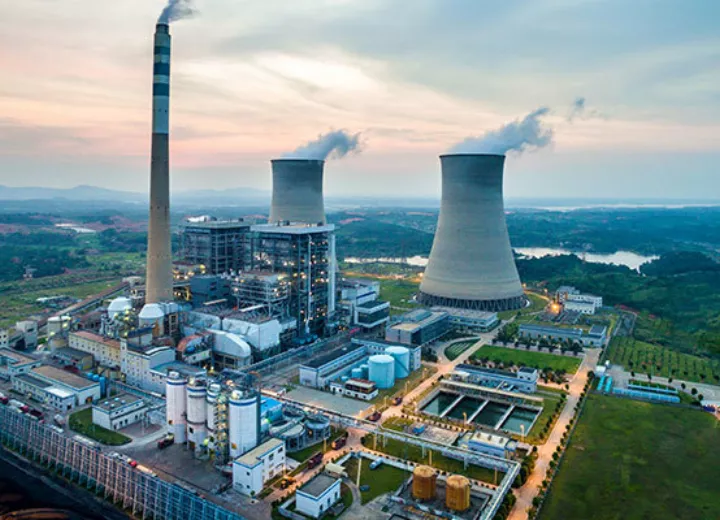
Categories
Uncategorized

Steam Turbine Technology Explained

Steam Turbine Technology Explained

Steam Turbine Technology Explained: Steam turbine technology is a fundamental aspect of power generation and industrial processes, relying on the principles of thermodynamics and fluid mechanics to convert thermal energy into mechanical work. The core of this technology lies in the steam turbine, a rotating machine that extracts energy from high-pressure, high-temperature steam and converts it into rotational motion. This rotational energy can then drive an electrical generator to produce electricity or power mechanical equipment in various industrial applications.

The operation of a steam turbine begins with the generation of steam in a boiler. Water is heated under high pressure to produce steam with a high enthalpy, a measure of the total energy content in the steam. The high-pressure steam is directed into the turbine through nozzles or inlet valves, where it expands and accelerates. This expansion converts the potential energy of the steam into kinetic energy, which then imparts force onto the turbine’s blades. Steam turbines typically consist of a series of rotating blades, mounted on a shaft, and stationary blades or vanes that guide the steam flow. These stationary and rotating blades work together to extract as much energy as possible from the steam.

Steam turbines are categorized into different types based on their design and applications. One common classification is based on the steam exhaust conditions. Condensing turbines, for example, exhaust steam into a condenser where it is cooled and condensed back into water. This process creates a vacuum that enhances the turbine’s efficiency by allowing for a greater pressure drop between the inlet and exhaust. Back-pressure turbines, on the other hand, discharge steam at a pressure higher than atmospheric pressure for use in industrial processes that require steam for heating or other purposes. These turbines are often used in cogeneration plants, where both electricity and process steam are produced.

Another way to classify steam turbines is based on their flow design. Axial-flow turbines are the most common and involve steam flowing parallel to the axis of rotation. Radial-flow turbines, where steam moves perpendicular to the axis, are less common but can be used in specific applications. Steam turbines can also be divided into impulse and reaction types, depending on how the energy is extracted. Impulse turbines rely on high-velocity steam jets striking the blades, with all the pressure drop occurring in the nozzles. Reaction turbines, in contrast, utilize both the pressure drop across the blades and the reactive force of the steam as it accelerates through the blade passages.

Efficiency is a critical factor in steam turbine operation and design. A variety of techniques are used to maximize the efficiency of steam turbines, including the use of multiple stages and reheating. In multistage turbines, steam passes through several sets of blades, each designed to extract energy at different pressure and temperature levels. Reheating involves partially expanding the steam in the turbine, then returning it to the boiler for reheating before it re-enters the turbine. This process reduces moisture content in the later stages of the turbine, minimizing blade erosion and improving performance.

Steam turbines are designed to operate under a wide range of conditions, making them versatile in various industries. In power plants, they are commonly used with fossil fuels, nuclear reactors, or renewable energy sources like biomass and geothermal energy. In industrial settings, they serve as prime movers for compressors, pumps, and other mechanical equipment. They also play a critical role in combined heat and power systems, where they help optimize energy use by simultaneously generating electricity and providing thermal energy.

Modern steam turbine technology incorporates advanced materials and engineering techniques to enhance performance and reliability. High-performance alloys and coatings are used to withstand extreme temperatures and pressures, while precise manufacturing techniques ensure optimal blade profiles for efficient energy conversion. Additionally, digital monitoring and control systems allow operators to optimize turbine performance in real time, detect potential issues, and ensure safe operation.

Despite their widespread use and proven reliability, steam turbines face challenges such as efficiency losses due to steam leakage and wear over time. Regular maintenance, condition monitoring, and retrofitting with modern components are essential to maintaining their performance and extending their service life. In the broader energy landscape, steam turbines continue to evolve, integrating with renewable energy systems and adapting to changing environmental regulations to remain a cornerstone of energy production and industrial applications.

Steam Turbine

Steam Turbine
Steam Turbine

The versatility and adaptability of steam turbine technology have cemented its place as a cornerstone in global energy systems. Its ability to operate across a wide range of scales, from small industrial applications to massive utility-scale power plants, highlights its importance. Furthermore, steam turbines have a key role in facilitating the energy transition by integrating with renewable energy technologies such as biomass, concentrated solar power (CSP), and geothermal systems. These applications leverage the fundamental strengths of steam turbines while aligning with the global push toward cleaner energy sources.

In biomass power plants, for instance, organic material such as agricultural waste, forestry residues, or dedicated energy crops is burned to generate steam, which is then used to drive a steam turbine. Similarly, in CSP systems, mirrors concentrate sunlight to heat a fluid, producing steam that powers a turbine. Geothermal power plants utilize steam from naturally occurring geothermal reservoirs to produce electricity. These systems demonstrate the adaptability of steam turbines to various heat sources, highlighting their integral role in achieving a sustainable energy future.

Another emerging application of steam turbines is their integration into carbon capture and storage (CCS) systems. CCS is a critical technology for reducing carbon dioxide (CO₂) emissions from fossil fuel-based power plants. In such systems, the steam extracted from turbines can be used to power the CO₂ capture process, ensuring that the plant operates with minimal additional energy penalties. This highlights how steam turbines can evolve to meet the demands of a decarbonized energy landscape while maintaining their efficiency and reliability.

Steam turbines are also central to combined cycle power plants (CCPPs), which represent one of the most efficient methods of electricity generation. In a combined cycle configuration, a gas turbine generates electricity while its exhaust heat is used to produce steam for a steam turbine, effectively combining two thermodynamic cycles. This arrangement significantly enhances overall plant efficiency, often exceeding 60%. By utilizing waste heat from the gas turbine, combined cycle plants maximize energy recovery and reduce fuel consumption, aligning with the industry’s goals of improved efficiency and reduced environmental impact.

The operational efficiency and longevity of steam turbines depend heavily on advanced design and materials science. Innovations in blade design, for example, have focused on improving aerodynamics to reduce losses and enhance energy extraction. Computational fluid dynamics (CFD) and finite element analysis (FEA) are routinely employed to optimize blade profiles, ensuring that steam flow is directed and expanded efficiently throughout the turbine stages. Materials advancements, such as the use of superalloys and thermal barrier coatings, have enabled turbines to withstand higher temperatures and pressures, which are essential for increasing thermodynamic efficiency.

Digitalization and predictive maintenance are transforming the way steam turbines are operated and maintained. Modern turbines are equipped with sensors and control systems that provide real-time data on parameters such as temperature, pressure, vibration, and rotational speed. These data are analyzed using advanced algorithms to detect anomalies and predict potential failures before they occur. This approach, often referred to as condition-based maintenance (CBM), minimizes unplanned downtime, reduces maintenance costs, and extends the operational life of the turbine. Additionally, digital twins—virtual models of physical assets—are increasingly used to simulate turbine behavior under various operating conditions, enabling operators to optimize performance and plan maintenance with greater precision.

Steam turbine technology also faces challenges, particularly in the context of global efforts to reduce greenhouse gas emissions and improve energy efficiency. While steam turbines themselves are highly efficient machines, the overall efficiency of a power plant depends on the integration of the turbine with other components, such as the boiler, condenser, and heat exchangers. Optimizing the performance of these subsystems is critical to achieving higher efficiencies. Furthermore, the global energy transition away from fossil fuels presents challenges and opportunities for steam turbines, as their design and operation must adapt to new energy paradigms, including the integration with intermittent renewable energy sources.

As the energy landscape continues to evolve, the role of steam turbines is likely to diversify further. Innovations in energy storage, for example, could enhance the flexibility of steam turbine systems, enabling them to respond more effectively to fluctuations in renewable energy generation. Advanced thermodynamic cycles, such as supercritical and ultra-supercritical cycles, are being developed to push the boundaries of efficiency and reduce emissions. These cycles operate at extremely high temperatures and pressures, demanding further advancements in materials and engineering.

In summary, steam turbine technology remains a cornerstone of modern energy systems due to its efficiency, reliability, and adaptability. From traditional fossil fuel-based power generation to renewable energy integration and advanced industrial applications, steam turbines have demonstrated their ability to evolve and meet the demands of a changing energy landscape. With continued innovation and adaptation, steam turbines are poised to remain a critical component of global energy infrastructure, supporting the transition to a more sustainable and efficient future.

The future of steam turbine technology is deeply intertwined with the growing emphasis on sustainability and innovation. As industries and governments worldwide strive to meet ambitious climate goals, steam turbines are being reimagined and retrofitted to align with these evolving demands. One area of significant development is the transition to using alternative working fluids, such as supercritical CO₂, which offers distinct advantages over traditional steam. Supercritical CO₂ operates at higher densities and temperatures, allowing for compact turbine designs, improved efficiency, and reduced greenhouse gas emissions. This technology, while still in its developmental stages, has the potential to revolutionize thermal power generation and expand the applications of steam turbine principles.

Hydrogen-based power generation is another avenue where steam turbines are finding new applications. Hydrogen, when burned, produces only water as a byproduct, making it a clean energy carrier. Steam turbines can be adapted to work with hydrogen combustion systems or with hydrogen-fueled gas turbines in combined cycle configurations. This flexibility underscores the adaptability of steam turbines to new fuels and energy sources, ensuring their relevance in a decarbonized energy system.

The hybridization of steam turbines with renewable energy technologies is also gaining traction. For instance, concentrated solar power (CSP) plants with integrated thermal storage systems can provide a stable and dispatchable source of energy, addressing the intermittency issues of solar photovoltaics. Steam turbines in CSP systems are specifically designed to handle fluctuating loads and variable operating conditions, showcasing their robustness in emerging applications. Similarly, geothermal plants that utilize enhanced geothermal systems (EGS) benefit from steam turbine designs optimized for lower-temperature and lower-pressure steam, enabling wider adoption of geothermal energy in diverse geographic regions.

Efficiency improvements remain a central focus in steam turbine innovation. Advanced thermodynamic cycles, such as the Kalina cycle and organic Rankine cycle (ORC), are being explored to harness waste heat from industrial processes and low-grade thermal sources. These cycles leverage specialized working fluids and turbine designs to extract energy from heat sources that were previously considered inefficient or uneconomical. The scalability of these technologies allows them to be deployed in a variety of settings, from small industrial plants to large-scale power generation facilities.

Another critical aspect of modern steam turbine technology is its role in grid stability and flexibility. As renewable energy sources like wind and solar become more prevalent, the need for flexible and reliable grid-balancing solutions has grown. Steam turbines, particularly in combined cycle and cogeneration plants, are well-suited to provide the ancillary services required to stabilize the grid. Their ability to operate efficiently at part loads and respond to rapid changes in demand makes them a valuable asset in modern energy systems.

Retrofitting and upgrading existing steam turbine installations is another key strategy for extending their operational life and improving their performance. Older turbines can be upgraded with advanced blade designs, modern seals, and improved materials to enhance their efficiency and reliability. Additionally, control system upgrades enable better integration with modern grid requirements and digital monitoring tools. Retrofitting not only reduces the environmental impact of existing infrastructure but also provides a cost-effective alternative to building new power plants.

Environmental considerations are also driving advancements in steam turbine condenser and cooling technologies. Traditional cooling systems, which rely heavily on water, are being replaced or supplemented with air-cooled or hybrid cooling systems to reduce water consumption and environmental impact. These innovations are particularly relevant in regions facing water scarcity or stringent environmental regulations.

The integration of artificial intelligence (AI) and machine learning (ML) into steam turbine operations is poised to transform how these machines are monitored and maintained. AI-powered systems can analyze vast amounts of operational data to identify patterns, predict failures, and recommend optimal operating conditions. These insights enable operators to implement predictive maintenance strategies, reduce downtime, and maximize efficiency. Furthermore, digital twin technology is increasingly being used to model steam turbine performance, simulate various scenarios, and optimize design and operation throughout the turbine’s lifecycle.

Looking further ahead, steam turbines may play a role in emerging energy storage technologies. Advanced thermal energy storage systems, such as molten salt or phase-change materials, can store excess energy from renewable sources and convert it back to electricity using steam turbines when needed. This application highlights the enduring relevance of steam turbines in a world transitioning toward a more dynamic and distributed energy infrastructure.

Despite the challenges posed by the global shift away from fossil fuels, steam turbines continue to demonstrate their adaptability and resilience. By embracing new technologies, fuels, and applications, they remain a vital component of the energy ecosystem. The ability of steam turbines to operate efficiently in diverse environments, from traditional power plants to cutting-edge renewable energy systems, ensures their ongoing importance in addressing the world’s energy needs while moving toward a sustainable future.

Key fundamentals of steam turbine design

Key Fundamentals of Steam Turbine Design

Key fundamentals of steam turbine design revolve around optimizing efficiency, reliability, and performance while accommodating the specific requirements of power generation or industrial applications. Steam turbines are complex machines that convert thermal energy in steam into mechanical work, and their design must carefully balance thermodynamic principles, mechanical integrity, material science, and operational flexibility. Each component of a steam turbine is engineered to handle the high temperatures, pressures, and stresses involved in steam expansion while minimizing energy losses and ensuring long-term durability.

A critical aspect of steam turbine design is the thermodynamic efficiency, which is largely governed by the Rankine cycle. The turbine’s efficiency depends on maximizing the pressure and temperature drop across its stages while minimizing irreversibilities such as friction, turbulence, and heat loss. This requires precise control over the expansion process of steam through the turbine. Key to this is the design of the blades and vanes, which guide and accelerate the steam flow. Steam turbine blades are aerodynamically shaped to extract the maximum amount of energy from the steam while maintaining structural integrity under high centrifugal and thermal stresses.

The blade design is further refined based on the type of turbine—impulse or reaction. In impulse turbines, the steam expands entirely in stationary nozzles before striking the rotor blades, which absorb the kinetic energy. The blades in these turbines are typically bucket-shaped to redirect the high-speed steam efficiently. In contrast, reaction turbines rely on the combined effect of pressure drop and reactive force within the blade passages. These blades are designed to act like miniature nozzles, with both stationary and rotating blades contributing to the steam expansion. The choice between impulse and reaction design depends on factors such as the desired operating range, efficiency requirements, and cost considerations.

The number of turbine stages is another key design consideration. Multistage turbines are often employed to maximize efficiency by dividing the expansion process into several steps, each designed to handle specific pressure and temperature ranges. High-pressure (HP), intermediate-pressure (IP), and low-pressure (LP) stages are arranged in sequence, with each stage optimized for its operating conditions. HP stages are compact and designed to handle high-pressure, high-temperature steam, while LP stages are larger, with longer blades to handle the expanded, lower-pressure steam. The gradual expansion across multiple stages ensures efficient energy extraction and reduces the likelihood of excessive moisture formation, which can erode turbine blades.

Moisture management is a critical aspect of steam turbine design, particularly in the later stages of the expansion process. As steam expands and cools, it can condense into water droplets that cause erosion and reduce efficiency. Designers address this challenge by incorporating features such as moisture removal systems, reheating stages, and optimized blade profiles to minimize the effects of condensation. Reheating involves redirecting partially expanded steam back to the boiler for reheating before it continues through the turbine. This process not only improves efficiency but also reduces the moisture content in the steam.

The choice of materials is another cornerstone of steam turbine design. The high-temperature and high-pressure environments within the turbine demand materials that can withstand extreme conditions without deforming or degrading over time. High-performance alloys, such as those based on nickel, chromium, and molybdenum, are commonly used for turbine components. These materials offer excellent strength, corrosion resistance, and thermal stability. Advances in material science have also enabled the use of thermal barrier coatings to protect turbine components from excessive heat, further extending their operational life.

Sealing systems play a vital role in minimizing steam leakage and maintaining efficiency. Labyrinth seals, for example, are widely used to create a series of narrow passages that restrict steam flow and reduce losses. Advanced sealing technologies, such as brush seals or abradable seals, offer even better performance, particularly in high-efficiency turbines. These seals are designed to accommodate thermal expansion and rotor movement without compromising the tightness of the seal.

Another fundamental aspect of steam turbine design is the integration of the rotor and casing. The rotor, which supports the turbine blades and transfers mechanical energy to the generator or driven equipment, must be carefully designed to minimize vibration and withstand dynamic loads. It is typically made from a single piece of forged steel to ensure strength and reliability. The casing, which houses the rotor and guides the steam flow, must be robust enough to contain the high-pressure steam while maintaining precise clearances around the blades.

The condenser is an integral part of condensing steam turbines, and its design directly impacts the turbine’s performance. By condensing the exhaust steam into water, the condenser creates a vacuum that maximizes the pressure drop across the turbine, improving efficiency. The design of the condenser, including its heat exchanger tubes, cooling medium, and vacuum system, must ensure effective heat transfer while minimizing backpressure on the turbine.

Steam turbine design also accounts for operational flexibility, particularly in modern energy systems where turbines must adapt to variable loads and changing grid demands. Advanced control systems are integrated into turbine designs to regulate steam flow, monitor critical parameters, and optimize performance in real time. These systems use sensors and actuators to maintain safe and efficient operation, allowing turbines to respond dynamically to changes in load or steam conditions.

Noise and vibration management are additional considerations in steam turbine design. Excessive vibration can lead to mechanical failures and reduced efficiency, while high noise levels can pose environmental and occupational hazards. Designers use techniques such as dynamic balancing, tuned dampers, and optimized blade geometry to address these issues. Computational tools, including finite element analysis (FEA) and computational fluid dynamics (CFD), are extensively used to predict and mitigate vibration and noise during the design phase.

Finally, environmental considerations influence steam turbine design, particularly with regard to emissions and resource usage. Innovations in turbine technology aim to minimize energy losses and waste heat, reduce water consumption in cooling systems, and enable integration with renewable energy sources. These advancements ensure that steam turbines continue to meet evolving regulatory standards and contribute to sustainable energy production.

In summary, the key fundamentals of steam turbine design are rooted in a deep understanding of thermodynamics, material science, aerodynamics, and mechanical engineering. By carefully balancing these principles, designers create turbines that deliver high efficiency, reliability, and adaptability in a wide range of applications, from traditional power plants to cutting-edge renewable energy systems. With ongoing advancements in technology and materials, steam turbine design continues to evolve, ensuring its relevance in an increasingly sustainable and dynamic energy landscape.

Another critical consideration in steam turbine design is scalability and application-specific customization. Steam turbines are engineered to operate efficiently across a wide range of capacities, from small-scale turbines generating a few kilowatts for industrial or localized applications to massive utility-scale turbines producing hundreds of megawatts for large power plants. This scalability is achieved through modular designs, where components such as turbine stages, rotors, and casings can be tailored to match the specific operating conditions and power output requirements of the application.

For example, small-scale steam turbines designed for industrial cogeneration systems often emphasize compactness, operational simplicity, and ease of maintenance. These turbines are typically designed to operate at moderate pressures and temperatures while providing both electricity and process steam to industrial facilities. In contrast, large-scale turbines for power generation prioritize high thermal efficiency and durability. They often operate in advanced thermodynamic cycles, such as supercritical or ultra-supercritical conditions, where steam reaches extremely high temperatures and pressures to maximize energy conversion efficiency.

The flexibility of steam turbine designs also allows them to accommodate various steam conditions and operational scenarios. For instance, some turbines are designed to handle saturated steam, which contains moisture, while others operate with superheated steam, which is dry and contains no water droplets. The latter is particularly advantageous in high-efficiency applications, as it minimizes the risk of blade erosion caused by moisture. Steam turbines can also be designed to accept steam from multiple sources, such as exhaust steam from industrial processes or waste heat recovery systems, further enhancing their adaptability to different energy systems.

Cooling and heat rejection systems are another fundamental aspect of steam turbine design. In condensing turbines, the exhaust steam is cooled and condensed back into water in the condenser. The efficiency of this process directly affects the turbine’s overall performance. Cooling systems can be water-based, air-cooled, or hybrid, depending on the availability of cooling resources and environmental constraints. Water-cooled systems, which use large volumes of water to absorb and transfer heat, are highly efficient but may face limitations in water-scarce regions. Air-cooled systems, while less efficient, are often used in areas where water availability is limited. Hybrid systems combine the benefits of both approaches, offering flexibility and efficiency under varying operating conditions.

Operational flexibility is another cornerstone of modern steam turbine design. In an energy landscape increasingly dominated by renewable energy sources, steam turbines must be capable of accommodating fluctuations in power demand and integrating with variable energy inputs. This requires turbines to operate efficiently across a wide load range and to respond quickly to changes in operating conditions. Advanced control systems, equipped with sensors and real-time monitoring capabilities, allow operators to fine-tune turbine performance based on current demand and steam availability. These systems also enhance safety by detecting potential issues, such as overheating or vibration anomalies, and triggering preventive measures.

The lifecycle of a steam turbine is also a key consideration in its design. Turbines are typically designed for operational lifespans of 30 to 40 years or more, depending on the application. To ensure longevity, turbine components are subjected to rigorous testing during the design and manufacturing phases. Stress testing, fatigue analysis, and material property evaluations are conducted to ensure that the turbine can withstand prolonged exposure to high temperatures, pressures, and mechanical loads. Additionally, maintenance-friendly designs, such as modular components and easy access to critical parts, facilitate repairs and replacements, minimizing downtime and operational costs.

Efficiency enhancements are continuously pursued in steam turbine design through innovations in blade technology and steam path optimization. The development of three-dimensional blade profiles, for example, has significantly improved the aerodynamic efficiency of turbines by reducing losses due to secondary flows and turbulence. Advanced computational tools, such as computational fluid dynamics (CFD) and finite element analysis (FEA), are used extensively to simulate and optimize the flow of steam through the turbine. These tools enable designers to refine blade geometries, improve steam distribution, and minimize energy losses.

Another area of focus is reducing parasitic losses, such as steam leakage, mechanical friction, and heat loss. Innovations in sealing technology, such as advanced labyrinth seals and brush seals, have significantly reduced steam leakage between turbine stages. Improved bearing designs and lubrication systems help minimize mechanical friction, while enhanced insulation and thermal barrier coatings reduce heat loss from the turbine casing.

Environmental considerations also play a central role in steam turbine design, particularly in the context of global efforts to reduce greenhouse gas emissions and improve resource efficiency. Steam turbines are increasingly being integrated into carbon capture and storage (CCS) systems, where they provide the energy required for CO₂ capture processes. Additionally, steam turbines are being adapted to work with alternative fuels, such as biomass and hydrogen, and to operate in hybrid systems that combine renewable and conventional energy sources. These advancements not only enhance the environmental performance of steam turbines but also ensure their continued relevance in a decarbonizing energy sector.

In summary, the key fundamentals of steam turbine design encompass a wide range of technical and operational considerations, from thermodynamic efficiency and material selection to scalability, adaptability, and environmental performance. By addressing these factors, designers create turbines that deliver high performance, reliability, and flexibility across diverse applications and operating conditions. As technology continues to evolve, steam turbines will remain at the forefront of energy conversion systems, supporting the transition to a more sustainable and efficient energy future.

Steam Turbine Generator Manufacturers

The continued evolution of steam turbine design is driven by advancements in technology, the growing demand for efficiency, and the increasing need for sustainability in energy systems. One of the most exciting areas of innovation lies in the integration of steam turbines with advanced power cycles. These include supercritical and ultra-supercritical cycles, which push the boundaries of operating conditions to achieve unprecedented levels of efficiency. By operating at higher pressures and temperatures than traditional subcritical cycles, these systems minimize energy losses and maximize power output. However, such demanding conditions require further advancements in materials and engineering, as components must withstand extreme thermal and mechanical stresses without compromising reliability.

Another promising development is the integration of steam turbines with advanced combined heat and power (CHP) systems. In these systems, waste heat from electricity generation is captured and used for heating or industrial processes, significantly increasing overall system efficiency. Steam turbines play a vital role in CHP applications due to their ability to efficiently convert thermal energy into mechanical work while also providing useful heat. These systems are particularly valuable in industrial settings where both electricity and heat are required, such as in chemical plants, refineries, and district heating networks. By optimizing the design of steam turbines for CHP applications, engineers can enhance energy utilization and reduce carbon emissions.

Additive manufacturing, or 3D printing, is also beginning to impact steam turbine design and production. This technology allows for the creation of complex components with precise geometries that would be difficult or impossible to achieve using traditional manufacturing methods. For example, turbine blades with intricate cooling passages or novel aerodynamic shapes can be produced more efficiently using additive manufacturing. This not only improves the performance of the turbine but also reduces production time and costs. Additionally, 3D printing enables rapid prototyping, allowing engineers to test and refine designs more quickly, further accelerating innovation.

The application of digital technologies, such as artificial intelligence (AI) and machine learning (ML), is transforming how steam turbines are designed, operated, and maintained. AI algorithms can analyze vast amounts of operational data to optimize turbine performance, predict maintenance needs, and identify opportunities for efficiency improvements. For instance, digital twins—virtual models of physical turbines—allow engineers to simulate real-world operating conditions, assess the impact of design changes, and optimize performance in a virtual environment before implementation. This approach not only reduces the risks associated with design modifications but also ensures that turbines operate at peak efficiency throughout their lifecycle.

In the realm of maintenance and reliability, predictive maintenance is becoming increasingly common. By continuously monitoring key parameters such as vibration, temperature, pressure, and rotational speed, operators can identify potential issues before they lead to failures. This proactive approach minimizes unplanned downtime, reduces repair costs, and extends the operational life of the turbine. Advanced analytics and sensor technologies are making predictive maintenance more accurate and accessible, enabling even smaller-scale operators to benefit from these capabilities.

Hybrid energy systems represent another area where steam turbines are finding new applications. These systems combine traditional power generation technologies with renewable energy sources to provide a stable and reliable energy supply. For example, a hybrid system might use solar thermal energy during the day and steam turbines powered by biomass or natural gas during periods of low sunlight. The flexibility of steam turbines to operate with various heat sources and adapt to changing loads makes them an ideal component of such systems. As the world transitions toward cleaner energy, the ability of steam turbines to integrate with renewable technologies will become increasingly important.

In addressing the environmental impact of steam turbines, engineers are exploring ways to reduce water consumption in cooling systems and improve the efficiency of condensers. Air-cooled condensers, for instance, use ambient air instead of water to condense exhaust steam, making them suitable for regions with limited water resources. Additionally, advanced heat exchanger designs and materials are being developed to improve the efficiency of heat transfer, further reducing resource usage and environmental impact.

Emerging storage technologies are also opening new opportunities for steam turbines. Thermal energy storage systems, such as those using molten salts or phase-change materials, can store excess energy generated by renewable sources. When demand increases, this stored energy can be used to produce steam, which drives a turbine to generate electricity. This approach provides a flexible and efficient way to balance energy supply and demand while ensuring that renewable energy resources are utilized effectively.

Research into alternative working fluids is another frontier in steam turbine innovation. While water remains the most commonly used working fluid due to its excellent thermal properties and availability, alternative fluids like supercritical CO₂ and organic compounds are being explored for specific applications. These fluids can operate at higher efficiencies under certain conditions and are particularly well-suited for systems that recover waste heat or utilize low-temperature heat sources. Designing turbines to handle these fluids requires a rethinking of traditional steam turbine principles, but the potential benefits in efficiency and environmental performance are significant.

The modularity of steam turbines is also being enhanced to meet the needs of diverse applications. Modular turbine designs allow for faster installation, easier maintenance, and greater flexibility in scaling power output. For example, modular components can be pre-assembled in factories and transported to the installation site, reducing construction time and costs. This approach is particularly advantageous in remote or off-grid locations, where logistical challenges can complicate traditional turbine installation.

Finally, the role of steam turbines in the circular economy is gaining attention. As older turbines reach the end of their operational life, strategies for recycling and reusing materials are being developed to minimize waste and environmental impact. High-value materials such as superalloys can be recovered and repurposed, reducing the demand for new raw materials and supporting sustainable manufacturing practices.

In conclusion, the key fundamentals of steam turbine design are evolving in response to the challenges and opportunities of the modern energy landscape. From advanced thermodynamic cycles and hybrid systems to digital technologies and alternative working fluids, the design and operation of steam turbines are being reimagined to meet the demands of efficiency, sustainability, and reliability. As a versatile and proven technology, steam turbines will continue to play a pivotal role in energy generation and industrial processes, adapting to the needs of a rapidly changing world while driving innovation and progress.

Steam Turbines for Power System Balance

Steam Turbines for Power System Balance

Steam turbines play a crucial role in maintaining power system balance by providing reliable, controllable, and efficient electricity generation. Their versatility and ability to adapt to varying grid conditions make them an essential component of modern power systems, particularly as the energy landscape shifts toward greater reliance on renewable energy sources. Steam turbines contribute to system stability, flexibility, and efficiency, addressing challenges related to fluctuating demand, variable renewable generation, and the need for secure and consistent power supply.

One of the primary contributions of steam turbines to power system balance is their ability to provide base-load power generation. In traditional power systems, steam turbines are integral to large-scale thermal power plants, including coal, natural gas, nuclear, and biomass facilities. These turbines are designed to operate continuously and efficiently, supplying a steady stream of electricity to meet the minimum level of demand on the grid. Their reliability and high capacity make them indispensable for ensuring a stable foundation of electricity supply, particularly during periods when intermittent renewable energy sources, such as wind and solar, may not be producing power.

In addition to base-load generation, steam turbines offer significant load-following capabilities, enabling them to adjust their output in response to changes in electricity demand. This flexibility is particularly valuable in modern grids, where demand can vary dramatically throughout the day and across seasons. By rapidly increasing or decreasing power output, steam turbines help maintain the balance between supply and demand, preventing frequency fluctuations and ensuring grid stability. This capability is enhanced by advanced control systems that allow precise regulation of turbine operation based on real-time grid conditions.

Steam turbines also play a critical role in integrating renewable energy sources into power systems. As the share of wind and solar power in the energy mix increases, the variability and intermittency of these sources pose challenges to grid reliability. Steam turbines, particularly in combined-cycle configurations, can complement renewable generation by providing dispatchable power that can quickly compensate for fluctuations in renewable output. For example, when cloud cover reduces solar generation or wind speeds drop, steam turbines can ramp up to fill the gap and stabilize the grid. This capability ensures that renewable energy can be utilized effectively without compromising system reliability.

Another important aspect of steam turbines in power system balance is their ability to provide ancillary services. Ancillary services are essential for maintaining grid stability and include functions such as frequency regulation, voltage support, spinning reserve, and black start capability. Steam turbines, due to their precise control and reliability, are well-suited to deliver these services. Frequency regulation, for instance, requires turbines to adjust their output in response to minor imbalances between supply and demand, helping to maintain the grid frequency within acceptable limits. Similarly, spinning reserves provided by steam turbines ensure that additional power is available on short notice to respond to sudden increases in demand or unexpected generation outages.

Steam turbines also contribute to power system balance through their role in combined heat and power (CHP) systems. In CHP applications, steam turbines are used to generate electricity while simultaneously producing useful heat for industrial processes or district heating. By efficiently utilizing the thermal energy in steam, these systems reduce waste and improve overall energy efficiency. CHP systems can also enhance grid stability by operating flexibly and providing additional capacity during peak demand periods or grid emergencies.

The integration of energy storage technologies with steam turbines is another emerging approach to improving power system balance. Thermal energy storage systems, for example, can store excess heat generated during periods of low demand and use it later to produce steam for electricity generation. This approach allows steam turbines to operate more flexibly and efficiently, smoothing out variations in demand and improving the utilization of generation assets. Additionally, the combination of steam turbines with batteries or other storage systems can provide fast-responding capacity to stabilize the grid during rapid changes in renewable generation or demand.

In regions with high levels of renewable energy penetration, steam turbines can also support grid stability by operating in hybrid power systems. Hybrid systems combine conventional power generation with renewable sources and energy storage, leveraging the strengths of each technology to maintain a reliable and efficient energy supply. For instance, a hybrid system might pair a steam turbine-based power plant with a solar thermal plant, where solar energy is used to preheat water or generate steam, reducing fuel consumption and emissions from the turbine. This integration maximizes resource utilization while ensuring that sufficient capacity is available to meet demand.

Efficiency improvements in steam turbine technology further enhance their role in power system balance. Advances in materials, blade design, and thermodynamic cycles have led to higher efficiency levels, reducing fuel consumption and emissions while increasing power output. Supercritical and ultra-supercritical steam turbines, for instance, operate at higher temperatures and pressures than conventional turbines, achieving greater efficiency and reducing the environmental impact of power generation. These high-efficiency turbines are particularly valuable in balancing power systems by providing a low-emission and cost-effective source of dispatchable electricity.

Environmental considerations are also shaping the role of steam turbines in power system balance. As global efforts to reduce greenhouse gas emissions intensify, steam turbines are being adapted to operate with cleaner fuels, such as natural gas, hydrogen, or biomass. This transition allows steam turbines to continue supporting grid stability while aligning with decarbonization goals. For example, turbines designed for co-firing hydrogen with natural gas can provide a low-carbon solution for balancing variable renewable energy sources, contributing to the overall sustainability of the power system.

In summary, steam turbines are indispensable for maintaining power system balance in both traditional and modern grids. Their ability to provide reliable base-load generation, adapt to changing demand, support renewable energy integration, and deliver ancillary services makes them a versatile and essential component of energy systems. As technology advances and the energy landscape evolves, steam turbines will continue to play a critical role in ensuring the stability, efficiency, and sustainability of power systems worldwide. Through innovations in design, materials, and operational strategies, steam turbines are poised to meet the challenges of the future while supporting the transition to a cleaner and more resilient energy infrastructure.

The evolving energy landscape underscores the increasing importance of steam turbines in addressing the complexities of modern power systems. As the transition to renewable energy accelerates, steam turbines are adapting to new roles that extend beyond traditional power generation. These roles include facilitating grid flexibility, integrating with emerging energy technologies, and enhancing overall system reliability while meeting stringent environmental standards.

One of the emerging applications for steam turbines is their role in carbon capture and storage (CCS) systems. As decarbonization becomes a priority for governments and industries worldwide, CCS technologies are being deployed to capture carbon dioxide emissions from power plants and industrial facilities. Steam turbines play a critical role in these systems by providing the energy required for CO₂ capture processes. This is achieved by extracting steam from the turbine at specific stages to power the capture equipment while continuing to generate electricity efficiently. By integrating CCS systems with steam turbines, power plants can significantly reduce their carbon footprint without compromising performance or reliability.

Moreover, the flexibility of steam turbines allows them to contribute to demand-side management initiatives. In power systems where demand-response programs are implemented, steam turbines can adjust their output to align with consumer behavior and grid requirements. This capability is especially important during peak demand periods or when renewable energy generation fluctuates. By operating flexibly and efficiently, steam turbines can help utilities balance supply and demand while minimizing operational costs and emissions.

Steam turbines are also being designed to accommodate the growing demand for decentralized energy systems. Distributed energy resources (DERs), such as small-scale turbines, microgrids, and community-based CHP systems, are gaining traction as solutions for localized power generation. In these systems, steam turbines can provide reliable and efficient electricity and heat, reducing dependence on centralized power plants and enhancing energy security. This decentralization not only improves resilience to grid disruptions but also supports the integration of locally available resources, such as biomass or waste heat.

The integration of steam turbines with advanced renewable energy technologies further enhances their relevance in modern power systems. For instance, solar thermal power plants use concentrated solar power (CSP) to generate steam, which is then used to drive a steam turbine. This configuration enables the direct use of solar energy for electricity generation while leveraging the efficiency and reliability of steam turbines. Additionally, geothermal power plants rely on steam turbines to convert the heat from underground reservoirs into electricity, providing a consistent and renewable energy source that complements intermittent solar and wind generation.

Hydrogen is another area where steam turbines are playing a growing role. As the hydrogen economy develops, steam turbines are being adapted to operate with hydrogen-rich fuels or in combination with hydrogen production systems. For example, in power-to-hydrogen applications, surplus electricity from renewable sources can be used to produce hydrogen via electrolysis. This hydrogen can then be stored and later used as fuel for steam turbines, providing a means of balancing renewable energy supply and demand. Similarly, steam turbines can be integrated into hydrogen production facilities to provide the thermal energy needed for processes such as steam methane reforming or water splitting.

The digital transformation of power systems is also influencing the operation and maintenance of steam turbines. Advanced monitoring and diagnostics technologies, powered by the Internet of Things (IoT) and artificial intelligence, are enabling real-time performance optimization and predictive maintenance. These tools provide operators with insights into turbine performance, allowing them to identify inefficiencies or potential issues before they escalate. For instance, digital twin technology creates a virtual replica of the turbine, enabling detailed analysis and simulation of various operating scenarios. This not only improves operational efficiency but also extends the lifespan of the turbine, reducing lifecycle costs and enhancing sustainability.

In addition to their operational roles, steam turbines are contributing to the circular economy by supporting waste-to-energy systems. In these systems, waste materials such as municipal solid waste, agricultural residues, or industrial by-products are used as fuel to produce steam, which drives a turbine to generate electricity. This approach not only reduces waste sent to landfills but also provides a renewable and low-carbon energy source. Steam turbines are particularly well-suited for waste-to-energy applications due to their ability to handle diverse steam conditions and adapt to varying fuel types.

The global focus on energy efficiency and resource conservation is driving further advancements in steam turbine technology. New materials and manufacturing techniques are enabling the development of turbines that operate at higher temperatures and pressures, achieving greater efficiency and reducing emissions. Additionally, innovations in blade design and steam flow optimization are minimizing energy losses and improving performance. These advancements ensure that steam turbines remain a cornerstone of efficient power generation, even as the energy landscape continues to evolve.

In conclusion, steam turbines are indispensable for maintaining power system balance and adapting to the challenges of a rapidly changing energy sector. Their versatility, reliability, and efficiency make them a critical component of both traditional and modern power systems. By integrating with renewable energy technologies, supporting carbon capture efforts, enabling decentralized energy solutions, and embracing digital transformation, steam turbines are poised to play a central role in the transition to a sustainable and resilient energy future. As technological advancements continue, steam turbines will remain at the forefront of innovation, ensuring that power systems worldwide can meet the demands of a cleaner, more efficient, and more dynamic energy environment.

Types of Turbine in Thermal Power Plant

The future of steam turbines in power system balance is further reinforced by their adaptability to emerging global energy trends. These trends are reshaping the energy industry and creating opportunities for steam turbines to contribute in new and innovative ways. As power systems become increasingly complex, interconnected, and sustainable, steam turbines continue to evolve, offering solutions to challenges such as grid decarbonization, energy security, and resilience in the face of climate change.

One of the most significant trends is the global shift toward low-carbon and net-zero energy systems. Governments and industries are setting ambitious targets to reduce greenhouse gas emissions, which is driving the adoption of renewable energy and cleaner technologies. Steam turbines, particularly in advanced configurations, are uniquely positioned to support this transition. For example, their ability to operate efficiently with alternative fuels, such as biomass, hydrogen, or synthetic fuels, ensures their relevance in a low-carbon future. Moreover, the integration of carbon capture and utilization (CCU) technologies with steam turbines allows power plants to not only capture emissions but also convert them into valuable products, such as chemicals, fuels, or construction materials.

Another trend shaping the role of steam turbines is the increasing need for energy resilience and reliability. Extreme weather events, natural disasters, and cyber threats pose risks to power systems, making resilience a top priority for energy planners. Steam turbines contribute to resilience by providing stable and dispatchable power that can support the grid during emergencies or disruptions. Their ability to operate independently in islanded or microgrid configurations further enhances their value in ensuring energy security, particularly in remote or vulnerable regions. Additionally, steam turbines’ long operational lifespan and robust design make them a dependable choice for critical infrastructure, where reliability is paramount.

Energy storage technologies are becoming a vital component of power systems, and steam turbines are finding innovative applications in this context. Thermal energy storage systems, for instance, can store heat generated by renewable energy sources or industrial processes, which can later be used to produce steam and generate electricity on demand. This capability aligns steam turbines with the growing need for flexible, scalable, and sustainable energy storage solutions. The integration of steam turbines with emerging technologies such as compressed air energy storage (CAES) and pumped thermal energy storage (PTES) further expands their role in balancing energy supply and demand.

The rise of electrification across various sectors, including transportation, industry, and buildings, is creating new opportunities for steam turbines to contribute to the decarbonization of energy systems. As electricity demand grows, steam turbines will play a crucial role in providing reliable and efficient power to support electrification initiatives. For example, they can be used in large-scale industrial applications that require both electricity and heat, such as steel production, chemical manufacturing, or desalination. Their ability to deliver high-quality steam for industrial processes while generating electricity makes them an integral part of sustainable industrial operations.

Steam turbines are also enabling the development of hybrid energy systems, where multiple energy sources are combined to optimize performance and reduce environmental impact. These systems integrate steam turbines with renewable energy, energy storage, and advanced power generation technologies to create flexible and efficient energy solutions. For example, in a solar hybrid plant, steam turbines can complement photovoltaic systems by using solar thermal energy to produce steam during peak sunlight hours and transitioning to other heat sources when sunlight is unavailable. This hybrid approach maximizes resource utilization and ensures a consistent power supply, even in regions with variable renewable energy potential.

In the context of energy markets, steam turbines are becoming increasingly valuable for their ability to provide ancillary services that support grid operations. As renewable energy penetration increases, the demand for grid services such as inertia, frequency regulation, and reactive power support is growing. Steam turbines, with their large rotating masses and precise control systems, are well-suited to provide these services, helping to stabilize the grid and ensure reliable operation. Their role in providing spinning reserves and black start capabilities further enhances their importance in modern power systems, where resilience and reliability are critical.

Sustainability considerations are driving innovations in steam turbine manufacturing, operation, and end-of-life management. The use of sustainable materials, energy-efficient production methods, and recycling processes is reducing the environmental impact of turbine manufacturing. Additionally, advancements in digital technologies, such as condition monitoring and predictive maintenance, are optimizing turbine performance and extending their operational life, reducing waste and resource consumption. At the end of their lifecycle, steam turbines are increasingly being decommissioned in ways that allow valuable materials, such as metals and alloys, to be recovered and reused, supporting the principles of a circular economy.

Lastly, the role of steam turbines in decarbonizing hard-to-abate sectors is gaining attention. These sectors, which include cement production, aviation, and shipping, are challenging to electrify and require innovative solutions to reduce emissions. Steam turbines are being adapted to provide power and heat for processes in these industries, often in combination with carbon capture technologies or alternative fuels. For instance, in the production of green ammonia—a key ingredient for fertilizers and a potential fuel for shipping—steam turbines can play a role in generating the energy required for hydrogen production and ammonia synthesis.

In conclusion, steam turbines remain a cornerstone of power system balance, adapting to meet the demands of an evolving energy landscape. Their versatility, efficiency, and ability to integrate with new technologies ensure their continued relevance in addressing the challenges of energy transition, decarbonization, and resilience. By leveraging advancements in materials, design, and digital technologies, steam turbines are poised to play a pivotal role in creating a cleaner, more reliable, and sustainable energy future. As the energy sector continues to innovate, steam turbines will remain a vital component of the global effort to achieve energy security and environmental sustainability.

General Structure of Steam Turbines

General Structure of Steam Turbines

The general structure of turbines is designed to efficiently convert energy from a working fluid—such as steam, gas, or water—into mechanical power, which can then be used to generate electricity or drive other machinery. Turbines operate on the principles of thermodynamics and fluid mechanics, employing carefully engineered components to ensure optimal performance, reliability, and durability. Despite variations in design based on the type of turbine (e.g., steam, gas, wind, or hydro), their fundamental structure typically comprises several key elements, each fulfilling a specific function within the overall system.

At the heart of any turbine is the rotor, which is the central rotating component. The rotor is equipped with blades or buckets that are specifically shaped to interact with the working fluid. In a steam turbine, for example, the rotor blades are designed to capture the energy from high-pressure steam and convert it into rotational motion. The shape, size, and arrangement of the blades are critical to the turbine’s efficiency, as they determine how effectively energy is extracted from the working fluid. Blades may be fixed or adjustable, depending on the design and application, and are often made from materials that can withstand high temperatures, pressures, and corrosive environments.

The stator is another essential component of a turbine, forming the stationary part of the system that directs and controls the flow of the working fluid. In steam turbines, the stator consists of fixed blades or nozzles arranged in a specific pattern to guide steam onto the rotor blades at the correct angle and velocity. This ensures that the energy transfer between the working fluid and the rotor is maximized. The interaction between the stator and rotor creates a series of expansion stages, each contributing to the overall energy conversion process. The stator also helps maintain the structural integrity of the turbine by supporting the rotor and housing other internal components.

The casing, or housing, encloses the turbine and provides a protective shell that contains the working fluid and maintains the system’s pressure. The casing is designed to withstand the operating conditions of the turbine, including high temperatures and pressures, and is often made from high-strength alloys. In addition to its protective function, the casing includes openings for the inlet and exhaust of the working fluid, as well as ports for monitoring, maintenance, and lubrication systems. The design of the casing also plays a role in reducing noise and vibration, contributing to the turbine’s operational stability and efficiency.

A critical subsystem of the turbine is the shaft, which connects the rotor to the external machinery, such as a generator or mechanical load. The shaft transmits the rotational energy produced by the turbine to the generator, where it is converted into electrical energy. The shaft is supported by bearings, which reduce friction and ensure smooth rotation. Bearings are typically designed to handle both radial and axial loads and are lubricated to minimize wear and extend their operational lifespan. Shaft seals are used to prevent leakage of the working fluid along the shaft, maintaining the turbine’s efficiency and preventing contamination of the surrounding environment.

Control systems are integral to the operation of a turbine, ensuring that it performs safely, reliably, and efficiently. These systems monitor parameters such as pressure, temperature, rotational speed, and flow rate, adjusting the operation of the turbine as needed to maintain optimal performance. For instance, in a steam turbine, the control system regulates the flow of steam into the turbine through valves or nozzles, managing the energy input to match the required output. Advanced control systems often incorporate digital technologies, such as sensors and real-time data analysis, to enhance precision and responsiveness.

The foundation and support structures of a turbine are designed to secure it in place and minimize vibrations. A stable foundation is essential for maintaining the alignment of internal components and preventing damage during operation. Turbines are typically mounted on reinforced concrete or steel structures, which are engineered to absorb the dynamic forces generated during operation. Vibration damping systems may also be included to reduce mechanical stresses and enhance the turbine’s durability.

Thermal insulation is another important aspect of turbine design, particularly in steam and gas turbines. Insulation materials are used to minimize heat loss and protect personnel and surrounding equipment from high temperatures. This improves the overall efficiency of the turbine and ensures compliance with safety standards. In addition to thermal insulation, turbines may also be equipped with acoustic insulation to reduce noise levels during operation.

The exhaust system of a turbine is designed to manage the discharge of the working fluid after it has passed through the turbine. In steam turbines, for example, the exhaust steam is typically directed into a condenser, where it is cooled and converted back into water for reuse in the power cycle. The design of the exhaust system must account for factors such as back pressure and flow dynamics to ensure efficient operation. In gas turbines, the exhaust system may include heat recovery units to capture residual thermal energy for additional applications, such as steam generation or district heating.

Auxiliary systems support the operation of the turbine and include lubrication systems, cooling systems, and monitoring equipment. The lubrication system ensures that bearings and other moving parts operate smoothly by reducing friction and preventing overheating. Cooling systems, such as water or air cooling, are used to maintain the temperature of critical components within safe limits. Monitoring equipment provides real-time data on the turbine’s performance, enabling operators to detect potential issues and perform predictive maintenance.

In modern turbine designs, materials science and advanced manufacturing techniques play a crucial role in enhancing performance and durability. Components are often made from high-performance alloys, ceramics, or composite materials that can withstand extreme conditions while minimizing wear and fatigue. Additive manufacturing, or 3D printing, is increasingly being used to produce complex turbine components with high precision and reduced material waste. These advancements contribute to the overall efficiency, reliability, and sustainability of turbine systems.

In summary, the general structure of turbines is a carefully engineered system that integrates multiple components to convert energy efficiently and reliably. From the rotor and stator to the casing, shaft, and auxiliary systems, each element is designed to perform a specific function while working seamlessly with the others. Advances in materials, design, and technology continue to refine turbine performance, ensuring their relevance across a wide range of applications, from power generation to industrial processes and renewable energy systems. As energy systems evolve, the fundamental principles and structure of turbines remain central to their success, adapting to meet the demands of a dynamic and sustainable energy future.

Continuing from where we left off, the evolution of turbine technology is increasingly focused on improving efficiency, reducing environmental impact, and integrating with newer energy solutions. Modern turbines are becoming more sophisticated, with an emphasis on flexibility, durability, and adaptability to changing grid conditions and fuel sources. As such, ongoing advancements are reshaping turbine structures to meet the demands of a decarbonized energy system, offering opportunities to enhance performance in a variety of sectors, including power generation, transportation, and industrial applications.

One significant area of improvement in turbine structure is the development of high-temperature materials. Turbines, particularly those used in gas-fired and combined-cycle power plants, operate under extreme thermal conditions. The blades, rotors, and other critical components must withstand temperatures that can exceed 1,500°C (2,732°F) in advanced gas turbines. To cope with these extreme conditions, turbine components are increasingly made from superalloys, advanced ceramics, or ceramic matrix composites (CMCs), which offer superior heat resistance, strength, and fatigue resistance. These materials enhance the turbine’s ability to operate at higher temperatures, improving thermal efficiency and reducing fuel consumption. The use of thermal barrier coatings on turbine blades further improves heat retention, reducing the amount of heat that is lost to the surrounding environment.

In addition to high-temperature materials, advanced cooling techniques are being integrated into turbine designs to prevent overheating and maintain optimal performance. Modern steam and gas turbines may feature advanced internal cooling systems, including complex channels inside the blades or rotor discs that allow air or steam to pass through and cool the components during operation. These cooling systems are essential for ensuring that turbines continue to operate safely and efficiently, especially in high-performance applications like combined-cycle power plants, where turbines must handle rapidly changing load conditions.

Another key development is the integration of additive manufacturing (3D printing) technologies in turbine design and production. Additive manufacturing allows for the creation of complex, custom-designed turbine components with greater precision and reduced waste. By using 3D printing, turbine manufacturers can produce parts with intricate geometries that would be difficult or impossible to create using traditional manufacturing methods. This not only improves the efficiency and performance of the turbine but also reduces production costs and lead times. For example, 3D-printed blades can be designed to optimize airflow, reduce weight, and improve cooling efficiency, all of which contribute to the overall efficiency of the turbine.

Hybrid turbine systems are becoming more common in modern power generation, where turbines are integrated with renewable energy sources, energy storage, and advanced power generation technologies to maximize efficiency and reliability. In such systems, turbines are often combined with wind, solar, or geothermal energy to provide a stable and dispatchable power supply. For example, in solar thermal power plants, concentrated solar energy is used to heat a working fluid, which is then passed through a steam turbine to generate electricity. This hybrid approach allows for the continuous generation of electricity, even when the sun isn’t shining, by using stored thermal energy to maintain turbine operation.

Additionally, turbines are being increasingly integrated with energy storage systems like battery storage or thermal energy storage (TES) to improve grid flexibility and stability. By pairing turbines with energy storage, excess energy generated during off-peak periods can be stored and used to generate power during periods of high demand or when renewable energy generation fluctuates. This integration helps to ensure that the turbine can operate more efficiently, supporting grid stability while contributing to the decarbonization of the energy sector.

In response to growing concerns over environmental impact, turbine designs are incorporating features that reduce emissions and increase overall sustainability. Hydrogen-powered turbines are one such example, as they can burn hydrogen or hydrogen-rich fuels to generate power while producing zero carbon emissions at the point of combustion. Turbines that are capable of operating on hydrogen are being tested and developed for use in both industrial and power generation applications, helping to reduce reliance on fossil fuels and contribute to the transition to a low-carbon energy future. Carbon capture technologies can also be integrated into turbine systems to capture and store CO₂ emissions, further improving their environmental footprint.

In terms of operation, digitalization and smart technologies are revolutionizing the way turbines are monitored and controlled. The use of sensors, artificial intelligence (AI), and machine learning (ML) is making it possible to optimize turbine performance in real-time, predict maintenance needs, and detect potential issues before they become critical. For instance, predictive maintenance tools can analyze turbine data to forecast when components like bearings or blades are likely to wear out, allowing operators to perform maintenance proactively. This reduces downtime, extends the operational life of the turbine, and enhances overall system efficiency.

Furthermore, advanced control systems are improving the flexibility of turbines in responding to changing grid conditions. Smart grids that incorporate real-time data exchange and automated control mechanisms enable turbines to adjust their output dynamically based on factors such as grid demand, fuel availability, or environmental conditions. These intelligent systems ensure that turbines can operate at peak efficiency, providing fast responses to sudden changes in load and contributing to the overall stability of the grid.

The role of turbines is also expanding in non-traditional applications, such as marine propulsion systems and aviation, where turbines are used in engines for ships, aircraft, and even drones. In these sectors, turbines must be designed to be lightweight, compact, and efficient, all while delivering high performance. Gas turbines and microturbines are often used in these applications due to their power-to-weight ratio and their ability to generate high thrust efficiently. In maritime transport, for example, turbines are used in combined-cycle systems to power ships, offering a combination of electricity generation and propulsion. This trend is expected to grow as maritime industries seek to reduce their carbon emissions and transition to more sustainable forms of power.

In industrial sectors, turbines are increasingly used for combined heat and power (CHP) applications, where they generate both electricity and useful heat for industrial processes, district heating, or other thermal energy needs. This dual-use capability makes turbines an attractive solution for industries seeking to increase energy efficiency and reduce waste. For instance, biomass-fired turbines provide both electricity and heat by burning organic materials like wood or agricultural waste, offering a renewable energy solution for industrial operations while reducing overall carbon emissions.

In conclusion, the general structure of turbines continues to evolve as technology advances and new energy challenges arise. The integration of advanced materials, manufacturing techniques, energy storage solutions, and digital technologies is improving turbine performance, increasing their flexibility, and reducing their environmental impact. Whether in power generation, industrial applications, or emerging sectors like marine propulsion and aviation, turbines remain a critical component of modern energy systems. Their continued evolution will be essential in supporting the transition to a cleaner, more sustainable, and efficient energy future, meeting the growing global demand for reliable, low-carbon power.

The future of turbine technology promises even more innovations, particularly as the energy landscape continues to transform with the rise of renewables, energy storage, and decarbonization efforts. Several emerging trends in turbine design, material science, and integration with new technologies will shape the next generation of turbines, making them even more efficient, flexible, and sustainable.

Advanced Materials and Nanotechnology

Steam Turbine Efficiency

The continued development of advanced materials will play a crucial role in turbine efficiency and longevity. Beyond superalloys and ceramics, nanotechnology is expected to be increasingly employed in turbine components. Nanomaterials, such as carbon nanotubes and graphene, offer extraordinary strength, thermal conductivity, and resistance to corrosion and wear. The incorporation of these materials could result in turbines that can operate at even higher temperatures and pressures, further enhancing their thermal efficiency and power output. These materials may also contribute to the development of lightweight turbine components, making them more suitable for new applications in industries like aviation, marine propulsion, and distributed power generation.

Hybrid Turbine Configurations

The concept of hybrid turbine systems is gaining traction, particularly in industries where both power and heat are required. In power generation, hybrid systems that combine turbines with solar thermal, geothermal, or biomass sources can provide cleaner energy solutions while optimizing resource use. For example, in a combined-cycle power plant, steam turbines are paired with gas turbines, improving the overall efficiency of the plant. Likewise, solar gas hybrid plants can incorporate solar thermal energy into the gas turbine’s operation to reduce reliance on fossil fuels. Such hybrid configurations not only improve the flexibility and efficiency of turbines but also contribute to reducing carbon emissions by utilizing renewable energy sources.

Flexibility in Fuel Use

Another significant trend is the growing demand for turbines to operate on a wider variety of fuels, including hydrogen, biofuels, and synthetic fuels. Hydrogen-powered turbines, in particular, are poised to play a critical role in decarbonizing the energy sector. Hydrogen is considered a clean fuel that, when burned, produces only water vapor as a byproduct, making it an attractive option for zero-emission power generation. Many turbine manufacturers are already developing hydrogen-compatible turbines that can operate on pure hydrogen or hydrogen-blended fuels. These turbines could be used in industries like steelmaking, chemical production, and electricity generation, where high temperatures are required.

Turbine designs for carbon-neutral fuels are being refined to ensure that they can efficiently combust alternative fuels while minimizing emissions. For example, biofuels derived from organic matter, or synthetic fuels produced from renewable electricity, can replace traditional fossil fuels in turbines without the need for significant design changes. The ability of turbines to operate on multiple fuel sources enhances their adaptability, making them valuable assets in an energy system that increasingly relies on intermittent renewable energy sources like wind and solar power.

Integration with Digital Twin Technology

The integration of digital twin technology is set to revolutionize turbine operations. A digital twin is a virtual model of a turbine that simulates its performance in real-time by integrating data from sensors and other sources. This digital representation allows operators to monitor turbine performance remotely and gain insights into factors such as efficiency, wear and tear, vibration, and temperature. With the use of artificial intelligence (AI) and machine learning (ML), digital twins can predict future turbine behavior and recommend maintenance before a failure occurs. This predictive capability helps extend the life of turbines, reduce downtime, and optimize performance, contributing to more sustainable and cost-effective operations.

Moreover, digital twins can also be used in the design and prototyping phases, allowing engineers to test turbine configurations and materials virtually before physical production begins. This approach can lead to faster, more efficient design processes and the development of innovative turbine technologies.

Offshore and Floating Turbine Systems

As the global demand for clean energy increases, turbines are increasingly being deployed in offshore and floating turbine systems. Offshore wind farms have become a major focus for renewable energy generation, as wind speeds at sea are generally higher and more consistent than on land. Offshore turbines, particularly floating wind turbines, offer a way to harness wind energy in deeper waters where traditional fixed-bottom turbines are impractical. These floating systems use advanced buoyancy technologies to keep turbines stable while operating at sea, opening up vast new areas for renewable energy generation. Similarly, offshore steam turbines are being used in combination with geothermal energy extracted from beneath the seabed, offering the potential to develop large-scale renewable power plants far from shore.

In addition, turbines used in marine energy systems, such as tidal and wave energy turbines, are being refined for better efficiency and durability in harsh marine environments. These turbines capture energy from ocean currents, tides, or waves, offering a consistent and reliable source of renewable power. As technology improves, the cost of marine turbine systems is expected to decrease, making them a more feasible option for global energy infrastructure.

Efficiency through Supercritical and Ultra-Supercritical Steam Cycles

In the area of steam turbine technology, supercritical and ultra-supercritical steam cycles are leading to breakthroughs in efficiency. Supercritical steam cycles use steam at pressures and temperatures higher than the critical point of water (374°C and 22.06 MPa), enabling greater energy extraction from the steam. Ultra-supercritical cycles take this a step further, using even higher temperatures and pressures. These cycles improve thermodynamic efficiency, allowing power plants to generate more electricity with less fuel and reduced emissions. Turbines designed for these cycles must be built with advanced materials capable of withstanding extreme heat and pressure, pushing the boundaries of turbine design and contributing to the decarbonization of the power generation industry.

Decentralized and Micro-Grid Applications

As energy systems become more decentralized and localized, turbines are finding new roles in micro-grid and distributed generation systems. These smaller-scale power systems are designed to generate and manage electricity locally, often using a combination of renewable energy sources (like solar or wind) and backup turbine generators. Micro-grids can operate independently or be connected to the larger grid, providing flexibility and resilience to communities and industries. Turbines, particularly small-scale gas turbines and microturbines, are well-suited for these applications, as they can provide both electricity and heat for industrial and residential needs. This decentralized approach improves energy access and reliability, especially in remote or off-grid locations.

Conclusion

In conclusion, the future of turbine technology is poised to see significant advancements, driven by the demands of an evolving energy landscape. From advanced materials that enhance efficiency and durability to hybrid systems that combine renewable sources with traditional power generation, turbines are becoming more versatile and efficient. Their role in decarbonizing energy systems is increasingly crucial, as they adapt to new fuels like hydrogen and biofuels, integrate with energy storage solutions, and contribute to grid stability through advanced control systems and digital monitoring. As turbines evolve, they will continue to serve as a cornerstone of modern power systems, driving the transition toward a cleaner, more sustainable, and reliable energy future.

Primary Roles of Steam Turbines

Waste Heat Recovery System

Turbines play a central role in the production of mechanical energy, which can be converted into electricity, propulsion, or mechanical work. These primary roles are crucial across a variety of industries, from power generation to transportation and manufacturing. The function and efficiency of turbines make them a vital component in modern energy systems and applications. The primary roles of turbines can be broadly categorized into the following:

Power Generation

One of the most significant and widespread roles of turbines is in electricity generation. Steam turbines, gas turbines, and even hydro turbines are essential in power plants where they convert thermal, mechanical, or hydraulic energy into electrical power. In fossil fuel power plants, nuclear power stations, and renewable energy plants, turbines are used to drive generators, providing a reliable source of electricity to the grid.

  • Steam Turbines: In thermal power plants, steam turbines are driven by high-pressure steam produced from burning fossil fuels or nuclear reactions. The steam passes through stages of blades within the turbine, expanding and transferring its energy to the rotor, causing it to spin and drive a generator.
  • Gas Turbines: In gas-fired power plants or combined-cycle power plants, gas turbines are used to generate electricity by burning natural gas or synthetic fuels. The hot gases produced by combustion expand through the turbine, driving the rotor. Combined-cycle plants utilize both gas turbines and steam turbines to achieve higher efficiencies.
  • Hydroelectric Turbines: Hydropower plants convert the energy from moving water into mechanical energy. The kinetic energy of water flowing over a dam or through a river is used to spin turbines, which then drive generators to produce electricity.
  • Wind Turbines: Wind power utilizes the kinetic energy from the wind to turn turbine blades, which are connected to a generator to produce electricity. These turbines are often used in offshore and onshore wind farms as part of large-scale renewable energy projects.
  • Geothermal Turbines: In geothermal power plants, steam or hot water from the Earth’s crust is used to drive turbines, converting thermal energy into mechanical energy to generate electricity. This role is especially important in regions with significant geothermal resources, like Iceland and parts of the United States.

Mechanical Power Generation

Apart from electricity generation, turbines are used to generate mechanical power for various industrial and commercial applications. This is common in industries that rely on continuous motion or high-efficiency equipment, such as in chemical plants, refineries, and manufacturing facilities.

  • Mechanical Drives: Industrial turbines, particularly steam turbines or gas turbines, can be used to drive mechanical equipment such as pumps, compressors, and fans in industries like petrochemical, chemical, and paper manufacturing. These turbines are coupled directly to the machinery that needs to be powered, enabling continuous and reliable operation.
  • Cogeneration (Combined Heat and Power): In some industries, turbines are employed for cogeneration, where both electricity and useful heat are produced simultaneously. This process is highly efficient, as the heat produced during the turbine’s operation can be used for industrial processes, heating buildings, or powering district heating systems. Industrial cogeneration systems are common in industries like cement, steel, and food processing, where both mechanical energy and heat are essential.

Propulsion Systems

Turbines play a vital role in propulsion systems, particularly in transportation, aviation, and marine industries. By converting fuel energy into thrust or motion, turbines are responsible for powering a wide variety of vehicles and equipment.

  • Aviation (Jet Engines): In jet engines, gas turbines are used to generate thrust by accelerating exhaust gases through a series of rotating blades and nozzles. The engine burns fuel, creating hot gases that expand rapidly, driving the turbine rotor. The rotation of the turbine helps power the engine’s compressors, which provide the necessary airflow for combustion. The turbine’s function is essential for jet propulsion in both commercial aircraft and military jets.
  • Marine Propulsion: Gas turbines and steam turbines are used in marine propulsion systems for large vessels, including naval ships, cargo ships, and cruise liners. In ships, turbines generate high-speed mechanical power, which is then transferred to the propeller shaft to provide thrust. Marine turbines are particularly favored for their ability to produce high power with relatively compact sizes, making them well-suited for military vessels and large passenger ships.
  • Land-based Transportation: While less common in land-based vehicles, turbines are sometimes used in land-based military vehicles, like tank engines, and are also explored for use in hybrid electric vehicles. Turbines in these applications provide power in a compact and efficient manner, capable of running on various fuels.

Energy Efficiency and Load Balancing

Turbines also play an essential role in maintaining the efficiency and stability of power systems, especially in balancing supply and demand on the grid.

  • Load Following and Peak Shaving: In power generation, turbines, particularly gas turbines, are often used for load-following or peak-shaving. Gas turbines can ramp up or down rapidly, making them ideal for responding to fluctuations in demand on the electrical grid. They provide power when demand is high and can be turned off when demand decreases, helping to balance supply and demand.
  • Backup Power: In some systems, turbines serve as backup power sources, particularly in industries or regions where power outages can be particularly detrimental. These turbines are often part of emergency or standby systems, ensuring that critical infrastructure (e.g., hospitals, data centers, or industrial plants) continues to operate during power disruptions.

Renewable Energy Integration

Turbines play a key role in the integration of renewable energy into existing energy systems, helping to diversify the energy mix and reduce reliance on fossil fuels.

  • Wind Turbines: As part of the renewable energy transition, wind turbines play an increasingly important role in clean energy generation. They convert kinetic energy from the wind into electrical power, contributing to reducing carbon emissions and reliance on fossil fuels.
  • Hydropower and Tidal Energy: Turbines in hydropower and tidal power systems provide renewable energy through the conversion of the movement of water, whether from rivers, reservoirs, or ocean tides. Hydropower turbines are often part of large-scale facilities, whereas tidal turbines harness energy from the ocean’s currents to produce sustainable power.

Pumping and Water Management

Another key role of turbines is in pumping and water management, particularly in hydraulic systems, irrigation, and water supply.

  • Pumps and Compressors: In some applications, turbines are used to drive pumps and compressors that move liquids or gases through pipelines or other systems. Pumping stations rely on turbines to maintain water flow for irrigation, flood control, or municipal water supply.
  • Flood Control: In flood-prone areas, turbines may also be used to drive large pumps that help remove excess water, especially in stormwater management systems or when dealing with excess runoff. Turbines in these settings contribute to protecting infrastructure, agricultural land, and homes from flooding.

Waste Heat Recovery

Turbines also play an important role in waste heat recovery, helping to improve the overall efficiency of industrial processes and power plants.

  • Waste Heat Recovery Systems (WHR): In systems like combined heat and power (CHP) plants, turbines recover waste heat produced during the operation of other equipment. The heat is converted into steam or hot gases, which then drive a turbine to generate additional power. This improves overall system efficiency by reusing energy that would otherwise be lost.
  • Regenerative Systems: In some advanced power systems, turbines are used as part of regenerative cycles, where exhaust gases or heat from one process are redirected to fuel another process. This can help industrial facilities save energy and reduce overall fuel consumption.

Conclusion

The primary roles of turbines span a wide range of applications, each contributing to the efficient generation of power, mechanical energy, and propulsion in industries as diverse as power generation, transportation, manufacturing, and renewable energy. Their flexibility and adaptability allow turbines to play a critical part in both traditional and emerging energy systems. Whether used to generate electricity, provide mechanical power for industrial machinery, drive engines for propulsion, or support sustainable energy sources like wind and hydropower, turbines continue to be indispensable components of modern infrastructure. As technology advances, turbines will only become more efficient, environmentally friendly, and integral to the global energy transition.

Turbines are indispensable across a wide range of industries due to their ability to efficiently convert different forms of energy into useful mechanical power. In the power generation sector, turbines are at the core of electricity production, where they transform thermal, mechanical, or hydraulic energy into electrical energy. Steam turbines, driven by steam produced from burning fossil fuels or using nuclear reactions, are commonly employed in thermal power plants.

The high-pressure steam passes through a series of blades within the turbine, transferring its energy to the rotor, which then drives a generator to produce electricity. Similarly, gas turbines, found in gas-fired power plants, utilize the combustion of natural gas or synthetic fuels to produce hot gases, which drive the turbine and generate electricity. These gas turbines are also often part of combined-cycle power plants, where they are paired with steam turbines to improve overall efficiency. Turbines are also essential in renewable energy applications. Wind turbines harness the kinetic energy from the wind, converting it into electricity, while hydroelectric turbines use the energy from flowing water to generate power. Geothermal turbines, on the other hand, utilize steam or hot water from beneath the Earth’s surface to drive generators, producing electricity from geothermal resources.

Turbines also serve significant roles in industrial settings, where they are used to generate mechanical power for various processes. In chemical plants, refineries, and manufacturing facilities, turbines are coupled directly to mechanical equipment like pumps, compressors, and fans, providing the continuous motion necessary for these operations. Turbines are often utilized in cogeneration systems, where they not only produce electricity but also supply useful heat for industrial processes. This dual-generation capability significantly improves the efficiency of power generation systems. Turbines are also pivotal in load balancing on the electrical grid, helping maintain system stability. For example, gas turbines can rapidly ramp up or down to meet fluctuations in demand, providing power when needed and allowing for better management of resources. Similarly, turbines can serve as backup power sources in case of outages, ensuring the continued operation of critical infrastructure like hospitals, data centers, and industrial facilities.

In transportation, turbines are key components in propulsion systems. In aviation, gas turbines, or jet engines, convert fuel energy into thrust, propelling aircraft through the air. These engines rely on the high-temperature gases produced by burning fuel to rotate the turbine, which powers the compressors needed for combustion and the exhaust system that generates thrust. Similarly, gas turbines are also used in marine propulsion systems to power ships, where their high power output and compact size make them ideal for large vessels, including military ships and passenger vessels. While less common, turbines are also being explored in land-based transportation, including hybrid vehicles and military vehicles, where their efficiency and power density can be leveraged.

Turbines also contribute to renewable energy integration by making it possible to harness the power of the wind, water, and geothermal sources. In wind energy, turbines capture the kinetic energy of the wind and convert it into electrical power. The increasing deployment of wind farms, both onshore and offshore, contributes significantly to the global shift toward clean energy. Similarly, in hydropower and tidal energy systems, turbines convert the energy from flowing or moving water into electricity, supporting a cleaner energy future. With the world increasingly looking to decarbonize energy systems, turbines are being adapted to run on hydrogen, biofuels, and other alternative fuels, offering flexible solutions for the future of clean energy. These developments also help reduce the reliance on fossil fuels, making turbines even more vital in the global transition toward renewable and sustainable energy sources.

Turbines are also critical in water management, particularly in pumping systems. Whether for irrigation, stormwater management, or municipal water supply, turbines are used to drive pumps that move liquids or gases through pipelines. Large-scale pumping stations rely on turbines to ensure a steady and reliable flow of water for various uses. In flood-prone regions, turbines drive pumps that remove excess water, mitigating the risk of floods and protecting infrastructure. Furthermore, in waste heat recovery systems, turbines help improve the efficiency of industrial processes. These systems capture waste heat from one part of the process and convert it into mechanical energy, contributing to overall system efficiency. By utilizing the heat that would otherwise be lost, turbines help reduce fuel consumption and make energy-intensive operations more sustainable.

Turbines also play a pivotal role in energy efficiency by supporting systems like combined heat and power (CHP), where both electricity and heat are generated in a single process. In industrial settings, turbines can drive the generation of electricity while also providing heat for industrial operations, district heating, or building energy needs. This approach reduces energy losses and enhances the overall productivity of a power plant or facility. As technology continues to advance, turbines are becoming more efficient, durable, and adaptable, driving innovations across sectors. As renewable energy sources like wind and solar power become more prevalent, turbines are playing an increasingly important role in stabilizing the grid and ensuring a reliable energy supply. Their versatility, efficiency, and ability to operate on a wide variety of fuels ensure that turbines will remain at the forefront of global energy production and infrastructure. The development of advanced materials, hybrid systems, and smart grid technology will only increase the importance of turbines in meeting future energy demands while reducing environmental impacts. As turbines continue to evolve, their role in providing reliable, clean, and efficient power will remain essential in shaping the future of energy.

Steam Turbine Generator Manufacturers

As we look towards the future, the role of turbines will continue to evolve and adapt to emerging technological advancements and global energy demands. One of the most significant trends shaping the future of turbines is the push toward decarbonization and the integration of clean energy technologies. This will necessitate innovations in turbine design to accommodate new fuels, improve energy efficiency, and support the growing demand for renewable energy sources.

The development of hydrogen-powered turbines is a key area of focus. Hydrogen, when burned as a fuel, produces only water vapor, making it a clean alternative to traditional fossil fuels. Hydrogen-powered turbines are being designed to operate on either pure hydrogen or hydrogen blends with natural gas, offering a low-carbon solution for power generation. These turbines can play a major role in reducing emissions in hard-to-decarbonize sectors, including heavy industries and transportation. In addition, as green hydrogen becomes more widely available through renewable energy-powered electrolysis, turbines powered by hydrogen could help achieve a more sustainable and carbon-neutral energy system.

The growth of offshore wind energy is another area where turbines are expanding their role. Offshore wind turbines, particularly floating wind turbines, have become an increasingly viable option for large-scale renewable energy production in deep water areas. Floating turbines allow for the deployment of wind farms in locations that were previously inaccessible to traditional fixed-bottom turbines, vastly increasing the potential for offshore wind energy. These turbines will require advanced materials and innovative designs to withstand the harsh marine environment and provide continuous, reliable power. As the cost of offshore wind energy continues to decline and the technology matures, turbines will become a cornerstone of the global renewable energy transition.

Moreover, digitization and smart technology are transforming the way turbines are monitored, maintained, and optimized. The integration of artificial intelligence (AI), machine learning (ML), and Internet of Things (IoT) technology into turbine systems allows for real-time monitoring, predictive maintenance, and enhanced performance optimization. Digital twins, virtual models of turbines, are increasingly used to simulate real-world performance, enabling operators to monitor conditions remotely and predict potential failures before they happen. This predictive capability improves the lifespan and reliability of turbines, reduces downtime, and increases operational efficiency. By continuously analyzing data from sensors and operational inputs, these smart systems can adjust turbine settings in real time to optimize efficiency based on environmental conditions or energy demand, contributing to better grid stability and energy distribution.

In parallel, advancements in materials science are enabling turbines to operate at higher temperatures and pressures, which directly contributes to improved efficiency. Superalloys, ceramics, and composite materials are being developed to withstand the extreme conditions inside high-efficiency turbines. For example, ultra-supercritical steam turbines, which operate at higher temperatures and pressures than traditional turbines, are being employed in power plants to extract more energy from the same amount of fuel. These advances in materials science allow turbines to operate more efficiently and for longer periods of time, reducing fuel consumption and extending the life of turbines.

In the transportation sector, turbines will continue to play a crucial role in aircraft propulsion and marine energy systems. In aviation, next-generation jet engines are being developed to reduce fuel consumption and emissions. Hybrid and fully electric aircraft turbines are under research to pave the way for zero-emission flights, particularly for short to medium-haul routes. These turbines will likely incorporate new energy storage technologies, such as battery-electric or fuel cell systems, to work alongside conventional jet engines or provide propulsion for smaller aircraft. Similarly, marine turbines, such as those used in submarines and naval ships, are being improved for greater efficiency, power output, and environmental performance. Marine turbines will also be used in conjunction with alternative fuels like biofuels and ammonia to reduce carbon emissions in the maritime industry, which has traditionally been one of the largest sources of global greenhouse gases.

Microturbines and small-scale turbines are also gaining prominence in distributed energy applications. These turbines are compact and can be deployed for power generation in homes, businesses, and remote areas. As energy systems become more decentralized, microturbines will provide a reliable and efficient means of power generation, especially in combination with solar, wind, and battery storage systems. Microturbines are ideal for off-grid applications, rural communities, and emergency backup systems, offering flexible, small-scale solutions to meet local energy needs.

The role of turbines in combined heat and power (CHP) systems will also become more prominent as industries seek to improve their energy efficiency. In these systems, turbines not only generate electricity but also capture the heat produced during the process, which can be used for heating or industrial processes. This cogeneration reduces energy waste and enhances the overall efficiency of power plants and industrial facilities. District heating systems, in which turbines supply heat to entire communities or neighborhoods, are another example of how turbines are being leveraged to improve energy efficiency on a larger scale.

Lastly, as the world transitions to a more sustainable energy future, turbines will play a pivotal role in integrating renewable energy sources into the grid. Wind and solar energy, while growing rapidly, are intermittent by nature. Turbines, particularly gas turbines, can be used to balance these fluctuations in supply by providing backup power when renewable generation is low or demand spikes. By acting as peaking power plants and grid stabilizers, turbines ensure a consistent and reliable energy supply while supporting the integration of renewables. Additionally, turbine systems will be coupled with energy storage technologies such as batteries or compressed air energy storage to further enhance grid stability and flexibility.

The increasing demand for clean, reliable, and affordable energy will ensure that turbines remain a critical component of the global energy infrastructure. Their ability to adapt to new fuels, technologies, and energy systems will cement their place as a cornerstone of both traditional and renewable energy generation. As technology advances, turbines will continue to become more efficient, flexible, and sustainable, supporting the transition to a low-carbon economy and helping meet the world’s growing energy needs.

Energy Output from Steam Turbines

Turbine Generators: Working Principle and Operation

Energy output from turbines is a critical measure of a turbine’s effectiveness in converting various energy sources into usable mechanical or electrical energy. The efficiency and power output of a turbine are influenced by a range of factors, including the type of turbine, the energy source used, the design of the turbine, and the operating conditions. Turbines are designed to maximize energy conversion from thermal, kinetic, or hydraulic energy, and their output is typically measured in terms of power, expressed in watts (W), kilowatts (kW), megawatts (MW), or even gigawatts (GW) for larger systems. Understanding the energy output from turbines involves several key aspects that include the operating conditions, the type of turbine, and its role in the energy system.

In steam turbines, the energy output is primarily determined by the thermal energy provided by the steam. Steam turbines convert the thermal energy of high-pressure steam into mechanical energy. The steam is produced by burning fossil fuels (coal, natural gas, oil), nuclear reactions, or even renewable sources like biomass. The efficiency of the steam turbine depends on the temperature and pressure of the steam, with higher temperatures and pressures leading to higher energy output. Advanced supercritical and ultra-supercritical steam turbines operate at higher pressures and temperatures, allowing for more efficient conversion of heat into mechanical energy and, subsequently, electricity. The power output from steam turbines can range from small-scale units (in industrial applications) to large-scale generators used in thermal power plants and nuclear power stations, which can have outputs in the range of hundreds of megawatts.

Gas turbines, commonly used in both power generation and transportation, operate based on the combustion of fuel (usually natural gas, but sometimes diesel or other fuels). These turbines convert the high-temperature exhaust gases generated by combustion into mechanical power. The energy output of gas turbines depends largely on the efficiency of the combustion process, the temperature and pressure of the gases, and the design of the turbine. Gas turbines are highly flexible and can produce power quickly, making them ideal for peak-load generation, where they are brought online during periods of high electricity demand. In combined-cycle power plants, gas turbines are paired with steam turbines to increase overall efficiency. The energy output from gas turbines can also vary significantly, ranging from tens of kilowatts in smaller industrial or backup systems to hundreds of megawatts in large-scale combined-cycle plants.

Hydroelectric turbines generate energy by converting the kinetic energy of moving water into mechanical energy. Water flowing from a height or through a dam is directed toward turbines, which are driven by the force of the water’s movement. The amount of energy a hydroelectric turbine can generate is determined by the volume of water passing through the turbine, the height from which the water falls (referred to as “head”), and the efficiency of the turbine itself. Large-scale hydroelectric plants can produce significant energy outputs, often in the range of several hundred megawatts to gigawatts, depending on the size and capacity of the facility. These turbines are particularly important in regions with abundant water resources and are one of the largest sources of renewable electricity globally. Small-scale or micro-hydro turbines are also used in rural or off-grid locations to generate localized power, providing energy outputs in the range of kilowatts to tens of kilowatts.

Wind turbines generate electrical energy by harnessing the kinetic energy of the wind. The blades of a wind turbine capture the wind’s motion, causing them to spin, which in turn drives a generator to produce electricity. The energy output of a wind turbine depends on the wind speed, the size of the turbine’s blades, and the efficiency of the turbine. The power output increases with the cube of the wind speed, meaning that a small increase in wind speed can result in a significant increase in energy production. Modern onshore wind turbines can have outputs ranging from 1.5 MW to 3 MW, while offshore wind turbines, which benefit from higher and more consistent wind speeds, can produce 8 MW or more per unit. Wind energy is one of the fastest-growing sources of renewable energy worldwide, and the output from wind turbines continues to increase as turbine technology improves.

Geothermal turbines use the thermal energy stored in the Earth to generate electricity. The heat from underground reservoirs of hot water or steam is brought to the surface, where it drives turbines connected to generators. The power output of geothermal turbines is influenced by the temperature and pressure of the geothermal fluids, as well as the efficiency of the turbines. Geothermal power plants, typically located in areas with significant geothermal activity, such as parts of the United States, Iceland, and New Zealand, can produce energy outputs in the range of tens of megawatts. Unlike other renewable sources, geothermal energy provides a stable and continuous source of power, making it a valuable part of the energy mix.

The energy output from wind turbines can vary greatly depending on factors such as the wind speed, the size of the turbine, and its location. At lower wind speeds, turbines may not produce much energy, while at higher speeds, they can reach their maximum power output. Modern onshore wind turbines typically generate between 1.5 MW and 3 MW of electricity, whereas larger offshore turbines can produce 8 MW or more. The amount of energy produced also depends on the efficiency of the turbine design and the surrounding environment, with wind farms strategically placed in areas that experience consistently strong winds. Turbine size and design are critical for achieving optimal output, with larger blades and higher tower heights increasing the potential for power generation. Offshore wind farms, in particular, benefit from the fact that wind speeds are typically higher and more consistent over the open water.

The energy output from turbines is also closely tied to their operating efficiency. Turbines are designed to operate within certain parameters to maximize their energy output while minimizing losses. This efficiency is influenced by the turbine’s design, the quality of materials used, and the conditions under which it operates. For example, high-efficiency gas turbines used in combined-cycle power plants can achieve efficiencies of over 60%, making them one of the most efficient methods of generating electricity. In comparison, older steam turbines in conventional power plants may operate at lower efficiencies, especially if they are not designed for modern supercritical or ultra-supercritical steam conditions. Wind and hydro turbines also vary in their efficiency, with factors such as blade design, generator efficiency, and environmental conditions affecting overall performance.

One of the key factors in determining the energy output of a turbine is the capacity factor, which is a measure of how much power a turbine actually generates compared to its maximum possible output over a given period of time. This factor takes into account variations in environmental conditions, equipment downtime for maintenance, and other factors that can reduce a turbine’s output. For example, wind turbines have a capacity factor that can range from 25% to 45%, depending on the location and wind conditions. On the other hand, hydroelectric turbines typically have a higher capacity factor, often exceeding 50% to 60%, due to the steady and predictable nature of water flow.

Energy output from turbines can also be influenced by storage systems. In renewable energy systems, particularly wind and solar, the energy generated by turbines is often stored in batteries or other energy storage systems for later use. This allows turbines to continue generating energy even when the renewable resource (wind or sunlight) is not available. Battery storage systems, pumped hydro storage, and compressed air energy storage can be used to store excess energy produced by turbines during periods of low demand, ensuring a steady and reliable energy supply when production decreases or demand peaks. The integration of turbines with storage systems is a key development in making renewable energy more reliable and reducing dependence on fossil fuels.

Ultimately, the energy output of turbines is a reflection of their capacity to convert mechanical, thermal, or kinetic energy into usable power. Whether in the form of electricity generation for the grid or mechanical power for industrial processes, turbines continue to be a cornerstone of modern energy systems. As technologies advance and demand for renewable energy grows, turbines will continue to evolve, increasing in size, efficiency, and adaptability to meet the energy challenges of the future.

As turbine technologies continue to evolve, several key trends and innovations are shaping the future of energy output. Advanced materials and design enhancements are playing a crucial role in maximizing the energy output from turbines. With ongoing advancements in materials science, turbines are becoming more durable, efficient, and capable of handling extreme conditions. High-performance composite materials and ceramic coatings allow turbines to operate at higher temperatures and pressures without compromising their structural integrity. For example, the use of advanced alloys and coatings in steam and gas turbines allows for greater thermal efficiency, enabling these turbines to extract more energy from the same amount of fuel.

Hybrid turbine systems are another innovation that has the potential to significantly enhance energy output. These systems combine different types of turbines or integrate turbines with other power generation technologies. For instance, solar-thermal hybrid systems can incorporate turbines to generate electricity from concentrated solar power (CSP). In these systems, solar energy is used to generate heat, which then drives a steam turbine to produce power. Similarly, hybrid power plants that combine wind and gas turbines or biomass and steam turbines can provide a more stable and reliable energy output, improving the overall efficiency and capacity factor of the system.

In the field of wind energy, the development of taller wind turbines is allowing for increased energy output by accessing higher and more consistent wind speeds. As the wind resource at higher altitudes tends to be stronger and more stable, taller turbines are able to generate more power over the same time period. Additionally, floating wind turbines are expanding the potential for wind energy by enabling turbines to be deployed in deeper waters, where traditional fixed-bottom turbines would not be feasible. These floating platforms allow for greater access to offshore wind resources, which can lead to higher capacity factors and more reliable energy production.

Another important factor driving energy output is the development of energy storage technologies. As more renewable energy sources like wind and solar are integrated into the grid, the intermittency of these sources can affect the consistency of energy output. Advanced battery storage systems, such as lithium-ion and solid-state batteries, allow for the capture of excess energy generated during periods of high production, such as during strong winds or sunny days, and release it during periods of low generation. This helps smooth out fluctuations in renewable energy output and ensures that turbines can continue to contribute to the grid even when environmental conditions change. Pumped hydro storage, compressed air energy storage, and flywheels are also important technologies that can help store energy produced by turbines, making renewable energy more reliable and helping to balance supply and demand.

In addition to improving energy output through physical and technological enhancements, there is also a growing emphasis on digitalization and data-driven optimization. The integration of smart sensors, big data analytics, and machine learning algorithms allows for real-time monitoring and performance optimization of turbines. By continuously gathering and analyzing data from turbines, operators can identify inefficiencies and make adjustments to improve energy output. For example, predictive maintenance can help ensure turbines operate at peak efficiency by identifying potential issues before they lead to costly breakdowns or inefficiencies. Moreover, artificial intelligence (AI) can be used to optimize turbine operation, adjusting parameters such as blade pitch or rotor speed in real time based on environmental conditions or demand patterns, further improving energy output.

Energy output from turbines is also being shaped by the global push toward decarbonization and reducing greenhouse gas emissions. As governments, industries, and consumers increasingly prioritize clean energy solutions, turbines are evolving to support low-carbon technologies. The transition to hydrogen-powered turbines is one example of how turbines are adapting to the demand for cleaner energy sources. Hydrogen, when used as a fuel, produces no carbon emissions, and hydrogen-powered turbines can help decarbonize industries that are traditionally difficult to electrify, such as heavy manufacturing, steel production, and transportation.

Furthermore, bioenergy and biomass turbines are providing a renewable solution to replace traditional fossil fuel-based power generation. Biomass turbines operate by burning organic materials like wood pellets, agricultural waste, or dedicated energy crops to generate heat and power. Biomass is considered carbon-neutral since the carbon dioxide released during combustion is offset by the carbon absorbed by the plants during their growth. Biomass-powered turbines are part of the circular economy approach, where waste materials are used as resources for energy production, further improving the sustainability of the power generation sector.

The concept of distributed energy generation is also reshaping the role of turbines in energy output. Rather than relying on large, centralized power plants, turbines are being increasingly deployed in smaller, decentralized configurations, where power is generated closer to where it is needed. Microturbines, for example, can be used in residential, commercial, or industrial settings to generate power on-site. These small-scale turbines are highly flexible and can be used in combination with other distributed energy resources, such as solar panels, battery storage, and electric vehicle charging stations, to provide reliable and efficient energy output in remote areas or as backup power systems.

As renewable energy systems continue to grow, grid stability and energy storage will become increasingly important in managing the energy output from turbines. While wind and solar energy are abundant, their variability presents challenges for maintaining a steady and reliable energy supply. Turbines, particularly gas turbines and hydropower turbines, are often used to complement intermittent renewable resources by providing load-following and peak-shaving capabilities. These turbines can be brought online quickly during periods of high demand or when renewable generation is low, ensuring that the grid remains stable and that energy output is consistently delivered to consumers.

In conclusion, the energy output from turbines is being shaped by a combination of advances in technology, design, and materials science. With improvements in turbine efficiency, the integration of storage technologies, and the continued growth of renewable energy, turbines are becoming even more critical to the future of global energy systems. Their adaptability to different energy sources, from traditional fossil fuels to cleaner alternatives like hydrogen and biomass, ensures that turbines will remain at the heart of power generation for decades to come. As technology continues to evolve, turbines will play a central role in meeting the world’s growing energy demands, while supporting the transition to a sustainable, low-carbon energy future.

As turbine technologies continue to develop, further advancements are expected to significantly enhance the overall performance and output of turbines in various sectors. This includes greater integration of artificial intelligence (AI), big data, and automation, which are transforming how turbines operate and how their output is managed. In the future, turbines will be able to self-optimize and adjust in real-time to maximize energy output while maintaining system stability, reducing operational costs, and improving lifespan. Here are some more trends and innovations that will drive the evolution of turbine energy output:

1. Integration of Artificial Intelligence and Machine Learning

Artificial intelligence and machine learning algorithms will play a significant role in optimizing turbine performance. These technologies will continuously monitor turbine operations and environmental conditions, making real-time adjustments to improve efficiency and output. AI can help predict potential malfunctions or performance degradation, allowing for predictive maintenance that reduces downtime and ensures turbines are operating at peak performance. By analyzing vast amounts of operational data, AI-driven systems can determine optimal operating conditions for turbines, minimizing energy losses, and improving power output. Over time, AI will be able to identify patterns and implement corrective actions more quickly than human operators, making the entire system more responsive and efficient.

2. Advanced Computational Fluid Dynamics (CFD)

Another exciting area of development is the use of computational fluid dynamics (CFD) in the design of turbine blades and other critical components. CFD simulations allow engineers to model and analyze how fluids (such as steam, water, air, or gas) behave inside turbines under different operating conditions. This technology enables turbine designers to optimize blade shapes, rotor dynamics, and cooling systems for maximum energy conversion. By reducing losses caused by turbulence, drag, or friction, CFD can help improve the overall energy output of turbines. In wind turbines, for example, more efficient blade designs resulting from CFD simulations can allow turbines to generate more power from lower wind speeds, thus increasing their energy capture.

3. Hybrid and Multi-Fuel Turbines

The future of turbine energy output is closely linked to the increasing flexibility of turbines to operate on a variety of fuels. As the energy sector moves toward cleaner, low-carbon alternatives, hybrid and multi-fuel turbines are emerging as solutions to increase energy output while reducing emissions. For example, gas turbines can be designed to switch between different fuels like natural gas, hydrogen, or synthetic fuels, depending on availability and cost. Similarly, turbines may be used in combination with renewable energy sources such as solar or wind, creating hybrid systems that can maintain a steady output while minimizing reliance on fossil fuels. This approach enhances the versatility of turbine technology and enables operators to increase power generation while reducing environmental impact.

4. Offshore and Floating Wind Turbines

As offshore wind energy grows, turbines will continue to increase in size and capacity. Floating wind turbines, which can be deployed in deep waters far from shore, represent a major leap forward in the capacity of wind power. These turbines are mounted on floating platforms that can be tethered to the seabed, enabling them to access stronger and more consistent winds than onshore turbines. Floating wind turbines are also more scalable than traditional offshore turbines and can be deployed in previously unreachable areas. The energy output of these turbines can range from several megawatts to potentially more than 10 MW per unit, significantly increasing the contribution of wind energy to the global grid.

5. Energy Storage and Grid Integration

The integration of turbines with advanced energy storage systems will become increasingly important in the future to ensure consistent energy output. Battery storage (such as lithium-ion and solid-state batteries) and other storage methods like pumped hydro storage, compressed air energy storage (CAES), and flywheels can store excess energy generated during periods of low demand or high renewable production. This stored energy can then be released when needed, smoothing out fluctuations in power generation and improving the overall efficiency of turbines. Energy storage will help mitigate the intermittency issues associated with renewable sources like wind and solar, allowing turbines to operate in synergy with storage systems and provide more reliable and consistent energy output.

6. Turbine Digitalization and Remote Monitoring

The digitalization of turbine systems, including the use of smart sensors, IoT (Internet of Things) devices, and cloud computing, is transforming how turbines are monitored, maintained, and optimized. Digital technologies enable real-time monitoring of turbine performance, allowing for immediate detection of inefficiencies or malfunctions. Remote monitoring systems can track turbine health from anywhere in the world, enabling operators to diagnose and resolve issues without needing to be physically on-site. This reduces maintenance costs, increases turbine availability, and improves overall energy output. Additionally, cloud-based platforms enable more sophisticated data analytics and optimization techniques that can continuously refine turbine performance over time.

7. Enhanced Wind Turbine Blade Materials

The materials used in the construction of wind turbine blades are undergoing significant innovation. As the demand for larger and more efficient turbines grows, composite materials that are lighter and more durable are being developed to improve turbine performance. For example, carbon fiber and advanced epoxy resins are being used to create longer, more aerodynamic blades that can capture more energy from the wind. Lighter blades reduce the weight of the turbine structure, enabling turbines to be installed on taller towers, which are exposed to stronger winds and can generate more power. The durability of these new materials also helps extend the lifespan of turbines, further improving energy output and reducing the need for costly replacements.

8. Concentrated Solar Power (CSP) Integration

In addition to wind and hydropower, concentrated solar power (CSP) is emerging as a promising method for enhancing turbine energy output. CSP systems use mirrors or lenses to focus sunlight onto a receiver, which heats a fluid that then drives a turbine to generate electricity. This technology can be integrated with thermal energy storage systems to provide a consistent power output, even when the sun isn’t shining. CSP can be used in combination with other power generation methods, such as gas or steam turbines, to create hybrid thermal power plants that can operate efficiently 24/7. These hybrid systems can deliver a high energy output while leveraging solar power during the day and conventional fuels at night.

9. Carbon Capture and Storage (CCS) in Turbines

As the world moves toward decarbonizing power generation, the incorporation of carbon capture and storage (CCS) systems in turbine power plants is a critical strategy for reducing greenhouse gas emissions. By capturing CO2 emissions at the source and storing them underground, CCS technologies enable the continued use of fossil fuel-based turbines while minimizing environmental impact. In the future, turbines may be designed with integrated CCS systems that capture emissions during operation, improving the overall sustainability of power generation and allowing turbines to remain a part of the energy mix even in a low-carbon future.

10. Integration with Smart Grids and Distributed Energy Resources

The future of turbine energy output will also be closely tied to the rise of smart grids and distributed energy resources (DERs). Smart grids use digital communication technology to better monitor and manage electricity flow, ensuring that power from turbines is efficiently distributed across the grid. By integrating turbines with DERs such as solar panels, batteries, and microgrids, energy can be generated closer to where it is needed, reducing transmission losses and increasing overall energy efficiency. Turbines in these systems can be controlled and optimized in real-time based on supply and demand, ensuring a stable and reliable power output.

11. Emerging Small-Scale and Micro-Turbines

While large-scale turbines dominate power generation, there is growing interest in small-scale turbines for decentralized power generation. Microturbines and small-scale turbines are being developed for use in residential, commercial, and industrial applications. These compact turbines are highly efficient and flexible, capable of operating on a variety of fuels, including natural gas, biogas, and hydrogen. They can be used to provide power in remote areas or as part of hybrid energy systems that combine multiple energy sources. As energy demand grows, microturbines will offer an efficient, scalable solution for distributed generation and backup power, providing significant benefits in terms of energy output and reliability.

In conclusion, the future of turbine energy output is intertwined with advancements in technology, fuel flexibility, and system integration. By leveraging emerging technologies, turbines will continue to improve their efficiency, energy output, and environmental sustainability. Whether through better materials, digitalization, hybrid systems, or integration with renewable energy, turbines will remain a cornerstone of modern energy systems, playing a key role in meeting the world’s growing demand for clean, reliable, and efficient energy.

Theoretical Basics of Steam Turbine Energy

Steam turbine Decarbonization

Theoretical principles behind turbine energy involve a blend of thermodynamics, fluid mechanics, and mechanical engineering that together govern the conversion of energy into useful work. These principles form the foundation for the design, operation, and optimization of turbines across a variety of applications, including steam, gas, and wind turbines. Understanding the theoretical basics allows engineers and researchers to predict turbine behavior, optimize energy output, and improve the overall efficiency of power generation systems.

1. Energy Conversion and the First Law of Thermodynamics

The fundamental process behind turbines is energy conversion, where energy in the form of steam, gas, or wind is transformed into mechanical energy (usually rotational energy) to generate electricity or perform mechanical work. The First Law of Thermodynamics, also known as the law of conservation of energy, states that energy cannot be created or destroyed, only converted from one form to another. In turbines, energy is typically extracted from a high-energy fluid (steam, air, or gas) and converted into kinetic energy, which drives a rotor to produce mechanical work.

For example, in a steam turbine, water vapor at high pressure enters the turbine and passes through a series of stages where its thermal energy is converted into kinetic energy as it expands through the rotor blades. The expansion of the steam drives the turbine, which is connected to a generator, converting the mechanical energy into electrical energy. The process is governed by principles of enthalpy, entropy, and pressure-volume relationships, which determine how energy flows through the system and how efficiently it is converted.

2. Thermodynamics of Fluid Flow

In the operation of turbines, the behavior of the working fluid (steam, gas, or air) is governed by thermodynamic principles. One of the key concepts is the Rankine cycle (for steam turbines) and the Brayton cycle (for gas turbines), which describe the energy conversion process in these machines.

  • Rankine Cycle: In steam turbines, the Rankine cycle explains how water is heated into steam, expanded to do work in the turbine, and then condensed back into water. The cycle is composed of four main processes: heat addition at a constant pressure, expansion through the turbine (where work is done), heat rejection in the condenser, and compression of the water in the pump.
  • Brayton Cycle: For gas turbines, the Brayton cycle consists of compression of air, followed by heat addition (usually by combustion), expansion through the turbine, and finally heat rejection through a cooler or exhaust. The cycle is typically more efficient at higher temperatures, which is why modern gas turbines operate at very high temperatures and pressures.

Understanding these cycles is critical for optimizing turbine design and operation. Efficiency improvements, such as reducing heat loss, optimizing pressure and temperature conditions, and improving material properties, are all guided by the principles of thermodynamics.

3. Entropy and the Second Law of Thermodynamics

The Second Law of Thermodynamics introduces the concept of entropy, a measure of the disorder or randomness of a system. In the context of turbines, the Second Law explains that no process is perfectly efficient; there will always be losses due to friction, heat dissipation, and other factors that increase the entropy of the system.

In ideal turbines, where entropy increase is minimized, the energy conversion process would be perfectly efficient. However, in real turbines, losses occur due to the inherent friction between moving parts, heat losses through the casing, and mechanical inefficiencies. The goal of turbine design is to minimize these losses by using high-efficiency components, advanced materials, and optimized operating conditions.

For example, in steam turbines, steam expands in a series of stages, and ideally, the steam should expand isentropically (with no change in entropy). However, due to friction and other losses, the expansion process is not perfect, and some energy is lost. Engineers aim to reduce this loss through better blade designs, materials that can withstand higher temperatures, and improved lubrication and cooling systems.

4. Fluid Dynamics and Turbine Blade Design

Fluid dynamics is a crucial aspect of turbine design, as it governs how the working fluid moves through the turbine blades. In a turbine, the working fluid (steam, gas, or air) flows over or through a series of blades that are strategically shaped to extract energy from the fluid. The principles of fluid dynamics, including Bernoulli’s principle, continuity equation, and Navier-Stokes equations, help engineers understand the behavior of fluids as they interact with turbine blades.

  • Bernoulli’s Principle explains how fluid velocity and pressure are related. As steam or gas flows over the blades of a turbine, its velocity increases and pressure decreases. This pressure drop helps to convert thermal energy into kinetic energy, driving the turbine blades.
  • The continuity equation ensures that mass is conserved as the fluid passes through the turbine. It relates the velocity of the fluid to the cross-sectional area of the flow path and ensures that the mass flow rate remains constant throughout the system.
  • Navier-Stokes equations describe the motion of viscous fluid flows. These equations are crucial in modeling how fluids behave under various conditions inside the turbine, especially when the fluid is turbulent or when it undergoes expansion or compression.

Blade design is critical to maximizing energy extraction from the fluid. Blades are shaped to optimize the angle of attack (the angle between the fluid flow and the blade surface) and to minimize losses due to turbulent flow, separation, and friction. The goal is to convert as much of the fluid’s thermal energy into mechanical work as possible, with minimal losses due to inefficient fluid flow patterns.

5. Rotor Dynamics and Mechanical Principles

The rotor, which is the central rotating component of a turbine, is subject to a variety of mechanical forces as it interacts with the fluid. Rotor dynamics is a branch of mechanical engineering that deals with the behavior of rotating systems, particularly the effects of forces like centrifugal forces, torsional vibration, and thermal stresses on the rotor’s stability and performance.

The rotor is typically connected to a shaft, which is linked to a generator or mechanical load. The efficiency of energy conversion depends on how effectively the rotor can extract energy from the working fluid and transfer it to the shaft without excessive vibrations or mechanical losses. The rotor must be designed to withstand the forces generated during turbine operation, which may involve dynamic balancing, fatigue analysis, and careful consideration of material properties to prevent failure under high-stress conditions.

One important concept in rotor dynamics is resonance, which occurs when the natural frequency of the rotor matches the frequency of external forces (such as fluid pulsations or mechanical vibrations). Engineers must ensure that turbine rotors are designed to avoid resonance, as this can lead to catastrophic failure.

6. Mechanical Work and Power Output

The ultimate goal of a turbine is to convert thermal or kinetic energy into mechanical work that can be used to generate electricity or perform other tasks. The work done by the turbine is the result of the force exerted by the working fluid on the blades as it moves through the turbine stages. This force causes the rotor to rotate, and the mechanical energy is transferred to a shaft connected to a generator or other load.

The amount of work and energy output depends on several factors:

  • Mass flow rate of the fluid: The greater the mass flow rate of steam, gas, or air passing through the turbine, the more energy is available for conversion.
  • Pressure and temperature conditions: Higher pressure and temperature conditions enable the fluid to carry more energy, which can then be converted into mechanical work.
  • Turbine efficiency: Ideal turbines would convert all available energy into work. However, in reality, some energy is lost due to friction, heat dissipation, and other inefficiencies.

Power output from a turbine is typically measured in terms of shaft power (the mechanical energy delivered by the turbine) or electric power (in the case of generators), and it is generally calculated as the product of torque and angular velocity (for rotational motion).

7. Theoretical Efficiency and Performance Optimization

The theoretical efficiency of a turbine is determined by comparing the actual energy output to the maximum possible energy output, as dictated by thermodynamic laws. In ideal conditions (e.g., isentropic expansion), turbines can achieve near-perfect efficiency, but in practice, losses due to friction, turbulence, heat dissipation, and mechanical inefficiencies reduce the actual efficiency.

To optimize turbine performance, engineers focus on reducing these losses through improved materials, better aerodynamics, and more precise control over operating conditions. Additionally, modern turbines are often equipped with variable geometry blades or control systems that allow them to adapt to changing operating conditions, optimizing performance across a wide range of loads and fluid characteristics.

In summary, the theoretical basics of turbine energy are grounded in fundamental principles of thermodynamics, fluid dynamics, and mechanical engineering. By understanding these principles, engineers can design turbines that convert thermal or kinetic energy into useful work with high efficiency, while also identifying ways to minimize losses and optimize energy output. Advances in turbine technology continue to rely on these theoretical foundations to improve performance, reduce environmental impact, and meet the increasing global demand for sustainable energy solutions.

The theoretical understanding of turbine energy revolves around the application of fundamental principles of thermodynamics, fluid dynamics, and mechanical engineering. At the core of turbine operation is the conversion of energy, typically in the form of thermal or kinetic energy, into mechanical work. The principle that governs this process is the First Law of Thermodynamics, which asserts that energy can neither be created nor destroyed, but can only change form. In turbines, thermal or kinetic energy from fluids like steam, gas, or air is converted into rotational mechanical energy, which can be harnessed to do work or generate electricity.

The efficiency with which turbines convert energy depends heavily on the properties and behavior of the working fluid. In steam turbines, the Rankine cycle governs the energy transformation, where steam is heated, expanded through the turbine to do work, and then cooled and condensed back into water. This cycle involves heat addition, expansion, heat rejection, and compression, all of which need to be optimized to minimize losses. Similarly, gas turbines follow the Brayton cycle, in which air is compressed, mixed with fuel and combusted, and then expanded through a turbine to generate mechanical work. The performance of turbines is thus deeply influenced by the interplay between the thermodynamic cycles, temperature, pressure, and volume conditions of the working fluid.

At a deeper level, the behavior of fluids within turbines is influenced by the Second Law of Thermodynamics, which introduces the concept of entropy. While the First Law tells us that energy is conserved, the Second Law explains that energy transformations always result in some degree of energy loss due to entropy, or the increase in disorder. In turbines, this manifests in losses that occur due to friction, heat dissipation, and other factors that increase the disorder of the system. Although ideal turbines operate under conditions that minimize entropy, in reality, these losses are inevitable, and engineers aim to design turbines that keep these losses as low as possible to maximize energy conversion efficiency.

Fluid dynamics plays a critical role in understanding how the working fluid interacts with the turbine blades. When the fluid flows over the blades, it imparts kinetic energy that drives the rotor. This process is influenced by principles like Bernoulli’s principle, which describes how fluid velocity and pressure are inversely related in a flow. As the steam or gas flows through the turbine blades, it accelerates, and its pressure drops. This pressure difference is what drives the turbine’s rotation. The continuity equation ensures that mass flow is conserved as the fluid moves through the turbine, and the Navier-Stokes equations govern the movement of the fluid, accounting for turbulence and viscosity that can affect turbine performance.

The blades themselves are designed to capture as much energy as possible from the fluid while minimizing losses due to turbulence, friction, and separation of the flow from the blade surface. The angle of the blades and their shape are critical to optimizing this energy capture. Blade design is deeply connected to rotor dynamics, as the rotation of the turbine is influenced by the forces exerted by the fluid on the blades. These forces include centrifugal forces, torsional vibration, and thermal stresses, all of which affect the rotor’s stability and performance. The behavior of rotating machinery under these forces is studied in rotor dynamics, where engineers ensure that the blades and rotor are designed to handle these stresses while maintaining efficient operation.

The mechanical work produced by the turbine is the result of the fluid’s energy being transferred to the blades, which causes the rotor to rotate. This rotational energy is then converted into electrical energy by coupling the turbine to a generator. The amount of energy generated depends on factors like the mass flow rate of the working fluid, the pressure and temperature conditions of the fluid, and the efficiency of the turbine itself. High-efficiency turbines are designed to extract as much energy as possible from the fluid, with minimal losses due to friction and heat dissipation.

Ultimately, the theoretical efficiency of a turbine is determined by comparing the actual energy output to the maximum possible energy output, which is theoretically achievable if the system were perfect. In real-world turbines, losses due to friction, turbulence, and other inefficiencies result in a decrease in performance. Therefore, turbine design focuses on improving materials, blade shapes, and operating conditions to minimize these losses. Modern turbines also incorporate advanced technologies such as variable geometry blades or digital control systems to adapt to changing operating conditions, which helps optimize performance over a wide range of loads and fluid characteristics.

The basic theoretical principles of turbine energy are rooted in these areas of thermodynamics and fluid dynamics, and they continue to evolve as turbine technology advances. Engineers are constantly refining turbine designs to improve efficiency, reduce losses, and increase energy output. As a result, turbines remain one of the most vital components in energy systems worldwide, powering everything from electricity generation to mechanical systems in industries across the globe. By harnessing these theoretical principles, engineers are able to push the boundaries of turbine performance, ensuring they meet the growing demand for efficient and sustainable energy solutions.

The ongoing evolution of turbine technology relies heavily on advancements in material science, computational modeling, and optimization techniques to refine turbine efficiency and performance. The theoretical foundations of turbine energy provide a solid framework for understanding the processes at play, but modern turbines are often designed using highly sophisticated tools that allow engineers to simulate and predict real-world performance more accurately than ever before.

One of the most important areas of research in turbine technology is the development of advanced materials that can withstand the extreme conditions inside a turbine. The high temperatures, pressures, and mechanical stresses that turbines experience require materials with exceptional strength, durability, and thermal resistance. Materials such as superalloys, ceramic composites, and titanium alloys are often used to ensure the turbine components can perform reliably over long periods. These materials are designed to retain their properties at elevated temperatures, minimizing the effects of thermal expansion, corrosion, and fatigue, which can otherwise reduce efficiency and lead to costly maintenance issues.

In addition to material innovations, computational fluid dynamics (CFD) and advanced simulation tools have become integral to turbine design. CFD allows engineers to model fluid behavior within the turbine, simulating complex interactions between the fluid and the blades. These simulations help optimize blade shapes, angles, and surface textures to ensure that the fluid is efficiently directed through the turbine stages. Additionally, the computational models allow for the prediction of turbulence, pressure losses, and flow separation, which can cause significant energy losses in real-world systems. By using these tools, engineers can iterate and test turbine designs virtually, accelerating the development process and minimizing the need for costly physical prototypes.

Optimization techniques also play a crucial role in improving turbine performance. With the increasing complexity of modern turbine systems, engineers now use optimization algorithms that take into account a vast range of factors, including fluid dynamics, thermodynamic efficiency, material properties, and mechanical loads. These algorithms help identify the best configuration for turbines based on the specific operating conditions, allowing for more tailored designs that deliver higher efficiency and reliability. For example, genetic algorithms, gradient-based methods, and machine learning approaches are becoming more common in turbine design, as they can identify optimal solutions faster and more accurately than traditional methods.

Another promising area of turbine energy theory is the integration of advanced cooling technologies. In high-efficiency turbines, particularly those used in gas power plants, cooling is essential to maintain the integrity of turbine components. Cooling techniques such as advanced air cooling, film cooling, and blade internal cooling help maintain blade temperatures within tolerable limits while still allowing for higher combustion temperatures and better performance. Research into more efficient cooling systems not only improves turbine longevity but also opens up the possibility of operating turbines at even higher temperatures and pressures, leading to more efficient energy conversion.

For gas turbines, the use of combined-cycle power plants represents another significant advancement. In this system, the waste heat from the gas turbine is used to generate steam, which drives a steam turbine, resulting in a more efficient overall power plant. This system increases the efficiency of the turbine by effectively utilizing the heat that would otherwise be wasted. The theory behind combined-cycle systems is rooted in the Rankine cycle and Brayton cycle, where both cycles are optimized to work in tandem for maximum energy extraction. These systems demonstrate the importance of not only understanding individual turbine performance but also how turbines can interact within broader energy systems to improve overall efficiency.

In wind turbines, theoretical advancements are similarly driving progress. Aerodynamic blade design is one of the critical areas of focus, as the goal is to capture the maximum amount of energy from the wind while minimizing structural loads. Computational methods are used to simulate wind flow around blades and determine the optimal blade shape and material to maximize efficiency. Researchers are also investigating active blade control mechanisms, where the blade pitch can be adjusted in real-time to respond to changes in wind speed and direction, optimizing performance across a range of conditions.

In addition to efficiency improvements, the drive toward sustainability has led to increased interest in offshore wind turbines, which harness the more consistent and stronger winds found at sea. Theoretical studies have focused on the unique challenges of offshore turbine design, including the effects of saltwater corrosion, extreme weather conditions, and the need for large-scale energy transmission. Advances in floating wind turbine technology are allowing turbines to be deployed in deeper waters, where traditional fixed foundations would be impractical. These systems are still in the early stages of development but hold great promise for expanding renewable energy capacity.

Another key area of theoretical development is the focus on hybrid systems. For example, the integration of turbines with solar power systems, where a gas or steam turbine is combined with solar thermal energy, is an emerging trend. These hybrid systems combine the strengths of renewable energy sources with the reliability and efficiency of conventional turbines. The theoretical frameworks for these hybrid systems incorporate both solar energy collection models and turbine performance models to ensure that the combined system can operate efficiently and consistently.

As turbines continue to evolve, so does the theoretical understanding of their energy output and efficiency. There is an increasing emphasis on improving part-load performance, as turbines often operate below full capacity, particularly in power plants that must respond to fluctuations in demand. The ability to design turbines that maintain high efficiency at lower loads is crucial for optimizing their overall operational flexibility. This requires a deep understanding of how turbines behave under various operating conditions and how best to adjust their performance dynamically.

In summary, while the theoretical basics of turbine energy remain grounded in the principles of thermodynamics, fluid dynamics, and mechanical engineering, the field continues to advance through innovations in materials, design techniques, optimization, and hybrid technologies. By applying these advancements, turbines are becoming more efficient, reliable, and adaptable, enabling them to meet the growing demands for clean, sustainable, and high-performance energy systems. As new theories and technologies emerge, the future of turbine energy will continue to evolve, contributing to a more sustainable and energy-efficient world.

As turbine technology continues to advance, the future of turbine energy is deeply intertwined with the evolving landscape of global energy needs. The growing demand for cleaner, more efficient energy solutions is pushing turbine design to not only improve efficiency but also minimize environmental impact. This includes the development of technologies aimed at reducing emissions, enhancing system reliability, and facilitating the integration of renewable energy sources into the global grid.

Carbon Capture and Storage (CCS) technology is one such example. For conventional fossil fuel-based power plants using gas and steam turbines, integrating CCS can help reduce carbon dioxide emissions, a major contributor to climate change. The theoretical principles behind CCS involve capturing CO2 from the exhaust gases and then compressing it for storage, usually in underground reservoirs. For turbines, this means optimizing the exhaust systems to handle the additional thermal and mechanical load of CCS equipment, as well as improving the capture process itself to reduce energy consumption. Engineers are working on ways to incorporate CCS seamlessly into turbine-based power generation, enhancing the sustainability of fossil fuel plants while transitioning toward lower-carbon energy solutions.

The rise of distributed energy systems also influences turbine development. These systems rely on smaller, decentralized units for power generation, which can be based on gas turbines, steam turbines, or renewable technologies like wind and solar power. In these systems, turbines need to be designed with greater flexibility, ensuring they can operate efficiently under varying loads and conditions. Furthermore, the integration of microgrids and smart grids demands turbines that are responsive to real-time changes in demand and supply. Turbine technology must therefore evolve to meet the specific needs of localized energy systems, offering high efficiency while being adaptable to new sources of energy.

In wind energy, the shift toward larger turbines with higher capacity is already under way. Larger offshore wind turbines are being developed with larger rotor diameters, which are designed to capture more energy from the wind, even at lower wind speeds. The theoretical foundation for these designs involves advanced aerodynamic and structural simulations to ensure the turbines can handle the mechanical loads associated with larger sizes. Researchers are also focusing on novel blade materials and design improvements to make these larger turbines more cost-effective and durable. The challenge here lies not only in the mechanical design of the turbines but also in integrating them efficiently with the electrical grid, which requires careful consideration of transmission infrastructure and storage solutions.

The integration of energy storage systems with turbines is another significant area of development. As renewable energy sources like wind and solar are intermittent, energy storage is crucial to ensuring a reliable and consistent supply. When turbines generate more energy than is needed, excess electricity can be stored in batteries, pumped hydro storage, or compressed air storage systems, and then used when demand peaks. Theoretical models for energy storage focus on the capacity to efficiently store and discharge energy, ensuring that turbines remain flexible and can provide power when needed most. This is especially important in offshore wind farms and other large-scale renewable projects, where energy storage can significantly enhance the overall efficiency and stability of the grid.

Theoretical research also focuses on multi-modal turbines, which could potentially be used across different types of energy generation systems. For instance, there is interest in turbines that can operate efficiently both in traditional thermal applications and in renewable settings. A promising avenue of development in this area is the concentrated solar power (CSP) system, where mirrors or lenses concentrate sunlight onto a small area, creating high-temperature steam that drives a turbine. The turbine is then designed to handle high-temperature steam while maintaining the necessary efficiency. These hybrid turbine systems aim to maximize the use of available energy while minimizing environmental impacts.

In the field of geothermal energy, turbine technology is also evolving to better harness the Earth’s heat. Geothermal turbines extract energy from hot steam or hot water reservoirs beneath the Earth’s surface. The theoretical models behind geothermal turbines need to consider the unique characteristics of geothermal fluids, including their temperature, pressure, and chemical composition. Engineers are working to design turbines that can operate efficiently with the variable and sometimes corrosive fluids found in geothermal systems. The integration of binary cycle technology, where heat is exchanged between geothermal fluids and a secondary working fluid with a lower boiling point, is helping to expand the use of geothermal energy and enhance turbine performance.

Another cutting-edge area in turbine theory is the development of direct-drive turbines. Traditional turbines are often connected to generators via a gearbox, but in a direct-drive system, the turbine rotor is directly connected to the generator, eliminating the mechanical losses associated with gearboxes. This reduces maintenance requirements and improves reliability, as gearboxes are often one of the weakest points in turbine systems. Theoretical research in this area is focused on overcoming the challenges of scaling direct-drive systems for large turbines while maintaining high efficiency.

As turbine technology moves forward, digitalization plays an increasingly important role in its operation and maintenance. Digital twins and predictive analytics are being incorporated into turbine systems, allowing operators to monitor real-time performance and predict failures before they occur. This data-driven approach enables more precise maintenance, reduces downtime, and extends the life of turbines. The integration of advanced sensors, Internet of Things (IoT) technologies, and machine learning algorithms allows for continuous monitoring of turbine health, ensuring that turbines operate within optimal parameters and minimizing the likelihood of catastrophic failures. Digital tools also help in performance optimization, allowing engineers to adjust turbine settings remotely based on real-time data.

With these advancements in turbine technology, the potential for highly efficient, reliable, and environmentally sustainable power generation systems is greater than ever. Whether through the development of more efficient materials, more intelligent control systems, or the integration of renewable energy sources, turbine technology is evolving in ways that will have a significant impact on the future of energy production. The continued study of the theoretical principles behind turbine energy is essential to unlocking the full potential of these systems, ensuring they remain at the forefront of global efforts to meet the energy demands of the future in a way that is both sustainable and economically viable.

As the industry continues to innovate and evolve, turbines will play a central role in helping to meet global energy goals, from reducing carbon emissions to increasing the use of renewable resources. The theoretical developments that underpin turbine technology will continue to drive the progress of energy systems around the world, enabling the transition to a cleaner, more efficient, and more resilient energy future.

Common Turbine Materials

Single-stage Steam Turbine Parts

Common turbine materials are selected for their ability to withstand extreme conditions such as high temperatures, mechanical stresses, and corrosive environments while maintaining optimal performance over long periods. These materials must exhibit a combination of mechanical strength, thermal stability, and resistance to fatigue and corrosion. As turbine technology evolves, new materials and manufacturing techniques are developed to enhance performance and increase efficiency.

1. Superalloys

Superalloys are a class of materials that have excellent mechanical strength and resistance to thermal degradation, making them ideal for turbine applications. These materials are typically used in the high-temperature sections of turbines, such as the combustion chamber, turbine blades, and rotors. Superalloys are designed to maintain their strength and stability even at temperatures exceeding 1,000°C (1,832°F). The key components of superalloys include nickel (Ni), cobalt (Co), and iron (Fe), with various alloying elements such as chromium (Cr), molybdenum (Mo), tungsten (W), tantalum (Ta), and ruthenium (Ru) added to enhance specific properties.

  • Nickel-based superalloys are the most commonly used in gas turbines, especially in the hot sections like blades and combustion chambers, due to their excellent high-temperature strength and oxidation resistance. These alloys are also highly resistant to creep, which is the gradual deformation of a material under constant stress at high temperatures.
  • Cobalt-based superalloys are also used for turbine components but are less common than nickel-based superalloys. They offer good resistance to high-temperature oxidation and corrosion but tend to be more brittle than nickel alloys.
  • Iron-based superalloys are typically used for turbine components that operate at lower temperatures than those exposed to the highest stresses, such as steam turbines.

2. Titanium Alloys

Titanium alloys are valued for their low density, high strength, and excellent corrosion resistance. These alloys are commonly used in the lower-temperature sections of gas turbines, such as in compressor blades and casing components. Titanium alloys are particularly useful in applications where weight is a concern, as they offer a favorable strength-to-weight ratio compared to other metals.

  • Titanium-aluminum (Ti-Al) alloys are often used in gas turbines for their combination of strength, low density, and heat resistance. These alloys provide an ideal balance between high-performance characteristics and lightness, which is essential for improving the overall efficiency of turbines.

3. Ceramics and Ceramic Composites

Ceramics and ceramic matrix composites (CMCs) are increasingly used in turbine technology due to their ability to withstand extreme temperatures and their resistance to wear, corrosion, and oxidation. Ceramics can tolerate higher temperatures than most metals, making them ideal for high-performance turbine applications in both gas and steam turbines.

  • Silicon carbide (SiC) and silicon nitride (Si₃N₄) are two common ceramic materials used in turbine applications. These materials can operate at temperatures above 1,600°C (2,912°F), well beyond the limits of conventional metals and superalloys. They also have a low thermal expansion coefficient, which minimizes thermal stresses and improves the structural integrity of turbine components.
  • Ceramic matrix composites (CMCs), made from a matrix of ceramic fibers embedded in a ceramic or polymer matrix, combine the advantages of ceramics (high-temperature tolerance) with the benefits of composites (toughness and strength). CMCs are used in advanced turbine designs to reduce weight while maintaining high performance.

4. Stainless Steel

Stainless steel is widely used in turbine construction due to its excellent resistance to oxidation and corrosion, as well as its strength at moderate to high temperatures. It is often used in steam turbines, where temperatures are lower than in gas turbines, but high strength and durability are still required.

  • Austenitic stainless steel is commonly used in turbine blades, rotors, and other components exposed to high stress and moderate temperatures. This steel contains high amounts of chromium and nickel, which contribute to its excellent corrosion resistance.
  • Martensitic stainless steel is used for turbine components that require high strength and wear resistance. It is often used in steam turbines, particularly in parts exposed to the steam flow, such as rotors and valves.

5. Alloy Steels

Alloy steels are steel alloys that are specifically engineered to improve the properties of carbon steel by adding elements such as chromium, molybdenum, vanadium, and nickel. These steels are often used for turbine shafts, casings, and other structural components.

  • Chromium-molybdenum steel (Cr-Mo) is a widely used alloy in steam turbines and industrial gas turbines. It has good strength, hardness, and resistance to oxidation at elevated temperatures, making it suitable for parts that experience both mechanical stress and thermal loads.
  • Vanadium steel is another type of alloy steel that is often used in turbine components that require high wear resistance and strength, such as in the construction of turbine blades and seals.

6. Aluminum Alloys

Aluminum alloys are used in the construction of turbine components that are exposed to lower temperatures and require low weight, such as in turbine casings, covers, and components of the compressor stage in gas turbines. These alloys offer excellent corrosion resistance and strength-to-weight ratios.

  • Aluminum-lithium alloys are used in specific turbine applications, such as in aircraft engines, due to their lower density and good strength-to-weight properties. These alloys provide an advantage in applications where minimizing weight is critical.

7. Copper Alloys

Copper alloys are often used in turbine applications that require excellent thermal and electrical conductivity, as well as good corrosion resistance. These alloys are commonly found in turbine rotors, steam paths, and generator components.

  • Bronze and brass, copper-based alloys, are used in components that require good corrosion resistance, especially in steam turbines where water and steam exposure are significant. Copper alloys are also used in bearings and seals due to their resistance to wear and friction.

8. Coatings and Surface Treatments

In addition to the base materials, turbine components often feature specialized coatings or surface treatments to improve their performance under extreme conditions. These coatings help enhance the material’s resistance to wear, oxidation, and thermal fatigue, extending the life of turbine components.

  • Thermal Barrier Coatings (TBCs) are ceramic coatings applied to turbine blades and other high-temperature components. These coatings provide thermal insulation, allowing the turbine to operate at higher temperatures without damaging the base material.
  • Chromium and platinum coatings are used to enhance oxidation resistance in gas turbine components exposed to extreme heat, especially in the hot sections like the combustion chamber and turbine blades.
  • Hard-facing coatings are used to increase the wear resistance of turbine components such as valves, rotors, and seals. These coatings are typically made from carbide materials that protect the underlying metal from erosion and abrasion.

9. Composites and Hybrid Materials

In modern turbine technology, composite materials and hybrid materials are gaining attention due to their potential to reduce weight, improve performance, and increase efficiency. Composites, made by combining materials like carbon fibers or glass fibers with resins or other matrices, offer an excellent strength-to-weight ratio.

  • Carbon fiber-reinforced composites (CFRPs) are used in certain turbine applications, such as in blades and casings for aircraft engines and other specialized turbines. These materials combine high strength with low weight, providing benefits in applications where both mechanical strength and reduced weight are critical.
  • Glass fiber composites are also used in turbine applications where extreme temperature resistance is not required but where strength and durability are important. These composites are often used for non-rotating parts such as casings, housings, and other structural components.

In summary, turbine materials are carefully chosen for their performance characteristics in extreme environments. These materials, from superalloys and ceramics to composite materials, must balance high strength, corrosion resistance, thermal stability, and fatigue resistance to ensure reliable operation over long periods. As turbine technology continues to evolve, new materials and manufacturing techniques will further enhance the capabilities of turbines, enabling them to operate more efficiently and sustainably in the face of increasing energy demands and environmental challenges.

The continued development of turbine materials is driven by the need for greater efficiency, durability, and sustainability in turbine systems. This drive not only focuses on improving existing materials but also on innovating new materials that can withstand increasingly extreme operating conditions. As turbines are required to operate at higher temperatures, pressures, and rotational speeds, the materials used in their construction must be able to handle the associated mechanical and thermal stresses without compromising their performance.

The use of advanced ceramics in turbines, particularly in high-temperature regions, has gained momentum in recent years. Ceramics like silicon carbide (SiC) and silicon nitride (Si₃N₄) are especially promising because they can operate at temperatures well beyond the capability of most metals. These materials have a high melting point, which makes them suitable for turbine blades and other critical components exposed to the highest temperatures. However, while ceramics offer superior heat resistance, they are also more brittle compared to metals. This challenge is being addressed by combining ceramics with fiber reinforcements, creating ceramic matrix composites (CMCs). These composites retain the high temperature resistance of ceramics while adding strength and toughness, making them more suitable for turbine applications that require high mechanical performance.

At the same time, advances in the field of nanomaterials are beginning to show promise for turbine design. By manipulating materials at the nanoscale, researchers can create alloys with enhanced properties, such as improved resistance to fatigue and creep, which are key concerns for turbine components subjected to constant stress over time. Nanostructuring materials can also improve thermal conductivity and enhance the overall energy efficiency of turbines. One area where nanomaterials are being actively explored is in thermal barrier coatings (TBCs). These coatings, often made from ceramic nanomaterials, are applied to turbine blades and other high-temperature components to provide insulation and reduce the heat transferred to the underlying metal, allowing turbines to operate at higher temperatures without damaging the structural materials.

The shift toward additive manufacturing, or 3D printing, in turbine manufacturing is another significant trend. Additive manufacturing allows for the creation of complex geometries that were previously impossible or prohibitively expensive to achieve using traditional manufacturing techniques. For turbines, this technology enables the production of parts with optimized shapes that improve efficiency, reduce weight, and enhance durability. This is particularly beneficial in the manufacturing of turbine blades, where complex internal cooling channels can be incorporated directly into the design, enhancing the blade’s cooling efficiency and overall performance.

Moreover, alloy development remains a core area of research. Engineers are continuously working on creating new alloys that can better withstand the harsh conditions inside turbines. For instance, the development of high-entropy alloys (HEAs), which consist of multiple elements in roughly equal proportions, offers the potential for materials that are stronger and more resistant to corrosion and oxidation than traditional alloys. These materials could be especially useful in the hottest and most mechanically demanding sections of turbines, such as gas turbine blades and rotors.

As turbines are increasingly integrated into renewable energy systems, such as wind and solar power, the materials used in these turbines must also be adaptable to the specific conditions of these energy sources. For example, wind turbine blades are typically made from fiberglass composites because of their strength, lightness, and resistance to corrosion. However, as wind turbines continue to grow in size, the demand for stronger and more durable materials increases. The use of carbon fiber composites is being explored for large-scale turbines because they provide superior strength-to-weight ratios compared to traditional fiberglass materials. Carbon fiber blades can withstand higher wind loads, which is crucial for offshore wind farms, where the blades are exposed to more extreme conditions.

In the development of geothermal turbines, which utilize heat from the Earth’s core to generate energy, materials must not only withstand high temperatures but also resist the corrosive effects of the geothermal fluids. This requires the use of materials that are highly resistant to corrosion and erosion, such as specialized stainless steel alloys and nickel-based alloys. The challenging conditions in geothermal power plants are pushing the boundaries of material science, leading to innovations in corrosion-resistant coatings and more durable materials that can extend the operational lifespan of geothermal turbines.

For steam turbines, materials need to balance high-temperature performance with resistance to the erosion caused by high-velocity steam flow. Alloy steels and stainless steels are commonly used, but ongoing improvements in these alloys are needed to enhance their resistance to steam oxidation and fatigue, ensuring the longevity of the turbine components. Moreover, heat-resistant coatings are increasingly used to protect the turbine components from the corrosive effects of steam and other fluids, contributing to improved operational efficiency and reduced maintenance costs.

In terms of composite materials, their use is also expanding beyond wind turbines. Composites, including those made from carbon fibers and glass fibers, are being tested for use in turbine blades and other rotating components in both gas and steam turbines. The reason for this is that composites can offer a significant weight reduction without sacrificing strength, which is crucial for optimizing the overall efficiency of the turbine. The use of hybrid materials, where composites are combined with metals or ceramics, is another area of research aimed at creating turbines that are lighter, stronger, and more heat-resistant.

The future of turbine materials also looks toward sustainable alternatives. As the demand for clean energy increases, there is growing pressure to develop materials that not only perform well but are also environmentally friendly. For example, recyclable materials and biodegradable composites are being considered as potential materials for certain turbine applications. This shift towards sustainability is driven by the need to reduce the environmental footprint of turbine production and operation, and to make the entire lifecycle of turbine components more energy-efficient and sustainable.

The continued research into and development of new turbine materials are vital for improving the performance and efficiency of turbines in a range of energy applications, from traditional fossil-fuel-based power plants to renewable energy systems like wind and geothermal power. As material science advances, turbines will become more capable of handling the demands of a rapidly changing energy landscape, enabling more sustainable and efficient energy production in the future. The ongoing exploration of new alloys, composites, ceramics, and hybrid materials promises to push the boundaries of what turbines can achieve, providing a more reliable and environmentally friendly energy future.

Steam Turbine
Steam Turbine

As the demand for cleaner, more efficient energy sources increases, the role of advanced turbine materials becomes even more critical. The development of these materials not only aims to improve the performance of turbines but also to address environmental concerns, as the energy sector faces increasing pressure to reduce carbon emissions and limit its ecological footprint. Research is ongoing into biomaterials and eco-friendly materials that could be used in turbine systems, creating a more sustainable approach to turbine manufacturing and operation.

The use of carbon-based materials, such as carbon nanotubes (CNTs) and graphene, is a cutting-edge area of research for turbine applications. These materials possess exceptional strength, thermal conductivity, and electrical properties, making them ideal candidates for high-performance turbine components. Carbon nanotubes, for example, have been shown to have tensile strength many times that of steel, and graphene, a one-atom-thick layer of carbon, has impressive electrical and thermal conductivity. These materials could be used in turbine blades or in coatings that protect parts exposed to extreme heat, corrosion, or wear. Their application could not only improve turbine efficiency but also contribute to making turbines lighter, stronger, and more resistant to the stresses associated with prolonged operation.

The development of smart materials is another promising direction for turbine technology. Smart materials are capable of responding to environmental stimuli, such as changes in temperature, pressure, or strain, by altering their properties in real-time. For turbines, this could mean materials that adjust their shape or structure to optimize performance under varying conditions. For instance, certain types of smart coatings could change their thermal conductivity based on the temperature of the turbine, improving the efficiency of heat management. Similarly, piezoelectric materials—which generate electricity when subjected to mechanical stress—could be used in turbines to harvest energy from vibrations or pressure changes within the system, potentially contributing to self-sustaining turbine operations.

Another area of exploration involves the integration of hybrid materials that combine the best properties of metals, ceramics, and composites. These materials are engineered to have enhanced characteristics that improve performance in extreme environments. For example, a hybrid material might combine the high temperature resistance and toughness of a ceramic matrix with the mechanical strength and fatigue resistance of a metal. This would create a material capable of enduring the high stresses and thermal loads present in turbines while being lighter and more resistant to corrosion or oxidation. Such materials could extend the lifespan of turbine components and reduce maintenance requirements, ultimately leading to lower operating costs.

While the development of novel materials is essential for improving turbine performance, the manufacturing processes used to produce turbine components are just as important. As turbine materials become more advanced, new methods of manufacturing and processing must also be developed to accommodate these materials’ unique properties. Advanced casting techniques, such as investment casting and directional solidification, are commonly used to create complex turbine components from high-performance alloys. These methods allow for precise control over the material’s structure, ensuring that the final component is free from defects and has the necessary strength and durability. Additionally, powder metallurgy, a technique that involves creating parts from metal powders, is being explored for its ability to produce turbine components with unique material properties, such as enhanced wear resistance or the ability to operate at higher temperatures.

Additive manufacturing, or 3D printing, is another promising technique for creating turbine components, particularly for complex or customized parts. By printing components layer by layer, additive manufacturing allows for the creation of highly intricate and optimized geometries that would be difficult or impossible to achieve with traditional manufacturing methods. This technology can also reduce waste and allow for rapid prototyping, speeding up the design and testing phases of turbine development. For turbines, additive manufacturing can be used to produce parts such as turbine blades, cooling channels, and other internal components that are typically difficult to manufacture with conventional methods.

As turbine systems become more integrated with renewable energy sources, material innovation is also taking place in the context of wind turbines and solar-thermal turbines. For wind turbines, the development of new composite materials that combine lightweight properties with strength and fatigue resistance is crucial. Larger blades and higher-efficiency wind turbines are pushing the limits of existing materials, and new materials such as carbon fiber reinforced polymers (CFRPs) and glass fiber reinforced polymers (GFRPs) are being researched for their potential to provide stronger, lighter, and more durable blades. These materials not only increase turbine performance but also help reduce maintenance costs and improve overall efficiency by withstanding the dynamic forces of wind.

In solar-thermal turbines, which rely on concentrated solar power (CSP) to produce steam and drive turbines, advanced materials are also needed to handle the high heat generated by concentrated sunlight. The introduction of high-temperature alloys and thermal barrier coatings is helping improve the efficiency of these systems by allowing them to operate at higher temperatures without damaging the turbine components. Additionally, new heat-resistant ceramics are being developed to handle the intense heat generated in CSP systems, improving their performance and durability in the long term.

As the energy sector shifts toward cleaner and more sustainable power generation, the material science behind turbines will continue to evolve. The integration of advanced composites, smart materials, hybrid materials, and additive manufacturing will play a crucial role in enhancing the performance, efficiency, and longevity of turbines. These innovations will not only help reduce the costs associated with turbine operation and maintenance but also enable turbines to meet the growing demands for energy in a world that is increasingly focused on sustainability.

The ongoing development and application of these advanced materials will likely lead to turbines that are more efficient, longer-lasting, and environmentally friendly. Whether in traditional power plants, wind farms, or solar-thermal energy systems, the materials used in turbine construction will be a key factor in driving the next generation of energy technologies. The continued research into materials that can withstand extreme temperatures, pressures, and mechanical stresses will ensure that turbines remain at the forefront of energy generation, enabling the transition to a cleaner, more sustainable energy future.

As we move forward, the future of turbine technology will increasingly rely on innovative materials that not only meet the demands of performance and durability but also align with global goals of reducing environmental impacts. With the growing focus on carbon-neutral energy systems and the broader push to transition to sustainable energy sources, the development of turbines that use cutting-edge materials will be essential in facilitating this shift. These turbines will play a key role in decarbonizing industries, as they serve as integral components in power generation from both conventional and renewable sources.

One major avenue of development is in biodegradable and recyclable materials. The life cycle of turbines, including the materials used in their construction, needs to be reconsidered as part of the broader global effort to reduce waste and increase the sustainability of energy systems. The growing interest in sustainable composites—materials that can be safely disposed of, recycled, or repurposed—is becoming a significant area of research. By developing materials that are both high-performing and eco-friendly, turbine manufacturers can reduce the environmental footprint of their systems from production to decommissioning.

Another crucial consideration is the long-term performance of turbines. The development of materials that can withstand material fatigue, thermal cycling, and stress corrosion cracking over decades is essential. To ensure turbines continue to operate efficiently for their entire lifespan, the application of advanced coatings that resist these phenomena will become more widespread. Self-healing materials, which can repair themselves when exposed to damage, are being explored to enhance the longevity of turbines, especially in demanding environments where the turbines operate under continuous stress.

In addition to high-performance materials, there is growing interest in optimizing the design of turbine components. The design process for turbines has evolved to make more use of advanced simulation tools, including finite element analysis (FEA), to model the stresses, heat distribution, and material behaviors under operational conditions. This allows for more accurate predictions of material performance and enables the design of turbine components that are optimized for the least amount of material use while maintaining strength, durability, and performance. Topology optimization is another advanced design method used to create the most efficient structural layout, reducing material waste and improving turbine performance. This method often leads to parts that are lighter, stronger, and more cost-effective to produce.

Hybrid systems involving turbines are also increasingly being explored. These systems, which combine turbines with other power generation technologies such as solar power, wind power, and battery storage, require materials that are both flexible and efficient. In these systems, the turbine may not always operate at full capacity, so materials that can handle variable stresses and intermittent operation are crucial. Energy storage systems, which complement turbine-based generation, require advanced materials for batteries and supercapacitors. The ability to integrate these systems seamlessly is critical to the overall efficiency and reliability of renewable energy generation.

Moreover, the integration of turbines into smart grids is becoming an essential part of the modern energy landscape. Smart grids use advanced technology to manage the distribution and storage of electricity more efficiently, with turbines playing a key role in ensuring a stable and responsive energy supply. As part of these grids, turbines must be able to respond rapidly to changes in energy demand and supply. The materials used in these turbines must be able to perform reliably during frequent start-up and shut-down cycles without degradation, further necessitating the development of advanced high-fatigue-resistant alloys and dynamic performance-enhancing coatings.

Marine energy turbines, which harness the power of ocean currents and tides, represent another frontier for material science. These turbines face unique challenges, including exposure to saline water, high-pressure environments, and extreme wave conditions. To combat these factors, corrosion-resistant materials, such as titanium alloys, nickel-based alloys, and marine-grade stainless steels, are used in these systems. Furthermore, the development of biofouling-resistant coatings is crucial to ensuring that turbines remain operational in marine environments by preventing the accumulation of organic materials on turbine blades, which can reduce their efficiency and performance.

As offshore wind farms continue to grow in scale and complexity, the materials used in offshore turbines must withstand the added challenges of exposure to saltwater and high winds. The push for larger, more efficient turbines means that materials must also be able to handle increased mechanical stress without compromising their structural integrity. This is driving research into new lightweight composites and the use of advanced marine coatings that provide long-lasting protection against the corrosive effects of saltwater and high humidity.

In the nuclear energy sector, turbine materials must also withstand the highly radioactive environments within nuclear power plants. The high-energy environment in nuclear reactors requires turbine components made from radiation-resistant materials, special alloys, and high-temperature resistant materials to ensure the turbine operates safely and efficiently for extended periods. Materials such as zirconium alloys and tungsten-based composites are often used in these environments to ensure that the turbine can withstand radiation, high temperatures, and potential neutron bombardment without degradation.

On the frontier of turbine innovation, quantum materials might soon play a role in revolutionizing turbine technology. These materials, which exhibit extraordinary properties at the quantum level, could potentially lead to new ways of managing heat and energy flow within turbines, vastly improving efficiency and enabling operation at even higher temperatures. Although still in the early stages of research, the development of quantum materials could open new doors for energy generation and significantly improve the performance of turbines in the future.

In conclusion, the evolution of turbine materials is critical to the advancement of energy generation technologies. From enhancing the performance and durability of turbine components in existing systems to enabling breakthroughs in renewable energy technologies, the role of materials in turbine development cannot be overstated. As new materials such as superalloys, ceramics, composites, smart materials, and sustainable alternatives continue to be developed, turbines will become more efficient, durable, and capable of meeting the world’s growing energy demands. With further advancements in material science, turbines will play a central role in achieving a sustainable, low-carbon energy future.

Steam Turbine Blades

As turbine technology continues to advance, the integration of artificial intelligence (AI) and machine learning (ML) into material design and turbine operation is poised to further revolutionize the industry. AI and ML can analyze vast datasets from turbines, helping to predict failure points, optimize operational performance, and guide the development of materials with superior properties. These technologies can help identify material degradation patterns, detect anomalies during turbine operation, and suggest the most effective maintenance schedules, thus extending the service life of turbines and improving their overall reliability. For instance, AI could be used to predict when turbine components might need repairs or replacements, ensuring that turbines are not taken offline prematurely and avoiding unnecessary costs.

In addition to predictive maintenance, AI can play a significant role in the design phase of turbine components. By using algorithms to simulate various material combinations and operational conditions, engineers can accelerate the process of discovering the most efficient materials for turbines. Machine learning can analyze the outcomes of these simulations and improve upon the designs iteratively, making material selection more precise and reducing the need for costly trial-and-error testing. As a result, turbines can be designed with more optimized geometries, incorporating advanced materials that would have otherwise been difficult to identify.

Biomimicry, or the application of biological processes and structures to engineering, is another fascinating area of research for turbine material innovation. Nature has evolved solutions to challenges similar to those faced by turbines, such as aerodynamics, material strength, and thermal regulation. By studying the way birds’ wings, fish fins, and the shells of marine animals withstand stress, scientists can design turbine components that mimic these natural structures for improved efficiency and performance. For example, the study of shark skin has inspired the design of more aerodynamic surfaces that can reduce drag on turbine blades, improving energy efficiency.

Moreover, research into advanced coatings is expected to continue playing a pivotal role in protecting turbine materials from environmental and operational stresses. Coatings that provide self-healing properties or actively repair damage from wear and tear could significantly extend the lifespan of turbine components. In addition, nano-coatings and surface treatments are being explored to improve corrosion resistance, wear resistance, and thermal management. These coatings could enable turbines to operate in even more extreme conditions while maintaining high levels of performance, particularly in industries such as aerospace, geothermal, and nuclear energy, where turbines are exposed to some of the most demanding environments.

As the world continues to invest in renewable energy technologies, the circular economy model is becoming increasingly relevant in turbine development. This approach emphasizes resource efficiency, recycling, and reusing materials throughout the lifecycle of turbine components. The development of recyclable materials that can be easily recovered and repurposed at the end of a turbine’s life could significantly reduce the environmental impact of turbine production and disposal. Materials such as aluminum alloys and carbon fiber composites are already being investigated for their recyclability, and future innovations may allow for even more sustainable production processes.

The advent of smart sensors embedded in turbine components will provide continuous real-time data on material performance, structural health, and operating conditions. This data will be critical for both manufacturers and operators to monitor the condition of turbines, make proactive adjustments, and prevent costly failures. Sensors that can detect microfractures, temperature fluctuations, and corrosion buildup will provide detailed insights into the condition of turbine materials, allowing for more precise maintenance and material replacement decisions.

As we look to the future, hybrid energy systems that combine turbines with other renewable technologies will require a new generation of materials capable of handling the unique stresses and conditions created by these systems. The transition from traditional fossil-fuel-based power generation to integrated renewable energy solutions presents an exciting challenge for turbine technology. These systems will demand materials that are not only high-performing but also sustainable and adaptable to the fluctuating nature of renewable resources like wind, solar, and tidal energy.

The development of next-generation gas turbines for applications in clean hydrogen power and carbon capture is another emerging field where materials will be key to success. Gas turbines running on hydrogen or utilizing captured carbon dioxide will need materials that can resist the corrosive and high-temperature environments created by these processes. The materials that can meet these demands will enable turbines to operate efficiently in a future where carbon-neutral technologies are critical to meeting global energy needs.

High-performance coatings will continue to evolve, with new developments such as multi-layered coatings that offer superior protection against high heat, wear, and oxidation. These coatings could also be used in advanced energy storage systems, such as thermal energy storage or battery technologies, where high energy densities and long-term stability are critical.

In wind energy, ongoing advancements in blade materials will enable the development of even larger, more efficient turbines. Materials that combine strength, lightweight properties, and fatigue resistance are essential for these massive wind turbines, which are being designed to operate in offshore environments where conditions are more challenging. Future developments might include the use of aerogels and other advanced composites to reduce the weight of turbine blades without sacrificing their structural integrity, leading to more efficient energy production from wind.

Similarly, marine turbines that harness energy from ocean currents and tides will continue to benefit from material innovations. These turbines must withstand the corrosive effects of saltwater and the intense mechanical stresses of ocean environments. Advanced corrosion-resistant alloys, composite materials, and specialized coatings will ensure these turbines are capable of surviving harsh marine conditions for long periods, ensuring the stability and reliability of offshore renewable energy systems.

The use of nuclear fusion energy is also becoming a long-term goal for many researchers, and turbines will play a significant role in this future energy source. Nuclear fusion turbines will require materials that can withstand extreme levels of heat and radiation. The need for radiation-resistant materials that can maintain their structural integrity in the harsh environment of a fusion reactor will be critical to the development of fusion power. These turbines will push the boundaries of material science, leading to innovations that could revolutionize energy production for the entire planet.

In summary, the future of turbine technology is deeply intertwined with the ongoing development of advanced materials. From superalloys to smart materials, composites, and biomimetic solutions, the materials used in turbines will continue to evolve to meet the ever-increasing demands for efficiency, durability, and sustainability. The integration of new manufacturing techniques, advanced coatings, AI-driven design, and innovative recycling processes will ensure that turbines remain at the forefront of energy generation technology, driving the transition to cleaner, more efficient, and more sustainable power systems. As these technologies evolve, turbines will continue to play a central role in powering our world, enabling the shift toward a greener, more energy-efficient future.

Evolutionary Design in Steam Turbines

General Structure of Steam Turbines

The evolutionary design of steam turbines has been shaped by the growing demand for higher efficiency, reduced environmental impact, and the ability to meet the diverse needs of modern energy systems. Over the years, steam turbine technology has undergone significant transformations, and these innovations continue to propel the design of more advanced, reliable, and efficient turbines. The design evolution of steam turbines has been a response to technological advancements, changes in energy demands, and the drive for sustainability, all of which have contributed to the optimization of turbine performance.

Early steam turbines, such as those developed by Charles Parsons in the late 19th century, were relatively simple in their design, focusing primarily on maximizing the mechanical power extracted from steam. These turbines operated on the basic principle of converting thermal energy into mechanical work through steam expansion and condensation. However, these early designs had limited efficiency, especially when it came to managing the heat energy of steam and minimizing losses during expansion.

As the need for more efficient power generation increased, evolutionary design improvements began focusing on key areas like thermodynamics, material science, and fluid dynamics. The implementation of multi-stage turbines was one of the first significant steps forward, allowing steam to expand over several stages, which improved the efficiency of energy conversion. By introducing multiple pressure levels, turbines were able to extract more energy from the steam, improving overall performance and reducing fuel consumption.

The design evolution of steam turbines was significantly influenced by the growing use of superheated steam, a critical step in increasing turbine efficiency. In the early 20th century, the introduction of superheating allowed steam to reach higher temperatures before entering the turbine, leading to a more efficient conversion of thermal energy into mechanical energy. This evolution was made possible by advances in material technology, as the high temperatures of superheated steam required turbine components to be made of stronger, heat-resistant materials. This led to the development of heat-resistant alloys, which were capable of withstanding the higher temperatures without suffering from thermal degradation.

Higher pressure levels were also introduced into steam turbines during this period, driven by the need to improve efficiency by increasing the energy density of steam. By employing high-pressure boilers and multiple-pressure turbine systems, steam turbines were able to extract more energy from the same amount of fuel. This technological advancement enabled the development of more powerful and compact turbines, which were essential for large-scale power generation in industrial and utility applications.

In the latter half of the 20th century, steam turbine technology entered an era of refinement, with ongoing improvements in blade design, aerodynamics, and material science. The blades of steam turbines became more advanced as computational techniques and wind tunnel testing allowed for more efficient blade shapes. These designs took advantage of aerodynamic principles to maximize energy extraction while minimizing friction and losses due to steam flow. The use of blade cooling technologies also became widespread, with systems designed to reduce the thermal stress on turbine blades and maintain their structural integrity during prolonged operation at high temperatures.

The introduction of computer-aided design (CAD) and computational fluid dynamics (CFD) in the 1980s and 1990s marked a revolutionary step in steam turbine design. These tools allowed engineers to model steam flow through turbine stages and optimize designs to maximize efficiency. Through the use of simulation software, designers could now predict the behavior of steam at different temperatures, pressures, and flow rates, allowing for more precise and efficient designs. This technology also enabled the integration of advanced materials such as titanium alloys, ceramics, and composites, which offered superior strength and heat resistance, allowing turbines to operate at higher temperatures and pressures.

As environmental concerns and regulations around carbon emissions grew, the focus of turbine design shifted toward improving the overall efficiency of power plants to reduce fuel consumption and emissions. The concept of the combined cycle was introduced, wherein steam turbines were paired with gas turbines in a combined cycle power plant. In these systems, gas turbines generate electricity by burning natural gas, while the waste heat is used to produce steam for the steam turbine, thereby improving overall plant efficiency. This combination of technologies led to a significant increase in the performance of steam turbines in power generation, pushing the development of turbines capable of operating efficiently in hybrid systems.

At the same time, there was a growing focus on the modular design of steam turbines, particularly for renewable energy applications. In the case of geothermal and solar thermal power plants, steam turbines are used to generate electricity by converting the heat from geothermal reservoirs or concentrated solar power systems into mechanical energy. The design of these turbines needed to be flexible, efficient, and able to operate in a variety of temperature and pressure conditions. The ability to scale turbines to meet the needs of different power plants, while maintaining efficiency, was a significant step forward in the evolutionary design of steam turbines.

As the 21st century progressed, the digitalization of steam turbines became a key trend in their design evolution. The integration of smart sensors and real-time monitoring systems has allowed for the continuous tracking of turbine performance, enabling operators to optimize efficiency and detect problems before they lead to failures. Sensors embedded within turbine blades, casings, and other critical components provide data on temperature, pressure, vibration, and wear. This data is analyzed to make adjustments to the turbine’s operation, thereby extending its lifespan, reducing maintenance costs, and ensuring that the turbine operates at its peak efficiency.

The incorporation of artificial intelligence (AI) and machine learning into turbine operations is also driving design innovations. These technologies allow turbines to “learn” from historical performance data, making real-time adjustments to optimize energy production. AI can also be used to predict when specific components, such as blades or bearings, might require maintenance or replacement, enabling predictive maintenance strategies that reduce downtime and improve reliability.

Looking toward the future, the next phase in the evolutionary design of steam turbines will likely focus on adaptability, sustainability, and efficiency. As the world shifts toward carbon-neutral energy sources, steam turbines will play a significant role in renewable energy integration. Hybrid power systems involving steam turbines, wind power, solar power, and battery storage will require turbines that can efficiently operate in conjunction with these variable sources of energy.

Steam turbines will also need to evolve to handle the rising importance of clean hydrogen power. Hydrogen-fueled turbines are being developed to operate on hydrogen as a clean energy source, which could significantly reduce carbon emissions. The materials used in these turbines will need to be resistant to the unique properties of hydrogen, such as its tendency to cause embrittlement of metals. Research into hydrogen-compatible materials will be crucial to the continued development of steam turbines in a hydrogen economy.

In nuclear power plants, where steam turbines are a central part of the energy production process, advances will be driven by the need for higher efficiency and safety in reactors. Next-generation reactors, such as molten salt reactors and high-temperature gas reactors, may require turbine designs that can operate at significantly higher temperatures and pressures, requiring further innovations in materials and cooling technologies. Additionally, fusion power—if realized—could introduce a new set of challenges for turbine design, requiring materials and cooling methods that can withstand extremely high-energy environments.

In conclusion, the evolutionary design of steam turbines has been driven by advancements in material science, fluid dynamics, computational modeling, and environmental considerations. From the early, simple turbines to today’s high-efficiency, multi-stage and superheated steam turbines, the field has made significant progress. As the energy landscape continues to evolve, steam turbines will remain integral to power generation systems, requiring continued innovation to meet the demands of a sustainable and low-carbon future. The future of steam turbine design will rely heavily on the integration of advanced materials, digital technologies, and hybrid systems that optimize efficiency and minimize environmental impact.

As the demand for clean energy continues to rise, the evolution of steam turbine technology will also pivot toward greater flexibility in accommodating fluctuating renewable energy sources. Steam turbines, traditionally used in baseload power plants, will need to evolve to handle intermittent energy generation from sources like wind and solar power. These sources often produce electricity when conditions are favorable but cannot consistently provide power at a stable rate. As a result, turbines will need to be designed to rapidly adjust to changing energy inputs, which requires innovations in control systems, material durability, and response times.

In response to these evolving needs, advanced turbine designs may incorporate variable-speed operation. Traditional steam turbines have typically operated at fixed speeds, but as the grid becomes more dynamic, turbines may need to adjust their output in real time. This can be accomplished by improving the turbine’s mechanical components, such as the use of variable-pitch blades and adaptive systems that adjust the steam flow based on energy demand. Smart grid integration will be key in enabling steam turbines to communicate with other grid-connected systems, optimizing the energy flow across diverse sources of generation. Additionally, this will allow turbines to operate more flexibly in hybrid systems, where steam turbines work in tandem with gas turbines, wind farms, and solar installations.

Another major focus in the evolution of steam turbines is the ability to handle carbon capture. With the global push for carbon-neutral energy generation, power plants using fossil fuels, especially coal and natural gas, are being retrofitted to capture CO2 emissions. Steam turbines in these systems will need to be designed for greater efficiency while integrating with carbon capture technologies such as post-combustion capture and pre-combustion capture systems. This will involve enhancing turbine heat recovery to reduce the energy consumption of the capture process itself, as carbon capture can be energy-intensive. Advances in heat exchanger technologies and thermal integration will play a pivotal role in optimizing steam turbine performance when operating alongside carbon capture systems.

Moreover, advanced materials will remain a central focus in the evolutionary design of steam turbines. To meet the challenges of higher pressures, temperatures, and the aggressive operating environments associated with new energy technologies, the development of superalloys, ceramics, and nanomaterials will be essential. For example, advanced composites that offer high strength-to-weight ratios and excellent fatigue resistance could enable turbine blades to handle more demanding operating conditions. These materials will also need to withstand the effects of thermal cycling, where turbines experience extreme temperature fluctuations as they start up and shut down repeatedly. The combination of material innovation with 3D printing technologies may allow for complex geometries in turbine components, enabling more efficient designs and reducing material waste.

As the transition to a hydrogen economy progresses, turbines that run on hydrogen fuel will be crucial in facilitating the clean energy transition. Hydrogen-fueled steam turbines must be designed to handle the specific challenges posed by hydrogen’s unique properties, such as its low energy density compared to natural gas and its tendency to cause embrittlement in certain metals. Research into hydrogen-resistant alloys and advanced sealing technologies will be critical to the future of hydrogen-powered steam turbines. Additionally, these turbines may be required to operate in combination with other technologies that enable hydrogen production and storage, such as electrolysis or liquid hydrogen storage systems, further driving the need for adaptable, versatile turbine designs.

The concept of modular turbines is gaining traction, particularly in applications such as small modular reactors (SMRs), distributed energy systems, and off-grid power generation. Modular turbines, designed for smaller-scale installations, allow for flexible energy production that can be scaled up or down based on demand. These turbines are easier to transport, install, and maintain, making them ideal for use in remote or off-grid locations where large, centralized power plants may not be feasible. Moreover, modular designs can provide a more cost-effective solution for integrating renewable energy sources into the grid, particularly in areas with limited access to large-scale infrastructure.

In offshore wind farms, turbines face additional challenges due to the harsh marine environment. Here, the evolutionary design of steam turbines must incorporate materials that can withstand saltwater corrosion, high winds, and frequent wave exposure. While wind turbines dominate offshore energy generation, steam turbines are still critical in some offshore power plants, particularly those using combined cycle systems or in hybrid power setups. In these systems, the ability of steam turbines to work in tandem with wind energy generation and battery storage will be essential for maintaining grid stability and ensuring a consistent power supply.

In terms of long-term sustainability, steam turbines will also need to address the growing demand for circular economy practices. This involves designing turbines with recyclability in mind, reducing the use of non-renewable materials, and enhancing the ability to recover and reuse critical components. In a circular economy, materials like rare earth metals, high-performance alloys, and composite materials used in turbine construction will be recycled or repurposed at the end of their lifecycle, reducing the need for mining and minimizing the environmental impact of turbine disposal.

Fusion energy, still in its infancy but with vast potential, could drastically change the role of steam turbines in power generation. Fusion power plants may require ultra-high temperature steam turbines that operate under extreme conditions. Fusion-generated heat, unlike traditional nuclear fission reactors, would generate temperatures on the order of millions of degrees, requiring materials capable of withstanding extreme radiation and thermal stress. Steam turbines used in fusion reactors will likely need to be made from advanced heat-resistant materials such as tungsten-based alloys and ceramic composites. The combination of fusion energy with steam turbines could mark a groundbreaking shift in global energy production, providing abundant, low-carbon energy.

Another area of focus is the development of hybrid systems where steam turbines are integrated with energy storage solutions like superconducting magnets or high-capacity batteries. These systems would allow for a more efficient way to store and distribute energy from fluctuating sources, enabling the use of steam turbines to provide power during periods of high demand. The integration of energy storage technologies with turbines could help smooth out the peaks and valleys of renewable energy production, ensuring that turbines can operate efficiently even when renewable energy sources are not at full capacity.

In conclusion, the evolutionary design of steam turbines continues to be driven by the need for greater efficiency, flexibility, and sustainability in energy production. As the world moves toward carbon-neutral energy systems, steam turbines will need to adapt to new fuels, technologies, and operating environments. From hydrogen-powered turbines to modular designs for decentralized power generation, the future of steam turbine technology will be shaped by innovations in materials, digitalization, and hybrid energy systems. The continued evolution of these turbines is essential to meeting global energy demands while minimizing the environmental impact of power generation. As renewable energy sources grow and energy systems become more interconnected, steam turbines will remain a crucial technology in the transition to a cleaner, more sustainable energy future.

As we look further into the future of steam turbine technology, there are several emerging trends and challenges that are likely to shape the direction of the industry. One of the most significant driving forces will be the global push for decarbonization and the ongoing efforts to combat climate change. With nations around the world setting ambitious targets for reducing carbon emissions and moving toward net-zero emissions by 2050, the role of steam turbines in the energy mix will become even more critical. This will involve not only improving the efficiency of existing steam turbine systems but also adapting these technologies to run on cleaner, renewable fuels.

The evolution of carbon capture and storage (CCS) technologies will also continue to influence steam turbine design. As power plants are increasingly retrofitted to capture and store carbon emissions, there will be a need for turbines that are optimized for operation alongside CCS systems. The extra energy required for the compression, transport, and storage of CO2 can place additional demands on the turbine system, requiring careful integration to maintain overall efficiency. Advances in thermal integration and waste heat recovery will be crucial to minimizing the energy penalty associated with CCS technologies.

Another key area of focus will be the development of integrated energy systems, where steam turbines are not only used for electricity generation but are also part of multi-purpose systems that produce heat and power simultaneously. This concept, known as combined heat and power (CHP) or cogeneration, is particularly relevant in industrial processes where both electricity and thermal energy are required. The ability of steam turbines to generate both power and heat efficiently in a single system offers considerable savings in energy consumption and environmental impact. Advances in turbine design and control systems will allow these integrated systems to operate with even greater flexibility, maximizing energy efficiency while reducing emissions.

In the realm of distributed energy generation, the trend toward smaller, modular systems is expected to continue. Steam turbines are well-suited for use in small-scale power plants and microgrids, especially in remote areas or developing regions where access to large-scale energy infrastructure may be limited. The ability to deploy smaller, more efficient turbines that can be scaled up or down based on local demand will be crucial to providing reliable, affordable power in these areas. Additionally, such systems may benefit from local renewable energy sources, such as biomass, geothermal, or solar thermal, which can be used to drive steam turbines in a decentralized, sustainable way.

As the energy market continues to evolve, digital technologies will increasingly become integrated into the operation and maintenance of steam turbines. The use of Internet of Things (IoT) devices, smart sensors, and advanced analytics will allow operators to monitor the performance of turbines in real time, identifying potential issues before they lead to failures. These technologies will enable a more predictive maintenance approach, reducing downtime and extending the lifespan of turbine components. Additionally, machine learning algorithms will help optimize the performance of turbines, adjusting operational parameters in real time to maximize efficiency based on changing energy demand and supply conditions.

The integration of renewable energy sources into the power grid will also require steam turbines to operate in more complex, dynamic environments. The ability to balance the intermittent nature of renewable energy with the steady power generation from steam turbines will be crucial to maintaining grid stability. In particular, the development of energy storage systems, such as battery storage and pumped hydro storage, will play a pivotal role in smoothing out fluctuations in renewable energy production. Steam turbines may be used in combination with these energy storage systems to provide backup power when renewable sources are not available, ensuring that the grid remains reliable and resilient.

At the same time, the role of nuclear power in the energy mix is undergoing significant changes. Next-generation small modular reactors (SMRs) are being developed with an eye toward greater safety, efficiency, and cost-effectiveness. These reactors, which are smaller and more flexible than traditional nuclear plants, may incorporate steam turbines in novel configurations. The ability of steam turbines to work in conjunction with SMRs will be critical to ensuring that these reactors can operate efficiently and provide a reliable source of low-carbon energy. Additionally, the development of fusion reactors, if successful, could present a new frontier for steam turbines, as these reactors would generate extremely high temperatures and require turbines capable of operating under extreme conditions.

The development of advanced materials will continue to play a significant role in the evolution of steam turbines. New high-performance alloys and composite materials will be needed to withstand the higher temperatures, pressures, and mechanical stresses associated with modern turbine operation. Additive manufacturing (3D printing) will also enable the creation of complex, optimized turbine components with reduced material waste. By allowing for greater precision in design, additive manufacturing can help improve the efficiency and durability of turbines, while also enabling the rapid prototyping and production of custom components.

Another important factor driving the evolution of steam turbines is the growing emphasis on global energy security. As energy demand increases and energy supply chains become more complex, the need for reliable, flexible, and resilient power generation systems becomes more urgent. Steam turbines, with their ability to run on a wide range of fuels and integrate with various energy systems, are well-positioned to play a key role in ensuring energy security. The ability to operate on both conventional and renewable fuels, such as natural gas, biomass, hydrogen, and waste products, will allow steam turbines to adapt to the changing energy landscape while helping to reduce dependency on fossil fuels.

Finally, international collaboration in research and development will be essential to accelerating the pace of innovation in steam turbine technology. As countries work together to meet global climate goals and transition to cleaner energy systems, sharing knowledge, expertise, and technological advancements will be crucial to driving the future of steam turbine design. Collaborative efforts between governments, research institutions, and private industry will ensure that steam turbine technology evolves in a way that supports both environmental sustainability and economic growth.

In conclusion, the evolutionary design of steam turbines is a dynamic process driven by advancements in materials science, digital technologies, renewable energy integration, and the ongoing pursuit of greater efficiency and sustainability. As the world moves toward a carbon-neutral energy future, steam turbines will continue to play a vital role in providing reliable, flexible, and efficient power generation. The continued innovation in turbine design will ensure that steam turbines remain at the forefront of global energy systems, adapting to new fuels, new technologies, and new operational environments to meet the challenges of the future.

Turbine Applications in Industrial Sectors

Turbo Generator on Ship

Turbines have long been essential in the industrial sector, providing a reliable source of mechanical power for a wide range of processes. As industries increasingly focus on improving energy efficiency, reducing emissions, and meeting regulatory standards, the application of turbines in these sectors continues to evolve. Turbines are used across multiple industries, each benefiting from the unique characteristics of steam, gas, and hydraulic turbines. These include their ability to operate at high efficiency, handle large power loads, and integrate with various energy generation systems.

Power Generation is the most prominent application of turbines, with steam turbines being used in thermal power plants, nuclear plants, and renewable energy setups. In thermal power plants, steam turbines convert the energy from burning fossil fuels (such as coal, oil, or natural gas) into electricity. Similarly, nuclear power plants rely on steam turbines to convert heat generated from nuclear fission into electricity. These turbines operate at high pressures and temperatures, requiring advanced materials to withstand the harsh conditions. As renewable energy sources like solar and wind grow in prominence, turbines also play a role in hybrid systems, combining thermal power with renewable generation for improved efficiency and reduced carbon emissions.

In petrochemical industries, turbines are commonly used to power large compressors and pumps, facilitating the movement of fluids and gases through pipelines and processing facilities. Steam turbines are often integrated with cogeneration systems to produce both electricity and useful thermal energy (such as for heating or for process-related applications). These systems help optimize energy use, reducing the need for external power sources and improving the overall efficiency of operations. Gas turbines are frequently used in the petrochemical sector due to their flexibility, quick start-up times, and ability to provide both mechanical and electrical power to a variety of applications.

The chemical industry also benefits from turbine applications, particularly in integrated energy systems. Turbines are employed in facilities that produce a range of chemicals, where their efficiency helps reduce operational costs. For example, steam turbines drive large compressors that are vital to the production of ammonia, an essential component in fertilizers, and other chemicals. In these settings, turbines often work alongside waste heat recovery systems to make the process more sustainable, improving energy efficiency by reusing heat from industrial processes to generate power.

In the cement industry, turbines are used to drive the kilns that produce clinker, a key component in cement. This is a high-energy process requiring constant, reliable power. Steam turbines, in particular, are often used in integrated systems that combine both thermal and electric power production, ensuring a continuous and reliable energy supply for the cement manufacturing process. As the cement industry strives for greater sustainability, turbines are being paired with alternative fuels like biomass and waste-derived fuels, reducing reliance on traditional fossil fuels and lowering carbon emissions.

In the paper and pulp industry, steam turbines are extensively used to drive machinery for processes such as grinding, pressing, and drying. The steam is often generated using waste wood or other residual materials from the manufacturing process. This helps to create a closed-loop system, where waste is used to generate the energy needed for production, reducing both operational costs and environmental impact. Turbines in these industries are also critical in combined heat and power (CHP) systems, providing electricity and heat to the mill simultaneously.

The food and beverage industry relies on turbines primarily for heating, power generation, and process control. In particular, steam turbines are used in facilities that require consistent high-temperature steam for cooking, sterilizing, or drying. The use of turbines in CHP systems also helps improve energy efficiency in these facilities, providing both electricity and heat for processing. In large food production facilities, turbines may drive compressors for refrigeration systems, improving the overall energy footprint.

In mining operations, turbines are critical for powering large machinery used in extraction and processing activities. Steam turbines can be found in hydraulic power plants, which provide electricity to power mining operations, as well as in offshore drilling rigs and gas compression stations. Gas turbines are particularly well-suited for powering remote or off-grid mining sites due to their ability to operate on a variety of fuels, including natural gas and diesel. These turbines are often part of a larger energy network designed to ensure reliable power supply in areas with challenging infrastructure.

The metal processing industry, which includes steel, aluminum, and other heavy metals, relies on turbines to power critical systems like smelting furnaces and rolling mills. Steam and gas turbines provide the high levels of mechanical power needed for these energy-intensive operations, helping to produce metal products in large quantities. Turbines are integrated into combined cycle power plants in these industries, where they help recover waste heat and improve the overall efficiency of the system. The increasing demand for energy-efficient manufacturing is prompting industries to invest in modern turbine technologies that can operate on a broader range of fuels and provide higher power output at lower operational costs.

In the marine industry, turbines are a crucial power source for both commercial and military vessels. Steam turbines have long been used in large ships, particularly in naval applications. These turbines generate the mechanical power required to propel the vessel forward, and in some cases, they are also connected to electric generators that provide power for shipboard systems. Modern developments in gas turbines and integrated electric propulsion systems have improved fuel efficiency and provided greater flexibility in vessel design, making turbines a reliable power source for ships of various sizes and functions.

District heating systems in urban areas also benefit from turbine technology. Steam turbines are used to generate power and simultaneously provide district heating, where hot water or steam is distributed to multiple buildings for heating and hot water supply. In these systems, turbines are often coupled with waste heat recovery technologies to make use of excess energy that would otherwise be lost. These district heating applications are becoming increasingly important as cities strive to reduce their carbon footprints and provide more sustainable energy solutions to residents.

The pharmaceutical industry also uses turbines in specialized applications, such as the sterilization of medical equipment and the production of various chemical compounds. Turbines in pharmaceutical manufacturing provide steam for autoclaves and other sterilization equipment, helping maintain the required cleanliness standards. As pharmaceutical production becomes more complex and energy-intensive, turbines play an important role in maintaining efficiency and meeting increasing production demands.

Finally, hydropower represents another significant application for turbines, particularly hydraulic turbines. These turbines, typically used in hydroelectric power plants, convert the energy from falling water into mechanical power to generate electricity. The evolving design of hydropower turbines aims to improve energy efficiency, reduce environmental impacts, and increase the ability to operate in low-flow conditions. The integration of pumped storage systems with hydropower turbines helps balance energy demand and supply, making hydropower a flexible and reliable source of renewable energy.

As industries continue to demand higher levels of energy efficiency, sustainability, and flexibility, the applications of turbines in these sectors will only grow. New turbine technologies, such as hybrid systems that integrate renewable energy sources with traditional power generation, will be central to meeting future energy needs. Additionally, advances in turbine design, materials science, and control systems will further enhance the capabilities of turbines, allowing industries to reduce their environmental impact while maximizing energy production. The versatility of turbines, from steam to gas and hydraulic, ensures they will remain a key component in industrial sectors for decades to come, driving innovation and contributing to a more sustainable energy future.

Looking toward the future, there are several emerging trends and innovations that are likely to impact turbine applications across industrial sectors. Digitalization and automation are two critical forces driving change. The integration of IoT sensors, smart grids, and advanced analytics into turbine operations is enabling real-time monitoring and predictive maintenance, which significantly enhances the performance and reliability of turbines. These technologies allow industrial operators to track various parameters, such as temperature, vibration, and pressure, to predict when components may need maintenance or replacement before failures occur, reducing downtime and increasing operational efficiency.

In addition, machine learning and artificial intelligence are being applied to optimize turbine performance. By analyzing vast amounts of operational data, AI algorithms can identify patterns and optimize operational parameters in real time. This is especially important in industries like power generation, where turbines may need to adapt quickly to fluctuating energy demands. AI can also be used to optimize fuel consumption, enhance load balancing, and reduce emissions by fine-tuning turbine operations to suit specific conditions.

Energy storage integration is another key area of focus for turbines. As renewable energy sources like wind and solar power become more prevalent, energy storage technologies such as batteries and pumped storage are being developed to store excess energy produced during peak times for use when renewable generation is low. Steam turbines are being integrated into these systems to convert stored energy back into electricity efficiently, ensuring that energy produced from renewable sources can be utilized even when demand peaks or when the wind isn’t blowing and the sun isn’t shining. The integration of turbines with energy storage systems could transform the way energy is generated, stored, and distributed in industries and power grids.

In renewable energy applications, turbines are also evolving to meet the specific needs of alternative energy sources. Offshore wind turbines have become one of the most promising renewable energy technologies, and they rely on gas turbines and steam turbines to complement the power produced by the wind. These turbines are being designed to be more robust and capable of withstanding the harsh marine environment, including saltwater corrosion, high winds, and turbulent seas. Advances in floating wind turbines are opening new possibilities for offshore wind power, where turbines can be deployed in deeper waters that were previously inaccessible. The ability to harness these more challenging offshore wind resources can greatly increase the total renewable energy capacity available, benefiting industries that rely on clean power.

In the hydrogen economy, turbines will play a crucial role in the transition to a hydrogen-based energy system. Hydrogen turbines are already in development, with the potential to use hydrogen as a fuel source in both gas turbines and combined cycle systems. Hydrogen turbines offer a low-emission solution for industries that require high-temperature heat and power, such as steel manufacturing and refining. The ability to burn hydrogen in turbines could significantly reduce the carbon footprint of these industries. Furthermore, the integration of hydrogen production with steam turbines could enable more efficient generation of power from green hydrogen, particularly when combined with electrolysis systems powered by renewable energy sources.

Decarbonization of heavy industries is another area where turbines will have an increasingly important role. Heavy industries such as steel production, cement manufacturing, and chemical processing are significant contributors to global greenhouse gas emissions due to their high energy demands and reliance on fossil fuels. Steam turbines, combined with carbon capture, utilization, and storage (CCUS) technologies, can help these industries reduce their emissions. The turbines can power the CO2 capture systems, while also providing the necessary thermal and electrical power for production. The development of more efficient CCUS technologies, alongside advancements in turbine design, will allow industries to reduce their environmental impact while maintaining productivity.

Additionally, there is a growing emphasis on circular economy practices in industrial turbine applications. This involves designing turbines that are easier to maintain, repair, and recycle at the end of their life. Turbines are being designed with modular components that can be easily swapped out and reused, rather than disposed of. This not only reduces waste but also lowers operational costs over the turbine’s lifetime. The adoption of remanufacturing and refurbishing practices will also increase as industries strive to improve sustainability.

As the demand for electrification in industrial processes rises, turbines will be an integral part of electrification efforts in sectors such as transportation, mining, and manufacturing. For example, electric trains and shipping vessels powered by turbines are being developed, reducing reliance on fossil fuels and contributing to cleaner transportation networks. Turbines are also being integrated into industrial electrification systems to replace coal and oil-based heating systems with more efficient and sustainable power generation methods.

Advanced manufacturing techniques such as additive manufacturing (3D printing) will likely play a growing role in turbine production. Additive manufacturing enables the creation of highly complex turbine components that are lighter, more durable, and more efficient than those made through traditional methods. 3D printing could allow turbine manufacturers to create custom components tailored to specific applications, enhancing performance and extending the lifespan of the turbines. The ability to print turbine parts using exotic materials that can withstand extreme conditions—such as high temperatures and pressures—may also drive the evolution of turbines, enabling them to operate in previously impossible conditions.

One of the challenges in turbine applications will continue to be the management of materials degradation over time. Components such as turbine blades are subjected to extreme stresses during operation, which can lead to fatigue, erosion, and corrosion. As turbines operate in more challenging environments, such as offshore wind farms or hydrogen-fueled plants, the need for materials that can withstand these stresses without deteriorating will grow. Research into new high-temperature alloys, coatings, and composite materials will be critical for improving the durability of turbine components and reducing maintenance costs.

Finally, as global energy infrastructure continues to evolve, turbines will play an important role in providing grid stability and energy reliability. With the increase in distributed energy systems and microgrids, turbines will be deployed in more flexible and decentralized power generation systems. This will allow for greater energy independence and more resilient energy networks. Turbines will need to be integrated with smart grids and energy management systems, which will allow them to respond quickly to fluctuations in energy demand and supply, ensuring that power is distributed efficiently across the grid.

In conclusion, turbine applications in industrial sectors are evolving rapidly in response to the growing demand for energy efficiency, sustainability, and flexibility. Whether it’s through innovations in digital technologies, energy storage, hydrogen utilization, or carbon capture, turbines continue to adapt to the changing energy landscape. They will remain an essential component in industrial power generation, serving as the backbone for clean, reliable energy in industries such as power generation, petrochemical, manufacturing, and beyond. As new challenges arise, turbines will continue to evolve, providing critical solutions that will help industries meet their energy needs while reducing their environmental footprint.

As industries evolve and adapt to new challenges in the energy landscape, turbine technologies will continue to progress, driven by the demand for higher efficiency, lower emissions, and increased flexibility. The growing focus on decarbonization and the transition to sustainable energy systems will have a profound impact on the role turbines play in industrial applications, pushing the boundaries of innovation and the development of cutting-edge technologies.

Decentralized energy systems, such as microgrids and distributed generation, will require turbines that can operate effectively at smaller scales and in variable conditions. These systems offer greater energy resilience, allowing industries to generate power locally while reducing dependence on centralized grids. For example, biomass and waste-to-energy plants equipped with steam turbines are increasingly used in remote areas or in industries like agriculture and forestry, where waste materials can be converted into valuable energy. The ability to integrate turbines into these systems, along with renewable power sources such as solar and wind, will enable industries to achieve greater sustainability and energy independence.

In the transportation sector, turbines are also poised to play a significant role, especially with the push toward cleaner fuels and more sustainable mobility. The development of hybrid propulsion systems that combine turbines with electric motors is gaining traction, particularly in the aviation and maritime industries. In aviation, turbofan engines used in commercial aircraft are continually evolving to be more fuel-efficient and to accommodate sustainable aviation fuels (SAFs). The integration of these renewable fuels with turbine technology will significantly reduce the carbon footprint of air travel.

In the maritime sector, gas turbines and hybrid propulsion systems are increasingly being used to power vessels, from large cargo ships to luxury cruise liners. These systems are more efficient and environmentally friendly compared to traditional marine engines that rely on heavy fuel oils. The ability to run on a mix of fuels, including LNG (liquefied natural gas), biofuels, or even hydrogen, is opening new possibilities for reducing emissions in the maritime industry, which has historically been a significant contributor to global greenhouse gas emissions.

Another key development is the growing role of turbines in hydrogen production and utilization. As the world shifts towards green hydrogen as a clean energy carrier, turbines are being adapted to burn hydrogen as a fuel. This is particularly relevant for industrial sectors with high energy demands, such as steelmaking and refining, where hydrogen turbines could replace traditional fossil fuel combustion. The use of hydrogen-powered turbines will contribute to the decarbonization of these industries, making it possible to produce goods like steel and chemicals without emitting carbon dioxide.

The development of advanced turbine control systems is also a crucial area of focus for the industry. These systems use real-time data and advanced algorithms to optimize turbine performance under varying operational conditions. For instance, turbine control systems in combined cycle plants can adjust operational parameters in response to fluctuations in electricity demand or fuel supply, ensuring maximum efficiency and minimizing emissions. In renewable energy integration, turbines will need to rapidly adjust to changing environmental conditions, such as variations in wind speed or solar irradiance, in order to maintain stable energy production. Enhanced control systems will enable turbines to operate more efficiently in these dynamic environments, ensuring that energy generation is always aligned with demand.

The increasing importance of digital twins and advanced simulation in turbine design is another trend that will shape the future of turbine applications. A digital twin is a virtual model of a physical asset that simulates its performance under various conditions. By creating digital twins of turbines, manufacturers can simulate how turbines will behave under real-world operational conditions before they are built. This technology allows for the identification of design flaws, optimization of performance, and reduction of the need for physical prototypes, leading to faster, more cost-effective development of turbines. Additionally, advanced simulation tools allow engineers to model how turbines interact with other systems, such as cooling systems, fuel systems, and power grids, providing deeper insights into the overall efficiency of industrial processes.

The material science used in turbine manufacturing is also undergoing rapid advancements. As turbines operate at higher temperatures and pressures, the materials used must withstand greater thermal stress and mechanical fatigue. New high-temperature alloys, ceramic matrix composites, and coatings are being developed to improve the performance and durability of turbine components. These materials allow turbines to run more efficiently and for longer periods, reducing maintenance costs and increasing operational uptime. The development of corrosion-resistant materials is also critical in applications such as offshore wind and marine turbines, where exposure to harsh environmental conditions can accelerate wear and tear.

Moreover, the transition to low-carbon technologies and the need for sustainable manufacturing are driving the development of turbines that can operate in a more environmentally conscious manner. Innovations in turbine design are aimed at reducing the carbon footprint of both the manufacturing process and the operational phase. The use of sustainable materials, energy-efficient manufacturing techniques, and circular economy principles—such as the reuse of turbine components at the end of their life cycle—will help minimize the environmental impact of turbine systems throughout their entire life cycle.

As industries become more reliant on digital technologies and the Internet of Things (IoT), turbines are becoming integral to the digital transformation of industrial operations. IoT-enabled turbines can transmit real-time performance data to central control systems, enabling operators to remotely monitor turbine performance, diagnose potential issues, and adjust operational settings. These systems also provide valuable insights into how turbines are used over time, enabling predictive maintenance and helping to prevent unplanned downtime.

Finally, the global energy transition and the growing importance of distributed energy resources (DERs) will influence turbine applications in industries across the world. As industries, particularly in emerging markets, move toward renewable energy and decentralized power generation, turbines will be essential for balancing supply and demand. Turbines in microgrid systems will help ensure the reliability and stability of energy systems in remote or off-grid locations. In developing countries, where access to reliable energy is crucial for economic growth, turbines will play a key role in providing affordable, sustainable power solutions. The adaptability of turbines to a variety of fuels and renewable energy sources will ensure they continue to meet the needs of diverse industries across the globe.

In conclusion, the future of turbine applications in industrial sectors is marked by increasing efficiency, flexibility, and sustainability. The ongoing evolution of turbine technologies is driven by the demand for cleaner, more reliable energy solutions across various industries. The integration of digital technologies, renewable energy sources, advanced materials, and energy storage systems will enhance turbine performance and ensure that they remain a vital component in industrial power generation. As the global energy landscape shifts towards a more sustainable and decarbonized future, turbines will continue to play an essential role in providing clean, efficient, and reliable power to industries worldwide.

Turbine Blade Assembly

As we continue to explore the future of turbine technology and its applications, there are several other areas that are evolving and contributing to more advanced, sustainable, and efficient energy systems. The constant push for innovation in turbine design, driven by the need to meet global energy demands while reducing carbon emissions, highlights the adaptability and critical role turbines will play in various industrial sectors.

One significant trend that is gaining momentum is the rise of decarbonized heating systems powered by turbines. Industries such as chemicals, cement, and refining require high-temperature heat for their processes, traditionally obtained through the combustion of fossil fuels. With increasing regulatory pressure to reduce carbon emissions, these industries are exploring more sustainable alternatives, including the integration of electrified heating systems driven by turbines. Electric steam boilers and cogeneration plants equipped with steam turbines can efficiently provide the heat and power needed while significantly lowering emissions. The use of green hydrogen or biomass as fuels for these systems is also gaining ground, providing a cleaner alternative to fossil fuels.

In the field of offshore wind energy, the demand for larger and more powerful wind turbines is pushing the boundaries of turbine technology. Offshore wind farms, which are typically located far from shore, require turbines that can withstand harsh marine environments, including strong winds, saltwater corrosion, and high wave forces. Floating wind turbine technology, for example, is rapidly evolving to harness wind resources in deeper waters that were previously inaccessible to traditional fixed-bottom turbines. These turbines are designed to be installed on floating platforms, connected to the seabed by anchors. The development of more efficient turbines that can harness the power of deep-water wind resources will enable the expansion of offshore wind energy, playing a key role in the transition to renewable energy.

In nuclear power generation, turbines are central to the efficient conversion of heat produced by nuclear reactions into electricity. With the global shift toward clean energy sources, next-generation nuclear reactors are being developed that offer safer, more efficient, and smaller-scale power production. Small modular reactors (SMRs) are a promising technology that could revolutionize nuclear power by providing compact, scalable energy solutions. These smaller reactors can be coupled with advanced turbine designs to produce energy with a lower environmental footprint. Additionally, integrated energy systems that combine nuclear power with renewable energy sources, such as solar or wind, could further enhance the sustainability of the energy grid.

Turbine technology is also essential for the development of advanced power storage solutions, particularly in the form of pumped hydro storage. This energy storage method involves using excess electricity to pump water uphill into a reservoir during periods of low demand. When electricity is needed, the stored water is released to flow downhill and drive a turbine, converting the potential energy back into electricity. Pumped hydro storage is one of the most effective ways to store large amounts of energy and provide grid stability. The integration of turbines into these systems is critical to ensuring that energy can be stored efficiently and released when demand peaks, making it an essential component of a reliable and sustainable energy grid.

With the growing complexity of modern energy systems and the increasing demand for energy storage, grid management technologies are evolving. Smart grids, which integrate advanced digital communication, real-time monitoring, and data analytics, are becoming essential for managing power distribution across regions and industries. Turbine-based power plants are increasingly being integrated with smart grid technologies, enabling more responsive and adaptive energy systems. The ability to monitor turbine performance in real time and adjust operations based on fluctuations in power demand or the availability of renewable energy sources enhances grid stability and reliability.

The adoption of machine learning and artificial intelligence (AI) in turbine operations is also changing how turbines are maintained and optimized. AI algorithms can predict maintenance needs, identify performance issues, and even propose operational adjustments to optimize turbine efficiency. By integrating AI into turbine control systems, operators can enhance the predictive maintenance capabilities, reducing the risk of failure, extending the lifespan of turbines, and lowering operating costs. This shift toward automated and data-driven maintenance approaches is helping industries reduce unplanned downtime and improve overall turbine performance.

As decentralized energy systems become more widespread, turbines will continue to play a key role in balancing supply and demand. In microgrids, turbines can provide reliable backup power during outages or periods of high demand. These systems are particularly useful in regions with unreliable power infrastructure or remote locations where access to the central grid is limited. The ability to deploy turbines as part of localized energy solutions ensures that industries and communities can maintain a steady supply of energy, even in challenging environments.

Turbine applications in carbon capture, utilization, and storage (CCUS) technologies are also becoming increasingly important. Industries that generate large amounts of carbon emissions, such as cement and steel production, are under pressure to reduce their environmental impact. Turbines play a critical role in powering carbon capture systems, which capture CO2 from industrial processes and prevent it from being released into the atmosphere. By combining steam turbines with carbon capture technologies, industries can reduce their emissions while continuing to produce goods and services. In the long term, the integration of turbines with CCUS systems may allow industries to achieve net-zero emissions, making a significant contribution to global climate goals.

Finally, digitalization is transforming the way turbines are designed, built, and operated. The development of digital twins and advanced simulation tools allows turbine manufacturers and operators to create virtual models of turbines, which simulate their performance under a wide range of conditions. This enables engineers to optimize turbine designs, improve efficiency, and identify potential problems before they occur. The use of cloud computing and big data analytics also facilitates real-time monitoring and optimization of turbine operations, allowing for more efficient and proactive management of turbine fleets.

In conclusion, the future of turbines in industrial applications is incredibly dynamic, with continuous advancements driven by the need for more efficient, sustainable, and adaptable energy solutions. From green hydrogen and offshore wind to smart grids and carbon capture technologies, turbines will remain at the core of the energy transformation. The integration of digital technologies, advanced materials, and automation will ensure that turbines continue to meet the growing demands of industries worldwide, contributing to a cleaner, more resilient, and more sustainable energy future. The evolution of turbines will play a pivotal role in the global effort to address climate change, reduce emissions, and transition to a low-carbon economy.

Overview of Steam Turbine Electricity Generation

Steam Turbine Efficiency

Turbine electricity generation has become one of the most important technologies in global power generation, harnessing mechanical energy to produce electrical power efficiently. Turbines convert various forms of energy, such as thermal energy from fossil fuels, nuclear energy, or renewable sources like wind and water, into mechanical energy. This mechanical energy is then used to drive a generator, producing electricity. Over the years, turbine technologies have evolved to meet the increasing demand for more efficient, cleaner, and sustainable energy sources, making them a key component of modern power systems. The basic working principle of turbine electricity generation relies on the conversion of energy through rotational motion to power generators, with each turbine type designed to suit different energy sources and operational environments.

Steam turbines

Steam turbines are widely used in thermal power plants, where boilers convert fuel into heat, turning water into steam. The steam is directed at the blades of the turbine, which rotate due to the high-pressure steam pushing against them. This rotational motion is connected to a generator, which produces electricity. Steam turbines can run on a variety of fuels, including coal, natural gas, and nuclear fuel, as well as renewable sources such as biomass. In combined cycle power plants, the exhaust heat from the steam turbine can be used to produce additional electricity by driving a gas turbine. This type of generation, known as combined heat and power (CHP), maximizes the energy efficiency of the system by utilizing waste heat.

Steam turbines are highly efficient, with modern designs capable of converting up to 45-50% of the thermal energy into usable electricity. In addition, advancements in supercritical and ultrasupercritical steam turbines, which operate at higher pressures and temperatures, have led to significant increases in efficiency and power output. However, steam turbines also come with environmental concerns due to the emissions from fossil fuels. As a result, there has been a global push to incorporate carbon capture technologies in coal-fired plants to reduce greenhouse gas emissions, as well as a transition toward cleaner sources like natural gas and renewables.

Gas turbines

Gas turbines are widely used in combined cycle power plants, where their efficiency can be significantly enhanced by using the exhaust gases to generate steam for a steam turbine. Gas turbines operate by compressing air, mixing it with fuel, and igniting the mixture to create high-temperature, high-pressure gases. These gases expand rapidly through a turbine, causing it to spin. This spinning motion drives the generator, producing electricity. Gas turbines are often used for peaking power plants, where they can quickly ramp up production to meet spikes in electricity demand.

Gas turbines are more efficient than steam turbines in many cases, with modern designs achieving efficiencies of up to 60%. Their ability to quickly respond to changes in electricity demand makes them an essential part of modern grid stability and load balancing systems. Additionally, advancements in combined cycle technology, where both a gas turbine and a steam turbine are employed together, further enhance the efficiency and output of gas turbine power plants. However, like steam turbines, gas turbines are still dependent on fossil fuels for fuel combustion, which presents ongoing environmental concerns.

Wind turbines

Wind turbines are a key technology in renewable energy generation. These turbines use the kinetic energy of the wind to spin blades connected to a generator. The rotational motion generated by the wind-driven blades is used to generate electricity. Wind turbines come in two main types: horizontal-axis wind turbines (HAWTs) and vertical-axis wind turbines (VAWTs). HAWTs are the most common, with large blades mounted on a horizontal axis, whereas VAWTs have vertical blades that allow them to capture wind from any direction.

Wind turbines are considered a clean energy solution as they produce electricity without emitting greenhouse gases. They are also scalable, with wind farms consisting of dozens or even hundreds of individual turbines. While wind turbines are highly efficient, with some modern designs achieving power conversion rates of up to 40-50%, they are dependent on wind availability and therefore cannot produce electricity constantly. This variability can present challenges for grid integration, though advancements in energy storage systems and grid management technologies are helping to address these challenges. Offshore wind turbines, in particular, are becoming increasingly important as they can harness stronger and more consistent winds in coastal areas.

Hydro turbines

Hydropower is one of the oldest and most established forms of renewable energy generation, relying on the force of water to turn a turbine. Hydro turbines are typically installed in dams or flowing rivers, where the movement of water, whether in a river or controlled flow from a dam, is used to drive turbine blades. The rotating turbine is connected to a generator, which produces electricity. Hydropower can be divided into large-scale hydroelectric dams, run-of-river systems, and small hydro systems.

Hydropower is a highly efficient energy source, with large-scale hydroelectric plants often achieving efficiencies above 90%. It is also a reliable and consistent power source, as water flow is continuous. However, the environmental impact of large dams—such as habitat disruption, water quality issues, and displacement of local communities—has led to concerns. Smaller-scale, low-impact hydropower systems, such as run-of-river plants, are being developed to mitigate some of these issues.

Wind and steam turbines in hybrid systems

As the push for renewable energy integration grows, turbine-based systems that combine multiple power generation methods are becoming more common. Hybrid energy systems that integrate wind turbines with steam or gas turbines are one example of how turbine technology can be used to complement and stabilize intermittent renewable energy sources. For example, a wind turbine farm can generate electricity when wind speeds are high, but when winds die down, a backup steam turbine or gas turbine can be used to maintain a constant electricity supply. This approach provides the benefits of renewable energy while minimizing the reliance on fossil fuels and ensuring continuous power generation.

Future trends in turbine electricity generation

Looking ahead, the role of turbines in electricity generation will continue to evolve as industries push for cleaner, more sustainable energy sources. Decarbonization efforts are driving innovation in hydrogen turbines, where green hydrogen produced from renewable sources is burned in gas turbines. This process emits only water vapor, making hydrogen-powered turbines a promising solution for reducing the carbon footprint of power generation.

Advances in digitalization and automation will also transform turbine electricity generation. Internet of Things (IoT) sensors embedded in turbines will enable operators to remotely monitor turbine performance, predict maintenance needs, and optimize efficiency. Machine learning and artificial intelligence (AI) will further enhance turbine operations by providing real-time data analysis and automated decision-making, ensuring that turbines operate at peak efficiency under varying load conditions.

Floating wind turbines are another exciting development. These turbines are mounted on floating platforms, enabling them to be deployed in deeper waters where wind speeds are higher and more consistent. As offshore wind power continues to grow, floating wind turbines could significantly expand the potential for wind energy generation.

Finally, the growing integration of energy storage systems with turbines will help to address the intermittency of renewable energy sources like wind and solar. By coupling turbines with advanced energy storage technologies, such as batteries and pumped hydro storage, excess energy generated during periods of high production can be stored and used when demand rises or when renewable generation falls. This integration will enhance the stability and reliability of power grids, enabling a more resilient and sustainable energy system.

In conclusion, turbine-based electricity generation is a central pillar of the global energy transition. From steam and gas turbines in thermal power plants to wind and hydro turbines in renewable energy systems, turbines are at the forefront of producing clean, reliable power. The continued evolution of turbine technologies—driven by the need for greater efficiency, sustainability, and flexibility—will ensure that turbines remain essential to meeting the world’s growing energy needs while addressing environmental challenges.

As turbine technology continues to evolve, several key trends and advancements are expected to shape the future of electricity generation and enhance the role of turbines in meeting the world’s energy demands. These developments are not just focused on improving efficiency but also on reducing environmental impact, ensuring reliability, and adapting to changing energy grids.

1. Integration with Renewable Energy Systems

The push for renewable energy is driving the integration of turbines with sources like wind, solar, and hydropower, making turbines a key enabler of the transition to a low-carbon future. As the share of renewables in the energy mix increases, hybrid systems that combine turbines with renewable technologies are becoming more common. For instance, wind farms paired with battery storage or pumped hydro storage can provide a more stable and reliable power output, helping to smooth out the intermittent nature of wind and solar power. Turbines are also being integrated into smart grids to allow for more efficient energy distribution and to enable real-time balancing of supply and demand.

2. Advancements in Turbine Materials

The development of advanced materials is another area where turbine technology is making significant strides. High-temperature alloys, composite materials, and ceramic coatings are being developed to improve the performance, durability, and lifespan of turbine components. These materials allow turbines to operate at higher temperatures and pressures, enhancing their overall efficiency. Additionally, these materials can help turbines withstand harsh operating environments, such as the high-wind and corrosive conditions found in offshore wind farms. The use of lighter materials can also reduce the weight of turbines, making them easier to transport, install, and maintain.

3. Advanced Control and Monitoring Systems

The rise of digital technologies such as artificial intelligence (AI), machine learning, and big data analytics is revolutionizing turbine operations. Advanced control systems allow for real-time monitoring of turbine performance, enabling operators to predict maintenance needs and optimize performance. Predictive analytics can identify issues before they become major problems, reducing the risk of failure and extending the lifespan of turbines. Additionally, AI-driven optimization systems can dynamically adjust turbine operations to maximize efficiency under varying environmental conditions, such as changes in wind speed, temperature, and grid demand.

The integration of Internet of Things (IoT) sensors within turbines further enhances operational efficiency. These sensors can measure key parameters such as vibration, temperature, and pressure, providing valuable data that helps operators monitor turbine health and performance remotely. This real-time data collection also helps in performing more targeted maintenance, reducing downtime, and improving the overall economics of turbine-based electricity generation.

4. Energy Storage Solutions

As mentioned earlier, the integration of energy storage technologies with turbines will play an important role in enhancing the reliability of renewable energy sources. Battery storage systems, pumped hydro storage, and compressed air energy storage (CAES) are all being explored as ways to store excess energy generated by turbines during periods of high production and release it during periods of low demand. These storage systems can help mitigate the intermittency of wind, solar, and hydropower, ensuring a continuous and stable energy supply.

Battery energy storage systems (BESS), in particular, are being rapidly developed to store electricity at a large scale. As these storage systems become more cost-effective and efficient, they can be deployed alongside wind and solar turbines to create a more flexible and resilient energy grid. Additionally, distributed energy storage at the consumer level could allow for a more decentralized energy system, where turbines and storage systems are directly connected to local communities or industries.

5. Decarbonization through Green Hydrogen

One of the most promising areas for the future of turbine electricity generation is the use of green hydrogen. Hydrogen produced through electrolysis powered by renewable energy (green hydrogen) can be used as a clean fuel for gas turbines. When burned, hydrogen produces only water vapor, making it a zero-emission fuel. This offers a potential pathway for decarbonizing heavy industries that rely on gas turbines, such as power generation, chemical production, and aviation.

Turbine manufacturers are already exploring the integration of hydrogen-ready turbines, which are designed to operate on hydrogen or hydrogen-blended fuels. Hydrogen combustion in turbines has the potential to replace natural gas as a cleaner alternative, allowing turbines to continue providing reliable electricity without contributing to greenhouse gas emissions.

In the future, turbines will play an essential role in the hydrogen economy by converting hydrogen into electricity or using it in combined heat and power (CHP) systems, where the waste heat can be utilized for industrial processes. This creates a closed-loop system that can drastically reduce the carbon footprint of energy-intensive industries.

6. Offshore Wind Expansion

The development of offshore wind energy is another area where turbine technology is seeing substantial growth. Offshore wind farms have the advantage of stronger, more consistent winds compared to onshore sites, which allows for higher electricity generation. As turbine designs improve, particularly in floating wind turbine technology, the potential for offshore wind power is expanding rapidly.

Floating wind turbines, unlike traditional fixed-bottom turbines, are installed on floating platforms anchored to the seabed. This allows them to be deployed in deeper waters where wind speeds are higher and more consistent, opening up vast new areas for wind power generation. Offshore wind farms are also being designed with higher capacity turbines that can generate more power from a single unit, further increasing the scale and efficiency of offshore wind projects.

These turbines will be integral to achieving global renewable energy targets, providing a significant share of electricity generation in coastal regions worldwide. Additionally, the integration of offshore wind power into hybrid offshore grids—where wind, solar, and storage are combined—could provide a more stable and sustainable power source for the future.

7. Small-Scale and Distributed Power Generation

While large utility-scale turbines are critical for meeting national energy demands, small-scale and distributed turbine systems are becoming increasingly important. These systems, such as microturbines and small wind turbines, are ideal for remote locations and off-grid applications. They offer flexibility, portability, and the ability to generate power locally without relying on the central power grid.

Microturbines, which are small gas turbines capable of generating electricity in the range of 30 to 300 kW, are being used in various applications, including industrial cogeneration, district heating systems, and remote power stations. In off-grid areas or regions with unreliable electricity supply, small-scale turbines can provide a reliable source of power, enabling communities and industries to operate independently of the main electricity grid.

8. Energy Efficiency and Hybrid Turbine Systems

As the demand for more energy-efficient systems grows, turbine designs will continue to evolve to maximize energy conversion and minimize waste. Hybrid turbine systems that combine turbines with gas engines, fuel cells, or solar panels are being explored to improve the efficiency of power generation. For example, a combined heat and power (CHP) system that integrates a steam turbine with a gas turbine can capture and reuse waste heat, making the system more efficient. These hybrid systems can operate across various sectors, from industrial facilities to residential buildings, providing reliable power while optimizing energy usage.

In the future, we can expect further integration of turbine technology with other innovative systems to create highly efficient, low-emission energy solutions.

Conclusion

The future of turbine electricity generation looks incredibly promising, with numerous advancements underway to improve efficiency, reduce environmental impact, and enhance the flexibility of turbine-based power systems. From renewable integration and advanced materials to energy storage, green hydrogen, and smart grid technologies, turbines will continue to be at the heart of the global energy transition.

As these technologies evolve, turbines will remain crucial for providing reliable, sustainable, and cost-effective electricity generation that can meet the demands of a growing population and an increasingly decarbonized world. With a focus on innovation, decarbonization, and energy resilience, turbine technology will continue to shape the future of the energy sector.

The future of turbine electricity generation is shaped by advancements that aim to make turbines more efficient, environmentally friendly, and adaptable to diverse energy systems. The global transition to renewable energy sources, in particular, is driving innovation in turbine technology, ensuring that turbines play a key role in meeting the world’s growing electricity needs. As renewable sources like wind and solar become more dominant, turbines need to integrate seamlessly into the grid while dealing with their inherent intermittency and variability. This integration requires improvements in turbine design, energy storage solutions, and grid management technologies.

In the context of wind power, offshore wind is emerging as a major source of energy, driven by the development of floating wind turbines that can be deployed in deeper waters. These turbines harness stronger and more consistent wind patterns, making offshore wind a powerful tool for generating large-scale renewable electricity. Offshore wind farms are becoming larger and more efficient, with turbines being designed to produce higher capacity output. This advancement not only supports global renewable energy goals but also helps reduce dependence on fossil fuels, which are major contributors to climate change.

Furthermore, floating turbines are expected to open up new opportunities for offshore wind energy production in areas previously inaccessible. The development of hybrid turbine systems that combine multiple renewable energy sources, such as wind and solar, along with energy storage technologies like batteries, will improve the flexibility and reliability of renewable power. These hybrid systems provide a more consistent electricity supply, even when wind or solar power is not available, ensuring a stable power grid that can handle fluctuating demand.

The use of green hydrogen in turbines is another transformative trend. Hydrogen, when produced using renewable energy through electrolysis, can serve as a clean fuel for turbines. Unlike natural gas or coal, hydrogen combustion only produces water vapor, making it a zero-emission fuel source. Hydrogen-ready turbines are being developed to burn hydrogen or hydrogen blends, offering a sustainable way to decarbonize industries and power systems that still rely on fossil fuels. This technology could significantly reduce emissions in sectors that are difficult to electrify, such as heavy industry, aviation, and maritime transportation.

Advancements in turbine materials are also driving the efficiency of electricity generation. New materials that can withstand higher temperatures and pressures allow turbines to operate at higher efficiency levels. These materials, including high-temperature alloys and composite materials, enable turbines to perform better in harsh environments, such as offshore wind farms or high-temperature steam cycles in power plants. Ceramic coatings are also being used to protect turbine components from erosion and corrosion, extending their lifespan and improving their overall performance.

The digitalization of turbine operations is another major shift in the energy sector. Sensors embedded in turbines, part of the Internet of Things (IoT), collect real-time data that operators can use to monitor performance, predict maintenance needs, and optimize energy output. These data-driven insights allow for more efficient turbine management, reducing downtime and improving system reliability. The integration of artificial intelligence (AI) and machine learning will further enhance turbine performance, allowing systems to automatically adjust to changing conditions to optimize power generation.

One of the most promising aspects of future turbine electricity generation is the role of energy storage systems. As renewable energy sources like wind and solar power are intermittent, the ability to store excess energy for use during periods of low production is crucial for grid stability. Battery energy storage systems (BESS), pumped hydro storage, and compressed air energy storage (CAES) are all being explored to store energy generated by turbines, ensuring that electricity is available when demand spikes or when renewable generation drops. With advances in energy storage technologies, turbines will be able to operate more flexibly, helping to maintain a stable electricity supply even in the face of unpredictable weather patterns or grid disturbances.

In addition to large-scale turbines in utility-scale power plants, there is growing interest in small-scale turbine systems that can be deployed for distributed energy generation. Microturbines, which are small gas turbines capable of generating electricity in the range of tens to hundreds of kilowatts, can be used for industrial applications, remote power generation, and off-grid communities. These systems are increasingly being used in combined heat and power (CHP) applications, where the waste heat from turbines is captured and used for heating purposes, improving overall energy efficiency.

As the demand for energy efficiency and sustainability increases, turbines will continue to evolve. The integration of sustainable fuels, such as biofuels and hydrogen, into turbine systems will reduce the carbon footprint of power generation. Additionally, advancements in turbine efficiency and performance will help meet the growing energy demands of a rapidly urbanizing and industrializing world. By improving the design, performance, and operation of turbines, the energy sector will be better equipped to transition to a cleaner, more sustainable energy future.

Turbine technology, driven by innovations in materials, control systems, and energy storage, will remain a core component of global electricity generation. The continued focus on decarbonization, renewable energy integration, and smart grid technologies will ensure that turbines continue to play a vital role in providing reliable, clean, and efficient power. With the right combination of technological advancements and policy support, turbines will be essential to achieving a sustainable energy future for all.

Introductory Knowledge on Steam Turbines

Steam Turbine Generator Manufacturers

Turbines are essential machines that convert different types of energy, primarily thermal or kinetic, into mechanical energy. This energy conversion process is vital in a variety of industries, including power generation, transportation, and manufacturing. At their core, turbines operate by using a fluid—whether it’s steam, gas, or water—to rotate blades attached to a rotor. As the fluid moves across the blades, it causes the rotor to spin, which in turn drives machinery, such as electric generators, compressors, or pumps. The spinning of the rotor is what generates mechanical energy, which can be converted into electricity or used for other industrial processes.

The operation of turbines is governed by the basic principles of fluid dynamics and thermodynamics. These principles explain how energy is transferred from the fluid to the turbine blades and subsequently converted into mechanical energy. Turbines are designed to operate in a wide range of conditions, from the high pressures and temperatures found in steam turbines used in power plants to the high-speed rotations of gas turbines in aviation engines.

One of the most common types of turbines is the steam turbine, which converts thermal energy from steam into mechanical energy. Steam turbines are widely used in thermal power plants, where water is heated in a boiler, producing steam. This steam then flows through the turbine, causing the blades to spin and generate mechanical energy. This energy is then used to drive generators that produce electricity. Steam turbines are highly efficient, especially when designed for specific conditions, and they can operate for long periods with minimal maintenance.

Another type of turbine is the gas turbine, commonly used in both power generation and aviation. In a gas turbine, air is compressed and then mixed with fuel, which is ignited to create high-temperature, high-pressure gases. These gases expand rapidly and pass through the turbine blades, causing the rotor to spin. Gas turbines are often used for combined-cycle power plants, where the exhaust gases from the turbine are used to produce steam that drives a steam turbine, further increasing the efficiency of the system.

Hydraulic turbines, on the other hand, convert the kinetic energy of flowing water into mechanical energy. They are typically used in hydroelectric power plants. Water from a reservoir flows through the turbine, causing the blades to rotate and drive a generator. The potential energy of water stored at a height is converted into mechanical energy as the water flows downwards, and this is used to produce electricity.

The basic components of a turbine include the rotor, which consists of the shaft and blades, and the stator, which is stationary and serves to direct the fluid flow toward the rotor. The rotor is typically connected to a generator or other machinery, depending on the application. The energy produced by the rotor can be used for a variety of purposes, including electricity generation, pumping water or fluids, compressing gases, or even driving large machinery in industrial settings.

A key feature of turbines is their ability to be scaled up or down for different applications. Large turbines in power plants are designed to generate electricity for entire cities, while smaller turbines, such as microturbines or small wind turbines, can be used in more localized or specialized applications. Wind turbines are another example of how turbines can be adapted for renewable energy generation. Wind turbines use the kinetic energy of wind to rotate large blades, which then drive a generator to produce electricity.

The design of turbines has evolved significantly over the years, incorporating advancements in materials, aerodynamics, and fluid mechanics to improve efficiency and reliability. Advanced materials, such as high-temperature alloys and composites, are used to ensure that turbines can withstand extreme operating conditions, such as high pressures, temperatures, and corrosive environments. These materials help increase the lifespan of turbines and allow them to operate more efficiently.

Turbines are crucial to the energy sector, but their applications extend beyond power generation. They are used in marine propulsion systems, where gas turbines or steam turbines are used to power ships, and in the aerospace industry, where turbines are used in jet engines. Their versatility makes them valuable across various sectors, contributing to everything from sustainable energy production to transportation and industrial processes.

In conclusion, turbines are integral to many industrial applications, especially in energy generation. Their ability to convert energy from fluids into mechanical power is fundamental to modern society, providing reliable sources of electricity, propulsion, and mechanical power. As technology continues to evolve, turbine designs will likely become more efficient, adaptable, and environmentally friendly, supporting the global push toward cleaner, more sustainable energy solutions.

Turbines continue to play a crucial role in modern industry, and their evolution is strongly influenced by ongoing developments in energy efficiency, sustainability, and technological advancements. As global energy demands increase and the push for renewable energy accelerates, turbines are being increasingly adapted to meet the challenges of a changing energy landscape.

One significant trend is the development of hybrid turbine systems that combine turbines with other technologies such as solar panels, wind energy, and energy storage systems. This approach enhances the flexibility and reliability of energy generation, allowing turbines to function more effectively alongside renewable sources. For example, combined-cycle power plants, which integrate both gas turbines and steam turbines, are increasingly being used to optimize fuel consumption and increase efficiency. The high efficiency of these systems allows for better use of resources while also reducing the environmental impact of energy generation.

Furthermore, the integration of smart grid technologies with turbines is enabling more efficient distribution and management of electricity. Smart grids use digital technology to monitor and manage the flow of electricity, ensuring that energy is used more efficiently and that renewable energy sources like wind and solar are incorporated effectively into the grid. Turbines, especially those used for wind power, are a key part of this transition, as they are capable of adjusting output based on real-time data from the grid, thus helping to balance supply and demand.

Another aspect of turbine development is the growing use of advanced manufacturing techniques to improve the production and efficiency of turbine components. Techniques such as 3D printing and precision engineering allow for the creation of more complex and optimized turbine blades, rotors, and other components. These advancements improve turbine performance, reduce manufacturing costs, and allow for quicker adaptation to new technologies. By using advanced materials such as carbon fiber and ceramic coatings, manufacturers can produce turbines that are lighter, more durable, and capable of handling extreme operating conditions. For instance, wind turbine blades are being designed with more aerodynamic shapes and materials that allow for greater energy capture from lower wind speeds, enhancing the efficiency of wind power generation.

Turbines also play a significant role in addressing climate change, particularly as the world looks to decarbonize the energy sector. Green hydrogen is emerging as a promising solution for reducing emissions in industries that are difficult to electrify. Turbines are being developed to run on hydrogen, a clean fuel that produces no emissions when burned. In particular, gas turbines are being adapted to handle hydrogen or hydrogen-blended fuels, which could play a pivotal role in achieving net-zero emissions goals. By using hydrogen in turbines, power plants can generate electricity without contributing to carbon emissions, making turbines an integral part of future sustainable energy systems.

In the transportation and aerospace industries, turbines are evolving to meet the demand for more efficient, high-performance systems. In aviation, the development of more efficient jet engines and fuel-efficient gas turbines is critical to reducing the carbon footprint of air travel. Manufacturers are exploring new turbine designs that can provide greater thrust while using less fuel, as well as engines that can run on sustainable aviation fuels (SAF), which are derived from renewable sources. These innovations are essential for reducing aviation’s reliance on fossil fuels and mitigating the environmental impact of air travel.

In the marine sector, turbines are also advancing to meet the energy demands of ships and boats, particularly in the form of marine gas turbines. These turbines offer high power-to-weight ratios, making them ideal for large ships and vessels that need to operate efficiently while reducing their environmental impact. As shipping companies face increasing pressure to cut emissions, there is growing interest in alternative fuels such as hydrogen, ammonia, and biofuels for powering marine turbines. These fuels, when combined with turbine technology, could help reduce the carbon footprint of global shipping, which is a significant contributor to greenhouse gas emissions.

Turbine technology will also play a role in improving energy access in remote and off-grid regions. Microturbines, small wind turbines, and hydropower turbines can provide decentralized power generation for communities that are not connected to the main electrical grid. These systems offer a reliable source of electricity in areas where traditional grid infrastructure is impractical or too expensive to build. By integrating turbines with solar power and battery storage, off-grid systems can provide a consistent supply of energy, improving living conditions and promoting economic development in remote areas.

The future of turbines is also tied to advances in digital technologies that are revolutionizing turbine operations. Turbines are increasingly becoming part of the Internet of Things (IoT), where sensors and monitoring systems provide real-time data on turbine performance. This data is analyzed using artificial intelligence (AI) and machine learning algorithms to optimize turbine operation, predict maintenance needs, and extend the lifespan of turbine components. These technologies also allow operators to monitor turbine performance remotely, improving efficiency and reducing the need for physical inspections, which can be costly and time-consuming.

As turbines become more interconnected with smart technologies, their role in the energy ecosystem will evolve. In particular, autonomous turbines that can self-optimize based on environmental conditions and grid demand are on the horizon. These turbines will be able to adjust their operations without human intervention, further increasing efficiency and reducing operational costs. Furthermore, the integration of turbines with blockchain technology could enable more secure, transparent, and efficient energy trading systems, allowing consumers and producers to trade electricity generated by turbines on decentralized platforms.

In conclusion, turbines are a key technology in the ongoing evolution of energy systems, with applications spanning from large-scale power generation to transportation and industrial processes. The continued development of turbine technology will focus on enhancing efficiency, reliability, and sustainability to meet the growing demand for clean, renewable energy. By incorporating advanced materials, smart technologies, renewable fuels, and hybrid systems, turbines will continue to play a pivotal role in the global transition to a low-carbon future. As turbine designs evolve, they will not only contribute to sustainable power generation but will also enable innovations across a wide range of industries, creating new opportunities for energy access and environmental protection.

As we move further into the future, turbines are likely to undergo even more transformative changes, aligning with the demands of an increasingly digital and decentralized energy landscape. The continuous pursuit of higher efficiency, lower emissions, and greater integration with renewable energy sources will drive the next generation of turbine technologies. Several key trends are emerging that will shape the evolution of turbines:

  1. Decentralized and Distributed Energy Systems: The shift toward decentralized energy systems will see turbines used not only in large power plants but also in small-scale applications, such as residential and community-based energy systems. Small-scale turbines, like microturbines and small wind turbines, will become more prevalent in off-grid and rural areas where energy access is limited. These systems, often integrated with solar panels, batteries, and smart controllers, will provide localized power generation, improving energy resilience and reducing dependence on centralized grid infrastructure. This trend aligns with the growing movement toward distributed generation, where energy is produced closer to where it is consumed, reducing transmission losses and increasing energy security.
  2. Wind Turbine Advancements: Wind energy continues to be a key component of renewable energy generation, and the design of wind turbines will evolve to harness more energy from available wind resources. Innovations such as vertical-axis wind turbines (VAWTs) could provide advantages in urban settings or areas with lower wind speeds, offering greater flexibility in terms of installation. Additionally, advancements in offshore wind turbine technology, such as the development of floating wind turbines, will allow for the exploitation of more consistent and powerful winds in deep ocean waters. The increasing size and efficiency of wind turbines will contribute to the scalability of wind energy, allowing it to become an even larger part of the global energy mix.
  3. Integration with Smart Grids and Energy Management Systems: As energy grids become more smart, turbines will be seamlessly integrated into smart grids and energy management systems that optimize energy production and distribution. These systems will use real-time data and advanced analytics to monitor grid demand, predict renewable energy output from turbines, and balance supply and demand more effectively. Demand-response technologies will be increasingly used to adjust energy consumption based on availability, helping to optimize turbine energy production and ensure grid stability. This integration with digital technologies will improve the overall efficiency of turbine-powered systems and increase their flexibility in adapting to changing energy needs.
  4. Zero-Emission and Sustainable Fuels: The future of turbine technology is closely linked to the adoption of zero-emission fuels, especially in sectors that are difficult to decarbonize, such as heavy industry, aviation, and shipping. Hydrogen, produced through electrolysis using renewable electricity, is gaining attention as a clean fuel for turbines. Hydrogen-ready turbines that can burn pure hydrogen or hydrogen blends will play a crucial role in reducing emissions in power plants and industrial applications. By utilizing biofuels and other sustainable fuels, turbines can be designed to operate with little to no environmental impact, supporting the transition toward a net-zero emissions world.
  5. Artificial Intelligence and Predictive Maintenance: As turbines become more interconnected with digital technologies, the role of artificial intelligence (AI) in managing turbine operations will continue to grow. AI and machine learning algorithms will be used to optimize turbine performance by adjusting operating parameters based on real-time data. For example, turbines can use AI to predict changes in wind or weather patterns, adjusting their blades and operational settings accordingly to maximize efficiency. Additionally, predictive maintenance will allow for earlier detection of component failures, reducing downtime and maintenance costs. This proactive approach to turbine maintenance will extend the lifespan of turbine systems and reduce operational disruptions.
  6. Energy Storage Integration: The intermittency of renewable energy sources like wind and solar means that energy storage technologies will continue to play a crucial role in complementing turbine energy generation. Batteries, pumped hydro storage, compressed air energy storage (CAES), and flywheel energy storage are some of the systems being developed to store excess energy produced by turbines during periods of low demand. This stored energy can then be released during peak demand times or when renewable generation is low, helping to balance supply and demand. The integration of energy storage with turbine systems will enhance the stability and reliability of power grids, especially in regions with a high penetration of renewable energy.
  7. Customization and Flexibility: Turbines will become more adaptable to diverse energy needs. In industries such as oil and gas, chemical manufacturing, and mining, turbines will be tailored to specific operational requirements, ensuring that they deliver optimal performance in each setting. The use of modular turbine systems will allow for greater flexibility in scaling up or down based on energy demands, reducing installation costs and making turbines more accessible for smaller-scale projects.
  8. Sustainability and Circular Economy: The lifecycle of turbines, from manufacturing to disposal, will increasingly focus on sustainability. Turbine manufacturers will prioritize using materials that are recyclable and eco-friendly, reducing the environmental impact of production and disposal. For instance, the development of recyclable composite materials for wind turbine blades will reduce waste generated at the end of their operational life. Additionally, advances in circular economy practices will encourage turbine components to be reused, remanufactured, or refurbished rather than discarded. This approach will help reduce the carbon footprint of turbine systems and contribute to more sustainable manufacturing practices.
  9. Hybrid Power Systems: Hybrid power systems, which combine turbines with other power generation technologies like solar and battery storage, will become more prevalent. These hybrid systems will optimize the use of available resources, ensuring a continuous and stable power supply while reducing reliance on fossil fuels. For example, in remote locations or island communities, solar-powered turbines or wind-solar hybrid systems could provide an affordable and reliable energy solution. This trend will not only enhance the efficiency of turbines but also make renewable energy systems more accessible to underserved regions.

In summary, the future of turbines is poised for significant advancements, driven by the need for cleaner, more efficient, and adaptable energy solutions. As turbine technology evolves, we will see increased integration with smart technologies, renewable energy sources, and energy storage systems. These innovations will enable turbines to play a critical role in achieving a sustainable and decarbonized global energy system, ensuring reliable, affordable, and low-impact energy for generations to come. The continued development of turbines, supported by technological, material, and digital innovations, will make them even more integral to the future of energy production across a wide range of industries.

Steam Turbine Industry Overview

Energy Production and Steam Turbine Systems

The steam turbine industry has been a cornerstone of global power generation for over a century. These turbines are primarily used to convert thermal energy from steam into mechanical energy, which is then typically used to generate electricity. The steam turbine industry has evolved significantly over the years, driven by the demands for greater efficiency, reliability, and environmental sustainability. Today, steam turbines are used in a variety of applications, from large-scale power plants to industrial processes, and are an integral part of the energy mix worldwide.

The origins of the steam turbine industry can be traced back to the industrial revolution, when the need for more efficient power generation systems became paramount. Charles Parsons, an English engineer, is credited with developing the first commercially successful steam turbine in the late 19th century. His work laid the foundation for the widespread use of steam turbines in power generation, particularly in electricity plants. Parsons’ turbine design provided a more compact and efficient alternative to traditional reciprocating steam engines, enabling the growth of centralized power stations.

In the early 20th century, steam turbines became the primary technology for power plants, especially after the development of large, high-capacity turbines that could handle higher pressures and temperatures. Thermal power plants powered by steam turbines became the backbone of industrialized economies, driving the growth of electricity grids and supporting industrialization in both developed and developing regions.

Over time, the steam turbine industry expanded beyond electricity generation into various other sectors, including chemical processing, oil and gas refining, marine propulsion, and even aircraft engines. The versatility of steam turbines in handling various heat sources, including coal, nuclear, and natural gas, made them essential to a wide range of applications. In nuclear power plants, steam turbines are used to convert the heat produced by nuclear fission into steam, which drives the turbine to generate electricity.

As the steam turbine industry has matured, there have been significant advances in turbine design, material science, and control systems. Modern steam turbines are designed for high efficiency and reliability, with advancements in high-temperature alloys, advanced cooling techniques, and turbine blade design helping to improve their performance. The integration of digital technologies and automation has also played a role in improving turbine operation, allowing for real-time monitoring, predictive maintenance, and better control of turbine performance.

In recent decades, the steam turbine industry has faced significant challenges related to environmental sustainability and the shift toward renewable energy sources. The global push for decarbonization and the transition to cleaner energy has led to increased interest in combined-cycle power plants (CCPPs) that use both gas turbines and steam turbines for higher efficiency. These plants reduce carbon emissions by using the waste heat from gas turbines to produce steam for the steam turbine, creating a more efficient system than using a steam turbine alone.

In response to these challenges, steam turbine manufacturers have focused on improving thermal efficiency, reducing emissions, and making turbines more adaptable to cleaner fuels. This includes the development of low-carbon steam turbines that can be powered by alternative fuels such as biomass, waste heat, and hydrogen. Hydrogen-powered steam turbines are an emerging technology that could play a crucial role in the transition to a low-carbon energy future. These turbines burn hydrogen as a fuel source, producing only water vapor as a byproduct and contributing to the reduction of greenhouse gas emissions.

The global steam turbine market has been experiencing steady growth, particularly in developing countries where industrialization and urbanization are driving the demand for reliable and efficient power generation. These regions are building new coal-fired and gas-fired power plants, as well as expanding nuclear power generation, all of which rely on steam turbine technology. According to industry reports, the Asia-Pacific region, particularly China and India, is expected to continue driving the largest share of demand for steam turbines, with significant investments in energy infrastructure.

In mature markets like North America and Europe, the focus is shifting toward modernization and upgrading existing steam turbine systems to improve their efficiency and reduce emissions. Many plants are being retrofitted with high-efficiency steam turbines, which help to meet increasingly stringent environmental regulations. These regions are also focusing on combined-cycle and renewable-integrated systems that use steam turbines in conjunction with other technologies like solar and wind power to enhance overall grid stability and efficiency.

As the demand for renewable energy grows, the role of steam turbines in combined heat and power (CHP) systems and cogeneration plants is becoming more prominent. In these systems, steam turbines generate both electricity and heat, providing a more efficient use of energy. This approach is particularly effective in industries like chemicals, paper manufacturing, and food processing, where both electricity and thermal energy are needed for production processes.

Steam turbine manufacturers are increasingly investing in R&D to improve turbine performance, reduce maintenance costs, and meet the evolving demands of the energy sector. This includes exploring new materials that can withstand higher temperatures and pressures, as well as developing advanced cooling systems that improve efficiency and extend the life of turbine components. Manufacturers are also focusing on modular designs that allow for easier transportation and installation, particularly in remote locations.

The steam turbine industry has also seen the rise of digital twins—virtual models of turbines that allow operators to simulate their performance, predict potential issues, and optimize maintenance schedules. This technology, combined with IoT sensors and cloud-based analytics, enables real-time monitoring and optimization of turbine performance, improving operational efficiency and reducing downtime.

Emerging markets are also investing heavily in renewable energy, and as part of this trend, the demand for hybrid power plants that combine steam turbines with renewable energy sources is on the rise. These hybrid systems can help stabilize the grid and provide a reliable energy supply even when renewable generation fluctuates. Additionally, the potential for using waste heat recovery and geothermal energy to power steam turbines is gaining attention in areas where these resources are abundant.

Looking ahead, the steam turbine industry is likely to continue evolving to meet the challenges of a rapidly changing energy landscape. As power generation transitions toward cleaner, more sustainable sources, steam turbines will remain an essential part of the global energy mix. Their ability to integrate with renewable energy systems, improve efficiency, and reduce emissions will ensure their continued relevance in the coming decades.

In conclusion, the steam turbine industry is a dynamic and essential part of the global energy sector. Its history is marked by continual innovation in design, materials, and application, and its future will be shaped by ongoing efforts to improve efficiency, reduce emissions, and integrate with renewable energy sources. As the world transitions to a low-carbon future, steam turbines will continue to play a pivotal role in providing reliable, efficient, and sustainable energy solutions.

The continued evolution of the steam turbine industry will be shaped by several key factors, including advancements in technology, sustainability, and global energy trends. While steam turbines have been a longstanding cornerstone of industrial energy production, there are emerging developments and challenges that will influence their role in the future energy landscape.

Technological Advancements and Efficiency Improvements

As energy systems become more sophisticated, technological advancements in steam turbine design will play a critical role in boosting efficiency and performance. One major area of focus is the development of advanced materials capable of withstanding higher temperatures and pressures. Materials like superalloys, ceramic coatings, and composite materials are expected to make turbines more durable, allowing them to operate more efficiently under extreme conditions. These innovations will help extend the lifespan of turbines, reducing maintenance costs and improving overall performance.

Additionally, advancements in turbine blade design are expected to increase the efficiency of steam turbines. New blade shapes and advanced aerodynamics, such as bladed rotors with low-pressure drop designs, could help capture more energy from steam, thereby improving the overall conversion of thermal energy to mechanical power. As these technologies are developed and implemented, turbines will become even more efficient at converting steam into energy, making them more competitive in the rapidly changing energy market.

The rise of digital technologies, such as IoT sensors and predictive maintenance systems, will also have a significant impact on the future of steam turbines. Real-time data collected from turbines can be analyzed using machine learning algorithms to predict performance degradation, detect faults before they happen, and optimize turbine operations. By using these advanced digital tools, operators can ensure that turbines are running at peak efficiency, thereby reducing downtime and minimizing the need for costly repairs.

Integration with Renewable Energy Sources

One of the most significant trends in the energy sector is the shift toward renewable energy, and steam turbines are increasingly being integrated with renewable power generation systems. While turbines have traditionally been used in fossil-fuel-based power plants, there is growing interest in using steam turbines alongside solar, wind, and biomass energy sources.

In solar power plants, steam turbines can be combined with concentrated solar power (CSP) systems, which use mirrors or lenses to concentrate sunlight onto a fluid that is then heated to produce steam. The steam is used to drive the turbine and generate electricity. This hybrid approach enables solar power to be used for baseload power generation, helping to stabilize the grid during periods of low sunlight.

Similarly, in biomass power plants, steam turbines can be fueled by organic materials, such as wood chips, agricultural residues, and municipal waste. By burning these materials to produce steam, biomass plants can generate renewable electricity while reducing reliance on fossil fuels. As the technology for waste-to-energy (WTE) systems improves, steam turbines will become even more critical in managing waste and contributing to the renewable energy transition.

Additionally, as the share of intermittent renewable energy sources such as wind and solar increases in the grid, steam turbines will be integral in stabilizing power generation. Combined-cycle plants, which use both gas turbines and steam turbines, are already being deployed to maximize the efficiency of fossil-fuel-based power plants. However, with a higher focus on renewables, similar hybrid systems will likely emerge to combine steam turbines with renewable sources, helping to smooth out the fluctuations in renewable power generation.

Environmental Sustainability and Decarbonization

The drive for decarbonization and environmental sustainability is one of the most significant forces shaping the future of steam turbines. Governments, industries, and international organizations are pushing for net-zero emissions targets, and the energy sector is under increasing pressure to reduce its carbon footprint.

Steam turbines will play a key role in this transition by being adaptable to low-carbon fuels such as hydrogen. Hydrogen-powered turbines represent an exciting opportunity to decarbonize the power generation sector. When burned, hydrogen produces only water vapor as a byproduct, making it a completely zero-emission fuel. This potential makes hydrogen-powered steam turbines a critical part of a low-carbon energy future.

Manufacturers are already working on developing hydrogen-compatible turbines, which can burn hydrogen directly or in a mixture with natural gas. These turbines are expected to become a key technology in power plants that will transition from fossil fuels to hydrogen. Additionally, some carbon capture technologies are being developed to be paired with steam turbines in fossil-fuel plants, enabling them to capture CO2 emissions before they are released into the atmosphere.

Beyond hydrogen, carbon-neutral biofuels and waste-derived fuels also offer a potential solution for reducing the carbon impact of steam turbines. As demand for renewable and sustainable fuel sources grows, steam turbines will likely continue to evolve to burn these low-emission fuels efficiently.

The Role of Steam Turbines in Emerging Markets

Steam turbines will continue to play a vital role in emerging markets around the world. In countries that are undergoing industrialization and urbanization, the demand for reliable, affordable, and scalable power generation is growing. Steam turbines, particularly in coal, gas, and nuclear power plants, remain a central technology for meeting this demand.

In regions such as Asia, Africa, and Latin America, investments in large-scale energy infrastructure will continue to drive the need for steam turbines. As these regions build new power plants and expand their electricity grids, steam turbines will be needed to meet rising energy demands and to provide reliable baseload power generation.

These regions are also increasingly investing in renewable energy technologies, such as wind and solar, and steam turbines will likely be integrated into hybrid and renewable-focused energy systems. The transition to cleaner power generation will require turbines that can operate efficiently with alternative fuels and integrate with renewable technologies.

The Future of Turbines in Power Generation

The future of steam turbines in power generation will be driven by the convergence of several global trends. As energy storage technologies improve, turbines will be used more flexibly to meet fluctuating power demand. Energy storage systems, such as batteries and pumped hydro storage, will store excess energy from renewable sources during times of low demand, allowing steam turbines to be deployed when renewable generation is insufficient.

The development of smart grid technologies will also make turbines more adaptable to demand response systems, enabling operators to more efficiently manage electricity generation and distribution. As part of this transformation, steam turbines will likely work alongside other technologies, such as gas turbines, wind turbines, and solar power systems, in hybrid power plants designed to deliver optimal efficiency and reliability.

The use of steam turbines in emergency backup power systems and off-grid applications will also expand. In remote areas or disaster-prone regions, microgrids with steam turbines and renewable energy sources can provide critical power in the event of grid failures, ensuring energy security and resilience.

Conclusion

In conclusion, steam turbines are poised to continue playing a central role in the global energy landscape. Despite challenges such as the rise of renewable energy and the push for decarbonization, steam turbines remain a versatile and efficient technology for power generation. Their role in combined-cycle power plants, renewable energy integration, and low-carbon fuels will ensure that they remain a critical component of the energy mix for decades to come. As technology continues to evolve, steam turbines will become more efficient, adaptable, and environmentally sustainable, supporting the transition to a cleaner, more resilient energy future.

As we look ahead, the future of steam turbines in the global energy system will be shaped by several converging factors. Beyond technological innovations, steam turbines will be key to addressing some of the most pressing energy challenges of the 21st century, including grid stability, energy efficiency, and the reduction of greenhouse gas emissions. The industry’s response to these challenges will determine the extent to which steam turbines continue to thrive in a rapidly changing energy landscape.

Innovation in Steam Turbine Design

The continuous improvement in steam turbine design will be essential to meet the growing demands for more efficient and environmentally friendly power generation. One of the key areas of development is supercritical and ultra-supercritical steam cycles. These cycles operate at much higher pressures and temperatures than conventional steam turbines, enabling power plants to achieve higher thermal efficiencies. By using advanced materials that can withstand these extreme conditions, turbines can operate more efficiently, converting more of the thermal energy from fuel into useful electricity.

Additionally, advanced control systems and AI-driven optimization will further enhance turbine performance. These systems will allow turbines to adjust their operation in real-time, responding dynamically to changes in power demand and grid conditions. Machine learning algorithms can predict system behavior based on vast amounts of real-time data, improving turbine performance and reducing wear and tear, while also identifying areas for maintenance before a failure occurs.

In parallel, modular turbine designs are being explored to provide more flexibility in turbine installation and operation. Modular systems allow for quicker construction times and lower upfront costs, making it easier to deploy turbines in remote or challenging environments. This approach also helps to reduce downtime during maintenance, as smaller, standardized components can be swapped out more easily.

Steam Turbines and Energy Storage Solutions

As renewable energy sources like solar and wind become more prevalent, energy storage solutions will play an increasingly important role in maintaining grid stability. Steam turbines will be integrated with energy storage technologies to help balance power generation with demand, particularly when renewable generation fluctuates.

For example, in pumped-storage hydropower systems, steam turbines can be used to generate electricity from stored water when energy demand spikes. Similarly, steam turbines can work in tandem with battery storage systems in hybrid plants, providing a reliable backup when batteries are drained or when renewable energy output is inconsistent. These hybrid setups will become essential as grids rely more on intermittent renewable power sources.

Moreover, thermal energy storage systems are another promising application. These systems store heat (produced from renewable or waste heat sources) in the form of molten salts, phase-change materials, or other substances, which is later converted into steam to drive turbines. This allows for grid flexibility by using stored thermal energy during times of low renewable generation.

Decarbonizing with Hydrogen and Carbon Capture

As part of the energy transition, steam turbines will increasingly be coupled with hydrogen as a fuel source. Hydrogen is a versatile, zero-emission fuel that can be produced from renewable electricity (green hydrogen) or from low-carbon sources such as natural gas with carbon capture and storage (blue hydrogen). Hydrogen-powered steam turbines will play a critical role in decarbonizing industries that are traditionally difficult to electrify, such as heavy industry and transportation.

For example, hydrogen-based power plants using steam turbines could significantly reduce the carbon emissions associated with traditional coal or natural gas power plants. Steam turbines designed for hydrogen combustion will need to be modified to handle the unique combustion characteristics of hydrogen, which burns at a higher temperature and creates a different exhaust profile compared to conventional fuels.

Another promising avenue for decarbonization is the use of carbon capture and storage (CCS) technology, which can be integrated with steam turbine systems. In fossil-fuel-based power plants, steam turbines can be coupled with CCS technologies to capture CO2 emissions produced during combustion. These systems will reduce the environmental impact of steam turbines while still allowing them to be used for power generation, helping bridge the gap as the world transitions to fully renewable energy sources.

Grid Flexibility and Decentralized Power Generation

In the future, the role of distributed generation—where power is generated closer to the point of use—will expand. Steam turbines are well-suited for distributed energy systems because they can operate at different scales, from small industrial cogeneration plants to larger utility-scale facilities. This decentralization of power generation will help improve the resilience of the grid and reduce transmission losses.

Steam turbines are also capable of running in peaking power plants, where they are used to quickly ramp up power production during times of high demand. This will be particularly important as renewable energy sources become more dominant, since the variability of wind and solar power may lead to demand-supply imbalances.

Additionally, microgrids—small, localized networks that can operate independently or in conjunction with the main grid—are gaining traction, especially in regions with unreliable or limited access to central power grids. Steam turbines can provide critical backup power in these microgrids, ensuring energy security during emergencies or power outages.

Sustainability and Circular Economy

The global push toward sustainability means that steam turbines will be increasingly designed with the concept of a circular economy in mind. This includes the use of recyclable materials, reduced resource consumption, and extended product life cycles. Manufacturers are increasingly focused on designing turbines that are easier to repair, upgrade, and recycle at the end of their useful life. This reduces waste and ensures that valuable resources are reused.

In waste-to-energy plants, steam turbines will play an important role in turning municipal or industrial waste into energy, helping to reduce landfill waste while providing renewable power. Advances in waste management and bioenergy will expand the number of applications for steam turbines, especially in urban areas.

Global Market and Investment Trends

The global steam turbine market is poised for continued growth, driven by increasing investments in energy infrastructure, particularly in developing regions. The demand for reliable and affordable power generation systems is expected to remain strong, especially in countries experiencing rapid industrialization and urbanization. As these nations build out their energy infrastructure, steam turbines will continue to be central to meeting their energy needs.

Renewable energy investments will also contribute to the growth of the steam turbine industry, as more hybrid systems are developed to integrate renewable sources with traditional steam turbine technology. In addition, global government initiatives aimed at reducing carbon emissions and supporting cleaner energy technologies will encourage investment in innovative steam turbine solutions.

Concluding Remarks

As the world continues to transition toward cleaner, more efficient, and sustainable energy systems, steam turbines will remain a fundamental component of the global power generation landscape. Innovations in turbine design, fuel flexibility, digitalization, and integration with renewable energy sources will allow steam turbines to continue delivering reliable, efficient, and environmentally friendly power for decades to come.

While challenges like decarbonization, grid flexibility, and sustainability will continue to shape the industry, steam turbines’ versatility, efficiency, and adaptability to emerging technologies will ensure they remain a vital part of the global energy mix. Through continued innovation and integration with other energy systems, steam turbines will play a central role in building the resilient, low-carbon energy systems of the future.

General Advantages of Using Turbines

Waste Heat Recovery System

Turbines, particularly steam turbines, offer a range of significant advantages that make them an essential component in various power generation systems. These benefits span from operational efficiency to environmental sustainability, making turbines integral to both traditional and emerging energy markets. The general advantages of using turbines can be broken down into several key areas:

1. High Efficiency

One of the most notable advantages of turbines, especially steam turbines, is their ability to operate at high levels of efficiency. Steam turbines, when used in combined-cycle power plants, can achieve efficiency levels greater than 60%. By utilizing the waste heat from gas turbines to generate steam for the steam turbine, this combined-cycle approach maximizes the energy extracted from the fuel, reducing waste and improving overall system efficiency. Turbines are also highly efficient in converting thermal energy into mechanical energy, which is essential for large-scale power generation.

In addition, modern supercritical and ultra-supercritical steam turbines, which operate at higher pressures and temperatures than traditional turbines, can achieve even higher efficiencies. These turbines enable power plants to generate more electricity per unit of fuel, lowering operational costs and making them ideal for high-demand environments.

2. Reliability and Durability

Turbines are known for their reliability and durability in continuous operation. Steam turbines, in particular, have been used in power plants for over a century due to their ability to run for long periods without significant wear or failure. These turbines are designed to handle large-scale operations, making them suitable for baseload power generation, where a steady and reliable supply of electricity is required.

Their ability to withstand long hours of operation with minimal downtime also makes them ideal for applications where consistent performance is critical, such as in industrial settings and remote energy generation. Regular predictive maintenance and the use of advanced sensors have further extended the life of turbines, ensuring that they can continue to deliver reliable performance over many years.

3. Flexibility and Adaptability

Turbines, particularly steam turbines, offer a high level of flexibility and can be adapted to various fuel sources. While traditionally used in fossil fuel-based power plants, turbines are increasingly being designed to operate with renewable fuels such as biomass, hydrogen, and waste-to-energy applications. This flexibility allows turbines to play a role in the transition to low-carbon and renewable energy sources.

Additionally, steam turbines can be integrated into hybrid power plants that combine fossil fuels and renewable energy. This adaptability allows them to work alongside solar, wind, and hydropower systems, balancing power generation with demand and ensuring grid stability even when renewable output is variable. Their ability to quickly respond to changes in load demand further enhances their versatility.

4. Scalability

Turbines can be scaled to suit a wide range of power generation needs, from small-scale cogeneration plants to large utility-scale power plants. Industrial cogeneration systems, for instance, use steam turbines to produce both electricity and process heat, making them highly efficient for energy-intensive industries such as chemical plants, refineries, and paper mills.

On the larger scale, combined-cycle power plants use both gas and steam turbines to generate a substantial amount of electricity while achieving maximum efficiency. This scalability makes turbines suitable for a wide variety of sectors, from industrial manufacturing to municipal power generation.

5. Energy Security and Grid Stability

Turbines contribute significantly to energy security and grid stability. By providing reliable and consistent power, turbines ensure that electricity supply is maintained, even in the face of fluctuating energy demand. Steam turbines, especially in combined-cycle plants, can help stabilize the grid by supplying baseload power and providing backup generation during peak demand periods.

In regions with high penetration of renewable energy sources, such as wind and solar, steam turbines can work as flexible backup generators to fill in the gaps when renewable production is low, ensuring that the grid remains stable and reliable. This flexibility in operation is critical as the share of intermittent renewable energy grows in many regions.

6. Lower Environmental Impact

While turbines are commonly used in fossil fuel-based plants, modern turbine technologies are contributing to lower emissions and reduced environmental impact. Combined-cycle plants that use both gas and steam turbines are inherently more efficient, which means less fuel is burned to produce the same amount of electricity, resulting in lower greenhouse gas emissions.

Additionally, turbines can be adapted to run on renewable fuels, such as biomass or hydrogen, which produce little to no carbon emissions. The development of hydrogen-powered turbines is particularly promising, as hydrogen combustion results in only water vapor as a byproduct, making these turbines a crucial technology for achieving net-zero emissions in the energy sector.

Carbon capture and storage (CCS) technologies can also be integrated with steam turbines to capture CO2 emissions produced during the combustion of fossil fuels. This technology can reduce the carbon footprint of traditional power plants, allowing turbines to continue to contribute to energy generation while minimizing their environmental impact.

7. Cost-Effectiveness

Despite the initial capital investment required to build steam turbine-based power plants, turbines are often more cost-effective in the long term compared to other power generation technologies. The combination of high efficiency, reliability, and long operational lifespan helps to lower operational and maintenance costs, making turbines an economically viable option for many power producers.

In addition, the development of modular turbine designs has reduced upfront costs and construction times, making turbines more accessible to smaller power plants and reducing the economic barriers for energy producers in developing regions. The ability to integrate turbines with renewable energy systems also provides economic benefits by improving the overall efficiency of hybrid power plants.

8. Advanced Control and Monitoring

Modern steam turbines are equipped with advanced control systems and monitoring technologies that improve their performance and operational efficiency. Digital turbines, which integrate Internet of Things (IoT) sensors and artificial intelligence (AI), can constantly monitor turbine conditions, predict potential failures, and optimize performance in real-time.

This smart monitoring enables operators to make data-driven decisions to ensure that turbines are running at peak performance, reducing the risk of unplanned outages and costly repairs. Additionally, predictive maintenance can help identify issues before they become major problems, further improving the overall efficiency of turbine-based systems.

9. Wide Range of Applications

Turbines are incredibly versatile and have a broad range of applications beyond power generation. In industries such as oil and gas, turbines are used to drive compressors, pumps, and other mechanical equipment. In naval and aerospace applications, turbines are used to power ships and aircraft, where their high power-to-weight ratio is essential for efficient performance.

In district heating systems, steam turbines can be used to produce both electricity and heat for residential and commercial buildings, providing an integrated solution for energy needs. This ability to serve multiple functions in different sectors makes turbines indispensable in a variety of industrial contexts.

10. Long History and Proven Track Record

Finally, steam turbines have a long history and a proven track record in large-scale power generation. They have been the cornerstone of electricity generation for over a century, and their continued use and development demonstrate their effectiveness, reliability, and adaptability to changing technological and environmental requirements.

The extensive operational data and established infrastructure for steam turbines mean that power producers can rely on a well-understood and robust technology with minimal risk. This history, combined with ongoing innovation, ensures that turbines will remain an essential part of the energy landscape for the foreseeable future.

Conclusion

In conclusion, the advantages of using turbines are numerous and far-reaching. From their high efficiency and reliability to their flexibility in fuel use and wide-ranging applications, turbines continue to play a central role in modern power generation systems. As the world moves toward a more sustainable energy future, turbines will remain a vital component, adapting to new technologies, renewable fuels, and environmental standards. Their versatility, scalability, and efficiency ensure that turbines will continue to meet the growing global demand for energy while minimizing the environmental impact of power generation.

Turbines provide several key advantages that make them a cornerstone in power generation and other industrial applications. One of their most significant benefits is their high efficiency, particularly in combined-cycle power plants where both gas and steam turbines work together to maximize energy extraction from fuel. This hybrid system allows turbines to reach efficiencies of over 60%, reducing waste and improving the overall economic performance of power generation systems. With advancements in technology, supercritical and ultra-supercritical steam turbines now operate at even higher pressures and temperatures, further enhancing efficiency and fuel use.

Additionally, turbines are known for their reliability and durability. Steam turbines, in particular, have a long operational history in power plants due to their ability to operate continuously for extended periods with minimal maintenance. Their robust design enables them to handle the stresses of high-energy output and fluctuating operational conditions, ensuring a consistent power supply. This makes them an ideal choice for both baseload and peak-load power generation, providing grid stability and consistent energy output even during periods of high demand.

Turbines also offer significant flexibility and adaptability, as they can run on a variety of fuel sources, including fossil fuels, biomass, and hydrogen, which is increasingly being explored as a cleaner fuel option. Their ability to integrate with renewable energy sources like wind and solar also ensures they can complement these intermittent energy supplies by providing backup power and stabilizing the grid. Their adaptability allows them to be used in hybrid power plants that combine traditional fossil fuels with renewable sources, making them a key player in the transition to low-carbon energy systems.

One of the other major advantages of turbines is their scalability. They can be used in a wide range of applications, from small-scale cogeneration plants to massive utility-scale power stations. In industries such as chemical processing or heavy manufacturing, turbines can be used for cogeneration, where they produce both electricity and process heat, improving energy efficiency and reducing operational costs. This scalability ensures that turbines are suitable for a diverse set of industries and applications.

Turbines also contribute significantly to energy security and grid stability. With their ability to quickly ramp up or down to meet fluctuating energy demands, turbines play an essential role in ensuring a reliable power supply, especially in regions with high renewable energy penetration. They act as a reliable backup when renewable sources like solar or wind are not producing sufficient power, thus helping maintain a stable grid.

Moreover, modern turbines are designed to have a lower environmental impact compared to older power generation technologies. The integration of combined-cycle systems allows for more efficient use of fuel, which reduces carbon emissions. Furthermore, the use of renewable fuels like hydrogen or biomass in turbines results in lower emissions, making turbines a cleaner option for power generation. When combined with carbon capture and storage (CCS) technologies, turbines can significantly reduce the environmental footprint of fossil fuel-based power plants.

The cost-effectiveness of turbines is another key benefit. Although the initial capital cost for constructing turbine-based power plants can be high, the long-term operational cost is relatively low due to their high efficiency and long lifespan. The use of predictive maintenance and digital technologies further optimizes turbine operation, reducing the frequency of breakdowns and lowering maintenance costs. These factors make turbines an attractive investment for both large utility companies and industrial sectors.

Turbines are also equipped with advanced control systems that allow operators to monitor and adjust their performance in real-time. These digital turbines, with embedded sensors and machine learning algorithms, enable precise control of turbine operation, enhancing efficiency and minimizing the risk of downtime. Predictive maintenance technologies also help identify potential issues before they result in costly repairs, improving the overall reliability and performance of turbine-based systems.

The wide range of applications for turbines extends beyond power generation into sectors such as transportation and industrial processes. In aviation and marine transportation, turbines are used to generate the high thrust required for aircraft and ships. In industrial settings, turbines drive machinery, compressors, and pumps, ensuring energy efficiency and operational productivity. Their ability to perform in various sectors underlines their versatility.

Turbines have a long history of successful implementation in large-scale power plants, and their proven track record adds to their credibility. The vast amount of operational data and experience accumulated over decades of use ensures that power producers can rely on turbines for steady and efficient performance. Furthermore, the ongoing innovation in turbine design ensures that this technology continues to evolve, meeting the demands of a changing energy landscape.

In conclusion, turbines are integral to modern energy systems, offering high efficiency, reliability, flexibility, scalability, and cost-effectiveness. Their ability to adapt to a variety of fuel sources and power generation needs makes them a critical component in the transition toward sustainable and renewable energy systems. With continued advancements in design and integration with emerging technologies, turbines will continue to play a vital role in meeting global energy demands while minimizing environmental impact.

Turbines continue to evolve as technologies improve and the energy landscape shifts toward greater sustainability and efficiency. The integration of digital technologies, such as advanced sensors, real-time data analytics, and AI-powered control systems, is transforming how turbines are monitored and managed. This digitalization enhances operational efficiency by providing real-time feedback, identifying potential performance issues before they cause failures, and optimizing turbine operation. With continuous performance monitoring and predictive maintenance capabilities, turbines can achieve even greater uptime, reducing the need for unplanned repairs and extending their lifespan.

Another major area of advancement is the design of turbines to accommodate a broader range of fuels. As industries and power plants seek to transition away from fossil fuels, there is growing emphasis on designing turbines that can run on renewable fuels such as biomass, hydrogen, or even synthetic fuels. Hydrogen-powered turbines, for example, are being developed to produce zero-emissions power by combusting hydrogen, which only releases water vapor as a byproduct. This marks a significant step in decarbonizing the power generation sector, particularly in hard-to-electrify industries.

Furthermore, turbine design continues to push the boundaries of efficiency. Advances in materials science, including the development of high-performance alloys and ceramic coatings, are enabling turbines to operate at even higher temperatures and pressures, leading to further increases in efficiency. These innovations not only improve fuel efficiency but also reduce the environmental impact of energy production by reducing the amount of fuel required to generate electricity.

Renewable energy integration is another important aspect in which turbines play a crucial role. In regions with high levels of renewable generation, steam turbines can act as backup generators, ensuring grid stability when wind or solar output fluctuates. Additionally, energy storage systems can be paired with turbines to store excess energy produced during times of high renewable generation and release it when demand rises or renewable generation drops. This combination of renewable energy, storage, and turbine backup creates a more resilient and flexible grid, capable of managing the transition to cleaner energy sources.

As turbines are increasingly used in emerging markets, their role in providing affordable and reliable electricity becomes even more critical. Many countries in Africa, Asia, and Latin America are turning to turbines to help power their growing populations and industries. The ability to build turbines for small-scale and modular power plants allows for decentralized energy solutions that can be quickly deployed in areas where access to the grid is limited.

Moreover, turbines are integral to the circular economy in various industrial processes. In waste-to-energy plants, turbines convert municipal solid waste and biomass into electricity, reducing the environmental burden of waste disposal while generating power. This shift not only reduces reliance on landfills but also provides a sustainable source of energy that can contribute to local power grids and communities.

The continued globalization of energy markets also underscores the importance of turbines in promoting energy independence. By using turbines to optimize local power generation, countries can reduce their reliance on imported energy, enhance energy security, and promote economic development. This is especially crucial for regions with abundant natural resources but limited access to conventional energy infrastructure, where turbines can help unlock new pathways to development.

Turbines will also play a role in hybrid power systems where traditional generation sources are integrated with renewables and storage technologies. These hybrid systems can leverage the strengths of turbines’ efficiency and reliability while incorporating the environmental benefits of renewable sources. This combination will allow power generation to be more sustainable while maintaining high levels of energy security and flexibility in response to changing demand patterns.

In the future, the development of next-generation turbines will likely focus on further improving their environmental performance, making them compatible with a wider variety of fuels, and enhancing their ability to operate in combination with advanced energy storage systems and grid technologies. Research into superconducting materials, advanced cooling techniques, and artificial intelligence could result in even more efficient turbines that require less maintenance, have a longer lifespan, and produce even fewer emissions.

Ultimately, turbines will continue to be an indispensable part of the global energy transition. Whether in large-scale power plants, distributed energy systems, industrial processes, or emerging markets, their combination of efficiency, reliability, and flexibility makes them central to achieving the world’s energy goals. As the demand for clean, reliable, and affordable energy grows, turbines are expected to remain at the heart of both traditional and renewable energy solutions, powering a sustainable and low-carbon future.

Basic Mechanics of Steam Turbine Operations

Exhaust Back Pressure

The basic mechanics of turbine operations are rooted in fundamental principles of thermodynamics and fluid dynamics. A turbine is essentially a device that converts fluid energy—typically steam, gas, or water—into mechanical energy that can be used to generate electricity or perform mechanical work. The process involves a series of steps that harness the energy from the fluid and convert it into rotational energy, which is then transmitted to a generator or other equipment.

The core principle behind turbine operation is the conversion of thermal energy into mechanical work. In steam turbines, for example, high-pressure steam generated in a boiler is directed onto a set of rotating blades attached to a shaft. The steam expands and loses pressure as it passes through the blades, causing them to rotate. This rotational energy is transferred to the shaft, which is connected to a generator, converting mechanical energy into electrical energy.

Fluid Dynamics and Blade Action

The basic working mechanism of a turbine revolves around the interaction between the fluid (such as steam, gas, or water) and the rotating blades. These blades are carefully designed to optimize the conversion of fluid energy into mechanical energy. When the high-pressure fluid enters the turbine, it strikes the blades at a specific angle, exerting force on them. This force causes the blades to rotate, and this rotational motion is then transferred to the turbine shaft.

The design of the blades is critical to turbine operation. In steam turbines, for instance, the blades are shaped to efficiently extract energy from the steam as it passes over them. The steam enters the turbine at high pressure and temperature, and as it flows over the blades, it expands and loses pressure, causing a conversion of thermal energy into kinetic energy. The blades are designed with specific aerodynamic profiles to ensure that this energy conversion is as efficient as possible, resulting in the maximum rotational speed of the turbine shaft.

Thermodynamics of Turbine Operations

The operation of a turbine can be understood through thermodynamic cycles, particularly the Rankine cycle in steam turbines or the Brayton cycle in gas turbines. In a steam turbine, the Rankine cycle involves four main stages: heating water into steam, expanding the steam through the turbine, condensing the steam back into water, and pumping the water back into the boiler for reheating. During the expansion stage, steam loses both pressure and temperature, and this energy is converted into mechanical energy via the turbine blades.

In gas turbines, the Brayton cycle is employed. This cycle involves compressing air, adding fuel, igniting the mixture to create high-pressure, high-temperature gases, and then expanding these gases through the turbine. The expanding gases cause the turbine blades to rotate, providing mechanical work that drives a generator or other equipment.

The thermodynamic efficiency of a turbine is a crucial aspect of its design and operation. High-efficiency turbines extract the maximum possible energy from the fluid, minimizing energy losses. This is often achieved by optimizing factors such as blade design, fluid temperature, pressure, and turbine speed. More efficient turbines reduce fuel consumption, lower operating costs, and decrease environmental impact.

Shaft and Generator Mechanism

Once the turbine blades are in motion, the rotational energy is transferred to the turbine shaft, which is connected to a generator in most power generation systems. The shaft rotates, causing the generator rotor to turn. The rotor is surrounded by a set of stationary magnets, and as it turns, it induces an electric current in the surrounding coils of copper wire, creating electricity. This mechanical-to-electrical energy conversion process is the foundation of most modern power generation plants.

In industrial applications, turbines may also be directly coupled to machinery like compressors, pumps, or propellers to perform mechanical work, rather than generating electricity. In these cases, the turbine’s rotational energy is used to drive the equipment directly, eliminating the need for a generator.

Pressure and Temperature Control

To optimize turbine efficiency, it is crucial to maintain precise control over the pressure and temperature of the fluid entering the turbine. In steam turbines, the steam must be at the right temperature and pressure to ensure that maximum energy is extracted as it expands through the blades. The pressure drop from the inlet to the outlet of the turbine is carefully managed to ensure that the steam expands in a controlled manner, preventing any potential damage to the blades while maximizing energy conversion.

In gas turbines, maintaining high combustion temperatures and pressures is essential to ensure efficient energy extraction from the expanding gases. Gas turbines operate at extremely high temperatures, which can reach over 1,000 degrees Celsius in some cases. Specialized materials, such as high-temperature alloys and ceramic coatings, are used to ensure that the turbine components can withstand these extreme conditions without degrading over time.

Turbine Stages and Multistage Design

Most turbines are designed with multiple stages to enhance energy extraction. A single-stage turbine has only one set of blades, but multistage turbines contain several sets of blades arranged in sequence. As the fluid passes through each stage, its energy is progressively converted into mechanical work. The fluid typically expands in pressure and temperature at each stage, with each set of blades extracting additional energy.

For example, in a steam turbine, the steam passes through multiple stages of expanding blades, with each stage progressively reducing the pressure and temperature of the steam. By using multiple stages, turbines can achieve higher efficiencies because the energy is extracted in stages, allowing for better utilization of the steam’s energy.

Similarly, gas turbines often have multiple stages for both compression and expansion. In the compression stages, air is compressed to high pressures, while in the expansion stages, the high-pressure gases are expanded to extract mechanical energy. Multistage design is crucial for achieving high power outputs and efficiency, particularly in large-scale power generation.

Mechanical Work and Load Response

Turbines are designed to handle varying levels of mechanical load. In power generation, turbines must be able to adjust their speed and output to match changes in electricity demand. When there is an increase in demand for electricity, the turbine speed increases, leading to more energy being converted into electricity. Conversely, when demand decreases, the turbine speed can be reduced, conserving fuel and reducing wear on the system.

This ability to respond to changing loads is one of the reasons why turbines are favored for baseload and peaking power generation. In industrial settings, turbines must also be able to handle load variations depending on the operational needs of the machinery they are driving.

Maintenance and Operation Optimization

The operation and maintenance of turbines are critical to ensuring long-term performance and reliability. Turbines are subject to wear and tear from continuous operation, particularly the rotating blades, which are subjected to high stresses and temperatures. To prevent failure and ensure optimal performance, turbines require regular inspections, maintenance, and parts replacement, such as blade repairs, seal replacements, and lubrication system checks.

Advances in monitoring technologies have made it easier to track turbine performance in real-time, allowing for predictive maintenance and reducing the risk of unexpected downtime. Sensors and diagnostic systems can detect signs of wear, temperature fluctuations, or other potential issues before they result in costly failures, helping to extend the turbine’s lifespan and maintain operational efficiency.

In conclusion, the basic mechanics of turbine operations are built around the principles of fluid dynamics and thermodynamics. By converting the energy from steam, gas, or water into rotational motion, turbines can provide a reliable source of mechanical work or electricity. With ongoing advancements in materials, design, and control systems, turbines will continue to evolve, becoming more efficient, reliable, and adaptable to a broader range of energy sources and applications.

The mechanics of turbine operations continue to advance as innovations in materials, thermodynamics, and control systems push the boundaries of efficiency and capability. There are several areas in which turbines are being optimized for better performance, reliability, and environmental impact.

Advances in Materials and Durability

One of the most critical aspects of turbine operation is ensuring the durability of components, especially the turbine blades, which are subjected to extreme conditions, including high temperatures, pressures, and mechanical stresses. The development of advanced materials has been key in improving turbine longevity and efficiency. For example, superalloys made from combinations of metals like nickel, chromium, and iron are used in gas turbines to withstand extreme heat without losing strength. These materials help to reduce thermal fatigue, corrosion, and erosion that would otherwise degrade turbine components over time.

Additionally, ceramic matrix composites (CMCs) and coatings that offer thermal barrier properties are becoming increasingly important. CMCs are lightweight yet durable materials that resist high temperatures and can maintain their strength even in extreme conditions. The application of thermal barrier coatings to turbine blades reduces the amount of heat that penetrates into the metal, which enables turbines to run at higher temperatures and pressures while maintaining structural integrity. This leads to higher efficiency because turbines can extract more energy from the working fluid at these elevated conditions.

These innovations in material science not only extend the lifespan of turbine components but also allow turbines to operate at higher efficiencies, contributing to a lower carbon footprint and reduced fuel consumption.

Advances in Turbine Design and Aerodynamics

In addition to materials, there has been significant progress in aerodynamics to improve turbine performance. The design of turbine blades has evolved over time to enhance energy extraction while minimizing energy losses due to friction, turbulence, and flow misalignment. Advances in computational fluid dynamics (CFD) allow engineers to simulate and optimize the fluid flow around turbine blades with great precision, leading to more effective blade shapes and configurations.

The introduction of blade tip modifications such as winglets and blade cooling techniques helps to improve the efficiency of turbines. In steam turbines, advanced cooling systems are used to prevent overheating of the blades, especially in the last stages of the turbine where the steam has cooled and expanded significantly. These cooling mechanisms can significantly improve the overall efficiency of turbines, especially in high-pressure, high-temperature environments.

In gas turbines, the improvement in blade designs has allowed for higher combustion efficiency by allowing for better mixing of air and fuel in the combustion chamber, which results in more complete combustion. This leads to better performance and lower emissions.

Integration of Digital Technologies

The ongoing integration of digital technologies is transforming how turbines operate and are managed. One of the key innovations is the use of smart sensors that provide real-time data on turbine performance, temperature, pressure, vibration, and other key parameters. This allows operators to monitor turbine conditions continuously and make adjustments as needed to optimize performance.

For instance, advanced monitoring systems can detect early signs of mechanical stress, corrosion, or vibration issues that could potentially lead to failure. This allows for predictive maintenance, meaning turbines can be serviced before problems arise, avoiding costly unplanned downtimes and extending the life of turbine components. Moreover, these systems can provide insights into how turbines perform under different operating conditions, enabling operators to fine-tune the operations for maximum efficiency.

In addition to monitoring, AI and machine learning algorithms are being used to analyze large datasets from turbine operations. These algorithms can predict trends, optimize fuel usage, and even forecast the maintenance needs of turbines based on historical data. This data-driven approach is becoming increasingly important in industries that rely heavily on turbines, such as power generation, aviation, and marine transportation.

Turbines in Hybrid Power Systems

As the world moves towards a more decarbonized energy system, turbines are becoming increasingly integrated with renewable energy sources in hybrid power systems. While renewable sources like wind and solar provide clean energy, they are intermittent, meaning their output can fluctuate depending on weather conditions and time of day. Turbines, particularly gas turbines and steam turbines, are playing a crucial role in complementing these intermittent sources by providing dispatchable power that can be ramped up when renewable output is low and scaled down when renewable production is high.

For example, combined-cycle power plants (CCPPs), which integrate both gas and steam turbines, have become a prominent solution in the transition to cleaner energy. In a CCPP, the gas turbine generates power using natural gas, and the waste heat from this process is used to produce steam, which then drives a steam turbine. This combined efficiency ensures that the fuel is used as effectively as possible, and the overall emissions from the plant are reduced compared to conventional power plants.

Turbines are also increasingly being paired with energy storage systems like batteries or pumped hydro storage to create more flexible and reliable power systems. The energy storage can capture excess electricity generated from renewable sources and release it when needed, with the turbine systems ensuring that the grid remains stable and demand is met.

Turbine Role in Decarbonization and Sustainable Energy

In the pursuit of a low-carbon future, turbines play an essential role in decarbonizing the power generation sector. Hydrogen-powered turbines are being actively developed to replace conventional gas turbines that run on fossil fuels. Hydrogen is a clean fuel that, when combusted, produces only water vapor as a byproduct. Using hydrogen in turbines can contribute significantly to decarbonizing sectors that are difficult to electrify, such as heavy industry and transportation.

Furthermore, biomass and biogas are increasingly being used as fuel sources for turbines, offering another path to cleaner energy generation. Biomass-based power plants, which burn organic material such as wood, agricultural waste, or municipal solid waste, use turbines to generate electricity. While burning biomass still produces some emissions, the carbon dioxide released is generally considered part of the natural carbon cycle, as the plants used for biomass absorb CO2 during their growth.

Turbines are also essential for the operation of waste-to-energy plants, where they convert municipal and industrial waste into electricity, providing a sustainable method of waste disposal while simultaneously producing power. This process reduces the reliance on landfills and helps meet the growing demand for electricity, especially in urban centers.

Future of Turbine Technology

Looking ahead, the future of turbine technology is focused on further improving efficiency, reducing emissions, and enhancing flexibility. There is ongoing research into supercritical and ultra-supercritical steam turbines, which operate at even higher temperatures and pressures, improving efficiency and reducing environmental impact. The introduction of additive manufacturing (3D printing) in turbine production allows for more precise and complex designs, potentially improving efficiency and reducing manufacturing costs.

Fusion power and advanced nuclear reactors may also drive the next generation of turbines, with high-temperature reactors generating the heat needed to drive steam turbines at unprecedented levels of efficiency. Additionally, carbon capture and storage technologies are expected to play a critical role in further reducing the carbon footprint of turbines, particularly in industries that rely on fossil fuels.

As turbines evolve to meet the challenges of a cleaner and more sustainable energy future, they will continue to be an essential part of the global energy landscape, providing reliable, efficient, and environmentally responsible energy solutions. The continued integration of digital, material, and design innovations will help turbines maintain their relevance and adaptability in the face of changing energy demands and environmental priorities.

As turbines continue to evolve in response to global energy needs, several exciting trends are shaping their future capabilities. The ongoing drive for sustainability, efficiency, and adaptability in turbine technology is expected to expand the range of applications and increase the overall performance of turbines, ensuring they remain at the heart of modern power generation and industrial processes.

Innovation in Turbine Efficiency

A central goal for future turbine development is further optimization of efficiency, particularly by advancing the thermodynamic cycles and incorporating higher temperature and pressure conditions. High-efficiency steam turbines are likely to operate in supercritical or ultra-supercritical conditions, where steam is heated to pressures and temperatures beyond its critical point. By doing so, the system can extract more energy from the same amount of fuel, improving overall energy production while reducing emissions.

Similarly, in gas turbines, improvements in the Brayton cycle and the use of intercoolers and reheat stages are expected to enhance both efficiency and power output. Intercooled gas turbines can be more efficient because the compressed air is cooled between compression stages, reducing the energy required to compress the air. Reheat stages help recover energy from the exhaust gases, further boosting the overall efficiency of the turbine.

These developments will help turbines achieve higher power outputs with lower fuel consumption, resulting in reduced operational costs and less environmental impact. The continued development of hybrid systems combining renewable energy with turbine-based backup will also support the transition toward zero-emissions power generation, particularly when paired with technologies like green hydrogen and carbon capture and storage (CCS).

Role of Digitalization and Artificial Intelligence

The integration of digital technologies will continue to play a crucial role in improving turbine operation. The use of artificial intelligence (AI) and machine learning is enabling turbines to operate more efficiently by learning from real-time data and adjusting operation parameters dynamically. These technologies can predict potential issues before they occur, reducing the likelihood of unexpected downtime and optimizing maintenance schedules.

In particular, predictive analytics can help identify trends in turbine performance that may indicate the need for repairs or maintenance, potentially before a mechanical failure occurs. By processing large amounts of data from sensors and control systems, AI algorithms can optimize turbine performance by adjusting parameters like speed, fuel mix, and temperature in real-time, making turbines more adaptive to changing conditions.

AI can also play a role in improving the design phase of turbines by analyzing vast amounts of design data to propose new, more efficient configurations for turbine blades, combustion chambers, and other components. This data-driven design approach will help develop more efficient and longer-lasting turbines, while also enabling rapid customization for different fuel types or operational environments.

Integration with Renewable Energy Sources

The future of turbine technology is closely linked to the rise of renewable energy sources, and turbines are increasingly being integrated into hybrid systems that combine traditional power generation with renewable resources. As the world transitions to cleaner energy, turbines will play an essential role in supporting grid stability and energy security, especially when renewable energy sources such as wind, solar, and hydropower produce intermittent or fluctuating output.

Gas turbines are particularly well-suited for this role due to their ability to quickly ramp up or down in response to changes in demand or fluctuations in renewable energy supply. This flexibility allows turbines to act as backup generators during periods of low renewable output, ensuring a consistent and reliable supply of power. Combined-cycle plants, which use both gas turbines and steam turbines, are becoming an increasingly important part of the energy mix, as they allow for more efficient use of natural gas while reducing carbon emissions.

In the context of green hydrogen, turbines designed to run on hydrogen fuel are expected to play a crucial role in decarbonizing the energy sector. Hydrogen can be produced using renewable electricity through electrolysis and then used in turbines to generate power without producing carbon emissions. The development of hydrogen-compatible turbines is a key area of research and development, as it will help bridge the gap between renewable energy production and the need for reliable, dispatchable power.

High-Temperature and High-Efficiency Materials

As turbines are expected to operate in increasingly demanding conditions, there is growing demand for high-temperature materials that can withstand extreme stresses while maintaining their strength and integrity. In gas turbines, the high temperatures generated during combustion are a critical challenge, as they require materials that can resist thermal fatigue and creep.

Ceramic materials, such as ceramic matrix composites (CMCs), are increasingly being used for turbine components that must withstand high temperatures. These materials are capable of maintaining their strength at temperatures above 1,000°C, making them ideal for use in advanced turbine designs. Similarly, thermal barrier coatings (TBCs) are being applied to turbine blades to protect them from extreme heat. These coatings can reduce the temperature experienced by the blade, allowing turbines to operate at higher temperatures and increase overall efficiency.

Another promising innovation in turbine materials is the development of superalloys that are resistant to oxidation, corrosion, and high-temperature degradation. These materials are designed to withstand the harshest operating conditions, ensuring that turbine blades and other critical components remain functional and efficient over longer periods of time.

Advanced Manufacturing Techniques

Advances in additive manufacturing (3D printing) are expected to revolutionize the way turbine components are designed and produced. Additive manufacturing allows for the creation of complex geometries that were previously difficult or impossible to achieve using traditional manufacturing techniques. This can lead to lighter, stronger, and more efficient turbine components, which in turn can improve overall turbine performance.

In particular, 3D printing can be used to create customized turbine blades with optimized cooling channels or aerodynamic features. These components can be designed to operate more efficiently in specific environments, whether in high-temperature gas turbines or in turbines running on alternative fuels such as hydrogen or biomass.

Additive manufacturing also allows for rapid prototyping and on-demand production, which can reduce the lead time for developing and producing new turbine models. This flexibility can accelerate the adoption of next-generation turbine technologies and help turbine manufacturers respond more quickly to changing market demands or regulatory requirements.

Turbine Applications in Non-Energy Sectors

Beyond power generation, turbines have a growing role in a variety of industrial applications, where their high efficiency and reliability make them ideal for driving heavy machinery or providing mechanical power. For example, turbines are used in compressors, pumps, and propulsion systems in sectors such as oil and gas, chemical manufacturing, and aerospace.

In the oil and gas industry, turbines are used to drive gas compressors and pumps that are essential for transporting and processing natural gas and oil. These turbines must operate in challenging environments, often in remote locations or offshore platforms, where reliability and performance are paramount.

In aerospace, jet engines are essentially specialized gas turbines that convert combustion energy into thrust, enabling airplanes to fly. The development of more efficient and lightweight turbine engines will continue to drive advancements in aviation technology, reducing fuel consumption and emissions in the air travel sector.

The Role of Turbines in Achieving Global Energy Goals

As countries around the world commit to ambitious net-zero emissions targets, turbines will continue to play a pivotal role in decarbonizing global energy systems. By improving the efficiency of turbine designs, reducing fuel consumption, and enabling the use of clean fuels like hydrogen, turbines will help meet the world’s energy needs in a sustainable way.

Carbon capture and storage (CCS) technologies, when paired with turbines, can help mitigate the environmental impact of fossil-fuel-based power generation. Turbines equipped with carbon capture systems can capture CO2 emissions from power plants and industrial processes, storing them underground or using them in other applications, such as enhanced oil recovery or as a feedstock for synthetic fuels.

In conclusion, the future of turbine technology is marked by continued innovation in materials, design, efficiency, and integration with renewable energy systems. Turbines will remain an essential part of the global energy mix, not only in electricity generation but also in industrial applications and the broader push for sustainability and decarbonization. As technology evolves and new challenges arise, turbines will continue to adapt, providing reliable, efficient, and environmentally friendly solutions to meet the growing energy demands of the future.

Turbines as Energy Converters

Turbines, as energy converters, play a crucial role in modern power generation and mechanical processes. Their primary function is to convert one form of energy into mechanical energy, which can then be used for a variety of applications, from generating electricity to driving machinery. The most common types of turbines—steam turbines, gas turbines, and hydraulic turbines—are designed to extract energy from different energy sources, such as steam, compressed air, or water. The fundamental process involves harnessing the power of high-energy fluid flow, converting its thermal, kinetic, or potential energy into mechanical power that can be used directly or converted into electricity.

Principles of Energy Conversion in Turbines

The principle behind turbines as energy converters is based on the laws of thermodynamics and fluid mechanics. In a turbine, fluid energy (whether in the form of steam, gas, or water) enters the turbine at high pressure or velocity and passes through rotating blades. The force of the fluid on the blades causes them to rotate, and this rotational motion is transferred to a shaft connected to an electrical generator, mechanical system, or other output device.

In the case of a steam turbine, steam generated in a boiler expands through the turbine blades, and as it moves through the turbine, it loses energy in the form of pressure and temperature. This loss of energy is captured by the turbine blades, which convert it into rotational mechanical energy. Similarly, in a gas turbine, high-pressure gas from the combustion process passes through rotating blades, transferring its energy to the turbine and producing mechanical power. Hydraulic turbines operate in a similar way, where water flow or pressure drives blades, converting the energy of moving water into mechanical energy.

Types of Energy Conversion in Turbines

  1. Thermal Energy to Mechanical Energy (Steam and Gas Turbines): Both steam turbines and gas turbines convert thermal energy into mechanical energy, but they operate on different cycles. In a steam turbine, water is heated in a boiler to create steam, which expands through the turbine blades and drives a generator. The steam’s thermal energy is transferred to the turbine blades, which rotate as a result. Gas turbines, on the other hand, convert the thermal energy of combustion into mechanical energy through high-speed gas expansion in the turbine stages. The high-temperature gases pass through the turbine blades, causing them to spin and generate power.
  2. Kinetic Energy to Mechanical Energy (Wind Turbines): Wind turbines convert kinetic energy from the wind into mechanical energy. The wind’s force on the blades causes them to rotate, and this motion is transferred through a shaft to a generator. The amount of mechanical energy produced depends on the wind speed, the size of the turbine blades, and the design of the system. Wind turbines are a key player in renewable energy generation, as they rely on the movement of air (a naturally occurring resource) to produce electricity.
  3. Potential Energy to Mechanical Energy (Hydropower Turbines): Hydropower turbines, such as those found in dams, convert the potential energy of water stored at height into mechanical energy. When water is released from a dam, the gravitational force causes it to flow downwards, gaining kinetic energy in the process. This kinetic energy is captured by the turbine blades, which rotate and drive a generator to produce electricity. Hydropower is a well-established form of renewable energy that exploits the energy of moving water to generate power.

Efficiency and Performance of Turbines as Energy Converters

The efficiency of a turbine in converting energy depends on several factors, including the fluid properties, turbine design, and the operating conditions. In steam turbines, the efficiency is often determined by how well the thermodynamic cycle (Rankine cycle) is optimized. Similarly, gas turbine efficiency is determined by the efficiency of the Brayton cycle, which involves the compression and expansion of gases at high temperatures.

The performance of turbines can be significantly impacted by factors such as temperature, pressure, flow rate, and turbine blade design. For example, steam turbines perform more efficiently when the steam is superheated (heated to a temperature beyond its boiling point), and the efficiency of gas turbines is higher when the combustion process is optimized to burn fuel as completely as possible. In the case of hydropower turbines, the height of the water (head) and the flow rate are key factors in determining how efficiently the turbine can convert potential energy into mechanical power.

Advanced materials and design innovations also play a critical role in improving turbine efficiency. The development of high-temperature materials for gas turbines, ceramic composites for steam turbines, and aerodynamically optimized blades for wind turbines all contribute to better energy conversion and performance. These materials and designs enable turbines to operate at higher temperatures, pressures, or flow rates, improving their overall efficiency and output.

Applications of Turbines as Energy Converters

  1. Power Generation: Turbines are primarily used in electricity generation, where they convert various forms of energy into mechanical energy, which is then converted into electrical power. Steam turbines are commonly used in thermal power plants that burn coal, natural gas, or nuclear fuel to heat water and produce steam. Gas turbines are used in combined-cycle power plants, where the waste heat from a gas turbine is used to generate steam, which drives a steam turbine. These plants are highly efficient because they make use of the waste energy from one turbine to power another.
  2. Aviation: Jet engines, which are specialized gas turbines, convert chemical energy from fuel into mechanical energy to provide thrust for aircraft. The high-speed exhaust gases generated by combustion are expelled through the turbine stages, creating a reaction force that propels the aircraft forward. The efficiency of turbine engines has improved over time due to better materials, designs, and aerodynamics, making air travel faster and more energy-efficient.
  3. Marine Propulsion: Turbines are also used in marine propulsion systems, such as those in naval ships and large commercial vessels. In these applications, turbines convert thermal energy from fuel into mechanical energy, which drives the propellers of ships. Gas turbines are commonly used in military and high-speed commercial vessels due to their compact size and high power-to-weight ratio.
  4. Industrial Applications: Turbines are employed in various industrial settings, where they serve as mechanical power sources for driving equipment like compressors, pumps, and fans. In the chemical and petrochemical industries, turbines are used to drive compressors and other mechanical devices that handle gases and liquids under high pressure. The oil and gas industry also uses turbines for natural gas compression and other tasks requiring high levels of mechanical energy.
  5. Renewable Energy Generation: Wind turbines and hydropower turbines are central to the renewable energy sector. Wind turbines harness kinetic energy from the wind to generate electricity, while hydropower turbines extract potential and kinetic energy from water to power generators. These renewable sources are particularly attractive because they do not produce emissions or rely on finite resources. Both forms of turbine-based energy generation are crucial in the transition to a low-carbon energy future.

Challenges in Turbine Efficiency and Energy Conversion

While turbines are highly effective energy converters, they are not without challenges. One of the major challenges lies in improving energy conversion efficiency, especially in fossil fuel-based turbines where fuel combustion processes can lead to heat losses. In gas turbines, exhaust gases still retain significant energy that is often lost, although combined-cycle plants help to recover some of this waste heat.

Another challenge is material degradation due to the extreme conditions in which turbines operate. High temperatures, pressure, and exposure to corrosive or abrasive fluids can cause wear and tear on turbine components, especially blades. Research in advanced materials, coatings, and coatings technologies is helping to extend the life of turbines and reduce maintenance costs.

Lastly, for renewable turbines such as wind turbines, there are challenges related to intermittency (fluctuations in wind speed), which can affect the consistency of energy output. However, technological advancements such as smart grids and energy storage systems are helping to mitigate these challenges and ensure that turbine-based renewable energy can be integrated effectively into the broader energy grid.

Conclusion

Turbines are highly effective energy converters that play a central role in generating electricity, powering machines, and supporting industrial processes. By harnessing different forms of energy—thermal, kinetic, and potential—turbines have become indispensable to modern society. As technology advances, turbines will continue to improve in terms of efficiency, durability, and adaptability, ensuring their place as a critical technology in both traditional and renewable energy systems. With ongoing innovation in materials, design, and control systems, turbines will remain key players in the global energy transition, helping to meet the growing demand for reliable, efficient, and sustainable power.

Turbines are at the heart of many energy conversion processes, and their ability to efficiently convert different forms of energy into mechanical power or electricity is a key factor in their widespread use. The versatility of turbines spans across various industries, from power generation to industrial applications and even transportation. Their role in converting thermal, kinetic, and potential energy into mechanical energy is vital for both conventional and renewable energy systems. As technology advances, turbines continue to evolve, incorporating better materials, improved designs, and more efficient operational systems.

One of the most notable aspects of turbine technology is its ability to work with a variety of energy sources. Steam turbines convert thermal energy from steam produced by burning fuel or nuclear reactions into mechanical power. Similarly, gas turbines harness the thermal energy from combustion, turning high-pressure gases into mechanical energy. In hydropower plants, turbines are driven by the potential energy of water stored at a height, while wind turbines capitalize on the kinetic energy of moving air to generate power. The principle of converting energy from one form to another through the motion of rotating blades or shafts remains a constant across all turbine types.

As turbines continue to advance, there is an increasing emphasis on improving their efficiency. In steam turbines, this involves optimizing the thermodynamic cycles and increasing the operating temperature and pressure to extract more energy from the steam. In gas turbines, innovations in materials and turbine blade designs are helping to push the boundaries of efficiency by enabling turbines to operate at higher temperatures and pressures without compromising the structural integrity of components. These improvements are essential for reducing fuel consumption, lowering emissions, and making power generation more environmentally friendly.

The ongoing development of advanced materials is critical to the evolution of turbine technology. Ceramic materials, superalloys, and composite materials are all playing a role in increasing the operating temperatures and reducing wear and tear on turbine components. For example, the use of high-temperature alloys in gas turbines allows for more efficient operation and reduces the need for frequent maintenance. In the case of steam turbines, ceramic coatings and advanced turbine blade materials can extend the lifespan of components and improve overall efficiency.

In renewable energy applications, wind turbines and hydropower turbines are leading the way in green power generation. Wind turbines, for instance, convert the kinetic energy of the wind into electrical energy without emitting greenhouse gases or relying on finite resources. Similarly, hydropower turbines capitalize on the energy stored in water and its potential to generate large amounts of power with minimal environmental impact. These renewable sources of power, while intermittent in the case of wind, are becoming increasingly reliable thanks to advances in energy storage systems and grid integration technologies.

Turbines are also integral to industrial processes, where they provide the mechanical energy required to drive compressors, pumps, and other heavy machinery. In industries like oil and gas, chemical manufacturing, and aerospace, turbines are used to convert thermal or kinetic energy into mechanical work, facilitating a wide range of operations, from natural gas compression to aircraft propulsion. As the world focuses on transitioning to cleaner energy sources, turbines are evolving to handle renewable fuels such as hydrogen, which can replace fossil fuels in many turbine systems.

The future of turbine technology is exciting, with ongoing innovations focused on increasing efficiency, reducing environmental impact, and enhancing operational flexibility. Hybrid turbine systems that combine traditional fossil fuel power with renewable energy sources are likely to become more common, ensuring a more resilient and flexible power grid. Artificial intelligence and machine learning are also playing a growing role in optimizing turbine performance by predicting maintenance needs, adjusting operational parameters in real time, and improving overall system efficiency.

As turbines become more efficient and adaptable, their role in global energy systems will only continue to expand. Whether in thermal power plants, wind farms, hydropower facilities, or industrial applications, turbines remain indispensable for meeting the energy demands of a growing global population. Their ability to convert energy from various sources into usable mechanical power and electricity will continue to be a cornerstone of modern energy systems, helping drive the transition to a more sustainable and energy-efficient future.

As the world faces the challenges of meeting increasing energy demands while simultaneously addressing environmental concerns, turbines will continue to evolve as a critical technology in the energy sector. Their ability to adapt to a variety of energy sources, from fossil fuels to renewable resources, makes them uniquely suited for integration into diverse energy grids. The ongoing push towards decarbonization and sustainable energy will undoubtedly lead to even greater innovations in turbine design, materials, and performance optimization.

One area where turbines are likely to play an increasingly vital role is in the transition to hydrogen-powered energy systems. Hydrogen, as a clean fuel source, can be used in both gas turbines and steam turbines. In gas turbines, hydrogen can be combusted to generate high-temperature gases, which then drive the turbine blades to produce mechanical energy. For steam turbines, hydrogen can be used to generate steam in a cleaner manner compared to traditional fossil fuels. As hydrogen technology advances, turbines will be central to achieving the full potential of hydrogen-based power generation, particularly in industrial and large-scale energy applications.

Additionally, the integration of energy storage technologies with turbine systems is expected to improve the reliability and stability of renewable energy sources like wind and solar. One of the inherent challenges of these energy sources is their intermittent nature — energy generation fluctuates depending on factors such as wind speed or sunlight. By pairing turbines with advanced storage solutions like batteries or pumped hydro storage, excess energy generated during peak production times can be stored and released when demand is high or when the energy source is not available. This combination of turbine technology and energy storage will enhance grid resilience and ensure a stable, continuous energy supply.

Another frontier in turbine development is the enhancement of digital monitoring and control systems. Advances in IoT (Internet of Things) and big data analytics are allowing for real-time monitoring of turbine performance, enabling predictive maintenance, and optimizing efficiency. By using sensors embedded in turbine components, engineers can track key performance indicators such as temperature, vibration, pressure, and rotational speed. This data can be analyzed to predict potential failures, optimize turbine settings, and minimize downtime. The ability to gather and analyze this data will enable turbines to operate more efficiently and cost-effectively, while also extending their operational life.

In the maritime industry, turbines will continue to be key to the development of green propulsion systems. With growing emphasis on reducing carbon emissions from ships, there is an increasing interest in using gas turbines and hydrogen fuel cells as alternative propulsion methods. Gas turbines, with their high power-to-weight ratio, are already used in fast naval vessels and are being explored for commercial maritime applications as well. Similarly, hydrogen-powered turbines could help reduce the reliance on traditional marine fuels, supporting the transition to cleaner energy sources in maritime transport.

Offshore wind turbines represent another area where turbine technology is making a significant impact. As countries look to expand their renewable energy capacity, offshore wind farms have become an attractive option due to their ability to capture stronger, more consistent winds far from shore. These large-scale turbines are often located in deep water, where challenges such as harsh weather, strong currents, and installation complexity must be addressed. However, innovations in floating wind turbines and subsea turbine technologies are helping to overcome these obstacles, opening up vast potential for offshore wind energy generation.

In the realm of nuclear power generation, turbines are an integral part of the system. Nuclear reactors use steam turbines to convert the thermal energy produced during nuclear fission into electricity. While nuclear power plants are subject to concerns over safety and waste disposal, ongoing research into small modular reactors (SMRs) and fusion power could result in cleaner, more efficient nuclear energy solutions. Turbines will be at the center of these advancements, helping to maximize the potential of these emerging nuclear technologies.

In terms of energy efficiency, turbines continue to improve through innovations like combined heat and power (CHP) systems, where the waste heat from turbine operation is harnessed for industrial heating or district heating applications. CHP systems significantly improve the overall efficiency of the energy conversion process by capturing and utilizing heat that would otherwise be lost.

As turbines become more efficient and adaptable, their role in power generation, industrial processes, and transportation will continue to expand. With a growing focus on sustainable energy, cleaner fuels, and more resilient energy systems, turbines are likely to remain central to addressing the world’s energy challenges. Whether through advancements in hydrogen fuel use, energy storage, digital optimization, or advanced materials, turbines will remain at the forefront of energy conversion technology, powering everything from the global energy grid to the latest innovations in industrial and maritime sectors.

The continuing evolution of turbines in these various fields underscores their importance in both the current and future energy landscape. Their ability to provide reliable, efficient, and flexible energy solutions will help pave the way for a sustainable, low-carbon energy future. As research and technology continue to push the boundaries of what is possible, turbines will undoubtedly remain a cornerstone of global energy production for years to come.

As turbines continue to evolve, several emerging trends and innovations are shaping the future of energy conversion technology. The shift towards sustainable energy solutions will drive further advancements in turbine design, efficiency, and integration with other technologies. A significant aspect of this transformation is the rise of digitalization in turbine operations, which allows for smarter, more predictive systems that can optimize performance, reduce maintenance costs, and minimize downtime.

The incorporation of artificial intelligence (AI) and machine learning (ML) into turbine monitoring systems represents a major leap forward. These technologies can analyze vast amounts of data from turbine sensors, enabling operators to predict and prevent mechanical failures before they happen. AI algorithms can optimize turbine settings based on real-time data, adjusting variables like blade angles or fuel flow to maintain peak efficiency. By making these systems more autonomous and responsive, turbines will become even more reliable, reducing the need for human intervention and allowing for more efficient operations in both renewable and traditional power generation systems.

The ongoing integration of blockchain technology is another area to watch in turbine technology. Blockchain can provide secure, transparent, and efficient ways to manage and track the performance of turbines across large-scale energy grids. By integrating blockchain with turbine management systems, operators can ensure that energy production data is accurate, secure, and verifiable, which is crucial for the growing reliance on decentralized energy systems. This integration could also help with carbon tracking in renewable energy projects, allowing stakeholders to monitor emissions reductions and verify the environmental impact of turbine-based energy generation.

In parallel with digitalization, additive manufacturing (commonly known as 3D printing) is revolutionizing the way turbines are designed and produced. This technology enables the creation of complex turbine parts that are lighter, stronger, and more tailored to specific performance needs. By using 3D printing, turbine manufacturers can produce custom-designed components that optimize airflow or reduce material stress. These innovations can lead to turbines that are not only more efficient but also easier and cheaper to maintain, as bespoke parts can be produced on demand rather than relying on mass production methods.

In the realm of wind energy, turbines are becoming larger and more efficient. The trend towards bigger turbines with longer blades is driven by the need to harness higher-altitude winds, which are faster and more consistent. These advancements allow for higher energy capture with fewer turbines, reducing the environmental impact of wind farms. Floating wind turbines—a groundbreaking innovation in offshore wind technology—are making it possible to install turbines in deeper waters, where traditional fixed-bottom turbines would be impractical. This opens up vast new areas for offshore wind development, significantly increasing the potential for wind energy generation.

Hybrid turbine systems, which combine multiple energy sources, are also gaining traction. These systems can integrate wind, solar, and energy storage with turbine technology to create more resilient, reliable, and efficient energy generation solutions. For instance, in areas with variable wind speeds, hybrid systems can use solar power to complement wind energy production, ensuring a constant energy supply. Such systems are particularly useful for remote locations or regions where energy demand fluctuates. Microgrids and distributed energy systems, powered by hybrid turbine setups, are becoming more common in both developed and developing regions, providing decentralized power solutions that reduce reliance on traditional grid infrastructure.

In the nuclear sector, turbines will remain a central component of advanced power plants, especially with the growing interest in small modular reactors (SMRs). These compact reactors offer the potential for safer, more flexible nuclear energy generation, and turbines will be essential in converting the heat produced by the nuclear fission process into usable electricity. As the world continues to explore fusion energy as a potential game-changer for power generation, turbines may also play a key role in converting the immense heat produced by fusion reactions into electricity, should these technologies become commercially viable.

The next decade is likely to bring turbine-based energy solutions that are more integrated, more intelligent, and more efficient than ever before. Energy storage systems such as pumped hydro storage and advanced batteries will work in tandem with turbines to smooth out the intermittency of renewable energy sources like wind and solar, while grid-scale energy storage will ensure a steady supply of power even when renewable generation is low. By pairing turbines with innovative energy storage solutions, the electricity grid will become increasingly stable, resilient, and capable of handling fluctuations in supply and demand.

As the world shifts toward net-zero emissions and increasingly seeks to decarbonize its energy systems, turbines will play a pivotal role. Their ability to adapt to various fuels, from traditional coal and natural gas to biomass and hydrogen, will allow them to remain integral to the energy mix. Furthermore, turbines’ capacity for flexible operation, such as quickly ramping up and down in response to grid demands, will help balance the intermittency of renewable energy sources and enable a smoother transition to a sustainable energy future.

Finally, the global focus on reducing carbon emissions and tackling climate change will continue to drive innovation in turbine technology. Governments, utilities, and energy companies will invest heavily in research and development (R&D) to make turbines even more efficient, cost-effective, and environmentally friendly. From advanced turbine materials and design improvements to fuel innovations and energy integration technologies, the next phase of turbine development promises to revolutionize energy production in ways that were once thought impossible.

In conclusion, turbines are not only enduring technological marvels, but they are also evolving rapidly to meet the demands of a modern, sustainable, and increasingly digital world. Whether through advancements in materials science, digital technology, or hybrid energy systems, turbines will continue to be central to the generation, conversion, and management of energy across a variety of sectors. As the global energy landscape transforms, turbines will remain essential to the world’s efforts to meet energy needs, reduce emissions, and ensure a cleaner, more sustainable future.

Steam Turbine-driven Electrical Systems

Steam Turbines for Geothermal Power Plants

Steam turbine-driven electrical systems have long been a cornerstone of power generation, offering a reliable and efficient means of converting thermal energy into electrical power. These systems operate on the fundamental principle of steam expansion driving a turbine, which in turn drives an electrical generator to produce electricity. Steam turbines are widely used in thermal power plants, including those fueled by coal, natural gas, nuclear energy, and biomass, as well as in some renewable energy systems that use steam generated from geothermal sources. The steam turbine’s role in power generation is crucial, with its capacity to generate large amounts of electricity for industrial, commercial, and residential use.

At the heart of a steam turbine-driven electrical system is the steam cycle, which involves the transformation of heat energy into mechanical energy. In a typical system, water is heated in a boiler (or a nuclear reactor, in the case of nuclear power plants) to produce high-pressure steam. This steam then enters the turbine, where it expands and loses pressure, turning the turbine blades. As the blades rotate, they drive a connected generator, which converts the mechanical energy into electrical energy. The steam exiting the turbine is usually condensed back into water in a condenser and then pumped back into the boiler to be reheated and reused in a continuous cycle.

One of the most important factors in steam turbine-driven systems is thermodynamics, particularly the Rankine cycle, which governs the efficiency of steam turbines. In the Rankine cycle, water undergoes a series of transformations: from a liquid to a gas as it is heated, expanding through the turbine to produce mechanical power, then condensing back into a liquid. The efficiency of this cycle is directly influenced by the temperature and pressure at which steam is generated. Higher temperatures and pressures generally result in more efficient energy conversion, which is why modern steam turbines operate at increasingly higher temperatures and pressures. This trend is especially important in supercritical and ultracritical steam cycles, where water is heated beyond its critical point to further increase efficiency.

In fossil fuel power plants, steam turbines are driven by steam produced by the combustion of coal, natural gas, or oil. These thermal power stations account for a significant portion of the world’s electricity generation, despite increasing attention on renewable energy sources. In nuclear power plants, steam turbines are driven by steam generated by nuclear fission reactions, with the heat from these reactions used to produce high-pressure steam that drives the turbine. Both types of plants rely on the basic principles of steam turbine operation to convert thermal energy into electricity, though the fuel sources and methods of heat generation differ significantly.

Combined cycle power plants are a notable development in steam turbine-driven electrical systems. These plants combine gas turbines and steam turbines to improve overall efficiency. In a combined cycle system, a gas turbine burns natural gas to generate electricity, and the exhaust gases from the gas turbine are used to produce steam. This steam then drives a steam turbine, generating additional electricity without requiring extra fuel. Combined cycle systems are known for their high efficiency, often exceeding 60%, compared to the 30-40% efficiency of simple cycle gas turbine plants. This hybrid system is widely used in modern power plants and helps reduce fuel consumption and emissions.

One of the major advantages of steam turbine-driven electrical systems is their ability to generate large amounts of electricity consistently. Steam turbines are typically employed in power plants that require continuous, high-capacity electricity generation, such as those used to power cities, industrial operations, and critical infrastructure. They provide a reliable base-load power generation option, which is essential for grid stability and meeting energy demands around the clock.

In addition to their capacity for large-scale electricity generation, steam turbines can also be used in cogeneration or combined heat and power (CHP) systems. In a CHP system, the waste heat from the steam turbine’s operation is captured and used for industrial heating, district heating, or other applications. This improves the overall efficiency of the system by making use of heat that would otherwise be wasted. Cogeneration plants are particularly common in industrial settings where both electricity and thermal energy are needed, such as in chemical manufacturing, food processing, and pulp and paper industries.

The design of steam turbines for electrical generation has evolved significantly over time. Modern turbines are designed for higher efficiency, greater durability, and longer operational lifespans. The development of advanced materials that can withstand higher temperatures and pressures, along with improvements in blade and turbine casing designs, has resulted in significant performance gains. For example, the use of superalloys in turbine blades allows for operation at higher temperatures, which increases the efficiency of the steam cycle. Additionally, coating technologies have been developed to prevent corrosion and wear, further extending the life of turbine components and improving overall system reliability.

In terms of control and optimization, steam turbine-driven electrical systems have seen significant advancements with the integration of digital control systems and automated monitoring technologies. These systems allow for real-time adjustments and predictive maintenance, which can reduce downtime and improve operational efficiency. Sensors placed throughout the turbine system monitor key parameters such as pressure, temperature, vibration, and rotational speed. The data collected from these sensors is analyzed to optimize turbine performance and detect any anomalies that might indicate potential failures. By using big data and AI-driven analytics, operators can forecast when maintenance is needed and optimize operating parameters for maximum efficiency.

Despite their efficiency and reliability, steam turbine-driven electrical systems are facing increasing pressure to become more sustainable and reduce their carbon footprint. This is especially true for fossil-fuel-based plants, where the burning of coal and gas contributes to greenhouse gas emissions. As the world transitions to renewable energy sources, many countries are looking for ways to integrate low-carbon technologies into their existing power generation systems. Carbon capture and storage (CCS) technologies are being explored to capture CO2 emissions from power plants and store them underground, helping to mitigate the environmental impact of steam turbine-driven electrical systems.

In addition, the integration of renewable energy into steam turbine systems is becoming more common. For example, biomass and waste-to-energy plants use organic materials as a fuel source for steam turbines, providing a more sustainable alternative to fossil fuels. Geothermal power plants, which utilize the heat from beneath the Earth’s surface to produce steam, also rely on steam turbines for electricity generation. These renewable sources, combined with steam turbine technology, offer cleaner, more sustainable alternatives to traditional fossil fuel-based power plants.

The role of steam turbine-driven electrical systems in distributed energy generation is also growing. Smaller-scale steam turbine systems, known as microturbines, are being developed for use in remote locations or as part of microgrids. These systems offer flexibility and can be powered by a variety of fuels, including natural gas, biomass, or waste heat. In industrial applications, steam turbines are increasingly being used in cogeneration setups, where both electricity and heat are generated for use on-site. This allows for more efficient energy use and can reduce the need for external power sources.

Looking forward, the development of next-generation steam turbines will likely focus on improving efficiency, reducing emissions, and incorporating advanced digital technologies for better performance monitoring and predictive maintenance. The future of steam turbine-driven electrical systems will see even greater integration with renewable energy sources, as well as innovations in fuel usage, efficiency, and overall system design.

In conclusion, steam turbine-driven electrical systems will remain a critical component of global power generation for the foreseeable future. Their ability to produce reliable, large-scale electricity efficiently is unmatched, and with ongoing advancements in materials, design, and control systems, these systems will continue to evolve to meet the needs of a more sustainable, low-carbon energy future. Whether in traditional thermal power plants, cogeneration systems, or emerging renewable energy applications, steam turbines will continue to play a central role in the transition to cleaner, more efficient energy systems worldwide.

As we look to the future, several trends and innovations are likely to further enhance the role of steam turbine-driven electrical systems in global power generation. One of the most significant developments is the increasing decarbonization of power generation. As part of the global effort to meet climate targets and reduce greenhouse gas emissions, many countries and companies are seeking ways to integrate cleaner energy technologies into their existing steam turbine systems. This shift is driving research into cleaner and more sustainable fuel sources for steam turbines, as well as technologies that enable carbon capture and storage (CCS) and carbon capture, utilization, and storage (CCUS).

While the transition to renewables like wind and solar energy is a key focus, steam turbines will continue to play an essential role in hybrid systems that combine renewable energy with other energy sources. For example, biomass and waste-to-energy plants that use organic material to generate heat for steam turbines will become more widespread. These systems provide a renewable alternative to fossil fuels and are particularly valuable for providing base-load power generation while reducing reliance on traditional carbon-heavy sources. Likewise, geothermal energy continues to expand as a reliable and sustainable source of thermal energy for steam turbines, offering low-emission power generation solutions that can complement wind and solar power.

Hydrogen is also emerging as a potential game-changer for steam turbine-driven electrical systems. As a clean fuel source, hydrogen can be used in gas turbines to produce heat and steam. With advancements in hydrogen production, storage, and distribution technologies, steam turbines could help unlock hydrogen’s full potential as a clean energy source. Some power plants are already testing hydrogen blending, where hydrogen is mixed with natural gas in gas turbines, creating a low-carbon energy generation option. Over time, steam turbines could be adapted to run on 100% hydrogen, dramatically reducing the carbon footprint of power generation.

Furthermore, innovations in supercritical and ultracritical steam cycles are likely to lead to even greater efficiency gains. These systems use water at higher pressures and temperatures than conventional steam cycles, leading to more efficient energy conversion. Advances in materials science are key to enabling these ultra-high-pressure, high-temperature systems. Superalloys and ceramics capable of withstanding extreme conditions are being developed to improve the performance and lifespan of steam turbines operating at these conditions. As a result, steam turbine systems could become more efficient while maintaining their reliability and scalability.

The ongoing development of digital twin technology and IoT-based monitoring systems will also play a pivotal role in transforming steam turbine-driven electrical systems. Digital twins allow for the creation of virtual replicas of physical systems, enabling operators to simulate and monitor turbine performance in real-time. By feeding data from sensors and control systems into digital models, engineers can optimize turbine performance, predict maintenance needs, and improve system reliability. This predictive capability reduces downtime, extends the operational life of turbines, and allows for faster response times to any anomalies or potential failures.

The integration of artificial intelligence (AI) and machine learning (ML) into steam turbine operations will further improve predictive maintenance and operational efficiency. AI can process vast amounts of data from turbines, identifying patterns and trends that may not be immediately apparent to human operators. This enables smarter decision-making and the ability to adjust turbine operations dynamically based on real-time conditions. Over time, AI can learn from turbine behavior, improving its predictions and optimization strategies, which will contribute to the overall efficiency and cost-effectiveness of steam turbine systems.

Another promising area of innovation is the expansion of microgrids and distributed energy systems, where small-scale steam turbine systems are integrated into localized energy networks. Microgrids are becoming more prevalent in remote and off-grid locations, providing electricity and heat from locally generated sources. These distributed systems offer increased energy security and resilience, especially in areas prone to power outages or those without access to a centralized electricity grid. Steam turbines in these systems can be powered by various fuels, including natural gas, biomass, or waste heat, ensuring a sustainable and adaptable energy solution for isolated regions or industrial facilities.

In the context of industrial applications, steam turbine systems will continue to play a key role in cogeneration and process heat. By generating both electricity and thermal energy, cogeneration systems maximize the use of fuel and improve overall energy efficiency. These systems are particularly valuable in industries such as chemicals, petrochemicals, and food processing, where both electricity and heat are needed for manufacturing processes. As industrial sectors increasingly focus on reducing their environmental impact, steam turbine-driven cogeneration systems will become an essential part of the transition to more sustainable production methods.

In terms of energy efficiency, the integration of advanced thermal energy storage technologies with steam turbine systems offers significant promise. Thermal storage systems capture and store excess heat generated by steam turbines for later use, improving overall system efficiency and providing a buffer against fluctuating demand. By pairing steam turbines with thermal storage, power plants can store heat during periods of low demand and release it during peak demand, reducing the need for additional fuel consumption and enabling smoother integration with renewable energy sources.

Looking ahead, floating steam turbines may become a more common feature in offshore and deep-water energy projects. In offshore wind farms, floating steam turbines could use steam generated by natural gas or other renewable sources to produce electricity. These floating platforms would allow turbines to be installed in deeper waters, where traditional fixed-bottom turbines are not feasible. Such developments could unlock new opportunities for offshore power generation, both in traditional and renewable energy sectors.

In summary, steam turbine-driven electrical systems will continue to evolve in response to the changing energy landscape. The ongoing advancements in fuel technology, efficiency, sustainability, and digital innovation will ensure that steam turbines remain integral to power generation for the foreseeable future. Whether for large-scale base-load generation, cogeneration, renewable energy integration, or offshore energy projects, steam turbine systems will remain a cornerstone of the global energy mix. Their ability to provide reliable, efficient, and scalable power generation makes them essential to meeting the growing energy demands of the world while reducing environmental impacts and supporting the transition to a more sustainable energy future.

As the world continues to prioritize sustainability and energy efficiency, the role of steam turbine-driven electrical systems in shaping the future of power generation will only become more critical. Continued innovation in turbine design, fuel types, and energy storage solutions will help address challenges such as grid stability, energy storage, and carbon emissions, while still maintaining the reliability and scalability that steam turbines are known for.

In the coming years, steam turbines are expected to play an even more prominent role in hybrid energy systems that combine renewable and non-renewable energy sources. As intermittent renewable energy sources like solar and wind become more widespread, steam turbines will be essential in stabilizing the grid and ensuring a continuous power supply. Energy storage technologies, such as battery storage and pumped hydro, combined with steam turbine systems, will offer solutions to the challenge of storing excess renewable energy generated during periods of high production and releasing it when needed.

Moreover, steam turbines will become increasingly integrated with advanced grid management technologies. Smart grids and demand response systems that optimize energy usage and distribution can work in tandem with steam turbine plants to enhance grid reliability and efficiency. By adjusting the output of steam turbines in real-time based on grid demand, operators can prevent blackouts, reduce energy wastage, and optimize the flow of electricity, ensuring that energy generation remains in balance with consumption. This will be particularly important in grid-scale power systems where variable renewable energy sources need to be managed alongside traditional generation methods.

In addition, with the growing focus on decarbonization, steam turbines are likely to be retrofitted to run on a wider range of low-carbon or carbon-neutral fuels. For example, steam turbines could eventually use ammonia or synthetic fuels, produced from renewable sources, as their primary fuel. These alternative fuels could provide a viable solution for sectors where electrification is challenging, such as heavy industry and shipping. Ammonia-powered turbines are being actively researched as part of efforts to decarbonize maritime and aviation industries. Similarly, biomethane, derived from organic waste, could also be used to fuel steam turbines in combination with biomass plants, creating a sustainable energy loop.

The continued development of advanced materials will also play a crucial role in the future of steam turbines. With an emphasis on high-efficiency and low-maintenance systems, new materials that can withstand the extreme conditions of supercritical and ultracritical steam cycles are being explored. Ceramic materials, composite alloys, and coatings that resist high temperatures, corrosion, and erosion will extend the lifespan of turbine components and reduce maintenance costs. These materials will also allow turbines to operate at even higher temperatures and pressures, increasing the overall efficiency of power plants.

Another area of focus is the improvement of turbine blade technology. Blade design and materials are central to the efficiency of a steam turbine. 3D printing and additive manufacturing are increasingly being used to create more complex and optimized blade geometries that enhance fluid dynamics, minimize drag, and improve the heat exchange process. The use of advanced manufacturing techniques can also help lower production costs and reduce the time required for turbine fabrication, making turbines more accessible for smaller or more distributed energy systems.

Digitalization will also continue to transform steam turbine operations. The integration of AI-powered analytics, machine learning, and cloud computing will enable more sophisticated data analysis and predictive maintenance capabilities. By collecting data from a network of sensors installed throughout the turbine, operators will be able to predict potential issues before they occur, minimizing downtime and ensuring a smooth operation. Additionally, real-time monitoring will allow for dynamic adjustments to turbine performance, optimizing fuel consumption, improving efficiency, and reducing emissions.

As the push for renewable energy adoption accelerates, steam turbines may also see a more prominent role in district energy systems. District heating, where steam or hot water is generated centrally and distributed to buildings for space heating, is a technology that is particularly effective in urban environments. Steam turbine systems can be integrated into these district energy systems, which are becoming increasingly popular in cities as a means of reducing emissions and improving the energy efficiency of buildings. These systems can leverage low-carbon or renewable energy sources, such as geothermal heat, combined with steam turbines to provide both heating and electricity to urban populations.

In the broader context of global energy transition, steam turbine technology will be crucial in facilitating the shift from fossil fuel-heavy power generation toward more sustainable energy solutions. The continuing improvements in steam turbine efficiency, combined with growing emphasis on cleaner fuel sources and carbon capture, will ensure that steam turbines remain competitive and adaptable to the energy mix of the future. Despite the increasing role of wind, solar, and other renewable sources, steam turbines will remain a backbone of energy production, especially in baseload generation, hybrid systems, and in industrial processes where heat and power are required.

In the near future, global collaboration will be necessary to deploy and optimize these technologies on a large scale. International cooperation on the development of global energy infrastructure, clean energy policies, and technology sharing will be key to accelerating the adoption of sustainable steam turbine systems. Whether through the creation of low-emission power plants, the retrofitting of existing turbines to run on renewable fuels, or the development of next-generation energy storage solutions, steam turbines will remain a vital technology in the global effort to combat climate change and meet future energy needs.

In conclusion, the future of steam turbine-driven electrical systems is marked by innovation, adaptability, and a focus on sustainability. As the energy landscape shifts toward low-carbon technologies, steam turbines will continue to play a central role in meeting the world’s energy needs, from large-scale power generation to distributed energy systems and industrial applications. With ongoing improvements in efficiency, fuel flexibility, and integration with renewable energy, steam turbines are poised to remain a critical component in the global energy transition, helping to ensure reliable, sustainable, and efficient energy for generations to come.

Energy Production and Steam Turbine Systems

Steam Turbines as Energy Converters

Energy production is the cornerstone of modern economies, and turbines play a pivotal role in converting various forms of energy into electricity, heat, or mechanical power. Turbine systems, particularly steam turbines, are integral to large-scale power generation, serving as the backbone of many energy plants worldwide. As global energy demand continues to rise, understanding the mechanisms of energy production and the role of turbine systems in that process becomes essential for achieving efficiency, sustainability, and reliability in energy systems.

At the core of turbine technology is the principle of mechanical work conversion. In steam turbine systems, thermal energy is transformed into mechanical energy by utilizing high-pressure steam to rotate turbine blades. The steam is generated by heating water using various heat sources such as fossil fuels, nuclear energy, or renewable sources like biomass and solar thermal energy. This steam expands through the turbine, causing blades to spin. The spinning blades drive a generator to produce electricity. The efficiency of this process depends on several factors, including the temperature and pressure of the steam, the quality of the turbine design, and the operation of the associated equipment, such as feedwater heaters and condensers.

A key aspect of turbine systems for energy production is their adaptability to different heat sources. While traditional coal and natural gas-fired plants have long relied on steam turbines for energy production, modern turbine systems are increasingly being used in combined-cycle plants, where both gas turbines and steam turbines are used in tandem. In such systems, the waste heat from the gas turbine is captured and used to generate steam, which then drives the steam turbine. This process, known as the combined heat and power (CHP) cycle, significantly increases the overall efficiency of the system by making use of energy that would otherwise be wasted.

Hydroelectric power is another area where turbines are used for energy production. Hydraulic turbines, such as Pelton and Francis turbines, convert the energy from flowing water into mechanical energy, which is then used to drive generators and produce electricity. In pumped-storage hydroelectric systems, water is pumped to a higher elevation during periods of low electricity demand and released to generate electricity during peak demand. These systems offer significant energy storage capabilities, allowing for better integration of intermittent renewable energy sources like wind and solar.

Wind turbines, although operating on a similar principle of converting mechanical motion into electrical energy, work differently from steam turbines. The rotor blades of a wind turbine are driven by the force of the wind, which causes them to rotate. This rotational motion is transferred to a generator, which produces electricity. Wind turbines are a cornerstone of the renewable energy sector and are especially important in regions with abundant wind resources. Offshore wind farms, in particular, are gaining popularity as they allow for larger turbines to be installed in locations with stronger and more consistent winds.

Turbines are also used in geothermal power generation, where the natural heat from beneath the Earth’s surface is used to produce steam. This steam drives a turbine, which is connected to a generator that produces electricity. Geothermal power has the advantage of being a baseload energy source, meaning it can provide continuous, reliable power generation regardless of weather or time of day. Enhanced geothermal systems (EGS), which involve injecting water into hot rock formations to create steam, are an emerging technology with the potential to significantly expand geothermal energy production.

In addition to these traditional applications, there are emerging areas where turbine systems are becoming increasingly relevant. Waste-to-energy plants use steam turbines to convert waste materials, such as municipal solid waste or industrial waste, into electricity. The waste is burned in a furnace to produce steam, which then drives a turbine connected to a generator. These systems help address waste management challenges while producing valuable energy. Similarly, biomass power plants rely on steam turbines to generate electricity from organic materials like wood chips, agricultural residues, or other biofuels.

The integration of renewable energy sources, particularly solar power, is another area where turbines are being used more frequently. In concentrated solar power (CSP) systems, mirrors or lenses are used to focus sunlight onto a receiver, which heats a fluid to produce steam. This steam is then used to drive a steam turbine, much like in traditional fossil-fuel-based power plants. CSP technology offers the advantage of energy storage, as the thermal energy captured during the day can be stored and used to produce electricity during the night or cloudy periods.

Advancements in turbine technology are focused on improving efficiency, reducing emissions, and increasing the flexibility of turbines to operate on different types of fuels. Supercritical steam turbines operate at pressures and temperatures higher than traditional steam turbines, making them more efficient in converting heat to mechanical energy. Ultra-supercritical turbines, operating at even higher temperatures and pressures, are at the cutting edge of steam turbine technology, offering potential for even greater efficiency gains.

In the context of energy production, turbine systems must also be considered in the broader context of energy system integration. A major challenge in today’s power grid is the increasing use of intermittent renewable energy sources like solar and wind. Turbine systems, especially steam turbines, will continue to play a vital role in providing grid stability by complementing renewable energy production with reliable base-load generation. By coupling energy storage technologies, smart grid systems, and demand response mechanisms, turbine-driven plants can provide flexible, on-demand power when renewable sources are not available, ensuring a stable and reliable energy supply.

One of the emerging trends in turbine technology for energy production is the increased use of hydrogen as a fuel source. Hydrogen-powered turbines are being tested and developed as part of efforts to decarbonize the energy sector. In this scenario, hydrogen is used to generate heat, which then produces steam to drive the turbine. This represents a significant advancement toward achieving zero-emission energy production, as hydrogen combustion results in water vapor as the primary byproduct. Several countries and companies are investing heavily in hydrogen infrastructure as a key element of their future energy strategies, especially for decarbonizing heavy industry and transportation.

The evolution of turbine technology will continue to be driven by the need for greater efficiency and environmental sustainability. Innovations such as digital twins, artificial intelligence, and predictive maintenance are enabling operators to optimize turbine performance and reduce downtime. These technologies allow for real-time monitoring and adjustments based on operating conditions, ensuring that turbines perform at their optimal efficiency while minimizing fuel consumption and emissions.

Additionally, advanced materials will play a key role in the future of turbine systems. Turbine blades and components are subjected to extreme stresses, such as high temperatures, pressure, and corrosion, and advancements in materials science are key to enhancing turbine performance and longevity. New materials, such as ceramic coatings and superalloys, are being developed to withstand these harsh conditions and improve turbine efficiency. As a result, turbines will become more durable, requiring less maintenance and offering better performance over longer periods.

In conclusion, turbine systems are essential to the future of energy production across a wide range of sectors. From traditional coal and gas-fired power plants to cutting-edge renewable energy technologies, turbines are integral to converting thermal, mechanical, or fluid energy into usable power. With ongoing advancements in efficiency, materials, and system integration, turbines will continue to be at the heart of global efforts to provide clean, reliable, and sustainable energy for the world’s growing population. As the energy transition accelerates, turbine systems will adapt to new fuel sources and technologies, ensuring that they remain a crucial element of a low-carbon, high-efficiency energy future.

The role of turbines in energy production will continue to evolve alongside global efforts to meet growing energy demands and tackle climate change. Key trends such as decarbonization, digitalization, and energy efficiency will shape the future of turbine systems, ensuring that turbines remain central to both traditional power generation and emerging clean energy technologies.

One of the major developments on the horizon is the continued decarbonization of power generation. As part of the global push to reduce greenhouse gas emissions, turbines will increasingly be powered by low-carbon or zero-emission fuels. The transition to using hydrogen as a fuel source in turbines represents one of the most promising ways to decarbonize heavy industry and power generation. Green hydrogen, produced using renewable energy sources like wind or solar to split water molecules, holds significant potential as a clean fuel for steam turbines and gas turbines. The combustion of hydrogen in turbine systems results in water vapor as the only byproduct, making it a viable option for low-emission power plants and industrial processes. The ability to scale up hydrogen production and infrastructure will be crucial in realizing this vision, as hydrogen infrastructure is still in the early stages of development.

In addition to hydrogen, biomass and biogas will likely play an increasing role in powering turbine systems. Biomass power generation involves using organic materials such as wood chips, agricultural residues, or municipal solid waste to generate steam, which drives turbines to produce electricity. Biomass power plants can operate much like conventional fossil-fuel plants but with the advantage of utilizing renewable feedstocks. Similarly, biogas, produced from organic waste through anaerobic digestion, can be used in combined heat and power (CHP) plants. These biogas-powered systems can provide both electricity and heat, making them suitable for decentralized energy production in communities and industries. The sustainability of these technologies will depend on sourcing biomass from responsible, renewable practices and minimizing any potential emissions during combustion.

Another major factor influencing the future of turbine systems is digitalization. The use of advanced sensors, artificial intelligence (AI), machine learning, and big data analytics is revolutionizing turbine operation and maintenance. Digital twins are digital replicas of physical turbines that allow operators to simulate turbine performance in real time and predict maintenance needs before they become critical. This capability enables more efficient predictive maintenance, reducing downtime, increasing turbine lifespan, and improving overall system efficiency. Operators can analyze turbine data from sensors to detect anomalies and fine-tune performance, ensuring turbines run at their highest possible efficiency. By integrating these digital tools with other smart grid technologies, turbine systems can dynamically adjust their operation in response to changes in demand or supply, ensuring grid stability and efficient energy distribution.

The integration of renewable energy technologies with turbine systems will also lead to the rise of hybrid energy systems, where turbines work alongside other energy generation methods such as solar, wind, and battery storage. In these systems, turbines can provide reliable baseload power to complement the intermittent nature of solar and wind energy. For example, in a wind-solar hybrid plant, turbines can provide backup power during periods of low wind or sunlight, ensuring that electricity demand is met even when renewable sources are not producing at full capacity. Similarly, in pumped-storage hydroelectric plants, steam turbines can be used to balance the supply of electricity, using stored water to generate power during peak demand periods. These hybrid systems offer a path toward increasing renewable energy penetration in the grid without compromising stability or reliability.

The advancement of energy storage technologies will also influence the role of turbines in energy production. As the demand for renewable energy increases, the ability to store electricity generated during periods of high production will become increasingly important. Battery storage systems and pumped-storage hydro systems can work in tandem with turbines to smooth out fluctuations in renewable energy generation. In pumped-storage systems, excess electricity from renewable sources is used to pump water to a higher elevation, and the stored water can be released to drive turbines and produce electricity when demand rises. Similarly, batteries can store surplus energy from wind and solar generation and release it when the supply is low, reducing the need for conventional turbines to ramp up rapidly. This complementary relationship between turbines and energy storage technologies will help optimize grid performance while enabling higher shares of renewable energy.

As turbine systems evolve, advanced materials will play a critical role in increasing efficiency and durability. In particular, superalloys, ceramic coatings, and high-temperature materials will allow turbines to operate at higher pressures and temperatures, which directly translates into improved efficiency. High-efficiency turbines are essential for reducing fuel consumption and minimizing environmental impact in both conventional and renewable energy systems. The development of corrosion-resistant materials will also extend the life of turbines, reducing the frequency of maintenance and replacement while enhancing the overall reliability of energy production systems.

Looking forward, turbine systems are likely to be a crucial part of distributed energy systems. These systems, which involve generating power closer to the point of use rather than relying on large centralized plants, offer several advantages, such as reduced transmission losses, increased energy security, and enhanced grid flexibility. Small-scale gas turbines, micro-turbines, and combined heat and power (CHP) systems are already being used in industries, residential buildings, and remote areas to generate both electricity and heat. These turbines can be integrated into district heating and cooling systems, where steam or hot water generated by turbines is distributed to multiple buildings for heating or industrial processes.

In the transportation sector, turbine technology could also find a role in the future of electric vehicles (EVs), particularly through the use of turbine-based range extenders. These compact turbine generators can be used in hybrid electric vehicles to charge batteries and extend the driving range. Gas turbines are already being used in aerospace for jet engines, and their use in future electric aircraft powered by turbine-based systems could represent a breakthrough in the development of low-emission aviation technologies.

At the same time, the global regulatory environment will continue to shape the future of turbine systems. Governments around the world are setting stricter emissions standards and pushing for the adoption of cleaner technologies. The Paris Agreement and national decarbonization strategies will require the energy sector to rapidly reduce its carbon footprint. This will incentivize the development of low-carbon turbine systems, including those that run on renewable fuels like hydrogen and biogas. Policies that support carbon capture and storage technologies (CCS) will also influence the role of turbines in fossil fuel-based power plants. By capturing and storing carbon emissions, these technologies allow turbines to continue playing a role in energy production while mitigating their environmental impact.

In conclusion, the future of energy production will be increasingly shaped by turbine systems that provide efficient, reliable, and sustainable power. Whether through advanced steam turbines in combined-cycle plants, wind turbines harnessing natural energy, or hydrogen-powered turbines driving the next phase of decarbonization, turbines will remain a key component in the global transition to a low-carbon energy future. Technological advancements in turbine design, materials, digitalization, and integration with renewable energy systems will ensure that turbines continue to meet the world’s growing energy needs while minimizing environmental impact. The continued development of turbines for energy production, alongside the integration of energy storage and grid management technologies, will help ensure a reliable and sustainable energy future for generations to come.

As the world continues to pursue a sustainable and low-carbon energy future, turbine technology will remain an essential driver in the transformation of global energy systems. The focus will shift increasingly toward maximizing efficiency, minimizing environmental impact, and adapting to new sources of energy. Several key areas of innovation and expansion in turbine technology are likely to dominate the future of energy production:

  1. Energy Transition to Clean Fuels: As fossil fuels phase out and renewable energy sources dominate, turbines are expected to undergo significant modifications to run on clean fuels like hydrogen, biofuels, and renewable natural gas. Hydrogen, in particular, holds vast promise for decarbonizing power generation, heavy industry, and even transportation. The development of hydrogen turbines—which use hydrogen as a fuel source—will likely expand to support energy systems aiming for net-zero emissions. New turbine designs will need to be compatible with the combustion characteristics of hydrogen, such as its higher combustion temperature and lower energy density than natural gas.
  2. Waste Heat Recovery and Combined Heat and Power (CHP): In the face of increasing demand for energy efficiency, the concept of waste heat recovery will continue to play a major role in improving the efficiency of turbine systems. Combined Heat and Power (CHP) systems, which capture waste heat and use it for heating or further power generation, are expected to grow in importance. This technology reduces the overall energy consumption of a plant or facility and improves system reliability. Cogeneration plants (where both electricity and useful heat are produced) will likely see further development, especially in industries such as chemical processing, food production, and district heating.
  3. Smart Grid and Distributed Energy: With the increasing adoption of renewable energy sources such as wind and solar, the integration of turbine-driven systems into smart grids will be crucial. Smart grids allow for better coordination of power generation and distribution by using real-time data and AI-driven decision-making to ensure that energy flows efficiently from producers to consumers. The integration of distributed energy systems—smaller, decentralized power generation units powered by turbines—will allow for local generation of power close to demand, which can help reduce transmission losses and provide resilience to the grid. These smaller turbine systems are particularly beneficial in regions where central grid infrastructure is lacking, such as rural or off-grid communities.
  4. Hybrid Power Systems: Hybrid energy systems that combine various technologies—such as wind, solar, gas turbines, battery storage, and energy storage—will become more common as the demand for renewable energy increases. In these systems, turbines can provide a steady power output when intermittent renewable sources like wind and solar are not producing enough electricity. By working in tandem with energy storage solutions like lithium-ion batteries or pumped-storage hydro, turbines can ensure that electricity is always available to meet demand, even when renewable generation dips. The challenge will be optimizing these hybrid systems for efficiency, grid stability, and cost-effectiveness, but as technology improves, these systems will become more widely used in both industrial and residential applications.
  5. Innovation in Turbine Materials: As turbines are pushed to operate at higher temperatures and pressures to improve their efficiency, advanced materials will continue to be a focus of innovation. New materials that can withstand extreme heat, pressure, and stress—such as superalloys and ceramic coatings—will enhance turbine performance and longevity. Materials that reduce friction, wear, and corrosion are critical to increasing turbine efficiency and reducing maintenance costs. The ability to manufacture lightweight turbine components will also improve overall system performance, reduce fuel consumption, and lower environmental impact.
  6. Zero-Emission Turbines and Carbon Capture: In the context of global climate goals, turbines used in fossil fuel power plants are expected to integrate carbon capture and storage (CCS) technologies. CCS involves capturing carbon dioxide emissions before they are released into the atmosphere and either storing them underground or using them in industrial applications. This technology could allow gas turbines to continue to operate while mitigating their environmental impact, especially in countries that rely heavily on natural gas for power generation. The development of zero-emission turbines, which would either run on carbon-neutral fuels like hydrogen or integrate CCS technologies, will be a key part of the transition to a low-carbon energy system.
  7. Flexible Turbine Systems for Grid Support: One of the emerging requirements of modern power grids is the ability to rapidly adjust turbine output in response to fluctuating demand or renewable energy supply. The ability of turbines to ramp up or down quickly is essential in maintaining grid stability, especially as more variable sources of energy such as wind and solar are integrated. Flexible turbine systems that can quickly respond to changes in electricity demand or shifts in renewable energy production will be in high demand. These turbines will not only provide base-load power but also contribute to load balancing by adjusting their output in real time. The flexibility of turbine systems will enable them to integrate seamlessly with smart grids and provide grid operators with the tools to manage a diverse range of power generation technologies.
  8. Turbines in the Maritime and Aerospace Sectors: Marine turbines used in marine energy (such as tidal power and wave power) are becoming increasingly important as the world looks to tap into new renewable energy sources. Marine turbines are similar to wind turbines but are submerged in water, where ocean currents or tides generate mechanical power. The integration of turbine technology into marine renewable energy systems offers a promising avenue for expanding clean energy sources, especially in coastal regions.In the aerospace sector, turbine engines have long been used in jet aircraft, and turboelectric propulsion systems are being explored as part of efforts to decarbonize the aviation industry. These systems combine turbines with electric motors and batteries, creating a hybrid propulsion system that offers the potential to reduce carbon emissions in aviation. As advancements in electric and hybrid technologies continue, turbine-driven systems will remain a critical component of aviation energy production, especially for large-scale, long-range aircraft.
  9. Global Standards and Policy Frameworks: As the global energy landscape shifts toward renewable and low-carbon solutions, governments, regulators, and international organizations will play a crucial role in shaping the future of turbine systems. Global standards for turbine efficiency, emissions, and safety will drive innovation and guide the development of next-generation turbines. Policy incentives, such as subsidies for renewable energy projects, tax credits for clean energy investments, and emissions reduction targets, will further accelerate the transition to cleaner energy sources. Governments will also need to invest in research and development to advance turbine technology and provide the necessary infrastructure for hydrogen and other alternative fuels.
  10. Public Awareness and Social Impact: Finally, public awareness and social acceptance will play an essential role in the widespread adoption of turbine technologies. As the demand for renewable energy grows, consumers, industries, and governments must come to terms with the social and environmental impact of energy production. Awareness of the importance of sustainable energy sources, alongside the role of turbines in meeting energy needs, will drive further investments in these technologies. Public support for renewable energy infrastructure and technological innovation will be critical for achieving global energy goals.

In conclusion, turbines will continue to be at the forefront of energy production, driving innovation and contributing to the global push for cleaner, more sustainable energy systems. Whether through advancements in fuel sources, materials, digital technologies, or system integration, turbines will remain a vital tool in the transition to a low-carbon energy future. The ongoing evolution of turbine technology will ensure that it remains adaptable, efficient, and resilient, meeting the energy needs of an increasingly interconnected and energy-conscious world. As new challenges arise, turbine systems will evolve to meet the demands of the next generation of power production and consumption.

Key Innovations in Steam Turbines

Steam Turbine Industry Overview

Key innovations in steam turbine technology have been crucial in improving the efficiency, reliability, and performance of power plants, as well as expanding the applications of steam turbines in various industries. As the global energy landscape shifts toward more sustainable and efficient technologies, steam turbine manufacturers and researchers continue to develop and refine innovations that can address the challenges of modern power generation, including reducing emissions, optimizing fuel consumption, and integrating renewable energy sources. Here are some of the key innovations in steam turbines:

1. High-Efficiency Steam Turbines

One of the main focuses in recent years has been improving the efficiency of steam turbines. As the demand for more sustainable and energy-efficient power generation grows, advanced steam turbines have been developed to operate at higher thermal efficiency. This includes increasing turbine performance by optimizing the thermodynamic cycle, using supercritical steam conditions, and developing ultra-supercritical (USC) and advanced ultra-supercritical (AUSC) steam turbines. These turbines operate at higher steam temperatures and pressures, allowing them to achieve greater efficiency in converting thermal energy into mechanical power.

The use of ultra-supercritical steam allows for a higher heat rate and lower fuel consumption, which results in reduced carbon emissions and improved operational efficiency. This is particularly relevant for reducing the environmental impact of coal-fired power plants, which are increasingly being pushed to reduce emissions through efficiency improvements.

2. Advanced Materials and Coatings

The development of advanced materials and coatings for steam turbines has been a significant innovation in extending their operational life and improving performance. Superalloys, ceramic materials, and heat-resistant coatings have been increasingly used to withstand the high-temperature and high-pressure conditions in modern steam turbines.

These advanced materials can operate in environments where traditional materials would degrade, reducing the frequency of turbine overhauls and lowering maintenance costs. New ceramic coatings and thermal barrier coatings are designed to resist corrosion, erosion, and high-temperature oxidation, ensuring the durability and reliability of turbine components.

Additionally, advanced forging techniques and 3D printing are being explored to improve the manufacturing of turbine blades and other critical components, allowing for more complex geometries and reduced material waste.

3. Integrated Digital Monitoring and Control

The integration of digital technologies in steam turbine systems is transforming how turbines are monitored, operated, and maintained. The use of advanced sensors, data analytics, machine learning, and artificial intelligence (AI) enables real-time monitoring of turbine performance, detecting potential issues before they result in failures.

Digital twins—virtual models of physical steam turbines—are being used to simulate turbine performance under various operating conditions. These models can predict performance degradation, vibration patterns, and thermal stress, providing early warning signs for maintenance and helping optimize turbine operation. This type of predictive maintenance allows for a reduced risk of unplanned downtime and extends the service life of steam turbines.

Additionally, AI and advanced control systems are being implemented to optimize turbine performance in real-time, improving efficiency and reducing operational costs by adjusting turbine settings based on changing load demands and fuel conditions.

4. Hybrid Systems and Renewables Integration

In the transition toward cleaner energy systems, the integration of steam turbines with renewable energy sources has become an area of innovation. Hybrid energy systems that combine steam turbines with solar, wind, or battery storage are being developed to provide stable, reliable power while using renewable energy as a primary source.

For example, in solar thermal power plants, steam turbines are used to convert heat from solar energy into electricity. These systems use large parabolic mirrors or heliostats to concentrate sunlight onto a receiver, heating a fluid (often water or molten salt), which then generates steam to drive a turbine. This integration allows for intermittent renewable energy sources like solar to provide continuous power by incorporating thermal storage to supply energy when the sun is not shining.

Steam turbines are also being coupled with biomass and waste-to-energy systems, where organic materials are burned to generate steam, which powers the turbine. These hybrid systems provide a renewable alternative to conventional fossil fuel-based power plants.

5. Steam Turbine Efficiency in Combined-Cycle Power Plants

Combined-cycle power plants, which combine both gas turbines and steam turbines, have been a major innovation in increasing overall plant efficiency. In these plants, gas turbines generate electricity and the waste heat from the gas turbine is used to produce steam, which then drives a steam turbine to generate additional electricity. This process significantly improves the overall efficiency of the plant.

The use of combined-cycle technology has become particularly important in natural gas power plants, where it enables higher fuel efficiency, lower emissions, and reduced operational costs. Ongoing improvements in steam turbine design, such as reducing thermal losses and optimizing heat recovery, are driving further efficiency gains in these plants.

6. Flexible Operation and Load Following

As the share of intermittent renewable energy sources such as wind and solar increases in the energy mix, the ability of steam turbines to respond to fluctuations in demand and supply is becoming more critical. Flexible operation capabilities allow steam turbines to quickly ramp up or down their output in response to changes in energy demand or renewable energy production.

Modern steam turbines are being designed for load-following operation, where the turbine’s output can be adjusted to meet real-time power demands. This is especially important as grids become more decentralized and renewable energy sources fluctuate. Flexible steam turbines ensure that power plants can provide stable, reliable electricity even with high levels of renewable integration.

Innovations in turbine control systems, as well as in materials and cooling technologies, are helping steam turbines handle variable load demands without compromising performance or efficiency.

7. Modular and Scalable Turbine Designs

Another key innovation is the development of modular steam turbines that can be scaled to meet the needs of different power plants and industrial applications. These modular turbines can be more easily adapted to varying power outputs, offering flexibility in installation and operation.

Scalable steam turbines are particularly beneficial for distributed generation systems, where smaller turbines can be installed closer to the point of energy consumption. This approach is being used in industrial CHP systems, district heating systems, and remote or off-grid energy projects. Modular turbines offer both cost and space savings, as well as improved reliability and maintenance, making them an ideal choice for growing energy demands in these markets.

8. Advanced Turbine Blade Design

Innovations in turbine blade design have significantly improved the performance and efficiency of steam turbines. New blade materials, coatings, and aerodynamic designs allow for better heat transfer and fluid dynamics, improving the steam turbine’s efficiency. The latest high-efficiency blades are designed to extract more energy from the steam as it passes through, resulting in higher electrical output per unit of fuel burned.

Additionally, 3D printing and additive manufacturing techniques are being used to create more complex blade geometries and optimize material usage, which helps reduce the overall weight and cost of the turbine. Advanced blade coatings that prevent erosion and corrosion can also extend the life of turbine blades, improving their durability and performance.

9. Hydrogen-Fueled Steam Turbines

Hydrogen is emerging as a potential fuel for steam turbines, particularly in the pursuit of carbon-neutral energy production. Hydrogen can be used in gas turbines and combined-cycle plants, and there is growing interest in adapting steam turbines to run on hydrogen or hydrogen blends.

Hydrogen-fired steam turbines could play an important role in the decarbonization of power plants that rely on fossil fuels. When hydrogen is burned, the only byproduct is water vapor, making it a zero-emission fuel. Research is ongoing into how to modify steam turbine designs to effectively burn hydrogen and take full advantage of this clean fuel.

10. Decentralized and Off-Grid Power Systems

Steam turbines are also being integrated into decentralized energy systems and off-grid applications, where they provide electricity to remote communities, industrial sites, and island nations. Smaller-scale turbines can be used in remote power generation, either as stand-alone units or as part of hybrid systems combined with other power sources like solar, wind, or diesel.

The development of compact and portable steam turbines has enabled greater access to reliable power in areas where large-scale grid infrastructure is not feasible. These innovations have the potential to improve energy access and sustainability in underserved regions.

In summary, the evolution of steam turbine technology continues to focus on improving efficiency, adaptability, and sustainability. With advancements in materials, digital technologies, hybrid systems, and renewable energy integration, steam turbines will remain a cornerstone of modern power generation. As the world transitions to a low-carbon energy future, the role of steam turbines will be crucial in ensuring a reliable, efficient, and environmentally responsible energy supply. The ongoing development of these technologies will continue to drive innovation in the global energy landscape.

As the global energy landscape continues to evolve, the role of steam turbines in various applications—especially in power generation, industrial processes, and renewable energy integration—will be pivotal in shaping a more sustainable and efficient energy future. Continuing innovations in steam turbine technology will contribute to reducing the environmental footprint of energy production, improving the flexibility and resilience of energy systems, and addressing the growing demand for cleaner and more efficient power sources.

11. Advanced Turbine Diagnostics and Maintenance Techniques

As the demand for efficient and reliable steam turbine operation increases, there has been significant progress in turbine diagnostics and predictive maintenance technologies. Advanced non-destructive testing (NDT) techniques such as ultrasonic testing, vibration analysis, and infrared thermography are being incorporated to monitor the internal condition of turbine components without causing damage. These technologies allow for early detection of wear, corrosion, or other issues before they result in costly failures or downtime.

Predictive maintenance driven by machine learning algorithms is also being used to analyze large datasets from turbines in real time, identifying trends in turbine performance that could indicate the need for maintenance or component replacement. This reduces the likelihood of unplanned outages and ensures optimal turbine performance, extending the lifespan of equipment and lowering maintenance costs.

In conjunction with digital technologies, remote monitoring systems enable turbine operators to access performance data from anywhere, allowing for faster decision-making and enhanced control over operations. These advances in diagnostic tools and maintenance strategies will continue to improve the reliability and efficiency of steam turbines, further integrating them into the broader Internet of Things (IoT) ecosystem in energy systems.

12. Integration with Carbon Capture and Storage (CCS) Systems

With the growing urgency to mitigate climate change, carbon capture and storage (CCS) technologies are gaining traction as part of the solution to reduce greenhouse gas emissions from fossil fuel power plants. Steam turbines, particularly those in coal-fired power plants, are being designed to integrate with CCS systems. These systems capture carbon dioxide (CO2) emissions from the exhaust gases and prevent them from entering the atmosphere by either storing them underground or using them in other industrial processes.

The integration of CCS with steam turbines requires significant modifications to turbine design to handle the additional load and energy requirements associated with the capture, compression, and transportation of CO2. For instance, additional steam can be extracted from the turbine to power the CCS system, or the plant can operate at partial capacity to make room for the energy demands of CCS processes. Innovations in turbine design that optimize energy use and reduce waste heat can help minimize the impact of CCS on overall plant efficiency.

13. Cogeneration and Trigeneration Systems

Cogeneration, the simultaneous production of electricity and useful heat from the same energy source, has long been a focus of steam turbine technology. In industrial applications, steam turbines are often used in cogeneration systems to meet both electricity and thermal energy needs, reducing fuel consumption and increasing overall energy efficiency.

The development of trigeneration systems, which produce electricity, heating, and cooling, is expanding the application of steam turbines. These systems are highly efficient because they utilize waste heat not only for electricity generation but also for cooling processes, often through absorption chillers or thermal-driven refrigeration. Such systems are increasingly being deployed in industrial facilities, commercial buildings, and district energy systems to achieve near-zero waste energy consumption. The growth of trigeneration systems further boosts the appeal of steam turbines as versatile, multi-purpose energy converters.

14. Water and Steam Cycle Optimization

Another area of innovation involves optimizing the water and steam cycles that steam turbines rely on for power generation. In power plants, water is heated to produce steam, which drives the turbine and generates electricity. The efficiency of this cycle is crucial to the overall performance of the power plant.

Innovations in heat recovery and water treatment technologies can help reduce energy losses in the water and steam cycle. For example, closed-loop cooling systems, which reuse water in a cycle, are more energy-efficient and environmentally friendly than open-loop systems that discharge heated water back into nearby water bodies. In addition, the use of desalination technology in power plants located in coastal regions can help mitigate water scarcity issues, making them more adaptable to different geographical locations.

Moreover, advancements in thermodynamic cycles, such as the integration of organic Rankine cycles or Kalina cycles, are also being explored. These cycles allow for the recovery of waste heat at lower temperatures, increasing the overall efficiency of the plant by utilizing energy that would otherwise be lost.

15. Hybrid Turbine Systems for Diverse Applications

The rise of hybrid turbine systems is an innovation that allows steam turbines to work seamlessly with other forms of energy production. These systems typically combine steam turbines with gas turbines, renewable energy sources, and energy storage solutions to create a flexible, low-emission energy system.

In hybrid systems, steam turbines can be used to balance the intermittency of renewable energy sources like wind or solar. For example, steam turbines in solar thermal power plants work alongside solar energy collectors to provide power when sunlight is insufficient. Similarly, steam turbines can be integrated with battery storage or pumped-storage hydro systems to provide stable power during periods of high demand.

The ability to combine various energy sources in a hybrid turbine system increases flexibility, improves grid stability, and ensures that energy production can be maintained regardless of fluctuating energy sources.

16. Micro- and Small-Scale Turbines

As the demand for decentralized energy systems increases, particularly in remote areas and developing regions, there is growing interest in micro-turbines and small-scale steam turbines. These turbines can be used for on-site power generation in industrial facilities, commercial buildings, and even in residential applications. By offering a more compact and cost-effective solution, these small-scale turbines can be paired with renewable energy systems, such as biomass, solar, or geothermal, to provide distributed power generation.

Microturbines are particularly well-suited for combined heat and power (CHP) systems, where they can provide both electricity and thermal energy for heating. Small-scale steam turbines are being used in industrial sectors like food processing, chemical manufacturing, and petroleum refining to improve energy efficiency and reduce reliance on external power sources.

17. Power-to-X (P2X) Integration

The concept of Power-to-X (P2X) refers to technologies that convert surplus electrical power (particularly from renewable sources) into other forms of energy, such as hydrogen or synthetic fuels. Steam turbines are being explored for their potential to integrate with P2X technologies, especially in systems that convert renewable electricity into hydrogen or ammonia, which can then be used as fuel in power plants or other applications.

In the context of steam turbines, P2X can help optimize energy storage and create a link between the electrical grid and the production of carbon-neutral fuels. By using excess renewable electricity to produce hydrogen, which can be stored and used as fuel in steam turbines, power systems can become more flexible, carbon-neutral, and aligned with global decarbonization goals.

18. Energy Storage for Steam Turbines

Innovations in energy storage systems, such as pumped hydro storage, compressed air energy storage (CAES), and advanced batteries, have enhanced the operation of steam turbines by providing a way to store surplus energy. These systems store energy when production exceeds demand and release it to maintain consistent output when demand is high.

Steam turbines, when coupled with energy storage technologies, can be used to balance fluctuations in power generation, particularly when dealing with renewable sources that are subject to variable conditions. This combination of energy generation and storage ensures that steam turbines contribute to a stable, reliable energy supply even during periods of grid instability or high demand.

Conclusion

The key innovations in steam turbine technology are driving significant changes in the global energy landscape, allowing for more efficient, flexible, and sustainable energy systems. The development of high-efficiency turbines, new materials, hybrid systems, and integration with renewable energy and storage technologies will play a central role in reducing carbon emissions, improving power generation efficiency, and adapting to the needs of a rapidly changing energy market. Steam turbines will continue to be an essential component in the transition to a low-carbon, sustainable energy future, offering solutions that improve the reliability, resilience, and efficiency of modern power grids and industrial applications.

Steam Turbine-based power systems

Steam Turbines for Power System Balance

Steam turbine-based power systems play a pivotal role in both traditional and modern power generation. These systems are integral to the production of electricity in thermal power plants, industrial applications, and even renewable energy integration. The fundamental principle of a steam turbine power system is the conversion of thermal energy from steam into mechanical energy, which is then used to generate electricity. Over the years, steam turbine-based systems have evolved, incorporating advanced technologies that improve efficiency, reliability, and environmental sustainability. Below are the key aspects and innovations in steam turbine-based power systems:

1. Basic Operation of Steam Turbine-Based Power Systems

In a steam turbine-based power system, water is heated to produce steam, typically through the combustion of fossil fuels such as coal, oil, or natural gas, or through the use of nuclear energy or renewable sources like biomass or solar thermal. The steam is then passed through a turbine, which consists of rotating blades. As steam expands and moves through the turbine, it causes the blades to spin, converting thermal energy into mechanical energy. The mechanical energy is used to turn a generator, which produces electricity.

After passing through the turbine, the steam is condensed back into water in a condenser, and the cycle repeats. This process is known as the Rankine cycle, and steam turbine-based systems are a key implementation of this cycle in power plants. The efficiency of the system is largely determined by the temperature and pressure of the steam and the efficiency of the turbine and generator components.

2. Types of Steam Turbine-Based Power Systems

Steam turbine-based power systems can be classified into various types depending on their specific design, fuel source, and application. Some of the most common types include:

  • Fossil Fuel Steam Turbine Power Plants: These are traditional power plants that burn coal, natural gas, or oil to generate steam. They are still widely used, though there is a shift toward cleaner energy sources.
  • Nuclear Steam Turbine Power Plants: Nuclear reactors produce heat through the process of nuclear fission, which is used to generate steam for driving turbines. These plants provide a large and steady power output and have very low direct emissions.
  • Combined Cycle Power Plants: These systems combine a gas turbine and a steam turbine to increase overall efficiency. The waste heat from the gas turbine is used to produce steam for the steam turbine, improving the system’s overall thermal efficiency.
  • Renewable Steam Turbine Power Plants: These systems utilize solar thermal, biomass, or geothermal energy to generate steam. In solar thermal plants, concentrated solar power (CSP) is used to heat a fluid that generates steam to drive turbines.

3. Efficiency Improvements in Steam Turbine Power Systems

Efficiency is one of the most important considerations in steam turbine power systems, as it directly impacts both operational costs and environmental performance. Some of the key innovations to improve the efficiency of steam turbine power systems include:

  • Supercritical and Ultra-Supercritical Steam Turbines: These turbines operate at higher temperatures and pressures than traditional turbines, which allows for greater efficiency. Supercritical and ultra-supercritical systems can achieve efficiencies of 45-50% or higher compared to traditional systems, which typically achieve around 35-40% efficiency.
  • Combined Cycle Systems: As mentioned earlier, the combination of gas turbines and steam turbines in combined-cycle systems allows for higher overall efficiency by using the waste heat from the gas turbine to produce steam for the steam turbine. This hybrid system can achieve efficiencies of up to 60% or more.
  • Regenerative Rankine Cycle: This system recycles part of the heat from the exhaust steam to preheat the incoming water, reducing fuel consumption and increasing the overall efficiency of the cycle.
  • Advanced Materials and Coatings: Using superalloys and heat-resistant coatings for turbine components helps them withstand higher temperatures and pressures, which increases efficiency and longevity.

4. Cogeneration and Combined Heat and Power (CHP) Systems

One of the main applications of steam turbine-based power systems in industrial and commercial settings is cogeneration, also known as combined heat and power (CHP). These systems generate both electricity and useful thermal energy (e.g., steam or hot water) simultaneously. By using the waste heat from electricity generation for heating, cogeneration systems significantly improve the overall efficiency of the energy conversion process.

CHP systems are commonly used in industries such as chemical manufacturing, food processing, district heating, and paper mills, where both electricity and heat are needed for various processes. By making use of otherwise wasted heat, cogeneration systems can achieve efficiencies of 70-90%, much higher than conventional power plants.

5. Flexible Operation for Renewables Integration

The integration of renewable energy into the grid is one of the most significant challenges in modern power generation. Steam turbine-based power systems are increasingly being designed for flexible operation to support the variability of renewable energy sources like wind and solar.

Flexible steam turbines are capable of adjusting their output to match fluctuations in demand and supply, helping to stabilize the grid when renewable generation is low or intermittent. Steam turbine-based plants are often part of hybrid systems that combine renewable generation with traditional or storage-based power systems to provide a stable and reliable energy supply. Flexible steam turbine operation is particularly crucial as more countries and regions adopt higher percentages of renewable energy in their energy mix.

6. Distributed Energy Systems

In recent years, there has been a growing interest in distributed energy systems, where smaller-scale steam turbine systems are used for on-site power generation. These systems are particularly useful in remote areas, industrial facilities, and combined heat and power applications, where a reliable and independent power source is needed.

Small-scale steam turbines can be used in industrial settings for cogeneration, as well as in off-grid communities that rely on local power generation. These turbines can run on biomass, biogas, or geothermal energy, providing a cleaner and more reliable power source for areas that are disconnected from the main grid.

In addition, micro-turbines are being developed for even smaller-scale applications, providing power for commercial buildings, hospitals, and schools. The adoption of steam turbine technology in these distributed systems helps reduce dependency on large central power plants and provides greater energy security in remote or isolated locations.

7. Environmental and Emission Control Technologies

Environmental concerns and regulatory pressure have pushed the development of steam turbine-based systems that can significantly reduce emissions. In fossil-fuel-based steam turbine power plants, technologies such as carbon capture and storage (CCS), scrubbers, and low-nitrogen oxide (NOx) burners are used to limit the environmental impact.

  • Carbon Capture and Storage (CCS): In fossil-fuel-based power plants, CCS technologies capture carbon dioxide (CO2) from exhaust gases and store it underground or repurpose it for other industrial processes. This helps reduce the plant’s carbon footprint and is a crucial innovation for mitigating climate change.
  • Flue Gas Desulfurization: Scrubbers and other flue gas cleaning systems are employed to reduce sulfur dioxide (SO2) emissions, which are a major contributor to acid rain and air pollution.
  • Selective Catalytic Reduction (SCR): This technology is used to reduce nitrogen oxide (NOx) emissions from steam turbine-based power plants. SCR systems use a catalyst to convert NOx into nitrogen and water vapor, significantly lowering emissions.

For renewable energy-powered steam turbines, the focus is on minimizing the environmental impact of energy extraction and ensuring that the turbines themselves are manufactured and operated with low environmental footprints.

8. Integration with Energy Storage Systems

Steam turbine-based systems are increasingly being integrated with energy storage technologies, such as pumped hydro storage, compressed air energy storage (CAES), and batteries. Energy storage systems help balance the supply and demand for electricity by storing excess energy during periods of low demand and releasing it when needed.

When paired with renewable energy sources like wind or solar, energy storage systems can store excess energy generated during peak production times and use it to generate electricity with steam turbines when renewable generation is insufficient. This integration supports grid stability and helps prevent curtailment of renewable energy during periods of high supply.

Energy storage also allows steam turbine-based power systems to operate more flexibly, reducing their reliance on fossil fuels and increasing the overall share of renewable energy in the grid.

9. Advanced Control Systems and Automation

The operation of modern steam turbine-based power systems increasingly relies on advanced control systems that improve efficiency, safety, and flexibility. Automated control systems, equipped with real-time monitoring, data analytics, and artificial intelligence (AI), can optimize turbine performance, adjust operational parameters, and predict maintenance needs.

For example, digital twins, which are virtual representations of physical steam turbines, are used to simulate and monitor the turbine’s performance under various conditions. These technologies help operators detect potential issues before they result in failure, reducing downtime and maintenance costs. Furthermore, AI-driven algorithms can adjust steam conditions, turbine speed, and output based on real-time demand and system performance, improving overall plant efficiency.

Conclusion

Steam turbine-based power systems remain a cornerstone of global power generation, with continuous innovations driving improvements in efficiency, reliability, and environmental performance. Whether in fossil-fuel, nuclear, or renewable energy applications, steam turbines are evolving to meet the challenges of modern energy demands. Innovations in efficiency, emission controls, integrated energy storage, and flexibility for renewable integration will ensure that steam turbines continue to play a central role in the decarbonization and modernization of power systems around the world. As the energy transition progresses, steam turbine-based power systems will continue to be key players in providing reliable, flexible, and sustainable electricity.

Steam turbine-based power systems are essential to modern electricity generation, and they continue to evolve as technological advancements improve their efficiency, flexibility, and environmental sustainability. The process of generating electricity through steam turbines relies on converting thermal energy from steam into mechanical energy, which is then used to drive a generator. This process is most commonly used in thermal power plants that utilize fossil fuels, nuclear energy, or renewable energy sources to produce steam. The efficiency of steam turbines is crucial for reducing operational costs and minimizing environmental impact. Over time, innovations have significantly improved the performance of these systems, helping them meet the growing demands for cleaner and more efficient energy generation.

One of the most important innovations in steam turbine-based systems is the development of supercritical and ultra-supercritical steam turbines. These turbines operate at higher pressures and temperatures than conventional steam turbines, allowing for greater thermal efficiency. By increasing the temperature and pressure of the steam, these systems can extract more energy from the same amount of fuel, resulting in higher efficiency and lower emissions. Supercritical and ultra-supercritical systems are increasingly used in both coal-fired and natural gas-fired power plants to reduce the carbon footprint of traditional power generation. Additionally, the adoption of combined cycle power plants, where both gas and steam turbines are used together, has significantly improved overall efficiency. In these systems, the waste heat from the gas turbine is used to generate steam for the steam turbine, allowing the system to achieve higher efficiency levels.

The integration of steam turbine-based systems with renewable energy sources is another key area of development. Solar thermal power plants, for example, use concentrated solar power (CSP) technology to focus sunlight and generate steam to drive turbines. Similarly, geothermal energy systems use steam produced by the Earth’s internal heat to generate power. These renewable steam turbine applications offer a cleaner alternative to fossil fuel-based power generation and contribute to the global transition to renewable energy.

Steam turbines also play a central role in cogeneration and combined heat and power (CHP) systems. These systems are designed to generate both electricity and useful thermal energy simultaneously. Cogeneration systems are highly efficient because they use the waste heat from power generation for heating or other industrial processes, reducing the need for additional fuel consumption. In industrial applications, steam turbine-based cogeneration systems are used to provide power and heat for facilities such as chemical plants, food processing plants, and district heating networks. These systems can achieve efficiencies of up to 80-90%, much higher than traditional power plants that generate electricity alone.

As the demand for cleaner energy grows, steam turbine systems are also being designed for flexible operation to support the integration of intermittent renewable energy sources like wind and solar. Flexible steam turbine plants can quickly ramp up or down in response to fluctuations in power demand, helping to balance supply and demand on the grid. This capability is particularly important as more renewable energy comes online, as renewable sources like wind and solar are often variable, depending on weather conditions. By providing backup generation capacity when renewable output is low, steam turbines help stabilize the grid and ensure a reliable power supply.

Steam turbines are also being used in distributed energy systems. In these systems, smaller-scale steam turbines are used for on-site power generation, especially in remote areas or off-grid communities. These systems can run on a variety of fuels, including biomass, biogas, and geothermal energy, providing reliable power to areas that are not connected to the central electricity grid. In industrial applications, steam turbines can be used for cogeneration, where both electricity and heat are produced on-site to meet the needs of the facility. These small-scale systems are more efficient than relying on centralized power plants, as they reduce transmission losses and provide greater energy security for local communities.

Another important development in steam turbine technology is the integration of energy storage systems. Energy storage technologies, such as pumped hydro storage, batteries, and compressed air energy storage (CAES), can store excess energy during periods of low demand and release it when needed. When paired with steam turbine systems, these storage technologies can help smooth out fluctuations in power generation and provide backup power during periods of high demand. This integration is particularly valuable in systems that rely on intermittent renewable energy sources, as energy storage can store surplus renewable energy and use it to generate power when the renewable supply is insufficient.

As environmental regulations become more stringent, steam turbine-based systems are increasingly equipped with emission control technologies to reduce their environmental impact. Carbon capture and storage (CCS) technologies capture carbon dioxide (CO2) emissions from exhaust gases and either store it underground or repurpose it for other industrial uses. Flue gas desulfurization (scrubbing) technologies remove sulfur dioxide (SO2) emissions, while selective catalytic reduction (SCR) technologies reduce nitrogen oxide (NOx) emissions. These emission control systems help steam turbine plants comply with environmental standards and reduce their contribution to air pollution and climate change.

Steam turbines are also benefiting from advancements in materials and coatings. New materials, such as superalloys, and advanced heat-resistant coatings allow turbines to operate at higher temperatures and pressures, improving their efficiency and longevity. These materials can withstand the extreme conditions inside modern steam turbines, enabling them to run for longer periods without significant wear and tear. The use of these advanced materials is particularly important in the context of supercritical and ultra-supercritical steam turbines, where high temperatures and pressures are required for optimal performance.

Digital technologies have also revolutionized the operation of steam turbine systems. The use of real-time monitoring, predictive maintenance, and automated control systems allows operators to monitor turbine performance and detect potential issues before they lead to failures. Predictive maintenance systems use machine learning algorithms to analyze data from sensors embedded in turbine components, helping to identify patterns that indicate wear or malfunction. This allows for proactive maintenance, reducing downtime and repair costs while extending the lifespan of turbine equipment.

In addition to their role in electricity generation, steam turbines are being integrated into industrial processes to improve energy efficiency. For example, in the chemical and petroleum refining industries, steam turbines can be used to drive compressors, pumps, and other equipment. This reduces the need for external power sources and makes the overall process more energy-efficient.

As global energy demand continues to rise and the world seeks to transition to a cleaner, more sustainable energy future, steam turbine-based power systems will continue to play a crucial role. Ongoing developments in turbine efficiency, renewable energy integration, energy storage, and emission control technologies will ensure that steam turbines remain a reliable, flexible, and environmentally responsible option for power generation. By incorporating innovative materials, advanced diagnostics, and automated controls, steam turbine-based systems are poised to meet the challenges of the 21st century and contribute to a more sustainable and resilient global energy infrastructure.

The ongoing advancements in steam turbine-based power systems are also supported by a growing focus on digitalization and smart grid integration. These technologies enable better monitoring, control, and optimization of turbine performance. By implementing advanced sensors, predictive analytics, and cloud-based data platforms, operators can gain real-time insights into turbine operation. This data-driven approach allows for more precise adjustments, ensuring that turbines operate at peak efficiency while reducing wear and tear. In addition, these systems can integrate seamlessly with smart grids, which use digital communication and automation to optimize the distribution of electricity across the grid. This enhances the ability of steam turbines to respond to dynamic changes in power demand, making them more adaptable in a grid increasingly influenced by renewable energy sources.

In the context of steam turbine-based power plants, the integration with energy management systems (EMS) plays a vital role in balancing the supply of electricity. These systems enable power plant operators to forecast energy demand, adjust turbine output, and integrate with other generation sources such as wind and solar. By using energy storage systems in combination with steam turbines, energy storage facilities can absorb surplus electricity when renewable output is high and discharge stored energy when renewable generation is low or insufficient. This ensures a steady and reliable power supply, even as renewable energy sources become a larger portion of the global energy mix.

Additionally, as the world shifts toward more sustainable energy systems, steam turbine systems are playing a growing role in the decarbonization of the power sector. Carbon-intensive sources of power generation, such as coal-fired plants, are being phased out in favor of cleaner energy technologies. However, in many cases, natural gas-fired plants still rely on steam turbines to provide base-load power. By combining these turbines with carbon capture technologies, natural gas plants can significantly reduce their CO2 emissions, helping to bridge the gap between fossil fuels and renewable energy. Furthermore, innovations in biomass and waste-to-energy plants, which use organic materials as fuel, are expanding the range of renewable fuels that can be used to power steam turbines.

Beyond electricity generation, industrial applications of steam turbines continue to grow. The chemical, paper, and food processing industries, for example, use steam turbines for both power and process heat. Steam turbines are used in these industries for driving mechanical equipment like compressors and pumps, as well as for providing the necessary heat for various processes, such as distillation and drying. The ability of steam turbines to generate both electricity and thermal energy makes them highly versatile in these settings, contributing to energy efficiency and cost savings.

The importance of environmental sustainability continues to drive research and development in steam turbine systems. As the world faces the growing challenges of climate change, power generation systems must evolve to meet stringent emissions reduction targets. This involves not only improving turbine efficiency but also exploring alternative fuel sources, such as green hydrogen and biofuels, which can be used in steam turbine systems. These fuels offer the potential for carbon-neutral or even carbon-negative power generation, enabling steam turbines to continue providing essential services while supporting global decarbonization efforts.

The role of steam turbines in modern power systems is also being influenced by advances in hydrogen energy. Hydrogen, particularly green hydrogen produced from renewable electricity, is being explored as a clean energy source for steam turbines. In this scenario, hydrogen can be burned to produce steam, which can then drive a turbine to generate electricity. This is seen as a potential way to store excess renewable energy and utilize it later when demand is high or renewable production is low. The use of hydrogen in steam turbines would further enhance their role in energy transition strategies, contributing to both cleaner energy production and energy storage solutions.

Steam turbines are also evolving in terms of their maintenance and lifecycle management. The integration of condition-based monitoring systems, which track the health of turbine components, has enabled operators to extend the operational life of steam turbines and reduce downtime. These monitoring systems track parameters such as temperature, pressure, vibration, and efficiency, allowing for early detection of potential problems before they lead to costly repairs or outages. This predictive maintenance approach not only enhances turbine reliability but also reduces the overall operating costs of steam turbine power plants.

As the demand for cleaner and more efficient energy grows, there is also a focus on making steam turbines more cost-effective. One of the key drivers of this trend is the desire to reduce the capital cost of installing steam turbine-based power systems, which can be a significant investment. Advances in modular design and the use of standardized components are helping to lower these costs. Modular turbines can be scaled up or down depending on the specific requirements of a power plant, allowing for greater flexibility in system design. The use of standardized components also helps to streamline manufacturing, reduce production costs, and improve supply chain efficiency.

Another area of growth for steam turbines is in the development of small-scale turbines. These turbines are being increasingly used for distributed generation applications, such as microgrids and industrial cogeneration. These smaller systems offer a more localized approach to energy generation, reducing transmission losses and providing greater control over energy use. Additionally, these small-scale systems can be powered by a variety of fuels, including biomass, biogas, and geothermal energy, making them more versatile in applications where large-scale power generation is not feasible.

Finally, the shift toward a more decentralized energy system opens up new possibilities for steam turbine-based systems. In the past, power generation was typically concentrated in large, centralized plants. Today, however, there is increasing interest in decentralized energy production, where smaller, localized power systems are integrated into the grid. Steam turbines play an important role in this transformation, providing reliable and efficient power in remote locations, as well as serving as backup power sources for critical infrastructure like hospitals and data centers. The combination of steam turbines with energy storage and renewable generation is expected to be a key element in the future of smart grids, ensuring a stable and resilient energy supply.

As the global energy landscape continues to evolve, steam turbines will remain at the heart of power generation, helping to balance the need for reliable electricity with the growing demand for clean energy. Advances in efficiency, fuel flexibility, and environmental performance, along with innovations in digitalization, energy storage, and smart grids, will ensure that steam turbine-based power systems continue to play a vital role in meeting the world’s energy needs. These technologies will enable steam turbines to adapt to the changing demands of the energy market, offering both flexibility and sustainability in the transition to a low-carbon energy future.

EMS Power Machines

EMS Power Machines
EMS Power Machines

We design, manufacture and assembly Power Machines such as – diesel generators, electric motors, vibration motors, pumps, steam engines and steam turbines

EMS Power Machines is a global power engineering company, one of the five world leaders in the industry in terms of installed equipment. The companies included in the company have been operating in the energy market for more than 60 years.

EMS Power Machines manufactures steam turbines, gas turbines, hydroelectric turbines, generators, and other power equipment for thermal, nuclear, and hydroelectric power plants, as well as for various industries, transport, and marine energy.

EMS Power Machines is a major player in the global power industry, and its equipment is used in power plants all over the world. The company has a strong track record of innovation, and it is constantly developing new and improved technologies.

Here are some examples of Power Machines’ products and services:

  • Steam turbines for thermal and nuclear power plants
  • Gas turbines for combined cycle power plants and industrial applications
  • Hydroelectric turbines for hydroelectric power plants
  • Generators for all types of power plants
  • Boilers for thermal power plants
  • Condensers for thermal power plants
  • Reheaters for thermal power plants
  • Air preheaters for thermal power plants
  • Feedwater pumps for thermal power plants
  • Control systems for power plants
  • Maintenance and repair services for power plants

EMS Power Machines is committed to providing its customers with high-quality products and services. The company has a strong reputation for reliability and innovation. Power Machines is a leading provider of power equipment and services, and it plays a vital role in the global power industry.

EMS Power Machines, which began in 1961 as a small factory of electric motors, has become a leading global supplier of electronic products for different segments. The search for excellence has resulted in the diversification of the business, adding to the electric motors products which provide from power generation to more efficient means of use.
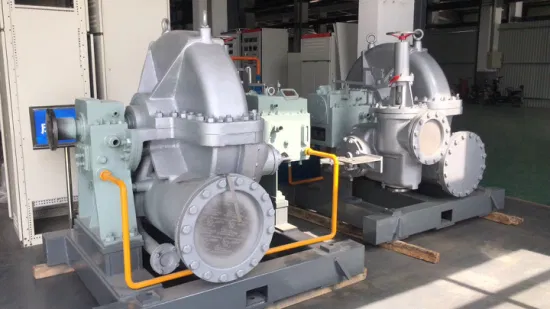
Categories
Uncategorized

Small/Mid-sized Condensing Turbines

Small/Mid-sized Condensing Turbines

Small/Mid-sized Condensing Turbines: Steam turbines are a type of heat engine that converts thermal energy from steam into mechanical energy. This mechanical energy is often used to generate electricity in power plants or drive mechanical systems in various industrial processes. The operation of a steam turbine is based on the principle of thermodynamics, where high-pressure steam is expanded and its thermal energy is converted into kinetic energy, which then drives the blades of the turbine.

The steam is produced in a boiler, where water is heated to produce high-pressure steam. This steam is directed into the turbine, where it passes over a series of blades mounted on a rotating shaft. The design of the turbine blades is critical for efficient energy conversion, as they must be shaped to extract maximum energy from the steam. As the steam expands through the turbine, its pressure and temperature drop, transferring energy to the turbine blades and causing the shaft to rotate.

There are various types of steam turbines, each designed for specific applications and operating conditions. Condensing turbines are commonly used in power generation, where the steam is condensed into water after passing through the turbine, allowing for maximum energy extraction. This type of turbine is often part of a larger system known as a Rankine cycle, which includes the boiler, turbine, condenser, and feedwater pump. The condenser is typically a heat exchanger that cools the steam and converts it back into liquid water, which is then pumped back into the boiler to be reheated.

Back-pressure turbines, on the other hand, are used in industrial applications where steam is needed for both power generation and process heating. In these turbines, the steam is not condensed after passing through the turbine but is instead discharged at a lower pressure for use in other processes. This type of turbine is often found in cogeneration plants, where the goal is to maximize overall energy efficiency by using the steam for multiple purposes.

The efficiency of a steam turbine depends on various factors, including the design of the blades, the quality of the steam, and the operating conditions. Turbines are designed to operate at specific steam pressures and temperatures to achieve optimal performance. Advanced materials and manufacturing techniques have been developed to improve the efficiency and reliability of steam turbines, allowing them to operate at higher temperatures and pressures.

Steam turbines are also classified based on their configuration and the direction of steam flow. Impulse turbines, for example, use high-velocity jets of steam to turn the blades, while reaction turbines use the pressure difference between the steam inlet and outlet to generate motion. Some turbines combine both impulse and reaction principles to optimize performance across a range of operating conditions.

Maintenance and operational considerations are crucial for the longevity and efficiency of steam turbines. Regular inspection and maintenance are required to ensure that the turbine components are in good condition and operating correctly. This includes monitoring for signs of wear and tear, corrosion, and thermal stresses that can affect the performance and safety of the turbine.

In summary, steam turbines are a vital component of many industrial and power generation systems. Their design and operation are based on fundamental principles of thermodynamics, and their efficiency is influenced by various factors, including the quality of the steam, blade design, and operating conditions. Advances in materials and technology continue to improve the performance and reliability of steam turbines, making them a key part of the global energy infrastructure.

One of the critical aspects of steam turbine operation is the control and regulation of steam flow to ensure efficient energy conversion and safe operation. This is typically achieved using various control valves and systems that modulate the steam input based on the turbine’s load and operating conditions. The governor system is a key component in controlling the turbine speed, ensuring it remains within safe limits and matches the required output demand.

The steam entering a turbine can be either saturated or superheated. Saturated steam is at the boiling point and contains a mixture of water and steam, while superheated steam has been heated beyond the boiling point, which allows for more energy extraction without the risk of condensation inside the turbine. Superheated steam is preferred in many applications because it increases the efficiency of the turbine and reduces the risk of damage caused by water droplets impinging on the turbine blades.

Efficiency improvements in steam turbines have been driven by advancements in technology, such as improved blade design, better materials that can withstand higher temperatures and pressures, and more sophisticated control systems. For instance, modern turbines may use advanced computational fluid dynamics (CFD) simulations during the design process to optimize the shape and configuration of the blades, resulting in more efficient energy transfer from the steam.

Another area of innovation is the development of combined cycle power plants, where steam turbines are used alongside gas turbines. In these plants, the waste heat from the gas turbine is used to produce steam for the steam turbine, significantly improving overall efficiency by making use of energy that would otherwise be lost.

Environmental considerations have also become a significant factor in the design and operation of steam turbines. Reducing greenhouse gas emissions and improving the efficiency of power generation systems are critical goals. Many modern steam turbines are designed to be more environmentally friendly by utilizing cleaner fuels, implementing more efficient designs, and incorporating carbon capture and storage technologies.

The integration of renewable energy sources with steam turbines is another area of development. For example, solar thermal power plants use mirrors or lenses to concentrate sunlight to heat a fluid, which then produces steam for a turbine. Similarly, geothermal power plants harness heat from the Earth’s interior to generate steam. These systems offer the advantage of reducing reliance on fossil fuels and lowering carbon emissions.

In terms of lifecycle management, steam turbines are subject to rigorous testing and quality control during manufacturing to ensure they meet the required standards for safety and performance. Once in operation, they require regular maintenance to prevent degradation and failure. Predictive maintenance techniques, such as vibration analysis, thermal imaging, and oil analysis, are used to monitor the condition of the turbine and identify potential issues before they lead to significant problems.

The future of steam turbines is likely to be shaped by ongoing technological advancements and the global shift towards more sustainable energy sources. Innovations in materials science, digitalization, and control systems are expected to further enhance the performance and efficiency of steam turbines, making them an integral part of the evolving energy landscape. As the world moves towards a more sustainable and resilient energy future, steam turbines will continue to play a critical role in meeting energy demands while minimizing environmental impact.

Steam Turbine

Steam Turbine
Steam Turbine

The evolution of steam turbine technology has been marked by a continuous push towards higher efficiency, greater reliability, and reduced environmental impact. One key trend in this evolution is the development of ultra-supercritical (USC) and advanced ultra-supercritical (A-USC) steam turbines, which operate at much higher pressures and temperatures than traditional subcritical and supercritical turbines. These advanced turbines achieve higher thermal efficiencies by increasing the temperature and pressure of the steam entering the turbine, reducing fuel consumption and greenhouse gas emissions per unit of electricity generated.

Another significant advancement in steam turbine technology is the adoption of digitalization and smart technologies. The integration of sensors, data analytics, and machine learning algorithms allows for real-time monitoring and predictive maintenance of turbines. These technologies help in identifying performance anomalies, optimizing operations, and extending the lifespan of the turbines by preventing unplanned outages and reducing downtime.

Flexible operation has also become a critical capability for modern steam turbines, especially in the context of integrating renewable energy sources like wind and solar into the power grid. Steam turbines need to quickly adjust their output to balance the variability in electricity supply from these intermittent sources. Advanced control systems and designs enable turbines to ramp up or down efficiently, providing the necessary grid stability and reliability.

In addition to power generation, steam turbines find applications in various industrial processes, such as in the chemical, petroleum, and paper industries, where they are used to drive mechanical equipment or provide process heat. The versatility of steam turbines in cogeneration systems, where both electricity and heat are produced simultaneously, makes them an essential component for industrial energy efficiency initiatives.

Materials science has played a pivotal role in advancing steam turbine technology. The development of new high-temperature alloys and coatings has enabled turbines to withstand the extreme conditions of advanced steam cycles, reducing the risks of corrosion and creep, which can lead to material degradation over time. These materials not only enhance the performance of the turbines but also reduce the need for frequent maintenance and replacement, thereby lowering the operational costs.

Environmental regulations and the need for sustainable energy solutions have driven innovations in emissions control technologies for steam turbines. Modern turbines are equipped with advanced emission reduction systems, such as selective catalytic reduction (SCR) and flue gas desulfurization (FGD) units, to minimize pollutants like nitrogen oxides (NOx) and sulfur dioxide (SO2). These systems are essential for compliance with stringent environmental standards and for reducing the ecological footprint of power plants.

In the context of global energy transitions, steam turbines are being adapted to work with alternative fuels such as biomass and waste heat recovery systems. By utilizing these renewable and waste energy sources, steam turbines contribute to the diversification of the energy mix and the reduction of dependency on fossil fuels. This shift is crucial for achieving climate goals and transitioning towards a more sustainable energy future.

Research and development in the field of steam turbines continue to focus on enhancing efficiency, flexibility, and sustainability. Collaborative efforts between industry, academia, and government institutions are driving the innovation needed to address the challenges of modern energy systems. As steam turbines evolve, they will remain a cornerstone of both traditional and emerging energy infrastructures, providing reliable, efficient, and environmentally friendly power generation solutions.

The continued advancement of steam turbine technology is also influenced by the global trend towards decarbonization and the need to reduce carbon emissions in the energy sector. This has led to the exploration of new cycle configurations and hybrid systems that enhance the efficiency and reduce the carbon footprint of power plants. One such innovation is the integration of steam turbines with carbon capture and storage (CCS) technologies, where the carbon dioxide produced during combustion is captured before it enters the atmosphere and stored underground or used in industrial processes. By coupling CCS with high-efficiency steam turbines, power plants can significantly reduce their environmental impact while maintaining robust energy production.

Another promising development is the use of hydrogen as a fuel in steam turbine systems. Hydrogen, when burned, produces only water as a byproduct, making it an attractive option for reducing greenhouse gas emissions. Research is ongoing to develop steam turbines that can operate efficiently on hydrogen or hydrogen-rich fuels, which could play a crucial role in the future hydrogen economy. These turbines would need to be adapted to handle the different combustion characteristics of hydrogen, including its higher flame speed and lower ignition energy.

In the realm of operational flexibility, the concept of “peaking turbines” has gained attention. These turbines are designed to provide quick start-up and shut-down capabilities, allowing them to respond rapidly to fluctuations in electricity demand. This is particularly important in power grids with high penetration of renewable energy sources, where the availability of wind and solar power can be unpredictable. Peaking steam turbines contribute to grid stability by providing a reliable backup that can quickly come online when renewable energy output decreases.

Lifecycle analysis and sustainability assessments are increasingly being applied to steam turbine projects to evaluate their environmental impact from manufacturing through decommissioning. This holistic approach helps in identifying opportunities to reduce energy consumption, minimize waste, and recycle materials, contributing to the overall sustainability of the energy sector. Manufacturers are also exploring ways to reduce the carbon footprint of turbine production by sourcing materials sustainably and implementing energy-efficient manufacturing processes.

One of the challenges in steam turbine technology is managing the thermal stresses and mechanical loads that result from frequent cycling and operation at high temperatures. Advanced monitoring systems, combined with sophisticated modeling techniques, help in predicting the lifespan of turbine components and optimizing maintenance schedules to prevent failures. These predictive maintenance strategies not only enhance the reliability of the turbines but also reduce operational costs by preventing unplanned outages and extending the service life of critical components.

Educational and training programs are evolving to equip engineers and technicians with the skills needed to operate and maintain modern steam turbine systems. With the increasing complexity of these systems, there is a growing demand for specialized knowledge in areas such as thermodynamics, materials science, control systems, and digital technologies. Industry partnerships with academic institutions are fostering the development of training curricula that address these needs, ensuring a skilled workforce capable of supporting the evolving energy landscape.

The role of steam turbines in the global energy transition cannot be overstated. As the world moves towards cleaner and more sustainable energy solutions, steam turbines will continue to be a key player in balancing the demands for reliable power generation and environmental stewardship. The ongoing innovation in this field promises to unlock new possibilities for harnessing energy more efficiently and sustainably, making steam turbines a vital component of the future energy mix.

Steam Turbine Technology

Steam Turbine Technology

As steam turbine technology progresses, a notable area of focus is the integration with digital twins—a virtual model of a physical turbine that replicates its behavior in real time. Digital twins use data from sensors installed on the turbine to simulate its performance, allowing operators to predict potential issues, optimize operations, and enhance maintenance planning. This technology not only improves the reliability and efficiency of turbines but also reduces operational risks and costs by enabling proactive decision-making based on real-time data insights.

The push towards decarbonization has also led to the exploration of supercritical CO₂ (sCO₂) cycles, where carbon dioxide is used as the working fluid instead of steam. sCO₂ cycles operate at much higher efficiencies than traditional steam cycles due to the unique properties of CO₂ at supercritical conditions. The smaller size and higher efficiency of sCO₂ turbines make them an attractive option for various applications, including waste heat recovery and concentrated solar power plants. The development and deployment of sCO₂ turbines represent a significant step forward in achieving higher efficiency and reduced emissions in power generation.

Hybrid power plants, which combine multiple energy conversion technologies, are emerging as a new paradigm in power generation. Steam turbines are being integrated with renewable energy sources like solar thermal collectors and biomass boilers to create hybrid systems that leverage the strengths of each energy source. These systems offer greater flexibility, improved efficiency, and a reduced carbon footprint compared to traditional fossil-fuel-based plants. By harnessing the complementary nature of different energy sources, hybrid plants can provide stable and reliable power while accommodating the variability of renewables.

The global trend towards sustainable development is influencing the design and operation of steam turbines, with a growing emphasis on life cycle assessment (LCA) and environmental impact reduction. LCA evaluates the environmental effects associated with all stages of a product’s life, from raw material extraction through manufacturing, use, and disposal. For steam turbines, this involves assessing the environmental footprint of materials, energy use during manufacturing, operational emissions, and end-of-life recycling or disposal. By understanding and mitigating these impacts, manufacturers can create more sustainable turbine designs and contribute to the broader goals of reducing environmental degradation and promoting resource efficiency.

Advanced manufacturing techniques such as additive manufacturing (3D printing) are also being explored for producing complex turbine components. Additive manufacturing allows for the creation of intricate geometries that are difficult or impossible to achieve with traditional manufacturing methods. This capability can lead to improved turbine blade designs that enhance aerodynamic efficiency and reduce weight, ultimately improving the overall performance of the turbine. Additionally, additive manufacturing can shorten production times and reduce material waste, contributing to more sustainable manufacturing practices.

In response to the increasing demand for more sustainable energy systems, research into the use of alternative working fluids for steam turbines is gaining traction. Organic Rankine Cycle (ORC) turbines, for example, use organic fluids with lower boiling points than water, making them suitable for low-temperature heat sources such as geothermal energy, industrial waste heat, and solar thermal energy. ORC turbines offer a pathway to utilizing low-grade heat sources that would otherwise go to waste, thereby improving the overall efficiency of energy systems and supporting the transition to a more sustainable energy mix.

The global energy landscape is undergoing a transformation, and steam turbines are at the heart of this change. Their adaptability to new technologies, fuels, and integration with renewable energy systems positions them as a critical enabler of a cleaner and more sustainable energy future. As research and development continue to push the boundaries of what steam turbines can achieve, they will remain an indispensable part of the world’s efforts to meet growing energy demands while minimizing environmental impact and supporting economic growth.

Steam Turbine Efficiency

Steam Turbine Efficiency

Steam turbine efficiency is a crucial aspect of their design and operation, influencing the overall performance and economic viability of power generation and industrial processes. Efficiency in steam turbines refers to the ratio of the useful mechanical energy output to the thermal energy input provided by the steam. Several factors affect this efficiency, including thermodynamic principles, turbine design, steam quality, and operating conditions.

One of the fundamental principles governing steam turbine efficiency is the Rankine cycle, which describes the process of converting heat into work through the expansion of steam. The efficiency of a steam turbine is directly related to the temperature and pressure of the steam entering the turbine. Higher steam temperatures and pressures allow for greater energy extraction, leading to improved efficiency. This is why modern steam turbines are often designed to operate under supercritical or ultra-supercritical conditions, where steam parameters exceed the critical point of water, allowing for more efficient energy conversion.

The design of turbine blades plays a significant role in determining efficiency. Blades are carefully engineered to optimize the flow of steam, ensuring that as much kinetic energy as possible is transferred to the rotating shaft. The shape, size, and arrangement of the blades are all factors that influence how effectively the turbine can convert steam energy into mechanical work. Advances in computational fluid dynamics (CFD) have enabled engineers to create more aerodynamic blade profiles, reducing energy losses due to turbulence and improving overall efficiency.

Steam quality is another critical factor affecting turbine efficiency. Superheated steam, which has been heated beyond its boiling point, is preferred because it reduces the risk of condensation within the turbine. The presence of liquid water can cause erosion and damage to turbine blades, reducing efficiency and increasing maintenance costs. By using superheated steam, turbines can operate more efficiently and with less wear and tear on the components.

Thermodynamic efficiency is also influenced by the degree of expansion of the steam within the turbine. The more the steam expands, the more energy can be extracted. However, practical considerations such as the size of the turbine and the need to avoid excessive mechanical stresses limit the extent of expansion. To maximize efficiency, steam turbines are often designed with multiple stages, where the steam passes through several sets of blades, each extracting a portion of the available energy. This multistage design allows for a more gradual reduction in steam pressure and temperature, optimizing energy extraction and improving efficiency.

Heat losses are another area of concern when it comes to turbine efficiency. Some of the energy in the steam is inevitably lost as heat to the surroundings, reducing the overall efficiency of the system. Insulating the turbine and associated piping can help minimize these losses. Additionally, the use of condensers in condensing turbines helps to recover some of the energy by condensing the exhaust steam into water, which can then be recirculated back to the boiler.

Operational practices also play a role in maintaining high efficiency. Regular maintenance and monitoring of turbine performance are essential to ensure that the turbine operates at peak efficiency. Issues such as fouling, wear, and misalignment can degrade performance over time, so identifying and addressing these problems promptly is crucial. Predictive maintenance techniques, which use data analytics and sensors to monitor turbine health, have become increasingly important in ensuring sustained efficiency.

The efficiency of steam turbines has a direct impact on the overall efficiency of power plants and industrial processes. Higher turbine efficiency means that less fuel is required to produce the same amount of power, leading to lower operating costs and reduced emissions. This makes improving turbine efficiency a key focus for the energy industry, particularly in the context of global efforts to reduce carbon emissions and transition to more sustainable energy systems.

In summary, steam turbine efficiency is influenced by a combination of thermodynamic principles, blade design, steam quality, and operational practices. Advances in technology and materials continue to push the boundaries of what is possible, enabling more efficient and reliable turbines that play a crucial role in modern energy systems. By optimizing efficiency, steam turbines contribute to more sustainable and cost-effective energy production, supporting the global transition to a low-carbon future.

In the pursuit of higher steam turbine efficiency, research and development have focused on various innovations and enhancements. One such area is the use of advanced materials that can withstand the extreme conditions of high-temperature and high-pressure steam. Materials like nickel-based superalloys and ceramic coatings are employed to improve the thermal resistance and mechanical strength of turbine components. These materials enable turbines to operate at higher temperatures, which increases the thermodynamic efficiency and allows for greater energy extraction from the steam.

The development of advanced manufacturing techniques, such as additive manufacturing (3D printing), has also contributed to improvements in turbine efficiency. These techniques allow for the production of complex geometries that are difficult to achieve with traditional manufacturing methods. By optimizing the design and structure of turbine components, manufacturers can reduce weight, improve aerodynamics, and enhance overall performance. This level of precision and customization leads to more efficient turbines with lower energy losses.

Digital technologies are playing an increasingly significant role in optimizing steam turbine efficiency. The use of digital twins, real-time monitoring, and data analytics allows operators to fine-tune the performance of turbines under varying load conditions. These technologies enable the detection of inefficiencies and the implementation of corrective measures before they lead to significant performance degradation. Additionally, machine learning algorithms can analyze historical performance data to predict future trends and optimize turbine operations for maximum efficiency.

Innovations in turbine control systems have also enhanced efficiency by improving the precision of steam flow regulation. Advanced control algorithms ensure that the steam is directed through the turbine at the optimal pressure and temperature, minimizing energy losses and maximizing output. These systems are particularly important in flexible power plants that need to respond rapidly to changes in electricity demand and integrate with renewable energy sources.

Cogeneration, or combined heat and power (CHP) systems, represent another strategy for improving overall efficiency. In these systems, steam turbines generate both electricity and useful thermal energy from the same fuel source. By utilizing the waste heat for heating or industrial processes, cogeneration systems can achieve much higher overall efficiencies compared to traditional power plants. This approach not only reduces fuel consumption but also lowers greenhouse gas emissions, making it a more sustainable option for energy production.

The integration of steam turbines with renewable energy technologies is an emerging area of focus. For example, in solar thermal power plants, concentrated sunlight is used to generate steam, which then drives a turbine. These systems can achieve higher efficiency by using advanced turbine designs that are optimized for the specific characteristics of solar-generated steam. Similarly, geothermal power plants utilize heat from the Earth’s crust to produce steam for turbines. By harnessing these renewable energy sources, steam turbines can contribute to reducing reliance on fossil fuels and lowering the carbon footprint of power generation.

Energy storage technologies are also being explored as a means to enhance the efficiency and flexibility of steam turbines. By storing excess energy generated during periods of low demand and releasing it when demand is high, energy storage systems can help balance the load on steam turbines and improve their overall efficiency. Thermal energy storage, where heat is stored in materials like molten salts, is particularly compatible with steam turbines and offers a way to decouple the production and use of electricity.

Finally, policy and regulatory frameworks play a role in driving efficiency improvements in steam turbines. Governments and industry organizations set efficiency standards and provide incentives for the adoption of high-efficiency technologies. These initiatives encourage investment in research and development and the deployment of advanced steam turbine systems that meet stringent efficiency and environmental criteria.

In conclusion, steam turbine efficiency is a multifaceted challenge that involves optimizing thermodynamic processes, material properties, manufacturing techniques, and operational strategies. Continuous innovation and the integration of advanced technologies are essential for achieving higher efficiency and supporting the transition to a more sustainable energy future. As steam turbines evolve, they will remain a cornerstone of efficient power generation, contributing to global efforts to reduce energy consumption and environmental impact.

Further advancements in steam turbine efficiency are also being driven by the development of hybrid cycles that combine different thermodynamic processes to optimize energy use. One such example is the combined cycle, which pairs a gas turbine with a steam turbine. In this configuration, the waste heat from the gas turbine is used to produce steam for the steam turbine, significantly improving the overall efficiency of the power plant. By utilizing the heat that would otherwise be lost, combined cycle plants can achieve efficiencies of up to 60% or higher, making them some of the most efficient power plants in operation today.

Another hybrid approach involves integrating steam turbines with organic Rankine cycle (ORC) systems. ORC systems use organic fluids with lower boiling points than water, allowing them to convert low-temperature heat sources into electricity. By coupling ORC systems with traditional steam turbines, it is possible to capture and utilize heat from sources such as geothermal wells, industrial waste heat, or solar thermal collectors, further enhancing the overall efficiency of energy systems.

In the pursuit of higher efficiency, researchers are also exploring the use of advanced cycle configurations such as reheating and regeneration. Reheating involves expanding the steam in multiple stages with intermediate reheating between stages. This process reduces moisture content in the later stages of expansion, improving efficiency and reducing wear on turbine blades. Regeneration, on the other hand, involves preheating the feedwater using steam extracted from intermediate stages of the turbine. This reduces the energy required to convert the feedwater into steam, thereby increasing the efficiency of the cycle.

Supercritical and ultra-supercritical steam cycles are pushing the boundaries of what is possible in terms of efficiency. These cycles operate at pressures and temperatures above the critical point of water, where the distinctions between liquid and vapor phases disappear. By operating in this supercritical region, steam turbines can achieve higher thermal efficiencies and extract more energy from the same amount of fuel. However, these systems require advanced materials and design considerations to handle the extreme conditions, making them a focus of ongoing research and development.

The concept of exergy, which measures the useful work potential of a given energy input, is also critical in the analysis of steam turbine efficiency. Exergy analysis helps identify where energy losses occur within the system and provides insights into how these losses can be minimized. By focusing on maximizing the exergy efficiency, engineers can design turbines that make better use of the available energy, leading to more sustainable and cost-effective power generation solutions.

Environmental factors are increasingly influencing the design and operation of steam turbines. Stricter emissions regulations and the need to reduce carbon footprints are driving the adoption of technologies that enhance efficiency while minimizing environmental impact. For instance, carbon capture and storage (CCS) technologies can be integrated with steam turbines to capture and sequester CO₂ emissions. By improving the efficiency of the turbines, less fuel is required for the same power output, reducing the overall emissions and making CCS systems more economically viable.

The future of steam turbine efficiency also lies in the potential for integrating artificial intelligence (AI) and machine learning (ML) into turbine operations. These technologies can analyze vast amounts of operational data to identify patterns and predict performance issues before they occur. AI-driven optimization can dynamically adjust operating parameters to ensure that the turbine runs at its peak efficiency under varying conditions. This level of intelligent control represents a significant leap forward in maintaining and enhancing efficiency throughout the turbine’s lifecycle.

In conclusion, the drive to improve steam turbine efficiency encompasses a broad spectrum of technological, operational, and environmental considerations. From advanced materials and manufacturing techniques to innovative cycle configurations and digital technologies, the quest for greater efficiency is central to the evolution of steam turbines. As these advancements continue to unfold, steam turbines will play a pivotal role in delivering efficient, reliable, and sustainable energy for the future.

Steam Turbine Decarbonization

 Steam turbine Decarbonization
Steam turbine Decarbonization

The decarbonization of energy systems is one of the most pressing challenges of our time, and steam turbines play a vital role in this global effort. Steam turbines, traditionally powered by fossil fuels, are central to power generation in many countries. However, as the world shifts toward cleaner, more sustainable energy sources, steam turbines must adapt to minimize their carbon emissions and contribute to the reduction of the overall carbon footprint of power generation.

One of the key strategies for decarbonizing steam turbine systems is the transition to lower-carbon or carbon-neutral fuels. Traditional coal- and natural gas-fired power plants contribute significantly to carbon emissions, but with the right modifications, steam turbines can operate using alternative fuels such as biomass, hydrogen, and even waste-derived fuels. Biomass, for example, offers a renewable energy source that can reduce the carbon intensity of power generation, as it involves the combustion of organic materials that are part of the natural carbon cycle. When sustainably sourced, biomass can contribute to a net reduction in carbon emissions compared to fossil fuels.

Hydrogen is another promising fuel that has the potential to decarbonize steam turbine systems. When burned, hydrogen produces only water vapor as a byproduct, making it an ideal candidate for reducing greenhouse gas emissions in power generation. Research is ongoing to develop steam turbines that can operate efficiently on hydrogen or hydrogen-blended fuels. These turbines need to be specially designed to handle the combustion characteristics of hydrogen, which include its higher flame speed and lower ignition temperature compared to natural gas. Integrating hydrogen into existing steam turbine systems, or developing new turbines specifically for hydrogen combustion, could significantly reduce carbon emissions from power plants and industrial facilities.

Carbon capture and storage (CCS) technologies are also playing a critical role in the decarbonization of steam turbine systems. CCS involves capturing carbon dioxide emissions from power plants and other industrial processes, compressing the CO₂, and storing it underground in geological formations. By integrating CCS with steam turbines, power plants can continue to operate using fossil fuels while effectively mitigating the carbon emissions associated with combustion. The efficiency of steam turbines plays a role in the effectiveness of CCS; by improving turbine efficiency, less fuel is required to generate the same amount of power, which in turn reduces the volume of CO₂ that needs to be captured.

The use of advanced materials in steam turbines is another way to support decarbonization efforts. By enabling steam turbines to operate at higher temperatures and pressures, advanced materials like nickel-based superalloys and ceramics allow for more efficient energy conversion. This means that power plants can generate more electricity with less fuel, reducing their overall carbon emissions. The higher thermal efficiency of steam turbines designed with these materials helps minimize fuel consumption, which is a critical factor in reducing the carbon intensity of power generation.

Another aspect of decarbonization is the integration of renewable energy sources with steam turbine systems. Although steam turbines are traditionally associated with thermal power plants, they can also be integrated with renewable energy systems like solar thermal power and geothermal energy. In solar thermal power plants, for instance, concentrated solar energy is used to heat a fluid, which then generates steam to drive a turbine. This process can significantly reduce the carbon footprint of electricity generation by utilizing renewable energy instead of fossil fuels. Similarly, geothermal energy, which taps into the Earth’s natural heat, can be used to generate steam for turbines, providing a low-carbon alternative to conventional power sources.

In addition to fuel switching and technological innovations, operational strategies are critical in reducing the carbon emissions associated with steam turbines. Flexible operation, which allows power plants to adjust output rapidly in response to changing grid demands or the availability of renewable energy, is becoming increasingly important. The ability of steam turbines to operate more flexibly enables better integration of renewable energy sources, such as wind and solar, which can be intermittent. By providing backup power during periods of low renewable energy generation, steam turbines contribute to grid stability without relying on fossil fuels.

Energy storage systems, including thermal energy storage, can also enhance the decarbonization potential of steam turbine systems. These systems store excess energy generated during times of low demand, such as from renewable sources, and release it when demand is high. By integrating steam turbines with energy storage solutions, power plants can reduce their reliance on fossil fuels for peak power generation, ultimately lowering their carbon emissions.

Moreover, improving the overall energy efficiency of steam turbines directly contributes to decarbonization. By making steam turbines more efficient, less fuel is required to produce the same amount of electricity, reducing both operating costs and emissions. Technological advancements, such as better turbine blade designs, advanced sensors, and digital optimization tools, can help maximize the efficiency of steam turbines. This is especially critical in power plants that continue to operate using fossil fuels, as even small efficiency gains can result in significant reductions in carbon emissions.

The role of steam turbines in decarbonization is not limited to power generation alone. Industrial applications of steam turbines, such as in chemical, oil and gas, and manufacturing industries, are also being targeted for decarbonization. By improving the energy efficiency of steam turbines used in these industries, significant reductions in energy consumption and carbon emissions can be achieved. Industrial facilities are increasingly adopting combined heat and power (CHP) systems, where steam turbines are used to generate both electricity and useful heat. By utilizing waste heat, CHP systems reduce the need for additional fuel, thus cutting carbon emissions and improving overall energy efficiency.

As the global focus on climate change intensifies, the decarbonization of steam turbine systems will continue to be a key aspect of the broader energy transition. Through a combination of technological innovations, fuel diversification, operational strategies, and policy support, steam turbines will play an essential role in reducing the carbon footprint of power generation and industry. The ongoing efforts to decarbonize steam turbine systems are not only crucial for mitigating climate change but also for ensuring a more sustainable and resilient energy future.

As the world increasingly turns toward decarbonization, the role of steam turbines in facilitating this transition becomes even more important. One area of focus in this context is the evolution of steam turbine design and operational flexibility. In traditional power plants, steam turbines have been used in baseload power generation, operating at a steady output for long periods. However, with the growing integration of renewable energy sources like wind and solar into the grid, power plants are being called upon to operate more flexibly. This flexibility enables steam turbines to adjust quickly to fluctuations in renewable energy availability, making them essential for grid stability.

The challenge for steam turbine manufacturers and operators is to design turbines that can handle these rapid load changes without sacrificing efficiency or reliability. Flexible operation typically requires turbines to operate in part-load conditions more frequently, which can reduce their efficiency. However, through advanced control systems and improved materials, modern steam turbines can now operate more efficiently at a wider range of loads, ensuring they remain valuable contributors to the grid even as renewable energy sources become more prevalent.

One promising solution to enhance flexibility is the development of “fast-ramping” steam turbines. These turbines are designed to ramp up or down in response to grid demands more rapidly than conventional turbines, reducing reliance on fossil fuel-based backup power. By incorporating technologies such as improved valve control, advanced sensors, and real-time data analytics, fast-ramping turbines can respond to grid fluctuations quickly and efficiently, supporting renewable integration while minimizing carbon emissions.

The decarbonization efforts are also being bolstered by the use of hybrid systems that combine steam turbines with other low-carbon technologies. One such example is the integration of steam turbines with hydrogen fuel cells. In this configuration, steam turbines are used in combination with hydrogen to generate power, where hydrogen serves as a clean fuel. The use of hydrogen fuel cells with steam turbines allows for the production of electricity with minimal carbon emissions, as the only byproducts of hydrogen combustion are water vapor and heat. This integration enables power plants to continue utilizing steam turbines while significantly reducing their carbon footprint.

Moreover, advanced digital technologies like artificial intelligence (AI), machine learning (ML), and predictive analytics are being employed to optimize the performance of steam turbines in decarbonized systems. These tools can help forecast energy demand, identify inefficiencies, and enable more precise control over turbine operations. For example, AI-powered predictive maintenance allows operators to identify potential issues before they cause significant problems, ensuring turbines operate at peak efficiency and reducing the need for frequent maintenance or downtime.

In addition to these operational and technological advancements, the decarbonization of steam turbines is also being supported by governmental policies, incentives, and regulations. Many countries have set ambitious carbon reduction goals, and the energy sector, including steam turbine manufacturers and operators, is under increasing pressure to meet these targets. Governments around the world are providing financial incentives for the development of low-carbon technologies, including subsidies for the integration of renewable energy, energy efficiency improvements, and the adoption of carbon capture technologies. These policies help accelerate the transition to a decarbonized energy system by making it more economically viable for power plants and industrial facilities to adopt cleaner technologies and practices.

International frameworks such as the Paris Agreement have also set clear targets for carbon emissions reductions, further driving the need for decarbonization in all sectors, including power generation. As a result, companies in the steam turbine industry are investing heavily in research and development to create next-generation turbines that are more energy-efficient, adaptable to low-carbon fuels, and capable of integrating with renewable energy sources.

The transition to a low-carbon energy system is not without its challenges, but the role of steam turbines in this transition cannot be overstated. As the energy sector seeks to balance sustainability with reliability and cost-effectiveness, steam turbines will remain central to power generation. By embracing new technologies, adapting to low-carbon fuels, and improving operational flexibility, steam turbines will continue to evolve, contributing to a cleaner, more sustainable energy future.

In conclusion, the decarbonization of steam turbines represents a multifaceted effort involving the development of new technologies, fuel sources, and operational practices. The integration of renewable energy, the adoption of alternative fuels like hydrogen, the implementation of carbon capture systems, and advances in turbine efficiency and flexibility are all key components of this transformation. As the global energy landscape continues to shift, steam turbines will remain an integral part of the solution to achieving a low-carbon, sustainable future. By continuing to innovate and adapt, steam turbines will help reduce the carbon emissions from power generation while ensuring that reliable, affordable electricity remains available to meet growing global energy demands.

The future of steam turbine decarbonization is closely tied to ongoing research, development, and collaboration across industries, governments, and academic institutions. One promising avenue is the integration of steam turbines with advanced energy storage systems, which could significantly enhance the grid’s ability to accommodate fluctuating renewable energy sources while reducing the carbon emissions associated with backup power generation. For example, combining steam turbines with molten salt thermal energy storage or compressed air energy storage systems allows excess energy generated during periods of low demand to be stored and used when demand rises. This integration supports the efficient use of steam turbines for both baseload and peak-load power generation without relying heavily on fossil fuels.

Thermal energy storage in particular holds great potential for steam turbines, especially in concentrated solar power (CSP) plants, where heat is stored in molten salts and used to generate steam for turbines. By enabling energy to be stored and used later in the day or during cloudy periods, CSP plants with thermal storage can produce electricity around the clock while avoiding carbon emissions from traditional fossil fuel-based generation. This method of storing and utilizing thermal energy can reduce the intermittent nature of solar power and further decarbonize steam turbine systems that rely on solar thermal energy.

Beyond storage systems, the use of smart grids and digital technologies will play an essential role in optimizing steam turbine performance as part of a decarbonized energy system. Smart grids enable the seamless integration of diverse energy sources, including renewable generation, while also providing real-time data on energy consumption and demand. With advanced sensors, communication systems, and automation, smart grids can optimize turbine operations and help balance supply and demand efficiently. These digital networks allow utilities to manage turbine load profiles more effectively, increasing the overall reliability of the system and reducing energy losses.

Additionally, the role of steam turbines in decarbonization is not limited to power plants. Industrial sectors such as manufacturing, chemicals, and oil refining are also major contributors to global emissions, and steam turbines can help reduce their environmental impact. By using waste heat recovery systems and adopting combined heat and power (CHP) technologies, industrial facilities can maximize energy efficiency and reduce carbon emissions. CHP systems, which generate both electricity and useful thermal energy from a single fuel source, provide an excellent opportunity for industries to reduce their overall energy consumption and carbon footprint while maintaining operational efficiency.

Furthermore, integrating steam turbines into district heating systems, which provide heat to residential and commercial buildings, is another way to improve efficiency and reduce emissions in urban environments. In these systems, steam turbines can generate both electricity and heat from a single energy source, making the overall energy system more efficient. In combination with renewable energy sources like biomass, geothermal, or solar thermal, district heating systems can help reduce reliance on fossil fuels for heating, which is particularly important in regions with colder climates.

On a larger scale, global efforts to decarbonize transportation and heavy industry may also benefit from the use of steam turbines. For example, hydrogen-powered steam turbines could play a key role in decarbonizing sectors such as shipping, aviation, and steel manufacturing. These industries rely on high-temperature heat and large amounts of energy, which are traditionally supplied by fossil fuels. However, with the development of hydrogen-based steam turbines and fuel cells, these sectors could move toward zero-emission solutions while continuing to benefit from the power generation capabilities of steam turbines.

As the transition to a decarbonized economy accelerates, public-private partnerships and international collaboration will be crucial in overcoming the barriers to widespread adoption of decarbonized steam turbine technologies. Governments can play a key role by implementing policies that incentivize research and development, provide financial support for low-carbon technologies, and set clear emissions reduction targets. These policies can drive innovation and reduce the financial risks associated with transitioning to more sustainable energy systems.

At the same time, the steam turbine industry will need to focus on increasing the scalability of its decarbonization technologies. As demand for cleaner energy solutions grows, there will be a need for large-scale deployment of low-carbon steam turbines across a variety of sectors. Scaling up technologies like hydrogen-fueled turbines, CCS-equipped plants, and advanced thermal storage systems will require significant investment, collaboration, and infrastructure development. Nonetheless, the potential benefits of these technologies in reducing global emissions and mitigating climate change make them worth pursuing.

The decarbonization of steam turbines is also tied to the broader transition toward circular economy principles, where energy systems and materials are reused, recycled, or repurposed to minimize waste. For example, steam turbines and other power plant components can be designed for longer lifespans and easier recycling at the end of their operational life. The efficient reuse of materials and the reduction of waste in steam turbine production can further reduce the overall environmental impact of the energy sector.

In conclusion, steam turbine decarbonization is a multifaceted and ongoing process that will require continued technological advancements, innovation in fuel sources, improved efficiency, and more sustainable operational practices. The integration of renewable energy, hydrogen, energy storage, and digital technologies into steam turbine systems is key to achieving the goals of a low-carbon energy future. By leveraging these technologies and fostering collaboration across sectors and borders, steam turbines will remain a vital part of the energy landscape, contributing to the global effort to mitigate climate change and build a sustainable, resilient, and low-carbon energy system for generations to come.

Steam Turbine Integration

On Site Power Generator

The integration of steam turbines into modern energy systems is a critical component of ensuring both efficiency and flexibility in power generation. As the global energy landscape continues to evolve with the increasing reliance on renewable energy sources, steam turbines are increasingly being integrated into a variety of systems that include not only traditional fossil fuel-based plants but also renewable and hybrid power generation systems. The integration of steam turbines with these systems presents an opportunity to optimize energy production, reduce environmental impact, and provide grid stability in an increasingly complex and decentralized energy world.

One of the most common integrations of steam turbines occurs within combined cycle power plants, which combine both gas and steam turbines to improve efficiency. In these plants, natural gas is burned to power a gas turbine, and the waste heat from the gas turbine is used to generate steam for a steam turbine. This setup allows power plants to achieve much higher efficiencies than either gas or steam turbines alone, as the waste heat from the gas turbine is captured and utilized to generate additional electricity. The integration of both turbines creates a synergistic effect that optimizes the conversion of fuel to energy, making combined cycle plants one of the most efficient power generation technologies available.

Furthermore, steam turbines are increasingly integrated with renewable energy sources like solar thermal power and geothermal energy, contributing to the decarbonization of the energy sector. In solar thermal plants, concentrated solar power (CSP) systems use mirrors or lenses to focus sunlight onto a fluid that is heated to generate steam. The steam is then used to drive a steam turbine to produce electricity. This integration of solar energy with steam turbine technology allows for power generation that is carbon-neutral, reducing reliance on fossil fuels and contributing to the mitigation of climate change. Similarly, in geothermal power plants, the heat from the Earth’s core is used to generate steam, which then drives a steam turbine. Geothermal energy is considered a renewable and sustainable energy source, and its integration with steam turbines provides a reliable and constant form of electricity generation that is not subject to the intermittency of solar or wind energy.

One of the key challenges in integrating steam turbines with renewable energy systems is the variability and intermittency of renewable energy sources like wind and solar. Steam turbines are typically designed to operate continuously at steady output levels, but renewable energy sources do not always produce electricity at a constant rate. To address this, modern steam turbines are being designed with greater flexibility, allowing them to operate efficiently under fluctuating loads. This flexibility allows steam turbines to complement renewable energy generation by acting as backup power during periods of low renewable output, ensuring grid stability and reliability. As a result, steam turbines are being integrated into hybrid systems that combine renewable energy with thermal or gas-fired power plants to create more flexible, sustainable, and reliable energy solutions.

In addition to power generation, steam turbines are also being integrated into combined heat and power (CHP) systems, which produce both electricity and useful heat. These systems are often used in industrial applications where both electricity and thermal energy are required. By utilizing waste heat from industrial processes or from the exhaust gases of steam turbines, CHP systems can significantly increase the overall efficiency of energy use. This is particularly important in industries such as chemicals, oil and gas, and manufacturing, where large amounts of heat are needed for processes like heating, drying, and distillation. The integration of steam turbines in CHP systems allows industries to reduce their energy consumption, lower emissions, and improve their overall economic efficiency by making use of waste heat that would otherwise be lost.

Moreover, steam turbines are playing an increasingly important role in district heating systems, where steam turbines generate both heat and electricity for urban areas. In these systems, steam turbines are integrated with heat sources such as biomass, waste-to-energy plants, or even nuclear power plants to provide thermal energy to residential, commercial, and industrial users. By using steam turbines in conjunction with these heat sources, district heating systems can provide a reliable, low-carbon alternative to conventional heating methods, such as fossil fuel-based heating. This integration reduces reliance on individual heating systems in buildings and helps create more energy-efficient and sustainable urban environments.

The integration of steam turbines with energy storage technologies is another area of growing interest. Energy storage systems, such as thermal energy storage, compressed air energy storage, and battery storage, can help smooth out the variability of renewable energy generation. By storing excess energy generated during periods of high renewable output, these storage systems allow steam turbines to generate electricity during periods of low renewable availability, thereby enhancing grid stability and ensuring a continuous power supply. For example, in concentrated solar power (CSP) systems, excess heat can be stored in molten salts and used to generate steam for turbines when sunlight is not available, providing dispatchable and reliable power from a renewable source.

In the context of decarbonization and the transition to low-carbon energy systems, steam turbines are being integrated with carbon capture and storage (CCS) technologies. CCS technologies capture carbon dioxide (CO₂) emissions from power plants and industrial processes and store them underground or use them for other purposes, such as enhanced oil recovery. By integrating CCS with steam turbines, power plants can continue to operate while reducing their carbon emissions. The efficiency of the steam turbines plays a crucial role in the effectiveness of CCS, as higher turbine efficiency means that less fuel is needed to generate the same amount of electricity, reducing the overall carbon emissions from the plant. As a result, integrating CCS with steam turbine systems helps mitigate the impact of fossil fuel use on the environment and contributes to achieving global climate goals.

Another significant area of steam turbine integration is in hybrid systems that combine steam turbines with other low-carbon technologies, such as hydrogen fuel cells and nuclear power. Hydrogen is a clean fuel that, when used in a fuel cell or burned in a turbine, produces only water vapor as a byproduct. Integrating steam turbines with hydrogen fuel cells enables power plants to generate electricity with zero carbon emissions. Similarly, integrating steam turbines with advanced nuclear reactors offers the potential for reliable, low-carbon baseload power generation. Nuclear power plants with steam turbines produce electricity by using the heat from nuclear fission to generate steam, offering a carbon-free energy source that is reliable and scalable.

The integration of steam turbines in smart grids is also a promising development. Smart grids are digital, two-way communication systems that enable the efficient management of electricity distribution by optimizing energy use based on real-time data. By integrating steam turbines into smart grids, utilities can better manage grid stability, load balancing, and energy distribution, ensuring that power generation is optimized and carbon emissions are minimized. Through advanced sensors, automation, and data analytics, smart grids can dynamically adjust the output of steam turbines to meet changing demand and integrate more renewable energy sources, improving overall system efficiency and resilience.

In conclusion, the integration of steam turbines into diverse energy systems is essential for creating a more efficient, flexible, and sustainable energy infrastructure. Whether through combined cycle power plants, renewable energy systems, combined heat and power systems, or carbon capture technologies, steam turbines are playing an integral role in modernizing energy generation. By embracing new technologies and operational strategies, steam turbines are evolving to meet the challenges of a low-carbon energy future while providing reliable, efficient power. The ongoing integration of steam turbines into innovative energy systems will continue to shape the way the world generates and consumes energy, making it possible to transition toward a cleaner, more sustainable energy future.

As the demand for cleaner and more sustainable energy grows, steam turbine integration is expected to play an increasingly critical role in reshaping how we produce, store, and distribute power. The development of hybrid systems that combine steam turbines with various renewable and low-carbon technologies represents a promising avenue for achieving deeper decarbonization. For instance, coupling steam turbines with energy storage solutions, such as large-scale battery storage, allows energy producers to store excess electricity during periods of high renewable output and release it when the renewable supply wanes. This integrated approach ensures a stable power supply, enhances grid flexibility, and helps mitigate the intermittency challenges associated with wind and solar energy.

Additionally, combining steam turbines with low-carbon technologies like hydrogen holds great promise in decarbonizing industries and power generation. Hydrogen, when used as a fuel for steam turbines, provides a carbon-free alternative to fossil fuels, as its combustion produces only water vapor. The integration of hydrogen-fired steam turbines in power plants or industrial facilities could significantly reduce greenhouse gas emissions, especially in hard-to-decarbonize sectors such as heavy industry, chemicals, and steel manufacturing. Ongoing research and innovation in hydrogen infrastructure, storage, and distribution are critical to realizing the full potential of this integration. In the future, steam turbines could operate on a mixture of hydrogen and natural gas, further reducing carbon emissions and advancing the energy transition.

The integration of steam turbines with advanced nuclear reactors offers another significant opportunity to reduce carbon emissions while ensuring reliable, 24/7 power generation. Nuclear power, which produces no direct CO₂ emissions during operation, is increasingly seen as a key part of the energy transition. By integrating steam turbines with new generation nuclear reactors, such as small modular reactors (SMRs), we can provide consistent, low-carbon electricity while simultaneously supporting grid stability. These reactors are designed to be more flexible in operation and capable of handling variable grid demands, which is essential as we incorporate more renewable sources like wind and solar into the energy mix.

In parallel, advancements in digital technologies are enhancing the ability to integrate steam turbines into smart grids. Smart grids leverage real-time data, advanced sensors, and machine learning algorithms to optimize energy generation, transmission, and consumption. By incorporating steam turbines into these digital grids, operators can more efficiently balance power supply and demand, seamlessly integrating both conventional and renewable energy sources. Steam turbines, when integrated with smart grids, can adapt to varying demand patterns, allowing for more efficient use of resources and less reliance on fossil fuel-based backup power. For example, turbines can be automatically ramped up or down in response to fluctuations in renewable energy generation, ensuring grid stability without sacrificing efficiency or reliability.

One of the most significant challenges for steam turbine integration lies in the modernization of existing power plants. Many older steam turbines were designed for baseload operation using fossil fuels and are not optimized for the variable nature of renewable energy. Retrofitting these turbines to accommodate new fuels, like hydrogen, or to enable faster response times to grid changes is essential to maximizing their role in future energy systems. This process of retrofitting or upgrading turbines often requires significant investment, as it involves both mechanical modifications and the integration of new control systems. However, the benefits of retrofitting older turbines to handle renewable integration or carbon capture make it a worthwhile investment in the long term.

The development of more efficient steam turbines is also a key factor in their successful integration into modern energy systems. Advances in turbine design, such as improvements in materials, blade aerodynamics, and thermal efficiency, enable turbines to operate at higher temperatures and pressures, resulting in improved efficiency and a reduction in fuel consumption. More efficient turbines not only lower the operational costs of power plants but also reduce the environmental impact of electricity generation by requiring less fuel to produce the same amount of electricity. As a result, turbine manufacturers and power plant operators are continuously working to enhance the performance of steam turbines through innovations in engineering and technology.

Moreover, the integration of steam turbines with decentralized energy systems is becoming increasingly important as the energy transition progresses. Microgrids and distributed energy resources (DERs), such as small-scale renewable generators and energy storage systems, are being integrated with steam turbines to create more resilient and flexible energy systems. In these configurations, steam turbines can provide backup power during grid outages or periods of low renewable generation, ensuring the continuity of electricity supply while reducing dependence on centralized fossil fuel-based power plants. In remote areas or regions with unreliable grid infrastructure, steam turbines integrated into microgrids can help improve energy access and support local economies while minimizing environmental impact.

The growing importance of energy security in an increasingly interconnected world also highlights the role of steam turbines in providing reliable, dispatchable power. As renewable energy penetration increases, ensuring that power systems remain stable during periods of low renewable output or high demand becomes a critical concern. Steam turbines are well-positioned to play a key role in stabilizing the grid, as they can generate electricity on demand, regardless of weather conditions or time of day. This capability is crucial for balancing the grid when renewables like wind and solar are not generating power, providing the reliability needed to maintain electricity supply without relying on carbon-intensive backup power sources.

International collaboration is another vital element for successfully integrating steam turbines into the global energy transition. Countries and companies across the world are working together to share knowledge, standardize technologies, and develop innovative solutions to decarbonize power generation. Whether through joint research initiatives, multinational partnerships, or knowledge-sharing platforms, these collaborations help accelerate the deployment of low-carbon technologies, including steam turbines. International agreements, such as the Paris Agreement, are also providing strong policy frameworks that encourage investment in clean energy solutions, including the integration of steam turbines with renewable and low-carbon technologies.

In conclusion, the integration of steam turbines into diverse and evolving energy systems is essential for the transition to a low-carbon future. Whether through hybrid power plants, renewable energy sources, energy storage solutions, or the adoption of new fuels like hydrogen, steam turbines will continue to play a critical role in ensuring reliable, efficient, and sustainable electricity generation. As technological innovations improve turbine performance and expand their ability to integrate with other energy systems, steam turbines will remain central to the global effort to reduce carbon emissions and build a resilient energy infrastructure. Through continued advancements in turbine design, digital integration, and global collaboration, steam turbines will help pave the way for a cleaner, more sustainable energy future.

As the integration of steam turbines with various technologies advances, the future of power generation will become increasingly interconnected, dynamic, and sustainable. One important aspect of this evolution is the expansion of steam turbine applications beyond traditional power generation. Industries such as desalination, district heating, and even hydrogen production are starting to leverage steam turbines to meet specific energy needs while reducing their carbon footprints.

In the field of desalination, steam turbines are integral to the process of generating fresh water from seawater. In these systems, thermal desalination methods, such as multi-effect distillation (MED) or multi-stage flash distillation (MSF), are used. Steam turbines play a central role in powering these processes by driving the pumps and compressors needed to produce steam from heat sources. By integrating renewable energy into desalination plants, for example, through solar thermal power or waste heat recovery, these plants can reduce their reliance on fossil fuels and operate more sustainably. This synergy of renewable energy and steam turbines can help provide critical water resources to regions where freshwater availability is limited while minimizing the environmental impact.

Similarly, steam turbines are essential in district heating networks, which provide hot water or steam to multiple buildings or even entire communities. These systems are especially important in colder climates, where efficient heating is necessary for homes, businesses, and industries. Steam turbines can be integrated into district heating plants powered by various renewable sources, including biomass, waste-to-energy facilities, and geothermal energy. By combining electricity and heat production in a single system, district heating plants reduce fuel consumption and greenhouse gas emissions, enhancing energy efficiency. This integration is particularly beneficial in urban environments where centralizing heat generation can lead to cost savings and lower emissions compared to individual heating solutions.

The production of green hydrogen is another exciting area where steam turbines are poised to make a significant impact. Hydrogen, often referred to as the “fuel of the future,” is seen as a critical component of the energy transition, particularly for sectors that are difficult to electrify, such as heavy industry, transportation, and chemicals. Steam methane reforming (SMR) and electrolysis are the two primary methods used to produce hydrogen, and steam turbines are integral to both processes. In SMR, steam is used to separate hydrogen from natural gas, while in electrolysis, steam turbines can be employed to provide the necessary heat for high-efficiency hydrogen production. Additionally, hydrogen itself can be used as a fuel for steam turbines, enabling the production of low-carbon electricity when combined with carbon capture technologies. As the global hydrogen economy develops, steam turbines will play a central role in supporting both hydrogen production and its integration into existing energy systems.

The growing focus on digitalization and automation in energy systems is also driving the integration of steam turbines with advanced technologies such as artificial intelligence (AI), machine learning, and the Internet of Things (IoT). These technologies enable real-time monitoring, predictive maintenance, and optimization of turbine performance, improving the overall efficiency and reliability of steam turbines. AI and machine learning algorithms can analyze large volumes of operational data to predict turbine failures, detect inefficiencies, and optimize load management. For example, AI can help operators make real-time adjustments to turbine performance, such as altering the steam flow or adjusting the temperature, to optimize power output and minimize wear and tear on the system. By continuously learning from data, these systems can enhance the operational flexibility of steam turbines, allowing them to better adapt to variable energy demands and integrate seamlessly into renewable-dominant grids.

The concept of decentralized and distributed energy systems is becoming increasingly relevant as the global energy landscape shifts toward more localized power generation and consumption. Steam turbines are well-suited for integration into these decentralized systems, where they can provide reliable, on-demand power in conjunction with distributed renewable energy resources. In remote locations, microgrids powered by steam turbines, combined with solar, wind, or energy storage, can offer a resilient and self-sufficient energy supply. These microgrids are capable of operating independently from the main grid, ensuring uninterrupted electricity supply even in the event of grid failures or extreme weather conditions. The integration of steam turbines into microgrids also supports the transition toward more resilient and flexible energy systems, which are critical for managing the challenges posed by climate change and natural disasters.

Steam turbine integration into global energy systems will also require significant advancements in infrastructure, particularly in the development of hydrogen and carbon capture networks, as well as the modernization of aging power plants. Retrofitting existing power stations with carbon capture, utilization, and storage (CCUS) technologies can make them more sustainable by capturing CO₂ emissions and storing them underground or using them in other industrial processes. As part of these retrofit projects, steam turbines will need to be adapted to operate in conjunction with CCUS systems, requiring careful design to ensure efficiency and minimize the operational costs. These efforts will be crucial in achieving global climate goals, particularly in regions where coal or natural gas remains a dominant source of electricity.

Moreover, government policies, regulations, and incentives will continue to shape the pace and scale of steam turbine integration into low-carbon energy systems. Governments worldwide are setting ambitious targets for reducing greenhouse gas emissions and transitioning to clean energy. As these policies evolve, steam turbine manufacturers and operators will need to align their strategies with national and international climate commitments. Financial incentives, such as subsidies for clean energy technologies, carbon pricing mechanisms, and emissions reduction targets, will play a crucial role in driving the adoption of more efficient, sustainable steam turbines. The development of industry standards and certifications for renewable energy integration and carbon reductions will also help ensure the widespread acceptance and implementation of these technologies.

The integration of steam turbines into the broader context of a decarbonized energy system is a multifaceted process that involves not only technological advancements but also economic, regulatory, and social considerations. Industry stakeholders, including turbine manufacturers, energy providers, policymakers, and research institutions, must work together to create solutions that enable the widespread deployment of steam turbines in clean, flexible, and reliable energy systems. The continuing development of advanced steam turbine technologies, combined with innovative integration strategies and cross-sector collaboration, will play a vital role in ensuring the global transition to a low-carbon energy future.

In conclusion, the integration of steam turbines into modern energy systems holds significant potential for achieving a cleaner, more efficient, and resilient energy future. From hybrid power plants and renewable energy integration to hydrogen production, energy storage, and decentralized grids, steam turbines are essential for optimizing energy use and reducing carbon emissions. By embracing innovation, digitalization, and cross-sector collaboration, steam turbines can evolve to meet the challenges of the 21st century, ensuring a sustainable, low-carbon future for generations to come.

Steam Turbine Sustainability

Steam Turbine Manufacturing

Steam turbine sustainability is an increasingly important topic in the context of global efforts to reduce carbon emissions, improve energy efficiency, and transition to renewable energy sources. As one of the cornerstones of traditional power generation, steam turbines are at the heart of many power plants around the world, especially those that rely on coal, natural gas, and nuclear energy. While steam turbines themselves are generally efficient machines that can operate for decades with proper maintenance, their sustainability depends not only on the technology used but also on how they are integrated into energy systems, their fuel source, and their overall impact on the environment.

The traditional role of steam turbines has been in large-scale power generation, where they convert thermal energy from burning fossil fuels or nuclear reactions into mechanical energy, which is then converted into electricity. In this context, steam turbines have contributed to the world’s electricity supply for over a century. However, with growing concerns over climate change, air pollution, and the finite nature of fossil fuels, there is increasing pressure to shift away from fossil fuel-based power generation. As a result, steam turbine sustainability is being redefined to focus on how these machines can be part of a cleaner, greener, and more sustainable energy infrastructure.

One of the key factors in improving steam turbine sustainability is increasing their efficiency. Modern steam turbines are designed to convert a higher percentage of the thermal energy from fuel into usable mechanical energy. This is particularly important in the context of fossil fuel-based power plants, where higher efficiency translates into less fuel consumption and fewer greenhouse gas emissions per unit of electricity generated. Advanced steam turbines, using materials capable of withstanding higher temperatures and pressures, can achieve efficiencies above 40%, and even higher efficiencies are possible in combined cycle plants where both gas and steam turbines are used together. Higher efficiency results in reduced energy consumption, lower emissions, and decreased fuel costs, making steam turbine systems more sustainable in the long run.

Steam turbines are also being adapted for use with low-carbon and renewable energy sources, which is a critical step in reducing the carbon footprint of power generation. One of the most promising areas of development is the integration of steam turbines with concentrated solar power (CSP) plants. In CSP systems, sunlight is focused on a heat-absorbing material, usually molten salt, which is heated to extremely high temperatures. This heat is then used to generate steam to drive a turbine. The integration of steam turbines with CSP allows solar energy to be stored as thermal energy and used to generate power even when the sun isn’t shining, making it a more reliable and sustainable form of renewable energy.

Another significant development in the pursuit of steam turbine sustainability is the use of biomass as a fuel source. Biomass energy, derived from organic materials like wood, agricultural residues, and even waste products, is considered a renewable source of energy. When used in a steam turbine, biomass can produce electricity while reducing the amount of waste sent to landfills. Biomass power plants, particularly those that use dedicated biomass or waste-to-energy systems, are a growing part of the renewable energy sector, offering a low-carbon alternative to traditional fossil fuels. When combined with carbon capture and storage (CCS) technologies, biomass-based steam turbines can become even more sustainable, capturing and storing the CO₂ emissions from combustion.

Geothermal energy is another renewable source that can be integrated with steam turbines to generate sustainable power. In geothermal power plants, steam produced by the heat from the Earth’s interior is used to drive turbines and generate electricity. Geothermal energy is renewable, sustainable, and carbon-neutral, as it doesn’t rely on burning fossil fuels and has minimal environmental impact. Steam turbines are ideal for converting the heat from geothermal reservoirs into electricity, making geothermal energy a key player in a low-carbon energy mix. Unlike other renewable energy sources like wind and solar, geothermal energy can provide a steady and reliable source of power, available 24/7.

Moreover, the transition to hydrogen as a clean fuel is set to significantly impact steam turbine sustainability. Hydrogen, when burned in a turbine, produces only water vapor as a byproduct, making it an ideal solution for decarbonizing power generation. Steam turbines are being adapted to run on hydrogen or hydrogen-natural gas blends, allowing for the continued use of existing turbine infrastructure while transitioning to a zero-emission fuel. The development of green hydrogen, which is produced by electrolyzing water using renewable electricity, is an important part of the future energy landscape. If this hydrogen is used in steam turbines, it could significantly reduce the carbon footprint of power plants while maintaining high efficiency and reliability.

In addition to improving the efficiency of steam turbines and integrating them into renewable energy systems, their sustainability is also influenced by their environmental impact, particularly during their manufacturing, operation, and decommissioning stages. The production of steam turbines involves the use of various raw materials, including metals such as steel, titanium, and nickel, which have a significant environmental footprint. Efforts to reduce the environmental impact of turbine production include using more sustainable materials, optimizing manufacturing processes, and reducing waste. Additionally, the end-of-life management of steam turbines is an important consideration in their sustainability. Turbines that are designed with recyclability in mind, where components such as metals can be reused, contribute to the circular economy and minimize waste.

Another factor affecting the sustainability of steam turbines is their role in combined heat and power (CHP) systems. In CHP systems, steam turbines are used to produce both electricity and useful thermal energy, such as heat for industrial processes, district heating, or even for space heating in residential areas. By utilizing waste heat from the steam cycle, CHP systems can achieve overall efficiencies of 80% or higher, compared to the typical efficiency of 33% to 40% in conventional power plants. This increased efficiency means that less fuel is required to produce both electricity and heat, reducing emissions and improving the sustainability of the overall energy system. CHP systems are commonly used in industrial settings, hospitals, and large residential complexes, where both electricity and heat are needed.

Steam turbine sustainability also relies on the incorporation of digital technologies that help optimize their performance and reduce their environmental impact. With the advent of the Internet of Things (IoT), sensors, and advanced data analytics, turbine operators can monitor the condition of steam turbines in real-time, allowing for predictive maintenance, efficiency improvements, and better fuel management. These technologies enable more precise control of turbine operation, optimizing their performance, extending their lifespan, and minimizing unnecessary energy consumption. Digitalization allows for better integration of steam turbines into smart grids, where they can dynamically adjust their output in response to changing demand and the availability of renewable energy, further enhancing their sustainability.

The role of steam turbines in the broader context of decarbonization cannot be understated. As part of the global shift toward clean energy, steam turbines are being integrated into systems that capture and store carbon emissions. Carbon capture and storage (CCS) technologies, when paired with steam turbine systems, can enable fossil fuel power plants to continue operating while significantly reducing their CO₂ emissions. By capturing the CO₂ emissions produced by burning fossil fuels and storing them underground or using them for other purposes, such as in enhanced oil recovery, steam turbines can play a critical role in mitigating climate change. Although CCS is still in the early stages of deployment, it holds great promise as a bridge technology to a future where cleaner and renewable energy sources dominate.

Steam turbine sustainability is also influenced by regulatory frameworks and incentives. Governments worldwide are introducing policies aimed at reducing carbon emissions and promoting the use of renewable energy. These policies, such as carbon pricing, renewable energy subsidies, and emissions reduction targets, encourage the development and adoption of sustainable technologies, including steam turbines. Additionally, regulations that require power plants to reduce their environmental impact, such as stricter emissions standards, incentivize the adoption of cleaner fuels and more efficient steam turbine technologies.

In conclusion, steam turbine sustainability is a multifaceted issue that involves enhancing turbine efficiency, integrating renewable and low-carbon energy sources, reducing the environmental impact of manufacturing and operation, and ensuring the long-term viability of power systems. Through technological innovations, such as improved materials, better turbine designs, and integration with renewable energy, steam turbines are evolving to meet the challenges of a low-carbon energy future. By improving their efficiency, reducing emissions, and embracing new fuels like hydrogen, steam turbines will continue to play a vital role in the global transition toward a more sustainable energy landscape. Furthermore, digital technologies, combined heat and power systems, and carbon capture and storage offer additional pathways to enhance the sustainability of steam turbines, making them an indispensable part of the world’s energy transition.

Looking ahead, the continued development of steam turbine sustainability will depend on a range of interconnected factors. One critical area is the ongoing innovation in turbine design, where advancements in materials and manufacturing techniques play a pivotal role. The development of advanced alloys and composites, which can withstand higher temperatures and pressures, enables steam turbines to operate at greater efficiency levels. For instance, the use of superalloys that are resistant to corrosion and high thermal stresses is essential for increasing the operational lifespan and performance of turbines. Additionally, 3D printing and additive manufacturing techniques are being explored to create more intricate and optimized turbine components, potentially reducing material waste and enhancing performance. These innovations could lead to lighter, more efficient turbines that offer enhanced sustainability by reducing energy consumption and extending the turbine’s operational life.

Another area where steam turbines can contribute to sustainability is in the integration of waste heat recovery systems. Waste heat recovery involves capturing excess heat that would otherwise be lost during power generation or industrial processes and repurposing it to generate additional electricity or provide useful heat. Steam turbines can be paired with waste heat recovery systems to create combined-cycle systems, where the waste heat from a gas turbine is used to produce steam for a steam turbine. This approach boosts overall plant efficiency and reduces the need for additional fuel, further decreasing carbon emissions. Waste heat recovery systems are particularly useful in industrial sectors, such as cement, steel, and chemical manufacturing, where significant amounts of heat are generated as byproducts. By capturing and utilizing this waste heat, steam turbines help reduce the overall energy demand and lower the environmental impact of industrial operations.

As global electricity demand continues to grow, it is essential that steam turbines contribute to a more sustainable and equitable energy future. In many developing regions, access to reliable and affordable electricity remains a challenge. Steam turbines, particularly in hybrid systems that combine renewable energy with backup steam generation, can help provide stable power supply to off-grid or rural areas. The combination of steam turbines with small-scale renewable energy sources, such as solar or wind, can enable distributed energy systems to thrive in remote areas where traditional grid infrastructure is not available. Microgrids that incorporate steam turbines provide not only a reliable energy supply but also the potential for reducing dependency on fossil fuels in regions that may otherwise have limited access to clean energy sources.

Steam turbines also have a role to play in the decarbonization of the transportation sector. While the transportation industry has traditionally relied on internal combustion engines, there is increasing interest in using steam turbines for high-efficiency, low-emission transportation systems, such as in ships, trains, and even electric aircraft. For example, steam turbines are already used in some large ships and marine vessels, where they provide high efficiency and reliability. They can be powered by alternative fuels like biofuels, hydrogen, or ammonia, further reducing the carbon footprint of transportation. As the industry looks for ways to meet stringent emissions regulations and reduce its environmental impact, the potential for steam turbines to contribute to cleaner transportation systems is becoming more apparent.

In addition to their role in power generation and transportation, steam turbines are also crucial for supporting emerging industries in the circular economy. The circular economy emphasizes the reuse, recycling, and sustainable management of resources, aiming to reduce waste and minimize the need for raw materials. Steam turbines can contribute to this model by enabling the efficient conversion of waste products, such as municipal solid waste or industrial byproducts, into electricity. Waste-to-energy (WTE) plants, which use steam turbines to generate power from organic waste, can help reduce landfill waste while providing a renewable source of energy. These plants are particularly valuable in urban areas where waste management and landfill space are limited. By converting waste into usable energy, steam turbines help close the loop in the circular economy, making better use of available resources and contributing to sustainability.

Another aspect of steam turbine sustainability lies in their potential for integration with carbon capture, utilization, and storage (CCUS) technologies. CCUS involves capturing CO₂ emissions from power plants or industrial processes and either storing them underground or repurposing them for other uses, such as in enhanced oil recovery or the production of synthetic fuels. Steam turbines, when used in combination with CCUS systems, can help reduce the overall carbon footprint of power generation, even in plants that continue to burn fossil fuels. This integration allows for a gradual transition toward cleaner energy sources while mitigating the environmental impact of existing power plants. The development and implementation of CCUS technologies are vital to achieving global climate targets, and steam turbines will remain central to these efforts.

In terms of policy and global collaboration, steam turbine manufacturers, power plant operators, and governments must continue to work together to ensure the widespread adoption of sustainable practices. Policy frameworks that support the development of renewable energy, clean technologies, and the reduction of greenhouse gas emissions are essential for encouraging investment in steam turbine systems that are aligned with global sustainability goals. In addition, international collaboration on research, technology transfer, and knowledge sharing can help accelerate the development and deployment of advanced steam turbines in both developed and developing regions. Initiatives such as the United Nations’ Sustainable Development Goals (SDGs) and international climate agreements like the Paris Agreement provide strong incentives for nations to invest in sustainable energy solutions. As countries commit to reducing their carbon footprints and transitioning to cleaner energy systems, steam turbines will continue to play a crucial role in meeting these commitments.

Furthermore, increasing public awareness and societal engagement on sustainability issues will contribute to the adoption of more environmentally friendly technologies. As consumers demand cleaner, more sustainable energy options, the energy industry will be motivated to innovate and adopt practices that prioritize environmental protection, resource efficiency, and long-term sustainability. In this context, steam turbines will need to evolve in response to both technological advancements and shifting market dynamics, ensuring that they continue to contribute to a sustainable energy future.

In conclusion, steam turbines are a key component of the energy transition, offering significant potential for sustainability across a range of sectors, from power generation to transportation and waste management. Through increased efficiency, the integration of renewable energy sources, and the development of low-carbon fuels, steam turbines will play an essential role in reducing the environmental impact of electricity generation. Their ability to work in combination with advanced technologies such as carbon capture, energy storage, and waste heat recovery makes them even more valuable in creating a sustainable energy infrastructure. As global efforts to decarbonize continue, steam turbines will remain an indispensable technology, helping to provide reliable, low-emission power while supporting the transition to a more sustainable, circular, and resilient energy system. Through innovation, collaboration, and commitment to sustainability, steam turbines will help pave the way for a cleaner and more sustainable energy future.

As the demand for sustainable energy solutions grows, steam turbines are poised to continue evolving to meet the needs of a rapidly changing energy landscape. The increasing importance of decarbonizing energy systems will drive innovation in turbine technologies, ensuring they remain relevant and capable of delivering cleaner, more efficient power. The key to this evolution lies in adapting steam turbines to emerging energy demands, optimizing their integration with renewable energy sources, and finding ways to further enhance their performance in a carbon-constrained world.

One of the most promising areas of future development for steam turbines is their ability to work in tandem with energy storage systems. As renewable energy sources such as wind and solar continue to proliferate, grid operators face the challenge of balancing supply and demand due to the intermittent nature of these resources. Energy storage systems, such as batteries and pumped hydro storage, can help smooth out the fluctuations in power generation. By coupling steam turbines with energy storage solutions, power plants can become more flexible and responsive to changes in renewable energy availability. For example, surplus energy from renewable sources could be used to pump water to a higher elevation in a pumped hydro system or charge large-scale batteries. When energy demand rises or renewable generation drops, the stored energy can be released to generate electricity, with steam turbines potentially acting as a backup or additional power source in such scenarios. This approach would improve the overall efficiency and reliability of the power grid while minimizing the use of fossil fuels.

Further integration of steam turbines into hybrid energy systems will also contribute to a more sustainable future. Hybrid systems that combine multiple renewable energy sources—such as wind, solar, and biomass—with steam turbines are becoming increasingly common. By providing backup power and helping to stabilize the grid, steam turbines can enhance the ability of renewable energy sources to meet baseload demand. These hybrid systems can be optimized for cost-effectiveness and sustainability, using steam turbines as a versatile tool that can respond to changes in energy availability while maintaining low-carbon operations. Additionally, hybrid systems can allow for better energy distribution, offering localized solutions that address energy needs in rural or off-grid areas, further expanding the potential for steam turbines in decentralized energy production.

As more attention is given to the environmental impact of industrial processes, steam turbines will also play an important role in helping industries reduce their carbon footprints. Industrial sectors such as petrochemicals, steel production, and cement manufacturing are among the largest consumers of energy, and steam turbines are already a central part of many industrial applications. However, as industries strive to meet more stringent emissions regulations and improve energy efficiency, the role of steam turbines is expanding. The adoption of low-carbon and renewable energy sources for industrial steam generation, as well as the implementation of energy recovery systems, will enhance the sustainability of these processes. For example, steam turbines can be integrated into industrial waste heat recovery systems, where excess heat from manufacturing processes is used to produce electricity, thus reducing the need for additional fossil fuels. This approach not only helps industries meet sustainability goals but also improves their overall operational efficiency and profitability.

In the agricultural sector, steam turbines are gaining traction as part of biogas production systems. Biogas, which is generated from organic waste such as agricultural residues, manure, and food scraps, can be used to produce renewable electricity and heat. Steam turbines, when paired with biogas power plants, can convert this energy into electricity, supporting sustainable agriculture while reducing greenhouse gas emissions. By utilizing organic waste for energy production, steam turbines contribute to the circular economy and help reduce the environmental impact of farming activities. Additionally, the integration of steam turbines into biogas plants provides farmers with an opportunity to generate additional revenue by selling excess power back to the grid.

In the transportation sector, steam turbines are being explored for use in clean energy technologies for ships and aviation. The shipping industry, which is responsible for a significant share of global carbon emissions, is increasingly turning to alternative fuels, including hydrogen and ammonia, to reduce its environmental footprint. Steam turbines can be adapted to run on these low-carbon fuels, providing an efficient and reliable means of propulsion for large vessels. The same principle is being applied to aviation, where research is underway to develop turbine engines that use hydrogen as a fuel source. Steam turbines, when optimized for these clean fuels, could play a significant role in decarbonizing both sectors, helping to meet international emissions reduction targets.

In the context of climate resilience, steam turbines will also be critical in supporting energy infrastructure that can withstand the impacts of climate change. Rising temperatures, extreme weather events, and changing precipitation patterns are all posing significant challenges to energy systems worldwide. Steam turbines, particularly those integrated into distributed energy systems and microgrids, can help ensure that communities remain resilient to these climate impacts. By providing a reliable and flexible source of energy, steam turbines can help mitigate the disruption caused by natural disasters and reduce reliance on centralized grids that are vulnerable to extreme weather events. In areas prone to power outages or where infrastructure is damaged by climate-related events, steam turbines can offer a decentralized, self-sufficient energy supply that ensures continuity of essential services.

On the global scale, international cooperation and collaboration will play a crucial role in enhancing steam turbine sustainability. As many developing nations seek to expand their energy access, steam turbines will be essential for providing affordable, reliable, and clean electricity. By leveraging advanced technologies and collaborating on research and development, nations can accelerate the adoption of sustainable steam turbine systems that meet both local energy needs and global climate targets. Additionally, international financing and policy support will be key to making steam turbines a central part of the global energy transition. Climate finance initiatives, such as the Green Climate Fund and the Global Environment Facility, are already providing funding to help developing countries adopt clean energy technologies, including advanced steam turbines, while supporting the growth of local economies and industries.

Ultimately, the sustainability of steam turbines depends on a combination of technological innovation, policy support, and collaboration across sectors. As the world works toward achieving a sustainable energy future, steam turbines will remain a vital part of the solution. By continuously improving their efficiency, reducing emissions, and embracing new, low-carbon technologies, steam turbines can help meet the growing global demand for energy while minimizing their environmental impact. Their ability to integrate with renewable energy sources, energy storage systems, and carbon capture technologies will ensure they remain an indispensable part of a sustainable energy mix for generations to come.

The continued success of steam turbine sustainability will depend on the concerted efforts of manufacturers, policymakers, energy producers, and consumers. Together, they can drive the innovation needed to unlock the full potential of steam turbines, ensuring they are not only part of today’s energy systems but also an integral component of the clean, reliable, and resilient energy infrastructure of the future.

Steam Turbine Innovation

Heat Recovery Heat Exchanger

Steam turbine innovation has been a driving force behind the evolution of energy systems worldwide, as these machines continue to play a pivotal role in power generation, industrial processes, and even transportation. As the world transitions to cleaner and more sustainable energy solutions, steam turbines are also undergoing significant technological advancements to meet the challenges of a rapidly changing energy landscape. Innovation in steam turbine design, materials, efficiency, and integration with renewable energy sources is helping these turbines remain relevant and adaptable to the needs of the 21st century.

Historically, steam turbines have been at the core of thermal power plants, where they convert heat energy into mechanical energy and subsequently electricity. Their basic principle of operation has remained largely unchanged over the past century: water is heated to produce steam, which drives a turbine connected to a generator. However, as global energy demands rise, and the need to reduce carbon emissions intensifies, steam turbine manufacturers are continuously innovating to increase efficiency, minimize emissions, and integrate renewable energy sources.

One of the most notable areas of innovation in steam turbine technology is the improvement of efficiency. As fossil fuel prices rise and environmental concerns become more pronounced, maximizing the efficiency of steam turbines is crucial for both economic and ecological reasons. Modern steam turbines are designed to operate at higher temperatures and pressures, enabling them to extract more energy from the fuel they use. The development of advanced materials, such as superalloys and ceramics, that can withstand extreme conditions of heat and pressure has been instrumental in pushing the boundaries of steam turbine efficiency. These materials not only allow for higher performance but also increase the lifespan of turbines, reducing the frequency of costly maintenance and replacements.

In parallel with advancements in materials, the design of steam turbines has also evolved. For example, the development of advanced blade geometries and turbine configurations has helped improve aerodynamic efficiency, reducing energy losses and enhancing overall turbine performance. New blade designs, optimized through computational fluid dynamics (CFD) simulations, allow for better steam flow and increased power output. These design innovations are also making it possible to develop more compact turbines that occupy less space and are easier to integrate into smaller or decentralized power plants. By improving the design and reducing the physical footprint of turbines, innovation in steam turbine engineering enables more flexible power generation solutions, such as microgrids and distributed energy systems.

Additionally, the integration of steam turbines with other energy technologies has been a key driver of innovation. One such example is the combination of steam turbines with gas turbines in combined-cycle power plants. In this setup, the exhaust heat from the gas turbine is used to generate steam, which then drives a steam turbine to produce additional electricity. This approach, known as combined heat and power (CHP) or combined-cycle generation, increases the overall efficiency of the power plant, often exceeding 60%. The integration of steam turbines with renewable energy sources, such as solar thermal power, biomass, and geothermal energy, is another example of innovation. For instance, concentrated solar power (CSP) plants use mirrors or lenses to focus sunlight onto a heat-absorbing medium, generating steam that drives a steam turbine. Similarly, steam turbines are being adapted for use in geothermal power plants, where the Earth’s natural heat is harnessed to produce steam. These applications allow steam turbines to contribute to the decarbonization of the energy sector, providing a low-emission alternative to fossil-fuel-based power generation.

In recent years, innovation has also focused on making steam turbines more adaptable to future energy systems, particularly those that rely heavily on renewable sources. Wind and solar energy are intermittent, meaning that they don’t always produce electricity when demand is high. To address this challenge, steam turbines are being integrated with energy storage systems, such as batteries and pumped hydro storage, to create more flexible and reliable power generation setups. These hybrid systems can store excess energy generated during periods of high renewable output and release it later when the energy demand increases or renewable generation drops. By incorporating steam turbines into these systems, energy producers can improve grid stability and reduce reliance on fossil fuels, leading to a cleaner, more sustainable energy mix.

Another area of innovation lies in the potential use of steam turbines in new fuels and alternative energy systems. Hydrogen, which produces only water vapor when burned, is widely regarded as a promising fuel for decarbonizing various sectors, including power generation. Steam turbines are being adapted to burn hydrogen or hydrogen blends, replacing traditional fossil fuels like coal and natural gas. In addition to hydrogen, there is growing interest in using ammonia, biofuels, and synthetic fuels derived from renewable energy sources as fuels for steam turbines. These alternative fuels offer the possibility of reducing or eliminating carbon emissions from steam turbine operations, making them an essential part of the energy transition toward a zero-carbon future.

Innovation is also driving the development of steam turbines for more specialized applications. One area where steam turbines are gaining traction is in small-scale, modular power generation systems. These small, distributed steam turbines can be deployed in off-grid or remote locations, where access to large-scale electricity grids is limited. Microgrids that incorporate steam turbines can provide a reliable source of energy for communities, industrial facilities, or military bases. In these systems, steam turbines can work in conjunction with renewable energy sources, such as solar and wind, to provide a steady and cost-effective power supply. The ability to scale steam turbines for smaller, decentralized applications is a significant innovation that supports the growing demand for local, sustainable energy solutions.

In addition to improving the technology itself, steam turbine innovation has also focused on enhancing their operation through digitalization. The Internet of Things (IoT), advanced sensors, and data analytics are being incorporated into steam turbines to provide real-time monitoring, predictive maintenance, and optimized performance. Sensors can detect early signs of wear and tear, allowing operators to schedule maintenance before issues become critical. Predictive algorithms can analyze turbine performance data to suggest improvements or adjust operational parameters for maximum efficiency. The integration of steam turbines into smart grids also enables greater flexibility, allowing them to respond dynamically to changes in electricity demand or fluctuations in renewable energy generation. This digital transformation of steam turbines helps to extend their lifespan, reduce operational costs, and enhance their sustainability by minimizing energy waste and maximizing efficiency.

In the quest for sustainability, steam turbine innovation is also addressing environmental concerns related to their production and decommissioning. The materials used in turbine construction, such as metals and alloys, often have a significant environmental footprint due to the energy-intensive processes involved in their extraction and refinement. As part of ongoing innovation efforts, manufacturers are exploring the use of more sustainable materials, improving manufacturing processes to reduce waste, and designing turbines with a focus on recyclability. Additionally, decommissioning strategies for steam turbines are being developed to ensure that turbines are properly dismantled, and valuable materials are recycled or reused. This circular approach to turbine design and lifecycle management contributes to the overall sustainability of steam turbine technology.

Finally, the global push for decarbonization and clean energy presents an opportunity for steam turbine innovation to play a key role in mitigating climate change. The development of carbon capture and storage (CCS) technologies, which aim to capture carbon dioxide emissions from power plants and industrial processes and store them underground, has the potential to complement steam turbines in reducing their carbon footprint. Steam turbines integrated with CCS systems can help power plants continue to operate while significantly lowering their carbon emissions. Additionally, research into bioenergy with carbon capture and storage (BECCS) is underway, where steam turbines are used in biomass power plants to generate energy from organic materials, and the CO₂ emissions are captured and stored. These technologies represent a promising avenue for innovation, where steam turbines can help mitigate the environmental impact of energy production and move closer to achieving net-zero emissions.

In conclusion, steam turbine innovation is central to the continued evolution of energy systems and the global transition to sustainable, low-carbon power generation. Through advancements in materials, design, efficiency, and integration with renewable energy sources, steam turbines are becoming more adaptable and capable of meeting the challenges of a changing energy landscape. Their role in supporting cleaner energy systems, improving grid reliability, and enabling the use of alternative fuels positions them as a key technology in the fight against climate change. As the energy sector continues to innovate, steam turbines will remain a vital component of a sustainable and resilient energy future.

As we move further into the 21st century, the continued evolution of steam turbine innovation will be shaped by several key trends that reflect both the demands of modern energy systems and the imperative to combat climate change. These trends are expected to not only enhance the capabilities of steam turbines but also expand their role in diverse applications across industries and regions. The future of steam turbine technology hinges on a combination of scientific research, technological advances, and policy frameworks that encourage sustainable development.

One significant trend in steam turbine innovation is the shift toward hybrid and multifunctional energy systems. The integration of steam turbines into hybrid power plants, which combine different energy sources such as solar, wind, and storage technologies, is becoming increasingly popular. These hybrid systems offer a flexible and adaptive approach to power generation, allowing for a more consistent and reliable electricity supply even when renewable sources are intermittent. Steam turbines, when paired with energy storage systems, can help bridge the gap between renewable energy production and consumption. For example, excess energy generated during periods of high renewable output can be stored and later used to generate steam for the turbine, ensuring that energy is available when needed. This hybrid approach enhances the reliability of renewable energy and contributes to grid stability, helping to address one of the biggest challenges facing the global transition to a clean energy future.

Moreover, the expansion of steam turbines into off-grid and decentralized energy solutions presents a compelling area of innovation. Remote areas, island nations, and rural regions often face significant challenges in accessing reliable and affordable electricity due to the lack of infrastructure and access to the central grid. Steam turbines, particularly small-scale, modular designs, are well-suited for these applications. By leveraging local renewable energy sources, such as biomass, geothermal, or even concentrated solar power, these turbines can provide off-grid communities with a stable and sustainable power supply. Advances in turbine miniaturization and improved integration with renewable energy technologies are enabling the deployment of small, distributed power plants that reduce the dependence on traditional grid infrastructure. This trend aligns with global goals to increase energy access, particularly in developing regions, while also fostering a more resilient and decentralized energy infrastructure.

Another promising innovation in steam turbines is the increased focus on reducing water consumption in thermodynamic cycles. Water is a critical component in the steam generation process, but with rising concerns about water scarcity and the environmental impacts of water-intensive power plants, there is a growing need to develop turbines that minimize water usage. Steam turbines are traditionally coupled with cooling systems, such as once-through or wet cooling towers, which require large amounts of water for cooling. However, innovations in dry cooling technologies are helping to mitigate the water consumption issue. Dry cooling systems, which use air instead of water to cool the steam exiting the turbine, are being increasingly integrated into power plants. This approach is particularly useful in arid regions where water resources are limited, as it reduces the strain on local water supplies and supports more sustainable operations.

Steam turbine innovation is also expanding into emerging technologies like small modular reactors (SMRs) and advanced nuclear power plants. SMRs, which are smaller, more scalable nuclear reactors, offer the potential for safer and more cost-effective nuclear power generation. These reactors use steam turbines to convert heat produced by nuclear fission into electricity, just as traditional large-scale nuclear plants do. However, SMRs have the advantage of being more compact and flexible, allowing them to be deployed in remote locations or integrated into smaller, decentralized grids. The development of advanced nuclear reactors, such as molten salt reactors and high-temperature gas-cooled reactors, is also advancing. These reactors generate steam at higher temperatures, which can increase the efficiency of the steam turbines that use this heat. As nuclear energy gains renewed interest due to its low-carbon characteristics, steam turbines will play a critical role in harnessing the heat from next-generation reactors to produce clean electricity.

Furthermore, the increasing application of digital technologies, such as artificial intelligence (AI), machine learning, and blockchain, in steam turbine operations is enhancing their overall performance and efficiency. AI and machine learning algorithms can analyze vast amounts of data collected from sensors embedded within the turbines, enabling predictive maintenance and real-time optimization. By detecting anomalies and potential failures before they occur, these technologies help to reduce downtime, extend the life of turbines, and lower maintenance costs. Additionally, AI can optimize the turbine’s operational parameters, adjusting them based on factors such as steam pressure, temperature, and load demand, ensuring the turbine runs at maximum efficiency at all times.

Blockchain technology, though still in its infancy in energy systems, has the potential to revolutionize turbine operation and energy markets. In the context of steam turbines, blockchain can be used to create decentralized, transparent, and secure systems for tracking energy production, consumption, and emissions. For instance, blockchain can help verify the green credentials of energy generated from renewable sources or track the carbon savings associated with the use of low-carbon fuels in steam turbines. This transparency can drive investment in clean energy technologies and enable more accurate carbon accounting, supporting the broader goals of decarbonization and climate action.

Another key aspect of innovation in steam turbine technology is the growing interest in hybrid fuel systems. As the global energy transition accelerates, steam turbines are being designed to run on a variety of alternative fuels, including hydrogen, ammonia, biofuels, and synthetic fuels. These fuels, which can be produced from renewable resources, offer a sustainable and low-carbon alternative to traditional fossil fuels. The ability to operate on hydrogen, in particular, has garnered significant attention, as hydrogen can be produced from water using renewable electricity (via electrolysis) and has the potential to replace natural gas in many applications. Research is ongoing to modify steam turbines to handle the unique properties of hydrogen, such as its low energy density and combustion characteristics. Similarly, ammonia, which has a higher energy density than hydrogen, is being investigated as a fuel for steam turbines in power generation, industrial processes, and shipping.

The development of carbon capture, utilization, and storage (CCUS) technologies is another area where steam turbine innovation plays a crucial role. Steam turbines, integrated with CCS systems, can help capture and store carbon dioxide emissions from power plants or industrial processes. This technology is particularly relevant for industries that rely on fossil fuels for energy production but are working toward reducing their carbon footprint. Steam turbines in power plants with CCS technology can generate electricity while simultaneously capturing CO₂ emissions, preventing them from being released into the atmosphere. In addition to its potential to mitigate climate change, the use of captured CO₂ in enhanced oil recovery or for the production of synthetic fuels presents new opportunities for the utilization of CO₂ as a resource rather than a waste product.

Finally, sustainability remains a central focus in the future of steam turbine innovation. Manufacturers are increasingly looking at the entire lifecycle of steam turbines—from material sourcing and production to operation and decommissioning. The use of recyclable and environmentally friendly materials, such as advanced composites or lighter metals, is helping to reduce the environmental impact of turbine manufacturing. Additionally, efforts to minimize energy losses, reduce emissions, and extend the lifespan of turbines are integral to achieving sustainability goals. By continuously innovating in the areas of materials, design, efficiency, and fuel flexibility, steam turbines can contribute to a cleaner, more sustainable energy future.

In conclusion, steam turbine innovation is poised to play a pivotal role in shaping the energy systems of tomorrow. Through advancements in design, efficiency, integration with renewable energy, and the adoption of alternative fuels, steam turbines are adapting to meet the challenges of a rapidly evolving energy landscape. As the world moves toward decarbonization, steam turbines will continue to be a key technology in ensuring a reliable, low-carbon energy future. Their versatility, efficiency, and potential for integration with emerging technologies make them indispensable for a sustainable and resilient energy infrastructure. The continued focus on research, collaboration, and innovation will determine the extent to which steam turbines can help meet global energy needs while minimizing their environmental impact.

Types of Turbine in Thermal Power Plant

As the demand for cleaner, more efficient energy solutions intensifies, steam turbine technology is undergoing even more rapid innovation to address the evolving needs of modern energy systems. One of the key areas of focus is the integration of steam turbines into the broader energy ecosystem, where their ability to work synergistically with other technologies is becoming more critical. Innovations are being driven by a combination of factors, including the push for decarbonization, the development of renewable energy sources, and the growing emphasis on energy security and resilience.

One significant area of innovation in steam turbines is the development of hybrid systems that combine steam turbines with gas turbines, renewable energy technologies, and advanced energy storage systems. In these hybrid power plants, the steam turbine works in tandem with other generation sources, such as solar, wind, or hydrogen, to provide a more stable and flexible energy output. This integration can help address the intermittency of renewable energy sources, providing reliable electricity when renewable generation is low. In such systems, steam turbines can also be used to store excess energy, converting it into mechanical power that can later be converted back into electricity when needed. This hybrid approach not only enhances the reliability of energy systems but also reduces the overall carbon footprint of power generation by utilizing renewable energy and low-carbon fuels.

Innovation in the use of renewable fuels, such as hydrogen and biofuels, is also transforming the role of steam turbines in the energy sector. Hydrogen, in particular, holds great potential as a clean fuel for power generation, industrial processes, and transportation. The integration of steam turbines with hydrogen production technologies, such as electrolysis, enables the generation of electricity from hydrogen while emitting only water vapor as a byproduct. Steam turbines are being adapted to run on hydrogen or hydrogen blends, overcoming the challenges of hydrogen’s unique combustion characteristics and low energy density. In addition, the use of biofuels derived from organic waste, agricultural residues, and other renewable sources is gaining traction as a sustainable fuel alternative for steam turbines. By enabling steam turbines to run on these renewable fuels, the carbon emissions associated with power generation can be drastically reduced, supporting global decarbonization goals.

In parallel, advances in energy storage systems are enabling steam turbines to become more adaptable and flexible in their operations. Energy storage technologies, such as large-scale batteries, pumped hydro storage, and thermal storage systems, can work alongside steam turbines to balance supply and demand, particularly in grids with a high proportion of renewable energy. Energy storage helps to smooth out fluctuations in renewable energy generation, storing excess electricity during periods of high production and releasing it when demand spikes or renewable energy availability drops. By integrating steam turbines with energy storage systems, the overall efficiency and resilience of the energy grid can be significantly improved, providing a reliable and low-carbon energy supply even in the face of variable energy generation.

Another major area of innovation in steam turbines is their application in industrial decarbonization. Steam turbines have long been used in power plants, but their role is expanding into other industries, such as steel, cement, and chemical manufacturing, which are major energy consumers and emitters of greenhouse gases. Steam turbines are being integrated into industrial processes to recover waste heat, improving overall energy efficiency and reducing emissions. For example, waste heat recovery systems that incorporate steam turbines can convert excess heat from industrial processes into electricity, reducing the need for additional fuel and cutting overall emissions. Additionally, steam turbines are being adapted to run on low-carbon fuels and renewable energy, further contributing to the decarbonization of the industrial sector. These innovations help industries reduce their carbon footprint while also lowering energy costs and improving their sustainability.

The role of steam turbines is also expanding in the transportation sector, particularly in maritime and aviation applications. In the shipping industry, steam turbines are being explored as a potential solution for decarbonizing maritime transport. With growing pressure to reduce emissions from the shipping sector, steam turbines running on hydrogen or ammonia offer a clean and efficient alternative to conventional diesel engines. Research into steam turbine propulsion systems for large vessels is ongoing, with the goal of achieving carbon-free shipping. In aviation, steam turbines could be used in conjunction with hydrogen fuel cell technology to provide clean propulsion for aircraft. The aviation industry, which accounts for a significant share of global carbon emissions, is under increasing pressure to find sustainable alternatives, and steam turbines could play an important role in achieving net-zero aviation.

Another area of innovation in steam turbine technology is the adoption of advanced monitoring, control, and diagnostic systems. The rise of digitalization in the energy sector is transforming how steam turbines are operated and maintained. Digital sensors, advanced data analytics, and real-time monitoring systems are being integrated into steam turbines to enhance their efficiency, reliability, and performance. These technologies enable operators to continuously track key operational parameters, such as temperature, pressure, and vibration, and make real-time adjustments to optimize turbine performance. Predictive maintenance, powered by AI and machine learning algorithms, allows for the early detection of potential issues before they lead to failure, reducing downtime and maintenance costs. These advancements not only improve the operational efficiency of steam turbines but also extend their lifespan and reduce their environmental impact.

As part of the broader push for sustainable energy systems, steam turbines are also being adapted to work in combination with carbon capture, utilization, and storage (CCUS) technologies. Power plants that use fossil fuels to generate electricity are major sources of CO₂ emissions, but steam turbines integrated with CCUS systems can capture and store these emissions before they enter the atmosphere. By implementing carbon capture technologies, power plants can continue to produce electricity while significantly reducing their carbon footprint. Moreover, the captured CO₂ can be used for various industrial applications, such as enhanced oil recovery or the production of synthetic fuels, creating additional opportunities for sustainability and the circular economy.

Looking to the future, innovation in steam turbine technology will likely continue to focus on further improving efficiency, reducing emissions, and enabling integration with renewable energy and alternative fuels. The drive for net-zero emissions and the need for a reliable, resilient, and sustainable energy infrastructure will require ongoing innovation in steam turbine systems. Manufacturers are likely to continue developing turbines with higher efficiency and lower emissions, as well as enhancing their adaptability to diverse energy sources and applications. Furthermore, the growing demand for energy storage, decentralized energy systems, and hybrid power generation will continue to create new opportunities for steam turbines to play a central role in the global energy transition.

Ultimately, steam turbines will remain a crucial component of the world’s energy infrastructure, but their continued success will depend on a combination of technological advances, regulatory support, and collaboration across sectors. As steam turbines evolve to meet the challenges of the future, they will contribute to a cleaner, more sustainable, and reliable energy supply that can support the global shift toward decarbonization. The ongoing innovation in steam turbine technology promises to unlock new opportunities for clean energy generation, industrial decarbonization, and sustainable transportation, helping to create a low-carbon, resilient, and economically sustainable energy future for generations to come.

Steam Turbines for Nuclear Power Plants

Condensing Steam Turbine Working Principle

Steam turbines play a crucial role in nuclear power plants, where they are responsible for converting the thermal energy produced by nuclear reactions into mechanical energy, which is then transformed into electrical power. In nuclear power plants, steam turbines are typically coupled with nuclear reactors to drive the generator, making them an essential component of the power conversion process. Nuclear power offers a low-carbon, high-efficiency energy source, and steam turbines are integral to harnessing the heat generated by nuclear fission and turning it into electricity. With the growing demand for clean energy and the need to reduce greenhouse gas emissions, the importance of steam turbines in nuclear power generation is expected to continue to rise as part of global efforts to transition to a more sustainable energy system.

In a typical nuclear power plant, the reactor core generates heat through the process of nuclear fission, in which the nuclei of uranium or other fissile material atoms are split, releasing a large amount of energy in the form of heat. This heat is transferred to a secondary loop of water (or other coolant fluids) in the reactor vessel, which is then used to produce steam. The steam travels to the steam turbine, where it expands and turns the turbine blades. The mechanical energy from the rotating turbine blades is then transferred to a generator, which produces electricity. The steam is then condensed back into water in the condenser and returned to the heat exchanger to repeat the cycle.

The efficiency of steam turbines in nuclear power plants is a key factor in determining the overall performance of the facility. One of the major challenges in nuclear power generation is achieving high thermal efficiency while maintaining safe and reliable operations. Steam turbines in nuclear plants are designed to operate at very high temperatures and pressures to maximize efficiency. However, the materials used in the construction of turbines must be able to withstand these harsh conditions without degrading over time. Advanced alloys and high-temperature materials are used in turbine blades and other components to ensure the turbine’s longevity and efficiency.

One significant challenge in the design and operation of steam turbines for nuclear power plants is the potential for radiation damage. The reactor core produces high levels of radiation, which can affect the materials used in the construction of the steam turbine, potentially leading to material degradation and reduced turbine performance. To mitigate this issue, careful material selection, robust shielding, and regular maintenance protocols are implemented to ensure the integrity of the turbine and other plant components. Moreover, continuous monitoring systems help detect early signs of material degradation, allowing for predictive maintenance and minimizing the risk of turbine failure.

In addition to traditional nuclear power plants, steam turbines are also being considered for next-generation reactors, such as small modular reactors (SMRs) and advanced reactors. SMRs are smaller, scalable nuclear reactors that offer a more flexible and cost-effective approach to nuclear power generation. These reactors can be deployed in remote locations or as part of distributed power systems, providing a reliable and low-carbon energy source. Steam turbines used in SMRs are typically designed to operate at lower temperatures and pressures than those used in conventional large-scale reactors, but they still play a critical role in converting heat into electricity. The smaller size and modular design of SMRs present unique opportunities for steam turbine innovation, as these systems require more compact turbines that can be manufactured in factories and transported to the site for assembly.

Advanced nuclear reactors, such as molten salt reactors (MSRs) and high-temperature gas-cooled reactors (HTGRs), are also being developed to further improve the efficiency and safety of nuclear power plants. These reactors operate at higher temperatures than traditional light-water reactors, which allows for increased thermal efficiency and better utilization of the heat generated. Steam turbines used in these advanced reactors must be designed to handle the higher operating temperatures and pressures, as well as the unique characteristics of the coolant fluids. For instance, MSRs use molten salts as a coolant, which can reach temperatures exceeding 700°C. This higher temperature enables steam turbines to operate at higher efficiencies, but it also presents challenges related to material selection and turbine design. High-temperature gas-cooled reactors use helium as a coolant, which is chemically inert but requires special turbine designs to accommodate the different thermodynamic properties of helium compared to water.

The integration of steam turbines with nuclear fusion reactors is another area of future development, although nuclear fusion is still in the experimental stage. In fusion reactors, energy is produced by fusing light elements such as hydrogen isotopes to form heavier elements, releasing vast amounts of energy in the process. The heat generated from fusion reactions could be used to produce steam to drive steam turbines, just as in conventional fission reactors. While fusion power plants are not yet operational, the development of steam turbines for fusion reactors is an area of ongoing research. These turbines would need to operate at even higher temperatures and with different heat transfer mechanisms to accommodate the unique characteristics of fusion energy.

One of the key advantages of steam turbines in nuclear power generation is their ability to produce baseload power. Unlike renewable energy sources like solar or wind, which are intermittent and depend on weather conditions, nuclear power provides a continuous, reliable supply of electricity. Steam turbines in nuclear plants can operate 24/7, providing a stable and predictable source of energy to the grid. This makes nuclear power an essential part of the energy mix, particularly as countries strive to decarbonize their energy systems and reduce reliance on fossil fuels. By providing baseload power, steam turbines help to stabilize the grid and ensure that electricity is available even when renewable sources are not generating enough power.

Another significant benefit of nuclear power with steam turbines is its potential for high capacity factors. Capacity factor refers to the percentage of time that a power plant is producing electricity at its maximum output. Nuclear power plants typically have high capacity factors, often exceeding 90%, meaning they are able to operate at or near full capacity for most of the year. This is a result of the continuous operation of steam turbines, which are able to convert heat into electricity efficiently and reliably over long periods. This high capacity factor makes nuclear power a highly reliable source of energy, providing a steady and predictable contribution to the grid.

As the global demand for clean energy continues to rise, steam turbines will remain a critical component of nuclear power generation. The ongoing development of advanced reactors, SMRs, and fusion reactors will further enhance the role of steam turbines in the energy sector. In particular, the push for more efficient, smaller, and safer nuclear reactors will drive the need for innovative steam turbine designs that can meet the specific requirements of these new technologies. Research into advanced materials, new turbine designs, and higher operating temperatures will continue to improve the performance and efficiency of steam turbines, making them even more integral to the future of nuclear power.

In conclusion, steam turbines are an indispensable component of nuclear power plants, playing a central role in converting thermal energy from nuclear reactions into electrical power. As the world transitions to cleaner, more sustainable energy systems, steam turbines will remain essential in harnessing the full potential of nuclear energy. With continued innovations in turbine design, material science, and reactor technology, steam turbines will help improve the efficiency, safety, and sustainability of nuclear power generation, ensuring that nuclear energy remains a key player in the global effort to reduce greenhouse gas emissions and combat climate change.

As the nuclear energy sector evolves, steam turbines will continue to play a vital role in improving the efficiency and flexibility of nuclear power plants. Several emerging trends are shaping the future of nuclear power generation, particularly with regard to steam turbines. These trends are not only enhancing the operational efficiency of nuclear power plants but also aligning with the broader global goals of reducing carbon emissions, improving energy security, and providing reliable and affordable electricity.

One significant area of advancement is the development of advanced materials for steam turbine components. The intense heat and pressure conditions inside nuclear reactors place substantial stress on turbine components, particularly the blades, rotors, and other high-temperature parts. To withstand these challenging conditions and improve turbine performance, manufacturers are increasingly turning to advanced alloys and ceramic materials that offer greater resistance to corrosion, radiation, and high temperatures. These materials can extend the life of turbine components, reduce maintenance costs, and enhance the overall efficiency of nuclear power plants. For example, the use of superalloys—materials that maintain their strength and durability at high temperatures—has been crucial in improving the performance of steam turbines in nuclear plants. The ongoing research into ceramic composites is also promising, as these materials are lightweight, heat-resistant, and capable of enduring the harsh conditions of high-temperature nuclear reactors, such as those used in advanced reactors and small modular reactors (SMRs).

Additionally, innovations in turbine design optimization are focused on improving steam cycle efficiency and reducing mechanical losses. One key development is the integration of high-efficiency, multistage turbines, which can achieve better thermal efficiency by optimizing the expansion of steam through multiple stages of the turbine. In this setup, steam is allowed to expand in multiple stages, each with decreasing pressure, to extract more energy from the steam, thereby improving overall efficiency. This design improvement not only enhances the electrical output of the plant but also reduces fuel consumption, making nuclear power even more economically competitive compared to other forms of energy generation.

Another significant development in the evolution of steam turbines for nuclear plants is the integration of digital technologies. The energy sector, including nuclear power, is undergoing a digital transformation, and steam turbines are no exception. Advanced digital twin technology is now being employed to model the behavior of turbines under various operational conditions. A digital twin is a virtual representation of the turbine that uses real-time data from sensors to simulate its performance and predict maintenance needs. By continuously monitoring the condition of the turbine and identifying potential failures before they occur, operators can make data-driven decisions that optimize performance, reduce downtime, and prevent costly repairs. This approach not only increases operational efficiency but also enhances the safety of nuclear plants by ensuring that turbines are running within their optimal parameters.

Furthermore, the use of artificial intelligence (AI) and machine learning algorithms is enhancing the predictive maintenance capabilities of steam turbines in nuclear plants. AI can analyze data from sensors embedded in turbines and other plant equipment to detect patterns that may indicate impending failures or performance degradation. By identifying these early warning signs, AI-powered systems can recommend proactive maintenance actions, reducing the risk of unplanned outages and extending the lifespan of turbine components. Machine learning algorithms can also help optimize turbine performance by adjusting operational parameters, such as steam flow and pressure, to ensure the turbine is operating at maximum efficiency throughout its lifecycle.

Hybrid systems involving nuclear power and renewable energy are also gaining traction, and steam turbines are integral to their operation. In hybrid systems, nuclear power plants work in conjunction with renewable energy sources such as wind and solar to provide a continuous and stable power supply. The variable nature of renewable energy, such as fluctuations in wind and sunlight, makes it challenging to maintain a consistent electricity supply. Nuclear power plants, however, can provide baseload power to compensate for these fluctuations. Steam turbines in these hybrid systems allow for seamless integration by providing backup power when renewable generation is low, ensuring that electricity is available on demand. Furthermore, the ability to store energy from renewable sources and use it later in a steam turbine-based system provides greater flexibility and reliability to the energy grid.

In small modular reactors (SMRs), which represent the next generation of nuclear power plants, steam turbines are being designed to operate in more compact, scalable systems. SMRs are designed to provide a flexible and cost-effective solution for nuclear energy, especially in areas where large, traditional reactors are impractical. These reactors use smaller turbine systems that are optimized for specific power output requirements, reducing the upfront costs and making nuclear power more accessible to a wider range of applications. The modular nature of SMRs also means that steam turbines can be manufactured off-site and assembled on-site, reducing construction time and costs. SMRs have the potential to provide a reliable, low-carbon energy source for remote locations or regions with limited grid infrastructure.

The deployment of high-temperature gas-cooled reactors (HTGRs), which use helium as a coolant, is another area where steam turbines are evolving. Unlike traditional reactors that use water as a coolant, HTGRs operate at much higher temperatures, which allows for higher thermal efficiencies in the turbine. The high-temperature steam produced by HTGRs can drive steam turbines more efficiently, improving the overall performance of the power plant. HTGRs are also inherently safer due to their passive cooling systems, which reduce the risk of a meltdown. As these reactors become more commercially viable, steam turbines will continue to evolve to accommodate the unique characteristics of helium coolant and higher temperature steam.

The future of nuclear fusion also promises significant opportunities for steam turbine innovation. While fusion energy is still in the experimental phase, researchers are optimistic that fusion reactors could one day provide virtually limitless, clean energy. Fusion produces heat in a similar way to traditional nuclear fission reactors, but the process involves fusing atomic nuclei instead of splitting them. The extreme heat produced by fusion reactions could be used to generate steam to drive turbines, making steam turbines a crucial component in the operation of fusion power plants. Although fusion power is still years away from commercial deployment, the design of fusion reactors and the steam turbines that will be integrated into them is already underway. The challenge for steam turbines in fusion reactors will be to handle the even higher temperatures and unique energy production dynamics of fusion, which will require new materials and turbine designs.

Finally, the role of nuclear power in the broader energy transition is being bolstered by increasing calls for decarbonization and energy security. Steam turbines in nuclear plants are poised to help meet global energy demands while simultaneously addressing climate change. Nuclear power provides a stable, low-carbon alternative to fossil fuels, which continue to be the dominant source of global greenhouse gas emissions. As countries and industries move towards achieving net-zero emissions by mid-century, nuclear power and steam turbines will become even more essential in reducing the reliance on fossil fuel-based electricity generation. The flexibility of steam turbines, particularly in hybrid and modular reactor systems, will play a key role in making nuclear energy a more accessible and reliable option as part of the global energy mix.

In conclusion, steam turbines will remain a fundamental technology in nuclear power generation, evolving in response to advances in reactor design, materials, and digital technologies. Innovations in turbine design, efficiency, and integration with advanced nuclear reactors like SMRs and HTGRs are transforming the role of steam turbines in the energy landscape. As the global energy transition accelerates and the demand for low-carbon energy solutions grows, steam turbines will continue to be an essential component of nuclear power plants, ensuring reliable, efficient, and sustainable electricity generation. With continued research and development, steam turbines will help unlock the full potential of nuclear energy, contributing to the broader goal of achieving a cleaner, more resilient energy future.

Here are the five main parts related to steam turbines for nuclear power plants:

  1. Role in Power Conversion: Steam turbines in nuclear power plants are essential for converting thermal energy produced by nuclear fission into mechanical energy, which is then transformed into electricity. The turbine works by expanding steam produced by the nuclear reactor, which drives a generator.
  2. Material Innovation and Design: Due to the extreme heat and radiation conditions inside nuclear reactors, steam turbines require advanced materials like superalloys and ceramic composites. These materials are chosen for their ability to withstand high temperatures, pressure, and radiation damage, ensuring the longevity and efficiency of the turbines.
  3. Integration with Advanced Reactors: Steam turbines are being adapted for next-generation nuclear reactors, such as small modular reactors (SMRs), high-temperature gas-cooled reactors (HTGRs), and potential fusion reactors. These reactors operate at higher temperatures and different conditions, requiring innovations in turbine design to maintain efficiency and safety.
  4. Digital Technologies and Predictive Maintenance: The integration of digital technologies, such as digital twins, AI, and machine learning, is enhancing the efficiency and reliability of steam turbines. These technologies enable real-time monitoring, predictive maintenance, and optimization of turbine performance, helping to extend their lifespan and reduce downtime.
  5. Hybrid Systems and Future Integration: Steam turbines are increasingly being integrated into hybrid systems that combine nuclear power with renewable energy sources. This integration helps balance the intermittent nature of renewables like wind and solar, providing a stable and continuous energy supply. Additionally, steam turbines are essential for the evolving role of nuclear power in the global energy transition, helping meet decarbonization goals while ensuring energy security.

Role in Power Conversion

50kw Steam Turbine
50kw Steam Turbine

The role of steam turbines in power conversion is a central component in the process of transforming thermal energy into mechanical energy, which is then converted into electrical power. In a power plant, whether it’s a nuclear, fossil fuel, or renewable-based plant, the primary purpose of the turbine is to harness the energy from steam and convert it to mechanical motion, which is ultimately used to generate electricity. Steam turbines have been at the heart of thermal power generation for over a century, and their role remains crucial in modern energy production systems. The process begins when fuel or nuclear reactions generate heat, which is transferred to water, turning it into high-pressure steam. This steam is then directed to the turbine blades, causing them to rotate rapidly.

The steam turbine works based on the principle of thermodynamics, specifically the Rankine cycle. In this cycle, water is heated in a boiler or reactor, creating steam at high pressure. The steam is then sent into the turbine, where it expands and loses pressure as it passes through multiple stages of blades. As the steam passes through these stages, the pressure and temperature drop, but the steam’s volume increases, providing more force to push the turbine blades. The mechanical motion of the turbine blades is then transferred through a shaft to a generator, where it is converted into electrical energy. This mechanical-to-electrical energy conversion process is key to the operation of power plants.

In nuclear power plants, the heat generated from the nuclear fission process is transferred to a working fluid, which could be water or another coolant, to produce steam. This steam is then directed to the steam turbine, where its thermal energy is converted into mechanical energy. This mechanical energy is subsequently used to turn the rotor of a generator, producing electricity. The efficiency of this conversion process plays a significant role in determining the overall efficiency of a nuclear power plant. The greater the efficiency of the steam turbine, the less fuel (or fissile material) is required to produce a given amount of power. This directly impacts the operational costs and environmental footprint of the plant.

The design of steam turbines is critical to their efficiency in the power conversion process. Modern steam turbines are highly engineered machines that are built to operate in extreme conditions, handling high pressures and temperatures that can fluctuate based on operational demands. These turbines are typically composed of multiple stages of blades, each designed to extract as much energy as possible from the steam. The stages may include high-pressure, intermediate-pressure, and low-pressure turbines, with each stage optimized for a specific pressure range and temperature. The stages work together to maximize energy extraction and minimize energy losses.

Efficiency in power conversion is particularly important in thermal power plants, where steam turbines are used to convert the heat generated by burning fossil fuels or through nuclear fission. In both types of power plants, steam turbines are key to maximizing the conversion of heat energy into usable mechanical energy, which is then converted into electricity. In this context, steam turbines are typically coupled with condensers that cool the exhaust steam and return it to the boiler or reactor, maintaining the cycle of water and steam and ensuring that the system operates continuously without the need for large amounts of makeup water.

In addition to their core function of converting thermal energy into mechanical energy, steam turbines are also integral in ensuring the operational stability and efficiency of a power plant. When combined with other components such as the boiler, condenser, and pump, the steam turbine plays a role in maintaining the optimal pressure, temperature, and flow conditions throughout the plant. These conditions are essential for ensuring that the plant can operate efficiently and meet power demands reliably.

Advancements in steam turbine technology have enabled significant improvements in their role in power conversion. Turbine blades have become more sophisticated with the use of advanced materials that can withstand higher temperatures and pressures. Moreover, the development of advanced cooling techniques for the blades and rotor systems helps to maintain turbine performance and extend its lifespan. Modern control systems also ensure that the steam turbine operates within its optimal parameters, making real-time adjustments based on factors such as steam pressure and temperature to maximize efficiency.

Overall, the role of steam turbines in power conversion is fundamental to the energy generation process. Whether it’s in nuclear, fossil, or other thermal plants, steam turbines are key in converting the thermal energy generated by fuel or nuclear reactions into mechanical energy, which is then used to produce electricity. The efficiency and reliability of steam turbines directly influence the overall performance of power plants, making them indispensable in the modern energy landscape.

The efficiency of steam turbines in power conversion also extends to their integration with other plant systems. One of the most important aspects of steam turbine operation is their interaction with the condenser system. After steam passes through the turbine, it is typically directed into a condenser, where it is cooled and condensed back into water. This condensation process is essential for maintaining a vacuum within the condenser, which allows the turbine to operate at optimal pressure levels. The cooler the exhaust steam, the more energy can be extracted from the steam in the turbine. As a result, the condenser system plays a critical role in the overall efficiency of the steam turbine and, by extension, the entire power plant.

In addition to the condenser, steam turbines rely on pumps to circulate the working fluid through the system. These pumps maintain the required pressure for the steam and water cycles to function effectively. If any part of this fluid circulation system fails, it can directly affect the efficiency of the turbine, as the steam pressure and temperature will not be optimal for power conversion. Therefore, steam turbines must be carefully integrated with the entire plant’s thermal cycle, ensuring that each component works in harmony to maximize efficiency.

As the demand for energy increases and the world seeks to transition toward cleaner, low-carbon power generation methods, steam turbines in nuclear power plants are becoming increasingly important. Nuclear reactors, unlike fossil fuel-based plants, produce no direct carbon emissions during their operation, making them an essential part of the energy mix in efforts to combat climate change. Steam turbines in these reactors help harness the enormous amounts of heat produced by nuclear fission and convert it efficiently into electricity. This makes them a cornerstone of the transition to low-carbon energy systems.

Moreover, the scalability and flexibility of nuclear power plants are enhanced by the capabilities of steam turbines. Smaller-scale nuclear plants, such as small modular reactors (SMRs), are designed to produce less power than traditional large reactors but maintain a high level of efficiency and reliability. Steam turbines in these modular systems are optimized to function in smaller, more flexible setups, allowing for decentralized power generation. This enables nuclear energy to be deployed in regions where traditional, large-scale power plants might not be feasible, contributing to greater energy access, especially in remote or off-grid locations.

The role of steam turbines in nuclear power is also evolving as part of the development of advanced nuclear reactors. High-temperature reactors, such as high-temperature gas-cooled reactors (HTGRs), operate at significantly higher temperatures than traditional nuclear reactors. This increased operating temperature allows for the production of superheated steam, which drives steam turbines with higher thermal efficiency. As nuclear technologies advance, the role of steam turbines in converting higher-temperature steam into mechanical and electrical energy will be crucial to achieving higher levels of plant efficiency. HTGRs, along with other advanced reactors, such as molten salt reactors (MSRs), are being designed to offer greater operational safety and efficiency while further reducing carbon emissions.

Additionally, nuclear fusion holds promise for dramatically transforming power generation. Fusion power, which mimics the process of the sun by fusing atomic nuclei to release energy, is still in the experimental stage but could one day provide an essentially unlimited source of clean energy. Fusion reactors generate heat at much higher temperatures than fission reactors, and steam turbines will likely play an integral role in converting this heat into electrical power. The extreme temperatures and radiation produced by fusion reactions will present new challenges in turbine design, particularly in materials selection and cooling systems. However, steam turbines will remain a key technology in harnessing the energy produced by fusion reactors once they become operational.

As the global focus on energy transition and decarbonization intensifies, steam turbines will be essential in enabling the shift to cleaner energy sources. Although renewable energy sources such as wind and solar are critical for reducing carbon emissions, their intermittent nature makes them less reliable as baseload power sources. Steam turbines in nuclear power plants offer the ability to provide continuous, stable electricity generation regardless of weather conditions, complementing the role of renewables in the energy mix. This makes nuclear power, with steam turbines at its core, a vital part of the strategy to reduce reliance on fossil fuels and curb global greenhouse gas emissions.

In conclusion, steam turbines are integral to the power conversion process in nuclear power plants, playing a central role in transforming thermal energy from nuclear fission into mechanical and electrical energy. Their efficiency and design are crucial to the overall performance of the plant, influencing both economic and environmental outcomes. As technological advancements continue to improve turbine materials, designs, and integration with next-generation reactors, steam turbines will remain essential in achieving higher efficiency and sustainability in nuclear energy generation. With the growing need for clean, reliable, and scalable energy, the role of steam turbines in power conversion will only become more significant, ensuring their place as a cornerstone of the future energy landscape.

As the energy landscape continues to evolve, steam turbines will not only play an essential role in traditional power generation systems but also be key to integrating emerging technologies. The growing focus on decarbonization, energy security, and sustainability will ensure that steam turbines remain at the forefront of the transition to cleaner and more resilient energy systems. Innovations in turbine efficiency, material science, and system integration will be critical in maximizing the role of steam turbines in these new energy paradigms.

The increasing complexity of modern nuclear power plants demands continued advancements in steam turbine technology. The integration of digital technologies, such as advanced sensors, control systems, and artificial intelligence (AI), will allow for more sophisticated monitoring and optimization of turbine performance. Real-time data analysis can provide predictive maintenance insights, reducing downtime and extending the lifespan of critical components. AI can be used to fine-tune turbine performance by adjusting parameters such as steam flow rates, pressure, and temperature, ensuring that turbines operate at their peak efficiency throughout their operational lifespan.

Steam turbines will also need to adapt to hybrid energy systems, which combine nuclear power with renewable sources like wind and solar. As renewables grow in prominence, the intermittent nature of wind and solar energy poses challenges for grid stability and reliability. Nuclear power plants, with their ability to generate continuous, baseload power, are an essential complement to renewable energy sources. Steam turbines in hybrid systems can provide backup power when renewable generation is low, ensuring that electricity remains stable and available on demand. This integration of nuclear energy with renewables allows for a more flexible, reliable, and sustainable energy grid.

In some areas, steam turbines are being explored for use in district heating systems alongside power generation. Nuclear power plants can provide not only electricity but also thermal energy for industrial processes, district heating, and desalination. The heat produced by nuclear reactors can be used to supply steam directly to district heating systems, where it can be distributed to residential and commercial buildings for space heating and hot water. This combined use of nuclear energy—both for electricity generation and thermal energy—enhances the efficiency of the system as a whole and reduces overall energy consumption.

The future of steam turbines also lies in their ability to support small modular reactors (SMRs). SMRs are compact, scalable nuclear reactors designed to be built in factories and assembled on-site, reducing construction time and costs. Steam turbines in SMRs are typically smaller and optimized for flexibility, making them ideal for use in locations with less demand for large-scale power generation. These modular systems have the potential to be deployed in remote or off-grid areas, offering a reliable and efficient source of energy where traditional grid infrastructure is limited or unavailable. As SMR technology continues to develop, steam turbines will be integral in ensuring that these reactors are both cost-effective and reliable.

In addition, the continued advancement of fusion energy offers new possibilities for steam turbine integration. While fusion reactors are still in the experimental phase, they hold the promise of providing virtually unlimited and clean energy. Steam turbines will likely play a critical role in harnessing the enormous heat generated by fusion reactions to produce electricity. As fusion technology matures, steam turbines will need to be engineered to handle the extreme temperatures and challenging conditions associated with fusion reactions, but the potential for clean, nearly limitless power makes it a compelling area for future development.

The role of steam turbines will also evolve in response to growing demands for energy storage solutions. Steam turbines can be integrated into energy storage systems, such as concentrated solar power (CSP) plants, where stored heat is used to generate steam for power production. In these systems, mirrors or lenses focus sunlight onto a central receiver, creating high-temperature heat that is stored in thermal storage systems. This stored heat can then be used to generate steam and drive turbines, providing a reliable source of electricity even when the sun isn’t shining. Steam turbines in these systems help to stabilize the grid by ensuring that energy is available on demand, regardless of weather or time of day.

Overall, the ongoing development and optimization of steam turbines will continue to be essential in meeting the world’s growing demand for energy while addressing the need for sustainability and carbon reduction. As nuclear energy evolves to meet the challenges of the 21st century, steam turbines will remain a critical component in the pursuit of cleaner, more efficient energy solutions. By embracing innovations in turbine materials, digital technologies, and hybrid systems, steam turbines will help to unlock the full potential of nuclear energy, driving the global transition to a more sustainable and low-carbon energy future.

In summary, the future of steam turbines is deeply intertwined with the broader trends shaping the energy sector. Whether in the context of advanced nuclear reactors, hybrid power systems, or the integration of renewable energy, steam turbines will continue to be an indispensable technology in the global energy transition. Their ability to efficiently convert thermal energy into mechanical power, coupled with ongoing innovations in design and materials, ensures that steam turbines will remain a cornerstone of reliable and sustainable power generation for many years to come.

Material Innovation and Design

Material innovation and design play a critical role in the development and performance of steam turbines, especially in demanding environments like nuclear power plants, where high temperatures, high pressures, and exposure to radiation place extreme stress on the turbine components. The selection of materials for steam turbines must meet rigorous requirements to ensure optimal performance, longevity, and efficiency. As turbines operate at the intersection of mechanical, thermal, and fluid dynamics, the materials used in their construction must possess exceptional strength, heat resistance, fatigue resistance, and resistance to corrosion. Over the years, advancements in material science have significantly improved the efficiency, reliability, and overall functionality of steam turbines, leading to better energy production capabilities and reduced operational costs.

Historically, steam turbines were made from steel and other traditional alloys, which provided adequate strength and durability for the early applications of steam power. However, as steam turbines began operating in more extreme conditions—such as those encountered in modern nuclear power plants and advanced thermal power plants—the need for more advanced materials became apparent. Materials that can withstand higher temperatures, greater pressures, and more corrosive environments are essential for turbines that are designed for these more demanding operational conditions.

One of the most significant advancements in material innovation for steam turbines is the development of superalloys. Superalloys are a class of materials that are designed to operate at high temperatures and resist the thermal degradation that can occur in conventional alloys. These materials often contain a mixture of nickel, cobalt, and other elements that provide enhanced mechanical strength and oxidation resistance, making them ideal for use in steam turbines where temperatures can exceed 600°C (1112°F). Superalloys are used in turbine blades and other critical components where the thermal load is the highest. The use of these materials ensures that the turbine can maintain its structural integrity and efficiency over long operational periods, despite the extreme heat and stresses it experiences.

In addition to superalloys, ceramic materials have gained attention for their high heat resistance and ability to perform under extreme conditions. Ceramic turbine blades, for example, are being researched as a way to further increase the thermal efficiency of steam turbines. Ceramics are particularly attractive for their ability to withstand high temperatures without losing their structural integrity or succumbing to thermal fatigue. Ceramic materials also have the potential to reduce the overall weight of turbine components, which can lead to more efficient operation and less energy loss. The challenge with ceramics is typically in their brittleness, which can make them more prone to cracking under mechanical stress. However, ongoing research and development in material science are addressing these issues, with improvements in ceramic composites that combine the best properties of ceramics and metals.

To complement the use of superalloys and ceramics, coatings are increasingly used in steam turbines to protect critical components from wear, corrosion, and oxidation. High-temperature corrosion is a particular concern in steam turbines, as the steam can contain chemical impurities that lead to the degradation of turbine materials. Special coatings, such as thermal barrier coatings (TBCs), can be applied to turbine blades, rotors, and other components to create a protective layer that reduces corrosion and wear. These coatings are often made from advanced materials like ceramic composites or metal-ceramic hybrids, which are resistant to high temperatures and oxidative environments. By protecting turbine surfaces, coatings help extend the lifespan of turbine components and maintain the turbine’s performance over time.

Advancements in material science have also led to the development of advanced welding and joining techniques that are used to fabricate turbine components. As steam turbines become more complex, with multiple stages and intricate designs, the need for precise and reliable joining methods has become more critical. New welding techniques, such as laser welding and friction stir welding, offer improved precision, reduced thermal distortion, and stronger bonds between materials. These advanced welding methods are essential for ensuring the integrity of turbine components and preventing the formation of defects that could compromise the turbine’s performance or safety. The ability to join materials with different properties—such as metals and ceramics—has opened up new possibilities in turbine design, allowing for more efficient and robust systems.

Alongside the advancements in material properties, the design of steam turbines has evolved to meet the increasingly demanding operational conditions. One significant trend in turbine design is the shift towards multistage turbines, which feature multiple stages of blades that progressively extract energy from the steam as it expands. The use of multiple stages allows the turbine to operate more efficiently across a broader range of steam pressures and temperatures. The design of these blades and the choice of materials for each stage are carefully optimized to balance performance, durability, and efficiency. For example, the high-pressure stages at the front of the turbine may use superalloys to withstand the extreme heat and pressure of the incoming steam, while the low-pressure stages may use materials that are more resistant to corrosion and fatigue.

The design of turbine blades is also influenced by the development of aerodynamic shapes that help improve steam flow efficiency and reduce energy losses. Turbine blades are designed to maximize the energy extracted from the steam while minimizing drag and friction. Advances in computational fluid dynamics (CFD) allow engineers to simulate and optimize steam flow through the turbine stages, ensuring that each stage operates at its maximum efficiency. The material selection for the blades plays a crucial role in enabling the precise aerodynamic design, as the materials must be able to maintain their shape and strength under the demanding conditions of high-speed rotation and steam flow.

In nuclear power plants, the design of steam turbines is further complicated by the need to account for radiation exposure. The materials used in these turbines must be able to resist radiation damage, which can cause changes in the microstructure of metals and lead to reduced strength and increased brittleness. Special alloys, such as radiation-resistant steels, are used in these applications to ensure that the turbine components can withstand the effects of radiation over extended periods of time. Research into radiation-resistant materials is ongoing, and new materials are continuously being developed to meet the challenges posed by nuclear environments.

In addition to these advancements, there is growing interest in additive manufacturing (3D printing) as a method for creating complex turbine components. This technology allows for the production of turbine parts with intricate geometries that would be difficult or impossible to achieve with traditional manufacturing methods. Additive manufacturing also offers the possibility of producing turbine components with minimal waste, reducing material costs and environmental impact. For steam turbines, 3D printing could revolutionize the way turbine blades and other critical components are designed, optimized, and fabricated, offering unprecedented precision and flexibility in production.

In conclusion, material innovation and design are crucial to the continued advancement of steam turbine technology. The need for stronger, more heat-resistant, and more durable materials has driven the development of superalloys, ceramics, coatings, and advanced welding techniques that enable turbines to perform under extreme conditions. These innovations have significantly improved the efficiency, reliability, and lifespan of steam turbines, particularly in demanding applications like nuclear power plants. As the global energy landscape evolves, the ongoing research and development in materials science will play a vital role in ensuring that steam turbines remain at the forefront of clean, efficient, and sustainable energy production.

The continued development of advanced materials is also critical in addressing the growing concerns around sustainability and energy efficiency. As steam turbines become an integral part of more environmentally conscious energy systems, the materials used must not only meet high performance standards but also align with global goals of reducing carbon footprints and minimizing waste. The shift toward eco-friendly materials that are recyclable, more sustainable, or have a lower environmental impact during their production and disposal is becoming increasingly important. For instance, materials that reduce the energy required for their manufacturing or can be recycled at the end of their life cycle help minimize the overall environmental impact of steam turbine systems.

One emerging field within material innovation for steam turbines is the development of self-healing materials, which could significantly improve turbine longevity and reduce maintenance costs. These materials are designed to repair themselves when they suffer minor damage, such as from cracks or corrosion, by triggering chemical reactions or physical processes that seal the damaged area. Self-healing materials could provide an important advantage for steam turbines operating in extreme environments where maintenance is challenging or costly. While still in the early stages of research, the potential of self-healing materials to extend the life of critical turbine components and reduce the need for repairs is significant.

Nanotechnology is another promising area in turbine material innovation. By manipulating materials at the molecular or atomic level, scientists can create materials with enhanced properties, such as greater strength, improved thermal conductivity, and higher resistance to corrosion and wear. Nanostructured materials could be used to develop turbine blades with finer, more controlled surface textures, allowing for better steam flow and more efficient energy extraction. These materials could also improve the thermal efficiency of turbines by enhancing heat transfer or reducing heat losses. While much of the research on nanotechnology for steam turbines is still in the experimental phase, its potential to revolutionize turbine design and materials science is undeniable.

In addition to advancements in the materials themselves, advanced manufacturing techniques are reshaping how steam turbines are designed and built. Additive manufacturing, or 3D printing, has the potential to reduce costs and material waste while enabling the creation of turbine components with complex geometries that were previously impossible or expensive to produce. Through 3D printing, turbine blades and other components can be manufactured with exacting precision, reducing the need for labor-intensive traditional machining processes. This technology also offers the possibility of creating customized components tailored to specific operating conditions or performance requirements, further optimizing the efficiency of steam turbines. As additive manufacturing continues to mature, it could drastically reduce the lead time for manufacturing turbine parts, enabling faster prototyping and innovation.

The integration of smart materials into steam turbine design also holds promise for future advancements. Smart materials can change their properties in response to external stimuli, such as changes in temperature, pressure, or stress. For example, shape-memory alloys (SMAs) are materials that can return to a predetermined shape when exposed to certain conditions, such as heat. These materials could be used in turbine components that need to adapt to varying operational conditions, such as fluctuations in steam pressure and temperature. By using smart materials that respond dynamically to operational conditions, steam turbines could become more adaptable and resilient, further enhancing their performance and lifespan.

Furthermore, material innovation and design in steam turbines are increasingly focused on optimizing their thermal efficiency. As the global demand for energy continues to rise, there is increasing pressure to reduce the amount of fuel required to generate electricity. More efficient steam turbines, made possible by cutting-edge materials, can help minimize the thermal losses in the conversion of heat to mechanical power, making the overall power generation process more efficient. Materials that can withstand higher temperatures without degrading, combined with optimized turbine blade geometries, help maximize the amount of energy extracted from the steam. This not only increases the efficiency of the turbine itself but also leads to a reduction in the amount of fuel or nuclear material required to generate the same amount of electricity.

In nuclear power plants, the challenge of operating at extremely high temperatures and radiation levels adds another layer of complexity to material design. Materials used in these reactors need to be not only heat-resistant but also capable of withstanding radiation damage. Research into radiation-hardened materials, such as radiation-resistant steels, alloys, and composites, is vital to ensure that the turbine components will remain effective over long operational lifespans. The durability of these materials is key to reducing downtime and maintenance costs in nuclear power plants, where operational periods often span several decades.

The design of steam turbines is also evolving to incorporate greater modularity and flexibility in response to the increasing need for decentralized and flexible energy systems. Small modular reactors (SMRs), which are smaller, scalable nuclear reactors, present a growing trend in the energy sector. These reactors require steam turbines that are adaptable to smaller scale operations while still offering the efficiency and performance needed for power generation. As turbines become more modular, they can be tailored to meet the specific needs of a variety of energy systems, from large power plants to smaller distributed energy sources.

Moreover, the rise of hybrid power systems that combine renewable sources like wind and solar with nuclear or thermal power generation creates a need for turbines that can operate efficiently under a wide range of conditions. For example, turbines used in these systems may need to be adaptable to varying steam pressures or temperatures as the amount of renewable generation fluctuates. As such, the materials and designs used in these turbines must be flexible and able to operate efficiently across multiple scenarios, ensuring a steady, reliable power supply despite changes in renewable energy output.

Sustainability and circular economy principles are also becoming integral considerations in steam turbine material innovation and design. As the world shifts toward more sustainable energy solutions, the materials used in steam turbines must meet environmental and recycling standards. This includes reducing the environmental impact of material extraction, manufacturing, and disposal. Designing turbines with more sustainable materials, minimizing material waste, and ensuring that components can be recycled or reused are important steps in reducing the carbon footprint of turbine systems. This shift not only supports environmental goals but also helps reduce long-term operational costs, making energy generation more affordable and sustainable in the long run.

The continued progress in material innovation and design for steam turbines holds immense promise for improving the efficiency, reliability, and sustainability of power generation. By leveraging advanced materials such as superalloys, ceramics, self-healing materials, and nanotechnology, along with advanced manufacturing techniques like additive manufacturing and 3D printing, steam turbines can be designed to operate more efficiently, last longer, and withstand more extreme conditions. These innovations ensure that steam turbines remain a central technology in the global transition toward cleaner, more sustainable, and more resilient energy systems. As material science continues to evolve, steam turbines will play an even greater role in supporting the future of energy generation, contributing to the development of a more sustainable and low-carbon energy infrastructure.

Integration with Advanced Reactors

Steam Governor of Steam Engine
Used Steam Turbine Generators for Sale

The integration of steam turbines with advanced reactors is a key element in shaping the future of nuclear power generation. As the world seeks to transition to cleaner, more sustainable energy systems, advanced nuclear reactors offer the potential for more efficient and safe power generation. These reactors, which include technologies such as small modular reactors (SMRs), high-temperature gas-cooled reactors (HTGRs), and advanced liquid-metal-cooled reactors, have distinct advantages over traditional reactors, such as smaller sizes, enhanced safety features, and more efficient fuel use. However, integrating these reactors with steam turbine systems requires careful consideration of their unique characteristics and the operational challenges they present.

One of the primary factors driving the integration of advanced reactors with steam turbines is the need for enhanced efficiency. Traditional nuclear reactors typically operate at temperatures and pressures that limit the thermal efficiency of the system. The steam produced in these reactors is typically not hot enough to fully optimize the performance of steam turbines, leading to efficiency losses. However, advanced reactors, particularly high-temperature reactors, have the potential to operate at significantly higher temperatures, which can improve the thermal efficiency of the entire system. This increased temperature allows for better heat transfer to the steam, enabling the steam turbines to extract more energy from the heat and convert it into mechanical power, ultimately generating more electricity with the same amount of fuel.

Small modular reactors (SMRs) represent a key development in nuclear power that could lead to new opportunities for steam turbine integration. SMRs are compact, factory-built reactors that can be assembled on-site. They offer advantages such as reduced capital costs, enhanced safety features, and the ability to be deployed in a variety of locations, including remote areas or regions with limited access to large-scale power plants. When integrated with steam turbines, SMRs could provide flexible, efficient, and reliable power generation on a smaller scale. Their modular nature means that they can be easily scaled to meet the specific power needs of a region or facility. This makes them particularly attractive for applications in remote areas, off-grid regions, or in combined heat and power (CHP) systems where both electricity and thermal energy are required.

As advanced reactors continue to evolve, integrating them with steam turbines requires addressing several technical and operational challenges. The design and material selection for steam turbines must be optimized for the specific characteristics of the advanced reactor. For example, the higher temperatures in reactors like HTGRs or sodium-cooled fast reactors (SFRs) could require the use of materials that can withstand greater thermal stresses without degrading over time. This includes advanced alloys, superalloys, and ceramics that can handle the increased heat flux and mechanical stress. Furthermore, the operational conditions of these reactors, such as varying thermal power output or fluctuating reactor core temperatures, must be matched with turbine designs that can operate efficiently across a range of load conditions. This could require the development of turbines that are more flexible, adaptable, and capable of maintaining optimal efficiency even as reactor output fluctuates.

The integration process also requires a reevaluation of cooling and heat exchange systems. In traditional nuclear power plants, steam is generated by heating water in a large reactor vessel, and the steam is used to drive turbines. However, advanced reactors such as HTGRs or molten salt reactors (MSRs) use different heat transfer mechanisms, which may require new methods of heat exchange between the reactor and the steam turbine. For instance, in high-temperature gas-cooled reactors, helium is often used as a coolant instead of water, which could necessitate the development of new heat exchangers that are capable of transferring heat from the gas to the water that feeds the steam turbine. Similarly, the integration of steam turbines with molten salt reactors requires addressing issues such as the corrosiveness of molten salt and the need for specialized materials to handle these fluids effectively.

Operational flexibility is another key consideration when integrating steam turbines with advanced reactors. While traditional nuclear reactors typically operate at a constant power level, many advanced reactors are being designed to provide more flexible power output. This can be especially beneficial in the context of integrating nuclear power with renewable energy sources like solar and wind. Since renewable generation is intermittent and varies depending on weather conditions, there is a growing demand for flexible power plants that can ramp up or down more quickly to stabilize the grid. The integration of steam turbines with advanced reactors can help meet this demand by allowing the reactor to adjust its output to match the fluctuating needs of the grid. The ability of the steam turbines to efficiently operate at varying loads will be essential to maximizing the performance of these flexible nuclear systems.

In addition to electricity generation, advanced reactors could also be integrated with district heating systems and industrial processes. This integration can provide both electricity and thermal energy, improving the overall efficiency and sustainability of the system. In these cases, the steam turbines not only generate power but also provide heat for use in residential, commercial, or industrial heating. This combined heat and power (CHP) approach can significantly improve the overall efficiency of the energy system by utilizing both electricity and thermal energy. In some cases, advanced reactors may even be designed to support desalination processes, where excess heat from the reactor is used to produce fresh water from seawater. The versatility of steam turbines in these applications ensures that they remain valuable in the integration of advanced reactors with various types of energy and industrial systems.

One of the most exciting prospects for steam turbine integration with advanced reactors is their potential role in hydrogen production. Hydrogen is increasingly being considered as a clean alternative fuel for industries, transportation, and power generation. Advanced reactors, particularly those capable of operating at higher temperatures, offer the potential to produce hydrogen through high-temperature electrolysis or thermochemical processes, which require significant amounts of heat. By coupling steam turbines with advanced reactors, the heat produced by the reactor can be used to generate the steam required for these hydrogen production processes. This could enable the production of low-carbon hydrogen, further enhancing the role of nuclear energy in a sustainable energy system.

The integration of steam turbines with advanced reactors also requires careful attention to safety and reliability. Advanced reactors are designed with inherent safety features that reduce the risk of accidents, such as passive cooling systems that do not require external power to operate. However, the complexity of integrating steam turbines into these systems presents challenges in ensuring the overall safety and reliability of the combined system. Advanced sensors, control systems, and monitoring techniques will be essential to continuously track the performance of both the reactor and the turbine, ensuring that they operate in a safe and coordinated manner. The development of digital twins—virtual models of the reactor-turbine system that can simulate performance and predict potential failures—could be an important tool for optimizing integration and ensuring long-term operational safety.

In conclusion, the integration of steam turbines with advanced reactors presents a transformative opportunity for the nuclear power sector. Advanced reactors, with their higher efficiencies, flexible operations, and potential for combined heat and power production, offer a promising path toward a more sustainable and resilient energy future. However, this integration requires overcoming significant technical challenges, including the development of materials that can withstand higher temperatures and new heat exchange systems that can handle different reactor coolants. The integration of steam turbines into advanced reactor systems also presents opportunities for flexible, low-carbon power generation, hydrogen production, and improved energy efficiency. As the demand for clean energy continues to grow, the integration of advanced reactors with steam turbines will play a pivotal role in meeting global energy needs while reducing carbon emissions and improving sustainability.

Digital Technologies and Predictive Maintenance

The role of digital technologies in steam turbine operation has transformed the way these critical systems are designed, maintained, and optimized. One of the most impactful advancements in recent years has been the integration of predictive maintenance and advanced monitoring systems, which harness digital tools to enhance the reliability, performance, and efficiency of steam turbines. Predictive maintenance refers to the practice of using data-driven insights to predict potential failures or issues before they occur, allowing for more proactive and cost-effective maintenance strategies. This approach contrasts with traditional methods of reactive or scheduled maintenance, which can be costly and inefficient, especially in complex systems like steam turbines that operate under high temperatures and pressures.

Steam turbines are vital components in power generation, and ensuring their smooth operation is critical to the overall performance of energy plants. Historically, maintenance schedules for steam turbines were based on manufacturer recommendations, historical data, and manual inspections, but these methods often resulted in unnecessary downtime, excessive repair costs, and sometimes unexpected failures. The introduction of digital technologies has allowed operators to move from a time-based or failure-driven maintenance approach to one that is data-driven and more focused on actual turbine performance.

Sensors and IoT devices form the backbone of predictive maintenance strategies in modern steam turbines. These sensors are installed at critical points throughout the turbine, measuring parameters such as vibration, temperature, pressure, flow rate, and rotational speed. In some cases, advanced sensors even monitor the health of materials by detecting changes in their properties due to wear and tear, such as changes in the thickness of turbine blades or the presence of cracks. These sensors continuously collect data in real-time, providing a comprehensive and up-to-date picture of the turbine’s health.

The data generated by these sensors is transmitted to a centralized digital system, often via the Internet of Things (IoT) infrastructure, where it is analyzed and processed using sophisticated algorithms and machine learning models. By continuously monitoring the condition of steam turbine components and analyzing trends over time, operators can identify early warning signs of potential failures. This predictive capability allows maintenance to be scheduled at the optimal time, before a failure occurs, reducing the risk of unplanned outages and extending the lifespan of the turbine.

Machine learning and artificial intelligence (AI) have become integral to the development of predictive maintenance systems. AI algorithms are capable of processing vast amounts of operational data from turbines and identifying subtle patterns that humans might miss. These algorithms can learn from past failures and maintenance records, improving their predictions over time. For example, if a turbine begins to show signs of abnormal vibration or temperature fluctuations, AI-driven systems can compare this data with historical performance and failure data to determine whether the anomaly is indicative of an impending failure or simply a normal operational fluctuation. If the system determines a failure is likely, it can recommend specific actions to prevent damage, such as adjusting operational parameters or performing targeted maintenance on affected components.

The integration of predictive analytics tools has dramatically increased the ability of operators to plan and schedule maintenance activities. For instance, advanced predictive models can estimate the remaining useful life (RUL) of turbine components, such as blades, seals, or bearings, based on current and past operating conditions. This allows for more accurate planning of spare parts inventories and maintenance crew schedules, helping operators minimize downtime and optimize resource allocation. The data-driven insights provided by these technologies also enable better decision-making when it comes to capital expenditures, ensuring that funds are directed toward the most critical areas of the turbine’s maintenance needs.

One of the key advantages of predictive maintenance in steam turbines is the reduction in unexpected breakdowns. Traditional maintenance practices often result in unplanned downtime, which can be costly and disrupt power generation. Predictive maintenance helps identify potential problems before they lead to catastrophic failures, allowing for repairs to be made during scheduled maintenance windows rather than during a critical failure. This ensures that turbines remain operational, reducing costly outages and preventing lost revenue from downtime.

Beyond improving maintenance practices, digital technologies also provide enhanced real-time monitoring and diagnostics. Operators can access a wealth of data on turbine performance from anywhere, whether they are onsite or remotely located. Advanced monitoring systems allow operators to visualize turbine performance through digital dashboards that display key metrics and health indicators. These dashboards offer real-time insights into the status of the turbine, helping operators identify abnormal conditions quickly and respond proactively. In some cases, predictive algorithms can trigger automated alerts or even recommend specific corrective actions to optimize turbine operation in real time, reducing the need for human intervention.

Additionally, digital twin technology is becoming increasingly important in the maintenance and optimization of steam turbines. A digital twin is a virtual replica of a physical turbine that mirrors its real-world operation and behavior. By creating a digital model of the turbine and integrating it with real-time operational data, engineers can simulate how the turbine would behave under different conditions, predict the effects of various operational changes, and optimize the performance of the turbine. The digital twin allows for virtual testing and analysis without interrupting turbine operations, providing valuable insights into how design modifications or operational adjustments might improve efficiency or reduce wear and tear on critical components.

The integration of digital technologies and predictive maintenance also offers benefits for asset management. As steam turbines age, their performance and reliability can degrade, but predictive maintenance tools can help operators keep track of their assets’ conditions and prioritize repairs based on their criticality. This proactive approach allows operators to make informed decisions about when to replace or refurbish components, ultimately reducing the total cost of ownership over the turbine’s lifespan. Furthermore, predictive maintenance extends beyond the individual turbine to include the entire power plant, enabling holistic asset management that enhances the performance of the entire system.

In the broader context of smart grids and digital power plants, the integration of steam turbines with advanced digital technologies supports more efficient energy management and grid optimization. Digital systems can provide real-time data on turbine output, efficiency, and condition, which can be fed into the grid control system to help balance energy supply and demand. This integration is particularly important as the energy mix becomes more diverse, with increasing amounts of renewable energy sources like wind and solar being integrated into the grid. Since renewable generation is intermittent, steam turbines must be able to quickly respond to fluctuations in power demand. The data-driven nature of predictive maintenance ensures that turbines are operating at their optimal efficiency, helping to stabilize the grid and support renewable integration.

Cybersecurity is also a critical consideration in the use of digital technologies in steam turbine operations. As turbines become more connected and integrated with digital systems, the risk of cyber threats increases. Ensuring that these systems are secure from potential cyber-attacks is essential to prevent disruption in turbine operations and to protect sensitive data. Cybersecurity protocols, including encryption, firewalls, and intrusion detection systems, must be implemented alongside predictive maintenance tools to safeguard turbine systems and their associated data from malicious attacks.

The combination of digital technologies such as sensors, IoT, AI, machine learning, predictive analytics, and digital twins offers significant improvements in the maintenance, operation, and efficiency of steam turbines. Predictive maintenance reduces the risk of unplanned downtime, extends the lifespan of turbines, and optimizes maintenance scheduling, leading to cost savings and enhanced operational efficiency. These technologies also support real-time monitoring, diagnostic capabilities, and asset management strategies, enabling operators to make more informed decisions and proactively address issues before they lead to failures. As steam turbines continue to be a cornerstone of power generation, the adoption of digital technologies and predictive maintenance will play a key role in ensuring their long-term reliability, performance, and sustainability in an increasingly complex and connected energy landscape.

Hybrid Systems and Future Integration

Hybrid systems, which combine different types of energy generation technologies, are becoming increasingly important in the drive to create more flexible, reliable, and sustainable energy solutions. The integration of steam turbines within hybrid systems offers significant advantages in optimizing energy production, improving grid stability, and enabling better utilization of renewable energy sources. Hybrid systems can involve the combination of steam turbines with renewable energy technologies like solar or wind, or even with other thermal power generation methods such as gas turbines. As the global energy landscape continues to evolve, the role of steam turbines within hybrid systems will be crucial for meeting the growing demand for low-carbon and highly efficient power generation.

The integration of steam turbines with renewable energy sources represents a promising solution to address the intermittency of renewable power generation. While wind and solar power are clean and abundant sources of energy, they are not constant; their output can fluctuate depending on weather conditions, time of day, and seasonal variations. Steam turbines, particularly when integrated with thermal energy storage systems or combined heat and power (CHP) configurations, offer a means to provide reliable backup power during periods when renewable energy generation is low or variable. This hybrid approach ensures that power generation remains stable, even when the contribution from renewables fluctuates.

One of the primary benefits of integrating steam turbines with renewable energy technologies is the ability to store excess energy generated during times of high renewable output. Thermal energy storage systems, such as molten salt storage, allow surplus energy from wind or solar power to be converted into heat, which can then be used to generate steam and drive the turbines when renewable generation drops. This energy storage mechanism acts as a buffer, enabling steam turbines to provide power on demand, regardless of the availability of wind or sunlight. By facilitating the efficient use of renewable energy, these hybrid systems help reduce reliance on fossil fuels, thereby lowering carbon emissions and contributing to a more sustainable energy future.

In addition to thermal energy storage, hybrid systems may also incorporate gas turbines in combination with steam turbines, forming what is known as a combined cycle power plant. This configuration is common in natural gas-based power generation, where a gas turbine generates electricity, and the waste heat from the gas turbine is used to produce steam that drives a steam turbine, generating additional electricity. While natural gas is still a fossil fuel, the efficiency of combined cycle plants can exceed 60%, which is a substantial improvement over traditional thermal plants. The integration of steam turbines with gas turbines offers a pathway for reducing the carbon footprint of power generation while providing the flexibility to meet varying electricity demands.

The development of small modular reactors (SMRs) represents another opportunity for hybrid systems, especially in applications where energy needs are smaller or more distributed. SMRs are compact nuclear reactors that can be deployed in a variety of settings, ranging from isolated regions to industrial plants. By coupling SMRs with steam turbines, these systems can provide a steady supply of electricity and heat, supporting industries that require both. SMRs, particularly those that operate at higher temperatures, can be integrated with renewable energy sources to form hybrid systems that maximize efficiency and ensure a continuous, reliable energy supply. For example, SMRs could be combined with solar or wind farms, using steam turbines to convert the excess heat from the SMR into electricity when renewable sources are unavailable.

The integration of steam turbines with hydrogen production systems also holds promise for hybrid power generation. Hydrogen is seen as a key energy carrier for decarbonization, and it can be produced through various methods, including electrolysis, where electricity is used to split water into hydrogen and oxygen. Steam turbines can be integrated into hydrogen production systems by using heat from other power sources, such as gas turbines, to drive the electrolysis process. In some hybrid configurations, steam turbines could be used to generate the electricity needed for electrolysis, while also providing a steady, reliable supply of power. This synergy between hydrogen production and steam turbines could play a significant role in the transition to a hydrogen-based economy, offering a clean alternative to fossil fuels in various sectors, including transportation, industry, and power generation.

As the integration of steam turbines with renewable and advanced energy systems becomes more widespread, the future of hybrid systems will likely include even more sophisticated configurations. With the rise of smart grids and digital technologies, hybrid systems can be optimized in real-time to ensure that energy production and consumption are balanced efficiently. Smart grids use digital sensors, automation, and communication systems to enable two-way communication between power plants, turbines, and consumers. In hybrid systems, smart grids can dynamically adjust the operation of steam turbines based on real-time data, such as the availability of renewable energy, grid demand, and turbine health. This level of optimization can enhance grid stability, reduce operational costs, and ensure the smooth integration of various power generation sources.

Furthermore, the continued development of energy storage technologies will further enhance the flexibility and reliability of hybrid systems. As the efficiency of batteries, flywheels, and other storage solutions improves, hybrid systems can store excess energy during periods of low demand or high renewable generation and release it when needed. This capability would allow steam turbines to operate more efficiently and respond quickly to changes in grid demand, contributing to the overall resilience of the power system.

Another important consideration for future hybrid systems is the role of artificial intelligence (AI) and machine learning in optimizing the integration of steam turbines. AI can process large amounts of operational data from multiple energy sources and predict fluctuations in power generation and consumption. This predictive capability enables hybrid systems to better anticipate shifts in energy demand, ensuring that turbines are operating at peak efficiency while minimizing fuel consumption and emissions. AI can also be used to optimize the performance of steam turbines in hybrid systems, identifying areas for improvement and automatically adjusting turbine operations to maximize efficiency, reduce wear and tear, and extend the lifespan of critical components.

The transition toward hybrid energy systems also presents significant opportunities for decentralized energy generation. Small, distributed hybrid systems that combine steam turbines with renewables, storage, and other technologies can be deployed in a variety of locations, from remote communities to urban areas, reducing the need for extensive transmission infrastructure. These decentralized systems offer greater energy security, as they are less reliant on large, centralized power plants and the transmission grid. They also provide the flexibility to scale power generation up or down based on local demand, ensuring that communities and industries have access to reliable, low-carbon energy.

The integration of steam turbines in future hybrid systems will also be closely tied to the global push for decarbonization. As governments and industries commit to reducing greenhouse gas emissions, hybrid systems that combine steam turbines with renewable energy, nuclear power, and energy storage will play a critical role in decarbonizing power generation. By providing a reliable and flexible way to generate electricity while maximizing the use of clean energy, hybrid systems can help reduce reliance on fossil fuels, mitigate climate change, and create a more sustainable energy future.

In conclusion, hybrid systems that integrate steam turbines with renewable energy, advanced reactors, and energy storage technologies offer a compelling solution for the future of power generation. These systems provide the flexibility, efficiency, and reliability needed to address the growing demand for clean, low-carbon energy while supporting the integration of intermittent renewable sources. The future of hybrid power systems will be shaped by advancements in digital technologies, AI, energy storage, and smart grid systems, all of which will work together to optimize the operation of steam turbines and enhance the performance of hybrid energy systems. As the energy transition accelerates, the role of steam turbines in hybrid systems will continue to be a cornerstone of efforts to create a more sustainable, resilient, and decarbonized energy infrastructure.

Main parts of Nuclear Power Plants

Main parts of Nuclear Power Plants

The main parts of a nuclear power plant, which is designed to generate electricity through nuclear fission, include several critical components that work together to harness nuclear energy efficiently and safely. The major parts of a nuclear power plant are:

  1. Reactor Core: This is the central part of the nuclear power plant where nuclear fission takes place. It contains nuclear fuel, typically uranium or plutonium, in the form of fuel rods. The reactor core is where controlled nuclear reactions occur, releasing heat energy.
  2. Steam Generator (or Heat Exchanger): The heat generated from the reactor core is used to produce steam. In pressurized water reactors (PWRs), the heat from the reactor core is transferred to a secondary loop of water in the steam generator, which then turns into steam. The steam drives the turbines, which generate electricity.
  3. Turbine and Generator: The steam produced by the steam generator is directed to a turbine, where it causes the turbine blades to spin. The turbine is connected to a generator, which converts the mechanical energy of the spinning turbine into electrical energy.
  4. Cooling System: A cooling system is essential to dissipate the excess heat produced during the nuclear reaction. It typically involves a cooling tower or other heat dissipation mechanisms. Water, often drawn from a nearby river or sea, is used to cool the steam after it passes through the turbine. In some reactors, this cooling system also helps to cool the reactor itself, ensuring that it remains at a safe temperature.
  5. Control Rods: Control rods are used to manage the nuclear reaction in the reactor core. These rods are made of materials that can absorb neutrons (such as boron or cadmium), and they are inserted or removed from the reactor core to control the rate of the fission reaction. When inserted, they absorb neutrons and slow down the reaction, and when withdrawn, the reaction accelerates.
  6. Containment Structure: The reactor and its associated systems are housed within a containment vessel made of reinforced steel and concrete. The containment structure is designed to prevent the release of radioactive materials in the event of an accident. It provides a protective barrier against radiation and is critical for safety.
  7. Fuel Handling System: This system is responsible for the safe transport, storage, and loading of nuclear fuel into the reactor and the removal of spent fuel from the reactor core. This includes fuel pools for cooling the spent fuel and systems for reloading the reactor with fresh fuel.
  8. Primary Circuit/Loop: The primary circuit (or primary coolant loop) is the system that circulates coolant around the reactor core to absorb the heat produced during fission. This is typically water in pressurized water reactors, which is kept under high pressure to prevent boiling. In boiling water reactors, the coolant itself is allowed to boil and directly produce steam.
  9. Secondary Circuit/Loop: This circuit is where steam from the primary circuit is passed to a secondary loop, which turns the turbine. The secondary circuit does not come into direct contact with radioactive materials from the reactor core. This helps to ensure the safety and cleanliness of the systems that operate the turbine.
  10. Instrumentation and Control Systems: These systems are used to monitor and control the operation of the nuclear plant. They measure various parameters, such as reactor temperature, pressure, radiation levels, and coolant flow, and adjust the operation of the plant accordingly. These systems are vital for safe and efficient plant operation.

Each of these parts plays a crucial role in ensuring that the nuclear power plant operates efficiently, safely, and in compliance with environmental and regulatory standards. Proper design, maintenance, and operational procedures are essential to minimize risks and maximize the output of electricity generated by the nuclear plant.

Reactor Core

Steam Turbines for Geothermal Power Plants

The reactor core is the heart of a nuclear power plant, where the process of nuclear fission takes place to generate heat energy. It is a highly specialized and carefully engineered component, responsible for initiating and controlling the nuclear reactions that release vast amounts of energy. The core contains nuclear fuel, typically in the form of uranium or plutonium, and it is here that the nuclear chain reaction occurs. The reactor core is designed to operate safely and efficiently while maintaining strict control over the fission process, ensuring that the energy released is harnessed for power generation without compromising the safety of the plant or its surroundings.

The core consists of a large number of fuel rods, which are bundled together in a configuration designed to facilitate the fission process. These fuel rods are made of uranium or, in some reactors, plutonium, and they are arranged in a grid pattern within the reactor. Each fuel rod contains small pellets of fissile material, which are the isotopes capable of undergoing fission when bombarded with neutrons. When a neutron strikes the nucleus of the fissile material, it causes the nucleus to split, releasing a substantial amount of energy in the form of heat and additional neutrons. These neutrons then go on to strike other fissile nuclei, perpetuating the chain reaction.

The reactor core is typically housed within a pressure vessel, which is designed to withstand the extreme conditions of high pressure and temperature that result from the fission reaction. In many types of nuclear reactors, such as pressurized water reactors (PWRs), the reactor core is surrounded by a coolant that circulates through the core to absorb the heat generated by the fission process. This coolant, often water, is kept under high pressure to prevent it from boiling, ensuring that it remains in a liquid state and can efficiently carry away the heat produced in the core.

In some reactors, such as boiling water reactors (BWRs), the coolant actually boils within the reactor core, producing steam that is used directly to drive the turbine and generate electricity. Regardless of the reactor type, the core’s primary function is to ensure that the nuclear reaction remains controlled and sustained over time, with the energy released being captured efficiently for electricity generation.

A key feature of the reactor core is the control rods, which are used to regulate the fission process. These rods are made from materials that can absorb neutrons, such as boron, cadmium, or hafnium. When the control rods are inserted into the reactor core, they absorb neutrons and reduce the number of neutrons available to sustain the chain reaction, thus slowing or stopping the reaction. Conversely, when the control rods are withdrawn, the reaction rate increases, as more neutrons are available to continue the chain reaction. The position of the control rods is adjusted in real time to maintain a consistent power output and to ensure the reactor operates within safe parameters.

The reactor core is also designed with various cooling and safety mechanisms to prevent overheating and to contain the radiation produced by the fission process. The coolant that flows through the core not only helps to transfer heat but also serves as a radiation shield. In some reactor designs, the coolant is circulated through multiple loops to separate the radioactive components from the turbine and generator systems, which are part of the secondary loop. This design ensures that the components of the turbine and generator remain free from contamination, maintaining the safety and cleanliness of the power generation process.

The reactor core’s design is subject to extensive engineering, materials science, and safety considerations, as it must operate reliably for long periods of time, often for several years, before needing to be refueled. The materials used in the reactor core are carefully selected to withstand the extreme conditions present within the reactor. Over time, the fuel within the core becomes depleted as more and more of the fissile material undergoes fission, releasing energy. When this happens, the reactor needs to be shut down for refueling, during which the spent fuel is removed and replaced with fresh fuel.

In addition to the fuel rods and control rods, the reactor core contains various other components that aid in regulating the nuclear reaction, such as moderators. Moderators are materials that slow down the neutrons produced by fission, making them more likely to collide with other fissile nuclei and sustain the chain reaction. In many reactors, the moderator is water, but in others, materials like graphite are used. The choice of moderator is crucial in determining the reactor’s efficiency and how effectively it can sustain the fission reaction.

The reactor core is housed in a containment vessel, a massive steel and concrete structure that is designed to contain the radiation and prevent the release of radioactive materials in the event of an accident. The containment vessel serves as an additional layer of protection to safeguard against potential reactor malfunctions or breaches. This structure is crucial in ensuring the safety of both the plant and the surrounding environment.

Despite the many safety features built into the reactor core, there are inherent risks associated with nuclear fission, and continuous monitoring and regulation are essential. The reactor core is subject to rigorous safety standards and must be carefully managed to prevent accidents, such as a core meltdown. This type of catastrophic failure, where the core’s temperature exceeds safe limits and the fuel begins to melt, can lead to the release of radioactive materials into the environment. While such events are extremely rare, the design of modern reactors places a strong emphasis on minimizing the risk of a meltdown through redundant cooling systems, automated control systems, and robust safety protocols.

In summary, the reactor core is the central component of a nuclear power plant, where nuclear fission generates the heat necessary for power production. It contains the nuclear fuel, control rods, moderators, and cooling systems, all of which work together to maintain a stable and controlled fission reaction. The design and operation of the reactor core are critical to ensuring that the nuclear power plant operates safely, efficiently, and effectively, with all necessary precautions in place to prevent accidents and protect both workers and the surrounding community.

Steam Generator (or Heat Exchanger)

Power Generation
Power Generation

The steam generator, often referred to as a heat exchanger, is a critical component of a nuclear power plant or any power plant that utilizes steam for electricity generation. Its primary role is to transfer heat from the primary coolant loop, which is heated by the reactor core, to the secondary loop, where water is converted into steam. This steam is then used to drive the turbine, which generates electricity. Steam generators are designed to maximize heat transfer efficiency while ensuring safety and reliability in the operation of the power plant.

In a pressurized water reactor (PWR), the steam generator serves as an intermediary between the reactor core and the turbine. The primary loop, which carries the coolant, is kept at a high pressure to prevent it from boiling as it absorbs the heat from the reactor core. The hot coolant passes through the steam generator, where it transfers its heat to a secondary loop of water, which is allowed to boil and produce steam. This boiling water then drives the turbine. The key function of the steam generator in this case is to ensure that the heat is efficiently transferred from the primary loop to the secondary loop without the two coming into direct contact, thus keeping the secondary loop free of radioactivity.

The steam generator consists of a large number of tubes arranged in a configuration designed to maximize the surface area available for heat exchange. The primary coolant flows through these tubes, while the secondary water is in contact with the outer surface of the tubes. The heat from the primary coolant is transferred through the walls of the tubes to the secondary water, causing it to heat up and eventually boil into steam. The design of the steam generator must ensure that the heat transfer is maximized while maintaining the structural integrity of the tubes under high temperature and pressure conditions.

In a boiling water reactor (BWR), the process is slightly different. In this reactor type, the primary coolant itself boils within the reactor core, directly producing steam that is sent to the turbine. Therefore, there is no need for a separate steam generator as the water in the reactor core is already in direct contact with the heat-producing elements, and the steam generated is used to drive the turbine. However, in other types of reactors, such as PWRs, steam generators are necessary to facilitate the transfer of heat without mixing radioactive materials with the turbine systems.

The construction and design of steam generators must account for several important factors. The materials used in steam generators need to be resistant to the corrosive effects of the high-temperature steam and the coolants circulating within the system. The most common materials used are alloys that can withstand both the mechanical stresses and the chemical environment found in nuclear power plants. These materials must also be able to endure long operational periods and high thermal cycling, which can result in wear and tear over time. As a result, steam generators are periodically inspected and replaced as needed to maintain safe and efficient plant operation.

One of the critical challenges faced in steam generator design is the issue of fouling and scaling. Fouling refers to the buildup of impurities on the surfaces of the heat exchanger tubes, which can reduce the efficiency of heat transfer and eventually lead to system failures. Scaling occurs when minerals from the coolant precipitate out of solution and deposit on the tubes. Both fouling and scaling must be controlled through proper water chemistry management and regular maintenance to prevent a decrease in the steam generator’s performance.

Another important aspect of steam generator design is the heat exchange efficiency, which is a key factor in ensuring the overall efficiency of the power plant. The effectiveness of the steam generator determines how efficiently the plant can convert thermal energy into mechanical energy, and therefore, how much electricity it can generate from a given amount of nuclear fuel. As such, optimizing the design of steam generators for high heat transfer efficiency is essential for maximizing power plant output and reducing fuel consumption.

Steam generators are also designed with various safety mechanisms to ensure the continued operation of the power plant under emergency or abnormal conditions. For example, in the event of a loss of coolant or a malfunction in the heat exchange process, steam generators are equipped with safety systems to prevent overheating or excessive pressure buildup. These safety features include pressure relief valves, emergency cooling systems, and automatic shutdown mechanisms that kick in if temperatures or pressures exceed safe limits.

Additionally, steam generators are integral to the thermal cycle of the power plant. The heat extracted by the steam generator from the reactor core is used to create high-pressure steam, which is sent to the turbine. After the steam passes through the turbine, it is condensed back into water by the condenser, which is another critical part of the system. The condensed water is then returned to the steam generator for reheating, completing the cycle. This continuous process of converting heat into mechanical energy, driving the turbine, and then returning the water to the steam generator is what sustains the plant’s operation over long periods of time.

In summary, the steam generator or heat exchanger is a vital component in the nuclear power generation process, as it enables the transfer of heat from the reactor core to the secondary loop where steam is produced. By transferring the thermal energy efficiently, the steam generator plays a crucial role in driving the turbine, which ultimately generates electricity. The design of steam generators focuses on maximizing heat transfer efficiency, ensuring material durability under extreme conditions, and incorporating safety systems to protect the plant and its operators. Through careful design, regular maintenance, and proper operation, steam generators contribute significantly to the reliable and efficient operation of nuclear power plants.

Turbine and Generator

Steam Turbine Efficiency

The turbine and generator system in a power plant is crucial for converting thermal energy into mechanical and then electrical energy, which is the core process for power generation. In a nuclear power plant, this system is fed by steam produced in the steam generator, which absorbs the heat from the reactor core. The turbine, a large, rotating machine, is driven by the steam that enters it at high pressure. As the steam flows over the blades of the turbine, it imparts kinetic energy to the blades, causing them to spin. This mechanical energy is then converted into electrical energy by the generator, which is coupled to the turbine.

The turbine is typically made of several stages of blades, each designed to handle steam at progressively lower pressures and temperatures. Steam enters the turbine at the highest pressure and temperature possible, which is where the most energy transfer occurs. As steam passes through each stage of blades, it loses pressure and temperature, which results in the conversion of thermal energy into kinetic energy, causing the blades to spin faster. The turbine blades are designed to efficiently extract energy from the steam without causing too much friction or heat loss, which could decrease overall efficiency.

Turbines come in various types, depending on the configuration of the power plant. In a nuclear power plantsteam turbines are most common, where the steam is generated from the heat produced by the nuclear fission reaction in the reactor core. The turbine usually has multiple stages, and as the steam passes through these stages, its pressure drops significantly, allowing the energy to be converted into mechanical work that turns the turbine shaft. Centrifugal turbines or impulse turbines can also be used, but they are typically reserved for specific applications.

The turbine’s main function is to convert the steam’s thermal energy into mechanical energy. The mechanical energy is then transferred to a generator, which is attached to the turbine shaft. The generator is an electromechanical device that transforms the mechanical rotational energy of the turbine into electrical energy. It does so by using electromagnetic induction. Inside the generator, a rotor, which is connected to the turbine shaft, spins within a magnetic field created by the stator. As the rotor turns, it induces a flow of electrical current in the stator windings, generating electricity.

The connection between the turbine and generator is essential for efficient energy conversion. The speed at which the turbine spins is directly related to the frequency of the electrical current produced by the generator. In most nuclear power plants, the turbine operates at a consistent speed, which is typically 3,000 revolutions per minute (RPM) for plants using a 50 Hz electrical grid, or 3,600 RPM for 60 Hz grids. This ensures a steady supply of electricity to the grid.

A key feature of the turbine and generator system is the use of a reheat cycle in some plants. In this cycle, steam that has passed through the turbine and expanded to lower pressures is directed back to the steam generator or a reheater, where it is heated again before being sent back to the turbine. This process helps to increase the efficiency of the system by providing more energy to the turbine in the form of higher temperature steam, which improves the overall thermodynamic efficiency of the plant.

The turbine and generator are typically housed in a turbine hall, which is a large, open area designed to accommodate the substantial size of these components. The turbine itself is mounted on a foundation that absorbs vibrations and supports its weight. Due to the tremendous forces generated during operation, turbines are carefully balanced and often equipped with sophisticated bearings and lubrication systems to ensure smooth and reliable performance. The generator, similarly, is a massive and finely engineered piece of equipment that must be kept in optimal condition to avoid downtime or failure.

To maintain the reliability of the turbine and generator system, predictive maintenance technologies are often employed. These technologies use sensors and data analytics to monitor the health of the turbine and generator components, detecting early signs of wear or failure before they lead to catastrophic problems. Regular inspections, coupled with advanced maintenance techniques, ensure that the turbine and generator continue to operate at their maximum efficiency and safety.

Additionally, cooling systems play a significant role in the operation of the turbine and generator. The steam that passes through the turbine eventually needs to be cooled and condensed back into water for reuse in the system. This is typically done in a condenser, which uses water from an external source, such as a river or cooling tower, to cool the steam. The condenser is an integral part of the cycle that allows the plant to maintain high efficiency by keeping the steam at optimal temperatures and pressures.

The efficiency of the turbine and generator system is a critical factor in the overall performance of the power plant. A more efficient system extracts more energy from the steam and converts it into mechanical energy, which in turn results in more electricity generation with less fuel. Thermodynamic efficiency is influenced by various factors, including the temperature and pressure of the steam entering the turbine, the design of the turbine blades, and the condition of the generator. Advances in turbine design, materials, and cooling technologies have contributed to improved performance and efficiency of modern power plants.

In conclusion, the turbine and generator system is essential for converting thermal energy from steam into electrical energy. The turbine transforms the thermal energy into mechanical energy through the movement of its blades, while the generator converts this mechanical energy into electrical power. Together, these components are responsible for the large-scale production of electricity in power plants. Their design, operation, and maintenance are crucial for ensuring that the plant operates safely, efficiently, and reliably, contributing to the overall performance of the energy generation system.

Cooling System

The cooling system in a power plant, particularly in a nuclear power plant, plays a critical role in managing the heat generated during the energy production process. This system is essential for maintaining safe operating temperatures in the reactor core, turbine, and generator, and for ensuring that the plant operates with optimal efficiency. In essence, the cooling system dissipates the large amounts of waste heat produced by the reactor, prevents overheating of critical components, and ensures that the thermal cycle continues to function properly, driving the generation of electricity.

In a nuclear power plant, the cooling system is designed to remove the heat generated by the nuclear fission process within the reactor core. During fission, uranium or other fuel materials split, releasing energy in the form of heat. This heat must be transferred away from the reactor core to maintain its integrity and to prevent dangerous overheating. The primary coolant, often water, circulates through the reactor core, where it absorbs the heat produced by fission. This heated water then flows to a heat exchanger or steam generator, where the heat is transferred to a secondary loop of water, which is converted into steam to drive the turbines.

The cooling system must be capable of handling not only the heat produced during normal operations but also excess heat generated during power surges or potential malfunction scenarios. Cooling systems are designed with multiple redundancies to ensure that if one part of the system fails, others can take over to maintain temperature control. One of the most important parts of the cooling system is the condenser, which cools and condenses the steam that has passed through the turbine. After the steam has been used to turn the turbine blades and generate mechanical energy, it is cooled down to a liquid form again so it can be recirculated as feedwater in the system. This cooling process helps to reduce the temperature of the steam before it is pumped back into the condenser and ultimately returned to the steam generator for reheating.

Cooling systems generally rely on heat exchange processes to transfer thermal energy. In many nuclear power plants, there are two separate cooling circuits: the primary circuit, which carries the hot water from the reactor core, and the secondary circuit, which handles the steam used to generate power. The primary circuit is typically kept under high pressure to prevent the coolant from boiling, while the secondary circuit involves lower pressure and temperature. The heat from the primary circuit is transferred to the secondary circuit through the steam generator, but the two circuits remain physically separate, ensuring that radioactive materials in the primary circuit do not contaminate the secondary circuit, where steam is turned into electricity.

The cooling tower is an integral part of many power plants’ cooling systems. It is used to dissipate excess heat from the cooling system into the atmosphere. In once-through cooling systems, water is drawn from a natural source like a river or lake, passed through the plant to absorb heat, and then returned to its source. However, in recirculating cooling systems, a cooling tower is used to cool the water before it is reused in the plant. Cooling towers can vary in size and design, but they are typically large structures that work by releasing hot, moist air into the atmosphere while the water is cooled by evaporative cooling. These towers are often visible from a distance because of their size and the visible plume of water vapor they emit.

Another common type of cooling system is closed-loop cooling, where water is circulated through the cooling system in a closed loop without direct contact with the environment. This helps conserve water and minimize environmental impact, particularly in areas where water is a scarce resource. In these systems, heat is transferred to a secondary coolant, which is then cooled in a heat exchanger or cooling tower. The use of a closed-loop cooling system can be more energy-efficient and environmentally friendly, reducing the amount of water needed for cooling.

The efficiency of the cooling system is crucial to the overall performance of the power plant. A poorly designed or malfunctioning cooling system can lead to a decrease in the plant’s efficiency, causing it to consume more fuel for the same output. Additionally, if the temperature of the reactor core becomes too high, it can lead to unsafe conditions, potentially compromising the safety of the entire plant. Therefore, the cooling system must be carefully maintained, with regular inspections and repairs to ensure that it functions as intended.

In some cases, power plants are designed with redundant cooling systems to provide backup in the event that the primary system fails. These systems can include additional cooling towers, emergency cooling circuits, or backup heat exchangers. Redundancy ensures that the plant can continue to operate safely even if one part of the system experiences a failure, protecting the reactor from overheating and preventing the release of radioactive materials.

For plants operating in remote locations, such as offshore or in desert environments, specialized cooling systems may be employed. These can include air-cooled condensers, which do not require large amounts of water for cooling. Instead, they use ambient air to cool the steam, though this process can be less efficient than water-based cooling systems. As environmental concerns and water scarcity increase, there has been growing interest in such alternative cooling systems that reduce reliance on natural water sources and minimize environmental impacts.

The environmental impact of cooling systems is a significant consideration for power plants. In areas with limited water resources, plants may be required to implement advanced cooling technologies that minimize water use. Additionally, power plants must adhere to environmental regulations regarding the discharge of heated water back into natural bodies of water, as excessive heat can harm aquatic ecosystems by raising water temperatures beyond levels that can support fish and other aquatic life.

Overall, the cooling system in a nuclear power plant is a complex, multi-faceted network designed to safely and efficiently manage the heat produced during the nuclear fission process. Its main roles are to remove excess heat from the reactor core, condense the steam after it has passed through the turbine, and maintain the overall thermal balance of the plant. Cooling systems also ensure that the plant operates at peak efficiency and safety, with backup measures in place to prevent overheating and maintain regulatory compliance. The design and operation of the cooling system are critical not only for the plant’s efficiency and safety but also for minimizing the environmental impact of power generation.

Control Rods

Control rods are essential components in nuclear reactors, playing a pivotal role in the regulation and control of the fission process. In a nuclear reactor, the fission of uranium or other nuclear fuel generates vast amounts of energy in the form of heat. This process occurs when atomic nuclei split, releasing energy that drives the reactor’s core temperature higher. Control rods are inserted into the reactor core to regulate the rate of this fission reaction, maintaining it at a controlled and steady pace. Their primary function is to absorb neutrons, thus controlling the chain reaction that sustains the reactor.

The fission process in a nuclear reactor relies on a chain reaction, where neutrons released from fission events go on to induce further fissions in nearby atoms. If the number of neutrons in the core becomes too high, the reaction can escalate uncontrollably, leading to overheating or even a meltdown. Conversely, if too few neutrons are present, the reaction may slow down or stop entirely. The control rods are designed to adjust the number of neutrons available for sustaining the reaction, allowing operators to control the power output of the reactor.

Control rods are typically made from materials that have high neutron absorption capabilities, such as boroncadmium, or hafnium. These materials are chosen because they can effectively capture neutrons without releasing them, thus preventing them from initiating further fission reactions. By adjusting the position of the control rods within the reactor, operators can precisely manage the neutron flux, either by inserting the rods deeper into the core to absorb more neutrons and reduce the fission rate, or by withdrawing them to allow more neutrons to continue the chain reaction and increase power output.

The control rods are positioned in a grid arrangement inside the reactor core, and they are capable of being moved in and out of the core with precision. The movement of the control rods is typically automated, controlled by the reactor’s control system, which continuously monitors parameters like reactor power, temperature, and neutron flux. However, in the event of an emergency, the control rods can be rapidly inserted into the core manually or via an automatic shutdown system. This quick insertion is crucial for emergency shutdowns, also known as a SCRAM (Safety Control Rod Axe Man) procedure, where the reactor is brought to a halt as quickly as possible to prevent damage or a safety incident.

Control rods also play a critical role during the startup and shutdown processes of the reactor. Upon starting up a reactor, the control rods are typically fully inserted into the core to absorb excess neutrons and prevent the reactor from reaching an uncontrolled state. As the reactor begins to warm up and achieve a self-sustaining fission reaction, the control rods are gradually withdrawn, allowing the neutron population to build and the chain reaction to continue. Conversely, when shutting down the reactor, the control rods are inserted back into the core to absorb neutrons and halt the fission process, cooling the reactor safely.

The materials used for control rods must not only have high neutron absorption properties but also be able to withstand the extreme conditions inside the reactor, including high temperatures, radiation, and mechanical stress. This is why materials such as boron carbide, which is widely used in control rods, are chosen for their durability and neutron-absorbing efficiency. Boron is particularly effective in capturing neutrons due to its ability to form stable isotopes upon absorption. In some reactors, control rods may also be coated with materials that protect them from corrosion and enhance their longevity.

The effectiveness of control rods can diminish over time due to neutron bombardment and radiation damage. As the rods absorb neutrons, their material properties may degrade, leading to a reduction in their neutron-absorbing capabilities. To counteract this, control rods are periodically inspected and replaced as part of routine maintenance. Additionally, the reactor’s control system is designed to continuously monitor the condition of the control rods and ensure they are functioning properly.

In some advanced reactor designs, control rod-less systems are being developed to achieve more efficient and potentially safer reactor control mechanisms. These designs often rely on burnable poisons, which are materials that absorb neutrons and gradually become less effective over time as their neutron-absorbing elements are depleted. This process allows for more even and gradual changes in the reactor’s reactivity without the need for frequent movement of control rods. This concept is particularly appealing for improving fuel efficiency and reducing the complexity of reactor systems.

Another important aspect of control rods is their thermal and mechanical behavior. They must be designed to expand and contract with temperature changes within the reactor core, as high temperatures can cause materials to swell. Control rods must maintain their structural integrity and neutron-absorbing capabilities even as they experience these thermal changes. Furthermore, the movement of the control rods should be smooth and precise, to avoid damage to the reactor core or the rods themselves, especially in high-radiation environments.

The positioning and design of control rods are also critical to ensure that they do not disturb the power distribution within the reactor. If the rods are not properly positioned, they may create hot spots in the reactor core, where excessive heat could accumulate, leading to potential issues such as fuel damage or inefficiency. Modern reactor designs use sophisticated computational methods to optimize the placement and movement of control rods to ensure even power distribution and minimize the risk of localized overheating.

In conclusion, control rods are fundamental components in nuclear reactors, ensuring the safe and controlled operation of the reactor by regulating the nuclear chain reaction. By absorbing neutrons, they allow operators to fine-tune the fission process, either increasing or decreasing the reactor’s power output. Their role extends beyond normal operation, playing a critical part in startup, shutdown, and emergency scenarios. The materials and design of control rods must meet rigorous standards to ensure durability, efficiency, and safety in the extreme conditions of a nuclear reactor. While advancements in reactor technologies may reduce the need for conventional control rods in certain designs, they remain a crucial element in the safe operation of most nuclear power plants.

Containment Structure

The containment structure in a nuclear power plant is a critical safety feature designed to prevent the release of radioactive materials into the environment during normal operations or in the event of an accident. It is a robust, sealed structure that surrounds the reactor vessel and its associated systems, providing a physical barrier to contain the radioactive substances that may be produced within the reactor core. The containment structure plays an essential role in protecting both the plant’s workers and the surrounding environment from the potentially harmful effects of radiation.

Typically, a containment structure consists of thick concrete walls, reinforced with steel to ensure strength and durability. The primary purpose of this structure is to serve as a last line of defense in case of an incident, such as a reactor malfunction, coolant loss, or other events that could lead to a release of radioactive gases or materials. In many reactors, the containment structure is designed to withstand extreme conditions, including high pressure, high temperature, and even potential impact from external events like earthquakes, tornadoes, or accidents involving aircraft. The material used in the containment is chosen for its strength, durability, and ability to maintain its integrity under these harsh conditions.

Inside the containment structure, the reactor core, control systems, and associated equipment are housed. In many designs, the containment is configured to be airtight, preventing the escape of any radioactive gases. Ventilation systems are carefully controlled to release pressure safely in the event of an emergency, but they are equipped with filtration systems to remove radioactive particles before any air is released to the environment. This ensures that even if the containment structure is breached, the amount of radiation released is minimized.

A crucial feature of the containment structure is the pressure suppression system, which is designed to manage the pressure inside the containment in the event of a reactor accident. In normal operation, the containment structure is designed to withstand the typical operating pressure of the reactor. However, in the event of an accident, such as a loss-of-coolant accident (LOCA), the pressure inside the reactor can increase rapidly, which could compromise the integrity of the containment. To prevent this, pressure suppression systems, such as wet-well systems or spray systems, are used. These systems work by cooling the steam and condensing it into water, reducing the overall pressure inside the containment structure. This helps maintain the structural integrity of the containment and prevents excessive pressure buildup.

The containment structure is also equipped with radiation monitoring systems that continuously track the levels of radiation inside and around the containment. These systems provide real-time data on radiation levels, allowing operators to monitor any changes that may indicate a potential issue. If elevated radiation levels are detected, the monitoring system can trigger alarms and provide valuable information for plant operators to assess the situation and take appropriate action to prevent the release of radioactive materials.

In addition to preventing the release of radiation, the containment structure is also designed to prevent the migration of radioactive materials from one area to another. For example, if the reactor coolant becomes contaminated with radioactive isotopes, the containment ensures that the contamination does not spread to other systems or areas of the plant. Special filters and ventilation systems are employed to further mitigate the risks of airborne contamination, ensuring that any radioactive particles are safely captured and contained.

The design of the containment structure is an essential part of the overall safety systems of a nuclear plant. It is engineered to withstand extreme accidents and to prevent the spread of contamination in the event of a failure. However, in the event of a significant accident, such as a core meltdown, the containment structure plays a vital role in limiting the amount of radioactive material that is released into the environment. If the containment fails or is breached, radioactive materials could be released into the surrounding area, which could result in contamination and pose serious health risks to the public. Therefore, containment structures are designed with multiple safety barriers, such as reinforced walls, pressure relief systems, and advanced monitoring systems, to provide the highest level of protection.

While containment structures are designed to be resilient, they are not invulnerable. In some cases, if a major accident occurs that involves the release of large amounts of radiation, the containment structure may not be able to prevent all radioactive materials from escaping. For example, in the event of a core meltdown, radioactive materials could be released into the atmosphere, especially if the containment structure becomes compromised. This underscores the importance of other safety features within the plant, such as the cooling systememergency power systems, and reactor shutdown procedures, which are all designed to mitigate the risk of such catastrophic events.

The containment structure is typically part of a broader defense-in-depth strategy, where multiple layers of safety measures are implemented to prevent accidents and mitigate their consequences. This strategy includes not only the physical containment structure but also operational safety procedures, emergency response plans, and backup systems that work together to ensure the safe operation of the plant. The defense-in-depth approach is designed to reduce the likelihood of an incident occurring and to minimize the potential consequences if one does occur.

The construction and maintenance of the containment structure are subject to stringent safety regulations and oversight. In many countries, nuclear plants must undergo regular safety inspections to ensure that the containment system and other safety features are functioning as designed. These inspections include checking the integrity of the containment vessel, ensuring that the pressure suppression systems are operational, and verifying that the radiation monitoring systems are in place and functioning correctly. If any issues are found during these inspections, they must be addressed promptly to maintain the safety of the plant.

In conclusion, the containment structure is a vital component of nuclear power plant safety. It provides a physical barrier to prevent the release of radioactive materials into the environment, ensuring that the plant operates safely and efficiently. Through a combination of strong, durable materials, pressure management systems, radiation monitoring, and advanced safety protocols, the containment structure plays a crucial role in protecting both plant workers and the public. While no system is entirely foolproof, the containment structure is designed to withstand extreme conditions and prevent the spread of contamination in the event of an accident, making it a cornerstone of nuclear plant safety.

Fuel Handling System

The fuel handling system in a nuclear power plant is a critical infrastructure that ensures the safe and efficient operation of the reactor by managing nuclear fuel from its arrival at the plant, through its usage in the reactor, to its eventual removal and disposal or reprocessing. This system handles the movement, storage, and monitoring of nuclear fuel elements, ensuring that they are properly inserted into the reactor core at the right time, and that they are safely removed once they are no longer effective or need to be replaced.

Nuclear fuel, typically in the form of uranium dioxide (UO2) or mixed oxide (MOX) fuel, is processed into fuel rods that are assembled into fuel bundles or assemblies. These fuel assemblies are loaded into the reactor core, where they undergo the fission process to generate heat. The fuel handling system is responsible for the safe transport, storage, and insertion of these fuel assemblies into the reactor, as well as the removal of spent fuel once it has been used.

One of the primary tasks of the fuel handling system is to load fresh fuel into the reactor core. This is a carefully controlled process that involves transporting the fuel assemblies from the storage pool, where they are kept under water to shield radiation and cool the fuel, to the reactor vessel. The fuel handling system must operate in a highly controlled environment to avoid any exposure to radiation, ensure that fuel elements are handled safely, and protect workers from harmful radiation. The system is typically made up of cranes, manipulators, and transfer casks, which are designed to move the fuel without direct human involvement.

In addition to moving fuel into the reactor, the system must also remove spent fuel. After being used in the reactor for a certain period of time, the fuel assemblies lose their effectiveness and become radioactive waste. Spent fuel must be carefully removed from the reactor core and transferred to a spent fuel pool or dry cask storage. The fuel handling system must be capable of safely managing the handling of spent fuel, as it continues to be highly radioactive even after it is no longer in the reactor. The spent fuel pools, typically located on-site, are used to store the spent fuel for a period of time to allow it to cool and reduce its radioactivity before it is either transported for reprocessing or placed in long-term storage.

The design of the fuel handling system is highly specialized, with a focus on radiation protection and operator safety. The system is equipped with shielding to protect operators and plant personnel from radiation exposure during fuel movements. The fuel handling equipment, including the crane, spent fuel pools, and transfer casks, is made of materials that can withstand high radiation levels, ensuring the structural integrity of the system even under extreme conditions. Additionally, remote handling techniques are often used, allowing operators to move fuel safely from a distance using automated systems or control rooms.

Fuel handling systems also include mechanisms for monitoring fuel conditions during both its transport and use in the reactor. These monitoring systems are essential for detecting any damage or irregularities in the fuel, such as swelling, cracking, or deformation, which could indicate that the fuel is failing. Such damage could cause the fuel to leak radioactive material into the reactor coolant, potentially contaminating the system. By monitoring the fuel closely, operators can prevent such issues and ensure the reactor operates safely and efficiently.

The spent fuel pool is an integral part of the fuel handling system, designed to store spent fuel safely for long periods after it has been removed from the reactor. The pool provides cooling through submersion in water, which not only absorbs the heat generated by the spent fuel but also provides shielding to reduce radiation exposure. The pool is typically located in the reactor building or a separate structure, and it is equipped with systems to maintain the proper water levels and filtration to ensure that the water remains clean and effective in cooling the fuel. The pool also serves as a temporary storage facility, as spent fuel typically remains there for several years before being moved to more permanent storage or reprocessing facilities.

For long-term storage or transportation of spent fuel, the fuel handling system may also involve dry cask storage systems. In this method, the spent fuel is placed in large, sealed casks made of steel or concrete, which provide shielding and cooling to keep the fuel safe during storage. Dry cask storage is typically used after the spent fuel has cooled sufficiently in the spent fuel pool. The casks are designed to be robust and resistant to environmental factors, ensuring that the spent fuel remains secure over the long term.

The refueling process itself is an intricate procedure, often performed during scheduled plant shutdowns. During refueling, the reactor core is partially or fully unloaded, with some of the used fuel being removed and replaced by fresh fuel assemblies. The fuel handling system must ensure that the correct number and type of fuel assemblies are placed in the core in the right configuration to maintain the reactor’s operational efficiency. This process is highly regulated and requires careful planning to ensure that the reactor remains critical and that fuel is optimally distributed for the next operating cycle.

Maintenance of the fuel handling system is an ongoing process. Components such as the fuel cranes, spent fuel pools, and transfer casks require regular inspections and maintenance to ensure that they remain in good working condition. Additionally, any fuel handling procedures must be reviewed and updated to incorporate the latest safety standards and regulations. During these maintenance periods, the system must be thoroughly checked for wear and tear, contamination, or any potential safety hazards that could arise during fuel movement.

The efficiency and reliability of the fuel handling system are critical to the overall performance and safety of the nuclear power plant. Any malfunction or failure in the fuel handling system can lead to delays in refueling, disruptions in plant operations, or, in extreme cases, safety concerns due to the mishandling of radioactive materials. Therefore, operators and plant engineers work closely to ensure that the fuel handling system is continuously monitored, maintained, and optimized to meet the demands of the reactor.

The fuel handling system also plays a key role in nuclear waste management. The spent fuel that is removed from the reactor can remain radioactive for thousands of years, and thus must be stored or reprocessed in a way that ensures it does not pose a risk to the public or the environment. The handling, storage, and transportation of spent fuel are subject to stringent regulatory oversight, and advancements in nuclear waste management technologies are continuously being explored to improve the safety and efficiency of these processes.

In conclusion, the fuel handling system is a vital component of the safe operation of a nuclear power plant. From the transport of fresh fuel to the removal and storage of spent fuel, the system ensures that nuclear fuel is handled with care and precision throughout its lifecycle. By focusing on safety, efficiency, and regulatory compliance, the fuel handling system minimizes the risk of accidents and radiation exposure while maximizing the reactor’s operational lifespan. Properly maintaining and operating this system is essential to the overall success of nuclear power generation and the long-term sustainability of nuclear energy.

Primary Circuit/Loop

The primary circuit, also known as the primary loop, in a nuclear power plant is the system that circulates the coolant through the reactor core, transferring heat generated by nuclear fission to the steam generator or directly to the turbine generator system in certain designs. The primary circuit is one of the most crucial elements in the plant’s thermal energy conversion process, as it ensures that the heat produced within the reactor core is efficiently carried away, preventing overheating and allowing for the conversion of thermal energy into mechanical and eventually electrical energy.

In pressurized water reactors (PWRs) and boiling water reactors (BWRs), which are among the most common types of nuclear reactors, the primary circuit plays a pivotal role in maintaining a safe and effective nuclear reaction. In a PWR, the primary loop consists of a closed system that pumps coolant (usually water) through the reactor vessel, where the coolant absorbs the heat generated by the fission of uranium or other nuclear fuel. The heated coolant is then passed to the steam generator, where it transfers its heat to a secondary circuit of water, turning that water into steam. This steam then drives the turbine generator, producing electricity. The water in the primary loop, typically kept under high pressure, prevents it from boiling as it absorbs heat from the reactor core.

In a BWR, the primary loop is slightly different, as the coolant is allowed to boil directly inside the reactor pressure vessel. The steam generated in the reactor core is then directed straight to the turbine generator, where it is used to produce electricity. In this configuration, the primary loop not only absorbs heat but also generates steam directly, simplifying the heat exchange process, though it does require more extensive management of radioactive steam.

The coolant used in the primary loop is essential for both heat transfer and safety. Water is typically used because of its excellent thermal properties and its ability to provide shielding from radiation. In a PWR, the water is maintained under high pressure, ensuring that it remains liquid even at the elevated temperatures of the reactor core. In a BWR, the water undergoes a phase change from liquid to steam, so the design of the primary loop must account for this phase transition and ensure that the steam is safely separated from the liquid coolant before being sent to the turbine.

The primary circuit is designed to operate under extremely high pressure and temperature to maximize efficiency. The reactor pressure vessel (RPV) contains the core and is a central component of the primary loop, ensuring that the coolant remains at the proper pressure and temperature for efficient heat transfer. The design of the primary loop must also ensure that the coolant circulates at a sufficient flow rate to prevent any hot spots within the reactor core, which could damage the fuel or cause a safety hazard. This requires a carefully calibrated balance between the power output of the reactor and the flow rate of the coolant.

To maintain the flow of coolant through the primary loop, pumps are employed. These pumps are designed to operate continuously and efficiently, circulating coolant through the reactor vessel and steam generator or turbine. The pumps must be reliable and capable of withstanding the high pressures and temperatures inside the primary loop. In case of pump failure, backup systems and redundant pumps are typically in place to ensure continued circulation of the coolant.

The pressure vessels, which house the reactor core, are built to withstand the extreme pressures and temperatures of the primary loop. These vessels are typically made of high-strength steel and are designed to ensure the integrity of the system even in the event of an accident. The containment vessel surrounding the pressure vessel is another layer of protection, designed to prevent the release of radioactive materials in case of a breach in the primary loop or reactor pressure vessel.

Safety is a primary concern for the primary circuit. If there is a malfunction in the coolant flow, a loss of coolant accident (LOCA) could occur, which could lead to a rise in the core temperature and possibly cause damage to the reactor core. To mitigate this, the primary circuit is equipped with multiple safety systems, such as emergency core cooling systems (ECCS), which are designed to provide backup cooling in the event of a coolant loss. These systems often rely on a combination of pumps, valves, and backup power supplies to maintain coolant circulation and ensure the safe operation of the reactor.

In addition to safety concerns, the primary circuit must also account for the potential buildup of radiation and impurities in the coolant over time. Chemistry control systems are integrated into the primary loop to manage the water chemistry, maintaining proper pH levels and ensuring that any radioactive or corrosive particles are kept in check. These systems help prevent the formation of scales or deposits on heat transfer surfaces and minimize the potential for radiation leaks or corrosion, ensuring the long-term integrity of the primary circuit.

The primary circuit is typically designed to be closed-loop, meaning the coolant circulates continuously without being exposed to the external environment. This closed system prevents the release of any radioactive materials into the environment and allows for the efficient recycling of coolant. As the coolant passes through the reactor, it may lose some of its heat to radiation or other factors, but it is continually pumped back into the reactor for reheating. The only material that leaves the primary loop is the steam generated in a steam generator or directly in the reactor, which is then used to drive the turbine.

While the primary circuit plays a central role in the operation of the reactor, it is not the only part of the system that needs to be carefully managed. The secondary circuit, which operates in tandem with the primary circuit, uses the steam produced by the primary loop to drive the turbine and generate electricity. The heat exchange between the primary and secondary loops is vital for the overall thermal efficiency of the plant, and any disruptions in this heat exchange process can affect the plant’s performance and safety.

Modern designs for nuclear power plants are increasingly focused on improving the efficiency and reliability of the primary circuit. Advanced materials, such as alloy steel and nickel-based alloys, are being used to improve the corrosion resistance and heat transfer capabilities of the components in the primary loop. Additionally, new cooling technologies are being developed to improve the efficiency of heat exchange and minimize energy loss in the system.

In conclusion, the primary circuit in a nuclear power plant is a complex, high-pressure system that plays a critical role in transferring heat from the reactor core to the steam generator or turbine system. The operation of the primary loop is fundamental to the generation of electricity in a nuclear plant, and its safety, efficiency, and reliability are key considerations in reactor design and operation. Through careful design, monitoring, and maintenance, the primary circuit ensures that heat is effectively transferred from the reactor, enabling the plant to operate safely and efficiently while protecting the public and the environment from the dangers of radiation.

Secondary Circuit/Loop

The secondary circuit, also known as the secondary loop, is a crucial part of the overall heat transfer process in a nuclear power plant. It operates in conjunction with the primary circuit, which carries the heat generated from nuclear fission in the reactor core. The primary and secondary circuits are thermally coupled but physically separate to ensure the safety of the plant and minimize the risk of radiation exposure. The primary function of the secondary loop is to transfer the thermal energy from the primary loop to the turbine system, which then converts that energy into mechanical energy to generate electricity.

In most nuclear reactors, the secondary circuit consists of a series of pipes, steam generators, turbines, and condensers, forming a closed loop. The key components of the secondary loop are responsible for absorbing heat from the primary loop and using that heat to produce steam, which drives the turbine and generates power. The steam produced in the secondary loop, after it passes through the turbine, is then condensed back into water and returned to the steam generator to repeat the cycle. This process is critical for the efficiency and sustainability of the plant, as it ensures that heat is continuously transferred and utilized to produce electricity.

In pressurized water reactors (PWRs), the secondary loop is typically isolated from the primary loop by the steam generators. The primary circuit transfers heat to the secondary circuit via the steam generators, which use heat exchangers to transfer thermal energy from the primary loop coolant (usually water under high pressure) to a secondary water system. The heat is absorbed by the secondary loop’s water, causing it to boil and turn into steam. This steam is then sent to the turbine, where its energy is converted into mechanical power to drive the generator and produce electricity. The steam is then cooled in the condenser, where it is turned back into liquid water. This water is pumped back into the steam generator, completing the closed-loop system.

In boiling water reactors (BWRs), the secondary loop is integrated with the primary loop. In this type of reactor, the water in the reactor vessel boils directly due to the heat from nuclear fission. The resulting steam is then sent to the turbine. After passing through the turbine, the steam is condensed in the condenser, turned back into water, and then pumped back into the reactor vessel to continue the cycle. The process is more direct than in a PWR, where the heat from the reactor is transferred to the secondary circuit via steam generators.

One of the primary roles of the secondary circuit is to ensure the efficient conversion of thermal energy into mechanical energy. The efficiency of the heat exchange between the primary and secondary circuits is crucial in maximizing the performance of the plant. To optimize this heat transfer process, the components of the secondary loop are designed to minimize energy losses and maintain the necessary pressure and temperature conditions for steam generation and turbine operation. These components must be able to withstand high temperatures and pressures and be resistant to corrosion, especially because the secondary loop water comes into contact with various materials that could degrade over time.

The steam generator is a key component in the secondary loop, particularly in pressurized water reactors. It consists of a series of heat exchange tubes where hot water from the primary loop passes through and transfers its heat to the secondary loop water. As the secondary loop water absorbs heat, it boils and turns into steam, which is then directed to the turbine. The steam generator plays a critical role in ensuring that the secondary loop operates efficiently, as it must handle the high thermal loads and pressures associated with the heat exchange process.

The turbine is another vital component of the secondary loop. Once the steam has been generated in the steam generator, it is directed to the turbine blades, where the pressure and temperature of the steam cause the blades to spin. This mechanical energy is then transferred to the turbine shaft, which drives the generator to produce electricity. The efficiency of the turbine is essential for the overall efficiency of the plant, as even small losses in turbine performance can significantly affect the plant’s electricity output.

After passing through the turbine, the steam is directed to the condenser, where it is cooled and condensed back into liquid form. The condenser typically uses water from a nearby source, such as a river or ocean, to absorb the heat from the steam and cool it down. The condenser operates as a heat sink, removing the excess thermal energy from the steam so that it can be reused in the system. The water used to cool the steam in the condenser is typically passed through a cooling tower or a natural water body to release the heat before being recirculated. Once the steam has been cooled and condensed, it is pumped back into the steam generator, where it is reheated and transformed back into steam, continuing the cycle.

The cooling system of the secondary loop is another important consideration, as it is responsible for maintaining the necessary temperature and pressure conditions for the turbine and condenser to function optimally. This system includes pumps that circulate water through the condenser and cooling tower or heat exchangers. Maintaining the correct temperature differential between the cooling water and the steam is essential for efficient operation, and any disruption in the cooling process can lead to reduced plant efficiency and increased wear on the equipment.

The feedwater system is also an integral part of the secondary loop. It is responsible for supplying the necessary water to the steam generator to replace the water that has been evaporated to steam. This system ensures that the steam generator always has an adequate supply of water and maintains the correct flow rates to produce the required amount of steam. The feedwater is typically preheated before entering the steam generator to optimize thermal efficiency and reduce the energy required to convert it into steam.

In addition to the components mentioned above, the secondary loop also includes various valvespiping systems, and controls designed to manage the flow of water and steam, regulate pressure and temperature, and ensure the safety of the system. These components are designed to withstand high temperatures and pressures, as well as the corrosive effects of steam and water. Regular maintenance and monitoring of the secondary loop are essential to ensure that it operates efficiently and safely over the life of the plant.

The operation of the secondary circuit is inherently linked to the operation of the primary circuit. The efficiency of the heat exchange between these two loops determines the overall thermal efficiency of the plant. Advances in materials, technology, and design continue to improve the secondary circuit’s performance. New developments aim to reduce energy losses, increase the lifespan of components, and improve the overall sustainability of nuclear power generation.

In conclusion, the secondary circuit in a nuclear power plant is a complex system that is critical to the plant’s operation and overall efficiency. By transferring heat from the primary circuit and converting that heat into mechanical energy via the turbine, the secondary loop plays an essential role in producing electricity from nuclear energy. The effective operation of the secondary loop requires careful attention to its components, including the steam generator, turbine, condenser, cooling system, and feedwater system, all of which work together to ensure that thermal energy is efficiently transferred, converted, and utilized.

Instrumentation and Control Systems

Instrumentation and control systems are integral components of nuclear power plants, ensuring safe, efficient, and reliable operation. These systems consist of an array of sensors, instruments, controllers, and automation technologies that monitor, regulate, and safeguard various processes within the plant. In a nuclear power plant, the importance of instrumentation and control systems cannot be overstated, as they are responsible for maintaining the plant’s operational parameters within safe limits, detecting anomalies, and responding to changing conditions in real time. These systems ensure that the nuclear reactor operates at optimal levels, that safety is upheld, and that the plant can respond swiftly to any potential issues that might arise.

One of the most critical aspects of instrumentation and control in a nuclear power plant is the continuous monitoring of operational parameters. Sensors are employed throughout the plant to measure variables such as temperature, pressure, flow rate, and radiation levels, providing real-time data about the plant’s performance. This data is sent to control rooms where operators can track the condition of the plant, identify deviations from normal operating ranges, and take necessary corrective actions. For example, temperature sensors in the reactor core monitor the coolant temperature, which is essential for preventing overheating, while pressure sensors in the primary and secondary loops ensure the integrity of the systems under high-pressure conditions.

To ensure the plant’s operational stability, the control systems process the data from the sensors and make adjustments as needed. These systems use advanced algorithms and programmed logic to control pumps, valves, fans, and other equipment, ensuring that conditions like flow rates, pressure levels, and heat exchange rates remain within prescribed limits. For instance, if the temperature of the coolant in the reactor vessel rises above safe levels, the control system may adjust the flow rate of the coolant or activate emergency cooling systems to prevent a potential meltdown.

Control systems are designed to be fail-safe, meaning that they are structured in such a way that even if one part of the system fails, the overall system can still function safely. For example, many critical components have redundant control systems, meaning there is a backup in place to take over in case of failure. This redundancy is crucial for the safety of the plant, as any failure of instrumentation or control systems could lead to dangerous conditions, such as overheating, pressure buildup, or radiation leaks.

The reactor control system is one of the most important elements of the instrumentation and control systems in a nuclear power plant. It is responsible for ensuring that the reactor operates safely and efficiently by maintaining the correct levels of reactor power and temperature. The reactor control system is typically designed to regulate the insertion and removal of control rods, which absorb neutrons and help control the nuclear reaction rate. The system continuously monitors the reactor’s neutron flux, coolant temperature, and other factors, adjusting the position of the control rods to maintain the desired power output. In case of an emergency, the reactor control system can rapidly insert all control rods to shut down the nuclear reaction and bring the reactor to a safe state.

Another critical aspect of the instrumentation and control systems is safety instrumentation, which is designed to detect abnormal conditions and initiate protective actions. These systems are engineered to detect even the smallest deviations from normal operating conditions, such as excessive radiation levels, overheating, or loss of coolant. When an abnormal condition is detected, safety instrumentation can activate emergency shutdown procedures, including the initiation of the scram process (rapid shutdown of the reactor), the activation of emergency cooling systems, or the triggering of alarm systems to alert plant operators to the problem. Safety systems are designed to be independent of other control systems to ensure that they can function properly in the event of a failure or malfunction in the primary control systems.

The control room is the nerve center of the instrumentation and control systems. It houses all the monitoring equipment and interfaces that allow operators to interact with the plant’s systems. Control rooms are typically equipped with advanced human-machine interfaces (HMIs), which display the data from sensors, alarms, and other instruments in an easily interpretable format. Operators can view real-time conditions, trends, and system statuses, and they can make adjustments or respond to emergencies based on the information presented. In addition, control rooms are designed with multiple levels of automation, allowing operators to monitor plant conditions and make decisions, while also automating routine tasks to reduce the chance of human error.

Another important feature of instrumentation and control systems is data logging and analysis. The vast amount of data generated by the sensors and control systems is logged for later analysis, which is crucial for predictive maintenance, performance optimization, and regulatory compliance. By collecting and analyzing historical data, plant operators can identify trends or anomalies that may indicate potential equipment failures or areas for improvement. For example, if a pump is showing signs of wear through unusual vibration or temperature fluctuations, this data can be used to predict when maintenance or replacement will be necessary, minimizing downtime and preventing unexpected failures.

In addition to monitoring and control, instrumentation and control systems play an essential role in process optimization. By analyzing real-time data and adjusting the plant’s operating parameters in an optimal manner, these systems help improve efficiency and reduce waste. For instance, they can optimize the flow of coolant through the reactor core to maximize heat transfer while minimizing the risk of overheating. Control systems also help reduce energy consumption by automatically adjusting the operation of equipment such as cooling fans, pumps, and compressors to meet the plant’s needs without excess energy use.

The integration of digital technologies is rapidly advancing the capabilities of instrumentation and control systems. With the increasing adoption of digital instrumentation and distributed control systems (DCS), nuclear power plants are now able to incorporate more sophisticated sensors, advanced algorithms, and artificial intelligence (AI) to improve operational efficiency and safety. Digital systems can also enable better integration of various subsystems, such as reactor control, turbine operation, and cooling systems, facilitating more precise coordination between different parts of the plant. The use of AI and machine learning can help predict maintenance needs, detect anomalies more accurately, and improve the overall performance of the plant.

Finally, the role of cybersecurity in instrumentation and control systems has become increasingly important. As nuclear power plants become more reliant on digital technologies and connected systems, protecting critical data and ensuring the integrity of control systems from cyber threats is vital. Cybersecurity measures must be implemented at every level of the plant’s instrumentation and control infrastructure to safeguard against potential breaches that could compromise safety or plant operations. Secure communication networks, encryption, and robust access controls are essential to prevent unauthorized access and ensure that only qualified personnel can interact with the systems.

In conclusion, instrumentation and control systems in a nuclear power plant are indispensable for ensuring the plant operates safely, efficiently, and reliably. They are responsible for monitoring and controlling the plant’s operational parameters, detecting and responding to abnormal conditions, optimizing processes, and safeguarding against failures or accidents. With advancements in digital technologies, automation, and AI, the capabilities of these systems are continually improving, contributing to the overall performance and safety of nuclear power generation. Through robust design, constant monitoring, and effective operation, instrumentation and control systems are the backbone of a nuclear power plant’s operational integrity, ensuring that nuclear energy is harnessed safely and effectively.

Steam Turbines for Geothermal Power Plants

Steam Turbines for Geothermal Power Plants

Steam turbines are crucial components in geothermal power plants, where they convert thermal energy from hot water or steam reservoirs beneath the Earth’s surface into mechanical energy, which is subsequently used to generate electricity. Geothermal energy is one of the most reliable and sustainable renewable energy sources available, and steam turbines play a central role in harnessing this energy. In geothermal power plants, steam turbines operate in a similar manner to those in fossil fuel plants, but the heat source is different—the geothermal resource is the primary heat driver.

In geothermal plants, hot steam or hot water is extracted from underground reservoirs using wells drilled into geothermal fields. This steam is then used to drive a steam turbine, which converts the thermal energy into rotational mechanical energy. The turbine is connected to a generator, and as the turbine spins, the generator produces electricity. Once the steam has passed through the turbine, it is typically condensed back into water, which may either be reinjected into the geothermal reservoir for sustainability or used for other purposes such as cooling.

One of the key advantages of using steam turbines in geothermal power plants is their efficiency in converting thermal energy into electricity. Geothermal energy is often available at a consistent rate, making it a baseload energy source. Unlike solar or wind energy, which can fluctuate based on weather conditions, geothermal energy provides a stable, continuous supply of heat. This makes geothermal power plants especially valuable for providing constant power to the grid. The process of harnessing geothermal energy is relatively simple but requires a significant amount of technological and engineering expertise to manage the complexities of high-pressure steam, efficient energy extraction, and environmental concerns.

The steam extracted from the geothermal reservoir often needs to be carefully managed, as it may contain impurities such as minerals or gases that could be harmful to the turbine and other equipment. Therefore, the geothermal steam is usually filtered or processed to remove these impurities before entering the turbine. Special turbines are also designed to handle the specific conditions of geothermal power generation, such as high temperatures, high humidity, and the presence of corrosive materials. The materials used in these turbines must be resistant to corrosion and wear, as geothermal steam often contains sulfur compounds and other corrosive elements. This makes the construction of geothermal turbines a complex task, requiring materials that can withstand extreme conditions while maintaining efficiency.

One of the challenges that geothermal power plants face is the relatively low temperature of the steam in some geothermal fields. In such cases, the steam turbines need to be designed for operation at lower temperatures and pressures. For instance, binary cycle geothermal power plants use a heat exchanger to transfer the geothermal heat to a secondary fluid with a lower boiling point than water. This secondary fluid is vaporized and used to drive a turbine. The steam turbines used in binary plants are often smaller and more specialized, but they still provide the same basic function of converting thermal energy into mechanical power.

In flash steam plants, the geothermal fluid is extracted under high pressure, and the pressure is reduced (or “flashed”) to cause the liquid to vaporize, creating steam. This steam is then directed to a steam turbine. The steam turbines in flash steam plants are often large, robust machines designed to handle high-temperature, high-pressure steam. Flash steam plants are typically more efficient when there is a significant pressure difference between the geothermal fluid and the environment, allowing for a greater expansion of steam in the turbine. These turbines can be designed with multi-stage configurations to extract as much energy as possible from the steam as it passes through the different stages.

Ormat Energy Systems and other manufacturers have developed specialized geothermal steam turbines that are designed to operate in the extreme conditions of geothermal plants. These turbines are often designed to be more compact, reliable, and cost-effective than traditional steam turbines used in other types of power plants. They may also incorporate specialized features such as advanced sealing systems to prevent the leakage of steam and gases, and high-efficiency blades and rotors that maximize energy extraction.

In geothermal plants, it is essential to have effective heat recovery and condensation systems. After steam passes through the turbine, it is usually condensed back into water in a condenser, where it is cooled by a separate cooling system. In some geothermal plants, this condensed water is reinjected into the geothermal reservoir to help maintain pressure and sustainability. In others, the water may be processed and used for other purposes such as agricultural irrigation or district heating. The efficiency of the condensation process plays a significant role in the overall energy conversion efficiency of the plant, and the design of the turbine is closely linked to the performance of the condenser and cooling system.

Another important aspect of geothermal power generation is the management of environmental concerns. Geothermal power plants can release gases such as carbon dioxide (CO2), hydrogen sulfide (H2S), and methane into the atmosphere, although in much smaller quantities than fossil fuel plants. The use of steam turbines in geothermal plants helps minimize the direct environmental impact by enabling the capture and re-injection of geothermal fluids and gases back into the ground. Additionally, some geothermal plants utilize technologies such as geothermal brine reinjection or geothermal carbon capture to mitigate the release of harmful emissions. As a renewable energy source, geothermal power is among the cleanest and most sustainable methods of electricity generation, but careful monitoring and management of emissions are essential to preserving its environmental benefits.

In terms of plant design, steam turbines in geothermal power plants can be combined with electric generators, cooling systems, and auxiliary components to form a complete power generation unit. The integration of these components is essential for the efficient operation of the plant, as it ensures that the steam turbine operates under the optimal conditions for maximum electricity generation. The integration of advanced automation systems and digital controls further enhances the efficiency and operational reliability of the plant by allowing for real-time monitoring and control of the turbine and other components.

One of the major benefits of using steam turbines in geothermal power plants is their ability to operate continuously with little maintenance compared to other types of turbines. Since geothermal reservoirs provide a stable source of heat, the turbines in geothermal power plants can run continuously, generating baseload power, without the need for fuel. This provides a major advantage over fossil fuel-based plants, which must rely on the continuous supply of fuel to generate electricity. The ability of geothermal plants to generate stable, reliable power from renewable sources makes them an attractive option for countries looking to reduce their dependence on fossil fuels and lower their carbon emissions.

As geothermal technology continues to advance, innovations in steam turbine design will likely make them even more efficient, cost-effective, and adaptable to a wide range of geothermal resources. The continued development of high-performance materials, improved thermal efficiency, and more effective energy recovery systems will play a key role in ensuring that geothermal power remains a significant contributor to the global energy mix. Geothermal steam turbines will continue to be a critical component of this renewable energy technology, helping to provide clean, reliable electricity to power homes, industries, and communities worldwide.

As the demand for clean energy continues to rise globally, geothermal power plants are gaining attention as a sustainable and renewable energy source. The role of steam turbines in these plants is expected to grow, especially as geothermal energy is increasingly integrated into national and regional power grids. Geothermal power has the advantage of being highly stable and reliable, as it is not dependent on weather conditions like solar or wind energy. The consistent availability of geothermal energy makes it a vital contributor to balancing power grids, particularly as the world transitions toward renewable energy sources.

As geothermal technology advances, there is increasing interest in developing enhanced geothermal systems (EGS). EGS involve creating artificial reservoirs by injecting water into hot rock formations, which can then produce steam or hot water to drive turbines. This technology expands the geographic range of geothermal energy production, as it can be implemented in areas where natural geothermal reservoirs are not readily available. The integration of steam turbines with EGS requires careful design to handle the variability in the temperature and pressure of the steam produced, which can differ significantly from the conditions in traditional geothermal fields. As the technology matures, EGS has the potential to significantly increase the availability of geothermal resources worldwide, and steam turbines will play an essential role in converting that energy into electricity.

Advancements in materials and turbine design are also helping to push the boundaries of geothermal energy. Steam turbines are continually being optimized to withstand the demanding conditions of geothermal power generation, such as higher pressures, temperatures, and corrosive elements in the steam. Alloying and the use of coatings on turbine blades are being explored to improve their resistance to corrosion and wear, especially in plants where geothermal fluids contain high levels of sulfur and other reactive chemicals. With these innovations, steam turbines can operate more efficiently and with a longer lifespan, further enhancing the economics of geothermal power production.

Digital technologies are also transforming the way geothermal plants operate, especially in terms of turbine performance and maintenance. Predictive maintenance systems, powered by sensors and machine learning algorithms, are increasingly being used to monitor the condition of steam turbines in real time. These systems can detect early signs of wear or malfunction, allowing operators to perform maintenance proactively, thus reducing downtime and avoiding costly repairs. Additionally, digital monitoring and control systems provide operators with the ability to optimize the performance of turbines, adjusting operating parameters in real time to maximize energy output and minimize wear and tear. These advancements in automation and predictive analytics are improving the reliability and efficiency of geothermal plants, making them even more competitive with other forms of energy generation.

The efficiency of steam turbines in geothermal power plants is closely linked to the temperature and pressure of the geothermal steam. As geothermal fields can vary significantly in terms of their resource quality, the turbine design must be flexible enough to handle a range of operating conditions. For example, some geothermal fields may produce superheated steam at high pressures, while others might produce lower-temperature steam or hot water that needs to be flashed to produce steam. This variability requires steam turbines to be adaptable, able to handle diverse steam characteristics without sacrificing performance. Modular turbine systems and flexible turbine designs are becoming more common, allowing plants to adjust to changes in the resource and maintain efficient operation.

Energy storage is another area where geothermal power plants can integrate with emerging technologies. Although geothermal power can provide continuous baseload generation, there may be times when excess energy needs to be stored for later use. By pairing geothermal power plants with energy storage systems, such as large-scale batteries or pumped hydro storage, excess energy can be captured during periods of low demand and released when demand is high. Steam turbines play a crucial role in these setups, providing the energy generation capacity to supply power when storage systems are being utilized. As storage technology advances, this integration will help stabilize the grid and increase the overall flexibility and reliability of geothermal power generation.

In regions with limited access to natural gas or coal resources, geothermal plants provide a valuable alternative to traditional power generation. Steam turbines allow these regions to harness the power of the Earth’s heat, generating electricity with little to no greenhouse gas emissions. This not only reduces reliance on imported fossil fuels but also contributes to meeting national and international climate targets. In countries such as IcelandNew Zealand, and Kenya, geothermal energy has already become a significant part of the energy mix, and the role of steam turbines in these countries is only expected to grow as technology improves and resources are more effectively utilized.

As the global energy landscape continues to shift toward sustainability, geothermal energy will become an increasingly important part of the renewable energy portfolio. Steam turbines will remain at the heart of this technology, converting the Earth’s heat into clean, reliable electricity. Continued innovation in turbine design, materials, and integration with other renewable energy technologies will help optimize the efficiency and performance of geothermal power plants. The continued development of enhanced geothermal systems, coupled with advancements in predictive maintenance, digital control systems, and energy storage, will ensure that geothermal energy remains a competitive and sustainable solution to the world’s growing energy needs.

As geothermal power continues to evolve, steam turbines will play an even more vital role in enabling geothermal plants to meet the increasing global demand for clean and renewable energy. Advances in both turbine technology and the geothermal industry itself will likely open up new opportunities for widespread adoption, particularly as energy transition goals become more urgent. As countries and regions around the world commit to reducing carbon emissions and transitioning away from fossil fuels, geothermal power, supported by steam turbines, offers a compelling solution for decarbonizing electricity grids.

One exciting area of potential is the hybridization of geothermal power with other renewable energy sources. Geothermal power plants have the unique advantage of providing baseload power, making them an ideal complement to intermittent sources like wind and solar. By coupling geothermal power with wind or solar generation, steam turbines can contribute to a more stable and flexible energy system. In times when wind or solar production is low, geothermal plants can supply the necessary backup power, ensuring that grid reliability is maintained. Conversely, when renewable generation from other sources is high, geothermal plants can provide a buffer, taking the load off the grid and contributing to energy storage. This synergy is becoming increasingly important as the grid transitions to a more decentralized, renewable-based system.

In many geothermal regions, there is also potential to expand the use of combined heat and power (CHP) systems, where the waste heat from steam turbines is captured and used for industrial, residential, or district heating purposes. This not only enhances the overall energy efficiency of geothermal plants but also provides additional economic value by utilizing the thermal energy that would otherwise be wasted. In countries like Iceland, where geothermal heating is already widespread, this combined use of geothermal steam turbines for both electricity generation and heating can further strengthen the sustainability and cost-effectiveness of geothermal energy.

Another aspect of steam turbine integration that is gaining attention is the use of geothermal energy for desalination. As freshwater resources become more scarce in many parts of the world, particularly in arid regions, the use of geothermal energy for desalination offers a sustainable alternative to traditional energy-intensive desalination methods. In this process, geothermal steam can be used to power reverse osmosis systems or distillation processes that produce fresh water from seawater. The combination of desalination and power generation in a single geothermal plant could be highly beneficial for regions that face both energy and water scarcity challenges, particularly in coastal areas with access to geothermal resources.

As global geothermal development accelerates, there are also growing efforts to optimize resource managementGeothermal reservoirs are dynamic systems that require careful monitoring and management to ensure that they remain productive over time. Steam turbines in geothermal plants are integrated with geothermal resource management systems that monitor well performance, reservoir pressure, and temperature. This allows for efficient reinjection of used geothermal fluids back into the ground, helping to maintain reservoir pressure and maximize the lifespan of geothermal fields. This closed-loop system, which relies on sustainable use of geothermal resources, is key to ensuring the long-term viability of geothermal power. With advanced turbine technology, plants can adapt to changing reservoir conditions and optimize their output while avoiding over-extraction, ensuring that geothermal fields are used sustainably for decades.

The integration of advanced sensorsdata analytics, and artificial intelligence (AI) in geothermal plants is enhancing the performance of steam turbines and overall plant efficiency. Real-time data gathered from steam turbines, combined with machine learning algorithms, can help predict turbine performance, optimize operation, and schedule maintenance activities. These predictive maintenance technologies help plant operators anticipate issues before they result in downtime or system failures. By incorporating advanced AI-based optimization techniques, steam turbines can be fine-tuned for maximum performance, resulting in greater efficiency, lower operational costs, and improved plant profitability. Additionally, these technologies contribute to reducing emissions, by allowing for more precise control of plant operations, minimizing the consumption of resources and energy.

The economic feasibility of geothermal power, bolstered by steam turbines, is also improving. As technology progresses and economies of scale come into play, the cost of geothermal power generation is becoming more competitive with other energy sources. Over the years, the cost of developing geothermal power plants has declined due to innovations in drilling techniques, steam turbine design, and resource exploration. Additionally, financial incentives and policies promoting the use of renewable energy are making geothermal power more economically viable. As more geothermal plants are built around the world, the costs associated with constructing and operating these plants are expected to decrease further, making them even more attractive to investors, utilities, and governments.

In the context of global decarbonization goals, geothermal energy, supported by steam turbines, has the potential to play an essential role in reducing greenhouse gas emissions from the energy sector. Geothermal plants produce minimal emissions compared to fossil fuel-based power generation, and the only byproduct typically released into the atmosphere is water vapor. Moreover, with the development of direct utilization technologies, geothermal energy can directly supply heat for various industrial processes, reducing the need for fossil fuels in sectors such as agriculture, manufacturing, and district heating. This multi-sector use of geothermal energy further enhances its value as a renewable energy source.

As the need for clean, reliable, and renewable energy sources becomes more urgent, the importance of steam turbines in geothermal power plants will only continue to grow. Geothermal plants offer a continuous, low-carbon source of energy that can help decarbonize grids, support energy storage, and enhance the overall efficiency of renewable energy systems. Through innovation in turbine technology, resource management, and digital monitoring systems, geothermal power can become an even more competitive and reliable option for providing clean energy to communities around the world. Whether integrated with other renewables, used for heating, or supporting desalination efforts, steam turbines will remain a critical component in unlocking the full potential of geothermal power.

The main parts of a geothermal power plant are:

  1. Production Wells: These are drilled into the Earth to access geothermal reservoirs where hot water or steam is trapped. The wells extract the geothermal fluids (steam or hot water) from underground to be used in power generation.
  2. Heat Exchanger or Steam Generator: This component transfers heat from the geothermal fluid to a working fluid that has a lower boiling point. In some plants, the geothermal steam directly drives the turbines, while in others (binary cycle plants), heat exchangers allow the geothermal fluid to heat a secondary fluid, which then vaporizes and drives the turbine.
  3. Steam Turbine: The steam or working fluid generated from the geothermal resource is used to turn the steam turbine. The turbine converts thermal energy from the steam into mechanical energy, which is then used to generate electricity via a connected generator.
  4. Cooling System: After passing through the turbine, the steam is condensed back into water. Cooling systems, typically using either air-cooled or water-cooled condensers, are employed to lower the temperature of the steam and return it to a liquid state, where it can either be reinjected into the geothermal reservoir or used for other purposes.
  5. Generator: The steam turbine is connected to a generator that converts the mechanical energy produced by the turbine into electrical energy. The generator typically uses electromagnetic induction to generate electricity as the turbine spins its rotor.

These key components work together to convert geothermal energy into electricity, making geothermal power plants a crucial renewable energy source.

Production Wells

Production wells are a fundamental component of geothermal power plants, responsible for extracting the geothermal fluids (such as hot water or steam) from deep underground reservoirs. These fluids are the primary source of heat for power generation, and the efficiency of the geothermal plant depends significantly on the design, placement, and operation of these wells. A geothermal reservoir typically consists of water or steam trapped in porous rock formations, heated by the natural heat from the Earth’s interior. To access this energy, production wells are drilled into the Earth, reaching depths of several kilometers, depending on the location and type of geothermal resource.

The process of drilling a production well begins with careful site selection, typically based on geological surveys and subsurface data that suggest the presence of a productive geothermal resource. Once the site is chosen, drilling equipment is used to bore deep into the Earth’s crust. The depth of the well can vary significantly, ranging from a few hundred meters to several kilometers deep, depending on the geothermal field’s characteristics and the temperature required to produce steam or hot water. Drilling can be a challenging and expensive process, requiring advanced technology to handle the extreme conditions of high pressure, temperature, and potentially corrosive fluids that can be encountered at depth.

Once the production well is drilled, it is lined with steel casing to prevent the well from collapsing and to protect the integrity of the surrounding environment. The casing also helps to prevent contamination of the geothermal resource. Inside the casing, the well is often equipped with various sensors and monitoring equipment to measure parameters such as temperature, pressure, and flow rate, which are essential for evaluating the well’s performance. The well is then tested to assess the temperature and pressure of the geothermal fluid and to ensure that it can produce the required quantity of steam or hot water for power generation.

In some geothermal systems, such as flash steam plants, the geothermal fluid is extracted as high-pressure steam. In other systems, like binary cycle power plants, hot water is extracted and used to heat a secondary fluid that has a lower boiling point, allowing it to vaporize and drive a turbine. The production well’s design and operation depend on the specific type of geothermal system being used, and the composition of the geothermal fluid may affect how it is processed and used in the plant. For instance, geothermal fluids may contain various dissolved minerals and gases, including sulfur, carbon dioxide, and hydrogen sulfide, which can present challenges for both turbine operation and environmental management.

A well’s sustainability is a critical consideration in its design and operation. The geothermal field’s pressure and temperature must be carefully managed to ensure that the fluid extraction rate does not exceed the natural replenishment rate of the reservoir. Excessive extraction can lead to a decrease in pressure, reducing the efficiency of the geothermal system, or even cause the reservoir to dry up over time. To address this, geothermal plants often employ reinjection wells, where the cooled geothermal fluid is pumped back into the ground after passing through the turbine or heat exchanger. Reinjection helps to maintain reservoir pressure and ensures the long-term viability of the geothermal resource, making the system more sustainable. The balance between extraction and reinjection is essential for the longevity of the plant and the geothermal resource.

Over time, the performance of production wells can change due to various factors, including the natural depletion of nearby geothermal reservoirs, changes in reservoir temperature or pressure, and scaling or corrosion of well components. Monitoring of well performance is continuous, and adjustments may be made to improve efficiency or extend the well’s life. Well stimulation techniques, such as hydraulic fracturing, can be used in some cases to enhance well productivity by increasing the flow of geothermal fluid from the reservoir.

The success of geothermal power generation relies heavily on the quality and productivity of the production wells. As geothermal energy resources are not evenly distributed and some regions have more promising geothermal fields than others, the selection of a site with high-quality geothermal resources is critical. In regions where geothermal potential is well-documented, such as Iceland or parts of New Zealand, the performance of production wells has been carefully optimized through years of experience and research. However, in less explored regions, drilling new production wells can be more uncertain, and advanced exploration techniques, including seismic imaging, geophysical surveys, and well logging, are essential for identifying productive geothermal reservoirs.

In conclusion, production wells are the first and most crucial step in the process of converting geothermal energy into electricity. These wells provide the flow of steam or hot water required for the turbines, and their efficiency directly affects the output and sustainability of the geothermal power plant. Well placement, design, drilling technology, and careful management of the geothermal resource all play significant roles in ensuring the success of geothermal power plants. As geothermal technology advances and the demand for renewable energy grows, optimizing production wells and improving their long-term performance will continue to be a key focus for the geothermal industry.

Heat Exchanger or Steam Generator

The heat exchanger or steam generator plays a crucial role in a geothermal power plant by facilitating the transfer of thermal energy from the geothermal fluid to a working fluid that will then drive the turbine. In geothermal energy systems, the geothermal fluid extracted from the Earth, typically in the form of steam or hot water, carries thermal energy that is used to generate electricity. However, in some geothermal systems, especially those with lower temperature fluids, the geothermal resource must first transfer its heat to another working fluid that is designed to vaporize at a lower temperature. This process occurs within the heat exchanger or steam generator.

In a typical flash steam plant, the geothermal fluid that is brought to the surface is already at a high temperature and pressure. As this fluid reaches the surface and is depressurized, it flashes into steam, which is then directed into the turbine. In such systems, the role of the heat exchanger may be limited, as the geothermal fluid itself directly serves as the steam source. However, in binary cycle power plants, where the geothermal fluid does not reach high enough temperatures to directly produce steam, the role of the heat exchanger becomes much more prominent.

In a binary cycle system, the geothermal fluid is used to heat a secondary working fluid, typically a fluid with a much lower boiling point than water, such as isobutane or pentane. The heat exchanger, in this case, serves to transfer the heat from the geothermal fluid to the secondary fluid without allowing them to mix. The working fluid in the heat exchanger absorbs the heat from the geothermal fluid, causing it to vaporize. The resulting vapor is then directed into the steam turbine, where it is used to generate electricity. After passing through the turbine, the vapor is condensed back into a liquid form, and the cycle repeats.

The heat exchanger is typically designed to ensure efficient heat transfer between the two fluids while preventing the mixing of the geothermal fluid and the secondary working fluid. The most common type of heat exchanger used in geothermal plants is the shell and tube heat exchanger, where the geothermal fluid flows through tubes while the secondary fluid circulates around the tubes in a shell. This design maximizes the surface area for heat transfer and minimizes the potential for contamination between the fluids. The geothermal fluid, often rich in minerals, can cause scaling or corrosion if it comes into direct contact with the secondary fluid, so the heat exchanger helps to keep these fluids separated.

For steam generator systems used in higher-temperature geothermal resources, the geothermal steam is typically sent through a system of pipes to a steam generator, which is designed to produce steam at the right pressure and temperature for turbine operation. In this case, the steam generator may simply be used to collect and condition the geothermal steam. It may contain components to ensure the steam is of the correct pressure and purity for efficient turbine operation, such as separators that remove impurities, moisture, or excess liquids from the steam before it enters the turbine. In some instances, a superheater might be used in the steam generator to further increase the temperature of the steam, ensuring that the steam remains in a superheated state and can achieve higher efficiency in the turbine.

Efficient heat transfer within the heat exchanger or steam generator is vital to the overall performance of the geothermal power plant. The more effectively the thermal energy can be transferred from the geothermal fluid to the working fluid, the more efficient the entire system becomes. This efficiency directly affects the plant’s ability to generate electricity and can also influence the economic viability of the plant. Factors such as thermal conductivity, the design of the heat exchanger, and the temperature differential between the geothermal fluid and the working fluid all play important roles in optimizing the heat transfer process.

Maintenance and monitoring of the heat exchanger are also critical for the long-term operation of geothermal plants. Over time, scaling and corrosion can occur within the heat exchanger, especially in areas with high mineral content in the geothermal fluid. These issues can reduce the efficiency of heat transfer, increase maintenance costs, and even damage the equipment if not properly addressed. Regular cleaning, inspections, and the use of advanced materials and coatings are essential to mitigate these problems and extend the lifespan of the heat exchanger.

The integration of advanced materials and coating technologies is also an ongoing focus in the design of heat exchangers and steam generators. Materials that are resistant to high temperatures, pressures, and the corrosive nature of geothermal fluids are critical to the durability of these components. New alloys and coatings are being developed to enhance the resilience of heat exchangers, ensuring they perform effectively over a long period of time in challenging operating conditions. These innovations can help improve the efficiency of geothermal plants and reduce maintenance costs, ultimately leading to more cost-effective and sustainable geothermal power production.

In conclusion, the heat exchanger or steam generator in a geothermal power plant is essential for transferring thermal energy from the geothermal fluid to the working fluid that drives the turbine. Whether used in flash steam plants or binary cycle systems, these components are key to ensuring that geothermal energy is converted into electricity efficiently and sustainably. Through advancements in materials, design, and maintenance practices, the performance of heat exchangers and steam generators continues to improve, enhancing the overall efficiency and economic viability of geothermal power generation.

Steam Turbine

100kw Steam Turbine
100kw Steam Turbine

The steam turbine is a vital component in many power generation systems, particularly in thermal power plants, including geothermal, nuclear, and fossil-fuel-based plants. It is responsible for converting the thermal energy of steam into mechanical energy, which is then used to generate electricity. The basic operation of a steam turbine is founded on the principle of thermodynamics, where high-pressure steam is passed over blades mounted on a rotor. The pressure difference causes the steam to expand and accelerate, creating mechanical motion that spins the turbine’s rotor. This mechanical energy is subsequently transferred to a generator to produce electrical power.

A steam turbine typically consists of multiple stages, each with its own set of blades. These stages are designed to gradually reduce the steam’s pressure and temperature, converting its thermal energy into mechanical energy with increasing efficiency as the steam flows through the turbine. The first stage of the turbine, where steam enters, usually operates at the highest pressure. As the steam passes through the subsequent stages, it loses energy in the form of heat and pressure, expanding and turning the blades progressively. The design of the turbine blades is optimized to maximize the steam’s energy transfer and minimize losses. The blades are often made from advanced materials that can withstand the high temperatures and corrosive effects of the steam.

The efficiency of a steam turbine is critical to the overall performance of the power plant. Several factors influence this efficiency, including the quality of the steam entering the turbine, the design of the turbine stages, and the temperature and pressure conditions under which the turbine operates. A higher pressure and temperature typically lead to better efficiency, as the steam retains more energy. The turbine’s efficiency can be further improved by regenerative cycles, where some of the steam’s thermal energy is recycled, and superheating the steam to higher temperatures to extract more energy from the fluid.

In geothermal power plants, the steam turbine is typically connected to a heat exchanger or steam generator, which conditions the geothermal steam before it enters the turbine. Since geothermal steam often has lower temperatures compared to other types of steam, the turbine design must be adapted to handle the lower thermal energy. In some cases, binary cycle plants are used, where the geothermal fluid is passed through a heat exchanger to heat a secondary fluid, which then vaporizes and drives the turbine.

Similarly, in nuclear power plants, the steam turbine plays a central role in converting the heat generated by nuclear reactions into electricity. In these plants, the reactor core produces heat through nuclear fission, which is transferred to a coolant, typically water, to generate steam. This steam is then directed into the steam turbine, which operates in a similar manner as in fossil-fuel or geothermal plants. Nuclear steam turbines operate at high pressures and temperatures, and their efficiency is influenced by the type of reactor, the cooling systems, and the turbine’s design.

One of the key characteristics of modern steam turbines is their ability to operate in combined cycle systems. In these systems, the waste heat from the steam turbine is used to produce additional power through a secondary cycle, often by heating water to produce more steam for a second turbine or by using the heat to drive a gas turbine. This combined cycle approach significantly increases the overall efficiency of the power generation process, as it maximizes the use of the available thermal energy.

Over time, advancements in materials science have allowed for the development of steam turbines that can withstand higher temperatures and pressures, leading to higher efficiency and better performance. Materials such as superalloys and ceramic coatings are now commonly used to protect turbine blades and other components from the extreme conditions inside the turbine. Additionally, modern computer modeling and simulation techniques enable the design of turbines that are optimized for specific operating conditions, whether for base-load power generation, peak load operation, or renewable energy integration.

In terms of maintenance, steam turbines require careful monitoring and periodic servicing to ensure long-term operation. The high temperatures and mechanical stresses they experience can cause wear and tear on turbine blades, seals, and bearings. Advanced monitoring systems equipped with sensors and data analytics allow operators to detect issues such as vibrationtemperature fluctuations, and performance degradation early, preventing catastrophic failures and minimizing downtime. Predictive maintenance techniques, which use machine learning algorithms to anticipate potential problems, are increasingly being employed to keep turbines running at optimal efficiency.

One of the challenges in steam turbine operation is managing condensation. After the steam passes through the turbine, it needs to be cooled and condensed back into water to be reused in the process. This is typically done through a cooling system, which can be either air-cooled or water-cooled. Efficient condensation is critical to maintaining the pressure difference across the turbine and ensuring its efficient operation. Failure to properly condense the steam can result in a loss of performance and efficiency.

As the global energy landscape shifts towards renewable sources, steam turbines are also being integrated into hybrid systems that combine different energy sources to ensure a stable, reliable energy supply. For instance, steam turbines can be used in combination with solar thermal power plants or biomass plants, where they can generate electricity from the heat produced by these renewable resources. This flexibility makes steam turbines an important component in the transition to a cleaner, more sustainable energy grid.

The future of steam turbine technology is also tied to digitalization and the use of smart technologies to enhance performance and efficiency. Advanced control systems and real-time monitoring tools allow for better management of turbine operations, ensuring that turbines are running at their most efficient levels. Data from turbines can be analyzed to identify trends, optimize performance, and extend the lifespan of key components.

In conclusion, the steam turbine is a central component in power plants across various industries, responsible for converting thermal energy from steam into mechanical energy, which is then used to generate electricity. Its design, efficiency, and maintenance are critical to the overall performance of the power plant, and ongoing innovations in materials, technology, and digital tools continue to improve steam turbine operation. As the world moves towards more sustainable and renewable energy systems, steam turbines will remain a key player in providing reliable and efficient power.

Cooling System

The cooling system in a power plant plays a crucial role in maintaining the efficiency and performance of the facility. Its primary function is to cool and condense steam after it has passed through the steam turbine, allowing the plant to continue operating in a closed-loop cycle. The cooling system helps to remove heat from the steam and return it to liquid form, ensuring the pressure differential needed to maintain continuous operation of the turbine. Without an efficient cooling system, the plant would lose the necessary pressure to drive the turbine, which would disrupt power generation.

In thermal power plants, including geothermal, nuclear, and fossil fuel-based plants, cooling is a critical process. When steam leaves the turbine, it is still at a high temperature and needs to be cooled down to a point where it can be condensed back into water. This cooling is typically accomplished through heat exchangers, where the steam releases its heat to a cooling medium, usually water or air, that absorbs the thermal energy and carries it away from the system. The cooled steam then condenses into water, which is returned to the boiler or heat exchanger to be reheated and reused in the cycle.

There are several types of cooling systems used in power plants, with the most common being once-through coolingclosed-loop cooling, and dry cooling systems. The type of cooling system chosen depends on factors such as the plant’s location, available resources, and environmental considerations.

In a once-through cooling system, large amounts of water are drawn from a nearby source, such as a river, lake, or ocean. This water flows through the condenser, where it absorbs the heat from the steam. After absorbing the heat, the warmed water is discharged back into the source water body, where it can be diluted and cooled naturally. Once-through cooling systems are often used in areas where there is an abundant and constant supply of cooling water. However, these systems are not always feasible in areas where water availability is limited or where environmental concerns such as thermal pollution and ecosystem impact must be considered.

On the other hand, closed-loop cooling systems reuse water that circulates in a closed circuit, passing through the condenser, cooling tower, and other components. In these systems, water is cooled in a cooling tower before being recirculated through the plant. Cooling towers work by evaporating a portion of the circulating water, which removes heat and lowers the temperature of the remaining water. The cooled water is then returned to the condenser to absorb more heat from the steam. Closed-loop cooling systems are often preferred because they use less water than once-through systems and have less environmental impact. However, they require more infrastructure and can be more expensive to install and maintain.

Another approach to cooling is dry cooling, which eliminates the need for water by using air to cool the steam. In dry cooling systems, the steam is passed through air-cooled condensers, where large fans blow air over pipes carrying the steam. The heat is transferred from the steam to the air, causing the steam to condense without the use of water. This method is particularly useful in arid regions where water resources are scarce. However, dry cooling systems are generally less efficient than wet cooling systems because air does not have the same heat-absorbing capacity as water. As a result, dry cooling systems may require larger surface areas for heat exchange and may be more expensive to operate.

The efficiency of the cooling system is critical to the overall efficiency of the power plant. If the cooling system is not functioning properly, the temperature of the steam may not drop enough to condense it back into water efficiently. This leads to a loss of pressure in the turbine and a reduction in the plant’s ability to generate power. A cooling system that operates at suboptimal levels can lead to increased wear and tear on plant components, reducing the plant’s lifespan and requiring costly repairs and maintenance.

In addition to its core function of condensing steam, the cooling system can have environmental and operational implications. The discharge of heated water into nearby water bodies from once-through cooling systems can lead to thermal pollution, which can harm aquatic ecosystems by reducing oxygen levels in the water and disrupting local wildlife. To mitigate these effects, many plants must comply with regulations that limit the temperature of the discharged water. In closed-loop systems, water use is more contained, but cooling towers can create visual and environmental challenges, such as water vapor plumes and the potential for water usage conflicts with local communities or agriculture.

The performance of a cooling system is also impacted by external environmental factors such as ambient air temperature, humidity, and water source temperature. For example, during periods of extremely hot weather, cooling systems may become less effective, particularly in air-cooled or once-through cooling systems. This can result in reduced plant capacity, as the cooling system struggles to dissipate heat at higher temperatures. To address this, some plants implement backup cooling systems or modify their operation to accommodate environmental variations, though these solutions often come at an additional cost.

Technological advances in cooling systems are continually being developed to improve efficiency and reduce environmental impact. For example, innovations such as hybrid cooling systems, which combine the benefits of wet and dry cooling, are gaining traction in the power generation industry. These systems can optimize the use of water during cooler conditions and switch to air cooling during hotter periods, providing a more flexible solution that adapts to environmental changes. Additionally, improved heat exchanger designs and energy recovery systems are helping power plants reduce energy consumption and minimize the amount of water required for cooling.

Overall, the cooling system is an essential part of a power plant’s infrastructure, ensuring that the steam turbine can continue to operate efficiently and that the plant can generate electricity reliably. Whether through once-through, closed-loop, or dry cooling systems, the ability to condense and cool steam efficiently directly impacts the power plant’s performance, environmental footprint, and operational costs. As the demand for energy grows and the need for sustainable power generation increases, innovations in cooling technology will continue to play a pivotal role in improving the efficiency and environmental sustainability of power plants worldwide.

Generator

Generator
Generator

generator is a crucial component in any power plant, responsible for converting mechanical energy into electrical energy. In the context of a steam power plant, the generator works in tandem with the steam turbine to produce electricity. When the turbine’s rotor spins, the mechanical energy from the steam’s motion is transferred to the generator, which then converts that energy into electrical power through the process of electromagnetic induction. This conversion is achieved by the movement of a magnetic field relative to a coil of wire, inducing an electrical current in the wire.

The basic design of a generator in a power plant consists of a rotor and stator. The rotor, which is connected to the steam turbine, rotates within the stator, which is fixed. The stator contains the wire coils, and as the rotor spins, its magnetic field interacts with the coils, generating an electric current. The generator operates according to the principles of Faraday’s Law of Induction, which states that a change in the magnetic flux through a coil of wire induces a current in the coil. This current is then transferred through electrical circuits to the plant’s grid or storage systems for distribution and use.

The design of a generator is optimized for its specific application, including factors like the amount of electricity needed to be generated, the speed at which the turbine operates, and the nature of the energy source. In a thermal power plant, the steam turbine that drives the generator operates at high speeds, often between 3,000 and 3,600 revolutions per minute (RPM) for commercial systems, which is a factor that must be accounted for in the design of the generator’s rotor and other moving parts. The generator’s rotor is typically connected to the turbine shaft via a coupling, and it is housed within the stator’s casing, which is designed to facilitate cooling and support the moving components.

For larger power plants, especially in fossil fuel and nuclear plantssynchronous generators are used. These generators are designed to operate at a constant speed, with the rotor’s speed synchronized to the frequency of the electrical grid. In countries where the grid operates at 50 Hz, the generator must operate at a constant speed of 3,000 RPM to maintain synchronization. This is important because electrical power grids require stable and reliable frequency control for smooth operation. Any deviation from the frequency can result in grid instability, affecting the entire network of power distribution.

The generator is also an integral part of ensuring the plant’s overall efficiency. Its performance is closely linked to the steam turbine’s operation, as the amount of mechanical energy provided by the turbine determines how much electrical power the generator can produce. The more efficiently the turbine converts thermal energy into mechanical energy, the more efficient the generator will be at converting that mechanical energy into electrical energy. In high-efficiency power plants, particularly in combined cycle systems, the generator may be used in conjunction with both steam and gas turbines to maximize electricity output.

In geothermal and nuclear plants, where the energy source is either geothermal steam or nuclear fission, the principles of electricity generation remain the same. However, the temperature and pressure conditions of the steam entering the turbine differ. For instance, geothermal steam often has lower temperatures compared to the steam in fossil-fuel plants, so the generator must be designed to operate efficiently at these different conditions. In nuclear plants, steam generated from the reactor drives the turbine in a similar manner, with the generator producing electricity from the turbine’s mechanical power.

The voltage output from the generator is typically alternating current (AC), which is the standard for most power transmission and distribution systems. This AC voltage is then transformed to higher or lower voltages depending on the requirements of the transmission grid. High-voltage transmission allows for more efficient long-distance transport of electricity by reducing energy losses due to resistance in the transmission lines. Once the electricity reaches its destination, it can be stepped down to the appropriate voltage for residential, commercial, or industrial use.

The efficiency and durability of the generator are vital for the overall economic and operational performance of a power plant. Generators are subject to intense mechanical stresses, high temperatures, and electromagnetic forces during operation, and over time, components such as the rotor, stator, and bearings can experience wear and tear. To mitigate this, generators are built with advanced materials and technologies designed to withstand these stresses. For example, the rotor winding may be constructed from materials like copper or aluminum, which have high electrical conductivity, while the stator is often made from steel or other durable alloys to provide strength and structural integrity.

Regular maintenance and monitoring are necessary to ensure the generator operates optimally. Over time, vibrationheat, and mechanical wear can cause issues such as reduced efficiency or even failure. Therefore, power plants often employ sophisticated monitoring systems that track parameters such as rotor speedtemperaturevibration levels, and output power. Data from these systems is used to predict potential failures before they happen and to schedule preventive maintenance, thereby reducing the likelihood of unplanned downtime and extending the lifespan of the generator.

Cooling is also a crucial aspect of generator operation. The generator produces a significant amount of heat during operation, and if this heat is not properly dissipated, it can cause damage to the internal components. The cooling system for the generator works alongside the cooling system for the steam turbine, often using forced air or a closed-loop cooling system to regulate the temperature of the generator components.

Environmental considerations also play an important role in the design and operation of the generator. In recent years, there has been a growing push for power plants to reduce their carbon footprint and minimize environmental impact. This has led to innovations in generator design, such as more efficient cooling systems, materials that improve the efficiency of the electromagnetic induction process, and advanced insulation technologies that reduce energy loss.

The generator’s role in modern power generation is crucial, and ongoing advancements in technology continue to improve its performance. New materials, improved designs, and more sophisticated control systems all contribute to the ability of generators to produce electricity more efficiently, reliably, and sustainably. As the world continues to shift towards renewable energy sources, generators will remain an essential part of the global energy infrastructure, ensuring that power plants of all types—whether geothermal, nuclear, or traditional fossil fuel—continue to deliver electricity to meet the growing demands of the world’s population.

Steam Turbines for Thermal Power Plants

Design and Engineering

Steam turbines are essential components in thermal power plants, playing a pivotal role in converting thermal energy into mechanical energy, which is then used to generate electricity. In these plants, thermal energy is derived from burning fossil fuels like coal, oil, or natural gas, or from nuclear fission in nuclear power plants. The basic working principle of a steam turbine in a thermal power plant revolves around the thermodynamic properties of steam and its ability to expand and do work when it is directed over turbine blades. The steam is typically produced by heating water in a boiler, and it enters the turbine at high pressure and temperature.

Once inside the steam turbine, the steam undergoes an expansion process that causes it to lose pressure and temperature while transferring its thermal energy to the blades of the turbine. This energy causes the blades, which are connected to a rotor, to spin. The rotor is connected to a generator, and as the rotor spins, it drives the generator to produce electricity. The amount of energy transferred from the steam to the rotor is a function of the pressure, temperature, and flow rate of the steam as well as the efficiency of the turbine blades and the rotor.

Thermal power plants typically employ a multi-stage steam turbine system, with each stage designed to handle a different pressure and temperature of steam. In the initial stages, the steam is at its highest pressure and temperature, and as it passes through each stage of the turbine, it loses pressure and temperature. This gradual loss of energy is efficiently harnessed to maximize the mechanical work produced by the turbine. The last stage typically operates at the lowest pressure, where the steam is mostly condensed back into water after passing through the turbine.

The efficiency of a steam turbine in a thermal power plant is closely tied to the operating conditions, particularly the temperature and pressure of the steam entering the turbine. Higher pressures and temperatures generally result in higher efficiency, as more thermal energy can be extracted from the steam. Many modern thermal power plants utilize superheated steam, where the steam is heated beyond its boiling point to a much higher temperature, increasing its energy content and the amount of work the turbine can extract.

The steam turbine is also a critical component in the efficiency of the plant as a whole. In a Rankine cycle, which is the thermodynamic cycle typically used in steam-powered plants, the turbine is the central element where thermal energy is converted into mechanical energy. After passing through the turbine, the steam is cooled and condensed back into water in a condenser, where it is either cooled by a water source (in wet cooling systems) or through air (in dry cooling systems). The condensed water is then returned to the boiler to be reheated, and the cycle repeats.

In fossil fuel-based thermal power plants, the steam is produced by burning coal, natural gas, or oil in a boiler, which heats water to produce high-pressure steam. The combustion process not only generates heat but also produces flue gases that must be carefully managed and treated to minimize the release of harmful pollutants, such as sulfur dioxide, nitrogen oxides, and carbon dioxide. Steam turbines in these plants must operate efficiently to offset the environmental impact of fossil fuel combustion. For this reason, modern steam turbines are designed to operate at higher pressures and temperatures, improving the plant’s overall efficiency and reducing emissions.

In nuclear thermal power plants, steam is generated in a reactor vessel, where nuclear fission reactions release heat to the coolant. The heated coolant is then used to produce steam in a heat exchanger or steam generator, which is fed into the turbine. Despite the differences in the way steam is produced, the role of the steam turbine remains the same: to convert the thermal energy of the steam into mechanical energy. Nuclear power plants often operate at higher temperatures and pressures than conventional fossil-fuel plants, which allows their turbines to achieve better efficiency.

Another important aspect of steam turbines in thermal power plants is their integration with combined cycle systems. In combined cycle plants, a gas turbine and a steam turbine work together to increase overall plant efficiency. The gas turbine generates electricity by burning natural gas or another fuel, and the exhaust heat from the gas turbine is used to produce steam, which is then passed to the steam turbine for additional power generation. This hybrid system maximizes the use of available energy by capturing waste heat and converting it into usable power, significantly improving the overall efficiency of the plant.

Over the years, advancements in steam turbine design, materials, and manufacturing processes have enabled power plants to operate with greater efficiency. Superalloys, advanced coatings, and improved blade designs have helped to increase the lifespan and efficiency of steam turbines. Modern steam turbines are often equipped with digital controls and sensors that monitor operating conditions in real-time, allowing operators to optimize performance and perform predictive maintenance. The use of computer modeling has also allowed engineers to design turbines with optimized blade shapes and configurations that extract more energy from the steam.

One of the challenges in steam turbine operation is managing the wear and tear that comes from prolonged exposure to high temperatures, pressures, and mechanical stress. Over time, the turbine blades can become damaged due to erosion, corrosion, or fatigue. To mitigate these issues, advanced maintenance practices and diagnostic technologies are used to monitor the condition of the turbine and schedule repairs before problems become severe. Vibration monitoringtemperature sensors, and performance diagnostics are commonly employed to detect early signs of wear and prevent unplanned outages.

The condensation process that occurs after the steam has passed through the turbine also plays a critical role in the turbine’s performance. In most power plants, the steam is cooled and condensed into water in a condenser, which is then pumped back to the boiler to be reheated. The efficiency of the condenser, and therefore the entire cooling system, has a direct impact on the turbine’s performance. Any inefficiency in this cooling process can lead to a loss of performance in the turbine, as it requires a continuous supply of cool water to maintain the necessary pressure differential.

The future of steam turbines in thermal power plants is closely linked to the shift toward sustainable energy solutions. As power plants continue to adopt carbon capture and storage technologies and as the world moves towards reducing reliance on fossil fuels, steam turbines will need to adapt to new operational challenges. This could include handling a greater variety of fuels, integrating with renewable energy systems, or working in hybrid configurations with technologies like solar thermal or biomass power generation.

In summary, the steam turbine is a core component in thermal power plants, where it is responsible for converting thermal energy into mechanical energy, which is then used to generate electricity. Its efficiency and performance are critical to the overall effectiveness of the power plant, and improvements in turbine design, materials, and maintenance practices continue to drive advancements in energy generation. As the energy landscape evolves and sustainability becomes more of a priority, steam turbines will continue to play a significant role in the generation of reliable, efficient electricity.

Thermal power plants consist of several key components that work together to convert thermal energy into electrical energy. The main parts of a thermal power plant are:

  1. Boiler: The boiler is responsible for converting water into steam by heating it using the energy produced from burning fossil fuels like coal, oil, or natural gas. The boiler heats the water to produce high-pressure steam, which is then fed into the turbine.
  2. Turbine: The steam produced in the boiler is directed to the turbine, where it expands and causes the turbine blades to rotate. This mechanical energy from the turbine is then converted into electrical energy through the generator.
  3. Generator: The generator is connected to the turbine shaft and converts the mechanical energy from the turbine into electrical energy. The rotation of the turbine blades drives the generator’s rotor, which induces an electrical current in the stator coils to produce electricity.
  4. Condenser: After passing through the turbine, the steam is cooled and condensed back into water in the condenser. This process is essential for maintaining the pressure differential in the turbine and allowing the cycle to continue. The condenser is typically cooled by water or air, depending on the cooling system used.
  5. Cooling System: The cooling system is responsible for dissipating the heat from the steam after it has been condensed. This is typically done using a cooling tower (in a closed-loop system) or a once-through cooling system, where water from a nearby source is used to absorb the heat and then discharged back into the environment. The cooling system ensures the steam can be efficiently condensed back into water to complete the cycle.

These five parts form the core of a thermal power plant, working in conjunction to generate electricity from thermal energy.

Boiler of a Thermal Power Plant

Introduction to Exhaust Gas Heat Exchangers

The boiler in a thermal power plant plays a fundamental role in the conversion of chemical energy into thermal energy, which is essential for the entire power generation process. Its primary function is to heat water and convert it into high-pressure steam, which will then be directed to the steam turbine to produce mechanical energy that can be converted into electrical energy. Boilers are typically fueled by fossil fuels such as coal, oil, or natural gas, though they can also use biomass or even nuclear energy to produce the required heat.

The process begins when fuel is burned in a combustion chamber within the boiler. This combustion process releases a significant amount of thermal energy in the form of heat, which is absorbed by water in the boiler’s heat exchange tubes. These tubes are located within the furnace, where they are surrounded by flames from the burning fuel. The heat from the flames transfers to the water, gradually raising its temperature. As the temperature of the water increases, it eventually reaches the boiling point, and the water transforms into steam. The steam produced is typically of very high pressure and temperature, often in the range of 500 to 600 degrees Celsius (932 to 1,112 degrees Fahrenheit) and several hundred bar of pressure.

The design and operation of the boiler are critical to the efficiency of the entire power plant. The boiler needs to operate at the highest possible efficiency to maximize the energy extracted from the fuel while minimizing waste heat and emissions. Modern boilers are designed with advanced features such as superheaterseconomizers, and air preheaters, which improve overall thermal efficiency. Superheaters are used to increase the temperature of the steam beyond its boiling point, which enhances the energy content of the steam and allows the turbine to generate more mechanical power. Economizers are heat exchangers that recover heat from the flue gases leaving the furnace and use it to preheat the feedwater entering the boiler. Air preheaters warm the incoming air used for combustion by utilizing residual heat from the flue gases, further improving efficiency.

A key challenge for the boiler in a thermal power plant is maintaining proper control over the combustion process to ensure efficient fuel usage and reduce the production of pollutants. The combustion process must be carefully controlled to ensure that the fuel is burned completely and efficiently, with minimal excess air. Excess air can lower the overall efficiency by carrying away heat that could have been used to heat the water. Boilers are equipped with control systems that monitor various parameters such as fuel flowair flow, and steam pressure to adjust the combustion process in real-time. Proper regulation of the combustion temperature and air-fuel ratio is critical to avoid the formation of particulate matternitrogen oxides (NOx), and sulfur dioxide (SO2), which are harmful pollutants that contribute to environmental degradation.

In terms of the boiler’s internal structure, it is composed of several key components, including the furnacedrumwater wallsheat exchangers, and flue gas path. The furnace is the area where fuel combustion occurs, and it is surrounded by water walls, which are tubes filled with water that absorb the heat from the burning fuel. The drum is a large vessel located at the top of the boiler that separates steam from water. Inside the drum, water is heated to produce steam, while any remaining water is returned to the system. The water walls are designed to capture the heat from the furnace and transfer it to the water circulating through the tubes. As the water heats up and turns into steam, it rises to the top of the drum, where it is separated from the water. The heat exchangers in the boiler allow for the recovery of heat from the combustion gases before they are expelled through the flue gas stack, ensuring maximum heat retention.

Another important aspect of boiler design is the fuel handling system, which must be able to supply the required amount of fuel to the combustion chamber consistently and efficiently. The fuel is typically delivered to the boiler via conveyor systems or pneumatic transport, and it is stored in large bunkers until it is needed for combustion. Depending on the type of fuel used, the boiler may be equipped with various combustion technologies, such as pulverized coal burnersfluidized bed combustion, or gas burners. Pulverized coal boilers, for example, grind coal into fine particles and blow it into the combustion chamber, allowing for more efficient burning. Fluidized bed boilers, on the other hand, use a bed of granular material, like sand, to suspend the fuel, providing a more uniform burn and lower emissions.

In addition to ensuring the efficient production of steam, the boiler also plays a role in safety. High pressure and temperature conditions inside the boiler create risks, so it is equipped with various safety systems to prevent accidents and failures. Pressure relief valves, for example, are installed to release steam if the pressure within the boiler exceeds safe limits. Automatic shutdown systems can trigger in case of fuel or water supply failure or if the system detects conditions that could lead to hazardous operation.

Over time, the boiler will experience wear due to the high temperatures and pressures within the system, as well as the harsh conditions created by the combustion process. To ensure long-term operation, maintenance is necessary to keep the boiler running efficiently. Routine inspections are carried out to check for signs of corrosion, scale buildup, and erosion of the boiler tubes. Regular cleaning of heat exchangers, air preheaters, and the combustion chamber is essential to remove ash and soot that can reduce the boiler’s heat transfer efficiency. Additionally, the burners and fuel supply systems must be maintained to ensure proper combustion and prevent the formation of harmful pollutants.

The boiler is not only central to the production of steam but also has a significant impact on the overall efficiency and emissions of the power plant. The fuel-to-steam conversion process must be optimized to minimize fuel consumption while ensuring the reliability of the steam supply. Advances in boiler design, such as fluidized bed combustion for more efficient burning of solid fuels, integrated carbon capture systems to reduce emissions, and the use of advanced materials to withstand extreme conditions, continue to enhance the performance of modern thermal power plants.

In conclusion, the boiler is one of the most crucial components of a thermal power plant. It is responsible for producing the steam required to drive the turbine and generate electricity. Its efficiency, safety, and reliability directly impact the performance of the entire plant. With ongoing advancements in boiler technology, thermal power plants continue to improve in terms of both operational efficiency and environmental sustainability.

Turbine of a Thermal Power Plant

Combustion Turbine Generator

The turbine in a thermal power plant is one of the most important components in the conversion of thermal energy into mechanical energy, which is subsequently transformed into electrical energy. It operates on the principle of converting the energy of high-pressure steam into mechanical work. The steam, generated in the boiler, enters the turbine under high pressure and temperature. As the steam flows through the turbine, it passes over blades connected to a rotor, causing the rotor to spin. This spinning rotor is connected to a generator, and as the turbine turns, the generator produces electricity.

The steam turbine typically consists of multiple stages or sections, each designed to handle different pressures and temperatures of steam. The process begins when the steam, after being produced in the boiler, is directed into the turbine. The steam is initially at very high pressure and temperature, and as it passes through the stages of the turbine, its pressure and temperature gradually decrease, while its energy is converted into mechanical power. The blades of the turbine are carefully designed to efficiently extract energy from the steam, and their shape, material, and arrangement all play a crucial role in maximizing efficiency and performance.

In most modern thermal power plants, the steam turbine is designed to operate in a multi-stage configuration. The first stages of the turbine are usually high-pressure stages, designed to handle the steam as it exits the boiler at its highest pressure. These stages extract the majority of the energy from the steam. After the steam passes through the high-pressure stages, it enters the intermediate-pressure stages, where the steam pressure has decreased somewhat, but the temperature is still relatively high. Finally, the steam reaches the low-pressure stages, where the steam pressure is significantly reduced, and the energy is nearly fully extracted from the steam. By the time the steam exits the turbine, it is usually at a much lower pressure, having lost much of its thermal energy, and is typically ready to be condensed into water in the condenser.

The design of the turbine is integral to its efficiency. To ensure that the steam expands in the most efficient manner, the blades are crafted from advanced materials capable of withstanding the extreme temperatures and pressures involved. Superalloys are commonly used in the manufacture of turbine blades due to their ability to resist corrosion, erosion, and thermal fatigue. In addition, the shape and aerodynamic design of the blades are key factors in how effectively they extract energy from the steam. Modern turbines often have variable blades that adjust their position depending on the flow and pressure of the steam, optimizing performance under a range of operating conditions.

The steam turbine is a critical part of the Rankine cycle, the thermodynamic cycle most commonly used in thermal power plants. In this cycle, the turbine is where the steam’s thermal energy is converted into mechanical energy. The cycle begins when water is heated in the boiler and turned into steam, which is then expanded in the turbine to perform work. After passing through the turbine, the steam enters the condenser, where it is cooled and condensed back into water. This water is then pumped back into the boiler, and the cycle repeats.

A key challenge for the turbine is maintaining optimal operating efficiency while minimizing energy losses. As steam passes through the turbine, some of its energy is inevitably lost due to friction, turbulence, and heat losses. To mitigate these losses, turbines are designed with sophisticated aerodynamic and thermodynamic principles in mind, using computational fluid dynamics (CFD) simulations to optimize the flow of steam and ensure maximum energy extraction. Efficiency also depends on maintaining the pressure differential across the turbine’s stages, which is determined by the pressure of the steam entering the turbine and the pressure at the exhaust end.

The turbine’s performance is closely linked to the pressure and temperature of the steam entering it. Higher steam temperatures and pressures increase the turbine’s efficiency by allowing more energy to be extracted from the steam. Many modern plants use superheated steam, which is steam heated to a temperature higher than its boiling point to increase its thermal energy. Superheating reduces the amount of moisture present in the steam as it passes through the turbine, preventing blade erosion and improving efficiency.

In addition to these design considerations, the steam turbine must also be capable of handling the stresses associated with continuous operation. The high temperatures and pressures involved in the process can cause thermal fatigue and material degradation over time, particularly in the turbine blades. This is why steam turbines are subject to regular maintenance, which may include vibration analysistemperature monitoring, and visual inspections to detect early signs of wear or damage. The turbine must also be capable of withstanding shock loads or fluctuations in the steam supply, which can occur during start-up, shutdown, or load changes.

Lubrication is another essential aspect of turbine operation. The bearings and other moving parts in the turbine must be continuously lubricated to reduce friction, prevent wear, and ensure smooth operation. High-quality lubricants are used to withstand the extreme conditions inside the turbine and to minimize the risk of contamination, which can lead to component failure. In addition to lubrication, the turbine’s moving parts must be carefully aligned and balanced to prevent excessive wear and reduce the risk of vibration-related damage.

To ensure that turbines can operate effectively and efficiently, modern power plants often incorporate advanced control systems. These systems continuously monitor various parameters, such as steam pressure, temperature, and turbine speed, to make real-time adjustments to optimize performance. Digital control systems enable operators to make precise adjustments to the turbine’s operation, improving its efficiency and preventing mechanical failures. The integration of digital technologies has also facilitated predictive maintenance, allowing for more accurate forecasts of when components might need repair or replacement.

The turbine also interacts closely with other parts of the power plant, including the boiler and the condenser. The steam turbine relies on the boiler to provide the high-pressure steam needed to operate efficiently, and the condenser plays a vital role in lowering the pressure after steam has passed through the turbine, helping to maintain the pressure differential that drives the turbine. Additionally, the turbine is connected to the generator, which converts the mechanical energy from the turbine into electrical energy.

As part of the ongoing push toward sustainability and energy efficiency, there is a continued focus on improving turbine technology. Modern turbines are designed to operate more efficiently, reducing fuel consumption and emissions. Advances in material science have led to the development of more durable turbine blades, capable of withstanding higher temperatures and pressures. Furthermore, the integration of steam turbines with other technologies, such as combined cycle systems or renewable energy sources, is being explored to enhance the overall efficiency of thermal power generation.

In conclusion, the steam turbine in a thermal power plant is a critical component that converts the thermal energy from steam into mechanical energy, which is then used to generate electricity. The turbine’s efficiency depends on various factors, including the temperature and pressure of the steam, the design of the turbine blades, and the maintenance of the system. As technological advances continue to improve the performance of steam turbines, they remain a central element in power generation, helping to produce reliable electricity while contributing to the ongoing transition toward more sustainable energy solutions.

Generator of a Thermal Power Plant

Generator
Generator

The generator in a thermal power plant plays a vital role in converting mechanical energy, produced by the steam turbine, into electrical energy. This component is essential for the entire power generation process, as the electricity produced is then fed into the power grid to supply homes, businesses, and industries with the energy they need. The generator operates on the principle of electromagnetic induction, where the mechanical energy from the rotating turbine is used to induce an electrical current within a set of coils.

At the heart of the generator is the rotor, which is connected directly to the turbine’s shaft. As the turbine spins, it drives the rotor within the generator. The rotor is surrounded by a set of stationary coils, known as the stator. As the rotor turns within the stator, a magnetic field is created, which induces an electric current in the coils of the stator. This current is then collected and transmitted through the generator’s output terminals, providing the electrical power needed for distribution.

The generator operates at a consistent speed that is determined by the design of the turbine. In most thermal power plants, the generator operates in synchronization with the turbine at a speed typically around 3,000 revolutions per minute (RPM) for a 50 Hz system, or 3,600 RPM for a 60 Hz system. This synchronization is crucial to ensure that the generated electrical current matches the frequency required for the power grid. The mechanical energy required to rotate the generator comes directly from the steam turbine, which is why the efficiency and performance of the turbine are so closely linked to the performance of the generator.

The generator in a thermal power plant is made up of several key components, including the rotorstator, and exciter. The rotor, as mentioned, is connected to the turbine and consists of a set of electromagnets or permanent magnets that generate a magnetic field as they rotate. The stator, on the other hand, contains a set of stationary coils of wire. As the rotor turns, the magnetic field generated by the rotor induces a current in the stator coils. The exciter is a separate unit that provides the necessary electrical current to the rotor to create the magnetic field. It is usually powered by a smaller generator or alternator, and it regulates the rotor’s magnetic field strength to control the voltage output of the generator.

The generator’s efficiency is determined by how effectively it can convert the mechanical energy from the turbine into electrical energy. The efficiency of the generator is influenced by factors such as the design of the rotor and stator, the materials used in the construction, and the strength of the magnetic field. Modern generators are typically made from high-quality materials that allow them to operate at higher temperatures and withstand the mechanical stresses generated during operation. The rotor and stator are typically made from copper or aluminum, which are excellent conductors of electricity. The bearings and other moving parts of the generator must also be made from durable materials to ensure long-lasting operation.

A key challenge for generators in thermal power plants is maintaining electrical stability. When the generator produces electricity, it must maintain a constant voltage and frequency to match the requirements of the power grid. Any fluctuations in the voltage or frequency can lead to problems such as power surges or brownouts, which can damage electrical equipment or cause disruptions in power supply. To ensure stable operation, the generator is often equipped with sophisticated control systems that regulate the voltage and frequency of the electrical output. These systems adjust the current supplied to the rotor through the exciter, ensuring that the magnetic field strength is maintained within the desired range.

In addition to the mechanical and electrical components, the generator must be kept cool during operation. The process of generating electricity produces a significant amount of heat, and if this heat is not managed properly, it can lead to overheating and damage to the generator. To prevent this, the generator is equipped with a cooling system, which often involves circulating water or air to absorb and dissipate the heat generated by the rotor and stator. In larger generators, the cooling system may involve hydrogen or water-cooled systems, which are more efficient at removing heat.

The generator also relies on regular maintenance to ensure its continued operation. Over time, the components of the generator can experience wear and tear due to the high speeds at which they operate and the constant magnetic fields. The rotor and stator may experience insulation breakdown, and the bearings can suffer from friction and heat. Maintenance activities include inspecting the rotor and stator for damage, replacing worn bearings, checking the cooling system for blockages or leaks, and ensuring that the exciter is functioning properly. Vibration analysis is also regularly performed to detect imbalances in the rotor, which could lead to mechanical failure if left unchecked.

The efficiency of the generator is closely tied to the performance of the steam turbine and the overall power plant system. The generator’s role is to convert the energy produced by the turbine into usable electrical power, but its ability to do so efficiently depends on the constant and steady flow of steam through the turbine. If the turbine experiences fluctuations in steam pressure or temperature, it can affect the stability and efficiency of the generator. Similarly, if the generator is not able to maintain stable electrical output, it can have a negative impact on the turbine’s operation.

The generator must also be able to withstand various operational stresses during start-up, shut-down, and load changes. When the plant is brought online, the generator must smoothly transition from idle to full load without causing electrical imbalances. This requires careful control of the turbine’s acceleration and the generator’s output. Similarly, during sudden load changes, such as when the demand for electricity increases or decreases rapidly, the generator must be able to adjust its output without compromising stability.

As the demand for cleaner and more sustainable energy grows, the role of the generator in thermal power plants is evolving. While thermal power plants continue to be a significant source of electricity, there is an increasing focus on improving the efficiency of the generator and reducing its environmental impact. This includes the development of low-emission generators and the integration of carbon capture technologies to reduce the carbon footprint of the plant. Additionally, there is ongoing research into hybrid systems that combine thermal power generation with renewable sources such as solar or wind, where the generator may work in tandem with other forms of power generation to provide a more stable and reliable energy supply.

In conclusion, the generator in a thermal power plant is a critical component responsible for converting mechanical energy from the turbine into electrical energy. Its efficiency, reliability, and stability are essential to the overall performance of the power plant. With ongoing technological advancements, modern generators are becoming more efficient, durable, and capable of integrating with other energy systems to meet the growing demand for cleaner and more sustainable power generation. Regular maintenance, cooling systems, and control mechanisms ensure that the generator operates efficiently and safely throughout its lifespan, providing reliable electrical power for the grid.

Condenser of a Thermal Power Plant

The condenser in a thermal power plant is an essential component that plays a crucial role in the operation of the power plant, particularly in the Rankine cycle, which is the thermodynamic cycle most commonly used in steam-powered plants. The primary function of the condenser is to cool and condense the steam that has been expanded in the turbine, converting it back into water so that it can be pumped back into the boiler to repeat the cycle. This process is vital for maintaining the efficiency of the plant and ensuring that the turbine can continue to operate without interruption.

In a typical thermal power plant, steam is generated in the boiler where water is heated using a fuel source, such as coal, gas, or oil. This steam is then directed into the turbine, where it expands and loses much of its thermal energy. After passing through the turbine, the steam enters the condenser at low pressure and temperature. In the condenser, the steam is cooled by transferring its heat to a cooling medium, usually water or air, which causes the steam to condense and revert to its liquid state.

The process of condensation involves the steam losing heat to the cooling medium. The temperature and pressure of the steam are reduced as it passes through the condenser. The steam is first cooled by the cooling water circulating through the condenser’s tubes. As the steam loses its heat, it condenses into water, which is then collected at the bottom of the condenser. This condensate is then pumped back to the boiler, where it will be heated again to continue the cycle. The efficiency of the condenser in removing heat from the steam directly impacts the overall performance of the thermal power plant. If the condenser is unable to efficiently condense the steam, the pressure inside the turbine will remain high, which reduces the efficiency of the turbine and, in turn, the plant as a whole.

The design of the condenser is critical to its effectiveness. There are typically two main types of condensers used in thermal power plants: shell and tube condensers and air-cooled condensers. The most commonly used type is the shell and tube condenser, where steam flows over a series of tubes that are cooled by a flow of water. In these condensers, the steam is cooled by the water running through the tubes, and the heat from the steam is transferred to the cooling water. The cooled steam then condenses on the outside of the tubes and collects at the bottom of the condenser, where it can be pumped back into the boiler.

In contrast, air-cooled condensers use air as the cooling medium instead of water. In this design, fans blow air over the steam, cooling it and causing it to condense. These types of condensers are generally used in locations where water is scarce or where environmental regulations limit water usage. However, air-cooled condensers tend to be less efficient than water-cooled condensers because air has a lower heat capacity than water, requiring larger surface areas and more energy to cool the steam effectively.

The performance of the condenser is determined by several factors, including the temperature differential between the steam and the cooling medium, the flow rate of the cooling medium, and the overall surface area available for heat transfer. The greater the temperature difference between the steam and the cooling medium, the more efficient the condensation process will be. However, maintaining a large temperature differential can be challenging in hot climates, where the temperature of the available cooling water may already be high, reducing the condenser’s ability to remove heat.

The condenser’s role in reducing the pressure of the steam is also vital to the operation of the turbine. The steam entering the turbine is typically at high pressure and temperature. As the steam expands in the turbine, its pressure and temperature drop, and by the time it reaches the condenser, the steam should be at a much lower pressure. The condenser helps maintain the low pressure required for efficient turbine operation by removing heat from the steam and condensing it into water. If the pressure in the condenser were to rise too high, it would reduce the efficiency of the turbine, as it would not be able to expand the steam as much and extract as much energy from it.

In addition to its cooling function, the condenser also helps maintain the vacuum in the turbine. When steam is condensed in the condenser, a vacuum is created, which helps to draw more steam into the turbine. The vacuum reduces the backpressure on the turbine blades, enabling them to spin more freely and extract more energy from the steam. This vacuum system is critical for maximizing the efficiency of the turbine and the overall plant.

Over time, condensers can experience a variety of issues that can reduce their performance. For instance, fouling can occur when impurities in the water build up on the condenser’s surfaces, reducing the heat transfer efficiency. Fouling can be caused by dissolved minerals, debris, or biological growth. To prevent fouling, condensers are often cleaned periodically using various methods, such as chemical cleaning or mechanical scraping. Additionally, corrosion can also affect the materials used in the condenser, especially in water-cooled condensers where the cooling water may be slightly acidic or contain salts. Regular maintenance is crucial to ensure that the condenser continues to operate at peak efficiency.

Another challenge for condensers is the thermal pollution that can occur when the cooling water is returned to the environment at a higher temperature. Thermal pollution can harm local aquatic ecosystems by raising the temperature of rivers or lakes, which can affect the health of fish and other aquatic life. To address this, many power plants use cooling towers to dissipate the heat from the cooling water before it is returned to the natural water source. In some cases, power plants may also employ closed-loop cooling systems, where the cooling water is recirculated through the plant rather than being discharged into the environment.

In modern thermal power plants, the condenser is often integrated with advanced control and monitoring systems that continuously measure its performance. Sensors can monitor the temperature, pressure, and flow rates of both the steam and the cooling water, providing real-time data that operators can use to adjust the plant’s operation. Predictive maintenance techniques are also used to identify potential issues with the condenser before they lead to failure, helping to minimize downtime and reduce maintenance costs.

The condenser also plays a role in improving the overall thermal efficiency of the plant. By effectively cooling and condensing the steam, the condenser helps to maintain a low exhaust pressure in the turbine, which enables the plant to operate more efficiently. High efficiency is especially important in the context of increasing energy demands and the need for more sustainable power generation methods. Reducing the amount of energy lost to inefficiencies in the condenser and other parts of the plant is a key area of focus for plant operators and engineers.

In conclusion, the condenser is a vital component of a thermal power plant, responsible for cooling and condensing the steam that exits the turbine. Its ability to remove heat from the steam efficiently, maintain the necessary pressure differential for the turbine, and create a vacuum that aids in turbine operation are essential for the plant’s performance. The design and operation of the condenser are crucial to the overall efficiency of the plant, and regular maintenance is necessary to prevent fouling, corrosion, and other issues that can reduce its effectiveness. As power plants continue to evolve, advancements in condenser technology, such as more efficient cooling systems and better materials, are helping to improve both the performance and environmental sustainability of thermal power generation.

Cooling System of a Thermal Power Plant

The cooling system in a thermal power plant is essential for maintaining the temperature balance throughout the plant and ensuring the safe and efficient operation of critical components such as the turbinegenerator, and condenser. Its primary function is to remove excess heat from the plant, which is generated during the steam generation process and the turbine operation. Without an effective cooling system, the plant’s efficiency could drop significantly, and the components could overheat, potentially causing damage and increasing maintenance costs. The cooling system also plays a role in ensuring that the plant complies with environmental regulations regarding thermal pollution.

The most basic function of a cooling system is to provide a medium for dissipating heat from the plant’s components. The heat generated from burning fuel in the boiler is transferred to water, turning it into steam. This steam is expanded in the turbine, where it loses some of its heat energy and is then directed into the condenser. The condenser’s role is to cool the steam and return it to its liquid state, enabling it to be pumped back to the boiler for reuse. However, in order for this condensation process to occur efficiently, the heat from the steam must be removed via a cooling medium, such as water or air.

Cooling systems in thermal power plants can be categorized based on the cooling medium used and the method of heat dissipation. The most common cooling systems are wet cooling systems, which use water as the cooling medium, and dry cooling systems, which use air.

Wet cooling systems are by far the most widely used type in thermal power plants. In these systems, cooling water is pumped through the condenser, where it absorbs the heat from the steam and becomes heated itself. Afterward, the heated water is either recirculated back into the cooling system or discharged into a nearby water body, such as a river, lake, or ocean, depending on local regulations. In order to increase efficiency, cooling towers are used to dissipate excess heat from the water before it is released back into the environment. These cooling towers are designed to allow water to evaporate into the atmosphere, removing the heat. The air passing through the cooling towers helps to cool the water by lowering its temperature before it is recirculated. The most common type of cooling tower used in thermal power plants is the induced draft cooling tower, where large fans draw air through the tower, enhancing the cooling process.

Closed-loop cooling systems are another type of wet cooling system, where water is recirculated within a closed circuit. In these systems, water from a cooling tower is used to cool the condenser. Afterward, the heated water is pumped through a heat exchanger, where it transfers its heat to a separate body of water, which is then cooled and recirculated. This system reduces the amount of water needed from external sources and is typically used in areas with water scarcity or where the environmental impact of water consumption needs to be minimized.

Dry cooling systems, in contrast, do not rely on water to dissipate heat. Instead, they use air as the cooling medium. In dry cooling, steam from the turbine is passed through a heat exchanger, where heat is transferred from the steam to the ambient air. The heated air is then vented away, and the cooled steam condenses into water, which can be returned to the boiler for reuse. Dry cooling is typically employed in locations where water is scarce, or where it is not practical to discharge hot water into natural water bodies. However, dry cooling systems tend to be less efficient than wet cooling systems because air has a much lower heat capacity compared to water, requiring larger surface areas and more energy to cool the steam effectively.

The cooling system of a thermal power plant is not limited to the condenser alone. The cooling of the boiler is equally important, as the combustion process generates immense heat. In most thermal plants, the combustion gases are passed through a system of heat exchangers to recover some of the heat before it is released into the atmosphere. This pre-heating of the incoming water reduces the amount of fuel required to reach the necessary steam temperature, improving the plant’s overall thermal efficiency. Cooling also plays a role in the turbine and generator, as these components generate substantial amounts of heat due to friction and electrical losses. Cooling systems are employed to maintain safe operational temperatures and prevent overheating, which can lead to equipment failure or reduced performance.

One key aspect of the cooling system’s design is the management of heat rejection to the environment. As part of the heat transfer process, cooling systems must dissipate large amounts of thermal energy into the surrounding atmosphere without causing significant environmental impact. This is particularly challenging in regions where water resources are limited or where the local ecosystem is sensitive to temperature changes. In such cases, closed-cycle systems and air cooling systems are increasingly being used. These systems minimize the discharge of heated water into natural water bodies, reducing the risk of thermal pollution, which can harm aquatic ecosystems by raising water temperatures and reducing oxygen levels.

Another important consideration for the cooling system is its impact on plant efficiency. The ability of the cooling system to maintain a low temperature in the condenser directly affects the efficiency of the turbine. If the condenser temperature is too high, the pressure within the turbine increases, reducing its efficiency and the amount of electrical power that can be generated. Conversely, if the cooling system operates efficiently and keeps the condenser temperature low, the turbine can operate at its optimal efficiency, increasing the power output of the plant. This is particularly important for large-scale power plants that are designed to operate continuously and supply a stable amount of electricity to the grid.

Cooling systems in thermal power plants also require careful maintenance and monitoring to ensure their continued operation. Regular inspections are needed to check for potential issues such as foulingcorrosion, or clogging of the cooling system components. Fouling occurs when minerals, algae, or other contaminants build up in the cooling system, reducing the flow of water or air and lowering heat transfer efficiency. To prevent fouling, water treatment chemicals may be added, and the system may undergo periodic cleaning. Similarly, the cooling towers and heat exchangers require ongoing maintenance to ensure that they are operating at peak efficiency and that the equipment is not at risk of failure.

Technological advancements are continually improving cooling system design, allowing for better performance and reduced environmental impact. Innovations in cooling tower design, the use of alternative cooling fluids, and advanced heat exchangers are increasing the efficiency of cooling systems and making them more sustainable. Furthermore, with the growing focus on environmental sustainability, there is increasing pressure on thermal power plants to adopt technologies that reduce water consumption and minimize thermal pollution, making air-cooled and closed-loop systems more common in modern plants.

In conclusion, the cooling system in a thermal power plant is an essential component that plays a critical role in maintaining the efficiency and stability of the plant. It ensures that the turbine, condenser, and other components operate within safe temperature ranges, thereby maximizing the power plant’s efficiency and reducing the risk of damage. The design and operation of the cooling system depend on several factors, including the available cooling medium, local environmental regulations, and the plant’s operational needs. With ongoing technological advancements, the cooling systems in thermal power plants are becoming more efficient, environmentally friendly, and capable of meeting the increasing demand for sustainable energy generation. Regular maintenance and monitoring are essential for ensuring the long-term reliability of the cooling system and the overall efficiency of the power plant.

Condensing Steam Turbine Working Principle

Types of Turbine in Thermal Power Plant

The working principle of a condensing steam turbine is rooted in the thermodynamic process of converting heat energy into mechanical energy using steam. Condensing steam turbines are widely used in power plants, especially in thermal power plants, where they generate electricity by expanding steam in a turbine, driving a generator. The operation of a condensing steam turbine is designed to extract the maximum possible energy from the steam and to condense the exhaust steam back into water, which can be reused in the cycle.

The basic operation of a condensing steam turbine follows the Rankine cycle, a thermodynamic cycle commonly used in power generation. The cycle begins when water is heated in a boiler to generate high-pressure steam. This steam is then directed into the steam turbine. The steam is typically at a very high temperature and pressure when it enters the turbine.

As the steam enters the turbine, it is directed onto the turbine blades, which are connected to a shaft. The steam expands as it passes over the blades, causing the blades to spin. This spinning motion of the turbine blades is what converts the heat energy of the steam into mechanical energy. As the steam expands and loses its thermal energy, its pressure and temperature drop. The steam continues to expand through multiple stages within the turbine, which further reduces its pressure and temperature, allowing the turbine to extract as much energy as possible. The mechanical energy from the spinning turbine shaft is then used to drive a generator, producing electricity.

After passing through the turbine, the exhaust steam enters the condenser, which is a critical component in a condensing steam turbine system. The condenser is designed to remove heat from the exhaust steam and condense it back into liquid water. This is achieved by transferring the heat from the steam to a cooling medium, such as water or air, which cools the steam, causing it to condense. The condenser maintains a vacuum by lowering the pressure of the steam, which further aids the expansion of steam in the turbine, enhancing the turbine’s efficiency.

The low-pressure steam entering the condenser is cooled by circulating cooling water that absorbs the heat from the steam. As the steam loses heat, it condenses into water droplets. This condensed water, called condensate, is then collected at the bottom of the condenser. The condensate is typically pumped back to the boiler to be heated again, completing the closed-loop cycle. By maintaining a vacuum in the condenser, the turbine is able to operate at a lower exhaust pressure, which helps improve the overall efficiency of the plant. A lower exhaust pressure allows the steam to expand more fully within the turbine, thus extracting more energy from the steam.

In a condensing steam turbine system, the vacuum created in the condenser is one of the most important factors. A vacuum allows the steam to condense more effectively, and it helps to lower the pressure at the exhaust side of the turbine. This low pressure increases the pressure differential between the turbine’s inlet and outlet, which maximizes the energy extracted by the turbine. The pressure and temperature drop in the steam as it passes through the turbine leads to the production of mechanical energy, which is then converted into electrical energy by the generator.

The efficiency of a condensing steam turbine depends on several factors, including the temperature and pressure of the steam entering the turbine, the design of the turbine blades, the effectiveness of the condenser in maintaining a vacuum, and the cooling system used to dissipate heat. The thermal efficiency of the turbine is closely linked to how effectively the condenser operates. If the condenser cannot efficiently cool the steam, the pressure in the turbine may remain higher, reducing the efficiency of the energy conversion process.

Condensing steam turbines are often used in large-scale power plants, especially those that operate on fossil fuels or nuclear energy, where the ability to produce large amounts of electricity is necessary. The ability to create a vacuum in the condenser is a critical factor in maximizing the efficiency of the turbine. By ensuring that the exhaust steam is properly condensed and that the pressure in the turbine remains low, the condensing steam turbine can continue to operate effectively, generating large quantities of electricity with high efficiency.

In conclusion, the working principle of a condensing steam turbine involves the conversion of heat energy from steam into mechanical energy by allowing steam to expand through the turbine blades. The condenser plays a crucial role in this process by cooling the exhaust steam and condensing it back into water. This condensation reduces the pressure in the turbine, allowing it to extract more energy from the steam and improve the efficiency of the power generation process. The operation of a condensing steam turbine is central to the effective functioning of thermal power plants and contributes significantly to the production of electricity from steam-driven turbines.

After the steam passes through the turbine and is condensed in the condenser, the condensate, which is now in liquid form, is pumped back into the boiler to begin the process again. This closed-loop system ensures that the water is reused efficiently, reducing water consumption and making the system more sustainable. The pump that moves the condensate from the condenser to the boiler is an important component in maintaining the circulation of the fluid and ensuring that there is always a sufficient supply of water available for steam generation.

The water is typically treated chemically before being introduced into the boiler to prevent scale buildup, corrosion, or other issues that could negatively impact the efficiency and longevity of the plant. Various water treatment systems are used to purify the water and ensure that it meets the required standards for operation in the boiler. The quality of the condensate is critical for the overall performance of the entire power generation cycle. In the event of contamination, there may be a need for additional treatment or purification steps to ensure that the water is suitable for reuse.

As the steam turbine continues to operate, energy efficiency becomes a key consideration. High-efficiency condensing turbines are designed to maximize the conversion of thermal energy into mechanical power while minimizing losses. Advances in turbine blade design, materials, and aerodynamics have contributed to improving turbine performance. Additionally, modern digital control systems monitor the performance of the turbine and condenser, adjusting parameters such as steam pressure, temperature, and flow rates to optimize efficiency and prevent operational anomalies.

In some modern condensing steam turbine systems, heat recovery systems are integrated to further enhance energy efficiency. For example, regenerative heat exchangers are sometimes used to capture and reuse waste heat from the exhaust gases. This recovered heat can be used to preheat the incoming water for the boiler, reducing the amount of fuel needed to generate steam and thereby lowering operating costs.

The overall efficiency of the condensing steam turbine also depends on how well the cooling system is maintained. For wet cooling systems, regular maintenance of the cooling tower is essential to ensure that the cooling process remains effective. Cooling towers are designed to expel excess heat by evaporating a portion of the water used in the system. The efficiency of these cooling towers can be influenced by environmental conditions such as ambient temperature and humidity, as well as by the buildup of scale or biofouling, which can reduce heat transfer efficiency.

In addition to wet cooling systems, some condensing steam turbine plants use dry cooling systems, particularly in regions where water is scarce. These systems rely on air rather than water to cool the steam, though they are generally less efficient than wet cooling systems due to the lower heat capacity of air. However, dry cooling systems can be advantageous in areas where water availability is limited or where environmental concerns about thermal pollution are prevalent.

Condensing steam turbines are often paired with combined-cycle power plants, where the waste heat from the turbine is used to generate additional power through a secondary process, such as a gas turbine. In these plants, the exhaust gases from the steam turbine are directed to a heat recovery steam generator (HRSG), which produces additional steam to drive a second turbine, improving the overall energy efficiency of the plant. The combination of the steam turbine with the gas turbine in such plants allows for greater flexibility and higher efficiency, making it a popular configuration for large-scale power generation.

The use of condensing steam turbines is also critical in cogeneration systems, where both electricity and useful heat are produced simultaneously. In a cogeneration system, the thermal energy extracted during the steam expansion process is used for other industrial purposes, such as district heating or the production of hot water. This approach maximizes the overall efficiency of the plant and reduces waste heat, making it more environmentally friendly.

In summary, the condensing steam turbine operates on the fundamental principle of steam expansion and energy conversion, using a combination of turbine blades, condensers, and cooling systems to extract and convert heat energy into mechanical energy. The effectiveness of the condenser in maintaining a low pressure and efficiently cooling the steam is crucial to the overall performance of the turbine, and ongoing advancements in turbine design, cooling technology, and operational controls continue to improve efficiency and reduce environmental impact. These systems play a critical role in power plants around the world, providing reliable and efficient electricity generation while minimizing water consumption and waste.

Building on the existing principles of condensing steam turbine operation, it is important to understand how modern developments in technology and system optimization continue to drive improvements in efficiency, performance, and sustainability in power plants.

In a condensing steam turbine system, steam temperature and pressure control are pivotal to maximizing the turbine’s efficiency. Maintaining high steam temperatures and pressures at the turbine’s inlet helps ensure that the turbine can operate at its peak efficiency. However, as the steam expands and loses energy throughout the turbine’s stages, the temperature and pressure drop. The effectiveness of the condenser, which operates at low pressure and is crucial to maintaining the thermodynamic cycle, plays a critical role in enhancing the turbine’s performance.

To mitigate energy losses and reduce environmental impact, advanced materials are now being used in turbine blades and components. Materials that can withstand higher temperatures and pressures, such as superalloys and ceramic composites, are helping to improve the overall performance of steam turbines. These materials enhance the turbine’s ability to extract more energy from the steam while reducing the amount of energy lost through friction and heat dissipation. Additionally, the advanced coatings and surface treatments used on turbine blades help minimize corrosion and erosion, which can occur as a result of prolonged exposure to high-temperature steam and water vapor.

Furthermore, the integration of digital technologies and predictive maintenance systems has made it possible to optimize the performance and longevity of condensing steam turbines. Sensors embedded throughout the turbine and condenser system monitor various parameters such as temperature, pressure, and vibration. These sensors provide real-time data to operators, allowing for quicker detection of any potential issues that could affect performance. By analyzing this data, predictive algorithms can forecast the condition of key components, enabling timely maintenance and reducing the likelihood of unexpected failures. This capability not only extends the life of the turbine but also improves its efficiency and reduces downtime, thereby enhancing the overall availability of the plant.

Moreover, in an era of increasing energy demand and environmental concerns, energy efficiency improvements in condensing steam turbines are becoming even more crucial. In addition to optimizing turbine design and operation, there is a growing trend toward hybrid power systems that combine steam turbines with other renewable energy technologies, such as solar thermal energygeothermal, or biomass. These hybrid systems aim to reduce fuel consumption, improve overall efficiency, and lower carbon emissions by integrating cleaner energy sources into the turbine’s operation. For example, a hybrid system that combines a condensing steam turbine with a solar thermal plant can reduce the need for fossil fuels by using solar energy to preheat the water entering the boiler, making the steam generation process more efficient.

The global push for decarbonization in the energy sector is also influencing the development of condensing steam turbines. As countries work to meet their climate goals, there is a greater emphasis on reducing carbon emissions and transitioning to cleaner energy sources. Carbon capture and storage (CCS) technologies, which can be applied to the exhaust gases of thermal power plants, are becoming more integrated into the operation of condensing steam turbines. These systems capture carbon dioxide emissions from the combustion process before they can be released into the atmosphere and store them underground or use them in other industrial processes, reducing the plant’s overall carbon footprint.

Furthermore, innovations in closed-loop cooling systems and air-cooled condensers are also being explored to reduce water usage in power plants. Closed-loop systems circulate water within a closed circuit, minimizing the need for freshwater from external sources and helping to conserve local water resources. Similarly, air-cooled condensers, which rely on ambient air instead of water to cool the exhaust steam, are being utilized in areas where water resources are limited, or environmental regulations restrict the discharge of heated water into natural water bodies.

As part of the continued focus on sustainability, advanced thermodynamic cycles are being researched to further improve the performance of condensing steam turbines. The supercritical and ultrasupercritical cycles, which operate at higher steam temperatures and pressures than traditional Rankine cycles, are gaining attention as a way to increase the overall thermal efficiency of the turbine. These cycles involve operating the steam at pressures above its critical point, which allows for more efficient energy conversion and reduced fuel consumption. However, these cycles also require advanced materials and engineering solutions to handle the extreme temperatures and pressures involved.

To summarize, the working principle of a condensing steam turbine is founded on the efficient conversion of heat energy into mechanical energy through the expansion of steam. Critical to its operation is the condenser, which ensures that the steam is cooled and condensed back into water, allowing it to be reused in the cycle. Continuous advancements in turbine materials, cooling systems, and digital technologies are improving the efficiency, sustainability, and overall performance of these turbines. Additionally, the integration of hybrid systems, carbon capture technologies, and new thermodynamic cycles is enhancing the role of condensing steam turbines in the transition to a cleaner, more sustainable energy future. By optimizing turbine performance, reducing environmental impact, and enabling more efficient energy generation, condensing steam turbines remain a vital technology in the global power generation landscape.

Continuing to explore the advancements and challenges in the field of condensing steam turbines, there are several emerging trends and innovations that are pushing the boundaries of what these turbines can achieve in terms of performancereliability, and sustainability.

One of the major areas of focus is the optimization of the steam cycle. Traditional steam cycles, such as the Rankine cycle, are being enhanced with the application of organic Rankine cycles (ORC), which use organic fluids instead of water for the steam generation process. ORC systems can operate at lower temperatures and pressures compared to traditional steam turbines, making them ideal for low-grade waste heat recovery. By utilizing these organic fluids, it is possible to generate power from sources like geothermal heat or even waste heat from industrial processes, improving the overall efficiency of the power generation system.

Another important area of development is the advancement of turbine control systems. In the past, turbine performance was often monitored and controlled using mechanical systems, but today, digital control systems are becoming the norm. These systems use advanced algorithms and real-time data from sensors installed in various parts of the turbine, condenser, and associated systems to dynamically adjust operating parameters, such as steam temperature, pressure, and flow rates, in response to changing conditions. This advanced automation allows operators to optimize the turbine’s performance, reduce energy losses, and quickly respond to any fluctuations in steam supply or power demand, leading to better overall plant efficiency.

Additionally, material science innovations continue to drive improvements in turbine design. For instance, the development of heat-resistant alloys and ceramic materials has enabled steam turbines to operate at higher temperatures and pressures, further improving thermal efficiency. These materials not only enhance performance but also reduce wear and tear, extending the lifespan of key turbine components. The use of advanced coatings on turbine blades, such as thermal barrier coatings, helps to protect against high-temperature corrosion and erosion, ensuring that turbines can withstand extreme operating conditions and maintain high efficiency over time.

In terms of water conservation, which is a growing concern in many parts of the world, innovations in dry cooling systems are gaining traction. These systems rely on air to cool the exhaust steam, instead of using water from natural sources. While air cooling systems are generally less efficient than traditional water cooling, they are becoming increasingly efficient through the use of direct air-cooled heat exchangers and improved heat transfer materials. As water scarcity becomes more prevalent in certain regions, the development of effective dry cooling solutions will be critical for ensuring that condensing steam turbines can continue to operate without putting undue strain on local water resources.

In parallel, the concept of distributed power generation is gaining attention. While traditional thermal power plants are large-scale, centralized facilities, the trend toward smaller, modular systems is becoming more prominent. These modular power plants can be deployed in remote locations or in industrial areas that require local electricity generation. For example, small-scale geothermal plants equipped with condensing steam turbines are being developed for off-grid applications or in regions where larger power plants are impractical. These smaller, distributed systems benefit from the modular design of steam turbines, which can be scaled to meet specific energy demands without the need for large infrastructure investments.

As the power generation sector moves toward decarbonization and renewable energy integration, condensing steam turbines are also being adapted to work with low-carbon fuels. For instance, the use of biomass and waste-to-energy plants, where organic materials are burned to generate steam, is becoming more common. These plants can produce renewable energy while using sustainable fuel sources. Condensing steam turbines in these settings still operate in a similar manner as those in fossil-fueled plants, but they provide a way to generate power without relying on coal, natural gas, or other carbon-intensive fuels.

Looking to the future, hybrid power systems are likely to play an increasing role in the evolution of condensing steam turbines. These systems combine multiple energy sources, such as solar, wind, and steam turbine-based generation, to ensure a stable and efficient energy supply. In particular, solar thermal power plants are being integrated with condensing steam turbines to create solar-thermal hybrid plants. These systems use solar concentrators to produce high-temperature steam, which is then expanded in a steam turbine to generate electricity. The integration of solar power allows the plant to reduce its reliance on fossil fuels, while still maintaining reliable power output from the steam turbine.

At the same time, grid stability and energy storage are becoming increasingly important as renewable energy sources, like wind and solar, are intermittently available. The role of condensing steam turbines in supporting grid stability becomes vital, particularly in combination with energy storage systems such as batteries or thermal storage. When renewable energy generation exceeds demand, the excess electricity can be used to store energy in various forms. During periods of low renewable generation, energy stored in batteries or thermal storage can be used to generate steam and drive the turbine, providing a backup power supply when needed. This hybrid approach allows for the stable integration of renewable energy into the grid without sacrificing the reliability of the power supply.

The digitalization of the power sector also facilitates the optimization of the entire plant. Advanced software tools allow for the continuous monitoring of steam turbine performance and enable predictive maintenance capabilities. By analyzing vast amounts of operational data in real-time, operators can detect subtle changes in turbine behavior that might indicate early signs of wear or damage. This helps to reduce unplanned downtime and extend the life of turbine components, leading to significant cost savings over the long term. Moreover, artificial intelligence (AI) and machine learning (ML) algorithms can now predict maintenance needs, allowing for a more proactive approach to turbine upkeep, which further optimizes plant performance.

In conclusion, condensing steam turbines continue to play an essential role in modern power plants, particularly in thermal, nuclear, and geothermal applications. Advancements in materials, digital technologies, cooling systems, and hybrid energy solutions are pushing the boundaries of turbine efficiency and performance. As the world moves toward more sustainable and decarbonized energy systems, condensing steam turbines will evolve to integrate with renewable energy sources, support grid stability, and reduce environmental impact. With ongoing innovation, these turbines will remain at the heart of reliable, high-efficiency power generation for decades to come.

Small/Mid-sized Condensing Turbines

Steam Turbine Generator Manufacturers

Small and mid-sized condensing turbines represent an important segment of the power generation industry, particularly for regions or industries where larger-scale plants may not be feasible or cost-effective. These turbines operate on the same fundamental principles as large-scale condensing turbines but are designed to meet the specific needs of smaller power systems. They are often used in industrial applications, remote locations, and in hybrid or decentralized power generation systems, where reliability, efficiency, and flexibility are critical.

Small and mid-sized condensing turbines typically operate with similar thermodynamic cycles as their larger counterparts, usually based on the Rankine cycle, but they are tailored to meet the lower power outputs and space constraints of smaller plants. In these systems, steam is generated in a boiler or heat exchanger, expanded in the turbine to produce mechanical power, and then condensed back into water in the condenser. The process is designed to efficiently convert thermal energy into mechanical energy for electricity generation. These turbines are often paired with smaller-scale boilers and heat exchangers, making them ideal for more compact installations.

One of the main advantages of small and mid-sized condensing turbines is their flexibility in application. They can be integrated into a wide range of industries, including manufacturing, chemical plants, and district heating systems, where both electricity and heat are required. In many cases, these turbines are part of a combined heat and power (CHP) or cogeneration system, where the thermal energy from the turbine is used for heating purposes, thereby maximizing the overall energy efficiency of the plant. In such systems, excess heat produced during power generation can be used for industrial processes or district heating, reducing the need for additional heating sources and improving overall sustainability.

For smaller, more localized systems, geothermal and biomass power plants often use small and mid-sized condensing turbines. In geothermal plants, the turbines are driven by steam extracted from geothermal reservoirs, providing a steady and sustainable source of energy. These turbines are ideal for remote regions where geothermal resources are abundant but where large-scale infrastructure might be prohibitive. Similarly, biomass power plants often use small and mid-sized turbines to generate electricity by burning organic materials like wood chips, agricultural waste, or even municipal solid waste. These systems offer a cleaner alternative to fossil fuels while maintaining flexibility in plant size and operation.

In addition to their flexibility, small and mid-sized condensing turbines are typically more cost-effective than their large counterparts, both in terms of initial capital investment and operational costs. Their smaller size and simpler design make them more affordable for smaller-scale plants, where the demand for electricity is lower. As such, these turbines can provide a reliable and efficient solution for off-grid or microgrid power generation, where larger plants might be too expensive or impractical. Additionally, their modular design allows them to be easily integrated into existing infrastructure or combined with other power generation technologies, such as solar or wind, to create hybrid systems.

Small and mid-sized turbines are also well-suited for remote power generation. In remote locations where grid connectivity is limited or non-existent, these turbines can be deployed as part of an independent power system. They can be combined with energy storage systems to ensure a steady supply of electricity, even during periods when the turbine is not operating. This makes them an ideal solution for mining operationsoil and gas exploration, and other remote industries that require a reliable energy source for their operations. In some cases, small condensing turbines are even used in emergency backup systems or disaster relief efforts, providing a temporary yet stable source of power in critical situations.

In terms of operation, small and mid-sized condensing turbines benefit from advanced materials and control systems that enhance efficiency and reliability. Just like larger turbines, the materials used in their construction must be capable of withstanding high temperatures, pressures, and corrosive environments. Advances in turbine blade design, including the use of high-strength alloys and coatings, allow these turbines to operate more efficiently and last longer, even in demanding conditions. The implementation of digital control systems and sensor networks enables real-time monitoring of performance, which helps to optimize operation and prevent costly failures. These systems also provide operators with predictive maintenance capabilities, ensuring that any potential issues are addressed before they result in downtime or system failure.

However, despite their advantages, small and mid-sized condensing turbines do face some challenges. The operating efficiency of smaller turbines can be impacted by variations in steam quality, temperature, and pressure, which may fluctuate more in smaller systems than in large-scale plants. Additionally, smaller turbines may not benefit from the same economies of scale as larger turbines, meaning that operational costs can be proportionally higher in some cases. To mitigate these issues, ongoing research into material sciencecooling technologies, and digital optimization is essential to improve the efficiency and reliability of these turbines.

One of the emerging trends in the development of small and mid-sized condensing turbines is the growing emphasis on hybrid power systems. As renewable energy sources like solarwind, and hydropower become more widely used, there is increasing interest in combining these technologies with small turbines to create more resilient and flexible power generation systems. For example, small condensing turbines can be integrated with solar thermal power plants, where solar concentrators are used to generate steam, which is then expanded in the turbine. This approach allows the turbine to produce electricity using renewable solar energy during the day, and when solar output is low or variable, other sources like biomass or waste heat can be used to generate steam.

Another exciting development in this space is the potential for waste-to-energy technologies. Small condensing turbines are increasingly being used in waste incineration plants, where they convert the thermal energy from burning waste into electrical power. This process provides a dual benefit: reducing the volume of waste while generating renewable electricity. With improvements in waste treatment and the development of more efficient combustion technologies, small turbines will continue to play an important role in circular economy solutions, where waste is used as a resource to generate energy.

In the context of decarbonization, small and mid-sized condensing turbines are crucial for reducing the carbon footprint of various industries. They provide a pathway for industries to transition to cleaner, more sustainable energy sources while maintaining reliable power generation. By integrating renewable energy, utilizing waste heat, or operating on cleaner fuels like biomass, these turbines can help reduce reliance on fossil fuels and contribute to a more sustainable energy system.

In conclusion, small and mid-sized condensing turbines provide a versatile, cost-effective, and reliable solution for a wide range of power generation applications. They are ideal for industries, remote locations, and hybrid energy systems, offering flexibility in both operation and integration. With ongoing advancements in turbine design, materials, and control systems, small and mid-sized turbines will continue to evolve, providing efficient and sustainable energy solutions for a variety of sectors while supporting the broader transition to a low-carbon energy future.

As the development of small and mid-sized condensing turbines continues to advance, there are several emerging opportunities and considerations that could further expand their role in the energy sector. These turbines are increasingly seen as a critical piece in addressing some of the world’s most pressing energy challenges, particularly in the context of energy accessibility, grid stability, and decarbonization.

One of the key trends driving the future of small and mid-sized condensing turbines is the integration of decentralized energy systems. As countries and regions seek to increase the resilience and reliability of their energy infrastructure, there is a growing emphasis on distributed generation. This trend is particularly important in areas where centralized power grids are either inadequate or non-existent. Small and mid-sized turbines, due to their relatively compact size and ability to operate independently or in microgrids, provide an ideal solution for decentralized energy systems. These turbines can be deployed in remote or rural locations, providing local electricity generation and reducing the dependency on long-distance transmission lines.

For remote communities or off-grid applications, these turbines are especially valuable. They offer a reliable, on-demand power source without the need for extensive infrastructure or connection to national grids. In areas that face frequent power outages or are located in regions prone to extreme weather events, the ability to rely on a small condensing turbine can ensure continuity of power for essential services, such as healthcare facilities, schools, and communication systems. For instance, remote islands or mining operations that rely on isolated energy systems can utilize small turbines as part of a hybrid or backup system to ensure uninterrupted power even when other renewable energy sources like solar or wind are insufficient.

Small condensing turbines also play an important role in flexible power generation. In the context of intermittent renewable energy sources like wind and solar, which can be unpredictable, small turbines can act as a balancing mechanism. During periods when renewable energy generation is low, these turbines can be used to provide supplementary power, preventing power shortages or grid instability. Conversely, when renewable energy production exceeds demand, small turbines can be idled or used in conjunction with energy storage systems, such as batteries or thermal storage, to help regulate power supply and ensure grid stability. This flexible and responsive operation makes small turbines an invaluable asset in hybrid systems that integrate multiple forms of energy generation.

Energy storage technologies are also expected to play a pivotal role in the future of small and mid-sized condensing turbines. Combining these turbines with advanced energy storage systems could further enhance the reliability and efficiency of decentralized power systems. For example, thermal energy storage could be used to store excess heat from the turbine’s operation, which could later be converted back into electricity when demand is high or renewable energy sources are unavailable. Similarly, battery storage could be integrated to store excess electricity generated by the turbine, allowing it to be dispatched to the grid or used in local systems when needed. This combination of turbine and storage technologies can ensure that power is available when it is most required, reducing reliance on fossil fuel-based backup generation and contributing to cleaner, more sustainable energy solutions.

In terms of sustainability, small condensing turbines are increasingly being adapted to work with alternative, low-carbon fuels. In addition to biomass and waste-to-energy applications, there is growing interest in utilizing hydrogen as a fuel source. Hydrogen-powered condensing turbines are being explored as part of a larger movement to integrate hydrogen into the energy mix as a clean and versatile energy carrier. When hydrogen is used to generate steam in a turbine, the only byproduct is water vapor, making it a completely clean source of energy. This is a particularly promising avenue for decarbonizing industries like heavy transportsteel manufacturing, and chemical production, where hydrogen can replace natural gas and other carbon-intensive fuels.

Moreover, the push for carbon capture, utilization, and storage (CCUS) technologies is also relevant for small and mid-sized condensing turbines, particularly in industrial and waste-to-energy applications. By capturing carbon dioxide emissions before they are released into the atmosphere and storing them underground or using them for other purposes, these turbines can contribute to a net-zero emissions strategy. As governments and industries around the world move toward ambitious climate goals, small turbines that integrate CCUS will play an important role in reducing the carbon footprint of power generation, even in sectors traditionally reliant on fossil fuels.

The continued digitalization of the energy sector also holds great promise for small and mid-sized condensing turbines. The use of Internet of Things (IoT) technologies, smart sensors, and artificial intelligence (AI) will enable turbines to operate more efficiently and with greater precision. These digital technologies will allow operators to monitor the health and performance of turbines in real time, identify potential issues before they cause failures, and optimize operating conditions for maximum efficiency. Predictive maintenance, enabled by machine learning algorithms, will help extend the life of turbines by reducing downtime and preventing costly repairs, further enhancing their cost-effectiveness. Additionally, these digital systems can support the integration of small turbines into smart grids, enabling more efficient distribution of electricity across connected systems and improving grid resilience.

Looking forward, the role of regulations and incentives will also be critical to the growth of small and mid-sized condensing turbines. Governments worldwide are increasingly implementing policies that promote the use of renewable energy and support the development of energy-efficient technologies. As part of the global effort to meet climate targets, small condensing turbines could benefit from incentives such as tax breaks, grants, or feed-in tariffs for energy produced from renewable sources. These policies can provide a financial incentive for industries and communities to invest in small turbine systems, accelerating the transition to cleaner energy generation.

In conclusion, small and mid-sized condensing turbines are playing an increasingly important role in the energy landscape. Their versatility, cost-effectiveness, and flexibility make them an ideal choice for decentralized and remote power generation, as well as for integrating renewable energy sources into hybrid systems. As technology continues to evolve, these turbines are becoming more efficient, reliable, and adaptable to a wider range of applications. Whether in remote communities, industrial settings, or waste-to-energy plants, small turbines are helping to reduce carbon emissions, improve energy security, and support the transition to a more sustainable and resilient energy system. With the integration of advanced materials, digital technologies, and low-carbon fuels, the future of small and mid-sized condensing turbines looks increasingly promising.

As the future of small and mid-sized condensing turbines evolves, several key trends and advancements are likely to shape their role in the global energy transition. Continued research and development in turbine technology, fuel alternatives, and operational flexibility are driving innovations that can help meet the energy demands of a changing world.

Integration with Hybrid and Distributed Energy Systems: As energy demand patterns become more complex, small and mid-sized condensing turbines are increasingly being deployed in hybrid energy systems. These systems combine multiple generation technologies—such as wind, solar, and small-scale thermal plants—along with storage technologies like batteries and thermal storage. Small condensing turbines play a critical role in maintaining grid stability by providing dispatchable power when intermittent renewable sources are unavailable. Their ability to operate independently or in combination with other energy systems provides a versatile solution for decentralized and off-grid power needs.

These turbines are particularly well-suited for microgrids, which are self-contained networks of energy generation, storage, and distribution that can operate autonomously or be connected to larger grids. Microgrids are gaining popularity in remote locationsmilitary basesdisaster recovery efforts, and rural areas, where conventional grid infrastructure may not be reliable or accessible. By incorporating small condensing turbines, these microgrids can achieve higher levels of energy resilience, reducing their reliance on external grid infrastructure and improving their ability to weather power outages or natural disasters.

Advances in Turbine Materials: The development of new, high-performance materials will also significantly impact the efficiency and longevity of small condensing turbines. The use of superalloysceramic composites, and advanced coatings can improve the heat resistance and durability of turbine components, enabling them to operate at higher temperatures and pressures. This is particularly important for turbines operating in systems that utilize alternative fuels such as biomass or hydrogen, which may require higher operating temperatures for optimal efficiency.

Innovations in additive manufacturing (3D printing) could also lower production costs for small condensing turbines by enabling the creation of more complex and optimized parts that would otherwise be difficult or expensive to produce using traditional manufacturing techniques. This could lead to lighter, more efficient turbines with lower maintenance needs, contributing to greater overall performance and reliability.

Environmental Impact and Sustainability: In line with global efforts to reduce greenhouse gas emissions, small condensing turbines can help transition to more sustainable energy systems. The increasing focus on circular economy principles means that turbines could be designed for easy disassembly and recycling at the end of their operational life, minimizing their environmental footprint. Additionally, with the growing adoption of carbon capture and utilization technologies, turbines could integrate systems to capture carbon dioxide from the flue gas of combustion processes, further reducing their carbon emissions and contributing to climate mitigation efforts.

By using alternative, low-carbon fuels like green hydrogen or biogas, small condensing turbines could be powered by carbon-neutral sources, further enhancing their sustainability. These developments align with global decarbonization goals and offer a viable path to reduce emissions from industrial and power generation sectors traditionally reliant on fossil fuels.

Hydrogen as a Fuel Source: The rise of hydrogen economy has opened up new possibilities for small and mid-sized condensing turbines. Hydrogen, when burned or used in fuel cells, produces only water vapor as a byproduct, making it one of the cleanest energy sources available. Green hydrogen, produced via electrolysis powered by renewable energy, can be used as a fuel for these turbines, offering a completely carbon-free alternative for power generation. This could be particularly beneficial in sectors like heavy industrytransportation, and remote energy production, where hydrogen can replace fossil fuels and help reduce carbon emissions.

The development of hydrogen-compatible turbines will require advancements in turbine design, materials, and combustion technology to optimize performance and minimize any potential challenges related to hydrogen’s lower energy density compared to natural gas. However, with increasing investment in hydrogen infrastructure and research, the integration of hydrogen into small turbine systems could significantly accelerate the transition to a cleaner energy future.

Digitalization and Smart Grid Integration: The digitalization of the energy sector is transforming how small condensing turbines operate and are managed. By integrating smart sensorsAI-driven analytics, and IoT technologies, operators can monitor real-time performance, detect inefficiencies, and predict maintenance needs, all of which contribute to better overall performance and reliability. These technologies allow turbines to operate with greater precision, ensuring they are producing electricity at the most efficient levels while minimizing downtime.

In terms of grid integration, small condensing turbines will become an important asset for smart grids. Smart grids use real-time data to optimize energy distribution, balancing supply and demand more effectively. By being equipped with digital control systems, small turbines can be better coordinated with other energy sources in the grid, ensuring that the right amount of power is generated and distributed at the right time. This enhanced coordination helps to prevent grid overloads and energy shortages, contributing to the overall efficiency and reliability of the power system.

Regulatory Support and Market Incentives: As part of the ongoing global transition to cleaner energy systems, governments and international organizations will continue to provide policy support and incentives for the deployment of small and mid-sized condensing turbines. Financial incentives such as tax credits, feed-in tariffs, and green bonds can help make these turbines more affordable and attractive for investors. Furthermore, regulations that mandate higher energy efficiency standards or carbon reduction targets will encourage the adoption of more advanced, low-carbon technologies, including small turbines.

Countries that are heavily reliant on fossil fuels for power generation are increasingly seeking ways to diversify their energy mix. Small and mid-sized condensing turbines offer a practical solution by enabling industries, businesses, and utilities to transition to cleaner energy sources without the need for large-scale infrastructure investments. As governments around the world set ambitious goals to achieve carbon neutrality, small condensing turbines will play an important role in helping industries meet these targets, particularly in sectors that require continuous power generation or have high energy demands.

Challenges and Future Outlook: Despite the promising developments, several challenges remain for small and mid-sized condensing turbines. These turbines must continue to improve in terms of operating efficiencyreliability, and cost-effectiveness to remain competitive in the growing energy market. As power generation becomes increasingly decentralized and diversified, small turbines will need to evolve to handle variable loads and integrate seamlessly with other renewable and distributed energy resources.

In addition, the cost of hydrogen production and storage remains a significant barrier to widespread adoption of hydrogen-powered turbines. While technological advancements are being made in this area, the scalability of hydrogen infrastructure will need to grow rapidly for it to be a viable option for power generation on a global scale.

Ultimately, the future of small and mid-sized condensing turbines lies in their ability to adapt to the evolving needs of the global energy system. By continuing to innovate and integrate with renewable energy, smart grids, and emerging fuel sources like hydrogen, these turbines will help drive the transition to a more sustainable, efficient, and resilient energy future. The next decade will likely see increased deployment of these turbines in a variety of industries and applications, from remote power generation to urban energy solutions, contributing to the global effort to reduce carbon emissions and ensure a cleaner, more sustainable energy landscape.

EMS Power Machines

EMS Power Machines
EMS Power Machines

We design, manufacture and assembly Power Machines such as – diesel generators, electric motors, vibration motors, pumps, steam engines and steam turbines

EMS Power Machines is a global power engineering company, one of the five world leaders in the industry in terms of installed equipment. The companies included in the company have been operating in the energy market for more than 60 years.

EMS Power Machines manufactures steam turbines, gas turbines, hydroelectric turbines, generators, and other power equipment for thermal, nuclear, and hydroelectric power plants, as well as for various industries, transport, and marine energy.

EMS Power Machines is a major player in the global power industry, and its equipment is used in power plants all over the world. The company has a strong track record of innovation, and it is constantly developing new and improved technologies.

Here are some examples of Power Machines’ products and services:

  • Steam turbines for thermal and nuclear power plants
  • Gas turbines for combined cycle power plants and industrial applications
  • Hydroelectric turbines for hydroelectric power plants
  • Generators for all types of power plants
  • Boilers for thermal power plants
  • Condensers for thermal power plants
  • Reheaters for thermal power plants
  • Air preheaters for thermal power plants
  • Feedwater pumps for thermal power plants
  • Control systems for power plants
  • Maintenance and repair services for power plants

EMS Power Machines is committed to providing its customers with high-quality products and services. The company has a strong reputation for reliability and innovation. Power Machines is a leading provider of power equipment and services, and it plays a vital role in the global power industry.

EMS Power Machines, which began in 1961 as a small factory of electric motors, has become a leading global supplier of electronic products for different segments. The search for excellence has resulted in the diversification of the business, adding to the electric motors products which provide from power generation to more efficient means of use.
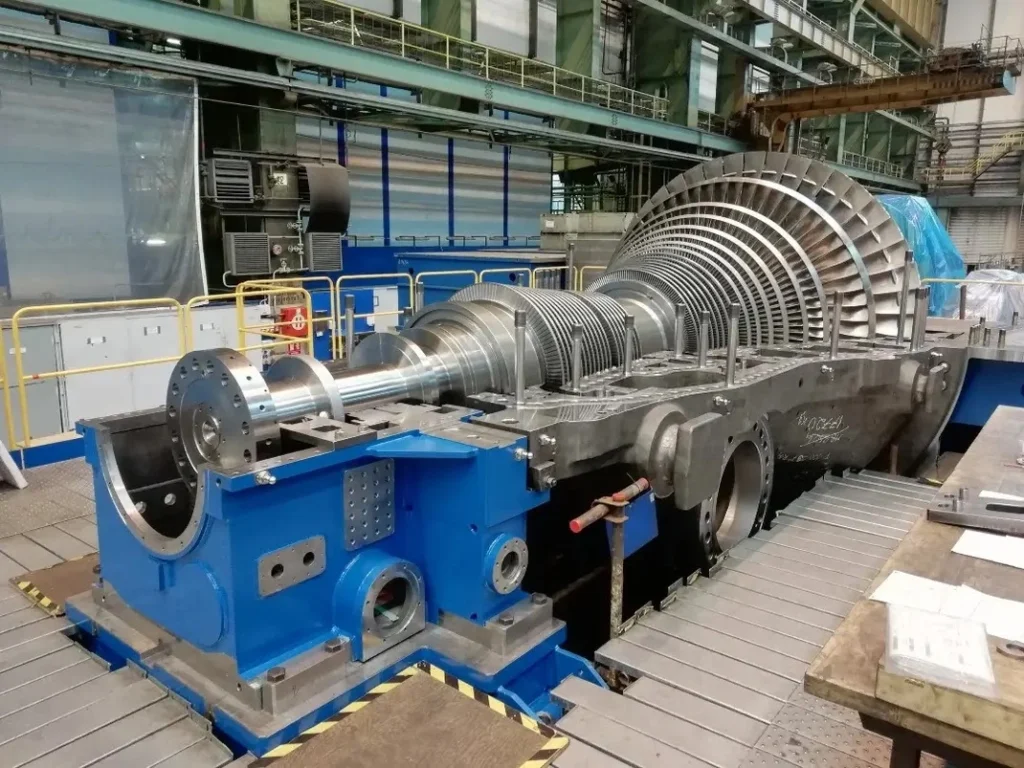
Categories
Uncategorized

Condensing Steam Turbine Working Principle

Condensing Steam Turbine Working Principle

Condensing Steam Turbine Working Principle: Steam turbines are a type of heat engine that converts thermal energy from steam into mechanical energy. This mechanical energy is often used to generate electricity in power plants or drive mechanical systems in various industrial processes. The operation of a steam turbine is based on the principle of thermodynamics, where high-pressure steam is expanded and its thermal energy is converted into kinetic energy, which then drives the blades of the turbine.

The steam is produced in a boiler, where water is heated to produce high-pressure steam. This steam is directed into the turbine, where it passes over a series of blades mounted on a rotating shaft. The design of the turbine blades is critical for efficient energy conversion, as they must be shaped to extract maximum energy from the steam. As the steam expands through the turbine, its pressure and temperature drop, transferring energy to the turbine blades and causing the shaft to rotate.

There are various types of steam turbines, each designed for specific applications and operating conditions. Condensing turbines are commonly used in power generation, where the steam is condensed into water after passing through the turbine, allowing for maximum energy extraction. This type of turbine is often part of a larger system known as a Rankine cycle, which includes the boiler, turbine, condenser, and feedwater pump. The condenser is typically a heat exchanger that cools the steam and converts it back into liquid water, which is then pumped back into the boiler to be reheated.

Back-pressure turbines, on the other hand, are used in industrial applications where steam is needed for both power generation and process heating. In these turbines, the steam is not condensed after passing through the turbine but is instead discharged at a lower pressure for use in other processes. This type of turbine is often found in cogeneration plants, where the goal is to maximize overall energy efficiency by using the steam for multiple purposes.

The efficiency of a steam turbine depends on various factors, including the design of the blades, the quality of the steam, and the operating conditions. Turbines are designed to operate at specific steam pressures and temperatures to achieve optimal performance. Advanced materials and manufacturing techniques have been developed to improve the efficiency and reliability of steam turbines, allowing them to operate at higher temperatures and pressures.

Steam turbines are also classified based on their configuration and the direction of steam flow. Impulse turbines, for example, use high-velocity jets of steam to turn the blades, while reaction turbines use the pressure difference between the steam inlet and outlet to generate motion. Some turbines combine both impulse and reaction principles to optimize performance across a range of operating conditions.

Maintenance and operational considerations are crucial for the longevity and efficiency of steam turbines. Regular inspection and maintenance are required to ensure that the turbine components are in good condition and operating correctly. This includes monitoring for signs of wear and tear, corrosion, and thermal stresses that can affect the performance and safety of the turbine.

In summary, steam turbines are a vital component of many industrial and power generation systems. Their design and operation are based on fundamental principles of thermodynamics, and their efficiency is influenced by various factors, including the quality of the steam, blade design, and operating conditions. Advances in materials and technology continue to improve the performance and reliability of steam turbines, making them a key part of the global energy infrastructure.

One of the critical aspects of steam turbine operation is the control and regulation of steam flow to ensure efficient energy conversion and safe operation. This is typically achieved using various control valves and systems that modulate the steam input based on the turbine’s load and operating conditions. The governor system is a key component in controlling the turbine speed, ensuring it remains within safe limits and matches the required output demand.

The steam entering a turbine can be either saturated or superheated. Saturated steam is at the boiling point and contains a mixture of water and steam, while superheated steam has been heated beyond the boiling point, which allows for more energy extraction without the risk of condensation inside the turbine. Superheated steam is preferred in many applications because it increases the efficiency of the turbine and reduces the risk of damage caused by water droplets impinging on the turbine blades.

Efficiency improvements in steam turbines have been driven by advancements in technology, such as improved blade design, better materials that can withstand higher temperatures and pressures, and more sophisticated control systems. For instance, modern turbines may use advanced computational fluid dynamics (CFD) simulations during the design process to optimize the shape and configuration of the blades, resulting in more efficient energy transfer from the steam.

Another area of innovation is the development of combined cycle power plants, where steam turbines are used alongside gas turbines. In these plants, the waste heat from the gas turbine is used to produce steam for the steam turbine, significantly improving overall efficiency by making use of energy that would otherwise be lost.

Environmental considerations have also become a significant factor in the design and operation of steam turbines. Reducing greenhouse gas emissions and improving the efficiency of power generation systems are critical goals. Many modern steam turbines are designed to be more environmentally friendly by utilizing cleaner fuels, implementing more efficient designs, and incorporating carbon capture and storage technologies.

The integration of renewable energy sources with steam turbines is another area of development. For example, solar thermal power plants use mirrors or lenses to concentrate sunlight to heat a fluid, which then produces steam for a turbine. Similarly, geothermal power plants harness heat from the Earth’s interior to generate steam. These systems offer the advantage of reducing reliance on fossil fuels and lowering carbon emissions.

In terms of lifecycle management, steam turbines are subject to rigorous testing and quality control during manufacturing to ensure they meet the required standards for safety and performance. Once in operation, they require regular maintenance to prevent degradation and failure. Predictive maintenance techniques, such as vibration analysis, thermal imaging, and oil analysis, are used to monitor the condition of the turbine and identify potential issues before they lead to significant problems.

The future of steam turbines is likely to be shaped by ongoing technological advancements and the global shift towards more sustainable energy sources. Innovations in materials science, digitalization, and control systems are expected to further enhance the performance and efficiency of steam turbines, making them an integral part of the evolving energy landscape. As the world moves towards a more sustainable and resilient energy future, steam turbines will continue to play a critical role in meeting energy demands while minimizing environmental impact.

Steam Turbine

Steam Turbine
Steam Turbine

The evolution of steam turbine technology has been marked by a continuous push towards higher efficiency, greater reliability, and reduced environmental impact. One key trend in this evolution is the development of ultra-supercritical (USC) and advanced ultra-supercritical (A-USC) steam turbines, which operate at much higher pressures and temperatures than traditional subcritical and supercritical turbines. These advanced turbines achieve higher thermal efficiencies by increasing the temperature and pressure of the steam entering the turbine, reducing fuel consumption and greenhouse gas emissions per unit of electricity generated.

Another significant advancement in steam turbine technology is the adoption of digitalization and smart technologies. The integration of sensors, data analytics, and machine learning algorithms allows for real-time monitoring and predictive maintenance of turbines. These technologies help in identifying performance anomalies, optimizing operations, and extending the lifespan of the turbines by preventing unplanned outages and reducing downtime.

Flexible operation has also become a critical capability for modern steam turbines, especially in the context of integrating renewable energy sources like wind and solar into the power grid. Steam turbines need to quickly adjust their output to balance the variability in electricity supply from these intermittent sources. Advanced control systems and designs enable turbines to ramp up or down efficiently, providing the necessary grid stability and reliability.

In addition to power generation, steam turbines find applications in various industrial processes, such as in the chemical, petroleum, and paper industries, where they are used to drive mechanical equipment or provide process heat. The versatility of steam turbines in cogeneration systems, where both electricity and heat are produced simultaneously, makes them an essential component for industrial energy efficiency initiatives.

Materials science has played a pivotal role in advancing steam turbine technology. The development of new high-temperature alloys and coatings has enabled turbines to withstand the extreme conditions of advanced steam cycles, reducing the risks of corrosion and creep, which can lead to material degradation over time. These materials not only enhance the performance of the turbines but also reduce the need for frequent maintenance and replacement, thereby lowering the operational costs.

Environmental regulations and the need for sustainable energy solutions have driven innovations in emissions control technologies for steam turbines. Modern turbines are equipped with advanced emission reduction systems, such as selective catalytic reduction (SCR) and flue gas desulfurization (FGD) units, to minimize pollutants like nitrogen oxides (NOx) and sulfur dioxide (SO2). These systems are essential for compliance with stringent environmental standards and for reducing the ecological footprint of power plants.

In the context of global energy transitions, steam turbines are being adapted to work with alternative fuels such as biomass and waste heat recovery systems. By utilizing these renewable and waste energy sources, steam turbines contribute to the diversification of the energy mix and the reduction of dependency on fossil fuels. This shift is crucial for achieving climate goals and transitioning towards a more sustainable energy future.

Research and development in the field of steam turbines continue to focus on enhancing efficiency, flexibility, and sustainability. Collaborative efforts between industry, academia, and government institutions are driving the innovation needed to address the challenges of modern energy systems. As steam turbines evolve, they will remain a cornerstone of both traditional and emerging energy infrastructures, providing reliable, efficient, and environmentally friendly power generation solutions.

The continued advancement of steam turbine technology is also influenced by the global trend towards decarbonization and the need to reduce carbon emissions in the energy sector. This has led to the exploration of new cycle configurations and hybrid systems that enhance the efficiency and reduce the carbon footprint of power plants. One such innovation is the integration of steam turbines with carbon capture and storage (CCS) technologies, where the carbon dioxide produced during combustion is captured before it enters the atmosphere and stored underground or used in industrial processes. By coupling CCS with high-efficiency steam turbines, power plants can significantly reduce their environmental impact while maintaining robust energy production.

Another promising development is the use of hydrogen as a fuel in steam turbine systems. Hydrogen, when burned, produces only water as a byproduct, making it an attractive option for reducing greenhouse gas emissions. Research is ongoing to develop steam turbines that can operate efficiently on hydrogen or hydrogen-rich fuels, which could play a crucial role in the future hydrogen economy. These turbines would need to be adapted to handle the different combustion characteristics of hydrogen, including its higher flame speed and lower ignition energy.

In the realm of operational flexibility, the concept of “peaking turbines” has gained attention. These turbines are designed to provide quick start-up and shut-down capabilities, allowing them to respond rapidly to fluctuations in electricity demand. This is particularly important in power grids with high penetration of renewable energy sources, where the availability of wind and solar power can be unpredictable. Peaking steam turbines contribute to grid stability by providing a reliable backup that can quickly come online when renewable energy output decreases.

Lifecycle analysis and sustainability assessments are increasingly being applied to steam turbine projects to evaluate their environmental impact from manufacturing through decommissioning. This holistic approach helps in identifying opportunities to reduce energy consumption, minimize waste, and recycle materials, contributing to the overall sustainability of the energy sector. Manufacturers are also exploring ways to reduce the carbon footprint of turbine production by sourcing materials sustainably and implementing energy-efficient manufacturing processes.

One of the challenges in steam turbine technology is managing the thermal stresses and mechanical loads that result from frequent cycling and operation at high temperatures. Advanced monitoring systems, combined with sophisticated modeling techniques, help in predicting the lifespan of turbine components and optimizing maintenance schedules to prevent failures. These predictive maintenance strategies not only enhance the reliability of the turbines but also reduce operational costs by preventing unplanned outages and extending the service life of critical components.

Educational and training programs are evolving to equip engineers and technicians with the skills needed to operate and maintain modern steam turbine systems. With the increasing complexity of these systems, there is a growing demand for specialized knowledge in areas such as thermodynamics, materials science, control systems, and digital technologies. Industry partnerships with academic institutions are fostering the development of training curricula that address these needs, ensuring a skilled workforce capable of supporting the evolving energy landscape.

The role of steam turbines in the global energy transition cannot be overstated. As the world moves towards cleaner and more sustainable energy solutions, steam turbines will continue to be a key player in balancing the demands for reliable power generation and environmental stewardship. The ongoing innovation in this field promises to unlock new possibilities for harnessing energy more efficiently and sustainably, making steam turbines a vital component of the future energy mix.

Steam Turbine Technology

Steam Turbine Technology

As steam turbine technology progresses, a notable area of focus is the integration with digital twins—a virtual model of a physical turbine that replicates its behavior in real time. Digital twins use data from sensors installed on the turbine to simulate its performance, allowing operators to predict potential issues, optimize operations, and enhance maintenance planning. This technology not only improves the reliability and efficiency of turbines but also reduces operational risks and costs by enabling proactive decision-making based on real-time data insights.

The push towards decarbonization has also led to the exploration of supercritical CO₂ (sCO₂) cycles, where carbon dioxide is used as the working fluid instead of steam. sCO₂ cycles operate at much higher efficiencies than traditional steam cycles due to the unique properties of CO₂ at supercritical conditions. The smaller size and higher efficiency of sCO₂ turbines make them an attractive option for various applications, including waste heat recovery and concentrated solar power plants. The development and deployment of sCO₂ turbines represent a significant step forward in achieving higher efficiency and reduced emissions in power generation.

Hybrid power plants, which combine multiple energy conversion technologies, are emerging as a new paradigm in power generation. Steam turbines are being integrated with renewable energy sources like solar thermal collectors and biomass boilers to create hybrid systems that leverage the strengths of each energy source. These systems offer greater flexibility, improved efficiency, and a reduced carbon footprint compared to traditional fossil-fuel-based plants. By harnessing the complementary nature of different energy sources, hybrid plants can provide stable and reliable power while accommodating the variability of renewables.

The global trend towards sustainable development is influencing the design and operation of steam turbines, with a growing emphasis on life cycle assessment (LCA) and environmental impact reduction. LCA evaluates the environmental effects associated with all stages of a product’s life, from raw material extraction through manufacturing, use, and disposal. For steam turbines, this involves assessing the environmental footprint of materials, energy use during manufacturing, operational emissions, and end-of-life recycling or disposal. By understanding and mitigating these impacts, manufacturers can create more sustainable turbine designs and contribute to the broader goals of reducing environmental degradation and promoting resource efficiency.

Advanced manufacturing techniques such as additive manufacturing (3D printing) are also being explored for producing complex turbine components. Additive manufacturing allows for the creation of intricate geometries that are difficult or impossible to achieve with traditional manufacturing methods. This capability can lead to improved turbine blade designs that enhance aerodynamic efficiency and reduce weight, ultimately improving the overall performance of the turbine. Additionally, additive manufacturing can shorten production times and reduce material waste, contributing to more sustainable manufacturing practices.

In response to the increasing demand for more sustainable energy systems, research into the use of alternative working fluids for steam turbines is gaining traction. Organic Rankine Cycle (ORC) turbines, for example, use organic fluids with lower boiling points than water, making them suitable for low-temperature heat sources such as geothermal energy, industrial waste heat, and solar thermal energy. ORC turbines offer a pathway to utilizing low-grade heat sources that would otherwise go to waste, thereby improving the overall efficiency of energy systems and supporting the transition to a more sustainable energy mix.

The global energy landscape is undergoing a transformation, and steam turbines are at the heart of this change. Their adaptability to new technologies, fuels, and integration with renewable energy systems positions them as a critical enabler of a cleaner and more sustainable energy future. As research and development continue to push the boundaries of what steam turbines can achieve, they will remain an indispensable part of the world’s efforts to meet growing energy demands while minimizing environmental impact and supporting economic growth.

Steam Turbine Efficiency

Steam Turbine Efficiency

Steam turbine efficiency is a crucial aspect of their design and operation, influencing the overall performance and economic viability of power generation and industrial processes. Efficiency in steam turbines refers to the ratio of the useful mechanical energy output to the thermal energy input provided by the steam. Several factors affect this efficiency, including thermodynamic principles, turbine design, steam quality, and operating conditions.

One of the fundamental principles governing steam turbine efficiency is the Rankine cycle, which describes the process of converting heat into work through the expansion of steam. The efficiency of a steam turbine is directly related to the temperature and pressure of the steam entering the turbine. Higher steam temperatures and pressures allow for greater energy extraction, leading to improved efficiency. This is why modern steam turbines are often designed to operate under supercritical or ultra-supercritical conditions, where steam parameters exceed the critical point of water, allowing for more efficient energy conversion.

The design of turbine blades plays a significant role in determining efficiency. Blades are carefully engineered to optimize the flow of steam, ensuring that as much kinetic energy as possible is transferred to the rotating shaft. The shape, size, and arrangement of the blades are all factors that influence how effectively the turbine can convert steam energy into mechanical work. Advances in computational fluid dynamics (CFD) have enabled engineers to create more aerodynamic blade profiles, reducing energy losses due to turbulence and improving overall efficiency.

Steam quality is another critical factor affecting turbine efficiency. Superheated steam, which has been heated beyond its boiling point, is preferred because it reduces the risk of condensation within the turbine. The presence of liquid water can cause erosion and damage to turbine blades, reducing efficiency and increasing maintenance costs. By using superheated steam, turbines can operate more efficiently and with less wear and tear on the components.

Thermodynamic efficiency is also influenced by the degree of expansion of the steam within the turbine. The more the steam expands, the more energy can be extracted. However, practical considerations such as the size of the turbine and the need to avoid excessive mechanical stresses limit the extent of expansion. To maximize efficiency, steam turbines are often designed with multiple stages, where the steam passes through several sets of blades, each extracting a portion of the available energy. This multistage design allows for a more gradual reduction in steam pressure and temperature, optimizing energy extraction and improving efficiency.

Heat losses are another area of concern when it comes to turbine efficiency. Some of the energy in the steam is inevitably lost as heat to the surroundings, reducing the overall efficiency of the system. Insulating the turbine and associated piping can help minimize these losses. Additionally, the use of condensers in condensing turbines helps to recover some of the energy by condensing the exhaust steam into water, which can then be recirculated back to the boiler.

Operational practices also play a role in maintaining high efficiency. Regular maintenance and monitoring of turbine performance are essential to ensure that the turbine operates at peak efficiency. Issues such as fouling, wear, and misalignment can degrade performance over time, so identifying and addressing these problems promptly is crucial. Predictive maintenance techniques, which use data analytics and sensors to monitor turbine health, have become increasingly important in ensuring sustained efficiency.

The efficiency of steam turbines has a direct impact on the overall efficiency of power plants and industrial processes. Higher turbine efficiency means that less fuel is required to produce the same amount of power, leading to lower operating costs and reduced emissions. This makes improving turbine efficiency a key focus for the energy industry, particularly in the context of global efforts to reduce carbon emissions and transition to more sustainable energy systems.

In summary, steam turbine efficiency is influenced by a combination of thermodynamic principles, blade design, steam quality, and operational practices. Advances in technology and materials continue to push the boundaries of what is possible, enabling more efficient and reliable turbines that play a crucial role in modern energy systems. By optimizing efficiency, steam turbines contribute to more sustainable and cost-effective energy production, supporting the global transition to a low-carbon future.

In the pursuit of higher steam turbine efficiency, research and development have focused on various innovations and enhancements. One such area is the use of advanced materials that can withstand the extreme conditions of high-temperature and high-pressure steam. Materials like nickel-based superalloys and ceramic coatings are employed to improve the thermal resistance and mechanical strength of turbine components. These materials enable turbines to operate at higher temperatures, which increases the thermodynamic efficiency and allows for greater energy extraction from the steam.

The development of advanced manufacturing techniques, such as additive manufacturing (3D printing), has also contributed to improvements in turbine efficiency. These techniques allow for the production of complex geometries that are difficult to achieve with traditional manufacturing methods. By optimizing the design and structure of turbine components, manufacturers can reduce weight, improve aerodynamics, and enhance overall performance. This level of precision and customization leads to more efficient turbines with lower energy losses.

Digital technologies are playing an increasingly significant role in optimizing steam turbine efficiency. The use of digital twins, real-time monitoring, and data analytics allows operators to fine-tune the performance of turbines under varying load conditions. These technologies enable the detection of inefficiencies and the implementation of corrective measures before they lead to significant performance degradation. Additionally, machine learning algorithms can analyze historical performance data to predict future trends and optimize turbine operations for maximum efficiency.

Innovations in turbine control systems have also enhanced efficiency by improving the precision of steam flow regulation. Advanced control algorithms ensure that the steam is directed through the turbine at the optimal pressure and temperature, minimizing energy losses and maximizing output. These systems are particularly important in flexible power plants that need to respond rapidly to changes in electricity demand and integrate with renewable energy sources.

Cogeneration, or combined heat and power (CHP) systems, represent another strategy for improving overall efficiency. In these systems, steam turbines generate both electricity and useful thermal energy from the same fuel source. By utilizing the waste heat for heating or industrial processes, cogeneration systems can achieve much higher overall efficiencies compared to traditional power plants. This approach not only reduces fuel consumption but also lowers greenhouse gas emissions, making it a more sustainable option for energy production.

The integration of steam turbines with renewable energy technologies is an emerging area of focus. For example, in solar thermal power plants, concentrated sunlight is used to generate steam, which then drives a turbine. These systems can achieve higher efficiency by using advanced turbine designs that are optimized for the specific characteristics of solar-generated steam. Similarly, geothermal power plants utilize heat from the Earth’s crust to produce steam for turbines. By harnessing these renewable energy sources, steam turbines can contribute to reducing reliance on fossil fuels and lowering the carbon footprint of power generation.

Energy storage technologies are also being explored as a means to enhance the efficiency and flexibility of steam turbines. By storing excess energy generated during periods of low demand and releasing it when demand is high, energy storage systems can help balance the load on steam turbines and improve their overall efficiency. Thermal energy storage, where heat is stored in materials like molten salts, is particularly compatible with steam turbines and offers a way to decouple the production and use of electricity.

Finally, policy and regulatory frameworks play a role in driving efficiency improvements in steam turbines. Governments and industry organizations set efficiency standards and provide incentives for the adoption of high-efficiency technologies. These initiatives encourage investment in research and development and the deployment of advanced steam turbine systems that meet stringent efficiency and environmental criteria.

In conclusion, steam turbine efficiency is a multifaceted challenge that involves optimizing thermodynamic processes, material properties, manufacturing techniques, and operational strategies. Continuous innovation and the integration of advanced technologies are essential for achieving higher efficiency and supporting the transition to a more sustainable energy future. As steam turbines evolve, they will remain a cornerstone of efficient power generation, contributing to global efforts to reduce energy consumption and environmental impact.

Further advancements in steam turbine efficiency are also being driven by the development of hybrid cycles that combine different thermodynamic processes to optimize energy use. One such example is the combined cycle, which pairs a gas turbine with a steam turbine. In this configuration, the waste heat from the gas turbine is used to produce steam for the steam turbine, significantly improving the overall efficiency of the power plant. By utilizing the heat that would otherwise be lost, combined cycle plants can achieve efficiencies of up to 60% or higher, making them some of the most efficient power plants in operation today.

Another hybrid approach involves integrating steam turbines with organic Rankine cycle (ORC) systems. ORC systems use organic fluids with lower boiling points than water, allowing them to convert low-temperature heat sources into electricity. By coupling ORC systems with traditional steam turbines, it is possible to capture and utilize heat from sources such as geothermal wells, industrial waste heat, or solar thermal collectors, further enhancing the overall efficiency of energy systems.

In the pursuit of higher efficiency, researchers are also exploring the use of advanced cycle configurations such as reheating and regeneration. Reheating involves expanding the steam in multiple stages with intermediate reheating between stages. This process reduces moisture content in the later stages of expansion, improving efficiency and reducing wear on turbine blades. Regeneration, on the other hand, involves preheating the feedwater using steam extracted from intermediate stages of the turbine. This reduces the energy required to convert the feedwater into steam, thereby increasing the efficiency of the cycle.

Supercritical and ultra-supercritical steam cycles are pushing the boundaries of what is possible in terms of efficiency. These cycles operate at pressures and temperatures above the critical point of water, where the distinctions between liquid and vapor phases disappear. By operating in this supercritical region, steam turbines can achieve higher thermal efficiencies and extract more energy from the same amount of fuel. However, these systems require advanced materials and design considerations to handle the extreme conditions, making them a focus of ongoing research and development.

The concept of exergy, which measures the useful work potential of a given energy input, is also critical in the analysis of steam turbine efficiency. Exergy analysis helps identify where energy losses occur within the system and provides insights into how these losses can be minimized. By focusing on maximizing the exergy efficiency, engineers can design turbines that make better use of the available energy, leading to more sustainable and cost-effective power generation solutions.

Environmental factors are increasingly influencing the design and operation of steam turbines. Stricter emissions regulations and the need to reduce carbon footprints are driving the adoption of technologies that enhance efficiency while minimizing environmental impact. For instance, carbon capture and storage (CCS) technologies can be integrated with steam turbines to capture and sequester CO₂ emissions. By improving the efficiency of the turbines, less fuel is required for the same power output, reducing the overall emissions and making CCS systems more economically viable.

The future of steam turbine efficiency also lies in the potential for integrating artificial intelligence (AI) and machine learning (ML) into turbine operations. These technologies can analyze vast amounts of operational data to identify patterns and predict performance issues before they occur. AI-driven optimization can dynamically adjust operating parameters to ensure that the turbine runs at its peak efficiency under varying conditions. This level of intelligent control represents a significant leap forward in maintaining and enhancing efficiency throughout the turbine’s lifecycle.

In conclusion, the drive to improve steam turbine efficiency encompasses a broad spectrum of technological, operational, and environmental considerations. From advanced materials and manufacturing techniques to innovative cycle configurations and digital technologies, the quest for greater efficiency is central to the evolution of steam turbines. As these advancements continue to unfold, steam turbines will play a pivotal role in delivering efficient, reliable, and sustainable energy for the future.

Steam Turbine Decarbonization

 Steam turbine Decarbonization
Steam turbine Decarbonization

The decarbonization of energy systems is one of the most pressing challenges of our time, and steam turbines play a vital role in this global effort. Steam turbines, traditionally powered by fossil fuels, are central to power generation in many countries. However, as the world shifts toward cleaner, more sustainable energy sources, steam turbines must adapt to minimize their carbon emissions and contribute to the reduction of the overall carbon footprint of power generation.

One of the key strategies for decarbonizing steam turbine systems is the transition to lower-carbon or carbon-neutral fuels. Traditional coal- and natural gas-fired power plants contribute significantly to carbon emissions, but with the right modifications, steam turbines can operate using alternative fuels such as biomass, hydrogen, and even waste-derived fuels. Biomass, for example, offers a renewable energy source that can reduce the carbon intensity of power generation, as it involves the combustion of organic materials that are part of the natural carbon cycle. When sustainably sourced, biomass can contribute to a net reduction in carbon emissions compared to fossil fuels.

Hydrogen is another promising fuel that has the potential to decarbonize steam turbine systems. When burned, hydrogen produces only water vapor as a byproduct, making it an ideal candidate for reducing greenhouse gas emissions in power generation. Research is ongoing to develop steam turbines that can operate efficiently on hydrogen or hydrogen-blended fuels. These turbines need to be specially designed to handle the combustion characteristics of hydrogen, which include its higher flame speed and lower ignition temperature compared to natural gas. Integrating hydrogen into existing steam turbine systems, or developing new turbines specifically for hydrogen combustion, could significantly reduce carbon emissions from power plants and industrial facilities.

Carbon capture and storage (CCS) technologies are also playing a critical role in the decarbonization of steam turbine systems. CCS involves capturing carbon dioxide emissions from power plants and other industrial processes, compressing the CO₂, and storing it underground in geological formations. By integrating CCS with steam turbines, power plants can continue to operate using fossil fuels while effectively mitigating the carbon emissions associated with combustion. The efficiency of steam turbines plays a role in the effectiveness of CCS; by improving turbine efficiency, less fuel is required to generate the same amount of power, which in turn reduces the volume of CO₂ that needs to be captured.

The use of advanced materials in steam turbines is another way to support decarbonization efforts. By enabling steam turbines to operate at higher temperatures and pressures, advanced materials like nickel-based superalloys and ceramics allow for more efficient energy conversion. This means that power plants can generate more electricity with less fuel, reducing their overall carbon emissions. The higher thermal efficiency of steam turbines designed with these materials helps minimize fuel consumption, which is a critical factor in reducing the carbon intensity of power generation.

Another aspect of decarbonization is the integration of renewable energy sources with steam turbine systems. Although steam turbines are traditionally associated with thermal power plants, they can also be integrated with renewable energy systems like solar thermal power and geothermal energy. In solar thermal power plants, for instance, concentrated solar energy is used to heat a fluid, which then generates steam to drive a turbine. This process can significantly reduce the carbon footprint of electricity generation by utilizing renewable energy instead of fossil fuels. Similarly, geothermal energy, which taps into the Earth’s natural heat, can be used to generate steam for turbines, providing a low-carbon alternative to conventional power sources.

In addition to fuel switching and technological innovations, operational strategies are critical in reducing the carbon emissions associated with steam turbines. Flexible operation, which allows power plants to adjust output rapidly in response to changing grid demands or the availability of renewable energy, is becoming increasingly important. The ability of steam turbines to operate more flexibly enables better integration of renewable energy sources, such as wind and solar, which can be intermittent. By providing backup power during periods of low renewable energy generation, steam turbines contribute to grid stability without relying on fossil fuels.

Energy storage systems, including thermal energy storage, can also enhance the decarbonization potential of steam turbine systems. These systems store excess energy generated during times of low demand, such as from renewable sources, and release it when demand is high. By integrating steam turbines with energy storage solutions, power plants can reduce their reliance on fossil fuels for peak power generation, ultimately lowering their carbon emissions.

Moreover, improving the overall energy efficiency of steam turbines directly contributes to decarbonization. By making steam turbines more efficient, less fuel is required to produce the same amount of electricity, reducing both operating costs and emissions. Technological advancements, such as better turbine blade designs, advanced sensors, and digital optimization tools, can help maximize the efficiency of steam turbines. This is especially critical in power plants that continue to operate using fossil fuels, as even small efficiency gains can result in significant reductions in carbon emissions.

The role of steam turbines in decarbonization is not limited to power generation alone. Industrial applications of steam turbines, such as in chemical, oil and gas, and manufacturing industries, are also being targeted for decarbonization. By improving the energy efficiency of steam turbines used in these industries, significant reductions in energy consumption and carbon emissions can be achieved. Industrial facilities are increasingly adopting combined heat and power (CHP) systems, where steam turbines are used to generate both electricity and useful heat. By utilizing waste heat, CHP systems reduce the need for additional fuel, thus cutting carbon emissions and improving overall energy efficiency.

As the global focus on climate change intensifies, the decarbonization of steam turbine systems will continue to be a key aspect of the broader energy transition. Through a combination of technological innovations, fuel diversification, operational strategies, and policy support, steam turbines will play an essential role in reducing the carbon footprint of power generation and industry. The ongoing efforts to decarbonize steam turbine systems are not only crucial for mitigating climate change but also for ensuring a more sustainable and resilient energy future.

As the world increasingly turns toward decarbonization, the role of steam turbines in facilitating this transition becomes even more important. One area of focus in this context is the evolution of steam turbine design and operational flexibility. In traditional power plants, steam turbines have been used in baseload power generation, operating at a steady output for long periods. However, with the growing integration of renewable energy sources like wind and solar into the grid, power plants are being called upon to operate more flexibly. This flexibility enables steam turbines to adjust quickly to fluctuations in renewable energy availability, making them essential for grid stability.

The challenge for steam turbine manufacturers and operators is to design turbines that can handle these rapid load changes without sacrificing efficiency or reliability. Flexible operation typically requires turbines to operate in part-load conditions more frequently, which can reduce their efficiency. However, through advanced control systems and improved materials, modern steam turbines can now operate more efficiently at a wider range of loads, ensuring they remain valuable contributors to the grid even as renewable energy sources become more prevalent.

One promising solution to enhance flexibility is the development of “fast-ramping” steam turbines. These turbines are designed to ramp up or down in response to grid demands more rapidly than conventional turbines, reducing reliance on fossil fuel-based backup power. By incorporating technologies such as improved valve control, advanced sensors, and real-time data analytics, fast-ramping turbines can respond to grid fluctuations quickly and efficiently, supporting renewable integration while minimizing carbon emissions.

The decarbonization efforts are also being bolstered by the use of hybrid systems that combine steam turbines with other low-carbon technologies. One such example is the integration of steam turbines with hydrogen fuel cells. In this configuration, steam turbines are used in combination with hydrogen to generate power, where hydrogen serves as a clean fuel. The use of hydrogen fuel cells with steam turbines allows for the production of electricity with minimal carbon emissions, as the only byproducts of hydrogen combustion are water vapor and heat. This integration enables power plants to continue utilizing steam turbines while significantly reducing their carbon footprint.

Moreover, advanced digital technologies like artificial intelligence (AI), machine learning (ML), and predictive analytics are being employed to optimize the performance of steam turbines in decarbonized systems. These tools can help forecast energy demand, identify inefficiencies, and enable more precise control over turbine operations. For example, AI-powered predictive maintenance allows operators to identify potential issues before they cause significant problems, ensuring turbines operate at peak efficiency and reducing the need for frequent maintenance or downtime.

In addition to these operational and technological advancements, the decarbonization of steam turbines is also being supported by governmental policies, incentives, and regulations. Many countries have set ambitious carbon reduction goals, and the energy sector, including steam turbine manufacturers and operators, is under increasing pressure to meet these targets. Governments around the world are providing financial incentives for the development of low-carbon technologies, including subsidies for the integration of renewable energy, energy efficiency improvements, and the adoption of carbon capture technologies. These policies help accelerate the transition to a decarbonized energy system by making it more economically viable for power plants and industrial facilities to adopt cleaner technologies and practices.

International frameworks such as the Paris Agreement have also set clear targets for carbon emissions reductions, further driving the need for decarbonization in all sectors, including power generation. As a result, companies in the steam turbine industry are investing heavily in research and development to create next-generation turbines that are more energy-efficient, adaptable to low-carbon fuels, and capable of integrating with renewable energy sources.

The transition to a low-carbon energy system is not without its challenges, but the role of steam turbines in this transition cannot be overstated. As the energy sector seeks to balance sustainability with reliability and cost-effectiveness, steam turbines will remain central to power generation. By embracing new technologies, adapting to low-carbon fuels, and improving operational flexibility, steam turbines will continue to evolve, contributing to a cleaner, more sustainable energy future.

In conclusion, the decarbonization of steam turbines represents a multifaceted effort involving the development of new technologies, fuel sources, and operational practices. The integration of renewable energy, the adoption of alternative fuels like hydrogen, the implementation of carbon capture systems, and advances in turbine efficiency and flexibility are all key components of this transformation. As the global energy landscape continues to shift, steam turbines will remain an integral part of the solution to achieving a low-carbon, sustainable future. By continuing to innovate and adapt, steam turbines will help reduce the carbon emissions from power generation while ensuring that reliable, affordable electricity remains available to meet growing global energy demands.

The future of steam turbine decarbonization is closely tied to ongoing research, development, and collaboration across industries, governments, and academic institutions. One promising avenue is the integration of steam turbines with advanced energy storage systems, which could significantly enhance the grid’s ability to accommodate fluctuating renewable energy sources while reducing the carbon emissions associated with backup power generation. For example, combining steam turbines with molten salt thermal energy storage or compressed air energy storage systems allows excess energy generated during periods of low demand to be stored and used when demand rises. This integration supports the efficient use of steam turbines for both baseload and peak-load power generation without relying heavily on fossil fuels.

Thermal energy storage in particular holds great potential for steam turbines, especially in concentrated solar power (CSP) plants, where heat is stored in molten salts and used to generate steam for turbines. By enabling energy to be stored and used later in the day or during cloudy periods, CSP plants with thermal storage can produce electricity around the clock while avoiding carbon emissions from traditional fossil fuel-based generation. This method of storing and utilizing thermal energy can reduce the intermittent nature of solar power and further decarbonize steam turbine systems that rely on solar thermal energy.

Beyond storage systems, the use of smart grids and digital technologies will play an essential role in optimizing steam turbine performance as part of a decarbonized energy system. Smart grids enable the seamless integration of diverse energy sources, including renewable generation, while also providing real-time data on energy consumption and demand. With advanced sensors, communication systems, and automation, smart grids can optimize turbine operations and help balance supply and demand efficiently. These digital networks allow utilities to manage turbine load profiles more effectively, increasing the overall reliability of the system and reducing energy losses.

Additionally, the role of steam turbines in decarbonization is not limited to power plants. Industrial sectors such as manufacturing, chemicals, and oil refining are also major contributors to global emissions, and steam turbines can help reduce their environmental impact. By using waste heat recovery systems and adopting combined heat and power (CHP) technologies, industrial facilities can maximize energy efficiency and reduce carbon emissions. CHP systems, which generate both electricity and useful thermal energy from a single fuel source, provide an excellent opportunity for industries to reduce their overall energy consumption and carbon footprint while maintaining operational efficiency.

Furthermore, integrating steam turbines into district heating systems, which provide heat to residential and commercial buildings, is another way to improve efficiency and reduce emissions in urban environments. In these systems, steam turbines can generate both electricity and heat from a single energy source, making the overall energy system more efficient. In combination with renewable energy sources like biomass, geothermal, or solar thermal, district heating systems can help reduce reliance on fossil fuels for heating, which is particularly important in regions with colder climates.

On a larger scale, global efforts to decarbonize transportation and heavy industry may also benefit from the use of steam turbines. For example, hydrogen-powered steam turbines could play a key role in decarbonizing sectors such as shipping, aviation, and steel manufacturing. These industries rely on high-temperature heat and large amounts of energy, which are traditionally supplied by fossil fuels. However, with the development of hydrogen-based steam turbines and fuel cells, these sectors could move toward zero-emission solutions while continuing to benefit from the power generation capabilities of steam turbines.

As the transition to a decarbonized economy accelerates, public-private partnerships and international collaboration will be crucial in overcoming the barriers to widespread adoption of decarbonized steam turbine technologies. Governments can play a key role by implementing policies that incentivize research and development, provide financial support for low-carbon technologies, and set clear emissions reduction targets. These policies can drive innovation and reduce the financial risks associated with transitioning to more sustainable energy systems.

At the same time, the steam turbine industry will need to focus on increasing the scalability of its decarbonization technologies. As demand for cleaner energy solutions grows, there will be a need for large-scale deployment of low-carbon steam turbines across a variety of sectors. Scaling up technologies like hydrogen-fueled turbines, CCS-equipped plants, and advanced thermal storage systems will require significant investment, collaboration, and infrastructure development. Nonetheless, the potential benefits of these technologies in reducing global emissions and mitigating climate change make them worth pursuing.

The decarbonization of steam turbines is also tied to the broader transition toward circular economy principles, where energy systems and materials are reused, recycled, or repurposed to minimize waste. For example, steam turbines and other power plant components can be designed for longer lifespans and easier recycling at the end of their operational life. The efficient reuse of materials and the reduction of waste in steam turbine production can further reduce the overall environmental impact of the energy sector.

In conclusion, steam turbine decarbonization is a multifaceted and ongoing process that will require continued technological advancements, innovation in fuel sources, improved efficiency, and more sustainable operational practices. The integration of renewable energy, hydrogen, energy storage, and digital technologies into steam turbine systems is key to achieving the goals of a low-carbon energy future. By leveraging these technologies and fostering collaboration across sectors and borders, steam turbines will remain a vital part of the energy landscape, contributing to the global effort to mitigate climate change and build a sustainable, resilient, and low-carbon energy system for generations to come.

Steam Turbine Integration

On Site Power Generator

The integration of steam turbines into modern energy systems is a critical component of ensuring both efficiency and flexibility in power generation. As the global energy landscape continues to evolve with the increasing reliance on renewable energy sources, steam turbines are increasingly being integrated into a variety of systems that include not only traditional fossil fuel-based plants but also renewable and hybrid power generation systems. The integration of steam turbines with these systems presents an opportunity to optimize energy production, reduce environmental impact, and provide grid stability in an increasingly complex and decentralized energy world.

One of the most common integrations of steam turbines occurs within combined cycle power plants, which combine both gas and steam turbines to improve efficiency. In these plants, natural gas is burned to power a gas turbine, and the waste heat from the gas turbine is used to generate steam for a steam turbine. This setup allows power plants to achieve much higher efficiencies than either gas or steam turbines alone, as the waste heat from the gas turbine is captured and utilized to generate additional electricity. The integration of both turbines creates a synergistic effect that optimizes the conversion of fuel to energy, making combined cycle plants one of the most efficient power generation technologies available.

Furthermore, steam turbines are increasingly integrated with renewable energy sources like solar thermal power and geothermal energy, contributing to the decarbonization of the energy sector. In solar thermal plants, concentrated solar power (CSP) systems use mirrors or lenses to focus sunlight onto a fluid that is heated to generate steam. The steam is then used to drive a steam turbine to produce electricity. This integration of solar energy with steam turbine technology allows for power generation that is carbon-neutral, reducing reliance on fossil fuels and contributing to the mitigation of climate change. Similarly, in geothermal power plants, the heat from the Earth’s core is used to generate steam, which then drives a steam turbine. Geothermal energy is considered a renewable and sustainable energy source, and its integration with steam turbines provides a reliable and constant form of electricity generation that is not subject to the intermittency of solar or wind energy.

One of the key challenges in integrating steam turbines with renewable energy systems is the variability and intermittency of renewable energy sources like wind and solar. Steam turbines are typically designed to operate continuously at steady output levels, but renewable energy sources do not always produce electricity at a constant rate. To address this, modern steam turbines are being designed with greater flexibility, allowing them to operate efficiently under fluctuating loads. This flexibility allows steam turbines to complement renewable energy generation by acting as backup power during periods of low renewable output, ensuring grid stability and reliability. As a result, steam turbines are being integrated into hybrid systems that combine renewable energy with thermal or gas-fired power plants to create more flexible, sustainable, and reliable energy solutions.

In addition to power generation, steam turbines are also being integrated into combined heat and power (CHP) systems, which produce both electricity and useful heat. These systems are often used in industrial applications where both electricity and thermal energy are required. By utilizing waste heat from industrial processes or from the exhaust gases of steam turbines, CHP systems can significantly increase the overall efficiency of energy use. This is particularly important in industries such as chemicals, oil and gas, and manufacturing, where large amounts of heat are needed for processes like heating, drying, and distillation. The integration of steam turbines in CHP systems allows industries to reduce their energy consumption, lower emissions, and improve their overall economic efficiency by making use of waste heat that would otherwise be lost.

Moreover, steam turbines are playing an increasingly important role in district heating systems, where steam turbines generate both heat and electricity for urban areas. In these systems, steam turbines are integrated with heat sources such as biomass, waste-to-energy plants, or even nuclear power plants to provide thermal energy to residential, commercial, and industrial users. By using steam turbines in conjunction with these heat sources, district heating systems can provide a reliable, low-carbon alternative to conventional heating methods, such as fossil fuel-based heating. This integration reduces reliance on individual heating systems in buildings and helps create more energy-efficient and sustainable urban environments.

The integration of steam turbines with energy storage technologies is another area of growing interest. Energy storage systems, such as thermal energy storage, compressed air energy storage, and battery storage, can help smooth out the variability of renewable energy generation. By storing excess energy generated during periods of high renewable output, these storage systems allow steam turbines to generate electricity during periods of low renewable availability, thereby enhancing grid stability and ensuring a continuous power supply. For example, in concentrated solar power (CSP) systems, excess heat can be stored in molten salts and used to generate steam for turbines when sunlight is not available, providing dispatchable and reliable power from a renewable source.

In the context of decarbonization and the transition to low-carbon energy systems, steam turbines are being integrated with carbon capture and storage (CCS) technologies. CCS technologies capture carbon dioxide (CO₂) emissions from power plants and industrial processes and store them underground or use them for other purposes, such as enhanced oil recovery. By integrating CCS with steam turbines, power plants can continue to operate while reducing their carbon emissions. The efficiency of the steam turbines plays a crucial role in the effectiveness of CCS, as higher turbine efficiency means that less fuel is needed to generate the same amount of electricity, reducing the overall carbon emissions from the plant. As a result, integrating CCS with steam turbine systems helps mitigate the impact of fossil fuel use on the environment and contributes to achieving global climate goals.

Another significant area of steam turbine integration is in hybrid systems that combine steam turbines with other low-carbon technologies, such as hydrogen fuel cells and nuclear power. Hydrogen is a clean fuel that, when used in a fuel cell or burned in a turbine, produces only water vapor as a byproduct. Integrating steam turbines with hydrogen fuel cells enables power plants to generate electricity with zero carbon emissions. Similarly, integrating steam turbines with advanced nuclear reactors offers the potential for reliable, low-carbon baseload power generation. Nuclear power plants with steam turbines produce electricity by using the heat from nuclear fission to generate steam, offering a carbon-free energy source that is reliable and scalable.

The integration of steam turbines in smart grids is also a promising development. Smart grids are digital, two-way communication systems that enable the efficient management of electricity distribution by optimizing energy use based on real-time data. By integrating steam turbines into smart grids, utilities can better manage grid stability, load balancing, and energy distribution, ensuring that power generation is optimized and carbon emissions are minimized. Through advanced sensors, automation, and data analytics, smart grids can dynamically adjust the output of steam turbines to meet changing demand and integrate more renewable energy sources, improving overall system efficiency and resilience.

In conclusion, the integration of steam turbines into diverse energy systems is essential for creating a more efficient, flexible, and sustainable energy infrastructure. Whether through combined cycle power plants, renewable energy systems, combined heat and power systems, or carbon capture technologies, steam turbines are playing an integral role in modernizing energy generation. By embracing new technologies and operational strategies, steam turbines are evolving to meet the challenges of a low-carbon energy future while providing reliable, efficient power. The ongoing integration of steam turbines into innovative energy systems will continue to shape the way the world generates and consumes energy, making it possible to transition toward a cleaner, more sustainable energy future.

As the demand for cleaner and more sustainable energy grows, steam turbine integration is expected to play an increasingly critical role in reshaping how we produce, store, and distribute power. The development of hybrid systems that combine steam turbines with various renewable and low-carbon technologies represents a promising avenue for achieving deeper decarbonization. For instance, coupling steam turbines with energy storage solutions, such as large-scale battery storage, allows energy producers to store excess electricity during periods of high renewable output and release it when the renewable supply wanes. This integrated approach ensures a stable power supply, enhances grid flexibility, and helps mitigate the intermittency challenges associated with wind and solar energy.

Additionally, combining steam turbines with low-carbon technologies like hydrogen holds great promise in decarbonizing industries and power generation. Hydrogen, when used as a fuel for steam turbines, provides a carbon-free alternative to fossil fuels, as its combustion produces only water vapor. The integration of hydrogen-fired steam turbines in power plants or industrial facilities could significantly reduce greenhouse gas emissions, especially in hard-to-decarbonize sectors such as heavy industry, chemicals, and steel manufacturing. Ongoing research and innovation in hydrogen infrastructure, storage, and distribution are critical to realizing the full potential of this integration. In the future, steam turbines could operate on a mixture of hydrogen and natural gas, further reducing carbon emissions and advancing the energy transition.

The integration of steam turbines with advanced nuclear reactors offers another significant opportunity to reduce carbon emissions while ensuring reliable, 24/7 power generation. Nuclear power, which produces no direct CO₂ emissions during operation, is increasingly seen as a key part of the energy transition. By integrating steam turbines with new generation nuclear reactors, such as small modular reactors (SMRs), we can provide consistent, low-carbon electricity while simultaneously supporting grid stability. These reactors are designed to be more flexible in operation and capable of handling variable grid demands, which is essential as we incorporate more renewable sources like wind and solar into the energy mix.

In parallel, advancements in digital technologies are enhancing the ability to integrate steam turbines into smart grids. Smart grids leverage real-time data, advanced sensors, and machine learning algorithms to optimize energy generation, transmission, and consumption. By incorporating steam turbines into these digital grids, operators can more efficiently balance power supply and demand, seamlessly integrating both conventional and renewable energy sources. Steam turbines, when integrated with smart grids, can adapt to varying demand patterns, allowing for more efficient use of resources and less reliance on fossil fuel-based backup power. For example, turbines can be automatically ramped up or down in response to fluctuations in renewable energy generation, ensuring grid stability without sacrificing efficiency or reliability.

One of the most significant challenges for steam turbine integration lies in the modernization of existing power plants. Many older steam turbines were designed for baseload operation using fossil fuels and are not optimized for the variable nature of renewable energy. Retrofitting these turbines to accommodate new fuels, like hydrogen, or to enable faster response times to grid changes is essential to maximizing their role in future energy systems. This process of retrofitting or upgrading turbines often requires significant investment, as it involves both mechanical modifications and the integration of new control systems. However, the benefits of retrofitting older turbines to handle renewable integration or carbon capture make it a worthwhile investment in the long term.

The development of more efficient steam turbines is also a key factor in their successful integration into modern energy systems. Advances in turbine design, such as improvements in materials, blade aerodynamics, and thermal efficiency, enable turbines to operate at higher temperatures and pressures, resulting in improved efficiency and a reduction in fuel consumption. More efficient turbines not only lower the operational costs of power plants but also reduce the environmental impact of electricity generation by requiring less fuel to produce the same amount of electricity. As a result, turbine manufacturers and power plant operators are continuously working to enhance the performance of steam turbines through innovations in engineering and technology.

Moreover, the integration of steam turbines with decentralized energy systems is becoming increasingly important as the energy transition progresses. Microgrids and distributed energy resources (DERs), such as small-scale renewable generators and energy storage systems, are being integrated with steam turbines to create more resilient and flexible energy systems. In these configurations, steam turbines can provide backup power during grid outages or periods of low renewable generation, ensuring the continuity of electricity supply while reducing dependence on centralized fossil fuel-based power plants. In remote areas or regions with unreliable grid infrastructure, steam turbines integrated into microgrids can help improve energy access and support local economies while minimizing environmental impact.

The growing importance of energy security in an increasingly interconnected world also highlights the role of steam turbines in providing reliable, dispatchable power. As renewable energy penetration increases, ensuring that power systems remain stable during periods of low renewable output or high demand becomes a critical concern. Steam turbines are well-positioned to play a key role in stabilizing the grid, as they can generate electricity on demand, regardless of weather conditions or time of day. This capability is crucial for balancing the grid when renewables like wind and solar are not generating power, providing the reliability needed to maintain electricity supply without relying on carbon-intensive backup power sources.

International collaboration is another vital element for successfully integrating steam turbines into the global energy transition. Countries and companies across the world are working together to share knowledge, standardize technologies, and develop innovative solutions to decarbonize power generation. Whether through joint research initiatives, multinational partnerships, or knowledge-sharing platforms, these collaborations help accelerate the deployment of low-carbon technologies, including steam turbines. International agreements, such as the Paris Agreement, are also providing strong policy frameworks that encourage investment in clean energy solutions, including the integration of steam turbines with renewable and low-carbon technologies.

In conclusion, the integration of steam turbines into diverse and evolving energy systems is essential for the transition to a low-carbon future. Whether through hybrid power plants, renewable energy sources, energy storage solutions, or the adoption of new fuels like hydrogen, steam turbines will continue to play a critical role in ensuring reliable, efficient, and sustainable electricity generation. As technological innovations improve turbine performance and expand their ability to integrate with other energy systems, steam turbines will remain central to the global effort to reduce carbon emissions and build a resilient energy infrastructure. Through continued advancements in turbine design, digital integration, and global collaboration, steam turbines will help pave the way for a cleaner, more sustainable energy future.

As the integration of steam turbines with various technologies advances, the future of power generation will become increasingly interconnected, dynamic, and sustainable. One important aspect of this evolution is the expansion of steam turbine applications beyond traditional power generation. Industries such as desalination, district heating, and even hydrogen production are starting to leverage steam turbines to meet specific energy needs while reducing their carbon footprints.

In the field of desalination, steam turbines are integral to the process of generating fresh water from seawater. In these systems, thermal desalination methods, such as multi-effect distillation (MED) or multi-stage flash distillation (MSF), are used. Steam turbines play a central role in powering these processes by driving the pumps and compressors needed to produce steam from heat sources. By integrating renewable energy into desalination plants, for example, through solar thermal power or waste heat recovery, these plants can reduce their reliance on fossil fuels and operate more sustainably. This synergy of renewable energy and steam turbines can help provide critical water resources to regions where freshwater availability is limited while minimizing the environmental impact.

Similarly, steam turbines are essential in district heating networks, which provide hot water or steam to multiple buildings or even entire communities. These systems are especially important in colder climates, where efficient heating is necessary for homes, businesses, and industries. Steam turbines can be integrated into district heating plants powered by various renewable sources, including biomass, waste-to-energy facilities, and geothermal energy. By combining electricity and heat production in a single system, district heating plants reduce fuel consumption and greenhouse gas emissions, enhancing energy efficiency. This integration is particularly beneficial in urban environments where centralizing heat generation can lead to cost savings and lower emissions compared to individual heating solutions.

The production of green hydrogen is another exciting area where steam turbines are poised to make a significant impact. Hydrogen, often referred to as the “fuel of the future,” is seen as a critical component of the energy transition, particularly for sectors that are difficult to electrify, such as heavy industry, transportation, and chemicals. Steam methane reforming (SMR) and electrolysis are the two primary methods used to produce hydrogen, and steam turbines are integral to both processes. In SMR, steam is used to separate hydrogen from natural gas, while in electrolysis, steam turbines can be employed to provide the necessary heat for high-efficiency hydrogen production. Additionally, hydrogen itself can be used as a fuel for steam turbines, enabling the production of low-carbon electricity when combined with carbon capture technologies. As the global hydrogen economy develops, steam turbines will play a central role in supporting both hydrogen production and its integration into existing energy systems.

The growing focus on digitalization and automation in energy systems is also driving the integration of steam turbines with advanced technologies such as artificial intelligence (AI), machine learning, and the Internet of Things (IoT). These technologies enable real-time monitoring, predictive maintenance, and optimization of turbine performance, improving the overall efficiency and reliability of steam turbines. AI and machine learning algorithms can analyze large volumes of operational data to predict turbine failures, detect inefficiencies, and optimize load management. For example, AI can help operators make real-time adjustments to turbine performance, such as altering the steam flow or adjusting the temperature, to optimize power output and minimize wear and tear on the system. By continuously learning from data, these systems can enhance the operational flexibility of steam turbines, allowing them to better adapt to variable energy demands and integrate seamlessly into renewable-dominant grids.

The concept of decentralized and distributed energy systems is becoming increasingly relevant as the global energy landscape shifts toward more localized power generation and consumption. Steam turbines are well-suited for integration into these decentralized systems, where they can provide reliable, on-demand power in conjunction with distributed renewable energy resources. In remote locations, microgrids powered by steam turbines, combined with solar, wind, or energy storage, can offer a resilient and self-sufficient energy supply. These microgrids are capable of operating independently from the main grid, ensuring uninterrupted electricity supply even in the event of grid failures or extreme weather conditions. The integration of steam turbines into microgrids also supports the transition toward more resilient and flexible energy systems, which are critical for managing the challenges posed by climate change and natural disasters.

Steam turbine integration into global energy systems will also require significant advancements in infrastructure, particularly in the development of hydrogen and carbon capture networks, as well as the modernization of aging power plants. Retrofitting existing power stations with carbon capture, utilization, and storage (CCUS) technologies can make them more sustainable by capturing CO₂ emissions and storing them underground or using them in other industrial processes. As part of these retrofit projects, steam turbines will need to be adapted to operate in conjunction with CCUS systems, requiring careful design to ensure efficiency and minimize the operational costs. These efforts will be crucial in achieving global climate goals, particularly in regions where coal or natural gas remains a dominant source of electricity.

Moreover, government policies, regulations, and incentives will continue to shape the pace and scale of steam turbine integration into low-carbon energy systems. Governments worldwide are setting ambitious targets for reducing greenhouse gas emissions and transitioning to clean energy. As these policies evolve, steam turbine manufacturers and operators will need to align their strategies with national and international climate commitments. Financial incentives, such as subsidies for clean energy technologies, carbon pricing mechanisms, and emissions reduction targets, will play a crucial role in driving the adoption of more efficient, sustainable steam turbines. The development of industry standards and certifications for renewable energy integration and carbon reductions will also help ensure the widespread acceptance and implementation of these technologies.

The integration of steam turbines into the broader context of a decarbonized energy system is a multifaceted process that involves not only technological advancements but also economic, regulatory, and social considerations. Industry stakeholders, including turbine manufacturers, energy providers, policymakers, and research institutions, must work together to create solutions that enable the widespread deployment of steam turbines in clean, flexible, and reliable energy systems. The continuing development of advanced steam turbine technologies, combined with innovative integration strategies and cross-sector collaboration, will play a vital role in ensuring the global transition to a low-carbon energy future.

In conclusion, the integration of steam turbines into modern energy systems holds significant potential for achieving a cleaner, more efficient, and resilient energy future. From hybrid power plants and renewable energy integration to hydrogen production, energy storage, and decentralized grids, steam turbines are essential for optimizing energy use and reducing carbon emissions. By embracing innovation, digitalization, and cross-sector collaboration, steam turbines can evolve to meet the challenges of the 21st century, ensuring a sustainable, low-carbon future for generations to come.

Steam Turbine Sustainability

Steam Turbine Manufacturing

Steam turbine sustainability is an increasingly important topic in the context of global efforts to reduce carbon emissions, improve energy efficiency, and transition to renewable energy sources. As one of the cornerstones of traditional power generation, steam turbines are at the heart of many power plants around the world, especially those that rely on coal, natural gas, and nuclear energy. While steam turbines themselves are generally efficient machines that can operate for decades with proper maintenance, their sustainability depends not only on the technology used but also on how they are integrated into energy systems, their fuel source, and their overall impact on the environment.

The traditional role of steam turbines has been in large-scale power generation, where they convert thermal energy from burning fossil fuels or nuclear reactions into mechanical energy, which is then converted into electricity. In this context, steam turbines have contributed to the world’s electricity supply for over a century. However, with growing concerns over climate change, air pollution, and the finite nature of fossil fuels, there is increasing pressure to shift away from fossil fuel-based power generation. As a result, steam turbine sustainability is being redefined to focus on how these machines can be part of a cleaner, greener, and more sustainable energy infrastructure.

One of the key factors in improving steam turbine sustainability is increasing their efficiency. Modern steam turbines are designed to convert a higher percentage of the thermal energy from fuel into usable mechanical energy. This is particularly important in the context of fossil fuel-based power plants, where higher efficiency translates into less fuel consumption and fewer greenhouse gas emissions per unit of electricity generated. Advanced steam turbines, using materials capable of withstanding higher temperatures and pressures, can achieve efficiencies above 40%, and even higher efficiencies are possible in combined cycle plants where both gas and steam turbines are used together. Higher efficiency results in reduced energy consumption, lower emissions, and decreased fuel costs, making steam turbine systems more sustainable in the long run.

Steam turbines are also being adapted for use with low-carbon and renewable energy sources, which is a critical step in reducing the carbon footprint of power generation. One of the most promising areas of development is the integration of steam turbines with concentrated solar power (CSP) plants. In CSP systems, sunlight is focused on a heat-absorbing material, usually molten salt, which is heated to extremely high temperatures. This heat is then used to generate steam to drive a turbine. The integration of steam turbines with CSP allows solar energy to be stored as thermal energy and used to generate power even when the sun isn’t shining, making it a more reliable and sustainable form of renewable energy.

Another significant development in the pursuit of steam turbine sustainability is the use of biomass as a fuel source. Biomass energy, derived from organic materials like wood, agricultural residues, and even waste products, is considered a renewable source of energy. When used in a steam turbine, biomass can produce electricity while reducing the amount of waste sent to landfills. Biomass power plants, particularly those that use dedicated biomass or waste-to-energy systems, are a growing part of the renewable energy sector, offering a low-carbon alternative to traditional fossil fuels. When combined with carbon capture and storage (CCS) technologies, biomass-based steam turbines can become even more sustainable, capturing and storing the CO₂ emissions from combustion.

Geothermal energy is another renewable source that can be integrated with steam turbines to generate sustainable power. In geothermal power plants, steam produced by the heat from the Earth’s interior is used to drive turbines and generate electricity. Geothermal energy is renewable, sustainable, and carbon-neutral, as it doesn’t rely on burning fossil fuels and has minimal environmental impact. Steam turbines are ideal for converting the heat from geothermal reservoirs into electricity, making geothermal energy a key player in a low-carbon energy mix. Unlike other renewable energy sources like wind and solar, geothermal energy can provide a steady and reliable source of power, available 24/7.

Moreover, the transition to hydrogen as a clean fuel is set to significantly impact steam turbine sustainability. Hydrogen, when burned in a turbine, produces only water vapor as a byproduct, making it an ideal solution for decarbonizing power generation. Steam turbines are being adapted to run on hydrogen or hydrogen-natural gas blends, allowing for the continued use of existing turbine infrastructure while transitioning to a zero-emission fuel. The development of green hydrogen, which is produced by electrolyzing water using renewable electricity, is an important part of the future energy landscape. If this hydrogen is used in steam turbines, it could significantly reduce the carbon footprint of power plants while maintaining high efficiency and reliability.

In addition to improving the efficiency of steam turbines and integrating them into renewable energy systems, their sustainability is also influenced by their environmental impact, particularly during their manufacturing, operation, and decommissioning stages. The production of steam turbines involves the use of various raw materials, including metals such as steel, titanium, and nickel, which have a significant environmental footprint. Efforts to reduce the environmental impact of turbine production include using more sustainable materials, optimizing manufacturing processes, and reducing waste. Additionally, the end-of-life management of steam turbines is an important consideration in their sustainability. Turbines that are designed with recyclability in mind, where components such as metals can be reused, contribute to the circular economy and minimize waste.

Another factor affecting the sustainability of steam turbines is their role in combined heat and power (CHP) systems. In CHP systems, steam turbines are used to produce both electricity and useful thermal energy, such as heat for industrial processes, district heating, or even for space heating in residential areas. By utilizing waste heat from the steam cycle, CHP systems can achieve overall efficiencies of 80% or higher, compared to the typical efficiency of 33% to 40% in conventional power plants. This increased efficiency means that less fuel is required to produce both electricity and heat, reducing emissions and improving the sustainability of the overall energy system. CHP systems are commonly used in industrial settings, hospitals, and large residential complexes, where both electricity and heat are needed.

Steam turbine sustainability also relies on the incorporation of digital technologies that help optimize their performance and reduce their environmental impact. With the advent of the Internet of Things (IoT), sensors, and advanced data analytics, turbine operators can monitor the condition of steam turbines in real-time, allowing for predictive maintenance, efficiency improvements, and better fuel management. These technologies enable more precise control of turbine operation, optimizing their performance, extending their lifespan, and minimizing unnecessary energy consumption. Digitalization allows for better integration of steam turbines into smart grids, where they can dynamically adjust their output in response to changing demand and the availability of renewable energy, further enhancing their sustainability.

The role of steam turbines in the broader context of decarbonization cannot be understated. As part of the global shift toward clean energy, steam turbines are being integrated into systems that capture and store carbon emissions. Carbon capture and storage (CCS) technologies, when paired with steam turbine systems, can enable fossil fuel power plants to continue operating while significantly reducing their CO₂ emissions. By capturing the CO₂ emissions produced by burning fossil fuels and storing them underground or using them for other purposes, such as in enhanced oil recovery, steam turbines can play a critical role in mitigating climate change. Although CCS is still in the early stages of deployment, it holds great promise as a bridge technology to a future where cleaner and renewable energy sources dominate.

Steam turbine sustainability is also influenced by regulatory frameworks and incentives. Governments worldwide are introducing policies aimed at reducing carbon emissions and promoting the use of renewable energy. These policies, such as carbon pricing, renewable energy subsidies, and emissions reduction targets, encourage the development and adoption of sustainable technologies, including steam turbines. Additionally, regulations that require power plants to reduce their environmental impact, such as stricter emissions standards, incentivize the adoption of cleaner fuels and more efficient steam turbine technologies.

In conclusion, steam turbine sustainability is a multifaceted issue that involves enhancing turbine efficiency, integrating renewable and low-carbon energy sources, reducing the environmental impact of manufacturing and operation, and ensuring the long-term viability of power systems. Through technological innovations, such as improved materials, better turbine designs, and integration with renewable energy, steam turbines are evolving to meet the challenges of a low-carbon energy future. By improving their efficiency, reducing emissions, and embracing new fuels like hydrogen, steam turbines will continue to play a vital role in the global transition toward a more sustainable energy landscape. Furthermore, digital technologies, combined heat and power systems, and carbon capture and storage offer additional pathways to enhance the sustainability of steam turbines, making them an indispensable part of the world’s energy transition.

Looking ahead, the continued development of steam turbine sustainability will depend on a range of interconnected factors. One critical area is the ongoing innovation in turbine design, where advancements in materials and manufacturing techniques play a pivotal role. The development of advanced alloys and composites, which can withstand higher temperatures and pressures, enables steam turbines to operate at greater efficiency levels. For instance, the use of superalloys that are resistant to corrosion and high thermal stresses is essential for increasing the operational lifespan and performance of turbines. Additionally, 3D printing and additive manufacturing techniques are being explored to create more intricate and optimized turbine components, potentially reducing material waste and enhancing performance. These innovations could lead to lighter, more efficient turbines that offer enhanced sustainability by reducing energy consumption and extending the turbine’s operational life.

Another area where steam turbines can contribute to sustainability is in the integration of waste heat recovery systems. Waste heat recovery involves capturing excess heat that would otherwise be lost during power generation or industrial processes and repurposing it to generate additional electricity or provide useful heat. Steam turbines can be paired with waste heat recovery systems to create combined-cycle systems, where the waste heat from a gas turbine is used to produce steam for a steam turbine. This approach boosts overall plant efficiency and reduces the need for additional fuel, further decreasing carbon emissions. Waste heat recovery systems are particularly useful in industrial sectors, such as cement, steel, and chemical manufacturing, where significant amounts of heat are generated as byproducts. By capturing and utilizing this waste heat, steam turbines help reduce the overall energy demand and lower the environmental impact of industrial operations.

As global electricity demand continues to grow, it is essential that steam turbines contribute to a more sustainable and equitable energy future. In many developing regions, access to reliable and affordable electricity remains a challenge. Steam turbines, particularly in hybrid systems that combine renewable energy with backup steam generation, can help provide stable power supply to off-grid or rural areas. The combination of steam turbines with small-scale renewable energy sources, such as solar or wind, can enable distributed energy systems to thrive in remote areas where traditional grid infrastructure is not available. Microgrids that incorporate steam turbines provide not only a reliable energy supply but also the potential for reducing dependency on fossil fuels in regions that may otherwise have limited access to clean energy sources.

Steam turbines also have a role to play in the decarbonization of the transportation sector. While the transportation industry has traditionally relied on internal combustion engines, there is increasing interest in using steam turbines for high-efficiency, low-emission transportation systems, such as in ships, trains, and even electric aircraft. For example, steam turbines are already used in some large ships and marine vessels, where they provide high efficiency and reliability. They can be powered by alternative fuels like biofuels, hydrogen, or ammonia, further reducing the carbon footprint of transportation. As the industry looks for ways to meet stringent emissions regulations and reduce its environmental impact, the potential for steam turbines to contribute to cleaner transportation systems is becoming more apparent.

In addition to their role in power generation and transportation, steam turbines are also crucial for supporting emerging industries in the circular economy. The circular economy emphasizes the reuse, recycling, and sustainable management of resources, aiming to reduce waste and minimize the need for raw materials. Steam turbines can contribute to this model by enabling the efficient conversion of waste products, such as municipal solid waste or industrial byproducts, into electricity. Waste-to-energy (WTE) plants, which use steam turbines to generate power from organic waste, can help reduce landfill waste while providing a renewable source of energy. These plants are particularly valuable in urban areas where waste management and landfill space are limited. By converting waste into usable energy, steam turbines help close the loop in the circular economy, making better use of available resources and contributing to sustainability.

Another aspect of steam turbine sustainability lies in their potential for integration with carbon capture, utilization, and storage (CCUS) technologies. CCUS involves capturing CO₂ emissions from power plants or industrial processes and either storing them underground or repurposing them for other uses, such as in enhanced oil recovery or the production of synthetic fuels. Steam turbines, when used in combination with CCUS systems, can help reduce the overall carbon footprint of power generation, even in plants that continue to burn fossil fuels. This integration allows for a gradual transition toward cleaner energy sources while mitigating the environmental impact of existing power plants. The development and implementation of CCUS technologies are vital to achieving global climate targets, and steam turbines will remain central to these efforts.

In terms of policy and global collaboration, steam turbine manufacturers, power plant operators, and governments must continue to work together to ensure the widespread adoption of sustainable practices. Policy frameworks that support the development of renewable energy, clean technologies, and the reduction of greenhouse gas emissions are essential for encouraging investment in steam turbine systems that are aligned with global sustainability goals. In addition, international collaboration on research, technology transfer, and knowledge sharing can help accelerate the development and deployment of advanced steam turbines in both developed and developing regions. Initiatives such as the United Nations’ Sustainable Development Goals (SDGs) and international climate agreements like the Paris Agreement provide strong incentives for nations to invest in sustainable energy solutions. As countries commit to reducing their carbon footprints and transitioning to cleaner energy systems, steam turbines will continue to play a crucial role in meeting these commitments.

Furthermore, increasing public awareness and societal engagement on sustainability issues will contribute to the adoption of more environmentally friendly technologies. As consumers demand cleaner, more sustainable energy options, the energy industry will be motivated to innovate and adopt practices that prioritize environmental protection, resource efficiency, and long-term sustainability. In this context, steam turbines will need to evolve in response to both technological advancements and shifting market dynamics, ensuring that they continue to contribute to a sustainable energy future.

In conclusion, steam turbines are a key component of the energy transition, offering significant potential for sustainability across a range of sectors, from power generation to transportation and waste management. Through increased efficiency, the integration of renewable energy sources, and the development of low-carbon fuels, steam turbines will play an essential role in reducing the environmental impact of electricity generation. Their ability to work in combination with advanced technologies such as carbon capture, energy storage, and waste heat recovery makes them even more valuable in creating a sustainable energy infrastructure. As global efforts to decarbonize continue, steam turbines will remain an indispensable technology, helping to provide reliable, low-emission power while supporting the transition to a more sustainable, circular, and resilient energy system. Through innovation, collaboration, and commitment to sustainability, steam turbines will help pave the way for a cleaner and more sustainable energy future.

As the demand for sustainable energy solutions grows, steam turbines are poised to continue evolving to meet the needs of a rapidly changing energy landscape. The increasing importance of decarbonizing energy systems will drive innovation in turbine technologies, ensuring they remain relevant and capable of delivering cleaner, more efficient power. The key to this evolution lies in adapting steam turbines to emerging energy demands, optimizing their integration with renewable energy sources, and finding ways to further enhance their performance in a carbon-constrained world.

One of the most promising areas of future development for steam turbines is their ability to work in tandem with energy storage systems. As renewable energy sources such as wind and solar continue to proliferate, grid operators face the challenge of balancing supply and demand due to the intermittent nature of these resources. Energy storage systems, such as batteries and pumped hydro storage, can help smooth out the fluctuations in power generation. By coupling steam turbines with energy storage solutions, power plants can become more flexible and responsive to changes in renewable energy availability. For example, surplus energy from renewable sources could be used to pump water to a higher elevation in a pumped hydro system or charge large-scale batteries. When energy demand rises or renewable generation drops, the stored energy can be released to generate electricity, with steam turbines potentially acting as a backup or additional power source in such scenarios. This approach would improve the overall efficiency and reliability of the power grid while minimizing the use of fossil fuels.

Further integration of steam turbines into hybrid energy systems will also contribute to a more sustainable future. Hybrid systems that combine multiple renewable energy sources—such as wind, solar, and biomass—with steam turbines are becoming increasingly common. By providing backup power and helping to stabilize the grid, steam turbines can enhance the ability of renewable energy sources to meet baseload demand. These hybrid systems can be optimized for cost-effectiveness and sustainability, using steam turbines as a versatile tool that can respond to changes in energy availability while maintaining low-carbon operations. Additionally, hybrid systems can allow for better energy distribution, offering localized solutions that address energy needs in rural or off-grid areas, further expanding the potential for steam turbines in decentralized energy production.

As more attention is given to the environmental impact of industrial processes, steam turbines will also play an important role in helping industries reduce their carbon footprints. Industrial sectors such as petrochemicals, steel production, and cement manufacturing are among the largest consumers of energy, and steam turbines are already a central part of many industrial applications. However, as industries strive to meet more stringent emissions regulations and improve energy efficiency, the role of steam turbines is expanding. The adoption of low-carbon and renewable energy sources for industrial steam generation, as well as the implementation of energy recovery systems, will enhance the sustainability of these processes. For example, steam turbines can be integrated into industrial waste heat recovery systems, where excess heat from manufacturing processes is used to produce electricity, thus reducing the need for additional fossil fuels. This approach not only helps industries meet sustainability goals but also improves their overall operational efficiency and profitability.

In the agricultural sector, steam turbines are gaining traction as part of biogas production systems. Biogas, which is generated from organic waste such as agricultural residues, manure, and food scraps, can be used to produce renewable electricity and heat. Steam turbines, when paired with biogas power plants, can convert this energy into electricity, supporting sustainable agriculture while reducing greenhouse gas emissions. By utilizing organic waste for energy production, steam turbines contribute to the circular economy and help reduce the environmental impact of farming activities. Additionally, the integration of steam turbines into biogas plants provides farmers with an opportunity to generate additional revenue by selling excess power back to the grid.

In the transportation sector, steam turbines are being explored for use in clean energy technologies for ships and aviation. The shipping industry, which is responsible for a significant share of global carbon emissions, is increasingly turning to alternative fuels, including hydrogen and ammonia, to reduce its environmental footprint. Steam turbines can be adapted to run on these low-carbon fuels, providing an efficient and reliable means of propulsion for large vessels. The same principle is being applied to aviation, where research is underway to develop turbine engines that use hydrogen as a fuel source. Steam turbines, when optimized for these clean fuels, could play a significant role in decarbonizing both sectors, helping to meet international emissions reduction targets.

In the context of climate resilience, steam turbines will also be critical in supporting energy infrastructure that can withstand the impacts of climate change. Rising temperatures, extreme weather events, and changing precipitation patterns are all posing significant challenges to energy systems worldwide. Steam turbines, particularly those integrated into distributed energy systems and microgrids, can help ensure that communities remain resilient to these climate impacts. By providing a reliable and flexible source of energy, steam turbines can help mitigate the disruption caused by natural disasters and reduce reliance on centralized grids that are vulnerable to extreme weather events. In areas prone to power outages or where infrastructure is damaged by climate-related events, steam turbines can offer a decentralized, self-sufficient energy supply that ensures continuity of essential services.

On the global scale, international cooperation and collaboration will play a crucial role in enhancing steam turbine sustainability. As many developing nations seek to expand their energy access, steam turbines will be essential for providing affordable, reliable, and clean electricity. By leveraging advanced technologies and collaborating on research and development, nations can accelerate the adoption of sustainable steam turbine systems that meet both local energy needs and global climate targets. Additionally, international financing and policy support will be key to making steam turbines a central part of the global energy transition. Climate finance initiatives, such as the Green Climate Fund and the Global Environment Facility, are already providing funding to help developing countries adopt clean energy technologies, including advanced steam turbines, while supporting the growth of local economies and industries.

Ultimately, the sustainability of steam turbines depends on a combination of technological innovation, policy support, and collaboration across sectors. As the world works toward achieving a sustainable energy future, steam turbines will remain a vital part of the solution. By continuously improving their efficiency, reducing emissions, and embracing new, low-carbon technologies, steam turbines can help meet the growing global demand for energy while minimizing their environmental impact. Their ability to integrate with renewable energy sources, energy storage systems, and carbon capture technologies will ensure they remain an indispensable part of a sustainable energy mix for generations to come.

The continued success of steam turbine sustainability will depend on the concerted efforts of manufacturers, policymakers, energy producers, and consumers. Together, they can drive the innovation needed to unlock the full potential of steam turbines, ensuring they are not only part of today’s energy systems but also an integral component of the clean, reliable, and resilient energy infrastructure of the future.

Steam Turbine Innovation

Heat Recovery Heat Exchanger

Steam turbine innovation has been a driving force behind the evolution of energy systems worldwide, as these machines continue to play a pivotal role in power generation, industrial processes, and even transportation. As the world transitions to cleaner and more sustainable energy solutions, steam turbines are also undergoing significant technological advancements to meet the challenges of a rapidly changing energy landscape. Innovation in steam turbine design, materials, efficiency, and integration with renewable energy sources is helping these turbines remain relevant and adaptable to the needs of the 21st century.

Historically, steam turbines have been at the core of thermal power plants, where they convert heat energy into mechanical energy and subsequently electricity. Their basic principle of operation has remained largely unchanged over the past century: water is heated to produce steam, which drives a turbine connected to a generator. However, as global energy demands rise, and the need to reduce carbon emissions intensifies, steam turbine manufacturers are continuously innovating to increase efficiency, minimize emissions, and integrate renewable energy sources.

One of the most notable areas of innovation in steam turbine technology is the improvement of efficiency. As fossil fuel prices rise and environmental concerns become more pronounced, maximizing the efficiency of steam turbines is crucial for both economic and ecological reasons. Modern steam turbines are designed to operate at higher temperatures and pressures, enabling them to extract more energy from the fuel they use. The development of advanced materials, such as superalloys and ceramics, that can withstand extreme conditions of heat and pressure has been instrumental in pushing the boundaries of steam turbine efficiency. These materials not only allow for higher performance but also increase the lifespan of turbines, reducing the frequency of costly maintenance and replacements.

In parallel with advancements in materials, the design of steam turbines has also evolved. For example, the development of advanced blade geometries and turbine configurations has helped improve aerodynamic efficiency, reducing energy losses and enhancing overall turbine performance. New blade designs, optimized through computational fluid dynamics (CFD) simulations, allow for better steam flow and increased power output. These design innovations are also making it possible to develop more compact turbines that occupy less space and are easier to integrate into smaller or decentralized power plants. By improving the design and reducing the physical footprint of turbines, innovation in steam turbine engineering enables more flexible power generation solutions, such as microgrids and distributed energy systems.

Additionally, the integration of steam turbines with other energy technologies has been a key driver of innovation. One such example is the combination of steam turbines with gas turbines in combined-cycle power plants. In this setup, the exhaust heat from the gas turbine is used to generate steam, which then drives a steam turbine to produce additional electricity. This approach, known as combined heat and power (CHP) or combined-cycle generation, increases the overall efficiency of the power plant, often exceeding 60%. The integration of steam turbines with renewable energy sources, such as solar thermal power, biomass, and geothermal energy, is another example of innovation. For instance, concentrated solar power (CSP) plants use mirrors or lenses to focus sunlight onto a heat-absorbing medium, generating steam that drives a steam turbine. Similarly, steam turbines are being adapted for use in geothermal power plants, where the Earth’s natural heat is harnessed to produce steam. These applications allow steam turbines to contribute to the decarbonization of the energy sector, providing a low-emission alternative to fossil-fuel-based power generation.

In recent years, innovation has also focused on making steam turbines more adaptable to future energy systems, particularly those that rely heavily on renewable sources. Wind and solar energy are intermittent, meaning that they don’t always produce electricity when demand is high. To address this challenge, steam turbines are being integrated with energy storage systems, such as batteries and pumped hydro storage, to create more flexible and reliable power generation setups. These hybrid systems can store excess energy generated during periods of high renewable output and release it later when the energy demand increases or renewable generation drops. By incorporating steam turbines into these systems, energy producers can improve grid stability and reduce reliance on fossil fuels, leading to a cleaner, more sustainable energy mix.

Another area of innovation lies in the potential use of steam turbines in new fuels and alternative energy systems. Hydrogen, which produces only water vapor when burned, is widely regarded as a promising fuel for decarbonizing various sectors, including power generation. Steam turbines are being adapted to burn hydrogen or hydrogen blends, replacing traditional fossil fuels like coal and natural gas. In addition to hydrogen, there is growing interest in using ammonia, biofuels, and synthetic fuels derived from renewable energy sources as fuels for steam turbines. These alternative fuels offer the possibility of reducing or eliminating carbon emissions from steam turbine operations, making them an essential part of the energy transition toward a zero-carbon future.

Innovation is also driving the development of steam turbines for more specialized applications. One area where steam turbines are gaining traction is in small-scale, modular power generation systems. These small, distributed steam turbines can be deployed in off-grid or remote locations, where access to large-scale electricity grids is limited. Microgrids that incorporate steam turbines can provide a reliable source of energy for communities, industrial facilities, or military bases. In these systems, steam turbines can work in conjunction with renewable energy sources, such as solar and wind, to provide a steady and cost-effective power supply. The ability to scale steam turbines for smaller, decentralized applications is a significant innovation that supports the growing demand for local, sustainable energy solutions.

In addition to improving the technology itself, steam turbine innovation has also focused on enhancing their operation through digitalization. The Internet of Things (IoT), advanced sensors, and data analytics are being incorporated into steam turbines to provide real-time monitoring, predictive maintenance, and optimized performance. Sensors can detect early signs of wear and tear, allowing operators to schedule maintenance before issues become critical. Predictive algorithms can analyze turbine performance data to suggest improvements or adjust operational parameters for maximum efficiency. The integration of steam turbines into smart grids also enables greater flexibility, allowing them to respond dynamically to changes in electricity demand or fluctuations in renewable energy generation. This digital transformation of steam turbines helps to extend their lifespan, reduce operational costs, and enhance their sustainability by minimizing energy waste and maximizing efficiency.

In the quest for sustainability, steam turbine innovation is also addressing environmental concerns related to their production and decommissioning. The materials used in turbine construction, such as metals and alloys, often have a significant environmental footprint due to the energy-intensive processes involved in their extraction and refinement. As part of ongoing innovation efforts, manufacturers are exploring the use of more sustainable materials, improving manufacturing processes to reduce waste, and designing turbines with a focus on recyclability. Additionally, decommissioning strategies for steam turbines are being developed to ensure that turbines are properly dismantled, and valuable materials are recycled or reused. This circular approach to turbine design and lifecycle management contributes to the overall sustainability of steam turbine technology.

Finally, the global push for decarbonization and clean energy presents an opportunity for steam turbine innovation to play a key role in mitigating climate change. The development of carbon capture and storage (CCS) technologies, which aim to capture carbon dioxide emissions from power plants and industrial processes and store them underground, has the potential to complement steam turbines in reducing their carbon footprint. Steam turbines integrated with CCS systems can help power plants continue to operate while significantly lowering their carbon emissions. Additionally, research into bioenergy with carbon capture and storage (BECCS) is underway, where steam turbines are used in biomass power plants to generate energy from organic materials, and the CO₂ emissions are captured and stored. These technologies represent a promising avenue for innovation, where steam turbines can help mitigate the environmental impact of energy production and move closer to achieving net-zero emissions.

In conclusion, steam turbine innovation is central to the continued evolution of energy systems and the global transition to sustainable, low-carbon power generation. Through advancements in materials, design, efficiency, and integration with renewable energy sources, steam turbines are becoming more adaptable and capable of meeting the challenges of a changing energy landscape. Their role in supporting cleaner energy systems, improving grid reliability, and enabling the use of alternative fuels positions them as a key technology in the fight against climate change. As the energy sector continues to innovate, steam turbines will remain a vital component of a sustainable and resilient energy future.

As we move further into the 21st century, the continued evolution of steam turbine innovation will be shaped by several key trends that reflect both the demands of modern energy systems and the imperative to combat climate change. These trends are expected to not only enhance the capabilities of steam turbines but also expand their role in diverse applications across industries and regions. The future of steam turbine technology hinges on a combination of scientific research, technological advances, and policy frameworks that encourage sustainable development.

One significant trend in steam turbine innovation is the shift toward hybrid and multifunctional energy systems. The integration of steam turbines into hybrid power plants, which combine different energy sources such as solar, wind, and storage technologies, is becoming increasingly popular. These hybrid systems offer a flexible and adaptive approach to power generation, allowing for a more consistent and reliable electricity supply even when renewable sources are intermittent. Steam turbines, when paired with energy storage systems, can help bridge the gap between renewable energy production and consumption. For example, excess energy generated during periods of high renewable output can be stored and later used to generate steam for the turbine, ensuring that energy is available when needed. This hybrid approach enhances the reliability of renewable energy and contributes to grid stability, helping to address one of the biggest challenges facing the global transition to a clean energy future.

Moreover, the expansion of steam turbines into off-grid and decentralized energy solutions presents a compelling area of innovation. Remote areas, island nations, and rural regions often face significant challenges in accessing reliable and affordable electricity due to the lack of infrastructure and access to the central grid. Steam turbines, particularly small-scale, modular designs, are well-suited for these applications. By leveraging local renewable energy sources, such as biomass, geothermal, or even concentrated solar power, these turbines can provide off-grid communities with a stable and sustainable power supply. Advances in turbine miniaturization and improved integration with renewable energy technologies are enabling the deployment of small, distributed power plants that reduce the dependence on traditional grid infrastructure. This trend aligns with global goals to increase energy access, particularly in developing regions, while also fostering a more resilient and decentralized energy infrastructure.

Another promising innovation in steam turbines is the increased focus on reducing water consumption in thermodynamic cycles. Water is a critical component in the steam generation process, but with rising concerns about water scarcity and the environmental impacts of water-intensive power plants, there is a growing need to develop turbines that minimize water usage. Steam turbines are traditionally coupled with cooling systems, such as once-through or wet cooling towers, which require large amounts of water for cooling. However, innovations in dry cooling technologies are helping to mitigate the water consumption issue. Dry cooling systems, which use air instead of water to cool the steam exiting the turbine, are being increasingly integrated into power plants. This approach is particularly useful in arid regions where water resources are limited, as it reduces the strain on local water supplies and supports more sustainable operations.

Steam turbine innovation is also expanding into emerging technologies like small modular reactors (SMRs) and advanced nuclear power plants. SMRs, which are smaller, more scalable nuclear reactors, offer the potential for safer and more cost-effective nuclear power generation. These reactors use steam turbines to convert heat produced by nuclear fission into electricity, just as traditional large-scale nuclear plants do. However, SMRs have the advantage of being more compact and flexible, allowing them to be deployed in remote locations or integrated into smaller, decentralized grids. The development of advanced nuclear reactors, such as molten salt reactors and high-temperature gas-cooled reactors, is also advancing. These reactors generate steam at higher temperatures, which can increase the efficiency of the steam turbines that use this heat. As nuclear energy gains renewed interest due to its low-carbon characteristics, steam turbines will play a critical role in harnessing the heat from next-generation reactors to produce clean electricity.

Furthermore, the increasing application of digital technologies, such as artificial intelligence (AI), machine learning, and blockchain, in steam turbine operations is enhancing their overall performance and efficiency. AI and machine learning algorithms can analyze vast amounts of data collected from sensors embedded within the turbines, enabling predictive maintenance and real-time optimization. By detecting anomalies and potential failures before they occur, these technologies help to reduce downtime, extend the life of turbines, and lower maintenance costs. Additionally, AI can optimize the turbine’s operational parameters, adjusting them based on factors such as steam pressure, temperature, and load demand, ensuring the turbine runs at maximum efficiency at all times.

Blockchain technology, though still in its infancy in energy systems, has the potential to revolutionize turbine operation and energy markets. In the context of steam turbines, blockchain can be used to create decentralized, transparent, and secure systems for tracking energy production, consumption, and emissions. For instance, blockchain can help verify the green credentials of energy generated from renewable sources or track the carbon savings associated with the use of low-carbon fuels in steam turbines. This transparency can drive investment in clean energy technologies and enable more accurate carbon accounting, supporting the broader goals of decarbonization and climate action.

Another key aspect of innovation in steam turbine technology is the growing interest in hybrid fuel systems. As the global energy transition accelerates, steam turbines are being designed to run on a variety of alternative fuels, including hydrogen, ammonia, biofuels, and synthetic fuels. These fuels, which can be produced from renewable resources, offer a sustainable and low-carbon alternative to traditional fossil fuels. The ability to operate on hydrogen, in particular, has garnered significant attention, as hydrogen can be produced from water using renewable electricity (via electrolysis) and has the potential to replace natural gas in many applications. Research is ongoing to modify steam turbines to handle the unique properties of hydrogen, such as its low energy density and combustion characteristics. Similarly, ammonia, which has a higher energy density than hydrogen, is being investigated as a fuel for steam turbines in power generation, industrial processes, and shipping.

The development of carbon capture, utilization, and storage (CCUS) technologies is another area where steam turbine innovation plays a crucial role. Steam turbines, integrated with CCS systems, can help capture and store carbon dioxide emissions from power plants or industrial processes. This technology is particularly relevant for industries that rely on fossil fuels for energy production but are working toward reducing their carbon footprint. Steam turbines in power plants with CCS technology can generate electricity while simultaneously capturing CO₂ emissions, preventing them from being released into the atmosphere. In addition to its potential to mitigate climate change, the use of captured CO₂ in enhanced oil recovery or for the production of synthetic fuels presents new opportunities for the utilization of CO₂ as a resource rather than a waste product.

Finally, sustainability remains a central focus in the future of steam turbine innovation. Manufacturers are increasingly looking at the entire lifecycle of steam turbines—from material sourcing and production to operation and decommissioning. The use of recyclable and environmentally friendly materials, such as advanced composites or lighter metals, is helping to reduce the environmental impact of turbine manufacturing. Additionally, efforts to minimize energy losses, reduce emissions, and extend the lifespan of turbines are integral to achieving sustainability goals. By continuously innovating in the areas of materials, design, efficiency, and fuel flexibility, steam turbines can contribute to a cleaner, more sustainable energy future.

In conclusion, steam turbine innovation is poised to play a pivotal role in shaping the energy systems of tomorrow. Through advancements in design, efficiency, integration with renewable energy, and the adoption of alternative fuels, steam turbines are adapting to meet the challenges of a rapidly evolving energy landscape. As the world moves toward decarbonization, steam turbines will continue to be a key technology in ensuring a reliable, low-carbon energy future. Their versatility, efficiency, and potential for integration with emerging technologies make them indispensable for a sustainable and resilient energy infrastructure. The continued focus on research, collaboration, and innovation will determine the extent to which steam turbines can help meet global energy needs while minimizing their environmental impact.

Types of Turbine in Thermal Power Plant

As the demand for cleaner, more efficient energy solutions intensifies, steam turbine technology is undergoing even more rapid innovation to address the evolving needs of modern energy systems. One of the key areas of focus is the integration of steam turbines into the broader energy ecosystem, where their ability to work synergistically with other technologies is becoming more critical. Innovations are being driven by a combination of factors, including the push for decarbonization, the development of renewable energy sources, and the growing emphasis on energy security and resilience.

One significant area of innovation in steam turbines is the development of hybrid systems that combine steam turbines with gas turbines, renewable energy technologies, and advanced energy storage systems. In these hybrid power plants, the steam turbine works in tandem with other generation sources, such as solar, wind, or hydrogen, to provide a more stable and flexible energy output. This integration can help address the intermittency of renewable energy sources, providing reliable electricity when renewable generation is low. In such systems, steam turbines can also be used to store excess energy, converting it into mechanical power that can later be converted back into electricity when needed. This hybrid approach not only enhances the reliability of energy systems but also reduces the overall carbon footprint of power generation by utilizing renewable energy and low-carbon fuels.

Innovation in the use of renewable fuels, such as hydrogen and biofuels, is also transforming the role of steam turbines in the energy sector. Hydrogen, in particular, holds great potential as a clean fuel for power generation, industrial processes, and transportation. The integration of steam turbines with hydrogen production technologies, such as electrolysis, enables the generation of electricity from hydrogen while emitting only water vapor as a byproduct. Steam turbines are being adapted to run on hydrogen or hydrogen blends, overcoming the challenges of hydrogen’s unique combustion characteristics and low energy density. In addition, the use of biofuels derived from organic waste, agricultural residues, and other renewable sources is gaining traction as a sustainable fuel alternative for steam turbines. By enabling steam turbines to run on these renewable fuels, the carbon emissions associated with power generation can be drastically reduced, supporting global decarbonization goals.

In parallel, advances in energy storage systems are enabling steam turbines to become more adaptable and flexible in their operations. Energy storage technologies, such as large-scale batteries, pumped hydro storage, and thermal storage systems, can work alongside steam turbines to balance supply and demand, particularly in grids with a high proportion of renewable energy. Energy storage helps to smooth out fluctuations in renewable energy generation, storing excess electricity during periods of high production and releasing it when demand spikes or renewable energy availability drops. By integrating steam turbines with energy storage systems, the overall efficiency and resilience of the energy grid can be significantly improved, providing a reliable and low-carbon energy supply even in the face of variable energy generation.

Another major area of innovation in steam turbines is their application in industrial decarbonization. Steam turbines have long been used in power plants, but their role is expanding into other industries, such as steel, cement, and chemical manufacturing, which are major energy consumers and emitters of greenhouse gases. Steam turbines are being integrated into industrial processes to recover waste heat, improving overall energy efficiency and reducing emissions. For example, waste heat recovery systems that incorporate steam turbines can convert excess heat from industrial processes into electricity, reducing the need for additional fuel and cutting overall emissions. Additionally, steam turbines are being adapted to run on low-carbon fuels and renewable energy, further contributing to the decarbonization of the industrial sector. These innovations help industries reduce their carbon footprint while also lowering energy costs and improving their sustainability.

The role of steam turbines is also expanding in the transportation sector, particularly in maritime and aviation applications. In the shipping industry, steam turbines are being explored as a potential solution for decarbonizing maritime transport. With growing pressure to reduce emissions from the shipping sector, steam turbines running on hydrogen or ammonia offer a clean and efficient alternative to conventional diesel engines. Research into steam turbine propulsion systems for large vessels is ongoing, with the goal of achieving carbon-free shipping. In aviation, steam turbines could be used in conjunction with hydrogen fuel cell technology to provide clean propulsion for aircraft. The aviation industry, which accounts for a significant share of global carbon emissions, is under increasing pressure to find sustainable alternatives, and steam turbines could play an important role in achieving net-zero aviation.

Another area of innovation in steam turbine technology is the adoption of advanced monitoring, control, and diagnostic systems. The rise of digitalization in the energy sector is transforming how steam turbines are operated and maintained. Digital sensors, advanced data analytics, and real-time monitoring systems are being integrated into steam turbines to enhance their efficiency, reliability, and performance. These technologies enable operators to continuously track key operational parameters, such as temperature, pressure, and vibration, and make real-time adjustments to optimize turbine performance. Predictive maintenance, powered by AI and machine learning algorithms, allows for the early detection of potential issues before they lead to failure, reducing downtime and maintenance costs. These advancements not only improve the operational efficiency of steam turbines but also extend their lifespan and reduce their environmental impact.

As part of the broader push for sustainable energy systems, steam turbines are also being adapted to work in combination with carbon capture, utilization, and storage (CCUS) technologies. Power plants that use fossil fuels to generate electricity are major sources of CO₂ emissions, but steam turbines integrated with CCUS systems can capture and store these emissions before they enter the atmosphere. By implementing carbon capture technologies, power plants can continue to produce electricity while significantly reducing their carbon footprint. Moreover, the captured CO₂ can be used for various industrial applications, such as enhanced oil recovery or the production of synthetic fuels, creating additional opportunities for sustainability and the circular economy.

Looking to the future, innovation in steam turbine technology will likely continue to focus on further improving efficiency, reducing emissions, and enabling integration with renewable energy and alternative fuels. The drive for net-zero emissions and the need for a reliable, resilient, and sustainable energy infrastructure will require ongoing innovation in steam turbine systems. Manufacturers are likely to continue developing turbines with higher efficiency and lower emissions, as well as enhancing their adaptability to diverse energy sources and applications. Furthermore, the growing demand for energy storage, decentralized energy systems, and hybrid power generation will continue to create new opportunities for steam turbines to play a central role in the global energy transition.

Ultimately, steam turbines will remain a crucial component of the world’s energy infrastructure, but their continued success will depend on a combination of technological advances, regulatory support, and collaboration across sectors. As steam turbines evolve to meet the challenges of the future, they will contribute to a cleaner, more sustainable, and reliable energy supply that can support the global shift toward decarbonization. The ongoing innovation in steam turbine technology promises to unlock new opportunities for clean energy generation, industrial decarbonization, and sustainable transportation, helping to create a low-carbon, resilient, and economically sustainable energy future for generations to come.

Steam Turbines for Nuclear Power Plants

Condensing Steam Turbine Working Principle

Steam turbines play a crucial role in nuclear power plants, where they are responsible for converting the thermal energy produced by nuclear reactions into mechanical energy, which is then transformed into electrical power. In nuclear power plants, steam turbines are typically coupled with nuclear reactors to drive the generator, making them an essential component of the power conversion process. Nuclear power offers a low-carbon, high-efficiency energy source, and steam turbines are integral to harnessing the heat generated by nuclear fission and turning it into electricity. With the growing demand for clean energy and the need to reduce greenhouse gas emissions, the importance of steam turbines in nuclear power generation is expected to continue to rise as part of global efforts to transition to a more sustainable energy system.

In a typical nuclear power plant, the reactor core generates heat through the process of nuclear fission, in which the nuclei of uranium or other fissile material atoms are split, releasing a large amount of energy in the form of heat. This heat is transferred to a secondary loop of water (or other coolant fluids) in the reactor vessel, which is then used to produce steam. The steam travels to the steam turbine, where it expands and turns the turbine blades. The mechanical energy from the rotating turbine blades is then transferred to a generator, which produces electricity. The steam is then condensed back into water in the condenser and returned to the heat exchanger to repeat the cycle.

The efficiency of steam turbines in nuclear power plants is a key factor in determining the overall performance of the facility. One of the major challenges in nuclear power generation is achieving high thermal efficiency while maintaining safe and reliable operations. Steam turbines in nuclear plants are designed to operate at very high temperatures and pressures to maximize efficiency. However, the materials used in the construction of turbines must be able to withstand these harsh conditions without degrading over time. Advanced alloys and high-temperature materials are used in turbine blades and other components to ensure the turbine’s longevity and efficiency.

One significant challenge in the design and operation of steam turbines for nuclear power plants is the potential for radiation damage. The reactor core produces high levels of radiation, which can affect the materials used in the construction of the steam turbine, potentially leading to material degradation and reduced turbine performance. To mitigate this issue, careful material selection, robust shielding, and regular maintenance protocols are implemented to ensure the integrity of the turbine and other plant components. Moreover, continuous monitoring systems help detect early signs of material degradation, allowing for predictive maintenance and minimizing the risk of turbine failure.

In addition to traditional nuclear power plants, steam turbines are also being considered for next-generation reactors, such as small modular reactors (SMRs) and advanced reactors. SMRs are smaller, scalable nuclear reactors that offer a more flexible and cost-effective approach to nuclear power generation. These reactors can be deployed in remote locations or as part of distributed power systems, providing a reliable and low-carbon energy source. Steam turbines used in SMRs are typically designed to operate at lower temperatures and pressures than those used in conventional large-scale reactors, but they still play a critical role in converting heat into electricity. The smaller size and modular design of SMRs present unique opportunities for steam turbine innovation, as these systems require more compact turbines that can be manufactured in factories and transported to the site for assembly.

Advanced nuclear reactors, such as molten salt reactors (MSRs) and high-temperature gas-cooled reactors (HTGRs), are also being developed to further improve the efficiency and safety of nuclear power plants. These reactors operate at higher temperatures than traditional light-water reactors, which allows for increased thermal efficiency and better utilization of the heat generated. Steam turbines used in these advanced reactors must be designed to handle the higher operating temperatures and pressures, as well as the unique characteristics of the coolant fluids. For instance, MSRs use molten salts as a coolant, which can reach temperatures exceeding 700°C. This higher temperature enables steam turbines to operate at higher efficiencies, but it also presents challenges related to material selection and turbine design. High-temperature gas-cooled reactors use helium as a coolant, which is chemically inert but requires special turbine designs to accommodate the different thermodynamic properties of helium compared to water.

The integration of steam turbines with nuclear fusion reactors is another area of future development, although nuclear fusion is still in the experimental stage. In fusion reactors, energy is produced by fusing light elements such as hydrogen isotopes to form heavier elements, releasing vast amounts of energy in the process. The heat generated from fusion reactions could be used to produce steam to drive steam turbines, just as in conventional fission reactors. While fusion power plants are not yet operational, the development of steam turbines for fusion reactors is an area of ongoing research. These turbines would need to operate at even higher temperatures and with different heat transfer mechanisms to accommodate the unique characteristics of fusion energy.

One of the key advantages of steam turbines in nuclear power generation is their ability to produce baseload power. Unlike renewable energy sources like solar or wind, which are intermittent and depend on weather conditions, nuclear power provides a continuous, reliable supply of electricity. Steam turbines in nuclear plants can operate 24/7, providing a stable and predictable source of energy to the grid. This makes nuclear power an essential part of the energy mix, particularly as countries strive to decarbonize their energy systems and reduce reliance on fossil fuels. By providing baseload power, steam turbines help to stabilize the grid and ensure that electricity is available even when renewable sources are not generating enough power.

Another significant benefit of nuclear power with steam turbines is its potential for high capacity factors. Capacity factor refers to the percentage of time that a power plant is producing electricity at its maximum output. Nuclear power plants typically have high capacity factors, often exceeding 90%, meaning they are able to operate at or near full capacity for most of the year. This is a result of the continuous operation of steam turbines, which are able to convert heat into electricity efficiently and reliably over long periods. This high capacity factor makes nuclear power a highly reliable source of energy, providing a steady and predictable contribution to the grid.

As the global demand for clean energy continues to rise, steam turbines will remain a critical component of nuclear power generation. The ongoing development of advanced reactors, SMRs, and fusion reactors will further enhance the role of steam turbines in the energy sector. In particular, the push for more efficient, smaller, and safer nuclear reactors will drive the need for innovative steam turbine designs that can meet the specific requirements of these new technologies. Research into advanced materials, new turbine designs, and higher operating temperatures will continue to improve the performance and efficiency of steam turbines, making them even more integral to the future of nuclear power.

In conclusion, steam turbines are an indispensable component of nuclear power plants, playing a central role in converting thermal energy from nuclear reactions into electrical power. As the world transitions to cleaner, more sustainable energy systems, steam turbines will remain essential in harnessing the full potential of nuclear energy. With continued innovations in turbine design, material science, and reactor technology, steam turbines will help improve the efficiency, safety, and sustainability of nuclear power generation, ensuring that nuclear energy remains a key player in the global effort to reduce greenhouse gas emissions and combat climate change.

As the nuclear energy sector evolves, steam turbines will continue to play a vital role in improving the efficiency and flexibility of nuclear power plants. Several emerging trends are shaping the future of nuclear power generation, particularly with regard to steam turbines. These trends are not only enhancing the operational efficiency of nuclear power plants but also aligning with the broader global goals of reducing carbon emissions, improving energy security, and providing reliable and affordable electricity.

One significant area of advancement is the development of advanced materials for steam turbine components. The intense heat and pressure conditions inside nuclear reactors place substantial stress on turbine components, particularly the blades, rotors, and other high-temperature parts. To withstand these challenging conditions and improve turbine performance, manufacturers are increasingly turning to advanced alloys and ceramic materials that offer greater resistance to corrosion, radiation, and high temperatures. These materials can extend the life of turbine components, reduce maintenance costs, and enhance the overall efficiency of nuclear power plants. For example, the use of superalloys—materials that maintain their strength and durability at high temperatures—has been crucial in improving the performance of steam turbines in nuclear plants. The ongoing research into ceramic composites is also promising, as these materials are lightweight, heat-resistant, and capable of enduring the harsh conditions of high-temperature nuclear reactors, such as those used in advanced reactors and small modular reactors (SMRs).

Additionally, innovations in turbine design optimization are focused on improving steam cycle efficiency and reducing mechanical losses. One key development is the integration of high-efficiency, multistage turbines, which can achieve better thermal efficiency by optimizing the expansion of steam through multiple stages of the turbine. In this setup, steam is allowed to expand in multiple stages, each with decreasing pressure, to extract more energy from the steam, thereby improving overall efficiency. This design improvement not only enhances the electrical output of the plant but also reduces fuel consumption, making nuclear power even more economically competitive compared to other forms of energy generation.

Another significant development in the evolution of steam turbines for nuclear plants is the integration of digital technologies. The energy sector, including nuclear power, is undergoing a digital transformation, and steam turbines are no exception. Advanced digital twin technology is now being employed to model the behavior of turbines under various operational conditions. A digital twin is a virtual representation of the turbine that uses real-time data from sensors to simulate its performance and predict maintenance needs. By continuously monitoring the condition of the turbine and identifying potential failures before they occur, operators can make data-driven decisions that optimize performance, reduce downtime, and prevent costly repairs. This approach not only increases operational efficiency but also enhances the safety of nuclear plants by ensuring that turbines are running within their optimal parameters.

Furthermore, the use of artificial intelligence (AI) and machine learning algorithms is enhancing the predictive maintenance capabilities of steam turbines in nuclear plants. AI can analyze data from sensors embedded in turbines and other plant equipment to detect patterns that may indicate impending failures or performance degradation. By identifying these early warning signs, AI-powered systems can recommend proactive maintenance actions, reducing the risk of unplanned outages and extending the lifespan of turbine components. Machine learning algorithms can also help optimize turbine performance by adjusting operational parameters, such as steam flow and pressure, to ensure the turbine is operating at maximum efficiency throughout its lifecycle.

Hybrid systems involving nuclear power and renewable energy are also gaining traction, and steam turbines are integral to their operation. In hybrid systems, nuclear power plants work in conjunction with renewable energy sources such as wind and solar to provide a continuous and stable power supply. The variable nature of renewable energy, such as fluctuations in wind and sunlight, makes it challenging to maintain a consistent electricity supply. Nuclear power plants, however, can provide baseload power to compensate for these fluctuations. Steam turbines in these hybrid systems allow for seamless integration by providing backup power when renewable generation is low, ensuring that electricity is available on demand. Furthermore, the ability to store energy from renewable sources and use it later in a steam turbine-based system provides greater flexibility and reliability to the energy grid.

In small modular reactors (SMRs), which represent the next generation of nuclear power plants, steam turbines are being designed to operate in more compact, scalable systems. SMRs are designed to provide a flexible and cost-effective solution for nuclear energy, especially in areas where large, traditional reactors are impractical. These reactors use smaller turbine systems that are optimized for specific power output requirements, reducing the upfront costs and making nuclear power more accessible to a wider range of applications. The modular nature of SMRs also means that steam turbines can be manufactured off-site and assembled on-site, reducing construction time and costs. SMRs have the potential to provide a reliable, low-carbon energy source for remote locations or regions with limited grid infrastructure.

The deployment of high-temperature gas-cooled reactors (HTGRs), which use helium as a coolant, is another area where steam turbines are evolving. Unlike traditional reactors that use water as a coolant, HTGRs operate at much higher temperatures, which allows for higher thermal efficiencies in the turbine. The high-temperature steam produced by HTGRs can drive steam turbines more efficiently, improving the overall performance of the power plant. HTGRs are also inherently safer due to their passive cooling systems, which reduce the risk of a meltdown. As these reactors become more commercially viable, steam turbines will continue to evolve to accommodate the unique characteristics of helium coolant and higher temperature steam.

The future of nuclear fusion also promises significant opportunities for steam turbine innovation. While fusion energy is still in the experimental phase, researchers are optimistic that fusion reactors could one day provide virtually limitless, clean energy. Fusion produces heat in a similar way to traditional nuclear fission reactors, but the process involves fusing atomic nuclei instead of splitting them. The extreme heat produced by fusion reactions could be used to generate steam to drive turbines, making steam turbines a crucial component in the operation of fusion power plants. Although fusion power is still years away from commercial deployment, the design of fusion reactors and the steam turbines that will be integrated into them is already underway. The challenge for steam turbines in fusion reactors will be to handle the even higher temperatures and unique energy production dynamics of fusion, which will require new materials and turbine designs.

Finally, the role of nuclear power in the broader energy transition is being bolstered by increasing calls for decarbonization and energy security. Steam turbines in nuclear plants are poised to help meet global energy demands while simultaneously addressing climate change. Nuclear power provides a stable, low-carbon alternative to fossil fuels, which continue to be the dominant source of global greenhouse gas emissions. As countries and industries move towards achieving net-zero emissions by mid-century, nuclear power and steam turbines will become even more essential in reducing the reliance on fossil fuel-based electricity generation. The flexibility of steam turbines, particularly in hybrid and modular reactor systems, will play a key role in making nuclear energy a more accessible and reliable option as part of the global energy mix.

In conclusion, steam turbines will remain a fundamental technology in nuclear power generation, evolving in response to advances in reactor design, materials, and digital technologies. Innovations in turbine design, efficiency, and integration with advanced nuclear reactors like SMRs and HTGRs are transforming the role of steam turbines in the energy landscape. As the global energy transition accelerates and the demand for low-carbon energy solutions grows, steam turbines will continue to be an essential component of nuclear power plants, ensuring reliable, efficient, and sustainable electricity generation. With continued research and development, steam turbines will help unlock the full potential of nuclear energy, contributing to the broader goal of achieving a cleaner, more resilient energy future.

Here are the five main parts related to steam turbines for nuclear power plants:

  1. Role in Power Conversion: Steam turbines in nuclear power plants are essential for converting thermal energy produced by nuclear fission into mechanical energy, which is then transformed into electricity. The turbine works by expanding steam produced by the nuclear reactor, which drives a generator.
  2. Material Innovation and Design: Due to the extreme heat and radiation conditions inside nuclear reactors, steam turbines require advanced materials like superalloys and ceramic composites. These materials are chosen for their ability to withstand high temperatures, pressure, and radiation damage, ensuring the longevity and efficiency of the turbines.
  3. Integration with Advanced Reactors: Steam turbines are being adapted for next-generation nuclear reactors, such as small modular reactors (SMRs), high-temperature gas-cooled reactors (HTGRs), and potential fusion reactors. These reactors operate at higher temperatures and different conditions, requiring innovations in turbine design to maintain efficiency and safety.
  4. Digital Technologies and Predictive Maintenance: The integration of digital technologies, such as digital twins, AI, and machine learning, is enhancing the efficiency and reliability of steam turbines. These technologies enable real-time monitoring, predictive maintenance, and optimization of turbine performance, helping to extend their lifespan and reduce downtime.
  5. Hybrid Systems and Future Integration: Steam turbines are increasingly being integrated into hybrid systems that combine nuclear power with renewable energy sources. This integration helps balance the intermittent nature of renewables like wind and solar, providing a stable and continuous energy supply. Additionally, steam turbines are essential for the evolving role of nuclear power in the global energy transition, helping meet decarbonization goals while ensuring energy security.

Role in Power Conversion

50kw Steam Turbine
50kw Steam Turbine

The role of steam turbines in power conversion is a central component in the process of transforming thermal energy into mechanical energy, which is then converted into electrical power. In a power plant, whether it’s a nuclear, fossil fuel, or renewable-based plant, the primary purpose of the turbine is to harness the energy from steam and convert it to mechanical motion, which is ultimately used to generate electricity. Steam turbines have been at the heart of thermal power generation for over a century, and their role remains crucial in modern energy production systems. The process begins when fuel or nuclear reactions generate heat, which is transferred to water, turning it into high-pressure steam. This steam is then directed to the turbine blades, causing them to rotate rapidly.

The steam turbine works based on the principle of thermodynamics, specifically the Rankine cycle. In this cycle, water is heated in a boiler or reactor, creating steam at high pressure. The steam is then sent into the turbine, where it expands and loses pressure as it passes through multiple stages of blades. As the steam passes through these stages, the pressure and temperature drop, but the steam’s volume increases, providing more force to push the turbine blades. The mechanical motion of the turbine blades is then transferred through a shaft to a generator, where it is converted into electrical energy. This mechanical-to-electrical energy conversion process is key to the operation of power plants.

In nuclear power plants, the heat generated from the nuclear fission process is transferred to a working fluid, which could be water or another coolant, to produce steam. This steam is then directed to the steam turbine, where its thermal energy is converted into mechanical energy. This mechanical energy is subsequently used to turn the rotor of a generator, producing electricity. The efficiency of this conversion process plays a significant role in determining the overall efficiency of a nuclear power plant. The greater the efficiency of the steam turbine, the less fuel (or fissile material) is required to produce a given amount of power. This directly impacts the operational costs and environmental footprint of the plant.

The design of steam turbines is critical to their efficiency in the power conversion process. Modern steam turbines are highly engineered machines that are built to operate in extreme conditions, handling high pressures and temperatures that can fluctuate based on operational demands. These turbines are typically composed of multiple stages of blades, each designed to extract as much energy as possible from the steam. The stages may include high-pressure, intermediate-pressure, and low-pressure turbines, with each stage optimized for a specific pressure range and temperature. The stages work together to maximize energy extraction and minimize energy losses.

Efficiency in power conversion is particularly important in thermal power plants, where steam turbines are used to convert the heat generated by burning fossil fuels or through nuclear fission. In both types of power plants, steam turbines are key to maximizing the conversion of heat energy into usable mechanical energy, which is then converted into electricity. In this context, steam turbines are typically coupled with condensers that cool the exhaust steam and return it to the boiler or reactor, maintaining the cycle of water and steam and ensuring that the system operates continuously without the need for large amounts of makeup water.

In addition to their core function of converting thermal energy into mechanical energy, steam turbines are also integral in ensuring the operational stability and efficiency of a power plant. When combined with other components such as the boiler, condenser, and pump, the steam turbine plays a role in maintaining the optimal pressure, temperature, and flow conditions throughout the plant. These conditions are essential for ensuring that the plant can operate efficiently and meet power demands reliably.

Advancements in steam turbine technology have enabled significant improvements in their role in power conversion. Turbine blades have become more sophisticated with the use of advanced materials that can withstand higher temperatures and pressures. Moreover, the development of advanced cooling techniques for the blades and rotor systems helps to maintain turbine performance and extend its lifespan. Modern control systems also ensure that the steam turbine operates within its optimal parameters, making real-time adjustments based on factors such as steam pressure and temperature to maximize efficiency.

Overall, the role of steam turbines in power conversion is fundamental to the energy generation process. Whether it’s in nuclear, fossil, or other thermal plants, steam turbines are key in converting the thermal energy generated by fuel or nuclear reactions into mechanical energy, which is then used to produce electricity. The efficiency and reliability of steam turbines directly influence the overall performance of power plants, making them indispensable in the modern energy landscape.

The efficiency of steam turbines in power conversion also extends to their integration with other plant systems. One of the most important aspects of steam turbine operation is their interaction with the condenser system. After steam passes through the turbine, it is typically directed into a condenser, where it is cooled and condensed back into water. This condensation process is essential for maintaining a vacuum within the condenser, which allows the turbine to operate at optimal pressure levels. The cooler the exhaust steam, the more energy can be extracted from the steam in the turbine. As a result, the condenser system plays a critical role in the overall efficiency of the steam turbine and, by extension, the entire power plant.

In addition to the condenser, steam turbines rely on pumps to circulate the working fluid through the system. These pumps maintain the required pressure for the steam and water cycles to function effectively. If any part of this fluid circulation system fails, it can directly affect the efficiency of the turbine, as the steam pressure and temperature will not be optimal for power conversion. Therefore, steam turbines must be carefully integrated with the entire plant’s thermal cycle, ensuring that each component works in harmony to maximize efficiency.

As the demand for energy increases and the world seeks to transition toward cleaner, low-carbon power generation methods, steam turbines in nuclear power plants are becoming increasingly important. Nuclear reactors, unlike fossil fuel-based plants, produce no direct carbon emissions during their operation, making them an essential part of the energy mix in efforts to combat climate change. Steam turbines in these reactors help harness the enormous amounts of heat produced by nuclear fission and convert it efficiently into electricity. This makes them a cornerstone of the transition to low-carbon energy systems.

Moreover, the scalability and flexibility of nuclear power plants are enhanced by the capabilities of steam turbines. Smaller-scale nuclear plants, such as small modular reactors (SMRs), are designed to produce less power than traditional large reactors but maintain a high level of efficiency and reliability. Steam turbines in these modular systems are optimized to function in smaller, more flexible setups, allowing for decentralized power generation. This enables nuclear energy to be deployed in regions where traditional, large-scale power plants might not be feasible, contributing to greater energy access, especially in remote or off-grid locations.

The role of steam turbines in nuclear power is also evolving as part of the development of advanced nuclear reactors. High-temperature reactors, such as high-temperature gas-cooled reactors (HTGRs), operate at significantly higher temperatures than traditional nuclear reactors. This increased operating temperature allows for the production of superheated steam, which drives steam turbines with higher thermal efficiency. As nuclear technologies advance, the role of steam turbines in converting higher-temperature steam into mechanical and electrical energy will be crucial to achieving higher levels of plant efficiency. HTGRs, along with other advanced reactors, such as molten salt reactors (MSRs), are being designed to offer greater operational safety and efficiency while further reducing carbon emissions.

Additionally, nuclear fusion holds promise for dramatically transforming power generation. Fusion power, which mimics the process of the sun by fusing atomic nuclei to release energy, is still in the experimental stage but could one day provide an essentially unlimited source of clean energy. Fusion reactors generate heat at much higher temperatures than fission reactors, and steam turbines will likely play an integral role in converting this heat into electrical power. The extreme temperatures and radiation produced by fusion reactions will present new challenges in turbine design, particularly in materials selection and cooling systems. However, steam turbines will remain a key technology in harnessing the energy produced by fusion reactors once they become operational.

As the global focus on energy transition and decarbonization intensifies, steam turbines will be essential in enabling the shift to cleaner energy sources. Although renewable energy sources such as wind and solar are critical for reducing carbon emissions, their intermittent nature makes them less reliable as baseload power sources. Steam turbines in nuclear power plants offer the ability to provide continuous, stable electricity generation regardless of weather conditions, complementing the role of renewables in the energy mix. This makes nuclear power, with steam turbines at its core, a vital part of the strategy to reduce reliance on fossil fuels and curb global greenhouse gas emissions.

In conclusion, steam turbines are integral to the power conversion process in nuclear power plants, playing a central role in transforming thermal energy from nuclear fission into mechanical and electrical energy. Their efficiency and design are crucial to the overall performance of the plant, influencing both economic and environmental outcomes. As technological advancements continue to improve turbine materials, designs, and integration with next-generation reactors, steam turbines will remain essential in achieving higher efficiency and sustainability in nuclear energy generation. With the growing need for clean, reliable, and scalable energy, the role of steam turbines in power conversion will only become more significant, ensuring their place as a cornerstone of the future energy landscape.

As the energy landscape continues to evolve, steam turbines will not only play an essential role in traditional power generation systems but also be key to integrating emerging technologies. The growing focus on decarbonization, energy security, and sustainability will ensure that steam turbines remain at the forefront of the transition to cleaner and more resilient energy systems. Innovations in turbine efficiency, material science, and system integration will be critical in maximizing the role of steam turbines in these new energy paradigms.

The increasing complexity of modern nuclear power plants demands continued advancements in steam turbine technology. The integration of digital technologies, such as advanced sensors, control systems, and artificial intelligence (AI), will allow for more sophisticated monitoring and optimization of turbine performance. Real-time data analysis can provide predictive maintenance insights, reducing downtime and extending the lifespan of critical components. AI can be used to fine-tune turbine performance by adjusting parameters such as steam flow rates, pressure, and temperature, ensuring that turbines operate at their peak efficiency throughout their operational lifespan.

Steam turbines will also need to adapt to hybrid energy systems, which combine nuclear power with renewable sources like wind and solar. As renewables grow in prominence, the intermittent nature of wind and solar energy poses challenges for grid stability and reliability. Nuclear power plants, with their ability to generate continuous, baseload power, are an essential complement to renewable energy sources. Steam turbines in hybrid systems can provide backup power when renewable generation is low, ensuring that electricity remains stable and available on demand. This integration of nuclear energy with renewables allows for a more flexible, reliable, and sustainable energy grid.

In some areas, steam turbines are being explored for use in district heating systems alongside power generation. Nuclear power plants can provide not only electricity but also thermal energy for industrial processes, district heating, and desalination. The heat produced by nuclear reactors can be used to supply steam directly to district heating systems, where it can be distributed to residential and commercial buildings for space heating and hot water. This combined use of nuclear energy—both for electricity generation and thermal energy—enhances the efficiency of the system as a whole and reduces overall energy consumption.

The future of steam turbines also lies in their ability to support small modular reactors (SMRs). SMRs are compact, scalable nuclear reactors designed to be built in factories and assembled on-site, reducing construction time and costs. Steam turbines in SMRs are typically smaller and optimized for flexibility, making them ideal for use in locations with less demand for large-scale power generation. These modular systems have the potential to be deployed in remote or off-grid areas, offering a reliable and efficient source of energy where traditional grid infrastructure is limited or unavailable. As SMR technology continues to develop, steam turbines will be integral in ensuring that these reactors are both cost-effective and reliable.

In addition, the continued advancement of fusion energy offers new possibilities for steam turbine integration. While fusion reactors are still in the experimental phase, they hold the promise of providing virtually unlimited and clean energy. Steam turbines will likely play a critical role in harnessing the enormous heat generated by fusion reactions to produce electricity. As fusion technology matures, steam turbines will need to be engineered to handle the extreme temperatures and challenging conditions associated with fusion reactions, but the potential for clean, nearly limitless power makes it a compelling area for future development.

The role of steam turbines will also evolve in response to growing demands for energy storage solutions. Steam turbines can be integrated into energy storage systems, such as concentrated solar power (CSP) plants, where stored heat is used to generate steam for power production. In these systems, mirrors or lenses focus sunlight onto a central receiver, creating high-temperature heat that is stored in thermal storage systems. This stored heat can then be used to generate steam and drive turbines, providing a reliable source of electricity even when the sun isn’t shining. Steam turbines in these systems help to stabilize the grid by ensuring that energy is available on demand, regardless of weather or time of day.

Overall, the ongoing development and optimization of steam turbines will continue to be essential in meeting the world’s growing demand for energy while addressing the need for sustainability and carbon reduction. As nuclear energy evolves to meet the challenges of the 21st century, steam turbines will remain a critical component in the pursuit of cleaner, more efficient energy solutions. By embracing innovations in turbine materials, digital technologies, and hybrid systems, steam turbines will help to unlock the full potential of nuclear energy, driving the global transition to a more sustainable and low-carbon energy future.

In summary, the future of steam turbines is deeply intertwined with the broader trends shaping the energy sector. Whether in the context of advanced nuclear reactors, hybrid power systems, or the integration of renewable energy, steam turbines will continue to be an indispensable technology in the global energy transition. Their ability to efficiently convert thermal energy into mechanical power, coupled with ongoing innovations in design and materials, ensures that steam turbines will remain a cornerstone of reliable and sustainable power generation for many years to come.

Material Innovation and Design

Material innovation and design play a critical role in the development and performance of steam turbines, especially in demanding environments like nuclear power plants, where high temperatures, high pressures, and exposure to radiation place extreme stress on the turbine components. The selection of materials for steam turbines must meet rigorous requirements to ensure optimal performance, longevity, and efficiency. As turbines operate at the intersection of mechanical, thermal, and fluid dynamics, the materials used in their construction must possess exceptional strength, heat resistance, fatigue resistance, and resistance to corrosion. Over the years, advancements in material science have significantly improved the efficiency, reliability, and overall functionality of steam turbines, leading to better energy production capabilities and reduced operational costs.

Historically, steam turbines were made from steel and other traditional alloys, which provided adequate strength and durability for the early applications of steam power. However, as steam turbines began operating in more extreme conditions—such as those encountered in modern nuclear power plants and advanced thermal power plants—the need for more advanced materials became apparent. Materials that can withstand higher temperatures, greater pressures, and more corrosive environments are essential for turbines that are designed for these more demanding operational conditions.

One of the most significant advancements in material innovation for steam turbines is the development of superalloys. Superalloys are a class of materials that are designed to operate at high temperatures and resist the thermal degradation that can occur in conventional alloys. These materials often contain a mixture of nickel, cobalt, and other elements that provide enhanced mechanical strength and oxidation resistance, making them ideal for use in steam turbines where temperatures can exceed 600°C (1112°F). Superalloys are used in turbine blades and other critical components where the thermal load is the highest. The use of these materials ensures that the turbine can maintain its structural integrity and efficiency over long operational periods, despite the extreme heat and stresses it experiences.

In addition to superalloys, ceramic materials have gained attention for their high heat resistance and ability to perform under extreme conditions. Ceramic turbine blades, for example, are being researched as a way to further increase the thermal efficiency of steam turbines. Ceramics are particularly attractive for their ability to withstand high temperatures without losing their structural integrity or succumbing to thermal fatigue. Ceramic materials also have the potential to reduce the overall weight of turbine components, which can lead to more efficient operation and less energy loss. The challenge with ceramics is typically in their brittleness, which can make them more prone to cracking under mechanical stress. However, ongoing research and development in material science are addressing these issues, with improvements in ceramic composites that combine the best properties of ceramics and metals.

To complement the use of superalloys and ceramics, coatings are increasingly used in steam turbines to protect critical components from wear, corrosion, and oxidation. High-temperature corrosion is a particular concern in steam turbines, as the steam can contain chemical impurities that lead to the degradation of turbine materials. Special coatings, such as thermal barrier coatings (TBCs), can be applied to turbine blades, rotors, and other components to create a protective layer that reduces corrosion and wear. These coatings are often made from advanced materials like ceramic composites or metal-ceramic hybrids, which are resistant to high temperatures and oxidative environments. By protecting turbine surfaces, coatings help extend the lifespan of turbine components and maintain the turbine’s performance over time.

Advancements in material science have also led to the development of advanced welding and joining techniques that are used to fabricate turbine components. As steam turbines become more complex, with multiple stages and intricate designs, the need for precise and reliable joining methods has become more critical. New welding techniques, such as laser welding and friction stir welding, offer improved precision, reduced thermal distortion, and stronger bonds between materials. These advanced welding methods are essential for ensuring the integrity of turbine components and preventing the formation of defects that could compromise the turbine’s performance or safety. The ability to join materials with different properties—such as metals and ceramics—has opened up new possibilities in turbine design, allowing for more efficient and robust systems.

Alongside the advancements in material properties, the design of steam turbines has evolved to meet the increasingly demanding operational conditions. One significant trend in turbine design is the shift towards multistage turbines, which feature multiple stages of blades that progressively extract energy from the steam as it expands. The use of multiple stages allows the turbine to operate more efficiently across a broader range of steam pressures and temperatures. The design of these blades and the choice of materials for each stage are carefully optimized to balance performance, durability, and efficiency. For example, the high-pressure stages at the front of the turbine may use superalloys to withstand the extreme heat and pressure of the incoming steam, while the low-pressure stages may use materials that are more resistant to corrosion and fatigue.

The design of turbine blades is also influenced by the development of aerodynamic shapes that help improve steam flow efficiency and reduce energy losses. Turbine blades are designed to maximize the energy extracted from the steam while minimizing drag and friction. Advances in computational fluid dynamics (CFD) allow engineers to simulate and optimize steam flow through the turbine stages, ensuring that each stage operates at its maximum efficiency. The material selection for the blades plays a crucial role in enabling the precise aerodynamic design, as the materials must be able to maintain their shape and strength under the demanding conditions of high-speed rotation and steam flow.

In nuclear power plants, the design of steam turbines is further complicated by the need to account for radiation exposure. The materials used in these turbines must be able to resist radiation damage, which can cause changes in the microstructure of metals and lead to reduced strength and increased brittleness. Special alloys, such as radiation-resistant steels, are used in these applications to ensure that the turbine components can withstand the effects of radiation over extended periods of time. Research into radiation-resistant materials is ongoing, and new materials are continuously being developed to meet the challenges posed by nuclear environments.

In addition to these advancements, there is growing interest in additive manufacturing (3D printing) as a method for creating complex turbine components. This technology allows for the production of turbine parts with intricate geometries that would be difficult or impossible to achieve with traditional manufacturing methods. Additive manufacturing also offers the possibility of producing turbine components with minimal waste, reducing material costs and environmental impact. For steam turbines, 3D printing could revolutionize the way turbine blades and other critical components are designed, optimized, and fabricated, offering unprecedented precision and flexibility in production.

In conclusion, material innovation and design are crucial to the continued advancement of steam turbine technology. The need for stronger, more heat-resistant, and more durable materials has driven the development of superalloys, ceramics, coatings, and advanced welding techniques that enable turbines to perform under extreme conditions. These innovations have significantly improved the efficiency, reliability, and lifespan of steam turbines, particularly in demanding applications like nuclear power plants. As the global energy landscape evolves, the ongoing research and development in materials science will play a vital role in ensuring that steam turbines remain at the forefront of clean, efficient, and sustainable energy production.

The continued development of advanced materials is also critical in addressing the growing concerns around sustainability and energy efficiency. As steam turbines become an integral part of more environmentally conscious energy systems, the materials used must not only meet high performance standards but also align with global goals of reducing carbon footprints and minimizing waste. The shift toward eco-friendly materials that are recyclable, more sustainable, or have a lower environmental impact during their production and disposal is becoming increasingly important. For instance, materials that reduce the energy required for their manufacturing or can be recycled at the end of their life cycle help minimize the overall environmental impact of steam turbine systems.

One emerging field within material innovation for steam turbines is the development of self-healing materials, which could significantly improve turbine longevity and reduce maintenance costs. These materials are designed to repair themselves when they suffer minor damage, such as from cracks or corrosion, by triggering chemical reactions or physical processes that seal the damaged area. Self-healing materials could provide an important advantage for steam turbines operating in extreme environments where maintenance is challenging or costly. While still in the early stages of research, the potential of self-healing materials to extend the life of critical turbine components and reduce the need for repairs is significant.

Nanotechnology is another promising area in turbine material innovation. By manipulating materials at the molecular or atomic level, scientists can create materials with enhanced properties, such as greater strength, improved thermal conductivity, and higher resistance to corrosion and wear. Nanostructured materials could be used to develop turbine blades with finer, more controlled surface textures, allowing for better steam flow and more efficient energy extraction. These materials could also improve the thermal efficiency of turbines by enhancing heat transfer or reducing heat losses. While much of the research on nanotechnology for steam turbines is still in the experimental phase, its potential to revolutionize turbine design and materials science is undeniable.

In addition to advancements in the materials themselves, advanced manufacturing techniques are reshaping how steam turbines are designed and built. Additive manufacturing, or 3D printing, has the potential to reduce costs and material waste while enabling the creation of turbine components with complex geometries that were previously impossible or expensive to produce. Through 3D printing, turbine blades and other components can be manufactured with exacting precision, reducing the need for labor-intensive traditional machining processes. This technology also offers the possibility of creating customized components tailored to specific operating conditions or performance requirements, further optimizing the efficiency of steam turbines. As additive manufacturing continues to mature, it could drastically reduce the lead time for manufacturing turbine parts, enabling faster prototyping and innovation.

The integration of smart materials into steam turbine design also holds promise for future advancements. Smart materials can change their properties in response to external stimuli, such as changes in temperature, pressure, or stress. For example, shape-memory alloys (SMAs) are materials that can return to a predetermined shape when exposed to certain conditions, such as heat. These materials could be used in turbine components that need to adapt to varying operational conditions, such as fluctuations in steam pressure and temperature. By using smart materials that respond dynamically to operational conditions, steam turbines could become more adaptable and resilient, further enhancing their performance and lifespan.

Furthermore, material innovation and design in steam turbines are increasingly focused on optimizing their thermal efficiency. As the global demand for energy continues to rise, there is increasing pressure to reduce the amount of fuel required to generate electricity. More efficient steam turbines, made possible by cutting-edge materials, can help minimize the thermal losses in the conversion of heat to mechanical power, making the overall power generation process more efficient. Materials that can withstand higher temperatures without degrading, combined with optimized turbine blade geometries, help maximize the amount of energy extracted from the steam. This not only increases the efficiency of the turbine itself but also leads to a reduction in the amount of fuel or nuclear material required to generate the same amount of electricity.

In nuclear power plants, the challenge of operating at extremely high temperatures and radiation levels adds another layer of complexity to material design. Materials used in these reactors need to be not only heat-resistant but also capable of withstanding radiation damage. Research into radiation-hardened materials, such as radiation-resistant steels, alloys, and composites, is vital to ensure that the turbine components will remain effective over long operational lifespans. The durability of these materials is key to reducing downtime and maintenance costs in nuclear power plants, where operational periods often span several decades.

The design of steam turbines is also evolving to incorporate greater modularity and flexibility in response to the increasing need for decentralized and flexible energy systems. Small modular reactors (SMRs), which are smaller, scalable nuclear reactors, present a growing trend in the energy sector. These reactors require steam turbines that are adaptable to smaller scale operations while still offering the efficiency and performance needed for power generation. As turbines become more modular, they can be tailored to meet the specific needs of a variety of energy systems, from large power plants to smaller distributed energy sources.

Moreover, the rise of hybrid power systems that combine renewable sources like wind and solar with nuclear or thermal power generation creates a need for turbines that can operate efficiently under a wide range of conditions. For example, turbines used in these systems may need to be adaptable to varying steam pressures or temperatures as the amount of renewable generation fluctuates. As such, the materials and designs used in these turbines must be flexible and able to operate efficiently across multiple scenarios, ensuring a steady, reliable power supply despite changes in renewable energy output.

Sustainability and circular economy principles are also becoming integral considerations in steam turbine material innovation and design. As the world shifts toward more sustainable energy solutions, the materials used in steam turbines must meet environmental and recycling standards. This includes reducing the environmental impact of material extraction, manufacturing, and disposal. Designing turbines with more sustainable materials, minimizing material waste, and ensuring that components can be recycled or reused are important steps in reducing the carbon footprint of turbine systems. This shift not only supports environmental goals but also helps reduce long-term operational costs, making energy generation more affordable and sustainable in the long run.

The continued progress in material innovation and design for steam turbines holds immense promise for improving the efficiency, reliability, and sustainability of power generation. By leveraging advanced materials such as superalloys, ceramics, self-healing materials, and nanotechnology, along with advanced manufacturing techniques like additive manufacturing and 3D printing, steam turbines can be designed to operate more efficiently, last longer, and withstand more extreme conditions. These innovations ensure that steam turbines remain a central technology in the global transition toward cleaner, more sustainable, and more resilient energy systems. As material science continues to evolve, steam turbines will play an even greater role in supporting the future of energy generation, contributing to the development of a more sustainable and low-carbon energy infrastructure.

Integration with Advanced Reactors

Steam Governor of Steam Engine
Used Steam Turbine Generators for Sale

The integration of steam turbines with advanced reactors is a key element in shaping the future of nuclear power generation. As the world seeks to transition to cleaner, more sustainable energy systems, advanced nuclear reactors offer the potential for more efficient and safe power generation. These reactors, which include technologies such as small modular reactors (SMRs), high-temperature gas-cooled reactors (HTGRs), and advanced liquid-metal-cooled reactors, have distinct advantages over traditional reactors, such as smaller sizes, enhanced safety features, and more efficient fuel use. However, integrating these reactors with steam turbine systems requires careful consideration of their unique characteristics and the operational challenges they present.

One of the primary factors driving the integration of advanced reactors with steam turbines is the need for enhanced efficiency. Traditional nuclear reactors typically operate at temperatures and pressures that limit the thermal efficiency of the system. The steam produced in these reactors is typically not hot enough to fully optimize the performance of steam turbines, leading to efficiency losses. However, advanced reactors, particularly high-temperature reactors, have the potential to operate at significantly higher temperatures, which can improve the thermal efficiency of the entire system. This increased temperature allows for better heat transfer to the steam, enabling the steam turbines to extract more energy from the heat and convert it into mechanical power, ultimately generating more electricity with the same amount of fuel.

Small modular reactors (SMRs) represent a key development in nuclear power that could lead to new opportunities for steam turbine integration. SMRs are compact, factory-built reactors that can be assembled on-site. They offer advantages such as reduced capital costs, enhanced safety features, and the ability to be deployed in a variety of locations, including remote areas or regions with limited access to large-scale power plants. When integrated with steam turbines, SMRs could provide flexible, efficient, and reliable power generation on a smaller scale. Their modular nature means that they can be easily scaled to meet the specific power needs of a region or facility. This makes them particularly attractive for applications in remote areas, off-grid regions, or in combined heat and power (CHP) systems where both electricity and thermal energy are required.

As advanced reactors continue to evolve, integrating them with steam turbines requires addressing several technical and operational challenges. The design and material selection for steam turbines must be optimized for the specific characteristics of the advanced reactor. For example, the higher temperatures in reactors like HTGRs or sodium-cooled fast reactors (SFRs) could require the use of materials that can withstand greater thermal stresses without degrading over time. This includes advanced alloys, superalloys, and ceramics that can handle the increased heat flux and mechanical stress. Furthermore, the operational conditions of these reactors, such as varying thermal power output or fluctuating reactor core temperatures, must be matched with turbine designs that can operate efficiently across a range of load conditions. This could require the development of turbines that are more flexible, adaptable, and capable of maintaining optimal efficiency even as reactor output fluctuates.

The integration process also requires a reevaluation of cooling and heat exchange systems. In traditional nuclear power plants, steam is generated by heating water in a large reactor vessel, and the steam is used to drive turbines. However, advanced reactors such as HTGRs or molten salt reactors (MSRs) use different heat transfer mechanisms, which may require new methods of heat exchange between the reactor and the steam turbine. For instance, in high-temperature gas-cooled reactors, helium is often used as a coolant instead of water, which could necessitate the development of new heat exchangers that are capable of transferring heat from the gas to the water that feeds the steam turbine. Similarly, the integration of steam turbines with molten salt reactors requires addressing issues such as the corrosiveness of molten salt and the need for specialized materials to handle these fluids effectively.

Operational flexibility is another key consideration when integrating steam turbines with advanced reactors. While traditional nuclear reactors typically operate at a constant power level, many advanced reactors are being designed to provide more flexible power output. This can be especially beneficial in the context of integrating nuclear power with renewable energy sources like solar and wind. Since renewable generation is intermittent and varies depending on weather conditions, there is a growing demand for flexible power plants that can ramp up or down more quickly to stabilize the grid. The integration of steam turbines with advanced reactors can help meet this demand by allowing the reactor to adjust its output to match the fluctuating needs of the grid. The ability of the steam turbines to efficiently operate at varying loads will be essential to maximizing the performance of these flexible nuclear systems.

In addition to electricity generation, advanced reactors could also be integrated with district heating systems and industrial processes. This integration can provide both electricity and thermal energy, improving the overall efficiency and sustainability of the system. In these cases, the steam turbines not only generate power but also provide heat for use in residential, commercial, or industrial heating. This combined heat and power (CHP) approach can significantly improve the overall efficiency of the energy system by utilizing both electricity and thermal energy. In some cases, advanced reactors may even be designed to support desalination processes, where excess heat from the reactor is used to produce fresh water from seawater. The versatility of steam turbines in these applications ensures that they remain valuable in the integration of advanced reactors with various types of energy and industrial systems.

One of the most exciting prospects for steam turbine integration with advanced reactors is their potential role in hydrogen production. Hydrogen is increasingly being considered as a clean alternative fuel for industries, transportation, and power generation. Advanced reactors, particularly those capable of operating at higher temperatures, offer the potential to produce hydrogen through high-temperature electrolysis or thermochemical processes, which require significant amounts of heat. By coupling steam turbines with advanced reactors, the heat produced by the reactor can be used to generate the steam required for these hydrogen production processes. This could enable the production of low-carbon hydrogen, further enhancing the role of nuclear energy in a sustainable energy system.

The integration of steam turbines with advanced reactors also requires careful attention to safety and reliability. Advanced reactors are designed with inherent safety features that reduce the risk of accidents, such as passive cooling systems that do not require external power to operate. However, the complexity of integrating steam turbines into these systems presents challenges in ensuring the overall safety and reliability of the combined system. Advanced sensors, control systems, and monitoring techniques will be essential to continuously track the performance of both the reactor and the turbine, ensuring that they operate in a safe and coordinated manner. The development of digital twins—virtual models of the reactor-turbine system that can simulate performance and predict potential failures—could be an important tool for optimizing integration and ensuring long-term operational safety.

In conclusion, the integration of steam turbines with advanced reactors presents a transformative opportunity for the nuclear power sector. Advanced reactors, with their higher efficiencies, flexible operations, and potential for combined heat and power production, offer a promising path toward a more sustainable and resilient energy future. However, this integration requires overcoming significant technical challenges, including the development of materials that can withstand higher temperatures and new heat exchange systems that can handle different reactor coolants. The integration of steam turbines into advanced reactor systems also presents opportunities for flexible, low-carbon power generation, hydrogen production, and improved energy efficiency. As the demand for clean energy continues to grow, the integration of advanced reactors with steam turbines will play a pivotal role in meeting global energy needs while reducing carbon emissions and improving sustainability.

Digital Technologies and Predictive Maintenance

The role of digital technologies in steam turbine operation has transformed the way these critical systems are designed, maintained, and optimized. One of the most impactful advancements in recent years has been the integration of predictive maintenance and advanced monitoring systems, which harness digital tools to enhance the reliability, performance, and efficiency of steam turbines. Predictive maintenance refers to the practice of using data-driven insights to predict potential failures or issues before they occur, allowing for more proactive and cost-effective maintenance strategies. This approach contrasts with traditional methods of reactive or scheduled maintenance, which can be costly and inefficient, especially in complex systems like steam turbines that operate under high temperatures and pressures.

Steam turbines are vital components in power generation, and ensuring their smooth operation is critical to the overall performance of energy plants. Historically, maintenance schedules for steam turbines were based on manufacturer recommendations, historical data, and manual inspections, but these methods often resulted in unnecessary downtime, excessive repair costs, and sometimes unexpected failures. The introduction of digital technologies has allowed operators to move from a time-based or failure-driven maintenance approach to one that is data-driven and more focused on actual turbine performance.

Sensors and IoT devices form the backbone of predictive maintenance strategies in modern steam turbines. These sensors are installed at critical points throughout the turbine, measuring parameters such as vibration, temperature, pressure, flow rate, and rotational speed. In some cases, advanced sensors even monitor the health of materials by detecting changes in their properties due to wear and tear, such as changes in the thickness of turbine blades or the presence of cracks. These sensors continuously collect data in real-time, providing a comprehensive and up-to-date picture of the turbine’s health.

The data generated by these sensors is transmitted to a centralized digital system, often via the Internet of Things (IoT) infrastructure, where it is analyzed and processed using sophisticated algorithms and machine learning models. By continuously monitoring the condition of steam turbine components and analyzing trends over time, operators can identify early warning signs of potential failures. This predictive capability allows maintenance to be scheduled at the optimal time, before a failure occurs, reducing the risk of unplanned outages and extending the lifespan of the turbine.

Machine learning and artificial intelligence (AI) have become integral to the development of predictive maintenance systems. AI algorithms are capable of processing vast amounts of operational data from turbines and identifying subtle patterns that humans might miss. These algorithms can learn from past failures and maintenance records, improving their predictions over time. For example, if a turbine begins to show signs of abnormal vibration or temperature fluctuations, AI-driven systems can compare this data with historical performance and failure data to determine whether the anomaly is indicative of an impending failure or simply a normal operational fluctuation. If the system determines a failure is likely, it can recommend specific actions to prevent damage, such as adjusting operational parameters or performing targeted maintenance on affected components.

The integration of predictive analytics tools has dramatically increased the ability of operators to plan and schedule maintenance activities. For instance, advanced predictive models can estimate the remaining useful life (RUL) of turbine components, such as blades, seals, or bearings, based on current and past operating conditions. This allows for more accurate planning of spare parts inventories and maintenance crew schedules, helping operators minimize downtime and optimize resource allocation. The data-driven insights provided by these technologies also enable better decision-making when it comes to capital expenditures, ensuring that funds are directed toward the most critical areas of the turbine’s maintenance needs.

One of the key advantages of predictive maintenance in steam turbines is the reduction in unexpected breakdowns. Traditional maintenance practices often result in unplanned downtime, which can be costly and disrupt power generation. Predictive maintenance helps identify potential problems before they lead to catastrophic failures, allowing for repairs to be made during scheduled maintenance windows rather than during a critical failure. This ensures that turbines remain operational, reducing costly outages and preventing lost revenue from downtime.

Beyond improving maintenance practices, digital technologies also provide enhanced real-time monitoring and diagnostics. Operators can access a wealth of data on turbine performance from anywhere, whether they are onsite or remotely located. Advanced monitoring systems allow operators to visualize turbine performance through digital dashboards that display key metrics and health indicators. These dashboards offer real-time insights into the status of the turbine, helping operators identify abnormal conditions quickly and respond proactively. In some cases, predictive algorithms can trigger automated alerts or even recommend specific corrective actions to optimize turbine operation in real time, reducing the need for human intervention.

Additionally, digital twin technology is becoming increasingly important in the maintenance and optimization of steam turbines. A digital twin is a virtual replica of a physical turbine that mirrors its real-world operation and behavior. By creating a digital model of the turbine and integrating it with real-time operational data, engineers can simulate how the turbine would behave under different conditions, predict the effects of various operational changes, and optimize the performance of the turbine. The digital twin allows for virtual testing and analysis without interrupting turbine operations, providing valuable insights into how design modifications or operational adjustments might improve efficiency or reduce wear and tear on critical components.

The integration of digital technologies and predictive maintenance also offers benefits for asset management. As steam turbines age, their performance and reliability can degrade, but predictive maintenance tools can help operators keep track of their assets’ conditions and prioritize repairs based on their criticality. This proactive approach allows operators to make informed decisions about when to replace or refurbish components, ultimately reducing the total cost of ownership over the turbine’s lifespan. Furthermore, predictive maintenance extends beyond the individual turbine to include the entire power plant, enabling holistic asset management that enhances the performance of the entire system.

In the broader context of smart grids and digital power plants, the integration of steam turbines with advanced digital technologies supports more efficient energy management and grid optimization. Digital systems can provide real-time data on turbine output, efficiency, and condition, which can be fed into the grid control system to help balance energy supply and demand. This integration is particularly important as the energy mix becomes more diverse, with increasing amounts of renewable energy sources like wind and solar being integrated into the grid. Since renewable generation is intermittent, steam turbines must be able to quickly respond to fluctuations in power demand. The data-driven nature of predictive maintenance ensures that turbines are operating at their optimal efficiency, helping to stabilize the grid and support renewable integration.

Cybersecurity is also a critical consideration in the use of digital technologies in steam turbine operations. As turbines become more connected and integrated with digital systems, the risk of cyber threats increases. Ensuring that these systems are secure from potential cyber-attacks is essential to prevent disruption in turbine operations and to protect sensitive data. Cybersecurity protocols, including encryption, firewalls, and intrusion detection systems, must be implemented alongside predictive maintenance tools to safeguard turbine systems and their associated data from malicious attacks.

The combination of digital technologies such as sensors, IoT, AI, machine learning, predictive analytics, and digital twins offers significant improvements in the maintenance, operation, and efficiency of steam turbines. Predictive maintenance reduces the risk of unplanned downtime, extends the lifespan of turbines, and optimizes maintenance scheduling, leading to cost savings and enhanced operational efficiency. These technologies also support real-time monitoring, diagnostic capabilities, and asset management strategies, enabling operators to make more informed decisions and proactively address issues before they lead to failures. As steam turbines continue to be a cornerstone of power generation, the adoption of digital technologies and predictive maintenance will play a key role in ensuring their long-term reliability, performance, and sustainability in an increasingly complex and connected energy landscape.

Hybrid Systems and Future Integration

Hybrid systems, which combine different types of energy generation technologies, are becoming increasingly important in the drive to create more flexible, reliable, and sustainable energy solutions. The integration of steam turbines within hybrid systems offers significant advantages in optimizing energy production, improving grid stability, and enabling better utilization of renewable energy sources. Hybrid systems can involve the combination of steam turbines with renewable energy technologies like solar or wind, or even with other thermal power generation methods such as gas turbines. As the global energy landscape continues to evolve, the role of steam turbines within hybrid systems will be crucial for meeting the growing demand for low-carbon and highly efficient power generation.

The integration of steam turbines with renewable energy sources represents a promising solution to address the intermittency of renewable power generation. While wind and solar power are clean and abundant sources of energy, they are not constant; their output can fluctuate depending on weather conditions, time of day, and seasonal variations. Steam turbines, particularly when integrated with thermal energy storage systems or combined heat and power (CHP) configurations, offer a means to provide reliable backup power during periods when renewable energy generation is low or variable. This hybrid approach ensures that power generation remains stable, even when the contribution from renewables fluctuates.

One of the primary benefits of integrating steam turbines with renewable energy technologies is the ability to store excess energy generated during times of high renewable output. Thermal energy storage systems, such as molten salt storage, allow surplus energy from wind or solar power to be converted into heat, which can then be used to generate steam and drive the turbines when renewable generation drops. This energy storage mechanism acts as a buffer, enabling steam turbines to provide power on demand, regardless of the availability of wind or sunlight. By facilitating the efficient use of renewable energy, these hybrid systems help reduce reliance on fossil fuels, thereby lowering carbon emissions and contributing to a more sustainable energy future.

In addition to thermal energy storage, hybrid systems may also incorporate gas turbines in combination with steam turbines, forming what is known as a combined cycle power plant. This configuration is common in natural gas-based power generation, where a gas turbine generates electricity, and the waste heat from the gas turbine is used to produce steam that drives a steam turbine, generating additional electricity. While natural gas is still a fossil fuel, the efficiency of combined cycle plants can exceed 60%, which is a substantial improvement over traditional thermal plants. The integration of steam turbines with gas turbines offers a pathway for reducing the carbon footprint of power generation while providing the flexibility to meet varying electricity demands.

The development of small modular reactors (SMRs) represents another opportunity for hybrid systems, especially in applications where energy needs are smaller or more distributed. SMRs are compact nuclear reactors that can be deployed in a variety of settings, ranging from isolated regions to industrial plants. By coupling SMRs with steam turbines, these systems can provide a steady supply of electricity and heat, supporting industries that require both. SMRs, particularly those that operate at higher temperatures, can be integrated with renewable energy sources to form hybrid systems that maximize efficiency and ensure a continuous, reliable energy supply. For example, SMRs could be combined with solar or wind farms, using steam turbines to convert the excess heat from the SMR into electricity when renewable sources are unavailable.

The integration of steam turbines with hydrogen production systems also holds promise for hybrid power generation. Hydrogen is seen as a key energy carrier for decarbonization, and it can be produced through various methods, including electrolysis, where electricity is used to split water into hydrogen and oxygen. Steam turbines can be integrated into hydrogen production systems by using heat from other power sources, such as gas turbines, to drive the electrolysis process. In some hybrid configurations, steam turbines could be used to generate the electricity needed for electrolysis, while also providing a steady, reliable supply of power. This synergy between hydrogen production and steam turbines could play a significant role in the transition to a hydrogen-based economy, offering a clean alternative to fossil fuels in various sectors, including transportation, industry, and power generation.

As the integration of steam turbines with renewable and advanced energy systems becomes more widespread, the future of hybrid systems will likely include even more sophisticated configurations. With the rise of smart grids and digital technologies, hybrid systems can be optimized in real-time to ensure that energy production and consumption are balanced efficiently. Smart grids use digital sensors, automation, and communication systems to enable two-way communication between power plants, turbines, and consumers. In hybrid systems, smart grids can dynamically adjust the operation of steam turbines based on real-time data, such as the availability of renewable energy, grid demand, and turbine health. This level of optimization can enhance grid stability, reduce operational costs, and ensure the smooth integration of various power generation sources.

Furthermore, the continued development of energy storage technologies will further enhance the flexibility and reliability of hybrid systems. As the efficiency of batteries, flywheels, and other storage solutions improves, hybrid systems can store excess energy during periods of low demand or high renewable generation and release it when needed. This capability would allow steam turbines to operate more efficiently and respond quickly to changes in grid demand, contributing to the overall resilience of the power system.

Another important consideration for future hybrid systems is the role of artificial intelligence (AI) and machine learning in optimizing the integration of steam turbines. AI can process large amounts of operational data from multiple energy sources and predict fluctuations in power generation and consumption. This predictive capability enables hybrid systems to better anticipate shifts in energy demand, ensuring that turbines are operating at peak efficiency while minimizing fuel consumption and emissions. AI can also be used to optimize the performance of steam turbines in hybrid systems, identifying areas for improvement and automatically adjusting turbine operations to maximize efficiency, reduce wear and tear, and extend the lifespan of critical components.

The transition toward hybrid energy systems also presents significant opportunities for decentralized energy generation. Small, distributed hybrid systems that combine steam turbines with renewables, storage, and other technologies can be deployed in a variety of locations, from remote communities to urban areas, reducing the need for extensive transmission infrastructure. These decentralized systems offer greater energy security, as they are less reliant on large, centralized power plants and the transmission grid. They also provide the flexibility to scale power generation up or down based on local demand, ensuring that communities and industries have access to reliable, low-carbon energy.

The integration of steam turbines in future hybrid systems will also be closely tied to the global push for decarbonization. As governments and industries commit to reducing greenhouse gas emissions, hybrid systems that combine steam turbines with renewable energy, nuclear power, and energy storage will play a critical role in decarbonizing power generation. By providing a reliable and flexible way to generate electricity while maximizing the use of clean energy, hybrid systems can help reduce reliance on fossil fuels, mitigate climate change, and create a more sustainable energy future.

In conclusion, hybrid systems that integrate steam turbines with renewable energy, advanced reactors, and energy storage technologies offer a compelling solution for the future of power generation. These systems provide the flexibility, efficiency, and reliability needed to address the growing demand for clean, low-carbon energy while supporting the integration of intermittent renewable sources. The future of hybrid power systems will be shaped by advancements in digital technologies, AI, energy storage, and smart grid systems, all of which will work together to optimize the operation of steam turbines and enhance the performance of hybrid energy systems. As the energy transition accelerates, the role of steam turbines in hybrid systems will continue to be a cornerstone of efforts to create a more sustainable, resilient, and decarbonized energy infrastructure.

Main parts of Nuclear Power Plants

Main parts of Nuclear Power Plants

The main parts of a nuclear power plant, which is designed to generate electricity through nuclear fission, include several critical components that work together to harness nuclear energy efficiently and safely. The major parts of a nuclear power plant are:

  1. Reactor Core: This is the central part of the nuclear power plant where nuclear fission takes place. It contains nuclear fuel, typically uranium or plutonium, in the form of fuel rods. The reactor core is where controlled nuclear reactions occur, releasing heat energy.
  2. Steam Generator (or Heat Exchanger): The heat generated from the reactor core is used to produce steam. In pressurized water reactors (PWRs), the heat from the reactor core is transferred to a secondary loop of water in the steam generator, which then turns into steam. The steam drives the turbines, which generate electricity.
  3. Turbine and Generator: The steam produced by the steam generator is directed to a turbine, where it causes the turbine blades to spin. The turbine is connected to a generator, which converts the mechanical energy of the spinning turbine into electrical energy.
  4. Cooling System: A cooling system is essential to dissipate the excess heat produced during the nuclear reaction. It typically involves a cooling tower or other heat dissipation mechanisms. Water, often drawn from a nearby river or sea, is used to cool the steam after it passes through the turbine. In some reactors, this cooling system also helps to cool the reactor itself, ensuring that it remains at a safe temperature.
  5. Control Rods: Control rods are used to manage the nuclear reaction in the reactor core. These rods are made of materials that can absorb neutrons (such as boron or cadmium), and they are inserted or removed from the reactor core to control the rate of the fission reaction. When inserted, they absorb neutrons and slow down the reaction, and when withdrawn, the reaction accelerates.
  6. Containment Structure: The reactor and its associated systems are housed within a containment vessel made of reinforced steel and concrete. The containment structure is designed to prevent the release of radioactive materials in the event of an accident. It provides a protective barrier against radiation and is critical for safety.
  7. Fuel Handling System: This system is responsible for the safe transport, storage, and loading of nuclear fuel into the reactor and the removal of spent fuel from the reactor core. This includes fuel pools for cooling the spent fuel and systems for reloading the reactor with fresh fuel.
  8. Primary Circuit/Loop: The primary circuit (or primary coolant loop) is the system that circulates coolant around the reactor core to absorb the heat produced during fission. This is typically water in pressurized water reactors, which is kept under high pressure to prevent boiling. In boiling water reactors, the coolant itself is allowed to boil and directly produce steam.
  9. Secondary Circuit/Loop: This circuit is where steam from the primary circuit is passed to a secondary loop, which turns the turbine. The secondary circuit does not come into direct contact with radioactive materials from the reactor core. This helps to ensure the safety and cleanliness of the systems that operate the turbine.
  10. Instrumentation and Control Systems: These systems are used to monitor and control the operation of the nuclear plant. They measure various parameters, such as reactor temperature, pressure, radiation levels, and coolant flow, and adjust the operation of the plant accordingly. These systems are vital for safe and efficient plant operation.

Each of these parts plays a crucial role in ensuring that the nuclear power plant operates efficiently, safely, and in compliance with environmental and regulatory standards. Proper design, maintenance, and operational procedures are essential to minimize risks and maximize the output of electricity generated by the nuclear plant.

Reactor Core

Steam Turbines for Geothermal Power Plants

The reactor core is the heart of a nuclear power plant, where the process of nuclear fission takes place to generate heat energy. It is a highly specialized and carefully engineered component, responsible for initiating and controlling the nuclear reactions that release vast amounts of energy. The core contains nuclear fuel, typically in the form of uranium or plutonium, and it is here that the nuclear chain reaction occurs. The reactor core is designed to operate safely and efficiently while maintaining strict control over the fission process, ensuring that the energy released is harnessed for power generation without compromising the safety of the plant or its surroundings.

The core consists of a large number of fuel rods, which are bundled together in a configuration designed to facilitate the fission process. These fuel rods are made of uranium or, in some reactors, plutonium, and they are arranged in a grid pattern within the reactor. Each fuel rod contains small pellets of fissile material, which are the isotopes capable of undergoing fission when bombarded with neutrons. When a neutron strikes the nucleus of the fissile material, it causes the nucleus to split, releasing a substantial amount of energy in the form of heat and additional neutrons. These neutrons then go on to strike other fissile nuclei, perpetuating the chain reaction.

The reactor core is typically housed within a pressure vessel, which is designed to withstand the extreme conditions of high pressure and temperature that result from the fission reaction. In many types of nuclear reactors, such as pressurized water reactors (PWRs), the reactor core is surrounded by a coolant that circulates through the core to absorb the heat generated by the fission process. This coolant, often water, is kept under high pressure to prevent it from boiling, ensuring that it remains in a liquid state and can efficiently carry away the heat produced in the core.

In some reactors, such as boiling water reactors (BWRs), the coolant actually boils within the reactor core, producing steam that is used directly to drive the turbine and generate electricity. Regardless of the reactor type, the core’s primary function is to ensure that the nuclear reaction remains controlled and sustained over time, with the energy released being captured efficiently for electricity generation.

A key feature of the reactor core is the control rods, which are used to regulate the fission process. These rods are made from materials that can absorb neutrons, such as boron, cadmium, or hafnium. When the control rods are inserted into the reactor core, they absorb neutrons and reduce the number of neutrons available to sustain the chain reaction, thus slowing or stopping the reaction. Conversely, when the control rods are withdrawn, the reaction rate increases, as more neutrons are available to continue the chain reaction. The position of the control rods is adjusted in real time to maintain a consistent power output and to ensure the reactor operates within safe parameters.

The reactor core is also designed with various cooling and safety mechanisms to prevent overheating and to contain the radiation produced by the fission process. The coolant that flows through the core not only helps to transfer heat but also serves as a radiation shield. In some reactor designs, the coolant is circulated through multiple loops to separate the radioactive components from the turbine and generator systems, which are part of the secondary loop. This design ensures that the components of the turbine and generator remain free from contamination, maintaining the safety and cleanliness of the power generation process.

The reactor core’s design is subject to extensive engineering, materials science, and safety considerations, as it must operate reliably for long periods of time, often for several years, before needing to be refueled. The materials used in the reactor core are carefully selected to withstand the extreme conditions present within the reactor. Over time, the fuel within the core becomes depleted as more and more of the fissile material undergoes fission, releasing energy. When this happens, the reactor needs to be shut down for refueling, during which the spent fuel is removed and replaced with fresh fuel.

In addition to the fuel rods and control rods, the reactor core contains various other components that aid in regulating the nuclear reaction, such as moderators. Moderators are materials that slow down the neutrons produced by fission, making them more likely to collide with other fissile nuclei and sustain the chain reaction. In many reactors, the moderator is water, but in others, materials like graphite are used. The choice of moderator is crucial in determining the reactor’s efficiency and how effectively it can sustain the fission reaction.

The reactor core is housed in a containment vessel, a massive steel and concrete structure that is designed to contain the radiation and prevent the release of radioactive materials in the event of an accident. The containment vessel serves as an additional layer of protection to safeguard against potential reactor malfunctions or breaches. This structure is crucial in ensuring the safety of both the plant and the surrounding environment.

Despite the many safety features built into the reactor core, there are inherent risks associated with nuclear fission, and continuous monitoring and regulation are essential. The reactor core is subject to rigorous safety standards and must be carefully managed to prevent accidents, such as a core meltdown. This type of catastrophic failure, where the core’s temperature exceeds safe limits and the fuel begins to melt, can lead to the release of radioactive materials into the environment. While such events are extremely rare, the design of modern reactors places a strong emphasis on minimizing the risk of a meltdown through redundant cooling systems, automated control systems, and robust safety protocols.

In summary, the reactor core is the central component of a nuclear power plant, where nuclear fission generates the heat necessary for power production. It contains the nuclear fuel, control rods, moderators, and cooling systems, all of which work together to maintain a stable and controlled fission reaction. The design and operation of the reactor core are critical to ensuring that the nuclear power plant operates safely, efficiently, and effectively, with all necessary precautions in place to prevent accidents and protect both workers and the surrounding community.

Steam Generator (or Heat Exchanger)

Power Generation
Power Generation

The steam generator, often referred to as a heat exchanger, is a critical component of a nuclear power plant or any power plant that utilizes steam for electricity generation. Its primary role is to transfer heat from the primary coolant loop, which is heated by the reactor core, to the secondary loop, where water is converted into steam. This steam is then used to drive the turbine, which generates electricity. Steam generators are designed to maximize heat transfer efficiency while ensuring safety and reliability in the operation of the power plant.

In a pressurized water reactor (PWR), the steam generator serves as an intermediary between the reactor core and the turbine. The primary loop, which carries the coolant, is kept at a high pressure to prevent it from boiling as it absorbs the heat from the reactor core. The hot coolant passes through the steam generator, where it transfers its heat to a secondary loop of water, which is allowed to boil and produce steam. This boiling water then drives the turbine. The key function of the steam generator in this case is to ensure that the heat is efficiently transferred from the primary loop to the secondary loop without the two coming into direct contact, thus keeping the secondary loop free of radioactivity.

The steam generator consists of a large number of tubes arranged in a configuration designed to maximize the surface area available for heat exchange. The primary coolant flows through these tubes, while the secondary water is in contact with the outer surface of the tubes. The heat from the primary coolant is transferred through the walls of the tubes to the secondary water, causing it to heat up and eventually boil into steam. The design of the steam generator must ensure that the heat transfer is maximized while maintaining the structural integrity of the tubes under high temperature and pressure conditions.

In a boiling water reactor (BWR), the process is slightly different. In this reactor type, the primary coolant itself boils within the reactor core, directly producing steam that is sent to the turbine. Therefore, there is no need for a separate steam generator as the water in the reactor core is already in direct contact with the heat-producing elements, and the steam generated is used to drive the turbine. However, in other types of reactors, such as PWRs, steam generators are necessary to facilitate the transfer of heat without mixing radioactive materials with the turbine systems.

The construction and design of steam generators must account for several important factors. The materials used in steam generators need to be resistant to the corrosive effects of the high-temperature steam and the coolants circulating within the system. The most common materials used are alloys that can withstand both the mechanical stresses and the chemical environment found in nuclear power plants. These materials must also be able to endure long operational periods and high thermal cycling, which can result in wear and tear over time. As a result, steam generators are periodically inspected and replaced as needed to maintain safe and efficient plant operation.

One of the critical challenges faced in steam generator design is the issue of fouling and scaling. Fouling refers to the buildup of impurities on the surfaces of the heat exchanger tubes, which can reduce the efficiency of heat transfer and eventually lead to system failures. Scaling occurs when minerals from the coolant precipitate out of solution and deposit on the tubes. Both fouling and scaling must be controlled through proper water chemistry management and regular maintenance to prevent a decrease in the steam generator’s performance.

Another important aspect of steam generator design is the heat exchange efficiency, which is a key factor in ensuring the overall efficiency of the power plant. The effectiveness of the steam generator determines how efficiently the plant can convert thermal energy into mechanical energy, and therefore, how much electricity it can generate from a given amount of nuclear fuel. As such, optimizing the design of steam generators for high heat transfer efficiency is essential for maximizing power plant output and reducing fuel consumption.

Steam generators are also designed with various safety mechanisms to ensure the continued operation of the power plant under emergency or abnormal conditions. For example, in the event of a loss of coolant or a malfunction in the heat exchange process, steam generators are equipped with safety systems to prevent overheating or excessive pressure buildup. These safety features include pressure relief valves, emergency cooling systems, and automatic shutdown mechanisms that kick in if temperatures or pressures exceed safe limits.

Additionally, steam generators are integral to the thermal cycle of the power plant. The heat extracted by the steam generator from the reactor core is used to create high-pressure steam, which is sent to the turbine. After the steam passes through the turbine, it is condensed back into water by the condenser, which is another critical part of the system. The condensed water is then returned to the steam generator for reheating, completing the cycle. This continuous process of converting heat into mechanical energy, driving the turbine, and then returning the water to the steam generator is what sustains the plant’s operation over long periods of time.

In summary, the steam generator or heat exchanger is a vital component in the nuclear power generation process, as it enables the transfer of heat from the reactor core to the secondary loop where steam is produced. By transferring the thermal energy efficiently, the steam generator plays a crucial role in driving the turbine, which ultimately generates electricity. The design of steam generators focuses on maximizing heat transfer efficiency, ensuring material durability under extreme conditions, and incorporating safety systems to protect the plant and its operators. Through careful design, regular maintenance, and proper operation, steam generators contribute significantly to the reliable and efficient operation of nuclear power plants.

Turbine and Generator

Steam Turbine Efficiency

The turbine and generator system in a power plant is crucial for converting thermal energy into mechanical and then electrical energy, which is the core process for power generation. In a nuclear power plant, this system is fed by steam produced in the steam generator, which absorbs the heat from the reactor core. The turbine, a large, rotating machine, is driven by the steam that enters it at high pressure. As the steam flows over the blades of the turbine, it imparts kinetic energy to the blades, causing them to spin. This mechanical energy is then converted into electrical energy by the generator, which is coupled to the turbine.

The turbine is typically made of several stages of blades, each designed to handle steam at progressively lower pressures and temperatures. Steam enters the turbine at the highest pressure and temperature possible, which is where the most energy transfer occurs. As steam passes through each stage of blades, it loses pressure and temperature, which results in the conversion of thermal energy into kinetic energy, causing the blades to spin faster. The turbine blades are designed to efficiently extract energy from the steam without causing too much friction or heat loss, which could decrease overall efficiency.

Turbines come in various types, depending on the configuration of the power plant. In a nuclear power plantsteam turbines are most common, where the steam is generated from the heat produced by the nuclear fission reaction in the reactor core. The turbine usually has multiple stages, and as the steam passes through these stages, its pressure drops significantly, allowing the energy to be converted into mechanical work that turns the turbine shaft. Centrifugal turbines or impulse turbines can also be used, but they are typically reserved for specific applications.

The turbine’s main function is to convert the steam’s thermal energy into mechanical energy. The mechanical energy is then transferred to a generator, which is attached to the turbine shaft. The generator is an electromechanical device that transforms the mechanical rotational energy of the turbine into electrical energy. It does so by using electromagnetic induction. Inside the generator, a rotor, which is connected to the turbine shaft, spins within a magnetic field created by the stator. As the rotor turns, it induces a flow of electrical current in the stator windings, generating electricity.

The connection between the turbine and generator is essential for efficient energy conversion. The speed at which the turbine spins is directly related to the frequency of the electrical current produced by the generator. In most nuclear power plants, the turbine operates at a consistent speed, which is typically 3,000 revolutions per minute (RPM) for plants using a 50 Hz electrical grid, or 3,600 RPM for 60 Hz grids. This ensures a steady supply of electricity to the grid.

A key feature of the turbine and generator system is the use of a reheat cycle in some plants. In this cycle, steam that has passed through the turbine and expanded to lower pressures is directed back to the steam generator or a reheater, where it is heated again before being sent back to the turbine. This process helps to increase the efficiency of the system by providing more energy to the turbine in the form of higher temperature steam, which improves the overall thermodynamic efficiency of the plant.

The turbine and generator are typically housed in a turbine hall, which is a large, open area designed to accommodate the substantial size of these components. The turbine itself is mounted on a foundation that absorbs vibrations and supports its weight. Due to the tremendous forces generated during operation, turbines are carefully balanced and often equipped with sophisticated bearings and lubrication systems to ensure smooth and reliable performance. The generator, similarly, is a massive and finely engineered piece of equipment that must be kept in optimal condition to avoid downtime or failure.

To maintain the reliability of the turbine and generator system, predictive maintenance technologies are often employed. These technologies use sensors and data analytics to monitor the health of the turbine and generator components, detecting early signs of wear or failure before they lead to catastrophic problems. Regular inspections, coupled with advanced maintenance techniques, ensure that the turbine and generator continue to operate at their maximum efficiency and safety.

Additionally, cooling systems play a significant role in the operation of the turbine and generator. The steam that passes through the turbine eventually needs to be cooled and condensed back into water for reuse in the system. This is typically done in a condenser, which uses water from an external source, such as a river or cooling tower, to cool the steam. The condenser is an integral part of the cycle that allows the plant to maintain high efficiency by keeping the steam at optimal temperatures and pressures.

The efficiency of the turbine and generator system is a critical factor in the overall performance of the power plant. A more efficient system extracts more energy from the steam and converts it into mechanical energy, which in turn results in more electricity generation with less fuel. Thermodynamic efficiency is influenced by various factors, including the temperature and pressure of the steam entering the turbine, the design of the turbine blades, and the condition of the generator. Advances in turbine design, materials, and cooling technologies have contributed to improved performance and efficiency of modern power plants.

In conclusion, the turbine and generator system is essential for converting thermal energy from steam into electrical energy. The turbine transforms the thermal energy into mechanical energy through the movement of its blades, while the generator converts this mechanical energy into electrical power. Together, these components are responsible for the large-scale production of electricity in power plants. Their design, operation, and maintenance are crucial for ensuring that the plant operates safely, efficiently, and reliably, contributing to the overall performance of the energy generation system.

Cooling System

The cooling system in a power plant, particularly in a nuclear power plant, plays a critical role in managing the heat generated during the energy production process. This system is essential for maintaining safe operating temperatures in the reactor core, turbine, and generator, and for ensuring that the plant operates with optimal efficiency. In essence, the cooling system dissipates the large amounts of waste heat produced by the reactor, prevents overheating of critical components, and ensures that the thermal cycle continues to function properly, driving the generation of electricity.

In a nuclear power plant, the cooling system is designed to remove the heat generated by the nuclear fission process within the reactor core. During fission, uranium or other fuel materials split, releasing energy in the form of heat. This heat must be transferred away from the reactor core to maintain its integrity and to prevent dangerous overheating. The primary coolant, often water, circulates through the reactor core, where it absorbs the heat produced by fission. This heated water then flows to a heat exchanger or steam generator, where the heat is transferred to a secondary loop of water, which is converted into steam to drive the turbines.

The cooling system must be capable of handling not only the heat produced during normal operations but also excess heat generated during power surges or potential malfunction scenarios. Cooling systems are designed with multiple redundancies to ensure that if one part of the system fails, others can take over to maintain temperature control. One of the most important parts of the cooling system is the condenser, which cools and condenses the steam that has passed through the turbine. After the steam has been used to turn the turbine blades and generate mechanical energy, it is cooled down to a liquid form again so it can be recirculated as feedwater in the system. This cooling process helps to reduce the temperature of the steam before it is pumped back into the condenser and ultimately returned to the steam generator for reheating.

Cooling systems generally rely on heat exchange processes to transfer thermal energy. In many nuclear power plants, there are two separate cooling circuits: the primary circuit, which carries the hot water from the reactor core, and the secondary circuit, which handles the steam used to generate power. The primary circuit is typically kept under high pressure to prevent the coolant from boiling, while the secondary circuit involves lower pressure and temperature. The heat from the primary circuit is transferred to the secondary circuit through the steam generator, but the two circuits remain physically separate, ensuring that radioactive materials in the primary circuit do not contaminate the secondary circuit, where steam is turned into electricity.

The cooling tower is an integral part of many power plants’ cooling systems. It is used to dissipate excess heat from the cooling system into the atmosphere. In once-through cooling systems, water is drawn from a natural source like a river or lake, passed through the plant to absorb heat, and then returned to its source. However, in recirculating cooling systems, a cooling tower is used to cool the water before it is reused in the plant. Cooling towers can vary in size and design, but they are typically large structures that work by releasing hot, moist air into the atmosphere while the water is cooled by evaporative cooling. These towers are often visible from a distance because of their size and the visible plume of water vapor they emit.

Another common type of cooling system is closed-loop cooling, where water is circulated through the cooling system in a closed loop without direct contact with the environment. This helps conserve water and minimize environmental impact, particularly in areas where water is a scarce resource. In these systems, heat is transferred to a secondary coolant, which is then cooled in a heat exchanger or cooling tower. The use of a closed-loop cooling system can be more energy-efficient and environmentally friendly, reducing the amount of water needed for cooling.

The efficiency of the cooling system is crucial to the overall performance of the power plant. A poorly designed or malfunctioning cooling system can lead to a decrease in the plant’s efficiency, causing it to consume more fuel for the same output. Additionally, if the temperature of the reactor core becomes too high, it can lead to unsafe conditions, potentially compromising the safety of the entire plant. Therefore, the cooling system must be carefully maintained, with regular inspections and repairs to ensure that it functions as intended.

In some cases, power plants are designed with redundant cooling systems to provide backup in the event that the primary system fails. These systems can include additional cooling towers, emergency cooling circuits, or backup heat exchangers. Redundancy ensures that the plant can continue to operate safely even if one part of the system experiences a failure, protecting the reactor from overheating and preventing the release of radioactive materials.

For plants operating in remote locations, such as offshore or in desert environments, specialized cooling systems may be employed. These can include air-cooled condensers, which do not require large amounts of water for cooling. Instead, they use ambient air to cool the steam, though this process can be less efficient than water-based cooling systems. As environmental concerns and water scarcity increase, there has been growing interest in such alternative cooling systems that reduce reliance on natural water sources and minimize environmental impacts.

The environmental impact of cooling systems is a significant consideration for power plants. In areas with limited water resources, plants may be required to implement advanced cooling technologies that minimize water use. Additionally, power plants must adhere to environmental regulations regarding the discharge of heated water back into natural bodies of water, as excessive heat can harm aquatic ecosystems by raising water temperatures beyond levels that can support fish and other aquatic life.

Overall, the cooling system in a nuclear power plant is a complex, multi-faceted network designed to safely and efficiently manage the heat produced during the nuclear fission process. Its main roles are to remove excess heat from the reactor core, condense the steam after it has passed through the turbine, and maintain the overall thermal balance of the plant. Cooling systems also ensure that the plant operates at peak efficiency and safety, with backup measures in place to prevent overheating and maintain regulatory compliance. The design and operation of the cooling system are critical not only for the plant’s efficiency and safety but also for minimizing the environmental impact of power generation.

Control Rods

Control rods are essential components in nuclear reactors, playing a pivotal role in the regulation and control of the fission process. In a nuclear reactor, the fission of uranium or other nuclear fuel generates vast amounts of energy in the form of heat. This process occurs when atomic nuclei split, releasing energy that drives the reactor’s core temperature higher. Control rods are inserted into the reactor core to regulate the rate of this fission reaction, maintaining it at a controlled and steady pace. Their primary function is to absorb neutrons, thus controlling the chain reaction that sustains the reactor.

The fission process in a nuclear reactor relies on a chain reaction, where neutrons released from fission events go on to induce further fissions in nearby atoms. If the number of neutrons in the core becomes too high, the reaction can escalate uncontrollably, leading to overheating or even a meltdown. Conversely, if too few neutrons are present, the reaction may slow down or stop entirely. The control rods are designed to adjust the number of neutrons available for sustaining the reaction, allowing operators to control the power output of the reactor.

Control rods are typically made from materials that have high neutron absorption capabilities, such as boroncadmium, or hafnium. These materials are chosen because they can effectively capture neutrons without releasing them, thus preventing them from initiating further fission reactions. By adjusting the position of the control rods within the reactor, operators can precisely manage the neutron flux, either by inserting the rods deeper into the core to absorb more neutrons and reduce the fission rate, or by withdrawing them to allow more neutrons to continue the chain reaction and increase power output.

The control rods are positioned in a grid arrangement inside the reactor core, and they are capable of being moved in and out of the core with precision. The movement of the control rods is typically automated, controlled by the reactor’s control system, which continuously monitors parameters like reactor power, temperature, and neutron flux. However, in the event of an emergency, the control rods can be rapidly inserted into the core manually or via an automatic shutdown system. This quick insertion is crucial for emergency shutdowns, also known as a SCRAM (Safety Control Rod Axe Man) procedure, where the reactor is brought to a halt as quickly as possible to prevent damage or a safety incident.

Control rods also play a critical role during the startup and shutdown processes of the reactor. Upon starting up a reactor, the control rods are typically fully inserted into the core to absorb excess neutrons and prevent the reactor from reaching an uncontrolled state. As the reactor begins to warm up and achieve a self-sustaining fission reaction, the control rods are gradually withdrawn, allowing the neutron population to build and the chain reaction to continue. Conversely, when shutting down the reactor, the control rods are inserted back into the core to absorb neutrons and halt the fission process, cooling the reactor safely.

The materials used for control rods must not only have high neutron absorption properties but also be able to withstand the extreme conditions inside the reactor, including high temperatures, radiation, and mechanical stress. This is why materials such as boron carbide, which is widely used in control rods, are chosen for their durability and neutron-absorbing efficiency. Boron is particularly effective in capturing neutrons due to its ability to form stable isotopes upon absorption. In some reactors, control rods may also be coated with materials that protect them from corrosion and enhance their longevity.

The effectiveness of control rods can diminish over time due to neutron bombardment and radiation damage. As the rods absorb neutrons, their material properties may degrade, leading to a reduction in their neutron-absorbing capabilities. To counteract this, control rods are periodically inspected and replaced as part of routine maintenance. Additionally, the reactor’s control system is designed to continuously monitor the condition of the control rods and ensure they are functioning properly.

In some advanced reactor designs, control rod-less systems are being developed to achieve more efficient and potentially safer reactor control mechanisms. These designs often rely on burnable poisons, which are materials that absorb neutrons and gradually become less effective over time as their neutron-absorbing elements are depleted. This process allows for more even and gradual changes in the reactor’s reactivity without the need for frequent movement of control rods. This concept is particularly appealing for improving fuel efficiency and reducing the complexity of reactor systems.

Another important aspect of control rods is their thermal and mechanical behavior. They must be designed to expand and contract with temperature changes within the reactor core, as high temperatures can cause materials to swell. Control rods must maintain their structural integrity and neutron-absorbing capabilities even as they experience these thermal changes. Furthermore, the movement of the control rods should be smooth and precise, to avoid damage to the reactor core or the rods themselves, especially in high-radiation environments.

The positioning and design of control rods are also critical to ensure that they do not disturb the power distribution within the reactor. If the rods are not properly positioned, they may create hot spots in the reactor core, where excessive heat could accumulate, leading to potential issues such as fuel damage or inefficiency. Modern reactor designs use sophisticated computational methods to optimize the placement and movement of control rods to ensure even power distribution and minimize the risk of localized overheating.

In conclusion, control rods are fundamental components in nuclear reactors, ensuring the safe and controlled operation of the reactor by regulating the nuclear chain reaction. By absorbing neutrons, they allow operators to fine-tune the fission process, either increasing or decreasing the reactor’s power output. Their role extends beyond normal operation, playing a critical part in startup, shutdown, and emergency scenarios. The materials and design of control rods must meet rigorous standards to ensure durability, efficiency, and safety in the extreme conditions of a nuclear reactor. While advancements in reactor technologies may reduce the need for conventional control rods in certain designs, they remain a crucial element in the safe operation of most nuclear power plants.

Containment Structure

The containment structure in a nuclear power plant is a critical safety feature designed to prevent the release of radioactive materials into the environment during normal operations or in the event of an accident. It is a robust, sealed structure that surrounds the reactor vessel and its associated systems, providing a physical barrier to contain the radioactive substances that may be produced within the reactor core. The containment structure plays an essential role in protecting both the plant’s workers and the surrounding environment from the potentially harmful effects of radiation.

Typically, a containment structure consists of thick concrete walls, reinforced with steel to ensure strength and durability. The primary purpose of this structure is to serve as a last line of defense in case of an incident, such as a reactor malfunction, coolant loss, or other events that could lead to a release of radioactive gases or materials. In many reactors, the containment structure is designed to withstand extreme conditions, including high pressure, high temperature, and even potential impact from external events like earthquakes, tornadoes, or accidents involving aircraft. The material used in the containment is chosen for its strength, durability, and ability to maintain its integrity under these harsh conditions.

Inside the containment structure, the reactor core, control systems, and associated equipment are housed. In many designs, the containment is configured to be airtight, preventing the escape of any radioactive gases. Ventilation systems are carefully controlled to release pressure safely in the event of an emergency, but they are equipped with filtration systems to remove radioactive particles before any air is released to the environment. This ensures that even if the containment structure is breached, the amount of radiation released is minimized.

A crucial feature of the containment structure is the pressure suppression system, which is designed to manage the pressure inside the containment in the event of a reactor accident. In normal operation, the containment structure is designed to withstand the typical operating pressure of the reactor. However, in the event of an accident, such as a loss-of-coolant accident (LOCA), the pressure inside the reactor can increase rapidly, which could compromise the integrity of the containment. To prevent this, pressure suppression systems, such as wet-well systems or spray systems, are used. These systems work by cooling the steam and condensing it into water, reducing the overall pressure inside the containment structure. This helps maintain the structural integrity of the containment and prevents excessive pressure buildup.

The containment structure is also equipped with radiation monitoring systems that continuously track the levels of radiation inside and around the containment. These systems provide real-time data on radiation levels, allowing operators to monitor any changes that may indicate a potential issue. If elevated radiation levels are detected, the monitoring system can trigger alarms and provide valuable information for plant operators to assess the situation and take appropriate action to prevent the release of radioactive materials.

In addition to preventing the release of radiation, the containment structure is also designed to prevent the migration of radioactive materials from one area to another. For example, if the reactor coolant becomes contaminated with radioactive isotopes, the containment ensures that the contamination does not spread to other systems or areas of the plant. Special filters and ventilation systems are employed to further mitigate the risks of airborne contamination, ensuring that any radioactive particles are safely captured and contained.

The design of the containment structure is an essential part of the overall safety systems of a nuclear plant. It is engineered to withstand extreme accidents and to prevent the spread of contamination in the event of a failure. However, in the event of a significant accident, such as a core meltdown, the containment structure plays a vital role in limiting the amount of radioactive material that is released into the environment. If the containment fails or is breached, radioactive materials could be released into the surrounding area, which could result in contamination and pose serious health risks to the public. Therefore, containment structures are designed with multiple safety barriers, such as reinforced walls, pressure relief systems, and advanced monitoring systems, to provide the highest level of protection.

While containment structures are designed to be resilient, they are not invulnerable. In some cases, if a major accident occurs that involves the release of large amounts of radiation, the containment structure may not be able to prevent all radioactive materials from escaping. For example, in the event of a core meltdown, radioactive materials could be released into the atmosphere, especially if the containment structure becomes compromised. This underscores the importance of other safety features within the plant, such as the cooling systememergency power systems, and reactor shutdown procedures, which are all designed to mitigate the risk of such catastrophic events.

The containment structure is typically part of a broader defense-in-depth strategy, where multiple layers of safety measures are implemented to prevent accidents and mitigate their consequences. This strategy includes not only the physical containment structure but also operational safety procedures, emergency response plans, and backup systems that work together to ensure the safe operation of the plant. The defense-in-depth approach is designed to reduce the likelihood of an incident occurring and to minimize the potential consequences if one does occur.

The construction and maintenance of the containment structure are subject to stringent safety regulations and oversight. In many countries, nuclear plants must undergo regular safety inspections to ensure that the containment system and other safety features are functioning as designed. These inspections include checking the integrity of the containment vessel, ensuring that the pressure suppression systems are operational, and verifying that the radiation monitoring systems are in place and functioning correctly. If any issues are found during these inspections, they must be addressed promptly to maintain the safety of the plant.

In conclusion, the containment structure is a vital component of nuclear power plant safety. It provides a physical barrier to prevent the release of radioactive materials into the environment, ensuring that the plant operates safely and efficiently. Through a combination of strong, durable materials, pressure management systems, radiation monitoring, and advanced safety protocols, the containment structure plays a crucial role in protecting both plant workers and the public. While no system is entirely foolproof, the containment structure is designed to withstand extreme conditions and prevent the spread of contamination in the event of an accident, making it a cornerstone of nuclear plant safety.

Fuel Handling System

The fuel handling system in a nuclear power plant is a critical infrastructure that ensures the safe and efficient operation of the reactor by managing nuclear fuel from its arrival at the plant, through its usage in the reactor, to its eventual removal and disposal or reprocessing. This system handles the movement, storage, and monitoring of nuclear fuel elements, ensuring that they are properly inserted into the reactor core at the right time, and that they are safely removed once they are no longer effective or need to be replaced.

Nuclear fuel, typically in the form of uranium dioxide (UO2) or mixed oxide (MOX) fuel, is processed into fuel rods that are assembled into fuel bundles or assemblies. These fuel assemblies are loaded into the reactor core, where they undergo the fission process to generate heat. The fuel handling system is responsible for the safe transport, storage, and insertion of these fuel assemblies into the reactor, as well as the removal of spent fuel once it has been used.

One of the primary tasks of the fuel handling system is to load fresh fuel into the reactor core. This is a carefully controlled process that involves transporting the fuel assemblies from the storage pool, where they are kept under water to shield radiation and cool the fuel, to the reactor vessel. The fuel handling system must operate in a highly controlled environment to avoid any exposure to radiation, ensure that fuel elements are handled safely, and protect workers from harmful radiation. The system is typically made up of cranes, manipulators, and transfer casks, which are designed to move the fuel without direct human involvement.

In addition to moving fuel into the reactor, the system must also remove spent fuel. After being used in the reactor for a certain period of time, the fuel assemblies lose their effectiveness and become radioactive waste. Spent fuel must be carefully removed from the reactor core and transferred to a spent fuel pool or dry cask storage. The fuel handling system must be capable of safely managing the handling of spent fuel, as it continues to be highly radioactive even after it is no longer in the reactor. The spent fuel pools, typically located on-site, are used to store the spent fuel for a period of time to allow it to cool and reduce its radioactivity before it is either transported for reprocessing or placed in long-term storage.

The design of the fuel handling system is highly specialized, with a focus on radiation protection and operator safety. The system is equipped with shielding to protect operators and plant personnel from radiation exposure during fuel movements. The fuel handling equipment, including the crane, spent fuel pools, and transfer casks, is made of materials that can withstand high radiation levels, ensuring the structural integrity of the system even under extreme conditions. Additionally, remote handling techniques are often used, allowing operators to move fuel safely from a distance using automated systems or control rooms.

Fuel handling systems also include mechanisms for monitoring fuel conditions during both its transport and use in the reactor. These monitoring systems are essential for detecting any damage or irregularities in the fuel, such as swelling, cracking, or deformation, which could indicate that the fuel is failing. Such damage could cause the fuel to leak radioactive material into the reactor coolant, potentially contaminating the system. By monitoring the fuel closely, operators can prevent such issues and ensure the reactor operates safely and efficiently.

The spent fuel pool is an integral part of the fuel handling system, designed to store spent fuel safely for long periods after it has been removed from the reactor. The pool provides cooling through submersion in water, which not only absorbs the heat generated by the spent fuel but also provides shielding to reduce radiation exposure. The pool is typically located in the reactor building or a separate structure, and it is equipped with systems to maintain the proper water levels and filtration to ensure that the water remains clean and effective in cooling the fuel. The pool also serves as a temporary storage facility, as spent fuel typically remains there for several years before being moved to more permanent storage or reprocessing facilities.

For long-term storage or transportation of spent fuel, the fuel handling system may also involve dry cask storage systems. In this method, the spent fuel is placed in large, sealed casks made of steel or concrete, which provide shielding and cooling to keep the fuel safe during storage. Dry cask storage is typically used after the spent fuel has cooled sufficiently in the spent fuel pool. The casks are designed to be robust and resistant to environmental factors, ensuring that the spent fuel remains secure over the long term.

The refueling process itself is an intricate procedure, often performed during scheduled plant shutdowns. During refueling, the reactor core is partially or fully unloaded, with some of the used fuel being removed and replaced by fresh fuel assemblies. The fuel handling system must ensure that the correct number and type of fuel assemblies are placed in the core in the right configuration to maintain the reactor’s operational efficiency. This process is highly regulated and requires careful planning to ensure that the reactor remains critical and that fuel is optimally distributed for the next operating cycle.

Maintenance of the fuel handling system is an ongoing process. Components such as the fuel cranes, spent fuel pools, and transfer casks require regular inspections and maintenance to ensure that they remain in good working condition. Additionally, any fuel handling procedures must be reviewed and updated to incorporate the latest safety standards and regulations. During these maintenance periods, the system must be thoroughly checked for wear and tear, contamination, or any potential safety hazards that could arise during fuel movement.

The efficiency and reliability of the fuel handling system are critical to the overall performance and safety of the nuclear power plant. Any malfunction or failure in the fuel handling system can lead to delays in refueling, disruptions in plant operations, or, in extreme cases, safety concerns due to the mishandling of radioactive materials. Therefore, operators and plant engineers work closely to ensure that the fuel handling system is continuously monitored, maintained, and optimized to meet the demands of the reactor.

The fuel handling system also plays a key role in nuclear waste management. The spent fuel that is removed from the reactor can remain radioactive for thousands of years, and thus must be stored or reprocessed in a way that ensures it does not pose a risk to the public or the environment. The handling, storage, and transportation of spent fuel are subject to stringent regulatory oversight, and advancements in nuclear waste management technologies are continuously being explored to improve the safety and efficiency of these processes.

In conclusion, the fuel handling system is a vital component of the safe operation of a nuclear power plant. From the transport of fresh fuel to the removal and storage of spent fuel, the system ensures that nuclear fuel is handled with care and precision throughout its lifecycle. By focusing on safety, efficiency, and regulatory compliance, the fuel handling system minimizes the risk of accidents and radiation exposure while maximizing the reactor’s operational lifespan. Properly maintaining and operating this system is essential to the overall success of nuclear power generation and the long-term sustainability of nuclear energy.

Primary Circuit/Loop

The primary circuit, also known as the primary loop, in a nuclear power plant is the system that circulates the coolant through the reactor core, transferring heat generated by nuclear fission to the steam generator or directly to the turbine generator system in certain designs. The primary circuit is one of the most crucial elements in the plant’s thermal energy conversion process, as it ensures that the heat produced within the reactor core is efficiently carried away, preventing overheating and allowing for the conversion of thermal energy into mechanical and eventually electrical energy.

In pressurized water reactors (PWRs) and boiling water reactors (BWRs), which are among the most common types of nuclear reactors, the primary circuit plays a pivotal role in maintaining a safe and effective nuclear reaction. In a PWR, the primary loop consists of a closed system that pumps coolant (usually water) through the reactor vessel, where the coolant absorbs the heat generated by the fission of uranium or other nuclear fuel. The heated coolant is then passed to the steam generator, where it transfers its heat to a secondary circuit of water, turning that water into steam. This steam then drives the turbine generator, producing electricity. The water in the primary loop, typically kept under high pressure, prevents it from boiling as it absorbs heat from the reactor core.

In a BWR, the primary loop is slightly different, as the coolant is allowed to boil directly inside the reactor pressure vessel. The steam generated in the reactor core is then directed straight to the turbine generator, where it is used to produce electricity. In this configuration, the primary loop not only absorbs heat but also generates steam directly, simplifying the heat exchange process, though it does require more extensive management of radioactive steam.

The coolant used in the primary loop is essential for both heat transfer and safety. Water is typically used because of its excellent thermal properties and its ability to provide shielding from radiation. In a PWR, the water is maintained under high pressure, ensuring that it remains liquid even at the elevated temperatures of the reactor core. In a BWR, the water undergoes a phase change from liquid to steam, so the design of the primary loop must account for this phase transition and ensure that the steam is safely separated from the liquid coolant before being sent to the turbine.

The primary circuit is designed to operate under extremely high pressure and temperature to maximize efficiency. The reactor pressure vessel (RPV) contains the core and is a central component of the primary loop, ensuring that the coolant remains at the proper pressure and temperature for efficient heat transfer. The design of the primary loop must also ensure that the coolant circulates at a sufficient flow rate to prevent any hot spots within the reactor core, which could damage the fuel or cause a safety hazard. This requires a carefully calibrated balance between the power output of the reactor and the flow rate of the coolant.

To maintain the flow of coolant through the primary loop, pumps are employed. These pumps are designed to operate continuously and efficiently, circulating coolant through the reactor vessel and steam generator or turbine. The pumps must be reliable and capable of withstanding the high pressures and temperatures inside the primary loop. In case of pump failure, backup systems and redundant pumps are typically in place to ensure continued circulation of the coolant.

The pressure vessels, which house the reactor core, are built to withstand the extreme pressures and temperatures of the primary loop. These vessels are typically made of high-strength steel and are designed to ensure the integrity of the system even in the event of an accident. The containment vessel surrounding the pressure vessel is another layer of protection, designed to prevent the release of radioactive materials in case of a breach in the primary loop or reactor pressure vessel.

Safety is a primary concern for the primary circuit. If there is a malfunction in the coolant flow, a loss of coolant accident (LOCA) could occur, which could lead to a rise in the core temperature and possibly cause damage to the reactor core. To mitigate this, the primary circuit is equipped with multiple safety systems, such as emergency core cooling systems (ECCS), which are designed to provide backup cooling in the event of a coolant loss. These systems often rely on a combination of pumps, valves, and backup power supplies to maintain coolant circulation and ensure the safe operation of the reactor.

In addition to safety concerns, the primary circuit must also account for the potential buildup of radiation and impurities in the coolant over time. Chemistry control systems are integrated into the primary loop to manage the water chemistry, maintaining proper pH levels and ensuring that any radioactive or corrosive particles are kept in check. These systems help prevent the formation of scales or deposits on heat transfer surfaces and minimize the potential for radiation leaks or corrosion, ensuring the long-term integrity of the primary circuit.

The primary circuit is typically designed to be closed-loop, meaning the coolant circulates continuously without being exposed to the external environment. This closed system prevents the release of any radioactive materials into the environment and allows for the efficient recycling of coolant. As the coolant passes through the reactor, it may lose some of its heat to radiation or other factors, but it is continually pumped back into the reactor for reheating. The only material that leaves the primary loop is the steam generated in a steam generator or directly in the reactor, which is then used to drive the turbine.

While the primary circuit plays a central role in the operation of the reactor, it is not the only part of the system that needs to be carefully managed. The secondary circuit, which operates in tandem with the primary circuit, uses the steam produced by the primary loop to drive the turbine and generate electricity. The heat exchange between the primary and secondary loops is vital for the overall thermal efficiency of the plant, and any disruptions in this heat exchange process can affect the plant’s performance and safety.

Modern designs for nuclear power plants are increasingly focused on improving the efficiency and reliability of the primary circuit. Advanced materials, such as alloy steel and nickel-based alloys, are being used to improve the corrosion resistance and heat transfer capabilities of the components in the primary loop. Additionally, new cooling technologies are being developed to improve the efficiency of heat exchange and minimize energy loss in the system.

In conclusion, the primary circuit in a nuclear power plant is a complex, high-pressure system that plays a critical role in transferring heat from the reactor core to the steam generator or turbine system. The operation of the primary loop is fundamental to the generation of electricity in a nuclear plant, and its safety, efficiency, and reliability are key considerations in reactor design and operation. Through careful design, monitoring, and maintenance, the primary circuit ensures that heat is effectively transferred from the reactor, enabling the plant to operate safely and efficiently while protecting the public and the environment from the dangers of radiation.

Secondary Circuit/Loop

The secondary circuit, also known as the secondary loop, is a crucial part of the overall heat transfer process in a nuclear power plant. It operates in conjunction with the primary circuit, which carries the heat generated from nuclear fission in the reactor core. The primary and secondary circuits are thermally coupled but physically separate to ensure the safety of the plant and minimize the risk of radiation exposure. The primary function of the secondary loop is to transfer the thermal energy from the primary loop to the turbine system, which then converts that energy into mechanical energy to generate electricity.

In most nuclear reactors, the secondary circuit consists of a series of pipes, steam generators, turbines, and condensers, forming a closed loop. The key components of the secondary loop are responsible for absorbing heat from the primary loop and using that heat to produce steam, which drives the turbine and generates power. The steam produced in the secondary loop, after it passes through the turbine, is then condensed back into water and returned to the steam generator to repeat the cycle. This process is critical for the efficiency and sustainability of the plant, as it ensures that heat is continuously transferred and utilized to produce electricity.

In pressurized water reactors (PWRs), the secondary loop is typically isolated from the primary loop by the steam generators. The primary circuit transfers heat to the secondary circuit via the steam generators, which use heat exchangers to transfer thermal energy from the primary loop coolant (usually water under high pressure) to a secondary water system. The heat is absorbed by the secondary loop’s water, causing it to boil and turn into steam. This steam is then sent to the turbine, where its energy is converted into mechanical power to drive the generator and produce electricity. The steam is then cooled in the condenser, where it is turned back into liquid water. This water is pumped back into the steam generator, completing the closed-loop system.

In boiling water reactors (BWRs), the secondary loop is integrated with the primary loop. In this type of reactor, the water in the reactor vessel boils directly due to the heat from nuclear fission. The resulting steam is then sent to the turbine. After passing through the turbine, the steam is condensed in the condenser, turned back into water, and then pumped back into the reactor vessel to continue the cycle. The process is more direct than in a PWR, where the heat from the reactor is transferred to the secondary circuit via steam generators.

One of the primary roles of the secondary circuit is to ensure the efficient conversion of thermal energy into mechanical energy. The efficiency of the heat exchange between the primary and secondary circuits is crucial in maximizing the performance of the plant. To optimize this heat transfer process, the components of the secondary loop are designed to minimize energy losses and maintain the necessary pressure and temperature conditions for steam generation and turbine operation. These components must be able to withstand high temperatures and pressures and be resistant to corrosion, especially because the secondary loop water comes into contact with various materials that could degrade over time.

The steam generator is a key component in the secondary loop, particularly in pressurized water reactors. It consists of a series of heat exchange tubes where hot water from the primary loop passes through and transfers its heat to the secondary loop water. As the secondary loop water absorbs heat, it boils and turns into steam, which is then directed to the turbine. The steam generator plays a critical role in ensuring that the secondary loop operates efficiently, as it must handle the high thermal loads and pressures associated with the heat exchange process.

The turbine is another vital component of the secondary loop. Once the steam has been generated in the steam generator, it is directed to the turbine blades, where the pressure and temperature of the steam cause the blades to spin. This mechanical energy is then transferred to the turbine shaft, which drives the generator to produce electricity. The efficiency of the turbine is essential for the overall efficiency of the plant, as even small losses in turbine performance can significantly affect the plant’s electricity output.

After passing through the turbine, the steam is directed to the condenser, where it is cooled and condensed back into liquid form. The condenser typically uses water from a nearby source, such as a river or ocean, to absorb the heat from the steam and cool it down. The condenser operates as a heat sink, removing the excess thermal energy from the steam so that it can be reused in the system. The water used to cool the steam in the condenser is typically passed through a cooling tower or a natural water body to release the heat before being recirculated. Once the steam has been cooled and condensed, it is pumped back into the steam generator, where it is reheated and transformed back into steam, continuing the cycle.

The cooling system of the secondary loop is another important consideration, as it is responsible for maintaining the necessary temperature and pressure conditions for the turbine and condenser to function optimally. This system includes pumps that circulate water through the condenser and cooling tower or heat exchangers. Maintaining the correct temperature differential between the cooling water and the steam is essential for efficient operation, and any disruption in the cooling process can lead to reduced plant efficiency and increased wear on the equipment.

The feedwater system is also an integral part of the secondary loop. It is responsible for supplying the necessary water to the steam generator to replace the water that has been evaporated to steam. This system ensures that the steam generator always has an adequate supply of water and maintains the correct flow rates to produce the required amount of steam. The feedwater is typically preheated before entering the steam generator to optimize thermal efficiency and reduce the energy required to convert it into steam.

In addition to the components mentioned above, the secondary loop also includes various valvespiping systems, and controls designed to manage the flow of water and steam, regulate pressure and temperature, and ensure the safety of the system. These components are designed to withstand high temperatures and pressures, as well as the corrosive effects of steam and water. Regular maintenance and monitoring of the secondary loop are essential to ensure that it operates efficiently and safely over the life of the plant.

The operation of the secondary circuit is inherently linked to the operation of the primary circuit. The efficiency of the heat exchange between these two loops determines the overall thermal efficiency of the plant. Advances in materials, technology, and design continue to improve the secondary circuit’s performance. New developments aim to reduce energy losses, increase the lifespan of components, and improve the overall sustainability of nuclear power generation.

In conclusion, the secondary circuit in a nuclear power plant is a complex system that is critical to the plant’s operation and overall efficiency. By transferring heat from the primary circuit and converting that heat into mechanical energy via the turbine, the secondary loop plays an essential role in producing electricity from nuclear energy. The effective operation of the secondary loop requires careful attention to its components, including the steam generator, turbine, condenser, cooling system, and feedwater system, all of which work together to ensure that thermal energy is efficiently transferred, converted, and utilized.

Instrumentation and Control Systems

Instrumentation and control systems are integral components of nuclear power plants, ensuring safe, efficient, and reliable operation. These systems consist of an array of sensors, instruments, controllers, and automation technologies that monitor, regulate, and safeguard various processes within the plant. In a nuclear power plant, the importance of instrumentation and control systems cannot be overstated, as they are responsible for maintaining the plant’s operational parameters within safe limits, detecting anomalies, and responding to changing conditions in real time. These systems ensure that the nuclear reactor operates at optimal levels, that safety is upheld, and that the plant can respond swiftly to any potential issues that might arise.

One of the most critical aspects of instrumentation and control in a nuclear power plant is the continuous monitoring of operational parameters. Sensors are employed throughout the plant to measure variables such as temperature, pressure, flow rate, and radiation levels, providing real-time data about the plant’s performance. This data is sent to control rooms where operators can track the condition of the plant, identify deviations from normal operating ranges, and take necessary corrective actions. For example, temperature sensors in the reactor core monitor the coolant temperature, which is essential for preventing overheating, while pressure sensors in the primary and secondary loops ensure the integrity of the systems under high-pressure conditions.

To ensure the plant’s operational stability, the control systems process the data from the sensors and make adjustments as needed. These systems use advanced algorithms and programmed logic to control pumps, valves, fans, and other equipment, ensuring that conditions like flow rates, pressure levels, and heat exchange rates remain within prescribed limits. For instance, if the temperature of the coolant in the reactor vessel rises above safe levels, the control system may adjust the flow rate of the coolant or activate emergency cooling systems to prevent a potential meltdown.

Control systems are designed to be fail-safe, meaning that they are structured in such a way that even if one part of the system fails, the overall system can still function safely. For example, many critical components have redundant control systems, meaning there is a backup in place to take over in case of failure. This redundancy is crucial for the safety of the plant, as any failure of instrumentation or control systems could lead to dangerous conditions, such as overheating, pressure buildup, or radiation leaks.

The reactor control system is one of the most important elements of the instrumentation and control systems in a nuclear power plant. It is responsible for ensuring that the reactor operates safely and efficiently by maintaining the correct levels of reactor power and temperature. The reactor control system is typically designed to regulate the insertion and removal of control rods, which absorb neutrons and help control the nuclear reaction rate. The system continuously monitors the reactor’s neutron flux, coolant temperature, and other factors, adjusting the position of the control rods to maintain the desired power output. In case of an emergency, the reactor control system can rapidly insert all control rods to shut down the nuclear reaction and bring the reactor to a safe state.

Another critical aspect of the instrumentation and control systems is safety instrumentation, which is designed to detect abnormal conditions and initiate protective actions. These systems are engineered to detect even the smallest deviations from normal operating conditions, such as excessive radiation levels, overheating, or loss of coolant. When an abnormal condition is detected, safety instrumentation can activate emergency shutdown procedures, including the initiation of the scram process (rapid shutdown of the reactor), the activation of emergency cooling systems, or the triggering of alarm systems to alert plant operators to the problem. Safety systems are designed to be independent of other control systems to ensure that they can function properly in the event of a failure or malfunction in the primary control systems.

The control room is the nerve center of the instrumentation and control systems. It houses all the monitoring equipment and interfaces that allow operators to interact with the plant’s systems. Control rooms are typically equipped with advanced human-machine interfaces (HMIs), which display the data from sensors, alarms, and other instruments in an easily interpretable format. Operators can view real-time conditions, trends, and system statuses, and they can make adjustments or respond to emergencies based on the information presented. In addition, control rooms are designed with multiple levels of automation, allowing operators to monitor plant conditions and make decisions, while also automating routine tasks to reduce the chance of human error.

Another important feature of instrumentation and control systems is data logging and analysis. The vast amount of data generated by the sensors and control systems is logged for later analysis, which is crucial for predictive maintenance, performance optimization, and regulatory compliance. By collecting and analyzing historical data, plant operators can identify trends or anomalies that may indicate potential equipment failures or areas for improvement. For example, if a pump is showing signs of wear through unusual vibration or temperature fluctuations, this data can be used to predict when maintenance or replacement will be necessary, minimizing downtime and preventing unexpected failures.

In addition to monitoring and control, instrumentation and control systems play an essential role in process optimization. By analyzing real-time data and adjusting the plant’s operating parameters in an optimal manner, these systems help improve efficiency and reduce waste. For instance, they can optimize the flow of coolant through the reactor core to maximize heat transfer while minimizing the risk of overheating. Control systems also help reduce energy consumption by automatically adjusting the operation of equipment such as cooling fans, pumps, and compressors to meet the plant’s needs without excess energy use.

The integration of digital technologies is rapidly advancing the capabilities of instrumentation and control systems. With the increasing adoption of digital instrumentation and distributed control systems (DCS), nuclear power plants are now able to incorporate more sophisticated sensors, advanced algorithms, and artificial intelligence (AI) to improve operational efficiency and safety. Digital systems can also enable better integration of various subsystems, such as reactor control, turbine operation, and cooling systems, facilitating more precise coordination between different parts of the plant. The use of AI and machine learning can help predict maintenance needs, detect anomalies more accurately, and improve the overall performance of the plant.

Finally, the role of cybersecurity in instrumentation and control systems has become increasingly important. As nuclear power plants become more reliant on digital technologies and connected systems, protecting critical data and ensuring the integrity of control systems from cyber threats is vital. Cybersecurity measures must be implemented at every level of the plant’s instrumentation and control infrastructure to safeguard against potential breaches that could compromise safety or plant operations. Secure communication networks, encryption, and robust access controls are essential to prevent unauthorized access and ensure that only qualified personnel can interact with the systems.

In conclusion, instrumentation and control systems in a nuclear power plant are indispensable for ensuring the plant operates safely, efficiently, and reliably. They are responsible for monitoring and controlling the plant’s operational parameters, detecting and responding to abnormal conditions, optimizing processes, and safeguarding against failures or accidents. With advancements in digital technologies, automation, and AI, the capabilities of these systems are continually improving, contributing to the overall performance and safety of nuclear power generation. Through robust design, constant monitoring, and effective operation, instrumentation and control systems are the backbone of a nuclear power plant’s operational integrity, ensuring that nuclear energy is harnessed safely and effectively.

Steam Turbines for Geothermal Power Plants

Steam Turbines for Geothermal Power Plants

Steam turbines are crucial components in geothermal power plants, where they convert thermal energy from hot water or steam reservoirs beneath the Earth’s surface into mechanical energy, which is subsequently used to generate electricity. Geothermal energy is one of the most reliable and sustainable renewable energy sources available, and steam turbines play a central role in harnessing this energy. In geothermal power plants, steam turbines operate in a similar manner to those in fossil fuel plants, but the heat source is different—the geothermal resource is the primary heat driver.

In geothermal plants, hot steam or hot water is extracted from underground reservoirs using wells drilled into geothermal fields. This steam is then used to drive a steam turbine, which converts the thermal energy into rotational mechanical energy. The turbine is connected to a generator, and as the turbine spins, the generator produces electricity. Once the steam has passed through the turbine, it is typically condensed back into water, which may either be reinjected into the geothermal reservoir for sustainability or used for other purposes such as cooling.

One of the key advantages of using steam turbines in geothermal power plants is their efficiency in converting thermal energy into electricity. Geothermal energy is often available at a consistent rate, making it a baseload energy source. Unlike solar or wind energy, which can fluctuate based on weather conditions, geothermal energy provides a stable, continuous supply of heat. This makes geothermal power plants especially valuable for providing constant power to the grid. The process of harnessing geothermal energy is relatively simple but requires a significant amount of technological and engineering expertise to manage the complexities of high-pressure steam, efficient energy extraction, and environmental concerns.

The steam extracted from the geothermal reservoir often needs to be carefully managed, as it may contain impurities such as minerals or gases that could be harmful to the turbine and other equipment. Therefore, the geothermal steam is usually filtered or processed to remove these impurities before entering the turbine. Special turbines are also designed to handle the specific conditions of geothermal power generation, such as high temperatures, high humidity, and the presence of corrosive materials. The materials used in these turbines must be resistant to corrosion and wear, as geothermal steam often contains sulfur compounds and other corrosive elements. This makes the construction of geothermal turbines a complex task, requiring materials that can withstand extreme conditions while maintaining efficiency.

One of the challenges that geothermal power plants face is the relatively low temperature of the steam in some geothermal fields. In such cases, the steam turbines need to be designed for operation at lower temperatures and pressures. For instance, binary cycle geothermal power plants use a heat exchanger to transfer the geothermal heat to a secondary fluid with a lower boiling point than water. This secondary fluid is vaporized and used to drive a turbine. The steam turbines used in binary plants are often smaller and more specialized, but they still provide the same basic function of converting thermal energy into mechanical power.

In flash steam plants, the geothermal fluid is extracted under high pressure, and the pressure is reduced (or “flashed”) to cause the liquid to vaporize, creating steam. This steam is then directed to a steam turbine. The steam turbines in flash steam plants are often large, robust machines designed to handle high-temperature, high-pressure steam. Flash steam plants are typically more efficient when there is a significant pressure difference between the geothermal fluid and the environment, allowing for a greater expansion of steam in the turbine. These turbines can be designed with multi-stage configurations to extract as much energy as possible from the steam as it passes through the different stages.

Ormat Energy Systems and other manufacturers have developed specialized geothermal steam turbines that are designed to operate in the extreme conditions of geothermal plants. These turbines are often designed to be more compact, reliable, and cost-effective than traditional steam turbines used in other types of power plants. They may also incorporate specialized features such as advanced sealing systems to prevent the leakage of steam and gases, and high-efficiency blades and rotors that maximize energy extraction.

In geothermal plants, it is essential to have effective heat recovery and condensation systems. After steam passes through the turbine, it is usually condensed back into water in a condenser, where it is cooled by a separate cooling system. In some geothermal plants, this condensed water is reinjected into the geothermal reservoir to help maintain pressure and sustainability. In others, the water may be processed and used for other purposes such as agricultural irrigation or district heating. The efficiency of the condensation process plays a significant role in the overall energy conversion efficiency of the plant, and the design of the turbine is closely linked to the performance of the condenser and cooling system.

Another important aspect of geothermal power generation is the management of environmental concerns. Geothermal power plants can release gases such as carbon dioxide (CO2), hydrogen sulfide (H2S), and methane into the atmosphere, although in much smaller quantities than fossil fuel plants. The use of steam turbines in geothermal plants helps minimize the direct environmental impact by enabling the capture and re-injection of geothermal fluids and gases back into the ground. Additionally, some geothermal plants utilize technologies such as geothermal brine reinjection or geothermal carbon capture to mitigate the release of harmful emissions. As a renewable energy source, geothermal power is among the cleanest and most sustainable methods of electricity generation, but careful monitoring and management of emissions are essential to preserving its environmental benefits.

In terms of plant design, steam turbines in geothermal power plants can be combined with electric generators, cooling systems, and auxiliary components to form a complete power generation unit. The integration of these components is essential for the efficient operation of the plant, as it ensures that the steam turbine operates under the optimal conditions for maximum electricity generation. The integration of advanced automation systems and digital controls further enhances the efficiency and operational reliability of the plant by allowing for real-time monitoring and control of the turbine and other components.

One of the major benefits of using steam turbines in geothermal power plants is their ability to operate continuously with little maintenance compared to other types of turbines. Since geothermal reservoirs provide a stable source of heat, the turbines in geothermal power plants can run continuously, generating baseload power, without the need for fuel. This provides a major advantage over fossil fuel-based plants, which must rely on the continuous supply of fuel to generate electricity. The ability of geothermal plants to generate stable, reliable power from renewable sources makes them an attractive option for countries looking to reduce their dependence on fossil fuels and lower their carbon emissions.

As geothermal technology continues to advance, innovations in steam turbine design will likely make them even more efficient, cost-effective, and adaptable to a wide range of geothermal resources. The continued development of high-performance materials, improved thermal efficiency, and more effective energy recovery systems will play a key role in ensuring that geothermal power remains a significant contributor to the global energy mix. Geothermal steam turbines will continue to be a critical component of this renewable energy technology, helping to provide clean, reliable electricity to power homes, industries, and communities worldwide.

As the demand for clean energy continues to rise globally, geothermal power plants are gaining attention as a sustainable and renewable energy source. The role of steam turbines in these plants is expected to grow, especially as geothermal energy is increasingly integrated into national and regional power grids. Geothermal power has the advantage of being highly stable and reliable, as it is not dependent on weather conditions like solar or wind energy. The consistent availability of geothermal energy makes it a vital contributor to balancing power grids, particularly as the world transitions toward renewable energy sources.

As geothermal technology advances, there is increasing interest in developing enhanced geothermal systems (EGS). EGS involve creating artificial reservoirs by injecting water into hot rock formations, which can then produce steam or hot water to drive turbines. This technology expands the geographic range of geothermal energy production, as it can be implemented in areas where natural geothermal reservoirs are not readily available. The integration of steam turbines with EGS requires careful design to handle the variability in the temperature and pressure of the steam produced, which can differ significantly from the conditions in traditional geothermal fields. As the technology matures, EGS has the potential to significantly increase the availability of geothermal resources worldwide, and steam turbines will play an essential role in converting that energy into electricity.

Advancements in materials and turbine design are also helping to push the boundaries of geothermal energy. Steam turbines are continually being optimized to withstand the demanding conditions of geothermal power generation, such as higher pressures, temperatures, and corrosive elements in the steam. Alloying and the use of coatings on turbine blades are being explored to improve their resistance to corrosion and wear, especially in plants where geothermal fluids contain high levels of sulfur and other reactive chemicals. With these innovations, steam turbines can operate more efficiently and with a longer lifespan, further enhancing the economics of geothermal power production.

Digital technologies are also transforming the way geothermal plants operate, especially in terms of turbine performance and maintenance. Predictive maintenance systems, powered by sensors and machine learning algorithms, are increasingly being used to monitor the condition of steam turbines in real time. These systems can detect early signs of wear or malfunction, allowing operators to perform maintenance proactively, thus reducing downtime and avoiding costly repairs. Additionally, digital monitoring and control systems provide operators with the ability to optimize the performance of turbines, adjusting operating parameters in real time to maximize energy output and minimize wear and tear. These advancements in automation and predictive analytics are improving the reliability and efficiency of geothermal plants, making them even more competitive with other forms of energy generation.

The efficiency of steam turbines in geothermal power plants is closely linked to the temperature and pressure of the geothermal steam. As geothermal fields can vary significantly in terms of their resource quality, the turbine design must be flexible enough to handle a range of operating conditions. For example, some geothermal fields may produce superheated steam at high pressures, while others might produce lower-temperature steam or hot water that needs to be flashed to produce steam. This variability requires steam turbines to be adaptable, able to handle diverse steam characteristics without sacrificing performance. Modular turbine systems and flexible turbine designs are becoming more common, allowing plants to adjust to changes in the resource and maintain efficient operation.

Energy storage is another area where geothermal power plants can integrate with emerging technologies. Although geothermal power can provide continuous baseload generation, there may be times when excess energy needs to be stored for later use. By pairing geothermal power plants with energy storage systems, such as large-scale batteries or pumped hydro storage, excess energy can be captured during periods of low demand and released when demand is high. Steam turbines play a crucial role in these setups, providing the energy generation capacity to supply power when storage systems are being utilized. As storage technology advances, this integration will help stabilize the grid and increase the overall flexibility and reliability of geothermal power generation.

In regions with limited access to natural gas or coal resources, geothermal plants provide a valuable alternative to traditional power generation. Steam turbines allow these regions to harness the power of the Earth’s heat, generating electricity with little to no greenhouse gas emissions. This not only reduces reliance on imported fossil fuels but also contributes to meeting national and international climate targets. In countries such as IcelandNew Zealand, and Kenya, geothermal energy has already become a significant part of the energy mix, and the role of steam turbines in these countries is only expected to grow as technology improves and resources are more effectively utilized.

As the global energy landscape continues to shift toward sustainability, geothermal energy will become an increasingly important part of the renewable energy portfolio. Steam turbines will remain at the heart of this technology, converting the Earth’s heat into clean, reliable electricity. Continued innovation in turbine design, materials, and integration with other renewable energy technologies will help optimize the efficiency and performance of geothermal power plants. The continued development of enhanced geothermal systems, coupled with advancements in predictive maintenance, digital control systems, and energy storage, will ensure that geothermal energy remains a competitive and sustainable solution to the world’s growing energy needs.

As geothermal power continues to evolve, steam turbines will play an even more vital role in enabling geothermal plants to meet the increasing global demand for clean and renewable energy. Advances in both turbine technology and the geothermal industry itself will likely open up new opportunities for widespread adoption, particularly as energy transition goals become more urgent. As countries and regions around the world commit to reducing carbon emissions and transitioning away from fossil fuels, geothermal power, supported by steam turbines, offers a compelling solution for decarbonizing electricity grids.

One exciting area of potential is the hybridization of geothermal power with other renewable energy sources. Geothermal power plants have the unique advantage of providing baseload power, making them an ideal complement to intermittent sources like wind and solar. By coupling geothermal power with wind or solar generation, steam turbines can contribute to a more stable and flexible energy system. In times when wind or solar production is low, geothermal plants can supply the necessary backup power, ensuring that grid reliability is maintained. Conversely, when renewable generation from other sources is high, geothermal plants can provide a buffer, taking the load off the grid and contributing to energy storage. This synergy is becoming increasingly important as the grid transitions to a more decentralized, renewable-based system.

In many geothermal regions, there is also potential to expand the use of combined heat and power (CHP) systems, where the waste heat from steam turbines is captured and used for industrial, residential, or district heating purposes. This not only enhances the overall energy efficiency of geothermal plants but also provides additional economic value by utilizing the thermal energy that would otherwise be wasted. In countries like Iceland, where geothermal heating is already widespread, this combined use of geothermal steam turbines for both electricity generation and heating can further strengthen the sustainability and cost-effectiveness of geothermal energy.

Another aspect of steam turbine integration that is gaining attention is the use of geothermal energy for desalination. As freshwater resources become more scarce in many parts of the world, particularly in arid regions, the use of geothermal energy for desalination offers a sustainable alternative to traditional energy-intensive desalination methods. In this process, geothermal steam can be used to power reverse osmosis systems or distillation processes that produce fresh water from seawater. The combination of desalination and power generation in a single geothermal plant could be highly beneficial for regions that face both energy and water scarcity challenges, particularly in coastal areas with access to geothermal resources.

As global geothermal development accelerates, there are also growing efforts to optimize resource managementGeothermal reservoirs are dynamic systems that require careful monitoring and management to ensure that they remain productive over time. Steam turbines in geothermal plants are integrated with geothermal resource management systems that monitor well performance, reservoir pressure, and temperature. This allows for efficient reinjection of used geothermal fluids back into the ground, helping to maintain reservoir pressure and maximize the lifespan of geothermal fields. This closed-loop system, which relies on sustainable use of geothermal resources, is key to ensuring the long-term viability of geothermal power. With advanced turbine technology, plants can adapt to changing reservoir conditions and optimize their output while avoiding over-extraction, ensuring that geothermal fields are used sustainably for decades.

The integration of advanced sensorsdata analytics, and artificial intelligence (AI) in geothermal plants is enhancing the performance of steam turbines and overall plant efficiency. Real-time data gathered from steam turbines, combined with machine learning algorithms, can help predict turbine performance, optimize operation, and schedule maintenance activities. These predictive maintenance technologies help plant operators anticipate issues before they result in downtime or system failures. By incorporating advanced AI-based optimization techniques, steam turbines can be fine-tuned for maximum performance, resulting in greater efficiency, lower operational costs, and improved plant profitability. Additionally, these technologies contribute to reducing emissions, by allowing for more precise control of plant operations, minimizing the consumption of resources and energy.

The economic feasibility of geothermal power, bolstered by steam turbines, is also improving. As technology progresses and economies of scale come into play, the cost of geothermal power generation is becoming more competitive with other energy sources. Over the years, the cost of developing geothermal power plants has declined due to innovations in drilling techniques, steam turbine design, and resource exploration. Additionally, financial incentives and policies promoting the use of renewable energy are making geothermal power more economically viable. As more geothermal plants are built around the world, the costs associated with constructing and operating these plants are expected to decrease further, making them even more attractive to investors, utilities, and governments.

In the context of global decarbonization goals, geothermal energy, supported by steam turbines, has the potential to play an essential role in reducing greenhouse gas emissions from the energy sector. Geothermal plants produce minimal emissions compared to fossil fuel-based power generation, and the only byproduct typically released into the atmosphere is water vapor. Moreover, with the development of direct utilization technologies, geothermal energy can directly supply heat for various industrial processes, reducing the need for fossil fuels in sectors such as agriculture, manufacturing, and district heating. This multi-sector use of geothermal energy further enhances its value as a renewable energy source.

As the need for clean, reliable, and renewable energy sources becomes more urgent, the importance of steam turbines in geothermal power plants will only continue to grow. Geothermal plants offer a continuous, low-carbon source of energy that can help decarbonize grids, support energy storage, and enhance the overall efficiency of renewable energy systems. Through innovation in turbine technology, resource management, and digital monitoring systems, geothermal power can become an even more competitive and reliable option for providing clean energy to communities around the world. Whether integrated with other renewables, used for heating, or supporting desalination efforts, steam turbines will remain a critical component in unlocking the full potential of geothermal power.

The main parts of a geothermal power plant are:

  1. Production Wells: These are drilled into the Earth to access geothermal reservoirs where hot water or steam is trapped. The wells extract the geothermal fluids (steam or hot water) from underground to be used in power generation.
  2. Heat Exchanger or Steam Generator: This component transfers heat from the geothermal fluid to a working fluid that has a lower boiling point. In some plants, the geothermal steam directly drives the turbines, while in others (binary cycle plants), heat exchangers allow the geothermal fluid to heat a secondary fluid, which then vaporizes and drives the turbine.
  3. Steam Turbine: The steam or working fluid generated from the geothermal resource is used to turn the steam turbine. The turbine converts thermal energy from the steam into mechanical energy, which is then used to generate electricity via a connected generator.
  4. Cooling System: After passing through the turbine, the steam is condensed back into water. Cooling systems, typically using either air-cooled or water-cooled condensers, are employed to lower the temperature of the steam and return it to a liquid state, where it can either be reinjected into the geothermal reservoir or used for other purposes.
  5. Generator: The steam turbine is connected to a generator that converts the mechanical energy produced by the turbine into electrical energy. The generator typically uses electromagnetic induction to generate electricity as the turbine spins its rotor.

These key components work together to convert geothermal energy into electricity, making geothermal power plants a crucial renewable energy source.

Production Wells

Production wells are a fundamental component of geothermal power plants, responsible for extracting the geothermal fluids (such as hot water or steam) from deep underground reservoirs. These fluids are the primary source of heat for power generation, and the efficiency of the geothermal plant depends significantly on the design, placement, and operation of these wells. A geothermal reservoir typically consists of water or steam trapped in porous rock formations, heated by the natural heat from the Earth’s interior. To access this energy, production wells are drilled into the Earth, reaching depths of several kilometers, depending on the location and type of geothermal resource.

The process of drilling a production well begins with careful site selection, typically based on geological surveys and subsurface data that suggest the presence of a productive geothermal resource. Once the site is chosen, drilling equipment is used to bore deep into the Earth’s crust. The depth of the well can vary significantly, ranging from a few hundred meters to several kilometers deep, depending on the geothermal field’s characteristics and the temperature required to produce steam or hot water. Drilling can be a challenging and expensive process, requiring advanced technology to handle the extreme conditions of high pressure, temperature, and potentially corrosive fluids that can be encountered at depth.

Once the production well is drilled, it is lined with steel casing to prevent the well from collapsing and to protect the integrity of the surrounding environment. The casing also helps to prevent contamination of the geothermal resource. Inside the casing, the well is often equipped with various sensors and monitoring equipment to measure parameters such as temperature, pressure, and flow rate, which are essential for evaluating the well’s performance. The well is then tested to assess the temperature and pressure of the geothermal fluid and to ensure that it can produce the required quantity of steam or hot water for power generation.

In some geothermal systems, such as flash steam plants, the geothermal fluid is extracted as high-pressure steam. In other systems, like binary cycle power plants, hot water is extracted and used to heat a secondary fluid that has a lower boiling point, allowing it to vaporize and drive a turbine. The production well’s design and operation depend on the specific type of geothermal system being used, and the composition of the geothermal fluid may affect how it is processed and used in the plant. For instance, geothermal fluids may contain various dissolved minerals and gases, including sulfur, carbon dioxide, and hydrogen sulfide, which can present challenges for both turbine operation and environmental management.

A well’s sustainability is a critical consideration in its design and operation. The geothermal field’s pressure and temperature must be carefully managed to ensure that the fluid extraction rate does not exceed the natural replenishment rate of the reservoir. Excessive extraction can lead to a decrease in pressure, reducing the efficiency of the geothermal system, or even cause the reservoir to dry up over time. To address this, geothermal plants often employ reinjection wells, where the cooled geothermal fluid is pumped back into the ground after passing through the turbine or heat exchanger. Reinjection helps to maintain reservoir pressure and ensures the long-term viability of the geothermal resource, making the system more sustainable. The balance between extraction and reinjection is essential for the longevity of the plant and the geothermal resource.

Over time, the performance of production wells can change due to various factors, including the natural depletion of nearby geothermal reservoirs, changes in reservoir temperature or pressure, and scaling or corrosion of well components. Monitoring of well performance is continuous, and adjustments may be made to improve efficiency or extend the well’s life. Well stimulation techniques, such as hydraulic fracturing, can be used in some cases to enhance well productivity by increasing the flow of geothermal fluid from the reservoir.

The success of geothermal power generation relies heavily on the quality and productivity of the production wells. As geothermal energy resources are not evenly distributed and some regions have more promising geothermal fields than others, the selection of a site with high-quality geothermal resources is critical. In regions where geothermal potential is well-documented, such as Iceland or parts of New Zealand, the performance of production wells has been carefully optimized through years of experience and research. However, in less explored regions, drilling new production wells can be more uncertain, and advanced exploration techniques, including seismic imaging, geophysical surveys, and well logging, are essential for identifying productive geothermal reservoirs.

In conclusion, production wells are the first and most crucial step in the process of converting geothermal energy into electricity. These wells provide the flow of steam or hot water required for the turbines, and their efficiency directly affects the output and sustainability of the geothermal power plant. Well placement, design, drilling technology, and careful management of the geothermal resource all play significant roles in ensuring the success of geothermal power plants. As geothermal technology advances and the demand for renewable energy grows, optimizing production wells and improving their long-term performance will continue to be a key focus for the geothermal industry.

Heat Exchanger or Steam Generator

The heat exchanger or steam generator plays a crucial role in a geothermal power plant by facilitating the transfer of thermal energy from the geothermal fluid to a working fluid that will then drive the turbine. In geothermal energy systems, the geothermal fluid extracted from the Earth, typically in the form of steam or hot water, carries thermal energy that is used to generate electricity. However, in some geothermal systems, especially those with lower temperature fluids, the geothermal resource must first transfer its heat to another working fluid that is designed to vaporize at a lower temperature. This process occurs within the heat exchanger or steam generator.

In a typical flash steam plant, the geothermal fluid that is brought to the surface is already at a high temperature and pressure. As this fluid reaches the surface and is depressurized, it flashes into steam, which is then directed into the turbine. In such systems, the role of the heat exchanger may be limited, as the geothermal fluid itself directly serves as the steam source. However, in binary cycle power plants, where the geothermal fluid does not reach high enough temperatures to directly produce steam, the role of the heat exchanger becomes much more prominent.

In a binary cycle system, the geothermal fluid is used to heat a secondary working fluid, typically a fluid with a much lower boiling point than water, such as isobutane or pentane. The heat exchanger, in this case, serves to transfer the heat from the geothermal fluid to the secondary fluid without allowing them to mix. The working fluid in the heat exchanger absorbs the heat from the geothermal fluid, causing it to vaporize. The resulting vapor is then directed into the steam turbine, where it is used to generate electricity. After passing through the turbine, the vapor is condensed back into a liquid form, and the cycle repeats.

The heat exchanger is typically designed to ensure efficient heat transfer between the two fluids while preventing the mixing of the geothermal fluid and the secondary working fluid. The most common type of heat exchanger used in geothermal plants is the shell and tube heat exchanger, where the geothermal fluid flows through tubes while the secondary fluid circulates around the tubes in a shell. This design maximizes the surface area for heat transfer and minimizes the potential for contamination between the fluids. The geothermal fluid, often rich in minerals, can cause scaling or corrosion if it comes into direct contact with the secondary fluid, so the heat exchanger helps to keep these fluids separated.

For steam generator systems used in higher-temperature geothermal resources, the geothermal steam is typically sent through a system of pipes to a steam generator, which is designed to produce steam at the right pressure and temperature for turbine operation. In this case, the steam generator may simply be used to collect and condition the geothermal steam. It may contain components to ensure the steam is of the correct pressure and purity for efficient turbine operation, such as separators that remove impurities, moisture, or excess liquids from the steam before it enters the turbine. In some instances, a superheater might be used in the steam generator to further increase the temperature of the steam, ensuring that the steam remains in a superheated state and can achieve higher efficiency in the turbine.

Efficient heat transfer within the heat exchanger or steam generator is vital to the overall performance of the geothermal power plant. The more effectively the thermal energy can be transferred from the geothermal fluid to the working fluid, the more efficient the entire system becomes. This efficiency directly affects the plant’s ability to generate electricity and can also influence the economic viability of the plant. Factors such as thermal conductivity, the design of the heat exchanger, and the temperature differential between the geothermal fluid and the working fluid all play important roles in optimizing the heat transfer process.

Maintenance and monitoring of the heat exchanger are also critical for the long-term operation of geothermal plants. Over time, scaling and corrosion can occur within the heat exchanger, especially in areas with high mineral content in the geothermal fluid. These issues can reduce the efficiency of heat transfer, increase maintenance costs, and even damage the equipment if not properly addressed. Regular cleaning, inspections, and the use of advanced materials and coatings are essential to mitigate these problems and extend the lifespan of the heat exchanger.

The integration of advanced materials and coating technologies is also an ongoing focus in the design of heat exchangers and steam generators. Materials that are resistant to high temperatures, pressures, and the corrosive nature of geothermal fluids are critical to the durability of these components. New alloys and coatings are being developed to enhance the resilience of heat exchangers, ensuring they perform effectively over a long period of time in challenging operating conditions. These innovations can help improve the efficiency of geothermal plants and reduce maintenance costs, ultimately leading to more cost-effective and sustainable geothermal power production.

In conclusion, the heat exchanger or steam generator in a geothermal power plant is essential for transferring thermal energy from the geothermal fluid to the working fluid that drives the turbine. Whether used in flash steam plants or binary cycle systems, these components are key to ensuring that geothermal energy is converted into electricity efficiently and sustainably. Through advancements in materials, design, and maintenance practices, the performance of heat exchangers and steam generators continues to improve, enhancing the overall efficiency and economic viability of geothermal power generation.

Steam Turbine

100kw Steam Turbine
100kw Steam Turbine

The steam turbine is a vital component in many power generation systems, particularly in thermal power plants, including geothermal, nuclear, and fossil-fuel-based plants. It is responsible for converting the thermal energy of steam into mechanical energy, which is then used to generate electricity. The basic operation of a steam turbine is founded on the principle of thermodynamics, where high-pressure steam is passed over blades mounted on a rotor. The pressure difference causes the steam to expand and accelerate, creating mechanical motion that spins the turbine’s rotor. This mechanical energy is subsequently transferred to a generator to produce electrical power.

A steam turbine typically consists of multiple stages, each with its own set of blades. These stages are designed to gradually reduce the steam’s pressure and temperature, converting its thermal energy into mechanical energy with increasing efficiency as the steam flows through the turbine. The first stage of the turbine, where steam enters, usually operates at the highest pressure. As the steam passes through the subsequent stages, it loses energy in the form of heat and pressure, expanding and turning the blades progressively. The design of the turbine blades is optimized to maximize the steam’s energy transfer and minimize losses. The blades are often made from advanced materials that can withstand the high temperatures and corrosive effects of the steam.

The efficiency of a steam turbine is critical to the overall performance of the power plant. Several factors influence this efficiency, including the quality of the steam entering the turbine, the design of the turbine stages, and the temperature and pressure conditions under which the turbine operates. A higher pressure and temperature typically lead to better efficiency, as the steam retains more energy. The turbine’s efficiency can be further improved by regenerative cycles, where some of the steam’s thermal energy is recycled, and superheating the steam to higher temperatures to extract more energy from the fluid.

In geothermal power plants, the steam turbine is typically connected to a heat exchanger or steam generator, which conditions the geothermal steam before it enters the turbine. Since geothermal steam often has lower temperatures compared to other types of steam, the turbine design must be adapted to handle the lower thermal energy. In some cases, binary cycle plants are used, where the geothermal fluid is passed through a heat exchanger to heat a secondary fluid, which then vaporizes and drives the turbine.

Similarly, in nuclear power plants, the steam turbine plays a central role in converting the heat generated by nuclear reactions into electricity. In these plants, the reactor core produces heat through nuclear fission, which is transferred to a coolant, typically water, to generate steam. This steam is then directed into the steam turbine, which operates in a similar manner as in fossil-fuel or geothermal plants. Nuclear steam turbines operate at high pressures and temperatures, and their efficiency is influenced by the type of reactor, the cooling systems, and the turbine’s design.

One of the key characteristics of modern steam turbines is their ability to operate in combined cycle systems. In these systems, the waste heat from the steam turbine is used to produce additional power through a secondary cycle, often by heating water to produce more steam for a second turbine or by using the heat to drive a gas turbine. This combined cycle approach significantly increases the overall efficiency of the power generation process, as it maximizes the use of the available thermal energy.

Over time, advancements in materials science have allowed for the development of steam turbines that can withstand higher temperatures and pressures, leading to higher efficiency and better performance. Materials such as superalloys and ceramic coatings are now commonly used to protect turbine blades and other components from the extreme conditions inside the turbine. Additionally, modern computer modeling and simulation techniques enable the design of turbines that are optimized for specific operating conditions, whether for base-load power generation, peak load operation, or renewable energy integration.

In terms of maintenance, steam turbines require careful monitoring and periodic servicing to ensure long-term operation. The high temperatures and mechanical stresses they experience can cause wear and tear on turbine blades, seals, and bearings. Advanced monitoring systems equipped with sensors and data analytics allow operators to detect issues such as vibrationtemperature fluctuations, and performance degradation early, preventing catastrophic failures and minimizing downtime. Predictive maintenance techniques, which use machine learning algorithms to anticipate potential problems, are increasingly being employed to keep turbines running at optimal efficiency.

One of the challenges in steam turbine operation is managing condensation. After the steam passes through the turbine, it needs to be cooled and condensed back into water to be reused in the process. This is typically done through a cooling system, which can be either air-cooled or water-cooled. Efficient condensation is critical to maintaining the pressure difference across the turbine and ensuring its efficient operation. Failure to properly condense the steam can result in a loss of performance and efficiency.

As the global energy landscape shifts towards renewable sources, steam turbines are also being integrated into hybrid systems that combine different energy sources to ensure a stable, reliable energy supply. For instance, steam turbines can be used in combination with solar thermal power plants or biomass plants, where they can generate electricity from the heat produced by these renewable resources. This flexibility makes steam turbines an important component in the transition to a cleaner, more sustainable energy grid.

The future of steam turbine technology is also tied to digitalization and the use of smart technologies to enhance performance and efficiency. Advanced control systems and real-time monitoring tools allow for better management of turbine operations, ensuring that turbines are running at their most efficient levels. Data from turbines can be analyzed to identify trends, optimize performance, and extend the lifespan of key components.

In conclusion, the steam turbine is a central component in power plants across various industries, responsible for converting thermal energy from steam into mechanical energy, which is then used to generate electricity. Its design, efficiency, and maintenance are critical to the overall performance of the power plant, and ongoing innovations in materials, technology, and digital tools continue to improve steam turbine operation. As the world moves towards more sustainable and renewable energy systems, steam turbines will remain a key player in providing reliable and efficient power.

Cooling System

The cooling system in a power plant plays a crucial role in maintaining the efficiency and performance of the facility. Its primary function is to cool and condense steam after it has passed through the steam turbine, allowing the plant to continue operating in a closed-loop cycle. The cooling system helps to remove heat from the steam and return it to liquid form, ensuring the pressure differential needed to maintain continuous operation of the turbine. Without an efficient cooling system, the plant would lose the necessary pressure to drive the turbine, which would disrupt power generation.

In thermal power plants, including geothermal, nuclear, and fossil fuel-based plants, cooling is a critical process. When steam leaves the turbine, it is still at a high temperature and needs to be cooled down to a point where it can be condensed back into water. This cooling is typically accomplished through heat exchangers, where the steam releases its heat to a cooling medium, usually water or air, that absorbs the thermal energy and carries it away from the system. The cooled steam then condenses into water, which is returned to the boiler or heat exchanger to be reheated and reused in the cycle.

There are several types of cooling systems used in power plants, with the most common being once-through coolingclosed-loop cooling, and dry cooling systems. The type of cooling system chosen depends on factors such as the plant’s location, available resources, and environmental considerations.

In a once-through cooling system, large amounts of water are drawn from a nearby source, such as a river, lake, or ocean. This water flows through the condenser, where it absorbs the heat from the steam. After absorbing the heat, the warmed water is discharged back into the source water body, where it can be diluted and cooled naturally. Once-through cooling systems are often used in areas where there is an abundant and constant supply of cooling water. However, these systems are not always feasible in areas where water availability is limited or where environmental concerns such as thermal pollution and ecosystem impact must be considered.

On the other hand, closed-loop cooling systems reuse water that circulates in a closed circuit, passing through the condenser, cooling tower, and other components. In these systems, water is cooled in a cooling tower before being recirculated through the plant. Cooling towers work by evaporating a portion of the circulating water, which removes heat and lowers the temperature of the remaining water. The cooled water is then returned to the condenser to absorb more heat from the steam. Closed-loop cooling systems are often preferred because they use less water than once-through systems and have less environmental impact. However, they require more infrastructure and can be more expensive to install and maintain.

Another approach to cooling is dry cooling, which eliminates the need for water by using air to cool the steam. In dry cooling systems, the steam is passed through air-cooled condensers, where large fans blow air over pipes carrying the steam. The heat is transferred from the steam to the air, causing the steam to condense without the use of water. This method is particularly useful in arid regions where water resources are scarce. However, dry cooling systems are generally less efficient than wet cooling systems because air does not have the same heat-absorbing capacity as water. As a result, dry cooling systems may require larger surface areas for heat exchange and may be more expensive to operate.

The efficiency of the cooling system is critical to the overall efficiency of the power plant. If the cooling system is not functioning properly, the temperature of the steam may not drop enough to condense it back into water efficiently. This leads to a loss of pressure in the turbine and a reduction in the plant’s ability to generate power. A cooling system that operates at suboptimal levels can lead to increased wear and tear on plant components, reducing the plant’s lifespan and requiring costly repairs and maintenance.

In addition to its core function of condensing steam, the cooling system can have environmental and operational implications. The discharge of heated water into nearby water bodies from once-through cooling systems can lead to thermal pollution, which can harm aquatic ecosystems by reducing oxygen levels in the water and disrupting local wildlife. To mitigate these effects, many plants must comply with regulations that limit the temperature of the discharged water. In closed-loop systems, water use is more contained, but cooling towers can create visual and environmental challenges, such as water vapor plumes and the potential for water usage conflicts with local communities or agriculture.

The performance of a cooling system is also impacted by external environmental factors such as ambient air temperature, humidity, and water source temperature. For example, during periods of extremely hot weather, cooling systems may become less effective, particularly in air-cooled or once-through cooling systems. This can result in reduced plant capacity, as the cooling system struggles to dissipate heat at higher temperatures. To address this, some plants implement backup cooling systems or modify their operation to accommodate environmental variations, though these solutions often come at an additional cost.

Technological advances in cooling systems are continually being developed to improve efficiency and reduce environmental impact. For example, innovations such as hybrid cooling systems, which combine the benefits of wet and dry cooling, are gaining traction in the power generation industry. These systems can optimize the use of water during cooler conditions and switch to air cooling during hotter periods, providing a more flexible solution that adapts to environmental changes. Additionally, improved heat exchanger designs and energy recovery systems are helping power plants reduce energy consumption and minimize the amount of water required for cooling.

Overall, the cooling system is an essential part of a power plant’s infrastructure, ensuring that the steam turbine can continue to operate efficiently and that the plant can generate electricity reliably. Whether through once-through, closed-loop, or dry cooling systems, the ability to condense and cool steam efficiently directly impacts the power plant’s performance, environmental footprint, and operational costs. As the demand for energy grows and the need for sustainable power generation increases, innovations in cooling technology will continue to play a pivotal role in improving the efficiency and environmental sustainability of power plants worldwide.

Generator

Generator
Generator

generator is a crucial component in any power plant, responsible for converting mechanical energy into electrical energy. In the context of a steam power plant, the generator works in tandem with the steam turbine to produce electricity. When the turbine’s rotor spins, the mechanical energy from the steam’s motion is transferred to the generator, which then converts that energy into electrical power through the process of electromagnetic induction. This conversion is achieved by the movement of a magnetic field relative to a coil of wire, inducing an electrical current in the wire.

The basic design of a generator in a power plant consists of a rotor and stator. The rotor, which is connected to the steam turbine, rotates within the stator, which is fixed. The stator contains the wire coils, and as the rotor spins, its magnetic field interacts with the coils, generating an electric current. The generator operates according to the principles of Faraday’s Law of Induction, which states that a change in the magnetic flux through a coil of wire induces a current in the coil. This current is then transferred through electrical circuits to the plant’s grid or storage systems for distribution and use.

The design of a generator is optimized for its specific application, including factors like the amount of electricity needed to be generated, the speed at which the turbine operates, and the nature of the energy source. In a thermal power plant, the steam turbine that drives the generator operates at high speeds, often between 3,000 and 3,600 revolutions per minute (RPM) for commercial systems, which is a factor that must be accounted for in the design of the generator’s rotor and other moving parts. The generator’s rotor is typically connected to the turbine shaft via a coupling, and it is housed within the stator’s casing, which is designed to facilitate cooling and support the moving components.

For larger power plants, especially in fossil fuel and nuclear plantssynchronous generators are used. These generators are designed to operate at a constant speed, with the rotor’s speed synchronized to the frequency of the electrical grid. In countries where the grid operates at 50 Hz, the generator must operate at a constant speed of 3,000 RPM to maintain synchronization. This is important because electrical power grids require stable and reliable frequency control for smooth operation. Any deviation from the frequency can result in grid instability, affecting the entire network of power distribution.

The generator is also an integral part of ensuring the plant’s overall efficiency. Its performance is closely linked to the steam turbine’s operation, as the amount of mechanical energy provided by the turbine determines how much electrical power the generator can produce. The more efficiently the turbine converts thermal energy into mechanical energy, the more efficient the generator will be at converting that mechanical energy into electrical energy. In high-efficiency power plants, particularly in combined cycle systems, the generator may be used in conjunction with both steam and gas turbines to maximize electricity output.

In geothermal and nuclear plants, where the energy source is either geothermal steam or nuclear fission, the principles of electricity generation remain the same. However, the temperature and pressure conditions of the steam entering the turbine differ. For instance, geothermal steam often has lower temperatures compared to the steam in fossil-fuel plants, so the generator must be designed to operate efficiently at these different conditions. In nuclear plants, steam generated from the reactor drives the turbine in a similar manner, with the generator producing electricity from the turbine’s mechanical power.

The voltage output from the generator is typically alternating current (AC), which is the standard for most power transmission and distribution systems. This AC voltage is then transformed to higher or lower voltages depending on the requirements of the transmission grid. High-voltage transmission allows for more efficient long-distance transport of electricity by reducing energy losses due to resistance in the transmission lines. Once the electricity reaches its destination, it can be stepped down to the appropriate voltage for residential, commercial, or industrial use.

The efficiency and durability of the generator are vital for the overall economic and operational performance of a power plant. Generators are subject to intense mechanical stresses, high temperatures, and electromagnetic forces during operation, and over time, components such as the rotor, stator, and bearings can experience wear and tear. To mitigate this, generators are built with advanced materials and technologies designed to withstand these stresses. For example, the rotor winding may be constructed from materials like copper or aluminum, which have high electrical conductivity, while the stator is often made from steel or other durable alloys to provide strength and structural integrity.

Regular maintenance and monitoring are necessary to ensure the generator operates optimally. Over time, vibrationheat, and mechanical wear can cause issues such as reduced efficiency or even failure. Therefore, power plants often employ sophisticated monitoring systems that track parameters such as rotor speedtemperaturevibration levels, and output power. Data from these systems is used to predict potential failures before they happen and to schedule preventive maintenance, thereby reducing the likelihood of unplanned downtime and extending the lifespan of the generator.

Cooling is also a crucial aspect of generator operation. The generator produces a significant amount of heat during operation, and if this heat is not properly dissipated, it can cause damage to the internal components. The cooling system for the generator works alongside the cooling system for the steam turbine, often using forced air or a closed-loop cooling system to regulate the temperature of the generator components.

Environmental considerations also play an important role in the design and operation of the generator. In recent years, there has been a growing push for power plants to reduce their carbon footprint and minimize environmental impact. This has led to innovations in generator design, such as more efficient cooling systems, materials that improve the efficiency of the electromagnetic induction process, and advanced insulation technologies that reduce energy loss.

The generator’s role in modern power generation is crucial, and ongoing advancements in technology continue to improve its performance. New materials, improved designs, and more sophisticated control systems all contribute to the ability of generators to produce electricity more efficiently, reliably, and sustainably. As the world continues to shift towards renewable energy sources, generators will remain an essential part of the global energy infrastructure, ensuring that power plants of all types—whether geothermal, nuclear, or traditional fossil fuel—continue to deliver electricity to meet the growing demands of the world’s population.

Steam Turbines for Thermal Power Plants

Design and Engineering

Steam turbines are essential components in thermal power plants, playing a pivotal role in converting thermal energy into mechanical energy, which is then used to generate electricity. In these plants, thermal energy is derived from burning fossil fuels like coal, oil, or natural gas, or from nuclear fission in nuclear power plants. The basic working principle of a steam turbine in a thermal power plant revolves around the thermodynamic properties of steam and its ability to expand and do work when it is directed over turbine blades. The steam is typically produced by heating water in a boiler, and it enters the turbine at high pressure and temperature.

Once inside the steam turbine, the steam undergoes an expansion process that causes it to lose pressure and temperature while transferring its thermal energy to the blades of the turbine. This energy causes the blades, which are connected to a rotor, to spin. The rotor is connected to a generator, and as the rotor spins, it drives the generator to produce electricity. The amount of energy transferred from the steam to the rotor is a function of the pressure, temperature, and flow rate of the steam as well as the efficiency of the turbine blades and the rotor.

Thermal power plants typically employ a multi-stage steam turbine system, with each stage designed to handle a different pressure and temperature of steam. In the initial stages, the steam is at its highest pressure and temperature, and as it passes through each stage of the turbine, it loses pressure and temperature. This gradual loss of energy is efficiently harnessed to maximize the mechanical work produced by the turbine. The last stage typically operates at the lowest pressure, where the steam is mostly condensed back into water after passing through the turbine.

The efficiency of a steam turbine in a thermal power plant is closely tied to the operating conditions, particularly the temperature and pressure of the steam entering the turbine. Higher pressures and temperatures generally result in higher efficiency, as more thermal energy can be extracted from the steam. Many modern thermal power plants utilize superheated steam, where the steam is heated beyond its boiling point to a much higher temperature, increasing its energy content and the amount of work the turbine can extract.

The steam turbine is also a critical component in the efficiency of the plant as a whole. In a Rankine cycle, which is the thermodynamic cycle typically used in steam-powered plants, the turbine is the central element where thermal energy is converted into mechanical energy. After passing through the turbine, the steam is cooled and condensed back into water in a condenser, where it is either cooled by a water source (in wet cooling systems) or through air (in dry cooling systems). The condensed water is then returned to the boiler to be reheated, and the cycle repeats.

In fossil fuel-based thermal power plants, the steam is produced by burning coal, natural gas, or oil in a boiler, which heats water to produce high-pressure steam. The combustion process not only generates heat but also produces flue gases that must be carefully managed and treated to minimize the release of harmful pollutants, such as sulfur dioxide, nitrogen oxides, and carbon dioxide. Steam turbines in these plants must operate efficiently to offset the environmental impact of fossil fuel combustion. For this reason, modern steam turbines are designed to operate at higher pressures and temperatures, improving the plant’s overall efficiency and reducing emissions.

In nuclear thermal power plants, steam is generated in a reactor vessel, where nuclear fission reactions release heat to the coolant. The heated coolant is then used to produce steam in a heat exchanger or steam generator, which is fed into the turbine. Despite the differences in the way steam is produced, the role of the steam turbine remains the same: to convert the thermal energy of the steam into mechanical energy. Nuclear power plants often operate at higher temperatures and pressures than conventional fossil-fuel plants, which allows their turbines to achieve better efficiency.

Another important aspect of steam turbines in thermal power plants is their integration with combined cycle systems. In combined cycle plants, a gas turbine and a steam turbine work together to increase overall plant efficiency. The gas turbine generates electricity by burning natural gas or another fuel, and the exhaust heat from the gas turbine is used to produce steam, which is then passed to the steam turbine for additional power generation. This hybrid system maximizes the use of available energy by capturing waste heat and converting it into usable power, significantly improving the overall efficiency of the plant.

Over the years, advancements in steam turbine design, materials, and manufacturing processes have enabled power plants to operate with greater efficiency. Superalloys, advanced coatings, and improved blade designs have helped to increase the lifespan and efficiency of steam turbines. Modern steam turbines are often equipped with digital controls and sensors that monitor operating conditions in real-time, allowing operators to optimize performance and perform predictive maintenance. The use of computer modeling has also allowed engineers to design turbines with optimized blade shapes and configurations that extract more energy from the steam.

One of the challenges in steam turbine operation is managing the wear and tear that comes from prolonged exposure to high temperatures, pressures, and mechanical stress. Over time, the turbine blades can become damaged due to erosion, corrosion, or fatigue. To mitigate these issues, advanced maintenance practices and diagnostic technologies are used to monitor the condition of the turbine and schedule repairs before problems become severe. Vibration monitoringtemperature sensors, and performance diagnostics are commonly employed to detect early signs of wear and prevent unplanned outages.

The condensation process that occurs after the steam has passed through the turbine also plays a critical role in the turbine’s performance. In most power plants, the steam is cooled and condensed into water in a condenser, which is then pumped back to the boiler to be reheated. The efficiency of the condenser, and therefore the entire cooling system, has a direct impact on the turbine’s performance. Any inefficiency in this cooling process can lead to a loss of performance in the turbine, as it requires a continuous supply of cool water to maintain the necessary pressure differential.

The future of steam turbines in thermal power plants is closely linked to the shift toward sustainable energy solutions. As power plants continue to adopt carbon capture and storage technologies and as the world moves towards reducing reliance on fossil fuels, steam turbines will need to adapt to new operational challenges. This could include handling a greater variety of fuels, integrating with renewable energy systems, or working in hybrid configurations with technologies like solar thermal or biomass power generation.

In summary, the steam turbine is a core component in thermal power plants, where it is responsible for converting thermal energy into mechanical energy, which is then used to generate electricity. Its efficiency and performance are critical to the overall effectiveness of the power plant, and improvements in turbine design, materials, and maintenance practices continue to drive advancements in energy generation. As the energy landscape evolves and sustainability becomes more of a priority, steam turbines will continue to play a significant role in the generation of reliable, efficient electricity.

Thermal power plants consist of several key components that work together to convert thermal energy into electrical energy. The main parts of a thermal power plant are:

  1. Boiler: The boiler is responsible for converting water into steam by heating it using the energy produced from burning fossil fuels like coal, oil, or natural gas. The boiler heats the water to produce high-pressure steam, which is then fed into the turbine.
  2. Turbine: The steam produced in the boiler is directed to the turbine, where it expands and causes the turbine blades to rotate. This mechanical energy from the turbine is then converted into electrical energy through the generator.
  3. Generator: The generator is connected to the turbine shaft and converts the mechanical energy from the turbine into electrical energy. The rotation of the turbine blades drives the generator’s rotor, which induces an electrical current in the stator coils to produce electricity.
  4. Condenser: After passing through the turbine, the steam is cooled and condensed back into water in the condenser. This process is essential for maintaining the pressure differential in the turbine and allowing the cycle to continue. The condenser is typically cooled by water or air, depending on the cooling system used.
  5. Cooling System: The cooling system is responsible for dissipating the heat from the steam after it has been condensed. This is typically done using a cooling tower (in a closed-loop system) or a once-through cooling system, where water from a nearby source is used to absorb the heat and then discharged back into the environment. The cooling system ensures the steam can be efficiently condensed back into water to complete the cycle.

These five parts form the core of a thermal power plant, working in conjunction to generate electricity from thermal energy.

Boiler of a Thermal Power Plant

Introduction to Exhaust Gas Heat Exchangers

The boiler in a thermal power plant plays a fundamental role in the conversion of chemical energy into thermal energy, which is essential for the entire power generation process. Its primary function is to heat water and convert it into high-pressure steam, which will then be directed to the steam turbine to produce mechanical energy that can be converted into electrical energy. Boilers are typically fueled by fossil fuels such as coal, oil, or natural gas, though they can also use biomass or even nuclear energy to produce the required heat.

The process begins when fuel is burned in a combustion chamber within the boiler. This combustion process releases a significant amount of thermal energy in the form of heat, which is absorbed by water in the boiler’s heat exchange tubes. These tubes are located within the furnace, where they are surrounded by flames from the burning fuel. The heat from the flames transfers to the water, gradually raising its temperature. As the temperature of the water increases, it eventually reaches the boiling point, and the water transforms into steam. The steam produced is typically of very high pressure and temperature, often in the range of 500 to 600 degrees Celsius (932 to 1,112 degrees Fahrenheit) and several hundred bar of pressure.

The design and operation of the boiler are critical to the efficiency of the entire power plant. The boiler needs to operate at the highest possible efficiency to maximize the energy extracted from the fuel while minimizing waste heat and emissions. Modern boilers are designed with advanced features such as superheaterseconomizers, and air preheaters, which improve overall thermal efficiency. Superheaters are used to increase the temperature of the steam beyond its boiling point, which enhances the energy content of the steam and allows the turbine to generate more mechanical power. Economizers are heat exchangers that recover heat from the flue gases leaving the furnace and use it to preheat the feedwater entering the boiler. Air preheaters warm the incoming air used for combustion by utilizing residual heat from the flue gases, further improving efficiency.

A key challenge for the boiler in a thermal power plant is maintaining proper control over the combustion process to ensure efficient fuel usage and reduce the production of pollutants. The combustion process must be carefully controlled to ensure that the fuel is burned completely and efficiently, with minimal excess air. Excess air can lower the overall efficiency by carrying away heat that could have been used to heat the water. Boilers are equipped with control systems that monitor various parameters such as fuel flowair flow, and steam pressure to adjust the combustion process in real-time. Proper regulation of the combustion temperature and air-fuel ratio is critical to avoid the formation of particulate matternitrogen oxides (NOx), and sulfur dioxide (SO2), which are harmful pollutants that contribute to environmental degradation.

In terms of the boiler’s internal structure, it is composed of several key components, including the furnacedrumwater wallsheat exchangers, and flue gas path. The furnace is the area where fuel combustion occurs, and it is surrounded by water walls, which are tubes filled with water that absorb the heat from the burning fuel. The drum is a large vessel located at the top of the boiler that separates steam from water. Inside the drum, water is heated to produce steam, while any remaining water is returned to the system. The water walls are designed to capture the heat from the furnace and transfer it to the water circulating through the tubes. As the water heats up and turns into steam, it rises to the top of the drum, where it is separated from the water. The heat exchangers in the boiler allow for the recovery of heat from the combustion gases before they are expelled through the flue gas stack, ensuring maximum heat retention.

Another important aspect of boiler design is the fuel handling system, which must be able to supply the required amount of fuel to the combustion chamber consistently and efficiently. The fuel is typically delivered to the boiler via conveyor systems or pneumatic transport, and it is stored in large bunkers until it is needed for combustion. Depending on the type of fuel used, the boiler may be equipped with various combustion technologies, such as pulverized coal burnersfluidized bed combustion, or gas burners. Pulverized coal boilers, for example, grind coal into fine particles and blow it into the combustion chamber, allowing for more efficient burning. Fluidized bed boilers, on the other hand, use a bed of granular material, like sand, to suspend the fuel, providing a more uniform burn and lower emissions.

In addition to ensuring the efficient production of steam, the boiler also plays a role in safety. High pressure and temperature conditions inside the boiler create risks, so it is equipped with various safety systems to prevent accidents and failures. Pressure relief valves, for example, are installed to release steam if the pressure within the boiler exceeds safe limits. Automatic shutdown systems can trigger in case of fuel or water supply failure or if the system detects conditions that could lead to hazardous operation.

Over time, the boiler will experience wear due to the high temperatures and pressures within the system, as well as the harsh conditions created by the combustion process. To ensure long-term operation, maintenance is necessary to keep the boiler running efficiently. Routine inspections are carried out to check for signs of corrosion, scale buildup, and erosion of the boiler tubes. Regular cleaning of heat exchangers, air preheaters, and the combustion chamber is essential to remove ash and soot that can reduce the boiler’s heat transfer efficiency. Additionally, the burners and fuel supply systems must be maintained to ensure proper combustion and prevent the formation of harmful pollutants.

The boiler is not only central to the production of steam but also has a significant impact on the overall efficiency and emissions of the power plant. The fuel-to-steam conversion process must be optimized to minimize fuel consumption while ensuring the reliability of the steam supply. Advances in boiler design, such as fluidized bed combustion for more efficient burning of solid fuels, integrated carbon capture systems to reduce emissions, and the use of advanced materials to withstand extreme conditions, continue to enhance the performance of modern thermal power plants.

In conclusion, the boiler is one of the most crucial components of a thermal power plant. It is responsible for producing the steam required to drive the turbine and generate electricity. Its efficiency, safety, and reliability directly impact the performance of the entire plant. With ongoing advancements in boiler technology, thermal power plants continue to improve in terms of both operational efficiency and environmental sustainability.

Turbine of a Thermal Power Plant

Combustion Turbine Generator

The turbine in a thermal power plant is one of the most important components in the conversion of thermal energy into mechanical energy, which is subsequently transformed into electrical energy. It operates on the principle of converting the energy of high-pressure steam into mechanical work. The steam, generated in the boiler, enters the turbine under high pressure and temperature. As the steam flows through the turbine, it passes over blades connected to a rotor, causing the rotor to spin. This spinning rotor is connected to a generator, and as the turbine turns, the generator produces electricity.

The steam turbine typically consists of multiple stages or sections, each designed to handle different pressures and temperatures of steam. The process begins when the steam, after being produced in the boiler, is directed into the turbine. The steam is initially at very high pressure and temperature, and as it passes through the stages of the turbine, its pressure and temperature gradually decrease, while its energy is converted into mechanical power. The blades of the turbine are carefully designed to efficiently extract energy from the steam, and their shape, material, and arrangement all play a crucial role in maximizing efficiency and performance.

In most modern thermal power plants, the steam turbine is designed to operate in a multi-stage configuration. The first stages of the turbine are usually high-pressure stages, designed to handle the steam as it exits the boiler at its highest pressure. These stages extract the majority of the energy from the steam. After the steam passes through the high-pressure stages, it enters the intermediate-pressure stages, where the steam pressure has decreased somewhat, but the temperature is still relatively high. Finally, the steam reaches the low-pressure stages, where the steam pressure is significantly reduced, and the energy is nearly fully extracted from the steam. By the time the steam exits the turbine, it is usually at a much lower pressure, having lost much of its thermal energy, and is typically ready to be condensed into water in the condenser.

The design of the turbine is integral to its efficiency. To ensure that the steam expands in the most efficient manner, the blades are crafted from advanced materials capable of withstanding the extreme temperatures and pressures involved. Superalloys are commonly used in the manufacture of turbine blades due to their ability to resist corrosion, erosion, and thermal fatigue. In addition, the shape and aerodynamic design of the blades are key factors in how effectively they extract energy from the steam. Modern turbines often have variable blades that adjust their position depending on the flow and pressure of the steam, optimizing performance under a range of operating conditions.

The steam turbine is a critical part of the Rankine cycle, the thermodynamic cycle most commonly used in thermal power plants. In this cycle, the turbine is where the steam’s thermal energy is converted into mechanical energy. The cycle begins when water is heated in the boiler and turned into steam, which is then expanded in the turbine to perform work. After passing through the turbine, the steam enters the condenser, where it is cooled and condensed back into water. This water is then pumped back into the boiler, and the cycle repeats.

A key challenge for the turbine is maintaining optimal operating efficiency while minimizing energy losses. As steam passes through the turbine, some of its energy is inevitably lost due to friction, turbulence, and heat losses. To mitigate these losses, turbines are designed with sophisticated aerodynamic and thermodynamic principles in mind, using computational fluid dynamics (CFD) simulations to optimize the flow of steam and ensure maximum energy extraction. Efficiency also depends on maintaining the pressure differential across the turbine’s stages, which is determined by the pressure of the steam entering the turbine and the pressure at the exhaust end.

The turbine’s performance is closely linked to the pressure and temperature of the steam entering it. Higher steam temperatures and pressures increase the turbine’s efficiency by allowing more energy to be extracted from the steam. Many modern plants use superheated steam, which is steam heated to a temperature higher than its boiling point to increase its thermal energy. Superheating reduces the amount of moisture present in the steam as it passes through the turbine, preventing blade erosion and improving efficiency.

In addition to these design considerations, the steam turbine must also be capable of handling the stresses associated with continuous operation. The high temperatures and pressures involved in the process can cause thermal fatigue and material degradation over time, particularly in the turbine blades. This is why steam turbines are subject to regular maintenance, which may include vibration analysistemperature monitoring, and visual inspections to detect early signs of wear or damage. The turbine must also be capable of withstanding shock loads or fluctuations in the steam supply, which can occur during start-up, shutdown, or load changes.

Lubrication is another essential aspect of turbine operation. The bearings and other moving parts in the turbine must be continuously lubricated to reduce friction, prevent wear, and ensure smooth operation. High-quality lubricants are used to withstand the extreme conditions inside the turbine and to minimize the risk of contamination, which can lead to component failure. In addition to lubrication, the turbine’s moving parts must be carefully aligned and balanced to prevent excessive wear and reduce the risk of vibration-related damage.

To ensure that turbines can operate effectively and efficiently, modern power plants often incorporate advanced control systems. These systems continuously monitor various parameters, such as steam pressure, temperature, and turbine speed, to make real-time adjustments to optimize performance. Digital control systems enable operators to make precise adjustments to the turbine’s operation, improving its efficiency and preventing mechanical failures. The integration of digital technologies has also facilitated predictive maintenance, allowing for more accurate forecasts of when components might need repair or replacement.

The turbine also interacts closely with other parts of the power plant, including the boiler and the condenser. The steam turbine relies on the boiler to provide the high-pressure steam needed to operate efficiently, and the condenser plays a vital role in lowering the pressure after steam has passed through the turbine, helping to maintain the pressure differential that drives the turbine. Additionally, the turbine is connected to the generator, which converts the mechanical energy from the turbine into electrical energy.

As part of the ongoing push toward sustainability and energy efficiency, there is a continued focus on improving turbine technology. Modern turbines are designed to operate more efficiently, reducing fuel consumption and emissions. Advances in material science have led to the development of more durable turbine blades, capable of withstanding higher temperatures and pressures. Furthermore, the integration of steam turbines with other technologies, such as combined cycle systems or renewable energy sources, is being explored to enhance the overall efficiency of thermal power generation.

In conclusion, the steam turbine in a thermal power plant is a critical component that converts the thermal energy from steam into mechanical energy, which is then used to generate electricity. The turbine’s efficiency depends on various factors, including the temperature and pressure of the steam, the design of the turbine blades, and the maintenance of the system. As technological advances continue to improve the performance of steam turbines, they remain a central element in power generation, helping to produce reliable electricity while contributing to the ongoing transition toward more sustainable energy solutions.

Generator of a Thermal Power Plant

Generator
Generator

The generator in a thermal power plant plays a vital role in converting mechanical energy, produced by the steam turbine, into electrical energy. This component is essential for the entire power generation process, as the electricity produced is then fed into the power grid to supply homes, businesses, and industries with the energy they need. The generator operates on the principle of electromagnetic induction, where the mechanical energy from the rotating turbine is used to induce an electrical current within a set of coils.

At the heart of the generator is the rotor, which is connected directly to the turbine’s shaft. As the turbine spins, it drives the rotor within the generator. The rotor is surrounded by a set of stationary coils, known as the stator. As the rotor turns within the stator, a magnetic field is created, which induces an electric current in the coils of the stator. This current is then collected and transmitted through the generator’s output terminals, providing the electrical power needed for distribution.

The generator operates at a consistent speed that is determined by the design of the turbine. In most thermal power plants, the generator operates in synchronization with the turbine at a speed typically around 3,000 revolutions per minute (RPM) for a 50 Hz system, or 3,600 RPM for a 60 Hz system. This synchronization is crucial to ensure that the generated electrical current matches the frequency required for the power grid. The mechanical energy required to rotate the generator comes directly from the steam turbine, which is why the efficiency and performance of the turbine are so closely linked to the performance of the generator.

The generator in a thermal power plant is made up of several key components, including the rotorstator, and exciter. The rotor, as mentioned, is connected to the turbine and consists of a set of electromagnets or permanent magnets that generate a magnetic field as they rotate. The stator, on the other hand, contains a set of stationary coils of wire. As the rotor turns, the magnetic field generated by the rotor induces a current in the stator coils. The exciter is a separate unit that provides the necessary electrical current to the rotor to create the magnetic field. It is usually powered by a smaller generator or alternator, and it regulates the rotor’s magnetic field strength to control the voltage output of the generator.

The generator’s efficiency is determined by how effectively it can convert the mechanical energy from the turbine into electrical energy. The efficiency of the generator is influenced by factors such as the design of the rotor and stator, the materials used in the construction, and the strength of the magnetic field. Modern generators are typically made from high-quality materials that allow them to operate at higher temperatures and withstand the mechanical stresses generated during operation. The rotor and stator are typically made from copper or aluminum, which are excellent conductors of electricity. The bearings and other moving parts of the generator must also be made from durable materials to ensure long-lasting operation.

A key challenge for generators in thermal power plants is maintaining electrical stability. When the generator produces electricity, it must maintain a constant voltage and frequency to match the requirements of the power grid. Any fluctuations in the voltage or frequency can lead to problems such as power surges or brownouts, which can damage electrical equipment or cause disruptions in power supply. To ensure stable operation, the generator is often equipped with sophisticated control systems that regulate the voltage and frequency of the electrical output. These systems adjust the current supplied to the rotor through the exciter, ensuring that the magnetic field strength is maintained within the desired range.

In addition to the mechanical and electrical components, the generator must be kept cool during operation. The process of generating electricity produces a significant amount of heat, and if this heat is not managed properly, it can lead to overheating and damage to the generator. To prevent this, the generator is equipped with a cooling system, which often involves circulating water or air to absorb and dissipate the heat generated by the rotor and stator. In larger generators, the cooling system may involve hydrogen or water-cooled systems, which are more efficient at removing heat.

The generator also relies on regular maintenance to ensure its continued operation. Over time, the components of the generator can experience wear and tear due to the high speeds at which they operate and the constant magnetic fields. The rotor and stator may experience insulation breakdown, and the bearings can suffer from friction and heat. Maintenance activities include inspecting the rotor and stator for damage, replacing worn bearings, checking the cooling system for blockages or leaks, and ensuring that the exciter is functioning properly. Vibration analysis is also regularly performed to detect imbalances in the rotor, which could lead to mechanical failure if left unchecked.

The efficiency of the generator is closely tied to the performance of the steam turbine and the overall power plant system. The generator’s role is to convert the energy produced by the turbine into usable electrical power, but its ability to do so efficiently depends on the constant and steady flow of steam through the turbine. If the turbine experiences fluctuations in steam pressure or temperature, it can affect the stability and efficiency of the generator. Similarly, if the generator is not able to maintain stable electrical output, it can have a negative impact on the turbine’s operation.

The generator must also be able to withstand various operational stresses during start-up, shut-down, and load changes. When the plant is brought online, the generator must smoothly transition from idle to full load without causing electrical imbalances. This requires careful control of the turbine’s acceleration and the generator’s output. Similarly, during sudden load changes, such as when the demand for electricity increases or decreases rapidly, the generator must be able to adjust its output without compromising stability.

As the demand for cleaner and more sustainable energy grows, the role of the generator in thermal power plants is evolving. While thermal power plants continue to be a significant source of electricity, there is an increasing focus on improving the efficiency of the generator and reducing its environmental impact. This includes the development of low-emission generators and the integration of carbon capture technologies to reduce the carbon footprint of the plant. Additionally, there is ongoing research into hybrid systems that combine thermal power generation with renewable sources such as solar or wind, where the generator may work in tandem with other forms of power generation to provide a more stable and reliable energy supply.

In conclusion, the generator in a thermal power plant is a critical component responsible for converting mechanical energy from the turbine into electrical energy. Its efficiency, reliability, and stability are essential to the overall performance of the power plant. With ongoing technological advancements, modern generators are becoming more efficient, durable, and capable of integrating with other energy systems to meet the growing demand for cleaner and more sustainable power generation. Regular maintenance, cooling systems, and control mechanisms ensure that the generator operates efficiently and safely throughout its lifespan, providing reliable electrical power for the grid.

Condenser of a Thermal Power Plant

The condenser in a thermal power plant is an essential component that plays a crucial role in the operation of the power plant, particularly in the Rankine cycle, which is the thermodynamic cycle most commonly used in steam-powered plants. The primary function of the condenser is to cool and condense the steam that has been expanded in the turbine, converting it back into water so that it can be pumped back into the boiler to repeat the cycle. This process is vital for maintaining the efficiency of the plant and ensuring that the turbine can continue to operate without interruption.

In a typical thermal power plant, steam is generated in the boiler where water is heated using a fuel source, such as coal, gas, or oil. This steam is then directed into the turbine, where it expands and loses much of its thermal energy. After passing through the turbine, the steam enters the condenser at low pressure and temperature. In the condenser, the steam is cooled by transferring its heat to a cooling medium, usually water or air, which causes the steam to condense and revert to its liquid state.

The process of condensation involves the steam losing heat to the cooling medium. The temperature and pressure of the steam are reduced as it passes through the condenser. The steam is first cooled by the cooling water circulating through the condenser’s tubes. As the steam loses its heat, it condenses into water, which is then collected at the bottom of the condenser. This condensate is then pumped back to the boiler, where it will be heated again to continue the cycle. The efficiency of the condenser in removing heat from the steam directly impacts the overall performance of the thermal power plant. If the condenser is unable to efficiently condense the steam, the pressure inside the turbine will remain high, which reduces the efficiency of the turbine and, in turn, the plant as a whole.

The design of the condenser is critical to its effectiveness. There are typically two main types of condensers used in thermal power plants: shell and tube condensers and air-cooled condensers. The most commonly used type is the shell and tube condenser, where steam flows over a series of tubes that are cooled by a flow of water. In these condensers, the steam is cooled by the water running through the tubes, and the heat from the steam is transferred to the cooling water. The cooled steam then condenses on the outside of the tubes and collects at the bottom of the condenser, where it can be pumped back into the boiler.

In contrast, air-cooled condensers use air as the cooling medium instead of water. In this design, fans blow air over the steam, cooling it and causing it to condense. These types of condensers are generally used in locations where water is scarce or where environmental regulations limit water usage. However, air-cooled condensers tend to be less efficient than water-cooled condensers because air has a lower heat capacity than water, requiring larger surface areas and more energy to cool the steam effectively.

The performance of the condenser is determined by several factors, including the temperature differential between the steam and the cooling medium, the flow rate of the cooling medium, and the overall surface area available for heat transfer. The greater the temperature difference between the steam and the cooling medium, the more efficient the condensation process will be. However, maintaining a large temperature differential can be challenging in hot climates, where the temperature of the available cooling water may already be high, reducing the condenser’s ability to remove heat.

The condenser’s role in reducing the pressure of the steam is also vital to the operation of the turbine. The steam entering the turbine is typically at high pressure and temperature. As the steam expands in the turbine, its pressure and temperature drop, and by the time it reaches the condenser, the steam should be at a much lower pressure. The condenser helps maintain the low pressure required for efficient turbine operation by removing heat from the steam and condensing it into water. If the pressure in the condenser were to rise too high, it would reduce the efficiency of the turbine, as it would not be able to expand the steam as much and extract as much energy from it.

In addition to its cooling function, the condenser also helps maintain the vacuum in the turbine. When steam is condensed in the condenser, a vacuum is created, which helps to draw more steam into the turbine. The vacuum reduces the backpressure on the turbine blades, enabling them to spin more freely and extract more energy from the steam. This vacuum system is critical for maximizing the efficiency of the turbine and the overall plant.

Over time, condensers can experience a variety of issues that can reduce their performance. For instance, fouling can occur when impurities in the water build up on the condenser’s surfaces, reducing the heat transfer efficiency. Fouling can be caused by dissolved minerals, debris, or biological growth. To prevent fouling, condensers are often cleaned periodically using various methods, such as chemical cleaning or mechanical scraping. Additionally, corrosion can also affect the materials used in the condenser, especially in water-cooled condensers where the cooling water may be slightly acidic or contain salts. Regular maintenance is crucial to ensure that the condenser continues to operate at peak efficiency.

Another challenge for condensers is the thermal pollution that can occur when the cooling water is returned to the environment at a higher temperature. Thermal pollution can harm local aquatic ecosystems by raising the temperature of rivers or lakes, which can affect the health of fish and other aquatic life. To address this, many power plants use cooling towers to dissipate the heat from the cooling water before it is returned to the natural water source. In some cases, power plants may also employ closed-loop cooling systems, where the cooling water is recirculated through the plant rather than being discharged into the environment.

In modern thermal power plants, the condenser is often integrated with advanced control and monitoring systems that continuously measure its performance. Sensors can monitor the temperature, pressure, and flow rates of both the steam and the cooling water, providing real-time data that operators can use to adjust the plant’s operation. Predictive maintenance techniques are also used to identify potential issues with the condenser before they lead to failure, helping to minimize downtime and reduce maintenance costs.

The condenser also plays a role in improving the overall thermal efficiency of the plant. By effectively cooling and condensing the steam, the condenser helps to maintain a low exhaust pressure in the turbine, which enables the plant to operate more efficiently. High efficiency is especially important in the context of increasing energy demands and the need for more sustainable power generation methods. Reducing the amount of energy lost to inefficiencies in the condenser and other parts of the plant is a key area of focus for plant operators and engineers.

In conclusion, the condenser is a vital component of a thermal power plant, responsible for cooling and condensing the steam that exits the turbine. Its ability to remove heat from the steam efficiently, maintain the necessary pressure differential for the turbine, and create a vacuum that aids in turbine operation are essential for the plant’s performance. The design and operation of the condenser are crucial to the overall efficiency of the plant, and regular maintenance is necessary to prevent fouling, corrosion, and other issues that can reduce its effectiveness. As power plants continue to evolve, advancements in condenser technology, such as more efficient cooling systems and better materials, are helping to improve both the performance and environmental sustainability of thermal power generation.

Cooling System of a Thermal Power Plant

The cooling system in a thermal power plant is essential for maintaining the temperature balance throughout the plant and ensuring the safe and efficient operation of critical components such as the turbinegenerator, and condenser. Its primary function is to remove excess heat from the plant, which is generated during the steam generation process and the turbine operation. Without an effective cooling system, the plant’s efficiency could drop significantly, and the components could overheat, potentially causing damage and increasing maintenance costs. The cooling system also plays a role in ensuring that the plant complies with environmental regulations regarding thermal pollution.

The most basic function of a cooling system is to provide a medium for dissipating heat from the plant’s components. The heat generated from burning fuel in the boiler is transferred to water, turning it into steam. This steam is expanded in the turbine, where it loses some of its heat energy and is then directed into the condenser. The condenser’s role is to cool the steam and return it to its liquid state, enabling it to be pumped back to the boiler for reuse. However, in order for this condensation process to occur efficiently, the heat from the steam must be removed via a cooling medium, such as water or air.

Cooling systems in thermal power plants can be categorized based on the cooling medium used and the method of heat dissipation. The most common cooling systems are wet cooling systems, which use water as the cooling medium, and dry cooling systems, which use air.

Wet cooling systems are by far the most widely used type in thermal power plants. In these systems, cooling water is pumped through the condenser, where it absorbs the heat from the steam and becomes heated itself. Afterward, the heated water is either recirculated back into the cooling system or discharged into a nearby water body, such as a river, lake, or ocean, depending on local regulations. In order to increase efficiency, cooling towers are used to dissipate excess heat from the water before it is released back into the environment. These cooling towers are designed to allow water to evaporate into the atmosphere, removing the heat. The air passing through the cooling towers helps to cool the water by lowering its temperature before it is recirculated. The most common type of cooling tower used in thermal power plants is the induced draft cooling tower, where large fans draw air through the tower, enhancing the cooling process.

Closed-loop cooling systems are another type of wet cooling system, where water is recirculated within a closed circuit. In these systems, water from a cooling tower is used to cool the condenser. Afterward, the heated water is pumped through a heat exchanger, where it transfers its heat to a separate body of water, which is then cooled and recirculated. This system reduces the amount of water needed from external sources and is typically used in areas with water scarcity or where the environmental impact of water consumption needs to be minimized.

Dry cooling systems, in contrast, do not rely on water to dissipate heat. Instead, they use air as the cooling medium. In dry cooling, steam from the turbine is passed through a heat exchanger, where heat is transferred from the steam to the ambient air. The heated air is then vented away, and the cooled steam condenses into water, which can be returned to the boiler for reuse. Dry cooling is typically employed in locations where water is scarce, or where it is not practical to discharge hot water into natural water bodies. However, dry cooling systems tend to be less efficient than wet cooling systems because air has a much lower heat capacity compared to water, requiring larger surface areas and more energy to cool the steam effectively.

The cooling system of a thermal power plant is not limited to the condenser alone. The cooling of the boiler is equally important, as the combustion process generates immense heat. In most thermal plants, the combustion gases are passed through a system of heat exchangers to recover some of the heat before it is released into the atmosphere. This pre-heating of the incoming water reduces the amount of fuel required to reach the necessary steam temperature, improving the plant’s overall thermal efficiency. Cooling also plays a role in the turbine and generator, as these components generate substantial amounts of heat due to friction and electrical losses. Cooling systems are employed to maintain safe operational temperatures and prevent overheating, which can lead to equipment failure or reduced performance.

One key aspect of the cooling system’s design is the management of heat rejection to the environment. As part of the heat transfer process, cooling systems must dissipate large amounts of thermal energy into the surrounding atmosphere without causing significant environmental impact. This is particularly challenging in regions where water resources are limited or where the local ecosystem is sensitive to temperature changes. In such cases, closed-cycle systems and air cooling systems are increasingly being used. These systems minimize the discharge of heated water into natural water bodies, reducing the risk of thermal pollution, which can harm aquatic ecosystems by raising water temperatures and reducing oxygen levels.

Another important consideration for the cooling system is its impact on plant efficiency. The ability of the cooling system to maintain a low temperature in the condenser directly affects the efficiency of the turbine. If the condenser temperature is too high, the pressure within the turbine increases, reducing its efficiency and the amount of electrical power that can be generated. Conversely, if the cooling system operates efficiently and keeps the condenser temperature low, the turbine can operate at its optimal efficiency, increasing the power output of the plant. This is particularly important for large-scale power plants that are designed to operate continuously and supply a stable amount of electricity to the grid.

Cooling systems in thermal power plants also require careful maintenance and monitoring to ensure their continued operation. Regular inspections are needed to check for potential issues such as foulingcorrosion, or clogging of the cooling system components. Fouling occurs when minerals, algae, or other contaminants build up in the cooling system, reducing the flow of water or air and lowering heat transfer efficiency. To prevent fouling, water treatment chemicals may be added, and the system may undergo periodic cleaning. Similarly, the cooling towers and heat exchangers require ongoing maintenance to ensure that they are operating at peak efficiency and that the equipment is not at risk of failure.

Technological advancements are continually improving cooling system design, allowing for better performance and reduced environmental impact. Innovations in cooling tower design, the use of alternative cooling fluids, and advanced heat exchangers are increasing the efficiency of cooling systems and making them more sustainable. Furthermore, with the growing focus on environmental sustainability, there is increasing pressure on thermal power plants to adopt technologies that reduce water consumption and minimize thermal pollution, making air-cooled and closed-loop systems more common in modern plants.

In conclusion, the cooling system in a thermal power plant is an essential component that plays a critical role in maintaining the efficiency and stability of the plant. It ensures that the turbine, condenser, and other components operate within safe temperature ranges, thereby maximizing the power plant’s efficiency and reducing the risk of damage. The design and operation of the cooling system depend on several factors, including the available cooling medium, local environmental regulations, and the plant’s operational needs. With ongoing technological advancements, the cooling systems in thermal power plants are becoming more efficient, environmentally friendly, and capable of meeting the increasing demand for sustainable energy generation. Regular maintenance and monitoring are essential for ensuring the long-term reliability of the cooling system and the overall efficiency of the power plant.

Condensing Steam Turbine Working Principle

Types of Turbine in Thermal Power Plant

The working principle of a condensing steam turbine is rooted in the thermodynamic process of converting heat energy into mechanical energy using steam. Condensing steam turbines are widely used in power plants, especially in thermal power plants, where they generate electricity by expanding steam in a turbine, driving a generator. The operation of a condensing steam turbine is designed to extract the maximum possible energy from the steam and to condense the exhaust steam back into water, which can be reused in the cycle.

The basic operation of a condensing steam turbine follows the Rankine cycle, a thermodynamic cycle commonly used in power generation. The cycle begins when water is heated in a boiler to generate high-pressure steam. This steam is then directed into the steam turbine. The steam is typically at a very high temperature and pressure when it enters the turbine.

As the steam enters the turbine, it is directed onto the turbine blades, which are connected to a shaft. The steam expands as it passes over the blades, causing the blades to spin. This spinning motion of the turbine blades is what converts the heat energy of the steam into mechanical energy. As the steam expands and loses its thermal energy, its pressure and temperature drop. The steam continues to expand through multiple stages within the turbine, which further reduces its pressure and temperature, allowing the turbine to extract as much energy as possible. The mechanical energy from the spinning turbine shaft is then used to drive a generator, producing electricity.

After passing through the turbine, the exhaust steam enters the condenser, which is a critical component in a condensing steam turbine system. The condenser is designed to remove heat from the exhaust steam and condense it back into liquid water. This is achieved by transferring the heat from the steam to a cooling medium, such as water or air, which cools the steam, causing it to condense. The condenser maintains a vacuum by lowering the pressure of the steam, which further aids the expansion of steam in the turbine, enhancing the turbine’s efficiency.

The low-pressure steam entering the condenser is cooled by circulating cooling water that absorbs the heat from the steam. As the steam loses heat, it condenses into water droplets. This condensed water, called condensate, is then collected at the bottom of the condenser. The condensate is typically pumped back to the boiler to be heated again, completing the closed-loop cycle. By maintaining a vacuum in the condenser, the turbine is able to operate at a lower exhaust pressure, which helps improve the overall efficiency of the plant. A lower exhaust pressure allows the steam to expand more fully within the turbine, thus extracting more energy from the steam.

In a condensing steam turbine system, the vacuum created in the condenser is one of the most important factors. A vacuum allows the steam to condense more effectively, and it helps to lower the pressure at the exhaust side of the turbine. This low pressure increases the pressure differential between the turbine’s inlet and outlet, which maximizes the energy extracted by the turbine. The pressure and temperature drop in the steam as it passes through the turbine leads to the production of mechanical energy, which is then converted into electrical energy by the generator.

The efficiency of a condensing steam turbine depends on several factors, including the temperature and pressure of the steam entering the turbine, the design of the turbine blades, the effectiveness of the condenser in maintaining a vacuum, and the cooling system used to dissipate heat. The thermal efficiency of the turbine is closely linked to how effectively the condenser operates. If the condenser cannot efficiently cool the steam, the pressure in the turbine may remain higher, reducing the efficiency of the energy conversion process.

Condensing steam turbines are often used in large-scale power plants, especially those that operate on fossil fuels or nuclear energy, where the ability to produce large amounts of electricity is necessary. The ability to create a vacuum in the condenser is a critical factor in maximizing the efficiency of the turbine. By ensuring that the exhaust steam is properly condensed and that the pressure in the turbine remains low, the condensing steam turbine can continue to operate effectively, generating large quantities of electricity with high efficiency.

In conclusion, the working principle of a condensing steam turbine involves the conversion of heat energy from steam into mechanical energy by allowing steam to expand through the turbine blades. The condenser plays a crucial role in this process by cooling the exhaust steam and condensing it back into water. This condensation reduces the pressure in the turbine, allowing it to extract more energy from the steam and improve the efficiency of the power generation process. The operation of a condensing steam turbine is central to the effective functioning of thermal power plants and contributes significantly to the production of electricity from steam-driven turbines.

After the steam passes through the turbine and is condensed in the condenser, the condensate, which is now in liquid form, is pumped back into the boiler to begin the process again. This closed-loop system ensures that the water is reused efficiently, reducing water consumption and making the system more sustainable. The pump that moves the condensate from the condenser to the boiler is an important component in maintaining the circulation of the fluid and ensuring that there is always a sufficient supply of water available for steam generation.

The water is typically treated chemically before being introduced into the boiler to prevent scale buildup, corrosion, or other issues that could negatively impact the efficiency and longevity of the plant. Various water treatment systems are used to purify the water and ensure that it meets the required standards for operation in the boiler. The quality of the condensate is critical for the overall performance of the entire power generation cycle. In the event of contamination, there may be a need for additional treatment or purification steps to ensure that the water is suitable for reuse.

As the steam turbine continues to operate, energy efficiency becomes a key consideration. High-efficiency condensing turbines are designed to maximize the conversion of thermal energy into mechanical power while minimizing losses. Advances in turbine blade design, materials, and aerodynamics have contributed to improving turbine performance. Additionally, modern digital control systems monitor the performance of the turbine and condenser, adjusting parameters such as steam pressure, temperature, and flow rates to optimize efficiency and prevent operational anomalies.

In some modern condensing steam turbine systems, heat recovery systems are integrated to further enhance energy efficiency. For example, regenerative heat exchangers are sometimes used to capture and reuse waste heat from the exhaust gases. This recovered heat can be used to preheat the incoming water for the boiler, reducing the amount of fuel needed to generate steam and thereby lowering operating costs.

The overall efficiency of the condensing steam turbine also depends on how well the cooling system is maintained. For wet cooling systems, regular maintenance of the cooling tower is essential to ensure that the cooling process remains effective. Cooling towers are designed to expel excess heat by evaporating a portion of the water used in the system. The efficiency of these cooling towers can be influenced by environmental conditions such as ambient temperature and humidity, as well as by the buildup of scale or biofouling, which can reduce heat transfer efficiency.

In addition to wet cooling systems, some condensing steam turbine plants use dry cooling systems, particularly in regions where water is scarce. These systems rely on air rather than water to cool the steam, though they are generally less efficient than wet cooling systems due to the lower heat capacity of air. However, dry cooling systems can be advantageous in areas where water availability is limited or where environmental concerns about thermal pollution are prevalent.

Condensing steam turbines are often paired with combined-cycle power plants, where the waste heat from the turbine is used to generate additional power through a secondary process, such as a gas turbine. In these plants, the exhaust gases from the steam turbine are directed to a heat recovery steam generator (HRSG), which produces additional steam to drive a second turbine, improving the overall energy efficiency of the plant. The combination of the steam turbine with the gas turbine in such plants allows for greater flexibility and higher efficiency, making it a popular configuration for large-scale power generation.

The use of condensing steam turbines is also critical in cogeneration systems, where both electricity and useful heat are produced simultaneously. In a cogeneration system, the thermal energy extracted during the steam expansion process is used for other industrial purposes, such as district heating or the production of hot water. This approach maximizes the overall efficiency of the plant and reduces waste heat, making it more environmentally friendly.

In summary, the condensing steam turbine operates on the fundamental principle of steam expansion and energy conversion, using a combination of turbine blades, condensers, and cooling systems to extract and convert heat energy into mechanical energy. The effectiveness of the condenser in maintaining a low pressure and efficiently cooling the steam is crucial to the overall performance of the turbine, and ongoing advancements in turbine design, cooling technology, and operational controls continue to improve efficiency and reduce environmental impact. These systems play a critical role in power plants around the world, providing reliable and efficient electricity generation while minimizing water consumption and waste.

Building on the existing principles of condensing steam turbine operation, it is important to understand how modern developments in technology and system optimization continue to drive improvements in efficiency, performance, and sustainability in power plants.

In a condensing steam turbine system, steam temperature and pressure control are pivotal to maximizing the turbine’s efficiency. Maintaining high steam temperatures and pressures at the turbine’s inlet helps ensure that the turbine can operate at its peak efficiency. However, as the steam expands and loses energy throughout the turbine’s stages, the temperature and pressure drop. The effectiveness of the condenser, which operates at low pressure and is crucial to maintaining the thermodynamic cycle, plays a critical role in enhancing the turbine’s performance.

To mitigate energy losses and reduce environmental impact, advanced materials are now being used in turbine blades and components. Materials that can withstand higher temperatures and pressures, such as superalloys and ceramic composites, are helping to improve the overall performance of steam turbines. These materials enhance the turbine’s ability to extract more energy from the steam while reducing the amount of energy lost through friction and heat dissipation. Additionally, the advanced coatings and surface treatments used on turbine blades help minimize corrosion and erosion, which can occur as a result of prolonged exposure to high-temperature steam and water vapor.

Furthermore, the integration of digital technologies and predictive maintenance systems has made it possible to optimize the performance and longevity of condensing steam turbines. Sensors embedded throughout the turbine and condenser system monitor various parameters such as temperature, pressure, and vibration. These sensors provide real-time data to operators, allowing for quicker detection of any potential issues that could affect performance. By analyzing this data, predictive algorithms can forecast the condition of key components, enabling timely maintenance and reducing the likelihood of unexpected failures. This capability not only extends the life of the turbine but also improves its efficiency and reduces downtime, thereby enhancing the overall availability of the plant.

Moreover, in an era of increasing energy demand and environmental concerns, energy efficiency improvements in condensing steam turbines are becoming even more crucial. In addition to optimizing turbine design and operation, there is a growing trend toward hybrid power systems that combine steam turbines with other renewable energy technologies, such as solar thermal energygeothermal, or biomass. These hybrid systems aim to reduce fuel consumption, improve overall efficiency, and lower carbon emissions by integrating cleaner energy sources into the turbine’s operation. For example, a hybrid system that combines a condensing steam turbine with a solar thermal plant can reduce the need for fossil fuels by using solar energy to preheat the water entering the boiler, making the steam generation process more efficient.

The global push for decarbonization in the energy sector is also influencing the development of condensing steam turbines. As countries work to meet their climate goals, there is a greater emphasis on reducing carbon emissions and transitioning to cleaner energy sources. Carbon capture and storage (CCS) technologies, which can be applied to the exhaust gases of thermal power plants, are becoming more integrated into the operation of condensing steam turbines. These systems capture carbon dioxide emissions from the combustion process before they can be released into the atmosphere and store them underground or use them in other industrial processes, reducing the plant’s overall carbon footprint.

Furthermore, innovations in closed-loop cooling systems and air-cooled condensers are also being explored to reduce water usage in power plants. Closed-loop systems circulate water within a closed circuit, minimizing the need for freshwater from external sources and helping to conserve local water resources. Similarly, air-cooled condensers, which rely on ambient air instead of water to cool the exhaust steam, are being utilized in areas where water resources are limited, or environmental regulations restrict the discharge of heated water into natural water bodies.

As part of the continued focus on sustainability, advanced thermodynamic cycles are being researched to further improve the performance of condensing steam turbines. The supercritical and ultrasupercritical cycles, which operate at higher steam temperatures and pressures than traditional Rankine cycles, are gaining attention as a way to increase the overall thermal efficiency of the turbine. These cycles involve operating the steam at pressures above its critical point, which allows for more efficient energy conversion and reduced fuel consumption. However, these cycles also require advanced materials and engineering solutions to handle the extreme temperatures and pressures involved.

To summarize, the working principle of a condensing steam turbine is founded on the efficient conversion of heat energy into mechanical energy through the expansion of steam. Critical to its operation is the condenser, which ensures that the steam is cooled and condensed back into water, allowing it to be reused in the cycle. Continuous advancements in turbine materials, cooling systems, and digital technologies are improving the efficiency, sustainability, and overall performance of these turbines. Additionally, the integration of hybrid systems, carbon capture technologies, and new thermodynamic cycles is enhancing the role of condensing steam turbines in the transition to a cleaner, more sustainable energy future. By optimizing turbine performance, reducing environmental impact, and enabling more efficient energy generation, condensing steam turbines remain a vital technology in the global power generation landscape.

Continuing to explore the advancements and challenges in the field of condensing steam turbines, there are several emerging trends and innovations that are pushing the boundaries of what these turbines can achieve in terms of performancereliability, and sustainability.

One of the major areas of focus is the optimization of the steam cycle. Traditional steam cycles, such as the Rankine cycle, are being enhanced with the application of organic Rankine cycles (ORC), which use organic fluids instead of water for the steam generation process. ORC systems can operate at lower temperatures and pressures compared to traditional steam turbines, making them ideal for low-grade waste heat recovery. By utilizing these organic fluids, it is possible to generate power from sources like geothermal heat or even waste heat from industrial processes, improving the overall efficiency of the power generation system.

Another important area of development is the advancement of turbine control systems. In the past, turbine performance was often monitored and controlled using mechanical systems, but today, digital control systems are becoming the norm. These systems use advanced algorithms and real-time data from sensors installed in various parts of the turbine, condenser, and associated systems to dynamically adjust operating parameters, such as steam temperature, pressure, and flow rates, in response to changing conditions. This advanced automation allows operators to optimize the turbine’s performance, reduce energy losses, and quickly respond to any fluctuations in steam supply or power demand, leading to better overall plant efficiency.

Additionally, material science innovations continue to drive improvements in turbine design. For instance, the development of heat-resistant alloys and ceramic materials has enabled steam turbines to operate at higher temperatures and pressures, further improving thermal efficiency. These materials not only enhance performance but also reduce wear and tear, extending the lifespan of key turbine components. The use of advanced coatings on turbine blades, such as thermal barrier coatings, helps to protect against high-temperature corrosion and erosion, ensuring that turbines can withstand extreme operating conditions and maintain high efficiency over time.

In terms of water conservation, which is a growing concern in many parts of the world, innovations in dry cooling systems are gaining traction. These systems rely on air to cool the exhaust steam, instead of using water from natural sources. While air cooling systems are generally less efficient than traditional water cooling, they are becoming increasingly efficient through the use of direct air-cooled heat exchangers and improved heat transfer materials. As water scarcity becomes more prevalent in certain regions, the development of effective dry cooling solutions will be critical for ensuring that condensing steam turbines can continue to operate without putting undue strain on local water resources.

In parallel, the concept of distributed power generation is gaining attention. While traditional thermal power plants are large-scale, centralized facilities, the trend toward smaller, modular systems is becoming more prominent. These modular power plants can be deployed in remote locations or in industrial areas that require local electricity generation. For example, small-scale geothermal plants equipped with condensing steam turbines are being developed for off-grid applications or in regions where larger power plants are impractical. These smaller, distributed systems benefit from the modular design of steam turbines, which can be scaled to meet specific energy demands without the need for large infrastructure investments.

As the power generation sector moves toward decarbonization and renewable energy integration, condensing steam turbines are also being adapted to work with low-carbon fuels. For instance, the use of biomass and waste-to-energy plants, where organic materials are burned to generate steam, is becoming more common. These plants can produce renewable energy while using sustainable fuel sources. Condensing steam turbines in these settings still operate in a similar manner as those in fossil-fueled plants, but they provide a way to generate power without relying on coal, natural gas, or other carbon-intensive fuels.

Looking to the future, hybrid power systems are likely to play an increasing role in the evolution of condensing steam turbines. These systems combine multiple energy sources, such as solar, wind, and steam turbine-based generation, to ensure a stable and efficient energy supply. In particular, solar thermal power plants are being integrated with condensing steam turbines to create solar-thermal hybrid plants. These systems use solar concentrators to produce high-temperature steam, which is then expanded in a steam turbine to generate electricity. The integration of solar power allows the plant to reduce its reliance on fossil fuels, while still maintaining reliable power output from the steam turbine.

At the same time, grid stability and energy storage are becoming increasingly important as renewable energy sources, like wind and solar, are intermittently available. The role of condensing steam turbines in supporting grid stability becomes vital, particularly in combination with energy storage systems such as batteries or thermal storage. When renewable energy generation exceeds demand, the excess electricity can be used to store energy in various forms. During periods of low renewable generation, energy stored in batteries or thermal storage can be used to generate steam and drive the turbine, providing a backup power supply when needed. This hybrid approach allows for the stable integration of renewable energy into the grid without sacrificing the reliability of the power supply.

The digitalization of the power sector also facilitates the optimization of the entire plant. Advanced software tools allow for the continuous monitoring of steam turbine performance and enable predictive maintenance capabilities. By analyzing vast amounts of operational data in real-time, operators can detect subtle changes in turbine behavior that might indicate early signs of wear or damage. This helps to reduce unplanned downtime and extend the life of turbine components, leading to significant cost savings over the long term. Moreover, artificial intelligence (AI) and machine learning (ML) algorithms can now predict maintenance needs, allowing for a more proactive approach to turbine upkeep, which further optimizes plant performance.

In conclusion, condensing steam turbines continue to play an essential role in modern power plants, particularly in thermal, nuclear, and geothermal applications. Advancements in materials, digital technologies, cooling systems, and hybrid energy solutions are pushing the boundaries of turbine efficiency and performance. As the world moves toward more sustainable and decarbonized energy systems, condensing steam turbines will evolve to integrate with renewable energy sources, support grid stability, and reduce environmental impact. With ongoing innovation, these turbines will remain at the heart of reliable, high-efficiency power generation for decades to come.

Small/Mid-sized Condensing Turbines

Steam Turbine Generator Manufacturers

Small and mid-sized condensing turbines represent an important segment of the power generation industry, particularly for regions or industries where larger-scale plants may not be feasible or cost-effective. These turbines operate on the same fundamental principles as large-scale condensing turbines but are designed to meet the specific needs of smaller power systems. They are often used in industrial applications, remote locations, and in hybrid or decentralized power generation systems, where reliability, efficiency, and flexibility are critical.

Small and mid-sized condensing turbines typically operate with similar thermodynamic cycles as their larger counterparts, usually based on the Rankine cycle, but they are tailored to meet the lower power outputs and space constraints of smaller plants. In these systems, steam is generated in a boiler or heat exchanger, expanded in the turbine to produce mechanical power, and then condensed back into water in the condenser. The process is designed to efficiently convert thermal energy into mechanical energy for electricity generation. These turbines are often paired with smaller-scale boilers and heat exchangers, making them ideal for more compact installations.

One of the main advantages of small and mid-sized condensing turbines is their flexibility in application. They can be integrated into a wide range of industries, including manufacturing, chemical plants, and district heating systems, where both electricity and heat are required. In many cases, these turbines are part of a combined heat and power (CHP) or cogeneration system, where the thermal energy from the turbine is used for heating purposes, thereby maximizing the overall energy efficiency of the plant. In such systems, excess heat produced during power generation can be used for industrial processes or district heating, reducing the need for additional heating sources and improving overall sustainability.

For smaller, more localized systems, geothermal and biomass power plants often use small and mid-sized condensing turbines. In geothermal plants, the turbines are driven by steam extracted from geothermal reservoirs, providing a steady and sustainable source of energy. These turbines are ideal for remote regions where geothermal resources are abundant but where large-scale infrastructure might be prohibitive. Similarly, biomass power plants often use small and mid-sized turbines to generate electricity by burning organic materials like wood chips, agricultural waste, or even municipal solid waste. These systems offer a cleaner alternative to fossil fuels while maintaining flexibility in plant size and operation.

In addition to their flexibility, small and mid-sized condensing turbines are typically more cost-effective than their large counterparts, both in terms of initial capital investment and operational costs. Their smaller size and simpler design make them more affordable for smaller-scale plants, where the demand for electricity is lower. As such, these turbines can provide a reliable and efficient solution for off-grid or microgrid power generation, where larger plants might be too expensive or impractical. Additionally, their modular design allows them to be easily integrated into existing infrastructure or combined with other power generation technologies, such as solar or wind, to create hybrid systems.

Small and mid-sized turbines are also well-suited for remote power generation. In remote locations where grid connectivity is limited or non-existent, these turbines can be deployed as part of an independent power system. They can be combined with energy storage systems to ensure a steady supply of electricity, even during periods when the turbine is not operating. This makes them an ideal solution for mining operationsoil and gas exploration, and other remote industries that require a reliable energy source for their operations. In some cases, small condensing turbines are even used in emergency backup systems or disaster relief efforts, providing a temporary yet stable source of power in critical situations.

In terms of operation, small and mid-sized condensing turbines benefit from advanced materials and control systems that enhance efficiency and reliability. Just like larger turbines, the materials used in their construction must be capable of withstanding high temperatures, pressures, and corrosive environments. Advances in turbine blade design, including the use of high-strength alloys and coatings, allow these turbines to operate more efficiently and last longer, even in demanding conditions. The implementation of digital control systems and sensor networks enables real-time monitoring of performance, which helps to optimize operation and prevent costly failures. These systems also provide operators with predictive maintenance capabilities, ensuring that any potential issues are addressed before they result in downtime or system failure.

However, despite their advantages, small and mid-sized condensing turbines do face some challenges. The operating efficiency of smaller turbines can be impacted by variations in steam quality, temperature, and pressure, which may fluctuate more in smaller systems than in large-scale plants. Additionally, smaller turbines may not benefit from the same economies of scale as larger turbines, meaning that operational costs can be proportionally higher in some cases. To mitigate these issues, ongoing research into material sciencecooling technologies, and digital optimization is essential to improve the efficiency and reliability of these turbines.

One of the emerging trends in the development of small and mid-sized condensing turbines is the growing emphasis on hybrid power systems. As renewable energy sources like solarwind, and hydropower become more widely used, there is increasing interest in combining these technologies with small turbines to create more resilient and flexible power generation systems. For example, small condensing turbines can be integrated with solar thermal power plants, where solar concentrators are used to generate steam, which is then expanded in the turbine. This approach allows the turbine to produce electricity using renewable solar energy during the day, and when solar output is low or variable, other sources like biomass or waste heat can be used to generate steam.

Another exciting development in this space is the potential for waste-to-energy technologies. Small condensing turbines are increasingly being used in waste incineration plants, where they convert the thermal energy from burning waste into electrical power. This process provides a dual benefit: reducing the volume of waste while generating renewable electricity. With improvements in waste treatment and the development of more efficient combustion technologies, small turbines will continue to play an important role in circular economy solutions, where waste is used as a resource to generate energy.

In the context of decarbonization, small and mid-sized condensing turbines are crucial for reducing the carbon footprint of various industries. They provide a pathway for industries to transition to cleaner, more sustainable energy sources while maintaining reliable power generation. By integrating renewable energy, utilizing waste heat, or operating on cleaner fuels like biomass, these turbines can help reduce reliance on fossil fuels and contribute to a more sustainable energy system.

In conclusion, small and mid-sized condensing turbines provide a versatile, cost-effective, and reliable solution for a wide range of power generation applications. They are ideal for industries, remote locations, and hybrid energy systems, offering flexibility in both operation and integration. With ongoing advancements in turbine design, materials, and control systems, small and mid-sized turbines will continue to evolve, providing efficient and sustainable energy solutions for a variety of sectors while supporting the broader transition to a low-carbon energy future.

As the development of small and mid-sized condensing turbines continues to advance, there are several emerging opportunities and considerations that could further expand their role in the energy sector. These turbines are increasingly seen as a critical piece in addressing some of the world’s most pressing energy challenges, particularly in the context of energy accessibility, grid stability, and decarbonization.

One of the key trends driving the future of small and mid-sized condensing turbines is the integration of decentralized energy systems. As countries and regions seek to increase the resilience and reliability of their energy infrastructure, there is a growing emphasis on distributed generation. This trend is particularly important in areas where centralized power grids are either inadequate or non-existent. Small and mid-sized turbines, due to their relatively compact size and ability to operate independently or in microgrids, provide an ideal solution for decentralized energy systems. These turbines can be deployed in remote or rural locations, providing local electricity generation and reducing the dependency on long-distance transmission lines.

For remote communities or off-grid applications, these turbines are especially valuable. They offer a reliable, on-demand power source without the need for extensive infrastructure or connection to national grids. In areas that face frequent power outages or are located in regions prone to extreme weather events, the ability to rely on a small condensing turbine can ensure continuity of power for essential services, such as healthcare facilities, schools, and communication systems. For instance, remote islands or mining operations that rely on isolated energy systems can utilize small turbines as part of a hybrid or backup system to ensure uninterrupted power even when other renewable energy sources like solar or wind are insufficient.

Small condensing turbines also play an important role in flexible power generation. In the context of intermittent renewable energy sources like wind and solar, which can be unpredictable, small turbines can act as a balancing mechanism. During periods when renewable energy generation is low, these turbines can be used to provide supplementary power, preventing power shortages or grid instability. Conversely, when renewable energy production exceeds demand, small turbines can be idled or used in conjunction with energy storage systems, such as batteries or thermal storage, to help regulate power supply and ensure grid stability. This flexible and responsive operation makes small turbines an invaluable asset in hybrid systems that integrate multiple forms of energy generation.

Energy storage technologies are also expected to play a pivotal role in the future of small and mid-sized condensing turbines. Combining these turbines with advanced energy storage systems could further enhance the reliability and efficiency of decentralized power systems. For example, thermal energy storage could be used to store excess heat from the turbine’s operation, which could later be converted back into electricity when demand is high or renewable energy sources are unavailable. Similarly, battery storage could be integrated to store excess electricity generated by the turbine, allowing it to be dispatched to the grid or used in local systems when needed. This combination of turbine and storage technologies can ensure that power is available when it is most required, reducing reliance on fossil fuel-based backup generation and contributing to cleaner, more sustainable energy solutions.

In terms of sustainability, small condensing turbines are increasingly being adapted to work with alternative, low-carbon fuels. In addition to biomass and waste-to-energy applications, there is growing interest in utilizing hydrogen as a fuel source. Hydrogen-powered condensing turbines are being explored as part of a larger movement to integrate hydrogen into the energy mix as a clean and versatile energy carrier. When hydrogen is used to generate steam in a turbine, the only byproduct is water vapor, making it a completely clean source of energy. This is a particularly promising avenue for decarbonizing industries like heavy transportsteel manufacturing, and chemical production, where hydrogen can replace natural gas and other carbon-intensive fuels.

Moreover, the push for carbon capture, utilization, and storage (CCUS) technologies is also relevant for small and mid-sized condensing turbines, particularly in industrial and waste-to-energy applications. By capturing carbon dioxide emissions before they are released into the atmosphere and storing them underground or using them for other purposes, these turbines can contribute to a net-zero emissions strategy. As governments and industries around the world move toward ambitious climate goals, small turbines that integrate CCUS will play an important role in reducing the carbon footprint of power generation, even in sectors traditionally reliant on fossil fuels.

The continued digitalization of the energy sector also holds great promise for small and mid-sized condensing turbines. The use of Internet of Things (IoT) technologies, smart sensors, and artificial intelligence (AI) will enable turbines to operate more efficiently and with greater precision. These digital technologies will allow operators to monitor the health and performance of turbines in real time, identify potential issues before they cause failures, and optimize operating conditions for maximum efficiency. Predictive maintenance, enabled by machine learning algorithms, will help extend the life of turbines by reducing downtime and preventing costly repairs, further enhancing their cost-effectiveness. Additionally, these digital systems can support the integration of small turbines into smart grids, enabling more efficient distribution of electricity across connected systems and improving grid resilience.

Looking forward, the role of regulations and incentives will also be critical to the growth of small and mid-sized condensing turbines. Governments worldwide are increasingly implementing policies that promote the use of renewable energy and support the development of energy-efficient technologies. As part of the global effort to meet climate targets, small condensing turbines could benefit from incentives such as tax breaks, grants, or feed-in tariffs for energy produced from renewable sources. These policies can provide a financial incentive for industries and communities to invest in small turbine systems, accelerating the transition to cleaner energy generation.

In conclusion, small and mid-sized condensing turbines are playing an increasingly important role in the energy landscape. Their versatility, cost-effectiveness, and flexibility make them an ideal choice for decentralized and remote power generation, as well as for integrating renewable energy sources into hybrid systems. As technology continues to evolve, these turbines are becoming more efficient, reliable, and adaptable to a wider range of applications. Whether in remote communities, industrial settings, or waste-to-energy plants, small turbines are helping to reduce carbon emissions, improve energy security, and support the transition to a more sustainable and resilient energy system. With the integration of advanced materials, digital technologies, and low-carbon fuels, the future of small and mid-sized condensing turbines looks increasingly promising.

As the future of small and mid-sized condensing turbines evolves, several key trends and advancements are likely to shape their role in the global energy transition. Continued research and development in turbine technology, fuel alternatives, and operational flexibility are driving innovations that can help meet the energy demands of a changing world.

Integration with Hybrid and Distributed Energy Systems: As energy demand patterns become more complex, small and mid-sized condensing turbines are increasingly being deployed in hybrid energy systems. These systems combine multiple generation technologies—such as wind, solar, and small-scale thermal plants—along with storage technologies like batteries and thermal storage. Small condensing turbines play a critical role in maintaining grid stability by providing dispatchable power when intermittent renewable sources are unavailable. Their ability to operate independently or in combination with other energy systems provides a versatile solution for decentralized and off-grid power needs.

These turbines are particularly well-suited for microgrids, which are self-contained networks of energy generation, storage, and distribution that can operate autonomously or be connected to larger grids. Microgrids are gaining popularity in remote locationsmilitary basesdisaster recovery efforts, and rural areas, where conventional grid infrastructure may not be reliable or accessible. By incorporating small condensing turbines, these microgrids can achieve higher levels of energy resilience, reducing their reliance on external grid infrastructure and improving their ability to weather power outages or natural disasters.

Advances in Turbine Materials: The development of new, high-performance materials will also significantly impact the efficiency and longevity of small condensing turbines. The use of superalloysceramic composites, and advanced coatings can improve the heat resistance and durability of turbine components, enabling them to operate at higher temperatures and pressures. This is particularly important for turbines operating in systems that utilize alternative fuels such as biomass or hydrogen, which may require higher operating temperatures for optimal efficiency.

Innovations in additive manufacturing (3D printing) could also lower production costs for small condensing turbines by enabling the creation of more complex and optimized parts that would otherwise be difficult or expensive to produce using traditional manufacturing techniques. This could lead to lighter, more efficient turbines with lower maintenance needs, contributing to greater overall performance and reliability.

Environmental Impact and Sustainability: In line with global efforts to reduce greenhouse gas emissions, small condensing turbines can help transition to more sustainable energy systems. The increasing focus on circular economy principles means that turbines could be designed for easy disassembly and recycling at the end of their operational life, minimizing their environmental footprint. Additionally, with the growing adoption of carbon capture and utilization technologies, turbines could integrate systems to capture carbon dioxide from the flue gas of combustion processes, further reducing their carbon emissions and contributing to climate mitigation efforts.

By using alternative, low-carbon fuels like green hydrogen or biogas, small condensing turbines could be powered by carbon-neutral sources, further enhancing their sustainability. These developments align with global decarbonization goals and offer a viable path to reduce emissions from industrial and power generation sectors traditionally reliant on fossil fuels.

Hydrogen as a Fuel Source: The rise of hydrogen economy has opened up new possibilities for small and mid-sized condensing turbines. Hydrogen, when burned or used in fuel cells, produces only water vapor as a byproduct, making it one of the cleanest energy sources available. Green hydrogen, produced via electrolysis powered by renewable energy, can be used as a fuel for these turbines, offering a completely carbon-free alternative for power generation. This could be particularly beneficial in sectors like heavy industrytransportation, and remote energy production, where hydrogen can replace fossil fuels and help reduce carbon emissions.

The development of hydrogen-compatible turbines will require advancements in turbine design, materials, and combustion technology to optimize performance and minimize any potential challenges related to hydrogen’s lower energy density compared to natural gas. However, with increasing investment in hydrogen infrastructure and research, the integration of hydrogen into small turbine systems could significantly accelerate the transition to a cleaner energy future.

Digitalization and Smart Grid Integration: The digitalization of the energy sector is transforming how small condensing turbines operate and are managed. By integrating smart sensorsAI-driven analytics, and IoT technologies, operators can monitor real-time performance, detect inefficiencies, and predict maintenance needs, all of which contribute to better overall performance and reliability. These technologies allow turbines to operate with greater precision, ensuring they are producing electricity at the most efficient levels while minimizing downtime.

In terms of grid integration, small condensing turbines will become an important asset for smart grids. Smart grids use real-time data to optimize energy distribution, balancing supply and demand more effectively. By being equipped with digital control systems, small turbines can be better coordinated with other energy sources in the grid, ensuring that the right amount of power is generated and distributed at the right time. This enhanced coordination helps to prevent grid overloads and energy shortages, contributing to the overall efficiency and reliability of the power system.

Regulatory Support and Market Incentives: As part of the ongoing global transition to cleaner energy systems, governments and international organizations will continue to provide policy support and incentives for the deployment of small and mid-sized condensing turbines. Financial incentives such as tax credits, feed-in tariffs, and green bonds can help make these turbines more affordable and attractive for investors. Furthermore, regulations that mandate higher energy efficiency standards or carbon reduction targets will encourage the adoption of more advanced, low-carbon technologies, including small turbines.

Countries that are heavily reliant on fossil fuels for power generation are increasingly seeking ways to diversify their energy mix. Small and mid-sized condensing turbines offer a practical solution by enabling industries, businesses, and utilities to transition to cleaner energy sources without the need for large-scale infrastructure investments. As governments around the world set ambitious goals to achieve carbon neutrality, small condensing turbines will play an important role in helping industries meet these targets, particularly in sectors that require continuous power generation or have high energy demands.

Challenges and Future Outlook: Despite the promising developments, several challenges remain for small and mid-sized condensing turbines. These turbines must continue to improve in terms of operating efficiencyreliability, and cost-effectiveness to remain competitive in the growing energy market. As power generation becomes increasingly decentralized and diversified, small turbines will need to evolve to handle variable loads and integrate seamlessly with other renewable and distributed energy resources.

In addition, the cost of hydrogen production and storage remains a significant barrier to widespread adoption of hydrogen-powered turbines. While technological advancements are being made in this area, the scalability of hydrogen infrastructure will need to grow rapidly for it to be a viable option for power generation on a global scale.

Ultimately, the future of small and mid-sized condensing turbines lies in their ability to adapt to the evolving needs of the global energy system. By continuing to innovate and integrate with renewable energy, smart grids, and emerging fuel sources like hydrogen, these turbines will help drive the transition to a more sustainable, efficient, and resilient energy future. The next decade will likely see increased deployment of these turbines in a variety of industries and applications, from remote power generation to urban energy solutions, contributing to the global effort to reduce carbon emissions and ensure a cleaner, more sustainable energy landscape.

EMS Power Machines

EMS Power Machines
EMS Power Machines

We design, manufacture and assembly Power Machines such as – diesel generators, electric motors, vibration motors, pumps, steam engines and steam turbines

EMS Power Machines is a global power engineering company, one of the five world leaders in the industry in terms of installed equipment. The companies included in the company have been operating in the energy market for more than 60 years.

EMS Power Machines manufactures steam turbines, gas turbines, hydroelectric turbines, generators, and other power equipment for thermal, nuclear, and hydroelectric power plants, as well as for various industries, transport, and marine energy.

EMS Power Machines is a major player in the global power industry, and its equipment is used in power plants all over the world. The company has a strong track record of innovation, and it is constantly developing new and improved technologies.

Here are some examples of Power Machines’ products and services:

  • Steam turbines for thermal and nuclear power plants
  • Gas turbines for combined cycle power plants and industrial applications
  • Hydroelectric turbines for hydroelectric power plants
  • Generators for all types of power plants
  • Boilers for thermal power plants
  • Condensers for thermal power plants
  • Reheaters for thermal power plants
  • Air preheaters for thermal power plants
  • Feedwater pumps for thermal power plants
  • Control systems for power plants
  • Maintenance and repair services for power plants

EMS Power Machines is committed to providing its customers with high-quality products and services. The company has a strong reputation for reliability and innovation. Power Machines is a leading provider of power equipment and services, and it plays a vital role in the global power industry.

EMS Power Machines, which began in 1961 as a small factory of electric motors, has become a leading global supplier of electronic products for different segments. The search for excellence has resulted in the diversification of the business, adding to the electric motors products which provide from power generation to more efficient means of use.
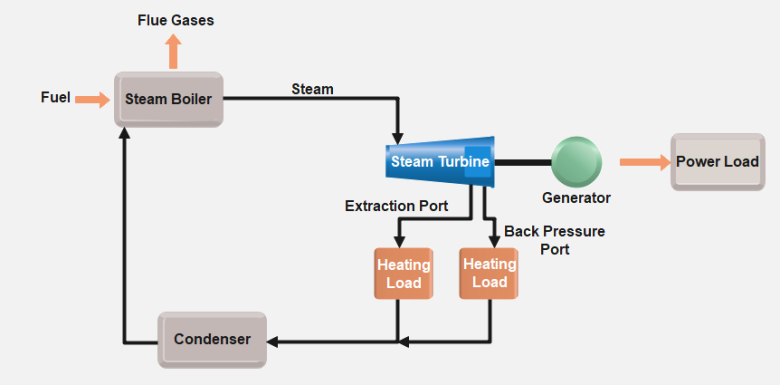
Categories
Uncategorized

Steam Turbines for Thermal Power Plants

Steam Turbines for Thermal Power Plants

Steam Turbines for Thermal Power Plants: Steam turbines are a type of heat engine that converts thermal energy from steam into mechanical energy. This mechanical energy is often used to generate electricity in power plants or drive mechanical systems in various industrial processes. The operation of a steam turbine is based on the principle of thermodynamics, where high-pressure steam is expanded and its thermal energy is converted into kinetic energy, which then drives the blades of the turbine.

The steam is produced in a boiler, where water is heated to produce high-pressure steam. This steam is directed into the turbine, where it passes over a series of blades mounted on a rotating shaft. The design of the turbine blades is critical for efficient energy conversion, as they must be shaped to extract maximum energy from the steam. As the steam expands through the turbine, its pressure and temperature drop, transferring energy to the turbine blades and causing the shaft to rotate.

There are various types of steam turbines, each designed for specific applications and operating conditions. Condensing turbines are commonly used in power generation, where the steam is condensed into water after passing through the turbine, allowing for maximum energy extraction. This type of turbine is often part of a larger system known as a Rankine cycle, which includes the boiler, turbine, condenser, and feedwater pump. The condenser is typically a heat exchanger that cools the steam and converts it back into liquid water, which is then pumped back into the boiler to be reheated.

Back-pressure turbines, on the other hand, are used in industrial applications where steam is needed for both power generation and process heating. In these turbines, the steam is not condensed after passing through the turbine but is instead discharged at a lower pressure for use in other processes. This type of turbine is often found in cogeneration plants, where the goal is to maximize overall energy efficiency by using the steam for multiple purposes.

The efficiency of a steam turbine depends on various factors, including the design of the blades, the quality of the steam, and the operating conditions. Turbines are designed to operate at specific steam pressures and temperatures to achieve optimal performance. Advanced materials and manufacturing techniques have been developed to improve the efficiency and reliability of steam turbines, allowing them to operate at higher temperatures and pressures.

Steam turbines are also classified based on their configuration and the direction of steam flow. Impulse turbines, for example, use high-velocity jets of steam to turn the blades, while reaction turbines use the pressure difference between the steam inlet and outlet to generate motion. Some turbines combine both impulse and reaction principles to optimize performance across a range of operating conditions.

Maintenance and operational considerations are crucial for the longevity and efficiency of steam turbines. Regular inspection and maintenance are required to ensure that the turbine components are in good condition and operating correctly. This includes monitoring for signs of wear and tear, corrosion, and thermal stresses that can affect the performance and safety of the turbine.

In summary, steam turbines are a vital component of many industrial and power generation systems. Their design and operation are based on fundamental principles of thermodynamics, and their efficiency is influenced by various factors, including the quality of the steam, blade design, and operating conditions. Advances in materials and technology continue to improve the performance and reliability of steam turbines, making them a key part of the global energy infrastructure.

One of the critical aspects of steam turbine operation is the control and regulation of steam flow to ensure efficient energy conversion and safe operation. This is typically achieved using various control valves and systems that modulate the steam input based on the turbine’s load and operating conditions. The governor system is a key component in controlling the turbine speed, ensuring it remains within safe limits and matches the required output demand.

The steam entering a turbine can be either saturated or superheated. Saturated steam is at the boiling point and contains a mixture of water and steam, while superheated steam has been heated beyond the boiling point, which allows for more energy extraction without the risk of condensation inside the turbine. Superheated steam is preferred in many applications because it increases the efficiency of the turbine and reduces the risk of damage caused by water droplets impinging on the turbine blades.

Efficiency improvements in steam turbines have been driven by advancements in technology, such as improved blade design, better materials that can withstand higher temperatures and pressures, and more sophisticated control systems. For instance, modern turbines may use advanced computational fluid dynamics (CFD) simulations during the design process to optimize the shape and configuration of the blades, resulting in more efficient energy transfer from the steam.

Another area of innovation is the development of combined cycle power plants, where steam turbines are used alongside gas turbines. In these plants, the waste heat from the gas turbine is used to produce steam for the steam turbine, significantly improving overall efficiency by making use of energy that would otherwise be lost.

Environmental considerations have also become a significant factor in the design and operation of steam turbines. Reducing greenhouse gas emissions and improving the efficiency of power generation systems are critical goals. Many modern steam turbines are designed to be more environmentally friendly by utilizing cleaner fuels, implementing more efficient designs, and incorporating carbon capture and storage technologies.

The integration of renewable energy sources with steam turbines is another area of development. For example, solar thermal power plants use mirrors or lenses to concentrate sunlight to heat a fluid, which then produces steam for a turbine. Similarly, geothermal power plants harness heat from the Earth’s interior to generate steam. These systems offer the advantage of reducing reliance on fossil fuels and lowering carbon emissions.

In terms of lifecycle management, steam turbines are subject to rigorous testing and quality control during manufacturing to ensure they meet the required standards for safety and performance. Once in operation, they require regular maintenance to prevent degradation and failure. Predictive maintenance techniques, such as vibration analysis, thermal imaging, and oil analysis, are used to monitor the condition of the turbine and identify potential issues before they lead to significant problems.

The future of steam turbines is likely to be shaped by ongoing technological advancements and the global shift towards more sustainable energy sources. Innovations in materials science, digitalization, and control systems are expected to further enhance the performance and efficiency of steam turbines, making them an integral part of the evolving energy landscape. As the world moves towards a more sustainable and resilient energy future, steam turbines will continue to play a critical role in meeting energy demands while minimizing environmental impact.

Steam Turbine

Steam Turbine
Steam Turbine

The evolution of steam turbine technology has been marked by a continuous push towards higher efficiency, greater reliability, and reduced environmental impact. One key trend in this evolution is the development of ultra-supercritical (USC) and advanced ultra-supercritical (A-USC) steam turbines, which operate at much higher pressures and temperatures than traditional subcritical and supercritical turbines. These advanced turbines achieve higher thermal efficiencies by increasing the temperature and pressure of the steam entering the turbine, reducing fuel consumption and greenhouse gas emissions per unit of electricity generated.

Another significant advancement in steam turbine technology is the adoption of digitalization and smart technologies. The integration of sensors, data analytics, and machine learning algorithms allows for real-time monitoring and predictive maintenance of turbines. These technologies help in identifying performance anomalies, optimizing operations, and extending the lifespan of the turbines by preventing unplanned outages and reducing downtime.

Flexible operation has also become a critical capability for modern steam turbines, especially in the context of integrating renewable energy sources like wind and solar into the power grid. Steam turbines need to quickly adjust their output to balance the variability in electricity supply from these intermittent sources. Advanced control systems and designs enable turbines to ramp up or down efficiently, providing the necessary grid stability and reliability.

In addition to power generation, steam turbines find applications in various industrial processes, such as in the chemical, petroleum, and paper industries, where they are used to drive mechanical equipment or provide process heat. The versatility of steam turbines in cogeneration systems, where both electricity and heat are produced simultaneously, makes them an essential component for industrial energy efficiency initiatives.

Materials science has played a pivotal role in advancing steam turbine technology. The development of new high-temperature alloys and coatings has enabled turbines to withstand the extreme conditions of advanced steam cycles, reducing the risks of corrosion and creep, which can lead to material degradation over time. These materials not only enhance the performance of the turbines but also reduce the need for frequent maintenance and replacement, thereby lowering the operational costs.

Environmental regulations and the need for sustainable energy solutions have driven innovations in emissions control technologies for steam turbines. Modern turbines are equipped with advanced emission reduction systems, such as selective catalytic reduction (SCR) and flue gas desulfurization (FGD) units, to minimize pollutants like nitrogen oxides (NOx) and sulfur dioxide (SO2). These systems are essential for compliance with stringent environmental standards and for reducing the ecological footprint of power plants.

In the context of global energy transitions, steam turbines are being adapted to work with alternative fuels such as biomass and waste heat recovery systems. By utilizing these renewable and waste energy sources, steam turbines contribute to the diversification of the energy mix and the reduction of dependency on fossil fuels. This shift is crucial for achieving climate goals and transitioning towards a more sustainable energy future.

Research and development in the field of steam turbines continue to focus on enhancing efficiency, flexibility, and sustainability. Collaborative efforts between industry, academia, and government institutions are driving the innovation needed to address the challenges of modern energy systems. As steam turbines evolve, they will remain a cornerstone of both traditional and emerging energy infrastructures, providing reliable, efficient, and environmentally friendly power generation solutions.

The continued advancement of steam turbine technology is also influenced by the global trend towards decarbonization and the need to reduce carbon emissions in the energy sector. This has led to the exploration of new cycle configurations and hybrid systems that enhance the efficiency and reduce the carbon footprint of power plants. One such innovation is the integration of steam turbines with carbon capture and storage (CCS) technologies, where the carbon dioxide produced during combustion is captured before it enters the atmosphere and stored underground or used in industrial processes. By coupling CCS with high-efficiency steam turbines, power plants can significantly reduce their environmental impact while maintaining robust energy production.

Another promising development is the use of hydrogen as a fuel in steam turbine systems. Hydrogen, when burned, produces only water as a byproduct, making it an attractive option for reducing greenhouse gas emissions. Research is ongoing to develop steam turbines that can operate efficiently on hydrogen or hydrogen-rich fuels, which could play a crucial role in the future hydrogen economy. These turbines would need to be adapted to handle the different combustion characteristics of hydrogen, including its higher flame speed and lower ignition energy.

In the realm of operational flexibility, the concept of “peaking turbines” has gained attention. These turbines are designed to provide quick start-up and shut-down capabilities, allowing them to respond rapidly to fluctuations in electricity demand. This is particularly important in power grids with high penetration of renewable energy sources, where the availability of wind and solar power can be unpredictable. Peaking steam turbines contribute to grid stability by providing a reliable backup that can quickly come online when renewable energy output decreases.

Lifecycle analysis and sustainability assessments are increasingly being applied to steam turbine projects to evaluate their environmental impact from manufacturing through decommissioning. This holistic approach helps in identifying opportunities to reduce energy consumption, minimize waste, and recycle materials, contributing to the overall sustainability of the energy sector. Manufacturers are also exploring ways to reduce the carbon footprint of turbine production by sourcing materials sustainably and implementing energy-efficient manufacturing processes.

One of the challenges in steam turbine technology is managing the thermal stresses and mechanical loads that result from frequent cycling and operation at high temperatures. Advanced monitoring systems, combined with sophisticated modeling techniques, help in predicting the lifespan of turbine components and optimizing maintenance schedules to prevent failures. These predictive maintenance strategies not only enhance the reliability of the turbines but also reduce operational costs by preventing unplanned outages and extending the service life of critical components.

Educational and training programs are evolving to equip engineers and technicians with the skills needed to operate and maintain modern steam turbine systems. With the increasing complexity of these systems, there is a growing demand for specialized knowledge in areas such as thermodynamics, materials science, control systems, and digital technologies. Industry partnerships with academic institutions are fostering the development of training curricula that address these needs, ensuring a skilled workforce capable of supporting the evolving energy landscape.

The role of steam turbines in the global energy transition cannot be overstated. As the world moves towards cleaner and more sustainable energy solutions, steam turbines will continue to be a key player in balancing the demands for reliable power generation and environmental stewardship. The ongoing innovation in this field promises to unlock new possibilities for harnessing energy more efficiently and sustainably, making steam turbines a vital component of the future energy mix.

Steam Turbine Technology

Steam Turbine Technology

As steam turbine technology progresses, a notable area of focus is the integration with digital twins—a virtual model of a physical turbine that replicates its behavior in real time. Digital twins use data from sensors installed on the turbine to simulate its performance, allowing operators to predict potential issues, optimize operations, and enhance maintenance planning. This technology not only improves the reliability and efficiency of turbines but also reduces operational risks and costs by enabling proactive decision-making based on real-time data insights.

The push towards decarbonization has also led to the exploration of supercritical CO₂ (sCO₂) cycles, where carbon dioxide is used as the working fluid instead of steam. sCO₂ cycles operate at much higher efficiencies than traditional steam cycles due to the unique properties of CO₂ at supercritical conditions. The smaller size and higher efficiency of sCO₂ turbines make them an attractive option for various applications, including waste heat recovery and concentrated solar power plants. The development and deployment of sCO₂ turbines represent a significant step forward in achieving higher efficiency and reduced emissions in power generation.

Hybrid power plants, which combine multiple energy conversion technologies, are emerging as a new paradigm in power generation. Steam turbines are being integrated with renewable energy sources like solar thermal collectors and biomass boilers to create hybrid systems that leverage the strengths of each energy source. These systems offer greater flexibility, improved efficiency, and a reduced carbon footprint compared to traditional fossil-fuel-based plants. By harnessing the complementary nature of different energy sources, hybrid plants can provide stable and reliable power while accommodating the variability of renewables.

The global trend towards sustainable development is influencing the design and operation of steam turbines, with a growing emphasis on life cycle assessment (LCA) and environmental impact reduction. LCA evaluates the environmental effects associated with all stages of a product’s life, from raw material extraction through manufacturing, use, and disposal. For steam turbines, this involves assessing the environmental footprint of materials, energy use during manufacturing, operational emissions, and end-of-life recycling or disposal. By understanding and mitigating these impacts, manufacturers can create more sustainable turbine designs and contribute to the broader goals of reducing environmental degradation and promoting resource efficiency.

Advanced manufacturing techniques such as additive manufacturing (3D printing) are also being explored for producing complex turbine components. Additive manufacturing allows for the creation of intricate geometries that are difficult or impossible to achieve with traditional manufacturing methods. This capability can lead to improved turbine blade designs that enhance aerodynamic efficiency and reduce weight, ultimately improving the overall performance of the turbine. Additionally, additive manufacturing can shorten production times and reduce material waste, contributing to more sustainable manufacturing practices.

In response to the increasing demand for more sustainable energy systems, research into the use of alternative working fluids for steam turbines is gaining traction. Organic Rankine Cycle (ORC) turbines, for example, use organic fluids with lower boiling points than water, making them suitable for low-temperature heat sources such as geothermal energy, industrial waste heat, and solar thermal energy. ORC turbines offer a pathway to utilizing low-grade heat sources that would otherwise go to waste, thereby improving the overall efficiency of energy systems and supporting the transition to a more sustainable energy mix.

The global energy landscape is undergoing a transformation, and steam turbines are at the heart of this change. Their adaptability to new technologies, fuels, and integration with renewable energy systems positions them as a critical enabler of a cleaner and more sustainable energy future. As research and development continue to push the boundaries of what steam turbines can achieve, they will remain an indispensable part of the world’s efforts to meet growing energy demands while minimizing environmental impact and supporting economic growth.

Steam Turbine Efficiency

Steam Turbine Efficiency

Steam turbine efficiency is a crucial aspect of their design and operation, influencing the overall performance and economic viability of power generation and industrial processes. Efficiency in steam turbines refers to the ratio of the useful mechanical energy output to the thermal energy input provided by the steam. Several factors affect this efficiency, including thermodynamic principles, turbine design, steam quality, and operating conditions.

One of the fundamental principles governing steam turbine efficiency is the Rankine cycle, which describes the process of converting heat into work through the expansion of steam. The efficiency of a steam turbine is directly related to the temperature and pressure of the steam entering the turbine. Higher steam temperatures and pressures allow for greater energy extraction, leading to improved efficiency. This is why modern steam turbines are often designed to operate under supercritical or ultra-supercritical conditions, where steam parameters exceed the critical point of water, allowing for more efficient energy conversion.

The design of turbine blades plays a significant role in determining efficiency. Blades are carefully engineered to optimize the flow of steam, ensuring that as much kinetic energy as possible is transferred to the rotating shaft. The shape, size, and arrangement of the blades are all factors that influence how effectively the turbine can convert steam energy into mechanical work. Advances in computational fluid dynamics (CFD) have enabled engineers to create more aerodynamic blade profiles, reducing energy losses due to turbulence and improving overall efficiency.

Steam quality is another critical factor affecting turbine efficiency. Superheated steam, which has been heated beyond its boiling point, is preferred because it reduces the risk of condensation within the turbine. The presence of liquid water can cause erosion and damage to turbine blades, reducing efficiency and increasing maintenance costs. By using superheated steam, turbines can operate more efficiently and with less wear and tear on the components.

Thermodynamic efficiency is also influenced by the degree of expansion of the steam within the turbine. The more the steam expands, the more energy can be extracted. However, practical considerations such as the size of the turbine and the need to avoid excessive mechanical stresses limit the extent of expansion. To maximize efficiency, steam turbines are often designed with multiple stages, where the steam passes through several sets of blades, each extracting a portion of the available energy. This multistage design allows for a more gradual reduction in steam pressure and temperature, optimizing energy extraction and improving efficiency.

Heat losses are another area of concern when it comes to turbine efficiency. Some of the energy in the steam is inevitably lost as heat to the surroundings, reducing the overall efficiency of the system. Insulating the turbine and associated piping can help minimize these losses. Additionally, the use of condensers in condensing turbines helps to recover some of the energy by condensing the exhaust steam into water, which can then be recirculated back to the boiler.

Operational practices also play a role in maintaining high efficiency. Regular maintenance and monitoring of turbine performance are essential to ensure that the turbine operates at peak efficiency. Issues such as fouling, wear, and misalignment can degrade performance over time, so identifying and addressing these problems promptly is crucial. Predictive maintenance techniques, which use data analytics and sensors to monitor turbine health, have become increasingly important in ensuring sustained efficiency.

The efficiency of steam turbines has a direct impact on the overall efficiency of power plants and industrial processes. Higher turbine efficiency means that less fuel is required to produce the same amount of power, leading to lower operating costs and reduced emissions. This makes improving turbine efficiency a key focus for the energy industry, particularly in the context of global efforts to reduce carbon emissions and transition to more sustainable energy systems.

In summary, steam turbine efficiency is influenced by a combination of thermodynamic principles, blade design, steam quality, and operational practices. Advances in technology and materials continue to push the boundaries of what is possible, enabling more efficient and reliable turbines that play a crucial role in modern energy systems. By optimizing efficiency, steam turbines contribute to more sustainable and cost-effective energy production, supporting the global transition to a low-carbon future.

In the pursuit of higher steam turbine efficiency, research and development have focused on various innovations and enhancements. One such area is the use of advanced materials that can withstand the extreme conditions of high-temperature and high-pressure steam. Materials like nickel-based superalloys and ceramic coatings are employed to improve the thermal resistance and mechanical strength of turbine components. These materials enable turbines to operate at higher temperatures, which increases the thermodynamic efficiency and allows for greater energy extraction from the steam.

The development of advanced manufacturing techniques, such as additive manufacturing (3D printing), has also contributed to improvements in turbine efficiency. These techniques allow for the production of complex geometries that are difficult to achieve with traditional manufacturing methods. By optimizing the design and structure of turbine components, manufacturers can reduce weight, improve aerodynamics, and enhance overall performance. This level of precision and customization leads to more efficient turbines with lower energy losses.

Digital technologies are playing an increasingly significant role in optimizing steam turbine efficiency. The use of digital twins, real-time monitoring, and data analytics allows operators to fine-tune the performance of turbines under varying load conditions. These technologies enable the detection of inefficiencies and the implementation of corrective measures before they lead to significant performance degradation. Additionally, machine learning algorithms can analyze historical performance data to predict future trends and optimize turbine operations for maximum efficiency.

Innovations in turbine control systems have also enhanced efficiency by improving the precision of steam flow regulation. Advanced control algorithms ensure that the steam is directed through the turbine at the optimal pressure and temperature, minimizing energy losses and maximizing output. These systems are particularly important in flexible power plants that need to respond rapidly to changes in electricity demand and integrate with renewable energy sources.

Cogeneration, or combined heat and power (CHP) systems, represent another strategy for improving overall efficiency. In these systems, steam turbines generate both electricity and useful thermal energy from the same fuel source. By utilizing the waste heat for heating or industrial processes, cogeneration systems can achieve much higher overall efficiencies compared to traditional power plants. This approach not only reduces fuel consumption but also lowers greenhouse gas emissions, making it a more sustainable option for energy production.

The integration of steam turbines with renewable energy technologies is an emerging area of focus. For example, in solar thermal power plants, concentrated sunlight is used to generate steam, which then drives a turbine. These systems can achieve higher efficiency by using advanced turbine designs that are optimized for the specific characteristics of solar-generated steam. Similarly, geothermal power plants utilize heat from the Earth’s crust to produce steam for turbines. By harnessing these renewable energy sources, steam turbines can contribute to reducing reliance on fossil fuels and lowering the carbon footprint of power generation.

Energy storage technologies are also being explored as a means to enhance the efficiency and flexibility of steam turbines. By storing excess energy generated during periods of low demand and releasing it when demand is high, energy storage systems can help balance the load on steam turbines and improve their overall efficiency. Thermal energy storage, where heat is stored in materials like molten salts, is particularly compatible with steam turbines and offers a way to decouple the production and use of electricity.

Finally, policy and regulatory frameworks play a role in driving efficiency improvements in steam turbines. Governments and industry organizations set efficiency standards and provide incentives for the adoption of high-efficiency technologies. These initiatives encourage investment in research and development and the deployment of advanced steam turbine systems that meet stringent efficiency and environmental criteria.

In conclusion, steam turbine efficiency is a multifaceted challenge that involves optimizing thermodynamic processes, material properties, manufacturing techniques, and operational strategies. Continuous innovation and the integration of advanced technologies are essential for achieving higher efficiency and supporting the transition to a more sustainable energy future. As steam turbines evolve, they will remain a cornerstone of efficient power generation, contributing to global efforts to reduce energy consumption and environmental impact.

Further advancements in steam turbine efficiency are also being driven by the development of hybrid cycles that combine different thermodynamic processes to optimize energy use. One such example is the combined cycle, which pairs a gas turbine with a steam turbine. In this configuration, the waste heat from the gas turbine is used to produce steam for the steam turbine, significantly improving the overall efficiency of the power plant. By utilizing the heat that would otherwise be lost, combined cycle plants can achieve efficiencies of up to 60% or higher, making them some of the most efficient power plants in operation today.

Another hybrid approach involves integrating steam turbines with organic Rankine cycle (ORC) systems. ORC systems use organic fluids with lower boiling points than water, allowing them to convert low-temperature heat sources into electricity. By coupling ORC systems with traditional steam turbines, it is possible to capture and utilize heat from sources such as geothermal wells, industrial waste heat, or solar thermal collectors, further enhancing the overall efficiency of energy systems.

In the pursuit of higher efficiency, researchers are also exploring the use of advanced cycle configurations such as reheating and regeneration. Reheating involves expanding the steam in multiple stages with intermediate reheating between stages. This process reduces moisture content in the later stages of expansion, improving efficiency and reducing wear on turbine blades. Regeneration, on the other hand, involves preheating the feedwater using steam extracted from intermediate stages of the turbine. This reduces the energy required to convert the feedwater into steam, thereby increasing the efficiency of the cycle.

Supercritical and ultra-supercritical steam cycles are pushing the boundaries of what is possible in terms of efficiency. These cycles operate at pressures and temperatures above the critical point of water, where the distinctions between liquid and vapor phases disappear. By operating in this supercritical region, steam turbines can achieve higher thermal efficiencies and extract more energy from the same amount of fuel. However, these systems require advanced materials and design considerations to handle the extreme conditions, making them a focus of ongoing research and development.

The concept of exergy, which measures the useful work potential of a given energy input, is also critical in the analysis of steam turbine efficiency. Exergy analysis helps identify where energy losses occur within the system and provides insights into how these losses can be minimized. By focusing on maximizing the exergy efficiency, engineers can design turbines that make better use of the available energy, leading to more sustainable and cost-effective power generation solutions.

Environmental factors are increasingly influencing the design and operation of steam turbines. Stricter emissions regulations and the need to reduce carbon footprints are driving the adoption of technologies that enhance efficiency while minimizing environmental impact. For instance, carbon capture and storage (CCS) technologies can be integrated with steam turbines to capture and sequester CO₂ emissions. By improving the efficiency of the turbines, less fuel is required for the same power output, reducing the overall emissions and making CCS systems more economically viable.

The future of steam turbine efficiency also lies in the potential for integrating artificial intelligence (AI) and machine learning (ML) into turbine operations. These technologies can analyze vast amounts of operational data to identify patterns and predict performance issues before they occur. AI-driven optimization can dynamically adjust operating parameters to ensure that the turbine runs at its peak efficiency under varying conditions. This level of intelligent control represents a significant leap forward in maintaining and enhancing efficiency throughout the turbine’s lifecycle.

In conclusion, the drive to improve steam turbine efficiency encompasses a broad spectrum of technological, operational, and environmental considerations. From advanced materials and manufacturing techniques to innovative cycle configurations and digital technologies, the quest for greater efficiency is central to the evolution of steam turbines. As these advancements continue to unfold, steam turbines will play a pivotal role in delivering efficient, reliable, and sustainable energy for the future.

Steam Turbine Decarbonization

 Steam turbine Decarbonization
Steam turbine Decarbonization

The decarbonization of energy systems is one of the most pressing challenges of our time, and steam turbines play a vital role in this global effort. Steam turbines, traditionally powered by fossil fuels, are central to power generation in many countries. However, as the world shifts toward cleaner, more sustainable energy sources, steam turbines must adapt to minimize their carbon emissions and contribute to the reduction of the overall carbon footprint of power generation.

One of the key strategies for decarbonizing steam turbine systems is the transition to lower-carbon or carbon-neutral fuels. Traditional coal- and natural gas-fired power plants contribute significantly to carbon emissions, but with the right modifications, steam turbines can operate using alternative fuels such as biomass, hydrogen, and even waste-derived fuels. Biomass, for example, offers a renewable energy source that can reduce the carbon intensity of power generation, as it involves the combustion of organic materials that are part of the natural carbon cycle. When sustainably sourced, biomass can contribute to a net reduction in carbon emissions compared to fossil fuels.

Hydrogen is another promising fuel that has the potential to decarbonize steam turbine systems. When burned, hydrogen produces only water vapor as a byproduct, making it an ideal candidate for reducing greenhouse gas emissions in power generation. Research is ongoing to develop steam turbines that can operate efficiently on hydrogen or hydrogen-blended fuels. These turbines need to be specially designed to handle the combustion characteristics of hydrogen, which include its higher flame speed and lower ignition temperature compared to natural gas. Integrating hydrogen into existing steam turbine systems, or developing new turbines specifically for hydrogen combustion, could significantly reduce carbon emissions from power plants and industrial facilities.

Carbon capture and storage (CCS) technologies are also playing a critical role in the decarbonization of steam turbine systems. CCS involves capturing carbon dioxide emissions from power plants and other industrial processes, compressing the CO₂, and storing it underground in geological formations. By integrating CCS with steam turbines, power plants can continue to operate using fossil fuels while effectively mitigating the carbon emissions associated with combustion. The efficiency of steam turbines plays a role in the effectiveness of CCS; by improving turbine efficiency, less fuel is required to generate the same amount of power, which in turn reduces the volume of CO₂ that needs to be captured.

The use of advanced materials in steam turbines is another way to support decarbonization efforts. By enabling steam turbines to operate at higher temperatures and pressures, advanced materials like nickel-based superalloys and ceramics allow for more efficient energy conversion. This means that power plants can generate more electricity with less fuel, reducing their overall carbon emissions. The higher thermal efficiency of steam turbines designed with these materials helps minimize fuel consumption, which is a critical factor in reducing the carbon intensity of power generation.

Another aspect of decarbonization is the integration of renewable energy sources with steam turbine systems. Although steam turbines are traditionally associated with thermal power plants, they can also be integrated with renewable energy systems like solar thermal power and geothermal energy. In solar thermal power plants, for instance, concentrated solar energy is used to heat a fluid, which then generates steam to drive a turbine. This process can significantly reduce the carbon footprint of electricity generation by utilizing renewable energy instead of fossil fuels. Similarly, geothermal energy, which taps into the Earth’s natural heat, can be used to generate steam for turbines, providing a low-carbon alternative to conventional power sources.

In addition to fuel switching and technological innovations, operational strategies are critical in reducing the carbon emissions associated with steam turbines. Flexible operation, which allows power plants to adjust output rapidly in response to changing grid demands or the availability of renewable energy, is becoming increasingly important. The ability of steam turbines to operate more flexibly enables better integration of renewable energy sources, such as wind and solar, which can be intermittent. By providing backup power during periods of low renewable energy generation, steam turbines contribute to grid stability without relying on fossil fuels.

Energy storage systems, including thermal energy storage, can also enhance the decarbonization potential of steam turbine systems. These systems store excess energy generated during times of low demand, such as from renewable sources, and release it when demand is high. By integrating steam turbines with energy storage solutions, power plants can reduce their reliance on fossil fuels for peak power generation, ultimately lowering their carbon emissions.

Moreover, improving the overall energy efficiency of steam turbines directly contributes to decarbonization. By making steam turbines more efficient, less fuel is required to produce the same amount of electricity, reducing both operating costs and emissions. Technological advancements, such as better turbine blade designs, advanced sensors, and digital optimization tools, can help maximize the efficiency of steam turbines. This is especially critical in power plants that continue to operate using fossil fuels, as even small efficiency gains can result in significant reductions in carbon emissions.

The role of steam turbines in decarbonization is not limited to power generation alone. Industrial applications of steam turbines, such as in chemical, oil and gas, and manufacturing industries, are also being targeted for decarbonization. By improving the energy efficiency of steam turbines used in these industries, significant reductions in energy consumption and carbon emissions can be achieved. Industrial facilities are increasingly adopting combined heat and power (CHP) systems, where steam turbines are used to generate both electricity and useful heat. By utilizing waste heat, CHP systems reduce the need for additional fuel, thus cutting carbon emissions and improving overall energy efficiency.

As the global focus on climate change intensifies, the decarbonization of steam turbine systems will continue to be a key aspect of the broader energy transition. Through a combination of technological innovations, fuel diversification, operational strategies, and policy support, steam turbines will play an essential role in reducing the carbon footprint of power generation and industry. The ongoing efforts to decarbonize steam turbine systems are not only crucial for mitigating climate change but also for ensuring a more sustainable and resilient energy future.

As the world increasingly turns toward decarbonization, the role of steam turbines in facilitating this transition becomes even more important. One area of focus in this context is the evolution of steam turbine design and operational flexibility. In traditional power plants, steam turbines have been used in baseload power generation, operating at a steady output for long periods. However, with the growing integration of renewable energy sources like wind and solar into the grid, power plants are being called upon to operate more flexibly. This flexibility enables steam turbines to adjust quickly to fluctuations in renewable energy availability, making them essential for grid stability.

The challenge for steam turbine manufacturers and operators is to design turbines that can handle these rapid load changes without sacrificing efficiency or reliability. Flexible operation typically requires turbines to operate in part-load conditions more frequently, which can reduce their efficiency. However, through advanced control systems and improved materials, modern steam turbines can now operate more efficiently at a wider range of loads, ensuring they remain valuable contributors to the grid even as renewable energy sources become more prevalent.

One promising solution to enhance flexibility is the development of “fast-ramping” steam turbines. These turbines are designed to ramp up or down in response to grid demands more rapidly than conventional turbines, reducing reliance on fossil fuel-based backup power. By incorporating technologies such as improved valve control, advanced sensors, and real-time data analytics, fast-ramping turbines can respond to grid fluctuations quickly and efficiently, supporting renewable integration while minimizing carbon emissions.

The decarbonization efforts are also being bolstered by the use of hybrid systems that combine steam turbines with other low-carbon technologies. One such example is the integration of steam turbines with hydrogen fuel cells. In this configuration, steam turbines are used in combination with hydrogen to generate power, where hydrogen serves as a clean fuel. The use of hydrogen fuel cells with steam turbines allows for the production of electricity with minimal carbon emissions, as the only byproducts of hydrogen combustion are water vapor and heat. This integration enables power plants to continue utilizing steam turbines while significantly reducing their carbon footprint.

Moreover, advanced digital technologies like artificial intelligence (AI), machine learning (ML), and predictive analytics are being employed to optimize the performance of steam turbines in decarbonized systems. These tools can help forecast energy demand, identify inefficiencies, and enable more precise control over turbine operations. For example, AI-powered predictive maintenance allows operators to identify potential issues before they cause significant problems, ensuring turbines operate at peak efficiency and reducing the need for frequent maintenance or downtime.

In addition to these operational and technological advancements, the decarbonization of steam turbines is also being supported by governmental policies, incentives, and regulations. Many countries have set ambitious carbon reduction goals, and the energy sector, including steam turbine manufacturers and operators, is under increasing pressure to meet these targets. Governments around the world are providing financial incentives for the development of low-carbon technologies, including subsidies for the integration of renewable energy, energy efficiency improvements, and the adoption of carbon capture technologies. These policies help accelerate the transition to a decarbonized energy system by making it more economically viable for power plants and industrial facilities to adopt cleaner technologies and practices.

International frameworks such as the Paris Agreement have also set clear targets for carbon emissions reductions, further driving the need for decarbonization in all sectors, including power generation. As a result, companies in the steam turbine industry are investing heavily in research and development to create next-generation turbines that are more energy-efficient, adaptable to low-carbon fuels, and capable of integrating with renewable energy sources.

The transition to a low-carbon energy system is not without its challenges, but the role of steam turbines in this transition cannot be overstated. As the energy sector seeks to balance sustainability with reliability and cost-effectiveness, steam turbines will remain central to power generation. By embracing new technologies, adapting to low-carbon fuels, and improving operational flexibility, steam turbines will continue to evolve, contributing to a cleaner, more sustainable energy future.

In conclusion, the decarbonization of steam turbines represents a multifaceted effort involving the development of new technologies, fuel sources, and operational practices. The integration of renewable energy, the adoption of alternative fuels like hydrogen, the implementation of carbon capture systems, and advances in turbine efficiency and flexibility are all key components of this transformation. As the global energy landscape continues to shift, steam turbines will remain an integral part of the solution to achieving a low-carbon, sustainable future. By continuing to innovate and adapt, steam turbines will help reduce the carbon emissions from power generation while ensuring that reliable, affordable electricity remains available to meet growing global energy demands.

The future of steam turbine decarbonization is closely tied to ongoing research, development, and collaboration across industries, governments, and academic institutions. One promising avenue is the integration of steam turbines with advanced energy storage systems, which could significantly enhance the grid’s ability to accommodate fluctuating renewable energy sources while reducing the carbon emissions associated with backup power generation. For example, combining steam turbines with molten salt thermal energy storage or compressed air energy storage systems allows excess energy generated during periods of low demand to be stored and used when demand rises. This integration supports the efficient use of steam turbines for both baseload and peak-load power generation without relying heavily on fossil fuels.

Thermal energy storage in particular holds great potential for steam turbines, especially in concentrated solar power (CSP) plants, where heat is stored in molten salts and used to generate steam for turbines. By enabling energy to be stored and used later in the day or during cloudy periods, CSP plants with thermal storage can produce electricity around the clock while avoiding carbon emissions from traditional fossil fuel-based generation. This method of storing and utilizing thermal energy can reduce the intermittent nature of solar power and further decarbonize steam turbine systems that rely on solar thermal energy.

Beyond storage systems, the use of smart grids and digital technologies will play an essential role in optimizing steam turbine performance as part of a decarbonized energy system. Smart grids enable the seamless integration of diverse energy sources, including renewable generation, while also providing real-time data on energy consumption and demand. With advanced sensors, communication systems, and automation, smart grids can optimize turbine operations and help balance supply and demand efficiently. These digital networks allow utilities to manage turbine load profiles more effectively, increasing the overall reliability of the system and reducing energy losses.

Additionally, the role of steam turbines in decarbonization is not limited to power plants. Industrial sectors such as manufacturing, chemicals, and oil refining are also major contributors to global emissions, and steam turbines can help reduce their environmental impact. By using waste heat recovery systems and adopting combined heat and power (CHP) technologies, industrial facilities can maximize energy efficiency and reduce carbon emissions. CHP systems, which generate both electricity and useful thermal energy from a single fuel source, provide an excellent opportunity for industries to reduce their overall energy consumption and carbon footprint while maintaining operational efficiency.

Furthermore, integrating steam turbines into district heating systems, which provide heat to residential and commercial buildings, is another way to improve efficiency and reduce emissions in urban environments. In these systems, steam turbines can generate both electricity and heat from a single energy source, making the overall energy system more efficient. In combination with renewable energy sources like biomass, geothermal, or solar thermal, district heating systems can help reduce reliance on fossil fuels for heating, which is particularly important in regions with colder climates.

On a larger scale, global efforts to decarbonize transportation and heavy industry may also benefit from the use of steam turbines. For example, hydrogen-powered steam turbines could play a key role in decarbonizing sectors such as shipping, aviation, and steel manufacturing. These industries rely on high-temperature heat and large amounts of energy, which are traditionally supplied by fossil fuels. However, with the development of hydrogen-based steam turbines and fuel cells, these sectors could move toward zero-emission solutions while continuing to benefit from the power generation capabilities of steam turbines.

As the transition to a decarbonized economy accelerates, public-private partnerships and international collaboration will be crucial in overcoming the barriers to widespread adoption of decarbonized steam turbine technologies. Governments can play a key role by implementing policies that incentivize research and development, provide financial support for low-carbon technologies, and set clear emissions reduction targets. These policies can drive innovation and reduce the financial risks associated with transitioning to more sustainable energy systems.

At the same time, the steam turbine industry will need to focus on increasing the scalability of its decarbonization technologies. As demand for cleaner energy solutions grows, there will be a need for large-scale deployment of low-carbon steam turbines across a variety of sectors. Scaling up technologies like hydrogen-fueled turbines, CCS-equipped plants, and advanced thermal storage systems will require significant investment, collaboration, and infrastructure development. Nonetheless, the potential benefits of these technologies in reducing global emissions and mitigating climate change make them worth pursuing.

The decarbonization of steam turbines is also tied to the broader transition toward circular economy principles, where energy systems and materials are reused, recycled, or repurposed to minimize waste. For example, steam turbines and other power plant components can be designed for longer lifespans and easier recycling at the end of their operational life. The efficient reuse of materials and the reduction of waste in steam turbine production can further reduce the overall environmental impact of the energy sector.

In conclusion, steam turbine decarbonization is a multifaceted and ongoing process that will require continued technological advancements, innovation in fuel sources, improved efficiency, and more sustainable operational practices. The integration of renewable energy, hydrogen, energy storage, and digital technologies into steam turbine systems is key to achieving the goals of a low-carbon energy future. By leveraging these technologies and fostering collaboration across sectors and borders, steam turbines will remain a vital part of the energy landscape, contributing to the global effort to mitigate climate change and build a sustainable, resilient, and low-carbon energy system for generations to come.

Steam Turbine Integration

On Site Power Generator

The integration of steam turbines into modern energy systems is a critical component of ensuring both efficiency and flexibility in power generation. As the global energy landscape continues to evolve with the increasing reliance on renewable energy sources, steam turbines are increasingly being integrated into a variety of systems that include not only traditional fossil fuel-based plants but also renewable and hybrid power generation systems. The integration of steam turbines with these systems presents an opportunity to optimize energy production, reduce environmental impact, and provide grid stability in an increasingly complex and decentralized energy world.

One of the most common integrations of steam turbines occurs within combined cycle power plants, which combine both gas and steam turbines to improve efficiency. In these plants, natural gas is burned to power a gas turbine, and the waste heat from the gas turbine is used to generate steam for a steam turbine. This setup allows power plants to achieve much higher efficiencies than either gas or steam turbines alone, as the waste heat from the gas turbine is captured and utilized to generate additional electricity. The integration of both turbines creates a synergistic effect that optimizes the conversion of fuel to energy, making combined cycle plants one of the most efficient power generation technologies available.

Furthermore, steam turbines are increasingly integrated with renewable energy sources like solar thermal power and geothermal energy, contributing to the decarbonization of the energy sector. In solar thermal plants, concentrated solar power (CSP) systems use mirrors or lenses to focus sunlight onto a fluid that is heated to generate steam. The steam is then used to drive a steam turbine to produce electricity. This integration of solar energy with steam turbine technology allows for power generation that is carbon-neutral, reducing reliance on fossil fuels and contributing to the mitigation of climate change. Similarly, in geothermal power plants, the heat from the Earth’s core is used to generate steam, which then drives a steam turbine. Geothermal energy is considered a renewable and sustainable energy source, and its integration with steam turbines provides a reliable and constant form of electricity generation that is not subject to the intermittency of solar or wind energy.

One of the key challenges in integrating steam turbines with renewable energy systems is the variability and intermittency of renewable energy sources like wind and solar. Steam turbines are typically designed to operate continuously at steady output levels, but renewable energy sources do not always produce electricity at a constant rate. To address this, modern steam turbines are being designed with greater flexibility, allowing them to operate efficiently under fluctuating loads. This flexibility allows steam turbines to complement renewable energy generation by acting as backup power during periods of low renewable output, ensuring grid stability and reliability. As a result, steam turbines are being integrated into hybrid systems that combine renewable energy with thermal or gas-fired power plants to create more flexible, sustainable, and reliable energy solutions.

In addition to power generation, steam turbines are also being integrated into combined heat and power (CHP) systems, which produce both electricity and useful heat. These systems are often used in industrial applications where both electricity and thermal energy are required. By utilizing waste heat from industrial processes or from the exhaust gases of steam turbines, CHP systems can significantly increase the overall efficiency of energy use. This is particularly important in industries such as chemicals, oil and gas, and manufacturing, where large amounts of heat are needed for processes like heating, drying, and distillation. The integration of steam turbines in CHP systems allows industries to reduce their energy consumption, lower emissions, and improve their overall economic efficiency by making use of waste heat that would otherwise be lost.

Moreover, steam turbines are playing an increasingly important role in district heating systems, where steam turbines generate both heat and electricity for urban areas. In these systems, steam turbines are integrated with heat sources such as biomass, waste-to-energy plants, or even nuclear power plants to provide thermal energy to residential, commercial, and industrial users. By using steam turbines in conjunction with these heat sources, district heating systems can provide a reliable, low-carbon alternative to conventional heating methods, such as fossil fuel-based heating. This integration reduces reliance on individual heating systems in buildings and helps create more energy-efficient and sustainable urban environments.

The integration of steam turbines with energy storage technologies is another area of growing interest. Energy storage systems, such as thermal energy storage, compressed air energy storage, and battery storage, can help smooth out the variability of renewable energy generation. By storing excess energy generated during periods of high renewable output, these storage systems allow steam turbines to generate electricity during periods of low renewable availability, thereby enhancing grid stability and ensuring a continuous power supply. For example, in concentrated solar power (CSP) systems, excess heat can be stored in molten salts and used to generate steam for turbines when sunlight is not available, providing dispatchable and reliable power from a renewable source.

In the context of decarbonization and the transition to low-carbon energy systems, steam turbines are being integrated with carbon capture and storage (CCS) technologies. CCS technologies capture carbon dioxide (CO₂) emissions from power plants and industrial processes and store them underground or use them for other purposes, such as enhanced oil recovery. By integrating CCS with steam turbines, power plants can continue to operate while reducing their carbon emissions. The efficiency of the steam turbines plays a crucial role in the effectiveness of CCS, as higher turbine efficiency means that less fuel is needed to generate the same amount of electricity, reducing the overall carbon emissions from the plant. As a result, integrating CCS with steam turbine systems helps mitigate the impact of fossil fuel use on the environment and contributes to achieving global climate goals.

Another significant area of steam turbine integration is in hybrid systems that combine steam turbines with other low-carbon technologies, such as hydrogen fuel cells and nuclear power. Hydrogen is a clean fuel that, when used in a fuel cell or burned in a turbine, produces only water vapor as a byproduct. Integrating steam turbines with hydrogen fuel cells enables power plants to generate electricity with zero carbon emissions. Similarly, integrating steam turbines with advanced nuclear reactors offers the potential for reliable, low-carbon baseload power generation. Nuclear power plants with steam turbines produce electricity by using the heat from nuclear fission to generate steam, offering a carbon-free energy source that is reliable and scalable.

The integration of steam turbines in smart grids is also a promising development. Smart grids are digital, two-way communication systems that enable the efficient management of electricity distribution by optimizing energy use based on real-time data. By integrating steam turbines into smart grids, utilities can better manage grid stability, load balancing, and energy distribution, ensuring that power generation is optimized and carbon emissions are minimized. Through advanced sensors, automation, and data analytics, smart grids can dynamically adjust the output of steam turbines to meet changing demand and integrate more renewable energy sources, improving overall system efficiency and resilience.

In conclusion, the integration of steam turbines into diverse energy systems is essential for creating a more efficient, flexible, and sustainable energy infrastructure. Whether through combined cycle power plants, renewable energy systems, combined heat and power systems, or carbon capture technologies, steam turbines are playing an integral role in modernizing energy generation. By embracing new technologies and operational strategies, steam turbines are evolving to meet the challenges of a low-carbon energy future while providing reliable, efficient power. The ongoing integration of steam turbines into innovative energy systems will continue to shape the way the world generates and consumes energy, making it possible to transition toward a cleaner, more sustainable energy future.

As the demand for cleaner and more sustainable energy grows, steam turbine integration is expected to play an increasingly critical role in reshaping how we produce, store, and distribute power. The development of hybrid systems that combine steam turbines with various renewable and low-carbon technologies represents a promising avenue for achieving deeper decarbonization. For instance, coupling steam turbines with energy storage solutions, such as large-scale battery storage, allows energy producers to store excess electricity during periods of high renewable output and release it when the renewable supply wanes. This integrated approach ensures a stable power supply, enhances grid flexibility, and helps mitigate the intermittency challenges associated with wind and solar energy.

Additionally, combining steam turbines with low-carbon technologies like hydrogen holds great promise in decarbonizing industries and power generation. Hydrogen, when used as a fuel for steam turbines, provides a carbon-free alternative to fossil fuels, as its combustion produces only water vapor. The integration of hydrogen-fired steam turbines in power plants or industrial facilities could significantly reduce greenhouse gas emissions, especially in hard-to-decarbonize sectors such as heavy industry, chemicals, and steel manufacturing. Ongoing research and innovation in hydrogen infrastructure, storage, and distribution are critical to realizing the full potential of this integration. In the future, steam turbines could operate on a mixture of hydrogen and natural gas, further reducing carbon emissions and advancing the energy transition.

The integration of steam turbines with advanced nuclear reactors offers another significant opportunity to reduce carbon emissions while ensuring reliable, 24/7 power generation. Nuclear power, which produces no direct CO₂ emissions during operation, is increasingly seen as a key part of the energy transition. By integrating steam turbines with new generation nuclear reactors, such as small modular reactors (SMRs), we can provide consistent, low-carbon electricity while simultaneously supporting grid stability. These reactors are designed to be more flexible in operation and capable of handling variable grid demands, which is essential as we incorporate more renewable sources like wind and solar into the energy mix.

In parallel, advancements in digital technologies are enhancing the ability to integrate steam turbines into smart grids. Smart grids leverage real-time data, advanced sensors, and machine learning algorithms to optimize energy generation, transmission, and consumption. By incorporating steam turbines into these digital grids, operators can more efficiently balance power supply and demand, seamlessly integrating both conventional and renewable energy sources. Steam turbines, when integrated with smart grids, can adapt to varying demand patterns, allowing for more efficient use of resources and less reliance on fossil fuel-based backup power. For example, turbines can be automatically ramped up or down in response to fluctuations in renewable energy generation, ensuring grid stability without sacrificing efficiency or reliability.

One of the most significant challenges for steam turbine integration lies in the modernization of existing power plants. Many older steam turbines were designed for baseload operation using fossil fuels and are not optimized for the variable nature of renewable energy. Retrofitting these turbines to accommodate new fuels, like hydrogen, or to enable faster response times to grid changes is essential to maximizing their role in future energy systems. This process of retrofitting or upgrading turbines often requires significant investment, as it involves both mechanical modifications and the integration of new control systems. However, the benefits of retrofitting older turbines to handle renewable integration or carbon capture make it a worthwhile investment in the long term.

The development of more efficient steam turbines is also a key factor in their successful integration into modern energy systems. Advances in turbine design, such as improvements in materials, blade aerodynamics, and thermal efficiency, enable turbines to operate at higher temperatures and pressures, resulting in improved efficiency and a reduction in fuel consumption. More efficient turbines not only lower the operational costs of power plants but also reduce the environmental impact of electricity generation by requiring less fuel to produce the same amount of electricity. As a result, turbine manufacturers and power plant operators are continuously working to enhance the performance of steam turbines through innovations in engineering and technology.

Moreover, the integration of steam turbines with decentralized energy systems is becoming increasingly important as the energy transition progresses. Microgrids and distributed energy resources (DERs), such as small-scale renewable generators and energy storage systems, are being integrated with steam turbines to create more resilient and flexible energy systems. In these configurations, steam turbines can provide backup power during grid outages or periods of low renewable generation, ensuring the continuity of electricity supply while reducing dependence on centralized fossil fuel-based power plants. In remote areas or regions with unreliable grid infrastructure, steam turbines integrated into microgrids can help improve energy access and support local economies while minimizing environmental impact.

The growing importance of energy security in an increasingly interconnected world also highlights the role of steam turbines in providing reliable, dispatchable power. As renewable energy penetration increases, ensuring that power systems remain stable during periods of low renewable output or high demand becomes a critical concern. Steam turbines are well-positioned to play a key role in stabilizing the grid, as they can generate electricity on demand, regardless of weather conditions or time of day. This capability is crucial for balancing the grid when renewables like wind and solar are not generating power, providing the reliability needed to maintain electricity supply without relying on carbon-intensive backup power sources.

International collaboration is another vital element for successfully integrating steam turbines into the global energy transition. Countries and companies across the world are working together to share knowledge, standardize technologies, and develop innovative solutions to decarbonize power generation. Whether through joint research initiatives, multinational partnerships, or knowledge-sharing platforms, these collaborations help accelerate the deployment of low-carbon technologies, including steam turbines. International agreements, such as the Paris Agreement, are also providing strong policy frameworks that encourage investment in clean energy solutions, including the integration of steam turbines with renewable and low-carbon technologies.

In conclusion, the integration of steam turbines into diverse and evolving energy systems is essential for the transition to a low-carbon future. Whether through hybrid power plants, renewable energy sources, energy storage solutions, or the adoption of new fuels like hydrogen, steam turbines will continue to play a critical role in ensuring reliable, efficient, and sustainable electricity generation. As technological innovations improve turbine performance and expand their ability to integrate with other energy systems, steam turbines will remain central to the global effort to reduce carbon emissions and build a resilient energy infrastructure. Through continued advancements in turbine design, digital integration, and global collaboration, steam turbines will help pave the way for a cleaner, more sustainable energy future.

As the integration of steam turbines with various technologies advances, the future of power generation will become increasingly interconnected, dynamic, and sustainable. One important aspect of this evolution is the expansion of steam turbine applications beyond traditional power generation. Industries such as desalination, district heating, and even hydrogen production are starting to leverage steam turbines to meet specific energy needs while reducing their carbon footprints.

In the field of desalination, steam turbines are integral to the process of generating fresh water from seawater. In these systems, thermal desalination methods, such as multi-effect distillation (MED) or multi-stage flash distillation (MSF), are used. Steam turbines play a central role in powering these processes by driving the pumps and compressors needed to produce steam from heat sources. By integrating renewable energy into desalination plants, for example, through solar thermal power or waste heat recovery, these plants can reduce their reliance on fossil fuels and operate more sustainably. This synergy of renewable energy and steam turbines can help provide critical water resources to regions where freshwater availability is limited while minimizing the environmental impact.

Similarly, steam turbines are essential in district heating networks, which provide hot water or steam to multiple buildings or even entire communities. These systems are especially important in colder climates, where efficient heating is necessary for homes, businesses, and industries. Steam turbines can be integrated into district heating plants powered by various renewable sources, including biomass, waste-to-energy facilities, and geothermal energy. By combining electricity and heat production in a single system, district heating plants reduce fuel consumption and greenhouse gas emissions, enhancing energy efficiency. This integration is particularly beneficial in urban environments where centralizing heat generation can lead to cost savings and lower emissions compared to individual heating solutions.

The production of green hydrogen is another exciting area where steam turbines are poised to make a significant impact. Hydrogen, often referred to as the “fuel of the future,” is seen as a critical component of the energy transition, particularly for sectors that are difficult to electrify, such as heavy industry, transportation, and chemicals. Steam methane reforming (SMR) and electrolysis are the two primary methods used to produce hydrogen, and steam turbines are integral to both processes. In SMR, steam is used to separate hydrogen from natural gas, while in electrolysis, steam turbines can be employed to provide the necessary heat for high-efficiency hydrogen production. Additionally, hydrogen itself can be used as a fuel for steam turbines, enabling the production of low-carbon electricity when combined with carbon capture technologies. As the global hydrogen economy develops, steam turbines will play a central role in supporting both hydrogen production and its integration into existing energy systems.

The growing focus on digitalization and automation in energy systems is also driving the integration of steam turbines with advanced technologies such as artificial intelligence (AI), machine learning, and the Internet of Things (IoT). These technologies enable real-time monitoring, predictive maintenance, and optimization of turbine performance, improving the overall efficiency and reliability of steam turbines. AI and machine learning algorithms can analyze large volumes of operational data to predict turbine failures, detect inefficiencies, and optimize load management. For example, AI can help operators make real-time adjustments to turbine performance, such as altering the steam flow or adjusting the temperature, to optimize power output and minimize wear and tear on the system. By continuously learning from data, these systems can enhance the operational flexibility of steam turbines, allowing them to better adapt to variable energy demands and integrate seamlessly into renewable-dominant grids.

The concept of decentralized and distributed energy systems is becoming increasingly relevant as the global energy landscape shifts toward more localized power generation and consumption. Steam turbines are well-suited for integration into these decentralized systems, where they can provide reliable, on-demand power in conjunction with distributed renewable energy resources. In remote locations, microgrids powered by steam turbines, combined with solar, wind, or energy storage, can offer a resilient and self-sufficient energy supply. These microgrids are capable of operating independently from the main grid, ensuring uninterrupted electricity supply even in the event of grid failures or extreme weather conditions. The integration of steam turbines into microgrids also supports the transition toward more resilient and flexible energy systems, which are critical for managing the challenges posed by climate change and natural disasters.

Steam turbine integration into global energy systems will also require significant advancements in infrastructure, particularly in the development of hydrogen and carbon capture networks, as well as the modernization of aging power plants. Retrofitting existing power stations with carbon capture, utilization, and storage (CCUS) technologies can make them more sustainable by capturing CO₂ emissions and storing them underground or using them in other industrial processes. As part of these retrofit projects, steam turbines will need to be adapted to operate in conjunction with CCUS systems, requiring careful design to ensure efficiency and minimize the operational costs. These efforts will be crucial in achieving global climate goals, particularly in regions where coal or natural gas remains a dominant source of electricity.

Moreover, government policies, regulations, and incentives will continue to shape the pace and scale of steam turbine integration into low-carbon energy systems. Governments worldwide are setting ambitious targets for reducing greenhouse gas emissions and transitioning to clean energy. As these policies evolve, steam turbine manufacturers and operators will need to align their strategies with national and international climate commitments. Financial incentives, such as subsidies for clean energy technologies, carbon pricing mechanisms, and emissions reduction targets, will play a crucial role in driving the adoption of more efficient, sustainable steam turbines. The development of industry standards and certifications for renewable energy integration and carbon reductions will also help ensure the widespread acceptance and implementation of these technologies.

The integration of steam turbines into the broader context of a decarbonized energy system is a multifaceted process that involves not only technological advancements but also economic, regulatory, and social considerations. Industry stakeholders, including turbine manufacturers, energy providers, policymakers, and research institutions, must work together to create solutions that enable the widespread deployment of steam turbines in clean, flexible, and reliable energy systems. The continuing development of advanced steam turbine technologies, combined with innovative integration strategies and cross-sector collaboration, will play a vital role in ensuring the global transition to a low-carbon energy future.

In conclusion, the integration of steam turbines into modern energy systems holds significant potential for achieving a cleaner, more efficient, and resilient energy future. From hybrid power plants and renewable energy integration to hydrogen production, energy storage, and decentralized grids, steam turbines are essential for optimizing energy use and reducing carbon emissions. By embracing innovation, digitalization, and cross-sector collaboration, steam turbines can evolve to meet the challenges of the 21st century, ensuring a sustainable, low-carbon future for generations to come.

Steam Turbine Sustainability

Steam Turbine Manufacturing

Steam turbine sustainability is an increasingly important topic in the context of global efforts to reduce carbon emissions, improve energy efficiency, and transition to renewable energy sources. As one of the cornerstones of traditional power generation, steam turbines are at the heart of many power plants around the world, especially those that rely on coal, natural gas, and nuclear energy. While steam turbines themselves are generally efficient machines that can operate for decades with proper maintenance, their sustainability depends not only on the technology used but also on how they are integrated into energy systems, their fuel source, and their overall impact on the environment.

The traditional role of steam turbines has been in large-scale power generation, where they convert thermal energy from burning fossil fuels or nuclear reactions into mechanical energy, which is then converted into electricity. In this context, steam turbines have contributed to the world’s electricity supply for over a century. However, with growing concerns over climate change, air pollution, and the finite nature of fossil fuels, there is increasing pressure to shift away from fossil fuel-based power generation. As a result, steam turbine sustainability is being redefined to focus on how these machines can be part of a cleaner, greener, and more sustainable energy infrastructure.

One of the key factors in improving steam turbine sustainability is increasing their efficiency. Modern steam turbines are designed to convert a higher percentage of the thermal energy from fuel into usable mechanical energy. This is particularly important in the context of fossil fuel-based power plants, where higher efficiency translates into less fuel consumption and fewer greenhouse gas emissions per unit of electricity generated. Advanced steam turbines, using materials capable of withstanding higher temperatures and pressures, can achieve efficiencies above 40%, and even higher efficiencies are possible in combined cycle plants where both gas and steam turbines are used together. Higher efficiency results in reduced energy consumption, lower emissions, and decreased fuel costs, making steam turbine systems more sustainable in the long run.

Steam turbines are also being adapted for use with low-carbon and renewable energy sources, which is a critical step in reducing the carbon footprint of power generation. One of the most promising areas of development is the integration of steam turbines with concentrated solar power (CSP) plants. In CSP systems, sunlight is focused on a heat-absorbing material, usually molten salt, which is heated to extremely high temperatures. This heat is then used to generate steam to drive a turbine. The integration of steam turbines with CSP allows solar energy to be stored as thermal energy and used to generate power even when the sun isn’t shining, making it a more reliable and sustainable form of renewable energy.

Another significant development in the pursuit of steam turbine sustainability is the use of biomass as a fuel source. Biomass energy, derived from organic materials like wood, agricultural residues, and even waste products, is considered a renewable source of energy. When used in a steam turbine, biomass can produce electricity while reducing the amount of waste sent to landfills. Biomass power plants, particularly those that use dedicated biomass or waste-to-energy systems, are a growing part of the renewable energy sector, offering a low-carbon alternative to traditional fossil fuels. When combined with carbon capture and storage (CCS) technologies, biomass-based steam turbines can become even more sustainable, capturing and storing the CO₂ emissions from combustion.

Geothermal energy is another renewable source that can be integrated with steam turbines to generate sustainable power. In geothermal power plants, steam produced by the heat from the Earth’s interior is used to drive turbines and generate electricity. Geothermal energy is renewable, sustainable, and carbon-neutral, as it doesn’t rely on burning fossil fuels and has minimal environmental impact. Steam turbines are ideal for converting the heat from geothermal reservoirs into electricity, making geothermal energy a key player in a low-carbon energy mix. Unlike other renewable energy sources like wind and solar, geothermal energy can provide a steady and reliable source of power, available 24/7.

Moreover, the transition to hydrogen as a clean fuel is set to significantly impact steam turbine sustainability. Hydrogen, when burned in a turbine, produces only water vapor as a byproduct, making it an ideal solution for decarbonizing power generation. Steam turbines are being adapted to run on hydrogen or hydrogen-natural gas blends, allowing for the continued use of existing turbine infrastructure while transitioning to a zero-emission fuel. The development of green hydrogen, which is produced by electrolyzing water using renewable electricity, is an important part of the future energy landscape. If this hydrogen is used in steam turbines, it could significantly reduce the carbon footprint of power plants while maintaining high efficiency and reliability.

In addition to improving the efficiency of steam turbines and integrating them into renewable energy systems, their sustainability is also influenced by their environmental impact, particularly during their manufacturing, operation, and decommissioning stages. The production of steam turbines involves the use of various raw materials, including metals such as steel, titanium, and nickel, which have a significant environmental footprint. Efforts to reduce the environmental impact of turbine production include using more sustainable materials, optimizing manufacturing processes, and reducing waste. Additionally, the end-of-life management of steam turbines is an important consideration in their sustainability. Turbines that are designed with recyclability in mind, where components such as metals can be reused, contribute to the circular economy and minimize waste.

Another factor affecting the sustainability of steam turbines is their role in combined heat and power (CHP) systems. In CHP systems, steam turbines are used to produce both electricity and useful thermal energy, such as heat for industrial processes, district heating, or even for space heating in residential areas. By utilizing waste heat from the steam cycle, CHP systems can achieve overall efficiencies of 80% or higher, compared to the typical efficiency of 33% to 40% in conventional power plants. This increased efficiency means that less fuel is required to produce both electricity and heat, reducing emissions and improving the sustainability of the overall energy system. CHP systems are commonly used in industrial settings, hospitals, and large residential complexes, where both electricity and heat are needed.

Steam turbine sustainability also relies on the incorporation of digital technologies that help optimize their performance and reduce their environmental impact. With the advent of the Internet of Things (IoT), sensors, and advanced data analytics, turbine operators can monitor the condition of steam turbines in real-time, allowing for predictive maintenance, efficiency improvements, and better fuel management. These technologies enable more precise control of turbine operation, optimizing their performance, extending their lifespan, and minimizing unnecessary energy consumption. Digitalization allows for better integration of steam turbines into smart grids, where they can dynamically adjust their output in response to changing demand and the availability of renewable energy, further enhancing their sustainability.

The role of steam turbines in the broader context of decarbonization cannot be understated. As part of the global shift toward clean energy, steam turbines are being integrated into systems that capture and store carbon emissions. Carbon capture and storage (CCS) technologies, when paired with steam turbine systems, can enable fossil fuel power plants to continue operating while significantly reducing their CO₂ emissions. By capturing the CO₂ emissions produced by burning fossil fuels and storing them underground or using them for other purposes, such as in enhanced oil recovery, steam turbines can play a critical role in mitigating climate change. Although CCS is still in the early stages of deployment, it holds great promise as a bridge technology to a future where cleaner and renewable energy sources dominate.

Steam turbine sustainability is also influenced by regulatory frameworks and incentives. Governments worldwide are introducing policies aimed at reducing carbon emissions and promoting the use of renewable energy. These policies, such as carbon pricing, renewable energy subsidies, and emissions reduction targets, encourage the development and adoption of sustainable technologies, including steam turbines. Additionally, regulations that require power plants to reduce their environmental impact, such as stricter emissions standards, incentivize the adoption of cleaner fuels and more efficient steam turbine technologies.

In conclusion, steam turbine sustainability is a multifaceted issue that involves enhancing turbine efficiency, integrating renewable and low-carbon energy sources, reducing the environmental impact of manufacturing and operation, and ensuring the long-term viability of power systems. Through technological innovations, such as improved materials, better turbine designs, and integration with renewable energy, steam turbines are evolving to meet the challenges of a low-carbon energy future. By improving their efficiency, reducing emissions, and embracing new fuels like hydrogen, steam turbines will continue to play a vital role in the global transition toward a more sustainable energy landscape. Furthermore, digital technologies, combined heat and power systems, and carbon capture and storage offer additional pathways to enhance the sustainability of steam turbines, making them an indispensable part of the world’s energy transition.

Looking ahead, the continued development of steam turbine sustainability will depend on a range of interconnected factors. One critical area is the ongoing innovation in turbine design, where advancements in materials and manufacturing techniques play a pivotal role. The development of advanced alloys and composites, which can withstand higher temperatures and pressures, enables steam turbines to operate at greater efficiency levels. For instance, the use of superalloys that are resistant to corrosion and high thermal stresses is essential for increasing the operational lifespan and performance of turbines. Additionally, 3D printing and additive manufacturing techniques are being explored to create more intricate and optimized turbine components, potentially reducing material waste and enhancing performance. These innovations could lead to lighter, more efficient turbines that offer enhanced sustainability by reducing energy consumption and extending the turbine’s operational life.

Another area where steam turbines can contribute to sustainability is in the integration of waste heat recovery systems. Waste heat recovery involves capturing excess heat that would otherwise be lost during power generation or industrial processes and repurposing it to generate additional electricity or provide useful heat. Steam turbines can be paired with waste heat recovery systems to create combined-cycle systems, where the waste heat from a gas turbine is used to produce steam for a steam turbine. This approach boosts overall plant efficiency and reduces the need for additional fuel, further decreasing carbon emissions. Waste heat recovery systems are particularly useful in industrial sectors, such as cement, steel, and chemical manufacturing, where significant amounts of heat are generated as byproducts. By capturing and utilizing this waste heat, steam turbines help reduce the overall energy demand and lower the environmental impact of industrial operations.

As global electricity demand continues to grow, it is essential that steam turbines contribute to a more sustainable and equitable energy future. In many developing regions, access to reliable and affordable electricity remains a challenge. Steam turbines, particularly in hybrid systems that combine renewable energy with backup steam generation, can help provide stable power supply to off-grid or rural areas. The combination of steam turbines with small-scale renewable energy sources, such as solar or wind, can enable distributed energy systems to thrive in remote areas where traditional grid infrastructure is not available. Microgrids that incorporate steam turbines provide not only a reliable energy supply but also the potential for reducing dependency on fossil fuels in regions that may otherwise have limited access to clean energy sources.

Steam turbines also have a role to play in the decarbonization of the transportation sector. While the transportation industry has traditionally relied on internal combustion engines, there is increasing interest in using steam turbines for high-efficiency, low-emission transportation systems, such as in ships, trains, and even electric aircraft. For example, steam turbines are already used in some large ships and marine vessels, where they provide high efficiency and reliability. They can be powered by alternative fuels like biofuels, hydrogen, or ammonia, further reducing the carbon footprint of transportation. As the industry looks for ways to meet stringent emissions regulations and reduce its environmental impact, the potential for steam turbines to contribute to cleaner transportation systems is becoming more apparent.

In addition to their role in power generation and transportation, steam turbines are also crucial for supporting emerging industries in the circular economy. The circular economy emphasizes the reuse, recycling, and sustainable management of resources, aiming to reduce waste and minimize the need for raw materials. Steam turbines can contribute to this model by enabling the efficient conversion of waste products, such as municipal solid waste or industrial byproducts, into electricity. Waste-to-energy (WTE) plants, which use steam turbines to generate power from organic waste, can help reduce landfill waste while providing a renewable source of energy. These plants are particularly valuable in urban areas where waste management and landfill space are limited. By converting waste into usable energy, steam turbines help close the loop in the circular economy, making better use of available resources and contributing to sustainability.

Another aspect of steam turbine sustainability lies in their potential for integration with carbon capture, utilization, and storage (CCUS) technologies. CCUS involves capturing CO₂ emissions from power plants or industrial processes and either storing them underground or repurposing them for other uses, such as in enhanced oil recovery or the production of synthetic fuels. Steam turbines, when used in combination with CCUS systems, can help reduce the overall carbon footprint of power generation, even in plants that continue to burn fossil fuels. This integration allows for a gradual transition toward cleaner energy sources while mitigating the environmental impact of existing power plants. The development and implementation of CCUS technologies are vital to achieving global climate targets, and steam turbines will remain central to these efforts.

In terms of policy and global collaboration, steam turbine manufacturers, power plant operators, and governments must continue to work together to ensure the widespread adoption of sustainable practices. Policy frameworks that support the development of renewable energy, clean technologies, and the reduction of greenhouse gas emissions are essential for encouraging investment in steam turbine systems that are aligned with global sustainability goals. In addition, international collaboration on research, technology transfer, and knowledge sharing can help accelerate the development and deployment of advanced steam turbines in both developed and developing regions. Initiatives such as the United Nations’ Sustainable Development Goals (SDGs) and international climate agreements like the Paris Agreement provide strong incentives for nations to invest in sustainable energy solutions. As countries commit to reducing their carbon footprints and transitioning to cleaner energy systems, steam turbines will continue to play a crucial role in meeting these commitments.

Furthermore, increasing public awareness and societal engagement on sustainability issues will contribute to the adoption of more environmentally friendly technologies. As consumers demand cleaner, more sustainable energy options, the energy industry will be motivated to innovate and adopt practices that prioritize environmental protection, resource efficiency, and long-term sustainability. In this context, steam turbines will need to evolve in response to both technological advancements and shifting market dynamics, ensuring that they continue to contribute to a sustainable energy future.

In conclusion, steam turbines are a key component of the energy transition, offering significant potential for sustainability across a range of sectors, from power generation to transportation and waste management. Through increased efficiency, the integration of renewable energy sources, and the development of low-carbon fuels, steam turbines will play an essential role in reducing the environmental impact of electricity generation. Their ability to work in combination with advanced technologies such as carbon capture, energy storage, and waste heat recovery makes them even more valuable in creating a sustainable energy infrastructure. As global efforts to decarbonize continue, steam turbines will remain an indispensable technology, helping to provide reliable, low-emission power while supporting the transition to a more sustainable, circular, and resilient energy system. Through innovation, collaboration, and commitment to sustainability, steam turbines will help pave the way for a cleaner and more sustainable energy future.

As the demand for sustainable energy solutions grows, steam turbines are poised to continue evolving to meet the needs of a rapidly changing energy landscape. The increasing importance of decarbonizing energy systems will drive innovation in turbine technologies, ensuring they remain relevant and capable of delivering cleaner, more efficient power. The key to this evolution lies in adapting steam turbines to emerging energy demands, optimizing their integration with renewable energy sources, and finding ways to further enhance their performance in a carbon-constrained world.

One of the most promising areas of future development for steam turbines is their ability to work in tandem with energy storage systems. As renewable energy sources such as wind and solar continue to proliferate, grid operators face the challenge of balancing supply and demand due to the intermittent nature of these resources. Energy storage systems, such as batteries and pumped hydro storage, can help smooth out the fluctuations in power generation. By coupling steam turbines with energy storage solutions, power plants can become more flexible and responsive to changes in renewable energy availability. For example, surplus energy from renewable sources could be used to pump water to a higher elevation in a pumped hydro system or charge large-scale batteries. When energy demand rises or renewable generation drops, the stored energy can be released to generate electricity, with steam turbines potentially acting as a backup or additional power source in such scenarios. This approach would improve the overall efficiency and reliability of the power grid while minimizing the use of fossil fuels.

Further integration of steam turbines into hybrid energy systems will also contribute to a more sustainable future. Hybrid systems that combine multiple renewable energy sources—such as wind, solar, and biomass—with steam turbines are becoming increasingly common. By providing backup power and helping to stabilize the grid, steam turbines can enhance the ability of renewable energy sources to meet baseload demand. These hybrid systems can be optimized for cost-effectiveness and sustainability, using steam turbines as a versatile tool that can respond to changes in energy availability while maintaining low-carbon operations. Additionally, hybrid systems can allow for better energy distribution, offering localized solutions that address energy needs in rural or off-grid areas, further expanding the potential for steam turbines in decentralized energy production.

As more attention is given to the environmental impact of industrial processes, steam turbines will also play an important role in helping industries reduce their carbon footprints. Industrial sectors such as petrochemicals, steel production, and cement manufacturing are among the largest consumers of energy, and steam turbines are already a central part of many industrial applications. However, as industries strive to meet more stringent emissions regulations and improve energy efficiency, the role of steam turbines is expanding. The adoption of low-carbon and renewable energy sources for industrial steam generation, as well as the implementation of energy recovery systems, will enhance the sustainability of these processes. For example, steam turbines can be integrated into industrial waste heat recovery systems, where excess heat from manufacturing processes is used to produce electricity, thus reducing the need for additional fossil fuels. This approach not only helps industries meet sustainability goals but also improves their overall operational efficiency and profitability.

In the agricultural sector, steam turbines are gaining traction as part of biogas production systems. Biogas, which is generated from organic waste such as agricultural residues, manure, and food scraps, can be used to produce renewable electricity and heat. Steam turbines, when paired with biogas power plants, can convert this energy into electricity, supporting sustainable agriculture while reducing greenhouse gas emissions. By utilizing organic waste for energy production, steam turbines contribute to the circular economy and help reduce the environmental impact of farming activities. Additionally, the integration of steam turbines into biogas plants provides farmers with an opportunity to generate additional revenue by selling excess power back to the grid.

In the transportation sector, steam turbines are being explored for use in clean energy technologies for ships and aviation. The shipping industry, which is responsible for a significant share of global carbon emissions, is increasingly turning to alternative fuels, including hydrogen and ammonia, to reduce its environmental footprint. Steam turbines can be adapted to run on these low-carbon fuels, providing an efficient and reliable means of propulsion for large vessels. The same principle is being applied to aviation, where research is underway to develop turbine engines that use hydrogen as a fuel source. Steam turbines, when optimized for these clean fuels, could play a significant role in decarbonizing both sectors, helping to meet international emissions reduction targets.

In the context of climate resilience, steam turbines will also be critical in supporting energy infrastructure that can withstand the impacts of climate change. Rising temperatures, extreme weather events, and changing precipitation patterns are all posing significant challenges to energy systems worldwide. Steam turbines, particularly those integrated into distributed energy systems and microgrids, can help ensure that communities remain resilient to these climate impacts. By providing a reliable and flexible source of energy, steam turbines can help mitigate the disruption caused by natural disasters and reduce reliance on centralized grids that are vulnerable to extreme weather events. In areas prone to power outages or where infrastructure is damaged by climate-related events, steam turbines can offer a decentralized, self-sufficient energy supply that ensures continuity of essential services.

On the global scale, international cooperation and collaboration will play a crucial role in enhancing steam turbine sustainability. As many developing nations seek to expand their energy access, steam turbines will be essential for providing affordable, reliable, and clean electricity. By leveraging advanced technologies and collaborating on research and development, nations can accelerate the adoption of sustainable steam turbine systems that meet both local energy needs and global climate targets. Additionally, international financing and policy support will be key to making steam turbines a central part of the global energy transition. Climate finance initiatives, such as the Green Climate Fund and the Global Environment Facility, are already providing funding to help developing countries adopt clean energy technologies, including advanced steam turbines, while supporting the growth of local economies and industries.

Ultimately, the sustainability of steam turbines depends on a combination of technological innovation, policy support, and collaboration across sectors. As the world works toward achieving a sustainable energy future, steam turbines will remain a vital part of the solution. By continuously improving their efficiency, reducing emissions, and embracing new, low-carbon technologies, steam turbines can help meet the growing global demand for energy while minimizing their environmental impact. Their ability to integrate with renewable energy sources, energy storage systems, and carbon capture technologies will ensure they remain an indispensable part of a sustainable energy mix for generations to come.

The continued success of steam turbine sustainability will depend on the concerted efforts of manufacturers, policymakers, energy producers, and consumers. Together, they can drive the innovation needed to unlock the full potential of steam turbines, ensuring they are not only part of today’s energy systems but also an integral component of the clean, reliable, and resilient energy infrastructure of the future.

Steam Turbine Innovation

Heat Recovery Heat Exchanger

Steam turbine innovation has been a driving force behind the evolution of energy systems worldwide, as these machines continue to play a pivotal role in power generation, industrial processes, and even transportation. As the world transitions to cleaner and more sustainable energy solutions, steam turbines are also undergoing significant technological advancements to meet the challenges of a rapidly changing energy landscape. Innovation in steam turbine design, materials, efficiency, and integration with renewable energy sources is helping these turbines remain relevant and adaptable to the needs of the 21st century.

Historically, steam turbines have been at the core of thermal power plants, where they convert heat energy into mechanical energy and subsequently electricity. Their basic principle of operation has remained largely unchanged over the past century: water is heated to produce steam, which drives a turbine connected to a generator. However, as global energy demands rise, and the need to reduce carbon emissions intensifies, steam turbine manufacturers are continuously innovating to increase efficiency, minimize emissions, and integrate renewable energy sources.

One of the most notable areas of innovation in steam turbine technology is the improvement of efficiency. As fossil fuel prices rise and environmental concerns become more pronounced, maximizing the efficiency of steam turbines is crucial for both economic and ecological reasons. Modern steam turbines are designed to operate at higher temperatures and pressures, enabling them to extract more energy from the fuel they use. The development of advanced materials, such as superalloys and ceramics, that can withstand extreme conditions of heat and pressure has been instrumental in pushing the boundaries of steam turbine efficiency. These materials not only allow for higher performance but also increase the lifespan of turbines, reducing the frequency of costly maintenance and replacements.

In parallel with advancements in materials, the design of steam turbines has also evolved. For example, the development of advanced blade geometries and turbine configurations has helped improve aerodynamic efficiency, reducing energy losses and enhancing overall turbine performance. New blade designs, optimized through computational fluid dynamics (CFD) simulations, allow for better steam flow and increased power output. These design innovations are also making it possible to develop more compact turbines that occupy less space and are easier to integrate into smaller or decentralized power plants. By improving the design and reducing the physical footprint of turbines, innovation in steam turbine engineering enables more flexible power generation solutions, such as microgrids and distributed energy systems.

Additionally, the integration of steam turbines with other energy technologies has been a key driver of innovation. One such example is the combination of steam turbines with gas turbines in combined-cycle power plants. In this setup, the exhaust heat from the gas turbine is used to generate steam, which then drives a steam turbine to produce additional electricity. This approach, known as combined heat and power (CHP) or combined-cycle generation, increases the overall efficiency of the power plant, often exceeding 60%. The integration of steam turbines with renewable energy sources, such as solar thermal power, biomass, and geothermal energy, is another example of innovation. For instance, concentrated solar power (CSP) plants use mirrors or lenses to focus sunlight onto a heat-absorbing medium, generating steam that drives a steam turbine. Similarly, steam turbines are being adapted for use in geothermal power plants, where the Earth’s natural heat is harnessed to produce steam. These applications allow steam turbines to contribute to the decarbonization of the energy sector, providing a low-emission alternative to fossil-fuel-based power generation.

In recent years, innovation has also focused on making steam turbines more adaptable to future energy systems, particularly those that rely heavily on renewable sources. Wind and solar energy are intermittent, meaning that they don’t always produce electricity when demand is high. To address this challenge, steam turbines are being integrated with energy storage systems, such as batteries and pumped hydro storage, to create more flexible and reliable power generation setups. These hybrid systems can store excess energy generated during periods of high renewable output and release it later when the energy demand increases or renewable generation drops. By incorporating steam turbines into these systems, energy producers can improve grid stability and reduce reliance on fossil fuels, leading to a cleaner, more sustainable energy mix.

Another area of innovation lies in the potential use of steam turbines in new fuels and alternative energy systems. Hydrogen, which produces only water vapor when burned, is widely regarded as a promising fuel for decarbonizing various sectors, including power generation. Steam turbines are being adapted to burn hydrogen or hydrogen blends, replacing traditional fossil fuels like coal and natural gas. In addition to hydrogen, there is growing interest in using ammonia, biofuels, and synthetic fuels derived from renewable energy sources as fuels for steam turbines. These alternative fuels offer the possibility of reducing or eliminating carbon emissions from steam turbine operations, making them an essential part of the energy transition toward a zero-carbon future.

Innovation is also driving the development of steam turbines for more specialized applications. One area where steam turbines are gaining traction is in small-scale, modular power generation systems. These small, distributed steam turbines can be deployed in off-grid or remote locations, where access to large-scale electricity grids is limited. Microgrids that incorporate steam turbines can provide a reliable source of energy for communities, industrial facilities, or military bases. In these systems, steam turbines can work in conjunction with renewable energy sources, such as solar and wind, to provide a steady and cost-effective power supply. The ability to scale steam turbines for smaller, decentralized applications is a significant innovation that supports the growing demand for local, sustainable energy solutions.

In addition to improving the technology itself, steam turbine innovation has also focused on enhancing their operation through digitalization. The Internet of Things (IoT), advanced sensors, and data analytics are being incorporated into steam turbines to provide real-time monitoring, predictive maintenance, and optimized performance. Sensors can detect early signs of wear and tear, allowing operators to schedule maintenance before issues become critical. Predictive algorithms can analyze turbine performance data to suggest improvements or adjust operational parameters for maximum efficiency. The integration of steam turbines into smart grids also enables greater flexibility, allowing them to respond dynamically to changes in electricity demand or fluctuations in renewable energy generation. This digital transformation of steam turbines helps to extend their lifespan, reduce operational costs, and enhance their sustainability by minimizing energy waste and maximizing efficiency.

In the quest for sustainability, steam turbine innovation is also addressing environmental concerns related to their production and decommissioning. The materials used in turbine construction, such as metals and alloys, often have a significant environmental footprint due to the energy-intensive processes involved in their extraction and refinement. As part of ongoing innovation efforts, manufacturers are exploring the use of more sustainable materials, improving manufacturing processes to reduce waste, and designing turbines with a focus on recyclability. Additionally, decommissioning strategies for steam turbines are being developed to ensure that turbines are properly dismantled, and valuable materials are recycled or reused. This circular approach to turbine design and lifecycle management contributes to the overall sustainability of steam turbine technology.

Finally, the global push for decarbonization and clean energy presents an opportunity for steam turbine innovation to play a key role in mitigating climate change. The development of carbon capture and storage (CCS) technologies, which aim to capture carbon dioxide emissions from power plants and industrial processes and store them underground, has the potential to complement steam turbines in reducing their carbon footprint. Steam turbines integrated with CCS systems can help power plants continue to operate while significantly lowering their carbon emissions. Additionally, research into bioenergy with carbon capture and storage (BECCS) is underway, where steam turbines are used in biomass power plants to generate energy from organic materials, and the CO₂ emissions are captured and stored. These technologies represent a promising avenue for innovation, where steam turbines can help mitigate the environmental impact of energy production and move closer to achieving net-zero emissions.

In conclusion, steam turbine innovation is central to the continued evolution of energy systems and the global transition to sustainable, low-carbon power generation. Through advancements in materials, design, efficiency, and integration with renewable energy sources, steam turbines are becoming more adaptable and capable of meeting the challenges of a changing energy landscape. Their role in supporting cleaner energy systems, improving grid reliability, and enabling the use of alternative fuels positions them as a key technology in the fight against climate change. As the energy sector continues to innovate, steam turbines will remain a vital component of a sustainable and resilient energy future.

As we move further into the 21st century, the continued evolution of steam turbine innovation will be shaped by several key trends that reflect both the demands of modern energy systems and the imperative to combat climate change. These trends are expected to not only enhance the capabilities of steam turbines but also expand their role in diverse applications across industries and regions. The future of steam turbine technology hinges on a combination of scientific research, technological advances, and policy frameworks that encourage sustainable development.

One significant trend in steam turbine innovation is the shift toward hybrid and multifunctional energy systems. The integration of steam turbines into hybrid power plants, which combine different energy sources such as solar, wind, and storage technologies, is becoming increasingly popular. These hybrid systems offer a flexible and adaptive approach to power generation, allowing for a more consistent and reliable electricity supply even when renewable sources are intermittent. Steam turbines, when paired with energy storage systems, can help bridge the gap between renewable energy production and consumption. For example, excess energy generated during periods of high renewable output can be stored and later used to generate steam for the turbine, ensuring that energy is available when needed. This hybrid approach enhances the reliability of renewable energy and contributes to grid stability, helping to address one of the biggest challenges facing the global transition to a clean energy future.

Moreover, the expansion of steam turbines into off-grid and decentralized energy solutions presents a compelling area of innovation. Remote areas, island nations, and rural regions often face significant challenges in accessing reliable and affordable electricity due to the lack of infrastructure and access to the central grid. Steam turbines, particularly small-scale, modular designs, are well-suited for these applications. By leveraging local renewable energy sources, such as biomass, geothermal, or even concentrated solar power, these turbines can provide off-grid communities with a stable and sustainable power supply. Advances in turbine miniaturization and improved integration with renewable energy technologies are enabling the deployment of small, distributed power plants that reduce the dependence on traditional grid infrastructure. This trend aligns with global goals to increase energy access, particularly in developing regions, while also fostering a more resilient and decentralized energy infrastructure.

Another promising innovation in steam turbines is the increased focus on reducing water consumption in thermodynamic cycles. Water is a critical component in the steam generation process, but with rising concerns about water scarcity and the environmental impacts of water-intensive power plants, there is a growing need to develop turbines that minimize water usage. Steam turbines are traditionally coupled with cooling systems, such as once-through or wet cooling towers, which require large amounts of water for cooling. However, innovations in dry cooling technologies are helping to mitigate the water consumption issue. Dry cooling systems, which use air instead of water to cool the steam exiting the turbine, are being increasingly integrated into power plants. This approach is particularly useful in arid regions where water resources are limited, as it reduces the strain on local water supplies and supports more sustainable operations.

Steam turbine innovation is also expanding into emerging technologies like small modular reactors (SMRs) and advanced nuclear power plants. SMRs, which are smaller, more scalable nuclear reactors, offer the potential for safer and more cost-effective nuclear power generation. These reactors use steam turbines to convert heat produced by nuclear fission into electricity, just as traditional large-scale nuclear plants do. However, SMRs have the advantage of being more compact and flexible, allowing them to be deployed in remote locations or integrated into smaller, decentralized grids. The development of advanced nuclear reactors, such as molten salt reactors and high-temperature gas-cooled reactors, is also advancing. These reactors generate steam at higher temperatures, which can increase the efficiency of the steam turbines that use this heat. As nuclear energy gains renewed interest due to its low-carbon characteristics, steam turbines will play a critical role in harnessing the heat from next-generation reactors to produce clean electricity.

Furthermore, the increasing application of digital technologies, such as artificial intelligence (AI), machine learning, and blockchain, in steam turbine operations is enhancing their overall performance and efficiency. AI and machine learning algorithms can analyze vast amounts of data collected from sensors embedded within the turbines, enabling predictive maintenance and real-time optimization. By detecting anomalies and potential failures before they occur, these technologies help to reduce downtime, extend the life of turbines, and lower maintenance costs. Additionally, AI can optimize the turbine’s operational parameters, adjusting them based on factors such as steam pressure, temperature, and load demand, ensuring the turbine runs at maximum efficiency at all times.

Blockchain technology, though still in its infancy in energy systems, has the potential to revolutionize turbine operation and energy markets. In the context of steam turbines, blockchain can be used to create decentralized, transparent, and secure systems for tracking energy production, consumption, and emissions. For instance, blockchain can help verify the green credentials of energy generated from renewable sources or track the carbon savings associated with the use of low-carbon fuels in steam turbines. This transparency can drive investment in clean energy technologies and enable more accurate carbon accounting, supporting the broader goals of decarbonization and climate action.

Another key aspect of innovation in steam turbine technology is the growing interest in hybrid fuel systems. As the global energy transition accelerates, steam turbines are being designed to run on a variety of alternative fuels, including hydrogen, ammonia, biofuels, and synthetic fuels. These fuels, which can be produced from renewable resources, offer a sustainable and low-carbon alternative to traditional fossil fuels. The ability to operate on hydrogen, in particular, has garnered significant attention, as hydrogen can be produced from water using renewable electricity (via electrolysis) and has the potential to replace natural gas in many applications. Research is ongoing to modify steam turbines to handle the unique properties of hydrogen, such as its low energy density and combustion characteristics. Similarly, ammonia, which has a higher energy density than hydrogen, is being investigated as a fuel for steam turbines in power generation, industrial processes, and shipping.

The development of carbon capture, utilization, and storage (CCUS) technologies is another area where steam turbine innovation plays a crucial role. Steam turbines, integrated with CCS systems, can help capture and store carbon dioxide emissions from power plants or industrial processes. This technology is particularly relevant for industries that rely on fossil fuels for energy production but are working toward reducing their carbon footprint. Steam turbines in power plants with CCS technology can generate electricity while simultaneously capturing CO₂ emissions, preventing them from being released into the atmosphere. In addition to its potential to mitigate climate change, the use of captured CO₂ in enhanced oil recovery or for the production of synthetic fuels presents new opportunities for the utilization of CO₂ as a resource rather than a waste product.

Finally, sustainability remains a central focus in the future of steam turbine innovation. Manufacturers are increasingly looking at the entire lifecycle of steam turbines—from material sourcing and production to operation and decommissioning. The use of recyclable and environmentally friendly materials, such as advanced composites or lighter metals, is helping to reduce the environmental impact of turbine manufacturing. Additionally, efforts to minimize energy losses, reduce emissions, and extend the lifespan of turbines are integral to achieving sustainability goals. By continuously innovating in the areas of materials, design, efficiency, and fuel flexibility, steam turbines can contribute to a cleaner, more sustainable energy future.

In conclusion, steam turbine innovation is poised to play a pivotal role in shaping the energy systems of tomorrow. Through advancements in design, efficiency, integration with renewable energy, and the adoption of alternative fuels, steam turbines are adapting to meet the challenges of a rapidly evolving energy landscape. As the world moves toward decarbonization, steam turbines will continue to be a key technology in ensuring a reliable, low-carbon energy future. Their versatility, efficiency, and potential for integration with emerging technologies make them indispensable for a sustainable and resilient energy infrastructure. The continued focus on research, collaboration, and innovation will determine the extent to which steam turbines can help meet global energy needs while minimizing their environmental impact.

Types of Turbine in Thermal Power Plant

As the demand for cleaner, more efficient energy solutions intensifies, steam turbine technology is undergoing even more rapid innovation to address the evolving needs of modern energy systems. One of the key areas of focus is the integration of steam turbines into the broader energy ecosystem, where their ability to work synergistically with other technologies is becoming more critical. Innovations are being driven by a combination of factors, including the push for decarbonization, the development of renewable energy sources, and the growing emphasis on energy security and resilience.

One significant area of innovation in steam turbines is the development of hybrid systems that combine steam turbines with gas turbines, renewable energy technologies, and advanced energy storage systems. In these hybrid power plants, the steam turbine works in tandem with other generation sources, such as solar, wind, or hydrogen, to provide a more stable and flexible energy output. This integration can help address the intermittency of renewable energy sources, providing reliable electricity when renewable generation is low. In such systems, steam turbines can also be used to store excess energy, converting it into mechanical power that can later be converted back into electricity when needed. This hybrid approach not only enhances the reliability of energy systems but also reduces the overall carbon footprint of power generation by utilizing renewable energy and low-carbon fuels.

Innovation in the use of renewable fuels, such as hydrogen and biofuels, is also transforming the role of steam turbines in the energy sector. Hydrogen, in particular, holds great potential as a clean fuel for power generation, industrial processes, and transportation. The integration of steam turbines with hydrogen production technologies, such as electrolysis, enables the generation of electricity from hydrogen while emitting only water vapor as a byproduct. Steam turbines are being adapted to run on hydrogen or hydrogen blends, overcoming the challenges of hydrogen’s unique combustion characteristics and low energy density. In addition, the use of biofuels derived from organic waste, agricultural residues, and other renewable sources is gaining traction as a sustainable fuel alternative for steam turbines. By enabling steam turbines to run on these renewable fuels, the carbon emissions associated with power generation can be drastically reduced, supporting global decarbonization goals.

In parallel, advances in energy storage systems are enabling steam turbines to become more adaptable and flexible in their operations. Energy storage technologies, such as large-scale batteries, pumped hydro storage, and thermal storage systems, can work alongside steam turbines to balance supply and demand, particularly in grids with a high proportion of renewable energy. Energy storage helps to smooth out fluctuations in renewable energy generation, storing excess electricity during periods of high production and releasing it when demand spikes or renewable energy availability drops. By integrating steam turbines with energy storage systems, the overall efficiency and resilience of the energy grid can be significantly improved, providing a reliable and low-carbon energy supply even in the face of variable energy generation.

Another major area of innovation in steam turbines is their application in industrial decarbonization. Steam turbines have long been used in power plants, but their role is expanding into other industries, such as steel, cement, and chemical manufacturing, which are major energy consumers and emitters of greenhouse gases. Steam turbines are being integrated into industrial processes to recover waste heat, improving overall energy efficiency and reducing emissions. For example, waste heat recovery systems that incorporate steam turbines can convert excess heat from industrial processes into electricity, reducing the need for additional fuel and cutting overall emissions. Additionally, steam turbines are being adapted to run on low-carbon fuels and renewable energy, further contributing to the decarbonization of the industrial sector. These innovations help industries reduce their carbon footprint while also lowering energy costs and improving their sustainability.

The role of steam turbines is also expanding in the transportation sector, particularly in maritime and aviation applications. In the shipping industry, steam turbines are being explored as a potential solution for decarbonizing maritime transport. With growing pressure to reduce emissions from the shipping sector, steam turbines running on hydrogen or ammonia offer a clean and efficient alternative to conventional diesel engines. Research into steam turbine propulsion systems for large vessels is ongoing, with the goal of achieving carbon-free shipping. In aviation, steam turbines could be used in conjunction with hydrogen fuel cell technology to provide clean propulsion for aircraft. The aviation industry, which accounts for a significant share of global carbon emissions, is under increasing pressure to find sustainable alternatives, and steam turbines could play an important role in achieving net-zero aviation.

Another area of innovation in steam turbine technology is the adoption of advanced monitoring, control, and diagnostic systems. The rise of digitalization in the energy sector is transforming how steam turbines are operated and maintained. Digital sensors, advanced data analytics, and real-time monitoring systems are being integrated into steam turbines to enhance their efficiency, reliability, and performance. These technologies enable operators to continuously track key operational parameters, such as temperature, pressure, and vibration, and make real-time adjustments to optimize turbine performance. Predictive maintenance, powered by AI and machine learning algorithms, allows for the early detection of potential issues before they lead to failure, reducing downtime and maintenance costs. These advancements not only improve the operational efficiency of steam turbines but also extend their lifespan and reduce their environmental impact.

As part of the broader push for sustainable energy systems, steam turbines are also being adapted to work in combination with carbon capture, utilization, and storage (CCUS) technologies. Power plants that use fossil fuels to generate electricity are major sources of CO₂ emissions, but steam turbines integrated with CCUS systems can capture and store these emissions before they enter the atmosphere. By implementing carbon capture technologies, power plants can continue to produce electricity while significantly reducing their carbon footprint. Moreover, the captured CO₂ can be used for various industrial applications, such as enhanced oil recovery or the production of synthetic fuels, creating additional opportunities for sustainability and the circular economy.

Looking to the future, innovation in steam turbine technology will likely continue to focus on further improving efficiency, reducing emissions, and enabling integration with renewable energy and alternative fuels. The drive for net-zero emissions and the need for a reliable, resilient, and sustainable energy infrastructure will require ongoing innovation in steam turbine systems. Manufacturers are likely to continue developing turbines with higher efficiency and lower emissions, as well as enhancing their adaptability to diverse energy sources and applications. Furthermore, the growing demand for energy storage, decentralized energy systems, and hybrid power generation will continue to create new opportunities for steam turbines to play a central role in the global energy transition.

Ultimately, steam turbines will remain a crucial component of the world’s energy infrastructure, but their continued success will depend on a combination of technological advances, regulatory support, and collaboration across sectors. As steam turbines evolve to meet the challenges of the future, they will contribute to a cleaner, more sustainable, and reliable energy supply that can support the global shift toward decarbonization. The ongoing innovation in steam turbine technology promises to unlock new opportunities for clean energy generation, industrial decarbonization, and sustainable transportation, helping to create a low-carbon, resilient, and economically sustainable energy future for generations to come.

Steam Turbines for Nuclear Power Plants

Condensing Steam Turbine Working Principle

Steam turbines play a crucial role in nuclear power plants, where they are responsible for converting the thermal energy produced by nuclear reactions into mechanical energy, which is then transformed into electrical power. In nuclear power plants, steam turbines are typically coupled with nuclear reactors to drive the generator, making them an essential component of the power conversion process. Nuclear power offers a low-carbon, high-efficiency energy source, and steam turbines are integral to harnessing the heat generated by nuclear fission and turning it into electricity. With the growing demand for clean energy and the need to reduce greenhouse gas emissions, the importance of steam turbines in nuclear power generation is expected to continue to rise as part of global efforts to transition to a more sustainable energy system.

In a typical nuclear power plant, the reactor core generates heat through the process of nuclear fission, in which the nuclei of uranium or other fissile material atoms are split, releasing a large amount of energy in the form of heat. This heat is transferred to a secondary loop of water (or other coolant fluids) in the reactor vessel, which is then used to produce steam. The steam travels to the steam turbine, where it expands and turns the turbine blades. The mechanical energy from the rotating turbine blades is then transferred to a generator, which produces electricity. The steam is then condensed back into water in the condenser and returned to the heat exchanger to repeat the cycle.

The efficiency of steam turbines in nuclear power plants is a key factor in determining the overall performance of the facility. One of the major challenges in nuclear power generation is achieving high thermal efficiency while maintaining safe and reliable operations. Steam turbines in nuclear plants are designed to operate at very high temperatures and pressures to maximize efficiency. However, the materials used in the construction of turbines must be able to withstand these harsh conditions without degrading over time. Advanced alloys and high-temperature materials are used in turbine blades and other components to ensure the turbine’s longevity and efficiency.

One significant challenge in the design and operation of steam turbines for nuclear power plants is the potential for radiation damage. The reactor core produces high levels of radiation, which can affect the materials used in the construction of the steam turbine, potentially leading to material degradation and reduced turbine performance. To mitigate this issue, careful material selection, robust shielding, and regular maintenance protocols are implemented to ensure the integrity of the turbine and other plant components. Moreover, continuous monitoring systems help detect early signs of material degradation, allowing for predictive maintenance and minimizing the risk of turbine failure.

In addition to traditional nuclear power plants, steam turbines are also being considered for next-generation reactors, such as small modular reactors (SMRs) and advanced reactors. SMRs are smaller, scalable nuclear reactors that offer a more flexible and cost-effective approach to nuclear power generation. These reactors can be deployed in remote locations or as part of distributed power systems, providing a reliable and low-carbon energy source. Steam turbines used in SMRs are typically designed to operate at lower temperatures and pressures than those used in conventional large-scale reactors, but they still play a critical role in converting heat into electricity. The smaller size and modular design of SMRs present unique opportunities for steam turbine innovation, as these systems require more compact turbines that can be manufactured in factories and transported to the site for assembly.

Advanced nuclear reactors, such as molten salt reactors (MSRs) and high-temperature gas-cooled reactors (HTGRs), are also being developed to further improve the efficiency and safety of nuclear power plants. These reactors operate at higher temperatures than traditional light-water reactors, which allows for increased thermal efficiency and better utilization of the heat generated. Steam turbines used in these advanced reactors must be designed to handle the higher operating temperatures and pressures, as well as the unique characteristics of the coolant fluids. For instance, MSRs use molten salts as a coolant, which can reach temperatures exceeding 700°C. This higher temperature enables steam turbines to operate at higher efficiencies, but it also presents challenges related to material selection and turbine design. High-temperature gas-cooled reactors use helium as a coolant, which is chemically inert but requires special turbine designs to accommodate the different thermodynamic properties of helium compared to water.

The integration of steam turbines with nuclear fusion reactors is another area of future development, although nuclear fusion is still in the experimental stage. In fusion reactors, energy is produced by fusing light elements such as hydrogen isotopes to form heavier elements, releasing vast amounts of energy in the process. The heat generated from fusion reactions could be used to produce steam to drive steam turbines, just as in conventional fission reactors. While fusion power plants are not yet operational, the development of steam turbines for fusion reactors is an area of ongoing research. These turbines would need to operate at even higher temperatures and with different heat transfer mechanisms to accommodate the unique characteristics of fusion energy.

One of the key advantages of steam turbines in nuclear power generation is their ability to produce baseload power. Unlike renewable energy sources like solar or wind, which are intermittent and depend on weather conditions, nuclear power provides a continuous, reliable supply of electricity. Steam turbines in nuclear plants can operate 24/7, providing a stable and predictable source of energy to the grid. This makes nuclear power an essential part of the energy mix, particularly as countries strive to decarbonize their energy systems and reduce reliance on fossil fuels. By providing baseload power, steam turbines help to stabilize the grid and ensure that electricity is available even when renewable sources are not generating enough power.

Another significant benefit of nuclear power with steam turbines is its potential for high capacity factors. Capacity factor refers to the percentage of time that a power plant is producing electricity at its maximum output. Nuclear power plants typically have high capacity factors, often exceeding 90%, meaning they are able to operate at or near full capacity for most of the year. This is a result of the continuous operation of steam turbines, which are able to convert heat into electricity efficiently and reliably over long periods. This high capacity factor makes nuclear power a highly reliable source of energy, providing a steady and predictable contribution to the grid.

As the global demand for clean energy continues to rise, steam turbines will remain a critical component of nuclear power generation. The ongoing development of advanced reactors, SMRs, and fusion reactors will further enhance the role of steam turbines in the energy sector. In particular, the push for more efficient, smaller, and safer nuclear reactors will drive the need for innovative steam turbine designs that can meet the specific requirements of these new technologies. Research into advanced materials, new turbine designs, and higher operating temperatures will continue to improve the performance and efficiency of steam turbines, making them even more integral to the future of nuclear power.

In conclusion, steam turbines are an indispensable component of nuclear power plants, playing a central role in converting thermal energy from nuclear reactions into electrical power. As the world transitions to cleaner, more sustainable energy systems, steam turbines will remain essential in harnessing the full potential of nuclear energy. With continued innovations in turbine design, material science, and reactor technology, steam turbines will help improve the efficiency, safety, and sustainability of nuclear power generation, ensuring that nuclear energy remains a key player in the global effort to reduce greenhouse gas emissions and combat climate change.

As the nuclear energy sector evolves, steam turbines will continue to play a vital role in improving the efficiency and flexibility of nuclear power plants. Several emerging trends are shaping the future of nuclear power generation, particularly with regard to steam turbines. These trends are not only enhancing the operational efficiency of nuclear power plants but also aligning with the broader global goals of reducing carbon emissions, improving energy security, and providing reliable and affordable electricity.

One significant area of advancement is the development of advanced materials for steam turbine components. The intense heat and pressure conditions inside nuclear reactors place substantial stress on turbine components, particularly the blades, rotors, and other high-temperature parts. To withstand these challenging conditions and improve turbine performance, manufacturers are increasingly turning to advanced alloys and ceramic materials that offer greater resistance to corrosion, radiation, and high temperatures. These materials can extend the life of turbine components, reduce maintenance costs, and enhance the overall efficiency of nuclear power plants. For example, the use of superalloys—materials that maintain their strength and durability at high temperatures—has been crucial in improving the performance of steam turbines in nuclear plants. The ongoing research into ceramic composites is also promising, as these materials are lightweight, heat-resistant, and capable of enduring the harsh conditions of high-temperature nuclear reactors, such as those used in advanced reactors and small modular reactors (SMRs).

Additionally, innovations in turbine design optimization are focused on improving steam cycle efficiency and reducing mechanical losses. One key development is the integration of high-efficiency, multistage turbines, which can achieve better thermal efficiency by optimizing the expansion of steam through multiple stages of the turbine. In this setup, steam is allowed to expand in multiple stages, each with decreasing pressure, to extract more energy from the steam, thereby improving overall efficiency. This design improvement not only enhances the electrical output of the plant but also reduces fuel consumption, making nuclear power even more economically competitive compared to other forms of energy generation.

Another significant development in the evolution of steam turbines for nuclear plants is the integration of digital technologies. The energy sector, including nuclear power, is undergoing a digital transformation, and steam turbines are no exception. Advanced digital twin technology is now being employed to model the behavior of turbines under various operational conditions. A digital twin is a virtual representation of the turbine that uses real-time data from sensors to simulate its performance and predict maintenance needs. By continuously monitoring the condition of the turbine and identifying potential failures before they occur, operators can make data-driven decisions that optimize performance, reduce downtime, and prevent costly repairs. This approach not only increases operational efficiency but also enhances the safety of nuclear plants by ensuring that turbines are running within their optimal parameters.

Furthermore, the use of artificial intelligence (AI) and machine learning algorithms is enhancing the predictive maintenance capabilities of steam turbines in nuclear plants. AI can analyze data from sensors embedded in turbines and other plant equipment to detect patterns that may indicate impending failures or performance degradation. By identifying these early warning signs, AI-powered systems can recommend proactive maintenance actions, reducing the risk of unplanned outages and extending the lifespan of turbine components. Machine learning algorithms can also help optimize turbine performance by adjusting operational parameters, such as steam flow and pressure, to ensure the turbine is operating at maximum efficiency throughout its lifecycle.

Hybrid systems involving nuclear power and renewable energy are also gaining traction, and steam turbines are integral to their operation. In hybrid systems, nuclear power plants work in conjunction with renewable energy sources such as wind and solar to provide a continuous and stable power supply. The variable nature of renewable energy, such as fluctuations in wind and sunlight, makes it challenging to maintain a consistent electricity supply. Nuclear power plants, however, can provide baseload power to compensate for these fluctuations. Steam turbines in these hybrid systems allow for seamless integration by providing backup power when renewable generation is low, ensuring that electricity is available on demand. Furthermore, the ability to store energy from renewable sources and use it later in a steam turbine-based system provides greater flexibility and reliability to the energy grid.

In small modular reactors (SMRs), which represent the next generation of nuclear power plants, steam turbines are being designed to operate in more compact, scalable systems. SMRs are designed to provide a flexible and cost-effective solution for nuclear energy, especially in areas where large, traditional reactors are impractical. These reactors use smaller turbine systems that are optimized for specific power output requirements, reducing the upfront costs and making nuclear power more accessible to a wider range of applications. The modular nature of SMRs also means that steam turbines can be manufactured off-site and assembled on-site, reducing construction time and costs. SMRs have the potential to provide a reliable, low-carbon energy source for remote locations or regions with limited grid infrastructure.

The deployment of high-temperature gas-cooled reactors (HTGRs), which use helium as a coolant, is another area where steam turbines are evolving. Unlike traditional reactors that use water as a coolant, HTGRs operate at much higher temperatures, which allows for higher thermal efficiencies in the turbine. The high-temperature steam produced by HTGRs can drive steam turbines more efficiently, improving the overall performance of the power plant. HTGRs are also inherently safer due to their passive cooling systems, which reduce the risk of a meltdown. As these reactors become more commercially viable, steam turbines will continue to evolve to accommodate the unique characteristics of helium coolant and higher temperature steam.

The future of nuclear fusion also promises significant opportunities for steam turbine innovation. While fusion energy is still in the experimental phase, researchers are optimistic that fusion reactors could one day provide virtually limitless, clean energy. Fusion produces heat in a similar way to traditional nuclear fission reactors, but the process involves fusing atomic nuclei instead of splitting them. The extreme heat produced by fusion reactions could be used to generate steam to drive turbines, making steam turbines a crucial component in the operation of fusion power plants. Although fusion power is still years away from commercial deployment, the design of fusion reactors and the steam turbines that will be integrated into them is already underway. The challenge for steam turbines in fusion reactors will be to handle the even higher temperatures and unique energy production dynamics of fusion, which will require new materials and turbine designs.

Finally, the role of nuclear power in the broader energy transition is being bolstered by increasing calls for decarbonization and energy security. Steam turbines in nuclear plants are poised to help meet global energy demands while simultaneously addressing climate change. Nuclear power provides a stable, low-carbon alternative to fossil fuels, which continue to be the dominant source of global greenhouse gas emissions. As countries and industries move towards achieving net-zero emissions by mid-century, nuclear power and steam turbines will become even more essential in reducing the reliance on fossil fuel-based electricity generation. The flexibility of steam turbines, particularly in hybrid and modular reactor systems, will play a key role in making nuclear energy a more accessible and reliable option as part of the global energy mix.

In conclusion, steam turbines will remain a fundamental technology in nuclear power generation, evolving in response to advances in reactor design, materials, and digital technologies. Innovations in turbine design, efficiency, and integration with advanced nuclear reactors like SMRs and HTGRs are transforming the role of steam turbines in the energy landscape. As the global energy transition accelerates and the demand for low-carbon energy solutions grows, steam turbines will continue to be an essential component of nuclear power plants, ensuring reliable, efficient, and sustainable electricity generation. With continued research and development, steam turbines will help unlock the full potential of nuclear energy, contributing to the broader goal of achieving a cleaner, more resilient energy future.

Here are the five main parts related to steam turbines for nuclear power plants:

  1. Role in Power Conversion: Steam turbines in nuclear power plants are essential for converting thermal energy produced by nuclear fission into mechanical energy, which is then transformed into electricity. The turbine works by expanding steam produced by the nuclear reactor, which drives a generator.
  2. Material Innovation and Design: Due to the extreme heat and radiation conditions inside nuclear reactors, steam turbines require advanced materials like superalloys and ceramic composites. These materials are chosen for their ability to withstand high temperatures, pressure, and radiation damage, ensuring the longevity and efficiency of the turbines.
  3. Integration with Advanced Reactors: Steam turbines are being adapted for next-generation nuclear reactors, such as small modular reactors (SMRs), high-temperature gas-cooled reactors (HTGRs), and potential fusion reactors. These reactors operate at higher temperatures and different conditions, requiring innovations in turbine design to maintain efficiency and safety.
  4. Digital Technologies and Predictive Maintenance: The integration of digital technologies, such as digital twins, AI, and machine learning, is enhancing the efficiency and reliability of steam turbines. These technologies enable real-time monitoring, predictive maintenance, and optimization of turbine performance, helping to extend their lifespan and reduce downtime.
  5. Hybrid Systems and Future Integration: Steam turbines are increasingly being integrated into hybrid systems that combine nuclear power with renewable energy sources. This integration helps balance the intermittent nature of renewables like wind and solar, providing a stable and continuous energy supply. Additionally, steam turbines are essential for the evolving role of nuclear power in the global energy transition, helping meet decarbonization goals while ensuring energy security.

Role in Power Conversion

50kw Steam Turbine
50kw Steam Turbine

The role of steam turbines in power conversion is a central component in the process of transforming thermal energy into mechanical energy, which is then converted into electrical power. In a power plant, whether it’s a nuclear, fossil fuel, or renewable-based plant, the primary purpose of the turbine is to harness the energy from steam and convert it to mechanical motion, which is ultimately used to generate electricity. Steam turbines have been at the heart of thermal power generation for over a century, and their role remains crucial in modern energy production systems. The process begins when fuel or nuclear reactions generate heat, which is transferred to water, turning it into high-pressure steam. This steam is then directed to the turbine blades, causing them to rotate rapidly.

The steam turbine works based on the principle of thermodynamics, specifically the Rankine cycle. In this cycle, water is heated in a boiler or reactor, creating steam at high pressure. The steam is then sent into the turbine, where it expands and loses pressure as it passes through multiple stages of blades. As the steam passes through these stages, the pressure and temperature drop, but the steam’s volume increases, providing more force to push the turbine blades. The mechanical motion of the turbine blades is then transferred through a shaft to a generator, where it is converted into electrical energy. This mechanical-to-electrical energy conversion process is key to the operation of power plants.

In nuclear power plants, the heat generated from the nuclear fission process is transferred to a working fluid, which could be water or another coolant, to produce steam. This steam is then directed to the steam turbine, where its thermal energy is converted into mechanical energy. This mechanical energy is subsequently used to turn the rotor of a generator, producing electricity. The efficiency of this conversion process plays a significant role in determining the overall efficiency of a nuclear power plant. The greater the efficiency of the steam turbine, the less fuel (or fissile material) is required to produce a given amount of power. This directly impacts the operational costs and environmental footprint of the plant.

The design of steam turbines is critical to their efficiency in the power conversion process. Modern steam turbines are highly engineered machines that are built to operate in extreme conditions, handling high pressures and temperatures that can fluctuate based on operational demands. These turbines are typically composed of multiple stages of blades, each designed to extract as much energy as possible from the steam. The stages may include high-pressure, intermediate-pressure, and low-pressure turbines, with each stage optimized for a specific pressure range and temperature. The stages work together to maximize energy extraction and minimize energy losses.

Efficiency in power conversion is particularly important in thermal power plants, where steam turbines are used to convert the heat generated by burning fossil fuels or through nuclear fission. In both types of power plants, steam turbines are key to maximizing the conversion of heat energy into usable mechanical energy, which is then converted into electricity. In this context, steam turbines are typically coupled with condensers that cool the exhaust steam and return it to the boiler or reactor, maintaining the cycle of water and steam and ensuring that the system operates continuously without the need for large amounts of makeup water.

In addition to their core function of converting thermal energy into mechanical energy, steam turbines are also integral in ensuring the operational stability and efficiency of a power plant. When combined with other components such as the boiler, condenser, and pump, the steam turbine plays a role in maintaining the optimal pressure, temperature, and flow conditions throughout the plant. These conditions are essential for ensuring that the plant can operate efficiently and meet power demands reliably.

Advancements in steam turbine technology have enabled significant improvements in their role in power conversion. Turbine blades have become more sophisticated with the use of advanced materials that can withstand higher temperatures and pressures. Moreover, the development of advanced cooling techniques for the blades and rotor systems helps to maintain turbine performance and extend its lifespan. Modern control systems also ensure that the steam turbine operates within its optimal parameters, making real-time adjustments based on factors such as steam pressure and temperature to maximize efficiency.

Overall, the role of steam turbines in power conversion is fundamental to the energy generation process. Whether it’s in nuclear, fossil, or other thermal plants, steam turbines are key in converting the thermal energy generated by fuel or nuclear reactions into mechanical energy, which is then used to produce electricity. The efficiency and reliability of steam turbines directly influence the overall performance of power plants, making them indispensable in the modern energy landscape.

The efficiency of steam turbines in power conversion also extends to their integration with other plant systems. One of the most important aspects of steam turbine operation is their interaction with the condenser system. After steam passes through the turbine, it is typically directed into a condenser, where it is cooled and condensed back into water. This condensation process is essential for maintaining a vacuum within the condenser, which allows the turbine to operate at optimal pressure levels. The cooler the exhaust steam, the more energy can be extracted from the steam in the turbine. As a result, the condenser system plays a critical role in the overall efficiency of the steam turbine and, by extension, the entire power plant.

In addition to the condenser, steam turbines rely on pumps to circulate the working fluid through the system. These pumps maintain the required pressure for the steam and water cycles to function effectively. If any part of this fluid circulation system fails, it can directly affect the efficiency of the turbine, as the steam pressure and temperature will not be optimal for power conversion. Therefore, steam turbines must be carefully integrated with the entire plant’s thermal cycle, ensuring that each component works in harmony to maximize efficiency.

As the demand for energy increases and the world seeks to transition toward cleaner, low-carbon power generation methods, steam turbines in nuclear power plants are becoming increasingly important. Nuclear reactors, unlike fossil fuel-based plants, produce no direct carbon emissions during their operation, making them an essential part of the energy mix in efforts to combat climate change. Steam turbines in these reactors help harness the enormous amounts of heat produced by nuclear fission and convert it efficiently into electricity. This makes them a cornerstone of the transition to low-carbon energy systems.

Moreover, the scalability and flexibility of nuclear power plants are enhanced by the capabilities of steam turbines. Smaller-scale nuclear plants, such as small modular reactors (SMRs), are designed to produce less power than traditional large reactors but maintain a high level of efficiency and reliability. Steam turbines in these modular systems are optimized to function in smaller, more flexible setups, allowing for decentralized power generation. This enables nuclear energy to be deployed in regions where traditional, large-scale power plants might not be feasible, contributing to greater energy access, especially in remote or off-grid locations.

The role of steam turbines in nuclear power is also evolving as part of the development of advanced nuclear reactors. High-temperature reactors, such as high-temperature gas-cooled reactors (HTGRs), operate at significantly higher temperatures than traditional nuclear reactors. This increased operating temperature allows for the production of superheated steam, which drives steam turbines with higher thermal efficiency. As nuclear technologies advance, the role of steam turbines in converting higher-temperature steam into mechanical and electrical energy will be crucial to achieving higher levels of plant efficiency. HTGRs, along with other advanced reactors, such as molten salt reactors (MSRs), are being designed to offer greater operational safety and efficiency while further reducing carbon emissions.

Additionally, nuclear fusion holds promise for dramatically transforming power generation. Fusion power, which mimics the process of the sun by fusing atomic nuclei to release energy, is still in the experimental stage but could one day provide an essentially unlimited source of clean energy. Fusion reactors generate heat at much higher temperatures than fission reactors, and steam turbines will likely play an integral role in converting this heat into electrical power. The extreme temperatures and radiation produced by fusion reactions will present new challenges in turbine design, particularly in materials selection and cooling systems. However, steam turbines will remain a key technology in harnessing the energy produced by fusion reactors once they become operational.

As the global focus on energy transition and decarbonization intensifies, steam turbines will be essential in enabling the shift to cleaner energy sources. Although renewable energy sources such as wind and solar are critical for reducing carbon emissions, their intermittent nature makes them less reliable as baseload power sources. Steam turbines in nuclear power plants offer the ability to provide continuous, stable electricity generation regardless of weather conditions, complementing the role of renewables in the energy mix. This makes nuclear power, with steam turbines at its core, a vital part of the strategy to reduce reliance on fossil fuels and curb global greenhouse gas emissions.

In conclusion, steam turbines are integral to the power conversion process in nuclear power plants, playing a central role in transforming thermal energy from nuclear fission into mechanical and electrical energy. Their efficiency and design are crucial to the overall performance of the plant, influencing both economic and environmental outcomes. As technological advancements continue to improve turbine materials, designs, and integration with next-generation reactors, steam turbines will remain essential in achieving higher efficiency and sustainability in nuclear energy generation. With the growing need for clean, reliable, and scalable energy, the role of steam turbines in power conversion will only become more significant, ensuring their place as a cornerstone of the future energy landscape.

As the energy landscape continues to evolve, steam turbines will not only play an essential role in traditional power generation systems but also be key to integrating emerging technologies. The growing focus on decarbonization, energy security, and sustainability will ensure that steam turbines remain at the forefront of the transition to cleaner and more resilient energy systems. Innovations in turbine efficiency, material science, and system integration will be critical in maximizing the role of steam turbines in these new energy paradigms.

The increasing complexity of modern nuclear power plants demands continued advancements in steam turbine technology. The integration of digital technologies, such as advanced sensors, control systems, and artificial intelligence (AI), will allow for more sophisticated monitoring and optimization of turbine performance. Real-time data analysis can provide predictive maintenance insights, reducing downtime and extending the lifespan of critical components. AI can be used to fine-tune turbine performance by adjusting parameters such as steam flow rates, pressure, and temperature, ensuring that turbines operate at their peak efficiency throughout their operational lifespan.

Steam turbines will also need to adapt to hybrid energy systems, which combine nuclear power with renewable sources like wind and solar. As renewables grow in prominence, the intermittent nature of wind and solar energy poses challenges for grid stability and reliability. Nuclear power plants, with their ability to generate continuous, baseload power, are an essential complement to renewable energy sources. Steam turbines in hybrid systems can provide backup power when renewable generation is low, ensuring that electricity remains stable and available on demand. This integration of nuclear energy with renewables allows for a more flexible, reliable, and sustainable energy grid.

In some areas, steam turbines are being explored for use in district heating systems alongside power generation. Nuclear power plants can provide not only electricity but also thermal energy for industrial processes, district heating, and desalination. The heat produced by nuclear reactors can be used to supply steam directly to district heating systems, where it can be distributed to residential and commercial buildings for space heating and hot water. This combined use of nuclear energy—both for electricity generation and thermal energy—enhances the efficiency of the system as a whole and reduces overall energy consumption.

The future of steam turbines also lies in their ability to support small modular reactors (SMRs). SMRs are compact, scalable nuclear reactors designed to be built in factories and assembled on-site, reducing construction time and costs. Steam turbines in SMRs are typically smaller and optimized for flexibility, making them ideal for use in locations with less demand for large-scale power generation. These modular systems have the potential to be deployed in remote or off-grid areas, offering a reliable and efficient source of energy where traditional grid infrastructure is limited or unavailable. As SMR technology continues to develop, steam turbines will be integral in ensuring that these reactors are both cost-effective and reliable.

In addition, the continued advancement of fusion energy offers new possibilities for steam turbine integration. While fusion reactors are still in the experimental phase, they hold the promise of providing virtually unlimited and clean energy. Steam turbines will likely play a critical role in harnessing the enormous heat generated by fusion reactions to produce electricity. As fusion technology matures, steam turbines will need to be engineered to handle the extreme temperatures and challenging conditions associated with fusion reactions, but the potential for clean, nearly limitless power makes it a compelling area for future development.

The role of steam turbines will also evolve in response to growing demands for energy storage solutions. Steam turbines can be integrated into energy storage systems, such as concentrated solar power (CSP) plants, where stored heat is used to generate steam for power production. In these systems, mirrors or lenses focus sunlight onto a central receiver, creating high-temperature heat that is stored in thermal storage systems. This stored heat can then be used to generate steam and drive turbines, providing a reliable source of electricity even when the sun isn’t shining. Steam turbines in these systems help to stabilize the grid by ensuring that energy is available on demand, regardless of weather or time of day.

Overall, the ongoing development and optimization of steam turbines will continue to be essential in meeting the world’s growing demand for energy while addressing the need for sustainability and carbon reduction. As nuclear energy evolves to meet the challenges of the 21st century, steam turbines will remain a critical component in the pursuit of cleaner, more efficient energy solutions. By embracing innovations in turbine materials, digital technologies, and hybrid systems, steam turbines will help to unlock the full potential of nuclear energy, driving the global transition to a more sustainable and low-carbon energy future.

In summary, the future of steam turbines is deeply intertwined with the broader trends shaping the energy sector. Whether in the context of advanced nuclear reactors, hybrid power systems, or the integration of renewable energy, steam turbines will continue to be an indispensable technology in the global energy transition. Their ability to efficiently convert thermal energy into mechanical power, coupled with ongoing innovations in design and materials, ensures that steam turbines will remain a cornerstone of reliable and sustainable power generation for many years to come.

Material Innovation and Design

Material innovation and design play a critical role in the development and performance of steam turbines, especially in demanding environments like nuclear power plants, where high temperatures, high pressures, and exposure to radiation place extreme stress on the turbine components. The selection of materials for steam turbines must meet rigorous requirements to ensure optimal performance, longevity, and efficiency. As turbines operate at the intersection of mechanical, thermal, and fluid dynamics, the materials used in their construction must possess exceptional strength, heat resistance, fatigue resistance, and resistance to corrosion. Over the years, advancements in material science have significantly improved the efficiency, reliability, and overall functionality of steam turbines, leading to better energy production capabilities and reduced operational costs.

Historically, steam turbines were made from steel and other traditional alloys, which provided adequate strength and durability for the early applications of steam power. However, as steam turbines began operating in more extreme conditions—such as those encountered in modern nuclear power plants and advanced thermal power plants—the need for more advanced materials became apparent. Materials that can withstand higher temperatures, greater pressures, and more corrosive environments are essential for turbines that are designed for these more demanding operational conditions.

One of the most significant advancements in material innovation for steam turbines is the development of superalloys. Superalloys are a class of materials that are designed to operate at high temperatures and resist the thermal degradation that can occur in conventional alloys. These materials often contain a mixture of nickel, cobalt, and other elements that provide enhanced mechanical strength and oxidation resistance, making them ideal for use in steam turbines where temperatures can exceed 600°C (1112°F). Superalloys are used in turbine blades and other critical components where the thermal load is the highest. The use of these materials ensures that the turbine can maintain its structural integrity and efficiency over long operational periods, despite the extreme heat and stresses it experiences.

In addition to superalloys, ceramic materials have gained attention for their high heat resistance and ability to perform under extreme conditions. Ceramic turbine blades, for example, are being researched as a way to further increase the thermal efficiency of steam turbines. Ceramics are particularly attractive for their ability to withstand high temperatures without losing their structural integrity or succumbing to thermal fatigue. Ceramic materials also have the potential to reduce the overall weight of turbine components, which can lead to more efficient operation and less energy loss. The challenge with ceramics is typically in their brittleness, which can make them more prone to cracking under mechanical stress. However, ongoing research and development in material science are addressing these issues, with improvements in ceramic composites that combine the best properties of ceramics and metals.

To complement the use of superalloys and ceramics, coatings are increasingly used in steam turbines to protect critical components from wear, corrosion, and oxidation. High-temperature corrosion is a particular concern in steam turbines, as the steam can contain chemical impurities that lead to the degradation of turbine materials. Special coatings, such as thermal barrier coatings (TBCs), can be applied to turbine blades, rotors, and other components to create a protective layer that reduces corrosion and wear. These coatings are often made from advanced materials like ceramic composites or metal-ceramic hybrids, which are resistant to high temperatures and oxidative environments. By protecting turbine surfaces, coatings help extend the lifespan of turbine components and maintain the turbine’s performance over time.

Advancements in material science have also led to the development of advanced welding and joining techniques that are used to fabricate turbine components. As steam turbines become more complex, with multiple stages and intricate designs, the need for precise and reliable joining methods has become more critical. New welding techniques, such as laser welding and friction stir welding, offer improved precision, reduced thermal distortion, and stronger bonds between materials. These advanced welding methods are essential for ensuring the integrity of turbine components and preventing the formation of defects that could compromise the turbine’s performance or safety. The ability to join materials with different properties—such as metals and ceramics—has opened up new possibilities in turbine design, allowing for more efficient and robust systems.

Alongside the advancements in material properties, the design of steam turbines has evolved to meet the increasingly demanding operational conditions. One significant trend in turbine design is the shift towards multistage turbines, which feature multiple stages of blades that progressively extract energy from the steam as it expands. The use of multiple stages allows the turbine to operate more efficiently across a broader range of steam pressures and temperatures. The design of these blades and the choice of materials for each stage are carefully optimized to balance performance, durability, and efficiency. For example, the high-pressure stages at the front of the turbine may use superalloys to withstand the extreme heat and pressure of the incoming steam, while the low-pressure stages may use materials that are more resistant to corrosion and fatigue.

The design of turbine blades is also influenced by the development of aerodynamic shapes that help improve steam flow efficiency and reduce energy losses. Turbine blades are designed to maximize the energy extracted from the steam while minimizing drag and friction. Advances in computational fluid dynamics (CFD) allow engineers to simulate and optimize steam flow through the turbine stages, ensuring that each stage operates at its maximum efficiency. The material selection for the blades plays a crucial role in enabling the precise aerodynamic design, as the materials must be able to maintain their shape and strength under the demanding conditions of high-speed rotation and steam flow.

In nuclear power plants, the design of steam turbines is further complicated by the need to account for radiation exposure. The materials used in these turbines must be able to resist radiation damage, which can cause changes in the microstructure of metals and lead to reduced strength and increased brittleness. Special alloys, such as radiation-resistant steels, are used in these applications to ensure that the turbine components can withstand the effects of radiation over extended periods of time. Research into radiation-resistant materials is ongoing, and new materials are continuously being developed to meet the challenges posed by nuclear environments.

In addition to these advancements, there is growing interest in additive manufacturing (3D printing) as a method for creating complex turbine components. This technology allows for the production of turbine parts with intricate geometries that would be difficult or impossible to achieve with traditional manufacturing methods. Additive manufacturing also offers the possibility of producing turbine components with minimal waste, reducing material costs and environmental impact. For steam turbines, 3D printing could revolutionize the way turbine blades and other critical components are designed, optimized, and fabricated, offering unprecedented precision and flexibility in production.

In conclusion, material innovation and design are crucial to the continued advancement of steam turbine technology. The need for stronger, more heat-resistant, and more durable materials has driven the development of superalloys, ceramics, coatings, and advanced welding techniques that enable turbines to perform under extreme conditions. These innovations have significantly improved the efficiency, reliability, and lifespan of steam turbines, particularly in demanding applications like nuclear power plants. As the global energy landscape evolves, the ongoing research and development in materials science will play a vital role in ensuring that steam turbines remain at the forefront of clean, efficient, and sustainable energy production.

The continued development of advanced materials is also critical in addressing the growing concerns around sustainability and energy efficiency. As steam turbines become an integral part of more environmentally conscious energy systems, the materials used must not only meet high performance standards but also align with global goals of reducing carbon footprints and minimizing waste. The shift toward eco-friendly materials that are recyclable, more sustainable, or have a lower environmental impact during their production and disposal is becoming increasingly important. For instance, materials that reduce the energy required for their manufacturing or can be recycled at the end of their life cycle help minimize the overall environmental impact of steam turbine systems.

One emerging field within material innovation for steam turbines is the development of self-healing materials, which could significantly improve turbine longevity and reduce maintenance costs. These materials are designed to repair themselves when they suffer minor damage, such as from cracks or corrosion, by triggering chemical reactions or physical processes that seal the damaged area. Self-healing materials could provide an important advantage for steam turbines operating in extreme environments where maintenance is challenging or costly. While still in the early stages of research, the potential of self-healing materials to extend the life of critical turbine components and reduce the need for repairs is significant.

Nanotechnology is another promising area in turbine material innovation. By manipulating materials at the molecular or atomic level, scientists can create materials with enhanced properties, such as greater strength, improved thermal conductivity, and higher resistance to corrosion and wear. Nanostructured materials could be used to develop turbine blades with finer, more controlled surface textures, allowing for better steam flow and more efficient energy extraction. These materials could also improve the thermal efficiency of turbines by enhancing heat transfer or reducing heat losses. While much of the research on nanotechnology for steam turbines is still in the experimental phase, its potential to revolutionize turbine design and materials science is undeniable.

In addition to advancements in the materials themselves, advanced manufacturing techniques are reshaping how steam turbines are designed and built. Additive manufacturing, or 3D printing, has the potential to reduce costs and material waste while enabling the creation of turbine components with complex geometries that were previously impossible or expensive to produce. Through 3D printing, turbine blades and other components can be manufactured with exacting precision, reducing the need for labor-intensive traditional machining processes. This technology also offers the possibility of creating customized components tailored to specific operating conditions or performance requirements, further optimizing the efficiency of steam turbines. As additive manufacturing continues to mature, it could drastically reduce the lead time for manufacturing turbine parts, enabling faster prototyping and innovation.

The integration of smart materials into steam turbine design also holds promise for future advancements. Smart materials can change their properties in response to external stimuli, such as changes in temperature, pressure, or stress. For example, shape-memory alloys (SMAs) are materials that can return to a predetermined shape when exposed to certain conditions, such as heat. These materials could be used in turbine components that need to adapt to varying operational conditions, such as fluctuations in steam pressure and temperature. By using smart materials that respond dynamically to operational conditions, steam turbines could become more adaptable and resilient, further enhancing their performance and lifespan.

Furthermore, material innovation and design in steam turbines are increasingly focused on optimizing their thermal efficiency. As the global demand for energy continues to rise, there is increasing pressure to reduce the amount of fuel required to generate electricity. More efficient steam turbines, made possible by cutting-edge materials, can help minimize the thermal losses in the conversion of heat to mechanical power, making the overall power generation process more efficient. Materials that can withstand higher temperatures without degrading, combined with optimized turbine blade geometries, help maximize the amount of energy extracted from the steam. This not only increases the efficiency of the turbine itself but also leads to a reduction in the amount of fuel or nuclear material required to generate the same amount of electricity.

In nuclear power plants, the challenge of operating at extremely high temperatures and radiation levels adds another layer of complexity to material design. Materials used in these reactors need to be not only heat-resistant but also capable of withstanding radiation damage. Research into radiation-hardened materials, such as radiation-resistant steels, alloys, and composites, is vital to ensure that the turbine components will remain effective over long operational lifespans. The durability of these materials is key to reducing downtime and maintenance costs in nuclear power plants, where operational periods often span several decades.

The design of steam turbines is also evolving to incorporate greater modularity and flexibility in response to the increasing need for decentralized and flexible energy systems. Small modular reactors (SMRs), which are smaller, scalable nuclear reactors, present a growing trend in the energy sector. These reactors require steam turbines that are adaptable to smaller scale operations while still offering the efficiency and performance needed for power generation. As turbines become more modular, they can be tailored to meet the specific needs of a variety of energy systems, from large power plants to smaller distributed energy sources.

Moreover, the rise of hybrid power systems that combine renewable sources like wind and solar with nuclear or thermal power generation creates a need for turbines that can operate efficiently under a wide range of conditions. For example, turbines used in these systems may need to be adaptable to varying steam pressures or temperatures as the amount of renewable generation fluctuates. As such, the materials and designs used in these turbines must be flexible and able to operate efficiently across multiple scenarios, ensuring a steady, reliable power supply despite changes in renewable energy output.

Sustainability and circular economy principles are also becoming integral considerations in steam turbine material innovation and design. As the world shifts toward more sustainable energy solutions, the materials used in steam turbines must meet environmental and recycling standards. This includes reducing the environmental impact of material extraction, manufacturing, and disposal. Designing turbines with more sustainable materials, minimizing material waste, and ensuring that components can be recycled or reused are important steps in reducing the carbon footprint of turbine systems. This shift not only supports environmental goals but also helps reduce long-term operational costs, making energy generation more affordable and sustainable in the long run.

The continued progress in material innovation and design for steam turbines holds immense promise for improving the efficiency, reliability, and sustainability of power generation. By leveraging advanced materials such as superalloys, ceramics, self-healing materials, and nanotechnology, along with advanced manufacturing techniques like additive manufacturing and 3D printing, steam turbines can be designed to operate more efficiently, last longer, and withstand more extreme conditions. These innovations ensure that steam turbines remain a central technology in the global transition toward cleaner, more sustainable, and more resilient energy systems. As material science continues to evolve, steam turbines will play an even greater role in supporting the future of energy generation, contributing to the development of a more sustainable and low-carbon energy infrastructure.

Integration with Advanced Reactors

Steam Governor of Steam Engine
Used Steam Turbine Generators for Sale

The integration of steam turbines with advanced reactors is a key element in shaping the future of nuclear power generation. As the world seeks to transition to cleaner, more sustainable energy systems, advanced nuclear reactors offer the potential for more efficient and safe power generation. These reactors, which include technologies such as small modular reactors (SMRs), high-temperature gas-cooled reactors (HTGRs), and advanced liquid-metal-cooled reactors, have distinct advantages over traditional reactors, such as smaller sizes, enhanced safety features, and more efficient fuel use. However, integrating these reactors with steam turbine systems requires careful consideration of their unique characteristics and the operational challenges they present.

One of the primary factors driving the integration of advanced reactors with steam turbines is the need for enhanced efficiency. Traditional nuclear reactors typically operate at temperatures and pressures that limit the thermal efficiency of the system. The steam produced in these reactors is typically not hot enough to fully optimize the performance of steam turbines, leading to efficiency losses. However, advanced reactors, particularly high-temperature reactors, have the potential to operate at significantly higher temperatures, which can improve the thermal efficiency of the entire system. This increased temperature allows for better heat transfer to the steam, enabling the steam turbines to extract more energy from the heat and convert it into mechanical power, ultimately generating more electricity with the same amount of fuel.

Small modular reactors (SMRs) represent a key development in nuclear power that could lead to new opportunities for steam turbine integration. SMRs are compact, factory-built reactors that can be assembled on-site. They offer advantages such as reduced capital costs, enhanced safety features, and the ability to be deployed in a variety of locations, including remote areas or regions with limited access to large-scale power plants. When integrated with steam turbines, SMRs could provide flexible, efficient, and reliable power generation on a smaller scale. Their modular nature means that they can be easily scaled to meet the specific power needs of a region or facility. This makes them particularly attractive for applications in remote areas, off-grid regions, or in combined heat and power (CHP) systems where both electricity and thermal energy are required.

As advanced reactors continue to evolve, integrating them with steam turbines requires addressing several technical and operational challenges. The design and material selection for steam turbines must be optimized for the specific characteristics of the advanced reactor. For example, the higher temperatures in reactors like HTGRs or sodium-cooled fast reactors (SFRs) could require the use of materials that can withstand greater thermal stresses without degrading over time. This includes advanced alloys, superalloys, and ceramics that can handle the increased heat flux and mechanical stress. Furthermore, the operational conditions of these reactors, such as varying thermal power output or fluctuating reactor core temperatures, must be matched with turbine designs that can operate efficiently across a range of load conditions. This could require the development of turbines that are more flexible, adaptable, and capable of maintaining optimal efficiency even as reactor output fluctuates.

The integration process also requires a reevaluation of cooling and heat exchange systems. In traditional nuclear power plants, steam is generated by heating water in a large reactor vessel, and the steam is used to drive turbines. However, advanced reactors such as HTGRs or molten salt reactors (MSRs) use different heat transfer mechanisms, which may require new methods of heat exchange between the reactor and the steam turbine. For instance, in high-temperature gas-cooled reactors, helium is often used as a coolant instead of water, which could necessitate the development of new heat exchangers that are capable of transferring heat from the gas to the water that feeds the steam turbine. Similarly, the integration of steam turbines with molten salt reactors requires addressing issues such as the corrosiveness of molten salt and the need for specialized materials to handle these fluids effectively.

Operational flexibility is another key consideration when integrating steam turbines with advanced reactors. While traditional nuclear reactors typically operate at a constant power level, many advanced reactors are being designed to provide more flexible power output. This can be especially beneficial in the context of integrating nuclear power with renewable energy sources like solar and wind. Since renewable generation is intermittent and varies depending on weather conditions, there is a growing demand for flexible power plants that can ramp up or down more quickly to stabilize the grid. The integration of steam turbines with advanced reactors can help meet this demand by allowing the reactor to adjust its output to match the fluctuating needs of the grid. The ability of the steam turbines to efficiently operate at varying loads will be essential to maximizing the performance of these flexible nuclear systems.

In addition to electricity generation, advanced reactors could also be integrated with district heating systems and industrial processes. This integration can provide both electricity and thermal energy, improving the overall efficiency and sustainability of the system. In these cases, the steam turbines not only generate power but also provide heat for use in residential, commercial, or industrial heating. This combined heat and power (CHP) approach can significantly improve the overall efficiency of the energy system by utilizing both electricity and thermal energy. In some cases, advanced reactors may even be designed to support desalination processes, where excess heat from the reactor is used to produce fresh water from seawater. The versatility of steam turbines in these applications ensures that they remain valuable in the integration of advanced reactors with various types of energy and industrial systems.

One of the most exciting prospects for steam turbine integration with advanced reactors is their potential role in hydrogen production. Hydrogen is increasingly being considered as a clean alternative fuel for industries, transportation, and power generation. Advanced reactors, particularly those capable of operating at higher temperatures, offer the potential to produce hydrogen through high-temperature electrolysis or thermochemical processes, which require significant amounts of heat. By coupling steam turbines with advanced reactors, the heat produced by the reactor can be used to generate the steam required for these hydrogen production processes. This could enable the production of low-carbon hydrogen, further enhancing the role of nuclear energy in a sustainable energy system.

The integration of steam turbines with advanced reactors also requires careful attention to safety and reliability. Advanced reactors are designed with inherent safety features that reduce the risk of accidents, such as passive cooling systems that do not require external power to operate. However, the complexity of integrating steam turbines into these systems presents challenges in ensuring the overall safety and reliability of the combined system. Advanced sensors, control systems, and monitoring techniques will be essential to continuously track the performance of both the reactor and the turbine, ensuring that they operate in a safe and coordinated manner. The development of digital twins—virtual models of the reactor-turbine system that can simulate performance and predict potential failures—could be an important tool for optimizing integration and ensuring long-term operational safety.

In conclusion, the integration of steam turbines with advanced reactors presents a transformative opportunity for the nuclear power sector. Advanced reactors, with their higher efficiencies, flexible operations, and potential for combined heat and power production, offer a promising path toward a more sustainable and resilient energy future. However, this integration requires overcoming significant technical challenges, including the development of materials that can withstand higher temperatures and new heat exchange systems that can handle different reactor coolants. The integration of steam turbines into advanced reactor systems also presents opportunities for flexible, low-carbon power generation, hydrogen production, and improved energy efficiency. As the demand for clean energy continues to grow, the integration of advanced reactors with steam turbines will play a pivotal role in meeting global energy needs while reducing carbon emissions and improving sustainability.

Digital Technologies and Predictive Maintenance

The role of digital technologies in steam turbine operation has transformed the way these critical systems are designed, maintained, and optimized. One of the most impactful advancements in recent years has been the integration of predictive maintenance and advanced monitoring systems, which harness digital tools to enhance the reliability, performance, and efficiency of steam turbines. Predictive maintenance refers to the practice of using data-driven insights to predict potential failures or issues before they occur, allowing for more proactive and cost-effective maintenance strategies. This approach contrasts with traditional methods of reactive or scheduled maintenance, which can be costly and inefficient, especially in complex systems like steam turbines that operate under high temperatures and pressures.

Steam turbines are vital components in power generation, and ensuring their smooth operation is critical to the overall performance of energy plants. Historically, maintenance schedules for steam turbines were based on manufacturer recommendations, historical data, and manual inspections, but these methods often resulted in unnecessary downtime, excessive repair costs, and sometimes unexpected failures. The introduction of digital technologies has allowed operators to move from a time-based or failure-driven maintenance approach to one that is data-driven and more focused on actual turbine performance.

Sensors and IoT devices form the backbone of predictive maintenance strategies in modern steam turbines. These sensors are installed at critical points throughout the turbine, measuring parameters such as vibration, temperature, pressure, flow rate, and rotational speed. In some cases, advanced sensors even monitor the health of materials by detecting changes in their properties due to wear and tear, such as changes in the thickness of turbine blades or the presence of cracks. These sensors continuously collect data in real-time, providing a comprehensive and up-to-date picture of the turbine’s health.

The data generated by these sensors is transmitted to a centralized digital system, often via the Internet of Things (IoT) infrastructure, where it is analyzed and processed using sophisticated algorithms and machine learning models. By continuously monitoring the condition of steam turbine components and analyzing trends over time, operators can identify early warning signs of potential failures. This predictive capability allows maintenance to be scheduled at the optimal time, before a failure occurs, reducing the risk of unplanned outages and extending the lifespan of the turbine.

Machine learning and artificial intelligence (AI) have become integral to the development of predictive maintenance systems. AI algorithms are capable of processing vast amounts of operational data from turbines and identifying subtle patterns that humans might miss. These algorithms can learn from past failures and maintenance records, improving their predictions over time. For example, if a turbine begins to show signs of abnormal vibration or temperature fluctuations, AI-driven systems can compare this data with historical performance and failure data to determine whether the anomaly is indicative of an impending failure or simply a normal operational fluctuation. If the system determines a failure is likely, it can recommend specific actions to prevent damage, such as adjusting operational parameters or performing targeted maintenance on affected components.

The integration of predictive analytics tools has dramatically increased the ability of operators to plan and schedule maintenance activities. For instance, advanced predictive models can estimate the remaining useful life (RUL) of turbine components, such as blades, seals, or bearings, based on current and past operating conditions. This allows for more accurate planning of spare parts inventories and maintenance crew schedules, helping operators minimize downtime and optimize resource allocation. The data-driven insights provided by these technologies also enable better decision-making when it comes to capital expenditures, ensuring that funds are directed toward the most critical areas of the turbine’s maintenance needs.

One of the key advantages of predictive maintenance in steam turbines is the reduction in unexpected breakdowns. Traditional maintenance practices often result in unplanned downtime, which can be costly and disrupt power generation. Predictive maintenance helps identify potential problems before they lead to catastrophic failures, allowing for repairs to be made during scheduled maintenance windows rather than during a critical failure. This ensures that turbines remain operational, reducing costly outages and preventing lost revenue from downtime.

Beyond improving maintenance practices, digital technologies also provide enhanced real-time monitoring and diagnostics. Operators can access a wealth of data on turbine performance from anywhere, whether they are onsite or remotely located. Advanced monitoring systems allow operators to visualize turbine performance through digital dashboards that display key metrics and health indicators. These dashboards offer real-time insights into the status of the turbine, helping operators identify abnormal conditions quickly and respond proactively. In some cases, predictive algorithms can trigger automated alerts or even recommend specific corrective actions to optimize turbine operation in real time, reducing the need for human intervention.

Additionally, digital twin technology is becoming increasingly important in the maintenance and optimization of steam turbines. A digital twin is a virtual replica of a physical turbine that mirrors its real-world operation and behavior. By creating a digital model of the turbine and integrating it with real-time operational data, engineers can simulate how the turbine would behave under different conditions, predict the effects of various operational changes, and optimize the performance of the turbine. The digital twin allows for virtual testing and analysis without interrupting turbine operations, providing valuable insights into how design modifications or operational adjustments might improve efficiency or reduce wear and tear on critical components.

The integration of digital technologies and predictive maintenance also offers benefits for asset management. As steam turbines age, their performance and reliability can degrade, but predictive maintenance tools can help operators keep track of their assets’ conditions and prioritize repairs based on their criticality. This proactive approach allows operators to make informed decisions about when to replace or refurbish components, ultimately reducing the total cost of ownership over the turbine’s lifespan. Furthermore, predictive maintenance extends beyond the individual turbine to include the entire power plant, enabling holistic asset management that enhances the performance of the entire system.

In the broader context of smart grids and digital power plants, the integration of steam turbines with advanced digital technologies supports more efficient energy management and grid optimization. Digital systems can provide real-time data on turbine output, efficiency, and condition, which can be fed into the grid control system to help balance energy supply and demand. This integration is particularly important as the energy mix becomes more diverse, with increasing amounts of renewable energy sources like wind and solar being integrated into the grid. Since renewable generation is intermittent, steam turbines must be able to quickly respond to fluctuations in power demand. The data-driven nature of predictive maintenance ensures that turbines are operating at their optimal efficiency, helping to stabilize the grid and support renewable integration.

Cybersecurity is also a critical consideration in the use of digital technologies in steam turbine operations. As turbines become more connected and integrated with digital systems, the risk of cyber threats increases. Ensuring that these systems are secure from potential cyber-attacks is essential to prevent disruption in turbine operations and to protect sensitive data. Cybersecurity protocols, including encryption, firewalls, and intrusion detection systems, must be implemented alongside predictive maintenance tools to safeguard turbine systems and their associated data from malicious attacks.

The combination of digital technologies such as sensors, IoT, AI, machine learning, predictive analytics, and digital twins offers significant improvements in the maintenance, operation, and efficiency of steam turbines. Predictive maintenance reduces the risk of unplanned downtime, extends the lifespan of turbines, and optimizes maintenance scheduling, leading to cost savings and enhanced operational efficiency. These technologies also support real-time monitoring, diagnostic capabilities, and asset management strategies, enabling operators to make more informed decisions and proactively address issues before they lead to failures. As steam turbines continue to be a cornerstone of power generation, the adoption of digital technologies and predictive maintenance will play a key role in ensuring their long-term reliability, performance, and sustainability in an increasingly complex and connected energy landscape.

Hybrid Systems and Future Integration

Hybrid systems, which combine different types of energy generation technologies, are becoming increasingly important in the drive to create more flexible, reliable, and sustainable energy solutions. The integration of steam turbines within hybrid systems offers significant advantages in optimizing energy production, improving grid stability, and enabling better utilization of renewable energy sources. Hybrid systems can involve the combination of steam turbines with renewable energy technologies like solar or wind, or even with other thermal power generation methods such as gas turbines. As the global energy landscape continues to evolve, the role of steam turbines within hybrid systems will be crucial for meeting the growing demand for low-carbon and highly efficient power generation.

The integration of steam turbines with renewable energy sources represents a promising solution to address the intermittency of renewable power generation. While wind and solar power are clean and abundant sources of energy, they are not constant; their output can fluctuate depending on weather conditions, time of day, and seasonal variations. Steam turbines, particularly when integrated with thermal energy storage systems or combined heat and power (CHP) configurations, offer a means to provide reliable backup power during periods when renewable energy generation is low or variable. This hybrid approach ensures that power generation remains stable, even when the contribution from renewables fluctuates.

One of the primary benefits of integrating steam turbines with renewable energy technologies is the ability to store excess energy generated during times of high renewable output. Thermal energy storage systems, such as molten salt storage, allow surplus energy from wind or solar power to be converted into heat, which can then be used to generate steam and drive the turbines when renewable generation drops. This energy storage mechanism acts as a buffer, enabling steam turbines to provide power on demand, regardless of the availability of wind or sunlight. By facilitating the efficient use of renewable energy, these hybrid systems help reduce reliance on fossil fuels, thereby lowering carbon emissions and contributing to a more sustainable energy future.

In addition to thermal energy storage, hybrid systems may also incorporate gas turbines in combination with steam turbines, forming what is known as a combined cycle power plant. This configuration is common in natural gas-based power generation, where a gas turbine generates electricity, and the waste heat from the gas turbine is used to produce steam that drives a steam turbine, generating additional electricity. While natural gas is still a fossil fuel, the efficiency of combined cycle plants can exceed 60%, which is a substantial improvement over traditional thermal plants. The integration of steam turbines with gas turbines offers a pathway for reducing the carbon footprint of power generation while providing the flexibility to meet varying electricity demands.

The development of small modular reactors (SMRs) represents another opportunity for hybrid systems, especially in applications where energy needs are smaller or more distributed. SMRs are compact nuclear reactors that can be deployed in a variety of settings, ranging from isolated regions to industrial plants. By coupling SMRs with steam turbines, these systems can provide a steady supply of electricity and heat, supporting industries that require both. SMRs, particularly those that operate at higher temperatures, can be integrated with renewable energy sources to form hybrid systems that maximize efficiency and ensure a continuous, reliable energy supply. For example, SMRs could be combined with solar or wind farms, using steam turbines to convert the excess heat from the SMR into electricity when renewable sources are unavailable.

The integration of steam turbines with hydrogen production systems also holds promise for hybrid power generation. Hydrogen is seen as a key energy carrier for decarbonization, and it can be produced through various methods, including electrolysis, where electricity is used to split water into hydrogen and oxygen. Steam turbines can be integrated into hydrogen production systems by using heat from other power sources, such as gas turbines, to drive the electrolysis process. In some hybrid configurations, steam turbines could be used to generate the electricity needed for electrolysis, while also providing a steady, reliable supply of power. This synergy between hydrogen production and steam turbines could play a significant role in the transition to a hydrogen-based economy, offering a clean alternative to fossil fuels in various sectors, including transportation, industry, and power generation.

As the integration of steam turbines with renewable and advanced energy systems becomes more widespread, the future of hybrid systems will likely include even more sophisticated configurations. With the rise of smart grids and digital technologies, hybrid systems can be optimized in real-time to ensure that energy production and consumption are balanced efficiently. Smart grids use digital sensors, automation, and communication systems to enable two-way communication between power plants, turbines, and consumers. In hybrid systems, smart grids can dynamically adjust the operation of steam turbines based on real-time data, such as the availability of renewable energy, grid demand, and turbine health. This level of optimization can enhance grid stability, reduce operational costs, and ensure the smooth integration of various power generation sources.

Furthermore, the continued development of energy storage technologies will further enhance the flexibility and reliability of hybrid systems. As the efficiency of batteries, flywheels, and other storage solutions improves, hybrid systems can store excess energy during periods of low demand or high renewable generation and release it when needed. This capability would allow steam turbines to operate more efficiently and respond quickly to changes in grid demand, contributing to the overall resilience of the power system.

Another important consideration for future hybrid systems is the role of artificial intelligence (AI) and machine learning in optimizing the integration of steam turbines. AI can process large amounts of operational data from multiple energy sources and predict fluctuations in power generation and consumption. This predictive capability enables hybrid systems to better anticipate shifts in energy demand, ensuring that turbines are operating at peak efficiency while minimizing fuel consumption and emissions. AI can also be used to optimize the performance of steam turbines in hybrid systems, identifying areas for improvement and automatically adjusting turbine operations to maximize efficiency, reduce wear and tear, and extend the lifespan of critical components.

The transition toward hybrid energy systems also presents significant opportunities for decentralized energy generation. Small, distributed hybrid systems that combine steam turbines with renewables, storage, and other technologies can be deployed in a variety of locations, from remote communities to urban areas, reducing the need for extensive transmission infrastructure. These decentralized systems offer greater energy security, as they are less reliant on large, centralized power plants and the transmission grid. They also provide the flexibility to scale power generation up or down based on local demand, ensuring that communities and industries have access to reliable, low-carbon energy.

The integration of steam turbines in future hybrid systems will also be closely tied to the global push for decarbonization. As governments and industries commit to reducing greenhouse gas emissions, hybrid systems that combine steam turbines with renewable energy, nuclear power, and energy storage will play a critical role in decarbonizing power generation. By providing a reliable and flexible way to generate electricity while maximizing the use of clean energy, hybrid systems can help reduce reliance on fossil fuels, mitigate climate change, and create a more sustainable energy future.

In conclusion, hybrid systems that integrate steam turbines with renewable energy, advanced reactors, and energy storage technologies offer a compelling solution for the future of power generation. These systems provide the flexibility, efficiency, and reliability needed to address the growing demand for clean, low-carbon energy while supporting the integration of intermittent renewable sources. The future of hybrid power systems will be shaped by advancements in digital technologies, AI, energy storage, and smart grid systems, all of which will work together to optimize the operation of steam turbines and enhance the performance of hybrid energy systems. As the energy transition accelerates, the role of steam turbines in hybrid systems will continue to be a cornerstone of efforts to create a more sustainable, resilient, and decarbonized energy infrastructure.

Main parts of Nuclear Power Plants

Main parts of Nuclear Power Plants

The main parts of a nuclear power plant, which is designed to generate electricity through nuclear fission, include several critical components that work together to harness nuclear energy efficiently and safely. The major parts of a nuclear power plant are:

  1. Reactor Core: This is the central part of the nuclear power plant where nuclear fission takes place. It contains nuclear fuel, typically uranium or plutonium, in the form of fuel rods. The reactor core is where controlled nuclear reactions occur, releasing heat energy.
  2. Steam Generator (or Heat Exchanger): The heat generated from the reactor core is used to produce steam. In pressurized water reactors (PWRs), the heat from the reactor core is transferred to a secondary loop of water in the steam generator, which then turns into steam. The steam drives the turbines, which generate electricity.
  3. Turbine and Generator: The steam produced by the steam generator is directed to a turbine, where it causes the turbine blades to spin. The turbine is connected to a generator, which converts the mechanical energy of the spinning turbine into electrical energy.
  4. Cooling System: A cooling system is essential to dissipate the excess heat produced during the nuclear reaction. It typically involves a cooling tower or other heat dissipation mechanisms. Water, often drawn from a nearby river or sea, is used to cool the steam after it passes through the turbine. In some reactors, this cooling system also helps to cool the reactor itself, ensuring that it remains at a safe temperature.
  5. Control Rods: Control rods are used to manage the nuclear reaction in the reactor core. These rods are made of materials that can absorb neutrons (such as boron or cadmium), and they are inserted or removed from the reactor core to control the rate of the fission reaction. When inserted, they absorb neutrons and slow down the reaction, and when withdrawn, the reaction accelerates.
  6. Containment Structure: The reactor and its associated systems are housed within a containment vessel made of reinforced steel and concrete. The containment structure is designed to prevent the release of radioactive materials in the event of an accident. It provides a protective barrier against radiation and is critical for safety.
  7. Fuel Handling System: This system is responsible for the safe transport, storage, and loading of nuclear fuel into the reactor and the removal of spent fuel from the reactor core. This includes fuel pools for cooling the spent fuel and systems for reloading the reactor with fresh fuel.
  8. Primary Circuit/Loop: The primary circuit (or primary coolant loop) is the system that circulates coolant around the reactor core to absorb the heat produced during fission. This is typically water in pressurized water reactors, which is kept under high pressure to prevent boiling. In boiling water reactors, the coolant itself is allowed to boil and directly produce steam.
  9. Secondary Circuit/Loop: This circuit is where steam from the primary circuit is passed to a secondary loop, which turns the turbine. The secondary circuit does not come into direct contact with radioactive materials from the reactor core. This helps to ensure the safety and cleanliness of the systems that operate the turbine.
  10. Instrumentation and Control Systems: These systems are used to monitor and control the operation of the nuclear plant. They measure various parameters, such as reactor temperature, pressure, radiation levels, and coolant flow, and adjust the operation of the plant accordingly. These systems are vital for safe and efficient plant operation.

Each of these parts plays a crucial role in ensuring that the nuclear power plant operates efficiently, safely, and in compliance with environmental and regulatory standards. Proper design, maintenance, and operational procedures are essential to minimize risks and maximize the output of electricity generated by the nuclear plant.

Reactor Core

Steam Turbines for Geothermal Power Plants

The reactor core is the heart of a nuclear power plant, where the process of nuclear fission takes place to generate heat energy. It is a highly specialized and carefully engineered component, responsible for initiating and controlling the nuclear reactions that release vast amounts of energy. The core contains nuclear fuel, typically in the form of uranium or plutonium, and it is here that the nuclear chain reaction occurs. The reactor core is designed to operate safely and efficiently while maintaining strict control over the fission process, ensuring that the energy released is harnessed for power generation without compromising the safety of the plant or its surroundings.

The core consists of a large number of fuel rods, which are bundled together in a configuration designed to facilitate the fission process. These fuel rods are made of uranium or, in some reactors, plutonium, and they are arranged in a grid pattern within the reactor. Each fuel rod contains small pellets of fissile material, which are the isotopes capable of undergoing fission when bombarded with neutrons. When a neutron strikes the nucleus of the fissile material, it causes the nucleus to split, releasing a substantial amount of energy in the form of heat and additional neutrons. These neutrons then go on to strike other fissile nuclei, perpetuating the chain reaction.

The reactor core is typically housed within a pressure vessel, which is designed to withstand the extreme conditions of high pressure and temperature that result from the fission reaction. In many types of nuclear reactors, such as pressurized water reactors (PWRs), the reactor core is surrounded by a coolant that circulates through the core to absorb the heat generated by the fission process. This coolant, often water, is kept under high pressure to prevent it from boiling, ensuring that it remains in a liquid state and can efficiently carry away the heat produced in the core.

In some reactors, such as boiling water reactors (BWRs), the coolant actually boils within the reactor core, producing steam that is used directly to drive the turbine and generate electricity. Regardless of the reactor type, the core’s primary function is to ensure that the nuclear reaction remains controlled and sustained over time, with the energy released being captured efficiently for electricity generation.

A key feature of the reactor core is the control rods, which are used to regulate the fission process. These rods are made from materials that can absorb neutrons, such as boron, cadmium, or hafnium. When the control rods are inserted into the reactor core, they absorb neutrons and reduce the number of neutrons available to sustain the chain reaction, thus slowing or stopping the reaction. Conversely, when the control rods are withdrawn, the reaction rate increases, as more neutrons are available to continue the chain reaction. The position of the control rods is adjusted in real time to maintain a consistent power output and to ensure the reactor operates within safe parameters.

The reactor core is also designed with various cooling and safety mechanisms to prevent overheating and to contain the radiation produced by the fission process. The coolant that flows through the core not only helps to transfer heat but also serves as a radiation shield. In some reactor designs, the coolant is circulated through multiple loops to separate the radioactive components from the turbine and generator systems, which are part of the secondary loop. This design ensures that the components of the turbine and generator remain free from contamination, maintaining the safety and cleanliness of the power generation process.

The reactor core’s design is subject to extensive engineering, materials science, and safety considerations, as it must operate reliably for long periods of time, often for several years, before needing to be refueled. The materials used in the reactor core are carefully selected to withstand the extreme conditions present within the reactor. Over time, the fuel within the core becomes depleted as more and more of the fissile material undergoes fission, releasing energy. When this happens, the reactor needs to be shut down for refueling, during which the spent fuel is removed and replaced with fresh fuel.

In addition to the fuel rods and control rods, the reactor core contains various other components that aid in regulating the nuclear reaction, such as moderators. Moderators are materials that slow down the neutrons produced by fission, making them more likely to collide with other fissile nuclei and sustain the chain reaction. In many reactors, the moderator is water, but in others, materials like graphite are used. The choice of moderator is crucial in determining the reactor’s efficiency and how effectively it can sustain the fission reaction.

The reactor core is housed in a containment vessel, a massive steel and concrete structure that is designed to contain the radiation and prevent the release of radioactive materials in the event of an accident. The containment vessel serves as an additional layer of protection to safeguard against potential reactor malfunctions or breaches. This structure is crucial in ensuring the safety of both the plant and the surrounding environment.

Despite the many safety features built into the reactor core, there are inherent risks associated with nuclear fission, and continuous monitoring and regulation are essential. The reactor core is subject to rigorous safety standards and must be carefully managed to prevent accidents, such as a core meltdown. This type of catastrophic failure, where the core’s temperature exceeds safe limits and the fuel begins to melt, can lead to the release of radioactive materials into the environment. While such events are extremely rare, the design of modern reactors places a strong emphasis on minimizing the risk of a meltdown through redundant cooling systems, automated control systems, and robust safety protocols.

In summary, the reactor core is the central component of a nuclear power plant, where nuclear fission generates the heat necessary for power production. It contains the nuclear fuel, control rods, moderators, and cooling systems, all of which work together to maintain a stable and controlled fission reaction. The design and operation of the reactor core are critical to ensuring that the nuclear power plant operates safely, efficiently, and effectively, with all necessary precautions in place to prevent accidents and protect both workers and the surrounding community.

Steam Generator (or Heat Exchanger)

Power Generation
Power Generation

The steam generator, often referred to as a heat exchanger, is a critical component of a nuclear power plant or any power plant that utilizes steam for electricity generation. Its primary role is to transfer heat from the primary coolant loop, which is heated by the reactor core, to the secondary loop, where water is converted into steam. This steam is then used to drive the turbine, which generates electricity. Steam generators are designed to maximize heat transfer efficiency while ensuring safety and reliability in the operation of the power plant.

In a pressurized water reactor (PWR), the steam generator serves as an intermediary between the reactor core and the turbine. The primary loop, which carries the coolant, is kept at a high pressure to prevent it from boiling as it absorbs the heat from the reactor core. The hot coolant passes through the steam generator, where it transfers its heat to a secondary loop of water, which is allowed to boil and produce steam. This boiling water then drives the turbine. The key function of the steam generator in this case is to ensure that the heat is efficiently transferred from the primary loop to the secondary loop without the two coming into direct contact, thus keeping the secondary loop free of radioactivity.

The steam generator consists of a large number of tubes arranged in a configuration designed to maximize the surface area available for heat exchange. The primary coolant flows through these tubes, while the secondary water is in contact with the outer surface of the tubes. The heat from the primary coolant is transferred through the walls of the tubes to the secondary water, causing it to heat up and eventually boil into steam. The design of the steam generator must ensure that the heat transfer is maximized while maintaining the structural integrity of the tubes under high temperature and pressure conditions.

In a boiling water reactor (BWR), the process is slightly different. In this reactor type, the primary coolant itself boils within the reactor core, directly producing steam that is sent to the turbine. Therefore, there is no need for a separate steam generator as the water in the reactor core is already in direct contact with the heat-producing elements, and the steam generated is used to drive the turbine. However, in other types of reactors, such as PWRs, steam generators are necessary to facilitate the transfer of heat without mixing radioactive materials with the turbine systems.

The construction and design of steam generators must account for several important factors. The materials used in steam generators need to be resistant to the corrosive effects of the high-temperature steam and the coolants circulating within the system. The most common materials used are alloys that can withstand both the mechanical stresses and the chemical environment found in nuclear power plants. These materials must also be able to endure long operational periods and high thermal cycling, which can result in wear and tear over time. As a result, steam generators are periodically inspected and replaced as needed to maintain safe and efficient plant operation.

One of the critical challenges faced in steam generator design is the issue of fouling and scaling. Fouling refers to the buildup of impurities on the surfaces of the heat exchanger tubes, which can reduce the efficiency of heat transfer and eventually lead to system failures. Scaling occurs when minerals from the coolant precipitate out of solution and deposit on the tubes. Both fouling and scaling must be controlled through proper water chemistry management and regular maintenance to prevent a decrease in the steam generator’s performance.

Another important aspect of steam generator design is the heat exchange efficiency, which is a key factor in ensuring the overall efficiency of the power plant. The effectiveness of the steam generator determines how efficiently the plant can convert thermal energy into mechanical energy, and therefore, how much electricity it can generate from a given amount of nuclear fuel. As such, optimizing the design of steam generators for high heat transfer efficiency is essential for maximizing power plant output and reducing fuel consumption.

Steam generators are also designed with various safety mechanisms to ensure the continued operation of the power plant under emergency or abnormal conditions. For example, in the event of a loss of coolant or a malfunction in the heat exchange process, steam generators are equipped with safety systems to prevent overheating or excessive pressure buildup. These safety features include pressure relief valves, emergency cooling systems, and automatic shutdown mechanisms that kick in if temperatures or pressures exceed safe limits.

Additionally, steam generators are integral to the thermal cycle of the power plant. The heat extracted by the steam generator from the reactor core is used to create high-pressure steam, which is sent to the turbine. After the steam passes through the turbine, it is condensed back into water by the condenser, which is another critical part of the system. The condensed water is then returned to the steam generator for reheating, completing the cycle. This continuous process of converting heat into mechanical energy, driving the turbine, and then returning the water to the steam generator is what sustains the plant’s operation over long periods of time.

In summary, the steam generator or heat exchanger is a vital component in the nuclear power generation process, as it enables the transfer of heat from the reactor core to the secondary loop where steam is produced. By transferring the thermal energy efficiently, the steam generator plays a crucial role in driving the turbine, which ultimately generates electricity. The design of steam generators focuses on maximizing heat transfer efficiency, ensuring material durability under extreme conditions, and incorporating safety systems to protect the plant and its operators. Through careful design, regular maintenance, and proper operation, steam generators contribute significantly to the reliable and efficient operation of nuclear power plants.

Turbine and Generator

Steam Turbine Efficiency

The turbine and generator system in a power plant is crucial for converting thermal energy into mechanical and then electrical energy, which is the core process for power generation. In a nuclear power plant, this system is fed by steam produced in the steam generator, which absorbs the heat from the reactor core. The turbine, a large, rotating machine, is driven by the steam that enters it at high pressure. As the steam flows over the blades of the turbine, it imparts kinetic energy to the blades, causing them to spin. This mechanical energy is then converted into electrical energy by the generator, which is coupled to the turbine.

The turbine is typically made of several stages of blades, each designed to handle steam at progressively lower pressures and temperatures. Steam enters the turbine at the highest pressure and temperature possible, which is where the most energy transfer occurs. As steam passes through each stage of blades, it loses pressure and temperature, which results in the conversion of thermal energy into kinetic energy, causing the blades to spin faster. The turbine blades are designed to efficiently extract energy from the steam without causing too much friction or heat loss, which could decrease overall efficiency.

Turbines come in various types, depending on the configuration of the power plant. In a nuclear power plantsteam turbines are most common, where the steam is generated from the heat produced by the nuclear fission reaction in the reactor core. The turbine usually has multiple stages, and as the steam passes through these stages, its pressure drops significantly, allowing the energy to be converted into mechanical work that turns the turbine shaft. Centrifugal turbines or impulse turbines can also be used, but they are typically reserved for specific applications.

The turbine’s main function is to convert the steam’s thermal energy into mechanical energy. The mechanical energy is then transferred to a generator, which is attached to the turbine shaft. The generator is an electromechanical device that transforms the mechanical rotational energy of the turbine into electrical energy. It does so by using electromagnetic induction. Inside the generator, a rotor, which is connected to the turbine shaft, spins within a magnetic field created by the stator. As the rotor turns, it induces a flow of electrical current in the stator windings, generating electricity.

The connection between the turbine and generator is essential for efficient energy conversion. The speed at which the turbine spins is directly related to the frequency of the electrical current produced by the generator. In most nuclear power plants, the turbine operates at a consistent speed, which is typically 3,000 revolutions per minute (RPM) for plants using a 50 Hz electrical grid, or 3,600 RPM for 60 Hz grids. This ensures a steady supply of electricity to the grid.

A key feature of the turbine and generator system is the use of a reheat cycle in some plants. In this cycle, steam that has passed through the turbine and expanded to lower pressures is directed back to the steam generator or a reheater, where it is heated again before being sent back to the turbine. This process helps to increase the efficiency of the system by providing more energy to the turbine in the form of higher temperature steam, which improves the overall thermodynamic efficiency of the plant.

The turbine and generator are typically housed in a turbine hall, which is a large, open area designed to accommodate the substantial size of these components. The turbine itself is mounted on a foundation that absorbs vibrations and supports its weight. Due to the tremendous forces generated during operation, turbines are carefully balanced and often equipped with sophisticated bearings and lubrication systems to ensure smooth and reliable performance. The generator, similarly, is a massive and finely engineered piece of equipment that must be kept in optimal condition to avoid downtime or failure.

To maintain the reliability of the turbine and generator system, predictive maintenance technologies are often employed. These technologies use sensors and data analytics to monitor the health of the turbine and generator components, detecting early signs of wear or failure before they lead to catastrophic problems. Regular inspections, coupled with advanced maintenance techniques, ensure that the turbine and generator continue to operate at their maximum efficiency and safety.

Additionally, cooling systems play a significant role in the operation of the turbine and generator. The steam that passes through the turbine eventually needs to be cooled and condensed back into water for reuse in the system. This is typically done in a condenser, which uses water from an external source, such as a river or cooling tower, to cool the steam. The condenser is an integral part of the cycle that allows the plant to maintain high efficiency by keeping the steam at optimal temperatures and pressures.

The efficiency of the turbine and generator system is a critical factor in the overall performance of the power plant. A more efficient system extracts more energy from the steam and converts it into mechanical energy, which in turn results in more electricity generation with less fuel. Thermodynamic efficiency is influenced by various factors, including the temperature and pressure of the steam entering the turbine, the design of the turbine blades, and the condition of the generator. Advances in turbine design, materials, and cooling technologies have contributed to improved performance and efficiency of modern power plants.

In conclusion, the turbine and generator system is essential for converting thermal energy from steam into electrical energy. The turbine transforms the thermal energy into mechanical energy through the movement of its blades, while the generator converts this mechanical energy into electrical power. Together, these components are responsible for the large-scale production of electricity in power plants. Their design, operation, and maintenance are crucial for ensuring that the plant operates safely, efficiently, and reliably, contributing to the overall performance of the energy generation system.

Cooling System

The cooling system in a power plant, particularly in a nuclear power plant, plays a critical role in managing the heat generated during the energy production process. This system is essential for maintaining safe operating temperatures in the reactor core, turbine, and generator, and for ensuring that the plant operates with optimal efficiency. In essence, the cooling system dissipates the large amounts of waste heat produced by the reactor, prevents overheating of critical components, and ensures that the thermal cycle continues to function properly, driving the generation of electricity.

In a nuclear power plant, the cooling system is designed to remove the heat generated by the nuclear fission process within the reactor core. During fission, uranium or other fuel materials split, releasing energy in the form of heat. This heat must be transferred away from the reactor core to maintain its integrity and to prevent dangerous overheating. The primary coolant, often water, circulates through the reactor core, where it absorbs the heat produced by fission. This heated water then flows to a heat exchanger or steam generator, where the heat is transferred to a secondary loop of water, which is converted into steam to drive the turbines.

The cooling system must be capable of handling not only the heat produced during normal operations but also excess heat generated during power surges or potential malfunction scenarios. Cooling systems are designed with multiple redundancies to ensure that if one part of the system fails, others can take over to maintain temperature control. One of the most important parts of the cooling system is the condenser, which cools and condenses the steam that has passed through the turbine. After the steam has been used to turn the turbine blades and generate mechanical energy, it is cooled down to a liquid form again so it can be recirculated as feedwater in the system. This cooling process helps to reduce the temperature of the steam before it is pumped back into the condenser and ultimately returned to the steam generator for reheating.

Cooling systems generally rely on heat exchange processes to transfer thermal energy. In many nuclear power plants, there are two separate cooling circuits: the primary circuit, which carries the hot water from the reactor core, and the secondary circuit, which handles the steam used to generate power. The primary circuit is typically kept under high pressure to prevent the coolant from boiling, while the secondary circuit involves lower pressure and temperature. The heat from the primary circuit is transferred to the secondary circuit through the steam generator, but the two circuits remain physically separate, ensuring that radioactive materials in the primary circuit do not contaminate the secondary circuit, where steam is turned into electricity.

The cooling tower is an integral part of many power plants’ cooling systems. It is used to dissipate excess heat from the cooling system into the atmosphere. In once-through cooling systems, water is drawn from a natural source like a river or lake, passed through the plant to absorb heat, and then returned to its source. However, in recirculating cooling systems, a cooling tower is used to cool the water before it is reused in the plant. Cooling towers can vary in size and design, but they are typically large structures that work by releasing hot, moist air into the atmosphere while the water is cooled by evaporative cooling. These towers are often visible from a distance because of their size and the visible plume of water vapor they emit.

Another common type of cooling system is closed-loop cooling, where water is circulated through the cooling system in a closed loop without direct contact with the environment. This helps conserve water and minimize environmental impact, particularly in areas where water is a scarce resource. In these systems, heat is transferred to a secondary coolant, which is then cooled in a heat exchanger or cooling tower. The use of a closed-loop cooling system can be more energy-efficient and environmentally friendly, reducing the amount of water needed for cooling.

The efficiency of the cooling system is crucial to the overall performance of the power plant. A poorly designed or malfunctioning cooling system can lead to a decrease in the plant’s efficiency, causing it to consume more fuel for the same output. Additionally, if the temperature of the reactor core becomes too high, it can lead to unsafe conditions, potentially compromising the safety of the entire plant. Therefore, the cooling system must be carefully maintained, with regular inspections and repairs to ensure that it functions as intended.

In some cases, power plants are designed with redundant cooling systems to provide backup in the event that the primary system fails. These systems can include additional cooling towers, emergency cooling circuits, or backup heat exchangers. Redundancy ensures that the plant can continue to operate safely even if one part of the system experiences a failure, protecting the reactor from overheating and preventing the release of radioactive materials.

For plants operating in remote locations, such as offshore or in desert environments, specialized cooling systems may be employed. These can include air-cooled condensers, which do not require large amounts of water for cooling. Instead, they use ambient air to cool the steam, though this process can be less efficient than water-based cooling systems. As environmental concerns and water scarcity increase, there has been growing interest in such alternative cooling systems that reduce reliance on natural water sources and minimize environmental impacts.

The environmental impact of cooling systems is a significant consideration for power plants. In areas with limited water resources, plants may be required to implement advanced cooling technologies that minimize water use. Additionally, power plants must adhere to environmental regulations regarding the discharge of heated water back into natural bodies of water, as excessive heat can harm aquatic ecosystems by raising water temperatures beyond levels that can support fish and other aquatic life.

Overall, the cooling system in a nuclear power plant is a complex, multi-faceted network designed to safely and efficiently manage the heat produced during the nuclear fission process. Its main roles are to remove excess heat from the reactor core, condense the steam after it has passed through the turbine, and maintain the overall thermal balance of the plant. Cooling systems also ensure that the plant operates at peak efficiency and safety, with backup measures in place to prevent overheating and maintain regulatory compliance. The design and operation of the cooling system are critical not only for the plant’s efficiency and safety but also for minimizing the environmental impact of power generation.

Control Rods

Control rods are essential components in nuclear reactors, playing a pivotal role in the regulation and control of the fission process. In a nuclear reactor, the fission of uranium or other nuclear fuel generates vast amounts of energy in the form of heat. This process occurs when atomic nuclei split, releasing energy that drives the reactor’s core temperature higher. Control rods are inserted into the reactor core to regulate the rate of this fission reaction, maintaining it at a controlled and steady pace. Their primary function is to absorb neutrons, thus controlling the chain reaction that sustains the reactor.

The fission process in a nuclear reactor relies on a chain reaction, where neutrons released from fission events go on to induce further fissions in nearby atoms. If the number of neutrons in the core becomes too high, the reaction can escalate uncontrollably, leading to overheating or even a meltdown. Conversely, if too few neutrons are present, the reaction may slow down or stop entirely. The control rods are designed to adjust the number of neutrons available for sustaining the reaction, allowing operators to control the power output of the reactor.

Control rods are typically made from materials that have high neutron absorption capabilities, such as boroncadmium, or hafnium. These materials are chosen because they can effectively capture neutrons without releasing them, thus preventing them from initiating further fission reactions. By adjusting the position of the control rods within the reactor, operators can precisely manage the neutron flux, either by inserting the rods deeper into the core to absorb more neutrons and reduce the fission rate, or by withdrawing them to allow more neutrons to continue the chain reaction and increase power output.

The control rods are positioned in a grid arrangement inside the reactor core, and they are capable of being moved in and out of the core with precision. The movement of the control rods is typically automated, controlled by the reactor’s control system, which continuously monitors parameters like reactor power, temperature, and neutron flux. However, in the event of an emergency, the control rods can be rapidly inserted into the core manually or via an automatic shutdown system. This quick insertion is crucial for emergency shutdowns, also known as a SCRAM (Safety Control Rod Axe Man) procedure, where the reactor is brought to a halt as quickly as possible to prevent damage or a safety incident.

Control rods also play a critical role during the startup and shutdown processes of the reactor. Upon starting up a reactor, the control rods are typically fully inserted into the core to absorb excess neutrons and prevent the reactor from reaching an uncontrolled state. As the reactor begins to warm up and achieve a self-sustaining fission reaction, the control rods are gradually withdrawn, allowing the neutron population to build and the chain reaction to continue. Conversely, when shutting down the reactor, the control rods are inserted back into the core to absorb neutrons and halt the fission process, cooling the reactor safely.

The materials used for control rods must not only have high neutron absorption properties but also be able to withstand the extreme conditions inside the reactor, including high temperatures, radiation, and mechanical stress. This is why materials such as boron carbide, which is widely used in control rods, are chosen for their durability and neutron-absorbing efficiency. Boron is particularly effective in capturing neutrons due to its ability to form stable isotopes upon absorption. In some reactors, control rods may also be coated with materials that protect them from corrosion and enhance their longevity.

The effectiveness of control rods can diminish over time due to neutron bombardment and radiation damage. As the rods absorb neutrons, their material properties may degrade, leading to a reduction in their neutron-absorbing capabilities. To counteract this, control rods are periodically inspected and replaced as part of routine maintenance. Additionally, the reactor’s control system is designed to continuously monitor the condition of the control rods and ensure they are functioning properly.

In some advanced reactor designs, control rod-less systems are being developed to achieve more efficient and potentially safer reactor control mechanisms. These designs often rely on burnable poisons, which are materials that absorb neutrons and gradually become less effective over time as their neutron-absorbing elements are depleted. This process allows for more even and gradual changes in the reactor’s reactivity without the need for frequent movement of control rods. This concept is particularly appealing for improving fuel efficiency and reducing the complexity of reactor systems.

Another important aspect of control rods is their thermal and mechanical behavior. They must be designed to expand and contract with temperature changes within the reactor core, as high temperatures can cause materials to swell. Control rods must maintain their structural integrity and neutron-absorbing capabilities even as they experience these thermal changes. Furthermore, the movement of the control rods should be smooth and precise, to avoid damage to the reactor core or the rods themselves, especially in high-radiation environments.

The positioning and design of control rods are also critical to ensure that they do not disturb the power distribution within the reactor. If the rods are not properly positioned, they may create hot spots in the reactor core, where excessive heat could accumulate, leading to potential issues such as fuel damage or inefficiency. Modern reactor designs use sophisticated computational methods to optimize the placement and movement of control rods to ensure even power distribution and minimize the risk of localized overheating.

In conclusion, control rods are fundamental components in nuclear reactors, ensuring the safe and controlled operation of the reactor by regulating the nuclear chain reaction. By absorbing neutrons, they allow operators to fine-tune the fission process, either increasing or decreasing the reactor’s power output. Their role extends beyond normal operation, playing a critical part in startup, shutdown, and emergency scenarios. The materials and design of control rods must meet rigorous standards to ensure durability, efficiency, and safety in the extreme conditions of a nuclear reactor. While advancements in reactor technologies may reduce the need for conventional control rods in certain designs, they remain a crucial element in the safe operation of most nuclear power plants.

Containment Structure

The containment structure in a nuclear power plant is a critical safety feature designed to prevent the release of radioactive materials into the environment during normal operations or in the event of an accident. It is a robust, sealed structure that surrounds the reactor vessel and its associated systems, providing a physical barrier to contain the radioactive substances that may be produced within the reactor core. The containment structure plays an essential role in protecting both the plant’s workers and the surrounding environment from the potentially harmful effects of radiation.

Typically, a containment structure consists of thick concrete walls, reinforced with steel to ensure strength and durability. The primary purpose of this structure is to serve as a last line of defense in case of an incident, such as a reactor malfunction, coolant loss, or other events that could lead to a release of radioactive gases or materials. In many reactors, the containment structure is designed to withstand extreme conditions, including high pressure, high temperature, and even potential impact from external events like earthquakes, tornadoes, or accidents involving aircraft. The material used in the containment is chosen for its strength, durability, and ability to maintain its integrity under these harsh conditions.

Inside the containment structure, the reactor core, control systems, and associated equipment are housed. In many designs, the containment is configured to be airtight, preventing the escape of any radioactive gases. Ventilation systems are carefully controlled to release pressure safely in the event of an emergency, but they are equipped with filtration systems to remove radioactive particles before any air is released to the environment. This ensures that even if the containment structure is breached, the amount of radiation released is minimized.

A crucial feature of the containment structure is the pressure suppression system, which is designed to manage the pressure inside the containment in the event of a reactor accident. In normal operation, the containment structure is designed to withstand the typical operating pressure of the reactor. However, in the event of an accident, such as a loss-of-coolant accident (LOCA), the pressure inside the reactor can increase rapidly, which could compromise the integrity of the containment. To prevent this, pressure suppression systems, such as wet-well systems or spray systems, are used. These systems work by cooling the steam and condensing it into water, reducing the overall pressure inside the containment structure. This helps maintain the structural integrity of the containment and prevents excessive pressure buildup.

The containment structure is also equipped with radiation monitoring systems that continuously track the levels of radiation inside and around the containment. These systems provide real-time data on radiation levels, allowing operators to monitor any changes that may indicate a potential issue. If elevated radiation levels are detected, the monitoring system can trigger alarms and provide valuable information for plant operators to assess the situation and take appropriate action to prevent the release of radioactive materials.

In addition to preventing the release of radiation, the containment structure is also designed to prevent the migration of radioactive materials from one area to another. For example, if the reactor coolant becomes contaminated with radioactive isotopes, the containment ensures that the contamination does not spread to other systems or areas of the plant. Special filters and ventilation systems are employed to further mitigate the risks of airborne contamination, ensuring that any radioactive particles are safely captured and contained.

The design of the containment structure is an essential part of the overall safety systems of a nuclear plant. It is engineered to withstand extreme accidents and to prevent the spread of contamination in the event of a failure. However, in the event of a significant accident, such as a core meltdown, the containment structure plays a vital role in limiting the amount of radioactive material that is released into the environment. If the containment fails or is breached, radioactive materials could be released into the surrounding area, which could result in contamination and pose serious health risks to the public. Therefore, containment structures are designed with multiple safety barriers, such as reinforced walls, pressure relief systems, and advanced monitoring systems, to provide the highest level of protection.

While containment structures are designed to be resilient, they are not invulnerable. In some cases, if a major accident occurs that involves the release of large amounts of radiation, the containment structure may not be able to prevent all radioactive materials from escaping. For example, in the event of a core meltdown, radioactive materials could be released into the atmosphere, especially if the containment structure becomes compromised. This underscores the importance of other safety features within the plant, such as the cooling systememergency power systems, and reactor shutdown procedures, which are all designed to mitigate the risk of such catastrophic events.

The containment structure is typically part of a broader defense-in-depth strategy, where multiple layers of safety measures are implemented to prevent accidents and mitigate their consequences. This strategy includes not only the physical containment structure but also operational safety procedures, emergency response plans, and backup systems that work together to ensure the safe operation of the plant. The defense-in-depth approach is designed to reduce the likelihood of an incident occurring and to minimize the potential consequences if one does occur.

The construction and maintenance of the containment structure are subject to stringent safety regulations and oversight. In many countries, nuclear plants must undergo regular safety inspections to ensure that the containment system and other safety features are functioning as designed. These inspections include checking the integrity of the containment vessel, ensuring that the pressure suppression systems are operational, and verifying that the radiation monitoring systems are in place and functioning correctly. If any issues are found during these inspections, they must be addressed promptly to maintain the safety of the plant.

In conclusion, the containment structure is a vital component of nuclear power plant safety. It provides a physical barrier to prevent the release of radioactive materials into the environment, ensuring that the plant operates safely and efficiently. Through a combination of strong, durable materials, pressure management systems, radiation monitoring, and advanced safety protocols, the containment structure plays a crucial role in protecting both plant workers and the public. While no system is entirely foolproof, the containment structure is designed to withstand extreme conditions and prevent the spread of contamination in the event of an accident, making it a cornerstone of nuclear plant safety.

Fuel Handling System

The fuel handling system in a nuclear power plant is a critical infrastructure that ensures the safe and efficient operation of the reactor by managing nuclear fuel from its arrival at the plant, through its usage in the reactor, to its eventual removal and disposal or reprocessing. This system handles the movement, storage, and monitoring of nuclear fuel elements, ensuring that they are properly inserted into the reactor core at the right time, and that they are safely removed once they are no longer effective or need to be replaced.

Nuclear fuel, typically in the form of uranium dioxide (UO2) or mixed oxide (MOX) fuel, is processed into fuel rods that are assembled into fuel bundles or assemblies. These fuel assemblies are loaded into the reactor core, where they undergo the fission process to generate heat. The fuel handling system is responsible for the safe transport, storage, and insertion of these fuel assemblies into the reactor, as well as the removal of spent fuel once it has been used.

One of the primary tasks of the fuel handling system is to load fresh fuel into the reactor core. This is a carefully controlled process that involves transporting the fuel assemblies from the storage pool, where they are kept under water to shield radiation and cool the fuel, to the reactor vessel. The fuel handling system must operate in a highly controlled environment to avoid any exposure to radiation, ensure that fuel elements are handled safely, and protect workers from harmful radiation. The system is typically made up of cranes, manipulators, and transfer casks, which are designed to move the fuel without direct human involvement.

In addition to moving fuel into the reactor, the system must also remove spent fuel. After being used in the reactor for a certain period of time, the fuel assemblies lose their effectiveness and become radioactive waste. Spent fuel must be carefully removed from the reactor core and transferred to a spent fuel pool or dry cask storage. The fuel handling system must be capable of safely managing the handling of spent fuel, as it continues to be highly radioactive even after it is no longer in the reactor. The spent fuel pools, typically located on-site, are used to store the spent fuel for a period of time to allow it to cool and reduce its radioactivity before it is either transported for reprocessing or placed in long-term storage.

The design of the fuel handling system is highly specialized, with a focus on radiation protection and operator safety. The system is equipped with shielding to protect operators and plant personnel from radiation exposure during fuel movements. The fuel handling equipment, including the crane, spent fuel pools, and transfer casks, is made of materials that can withstand high radiation levels, ensuring the structural integrity of the system even under extreme conditions. Additionally, remote handling techniques are often used, allowing operators to move fuel safely from a distance using automated systems or control rooms.

Fuel handling systems also include mechanisms for monitoring fuel conditions during both its transport and use in the reactor. These monitoring systems are essential for detecting any damage or irregularities in the fuel, such as swelling, cracking, or deformation, which could indicate that the fuel is failing. Such damage could cause the fuel to leak radioactive material into the reactor coolant, potentially contaminating the system. By monitoring the fuel closely, operators can prevent such issues and ensure the reactor operates safely and efficiently.

The spent fuel pool is an integral part of the fuel handling system, designed to store spent fuel safely for long periods after it has been removed from the reactor. The pool provides cooling through submersion in water, which not only absorbs the heat generated by the spent fuel but also provides shielding to reduce radiation exposure. The pool is typically located in the reactor building or a separate structure, and it is equipped with systems to maintain the proper water levels and filtration to ensure that the water remains clean and effective in cooling the fuel. The pool also serves as a temporary storage facility, as spent fuel typically remains there for several years before being moved to more permanent storage or reprocessing facilities.

For long-term storage or transportation of spent fuel, the fuel handling system may also involve dry cask storage systems. In this method, the spent fuel is placed in large, sealed casks made of steel or concrete, which provide shielding and cooling to keep the fuel safe during storage. Dry cask storage is typically used after the spent fuel has cooled sufficiently in the spent fuel pool. The casks are designed to be robust and resistant to environmental factors, ensuring that the spent fuel remains secure over the long term.

The refueling process itself is an intricate procedure, often performed during scheduled plant shutdowns. During refueling, the reactor core is partially or fully unloaded, with some of the used fuel being removed and replaced by fresh fuel assemblies. The fuel handling system must ensure that the correct number and type of fuel assemblies are placed in the core in the right configuration to maintain the reactor’s operational efficiency. This process is highly regulated and requires careful planning to ensure that the reactor remains critical and that fuel is optimally distributed for the next operating cycle.

Maintenance of the fuel handling system is an ongoing process. Components such as the fuel cranes, spent fuel pools, and transfer casks require regular inspections and maintenance to ensure that they remain in good working condition. Additionally, any fuel handling procedures must be reviewed and updated to incorporate the latest safety standards and regulations. During these maintenance periods, the system must be thoroughly checked for wear and tear, contamination, or any potential safety hazards that could arise during fuel movement.

The efficiency and reliability of the fuel handling system are critical to the overall performance and safety of the nuclear power plant. Any malfunction or failure in the fuel handling system can lead to delays in refueling, disruptions in plant operations, or, in extreme cases, safety concerns due to the mishandling of radioactive materials. Therefore, operators and plant engineers work closely to ensure that the fuel handling system is continuously monitored, maintained, and optimized to meet the demands of the reactor.

The fuel handling system also plays a key role in nuclear waste management. The spent fuel that is removed from the reactor can remain radioactive for thousands of years, and thus must be stored or reprocessed in a way that ensures it does not pose a risk to the public or the environment. The handling, storage, and transportation of spent fuel are subject to stringent regulatory oversight, and advancements in nuclear waste management technologies are continuously being explored to improve the safety and efficiency of these processes.

In conclusion, the fuel handling system is a vital component of the safe operation of a nuclear power plant. From the transport of fresh fuel to the removal and storage of spent fuel, the system ensures that nuclear fuel is handled with care and precision throughout its lifecycle. By focusing on safety, efficiency, and regulatory compliance, the fuel handling system minimizes the risk of accidents and radiation exposure while maximizing the reactor’s operational lifespan. Properly maintaining and operating this system is essential to the overall success of nuclear power generation and the long-term sustainability of nuclear energy.

Primary Circuit/Loop

The primary circuit, also known as the primary loop, in a nuclear power plant is the system that circulates the coolant through the reactor core, transferring heat generated by nuclear fission to the steam generator or directly to the turbine generator system in certain designs. The primary circuit is one of the most crucial elements in the plant’s thermal energy conversion process, as it ensures that the heat produced within the reactor core is efficiently carried away, preventing overheating and allowing for the conversion of thermal energy into mechanical and eventually electrical energy.

In pressurized water reactors (PWRs) and boiling water reactors (BWRs), which are among the most common types of nuclear reactors, the primary circuit plays a pivotal role in maintaining a safe and effective nuclear reaction. In a PWR, the primary loop consists of a closed system that pumps coolant (usually water) through the reactor vessel, where the coolant absorbs the heat generated by the fission of uranium or other nuclear fuel. The heated coolant is then passed to the steam generator, where it transfers its heat to a secondary circuit of water, turning that water into steam. This steam then drives the turbine generator, producing electricity. The water in the primary loop, typically kept under high pressure, prevents it from boiling as it absorbs heat from the reactor core.

In a BWR, the primary loop is slightly different, as the coolant is allowed to boil directly inside the reactor pressure vessel. The steam generated in the reactor core is then directed straight to the turbine generator, where it is used to produce electricity. In this configuration, the primary loop not only absorbs heat but also generates steam directly, simplifying the heat exchange process, though it does require more extensive management of radioactive steam.

The coolant used in the primary loop is essential for both heat transfer and safety. Water is typically used because of its excellent thermal properties and its ability to provide shielding from radiation. In a PWR, the water is maintained under high pressure, ensuring that it remains liquid even at the elevated temperatures of the reactor core. In a BWR, the water undergoes a phase change from liquid to steam, so the design of the primary loop must account for this phase transition and ensure that the steam is safely separated from the liquid coolant before being sent to the turbine.

The primary circuit is designed to operate under extremely high pressure and temperature to maximize efficiency. The reactor pressure vessel (RPV) contains the core and is a central component of the primary loop, ensuring that the coolant remains at the proper pressure and temperature for efficient heat transfer. The design of the primary loop must also ensure that the coolant circulates at a sufficient flow rate to prevent any hot spots within the reactor core, which could damage the fuel or cause a safety hazard. This requires a carefully calibrated balance between the power output of the reactor and the flow rate of the coolant.

To maintain the flow of coolant through the primary loop, pumps are employed. These pumps are designed to operate continuously and efficiently, circulating coolant through the reactor vessel and steam generator or turbine. The pumps must be reliable and capable of withstanding the high pressures and temperatures inside the primary loop. In case of pump failure, backup systems and redundant pumps are typically in place to ensure continued circulation of the coolant.

The pressure vessels, which house the reactor core, are built to withstand the extreme pressures and temperatures of the primary loop. These vessels are typically made of high-strength steel and are designed to ensure the integrity of the system even in the event of an accident. The containment vessel surrounding the pressure vessel is another layer of protection, designed to prevent the release of radioactive materials in case of a breach in the primary loop or reactor pressure vessel.

Safety is a primary concern for the primary circuit. If there is a malfunction in the coolant flow, a loss of coolant accident (LOCA) could occur, which could lead to a rise in the core temperature and possibly cause damage to the reactor core. To mitigate this, the primary circuit is equipped with multiple safety systems, such as emergency core cooling systems (ECCS), which are designed to provide backup cooling in the event of a coolant loss. These systems often rely on a combination of pumps, valves, and backup power supplies to maintain coolant circulation and ensure the safe operation of the reactor.

In addition to safety concerns, the primary circuit must also account for the potential buildup of radiation and impurities in the coolant over time. Chemistry control systems are integrated into the primary loop to manage the water chemistry, maintaining proper pH levels and ensuring that any radioactive or corrosive particles are kept in check. These systems help prevent the formation of scales or deposits on heat transfer surfaces and minimize the potential for radiation leaks or corrosion, ensuring the long-term integrity of the primary circuit.

The primary circuit is typically designed to be closed-loop, meaning the coolant circulates continuously without being exposed to the external environment. This closed system prevents the release of any radioactive materials into the environment and allows for the efficient recycling of coolant. As the coolant passes through the reactor, it may lose some of its heat to radiation or other factors, but it is continually pumped back into the reactor for reheating. The only material that leaves the primary loop is the steam generated in a steam generator or directly in the reactor, which is then used to drive the turbine.

While the primary circuit plays a central role in the operation of the reactor, it is not the only part of the system that needs to be carefully managed. The secondary circuit, which operates in tandem with the primary circuit, uses the steam produced by the primary loop to drive the turbine and generate electricity. The heat exchange between the primary and secondary loops is vital for the overall thermal efficiency of the plant, and any disruptions in this heat exchange process can affect the plant’s performance and safety.

Modern designs for nuclear power plants are increasingly focused on improving the efficiency and reliability of the primary circuit. Advanced materials, such as alloy steel and nickel-based alloys, are being used to improve the corrosion resistance and heat transfer capabilities of the components in the primary loop. Additionally, new cooling technologies are being developed to improve the efficiency of heat exchange and minimize energy loss in the system.

In conclusion, the primary circuit in a nuclear power plant is a complex, high-pressure system that plays a critical role in transferring heat from the reactor core to the steam generator or turbine system. The operation of the primary loop is fundamental to the generation of electricity in a nuclear plant, and its safety, efficiency, and reliability are key considerations in reactor design and operation. Through careful design, monitoring, and maintenance, the primary circuit ensures that heat is effectively transferred from the reactor, enabling the plant to operate safely and efficiently while protecting the public and the environment from the dangers of radiation.

Secondary Circuit/Loop

The secondary circuit, also known as the secondary loop, is a crucial part of the overall heat transfer process in a nuclear power plant. It operates in conjunction with the primary circuit, which carries the heat generated from nuclear fission in the reactor core. The primary and secondary circuits are thermally coupled but physically separate to ensure the safety of the plant and minimize the risk of radiation exposure. The primary function of the secondary loop is to transfer the thermal energy from the primary loop to the turbine system, which then converts that energy into mechanical energy to generate electricity.

In most nuclear reactors, the secondary circuit consists of a series of pipes, steam generators, turbines, and condensers, forming a closed loop. The key components of the secondary loop are responsible for absorbing heat from the primary loop and using that heat to produce steam, which drives the turbine and generates power. The steam produced in the secondary loop, after it passes through the turbine, is then condensed back into water and returned to the steam generator to repeat the cycle. This process is critical for the efficiency and sustainability of the plant, as it ensures that heat is continuously transferred and utilized to produce electricity.

In pressurized water reactors (PWRs), the secondary loop is typically isolated from the primary loop by the steam generators. The primary circuit transfers heat to the secondary circuit via the steam generators, which use heat exchangers to transfer thermal energy from the primary loop coolant (usually water under high pressure) to a secondary water system. The heat is absorbed by the secondary loop’s water, causing it to boil and turn into steam. This steam is then sent to the turbine, where its energy is converted into mechanical power to drive the generator and produce electricity. The steam is then cooled in the condenser, where it is turned back into liquid water. This water is pumped back into the steam generator, completing the closed-loop system.

In boiling water reactors (BWRs), the secondary loop is integrated with the primary loop. In this type of reactor, the water in the reactor vessel boils directly due to the heat from nuclear fission. The resulting steam is then sent to the turbine. After passing through the turbine, the steam is condensed in the condenser, turned back into water, and then pumped back into the reactor vessel to continue the cycle. The process is more direct than in a PWR, where the heat from the reactor is transferred to the secondary circuit via steam generators.

One of the primary roles of the secondary circuit is to ensure the efficient conversion of thermal energy into mechanical energy. The efficiency of the heat exchange between the primary and secondary circuits is crucial in maximizing the performance of the plant. To optimize this heat transfer process, the components of the secondary loop are designed to minimize energy losses and maintain the necessary pressure and temperature conditions for steam generation and turbine operation. These components must be able to withstand high temperatures and pressures and be resistant to corrosion, especially because the secondary loop water comes into contact with various materials that could degrade over time.

The steam generator is a key component in the secondary loop, particularly in pressurized water reactors. It consists of a series of heat exchange tubes where hot water from the primary loop passes through and transfers its heat to the secondary loop water. As the secondary loop water absorbs heat, it boils and turns into steam, which is then directed to the turbine. The steam generator plays a critical role in ensuring that the secondary loop operates efficiently, as it must handle the high thermal loads and pressures associated with the heat exchange process.

The turbine is another vital component of the secondary loop. Once the steam has been generated in the steam generator, it is directed to the turbine blades, where the pressure and temperature of the steam cause the blades to spin. This mechanical energy is then transferred to the turbine shaft, which drives the generator to produce electricity. The efficiency of the turbine is essential for the overall efficiency of the plant, as even small losses in turbine performance can significantly affect the plant’s electricity output.

After passing through the turbine, the steam is directed to the condenser, where it is cooled and condensed back into liquid form. The condenser typically uses water from a nearby source, such as a river or ocean, to absorb the heat from the steam and cool it down. The condenser operates as a heat sink, removing the excess thermal energy from the steam so that it can be reused in the system. The water used to cool the steam in the condenser is typically passed through a cooling tower or a natural water body to release the heat before being recirculated. Once the steam has been cooled and condensed, it is pumped back into the steam generator, where it is reheated and transformed back into steam, continuing the cycle.

The cooling system of the secondary loop is another important consideration, as it is responsible for maintaining the necessary temperature and pressure conditions for the turbine and condenser to function optimally. This system includes pumps that circulate water through the condenser and cooling tower or heat exchangers. Maintaining the correct temperature differential between the cooling water and the steam is essential for efficient operation, and any disruption in the cooling process can lead to reduced plant efficiency and increased wear on the equipment.

The feedwater system is also an integral part of the secondary loop. It is responsible for supplying the necessary water to the steam generator to replace the water that has been evaporated to steam. This system ensures that the steam generator always has an adequate supply of water and maintains the correct flow rates to produce the required amount of steam. The feedwater is typically preheated before entering the steam generator to optimize thermal efficiency and reduce the energy required to convert it into steam.

In addition to the components mentioned above, the secondary loop also includes various valvespiping systems, and controls designed to manage the flow of water and steam, regulate pressure and temperature, and ensure the safety of the system. These components are designed to withstand high temperatures and pressures, as well as the corrosive effects of steam and water. Regular maintenance and monitoring of the secondary loop are essential to ensure that it operates efficiently and safely over the life of the plant.

The operation of the secondary circuit is inherently linked to the operation of the primary circuit. The efficiency of the heat exchange between these two loops determines the overall thermal efficiency of the plant. Advances in materials, technology, and design continue to improve the secondary circuit’s performance. New developments aim to reduce energy losses, increase the lifespan of components, and improve the overall sustainability of nuclear power generation.

In conclusion, the secondary circuit in a nuclear power plant is a complex system that is critical to the plant’s operation and overall efficiency. By transferring heat from the primary circuit and converting that heat into mechanical energy via the turbine, the secondary loop plays an essential role in producing electricity from nuclear energy. The effective operation of the secondary loop requires careful attention to its components, including the steam generator, turbine, condenser, cooling system, and feedwater system, all of which work together to ensure that thermal energy is efficiently transferred, converted, and utilized.

Instrumentation and Control Systems

Instrumentation and control systems are integral components of nuclear power plants, ensuring safe, efficient, and reliable operation. These systems consist of an array of sensors, instruments, controllers, and automation technologies that monitor, regulate, and safeguard various processes within the plant. In a nuclear power plant, the importance of instrumentation and control systems cannot be overstated, as they are responsible for maintaining the plant’s operational parameters within safe limits, detecting anomalies, and responding to changing conditions in real time. These systems ensure that the nuclear reactor operates at optimal levels, that safety is upheld, and that the plant can respond swiftly to any potential issues that might arise.

One of the most critical aspects of instrumentation and control in a nuclear power plant is the continuous monitoring of operational parameters. Sensors are employed throughout the plant to measure variables such as temperature, pressure, flow rate, and radiation levels, providing real-time data about the plant’s performance. This data is sent to control rooms where operators can track the condition of the plant, identify deviations from normal operating ranges, and take necessary corrective actions. For example, temperature sensors in the reactor core monitor the coolant temperature, which is essential for preventing overheating, while pressure sensors in the primary and secondary loops ensure the integrity of the systems under high-pressure conditions.

To ensure the plant’s operational stability, the control systems process the data from the sensors and make adjustments as needed. These systems use advanced algorithms and programmed logic to control pumps, valves, fans, and other equipment, ensuring that conditions like flow rates, pressure levels, and heat exchange rates remain within prescribed limits. For instance, if the temperature of the coolant in the reactor vessel rises above safe levels, the control system may adjust the flow rate of the coolant or activate emergency cooling systems to prevent a potential meltdown.

Control systems are designed to be fail-safe, meaning that they are structured in such a way that even if one part of the system fails, the overall system can still function safely. For example, many critical components have redundant control systems, meaning there is a backup in place to take over in case of failure. This redundancy is crucial for the safety of the plant, as any failure of instrumentation or control systems could lead to dangerous conditions, such as overheating, pressure buildup, or radiation leaks.

The reactor control system is one of the most important elements of the instrumentation and control systems in a nuclear power plant. It is responsible for ensuring that the reactor operates safely and efficiently by maintaining the correct levels of reactor power and temperature. The reactor control system is typically designed to regulate the insertion and removal of control rods, which absorb neutrons and help control the nuclear reaction rate. The system continuously monitors the reactor’s neutron flux, coolant temperature, and other factors, adjusting the position of the control rods to maintain the desired power output. In case of an emergency, the reactor control system can rapidly insert all control rods to shut down the nuclear reaction and bring the reactor to a safe state.

Another critical aspect of the instrumentation and control systems is safety instrumentation, which is designed to detect abnormal conditions and initiate protective actions. These systems are engineered to detect even the smallest deviations from normal operating conditions, such as excessive radiation levels, overheating, or loss of coolant. When an abnormal condition is detected, safety instrumentation can activate emergency shutdown procedures, including the initiation of the scram process (rapid shutdown of the reactor), the activation of emergency cooling systems, or the triggering of alarm systems to alert plant operators to the problem. Safety systems are designed to be independent of other control systems to ensure that they can function properly in the event of a failure or malfunction in the primary control systems.

The control room is the nerve center of the instrumentation and control systems. It houses all the monitoring equipment and interfaces that allow operators to interact with the plant’s systems. Control rooms are typically equipped with advanced human-machine interfaces (HMIs), which display the data from sensors, alarms, and other instruments in an easily interpretable format. Operators can view real-time conditions, trends, and system statuses, and they can make adjustments or respond to emergencies based on the information presented. In addition, control rooms are designed with multiple levels of automation, allowing operators to monitor plant conditions and make decisions, while also automating routine tasks to reduce the chance of human error.

Another important feature of instrumentation and control systems is data logging and analysis. The vast amount of data generated by the sensors and control systems is logged for later analysis, which is crucial for predictive maintenance, performance optimization, and regulatory compliance. By collecting and analyzing historical data, plant operators can identify trends or anomalies that may indicate potential equipment failures or areas for improvement. For example, if a pump is showing signs of wear through unusual vibration or temperature fluctuations, this data can be used to predict when maintenance or replacement will be necessary, minimizing downtime and preventing unexpected failures.

In addition to monitoring and control, instrumentation and control systems play an essential role in process optimization. By analyzing real-time data and adjusting the plant’s operating parameters in an optimal manner, these systems help improve efficiency and reduce waste. For instance, they can optimize the flow of coolant through the reactor core to maximize heat transfer while minimizing the risk of overheating. Control systems also help reduce energy consumption by automatically adjusting the operation of equipment such as cooling fans, pumps, and compressors to meet the plant’s needs without excess energy use.

The integration of digital technologies is rapidly advancing the capabilities of instrumentation and control systems. With the increasing adoption of digital instrumentation and distributed control systems (DCS), nuclear power plants are now able to incorporate more sophisticated sensors, advanced algorithms, and artificial intelligence (AI) to improve operational efficiency and safety. Digital systems can also enable better integration of various subsystems, such as reactor control, turbine operation, and cooling systems, facilitating more precise coordination between different parts of the plant. The use of AI and machine learning can help predict maintenance needs, detect anomalies more accurately, and improve the overall performance of the plant.

Finally, the role of cybersecurity in instrumentation and control systems has become increasingly important. As nuclear power plants become more reliant on digital technologies and connected systems, protecting critical data and ensuring the integrity of control systems from cyber threats is vital. Cybersecurity measures must be implemented at every level of the plant’s instrumentation and control infrastructure to safeguard against potential breaches that could compromise safety or plant operations. Secure communication networks, encryption, and robust access controls are essential to prevent unauthorized access and ensure that only qualified personnel can interact with the systems.

In conclusion, instrumentation and control systems in a nuclear power plant are indispensable for ensuring the plant operates safely, efficiently, and reliably. They are responsible for monitoring and controlling the plant’s operational parameters, detecting and responding to abnormal conditions, optimizing processes, and safeguarding against failures or accidents. With advancements in digital technologies, automation, and AI, the capabilities of these systems are continually improving, contributing to the overall performance and safety of nuclear power generation. Through robust design, constant monitoring, and effective operation, instrumentation and control systems are the backbone of a nuclear power plant’s operational integrity, ensuring that nuclear energy is harnessed safely and effectively.

Steam Turbines for Geothermal Power Plants

Steam Turbines for Geothermal Power Plants

Steam turbines are crucial components in geothermal power plants, where they convert thermal energy from hot water or steam reservoirs beneath the Earth’s surface into mechanical energy, which is subsequently used to generate electricity. Geothermal energy is one of the most reliable and sustainable renewable energy sources available, and steam turbines play a central role in harnessing this energy. In geothermal power plants, steam turbines operate in a similar manner to those in fossil fuel plants, but the heat source is different—the geothermal resource is the primary heat driver.

In geothermal plants, hot steam or hot water is extracted from underground reservoirs using wells drilled into geothermal fields. This steam is then used to drive a steam turbine, which converts the thermal energy into rotational mechanical energy. The turbine is connected to a generator, and as the turbine spins, the generator produces electricity. Once the steam has passed through the turbine, it is typically condensed back into water, which may either be reinjected into the geothermal reservoir for sustainability or used for other purposes such as cooling.

One of the key advantages of using steam turbines in geothermal power plants is their efficiency in converting thermal energy into electricity. Geothermal energy is often available at a consistent rate, making it a baseload energy source. Unlike solar or wind energy, which can fluctuate based on weather conditions, geothermal energy provides a stable, continuous supply of heat. This makes geothermal power plants especially valuable for providing constant power to the grid. The process of harnessing geothermal energy is relatively simple but requires a significant amount of technological and engineering expertise to manage the complexities of high-pressure steam, efficient energy extraction, and environmental concerns.

The steam extracted from the geothermal reservoir often needs to be carefully managed, as it may contain impurities such as minerals or gases that could be harmful to the turbine and other equipment. Therefore, the geothermal steam is usually filtered or processed to remove these impurities before entering the turbine. Special turbines are also designed to handle the specific conditions of geothermal power generation, such as high temperatures, high humidity, and the presence of corrosive materials. The materials used in these turbines must be resistant to corrosion and wear, as geothermal steam often contains sulfur compounds and other corrosive elements. This makes the construction of geothermal turbines a complex task, requiring materials that can withstand extreme conditions while maintaining efficiency.

One of the challenges that geothermal power plants face is the relatively low temperature of the steam in some geothermal fields. In such cases, the steam turbines need to be designed for operation at lower temperatures and pressures. For instance, binary cycle geothermal power plants use a heat exchanger to transfer the geothermal heat to a secondary fluid with a lower boiling point than water. This secondary fluid is vaporized and used to drive a turbine. The steam turbines used in binary plants are often smaller and more specialized, but they still provide the same basic function of converting thermal energy into mechanical power.

In flash steam plants, the geothermal fluid is extracted under high pressure, and the pressure is reduced (or “flashed”) to cause the liquid to vaporize, creating steam. This steam is then directed to a steam turbine. The steam turbines in flash steam plants are often large, robust machines designed to handle high-temperature, high-pressure steam. Flash steam plants are typically more efficient when there is a significant pressure difference between the geothermal fluid and the environment, allowing for a greater expansion of steam in the turbine. These turbines can be designed with multi-stage configurations to extract as much energy as possible from the steam as it passes through the different stages.

Ormat Energy Systems and other manufacturers have developed specialized geothermal steam turbines that are designed to operate in the extreme conditions of geothermal plants. These turbines are often designed to be more compact, reliable, and cost-effective than traditional steam turbines used in other types of power plants. They may also incorporate specialized features such as advanced sealing systems to prevent the leakage of steam and gases, and high-efficiency blades and rotors that maximize energy extraction.

In geothermal plants, it is essential to have effective heat recovery and condensation systems. After steam passes through the turbine, it is usually condensed back into water in a condenser, where it is cooled by a separate cooling system. In some geothermal plants, this condensed water is reinjected into the geothermal reservoir to help maintain pressure and sustainability. In others, the water may be processed and used for other purposes such as agricultural irrigation or district heating. The efficiency of the condensation process plays a significant role in the overall energy conversion efficiency of the plant, and the design of the turbine is closely linked to the performance of the condenser and cooling system.

Another important aspect of geothermal power generation is the management of environmental concerns. Geothermal power plants can release gases such as carbon dioxide (CO2), hydrogen sulfide (H2S), and methane into the atmosphere, although in much smaller quantities than fossil fuel plants. The use of steam turbines in geothermal plants helps minimize the direct environmental impact by enabling the capture and re-injection of geothermal fluids and gases back into the ground. Additionally, some geothermal plants utilize technologies such as geothermal brine reinjection or geothermal carbon capture to mitigate the release of harmful emissions. As a renewable energy source, geothermal power is among the cleanest and most sustainable methods of electricity generation, but careful monitoring and management of emissions are essential to preserving its environmental benefits.

In terms of plant design, steam turbines in geothermal power plants can be combined with electric generators, cooling systems, and auxiliary components to form a complete power generation unit. The integration of these components is essential for the efficient operation of the plant, as it ensures that the steam turbine operates under the optimal conditions for maximum electricity generation. The integration of advanced automation systems and digital controls further enhances the efficiency and operational reliability of the plant by allowing for real-time monitoring and control of the turbine and other components.

One of the major benefits of using steam turbines in geothermal power plants is their ability to operate continuously with little maintenance compared to other types of turbines. Since geothermal reservoirs provide a stable source of heat, the turbines in geothermal power plants can run continuously, generating baseload power, without the need for fuel. This provides a major advantage over fossil fuel-based plants, which must rely on the continuous supply of fuel to generate electricity. The ability of geothermal plants to generate stable, reliable power from renewable sources makes them an attractive option for countries looking to reduce their dependence on fossil fuels and lower their carbon emissions.

As geothermal technology continues to advance, innovations in steam turbine design will likely make them even more efficient, cost-effective, and adaptable to a wide range of geothermal resources. The continued development of high-performance materials, improved thermal efficiency, and more effective energy recovery systems will play a key role in ensuring that geothermal power remains a significant contributor to the global energy mix. Geothermal steam turbines will continue to be a critical component of this renewable energy technology, helping to provide clean, reliable electricity to power homes, industries, and communities worldwide.

As the demand for clean energy continues to rise globally, geothermal power plants are gaining attention as a sustainable and renewable energy source. The role of steam turbines in these plants is expected to grow, especially as geothermal energy is increasingly integrated into national and regional power grids. Geothermal power has the advantage of being highly stable and reliable, as it is not dependent on weather conditions like solar or wind energy. The consistent availability of geothermal energy makes it a vital contributor to balancing power grids, particularly as the world transitions toward renewable energy sources.

As geothermal technology advances, there is increasing interest in developing enhanced geothermal systems (EGS). EGS involve creating artificial reservoirs by injecting water into hot rock formations, which can then produce steam or hot water to drive turbines. This technology expands the geographic range of geothermal energy production, as it can be implemented in areas where natural geothermal reservoirs are not readily available. The integration of steam turbines with EGS requires careful design to handle the variability in the temperature and pressure of the steam produced, which can differ significantly from the conditions in traditional geothermal fields. As the technology matures, EGS has the potential to significantly increase the availability of geothermal resources worldwide, and steam turbines will play an essential role in converting that energy into electricity.

Advancements in materials and turbine design are also helping to push the boundaries of geothermal energy. Steam turbines are continually being optimized to withstand the demanding conditions of geothermal power generation, such as higher pressures, temperatures, and corrosive elements in the steam. Alloying and the use of coatings on turbine blades are being explored to improve their resistance to corrosion and wear, especially in plants where geothermal fluids contain high levels of sulfur and other reactive chemicals. With these innovations, steam turbines can operate more efficiently and with a longer lifespan, further enhancing the economics of geothermal power production.

Digital technologies are also transforming the way geothermal plants operate, especially in terms of turbine performance and maintenance. Predictive maintenance systems, powered by sensors and machine learning algorithms, are increasingly being used to monitor the condition of steam turbines in real time. These systems can detect early signs of wear or malfunction, allowing operators to perform maintenance proactively, thus reducing downtime and avoiding costly repairs. Additionally, digital monitoring and control systems provide operators with the ability to optimize the performance of turbines, adjusting operating parameters in real time to maximize energy output and minimize wear and tear. These advancements in automation and predictive analytics are improving the reliability and efficiency of geothermal plants, making them even more competitive with other forms of energy generation.

The efficiency of steam turbines in geothermal power plants is closely linked to the temperature and pressure of the geothermal steam. As geothermal fields can vary significantly in terms of their resource quality, the turbine design must be flexible enough to handle a range of operating conditions. For example, some geothermal fields may produce superheated steam at high pressures, while others might produce lower-temperature steam or hot water that needs to be flashed to produce steam. This variability requires steam turbines to be adaptable, able to handle diverse steam characteristics without sacrificing performance. Modular turbine systems and flexible turbine designs are becoming more common, allowing plants to adjust to changes in the resource and maintain efficient operation.

Energy storage is another area where geothermal power plants can integrate with emerging technologies. Although geothermal power can provide continuous baseload generation, there may be times when excess energy needs to be stored for later use. By pairing geothermal power plants with energy storage systems, such as large-scale batteries or pumped hydro storage, excess energy can be captured during periods of low demand and released when demand is high. Steam turbines play a crucial role in these setups, providing the energy generation capacity to supply power when storage systems are being utilized. As storage technology advances, this integration will help stabilize the grid and increase the overall flexibility and reliability of geothermal power generation.

In regions with limited access to natural gas or coal resources, geothermal plants provide a valuable alternative to traditional power generation. Steam turbines allow these regions to harness the power of the Earth’s heat, generating electricity with little to no greenhouse gas emissions. This not only reduces reliance on imported fossil fuels but also contributes to meeting national and international climate targets. In countries such as IcelandNew Zealand, and Kenya, geothermal energy has already become a significant part of the energy mix, and the role of steam turbines in these countries is only expected to grow as technology improves and resources are more effectively utilized.

As the global energy landscape continues to shift toward sustainability, geothermal energy will become an increasingly important part of the renewable energy portfolio. Steam turbines will remain at the heart of this technology, converting the Earth’s heat into clean, reliable electricity. Continued innovation in turbine design, materials, and integration with other renewable energy technologies will help optimize the efficiency and performance of geothermal power plants. The continued development of enhanced geothermal systems, coupled with advancements in predictive maintenance, digital control systems, and energy storage, will ensure that geothermal energy remains a competitive and sustainable solution to the world’s growing energy needs.

As geothermal power continues to evolve, steam turbines will play an even more vital role in enabling geothermal plants to meet the increasing global demand for clean and renewable energy. Advances in both turbine technology and the geothermal industry itself will likely open up new opportunities for widespread adoption, particularly as energy transition goals become more urgent. As countries and regions around the world commit to reducing carbon emissions and transitioning away from fossil fuels, geothermal power, supported by steam turbines, offers a compelling solution for decarbonizing electricity grids.

One exciting area of potential is the hybridization of geothermal power with other renewable energy sources. Geothermal power plants have the unique advantage of providing baseload power, making them an ideal complement to intermittent sources like wind and solar. By coupling geothermal power with wind or solar generation, steam turbines can contribute to a more stable and flexible energy system. In times when wind or solar production is low, geothermal plants can supply the necessary backup power, ensuring that grid reliability is maintained. Conversely, when renewable generation from other sources is high, geothermal plants can provide a buffer, taking the load off the grid and contributing to energy storage. This synergy is becoming increasingly important as the grid transitions to a more decentralized, renewable-based system.

In many geothermal regions, there is also potential to expand the use of combined heat and power (CHP) systems, where the waste heat from steam turbines is captured and used for industrial, residential, or district heating purposes. This not only enhances the overall energy efficiency of geothermal plants but also provides additional economic value by utilizing the thermal energy that would otherwise be wasted. In countries like Iceland, where geothermal heating is already widespread, this combined use of geothermal steam turbines for both electricity generation and heating can further strengthen the sustainability and cost-effectiveness of geothermal energy.

Another aspect of steam turbine integration that is gaining attention is the use of geothermal energy for desalination. As freshwater resources become more scarce in many parts of the world, particularly in arid regions, the use of geothermal energy for desalination offers a sustainable alternative to traditional energy-intensive desalination methods. In this process, geothermal steam can be used to power reverse osmosis systems or distillation processes that produce fresh water from seawater. The combination of desalination and power generation in a single geothermal plant could be highly beneficial for regions that face both energy and water scarcity challenges, particularly in coastal areas with access to geothermal resources.

As global geothermal development accelerates, there are also growing efforts to optimize resource managementGeothermal reservoirs are dynamic systems that require careful monitoring and management to ensure that they remain productive over time. Steam turbines in geothermal plants are integrated with geothermal resource management systems that monitor well performance, reservoir pressure, and temperature. This allows for efficient reinjection of used geothermal fluids back into the ground, helping to maintain reservoir pressure and maximize the lifespan of geothermal fields. This closed-loop system, which relies on sustainable use of geothermal resources, is key to ensuring the long-term viability of geothermal power. With advanced turbine technology, plants can adapt to changing reservoir conditions and optimize their output while avoiding over-extraction, ensuring that geothermal fields are used sustainably for decades.

The integration of advanced sensorsdata analytics, and artificial intelligence (AI) in geothermal plants is enhancing the performance of steam turbines and overall plant efficiency. Real-time data gathered from steam turbines, combined with machine learning algorithms, can help predict turbine performance, optimize operation, and schedule maintenance activities. These predictive maintenance technologies help plant operators anticipate issues before they result in downtime or system failures. By incorporating advanced AI-based optimization techniques, steam turbines can be fine-tuned for maximum performance, resulting in greater efficiency, lower operational costs, and improved plant profitability. Additionally, these technologies contribute to reducing emissions, by allowing for more precise control of plant operations, minimizing the consumption of resources and energy.

The economic feasibility of geothermal power, bolstered by steam turbines, is also improving. As technology progresses and economies of scale come into play, the cost of geothermal power generation is becoming more competitive with other energy sources. Over the years, the cost of developing geothermal power plants has declined due to innovations in drilling techniques, steam turbine design, and resource exploration. Additionally, financial incentives and policies promoting the use of renewable energy are making geothermal power more economically viable. As more geothermal plants are built around the world, the costs associated with constructing and operating these plants are expected to decrease further, making them even more attractive to investors, utilities, and governments.

In the context of global decarbonization goals, geothermal energy, supported by steam turbines, has the potential to play an essential role in reducing greenhouse gas emissions from the energy sector. Geothermal plants produce minimal emissions compared to fossil fuel-based power generation, and the only byproduct typically released into the atmosphere is water vapor. Moreover, with the development of direct utilization technologies, geothermal energy can directly supply heat for various industrial processes, reducing the need for fossil fuels in sectors such as agriculture, manufacturing, and district heating. This multi-sector use of geothermal energy further enhances its value as a renewable energy source.

As the need for clean, reliable, and renewable energy sources becomes more urgent, the importance of steam turbines in geothermal power plants will only continue to grow. Geothermal plants offer a continuous, low-carbon source of energy that can help decarbonize grids, support energy storage, and enhance the overall efficiency of renewable energy systems. Through innovation in turbine technology, resource management, and digital monitoring systems, geothermal power can become an even more competitive and reliable option for providing clean energy to communities around the world. Whether integrated with other renewables, used for heating, or supporting desalination efforts, steam turbines will remain a critical component in unlocking the full potential of geothermal power.

The main parts of a geothermal power plant are:

  1. Production Wells: These are drilled into the Earth to access geothermal reservoirs where hot water or steam is trapped. The wells extract the geothermal fluids (steam or hot water) from underground to be used in power generation.
  2. Heat Exchanger or Steam Generator: This component transfers heat from the geothermal fluid to a working fluid that has a lower boiling point. In some plants, the geothermal steam directly drives the turbines, while in others (binary cycle plants), heat exchangers allow the geothermal fluid to heat a secondary fluid, which then vaporizes and drives the turbine.
  3. Steam Turbine: The steam or working fluid generated from the geothermal resource is used to turn the steam turbine. The turbine converts thermal energy from the steam into mechanical energy, which is then used to generate electricity via a connected generator.
  4. Cooling System: After passing through the turbine, the steam is condensed back into water. Cooling systems, typically using either air-cooled or water-cooled condensers, are employed to lower the temperature of the steam and return it to a liquid state, where it can either be reinjected into the geothermal reservoir or used for other purposes.
  5. Generator: The steam turbine is connected to a generator that converts the mechanical energy produced by the turbine into electrical energy. The generator typically uses electromagnetic induction to generate electricity as the turbine spins its rotor.

These key components work together to convert geothermal energy into electricity, making geothermal power plants a crucial renewable energy source.

Production Wells

Production wells are a fundamental component of geothermal power plants, responsible for extracting the geothermal fluids (such as hot water or steam) from deep underground reservoirs. These fluids are the primary source of heat for power generation, and the efficiency of the geothermal plant depends significantly on the design, placement, and operation of these wells. A geothermal reservoir typically consists of water or steam trapped in porous rock formations, heated by the natural heat from the Earth’s interior. To access this energy, production wells are drilled into the Earth, reaching depths of several kilometers, depending on the location and type of geothermal resource.

The process of drilling a production well begins with careful site selection, typically based on geological surveys and subsurface data that suggest the presence of a productive geothermal resource. Once the site is chosen, drilling equipment is used to bore deep into the Earth’s crust. The depth of the well can vary significantly, ranging from a few hundred meters to several kilometers deep, depending on the geothermal field’s characteristics and the temperature required to produce steam or hot water. Drilling can be a challenging and expensive process, requiring advanced technology to handle the extreme conditions of high pressure, temperature, and potentially corrosive fluids that can be encountered at depth.

Once the production well is drilled, it is lined with steel casing to prevent the well from collapsing and to protect the integrity of the surrounding environment. The casing also helps to prevent contamination of the geothermal resource. Inside the casing, the well is often equipped with various sensors and monitoring equipment to measure parameters such as temperature, pressure, and flow rate, which are essential for evaluating the well’s performance. The well is then tested to assess the temperature and pressure of the geothermal fluid and to ensure that it can produce the required quantity of steam or hot water for power generation.

In some geothermal systems, such as flash steam plants, the geothermal fluid is extracted as high-pressure steam. In other systems, like binary cycle power plants, hot water is extracted and used to heat a secondary fluid that has a lower boiling point, allowing it to vaporize and drive a turbine. The production well’s design and operation depend on the specific type of geothermal system being used, and the composition of the geothermal fluid may affect how it is processed and used in the plant. For instance, geothermal fluids may contain various dissolved minerals and gases, including sulfur, carbon dioxide, and hydrogen sulfide, which can present challenges for both turbine operation and environmental management.

A well’s sustainability is a critical consideration in its design and operation. The geothermal field’s pressure and temperature must be carefully managed to ensure that the fluid extraction rate does not exceed the natural replenishment rate of the reservoir. Excessive extraction can lead to a decrease in pressure, reducing the efficiency of the geothermal system, or even cause the reservoir to dry up over time. To address this, geothermal plants often employ reinjection wells, where the cooled geothermal fluid is pumped back into the ground after passing through the turbine or heat exchanger. Reinjection helps to maintain reservoir pressure and ensures the long-term viability of the geothermal resource, making the system more sustainable. The balance between extraction and reinjection is essential for the longevity of the plant and the geothermal resource.

Over time, the performance of production wells can change due to various factors, including the natural depletion of nearby geothermal reservoirs, changes in reservoir temperature or pressure, and scaling or corrosion of well components. Monitoring of well performance is continuous, and adjustments may be made to improve efficiency or extend the well’s life. Well stimulation techniques, such as hydraulic fracturing, can be used in some cases to enhance well productivity by increasing the flow of geothermal fluid from the reservoir.

The success of geothermal power generation relies heavily on the quality and productivity of the production wells. As geothermal energy resources are not evenly distributed and some regions have more promising geothermal fields than others, the selection of a site with high-quality geothermal resources is critical. In regions where geothermal potential is well-documented, such as Iceland or parts of New Zealand, the performance of production wells has been carefully optimized through years of experience and research. However, in less explored regions, drilling new production wells can be more uncertain, and advanced exploration techniques, including seismic imaging, geophysical surveys, and well logging, are essential for identifying productive geothermal reservoirs.

In conclusion, production wells are the first and most crucial step in the process of converting geothermal energy into electricity. These wells provide the flow of steam or hot water required for the turbines, and their efficiency directly affects the output and sustainability of the geothermal power plant. Well placement, design, drilling technology, and careful management of the geothermal resource all play significant roles in ensuring the success of geothermal power plants. As geothermal technology advances and the demand for renewable energy grows, optimizing production wells and improving their long-term performance will continue to be a key focus for the geothermal industry.

Heat Exchanger or Steam Generator

The heat exchanger or steam generator plays a crucial role in a geothermal power plant by facilitating the transfer of thermal energy from the geothermal fluid to a working fluid that will then drive the turbine. In geothermal energy systems, the geothermal fluid extracted from the Earth, typically in the form of steam or hot water, carries thermal energy that is used to generate electricity. However, in some geothermal systems, especially those with lower temperature fluids, the geothermal resource must first transfer its heat to another working fluid that is designed to vaporize at a lower temperature. This process occurs within the heat exchanger or steam generator.

In a typical flash steam plant, the geothermal fluid that is brought to the surface is already at a high temperature and pressure. As this fluid reaches the surface and is depressurized, it flashes into steam, which is then directed into the turbine. In such systems, the role of the heat exchanger may be limited, as the geothermal fluid itself directly serves as the steam source. However, in binary cycle power plants, where the geothermal fluid does not reach high enough temperatures to directly produce steam, the role of the heat exchanger becomes much more prominent.

In a binary cycle system, the geothermal fluid is used to heat a secondary working fluid, typically a fluid with a much lower boiling point than water, such as isobutane or pentane. The heat exchanger, in this case, serves to transfer the heat from the geothermal fluid to the secondary fluid without allowing them to mix. The working fluid in the heat exchanger absorbs the heat from the geothermal fluid, causing it to vaporize. The resulting vapor is then directed into the steam turbine, where it is used to generate electricity. After passing through the turbine, the vapor is condensed back into a liquid form, and the cycle repeats.

The heat exchanger is typically designed to ensure efficient heat transfer between the two fluids while preventing the mixing of the geothermal fluid and the secondary working fluid. The most common type of heat exchanger used in geothermal plants is the shell and tube heat exchanger, where the geothermal fluid flows through tubes while the secondary fluid circulates around the tubes in a shell. This design maximizes the surface area for heat transfer and minimizes the potential for contamination between the fluids. The geothermal fluid, often rich in minerals, can cause scaling or corrosion if it comes into direct contact with the secondary fluid, so the heat exchanger helps to keep these fluids separated.

For steam generator systems used in higher-temperature geothermal resources, the geothermal steam is typically sent through a system of pipes to a steam generator, which is designed to produce steam at the right pressure and temperature for turbine operation. In this case, the steam generator may simply be used to collect and condition the geothermal steam. It may contain components to ensure the steam is of the correct pressure and purity for efficient turbine operation, such as separators that remove impurities, moisture, or excess liquids from the steam before it enters the turbine. In some instances, a superheater might be used in the steam generator to further increase the temperature of the steam, ensuring that the steam remains in a superheated state and can achieve higher efficiency in the turbine.

Efficient heat transfer within the heat exchanger or steam generator is vital to the overall performance of the geothermal power plant. The more effectively the thermal energy can be transferred from the geothermal fluid to the working fluid, the more efficient the entire system becomes. This efficiency directly affects the plant’s ability to generate electricity and can also influence the economic viability of the plant. Factors such as thermal conductivity, the design of the heat exchanger, and the temperature differential between the geothermal fluid and the working fluid all play important roles in optimizing the heat transfer process.

Maintenance and monitoring of the heat exchanger are also critical for the long-term operation of geothermal plants. Over time, scaling and corrosion can occur within the heat exchanger, especially in areas with high mineral content in the geothermal fluid. These issues can reduce the efficiency of heat transfer, increase maintenance costs, and even damage the equipment if not properly addressed. Regular cleaning, inspections, and the use of advanced materials and coatings are essential to mitigate these problems and extend the lifespan of the heat exchanger.

The integration of advanced materials and coating technologies is also an ongoing focus in the design of heat exchangers and steam generators. Materials that are resistant to high temperatures, pressures, and the corrosive nature of geothermal fluids are critical to the durability of these components. New alloys and coatings are being developed to enhance the resilience of heat exchangers, ensuring they perform effectively over a long period of time in challenging operating conditions. These innovations can help improve the efficiency of geothermal plants and reduce maintenance costs, ultimately leading to more cost-effective and sustainable geothermal power production.

In conclusion, the heat exchanger or steam generator in a geothermal power plant is essential for transferring thermal energy from the geothermal fluid to the working fluid that drives the turbine. Whether used in flash steam plants or binary cycle systems, these components are key to ensuring that geothermal energy is converted into electricity efficiently and sustainably. Through advancements in materials, design, and maintenance practices, the performance of heat exchangers and steam generators continues to improve, enhancing the overall efficiency and economic viability of geothermal power generation.

Steam Turbine

100kw Steam Turbine
100kw Steam Turbine

The steam turbine is a vital component in many power generation systems, particularly in thermal power plants, including geothermal, nuclear, and fossil-fuel-based plants. It is responsible for converting the thermal energy of steam into mechanical energy, which is then used to generate electricity. The basic operation of a steam turbine is founded on the principle of thermodynamics, where high-pressure steam is passed over blades mounted on a rotor. The pressure difference causes the steam to expand and accelerate, creating mechanical motion that spins the turbine’s rotor. This mechanical energy is subsequently transferred to a generator to produce electrical power.

A steam turbine typically consists of multiple stages, each with its own set of blades. These stages are designed to gradually reduce the steam’s pressure and temperature, converting its thermal energy into mechanical energy with increasing efficiency as the steam flows through the turbine. The first stage of the turbine, where steam enters, usually operates at the highest pressure. As the steam passes through the subsequent stages, it loses energy in the form of heat and pressure, expanding and turning the blades progressively. The design of the turbine blades is optimized to maximize the steam’s energy transfer and minimize losses. The blades are often made from advanced materials that can withstand the high temperatures and corrosive effects of the steam.

The efficiency of a steam turbine is critical to the overall performance of the power plant. Several factors influence this efficiency, including the quality of the steam entering the turbine, the design of the turbine stages, and the temperature and pressure conditions under which the turbine operates. A higher pressure and temperature typically lead to better efficiency, as the steam retains more energy. The turbine’s efficiency can be further improved by regenerative cycles, where some of the steam’s thermal energy is recycled, and superheating the steam to higher temperatures to extract more energy from the fluid.

In geothermal power plants, the steam turbine is typically connected to a heat exchanger or steam generator, which conditions the geothermal steam before it enters the turbine. Since geothermal steam often has lower temperatures compared to other types of steam, the turbine design must be adapted to handle the lower thermal energy. In some cases, binary cycle plants are used, where the geothermal fluid is passed through a heat exchanger to heat a secondary fluid, which then vaporizes and drives the turbine.

Similarly, in nuclear power plants, the steam turbine plays a central role in converting the heat generated by nuclear reactions into electricity. In these plants, the reactor core produces heat through nuclear fission, which is transferred to a coolant, typically water, to generate steam. This steam is then directed into the steam turbine, which operates in a similar manner as in fossil-fuel or geothermal plants. Nuclear steam turbines operate at high pressures and temperatures, and their efficiency is influenced by the type of reactor, the cooling systems, and the turbine’s design.

One of the key characteristics of modern steam turbines is their ability to operate in combined cycle systems. In these systems, the waste heat from the steam turbine is used to produce additional power through a secondary cycle, often by heating water to produce more steam for a second turbine or by using the heat to drive a gas turbine. This combined cycle approach significantly increases the overall efficiency of the power generation process, as it maximizes the use of the available thermal energy.

Over time, advancements in materials science have allowed for the development of steam turbines that can withstand higher temperatures and pressures, leading to higher efficiency and better performance. Materials such as superalloys and ceramic coatings are now commonly used to protect turbine blades and other components from the extreme conditions inside the turbine. Additionally, modern computer modeling and simulation techniques enable the design of turbines that are optimized for specific operating conditions, whether for base-load power generation, peak load operation, or renewable energy integration.

In terms of maintenance, steam turbines require careful monitoring and periodic servicing to ensure long-term operation. The high temperatures and mechanical stresses they experience can cause wear and tear on turbine blades, seals, and bearings. Advanced monitoring systems equipped with sensors and data analytics allow operators to detect issues such as vibrationtemperature fluctuations, and performance degradation early, preventing catastrophic failures and minimizing downtime. Predictive maintenance techniques, which use machine learning algorithms to anticipate potential problems, are increasingly being employed to keep turbines running at optimal efficiency.

One of the challenges in steam turbine operation is managing condensation. After the steam passes through the turbine, it needs to be cooled and condensed back into water to be reused in the process. This is typically done through a cooling system, which can be either air-cooled or water-cooled. Efficient condensation is critical to maintaining the pressure difference across the turbine and ensuring its efficient operation. Failure to properly condense the steam can result in a loss of performance and efficiency.

As the global energy landscape shifts towards renewable sources, steam turbines are also being integrated into hybrid systems that combine different energy sources to ensure a stable, reliable energy supply. For instance, steam turbines can be used in combination with solar thermal power plants or biomass plants, where they can generate electricity from the heat produced by these renewable resources. This flexibility makes steam turbines an important component in the transition to a cleaner, more sustainable energy grid.

The future of steam turbine technology is also tied to digitalization and the use of smart technologies to enhance performance and efficiency. Advanced control systems and real-time monitoring tools allow for better management of turbine operations, ensuring that turbines are running at their most efficient levels. Data from turbines can be analyzed to identify trends, optimize performance, and extend the lifespan of key components.

In conclusion, the steam turbine is a central component in power plants across various industries, responsible for converting thermal energy from steam into mechanical energy, which is then used to generate electricity. Its design, efficiency, and maintenance are critical to the overall performance of the power plant, and ongoing innovations in materials, technology, and digital tools continue to improve steam turbine operation. As the world moves towards more sustainable and renewable energy systems, steam turbines will remain a key player in providing reliable and efficient power.

Cooling System

The cooling system in a power plant plays a crucial role in maintaining the efficiency and performance of the facility. Its primary function is to cool and condense steam after it has passed through the steam turbine, allowing the plant to continue operating in a closed-loop cycle. The cooling system helps to remove heat from the steam and return it to liquid form, ensuring the pressure differential needed to maintain continuous operation of the turbine. Without an efficient cooling system, the plant would lose the necessary pressure to drive the turbine, which would disrupt power generation.

In thermal power plants, including geothermal, nuclear, and fossil fuel-based plants, cooling is a critical process. When steam leaves the turbine, it is still at a high temperature and needs to be cooled down to a point where it can be condensed back into water. This cooling is typically accomplished through heat exchangers, where the steam releases its heat to a cooling medium, usually water or air, that absorbs the thermal energy and carries it away from the system. The cooled steam then condenses into water, which is returned to the boiler or heat exchanger to be reheated and reused in the cycle.

There are several types of cooling systems used in power plants, with the most common being once-through coolingclosed-loop cooling, and dry cooling systems. The type of cooling system chosen depends on factors such as the plant’s location, available resources, and environmental considerations.

In a once-through cooling system, large amounts of water are drawn from a nearby source, such as a river, lake, or ocean. This water flows through the condenser, where it absorbs the heat from the steam. After absorbing the heat, the warmed water is discharged back into the source water body, where it can be diluted and cooled naturally. Once-through cooling systems are often used in areas where there is an abundant and constant supply of cooling water. However, these systems are not always feasible in areas where water availability is limited or where environmental concerns such as thermal pollution and ecosystem impact must be considered.

On the other hand, closed-loop cooling systems reuse water that circulates in a closed circuit, passing through the condenser, cooling tower, and other components. In these systems, water is cooled in a cooling tower before being recirculated through the plant. Cooling towers work by evaporating a portion of the circulating water, which removes heat and lowers the temperature of the remaining water. The cooled water is then returned to the condenser to absorb more heat from the steam. Closed-loop cooling systems are often preferred because they use less water than once-through systems and have less environmental impact. However, they require more infrastructure and can be more expensive to install and maintain.

Another approach to cooling is dry cooling, which eliminates the need for water by using air to cool the steam. In dry cooling systems, the steam is passed through air-cooled condensers, where large fans blow air over pipes carrying the steam. The heat is transferred from the steam to the air, causing the steam to condense without the use of water. This method is particularly useful in arid regions where water resources are scarce. However, dry cooling systems are generally less efficient than wet cooling systems because air does not have the same heat-absorbing capacity as water. As a result, dry cooling systems may require larger surface areas for heat exchange and may be more expensive to operate.

The efficiency of the cooling system is critical to the overall efficiency of the power plant. If the cooling system is not functioning properly, the temperature of the steam may not drop enough to condense it back into water efficiently. This leads to a loss of pressure in the turbine and a reduction in the plant’s ability to generate power. A cooling system that operates at suboptimal levels can lead to increased wear and tear on plant components, reducing the plant’s lifespan and requiring costly repairs and maintenance.

In addition to its core function of condensing steam, the cooling system can have environmental and operational implications. The discharge of heated water into nearby water bodies from once-through cooling systems can lead to thermal pollution, which can harm aquatic ecosystems by reducing oxygen levels in the water and disrupting local wildlife. To mitigate these effects, many plants must comply with regulations that limit the temperature of the discharged water. In closed-loop systems, water use is more contained, but cooling towers can create visual and environmental challenges, such as water vapor plumes and the potential for water usage conflicts with local communities or agriculture.

The performance of a cooling system is also impacted by external environmental factors such as ambient air temperature, humidity, and water source temperature. For example, during periods of extremely hot weather, cooling systems may become less effective, particularly in air-cooled or once-through cooling systems. This can result in reduced plant capacity, as the cooling system struggles to dissipate heat at higher temperatures. To address this, some plants implement backup cooling systems or modify their operation to accommodate environmental variations, though these solutions often come at an additional cost.

Technological advances in cooling systems are continually being developed to improve efficiency and reduce environmental impact. For example, innovations such as hybrid cooling systems, which combine the benefits of wet and dry cooling, are gaining traction in the power generation industry. These systems can optimize the use of water during cooler conditions and switch to air cooling during hotter periods, providing a more flexible solution that adapts to environmental changes. Additionally, improved heat exchanger designs and energy recovery systems are helping power plants reduce energy consumption and minimize the amount of water required for cooling.

Overall, the cooling system is an essential part of a power plant’s infrastructure, ensuring that the steam turbine can continue to operate efficiently and that the plant can generate electricity reliably. Whether through once-through, closed-loop, or dry cooling systems, the ability to condense and cool steam efficiently directly impacts the power plant’s performance, environmental footprint, and operational costs. As the demand for energy grows and the need for sustainable power generation increases, innovations in cooling technology will continue to play a pivotal role in improving the efficiency and environmental sustainability of power plants worldwide.

Generator

Generator
Generator

generator is a crucial component in any power plant, responsible for converting mechanical energy into electrical energy. In the context of a steam power plant, the generator works in tandem with the steam turbine to produce electricity. When the turbine’s rotor spins, the mechanical energy from the steam’s motion is transferred to the generator, which then converts that energy into electrical power through the process of electromagnetic induction. This conversion is achieved by the movement of a magnetic field relative to a coil of wire, inducing an electrical current in the wire.

The basic design of a generator in a power plant consists of a rotor and stator. The rotor, which is connected to the steam turbine, rotates within the stator, which is fixed. The stator contains the wire coils, and as the rotor spins, its magnetic field interacts with the coils, generating an electric current. The generator operates according to the principles of Faraday’s Law of Induction, which states that a change in the magnetic flux through a coil of wire induces a current in the coil. This current is then transferred through electrical circuits to the plant’s grid or storage systems for distribution and use.

The design of a generator is optimized for its specific application, including factors like the amount of electricity needed to be generated, the speed at which the turbine operates, and the nature of the energy source. In a thermal power plant, the steam turbine that drives the generator operates at high speeds, often between 3,000 and 3,600 revolutions per minute (RPM) for commercial systems, which is a factor that must be accounted for in the design of the generator’s rotor and other moving parts. The generator’s rotor is typically connected to the turbine shaft via a coupling, and it is housed within the stator’s casing, which is designed to facilitate cooling and support the moving components.

For larger power plants, especially in fossil fuel and nuclear plantssynchronous generators are used. These generators are designed to operate at a constant speed, with the rotor’s speed synchronized to the frequency of the electrical grid. In countries where the grid operates at 50 Hz, the generator must operate at a constant speed of 3,000 RPM to maintain synchronization. This is important because electrical power grids require stable and reliable frequency control for smooth operation. Any deviation from the frequency can result in grid instability, affecting the entire network of power distribution.

The generator is also an integral part of ensuring the plant’s overall efficiency. Its performance is closely linked to the steam turbine’s operation, as the amount of mechanical energy provided by the turbine determines how much electrical power the generator can produce. The more efficiently the turbine converts thermal energy into mechanical energy, the more efficient the generator will be at converting that mechanical energy into electrical energy. In high-efficiency power plants, particularly in combined cycle systems, the generator may be used in conjunction with both steam and gas turbines to maximize electricity output.

In geothermal and nuclear plants, where the energy source is either geothermal steam or nuclear fission, the principles of electricity generation remain the same. However, the temperature and pressure conditions of the steam entering the turbine differ. For instance, geothermal steam often has lower temperatures compared to the steam in fossil-fuel plants, so the generator must be designed to operate efficiently at these different conditions. In nuclear plants, steam generated from the reactor drives the turbine in a similar manner, with the generator producing electricity from the turbine’s mechanical power.

The voltage output from the generator is typically alternating current (AC), which is the standard for most power transmission and distribution systems. This AC voltage is then transformed to higher or lower voltages depending on the requirements of the transmission grid. High-voltage transmission allows for more efficient long-distance transport of electricity by reducing energy losses due to resistance in the transmission lines. Once the electricity reaches its destination, it can be stepped down to the appropriate voltage for residential, commercial, or industrial use.

The efficiency and durability of the generator are vital for the overall economic and operational performance of a power plant. Generators are subject to intense mechanical stresses, high temperatures, and electromagnetic forces during operation, and over time, components such as the rotor, stator, and bearings can experience wear and tear. To mitigate this, generators are built with advanced materials and technologies designed to withstand these stresses. For example, the rotor winding may be constructed from materials like copper or aluminum, which have high electrical conductivity, while the stator is often made from steel or other durable alloys to provide strength and structural integrity.

Regular maintenance and monitoring are necessary to ensure the generator operates optimally. Over time, vibrationheat, and mechanical wear can cause issues such as reduced efficiency or even failure. Therefore, power plants often employ sophisticated monitoring systems that track parameters such as rotor speedtemperaturevibration levels, and output power. Data from these systems is used to predict potential failures before they happen and to schedule preventive maintenance, thereby reducing the likelihood of unplanned downtime and extending the lifespan of the generator.

Cooling is also a crucial aspect of generator operation. The generator produces a significant amount of heat during operation, and if this heat is not properly dissipated, it can cause damage to the internal components. The cooling system for the generator works alongside the cooling system for the steam turbine, often using forced air or a closed-loop cooling system to regulate the temperature of the generator components.

Environmental considerations also play an important role in the design and operation of the generator. In recent years, there has been a growing push for power plants to reduce their carbon footprint and minimize environmental impact. This has led to innovations in generator design, such as more efficient cooling systems, materials that improve the efficiency of the electromagnetic induction process, and advanced insulation technologies that reduce energy loss.

The generator’s role in modern power generation is crucial, and ongoing advancements in technology continue to improve its performance. New materials, improved designs, and more sophisticated control systems all contribute to the ability of generators to produce electricity more efficiently, reliably, and sustainably. As the world continues to shift towards renewable energy sources, generators will remain an essential part of the global energy infrastructure, ensuring that power plants of all types—whether geothermal, nuclear, or traditional fossil fuel—continue to deliver electricity to meet the growing demands of the world’s population.

Steam Turbines for Thermal Power Plants

Design and Engineering

Steam turbines are essential components in thermal power plants, playing a pivotal role in converting thermal energy into mechanical energy, which is then used to generate electricity. In these plants, thermal energy is derived from burning fossil fuels like coal, oil, or natural gas, or from nuclear fission in nuclear power plants. The basic working principle of a steam turbine in a thermal power plant revolves around the thermodynamic properties of steam and its ability to expand and do work when it is directed over turbine blades. The steam is typically produced by heating water in a boiler, and it enters the turbine at high pressure and temperature.

Once inside the steam turbine, the steam undergoes an expansion process that causes it to lose pressure and temperature while transferring its thermal energy to the blades of the turbine. This energy causes the blades, which are connected to a rotor, to spin. The rotor is connected to a generator, and as the rotor spins, it drives the generator to produce electricity. The amount of energy transferred from the steam to the rotor is a function of the pressure, temperature, and flow rate of the steam as well as the efficiency of the turbine blades and the rotor.

Thermal power plants typically employ a multi-stage steam turbine system, with each stage designed to handle a different pressure and temperature of steam. In the initial stages, the steam is at its highest pressure and temperature, and as it passes through each stage of the turbine, it loses pressure and temperature. This gradual loss of energy is efficiently harnessed to maximize the mechanical work produced by the turbine. The last stage typically operates at the lowest pressure, where the steam is mostly condensed back into water after passing through the turbine.

The efficiency of a steam turbine in a thermal power plant is closely tied to the operating conditions, particularly the temperature and pressure of the steam entering the turbine. Higher pressures and temperatures generally result in higher efficiency, as more thermal energy can be extracted from the steam. Many modern thermal power plants utilize superheated steam, where the steam is heated beyond its boiling point to a much higher temperature, increasing its energy content and the amount of work the turbine can extract.

The steam turbine is also a critical component in the efficiency of the plant as a whole. In a Rankine cycle, which is the thermodynamic cycle typically used in steam-powered plants, the turbine is the central element where thermal energy is converted into mechanical energy. After passing through the turbine, the steam is cooled and condensed back into water in a condenser, where it is either cooled by a water source (in wet cooling systems) or through air (in dry cooling systems). The condensed water is then returned to the boiler to be reheated, and the cycle repeats.

In fossil fuel-based thermal power plants, the steam is produced by burning coal, natural gas, or oil in a boiler, which heats water to produce high-pressure steam. The combustion process not only generates heat but also produces flue gases that must be carefully managed and treated to minimize the release of harmful pollutants, such as sulfur dioxide, nitrogen oxides, and carbon dioxide. Steam turbines in these plants must operate efficiently to offset the environmental impact of fossil fuel combustion. For this reason, modern steam turbines are designed to operate at higher pressures and temperatures, improving the plant’s overall efficiency and reducing emissions.

In nuclear thermal power plants, steam is generated in a reactor vessel, where nuclear fission reactions release heat to the coolant. The heated coolant is then used to produce steam in a heat exchanger or steam generator, which is fed into the turbine. Despite the differences in the way steam is produced, the role of the steam turbine remains the same: to convert the thermal energy of the steam into mechanical energy. Nuclear power plants often operate at higher temperatures and pressures than conventional fossil-fuel plants, which allows their turbines to achieve better efficiency.

Another important aspect of steam turbines in thermal power plants is their integration with combined cycle systems. In combined cycle plants, a gas turbine and a steam turbine work together to increase overall plant efficiency. The gas turbine generates electricity by burning natural gas or another fuel, and the exhaust heat from the gas turbine is used to produce steam, which is then passed to the steam turbine for additional power generation. This hybrid system maximizes the use of available energy by capturing waste heat and converting it into usable power, significantly improving the overall efficiency of the plant.

Over the years, advancements in steam turbine design, materials, and manufacturing processes have enabled power plants to operate with greater efficiency. Superalloys, advanced coatings, and improved blade designs have helped to increase the lifespan and efficiency of steam turbines. Modern steam turbines are often equipped with digital controls and sensors that monitor operating conditions in real-time, allowing operators to optimize performance and perform predictive maintenance. The use of computer modeling has also allowed engineers to design turbines with optimized blade shapes and configurations that extract more energy from the steam.

One of the challenges in steam turbine operation is managing the wear and tear that comes from prolonged exposure to high temperatures, pressures, and mechanical stress. Over time, the turbine blades can become damaged due to erosion, corrosion, or fatigue. To mitigate these issues, advanced maintenance practices and diagnostic technologies are used to monitor the condition of the turbine and schedule repairs before problems become severe. Vibration monitoringtemperature sensors, and performance diagnostics are commonly employed to detect early signs of wear and prevent unplanned outages.

The condensation process that occurs after the steam has passed through the turbine also plays a critical role in the turbine’s performance. In most power plants, the steam is cooled and condensed into water in a condenser, which is then pumped back to the boiler to be reheated. The efficiency of the condenser, and therefore the entire cooling system, has a direct impact on the turbine’s performance. Any inefficiency in this cooling process can lead to a loss of performance in the turbine, as it requires a continuous supply of cool water to maintain the necessary pressure differential.

The future of steam turbines in thermal power plants is closely linked to the shift toward sustainable energy solutions. As power plants continue to adopt carbon capture and storage technologies and as the world moves towards reducing reliance on fossil fuels, steam turbines will need to adapt to new operational challenges. This could include handling a greater variety of fuels, integrating with renewable energy systems, or working in hybrid configurations with technologies like solar thermal or biomass power generation.

In summary, the steam turbine is a core component in thermal power plants, where it is responsible for converting thermal energy into mechanical energy, which is then used to generate electricity. Its efficiency and performance are critical to the overall effectiveness of the power plant, and improvements in turbine design, materials, and maintenance practices continue to drive advancements in energy generation. As the energy landscape evolves and sustainability becomes more of a priority, steam turbines will continue to play a significant role in the generation of reliable, efficient electricity.

Thermal power plants consist of several key components that work together to convert thermal energy into electrical energy. The main parts of a thermal power plant are:

  1. Boiler: The boiler is responsible for converting water into steam by heating it using the energy produced from burning fossil fuels like coal, oil, or natural gas. The boiler heats the water to produce high-pressure steam, which is then fed into the turbine.
  2. Turbine: The steam produced in the boiler is directed to the turbine, where it expands and causes the turbine blades to rotate. This mechanical energy from the turbine is then converted into electrical energy through the generator.
  3. Generator: The generator is connected to the turbine shaft and converts the mechanical energy from the turbine into electrical energy. The rotation of the turbine blades drives the generator’s rotor, which induces an electrical current in the stator coils to produce electricity.
  4. Condenser: After passing through the turbine, the steam is cooled and condensed back into water in the condenser. This process is essential for maintaining the pressure differential in the turbine and allowing the cycle to continue. The condenser is typically cooled by water or air, depending on the cooling system used.
  5. Cooling System: The cooling system is responsible for dissipating the heat from the steam after it has been condensed. This is typically done using a cooling tower (in a closed-loop system) or a once-through cooling system, where water from a nearby source is used to absorb the heat and then discharged back into the environment. The cooling system ensures the steam can be efficiently condensed back into water to complete the cycle.

These five parts form the core of a thermal power plant, working in conjunction to generate electricity from thermal energy.

Boiler of a Thermal Power Plant

Introduction to Exhaust Gas Heat Exchangers

The boiler in a thermal power plant plays a fundamental role in the conversion of chemical energy into thermal energy, which is essential for the entire power generation process. Its primary function is to heat water and convert it into high-pressure steam, which will then be directed to the steam turbine to produce mechanical energy that can be converted into electrical energy. Boilers are typically fueled by fossil fuels such as coal, oil, or natural gas, though they can also use biomass or even nuclear energy to produce the required heat.

The process begins when fuel is burned in a combustion chamber within the boiler. This combustion process releases a significant amount of thermal energy in the form of heat, which is absorbed by water in the boiler’s heat exchange tubes. These tubes are located within the furnace, where they are surrounded by flames from the burning fuel. The heat from the flames transfers to the water, gradually raising its temperature. As the temperature of the water increases, it eventually reaches the boiling point, and the water transforms into steam. The steam produced is typically of very high pressure and temperature, often in the range of 500 to 600 degrees Celsius (932 to 1,112 degrees Fahrenheit) and several hundred bar of pressure.

The design and operation of the boiler are critical to the efficiency of the entire power plant. The boiler needs to operate at the highest possible efficiency to maximize the energy extracted from the fuel while minimizing waste heat and emissions. Modern boilers are designed with advanced features such as superheaterseconomizers, and air preheaters, which improve overall thermal efficiency. Superheaters are used to increase the temperature of the steam beyond its boiling point, which enhances the energy content of the steam and allows the turbine to generate more mechanical power. Economizers are heat exchangers that recover heat from the flue gases leaving the furnace and use it to preheat the feedwater entering the boiler. Air preheaters warm the incoming air used for combustion by utilizing residual heat from the flue gases, further improving efficiency.

A key challenge for the boiler in a thermal power plant is maintaining proper control over the combustion process to ensure efficient fuel usage and reduce the production of pollutants. The combustion process must be carefully controlled to ensure that the fuel is burned completely and efficiently, with minimal excess air. Excess air can lower the overall efficiency by carrying away heat that could have been used to heat the water. Boilers are equipped with control systems that monitor various parameters such as fuel flowair flow, and steam pressure to adjust the combustion process in real-time. Proper regulation of the combustion temperature and air-fuel ratio is critical to avoid the formation of particulate matternitrogen oxides (NOx), and sulfur dioxide (SO2), which are harmful pollutants that contribute to environmental degradation.

In terms of the boiler’s internal structure, it is composed of several key components, including the furnacedrumwater wallsheat exchangers, and flue gas path. The furnace is the area where fuel combustion occurs, and it is surrounded by water walls, which are tubes filled with water that absorb the heat from the burning fuel. The drum is a large vessel located at the top of the boiler that separates steam from water. Inside the drum, water is heated to produce steam, while any remaining water is returned to the system. The water walls are designed to capture the heat from the furnace and transfer it to the water circulating through the tubes. As the water heats up and turns into steam, it rises to the top of the drum, where it is separated from the water. The heat exchangers in the boiler allow for the recovery of heat from the combustion gases before they are expelled through the flue gas stack, ensuring maximum heat retention.

Another important aspect of boiler design is the fuel handling system, which must be able to supply the required amount of fuel to the combustion chamber consistently and efficiently. The fuel is typically delivered to the boiler via conveyor systems or pneumatic transport, and it is stored in large bunkers until it is needed for combustion. Depending on the type of fuel used, the boiler may be equipped with various combustion technologies, such as pulverized coal burnersfluidized bed combustion, or gas burners. Pulverized coal boilers, for example, grind coal into fine particles and blow it into the combustion chamber, allowing for more efficient burning. Fluidized bed boilers, on the other hand, use a bed of granular material, like sand, to suspend the fuel, providing a more uniform burn and lower emissions.

In addition to ensuring the efficient production of steam, the boiler also plays a role in safety. High pressure and temperature conditions inside the boiler create risks, so it is equipped with various safety systems to prevent accidents and failures. Pressure relief valves, for example, are installed to release steam if the pressure within the boiler exceeds safe limits. Automatic shutdown systems can trigger in case of fuel or water supply failure or if the system detects conditions that could lead to hazardous operation.

Over time, the boiler will experience wear due to the high temperatures and pressures within the system, as well as the harsh conditions created by the combustion process. To ensure long-term operation, maintenance is necessary to keep the boiler running efficiently. Routine inspections are carried out to check for signs of corrosion, scale buildup, and erosion of the boiler tubes. Regular cleaning of heat exchangers, air preheaters, and the combustion chamber is essential to remove ash and soot that can reduce the boiler’s heat transfer efficiency. Additionally, the burners and fuel supply systems must be maintained to ensure proper combustion and prevent the formation of harmful pollutants.

The boiler is not only central to the production of steam but also has a significant impact on the overall efficiency and emissions of the power plant. The fuel-to-steam conversion process must be optimized to minimize fuel consumption while ensuring the reliability of the steam supply. Advances in boiler design, such as fluidized bed combustion for more efficient burning of solid fuels, integrated carbon capture systems to reduce emissions, and the use of advanced materials to withstand extreme conditions, continue to enhance the performance of modern thermal power plants.

In conclusion, the boiler is one of the most crucial components of a thermal power plant. It is responsible for producing the steam required to drive the turbine and generate electricity. Its efficiency, safety, and reliability directly impact the performance of the entire plant. With ongoing advancements in boiler technology, thermal power plants continue to improve in terms of both operational efficiency and environmental sustainability.

Turbine of a Thermal Power Plant

Combustion Turbine Generator

The turbine in a thermal power plant is one of the most important components in the conversion of thermal energy into mechanical energy, which is subsequently transformed into electrical energy. It operates on the principle of converting the energy of high-pressure steam into mechanical work. The steam, generated in the boiler, enters the turbine under high pressure and temperature. As the steam flows through the turbine, it passes over blades connected to a rotor, causing the rotor to spin. This spinning rotor is connected to a generator, and as the turbine turns, the generator produces electricity.

The steam turbine typically consists of multiple stages or sections, each designed to handle different pressures and temperatures of steam. The process begins when the steam, after being produced in the boiler, is directed into the turbine. The steam is initially at very high pressure and temperature, and as it passes through the stages of the turbine, its pressure and temperature gradually decrease, while its energy is converted into mechanical power. The blades of the turbine are carefully designed to efficiently extract energy from the steam, and their shape, material, and arrangement all play a crucial role in maximizing efficiency and performance.

In most modern thermal power plants, the steam turbine is designed to operate in a multi-stage configuration. The first stages of the turbine are usually high-pressure stages, designed to handle the steam as it exits the boiler at its highest pressure. These stages extract the majority of the energy from the steam. After the steam passes through the high-pressure stages, it enters the intermediate-pressure stages, where the steam pressure has decreased somewhat, but the temperature is still relatively high. Finally, the steam reaches the low-pressure stages, where the steam pressure is significantly reduced, and the energy is nearly fully extracted from the steam. By the time the steam exits the turbine, it is usually at a much lower pressure, having lost much of its thermal energy, and is typically ready to be condensed into water in the condenser.

The design of the turbine is integral to its efficiency. To ensure that the steam expands in the most efficient manner, the blades are crafted from advanced materials capable of withstanding the extreme temperatures and pressures involved. Superalloys are commonly used in the manufacture of turbine blades due to their ability to resist corrosion, erosion, and thermal fatigue. In addition, the shape and aerodynamic design of the blades are key factors in how effectively they extract energy from the steam. Modern turbines often have variable blades that adjust their position depending on the flow and pressure of the steam, optimizing performance under a range of operating conditions.

The steam turbine is a critical part of the Rankine cycle, the thermodynamic cycle most commonly used in thermal power plants. In this cycle, the turbine is where the steam’s thermal energy is converted into mechanical energy. The cycle begins when water is heated in the boiler and turned into steam, which is then expanded in the turbine to perform work. After passing through the turbine, the steam enters the condenser, where it is cooled and condensed back into water. This water is then pumped back into the boiler, and the cycle repeats.

A key challenge for the turbine is maintaining optimal operating efficiency while minimizing energy losses. As steam passes through the turbine, some of its energy is inevitably lost due to friction, turbulence, and heat losses. To mitigate these losses, turbines are designed with sophisticated aerodynamic and thermodynamic principles in mind, using computational fluid dynamics (CFD) simulations to optimize the flow of steam and ensure maximum energy extraction. Efficiency also depends on maintaining the pressure differential across the turbine’s stages, which is determined by the pressure of the steam entering the turbine and the pressure at the exhaust end.

The turbine’s performance is closely linked to the pressure and temperature of the steam entering it. Higher steam temperatures and pressures increase the turbine’s efficiency by allowing more energy to be extracted from the steam. Many modern plants use superheated steam, which is steam heated to a temperature higher than its boiling point to increase its thermal energy. Superheating reduces the amount of moisture present in the steam as it passes through the turbine, preventing blade erosion and improving efficiency.

In addition to these design considerations, the steam turbine must also be capable of handling the stresses associated with continuous operation. The high temperatures and pressures involved in the process can cause thermal fatigue and material degradation over time, particularly in the turbine blades. This is why steam turbines are subject to regular maintenance, which may include vibration analysistemperature monitoring, and visual inspections to detect early signs of wear or damage. The turbine must also be capable of withstanding shock loads or fluctuations in the steam supply, which can occur during start-up, shutdown, or load changes.

Lubrication is another essential aspect of turbine operation. The bearings and other moving parts in the turbine must be continuously lubricated to reduce friction, prevent wear, and ensure smooth operation. High-quality lubricants are used to withstand the extreme conditions inside the turbine and to minimize the risk of contamination, which can lead to component failure. In addition to lubrication, the turbine’s moving parts must be carefully aligned and balanced to prevent excessive wear and reduce the risk of vibration-related damage.

To ensure that turbines can operate effectively and efficiently, modern power plants often incorporate advanced control systems. These systems continuously monitor various parameters, such as steam pressure, temperature, and turbine speed, to make real-time adjustments to optimize performance. Digital control systems enable operators to make precise adjustments to the turbine’s operation, improving its efficiency and preventing mechanical failures. The integration of digital technologies has also facilitated predictive maintenance, allowing for more accurate forecasts of when components might need repair or replacement.

The turbine also interacts closely with other parts of the power plant, including the boiler and the condenser. The steam turbine relies on the boiler to provide the high-pressure steam needed to operate efficiently, and the condenser plays a vital role in lowering the pressure after steam has passed through the turbine, helping to maintain the pressure differential that drives the turbine. Additionally, the turbine is connected to the generator, which converts the mechanical energy from the turbine into electrical energy.

As part of the ongoing push toward sustainability and energy efficiency, there is a continued focus on improving turbine technology. Modern turbines are designed to operate more efficiently, reducing fuel consumption and emissions. Advances in material science have led to the development of more durable turbine blades, capable of withstanding higher temperatures and pressures. Furthermore, the integration of steam turbines with other technologies, such as combined cycle systems or renewable energy sources, is being explored to enhance the overall efficiency of thermal power generation.

In conclusion, the steam turbine in a thermal power plant is a critical component that converts the thermal energy from steam into mechanical energy, which is then used to generate electricity. The turbine’s efficiency depends on various factors, including the temperature and pressure of the steam, the design of the turbine blades, and the maintenance of the system. As technological advances continue to improve the performance of steam turbines, they remain a central element in power generation, helping to produce reliable electricity while contributing to the ongoing transition toward more sustainable energy solutions.

Generator of a Thermal Power Plant

Generator
Generator

The generator in a thermal power plant plays a vital role in converting mechanical energy, produced by the steam turbine, into electrical energy. This component is essential for the entire power generation process, as the electricity produced is then fed into the power grid to supply homes, businesses, and industries with the energy they need. The generator operates on the principle of electromagnetic induction, where the mechanical energy from the rotating turbine is used to induce an electrical current within a set of coils.

At the heart of the generator is the rotor, which is connected directly to the turbine’s shaft. As the turbine spins, it drives the rotor within the generator. The rotor is surrounded by a set of stationary coils, known as the stator. As the rotor turns within the stator, a magnetic field is created, which induces an electric current in the coils of the stator. This current is then collected and transmitted through the generator’s output terminals, providing the electrical power needed for distribution.

The generator operates at a consistent speed that is determined by the design of the turbine. In most thermal power plants, the generator operates in synchronization with the turbine at a speed typically around 3,000 revolutions per minute (RPM) for a 50 Hz system, or 3,600 RPM for a 60 Hz system. This synchronization is crucial to ensure that the generated electrical current matches the frequency required for the power grid. The mechanical energy required to rotate the generator comes directly from the steam turbine, which is why the efficiency and performance of the turbine are so closely linked to the performance of the generator.

The generator in a thermal power plant is made up of several key components, including the rotorstator, and exciter. The rotor, as mentioned, is connected to the turbine and consists of a set of electromagnets or permanent magnets that generate a magnetic field as they rotate. The stator, on the other hand, contains a set of stationary coils of wire. As the rotor turns, the magnetic field generated by the rotor induces a current in the stator coils. The exciter is a separate unit that provides the necessary electrical current to the rotor to create the magnetic field. It is usually powered by a smaller generator or alternator, and it regulates the rotor’s magnetic field strength to control the voltage output of the generator.

The generator’s efficiency is determined by how effectively it can convert the mechanical energy from the turbine into electrical energy. The efficiency of the generator is influenced by factors such as the design of the rotor and stator, the materials used in the construction, and the strength of the magnetic field. Modern generators are typically made from high-quality materials that allow them to operate at higher temperatures and withstand the mechanical stresses generated during operation. The rotor and stator are typically made from copper or aluminum, which are excellent conductors of electricity. The bearings and other moving parts of the generator must also be made from durable materials to ensure long-lasting operation.

A key challenge for generators in thermal power plants is maintaining electrical stability. When the generator produces electricity, it must maintain a constant voltage and frequency to match the requirements of the power grid. Any fluctuations in the voltage or frequency can lead to problems such as power surges or brownouts, which can damage electrical equipment or cause disruptions in power supply. To ensure stable operation, the generator is often equipped with sophisticated control systems that regulate the voltage and frequency of the electrical output. These systems adjust the current supplied to the rotor through the exciter, ensuring that the magnetic field strength is maintained within the desired range.

In addition to the mechanical and electrical components, the generator must be kept cool during operation. The process of generating electricity produces a significant amount of heat, and if this heat is not managed properly, it can lead to overheating and damage to the generator. To prevent this, the generator is equipped with a cooling system, which often involves circulating water or air to absorb and dissipate the heat generated by the rotor and stator. In larger generators, the cooling system may involve hydrogen or water-cooled systems, which are more efficient at removing heat.

The generator also relies on regular maintenance to ensure its continued operation. Over time, the components of the generator can experience wear and tear due to the high speeds at which they operate and the constant magnetic fields. The rotor and stator may experience insulation breakdown, and the bearings can suffer from friction and heat. Maintenance activities include inspecting the rotor and stator for damage, replacing worn bearings, checking the cooling system for blockages or leaks, and ensuring that the exciter is functioning properly. Vibration analysis is also regularly performed to detect imbalances in the rotor, which could lead to mechanical failure if left unchecked.

The efficiency of the generator is closely tied to the performance of the steam turbine and the overall power plant system. The generator’s role is to convert the energy produced by the turbine into usable electrical power, but its ability to do so efficiently depends on the constant and steady flow of steam through the turbine. If the turbine experiences fluctuations in steam pressure or temperature, it can affect the stability and efficiency of the generator. Similarly, if the generator is not able to maintain stable electrical output, it can have a negative impact on the turbine’s operation.

The generator must also be able to withstand various operational stresses during start-up, shut-down, and load changes. When the plant is brought online, the generator must smoothly transition from idle to full load without causing electrical imbalances. This requires careful control of the turbine’s acceleration and the generator’s output. Similarly, during sudden load changes, such as when the demand for electricity increases or decreases rapidly, the generator must be able to adjust its output without compromising stability.

As the demand for cleaner and more sustainable energy grows, the role of the generator in thermal power plants is evolving. While thermal power plants continue to be a significant source of electricity, there is an increasing focus on improving the efficiency of the generator and reducing its environmental impact. This includes the development of low-emission generators and the integration of carbon capture technologies to reduce the carbon footprint of the plant. Additionally, there is ongoing research into hybrid systems that combine thermal power generation with renewable sources such as solar or wind, where the generator may work in tandem with other forms of power generation to provide a more stable and reliable energy supply.

In conclusion, the generator in a thermal power plant is a critical component responsible for converting mechanical energy from the turbine into electrical energy. Its efficiency, reliability, and stability are essential to the overall performance of the power plant. With ongoing technological advancements, modern generators are becoming more efficient, durable, and capable of integrating with other energy systems to meet the growing demand for cleaner and more sustainable power generation. Regular maintenance, cooling systems, and control mechanisms ensure that the generator operates efficiently and safely throughout its lifespan, providing reliable electrical power for the grid.

Condenser of a Thermal Power Plant

The condenser in a thermal power plant is an essential component that plays a crucial role in the operation of the power plant, particularly in the Rankine cycle, which is the thermodynamic cycle most commonly used in steam-powered plants. The primary function of the condenser is to cool and condense the steam that has been expanded in the turbine, converting it back into water so that it can be pumped back into the boiler to repeat the cycle. This process is vital for maintaining the efficiency of the plant and ensuring that the turbine can continue to operate without interruption.

In a typical thermal power plant, steam is generated in the boiler where water is heated using a fuel source, such as coal, gas, or oil. This steam is then directed into the turbine, where it expands and loses much of its thermal energy. After passing through the turbine, the steam enters the condenser at low pressure and temperature. In the condenser, the steam is cooled by transferring its heat to a cooling medium, usually water or air, which causes the steam to condense and revert to its liquid state.

The process of condensation involves the steam losing heat to the cooling medium. The temperature and pressure of the steam are reduced as it passes through the condenser. The steam is first cooled by the cooling water circulating through the condenser’s tubes. As the steam loses its heat, it condenses into water, which is then collected at the bottom of the condenser. This condensate is then pumped back to the boiler, where it will be heated again to continue the cycle. The efficiency of the condenser in removing heat from the steam directly impacts the overall performance of the thermal power plant. If the condenser is unable to efficiently condense the steam, the pressure inside the turbine will remain high, which reduces the efficiency of the turbine and, in turn, the plant as a whole.

The design of the condenser is critical to its effectiveness. There are typically two main types of condensers used in thermal power plants: shell and tube condensers and air-cooled condensers. The most commonly used type is the shell and tube condenser, where steam flows over a series of tubes that are cooled by a flow of water. In these condensers, the steam is cooled by the water running through the tubes, and the heat from the steam is transferred to the cooling water. The cooled steam then condenses on the outside of the tubes and collects at the bottom of the condenser, where it can be pumped back into the boiler.

In contrast, air-cooled condensers use air as the cooling medium instead of water. In this design, fans blow air over the steam, cooling it and causing it to condense. These types of condensers are generally used in locations where water is scarce or where environmental regulations limit water usage. However, air-cooled condensers tend to be less efficient than water-cooled condensers because air has a lower heat capacity than water, requiring larger surface areas and more energy to cool the steam effectively.

The performance of the condenser is determined by several factors, including the temperature differential between the steam and the cooling medium, the flow rate of the cooling medium, and the overall surface area available for heat transfer. The greater the temperature difference between the steam and the cooling medium, the more efficient the condensation process will be. However, maintaining a large temperature differential can be challenging in hot climates, where the temperature of the available cooling water may already be high, reducing the condenser’s ability to remove heat.

The condenser’s role in reducing the pressure of the steam is also vital to the operation of the turbine. The steam entering the turbine is typically at high pressure and temperature. As the steam expands in the turbine, its pressure and temperature drop, and by the time it reaches the condenser, the steam should be at a much lower pressure. The condenser helps maintain the low pressure required for efficient turbine operation by removing heat from the steam and condensing it into water. If the pressure in the condenser were to rise too high, it would reduce the efficiency of the turbine, as it would not be able to expand the steam as much and extract as much energy from it.

In addition to its cooling function, the condenser also helps maintain the vacuum in the turbine. When steam is condensed in the condenser, a vacuum is created, which helps to draw more steam into the turbine. The vacuum reduces the backpressure on the turbine blades, enabling them to spin more freely and extract more energy from the steam. This vacuum system is critical for maximizing the efficiency of the turbine and the overall plant.

Over time, condensers can experience a variety of issues that can reduce their performance. For instance, fouling can occur when impurities in the water build up on the condenser’s surfaces, reducing the heat transfer efficiency. Fouling can be caused by dissolved minerals, debris, or biological growth. To prevent fouling, condensers are often cleaned periodically using various methods, such as chemical cleaning or mechanical scraping. Additionally, corrosion can also affect the materials used in the condenser, especially in water-cooled condensers where the cooling water may be slightly acidic or contain salts. Regular maintenance is crucial to ensure that the condenser continues to operate at peak efficiency.

Another challenge for condensers is the thermal pollution that can occur when the cooling water is returned to the environment at a higher temperature. Thermal pollution can harm local aquatic ecosystems by raising the temperature of rivers or lakes, which can affect the health of fish and other aquatic life. To address this, many power plants use cooling towers to dissipate the heat from the cooling water before it is returned to the natural water source. In some cases, power plants may also employ closed-loop cooling systems, where the cooling water is recirculated through the plant rather than being discharged into the environment.

In modern thermal power plants, the condenser is often integrated with advanced control and monitoring systems that continuously measure its performance. Sensors can monitor the temperature, pressure, and flow rates of both the steam and the cooling water, providing real-time data that operators can use to adjust the plant’s operation. Predictive maintenance techniques are also used to identify potential issues with the condenser before they lead to failure, helping to minimize downtime and reduce maintenance costs.

The condenser also plays a role in improving the overall thermal efficiency of the plant. By effectively cooling and condensing the steam, the condenser helps to maintain a low exhaust pressure in the turbine, which enables the plant to operate more efficiently. High efficiency is especially important in the context of increasing energy demands and the need for more sustainable power generation methods. Reducing the amount of energy lost to inefficiencies in the condenser and other parts of the plant is a key area of focus for plant operators and engineers.

In conclusion, the condenser is a vital component of a thermal power plant, responsible for cooling and condensing the steam that exits the turbine. Its ability to remove heat from the steam efficiently, maintain the necessary pressure differential for the turbine, and create a vacuum that aids in turbine operation are essential for the plant’s performance. The design and operation of the condenser are crucial to the overall efficiency of the plant, and regular maintenance is necessary to prevent fouling, corrosion, and other issues that can reduce its effectiveness. As power plants continue to evolve, advancements in condenser technology, such as more efficient cooling systems and better materials, are helping to improve both the performance and environmental sustainability of thermal power generation.

Cooling System of a Thermal Power Plant

The cooling system in a thermal power plant is essential for maintaining the temperature balance throughout the plant and ensuring the safe and efficient operation of critical components such as the turbinegenerator, and condenser. Its primary function is to remove excess heat from the plant, which is generated during the steam generation process and the turbine operation. Without an effective cooling system, the plant’s efficiency could drop significantly, and the components could overheat, potentially causing damage and increasing maintenance costs. The cooling system also plays a role in ensuring that the plant complies with environmental regulations regarding thermal pollution.

The most basic function of a cooling system is to provide a medium for dissipating heat from the plant’s components. The heat generated from burning fuel in the boiler is transferred to water, turning it into steam. This steam is expanded in the turbine, where it loses some of its heat energy and is then directed into the condenser. The condenser’s role is to cool the steam and return it to its liquid state, enabling it to be pumped back to the boiler for reuse. However, in order for this condensation process to occur efficiently, the heat from the steam must be removed via a cooling medium, such as water or air.

Cooling systems in thermal power plants can be categorized based on the cooling medium used and the method of heat dissipation. The most common cooling systems are wet cooling systems, which use water as the cooling medium, and dry cooling systems, which use air.

Wet cooling systems are by far the most widely used type in thermal power plants. In these systems, cooling water is pumped through the condenser, where it absorbs the heat from the steam and becomes heated itself. Afterward, the heated water is either recirculated back into the cooling system or discharged into a nearby water body, such as a river, lake, or ocean, depending on local regulations. In order to increase efficiency, cooling towers are used to dissipate excess heat from the water before it is released back into the environment. These cooling towers are designed to allow water to evaporate into the atmosphere, removing the heat. The air passing through the cooling towers helps to cool the water by lowering its temperature before it is recirculated. The most common type of cooling tower used in thermal power plants is the induced draft cooling tower, where large fans draw air through the tower, enhancing the cooling process.

Closed-loop cooling systems are another type of wet cooling system, where water is recirculated within a closed circuit. In these systems, water from a cooling tower is used to cool the condenser. Afterward, the heated water is pumped through a heat exchanger, where it transfers its heat to a separate body of water, which is then cooled and recirculated. This system reduces the amount of water needed from external sources and is typically used in areas with water scarcity or where the environmental impact of water consumption needs to be minimized.

Dry cooling systems, in contrast, do not rely on water to dissipate heat. Instead, they use air as the cooling medium. In dry cooling, steam from the turbine is passed through a heat exchanger, where heat is transferred from the steam to the ambient air. The heated air is then vented away, and the cooled steam condenses into water, which can be returned to the boiler for reuse. Dry cooling is typically employed in locations where water is scarce, or where it is not practical to discharge hot water into natural water bodies. However, dry cooling systems tend to be less efficient than wet cooling systems because air has a much lower heat capacity compared to water, requiring larger surface areas and more energy to cool the steam effectively.

The cooling system of a thermal power plant is not limited to the condenser alone. The cooling of the boiler is equally important, as the combustion process generates immense heat. In most thermal plants, the combustion gases are passed through a system of heat exchangers to recover some of the heat before it is released into the atmosphere. This pre-heating of the incoming water reduces the amount of fuel required to reach the necessary steam temperature, improving the plant’s overall thermal efficiency. Cooling also plays a role in the turbine and generator, as these components generate substantial amounts of heat due to friction and electrical losses. Cooling systems are employed to maintain safe operational temperatures and prevent overheating, which can lead to equipment failure or reduced performance.

One key aspect of the cooling system’s design is the management of heat rejection to the environment. As part of the heat transfer process, cooling systems must dissipate large amounts of thermal energy into the surrounding atmosphere without causing significant environmental impact. This is particularly challenging in regions where water resources are limited or where the local ecosystem is sensitive to temperature changes. In such cases, closed-cycle systems and air cooling systems are increasingly being used. These systems minimize the discharge of heated water into natural water bodies, reducing the risk of thermal pollution, which can harm aquatic ecosystems by raising water temperatures and reducing oxygen levels.

Another important consideration for the cooling system is its impact on plant efficiency. The ability of the cooling system to maintain a low temperature in the condenser directly affects the efficiency of the turbine. If the condenser temperature is too high, the pressure within the turbine increases, reducing its efficiency and the amount of electrical power that can be generated. Conversely, if the cooling system operates efficiently and keeps the condenser temperature low, the turbine can operate at its optimal efficiency, increasing the power output of the plant. This is particularly important for large-scale power plants that are designed to operate continuously and supply a stable amount of electricity to the grid.

Cooling systems in thermal power plants also require careful maintenance and monitoring to ensure their continued operation. Regular inspections are needed to check for potential issues such as foulingcorrosion, or clogging of the cooling system components. Fouling occurs when minerals, algae, or other contaminants build up in the cooling system, reducing the flow of water or air and lowering heat transfer efficiency. To prevent fouling, water treatment chemicals may be added, and the system may undergo periodic cleaning. Similarly, the cooling towers and heat exchangers require ongoing maintenance to ensure that they are operating at peak efficiency and that the equipment is not at risk of failure.

Technological advancements are continually improving cooling system design, allowing for better performance and reduced environmental impact. Innovations in cooling tower design, the use of alternative cooling fluids, and advanced heat exchangers are increasing the efficiency of cooling systems and making them more sustainable. Furthermore, with the growing focus on environmental sustainability, there is increasing pressure on thermal power plants to adopt technologies that reduce water consumption and minimize thermal pollution, making air-cooled and closed-loop systems more common in modern plants.

In conclusion, the cooling system in a thermal power plant is an essential component that plays a critical role in maintaining the efficiency and stability of the plant. It ensures that the turbine, condenser, and other components operate within safe temperature ranges, thereby maximizing the power plant’s efficiency and reducing the risk of damage. The design and operation of the cooling system depend on several factors, including the available cooling medium, local environmental regulations, and the plant’s operational needs. With ongoing technological advancements, the cooling systems in thermal power plants are becoming more efficient, environmentally friendly, and capable of meeting the increasing demand for sustainable energy generation. Regular maintenance and monitoring are essential for ensuring the long-term reliability of the cooling system and the overall efficiency of the power plant.

Condensing Steam Turbine Working Principle

Types of Turbine in Thermal Power Plant

The working principle of a condensing steam turbine is rooted in the thermodynamic process of converting heat energy into mechanical energy using steam. Condensing steam turbines are widely used in power plants, especially in thermal power plants, where they generate electricity by expanding steam in a turbine, driving a generator. The operation of a condensing steam turbine is designed to extract the maximum possible energy from the steam and to condense the exhaust steam back into water, which can be reused in the cycle.

The basic operation of a condensing steam turbine follows the Rankine cycle, a thermodynamic cycle commonly used in power generation. The cycle begins when water is heated in a boiler to generate high-pressure steam. This steam is then directed into the steam turbine. The steam is typically at a very high temperature and pressure when it enters the turbine.

As the steam enters the turbine, it is directed onto the turbine blades, which are connected to a shaft. The steam expands as it passes over the blades, causing the blades to spin. This spinning motion of the turbine blades is what converts the heat energy of the steam into mechanical energy. As the steam expands and loses its thermal energy, its pressure and temperature drop. The steam continues to expand through multiple stages within the turbine, which further reduces its pressure and temperature, allowing the turbine to extract as much energy as possible. The mechanical energy from the spinning turbine shaft is then used to drive a generator, producing electricity.

After passing through the turbine, the exhaust steam enters the condenser, which is a critical component in a condensing steam turbine system. The condenser is designed to remove heat from the exhaust steam and condense it back into liquid water. This is achieved by transferring the heat from the steam to a cooling medium, such as water or air, which cools the steam, causing it to condense. The condenser maintains a vacuum by lowering the pressure of the steam, which further aids the expansion of steam in the turbine, enhancing the turbine’s efficiency.

The low-pressure steam entering the condenser is cooled by circulating cooling water that absorbs the heat from the steam. As the steam loses heat, it condenses into water droplets. This condensed water, called condensate, is then collected at the bottom of the condenser. The condensate is typically pumped back to the boiler to be heated again, completing the closed-loop cycle. By maintaining a vacuum in the condenser, the turbine is able to operate at a lower exhaust pressure, which helps improve the overall efficiency of the plant. A lower exhaust pressure allows the steam to expand more fully within the turbine, thus extracting more energy from the steam.

In a condensing steam turbine system, the vacuum created in the condenser is one of the most important factors. A vacuum allows the steam to condense more effectively, and it helps to lower the pressure at the exhaust side of the turbine. This low pressure increases the pressure differential between the turbine’s inlet and outlet, which maximizes the energy extracted by the turbine. The pressure and temperature drop in the steam as it passes through the turbine leads to the production of mechanical energy, which is then converted into electrical energy by the generator.

The efficiency of a condensing steam turbine depends on several factors, including the temperature and pressure of the steam entering the turbine, the design of the turbine blades, the effectiveness of the condenser in maintaining a vacuum, and the cooling system used to dissipate heat. The thermal efficiency of the turbine is closely linked to how effectively the condenser operates. If the condenser cannot efficiently cool the steam, the pressure in the turbine may remain higher, reducing the efficiency of the energy conversion process.

Condensing steam turbines are often used in large-scale power plants, especially those that operate on fossil fuels or nuclear energy, where the ability to produce large amounts of electricity is necessary. The ability to create a vacuum in the condenser is a critical factor in maximizing the efficiency of the turbine. By ensuring that the exhaust steam is properly condensed and that the pressure in the turbine remains low, the condensing steam turbine can continue to operate effectively, generating large quantities of electricity with high efficiency.

In conclusion, the working principle of a condensing steam turbine involves the conversion of heat energy from steam into mechanical energy by allowing steam to expand through the turbine blades. The condenser plays a crucial role in this process by cooling the exhaust steam and condensing it back into water. This condensation reduces the pressure in the turbine, allowing it to extract more energy from the steam and improve the efficiency of the power generation process. The operation of a condensing steam turbine is central to the effective functioning of thermal power plants and contributes significantly to the production of electricity from steam-driven turbines.

After the steam passes through the turbine and is condensed in the condenser, the condensate, which is now in liquid form, is pumped back into the boiler to begin the process again. This closed-loop system ensures that the water is reused efficiently, reducing water consumption and making the system more sustainable. The pump that moves the condensate from the condenser to the boiler is an important component in maintaining the circulation of the fluid and ensuring that there is always a sufficient supply of water available for steam generation.

The water is typically treated chemically before being introduced into the boiler to prevent scale buildup, corrosion, or other issues that could negatively impact the efficiency and longevity of the plant. Various water treatment systems are used to purify the water and ensure that it meets the required standards for operation in the boiler. The quality of the condensate is critical for the overall performance of the entire power generation cycle. In the event of contamination, there may be a need for additional treatment or purification steps to ensure that the water is suitable for reuse.

As the steam turbine continues to operate, energy efficiency becomes a key consideration. High-efficiency condensing turbines are designed to maximize the conversion of thermal energy into mechanical power while minimizing losses. Advances in turbine blade design, materials, and aerodynamics have contributed to improving turbine performance. Additionally, modern digital control systems monitor the performance of the turbine and condenser, adjusting parameters such as steam pressure, temperature, and flow rates to optimize efficiency and prevent operational anomalies.

In some modern condensing steam turbine systems, heat recovery systems are integrated to further enhance energy efficiency. For example, regenerative heat exchangers are sometimes used to capture and reuse waste heat from the exhaust gases. This recovered heat can be used to preheat the incoming water for the boiler, reducing the amount of fuel needed to generate steam and thereby lowering operating costs.

The overall efficiency of the condensing steam turbine also depends on how well the cooling system is maintained. For wet cooling systems, regular maintenance of the cooling tower is essential to ensure that the cooling process remains effective. Cooling towers are designed to expel excess heat by evaporating a portion of the water used in the system. The efficiency of these cooling towers can be influenced by environmental conditions such as ambient temperature and humidity, as well as by the buildup of scale or biofouling, which can reduce heat transfer efficiency.

In addition to wet cooling systems, some condensing steam turbine plants use dry cooling systems, particularly in regions where water is scarce. These systems rely on air rather than water to cool the steam, though they are generally less efficient than wet cooling systems due to the lower heat capacity of air. However, dry cooling systems can be advantageous in areas where water availability is limited or where environmental concerns about thermal pollution are prevalent.

Condensing steam turbines are often paired with combined-cycle power plants, where the waste heat from the turbine is used to generate additional power through a secondary process, such as a gas turbine. In these plants, the exhaust gases from the steam turbine are directed to a heat recovery steam generator (HRSG), which produces additional steam to drive a second turbine, improving the overall energy efficiency of the plant. The combination of the steam turbine with the gas turbine in such plants allows for greater flexibility and higher efficiency, making it a popular configuration for large-scale power generation.

The use of condensing steam turbines is also critical in cogeneration systems, where both electricity and useful heat are produced simultaneously. In a cogeneration system, the thermal energy extracted during the steam expansion process is used for other industrial purposes, such as district heating or the production of hot water. This approach maximizes the overall efficiency of the plant and reduces waste heat, making it more environmentally friendly.

In summary, the condensing steam turbine operates on the fundamental principle of steam expansion and energy conversion, using a combination of turbine blades, condensers, and cooling systems to extract and convert heat energy into mechanical energy. The effectiveness of the condenser in maintaining a low pressure and efficiently cooling the steam is crucial to the overall performance of the turbine, and ongoing advancements in turbine design, cooling technology, and operational controls continue to improve efficiency and reduce environmental impact. These systems play a critical role in power plants around the world, providing reliable and efficient electricity generation while minimizing water consumption and waste.

Building on the existing principles of condensing steam turbine operation, it is important to understand how modern developments in technology and system optimization continue to drive improvements in efficiency, performance, and sustainability in power plants.

In a condensing steam turbine system, steam temperature and pressure control are pivotal to maximizing the turbine’s efficiency. Maintaining high steam temperatures and pressures at the turbine’s inlet helps ensure that the turbine can operate at its peak efficiency. However, as the steam expands and loses energy throughout the turbine’s stages, the temperature and pressure drop. The effectiveness of the condenser, which operates at low pressure and is crucial to maintaining the thermodynamic cycle, plays a critical role in enhancing the turbine’s performance.

To mitigate energy losses and reduce environmental impact, advanced materials are now being used in turbine blades and components. Materials that can withstand higher temperatures and pressures, such as superalloys and ceramic composites, are helping to improve the overall performance of steam turbines. These materials enhance the turbine’s ability to extract more energy from the steam while reducing the amount of energy lost through friction and heat dissipation. Additionally, the advanced coatings and surface treatments used on turbine blades help minimize corrosion and erosion, which can occur as a result of prolonged exposure to high-temperature steam and water vapor.

Furthermore, the integration of digital technologies and predictive maintenance systems has made it possible to optimize the performance and longevity of condensing steam turbines. Sensors embedded throughout the turbine and condenser system monitor various parameters such as temperature, pressure, and vibration. These sensors provide real-time data to operators, allowing for quicker detection of any potential issues that could affect performance. By analyzing this data, predictive algorithms can forecast the condition of key components, enabling timely maintenance and reducing the likelihood of unexpected failures. This capability not only extends the life of the turbine but also improves its efficiency and reduces downtime, thereby enhancing the overall availability of the plant.

Moreover, in an era of increasing energy demand and environmental concerns, energy efficiency improvements in condensing steam turbines are becoming even more crucial. In addition to optimizing turbine design and operation, there is a growing trend toward hybrid power systems that combine steam turbines with other renewable energy technologies, such as solar thermal energygeothermal, or biomass. These hybrid systems aim to reduce fuel consumption, improve overall efficiency, and lower carbon emissions by integrating cleaner energy sources into the turbine’s operation. For example, a hybrid system that combines a condensing steam turbine with a solar thermal plant can reduce the need for fossil fuels by using solar energy to preheat the water entering the boiler, making the steam generation process more efficient.

The global push for decarbonization in the energy sector is also influencing the development of condensing steam turbines. As countries work to meet their climate goals, there is a greater emphasis on reducing carbon emissions and transitioning to cleaner energy sources. Carbon capture and storage (CCS) technologies, which can be applied to the exhaust gases of thermal power plants, are becoming more integrated into the operation of condensing steam turbines. These systems capture carbon dioxide emissions from the combustion process before they can be released into the atmosphere and store them underground or use them in other industrial processes, reducing the plant’s overall carbon footprint.

Furthermore, innovations in closed-loop cooling systems and air-cooled condensers are also being explored to reduce water usage in power plants. Closed-loop systems circulate water within a closed circuit, minimizing the need for freshwater from external sources and helping to conserve local water resources. Similarly, air-cooled condensers, which rely on ambient air instead of water to cool the exhaust steam, are being utilized in areas where water resources are limited, or environmental regulations restrict the discharge of heated water into natural water bodies.

As part of the continued focus on sustainability, advanced thermodynamic cycles are being researched to further improve the performance of condensing steam turbines. The supercritical and ultrasupercritical cycles, which operate at higher steam temperatures and pressures than traditional Rankine cycles, are gaining attention as a way to increase the overall thermal efficiency of the turbine. These cycles involve operating the steam at pressures above its critical point, which allows for more efficient energy conversion and reduced fuel consumption. However, these cycles also require advanced materials and engineering solutions to handle the extreme temperatures and pressures involved.

To summarize, the working principle of a condensing steam turbine is founded on the efficient conversion of heat energy into mechanical energy through the expansion of steam. Critical to its operation is the condenser, which ensures that the steam is cooled and condensed back into water, allowing it to be reused in the cycle. Continuous advancements in turbine materials, cooling systems, and digital technologies are improving the efficiency, sustainability, and overall performance of these turbines. Additionally, the integration of hybrid systems, carbon capture technologies, and new thermodynamic cycles is enhancing the role of condensing steam turbines in the transition to a cleaner, more sustainable energy future. By optimizing turbine performance, reducing environmental impact, and enabling more efficient energy generation, condensing steam turbines remain a vital technology in the global power generation landscape.

Continuing to explore the advancements and challenges in the field of condensing steam turbines, there are several emerging trends and innovations that are pushing the boundaries of what these turbines can achieve in terms of performancereliability, and sustainability.

One of the major areas of focus is the optimization of the steam cycle. Traditional steam cycles, such as the Rankine cycle, are being enhanced with the application of organic Rankine cycles (ORC), which use organic fluids instead of water for the steam generation process. ORC systems can operate at lower temperatures and pressures compared to traditional steam turbines, making them ideal for low-grade waste heat recovery. By utilizing these organic fluids, it is possible to generate power from sources like geothermal heat or even waste heat from industrial processes, improving the overall efficiency of the power generation system.

Another important area of development is the advancement of turbine control systems. In the past, turbine performance was often monitored and controlled using mechanical systems, but today, digital control systems are becoming the norm. These systems use advanced algorithms and real-time data from sensors installed in various parts of the turbine, condenser, and associated systems to dynamically adjust operating parameters, such as steam temperature, pressure, and flow rates, in response to changing conditions. This advanced automation allows operators to optimize the turbine’s performance, reduce energy losses, and quickly respond to any fluctuations in steam supply or power demand, leading to better overall plant efficiency.

Additionally, material science innovations continue to drive improvements in turbine design. For instance, the development of heat-resistant alloys and ceramic materials has enabled steam turbines to operate at higher temperatures and pressures, further improving thermal efficiency. These materials not only enhance performance but also reduce wear and tear, extending the lifespan of key turbine components. The use of advanced coatings on turbine blades, such as thermal barrier coatings, helps to protect against high-temperature corrosion and erosion, ensuring that turbines can withstand extreme operating conditions and maintain high efficiency over time.

In terms of water conservation, which is a growing concern in many parts of the world, innovations in dry cooling systems are gaining traction. These systems rely on air to cool the exhaust steam, instead of using water from natural sources. While air cooling systems are generally less efficient than traditional water cooling, they are becoming increasingly efficient through the use of direct air-cooled heat exchangers and improved heat transfer materials. As water scarcity becomes more prevalent in certain regions, the development of effective dry cooling solutions will be critical for ensuring that condensing steam turbines can continue to operate without putting undue strain on local water resources.

In parallel, the concept of distributed power generation is gaining attention. While traditional thermal power plants are large-scale, centralized facilities, the trend toward smaller, modular systems is becoming more prominent. These modular power plants can be deployed in remote locations or in industrial areas that require local electricity generation. For example, small-scale geothermal plants equipped with condensing steam turbines are being developed for off-grid applications or in regions where larger power plants are impractical. These smaller, distributed systems benefit from the modular design of steam turbines, which can be scaled to meet specific energy demands without the need for large infrastructure investments.

As the power generation sector moves toward decarbonization and renewable energy integration, condensing steam turbines are also being adapted to work with low-carbon fuels. For instance, the use of biomass and waste-to-energy plants, where organic materials are burned to generate steam, is becoming more common. These plants can produce renewable energy while using sustainable fuel sources. Condensing steam turbines in these settings still operate in a similar manner as those in fossil-fueled plants, but they provide a way to generate power without relying on coal, natural gas, or other carbon-intensive fuels.

Looking to the future, hybrid power systems are likely to play an increasing role in the evolution of condensing steam turbines. These systems combine multiple energy sources, such as solar, wind, and steam turbine-based generation, to ensure a stable and efficient energy supply. In particular, solar thermal power plants are being integrated with condensing steam turbines to create solar-thermal hybrid plants. These systems use solar concentrators to produce high-temperature steam, which is then expanded in a steam turbine to generate electricity. The integration of solar power allows the plant to reduce its reliance on fossil fuels, while still maintaining reliable power output from the steam turbine.

At the same time, grid stability and energy storage are becoming increasingly important as renewable energy sources, like wind and solar, are intermittently available. The role of condensing steam turbines in supporting grid stability becomes vital, particularly in combination with energy storage systems such as batteries or thermal storage. When renewable energy generation exceeds demand, the excess electricity can be used to store energy in various forms. During periods of low renewable generation, energy stored in batteries or thermal storage can be used to generate steam and drive the turbine, providing a backup power supply when needed. This hybrid approach allows for the stable integration of renewable energy into the grid without sacrificing the reliability of the power supply.

The digitalization of the power sector also facilitates the optimization of the entire plant. Advanced software tools allow for the continuous monitoring of steam turbine performance and enable predictive maintenance capabilities. By analyzing vast amounts of operational data in real-time, operators can detect subtle changes in turbine behavior that might indicate early signs of wear or damage. This helps to reduce unplanned downtime and extend the life of turbine components, leading to significant cost savings over the long term. Moreover, artificial intelligence (AI) and machine learning (ML) algorithms can now predict maintenance needs, allowing for a more proactive approach to turbine upkeep, which further optimizes plant performance.

In conclusion, condensing steam turbines continue to play an essential role in modern power plants, particularly in thermal, nuclear, and geothermal applications. Advancements in materials, digital technologies, cooling systems, and hybrid energy solutions are pushing the boundaries of turbine efficiency and performance. As the world moves toward more sustainable and decarbonized energy systems, condensing steam turbines will evolve to integrate with renewable energy sources, support grid stability, and reduce environmental impact. With ongoing innovation, these turbines will remain at the heart of reliable, high-efficiency power generation for decades to come.

Small/Mid-sized Condensing Turbines

Steam Turbine Generator Manufacturers

Small and mid-sized condensing turbines represent an important segment of the power generation industry, particularly for regions or industries where larger-scale plants may not be feasible or cost-effective. These turbines operate on the same fundamental principles as large-scale condensing turbines but are designed to meet the specific needs of smaller power systems. They are often used in industrial applications, remote locations, and in hybrid or decentralized power generation systems, where reliability, efficiency, and flexibility are critical.

Small and mid-sized condensing turbines typically operate with similar thermodynamic cycles as their larger counterparts, usually based on the Rankine cycle, but they are tailored to meet the lower power outputs and space constraints of smaller plants. In these systems, steam is generated in a boiler or heat exchanger, expanded in the turbine to produce mechanical power, and then condensed back into water in the condenser. The process is designed to efficiently convert thermal energy into mechanical energy for electricity generation. These turbines are often paired with smaller-scale boilers and heat exchangers, making them ideal for more compact installations.

One of the main advantages of small and mid-sized condensing turbines is their flexibility in application. They can be integrated into a wide range of industries, including manufacturing, chemical plants, and district heating systems, where both electricity and heat are required. In many cases, these turbines are part of a combined heat and power (CHP) or cogeneration system, where the thermal energy from the turbine is used for heating purposes, thereby maximizing the overall energy efficiency of the plant. In such systems, excess heat produced during power generation can be used for industrial processes or district heating, reducing the need for additional heating sources and improving overall sustainability.

For smaller, more localized systems, geothermal and biomass power plants often use small and mid-sized condensing turbines. In geothermal plants, the turbines are driven by steam extracted from geothermal reservoirs, providing a steady and sustainable source of energy. These turbines are ideal for remote regions where geothermal resources are abundant but where large-scale infrastructure might be prohibitive. Similarly, biomass power plants often use small and mid-sized turbines to generate electricity by burning organic materials like wood chips, agricultural waste, or even municipal solid waste. These systems offer a cleaner alternative to fossil fuels while maintaining flexibility in plant size and operation.

In addition to their flexibility, small and mid-sized condensing turbines are typically more cost-effective than their large counterparts, both in terms of initial capital investment and operational costs. Their smaller size and simpler design make them more affordable for smaller-scale plants, where the demand for electricity is lower. As such, these turbines can provide a reliable and efficient solution for off-grid or microgrid power generation, where larger plants might be too expensive or impractical. Additionally, their modular design allows them to be easily integrated into existing infrastructure or combined with other power generation technologies, such as solar or wind, to create hybrid systems.

Small and mid-sized turbines are also well-suited for remote power generation. In remote locations where grid connectivity is limited or non-existent, these turbines can be deployed as part of an independent power system. They can be combined with energy storage systems to ensure a steady supply of electricity, even during periods when the turbine is not operating. This makes them an ideal solution for mining operationsoil and gas exploration, and other remote industries that require a reliable energy source for their operations. In some cases, small condensing turbines are even used in emergency backup systems or disaster relief efforts, providing a temporary yet stable source of power in critical situations.

In terms of operation, small and mid-sized condensing turbines benefit from advanced materials and control systems that enhance efficiency and reliability. Just like larger turbines, the materials used in their construction must be capable of withstanding high temperatures, pressures, and corrosive environments. Advances in turbine blade design, including the use of high-strength alloys and coatings, allow these turbines to operate more efficiently and last longer, even in demanding conditions. The implementation of digital control systems and sensor networks enables real-time monitoring of performance, which helps to optimize operation and prevent costly failures. These systems also provide operators with predictive maintenance capabilities, ensuring that any potential issues are addressed before they result in downtime or system failure.

However, despite their advantages, small and mid-sized condensing turbines do face some challenges. The operating efficiency of smaller turbines can be impacted by variations in steam quality, temperature, and pressure, which may fluctuate more in smaller systems than in large-scale plants. Additionally, smaller turbines may not benefit from the same economies of scale as larger turbines, meaning that operational costs can be proportionally higher in some cases. To mitigate these issues, ongoing research into material sciencecooling technologies, and digital optimization is essential to improve the efficiency and reliability of these turbines.

One of the emerging trends in the development of small and mid-sized condensing turbines is the growing emphasis on hybrid power systems. As renewable energy sources like solarwind, and hydropower become more widely used, there is increasing interest in combining these technologies with small turbines to create more resilient and flexible power generation systems. For example, small condensing turbines can be integrated with solar thermal power plants, where solar concentrators are used to generate steam, which is then expanded in the turbine. This approach allows the turbine to produce electricity using renewable solar energy during the day, and when solar output is low or variable, other sources like biomass or waste heat can be used to generate steam.

Another exciting development in this space is the potential for waste-to-energy technologies. Small condensing turbines are increasingly being used in waste incineration plants, where they convert the thermal energy from burning waste into electrical power. This process provides a dual benefit: reducing the volume of waste while generating renewable electricity. With improvements in waste treatment and the development of more efficient combustion technologies, small turbines will continue to play an important role in circular economy solutions, where waste is used as a resource to generate energy.

In the context of decarbonization, small and mid-sized condensing turbines are crucial for reducing the carbon footprint of various industries. They provide a pathway for industries to transition to cleaner, more sustainable energy sources while maintaining reliable power generation. By integrating renewable energy, utilizing waste heat, or operating on cleaner fuels like biomass, these turbines can help reduce reliance on fossil fuels and contribute to a more sustainable energy system.

In conclusion, small and mid-sized condensing turbines provide a versatile, cost-effective, and reliable solution for a wide range of power generation applications. They are ideal for industries, remote locations, and hybrid energy systems, offering flexibility in both operation and integration. With ongoing advancements in turbine design, materials, and control systems, small and mid-sized turbines will continue to evolve, providing efficient and sustainable energy solutions for a variety of sectors while supporting the broader transition to a low-carbon energy future.

As the development of small and mid-sized condensing turbines continues to advance, there are several emerging opportunities and considerations that could further expand their role in the energy sector. These turbines are increasingly seen as a critical piece in addressing some of the world’s most pressing energy challenges, particularly in the context of energy accessibility, grid stability, and decarbonization.

One of the key trends driving the future of small and mid-sized condensing turbines is the integration of decentralized energy systems. As countries and regions seek to increase the resilience and reliability of their energy infrastructure, there is a growing emphasis on distributed generation. This trend is particularly important in areas where centralized power grids are either inadequate or non-existent. Small and mid-sized turbines, due to their relatively compact size and ability to operate independently or in microgrids, provide an ideal solution for decentralized energy systems. These turbines can be deployed in remote or rural locations, providing local electricity generation and reducing the dependency on long-distance transmission lines.

For remote communities or off-grid applications, these turbines are especially valuable. They offer a reliable, on-demand power source without the need for extensive infrastructure or connection to national grids. In areas that face frequent power outages or are located in regions prone to extreme weather events, the ability to rely on a small condensing turbine can ensure continuity of power for essential services, such as healthcare facilities, schools, and communication systems. For instance, remote islands or mining operations that rely on isolated energy systems can utilize small turbines as part of a hybrid or backup system to ensure uninterrupted power even when other renewable energy sources like solar or wind are insufficient.

Small condensing turbines also play an important role in flexible power generation. In the context of intermittent renewable energy sources like wind and solar, which can be unpredictable, small turbines can act as a balancing mechanism. During periods when renewable energy generation is low, these turbines can be used to provide supplementary power, preventing power shortages or grid instability. Conversely, when renewable energy production exceeds demand, small turbines can be idled or used in conjunction with energy storage systems, such as batteries or thermal storage, to help regulate power supply and ensure grid stability. This flexible and responsive operation makes small turbines an invaluable asset in hybrid systems that integrate multiple forms of energy generation.

Energy storage technologies are also expected to play a pivotal role in the future of small and mid-sized condensing turbines. Combining these turbines with advanced energy storage systems could further enhance the reliability and efficiency of decentralized power systems. For example, thermal energy storage could be used to store excess heat from the turbine’s operation, which could later be converted back into electricity when demand is high or renewable energy sources are unavailable. Similarly, battery storage could be integrated to store excess electricity generated by the turbine, allowing it to be dispatched to the grid or used in local systems when needed. This combination of turbine and storage technologies can ensure that power is available when it is most required, reducing reliance on fossil fuel-based backup generation and contributing to cleaner, more sustainable energy solutions.

In terms of sustainability, small condensing turbines are increasingly being adapted to work with alternative, low-carbon fuels. In addition to biomass and waste-to-energy applications, there is growing interest in utilizing hydrogen as a fuel source. Hydrogen-powered condensing turbines are being explored as part of a larger movement to integrate hydrogen into the energy mix as a clean and versatile energy carrier. When hydrogen is used to generate steam in a turbine, the only byproduct is water vapor, making it a completely clean source of energy. This is a particularly promising avenue for decarbonizing industries like heavy transportsteel manufacturing, and chemical production, where hydrogen can replace natural gas and other carbon-intensive fuels.

Moreover, the push for carbon capture, utilization, and storage (CCUS) technologies is also relevant for small and mid-sized condensing turbines, particularly in industrial and waste-to-energy applications. By capturing carbon dioxide emissions before they are released into the atmosphere and storing them underground or using them for other purposes, these turbines can contribute to a net-zero emissions strategy. As governments and industries around the world move toward ambitious climate goals, small turbines that integrate CCUS will play an important role in reducing the carbon footprint of power generation, even in sectors traditionally reliant on fossil fuels.

The continued digitalization of the energy sector also holds great promise for small and mid-sized condensing turbines. The use of Internet of Things (IoT) technologies, smart sensors, and artificial intelligence (AI) will enable turbines to operate more efficiently and with greater precision. These digital technologies will allow operators to monitor the health and performance of turbines in real time, identify potential issues before they cause failures, and optimize operating conditions for maximum efficiency. Predictive maintenance, enabled by machine learning algorithms, will help extend the life of turbines by reducing downtime and preventing costly repairs, further enhancing their cost-effectiveness. Additionally, these digital systems can support the integration of small turbines into smart grids, enabling more efficient distribution of electricity across connected systems and improving grid resilience.

Looking forward, the role of regulations and incentives will also be critical to the growth of small and mid-sized condensing turbines. Governments worldwide are increasingly implementing policies that promote the use of renewable energy and support the development of energy-efficient technologies. As part of the global effort to meet climate targets, small condensing turbines could benefit from incentives such as tax breaks, grants, or feed-in tariffs for energy produced from renewable sources. These policies can provide a financial incentive for industries and communities to invest in small turbine systems, accelerating the transition to cleaner energy generation.

In conclusion, small and mid-sized condensing turbines are playing an increasingly important role in the energy landscape. Their versatility, cost-effectiveness, and flexibility make them an ideal choice for decentralized and remote power generation, as well as for integrating renewable energy sources into hybrid systems. As technology continues to evolve, these turbines are becoming more efficient, reliable, and adaptable to a wider range of applications. Whether in remote communities, industrial settings, or waste-to-energy plants, small turbines are helping to reduce carbon emissions, improve energy security, and support the transition to a more sustainable and resilient energy system. With the integration of advanced materials, digital technologies, and low-carbon fuels, the future of small and mid-sized condensing turbines looks increasingly promising.

As the future of small and mid-sized condensing turbines evolves, several key trends and advancements are likely to shape their role in the global energy transition. Continued research and development in turbine technology, fuel alternatives, and operational flexibility are driving innovations that can help meet the energy demands of a changing world.

Integration with Hybrid and Distributed Energy Systems: As energy demand patterns become more complex, small and mid-sized condensing turbines are increasingly being deployed in hybrid energy systems. These systems combine multiple generation technologies—such as wind, solar, and small-scale thermal plants—along with storage technologies like batteries and thermal storage. Small condensing turbines play a critical role in maintaining grid stability by providing dispatchable power when intermittent renewable sources are unavailable. Their ability to operate independently or in combination with other energy systems provides a versatile solution for decentralized and off-grid power needs.

These turbines are particularly well-suited for microgrids, which are self-contained networks of energy generation, storage, and distribution that can operate autonomously or be connected to larger grids. Microgrids are gaining popularity in remote locationsmilitary basesdisaster recovery efforts, and rural areas, where conventional grid infrastructure may not be reliable or accessible. By incorporating small condensing turbines, these microgrids can achieve higher levels of energy resilience, reducing their reliance on external grid infrastructure and improving their ability to weather power outages or natural disasters.

Advances in Turbine Materials: The development of new, high-performance materials will also significantly impact the efficiency and longevity of small condensing turbines. The use of superalloysceramic composites, and advanced coatings can improve the heat resistance and durability of turbine components, enabling them to operate at higher temperatures and pressures. This is particularly important for turbines operating in systems that utilize alternative fuels such as biomass or hydrogen, which may require higher operating temperatures for optimal efficiency.

Innovations in additive manufacturing (3D printing) could also lower production costs for small condensing turbines by enabling the creation of more complex and optimized parts that would otherwise be difficult or expensive to produce using traditional manufacturing techniques. This could lead to lighter, more efficient turbines with lower maintenance needs, contributing to greater overall performance and reliability.

Environmental Impact and Sustainability: In line with global efforts to reduce greenhouse gas emissions, small condensing turbines can help transition to more sustainable energy systems. The increasing focus on circular economy principles means that turbines could be designed for easy disassembly and recycling at the end of their operational life, minimizing their environmental footprint. Additionally, with the growing adoption of carbon capture and utilization technologies, turbines could integrate systems to capture carbon dioxide from the flue gas of combustion processes, further reducing their carbon emissions and contributing to climate mitigation efforts.

By using alternative, low-carbon fuels like green hydrogen or biogas, small condensing turbines could be powered by carbon-neutral sources, further enhancing their sustainability. These developments align with global decarbonization goals and offer a viable path to reduce emissions from industrial and power generation sectors traditionally reliant on fossil fuels.

Hydrogen as a Fuel Source: The rise of hydrogen economy has opened up new possibilities for small and mid-sized condensing turbines. Hydrogen, when burned or used in fuel cells, produces only water vapor as a byproduct, making it one of the cleanest energy sources available. Green hydrogen, produced via electrolysis powered by renewable energy, can be used as a fuel for these turbines, offering a completely carbon-free alternative for power generation. This could be particularly beneficial in sectors like heavy industrytransportation, and remote energy production, where hydrogen can replace fossil fuels and help reduce carbon emissions.

The development of hydrogen-compatible turbines will require advancements in turbine design, materials, and combustion technology to optimize performance and minimize any potential challenges related to hydrogen’s lower energy density compared to natural gas. However, with increasing investment in hydrogen infrastructure and research, the integration of hydrogen into small turbine systems could significantly accelerate the transition to a cleaner energy future.

Digitalization and Smart Grid Integration: The digitalization of the energy sector is transforming how small condensing turbines operate and are managed. By integrating smart sensorsAI-driven analytics, and IoT technologies, operators can monitor real-time performance, detect inefficiencies, and predict maintenance needs, all of which contribute to better overall performance and reliability. These technologies allow turbines to operate with greater precision, ensuring they are producing electricity at the most efficient levels while minimizing downtime.

In terms of grid integration, small condensing turbines will become an important asset for smart grids. Smart grids use real-time data to optimize energy distribution, balancing supply and demand more effectively. By being equipped with digital control systems, small turbines can be better coordinated with other energy sources in the grid, ensuring that the right amount of power is generated and distributed at the right time. This enhanced coordination helps to prevent grid overloads and energy shortages, contributing to the overall efficiency and reliability of the power system.

Regulatory Support and Market Incentives: As part of the ongoing global transition to cleaner energy systems, governments and international organizations will continue to provide policy support and incentives for the deployment of small and mid-sized condensing turbines. Financial incentives such as tax credits, feed-in tariffs, and green bonds can help make these turbines more affordable and attractive for investors. Furthermore, regulations that mandate higher energy efficiency standards or carbon reduction targets will encourage the adoption of more advanced, low-carbon technologies, including small turbines.

Countries that are heavily reliant on fossil fuels for power generation are increasingly seeking ways to diversify their energy mix. Small and mid-sized condensing turbines offer a practical solution by enabling industries, businesses, and utilities to transition to cleaner energy sources without the need for large-scale infrastructure investments. As governments around the world set ambitious goals to achieve carbon neutrality, small condensing turbines will play an important role in helping industries meet these targets, particularly in sectors that require continuous power generation or have high energy demands.

Challenges and Future Outlook: Despite the promising developments, several challenges remain for small and mid-sized condensing turbines. These turbines must continue to improve in terms of operating efficiencyreliability, and cost-effectiveness to remain competitive in the growing energy market. As power generation becomes increasingly decentralized and diversified, small turbines will need to evolve to handle variable loads and integrate seamlessly with other renewable and distributed energy resources.

In addition, the cost of hydrogen production and storage remains a significant barrier to widespread adoption of hydrogen-powered turbines. While technological advancements are being made in this area, the scalability of hydrogen infrastructure will need to grow rapidly for it to be a viable option for power generation on a global scale.

Ultimately, the future of small and mid-sized condensing turbines lies in their ability to adapt to the evolving needs of the global energy system. By continuing to innovate and integrate with renewable energy, smart grids, and emerging fuel sources like hydrogen, these turbines will help drive the transition to a more sustainable, efficient, and resilient energy future. The next decade will likely see increased deployment of these turbines in a variety of industries and applications, from remote power generation to urban energy solutions, contributing to the global effort to reduce carbon emissions and ensure a cleaner, more sustainable energy landscape.

EMS Power Machines

EMS Power Machines
EMS Power Machines

We design, manufacture and assembly Power Machines such as – diesel generators, electric motors, vibration motors, pumps, steam engines and steam turbines

EMS Power Machines is a global power engineering company, one of the five world leaders in the industry in terms of installed equipment. The companies included in the company have been operating in the energy market for more than 60 years.

EMS Power Machines manufactures steam turbines, gas turbines, hydroelectric turbines, generators, and other power equipment for thermal, nuclear, and hydroelectric power plants, as well as for various industries, transport, and marine energy.

EMS Power Machines is a major player in the global power industry, and its equipment is used in power plants all over the world. The company has a strong track record of innovation, and it is constantly developing new and improved technologies.

Here are some examples of Power Machines’ products and services:

  • Steam turbines for thermal and nuclear power plants
  • Gas turbines for combined cycle power plants and industrial applications
  • Hydroelectric turbines for hydroelectric power plants
  • Generators for all types of power plants
  • Boilers for thermal power plants
  • Condensers for thermal power plants
  • Reheaters for thermal power plants
  • Air preheaters for thermal power plants
  • Feedwater pumps for thermal power plants
  • Control systems for power plants
  • Maintenance and repair services for power plants

EMS Power Machines is committed to providing its customers with high-quality products and services. The company has a strong reputation for reliability and innovation. Power Machines is a leading provider of power equipment and services, and it plays a vital role in the global power industry.

EMS Power Machines, which began in 1961 as a small factory of electric motors, has become a leading global supplier of electronic products for different segments. The search for excellence has resulted in the diversification of the business, adding to the electric motors products which provide from power generation to more efficient means of use.
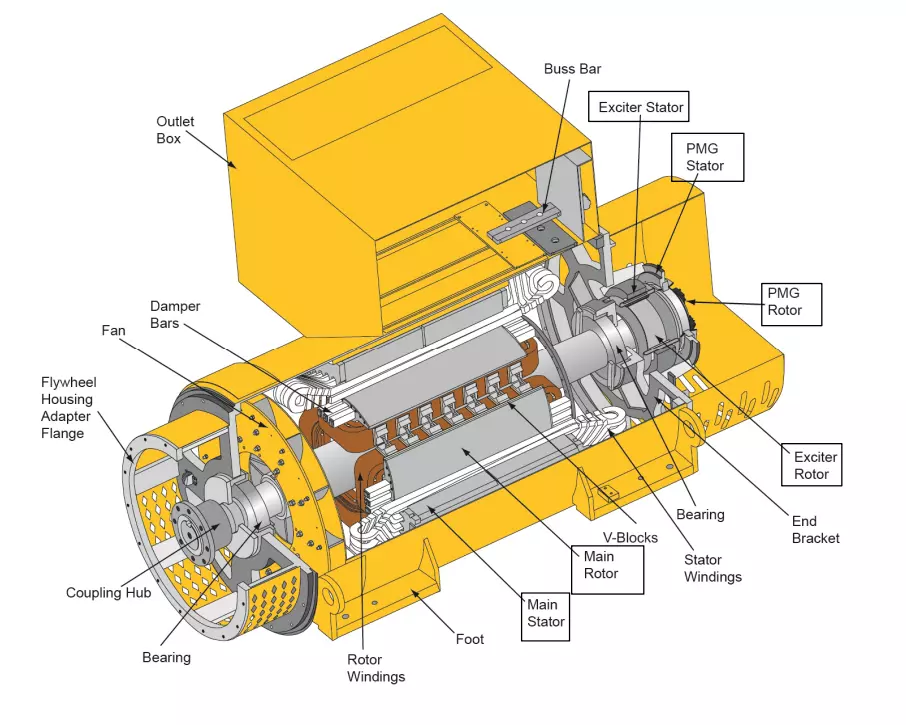
Categories
Uncategorized

Steam Turbines for Geothermal Power Plants

Steam Turbines for Geothermal Power Plants

Steam Turbines for Geothermal Power Plants: Steam turbines are a type of heat engine that converts thermal energy from steam into mechanical energy. This mechanical energy is often used to generate electricity in power plants or drive mechanical systems in various industrial processes. The operation of a steam turbine is based on the principle of thermodynamics, where high-pressure steam is expanded and its thermal energy is converted into kinetic energy, which then drives the blades of the turbine.

The steam is produced in a boiler, where water is heated to produce high-pressure steam. This steam is directed into the turbine, where it passes over a series of blades mounted on a rotating shaft. The design of the turbine blades is critical for efficient energy conversion, as they must be shaped to extract maximum energy from the steam. As the steam expands through the turbine, its pressure and temperature drop, transferring energy to the turbine blades and causing the shaft to rotate.

There are various types of steam turbines, each designed for specific applications and operating conditions. Condensing turbines are commonly used in power generation, where the steam is condensed into water after passing through the turbine, allowing for maximum energy extraction. This type of turbine is often part of a larger system known as a Rankine cycle, which includes the boiler, turbine, condenser, and feedwater pump. The condenser is typically a heat exchanger that cools the steam and converts it back into liquid water, which is then pumped back into the boiler to be reheated.

Back-pressure turbines, on the other hand, are used in industrial applications where steam is needed for both power generation and process heating. In these turbines, the steam is not condensed after passing through the turbine but is instead discharged at a lower pressure for use in other processes. This type of turbine is often found in cogeneration plants, where the goal is to maximize overall energy efficiency by using the steam for multiple purposes.

The efficiency of a steam turbine depends on various factors, including the design of the blades, the quality of the steam, and the operating conditions. Turbines are designed to operate at specific steam pressures and temperatures to achieve optimal performance. Advanced materials and manufacturing techniques have been developed to improve the efficiency and reliability of steam turbines, allowing them to operate at higher temperatures and pressures.

Steam turbines are also classified based on their configuration and the direction of steam flow. Impulse turbines, for example, use high-velocity jets of steam to turn the blades, while reaction turbines use the pressure difference between the steam inlet and outlet to generate motion. Some turbines combine both impulse and reaction principles to optimize performance across a range of operating conditions.

Maintenance and operational considerations are crucial for the longevity and efficiency of steam turbines. Regular inspection and maintenance are required to ensure that the turbine components are in good condition and operating correctly. This includes monitoring for signs of wear and tear, corrosion, and thermal stresses that can affect the performance and safety of the turbine.

In summary, steam turbines are a vital component of many industrial and power generation systems. Their design and operation are based on fundamental principles of thermodynamics, and their efficiency is influenced by various factors, including the quality of the steam, blade design, and operating conditions. Advances in materials and technology continue to improve the performance and reliability of steam turbines, making them a key part of the global energy infrastructure.

One of the critical aspects of steam turbine operation is the control and regulation of steam flow to ensure efficient energy conversion and safe operation. This is typically achieved using various control valves and systems that modulate the steam input based on the turbine’s load and operating conditions. The governor system is a key component in controlling the turbine speed, ensuring it remains within safe limits and matches the required output demand.

The steam entering a turbine can be either saturated or superheated. Saturated steam is at the boiling point and contains a mixture of water and steam, while superheated steam has been heated beyond the boiling point, which allows for more energy extraction without the risk of condensation inside the turbine. Superheated steam is preferred in many applications because it increases the efficiency of the turbine and reduces the risk of damage caused by water droplets impinging on the turbine blades.

Efficiency improvements in steam turbines have been driven by advancements in technology, such as improved blade design, better materials that can withstand higher temperatures and pressures, and more sophisticated control systems. For instance, modern turbines may use advanced computational fluid dynamics (CFD) simulations during the design process to optimize the shape and configuration of the blades, resulting in more efficient energy transfer from the steam.

Another area of innovation is the development of combined cycle power plants, where steam turbines are used alongside gas turbines. In these plants, the waste heat from the gas turbine is used to produce steam for the steam turbine, significantly improving overall efficiency by making use of energy that would otherwise be lost.

Environmental considerations have also become a significant factor in the design and operation of steam turbines. Reducing greenhouse gas emissions and improving the efficiency of power generation systems are critical goals. Many modern steam turbines are designed to be more environmentally friendly by utilizing cleaner fuels, implementing more efficient designs, and incorporating carbon capture and storage technologies.

The integration of renewable energy sources with steam turbines is another area of development. For example, solar thermal power plants use mirrors or lenses to concentrate sunlight to heat a fluid, which then produces steam for a turbine. Similarly, geothermal power plants harness heat from the Earth’s interior to generate steam. These systems offer the advantage of reducing reliance on fossil fuels and lowering carbon emissions.

In terms of lifecycle management, steam turbines are subject to rigorous testing and quality control during manufacturing to ensure they meet the required standards for safety and performance. Once in operation, they require regular maintenance to prevent degradation and failure. Predictive maintenance techniques, such as vibration analysis, thermal imaging, and oil analysis, are used to monitor the condition of the turbine and identify potential issues before they lead to significant problems.

The future of steam turbines is likely to be shaped by ongoing technological advancements and the global shift towards more sustainable energy sources. Innovations in materials science, digitalization, and control systems are expected to further enhance the performance and efficiency of steam turbines, making them an integral part of the evolving energy landscape. As the world moves towards a more sustainable and resilient energy future, steam turbines will continue to play a critical role in meeting energy demands while minimizing environmental impact.

Steam Turbine

Steam Turbine
Steam Turbine

The evolution of steam turbine technology has been marked by a continuous push towards higher efficiency, greater reliability, and reduced environmental impact. One key trend in this evolution is the development of ultra-supercritical (USC) and advanced ultra-supercritical (A-USC) steam turbines, which operate at much higher pressures and temperatures than traditional subcritical and supercritical turbines. These advanced turbines achieve higher thermal efficiencies by increasing the temperature and pressure of the steam entering the turbine, reducing fuel consumption and greenhouse gas emissions per unit of electricity generated.

Another significant advancement in steam turbine technology is the adoption of digitalization and smart technologies. The integration of sensors, data analytics, and machine learning algorithms allows for real-time monitoring and predictive maintenance of turbines. These technologies help in identifying performance anomalies, optimizing operations, and extending the lifespan of the turbines by preventing unplanned outages and reducing downtime.

Flexible operation has also become a critical capability for modern steam turbines, especially in the context of integrating renewable energy sources like wind and solar into the power grid. Steam turbines need to quickly adjust their output to balance the variability in electricity supply from these intermittent sources. Advanced control systems and designs enable turbines to ramp up or down efficiently, providing the necessary grid stability and reliability.

In addition to power generation, steam turbines find applications in various industrial processes, such as in the chemical, petroleum, and paper industries, where they are used to drive mechanical equipment or provide process heat. The versatility of steam turbines in cogeneration systems, where both electricity and heat are produced simultaneously, makes them an essential component for industrial energy efficiency initiatives.

Materials science has played a pivotal role in advancing steam turbine technology. The development of new high-temperature alloys and coatings has enabled turbines to withstand the extreme conditions of advanced steam cycles, reducing the risks of corrosion and creep, which can lead to material degradation over time. These materials not only enhance the performance of the turbines but also reduce the need for frequent maintenance and replacement, thereby lowering the operational costs.

Environmental regulations and the need for sustainable energy solutions have driven innovations in emissions control technologies for steam turbines. Modern turbines are equipped with advanced emission reduction systems, such as selective catalytic reduction (SCR) and flue gas desulfurization (FGD) units, to minimize pollutants like nitrogen oxides (NOx) and sulfur dioxide (SO2). These systems are essential for compliance with stringent environmental standards and for reducing the ecological footprint of power plants.

In the context of global energy transitions, steam turbines are being adapted to work with alternative fuels such as biomass and waste heat recovery systems. By utilizing these renewable and waste energy sources, steam turbines contribute to the diversification of the energy mix and the reduction of dependency on fossil fuels. This shift is crucial for achieving climate goals and transitioning towards a more sustainable energy future.

Research and development in the field of steam turbines continue to focus on enhancing efficiency, flexibility, and sustainability. Collaborative efforts between industry, academia, and government institutions are driving the innovation needed to address the challenges of modern energy systems. As steam turbines evolve, they will remain a cornerstone of both traditional and emerging energy infrastructures, providing reliable, efficient, and environmentally friendly power generation solutions.

The continued advancement of steam turbine technology is also influenced by the global trend towards decarbonization and the need to reduce carbon emissions in the energy sector. This has led to the exploration of new cycle configurations and hybrid systems that enhance the efficiency and reduce the carbon footprint of power plants. One such innovation is the integration of steam turbines with carbon capture and storage (CCS) technologies, where the carbon dioxide produced during combustion is captured before it enters the atmosphere and stored underground or used in industrial processes. By coupling CCS with high-efficiency steam turbines, power plants can significantly reduce their environmental impact while maintaining robust energy production.

Another promising development is the use of hydrogen as a fuel in steam turbine systems. Hydrogen, when burned, produces only water as a byproduct, making it an attractive option for reducing greenhouse gas emissions. Research is ongoing to develop steam turbines that can operate efficiently on hydrogen or hydrogen-rich fuels, which could play a crucial role in the future hydrogen economy. These turbines would need to be adapted to handle the different combustion characteristics of hydrogen, including its higher flame speed and lower ignition energy.

In the realm of operational flexibility, the concept of “peaking turbines” has gained attention. These turbines are designed to provide quick start-up and shut-down capabilities, allowing them to respond rapidly to fluctuations in electricity demand. This is particularly important in power grids with high penetration of renewable energy sources, where the availability of wind and solar power can be unpredictable. Peaking steam turbines contribute to grid stability by providing a reliable backup that can quickly come online when renewable energy output decreases.

Lifecycle analysis and sustainability assessments are increasingly being applied to steam turbine projects to evaluate their environmental impact from manufacturing through decommissioning. This holistic approach helps in identifying opportunities to reduce energy consumption, minimize waste, and recycle materials, contributing to the overall sustainability of the energy sector. Manufacturers are also exploring ways to reduce the carbon footprint of turbine production by sourcing materials sustainably and implementing energy-efficient manufacturing processes.

One of the challenges in steam turbine technology is managing the thermal stresses and mechanical loads that result from frequent cycling and operation at high temperatures. Advanced monitoring systems, combined with sophisticated modeling techniques, help in predicting the lifespan of turbine components and optimizing maintenance schedules to prevent failures. These predictive maintenance strategies not only enhance the reliability of the turbines but also reduce operational costs by preventing unplanned outages and extending the service life of critical components.

Educational and training programs are evolving to equip engineers and technicians with the skills needed to operate and maintain modern steam turbine systems. With the increasing complexity of these systems, there is a growing demand for specialized knowledge in areas such as thermodynamics, materials science, control systems, and digital technologies. Industry partnerships with academic institutions are fostering the development of training curricula that address these needs, ensuring a skilled workforce capable of supporting the evolving energy landscape.

The role of steam turbines in the global energy transition cannot be overstated. As the world moves towards cleaner and more sustainable energy solutions, steam turbines will continue to be a key player in balancing the demands for reliable power generation and environmental stewardship. The ongoing innovation in this field promises to unlock new possibilities for harnessing energy more efficiently and sustainably, making steam turbines a vital component of the future energy mix.

Steam Turbine Technology

Steam Turbine Technology

As steam turbine technology progresses, a notable area of focus is the integration with digital twins—a virtual model of a physical turbine that replicates its behavior in real time. Digital twins use data from sensors installed on the turbine to simulate its performance, allowing operators to predict potential issues, optimize operations, and enhance maintenance planning. This technology not only improves the reliability and efficiency of turbines but also reduces operational risks and costs by enabling proactive decision-making based on real-time data insights.

The push towards decarbonization has also led to the exploration of supercritical CO₂ (sCO₂) cycles, where carbon dioxide is used as the working fluid instead of steam. sCO₂ cycles operate at much higher efficiencies than traditional steam cycles due to the unique properties of CO₂ at supercritical conditions. The smaller size and higher efficiency of sCO₂ turbines make them an attractive option for various applications, including waste heat recovery and concentrated solar power plants. The development and deployment of sCO₂ turbines represent a significant step forward in achieving higher efficiency and reduced emissions in power generation.

Hybrid power plants, which combine multiple energy conversion technologies, are emerging as a new paradigm in power generation. Steam turbines are being integrated with renewable energy sources like solar thermal collectors and biomass boilers to create hybrid systems that leverage the strengths of each energy source. These systems offer greater flexibility, improved efficiency, and a reduced carbon footprint compared to traditional fossil-fuel-based plants. By harnessing the complementary nature of different energy sources, hybrid plants can provide stable and reliable power while accommodating the variability of renewables.

The global trend towards sustainable development is influencing the design and operation of steam turbines, with a growing emphasis on life cycle assessment (LCA) and environmental impact reduction. LCA evaluates the environmental effects associated with all stages of a product’s life, from raw material extraction through manufacturing, use, and disposal. For steam turbines, this involves assessing the environmental footprint of materials, energy use during manufacturing, operational emissions, and end-of-life recycling or disposal. By understanding and mitigating these impacts, manufacturers can create more sustainable turbine designs and contribute to the broader goals of reducing environmental degradation and promoting resource efficiency.

Advanced manufacturing techniques such as additive manufacturing (3D printing) are also being explored for producing complex turbine components. Additive manufacturing allows for the creation of intricate geometries that are difficult or impossible to achieve with traditional manufacturing methods. This capability can lead to improved turbine blade designs that enhance aerodynamic efficiency and reduce weight, ultimately improving the overall performance of the turbine. Additionally, additive manufacturing can shorten production times and reduce material waste, contributing to more sustainable manufacturing practices.

In response to the increasing demand for more sustainable energy systems, research into the use of alternative working fluids for steam turbines is gaining traction. Organic Rankine Cycle (ORC) turbines, for example, use organic fluids with lower boiling points than water, making them suitable for low-temperature heat sources such as geothermal energy, industrial waste heat, and solar thermal energy. ORC turbines offer a pathway to utilizing low-grade heat sources that would otherwise go to waste, thereby improving the overall efficiency of energy systems and supporting the transition to a more sustainable energy mix.

The global energy landscape is undergoing a transformation, and steam turbines are at the heart of this change. Their adaptability to new technologies, fuels, and integration with renewable energy systems positions them as a critical enabler of a cleaner and more sustainable energy future. As research and development continue to push the boundaries of what steam turbines can achieve, they will remain an indispensable part of the world’s efforts to meet growing energy demands while minimizing environmental impact and supporting economic growth.

Steam Turbine Efficiency

Steam Turbine Efficiency

Steam turbine efficiency is a crucial aspect of their design and operation, influencing the overall performance and economic viability of power generation and industrial processes. Efficiency in steam turbines refers to the ratio of the useful mechanical energy output to the thermal energy input provided by the steam. Several factors affect this efficiency, including thermodynamic principles, turbine design, steam quality, and operating conditions.

One of the fundamental principles governing steam turbine efficiency is the Rankine cycle, which describes the process of converting heat into work through the expansion of steam. The efficiency of a steam turbine is directly related to the temperature and pressure of the steam entering the turbine. Higher steam temperatures and pressures allow for greater energy extraction, leading to improved efficiency. This is why modern steam turbines are often designed to operate under supercritical or ultra-supercritical conditions, where steam parameters exceed the critical point of water, allowing for more efficient energy conversion.

The design of turbine blades plays a significant role in determining efficiency. Blades are carefully engineered to optimize the flow of steam, ensuring that as much kinetic energy as possible is transferred to the rotating shaft. The shape, size, and arrangement of the blades are all factors that influence how effectively the turbine can convert steam energy into mechanical work. Advances in computational fluid dynamics (CFD) have enabled engineers to create more aerodynamic blade profiles, reducing energy losses due to turbulence and improving overall efficiency.

Steam quality is another critical factor affecting turbine efficiency. Superheated steam, which has been heated beyond its boiling point, is preferred because it reduces the risk of condensation within the turbine. The presence of liquid water can cause erosion and damage to turbine blades, reducing efficiency and increasing maintenance costs. By using superheated steam, turbines can operate more efficiently and with less wear and tear on the components.

Thermodynamic efficiency is also influenced by the degree of expansion of the steam within the turbine. The more the steam expands, the more energy can be extracted. However, practical considerations such as the size of the turbine and the need to avoid excessive mechanical stresses limit the extent of expansion. To maximize efficiency, steam turbines are often designed with multiple stages, where the steam passes through several sets of blades, each extracting a portion of the available energy. This multistage design allows for a more gradual reduction in steam pressure and temperature, optimizing energy extraction and improving efficiency.

Heat losses are another area of concern when it comes to turbine efficiency. Some of the energy in the steam is inevitably lost as heat to the surroundings, reducing the overall efficiency of the system. Insulating the turbine and associated piping can help minimize these losses. Additionally, the use of condensers in condensing turbines helps to recover some of the energy by condensing the exhaust steam into water, which can then be recirculated back to the boiler.

Operational practices also play a role in maintaining high efficiency. Regular maintenance and monitoring of turbine performance are essential to ensure that the turbine operates at peak efficiency. Issues such as fouling, wear, and misalignment can degrade performance over time, so identifying and addressing these problems promptly is crucial. Predictive maintenance techniques, which use data analytics and sensors to monitor turbine health, have become increasingly important in ensuring sustained efficiency.

The efficiency of steam turbines has a direct impact on the overall efficiency of power plants and industrial processes. Higher turbine efficiency means that less fuel is required to produce the same amount of power, leading to lower operating costs and reduced emissions. This makes improving turbine efficiency a key focus for the energy industry, particularly in the context of global efforts to reduce carbon emissions and transition to more sustainable energy systems.

In summary, steam turbine efficiency is influenced by a combination of thermodynamic principles, blade design, steam quality, and operational practices. Advances in technology and materials continue to push the boundaries of what is possible, enabling more efficient and reliable turbines that play a crucial role in modern energy systems. By optimizing efficiency, steam turbines contribute to more sustainable and cost-effective energy production, supporting the global transition to a low-carbon future.

In the pursuit of higher steam turbine efficiency, research and development have focused on various innovations and enhancements. One such area is the use of advanced materials that can withstand the extreme conditions of high-temperature and high-pressure steam. Materials like nickel-based superalloys and ceramic coatings are employed to improve the thermal resistance and mechanical strength of turbine components. These materials enable turbines to operate at higher temperatures, which increases the thermodynamic efficiency and allows for greater energy extraction from the steam.

The development of advanced manufacturing techniques, such as additive manufacturing (3D printing), has also contributed to improvements in turbine efficiency. These techniques allow for the production of complex geometries that are difficult to achieve with traditional manufacturing methods. By optimizing the design and structure of turbine components, manufacturers can reduce weight, improve aerodynamics, and enhance overall performance. This level of precision and customization leads to more efficient turbines with lower energy losses.

Digital technologies are playing an increasingly significant role in optimizing steam turbine efficiency. The use of digital twins, real-time monitoring, and data analytics allows operators to fine-tune the performance of turbines under varying load conditions. These technologies enable the detection of inefficiencies and the implementation of corrective measures before they lead to significant performance degradation. Additionally, machine learning algorithms can analyze historical performance data to predict future trends and optimize turbine operations for maximum efficiency.

Innovations in turbine control systems have also enhanced efficiency by improving the precision of steam flow regulation. Advanced control algorithms ensure that the steam is directed through the turbine at the optimal pressure and temperature, minimizing energy losses and maximizing output. These systems are particularly important in flexible power plants that need to respond rapidly to changes in electricity demand and integrate with renewable energy sources.

Cogeneration, or combined heat and power (CHP) systems, represent another strategy for improving overall efficiency. In these systems, steam turbines generate both electricity and useful thermal energy from the same fuel source. By utilizing the waste heat for heating or industrial processes, cogeneration systems can achieve much higher overall efficiencies compared to traditional power plants. This approach not only reduces fuel consumption but also lowers greenhouse gas emissions, making it a more sustainable option for energy production.

The integration of steam turbines with renewable energy technologies is an emerging area of focus. For example, in solar thermal power plants, concentrated sunlight is used to generate steam, which then drives a turbine. These systems can achieve higher efficiency by using advanced turbine designs that are optimized for the specific characteristics of solar-generated steam. Similarly, geothermal power plants utilize heat from the Earth’s crust to produce steam for turbines. By harnessing these renewable energy sources, steam turbines can contribute to reducing reliance on fossil fuels and lowering the carbon footprint of power generation.

Energy storage technologies are also being explored as a means to enhance the efficiency and flexibility of steam turbines. By storing excess energy generated during periods of low demand and releasing it when demand is high, energy storage systems can help balance the load on steam turbines and improve their overall efficiency. Thermal energy storage, where heat is stored in materials like molten salts, is particularly compatible with steam turbines and offers a way to decouple the production and use of electricity.

Finally, policy and regulatory frameworks play a role in driving efficiency improvements in steam turbines. Governments and industry organizations set efficiency standards and provide incentives for the adoption of high-efficiency technologies. These initiatives encourage investment in research and development and the deployment of advanced steam turbine systems that meet stringent efficiency and environmental criteria.

In conclusion, steam turbine efficiency is a multifaceted challenge that involves optimizing thermodynamic processes, material properties, manufacturing techniques, and operational strategies. Continuous innovation and the integration of advanced technologies are essential for achieving higher efficiency and supporting the transition to a more sustainable energy future. As steam turbines evolve, they will remain a cornerstone of efficient power generation, contributing to global efforts to reduce energy consumption and environmental impact.

Further advancements in steam turbine efficiency are also being driven by the development of hybrid cycles that combine different thermodynamic processes to optimize energy use. One such example is the combined cycle, which pairs a gas turbine with a steam turbine. In this configuration, the waste heat from the gas turbine is used to produce steam for the steam turbine, significantly improving the overall efficiency of the power plant. By utilizing the heat that would otherwise be lost, combined cycle plants can achieve efficiencies of up to 60% or higher, making them some of the most efficient power plants in operation today.

Another hybrid approach involves integrating steam turbines with organic Rankine cycle (ORC) systems. ORC systems use organic fluids with lower boiling points than water, allowing them to convert low-temperature heat sources into electricity. By coupling ORC systems with traditional steam turbines, it is possible to capture and utilize heat from sources such as geothermal wells, industrial waste heat, or solar thermal collectors, further enhancing the overall efficiency of energy systems.

In the pursuit of higher efficiency, researchers are also exploring the use of advanced cycle configurations such as reheating and regeneration. Reheating involves expanding the steam in multiple stages with intermediate reheating between stages. This process reduces moisture content in the later stages of expansion, improving efficiency and reducing wear on turbine blades. Regeneration, on the other hand, involves preheating the feedwater using steam extracted from intermediate stages of the turbine. This reduces the energy required to convert the feedwater into steam, thereby increasing the efficiency of the cycle.

Supercritical and ultra-supercritical steam cycles are pushing the boundaries of what is possible in terms of efficiency. These cycles operate at pressures and temperatures above the critical point of water, where the distinctions between liquid and vapor phases disappear. By operating in this supercritical region, steam turbines can achieve higher thermal efficiencies and extract more energy from the same amount of fuel. However, these systems require advanced materials and design considerations to handle the extreme conditions, making them a focus of ongoing research and development.

The concept of exergy, which measures the useful work potential of a given energy input, is also critical in the analysis of steam turbine efficiency. Exergy analysis helps identify where energy losses occur within the system and provides insights into how these losses can be minimized. By focusing on maximizing the exergy efficiency, engineers can design turbines that make better use of the available energy, leading to more sustainable and cost-effective power generation solutions.

Environmental factors are increasingly influencing the design and operation of steam turbines. Stricter emissions regulations and the need to reduce carbon footprints are driving the adoption of technologies that enhance efficiency while minimizing environmental impact. For instance, carbon capture and storage (CCS) technologies can be integrated with steam turbines to capture and sequester CO₂ emissions. By improving the efficiency of the turbines, less fuel is required for the same power output, reducing the overall emissions and making CCS systems more economically viable.

The future of steam turbine efficiency also lies in the potential for integrating artificial intelligence (AI) and machine learning (ML) into turbine operations. These technologies can analyze vast amounts of operational data to identify patterns and predict performance issues before they occur. AI-driven optimization can dynamically adjust operating parameters to ensure that the turbine runs at its peak efficiency under varying conditions. This level of intelligent control represents a significant leap forward in maintaining and enhancing efficiency throughout the turbine’s lifecycle.

In conclusion, the drive to improve steam turbine efficiency encompasses a broad spectrum of technological, operational, and environmental considerations. From advanced materials and manufacturing techniques to innovative cycle configurations and digital technologies, the quest for greater efficiency is central to the evolution of steam turbines. As these advancements continue to unfold, steam turbines will play a pivotal role in delivering efficient, reliable, and sustainable energy for the future.

Steam Turbine Decarbonization

 Steam turbine Decarbonization
Steam turbine Decarbonization

The decarbonization of energy systems is one of the most pressing challenges of our time, and steam turbines play a vital role in this global effort. Steam turbines, traditionally powered by fossil fuels, are central to power generation in many countries. However, as the world shifts toward cleaner, more sustainable energy sources, steam turbines must adapt to minimize their carbon emissions and contribute to the reduction of the overall carbon footprint of power generation.

One of the key strategies for decarbonizing steam turbine systems is the transition to lower-carbon or carbon-neutral fuels. Traditional coal- and natural gas-fired power plants contribute significantly to carbon emissions, but with the right modifications, steam turbines can operate using alternative fuels such as biomass, hydrogen, and even waste-derived fuels. Biomass, for example, offers a renewable energy source that can reduce the carbon intensity of power generation, as it involves the combustion of organic materials that are part of the natural carbon cycle. When sustainably sourced, biomass can contribute to a net reduction in carbon emissions compared to fossil fuels.

Hydrogen is another promising fuel that has the potential to decarbonize steam turbine systems. When burned, hydrogen produces only water vapor as a byproduct, making it an ideal candidate for reducing greenhouse gas emissions in power generation. Research is ongoing to develop steam turbines that can operate efficiently on hydrogen or hydrogen-blended fuels. These turbines need to be specially designed to handle the combustion characteristics of hydrogen, which include its higher flame speed and lower ignition temperature compared to natural gas. Integrating hydrogen into existing steam turbine systems, or developing new turbines specifically for hydrogen combustion, could significantly reduce carbon emissions from power plants and industrial facilities.

Carbon capture and storage (CCS) technologies are also playing a critical role in the decarbonization of steam turbine systems. CCS involves capturing carbon dioxide emissions from power plants and other industrial processes, compressing the CO₂, and storing it underground in geological formations. By integrating CCS with steam turbines, power plants can continue to operate using fossil fuels while effectively mitigating the carbon emissions associated with combustion. The efficiency of steam turbines plays a role in the effectiveness of CCS; by improving turbine efficiency, less fuel is required to generate the same amount of power, which in turn reduces the volume of CO₂ that needs to be captured.

The use of advanced materials in steam turbines is another way to support decarbonization efforts. By enabling steam turbines to operate at higher temperatures and pressures, advanced materials like nickel-based superalloys and ceramics allow for more efficient energy conversion. This means that power plants can generate more electricity with less fuel, reducing their overall carbon emissions. The higher thermal efficiency of steam turbines designed with these materials helps minimize fuel consumption, which is a critical factor in reducing the carbon intensity of power generation.

Another aspect of decarbonization is the integration of renewable energy sources with steam turbine systems. Although steam turbines are traditionally associated with thermal power plants, they can also be integrated with renewable energy systems like solar thermal power and geothermal energy. In solar thermal power plants, for instance, concentrated solar energy is used to heat a fluid, which then generates steam to drive a turbine. This process can significantly reduce the carbon footprint of electricity generation by utilizing renewable energy instead of fossil fuels. Similarly, geothermal energy, which taps into the Earth’s natural heat, can be used to generate steam for turbines, providing a low-carbon alternative to conventional power sources.

In addition to fuel switching and technological innovations, operational strategies are critical in reducing the carbon emissions associated with steam turbines. Flexible operation, which allows power plants to adjust output rapidly in response to changing grid demands or the availability of renewable energy, is becoming increasingly important. The ability of steam turbines to operate more flexibly enables better integration of renewable energy sources, such as wind and solar, which can be intermittent. By providing backup power during periods of low renewable energy generation, steam turbines contribute to grid stability without relying on fossil fuels.

Energy storage systems, including thermal energy storage, can also enhance the decarbonization potential of steam turbine systems. These systems store excess energy generated during times of low demand, such as from renewable sources, and release it when demand is high. By integrating steam turbines with energy storage solutions, power plants can reduce their reliance on fossil fuels for peak power generation, ultimately lowering their carbon emissions.

Moreover, improving the overall energy efficiency of steam turbines directly contributes to decarbonization. By making steam turbines more efficient, less fuel is required to produce the same amount of electricity, reducing both operating costs and emissions. Technological advancements, such as better turbine blade designs, advanced sensors, and digital optimization tools, can help maximize the efficiency of steam turbines. This is especially critical in power plants that continue to operate using fossil fuels, as even small efficiency gains can result in significant reductions in carbon emissions.

The role of steam turbines in decarbonization is not limited to power generation alone. Industrial applications of steam turbines, such as in chemical, oil and gas, and manufacturing industries, are also being targeted for decarbonization. By improving the energy efficiency of steam turbines used in these industries, significant reductions in energy consumption and carbon emissions can be achieved. Industrial facilities are increasingly adopting combined heat and power (CHP) systems, where steam turbines are used to generate both electricity and useful heat. By utilizing waste heat, CHP systems reduce the need for additional fuel, thus cutting carbon emissions and improving overall energy efficiency.

As the global focus on climate change intensifies, the decarbonization of steam turbine systems will continue to be a key aspect of the broader energy transition. Through a combination of technological innovations, fuel diversification, operational strategies, and policy support, steam turbines will play an essential role in reducing the carbon footprint of power generation and industry. The ongoing efforts to decarbonize steam turbine systems are not only crucial for mitigating climate change but also for ensuring a more sustainable and resilient energy future.

As the world increasingly turns toward decarbonization, the role of steam turbines in facilitating this transition becomes even more important. One area of focus in this context is the evolution of steam turbine design and operational flexibility. In traditional power plants, steam turbines have been used in baseload power generation, operating at a steady output for long periods. However, with the growing integration of renewable energy sources like wind and solar into the grid, power plants are being called upon to operate more flexibly. This flexibility enables steam turbines to adjust quickly to fluctuations in renewable energy availability, making them essential for grid stability.

The challenge for steam turbine manufacturers and operators is to design turbines that can handle these rapid load changes without sacrificing efficiency or reliability. Flexible operation typically requires turbines to operate in part-load conditions more frequently, which can reduce their efficiency. However, through advanced control systems and improved materials, modern steam turbines can now operate more efficiently at a wider range of loads, ensuring they remain valuable contributors to the grid even as renewable energy sources become more prevalent.

One promising solution to enhance flexibility is the development of “fast-ramping” steam turbines. These turbines are designed to ramp up or down in response to grid demands more rapidly than conventional turbines, reducing reliance on fossil fuel-based backup power. By incorporating technologies such as improved valve control, advanced sensors, and real-time data analytics, fast-ramping turbines can respond to grid fluctuations quickly and efficiently, supporting renewable integration while minimizing carbon emissions.

The decarbonization efforts are also being bolstered by the use of hybrid systems that combine steam turbines with other low-carbon technologies. One such example is the integration of steam turbines with hydrogen fuel cells. In this configuration, steam turbines are used in combination with hydrogen to generate power, where hydrogen serves as a clean fuel. The use of hydrogen fuel cells with steam turbines allows for the production of electricity with minimal carbon emissions, as the only byproducts of hydrogen combustion are water vapor and heat. This integration enables power plants to continue utilizing steam turbines while significantly reducing their carbon footprint.

Moreover, advanced digital technologies like artificial intelligence (AI), machine learning (ML), and predictive analytics are being employed to optimize the performance of steam turbines in decarbonized systems. These tools can help forecast energy demand, identify inefficiencies, and enable more precise control over turbine operations. For example, AI-powered predictive maintenance allows operators to identify potential issues before they cause significant problems, ensuring turbines operate at peak efficiency and reducing the need for frequent maintenance or downtime.

In addition to these operational and technological advancements, the decarbonization of steam turbines is also being supported by governmental policies, incentives, and regulations. Many countries have set ambitious carbon reduction goals, and the energy sector, including steam turbine manufacturers and operators, is under increasing pressure to meet these targets. Governments around the world are providing financial incentives for the development of low-carbon technologies, including subsidies for the integration of renewable energy, energy efficiency improvements, and the adoption of carbon capture technologies. These policies help accelerate the transition to a decarbonized energy system by making it more economically viable for power plants and industrial facilities to adopt cleaner technologies and practices.

International frameworks such as the Paris Agreement have also set clear targets for carbon emissions reductions, further driving the need for decarbonization in all sectors, including power generation. As a result, companies in the steam turbine industry are investing heavily in research and development to create next-generation turbines that are more energy-efficient, adaptable to low-carbon fuels, and capable of integrating with renewable energy sources.

The transition to a low-carbon energy system is not without its challenges, but the role of steam turbines in this transition cannot be overstated. As the energy sector seeks to balance sustainability with reliability and cost-effectiveness, steam turbines will remain central to power generation. By embracing new technologies, adapting to low-carbon fuels, and improving operational flexibility, steam turbines will continue to evolve, contributing to a cleaner, more sustainable energy future.

In conclusion, the decarbonization of steam turbines represents a multifaceted effort involving the development of new technologies, fuel sources, and operational practices. The integration of renewable energy, the adoption of alternative fuels like hydrogen, the implementation of carbon capture systems, and advances in turbine efficiency and flexibility are all key components of this transformation. As the global energy landscape continues to shift, steam turbines will remain an integral part of the solution to achieving a low-carbon, sustainable future. By continuing to innovate and adapt, steam turbines will help reduce the carbon emissions from power generation while ensuring that reliable, affordable electricity remains available to meet growing global energy demands.

The future of steam turbine decarbonization is closely tied to ongoing research, development, and collaboration across industries, governments, and academic institutions. One promising avenue is the integration of steam turbines with advanced energy storage systems, which could significantly enhance the grid’s ability to accommodate fluctuating renewable energy sources while reducing the carbon emissions associated with backup power generation. For example, combining steam turbines with molten salt thermal energy storage or compressed air energy storage systems allows excess energy generated during periods of low demand to be stored and used when demand rises. This integration supports the efficient use of steam turbines for both baseload and peak-load power generation without relying heavily on fossil fuels.

Thermal energy storage in particular holds great potential for steam turbines, especially in concentrated solar power (CSP) plants, where heat is stored in molten salts and used to generate steam for turbines. By enabling energy to be stored and used later in the day or during cloudy periods, CSP plants with thermal storage can produce electricity around the clock while avoiding carbon emissions from traditional fossil fuel-based generation. This method of storing and utilizing thermal energy can reduce the intermittent nature of solar power and further decarbonize steam turbine systems that rely on solar thermal energy.

Beyond storage systems, the use of smart grids and digital technologies will play an essential role in optimizing steam turbine performance as part of a decarbonized energy system. Smart grids enable the seamless integration of diverse energy sources, including renewable generation, while also providing real-time data on energy consumption and demand. With advanced sensors, communication systems, and automation, smart grids can optimize turbine operations and help balance supply and demand efficiently. These digital networks allow utilities to manage turbine load profiles more effectively, increasing the overall reliability of the system and reducing energy losses.

Additionally, the role of steam turbines in decarbonization is not limited to power plants. Industrial sectors such as manufacturing, chemicals, and oil refining are also major contributors to global emissions, and steam turbines can help reduce their environmental impact. By using waste heat recovery systems and adopting combined heat and power (CHP) technologies, industrial facilities can maximize energy efficiency and reduce carbon emissions. CHP systems, which generate both electricity and useful thermal energy from a single fuel source, provide an excellent opportunity for industries to reduce their overall energy consumption and carbon footprint while maintaining operational efficiency.

Furthermore, integrating steam turbines into district heating systems, which provide heat to residential and commercial buildings, is another way to improve efficiency and reduce emissions in urban environments. In these systems, steam turbines can generate both electricity and heat from a single energy source, making the overall energy system more efficient. In combination with renewable energy sources like biomass, geothermal, or solar thermal, district heating systems can help reduce reliance on fossil fuels for heating, which is particularly important in regions with colder climates.

On a larger scale, global efforts to decarbonize transportation and heavy industry may also benefit from the use of steam turbines. For example, hydrogen-powered steam turbines could play a key role in decarbonizing sectors such as shipping, aviation, and steel manufacturing. These industries rely on high-temperature heat and large amounts of energy, which are traditionally supplied by fossil fuels. However, with the development of hydrogen-based steam turbines and fuel cells, these sectors could move toward zero-emission solutions while continuing to benefit from the power generation capabilities of steam turbines.

As the transition to a decarbonized economy accelerates, public-private partnerships and international collaboration will be crucial in overcoming the barriers to widespread adoption of decarbonized steam turbine technologies. Governments can play a key role by implementing policies that incentivize research and development, provide financial support for low-carbon technologies, and set clear emissions reduction targets. These policies can drive innovation and reduce the financial risks associated with transitioning to more sustainable energy systems.

At the same time, the steam turbine industry will need to focus on increasing the scalability of its decarbonization technologies. As demand for cleaner energy solutions grows, there will be a need for large-scale deployment of low-carbon steam turbines across a variety of sectors. Scaling up technologies like hydrogen-fueled turbines, CCS-equipped plants, and advanced thermal storage systems will require significant investment, collaboration, and infrastructure development. Nonetheless, the potential benefits of these technologies in reducing global emissions and mitigating climate change make them worth pursuing.

The decarbonization of steam turbines is also tied to the broader transition toward circular economy principles, where energy systems and materials are reused, recycled, or repurposed to minimize waste. For example, steam turbines and other power plant components can be designed for longer lifespans and easier recycling at the end of their operational life. The efficient reuse of materials and the reduction of waste in steam turbine production can further reduce the overall environmental impact of the energy sector.

In conclusion, steam turbine decarbonization is a multifaceted and ongoing process that will require continued technological advancements, innovation in fuel sources, improved efficiency, and more sustainable operational practices. The integration of renewable energy, hydrogen, energy storage, and digital technologies into steam turbine systems is key to achieving the goals of a low-carbon energy future. By leveraging these technologies and fostering collaboration across sectors and borders, steam turbines will remain a vital part of the energy landscape, contributing to the global effort to mitigate climate change and build a sustainable, resilient, and low-carbon energy system for generations to come.

Steam Turbine Integration

On Site Power Generator

The integration of steam turbines into modern energy systems is a critical component of ensuring both efficiency and flexibility in power generation. As the global energy landscape continues to evolve with the increasing reliance on renewable energy sources, steam turbines are increasingly being integrated into a variety of systems that include not only traditional fossil fuel-based plants but also renewable and hybrid power generation systems. The integration of steam turbines with these systems presents an opportunity to optimize energy production, reduce environmental impact, and provide grid stability in an increasingly complex and decentralized energy world.

One of the most common integrations of steam turbines occurs within combined cycle power plants, which combine both gas and steam turbines to improve efficiency. In these plants, natural gas is burned to power a gas turbine, and the waste heat from the gas turbine is used to generate steam for a steam turbine. This setup allows power plants to achieve much higher efficiencies than either gas or steam turbines alone, as the waste heat from the gas turbine is captured and utilized to generate additional electricity. The integration of both turbines creates a synergistic effect that optimizes the conversion of fuel to energy, making combined cycle plants one of the most efficient power generation technologies available.

Furthermore, steam turbines are increasingly integrated with renewable energy sources like solar thermal power and geothermal energy, contributing to the decarbonization of the energy sector. In solar thermal plants, concentrated solar power (CSP) systems use mirrors or lenses to focus sunlight onto a fluid that is heated to generate steam. The steam is then used to drive a steam turbine to produce electricity. This integration of solar energy with steam turbine technology allows for power generation that is carbon-neutral, reducing reliance on fossil fuels and contributing to the mitigation of climate change. Similarly, in geothermal power plants, the heat from the Earth’s core is used to generate steam, which then drives a steam turbine. Geothermal energy is considered a renewable and sustainable energy source, and its integration with steam turbines provides a reliable and constant form of electricity generation that is not subject to the intermittency of solar or wind energy.

One of the key challenges in integrating steam turbines with renewable energy systems is the variability and intermittency of renewable energy sources like wind and solar. Steam turbines are typically designed to operate continuously at steady output levels, but renewable energy sources do not always produce electricity at a constant rate. To address this, modern steam turbines are being designed with greater flexibility, allowing them to operate efficiently under fluctuating loads. This flexibility allows steam turbines to complement renewable energy generation by acting as backup power during periods of low renewable output, ensuring grid stability and reliability. As a result, steam turbines are being integrated into hybrid systems that combine renewable energy with thermal or gas-fired power plants to create more flexible, sustainable, and reliable energy solutions.

In addition to power generation, steam turbines are also being integrated into combined heat and power (CHP) systems, which produce both electricity and useful heat. These systems are often used in industrial applications where both electricity and thermal energy are required. By utilizing waste heat from industrial processes or from the exhaust gases of steam turbines, CHP systems can significantly increase the overall efficiency of energy use. This is particularly important in industries such as chemicals, oil and gas, and manufacturing, where large amounts of heat are needed for processes like heating, drying, and distillation. The integration of steam turbines in CHP systems allows industries to reduce their energy consumption, lower emissions, and improve their overall economic efficiency by making use of waste heat that would otherwise be lost.

Moreover, steam turbines are playing an increasingly important role in district heating systems, where steam turbines generate both heat and electricity for urban areas. In these systems, steam turbines are integrated with heat sources such as biomass, waste-to-energy plants, or even nuclear power plants to provide thermal energy to residential, commercial, and industrial users. By using steam turbines in conjunction with these heat sources, district heating systems can provide a reliable, low-carbon alternative to conventional heating methods, such as fossil fuel-based heating. This integration reduces reliance on individual heating systems in buildings and helps create more energy-efficient and sustainable urban environments.

The integration of steam turbines with energy storage technologies is another area of growing interest. Energy storage systems, such as thermal energy storage, compressed air energy storage, and battery storage, can help smooth out the variability of renewable energy generation. By storing excess energy generated during periods of high renewable output, these storage systems allow steam turbines to generate electricity during periods of low renewable availability, thereby enhancing grid stability and ensuring a continuous power supply. For example, in concentrated solar power (CSP) systems, excess heat can be stored in molten salts and used to generate steam for turbines when sunlight is not available, providing dispatchable and reliable power from a renewable source.

In the context of decarbonization and the transition to low-carbon energy systems, steam turbines are being integrated with carbon capture and storage (CCS) technologies. CCS technologies capture carbon dioxide (CO₂) emissions from power plants and industrial processes and store them underground or use them for other purposes, such as enhanced oil recovery. By integrating CCS with steam turbines, power plants can continue to operate while reducing their carbon emissions. The efficiency of the steam turbines plays a crucial role in the effectiveness of CCS, as higher turbine efficiency means that less fuel is needed to generate the same amount of electricity, reducing the overall carbon emissions from the plant. As a result, integrating CCS with steam turbine systems helps mitigate the impact of fossil fuel use on the environment and contributes to achieving global climate goals.

Another significant area of steam turbine integration is in hybrid systems that combine steam turbines with other low-carbon technologies, such as hydrogen fuel cells and nuclear power. Hydrogen is a clean fuel that, when used in a fuel cell or burned in a turbine, produces only water vapor as a byproduct. Integrating steam turbines with hydrogen fuel cells enables power plants to generate electricity with zero carbon emissions. Similarly, integrating steam turbines with advanced nuclear reactors offers the potential for reliable, low-carbon baseload power generation. Nuclear power plants with steam turbines produce electricity by using the heat from nuclear fission to generate steam, offering a carbon-free energy source that is reliable and scalable.

The integration of steam turbines in smart grids is also a promising development. Smart grids are digital, two-way communication systems that enable the efficient management of electricity distribution by optimizing energy use based on real-time data. By integrating steam turbines into smart grids, utilities can better manage grid stability, load balancing, and energy distribution, ensuring that power generation is optimized and carbon emissions are minimized. Through advanced sensors, automation, and data analytics, smart grids can dynamically adjust the output of steam turbines to meet changing demand and integrate more renewable energy sources, improving overall system efficiency and resilience.

In conclusion, the integration of steam turbines into diverse energy systems is essential for creating a more efficient, flexible, and sustainable energy infrastructure. Whether through combined cycle power plants, renewable energy systems, combined heat and power systems, or carbon capture technologies, steam turbines are playing an integral role in modernizing energy generation. By embracing new technologies and operational strategies, steam turbines are evolving to meet the challenges of a low-carbon energy future while providing reliable, efficient power. The ongoing integration of steam turbines into innovative energy systems will continue to shape the way the world generates and consumes energy, making it possible to transition toward a cleaner, more sustainable energy future.

As the demand for cleaner and more sustainable energy grows, steam turbine integration is expected to play an increasingly critical role in reshaping how we produce, store, and distribute power. The development of hybrid systems that combine steam turbines with various renewable and low-carbon technologies represents a promising avenue for achieving deeper decarbonization. For instance, coupling steam turbines with energy storage solutions, such as large-scale battery storage, allows energy producers to store excess electricity during periods of high renewable output and release it when the renewable supply wanes. This integrated approach ensures a stable power supply, enhances grid flexibility, and helps mitigate the intermittency challenges associated with wind and solar energy.

Additionally, combining steam turbines with low-carbon technologies like hydrogen holds great promise in decarbonizing industries and power generation. Hydrogen, when used as a fuel for steam turbines, provides a carbon-free alternative to fossil fuels, as its combustion produces only water vapor. The integration of hydrogen-fired steam turbines in power plants or industrial facilities could significantly reduce greenhouse gas emissions, especially in hard-to-decarbonize sectors such as heavy industry, chemicals, and steel manufacturing. Ongoing research and innovation in hydrogen infrastructure, storage, and distribution are critical to realizing the full potential of this integration. In the future, steam turbines could operate on a mixture of hydrogen and natural gas, further reducing carbon emissions and advancing the energy transition.

The integration of steam turbines with advanced nuclear reactors offers another significant opportunity to reduce carbon emissions while ensuring reliable, 24/7 power generation. Nuclear power, which produces no direct CO₂ emissions during operation, is increasingly seen as a key part of the energy transition. By integrating steam turbines with new generation nuclear reactors, such as small modular reactors (SMRs), we can provide consistent, low-carbon electricity while simultaneously supporting grid stability. These reactors are designed to be more flexible in operation and capable of handling variable grid demands, which is essential as we incorporate more renewable sources like wind and solar into the energy mix.

In parallel, advancements in digital technologies are enhancing the ability to integrate steam turbines into smart grids. Smart grids leverage real-time data, advanced sensors, and machine learning algorithms to optimize energy generation, transmission, and consumption. By incorporating steam turbines into these digital grids, operators can more efficiently balance power supply and demand, seamlessly integrating both conventional and renewable energy sources. Steam turbines, when integrated with smart grids, can adapt to varying demand patterns, allowing for more efficient use of resources and less reliance on fossil fuel-based backup power. For example, turbines can be automatically ramped up or down in response to fluctuations in renewable energy generation, ensuring grid stability without sacrificing efficiency or reliability.

One of the most significant challenges for steam turbine integration lies in the modernization of existing power plants. Many older steam turbines were designed for baseload operation using fossil fuels and are not optimized for the variable nature of renewable energy. Retrofitting these turbines to accommodate new fuels, like hydrogen, or to enable faster response times to grid changes is essential to maximizing their role in future energy systems. This process of retrofitting or upgrading turbines often requires significant investment, as it involves both mechanical modifications and the integration of new control systems. However, the benefits of retrofitting older turbines to handle renewable integration or carbon capture make it a worthwhile investment in the long term.

The development of more efficient steam turbines is also a key factor in their successful integration into modern energy systems. Advances in turbine design, such as improvements in materials, blade aerodynamics, and thermal efficiency, enable turbines to operate at higher temperatures and pressures, resulting in improved efficiency and a reduction in fuel consumption. More efficient turbines not only lower the operational costs of power plants but also reduce the environmental impact of electricity generation by requiring less fuel to produce the same amount of electricity. As a result, turbine manufacturers and power plant operators are continuously working to enhance the performance of steam turbines through innovations in engineering and technology.

Moreover, the integration of steam turbines with decentralized energy systems is becoming increasingly important as the energy transition progresses. Microgrids and distributed energy resources (DERs), such as small-scale renewable generators and energy storage systems, are being integrated with steam turbines to create more resilient and flexible energy systems. In these configurations, steam turbines can provide backup power during grid outages or periods of low renewable generation, ensuring the continuity of electricity supply while reducing dependence on centralized fossil fuel-based power plants. In remote areas or regions with unreliable grid infrastructure, steam turbines integrated into microgrids can help improve energy access and support local economies while minimizing environmental impact.

The growing importance of energy security in an increasingly interconnected world also highlights the role of steam turbines in providing reliable, dispatchable power. As renewable energy penetration increases, ensuring that power systems remain stable during periods of low renewable output or high demand becomes a critical concern. Steam turbines are well-positioned to play a key role in stabilizing the grid, as they can generate electricity on demand, regardless of weather conditions or time of day. This capability is crucial for balancing the grid when renewables like wind and solar are not generating power, providing the reliability needed to maintain electricity supply without relying on carbon-intensive backup power sources.

International collaboration is another vital element for successfully integrating steam turbines into the global energy transition. Countries and companies across the world are working together to share knowledge, standardize technologies, and develop innovative solutions to decarbonize power generation. Whether through joint research initiatives, multinational partnerships, or knowledge-sharing platforms, these collaborations help accelerate the deployment of low-carbon technologies, including steam turbines. International agreements, such as the Paris Agreement, are also providing strong policy frameworks that encourage investment in clean energy solutions, including the integration of steam turbines with renewable and low-carbon technologies.

In conclusion, the integration of steam turbines into diverse and evolving energy systems is essential for the transition to a low-carbon future. Whether through hybrid power plants, renewable energy sources, energy storage solutions, or the adoption of new fuels like hydrogen, steam turbines will continue to play a critical role in ensuring reliable, efficient, and sustainable electricity generation. As technological innovations improve turbine performance and expand their ability to integrate with other energy systems, steam turbines will remain central to the global effort to reduce carbon emissions and build a resilient energy infrastructure. Through continued advancements in turbine design, digital integration, and global collaboration, steam turbines will help pave the way for a cleaner, more sustainable energy future.

As the integration of steam turbines with various technologies advances, the future of power generation will become increasingly interconnected, dynamic, and sustainable. One important aspect of this evolution is the expansion of steam turbine applications beyond traditional power generation. Industries such as desalination, district heating, and even hydrogen production are starting to leverage steam turbines to meet specific energy needs while reducing their carbon footprints.

In the field of desalination, steam turbines are integral to the process of generating fresh water from seawater. In these systems, thermal desalination methods, such as multi-effect distillation (MED) or multi-stage flash distillation (MSF), are used. Steam turbines play a central role in powering these processes by driving the pumps and compressors needed to produce steam from heat sources. By integrating renewable energy into desalination plants, for example, through solar thermal power or waste heat recovery, these plants can reduce their reliance on fossil fuels and operate more sustainably. This synergy of renewable energy and steam turbines can help provide critical water resources to regions where freshwater availability is limited while minimizing the environmental impact.

Similarly, steam turbines are essential in district heating networks, which provide hot water or steam to multiple buildings or even entire communities. These systems are especially important in colder climates, where efficient heating is necessary for homes, businesses, and industries. Steam turbines can be integrated into district heating plants powered by various renewable sources, including biomass, waste-to-energy facilities, and geothermal energy. By combining electricity and heat production in a single system, district heating plants reduce fuel consumption and greenhouse gas emissions, enhancing energy efficiency. This integration is particularly beneficial in urban environments where centralizing heat generation can lead to cost savings and lower emissions compared to individual heating solutions.

The production of green hydrogen is another exciting area where steam turbines are poised to make a significant impact. Hydrogen, often referred to as the “fuel of the future,” is seen as a critical component of the energy transition, particularly for sectors that are difficult to electrify, such as heavy industry, transportation, and chemicals. Steam methane reforming (SMR) and electrolysis are the two primary methods used to produce hydrogen, and steam turbines are integral to both processes. In SMR, steam is used to separate hydrogen from natural gas, while in electrolysis, steam turbines can be employed to provide the necessary heat for high-efficiency hydrogen production. Additionally, hydrogen itself can be used as a fuel for steam turbines, enabling the production of low-carbon electricity when combined with carbon capture technologies. As the global hydrogen economy develops, steam turbines will play a central role in supporting both hydrogen production and its integration into existing energy systems.

The growing focus on digitalization and automation in energy systems is also driving the integration of steam turbines with advanced technologies such as artificial intelligence (AI), machine learning, and the Internet of Things (IoT). These technologies enable real-time monitoring, predictive maintenance, and optimization of turbine performance, improving the overall efficiency and reliability of steam turbines. AI and machine learning algorithms can analyze large volumes of operational data to predict turbine failures, detect inefficiencies, and optimize load management. For example, AI can help operators make real-time adjustments to turbine performance, such as altering the steam flow or adjusting the temperature, to optimize power output and minimize wear and tear on the system. By continuously learning from data, these systems can enhance the operational flexibility of steam turbines, allowing them to better adapt to variable energy demands and integrate seamlessly into renewable-dominant grids.

The concept of decentralized and distributed energy systems is becoming increasingly relevant as the global energy landscape shifts toward more localized power generation and consumption. Steam turbines are well-suited for integration into these decentralized systems, where they can provide reliable, on-demand power in conjunction with distributed renewable energy resources. In remote locations, microgrids powered by steam turbines, combined with solar, wind, or energy storage, can offer a resilient and self-sufficient energy supply. These microgrids are capable of operating independently from the main grid, ensuring uninterrupted electricity supply even in the event of grid failures or extreme weather conditions. The integration of steam turbines into microgrids also supports the transition toward more resilient and flexible energy systems, which are critical for managing the challenges posed by climate change and natural disasters.

Steam turbine integration into global energy systems will also require significant advancements in infrastructure, particularly in the development of hydrogen and carbon capture networks, as well as the modernization of aging power plants. Retrofitting existing power stations with carbon capture, utilization, and storage (CCUS) technologies can make them more sustainable by capturing CO₂ emissions and storing them underground or using them in other industrial processes. As part of these retrofit projects, steam turbines will need to be adapted to operate in conjunction with CCUS systems, requiring careful design to ensure efficiency and minimize the operational costs. These efforts will be crucial in achieving global climate goals, particularly in regions where coal or natural gas remains a dominant source of electricity.

Moreover, government policies, regulations, and incentives will continue to shape the pace and scale of steam turbine integration into low-carbon energy systems. Governments worldwide are setting ambitious targets for reducing greenhouse gas emissions and transitioning to clean energy. As these policies evolve, steam turbine manufacturers and operators will need to align their strategies with national and international climate commitments. Financial incentives, such as subsidies for clean energy technologies, carbon pricing mechanisms, and emissions reduction targets, will play a crucial role in driving the adoption of more efficient, sustainable steam turbines. The development of industry standards and certifications for renewable energy integration and carbon reductions will also help ensure the widespread acceptance and implementation of these technologies.

The integration of steam turbines into the broader context of a decarbonized energy system is a multifaceted process that involves not only technological advancements but also economic, regulatory, and social considerations. Industry stakeholders, including turbine manufacturers, energy providers, policymakers, and research institutions, must work together to create solutions that enable the widespread deployment of steam turbines in clean, flexible, and reliable energy systems. The continuing development of advanced steam turbine technologies, combined with innovative integration strategies and cross-sector collaboration, will play a vital role in ensuring the global transition to a low-carbon energy future.

In conclusion, the integration of steam turbines into modern energy systems holds significant potential for achieving a cleaner, more efficient, and resilient energy future. From hybrid power plants and renewable energy integration to hydrogen production, energy storage, and decentralized grids, steam turbines are essential for optimizing energy use and reducing carbon emissions. By embracing innovation, digitalization, and cross-sector collaboration, steam turbines can evolve to meet the challenges of the 21st century, ensuring a sustainable, low-carbon future for generations to come.

Steam Turbine Sustainability

Steam Turbine Manufacturing

Steam turbine sustainability is an increasingly important topic in the context of global efforts to reduce carbon emissions, improve energy efficiency, and transition to renewable energy sources. As one of the cornerstones of traditional power generation, steam turbines are at the heart of many power plants around the world, especially those that rely on coal, natural gas, and nuclear energy. While steam turbines themselves are generally efficient machines that can operate for decades with proper maintenance, their sustainability depends not only on the technology used but also on how they are integrated into energy systems, their fuel source, and their overall impact on the environment.

The traditional role of steam turbines has been in large-scale power generation, where they convert thermal energy from burning fossil fuels or nuclear reactions into mechanical energy, which is then converted into electricity. In this context, steam turbines have contributed to the world’s electricity supply for over a century. However, with growing concerns over climate change, air pollution, and the finite nature of fossil fuels, there is increasing pressure to shift away from fossil fuel-based power generation. As a result, steam turbine sustainability is being redefined to focus on how these machines can be part of a cleaner, greener, and more sustainable energy infrastructure.

One of the key factors in improving steam turbine sustainability is increasing their efficiency. Modern steam turbines are designed to convert a higher percentage of the thermal energy from fuel into usable mechanical energy. This is particularly important in the context of fossil fuel-based power plants, where higher efficiency translates into less fuel consumption and fewer greenhouse gas emissions per unit of electricity generated. Advanced steam turbines, using materials capable of withstanding higher temperatures and pressures, can achieve efficiencies above 40%, and even higher efficiencies are possible in combined cycle plants where both gas and steam turbines are used together. Higher efficiency results in reduced energy consumption, lower emissions, and decreased fuel costs, making steam turbine systems more sustainable in the long run.

Steam turbines are also being adapted for use with low-carbon and renewable energy sources, which is a critical step in reducing the carbon footprint of power generation. One of the most promising areas of development is the integration of steam turbines with concentrated solar power (CSP) plants. In CSP systems, sunlight is focused on a heat-absorbing material, usually molten salt, which is heated to extremely high temperatures. This heat is then used to generate steam to drive a turbine. The integration of steam turbines with CSP allows solar energy to be stored as thermal energy and used to generate power even when the sun isn’t shining, making it a more reliable and sustainable form of renewable energy.

Another significant development in the pursuit of steam turbine sustainability is the use of biomass as a fuel source. Biomass energy, derived from organic materials like wood, agricultural residues, and even waste products, is considered a renewable source of energy. When used in a steam turbine, biomass can produce electricity while reducing the amount of waste sent to landfills. Biomass power plants, particularly those that use dedicated biomass or waste-to-energy systems, are a growing part of the renewable energy sector, offering a low-carbon alternative to traditional fossil fuels. When combined with carbon capture and storage (CCS) technologies, biomass-based steam turbines can become even more sustainable, capturing and storing the CO₂ emissions from combustion.

Geothermal energy is another renewable source that can be integrated with steam turbines to generate sustainable power. In geothermal power plants, steam produced by the heat from the Earth’s interior is used to drive turbines and generate electricity. Geothermal energy is renewable, sustainable, and carbon-neutral, as it doesn’t rely on burning fossil fuels and has minimal environmental impact. Steam turbines are ideal for converting the heat from geothermal reservoirs into electricity, making geothermal energy a key player in a low-carbon energy mix. Unlike other renewable energy sources like wind and solar, geothermal energy can provide a steady and reliable source of power, available 24/7.

Moreover, the transition to hydrogen as a clean fuel is set to significantly impact steam turbine sustainability. Hydrogen, when burned in a turbine, produces only water vapor as a byproduct, making it an ideal solution for decarbonizing power generation. Steam turbines are being adapted to run on hydrogen or hydrogen-natural gas blends, allowing for the continued use of existing turbine infrastructure while transitioning to a zero-emission fuel. The development of green hydrogen, which is produced by electrolyzing water using renewable electricity, is an important part of the future energy landscape. If this hydrogen is used in steam turbines, it could significantly reduce the carbon footprint of power plants while maintaining high efficiency and reliability.

In addition to improving the efficiency of steam turbines and integrating them into renewable energy systems, their sustainability is also influenced by their environmental impact, particularly during their manufacturing, operation, and decommissioning stages. The production of steam turbines involves the use of various raw materials, including metals such as steel, titanium, and nickel, which have a significant environmental footprint. Efforts to reduce the environmental impact of turbine production include using more sustainable materials, optimizing manufacturing processes, and reducing waste. Additionally, the end-of-life management of steam turbines is an important consideration in their sustainability. Turbines that are designed with recyclability in mind, where components such as metals can be reused, contribute to the circular economy and minimize waste.

Another factor affecting the sustainability of steam turbines is their role in combined heat and power (CHP) systems. In CHP systems, steam turbines are used to produce both electricity and useful thermal energy, such as heat for industrial processes, district heating, or even for space heating in residential areas. By utilizing waste heat from the steam cycle, CHP systems can achieve overall efficiencies of 80% or higher, compared to the typical efficiency of 33% to 40% in conventional power plants. This increased efficiency means that less fuel is required to produce both electricity and heat, reducing emissions and improving the sustainability of the overall energy system. CHP systems are commonly used in industrial settings, hospitals, and large residential complexes, where both electricity and heat are needed.

Steam turbine sustainability also relies on the incorporation of digital technologies that help optimize their performance and reduce their environmental impact. With the advent of the Internet of Things (IoT), sensors, and advanced data analytics, turbine operators can monitor the condition of steam turbines in real-time, allowing for predictive maintenance, efficiency improvements, and better fuel management. These technologies enable more precise control of turbine operation, optimizing their performance, extending their lifespan, and minimizing unnecessary energy consumption. Digitalization allows for better integration of steam turbines into smart grids, where they can dynamically adjust their output in response to changing demand and the availability of renewable energy, further enhancing their sustainability.

The role of steam turbines in the broader context of decarbonization cannot be understated. As part of the global shift toward clean energy, steam turbines are being integrated into systems that capture and store carbon emissions. Carbon capture and storage (CCS) technologies, when paired with steam turbine systems, can enable fossil fuel power plants to continue operating while significantly reducing their CO₂ emissions. By capturing the CO₂ emissions produced by burning fossil fuels and storing them underground or using them for other purposes, such as in enhanced oil recovery, steam turbines can play a critical role in mitigating climate change. Although CCS is still in the early stages of deployment, it holds great promise as a bridge technology to a future where cleaner and renewable energy sources dominate.

Steam turbine sustainability is also influenced by regulatory frameworks and incentives. Governments worldwide are introducing policies aimed at reducing carbon emissions and promoting the use of renewable energy. These policies, such as carbon pricing, renewable energy subsidies, and emissions reduction targets, encourage the development and adoption of sustainable technologies, including steam turbines. Additionally, regulations that require power plants to reduce their environmental impact, such as stricter emissions standards, incentivize the adoption of cleaner fuels and more efficient steam turbine technologies.

In conclusion, steam turbine sustainability is a multifaceted issue that involves enhancing turbine efficiency, integrating renewable and low-carbon energy sources, reducing the environmental impact of manufacturing and operation, and ensuring the long-term viability of power systems. Through technological innovations, such as improved materials, better turbine designs, and integration with renewable energy, steam turbines are evolving to meet the challenges of a low-carbon energy future. By improving their efficiency, reducing emissions, and embracing new fuels like hydrogen, steam turbines will continue to play a vital role in the global transition toward a more sustainable energy landscape. Furthermore, digital technologies, combined heat and power systems, and carbon capture and storage offer additional pathways to enhance the sustainability of steam turbines, making them an indispensable part of the world’s energy transition.

Looking ahead, the continued development of steam turbine sustainability will depend on a range of interconnected factors. One critical area is the ongoing innovation in turbine design, where advancements in materials and manufacturing techniques play a pivotal role. The development of advanced alloys and composites, which can withstand higher temperatures and pressures, enables steam turbines to operate at greater efficiency levels. For instance, the use of superalloys that are resistant to corrosion and high thermal stresses is essential for increasing the operational lifespan and performance of turbines. Additionally, 3D printing and additive manufacturing techniques are being explored to create more intricate and optimized turbine components, potentially reducing material waste and enhancing performance. These innovations could lead to lighter, more efficient turbines that offer enhanced sustainability by reducing energy consumption and extending the turbine’s operational life.

Another area where steam turbines can contribute to sustainability is in the integration of waste heat recovery systems. Waste heat recovery involves capturing excess heat that would otherwise be lost during power generation or industrial processes and repurposing it to generate additional electricity or provide useful heat. Steam turbines can be paired with waste heat recovery systems to create combined-cycle systems, where the waste heat from a gas turbine is used to produce steam for a steam turbine. This approach boosts overall plant efficiency and reduces the need for additional fuel, further decreasing carbon emissions. Waste heat recovery systems are particularly useful in industrial sectors, such as cement, steel, and chemical manufacturing, where significant amounts of heat are generated as byproducts. By capturing and utilizing this waste heat, steam turbines help reduce the overall energy demand and lower the environmental impact of industrial operations.

As global electricity demand continues to grow, it is essential that steam turbines contribute to a more sustainable and equitable energy future. In many developing regions, access to reliable and affordable electricity remains a challenge. Steam turbines, particularly in hybrid systems that combine renewable energy with backup steam generation, can help provide stable power supply to off-grid or rural areas. The combination of steam turbines with small-scale renewable energy sources, such as solar or wind, can enable distributed energy systems to thrive in remote areas where traditional grid infrastructure is not available. Microgrids that incorporate steam turbines provide not only a reliable energy supply but also the potential for reducing dependency on fossil fuels in regions that may otherwise have limited access to clean energy sources.

Steam turbines also have a role to play in the decarbonization of the transportation sector. While the transportation industry has traditionally relied on internal combustion engines, there is increasing interest in using steam turbines for high-efficiency, low-emission transportation systems, such as in ships, trains, and even electric aircraft. For example, steam turbines are already used in some large ships and marine vessels, where they provide high efficiency and reliability. They can be powered by alternative fuels like biofuels, hydrogen, or ammonia, further reducing the carbon footprint of transportation. As the industry looks for ways to meet stringent emissions regulations and reduce its environmental impact, the potential for steam turbines to contribute to cleaner transportation systems is becoming more apparent.

In addition to their role in power generation and transportation, steam turbines are also crucial for supporting emerging industries in the circular economy. The circular economy emphasizes the reuse, recycling, and sustainable management of resources, aiming to reduce waste and minimize the need for raw materials. Steam turbines can contribute to this model by enabling the efficient conversion of waste products, such as municipal solid waste or industrial byproducts, into electricity. Waste-to-energy (WTE) plants, which use steam turbines to generate power from organic waste, can help reduce landfill waste while providing a renewable source of energy. These plants are particularly valuable in urban areas where waste management and landfill space are limited. By converting waste into usable energy, steam turbines help close the loop in the circular economy, making better use of available resources and contributing to sustainability.

Another aspect of steam turbine sustainability lies in their potential for integration with carbon capture, utilization, and storage (CCUS) technologies. CCUS involves capturing CO₂ emissions from power plants or industrial processes and either storing them underground or repurposing them for other uses, such as in enhanced oil recovery or the production of synthetic fuels. Steam turbines, when used in combination with CCUS systems, can help reduce the overall carbon footprint of power generation, even in plants that continue to burn fossil fuels. This integration allows for a gradual transition toward cleaner energy sources while mitigating the environmental impact of existing power plants. The development and implementation of CCUS technologies are vital to achieving global climate targets, and steam turbines will remain central to these efforts.

In terms of policy and global collaboration, steam turbine manufacturers, power plant operators, and governments must continue to work together to ensure the widespread adoption of sustainable practices. Policy frameworks that support the development of renewable energy, clean technologies, and the reduction of greenhouse gas emissions are essential for encouraging investment in steam turbine systems that are aligned with global sustainability goals. In addition, international collaboration on research, technology transfer, and knowledge sharing can help accelerate the development and deployment of advanced steam turbines in both developed and developing regions. Initiatives such as the United Nations’ Sustainable Development Goals (SDGs) and international climate agreements like the Paris Agreement provide strong incentives for nations to invest in sustainable energy solutions. As countries commit to reducing their carbon footprints and transitioning to cleaner energy systems, steam turbines will continue to play a crucial role in meeting these commitments.

Furthermore, increasing public awareness and societal engagement on sustainability issues will contribute to the adoption of more environmentally friendly technologies. As consumers demand cleaner, more sustainable energy options, the energy industry will be motivated to innovate and adopt practices that prioritize environmental protection, resource efficiency, and long-term sustainability. In this context, steam turbines will need to evolve in response to both technological advancements and shifting market dynamics, ensuring that they continue to contribute to a sustainable energy future.

In conclusion, steam turbines are a key component of the energy transition, offering significant potential for sustainability across a range of sectors, from power generation to transportation and waste management. Through increased efficiency, the integration of renewable energy sources, and the development of low-carbon fuels, steam turbines will play an essential role in reducing the environmental impact of electricity generation. Their ability to work in combination with advanced technologies such as carbon capture, energy storage, and waste heat recovery makes them even more valuable in creating a sustainable energy infrastructure. As global efforts to decarbonize continue, steam turbines will remain an indispensable technology, helping to provide reliable, low-emission power while supporting the transition to a more sustainable, circular, and resilient energy system. Through innovation, collaboration, and commitment to sustainability, steam turbines will help pave the way for a cleaner and more sustainable energy future.

As the demand for sustainable energy solutions grows, steam turbines are poised to continue evolving to meet the needs of a rapidly changing energy landscape. The increasing importance of decarbonizing energy systems will drive innovation in turbine technologies, ensuring they remain relevant and capable of delivering cleaner, more efficient power. The key to this evolution lies in adapting steam turbines to emerging energy demands, optimizing their integration with renewable energy sources, and finding ways to further enhance their performance in a carbon-constrained world.

One of the most promising areas of future development for steam turbines is their ability to work in tandem with energy storage systems. As renewable energy sources such as wind and solar continue to proliferate, grid operators face the challenge of balancing supply and demand due to the intermittent nature of these resources. Energy storage systems, such as batteries and pumped hydro storage, can help smooth out the fluctuations in power generation. By coupling steam turbines with energy storage solutions, power plants can become more flexible and responsive to changes in renewable energy availability. For example, surplus energy from renewable sources could be used to pump water to a higher elevation in a pumped hydro system or charge large-scale batteries. When energy demand rises or renewable generation drops, the stored energy can be released to generate electricity, with steam turbines potentially acting as a backup or additional power source in such scenarios. This approach would improve the overall efficiency and reliability of the power grid while minimizing the use of fossil fuels.

Further integration of steam turbines into hybrid energy systems will also contribute to a more sustainable future. Hybrid systems that combine multiple renewable energy sources—such as wind, solar, and biomass—with steam turbines are becoming increasingly common. By providing backup power and helping to stabilize the grid, steam turbines can enhance the ability of renewable energy sources to meet baseload demand. These hybrid systems can be optimized for cost-effectiveness and sustainability, using steam turbines as a versatile tool that can respond to changes in energy availability while maintaining low-carbon operations. Additionally, hybrid systems can allow for better energy distribution, offering localized solutions that address energy needs in rural or off-grid areas, further expanding the potential for steam turbines in decentralized energy production.

As more attention is given to the environmental impact of industrial processes, steam turbines will also play an important role in helping industries reduce their carbon footprints. Industrial sectors such as petrochemicals, steel production, and cement manufacturing are among the largest consumers of energy, and steam turbines are already a central part of many industrial applications. However, as industries strive to meet more stringent emissions regulations and improve energy efficiency, the role of steam turbines is expanding. The adoption of low-carbon and renewable energy sources for industrial steam generation, as well as the implementation of energy recovery systems, will enhance the sustainability of these processes. For example, steam turbines can be integrated into industrial waste heat recovery systems, where excess heat from manufacturing processes is used to produce electricity, thus reducing the need for additional fossil fuels. This approach not only helps industries meet sustainability goals but also improves their overall operational efficiency and profitability.

In the agricultural sector, steam turbines are gaining traction as part of biogas production systems. Biogas, which is generated from organic waste such as agricultural residues, manure, and food scraps, can be used to produce renewable electricity and heat. Steam turbines, when paired with biogas power plants, can convert this energy into electricity, supporting sustainable agriculture while reducing greenhouse gas emissions. By utilizing organic waste for energy production, steam turbines contribute to the circular economy and help reduce the environmental impact of farming activities. Additionally, the integration of steam turbines into biogas plants provides farmers with an opportunity to generate additional revenue by selling excess power back to the grid.

In the transportation sector, steam turbines are being explored for use in clean energy technologies for ships and aviation. The shipping industry, which is responsible for a significant share of global carbon emissions, is increasingly turning to alternative fuels, including hydrogen and ammonia, to reduce its environmental footprint. Steam turbines can be adapted to run on these low-carbon fuels, providing an efficient and reliable means of propulsion for large vessels. The same principle is being applied to aviation, where research is underway to develop turbine engines that use hydrogen as a fuel source. Steam turbines, when optimized for these clean fuels, could play a significant role in decarbonizing both sectors, helping to meet international emissions reduction targets.

In the context of climate resilience, steam turbines will also be critical in supporting energy infrastructure that can withstand the impacts of climate change. Rising temperatures, extreme weather events, and changing precipitation patterns are all posing significant challenges to energy systems worldwide. Steam turbines, particularly those integrated into distributed energy systems and microgrids, can help ensure that communities remain resilient to these climate impacts. By providing a reliable and flexible source of energy, steam turbines can help mitigate the disruption caused by natural disasters and reduce reliance on centralized grids that are vulnerable to extreme weather events. In areas prone to power outages or where infrastructure is damaged by climate-related events, steam turbines can offer a decentralized, self-sufficient energy supply that ensures continuity of essential services.

On the global scale, international cooperation and collaboration will play a crucial role in enhancing steam turbine sustainability. As many developing nations seek to expand their energy access, steam turbines will be essential for providing affordable, reliable, and clean electricity. By leveraging advanced technologies and collaborating on research and development, nations can accelerate the adoption of sustainable steam turbine systems that meet both local energy needs and global climate targets. Additionally, international financing and policy support will be key to making steam turbines a central part of the global energy transition. Climate finance initiatives, such as the Green Climate Fund and the Global Environment Facility, are already providing funding to help developing countries adopt clean energy technologies, including advanced steam turbines, while supporting the growth of local economies and industries.

Ultimately, the sustainability of steam turbines depends on a combination of technological innovation, policy support, and collaboration across sectors. As the world works toward achieving a sustainable energy future, steam turbines will remain a vital part of the solution. By continuously improving their efficiency, reducing emissions, and embracing new, low-carbon technologies, steam turbines can help meet the growing global demand for energy while minimizing their environmental impact. Their ability to integrate with renewable energy sources, energy storage systems, and carbon capture technologies will ensure they remain an indispensable part of a sustainable energy mix for generations to come.

The continued success of steam turbine sustainability will depend on the concerted efforts of manufacturers, policymakers, energy producers, and consumers. Together, they can drive the innovation needed to unlock the full potential of steam turbines, ensuring they are not only part of today’s energy systems but also an integral component of the clean, reliable, and resilient energy infrastructure of the future.

Steam Turbine Innovation

Heat Recovery Heat Exchanger

Steam turbine innovation has been a driving force behind the evolution of energy systems worldwide, as these machines continue to play a pivotal role in power generation, industrial processes, and even transportation. As the world transitions to cleaner and more sustainable energy solutions, steam turbines are also undergoing significant technological advancements to meet the challenges of a rapidly changing energy landscape. Innovation in steam turbine design, materials, efficiency, and integration with renewable energy sources is helping these turbines remain relevant and adaptable to the needs of the 21st century.

Historically, steam turbines have been at the core of thermal power plants, where they convert heat energy into mechanical energy and subsequently electricity. Their basic principle of operation has remained largely unchanged over the past century: water is heated to produce steam, which drives a turbine connected to a generator. However, as global energy demands rise, and the need to reduce carbon emissions intensifies, steam turbine manufacturers are continuously innovating to increase efficiency, minimize emissions, and integrate renewable energy sources.

One of the most notable areas of innovation in steam turbine technology is the improvement of efficiency. As fossil fuel prices rise and environmental concerns become more pronounced, maximizing the efficiency of steam turbines is crucial for both economic and ecological reasons. Modern steam turbines are designed to operate at higher temperatures and pressures, enabling them to extract more energy from the fuel they use. The development of advanced materials, such as superalloys and ceramics, that can withstand extreme conditions of heat and pressure has been instrumental in pushing the boundaries of steam turbine efficiency. These materials not only allow for higher performance but also increase the lifespan of turbines, reducing the frequency of costly maintenance and replacements.

In parallel with advancements in materials, the design of steam turbines has also evolved. For example, the development of advanced blade geometries and turbine configurations has helped improve aerodynamic efficiency, reducing energy losses and enhancing overall turbine performance. New blade designs, optimized through computational fluid dynamics (CFD) simulations, allow for better steam flow and increased power output. These design innovations are also making it possible to develop more compact turbines that occupy less space and are easier to integrate into smaller or decentralized power plants. By improving the design and reducing the physical footprint of turbines, innovation in steam turbine engineering enables more flexible power generation solutions, such as microgrids and distributed energy systems.

Additionally, the integration of steam turbines with other energy technologies has been a key driver of innovation. One such example is the combination of steam turbines with gas turbines in combined-cycle power plants. In this setup, the exhaust heat from the gas turbine is used to generate steam, which then drives a steam turbine to produce additional electricity. This approach, known as combined heat and power (CHP) or combined-cycle generation, increases the overall efficiency of the power plant, often exceeding 60%. The integration of steam turbines with renewable energy sources, such as solar thermal power, biomass, and geothermal energy, is another example of innovation. For instance, concentrated solar power (CSP) plants use mirrors or lenses to focus sunlight onto a heat-absorbing medium, generating steam that drives a steam turbine. Similarly, steam turbines are being adapted for use in geothermal power plants, where the Earth’s natural heat is harnessed to produce steam. These applications allow steam turbines to contribute to the decarbonization of the energy sector, providing a low-emission alternative to fossil-fuel-based power generation.

In recent years, innovation has also focused on making steam turbines more adaptable to future energy systems, particularly those that rely heavily on renewable sources. Wind and solar energy are intermittent, meaning that they don’t always produce electricity when demand is high. To address this challenge, steam turbines are being integrated with energy storage systems, such as batteries and pumped hydro storage, to create more flexible and reliable power generation setups. These hybrid systems can store excess energy generated during periods of high renewable output and release it later when the energy demand increases or renewable generation drops. By incorporating steam turbines into these systems, energy producers can improve grid stability and reduce reliance on fossil fuels, leading to a cleaner, more sustainable energy mix.

Another area of innovation lies in the potential use of steam turbines in new fuels and alternative energy systems. Hydrogen, which produces only water vapor when burned, is widely regarded as a promising fuel for decarbonizing various sectors, including power generation. Steam turbines are being adapted to burn hydrogen or hydrogen blends, replacing traditional fossil fuels like coal and natural gas. In addition to hydrogen, there is growing interest in using ammonia, biofuels, and synthetic fuels derived from renewable energy sources as fuels for steam turbines. These alternative fuels offer the possibility of reducing or eliminating carbon emissions from steam turbine operations, making them an essential part of the energy transition toward a zero-carbon future.

Innovation is also driving the development of steam turbines for more specialized applications. One area where steam turbines are gaining traction is in small-scale, modular power generation systems. These small, distributed steam turbines can be deployed in off-grid or remote locations, where access to large-scale electricity grids is limited. Microgrids that incorporate steam turbines can provide a reliable source of energy for communities, industrial facilities, or military bases. In these systems, steam turbines can work in conjunction with renewable energy sources, such as solar and wind, to provide a steady and cost-effective power supply. The ability to scale steam turbines for smaller, decentralized applications is a significant innovation that supports the growing demand for local, sustainable energy solutions.

In addition to improving the technology itself, steam turbine innovation has also focused on enhancing their operation through digitalization. The Internet of Things (IoT), advanced sensors, and data analytics are being incorporated into steam turbines to provide real-time monitoring, predictive maintenance, and optimized performance. Sensors can detect early signs of wear and tear, allowing operators to schedule maintenance before issues become critical. Predictive algorithms can analyze turbine performance data to suggest improvements or adjust operational parameters for maximum efficiency. The integration of steam turbines into smart grids also enables greater flexibility, allowing them to respond dynamically to changes in electricity demand or fluctuations in renewable energy generation. This digital transformation of steam turbines helps to extend their lifespan, reduce operational costs, and enhance their sustainability by minimizing energy waste and maximizing efficiency.

In the quest for sustainability, steam turbine innovation is also addressing environmental concerns related to their production and decommissioning. The materials used in turbine construction, such as metals and alloys, often have a significant environmental footprint due to the energy-intensive processes involved in their extraction and refinement. As part of ongoing innovation efforts, manufacturers are exploring the use of more sustainable materials, improving manufacturing processes to reduce waste, and designing turbines with a focus on recyclability. Additionally, decommissioning strategies for steam turbines are being developed to ensure that turbines are properly dismantled, and valuable materials are recycled or reused. This circular approach to turbine design and lifecycle management contributes to the overall sustainability of steam turbine technology.

Finally, the global push for decarbonization and clean energy presents an opportunity for steam turbine innovation to play a key role in mitigating climate change. The development of carbon capture and storage (CCS) technologies, which aim to capture carbon dioxide emissions from power plants and industrial processes and store them underground, has the potential to complement steam turbines in reducing their carbon footprint. Steam turbines integrated with CCS systems can help power plants continue to operate while significantly lowering their carbon emissions. Additionally, research into bioenergy with carbon capture and storage (BECCS) is underway, where steam turbines are used in biomass power plants to generate energy from organic materials, and the CO₂ emissions are captured and stored. These technologies represent a promising avenue for innovation, where steam turbines can help mitigate the environmental impact of energy production and move closer to achieving net-zero emissions.

In conclusion, steam turbine innovation is central to the continued evolution of energy systems and the global transition to sustainable, low-carbon power generation. Through advancements in materials, design, efficiency, and integration with renewable energy sources, steam turbines are becoming more adaptable and capable of meeting the challenges of a changing energy landscape. Their role in supporting cleaner energy systems, improving grid reliability, and enabling the use of alternative fuels positions them as a key technology in the fight against climate change. As the energy sector continues to innovate, steam turbines will remain a vital component of a sustainable and resilient energy future.

As we move further into the 21st century, the continued evolution of steam turbine innovation will be shaped by several key trends that reflect both the demands of modern energy systems and the imperative to combat climate change. These trends are expected to not only enhance the capabilities of steam turbines but also expand their role in diverse applications across industries and regions. The future of steam turbine technology hinges on a combination of scientific research, technological advances, and policy frameworks that encourage sustainable development.

One significant trend in steam turbine innovation is the shift toward hybrid and multifunctional energy systems. The integration of steam turbines into hybrid power plants, which combine different energy sources such as solar, wind, and storage technologies, is becoming increasingly popular. These hybrid systems offer a flexible and adaptive approach to power generation, allowing for a more consistent and reliable electricity supply even when renewable sources are intermittent. Steam turbines, when paired with energy storage systems, can help bridge the gap between renewable energy production and consumption. For example, excess energy generated during periods of high renewable output can be stored and later used to generate steam for the turbine, ensuring that energy is available when needed. This hybrid approach enhances the reliability of renewable energy and contributes to grid stability, helping to address one of the biggest challenges facing the global transition to a clean energy future.

Moreover, the expansion of steam turbines into off-grid and decentralized energy solutions presents a compelling area of innovation. Remote areas, island nations, and rural regions often face significant challenges in accessing reliable and affordable electricity due to the lack of infrastructure and access to the central grid. Steam turbines, particularly small-scale, modular designs, are well-suited for these applications. By leveraging local renewable energy sources, such as biomass, geothermal, or even concentrated solar power, these turbines can provide off-grid communities with a stable and sustainable power supply. Advances in turbine miniaturization and improved integration with renewable energy technologies are enabling the deployment of small, distributed power plants that reduce the dependence on traditional grid infrastructure. This trend aligns with global goals to increase energy access, particularly in developing regions, while also fostering a more resilient and decentralized energy infrastructure.

Another promising innovation in steam turbines is the increased focus on reducing water consumption in thermodynamic cycles. Water is a critical component in the steam generation process, but with rising concerns about water scarcity and the environmental impacts of water-intensive power plants, there is a growing need to develop turbines that minimize water usage. Steam turbines are traditionally coupled with cooling systems, such as once-through or wet cooling towers, which require large amounts of water for cooling. However, innovations in dry cooling technologies are helping to mitigate the water consumption issue. Dry cooling systems, which use air instead of water to cool the steam exiting the turbine, are being increasingly integrated into power plants. This approach is particularly useful in arid regions where water resources are limited, as it reduces the strain on local water supplies and supports more sustainable operations.

Steam turbine innovation is also expanding into emerging technologies like small modular reactors (SMRs) and advanced nuclear power plants. SMRs, which are smaller, more scalable nuclear reactors, offer the potential for safer and more cost-effective nuclear power generation. These reactors use steam turbines to convert heat produced by nuclear fission into electricity, just as traditional large-scale nuclear plants do. However, SMRs have the advantage of being more compact and flexible, allowing them to be deployed in remote locations or integrated into smaller, decentralized grids. The development of advanced nuclear reactors, such as molten salt reactors and high-temperature gas-cooled reactors, is also advancing. These reactors generate steam at higher temperatures, which can increase the efficiency of the steam turbines that use this heat. As nuclear energy gains renewed interest due to its low-carbon characteristics, steam turbines will play a critical role in harnessing the heat from next-generation reactors to produce clean electricity.

Furthermore, the increasing application of digital technologies, such as artificial intelligence (AI), machine learning, and blockchain, in steam turbine operations is enhancing their overall performance and efficiency. AI and machine learning algorithms can analyze vast amounts of data collected from sensors embedded within the turbines, enabling predictive maintenance and real-time optimization. By detecting anomalies and potential failures before they occur, these technologies help to reduce downtime, extend the life of turbines, and lower maintenance costs. Additionally, AI can optimize the turbine’s operational parameters, adjusting them based on factors such as steam pressure, temperature, and load demand, ensuring the turbine runs at maximum efficiency at all times.

Blockchain technology, though still in its infancy in energy systems, has the potential to revolutionize turbine operation and energy markets. In the context of steam turbines, blockchain can be used to create decentralized, transparent, and secure systems for tracking energy production, consumption, and emissions. For instance, blockchain can help verify the green credentials of energy generated from renewable sources or track the carbon savings associated with the use of low-carbon fuels in steam turbines. This transparency can drive investment in clean energy technologies and enable more accurate carbon accounting, supporting the broader goals of decarbonization and climate action.

Another key aspect of innovation in steam turbine technology is the growing interest in hybrid fuel systems. As the global energy transition accelerates, steam turbines are being designed to run on a variety of alternative fuels, including hydrogen, ammonia, biofuels, and synthetic fuels. These fuels, which can be produced from renewable resources, offer a sustainable and low-carbon alternative to traditional fossil fuels. The ability to operate on hydrogen, in particular, has garnered significant attention, as hydrogen can be produced from water using renewable electricity (via electrolysis) and has the potential to replace natural gas in many applications. Research is ongoing to modify steam turbines to handle the unique properties of hydrogen, such as its low energy density and combustion characteristics. Similarly, ammonia, which has a higher energy density than hydrogen, is being investigated as a fuel for steam turbines in power generation, industrial processes, and shipping.

The development of carbon capture, utilization, and storage (CCUS) technologies is another area where steam turbine innovation plays a crucial role. Steam turbines, integrated with CCS systems, can help capture and store carbon dioxide emissions from power plants or industrial processes. This technology is particularly relevant for industries that rely on fossil fuels for energy production but are working toward reducing their carbon footprint. Steam turbines in power plants with CCS technology can generate electricity while simultaneously capturing CO₂ emissions, preventing them from being released into the atmosphere. In addition to its potential to mitigate climate change, the use of captured CO₂ in enhanced oil recovery or for the production of synthetic fuels presents new opportunities for the utilization of CO₂ as a resource rather than a waste product.

Finally, sustainability remains a central focus in the future of steam turbine innovation. Manufacturers are increasingly looking at the entire lifecycle of steam turbines—from material sourcing and production to operation and decommissioning. The use of recyclable and environmentally friendly materials, such as advanced composites or lighter metals, is helping to reduce the environmental impact of turbine manufacturing. Additionally, efforts to minimize energy losses, reduce emissions, and extend the lifespan of turbines are integral to achieving sustainability goals. By continuously innovating in the areas of materials, design, efficiency, and fuel flexibility, steam turbines can contribute to a cleaner, more sustainable energy future.

In conclusion, steam turbine innovation is poised to play a pivotal role in shaping the energy systems of tomorrow. Through advancements in design, efficiency, integration with renewable energy, and the adoption of alternative fuels, steam turbines are adapting to meet the challenges of a rapidly evolving energy landscape. As the world moves toward decarbonization, steam turbines will continue to be a key technology in ensuring a reliable, low-carbon energy future. Their versatility, efficiency, and potential for integration with emerging technologies make them indispensable for a sustainable and resilient energy infrastructure. The continued focus on research, collaboration, and innovation will determine the extent to which steam turbines can help meet global energy needs while minimizing their environmental impact.

Types of Turbine in Thermal Power Plant

As the demand for cleaner, more efficient energy solutions intensifies, steam turbine technology is undergoing even more rapid innovation to address the evolving needs of modern energy systems. One of the key areas of focus is the integration of steam turbines into the broader energy ecosystem, where their ability to work synergistically with other technologies is becoming more critical. Innovations are being driven by a combination of factors, including the push for decarbonization, the development of renewable energy sources, and the growing emphasis on energy security and resilience.

One significant area of innovation in steam turbines is the development of hybrid systems that combine steam turbines with gas turbines, renewable energy technologies, and advanced energy storage systems. In these hybrid power plants, the steam turbine works in tandem with other generation sources, such as solar, wind, or hydrogen, to provide a more stable and flexible energy output. This integration can help address the intermittency of renewable energy sources, providing reliable electricity when renewable generation is low. In such systems, steam turbines can also be used to store excess energy, converting it into mechanical power that can later be converted back into electricity when needed. This hybrid approach not only enhances the reliability of energy systems but also reduces the overall carbon footprint of power generation by utilizing renewable energy and low-carbon fuels.

Innovation in the use of renewable fuels, such as hydrogen and biofuels, is also transforming the role of steam turbines in the energy sector. Hydrogen, in particular, holds great potential as a clean fuel for power generation, industrial processes, and transportation. The integration of steam turbines with hydrogen production technologies, such as electrolysis, enables the generation of electricity from hydrogen while emitting only water vapor as a byproduct. Steam turbines are being adapted to run on hydrogen or hydrogen blends, overcoming the challenges of hydrogen’s unique combustion characteristics and low energy density. In addition, the use of biofuels derived from organic waste, agricultural residues, and other renewable sources is gaining traction as a sustainable fuel alternative for steam turbines. By enabling steam turbines to run on these renewable fuels, the carbon emissions associated with power generation can be drastically reduced, supporting global decarbonization goals.

In parallel, advances in energy storage systems are enabling steam turbines to become more adaptable and flexible in their operations. Energy storage technologies, such as large-scale batteries, pumped hydro storage, and thermal storage systems, can work alongside steam turbines to balance supply and demand, particularly in grids with a high proportion of renewable energy. Energy storage helps to smooth out fluctuations in renewable energy generation, storing excess electricity during periods of high production and releasing it when demand spikes or renewable energy availability drops. By integrating steam turbines with energy storage systems, the overall efficiency and resilience of the energy grid can be significantly improved, providing a reliable and low-carbon energy supply even in the face of variable energy generation.

Another major area of innovation in steam turbines is their application in industrial decarbonization. Steam turbines have long been used in power plants, but their role is expanding into other industries, such as steel, cement, and chemical manufacturing, which are major energy consumers and emitters of greenhouse gases. Steam turbines are being integrated into industrial processes to recover waste heat, improving overall energy efficiency and reducing emissions. For example, waste heat recovery systems that incorporate steam turbines can convert excess heat from industrial processes into electricity, reducing the need for additional fuel and cutting overall emissions. Additionally, steam turbines are being adapted to run on low-carbon fuels and renewable energy, further contributing to the decarbonization of the industrial sector. These innovations help industries reduce their carbon footprint while also lowering energy costs and improving their sustainability.

The role of steam turbines is also expanding in the transportation sector, particularly in maritime and aviation applications. In the shipping industry, steam turbines are being explored as a potential solution for decarbonizing maritime transport. With growing pressure to reduce emissions from the shipping sector, steam turbines running on hydrogen or ammonia offer a clean and efficient alternative to conventional diesel engines. Research into steam turbine propulsion systems for large vessels is ongoing, with the goal of achieving carbon-free shipping. In aviation, steam turbines could be used in conjunction with hydrogen fuel cell technology to provide clean propulsion for aircraft. The aviation industry, which accounts for a significant share of global carbon emissions, is under increasing pressure to find sustainable alternatives, and steam turbines could play an important role in achieving net-zero aviation.

Another area of innovation in steam turbine technology is the adoption of advanced monitoring, control, and diagnostic systems. The rise of digitalization in the energy sector is transforming how steam turbines are operated and maintained. Digital sensors, advanced data analytics, and real-time monitoring systems are being integrated into steam turbines to enhance their efficiency, reliability, and performance. These technologies enable operators to continuously track key operational parameters, such as temperature, pressure, and vibration, and make real-time adjustments to optimize turbine performance. Predictive maintenance, powered by AI and machine learning algorithms, allows for the early detection of potential issues before they lead to failure, reducing downtime and maintenance costs. These advancements not only improve the operational efficiency of steam turbines but also extend their lifespan and reduce their environmental impact.

As part of the broader push for sustainable energy systems, steam turbines are also being adapted to work in combination with carbon capture, utilization, and storage (CCUS) technologies. Power plants that use fossil fuels to generate electricity are major sources of CO₂ emissions, but steam turbines integrated with CCUS systems can capture and store these emissions before they enter the atmosphere. By implementing carbon capture technologies, power plants can continue to produce electricity while significantly reducing their carbon footprint. Moreover, the captured CO₂ can be used for various industrial applications, such as enhanced oil recovery or the production of synthetic fuels, creating additional opportunities for sustainability and the circular economy.

Looking to the future, innovation in steam turbine technology will likely continue to focus on further improving efficiency, reducing emissions, and enabling integration with renewable energy and alternative fuels. The drive for net-zero emissions and the need for a reliable, resilient, and sustainable energy infrastructure will require ongoing innovation in steam turbine systems. Manufacturers are likely to continue developing turbines with higher efficiency and lower emissions, as well as enhancing their adaptability to diverse energy sources and applications. Furthermore, the growing demand for energy storage, decentralized energy systems, and hybrid power generation will continue to create new opportunities for steam turbines to play a central role in the global energy transition.

Ultimately, steam turbines will remain a crucial component of the world’s energy infrastructure, but their continued success will depend on a combination of technological advances, regulatory support, and collaboration across sectors. As steam turbines evolve to meet the challenges of the future, they will contribute to a cleaner, more sustainable, and reliable energy supply that can support the global shift toward decarbonization. The ongoing innovation in steam turbine technology promises to unlock new opportunities for clean energy generation, industrial decarbonization, and sustainable transportation, helping to create a low-carbon, resilient, and economically sustainable energy future for generations to come.

Steam Turbines for Nuclear Power Plants

Condensing Steam Turbine Working Principle

Steam turbines play a crucial role in nuclear power plants, where they are responsible for converting the thermal energy produced by nuclear reactions into mechanical energy, which is then transformed into electrical power. In nuclear power plants, steam turbines are typically coupled with nuclear reactors to drive the generator, making them an essential component of the power conversion process. Nuclear power offers a low-carbon, high-efficiency energy source, and steam turbines are integral to harnessing the heat generated by nuclear fission and turning it into electricity. With the growing demand for clean energy and the need to reduce greenhouse gas emissions, the importance of steam turbines in nuclear power generation is expected to continue to rise as part of global efforts to transition to a more sustainable energy system.

In a typical nuclear power plant, the reactor core generates heat through the process of nuclear fission, in which the nuclei of uranium or other fissile material atoms are split, releasing a large amount of energy in the form of heat. This heat is transferred to a secondary loop of water (or other coolant fluids) in the reactor vessel, which is then used to produce steam. The steam travels to the steam turbine, where it expands and turns the turbine blades. The mechanical energy from the rotating turbine blades is then transferred to a generator, which produces electricity. The steam is then condensed back into water in the condenser and returned to the heat exchanger to repeat the cycle.

The efficiency of steam turbines in nuclear power plants is a key factor in determining the overall performance of the facility. One of the major challenges in nuclear power generation is achieving high thermal efficiency while maintaining safe and reliable operations. Steam turbines in nuclear plants are designed to operate at very high temperatures and pressures to maximize efficiency. However, the materials used in the construction of turbines must be able to withstand these harsh conditions without degrading over time. Advanced alloys and high-temperature materials are used in turbine blades and other components to ensure the turbine’s longevity and efficiency.

One significant challenge in the design and operation of steam turbines for nuclear power plants is the potential for radiation damage. The reactor core produces high levels of radiation, which can affect the materials used in the construction of the steam turbine, potentially leading to material degradation and reduced turbine performance. To mitigate this issue, careful material selection, robust shielding, and regular maintenance protocols are implemented to ensure the integrity of the turbine and other plant components. Moreover, continuous monitoring systems help detect early signs of material degradation, allowing for predictive maintenance and minimizing the risk of turbine failure.

In addition to traditional nuclear power plants, steam turbines are also being considered for next-generation reactors, such as small modular reactors (SMRs) and advanced reactors. SMRs are smaller, scalable nuclear reactors that offer a more flexible and cost-effective approach to nuclear power generation. These reactors can be deployed in remote locations or as part of distributed power systems, providing a reliable and low-carbon energy source. Steam turbines used in SMRs are typically designed to operate at lower temperatures and pressures than those used in conventional large-scale reactors, but they still play a critical role in converting heat into electricity. The smaller size and modular design of SMRs present unique opportunities for steam turbine innovation, as these systems require more compact turbines that can be manufactured in factories and transported to the site for assembly.

Advanced nuclear reactors, such as molten salt reactors (MSRs) and high-temperature gas-cooled reactors (HTGRs), are also being developed to further improve the efficiency and safety of nuclear power plants. These reactors operate at higher temperatures than traditional light-water reactors, which allows for increased thermal efficiency and better utilization of the heat generated. Steam turbines used in these advanced reactors must be designed to handle the higher operating temperatures and pressures, as well as the unique characteristics of the coolant fluids. For instance, MSRs use molten salts as a coolant, which can reach temperatures exceeding 700°C. This higher temperature enables steam turbines to operate at higher efficiencies, but it also presents challenges related to material selection and turbine design. High-temperature gas-cooled reactors use helium as a coolant, which is chemically inert but requires special turbine designs to accommodate the different thermodynamic properties of helium compared to water.

The integration of steam turbines with nuclear fusion reactors is another area of future development, although nuclear fusion is still in the experimental stage. In fusion reactors, energy is produced by fusing light elements such as hydrogen isotopes to form heavier elements, releasing vast amounts of energy in the process. The heat generated from fusion reactions could be used to produce steam to drive steam turbines, just as in conventional fission reactors. While fusion power plants are not yet operational, the development of steam turbines for fusion reactors is an area of ongoing research. These turbines would need to operate at even higher temperatures and with different heat transfer mechanisms to accommodate the unique characteristics of fusion energy.

One of the key advantages of steam turbines in nuclear power generation is their ability to produce baseload power. Unlike renewable energy sources like solar or wind, which are intermittent and depend on weather conditions, nuclear power provides a continuous, reliable supply of electricity. Steam turbines in nuclear plants can operate 24/7, providing a stable and predictable source of energy to the grid. This makes nuclear power an essential part of the energy mix, particularly as countries strive to decarbonize their energy systems and reduce reliance on fossil fuels. By providing baseload power, steam turbines help to stabilize the grid and ensure that electricity is available even when renewable sources are not generating enough power.

Another significant benefit of nuclear power with steam turbines is its potential for high capacity factors. Capacity factor refers to the percentage of time that a power plant is producing electricity at its maximum output. Nuclear power plants typically have high capacity factors, often exceeding 90%, meaning they are able to operate at or near full capacity for most of the year. This is a result of the continuous operation of steam turbines, which are able to convert heat into electricity efficiently and reliably over long periods. This high capacity factor makes nuclear power a highly reliable source of energy, providing a steady and predictable contribution to the grid.

As the global demand for clean energy continues to rise, steam turbines will remain a critical component of nuclear power generation. The ongoing development of advanced reactors, SMRs, and fusion reactors will further enhance the role of steam turbines in the energy sector. In particular, the push for more efficient, smaller, and safer nuclear reactors will drive the need for innovative steam turbine designs that can meet the specific requirements of these new technologies. Research into advanced materials, new turbine designs, and higher operating temperatures will continue to improve the performance and efficiency of steam turbines, making them even more integral to the future of nuclear power.

In conclusion, steam turbines are an indispensable component of nuclear power plants, playing a central role in converting thermal energy from nuclear reactions into electrical power. As the world transitions to cleaner, more sustainable energy systems, steam turbines will remain essential in harnessing the full potential of nuclear energy. With continued innovations in turbine design, material science, and reactor technology, steam turbines will help improve the efficiency, safety, and sustainability of nuclear power generation, ensuring that nuclear energy remains a key player in the global effort to reduce greenhouse gas emissions and combat climate change.

As the nuclear energy sector evolves, steam turbines will continue to play a vital role in improving the efficiency and flexibility of nuclear power plants. Several emerging trends are shaping the future of nuclear power generation, particularly with regard to steam turbines. These trends are not only enhancing the operational efficiency of nuclear power plants but also aligning with the broader global goals of reducing carbon emissions, improving energy security, and providing reliable and affordable electricity.

One significant area of advancement is the development of advanced materials for steam turbine components. The intense heat and pressure conditions inside nuclear reactors place substantial stress on turbine components, particularly the blades, rotors, and other high-temperature parts. To withstand these challenging conditions and improve turbine performance, manufacturers are increasingly turning to advanced alloys and ceramic materials that offer greater resistance to corrosion, radiation, and high temperatures. These materials can extend the life of turbine components, reduce maintenance costs, and enhance the overall efficiency of nuclear power plants. For example, the use of superalloys—materials that maintain their strength and durability at high temperatures—has been crucial in improving the performance of steam turbines in nuclear plants. The ongoing research into ceramic composites is also promising, as these materials are lightweight, heat-resistant, and capable of enduring the harsh conditions of high-temperature nuclear reactors, such as those used in advanced reactors and small modular reactors (SMRs).

Additionally, innovations in turbine design optimization are focused on improving steam cycle efficiency and reducing mechanical losses. One key development is the integration of high-efficiency, multistage turbines, which can achieve better thermal efficiency by optimizing the expansion of steam through multiple stages of the turbine. In this setup, steam is allowed to expand in multiple stages, each with decreasing pressure, to extract more energy from the steam, thereby improving overall efficiency. This design improvement not only enhances the electrical output of the plant but also reduces fuel consumption, making nuclear power even more economically competitive compared to other forms of energy generation.

Another significant development in the evolution of steam turbines for nuclear plants is the integration of digital technologies. The energy sector, including nuclear power, is undergoing a digital transformation, and steam turbines are no exception. Advanced digital twin technology is now being employed to model the behavior of turbines under various operational conditions. A digital twin is a virtual representation of the turbine that uses real-time data from sensors to simulate its performance and predict maintenance needs. By continuously monitoring the condition of the turbine and identifying potential failures before they occur, operators can make data-driven decisions that optimize performance, reduce downtime, and prevent costly repairs. This approach not only increases operational efficiency but also enhances the safety of nuclear plants by ensuring that turbines are running within their optimal parameters.

Furthermore, the use of artificial intelligence (AI) and machine learning algorithms is enhancing the predictive maintenance capabilities of steam turbines in nuclear plants. AI can analyze data from sensors embedded in turbines and other plant equipment to detect patterns that may indicate impending failures or performance degradation. By identifying these early warning signs, AI-powered systems can recommend proactive maintenance actions, reducing the risk of unplanned outages and extending the lifespan of turbine components. Machine learning algorithms can also help optimize turbine performance by adjusting operational parameters, such as steam flow and pressure, to ensure the turbine is operating at maximum efficiency throughout its lifecycle.

Hybrid systems involving nuclear power and renewable energy are also gaining traction, and steam turbines are integral to their operation. In hybrid systems, nuclear power plants work in conjunction with renewable energy sources such as wind and solar to provide a continuous and stable power supply. The variable nature of renewable energy, such as fluctuations in wind and sunlight, makes it challenging to maintain a consistent electricity supply. Nuclear power plants, however, can provide baseload power to compensate for these fluctuations. Steam turbines in these hybrid systems allow for seamless integration by providing backup power when renewable generation is low, ensuring that electricity is available on demand. Furthermore, the ability to store energy from renewable sources and use it later in a steam turbine-based system provides greater flexibility and reliability to the energy grid.

In small modular reactors (SMRs), which represent the next generation of nuclear power plants, steam turbines are being designed to operate in more compact, scalable systems. SMRs are designed to provide a flexible and cost-effective solution for nuclear energy, especially in areas where large, traditional reactors are impractical. These reactors use smaller turbine systems that are optimized for specific power output requirements, reducing the upfront costs and making nuclear power more accessible to a wider range of applications. The modular nature of SMRs also means that steam turbines can be manufactured off-site and assembled on-site, reducing construction time and costs. SMRs have the potential to provide a reliable, low-carbon energy source for remote locations or regions with limited grid infrastructure.

The deployment of high-temperature gas-cooled reactors (HTGRs), which use helium as a coolant, is another area where steam turbines are evolving. Unlike traditional reactors that use water as a coolant, HTGRs operate at much higher temperatures, which allows for higher thermal efficiencies in the turbine. The high-temperature steam produced by HTGRs can drive steam turbines more efficiently, improving the overall performance of the power plant. HTGRs are also inherently safer due to their passive cooling systems, which reduce the risk of a meltdown. As these reactors become more commercially viable, steam turbines will continue to evolve to accommodate the unique characteristics of helium coolant and higher temperature steam.

The future of nuclear fusion also promises significant opportunities for steam turbine innovation. While fusion energy is still in the experimental phase, researchers are optimistic that fusion reactors could one day provide virtually limitless, clean energy. Fusion produces heat in a similar way to traditional nuclear fission reactors, but the process involves fusing atomic nuclei instead of splitting them. The extreme heat produced by fusion reactions could be used to generate steam to drive turbines, making steam turbines a crucial component in the operation of fusion power plants. Although fusion power is still years away from commercial deployment, the design of fusion reactors and the steam turbines that will be integrated into them is already underway. The challenge for steam turbines in fusion reactors will be to handle the even higher temperatures and unique energy production dynamics of fusion, which will require new materials and turbine designs.

Finally, the role of nuclear power in the broader energy transition is being bolstered by increasing calls for decarbonization and energy security. Steam turbines in nuclear plants are poised to help meet global energy demands while simultaneously addressing climate change. Nuclear power provides a stable, low-carbon alternative to fossil fuels, which continue to be the dominant source of global greenhouse gas emissions. As countries and industries move towards achieving net-zero emissions by mid-century, nuclear power and steam turbines will become even more essential in reducing the reliance on fossil fuel-based electricity generation. The flexibility of steam turbines, particularly in hybrid and modular reactor systems, will play a key role in making nuclear energy a more accessible and reliable option as part of the global energy mix.

In conclusion, steam turbines will remain a fundamental technology in nuclear power generation, evolving in response to advances in reactor design, materials, and digital technologies. Innovations in turbine design, efficiency, and integration with advanced nuclear reactors like SMRs and HTGRs are transforming the role of steam turbines in the energy landscape. As the global energy transition accelerates and the demand for low-carbon energy solutions grows, steam turbines will continue to be an essential component of nuclear power plants, ensuring reliable, efficient, and sustainable electricity generation. With continued research and development, steam turbines will help unlock the full potential of nuclear energy, contributing to the broader goal of achieving a cleaner, more resilient energy future.

Here are the five main parts related to steam turbines for nuclear power plants:

  1. Role in Power Conversion: Steam turbines in nuclear power plants are essential for converting thermal energy produced by nuclear fission into mechanical energy, which is then transformed into electricity. The turbine works by expanding steam produced by the nuclear reactor, which drives a generator.
  2. Material Innovation and Design: Due to the extreme heat and radiation conditions inside nuclear reactors, steam turbines require advanced materials like superalloys and ceramic composites. These materials are chosen for their ability to withstand high temperatures, pressure, and radiation damage, ensuring the longevity and efficiency of the turbines.
  3. Integration with Advanced Reactors: Steam turbines are being adapted for next-generation nuclear reactors, such as small modular reactors (SMRs), high-temperature gas-cooled reactors (HTGRs), and potential fusion reactors. These reactors operate at higher temperatures and different conditions, requiring innovations in turbine design to maintain efficiency and safety.
  4. Digital Technologies and Predictive Maintenance: The integration of digital technologies, such as digital twins, AI, and machine learning, is enhancing the efficiency and reliability of steam turbines. These technologies enable real-time monitoring, predictive maintenance, and optimization of turbine performance, helping to extend their lifespan and reduce downtime.
  5. Hybrid Systems and Future Integration: Steam turbines are increasingly being integrated into hybrid systems that combine nuclear power with renewable energy sources. This integration helps balance the intermittent nature of renewables like wind and solar, providing a stable and continuous energy supply. Additionally, steam turbines are essential for the evolving role of nuclear power in the global energy transition, helping meet decarbonization goals while ensuring energy security.

Role in Power Conversion

50kw Steam Turbine
50kw Steam Turbine

The role of steam turbines in power conversion is a central component in the process of transforming thermal energy into mechanical energy, which is then converted into electrical power. In a power plant, whether it’s a nuclear, fossil fuel, or renewable-based plant, the primary purpose of the turbine is to harness the energy from steam and convert it to mechanical motion, which is ultimately used to generate electricity. Steam turbines have been at the heart of thermal power generation for over a century, and their role remains crucial in modern energy production systems. The process begins when fuel or nuclear reactions generate heat, which is transferred to water, turning it into high-pressure steam. This steam is then directed to the turbine blades, causing them to rotate rapidly.

The steam turbine works based on the principle of thermodynamics, specifically the Rankine cycle. In this cycle, water is heated in a boiler or reactor, creating steam at high pressure. The steam is then sent into the turbine, where it expands and loses pressure as it passes through multiple stages of blades. As the steam passes through these stages, the pressure and temperature drop, but the steam’s volume increases, providing more force to push the turbine blades. The mechanical motion of the turbine blades is then transferred through a shaft to a generator, where it is converted into electrical energy. This mechanical-to-electrical energy conversion process is key to the operation of power plants.

In nuclear power plants, the heat generated from the nuclear fission process is transferred to a working fluid, which could be water or another coolant, to produce steam. This steam is then directed to the steam turbine, where its thermal energy is converted into mechanical energy. This mechanical energy is subsequently used to turn the rotor of a generator, producing electricity. The efficiency of this conversion process plays a significant role in determining the overall efficiency of a nuclear power plant. The greater the efficiency of the steam turbine, the less fuel (or fissile material) is required to produce a given amount of power. This directly impacts the operational costs and environmental footprint of the plant.

The design of steam turbines is critical to their efficiency in the power conversion process. Modern steam turbines are highly engineered machines that are built to operate in extreme conditions, handling high pressures and temperatures that can fluctuate based on operational demands. These turbines are typically composed of multiple stages of blades, each designed to extract as much energy as possible from the steam. The stages may include high-pressure, intermediate-pressure, and low-pressure turbines, with each stage optimized for a specific pressure range and temperature. The stages work together to maximize energy extraction and minimize energy losses.

Efficiency in power conversion is particularly important in thermal power plants, where steam turbines are used to convert the heat generated by burning fossil fuels or through nuclear fission. In both types of power plants, steam turbines are key to maximizing the conversion of heat energy into usable mechanical energy, which is then converted into electricity. In this context, steam turbines are typically coupled with condensers that cool the exhaust steam and return it to the boiler or reactor, maintaining the cycle of water and steam and ensuring that the system operates continuously without the need for large amounts of makeup water.

In addition to their core function of converting thermal energy into mechanical energy, steam turbines are also integral in ensuring the operational stability and efficiency of a power plant. When combined with other components such as the boiler, condenser, and pump, the steam turbine plays a role in maintaining the optimal pressure, temperature, and flow conditions throughout the plant. These conditions are essential for ensuring that the plant can operate efficiently and meet power demands reliably.

Advancements in steam turbine technology have enabled significant improvements in their role in power conversion. Turbine blades have become more sophisticated with the use of advanced materials that can withstand higher temperatures and pressures. Moreover, the development of advanced cooling techniques for the blades and rotor systems helps to maintain turbine performance and extend its lifespan. Modern control systems also ensure that the steam turbine operates within its optimal parameters, making real-time adjustments based on factors such as steam pressure and temperature to maximize efficiency.

Overall, the role of steam turbines in power conversion is fundamental to the energy generation process. Whether it’s in nuclear, fossil, or other thermal plants, steam turbines are key in converting the thermal energy generated by fuel or nuclear reactions into mechanical energy, which is then used to produce electricity. The efficiency and reliability of steam turbines directly influence the overall performance of power plants, making them indispensable in the modern energy landscape.

The efficiency of steam turbines in power conversion also extends to their integration with other plant systems. One of the most important aspects of steam turbine operation is their interaction with the condenser system. After steam passes through the turbine, it is typically directed into a condenser, where it is cooled and condensed back into water. This condensation process is essential for maintaining a vacuum within the condenser, which allows the turbine to operate at optimal pressure levels. The cooler the exhaust steam, the more energy can be extracted from the steam in the turbine. As a result, the condenser system plays a critical role in the overall efficiency of the steam turbine and, by extension, the entire power plant.

In addition to the condenser, steam turbines rely on pumps to circulate the working fluid through the system. These pumps maintain the required pressure for the steam and water cycles to function effectively. If any part of this fluid circulation system fails, it can directly affect the efficiency of the turbine, as the steam pressure and temperature will not be optimal for power conversion. Therefore, steam turbines must be carefully integrated with the entire plant’s thermal cycle, ensuring that each component works in harmony to maximize efficiency.

As the demand for energy increases and the world seeks to transition toward cleaner, low-carbon power generation methods, steam turbines in nuclear power plants are becoming increasingly important. Nuclear reactors, unlike fossil fuel-based plants, produce no direct carbon emissions during their operation, making them an essential part of the energy mix in efforts to combat climate change. Steam turbines in these reactors help harness the enormous amounts of heat produced by nuclear fission and convert it efficiently into electricity. This makes them a cornerstone of the transition to low-carbon energy systems.

Moreover, the scalability and flexibility of nuclear power plants are enhanced by the capabilities of steam turbines. Smaller-scale nuclear plants, such as small modular reactors (SMRs), are designed to produce less power than traditional large reactors but maintain a high level of efficiency and reliability. Steam turbines in these modular systems are optimized to function in smaller, more flexible setups, allowing for decentralized power generation. This enables nuclear energy to be deployed in regions where traditional, large-scale power plants might not be feasible, contributing to greater energy access, especially in remote or off-grid locations.

The role of steam turbines in nuclear power is also evolving as part of the development of advanced nuclear reactors. High-temperature reactors, such as high-temperature gas-cooled reactors (HTGRs), operate at significantly higher temperatures than traditional nuclear reactors. This increased operating temperature allows for the production of superheated steam, which drives steam turbines with higher thermal efficiency. As nuclear technologies advance, the role of steam turbines in converting higher-temperature steam into mechanical and electrical energy will be crucial to achieving higher levels of plant efficiency. HTGRs, along with other advanced reactors, such as molten salt reactors (MSRs), are being designed to offer greater operational safety and efficiency while further reducing carbon emissions.

Additionally, nuclear fusion holds promise for dramatically transforming power generation. Fusion power, which mimics the process of the sun by fusing atomic nuclei to release energy, is still in the experimental stage but could one day provide an essentially unlimited source of clean energy. Fusion reactors generate heat at much higher temperatures than fission reactors, and steam turbines will likely play an integral role in converting this heat into electrical power. The extreme temperatures and radiation produced by fusion reactions will present new challenges in turbine design, particularly in materials selection and cooling systems. However, steam turbines will remain a key technology in harnessing the energy produced by fusion reactors once they become operational.

As the global focus on energy transition and decarbonization intensifies, steam turbines will be essential in enabling the shift to cleaner energy sources. Although renewable energy sources such as wind and solar are critical for reducing carbon emissions, their intermittent nature makes them less reliable as baseload power sources. Steam turbines in nuclear power plants offer the ability to provide continuous, stable electricity generation regardless of weather conditions, complementing the role of renewables in the energy mix. This makes nuclear power, with steam turbines at its core, a vital part of the strategy to reduce reliance on fossil fuels and curb global greenhouse gas emissions.

In conclusion, steam turbines are integral to the power conversion process in nuclear power plants, playing a central role in transforming thermal energy from nuclear fission into mechanical and electrical energy. Their efficiency and design are crucial to the overall performance of the plant, influencing both economic and environmental outcomes. As technological advancements continue to improve turbine materials, designs, and integration with next-generation reactors, steam turbines will remain essential in achieving higher efficiency and sustainability in nuclear energy generation. With the growing need for clean, reliable, and scalable energy, the role of steam turbines in power conversion will only become more significant, ensuring their place as a cornerstone of the future energy landscape.

As the energy landscape continues to evolve, steam turbines will not only play an essential role in traditional power generation systems but also be key to integrating emerging technologies. The growing focus on decarbonization, energy security, and sustainability will ensure that steam turbines remain at the forefront of the transition to cleaner and more resilient energy systems. Innovations in turbine efficiency, material science, and system integration will be critical in maximizing the role of steam turbines in these new energy paradigms.

The increasing complexity of modern nuclear power plants demands continued advancements in steam turbine technology. The integration of digital technologies, such as advanced sensors, control systems, and artificial intelligence (AI), will allow for more sophisticated monitoring and optimization of turbine performance. Real-time data analysis can provide predictive maintenance insights, reducing downtime and extending the lifespan of critical components. AI can be used to fine-tune turbine performance by adjusting parameters such as steam flow rates, pressure, and temperature, ensuring that turbines operate at their peak efficiency throughout their operational lifespan.

Steam turbines will also need to adapt to hybrid energy systems, which combine nuclear power with renewable sources like wind and solar. As renewables grow in prominence, the intermittent nature of wind and solar energy poses challenges for grid stability and reliability. Nuclear power plants, with their ability to generate continuous, baseload power, are an essential complement to renewable energy sources. Steam turbines in hybrid systems can provide backup power when renewable generation is low, ensuring that electricity remains stable and available on demand. This integration of nuclear energy with renewables allows for a more flexible, reliable, and sustainable energy grid.

In some areas, steam turbines are being explored for use in district heating systems alongside power generation. Nuclear power plants can provide not only electricity but also thermal energy for industrial processes, district heating, and desalination. The heat produced by nuclear reactors can be used to supply steam directly to district heating systems, where it can be distributed to residential and commercial buildings for space heating and hot water. This combined use of nuclear energy—both for electricity generation and thermal energy—enhances the efficiency of the system as a whole and reduces overall energy consumption.

The future of steam turbines also lies in their ability to support small modular reactors (SMRs). SMRs are compact, scalable nuclear reactors designed to be built in factories and assembled on-site, reducing construction time and costs. Steam turbines in SMRs are typically smaller and optimized for flexibility, making them ideal for use in locations with less demand for large-scale power generation. These modular systems have the potential to be deployed in remote or off-grid areas, offering a reliable and efficient source of energy where traditional grid infrastructure is limited or unavailable. As SMR technology continues to develop, steam turbines will be integral in ensuring that these reactors are both cost-effective and reliable.

In addition, the continued advancement of fusion energy offers new possibilities for steam turbine integration. While fusion reactors are still in the experimental phase, they hold the promise of providing virtually unlimited and clean energy. Steam turbines will likely play a critical role in harnessing the enormous heat generated by fusion reactions to produce electricity. As fusion technology matures, steam turbines will need to be engineered to handle the extreme temperatures and challenging conditions associated with fusion reactions, but the potential for clean, nearly limitless power makes it a compelling area for future development.

The role of steam turbines will also evolve in response to growing demands for energy storage solutions. Steam turbines can be integrated into energy storage systems, such as concentrated solar power (CSP) plants, where stored heat is used to generate steam for power production. In these systems, mirrors or lenses focus sunlight onto a central receiver, creating high-temperature heat that is stored in thermal storage systems. This stored heat can then be used to generate steam and drive turbines, providing a reliable source of electricity even when the sun isn’t shining. Steam turbines in these systems help to stabilize the grid by ensuring that energy is available on demand, regardless of weather or time of day.

Overall, the ongoing development and optimization of steam turbines will continue to be essential in meeting the world’s growing demand for energy while addressing the need for sustainability and carbon reduction. As nuclear energy evolves to meet the challenges of the 21st century, steam turbines will remain a critical component in the pursuit of cleaner, more efficient energy solutions. By embracing innovations in turbine materials, digital technologies, and hybrid systems, steam turbines will help to unlock the full potential of nuclear energy, driving the global transition to a more sustainable and low-carbon energy future.

In summary, the future of steam turbines is deeply intertwined with the broader trends shaping the energy sector. Whether in the context of advanced nuclear reactors, hybrid power systems, or the integration of renewable energy, steam turbines will continue to be an indispensable technology in the global energy transition. Their ability to efficiently convert thermal energy into mechanical power, coupled with ongoing innovations in design and materials, ensures that steam turbines will remain a cornerstone of reliable and sustainable power generation for many years to come.

Material Innovation and Design

Material innovation and design play a critical role in the development and performance of steam turbines, especially in demanding environments like nuclear power plants, where high temperatures, high pressures, and exposure to radiation place extreme stress on the turbine components. The selection of materials for steam turbines must meet rigorous requirements to ensure optimal performance, longevity, and efficiency. As turbines operate at the intersection of mechanical, thermal, and fluid dynamics, the materials used in their construction must possess exceptional strength, heat resistance, fatigue resistance, and resistance to corrosion. Over the years, advancements in material science have significantly improved the efficiency, reliability, and overall functionality of steam turbines, leading to better energy production capabilities and reduced operational costs.

Historically, steam turbines were made from steel and other traditional alloys, which provided adequate strength and durability for the early applications of steam power. However, as steam turbines began operating in more extreme conditions—such as those encountered in modern nuclear power plants and advanced thermal power plants—the need for more advanced materials became apparent. Materials that can withstand higher temperatures, greater pressures, and more corrosive environments are essential for turbines that are designed for these more demanding operational conditions.

One of the most significant advancements in material innovation for steam turbines is the development of superalloys. Superalloys are a class of materials that are designed to operate at high temperatures and resist the thermal degradation that can occur in conventional alloys. These materials often contain a mixture of nickel, cobalt, and other elements that provide enhanced mechanical strength and oxidation resistance, making them ideal for use in steam turbines where temperatures can exceed 600°C (1112°F). Superalloys are used in turbine blades and other critical components where the thermal load is the highest. The use of these materials ensures that the turbine can maintain its structural integrity and efficiency over long operational periods, despite the extreme heat and stresses it experiences.

In addition to superalloys, ceramic materials have gained attention for their high heat resistance and ability to perform under extreme conditions. Ceramic turbine blades, for example, are being researched as a way to further increase the thermal efficiency of steam turbines. Ceramics are particularly attractive for their ability to withstand high temperatures without losing their structural integrity or succumbing to thermal fatigue. Ceramic materials also have the potential to reduce the overall weight of turbine components, which can lead to more efficient operation and less energy loss. The challenge with ceramics is typically in their brittleness, which can make them more prone to cracking under mechanical stress. However, ongoing research and development in material science are addressing these issues, with improvements in ceramic composites that combine the best properties of ceramics and metals.

To complement the use of superalloys and ceramics, coatings are increasingly used in steam turbines to protect critical components from wear, corrosion, and oxidation. High-temperature corrosion is a particular concern in steam turbines, as the steam can contain chemical impurities that lead to the degradation of turbine materials. Special coatings, such as thermal barrier coatings (TBCs), can be applied to turbine blades, rotors, and other components to create a protective layer that reduces corrosion and wear. These coatings are often made from advanced materials like ceramic composites or metal-ceramic hybrids, which are resistant to high temperatures and oxidative environments. By protecting turbine surfaces, coatings help extend the lifespan of turbine components and maintain the turbine’s performance over time.

Advancements in material science have also led to the development of advanced welding and joining techniques that are used to fabricate turbine components. As steam turbines become more complex, with multiple stages and intricate designs, the need for precise and reliable joining methods has become more critical. New welding techniques, such as laser welding and friction stir welding, offer improved precision, reduced thermal distortion, and stronger bonds between materials. These advanced welding methods are essential for ensuring the integrity of turbine components and preventing the formation of defects that could compromise the turbine’s performance or safety. The ability to join materials with different properties—such as metals and ceramics—has opened up new possibilities in turbine design, allowing for more efficient and robust systems.

Alongside the advancements in material properties, the design of steam turbines has evolved to meet the increasingly demanding operational conditions. One significant trend in turbine design is the shift towards multistage turbines, which feature multiple stages of blades that progressively extract energy from the steam as it expands. The use of multiple stages allows the turbine to operate more efficiently across a broader range of steam pressures and temperatures. The design of these blades and the choice of materials for each stage are carefully optimized to balance performance, durability, and efficiency. For example, the high-pressure stages at the front of the turbine may use superalloys to withstand the extreme heat and pressure of the incoming steam, while the low-pressure stages may use materials that are more resistant to corrosion and fatigue.

The design of turbine blades is also influenced by the development of aerodynamic shapes that help improve steam flow efficiency and reduce energy losses. Turbine blades are designed to maximize the energy extracted from the steam while minimizing drag and friction. Advances in computational fluid dynamics (CFD) allow engineers to simulate and optimize steam flow through the turbine stages, ensuring that each stage operates at its maximum efficiency. The material selection for the blades plays a crucial role in enabling the precise aerodynamic design, as the materials must be able to maintain their shape and strength under the demanding conditions of high-speed rotation and steam flow.

In nuclear power plants, the design of steam turbines is further complicated by the need to account for radiation exposure. The materials used in these turbines must be able to resist radiation damage, which can cause changes in the microstructure of metals and lead to reduced strength and increased brittleness. Special alloys, such as radiation-resistant steels, are used in these applications to ensure that the turbine components can withstand the effects of radiation over extended periods of time. Research into radiation-resistant materials is ongoing, and new materials are continuously being developed to meet the challenges posed by nuclear environments.

In addition to these advancements, there is growing interest in additive manufacturing (3D printing) as a method for creating complex turbine components. This technology allows for the production of turbine parts with intricate geometries that would be difficult or impossible to achieve with traditional manufacturing methods. Additive manufacturing also offers the possibility of producing turbine components with minimal waste, reducing material costs and environmental impact. For steam turbines, 3D printing could revolutionize the way turbine blades and other critical components are designed, optimized, and fabricated, offering unprecedented precision and flexibility in production.

In conclusion, material innovation and design are crucial to the continued advancement of steam turbine technology. The need for stronger, more heat-resistant, and more durable materials has driven the development of superalloys, ceramics, coatings, and advanced welding techniques that enable turbines to perform under extreme conditions. These innovations have significantly improved the efficiency, reliability, and lifespan of steam turbines, particularly in demanding applications like nuclear power plants. As the global energy landscape evolves, the ongoing research and development in materials science will play a vital role in ensuring that steam turbines remain at the forefront of clean, efficient, and sustainable energy production.

The continued development of advanced materials is also critical in addressing the growing concerns around sustainability and energy efficiency. As steam turbines become an integral part of more environmentally conscious energy systems, the materials used must not only meet high performance standards but also align with global goals of reducing carbon footprints and minimizing waste. The shift toward eco-friendly materials that are recyclable, more sustainable, or have a lower environmental impact during their production and disposal is becoming increasingly important. For instance, materials that reduce the energy required for their manufacturing or can be recycled at the end of their life cycle help minimize the overall environmental impact of steam turbine systems.

One emerging field within material innovation for steam turbines is the development of self-healing materials, which could significantly improve turbine longevity and reduce maintenance costs. These materials are designed to repair themselves when they suffer minor damage, such as from cracks or corrosion, by triggering chemical reactions or physical processes that seal the damaged area. Self-healing materials could provide an important advantage for steam turbines operating in extreme environments where maintenance is challenging or costly. While still in the early stages of research, the potential of self-healing materials to extend the life of critical turbine components and reduce the need for repairs is significant.

Nanotechnology is another promising area in turbine material innovation. By manipulating materials at the molecular or atomic level, scientists can create materials with enhanced properties, such as greater strength, improved thermal conductivity, and higher resistance to corrosion and wear. Nanostructured materials could be used to develop turbine blades with finer, more controlled surface textures, allowing for better steam flow and more efficient energy extraction. These materials could also improve the thermal efficiency of turbines by enhancing heat transfer or reducing heat losses. While much of the research on nanotechnology for steam turbines is still in the experimental phase, its potential to revolutionize turbine design and materials science is undeniable.

In addition to advancements in the materials themselves, advanced manufacturing techniques are reshaping how steam turbines are designed and built. Additive manufacturing, or 3D printing, has the potential to reduce costs and material waste while enabling the creation of turbine components with complex geometries that were previously impossible or expensive to produce. Through 3D printing, turbine blades and other components can be manufactured with exacting precision, reducing the need for labor-intensive traditional machining processes. This technology also offers the possibility of creating customized components tailored to specific operating conditions or performance requirements, further optimizing the efficiency of steam turbines. As additive manufacturing continues to mature, it could drastically reduce the lead time for manufacturing turbine parts, enabling faster prototyping and innovation.

The integration of smart materials into steam turbine design also holds promise for future advancements. Smart materials can change their properties in response to external stimuli, such as changes in temperature, pressure, or stress. For example, shape-memory alloys (SMAs) are materials that can return to a predetermined shape when exposed to certain conditions, such as heat. These materials could be used in turbine components that need to adapt to varying operational conditions, such as fluctuations in steam pressure and temperature. By using smart materials that respond dynamically to operational conditions, steam turbines could become more adaptable and resilient, further enhancing their performance and lifespan.

Furthermore, material innovation and design in steam turbines are increasingly focused on optimizing their thermal efficiency. As the global demand for energy continues to rise, there is increasing pressure to reduce the amount of fuel required to generate electricity. More efficient steam turbines, made possible by cutting-edge materials, can help minimize the thermal losses in the conversion of heat to mechanical power, making the overall power generation process more efficient. Materials that can withstand higher temperatures without degrading, combined with optimized turbine blade geometries, help maximize the amount of energy extracted from the steam. This not only increases the efficiency of the turbine itself but also leads to a reduction in the amount of fuel or nuclear material required to generate the same amount of electricity.

In nuclear power plants, the challenge of operating at extremely high temperatures and radiation levels adds another layer of complexity to material design. Materials used in these reactors need to be not only heat-resistant but also capable of withstanding radiation damage. Research into radiation-hardened materials, such as radiation-resistant steels, alloys, and composites, is vital to ensure that the turbine components will remain effective over long operational lifespans. The durability of these materials is key to reducing downtime and maintenance costs in nuclear power plants, where operational periods often span several decades.

The design of steam turbines is also evolving to incorporate greater modularity and flexibility in response to the increasing need for decentralized and flexible energy systems. Small modular reactors (SMRs), which are smaller, scalable nuclear reactors, present a growing trend in the energy sector. These reactors require steam turbines that are adaptable to smaller scale operations while still offering the efficiency and performance needed for power generation. As turbines become more modular, they can be tailored to meet the specific needs of a variety of energy systems, from large power plants to smaller distributed energy sources.

Moreover, the rise of hybrid power systems that combine renewable sources like wind and solar with nuclear or thermal power generation creates a need for turbines that can operate efficiently under a wide range of conditions. For example, turbines used in these systems may need to be adaptable to varying steam pressures or temperatures as the amount of renewable generation fluctuates. As such, the materials and designs used in these turbines must be flexible and able to operate efficiently across multiple scenarios, ensuring a steady, reliable power supply despite changes in renewable energy output.

Sustainability and circular economy principles are also becoming integral considerations in steam turbine material innovation and design. As the world shifts toward more sustainable energy solutions, the materials used in steam turbines must meet environmental and recycling standards. This includes reducing the environmental impact of material extraction, manufacturing, and disposal. Designing turbines with more sustainable materials, minimizing material waste, and ensuring that components can be recycled or reused are important steps in reducing the carbon footprint of turbine systems. This shift not only supports environmental goals but also helps reduce long-term operational costs, making energy generation more affordable and sustainable in the long run.

The continued progress in material innovation and design for steam turbines holds immense promise for improving the efficiency, reliability, and sustainability of power generation. By leveraging advanced materials such as superalloys, ceramics, self-healing materials, and nanotechnology, along with advanced manufacturing techniques like additive manufacturing and 3D printing, steam turbines can be designed to operate more efficiently, last longer, and withstand more extreme conditions. These innovations ensure that steam turbines remain a central technology in the global transition toward cleaner, more sustainable, and more resilient energy systems. As material science continues to evolve, steam turbines will play an even greater role in supporting the future of energy generation, contributing to the development of a more sustainable and low-carbon energy infrastructure.

Integration with Advanced Reactors

Steam Governor of Steam Engine
Used Steam Turbine Generators for Sale

The integration of steam turbines with advanced reactors is a key element in shaping the future of nuclear power generation. As the world seeks to transition to cleaner, more sustainable energy systems, advanced nuclear reactors offer the potential for more efficient and safe power generation. These reactors, which include technologies such as small modular reactors (SMRs), high-temperature gas-cooled reactors (HTGRs), and advanced liquid-metal-cooled reactors, have distinct advantages over traditional reactors, such as smaller sizes, enhanced safety features, and more efficient fuel use. However, integrating these reactors with steam turbine systems requires careful consideration of their unique characteristics and the operational challenges they present.

One of the primary factors driving the integration of advanced reactors with steam turbines is the need for enhanced efficiency. Traditional nuclear reactors typically operate at temperatures and pressures that limit the thermal efficiency of the system. The steam produced in these reactors is typically not hot enough to fully optimize the performance of steam turbines, leading to efficiency losses. However, advanced reactors, particularly high-temperature reactors, have the potential to operate at significantly higher temperatures, which can improve the thermal efficiency of the entire system. This increased temperature allows for better heat transfer to the steam, enabling the steam turbines to extract more energy from the heat and convert it into mechanical power, ultimately generating more electricity with the same amount of fuel.

Small modular reactors (SMRs) represent a key development in nuclear power that could lead to new opportunities for steam turbine integration. SMRs are compact, factory-built reactors that can be assembled on-site. They offer advantages such as reduced capital costs, enhanced safety features, and the ability to be deployed in a variety of locations, including remote areas or regions with limited access to large-scale power plants. When integrated with steam turbines, SMRs could provide flexible, efficient, and reliable power generation on a smaller scale. Their modular nature means that they can be easily scaled to meet the specific power needs of a region or facility. This makes them particularly attractive for applications in remote areas, off-grid regions, or in combined heat and power (CHP) systems where both electricity and thermal energy are required.

As advanced reactors continue to evolve, integrating them with steam turbines requires addressing several technical and operational challenges. The design and material selection for steam turbines must be optimized for the specific characteristics of the advanced reactor. For example, the higher temperatures in reactors like HTGRs or sodium-cooled fast reactors (SFRs) could require the use of materials that can withstand greater thermal stresses without degrading over time. This includes advanced alloys, superalloys, and ceramics that can handle the increased heat flux and mechanical stress. Furthermore, the operational conditions of these reactors, such as varying thermal power output or fluctuating reactor core temperatures, must be matched with turbine designs that can operate efficiently across a range of load conditions. This could require the development of turbines that are more flexible, adaptable, and capable of maintaining optimal efficiency even as reactor output fluctuates.

The integration process also requires a reevaluation of cooling and heat exchange systems. In traditional nuclear power plants, steam is generated by heating water in a large reactor vessel, and the steam is used to drive turbines. However, advanced reactors such as HTGRs or molten salt reactors (MSRs) use different heat transfer mechanisms, which may require new methods of heat exchange between the reactor and the steam turbine. For instance, in high-temperature gas-cooled reactors, helium is often used as a coolant instead of water, which could necessitate the development of new heat exchangers that are capable of transferring heat from the gas to the water that feeds the steam turbine. Similarly, the integration of steam turbines with molten salt reactors requires addressing issues such as the corrosiveness of molten salt and the need for specialized materials to handle these fluids effectively.

Operational flexibility is another key consideration when integrating steam turbines with advanced reactors. While traditional nuclear reactors typically operate at a constant power level, many advanced reactors are being designed to provide more flexible power output. This can be especially beneficial in the context of integrating nuclear power with renewable energy sources like solar and wind. Since renewable generation is intermittent and varies depending on weather conditions, there is a growing demand for flexible power plants that can ramp up or down more quickly to stabilize the grid. The integration of steam turbines with advanced reactors can help meet this demand by allowing the reactor to adjust its output to match the fluctuating needs of the grid. The ability of the steam turbines to efficiently operate at varying loads will be essential to maximizing the performance of these flexible nuclear systems.

In addition to electricity generation, advanced reactors could also be integrated with district heating systems and industrial processes. This integration can provide both electricity and thermal energy, improving the overall efficiency and sustainability of the system. In these cases, the steam turbines not only generate power but also provide heat for use in residential, commercial, or industrial heating. This combined heat and power (CHP) approach can significantly improve the overall efficiency of the energy system by utilizing both electricity and thermal energy. In some cases, advanced reactors may even be designed to support desalination processes, where excess heat from the reactor is used to produce fresh water from seawater. The versatility of steam turbines in these applications ensures that they remain valuable in the integration of advanced reactors with various types of energy and industrial systems.

One of the most exciting prospects for steam turbine integration with advanced reactors is their potential role in hydrogen production. Hydrogen is increasingly being considered as a clean alternative fuel for industries, transportation, and power generation. Advanced reactors, particularly those capable of operating at higher temperatures, offer the potential to produce hydrogen through high-temperature electrolysis or thermochemical processes, which require significant amounts of heat. By coupling steam turbines with advanced reactors, the heat produced by the reactor can be used to generate the steam required for these hydrogen production processes. This could enable the production of low-carbon hydrogen, further enhancing the role of nuclear energy in a sustainable energy system.

The integration of steam turbines with advanced reactors also requires careful attention to safety and reliability. Advanced reactors are designed with inherent safety features that reduce the risk of accidents, such as passive cooling systems that do not require external power to operate. However, the complexity of integrating steam turbines into these systems presents challenges in ensuring the overall safety and reliability of the combined system. Advanced sensors, control systems, and monitoring techniques will be essential to continuously track the performance of both the reactor and the turbine, ensuring that they operate in a safe and coordinated manner. The development of digital twins—virtual models of the reactor-turbine system that can simulate performance and predict potential failures—could be an important tool for optimizing integration and ensuring long-term operational safety.

In conclusion, the integration of steam turbines with advanced reactors presents a transformative opportunity for the nuclear power sector. Advanced reactors, with their higher efficiencies, flexible operations, and potential for combined heat and power production, offer a promising path toward a more sustainable and resilient energy future. However, this integration requires overcoming significant technical challenges, including the development of materials that can withstand higher temperatures and new heat exchange systems that can handle different reactor coolants. The integration of steam turbines into advanced reactor systems also presents opportunities for flexible, low-carbon power generation, hydrogen production, and improved energy efficiency. As the demand for clean energy continues to grow, the integration of advanced reactors with steam turbines will play a pivotal role in meeting global energy needs while reducing carbon emissions and improving sustainability.

Digital Technologies and Predictive Maintenance

The role of digital technologies in steam turbine operation has transformed the way these critical systems are designed, maintained, and optimized. One of the most impactful advancements in recent years has been the integration of predictive maintenance and advanced monitoring systems, which harness digital tools to enhance the reliability, performance, and efficiency of steam turbines. Predictive maintenance refers to the practice of using data-driven insights to predict potential failures or issues before they occur, allowing for more proactive and cost-effective maintenance strategies. This approach contrasts with traditional methods of reactive or scheduled maintenance, which can be costly and inefficient, especially in complex systems like steam turbines that operate under high temperatures and pressures.

Steam turbines are vital components in power generation, and ensuring their smooth operation is critical to the overall performance of energy plants. Historically, maintenance schedules for steam turbines were based on manufacturer recommendations, historical data, and manual inspections, but these methods often resulted in unnecessary downtime, excessive repair costs, and sometimes unexpected failures. The introduction of digital technologies has allowed operators to move from a time-based or failure-driven maintenance approach to one that is data-driven and more focused on actual turbine performance.

Sensors and IoT devices form the backbone of predictive maintenance strategies in modern steam turbines. These sensors are installed at critical points throughout the turbine, measuring parameters such as vibration, temperature, pressure, flow rate, and rotational speed. In some cases, advanced sensors even monitor the health of materials by detecting changes in their properties due to wear and tear, such as changes in the thickness of turbine blades or the presence of cracks. These sensors continuously collect data in real-time, providing a comprehensive and up-to-date picture of the turbine’s health.

The data generated by these sensors is transmitted to a centralized digital system, often via the Internet of Things (IoT) infrastructure, where it is analyzed and processed using sophisticated algorithms and machine learning models. By continuously monitoring the condition of steam turbine components and analyzing trends over time, operators can identify early warning signs of potential failures. This predictive capability allows maintenance to be scheduled at the optimal time, before a failure occurs, reducing the risk of unplanned outages and extending the lifespan of the turbine.

Machine learning and artificial intelligence (AI) have become integral to the development of predictive maintenance systems. AI algorithms are capable of processing vast amounts of operational data from turbines and identifying subtle patterns that humans might miss. These algorithms can learn from past failures and maintenance records, improving their predictions over time. For example, if a turbine begins to show signs of abnormal vibration or temperature fluctuations, AI-driven systems can compare this data with historical performance and failure data to determine whether the anomaly is indicative of an impending failure or simply a normal operational fluctuation. If the system determines a failure is likely, it can recommend specific actions to prevent damage, such as adjusting operational parameters or performing targeted maintenance on affected components.

The integration of predictive analytics tools has dramatically increased the ability of operators to plan and schedule maintenance activities. For instance, advanced predictive models can estimate the remaining useful life (RUL) of turbine components, such as blades, seals, or bearings, based on current and past operating conditions. This allows for more accurate planning of spare parts inventories and maintenance crew schedules, helping operators minimize downtime and optimize resource allocation. The data-driven insights provided by these technologies also enable better decision-making when it comes to capital expenditures, ensuring that funds are directed toward the most critical areas of the turbine’s maintenance needs.

One of the key advantages of predictive maintenance in steam turbines is the reduction in unexpected breakdowns. Traditional maintenance practices often result in unplanned downtime, which can be costly and disrupt power generation. Predictive maintenance helps identify potential problems before they lead to catastrophic failures, allowing for repairs to be made during scheduled maintenance windows rather than during a critical failure. This ensures that turbines remain operational, reducing costly outages and preventing lost revenue from downtime.

Beyond improving maintenance practices, digital technologies also provide enhanced real-time monitoring and diagnostics. Operators can access a wealth of data on turbine performance from anywhere, whether they are onsite or remotely located. Advanced monitoring systems allow operators to visualize turbine performance through digital dashboards that display key metrics and health indicators. These dashboards offer real-time insights into the status of the turbine, helping operators identify abnormal conditions quickly and respond proactively. In some cases, predictive algorithms can trigger automated alerts or even recommend specific corrective actions to optimize turbine operation in real time, reducing the need for human intervention.

Additionally, digital twin technology is becoming increasingly important in the maintenance and optimization of steam turbines. A digital twin is a virtual replica of a physical turbine that mirrors its real-world operation and behavior. By creating a digital model of the turbine and integrating it with real-time operational data, engineers can simulate how the turbine would behave under different conditions, predict the effects of various operational changes, and optimize the performance of the turbine. The digital twin allows for virtual testing and analysis without interrupting turbine operations, providing valuable insights into how design modifications or operational adjustments might improve efficiency or reduce wear and tear on critical components.

The integration of digital technologies and predictive maintenance also offers benefits for asset management. As steam turbines age, their performance and reliability can degrade, but predictive maintenance tools can help operators keep track of their assets’ conditions and prioritize repairs based on their criticality. This proactive approach allows operators to make informed decisions about when to replace or refurbish components, ultimately reducing the total cost of ownership over the turbine’s lifespan. Furthermore, predictive maintenance extends beyond the individual turbine to include the entire power plant, enabling holistic asset management that enhances the performance of the entire system.

In the broader context of smart grids and digital power plants, the integration of steam turbines with advanced digital technologies supports more efficient energy management and grid optimization. Digital systems can provide real-time data on turbine output, efficiency, and condition, which can be fed into the grid control system to help balance energy supply and demand. This integration is particularly important as the energy mix becomes more diverse, with increasing amounts of renewable energy sources like wind and solar being integrated into the grid. Since renewable generation is intermittent, steam turbines must be able to quickly respond to fluctuations in power demand. The data-driven nature of predictive maintenance ensures that turbines are operating at their optimal efficiency, helping to stabilize the grid and support renewable integration.

Cybersecurity is also a critical consideration in the use of digital technologies in steam turbine operations. As turbines become more connected and integrated with digital systems, the risk of cyber threats increases. Ensuring that these systems are secure from potential cyber-attacks is essential to prevent disruption in turbine operations and to protect sensitive data. Cybersecurity protocols, including encryption, firewalls, and intrusion detection systems, must be implemented alongside predictive maintenance tools to safeguard turbine systems and their associated data from malicious attacks.

The combination of digital technologies such as sensors, IoT, AI, machine learning, predictive analytics, and digital twins offers significant improvements in the maintenance, operation, and efficiency of steam turbines. Predictive maintenance reduces the risk of unplanned downtime, extends the lifespan of turbines, and optimizes maintenance scheduling, leading to cost savings and enhanced operational efficiency. These technologies also support real-time monitoring, diagnostic capabilities, and asset management strategies, enabling operators to make more informed decisions and proactively address issues before they lead to failures. As steam turbines continue to be a cornerstone of power generation, the adoption of digital technologies and predictive maintenance will play a key role in ensuring their long-term reliability, performance, and sustainability in an increasingly complex and connected energy landscape.

Hybrid Systems and Future Integration

Hybrid systems, which combine different types of energy generation technologies, are becoming increasingly important in the drive to create more flexible, reliable, and sustainable energy solutions. The integration of steam turbines within hybrid systems offers significant advantages in optimizing energy production, improving grid stability, and enabling better utilization of renewable energy sources. Hybrid systems can involve the combination of steam turbines with renewable energy technologies like solar or wind, or even with other thermal power generation methods such as gas turbines. As the global energy landscape continues to evolve, the role of steam turbines within hybrid systems will be crucial for meeting the growing demand for low-carbon and highly efficient power generation.

The integration of steam turbines with renewable energy sources represents a promising solution to address the intermittency of renewable power generation. While wind and solar power are clean and abundant sources of energy, they are not constant; their output can fluctuate depending on weather conditions, time of day, and seasonal variations. Steam turbines, particularly when integrated with thermal energy storage systems or combined heat and power (CHP) configurations, offer a means to provide reliable backup power during periods when renewable energy generation is low or variable. This hybrid approach ensures that power generation remains stable, even when the contribution from renewables fluctuates.

One of the primary benefits of integrating steam turbines with renewable energy technologies is the ability to store excess energy generated during times of high renewable output. Thermal energy storage systems, such as molten salt storage, allow surplus energy from wind or solar power to be converted into heat, which can then be used to generate steam and drive the turbines when renewable generation drops. This energy storage mechanism acts as a buffer, enabling steam turbines to provide power on demand, regardless of the availability of wind or sunlight. By facilitating the efficient use of renewable energy, these hybrid systems help reduce reliance on fossil fuels, thereby lowering carbon emissions and contributing to a more sustainable energy future.

In addition to thermal energy storage, hybrid systems may also incorporate gas turbines in combination with steam turbines, forming what is known as a combined cycle power plant. This configuration is common in natural gas-based power generation, where a gas turbine generates electricity, and the waste heat from the gas turbine is used to produce steam that drives a steam turbine, generating additional electricity. While natural gas is still a fossil fuel, the efficiency of combined cycle plants can exceed 60%, which is a substantial improvement over traditional thermal plants. The integration of steam turbines with gas turbines offers a pathway for reducing the carbon footprint of power generation while providing the flexibility to meet varying electricity demands.

The development of small modular reactors (SMRs) represents another opportunity for hybrid systems, especially in applications where energy needs are smaller or more distributed. SMRs are compact nuclear reactors that can be deployed in a variety of settings, ranging from isolated regions to industrial plants. By coupling SMRs with steam turbines, these systems can provide a steady supply of electricity and heat, supporting industries that require both. SMRs, particularly those that operate at higher temperatures, can be integrated with renewable energy sources to form hybrid systems that maximize efficiency and ensure a continuous, reliable energy supply. For example, SMRs could be combined with solar or wind farms, using steam turbines to convert the excess heat from the SMR into electricity when renewable sources are unavailable.

The integration of steam turbines with hydrogen production systems also holds promise for hybrid power generation. Hydrogen is seen as a key energy carrier for decarbonization, and it can be produced through various methods, including electrolysis, where electricity is used to split water into hydrogen and oxygen. Steam turbines can be integrated into hydrogen production systems by using heat from other power sources, such as gas turbines, to drive the electrolysis process. In some hybrid configurations, steam turbines could be used to generate the electricity needed for electrolysis, while also providing a steady, reliable supply of power. This synergy between hydrogen production and steam turbines could play a significant role in the transition to a hydrogen-based economy, offering a clean alternative to fossil fuels in various sectors, including transportation, industry, and power generation.

As the integration of steam turbines with renewable and advanced energy systems becomes more widespread, the future of hybrid systems will likely include even more sophisticated configurations. With the rise of smart grids and digital technologies, hybrid systems can be optimized in real-time to ensure that energy production and consumption are balanced efficiently. Smart grids use digital sensors, automation, and communication systems to enable two-way communication between power plants, turbines, and consumers. In hybrid systems, smart grids can dynamically adjust the operation of steam turbines based on real-time data, such as the availability of renewable energy, grid demand, and turbine health. This level of optimization can enhance grid stability, reduce operational costs, and ensure the smooth integration of various power generation sources.

Furthermore, the continued development of energy storage technologies will further enhance the flexibility and reliability of hybrid systems. As the efficiency of batteries, flywheels, and other storage solutions improves, hybrid systems can store excess energy during periods of low demand or high renewable generation and release it when needed. This capability would allow steam turbines to operate more efficiently and respond quickly to changes in grid demand, contributing to the overall resilience of the power system.

Another important consideration for future hybrid systems is the role of artificial intelligence (AI) and machine learning in optimizing the integration of steam turbines. AI can process large amounts of operational data from multiple energy sources and predict fluctuations in power generation and consumption. This predictive capability enables hybrid systems to better anticipate shifts in energy demand, ensuring that turbines are operating at peak efficiency while minimizing fuel consumption and emissions. AI can also be used to optimize the performance of steam turbines in hybrid systems, identifying areas for improvement and automatically adjusting turbine operations to maximize efficiency, reduce wear and tear, and extend the lifespan of critical components.

The transition toward hybrid energy systems also presents significant opportunities for decentralized energy generation. Small, distributed hybrid systems that combine steam turbines with renewables, storage, and other technologies can be deployed in a variety of locations, from remote communities to urban areas, reducing the need for extensive transmission infrastructure. These decentralized systems offer greater energy security, as they are less reliant on large, centralized power plants and the transmission grid. They also provide the flexibility to scale power generation up or down based on local demand, ensuring that communities and industries have access to reliable, low-carbon energy.

The integration of steam turbines in future hybrid systems will also be closely tied to the global push for decarbonization. As governments and industries commit to reducing greenhouse gas emissions, hybrid systems that combine steam turbines with renewable energy, nuclear power, and energy storage will play a critical role in decarbonizing power generation. By providing a reliable and flexible way to generate electricity while maximizing the use of clean energy, hybrid systems can help reduce reliance on fossil fuels, mitigate climate change, and create a more sustainable energy future.

In conclusion, hybrid systems that integrate steam turbines with renewable energy, advanced reactors, and energy storage technologies offer a compelling solution for the future of power generation. These systems provide the flexibility, efficiency, and reliability needed to address the growing demand for clean, low-carbon energy while supporting the integration of intermittent renewable sources. The future of hybrid power systems will be shaped by advancements in digital technologies, AI, energy storage, and smart grid systems, all of which will work together to optimize the operation of steam turbines and enhance the performance of hybrid energy systems. As the energy transition accelerates, the role of steam turbines in hybrid systems will continue to be a cornerstone of efforts to create a more sustainable, resilient, and decarbonized energy infrastructure.

Main parts of Nuclear Power Plants

Main parts of Nuclear Power Plants

The main parts of a nuclear power plant, which is designed to generate electricity through nuclear fission, include several critical components that work together to harness nuclear energy efficiently and safely. The major parts of a nuclear power plant are:

  1. Reactor Core: This is the central part of the nuclear power plant where nuclear fission takes place. It contains nuclear fuel, typically uranium or plutonium, in the form of fuel rods. The reactor core is where controlled nuclear reactions occur, releasing heat energy.
  2. Steam Generator (or Heat Exchanger): The heat generated from the reactor core is used to produce steam. In pressurized water reactors (PWRs), the heat from the reactor core is transferred to a secondary loop of water in the steam generator, which then turns into steam. The steam drives the turbines, which generate electricity.
  3. Turbine and Generator: The steam produced by the steam generator is directed to a turbine, where it causes the turbine blades to spin. The turbine is connected to a generator, which converts the mechanical energy of the spinning turbine into electrical energy.
  4. Cooling System: A cooling system is essential to dissipate the excess heat produced during the nuclear reaction. It typically involves a cooling tower or other heat dissipation mechanisms. Water, often drawn from a nearby river or sea, is used to cool the steam after it passes through the turbine. In some reactors, this cooling system also helps to cool the reactor itself, ensuring that it remains at a safe temperature.
  5. Control Rods: Control rods are used to manage the nuclear reaction in the reactor core. These rods are made of materials that can absorb neutrons (such as boron or cadmium), and they are inserted or removed from the reactor core to control the rate of the fission reaction. When inserted, they absorb neutrons and slow down the reaction, and when withdrawn, the reaction accelerates.
  6. Containment Structure: The reactor and its associated systems are housed within a containment vessel made of reinforced steel and concrete. The containment structure is designed to prevent the release of radioactive materials in the event of an accident. It provides a protective barrier against radiation and is critical for safety.
  7. Fuel Handling System: This system is responsible for the safe transport, storage, and loading of nuclear fuel into the reactor and the removal of spent fuel from the reactor core. This includes fuel pools for cooling the spent fuel and systems for reloading the reactor with fresh fuel.
  8. Primary Circuit/Loop: The primary circuit (or primary coolant loop) is the system that circulates coolant around the reactor core to absorb the heat produced during fission. This is typically water in pressurized water reactors, which is kept under high pressure to prevent boiling. In boiling water reactors, the coolant itself is allowed to boil and directly produce steam.
  9. Secondary Circuit/Loop: This circuit is where steam from the primary circuit is passed to a secondary loop, which turns the turbine. The secondary circuit does not come into direct contact with radioactive materials from the reactor core. This helps to ensure the safety and cleanliness of the systems that operate the turbine.
  10. Instrumentation and Control Systems: These systems are used to monitor and control the operation of the nuclear plant. They measure various parameters, such as reactor temperature, pressure, radiation levels, and coolant flow, and adjust the operation of the plant accordingly. These systems are vital for safe and efficient plant operation.

Each of these parts plays a crucial role in ensuring that the nuclear power plant operates efficiently, safely, and in compliance with environmental and regulatory standards. Proper design, maintenance, and operational procedures are essential to minimize risks and maximize the output of electricity generated by the nuclear plant.

Reactor Core

Steam Turbines for Geothermal Power Plants

The reactor core is the heart of a nuclear power plant, where the process of nuclear fission takes place to generate heat energy. It is a highly specialized and carefully engineered component, responsible for initiating and controlling the nuclear reactions that release vast amounts of energy. The core contains nuclear fuel, typically in the form of uranium or plutonium, and it is here that the nuclear chain reaction occurs. The reactor core is designed to operate safely and efficiently while maintaining strict control over the fission process, ensuring that the energy released is harnessed for power generation without compromising the safety of the plant or its surroundings.

The core consists of a large number of fuel rods, which are bundled together in a configuration designed to facilitate the fission process. These fuel rods are made of uranium or, in some reactors, plutonium, and they are arranged in a grid pattern within the reactor. Each fuel rod contains small pellets of fissile material, which are the isotopes capable of undergoing fission when bombarded with neutrons. When a neutron strikes the nucleus of the fissile material, it causes the nucleus to split, releasing a substantial amount of energy in the form of heat and additional neutrons. These neutrons then go on to strike other fissile nuclei, perpetuating the chain reaction.

The reactor core is typically housed within a pressure vessel, which is designed to withstand the extreme conditions of high pressure and temperature that result from the fission reaction. In many types of nuclear reactors, such as pressurized water reactors (PWRs), the reactor core is surrounded by a coolant that circulates through the core to absorb the heat generated by the fission process. This coolant, often water, is kept under high pressure to prevent it from boiling, ensuring that it remains in a liquid state and can efficiently carry away the heat produced in the core.

In some reactors, such as boiling water reactors (BWRs), the coolant actually boils within the reactor core, producing steam that is used directly to drive the turbine and generate electricity. Regardless of the reactor type, the core’s primary function is to ensure that the nuclear reaction remains controlled and sustained over time, with the energy released being captured efficiently for electricity generation.

A key feature of the reactor core is the control rods, which are used to regulate the fission process. These rods are made from materials that can absorb neutrons, such as boron, cadmium, or hafnium. When the control rods are inserted into the reactor core, they absorb neutrons and reduce the number of neutrons available to sustain the chain reaction, thus slowing or stopping the reaction. Conversely, when the control rods are withdrawn, the reaction rate increases, as more neutrons are available to continue the chain reaction. The position of the control rods is adjusted in real time to maintain a consistent power output and to ensure the reactor operates within safe parameters.

The reactor core is also designed with various cooling and safety mechanisms to prevent overheating and to contain the radiation produced by the fission process. The coolant that flows through the core not only helps to transfer heat but also serves as a radiation shield. In some reactor designs, the coolant is circulated through multiple loops to separate the radioactive components from the turbine and generator systems, which are part of the secondary loop. This design ensures that the components of the turbine and generator remain free from contamination, maintaining the safety and cleanliness of the power generation process.

The reactor core’s design is subject to extensive engineering, materials science, and safety considerations, as it must operate reliably for long periods of time, often for several years, before needing to be refueled. The materials used in the reactor core are carefully selected to withstand the extreme conditions present within the reactor. Over time, the fuel within the core becomes depleted as more and more of the fissile material undergoes fission, releasing energy. When this happens, the reactor needs to be shut down for refueling, during which the spent fuel is removed and replaced with fresh fuel.

In addition to the fuel rods and control rods, the reactor core contains various other components that aid in regulating the nuclear reaction, such as moderators. Moderators are materials that slow down the neutrons produced by fission, making them more likely to collide with other fissile nuclei and sustain the chain reaction. In many reactors, the moderator is water, but in others, materials like graphite are used. The choice of moderator is crucial in determining the reactor’s efficiency and how effectively it can sustain the fission reaction.

The reactor core is housed in a containment vessel, a massive steel and concrete structure that is designed to contain the radiation and prevent the release of radioactive materials in the event of an accident. The containment vessel serves as an additional layer of protection to safeguard against potential reactor malfunctions or breaches. This structure is crucial in ensuring the safety of both the plant and the surrounding environment.

Despite the many safety features built into the reactor core, there are inherent risks associated with nuclear fission, and continuous monitoring and regulation are essential. The reactor core is subject to rigorous safety standards and must be carefully managed to prevent accidents, such as a core meltdown. This type of catastrophic failure, where the core’s temperature exceeds safe limits and the fuel begins to melt, can lead to the release of radioactive materials into the environment. While such events are extremely rare, the design of modern reactors places a strong emphasis on minimizing the risk of a meltdown through redundant cooling systems, automated control systems, and robust safety protocols.

In summary, the reactor core is the central component of a nuclear power plant, where nuclear fission generates the heat necessary for power production. It contains the nuclear fuel, control rods, moderators, and cooling systems, all of which work together to maintain a stable and controlled fission reaction. The design and operation of the reactor core are critical to ensuring that the nuclear power plant operates safely, efficiently, and effectively, with all necessary precautions in place to prevent accidents and protect both workers and the surrounding community.

Steam Generator (or Heat Exchanger)

Power Generation
Power Generation

The steam generator, often referred to as a heat exchanger, is a critical component of a nuclear power plant or any power plant that utilizes steam for electricity generation. Its primary role is to transfer heat from the primary coolant loop, which is heated by the reactor core, to the secondary loop, where water is converted into steam. This steam is then used to drive the turbine, which generates electricity. Steam generators are designed to maximize heat transfer efficiency while ensuring safety and reliability in the operation of the power plant.

In a pressurized water reactor (PWR), the steam generator serves as an intermediary between the reactor core and the turbine. The primary loop, which carries the coolant, is kept at a high pressure to prevent it from boiling as it absorbs the heat from the reactor core. The hot coolant passes through the steam generator, where it transfers its heat to a secondary loop of water, which is allowed to boil and produce steam. This boiling water then drives the turbine. The key function of the steam generator in this case is to ensure that the heat is efficiently transferred from the primary loop to the secondary loop without the two coming into direct contact, thus keeping the secondary loop free of radioactivity.

The steam generator consists of a large number of tubes arranged in a configuration designed to maximize the surface area available for heat exchange. The primary coolant flows through these tubes, while the secondary water is in contact with the outer surface of the tubes. The heat from the primary coolant is transferred through the walls of the tubes to the secondary water, causing it to heat up and eventually boil into steam. The design of the steam generator must ensure that the heat transfer is maximized while maintaining the structural integrity of the tubes under high temperature and pressure conditions.

In a boiling water reactor (BWR), the process is slightly different. In this reactor type, the primary coolant itself boils within the reactor core, directly producing steam that is sent to the turbine. Therefore, there is no need for a separate steam generator as the water in the reactor core is already in direct contact with the heat-producing elements, and the steam generated is used to drive the turbine. However, in other types of reactors, such as PWRs, steam generators are necessary to facilitate the transfer of heat without mixing radioactive materials with the turbine systems.

The construction and design of steam generators must account for several important factors. The materials used in steam generators need to be resistant to the corrosive effects of the high-temperature steam and the coolants circulating within the system. The most common materials used are alloys that can withstand both the mechanical stresses and the chemical environment found in nuclear power plants. These materials must also be able to endure long operational periods and high thermal cycling, which can result in wear and tear over time. As a result, steam generators are periodically inspected and replaced as needed to maintain safe and efficient plant operation.

One of the critical challenges faced in steam generator design is the issue of fouling and scaling. Fouling refers to the buildup of impurities on the surfaces of the heat exchanger tubes, which can reduce the efficiency of heat transfer and eventually lead to system failures. Scaling occurs when minerals from the coolant precipitate out of solution and deposit on the tubes. Both fouling and scaling must be controlled through proper water chemistry management and regular maintenance to prevent a decrease in the steam generator’s performance.

Another important aspect of steam generator design is the heat exchange efficiency, which is a key factor in ensuring the overall efficiency of the power plant. The effectiveness of the steam generator determines how efficiently the plant can convert thermal energy into mechanical energy, and therefore, how much electricity it can generate from a given amount of nuclear fuel. As such, optimizing the design of steam generators for high heat transfer efficiency is essential for maximizing power plant output and reducing fuel consumption.

Steam generators are also designed with various safety mechanisms to ensure the continued operation of the power plant under emergency or abnormal conditions. For example, in the event of a loss of coolant or a malfunction in the heat exchange process, steam generators are equipped with safety systems to prevent overheating or excessive pressure buildup. These safety features include pressure relief valves, emergency cooling systems, and automatic shutdown mechanisms that kick in if temperatures or pressures exceed safe limits.

Additionally, steam generators are integral to the thermal cycle of the power plant. The heat extracted by the steam generator from the reactor core is used to create high-pressure steam, which is sent to the turbine. After the steam passes through the turbine, it is condensed back into water by the condenser, which is another critical part of the system. The condensed water is then returned to the steam generator for reheating, completing the cycle. This continuous process of converting heat into mechanical energy, driving the turbine, and then returning the water to the steam generator is what sustains the plant’s operation over long periods of time.

In summary, the steam generator or heat exchanger is a vital component in the nuclear power generation process, as it enables the transfer of heat from the reactor core to the secondary loop where steam is produced. By transferring the thermal energy efficiently, the steam generator plays a crucial role in driving the turbine, which ultimately generates electricity. The design of steam generators focuses on maximizing heat transfer efficiency, ensuring material durability under extreme conditions, and incorporating safety systems to protect the plant and its operators. Through careful design, regular maintenance, and proper operation, steam generators contribute significantly to the reliable and efficient operation of nuclear power plants.

Turbine and Generator

Steam Turbine Efficiency

The turbine and generator system in a power plant is crucial for converting thermal energy into mechanical and then electrical energy, which is the core process for power generation. In a nuclear power plant, this system is fed by steam produced in the steam generator, which absorbs the heat from the reactor core. The turbine, a large, rotating machine, is driven by the steam that enters it at high pressure. As the steam flows over the blades of the turbine, it imparts kinetic energy to the blades, causing them to spin. This mechanical energy is then converted into electrical energy by the generator, which is coupled to the turbine.

The turbine is typically made of several stages of blades, each designed to handle steam at progressively lower pressures and temperatures. Steam enters the turbine at the highest pressure and temperature possible, which is where the most energy transfer occurs. As steam passes through each stage of blades, it loses pressure and temperature, which results in the conversion of thermal energy into kinetic energy, causing the blades to spin faster. The turbine blades are designed to efficiently extract energy from the steam without causing too much friction or heat loss, which could decrease overall efficiency.

Turbines come in various types, depending on the configuration of the power plant. In a nuclear power plantsteam turbines are most common, where the steam is generated from the heat produced by the nuclear fission reaction in the reactor core. The turbine usually has multiple stages, and as the steam passes through these stages, its pressure drops significantly, allowing the energy to be converted into mechanical work that turns the turbine shaft. Centrifugal turbines or impulse turbines can also be used, but they are typically reserved for specific applications.

The turbine’s main function is to convert the steam’s thermal energy into mechanical energy. The mechanical energy is then transferred to a generator, which is attached to the turbine shaft. The generator is an electromechanical device that transforms the mechanical rotational energy of the turbine into electrical energy. It does so by using electromagnetic induction. Inside the generator, a rotor, which is connected to the turbine shaft, spins within a magnetic field created by the stator. As the rotor turns, it induces a flow of electrical current in the stator windings, generating electricity.

The connection between the turbine and generator is essential for efficient energy conversion. The speed at which the turbine spins is directly related to the frequency of the electrical current produced by the generator. In most nuclear power plants, the turbine operates at a consistent speed, which is typically 3,000 revolutions per minute (RPM) for plants using a 50 Hz electrical grid, or 3,600 RPM for 60 Hz grids. This ensures a steady supply of electricity to the grid.

A key feature of the turbine and generator system is the use of a reheat cycle in some plants. In this cycle, steam that has passed through the turbine and expanded to lower pressures is directed back to the steam generator or a reheater, where it is heated again before being sent back to the turbine. This process helps to increase the efficiency of the system by providing more energy to the turbine in the form of higher temperature steam, which improves the overall thermodynamic efficiency of the plant.

The turbine and generator are typically housed in a turbine hall, which is a large, open area designed to accommodate the substantial size of these components. The turbine itself is mounted on a foundation that absorbs vibrations and supports its weight. Due to the tremendous forces generated during operation, turbines are carefully balanced and often equipped with sophisticated bearings and lubrication systems to ensure smooth and reliable performance. The generator, similarly, is a massive and finely engineered piece of equipment that must be kept in optimal condition to avoid downtime or failure.

To maintain the reliability of the turbine and generator system, predictive maintenance technologies are often employed. These technologies use sensors and data analytics to monitor the health of the turbine and generator components, detecting early signs of wear or failure before they lead to catastrophic problems. Regular inspections, coupled with advanced maintenance techniques, ensure that the turbine and generator continue to operate at their maximum efficiency and safety.

Additionally, cooling systems play a significant role in the operation of the turbine and generator. The steam that passes through the turbine eventually needs to be cooled and condensed back into water for reuse in the system. This is typically done in a condenser, which uses water from an external source, such as a river or cooling tower, to cool the steam. The condenser is an integral part of the cycle that allows the plant to maintain high efficiency by keeping the steam at optimal temperatures and pressures.

The efficiency of the turbine and generator system is a critical factor in the overall performance of the power plant. A more efficient system extracts more energy from the steam and converts it into mechanical energy, which in turn results in more electricity generation with less fuel. Thermodynamic efficiency is influenced by various factors, including the temperature and pressure of the steam entering the turbine, the design of the turbine blades, and the condition of the generator. Advances in turbine design, materials, and cooling technologies have contributed to improved performance and efficiency of modern power plants.

In conclusion, the turbine and generator system is essential for converting thermal energy from steam into electrical energy. The turbine transforms the thermal energy into mechanical energy through the movement of its blades, while the generator converts this mechanical energy into electrical power. Together, these components are responsible for the large-scale production of electricity in power plants. Their design, operation, and maintenance are crucial for ensuring that the plant operates safely, efficiently, and reliably, contributing to the overall performance of the energy generation system.

Cooling System

The cooling system in a power plant, particularly in a nuclear power plant, plays a critical role in managing the heat generated during the energy production process. This system is essential for maintaining safe operating temperatures in the reactor core, turbine, and generator, and for ensuring that the plant operates with optimal efficiency. In essence, the cooling system dissipates the large amounts of waste heat produced by the reactor, prevents overheating of critical components, and ensures that the thermal cycle continues to function properly, driving the generation of electricity.

In a nuclear power plant, the cooling system is designed to remove the heat generated by the nuclear fission process within the reactor core. During fission, uranium or other fuel materials split, releasing energy in the form of heat. This heat must be transferred away from the reactor core to maintain its integrity and to prevent dangerous overheating. The primary coolant, often water, circulates through the reactor core, where it absorbs the heat produced by fission. This heated water then flows to a heat exchanger or steam generator, where the heat is transferred to a secondary loop of water, which is converted into steam to drive the turbines.

The cooling system must be capable of handling not only the heat produced during normal operations but also excess heat generated during power surges or potential malfunction scenarios. Cooling systems are designed with multiple redundancies to ensure that if one part of the system fails, others can take over to maintain temperature control. One of the most important parts of the cooling system is the condenser, which cools and condenses the steam that has passed through the turbine. After the steam has been used to turn the turbine blades and generate mechanical energy, it is cooled down to a liquid form again so it can be recirculated as feedwater in the system. This cooling process helps to reduce the temperature of the steam before it is pumped back into the condenser and ultimately returned to the steam generator for reheating.

Cooling systems generally rely on heat exchange processes to transfer thermal energy. In many nuclear power plants, there are two separate cooling circuits: the primary circuit, which carries the hot water from the reactor core, and the secondary circuit, which handles the steam used to generate power. The primary circuit is typically kept under high pressure to prevent the coolant from boiling, while the secondary circuit involves lower pressure and temperature. The heat from the primary circuit is transferred to the secondary circuit through the steam generator, but the two circuits remain physically separate, ensuring that radioactive materials in the primary circuit do not contaminate the secondary circuit, where steam is turned into electricity.

The cooling tower is an integral part of many power plants’ cooling systems. It is used to dissipate excess heat from the cooling system into the atmosphere. In once-through cooling systems, water is drawn from a natural source like a river or lake, passed through the plant to absorb heat, and then returned to its source. However, in recirculating cooling systems, a cooling tower is used to cool the water before it is reused in the plant. Cooling towers can vary in size and design, but they are typically large structures that work by releasing hot, moist air into the atmosphere while the water is cooled by evaporative cooling. These towers are often visible from a distance because of their size and the visible plume of water vapor they emit.

Another common type of cooling system is closed-loop cooling, where water is circulated through the cooling system in a closed loop without direct contact with the environment. This helps conserve water and minimize environmental impact, particularly in areas where water is a scarce resource. In these systems, heat is transferred to a secondary coolant, which is then cooled in a heat exchanger or cooling tower. The use of a closed-loop cooling system can be more energy-efficient and environmentally friendly, reducing the amount of water needed for cooling.

The efficiency of the cooling system is crucial to the overall performance of the power plant. A poorly designed or malfunctioning cooling system can lead to a decrease in the plant’s efficiency, causing it to consume more fuel for the same output. Additionally, if the temperature of the reactor core becomes too high, it can lead to unsafe conditions, potentially compromising the safety of the entire plant. Therefore, the cooling system must be carefully maintained, with regular inspections and repairs to ensure that it functions as intended.

In some cases, power plants are designed with redundant cooling systems to provide backup in the event that the primary system fails. These systems can include additional cooling towers, emergency cooling circuits, or backup heat exchangers. Redundancy ensures that the plant can continue to operate safely even if one part of the system experiences a failure, protecting the reactor from overheating and preventing the release of radioactive materials.

For plants operating in remote locations, such as offshore or in desert environments, specialized cooling systems may be employed. These can include air-cooled condensers, which do not require large amounts of water for cooling. Instead, they use ambient air to cool the steam, though this process can be less efficient than water-based cooling systems. As environmental concerns and water scarcity increase, there has been growing interest in such alternative cooling systems that reduce reliance on natural water sources and minimize environmental impacts.

The environmental impact of cooling systems is a significant consideration for power plants. In areas with limited water resources, plants may be required to implement advanced cooling technologies that minimize water use. Additionally, power plants must adhere to environmental regulations regarding the discharge of heated water back into natural bodies of water, as excessive heat can harm aquatic ecosystems by raising water temperatures beyond levels that can support fish and other aquatic life.

Overall, the cooling system in a nuclear power plant is a complex, multi-faceted network designed to safely and efficiently manage the heat produced during the nuclear fission process. Its main roles are to remove excess heat from the reactor core, condense the steam after it has passed through the turbine, and maintain the overall thermal balance of the plant. Cooling systems also ensure that the plant operates at peak efficiency and safety, with backup measures in place to prevent overheating and maintain regulatory compliance. The design and operation of the cooling system are critical not only for the plant’s efficiency and safety but also for minimizing the environmental impact of power generation.

Control Rods

Control rods are essential components in nuclear reactors, playing a pivotal role in the regulation and control of the fission process. In a nuclear reactor, the fission of uranium or other nuclear fuel generates vast amounts of energy in the form of heat. This process occurs when atomic nuclei split, releasing energy that drives the reactor’s core temperature higher. Control rods are inserted into the reactor core to regulate the rate of this fission reaction, maintaining it at a controlled and steady pace. Their primary function is to absorb neutrons, thus controlling the chain reaction that sustains the reactor.

The fission process in a nuclear reactor relies on a chain reaction, where neutrons released from fission events go on to induce further fissions in nearby atoms. If the number of neutrons in the core becomes too high, the reaction can escalate uncontrollably, leading to overheating or even a meltdown. Conversely, if too few neutrons are present, the reaction may slow down or stop entirely. The control rods are designed to adjust the number of neutrons available for sustaining the reaction, allowing operators to control the power output of the reactor.

Control rods are typically made from materials that have high neutron absorption capabilities, such as boroncadmium, or hafnium. These materials are chosen because they can effectively capture neutrons without releasing them, thus preventing them from initiating further fission reactions. By adjusting the position of the control rods within the reactor, operators can precisely manage the neutron flux, either by inserting the rods deeper into the core to absorb more neutrons and reduce the fission rate, or by withdrawing them to allow more neutrons to continue the chain reaction and increase power output.

The control rods are positioned in a grid arrangement inside the reactor core, and they are capable of being moved in and out of the core with precision. The movement of the control rods is typically automated, controlled by the reactor’s control system, which continuously monitors parameters like reactor power, temperature, and neutron flux. However, in the event of an emergency, the control rods can be rapidly inserted into the core manually or via an automatic shutdown system. This quick insertion is crucial for emergency shutdowns, also known as a SCRAM (Safety Control Rod Axe Man) procedure, where the reactor is brought to a halt as quickly as possible to prevent damage or a safety incident.

Control rods also play a critical role during the startup and shutdown processes of the reactor. Upon starting up a reactor, the control rods are typically fully inserted into the core to absorb excess neutrons and prevent the reactor from reaching an uncontrolled state. As the reactor begins to warm up and achieve a self-sustaining fission reaction, the control rods are gradually withdrawn, allowing the neutron population to build and the chain reaction to continue. Conversely, when shutting down the reactor, the control rods are inserted back into the core to absorb neutrons and halt the fission process, cooling the reactor safely.

The materials used for control rods must not only have high neutron absorption properties but also be able to withstand the extreme conditions inside the reactor, including high temperatures, radiation, and mechanical stress. This is why materials such as boron carbide, which is widely used in control rods, are chosen for their durability and neutron-absorbing efficiency. Boron is particularly effective in capturing neutrons due to its ability to form stable isotopes upon absorption. In some reactors, control rods may also be coated with materials that protect them from corrosion and enhance their longevity.

The effectiveness of control rods can diminish over time due to neutron bombardment and radiation damage. As the rods absorb neutrons, their material properties may degrade, leading to a reduction in their neutron-absorbing capabilities. To counteract this, control rods are periodically inspected and replaced as part of routine maintenance. Additionally, the reactor’s control system is designed to continuously monitor the condition of the control rods and ensure they are functioning properly.

In some advanced reactor designs, control rod-less systems are being developed to achieve more efficient and potentially safer reactor control mechanisms. These designs often rely on burnable poisons, which are materials that absorb neutrons and gradually become less effective over time as their neutron-absorbing elements are depleted. This process allows for more even and gradual changes in the reactor’s reactivity without the need for frequent movement of control rods. This concept is particularly appealing for improving fuel efficiency and reducing the complexity of reactor systems.

Another important aspect of control rods is their thermal and mechanical behavior. They must be designed to expand and contract with temperature changes within the reactor core, as high temperatures can cause materials to swell. Control rods must maintain their structural integrity and neutron-absorbing capabilities even as they experience these thermal changes. Furthermore, the movement of the control rods should be smooth and precise, to avoid damage to the reactor core or the rods themselves, especially in high-radiation environments.

The positioning and design of control rods are also critical to ensure that they do not disturb the power distribution within the reactor. If the rods are not properly positioned, they may create hot spots in the reactor core, where excessive heat could accumulate, leading to potential issues such as fuel damage or inefficiency. Modern reactor designs use sophisticated computational methods to optimize the placement and movement of control rods to ensure even power distribution and minimize the risk of localized overheating.

In conclusion, control rods are fundamental components in nuclear reactors, ensuring the safe and controlled operation of the reactor by regulating the nuclear chain reaction. By absorbing neutrons, they allow operators to fine-tune the fission process, either increasing or decreasing the reactor’s power output. Their role extends beyond normal operation, playing a critical part in startup, shutdown, and emergency scenarios. The materials and design of control rods must meet rigorous standards to ensure durability, efficiency, and safety in the extreme conditions of a nuclear reactor. While advancements in reactor technologies may reduce the need for conventional control rods in certain designs, they remain a crucial element in the safe operation of most nuclear power plants.

Containment Structure

The containment structure in a nuclear power plant is a critical safety feature designed to prevent the release of radioactive materials into the environment during normal operations or in the event of an accident. It is a robust, sealed structure that surrounds the reactor vessel and its associated systems, providing a physical barrier to contain the radioactive substances that may be produced within the reactor core. The containment structure plays an essential role in protecting both the plant’s workers and the surrounding environment from the potentially harmful effects of radiation.

Typically, a containment structure consists of thick concrete walls, reinforced with steel to ensure strength and durability. The primary purpose of this structure is to serve as a last line of defense in case of an incident, such as a reactor malfunction, coolant loss, or other events that could lead to a release of radioactive gases or materials. In many reactors, the containment structure is designed to withstand extreme conditions, including high pressure, high temperature, and even potential impact from external events like earthquakes, tornadoes, or accidents involving aircraft. The material used in the containment is chosen for its strength, durability, and ability to maintain its integrity under these harsh conditions.

Inside the containment structure, the reactor core, control systems, and associated equipment are housed. In many designs, the containment is configured to be airtight, preventing the escape of any radioactive gases. Ventilation systems are carefully controlled to release pressure safely in the event of an emergency, but they are equipped with filtration systems to remove radioactive particles before any air is released to the environment. This ensures that even if the containment structure is breached, the amount of radiation released is minimized.

A crucial feature of the containment structure is the pressure suppression system, which is designed to manage the pressure inside the containment in the event of a reactor accident. In normal operation, the containment structure is designed to withstand the typical operating pressure of the reactor. However, in the event of an accident, such as a loss-of-coolant accident (LOCA), the pressure inside the reactor can increase rapidly, which could compromise the integrity of the containment. To prevent this, pressure suppression systems, such as wet-well systems or spray systems, are used. These systems work by cooling the steam and condensing it into water, reducing the overall pressure inside the containment structure. This helps maintain the structural integrity of the containment and prevents excessive pressure buildup.

The containment structure is also equipped with radiation monitoring systems that continuously track the levels of radiation inside and around the containment. These systems provide real-time data on radiation levels, allowing operators to monitor any changes that may indicate a potential issue. If elevated radiation levels are detected, the monitoring system can trigger alarms and provide valuable information for plant operators to assess the situation and take appropriate action to prevent the release of radioactive materials.

In addition to preventing the release of radiation, the containment structure is also designed to prevent the migration of radioactive materials from one area to another. For example, if the reactor coolant becomes contaminated with radioactive isotopes, the containment ensures that the contamination does not spread to other systems or areas of the plant. Special filters and ventilation systems are employed to further mitigate the risks of airborne contamination, ensuring that any radioactive particles are safely captured and contained.

The design of the containment structure is an essential part of the overall safety systems of a nuclear plant. It is engineered to withstand extreme accidents and to prevent the spread of contamination in the event of a failure. However, in the event of a significant accident, such as a core meltdown, the containment structure plays a vital role in limiting the amount of radioactive material that is released into the environment. If the containment fails or is breached, radioactive materials could be released into the surrounding area, which could result in contamination and pose serious health risks to the public. Therefore, containment structures are designed with multiple safety barriers, such as reinforced walls, pressure relief systems, and advanced monitoring systems, to provide the highest level of protection.

While containment structures are designed to be resilient, they are not invulnerable. In some cases, if a major accident occurs that involves the release of large amounts of radiation, the containment structure may not be able to prevent all radioactive materials from escaping. For example, in the event of a core meltdown, radioactive materials could be released into the atmosphere, especially if the containment structure becomes compromised. This underscores the importance of other safety features within the plant, such as the cooling systememergency power systems, and reactor shutdown procedures, which are all designed to mitigate the risk of such catastrophic events.

The containment structure is typically part of a broader defense-in-depth strategy, where multiple layers of safety measures are implemented to prevent accidents and mitigate their consequences. This strategy includes not only the physical containment structure but also operational safety procedures, emergency response plans, and backup systems that work together to ensure the safe operation of the plant. The defense-in-depth approach is designed to reduce the likelihood of an incident occurring and to minimize the potential consequences if one does occur.

The construction and maintenance of the containment structure are subject to stringent safety regulations and oversight. In many countries, nuclear plants must undergo regular safety inspections to ensure that the containment system and other safety features are functioning as designed. These inspections include checking the integrity of the containment vessel, ensuring that the pressure suppression systems are operational, and verifying that the radiation monitoring systems are in place and functioning correctly. If any issues are found during these inspections, they must be addressed promptly to maintain the safety of the plant.

In conclusion, the containment structure is a vital component of nuclear power plant safety. It provides a physical barrier to prevent the release of radioactive materials into the environment, ensuring that the plant operates safely and efficiently. Through a combination of strong, durable materials, pressure management systems, radiation monitoring, and advanced safety protocols, the containment structure plays a crucial role in protecting both plant workers and the public. While no system is entirely foolproof, the containment structure is designed to withstand extreme conditions and prevent the spread of contamination in the event of an accident, making it a cornerstone of nuclear plant safety.

Fuel Handling System

The fuel handling system in a nuclear power plant is a critical infrastructure that ensures the safe and efficient operation of the reactor by managing nuclear fuel from its arrival at the plant, through its usage in the reactor, to its eventual removal and disposal or reprocessing. This system handles the movement, storage, and monitoring of nuclear fuel elements, ensuring that they are properly inserted into the reactor core at the right time, and that they are safely removed once they are no longer effective or need to be replaced.

Nuclear fuel, typically in the form of uranium dioxide (UO2) or mixed oxide (MOX) fuel, is processed into fuel rods that are assembled into fuel bundles or assemblies. These fuel assemblies are loaded into the reactor core, where they undergo the fission process to generate heat. The fuel handling system is responsible for the safe transport, storage, and insertion of these fuel assemblies into the reactor, as well as the removal of spent fuel once it has been used.

One of the primary tasks of the fuel handling system is to load fresh fuel into the reactor core. This is a carefully controlled process that involves transporting the fuel assemblies from the storage pool, where they are kept under water to shield radiation and cool the fuel, to the reactor vessel. The fuel handling system must operate in a highly controlled environment to avoid any exposure to radiation, ensure that fuel elements are handled safely, and protect workers from harmful radiation. The system is typically made up of cranes, manipulators, and transfer casks, which are designed to move the fuel without direct human involvement.

In addition to moving fuel into the reactor, the system must also remove spent fuel. After being used in the reactor for a certain period of time, the fuel assemblies lose their effectiveness and become radioactive waste. Spent fuel must be carefully removed from the reactor core and transferred to a spent fuel pool or dry cask storage. The fuel handling system must be capable of safely managing the handling of spent fuel, as it continues to be highly radioactive even after it is no longer in the reactor. The spent fuel pools, typically located on-site, are used to store the spent fuel for a period of time to allow it to cool and reduce its radioactivity before it is either transported for reprocessing or placed in long-term storage.

The design of the fuel handling system is highly specialized, with a focus on radiation protection and operator safety. The system is equipped with shielding to protect operators and plant personnel from radiation exposure during fuel movements. The fuel handling equipment, including the crane, spent fuel pools, and transfer casks, is made of materials that can withstand high radiation levels, ensuring the structural integrity of the system even under extreme conditions. Additionally, remote handling techniques are often used, allowing operators to move fuel safely from a distance using automated systems or control rooms.

Fuel handling systems also include mechanisms for monitoring fuel conditions during both its transport and use in the reactor. These monitoring systems are essential for detecting any damage or irregularities in the fuel, such as swelling, cracking, or deformation, which could indicate that the fuel is failing. Such damage could cause the fuel to leak radioactive material into the reactor coolant, potentially contaminating the system. By monitoring the fuel closely, operators can prevent such issues and ensure the reactor operates safely and efficiently.

The spent fuel pool is an integral part of the fuel handling system, designed to store spent fuel safely for long periods after it has been removed from the reactor. The pool provides cooling through submersion in water, which not only absorbs the heat generated by the spent fuel but also provides shielding to reduce radiation exposure. The pool is typically located in the reactor building or a separate structure, and it is equipped with systems to maintain the proper water levels and filtration to ensure that the water remains clean and effective in cooling the fuel. The pool also serves as a temporary storage facility, as spent fuel typically remains there for several years before being moved to more permanent storage or reprocessing facilities.

For long-term storage or transportation of spent fuel, the fuel handling system may also involve dry cask storage systems. In this method, the spent fuel is placed in large, sealed casks made of steel or concrete, which provide shielding and cooling to keep the fuel safe during storage. Dry cask storage is typically used after the spent fuel has cooled sufficiently in the spent fuel pool. The casks are designed to be robust and resistant to environmental factors, ensuring that the spent fuel remains secure over the long term.

The refueling process itself is an intricate procedure, often performed during scheduled plant shutdowns. During refueling, the reactor core is partially or fully unloaded, with some of the used fuel being removed and replaced by fresh fuel assemblies. The fuel handling system must ensure that the correct number and type of fuel assemblies are placed in the core in the right configuration to maintain the reactor’s operational efficiency. This process is highly regulated and requires careful planning to ensure that the reactor remains critical and that fuel is optimally distributed for the next operating cycle.

Maintenance of the fuel handling system is an ongoing process. Components such as the fuel cranes, spent fuel pools, and transfer casks require regular inspections and maintenance to ensure that they remain in good working condition. Additionally, any fuel handling procedures must be reviewed and updated to incorporate the latest safety standards and regulations. During these maintenance periods, the system must be thoroughly checked for wear and tear, contamination, or any potential safety hazards that could arise during fuel movement.

The efficiency and reliability of the fuel handling system are critical to the overall performance and safety of the nuclear power plant. Any malfunction or failure in the fuel handling system can lead to delays in refueling, disruptions in plant operations, or, in extreme cases, safety concerns due to the mishandling of radioactive materials. Therefore, operators and plant engineers work closely to ensure that the fuel handling system is continuously monitored, maintained, and optimized to meet the demands of the reactor.

The fuel handling system also plays a key role in nuclear waste management. The spent fuel that is removed from the reactor can remain radioactive for thousands of years, and thus must be stored or reprocessed in a way that ensures it does not pose a risk to the public or the environment. The handling, storage, and transportation of spent fuel are subject to stringent regulatory oversight, and advancements in nuclear waste management technologies are continuously being explored to improve the safety and efficiency of these processes.

In conclusion, the fuel handling system is a vital component of the safe operation of a nuclear power plant. From the transport of fresh fuel to the removal and storage of spent fuel, the system ensures that nuclear fuel is handled with care and precision throughout its lifecycle. By focusing on safety, efficiency, and regulatory compliance, the fuel handling system minimizes the risk of accidents and radiation exposure while maximizing the reactor’s operational lifespan. Properly maintaining and operating this system is essential to the overall success of nuclear power generation and the long-term sustainability of nuclear energy.

Primary Circuit/Loop

The primary circuit, also known as the primary loop, in a nuclear power plant is the system that circulates the coolant through the reactor core, transferring heat generated by nuclear fission to the steam generator or directly to the turbine generator system in certain designs. The primary circuit is one of the most crucial elements in the plant’s thermal energy conversion process, as it ensures that the heat produced within the reactor core is efficiently carried away, preventing overheating and allowing for the conversion of thermal energy into mechanical and eventually electrical energy.

In pressurized water reactors (PWRs) and boiling water reactors (BWRs), which are among the most common types of nuclear reactors, the primary circuit plays a pivotal role in maintaining a safe and effective nuclear reaction. In a PWR, the primary loop consists of a closed system that pumps coolant (usually water) through the reactor vessel, where the coolant absorbs the heat generated by the fission of uranium or other nuclear fuel. The heated coolant is then passed to the steam generator, where it transfers its heat to a secondary circuit of water, turning that water into steam. This steam then drives the turbine generator, producing electricity. The water in the primary loop, typically kept under high pressure, prevents it from boiling as it absorbs heat from the reactor core.

In a BWR, the primary loop is slightly different, as the coolant is allowed to boil directly inside the reactor pressure vessel. The steam generated in the reactor core is then directed straight to the turbine generator, where it is used to produce electricity. In this configuration, the primary loop not only absorbs heat but also generates steam directly, simplifying the heat exchange process, though it does require more extensive management of radioactive steam.

The coolant used in the primary loop is essential for both heat transfer and safety. Water is typically used because of its excellent thermal properties and its ability to provide shielding from radiation. In a PWR, the water is maintained under high pressure, ensuring that it remains liquid even at the elevated temperatures of the reactor core. In a BWR, the water undergoes a phase change from liquid to steam, so the design of the primary loop must account for this phase transition and ensure that the steam is safely separated from the liquid coolant before being sent to the turbine.

The primary circuit is designed to operate under extremely high pressure and temperature to maximize efficiency. The reactor pressure vessel (RPV) contains the core and is a central component of the primary loop, ensuring that the coolant remains at the proper pressure and temperature for efficient heat transfer. The design of the primary loop must also ensure that the coolant circulates at a sufficient flow rate to prevent any hot spots within the reactor core, which could damage the fuel or cause a safety hazard. This requires a carefully calibrated balance between the power output of the reactor and the flow rate of the coolant.

To maintain the flow of coolant through the primary loop, pumps are employed. These pumps are designed to operate continuously and efficiently, circulating coolant through the reactor vessel and steam generator or turbine. The pumps must be reliable and capable of withstanding the high pressures and temperatures inside the primary loop. In case of pump failure, backup systems and redundant pumps are typically in place to ensure continued circulation of the coolant.

The pressure vessels, which house the reactor core, are built to withstand the extreme pressures and temperatures of the primary loop. These vessels are typically made of high-strength steel and are designed to ensure the integrity of the system even in the event of an accident. The containment vessel surrounding the pressure vessel is another layer of protection, designed to prevent the release of radioactive materials in case of a breach in the primary loop or reactor pressure vessel.

Safety is a primary concern for the primary circuit. If there is a malfunction in the coolant flow, a loss of coolant accident (LOCA) could occur, which could lead to a rise in the core temperature and possibly cause damage to the reactor core. To mitigate this, the primary circuit is equipped with multiple safety systems, such as emergency core cooling systems (ECCS), which are designed to provide backup cooling in the event of a coolant loss. These systems often rely on a combination of pumps, valves, and backup power supplies to maintain coolant circulation and ensure the safe operation of the reactor.

In addition to safety concerns, the primary circuit must also account for the potential buildup of radiation and impurities in the coolant over time. Chemistry control systems are integrated into the primary loop to manage the water chemistry, maintaining proper pH levels and ensuring that any radioactive or corrosive particles are kept in check. These systems help prevent the formation of scales or deposits on heat transfer surfaces and minimize the potential for radiation leaks or corrosion, ensuring the long-term integrity of the primary circuit.

The primary circuit is typically designed to be closed-loop, meaning the coolant circulates continuously without being exposed to the external environment. This closed system prevents the release of any radioactive materials into the environment and allows for the efficient recycling of coolant. As the coolant passes through the reactor, it may lose some of its heat to radiation or other factors, but it is continually pumped back into the reactor for reheating. The only material that leaves the primary loop is the steam generated in a steam generator or directly in the reactor, which is then used to drive the turbine.

While the primary circuit plays a central role in the operation of the reactor, it is not the only part of the system that needs to be carefully managed. The secondary circuit, which operates in tandem with the primary circuit, uses the steam produced by the primary loop to drive the turbine and generate electricity. The heat exchange between the primary and secondary loops is vital for the overall thermal efficiency of the plant, and any disruptions in this heat exchange process can affect the plant’s performance and safety.

Modern designs for nuclear power plants are increasingly focused on improving the efficiency and reliability of the primary circuit. Advanced materials, such as alloy steel and nickel-based alloys, are being used to improve the corrosion resistance and heat transfer capabilities of the components in the primary loop. Additionally, new cooling technologies are being developed to improve the efficiency of heat exchange and minimize energy loss in the system.

In conclusion, the primary circuit in a nuclear power plant is a complex, high-pressure system that plays a critical role in transferring heat from the reactor core to the steam generator or turbine system. The operation of the primary loop is fundamental to the generation of electricity in a nuclear plant, and its safety, efficiency, and reliability are key considerations in reactor design and operation. Through careful design, monitoring, and maintenance, the primary circuit ensures that heat is effectively transferred from the reactor, enabling the plant to operate safely and efficiently while protecting the public and the environment from the dangers of radiation.

Secondary Circuit/Loop

The secondary circuit, also known as the secondary loop, is a crucial part of the overall heat transfer process in a nuclear power plant. It operates in conjunction with the primary circuit, which carries the heat generated from nuclear fission in the reactor core. The primary and secondary circuits are thermally coupled but physically separate to ensure the safety of the plant and minimize the risk of radiation exposure. The primary function of the secondary loop is to transfer the thermal energy from the primary loop to the turbine system, which then converts that energy into mechanical energy to generate electricity.

In most nuclear reactors, the secondary circuit consists of a series of pipes, steam generators, turbines, and condensers, forming a closed loop. The key components of the secondary loop are responsible for absorbing heat from the primary loop and using that heat to produce steam, which drives the turbine and generates power. The steam produced in the secondary loop, after it passes through the turbine, is then condensed back into water and returned to the steam generator to repeat the cycle. This process is critical for the efficiency and sustainability of the plant, as it ensures that heat is continuously transferred and utilized to produce electricity.

In pressurized water reactors (PWRs), the secondary loop is typically isolated from the primary loop by the steam generators. The primary circuit transfers heat to the secondary circuit via the steam generators, which use heat exchangers to transfer thermal energy from the primary loop coolant (usually water under high pressure) to a secondary water system. The heat is absorbed by the secondary loop’s water, causing it to boil and turn into steam. This steam is then sent to the turbine, where its energy is converted into mechanical power to drive the generator and produce electricity. The steam is then cooled in the condenser, where it is turned back into liquid water. This water is pumped back into the steam generator, completing the closed-loop system.

In boiling water reactors (BWRs), the secondary loop is integrated with the primary loop. In this type of reactor, the water in the reactor vessel boils directly due to the heat from nuclear fission. The resulting steam is then sent to the turbine. After passing through the turbine, the steam is condensed in the condenser, turned back into water, and then pumped back into the reactor vessel to continue the cycle. The process is more direct than in a PWR, where the heat from the reactor is transferred to the secondary circuit via steam generators.

One of the primary roles of the secondary circuit is to ensure the efficient conversion of thermal energy into mechanical energy. The efficiency of the heat exchange between the primary and secondary circuits is crucial in maximizing the performance of the plant. To optimize this heat transfer process, the components of the secondary loop are designed to minimize energy losses and maintain the necessary pressure and temperature conditions for steam generation and turbine operation. These components must be able to withstand high temperatures and pressures and be resistant to corrosion, especially because the secondary loop water comes into contact with various materials that could degrade over time.

The steam generator is a key component in the secondary loop, particularly in pressurized water reactors. It consists of a series of heat exchange tubes where hot water from the primary loop passes through and transfers its heat to the secondary loop water. As the secondary loop water absorbs heat, it boils and turns into steam, which is then directed to the turbine. The steam generator plays a critical role in ensuring that the secondary loop operates efficiently, as it must handle the high thermal loads and pressures associated with the heat exchange process.

The turbine is another vital component of the secondary loop. Once the steam has been generated in the steam generator, it is directed to the turbine blades, where the pressure and temperature of the steam cause the blades to spin. This mechanical energy is then transferred to the turbine shaft, which drives the generator to produce electricity. The efficiency of the turbine is essential for the overall efficiency of the plant, as even small losses in turbine performance can significantly affect the plant’s electricity output.

After passing through the turbine, the steam is directed to the condenser, where it is cooled and condensed back into liquid form. The condenser typically uses water from a nearby source, such as a river or ocean, to absorb the heat from the steam and cool it down. The condenser operates as a heat sink, removing the excess thermal energy from the steam so that it can be reused in the system. The water used to cool the steam in the condenser is typically passed through a cooling tower or a natural water body to release the heat before being recirculated. Once the steam has been cooled and condensed, it is pumped back into the steam generator, where it is reheated and transformed back into steam, continuing the cycle.

The cooling system of the secondary loop is another important consideration, as it is responsible for maintaining the necessary temperature and pressure conditions for the turbine and condenser to function optimally. This system includes pumps that circulate water through the condenser and cooling tower or heat exchangers. Maintaining the correct temperature differential between the cooling water and the steam is essential for efficient operation, and any disruption in the cooling process can lead to reduced plant efficiency and increased wear on the equipment.

The feedwater system is also an integral part of the secondary loop. It is responsible for supplying the necessary water to the steam generator to replace the water that has been evaporated to steam. This system ensures that the steam generator always has an adequate supply of water and maintains the correct flow rates to produce the required amount of steam. The feedwater is typically preheated before entering the steam generator to optimize thermal efficiency and reduce the energy required to convert it into steam.

In addition to the components mentioned above, the secondary loop also includes various valvespiping systems, and controls designed to manage the flow of water and steam, regulate pressure and temperature, and ensure the safety of the system. These components are designed to withstand high temperatures and pressures, as well as the corrosive effects of steam and water. Regular maintenance and monitoring of the secondary loop are essential to ensure that it operates efficiently and safely over the life of the plant.

The operation of the secondary circuit is inherently linked to the operation of the primary circuit. The efficiency of the heat exchange between these two loops determines the overall thermal efficiency of the plant. Advances in materials, technology, and design continue to improve the secondary circuit’s performance. New developments aim to reduce energy losses, increase the lifespan of components, and improve the overall sustainability of nuclear power generation.

In conclusion, the secondary circuit in a nuclear power plant is a complex system that is critical to the plant’s operation and overall efficiency. By transferring heat from the primary circuit and converting that heat into mechanical energy via the turbine, the secondary loop plays an essential role in producing electricity from nuclear energy. The effective operation of the secondary loop requires careful attention to its components, including the steam generator, turbine, condenser, cooling system, and feedwater system, all of which work together to ensure that thermal energy is efficiently transferred, converted, and utilized.

Instrumentation and Control Systems

Instrumentation and control systems are integral components of nuclear power plants, ensuring safe, efficient, and reliable operation. These systems consist of an array of sensors, instruments, controllers, and automation technologies that monitor, regulate, and safeguard various processes within the plant. In a nuclear power plant, the importance of instrumentation and control systems cannot be overstated, as they are responsible for maintaining the plant’s operational parameters within safe limits, detecting anomalies, and responding to changing conditions in real time. These systems ensure that the nuclear reactor operates at optimal levels, that safety is upheld, and that the plant can respond swiftly to any potential issues that might arise.

One of the most critical aspects of instrumentation and control in a nuclear power plant is the continuous monitoring of operational parameters. Sensors are employed throughout the plant to measure variables such as temperature, pressure, flow rate, and radiation levels, providing real-time data about the plant’s performance. This data is sent to control rooms where operators can track the condition of the plant, identify deviations from normal operating ranges, and take necessary corrective actions. For example, temperature sensors in the reactor core monitor the coolant temperature, which is essential for preventing overheating, while pressure sensors in the primary and secondary loops ensure the integrity of the systems under high-pressure conditions.

To ensure the plant’s operational stability, the control systems process the data from the sensors and make adjustments as needed. These systems use advanced algorithms and programmed logic to control pumps, valves, fans, and other equipment, ensuring that conditions like flow rates, pressure levels, and heat exchange rates remain within prescribed limits. For instance, if the temperature of the coolant in the reactor vessel rises above safe levels, the control system may adjust the flow rate of the coolant or activate emergency cooling systems to prevent a potential meltdown.

Control systems are designed to be fail-safe, meaning that they are structured in such a way that even if one part of the system fails, the overall system can still function safely. For example, many critical components have redundant control systems, meaning there is a backup in place to take over in case of failure. This redundancy is crucial for the safety of the plant, as any failure of instrumentation or control systems could lead to dangerous conditions, such as overheating, pressure buildup, or radiation leaks.

The reactor control system is one of the most important elements of the instrumentation and control systems in a nuclear power plant. It is responsible for ensuring that the reactor operates safely and efficiently by maintaining the correct levels of reactor power and temperature. The reactor control system is typically designed to regulate the insertion and removal of control rods, which absorb neutrons and help control the nuclear reaction rate. The system continuously monitors the reactor’s neutron flux, coolant temperature, and other factors, adjusting the position of the control rods to maintain the desired power output. In case of an emergency, the reactor control system can rapidly insert all control rods to shut down the nuclear reaction and bring the reactor to a safe state.

Another critical aspect of the instrumentation and control systems is safety instrumentation, which is designed to detect abnormal conditions and initiate protective actions. These systems are engineered to detect even the smallest deviations from normal operating conditions, such as excessive radiation levels, overheating, or loss of coolant. When an abnormal condition is detected, safety instrumentation can activate emergency shutdown procedures, including the initiation of the scram process (rapid shutdown of the reactor), the activation of emergency cooling systems, or the triggering of alarm systems to alert plant operators to the problem. Safety systems are designed to be independent of other control systems to ensure that they can function properly in the event of a failure or malfunction in the primary control systems.

The control room is the nerve center of the instrumentation and control systems. It houses all the monitoring equipment and interfaces that allow operators to interact with the plant’s systems. Control rooms are typically equipped with advanced human-machine interfaces (HMIs), which display the data from sensors, alarms, and other instruments in an easily interpretable format. Operators can view real-time conditions, trends, and system statuses, and they can make adjustments or respond to emergencies based on the information presented. In addition, control rooms are designed with multiple levels of automation, allowing operators to monitor plant conditions and make decisions, while also automating routine tasks to reduce the chance of human error.

Another important feature of instrumentation and control systems is data logging and analysis. The vast amount of data generated by the sensors and control systems is logged for later analysis, which is crucial for predictive maintenance, performance optimization, and regulatory compliance. By collecting and analyzing historical data, plant operators can identify trends or anomalies that may indicate potential equipment failures or areas for improvement. For example, if a pump is showing signs of wear through unusual vibration or temperature fluctuations, this data can be used to predict when maintenance or replacement will be necessary, minimizing downtime and preventing unexpected failures.

In addition to monitoring and control, instrumentation and control systems play an essential role in process optimization. By analyzing real-time data and adjusting the plant’s operating parameters in an optimal manner, these systems help improve efficiency and reduce waste. For instance, they can optimize the flow of coolant through the reactor core to maximize heat transfer while minimizing the risk of overheating. Control systems also help reduce energy consumption by automatically adjusting the operation of equipment such as cooling fans, pumps, and compressors to meet the plant’s needs without excess energy use.

The integration of digital technologies is rapidly advancing the capabilities of instrumentation and control systems. With the increasing adoption of digital instrumentation and distributed control systems (DCS), nuclear power plants are now able to incorporate more sophisticated sensors, advanced algorithms, and artificial intelligence (AI) to improve operational efficiency and safety. Digital systems can also enable better integration of various subsystems, such as reactor control, turbine operation, and cooling systems, facilitating more precise coordination between different parts of the plant. The use of AI and machine learning can help predict maintenance needs, detect anomalies more accurately, and improve the overall performance of the plant.

Finally, the role of cybersecurity in instrumentation and control systems has become increasingly important. As nuclear power plants become more reliant on digital technologies and connected systems, protecting critical data and ensuring the integrity of control systems from cyber threats is vital. Cybersecurity measures must be implemented at every level of the plant’s instrumentation and control infrastructure to safeguard against potential breaches that could compromise safety or plant operations. Secure communication networks, encryption, and robust access controls are essential to prevent unauthorized access and ensure that only qualified personnel can interact with the systems.

In conclusion, instrumentation and control systems in a nuclear power plant are indispensable for ensuring the plant operates safely, efficiently, and reliably. They are responsible for monitoring and controlling the plant’s operational parameters, detecting and responding to abnormal conditions, optimizing processes, and safeguarding against failures or accidents. With advancements in digital technologies, automation, and AI, the capabilities of these systems are continually improving, contributing to the overall performance and safety of nuclear power generation. Through robust design, constant monitoring, and effective operation, instrumentation and control systems are the backbone of a nuclear power plant’s operational integrity, ensuring that nuclear energy is harnessed safely and effectively.

Steam Turbines for Geothermal Power Plants

Steam Turbines for Geothermal Power Plants

Steam turbines are crucial components in geothermal power plants, where they convert thermal energy from hot water or steam reservoirs beneath the Earth’s surface into mechanical energy, which is subsequently used to generate electricity. Geothermal energy is one of the most reliable and sustainable renewable energy sources available, and steam turbines play a central role in harnessing this energy. In geothermal power plants, steam turbines operate in a similar manner to those in fossil fuel plants, but the heat source is different—the geothermal resource is the primary heat driver.

In geothermal plants, hot steam or hot water is extracted from underground reservoirs using wells drilled into geothermal fields. This steam is then used to drive a steam turbine, which converts the thermal energy into rotational mechanical energy. The turbine is connected to a generator, and as the turbine spins, the generator produces electricity. Once the steam has passed through the turbine, it is typically condensed back into water, which may either be reinjected into the geothermal reservoir for sustainability or used for other purposes such as cooling.

One of the key advantages of using steam turbines in geothermal power plants is their efficiency in converting thermal energy into electricity. Geothermal energy is often available at a consistent rate, making it a baseload energy source. Unlike solar or wind energy, which can fluctuate based on weather conditions, geothermal energy provides a stable, continuous supply of heat. This makes geothermal power plants especially valuable for providing constant power to the grid. The process of harnessing geothermal energy is relatively simple but requires a significant amount of technological and engineering expertise to manage the complexities of high-pressure steam, efficient energy extraction, and environmental concerns.

The steam extracted from the geothermal reservoir often needs to be carefully managed, as it may contain impurities such as minerals or gases that could be harmful to the turbine and other equipment. Therefore, the geothermal steam is usually filtered or processed to remove these impurities before entering the turbine. Special turbines are also designed to handle the specific conditions of geothermal power generation, such as high temperatures, high humidity, and the presence of corrosive materials. The materials used in these turbines must be resistant to corrosion and wear, as geothermal steam often contains sulfur compounds and other corrosive elements. This makes the construction of geothermal turbines a complex task, requiring materials that can withstand extreme conditions while maintaining efficiency.

One of the challenges that geothermal power plants face is the relatively low temperature of the steam in some geothermal fields. In such cases, the steam turbines need to be designed for operation at lower temperatures and pressures. For instance, binary cycle geothermal power plants use a heat exchanger to transfer the geothermal heat to a secondary fluid with a lower boiling point than water. This secondary fluid is vaporized and used to drive a turbine. The steam turbines used in binary plants are often smaller and more specialized, but they still provide the same basic function of converting thermal energy into mechanical power.

In flash steam plants, the geothermal fluid is extracted under high pressure, and the pressure is reduced (or “flashed”) to cause the liquid to vaporize, creating steam. This steam is then directed to a steam turbine. The steam turbines in flash steam plants are often large, robust machines designed to handle high-temperature, high-pressure steam. Flash steam plants are typically more efficient when there is a significant pressure difference between the geothermal fluid and the environment, allowing for a greater expansion of steam in the turbine. These turbines can be designed with multi-stage configurations to extract as much energy as possible from the steam as it passes through the different stages.

Ormat Energy Systems and other manufacturers have developed specialized geothermal steam turbines that are designed to operate in the extreme conditions of geothermal plants. These turbines are often designed to be more compact, reliable, and cost-effective than traditional steam turbines used in other types of power plants. They may also incorporate specialized features such as advanced sealing systems to prevent the leakage of steam and gases, and high-efficiency blades and rotors that maximize energy extraction.

In geothermal plants, it is essential to have effective heat recovery and condensation systems. After steam passes through the turbine, it is usually condensed back into water in a condenser, where it is cooled by a separate cooling system. In some geothermal plants, this condensed water is reinjected into the geothermal reservoir to help maintain pressure and sustainability. In others, the water may be processed and used for other purposes such as agricultural irrigation or district heating. The efficiency of the condensation process plays a significant role in the overall energy conversion efficiency of the plant, and the design of the turbine is closely linked to the performance of the condenser and cooling system.

Another important aspect of geothermal power generation is the management of environmental concerns. Geothermal power plants can release gases such as carbon dioxide (CO2), hydrogen sulfide (H2S), and methane into the atmosphere, although in much smaller quantities than fossil fuel plants. The use of steam turbines in geothermal plants helps minimize the direct environmental impact by enabling the capture and re-injection of geothermal fluids and gases back into the ground. Additionally, some geothermal plants utilize technologies such as geothermal brine reinjection or geothermal carbon capture to mitigate the release of harmful emissions. As a renewable energy source, geothermal power is among the cleanest and most sustainable methods of electricity generation, but careful monitoring and management of emissions are essential to preserving its environmental benefits.

In terms of plant design, steam turbines in geothermal power plants can be combined with electric generators, cooling systems, and auxiliary components to form a complete power generation unit. The integration of these components is essential for the efficient operation of the plant, as it ensures that the steam turbine operates under the optimal conditions for maximum electricity generation. The integration of advanced automation systems and digital controls further enhances the efficiency and operational reliability of the plant by allowing for real-time monitoring and control of the turbine and other components.

One of the major benefits of using steam turbines in geothermal power plants is their ability to operate continuously with little maintenance compared to other types of turbines. Since geothermal reservoirs provide a stable source of heat, the turbines in geothermal power plants can run continuously, generating baseload power, without the need for fuel. This provides a major advantage over fossil fuel-based plants, which must rely on the continuous supply of fuel to generate electricity. The ability of geothermal plants to generate stable, reliable power from renewable sources makes them an attractive option for countries looking to reduce their dependence on fossil fuels and lower their carbon emissions.

As geothermal technology continues to advance, innovations in steam turbine design will likely make them even more efficient, cost-effective, and adaptable to a wide range of geothermal resources. The continued development of high-performance materials, improved thermal efficiency, and more effective energy recovery systems will play a key role in ensuring that geothermal power remains a significant contributor to the global energy mix. Geothermal steam turbines will continue to be a critical component of this renewable energy technology, helping to provide clean, reliable electricity to power homes, industries, and communities worldwide.

As the demand for clean energy continues to rise globally, geothermal power plants are gaining attention as a sustainable and renewable energy source. The role of steam turbines in these plants is expected to grow, especially as geothermal energy is increasingly integrated into national and regional power grids. Geothermal power has the advantage of being highly stable and reliable, as it is not dependent on weather conditions like solar or wind energy. The consistent availability of geothermal energy makes it a vital contributor to balancing power grids, particularly as the world transitions toward renewable energy sources.

As geothermal technology advances, there is increasing interest in developing enhanced geothermal systems (EGS). EGS involve creating artificial reservoirs by injecting water into hot rock formations, which can then produce steam or hot water to drive turbines. This technology expands the geographic range of geothermal energy production, as it can be implemented in areas where natural geothermal reservoirs are not readily available. The integration of steam turbines with EGS requires careful design to handle the variability in the temperature and pressure of the steam produced, which can differ significantly from the conditions in traditional geothermal fields. As the technology matures, EGS has the potential to significantly increase the availability of geothermal resources worldwide, and steam turbines will play an essential role in converting that energy into electricity.

Advancements in materials and turbine design are also helping to push the boundaries of geothermal energy. Steam turbines are continually being optimized to withstand the demanding conditions of geothermal power generation, such as higher pressures, temperatures, and corrosive elements in the steam. Alloying and the use of coatings on turbine blades are being explored to improve their resistance to corrosion and wear, especially in plants where geothermal fluids contain high levels of sulfur and other reactive chemicals. With these innovations, steam turbines can operate more efficiently and with a longer lifespan, further enhancing the economics of geothermal power production.

Digital technologies are also transforming the way geothermal plants operate, especially in terms of turbine performance and maintenance. Predictive maintenance systems, powered by sensors and machine learning algorithms, are increasingly being used to monitor the condition of steam turbines in real time. These systems can detect early signs of wear or malfunction, allowing operators to perform maintenance proactively, thus reducing downtime and avoiding costly repairs. Additionally, digital monitoring and control systems provide operators with the ability to optimize the performance of turbines, adjusting operating parameters in real time to maximize energy output and minimize wear and tear. These advancements in automation and predictive analytics are improving the reliability and efficiency of geothermal plants, making them even more competitive with other forms of energy generation.

The efficiency of steam turbines in geothermal power plants is closely linked to the temperature and pressure of the geothermal steam. As geothermal fields can vary significantly in terms of their resource quality, the turbine design must be flexible enough to handle a range of operating conditions. For example, some geothermal fields may produce superheated steam at high pressures, while others might produce lower-temperature steam or hot water that needs to be flashed to produce steam. This variability requires steam turbines to be adaptable, able to handle diverse steam characteristics without sacrificing performance. Modular turbine systems and flexible turbine designs are becoming more common, allowing plants to adjust to changes in the resource and maintain efficient operation.

Energy storage is another area where geothermal power plants can integrate with emerging technologies. Although geothermal power can provide continuous baseload generation, there may be times when excess energy needs to be stored for later use. By pairing geothermal power plants with energy storage systems, such as large-scale batteries or pumped hydro storage, excess energy can be captured during periods of low demand and released when demand is high. Steam turbines play a crucial role in these setups, providing the energy generation capacity to supply power when storage systems are being utilized. As storage technology advances, this integration will help stabilize the grid and increase the overall flexibility and reliability of geothermal power generation.

In regions with limited access to natural gas or coal resources, geothermal plants provide a valuable alternative to traditional power generation. Steam turbines allow these regions to harness the power of the Earth’s heat, generating electricity with little to no greenhouse gas emissions. This not only reduces reliance on imported fossil fuels but also contributes to meeting national and international climate targets. In countries such as IcelandNew Zealand, and Kenya, geothermal energy has already become a significant part of the energy mix, and the role of steam turbines in these countries is only expected to grow as technology improves and resources are more effectively utilized.

As the global energy landscape continues to shift toward sustainability, geothermal energy will become an increasingly important part of the renewable energy portfolio. Steam turbines will remain at the heart of this technology, converting the Earth’s heat into clean, reliable electricity. Continued innovation in turbine design, materials, and integration with other renewable energy technologies will help optimize the efficiency and performance of geothermal power plants. The continued development of enhanced geothermal systems, coupled with advancements in predictive maintenance, digital control systems, and energy storage, will ensure that geothermal energy remains a competitive and sustainable solution to the world’s growing energy needs.

As geothermal power continues to evolve, steam turbines will play an even more vital role in enabling geothermal plants to meet the increasing global demand for clean and renewable energy. Advances in both turbine technology and the geothermal industry itself will likely open up new opportunities for widespread adoption, particularly as energy transition goals become more urgent. As countries and regions around the world commit to reducing carbon emissions and transitioning away from fossil fuels, geothermal power, supported by steam turbines, offers a compelling solution for decarbonizing electricity grids.

One exciting area of potential is the hybridization of geothermal power with other renewable energy sources. Geothermal power plants have the unique advantage of providing baseload power, making them an ideal complement to intermittent sources like wind and solar. By coupling geothermal power with wind or solar generation, steam turbines can contribute to a more stable and flexible energy system. In times when wind or solar production is low, geothermal plants can supply the necessary backup power, ensuring that grid reliability is maintained. Conversely, when renewable generation from other sources is high, geothermal plants can provide a buffer, taking the load off the grid and contributing to energy storage. This synergy is becoming increasingly important as the grid transitions to a more decentralized, renewable-based system.

In many geothermal regions, there is also potential to expand the use of combined heat and power (CHP) systems, where the waste heat from steam turbines is captured and used for industrial, residential, or district heating purposes. This not only enhances the overall energy efficiency of geothermal plants but also provides additional economic value by utilizing the thermal energy that would otherwise be wasted. In countries like Iceland, where geothermal heating is already widespread, this combined use of geothermal steam turbines for both electricity generation and heating can further strengthen the sustainability and cost-effectiveness of geothermal energy.

Another aspect of steam turbine integration that is gaining attention is the use of geothermal energy for desalination. As freshwater resources become more scarce in many parts of the world, particularly in arid regions, the use of geothermal energy for desalination offers a sustainable alternative to traditional energy-intensive desalination methods. In this process, geothermal steam can be used to power reverse osmosis systems or distillation processes that produce fresh water from seawater. The combination of desalination and power generation in a single geothermal plant could be highly beneficial for regions that face both energy and water scarcity challenges, particularly in coastal areas with access to geothermal resources.

As global geothermal development accelerates, there are also growing efforts to optimize resource managementGeothermal reservoirs are dynamic systems that require careful monitoring and management to ensure that they remain productive over time. Steam turbines in geothermal plants are integrated with geothermal resource management systems that monitor well performance, reservoir pressure, and temperature. This allows for efficient reinjection of used geothermal fluids back into the ground, helping to maintain reservoir pressure and maximize the lifespan of geothermal fields. This closed-loop system, which relies on sustainable use of geothermal resources, is key to ensuring the long-term viability of geothermal power. With advanced turbine technology, plants can adapt to changing reservoir conditions and optimize their output while avoiding over-extraction, ensuring that geothermal fields are used sustainably for decades.

The integration of advanced sensorsdata analytics, and artificial intelligence (AI) in geothermal plants is enhancing the performance of steam turbines and overall plant efficiency. Real-time data gathered from steam turbines, combined with machine learning algorithms, can help predict turbine performance, optimize operation, and schedule maintenance activities. These predictive maintenance technologies help plant operators anticipate issues before they result in downtime or system failures. By incorporating advanced AI-based optimization techniques, steam turbines can be fine-tuned for maximum performance, resulting in greater efficiency, lower operational costs, and improved plant profitability. Additionally, these technologies contribute to reducing emissions, by allowing for more precise control of plant operations, minimizing the consumption of resources and energy.

The economic feasibility of geothermal power, bolstered by steam turbines, is also improving. As technology progresses and economies of scale come into play, the cost of geothermal power generation is becoming more competitive with other energy sources. Over the years, the cost of developing geothermal power plants has declined due to innovations in drilling techniques, steam turbine design, and resource exploration. Additionally, financial incentives and policies promoting the use of renewable energy are making geothermal power more economically viable. As more geothermal plants are built around the world, the costs associated with constructing and operating these plants are expected to decrease further, making them even more attractive to investors, utilities, and governments.

In the context of global decarbonization goals, geothermal energy, supported by steam turbines, has the potential to play an essential role in reducing greenhouse gas emissions from the energy sector. Geothermal plants produce minimal emissions compared to fossil fuel-based power generation, and the only byproduct typically released into the atmosphere is water vapor. Moreover, with the development of direct utilization technologies, geothermal energy can directly supply heat for various industrial processes, reducing the need for fossil fuels in sectors such as agriculture, manufacturing, and district heating. This multi-sector use of geothermal energy further enhances its value as a renewable energy source.

As the need for clean, reliable, and renewable energy sources becomes more urgent, the importance of steam turbines in geothermal power plants will only continue to grow. Geothermal plants offer a continuous, low-carbon source of energy that can help decarbonize grids, support energy storage, and enhance the overall efficiency of renewable energy systems. Through innovation in turbine technology, resource management, and digital monitoring systems, geothermal power can become an even more competitive and reliable option for providing clean energy to communities around the world. Whether integrated with other renewables, used for heating, or supporting desalination efforts, steam turbines will remain a critical component in unlocking the full potential of geothermal power.

The main parts of a geothermal power plant are:

  1. Production Wells: These are drilled into the Earth to access geothermal reservoirs where hot water or steam is trapped. The wells extract the geothermal fluids (steam or hot water) from underground to be used in power generation.
  2. Heat Exchanger or Steam Generator: This component transfers heat from the geothermal fluid to a working fluid that has a lower boiling point. In some plants, the geothermal steam directly drives the turbines, while in others (binary cycle plants), heat exchangers allow the geothermal fluid to heat a secondary fluid, which then vaporizes and drives the turbine.
  3. Steam Turbine: The steam or working fluid generated from the geothermal resource is used to turn the steam turbine. The turbine converts thermal energy from the steam into mechanical energy, which is then used to generate electricity via a connected generator.
  4. Cooling System: After passing through the turbine, the steam is condensed back into water. Cooling systems, typically using either air-cooled or water-cooled condensers, are employed to lower the temperature of the steam and return it to a liquid state, where it can either be reinjected into the geothermal reservoir or used for other purposes.
  5. Generator: The steam turbine is connected to a generator that converts the mechanical energy produced by the turbine into electrical energy. The generator typically uses electromagnetic induction to generate electricity as the turbine spins its rotor.

These key components work together to convert geothermal energy into electricity, making geothermal power plants a crucial renewable energy source.

Production Wells

Production wells are a fundamental component of geothermal power plants, responsible for extracting the geothermal fluids (such as hot water or steam) from deep underground reservoirs. These fluids are the primary source of heat for power generation, and the efficiency of the geothermal plant depends significantly on the design, placement, and operation of these wells. A geothermal reservoir typically consists of water or steam trapped in porous rock formations, heated by the natural heat from the Earth’s interior. To access this energy, production wells are drilled into the Earth, reaching depths of several kilometers, depending on the location and type of geothermal resource.

The process of drilling a production well begins with careful site selection, typically based on geological surveys and subsurface data that suggest the presence of a productive geothermal resource. Once the site is chosen, drilling equipment is used to bore deep into the Earth’s crust. The depth of the well can vary significantly, ranging from a few hundred meters to several kilometers deep, depending on the geothermal field’s characteristics and the temperature required to produce steam or hot water. Drilling can be a challenging and expensive process, requiring advanced technology to handle the extreme conditions of high pressure, temperature, and potentially corrosive fluids that can be encountered at depth.

Once the production well is drilled, it is lined with steel casing to prevent the well from collapsing and to protect the integrity of the surrounding environment. The casing also helps to prevent contamination of the geothermal resource. Inside the casing, the well is often equipped with various sensors and monitoring equipment to measure parameters such as temperature, pressure, and flow rate, which are essential for evaluating the well’s performance. The well is then tested to assess the temperature and pressure of the geothermal fluid and to ensure that it can produce the required quantity of steam or hot water for power generation.

In some geothermal systems, such as flash steam plants, the geothermal fluid is extracted as high-pressure steam. In other systems, like binary cycle power plants, hot water is extracted and used to heat a secondary fluid that has a lower boiling point, allowing it to vaporize and drive a turbine. The production well’s design and operation depend on the specific type of geothermal system being used, and the composition of the geothermal fluid may affect how it is processed and used in the plant. For instance, geothermal fluids may contain various dissolved minerals and gases, including sulfur, carbon dioxide, and hydrogen sulfide, which can present challenges for both turbine operation and environmental management.

A well’s sustainability is a critical consideration in its design and operation. The geothermal field’s pressure and temperature must be carefully managed to ensure that the fluid extraction rate does not exceed the natural replenishment rate of the reservoir. Excessive extraction can lead to a decrease in pressure, reducing the efficiency of the geothermal system, or even cause the reservoir to dry up over time. To address this, geothermal plants often employ reinjection wells, where the cooled geothermal fluid is pumped back into the ground after passing through the turbine or heat exchanger. Reinjection helps to maintain reservoir pressure and ensures the long-term viability of the geothermal resource, making the system more sustainable. The balance between extraction and reinjection is essential for the longevity of the plant and the geothermal resource.

Over time, the performance of production wells can change due to various factors, including the natural depletion of nearby geothermal reservoirs, changes in reservoir temperature or pressure, and scaling or corrosion of well components. Monitoring of well performance is continuous, and adjustments may be made to improve efficiency or extend the well’s life. Well stimulation techniques, such as hydraulic fracturing, can be used in some cases to enhance well productivity by increasing the flow of geothermal fluid from the reservoir.

The success of geothermal power generation relies heavily on the quality and productivity of the production wells. As geothermal energy resources are not evenly distributed and some regions have more promising geothermal fields than others, the selection of a site with high-quality geothermal resources is critical. In regions where geothermal potential is well-documented, such as Iceland or parts of New Zealand, the performance of production wells has been carefully optimized through years of experience and research. However, in less explored regions, drilling new production wells can be more uncertain, and advanced exploration techniques, including seismic imaging, geophysical surveys, and well logging, are essential for identifying productive geothermal reservoirs.

In conclusion, production wells are the first and most crucial step in the process of converting geothermal energy into electricity. These wells provide the flow of steam or hot water required for the turbines, and their efficiency directly affects the output and sustainability of the geothermal power plant. Well placement, design, drilling technology, and careful management of the geothermal resource all play significant roles in ensuring the success of geothermal power plants. As geothermal technology advances and the demand for renewable energy grows, optimizing production wells and improving their long-term performance will continue to be a key focus for the geothermal industry.

Heat Exchanger or Steam Generator

The heat exchanger or steam generator plays a crucial role in a geothermal power plant by facilitating the transfer of thermal energy from the geothermal fluid to a working fluid that will then drive the turbine. In geothermal energy systems, the geothermal fluid extracted from the Earth, typically in the form of steam or hot water, carries thermal energy that is used to generate electricity. However, in some geothermal systems, especially those with lower temperature fluids, the geothermal resource must first transfer its heat to another working fluid that is designed to vaporize at a lower temperature. This process occurs within the heat exchanger or steam generator.

In a typical flash steam plant, the geothermal fluid that is brought to the surface is already at a high temperature and pressure. As this fluid reaches the surface and is depressurized, it flashes into steam, which is then directed into the turbine. In such systems, the role of the heat exchanger may be limited, as the geothermal fluid itself directly serves as the steam source. However, in binary cycle power plants, where the geothermal fluid does not reach high enough temperatures to directly produce steam, the role of the heat exchanger becomes much more prominent.

In a binary cycle system, the geothermal fluid is used to heat a secondary working fluid, typically a fluid with a much lower boiling point than water, such as isobutane or pentane. The heat exchanger, in this case, serves to transfer the heat from the geothermal fluid to the secondary fluid without allowing them to mix. The working fluid in the heat exchanger absorbs the heat from the geothermal fluid, causing it to vaporize. The resulting vapor is then directed into the steam turbine, where it is used to generate electricity. After passing through the turbine, the vapor is condensed back into a liquid form, and the cycle repeats.

The heat exchanger is typically designed to ensure efficient heat transfer between the two fluids while preventing the mixing of the geothermal fluid and the secondary working fluid. The most common type of heat exchanger used in geothermal plants is the shell and tube heat exchanger, where the geothermal fluid flows through tubes while the secondary fluid circulates around the tubes in a shell. This design maximizes the surface area for heat transfer and minimizes the potential for contamination between the fluids. The geothermal fluid, often rich in minerals, can cause scaling or corrosion if it comes into direct contact with the secondary fluid, so the heat exchanger helps to keep these fluids separated.

For steam generator systems used in higher-temperature geothermal resources, the geothermal steam is typically sent through a system of pipes to a steam generator, which is designed to produce steam at the right pressure and temperature for turbine operation. In this case, the steam generator may simply be used to collect and condition the geothermal steam. It may contain components to ensure the steam is of the correct pressure and purity for efficient turbine operation, such as separators that remove impurities, moisture, or excess liquids from the steam before it enters the turbine. In some instances, a superheater might be used in the steam generator to further increase the temperature of the steam, ensuring that the steam remains in a superheated state and can achieve higher efficiency in the turbine.

Efficient heat transfer within the heat exchanger or steam generator is vital to the overall performance of the geothermal power plant. The more effectively the thermal energy can be transferred from the geothermal fluid to the working fluid, the more efficient the entire system becomes. This efficiency directly affects the plant’s ability to generate electricity and can also influence the economic viability of the plant. Factors such as thermal conductivity, the design of the heat exchanger, and the temperature differential between the geothermal fluid and the working fluid all play important roles in optimizing the heat transfer process.

Maintenance and monitoring of the heat exchanger are also critical for the long-term operation of geothermal plants. Over time, scaling and corrosion can occur within the heat exchanger, especially in areas with high mineral content in the geothermal fluid. These issues can reduce the efficiency of heat transfer, increase maintenance costs, and even damage the equipment if not properly addressed. Regular cleaning, inspections, and the use of advanced materials and coatings are essential to mitigate these problems and extend the lifespan of the heat exchanger.

The integration of advanced materials and coating technologies is also an ongoing focus in the design of heat exchangers and steam generators. Materials that are resistant to high temperatures, pressures, and the corrosive nature of geothermal fluids are critical to the durability of these components. New alloys and coatings are being developed to enhance the resilience of heat exchangers, ensuring they perform effectively over a long period of time in challenging operating conditions. These innovations can help improve the efficiency of geothermal plants and reduce maintenance costs, ultimately leading to more cost-effective and sustainable geothermal power production.

In conclusion, the heat exchanger or steam generator in a geothermal power plant is essential for transferring thermal energy from the geothermal fluid to the working fluid that drives the turbine. Whether used in flash steam plants or binary cycle systems, these components are key to ensuring that geothermal energy is converted into electricity efficiently and sustainably. Through advancements in materials, design, and maintenance practices, the performance of heat exchangers and steam generators continues to improve, enhancing the overall efficiency and economic viability of geothermal power generation.

Steam Turbine

100kw Steam Turbine
100kw Steam Turbine

The steam turbine is a vital component in many power generation systems, particularly in thermal power plants, including geothermal, nuclear, and fossil-fuel-based plants. It is responsible for converting the thermal energy of steam into mechanical energy, which is then used to generate electricity. The basic operation of a steam turbine is founded on the principle of thermodynamics, where high-pressure steam is passed over blades mounted on a rotor. The pressure difference causes the steam to expand and accelerate, creating mechanical motion that spins the turbine’s rotor. This mechanical energy is subsequently transferred to a generator to produce electrical power.

A steam turbine typically consists of multiple stages, each with its own set of blades. These stages are designed to gradually reduce the steam’s pressure and temperature, converting its thermal energy into mechanical energy with increasing efficiency as the steam flows through the turbine. The first stage of the turbine, where steam enters, usually operates at the highest pressure. As the steam passes through the subsequent stages, it loses energy in the form of heat and pressure, expanding and turning the blades progressively. The design of the turbine blades is optimized to maximize the steam’s energy transfer and minimize losses. The blades are often made from advanced materials that can withstand the high temperatures and corrosive effects of the steam.

The efficiency of a steam turbine is critical to the overall performance of the power plant. Several factors influence this efficiency, including the quality of the steam entering the turbine, the design of the turbine stages, and the temperature and pressure conditions under which the turbine operates. A higher pressure and temperature typically lead to better efficiency, as the steam retains more energy. The turbine’s efficiency can be further improved by regenerative cycles, where some of the steam’s thermal energy is recycled, and superheating the steam to higher temperatures to extract more energy from the fluid.

In geothermal power plants, the steam turbine is typically connected to a heat exchanger or steam generator, which conditions the geothermal steam before it enters the turbine. Since geothermal steam often has lower temperatures compared to other types of steam, the turbine design must be adapted to handle the lower thermal energy. In some cases, binary cycle plants are used, where the geothermal fluid is passed through a heat exchanger to heat a secondary fluid, which then vaporizes and drives the turbine.

Similarly, in nuclear power plants, the steam turbine plays a central role in converting the heat generated by nuclear reactions into electricity. In these plants, the reactor core produces heat through nuclear fission, which is transferred to a coolant, typically water, to generate steam. This steam is then directed into the steam turbine, which operates in a similar manner as in fossil-fuel or geothermal plants. Nuclear steam turbines operate at high pressures and temperatures, and their efficiency is influenced by the type of reactor, the cooling systems, and the turbine’s design.

One of the key characteristics of modern steam turbines is their ability to operate in combined cycle systems. In these systems, the waste heat from the steam turbine is used to produce additional power through a secondary cycle, often by heating water to produce more steam for a second turbine or by using the heat to drive a gas turbine. This combined cycle approach significantly increases the overall efficiency of the power generation process, as it maximizes the use of the available thermal energy.

Over time, advancements in materials science have allowed for the development of steam turbines that can withstand higher temperatures and pressures, leading to higher efficiency and better performance. Materials such as superalloys and ceramic coatings are now commonly used to protect turbine blades and other components from the extreme conditions inside the turbine. Additionally, modern computer modeling and simulation techniques enable the design of turbines that are optimized for specific operating conditions, whether for base-load power generation, peak load operation, or renewable energy integration.

In terms of maintenance, steam turbines require careful monitoring and periodic servicing to ensure long-term operation. The high temperatures and mechanical stresses they experience can cause wear and tear on turbine blades, seals, and bearings. Advanced monitoring systems equipped with sensors and data analytics allow operators to detect issues such as vibrationtemperature fluctuations, and performance degradation early, preventing catastrophic failures and minimizing downtime. Predictive maintenance techniques, which use machine learning algorithms to anticipate potential problems, are increasingly being employed to keep turbines running at optimal efficiency.

One of the challenges in steam turbine operation is managing condensation. After the steam passes through the turbine, it needs to be cooled and condensed back into water to be reused in the process. This is typically done through a cooling system, which can be either air-cooled or water-cooled. Efficient condensation is critical to maintaining the pressure difference across the turbine and ensuring its efficient operation. Failure to properly condense the steam can result in a loss of performance and efficiency.

As the global energy landscape shifts towards renewable sources, steam turbines are also being integrated into hybrid systems that combine different energy sources to ensure a stable, reliable energy supply. For instance, steam turbines can be used in combination with solar thermal power plants or biomass plants, where they can generate electricity from the heat produced by these renewable resources. This flexibility makes steam turbines an important component in the transition to a cleaner, more sustainable energy grid.

The future of steam turbine technology is also tied to digitalization and the use of smart technologies to enhance performance and efficiency. Advanced control systems and real-time monitoring tools allow for better management of turbine operations, ensuring that turbines are running at their most efficient levels. Data from turbines can be analyzed to identify trends, optimize performance, and extend the lifespan of key components.

In conclusion, the steam turbine is a central component in power plants across various industries, responsible for converting thermal energy from steam into mechanical energy, which is then used to generate electricity. Its design, efficiency, and maintenance are critical to the overall performance of the power plant, and ongoing innovations in materials, technology, and digital tools continue to improve steam turbine operation. As the world moves towards more sustainable and renewable energy systems, steam turbines will remain a key player in providing reliable and efficient power.

Cooling System

The cooling system in a power plant plays a crucial role in maintaining the efficiency and performance of the facility. Its primary function is to cool and condense steam after it has passed through the steam turbine, allowing the plant to continue operating in a closed-loop cycle. The cooling system helps to remove heat from the steam and return it to liquid form, ensuring the pressure differential needed to maintain continuous operation of the turbine. Without an efficient cooling system, the plant would lose the necessary pressure to drive the turbine, which would disrupt power generation.

In thermal power plants, including geothermal, nuclear, and fossil fuel-based plants, cooling is a critical process. When steam leaves the turbine, it is still at a high temperature and needs to be cooled down to a point where it can be condensed back into water. This cooling is typically accomplished through heat exchangers, where the steam releases its heat to a cooling medium, usually water or air, that absorbs the thermal energy and carries it away from the system. The cooled steam then condenses into water, which is returned to the boiler or heat exchanger to be reheated and reused in the cycle.

There are several types of cooling systems used in power plants, with the most common being once-through coolingclosed-loop cooling, and dry cooling systems. The type of cooling system chosen depends on factors such as the plant’s location, available resources, and environmental considerations.

In a once-through cooling system, large amounts of water are drawn from a nearby source, such as a river, lake, or ocean. This water flows through the condenser, where it absorbs the heat from the steam. After absorbing the heat, the warmed water is discharged back into the source water body, where it can be diluted and cooled naturally. Once-through cooling systems are often used in areas where there is an abundant and constant supply of cooling water. However, these systems are not always feasible in areas where water availability is limited or where environmental concerns such as thermal pollution and ecosystem impact must be considered.

On the other hand, closed-loop cooling systems reuse water that circulates in a closed circuit, passing through the condenser, cooling tower, and other components. In these systems, water is cooled in a cooling tower before being recirculated through the plant. Cooling towers work by evaporating a portion of the circulating water, which removes heat and lowers the temperature of the remaining water. The cooled water is then returned to the condenser to absorb more heat from the steam. Closed-loop cooling systems are often preferred because they use less water than once-through systems and have less environmental impact. However, they require more infrastructure and can be more expensive to install and maintain.

Another approach to cooling is dry cooling, which eliminates the need for water by using air to cool the steam. In dry cooling systems, the steam is passed through air-cooled condensers, where large fans blow air over pipes carrying the steam. The heat is transferred from the steam to the air, causing the steam to condense without the use of water. This method is particularly useful in arid regions where water resources are scarce. However, dry cooling systems are generally less efficient than wet cooling systems because air does not have the same heat-absorbing capacity as water. As a result, dry cooling systems may require larger surface areas for heat exchange and may be more expensive to operate.

The efficiency of the cooling system is critical to the overall efficiency of the power plant. If the cooling system is not functioning properly, the temperature of the steam may not drop enough to condense it back into water efficiently. This leads to a loss of pressure in the turbine and a reduction in the plant’s ability to generate power. A cooling system that operates at suboptimal levels can lead to increased wear and tear on plant components, reducing the plant’s lifespan and requiring costly repairs and maintenance.

In addition to its core function of condensing steam, the cooling system can have environmental and operational implications. The discharge of heated water into nearby water bodies from once-through cooling systems can lead to thermal pollution, which can harm aquatic ecosystems by reducing oxygen levels in the water and disrupting local wildlife. To mitigate these effects, many plants must comply with regulations that limit the temperature of the discharged water. In closed-loop systems, water use is more contained, but cooling towers can create visual and environmental challenges, such as water vapor plumes and the potential for water usage conflicts with local communities or agriculture.

The performance of a cooling system is also impacted by external environmental factors such as ambient air temperature, humidity, and water source temperature. For example, during periods of extremely hot weather, cooling systems may become less effective, particularly in air-cooled or once-through cooling systems. This can result in reduced plant capacity, as the cooling system struggles to dissipate heat at higher temperatures. To address this, some plants implement backup cooling systems or modify their operation to accommodate environmental variations, though these solutions often come at an additional cost.

Technological advances in cooling systems are continually being developed to improve efficiency and reduce environmental impact. For example, innovations such as hybrid cooling systems, which combine the benefits of wet and dry cooling, are gaining traction in the power generation industry. These systems can optimize the use of water during cooler conditions and switch to air cooling during hotter periods, providing a more flexible solution that adapts to environmental changes. Additionally, improved heat exchanger designs and energy recovery systems are helping power plants reduce energy consumption and minimize the amount of water required for cooling.

Overall, the cooling system is an essential part of a power plant’s infrastructure, ensuring that the steam turbine can continue to operate efficiently and that the plant can generate electricity reliably. Whether through once-through, closed-loop, or dry cooling systems, the ability to condense and cool steam efficiently directly impacts the power plant’s performance, environmental footprint, and operational costs. As the demand for energy grows and the need for sustainable power generation increases, innovations in cooling technology will continue to play a pivotal role in improving the efficiency and environmental sustainability of power plants worldwide.

Generator

Generator
Generator

generator is a crucial component in any power plant, responsible for converting mechanical energy into electrical energy. In the context of a steam power plant, the generator works in tandem with the steam turbine to produce electricity. When the turbine’s rotor spins, the mechanical energy from the steam’s motion is transferred to the generator, which then converts that energy into electrical power through the process of electromagnetic induction. This conversion is achieved by the movement of a magnetic field relative to a coil of wire, inducing an electrical current in the wire.

The basic design of a generator in a power plant consists of a rotor and stator. The rotor, which is connected to the steam turbine, rotates within the stator, which is fixed. The stator contains the wire coils, and as the rotor spins, its magnetic field interacts with the coils, generating an electric current. The generator operates according to the principles of Faraday’s Law of Induction, which states that a change in the magnetic flux through a coil of wire induces a current in the coil. This current is then transferred through electrical circuits to the plant’s grid or storage systems for distribution and use.

The design of a generator is optimized for its specific application, including factors like the amount of electricity needed to be generated, the speed at which the turbine operates, and the nature of the energy source. In a thermal power plant, the steam turbine that drives the generator operates at high speeds, often between 3,000 and 3,600 revolutions per minute (RPM) for commercial systems, which is a factor that must be accounted for in the design of the generator’s rotor and other moving parts. The generator’s rotor is typically connected to the turbine shaft via a coupling, and it is housed within the stator’s casing, which is designed to facilitate cooling and support the moving components.

For larger power plants, especially in fossil fuel and nuclear plantssynchronous generators are used. These generators are designed to operate at a constant speed, with the rotor’s speed synchronized to the frequency of the electrical grid. In countries where the grid operates at 50 Hz, the generator must operate at a constant speed of 3,000 RPM to maintain synchronization. This is important because electrical power grids require stable and reliable frequency control for smooth operation. Any deviation from the frequency can result in grid instability, affecting the entire network of power distribution.

The generator is also an integral part of ensuring the plant’s overall efficiency. Its performance is closely linked to the steam turbine’s operation, as the amount of mechanical energy provided by the turbine determines how much electrical power the generator can produce. The more efficiently the turbine converts thermal energy into mechanical energy, the more efficient the generator will be at converting that mechanical energy into electrical energy. In high-efficiency power plants, particularly in combined cycle systems, the generator may be used in conjunction with both steam and gas turbines to maximize electricity output.

In geothermal and nuclear plants, where the energy source is either geothermal steam or nuclear fission, the principles of electricity generation remain the same. However, the temperature and pressure conditions of the steam entering the turbine differ. For instance, geothermal steam often has lower temperatures compared to the steam in fossil-fuel plants, so the generator must be designed to operate efficiently at these different conditions. In nuclear plants, steam generated from the reactor drives the turbine in a similar manner, with the generator producing electricity from the turbine’s mechanical power.

The voltage output from the generator is typically alternating current (AC), which is the standard for most power transmission and distribution systems. This AC voltage is then transformed to higher or lower voltages depending on the requirements of the transmission grid. High-voltage transmission allows for more efficient long-distance transport of electricity by reducing energy losses due to resistance in the transmission lines. Once the electricity reaches its destination, it can be stepped down to the appropriate voltage for residential, commercial, or industrial use.

The efficiency and durability of the generator are vital for the overall economic and operational performance of a power plant. Generators are subject to intense mechanical stresses, high temperatures, and electromagnetic forces during operation, and over time, components such as the rotor, stator, and bearings can experience wear and tear. To mitigate this, generators are built with advanced materials and technologies designed to withstand these stresses. For example, the rotor winding may be constructed from materials like copper or aluminum, which have high electrical conductivity, while the stator is often made from steel or other durable alloys to provide strength and structural integrity.

Regular maintenance and monitoring are necessary to ensure the generator operates optimally. Over time, vibrationheat, and mechanical wear can cause issues such as reduced efficiency or even failure. Therefore, power plants often employ sophisticated monitoring systems that track parameters such as rotor speedtemperaturevibration levels, and output power. Data from these systems is used to predict potential failures before they happen and to schedule preventive maintenance, thereby reducing the likelihood of unplanned downtime and extending the lifespan of the generator.

Cooling is also a crucial aspect of generator operation. The generator produces a significant amount of heat during operation, and if this heat is not properly dissipated, it can cause damage to the internal components. The cooling system for the generator works alongside the cooling system for the steam turbine, often using forced air or a closed-loop cooling system to regulate the temperature of the generator components.

Environmental considerations also play an important role in the design and operation of the generator. In recent years, there has been a growing push for power plants to reduce their carbon footprint and minimize environmental impact. This has led to innovations in generator design, such as more efficient cooling systems, materials that improve the efficiency of the electromagnetic induction process, and advanced insulation technologies that reduce energy loss.

The generator’s role in modern power generation is crucial, and ongoing advancements in technology continue to improve its performance. New materials, improved designs, and more sophisticated control systems all contribute to the ability of generators to produce electricity more efficiently, reliably, and sustainably. As the world continues to shift towards renewable energy sources, generators will remain an essential part of the global energy infrastructure, ensuring that power plants of all types—whether geothermal, nuclear, or traditional fossil fuel—continue to deliver electricity to meet the growing demands of the world’s population.

Steam Turbines for Thermal Power Plants

Design and Engineering

Steam turbines are essential components in thermal power plants, playing a pivotal role in converting thermal energy into mechanical energy, which is then used to generate electricity. In these plants, thermal energy is derived from burning fossil fuels like coal, oil, or natural gas, or from nuclear fission in nuclear power plants. The basic working principle of a steam turbine in a thermal power plant revolves around the thermodynamic properties of steam and its ability to expand and do work when it is directed over turbine blades. The steam is typically produced by heating water in a boiler, and it enters the turbine at high pressure and temperature.

Once inside the steam turbine, the steam undergoes an expansion process that causes it to lose pressure and temperature while transferring its thermal energy to the blades of the turbine. This energy causes the blades, which are connected to a rotor, to spin. The rotor is connected to a generator, and as the rotor spins, it drives the generator to produce electricity. The amount of energy transferred from the steam to the rotor is a function of the pressure, temperature, and flow rate of the steam as well as the efficiency of the turbine blades and the rotor.

Thermal power plants typically employ a multi-stage steam turbine system, with each stage designed to handle a different pressure and temperature of steam. In the initial stages, the steam is at its highest pressure and temperature, and as it passes through each stage of the turbine, it loses pressure and temperature. This gradual loss of energy is efficiently harnessed to maximize the mechanical work produced by the turbine. The last stage typically operates at the lowest pressure, where the steam is mostly condensed back into water after passing through the turbine.

The efficiency of a steam turbine in a thermal power plant is closely tied to the operating conditions, particularly the temperature and pressure of the steam entering the turbine. Higher pressures and temperatures generally result in higher efficiency, as more thermal energy can be extracted from the steam. Many modern thermal power plants utilize superheated steam, where the steam is heated beyond its boiling point to a much higher temperature, increasing its energy content and the amount of work the turbine can extract.

The steam turbine is also a critical component in the efficiency of the plant as a whole. In a Rankine cycle, which is the thermodynamic cycle typically used in steam-powered plants, the turbine is the central element where thermal energy is converted into mechanical energy. After passing through the turbine, the steam is cooled and condensed back into water in a condenser, where it is either cooled by a water source (in wet cooling systems) or through air (in dry cooling systems). The condensed water is then returned to the boiler to be reheated, and the cycle repeats.

In fossil fuel-based thermal power plants, the steam is produced by burning coal, natural gas, or oil in a boiler, which heats water to produce high-pressure steam. The combustion process not only generates heat but also produces flue gases that must be carefully managed and treated to minimize the release of harmful pollutants, such as sulfur dioxide, nitrogen oxides, and carbon dioxide. Steam turbines in these plants must operate efficiently to offset the environmental impact of fossil fuel combustion. For this reason, modern steam turbines are designed to operate at higher pressures and temperatures, improving the plant’s overall efficiency and reducing emissions.

In nuclear thermal power plants, steam is generated in a reactor vessel, where nuclear fission reactions release heat to the coolant. The heated coolant is then used to produce steam in a heat exchanger or steam generator, which is fed into the turbine. Despite the differences in the way steam is produced, the role of the steam turbine remains the same: to convert the thermal energy of the steam into mechanical energy. Nuclear power plants often operate at higher temperatures and pressures than conventional fossil-fuel plants, which allows their turbines to achieve better efficiency.

Another important aspect of steam turbines in thermal power plants is their integration with combined cycle systems. In combined cycle plants, a gas turbine and a steam turbine work together to increase overall plant efficiency. The gas turbine generates electricity by burning natural gas or another fuel, and the exhaust heat from the gas turbine is used to produce steam, which is then passed to the steam turbine for additional power generation. This hybrid system maximizes the use of available energy by capturing waste heat and converting it into usable power, significantly improving the overall efficiency of the plant.

Over the years, advancements in steam turbine design, materials, and manufacturing processes have enabled power plants to operate with greater efficiency. Superalloys, advanced coatings, and improved blade designs have helped to increase the lifespan and efficiency of steam turbines. Modern steam turbines are often equipped with digital controls and sensors that monitor operating conditions in real-time, allowing operators to optimize performance and perform predictive maintenance. The use of computer modeling has also allowed engineers to design turbines with optimized blade shapes and configurations that extract more energy from the steam.

One of the challenges in steam turbine operation is managing the wear and tear that comes from prolonged exposure to high temperatures, pressures, and mechanical stress. Over time, the turbine blades can become damaged due to erosion, corrosion, or fatigue. To mitigate these issues, advanced maintenance practices and diagnostic technologies are used to monitor the condition of the turbine and schedule repairs before problems become severe. Vibration monitoringtemperature sensors, and performance diagnostics are commonly employed to detect early signs of wear and prevent unplanned outages.

The condensation process that occurs after the steam has passed through the turbine also plays a critical role in the turbine’s performance. In most power plants, the steam is cooled and condensed into water in a condenser, which is then pumped back to the boiler to be reheated. The efficiency of the condenser, and therefore the entire cooling system, has a direct impact on the turbine’s performance. Any inefficiency in this cooling process can lead to a loss of performance in the turbine, as it requires a continuous supply of cool water to maintain the necessary pressure differential.

The future of steam turbines in thermal power plants is closely linked to the shift toward sustainable energy solutions. As power plants continue to adopt carbon capture and storage technologies and as the world moves towards reducing reliance on fossil fuels, steam turbines will need to adapt to new operational challenges. This could include handling a greater variety of fuels, integrating with renewable energy systems, or working in hybrid configurations with technologies like solar thermal or biomass power generation.

In summary, the steam turbine is a core component in thermal power plants, where it is responsible for converting thermal energy into mechanical energy, which is then used to generate electricity. Its efficiency and performance are critical to the overall effectiveness of the power plant, and improvements in turbine design, materials, and maintenance practices continue to drive advancements in energy generation. As the energy landscape evolves and sustainability becomes more of a priority, steam turbines will continue to play a significant role in the generation of reliable, efficient electricity.

Thermal power plants consist of several key components that work together to convert thermal energy into electrical energy. The main parts of a thermal power plant are:

  1. Boiler: The boiler is responsible for converting water into steam by heating it using the energy produced from burning fossil fuels like coal, oil, or natural gas. The boiler heats the water to produce high-pressure steam, which is then fed into the turbine.
  2. Turbine: The steam produced in the boiler is directed to the turbine, where it expands and causes the turbine blades to rotate. This mechanical energy from the turbine is then converted into electrical energy through the generator.
  3. Generator: The generator is connected to the turbine shaft and converts the mechanical energy from the turbine into electrical energy. The rotation of the turbine blades drives the generator’s rotor, which induces an electrical current in the stator coils to produce electricity.
  4. Condenser: After passing through the turbine, the steam is cooled and condensed back into water in the condenser. This process is essential for maintaining the pressure differential in the turbine and allowing the cycle to continue. The condenser is typically cooled by water or air, depending on the cooling system used.
  5. Cooling System: The cooling system is responsible for dissipating the heat from the steam after it has been condensed. This is typically done using a cooling tower (in a closed-loop system) or a once-through cooling system, where water from a nearby source is used to absorb the heat and then discharged back into the environment. The cooling system ensures the steam can be efficiently condensed back into water to complete the cycle.

These five parts form the core of a thermal power plant, working in conjunction to generate electricity from thermal energy.

Boiler of a Thermal Power Plant

Introduction to Exhaust Gas Heat Exchangers

The boiler in a thermal power plant plays a fundamental role in the conversion of chemical energy into thermal energy, which is essential for the entire power generation process. Its primary function is to heat water and convert it into high-pressure steam, which will then be directed to the steam turbine to produce mechanical energy that can be converted into electrical energy. Boilers are typically fueled by fossil fuels such as coal, oil, or natural gas, though they can also use biomass or even nuclear energy to produce the required heat.

The process begins when fuel is burned in a combustion chamber within the boiler. This combustion process releases a significant amount of thermal energy in the form of heat, which is absorbed by water in the boiler’s heat exchange tubes. These tubes are located within the furnace, where they are surrounded by flames from the burning fuel. The heat from the flames transfers to the water, gradually raising its temperature. As the temperature of the water increases, it eventually reaches the boiling point, and the water transforms into steam. The steam produced is typically of very high pressure and temperature, often in the range of 500 to 600 degrees Celsius (932 to 1,112 degrees Fahrenheit) and several hundred bar of pressure.

The design and operation of the boiler are critical to the efficiency of the entire power plant. The boiler needs to operate at the highest possible efficiency to maximize the energy extracted from the fuel while minimizing waste heat and emissions. Modern boilers are designed with advanced features such as superheaterseconomizers, and air preheaters, which improve overall thermal efficiency. Superheaters are used to increase the temperature of the steam beyond its boiling point, which enhances the energy content of the steam and allows the turbine to generate more mechanical power. Economizers are heat exchangers that recover heat from the flue gases leaving the furnace and use it to preheat the feedwater entering the boiler. Air preheaters warm the incoming air used for combustion by utilizing residual heat from the flue gases, further improving efficiency.

A key challenge for the boiler in a thermal power plant is maintaining proper control over the combustion process to ensure efficient fuel usage and reduce the production of pollutants. The combustion process must be carefully controlled to ensure that the fuel is burned completely and efficiently, with minimal excess air. Excess air can lower the overall efficiency by carrying away heat that could have been used to heat the water. Boilers are equipped with control systems that monitor various parameters such as fuel flowair flow, and steam pressure to adjust the combustion process in real-time. Proper regulation of the combustion temperature and air-fuel ratio is critical to avoid the formation of particulate matternitrogen oxides (NOx), and sulfur dioxide (SO2), which are harmful pollutants that contribute to environmental degradation.

In terms of the boiler’s internal structure, it is composed of several key components, including the furnacedrumwater wallsheat exchangers, and flue gas path. The furnace is the area where fuel combustion occurs, and it is surrounded by water walls, which are tubes filled with water that absorb the heat from the burning fuel. The drum is a large vessel located at the top of the boiler that separates steam from water. Inside the drum, water is heated to produce steam, while any remaining water is returned to the system. The water walls are designed to capture the heat from the furnace and transfer it to the water circulating through the tubes. As the water heats up and turns into steam, it rises to the top of the drum, where it is separated from the water. The heat exchangers in the boiler allow for the recovery of heat from the combustion gases before they are expelled through the flue gas stack, ensuring maximum heat retention.

Another important aspect of boiler design is the fuel handling system, which must be able to supply the required amount of fuel to the combustion chamber consistently and efficiently. The fuel is typically delivered to the boiler via conveyor systems or pneumatic transport, and it is stored in large bunkers until it is needed for combustion. Depending on the type of fuel used, the boiler may be equipped with various combustion technologies, such as pulverized coal burnersfluidized bed combustion, or gas burners. Pulverized coal boilers, for example, grind coal into fine particles and blow it into the combustion chamber, allowing for more efficient burning. Fluidized bed boilers, on the other hand, use a bed of granular material, like sand, to suspend the fuel, providing a more uniform burn and lower emissions.

In addition to ensuring the efficient production of steam, the boiler also plays a role in safety. High pressure and temperature conditions inside the boiler create risks, so it is equipped with various safety systems to prevent accidents and failures. Pressure relief valves, for example, are installed to release steam if the pressure within the boiler exceeds safe limits. Automatic shutdown systems can trigger in case of fuel or water supply failure or if the system detects conditions that could lead to hazardous operation.

Over time, the boiler will experience wear due to the high temperatures and pressures within the system, as well as the harsh conditions created by the combustion process. To ensure long-term operation, maintenance is necessary to keep the boiler running efficiently. Routine inspections are carried out to check for signs of corrosion, scale buildup, and erosion of the boiler tubes. Regular cleaning of heat exchangers, air preheaters, and the combustion chamber is essential to remove ash and soot that can reduce the boiler’s heat transfer efficiency. Additionally, the burners and fuel supply systems must be maintained to ensure proper combustion and prevent the formation of harmful pollutants.

The boiler is not only central to the production of steam but also has a significant impact on the overall efficiency and emissions of the power plant. The fuel-to-steam conversion process must be optimized to minimize fuel consumption while ensuring the reliability of the steam supply. Advances in boiler design, such as fluidized bed combustion for more efficient burning of solid fuels, integrated carbon capture systems to reduce emissions, and the use of advanced materials to withstand extreme conditions, continue to enhance the performance of modern thermal power plants.

In conclusion, the boiler is one of the most crucial components of a thermal power plant. It is responsible for producing the steam required to drive the turbine and generate electricity. Its efficiency, safety, and reliability directly impact the performance of the entire plant. With ongoing advancements in boiler technology, thermal power plants continue to improve in terms of both operational efficiency and environmental sustainability.

Turbine of a Thermal Power Plant

Combustion Turbine Generator

The turbine in a thermal power plant is one of the most important components in the conversion of thermal energy into mechanical energy, which is subsequently transformed into electrical energy. It operates on the principle of converting the energy of high-pressure steam into mechanical work. The steam, generated in the boiler, enters the turbine under high pressure and temperature. As the steam flows through the turbine, it passes over blades connected to a rotor, causing the rotor to spin. This spinning rotor is connected to a generator, and as the turbine turns, the generator produces electricity.

The steam turbine typically consists of multiple stages or sections, each designed to handle different pressures and temperatures of steam. The process begins when the steam, after being produced in the boiler, is directed into the turbine. The steam is initially at very high pressure and temperature, and as it passes through the stages of the turbine, its pressure and temperature gradually decrease, while its energy is converted into mechanical power. The blades of the turbine are carefully designed to efficiently extract energy from the steam, and their shape, material, and arrangement all play a crucial role in maximizing efficiency and performance.

In most modern thermal power plants, the steam turbine is designed to operate in a multi-stage configuration. The first stages of the turbine are usually high-pressure stages, designed to handle the steam as it exits the boiler at its highest pressure. These stages extract the majority of the energy from the steam. After the steam passes through the high-pressure stages, it enters the intermediate-pressure stages, where the steam pressure has decreased somewhat, but the temperature is still relatively high. Finally, the steam reaches the low-pressure stages, where the steam pressure is significantly reduced, and the energy is nearly fully extracted from the steam. By the time the steam exits the turbine, it is usually at a much lower pressure, having lost much of its thermal energy, and is typically ready to be condensed into water in the condenser.

The design of the turbine is integral to its efficiency. To ensure that the steam expands in the most efficient manner, the blades are crafted from advanced materials capable of withstanding the extreme temperatures and pressures involved. Superalloys are commonly used in the manufacture of turbine blades due to their ability to resist corrosion, erosion, and thermal fatigue. In addition, the shape and aerodynamic design of the blades are key factors in how effectively they extract energy from the steam. Modern turbines often have variable blades that adjust their position depending on the flow and pressure of the steam, optimizing performance under a range of operating conditions.

The steam turbine is a critical part of the Rankine cycle, the thermodynamic cycle most commonly used in thermal power plants. In this cycle, the turbine is where the steam’s thermal energy is converted into mechanical energy. The cycle begins when water is heated in the boiler and turned into steam, which is then expanded in the turbine to perform work. After passing through the turbine, the steam enters the condenser, where it is cooled and condensed back into water. This water is then pumped back into the boiler, and the cycle repeats.

A key challenge for the turbine is maintaining optimal operating efficiency while minimizing energy losses. As steam passes through the turbine, some of its energy is inevitably lost due to friction, turbulence, and heat losses. To mitigate these losses, turbines are designed with sophisticated aerodynamic and thermodynamic principles in mind, using computational fluid dynamics (CFD) simulations to optimize the flow of steam and ensure maximum energy extraction. Efficiency also depends on maintaining the pressure differential across the turbine’s stages, which is determined by the pressure of the steam entering the turbine and the pressure at the exhaust end.

The turbine’s performance is closely linked to the pressure and temperature of the steam entering it. Higher steam temperatures and pressures increase the turbine’s efficiency by allowing more energy to be extracted from the steam. Many modern plants use superheated steam, which is steam heated to a temperature higher than its boiling point to increase its thermal energy. Superheating reduces the amount of moisture present in the steam as it passes through the turbine, preventing blade erosion and improving efficiency.

In addition to these design considerations, the steam turbine must also be capable of handling the stresses associated with continuous operation. The high temperatures and pressures involved in the process can cause thermal fatigue and material degradation over time, particularly in the turbine blades. This is why steam turbines are subject to regular maintenance, which may include vibration analysistemperature monitoring, and visual inspections to detect early signs of wear or damage. The turbine must also be capable of withstanding shock loads or fluctuations in the steam supply, which can occur during start-up, shutdown, or load changes.

Lubrication is another essential aspect of turbine operation. The bearings and other moving parts in the turbine must be continuously lubricated to reduce friction, prevent wear, and ensure smooth operation. High-quality lubricants are used to withstand the extreme conditions inside the turbine and to minimize the risk of contamination, which can lead to component failure. In addition to lubrication, the turbine’s moving parts must be carefully aligned and balanced to prevent excessive wear and reduce the risk of vibration-related damage.

To ensure that turbines can operate effectively and efficiently, modern power plants often incorporate advanced control systems. These systems continuously monitor various parameters, such as steam pressure, temperature, and turbine speed, to make real-time adjustments to optimize performance. Digital control systems enable operators to make precise adjustments to the turbine’s operation, improving its efficiency and preventing mechanical failures. The integration of digital technologies has also facilitated predictive maintenance, allowing for more accurate forecasts of when components might need repair or replacement.

The turbine also interacts closely with other parts of the power plant, including the boiler and the condenser. The steam turbine relies on the boiler to provide the high-pressure steam needed to operate efficiently, and the condenser plays a vital role in lowering the pressure after steam has passed through the turbine, helping to maintain the pressure differential that drives the turbine. Additionally, the turbine is connected to the generator, which converts the mechanical energy from the turbine into electrical energy.

As part of the ongoing push toward sustainability and energy efficiency, there is a continued focus on improving turbine technology. Modern turbines are designed to operate more efficiently, reducing fuel consumption and emissions. Advances in material science have led to the development of more durable turbine blades, capable of withstanding higher temperatures and pressures. Furthermore, the integration of steam turbines with other technologies, such as combined cycle systems or renewable energy sources, is being explored to enhance the overall efficiency of thermal power generation.

In conclusion, the steam turbine in a thermal power plant is a critical component that converts the thermal energy from steam into mechanical energy, which is then used to generate electricity. The turbine’s efficiency depends on various factors, including the temperature and pressure of the steam, the design of the turbine blades, and the maintenance of the system. As technological advances continue to improve the performance of steam turbines, they remain a central element in power generation, helping to produce reliable electricity while contributing to the ongoing transition toward more sustainable energy solutions.

Generator of a Thermal Power Plant

Generator
Generator

The generator in a thermal power plant plays a vital role in converting mechanical energy, produced by the steam turbine, into electrical energy. This component is essential for the entire power generation process, as the electricity produced is then fed into the power grid to supply homes, businesses, and industries with the energy they need. The generator operates on the principle of electromagnetic induction, where the mechanical energy from the rotating turbine is used to induce an electrical current within a set of coils.

At the heart of the generator is the rotor, which is connected directly to the turbine’s shaft. As the turbine spins, it drives the rotor within the generator. The rotor is surrounded by a set of stationary coils, known as the stator. As the rotor turns within the stator, a magnetic field is created, which induces an electric current in the coils of the stator. This current is then collected and transmitted through the generator’s output terminals, providing the electrical power needed for distribution.

The generator operates at a consistent speed that is determined by the design of the turbine. In most thermal power plants, the generator operates in synchronization with the turbine at a speed typically around 3,000 revolutions per minute (RPM) for a 50 Hz system, or 3,600 RPM for a 60 Hz system. This synchronization is crucial to ensure that the generated electrical current matches the frequency required for the power grid. The mechanical energy required to rotate the generator comes directly from the steam turbine, which is why the efficiency and performance of the turbine are so closely linked to the performance of the generator.

The generator in a thermal power plant is made up of several key components, including the rotorstator, and exciter. The rotor, as mentioned, is connected to the turbine and consists of a set of electromagnets or permanent magnets that generate a magnetic field as they rotate. The stator, on the other hand, contains a set of stationary coils of wire. As the rotor turns, the magnetic field generated by the rotor induces a current in the stator coils. The exciter is a separate unit that provides the necessary electrical current to the rotor to create the magnetic field. It is usually powered by a smaller generator or alternator, and it regulates the rotor’s magnetic field strength to control the voltage output of the generator.

The generator’s efficiency is determined by how effectively it can convert the mechanical energy from the turbine into electrical energy. The efficiency of the generator is influenced by factors such as the design of the rotor and stator, the materials used in the construction, and the strength of the magnetic field. Modern generators are typically made from high-quality materials that allow them to operate at higher temperatures and withstand the mechanical stresses generated during operation. The rotor and stator are typically made from copper or aluminum, which are excellent conductors of electricity. The bearings and other moving parts of the generator must also be made from durable materials to ensure long-lasting operation.

A key challenge for generators in thermal power plants is maintaining electrical stability. When the generator produces electricity, it must maintain a constant voltage and frequency to match the requirements of the power grid. Any fluctuations in the voltage or frequency can lead to problems such as power surges or brownouts, which can damage electrical equipment or cause disruptions in power supply. To ensure stable operation, the generator is often equipped with sophisticated control systems that regulate the voltage and frequency of the electrical output. These systems adjust the current supplied to the rotor through the exciter, ensuring that the magnetic field strength is maintained within the desired range.

In addition to the mechanical and electrical components, the generator must be kept cool during operation. The process of generating electricity produces a significant amount of heat, and if this heat is not managed properly, it can lead to overheating and damage to the generator. To prevent this, the generator is equipped with a cooling system, which often involves circulating water or air to absorb and dissipate the heat generated by the rotor and stator. In larger generators, the cooling system may involve hydrogen or water-cooled systems, which are more efficient at removing heat.

The generator also relies on regular maintenance to ensure its continued operation. Over time, the components of the generator can experience wear and tear due to the high speeds at which they operate and the constant magnetic fields. The rotor and stator may experience insulation breakdown, and the bearings can suffer from friction and heat. Maintenance activities include inspecting the rotor and stator for damage, replacing worn bearings, checking the cooling system for blockages or leaks, and ensuring that the exciter is functioning properly. Vibration analysis is also regularly performed to detect imbalances in the rotor, which could lead to mechanical failure if left unchecked.

The efficiency of the generator is closely tied to the performance of the steam turbine and the overall power plant system. The generator’s role is to convert the energy produced by the turbine into usable electrical power, but its ability to do so efficiently depends on the constant and steady flow of steam through the turbine. If the turbine experiences fluctuations in steam pressure or temperature, it can affect the stability and efficiency of the generator. Similarly, if the generator is not able to maintain stable electrical output, it can have a negative impact on the turbine’s operation.

The generator must also be able to withstand various operational stresses during start-up, shut-down, and load changes. When the plant is brought online, the generator must smoothly transition from idle to full load without causing electrical imbalances. This requires careful control of the turbine’s acceleration and the generator’s output. Similarly, during sudden load changes, such as when the demand for electricity increases or decreases rapidly, the generator must be able to adjust its output without compromising stability.

As the demand for cleaner and more sustainable energy grows, the role of the generator in thermal power plants is evolving. While thermal power plants continue to be a significant source of electricity, there is an increasing focus on improving the efficiency of the generator and reducing its environmental impact. This includes the development of low-emission generators and the integration of carbon capture technologies to reduce the carbon footprint of the plant. Additionally, there is ongoing research into hybrid systems that combine thermal power generation with renewable sources such as solar or wind, where the generator may work in tandem with other forms of power generation to provide a more stable and reliable energy supply.

In conclusion, the generator in a thermal power plant is a critical component responsible for converting mechanical energy from the turbine into electrical energy. Its efficiency, reliability, and stability are essential to the overall performance of the power plant. With ongoing technological advancements, modern generators are becoming more efficient, durable, and capable of integrating with other energy systems to meet the growing demand for cleaner and more sustainable power generation. Regular maintenance, cooling systems, and control mechanisms ensure that the generator operates efficiently and safely throughout its lifespan, providing reliable electrical power for the grid.

Condenser of a Thermal Power Plant

The condenser in a thermal power plant is an essential component that plays a crucial role in the operation of the power plant, particularly in the Rankine cycle, which is the thermodynamic cycle most commonly used in steam-powered plants. The primary function of the condenser is to cool and condense the steam that has been expanded in the turbine, converting it back into water so that it can be pumped back into the boiler to repeat the cycle. This process is vital for maintaining the efficiency of the plant and ensuring that the turbine can continue to operate without interruption.

In a typical thermal power plant, steam is generated in the boiler where water is heated using a fuel source, such as coal, gas, or oil. This steam is then directed into the turbine, where it expands and loses much of its thermal energy. After passing through the turbine, the steam enters the condenser at low pressure and temperature. In the condenser, the steam is cooled by transferring its heat to a cooling medium, usually water or air, which causes the steam to condense and revert to its liquid state.

The process of condensation involves the steam losing heat to the cooling medium. The temperature and pressure of the steam are reduced as it passes through the condenser. The steam is first cooled by the cooling water circulating through the condenser’s tubes. As the steam loses its heat, it condenses into water, which is then collected at the bottom of the condenser. This condensate is then pumped back to the boiler, where it will be heated again to continue the cycle. The efficiency of the condenser in removing heat from the steam directly impacts the overall performance of the thermal power plant. If the condenser is unable to efficiently condense the steam, the pressure inside the turbine will remain high, which reduces the efficiency of the turbine and, in turn, the plant as a whole.

The design of the condenser is critical to its effectiveness. There are typically two main types of condensers used in thermal power plants: shell and tube condensers and air-cooled condensers. The most commonly used type is the shell and tube condenser, where steam flows over a series of tubes that are cooled by a flow of water. In these condensers, the steam is cooled by the water running through the tubes, and the heat from the steam is transferred to the cooling water. The cooled steam then condenses on the outside of the tubes and collects at the bottom of the condenser, where it can be pumped back into the boiler.

In contrast, air-cooled condensers use air as the cooling medium instead of water. In this design, fans blow air over the steam, cooling it and causing it to condense. These types of condensers are generally used in locations where water is scarce or where environmental regulations limit water usage. However, air-cooled condensers tend to be less efficient than water-cooled condensers because air has a lower heat capacity than water, requiring larger surface areas and more energy to cool the steam effectively.

The performance of the condenser is determined by several factors, including the temperature differential between the steam and the cooling medium, the flow rate of the cooling medium, and the overall surface area available for heat transfer. The greater the temperature difference between the steam and the cooling medium, the more efficient the condensation process will be. However, maintaining a large temperature differential can be challenging in hot climates, where the temperature of the available cooling water may already be high, reducing the condenser’s ability to remove heat.

The condenser’s role in reducing the pressure of the steam is also vital to the operation of the turbine. The steam entering the turbine is typically at high pressure and temperature. As the steam expands in the turbine, its pressure and temperature drop, and by the time it reaches the condenser, the steam should be at a much lower pressure. The condenser helps maintain the low pressure required for efficient turbine operation by removing heat from the steam and condensing it into water. If the pressure in the condenser were to rise too high, it would reduce the efficiency of the turbine, as it would not be able to expand the steam as much and extract as much energy from it.

In addition to its cooling function, the condenser also helps maintain the vacuum in the turbine. When steam is condensed in the condenser, a vacuum is created, which helps to draw more steam into the turbine. The vacuum reduces the backpressure on the turbine blades, enabling them to spin more freely and extract more energy from the steam. This vacuum system is critical for maximizing the efficiency of the turbine and the overall plant.

Over time, condensers can experience a variety of issues that can reduce their performance. For instance, fouling can occur when impurities in the water build up on the condenser’s surfaces, reducing the heat transfer efficiency. Fouling can be caused by dissolved minerals, debris, or biological growth. To prevent fouling, condensers are often cleaned periodically using various methods, such as chemical cleaning or mechanical scraping. Additionally, corrosion can also affect the materials used in the condenser, especially in water-cooled condensers where the cooling water may be slightly acidic or contain salts. Regular maintenance is crucial to ensure that the condenser continues to operate at peak efficiency.

Another challenge for condensers is the thermal pollution that can occur when the cooling water is returned to the environment at a higher temperature. Thermal pollution can harm local aquatic ecosystems by raising the temperature of rivers or lakes, which can affect the health of fish and other aquatic life. To address this, many power plants use cooling towers to dissipate the heat from the cooling water before it is returned to the natural water source. In some cases, power plants may also employ closed-loop cooling systems, where the cooling water is recirculated through the plant rather than being discharged into the environment.

In modern thermal power plants, the condenser is often integrated with advanced control and monitoring systems that continuously measure its performance. Sensors can monitor the temperature, pressure, and flow rates of both the steam and the cooling water, providing real-time data that operators can use to adjust the plant’s operation. Predictive maintenance techniques are also used to identify potential issues with the condenser before they lead to failure, helping to minimize downtime and reduce maintenance costs.

The condenser also plays a role in improving the overall thermal efficiency of the plant. By effectively cooling and condensing the steam, the condenser helps to maintain a low exhaust pressure in the turbine, which enables the plant to operate more efficiently. High efficiency is especially important in the context of increasing energy demands and the need for more sustainable power generation methods. Reducing the amount of energy lost to inefficiencies in the condenser and other parts of the plant is a key area of focus for plant operators and engineers.

In conclusion, the condenser is a vital component of a thermal power plant, responsible for cooling and condensing the steam that exits the turbine. Its ability to remove heat from the steam efficiently, maintain the necessary pressure differential for the turbine, and create a vacuum that aids in turbine operation are essential for the plant’s performance. The design and operation of the condenser are crucial to the overall efficiency of the plant, and regular maintenance is necessary to prevent fouling, corrosion, and other issues that can reduce its effectiveness. As power plants continue to evolve, advancements in condenser technology, such as more efficient cooling systems and better materials, are helping to improve both the performance and environmental sustainability of thermal power generation.

Cooling System of a Thermal Power Plant

The cooling system in a thermal power plant is essential for maintaining the temperature balance throughout the plant and ensuring the safe and efficient operation of critical components such as the turbinegenerator, and condenser. Its primary function is to remove excess heat from the plant, which is generated during the steam generation process and the turbine operation. Without an effective cooling system, the plant’s efficiency could drop significantly, and the components could overheat, potentially causing damage and increasing maintenance costs. The cooling system also plays a role in ensuring that the plant complies with environmental regulations regarding thermal pollution.

The most basic function of a cooling system is to provide a medium for dissipating heat from the plant’s components. The heat generated from burning fuel in the boiler is transferred to water, turning it into steam. This steam is expanded in the turbine, where it loses some of its heat energy and is then directed into the condenser. The condenser’s role is to cool the steam and return it to its liquid state, enabling it to be pumped back to the boiler for reuse. However, in order for this condensation process to occur efficiently, the heat from the steam must be removed via a cooling medium, such as water or air.

Cooling systems in thermal power plants can be categorized based on the cooling medium used and the method of heat dissipation. The most common cooling systems are wet cooling systems, which use water as the cooling medium, and dry cooling systems, which use air.

Wet cooling systems are by far the most widely used type in thermal power plants. In these systems, cooling water is pumped through the condenser, where it absorbs the heat from the steam and becomes heated itself. Afterward, the heated water is either recirculated back into the cooling system or discharged into a nearby water body, such as a river, lake, or ocean, depending on local regulations. In order to increase efficiency, cooling towers are used to dissipate excess heat from the water before it is released back into the environment. These cooling towers are designed to allow water to evaporate into the atmosphere, removing the heat. The air passing through the cooling towers helps to cool the water by lowering its temperature before it is recirculated. The most common type of cooling tower used in thermal power plants is the induced draft cooling tower, where large fans draw air through the tower, enhancing the cooling process.

Closed-loop cooling systems are another type of wet cooling system, where water is recirculated within a closed circuit. In these systems, water from a cooling tower is used to cool the condenser. Afterward, the heated water is pumped through a heat exchanger, where it transfers its heat to a separate body of water, which is then cooled and recirculated. This system reduces the amount of water needed from external sources and is typically used in areas with water scarcity or where the environmental impact of water consumption needs to be minimized.

Dry cooling systems, in contrast, do not rely on water to dissipate heat. Instead, they use air as the cooling medium. In dry cooling, steam from the turbine is passed through a heat exchanger, where heat is transferred from the steam to the ambient air. The heated air is then vented away, and the cooled steam condenses into water, which can be returned to the boiler for reuse. Dry cooling is typically employed in locations where water is scarce, or where it is not practical to discharge hot water into natural water bodies. However, dry cooling systems tend to be less efficient than wet cooling systems because air has a much lower heat capacity compared to water, requiring larger surface areas and more energy to cool the steam effectively.

The cooling system of a thermal power plant is not limited to the condenser alone. The cooling of the boiler is equally important, as the combustion process generates immense heat. In most thermal plants, the combustion gases are passed through a system of heat exchangers to recover some of the heat before it is released into the atmosphere. This pre-heating of the incoming water reduces the amount of fuel required to reach the necessary steam temperature, improving the plant’s overall thermal efficiency. Cooling also plays a role in the turbine and generator, as these components generate substantial amounts of heat due to friction and electrical losses. Cooling systems are employed to maintain safe operational temperatures and prevent overheating, which can lead to equipment failure or reduced performance.

One key aspect of the cooling system’s design is the management of heat rejection to the environment. As part of the heat transfer process, cooling systems must dissipate large amounts of thermal energy into the surrounding atmosphere without causing significant environmental impact. This is particularly challenging in regions where water resources are limited or where the local ecosystem is sensitive to temperature changes. In such cases, closed-cycle systems and air cooling systems are increasingly being used. These systems minimize the discharge of heated water into natural water bodies, reducing the risk of thermal pollution, which can harm aquatic ecosystems by raising water temperatures and reducing oxygen levels.

Another important consideration for the cooling system is its impact on plant efficiency. The ability of the cooling system to maintain a low temperature in the condenser directly affects the efficiency of the turbine. If the condenser temperature is too high, the pressure within the turbine increases, reducing its efficiency and the amount of electrical power that can be generated. Conversely, if the cooling system operates efficiently and keeps the condenser temperature low, the turbine can operate at its optimal efficiency, increasing the power output of the plant. This is particularly important for large-scale power plants that are designed to operate continuously and supply a stable amount of electricity to the grid.

Cooling systems in thermal power plants also require careful maintenance and monitoring to ensure their continued operation. Regular inspections are needed to check for potential issues such as foulingcorrosion, or clogging of the cooling system components. Fouling occurs when minerals, algae, or other contaminants build up in the cooling system, reducing the flow of water or air and lowering heat transfer efficiency. To prevent fouling, water treatment chemicals may be added, and the system may undergo periodic cleaning. Similarly, the cooling towers and heat exchangers require ongoing maintenance to ensure that they are operating at peak efficiency and that the equipment is not at risk of failure.

Technological advancements are continually improving cooling system design, allowing for better performance and reduced environmental impact. Innovations in cooling tower design, the use of alternative cooling fluids, and advanced heat exchangers are increasing the efficiency of cooling systems and making them more sustainable. Furthermore, with the growing focus on environmental sustainability, there is increasing pressure on thermal power plants to adopt technologies that reduce water consumption and minimize thermal pollution, making air-cooled and closed-loop systems more common in modern plants.

In conclusion, the cooling system in a thermal power plant is an essential component that plays a critical role in maintaining the efficiency and stability of the plant. It ensures that the turbine, condenser, and other components operate within safe temperature ranges, thereby maximizing the power plant’s efficiency and reducing the risk of damage. The design and operation of the cooling system depend on several factors, including the available cooling medium, local environmental regulations, and the plant’s operational needs. With ongoing technological advancements, the cooling systems in thermal power plants are becoming more efficient, environmentally friendly, and capable of meeting the increasing demand for sustainable energy generation. Regular maintenance and monitoring are essential for ensuring the long-term reliability of the cooling system and the overall efficiency of the power plant.

Condensing Steam Turbine Working Principle

Types of Turbine in Thermal Power Plant

The working principle of a condensing steam turbine is rooted in the thermodynamic process of converting heat energy into mechanical energy using steam. Condensing steam turbines are widely used in power plants, especially in thermal power plants, where they generate electricity by expanding steam in a turbine, driving a generator. The operation of a condensing steam turbine is designed to extract the maximum possible energy from the steam and to condense the exhaust steam back into water, which can be reused in the cycle.

The basic operation of a condensing steam turbine follows the Rankine cycle, a thermodynamic cycle commonly used in power generation. The cycle begins when water is heated in a boiler to generate high-pressure steam. This steam is then directed into the steam turbine. The steam is typically at a very high temperature and pressure when it enters the turbine.

As the steam enters the turbine, it is directed onto the turbine blades, which are connected to a shaft. The steam expands as it passes over the blades, causing the blades to spin. This spinning motion of the turbine blades is what converts the heat energy of the steam into mechanical energy. As the steam expands and loses its thermal energy, its pressure and temperature drop. The steam continues to expand through multiple stages within the turbine, which further reduces its pressure and temperature, allowing the turbine to extract as much energy as possible. The mechanical energy from the spinning turbine shaft is then used to drive a generator, producing electricity.

After passing through the turbine, the exhaust steam enters the condenser, which is a critical component in a condensing steam turbine system. The condenser is designed to remove heat from the exhaust steam and condense it back into liquid water. This is achieved by transferring the heat from the steam to a cooling medium, such as water or air, which cools the steam, causing it to condense. The condenser maintains a vacuum by lowering the pressure of the steam, which further aids the expansion of steam in the turbine, enhancing the turbine’s efficiency.

The low-pressure steam entering the condenser is cooled by circulating cooling water that absorbs the heat from the steam. As the steam loses heat, it condenses into water droplets. This condensed water, called condensate, is then collected at the bottom of the condenser. The condensate is typically pumped back to the boiler to be heated again, completing the closed-loop cycle. By maintaining a vacuum in the condenser, the turbine is able to operate at a lower exhaust pressure, which helps improve the overall efficiency of the plant. A lower exhaust pressure allows the steam to expand more fully within the turbine, thus extracting more energy from the steam.

In a condensing steam turbine system, the vacuum created in the condenser is one of the most important factors. A vacuum allows the steam to condense more effectively, and it helps to lower the pressure at the exhaust side of the turbine. This low pressure increases the pressure differential between the turbine’s inlet and outlet, which maximizes the energy extracted by the turbine. The pressure and temperature drop in the steam as it passes through the turbine leads to the production of mechanical energy, which is then converted into electrical energy by the generator.

The efficiency of a condensing steam turbine depends on several factors, including the temperature and pressure of the steam entering the turbine, the design of the turbine blades, the effectiveness of the condenser in maintaining a vacuum, and the cooling system used to dissipate heat. The thermal efficiency of the turbine is closely linked to how effectively the condenser operates. If the condenser cannot efficiently cool the steam, the pressure in the turbine may remain higher, reducing the efficiency of the energy conversion process.

Condensing steam turbines are often used in large-scale power plants, especially those that operate on fossil fuels or nuclear energy, where the ability to produce large amounts of electricity is necessary. The ability to create a vacuum in the condenser is a critical factor in maximizing the efficiency of the turbine. By ensuring that the exhaust steam is properly condensed and that the pressure in the turbine remains low, the condensing steam turbine can continue to operate effectively, generating large quantities of electricity with high efficiency.

In conclusion, the working principle of a condensing steam turbine involves the conversion of heat energy from steam into mechanical energy by allowing steam to expand through the turbine blades. The condenser plays a crucial role in this process by cooling the exhaust steam and condensing it back into water. This condensation reduces the pressure in the turbine, allowing it to extract more energy from the steam and improve the efficiency of the power generation process. The operation of a condensing steam turbine is central to the effective functioning of thermal power plants and contributes significantly to the production of electricity from steam-driven turbines.

After the steam passes through the turbine and is condensed in the condenser, the condensate, which is now in liquid form, is pumped back into the boiler to begin the process again. This closed-loop system ensures that the water is reused efficiently, reducing water consumption and making the system more sustainable. The pump that moves the condensate from the condenser to the boiler is an important component in maintaining the circulation of the fluid and ensuring that there is always a sufficient supply of water available for steam generation.

The water is typically treated chemically before being introduced into the boiler to prevent scale buildup, corrosion, or other issues that could negatively impact the efficiency and longevity of the plant. Various water treatment systems are used to purify the water and ensure that it meets the required standards for operation in the boiler. The quality of the condensate is critical for the overall performance of the entire power generation cycle. In the event of contamination, there may be a need for additional treatment or purification steps to ensure that the water is suitable for reuse.

As the steam turbine continues to operate, energy efficiency becomes a key consideration. High-efficiency condensing turbines are designed to maximize the conversion of thermal energy into mechanical power while minimizing losses. Advances in turbine blade design, materials, and aerodynamics have contributed to improving turbine performance. Additionally, modern digital control systems monitor the performance of the turbine and condenser, adjusting parameters such as steam pressure, temperature, and flow rates to optimize efficiency and prevent operational anomalies.

In some modern condensing steam turbine systems, heat recovery systems are integrated to further enhance energy efficiency. For example, regenerative heat exchangers are sometimes used to capture and reuse waste heat from the exhaust gases. This recovered heat can be used to preheat the incoming water for the boiler, reducing the amount of fuel needed to generate steam and thereby lowering operating costs.

The overall efficiency of the condensing steam turbine also depends on how well the cooling system is maintained. For wet cooling systems, regular maintenance of the cooling tower is essential to ensure that the cooling process remains effective. Cooling towers are designed to expel excess heat by evaporating a portion of the water used in the system. The efficiency of these cooling towers can be influenced by environmental conditions such as ambient temperature and humidity, as well as by the buildup of scale or biofouling, which can reduce heat transfer efficiency.

In addition to wet cooling systems, some condensing steam turbine plants use dry cooling systems, particularly in regions where water is scarce. These systems rely on air rather than water to cool the steam, though they are generally less efficient than wet cooling systems due to the lower heat capacity of air. However, dry cooling systems can be advantageous in areas where water availability is limited or where environmental concerns about thermal pollution are prevalent.

Condensing steam turbines are often paired with combined-cycle power plants, where the waste heat from the turbine is used to generate additional power through a secondary process, such as a gas turbine. In these plants, the exhaust gases from the steam turbine are directed to a heat recovery steam generator (HRSG), which produces additional steam to drive a second turbine, improving the overall energy efficiency of the plant. The combination of the steam turbine with the gas turbine in such plants allows for greater flexibility and higher efficiency, making it a popular configuration for large-scale power generation.

The use of condensing steam turbines is also critical in cogeneration systems, where both electricity and useful heat are produced simultaneously. In a cogeneration system, the thermal energy extracted during the steam expansion process is used for other industrial purposes, such as district heating or the production of hot water. This approach maximizes the overall efficiency of the plant and reduces waste heat, making it more environmentally friendly.

In summary, the condensing steam turbine operates on the fundamental principle of steam expansion and energy conversion, using a combination of turbine blades, condensers, and cooling systems to extract and convert heat energy into mechanical energy. The effectiveness of the condenser in maintaining a low pressure and efficiently cooling the steam is crucial to the overall performance of the turbine, and ongoing advancements in turbine design, cooling technology, and operational controls continue to improve efficiency and reduce environmental impact. These systems play a critical role in power plants around the world, providing reliable and efficient electricity generation while minimizing water consumption and waste.

Building on the existing principles of condensing steam turbine operation, it is important to understand how modern developments in technology and system optimization continue to drive improvements in efficiency, performance, and sustainability in power plants.

In a condensing steam turbine system, steam temperature and pressure control are pivotal to maximizing the turbine’s efficiency. Maintaining high steam temperatures and pressures at the turbine’s inlet helps ensure that the turbine can operate at its peak efficiency. However, as the steam expands and loses energy throughout the turbine’s stages, the temperature and pressure drop. The effectiveness of the condenser, which operates at low pressure and is crucial to maintaining the thermodynamic cycle, plays a critical role in enhancing the turbine’s performance.

To mitigate energy losses and reduce environmental impact, advanced materials are now being used in turbine blades and components. Materials that can withstand higher temperatures and pressures, such as superalloys and ceramic composites, are helping to improve the overall performance of steam turbines. These materials enhance the turbine’s ability to extract more energy from the steam while reducing the amount of energy lost through friction and heat dissipation. Additionally, the advanced coatings and surface treatments used on turbine blades help minimize corrosion and erosion, which can occur as a result of prolonged exposure to high-temperature steam and water vapor.

Furthermore, the integration of digital technologies and predictive maintenance systems has made it possible to optimize the performance and longevity of condensing steam turbines. Sensors embedded throughout the turbine and condenser system monitor various parameters such as temperature, pressure, and vibration. These sensors provide real-time data to operators, allowing for quicker detection of any potential issues that could affect performance. By analyzing this data, predictive algorithms can forecast the condition of key components, enabling timely maintenance and reducing the likelihood of unexpected failures. This capability not only extends the life of the turbine but also improves its efficiency and reduces downtime, thereby enhancing the overall availability of the plant.

Moreover, in an era of increasing energy demand and environmental concerns, energy efficiency improvements in condensing steam turbines are becoming even more crucial. In addition to optimizing turbine design and operation, there is a growing trend toward hybrid power systems that combine steam turbines with other renewable energy technologies, such as solar thermal energygeothermal, or biomass. These hybrid systems aim to reduce fuel consumption, improve overall efficiency, and lower carbon emissions by integrating cleaner energy sources into the turbine’s operation. For example, a hybrid system that combines a condensing steam turbine with a solar thermal plant can reduce the need for fossil fuels by using solar energy to preheat the water entering the boiler, making the steam generation process more efficient.

The global push for decarbonization in the energy sector is also influencing the development of condensing steam turbines. As countries work to meet their climate goals, there is a greater emphasis on reducing carbon emissions and transitioning to cleaner energy sources. Carbon capture and storage (CCS) technologies, which can be applied to the exhaust gases of thermal power plants, are becoming more integrated into the operation of condensing steam turbines. These systems capture carbon dioxide emissions from the combustion process before they can be released into the atmosphere and store them underground or use them in other industrial processes, reducing the plant’s overall carbon footprint.

Furthermore, innovations in closed-loop cooling systems and air-cooled condensers are also being explored to reduce water usage in power plants. Closed-loop systems circulate water within a closed circuit, minimizing the need for freshwater from external sources and helping to conserve local water resources. Similarly, air-cooled condensers, which rely on ambient air instead of water to cool the exhaust steam, are being utilized in areas where water resources are limited, or environmental regulations restrict the discharge of heated water into natural water bodies.

As part of the continued focus on sustainability, advanced thermodynamic cycles are being researched to further improve the performance of condensing steam turbines. The supercritical and ultrasupercritical cycles, which operate at higher steam temperatures and pressures than traditional Rankine cycles, are gaining attention as a way to increase the overall thermal efficiency of the turbine. These cycles involve operating the steam at pressures above its critical point, which allows for more efficient energy conversion and reduced fuel consumption. However, these cycles also require advanced materials and engineering solutions to handle the extreme temperatures and pressures involved.

To summarize, the working principle of a condensing steam turbine is founded on the efficient conversion of heat energy into mechanical energy through the expansion of steam. Critical to its operation is the condenser, which ensures that the steam is cooled and condensed back into water, allowing it to be reused in the cycle. Continuous advancements in turbine materials, cooling systems, and digital technologies are improving the efficiency, sustainability, and overall performance of these turbines. Additionally, the integration of hybrid systems, carbon capture technologies, and new thermodynamic cycles is enhancing the role of condensing steam turbines in the transition to a cleaner, more sustainable energy future. By optimizing turbine performance, reducing environmental impact, and enabling more efficient energy generation, condensing steam turbines remain a vital technology in the global power generation landscape.

Continuing to explore the advancements and challenges in the field of condensing steam turbines, there are several emerging trends and innovations that are pushing the boundaries of what these turbines can achieve in terms of performancereliability, and sustainability.

One of the major areas of focus is the optimization of the steam cycle. Traditional steam cycles, such as the Rankine cycle, are being enhanced with the application of organic Rankine cycles (ORC), which use organic fluids instead of water for the steam generation process. ORC systems can operate at lower temperatures and pressures compared to traditional steam turbines, making them ideal for low-grade waste heat recovery. By utilizing these organic fluids, it is possible to generate power from sources like geothermal heat or even waste heat from industrial processes, improving the overall efficiency of the power generation system.

Another important area of development is the advancement of turbine control systems. In the past, turbine performance was often monitored and controlled using mechanical systems, but today, digital control systems are becoming the norm. These systems use advanced algorithms and real-time data from sensors installed in various parts of the turbine, condenser, and associated systems to dynamically adjust operating parameters, such as steam temperature, pressure, and flow rates, in response to changing conditions. This advanced automation allows operators to optimize the turbine’s performance, reduce energy losses, and quickly respond to any fluctuations in steam supply or power demand, leading to better overall plant efficiency.

Additionally, material science innovations continue to drive improvements in turbine design. For instance, the development of heat-resistant alloys and ceramic materials has enabled steam turbines to operate at higher temperatures and pressures, further improving thermal efficiency. These materials not only enhance performance but also reduce wear and tear, extending the lifespan of key turbine components. The use of advanced coatings on turbine blades, such as thermal barrier coatings, helps to protect against high-temperature corrosion and erosion, ensuring that turbines can withstand extreme operating conditions and maintain high efficiency over time.

In terms of water conservation, which is a growing concern in many parts of the world, innovations in dry cooling systems are gaining traction. These systems rely on air to cool the exhaust steam, instead of using water from natural sources. While air cooling systems are generally less efficient than traditional water cooling, they are becoming increasingly efficient through the use of direct air-cooled heat exchangers and improved heat transfer materials. As water scarcity becomes more prevalent in certain regions, the development of effective dry cooling solutions will be critical for ensuring that condensing steam turbines can continue to operate without putting undue strain on local water resources.

In parallel, the concept of distributed power generation is gaining attention. While traditional thermal power plants are large-scale, centralized facilities, the trend toward smaller, modular systems is becoming more prominent. These modular power plants can be deployed in remote locations or in industrial areas that require local electricity generation. For example, small-scale geothermal plants equipped with condensing steam turbines are being developed for off-grid applications or in regions where larger power plants are impractical. These smaller, distributed systems benefit from the modular design of steam turbines, which can be scaled to meet specific energy demands without the need for large infrastructure investments.

As the power generation sector moves toward decarbonization and renewable energy integration, condensing steam turbines are also being adapted to work with low-carbon fuels. For instance, the use of biomass and waste-to-energy plants, where organic materials are burned to generate steam, is becoming more common. These plants can produce renewable energy while using sustainable fuel sources. Condensing steam turbines in these settings still operate in a similar manner as those in fossil-fueled plants, but they provide a way to generate power without relying on coal, natural gas, or other carbon-intensive fuels.

Looking to the future, hybrid power systems are likely to play an increasing role in the evolution of condensing steam turbines. These systems combine multiple energy sources, such as solar, wind, and steam turbine-based generation, to ensure a stable and efficient energy supply. In particular, solar thermal power plants are being integrated with condensing steam turbines to create solar-thermal hybrid plants. These systems use solar concentrators to produce high-temperature steam, which is then expanded in a steam turbine to generate electricity. The integration of solar power allows the plant to reduce its reliance on fossil fuels, while still maintaining reliable power output from the steam turbine.

At the same time, grid stability and energy storage are becoming increasingly important as renewable energy sources, like wind and solar, are intermittently available. The role of condensing steam turbines in supporting grid stability becomes vital, particularly in combination with energy storage systems such as batteries or thermal storage. When renewable energy generation exceeds demand, the excess electricity can be used to store energy in various forms. During periods of low renewable generation, energy stored in batteries or thermal storage can be used to generate steam and drive the turbine, providing a backup power supply when needed. This hybrid approach allows for the stable integration of renewable energy into the grid without sacrificing the reliability of the power supply.

The digitalization of the power sector also facilitates the optimization of the entire plant. Advanced software tools allow for the continuous monitoring of steam turbine performance and enable predictive maintenance capabilities. By analyzing vast amounts of operational data in real-time, operators can detect subtle changes in turbine behavior that might indicate early signs of wear or damage. This helps to reduce unplanned downtime and extend the life of turbine components, leading to significant cost savings over the long term. Moreover, artificial intelligence (AI) and machine learning (ML) algorithms can now predict maintenance needs, allowing for a more proactive approach to turbine upkeep, which further optimizes plant performance.

In conclusion, condensing steam turbines continue to play an essential role in modern power plants, particularly in thermal, nuclear, and geothermal applications. Advancements in materials, digital technologies, cooling systems, and hybrid energy solutions are pushing the boundaries of turbine efficiency and performance. As the world moves toward more sustainable and decarbonized energy systems, condensing steam turbines will evolve to integrate with renewable energy sources, support grid stability, and reduce environmental impact. With ongoing innovation, these turbines will remain at the heart of reliable, high-efficiency power generation for decades to come.

Small/Mid-sized Condensing Turbines

Steam Turbine Generator Manufacturers

Small and mid-sized condensing turbines represent an important segment of the power generation industry, particularly for regions or industries where larger-scale plants may not be feasible or cost-effective. These turbines operate on the same fundamental principles as large-scale condensing turbines but are designed to meet the specific needs of smaller power systems. They are often used in industrial applications, remote locations, and in hybrid or decentralized power generation systems, where reliability, efficiency, and flexibility are critical.

Small and mid-sized condensing turbines typically operate with similar thermodynamic cycles as their larger counterparts, usually based on the Rankine cycle, but they are tailored to meet the lower power outputs and space constraints of smaller plants. In these systems, steam is generated in a boiler or heat exchanger, expanded in the turbine to produce mechanical power, and then condensed back into water in the condenser. The process is designed to efficiently convert thermal energy into mechanical energy for electricity generation. These turbines are often paired with smaller-scale boilers and heat exchangers, making them ideal for more compact installations.

One of the main advantages of small and mid-sized condensing turbines is their flexibility in application. They can be integrated into a wide range of industries, including manufacturing, chemical plants, and district heating systems, where both electricity and heat are required. In many cases, these turbines are part of a combined heat and power (CHP) or cogeneration system, where the thermal energy from the turbine is used for heating purposes, thereby maximizing the overall energy efficiency of the plant. In such systems, excess heat produced during power generation can be used for industrial processes or district heating, reducing the need for additional heating sources and improving overall sustainability.

For smaller, more localized systems, geothermal and biomass power plants often use small and mid-sized condensing turbines. In geothermal plants, the turbines are driven by steam extracted from geothermal reservoirs, providing a steady and sustainable source of energy. These turbines are ideal for remote regions where geothermal resources are abundant but where large-scale infrastructure might be prohibitive. Similarly, biomass power plants often use small and mid-sized turbines to generate electricity by burning organic materials like wood chips, agricultural waste, or even municipal solid waste. These systems offer a cleaner alternative to fossil fuels while maintaining flexibility in plant size and operation.

In addition to their flexibility, small and mid-sized condensing turbines are typically more cost-effective than their large counterparts, both in terms of initial capital investment and operational costs. Their smaller size and simpler design make them more affordable for smaller-scale plants, where the demand for electricity is lower. As such, these turbines can provide a reliable and efficient solution for off-grid or microgrid power generation, where larger plants might be too expensive or impractical. Additionally, their modular design allows them to be easily integrated into existing infrastructure or combined with other power generation technologies, such as solar or wind, to create hybrid systems.

Small and mid-sized turbines are also well-suited for remote power generation. In remote locations where grid connectivity is limited or non-existent, these turbines can be deployed as part of an independent power system. They can be combined with energy storage systems to ensure a steady supply of electricity, even during periods when the turbine is not operating. This makes them an ideal solution for mining operationsoil and gas exploration, and other remote industries that require a reliable energy source for their operations. In some cases, small condensing turbines are even used in emergency backup systems or disaster relief efforts, providing a temporary yet stable source of power in critical situations.

In terms of operation, small and mid-sized condensing turbines benefit from advanced materials and control systems that enhance efficiency and reliability. Just like larger turbines, the materials used in their construction must be capable of withstanding high temperatures, pressures, and corrosive environments. Advances in turbine blade design, including the use of high-strength alloys and coatings, allow these turbines to operate more efficiently and last longer, even in demanding conditions. The implementation of digital control systems and sensor networks enables real-time monitoring of performance, which helps to optimize operation and prevent costly failures. These systems also provide operators with predictive maintenance capabilities, ensuring that any potential issues are addressed before they result in downtime or system failure.

However, despite their advantages, small and mid-sized condensing turbines do face some challenges. The operating efficiency of smaller turbines can be impacted by variations in steam quality, temperature, and pressure, which may fluctuate more in smaller systems than in large-scale plants. Additionally, smaller turbines may not benefit from the same economies of scale as larger turbines, meaning that operational costs can be proportionally higher in some cases. To mitigate these issues, ongoing research into material sciencecooling technologies, and digital optimization is essential to improve the efficiency and reliability of these turbines.

One of the emerging trends in the development of small and mid-sized condensing turbines is the growing emphasis on hybrid power systems. As renewable energy sources like solarwind, and hydropower become more widely used, there is increasing interest in combining these technologies with small turbines to create more resilient and flexible power generation systems. For example, small condensing turbines can be integrated with solar thermal power plants, where solar concentrators are used to generate steam, which is then expanded in the turbine. This approach allows the turbine to produce electricity using renewable solar energy during the day, and when solar output is low or variable, other sources like biomass or waste heat can be used to generate steam.

Another exciting development in this space is the potential for waste-to-energy technologies. Small condensing turbines are increasingly being used in waste incineration plants, where they convert the thermal energy from burning waste into electrical power. This process provides a dual benefit: reducing the volume of waste while generating renewable electricity. With improvements in waste treatment and the development of more efficient combustion technologies, small turbines will continue to play an important role in circular economy solutions, where waste is used as a resource to generate energy.

In the context of decarbonization, small and mid-sized condensing turbines are crucial for reducing the carbon footprint of various industries. They provide a pathway for industries to transition to cleaner, more sustainable energy sources while maintaining reliable power generation. By integrating renewable energy, utilizing waste heat, or operating on cleaner fuels like biomass, these turbines can help reduce reliance on fossil fuels and contribute to a more sustainable energy system.

In conclusion, small and mid-sized condensing turbines provide a versatile, cost-effective, and reliable solution for a wide range of power generation applications. They are ideal for industries, remote locations, and hybrid energy systems, offering flexibility in both operation and integration. With ongoing advancements in turbine design, materials, and control systems, small and mid-sized turbines will continue to evolve, providing efficient and sustainable energy solutions for a variety of sectors while supporting the broader transition to a low-carbon energy future.

As the development of small and mid-sized condensing turbines continues to advance, there are several emerging opportunities and considerations that could further expand their role in the energy sector. These turbines are increasingly seen as a critical piece in addressing some of the world’s most pressing energy challenges, particularly in the context of energy accessibility, grid stability, and decarbonization.

One of the key trends driving the future of small and mid-sized condensing turbines is the integration of decentralized energy systems. As countries and regions seek to increase the resilience and reliability of their energy infrastructure, there is a growing emphasis on distributed generation. This trend is particularly important in areas where centralized power grids are either inadequate or non-existent. Small and mid-sized turbines, due to their relatively compact size and ability to operate independently or in microgrids, provide an ideal solution for decentralized energy systems. These turbines can be deployed in remote or rural locations, providing local electricity generation and reducing the dependency on long-distance transmission lines.

For remote communities or off-grid applications, these turbines are especially valuable. They offer a reliable, on-demand power source without the need for extensive infrastructure or connection to national grids. In areas that face frequent power outages or are located in regions prone to extreme weather events, the ability to rely on a small condensing turbine can ensure continuity of power for essential services, such as healthcare facilities, schools, and communication systems. For instance, remote islands or mining operations that rely on isolated energy systems can utilize small turbines as part of a hybrid or backup system to ensure uninterrupted power even when other renewable energy sources like solar or wind are insufficient.

Small condensing turbines also play an important role in flexible power generation. In the context of intermittent renewable energy sources like wind and solar, which can be unpredictable, small turbines can act as a balancing mechanism. During periods when renewable energy generation is low, these turbines can be used to provide supplementary power, preventing power shortages or grid instability. Conversely, when renewable energy production exceeds demand, small turbines can be idled or used in conjunction with energy storage systems, such as batteries or thermal storage, to help regulate power supply and ensure grid stability. This flexible and responsive operation makes small turbines an invaluable asset in hybrid systems that integrate multiple forms of energy generation.

Energy storage technologies are also expected to play a pivotal role in the future of small and mid-sized condensing turbines. Combining these turbines with advanced energy storage systems could further enhance the reliability and efficiency of decentralized power systems. For example, thermal energy storage could be used to store excess heat from the turbine’s operation, which could later be converted back into electricity when demand is high or renewable energy sources are unavailable. Similarly, battery storage could be integrated to store excess electricity generated by the turbine, allowing it to be dispatched to the grid or used in local systems when needed. This combination of turbine and storage technologies can ensure that power is available when it is most required, reducing reliance on fossil fuel-based backup generation and contributing to cleaner, more sustainable energy solutions.

In terms of sustainability, small condensing turbines are increasingly being adapted to work with alternative, low-carbon fuels. In addition to biomass and waste-to-energy applications, there is growing interest in utilizing hydrogen as a fuel source. Hydrogen-powered condensing turbines are being explored as part of a larger movement to integrate hydrogen into the energy mix as a clean and versatile energy carrier. When hydrogen is used to generate steam in a turbine, the only byproduct is water vapor, making it a completely clean source of energy. This is a particularly promising avenue for decarbonizing industries like heavy transportsteel manufacturing, and chemical production, where hydrogen can replace natural gas and other carbon-intensive fuels.

Moreover, the push for carbon capture, utilization, and storage (CCUS) technologies is also relevant for small and mid-sized condensing turbines, particularly in industrial and waste-to-energy applications. By capturing carbon dioxide emissions before they are released into the atmosphere and storing them underground or using them for other purposes, these turbines can contribute to a net-zero emissions strategy. As governments and industries around the world move toward ambitious climate goals, small turbines that integrate CCUS will play an important role in reducing the carbon footprint of power generation, even in sectors traditionally reliant on fossil fuels.

The continued digitalization of the energy sector also holds great promise for small and mid-sized condensing turbines. The use of Internet of Things (IoT) technologies, smart sensors, and artificial intelligence (AI) will enable turbines to operate more efficiently and with greater precision. These digital technologies will allow operators to monitor the health and performance of turbines in real time, identify potential issues before they cause failures, and optimize operating conditions for maximum efficiency. Predictive maintenance, enabled by machine learning algorithms, will help extend the life of turbines by reducing downtime and preventing costly repairs, further enhancing their cost-effectiveness. Additionally, these digital systems can support the integration of small turbines into smart grids, enabling more efficient distribution of electricity across connected systems and improving grid resilience.

Looking forward, the role of regulations and incentives will also be critical to the growth of small and mid-sized condensing turbines. Governments worldwide are increasingly implementing policies that promote the use of renewable energy and support the development of energy-efficient technologies. As part of the global effort to meet climate targets, small condensing turbines could benefit from incentives such as tax breaks, grants, or feed-in tariffs for energy produced from renewable sources. These policies can provide a financial incentive for industries and communities to invest in small turbine systems, accelerating the transition to cleaner energy generation.

In conclusion, small and mid-sized condensing turbines are playing an increasingly important role in the energy landscape. Their versatility, cost-effectiveness, and flexibility make them an ideal choice for decentralized and remote power generation, as well as for integrating renewable energy sources into hybrid systems. As technology continues to evolve, these turbines are becoming more efficient, reliable, and adaptable to a wider range of applications. Whether in remote communities, industrial settings, or waste-to-energy plants, small turbines are helping to reduce carbon emissions, improve energy security, and support the transition to a more sustainable and resilient energy system. With the integration of advanced materials, digital technologies, and low-carbon fuels, the future of small and mid-sized condensing turbines looks increasingly promising.

As the future of small and mid-sized condensing turbines evolves, several key trends and advancements are likely to shape their role in the global energy transition. Continued research and development in turbine technology, fuel alternatives, and operational flexibility are driving innovations that can help meet the energy demands of a changing world.

Integration with Hybrid and Distributed Energy Systems: As energy demand patterns become more complex, small and mid-sized condensing turbines are increasingly being deployed in hybrid energy systems. These systems combine multiple generation technologies—such as wind, solar, and small-scale thermal plants—along with storage technologies like batteries and thermal storage. Small condensing turbines play a critical role in maintaining grid stability by providing dispatchable power when intermittent renewable sources are unavailable. Their ability to operate independently or in combination with other energy systems provides a versatile solution for decentralized and off-grid power needs.

These turbines are particularly well-suited for microgrids, which are self-contained networks of energy generation, storage, and distribution that can operate autonomously or be connected to larger grids. Microgrids are gaining popularity in remote locationsmilitary basesdisaster recovery efforts, and rural areas, where conventional grid infrastructure may not be reliable or accessible. By incorporating small condensing turbines, these microgrids can achieve higher levels of energy resilience, reducing their reliance on external grid infrastructure and improving their ability to weather power outages or natural disasters.

Advances in Turbine Materials: The development of new, high-performance materials will also significantly impact the efficiency and longevity of small condensing turbines. The use of superalloysceramic composites, and advanced coatings can improve the heat resistance and durability of turbine components, enabling them to operate at higher temperatures and pressures. This is particularly important for turbines operating in systems that utilize alternative fuels such as biomass or hydrogen, which may require higher operating temperatures for optimal efficiency.

Innovations in additive manufacturing (3D printing) could also lower production costs for small condensing turbines by enabling the creation of more complex and optimized parts that would otherwise be difficult or expensive to produce using traditional manufacturing techniques. This could lead to lighter, more efficient turbines with lower maintenance needs, contributing to greater overall performance and reliability.

Environmental Impact and Sustainability: In line with global efforts to reduce greenhouse gas emissions, small condensing turbines can help transition to more sustainable energy systems. The increasing focus on circular economy principles means that turbines could be designed for easy disassembly and recycling at the end of their operational life, minimizing their environmental footprint. Additionally, with the growing adoption of carbon capture and utilization technologies, turbines could integrate systems to capture carbon dioxide from the flue gas of combustion processes, further reducing their carbon emissions and contributing to climate mitigation efforts.

By using alternative, low-carbon fuels like green hydrogen or biogas, small condensing turbines could be powered by carbon-neutral sources, further enhancing their sustainability. These developments align with global decarbonization goals and offer a viable path to reduce emissions from industrial and power generation sectors traditionally reliant on fossil fuels.

Hydrogen as a Fuel Source: The rise of hydrogen economy has opened up new possibilities for small and mid-sized condensing turbines. Hydrogen, when burned or used in fuel cells, produces only water vapor as a byproduct, making it one of the cleanest energy sources available. Green hydrogen, produced via electrolysis powered by renewable energy, can be used as a fuel for these turbines, offering a completely carbon-free alternative for power generation. This could be particularly beneficial in sectors like heavy industrytransportation, and remote energy production, where hydrogen can replace fossil fuels and help reduce carbon emissions.

The development of hydrogen-compatible turbines will require advancements in turbine design, materials, and combustion technology to optimize performance and minimize any potential challenges related to hydrogen’s lower energy density compared to natural gas. However, with increasing investment in hydrogen infrastructure and research, the integration of hydrogen into small turbine systems could significantly accelerate the transition to a cleaner energy future.

Digitalization and Smart Grid Integration: The digitalization of the energy sector is transforming how small condensing turbines operate and are managed. By integrating smart sensorsAI-driven analytics, and IoT technologies, operators can monitor real-time performance, detect inefficiencies, and predict maintenance needs, all of which contribute to better overall performance and reliability. These technologies allow turbines to operate with greater precision, ensuring they are producing electricity at the most efficient levels while minimizing downtime.

In terms of grid integration, small condensing turbines will become an important asset for smart grids. Smart grids use real-time data to optimize energy distribution, balancing supply and demand more effectively. By being equipped with digital control systems, small turbines can be better coordinated with other energy sources in the grid, ensuring that the right amount of power is generated and distributed at the right time. This enhanced coordination helps to prevent grid overloads and energy shortages, contributing to the overall efficiency and reliability of the power system.

Regulatory Support and Market Incentives: As part of the ongoing global transition to cleaner energy systems, governments and international organizations will continue to provide policy support and incentives for the deployment of small and mid-sized condensing turbines. Financial incentives such as tax credits, feed-in tariffs, and green bonds can help make these turbines more affordable and attractive for investors. Furthermore, regulations that mandate higher energy efficiency standards or carbon reduction targets will encourage the adoption of more advanced, low-carbon technologies, including small turbines.

Countries that are heavily reliant on fossil fuels for power generation are increasingly seeking ways to diversify their energy mix. Small and mid-sized condensing turbines offer a practical solution by enabling industries, businesses, and utilities to transition to cleaner energy sources without the need for large-scale infrastructure investments. As governments around the world set ambitious goals to achieve carbon neutrality, small condensing turbines will play an important role in helping industries meet these targets, particularly in sectors that require continuous power generation or have high energy demands.

Challenges and Future Outlook: Despite the promising developments, several challenges remain for small and mid-sized condensing turbines. These turbines must continue to improve in terms of operating efficiencyreliability, and cost-effectiveness to remain competitive in the growing energy market. As power generation becomes increasingly decentralized and diversified, small turbines will need to evolve to handle variable loads and integrate seamlessly with other renewable and distributed energy resources.

In addition, the cost of hydrogen production and storage remains a significant barrier to widespread adoption of hydrogen-powered turbines. While technological advancements are being made in this area, the scalability of hydrogen infrastructure will need to grow rapidly for it to be a viable option for power generation on a global scale.

Ultimately, the future of small and mid-sized condensing turbines lies in their ability to adapt to the evolving needs of the global energy system. By continuing to innovate and integrate with renewable energy, smart grids, and emerging fuel sources like hydrogen, these turbines will help drive the transition to a more sustainable, efficient, and resilient energy future. The next decade will likely see increased deployment of these turbines in a variety of industries and applications, from remote power generation to urban energy solutions, contributing to the global effort to reduce carbon emissions and ensure a cleaner, more sustainable energy landscape.

EMS Power Machines

EMS Power Machines
EMS Power Machines

We design, manufacture and assembly Power Machines such as – diesel generators, electric motors, vibration motors, pumps, steam engines and steam turbines

EMS Power Machines is a global power engineering company, one of the five world leaders in the industry in terms of installed equipment. The companies included in the company have been operating in the energy market for more than 60 years.

EMS Power Machines manufactures steam turbines, gas turbines, hydroelectric turbines, generators, and other power equipment for thermal, nuclear, and hydroelectric power plants, as well as for various industries, transport, and marine energy.

EMS Power Machines is a major player in the global power industry, and its equipment is used in power plants all over the world. The company has a strong track record of innovation, and it is constantly developing new and improved technologies.

Here are some examples of Power Machines’ products and services:

  • Steam turbines for thermal and nuclear power plants
  • Gas turbines for combined cycle power plants and industrial applications
  • Hydroelectric turbines for hydroelectric power plants
  • Generators for all types of power plants
  • Boilers for thermal power plants
  • Condensers for thermal power plants
  • Reheaters for thermal power plants
  • Air preheaters for thermal power plants
  • Feedwater pumps for thermal power plants
  • Control systems for power plants
  • Maintenance and repair services for power plants

EMS Power Machines is committed to providing its customers with high-quality products and services. The company has a strong reputation for reliability and innovation. Power Machines is a leading provider of power equipment and services, and it plays a vital role in the global power industry.

EMS Power Machines, which began in 1961 as a small factory of electric motors, has become a leading global supplier of electronic products for different segments. The search for excellence has resulted in the diversification of the business, adding to the electric motors products which provide from power generation to more efficient means of use.
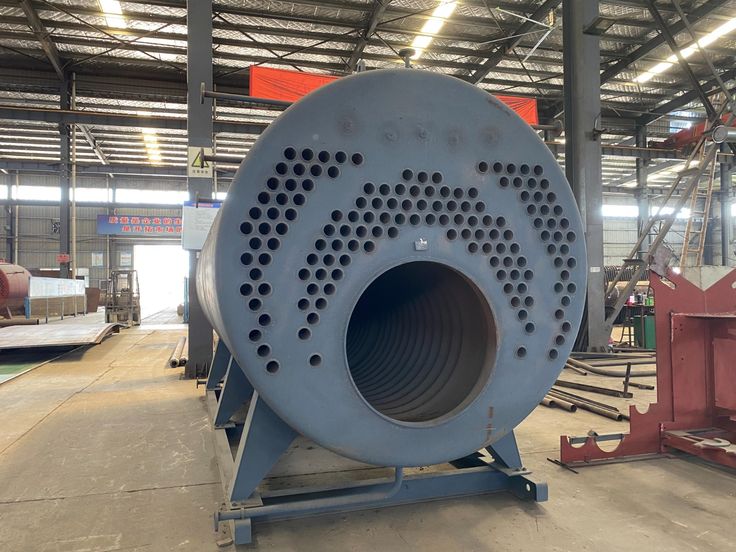
Categories
Uncategorized

Steam Turbines for Nuclear Power Plants

Steam Turbines for Nuclear Power Plants

Steam Turbines for Nuclear Power Plants: Steam turbines are a type of heat engine that converts thermal energy from steam into mechanical energy. This mechanical energy is often used to generate electricity in power plants or drive mechanical systems in various industrial processes. The operation of a steam turbine is based on the principle of thermodynamics, where high-pressure steam is expanded and its thermal energy is converted into kinetic energy, which then drives the blades of the turbine.

The steam is produced in a boiler, where water is heated to produce high-pressure steam. This steam is directed into the turbine, where it passes over a series of blades mounted on a rotating shaft. The design of the turbine blades is critical for efficient energy conversion, as they must be shaped to extract maximum energy from the steam. As the steam expands through the turbine, its pressure and temperature drop, transferring energy to the turbine blades and causing the shaft to rotate.

There are various types of steam turbines, each designed for specific applications and operating conditions. Condensing turbines are commonly used in power generation, where the steam is condensed into water after passing through the turbine, allowing for maximum energy extraction. This type of turbine is often part of a larger system known as a Rankine cycle, which includes the boiler, turbine, condenser, and feedwater pump. The condenser is typically a heat exchanger that cools the steam and converts it back into liquid water, which is then pumped back into the boiler to be reheated.

Back-pressure turbines, on the other hand, are used in industrial applications where steam is needed for both power generation and process heating. In these turbines, the steam is not condensed after passing through the turbine but is instead discharged at a lower pressure for use in other processes. This type of turbine is often found in cogeneration plants, where the goal is to maximize overall energy efficiency by using the steam for multiple purposes.

The efficiency of a steam turbine depends on various factors, including the design of the blades, the quality of the steam, and the operating conditions. Turbines are designed to operate at specific steam pressures and temperatures to achieve optimal performance. Advanced materials and manufacturing techniques have been developed to improve the efficiency and reliability of steam turbines, allowing them to operate at higher temperatures and pressures.

Steam turbines are also classified based on their configuration and the direction of steam flow. Impulse turbines, for example, use high-velocity jets of steam to turn the blades, while reaction turbines use the pressure difference between the steam inlet and outlet to generate motion. Some turbines combine both impulse and reaction principles to optimize performance across a range of operating conditions.

Maintenance and operational considerations are crucial for the longevity and efficiency of steam turbines. Regular inspection and maintenance are required to ensure that the turbine components are in good condition and operating correctly. This includes monitoring for signs of wear and tear, corrosion, and thermal stresses that can affect the performance and safety of the turbine.

In summary, steam turbines are a vital component of many industrial and power generation systems. Their design and operation are based on fundamental principles of thermodynamics, and their efficiency is influenced by various factors, including the quality of the steam, blade design, and operating conditions. Advances in materials and technology continue to improve the performance and reliability of steam turbines, making them a key part of the global energy infrastructure.

One of the critical aspects of steam turbine operation is the control and regulation of steam flow to ensure efficient energy conversion and safe operation. This is typically achieved using various control valves and systems that modulate the steam input based on the turbine’s load and operating conditions. The governor system is a key component in controlling the turbine speed, ensuring it remains within safe limits and matches the required output demand.

The steam entering a turbine can be either saturated or superheated. Saturated steam is at the boiling point and contains a mixture of water and steam, while superheated steam has been heated beyond the boiling point, which allows for more energy extraction without the risk of condensation inside the turbine. Superheated steam is preferred in many applications because it increases the efficiency of the turbine and reduces the risk of damage caused by water droplets impinging on the turbine blades.

Efficiency improvements in steam turbines have been driven by advancements in technology, such as improved blade design, better materials that can withstand higher temperatures and pressures, and more sophisticated control systems. For instance, modern turbines may use advanced computational fluid dynamics (CFD) simulations during the design process to optimize the shape and configuration of the blades, resulting in more efficient energy transfer from the steam.

Another area of innovation is the development of combined cycle power plants, where steam turbines are used alongside gas turbines. In these plants, the waste heat from the gas turbine is used to produce steam for the steam turbine, significantly improving overall efficiency by making use of energy that would otherwise be lost.

Environmental considerations have also become a significant factor in the design and operation of steam turbines. Reducing greenhouse gas emissions and improving the efficiency of power generation systems are critical goals. Many modern steam turbines are designed to be more environmentally friendly by utilizing cleaner fuels, implementing more efficient designs, and incorporating carbon capture and storage technologies.

The integration of renewable energy sources with steam turbines is another area of development. For example, solar thermal power plants use mirrors or lenses to concentrate sunlight to heat a fluid, which then produces steam for a turbine. Similarly, geothermal power plants harness heat from the Earth’s interior to generate steam. These systems offer the advantage of reducing reliance on fossil fuels and lowering carbon emissions.

In terms of lifecycle management, steam turbines are subject to rigorous testing and quality control during manufacturing to ensure they meet the required standards for safety and performance. Once in operation, they require regular maintenance to prevent degradation and failure. Predictive maintenance techniques, such as vibration analysis, thermal imaging, and oil analysis, are used to monitor the condition of the turbine and identify potential issues before they lead to significant problems.

The future of steam turbines is likely to be shaped by ongoing technological advancements and the global shift towards more sustainable energy sources. Innovations in materials science, digitalization, and control systems are expected to further enhance the performance and efficiency of steam turbines, making them an integral part of the evolving energy landscape. As the world moves towards a more sustainable and resilient energy future, steam turbines will continue to play a critical role in meeting energy demands while minimizing environmental impact.

Steam Turbine

Steam Turbine
Steam Turbine

The evolution of steam turbine technology has been marked by a continuous push towards higher efficiency, greater reliability, and reduced environmental impact. One key trend in this evolution is the development of ultra-supercritical (USC) and advanced ultra-supercritical (A-USC) steam turbines, which operate at much higher pressures and temperatures than traditional subcritical and supercritical turbines. These advanced turbines achieve higher thermal efficiencies by increasing the temperature and pressure of the steam entering the turbine, reducing fuel consumption and greenhouse gas emissions per unit of electricity generated.

Another significant advancement in steam turbine technology is the adoption of digitalization and smart technologies. The integration of sensors, data analytics, and machine learning algorithms allows for real-time monitoring and predictive maintenance of turbines. These technologies help in identifying performance anomalies, optimizing operations, and extending the lifespan of the turbines by preventing unplanned outages and reducing downtime.

Flexible operation has also become a critical capability for modern steam turbines, especially in the context of integrating renewable energy sources like wind and solar into the power grid. Steam turbines need to quickly adjust their output to balance the variability in electricity supply from these intermittent sources. Advanced control systems and designs enable turbines to ramp up or down efficiently, providing the necessary grid stability and reliability.

In addition to power generation, steam turbines find applications in various industrial processes, such as in the chemical, petroleum, and paper industries, where they are used to drive mechanical equipment or provide process heat. The versatility of steam turbines in cogeneration systems, where both electricity and heat are produced simultaneously, makes them an essential component for industrial energy efficiency initiatives.

Materials science has played a pivotal role in advancing steam turbine technology. The development of new high-temperature alloys and coatings has enabled turbines to withstand the extreme conditions of advanced steam cycles, reducing the risks of corrosion and creep, which can lead to material degradation over time. These materials not only enhance the performance of the turbines but also reduce the need for frequent maintenance and replacement, thereby lowering the operational costs.

Environmental regulations and the need for sustainable energy solutions have driven innovations in emissions control technologies for steam turbines. Modern turbines are equipped with advanced emission reduction systems, such as selective catalytic reduction (SCR) and flue gas desulfurization (FGD) units, to minimize pollutants like nitrogen oxides (NOx) and sulfur dioxide (SO2). These systems are essential for compliance with stringent environmental standards and for reducing the ecological footprint of power plants.

In the context of global energy transitions, steam turbines are being adapted to work with alternative fuels such as biomass and waste heat recovery systems. By utilizing these renewable and waste energy sources, steam turbines contribute to the diversification of the energy mix and the reduction of dependency on fossil fuels. This shift is crucial for achieving climate goals and transitioning towards a more sustainable energy future.

Research and development in the field of steam turbines continue to focus on enhancing efficiency, flexibility, and sustainability. Collaborative efforts between industry, academia, and government institutions are driving the innovation needed to address the challenges of modern energy systems. As steam turbines evolve, they will remain a cornerstone of both traditional and emerging energy infrastructures, providing reliable, efficient, and environmentally friendly power generation solutions.

The continued advancement of steam turbine technology is also influenced by the global trend towards decarbonization and the need to reduce carbon emissions in the energy sector. This has led to the exploration of new cycle configurations and hybrid systems that enhance the efficiency and reduce the carbon footprint of power plants. One such innovation is the integration of steam turbines with carbon capture and storage (CCS) technologies, where the carbon dioxide produced during combustion is captured before it enters the atmosphere and stored underground or used in industrial processes. By coupling CCS with high-efficiency steam turbines, power plants can significantly reduce their environmental impact while maintaining robust energy production.

Another promising development is the use of hydrogen as a fuel in steam turbine systems. Hydrogen, when burned, produces only water as a byproduct, making it an attractive option for reducing greenhouse gas emissions. Research is ongoing to develop steam turbines that can operate efficiently on hydrogen or hydrogen-rich fuels, which could play a crucial role in the future hydrogen economy. These turbines would need to be adapted to handle the different combustion characteristics of hydrogen, including its higher flame speed and lower ignition energy.

In the realm of operational flexibility, the concept of “peaking turbines” has gained attention. These turbines are designed to provide quick start-up and shut-down capabilities, allowing them to respond rapidly to fluctuations in electricity demand. This is particularly important in power grids with high penetration of renewable energy sources, where the availability of wind and solar power can be unpredictable. Peaking steam turbines contribute to grid stability by providing a reliable backup that can quickly come online when renewable energy output decreases.

Lifecycle analysis and sustainability assessments are increasingly being applied to steam turbine projects to evaluate their environmental impact from manufacturing through decommissioning. This holistic approach helps in identifying opportunities to reduce energy consumption, minimize waste, and recycle materials, contributing to the overall sustainability of the energy sector. Manufacturers are also exploring ways to reduce the carbon footprint of turbine production by sourcing materials sustainably and implementing energy-efficient manufacturing processes.

One of the challenges in steam turbine technology is managing the thermal stresses and mechanical loads that result from frequent cycling and operation at high temperatures. Advanced monitoring systems, combined with sophisticated modeling techniques, help in predicting the lifespan of turbine components and optimizing maintenance schedules to prevent failures. These predictive maintenance strategies not only enhance the reliability of the turbines but also reduce operational costs by preventing unplanned outages and extending the service life of critical components.

Educational and training programs are evolving to equip engineers and technicians with the skills needed to operate and maintain modern steam turbine systems. With the increasing complexity of these systems, there is a growing demand for specialized knowledge in areas such as thermodynamics, materials science, control systems, and digital technologies. Industry partnerships with academic institutions are fostering the development of training curricula that address these needs, ensuring a skilled workforce capable of supporting the evolving energy landscape.

The role of steam turbines in the global energy transition cannot be overstated. As the world moves towards cleaner and more sustainable energy solutions, steam turbines will continue to be a key player in balancing the demands for reliable power generation and environmental stewardship. The ongoing innovation in this field promises to unlock new possibilities for harnessing energy more efficiently and sustainably, making steam turbines a vital component of the future energy mix.

Steam Turbine Technology

Steam Turbine Technology

As steam turbine technology progresses, a notable area of focus is the integration with digital twins—a virtual model of a physical turbine that replicates its behavior in real time. Digital twins use data from sensors installed on the turbine to simulate its performance, allowing operators to predict potential issues, optimize operations, and enhance maintenance planning. This technology not only improves the reliability and efficiency of turbines but also reduces operational risks and costs by enabling proactive decision-making based on real-time data insights.

The push towards decarbonization has also led to the exploration of supercritical CO₂ (sCO₂) cycles, where carbon dioxide is used as the working fluid instead of steam. sCO₂ cycles operate at much higher efficiencies than traditional steam cycles due to the unique properties of CO₂ at supercritical conditions. The smaller size and higher efficiency of sCO₂ turbines make them an attractive option for various applications, including waste heat recovery and concentrated solar power plants. The development and deployment of sCO₂ turbines represent a significant step forward in achieving higher efficiency and reduced emissions in power generation.

Hybrid power plants, which combine multiple energy conversion technologies, are emerging as a new paradigm in power generation. Steam turbines are being integrated with renewable energy sources like solar thermal collectors and biomass boilers to create hybrid systems that leverage the strengths of each energy source. These systems offer greater flexibility, improved efficiency, and a reduced carbon footprint compared to traditional fossil-fuel-based plants. By harnessing the complementary nature of different energy sources, hybrid plants can provide stable and reliable power while accommodating the variability of renewables.

The global trend towards sustainable development is influencing the design and operation of steam turbines, with a growing emphasis on life cycle assessment (LCA) and environmental impact reduction. LCA evaluates the environmental effects associated with all stages of a product’s life, from raw material extraction through manufacturing, use, and disposal. For steam turbines, this involves assessing the environmental footprint of materials, energy use during manufacturing, operational emissions, and end-of-life recycling or disposal. By understanding and mitigating these impacts, manufacturers can create more sustainable turbine designs and contribute to the broader goals of reducing environmental degradation and promoting resource efficiency.

Advanced manufacturing techniques such as additive manufacturing (3D printing) are also being explored for producing complex turbine components. Additive manufacturing allows for the creation of intricate geometries that are difficult or impossible to achieve with traditional manufacturing methods. This capability can lead to improved turbine blade designs that enhance aerodynamic efficiency and reduce weight, ultimately improving the overall performance of the turbine. Additionally, additive manufacturing can shorten production times and reduce material waste, contributing to more sustainable manufacturing practices.

In response to the increasing demand for more sustainable energy systems, research into the use of alternative working fluids for steam turbines is gaining traction. Organic Rankine Cycle (ORC) turbines, for example, use organic fluids with lower boiling points than water, making them suitable for low-temperature heat sources such as geothermal energy, industrial waste heat, and solar thermal energy. ORC turbines offer a pathway to utilizing low-grade heat sources that would otherwise go to waste, thereby improving the overall efficiency of energy systems and supporting the transition to a more sustainable energy mix.

The global energy landscape is undergoing a transformation, and steam turbines are at the heart of this change. Their adaptability to new technologies, fuels, and integration with renewable energy systems positions them as a critical enabler of a cleaner and more sustainable energy future. As research and development continue to push the boundaries of what steam turbines can achieve, they will remain an indispensable part of the world’s efforts to meet growing energy demands while minimizing environmental impact and supporting economic growth.

Steam Turbine Efficiency

Steam Turbine Efficiency

Steam turbine efficiency is a crucial aspect of their design and operation, influencing the overall performance and economic viability of power generation and industrial processes. Efficiency in steam turbines refers to the ratio of the useful mechanical energy output to the thermal energy input provided by the steam. Several factors affect this efficiency, including thermodynamic principles, turbine design, steam quality, and operating conditions.

One of the fundamental principles governing steam turbine efficiency is the Rankine cycle, which describes the process of converting heat into work through the expansion of steam. The efficiency of a steam turbine is directly related to the temperature and pressure of the steam entering the turbine. Higher steam temperatures and pressures allow for greater energy extraction, leading to improved efficiency. This is why modern steam turbines are often designed to operate under supercritical or ultra-supercritical conditions, where steam parameters exceed the critical point of water, allowing for more efficient energy conversion.

The design of turbine blades plays a significant role in determining efficiency. Blades are carefully engineered to optimize the flow of steam, ensuring that as much kinetic energy as possible is transferred to the rotating shaft. The shape, size, and arrangement of the blades are all factors that influence how effectively the turbine can convert steam energy into mechanical work. Advances in computational fluid dynamics (CFD) have enabled engineers to create more aerodynamic blade profiles, reducing energy losses due to turbulence and improving overall efficiency.

Steam quality is another critical factor affecting turbine efficiency. Superheated steam, which has been heated beyond its boiling point, is preferred because it reduces the risk of condensation within the turbine. The presence of liquid water can cause erosion and damage to turbine blades, reducing efficiency and increasing maintenance costs. By using superheated steam, turbines can operate more efficiently and with less wear and tear on the components.

Thermodynamic efficiency is also influenced by the degree of expansion of the steam within the turbine. The more the steam expands, the more energy can be extracted. However, practical considerations such as the size of the turbine and the need to avoid excessive mechanical stresses limit the extent of expansion. To maximize efficiency, steam turbines are often designed with multiple stages, where the steam passes through several sets of blades, each extracting a portion of the available energy. This multistage design allows for a more gradual reduction in steam pressure and temperature, optimizing energy extraction and improving efficiency.

Heat losses are another area of concern when it comes to turbine efficiency. Some of the energy in the steam is inevitably lost as heat to the surroundings, reducing the overall efficiency of the system. Insulating the turbine and associated piping can help minimize these losses. Additionally, the use of condensers in condensing turbines helps to recover some of the energy by condensing the exhaust steam into water, which can then be recirculated back to the boiler.

Operational practices also play a role in maintaining high efficiency. Regular maintenance and monitoring of turbine performance are essential to ensure that the turbine operates at peak efficiency. Issues such as fouling, wear, and misalignment can degrade performance over time, so identifying and addressing these problems promptly is crucial. Predictive maintenance techniques, which use data analytics and sensors to monitor turbine health, have become increasingly important in ensuring sustained efficiency.

The efficiency of steam turbines has a direct impact on the overall efficiency of power plants and industrial processes. Higher turbine efficiency means that less fuel is required to produce the same amount of power, leading to lower operating costs and reduced emissions. This makes improving turbine efficiency a key focus for the energy industry, particularly in the context of global efforts to reduce carbon emissions and transition to more sustainable energy systems.

In summary, steam turbine efficiency is influenced by a combination of thermodynamic principles, blade design, steam quality, and operational practices. Advances in technology and materials continue to push the boundaries of what is possible, enabling more efficient and reliable turbines that play a crucial role in modern energy systems. By optimizing efficiency, steam turbines contribute to more sustainable and cost-effective energy production, supporting the global transition to a low-carbon future.

In the pursuit of higher steam turbine efficiency, research and development have focused on various innovations and enhancements. One such area is the use of advanced materials that can withstand the extreme conditions of high-temperature and high-pressure steam. Materials like nickel-based superalloys and ceramic coatings are employed to improve the thermal resistance and mechanical strength of turbine components. These materials enable turbines to operate at higher temperatures, which increases the thermodynamic efficiency and allows for greater energy extraction from the steam.

The development of advanced manufacturing techniques, such as additive manufacturing (3D printing), has also contributed to improvements in turbine efficiency. These techniques allow for the production of complex geometries that are difficult to achieve with traditional manufacturing methods. By optimizing the design and structure of turbine components, manufacturers can reduce weight, improve aerodynamics, and enhance overall performance. This level of precision and customization leads to more efficient turbines with lower energy losses.

Digital technologies are playing an increasingly significant role in optimizing steam turbine efficiency. The use of digital twins, real-time monitoring, and data analytics allows operators to fine-tune the performance of turbines under varying load conditions. These technologies enable the detection of inefficiencies and the implementation of corrective measures before they lead to significant performance degradation. Additionally, machine learning algorithms can analyze historical performance data to predict future trends and optimize turbine operations for maximum efficiency.

Innovations in turbine control systems have also enhanced efficiency by improving the precision of steam flow regulation. Advanced control algorithms ensure that the steam is directed through the turbine at the optimal pressure and temperature, minimizing energy losses and maximizing output. These systems are particularly important in flexible power plants that need to respond rapidly to changes in electricity demand and integrate with renewable energy sources.

Cogeneration, or combined heat and power (CHP) systems, represent another strategy for improving overall efficiency. In these systems, steam turbines generate both electricity and useful thermal energy from the same fuel source. By utilizing the waste heat for heating or industrial processes, cogeneration systems can achieve much higher overall efficiencies compared to traditional power plants. This approach not only reduces fuel consumption but also lowers greenhouse gas emissions, making it a more sustainable option for energy production.

The integration of steam turbines with renewable energy technologies is an emerging area of focus. For example, in solar thermal power plants, concentrated sunlight is used to generate steam, which then drives a turbine. These systems can achieve higher efficiency by using advanced turbine designs that are optimized for the specific characteristics of solar-generated steam. Similarly, geothermal power plants utilize heat from the Earth’s crust to produce steam for turbines. By harnessing these renewable energy sources, steam turbines can contribute to reducing reliance on fossil fuels and lowering the carbon footprint of power generation.

Energy storage technologies are also being explored as a means to enhance the efficiency and flexibility of steam turbines. By storing excess energy generated during periods of low demand and releasing it when demand is high, energy storage systems can help balance the load on steam turbines and improve their overall efficiency. Thermal energy storage, where heat is stored in materials like molten salts, is particularly compatible with steam turbines and offers a way to decouple the production and use of electricity.

Finally, policy and regulatory frameworks play a role in driving efficiency improvements in steam turbines. Governments and industry organizations set efficiency standards and provide incentives for the adoption of high-efficiency technologies. These initiatives encourage investment in research and development and the deployment of advanced steam turbine systems that meet stringent efficiency and environmental criteria.

In conclusion, steam turbine efficiency is a multifaceted challenge that involves optimizing thermodynamic processes, material properties, manufacturing techniques, and operational strategies. Continuous innovation and the integration of advanced technologies are essential for achieving higher efficiency and supporting the transition to a more sustainable energy future. As steam turbines evolve, they will remain a cornerstone of efficient power generation, contributing to global efforts to reduce energy consumption and environmental impact.

Further advancements in steam turbine efficiency are also being driven by the development of hybrid cycles that combine different thermodynamic processes to optimize energy use. One such example is the combined cycle, which pairs a gas turbine with a steam turbine. In this configuration, the waste heat from the gas turbine is used to produce steam for the steam turbine, significantly improving the overall efficiency of the power plant. By utilizing the heat that would otherwise be lost, combined cycle plants can achieve efficiencies of up to 60% or higher, making them some of the most efficient power plants in operation today.

Another hybrid approach involves integrating steam turbines with organic Rankine cycle (ORC) systems. ORC systems use organic fluids with lower boiling points than water, allowing them to convert low-temperature heat sources into electricity. By coupling ORC systems with traditional steam turbines, it is possible to capture and utilize heat from sources such as geothermal wells, industrial waste heat, or solar thermal collectors, further enhancing the overall efficiency of energy systems.

In the pursuit of higher efficiency, researchers are also exploring the use of advanced cycle configurations such as reheating and regeneration. Reheating involves expanding the steam in multiple stages with intermediate reheating between stages. This process reduces moisture content in the later stages of expansion, improving efficiency and reducing wear on turbine blades. Regeneration, on the other hand, involves preheating the feedwater using steam extracted from intermediate stages of the turbine. This reduces the energy required to convert the feedwater into steam, thereby increasing the efficiency of the cycle.

Supercritical and ultra-supercritical steam cycles are pushing the boundaries of what is possible in terms of efficiency. These cycles operate at pressures and temperatures above the critical point of water, where the distinctions between liquid and vapor phases disappear. By operating in this supercritical region, steam turbines can achieve higher thermal efficiencies and extract more energy from the same amount of fuel. However, these systems require advanced materials and design considerations to handle the extreme conditions, making them a focus of ongoing research and development.

The concept of exergy, which measures the useful work potential of a given energy input, is also critical in the analysis of steam turbine efficiency. Exergy analysis helps identify where energy losses occur within the system and provides insights into how these losses can be minimized. By focusing on maximizing the exergy efficiency, engineers can design turbines that make better use of the available energy, leading to more sustainable and cost-effective power generation solutions.

Environmental factors are increasingly influencing the design and operation of steam turbines. Stricter emissions regulations and the need to reduce carbon footprints are driving the adoption of technologies that enhance efficiency while minimizing environmental impact. For instance, carbon capture and storage (CCS) technologies can be integrated with steam turbines to capture and sequester CO₂ emissions. By improving the efficiency of the turbines, less fuel is required for the same power output, reducing the overall emissions and making CCS systems more economically viable.

The future of steam turbine efficiency also lies in the potential for integrating artificial intelligence (AI) and machine learning (ML) into turbine operations. These technologies can analyze vast amounts of operational data to identify patterns and predict performance issues before they occur. AI-driven optimization can dynamically adjust operating parameters to ensure that the turbine runs at its peak efficiency under varying conditions. This level of intelligent control represents a significant leap forward in maintaining and enhancing efficiency throughout the turbine’s lifecycle.

In conclusion, the drive to improve steam turbine efficiency encompasses a broad spectrum of technological, operational, and environmental considerations. From advanced materials and manufacturing techniques to innovative cycle configurations and digital technologies, the quest for greater efficiency is central to the evolution of steam turbines. As these advancements continue to unfold, steam turbines will play a pivotal role in delivering efficient, reliable, and sustainable energy for the future.

Steam Turbine Decarbonization

 Steam turbine Decarbonization
Steam turbine Decarbonization

The decarbonization of energy systems is one of the most pressing challenges of our time, and steam turbines play a vital role in this global effort. Steam turbines, traditionally powered by fossil fuels, are central to power generation in many countries. However, as the world shifts toward cleaner, more sustainable energy sources, steam turbines must adapt to minimize their carbon emissions and contribute to the reduction of the overall carbon footprint of power generation.

One of the key strategies for decarbonizing steam turbine systems is the transition to lower-carbon or carbon-neutral fuels. Traditional coal- and natural gas-fired power plants contribute significantly to carbon emissions, but with the right modifications, steam turbines can operate using alternative fuels such as biomass, hydrogen, and even waste-derived fuels. Biomass, for example, offers a renewable energy source that can reduce the carbon intensity of power generation, as it involves the combustion of organic materials that are part of the natural carbon cycle. When sustainably sourced, biomass can contribute to a net reduction in carbon emissions compared to fossil fuels.

Hydrogen is another promising fuel that has the potential to decarbonize steam turbine systems. When burned, hydrogen produces only water vapor as a byproduct, making it an ideal candidate for reducing greenhouse gas emissions in power generation. Research is ongoing to develop steam turbines that can operate efficiently on hydrogen or hydrogen-blended fuels. These turbines need to be specially designed to handle the combustion characteristics of hydrogen, which include its higher flame speed and lower ignition temperature compared to natural gas. Integrating hydrogen into existing steam turbine systems, or developing new turbines specifically for hydrogen combustion, could significantly reduce carbon emissions from power plants and industrial facilities.

Carbon capture and storage (CCS) technologies are also playing a critical role in the decarbonization of steam turbine systems. CCS involves capturing carbon dioxide emissions from power plants and other industrial processes, compressing the CO₂, and storing it underground in geological formations. By integrating CCS with steam turbines, power plants can continue to operate using fossil fuels while effectively mitigating the carbon emissions associated with combustion. The efficiency of steam turbines plays a role in the effectiveness of CCS; by improving turbine efficiency, less fuel is required to generate the same amount of power, which in turn reduces the volume of CO₂ that needs to be captured.

The use of advanced materials in steam turbines is another way to support decarbonization efforts. By enabling steam turbines to operate at higher temperatures and pressures, advanced materials like nickel-based superalloys and ceramics allow for more efficient energy conversion. This means that power plants can generate more electricity with less fuel, reducing their overall carbon emissions. The higher thermal efficiency of steam turbines designed with these materials helps minimize fuel consumption, which is a critical factor in reducing the carbon intensity of power generation.

Another aspect of decarbonization is the integration of renewable energy sources with steam turbine systems. Although steam turbines are traditionally associated with thermal power plants, they can also be integrated with renewable energy systems like solar thermal power and geothermal energy. In solar thermal power plants, for instance, concentrated solar energy is used to heat a fluid, which then generates steam to drive a turbine. This process can significantly reduce the carbon footprint of electricity generation by utilizing renewable energy instead of fossil fuels. Similarly, geothermal energy, which taps into the Earth’s natural heat, can be used to generate steam for turbines, providing a low-carbon alternative to conventional power sources.

In addition to fuel switching and technological innovations, operational strategies are critical in reducing the carbon emissions associated with steam turbines. Flexible operation, which allows power plants to adjust output rapidly in response to changing grid demands or the availability of renewable energy, is becoming increasingly important. The ability of steam turbines to operate more flexibly enables better integration of renewable energy sources, such as wind and solar, which can be intermittent. By providing backup power during periods of low renewable energy generation, steam turbines contribute to grid stability without relying on fossil fuels.

Energy storage systems, including thermal energy storage, can also enhance the decarbonization potential of steam turbine systems. These systems store excess energy generated during times of low demand, such as from renewable sources, and release it when demand is high. By integrating steam turbines with energy storage solutions, power plants can reduce their reliance on fossil fuels for peak power generation, ultimately lowering their carbon emissions.

Moreover, improving the overall energy efficiency of steam turbines directly contributes to decarbonization. By making steam turbines more efficient, less fuel is required to produce the same amount of electricity, reducing both operating costs and emissions. Technological advancements, such as better turbine blade designs, advanced sensors, and digital optimization tools, can help maximize the efficiency of steam turbines. This is especially critical in power plants that continue to operate using fossil fuels, as even small efficiency gains can result in significant reductions in carbon emissions.

The role of steam turbines in decarbonization is not limited to power generation alone. Industrial applications of steam turbines, such as in chemical, oil and gas, and manufacturing industries, are also being targeted for decarbonization. By improving the energy efficiency of steam turbines used in these industries, significant reductions in energy consumption and carbon emissions can be achieved. Industrial facilities are increasingly adopting combined heat and power (CHP) systems, where steam turbines are used to generate both electricity and useful heat. By utilizing waste heat, CHP systems reduce the need for additional fuel, thus cutting carbon emissions and improving overall energy efficiency.

As the global focus on climate change intensifies, the decarbonization of steam turbine systems will continue to be a key aspect of the broader energy transition. Through a combination of technological innovations, fuel diversification, operational strategies, and policy support, steam turbines will play an essential role in reducing the carbon footprint of power generation and industry. The ongoing efforts to decarbonize steam turbine systems are not only crucial for mitigating climate change but also for ensuring a more sustainable and resilient energy future.

As the world increasingly turns toward decarbonization, the role of steam turbines in facilitating this transition becomes even more important. One area of focus in this context is the evolution of steam turbine design and operational flexibility. In traditional power plants, steam turbines have been used in baseload power generation, operating at a steady output for long periods. However, with the growing integration of renewable energy sources like wind and solar into the grid, power plants are being called upon to operate more flexibly. This flexibility enables steam turbines to adjust quickly to fluctuations in renewable energy availability, making them essential for grid stability.

The challenge for steam turbine manufacturers and operators is to design turbines that can handle these rapid load changes without sacrificing efficiency or reliability. Flexible operation typically requires turbines to operate in part-load conditions more frequently, which can reduce their efficiency. However, through advanced control systems and improved materials, modern steam turbines can now operate more efficiently at a wider range of loads, ensuring they remain valuable contributors to the grid even as renewable energy sources become more prevalent.

One promising solution to enhance flexibility is the development of “fast-ramping” steam turbines. These turbines are designed to ramp up or down in response to grid demands more rapidly than conventional turbines, reducing reliance on fossil fuel-based backup power. By incorporating technologies such as improved valve control, advanced sensors, and real-time data analytics, fast-ramping turbines can respond to grid fluctuations quickly and efficiently, supporting renewable integration while minimizing carbon emissions.

The decarbonization efforts are also being bolstered by the use of hybrid systems that combine steam turbines with other low-carbon technologies. One such example is the integration of steam turbines with hydrogen fuel cells. In this configuration, steam turbines are used in combination with hydrogen to generate power, where hydrogen serves as a clean fuel. The use of hydrogen fuel cells with steam turbines allows for the production of electricity with minimal carbon emissions, as the only byproducts of hydrogen combustion are water vapor and heat. This integration enables power plants to continue utilizing steam turbines while significantly reducing their carbon footprint.

Moreover, advanced digital technologies like artificial intelligence (AI), machine learning (ML), and predictive analytics are being employed to optimize the performance of steam turbines in decarbonized systems. These tools can help forecast energy demand, identify inefficiencies, and enable more precise control over turbine operations. For example, AI-powered predictive maintenance allows operators to identify potential issues before they cause significant problems, ensuring turbines operate at peak efficiency and reducing the need for frequent maintenance or downtime.

In addition to these operational and technological advancements, the decarbonization of steam turbines is also being supported by governmental policies, incentives, and regulations. Many countries have set ambitious carbon reduction goals, and the energy sector, including steam turbine manufacturers and operators, is under increasing pressure to meet these targets. Governments around the world are providing financial incentives for the development of low-carbon technologies, including subsidies for the integration of renewable energy, energy efficiency improvements, and the adoption of carbon capture technologies. These policies help accelerate the transition to a decarbonized energy system by making it more economically viable for power plants and industrial facilities to adopt cleaner technologies and practices.

International frameworks such as the Paris Agreement have also set clear targets for carbon emissions reductions, further driving the need for decarbonization in all sectors, including power generation. As a result, companies in the steam turbine industry are investing heavily in research and development to create next-generation turbines that are more energy-efficient, adaptable to low-carbon fuels, and capable of integrating with renewable energy sources.

The transition to a low-carbon energy system is not without its challenges, but the role of steam turbines in this transition cannot be overstated. As the energy sector seeks to balance sustainability with reliability and cost-effectiveness, steam turbines will remain central to power generation. By embracing new technologies, adapting to low-carbon fuels, and improving operational flexibility, steam turbines will continue to evolve, contributing to a cleaner, more sustainable energy future.

In conclusion, the decarbonization of steam turbines represents a multifaceted effort involving the development of new technologies, fuel sources, and operational practices. The integration of renewable energy, the adoption of alternative fuels like hydrogen, the implementation of carbon capture systems, and advances in turbine efficiency and flexibility are all key components of this transformation. As the global energy landscape continues to shift, steam turbines will remain an integral part of the solution to achieving a low-carbon, sustainable future. By continuing to innovate and adapt, steam turbines will help reduce the carbon emissions from power generation while ensuring that reliable, affordable electricity remains available to meet growing global energy demands.

The future of steam turbine decarbonization is closely tied to ongoing research, development, and collaboration across industries, governments, and academic institutions. One promising avenue is the integration of steam turbines with advanced energy storage systems, which could significantly enhance the grid’s ability to accommodate fluctuating renewable energy sources while reducing the carbon emissions associated with backup power generation. For example, combining steam turbines with molten salt thermal energy storage or compressed air energy storage systems allows excess energy generated during periods of low demand to be stored and used when demand rises. This integration supports the efficient use of steam turbines for both baseload and peak-load power generation without relying heavily on fossil fuels.

Thermal energy storage in particular holds great potential for steam turbines, especially in concentrated solar power (CSP) plants, where heat is stored in molten salts and used to generate steam for turbines. By enabling energy to be stored and used later in the day or during cloudy periods, CSP plants with thermal storage can produce electricity around the clock while avoiding carbon emissions from traditional fossil fuel-based generation. This method of storing and utilizing thermal energy can reduce the intermittent nature of solar power and further decarbonize steam turbine systems that rely on solar thermal energy.

Beyond storage systems, the use of smart grids and digital technologies will play an essential role in optimizing steam turbine performance as part of a decarbonized energy system. Smart grids enable the seamless integration of diverse energy sources, including renewable generation, while also providing real-time data on energy consumption and demand. With advanced sensors, communication systems, and automation, smart grids can optimize turbine operations and help balance supply and demand efficiently. These digital networks allow utilities to manage turbine load profiles more effectively, increasing the overall reliability of the system and reducing energy losses.

Additionally, the role of steam turbines in decarbonization is not limited to power plants. Industrial sectors such as manufacturing, chemicals, and oil refining are also major contributors to global emissions, and steam turbines can help reduce their environmental impact. By using waste heat recovery systems and adopting combined heat and power (CHP) technologies, industrial facilities can maximize energy efficiency and reduce carbon emissions. CHP systems, which generate both electricity and useful thermal energy from a single fuel source, provide an excellent opportunity for industries to reduce their overall energy consumption and carbon footprint while maintaining operational efficiency.

Furthermore, integrating steam turbines into district heating systems, which provide heat to residential and commercial buildings, is another way to improve efficiency and reduce emissions in urban environments. In these systems, steam turbines can generate both electricity and heat from a single energy source, making the overall energy system more efficient. In combination with renewable energy sources like biomass, geothermal, or solar thermal, district heating systems can help reduce reliance on fossil fuels for heating, which is particularly important in regions with colder climates.

On a larger scale, global efforts to decarbonize transportation and heavy industry may also benefit from the use of steam turbines. For example, hydrogen-powered steam turbines could play a key role in decarbonizing sectors such as shipping, aviation, and steel manufacturing. These industries rely on high-temperature heat and large amounts of energy, which are traditionally supplied by fossil fuels. However, with the development of hydrogen-based steam turbines and fuel cells, these sectors could move toward zero-emission solutions while continuing to benefit from the power generation capabilities of steam turbines.

As the transition to a decarbonized economy accelerates, public-private partnerships and international collaboration will be crucial in overcoming the barriers to widespread adoption of decarbonized steam turbine technologies. Governments can play a key role by implementing policies that incentivize research and development, provide financial support for low-carbon technologies, and set clear emissions reduction targets. These policies can drive innovation and reduce the financial risks associated with transitioning to more sustainable energy systems.

At the same time, the steam turbine industry will need to focus on increasing the scalability of its decarbonization technologies. As demand for cleaner energy solutions grows, there will be a need for large-scale deployment of low-carbon steam turbines across a variety of sectors. Scaling up technologies like hydrogen-fueled turbines, CCS-equipped plants, and advanced thermal storage systems will require significant investment, collaboration, and infrastructure development. Nonetheless, the potential benefits of these technologies in reducing global emissions and mitigating climate change make them worth pursuing.

The decarbonization of steam turbines is also tied to the broader transition toward circular economy principles, where energy systems and materials are reused, recycled, or repurposed to minimize waste. For example, steam turbines and other power plant components can be designed for longer lifespans and easier recycling at the end of their operational life. The efficient reuse of materials and the reduction of waste in steam turbine production can further reduce the overall environmental impact of the energy sector.

In conclusion, steam turbine decarbonization is a multifaceted and ongoing process that will require continued technological advancements, innovation in fuel sources, improved efficiency, and more sustainable operational practices. The integration of renewable energy, hydrogen, energy storage, and digital technologies into steam turbine systems is key to achieving the goals of a low-carbon energy future. By leveraging these technologies and fostering collaboration across sectors and borders, steam turbines will remain a vital part of the energy landscape, contributing to the global effort to mitigate climate change and build a sustainable, resilient, and low-carbon energy system for generations to come.

Steam Turbine Integration

On Site Power Generator

The integration of steam turbines into modern energy systems is a critical component of ensuring both efficiency and flexibility in power generation. As the global energy landscape continues to evolve with the increasing reliance on renewable energy sources, steam turbines are increasingly being integrated into a variety of systems that include not only traditional fossil fuel-based plants but also renewable and hybrid power generation systems. The integration of steam turbines with these systems presents an opportunity to optimize energy production, reduce environmental impact, and provide grid stability in an increasingly complex and decentralized energy world.

One of the most common integrations of steam turbines occurs within combined cycle power plants, which combine both gas and steam turbines to improve efficiency. In these plants, natural gas is burned to power a gas turbine, and the waste heat from the gas turbine is used to generate steam for a steam turbine. This setup allows power plants to achieve much higher efficiencies than either gas or steam turbines alone, as the waste heat from the gas turbine is captured and utilized to generate additional electricity. The integration of both turbines creates a synergistic effect that optimizes the conversion of fuel to energy, making combined cycle plants one of the most efficient power generation technologies available.

Furthermore, steam turbines are increasingly integrated with renewable energy sources like solar thermal power and geothermal energy, contributing to the decarbonization of the energy sector. In solar thermal plants, concentrated solar power (CSP) systems use mirrors or lenses to focus sunlight onto a fluid that is heated to generate steam. The steam is then used to drive a steam turbine to produce electricity. This integration of solar energy with steam turbine technology allows for power generation that is carbon-neutral, reducing reliance on fossil fuels and contributing to the mitigation of climate change. Similarly, in geothermal power plants, the heat from the Earth’s core is used to generate steam, which then drives a steam turbine. Geothermal energy is considered a renewable and sustainable energy source, and its integration with steam turbines provides a reliable and constant form of electricity generation that is not subject to the intermittency of solar or wind energy.

One of the key challenges in integrating steam turbines with renewable energy systems is the variability and intermittency of renewable energy sources like wind and solar. Steam turbines are typically designed to operate continuously at steady output levels, but renewable energy sources do not always produce electricity at a constant rate. To address this, modern steam turbines are being designed with greater flexibility, allowing them to operate efficiently under fluctuating loads. This flexibility allows steam turbines to complement renewable energy generation by acting as backup power during periods of low renewable output, ensuring grid stability and reliability. As a result, steam turbines are being integrated into hybrid systems that combine renewable energy with thermal or gas-fired power plants to create more flexible, sustainable, and reliable energy solutions.

In addition to power generation, steam turbines are also being integrated into combined heat and power (CHP) systems, which produce both electricity and useful heat. These systems are often used in industrial applications where both electricity and thermal energy are required. By utilizing waste heat from industrial processes or from the exhaust gases of steam turbines, CHP systems can significantly increase the overall efficiency of energy use. This is particularly important in industries such as chemicals, oil and gas, and manufacturing, where large amounts of heat are needed for processes like heating, drying, and distillation. The integration of steam turbines in CHP systems allows industries to reduce their energy consumption, lower emissions, and improve their overall economic efficiency by making use of waste heat that would otherwise be lost.

Moreover, steam turbines are playing an increasingly important role in district heating systems, where steam turbines generate both heat and electricity for urban areas. In these systems, steam turbines are integrated with heat sources such as biomass, waste-to-energy plants, or even nuclear power plants to provide thermal energy to residential, commercial, and industrial users. By using steam turbines in conjunction with these heat sources, district heating systems can provide a reliable, low-carbon alternative to conventional heating methods, such as fossil fuel-based heating. This integration reduces reliance on individual heating systems in buildings and helps create more energy-efficient and sustainable urban environments.

The integration of steam turbines with energy storage technologies is another area of growing interest. Energy storage systems, such as thermal energy storage, compressed air energy storage, and battery storage, can help smooth out the variability of renewable energy generation. By storing excess energy generated during periods of high renewable output, these storage systems allow steam turbines to generate electricity during periods of low renewable availability, thereby enhancing grid stability and ensuring a continuous power supply. For example, in concentrated solar power (CSP) systems, excess heat can be stored in molten salts and used to generate steam for turbines when sunlight is not available, providing dispatchable and reliable power from a renewable source.

In the context of decarbonization and the transition to low-carbon energy systems, steam turbines are being integrated with carbon capture and storage (CCS) technologies. CCS technologies capture carbon dioxide (CO₂) emissions from power plants and industrial processes and store them underground or use them for other purposes, such as enhanced oil recovery. By integrating CCS with steam turbines, power plants can continue to operate while reducing their carbon emissions. The efficiency of the steam turbines plays a crucial role in the effectiveness of CCS, as higher turbine efficiency means that less fuel is needed to generate the same amount of electricity, reducing the overall carbon emissions from the plant. As a result, integrating CCS with steam turbine systems helps mitigate the impact of fossil fuel use on the environment and contributes to achieving global climate goals.

Another significant area of steam turbine integration is in hybrid systems that combine steam turbines with other low-carbon technologies, such as hydrogen fuel cells and nuclear power. Hydrogen is a clean fuel that, when used in a fuel cell or burned in a turbine, produces only water vapor as a byproduct. Integrating steam turbines with hydrogen fuel cells enables power plants to generate electricity with zero carbon emissions. Similarly, integrating steam turbines with advanced nuclear reactors offers the potential for reliable, low-carbon baseload power generation. Nuclear power plants with steam turbines produce electricity by using the heat from nuclear fission to generate steam, offering a carbon-free energy source that is reliable and scalable.

The integration of steam turbines in smart grids is also a promising development. Smart grids are digital, two-way communication systems that enable the efficient management of electricity distribution by optimizing energy use based on real-time data. By integrating steam turbines into smart grids, utilities can better manage grid stability, load balancing, and energy distribution, ensuring that power generation is optimized and carbon emissions are minimized. Through advanced sensors, automation, and data analytics, smart grids can dynamically adjust the output of steam turbines to meet changing demand and integrate more renewable energy sources, improving overall system efficiency and resilience.

In conclusion, the integration of steam turbines into diverse energy systems is essential for creating a more efficient, flexible, and sustainable energy infrastructure. Whether through combined cycle power plants, renewable energy systems, combined heat and power systems, or carbon capture technologies, steam turbines are playing an integral role in modernizing energy generation. By embracing new technologies and operational strategies, steam turbines are evolving to meet the challenges of a low-carbon energy future while providing reliable, efficient power. The ongoing integration of steam turbines into innovative energy systems will continue to shape the way the world generates and consumes energy, making it possible to transition toward a cleaner, more sustainable energy future.

As the demand for cleaner and more sustainable energy grows, steam turbine integration is expected to play an increasingly critical role in reshaping how we produce, store, and distribute power. The development of hybrid systems that combine steam turbines with various renewable and low-carbon technologies represents a promising avenue for achieving deeper decarbonization. For instance, coupling steam turbines with energy storage solutions, such as large-scale battery storage, allows energy producers to store excess electricity during periods of high renewable output and release it when the renewable supply wanes. This integrated approach ensures a stable power supply, enhances grid flexibility, and helps mitigate the intermittency challenges associated with wind and solar energy.

Additionally, combining steam turbines with low-carbon technologies like hydrogen holds great promise in decarbonizing industries and power generation. Hydrogen, when used as a fuel for steam turbines, provides a carbon-free alternative to fossil fuels, as its combustion produces only water vapor. The integration of hydrogen-fired steam turbines in power plants or industrial facilities could significantly reduce greenhouse gas emissions, especially in hard-to-decarbonize sectors such as heavy industry, chemicals, and steel manufacturing. Ongoing research and innovation in hydrogen infrastructure, storage, and distribution are critical to realizing the full potential of this integration. In the future, steam turbines could operate on a mixture of hydrogen and natural gas, further reducing carbon emissions and advancing the energy transition.

The integration of steam turbines with advanced nuclear reactors offers another significant opportunity to reduce carbon emissions while ensuring reliable, 24/7 power generation. Nuclear power, which produces no direct CO₂ emissions during operation, is increasingly seen as a key part of the energy transition. By integrating steam turbines with new generation nuclear reactors, such as small modular reactors (SMRs), we can provide consistent, low-carbon electricity while simultaneously supporting grid stability. These reactors are designed to be more flexible in operation and capable of handling variable grid demands, which is essential as we incorporate more renewable sources like wind and solar into the energy mix.

In parallel, advancements in digital technologies are enhancing the ability to integrate steam turbines into smart grids. Smart grids leverage real-time data, advanced sensors, and machine learning algorithms to optimize energy generation, transmission, and consumption. By incorporating steam turbines into these digital grids, operators can more efficiently balance power supply and demand, seamlessly integrating both conventional and renewable energy sources. Steam turbines, when integrated with smart grids, can adapt to varying demand patterns, allowing for more efficient use of resources and less reliance on fossil fuel-based backup power. For example, turbines can be automatically ramped up or down in response to fluctuations in renewable energy generation, ensuring grid stability without sacrificing efficiency or reliability.

One of the most significant challenges for steam turbine integration lies in the modernization of existing power plants. Many older steam turbines were designed for baseload operation using fossil fuels and are not optimized for the variable nature of renewable energy. Retrofitting these turbines to accommodate new fuels, like hydrogen, or to enable faster response times to grid changes is essential to maximizing their role in future energy systems. This process of retrofitting or upgrading turbines often requires significant investment, as it involves both mechanical modifications and the integration of new control systems. However, the benefits of retrofitting older turbines to handle renewable integration or carbon capture make it a worthwhile investment in the long term.

The development of more efficient steam turbines is also a key factor in their successful integration into modern energy systems. Advances in turbine design, such as improvements in materials, blade aerodynamics, and thermal efficiency, enable turbines to operate at higher temperatures and pressures, resulting in improved efficiency and a reduction in fuel consumption. More efficient turbines not only lower the operational costs of power plants but also reduce the environmental impact of electricity generation by requiring less fuel to produce the same amount of electricity. As a result, turbine manufacturers and power plant operators are continuously working to enhance the performance of steam turbines through innovations in engineering and technology.

Moreover, the integration of steam turbines with decentralized energy systems is becoming increasingly important as the energy transition progresses. Microgrids and distributed energy resources (DERs), such as small-scale renewable generators and energy storage systems, are being integrated with steam turbines to create more resilient and flexible energy systems. In these configurations, steam turbines can provide backup power during grid outages or periods of low renewable generation, ensuring the continuity of electricity supply while reducing dependence on centralized fossil fuel-based power plants. In remote areas or regions with unreliable grid infrastructure, steam turbines integrated into microgrids can help improve energy access and support local economies while minimizing environmental impact.

The growing importance of energy security in an increasingly interconnected world also highlights the role of steam turbines in providing reliable, dispatchable power. As renewable energy penetration increases, ensuring that power systems remain stable during periods of low renewable output or high demand becomes a critical concern. Steam turbines are well-positioned to play a key role in stabilizing the grid, as they can generate electricity on demand, regardless of weather conditions or time of day. This capability is crucial for balancing the grid when renewables like wind and solar are not generating power, providing the reliability needed to maintain electricity supply without relying on carbon-intensive backup power sources.

International collaboration is another vital element for successfully integrating steam turbines into the global energy transition. Countries and companies across the world are working together to share knowledge, standardize technologies, and develop innovative solutions to decarbonize power generation. Whether through joint research initiatives, multinational partnerships, or knowledge-sharing platforms, these collaborations help accelerate the deployment of low-carbon technologies, including steam turbines. International agreements, such as the Paris Agreement, are also providing strong policy frameworks that encourage investment in clean energy solutions, including the integration of steam turbines with renewable and low-carbon technologies.

In conclusion, the integration of steam turbines into diverse and evolving energy systems is essential for the transition to a low-carbon future. Whether through hybrid power plants, renewable energy sources, energy storage solutions, or the adoption of new fuels like hydrogen, steam turbines will continue to play a critical role in ensuring reliable, efficient, and sustainable electricity generation. As technological innovations improve turbine performance and expand their ability to integrate with other energy systems, steam turbines will remain central to the global effort to reduce carbon emissions and build a resilient energy infrastructure. Through continued advancements in turbine design, digital integration, and global collaboration, steam turbines will help pave the way for a cleaner, more sustainable energy future.

As the integration of steam turbines with various technologies advances, the future of power generation will become increasingly interconnected, dynamic, and sustainable. One important aspect of this evolution is the expansion of steam turbine applications beyond traditional power generation. Industries such as desalination, district heating, and even hydrogen production are starting to leverage steam turbines to meet specific energy needs while reducing their carbon footprints.

In the field of desalination, steam turbines are integral to the process of generating fresh water from seawater. In these systems, thermal desalination methods, such as multi-effect distillation (MED) or multi-stage flash distillation (MSF), are used. Steam turbines play a central role in powering these processes by driving the pumps and compressors needed to produce steam from heat sources. By integrating renewable energy into desalination plants, for example, through solar thermal power or waste heat recovery, these plants can reduce their reliance on fossil fuels and operate more sustainably. This synergy of renewable energy and steam turbines can help provide critical water resources to regions where freshwater availability is limited while minimizing the environmental impact.

Similarly, steam turbines are essential in district heating networks, which provide hot water or steam to multiple buildings or even entire communities. These systems are especially important in colder climates, where efficient heating is necessary for homes, businesses, and industries. Steam turbines can be integrated into district heating plants powered by various renewable sources, including biomass, waste-to-energy facilities, and geothermal energy. By combining electricity and heat production in a single system, district heating plants reduce fuel consumption and greenhouse gas emissions, enhancing energy efficiency. This integration is particularly beneficial in urban environments where centralizing heat generation can lead to cost savings and lower emissions compared to individual heating solutions.

The production of green hydrogen is another exciting area where steam turbines are poised to make a significant impact. Hydrogen, often referred to as the “fuel of the future,” is seen as a critical component of the energy transition, particularly for sectors that are difficult to electrify, such as heavy industry, transportation, and chemicals. Steam methane reforming (SMR) and electrolysis are the two primary methods used to produce hydrogen, and steam turbines are integral to both processes. In SMR, steam is used to separate hydrogen from natural gas, while in electrolysis, steam turbines can be employed to provide the necessary heat for high-efficiency hydrogen production. Additionally, hydrogen itself can be used as a fuel for steam turbines, enabling the production of low-carbon electricity when combined with carbon capture technologies. As the global hydrogen economy develops, steam turbines will play a central role in supporting both hydrogen production and its integration into existing energy systems.

The growing focus on digitalization and automation in energy systems is also driving the integration of steam turbines with advanced technologies such as artificial intelligence (AI), machine learning, and the Internet of Things (IoT). These technologies enable real-time monitoring, predictive maintenance, and optimization of turbine performance, improving the overall efficiency and reliability of steam turbines. AI and machine learning algorithms can analyze large volumes of operational data to predict turbine failures, detect inefficiencies, and optimize load management. For example, AI can help operators make real-time adjustments to turbine performance, such as altering the steam flow or adjusting the temperature, to optimize power output and minimize wear and tear on the system. By continuously learning from data, these systems can enhance the operational flexibility of steam turbines, allowing them to better adapt to variable energy demands and integrate seamlessly into renewable-dominant grids.

The concept of decentralized and distributed energy systems is becoming increasingly relevant as the global energy landscape shifts toward more localized power generation and consumption. Steam turbines are well-suited for integration into these decentralized systems, where they can provide reliable, on-demand power in conjunction with distributed renewable energy resources. In remote locations, microgrids powered by steam turbines, combined with solar, wind, or energy storage, can offer a resilient and self-sufficient energy supply. These microgrids are capable of operating independently from the main grid, ensuring uninterrupted electricity supply even in the event of grid failures or extreme weather conditions. The integration of steam turbines into microgrids also supports the transition toward more resilient and flexible energy systems, which are critical for managing the challenges posed by climate change and natural disasters.

Steam turbine integration into global energy systems will also require significant advancements in infrastructure, particularly in the development of hydrogen and carbon capture networks, as well as the modernization of aging power plants. Retrofitting existing power stations with carbon capture, utilization, and storage (CCUS) technologies can make them more sustainable by capturing CO₂ emissions and storing them underground or using them in other industrial processes. As part of these retrofit projects, steam turbines will need to be adapted to operate in conjunction with CCUS systems, requiring careful design to ensure efficiency and minimize the operational costs. These efforts will be crucial in achieving global climate goals, particularly in regions where coal or natural gas remains a dominant source of electricity.

Moreover, government policies, regulations, and incentives will continue to shape the pace and scale of steam turbine integration into low-carbon energy systems. Governments worldwide are setting ambitious targets for reducing greenhouse gas emissions and transitioning to clean energy. As these policies evolve, steam turbine manufacturers and operators will need to align their strategies with national and international climate commitments. Financial incentives, such as subsidies for clean energy technologies, carbon pricing mechanisms, and emissions reduction targets, will play a crucial role in driving the adoption of more efficient, sustainable steam turbines. The development of industry standards and certifications for renewable energy integration and carbon reductions will also help ensure the widespread acceptance and implementation of these technologies.

The integration of steam turbines into the broader context of a decarbonized energy system is a multifaceted process that involves not only technological advancements but also economic, regulatory, and social considerations. Industry stakeholders, including turbine manufacturers, energy providers, policymakers, and research institutions, must work together to create solutions that enable the widespread deployment of steam turbines in clean, flexible, and reliable energy systems. The continuing development of advanced steam turbine technologies, combined with innovative integration strategies and cross-sector collaboration, will play a vital role in ensuring the global transition to a low-carbon energy future.

In conclusion, the integration of steam turbines into modern energy systems holds significant potential for achieving a cleaner, more efficient, and resilient energy future. From hybrid power plants and renewable energy integration to hydrogen production, energy storage, and decentralized grids, steam turbines are essential for optimizing energy use and reducing carbon emissions. By embracing innovation, digitalization, and cross-sector collaboration, steam turbines can evolve to meet the challenges of the 21st century, ensuring a sustainable, low-carbon future for generations to come.

Steam Turbine Sustainability

Steam Turbine Manufacturing

Steam turbine sustainability is an increasingly important topic in the context of global efforts to reduce carbon emissions, improve energy efficiency, and transition to renewable energy sources. As one of the cornerstones of traditional power generation, steam turbines are at the heart of many power plants around the world, especially those that rely on coal, natural gas, and nuclear energy. While steam turbines themselves are generally efficient machines that can operate for decades with proper maintenance, their sustainability depends not only on the technology used but also on how they are integrated into energy systems, their fuel source, and their overall impact on the environment.

The traditional role of steam turbines has been in large-scale power generation, where they convert thermal energy from burning fossil fuels or nuclear reactions into mechanical energy, which is then converted into electricity. In this context, steam turbines have contributed to the world’s electricity supply for over a century. However, with growing concerns over climate change, air pollution, and the finite nature of fossil fuels, there is increasing pressure to shift away from fossil fuel-based power generation. As a result, steam turbine sustainability is being redefined to focus on how these machines can be part of a cleaner, greener, and more sustainable energy infrastructure.

One of the key factors in improving steam turbine sustainability is increasing their efficiency. Modern steam turbines are designed to convert a higher percentage of the thermal energy from fuel into usable mechanical energy. This is particularly important in the context of fossil fuel-based power plants, where higher efficiency translates into less fuel consumption and fewer greenhouse gas emissions per unit of electricity generated. Advanced steam turbines, using materials capable of withstanding higher temperatures and pressures, can achieve efficiencies above 40%, and even higher efficiencies are possible in combined cycle plants where both gas and steam turbines are used together. Higher efficiency results in reduced energy consumption, lower emissions, and decreased fuel costs, making steam turbine systems more sustainable in the long run.

Steam turbines are also being adapted for use with low-carbon and renewable energy sources, which is a critical step in reducing the carbon footprint of power generation. One of the most promising areas of development is the integration of steam turbines with concentrated solar power (CSP) plants. In CSP systems, sunlight is focused on a heat-absorbing material, usually molten salt, which is heated to extremely high temperatures. This heat is then used to generate steam to drive a turbine. The integration of steam turbines with CSP allows solar energy to be stored as thermal energy and used to generate power even when the sun isn’t shining, making it a more reliable and sustainable form of renewable energy.

Another significant development in the pursuit of steam turbine sustainability is the use of biomass as a fuel source. Biomass energy, derived from organic materials like wood, agricultural residues, and even waste products, is considered a renewable source of energy. When used in a steam turbine, biomass can produce electricity while reducing the amount of waste sent to landfills. Biomass power plants, particularly those that use dedicated biomass or waste-to-energy systems, are a growing part of the renewable energy sector, offering a low-carbon alternative to traditional fossil fuels. When combined with carbon capture and storage (CCS) technologies, biomass-based steam turbines can become even more sustainable, capturing and storing the CO₂ emissions from combustion.

Geothermal energy is another renewable source that can be integrated with steam turbines to generate sustainable power. In geothermal power plants, steam produced by the heat from the Earth’s interior is used to drive turbines and generate electricity. Geothermal energy is renewable, sustainable, and carbon-neutral, as it doesn’t rely on burning fossil fuels and has minimal environmental impact. Steam turbines are ideal for converting the heat from geothermal reservoirs into electricity, making geothermal energy a key player in a low-carbon energy mix. Unlike other renewable energy sources like wind and solar, geothermal energy can provide a steady and reliable source of power, available 24/7.

Moreover, the transition to hydrogen as a clean fuel is set to significantly impact steam turbine sustainability. Hydrogen, when burned in a turbine, produces only water vapor as a byproduct, making it an ideal solution for decarbonizing power generation. Steam turbines are being adapted to run on hydrogen or hydrogen-natural gas blends, allowing for the continued use of existing turbine infrastructure while transitioning to a zero-emission fuel. The development of green hydrogen, which is produced by electrolyzing water using renewable electricity, is an important part of the future energy landscape. If this hydrogen is used in steam turbines, it could significantly reduce the carbon footprint of power plants while maintaining high efficiency and reliability.

In addition to improving the efficiency of steam turbines and integrating them into renewable energy systems, their sustainability is also influenced by their environmental impact, particularly during their manufacturing, operation, and decommissioning stages. The production of steam turbines involves the use of various raw materials, including metals such as steel, titanium, and nickel, which have a significant environmental footprint. Efforts to reduce the environmental impact of turbine production include using more sustainable materials, optimizing manufacturing processes, and reducing waste. Additionally, the end-of-life management of steam turbines is an important consideration in their sustainability. Turbines that are designed with recyclability in mind, where components such as metals can be reused, contribute to the circular economy and minimize waste.

Another factor affecting the sustainability of steam turbines is their role in combined heat and power (CHP) systems. In CHP systems, steam turbines are used to produce both electricity and useful thermal energy, such as heat for industrial processes, district heating, or even for space heating in residential areas. By utilizing waste heat from the steam cycle, CHP systems can achieve overall efficiencies of 80% or higher, compared to the typical efficiency of 33% to 40% in conventional power plants. This increased efficiency means that less fuel is required to produce both electricity and heat, reducing emissions and improving the sustainability of the overall energy system. CHP systems are commonly used in industrial settings, hospitals, and large residential complexes, where both electricity and heat are needed.

Steam turbine sustainability also relies on the incorporation of digital technologies that help optimize their performance and reduce their environmental impact. With the advent of the Internet of Things (IoT), sensors, and advanced data analytics, turbine operators can monitor the condition of steam turbines in real-time, allowing for predictive maintenance, efficiency improvements, and better fuel management. These technologies enable more precise control of turbine operation, optimizing their performance, extending their lifespan, and minimizing unnecessary energy consumption. Digitalization allows for better integration of steam turbines into smart grids, where they can dynamically adjust their output in response to changing demand and the availability of renewable energy, further enhancing their sustainability.

The role of steam turbines in the broader context of decarbonization cannot be understated. As part of the global shift toward clean energy, steam turbines are being integrated into systems that capture and store carbon emissions. Carbon capture and storage (CCS) technologies, when paired with steam turbine systems, can enable fossil fuel power plants to continue operating while significantly reducing their CO₂ emissions. By capturing the CO₂ emissions produced by burning fossil fuels and storing them underground or using them for other purposes, such as in enhanced oil recovery, steam turbines can play a critical role in mitigating climate change. Although CCS is still in the early stages of deployment, it holds great promise as a bridge technology to a future where cleaner and renewable energy sources dominate.

Steam turbine sustainability is also influenced by regulatory frameworks and incentives. Governments worldwide are introducing policies aimed at reducing carbon emissions and promoting the use of renewable energy. These policies, such as carbon pricing, renewable energy subsidies, and emissions reduction targets, encourage the development and adoption of sustainable technologies, including steam turbines. Additionally, regulations that require power plants to reduce their environmental impact, such as stricter emissions standards, incentivize the adoption of cleaner fuels and more efficient steam turbine technologies.

In conclusion, steam turbine sustainability is a multifaceted issue that involves enhancing turbine efficiency, integrating renewable and low-carbon energy sources, reducing the environmental impact of manufacturing and operation, and ensuring the long-term viability of power systems. Through technological innovations, such as improved materials, better turbine designs, and integration with renewable energy, steam turbines are evolving to meet the challenges of a low-carbon energy future. By improving their efficiency, reducing emissions, and embracing new fuels like hydrogen, steam turbines will continue to play a vital role in the global transition toward a more sustainable energy landscape. Furthermore, digital technologies, combined heat and power systems, and carbon capture and storage offer additional pathways to enhance the sustainability of steam turbines, making them an indispensable part of the world’s energy transition.

Looking ahead, the continued development of steam turbine sustainability will depend on a range of interconnected factors. One critical area is the ongoing innovation in turbine design, where advancements in materials and manufacturing techniques play a pivotal role. The development of advanced alloys and composites, which can withstand higher temperatures and pressures, enables steam turbines to operate at greater efficiency levels. For instance, the use of superalloys that are resistant to corrosion and high thermal stresses is essential for increasing the operational lifespan and performance of turbines. Additionally, 3D printing and additive manufacturing techniques are being explored to create more intricate and optimized turbine components, potentially reducing material waste and enhancing performance. These innovations could lead to lighter, more efficient turbines that offer enhanced sustainability by reducing energy consumption and extending the turbine’s operational life.

Another area where steam turbines can contribute to sustainability is in the integration of waste heat recovery systems. Waste heat recovery involves capturing excess heat that would otherwise be lost during power generation or industrial processes and repurposing it to generate additional electricity or provide useful heat. Steam turbines can be paired with waste heat recovery systems to create combined-cycle systems, where the waste heat from a gas turbine is used to produce steam for a steam turbine. This approach boosts overall plant efficiency and reduces the need for additional fuel, further decreasing carbon emissions. Waste heat recovery systems are particularly useful in industrial sectors, such as cement, steel, and chemical manufacturing, where significant amounts of heat are generated as byproducts. By capturing and utilizing this waste heat, steam turbines help reduce the overall energy demand and lower the environmental impact of industrial operations.

As global electricity demand continues to grow, it is essential that steam turbines contribute to a more sustainable and equitable energy future. In many developing regions, access to reliable and affordable electricity remains a challenge. Steam turbines, particularly in hybrid systems that combine renewable energy with backup steam generation, can help provide stable power supply to off-grid or rural areas. The combination of steam turbines with small-scale renewable energy sources, such as solar or wind, can enable distributed energy systems to thrive in remote areas where traditional grid infrastructure is not available. Microgrids that incorporate steam turbines provide not only a reliable energy supply but also the potential for reducing dependency on fossil fuels in regions that may otherwise have limited access to clean energy sources.

Steam turbines also have a role to play in the decarbonization of the transportation sector. While the transportation industry has traditionally relied on internal combustion engines, there is increasing interest in using steam turbines for high-efficiency, low-emission transportation systems, such as in ships, trains, and even electric aircraft. For example, steam turbines are already used in some large ships and marine vessels, where they provide high efficiency and reliability. They can be powered by alternative fuels like biofuels, hydrogen, or ammonia, further reducing the carbon footprint of transportation. As the industry looks for ways to meet stringent emissions regulations and reduce its environmental impact, the potential for steam turbines to contribute to cleaner transportation systems is becoming more apparent.

In addition to their role in power generation and transportation, steam turbines are also crucial for supporting emerging industries in the circular economy. The circular economy emphasizes the reuse, recycling, and sustainable management of resources, aiming to reduce waste and minimize the need for raw materials. Steam turbines can contribute to this model by enabling the efficient conversion of waste products, such as municipal solid waste or industrial byproducts, into electricity. Waste-to-energy (WTE) plants, which use steam turbines to generate power from organic waste, can help reduce landfill waste while providing a renewable source of energy. These plants are particularly valuable in urban areas where waste management and landfill space are limited. By converting waste into usable energy, steam turbines help close the loop in the circular economy, making better use of available resources and contributing to sustainability.

Another aspect of steam turbine sustainability lies in their potential for integration with carbon capture, utilization, and storage (CCUS) technologies. CCUS involves capturing CO₂ emissions from power plants or industrial processes and either storing them underground or repurposing them for other uses, such as in enhanced oil recovery or the production of synthetic fuels. Steam turbines, when used in combination with CCUS systems, can help reduce the overall carbon footprint of power generation, even in plants that continue to burn fossil fuels. This integration allows for a gradual transition toward cleaner energy sources while mitigating the environmental impact of existing power plants. The development and implementation of CCUS technologies are vital to achieving global climate targets, and steam turbines will remain central to these efforts.

In terms of policy and global collaboration, steam turbine manufacturers, power plant operators, and governments must continue to work together to ensure the widespread adoption of sustainable practices. Policy frameworks that support the development of renewable energy, clean technologies, and the reduction of greenhouse gas emissions are essential for encouraging investment in steam turbine systems that are aligned with global sustainability goals. In addition, international collaboration on research, technology transfer, and knowledge sharing can help accelerate the development and deployment of advanced steam turbines in both developed and developing regions. Initiatives such as the United Nations’ Sustainable Development Goals (SDGs) and international climate agreements like the Paris Agreement provide strong incentives for nations to invest in sustainable energy solutions. As countries commit to reducing their carbon footprints and transitioning to cleaner energy systems, steam turbines will continue to play a crucial role in meeting these commitments.

Furthermore, increasing public awareness and societal engagement on sustainability issues will contribute to the adoption of more environmentally friendly technologies. As consumers demand cleaner, more sustainable energy options, the energy industry will be motivated to innovate and adopt practices that prioritize environmental protection, resource efficiency, and long-term sustainability. In this context, steam turbines will need to evolve in response to both technological advancements and shifting market dynamics, ensuring that they continue to contribute to a sustainable energy future.

In conclusion, steam turbines are a key component of the energy transition, offering significant potential for sustainability across a range of sectors, from power generation to transportation and waste management. Through increased efficiency, the integration of renewable energy sources, and the development of low-carbon fuels, steam turbines will play an essential role in reducing the environmental impact of electricity generation. Their ability to work in combination with advanced technologies such as carbon capture, energy storage, and waste heat recovery makes them even more valuable in creating a sustainable energy infrastructure. As global efforts to decarbonize continue, steam turbines will remain an indispensable technology, helping to provide reliable, low-emission power while supporting the transition to a more sustainable, circular, and resilient energy system. Through innovation, collaboration, and commitment to sustainability, steam turbines will help pave the way for a cleaner and more sustainable energy future.

As the demand for sustainable energy solutions grows, steam turbines are poised to continue evolving to meet the needs of a rapidly changing energy landscape. The increasing importance of decarbonizing energy systems will drive innovation in turbine technologies, ensuring they remain relevant and capable of delivering cleaner, more efficient power. The key to this evolution lies in adapting steam turbines to emerging energy demands, optimizing their integration with renewable energy sources, and finding ways to further enhance their performance in a carbon-constrained world.

One of the most promising areas of future development for steam turbines is their ability to work in tandem with energy storage systems. As renewable energy sources such as wind and solar continue to proliferate, grid operators face the challenge of balancing supply and demand due to the intermittent nature of these resources. Energy storage systems, such as batteries and pumped hydro storage, can help smooth out the fluctuations in power generation. By coupling steam turbines with energy storage solutions, power plants can become more flexible and responsive to changes in renewable energy availability. For example, surplus energy from renewable sources could be used to pump water to a higher elevation in a pumped hydro system or charge large-scale batteries. When energy demand rises or renewable generation drops, the stored energy can be released to generate electricity, with steam turbines potentially acting as a backup or additional power source in such scenarios. This approach would improve the overall efficiency and reliability of the power grid while minimizing the use of fossil fuels.

Further integration of steam turbines into hybrid energy systems will also contribute to a more sustainable future. Hybrid systems that combine multiple renewable energy sources—such as wind, solar, and biomass—with steam turbines are becoming increasingly common. By providing backup power and helping to stabilize the grid, steam turbines can enhance the ability of renewable energy sources to meet baseload demand. These hybrid systems can be optimized for cost-effectiveness and sustainability, using steam turbines as a versatile tool that can respond to changes in energy availability while maintaining low-carbon operations. Additionally, hybrid systems can allow for better energy distribution, offering localized solutions that address energy needs in rural or off-grid areas, further expanding the potential for steam turbines in decentralized energy production.

As more attention is given to the environmental impact of industrial processes, steam turbines will also play an important role in helping industries reduce their carbon footprints. Industrial sectors such as petrochemicals, steel production, and cement manufacturing are among the largest consumers of energy, and steam turbines are already a central part of many industrial applications. However, as industries strive to meet more stringent emissions regulations and improve energy efficiency, the role of steam turbines is expanding. The adoption of low-carbon and renewable energy sources for industrial steam generation, as well as the implementation of energy recovery systems, will enhance the sustainability of these processes. For example, steam turbines can be integrated into industrial waste heat recovery systems, where excess heat from manufacturing processes is used to produce electricity, thus reducing the need for additional fossil fuels. This approach not only helps industries meet sustainability goals but also improves their overall operational efficiency and profitability.

In the agricultural sector, steam turbines are gaining traction as part of biogas production systems. Biogas, which is generated from organic waste such as agricultural residues, manure, and food scraps, can be used to produce renewable electricity and heat. Steam turbines, when paired with biogas power plants, can convert this energy into electricity, supporting sustainable agriculture while reducing greenhouse gas emissions. By utilizing organic waste for energy production, steam turbines contribute to the circular economy and help reduce the environmental impact of farming activities. Additionally, the integration of steam turbines into biogas plants provides farmers with an opportunity to generate additional revenue by selling excess power back to the grid.

In the transportation sector, steam turbines are being explored for use in clean energy technologies for ships and aviation. The shipping industry, which is responsible for a significant share of global carbon emissions, is increasingly turning to alternative fuels, including hydrogen and ammonia, to reduce its environmental footprint. Steam turbines can be adapted to run on these low-carbon fuels, providing an efficient and reliable means of propulsion for large vessels. The same principle is being applied to aviation, where research is underway to develop turbine engines that use hydrogen as a fuel source. Steam turbines, when optimized for these clean fuels, could play a significant role in decarbonizing both sectors, helping to meet international emissions reduction targets.

In the context of climate resilience, steam turbines will also be critical in supporting energy infrastructure that can withstand the impacts of climate change. Rising temperatures, extreme weather events, and changing precipitation patterns are all posing significant challenges to energy systems worldwide. Steam turbines, particularly those integrated into distributed energy systems and microgrids, can help ensure that communities remain resilient to these climate impacts. By providing a reliable and flexible source of energy, steam turbines can help mitigate the disruption caused by natural disasters and reduce reliance on centralized grids that are vulnerable to extreme weather events. In areas prone to power outages or where infrastructure is damaged by climate-related events, steam turbines can offer a decentralized, self-sufficient energy supply that ensures continuity of essential services.

On the global scale, international cooperation and collaboration will play a crucial role in enhancing steam turbine sustainability. As many developing nations seek to expand their energy access, steam turbines will be essential for providing affordable, reliable, and clean electricity. By leveraging advanced technologies and collaborating on research and development, nations can accelerate the adoption of sustainable steam turbine systems that meet both local energy needs and global climate targets. Additionally, international financing and policy support will be key to making steam turbines a central part of the global energy transition. Climate finance initiatives, such as the Green Climate Fund and the Global Environment Facility, are already providing funding to help developing countries adopt clean energy technologies, including advanced steam turbines, while supporting the growth of local economies and industries.

Ultimately, the sustainability of steam turbines depends on a combination of technological innovation, policy support, and collaboration across sectors. As the world works toward achieving a sustainable energy future, steam turbines will remain a vital part of the solution. By continuously improving their efficiency, reducing emissions, and embracing new, low-carbon technologies, steam turbines can help meet the growing global demand for energy while minimizing their environmental impact. Their ability to integrate with renewable energy sources, energy storage systems, and carbon capture technologies will ensure they remain an indispensable part of a sustainable energy mix for generations to come.

The continued success of steam turbine sustainability will depend on the concerted efforts of manufacturers, policymakers, energy producers, and consumers. Together, they can drive the innovation needed to unlock the full potential of steam turbines, ensuring they are not only part of today’s energy systems but also an integral component of the clean, reliable, and resilient energy infrastructure of the future.

Steam Turbine Innovation

Heat Recovery Heat Exchanger

Steam turbine innovation has been a driving force behind the evolution of energy systems worldwide, as these machines continue to play a pivotal role in power generation, industrial processes, and even transportation. As the world transitions to cleaner and more sustainable energy solutions, steam turbines are also undergoing significant technological advancements to meet the challenges of a rapidly changing energy landscape. Innovation in steam turbine design, materials, efficiency, and integration with renewable energy sources is helping these turbines remain relevant and adaptable to the needs of the 21st century.

Historically, steam turbines have been at the core of thermal power plants, where they convert heat energy into mechanical energy and subsequently electricity. Their basic principle of operation has remained largely unchanged over the past century: water is heated to produce steam, which drives a turbine connected to a generator. However, as global energy demands rise, and the need to reduce carbon emissions intensifies, steam turbine manufacturers are continuously innovating to increase efficiency, minimize emissions, and integrate renewable energy sources.

One of the most notable areas of innovation in steam turbine technology is the improvement of efficiency. As fossil fuel prices rise and environmental concerns become more pronounced, maximizing the efficiency of steam turbines is crucial for both economic and ecological reasons. Modern steam turbines are designed to operate at higher temperatures and pressures, enabling them to extract more energy from the fuel they use. The development of advanced materials, such as superalloys and ceramics, that can withstand extreme conditions of heat and pressure has been instrumental in pushing the boundaries of steam turbine efficiency. These materials not only allow for higher performance but also increase the lifespan of turbines, reducing the frequency of costly maintenance and replacements.

In parallel with advancements in materials, the design of steam turbines has also evolved. For example, the development of advanced blade geometries and turbine configurations has helped improve aerodynamic efficiency, reducing energy losses and enhancing overall turbine performance. New blade designs, optimized through computational fluid dynamics (CFD) simulations, allow for better steam flow and increased power output. These design innovations are also making it possible to develop more compact turbines that occupy less space and are easier to integrate into smaller or decentralized power plants. By improving the design and reducing the physical footprint of turbines, innovation in steam turbine engineering enables more flexible power generation solutions, such as microgrids and distributed energy systems.

Additionally, the integration of steam turbines with other energy technologies has been a key driver of innovation. One such example is the combination of steam turbines with gas turbines in combined-cycle power plants. In this setup, the exhaust heat from the gas turbine is used to generate steam, which then drives a steam turbine to produce additional electricity. This approach, known as combined heat and power (CHP) or combined-cycle generation, increases the overall efficiency of the power plant, often exceeding 60%. The integration of steam turbines with renewable energy sources, such as solar thermal power, biomass, and geothermal energy, is another example of innovation. For instance, concentrated solar power (CSP) plants use mirrors or lenses to focus sunlight onto a heat-absorbing medium, generating steam that drives a steam turbine. Similarly, steam turbines are being adapted for use in geothermal power plants, where the Earth’s natural heat is harnessed to produce steam. These applications allow steam turbines to contribute to the decarbonization of the energy sector, providing a low-emission alternative to fossil-fuel-based power generation.

In recent years, innovation has also focused on making steam turbines more adaptable to future energy systems, particularly those that rely heavily on renewable sources. Wind and solar energy are intermittent, meaning that they don’t always produce electricity when demand is high. To address this challenge, steam turbines are being integrated with energy storage systems, such as batteries and pumped hydro storage, to create more flexible and reliable power generation setups. These hybrid systems can store excess energy generated during periods of high renewable output and release it later when the energy demand increases or renewable generation drops. By incorporating steam turbines into these systems, energy producers can improve grid stability and reduce reliance on fossil fuels, leading to a cleaner, more sustainable energy mix.

Another area of innovation lies in the potential use of steam turbines in new fuels and alternative energy systems. Hydrogen, which produces only water vapor when burned, is widely regarded as a promising fuel for decarbonizing various sectors, including power generation. Steam turbines are being adapted to burn hydrogen or hydrogen blends, replacing traditional fossil fuels like coal and natural gas. In addition to hydrogen, there is growing interest in using ammonia, biofuels, and synthetic fuels derived from renewable energy sources as fuels for steam turbines. These alternative fuels offer the possibility of reducing or eliminating carbon emissions from steam turbine operations, making them an essential part of the energy transition toward a zero-carbon future.

Innovation is also driving the development of steam turbines for more specialized applications. One area where steam turbines are gaining traction is in small-scale, modular power generation systems. These small, distributed steam turbines can be deployed in off-grid or remote locations, where access to large-scale electricity grids is limited. Microgrids that incorporate steam turbines can provide a reliable source of energy for communities, industrial facilities, or military bases. In these systems, steam turbines can work in conjunction with renewable energy sources, such as solar and wind, to provide a steady and cost-effective power supply. The ability to scale steam turbines for smaller, decentralized applications is a significant innovation that supports the growing demand for local, sustainable energy solutions.

In addition to improving the technology itself, steam turbine innovation has also focused on enhancing their operation through digitalization. The Internet of Things (IoT), advanced sensors, and data analytics are being incorporated into steam turbines to provide real-time monitoring, predictive maintenance, and optimized performance. Sensors can detect early signs of wear and tear, allowing operators to schedule maintenance before issues become critical. Predictive algorithms can analyze turbine performance data to suggest improvements or adjust operational parameters for maximum efficiency. The integration of steam turbines into smart grids also enables greater flexibility, allowing them to respond dynamically to changes in electricity demand or fluctuations in renewable energy generation. This digital transformation of steam turbines helps to extend their lifespan, reduce operational costs, and enhance their sustainability by minimizing energy waste and maximizing efficiency.

In the quest for sustainability, steam turbine innovation is also addressing environmental concerns related to their production and decommissioning. The materials used in turbine construction, such as metals and alloys, often have a significant environmental footprint due to the energy-intensive processes involved in their extraction and refinement. As part of ongoing innovation efforts, manufacturers are exploring the use of more sustainable materials, improving manufacturing processes to reduce waste, and designing turbines with a focus on recyclability. Additionally, decommissioning strategies for steam turbines are being developed to ensure that turbines are properly dismantled, and valuable materials are recycled or reused. This circular approach to turbine design and lifecycle management contributes to the overall sustainability of steam turbine technology.

Finally, the global push for decarbonization and clean energy presents an opportunity for steam turbine innovation to play a key role in mitigating climate change. The development of carbon capture and storage (CCS) technologies, which aim to capture carbon dioxide emissions from power plants and industrial processes and store them underground, has the potential to complement steam turbines in reducing their carbon footprint. Steam turbines integrated with CCS systems can help power plants continue to operate while significantly lowering their carbon emissions. Additionally, research into bioenergy with carbon capture and storage (BECCS) is underway, where steam turbines are used in biomass power plants to generate energy from organic materials, and the CO₂ emissions are captured and stored. These technologies represent a promising avenue for innovation, where steam turbines can help mitigate the environmental impact of energy production and move closer to achieving net-zero emissions.

In conclusion, steam turbine innovation is central to the continued evolution of energy systems and the global transition to sustainable, low-carbon power generation. Through advancements in materials, design, efficiency, and integration with renewable energy sources, steam turbines are becoming more adaptable and capable of meeting the challenges of a changing energy landscape. Their role in supporting cleaner energy systems, improving grid reliability, and enabling the use of alternative fuels positions them as a key technology in the fight against climate change. As the energy sector continues to innovate, steam turbines will remain a vital component of a sustainable and resilient energy future.

As we move further into the 21st century, the continued evolution of steam turbine innovation will be shaped by several key trends that reflect both the demands of modern energy systems and the imperative to combat climate change. These trends are expected to not only enhance the capabilities of steam turbines but also expand their role in diverse applications across industries and regions. The future of steam turbine technology hinges on a combination of scientific research, technological advances, and policy frameworks that encourage sustainable development.

One significant trend in steam turbine innovation is the shift toward hybrid and multifunctional energy systems. The integration of steam turbines into hybrid power plants, which combine different energy sources such as solar, wind, and storage technologies, is becoming increasingly popular. These hybrid systems offer a flexible and adaptive approach to power generation, allowing for a more consistent and reliable electricity supply even when renewable sources are intermittent. Steam turbines, when paired with energy storage systems, can help bridge the gap between renewable energy production and consumption. For example, excess energy generated during periods of high renewable output can be stored and later used to generate steam for the turbine, ensuring that energy is available when needed. This hybrid approach enhances the reliability of renewable energy and contributes to grid stability, helping to address one of the biggest challenges facing the global transition to a clean energy future.

Moreover, the expansion of steam turbines into off-grid and decentralized energy solutions presents a compelling area of innovation. Remote areas, island nations, and rural regions often face significant challenges in accessing reliable and affordable electricity due to the lack of infrastructure and access to the central grid. Steam turbines, particularly small-scale, modular designs, are well-suited for these applications. By leveraging local renewable energy sources, such as biomass, geothermal, or even concentrated solar power, these turbines can provide off-grid communities with a stable and sustainable power supply. Advances in turbine miniaturization and improved integration with renewable energy technologies are enabling the deployment of small, distributed power plants that reduce the dependence on traditional grid infrastructure. This trend aligns with global goals to increase energy access, particularly in developing regions, while also fostering a more resilient and decentralized energy infrastructure.

Another promising innovation in steam turbines is the increased focus on reducing water consumption in thermodynamic cycles. Water is a critical component in the steam generation process, but with rising concerns about water scarcity and the environmental impacts of water-intensive power plants, there is a growing need to develop turbines that minimize water usage. Steam turbines are traditionally coupled with cooling systems, such as once-through or wet cooling towers, which require large amounts of water for cooling. However, innovations in dry cooling technologies are helping to mitigate the water consumption issue. Dry cooling systems, which use air instead of water to cool the steam exiting the turbine, are being increasingly integrated into power plants. This approach is particularly useful in arid regions where water resources are limited, as it reduces the strain on local water supplies and supports more sustainable operations.

Steam turbine innovation is also expanding into emerging technologies like small modular reactors (SMRs) and advanced nuclear power plants. SMRs, which are smaller, more scalable nuclear reactors, offer the potential for safer and more cost-effective nuclear power generation. These reactors use steam turbines to convert heat produced by nuclear fission into electricity, just as traditional large-scale nuclear plants do. However, SMRs have the advantage of being more compact and flexible, allowing them to be deployed in remote locations or integrated into smaller, decentralized grids. The development of advanced nuclear reactors, such as molten salt reactors and high-temperature gas-cooled reactors, is also advancing. These reactors generate steam at higher temperatures, which can increase the efficiency of the steam turbines that use this heat. As nuclear energy gains renewed interest due to its low-carbon characteristics, steam turbines will play a critical role in harnessing the heat from next-generation reactors to produce clean electricity.

Furthermore, the increasing application of digital technologies, such as artificial intelligence (AI), machine learning, and blockchain, in steam turbine operations is enhancing their overall performance and efficiency. AI and machine learning algorithms can analyze vast amounts of data collected from sensors embedded within the turbines, enabling predictive maintenance and real-time optimization. By detecting anomalies and potential failures before they occur, these technologies help to reduce downtime, extend the life of turbines, and lower maintenance costs. Additionally, AI can optimize the turbine’s operational parameters, adjusting them based on factors such as steam pressure, temperature, and load demand, ensuring the turbine runs at maximum efficiency at all times.

Blockchain technology, though still in its infancy in energy systems, has the potential to revolutionize turbine operation and energy markets. In the context of steam turbines, blockchain can be used to create decentralized, transparent, and secure systems for tracking energy production, consumption, and emissions. For instance, blockchain can help verify the green credentials of energy generated from renewable sources or track the carbon savings associated with the use of low-carbon fuels in steam turbines. This transparency can drive investment in clean energy technologies and enable more accurate carbon accounting, supporting the broader goals of decarbonization and climate action.

Another key aspect of innovation in steam turbine technology is the growing interest in hybrid fuel systems. As the global energy transition accelerates, steam turbines are being designed to run on a variety of alternative fuels, including hydrogen, ammonia, biofuels, and synthetic fuels. These fuels, which can be produced from renewable resources, offer a sustainable and low-carbon alternative to traditional fossil fuels. The ability to operate on hydrogen, in particular, has garnered significant attention, as hydrogen can be produced from water using renewable electricity (via electrolysis) and has the potential to replace natural gas in many applications. Research is ongoing to modify steam turbines to handle the unique properties of hydrogen, such as its low energy density and combustion characteristics. Similarly, ammonia, which has a higher energy density than hydrogen, is being investigated as a fuel for steam turbines in power generation, industrial processes, and shipping.

The development of carbon capture, utilization, and storage (CCUS) technologies is another area where steam turbine innovation plays a crucial role. Steam turbines, integrated with CCS systems, can help capture and store carbon dioxide emissions from power plants or industrial processes. This technology is particularly relevant for industries that rely on fossil fuels for energy production but are working toward reducing their carbon footprint. Steam turbines in power plants with CCS technology can generate electricity while simultaneously capturing CO₂ emissions, preventing them from being released into the atmosphere. In addition to its potential to mitigate climate change, the use of captured CO₂ in enhanced oil recovery or for the production of synthetic fuels presents new opportunities for the utilization of CO₂ as a resource rather than a waste product.

Finally, sustainability remains a central focus in the future of steam turbine innovation. Manufacturers are increasingly looking at the entire lifecycle of steam turbines—from material sourcing and production to operation and decommissioning. The use of recyclable and environmentally friendly materials, such as advanced composites or lighter metals, is helping to reduce the environmental impact of turbine manufacturing. Additionally, efforts to minimize energy losses, reduce emissions, and extend the lifespan of turbines are integral to achieving sustainability goals. By continuously innovating in the areas of materials, design, efficiency, and fuel flexibility, steam turbines can contribute to a cleaner, more sustainable energy future.

In conclusion, steam turbine innovation is poised to play a pivotal role in shaping the energy systems of tomorrow. Through advancements in design, efficiency, integration with renewable energy, and the adoption of alternative fuels, steam turbines are adapting to meet the challenges of a rapidly evolving energy landscape. As the world moves toward decarbonization, steam turbines will continue to be a key technology in ensuring a reliable, low-carbon energy future. Their versatility, efficiency, and potential for integration with emerging technologies make them indispensable for a sustainable and resilient energy infrastructure. The continued focus on research, collaboration, and innovation will determine the extent to which steam turbines can help meet global energy needs while minimizing their environmental impact.

Types of Turbine in Thermal Power Plant

As the demand for cleaner, more efficient energy solutions intensifies, steam turbine technology is undergoing even more rapid innovation to address the evolving needs of modern energy systems. One of the key areas of focus is the integration of steam turbines into the broader energy ecosystem, where their ability to work synergistically with other technologies is becoming more critical. Innovations are being driven by a combination of factors, including the push for decarbonization, the development of renewable energy sources, and the growing emphasis on energy security and resilience.

One significant area of innovation in steam turbines is the development of hybrid systems that combine steam turbines with gas turbines, renewable energy technologies, and advanced energy storage systems. In these hybrid power plants, the steam turbine works in tandem with other generation sources, such as solar, wind, or hydrogen, to provide a more stable and flexible energy output. This integration can help address the intermittency of renewable energy sources, providing reliable electricity when renewable generation is low. In such systems, steam turbines can also be used to store excess energy, converting it into mechanical power that can later be converted back into electricity when needed. This hybrid approach not only enhances the reliability of energy systems but also reduces the overall carbon footprint of power generation by utilizing renewable energy and low-carbon fuels.

Innovation in the use of renewable fuels, such as hydrogen and biofuels, is also transforming the role of steam turbines in the energy sector. Hydrogen, in particular, holds great potential as a clean fuel for power generation, industrial processes, and transportation. The integration of steam turbines with hydrogen production technologies, such as electrolysis, enables the generation of electricity from hydrogen while emitting only water vapor as a byproduct. Steam turbines are being adapted to run on hydrogen or hydrogen blends, overcoming the challenges of hydrogen’s unique combustion characteristics and low energy density. In addition, the use of biofuels derived from organic waste, agricultural residues, and other renewable sources is gaining traction as a sustainable fuel alternative for steam turbines. By enabling steam turbines to run on these renewable fuels, the carbon emissions associated with power generation can be drastically reduced, supporting global decarbonization goals.

In parallel, advances in energy storage systems are enabling steam turbines to become more adaptable and flexible in their operations. Energy storage technologies, such as large-scale batteries, pumped hydro storage, and thermal storage systems, can work alongside steam turbines to balance supply and demand, particularly in grids with a high proportion of renewable energy. Energy storage helps to smooth out fluctuations in renewable energy generation, storing excess electricity during periods of high production and releasing it when demand spikes or renewable energy availability drops. By integrating steam turbines with energy storage systems, the overall efficiency and resilience of the energy grid can be significantly improved, providing a reliable and low-carbon energy supply even in the face of variable energy generation.

Another major area of innovation in steam turbines is their application in industrial decarbonization. Steam turbines have long been used in power plants, but their role is expanding into other industries, such as steel, cement, and chemical manufacturing, which are major energy consumers and emitters of greenhouse gases. Steam turbines are being integrated into industrial processes to recover waste heat, improving overall energy efficiency and reducing emissions. For example, waste heat recovery systems that incorporate steam turbines can convert excess heat from industrial processes into electricity, reducing the need for additional fuel and cutting overall emissions. Additionally, steam turbines are being adapted to run on low-carbon fuels and renewable energy, further contributing to the decarbonization of the industrial sector. These innovations help industries reduce their carbon footprint while also lowering energy costs and improving their sustainability.

The role of steam turbines is also expanding in the transportation sector, particularly in maritime and aviation applications. In the shipping industry, steam turbines are being explored as a potential solution for decarbonizing maritime transport. With growing pressure to reduce emissions from the shipping sector, steam turbines running on hydrogen or ammonia offer a clean and efficient alternative to conventional diesel engines. Research into steam turbine propulsion systems for large vessels is ongoing, with the goal of achieving carbon-free shipping. In aviation, steam turbines could be used in conjunction with hydrogen fuel cell technology to provide clean propulsion for aircraft. The aviation industry, which accounts for a significant share of global carbon emissions, is under increasing pressure to find sustainable alternatives, and steam turbines could play an important role in achieving net-zero aviation.

Another area of innovation in steam turbine technology is the adoption of advanced monitoring, control, and diagnostic systems. The rise of digitalization in the energy sector is transforming how steam turbines are operated and maintained. Digital sensors, advanced data analytics, and real-time monitoring systems are being integrated into steam turbines to enhance their efficiency, reliability, and performance. These technologies enable operators to continuously track key operational parameters, such as temperature, pressure, and vibration, and make real-time adjustments to optimize turbine performance. Predictive maintenance, powered by AI and machine learning algorithms, allows for the early detection of potential issues before they lead to failure, reducing downtime and maintenance costs. These advancements not only improve the operational efficiency of steam turbines but also extend their lifespan and reduce their environmental impact.

As part of the broader push for sustainable energy systems, steam turbines are also being adapted to work in combination with carbon capture, utilization, and storage (CCUS) technologies. Power plants that use fossil fuels to generate electricity are major sources of CO₂ emissions, but steam turbines integrated with CCUS systems can capture and store these emissions before they enter the atmosphere. By implementing carbon capture technologies, power plants can continue to produce electricity while significantly reducing their carbon footprint. Moreover, the captured CO₂ can be used for various industrial applications, such as enhanced oil recovery or the production of synthetic fuels, creating additional opportunities for sustainability and the circular economy.

Looking to the future, innovation in steam turbine technology will likely continue to focus on further improving efficiency, reducing emissions, and enabling integration with renewable energy and alternative fuels. The drive for net-zero emissions and the need for a reliable, resilient, and sustainable energy infrastructure will require ongoing innovation in steam turbine systems. Manufacturers are likely to continue developing turbines with higher efficiency and lower emissions, as well as enhancing their adaptability to diverse energy sources and applications. Furthermore, the growing demand for energy storage, decentralized energy systems, and hybrid power generation will continue to create new opportunities for steam turbines to play a central role in the global energy transition.

Ultimately, steam turbines will remain a crucial component of the world’s energy infrastructure, but their continued success will depend on a combination of technological advances, regulatory support, and collaboration across sectors. As steam turbines evolve to meet the challenges of the future, they will contribute to a cleaner, more sustainable, and reliable energy supply that can support the global shift toward decarbonization. The ongoing innovation in steam turbine technology promises to unlock new opportunities for clean energy generation, industrial decarbonization, and sustainable transportation, helping to create a low-carbon, resilient, and economically sustainable energy future for generations to come.

Steam Turbines for Nuclear Power Plants

Condensing Steam Turbine Working Principle

Steam turbines play a crucial role in nuclear power plants, where they are responsible for converting the thermal energy produced by nuclear reactions into mechanical energy, which is then transformed into electrical power. In nuclear power plants, steam turbines are typically coupled with nuclear reactors to drive the generator, making them an essential component of the power conversion process. Nuclear power offers a low-carbon, high-efficiency energy source, and steam turbines are integral to harnessing the heat generated by nuclear fission and turning it into electricity. With the growing demand for clean energy and the need to reduce greenhouse gas emissions, the importance of steam turbines in nuclear power generation is expected to continue to rise as part of global efforts to transition to a more sustainable energy system.

In a typical nuclear power plant, the reactor core generates heat through the process of nuclear fission, in which the nuclei of uranium or other fissile material atoms are split, releasing a large amount of energy in the form of heat. This heat is transferred to a secondary loop of water (or other coolant fluids) in the reactor vessel, which is then used to produce steam. The steam travels to the steam turbine, where it expands and turns the turbine blades. The mechanical energy from the rotating turbine blades is then transferred to a generator, which produces electricity. The steam is then condensed back into water in the condenser and returned to the heat exchanger to repeat the cycle.

The efficiency of steam turbines in nuclear power plants is a key factor in determining the overall performance of the facility. One of the major challenges in nuclear power generation is achieving high thermal efficiency while maintaining safe and reliable operations. Steam turbines in nuclear plants are designed to operate at very high temperatures and pressures to maximize efficiency. However, the materials used in the construction of turbines must be able to withstand these harsh conditions without degrading over time. Advanced alloys and high-temperature materials are used in turbine blades and other components to ensure the turbine’s longevity and efficiency.

One significant challenge in the design and operation of steam turbines for nuclear power plants is the potential for radiation damage. The reactor core produces high levels of radiation, which can affect the materials used in the construction of the steam turbine, potentially leading to material degradation and reduced turbine performance. To mitigate this issue, careful material selection, robust shielding, and regular maintenance protocols are implemented to ensure the integrity of the turbine and other plant components. Moreover, continuous monitoring systems help detect early signs of material degradation, allowing for predictive maintenance and minimizing the risk of turbine failure.

In addition to traditional nuclear power plants, steam turbines are also being considered for next-generation reactors, such as small modular reactors (SMRs) and advanced reactors. SMRs are smaller, scalable nuclear reactors that offer a more flexible and cost-effective approach to nuclear power generation. These reactors can be deployed in remote locations or as part of distributed power systems, providing a reliable and low-carbon energy source. Steam turbines used in SMRs are typically designed to operate at lower temperatures and pressures than those used in conventional large-scale reactors, but they still play a critical role in converting heat into electricity. The smaller size and modular design of SMRs present unique opportunities for steam turbine innovation, as these systems require more compact turbines that can be manufactured in factories and transported to the site for assembly.

Advanced nuclear reactors, such as molten salt reactors (MSRs) and high-temperature gas-cooled reactors (HTGRs), are also being developed to further improve the efficiency and safety of nuclear power plants. These reactors operate at higher temperatures than traditional light-water reactors, which allows for increased thermal efficiency and better utilization of the heat generated. Steam turbines used in these advanced reactors must be designed to handle the higher operating temperatures and pressures, as well as the unique characteristics of the coolant fluids. For instance, MSRs use molten salts as a coolant, which can reach temperatures exceeding 700°C. This higher temperature enables steam turbines to operate at higher efficiencies, but it also presents challenges related to material selection and turbine design. High-temperature gas-cooled reactors use helium as a coolant, which is chemically inert but requires special turbine designs to accommodate the different thermodynamic properties of helium compared to water.

The integration of steam turbines with nuclear fusion reactors is another area of future development, although nuclear fusion is still in the experimental stage. In fusion reactors, energy is produced by fusing light elements such as hydrogen isotopes to form heavier elements, releasing vast amounts of energy in the process. The heat generated from fusion reactions could be used to produce steam to drive steam turbines, just as in conventional fission reactors. While fusion power plants are not yet operational, the development of steam turbines for fusion reactors is an area of ongoing research. These turbines would need to operate at even higher temperatures and with different heat transfer mechanisms to accommodate the unique characteristics of fusion energy.

One of the key advantages of steam turbines in nuclear power generation is their ability to produce baseload power. Unlike renewable energy sources like solar or wind, which are intermittent and depend on weather conditions, nuclear power provides a continuous, reliable supply of electricity. Steam turbines in nuclear plants can operate 24/7, providing a stable and predictable source of energy to the grid. This makes nuclear power an essential part of the energy mix, particularly as countries strive to decarbonize their energy systems and reduce reliance on fossil fuels. By providing baseload power, steam turbines help to stabilize the grid and ensure that electricity is available even when renewable sources are not generating enough power.

Another significant benefit of nuclear power with steam turbines is its potential for high capacity factors. Capacity factor refers to the percentage of time that a power plant is producing electricity at its maximum output. Nuclear power plants typically have high capacity factors, often exceeding 90%, meaning they are able to operate at or near full capacity for most of the year. This is a result of the continuous operation of steam turbines, which are able to convert heat into electricity efficiently and reliably over long periods. This high capacity factor makes nuclear power a highly reliable source of energy, providing a steady and predictable contribution to the grid.

As the global demand for clean energy continues to rise, steam turbines will remain a critical component of nuclear power generation. The ongoing development of advanced reactors, SMRs, and fusion reactors will further enhance the role of steam turbines in the energy sector. In particular, the push for more efficient, smaller, and safer nuclear reactors will drive the need for innovative steam turbine designs that can meet the specific requirements of these new technologies. Research into advanced materials, new turbine designs, and higher operating temperatures will continue to improve the performance and efficiency of steam turbines, making them even more integral to the future of nuclear power.

In conclusion, steam turbines are an indispensable component of nuclear power plants, playing a central role in converting thermal energy from nuclear reactions into electrical power. As the world transitions to cleaner, more sustainable energy systems, steam turbines will remain essential in harnessing the full potential of nuclear energy. With continued innovations in turbine design, material science, and reactor technology, steam turbines will help improve the efficiency, safety, and sustainability of nuclear power generation, ensuring that nuclear energy remains a key player in the global effort to reduce greenhouse gas emissions and combat climate change.

As the nuclear energy sector evolves, steam turbines will continue to play a vital role in improving the efficiency and flexibility of nuclear power plants. Several emerging trends are shaping the future of nuclear power generation, particularly with regard to steam turbines. These trends are not only enhancing the operational efficiency of nuclear power plants but also aligning with the broader global goals of reducing carbon emissions, improving energy security, and providing reliable and affordable electricity.

One significant area of advancement is the development of advanced materials for steam turbine components. The intense heat and pressure conditions inside nuclear reactors place substantial stress on turbine components, particularly the blades, rotors, and other high-temperature parts. To withstand these challenging conditions and improve turbine performance, manufacturers are increasingly turning to advanced alloys and ceramic materials that offer greater resistance to corrosion, radiation, and high temperatures. These materials can extend the life of turbine components, reduce maintenance costs, and enhance the overall efficiency of nuclear power plants. For example, the use of superalloys—materials that maintain their strength and durability at high temperatures—has been crucial in improving the performance of steam turbines in nuclear plants. The ongoing research into ceramic composites is also promising, as these materials are lightweight, heat-resistant, and capable of enduring the harsh conditions of high-temperature nuclear reactors, such as those used in advanced reactors and small modular reactors (SMRs).

Additionally, innovations in turbine design optimization are focused on improving steam cycle efficiency and reducing mechanical losses. One key development is the integration of high-efficiency, multistage turbines, which can achieve better thermal efficiency by optimizing the expansion of steam through multiple stages of the turbine. In this setup, steam is allowed to expand in multiple stages, each with decreasing pressure, to extract more energy from the steam, thereby improving overall efficiency. This design improvement not only enhances the electrical output of the plant but also reduces fuel consumption, making nuclear power even more economically competitive compared to other forms of energy generation.

Another significant development in the evolution of steam turbines for nuclear plants is the integration of digital technologies. The energy sector, including nuclear power, is undergoing a digital transformation, and steam turbines are no exception. Advanced digital twin technology is now being employed to model the behavior of turbines under various operational conditions. A digital twin is a virtual representation of the turbine that uses real-time data from sensors to simulate its performance and predict maintenance needs. By continuously monitoring the condition of the turbine and identifying potential failures before they occur, operators can make data-driven decisions that optimize performance, reduce downtime, and prevent costly repairs. This approach not only increases operational efficiency but also enhances the safety of nuclear plants by ensuring that turbines are running within their optimal parameters.

Furthermore, the use of artificial intelligence (AI) and machine learning algorithms is enhancing the predictive maintenance capabilities of steam turbines in nuclear plants. AI can analyze data from sensors embedded in turbines and other plant equipment to detect patterns that may indicate impending failures or performance degradation. By identifying these early warning signs, AI-powered systems can recommend proactive maintenance actions, reducing the risk of unplanned outages and extending the lifespan of turbine components. Machine learning algorithms can also help optimize turbine performance by adjusting operational parameters, such as steam flow and pressure, to ensure the turbine is operating at maximum efficiency throughout its lifecycle.

Hybrid systems involving nuclear power and renewable energy are also gaining traction, and steam turbines are integral to their operation. In hybrid systems, nuclear power plants work in conjunction with renewable energy sources such as wind and solar to provide a continuous and stable power supply. The variable nature of renewable energy, such as fluctuations in wind and sunlight, makes it challenging to maintain a consistent electricity supply. Nuclear power plants, however, can provide baseload power to compensate for these fluctuations. Steam turbines in these hybrid systems allow for seamless integration by providing backup power when renewable generation is low, ensuring that electricity is available on demand. Furthermore, the ability to store energy from renewable sources and use it later in a steam turbine-based system provides greater flexibility and reliability to the energy grid.

In small modular reactors (SMRs), which represent the next generation of nuclear power plants, steam turbines are being designed to operate in more compact, scalable systems. SMRs are designed to provide a flexible and cost-effective solution for nuclear energy, especially in areas where large, traditional reactors are impractical. These reactors use smaller turbine systems that are optimized for specific power output requirements, reducing the upfront costs and making nuclear power more accessible to a wider range of applications. The modular nature of SMRs also means that steam turbines can be manufactured off-site and assembled on-site, reducing construction time and costs. SMRs have the potential to provide a reliable, low-carbon energy source for remote locations or regions with limited grid infrastructure.

The deployment of high-temperature gas-cooled reactors (HTGRs), which use helium as a coolant, is another area where steam turbines are evolving. Unlike traditional reactors that use water as a coolant, HTGRs operate at much higher temperatures, which allows for higher thermal efficiencies in the turbine. The high-temperature steam produced by HTGRs can drive steam turbines more efficiently, improving the overall performance of the power plant. HTGRs are also inherently safer due to their passive cooling systems, which reduce the risk of a meltdown. As these reactors become more commercially viable, steam turbines will continue to evolve to accommodate the unique characteristics of helium coolant and higher temperature steam.

The future of nuclear fusion also promises significant opportunities for steam turbine innovation. While fusion energy is still in the experimental phase, researchers are optimistic that fusion reactors could one day provide virtually limitless, clean energy. Fusion produces heat in a similar way to traditional nuclear fission reactors, but the process involves fusing atomic nuclei instead of splitting them. The extreme heat produced by fusion reactions could be used to generate steam to drive turbines, making steam turbines a crucial component in the operation of fusion power plants. Although fusion power is still years away from commercial deployment, the design of fusion reactors and the steam turbines that will be integrated into them is already underway. The challenge for steam turbines in fusion reactors will be to handle the even higher temperatures and unique energy production dynamics of fusion, which will require new materials and turbine designs.

Finally, the role of nuclear power in the broader energy transition is being bolstered by increasing calls for decarbonization and energy security. Steam turbines in nuclear plants are poised to help meet global energy demands while simultaneously addressing climate change. Nuclear power provides a stable, low-carbon alternative to fossil fuels, which continue to be the dominant source of global greenhouse gas emissions. As countries and industries move towards achieving net-zero emissions by mid-century, nuclear power and steam turbines will become even more essential in reducing the reliance on fossil fuel-based electricity generation. The flexibility of steam turbines, particularly in hybrid and modular reactor systems, will play a key role in making nuclear energy a more accessible and reliable option as part of the global energy mix.

In conclusion, steam turbines will remain a fundamental technology in nuclear power generation, evolving in response to advances in reactor design, materials, and digital technologies. Innovations in turbine design, efficiency, and integration with advanced nuclear reactors like SMRs and HTGRs are transforming the role of steam turbines in the energy landscape. As the global energy transition accelerates and the demand for low-carbon energy solutions grows, steam turbines will continue to be an essential component of nuclear power plants, ensuring reliable, efficient, and sustainable electricity generation. With continued research and development, steam turbines will help unlock the full potential of nuclear energy, contributing to the broader goal of achieving a cleaner, more resilient energy future.

Here are the five main parts related to steam turbines for nuclear power plants:

  1. Role in Power Conversion: Steam turbines in nuclear power plants are essential for converting thermal energy produced by nuclear fission into mechanical energy, which is then transformed into electricity. The turbine works by expanding steam produced by the nuclear reactor, which drives a generator.
  2. Material Innovation and Design: Due to the extreme heat and radiation conditions inside nuclear reactors, steam turbines require advanced materials like superalloys and ceramic composites. These materials are chosen for their ability to withstand high temperatures, pressure, and radiation damage, ensuring the longevity and efficiency of the turbines.
  3. Integration with Advanced Reactors: Steam turbines are being adapted for next-generation nuclear reactors, such as small modular reactors (SMRs), high-temperature gas-cooled reactors (HTGRs), and potential fusion reactors. These reactors operate at higher temperatures and different conditions, requiring innovations in turbine design to maintain efficiency and safety.
  4. Digital Technologies and Predictive Maintenance: The integration of digital technologies, such as digital twins, AI, and machine learning, is enhancing the efficiency and reliability of steam turbines. These technologies enable real-time monitoring, predictive maintenance, and optimization of turbine performance, helping to extend their lifespan and reduce downtime.
  5. Hybrid Systems and Future Integration: Steam turbines are increasingly being integrated into hybrid systems that combine nuclear power with renewable energy sources. This integration helps balance the intermittent nature of renewables like wind and solar, providing a stable and continuous energy supply. Additionally, steam turbines are essential for the evolving role of nuclear power in the global energy transition, helping meet decarbonization goals while ensuring energy security.

Role in Power Conversion

50kw Steam Turbine
50kw Steam Turbine

The role of steam turbines in power conversion is a central component in the process of transforming thermal energy into mechanical energy, which is then converted into electrical power. In a power plant, whether it’s a nuclear, fossil fuel, or renewable-based plant, the primary purpose of the turbine is to harness the energy from steam and convert it to mechanical motion, which is ultimately used to generate electricity. Steam turbines have been at the heart of thermal power generation for over a century, and their role remains crucial in modern energy production systems. The process begins when fuel or nuclear reactions generate heat, which is transferred to water, turning it into high-pressure steam. This steam is then directed to the turbine blades, causing them to rotate rapidly.

The steam turbine works based on the principle of thermodynamics, specifically the Rankine cycle. In this cycle, water is heated in a boiler or reactor, creating steam at high pressure. The steam is then sent into the turbine, where it expands and loses pressure as it passes through multiple stages of blades. As the steam passes through these stages, the pressure and temperature drop, but the steam’s volume increases, providing more force to push the turbine blades. The mechanical motion of the turbine blades is then transferred through a shaft to a generator, where it is converted into electrical energy. This mechanical-to-electrical energy conversion process is key to the operation of power plants.

In nuclear power plants, the heat generated from the nuclear fission process is transferred to a working fluid, which could be water or another coolant, to produce steam. This steam is then directed to the steam turbine, where its thermal energy is converted into mechanical energy. This mechanical energy is subsequently used to turn the rotor of a generator, producing electricity. The efficiency of this conversion process plays a significant role in determining the overall efficiency of a nuclear power plant. The greater the efficiency of the steam turbine, the less fuel (or fissile material) is required to produce a given amount of power. This directly impacts the operational costs and environmental footprint of the plant.

The design of steam turbines is critical to their efficiency in the power conversion process. Modern steam turbines are highly engineered machines that are built to operate in extreme conditions, handling high pressures and temperatures that can fluctuate based on operational demands. These turbines are typically composed of multiple stages of blades, each designed to extract as much energy as possible from the steam. The stages may include high-pressure, intermediate-pressure, and low-pressure turbines, with each stage optimized for a specific pressure range and temperature. The stages work together to maximize energy extraction and minimize energy losses.

Efficiency in power conversion is particularly important in thermal power plants, where steam turbines are used to convert the heat generated by burning fossil fuels or through nuclear fission. In both types of power plants, steam turbines are key to maximizing the conversion of heat energy into usable mechanical energy, which is then converted into electricity. In this context, steam turbines are typically coupled with condensers that cool the exhaust steam and return it to the boiler or reactor, maintaining the cycle of water and steam and ensuring that the system operates continuously without the need for large amounts of makeup water.

In addition to their core function of converting thermal energy into mechanical energy, steam turbines are also integral in ensuring the operational stability and efficiency of a power plant. When combined with other components such as the boiler, condenser, and pump, the steam turbine plays a role in maintaining the optimal pressure, temperature, and flow conditions throughout the plant. These conditions are essential for ensuring that the plant can operate efficiently and meet power demands reliably.

Advancements in steam turbine technology have enabled significant improvements in their role in power conversion. Turbine blades have become more sophisticated with the use of advanced materials that can withstand higher temperatures and pressures. Moreover, the development of advanced cooling techniques for the blades and rotor systems helps to maintain turbine performance and extend its lifespan. Modern control systems also ensure that the steam turbine operates within its optimal parameters, making real-time adjustments based on factors such as steam pressure and temperature to maximize efficiency.

Overall, the role of steam turbines in power conversion is fundamental to the energy generation process. Whether it’s in nuclear, fossil, or other thermal plants, steam turbines are key in converting the thermal energy generated by fuel or nuclear reactions into mechanical energy, which is then used to produce electricity. The efficiency and reliability of steam turbines directly influence the overall performance of power plants, making them indispensable in the modern energy landscape.

The efficiency of steam turbines in power conversion also extends to their integration with other plant systems. One of the most important aspects of steam turbine operation is their interaction with the condenser system. After steam passes through the turbine, it is typically directed into a condenser, where it is cooled and condensed back into water. This condensation process is essential for maintaining a vacuum within the condenser, which allows the turbine to operate at optimal pressure levels. The cooler the exhaust steam, the more energy can be extracted from the steam in the turbine. As a result, the condenser system plays a critical role in the overall efficiency of the steam turbine and, by extension, the entire power plant.

In addition to the condenser, steam turbines rely on pumps to circulate the working fluid through the system. These pumps maintain the required pressure for the steam and water cycles to function effectively. If any part of this fluid circulation system fails, it can directly affect the efficiency of the turbine, as the steam pressure and temperature will not be optimal for power conversion. Therefore, steam turbines must be carefully integrated with the entire plant’s thermal cycle, ensuring that each component works in harmony to maximize efficiency.

As the demand for energy increases and the world seeks to transition toward cleaner, low-carbon power generation methods, steam turbines in nuclear power plants are becoming increasingly important. Nuclear reactors, unlike fossil fuel-based plants, produce no direct carbon emissions during their operation, making them an essential part of the energy mix in efforts to combat climate change. Steam turbines in these reactors help harness the enormous amounts of heat produced by nuclear fission and convert it efficiently into electricity. This makes them a cornerstone of the transition to low-carbon energy systems.

Moreover, the scalability and flexibility of nuclear power plants are enhanced by the capabilities of steam turbines. Smaller-scale nuclear plants, such as small modular reactors (SMRs), are designed to produce less power than traditional large reactors but maintain a high level of efficiency and reliability. Steam turbines in these modular systems are optimized to function in smaller, more flexible setups, allowing for decentralized power generation. This enables nuclear energy to be deployed in regions where traditional, large-scale power plants might not be feasible, contributing to greater energy access, especially in remote or off-grid locations.

The role of steam turbines in nuclear power is also evolving as part of the development of advanced nuclear reactors. High-temperature reactors, such as high-temperature gas-cooled reactors (HTGRs), operate at significantly higher temperatures than traditional nuclear reactors. This increased operating temperature allows for the production of superheated steam, which drives steam turbines with higher thermal efficiency. As nuclear technologies advance, the role of steam turbines in converting higher-temperature steam into mechanical and electrical energy will be crucial to achieving higher levels of plant efficiency. HTGRs, along with other advanced reactors, such as molten salt reactors (MSRs), are being designed to offer greater operational safety and efficiency while further reducing carbon emissions.

Additionally, nuclear fusion holds promise for dramatically transforming power generation. Fusion power, which mimics the process of the sun by fusing atomic nuclei to release energy, is still in the experimental stage but could one day provide an essentially unlimited source of clean energy. Fusion reactors generate heat at much higher temperatures than fission reactors, and steam turbines will likely play an integral role in converting this heat into electrical power. The extreme temperatures and radiation produced by fusion reactions will present new challenges in turbine design, particularly in materials selection and cooling systems. However, steam turbines will remain a key technology in harnessing the energy produced by fusion reactors once they become operational.

As the global focus on energy transition and decarbonization intensifies, steam turbines will be essential in enabling the shift to cleaner energy sources. Although renewable energy sources such as wind and solar are critical for reducing carbon emissions, their intermittent nature makes them less reliable as baseload power sources. Steam turbines in nuclear power plants offer the ability to provide continuous, stable electricity generation regardless of weather conditions, complementing the role of renewables in the energy mix. This makes nuclear power, with steam turbines at its core, a vital part of the strategy to reduce reliance on fossil fuels and curb global greenhouse gas emissions.

In conclusion, steam turbines are integral to the power conversion process in nuclear power plants, playing a central role in transforming thermal energy from nuclear fission into mechanical and electrical energy. Their efficiency and design are crucial to the overall performance of the plant, influencing both economic and environmental outcomes. As technological advancements continue to improve turbine materials, designs, and integration with next-generation reactors, steam turbines will remain essential in achieving higher efficiency and sustainability in nuclear energy generation. With the growing need for clean, reliable, and scalable energy, the role of steam turbines in power conversion will only become more significant, ensuring their place as a cornerstone of the future energy landscape.

As the energy landscape continues to evolve, steam turbines will not only play an essential role in traditional power generation systems but also be key to integrating emerging technologies. The growing focus on decarbonization, energy security, and sustainability will ensure that steam turbines remain at the forefront of the transition to cleaner and more resilient energy systems. Innovations in turbine efficiency, material science, and system integration will be critical in maximizing the role of steam turbines in these new energy paradigms.

The increasing complexity of modern nuclear power plants demands continued advancements in steam turbine technology. The integration of digital technologies, such as advanced sensors, control systems, and artificial intelligence (AI), will allow for more sophisticated monitoring and optimization of turbine performance. Real-time data analysis can provide predictive maintenance insights, reducing downtime and extending the lifespan of critical components. AI can be used to fine-tune turbine performance by adjusting parameters such as steam flow rates, pressure, and temperature, ensuring that turbines operate at their peak efficiency throughout their operational lifespan.

Steam turbines will also need to adapt to hybrid energy systems, which combine nuclear power with renewable sources like wind and solar. As renewables grow in prominence, the intermittent nature of wind and solar energy poses challenges for grid stability and reliability. Nuclear power plants, with their ability to generate continuous, baseload power, are an essential complement to renewable energy sources. Steam turbines in hybrid systems can provide backup power when renewable generation is low, ensuring that electricity remains stable and available on demand. This integration of nuclear energy with renewables allows for a more flexible, reliable, and sustainable energy grid.

In some areas, steam turbines are being explored for use in district heating systems alongside power generation. Nuclear power plants can provide not only electricity but also thermal energy for industrial processes, district heating, and desalination. The heat produced by nuclear reactors can be used to supply steam directly to district heating systems, where it can be distributed to residential and commercial buildings for space heating and hot water. This combined use of nuclear energy—both for electricity generation and thermal energy—enhances the efficiency of the system as a whole and reduces overall energy consumption.

The future of steam turbines also lies in their ability to support small modular reactors (SMRs). SMRs are compact, scalable nuclear reactors designed to be built in factories and assembled on-site, reducing construction time and costs. Steam turbines in SMRs are typically smaller and optimized for flexibility, making them ideal for use in locations with less demand for large-scale power generation. These modular systems have the potential to be deployed in remote or off-grid areas, offering a reliable and efficient source of energy where traditional grid infrastructure is limited or unavailable. As SMR technology continues to develop, steam turbines will be integral in ensuring that these reactors are both cost-effective and reliable.

In addition, the continued advancement of fusion energy offers new possibilities for steam turbine integration. While fusion reactors are still in the experimental phase, they hold the promise of providing virtually unlimited and clean energy. Steam turbines will likely play a critical role in harnessing the enormous heat generated by fusion reactions to produce electricity. As fusion technology matures, steam turbines will need to be engineered to handle the extreme temperatures and challenging conditions associated with fusion reactions, but the potential for clean, nearly limitless power makes it a compelling area for future development.

The role of steam turbines will also evolve in response to growing demands for energy storage solutions. Steam turbines can be integrated into energy storage systems, such as concentrated solar power (CSP) plants, where stored heat is used to generate steam for power production. In these systems, mirrors or lenses focus sunlight onto a central receiver, creating high-temperature heat that is stored in thermal storage systems. This stored heat can then be used to generate steam and drive turbines, providing a reliable source of electricity even when the sun isn’t shining. Steam turbines in these systems help to stabilize the grid by ensuring that energy is available on demand, regardless of weather or time of day.

Overall, the ongoing development and optimization of steam turbines will continue to be essential in meeting the world’s growing demand for energy while addressing the need for sustainability and carbon reduction. As nuclear energy evolves to meet the challenges of the 21st century, steam turbines will remain a critical component in the pursuit of cleaner, more efficient energy solutions. By embracing innovations in turbine materials, digital technologies, and hybrid systems, steam turbines will help to unlock the full potential of nuclear energy, driving the global transition to a more sustainable and low-carbon energy future.

In summary, the future of steam turbines is deeply intertwined with the broader trends shaping the energy sector. Whether in the context of advanced nuclear reactors, hybrid power systems, or the integration of renewable energy, steam turbines will continue to be an indispensable technology in the global energy transition. Their ability to efficiently convert thermal energy into mechanical power, coupled with ongoing innovations in design and materials, ensures that steam turbines will remain a cornerstone of reliable and sustainable power generation for many years to come.

Material Innovation and Design

Material innovation and design play a critical role in the development and performance of steam turbines, especially in demanding environments like nuclear power plants, where high temperatures, high pressures, and exposure to radiation place extreme stress on the turbine components. The selection of materials for steam turbines must meet rigorous requirements to ensure optimal performance, longevity, and efficiency. As turbines operate at the intersection of mechanical, thermal, and fluid dynamics, the materials used in their construction must possess exceptional strength, heat resistance, fatigue resistance, and resistance to corrosion. Over the years, advancements in material science have significantly improved the efficiency, reliability, and overall functionality of steam turbines, leading to better energy production capabilities and reduced operational costs.

Historically, steam turbines were made from steel and other traditional alloys, which provided adequate strength and durability for the early applications of steam power. However, as steam turbines began operating in more extreme conditions—such as those encountered in modern nuclear power plants and advanced thermal power plants—the need for more advanced materials became apparent. Materials that can withstand higher temperatures, greater pressures, and more corrosive environments are essential for turbines that are designed for these more demanding operational conditions.

One of the most significant advancements in material innovation for steam turbines is the development of superalloys. Superalloys are a class of materials that are designed to operate at high temperatures and resist the thermal degradation that can occur in conventional alloys. These materials often contain a mixture of nickel, cobalt, and other elements that provide enhanced mechanical strength and oxidation resistance, making them ideal for use in steam turbines where temperatures can exceed 600°C (1112°F). Superalloys are used in turbine blades and other critical components where the thermal load is the highest. The use of these materials ensures that the turbine can maintain its structural integrity and efficiency over long operational periods, despite the extreme heat and stresses it experiences.

In addition to superalloys, ceramic materials have gained attention for their high heat resistance and ability to perform under extreme conditions. Ceramic turbine blades, for example, are being researched as a way to further increase the thermal efficiency of steam turbines. Ceramics are particularly attractive for their ability to withstand high temperatures without losing their structural integrity or succumbing to thermal fatigue. Ceramic materials also have the potential to reduce the overall weight of turbine components, which can lead to more efficient operation and less energy loss. The challenge with ceramics is typically in their brittleness, which can make them more prone to cracking under mechanical stress. However, ongoing research and development in material science are addressing these issues, with improvements in ceramic composites that combine the best properties of ceramics and metals.

To complement the use of superalloys and ceramics, coatings are increasingly used in steam turbines to protect critical components from wear, corrosion, and oxidation. High-temperature corrosion is a particular concern in steam turbines, as the steam can contain chemical impurities that lead to the degradation of turbine materials. Special coatings, such as thermal barrier coatings (TBCs), can be applied to turbine blades, rotors, and other components to create a protective layer that reduces corrosion and wear. These coatings are often made from advanced materials like ceramic composites or metal-ceramic hybrids, which are resistant to high temperatures and oxidative environments. By protecting turbine surfaces, coatings help extend the lifespan of turbine components and maintain the turbine’s performance over time.

Advancements in material science have also led to the development of advanced welding and joining techniques that are used to fabricate turbine components. As steam turbines become more complex, with multiple stages and intricate designs, the need for precise and reliable joining methods has become more critical. New welding techniques, such as laser welding and friction stir welding, offer improved precision, reduced thermal distortion, and stronger bonds between materials. These advanced welding methods are essential for ensuring the integrity of turbine components and preventing the formation of defects that could compromise the turbine’s performance or safety. The ability to join materials with different properties—such as metals and ceramics—has opened up new possibilities in turbine design, allowing for more efficient and robust systems.

Alongside the advancements in material properties, the design of steam turbines has evolved to meet the increasingly demanding operational conditions. One significant trend in turbine design is the shift towards multistage turbines, which feature multiple stages of blades that progressively extract energy from the steam as it expands. The use of multiple stages allows the turbine to operate more efficiently across a broader range of steam pressures and temperatures. The design of these blades and the choice of materials for each stage are carefully optimized to balance performance, durability, and efficiency. For example, the high-pressure stages at the front of the turbine may use superalloys to withstand the extreme heat and pressure of the incoming steam, while the low-pressure stages may use materials that are more resistant to corrosion and fatigue.

The design of turbine blades is also influenced by the development of aerodynamic shapes that help improve steam flow efficiency and reduce energy losses. Turbine blades are designed to maximize the energy extracted from the steam while minimizing drag and friction. Advances in computational fluid dynamics (CFD) allow engineers to simulate and optimize steam flow through the turbine stages, ensuring that each stage operates at its maximum efficiency. The material selection for the blades plays a crucial role in enabling the precise aerodynamic design, as the materials must be able to maintain their shape and strength under the demanding conditions of high-speed rotation and steam flow.

In nuclear power plants, the design of steam turbines is further complicated by the need to account for radiation exposure. The materials used in these turbines must be able to resist radiation damage, which can cause changes in the microstructure of metals and lead to reduced strength and increased brittleness. Special alloys, such as radiation-resistant steels, are used in these applications to ensure that the turbine components can withstand the effects of radiation over extended periods of time. Research into radiation-resistant materials is ongoing, and new materials are continuously being developed to meet the challenges posed by nuclear environments.

In addition to these advancements, there is growing interest in additive manufacturing (3D printing) as a method for creating complex turbine components. This technology allows for the production of turbine parts with intricate geometries that would be difficult or impossible to achieve with traditional manufacturing methods. Additive manufacturing also offers the possibility of producing turbine components with minimal waste, reducing material costs and environmental impact. For steam turbines, 3D printing could revolutionize the way turbine blades and other critical components are designed, optimized, and fabricated, offering unprecedented precision and flexibility in production.

In conclusion, material innovation and design are crucial to the continued advancement of steam turbine technology. The need for stronger, more heat-resistant, and more durable materials has driven the development of superalloys, ceramics, coatings, and advanced welding techniques that enable turbines to perform under extreme conditions. These innovations have significantly improved the efficiency, reliability, and lifespan of steam turbines, particularly in demanding applications like nuclear power plants. As the global energy landscape evolves, the ongoing research and development in materials science will play a vital role in ensuring that steam turbines remain at the forefront of clean, efficient, and sustainable energy production.

The continued development of advanced materials is also critical in addressing the growing concerns around sustainability and energy efficiency. As steam turbines become an integral part of more environmentally conscious energy systems, the materials used must not only meet high performance standards but also align with global goals of reducing carbon footprints and minimizing waste. The shift toward eco-friendly materials that are recyclable, more sustainable, or have a lower environmental impact during their production and disposal is becoming increasingly important. For instance, materials that reduce the energy required for their manufacturing or can be recycled at the end of their life cycle help minimize the overall environmental impact of steam turbine systems.

One emerging field within material innovation for steam turbines is the development of self-healing materials, which could significantly improve turbine longevity and reduce maintenance costs. These materials are designed to repair themselves when they suffer minor damage, such as from cracks or corrosion, by triggering chemical reactions or physical processes that seal the damaged area. Self-healing materials could provide an important advantage for steam turbines operating in extreme environments where maintenance is challenging or costly. While still in the early stages of research, the potential of self-healing materials to extend the life of critical turbine components and reduce the need for repairs is significant.

Nanotechnology is another promising area in turbine material innovation. By manipulating materials at the molecular or atomic level, scientists can create materials with enhanced properties, such as greater strength, improved thermal conductivity, and higher resistance to corrosion and wear. Nanostructured materials could be used to develop turbine blades with finer, more controlled surface textures, allowing for better steam flow and more efficient energy extraction. These materials could also improve the thermal efficiency of turbines by enhancing heat transfer or reducing heat losses. While much of the research on nanotechnology for steam turbines is still in the experimental phase, its potential to revolutionize turbine design and materials science is undeniable.

In addition to advancements in the materials themselves, advanced manufacturing techniques are reshaping how steam turbines are designed and built. Additive manufacturing, or 3D printing, has the potential to reduce costs and material waste while enabling the creation of turbine components with complex geometries that were previously impossible or expensive to produce. Through 3D printing, turbine blades and other components can be manufactured with exacting precision, reducing the need for labor-intensive traditional machining processes. This technology also offers the possibility of creating customized components tailored to specific operating conditions or performance requirements, further optimizing the efficiency of steam turbines. As additive manufacturing continues to mature, it could drastically reduce the lead time for manufacturing turbine parts, enabling faster prototyping and innovation.

The integration of smart materials into steam turbine design also holds promise for future advancements. Smart materials can change their properties in response to external stimuli, such as changes in temperature, pressure, or stress. For example, shape-memory alloys (SMAs) are materials that can return to a predetermined shape when exposed to certain conditions, such as heat. These materials could be used in turbine components that need to adapt to varying operational conditions, such as fluctuations in steam pressure and temperature. By using smart materials that respond dynamically to operational conditions, steam turbines could become more adaptable and resilient, further enhancing their performance and lifespan.

Furthermore, material innovation and design in steam turbines are increasingly focused on optimizing their thermal efficiency. As the global demand for energy continues to rise, there is increasing pressure to reduce the amount of fuel required to generate electricity. More efficient steam turbines, made possible by cutting-edge materials, can help minimize the thermal losses in the conversion of heat to mechanical power, making the overall power generation process more efficient. Materials that can withstand higher temperatures without degrading, combined with optimized turbine blade geometries, help maximize the amount of energy extracted from the steam. This not only increases the efficiency of the turbine itself but also leads to a reduction in the amount of fuel or nuclear material required to generate the same amount of electricity.

In nuclear power plants, the challenge of operating at extremely high temperatures and radiation levels adds another layer of complexity to material design. Materials used in these reactors need to be not only heat-resistant but also capable of withstanding radiation damage. Research into radiation-hardened materials, such as radiation-resistant steels, alloys, and composites, is vital to ensure that the turbine components will remain effective over long operational lifespans. The durability of these materials is key to reducing downtime and maintenance costs in nuclear power plants, where operational periods often span several decades.

The design of steam turbines is also evolving to incorporate greater modularity and flexibility in response to the increasing need for decentralized and flexible energy systems. Small modular reactors (SMRs), which are smaller, scalable nuclear reactors, present a growing trend in the energy sector. These reactors require steam turbines that are adaptable to smaller scale operations while still offering the efficiency and performance needed for power generation. As turbines become more modular, they can be tailored to meet the specific needs of a variety of energy systems, from large power plants to smaller distributed energy sources.

Moreover, the rise of hybrid power systems that combine renewable sources like wind and solar with nuclear or thermal power generation creates a need for turbines that can operate efficiently under a wide range of conditions. For example, turbines used in these systems may need to be adaptable to varying steam pressures or temperatures as the amount of renewable generation fluctuates. As such, the materials and designs used in these turbines must be flexible and able to operate efficiently across multiple scenarios, ensuring a steady, reliable power supply despite changes in renewable energy output.

Sustainability and circular economy principles are also becoming integral considerations in steam turbine material innovation and design. As the world shifts toward more sustainable energy solutions, the materials used in steam turbines must meet environmental and recycling standards. This includes reducing the environmental impact of material extraction, manufacturing, and disposal. Designing turbines with more sustainable materials, minimizing material waste, and ensuring that components can be recycled or reused are important steps in reducing the carbon footprint of turbine systems. This shift not only supports environmental goals but also helps reduce long-term operational costs, making energy generation more affordable and sustainable in the long run.

The continued progress in material innovation and design for steam turbines holds immense promise for improving the efficiency, reliability, and sustainability of power generation. By leveraging advanced materials such as superalloys, ceramics, self-healing materials, and nanotechnology, along with advanced manufacturing techniques like additive manufacturing and 3D printing, steam turbines can be designed to operate more efficiently, last longer, and withstand more extreme conditions. These innovations ensure that steam turbines remain a central technology in the global transition toward cleaner, more sustainable, and more resilient energy systems. As material science continues to evolve, steam turbines will play an even greater role in supporting the future of energy generation, contributing to the development of a more sustainable and low-carbon energy infrastructure.

Integration with Advanced Reactors

Steam Governor of Steam Engine
Used Steam Turbine Generators for Sale

The integration of steam turbines with advanced reactors is a key element in shaping the future of nuclear power generation. As the world seeks to transition to cleaner, more sustainable energy systems, advanced nuclear reactors offer the potential for more efficient and safe power generation. These reactors, which include technologies such as small modular reactors (SMRs), high-temperature gas-cooled reactors (HTGRs), and advanced liquid-metal-cooled reactors, have distinct advantages over traditional reactors, such as smaller sizes, enhanced safety features, and more efficient fuel use. However, integrating these reactors with steam turbine systems requires careful consideration of their unique characteristics and the operational challenges they present.

One of the primary factors driving the integration of advanced reactors with steam turbines is the need for enhanced efficiency. Traditional nuclear reactors typically operate at temperatures and pressures that limit the thermal efficiency of the system. The steam produced in these reactors is typically not hot enough to fully optimize the performance of steam turbines, leading to efficiency losses. However, advanced reactors, particularly high-temperature reactors, have the potential to operate at significantly higher temperatures, which can improve the thermal efficiency of the entire system. This increased temperature allows for better heat transfer to the steam, enabling the steam turbines to extract more energy from the heat and convert it into mechanical power, ultimately generating more electricity with the same amount of fuel.

Small modular reactors (SMRs) represent a key development in nuclear power that could lead to new opportunities for steam turbine integration. SMRs are compact, factory-built reactors that can be assembled on-site. They offer advantages such as reduced capital costs, enhanced safety features, and the ability to be deployed in a variety of locations, including remote areas or regions with limited access to large-scale power plants. When integrated with steam turbines, SMRs could provide flexible, efficient, and reliable power generation on a smaller scale. Their modular nature means that they can be easily scaled to meet the specific power needs of a region or facility. This makes them particularly attractive for applications in remote areas, off-grid regions, or in combined heat and power (CHP) systems where both electricity and thermal energy are required.

As advanced reactors continue to evolve, integrating them with steam turbines requires addressing several technical and operational challenges. The design and material selection for steam turbines must be optimized for the specific characteristics of the advanced reactor. For example, the higher temperatures in reactors like HTGRs or sodium-cooled fast reactors (SFRs) could require the use of materials that can withstand greater thermal stresses without degrading over time. This includes advanced alloys, superalloys, and ceramics that can handle the increased heat flux and mechanical stress. Furthermore, the operational conditions of these reactors, such as varying thermal power output or fluctuating reactor core temperatures, must be matched with turbine designs that can operate efficiently across a range of load conditions. This could require the development of turbines that are more flexible, adaptable, and capable of maintaining optimal efficiency even as reactor output fluctuates.

The integration process also requires a reevaluation of cooling and heat exchange systems. In traditional nuclear power plants, steam is generated by heating water in a large reactor vessel, and the steam is used to drive turbines. However, advanced reactors such as HTGRs or molten salt reactors (MSRs) use different heat transfer mechanisms, which may require new methods of heat exchange between the reactor and the steam turbine. For instance, in high-temperature gas-cooled reactors, helium is often used as a coolant instead of water, which could necessitate the development of new heat exchangers that are capable of transferring heat from the gas to the water that feeds the steam turbine. Similarly, the integration of steam turbines with molten salt reactors requires addressing issues such as the corrosiveness of molten salt and the need for specialized materials to handle these fluids effectively.

Operational flexibility is another key consideration when integrating steam turbines with advanced reactors. While traditional nuclear reactors typically operate at a constant power level, many advanced reactors are being designed to provide more flexible power output. This can be especially beneficial in the context of integrating nuclear power with renewable energy sources like solar and wind. Since renewable generation is intermittent and varies depending on weather conditions, there is a growing demand for flexible power plants that can ramp up or down more quickly to stabilize the grid. The integration of steam turbines with advanced reactors can help meet this demand by allowing the reactor to adjust its output to match the fluctuating needs of the grid. The ability of the steam turbines to efficiently operate at varying loads will be essential to maximizing the performance of these flexible nuclear systems.

In addition to electricity generation, advanced reactors could also be integrated with district heating systems and industrial processes. This integration can provide both electricity and thermal energy, improving the overall efficiency and sustainability of the system. In these cases, the steam turbines not only generate power but also provide heat for use in residential, commercial, or industrial heating. This combined heat and power (CHP) approach can significantly improve the overall efficiency of the energy system by utilizing both electricity and thermal energy. In some cases, advanced reactors may even be designed to support desalination processes, where excess heat from the reactor is used to produce fresh water from seawater. The versatility of steam turbines in these applications ensures that they remain valuable in the integration of advanced reactors with various types of energy and industrial systems.

One of the most exciting prospects for steam turbine integration with advanced reactors is their potential role in hydrogen production. Hydrogen is increasingly being considered as a clean alternative fuel for industries, transportation, and power generation. Advanced reactors, particularly those capable of operating at higher temperatures, offer the potential to produce hydrogen through high-temperature electrolysis or thermochemical processes, which require significant amounts of heat. By coupling steam turbines with advanced reactors, the heat produced by the reactor can be used to generate the steam required for these hydrogen production processes. This could enable the production of low-carbon hydrogen, further enhancing the role of nuclear energy in a sustainable energy system.

The integration of steam turbines with advanced reactors also requires careful attention to safety and reliability. Advanced reactors are designed with inherent safety features that reduce the risk of accidents, such as passive cooling systems that do not require external power to operate. However, the complexity of integrating steam turbines into these systems presents challenges in ensuring the overall safety and reliability of the combined system. Advanced sensors, control systems, and monitoring techniques will be essential to continuously track the performance of both the reactor and the turbine, ensuring that they operate in a safe and coordinated manner. The development of digital twins—virtual models of the reactor-turbine system that can simulate performance and predict potential failures—could be an important tool for optimizing integration and ensuring long-term operational safety.

In conclusion, the integration of steam turbines with advanced reactors presents a transformative opportunity for the nuclear power sector. Advanced reactors, with their higher efficiencies, flexible operations, and potential for combined heat and power production, offer a promising path toward a more sustainable and resilient energy future. However, this integration requires overcoming significant technical challenges, including the development of materials that can withstand higher temperatures and new heat exchange systems that can handle different reactor coolants. The integration of steam turbines into advanced reactor systems also presents opportunities for flexible, low-carbon power generation, hydrogen production, and improved energy efficiency. As the demand for clean energy continues to grow, the integration of advanced reactors with steam turbines will play a pivotal role in meeting global energy needs while reducing carbon emissions and improving sustainability.

Digital Technologies and Predictive Maintenance

The role of digital technologies in steam turbine operation has transformed the way these critical systems are designed, maintained, and optimized. One of the most impactful advancements in recent years has been the integration of predictive maintenance and advanced monitoring systems, which harness digital tools to enhance the reliability, performance, and efficiency of steam turbines. Predictive maintenance refers to the practice of using data-driven insights to predict potential failures or issues before they occur, allowing for more proactive and cost-effective maintenance strategies. This approach contrasts with traditional methods of reactive or scheduled maintenance, which can be costly and inefficient, especially in complex systems like steam turbines that operate under high temperatures and pressures.

Steam turbines are vital components in power generation, and ensuring their smooth operation is critical to the overall performance of energy plants. Historically, maintenance schedules for steam turbines were based on manufacturer recommendations, historical data, and manual inspections, but these methods often resulted in unnecessary downtime, excessive repair costs, and sometimes unexpected failures. The introduction of digital technologies has allowed operators to move from a time-based or failure-driven maintenance approach to one that is data-driven and more focused on actual turbine performance.

Sensors and IoT devices form the backbone of predictive maintenance strategies in modern steam turbines. These sensors are installed at critical points throughout the turbine, measuring parameters such as vibration, temperature, pressure, flow rate, and rotational speed. In some cases, advanced sensors even monitor the health of materials by detecting changes in their properties due to wear and tear, such as changes in the thickness of turbine blades or the presence of cracks. These sensors continuously collect data in real-time, providing a comprehensive and up-to-date picture of the turbine’s health.

The data generated by these sensors is transmitted to a centralized digital system, often via the Internet of Things (IoT) infrastructure, where it is analyzed and processed using sophisticated algorithms and machine learning models. By continuously monitoring the condition of steam turbine components and analyzing trends over time, operators can identify early warning signs of potential failures. This predictive capability allows maintenance to be scheduled at the optimal time, before a failure occurs, reducing the risk of unplanned outages and extending the lifespan of the turbine.

Machine learning and artificial intelligence (AI) have become integral to the development of predictive maintenance systems. AI algorithms are capable of processing vast amounts of operational data from turbines and identifying subtle patterns that humans might miss. These algorithms can learn from past failures and maintenance records, improving their predictions over time. For example, if a turbine begins to show signs of abnormal vibration or temperature fluctuations, AI-driven systems can compare this data with historical performance and failure data to determine whether the anomaly is indicative of an impending failure or simply a normal operational fluctuation. If the system determines a failure is likely, it can recommend specific actions to prevent damage, such as adjusting operational parameters or performing targeted maintenance on affected components.

The integration of predictive analytics tools has dramatically increased the ability of operators to plan and schedule maintenance activities. For instance, advanced predictive models can estimate the remaining useful life (RUL) of turbine components, such as blades, seals, or bearings, based on current and past operating conditions. This allows for more accurate planning of spare parts inventories and maintenance crew schedules, helping operators minimize downtime and optimize resource allocation. The data-driven insights provided by these technologies also enable better decision-making when it comes to capital expenditures, ensuring that funds are directed toward the most critical areas of the turbine’s maintenance needs.

One of the key advantages of predictive maintenance in steam turbines is the reduction in unexpected breakdowns. Traditional maintenance practices often result in unplanned downtime, which can be costly and disrupt power generation. Predictive maintenance helps identify potential problems before they lead to catastrophic failures, allowing for repairs to be made during scheduled maintenance windows rather than during a critical failure. This ensures that turbines remain operational, reducing costly outages and preventing lost revenue from downtime.

Beyond improving maintenance practices, digital technologies also provide enhanced real-time monitoring and diagnostics. Operators can access a wealth of data on turbine performance from anywhere, whether they are onsite or remotely located. Advanced monitoring systems allow operators to visualize turbine performance through digital dashboards that display key metrics and health indicators. These dashboards offer real-time insights into the status of the turbine, helping operators identify abnormal conditions quickly and respond proactively. In some cases, predictive algorithms can trigger automated alerts or even recommend specific corrective actions to optimize turbine operation in real time, reducing the need for human intervention.

Additionally, digital twin technology is becoming increasingly important in the maintenance and optimization of steam turbines. A digital twin is a virtual replica of a physical turbine that mirrors its real-world operation and behavior. By creating a digital model of the turbine and integrating it with real-time operational data, engineers can simulate how the turbine would behave under different conditions, predict the effects of various operational changes, and optimize the performance of the turbine. The digital twin allows for virtual testing and analysis without interrupting turbine operations, providing valuable insights into how design modifications or operational adjustments might improve efficiency or reduce wear and tear on critical components.

The integration of digital technologies and predictive maintenance also offers benefits for asset management. As steam turbines age, their performance and reliability can degrade, but predictive maintenance tools can help operators keep track of their assets’ conditions and prioritize repairs based on their criticality. This proactive approach allows operators to make informed decisions about when to replace or refurbish components, ultimately reducing the total cost of ownership over the turbine’s lifespan. Furthermore, predictive maintenance extends beyond the individual turbine to include the entire power plant, enabling holistic asset management that enhances the performance of the entire system.

In the broader context of smart grids and digital power plants, the integration of steam turbines with advanced digital technologies supports more efficient energy management and grid optimization. Digital systems can provide real-time data on turbine output, efficiency, and condition, which can be fed into the grid control system to help balance energy supply and demand. This integration is particularly important as the energy mix becomes more diverse, with increasing amounts of renewable energy sources like wind and solar being integrated into the grid. Since renewable generation is intermittent, steam turbines must be able to quickly respond to fluctuations in power demand. The data-driven nature of predictive maintenance ensures that turbines are operating at their optimal efficiency, helping to stabilize the grid and support renewable integration.

Cybersecurity is also a critical consideration in the use of digital technologies in steam turbine operations. As turbines become more connected and integrated with digital systems, the risk of cyber threats increases. Ensuring that these systems are secure from potential cyber-attacks is essential to prevent disruption in turbine operations and to protect sensitive data. Cybersecurity protocols, including encryption, firewalls, and intrusion detection systems, must be implemented alongside predictive maintenance tools to safeguard turbine systems and their associated data from malicious attacks.

The combination of digital technologies such as sensors, IoT, AI, machine learning, predictive analytics, and digital twins offers significant improvements in the maintenance, operation, and efficiency of steam turbines. Predictive maintenance reduces the risk of unplanned downtime, extends the lifespan of turbines, and optimizes maintenance scheduling, leading to cost savings and enhanced operational efficiency. These technologies also support real-time monitoring, diagnostic capabilities, and asset management strategies, enabling operators to make more informed decisions and proactively address issues before they lead to failures. As steam turbines continue to be a cornerstone of power generation, the adoption of digital technologies and predictive maintenance will play a key role in ensuring their long-term reliability, performance, and sustainability in an increasingly complex and connected energy landscape.

Hybrid Systems and Future Integration

Hybrid systems, which combine different types of energy generation technologies, are becoming increasingly important in the drive to create more flexible, reliable, and sustainable energy solutions. The integration of steam turbines within hybrid systems offers significant advantages in optimizing energy production, improving grid stability, and enabling better utilization of renewable energy sources. Hybrid systems can involve the combination of steam turbines with renewable energy technologies like solar or wind, or even with other thermal power generation methods such as gas turbines. As the global energy landscape continues to evolve, the role of steam turbines within hybrid systems will be crucial for meeting the growing demand for low-carbon and highly efficient power generation.

The integration of steam turbines with renewable energy sources represents a promising solution to address the intermittency of renewable power generation. While wind and solar power are clean and abundant sources of energy, they are not constant; their output can fluctuate depending on weather conditions, time of day, and seasonal variations. Steam turbines, particularly when integrated with thermal energy storage systems or combined heat and power (CHP) configurations, offer a means to provide reliable backup power during periods when renewable energy generation is low or variable. This hybrid approach ensures that power generation remains stable, even when the contribution from renewables fluctuates.

One of the primary benefits of integrating steam turbines with renewable energy technologies is the ability to store excess energy generated during times of high renewable output. Thermal energy storage systems, such as molten salt storage, allow surplus energy from wind or solar power to be converted into heat, which can then be used to generate steam and drive the turbines when renewable generation drops. This energy storage mechanism acts as a buffer, enabling steam turbines to provide power on demand, regardless of the availability of wind or sunlight. By facilitating the efficient use of renewable energy, these hybrid systems help reduce reliance on fossil fuels, thereby lowering carbon emissions and contributing to a more sustainable energy future.

In addition to thermal energy storage, hybrid systems may also incorporate gas turbines in combination with steam turbines, forming what is known as a combined cycle power plant. This configuration is common in natural gas-based power generation, where a gas turbine generates electricity, and the waste heat from the gas turbine is used to produce steam that drives a steam turbine, generating additional electricity. While natural gas is still a fossil fuel, the efficiency of combined cycle plants can exceed 60%, which is a substantial improvement over traditional thermal plants. The integration of steam turbines with gas turbines offers a pathway for reducing the carbon footprint of power generation while providing the flexibility to meet varying electricity demands.

The development of small modular reactors (SMRs) represents another opportunity for hybrid systems, especially in applications where energy needs are smaller or more distributed. SMRs are compact nuclear reactors that can be deployed in a variety of settings, ranging from isolated regions to industrial plants. By coupling SMRs with steam turbines, these systems can provide a steady supply of electricity and heat, supporting industries that require both. SMRs, particularly those that operate at higher temperatures, can be integrated with renewable energy sources to form hybrid systems that maximize efficiency and ensure a continuous, reliable energy supply. For example, SMRs could be combined with solar or wind farms, using steam turbines to convert the excess heat from the SMR into electricity when renewable sources are unavailable.

The integration of steam turbines with hydrogen production systems also holds promise for hybrid power generation. Hydrogen is seen as a key energy carrier for decarbonization, and it can be produced through various methods, including electrolysis, where electricity is used to split water into hydrogen and oxygen. Steam turbines can be integrated into hydrogen production systems by using heat from other power sources, such as gas turbines, to drive the electrolysis process. In some hybrid configurations, steam turbines could be used to generate the electricity needed for electrolysis, while also providing a steady, reliable supply of power. This synergy between hydrogen production and steam turbines could play a significant role in the transition to a hydrogen-based economy, offering a clean alternative to fossil fuels in various sectors, including transportation, industry, and power generation.

As the integration of steam turbines with renewable and advanced energy systems becomes more widespread, the future of hybrid systems will likely include even more sophisticated configurations. With the rise of smart grids and digital technologies, hybrid systems can be optimized in real-time to ensure that energy production and consumption are balanced efficiently. Smart grids use digital sensors, automation, and communication systems to enable two-way communication between power plants, turbines, and consumers. In hybrid systems, smart grids can dynamically adjust the operation of steam turbines based on real-time data, such as the availability of renewable energy, grid demand, and turbine health. This level of optimization can enhance grid stability, reduce operational costs, and ensure the smooth integration of various power generation sources.

Furthermore, the continued development of energy storage technologies will further enhance the flexibility and reliability of hybrid systems. As the efficiency of batteries, flywheels, and other storage solutions improves, hybrid systems can store excess energy during periods of low demand or high renewable generation and release it when needed. This capability would allow steam turbines to operate more efficiently and respond quickly to changes in grid demand, contributing to the overall resilience of the power system.

Another important consideration for future hybrid systems is the role of artificial intelligence (AI) and machine learning in optimizing the integration of steam turbines. AI can process large amounts of operational data from multiple energy sources and predict fluctuations in power generation and consumption. This predictive capability enables hybrid systems to better anticipate shifts in energy demand, ensuring that turbines are operating at peak efficiency while minimizing fuel consumption and emissions. AI can also be used to optimize the performance of steam turbines in hybrid systems, identifying areas for improvement and automatically adjusting turbine operations to maximize efficiency, reduce wear and tear, and extend the lifespan of critical components.

The transition toward hybrid energy systems also presents significant opportunities for decentralized energy generation. Small, distributed hybrid systems that combine steam turbines with renewables, storage, and other technologies can be deployed in a variety of locations, from remote communities to urban areas, reducing the need for extensive transmission infrastructure. These decentralized systems offer greater energy security, as they are less reliant on large, centralized power plants and the transmission grid. They also provide the flexibility to scale power generation up or down based on local demand, ensuring that communities and industries have access to reliable, low-carbon energy.

The integration of steam turbines in future hybrid systems will also be closely tied to the global push for decarbonization. As governments and industries commit to reducing greenhouse gas emissions, hybrid systems that combine steam turbines with renewable energy, nuclear power, and energy storage will play a critical role in decarbonizing power generation. By providing a reliable and flexible way to generate electricity while maximizing the use of clean energy, hybrid systems can help reduce reliance on fossil fuels, mitigate climate change, and create a more sustainable energy future.

In conclusion, hybrid systems that integrate steam turbines with renewable energy, advanced reactors, and energy storage technologies offer a compelling solution for the future of power generation. These systems provide the flexibility, efficiency, and reliability needed to address the growing demand for clean, low-carbon energy while supporting the integration of intermittent renewable sources. The future of hybrid power systems will be shaped by advancements in digital technologies, AI, energy storage, and smart grid systems, all of which will work together to optimize the operation of steam turbines and enhance the performance of hybrid energy systems. As the energy transition accelerates, the role of steam turbines in hybrid systems will continue to be a cornerstone of efforts to create a more sustainable, resilient, and decarbonized energy infrastructure.

Main parts of Nuclear Power Plants

Main parts of Nuclear Power Plants

The main parts of a nuclear power plant, which is designed to generate electricity through nuclear fission, include several critical components that work together to harness nuclear energy efficiently and safely. The major parts of a nuclear power plant are:

  1. Reactor Core: This is the central part of the nuclear power plant where nuclear fission takes place. It contains nuclear fuel, typically uranium or plutonium, in the form of fuel rods. The reactor core is where controlled nuclear reactions occur, releasing heat energy.
  2. Steam Generator (or Heat Exchanger): The heat generated from the reactor core is used to produce steam. In pressurized water reactors (PWRs), the heat from the reactor core is transferred to a secondary loop of water in the steam generator, which then turns into steam. The steam drives the turbines, which generate electricity.
  3. Turbine and Generator: The steam produced by the steam generator is directed to a turbine, where it causes the turbine blades to spin. The turbine is connected to a generator, which converts the mechanical energy of the spinning turbine into electrical energy.
  4. Cooling System: A cooling system is essential to dissipate the excess heat produced during the nuclear reaction. It typically involves a cooling tower or other heat dissipation mechanisms. Water, often drawn from a nearby river or sea, is used to cool the steam after it passes through the turbine. In some reactors, this cooling system also helps to cool the reactor itself, ensuring that it remains at a safe temperature.
  5. Control Rods: Control rods are used to manage the nuclear reaction in the reactor core. These rods are made of materials that can absorb neutrons (such as boron or cadmium), and they are inserted or removed from the reactor core to control the rate of the fission reaction. When inserted, they absorb neutrons and slow down the reaction, and when withdrawn, the reaction accelerates.
  6. Containment Structure: The reactor and its associated systems are housed within a containment vessel made of reinforced steel and concrete. The containment structure is designed to prevent the release of radioactive materials in the event of an accident. It provides a protective barrier against radiation and is critical for safety.
  7. Fuel Handling System: This system is responsible for the safe transport, storage, and loading of nuclear fuel into the reactor and the removal of spent fuel from the reactor core. This includes fuel pools for cooling the spent fuel and systems for reloading the reactor with fresh fuel.
  8. Primary Circuit/Loop: The primary circuit (or primary coolant loop) is the system that circulates coolant around the reactor core to absorb the heat produced during fission. This is typically water in pressurized water reactors, which is kept under high pressure to prevent boiling. In boiling water reactors, the coolant itself is allowed to boil and directly produce steam.
  9. Secondary Circuit/Loop: This circuit is where steam from the primary circuit is passed to a secondary loop, which turns the turbine. The secondary circuit does not come into direct contact with radioactive materials from the reactor core. This helps to ensure the safety and cleanliness of the systems that operate the turbine.
  10. Instrumentation and Control Systems: These systems are used to monitor and control the operation of the nuclear plant. They measure various parameters, such as reactor temperature, pressure, radiation levels, and coolant flow, and adjust the operation of the plant accordingly. These systems are vital for safe and efficient plant operation.

Each of these parts plays a crucial role in ensuring that the nuclear power plant operates efficiently, safely, and in compliance with environmental and regulatory standards. Proper design, maintenance, and operational procedures are essential to minimize risks and maximize the output of electricity generated by the nuclear plant.

Reactor Core

Steam Turbines for Geothermal Power Plants

The reactor core is the heart of a nuclear power plant, where the process of nuclear fission takes place to generate heat energy. It is a highly specialized and carefully engineered component, responsible for initiating and controlling the nuclear reactions that release vast amounts of energy. The core contains nuclear fuel, typically in the form of uranium or plutonium, and it is here that the nuclear chain reaction occurs. The reactor core is designed to operate safely and efficiently while maintaining strict control over the fission process, ensuring that the energy released is harnessed for power generation without compromising the safety of the plant or its surroundings.

The core consists of a large number of fuel rods, which are bundled together in a configuration designed to facilitate the fission process. These fuel rods are made of uranium or, in some reactors, plutonium, and they are arranged in a grid pattern within the reactor. Each fuel rod contains small pellets of fissile material, which are the isotopes capable of undergoing fission when bombarded with neutrons. When a neutron strikes the nucleus of the fissile material, it causes the nucleus to split, releasing a substantial amount of energy in the form of heat and additional neutrons. These neutrons then go on to strike other fissile nuclei, perpetuating the chain reaction.

The reactor core is typically housed within a pressure vessel, which is designed to withstand the extreme conditions of high pressure and temperature that result from the fission reaction. In many types of nuclear reactors, such as pressurized water reactors (PWRs), the reactor core is surrounded by a coolant that circulates through the core to absorb the heat generated by the fission process. This coolant, often water, is kept under high pressure to prevent it from boiling, ensuring that it remains in a liquid state and can efficiently carry away the heat produced in the core.

In some reactors, such as boiling water reactors (BWRs), the coolant actually boils within the reactor core, producing steam that is used directly to drive the turbine and generate electricity. Regardless of the reactor type, the core’s primary function is to ensure that the nuclear reaction remains controlled and sustained over time, with the energy released being captured efficiently for electricity generation.

A key feature of the reactor core is the control rods, which are used to regulate the fission process. These rods are made from materials that can absorb neutrons, such as boron, cadmium, or hafnium. When the control rods are inserted into the reactor core, they absorb neutrons and reduce the number of neutrons available to sustain the chain reaction, thus slowing or stopping the reaction. Conversely, when the control rods are withdrawn, the reaction rate increases, as more neutrons are available to continue the chain reaction. The position of the control rods is adjusted in real time to maintain a consistent power output and to ensure the reactor operates within safe parameters.

The reactor core is also designed with various cooling and safety mechanisms to prevent overheating and to contain the radiation produced by the fission process. The coolant that flows through the core not only helps to transfer heat but also serves as a radiation shield. In some reactor designs, the coolant is circulated through multiple loops to separate the radioactive components from the turbine and generator systems, which are part of the secondary loop. This design ensures that the components of the turbine and generator remain free from contamination, maintaining the safety and cleanliness of the power generation process.

The reactor core’s design is subject to extensive engineering, materials science, and safety considerations, as it must operate reliably for long periods of time, often for several years, before needing to be refueled. The materials used in the reactor core are carefully selected to withstand the extreme conditions present within the reactor. Over time, the fuel within the core becomes depleted as more and more of the fissile material undergoes fission, releasing energy. When this happens, the reactor needs to be shut down for refueling, during which the spent fuel is removed and replaced with fresh fuel.

In addition to the fuel rods and control rods, the reactor core contains various other components that aid in regulating the nuclear reaction, such as moderators. Moderators are materials that slow down the neutrons produced by fission, making them more likely to collide with other fissile nuclei and sustain the chain reaction. In many reactors, the moderator is water, but in others, materials like graphite are used. The choice of moderator is crucial in determining the reactor’s efficiency and how effectively it can sustain the fission reaction.

The reactor core is housed in a containment vessel, a massive steel and concrete structure that is designed to contain the radiation and prevent the release of radioactive materials in the event of an accident. The containment vessel serves as an additional layer of protection to safeguard against potential reactor malfunctions or breaches. This structure is crucial in ensuring the safety of both the plant and the surrounding environment.

Despite the many safety features built into the reactor core, there are inherent risks associated with nuclear fission, and continuous monitoring and regulation are essential. The reactor core is subject to rigorous safety standards and must be carefully managed to prevent accidents, such as a core meltdown. This type of catastrophic failure, where the core’s temperature exceeds safe limits and the fuel begins to melt, can lead to the release of radioactive materials into the environment. While such events are extremely rare, the design of modern reactors places a strong emphasis on minimizing the risk of a meltdown through redundant cooling systems, automated control systems, and robust safety protocols.

In summary, the reactor core is the central component of a nuclear power plant, where nuclear fission generates the heat necessary for power production. It contains the nuclear fuel, control rods, moderators, and cooling systems, all of which work together to maintain a stable and controlled fission reaction. The design and operation of the reactor core are critical to ensuring that the nuclear power plant operates safely, efficiently, and effectively, with all necessary precautions in place to prevent accidents and protect both workers and the surrounding community.

Steam Generator (or Heat Exchanger)

Power Generation
Power Generation

The steam generator, often referred to as a heat exchanger, is a critical component of a nuclear power plant or any power plant that utilizes steam for electricity generation. Its primary role is to transfer heat from the primary coolant loop, which is heated by the reactor core, to the secondary loop, where water is converted into steam. This steam is then used to drive the turbine, which generates electricity. Steam generators are designed to maximize heat transfer efficiency while ensuring safety and reliability in the operation of the power plant.

In a pressurized water reactor (PWR), the steam generator serves as an intermediary between the reactor core and the turbine. The primary loop, which carries the coolant, is kept at a high pressure to prevent it from boiling as it absorbs the heat from the reactor core. The hot coolant passes through the steam generator, where it transfers its heat to a secondary loop of water, which is allowed to boil and produce steam. This boiling water then drives the turbine. The key function of the steam generator in this case is to ensure that the heat is efficiently transferred from the primary loop to the secondary loop without the two coming into direct contact, thus keeping the secondary loop free of radioactivity.

The steam generator consists of a large number of tubes arranged in a configuration designed to maximize the surface area available for heat exchange. The primary coolant flows through these tubes, while the secondary water is in contact with the outer surface of the tubes. The heat from the primary coolant is transferred through the walls of the tubes to the secondary water, causing it to heat up and eventually boil into steam. The design of the steam generator must ensure that the heat transfer is maximized while maintaining the structural integrity of the tubes under high temperature and pressure conditions.

In a boiling water reactor (BWR), the process is slightly different. In this reactor type, the primary coolant itself boils within the reactor core, directly producing steam that is sent to the turbine. Therefore, there is no need for a separate steam generator as the water in the reactor core is already in direct contact with the heat-producing elements, and the steam generated is used to drive the turbine. However, in other types of reactors, such as PWRs, steam generators are necessary to facilitate the transfer of heat without mixing radioactive materials with the turbine systems.

The construction and design of steam generators must account for several important factors. The materials used in steam generators need to be resistant to the corrosive effects of the high-temperature steam and the coolants circulating within the system. The most common materials used are alloys that can withstand both the mechanical stresses and the chemical environment found in nuclear power plants. These materials must also be able to endure long operational periods and high thermal cycling, which can result in wear and tear over time. As a result, steam generators are periodically inspected and replaced as needed to maintain safe and efficient plant operation.

One of the critical challenges faced in steam generator design is the issue of fouling and scaling. Fouling refers to the buildup of impurities on the surfaces of the heat exchanger tubes, which can reduce the efficiency of heat transfer and eventually lead to system failures. Scaling occurs when minerals from the coolant precipitate out of solution and deposit on the tubes. Both fouling and scaling must be controlled through proper water chemistry management and regular maintenance to prevent a decrease in the steam generator’s performance.

Another important aspect of steam generator design is the heat exchange efficiency, which is a key factor in ensuring the overall efficiency of the power plant. The effectiveness of the steam generator determines how efficiently the plant can convert thermal energy into mechanical energy, and therefore, how much electricity it can generate from a given amount of nuclear fuel. As such, optimizing the design of steam generators for high heat transfer efficiency is essential for maximizing power plant output and reducing fuel consumption.

Steam generators are also designed with various safety mechanisms to ensure the continued operation of the power plant under emergency or abnormal conditions. For example, in the event of a loss of coolant or a malfunction in the heat exchange process, steam generators are equipped with safety systems to prevent overheating or excessive pressure buildup. These safety features include pressure relief valves, emergency cooling systems, and automatic shutdown mechanisms that kick in if temperatures or pressures exceed safe limits.

Additionally, steam generators are integral to the thermal cycle of the power plant. The heat extracted by the steam generator from the reactor core is used to create high-pressure steam, which is sent to the turbine. After the steam passes through the turbine, it is condensed back into water by the condenser, which is another critical part of the system. The condensed water is then returned to the steam generator for reheating, completing the cycle. This continuous process of converting heat into mechanical energy, driving the turbine, and then returning the water to the steam generator is what sustains the plant’s operation over long periods of time.

In summary, the steam generator or heat exchanger is a vital component in the nuclear power generation process, as it enables the transfer of heat from the reactor core to the secondary loop where steam is produced. By transferring the thermal energy efficiently, the steam generator plays a crucial role in driving the turbine, which ultimately generates electricity. The design of steam generators focuses on maximizing heat transfer efficiency, ensuring material durability under extreme conditions, and incorporating safety systems to protect the plant and its operators. Through careful design, regular maintenance, and proper operation, steam generators contribute significantly to the reliable and efficient operation of nuclear power plants.

Turbine and Generator

Steam Turbine Efficiency

The turbine and generator system in a power plant is crucial for converting thermal energy into mechanical and then electrical energy, which is the core process for power generation. In a nuclear power plant, this system is fed by steam produced in the steam generator, which absorbs the heat from the reactor core. The turbine, a large, rotating machine, is driven by the steam that enters it at high pressure. As the steam flows over the blades of the turbine, it imparts kinetic energy to the blades, causing them to spin. This mechanical energy is then converted into electrical energy by the generator, which is coupled to the turbine.

The turbine is typically made of several stages of blades, each designed to handle steam at progressively lower pressures and temperatures. Steam enters the turbine at the highest pressure and temperature possible, which is where the most energy transfer occurs. As steam passes through each stage of blades, it loses pressure and temperature, which results in the conversion of thermal energy into kinetic energy, causing the blades to spin faster. The turbine blades are designed to efficiently extract energy from the steam without causing too much friction or heat loss, which could decrease overall efficiency.

Turbines come in various types, depending on the configuration of the power plant. In a nuclear power plant, steam turbines are most common, where the steam is generated from the heat produced by the nuclear fission reaction in the reactor core. The turbine usually has multiple stages, and as the steam passes through these stages, its pressure drops significantly, allowing the energy to be converted into mechanical work that turns the turbine shaft. Centrifugal turbines or impulse turbines can also be used, but they are typically reserved for specific applications.

The turbine’s main function is to convert the steam’s thermal energy into mechanical energy. The mechanical energy is then transferred to a generator, which is attached to the turbine shaft. The generator is an electromechanical device that transforms the mechanical rotational energy of the turbine into electrical energy. It does so by using electromagnetic induction. Inside the generator, a rotor, which is connected to the turbine shaft, spins within a magnetic field created by the stator. As the rotor turns, it induces a flow of electrical current in the stator windings, generating electricity.

The connection between the turbine and generator is essential for efficient energy conversion. The speed at which the turbine spins is directly related to the frequency of the electrical current produced by the generator. In most nuclear power plants, the turbine operates at a consistent speed, which is typically 3,000 revolutions per minute (RPM) for plants using a 50 Hz electrical grid, or 3,600 RPM for 60 Hz grids. This ensures a steady supply of electricity to the grid.

A key feature of the turbine and generator system is the use of a reheat cycle in some plants. In this cycle, steam that has passed through the turbine and expanded to lower pressures is directed back to the steam generator or a reheater, where it is heated again before being sent back to the turbine. This process helps to increase the efficiency of the system by providing more energy to the turbine in the form of higher temperature steam, which improves the overall thermodynamic efficiency of the plant.

The turbine and generator are typically housed in a turbine hall, which is a large, open area designed to accommodate the substantial size of these components. The turbine itself is mounted on a foundation that absorbs vibrations and supports its weight. Due to the tremendous forces generated during operation, turbines are carefully balanced and often equipped with sophisticated bearings and lubrication systems to ensure smooth and reliable performance. The generator, similarly, is a massive and finely engineered piece of equipment that must be kept in optimal condition to avoid downtime or failure.

To maintain the reliability of the turbine and generator system, predictive maintenance technologies are often employed. These technologies use sensors and data analytics to monitor the health of the turbine and generator components, detecting early signs of wear or failure before they lead to catastrophic problems. Regular inspections, coupled with advanced maintenance techniques, ensure that the turbine and generator continue to operate at their maximum efficiency and safety.

Additionally, cooling systems play a significant role in the operation of the turbine and generator. The steam that passes through the turbine eventually needs to be cooled and condensed back into water for reuse in the system. This is typically done in a condenser, which uses water from an external source, such as a river or cooling tower, to cool the steam. The condenser is an integral part of the cycle that allows the plant to maintain high efficiency by keeping the steam at optimal temperatures and pressures.

The efficiency of the turbine and generator system is a critical factor in the overall performance of the power plant. A more efficient system extracts more energy from the steam and converts it into mechanical energy, which in turn results in more electricity generation with less fuel. Thermodynamic efficiency is influenced by various factors, including the temperature and pressure of the steam entering the turbine, the design of the turbine blades, and the condition of the generator. Advances in turbine design, materials, and cooling technologies have contributed to improved performance and efficiency of modern power plants.

In conclusion, the turbine and generator system is essential for converting thermal energy from steam into electrical energy. The turbine transforms the thermal energy into mechanical energy through the movement of its blades, while the generator converts this mechanical energy into electrical power. Together, these components are responsible for the large-scale production of electricity in power plants. Their design, operation, and maintenance are crucial for ensuring that the plant operates safely, efficiently, and reliably, contributing to the overall performance of the energy generation system.

Cooling System

The cooling system in a power plant, particularly in a nuclear power plant, plays a critical role in managing the heat generated during the energy production process. This system is essential for maintaining safe operating temperatures in the reactor core, turbine, and generator, and for ensuring that the plant operates with optimal efficiency. In essence, the cooling system dissipates the large amounts of waste heat produced by the reactor, prevents overheating of critical components, and ensures that the thermal cycle continues to function properly, driving the generation of electricity.

In a nuclear power plant, the cooling system is designed to remove the heat generated by the nuclear fission process within the reactor core. During fission, uranium or other fuel materials split, releasing energy in the form of heat. This heat must be transferred away from the reactor core to maintain its integrity and to prevent dangerous overheating. The primary coolant, often water, circulates through the reactor core, where it absorbs the heat produced by fission. This heated water then flows to a heat exchanger or steam generator, where the heat is transferred to a secondary loop of water, which is converted into steam to drive the turbines.

The cooling system must be capable of handling not only the heat produced during normal operations but also excess heat generated during power surges or potential malfunction scenarios. Cooling systems are designed with multiple redundancies to ensure that if one part of the system fails, others can take over to maintain temperature control. One of the most important parts of the cooling system is the condenser, which cools and condenses the steam that has passed through the turbine. After the steam has been used to turn the turbine blades and generate mechanical energy, it is cooled down to a liquid form again so it can be recirculated as feedwater in the system. This cooling process helps to reduce the temperature of the steam before it is pumped back into the condenser and ultimately returned to the steam generator for reheating.

Cooling systems generally rely on heat exchange processes to transfer thermal energy. In many nuclear power plants, there are two separate cooling circuits: the primary circuit, which carries the hot water from the reactor core, and the secondary circuit, which handles the steam used to generate power. The primary circuit is typically kept under high pressure to prevent the coolant from boiling, while the secondary circuit involves lower pressure and temperature. The heat from the primary circuit is transferred to the secondary circuit through the steam generator, but the two circuits remain physically separate, ensuring that radioactive materials in the primary circuit do not contaminate the secondary circuit, where steam is turned into electricity.

The cooling tower is an integral part of many power plants’ cooling systems. It is used to dissipate excess heat from the cooling system into the atmosphere. In once-through cooling systems, water is drawn from a natural source like a river or lake, passed through the plant to absorb heat, and then returned to its source. However, in recirculating cooling systems, a cooling tower is used to cool the water before it is reused in the plant. Cooling towers can vary in size and design, but they are typically large structures that work by releasing hot, moist air into the atmosphere while the water is cooled by evaporative cooling. These towers are often visible from a distance because of their size and the visible plume of water vapor they emit.

Another common type of cooling system is closed-loop cooling, where water is circulated through the cooling system in a closed loop without direct contact with the environment. This helps conserve water and minimize environmental impact, particularly in areas where water is a scarce resource. In these systems, heat is transferred to a secondary coolant, which is then cooled in a heat exchanger or cooling tower. The use of a closed-loop cooling system can be more energy-efficient and environmentally friendly, reducing the amount of water needed for cooling.

The efficiency of the cooling system is crucial to the overall performance of the power plant. A poorly designed or malfunctioning cooling system can lead to a decrease in the plant’s efficiency, causing it to consume more fuel for the same output. Additionally, if the temperature of the reactor core becomes too high, it can lead to unsafe conditions, potentially compromising the safety of the entire plant. Therefore, the cooling system must be carefully maintained, with regular inspections and repairs to ensure that it functions as intended.

In some cases, power plants are designed with redundant cooling systems to provide backup in the event that the primary system fails. These systems can include additional cooling towers, emergency cooling circuits, or backup heat exchangers. Redundancy ensures that the plant can continue to operate safely even if one part of the system experiences a failure, protecting the reactor from overheating and preventing the release of radioactive materials.

For plants operating in remote locations, such as offshore or in desert environments, specialized cooling systems may be employed. These can include air-cooled condensers, which do not require large amounts of water for cooling. Instead, they use ambient air to cool the steam, though this process can be less efficient than water-based cooling systems. As environmental concerns and water scarcity increase, there has been growing interest in such alternative cooling systems that reduce reliance on natural water sources and minimize environmental impacts.

The environmental impact of cooling systems is a significant consideration for power plants. In areas with limited water resources, plants may be required to implement advanced cooling technologies that minimize water use. Additionally, power plants must adhere to environmental regulations regarding the discharge of heated water back into natural bodies of water, as excessive heat can harm aquatic ecosystems by raising water temperatures beyond levels that can support fish and other aquatic life.

Overall, the cooling system in a nuclear power plant is a complex, multi-faceted network designed to safely and efficiently manage the heat produced during the nuclear fission process. Its main roles are to remove excess heat from the reactor core, condense the steam after it has passed through the turbine, and maintain the overall thermal balance of the plant. Cooling systems also ensure that the plant operates at peak efficiency and safety, with backup measures in place to prevent overheating and maintain regulatory compliance. The design and operation of the cooling system are critical not only for the plant’s efficiency and safety but also for minimizing the environmental impact of power generation.

Control Rods

Control rods are essential components in nuclear reactors, playing a pivotal role in the regulation and control of the fission process. In a nuclear reactor, the fission of uranium or other nuclear fuel generates vast amounts of energy in the form of heat. This process occurs when atomic nuclei split, releasing energy that drives the reactor’s core temperature higher. Control rods are inserted into the reactor core to regulate the rate of this fission reaction, maintaining it at a controlled and steady pace. Their primary function is to absorb neutrons, thus controlling the chain reaction that sustains the reactor.

The fission process in a nuclear reactor relies on a chain reaction, where neutrons released from fission events go on to induce further fissions in nearby atoms. If the number of neutrons in the core becomes too high, the reaction can escalate uncontrollably, leading to overheating or even a meltdown. Conversely, if too few neutrons are present, the reaction may slow down or stop entirely. The control rods are designed to adjust the number of neutrons available for sustaining the reaction, allowing operators to control the power output of the reactor.

Control rods are typically made from materials that have high neutron absorption capabilities, such as boron, cadmium, or hafnium. These materials are chosen because they can effectively capture neutrons without releasing them, thus preventing them from initiating further fission reactions. By adjusting the position of the control rods within the reactor, operators can precisely manage the neutron flux, either by inserting the rods deeper into the core to absorb more neutrons and reduce the fission rate, or by withdrawing them to allow more neutrons to continue the chain reaction and increase power output.

The control rods are positioned in a grid arrangement inside the reactor core, and they are capable of being moved in and out of the core with precision. The movement of the control rods is typically automated, controlled by the reactor’s control system, which continuously monitors parameters like reactor power, temperature, and neutron flux. However, in the event of an emergency, the control rods can be rapidly inserted into the core manually or via an automatic shutdown system. This quick insertion is crucial for emergency shutdowns, also known as a SCRAM (Safety Control Rod Axe Man) procedure, where the reactor is brought to a halt as quickly as possible to prevent damage or a safety incident.

Control rods also play a critical role during the startup and shutdown processes of the reactor. Upon starting up a reactor, the control rods are typically fully inserted into the core to absorb excess neutrons and prevent the reactor from reaching an uncontrolled state. As the reactor begins to warm up and achieve a self-sustaining fission reaction, the control rods are gradually withdrawn, allowing the neutron population to build and the chain reaction to continue. Conversely, when shutting down the reactor, the control rods are inserted back into the core to absorb neutrons and halt the fission process, cooling the reactor safely.

The materials used for control rods must not only have high neutron absorption properties but also be able to withstand the extreme conditions inside the reactor, including high temperatures, radiation, and mechanical stress. This is why materials such as boron carbide, which is widely used in control rods, are chosen for their durability and neutron-absorbing efficiency. Boron is particularly effective in capturing neutrons due to its ability to form stable isotopes upon absorption. In some reactors, control rods may also be coated with materials that protect them from corrosion and enhance their longevity.

The effectiveness of control rods can diminish over time due to neutron bombardment and radiation damage. As the rods absorb neutrons, their material properties may degrade, leading to a reduction in their neutron-absorbing capabilities. To counteract this, control rods are periodically inspected and replaced as part of routine maintenance. Additionally, the reactor’s control system is designed to continuously monitor the condition of the control rods and ensure they are functioning properly.

In some advanced reactor designs, control rod-less systems are being developed to achieve more efficient and potentially safer reactor control mechanisms. These designs often rely on burnable poisons, which are materials that absorb neutrons and gradually become less effective over time as their neutron-absorbing elements are depleted. This process allows for more even and gradual changes in the reactor’s reactivity without the need for frequent movement of control rods. This concept is particularly appealing for improving fuel efficiency and reducing the complexity of reactor systems.

Another important aspect of control rods is their thermal and mechanical behavior. They must be designed to expand and contract with temperature changes within the reactor core, as high temperatures can cause materials to swell. Control rods must maintain their structural integrity and neutron-absorbing capabilities even as they experience these thermal changes. Furthermore, the movement of the control rods should be smooth and precise, to avoid damage to the reactor core or the rods themselves, especially in high-radiation environments.

The positioning and design of control rods are also critical to ensure that they do not disturb the power distribution within the reactor. If the rods are not properly positioned, they may create hot spots in the reactor core, where excessive heat could accumulate, leading to potential issues such as fuel damage or inefficiency. Modern reactor designs use sophisticated computational methods to optimize the placement and movement of control rods to ensure even power distribution and minimize the risk of localized overheating.

In conclusion, control rods are fundamental components in nuclear reactors, ensuring the safe and controlled operation of the reactor by regulating the nuclear chain reaction. By absorbing neutrons, they allow operators to fine-tune the fission process, either increasing or decreasing the reactor’s power output. Their role extends beyond normal operation, playing a critical part in startup, shutdown, and emergency scenarios. The materials and design of control rods must meet rigorous standards to ensure durability, efficiency, and safety in the extreme conditions of a nuclear reactor. While advancements in reactor technologies may reduce the need for conventional control rods in certain designs, they remain a crucial element in the safe operation of most nuclear power plants.

Containment Structure

The containment structure in a nuclear power plant is a critical safety feature designed to prevent the release of radioactive materials into the environment during normal operations or in the event of an accident. It is a robust, sealed structure that surrounds the reactor vessel and its associated systems, providing a physical barrier to contain the radioactive substances that may be produced within the reactor core. The containment structure plays an essential role in protecting both the plant’s workers and the surrounding environment from the potentially harmful effects of radiation.

Typically, a containment structure consists of thick concrete walls, reinforced with steel to ensure strength and durability. The primary purpose of this structure is to serve as a last line of defense in case of an incident, such as a reactor malfunction, coolant loss, or other events that could lead to a release of radioactive gases or materials. In many reactors, the containment structure is designed to withstand extreme conditions, including high pressure, high temperature, and even potential impact from external events like earthquakes, tornadoes, or accidents involving aircraft. The material used in the containment is chosen for its strength, durability, and ability to maintain its integrity under these harsh conditions.

Inside the containment structure, the reactor core, control systems, and associated equipment are housed. In many designs, the containment is configured to be airtight, preventing the escape of any radioactive gases. Ventilation systems are carefully controlled to release pressure safely in the event of an emergency, but they are equipped with filtration systems to remove radioactive particles before any air is released to the environment. This ensures that even if the containment structure is breached, the amount of radiation released is minimized.

A crucial feature of the containment structure is the pressure suppression system, which is designed to manage the pressure inside the containment in the event of a reactor accident. In normal operation, the containment structure is designed to withstand the typical operating pressure of the reactor. However, in the event of an accident, such as a loss-of-coolant accident (LOCA), the pressure inside the reactor can increase rapidly, which could compromise the integrity of the containment. To prevent this, pressure suppression systems, such as wet-well systems or spray systems, are used. These systems work by cooling the steam and condensing it into water, reducing the overall pressure inside the containment structure. This helps maintain the structural integrity of the containment and prevents excessive pressure buildup.

The containment structure is also equipped with radiation monitoring systems that continuously track the levels of radiation inside and around the containment. These systems provide real-time data on radiation levels, allowing operators to monitor any changes that may indicate a potential issue. If elevated radiation levels are detected, the monitoring system can trigger alarms and provide valuable information for plant operators to assess the situation and take appropriate action to prevent the release of radioactive materials.

In addition to preventing the release of radiation, the containment structure is also designed to prevent the migration of radioactive materials from one area to another. For example, if the reactor coolant becomes contaminated with radioactive isotopes, the containment ensures that the contamination does not spread to other systems or areas of the plant. Special filters and ventilation systems are employed to further mitigate the risks of airborne contamination, ensuring that any radioactive particles are safely captured and contained.

The design of the containment structure is an essential part of the overall safety systems of a nuclear plant. It is engineered to withstand extreme accidents and to prevent the spread of contamination in the event of a failure. However, in the event of a significant accident, such as a core meltdown, the containment structure plays a vital role in limiting the amount of radioactive material that is released into the environment. If the containment fails or is breached, radioactive materials could be released into the surrounding area, which could result in contamination and pose serious health risks to the public. Therefore, containment structures are designed with multiple safety barriers, such as reinforced walls, pressure relief systems, and advanced monitoring systems, to provide the highest level of protection.

While containment structures are designed to be resilient, they are not invulnerable. In some cases, if a major accident occurs that involves the release of large amounts of radiation, the containment structure may not be able to prevent all radioactive materials from escaping. For example, in the event of a core meltdown, radioactive materials could be released into the atmosphere, especially if the containment structure becomes compromised. This underscores the importance of other safety features within the plant, such as the cooling system, emergency power systems, and reactor shutdown procedures, which are all designed to mitigate the risk of such catastrophic events.

The containment structure is typically part of a broader defense-in-depth strategy, where multiple layers of safety measures are implemented to prevent accidents and mitigate their consequences. This strategy includes not only the physical containment structure but also operational safety procedures, emergency response plans, and backup systems that work together to ensure the safe operation of the plant. The defense-in-depth approach is designed to reduce the likelihood of an incident occurring and to minimize the potential consequences if one does occur.

The construction and maintenance of the containment structure are subject to stringent safety regulations and oversight. In many countries, nuclear plants must undergo regular safety inspections to ensure that the containment system and other safety features are functioning as designed. These inspections include checking the integrity of the containment vessel, ensuring that the pressure suppression systems are operational, and verifying that the radiation monitoring systems are in place and functioning correctly. If any issues are found during these inspections, they must be addressed promptly to maintain the safety of the plant.

In conclusion, the containment structure is a vital component of nuclear power plant safety. It provides a physical barrier to prevent the release of radioactive materials into the environment, ensuring that the plant operates safely and efficiently. Through a combination of strong, durable materials, pressure management systems, radiation monitoring, and advanced safety protocols, the containment structure plays a crucial role in protecting both plant workers and the public. While no system is entirely foolproof, the containment structure is designed to withstand extreme conditions and prevent the spread of contamination in the event of an accident, making it a cornerstone of nuclear plant safety.

Fuel Handling System

The fuel handling system in a nuclear power plant is a critical infrastructure that ensures the safe and efficient operation of the reactor by managing nuclear fuel from its arrival at the plant, through its usage in the reactor, to its eventual removal and disposal or reprocessing. This system handles the movement, storage, and monitoring of nuclear fuel elements, ensuring that they are properly inserted into the reactor core at the right time, and that they are safely removed once they are no longer effective or need to be replaced.

Nuclear fuel, typically in the form of uranium dioxide (UO2) or mixed oxide (MOX) fuel, is processed into fuel rods that are assembled into fuel bundles or assemblies. These fuel assemblies are loaded into the reactor core, where they undergo the fission process to generate heat. The fuel handling system is responsible for the safe transport, storage, and insertion of these fuel assemblies into the reactor, as well as the removal of spent fuel once it has been used.

One of the primary tasks of the fuel handling system is to load fresh fuel into the reactor core. This is a carefully controlled process that involves transporting the fuel assemblies from the storage pool, where they are kept under water to shield radiation and cool the fuel, to the reactor vessel. The fuel handling system must operate in a highly controlled environment to avoid any exposure to radiation, ensure that fuel elements are handled safely, and protect workers from harmful radiation. The system is typically made up of cranes, manipulators, and transfer casks, which are designed to move the fuel without direct human involvement.

In addition to moving fuel into the reactor, the system must also remove spent fuel. After being used in the reactor for a certain period of time, the fuel assemblies lose their effectiveness and become radioactive waste. Spent fuel must be carefully removed from the reactor core and transferred to a spent fuel pool or dry cask storage. The fuel handling system must be capable of safely managing the handling of spent fuel, as it continues to be highly radioactive even after it is no longer in the reactor. The spent fuel pools, typically located on-site, are used to store the spent fuel for a period of time to allow it to cool and reduce its radioactivity before it is either transported for reprocessing or placed in long-term storage.

The design of the fuel handling system is highly specialized, with a focus on radiation protection and operator safety. The system is equipped with shielding to protect operators and plant personnel from radiation exposure during fuel movements. The fuel handling equipment, including the crane, spent fuel pools, and transfer casks, is made of materials that can withstand high radiation levels, ensuring the structural integrity of the system even under extreme conditions. Additionally, remote handling techniques are often used, allowing operators to move fuel safely from a distance using automated systems or control rooms.

Fuel handling systems also include mechanisms for monitoring fuel conditions during both its transport and use in the reactor. These monitoring systems are essential for detecting any damage or irregularities in the fuel, such as swelling, cracking, or deformation, which could indicate that the fuel is failing. Such damage could cause the fuel to leak radioactive material into the reactor coolant, potentially contaminating the system. By monitoring the fuel closely, operators can prevent such issues and ensure the reactor operates safely and efficiently.

The spent fuel pool is an integral part of the fuel handling system, designed to store spent fuel safely for long periods after it has been removed from the reactor. The pool provides cooling through submersion in water, which not only absorbs the heat generated by the spent fuel but also provides shielding to reduce radiation exposure. The pool is typically located in the reactor building or a separate structure, and it is equipped with systems to maintain the proper water levels and filtration to ensure that the water remains clean and effective in cooling the fuel. The pool also serves as a temporary storage facility, as spent fuel typically remains there for several years before being moved to more permanent storage or reprocessing facilities.

For long-term storage or transportation of spent fuel, the fuel handling system may also involve dry cask storage systems. In this method, the spent fuel is placed in large, sealed casks made of steel or concrete, which provide shielding and cooling to keep the fuel safe during storage. Dry cask storage is typically used after the spent fuel has cooled sufficiently in the spent fuel pool. The casks are designed to be robust and resistant to environmental factors, ensuring that the spent fuel remains secure over the long term.

The refueling process itself is an intricate procedure, often performed during scheduled plant shutdowns. During refueling, the reactor core is partially or fully unloaded, with some of the used fuel being removed and replaced by fresh fuel assemblies. The fuel handling system must ensure that the correct number and type of fuel assemblies are placed in the core in the right configuration to maintain the reactor’s operational efficiency. This process is highly regulated and requires careful planning to ensure that the reactor remains critical and that fuel is optimally distributed for the next operating cycle.

Maintenance of the fuel handling system is an ongoing process. Components such as the fuel cranes, spent fuel pools, and transfer casks require regular inspections and maintenance to ensure that they remain in good working condition. Additionally, any fuel handling procedures must be reviewed and updated to incorporate the latest safety standards and regulations. During these maintenance periods, the system must be thoroughly checked for wear and tear, contamination, or any potential safety hazards that could arise during fuel movement.

The efficiency and reliability of the fuel handling system are critical to the overall performance and safety of the nuclear power plant. Any malfunction or failure in the fuel handling system can lead to delays in refueling, disruptions in plant operations, or, in extreme cases, safety concerns due to the mishandling of radioactive materials. Therefore, operators and plant engineers work closely to ensure that the fuel handling system is continuously monitored, maintained, and optimized to meet the demands of the reactor.

The fuel handling system also plays a key role in nuclear waste management. The spent fuel that is removed from the reactor can remain radioactive for thousands of years, and thus must be stored or reprocessed in a way that ensures it does not pose a risk to the public or the environment. The handling, storage, and transportation of spent fuel are subject to stringent regulatory oversight, and advancements in nuclear waste management technologies are continuously being explored to improve the safety and efficiency of these processes.

In conclusion, the fuel handling system is a vital component of the safe operation of a nuclear power plant. From the transport of fresh fuel to the removal and storage of spent fuel, the system ensures that nuclear fuel is handled with care and precision throughout its lifecycle. By focusing on safety, efficiency, and regulatory compliance, the fuel handling system minimizes the risk of accidents and radiation exposure while maximizing the reactor’s operational lifespan. Properly maintaining and operating this system is essential to the overall success of nuclear power generation and the long-term sustainability of nuclear energy.

Primary Circuit/Loop

The primary circuit, also known as the primary loop, in a nuclear power plant is the system that circulates the coolant through the reactor core, transferring heat generated by nuclear fission to the steam generator or directly to the turbine generator system in certain designs. The primary circuit is one of the most crucial elements in the plant’s thermal energy conversion process, as it ensures that the heat produced within the reactor core is efficiently carried away, preventing overheating and allowing for the conversion of thermal energy into mechanical and eventually electrical energy.

In pressurized water reactors (PWRs) and boiling water reactors (BWRs), which are among the most common types of nuclear reactors, the primary circuit plays a pivotal role in maintaining a safe and effective nuclear reaction. In a PWR, the primary loop consists of a closed system that pumps coolant (usually water) through the reactor vessel, where the coolant absorbs the heat generated by the fission of uranium or other nuclear fuel. The heated coolant is then passed to the steam generator, where it transfers its heat to a secondary circuit of water, turning that water into steam. This steam then drives the turbine generator, producing electricity. The water in the primary loop, typically kept under high pressure, prevents it from boiling as it absorbs heat from the reactor core.

In a BWR, the primary loop is slightly different, as the coolant is allowed to boil directly inside the reactor pressure vessel. The steam generated in the reactor core is then directed straight to the turbine generator, where it is used to produce electricity. In this configuration, the primary loop not only absorbs heat but also generates steam directly, simplifying the heat exchange process, though it does require more extensive management of radioactive steam.

The coolant used in the primary loop is essential for both heat transfer and safety. Water is typically used because of its excellent thermal properties and its ability to provide shielding from radiation. In a PWR, the water is maintained under high pressure, ensuring that it remains liquid even at the elevated temperatures of the reactor core. In a BWR, the water undergoes a phase change from liquid to steam, so the design of the primary loop must account for this phase transition and ensure that the steam is safely separated from the liquid coolant before being sent to the turbine.

The primary circuit is designed to operate under extremely high pressure and temperature to maximize efficiency. The reactor pressure vessel (RPV) contains the core and is a central component of the primary loop, ensuring that the coolant remains at the proper pressure and temperature for efficient heat transfer. The design of the primary loop must also ensure that the coolant circulates at a sufficient flow rate to prevent any hot spots within the reactor core, which could damage the fuel or cause a safety hazard. This requires a carefully calibrated balance between the power output of the reactor and the flow rate of the coolant.

To maintain the flow of coolant through the primary loop, pumps are employed. These pumps are designed to operate continuously and efficiently, circulating coolant through the reactor vessel and steam generator or turbine. The pumps must be reliable and capable of withstanding the high pressures and temperatures inside the primary loop. In case of pump failure, backup systems and redundant pumps are typically in place to ensure continued circulation of the coolant.

The pressure vessels, which house the reactor core, are built to withstand the extreme pressures and temperatures of the primary loop. These vessels are typically made of high-strength steel and are designed to ensure the integrity of the system even in the event of an accident. The containment vessel surrounding the pressure vessel is another layer of protection, designed to prevent the release of radioactive materials in case of a breach in the primary loop or reactor pressure vessel.

Safety is a primary concern for the primary circuit. If there is a malfunction in the coolant flow, a loss of coolant accident (LOCA) could occur, which could lead to a rise in the core temperature and possibly cause damage to the reactor core. To mitigate this, the primary circuit is equipped with multiple safety systems, such as emergency core cooling systems (ECCS), which are designed to provide backup cooling in the event of a coolant loss. These systems often rely on a combination of pumps, valves, and backup power supplies to maintain coolant circulation and ensure the safe operation of the reactor.

In addition to safety concerns, the primary circuit must also account for the potential buildup of radiation and impurities in the coolant over time. Chemistry control systems are integrated into the primary loop to manage the water chemistry, maintaining proper pH levels and ensuring that any radioactive or corrosive particles are kept in check. These systems help prevent the formation of scales or deposits on heat transfer surfaces and minimize the potential for radiation leaks or corrosion, ensuring the long-term integrity of the primary circuit.

The primary circuit is typically designed to be closed-loop, meaning the coolant circulates continuously without being exposed to the external environment. This closed system prevents the release of any radioactive materials into the environment and allows for the efficient recycling of coolant. As the coolant passes through the reactor, it may lose some of its heat to radiation or other factors, but it is continually pumped back into the reactor for reheating. The only material that leaves the primary loop is the steam generated in a steam generator or directly in the reactor, which is then used to drive the turbine.

While the primary circuit plays a central role in the operation of the reactor, it is not the only part of the system that needs to be carefully managed. The secondary circuit, which operates in tandem with the primary circuit, uses the steam produced by the primary loop to drive the turbine and generate electricity. The heat exchange between the primary and secondary loops is vital for the overall thermal efficiency of the plant, and any disruptions in this heat exchange process can affect the plant’s performance and safety.

Modern designs for nuclear power plants are increasingly focused on improving the efficiency and reliability of the primary circuit. Advanced materials, such as alloy steel and nickel-based alloys, are being used to improve the corrosion resistance and heat transfer capabilities of the components in the primary loop. Additionally, new cooling technologies are being developed to improve the efficiency of heat exchange and minimize energy loss in the system.

In conclusion, the primary circuit in a nuclear power plant is a complex, high-pressure system that plays a critical role in transferring heat from the reactor core to the steam generator or turbine system. The operation of the primary loop is fundamental to the generation of electricity in a nuclear plant, and its safety, efficiency, and reliability are key considerations in reactor design and operation. Through careful design, monitoring, and maintenance, the primary circuit ensures that heat is effectively transferred from the reactor, enabling the plant to operate safely and efficiently while protecting the public and the environment from the dangers of radiation.

Secondary Circuit/Loop

The secondary circuit, also known as the secondary loop, is a crucial part of the overall heat transfer process in a nuclear power plant. It operates in conjunction with the primary circuit, which carries the heat generated from nuclear fission in the reactor core. The primary and secondary circuits are thermally coupled but physically separate to ensure the safety of the plant and minimize the risk of radiation exposure. The primary function of the secondary loop is to transfer the thermal energy from the primary loop to the turbine system, which then converts that energy into mechanical energy to generate electricity.

In most nuclear reactors, the secondary circuit consists of a series of pipes, steam generators, turbines, and condensers, forming a closed loop. The key components of the secondary loop are responsible for absorbing heat from the primary loop and using that heat to produce steam, which drives the turbine and generates power. The steam produced in the secondary loop, after it passes through the turbine, is then condensed back into water and returned to the steam generator to repeat the cycle. This process is critical for the efficiency and sustainability of the plant, as it ensures that heat is continuously transferred and utilized to produce electricity.

In pressurized water reactors (PWRs), the secondary loop is typically isolated from the primary loop by the steam generators. The primary circuit transfers heat to the secondary circuit via the steam generators, which use heat exchangers to transfer thermal energy from the primary loop coolant (usually water under high pressure) to a secondary water system. The heat is absorbed by the secondary loop’s water, causing it to boil and turn into steam. This steam is then sent to the turbine, where its energy is converted into mechanical power to drive the generator and produce electricity. The steam is then cooled in the condenser, where it is turned back into liquid water. This water is pumped back into the steam generator, completing the closed-loop system.

In boiling water reactors (BWRs), the secondary loop is integrated with the primary loop. In this type of reactor, the water in the reactor vessel boils directly due to the heat from nuclear fission. The resulting steam is then sent to the turbine. After passing through the turbine, the steam is condensed in the condenser, turned back into water, and then pumped back into the reactor vessel to continue the cycle. The process is more direct than in a PWR, where the heat from the reactor is transferred to the secondary circuit via steam generators.

One of the primary roles of the secondary circuit is to ensure the efficient conversion of thermal energy into mechanical energy. The efficiency of the heat exchange between the primary and secondary circuits is crucial in maximizing the performance of the plant. To optimize this heat transfer process, the components of the secondary loop are designed to minimize energy losses and maintain the necessary pressure and temperature conditions for steam generation and turbine operation. These components must be able to withstand high temperatures and pressures and be resistant to corrosion, especially because the secondary loop water comes into contact with various materials that could degrade over time.

The steam generator is a key component in the secondary loop, particularly in pressurized water reactors. It consists of a series of heat exchange tubes where hot water from the primary loop passes through and transfers its heat to the secondary loop water. As the secondary loop water absorbs heat, it boils and turns into steam, which is then directed to the turbine. The steam generator plays a critical role in ensuring that the secondary loop operates efficiently, as it must handle the high thermal loads and pressures associated with the heat exchange process.

The turbine is another vital component of the secondary loop. Once the steam has been generated in the steam generator, it is directed to the turbine blades, where the pressure and temperature of the steam cause the blades to spin. This mechanical energy is then transferred to the turbine shaft, which drives the generator to produce electricity. The efficiency of the turbine is essential for the overall efficiency of the plant, as even small losses in turbine performance can significantly affect the plant’s electricity output.

After passing through the turbine, the steam is directed to the condenser, where it is cooled and condensed back into liquid form. The condenser typically uses water from a nearby source, such as a river or ocean, to absorb the heat from the steam and cool it down. The condenser operates as a heat sink, removing the excess thermal energy from the steam so that it can be reused in the system. The water used to cool the steam in the condenser is typically passed through a cooling tower or a natural water body to release the heat before being recirculated. Once the steam has been cooled and condensed, it is pumped back into the steam generator, where it is reheated and transformed back into steam, continuing the cycle.

The cooling system of the secondary loop is another important consideration, as it is responsible for maintaining the necessary temperature and pressure conditions for the turbine and condenser to function optimally. This system includes pumps that circulate water through the condenser and cooling tower or heat exchangers. Maintaining the correct temperature differential between the cooling water and the steam is essential for efficient operation, and any disruption in the cooling process can lead to reduced plant efficiency and increased wear on the equipment.

The feedwater system is also an integral part of the secondary loop. It is responsible for supplying the necessary water to the steam generator to replace the water that has been evaporated to steam. This system ensures that the steam generator always has an adequate supply of water and maintains the correct flow rates to produce the required amount of steam. The feedwater is typically preheated before entering the steam generator to optimize thermal efficiency and reduce the energy required to convert it into steam.

In addition to the components mentioned above, the secondary loop also includes various valves, piping systems, and controls designed to manage the flow of water and steam, regulate pressure and temperature, and ensure the safety of the system. These components are designed to withstand high temperatures and pressures, as well as the corrosive effects of steam and water. Regular maintenance and monitoring of the secondary loop are essential to ensure that it operates efficiently and safely over the life of the plant.

The operation of the secondary circuit is inherently linked to the operation of the primary circuit. The efficiency of the heat exchange between these two loops determines the overall thermal efficiency of the plant. Advances in materials, technology, and design continue to improve the secondary circuit’s performance. New developments aim to reduce energy losses, increase the lifespan of components, and improve the overall sustainability of nuclear power generation.

In conclusion, the secondary circuit in a nuclear power plant is a complex system that is critical to the plant’s operation and overall efficiency. By transferring heat from the primary circuit and converting that heat into mechanical energy via the turbine, the secondary loop plays an essential role in producing electricity from nuclear energy. The effective operation of the secondary loop requires careful attention to its components, including the steam generator, turbine, condenser, cooling system, and feedwater system, all of which work together to ensure that thermal energy is efficiently transferred, converted, and utilized.

Instrumentation and Control Systems

Instrumentation and control systems are integral components of nuclear power plants, ensuring safe, efficient, and reliable operation. These systems consist of an array of sensors, instruments, controllers, and automation technologies that monitor, regulate, and safeguard various processes within the plant. In a nuclear power plant, the importance of instrumentation and control systems cannot be overstated, as they are responsible for maintaining the plant’s operational parameters within safe limits, detecting anomalies, and responding to changing conditions in real time. These systems ensure that the nuclear reactor operates at optimal levels, that safety is upheld, and that the plant can respond swiftly to any potential issues that might arise.

One of the most critical aspects of instrumentation and control in a nuclear power plant is the continuous monitoring of operational parameters. Sensors are employed throughout the plant to measure variables such as temperature, pressure, flow rate, and radiation levels, providing real-time data about the plant’s performance. This data is sent to control rooms where operators can track the condition of the plant, identify deviations from normal operating ranges, and take necessary corrective actions. For example, temperature sensors in the reactor core monitor the coolant temperature, which is essential for preventing overheating, while pressure sensors in the primary and secondary loops ensure the integrity of the systems under high-pressure conditions.

To ensure the plant’s operational stability, the control systems process the data from the sensors and make adjustments as needed. These systems use advanced algorithms and programmed logic to control pumps, valves, fans, and other equipment, ensuring that conditions like flow rates, pressure levels, and heat exchange rates remain within prescribed limits. For instance, if the temperature of the coolant in the reactor vessel rises above safe levels, the control system may adjust the flow rate of the coolant or activate emergency cooling systems to prevent a potential meltdown.

Control systems are designed to be fail-safe, meaning that they are structured in such a way that even if one part of the system fails, the overall system can still function safely. For example, many critical components have redundant control systems, meaning there is a backup in place to take over in case of failure. This redundancy is crucial for the safety of the plant, as any failure of instrumentation or control systems could lead to dangerous conditions, such as overheating, pressure buildup, or radiation leaks.

The reactor control system is one of the most important elements of the instrumentation and control systems in a nuclear power plant. It is responsible for ensuring that the reactor operates safely and efficiently by maintaining the correct levels of reactor power and temperature. The reactor control system is typically designed to regulate the insertion and removal of control rods, which absorb neutrons and help control the nuclear reaction rate. The system continuously monitors the reactor’s neutron flux, coolant temperature, and other factors, adjusting the position of the control rods to maintain the desired power output. In case of an emergency, the reactor control system can rapidly insert all control rods to shut down the nuclear reaction and bring the reactor to a safe state.

Another critical aspect of the instrumentation and control systems is safety instrumentation, which is designed to detect abnormal conditions and initiate protective actions. These systems are engineered to detect even the smallest deviations from normal operating conditions, such as excessive radiation levels, overheating, or loss of coolant. When an abnormal condition is detected, safety instrumentation can activate emergency shutdown procedures, including the initiation of the scram process (rapid shutdown of the reactor), the activation of emergency cooling systems, or the triggering of alarm systems to alert plant operators to the problem. Safety systems are designed to be independent of other control systems to ensure that they can function properly in the event of a failure or malfunction in the primary control systems.

The control room is the nerve center of the instrumentation and control systems. It houses all the monitoring equipment and interfaces that allow operators to interact with the plant’s systems. Control rooms are typically equipped with advanced human-machine interfaces (HMIs), which display the data from sensors, alarms, and other instruments in an easily interpretable format. Operators can view real-time conditions, trends, and system statuses, and they can make adjustments or respond to emergencies based on the information presented. In addition, control rooms are designed with multiple levels of automation, allowing operators to monitor plant conditions and make decisions, while also automating routine tasks to reduce the chance of human error.

Another important feature of instrumentation and control systems is data logging and analysis. The vast amount of data generated by the sensors and control systems is logged for later analysis, which is crucial for predictive maintenance, performance optimization, and regulatory compliance. By collecting and analyzing historical data, plant operators can identify trends or anomalies that may indicate potential equipment failures or areas for improvement. For example, if a pump is showing signs of wear through unusual vibration or temperature fluctuations, this data can be used to predict when maintenance or replacement will be necessary, minimizing downtime and preventing unexpected failures.

In addition to monitoring and control, instrumentation and control systems play an essential role in process optimization. By analyzing real-time data and adjusting the plant’s operating parameters in an optimal manner, these systems help improve efficiency and reduce waste. For instance, they can optimize the flow of coolant through the reactor core to maximize heat transfer while minimizing the risk of overheating. Control systems also help reduce energy consumption by automatically adjusting the operation of equipment such as cooling fans, pumps, and compressors to meet the plant’s needs without excess energy use.

The integration of digital technologies is rapidly advancing the capabilities of instrumentation and control systems. With the increasing adoption of digital instrumentation and distributed control systems (DCS), nuclear power plants are now able to incorporate more sophisticated sensors, advanced algorithms, and artificial intelligence (AI) to improve operational efficiency and safety. Digital systems can also enable better integration of various subsystems, such as reactor control, turbine operation, and cooling systems, facilitating more precise coordination between different parts of the plant. The use of AI and machine learning can help predict maintenance needs, detect anomalies more accurately, and improve the overall performance of the plant.

Finally, the role of cybersecurity in instrumentation and control systems has become increasingly important. As nuclear power plants become more reliant on digital technologies and connected systems, protecting critical data and ensuring the integrity of control systems from cyber threats is vital. Cybersecurity measures must be implemented at every level of the plant’s instrumentation and control infrastructure to safeguard against potential breaches that could compromise safety or plant operations. Secure communication networks, encryption, and robust access controls are essential to prevent unauthorized access and ensure that only qualified personnel can interact with the systems.

In conclusion, instrumentation and control systems in a nuclear power plant are indispensable for ensuring the plant operates safely, efficiently, and reliably. They are responsible for monitoring and controlling the plant’s operational parameters, detecting and responding to abnormal conditions, optimizing processes, and safeguarding against failures or accidents. With advancements in digital technologies, automation, and AI, the capabilities of these systems are continually improving, contributing to the overall performance and safety of nuclear power generation. Through robust design, constant monitoring, and effective operation, instrumentation and control systems are the backbone of a nuclear power plant’s operational integrity, ensuring that nuclear energy is harnessed safely and effectively.

Steam Turbines for Geothermal Power Plants

Steam Turbines for Geothermal Power Plants

Steam turbines are crucial components in geothermal power plants, where they convert thermal energy from hot water or steam reservoirs beneath the Earth’s surface into mechanical energy, which is subsequently used to generate electricity. Geothermal energy is one of the most reliable and sustainable renewable energy sources available, and steam turbines play a central role in harnessing this energy. In geothermal power plants, steam turbines operate in a similar manner to those in fossil fuel plants, but the heat source is different—the geothermal resource is the primary heat driver.

In geothermal plants, hot steam or hot water is extracted from underground reservoirs using wells drilled into geothermal fields. This steam is then used to drive a steam turbine, which converts the thermal energy into rotational mechanical energy. The turbine is connected to a generator, and as the turbine spins, the generator produces electricity. Once the steam has passed through the turbine, it is typically condensed back into water, which may either be reinjected into the geothermal reservoir for sustainability or used for other purposes such as cooling.

One of the key advantages of using steam turbines in geothermal power plants is their efficiency in converting thermal energy into electricity. Geothermal energy is often available at a consistent rate, making it a baseload energy source. Unlike solar or wind energy, which can fluctuate based on weather conditions, geothermal energy provides a stable, continuous supply of heat. This makes geothermal power plants especially valuable for providing constant power to the grid. The process of harnessing geothermal energy is relatively simple but requires a significant amount of technological and engineering expertise to manage the complexities of high-pressure steam, efficient energy extraction, and environmental concerns.

The steam extracted from the geothermal reservoir often needs to be carefully managed, as it may contain impurities such as minerals or gases that could be harmful to the turbine and other equipment. Therefore, the geothermal steam is usually filtered or processed to remove these impurities before entering the turbine. Special turbines are also designed to handle the specific conditions of geothermal power generation, such as high temperatures, high humidity, and the presence of corrosive materials. The materials used in these turbines must be resistant to corrosion and wear, as geothermal steam often contains sulfur compounds and other corrosive elements. This makes the construction of geothermal turbines a complex task, requiring materials that can withstand extreme conditions while maintaining efficiency.

One of the challenges that geothermal power plants face is the relatively low temperature of the steam in some geothermal fields. In such cases, the steam turbines need to be designed for operation at lower temperatures and pressures. For instance, binary cycle geothermal power plants use a heat exchanger to transfer the geothermal heat to a secondary fluid with a lower boiling point than water. This secondary fluid is vaporized and used to drive a turbine. The steam turbines used in binary plants are often smaller and more specialized, but they still provide the same basic function of converting thermal energy into mechanical power.

In flash steam plants, the geothermal fluid is extracted under high pressure, and the pressure is reduced (or “flashed”) to cause the liquid to vaporize, creating steam. This steam is then directed to a steam turbine. The steam turbines in flash steam plants are often large, robust machines designed to handle high-temperature, high-pressure steam. Flash steam plants are typically more efficient when there is a significant pressure difference between the geothermal fluid and the environment, allowing for a greater expansion of steam in the turbine. These turbines can be designed with multi-stage configurations to extract as much energy as possible from the steam as it passes through the different stages.

Ormat Energy Systems and other manufacturers have developed specialized geothermal steam turbines that are designed to operate in the extreme conditions of geothermal plants. These turbines are often designed to be more compact, reliable, and cost-effective than traditional steam turbines used in other types of power plants. They may also incorporate specialized features such as advanced sealing systems to prevent the leakage of steam and gases, and high-efficiency blades and rotors that maximize energy extraction.

In geothermal plants, it is essential to have effective heat recovery and condensation systems. After steam passes through the turbine, it is usually condensed back into water in a condenser, where it is cooled by a separate cooling system. In some geothermal plants, this condensed water is reinjected into the geothermal reservoir to help maintain pressure and sustainability. In others, the water may be processed and used for other purposes such as agricultural irrigation or district heating. The efficiency of the condensation process plays a significant role in the overall energy conversion efficiency of the plant, and the design of the turbine is closely linked to the performance of the condenser and cooling system.

Another important aspect of geothermal power generation is the management of environmental concerns. Geothermal power plants can release gases such as carbon dioxide (CO2), hydrogen sulfide (H2S), and methane into the atmosphere, although in much smaller quantities than fossil fuel plants. The use of steam turbines in geothermal plants helps minimize the direct environmental impact by enabling the capture and re-injection of geothermal fluids and gases back into the ground. Additionally, some geothermal plants utilize technologies such as geothermal brine reinjection or geothermal carbon capture to mitigate the release of harmful emissions. As a renewable energy source, geothermal power is among the cleanest and most sustainable methods of electricity generation, but careful monitoring and management of emissions are essential to preserving its environmental benefits.

In terms of plant design, steam turbines in geothermal power plants can be combined with electric generators, cooling systems, and auxiliary components to form a complete power generation unit. The integration of these components is essential for the efficient operation of the plant, as it ensures that the steam turbine operates under the optimal conditions for maximum electricity generation. The integration of advanced automation systems and digital controls further enhances the efficiency and operational reliability of the plant by allowing for real-time monitoring and control of the turbine and other components.

One of the major benefits of using steam turbines in geothermal power plants is their ability to operate continuously with little maintenance compared to other types of turbines. Since geothermal reservoirs provide a stable source of heat, the turbines in geothermal power plants can run continuously, generating baseload power, without the need for fuel. This provides a major advantage over fossil fuel-based plants, which must rely on the continuous supply of fuel to generate electricity. The ability of geothermal plants to generate stable, reliable power from renewable sources makes them an attractive option for countries looking to reduce their dependence on fossil fuels and lower their carbon emissions.

As geothermal technology continues to advance, innovations in steam turbine design will likely make them even more efficient, cost-effective, and adaptable to a wide range of geothermal resources. The continued development of high-performance materials, improved thermal efficiency, and more effective energy recovery systems will play a key role in ensuring that geothermal power remains a significant contributor to the global energy mix. Geothermal steam turbines will continue to be a critical component of this renewable energy technology, helping to provide clean, reliable electricity to power homes, industries, and communities worldwide.

As the demand for clean energy continues to rise globally, geothermal power plants are gaining attention as a sustainable and renewable energy source. The role of steam turbines in these plants is expected to grow, especially as geothermal energy is increasingly integrated into national and regional power grids. Geothermal power has the advantage of being highly stable and reliable, as it is not dependent on weather conditions like solar or wind energy. The consistent availability of geothermal energy makes it a vital contributor to balancing power grids, particularly as the world transitions toward renewable energy sources.

As geothermal technology advances, there is increasing interest in developing enhanced geothermal systems (EGS). EGS involve creating artificial reservoirs by injecting water into hot rock formations, which can then produce steam or hot water to drive turbines. This technology expands the geographic range of geothermal energy production, as it can be implemented in areas where natural geothermal reservoirs are not readily available. The integration of steam turbines with EGS requires careful design to handle the variability in the temperature and pressure of the steam produced, which can differ significantly from the conditions in traditional geothermal fields. As the technology matures, EGS has the potential to significantly increase the availability of geothermal resources worldwide, and steam turbines will play an essential role in converting that energy into electricity.

Advancements in materials and turbine design are also helping to push the boundaries of geothermal energy. Steam turbines are continually being optimized to withstand the demanding conditions of geothermal power generation, such as higher pressures, temperatures, and corrosive elements in the steam. Alloying and the use of coatings on turbine blades are being explored to improve their resistance to corrosion and wear, especially in plants where geothermal fluids contain high levels of sulfur and other reactive chemicals. With these innovations, steam turbines can operate more efficiently and with a longer lifespan, further enhancing the economics of geothermal power production.

Digital technologies are also transforming the way geothermal plants operate, especially in terms of turbine performance and maintenance. Predictive maintenance systems, powered by sensors and machine learning algorithms, are increasingly being used to monitor the condition of steam turbines in real time. These systems can detect early signs of wear or malfunction, allowing operators to perform maintenance proactively, thus reducing downtime and avoiding costly repairs. Additionally, digital monitoring and control systems provide operators with the ability to optimize the performance of turbines, adjusting operating parameters in real time to maximize energy output and minimize wear and tear. These advancements in automation and predictive analytics are improving the reliability and efficiency of geothermal plants, making them even more competitive with other forms of energy generation.

The efficiency of steam turbines in geothermal power plants is closely linked to the temperature and pressure of the geothermal steam. As geothermal fields can vary significantly in terms of their resource quality, the turbine design must be flexible enough to handle a range of operating conditions. For example, some geothermal fields may produce superheated steam at high pressures, while others might produce lower-temperature steam or hot water that needs to be flashed to produce steam. This variability requires steam turbines to be adaptable, able to handle diverse steam characteristics without sacrificing performance. Modular turbine systems and flexible turbine designs are becoming more common, allowing plants to adjust to changes in the resource and maintain efficient operation.

Energy storage is another area where geothermal power plants can integrate with emerging technologies. Although geothermal power can provide continuous baseload generation, there may be times when excess energy needs to be stored for later use. By pairing geothermal power plants with energy storage systems, such as large-scale batteries or pumped hydro storage, excess energy can be captured during periods of low demand and released when demand is high. Steam turbines play a crucial role in these setups, providing the energy generation capacity to supply power when storage systems are being utilized. As storage technology advances, this integration will help stabilize the grid and increase the overall flexibility and reliability of geothermal power generation.

In regions with limited access to natural gas or coal resources, geothermal plants provide a valuable alternative to traditional power generation. Steam turbines allow these regions to harness the power of the Earth’s heat, generating electricity with little to no greenhouse gas emissions. This not only reduces reliance on imported fossil fuels but also contributes to meeting national and international climate targets. In countries such as Iceland, New Zealand, and Kenya, geothermal energy has already become a significant part of the energy mix, and the role of steam turbines in these countries is only expected to grow as technology improves and resources are more effectively utilized.

As the global energy landscape continues to shift toward sustainability, geothermal energy will become an increasingly important part of the renewable energy portfolio. Steam turbines will remain at the heart of this technology, converting the Earth’s heat into clean, reliable electricity. Continued innovation in turbine design, materials, and integration with other renewable energy technologies will help optimize the efficiency and performance of geothermal power plants. The continued development of enhanced geothermal systems, coupled with advancements in predictive maintenance, digital control systems, and energy storage, will ensure that geothermal energy remains a competitive and sustainable solution to the world’s growing energy needs.

As geothermal power continues to evolve, steam turbines will play an even more vital role in enabling geothermal plants to meet the increasing global demand for clean and renewable energy. Advances in both turbine technology and the geothermal industry itself will likely open up new opportunities for widespread adoption, particularly as energy transition goals become more urgent. As countries and regions around the world commit to reducing carbon emissions and transitioning away from fossil fuels, geothermal power, supported by steam turbines, offers a compelling solution for decarbonizing electricity grids.

One exciting area of potential is the hybridization of geothermal power with other renewable energy sources. Geothermal power plants have the unique advantage of providing baseload power, making them an ideal complement to intermittent sources like wind and solar. By coupling geothermal power with wind or solar generation, steam turbines can contribute to a more stable and flexible energy system. In times when wind or solar production is low, geothermal plants can supply the necessary backup power, ensuring that grid reliability is maintained. Conversely, when renewable generation from other sources is high, geothermal plants can provide a buffer, taking the load off the grid and contributing to energy storage. This synergy is becoming increasingly important as the grid transitions to a more decentralized, renewable-based system.

In many geothermal regions, there is also potential to expand the use of combined heat and power (CHP) systems, where the waste heat from steam turbines is captured and used for industrial, residential, or district heating purposes. This not only enhances the overall energy efficiency of geothermal plants but also provides additional economic value by utilizing the thermal energy that would otherwise be wasted. In countries like Iceland, where geothermal heating is already widespread, this combined use of geothermal steam turbines for both electricity generation and heating can further strengthen the sustainability and cost-effectiveness of geothermal energy.

Another aspect of steam turbine integration that is gaining attention is the use of geothermal energy for desalination. As freshwater resources become more scarce in many parts of the world, particularly in arid regions, the use of geothermal energy for desalination offers a sustainable alternative to traditional energy-intensive desalination methods. In this process, geothermal steam can be used to power reverse osmosis systems or distillation processes that produce fresh water from seawater. The combination of desalination and power generation in a single geothermal plant could be highly beneficial for regions that face both energy and water scarcity challenges, particularly in coastal areas with access to geothermal resources.

As global geothermal development accelerates, there are also growing efforts to optimize resource management. Geothermal reservoirs are dynamic systems that require careful monitoring and management to ensure that they remain productive over time. Steam turbines in geothermal plants are integrated with geothermal resource management systems that monitor well performance, reservoir pressure, and temperature. This allows for efficient reinjection of used geothermal fluids back into the ground, helping to maintain reservoir pressure and maximize the lifespan of geothermal fields. This closed-loop system, which relies on sustainable use of geothermal resources, is key to ensuring the long-term viability of geothermal power. With advanced turbine technology, plants can adapt to changing reservoir conditions and optimize their output while avoiding over-extraction, ensuring that geothermal fields are used sustainably for decades.

The integration of advanced sensors, data analytics, and artificial intelligence (AI) in geothermal plants is enhancing the performance of steam turbines and overall plant efficiency. Real-time data gathered from steam turbines, combined with machine learning algorithms, can help predict turbine performance, optimize operation, and schedule maintenance activities. These predictive maintenance technologies help plant operators anticipate issues before they result in downtime or system failures. By incorporating advanced AI-based optimization techniques, steam turbines can be fine-tuned for maximum performance, resulting in greater efficiency, lower operational costs, and improved plant profitability. Additionally, these technologies contribute to reducing emissions, by allowing for more precise control of plant operations, minimizing the consumption of resources and energy.

The economic feasibility of geothermal power, bolstered by steam turbines, is also improving. As technology progresses and economies of scale come into play, the cost of geothermal power generation is becoming more competitive with other energy sources. Over the years, the cost of developing geothermal power plants has declined due to innovations in drilling techniques, steam turbine design, and resource exploration. Additionally, financial incentives and policies promoting the use of renewable energy are making geothermal power more economically viable. As more geothermal plants are built around the world, the costs associated with constructing and operating these plants are expected to decrease further, making them even more attractive to investors, utilities, and governments.

In the context of global decarbonization goals, geothermal energy, supported by steam turbines, has the potential to play an essential role in reducing greenhouse gas emissions from the energy sector. Geothermal plants produce minimal emissions compared to fossil fuel-based power generation, and the only byproduct typically released into the atmosphere is water vapor. Moreover, with the development of direct utilization technologies, geothermal energy can directly supply heat for various industrial processes, reducing the need for fossil fuels in sectors such as agriculture, manufacturing, and district heating. This multi-sector use of geothermal energy further enhances its value as a renewable energy source.

As the need for clean, reliable, and renewable energy sources becomes more urgent, the importance of steam turbines in geothermal power plants will only continue to grow. Geothermal plants offer a continuous, low-carbon source of energy that can help decarbonize grids, support energy storage, and enhance the overall efficiency of renewable energy systems. Through innovation in turbine technology, resource management, and digital monitoring systems, geothermal power can become an even more competitive and reliable option for providing clean energy to communities around the world. Whether integrated with other renewables, used for heating, or supporting desalination efforts, steam turbines will remain a critical component in unlocking the full potential of geothermal power.

The main parts of a geothermal power plant are:

  1. Production Wells: These are drilled into the Earth to access geothermal reservoirs where hot water or steam is trapped. The wells extract the geothermal fluids (steam or hot water) from underground to be used in power generation.
  2. Heat Exchanger or Steam Generator: This component transfers heat from the geothermal fluid to a working fluid that has a lower boiling point. In some plants, the geothermal steam directly drives the turbines, while in others (binary cycle plants), heat exchangers allow the geothermal fluid to heat a secondary fluid, which then vaporizes and drives the turbine.
  3. Steam Turbine: The steam or working fluid generated from the geothermal resource is used to turn the steam turbine. The turbine converts thermal energy from the steam into mechanical energy, which is then used to generate electricity via a connected generator.
  4. Cooling System: After passing through the turbine, the steam is condensed back into water. Cooling systems, typically using either air-cooled or water-cooled condensers, are employed to lower the temperature of the steam and return it to a liquid state, where it can either be reinjected into the geothermal reservoir or used for other purposes.
  5. Generator: The steam turbine is connected to a generator that converts the mechanical energy produced by the turbine into electrical energy. The generator typically uses electromagnetic induction to generate electricity as the turbine spins its rotor.

These key components work together to convert geothermal energy into electricity, making geothermal power plants a crucial renewable energy source.

Production Wells

Production wells are a fundamental component of geothermal power plants, responsible for extracting the geothermal fluids (such as hot water or steam) from deep underground reservoirs. These fluids are the primary source of heat for power generation, and the efficiency of the geothermal plant depends significantly on the design, placement, and operation of these wells. A geothermal reservoir typically consists of water or steam trapped in porous rock formations, heated by the natural heat from the Earth’s interior. To access this energy, production wells are drilled into the Earth, reaching depths of several kilometers, depending on the location and type of geothermal resource.

The process of drilling a production well begins with careful site selection, typically based on geological surveys and subsurface data that suggest the presence of a productive geothermal resource. Once the site is chosen, drilling equipment is used to bore deep into the Earth’s crust. The depth of the well can vary significantly, ranging from a few hundred meters to several kilometers deep, depending on the geothermal field’s characteristics and the temperature required to produce steam or hot water. Drilling can be a challenging and expensive process, requiring advanced technology to handle the extreme conditions of high pressure, temperature, and potentially corrosive fluids that can be encountered at depth.

Once the production well is drilled, it is lined with steel casing to prevent the well from collapsing and to protect the integrity of the surrounding environment. The casing also helps to prevent contamination of the geothermal resource. Inside the casing, the well is often equipped with various sensors and monitoring equipment to measure parameters such as temperature, pressure, and flow rate, which are essential for evaluating the well’s performance. The well is then tested to assess the temperature and pressure of the geothermal fluid and to ensure that it can produce the required quantity of steam or hot water for power generation.

In some geothermal systems, such as flash steam plants, the geothermal fluid is extracted as high-pressure steam. In other systems, like binary cycle power plants, hot water is extracted and used to heat a secondary fluid that has a lower boiling point, allowing it to vaporize and drive a turbine. The production well’s design and operation depend on the specific type of geothermal system being used, and the composition of the geothermal fluid may affect how it is processed and used in the plant. For instance, geothermal fluids may contain various dissolved minerals and gases, including sulfur, carbon dioxide, and hydrogen sulfide, which can present challenges for both turbine operation and environmental management.

A well’s sustainability is a critical consideration in its design and operation. The geothermal field’s pressure and temperature must be carefully managed to ensure that the fluid extraction rate does not exceed the natural replenishment rate of the reservoir. Excessive extraction can lead to a decrease in pressure, reducing the efficiency of the geothermal system, or even cause the reservoir to dry up over time. To address this, geothermal plants often employ reinjection wells, where the cooled geothermal fluid is pumped back into the ground after passing through the turbine or heat exchanger. Reinjection helps to maintain reservoir pressure and ensures the long-term viability of the geothermal resource, making the system more sustainable. The balance between extraction and reinjection is essential for the longevity of the plant and the geothermal resource.

Over time, the performance of production wells can change due to various factors, including the natural depletion of nearby geothermal reservoirs, changes in reservoir temperature or pressure, and scaling or corrosion of well components. Monitoring of well performance is continuous, and adjustments may be made to improve efficiency or extend the well’s life. Well stimulation techniques, such as hydraulic fracturing, can be used in some cases to enhance well productivity by increasing the flow of geothermal fluid from the reservoir.

The success of geothermal power generation relies heavily on the quality and productivity of the production wells. As geothermal energy resources are not evenly distributed and some regions have more promising geothermal fields than others, the selection of a site with high-quality geothermal resources is critical. In regions where geothermal potential is well-documented, such as Iceland or parts of New Zealand, the performance of production wells has been carefully optimized through years of experience and research. However, in less explored regions, drilling new production wells can be more uncertain, and advanced exploration techniques, including seismic imaging, geophysical surveys, and well logging, are essential for identifying productive geothermal reservoirs.

In conclusion, production wells are the first and most crucial step in the process of converting geothermal energy into electricity. These wells provide the flow of steam or hot water required for the turbines, and their efficiency directly affects the output and sustainability of the geothermal power plant. Well placement, design, drilling technology, and careful management of the geothermal resource all play significant roles in ensuring the success of geothermal power plants. As geothermal technology advances and the demand for renewable energy grows, optimizing production wells and improving their long-term performance will continue to be a key focus for the geothermal industry.

Heat Exchanger or Steam Generator

The heat exchanger or steam generator plays a crucial role in a geothermal power plant by facilitating the transfer of thermal energy from the geothermal fluid to a working fluid that will then drive the turbine. In geothermal energy systems, the geothermal fluid extracted from the Earth, typically in the form of steam or hot water, carries thermal energy that is used to generate electricity. However, in some geothermal systems, especially those with lower temperature fluids, the geothermal resource must first transfer its heat to another working fluid that is designed to vaporize at a lower temperature. This process occurs within the heat exchanger or steam generator.

In a typical flash steam plant, the geothermal fluid that is brought to the surface is already at a high temperature and pressure. As this fluid reaches the surface and is depressurized, it flashes into steam, which is then directed into the turbine. In such systems, the role of the heat exchanger may be limited, as the geothermal fluid itself directly serves as the steam source. However, in binary cycle power plants, where the geothermal fluid does not reach high enough temperatures to directly produce steam, the role of the heat exchanger becomes much more prominent.

In a binary cycle system, the geothermal fluid is used to heat a secondary working fluid, typically a fluid with a much lower boiling point than water, such as isobutane or pentane. The heat exchanger, in this case, serves to transfer the heat from the geothermal fluid to the secondary fluid without allowing them to mix. The working fluid in the heat exchanger absorbs the heat from the geothermal fluid, causing it to vaporize. The resulting vapor is then directed into the steam turbine, where it is used to generate electricity. After passing through the turbine, the vapor is condensed back into a liquid form, and the cycle repeats.

The heat exchanger is typically designed to ensure efficient heat transfer between the two fluids while preventing the mixing of the geothermal fluid and the secondary working fluid. The most common type of heat exchanger used in geothermal plants is the shell and tube heat exchanger, where the geothermal fluid flows through tubes while the secondary fluid circulates around the tubes in a shell. This design maximizes the surface area for heat transfer and minimizes the potential for contamination between the fluids. The geothermal fluid, often rich in minerals, can cause scaling or corrosion if it comes into direct contact with the secondary fluid, so the heat exchanger helps to keep these fluids separated.

For steam generator systems used in higher-temperature geothermal resources, the geothermal steam is typically sent through a system of pipes to a steam generator, which is designed to produce steam at the right pressure and temperature for turbine operation. In this case, the steam generator may simply be used to collect and condition the geothermal steam. It may contain components to ensure the steam is of the correct pressure and purity for efficient turbine operation, such as separators that remove impurities, moisture, or excess liquids from the steam before it enters the turbine. In some instances, a superheater might be used in the steam generator to further increase the temperature of the steam, ensuring that the steam remains in a superheated state and can achieve higher efficiency in the turbine.

Efficient heat transfer within the heat exchanger or steam generator is vital to the overall performance of the geothermal power plant. The more effectively the thermal energy can be transferred from the geothermal fluid to the working fluid, the more efficient the entire system becomes. This efficiency directly affects the plant’s ability to generate electricity and can also influence the economic viability of the plant. Factors such as thermal conductivity, the design of the heat exchanger, and the temperature differential between the geothermal fluid and the working fluid all play important roles in optimizing the heat transfer process.

Maintenance and monitoring of the heat exchanger are also critical for the long-term operation of geothermal plants. Over time, scaling and corrosion can occur within the heat exchanger, especially in areas with high mineral content in the geothermal fluid. These issues can reduce the efficiency of heat transfer, increase maintenance costs, and even damage the equipment if not properly addressed. Regular cleaning, inspections, and the use of advanced materials and coatings are essential to mitigate these problems and extend the lifespan of the heat exchanger.

The integration of advanced materials and coating technologies is also an ongoing focus in the design of heat exchangers and steam generators. Materials that are resistant to high temperatures, pressures, and the corrosive nature of geothermal fluids are critical to the durability of these components. New alloys and coatings are being developed to enhance the resilience of heat exchangers, ensuring they perform effectively over a long period of time in challenging operating conditions. These innovations can help improve the efficiency of geothermal plants and reduce maintenance costs, ultimately leading to more cost-effective and sustainable geothermal power production.

In conclusion, the heat exchanger or steam generator in a geothermal power plant is essential for transferring thermal energy from the geothermal fluid to the working fluid that drives the turbine. Whether used in flash steam plants or binary cycle systems, these components are key to ensuring that geothermal energy is converted into electricity efficiently and sustainably. Through advancements in materials, design, and maintenance practices, the performance of heat exchangers and steam generators continues to improve, enhancing the overall efficiency and economic viability of geothermal power generation.

Steam Turbine

100kw Steam Turbine
100kw Steam Turbine

The steam turbine is a vital component in many power generation systems, particularly in thermal power plants, including geothermal, nuclear, and fossil-fuel-based plants. It is responsible for converting the thermal energy of steam into mechanical energy, which is then used to generate electricity. The basic operation of a steam turbine is founded on the principle of thermodynamics, where high-pressure steam is passed over blades mounted on a rotor. The pressure difference causes the steam to expand and accelerate, creating mechanical motion that spins the turbine’s rotor. This mechanical energy is subsequently transferred to a generator to produce electrical power.

A steam turbine typically consists of multiple stages, each with its own set of blades. These stages are designed to gradually reduce the steam’s pressure and temperature, converting its thermal energy into mechanical energy with increasing efficiency as the steam flows through the turbine. The first stage of the turbine, where steam enters, usually operates at the highest pressure. As the steam passes through the subsequent stages, it loses energy in the form of heat and pressure, expanding and turning the blades progressively. The design of the turbine blades is optimized to maximize the steam’s energy transfer and minimize losses. The blades are often made from advanced materials that can withstand the high temperatures and corrosive effects of the steam.

The efficiency of a steam turbine is critical to the overall performance of the power plant. Several factors influence this efficiency, including the quality of the steam entering the turbine, the design of the turbine stages, and the temperature and pressure conditions under which the turbine operates. A higher pressure and temperature typically lead to better efficiency, as the steam retains more energy. The turbine’s efficiency can be further improved by regenerative cycles, where some of the steam’s thermal energy is recycled, and superheating the steam to higher temperatures to extract more energy from the fluid.

In geothermal power plants, the steam turbine is typically connected to a heat exchanger or steam generator, which conditions the geothermal steam before it enters the turbine. Since geothermal steam often has lower temperatures compared to other types of steam, the turbine design must be adapted to handle the lower thermal energy. In some cases, binary cycle plants are used, where the geothermal fluid is passed through a heat exchanger to heat a secondary fluid, which then vaporizes and drives the turbine.

Similarly, in nuclear power plants, the steam turbine plays a central role in converting the heat generated by nuclear reactions into electricity. In these plants, the reactor core produces heat through nuclear fission, which is transferred to a coolant, typically water, to generate steam. This steam is then directed into the steam turbine, which operates in a similar manner as in fossil-fuel or geothermal plants. Nuclear steam turbines operate at high pressures and temperatures, and their efficiency is influenced by the type of reactor, the cooling systems, and the turbine’s design.

One of the key characteristics of modern steam turbines is their ability to operate in combined cycle systems. In these systems, the waste heat from the steam turbine is used to produce additional power through a secondary cycle, often by heating water to produce more steam for a second turbine or by using the heat to drive a gas turbine. This combined cycle approach significantly increases the overall efficiency of the power generation process, as it maximizes the use of the available thermal energy.

Over time, advancements in materials science have allowed for the development of steam turbines that can withstand higher temperatures and pressures, leading to higher efficiency and better performance. Materials such as superalloys and ceramic coatings are now commonly used to protect turbine blades and other components from the extreme conditions inside the turbine. Additionally, modern computer modeling and simulation techniques enable the design of turbines that are optimized for specific operating conditions, whether for base-load power generation, peak load operation, or renewable energy integration.

In terms of maintenance, steam turbines require careful monitoring and periodic servicing to ensure long-term operation. The high temperatures and mechanical stresses they experience can cause wear and tear on turbine blades, seals, and bearings. Advanced monitoring systems equipped with sensors and data analytics allow operators to detect issues such as vibration, temperature fluctuations, and performance degradation early, preventing catastrophic failures and minimizing downtime. Predictive maintenance techniques, which use machine learning algorithms to anticipate potential problems, are increasingly being employed to keep turbines running at optimal efficiency.

One of the challenges in steam turbine operation is managing condensation. After the steam passes through the turbine, it needs to be cooled and condensed back into water to be reused in the process. This is typically done through a cooling system, which can be either air-cooled or water-cooled. Efficient condensation is critical to maintaining the pressure difference across the turbine and ensuring its efficient operation. Failure to properly condense the steam can result in a loss of performance and efficiency.

As the global energy landscape shifts towards renewable sources, steam turbines are also being integrated into hybrid systems that combine different energy sources to ensure a stable, reliable energy supply. For instance, steam turbines can be used in combination with solar thermal power plants or biomass plants, where they can generate electricity from the heat produced by these renewable resources. This flexibility makes steam turbines an important component in the transition to a cleaner, more sustainable energy grid.

The future of steam turbine technology is also tied to digitalization and the use of smart technologies to enhance performance and efficiency. Advanced control systems and real-time monitoring tools allow for better management of turbine operations, ensuring that turbines are running at their most efficient levels. Data from turbines can be analyzed to identify trends, optimize performance, and extend the lifespan of key components.

In conclusion, the steam turbine is a central component in power plants across various industries, responsible for converting thermal energy from steam into mechanical energy, which is then used to generate electricity. Its design, efficiency, and maintenance are critical to the overall performance of the power plant, and ongoing innovations in materials, technology, and digital tools continue to improve steam turbine operation. As the world moves towards more sustainable and renewable energy systems, steam turbines will remain a key player in providing reliable and efficient power.

Cooling System

The cooling system in a power plant plays a crucial role in maintaining the efficiency and performance of the facility. Its primary function is to cool and condense steam after it has passed through the steam turbine, allowing the plant to continue operating in a closed-loop cycle. The cooling system helps to remove heat from the steam and return it to liquid form, ensuring the pressure differential needed to maintain continuous operation of the turbine. Without an efficient cooling system, the plant would lose the necessary pressure to drive the turbine, which would disrupt power generation.

In thermal power plants, including geothermal, nuclear, and fossil fuel-based plants, cooling is a critical process. When steam leaves the turbine, it is still at a high temperature and needs to be cooled down to a point where it can be condensed back into water. This cooling is typically accomplished through heat exchangers, where the steam releases its heat to a cooling medium, usually water or air, that absorbs the thermal energy and carries it away from the system. The cooled steam then condenses into water, which is returned to the boiler or heat exchanger to be reheated and reused in the cycle.

There are several types of cooling systems used in power plants, with the most common being once-through cooling, closed-loop cooling, and dry cooling systems. The type of cooling system chosen depends on factors such as the plant’s location, available resources, and environmental considerations.

In a once-through cooling system, large amounts of water are drawn from a nearby source, such as a river, lake, or ocean. This water flows through the condenser, where it absorbs the heat from the steam. After absorbing the heat, the warmed water is discharged back into the source water body, where it can be diluted and cooled naturally. Once-through cooling systems are often used in areas where there is an abundant and constant supply of cooling water. However, these systems are not always feasible in areas where water availability is limited or where environmental concerns such as thermal pollution and ecosystem impact must be considered.

On the other hand, closed-loop cooling systems reuse water that circulates in a closed circuit, passing through the condenser, cooling tower, and other components. In these systems, water is cooled in a cooling tower before being recirculated through the plant. Cooling towers work by evaporating a portion of the circulating water, which removes heat and lowers the temperature of the remaining water. The cooled water is then returned to the condenser to absorb more heat from the steam. Closed-loop cooling systems are often preferred because they use less water than once-through systems and have less environmental impact. However, they require more infrastructure and can be more expensive to install and maintain.

Another approach to cooling is dry cooling, which eliminates the need for water by using air to cool the steam. In dry cooling systems, the steam is passed through air-cooled condensers, where large fans blow air over pipes carrying the steam. The heat is transferred from the steam to the air, causing the steam to condense without the use of water. This method is particularly useful in arid regions where water resources are scarce. However, dry cooling systems are generally less efficient than wet cooling systems because air does not have the same heat-absorbing capacity as water. As a result, dry cooling systems may require larger surface areas for heat exchange and may be more expensive to operate.

The efficiency of the cooling system is critical to the overall efficiency of the power plant. If the cooling system is not functioning properly, the temperature of the steam may not drop enough to condense it back into water efficiently. This leads to a loss of pressure in the turbine and a reduction in the plant’s ability to generate power. A cooling system that operates at suboptimal levels can lead to increased wear and tear on plant components, reducing the plant’s lifespan and requiring costly repairs and maintenance.

In addition to its core function of condensing steam, the cooling system can have environmental and operational implications. The discharge of heated water into nearby water bodies from once-through cooling systems can lead to thermal pollution, which can harm aquatic ecosystems by reducing oxygen levels in the water and disrupting local wildlife. To mitigate these effects, many plants must comply with regulations that limit the temperature of the discharged water. In closed-loop systems, water use is more contained, but cooling towers can create visual and environmental challenges, such as water vapor plumes and the potential for water usage conflicts with local communities or agriculture.

The performance of a cooling system is also impacted by external environmental factors such as ambient air temperature, humidity, and water source temperature. For example, during periods of extremely hot weather, cooling systems may become less effective, particularly in air-cooled or once-through cooling systems. This can result in reduced plant capacity, as the cooling system struggles to dissipate heat at higher temperatures. To address this, some plants implement backup cooling systems or modify their operation to accommodate environmental variations, though these solutions often come at an additional cost.

Technological advances in cooling systems are continually being developed to improve efficiency and reduce environmental impact. For example, innovations such as hybrid cooling systems, which combine the benefits of wet and dry cooling, are gaining traction in the power generation industry. These systems can optimize the use of water during cooler conditions and switch to air cooling during hotter periods, providing a more flexible solution that adapts to environmental changes. Additionally, improved heat exchanger designs and energy recovery systems are helping power plants reduce energy consumption and minimize the amount of water required for cooling.

Overall, the cooling system is an essential part of a power plant’s infrastructure, ensuring that the steam turbine can continue to operate efficiently and that the plant can generate electricity reliably. Whether through once-through, closed-loop, or dry cooling systems, the ability to condense and cool steam efficiently directly impacts the power plant’s performance, environmental footprint, and operational costs. As the demand for energy grows and the need for sustainable power generation increases, innovations in cooling technology will continue to play a pivotal role in improving the efficiency and environmental sustainability of power plants worldwide.

Generator

Generator
Generator

A generator is a crucial component in any power plant, responsible for converting mechanical energy into electrical energy. In the context of a steam power plant, the generator works in tandem with the steam turbine to produce electricity. When the turbine’s rotor spins, the mechanical energy from the steam’s motion is transferred to the generator, which then converts that energy into electrical power through the process of electromagnetic induction. This conversion is achieved by the movement of a magnetic field relative to a coil of wire, inducing an electrical current in the wire.

The basic design of a generator in a power plant consists of a rotor and stator. The rotor, which is connected to the steam turbine, rotates within the stator, which is fixed. The stator contains the wire coils, and as the rotor spins, its magnetic field interacts with the coils, generating an electric current. The generator operates according to the principles of Faraday’s Law of Induction, which states that a change in the magnetic flux through a coil of wire induces a current in the coil. This current is then transferred through electrical circuits to the plant’s grid or storage systems for distribution and use.

The design of a generator is optimized for its specific application, including factors like the amount of electricity needed to be generated, the speed at which the turbine operates, and the nature of the energy source. In a thermal power plant, the steam turbine that drives the generator operates at high speeds, often between 3,000 and 3,600 revolutions per minute (RPM) for commercial systems, which is a factor that must be accounted for in the design of the generator’s rotor and other moving parts. The generator’s rotor is typically connected to the turbine shaft via a coupling, and it is housed within the stator’s casing, which is designed to facilitate cooling and support the moving components.

For larger power plants, especially in fossil fuel and nuclear plants, synchronous generators are used. These generators are designed to operate at a constant speed, with the rotor’s speed synchronized to the frequency of the electrical grid. In countries where the grid operates at 50 Hz, the generator must operate at a constant speed of 3,000 RPM to maintain synchronization. This is important because electrical power grids require stable and reliable frequency control for smooth operation. Any deviation from the frequency can result in grid instability, affecting the entire network of power distribution.

The generator is also an integral part of ensuring the plant’s overall efficiency. Its performance is closely linked to the steam turbine’s operation, as the amount of mechanical energy provided by the turbine determines how much electrical power the generator can produce. The more efficiently the turbine converts thermal energy into mechanical energy, the more efficient the generator will be at converting that mechanical energy into electrical energy. In high-efficiency power plants, particularly in combined cycle systems, the generator may be used in conjunction with both steam and gas turbines to maximize electricity output.

In geothermal and nuclear plants, where the energy source is either geothermal steam or nuclear fission, the principles of electricity generation remain the same. However, the temperature and pressure conditions of the steam entering the turbine differ. For instance, geothermal steam often has lower temperatures compared to the steam in fossil-fuel plants, so the generator must be designed to operate efficiently at these different conditions. In nuclear plants, steam generated from the reactor drives the turbine in a similar manner, with the generator producing electricity from the turbine’s mechanical power.

The voltage output from the generator is typically alternating current (AC), which is the standard for most power transmission and distribution systems. This AC voltage is then transformed to higher or lower voltages depending on the requirements of the transmission grid. High-voltage transmission allows for more efficient long-distance transport of electricity by reducing energy losses due to resistance in the transmission lines. Once the electricity reaches its destination, it can be stepped down to the appropriate voltage for residential, commercial, or industrial use.

The efficiency and durability of the generator are vital for the overall economic and operational performance of a power plant. Generators are subject to intense mechanical stresses, high temperatures, and electromagnetic forces during operation, and over time, components such as the rotor, stator, and bearings can experience wear and tear. To mitigate this, generators are built with advanced materials and technologies designed to withstand these stresses. For example, the rotor winding may be constructed from materials like copper or aluminum, which have high electrical conductivity, while the stator is often made from steel or other durable alloys to provide strength and structural integrity.

Regular maintenance and monitoring are necessary to ensure the generator operates optimally. Over time, vibration, heat, and mechanical wear can cause issues such as reduced efficiency or even failure. Therefore, power plants often employ sophisticated monitoring systems that track parameters such as rotor speed, temperature, vibration levels, and output power. Data from these systems is used to predict potential failures before they happen and to schedule preventive maintenance, thereby reducing the likelihood of unplanned downtime and extending the lifespan of the generator.

Cooling is also a crucial aspect of generator operation. The generator produces a significant amount of heat during operation, and if this heat is not properly dissipated, it can cause damage to the internal components. The cooling system for the generator works alongside the cooling system for the steam turbine, often using forced air or a closed-loop cooling system to regulate the temperature of the generator components.

Environmental considerations also play an important role in the design and operation of the generator. In recent years, there has been a growing push for power plants to reduce their carbon footprint and minimize environmental impact. This has led to innovations in generator design, such as more efficient cooling systems, materials that improve the efficiency of the electromagnetic induction process, and advanced insulation technologies that reduce energy loss.

The generator’s role in modern power generation is crucial, and ongoing advancements in technology continue to improve its performance. New materials, improved designs, and more sophisticated control systems all contribute to the ability of generators to produce electricity more efficiently, reliably, and sustainably. As the world continues to shift towards renewable energy sources, generators will remain an essential part of the global energy infrastructure, ensuring that power plants of all types—whether geothermal, nuclear, or traditional fossil fuel—continue to deliver electricity to meet the growing demands of the world’s population.

Steam Turbines for Thermal Power Plants

Design and Engineering

Steam turbines are essential components in thermal power plants, playing a pivotal role in converting thermal energy into mechanical energy, which is then used to generate electricity. In these plants, thermal energy is derived from burning fossil fuels like coal, oil, or natural gas, or from nuclear fission in nuclear power plants. The basic working principle of a steam turbine in a thermal power plant revolves around the thermodynamic properties of steam and its ability to expand and do work when it is directed over turbine blades. The steam is typically produced by heating water in a boiler, and it enters the turbine at high pressure and temperature.

Once inside the steam turbine, the steam undergoes an expansion process that causes it to lose pressure and temperature while transferring its thermal energy to the blades of the turbine. This energy causes the blades, which are connected to a rotor, to spin. The rotor is connected to a generator, and as the rotor spins, it drives the generator to produce electricity. The amount of energy transferred from the steam to the rotor is a function of the pressure, temperature, and flow rate of the steam as well as the efficiency of the turbine blades and the rotor.

Thermal power plants typically employ a multi-stage steam turbine system, with each stage designed to handle a different pressure and temperature of steam. In the initial stages, the steam is at its highest pressure and temperature, and as it passes through each stage of the turbine, it loses pressure and temperature. This gradual loss of energy is efficiently harnessed to maximize the mechanical work produced by the turbine. The last stage typically operates at the lowest pressure, where the steam is mostly condensed back into water after passing through the turbine.

The efficiency of a steam turbine in a thermal power plant is closely tied to the operating conditions, particularly the temperature and pressure of the steam entering the turbine. Higher pressures and temperatures generally result in higher efficiency, as more thermal energy can be extracted from the steam. Many modern thermal power plants utilize superheated steam, where the steam is heated beyond its boiling point to a much higher temperature, increasing its energy content and the amount of work the turbine can extract.

The steam turbine is also a critical component in the efficiency of the plant as a whole. In a Rankine cycle, which is the thermodynamic cycle typically used in steam-powered plants, the turbine is the central element where thermal energy is converted into mechanical energy. After passing through the turbine, the steam is cooled and condensed back into water in a condenser, where it is either cooled by a water source (in wet cooling systems) or through air (in dry cooling systems). The condensed water is then returned to the boiler to be reheated, and the cycle repeats.

In fossil fuel-based thermal power plants, the steam is produced by burning coal, natural gas, or oil in a boiler, which heats water to produce high-pressure steam. The combustion process not only generates heat but also produces flue gases that must be carefully managed and treated to minimize the release of harmful pollutants, such as sulfur dioxide, nitrogen oxides, and carbon dioxide. Steam turbines in these plants must operate efficiently to offset the environmental impact of fossil fuel combustion. For this reason, modern steam turbines are designed to operate at higher pressures and temperatures, improving the plant’s overall efficiency and reducing emissions.

In nuclear thermal power plants, steam is generated in a reactor vessel, where nuclear fission reactions release heat to the coolant. The heated coolant is then used to produce steam in a heat exchanger or steam generator, which is fed into the turbine. Despite the differences in the way steam is produced, the role of the steam turbine remains the same: to convert the thermal energy of the steam into mechanical energy. Nuclear power plants often operate at higher temperatures and pressures than conventional fossil-fuel plants, which allows their turbines to achieve better efficiency.

Another important aspect of steam turbines in thermal power plants is their integration with combined cycle systems. In combined cycle plants, a gas turbine and a steam turbine work together to increase overall plant efficiency. The gas turbine generates electricity by burning natural gas or another fuel, and the exhaust heat from the gas turbine is used to produce steam, which is then passed to the steam turbine for additional power generation. This hybrid system maximizes the use of available energy by capturing waste heat and converting it into usable power, significantly improving the overall efficiency of the plant.

Over the years, advancements in steam turbine design, materials, and manufacturing processes have enabled power plants to operate with greater efficiency. Superalloys, advanced coatings, and improved blade designs have helped to increase the lifespan and efficiency of steam turbines. Modern steam turbines are often equipped with digital controls and sensors that monitor operating conditions in real-time, allowing operators to optimize performance and perform predictive maintenance. The use of computer modeling has also allowed engineers to design turbines with optimized blade shapes and configurations that extract more energy from the steam.

One of the challenges in steam turbine operation is managing the wear and tear that comes from prolonged exposure to high temperatures, pressures, and mechanical stress. Over time, the turbine blades can become damaged due to erosion, corrosion, or fatigue. To mitigate these issues, advanced maintenance practices and diagnostic technologies are used to monitor the condition of the turbine and schedule repairs before problems become severe. Vibration monitoring, temperature sensors, and performance diagnostics are commonly employed to detect early signs of wear and prevent unplanned outages.

The condensation process that occurs after the steam has passed through the turbine also plays a critical role in the turbine’s performance. In most power plants, the steam is cooled and condensed into water in a condenser, which is then pumped back to the boiler to be reheated. The efficiency of the condenser, and therefore the entire cooling system, has a direct impact on the turbine’s performance. Any inefficiency in this cooling process can lead to a loss of performance in the turbine, as it requires a continuous supply of cool water to maintain the necessary pressure differential.

The future of steam turbines in thermal power plants is closely linked to the shift toward sustainable energy solutions. As power plants continue to adopt carbon capture and storage technologies and as the world moves towards reducing reliance on fossil fuels, steam turbines will need to adapt to new operational challenges. This could include handling a greater variety of fuels, integrating with renewable energy systems, or working in hybrid configurations with technologies like solar thermal or biomass power generation.

In summary, the steam turbine is a core component in thermal power plants, where it is responsible for converting thermal energy into mechanical energy, which is then used to generate electricity. Its efficiency and performance are critical to the overall effectiveness of the power plant, and improvements in turbine design, materials, and maintenance practices continue to drive advancements in energy generation. As the energy landscape evolves and sustainability becomes more of a priority, steam turbines will continue to play a significant role in the generation of reliable, efficient electricity.

Thermal power plants consist of several key components that work together to convert thermal energy into electrical energy. The main parts of a thermal power plant are:

  1. Boiler: The boiler is responsible for converting water into steam by heating it using the energy produced from burning fossil fuels like coal, oil, or natural gas. The boiler heats the water to produce high-pressure steam, which is then fed into the turbine.
  2. Turbine: The steam produced in the boiler is directed to the turbine, where it expands and causes the turbine blades to rotate. This mechanical energy from the turbine is then converted into electrical energy through the generator.
  3. Generator: The generator is connected to the turbine shaft and converts the mechanical energy from the turbine into electrical energy. The rotation of the turbine blades drives the generator’s rotor, which induces an electrical current in the stator coils to produce electricity.
  4. Condenser: After passing through the turbine, the steam is cooled and condensed back into water in the condenser. This process is essential for maintaining the pressure differential in the turbine and allowing the cycle to continue. The condenser is typically cooled by water or air, depending on the cooling system used.
  5. Cooling System: The cooling system is responsible for dissipating the heat from the steam after it has been condensed. This is typically done using a cooling tower (in a closed-loop system) or a once-through cooling system, where water from a nearby source is used to absorb the heat and then discharged back into the environment. The cooling system ensures the steam can be efficiently condensed back into water to complete the cycle.

These five parts form the core of a thermal power plant, working in conjunction to generate electricity from thermal energy.

Boiler of a Thermal Power Plant

Introduction to Exhaust Gas Heat Exchangers

The boiler in a thermal power plant plays a fundamental role in the conversion of chemical energy into thermal energy, which is essential for the entire power generation process. Its primary function is to heat water and convert it into high-pressure steam, which will then be directed to the steam turbine to produce mechanical energy that can be converted into electrical energy. Boilers are typically fueled by fossil fuels such as coal, oil, or natural gas, though they can also use biomass or even nuclear energy to produce the required heat.

The process begins when fuel is burned in a combustion chamber within the boiler. This combustion process releases a significant amount of thermal energy in the form of heat, which is absorbed by water in the boiler’s heat exchange tubes. These tubes are located within the furnace, where they are surrounded by flames from the burning fuel. The heat from the flames transfers to the water, gradually raising its temperature. As the temperature of the water increases, it eventually reaches the boiling point, and the water transforms into steam. The steam produced is typically of very high pressure and temperature, often in the range of 500 to 600 degrees Celsius (932 to 1,112 degrees Fahrenheit) and several hundred bar of pressure.

The design and operation of the boiler are critical to the efficiency of the entire power plant. The boiler needs to operate at the highest possible efficiency to maximize the energy extracted from the fuel while minimizing waste heat and emissions. Modern boilers are designed with advanced features such as superheaters, economizers, and air preheaters, which improve overall thermal efficiency. Superheaters are used to increase the temperature of the steam beyond its boiling point, which enhances the energy content of the steam and allows the turbine to generate more mechanical power. Economizers are heat exchangers that recover heat from the flue gases leaving the furnace and use it to preheat the feedwater entering the boiler. Air preheaters warm the incoming air used for combustion by utilizing residual heat from the flue gases, further improving efficiency.

A key challenge for the boiler in a thermal power plant is maintaining proper control over the combustion process to ensure efficient fuel usage and reduce the production of pollutants. The combustion process must be carefully controlled to ensure that the fuel is burned completely and efficiently, with minimal excess air. Excess air can lower the overall efficiency by carrying away heat that could have been used to heat the water. Boilers are equipped with control systems that monitor various parameters such as fuel flow, air flow, and steam pressure to adjust the combustion process in real-time. Proper regulation of the combustion temperature and air-fuel ratio is critical to avoid the formation of particulate matter, nitrogen oxides (NOx), and sulfur dioxide (SO2), which are harmful pollutants that contribute to environmental degradation.

In terms of the boiler’s internal structure, it is composed of several key components, including the furnace, drum, water walls, heat exchangers, and flue gas path. The furnace is the area where fuel combustion occurs, and it is surrounded by water walls, which are tubes filled with water that absorb the heat from the burning fuel. The drum is a large vessel located at the top of the boiler that separates steam from water. Inside the drum, water is heated to produce steam, while any remaining water is returned to the system. The water walls are designed to capture the heat from the furnace and transfer it to the water circulating through the tubes. As the water heats up and turns into steam, it rises to the top of the drum, where it is separated from the water. The heat exchangers in the boiler allow for the recovery of heat from the combustion gases before they are expelled through the flue gas stack, ensuring maximum heat retention.

Another important aspect of boiler design is the fuel handling system, which must be able to supply the required amount of fuel to the combustion chamber consistently and efficiently. The fuel is typically delivered to the boiler via conveyor systems or pneumatic transport, and it is stored in large bunkers until it is needed for combustion. Depending on the type of fuel used, the boiler may be equipped with various combustion technologies, such as pulverized coal burners, fluidized bed combustion, or gas burners. Pulverized coal boilers, for example, grind coal into fine particles and blow it into the combustion chamber, allowing for more efficient burning. Fluidized bed boilers, on the other hand, use a bed of granular material, like sand, to suspend the fuel, providing a more uniform burn and lower emissions.

In addition to ensuring the efficient production of steam, the boiler also plays a role in safety. High pressure and temperature conditions inside the boiler create risks, so it is equipped with various safety systems to prevent accidents and failures. Pressure relief valves, for example, are installed to release steam if the pressure within the boiler exceeds safe limits. Automatic shutdown systems can trigger in case of fuel or water supply failure or if the system detects conditions that could lead to hazardous operation.

Over time, the boiler will experience wear due to the high temperatures and pressures within the system, as well as the harsh conditions created by the combustion process. To ensure long-term operation, maintenance is necessary to keep the boiler running efficiently. Routine inspections are carried out to check for signs of corrosion, scale buildup, and erosion of the boiler tubes. Regular cleaning of heat exchangers, air preheaters, and the combustion chamber is essential to remove ash and soot that can reduce the boiler’s heat transfer efficiency. Additionally, the burners and fuel supply systems must be maintained to ensure proper combustion and prevent the formation of harmful pollutants.

The boiler is not only central to the production of steam but also has a significant impact on the overall efficiency and emissions of the power plant. The fuel-to-steam conversion process must be optimized to minimize fuel consumption while ensuring the reliability of the steam supply. Advances in boiler design, such as fluidized bed combustion for more efficient burning of solid fuels, integrated carbon capture systems to reduce emissions, and the use of advanced materials to withstand extreme conditions, continue to enhance the performance of modern thermal power plants.

In conclusion, the boiler is one of the most crucial components of a thermal power plant. It is responsible for producing the steam required to drive the turbine and generate electricity. Its efficiency, safety, and reliability directly impact the performance of the entire plant. With ongoing advancements in boiler technology, thermal power plants continue to improve in terms of both operational efficiency and environmental sustainability.

Turbine of a Thermal Power Plant

Combustion Turbine Generator

The turbine in a thermal power plant is one of the most important components in the conversion of thermal energy into mechanical energy, which is subsequently transformed into electrical energy. It operates on the principle of converting the energy of high-pressure steam into mechanical work. The steam, generated in the boiler, enters the turbine under high pressure and temperature. As the steam flows through the turbine, it passes over blades connected to a rotor, causing the rotor to spin. This spinning rotor is connected to a generator, and as the turbine turns, the generator produces electricity.

The steam turbine typically consists of multiple stages or sections, each designed to handle different pressures and temperatures of steam. The process begins when the steam, after being produced in the boiler, is directed into the turbine. The steam is initially at very high pressure and temperature, and as it passes through the stages of the turbine, its pressure and temperature gradually decrease, while its energy is converted into mechanical power. The blades of the turbine are carefully designed to efficiently extract energy from the steam, and their shape, material, and arrangement all play a crucial role in maximizing efficiency and performance.

In most modern thermal power plants, the steam turbine is designed to operate in a multi-stage configuration. The first stages of the turbine are usually high-pressure stages, designed to handle the steam as it exits the boiler at its highest pressure. These stages extract the majority of the energy from the steam. After the steam passes through the high-pressure stages, it enters the intermediate-pressure stages, where the steam pressure has decreased somewhat, but the temperature is still relatively high. Finally, the steam reaches the low-pressure stages, where the steam pressure is significantly reduced, and the energy is nearly fully extracted from the steam. By the time the steam exits the turbine, it is usually at a much lower pressure, having lost much of its thermal energy, and is typically ready to be condensed into water in the condenser.

The design of the turbine is integral to its efficiency. To ensure that the steam expands in the most efficient manner, the blades are crafted from advanced materials capable of withstanding the extreme temperatures and pressures involved. Superalloys are commonly used in the manufacture of turbine blades due to their ability to resist corrosion, erosion, and thermal fatigue. In addition, the shape and aerodynamic design of the blades are key factors in how effectively they extract energy from the steam. Modern turbines often have variable blades that adjust their position depending on the flow and pressure of the steam, optimizing performance under a range of operating conditions.

The steam turbine is a critical part of the Rankine cycle, the thermodynamic cycle most commonly used in thermal power plants. In this cycle, the turbine is where the steam’s thermal energy is converted into mechanical energy. The cycle begins when water is heated in the boiler and turned into steam, which is then expanded in the turbine to perform work. After passing through the turbine, the steam enters the condenser, where it is cooled and condensed back into water. This water is then pumped back into the boiler, and the cycle repeats.

A key challenge for the turbine is maintaining optimal operating efficiency while minimizing energy losses. As steam passes through the turbine, some of its energy is inevitably lost due to friction, turbulence, and heat losses. To mitigate these losses, turbines are designed with sophisticated aerodynamic and thermodynamic principles in mind, using computational fluid dynamics (CFD) simulations to optimize the flow of steam and ensure maximum energy extraction. Efficiency also depends on maintaining the pressure differential across the turbine’s stages, which is determined by the pressure of the steam entering the turbine and the pressure at the exhaust end.

The turbine’s performance is closely linked to the pressure and temperature of the steam entering it. Higher steam temperatures and pressures increase the turbine’s efficiency by allowing more energy to be extracted from the steam. Many modern plants use superheated steam, which is steam heated to a temperature higher than its boiling point to increase its thermal energy. Superheating reduces the amount of moisture present in the steam as it passes through the turbine, preventing blade erosion and improving efficiency.

In addition to these design considerations, the steam turbine must also be capable of handling the stresses associated with continuous operation. The high temperatures and pressures involved in the process can cause thermal fatigue and material degradation over time, particularly in the turbine blades. This is why steam turbines are subject to regular maintenance, which may include vibration analysis, temperature monitoring, and visual inspections to detect early signs of wear or damage. The turbine must also be capable of withstanding shock loads or fluctuations in the steam supply, which can occur during start-up, shutdown, or load changes.

Lubrication is another essential aspect of turbine operation. The bearings and other moving parts in the turbine must be continuously lubricated to reduce friction, prevent wear, and ensure smooth operation. High-quality lubricants are used to withstand the extreme conditions inside the turbine and to minimize the risk of contamination, which can lead to component failure. In addition to lubrication, the turbine’s moving parts must be carefully aligned and balanced to prevent excessive wear and reduce the risk of vibration-related damage.

To ensure that turbines can operate effectively and efficiently, modern power plants often incorporate advanced control systems. These systems continuously monitor various parameters, such as steam pressure, temperature, and turbine speed, to make real-time adjustments to optimize performance. Digital control systems enable operators to make precise adjustments to the turbine’s operation, improving its efficiency and preventing mechanical failures. The integration of digital technologies has also facilitated predictive maintenance, allowing for more accurate forecasts of when components might need repair or replacement.

The turbine also interacts closely with other parts of the power plant, including the boiler and the condenser. The steam turbine relies on the boiler to provide the high-pressure steam needed to operate efficiently, and the condenser plays a vital role in lowering the pressure after steam has passed through the turbine, helping to maintain the pressure differential that drives the turbine. Additionally, the turbine is connected to the generator, which converts the mechanical energy from the turbine into electrical energy.

As part of the ongoing push toward sustainability and energy efficiency, there is a continued focus on improving turbine technology. Modern turbines are designed to operate more efficiently, reducing fuel consumption and emissions. Advances in material science have led to the development of more durable turbine blades, capable of withstanding higher temperatures and pressures. Furthermore, the integration of steam turbines with other technologies, such as combined cycle systems or renewable energy sources, is being explored to enhance the overall efficiency of thermal power generation.

In conclusion, the steam turbine in a thermal power plant is a critical component that converts the thermal energy from steam into mechanical energy, which is then used to generate electricity. The turbine’s efficiency depends on various factors, including the temperature and pressure of the steam, the design of the turbine blades, and the maintenance of the system. As technological advances continue to improve the performance of steam turbines, they remain a central element in power generation, helping to produce reliable electricity while contributing to the ongoing transition toward more sustainable energy solutions.

Generator of a Thermal Power Plant

Generator
Generator

The generator in a thermal power plant plays a vital role in converting mechanical energy, produced by the steam turbine, into electrical energy. This component is essential for the entire power generation process, as the electricity produced is then fed into the power grid to supply homes, businesses, and industries with the energy they need. The generator operates on the principle of electromagnetic induction, where the mechanical energy from the rotating turbine is used to induce an electrical current within a set of coils.

At the heart of the generator is the rotor, which is connected directly to the turbine’s shaft. As the turbine spins, it drives the rotor within the generator. The rotor is surrounded by a set of stationary coils, known as the stator. As the rotor turns within the stator, a magnetic field is created, which induces an electric current in the coils of the stator. This current is then collected and transmitted through the generator’s output terminals, providing the electrical power needed for distribution.

The generator operates at a consistent speed that is determined by the design of the turbine. In most thermal power plants, the generator operates in synchronization with the turbine at a speed typically around 3,000 revolutions per minute (RPM) for a 50 Hz system, or 3,600 RPM for a 60 Hz system. This synchronization is crucial to ensure that the generated electrical current matches the frequency required for the power grid. The mechanical energy required to rotate the generator comes directly from the steam turbine, which is why the efficiency and performance of the turbine are so closely linked to the performance of the generator.

The generator in a thermal power plant is made up of several key components, including the rotor, stator, and exciter. The rotor, as mentioned, is connected to the turbine and consists of a set of electromagnets or permanent magnets that generate a magnetic field as they rotate. The stator, on the other hand, contains a set of stationary coils of wire. As the rotor turns, the magnetic field generated by the rotor induces a current in the stator coils. The exciter is a separate unit that provides the necessary electrical current to the rotor to create the magnetic field. It is usually powered by a smaller generator or alternator, and it regulates the rotor’s magnetic field strength to control the voltage output of the generator.

The generator’s efficiency is determined by how effectively it can convert the mechanical energy from the turbine into electrical energy. The efficiency of the generator is influenced by factors such as the design of the rotor and stator, the materials used in the construction, and the strength of the magnetic field. Modern generators are typically made from high-quality materials that allow them to operate at higher temperatures and withstand the mechanical stresses generated during operation. The rotor and stator are typically made from copper or aluminum, which are excellent conductors of electricity. The bearings and other moving parts of the generator must also be made from durable materials to ensure long-lasting operation.

A key challenge for generators in thermal power plants is maintaining electrical stability. When the generator produces electricity, it must maintain a constant voltage and frequency to match the requirements of the power grid. Any fluctuations in the voltage or frequency can lead to problems such as power surges or brownouts, which can damage electrical equipment or cause disruptions in power supply. To ensure stable operation, the generator is often equipped with sophisticated control systems that regulate the voltage and frequency of the electrical output. These systems adjust the current supplied to the rotor through the exciter, ensuring that the magnetic field strength is maintained within the desired range.

In addition to the mechanical and electrical components, the generator must be kept cool during operation. The process of generating electricity produces a significant amount of heat, and if this heat is not managed properly, it can lead to overheating and damage to the generator. To prevent this, the generator is equipped with a cooling system, which often involves circulating water or air to absorb and dissipate the heat generated by the rotor and stator. In larger generators, the cooling system may involve hydrogen or water-cooled systems, which are more efficient at removing heat.

The generator also relies on regular maintenance to ensure its continued operation. Over time, the components of the generator can experience wear and tear due to the high speeds at which they operate and the constant magnetic fields. The rotor and stator may experience insulation breakdown, and the bearings can suffer from friction and heat. Maintenance activities include inspecting the rotor and stator for damage, replacing worn bearings, checking the cooling system for blockages or leaks, and ensuring that the exciter is functioning properly. Vibration analysis is also regularly performed to detect imbalances in the rotor, which could lead to mechanical failure if left unchecked.

The efficiency of the generator is closely tied to the performance of the steam turbine and the overall power plant system. The generator’s role is to convert the energy produced by the turbine into usable electrical power, but its ability to do so efficiently depends on the constant and steady flow of steam through the turbine. If the turbine experiences fluctuations in steam pressure or temperature, it can affect the stability and efficiency of the generator. Similarly, if the generator is not able to maintain stable electrical output, it can have a negative impact on the turbine’s operation.

The generator must also be able to withstand various operational stresses during start-up, shut-down, and load changes. When the plant is brought online, the generator must smoothly transition from idle to full load without causing electrical imbalances. This requires careful control of the turbine’s acceleration and the generator’s output. Similarly, during sudden load changes, such as when the demand for electricity increases or decreases rapidly, the generator must be able to adjust its output without compromising stability.

As the demand for cleaner and more sustainable energy grows, the role of the generator in thermal power plants is evolving. While thermal power plants continue to be a significant source of electricity, there is an increasing focus on improving the efficiency of the generator and reducing its environmental impact. This includes the development of low-emission generators and the integration of carbon capture technologies to reduce the carbon footprint of the plant. Additionally, there is ongoing research into hybrid systems that combine thermal power generation with renewable sources such as solar or wind, where the generator may work in tandem with other forms of power generation to provide a more stable and reliable energy supply.

In conclusion, the generator in a thermal power plant is a critical component responsible for converting mechanical energy from the turbine into electrical energy. Its efficiency, reliability, and stability are essential to the overall performance of the power plant. With ongoing technological advancements, modern generators are becoming more efficient, durable, and capable of integrating with other energy systems to meet the growing demand for cleaner and more sustainable power generation. Regular maintenance, cooling systems, and control mechanisms ensure that the generator operates efficiently and safely throughout its lifespan, providing reliable electrical power for the grid.

Condenser of a Thermal Power Plant

The condenser in a thermal power plant is an essential component that plays a crucial role in the operation of the power plant, particularly in the Rankine cycle, which is the thermodynamic cycle most commonly used in steam-powered plants. The primary function of the condenser is to cool and condense the steam that has been expanded in the turbine, converting it back into water so that it can be pumped back into the boiler to repeat the cycle. This process is vital for maintaining the efficiency of the plant and ensuring that the turbine can continue to operate without interruption.

In a typical thermal power plant, steam is generated in the boiler where water is heated using a fuel source, such as coal, gas, or oil. This steam is then directed into the turbine, where it expands and loses much of its thermal energy. After passing through the turbine, the steam enters the condenser at low pressure and temperature. In the condenser, the steam is cooled by transferring its heat to a cooling medium, usually water or air, which causes the steam to condense and revert to its liquid state.

The process of condensation involves the steam losing heat to the cooling medium. The temperature and pressure of the steam are reduced as it passes through the condenser. The steam is first cooled by the cooling water circulating through the condenser’s tubes. As the steam loses its heat, it condenses into water, which is then collected at the bottom of the condenser. This condensate is then pumped back to the boiler, where it will be heated again to continue the cycle. The efficiency of the condenser in removing heat from the steam directly impacts the overall performance of the thermal power plant. If the condenser is unable to efficiently condense the steam, the pressure inside the turbine will remain high, which reduces the efficiency of the turbine and, in turn, the plant as a whole.

The design of the condenser is critical to its effectiveness. There are typically two main types of condensers used in thermal power plants: shell and tube condensers and air-cooled condensers. The most commonly used type is the shell and tube condenser, where steam flows over a series of tubes that are cooled by a flow of water. In these condensers, the steam is cooled by the water running through the tubes, and the heat from the steam is transferred to the cooling water. The cooled steam then condenses on the outside of the tubes and collects at the bottom of the condenser, where it can be pumped back into the boiler.

In contrast, air-cooled condensers use air as the cooling medium instead of water. In this design, fans blow air over the steam, cooling it and causing it to condense. These types of condensers are generally used in locations where water is scarce or where environmental regulations limit water usage. However, air-cooled condensers tend to be less efficient than water-cooled condensers because air has a lower heat capacity than water, requiring larger surface areas and more energy to cool the steam effectively.

The performance of the condenser is determined by several factors, including the temperature differential between the steam and the cooling medium, the flow rate of the cooling medium, and the overall surface area available for heat transfer. The greater the temperature difference between the steam and the cooling medium, the more efficient the condensation process will be. However, maintaining a large temperature differential can be challenging in hot climates, where the temperature of the available cooling water may already be high, reducing the condenser’s ability to remove heat.

The condenser’s role in reducing the pressure of the steam is also vital to the operation of the turbine. The steam entering the turbine is typically at high pressure and temperature. As the steam expands in the turbine, its pressure and temperature drop, and by the time it reaches the condenser, the steam should be at a much lower pressure. The condenser helps maintain the low pressure required for efficient turbine operation by removing heat from the steam and condensing it into water. If the pressure in the condenser were to rise too high, it would reduce the efficiency of the turbine, as it would not be able to expand the steam as much and extract as much energy from it.

In addition to its cooling function, the condenser also helps maintain the vacuum in the turbine. When steam is condensed in the condenser, a vacuum is created, which helps to draw more steam into the turbine. The vacuum reduces the backpressure on the turbine blades, enabling them to spin more freely and extract more energy from the steam. This vacuum system is critical for maximizing the efficiency of the turbine and the overall plant.

Over time, condensers can experience a variety of issues that can reduce their performance. For instance, fouling can occur when impurities in the water build up on the condenser’s surfaces, reducing the heat transfer efficiency. Fouling can be caused by dissolved minerals, debris, or biological growth. To prevent fouling, condensers are often cleaned periodically using various methods, such as chemical cleaning or mechanical scraping. Additionally, corrosion can also affect the materials used in the condenser, especially in water-cooled condensers where the cooling water may be slightly acidic or contain salts. Regular maintenance is crucial to ensure that the condenser continues to operate at peak efficiency.

Another challenge for condensers is the thermal pollution that can occur when the cooling water is returned to the environment at a higher temperature. Thermal pollution can harm local aquatic ecosystems by raising the temperature of rivers or lakes, which can affect the health of fish and other aquatic life. To address this, many power plants use cooling towers to dissipate the heat from the cooling water before it is returned to the natural water source. In some cases, power plants may also employ closed-loop cooling systems, where the cooling water is recirculated through the plant rather than being discharged into the environment.

In modern thermal power plants, the condenser is often integrated with advanced control and monitoring systems that continuously measure its performance. Sensors can monitor the temperature, pressure, and flow rates of both the steam and the cooling water, providing real-time data that operators can use to adjust the plant’s operation. Predictive maintenance techniques are also used to identify potential issues with the condenser before they lead to failure, helping to minimize downtime and reduce maintenance costs.

The condenser also plays a role in improving the overall thermal efficiency of the plant. By effectively cooling and condensing the steam, the condenser helps to maintain a low exhaust pressure in the turbine, which enables the plant to operate more efficiently. High efficiency is especially important in the context of increasing energy demands and the need for more sustainable power generation methods. Reducing the amount of energy lost to inefficiencies in the condenser and other parts of the plant is a key area of focus for plant operators and engineers.

In conclusion, the condenser is a vital component of a thermal power plant, responsible for cooling and condensing the steam that exits the turbine. Its ability to remove heat from the steam efficiently, maintain the necessary pressure differential for the turbine, and create a vacuum that aids in turbine operation are essential for the plant’s performance. The design and operation of the condenser are crucial to the overall efficiency of the plant, and regular maintenance is necessary to prevent fouling, corrosion, and other issues that can reduce its effectiveness. As power plants continue to evolve, advancements in condenser technology, such as more efficient cooling systems and better materials, are helping to improve both the performance and environmental sustainability of thermal power generation.

Cooling System of a Thermal Power Plant

The cooling system in a thermal power plant is essential for maintaining the temperature balance throughout the plant and ensuring the safe and efficient operation of critical components such as the turbine, generator, and condenser. Its primary function is to remove excess heat from the plant, which is generated during the steam generation process and the turbine operation. Without an effective cooling system, the plant’s efficiency could drop significantly, and the components could overheat, potentially causing damage and increasing maintenance costs. The cooling system also plays a role in ensuring that the plant complies with environmental regulations regarding thermal pollution.

The most basic function of a cooling system is to provide a medium for dissipating heat from the plant’s components. The heat generated from burning fuel in the boiler is transferred to water, turning it into steam. This steam is expanded in the turbine, where it loses some of its heat energy and is then directed into the condenser. The condenser’s role is to cool the steam and return it to its liquid state, enabling it to be pumped back to the boiler for reuse. However, in order for this condensation process to occur efficiently, the heat from the steam must be removed via a cooling medium, such as water or air.

Cooling systems in thermal power plants can be categorized based on the cooling medium used and the method of heat dissipation. The most common cooling systems are wet cooling systems, which use water as the cooling medium, and dry cooling systems, which use air.

Wet cooling systems are by far the most widely used type in thermal power plants. In these systems, cooling water is pumped through the condenser, where it absorbs the heat from the steam and becomes heated itself. Afterward, the heated water is either recirculated back into the cooling system or discharged into a nearby water body, such as a river, lake, or ocean, depending on local regulations. In order to increase efficiency, cooling towers are used to dissipate excess heat from the water before it is released back into the environment. These cooling towers are designed to allow water to evaporate into the atmosphere, removing the heat. The air passing through the cooling towers helps to cool the water by lowering its temperature before it is recirculated. The most common type of cooling tower used in thermal power plants is the induced draft cooling tower, where large fans draw air through the tower, enhancing the cooling process.

Closed-loop cooling systems are another type of wet cooling system, where water is recirculated within a closed circuit. In these systems, water from a cooling tower is used to cool the condenser. Afterward, the heated water is pumped through a heat exchanger, where it transfers its heat to a separate body of water, which is then cooled and recirculated. This system reduces the amount of water needed from external sources and is typically used in areas with water scarcity or where the environmental impact of water consumption needs to be minimized.

Dry cooling systems, in contrast, do not rely on water to dissipate heat. Instead, they use air as the cooling medium. In dry cooling, steam from the turbine is passed through a heat exchanger, where heat is transferred from the steam to the ambient air. The heated air is then vented away, and the cooled steam condenses into water, which can be returned to the boiler for reuse. Dry cooling is typically employed in locations where water is scarce, or where it is not practical to discharge hot water into natural water bodies. However, dry cooling systems tend to be less efficient than wet cooling systems because air has a much lower heat capacity compared to water, requiring larger surface areas and more energy to cool the steam effectively.

The cooling system of a thermal power plant is not limited to the condenser alone. The cooling of the boiler is equally important, as the combustion process generates immense heat. In most thermal plants, the combustion gases are passed through a system of heat exchangers to recover some of the heat before it is released into the atmosphere. This pre-heating of the incoming water reduces the amount of fuel required to reach the necessary steam temperature, improving the plant’s overall thermal efficiency. Cooling also plays a role in the turbine and generator, as these components generate substantial amounts of heat due to friction and electrical losses. Cooling systems are employed to maintain safe operational temperatures and prevent overheating, which can lead to equipment failure or reduced performance.

One key aspect of the cooling system’s design is the management of heat rejection to the environment. As part of the heat transfer process, cooling systems must dissipate large amounts of thermal energy into the surrounding atmosphere without causing significant environmental impact. This is particularly challenging in regions where water resources are limited or where the local ecosystem is sensitive to temperature changes. In such cases, closed-cycle systems and air cooling systems are increasingly being used. These systems minimize the discharge of heated water into natural water bodies, reducing the risk of thermal pollution, which can harm aquatic ecosystems by raising water temperatures and reducing oxygen levels.

Another important consideration for the cooling system is its impact on plant efficiency. The ability of the cooling system to maintain a low temperature in the condenser directly affects the efficiency of the turbine. If the condenser temperature is too high, the pressure within the turbine increases, reducing its efficiency and the amount of electrical power that can be generated. Conversely, if the cooling system operates efficiently and keeps the condenser temperature low, the turbine can operate at its optimal efficiency, increasing the power output of the plant. This is particularly important for large-scale power plants that are designed to operate continuously and supply a stable amount of electricity to the grid.

Cooling systems in thermal power plants also require careful maintenance and monitoring to ensure their continued operation. Regular inspections are needed to check for potential issues such as fouling, corrosion, or clogging of the cooling system components. Fouling occurs when minerals, algae, or other contaminants build up in the cooling system, reducing the flow of water or air and lowering heat transfer efficiency. To prevent fouling, water treatment chemicals may be added, and the system may undergo periodic cleaning. Similarly, the cooling towers and heat exchangers require ongoing maintenance to ensure that they are operating at peak efficiency and that the equipment is not at risk of failure.

Technological advancements are continually improving cooling system design, allowing for better performance and reduced environmental impact. Innovations in cooling tower design, the use of alternative cooling fluids, and advanced heat exchangers are increasing the efficiency of cooling systems and making them more sustainable. Furthermore, with the growing focus on environmental sustainability, there is increasing pressure on thermal power plants to adopt technologies that reduce water consumption and minimize thermal pollution, making air-cooled and closed-loop systems more common in modern plants.

In conclusion, the cooling system in a thermal power plant is an essential component that plays a critical role in maintaining the efficiency and stability of the plant. It ensures that the turbine, condenser, and other components operate within safe temperature ranges, thereby maximizing the power plant’s efficiency and reducing the risk of damage. The design and operation of the cooling system depend on several factors, including the available cooling medium, local environmental regulations, and the plant’s operational needs. With ongoing technological advancements, the cooling systems in thermal power plants are becoming more efficient, environmentally friendly, and capable of meeting the increasing demand for sustainable energy generation. Regular maintenance and monitoring are essential for ensuring the long-term reliability of the cooling system and the overall efficiency of the power plant.

Condensing Steam Turbine Working Principle

Types of Turbine in Thermal Power Plant

The working principle of a condensing steam turbine is rooted in the thermodynamic process of converting heat energy into mechanical energy using steam. Condensing steam turbines are widely used in power plants, especially in thermal power plants, where they generate electricity by expanding steam in a turbine, driving a generator. The operation of a condensing steam turbine is designed to extract the maximum possible energy from the steam and to condense the exhaust steam back into water, which can be reused in the cycle.

The basic operation of a condensing steam turbine follows the Rankine cycle, a thermodynamic cycle commonly used in power generation. The cycle begins when water is heated in a boiler to generate high-pressure steam. This steam is then directed into the steam turbine. The steam is typically at a very high temperature and pressure when it enters the turbine.

As the steam enters the turbine, it is directed onto the turbine blades, which are connected to a shaft. The steam expands as it passes over the blades, causing the blades to spin. This spinning motion of the turbine blades is what converts the heat energy of the steam into mechanical energy. As the steam expands and loses its thermal energy, its pressure and temperature drop. The steam continues to expand through multiple stages within the turbine, which further reduces its pressure and temperature, allowing the turbine to extract as much energy as possible. The mechanical energy from the spinning turbine shaft is then used to drive a generator, producing electricity.

After passing through the turbine, the exhaust steam enters the condenser, which is a critical component in a condensing steam turbine system. The condenser is designed to remove heat from the exhaust steam and condense it back into liquid water. This is achieved by transferring the heat from the steam to a cooling medium, such as water or air, which cools the steam, causing it to condense. The condenser maintains a vacuum by lowering the pressure of the steam, which further aids the expansion of steam in the turbine, enhancing the turbine’s efficiency.

The low-pressure steam entering the condenser is cooled by circulating cooling water that absorbs the heat from the steam. As the steam loses heat, it condenses into water droplets. This condensed water, called condensate, is then collected at the bottom of the condenser. The condensate is typically pumped back to the boiler to be heated again, completing the closed-loop cycle. By maintaining a vacuum in the condenser, the turbine is able to operate at a lower exhaust pressure, which helps improve the overall efficiency of the plant. A lower exhaust pressure allows the steam to expand more fully within the turbine, thus extracting more energy from the steam.

In a condensing steam turbine system, the vacuum created in the condenser is one of the most important factors. A vacuum allows the steam to condense more effectively, and it helps to lower the pressure at the exhaust side of the turbine. This low pressure increases the pressure differential between the turbine’s inlet and outlet, which maximizes the energy extracted by the turbine. The pressure and temperature drop in the steam as it passes through the turbine leads to the production of mechanical energy, which is then converted into electrical energy by the generator.

The efficiency of a condensing steam turbine depends on several factors, including the temperature and pressure of the steam entering the turbine, the design of the turbine blades, the effectiveness of the condenser in maintaining a vacuum, and the cooling system used to dissipate heat. The thermal efficiency of the turbine is closely linked to how effectively the condenser operates. If the condenser cannot efficiently cool the steam, the pressure in the turbine may remain higher, reducing the efficiency of the energy conversion process.

Condensing steam turbines are often used in large-scale power plants, especially those that operate on fossil fuels or nuclear energy, where the ability to produce large amounts of electricity is necessary. The ability to create a vacuum in the condenser is a critical factor in maximizing the efficiency of the turbine. By ensuring that the exhaust steam is properly condensed and that the pressure in the turbine remains low, the condensing steam turbine can continue to operate effectively, generating large quantities of electricity with high efficiency.

In conclusion, the working principle of a condensing steam turbine involves the conversion of heat energy from steam into mechanical energy by allowing steam to expand through the turbine blades. The condenser plays a crucial role in this process by cooling the exhaust steam and condensing it back into water. This condensation reduces the pressure in the turbine, allowing it to extract more energy from the steam and improve the efficiency of the power generation process. The operation of a condensing steam turbine is central to the effective functioning of thermal power plants and contributes significantly to the production of electricity from steam-driven turbines.

After the steam passes through the turbine and is condensed in the condenser, the condensate, which is now in liquid form, is pumped back into the boiler to begin the process again. This closed-loop system ensures that the water is reused efficiently, reducing water consumption and making the system more sustainable. The pump that moves the condensate from the condenser to the boiler is an important component in maintaining the circulation of the fluid and ensuring that there is always a sufficient supply of water available for steam generation.

The water is typically treated chemically before being introduced into the boiler to prevent scale buildup, corrosion, or other issues that could negatively impact the efficiency and longevity of the plant. Various water treatment systems are used to purify the water and ensure that it meets the required standards for operation in the boiler. The quality of the condensate is critical for the overall performance of the entire power generation cycle. In the event of contamination, there may be a need for additional treatment or purification steps to ensure that the water is suitable for reuse.

As the steam turbine continues to operate, energy efficiency becomes a key consideration. High-efficiency condensing turbines are designed to maximize the conversion of thermal energy into mechanical power while minimizing losses. Advances in turbine blade design, materials, and aerodynamics have contributed to improving turbine performance. Additionally, modern digital control systems monitor the performance of the turbine and condenser, adjusting parameters such as steam pressure, temperature, and flow rates to optimize efficiency and prevent operational anomalies.

In some modern condensing steam turbine systems, heat recovery systems are integrated to further enhance energy efficiency. For example, regenerative heat exchangers are sometimes used to capture and reuse waste heat from the exhaust gases. This recovered heat can be used to preheat the incoming water for the boiler, reducing the amount of fuel needed to generate steam and thereby lowering operating costs.

The overall efficiency of the condensing steam turbine also depends on how well the cooling system is maintained. For wet cooling systems, regular maintenance of the cooling tower is essential to ensure that the cooling process remains effective. Cooling towers are designed to expel excess heat by evaporating a portion of the water used in the system. The efficiency of these cooling towers can be influenced by environmental conditions such as ambient temperature and humidity, as well as by the buildup of scale or biofouling, which can reduce heat transfer efficiency.

In addition to wet cooling systems, some condensing steam turbine plants use dry cooling systems, particularly in regions where water is scarce. These systems rely on air rather than water to cool the steam, though they are generally less efficient than wet cooling systems due to the lower heat capacity of air. However, dry cooling systems can be advantageous in areas where water availability is limited or where environmental concerns about thermal pollution are prevalent.

Condensing steam turbines are often paired with combined-cycle power plants, where the waste heat from the turbine is used to generate additional power through a secondary process, such as a gas turbine. In these plants, the exhaust gases from the steam turbine are directed to a heat recovery steam generator (HRSG), which produces additional steam to drive a second turbine, improving the overall energy efficiency of the plant. The combination of the steam turbine with the gas turbine in such plants allows for greater flexibility and higher efficiency, making it a popular configuration for large-scale power generation.

The use of condensing steam turbines is also critical in cogeneration systems, where both electricity and useful heat are produced simultaneously. In a cogeneration system, the thermal energy extracted during the steam expansion process is used for other industrial purposes, such as district heating or the production of hot water. This approach maximizes the overall efficiency of the plant and reduces waste heat, making it more environmentally friendly.

In summary, the condensing steam turbine operates on the fundamental principle of steam expansion and energy conversion, using a combination of turbine blades, condensers, and cooling systems to extract and convert heat energy into mechanical energy. The effectiveness of the condenser in maintaining a low pressure and efficiently cooling the steam is crucial to the overall performance of the turbine, and ongoing advancements in turbine design, cooling technology, and operational controls continue to improve efficiency and reduce environmental impact. These systems play a critical role in power plants around the world, providing reliable and efficient electricity generation while minimizing water consumption and waste.

Building on the existing principles of condensing steam turbine operation, it is important to understand how modern developments in technology and system optimization continue to drive improvements in efficiency, performance, and sustainability in power plants.

In a condensing steam turbine system, steam temperature and pressure control are pivotal to maximizing the turbine’s efficiency. Maintaining high steam temperatures and pressures at the turbine’s inlet helps ensure that the turbine can operate at its peak efficiency. However, as the steam expands and loses energy throughout the turbine’s stages, the temperature and pressure drop. The effectiveness of the condenser, which operates at low pressure and is crucial to maintaining the thermodynamic cycle, plays a critical role in enhancing the turbine’s performance.

To mitigate energy losses and reduce environmental impact, advanced materials are now being used in turbine blades and components. Materials that can withstand higher temperatures and pressures, such as superalloys and ceramic composites, are helping to improve the overall performance of steam turbines. These materials enhance the turbine’s ability to extract more energy from the steam while reducing the amount of energy lost through friction and heat dissipation. Additionally, the advanced coatings and surface treatments used on turbine blades help minimize corrosion and erosion, which can occur as a result of prolonged exposure to high-temperature steam and water vapor.

Furthermore, the integration of digital technologies and predictive maintenance systems has made it possible to optimize the performance and longevity of condensing steam turbines. Sensors embedded throughout the turbine and condenser system monitor various parameters such as temperature, pressure, and vibration. These sensors provide real-time data to operators, allowing for quicker detection of any potential issues that could affect performance. By analyzing this data, predictive algorithms can forecast the condition of key components, enabling timely maintenance and reducing the likelihood of unexpected failures. This capability not only extends the life of the turbine but also improves its efficiency and reduces downtime, thereby enhancing the overall availability of the plant.

Moreover, in an era of increasing energy demand and environmental concerns, energy efficiency improvements in condensing steam turbines are becoming even more crucial. In addition to optimizing turbine design and operation, there is a growing trend toward hybrid power systems that combine steam turbines with other renewable energy technologies, such as solar thermal energy, geothermal, or biomass. These hybrid systems aim to reduce fuel consumption, improve overall efficiency, and lower carbon emissions by integrating cleaner energy sources into the turbine’s operation. For example, a hybrid system that combines a condensing steam turbine with a solar thermal plant can reduce the need for fossil fuels by using solar energy to preheat the water entering the boiler, making the steam generation process more efficient.

The global push for decarbonization in the energy sector is also influencing the development of condensing steam turbines. As countries work to meet their climate goals, there is a greater emphasis on reducing carbon emissions and transitioning to cleaner energy sources. Carbon capture and storage (CCS) technologies, which can be applied to the exhaust gases of thermal power plants, are becoming more integrated into the operation of condensing steam turbines. These systems capture carbon dioxide emissions from the combustion process before they can be released into the atmosphere and store them underground or use them in other industrial processes, reducing the plant’s overall carbon footprint.

Furthermore, innovations in closed-loop cooling systems and air-cooled condensers are also being explored to reduce water usage in power plants. Closed-loop systems circulate water within a closed circuit, minimizing the need for freshwater from external sources and helping to conserve local water resources. Similarly, air-cooled condensers, which rely on ambient air instead of water to cool the exhaust steam, are being utilized in areas where water resources are limited, or environmental regulations restrict the discharge of heated water into natural water bodies.

As part of the continued focus on sustainability, advanced thermodynamic cycles are being researched to further improve the performance of condensing steam turbines. The supercritical and ultrasupercritical cycles, which operate at higher steam temperatures and pressures than traditional Rankine cycles, are gaining attention as a way to increase the overall thermal efficiency of the turbine. These cycles involve operating the steam at pressures above its critical point, which allows for more efficient energy conversion and reduced fuel consumption. However, these cycles also require advanced materials and engineering solutions to handle the extreme temperatures and pressures involved.

To summarize, the working principle of a condensing steam turbine is founded on the efficient conversion of heat energy into mechanical energy through the expansion of steam. Critical to its operation is the condenser, which ensures that the steam is cooled and condensed back into water, allowing it to be reused in the cycle. Continuous advancements in turbine materials, cooling systems, and digital technologies are improving the efficiency, sustainability, and overall performance of these turbines. Additionally, the integration of hybrid systems, carbon capture technologies, and new thermodynamic cycles is enhancing the role of condensing steam turbines in the transition to a cleaner, more sustainable energy future. By optimizing turbine performance, reducing environmental impact, and enabling more efficient energy generation, condensing steam turbines remain a vital technology in the global power generation landscape.

Continuing to explore the advancements and challenges in the field of condensing steam turbines, there are several emerging trends and innovations that are pushing the boundaries of what these turbines can achieve in terms of performance, reliability, and sustainability.

One of the major areas of focus is the optimization of the steam cycle. Traditional steam cycles, such as the Rankine cycle, are being enhanced with the application of organic Rankine cycles (ORC), which use organic fluids instead of water for the steam generation process. ORC systems can operate at lower temperatures and pressures compared to traditional steam turbines, making them ideal for low-grade waste heat recovery. By utilizing these organic fluids, it is possible to generate power from sources like geothermal heat or even waste heat from industrial processes, improving the overall efficiency of the power generation system.

Another important area of development is the advancement of turbine control systems. In the past, turbine performance was often monitored and controlled using mechanical systems, but today, digital control systems are becoming the norm. These systems use advanced algorithms and real-time data from sensors installed in various parts of the turbine, condenser, and associated systems to dynamically adjust operating parameters, such as steam temperature, pressure, and flow rates, in response to changing conditions. This advanced automation allows operators to optimize the turbine’s performance, reduce energy losses, and quickly respond to any fluctuations in steam supply or power demand, leading to better overall plant efficiency.

Additionally, material science innovations continue to drive improvements in turbine design. For instance, the development of heat-resistant alloys and ceramic materials has enabled steam turbines to operate at higher temperatures and pressures, further improving thermal efficiency. These materials not only enhance performance but also reduce wear and tear, extending the lifespan of key turbine components. The use of advanced coatings on turbine blades, such as thermal barrier coatings, helps to protect against high-temperature corrosion and erosion, ensuring that turbines can withstand extreme operating conditions and maintain high efficiency over time.

In terms of water conservation, which is a growing concern in many parts of the world, innovations in dry cooling systems are gaining traction. These systems rely on air to cool the exhaust steam, instead of using water from natural sources. While air cooling systems are generally less efficient than traditional water cooling, they are becoming increasingly efficient through the use of direct air-cooled heat exchangers and improved heat transfer materials. As water scarcity becomes more prevalent in certain regions, the development of effective dry cooling solutions will be critical for ensuring that condensing steam turbines can continue to operate without putting undue strain on local water resources.

In parallel, the concept of distributed power generation is gaining attention. While traditional thermal power plants are large-scale, centralized facilities, the trend toward smaller, modular systems is becoming more prominent. These modular power plants can be deployed in remote locations or in industrial areas that require local electricity generation. For example, small-scale geothermal plants equipped with condensing steam turbines are being developed for off-grid applications or in regions where larger power plants are impractical. These smaller, distributed systems benefit from the modular design of steam turbines, which can be scaled to meet specific energy demands without the need for large infrastructure investments.

As the power generation sector moves toward decarbonization and renewable energy integration, condensing steam turbines are also being adapted to work with low-carbon fuels. For instance, the use of biomass and waste-to-energy plants, where organic materials are burned to generate steam, is becoming more common. These plants can produce renewable energy while using sustainable fuel sources. Condensing steam turbines in these settings still operate in a similar manner as those in fossil-fueled plants, but they provide a way to generate power without relying on coal, natural gas, or other carbon-intensive fuels.

Looking to the future, hybrid power systems are likely to play an increasing role in the evolution of condensing steam turbines. These systems combine multiple energy sources, such as solar, wind, and steam turbine-based generation, to ensure a stable and efficient energy supply. In particular, solar thermal power plants are being integrated with condensing steam turbines to create solar-thermal hybrid plants. These systems use solar concentrators to produce high-temperature steam, which is then expanded in a steam turbine to generate electricity. The integration of solar power allows the plant to reduce its reliance on fossil fuels, while still maintaining reliable power output from the steam turbine.

At the same time, grid stability and energy storage are becoming increasingly important as renewable energy sources, like wind and solar, are intermittently available. The role of condensing steam turbines in supporting grid stability becomes vital, particularly in combination with energy storage systems such as batteries or thermal storage. When renewable energy generation exceeds demand, the excess electricity can be used to store energy in various forms. During periods of low renewable generation, energy stored in batteries or thermal storage can be used to generate steam and drive the turbine, providing a backup power supply when needed. This hybrid approach allows for the stable integration of renewable energy into the grid without sacrificing the reliability of the power supply.

The digitalization of the power sector also facilitates the optimization of the entire plant. Advanced software tools allow for the continuous monitoring of steam turbine performance and enable predictive maintenance capabilities. By analyzing vast amounts of operational data in real-time, operators can detect subtle changes in turbine behavior that might indicate early signs of wear or damage. This helps to reduce unplanned downtime and extend the life of turbine components, leading to significant cost savings over the long term. Moreover, artificial intelligence (AI) and machine learning (ML) algorithms can now predict maintenance needs, allowing for a more proactive approach to turbine upkeep, which further optimizes plant performance.

In conclusion, condensing steam turbines continue to play an essential role in modern power plants, particularly in thermal, nuclear, and geothermal applications. Advancements in materials, digital technologies, cooling systems, and hybrid energy solutions are pushing the boundaries of turbine efficiency and performance. As the world moves toward more sustainable and decarbonized energy systems, condensing steam turbines will evolve to integrate with renewable energy sources, support grid stability, and reduce environmental impact. With ongoing innovation, these turbines will remain at the heart of reliable, high-efficiency power generation for decades to come.

Small/Mid-sized Condensing Turbines

Steam Turbine Generator Manufacturers

Small and mid-sized condensing turbines represent an important segment of the power generation industry, particularly for regions or industries where larger-scale plants may not be feasible or cost-effective. These turbines operate on the same fundamental principles as large-scale condensing turbines but are designed to meet the specific needs of smaller power systems. They are often used in industrial applications, remote locations, and in hybrid or decentralized power generation systems, where reliability, efficiency, and flexibility are critical.

Small and mid-sized condensing turbines typically operate with similar thermodynamic cycles as their larger counterparts, usually based on the Rankine cycle, but they are tailored to meet the lower power outputs and space constraints of smaller plants. In these systems, steam is generated in a boiler or heat exchanger, expanded in the turbine to produce mechanical power, and then condensed back into water in the condenser. The process is designed to efficiently convert thermal energy into mechanical energy for electricity generation. These turbines are often paired with smaller-scale boilers and heat exchangers, making them ideal for more compact installations.

One of the main advantages of small and mid-sized condensing turbines is their flexibility in application. They can be integrated into a wide range of industries, including manufacturing, chemical plants, and district heating systems, where both electricity and heat are required. In many cases, these turbines are part of a combined heat and power (CHP) or cogeneration system, where the thermal energy from the turbine is used for heating purposes, thereby maximizing the overall energy efficiency of the plant. In such systems, excess heat produced during power generation can be used for industrial processes or district heating, reducing the need for additional heating sources and improving overall sustainability.

For smaller, more localized systems, geothermal and biomass power plants often use small and mid-sized condensing turbines. In geothermal plants, the turbines are driven by steam extracted from geothermal reservoirs, providing a steady and sustainable source of energy. These turbines are ideal for remote regions where geothermal resources are abundant but where large-scale infrastructure might be prohibitive. Similarly, biomass power plants often use small and mid-sized turbines to generate electricity by burning organic materials like wood chips, agricultural waste, or even municipal solid waste. These systems offer a cleaner alternative to fossil fuels while maintaining flexibility in plant size and operation.

In addition to their flexibility, small and mid-sized condensing turbines are typically more cost-effective than their large counterparts, both in terms of initial capital investment and operational costs. Their smaller size and simpler design make them more affordable for smaller-scale plants, where the demand for electricity is lower. As such, these turbines can provide a reliable and efficient solution for off-grid or microgrid power generation, where larger plants might be too expensive or impractical. Additionally, their modular design allows them to be easily integrated into existing infrastructure or combined with other power generation technologies, such as solar or wind, to create hybrid systems.

Small and mid-sized turbines are also well-suited for remote power generation. In remote locations where grid connectivity is limited or non-existent, these turbines can be deployed as part of an independent power system. They can be combined with energy storage systems to ensure a steady supply of electricity, even during periods when the turbine is not operating. This makes them an ideal solution for mining operations, oil and gas exploration, and other remote industries that require a reliable energy source for their operations. In some cases, small condensing turbines are even used in emergency backup systems or disaster relief efforts, providing a temporary yet stable source of power in critical situations.

In terms of operation, small and mid-sized condensing turbines benefit from advanced materials and control systems that enhance efficiency and reliability. Just like larger turbines, the materials used in their construction must be capable of withstanding high temperatures, pressures, and corrosive environments. Advances in turbine blade design, including the use of high-strength alloys and coatings, allow these turbines to operate more efficiently and last longer, even in demanding conditions. The implementation of digital control systems and sensor networks enables real-time monitoring of performance, which helps to optimize operation and prevent costly failures. These systems also provide operators with predictive maintenance capabilities, ensuring that any potential issues are addressed before they result in downtime or system failure.

However, despite their advantages, small and mid-sized condensing turbines do face some challenges. The operating efficiency of smaller turbines can be impacted by variations in steam quality, temperature, and pressure, which may fluctuate more in smaller systems than in large-scale plants. Additionally, smaller turbines may not benefit from the same economies of scale as larger turbines, meaning that operational costs can be proportionally higher in some cases. To mitigate these issues, ongoing research into material science, cooling technologies, and digital optimization is essential to improve the efficiency and reliability of these turbines.

One of the emerging trends in the development of small and mid-sized condensing turbines is the growing emphasis on hybrid power systems. As renewable energy sources like solar, wind, and hydropower become more widely used, there is increasing interest in combining these technologies with small turbines to create more resilient and flexible power generation systems. For example, small condensing turbines can be integrated with solar thermal power plants, where solar concentrators are used to generate steam, which is then expanded in the turbine. This approach allows the turbine to produce electricity using renewable solar energy during the day, and when solar output is low or variable, other sources like biomass or waste heat can be used to generate steam.

Another exciting development in this space is the potential for waste-to-energy technologies. Small condensing turbines are increasingly being used in waste incineration plants, where they convert the thermal energy from burning waste into electrical power. This process provides a dual benefit: reducing the volume of waste while generating renewable electricity. With improvements in waste treatment and the development of more efficient combustion technologies, small turbines will continue to play an important role in circular economy solutions, where waste is used as a resource to generate energy.

In the context of decarbonization, small and mid-sized condensing turbines are crucial for reducing the carbon footprint of various industries. They provide a pathway for industries to transition to cleaner, more sustainable energy sources while maintaining reliable power generation. By integrating renewable energy, utilizing waste heat, or operating on cleaner fuels like biomass, these turbines can help reduce reliance on fossil fuels and contribute to a more sustainable energy system.

In conclusion, small and mid-sized condensing turbines provide a versatile, cost-effective, and reliable solution for a wide range of power generation applications. They are ideal for industries, remote locations, and hybrid energy systems, offering flexibility in both operation and integration. With ongoing advancements in turbine design, materials, and control systems, small and mid-sized turbines will continue to evolve, providing efficient and sustainable energy solutions for a variety of sectors while supporting the broader transition to a low-carbon energy future.

As the development of small and mid-sized condensing turbines continues to advance, there are several emerging opportunities and considerations that could further expand their role in the energy sector. These turbines are increasingly seen as a critical piece in addressing some of the world’s most pressing energy challenges, particularly in the context of energy accessibility, grid stability, and decarbonization.

One of the key trends driving the future of small and mid-sized condensing turbines is the integration of decentralized energy systems. As countries and regions seek to increase the resilience and reliability of their energy infrastructure, there is a growing emphasis on distributed generation. This trend is particularly important in areas where centralized power grids are either inadequate or non-existent. Small and mid-sized turbines, due to their relatively compact size and ability to operate independently or in microgrids, provide an ideal solution for decentralized energy systems. These turbines can be deployed in remote or rural locations, providing local electricity generation and reducing the dependency on long-distance transmission lines.

For remote communities or off-grid applications, these turbines are especially valuable. They offer a reliable, on-demand power source without the need for extensive infrastructure or connection to national grids. In areas that face frequent power outages or are located in regions prone to extreme weather events, the ability to rely on a small condensing turbine can ensure continuity of power for essential services, such as healthcare facilities, schools, and communication systems. For instance, remote islands or mining operations that rely on isolated energy systems can utilize small turbines as part of a hybrid or backup system to ensure uninterrupted power even when other renewable energy sources like solar or wind are insufficient.

Small condensing turbines also play an important role in flexible power generation. In the context of intermittent renewable energy sources like wind and solar, which can be unpredictable, small turbines can act as a balancing mechanism. During periods when renewable energy generation is low, these turbines can be used to provide supplementary power, preventing power shortages or grid instability. Conversely, when renewable energy production exceeds demand, small turbines can be idled or used in conjunction with energy storage systems, such as batteries or thermal storage, to help regulate power supply and ensure grid stability. This flexible and responsive operation makes small turbines an invaluable asset in hybrid systems that integrate multiple forms of energy generation.

Energy storage technologies are also expected to play a pivotal role in the future of small and mid-sized condensing turbines. Combining these turbines with advanced energy storage systems could further enhance the reliability and efficiency of decentralized power systems. For example, thermal energy storage could be used to store excess heat from the turbine’s operation, which could later be converted back into electricity when demand is high or renewable energy sources are unavailable. Similarly, battery storage could be integrated to store excess electricity generated by the turbine, allowing it to be dispatched to the grid or used in local systems when needed. This combination of turbine and storage technologies can ensure that power is available when it is most required, reducing reliance on fossil fuel-based backup generation and contributing to cleaner, more sustainable energy solutions.

In terms of sustainability, small condensing turbines are increasingly being adapted to work with alternative, low-carbon fuels. In addition to biomass and waste-to-energy applications, there is growing interest in utilizing hydrogen as a fuel source. Hydrogen-powered condensing turbines are being explored as part of a larger movement to integrate hydrogen into the energy mix as a clean and versatile energy carrier. When hydrogen is used to generate steam in a turbine, the only byproduct is water vapor, making it a completely clean source of energy. This is a particularly promising avenue for decarbonizing industries like heavy transport, steel manufacturing, and chemical production, where hydrogen can replace natural gas and other carbon-intensive fuels.

Moreover, the push for carbon capture, utilization, and storage (CCUS) technologies is also relevant for small and mid-sized condensing turbines, particularly in industrial and waste-to-energy applications. By capturing carbon dioxide emissions before they are released into the atmosphere and storing them underground or using them for other purposes, these turbines can contribute to a net-zero emissions strategy. As governments and industries around the world move toward ambitious climate goals, small turbines that integrate CCUS will play an important role in reducing the carbon footprint of power generation, even in sectors traditionally reliant on fossil fuels.

The continued digitalization of the energy sector also holds great promise for small and mid-sized condensing turbines. The use of Internet of Things (IoT) technologies, smart sensors, and artificial intelligence (AI) will enable turbines to operate more efficiently and with greater precision. These digital technologies will allow operators to monitor the health and performance of turbines in real time, identify potential issues before they cause failures, and optimize operating conditions for maximum efficiency. Predictive maintenance, enabled by machine learning algorithms, will help extend the life of turbines by reducing downtime and preventing costly repairs, further enhancing their cost-effectiveness. Additionally, these digital systems can support the integration of small turbines into smart grids, enabling more efficient distribution of electricity across connected systems and improving grid resilience.

Looking forward, the role of regulations and incentives will also be critical to the growth of small and mid-sized condensing turbines. Governments worldwide are increasingly implementing policies that promote the use of renewable energy and support the development of energy-efficient technologies. As part of the global effort to meet climate targets, small condensing turbines could benefit from incentives such as tax breaks, grants, or feed-in tariffs for energy produced from renewable sources. These policies can provide a financial incentive for industries and communities to invest in small turbine systems, accelerating the transition to cleaner energy generation.

In conclusion, small and mid-sized condensing turbines are playing an increasingly important role in the energy landscape. Their versatility, cost-effectiveness, and flexibility make them an ideal choice for decentralized and remote power generation, as well as for integrating renewable energy sources into hybrid systems. As technology continues to evolve, these turbines are becoming more efficient, reliable, and adaptable to a wider range of applications. Whether in remote communities, industrial settings, or waste-to-energy plants, small turbines are helping to reduce carbon emissions, improve energy security, and support the transition to a more sustainable and resilient energy system. With the integration of advanced materials, digital technologies, and low-carbon fuels, the future of small and mid-sized condensing turbines looks increasingly promising.

As the future of small and mid-sized condensing turbines evolves, several key trends and advancements are likely to shape their role in the global energy transition. Continued research and development in turbine technology, fuel alternatives, and operational flexibility are driving innovations that can help meet the energy demands of a changing world.

Integration with Hybrid and Distributed Energy Systems: As energy demand patterns become more complex, small and mid-sized condensing turbines are increasingly being deployed in hybrid energy systems. These systems combine multiple generation technologies—such as wind, solar, and small-scale thermal plants—along with storage technologies like batteries and thermal storage. Small condensing turbines play a critical role in maintaining grid stability by providing dispatchable power when intermittent renewable sources are unavailable. Their ability to operate independently or in combination with other energy systems provides a versatile solution for decentralized and off-grid power needs.

These turbines are particularly well-suited for microgrids, which are self-contained networks of energy generation, storage, and distribution that can operate autonomously or be connected to larger grids. Microgrids are gaining popularity in remote locations, military bases, disaster recovery efforts, and rural areas, where conventional grid infrastructure may not be reliable or accessible. By incorporating small condensing turbines, these microgrids can achieve higher levels of energy resilience, reducing their reliance on external grid infrastructure and improving their ability to weather power outages or natural disasters.

Advances in Turbine Materials: The development of new, high-performance materials will also significantly impact the efficiency and longevity of small condensing turbines. The use of superalloys, ceramic composites, and advanced coatings can improve the heat resistance and durability of turbine components, enabling them to operate at higher temperatures and pressures. This is particularly important for turbines operating in systems that utilize alternative fuels such as biomass or hydrogen, which may require higher operating temperatures for optimal efficiency.

Innovations in additive manufacturing (3D printing) could also lower production costs for small condensing turbines by enabling the creation of more complex and optimized parts that would otherwise be difficult or expensive to produce using traditional manufacturing techniques. This could lead to lighter, more efficient turbines with lower maintenance needs, contributing to greater overall performance and reliability.

Environmental Impact and Sustainability: In line with global efforts to reduce greenhouse gas emissions, small condensing turbines can help transition to more sustainable energy systems. The increasing focus on circular economy principles means that turbines could be designed for easy disassembly and recycling at the end of their operational life, minimizing their environmental footprint. Additionally, with the growing adoption of carbon capture and utilization technologies, turbines could integrate systems to capture carbon dioxide from the flue gas of combustion processes, further reducing their carbon emissions and contributing to climate mitigation efforts.

By using alternative, low-carbon fuels like green hydrogen or biogas, small condensing turbines could be powered by carbon-neutral sources, further enhancing their sustainability. These developments align with global decarbonization goals and offer a viable path to reduce emissions from industrial and power generation sectors traditionally reliant on fossil fuels.

Hydrogen as a Fuel Source: The rise of hydrogen economy has opened up new possibilities for small and mid-sized condensing turbines. Hydrogen, when burned or used in fuel cells, produces only water vapor as a byproduct, making it one of the cleanest energy sources available. Green hydrogen, produced via electrolysis powered by renewable energy, can be used as a fuel for these turbines, offering a completely carbon-free alternative for power generation. This could be particularly beneficial in sectors like heavy industry, transportation, and remote energy production, where hydrogen can replace fossil fuels and help reduce carbon emissions.

The development of hydrogen-compatible turbines will require advancements in turbine design, materials, and combustion technology to optimize performance and minimize any potential challenges related to hydrogen’s lower energy density compared to natural gas. However, with increasing investment in hydrogen infrastructure and research, the integration of hydrogen into small turbine systems could significantly accelerate the transition to a cleaner energy future.

Digitalization and Smart Grid Integration: The digitalization of the energy sector is transforming how small condensing turbines operate and are managed. By integrating smart sensors, AI-driven analytics, and IoT technologies, operators can monitor real-time performance, detect inefficiencies, and predict maintenance needs, all of which contribute to better overall performance and reliability. These technologies allow turbines to operate with greater precision, ensuring they are producing electricity at the most efficient levels while minimizing downtime.

In terms of grid integration, small condensing turbines will become an important asset for smart grids. Smart grids use real-time data to optimize energy distribution, balancing supply and demand more effectively. By being equipped with digital control systems, small turbines can be better coordinated with other energy sources in the grid, ensuring that the right amount of power is generated and distributed at the right time. This enhanced coordination helps to prevent grid overloads and energy shortages, contributing to the overall efficiency and reliability of the power system.

Regulatory Support and Market Incentives: As part of the ongoing global transition to cleaner energy systems, governments and international organizations will continue to provide policy support and incentives for the deployment of small and mid-sized condensing turbines. Financial incentives such as tax credits, feed-in tariffs, and green bonds can help make these turbines more affordable and attractive for investors. Furthermore, regulations that mandate higher energy efficiency standards or carbon reduction targets will encourage the adoption of more advanced, low-carbon technologies, including small turbines.

Countries that are heavily reliant on fossil fuels for power generation are increasingly seeking ways to diversify their energy mix. Small and mid-sized condensing turbines offer a practical solution by enabling industries, businesses, and utilities to transition to cleaner energy sources without the need for large-scale infrastructure investments. As governments around the world set ambitious goals to achieve carbon neutrality, small condensing turbines will play an important role in helping industries meet these targets, particularly in sectors that require continuous power generation or have high energy demands.

Challenges and Future Outlook: Despite the promising developments, several challenges remain for small and mid-sized condensing turbines. These turbines must continue to improve in terms of operating efficiency, reliability, and cost-effectiveness to remain competitive in the growing energy market. As power generation becomes increasingly decentralized and diversified, small turbines will need to evolve to handle variable loads and integrate seamlessly with other renewable and distributed energy resources.

In addition, the cost of hydrogen production and storage remains a significant barrier to widespread adoption of hydrogen-powered turbines. While technological advancements are being made in this area, the scalability of hydrogen infrastructure will need to grow rapidly for it to be a viable option for power generation on a global scale.

Ultimately, the future of small and mid-sized condensing turbines lies in their ability to adapt to the evolving needs of the global energy system. By continuing to innovate and integrate with renewable energy, smart grids, and emerging fuel sources like hydrogen, these turbines will help drive the transition to a more sustainable, efficient, and resilient energy future. The next decade will likely see increased deployment of these turbines in a variety of industries and applications, from remote power generation to urban energy solutions, contributing to the global effort to reduce carbon emissions and ensure a cleaner, more sustainable energy landscape.

EMS Power Machines

EMS Power Machines
EMS Power Machines

We design, manufacture and assembly Power Machines such as – diesel generators, electric motors, vibration motors, pumps, steam engines and steam turbines

EMS Power Machines is a global power engineering company, one of the five world leaders in the industry in terms of installed equipment. The companies included in the company have been operating in the energy market for more than 60 years.

EMS Power Machines manufactures steam turbines, gas turbines, hydroelectric turbines, generators, and other power equipment for thermal, nuclear, and hydroelectric power plants, as well as for various industries, transport, and marine energy.

EMS Power Machines is a major player in the global power industry, and its equipment is used in power plants all over the world. The company has a strong track record of innovation, and it is constantly developing new and improved technologies.

Here are some examples of Power Machines’ products and services:

  • Steam turbines for thermal and nuclear power plants
  • Gas turbines for combined cycle power plants and industrial applications
  • Hydroelectric turbines for hydroelectric power plants
  • Generators for all types of power plants
  • Boilers for thermal power plants
  • Condensers for thermal power plants
  • Reheaters for thermal power plants
  • Air preheaters for thermal power plants
  • Feedwater pumps for thermal power plants
  • Control systems for power plants
  • Maintenance and repair services for power plants

EMS Power Machines is committed to providing its customers with high-quality products and services. The company has a strong reputation for reliability and innovation. Power Machines is a leading provider of power equipment and services, and it plays a vital role in the global power industry.

EMS Power Machines, which began in 1961 as a small factory of electric motors, has become a leading global supplier of electronic products for different segments. The search for excellence has resulted in the diversification of the business, adding to the electric motors products which provide from power generation to more efficient means of use.
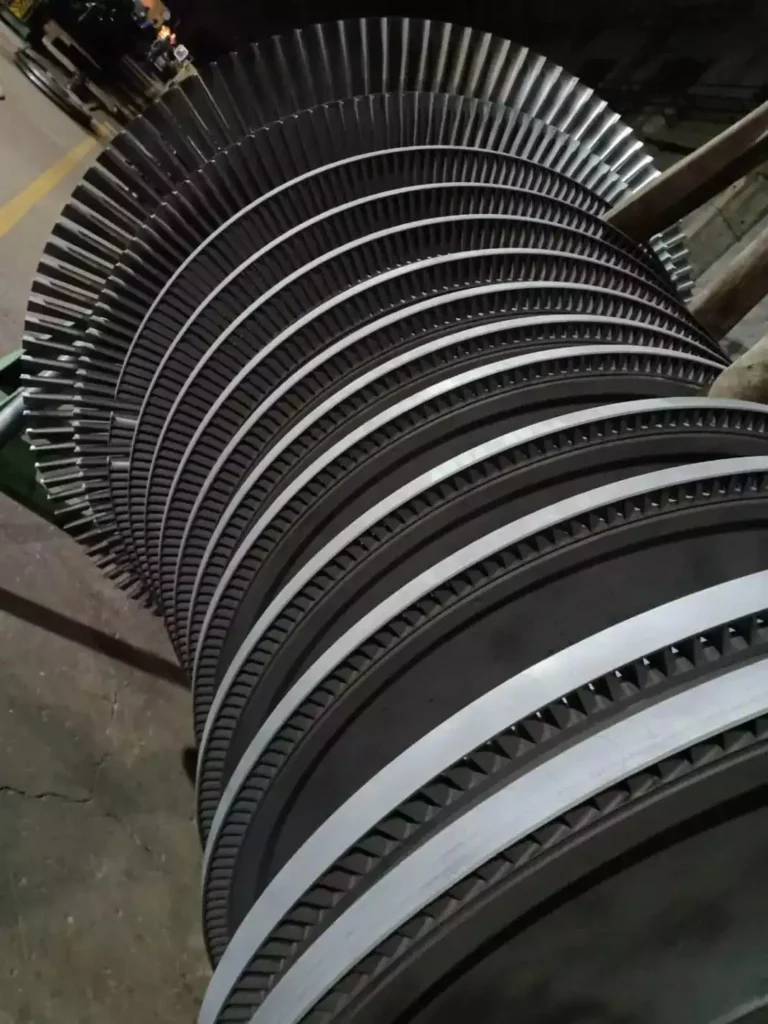
Categories
Uncategorized

Steam Turbine Manufacturing Companies

Steam Turbine Manufacturing Companies

Steam Turbine Manufacturing Companies: Steam turbines are mechanical devices that extract thermal energy from pressurized steam and convert it into mechanical work, typically used to drive electrical generators in power plants. The basic operation of a steam turbine involves the expansion of steam through a series of blades or vanes that are mounted on a rotating shaft. As the steam expands and cools, it transfers its energy to the turbine blades, causing the rotor to spin. This mechanical motion is then used to generate electricity or drive other machinery.

Steam turbines come in various designs, depending on the specific application and the requirements of the power generation system. The two main types of steam turbines are condensing and back-pressure turbines. Condensing turbines are used in large-scale power plants where the exhaust steam is condensed into water in a condenser, usually by cooling with water or air. This process allows for more efficient energy extraction from the steam, as it can be expanded to a lower pressure, resulting in a higher thermal efficiency.

Back-pressure turbines, on the other hand, do not condense the exhaust steam. Instead, the steam exits the turbine at a higher pressure and is often used for heating or industrial processes. This type of turbine is commonly found in combined heat and power (CHP) systems, where both electricity and heat are needed. The advantage of back-pressure turbines is that they allow for the utilization of the exhaust steam, improving the overall efficiency of the system by providing useful heat in addition to electricity.

The design and operation of steam turbines involve several key components, including the rotor, stator, blades, nozzles, and casing. The rotor is the central shaft that holds the blades and rotates to convert steam energy into mechanical energy. The stator contains stationary blades or nozzles that direct the steam flow onto the rotor blades at the optimal angle to maximize energy transfer. The blades are designed to withstand high temperatures and pressures, and they are typically made from materials that can resist corrosion and wear.

Steam turbines operate under varying load conditions, and their efficiency can be affected by factors such as steam temperature, pressure, and quality. To optimize performance, modern steam turbines are equipped with control systems that adjust the steam flow and pressure based on the demand for electricity or heat. These control systems use sensors and actuators to monitor and regulate the turbine’s operation, ensuring safe and efficient performance.

Maintenance and reliability are critical aspects of steam turbine operation. Regular inspections and maintenance are required to prevent issues such as blade erosion, fouling, and mechanical wear. Advanced diagnostic tools and techniques, such as vibration analysis and thermography, are used to detect potential problems early and avoid unplanned outages.

Steam turbines play a crucial role in power generation, especially in fossil fuel and nuclear power plants. They are also used in renewable energy applications, such as geothermal and biomass power plants. The ongoing development of advanced materials, coatings, and control systems continues to improve the efficiency and reliability of steam turbines, making them an essential component of the modern energy landscape.

Steam Turbines

Steam Turbines
Steam Turbines

In the context of energy generation, steam turbines are integral to the efficiency and reliability of various power systems. Their versatility allows them to be used across a wide range of scales, from small industrial facilities to large power plants producing hundreds of megawatts. The thermodynamic process that underpins steam turbine operation is the Rankine cycle, which involves the boiling of water into steam, expansion of steam through the turbine, condensation of the steam back into water, and then reheating to complete the cycle.

The efficiency of a steam turbine is largely influenced by the inlet steam conditions—namely, its temperature and pressure. Higher inlet steam temperatures and pressures generally lead to higher efficiencies because they allow the steam to do more work as it expands through the turbine. However, there are practical and material limitations to how high these parameters can be set, as the components must be able to withstand the extreme conditions without degradation over time.

Another factor that plays a significant role in turbine efficiency is the exhaust pressure, which is directly influenced by the design of the condenser in a condensing turbine system. The lower the exhaust pressure, the more work can be extracted from the steam. In practice, this means maintaining a vacuum in the condenser, which helps in drawing the steam through the turbine more effectively. Effective heat exchange in the condenser is crucial for maintaining this vacuum and, consequently, the overall efficiency of the system.

In addition to efficiency, another critical aspect of steam turbine operation is the load-following capability. This refers to the ability of the turbine to adjust its output to match the fluctuating demand for electricity. This capability is particularly important in modern energy grids, which incorporate a significant amount of variable renewable energy sources such as wind and solar power. Steam turbines in these systems must be able to ramp up or down quickly and efficiently to ensure grid stability and reliability.

Steam turbines are also used in cogeneration, or combined heat and power (CHP) systems, where both electricity and useful heat are produced from the same energy source. These systems are highly efficient because they make use of the thermal energy that would otherwise be wasted in a traditional power plant setup. In industrial applications, steam turbines can be found in refineries, chemical plants, and paper mills, where they drive pumps, compressors, and other equipment.

The design of steam turbines continues to evolve, driven by the need for greater efficiency, reduced emissions, and improved reliability. Advances in materials science have led to the development of new alloys and coatings that can withstand higher temperatures and pressures, thus improving the efficiency of the turbines. Additionally, innovations in blade design, such as three-dimensional profiling and advanced aerodynamic shaping, help reduce losses and improve performance.

Modern steam turbines are also increasingly incorporating digital technologies for monitoring and control. Sensors placed throughout the turbine provide real-time data on temperatures, pressures, vibrations, and other critical parameters. This data is analyzed using advanced algorithms and machine learning techniques to predict maintenance needs, optimize performance, and prevent failures before they occur.

Overall, steam turbines are a mature technology that continues to see significant improvements, making them a cornerstone of global electricity generation. Their ability to efficiently convert thermal energy into mechanical work is unparalleled, and their role in the transition to more sustainable energy systems remains crucial. As the world moves towards decarbonization, steam turbines are expected to play a vital role in hybrid systems that combine traditional and renewable energy sources, ensuring a stable and efficient supply of electricity.

Steam Turbine Manufacturing

Steam Turbine Manufacturing

The manufacturing of steam turbines is a complex and precise process that requires a deep understanding of materials science, engineering principles, and advanced manufacturing techniques. Given the critical role of steam turbines in power generation, the manufacturing process is designed to ensure high reliability, efficiency, and longevity. Several key stages define the process of steam turbine manufacturing:

Design and Engineering

Before manufacturing begins, extensive design and engineering work is required. Engineers use advanced computer-aided design (CAD) software to create detailed models of the turbine, including its blades, rotor, casing, and other components. Computational fluid dynamics (CFD) and finite element analysis (FEA) are used to simulate the performance of the turbine under various operating conditions, helping to optimize the design for efficiency and durability. The design process also involves selecting materials that can withstand high temperatures, pressures, and corrosive environments typical in steam turbine operation.

Material Selection and Procurement

Steam turbines are typically made from high-strength alloys capable of withstanding the harsh conditions inside the turbine. Common materials include stainless steel, titanium alloys, and nickel-based superalloys. These materials are chosen for their strength, corrosion resistance, and ability to maintain structural integrity at high temperatures. Sourcing high-quality raw materials is critical to ensure the reliability of the final product. Manufacturers often work closely with suppliers to obtain materials that meet stringent specifications.

Casting and Forging

Key components of a steam turbine, such as the rotor and casing, are often produced through casting or forging processes. Forging involves shaping the metal using compressive forces, which results in components with superior mechanical properties, such as increased strength and toughness. Casting involves pouring molten metal into molds to create the desired shapes. Precision in these processes is essential, as any defects can compromise the performance and safety of the turbine.

Machining

Once the basic shapes are formed, precision machining is used to create the intricate details of the turbine components. Computer numerical control (CNC) machines are commonly used for this purpose, allowing for high precision and repeatability. Machining processes include milling, drilling, and grinding, which shape the turbine blades and other components to their final dimensions. The tolerances in steam turbine manufacturing are extremely tight, as even minor deviations can affect performance and efficiency.

Blade Manufacturing

The blades of a steam turbine are one of its most critical components, as they directly interact with the steam to extract energy. Blades are manufactured using precision forging and machining processes, followed by surface finishing to achieve the required aerodynamic profiles. Advanced blade designs may involve complex three-dimensional shapes to optimize the flow of steam and reduce losses. After manufacturing, blades are subjected to rigorous quality control checks, including dimensional inspection and non-destructive testing to ensure there are no internal defects.

Assembly

The assembly of a steam turbine involves carefully fitting all components together, including the rotor, blades, casing, and ancillary systems. This process requires high precision to ensure that all parts align correctly and that the turbine operates smoothly. During assembly, components are often tested for balance and alignment to prevent vibrations and mechanical stresses during operation. Any imbalance in the rotor, for example, can lead to severe operational issues.

Testing and Quality Assurance

Before a steam turbine is shipped to the customer, it undergoes a series of tests to verify its performance and reliability. These tests include hydrostatic testing to check for leaks, performance testing to measure efficiency and output, and mechanical testing to assess the turbine’s ability to operate under load. Non-destructive testing methods, such as ultrasonic and radiographic inspections, are used to detect any internal defects that could compromise safety.

Shipping and Installation

Once testing is complete, the turbine is disassembled for shipping. Components are carefully packaged to protect them from damage during transit. Upon arrival at the installation site, the turbine is reassembled and installed, often with the assistance of engineers from the manufacturing company. Installation involves precise alignment and connection to the power plant’s steam and electrical systems. After installation, the turbine undergoes further testing to ensure it operates correctly within the plant’s specific conditions.

After-Sales Support and Maintenance

Manufacturers typically provide ongoing support to ensure the long-term performance of the turbine. This includes regular maintenance services, parts replacement, and technical support. Some manufacturers offer remote monitoring services, where the turbine’s performance is continuously tracked to detect potential issues early and prevent unplanned outages.

The manufacturing of steam turbines is a highly specialized field that combines advanced engineering, precision manufacturing, and rigorous quality control. The goal is to produce turbines that operate reliably for decades, delivering efficient and sustainable power generation. As technology evolves, steam turbine manufacturing continues to innovate, incorporating new materials, designs, and digital tools to enhance performance and meet the demands of a changing energy landscape.

Design and Engineering

Design and Engineering

Design and engineering for steam turbines is a highly specialized field that involves careful planning, innovation, and technical expertise. The process begins with defining the specifications for the turbine based on its intended application, which can range from large-scale power generation plants to smaller industrial facilities. Engineers consider numerous factors during the design phase, including the type of fuel or heat source, the desired efficiency, the operational conditions, and the specific requirements of the power grid or industrial system.

The design of a steam turbine is a delicate balance between thermal efficiency, mechanical reliability, and cost-effectiveness. Engineers use advanced computer-aided design (CAD) software to create detailed models of every component, from the rotor and blades to the casing and control systems. CAD models allow engineers to visualize the turbine in three dimensions, which helps to identify potential issues early in the process and optimize the design for performance. These models are often accompanied by simulations that predict how the turbine will behave under various operational conditions. Computational fluid dynamics (CFD) plays a crucial role in these simulations, as it allows engineers to study the flow of steam through the turbine and refine the design of the blades, nozzles, and other key components to maximize energy extraction and minimize losses.

Finite element analysis (FEA) is another critical tool in the design process. It helps engineers evaluate how the turbine will respond to stresses, vibrations, and thermal expansion. This analysis is essential for ensuring the structural integrity of the turbine, as it must withstand extreme temperatures and pressures while maintaining efficient operation. FEA can simulate the impact of different materials, geometries, and operational scenarios, allowing engineers to fine-tune the design to achieve the best performance and durability. The use of these advanced simulation tools has revolutionized steam turbine design, enabling manufacturers to create more efficient, reliable, and cost-effective turbines.

The materials used in steam turbine construction are carefully chosen to meet the demanding operational conditions. High-strength alloys, such as stainless steel, nickel-based superalloys, and titanium, are selected for their ability to resist corrosion, fatigue, and high temperatures. The materials must not only withstand the stresses of rotating at high speeds but also the corrosive effects of steam, which can lead to erosion and material degradation over time. Material selection is a crucial aspect of the design process, as the right choice of alloys can significantly impact the turbine’s longevity and efficiency.

The design also takes into account the turbine’s ability to operate across a wide range of load conditions. Steam turbines are designed to handle varying steam flow rates, pressures, and temperatures while maintaining stable and efficient operation. Engineers use sophisticated control systems to monitor and adjust the turbine’s performance in real time, ensuring that it responds effectively to changes in demand. The ability to operate efficiently across different load conditions is particularly important in modern power plants, which often need to ramp up or down quickly in response to fluctuating electricity demand or the integration of renewable energy sources like wind and solar power.

Turbine designers must also address the issue of vibration and mechanical resonance. Since turbines rotate at extremely high speeds, any imbalance or misalignment can lead to excessive vibrations that can damage the turbine and reduce its operational life. To mitigate these risks, the design process includes careful balancing of the rotor, ensuring that it is precisely aligned and that the rotor blades are evenly distributed. Vibration analysis is carried out throughout the design process to identify potential resonance frequencies and prevent them from aligning with the turbine’s operating speed.

The layout and configuration of the turbine system are also critical aspects of the design. Engineers must ensure that the various components, such as the rotor, stator, nozzles, and casing, fit together seamlessly and are arranged in a way that optimizes steam flow and minimizes energy losses. Turbine designers must also consider the integration of the turbine with the larger power plant system, including the condenser, heat exchangers, and electrical generator. The turbine must be able to operate in harmony with the rest of the plant, ensuring that steam is efficiently converted into mechanical energy and that the plant’s overall efficiency is maximized.

Another important aspect of turbine design is ensuring ease of maintenance. Steam turbines are complex machines, and over the course of their operational life, they will require regular maintenance to ensure optimal performance. Design engineers aim to make the turbine components accessible for inspections, repairs, and replacements. For example, the rotor and blades may be designed for easy removal and replacement, while the casing is often constructed with features that allow for quick access to critical components. The design process also incorporates redundancy and safety features to ensure that the turbine operates safely under all conditions and that any potential failure can be quickly detected and addressed.

Ultimately, the goal of the design and engineering process is to create a turbine that operates with maximum efficiency, reliability, and safety, while minimizing maintenance requirements and ensuring a long service life. This requires not only a deep understanding of thermodynamics and mechanical engineering but also a constant awareness of the practical challenges and constraints of real-world operation. The design of steam turbines continues to evolve, driven by advances in materials science, computational methods, and manufacturing technologies, as engineers work to meet the growing demand for more efficient and sustainable power generation solutions.

As the design and engineering of steam turbines progress, another key consideration is the integration of advancements in digital technologies. Modern steam turbine design increasingly incorporates digital tools to enhance both performance and reliability. For instance, digital twin technology is becoming an essential aspect of turbine engineering. A digital twin is a virtual replica of the turbine that allows engineers to simulate and monitor its performance throughout its lifecycle. By using real-time data from sensors installed on the turbine, the digital twin can provide insights into the turbine’s operation, predict potential failures, and suggest optimizations. This capability is vital for improving operational efficiency, reducing downtime, and extending the service life of the turbine.

Furthermore, the design process is heavily influenced by environmental and regulatory factors. With the growing emphasis on reducing the carbon footprint of power generation, steam turbines must be designed with fuel efficiency and emissions control in mind. For example, turbines may be optimized for use with alternative fuels or to capture and reduce emissions from the combustion process. Designers must also consider the plant’s water usage and the efficiency of the cooling system, as steam turbines typically require large amounts of water for cooling. In regions where water resources are scarce, turbines are designed to minimize water consumption or integrate more sustainable cooling technologies, such as air-cooled condensers.

Another critical design focus in steam turbine engineering is the ability to adapt to changing grid demands, particularly with the increasing penetration of renewable energy sources. Power plants equipped with steam turbines must be able to quickly adjust their output to respond to fluctuations in demand or the intermittency of renewable sources like wind and solar. This requires advanced control systems and turbine designs that allow for rapid load-following capabilities, where the turbine can seamlessly increase or decrease its output in response to changes in grid conditions. The trend toward flexible, high-performance turbines is becoming more pronounced as the global energy landscape shifts toward cleaner and more decentralized energy sources.

The advancement of steam turbine efficiency is also driven by improvements in thermodynamic cycles. Over the years, engineers have worked to enhance the Rankine cycle, which forms the basis of steam turbine operation. Innovations like supercritical and ultra-supercritical steam cycles, where steam is heated to extremely high temperatures and pressures before entering the turbine, have led to significant gains in efficiency. These cycles allow for higher temperature steam, which in turn improves the turbine’s ability to convert thermal energy into mechanical work. However, achieving the necessary materials and engineering standards to operate at these extreme conditions presents challenges, requiring continuous innovation in both turbine design and materials technology.

For turbines used in combined heat and power (CHP) systems, designers must ensure that the turbine is capable of efficiently utilizing both the electricity generation and heat production aspects of the system. This requires a nuanced approach to design, where the steam turbine is integrated into a larger system that can effectively harness waste heat, optimizing both electrical and thermal efficiency. The design of these systems must account for various factors, including the pressure and temperature of the steam, the flow rate of the working fluid, and the specific requirements for heating.

During the engineering process, steam turbine designers also focus on safety and operational resilience. Steam turbines operate under extremely high pressures and temperatures, which necessitate robust safety features. The engineering team must design for scenarios like pressure surges, mechanical failures, or unexpected operational conditions. Safety valves, pressure relief systems, and redundant mechanisms are incorporated to ensure that the turbine can operate safely and continue functioning even in the event of minor faults or anomalies. The material selection, stress analysis, and overall design must ensure that the turbine can withstand these extreme conditions without compromising the safety of the plant or its personnel.

Moreover, design engineers work closely with other stakeholders, including environmental specialists, electrical engineers, and system integrators, to ensure that the turbine fits seamlessly into the larger power plant or industrial system. This interdisciplinary approach helps optimize the overall system performance, ensuring that the turbine operates at its peak efficiency while meeting regulatory requirements and operational goals. In many cases, the design process is iterative, with prototypes and mockups being created and tested to identify areas for improvement before the final design is implemented.

As steam turbine technology continues to evolve, there is an increasing focus on modular and flexible designs. Modular turbines are designed for easy assembly and customization, making them suitable for a wide range of applications, from small-scale industrial projects to large power plants. These modular designs allow for easier maintenance, upgrades, and future scalability, accommodating changes in energy demand or the integration of newer technologies as they become available.

In summary, the design and engineering of steam turbines is a highly intricate process that requires careful consideration of a broad range of factors. From materials selection and thermodynamic optimization to advanced digital tools and environmental sustainability, engineers must balance numerous variables to create a turbine that meets the evolving needs of the energy industry. The ongoing advancements in design methodology, coupled with the development of new materials and technologies, will continue to drive improvements in steam turbine performance, efficiency, and sustainability, making them a cornerstone of modern energy systems for years to come.

Material Selection and Procurement

Turbine Blade Assembly

Material selection and procurement for steam turbines is one of the most critical aspects of their design and manufacturing process, as it directly affects the turbine’s performance, longevity, and reliability. Steam turbines operate under extreme conditions, including high temperatures, pressures, and mechanical stresses. Therefore, the materials used in their construction must possess specific properties that allow them to withstand these harsh environments while maintaining their structural integrity over the long term.

The first step in material selection is to identify the operating conditions of the turbine, such as the steam temperature, pressure, and flow rate, as well as the mechanical stresses that the components will experience. These factors are crucial for determining the type of material that will be used in different parts of the turbine, such as the rotor, blades, casing, and other critical components. The materials must be able to resist thermal degradation, mechanical fatigue, corrosion, and erosion, all of which can lead to premature failure if not properly addressed.

One of the most common materials used in the construction of steam turbines is high-strength steel, particularly stainless steel and nickel-based alloys. Stainless steel is favored for its excellent resistance to corrosion and its ability to withstand high temperatures. However, for more demanding applications, especially in modern high-efficiency turbines operating at supercritical or ultra-supercritical pressures and temperatures, higher-performance alloys, such as nickel-based superalloys, are often required. These alloys offer superior resistance to both thermal fatigue and corrosion, making them ideal for components that are exposed to the hottest parts of the turbine.

The turbine blades, in particular, are subjected to intense mechanical stresses and extreme temperatures as they interact with the high-pressure steam. To ensure optimal performance and durability, these blades are often made from advanced materials such as Inconel or Hastelloy, both of which are nickel-based superalloys known for their high-temperature strength and resistance to oxidation and corrosion. These materials are specifically designed to retain their mechanical properties at temperatures that can exceed 700°C, which is typical in modern, high-efficiency steam turbines.

The selection of materials for turbine components such as the rotor is equally important. The rotor must be able to handle both the mechanical stresses of rotating at high speeds and the thermal stresses caused by the temperature fluctuations within the turbine. Materials used for the rotor, therefore, need to have excellent tensile strength, fatigue resistance, and thermal conductivity. Forged steel and special alloys, such as carbon steels with added chromium or molybdenum, are often used in these applications. These materials provide the necessary strength while ensuring that the rotor can expand and contract with temperature changes without warping or cracking.

In addition to strength and resistance to thermal degradation, steam turbine components must also be resistant to erosion and corrosion caused by the high-speed steam flowing over the surfaces of the blades and other parts. Over time, steam can carry water droplets, dirt, and other particulates that cause wear and tear on turbine components. To mitigate this, materials such as chromium and other carbide-forming elements are often incorporated into the design to enhance wear resistance. The use of coatings and surface treatments, such as thermal spraying or the application of ceramic coatings, can further protect these surfaces from erosion and corrosion, extending the life of the turbine.

Beyond the performance properties, material selection also takes into account factors like cost, availability, and manufacturability. While high-performance alloys may offer superior properties, they are also more expensive and can be more challenging to process. Manufacturers must therefore balance the need for performance with the cost-effectiveness of the materials used. In many cases, the materials for less critical components, such as the casing, may be selected for their lower cost and ease of manufacturing, while more expensive and specialized materials are reserved for high-stress areas like the blades and rotor.

Once the appropriate materials are selected, the procurement process begins. Procurement involves sourcing raw materials from suppliers who can meet the strict specifications required for steam turbine construction. These materials must undergo thorough quality control checks to ensure they meet the required standards before they are used in manufacturing. This includes checking for impurities, verifying the material’s chemical composition, and ensuring that the material can withstand the expected operational stresses. The procurement process also involves managing the supply chain to ensure that materials are delivered on time, within budget, and in the quantities needed for the turbine’s construction.

One important consideration during procurement is the certification of materials, particularly for high-performance alloys and superalloys. These materials often need to be sourced from specialized suppliers who can provide documentation to verify their composition, heat treatment processes, and testing results. In some cases, turbine manufacturers may even work closely with material suppliers during the development stage to ensure that the materials meet the exact requirements for a specific turbine design.

In the context of steam turbine manufacturing, it is also essential to address environmental and sustainability considerations. The mining, processing, and disposal of raw materials can have significant environmental impacts. Manufacturers increasingly prioritize the use of recycled materials and sustainable practices in material sourcing. For example, some turbine manufacturers are exploring the use of advanced alloys that can be recycled more easily at the end of their lifecycle, reducing the environmental footprint of the turbine. Additionally, the focus on energy efficiency in modern steam turbines has led to the development of materials that enhance the performance of the turbine while minimizing energy consumption during their production and use.

To support long-term reliability and efficiency, manufacturers often implement robust material testing programs. This includes non-destructive testing methods such as ultrasonic testing, x-ray inspection, and magnetic particle testing to identify internal flaws or defects in the materials. Material samples may undergo accelerated aging tests to simulate years of service, allowing engineers to better understand how materials will behave over time under high-stress conditions. These testing methods help ensure that the selected materials will perform as expected throughout the turbine’s operational life, providing confidence that the turbine will meet the required safety and efficiency standards.

In conclusion, material selection and procurement are foundational to the design and performance of steam turbines. The materials chosen must be able to withstand the extreme conditions within the turbine, including high temperatures, pressures, and mechanical stresses, while also offering resistance to corrosion, erosion, and thermal degradation. The procurement process ensures that high-quality materials are sourced from reliable suppliers and are subject to rigorous testing to guarantee their performance. As steam turbine technology continues to evolve, innovations in material science and manufacturing techniques will play a vital role in improving turbine efficiency, durability, and sustainability, making material selection a key driver of the industry’s ongoing progress.

As steam turbine technology continues to advance, the ongoing development of materials plays a critical role in meeting the evolving demands of power generation. With growing concerns about energy efficiency, environmental sustainability, and the need to adapt to renewable energy sources, material selection remains a dynamic area of research and innovation. One major direction is the development of even more advanced high-temperature materials capable of withstanding the pressures and thermal stresses required for ultra-supercritical and advanced steam cycles.

Researchers and engineers are working on new alloys, including advanced ceramics and composites, that promise to push the boundaries of steam turbine efficiency. These materials are designed to offer superior thermal resistance, reduced wear, and improved mechanical strength while also being lighter and more cost-effective than their predecessors. The development of coatings that can be applied to turbine blades and other high-temperature components is another area of focus. For example, thermal barrier coatings (TBCs) are being studied for their ability to protect turbine components from extreme temperatures, thus extending their operational life and reducing the need for frequent maintenance.

Another key area of material innovation is in corrosion resistance. As steam turbines become more efficient, they are often required to operate at higher pressures and temperatures, which can increase the likelihood of corrosion due to the interaction with high-pressure steam, water droplets, and other particulates. Research into corrosion-resistant alloys and coatings that can prevent the formation of scale or corrosion on turbine components is ongoing. Advanced materials that can withstand both the corrosive effects of steam and the mechanical stresses of turbine operation will be vital to the continued performance and longevity of turbines in a wide range of applications, from traditional fossil fuel plants to modern systems designed to integrate with renewable energy sources.

The ongoing push for sustainability in the power generation industry also influences material selection. As environmental concerns regarding resource extraction and waste disposal continue to rise, the use of recycled materials and sustainable manufacturing processes is becoming increasingly important. Manufacturers are investigating the use of recycled high-performance alloys, which can significantly reduce the environmental impact of turbine production while maintaining the performance characteristics required for modern turbines. In addition, more stringent regulations around environmental impacts are driving innovation in material handling and disposal at the end of a turbine’s lifecycle, focusing on reducing waste and improving the recyclability of turbine components.

The procurement process itself is evolving to address these challenges. Manufacturers are increasingly collaborating with suppliers to ensure a more sustainable and efficient material supply chain. This involves not only ensuring the consistent quality and availability of materials but also ensuring that the environmental impacts of material production and transportation are minimized. Advanced supply chain management systems, along with improved material traceability, are helping manufacturers to track the environmental and social impacts of their material choices, which is critical for both regulatory compliance and corporate social responsibility initiatives.

Moreover, the role of material testing and certification continues to grow. As turbines operate under more extreme conditions, it is essential to test the materials under accelerated aging conditions, as well as to conduct detailed performance assessments in real-world environments. These tests often involve subjecting materials to conditions that simulate decades of wear and tear in a much shorter time frame, allowing engineers to identify potential issues and weaknesses before the turbine is deployed. Non-destructive testing methods, such as laser scanning and x-ray imaging, allow for the detailed inspection of turbine materials and components, ensuring that the turbine can perform safely and efficiently over the long term.

The importance of material selection and procurement cannot be overstated in the context of steam turbine reliability. High-performance materials are crucial for ensuring that turbines can withstand the intense mechanical and thermal stresses they experience, which is especially important in industries like power generation, where downtime is costly. Steam turbines are designed to run for decades, so the materials chosen must offer long-term durability and low maintenance requirements, reducing the need for frequent repairs or replacements.

Additionally, as the world shifts towards more flexible and decentralized energy systems, the role of steam turbines in power plants that integrate renewable energy sources will require turbines to operate efficiently across a wide range of conditions. This means that materials need to not only endure high temperatures and pressures but also be adaptable to a range of operational cycles. As plants move from baseload operation to load-following, materials that offer better thermal cycling performance—those that can withstand rapid heating and cooling cycles without degrading—will be increasingly important. This could lead to a greater emphasis on materials that can handle such stress without suffering from fatigue or cracking, ensuring reliable operation even as demand fluctuates.

In conclusion, material selection and procurement for steam turbines is a multifaceted process that involves selecting the right materials to ensure efficiency, durability, and sustainability. The continued evolution of turbine technology, including the shift toward more efficient and flexible systems, requires the development of materials that can withstand higher temperatures, pressures, and stresses while offering greater resistance to corrosion, erosion, and thermal fatigue. As the power generation industry seeks to meet global energy demands while minimizing environmental impact, advancements in material science will remain a cornerstone of steam turbine innovation, playing a critical role in improving turbine performance, extending service life, and reducing operational costs.

Steam Turbine Parts Manufacturing

As the need for more efficient, sustainable, and adaptable steam turbines grows, material selection and procurement processes are expected to undergo further evolution. The increasing demand for renewable energy integration, combined with the need to meet stringent emissions regulations and operational flexibility, will continue to push the boundaries of material science. One key area of ongoing development is the creation of materials with enhanced resistance to thermal cycling. Modern steam turbines are often required to start up and shut down rapidly, especially in plants that complement intermittent renewable energy sources like wind and solar. These frequent cycling operations place tremendous stress on turbine components, particularly the materials used in the blades, rotor, and casings, which are exposed to high-temperature steam during operation.

Materials that can endure repeated heating and cooling cycles without developing cracks, warping, or other forms of fatigue are essential for these flexible power plants. Research into advanced composites and hybrid materials, such as ceramic-metal composites, is aimed at creating stronger, more resilient materials capable of withstanding these rapid temperature changes. These materials not only need to be thermally stable but also exhibit high mechanical strength and resistance to both thermal and mechanical fatigue. This research is vital to ensuring that turbines can efficiently meet the demands of a modern grid that requires more flexible, responsive power generation.

Another critical area of material innovation is the development of high-performance coatings and surface treatments to protect turbine components. As turbines are subjected to extremely high temperatures and pressures, and as they interact with corrosive steam, protective coatings can significantly extend their operational life. Advances in thermal barrier coatings (TBCs) and oxidation-resistant coatings help reduce material degradation by protecting the turbine’s surface from the damaging effects of high-temperature steam and the erosion caused by high-speed steam flow and particulate matter. These coatings not only extend the service life of turbine components but also contribute to improved efficiency by reducing energy losses due to surface degradation.

Nanotechnology is also playing an increasingly important role in steam turbine materials research. Nanomaterials, due to their unique properties at the atomic scale, offer the potential for greater strength, improved corrosion resistance, and better thermal conductivity compared to traditional materials. Research into the use of nanoparticles or nanostructured coatings for turbine blades and other components aims to create surfaces that are both harder and more resistant to the environmental conditions within the turbine. While the use of nanomaterials is still in the experimental stages, it holds promise for significantly improving turbine performance and longevity in the future.

The focus on reducing the environmental impact of steam turbine manufacturing and operation is also influencing material selection and procurement. As global sustainability initiatives become more prominent, turbine manufacturers are increasingly adopting green manufacturing practices. This includes the use of recycled materials and minimizing the carbon footprint of the materials themselves. The use of more sustainable and readily available raw materials, such as certain types of steel and alloys, is being prioritized, and some manufacturers are exploring alternative materials that could lower the environmental impact during both the production and operational phases of the turbine lifecycle.

Additionally, turbine manufacturers are exploring opportunities for the use of low-carbon and sustainable materials. For instance, certain bio-based composites and advanced polymers are being tested for use in less critical turbine components, where their properties may offer similar advantages to traditional materials at a lower environmental cost. While not yet widely adopted for high-performance turbine components, such research represents the growing trend of reducing reliance on traditional, resource-intensive materials.

The global supply chain for turbine materials is also undergoing significant changes. With growing demands for raw materials driven by the expanding global energy market, manufacturers are placing increased emphasis on ensuring the sustainability and reliability of their supply chains. The sourcing of rare materials, such as rare-earth elements used in high-performance alloys, has become more challenging. Turbine manufacturers are adopting strategies to mitigate supply chain risks, including working with a broader range of suppliers, investing in domestic production capabilities, and exploring alternatives to materials that are in short supply or subject to price volatility.

The procurement process is also evolving to incorporate more sophisticated methods for material traceability, quality control, and lifecycle management. This ensures that every material used in turbine manufacturing meets rigorous standards for performance and safety. By utilizing digital tools, such as blockchain or other tracking systems, turbine manufacturers can ensure that materials are sourced responsibly, with a transparent view of the entire supply chain. This also allows manufacturers to monitor the performance of materials throughout the turbine’s life, which can be useful for predictive maintenance and identifying potential issues before they lead to turbine failure.

In line with global trends in manufacturing efficiency, steam turbine manufacturers are increasingly looking toward additive manufacturing, or 3D printing, to complement traditional material procurement. Additive manufacturing techniques allow for the creation of complex turbine components with higher precision and reduced material waste. While still an emerging technology in turbine production, additive manufacturing has the potential to reduce manufacturing costs, improve the performance of turbine components, and even enable the production of highly customized parts. This is particularly useful for small-scale or specialized turbine applications where traditional manufacturing processes might be inefficient or cost-prohibitive.

Looking ahead, the focus on material selection and procurement in steam turbine technology is likely to center around increasing turbine performance while reducing costs and environmental impact. Innovations in material science, from next-generation alloys and coatings to new digital tools for procurement and quality control, will continue to shape the future of turbine manufacturing. As energy systems become increasingly complex and diverse, with greater emphasis on renewable energy integration and flexibility, the ability to select, source, and manufacture turbine materials that meet these evolving needs will be a key determinant of the industry’s success. Steam turbines, supported by cutting-edge material innovations, will continue to play a central role in achieving global energy goals, balancing the need for reliable power with the imperative for sustainability.

Casting and Forging

Steam Engine Piston
Steam Engine Piston

Casting and forging are two of the most fundamental manufacturing processes in the production of steam turbines, and both play a critical role in determining the performance, reliability, and longevity of turbine components. These processes are used to create the large and complex parts of the turbine, such as the rotor, casing, blades, and other critical components that must withstand extreme stresses and high temperatures during operation.

Casting is the process of pouring molten metal into a mold to create a solidified part in the shape of the mold. It is commonly used for producing intricate or complex components with relatively low to medium production volumes. In the context of steam turbines, casting is used for parts such as turbine casings, large valves, and other components that require specific shapes or geometries that are difficult to achieve with other manufacturing techniques. The casting process allows for the creation of parts with relatively intricate designs, making it an ideal choice for components that require complex internal passages or cavities, such as cooling channels within a turbine casing.

The casting process begins with the preparation of the mold, which can be made from a variety of materials, including sand, metal, or ceramic, depending on the type of metal being used and the desired properties of the final part. The metal to be cast is heated to its melting point, then poured into the mold, where it cools and solidifies into the desired shape. The resulting part may undergo further processing, such as heat treatment, machining, or surface finishing, to refine its properties and dimensions. In steam turbine manufacturing, precision is crucial, as any defects or deviations in the casting can compromise the performance and safety of the turbine. As such, quality control is a critical aspect of the casting process, with rigorous inspection techniques like x-ray imaging and ultrasonic testing used to identify internal defects or cracks that may not be visible to the naked eye.

Forging, on the other hand, is a process in which metal is shaped by applying compressive forces, typically using hammers or presses. It is often used to produce parts that require high strength and durability, as the forging process aligns the grain structure of the metal, making it stronger and more resistant to stress than cast materials. Forging is commonly used for producing turbine rotors, shafts, and other load-bearing components that must endure high mechanical stresses during operation. Because of its ability to create high-strength components, forging is an essential process for parts that need to withstand the rotational forces and thermal stresses experienced in a steam turbine.

Forging begins with the selection of the raw material, typically in the form of billets or bars of metal. These materials are heated to a temperature where they become malleable and can be shaped under pressure. The metal is then placed between dies, which apply compressive force to form the part into the desired shape. Depending on the specific design and the complexity of the component, multiple stages of forging may be required. The first stage involves rough forming, followed by more precise shaping and finishing in subsequent stages. This ensures that the final component meets the tight tolerances required for turbine operation.

One of the key benefits of forging is its ability to produce components with superior mechanical properties. The compressive forces used in forging refine the grain structure of the material, making it denser and stronger. This is particularly important for turbine rotors, which are subjected to high rotational forces and thermal stresses. Forged components are less likely to contain internal voids, cracks, or other defects, which can be common in cast materials. This makes forged parts ideal for critical applications where failure could result in significant damage or downtime, such as in the turbine’s rotating parts.

While casting is often used for producing larger, more complex parts with intricate shapes, forging is typically reserved for components that require high strength and precision, such as turbine blades, rotors, and shafts. The process also allows for a more controlled grain structure, which is essential for ensuring that the part can withstand the stresses and fatigue associated with high-speed rotation. The combination of casting and forging in turbine manufacturing allows manufacturers to take advantage of the unique benefits of each process, ensuring that every component is optimally designed for its specific function within the turbine.

In some cases, components may undergo both casting and forging. For example, a large turbine casing might be cast to form its basic shape, and then subjected to forging or other finishing processes to enhance its mechanical properties or to achieve more precise tolerances. This hybrid approach can be particularly useful for complex turbine parts that require both intricate geometry and superior strength.

One of the challenges in casting and forging turbine components lies in the need for material selection. The materials used for steam turbines must be able to withstand high temperatures, pressures, and corrosive environments, while also being capable of being processed through these manufacturing methods. High-strength steels, nickel-based alloys, and superalloys are commonly used in turbine manufacturing due to their excellent thermal stability, resistance to corrosion, and mechanical strength. However, the selection of the right material is crucial for ensuring that the casting or forging process will be successful and that the final part will meet the necessary performance standards.

In addition to material selection, both casting and forging processes require precise control of temperature, pressure, and time to ensure that the components meet the required specifications. In casting, for example, the cooling rate of the molten metal can affect the microstructure and properties of the final part, so it must be carefully controlled to prevent defects like porosity or cracking. Similarly, in forging, the temperature at which the material is worked and the amount of force applied must be closely monitored to ensure that the material is properly formed without damaging its structure.

Post-processing is another important aspect of casting and forging in turbine manufacturing. After casting or forging, parts often undergo heat treatment to further refine their properties. Heat treatment processes, such as annealing, hardening, or tempering, can improve the material’s strength, ductility, and resistance to fatigue. In some cases, the parts may also undergo surface treatments, such as coating or polishing, to enhance their durability and performance in the harsh conditions of a steam turbine.

Both casting and forging are essential to the manufacturing of steam turbines, each playing a key role in creating the robust components required for optimal turbine operation. By utilizing casting for complex shapes and forging for high-strength, load-bearing parts, manufacturers are able to produce steam turbines that can endure the intense stresses of modern power generation. Through careful material selection, process control, and post-processing, manufacturers ensure that turbine components meet the highest standards for reliability and performance, contributing to the long-term success of steam turbine technology in a rapidly evolving energy landscape.

As turbine technology continues to evolve, the methods of casting and forging are also advancing to keep pace with the increasing demands of efficiency, reliability, and cost-effectiveness. One significant trend is the continued refinement of both processes to produce more complex, higher-performance turbine components. Modern steam turbines operate at higher pressures and temperatures than ever before, and these enhanced operational conditions require parts that are both stronger and more resistant to wear, corrosion, and fatigue. This places even greater demands on the materials, casting molds, forging techniques, and finishing processes used in manufacturing.

In the realm of casting, there have been notable improvements in techniques such as investment casting, which is widely used for high-precision turbine components. Investment casting involves creating a detailed wax model of the part, coating it with a ceramic shell, and then melting away the wax to leave a hollow mold. The mold is then filled with molten metal to create the final part. This technique allows for the creation of highly detailed parts with complex geometries, such as turbine blades and intricate internal passages. It is especially useful for turbine components that require tight tolerances and smooth surface finishes. The ability to produce such detailed parts with investment casting has expanded the range of geometries that can be achieved, enabling the design of more efficient turbine blades that maximize steam flow and reduce energy loss.

Another significant advancement in casting is the use of 3D printing, also known as additive manufacturing, to create molds and even final components for turbines. In this process, layers of material are deposited one by one to build up a part. 3D printing has the potential to revolutionize turbine casting by enabling the creation of complex, customized parts that would be impossible or extremely expensive to produce using traditional methods. For example, intricate internal cooling channels in turbine blades that optimize the cooling of high-temperature surfaces can be created with great precision using 3D-printed molds or cores. The ability to print molds directly allows manufacturers to bypass some of the traditional limitations of mold-making, reducing both lead time and cost. Moreover, 3D printing enables the use of advanced materials that might otherwise be difficult to cast in traditional molds, including high-performance alloys or superalloys.

The advances in casting technology are paralleled by innovations in forging. One important development is the use of isothermal forging, a process in which the workpiece is heated to a uniform temperature, allowing it to be forged at a more controlled rate. This results in less distortion, reduced tool wear, and improved material properties, particularly in terms of grain structure. Isothermal forging can be particularly beneficial for creating turbine rotors and other high-strength components, as it allows for the production of parts with a more uniform structure, enhancing the mechanical properties of the material. This method ensures that the forged part maintains its integrity even under the high temperatures and stresses typically experienced in a steam turbine.

Another key advancement in forging is the use of precision forging, which employs highly sophisticated equipment to achieve even tighter tolerances and better control over the material’s final properties. Precision forging techniques have made it possible to produce components that are not only stronger and more reliable but also lighter, which is essential in modern turbine design. For example, reducing the weight of turbine blades or rotors can improve the overall efficiency of the turbine by reducing rotational inertia, allowing for faster response times and better fuel efficiency.

Along with these advanced forging and casting methods, manufacturers are increasingly incorporating automation and digital technologies into the production process. Computer numerical control (CNC) machines and robotics are being employed to perform precise machining and finishing of turbine components after casting or forging. These automated systems improve the consistency and accuracy of the manufacturing process, reducing the risk of human error and enabling the production of complex parts that would be difficult to achieve manually. Additionally, these technologies enable greater flexibility in turbine production, allowing manufacturers to quickly adjust to changing design requirements or custom orders.

The integration of digital twin technology is also making a significant impact on casting and forging in turbine manufacturing. A digital twin is a virtual representation of a physical object, and in the context of turbine manufacturing, it can be used to simulate the behavior of components during the casting or forging process. By using digital twins, manufacturers can predict potential issues, such as material defects, stress concentrations, or distortions, before they occur in the actual production process. This allows for more informed decision-making during the design and manufacturing stages, improving the overall quality of the turbine components and reducing waste.

Furthermore, advances in material science continue to influence both casting and forging practices. As the materials used in turbine manufacturing become more advanced, manufacturers are developing new processes to better handle these materials during the casting and forging stages. For example, newer nickel-based superalloys, which offer exceptional high-temperature strength and resistance to corrosion, require highly specialized casting and forging processes to ensure the parts meet the necessary performance standards. In response, manufacturers have refined their processes to accommodate these high-performance materials, ensuring that turbine components made from such alloys maintain their integrity and reliability during long-term operation.

The growing emphasis on sustainability is also shaping the future of casting and forging. As energy production becomes more environmentally focused, there is an increasing demand for sustainable manufacturing processes that minimize energy consumption and reduce waste. For example, the use of more energy-efficient furnaces, improved material recycling practices, and low-emission forging techniques are gaining traction in turbine manufacturing. The ability to recycle metals, particularly rare and expensive alloys, reduces the environmental impact of raw material extraction while also lowering production costs. This focus on sustainability is also driving the development of alternative manufacturing methods that could further reduce the ecological footprint of turbine component production.

Finally, the rise of advanced quality control techniques is essential in ensuring that turbine components meet the strict requirements of modern power generation. Non-destructive testing (NDT) methods, including ultrasonic testing, x-ray inspection, and eddy current testing, are employed to detect any potential flaws or imperfections in cast and forged components. These testing methods are critical for ensuring that turbine parts can perform safely and efficiently under the extreme conditions they will face in operation. Additionally, the increasing use of real-time data monitoring during the manufacturing process allows manufacturers to detect issues as they arise and make adjustments in real time, further improving the consistency and quality of the final product.

In conclusion, casting and forging are pivotal processes in the manufacturing of steam turbines, and their continued advancement is crucial to meeting the demands of modern energy production. With innovations in materials, automation, digital technologies, and sustainability, these manufacturing techniques are evolving to create turbine components that are stronger, more precise, and more efficient than ever before. As turbine manufacturers continue to push the boundaries of what is possible in terms of performance, reliability, and environmental responsibility, the role of casting and forging in turbine production will remain central to the development of the next generation of steam turbines.

Machining

Single-stage Steam Turbine Parts

Machining is an essential part of the manufacturing process for steam turbines, enabling the production of highly precise components that meet the stringent requirements of performance, durability, and reliability. Steam turbines are complex machines that operate under extreme conditions, including high pressure, temperature, and rotational speed. The parts that make up a steam turbine must therefore be fabricated with exacting accuracy to ensure smooth operation and minimize the risk of failure. Machining processes are used to shape, refine, and finish turbine components after casting, forging, or other initial manufacturing steps. These processes are crucial for ensuring that the final parts meet the tight tolerances required for efficient and safe turbine operation.

The machining of steam turbine components typically involves several different techniques, each tailored to the specific needs of the part being produced. One of the most commonly used methods is milling, which involves the use of rotating cutting tools to remove material from a workpiece. Milling is often used for turbine blades, casings, and other complex components that require intricate surface geometries or fine detailing. High-speed milling can achieve precise tolerances and surface finishes, which are critical for ensuring that turbine blades, for example, are aerodynamically efficient and able to withstand the stresses placed on them during operation.

Turning is another important machining process that is often employed in turbine manufacturing. It involves rotating the workpiece while a cutting tool is applied to remove material and shape the part. This method is commonly used for creating round or cylindrical components, such as turbine shafts and rotors, which are subject to high rotational forces in operation. Turning allows for high precision in terms of dimensional accuracy and surface finish, both of which are essential for ensuring that turbine shafts rotate smoothly and without excessive wear or vibration.

Grinding is a precision machining process that uses abrasive wheels to remove material from a workpiece, resulting in a smooth surface finish. It is often used to achieve high-precision tolerances and tight dimensional control in turbine components. For example, grinding is frequently employed to refine the surface of turbine rotors and blades after casting or forging to ensure that they meet the strict geometric and surface finish specifications required for optimal performance. Grinding can also be used to remove any remaining imperfections from the surface of the material, improving the component’s ability to resist corrosion, wear, and other forms of degradation.

Electrical discharge machining (EDM) is a non-traditional machining method that uses electrical discharges to erode material from a workpiece. EDM is particularly useful for machining complex geometries or hard-to-reach areas that might be difficult to access using conventional machining techniques. This process is often used to create intricate features in turbine components, such as cooling channels within turbine blades, or to refine turbine parts made from hard, high-strength materials that are difficult to machine using traditional cutting tools. EDM can achieve very fine tolerances and surface finishes, making it an ideal process for turbine components that require intricate details or precision.

Laser machining is another advanced technique that has found increasing use in turbine manufacturing. This method involves using a high-powered laser beam to cut, drill, or etch materials with extreme precision. Laser machining can be used for creating small, intricate holes or patterns in turbine components, such as cooling holes in turbine blades, which help to regulate the temperature of the blade surfaces. The advantage of laser machining is its ability to produce high-quality cuts with minimal thermal distortion, which is crucial for maintaining the integrity of the turbine component, particularly in high-performance applications.

In addition to these individual machining processes, many steam turbine components undergo a combination of techniques to achieve the desired results. For example, a turbine blade might first be forged into a rough shape and then subjected to milling and grinding to achieve the precise geometry required. Afterward, it may undergo EDM or laser machining to create small features such as cooling channels. The choice of machining processes depends on the complexity of the component, the material being used, and the specific performance requirements of the turbine.

One of the key challenges in machining steam turbine components is working with the high-strength, heat-resistant materials commonly used in turbine manufacturing. Materials like high-performance alloys, nickel-based superalloys, and other exotic materials are often employed for their ability to withstand the extreme temperatures and stresses encountered in steam turbines. However, these materials can be difficult to machine due to their hardness and toughness. Specialized cutting tools, advanced cooling techniques, and optimized machining parameters are often required to achieve the desired results when working with these materials. For instance, the use of high-speed cutting tools made from carbide or other hard materials, along with advanced cooling techniques like through-tool coolant delivery, can help to reduce tool wear and improve cutting efficiency when machining tough materials.

Another important aspect of machining is ensuring that the turbine components are free from defects and meet the required quality standards. High-precision machining is critical for maintaining the integrity of the components and ensuring that they perform optimally in the turbine. Advanced inspection methods, such as laser scanning, coordinate measuring machines (CMM), and 3D imaging, are used to check the dimensions and surface quality of turbine components during and after machining. These technologies allow manufacturers to detect any deviations from the specified tolerances, ensuring that parts are produced with the utmost accuracy. Non-destructive testing (NDT) methods, such as ultrasonic testing and x-ray inspection, are also commonly used to detect internal defects, ensuring that the components are free from cracks or other weaknesses that could lead to failure during operation.

In modern turbine manufacturing, automation plays an increasingly important role in machining. The use of Computer Numerical Control (CNC) machines allows for highly precise and repeatable machining of turbine components. CNC machines are programmed with detailed specifications and can perform a wide range of machining operations with minimal human intervention. This increases the speed and efficiency of the manufacturing process while ensuring consistent quality. Additionally, robotic arms and automated loading systems are increasingly being used to handle turbine parts during machining, reducing the risk of human error and improving safety on the production floor.

One of the latest trends in machining technology is the integration of additive manufacturing or 3D printing with traditional machining processes. Additive manufacturing can be used to create prototypes or small quantities of turbine components, allowing manufacturers to test and refine designs before moving to full-scale production. While additive manufacturing is not yet widely used for large-scale turbine production, it holds promise for creating complex parts or features that would be difficult or impossible to machine using traditional methods. In some cases, additive manufacturing is used to produce customized tooling or fixtures that aid in the machining of turbine components.

As turbine technology continues to evolve, machining processes will play a key role in meeting the increasing demands for efficiency, performance, and sustainability. The continued development of advanced machining techniques, improved materials, and cutting-edge technologies will enable manufacturers to produce turbine components with even greater precision, durability, and performance. Through careful integration of machining methods, quality control, and material science, turbine manufacturers can ensure that each part is produced to the highest standards, contributing to the overall efficiency and longevity of steam turbine systems in modern power generation.

As steam turbine technology advances, the demands on machining processes continue to increase, pushing manufacturers to innovate and refine machining techniques further. The evolution of turbine designs, especially in terms of efficiency and performance, requires even greater precision and durability in the components produced. Machining, therefore, must evolve to accommodate these demands, particularly as turbines are pushed to operate at higher pressures, temperatures, and rotational speeds.

One of the key factors in improving the performance of steam turbines is the optimization of turbine blades. The design of these blades plays a critical role in determining the overall efficiency of the turbine, as they are responsible for converting steam energy into mechanical energy. Modern turbine blades are often made from high-performance alloys that offer superior resistance to heat and wear, such as nickel-based superalloys. These materials, while capable of withstanding extreme operational conditions, are also notoriously difficult to machine due to their hardness and toughness.

To address this challenge, the use of advanced machining techniques is becoming more prevalent. For example, high-velocity oxygen fuel (HVOF) coating is often applied to turbine blades to improve their resistance to wear and corrosion. This process involves spraying a high-velocity stream of particles onto the surface of the blade to create a hard, dense coating. After the coating is applied, the blade may undergo precision machining to remove any excess material and achieve the final shape and surface finish. The combination of HVOF coating and precise machining ensures that turbine blades remain resilient to erosion and fatigue, ultimately improving the lifespan of the turbine.

The role of thermal barrier coatings (TBCs) is also growing in importance. TBCs are applied to turbine blades to protect them from high-temperature steam. These coatings are typically made from ceramic materials and act as insulators, allowing the blades to operate at higher temperatures without experiencing thermal damage. Machining of turbine blades with TBCs is more challenging, as the coatings can be fragile and prone to cracking during processing. Specialized techniques, such as laser-based machining or abrasive water jet cutting, are often employed to preserve the integrity of the coatings while achieving the required precision.

In addition to blade machining, the increasing use of additive manufacturing in turbine production is opening up new possibilities for both component design and manufacturing efficiency. Additive manufacturing, particularly in the form of metal 3D printing, is being explored for the production of complex turbine components, such as nozzles, blading, and structural elements. These components can be fabricated layer by layer, with the ability to create intricate internal geometries, cooling channels, and other features that would be difficult or impossible to achieve through traditional machining methods. In turbine blades, for example, additive manufacturing allows for the creation of advanced cooling channels that maximize the efficiency of heat dissipation during operation.

While additive manufacturing offers considerable design flexibility, it is typically used in conjunction with traditional machining processes for finishing and refining parts. For instance, a turbine blade may be created using 3D printing, but it will still require machining to achieve the final shape, tolerances, and surface finish. This hybrid approach, combining additive manufacturing with traditional machining, enables turbine manufacturers to take full advantage of the strengths of both technologies. Additive manufacturing can be used to create complex geometries quickly and cost-effectively, while machining ensures that the final components meet the strict tolerances required for turbine operation.

The integration of robotics and automation into the machining process is another area of significant advancement. Automated systems are increasingly being used to handle turbine components throughout the machining process, reducing the need for human intervention and minimizing the risk of errors or defects. Robots equipped with advanced vision systems can inspect components in real time, allowing for immediate feedback on whether parts meet the required tolerances. This level of automation increases the consistency and accuracy of machining operations, reducing variability in the final products and ensuring that each component adheres to the exact specifications needed for optimal turbine performance.

CNC machining remains the cornerstone of precision manufacturing for steam turbine components. CNC machines are capable of executing highly intricate movements and cutting operations, allowing for tight tolerances and complex shapes to be created with minimal human oversight. The increased use of multi-axis CNC machines has expanded the capability to create even more complex geometries, such as those found in turbine blades with advanced airfoil shapes. These machines allow for the precise control of tool movement, ensuring that each pass removes material in a way that optimizes both part geometry and surface quality.

The importance of maintaining high surface quality in turbine components cannot be overstated. In high-performance applications, such as steam turbines, even minor surface imperfections can lead to significant problems, including stress concentration, fatigue failure, and corrosion. As a result, post-machining surface treatments, such as polishing, honing, or shot peening, are often applied to turbine components to enhance their durability and performance. These treatments improve surface finish, reduce surface roughness, and relieve residual stresses, ensuring that the turbine parts can withstand the harsh operating conditions they will face in service.

Surface coating technologies are also critical in improving the longevity of turbine components. For example, coatings that resist oxidation, corrosion, or wear are often applied to the surfaces of turbine blades, nozzles, and other components to enhance their resistance to the damaging effects of high temperatures, steam, and pressure. These coatings are typically applied using advanced methods like physical vapor deposition (PVD) or chemical vapor deposition (CVD), and after application, the parts often undergo machining to remove any excess coating and ensure a smooth, uniform finish.

Environmental concerns are also influencing machining processes in steam turbine manufacturing. As industries strive to become more sustainable, machining practices that minimize waste and energy consumption are increasingly in demand. For example, the use of dry machining techniques, which eliminate the need for cutting fluids and reduce environmental pollution, is gaining traction in turbine manufacturing. Additionally, advances in tool design and coatings have led to longer tool life and more efficient cutting, which reduces both material waste and the need for frequent tool replacements.

The combination of advanced machining techniques, automation, and material science is helping turbine manufacturers meet the growing demands for performance, efficiency, and sustainability. Through continuous innovation, machining processes are becoming more capable, enabling the production of turbine components that are stronger, more precise, and more durable than ever before. As the energy industry moves toward more efficient and environmentally friendly solutions, machining will continue to play a crucial role in ensuring the reliability and performance of steam turbines in power generation. The ongoing development of machining technologies will further enhance the precision and efficiency of turbine manufacturing, ultimately contributing to the success of modern power generation systems.

Blade Manufacturing

Turbine Components Manufactuting

Blade manufacturing is one of the most critical aspects of steam turbine production, as turbine blades play a pivotal role in the turbine’s efficiency and overall performance. These blades are subjected to extreme forces, including high temperatures, pressures, and rotational speeds, which demand exceptional material strength and precision in their design and manufacture. The process of manufacturing turbine blades involves a combination of advanced materials, intricate manufacturing techniques, and precise quality control to ensure that the final blades can withstand these harsh operating conditions while maintaining their efficiency over time.

The manufacturing of turbine blades begins with careful material selection. The material chosen must be able to endure the high temperatures and stresses encountered within the turbine. For steam turbines, the most commonly used materials are high-performance alloys, such as nickel-based superalloys, which possess superior resistance to thermal degradation, oxidation, and corrosion. These materials are designed to retain their mechanical strength even at elevated temperatures, making them ideal for use in turbine blades. The selection of the right material is critical, as the blade material directly impacts the blade’s longevity, thermal resistance, and overall efficiency.

Once the material is selected, the next step is often casting, which is used to create the initial shape of the blade. Investment casting is one of the most widely employed techniques for producing turbine blades. In this process, a detailed wax or plastic model of the blade is created, coated with a ceramic shell, and then heated to remove the wax and harden the shell. The ceramic mold is then filled with molten metal to form the blade. Investment casting is particularly advantageous for turbine blades because it allows for the production of highly complex shapes with intricate geometries and fine details. This is essential for creating the highly optimized airfoil profiles and internal cooling channels that modern turbine blades require. The complexity of these designs is necessary to maximize the efficiency of the turbine by improving steam flow and heat dissipation.

After casting, the blades undergo various machining operations to refine their shape and dimensions. Machining is a crucial step in blade manufacturing, as it ensures that the blades meet the precise tolerances required for optimal performance. Common machining processes for turbine blades include milling, grinding, and turning. Milling is used to remove material and shape the blade, while grinding is often employed to achieve a smooth surface finish and to refine the blade’s aerodynamic profile. Blades may also undergo turning operations, especially if they have cylindrical features, such as root sections that fit into the turbine rotor. These processes are essential for achieving the exact geometry needed for the blade to perform efficiently in the turbine.

One of the most critical aspects of blade manufacturing is ensuring the internal cooling channels are correctly formed. Modern turbine blades are often designed with complex internal cooling systems that help regulate the temperature of the blade during operation. These cooling channels allow for the circulation of coolant, typically air or steam, to remove heat from the blade surfaces and maintain optimal performance. The cooling channels are particularly important in preventing thermal damage to the blades, which can occur due to the extreme temperatures of the steam entering the turbine. These channels are often intricate and difficult to form, and they may be created using advanced techniques like laser drilling, EDM, or 3D printing. These methods provide the precision required to create small, complex geometries inside the blades that are not achievable with traditional casting or machining techniques.

In addition to cooling, blades must be designed with aerodynamic profiles that maximize steam flow efficiency. The design of the airfoil, or blade shape, is optimized to convert the steam’s thermal energy into mechanical energy as efficiently as possible. This involves careful engineering to ensure that the blade maintains the appropriate angle of attack and airflow characteristics across its surface. Computational fluid dynamics (CFD) simulations are commonly used during the design process to predict and optimize the airflow around the blades, guiding the development of the airfoil shape. Once the blade design is finalized, it is then implemented in the manufacturing process, ensuring that the blade has the correct curvature, taper, and surface texture to achieve optimal performance.

After the blades are shaped and cooled, they undergo a series of heat treatments to enhance their mechanical properties. Heat treatment processes, such as solution treatment, aging, and annealing, are used to refine the microstructure of the blade material, improving its strength, toughness, and resistance to thermal degradation. These treatments alter the material’s grain structure and properties to enhance its ability to withstand the mechanical stresses and high temperatures encountered during turbine operation. Heat treatment is a critical step in blade manufacturing, as it directly impacts the blade’s durability and performance.

In addition to heat treatment, turbine blades may undergo surface treatments to improve their resistance to wear and corrosion. Techniques such as thermal spraying, shot peening, and coating are commonly applied to protect the blade surface. Thermal spraying involves the deposition of a protective coating onto the blade’s surface to improve its resistance to oxidation and corrosion. Shot peening is a process in which the blade surface is bombarded with small metal or ceramic particles to induce compressive stresses, which help to prevent fatigue and crack formation. Coatings, such as thermal barrier coatings (TBCs), are often applied to the surface of the blade to protect it from high-temperature steam and to reduce heat transfer to the blade material. These surface treatments play a crucial role in extending the lifespan of turbine blades and ensuring their continued performance under demanding operating conditions.

Once the blades have undergone all the necessary treatments, they are subjected to rigorous testing and inspection to ensure that they meet the required specifications. Non-destructive testing (NDT) methods, such as ultrasonic testing, X-ray inspection, and dye penetrant testing, are used to detect any potential internal defects or surface cracks that could compromise the blade’s structural integrity. These inspections are critical for ensuring that the blades are free from defects that could lead to failure during turbine operation. In addition to NDT, dimensional inspection is performed using high-precision measurement equipment, such as coordinate measuring machines (CMM), to verify that the blades meet the precise tolerances required for optimal performance.

Finally, the blades are carefully assembled into the turbine rotor, where they are fastened using highly precise and secure attachment methods. The process of attaching the blades to the rotor requires careful alignment and balancing to ensure that the turbine operates smoothly and efficiently. The blades are typically attached using dovetail or fir-tree joints, which provide a strong, secure connection while allowing for thermal expansion and contraction during turbine operation. Once the blades are assembled, the entire rotor is balanced to ensure that it spins evenly and without vibration, which is crucial for maintaining the efficiency and longevity of the turbine.

Throughout the entire process of turbine blade manufacturing, quality control is of paramount importance. Each blade must meet strict standards of material quality, precision, and performance to ensure that the turbine operates efficiently and safely. Advances in manufacturing technologies, including automation, robotics, and real-time monitoring systems, have made it possible to achieve higher levels of precision and consistency in blade production. These innovations help to reduce the risk of defects and ensure that turbine blades perform at their best over the course of their long operational life.

In conclusion, turbine blade manufacturing is a highly complex and precise process that involves multiple stages, including material selection, casting, machining, heat treatment, coating, and quality control. Each stage is critical for ensuring that the blades meet the high-performance standards required for steam turbines. Advances in manufacturing technologies and material science continue to push the boundaries of what is possible in blade design and production, leading to turbines that are more efficient, durable, and capable of operating under increasingly demanding conditions.

Waste Heat Recovery System

As turbine technology progresses, there are continuous advancements in turbine blade manufacturing to meet the growing demands of power generation, particularly as the focus shifts toward higher efficiency and sustainability. These developments are largely driven by the need for turbines that can operate at even higher temperatures, pressures, and rotational speeds while maintaining reliability and performance over extended periods. To address these challenges, manufacturers are employing innovative techniques and materials to further enhance turbine blade production and their operational capabilities.

One area where significant innovation is occurring is in the field of advanced materials for turbine blades. New alloys, composites, and coatings are being developed to increase the blades’ ability to withstand the harsh conditions within the turbine. For example, research into new high-temperature materials such as refractory metals and ceramic matrix composites (CMCs) is showing promise. CMCs, which combine ceramics with reinforcing fibers, offer high strength at elevated temperatures, corrosion resistance, and reduced weight compared to traditional superalloys. These materials may allow turbines to operate at even higher temperatures and improve their efficiency by enabling better heat conversion. The challenge with such materials lies in processing and manufacturing methods, as they are typically more difficult to work with than conventional metals. New approaches, such as advanced machining and additive manufacturing, are being explored to make these materials viable for turbine blade production.

In addition to material advancements, blade design continues to evolve. One of the key focuses of modern turbine blade design is improving aerodynamic efficiency. Turbine blades are shaped to optimize the flow of steam, thereby maximizing the amount of mechanical energy extracted from the steam. Computational fluid dynamics (CFD) plays a pivotal role in modern blade design, as it allows engineers to simulate steam flow patterns and refine blade shapes to achieve the best possible performance. These simulations help identify the most efficient airfoil geometries and cooling channel configurations, reducing energy losses due to drag and improving the efficiency of steam conversion.

Another area of focus in blade design is the integration of more advanced cooling techniques. As turbine blades are exposed to high-temperature steam, they must be kept cool to prevent thermal damage and maintain their structural integrity. Traditionally, turbine blades were cooled using air that was passed through internal cooling channels, but modern designs incorporate more complex cooling strategies. For instance, blades are increasingly being designed with enhanced internal cooling systems that use a combination of cooling air, steam, and even liquid coolant. The cooling channels inside the blades can be highly intricate, incorporating serpentine, pin-fin, or other advanced geometries that maximize cooling efficiency without compromising structural strength. These advanced cooling systems are critical for prolonging the life of the blades and improving turbine efficiency.

Additive manufacturing, or 3D printing, is another groundbreaking technology that has started to play a role in turbine blade production. Additive manufacturing allows for the creation of components layer by layer, which opens up new possibilities for producing complex blade designs with intricate internal cooling channels or unique surface geometries. Unlike traditional manufacturing methods, which often require expensive molds or complex tooling, additive manufacturing can produce turbine blades with geometries that would be difficult or even impossible to achieve using conventional methods. The use of additive manufacturing for turbine blades is still in its infancy, but it holds the potential to revolutionize blade design by enabling faster prototyping, reducing waste, and allowing for more customized solutions.

Moreover, as the push for cleaner and more sustainable energy sources continues, turbine blade manufacturers are focusing on improving blade longevity and resistance to degradation. One such method is through the use of coatings that enhance the blades’ resistance to oxidation, corrosion, and wear. Thermal barrier coatings (TBCs) are commonly applied to the surfaces of turbine blades to protect them from the extreme temperatures they are exposed to. These coatings act as insulators, allowing the blade material to remain at a lower temperature than the steam, reducing thermal stress and improving overall blade durability. Other coatings, such as oxidation-resistant coatings or coatings designed to reduce friction, are also used to protect blades from wear caused by the high-speed interaction with steam and particles in the turbine. The development of more advanced coatings and the ability to apply them more effectively are key areas of research in improving turbine blade performance.

Manufacturers are also focusing on reducing the environmental impact of turbine blade production. The energy-intensive nature of traditional blade manufacturing, including casting, forging, and machining, has prompted the industry to look for ways to reduce energy consumption and material waste. Technologies such as precision casting, which minimizes material waste during the initial casting phase, and advanced machining processes that use less energy, are being implemented to make turbine blade manufacturing more sustainable. Additionally, there is a growing interest in recycling and reusing materials from decommissioned turbine blades. This not only reduces waste but also contributes to the sustainability of the manufacturing process.

Quality control and testing remain integral to the production of turbine blades. As turbine blades operate in extreme conditions, their performance and reliability must be ensured at every step of the manufacturing process. Manufacturers use various non-destructive testing (NDT) techniques, such as ultrasonic testing, X-ray inspection, and eddy current testing, to detect any internal flaws or surface defects that could compromise the blade’s performance. These tests allow for early detection of potential issues, such as cracks, porosity, or inclusions, which could lead to blade failure during operation. In addition to NDT, blades are often subjected to rigorous mechanical testing, including fatigue testing and creep testing, to simulate the conditions the blades will face over their operational lifespan. These tests help verify the material properties and performance characteristics of the blades, ensuring that they meet the high standards required for safe and efficient turbine operation.

As the global energy landscape shifts towards renewable energy sources, steam turbines continue to play a crucial role in power generation, particularly in combined cycle power plants and other applications where efficiency is key. The ongoing development of more advanced turbine blades, with improved materials, design, cooling systems, and coatings, will be essential to meeting the increasing demand for energy while minimizing environmental impact. By adopting cutting-edge manufacturing technologies, optimizing designs, and incorporating more sustainable practices, manufacturers can continue to enhance turbine blade performance and support the transition to a more energy-efficient and sustainable future.

In conclusion, turbine blade manufacturing is a highly complex, specialized process that involves a combination of advanced materials, precision engineering, and rigorous testing. From the initial selection of materials to the final inspection of the blades, each step of the process is crucial for ensuring that the blades can perform optimally under the demanding conditions of steam turbines. As turbine technology continues to evolve, manufacturers are developing new materials, coatings, and manufacturing techniques to increase blade efficiency, longevity, and sustainability. These innovations will help drive the continued improvement of steam turbines, enabling more efficient and environmentally friendly power generation solutions for the future.

Assembly

Steam Turbine Manufacturing

Assembly is a crucial stage in the steam turbine manufacturing process, where individual components such as blades, rotors, casings, and other critical parts are brought together to create the fully operational turbine. This stage requires precision, skill, and careful coordination, as the successful integration of these components determines the turbine’s overall efficiency, reliability, and safety during its operation. The assembly process is complex and often requires several steps, from the initial preparation of parts to final testing and alignment before the turbine is ready for installation.

The first step in the assembly of a steam turbine is the preparation of the individual components. These components are typically produced separately through casting, forging, machining, or additive manufacturing, depending on the part’s function and design. Once the components are ready, they are inspected for quality and dimensional accuracy. It is essential to ensure that all parts meet the strict tolerances required for turbine operation, as even slight deviations can lead to performance issues, vibrations, or mechanical failure. Non-destructive testing (NDT) methods, such as ultrasonic testing, X-ray, or magnetic particle inspection, are often employed at this stage to detect any internal flaws or surface imperfections that could compromise the turbine’s reliability.

After inspection, the components are cleaned and prepared for assembly. Cleaning is a critical step to ensure that there is no debris, oil, or other contaminants that could affect the turbine’s performance. High-precision cleaning techniques, such as ultrasonic cleaning or solvent-based cleaning, are often employed to remove any particles or residues from the surfaces of the components. This ensures that all parts fit together properly and minimizes the risk of damage during the assembly process.

Once the parts are prepared, the assembly process begins, starting with the rotor. The rotor is typically the central rotating component of the turbine, to which the turbine blades are attached. The rotor shaft is first aligned and carefully positioned within the turbine casing or housing, ensuring that it is correctly oriented for rotation. Precision alignment is critical, as any misalignment can result in vibrations, excessive wear, or premature failure of the rotor. Specialized equipment, such as laser alignment systems or dial indicators, is often used to ensure that the rotor is precisely aligned within the casing.

Once the rotor is positioned, the turbine blades are attached to the rotor, usually by means of dovetail or fir-tree joints, which provide secure attachment while allowing for thermal expansion and contraction during operation. The attachment of the blades requires careful attention to detail to ensure that they are securely fixed, balanced, and properly positioned. In many cases, the blades must be individually installed, with each one being inspected for proper fit and alignment before proceeding to the next.

In addition to the rotor and blades, other critical components, such as the nozzles, diaphragms, and seals, must also be carefully installed during assembly. Nozzles control the flow of steam into the turbine, while diaphragms help to direct steam flow across the blades. Seals are essential for preventing steam leakage, which could reduce the turbine’s efficiency. These components are typically installed with great precision to ensure that the steam flows smoothly and efficiently through the turbine, without any loss of energy or pressure.

During assembly, the casing or housing that encloses the turbine is also put in place. The casing serves to contain the rotor and blades, while also providing structural support and housing for the bearings and other critical components. It is essential that the casing is carefully aligned and sealed to prevent any loss of pressure or steam leakage. The casing must also be checked for proper clearance around the rotor and blades to ensure smooth rotation and prevent any interference between moving parts.

As the turbine is assembled, attention must also be paid to the installation of auxiliary systems, such as lubrication, cooling, and sealing systems. Lubrication is essential for reducing friction between moving parts and preventing wear, while cooling systems help maintain the turbine’s temperature within optimal limits. Sealing systems are designed to prevent steam leakage and maintain pressure within the turbine. Each of these systems must be carefully installed and tested to ensure proper operation.

One of the most critical aspects of turbine assembly is balancing. The turbine rotor, with all of its blades and other components, must be perfectly balanced to ensure smooth and stable operation. Any imbalance in the rotor can lead to vibrations, which can cause mechanical failure or reduced efficiency. Balancing is typically achieved through the addition or removal of small amounts of weight on the rotor, which is carefully measured and adjusted until the rotor is within the required balance tolerances. Dynamic balancing machines or computerized systems are often used for this process to achieve the level of precision needed.

Once the rotor, blades, and casing are assembled, the turbine undergoes a series of tests to ensure that everything is functioning correctly. These tests are typically performed under controlled conditions and may include functional tests, performance tests, and safety tests. Functional tests check that all components are working as intended, such as verifying that the blades rotate smoothly and that steam flows through the turbine efficiently. Performance tests are designed to measure the turbine’s output under simulated operating conditions, ensuring that it meets the specified power and efficiency requirements. Safety tests check for potential issues such as steam leaks, mechanical failure, or overheating, and ensure that the turbine can operate safely under extreme conditions.

During testing, any issues that arise are addressed immediately, and adjustments are made to the assembly as necessary. This could involve fine-tuning the rotor alignment, rebalancing the turbine, or replacing faulty components. The goal is to ensure that the turbine is operating at optimal efficiency and can withstand the stresses it will face during actual operation.

After the turbine has passed all tests and is deemed fully operational, the final step in the assembly process is packaging and shipping. Depending on the size and complexity of the turbine, this step may involve disassembling certain parts for transportation, then reassembling the turbine at its final installation site. In some cases, the turbine may be partially assembled on-site, with the remaining assembly completed once the turbine is positioned in place. This is especially common for large industrial turbines, which are often too large to transport fully assembled.

Once the turbine reaches its final destination, it undergoes final assembly and installation, where it is integrated into the power plant’s infrastructure. This includes connecting the turbine to the electrical grid, integrating control systems, and ensuring that all auxiliary systems, such as cooling and lubrication, are functioning properly. Final testing is conducted on-site to verify that the turbine is fully operational and ready for service. Once all systems are functioning correctly and the turbine is thoroughly tested, it is commissioned for full-scale operation.

In conclusion, the assembly of a steam turbine is a highly detailed and precision-driven process that involves the careful integration of various components to ensure that the turbine operates efficiently and reliably. From the rotor to the blades, casing, and auxiliary systems, each part must be meticulously assembled, tested, and adjusted to meet the strict performance standards required for turbine operation. The assembly process is not only about putting the parts together but also ensuring that every system is functioning as intended and that the turbine is properly aligned, balanced, and ready for service. As turbine technology continues to advance, the assembly process will continue to evolve, incorporating new materials, designs, and manufacturing techniques to improve performance, reliability, and sustainability.

Small Steam Turbine Electric Generator

Once the turbine is fully assembled and ready for final testing, the focus shifts to ensuring the system operates as expected under actual working conditions. At this stage, final checks are performed on all interconnected systems, including electrical, mechanical, and control systems, to verify that they work seamlessly together. These final inspections and tests aim to confirm that the turbine can handle its intended operational loads and that all systems are functioning within the specified parameters.

A crucial part of the final testing process is the performance testing, where the turbine is put through a series of simulations to ensure it can operate efficiently under various conditions. This includes ramping up to full operational speeds and monitoring key performance metrics such as pressure, temperature, power output, and steam flow. Performance testing helps to confirm the turbine’s efficiency, reliability, and compliance with the design specifications. If any deviations from expected performance are noted, further adjustments are made to ensure the turbine can operate optimally once installed in the field.

Another vital component of the final testing process is the safety testing. During these tests, the turbine is subjected to scenarios that could potentially cause safety hazards, such as overpressure conditions, excessive temperatures, or power surges. Safety systems are rigorously checked to ensure that they function correctly, and the turbine is capable of responding to any emergency conditions. These systems often include pressure relief valves, emergency shutdown procedures, and temperature regulation mechanisms that help prevent catastrophic failure in the event of an abnormal condition. The goal of safety testing is to ensure that the turbine not only performs efficiently but can also protect against unforeseen failures that might compromise plant safety or turbine longevity.

Once performance and safety testing have been completed successfully, the next step is to conduct operational testing. In this phase, the turbine is tested in actual operating conditions, typically at a power plant or facility where it will be installed. The turbine is carefully monitored during this phase to ensure that all systems continue to function as intended under real-world loads and conditions. Engineers and technicians observe the turbine’s behavior, checking for any signs of vibration, noise, or unusual wear, and monitor critical parameters like bearing temperatures, steam flow, and pressure. If the turbine meets all operational requirements and passes this final round of testing, it is deemed ready for service.

Another significant aspect of final assembly is the integration of control and monitoring systems. Turbines are equipped with advanced control systems that monitor various parameters, such as temperature, pressure, vibration, and rotational speed, and adjust turbine operation to ensure optimal performance. These control systems are typically computer-based and are integrated with plant monitoring systems to allow real-time tracking of turbine performance. Control systems also include protective features, such as automatic shutdown procedures, to safeguard the turbine from damage under abnormal operating conditions.

The installation of sensors and diagnostic tools is also a key part of the assembly process. These tools are designed to continuously monitor the condition of critical components, providing real-time data that can be used for predictive maintenance, performance optimization, and troubleshooting. Sensors placed on bearings, blades, and rotors track parameters such as temperature, vibration, and stress levels, helping to identify potential issues before they lead to failure. This data can be sent to a centralized control room, allowing operators to take proactive measures to address any anomalies.

Once the turbine has undergone its final testing and is ready for commissioning, it is transported to its operational site if it hasn’t already been installed. Depending on the size and complexity of the turbine, this process may require disassembling large parts and transporting them by land, sea, or air. Upon arrival at the site, the turbine is reassembled and connected to the plant’s infrastructure, including steam pipes, generators, and electrical systems.

Installation of the turbine at the power plant involves further alignment and integration. The turbine is positioned within its designated housing, and various mechanical systems, such as cooling, lubrication, and exhaust systems, are connected. Final adjustments are made to the alignment of the rotor and the blades to ensure smooth operation. This often involves precision tools and equipment, such as laser alignment systems, to ensure that the rotor is perfectly centered within the casing and that there is no undue friction or wear during operation.

Once the turbine has been installed and integrated, another round of performance and safety checks is conducted on-site to ensure that the turbine can operate reliably under real-world conditions. Engineers will run the turbine at various speeds and loads to simulate different operating conditions and monitor its performance. This testing is done to confirm that the turbine will operate efficiently and reliably for the duration of its expected lifespan. If all tests pass successfully, the turbine is then ready for commercial operation.

Ongoing maintenance is critical to ensuring that the turbine continues to function at peak efficiency throughout its operational life. This includes scheduled inspections, part replacements, and performance monitoring. Over time, components such as bearings, seals, and blades may experience wear and need to be replaced. In some cases, turbines may undergo major overhauls or refurbishments to extend their operational life or improve efficiency. The assembly process is therefore not just about the initial setup but also involves planning for the turbine’s long-term maintenance and potential upgrades.

In conclusion, the assembly of a steam turbine is a multi-faceted and highly precise process that involves several stages of integration, alignment, testing, and adjustments. Each component, from the rotor and blades to the casing, seals, and cooling systems, must be carefully assembled to ensure the turbine operates efficiently, safely, and reliably. The process culminates in extensive performance and safety testing, both in the factory and on-site, to ensure the turbine meets its design specifications and operational requirements. With the turbine assembled, tested, and integrated into the power plant, it can provide reliable power generation, contributing to the plant’s efficiency and sustainability. Regular maintenance and monitoring ensure that the turbine continues to operate at its best over the long term, ensuring continued success and longevity in power generation applications.

Testing and Quality Assurance

Testing and quality assurance are fundamental components of the steam turbine manufacturing process, ensuring that each turbine meets the necessary performance, safety, and reliability standards before being put into service. As steam turbines are critical components in power generation, the consequences of failure can be significant, including energy production loss, potential damage to the turbine itself, and even safety hazards to plant personnel. Therefore, rigorous testing and quality control processes are implemented at every stage of manufacturing to guarantee that the turbine operates efficiently and reliably under a wide range of operating conditions.

The testing process begins early in the manufacturing stage, starting with individual components such as the rotor, blades, and casings. These components undergo detailed inspections to verify that they meet the design specifications and quality standards. The initial tests typically involve non-destructive testing (NDT) methods, such as ultrasonic testing, X-ray inspections, and magnetic particle testing, which help identify any internal defects, cracks, or material inconsistencies without damaging the parts. These inspections are essential for detecting problems that might not be visible to the naked eye but could potentially lead to catastrophic failure later in the turbine’s operation.

Once individual components pass their initial inspections, assembly testing begins. During the assembly phase, each part is carefully brought together, and the turbine is assembled under highly controlled conditions to ensure that all components fit together precisely. Alignment checks are critical during this stage, especially for the rotor and blades, to avoid issues such as excessive vibrations or friction once the turbine is in operation. The rotor, for instance, must be perfectly aligned within the casing, as even slight misalignments can lead to significant wear or failure. Special tools, such as laser alignment systems and dial indicators, are often used to ensure the accuracy of the rotor’s position and prevent any misalignment that could affect performance.

Another key aspect of assembly testing is the verification of the turbine’s mechanical integrity and balance. Balancing is an essential process to ensure that the turbine operates smoothly at high speeds. The rotor and blades must be perfectly balanced to prevent vibrations, which can cause damage to the turbine or reduce its operational life. Dynamic balancing machines or computerized systems are typically employed to measure and adjust the balance of the rotor and blades. The turbine undergoes several iterations of balancing, adjusting small weights as needed until it is balanced within the precise tolerances required for smooth and efficient operation.

Once the turbine is fully assembled, it undergoes a series of operational tests to simulate real-world conditions. These tests are typically conducted in a test facility, where the turbine is subjected to a range of scenarios that mimic the conditions it will face once installed at the power plant. The turbine is gradually ramped up to full operational speeds and subjected to various loads, pressures, and temperatures to evaluate its performance under different conditions. During these tests, key parameters such as steam flow, temperature, pressure, and power output are closely monitored to ensure that the turbine meets its design specifications and performs as expected.

Performance testing is critical, as it helps verify that the turbine will produce the required amount of power and operate efficiently throughout its lifespan. Turbines are designed to operate at specific pressure and temperature ranges, and performance testing ensures that these conditions are met. The turbine’s efficiency is measured by its ability to convert steam energy into mechanical energy and then into electrical power. Any discrepancies in performance at this stage could indicate potential issues with the design or assembly, such as leaks, inadequate sealing, or issues with steam flow dynamics. If any performance issues are detected during testing, adjustments are made to optimize the turbine’s operation.

In addition to performance testing, safety testing is a crucial aspect of the quality assurance process. Steam turbines operate under extreme pressure and temperature conditions, and ensuring that safety mechanisms are in place to protect the turbine and the surrounding infrastructure is paramount. During safety testing, the turbine is subjected to emergency scenarios, such as overpressure conditions or equipment failures, to verify that safety systems function as intended. Pressure relief valves, emergency shutdown systems, and other protective measures are thoroughly tested to ensure they will activate when needed to prevent catastrophic failure. These safety systems are crucial for protecting both the turbine and the plant operators from harm in the event of an emergency.

Once the turbine has passed all operational and safety tests, it undergoes final inspections before being shipped for installation. These inspections ensure that the turbine meets all regulatory and quality standards set by industry organizations and governing bodies. The final inspections often include visual checks, dimensional measurements, and a review of the test data to verify that all aspects of the turbine meet the required specifications. In addition to these standard inspections, manufacturers may also conduct endurance testing, where the turbine is run for extended periods under simulated load conditions to ensure that it can operate reliably over the long term without degradation.

To ensure the turbine’s continued reliability throughout its operational life, many manufacturers also implement predictive maintenance programs. These programs use sensors and monitoring systems installed in the turbine to track performance metrics such as vibration, temperature, and pressure. This data is continuously collected and analyzed to detect any anomalies that could indicate a potential issue. Predictive maintenance helps to identify issues before they become critical, allowing for proactive repairs or part replacements, which can help extend the turbine’s lifespan and reduce downtime.

Throughout the entire manufacturing process, quality assurance is a key focus, with stringent protocols in place to verify that every aspect of the turbine meets the highest standards of performance and safety. Manufacturers adhere to strict quality control procedures at each stage, from component fabrication and assembly to final testing and inspection. Quality assurance personnel are responsible for overseeing these processes, ensuring that every turbine is built to the highest standards. The aim is to minimize the risk of failure and ensure that the turbine will deliver reliable performance throughout its operational life.

In addition to internal quality control, third-party certifications and audits play an important role in verifying the turbine’s quality. Many turbines are subject to international standards and certifications, such as ISO 9001, which sets guidelines for quality management systems. These certifications ensure that the manufacturer adheres to best practices and maintains consistent quality throughout the production process. Independent testing and verification by external organizations provide an additional layer of assurance that the turbine meets global standards and regulations.

As part of the ongoing commitment to quality assurance, many manufacturers also focus on continuous improvement processes. These processes involve analyzing past production data, identifying areas for improvement, and implementing changes to enhance turbine design, manufacturing processes, and testing methods. By continually refining their practices and adopting new technologies, manufacturers can increase turbine efficiency, reduce manufacturing costs, and improve overall quality.

In conclusion, testing and quality assurance are vital to ensuring the performance, safety, and longevity of steam turbines. From initial component testing to final performance, safety, and operational checks, each stage of the process is designed to guarantee that the turbine will operate efficiently and reliably under a range of conditions. By employing rigorous testing procedures and maintaining stringent quality control standards, manufacturers ensure that their turbines can withstand the demanding environments in which they operate, providing reliable power generation for years to come.

Steam Turbine Parts and Functions

After the turbine passes all testing phases and is deemed fully operational, it enters the final stages of the commissioning process, where it is prepared for actual use at the power plant or installation site. However, testing and quality assurance don’t end with the delivery and installation of the turbine. Continuous monitoring and ongoing assessments are crucial to ensure that the turbine performs optimally throughout its service life.

Upon reaching the installation site, the turbine undergoes a series of final inspections and tests to ensure that it integrates seamlessly with the rest of the plant’s infrastructure. Installation tests focus on confirming that the turbine is correctly aligned, all auxiliary systems (such as cooling, lubrication, and steam control systems) are properly connected, and that the turbine is operating within the required parameters. These tests often include checking the clearance between rotating and stationary components, verifying pressure and temperature conditions, and conducting functional tests of the turbine’s control systems.

One important element of the final commissioning process is the system integration testing, where the turbine’s performance is evaluated alongside the rest of the plant’s systems. These tests ensure that the turbine operates efficiently with the power generation system, steam boiler, electrical generation equipment, and control systems. The integration tests check for correct synchronization with the grid and ensure that the turbine can maintain optimal performance under varying loads. Furthermore, any adjustments needed to align the turbine with the specific operating conditions of the power plant are made during this stage.

While commissioning tests verify that the turbine is working as designed, the importance of post-installation monitoring cannot be overstated. The performance of a steam turbine is subject to many variables, such as changes in steam conditions, plant operations, and load variations. Therefore, an ongoing monitoring and diagnostic program is essential to track the turbine’s health and optimize its performance over time. Remote monitoring systems, often integrated with a plant’s control center, collect and analyze data from various sensors embedded in the turbine. These systems track critical parameters like vibration levels, steam pressure, temperature gradients, and rotational speed. By analyzing this data, operators can spot potential problems early, such as bearing wear, misalignment, or efficiency drops.

Predictive maintenance is a key component of this ongoing monitoring. By analyzing historical performance data and current operational metrics, advanced algorithms and artificial intelligence can predict when specific components might need maintenance, based on trends and early warning signs. This allows operators to plan maintenance activities in advance, preventing unexpected breakdowns, reducing downtime, and extending the life of the turbine. Predictive maintenance can also help to optimize the turbine’s performance by identifying areas where efficiency gains can be made or where operational adjustments are necessary.

Another aspect of maintaining turbine reliability is periodic testing and inspection. Even though the turbine has passed its initial commissioning tests, ongoing inspections are necessary to ensure that it continues to operate efficiently and safely. These periodic checks often involve inspections of the turbine’s blades, seals, bearings, and rotors, as well as the systems that support turbine operation. Vibration analysis is often performed as part of these inspections to detect any imbalances that could indicate wear or misalignment. Thermography or infrared inspections can be used to detect temperature anomalies in critical components such as bearings, which may indicate early signs of failure. In addition, periodic testing of the turbine’s control systems ensures that the turbine is able to respond appropriately to operational changes and emergency situations.

In some cases, turbines may undergo major overhauls after a certain period of operation, usually every few years or based on operating hours. These overhauls involve disassembling the turbine for detailed inspections, replacing worn-out components, and performing upgrades to improve performance or efficiency. Overhauls are an opportunity to check for any wear on the blades, rotor, and other internal components, and to replace parts that have experienced fatigue. These major overhauls are often scheduled during planned plant downtime to minimize the impact on overall power generation.

One of the key goals of ongoing testing and maintenance is to ensure that the turbine operates within the parameters specified during its design and testing phases. If performance deviates from expected values, it could signal a potential issue with one or more turbine components, and corrective action can be taken before any significant damage occurs. Monitoring the turbine’s efficiency is particularly important, as even small losses in efficiency can result in higher operational costs and lower energy output.

Turbine upgrades may also be required over time. These can involve modifications to improve efficiency, such as installing new blades, enhancing cooling systems, or upgrading the control systems to take advantage of new technology. Technological advancements in materials, manufacturing methods, and digital controls often lead to opportunities to retrofit older turbines with more advanced components. Such upgrades can significantly extend the turbine’s operational life, improve fuel efficiency, and reduce emissions.

Finally, as part of the overall quality assurance strategy, manufacturers often provide ongoing support and service to the turbine owner throughout its operating life. This support can include regular maintenance services, remote monitoring, troubleshooting assistance, and availability of spare parts. Many manufacturers offer service contracts that include periodic inspections, performance audits, and access to technical expertise. By maintaining close communication with the turbine owner, manufacturers can ensure that any emerging issues are addressed promptly, and that the turbine continues to perform optimally over its entire service life.

In conclusion, testing and quality assurance are vital not only during the initial stages of turbine manufacturing and assembly but also throughout the turbine’s operational life. From comprehensive initial tests to ongoing performance monitoring and periodic inspections, these activities ensure that the turbine delivers reliable power generation, maximizes efficiency, and maintains safety throughout its service. Through predictive maintenance, remote monitoring, and periodic overhauls, steam turbines can operate efficiently for many years, meeting the evolving needs of the power generation industry while minimizing unexpected downtime and costly repairs.

Micro Turbine for Sale

Steam Turbine Generator Manufacturers

Micro turbines are compact, high-efficiency turbines designed for use in small-scale power generation applications. They have gained significant attention in recent years due to their ability to produce electricity efficiently in areas where traditional large-scale turbines or power plants may not be practical. These turbines are commonly used in distributed generation systems, offering a solution for off-grid power, remote locations, and backup power needs. With their small footprint, high efficiency, and potential for use with a variety of fuel sources, micro turbines have become an attractive option for businesses, homeowners, and organizations looking for reliable and cost-effective power generation.

Micro turbines are typically characterized by their small size, with power outputs ranging from a few kilowatts to several hundred kilowatts. This makes them ideal for applications such as powering small industrial facilities, residential homes, remote communications stations, and even electric vehicles. Their compact design allows for easy integration into existing infrastructure, and they are often used in conjunction with renewable energy sources such as solar panels or wind turbines to create hybrid systems. Additionally, micro turbines are well-suited for use in combined heat and power (CHP) systems, where they provide both electricity and thermal energy for heating or cooling.

One of the key advantages of micro turbines is their efficiency. These turbines can achieve high thermal efficiency, often exceeding 30% in electrical generation and up to 80% in combined heat and power systems, making them much more efficient than traditional internal combustion engines or diesel generators. Micro turbines are typically fueled by natural gas, propane, biogas, or even hydrogen, giving users a range of options for fuel selection based on availability and cost. Their ability to operate on different fuels makes them versatile and adaptable to various geographical locations and energy markets.

The compact design of micro turbines also contributes to their low environmental impact. They have lower emissions compared to conventional fossil-fuel-powered generators, producing fewer pollutants like nitrogen oxides (NOx) and carbon dioxide (CO2). Some micro turbines can even run on renewable gases such as biogas from organic waste, further reducing their environmental footprint. This makes them an attractive option for businesses and organizations looking to reduce their carbon footprint or meet sustainability goals.

Another important feature of micro turbines is their reliability. These turbines are designed to operate in harsh environments, and many are equipped with advanced control systems to ensure consistent performance over time. The turbines typically feature robust construction with high-quality materials, which helps to minimize wear and tear and extend their operational life. Additionally, micro turbines generally require less maintenance compared to other power generation technologies, thanks to their simple design, fewer moving parts, and the fact that they operate at lower temperatures.

In terms of pricing, micro turbines vary in cost depending on factors such as size, power output, and fuel type. The initial investment for a micro turbine can be higher than traditional backup generators, but the long-term savings in operational costs, energy efficiency, and reduced maintenance requirements can make them a cost-effective choice over the lifetime of the system. In some cases, government incentives and rebates for clean energy technologies may help offset the upfront costs, further improving the economic feasibility of micro turbine installations.

For businesses and organizations that require a continuous, reliable source of power, micro turbines are an appealing solution. Their ability to provide backup power during grid outages, or to supply base-load power for off-grid locations, is a significant advantage in regions with unreliable electricity infrastructure. Micro turbines are especially useful in remote or rural areas where the installation of larger, centralized power plants may be cost-prohibitive or logistically challenging. Additionally, micro turbines can be used as part of a larger distributed generation system, where multiple turbines are deployed to serve a community or industrial complex.

The growing interest in renewable energy and sustainable power generation has spurred the development of more advanced micro turbine technologies. Manufacturers are continuously working on improving the efficiency, reliability, and environmental performance of these turbines to meet the increasing demand for clean, affordable energy. As the technology evolves, micro turbines are expected to become even more efficient, with improved fuel flexibility, higher power outputs, and the ability to integrate seamlessly with other energy systems.

In terms of availability, micro turbines for sale can be found through a variety of suppliers, ranging from large-scale turbine manufacturers to specialized dealers. These turbines are sold both as standalone units or as part of integrated energy systems that include power electronics, control systems, and support infrastructure. Many suppliers offer installation and maintenance services to ensure that the turbines are properly integrated into existing power systems, with ongoing support for troubleshooting and repairs.

As the demand for decentralized, clean, and reliable power continues to rise, micro turbines will play a pivotal role in meeting these needs. Whether for residential, commercial, or industrial applications, these turbines offer a cost-effective, efficient, and environmentally friendly solution for small-scale power generation. The combination of high efficiency, low emissions, and versatility makes micro turbines an attractive option for those looking to reduce their dependence on traditional grid power and embrace sustainable energy solutions.

Micro turbines continue to evolve as part of the broader trend toward distributed energy resources (DERs). These technologies are becoming integral components of energy systems that are more decentralized, flexible, and resilient, particularly as global energy demands shift towards sustainability and self-sufficiency. Micro turbines, with their ability to provide power directly at the point of use, contribute significantly to this transition, supporting both residential and industrial sectors in their efforts to reduce energy costs, improve energy security, and reduce environmental impacts.

One area where micro turbines are gaining traction is in combined heat and power (CHP) applications. In CHP systems, micro turbines produce both electricity and usable heat, which can be harnessed for heating buildings, providing hot water, or even supporting industrial processes that require thermal energy. This dual-use capability boosts the overall efficiency of the system, making it a highly attractive solution for users looking to maximize energy savings. The efficiency benefits of CHP systems are particularly compelling in industrial applications, where there is a constant demand for both electricity and heat. Businesses in sectors such as food processing, chemical production, and pharmaceuticals can leverage micro turbines for CHP to optimize energy consumption, reduce waste, and enhance sustainability efforts.

The versatility of micro turbines extends to their ability to integrate with renewable energy systems. As the world moves towards more sustainable energy solutions, micro turbines are increasingly being paired with solar, wind, or biomass power sources to create hybrid energy systems. These hybrid systems can significantly improve energy reliability and reduce dependence on the grid, especially in remote locations or regions where energy infrastructure is lacking or unreliable. For example, in off-grid areas, micro turbines powered by renewable resources can provide a stable and reliable source of electricity, ensuring that local communities have access to the energy they need without relying on traditional fossil-fuel-based power generation.

Additionally, micro turbines are emerging as an essential technology for the emerging hydrogen economy. With the increasing focus on hydrogen as a clean energy carrier, micro turbines are being designed and optimized to run on hydrogen fuel. These turbines offer a high-efficiency, low-emission alternative to traditional internal combustion engines for generating electricity and heat from hydrogen. The ability to utilize hydrogen as a fuel source opens up new possibilities for decarbonizing industries such as transportation, manufacturing, and power generation. Micro turbines that run on hydrogen can play a pivotal role in this transition, contributing to a low-carbon future by reducing the reliance on conventional fossil fuels.

Furthermore, advancements in digital control systems are enhancing the capabilities of micro turbines. These systems enable real-time monitoring and management of turbine performance, optimizing efficiency, and providing valuable data for predictive maintenance. With sensors and analytics integrated into the turbines, operators can monitor critical parameters such as temperature, vibration, and pressure, which allows them to detect early signs of wear or potential issues before they lead to failures. This level of monitoring improves the reliability of the turbines, reduces downtime, and extends their operational life. Smart grid technology is also enabling micro turbines to work in conjunction with larger energy systems, offering a flexible and responsive solution to grid management, particularly as renewable energy sources like solar and wind, which are intermittent, become more common.

From a market perspective, the demand for micro turbines is expected to increase as industries and consumers alike look for reliable, efficient, and cost-effective energy solutions. Small-scale power generation is particularly appealing in regions with high energy costs, unstable power grids, or significant environmental concerns. As more people and businesses move toward self-sufficiency and carbon neutrality, micro turbines provide an efficient and scalable solution for achieving these goals. Government incentives and subsidies for renewable energy technologies are also helping to drive market growth, making micro turbines an even more attractive investment for those looking to adopt sustainable energy solutions.

In terms of installation, micro turbines offer significant advantages. Unlike large-scale power plants or traditional generators, they require minimal space, which makes them ideal for urban or confined settings. Their modular design allows them to be deployed in a variety of settings, from small residential properties to large commercial or industrial complexes. Furthermore, many micro turbines are designed with easy integration in mind, allowing them to be connected to existing infrastructure with minimal disruption. Installation and commissioning are typically streamlined processes, with many manufacturers providing turn-key solutions that include system design, installation, and maintenance.

While micro turbines offer many advantages, there are also challenges to consider. The initial capital cost for purchasing and installing micro turbines can still be relatively high compared to conventional backup generators or grid electricity. However, as the technology matures and economies of scale are achieved, prices are expected to decrease over time. Additionally, in some cases, regulatory or permitting requirements may delay the deployment of micro turbines, depending on local energy policies and environmental regulations. Nonetheless, as awareness of their benefits grows, and as renewable energy and energy efficiency policies continue to expand, the adoption of micro turbines is likely to accelerate.

In summary, micro turbines present a promising solution for small-scale, decentralized power generation. With their compact size, high efficiency, and ability to operate on a variety of fuels, including natural gas, biogas, and hydrogen, they are an increasingly popular choice for both residential and industrial applications. Their ability to provide both electricity and heat in combined heat and power systems further enhances their appeal. As part of a broader trend towards sustainability and distributed energy resources, micro turbines play a key role in the future of energy generation, helping users reduce costs, lower their carbon footprint, and achieve greater energy independence. Whether used alone or as part of a hybrid energy system, micro turbines offer a flexible, efficient, and environmentally friendly solution to meet the growing energy demands of the future.

Steam Turbine Parts Manufacturing

The future of micro turbines holds exciting potential, especially as the global energy landscape continues to shift toward greater sustainability and resilience. As technology advances, micro turbines are expected to become even more efficient, with innovations that improve fuel flexibility, enhance reliability, and integrate more seamlessly with renewable energy systems. For businesses, municipalities, and individuals seeking to reduce their reliance on traditional power grids and fossil fuels, micro turbines offer a promising avenue for achieving energy security, cost savings, and environmental goals.

One of the key areas of future development for micro turbines is their ability to operate with a broader range of fuels. While many micro turbines currently run on natural gas or propane, research and innovation are expanding the potential fuel options. For instance, the integration of biogas, which is produced from organic waste materials, not only offers a renewable fuel source but also provides a way to help reduce methane emissions from landfills and agricultural processes. This makes biogas-powered micro turbines a compelling option for environmentally conscious businesses and municipalities, especially in agricultural regions where organic waste is abundant.

Additionally, the ability to run on hydrogen is becoming increasingly important. As hydrogen production technology advances and becomes more widely available, micro turbines that use hydrogen as a fuel will play a significant role in reducing carbon emissions across various sectors. Hydrogen-powered micro turbines will support industries in transitioning to clean energy, with applications ranging from powering industrial plants to providing electricity for remote communities or off-grid locations. The integration of hydrogen into the broader energy ecosystem also facilitates a more diverse and resilient energy mix, which is essential for reducing vulnerability to supply disruptions.

The advancement of digital technologies will further enhance the capabilities of micro turbines. For example, the use of machine learning and advanced analytics can improve predictive maintenance strategies. With real-time data from sensors embedded in the turbine, operators can analyze operational patterns and make adjustments before issues escalate, optimizing performance and minimizing downtime. These technologies can also be linked to smart grids, enabling micro turbines to respond to changes in energy demand dynamically, contributing to a more balanced and flexible energy system.

Another area of focus for micro turbines is the potential for integration with energy storage solutions. As energy storage technologies improve, micro turbines can work in tandem with batteries or other storage systems to provide a more consistent and reliable energy supply. This integration is particularly valuable for intermittent renewable energy sources such as solar and wind, which can be unpredictable. By pairing micro turbines with energy storage, it becomes possible to store excess power generated during times of high production and release it when demand exceeds supply, thus ensuring a stable power supply even during periods of low renewable generation.

Micro turbines also have a critical role in the development of microgrids, small-scale, localized energy systems that can operate independently from the main grid. Microgrids, which can integrate various energy sources, such as solar, wind, and storage, with micro turbines, offer a robust solution for energy security in both rural and urban areas. Microgrids can be particularly beneficial in regions prone to natural disasters, where power outages are common. By utilizing micro turbines in these microgrids, communities can ensure that they have reliable power sources even in the event of grid failure, enhancing their resilience in the face of climate change and other challenges.

Additionally, micro turbines are increasingly being considered as part of urban infrastructure projects. As cities grow and face rising energy demands, micro turbines offer an opportunity for decentralized, efficient power generation. By incorporating micro turbines into district energy systems, urban areas can reduce their reliance on central grid infrastructure, lower carbon emissions, and optimize energy distribution. Furthermore, micro turbines can be used in combination with advanced building energy management systems (BEMS) to ensure that energy use is efficient and aligned with the specific needs of the building or district.

From a financial perspective, the ongoing development of micro turbines is expected to drive down costs and make these technologies more accessible to a wider range of customers. As manufacturers continue to innovate, the economies of scale will come into play, resulting in lower production costs, improved efficiency, and a reduction in the initial investment required for purchasing and installing micro turbines. Over time, the cost savings achieved through improved energy efficiency and reduced maintenance requirements will further enhance the attractiveness of micro turbines as a viable long-term energy solution.

Governments and regulatory bodies also play a vital role in shaping the future of micro turbines. With the global push for cleaner energy and the implementation of more stringent environmental regulations, micro turbines are positioned to benefit from policies and incentives that promote energy efficiency and carbon reduction. As governments continue to invest in renewable energy infrastructure and provide incentives for clean technologies, micro turbines will be an essential component of achieving national and international sustainability goals.

The growing market for micro turbines also opens opportunities for innovation and entrepreneurship. As the technology matures and demand increases, new companies are emerging to offer micro turbine products, services, and solutions tailored to specific market needs. This competitive landscape fosters innovation and the development of new applications for micro turbines, from small-scale residential units to large industrial systems.

In conclusion, the future of micro turbines is bright, driven by advances in technology, the growing demand for decentralized and sustainable energy solutions, and the integration of micro turbines into various energy systems. Their ability to provide reliable, efficient, and environmentally friendly power makes them an attractive choice for diverse applications, from homes and businesses to remote communities and industrial facilities. With the continued development of fuel flexibility, digital technologies, and integration with renewable energy sources and storage systems, micro turbines will be a cornerstone of the evolving energy landscape, contributing to a more sustainable and resilient global energy future.

Micro turbines

Small Steam Turbine Electric Generator

Micro turbines are small, high-efficiency turbines designed for compact and decentralized power generation. They are engineered to provide electricity and, in many cases, both electricity and heat through combined heat and power (CHP) systems. These turbines typically range in power output from a few kilowatts to several hundred kilowatts, making them ideal for small-scale applications, including residential homes, small industrial operations, remote facilities, and off-grid power generation.

One of the primary advantages of micro turbines is their compact size and versatility. Due to their small footprint, they can be easily installed in tight spaces or integrated into existing infrastructure. Micro turbines are used in various settings, from small businesses requiring reliable backup power to remote locations where connecting to the main grid would be cost-prohibitive or impractical. They are often used in conjunction with renewable energy sources such as solar or wind power to create hybrid systems, enhancing overall system efficiency and reliability.

Micro turbines are known for their high thermal efficiency, especially when used in CHP applications. A micro turbine can achieve significant energy savings by producing both electrical power and thermal energy. The thermal energy can be used for heating, hot water production, or industrial processes that require heat, reducing the need for separate heating systems and improving overall system efficiency. In CHP systems, the turbine’s electrical output is complemented by the heat it produces, often making it a cost-effective solution for businesses with continuous energy needs.

One of the major advantages of micro turbines is their ability to operate on a variety of fuels. They can run on natural gas, propane, biogas, or even hydrogen. This fuel flexibility allows them to be used in different geographical locations with varying fuel availability, making them a highly adaptable energy solution. For example, micro turbines running on biogas derived from organic waste offer a renewable and environmentally friendly energy option, further reducing greenhouse gas emissions.

In addition to their fuel flexibility, micro turbines are known for their reliability and ease of maintenance. Unlike traditional generators or combustion engines, micro turbines have fewer moving parts, which reduces the risk of mechanical failure. Their design typically includes advanced control systems that allow them to operate efficiently under a wide range of conditions. Moreover, they generally require less maintenance than other power generation technologies because they have fewer components subject to wear and tear. This reliability makes micro turbines an attractive option for applications where consistent performance is critical, such as in remote or off-grid locations, where access to maintenance services may be limited.

The low environmental impact of micro turbines is another key benefit. Compared to traditional fossil fuel-based generators, micro turbines produce fewer emissions, including lower levels of nitrogen oxides (NOx) and carbon dioxide (CO2). Some micro turbines are designed to run on renewable fuels, further reducing their carbon footprint. The relatively low emissions of micro turbines make them an appealing choice for businesses and organizations looking to meet sustainability goals and reduce their environmental impact.

Although micro turbines can have a higher initial cost compared to conventional generators, their long-term savings in operational costs, efficiency, and reduced maintenance needs can make them a cost-effective solution over time. The operating costs for micro turbines are typically lower due to their high efficiency, long service life, and reduced fuel consumption compared to other power generation technologies. Additionally, in some regions, government incentives or tax credits for clean energy technologies can help offset the initial investment, making micro turbines an even more attractive choice for businesses and homeowners looking to switch to renewable and efficient energy solutions.

Micro turbines also offer significant advantages in off-grid and backup power applications. In regions with unreliable or nonexistent access to the main grid, micro turbines can provide a stable and reliable source of power. These turbines are often used in remote areas where electricity is not readily available, such as rural villages, telecommunications towers, or research stations. Their ability to generate power locally reduces the need for long-distance transmission lines, which can be costly and prone to failure during storms or other disruptions. This decentralized approach to energy generation improves energy security, ensuring a more resilient power supply for critical operations.

The growing interest in micro turbines has spurred further technological advancements, improving their efficiency, performance, and integration with renewable energy systems. For instance, hybrid systems combining micro turbines with solar panels, wind turbines, or energy storage systems are becoming increasingly popular. These hybrid systems can optimize energy production and storage, ensuring that electricity is available when it is needed most. With the use of advanced power electronics and control systems, these systems can manage fluctuations in energy supply and demand, providing a seamless and reliable energy source.

The integration of micro turbines into microgrids is another area of significant growth. A microgrid is a small-scale energy system that can operate independently or in conjunction with the main grid. Micro turbines are well-suited for inclusion in microgrids because of their ability to generate power locally and efficiently. In remote areas or communities that experience frequent power outages, microgrids powered by micro turbines can ensure that critical infrastructure—such as hospitals, schools, and emergency services—remains operational even when the main grid fails. This contributes to overall energy resilience, which is becoming increasingly important in the face of climate change and natural disasters.

Micro turbines are also emerging as part of the broader push for hydrogen-powered energy systems. As the hydrogen economy develops, micro turbines can play a crucial role in utilizing hydrogen as a clean fuel for electricity generation. Hydrogen-powered micro turbines would produce electricity with zero carbon emissions, making them an important tool for decarbonizing various sectors, including transportation, industry, and power generation. As hydrogen production becomes more widespread and cost-effective, the demand for micro turbines that run on hydrogen is expected to grow, opening up new possibilities for clean, distributed energy systems.

In summary, micro turbines represent an increasingly important technology in the transition to cleaner, more efficient, and decentralized energy systems. Their ability to operate on various fuels, produce both electricity and heat, and offer high efficiency and reliability make them an attractive option for a wide range of applications. Whether for residential, commercial, or industrial use, micro turbines provide a flexible and sustainable energy solution. As technological advancements continue and the global demand for clean energy rises, micro turbines will play an essential role in shaping the future of power generation.

As micro turbine technology continues to evolve, further advancements are likely to unlock even more applications and efficiencies, broadening their potential impact across various industries. These advancements could drive additional adoption of micro turbines, especially as energy demand grows globally and environmental concerns become increasingly pressing.

One of the key areas of development for micro turbines is their ability to integrate seamlessly with smart grid technologies. Smart grids, which use advanced communication and monitoring systems to manage electricity distribution, can benefit greatly from the decentralized nature of micro turbines. By enabling micro turbines to communicate with the grid and adjust their output based on demand, they can help stabilize the grid, particularly as more intermittent renewable energy sources like solar and wind are integrated. The flexibility of micro turbines in a smart grid environment allows them to act as both a local power source and a balancing mechanism to ensure that energy is available when and where it is needed.

Furthermore, as the demand for cleaner energy solutions continues to rise, micro turbines will increasingly be seen as essential components in the development of sustainable energy systems. Their low emissions and ability to run on renewable fuels make them an attractive solution for businesses and communities aiming to reduce their carbon footprint. The incorporation of micro turbines into district energy systems is one example of how they can help create more energy-efficient and sustainable cities. In these systems, multiple micro turbines could be used to provide both electricity and heat to buildings in a localized area, reducing overall energy consumption and increasing energy efficiency.

Micro turbines also have potential in the transportation sector, particularly for applications such as hybrid electric vehicles (HEVs) or auxiliary power units (APUs) for trucks, ships, and airplanes. In these applications, micro turbines can serve as a compact and efficient energy source to supplement traditional propulsion systems. For example, in a hybrid vehicle, a micro turbine could generate electricity to charge batteries or power electric motors, extending the range of the vehicle and improving fuel efficiency. Similarly, in aviation or marine applications, micro turbines can provide auxiliary power for non-propulsion systems, reducing the load on primary engines and increasing overall efficiency.

In remote and off-grid areas, micro turbines can offer a critical solution for ensuring energy access. Many remote communities and industrial sites still rely on diesel generators or other polluting sources of energy, which are both costly and environmentally damaging. By switching to micro turbines powered by renewable fuels like biogas or hydrogen, these areas can reduce their dependence on fossil fuels while gaining access to more reliable, locally produced power. Micro turbines are particularly valuable in regions where traditional energy infrastructure is lacking or difficult to install, such as isolated islands or mountainous regions. Their ability to generate power locally can eliminate the need for expensive and vulnerable transmission lines, making them a more cost-effective and resilient solution.

The evolving role of micro turbines in energy storage and hybrid systems is another promising area. With the development of more efficient and affordable energy storage technologies, such as advanced batteries, micro turbines can be paired with these storage systems to optimize energy production and consumption. In these hybrid systems, the micro turbine can operate during periods of low energy demand, generating excess power that is stored for later use. This combination of micro turbines and energy storage ensures that electricity is available during times of peak demand or when renewable energy generation is insufficient, helping to stabilize the energy supply and reduce reliance on the grid.

In addition to their role in microgrids and hybrid systems, micro turbines are poised to contribute to the development of larger-scale distributed energy resources (DERs). Distributed energy refers to small-scale power generation technologies that are located close to the point of use, rather than relying on large, centralized power plants. Micro turbines are a key element of DERs, as they offer a decentralized, efficient, and flexible solution for local power generation. As part of a broader trend toward decentralization in energy production, micro turbines help reduce transmission and distribution losses and increase the overall resilience of energy systems.

The growing adoption of micro turbines will likely be supported by continued research and development. Innovations in materials science, turbine design, and control systems are expected to improve the efficiency, lifespan, and performance of micro turbines, further driving down costs and enhancing their appeal. As micro turbines become more technologically advanced, they will become an increasingly vital component of the clean energy transition, providing localized, low-emission power generation solutions to meet the growing demand for sustainable energy.

Finally, micro turbines’ scalability and modularity will continue to make them a versatile option for a wide range of applications. They can be deployed in small, standalone units for individual residential or commercial use or scaled up to form larger distributed energy networks. This scalability ensures that micro turbines can meet the needs of diverse customer bases, from homeowners and small businesses to large industrial complexes or even entire communities. Their ability to adapt to different power generation capacities and integrate with other technologies makes them a crucial part of the future energy mix.

In conclusion, micro turbines offer a highly efficient, flexible, and sustainable energy solution that is well-positioned to play a key role in the future of decentralized power generation. Their ability to operate on a variety of fuels, provide both electricity and heat, and integrate with renewable energy sources and storage systems makes them an attractive choice for a wide range of applications. With ongoing technological advancements and increased adoption across industries, micro turbines will continue to contribute to a cleaner, more resilient, and more sustainable energy future. Whether used for backup power, off-grid applications, hybrid energy systems, or district energy networks, micro turbines provide a reliable and efficient way to meet the growing global demand for cleaner energy.

As micro turbines continue to evolve, they will also play a critical role in the global push toward net-zero emissions. With governments, corporations, and communities setting ambitious climate targets, the need for clean, reliable, and locally generated power is more pressing than ever. Micro turbines, with their efficiency, low emissions, and fuel flexibility, are uniquely positioned to support these sustainability goals.

One area where micro turbines could have a significant impact is in the decarbonization of industries that are traditionally difficult to electrify, such as manufacturing, mining, and heavy transportation. These industries often rely on fossil fuels for power, and transitioning them to cleaner energy sources has been a major challenge. Micro turbines, especially those that can run on renewable fuels like biogas or hydrogen, offer a viable solution. By using these low-carbon fuels, micro turbines can help reduce emissions from industrial processes, supporting the transition to cleaner production while ensuring the reliability and availability of power.

As the world moves toward more sustainable practices, there is also an increasing focus on circular economy principles, which aim to reduce waste and maximize resource efficiency. Micro turbines can align with these principles in several ways. For instance, micro turbines powered by waste gases, such as flared natural gas or methane from landfills, provide a way to capture and use energy that would otherwise be wasted. This process not only reduces emissions but also contributes to the overall efficiency of the energy system. Additionally, the ability to run on renewable fuels like biogas or hydrogen made from waste materials further reduces the reliance on fossil fuels and minimizes environmental impact.

Micro turbines’ ability to integrate with renewable energy sources will also be crucial as the energy grid becomes more decentralized and diversified. In the future, energy grids will likely consist of a combination of traditional and renewable power generation, with renewable energy sources such as wind, solar, and geothermal playing a larger role. Micro turbines can complement these renewable sources by providing reliable, consistent power when renewable energy generation is intermittent or insufficient. This ability to fill in the gaps ensures that renewable energy can be used more effectively, reducing the reliance on fossil fuels and helping to stabilize the grid.

Moreover, micro turbines are increasingly being recognized for their potential in addressing energy poverty in developing regions. Many parts of the world, particularly in rural and remote areas, still lack reliable access to electricity. Micro turbines provide a cost-effective and sustainable solution for these regions. By utilizing local renewable resources, such as agricultural waste or small-scale biogas production, micro turbines can offer reliable off-grid power without the need for extensive infrastructure. This not only improves the quality of life in underserved communities but also supports economic development by providing reliable energy for businesses, schools, hospitals, and other essential services.

The trend toward greater energy resilience is another factor driving the adoption of micro turbines. As extreme weather events and natural disasters become more frequent due to climate change, the vulnerability of traditional power grids is becoming more evident. Power outages caused by storms, wildfires, or earthquakes can have devastating consequences for communities and businesses. Micro turbines, particularly when used in microgrids, offer a solution by providing localized and reliable power that can operate independently of the main grid. This ability to “island” during grid failures is a valuable feature, ensuring that critical services remain operational even when the broader electricity infrastructure is compromised.

The long-term cost-effectiveness of micro turbines will also continue to drive their adoption. While the initial investment for a micro turbine system may be higher than that for conventional backup generators, the operational savings over time can make them a more economical option. Micro turbines are typically more fuel-efficient and require less maintenance than traditional generators, leading to lower long-term operating costs. Additionally, their ability to run on a variety of fuels, including renewables and waste products, offers greater flexibility and cost control, particularly in areas where fuel prices may fluctuate.

A growing focus on decentralized energy generation also opens up opportunities for community-scale micro turbine projects. In some regions, communities are taking control of their energy production by investing in small-scale, locally managed microgrids powered by micro turbines. These community-based systems allow residents to benefit from cleaner, more affordable energy, while also providing the flexibility to prioritize energy sources that align with local needs and resources. By harnessing the power of micro turbines, these communities can reduce their reliance on centralized power grids, lower energy costs, and increase energy independence.

Moreover, the integration of micro turbines into electric vehicle (EV) charging infrastructure could help address some of the challenges associated with the growing demand for EVs. As the number of electric vehicles on the road increases, so too will the need for charging stations. Micro turbines could be deployed at these stations, providing clean and reliable power for charging while reducing the strain on the grid. In locations where grid access is limited or unreliable, micro turbines could enable off-grid charging, further supporting the adoption of electric vehicles and contributing to the decarbonization of the transportation sector.

Another emerging application for micro turbines is in data centers and critical infrastructure facilities. These facilities, which require a constant supply of power to operate their servers and equipment, are increasingly turning to micro turbines to provide backup power and ensure uninterrupted service. Micro turbines offer a reliable, high-efficiency solution for maintaining operations during grid failures, helping to prevent costly downtime and ensuring data security.

As the world continues to embrace renewable energy and move toward cleaner, more resilient energy systems, micro turbines will play a key role in this transition. With their ability to generate reliable power from a variety of fuels, including renewable and waste-derived sources, micro turbines will be integral to creating a more sustainable energy future. By providing a flexible, scalable, and efficient solution for decentralized power generation, micro turbines will support the transition to cleaner, more resilient energy systems, benefiting individuals, businesses, and communities around the world.

Distributed energy resources

Distributed energy resources (DERs) refer to small-scale power generation or storage systems that are located close to where the energy is used, rather than at a central plant. These resources can generate, store, or manage energy locally and are becoming increasingly important as the world moves toward cleaner, more resilient, and decentralized energy systems. DERs can include renewable energy sources, such as solar panels and wind turbines, as well as other technologies like micro turbines, batteries, and combined heat and power (CHP) systems. They are designed to provide power independently or in conjunction with the larger energy grid, allowing for greater flexibility, efficiency, and reliability in energy supply.

The primary advantage of DERs is their ability to decentralize power generation. Instead of relying on large, centralized power plants, DERs allow for localized generation, reducing the need for long-distance transmission lines, which can be expensive and prone to loss. By generating electricity closer to where it is needed, DERs can reduce transmission losses, improve grid stability, and reduce the environmental impact of long-distance energy transport. This is particularly important in areas with aging or unreliable infrastructure, where DERs can provide a more resilient and cost-effective alternative to traditional energy systems.

In addition to reducing transmission losses, DERs can contribute to greater energy efficiency. Technologies such as combined heat and power (CHP) systems and microgrids can simultaneously generate both electricity and useful heat, providing a higher overall efficiency compared to traditional energy systems that produce only electricity. For example, a CHP system can generate power and use the waste heat for space heating, hot water production, or industrial processes, improving overall system efficiency and reducing the need for additional energy resources. In regions with high heating demands, this can be a particularly effective way to optimize energy use.

One of the most significant benefits of DERs is their ability to integrate with renewable energy sources, such as solar, wind, or biomass. As the demand for clean energy increases, renewable energy technologies are being deployed at greater scales, and DERs can support this transition by allowing for localized generation of renewable power. Solar panels, wind turbines, and small-scale hydropower systems are all examples of renewable DERs that can provide clean, low-emission power to homes, businesses, and communities. By incorporating these renewable resources into the grid or using them in standalone systems, DERs can contribute to reducing the reliance on fossil fuels and lowering greenhouse gas emissions.

DERs also provide greater flexibility in terms of energy storage and load management. Batteries and other energy storage systems allow for the storing of excess energy generated by renewable sources, such as solar and wind, for use during times when generation is low or demand is high. This ability to store energy for later use helps to balance supply and demand, making renewable energy sources more reliable and ensuring a stable energy supply. Storage technologies can also help to reduce peak demand on the grid, lowering the need for expensive, carbon-intensive peaking power plants.

Microgrids, which are small, localized energy systems that can operate independently or in connection with the main grid, are another important aspect of distributed energy resources. Microgrids can include a variety of DERs, such as solar panels, wind turbines, batteries, and micro turbines, and can be used to power a specific area or community. They are particularly valuable in remote or off-grid locations where access to the main grid is limited or unreliable. Microgrids can also increase energy security by allowing critical infrastructure, such as hospitals or emergency services, to continue operating even during power outages or grid failures.

The rise of DERs is also helping to create more resilient and flexible energy systems. As extreme weather events and natural disasters become more frequent, the vulnerability of centralized energy infrastructure is becoming more apparent. Power outages caused by storms, wildfires, or other disruptions can have widespread consequences, especially for critical services like healthcare, water treatment, and telecommunications. By decentralizing power generation, DERs provide a way to ensure that power is available when it is needed most. In areas where power outages are common, businesses and homes can use DERs to maintain a reliable power supply during emergencies.

The adoption of DERs also aligns with the growing trend of energy independence. With the ability to generate and store energy locally, individuals, businesses, and communities can reduce their dependence on the larger energy grid and mitigate the impact of rising energy costs. In some cases, DERs can even allow for “energy independence,” where a home or business can generate enough power to meet its own needs without relying on external sources. This level of energy autonomy is becoming increasingly attractive to consumers who are seeking greater control over their energy usage and expenses.

As DERs become more widespread, they are being integrated into the larger energy grid through advanced grid technologies. Smart grids, which use digital communication and automation to manage the flow of electricity, are designed to accommodate a wide range of energy sources, including distributed resources like solar panels and microgrids. Through smart grid systems, DERs can communicate with the grid to adjust their output based on demand, providing a more dynamic and responsive energy system. This ability to integrate distributed resources into the grid helps to improve grid stability and ensure that electricity is available when and where it is needed.

The regulatory environment surrounding DERs is also evolving. In many countries, governments are implementing policies and incentives to encourage the adoption of distributed energy technologies. These policies can include subsidies for renewable energy installations, tax credits for energy storage systems, and financial support for microgrid projects. In some regions, utilities are beginning to embrace DERs as part of their long-term energy strategy, offering incentives for customers to install solar panels, batteries, or other distributed resources. The expansion of these policies is helping to drive further growth in the DER sector.

However, the widespread adoption of DERs also presents challenges. One of the key obstacles is the integration of distributed resources into existing energy infrastructure. While DERs can provide significant benefits in terms of efficiency, flexibility, and sustainability, they also require sophisticated management systems to ensure that they can work together seamlessly with the central grid. The increasing complexity of managing a grid with a large number of decentralized resources presents technical and regulatory challenges that will need to be addressed as DER adoption grows.

Another challenge is ensuring that DERs are accessible and affordable to a broad range of consumers. While the cost of renewable energy technologies, such as solar panels and batteries, has decreased significantly in recent years, initial installation costs can still be a barrier for some households and businesses. Innovative financing models, such as power purchase agreements (PPAs) or leasing options, are helping to make DERs more accessible, but further efforts will be needed to ensure that the benefits of distributed energy are available to all consumers.

Despite these challenges, the future of distributed energy resources looks promising. As technological advancements continue to improve the efficiency and cost-effectiveness of DERs, and as policy frameworks evolve to support their adoption, DERs will become an increasingly integral part of the global energy landscape. Whether in the form of rooftop solar panels, community-based microgrids, or advanced energy storage systems, distributed energy resources offer a flexible, sustainable, and resilient solution to the world’s growing energy needs. They are helping to transform the way we produce, consume, and manage energy, and they will play a critical role in the transition to a cleaner, more decentralized energy future.

As the adoption of distributed energy resources (DERs) grows, their potential to transform energy systems will expand significantly. The increasing focus on sustainability, resilience, and energy efficiency is driving innovation in DER technologies. Advances in energy storage, automation, and grid management will allow DERs to function more seamlessly within broader energy systems, enhancing their ability to provide reliable power in both urban and rural settings.

One of the key trends in the future development of DERs is the continued evolution of energy storage systems. As renewable energy sources such as wind and solar are intermittent, efficient storage solutions are critical for balancing supply and demand. New storage technologies, including advanced lithium-ion batteries, solid-state batteries, and flow batteries, are emerging to enhance the efficiency, capacity, and lifespan of energy storage. These innovations will allow DERs to store excess energy generated during periods of low demand or high renewable generation and discharge it when it is needed most, such as during peak hours or times when renewable generation is insufficient. Energy storage will also help to mitigate the intermittency of renewable energy, making it a more reliable and predictable power source.

In addition to improving energy storage, digital technologies will play a pivotal role in the future of DERs. The integration of smart meters, sensors, and advanced communication systems into the grid will enable real-time monitoring, optimization, and management of distributed resources. With the help of artificial intelligence (AI) and machine learning, the grid can predict energy demand, optimize the use of local energy resources, and efficiently distribute energy based on real-time data. Smart home technologies will also allow consumers to monitor and control their energy usage, creating opportunities for load shifting and demand response programs. This integration of digital technologies into DER systems will further enhance their efficiency, reliability, and integration with the central grid.

The increasing prevalence of virtual power plants (VPPs) is another trend that will accelerate the deployment of DERs. A VPP is a network of distributed energy resources, such as solar panels, batteries, and microgrids, that are aggregated and managed as a single entity. By pooling the resources of individual DERs, a VPP can operate like a traditional power plant, providing reliable and flexible electricity to the grid. VPPs can optimize the output of distributed resources and offer services such as frequency regulation, voltage control, and grid balancing. As more DERs are deployed, the development of VPPs will provide a way to harness the full potential of decentralized energy systems while maintaining grid stability.

The increasing demand for electric vehicles (EVs) is also driving the need for advanced DER solutions. As the number of EVs on the road grows, the demand for charging infrastructure will surge. Microgrids and distributed energy systems can play a key role in supporting this transition by providing decentralized, clean energy for EV charging stations. Microgrids powered by solar energy and storage can offer off-grid charging solutions, allowing EV owners to charge their vehicles in remote or underserved areas without relying on the central grid. Additionally, vehicle-to-grid (V2G) technologies could enable EVs to serve as mobile energy storage units, allowing electric vehicles to discharge energy back into the grid during periods of high demand, further enhancing grid flexibility and resilience.

Another critical area of development for DERs is the expansion of community-based energy systems. In both rural and urban settings, communities are coming together to invest in local energy solutions that reduce their reliance on the grid, lower energy costs, and support the transition to clean energy. Community solar projects, for example, allow multiple households or businesses to collectively invest in solar installations and share the benefits of renewable energy generation. Similarly, community-based microgrids can provide localized, resilient power to entire neighborhoods or towns, reducing the impact of power outages and providing an affordable and sustainable energy solution. By fostering greater energy autonomy, these community-driven initiatives can improve energy security and enhance social equity by making clean energy more accessible to low-income households.

The regulatory landscape for DERs will continue to evolve as governments around the world recognize the need to support decentralized energy systems. Policies and incentives that encourage the installation of solar panels, energy storage systems, and other DER technologies are expected to expand, helping to drive down installation costs and encourage the widespread adoption of clean energy solutions. Many governments are already offering tax credits, rebates, and other financial incentives for residential and commercial installations of solar panels and batteries, and these policies are likely to become more robust as the need for sustainable energy solutions grows. Additionally, regulatory frameworks that allow for greater flexibility in the integration of DERs with the grid will be essential for ensuring that these technologies can function effectively in a distributed energy landscape.

Despite the many benefits, there are still challenges to the widespread adoption of DERs. One major obstacle is the need for modernized grid infrastructure that can accommodate a large number of distributed energy resources. Traditional grids were designed to handle centralized power generation and one-way electricity flow from power plants to consumers. As more DERs are integrated into the grid, the infrastructure must evolve to support two-way power flows, manage distributed energy generation, and ensure grid stability. Utilities and grid operators will need to invest in smart grid technologies, advanced metering systems, and grid automation to ensure that DERs can operate in harmony with the larger grid.

Another challenge is the complexity of managing and coordinating a large number of small-scale energy resources. While the integration of DERs into the grid can offer many benefits, it also requires sophisticated coordination and management. This includes addressing issues such as balancing supply and demand, optimizing energy storage, and ensuring that distributed resources can respond to grid signals in real-time. Advanced grid management tools, AI, and machine learning algorithms will be essential for addressing these challenges and ensuring that DERs can operate effectively.

The cost of DER technologies is also a significant consideration for widespread adoption. While prices for renewable energy systems like solar panels and batteries have decreased significantly in recent years, initial installation costs can still be prohibitive for some consumers. Innovative financing models, such as leasing options or power purchase agreements (PPAs), are helping to make DERs more affordable, but more efforts will be needed to ensure that DER technologies are accessible to all income levels.

Despite these challenges, the future of distributed energy resources is promising. As technology advances, costs decrease, and policy frameworks become more supportive, DERs will become a central component of the global energy transition. Their ability to provide clean, reliable, and flexible power generation, coupled with their potential to enhance grid resilience and reduce energy costs, positions them as a key solution for the evolving energy landscape. With continued innovation and collaboration among stakeholders, DERs will play an essential role in creating a more sustainable, decentralized, and resilient energy future.

As we look to the future, the integration of distributed energy resources (DERs) into mainstream energy systems will be pivotal in addressing the challenges of climate change, energy security, and the ongoing transition to renewable energy. With the rapid advancements in technology, the increasing affordability of renewable energy systems, and the growing importance of energy independence, DERs will become more common in both residential and commercial settings.

The rise of electric vehicles (EVs) and their interaction with DERs is a significant trend that will continue to evolve. As EV adoption grows, so too does the potential for DERs to play a key role in providing charging infrastructure that is decentralized, renewable, and more resilient to grid disruptions. One exciting possibility is the role of vehicle-to-grid (V2G) technology, where EVs not only draw power from the grid but can also return electricity to the grid when demand is high, helping to stabilize the grid during peak times. This bi-directional flow of electricity creates an opportunity for EVs to serve as mobile energy storage devices, adding an additional layer of flexibility and efficiency to the grid. In this scenario, EVs can act as dynamic contributors to the power grid, enhancing the integration of intermittent renewable resources like solar and wind power.

Microgrids are another exciting application of DERs that will continue to grow in importance. Microgrids are small-scale, localized energy systems that can operate independently or in conjunction with the larger grid. These systems allow communities, businesses, and institutions to generate, store, and manage their own electricity. When coupled with renewable energy resources, such as solar panels or wind turbines, and storage solutions like batteries, microgrids provide a resilient and sustainable energy solution. In the event of a grid failure or natural disaster, microgrids can “island” and continue providing power, ensuring that critical infrastructure such as hospitals, schools, and emergency services remain operational. This ability to maintain an independent power supply during grid disruptions increases the resilience of communities and helps mitigate the impacts of extreme weather events, which are becoming more frequent due to climate change.

One of the advantages of microgrids and other DER systems is the potential for energy sharing. In some communities or regions, DERs are being deployed in such a way that they allow for peer-to-peer energy exchange. Through platforms that enable the buying and selling of excess energy, consumers can trade power with their neighbors or other members of the community. This decentralization of energy production and consumption can lower costs, increase energy access, and improve the overall efficiency of energy systems. For instance, a homeowner with excess solar power can sell their surplus electricity to neighbors or businesses that need it, contributing to a more decentralized and equitable energy economy.

The proliferation of DERs also encourages innovation in energy management software. As the number of small-scale energy systems increases, so too does the need for sophisticated digital tools that can monitor, manage, and optimize energy usage. These tools enable consumers, businesses, and grid operators to track energy production, consumption, and storage in real-time, helping to ensure the efficient operation of DERs. Advanced algorithms, powered by artificial intelligence (AI) and machine learning, will play an increasingly important role in this process, allowing for more precise load forecasting, demand response, and real-time grid balancing. Through this increased automation and digitalization, DERs will be better integrated into the broader grid system and can respond dynamically to changes in supply and demand.

Furthermore, as the world increasingly moves toward decentralized energy systems, the role of local energy governance will become more important. Communities, local governments, and cooperatives are increasingly taking control of their energy production and consumption. By creating and managing local energy markets, these entities can reduce their reliance on centralized power sources, lower energy costs, and support local economies. In some cases, these local energy markets are supported by legislation that enables the creation of energy cooperatives, where consumers come together to invest in and share the benefits of renewable energy projects.

A crucial aspect of the future of DERs is their contribution to energy equity and social inclusion. In many parts of the world, access to reliable and affordable electricity remains a significant challenge. DERs have the potential to bridge the energy gap in underserved communities, particularly in rural or remote areas that are not connected to the central grid. Off-grid DER systems, powered by renewable resources such as solar or wind, can provide a cost-effective and sustainable energy solution. In addition, as the cost of renewable energy technologies continues to decrease, DERs will become more accessible to low-income households, improving their quality of life and offering opportunities for economic development.

The growing importance of sustainability and the need for decarbonization will also drive the adoption of DERs. Governments, businesses, and individuals are increasingly aware of the need to reduce greenhouse gas emissions and transition to clean energy sources. DERs, particularly those powered by renewable energy, contribute to these goals by reducing the reliance on fossil fuels. Furthermore, as industries move toward net-zero emissions, DERs will be part of the broader strategy to decarbonize sectors such as manufacturing, transportation, and agriculture. The ability to use locally generated renewable power instead of relying on traditional grid electricity can help businesses reduce their carbon footprint and meet their sustainability targets.

However, despite their many advantages, widespread adoption of DERs still faces challenges. One of the main obstacles is the need for regulatory frameworks that can support the integration of distributed resources into existing energy systems. In many cases, traditional regulations and utility business models are not well-suited to accommodate decentralized energy generation, which can create barriers to the adoption of DERs. Policymakers will need to update regulations and incentive structures to facilitate the integration of DERs into the grid and ensure that the benefits of these technologies are accessible to all.

Another challenge is the need for significant investment in infrastructure. In order to support the widespread deployment of DERs, grids must be modernized to accommodate two-way power flows and the integration of a wide variety of energy sources. Smart grid technologies, advanced metering systems, and digital communication networks will be necessary to ensure that DERs can operate seamlessly within the broader energy system. Investments in energy storage solutions will also be crucial for ensuring that excess energy generated by renewable sources can be stored and used when needed.

Despite these challenges, the future of DERs remains bright. As technological innovations continue to reduce costs and improve the efficiency of energy storage, renewable generation, and energy management systems, DERs will become a central component of global energy infrastructure. The ability to decentralize energy generation, increase energy efficiency, reduce costs, and enhance resilience will make DERs an essential tool in addressing the challenges of climate change, energy security, and sustainability. The adoption of DERs will contribute to a cleaner, more flexible, and more resilient energy future, one that is powered by local, renewable energy and designed to meet the needs of communities, businesses, and individuals in a rapidly changing world.

Combined heat and power (CHP)

Combined Heat and Power (CHP), also known as cogeneration, is an energy-efficient technology that simultaneously produces electricity and useful heat from a single fuel source. It represents a highly efficient use of energy because it captures and utilizes heat that would otherwise be wasted in conventional power generation processes, where heat is typically discarded into the environment. By recovering this waste heat and converting it into usable thermal energy, CHP systems offer a way to achieve substantial improvements in energy efficiency, reduce greenhouse gas emissions, and lower operational costs.

The core principle behind CHP is the simultaneous generation of two forms of energy—electricity and heat—from one energy source, typically natural gas, biomass, coal, or even waste materials. The system is designed to operate in a way that makes use of the heat generated during the electricity production process, rather than letting it escape into the atmosphere. In a conventional power plant, the steam or hot gases used to generate electricity are often released into the environment without being utilized further. However, in a CHP system, this heat is captured and repurposed, which makes the system significantly more efficient.

CHP systems can vary greatly in size and scale, ranging from small-scale systems that serve individual buildings, to larger, district-level systems that can provide both heat and power to entire communities or industrial plants. The technology is applicable to a wide range of sectors, including residential, commercial, industrial, and institutional settings. CHP systems are particularly effective in locations where there is a high demand for both electricity and thermal energy, such as in hospitals, universities, industrial manufacturing plants, and large office buildings.

One of the key benefits of CHP is its ability to achieve a high level of efficiency compared to traditional, separate heat and power generation methods. In conventional systems, electricity is generated in a power plant, and heat is produced in separate boilers or furnaces. Each of these processes is typically less efficient individually, and significant energy losses occur during transmission and distribution. In contrast, CHP systems integrate both functions, maximizing the use of energy and minimizing waste. Depending on the design and operating conditions, CHP systems can achieve efficiencies of up to 80-90%, compared to the typical 30-40% efficiency of separate heat and power generation systems.

In terms of energy savings, CHP systems are particularly advantageous in environments where a consistent and reliable supply of both electricity and thermal energy is required. In industrial settings, for example, where steam and hot water are essential for various manufacturing processes, a CHP system can produce electricity for the plant while simultaneously providing heat for processes such as heating, drying, or chemical reactions. This integrated approach leads to significant cost savings, as the facility can meet its energy needs with a single, efficient system rather than relying on multiple energy sources.

For residential and commercial buildings, CHP systems can be used to supply both electricity and heating or cooling needs. In colder climates, where heating demands are high, a CHP system can be an especially efficient solution, as it provides heat directly to the building without needing to rely on separate heating systems. By generating power on-site and utilizing waste heat for space heating or water heating, building owners can reduce their reliance on the grid and lower energy bills. In addition to space heating, CHP systems can also support district heating networks, where heat is distributed to multiple buildings through an underground network of pipes, creating a highly efficient energy system at the neighborhood or city level.

Biomass is another fuel source that can be used in CHP systems, and its utilization further enhances the sustainability and environmental benefits of the technology. Biomass-fired CHP systems use organic materials such as wood chips, agricultural residues, or other plant-based materials as fuel to generate both heat and power. Biomass is considered a renewable energy source, as it can be replenished through sustainable agricultural practices, and it is also carbon-neutral when managed properly. The use of biomass in CHP systems can be an important step in reducing carbon emissions, particularly in industrial applications or communities that rely on fossil fuels for heat and power generation.

In addition to natural gas and biomass, CHP systems can also operate on waste fuels, including landfill gas, sewage gas, and waste oils. The use of waste fuels in CHP systems helps to address environmental challenges by diverting waste from landfills or incineration and repurposing it to produce useful energy. This form of waste-to-energy technology not only improves efficiency but also helps to mitigate the environmental impact of waste disposal.

Environmental benefits of CHP systems are particularly significant when considering their potential to reduce greenhouse gas emissions and reliance on fossil fuels. By improving energy efficiency and reducing the need for separate heat and power generation, CHP systems reduce the overall consumption of fuel and lower emissions of carbon dioxide (CO2), nitrogen oxides (NOx), and other pollutants. In regions where carbon pricing mechanisms are in place, CHP systems may offer additional financial incentives by helping to reduce a facility’s carbon footprint. Furthermore, by integrating renewable fuels such as biomass or waste into the system, CHP systems can further contribute to the decarbonization of energy production.

In addition to efficiency and environmental advantages, CHP systems offer increased energy reliability and resilience. Because CHP systems generate power locally, they can provide a reliable source of energy during grid outages or periods of peak demand. This is particularly important for critical facilities such as hospitals, data centers, and manufacturing plants, where uninterrupted energy supply is essential. CHP systems can also help to reduce the stress on the central grid by providing power at times when the grid is under strain, improving overall grid stability.

From a financial perspective, CHP systems offer significant savings in the long run. The initial capital investment for a CHP system can be substantial, depending on the size and complexity of the installation, but the operational savings achieved through increased efficiency and reduced energy consumption often result in a short payback period. In addition, many governments and utilities offer incentives, tax credits, or subsidies to encourage the adoption of CHP systems, which can help to offset the initial costs. These financial incentives, combined with the long-term savings in energy costs, make CHP systems an attractive investment for businesses and organizations looking to reduce their energy expenditures.

However, despite the many advantages of CHP systems, their adoption can be limited by certain factors. One of the main challenges is the high upfront capital cost associated with installing a CHP system. While the long-term operational savings can offset this investment, the initial cost may be prohibitive for some organizations, particularly small businesses or residential consumers. Financial incentives and grants can help mitigate this barrier, but the availability of such programs can vary by region. Additionally, CHP systems require specialized maintenance and expertise, which may pose challenges for facilities without access to the necessary technical support.

The installation of a CHP system also requires a consistent and reliable supply of fuel. In some regions, the availability of appropriate fuels such as natural gas or biomass may be limited, which can affect the feasibility of implementing a CHP system. Moreover, the ongoing operation of the system depends on fuel price stability, which can be volatile, especially in the case of natural gas.

Another challenge for the widespread adoption of CHP systems is the regulatory landscape. In some regions, existing energy policies and regulations may not be conducive to the widespread deployment of CHP technology. For example, utility grid access and interconnection standards may need to be updated to accommodate distributed energy systems like CHP. Furthermore, policymakers must create a regulatory environment that supports the financial incentives for CHP adoption and ensures that systems are operated safely and efficiently.

Despite these challenges, the future of CHP looks promising. As governments, industries, and communities increasingly prioritize energy efficiency, sustainability, and resilience, CHP technology will continue to play a key role in achieving these goals. The advancement of CHP systems, including the integration of renewable energy sources and waste fuels, will help reduce energy consumption, lower emissions, and create more reliable and cost-effective energy systems. With continued technological innovations, favorable regulatory frameworks, and financial incentives, CHP systems will remain a critical tool in the global transition toward cleaner and more efficient energy production.

As the demand for more sustainable and efficient energy solutions grows, Combined Heat and Power (CHP) systems will likely see increased deployment across various sectors. This growth will be driven by a combination of technological advances, economic pressures, and government policies aimed at reducing carbon emissions and improving energy efficiency. The integration of CHP systems into the energy landscape offers a flexible, reliable, and environmentally friendly option for power generation, particularly in settings where both heat and electricity are required.

The continued innovation in CHP technology will improve the economic and environmental performance of these systems. For instance, the integration of digital technologies and advanced control systems into CHP operations can further enhance efficiency by optimizing energy generation, improving maintenance schedules, and minimizing downtime. Digital solutions, including predictive analytics and real-time monitoring, allow operators to adjust settings and optimize performance to reduce energy waste, improve system longevity, and minimize operational costs. The ability to forecast energy demand and adjust CHP output accordingly will be crucial in maximizing the system’s efficiency.

Additionally, improvements in fuel flexibility are likely to play an important role in the future of CHP systems. Current systems are typically designed to run on specific fuels, such as natural gas or biomass. However, with the growing interest in renewable energy and sustainable fuel sources, CHP technology is evolving to utilize a broader range of feedstocks. For instance, biogas derived from organic waste, such as agricultural residues or wastewater, can be used to fuel CHP systems, offering a renewable alternative to fossil fuels. Similarly, hydrogen, which is emerging as a promising clean fuel, could be integrated into CHP systems to further reduce carbon emissions. These innovations will allow CHP systems to be more adaptable to various fuel sources, contributing to the transition toward a cleaner and more sustainable energy system.

Furthermore, CHP systems will continue to contribute to the development of decentralized energy networks, also known as distributed generation. As power grids become more complex and distributed, local energy production through CHP will be crucial in reducing the reliance on centralized power plants and minimizing transmission and distribution losses. With the increasing prevalence of microgrids, CHP systems can serve as the cornerstone of these local energy solutions, providing both power and heat while increasing energy resilience. Microgrids, often powered by renewable energy sources such as solar or wind, can integrate CHP as a backup power solution, allowing communities or businesses to remain self-sufficient even during grid outages or periods of high demand.

In industries such as manufacturing, where energy demand is high and the need for process heat is constant, CHP systems offer the potential for significant cost savings and energy security. Industries like paper and pulp, chemicals, food processing, and steel production, which require large amounts of heat and power for their operations, can benefit immensely from implementing CHP systems. These industries often operate in energy-intensive processes that generate substantial amounts of waste heat, which can be captured and reused by CHP units, reducing their overall fuel consumption. As industrial sectors become more focused on energy efficiency and sustainability, CHP systems will increasingly be viewed as an essential tool for achieving operational goals while minimizing environmental impact.

Additionally, the role of CHP systems in enhancing energy security cannot be overstated. For regions or nations that rely on imported fuels, such as natural gas, for electricity and heating, CHP offers a more energy-independent alternative. By producing both heat and power on-site, businesses and municipalities can reduce their dependence on external fuel sources, ensuring that they are less vulnerable to price volatility and supply disruptions. In areas prone to extreme weather events or natural disasters, the distributed nature of CHP systems offers a greater degree of resilience compared to centralized power generation. In these cases, CHP systems can operate independently or in isolation, providing continuous energy to critical infrastructure such as hospitals, emergency services, and data centers when the central grid goes down.

The combination of these advantages—improved energy efficiency, reduced environmental impact, enhanced resilience, and greater fuel flexibility—positions CHP as a key player in the global energy transition. However, to fully realize the potential of CHP systems, there must be a concerted effort from governments, utilities, and industry stakeholders to address the remaining barriers to widespread adoption. Key to this process is the creation of a favorable policy and regulatory framework that incentivizes investment in CHP technology and supports its integration into the energy market.

Governments can play a crucial role by offering financial incentives such as grants, tax credits, or subsidies to lower the initial capital cost of CHP installations. Many countries already have such incentives in place, but expanding these programs and offering long-term support would make CHP more accessible to businesses and communities that could benefit from it. Moreover, policymakers must consider the implementation of policies that encourage the use of renewable fuels in CHP systems, providing additional benefits for the environment and helping to meet renewable energy targets.

Another important consideration for the future of CHP is its integration with emerging technologies such as smart grids, energy storage systems, and demand-side management solutions. Smart grids, with their advanced communication and control systems, can optimize the operation of distributed energy resources like CHP, ensuring that energy is produced and consumed efficiently. CHP systems integrated with energy storage, such as batteries, could also help to smooth out fluctuations in power demand and supply, providing a reliable source of energy even when renewable generation is low. Demand-side management tools, which allow for better coordination between energy suppliers and consumers, could further enhance the value of CHP by helping to balance supply and demand across the grid.

The development of new business models and financing mechanisms will also be essential in driving the adoption of CHP systems, particularly for smaller-scale applications. As the technology becomes more accessible and cost-competitive, new financial models such as power purchase agreements (PPAs) or shared ownership schemes could help businesses and consumers who may not have the capital to invest in a full CHP system upfront. Under these models, third-party developers could install and maintain the CHP system, with the customer purchasing the energy produced at a reduced rate over time. This would allow more organizations, especially small and medium-sized enterprises, to take advantage of the cost savings and efficiency benefits offered by CHP.

In conclusion, the future of Combined Heat and Power (CHP) systems looks bright, with increasing opportunities for both energy savings and environmental benefits. By utilizing both heat and electricity from a single source, CHP systems are among the most efficient energy solutions available. As technological advances continue to improve the performance, affordability, and flexibility of CHP systems, they will become an even more important component of the energy landscape. From enhancing industrial efficiency to supporting resilient energy systems, CHP technology has the potential to contribute significantly to a sustainable, low-carbon energy future. However, to fully realize the benefits of CHP, concerted efforts are required to overcome barriers such as high upfront costs, regulatory challenges, and the need for appropriate infrastructure. With the right policies, investments, and innovation, CHP can be a powerful tool in achieving the global goals of energy efficiency, sustainability, and carbon reduction.

The ongoing evolution of Combined Heat and Power (CHP) systems will continue to be shaped by advancements in technology, energy policy, and market trends. As global attention increasingly turns toward sustainable energy solutions, CHP stands at the intersection of economic efficiency and environmental responsibility. Its capacity to simultaneously generate electricity and useful heat positions it as a key contributor to meeting global energy demands while reducing carbon emissions.

One significant aspect of the future growth of CHP systems is the growing emphasis on decarbonization. As countries set more ambitious targets for reducing greenhouse gas emissions, CHP systems can play a vital role in the transition to a low-carbon energy future. By efficiently using energy and minimizing waste, CHP helps to decrease the overall amount of fuel required for both electricity and heating. When paired with renewable fuels such as biomass, biogas, or hydrogen, CHP systems can contribute to achieving carbon-neutral energy generation. Additionally, CHP’s ability to integrate with renewable energy sources enhances the overall decarbonization efforts, providing a way to bridge the gap between intermittent renewable generation (such as wind and solar) and the consistent energy needs of industries and communities.

The widespread adoption of renewable energy technologies, such as wind, solar, and geothermal, has added a new layer of complexity to the energy grid. CHP systems can complement these renewable energy sources by providing consistent, baseload power when renewable generation is low. For instance, during periods of low sunlight or wind, CHP systems can generate electricity and heat from biomass or natural gas, helping to stabilize the grid and ensuring that energy demand is met. By acting as a flexible backup source, CHP helps to integrate variable renewable energy sources into the grid, making them more reliable and efficient.

In addition to renewables, the rise of green hydrogen is also poised to revolutionize the energy sector, and CHP systems can play a role in this transformation. Green hydrogen, produced using renewable electricity to split water molecules through electrolysis, can be used as a clean fuel in CHP systems. When used in a CHP unit, green hydrogen can generate both heat and power with virtually zero carbon emissions, providing a scalable and sustainable solution for industries, buildings, and communities looking to decarbonize their energy supply. The combination of CHP and green hydrogen holds the potential to decarbonize high-emission sectors such as heavy industry, transportation, and even residential heating, contributing to the global push toward net-zero emissions.

At the same time, CHP systems will need to continue evolving in terms of their technical design and operational efficiency. New materials and advanced manufacturing techniques are likely to improve the efficiency, lifespan, and environmental performance of CHP systems. For instance, the use of advanced heat exchangers, high-efficiency turbines, and more durable materials can enhance the performance of CHP units, allowing them to operate at higher temperatures and pressures, which results in greater thermal efficiency. Additionally, the integration of cutting-edge monitoring and control technologies, including artificial intelligence (AI) and machine learning algorithms, will enable more precise control of CHP systems, ensuring optimal operation and reducing energy losses.

As the market for CHP systems continues to expand, there will be increased collaboration between technology developers, utilities, and policy makers to create a supportive ecosystem for CHP adoption. Governments will continue to play a crucial role in promoting CHP through subsidies, tax incentives, and favorable regulations. In many cases, CHP will be included in broader energy efficiency and decarbonization programs aimed at reducing the carbon intensity of industrial operations and buildings. By incentivizing the deployment of CHP technology, policymakers can help industries meet their sustainability targets while also fostering innovation in the energy sector.

At the consumer level, the increased availability of small-scale, modular CHP units will make the technology more accessible to a wider range of customers, including small businesses and households. These smaller systems can be integrated with renewable energy technologies such as solar panels and wind turbines to create highly efficient, self-sufficient energy solutions. In some regions, particularly in off-grid or remote areas, small-scale CHP systems can provide a reliable and cost-effective way to meet both electricity and heating needs, reducing dependence on centralized energy infrastructure.

Furthermore, the rise of digitalization and the internet of things (IoT) will enable CHP systems to become even more intelligent and adaptable. Through IoT-connected sensors and real-time data analytics, operators will be able to track the performance of their CHP systems more accurately, identifying opportunities for improvement and proactively addressing maintenance needs. Advanced data analytics will also help optimize the interaction between CHP systems and the wider energy grid, improving the coordination between energy supply and demand. By leveraging big data and predictive analytics, operators can optimize energy production, reduce fuel consumption, and minimize emissions, ultimately driving cost savings and environmental benefits.

As demand for energy-efficient and sustainable solutions continues to rise, the role of CHP in achieving energy security and resilience will also be emphasized. In the face of global energy challenges such as rising fuel costs, geopolitical instability, and the need for grid resilience, decentralized and self-sufficient energy solutions like CHP offer a way to mitigate these risks. In critical facilities, such as hospitals, emergency services, and military bases, CHP systems can provide reliable power and heating, ensuring that operations continue even during power outages or disruptions in the energy supply. By reducing the reliance on external energy providers and enhancing the local generation of power, CHP systems increase energy independence and security.

The long-term outlook for CHP systems is one of continued growth and integration into the broader energy landscape. As the world works to address climate change and reduce its reliance on fossil fuels, CHP offers a viable and sustainable solution for meeting energy needs in both developed and emerging markets. With their ability to deliver high-efficiency energy, reduce emissions, and improve energy resilience, CHP systems are set to play a key role in the transformation of the global energy system.

In conclusion, the future of Combined Heat and Power (CHP) systems is promising, driven by technological innovation, growing demand for energy efficiency, and the global transition to a cleaner, more sustainable energy mix. As CHP systems evolve, they will become even more integral to meeting the world’s energy needs while reducing environmental impact. The integration of renewable energy, advances in system design, and the increased use of smart technologies will further enhance the benefits of CHP. By embracing CHP as part of the broader energy transition, businesses, communities, and nations can help create a more resilient, efficient, and sustainable energy future.

Hydrogen fuel

Hydrogen fuel is rapidly emerging as a critical component of the global effort to transition to a cleaner, more sustainable energy system. As one of the most abundant elements in the universe, hydrogen has the potential to replace fossil fuels in a wide range of applications, from power generation and transportation to industrial processes and residential heating. Hydrogen fuel, when produced and utilized through clean technologies, offers the promise of reducing carbon emissions, improving energy security, and providing an efficient energy storage solution to support the growing demand for renewable energy.

Hydrogen itself is not a primary energy source but rather an energy carrier, similar to electricity. It does not occur freely in nature but must be extracted from compounds such as water, natural gas, or biomass. The most common method of hydrogen production is through steam methane reforming (SMR), which involves extracting hydrogen from natural gas. While this process is widely used and cost-effective, it releases carbon dioxide (CO2) as a byproduct, making it less desirable in terms of environmental impact. However, with advances in technology, the carbon emissions associated with SMR can be captured and stored, making this process more sustainable.

Alternatively, hydrogen can be produced through electrolysis, a process that uses electricity to split water into hydrogen and oxygen. When the electricity used for electrolysis comes from renewable sources such as wind, solar, or hydropower, the resulting hydrogen is referred to as “green hydrogen.” This process is entirely clean and produces no carbon emissions, making it the most sustainable option for hydrogen production. Green hydrogen is seen as a key solution to decarbonizing industries and sectors that are otherwise difficult to electrify, such as heavy industry, long-haul transportation, and chemical production.

One of the primary advantages of hydrogen as a fuel is its versatility. It can be used in a variety of applications, including as a fuel for vehicles, in power plants, as a feedstock for industrial processes, and in residential heating systems. In the transportation sector, hydrogen fuel cells have the potential to replace gasoline and diesel in cars, trucks, buses, trains, and even ships. Hydrogen-powered vehicles (HPVs) are attractive because they offer long driving ranges, fast refueling times, and zero emissions, making them a clean alternative to traditional internal combustion engine vehicles. This is particularly important in addressing the limitations of battery electric vehicles (BEVs), which can suffer from range anxiety and long charging times.

In addition to its use in transportation, hydrogen can be used in power generation, either directly in fuel cells or in combustion turbines. Fuel cells generate electricity by combining hydrogen with oxygen, with the only byproduct being water vapor. This process is highly efficient and clean, making hydrogen a viable option for decentralized and large-scale power generation. In the context of renewable energy, hydrogen can serve as an energy storage solution. When renewable energy generation exceeds demand, excess electricity can be used to produce hydrogen through electrolysis. This hydrogen can then be stored and used later to generate electricity when demand is high or renewable generation is low. This capability to store and transport energy in the form of hydrogen addresses one of the main challenges associated with renewable energy—its intermittency.

Hydrogen also has significant potential in the industrial sector, particularly in heavy industries such as steelmaking, cement production, and refining, which are traditionally energy-intensive and carbon-emitting. Hydrogen can serve as a cleaner alternative to coal and natural gas in high-temperature industrial processes. In steel production, for example, hydrogen can be used to replace coke as a reducing agent in the blast furnace, leading to a significant reduction in CO2 emissions. Similarly, hydrogen can be used in chemical manufacturing, where it is already a key feedstock, to replace carbon-based raw materials and minimize environmental impact.

In the context of residential heating, hydrogen can be blended with natural gas in existing gas networks to reduce emissions from heating systems. A more ambitious approach involves converting buildings and heating systems to run entirely on hydrogen. This would eliminate carbon emissions from home heating, making it possible to decarbonize one of the largest sources of residential energy consumption. Hydrogen could also be used in combined heat and power (CHP) systems, which provide both heat and electricity, making it a flexible solution for residential and commercial energy needs.

One of the most significant challenges facing the widespread adoption of hydrogen as a fuel is the cost of production. Currently, green hydrogen produced through electrolysis is more expensive than hydrogen produced from natural gas, mainly due to the high cost of renewable electricity and the electrolysis process itself. However, costs are expected to fall as renewable energy prices continue to decrease, electrolyzer technology improves, and economies of scale are achieved. Governments around the world are investing heavily in hydrogen research and infrastructure, with the aim of reducing the cost of hydrogen production and making it more competitive with fossil fuels. In some regions, hydrogen production is already being incentivized through subsidies, tax credits, and policy support, further driving down costs and accelerating the commercialization of hydrogen technologies.

The development of hydrogen infrastructure is another key challenge. To support the widespread use of hydrogen as a fuel, significant investments are needed in hydrogen production, storage, and distribution networks. Hydrogen needs to be stored either as a compressed gas, liquid, or in solid form, each of which presents unique challenges in terms of storage and transportation. The development of a robust hydrogen infrastructure is critical to enabling the adoption of hydrogen-powered vehicles, industrial applications, and residential heating systems. Governments and private companies are working together to build the necessary infrastructure, with plans for hydrogen refueling stations, pipelines, and storage facilities.

Another challenge to hydrogen adoption is the need for a skilled workforce to develop, operate, and maintain hydrogen technologies. As the hydrogen economy grows, there will be a greater demand for engineers, technicians, and researchers who specialize in hydrogen production, storage, and utilization. Educational and training programs will need to be expanded to ensure that workers have the skills needed to support the hydrogen industry.

Hydrogen fuel also has the potential to create new economic opportunities. The global shift toward hydrogen presents the possibility of new industries, job creation, and economic growth, particularly in regions with abundant renewable energy resources. For example, countries with vast wind or solar potential could become major exporters of green hydrogen, creating a new global market for hydrogen fuel. Additionally, hydrogen can play a role in creating energy independence by reducing reliance on imported oil and gas, helping countries to diversify their energy mix and enhance their energy security.

International cooperation will also be essential to the success of the hydrogen economy. The production, storage, and distribution of hydrogen require collaboration between countries, industries, and research institutions. Global agreements on standards, regulations, and infrastructure will help create a cohesive hydrogen market that allows for the efficient exchange of hydrogen fuel across borders. Collaboration on research and development can also accelerate the commercialization of hydrogen technologies, making them more affordable and widely available.

In conclusion, hydrogen fuel holds immense potential to transform the global energy landscape. As a clean and versatile energy carrier, hydrogen can be used in a wide range of applications, from transportation and power generation to industrial processes and heating. When produced through renewable energy sources, hydrogen is a carbon-free fuel that can contribute significantly to decarbonizing hard-to-abate sectors and supporting the integration of renewable energy into the grid. While challenges such as cost, infrastructure development, and workforce training remain, ongoing technological advancements and government support are paving the way for hydrogen to become a mainstream energy solution. The future of hydrogen fuel is promising, and its role in achieving a sustainable, low-carbon energy future will only continue to grow as investments in hydrogen technology and infrastructure expand globally.

As the world moves toward a more sustainable energy future, the role of hydrogen in the global energy mix will continue to grow. Its unique properties as a clean, efficient, and versatile energy carrier position hydrogen as a key enabler in the transition to net-zero emissions. However, realizing the full potential of hydrogen fuel requires overcoming several technical, economic, and logistical challenges, many of which are currently being addressed through innovation, research, and collaboration across industries and governments.

The hydrogen economy is expected to evolve in stages, with early applications focusing on sectors where hydrogen can provide the most immediate benefits. Transportation, for example, is already seeing the adoption of hydrogen fuel cells in vehicles such as buses, trucks, and trains. These vehicles offer a compelling alternative to battery electric vehicles (BEVs), particularly in heavy-duty transport and long-distance travel. Hydrogen fuel cell vehicles (FCVs) are ideal for these applications because they offer a longer range and quicker refueling times than BEVs, addressing some of the key limitations of electric mobility. For long-haul trucking, where battery weight and recharging times are significant barriers, hydrogen provides an efficient and scalable solution. Similarly, hydrogen-powered trains are being developed to replace diesel-powered locomotives in regions where electrification of rail infrastructure is not feasible.

In the maritime and aviation sectors, hydrogen fuel is also gaining traction as a potential solution for reducing emissions. The shipping industry, which accounts for a significant portion of global CO2 emissions, is exploring the use of hydrogen in fuel cells and internal combustion engines. Hydrogen-powered ships can offer zero-emission solutions for both short-distance and long-distance voyages, and when combined with renewable energy sources, such as wind or solar, hydrogen-powered ships could provide a fully decarbonized shipping option. In aviation, hydrogen is being tested as a potential fuel for aircraft, especially for short-haul flights. The use of hydrogen in aviation could reduce the sector’s reliance on jet fuel and contribute to meeting the ambitious decarbonization targets set by international bodies such as the International Civil Aviation Organization (ICAO).

In addition to transportation, hydrogen’s role in power generation is increasingly recognized as a critical component of the energy transition. Hydrogen can be used in gas turbines for large-scale power plants or in smaller, distributed generation systems. When combined with renewable energy sources, hydrogen can help balance supply and demand by storing excess energy generated during times of high renewable output and using it to generate electricity when renewable generation is low. This “power-to-gas” approach is a promising way to store and distribute renewable energy, reducing the need for expensive and inefficient battery storage. Hydrogen can also be used in fuel cells for backup power and off-grid applications, offering a reliable, clean energy source for remote areas or critical infrastructure such as hospitals, data centers, and military bases.

Hydrogen can also play a central role in industrial decarbonization, where it is used to replace fossil fuels in energy-intensive processes such as steel production, cement manufacturing, and chemical production. For example, in steel manufacturing, hydrogen can be used to reduce iron ore into iron, eliminating the need for coal-based coke and significantly reducing carbon emissions. The chemical industry, which is a major consumer of hydrogen, can also benefit from green hydrogen, which can replace hydrogen derived from natural gas in processes such as ammonia production. Hydrogen’s versatility as both a feedstock and an energy source positions it as a key solution for decarbonizing sectors that are difficult to electrify through other means.

While hydrogen holds great promise, its widespread adoption will depend on a concerted effort to build the necessary infrastructure. A global hydrogen economy requires the development of hydrogen production, storage, and transportation networks. Hydrogen pipelines, storage tanks, and refueling stations will need to be established to support the large-scale use of hydrogen in transportation, industry, and power generation. For example, countries like Japan, Germany, and South Korea are already making significant investments in hydrogen infrastructure, including hydrogen fueling stations and pipeline networks. The construction of a robust infrastructure is critical to enabling the efficient distribution of hydrogen across regions and ensuring that hydrogen can be produced and delivered to where it is needed most.

Another key factor influencing hydrogen adoption is the cost of production. As mentioned earlier, green hydrogen, produced using renewable electricity, is currently more expensive than hydrogen derived from natural gas. However, the cost of renewable electricity has been falling steadily in recent years, and as electrolyzer technology advances, the cost of green hydrogen is expected to decrease. This trend is being supported by government policies and subsidies that incentivize the development of green hydrogen production projects. The increasing scale of renewable energy deployment, coupled with economies of scale in electrolyzer manufacturing, is likely to result in further reductions in hydrogen production costs.

Hydrogen fuel will also benefit from innovations in hydrogen storage technologies. Storing hydrogen in a safe and efficient manner is one of the major challenges to its widespread use, as hydrogen is a low-density gas that requires high-pressure storage or cryogenic cooling. Advances in materials science, such as the development of advanced hydrogen storage tanks and solid-state hydrogen storage methods, will improve the efficiency and safety of hydrogen storage systems. These innovations will make it easier and more cost-effective to store hydrogen for both short-term and long-term use, ensuring that it is available when and where it is needed.

The integration of hydrogen into the global energy system will require coordinated efforts among governments, industries, and research institutions. Policymakers will need to create a regulatory environment that supports hydrogen adoption by providing clear standards, incentives, and funding for hydrogen research and development. International collaboration on hydrogen production, storage, and distribution infrastructure will also be essential to ensuring that hydrogen can be traded and transported efficiently across borders. Public-private partnerships will play a crucial role in financing hydrogen projects, particularly those that involve large-scale infrastructure development.

In addition to the technical and economic challenges, public perception of hydrogen will also influence its adoption. The safety of hydrogen, which is highly flammable, is an important concern that needs to be addressed through rigorous safety standards, public education, and effective risk management. Overcoming these concerns and demonstrating the safety and reliability of hydrogen technologies will be key to gaining public trust and fostering widespread acceptance of hydrogen as a mainstream fuel.

As the hydrogen economy continues to evolve, it will likely become a central pillar of the global energy landscape, complementing other renewable energy sources and enabling the decarbonization of hard-to-abate sectors. Hydrogen offers a flexible, scalable, and clean energy solution that can be used in transportation, power generation, industrial processes, and heating. With continued technological advancements, policy support, and infrastructure development, hydrogen has the potential to play a pivotal role in achieving global climate goals and ensuring a sustainable energy future.

In conclusion, hydrogen fuel represents a promising solution for a wide range of energy challenges, from reducing greenhouse gas emissions to providing energy storage and balancing renewable energy generation. While significant hurdles remain, ongoing technological, economic, and policy innovations are driving the hydrogen economy forward. As hydrogen becomes more accessible and affordable, it will undoubtedly play an increasingly important role in shaping a cleaner, more resilient, and sustainable energy system. The future of hydrogen is bright, and its potential to transform industries, transportation, and power generation is immense.

As the hydrogen economy expands, its impact will be felt across numerous sectors, influencing both the global energy landscape and the way industries operate. Beyond the direct applications of hydrogen fuel in power generation, transportation, and industry, hydrogen offers a variety of ancillary benefits that are critical to achieving long-term sustainability and energy security goals.

One of the key aspects of hydrogen’s potential lies in its ability to enable sector coupling, or the integration of different energy sectors such as electricity, heat, and transport. This interconnection allows hydrogen to bridge the gap between intermittent renewable energy sources and the demand for reliable, dispatchable power. As more renewable energy, such as wind and solar, comes online, it can lead to periods of excess generation when supply exceeds demand. During these times, surplus renewable electricity can be used to produce hydrogen via electrolysis, which can then be stored for use in various sectors. The stored hydrogen can be converted back into electricity when demand is high or renewable generation is low, providing a flexible and efficient means of balancing the grid. This makes hydrogen an essential element in the broader energy system, helping to address the challenges posed by the increasing share of renewable energy in the grid.

Furthermore, hydrogen can help decarbonize industries that are difficult to electrify using traditional methods, such as heavy industry and shipping. As the world continues to address its emissions reduction targets, hydrogen can play a crucial role in sectors like steelmaking, cement production, and chemical manufacturing, where high temperatures are required and electrification is challenging. The use of hydrogen as a clean fuel in these industries will significantly reduce their carbon footprints, helping to decarbonize some of the most energy-intensive processes. For instance, in the steel industry, hydrogen-based direct reduction (H2-DR) processes have the potential to replace the carbon-intensive blast furnace method, which traditionally relies on coke as a fuel. This shift to hydrogen could make the steel industry far less polluting, contributing to the global effort to reduce industrial emissions.

In the maritime and aviation sectors, where heavy fuel use and long operational durations have traditionally made decarbonization efforts challenging, hydrogen is also gaining traction. Hydrogen-powered ships, both for cargo and passenger transport, can offer zero-emission alternatives to diesel-powered vessels, helping to reduce the carbon intensity of the shipping industry. In aviation, hydrogen fuel holds the potential to replace conventional jet fuel, which is a major contributor to greenhouse gas emissions in the transport sector. Hydrogen-powered aircraft would emit only water vapor as exhaust, significantly reducing aviation’s environmental impact. In addition to direct fuel substitution, hydrogen can also serve as a crucial fuel for powering on-board systems in electric aircraft, contributing to more sustainable aviation technologies.

In addition to its applications in energy production, transportation, and industry, hydrogen also has the potential to revolutionize energy storage. While batteries are well-suited for short-term storage of energy, hydrogen offers a more versatile and long-term storage solution. This is particularly important in regions with high seasonal fluctuations in renewable energy generation. Hydrogen can be produced during periods of surplus renewable energy generation, stored, and then used to generate power when renewable generation drops, such as during the winter months or on cloudy days. This capability makes hydrogen an essential part of efforts to provide year-round clean energy to grids and communities, even in regions with less consistent renewable energy availability.

The integration of hydrogen into national and global energy systems will be supported by advances in hydrogen infrastructure. Developing a widespread hydrogen infrastructure is critical for enabling the large-scale use of hydrogen across transportation, industry, and power generation. This will require the creation of hydrogen storage, distribution, and refueling networks that can transport and deliver hydrogen safely and efficiently. As hydrogen is produced and used at different locations, it will need to be transported via pipelines or by trucks, ships, and rail. The establishment of hydrogen pipelines, particularly in regions with high demand or significant hydrogen production, will facilitate the widespread use of hydrogen by making it easier to distribute and store.

Furthermore, hydrogen refueling stations, particularly for hydrogen-powered vehicles, will play a crucial role in increasing the adoption of hydrogen in transportation. Just as the network of gas stations allows for the widespread use of gasoline and diesel, hydrogen refueling stations will need to become ubiquitous in order to meet the needs of hydrogen-powered vehicles. The establishment of a global network of hydrogen refueling stations will be instrumental in accelerating the transition to hydrogen-powered transport, making it a more viable and attractive option for consumers and businesses.

The hydrogen economy also opens up new avenues for international cooperation and trade. As countries around the world seek to meet their emissions reduction targets, many are exploring the potential of hydrogen as a clean energy carrier. Hydrogen can be produced from renewable sources in regions with abundant wind, solar, or hydropower potential, and then exported to other regions where renewable resources are less abundant. For instance, countries in the Middle East, North Africa, and Australia, which have vast renewable energy resources, are already positioning themselves as potential exporters of green hydrogen to markets in Europe and Asia. The development of international hydrogen trade networks will not only help countries meet their energy needs but also foster collaboration and the sharing of technological expertise.

The advancement of hydrogen technologies will also create new economic opportunities. As the hydrogen economy grows, so too will the demand for research and development, manufacturing, and deployment of hydrogen-related technologies. This will drive job creation in sectors ranging from engineering and manufacturing to infrastructure development and maintenance. For example, the production of hydrogen electrolysis systems, fuel cells, and storage technologies will require a skilled workforce, creating new industries and opportunities for innovation. The transition to a hydrogen economy will also stimulate investment in green technologies, attracting both public and private sector capital.

As the hydrogen market matures, the establishment of global standards for hydrogen production, storage, and transportation will be critical to ensuring safety and consistency in the industry. International regulatory frameworks will help facilitate the safe and efficient use of hydrogen, allowing for the widespread adoption of hydrogen technologies across different regions. This will also ensure that hydrogen is produced and used in an environmentally responsible manner, with clear guidelines for reducing emissions and minimizing the environmental impact of hydrogen production.

At the same time, the public and private sectors must continue to collaborate in developing policies and incentives that promote the use of hydrogen fuel. Governments around the world are already setting ambitious targets for hydrogen adoption, with some countries offering financial incentives for the development of hydrogen infrastructure and technology. These policies will help create a favorable environment for hydrogen adoption, encouraging investment in research, production, and infrastructure development. They will also help drive down the costs of hydrogen production, making it more competitive with conventional fuels.

Public acceptance and understanding of hydrogen will also be a critical factor in the success of the hydrogen economy. Safety concerns, such as the flammability of hydrogen, must be addressed through proper regulation, safety protocols, and public education. Ensuring that communities are informed about the benefits and safety of hydrogen technologies will help build public trust and acceptance, which will be essential for the widespread deployment of hydrogen systems.

In conclusion, hydrogen fuel is poised to become a cornerstone of the future energy landscape. With its ability to decarbonize multiple sectors, provide flexible energy storage, and integrate with renewable energy sources, hydrogen presents a viable solution to the challenges posed by climate change and energy security. As technology advances, costs decrease, and infrastructure develops, hydrogen’s role in powering the global economy will only continue to grow. The hydrogen economy offers exciting opportunities for innovation, international cooperation, and job creation, all while contributing to a cleaner, more sustainable future. The widespread adoption of hydrogen technologies will be essential in achieving global climate goals and ensuring a resilient and sustainable energy system for future generations.

Energy storage integration

Energy storage integration is becoming a crucial component of the global transition to clean, renewable energy. As renewable energy sources such as solar, wind, and hydropower become more dominant, the need for reliable energy storage systems has intensified. These energy sources are intermittent, meaning they do not generate a consistent supply of electricity throughout the day or year. For example, solar energy is only available when the sun is shining, and wind energy depends on wind conditions. Energy storage helps solve this challenge by capturing excess energy during periods of high production and releasing it when demand is high or when renewable generation is low. This makes energy storage systems an essential part of the energy infrastructure for managing the variability of renewable energy and ensuring a reliable and stable power supply.

Energy storage systems work by storing energy in various forms, such as chemical, mechanical, or thermal energy, and then converting that stored energy back into electricity when needed. The most common form of energy storage is battery storage, which stores electricity chemically in batteries. Batteries, such as lithium-ion batteries, are widely used due to their high energy density, efficiency, and declining cost. These batteries can be deployed in a wide range of applications, from large-scale grid storage to smaller systems for residential use. However, other types of energy storage systems, including pumped hydro storage, compressed air energy storage, and thermal storage, are also important for different use cases.

Pumped hydro storage is one of the oldest and most established forms of large-scale energy storage. In this system, water is pumped from a lower reservoir to an upper reservoir using excess electricity. When electricity demand increases, water is released from the upper reservoir to flow back down through turbines, generating electricity. Pumped hydro storage is highly efficient and capable of providing large amounts of energy for extended periods, but its deployment is limited to areas with suitable topography, such as mountainous regions.

Compressed air energy storage (CAES) is another form of mechanical energy storage that uses compressed air to store energy. In a CAES system, excess electricity is used to compress air and store it in underground caverns or tanks. When energy is needed, the compressed air is released and passed through turbines to generate electricity. While CAES systems have been deployed in some regions, they are still in the early stages of development and are less common than other storage technologies. CAES systems are well-suited to large-scale energy storage applications and can provide grid stability over long durations.

Thermal energy storage (TES) systems capture and store heat for later use. These systems are typically used in conjunction with concentrated solar power (CSP) plants, where sunlight is concentrated to generate high temperatures that can be stored in materials such as molten salt. The stored thermal energy can be used to generate electricity during periods when sunlight is not available. TES can also be used for district heating and cooling, where excess heat is stored and then distributed to homes or businesses.

One of the key challenges in energy storage integration is the cost of these systems. Although the cost of energy storage, particularly battery storage, has decreased significantly in recent years, it is still a major factor that influences the economics of energy storage. High upfront costs for storage systems can be a barrier to widespread adoption, especially in regions where energy prices are low or where energy storage is not yet seen as economically viable. However, the cost of energy storage is expected to continue to decline as technology improves and economies of scale are achieved. Battery prices, for instance, have dropped by more than 80% over the past decade, and this trend is likely to continue as manufacturing capacity increases and technology advances.

Energy storage systems also need to be integrated into the existing energy infrastructure, which presents another set of challenges. The integration of large-scale energy storage into power grids requires careful planning and investment in transmission and distribution infrastructure. Energy storage systems must be able to communicate with grid operators to balance supply and demand, and they must be deployed in locations that optimize their effectiveness. In some cases, energy storage can be deployed in conjunction with renewable energy generation systems, such as solar or wind farms, to improve grid reliability and ensure that excess energy is captured and stored for later use.

The integration of energy storage also involves addressing technical challenges related to grid stability and the management of variable renewable energy sources. For example, as renewable energy generation increases, the grid will experience fluctuations in supply that need to be managed. Energy storage can help smooth out these fluctuations by providing a buffer for excess energy during periods of high generation and delivering energy when renewable generation is low. This type of flexibility is essential for maintaining grid stability, especially as the share of renewable energy in the global power mix continues to rise.

In addition to balancing supply and demand, energy storage plays an important role in supporting grid resilience and reliability. In regions prone to extreme weather events or other disruptions, energy storage systems can provide backup power in the event of outages, helping to ensure continuity of service for critical infrastructure such as hospitals, data centers, and emergency response facilities. Additionally, energy storage can help reduce the need for costly and environmentally damaging peaking power plants, which are often used to meet short-term spikes in electricity demand. By providing a clean and flexible source of backup power, energy storage contributes to the overall reliability and resilience of the energy grid.

The potential for energy storage to support renewable energy integration is further enhanced by the development of microgrids. Microgrids are localized networks of energy generation, storage, and distribution that can operate independently or in coordination with the main grid. By integrating energy storage with local renewable generation sources, microgrids can help communities become more energy independent and resilient. This is particularly important in remote areas, island communities, or areas with unreliable grid infrastructure. Microgrids can function autonomously during power outages or periods of grid instability, and the energy stored in these systems can be used to maintain local power supplies until the main grid is restored.

In addition to supporting the integration of renewable energy into the grid, energy storage also plays a role in facilitating the transition to a decentralized energy system. As more consumers install rooftop solar panels and become producers of their own energy, energy storage allows them to store excess electricity for later use, reducing their reliance on the grid and lowering their energy bills. This trend, known as “prosumers,” is transforming the way energy is produced, distributed, and consumed. Energy storage systems enable prosumers to store their self-generated electricity and use it when demand is highest, reducing the need to purchase electricity from the grid and improving the economics of residential and commercial solar energy systems.

One of the emerging areas of energy storage integration is the use of artificial intelligence (AI) and advanced data analytics to optimize the operation of storage systems. AI algorithms can analyze energy demand patterns, weather forecasts, and renewable energy generation data to predict when energy storage systems should charge and discharge. These algorithms can also help operators manage the use of energy storage in real time, ensuring that storage systems are being utilized as efficiently as possible. By incorporating AI into the operation of energy storage, grid operators can improve the flexibility and responsiveness of the energy system, making it easier to integrate higher levels of renewable energy.

In conclusion, energy storage integration is critical for the successful transition to a renewable, low-carbon energy system. It allows for the efficient use of renewable energy, helps maintain grid stability, supports the resilience of the energy infrastructure, and enables the growth of decentralized energy generation. As energy storage technology continues to advance and costs continue to decrease, it will become an increasingly important tool for managing the variability of renewable energy sources, ensuring a reliable and flexible power supply, and supporting the transition to a more sustainable and resilient energy future.

Steam Turbine Governing System

Steam Turbine Manufacturing

A steam turbine governing system is essential for regulating the speed and output of a steam turbine, ensuring that it operates efficiently and within its design specifications. The governing system is responsible for maintaining the turbine’s operational stability, particularly in response to varying loads and changing conditions within the power plant. This system typically involves a series of components designed to adjust the steam flow to the turbine’s rotor, maintaining the desired rotational speed and preventing the turbine from overspeeding or stalling.

The governing system is designed to manage the turbine’s speed by controlling the amount of steam that is allowed to enter the turbine. This is crucial because steam turbines are typically designed to operate at a specific rotational speed, which is dictated by the power generation requirements and the turbine’s mechanical characteristics. The system needs to respond to changes in electrical load, where the turbine must either increase or decrease its power output to match demand. In the case of an increase in load, the steam flow to the turbine must be increased, whereas a decrease in load requires reducing the steam supply. The governing system controls this adjustment by modifying the steam valves, ensuring that the turbine maintains its optimal operating conditions.

There are several different types of governing systems used in steam turbines, each with unique mechanisms for controlling the steam flow. One of the most common systems is the hydraulic governor, which uses hydraulic pressure to control the steam valves. The hydraulic system is powered by oil or water, which operates a series of pistons and actuators to regulate the valve positions in response to load changes. The hydraulic governor is sensitive and can make precise adjustments to steam flow, allowing the turbine to maintain a steady speed.

Another widely used governing system is the electronic governor, which relies on electrical signals to regulate the steam flow. These governors use sensors to measure the turbine’s speed and load, and then transmit these signals to a control system that adjusts the steam valves accordingly. Electronic governors offer a higher degree of precision and can respond more quickly to changing conditions than hydraulic governors. Furthermore, they often include advanced control algorithms that optimize turbine performance and efficiency, enhancing the overall operation of the turbine.

In modern steam turbine plants, digital control systems are increasingly being used to manage the governing system. These systems integrate sensors, actuators, and controllers into a centralized digital network, enabling real-time monitoring and control of the turbine. Digital governors offer numerous benefits, including improved speed control, better coordination with other plant systems, and the ability to fine-tune the turbine’s operation for maximum efficiency. Digital control systems can also provide detailed diagnostic data, allowing operators to predict maintenance needs and address potential issues before they lead to failures.

The steam turbine governing system also plays a crucial role in ensuring the protection of the turbine. One of the primary concerns is preventing overspeed, which occurs when the turbine’s rotational speed exceeds safe limits. Overspeed can cause catastrophic damage to the turbine, potentially leading to a failure of critical components such as the rotor or bearings. To prevent this, the governing system continuously monitors the turbine’s speed and adjusts the steam flow to keep the turbine within its safe operating range. In the event of an emergency, the governing system can take immediate action to reduce the steam flow or shut down the turbine if necessary.

Another important function of the governing system is the ability to maintain synchronization between the turbine and the generator. In a power plant, the turbine is connected to an electrical generator that produces electricity. The speed of the turbine must be carefully controlled to ensure that it matches the frequency of the electrical grid. If the turbine’s speed deviates too much from the grid frequency, it can lead to instability and potential damage to both the turbine and the electrical grid. The governing system adjusts the steam flow to ensure that the turbine remains synchronized with the generator and the grid, preventing frequency fluctuations and maintaining a stable power output.

To optimize the operation of the governing system, various auxiliary systems are often incorporated into the turbine’s design. These may include systems for lubrication, cooling, and steam pressure regulation, all of which help ensure that the governing system operates smoothly and efficiently. Proper maintenance of these auxiliary systems is vital for the continued performance and longevity of the governing system, as well as the turbine as a whole.

The turbine’s governing system also has an important role during startup and shutdown procedures. During startup, the governing system is responsible for gradually increasing the steam flow to bring the turbine up to speed in a controlled manner. This gradual increase prevents the turbine from experiencing mechanical stress and ensures that the turbine reaches its optimal operating speed safely. During shutdown, the governing system reduces the steam flow to slow the turbine down in a controlled manner, preventing damage to the turbine’s components.

In addition to these primary functions, modern steam turbine governing systems often incorporate features for remote monitoring and control. This allows operators to adjust settings and monitor the performance of the turbine from a central control room or even from remote locations. Remote control capabilities enhance the flexibility of turbine operation, allowing for more responsive adjustments and better overall management of plant operations.

The development of more advanced governing systems continues to evolve alongside improvements in turbine technology and plant automation. With the increasing emphasis on improving efficiency, reducing emissions, and ensuring plant reliability, new governing systems are being designed to meet these objectives. These systems incorporate advanced algorithms and artificial intelligence to optimize steam flow and turbine performance, further enhancing the efficiency of power plants.

In conclusion, the steam turbine governing system is a critical component of modern steam turbine operations, ensuring that the turbine operates safely, efficiently, and in synchronization with the generator and grid. Whether using hydraulic, electronic, or digital controls, the governing system plays a key role in managing steam flow, maintaining stable turbine speed, and preventing potential damage. As technology continues to advance, these systems are becoming more sophisticated, offering increased precision, better performance, and greater reliability. By continuously improving the governing system, operators can ensure that their turbines operate at peak efficiency, contributing to the overall performance and sustainability of the power generation industry.

The integration of advanced technologies into steam turbine governing systems continues to enhance the flexibility and efficiency of power plants. One of the most promising developments is the use of predictive maintenance and condition monitoring systems, which are often integrated into modern governing systems. These systems continuously monitor the performance of the turbine, detecting any deviations from normal operating conditions that may indicate wear or potential failures. By using sensors to measure parameters such as vibration, temperature, pressure, and speed, the system can provide real-time diagnostics and predict when maintenance is required. This allows operators to schedule maintenance activities proactively, reducing the risk of unplanned downtime and minimizing the overall maintenance costs.

In addition, artificial intelligence (AI) and machine learning (ML) technologies are becoming increasingly incorporated into steam turbine governing systems. These technologies enable more advanced data analysis and optimization, allowing the governing system to adapt to changing conditions in real time. AI and ML algorithms can analyze vast amounts of operational data to optimize steam flow and turbine speed, taking into account factors such as load fluctuations, steam pressure variations, and grid frequency adjustments. This ability to respond dynamically to varying conditions not only improves the efficiency of the turbine but also enhances the overall performance of the power plant.

The use of AI and ML in governing systems can also lead to improved fault detection and anomaly identification. By analyzing historical data and identifying patterns that precede failure events, these systems can learn to recognize early warning signs of potential problems. This predictive capability can lead to earlier intervention and more targeted repairs, reducing the likelihood of catastrophic turbine failures and extending the life of the equipment.

Moreover, with the ongoing shift toward more sustainable energy generation, steam turbine governing systems are increasingly being adapted to support the integration of renewable energy sources into the grid. As renewable energy generation becomes more prevalent, there is a growing need for power plants to be flexible and responsive to fluctuations in renewable output. Steam turbines equipped with advanced governing systems can quickly adjust to changes in renewable generation, allowing power plants to provide stable backup power when needed. In the case of wind or solar power generation, the grid can experience periods of excess or insufficient supply, which requires fast responses from conventional power sources like steam turbines. The governing system can quickly increase or decrease the steam flow to meet these changes, ensuring the grid remains stable and reliable.

The need for fast response times in the governing system has driven innovation in turbine design and control. Some modern turbines are designed to operate at partial load for extended periods without sacrificing efficiency. This is important in a grid that increasingly relies on variable renewable energy sources, where conventional thermal plants must be more adaptable and capable of providing power when renewables cannot meet demand. To achieve this, the governing system is able to rapidly adjust steam flow to meet both short-term and long-term fluctuations in demand, ensuring that the turbine operates efficiently even under varying load conditions.

In some cases, steam turbine governing systems are also being integrated with grid management software, which enables a more coordinated approach to energy distribution across the entire power network. Grid operators can monitor the status of multiple turbines and adjust their output as needed to maintain grid stability. These systems can optimize the distribution of power from different plants based on real-time data, ensuring that the correct mix of energy generation is used to meet demand while minimizing the environmental impact. The ability to integrate steam turbine governing systems with grid management software enables a more flexible, efficient, and environmentally friendly power generation model.

The expansion of hybrid power systems, which combine steam turbines with renewable energy sources or energy storage technologies, is another area where steam turbine governing systems are becoming increasingly important. Hybrid systems offer the potential to combine the benefits of both renewable and conventional energy sources, allowing for more reliable power generation and smoother integration of renewables into the grid. For example, a combined cycle plant that integrates a steam turbine with a gas turbine and energy storage system can take advantage of both fossil and renewable fuels, with the governing system optimizing the steam flow based on the available energy sources. This approach allows for more efficient use of resources and helps to maintain grid stability.

Additionally, steam turbine governing systems are being developed to address specific challenges posed by emerging energy markets, such as those focused on decarbonization and the reduction of greenhouse gas emissions. Many power plants are now being retrofitted with carbon capture technologies, which can remove CO2 emissions from the flue gas before they are released into the atmosphere. In these applications, the governing system may need to adjust steam flow to accommodate the additional energy demands required for the carbon capture process. The governing system can play a critical role in ensuring that the steam turbine continues to operate efficiently while supporting the carbon capture equipment, helping power plants achieve their emissions reduction goals.

As global efforts to address climate change intensify, steam turbines and their governing systems will play an essential role in the transition to cleaner energy systems. Many countries are increasing their reliance on natural gas, nuclear power, and renewable energy to reduce carbon emissions from coal-fired plants. Steam turbines, especially those in combined cycle configurations, are highly efficient and offer flexibility to operate with a variety of fuels. The integration of these turbines with advanced governing systems ensures that they can maintain high efficiency while supporting grid stability and helping to meet emissions reduction targets.

The ongoing advancements in steam turbine governing systems are also helping to improve overall operational safety. The ability to constantly monitor turbine conditions and adjust steam flow in response to real-time data helps prevent potential damage caused by mechanical stress, temperature fluctuations, or changes in steam pressure. Additionally, many modern governing systems incorporate multiple layers of protection, such as overspeed trips, steam pressure limiters, and temperature sensors, to ensure the turbine operates within safe parameters. This approach helps safeguard against accidents and ensures that turbines continue to operate at peak efficiency.

In conclusion, steam turbine governing systems are a critical element of modern power generation, ensuring that turbines operate efficiently, safely, and in sync with grid requirements. With advancements in digital control, AI, and predictive maintenance, these systems are becoming more sophisticated and responsive, providing greater operational flexibility and reliability. As renewable energy integration, hybrid systems, and decarbonization goals become increasingly important, steam turbine governing systems will continue to evolve to meet these challenges. By improving turbine performance, extending equipment lifespan, and contributing to the stability of the power grid, modern governing systems are helping to drive the transition to a more sustainable and efficient energy future.

As steam turbine governing systems continue to evolve, their role in enhancing operational efficiency and supporting the transition to cleaner energy becomes even more critical. With the global push toward reducing carbon emissions, steam turbines, and the systems that control them, are adapting to meet these new challenges. One important development is the growing trend of flexibility in turbine operation. In the past, steam turbines were predominantly used in base-load power plants, running at full capacity for extended periods. Today, however, with the increasing integration of renewable energy sources like wind and solar, steam turbines are being required to operate in more dynamic conditions, including frequent starts, stops, and varying load levels. This necessitates that governing systems become more sophisticated, with a greater focus on ensuring smooth transitions between different operating states.

Flexibility is not just about load-following capabilities but also involves maintaining the turbine’s operational efficiency across a range of conditions. For example, modern turbines may operate at reduced loads for longer periods without suffering from reduced performance or increased wear. This is important in regions where energy demand fluctuates due to seasonal variations or unexpected drops in renewable energy generation. The governing system plays a crucial role in optimizing steam flow under such circumstances to ensure that the turbine remains efficient and responsive without causing unnecessary strain on the components.

Another emerging trend in steam turbine operation is the integration of advanced sensors and monitoring technologies, which provide real-time data on various parameters such as vibration, temperature, pressure, and steam flow. These sensors allow operators to have a much more detailed view of turbine performance, enabling them to make more informed decisions regarding system adjustments and maintenance. By continuously tracking the health of the turbine components, such as bearings, blades, and seals, the governing system can anticipate potential problems and trigger preventive actions before they lead to a failure. This predictive capability reduces the need for expensive, unscheduled maintenance and helps improve the overall uptime of the turbine.

In addition to operational flexibility, governing systems are increasingly being designed with a focus on energy efficiency. By adjusting the steam flow to match the optimal operating conditions, the governing system can minimize energy waste. Modern systems can optimize steam admission to the turbine to ensure that the turbine’s efficiency is maximized across various load levels. This is particularly important as power plants face pressure to meet stricter emissions regulations and improve overall environmental performance. The ability to optimize steam flow also helps reduce fuel consumption, making turbines more economical and environmentally friendly.

The role of steam turbine governing systems is also expanding in distributed energy systems, such as microgrids and combined heat and power (CHP) plants. These systems are increasingly being deployed to provide localized energy solutions, particularly in remote areas or urban environments where energy demand is variable. In such applications, steam turbines must be able to respond to local energy needs, adjusting steam flow in real time to balance the supply of electricity with the demand. The governing system plays a critical role in managing these local energy fluctuations, ensuring that the turbine operates efficiently within the constraints of a decentralized energy environment.

As the integration of renewable energy and distributed energy systems becomes more widespread, steam turbine governing systems must also accommodate varying grid conditions. For example, turbines operating in regions with high levels of renewable energy penetration may need to respond rapidly to grid frequency fluctuations caused by sudden changes in renewable generation. In such cases, governing systems must be able to quickly adjust steam flow to either absorb excess power or provide backup power to the grid, depending on the situation. The ability to maintain grid stability during such fluctuations is essential for ensuring reliable energy supply.

Furthermore, the integration of energy storage technologies with steam turbine systems is another avenue that is being explored to enhance grid stability and flexibility. Energy storage systems, such as batteries or pumped hydro storage, can store excess energy when renewable generation is high and release it when generation is low. By integrating energy storage with steam turbine systems, it is possible to smooth out the intermittency of renewable energy sources, allowing the steam turbine to operate at more consistent load levels. The governing system can then work in tandem with the energy storage system to optimize steam flow, ensuring that the turbine operates efficiently while contributing to overall grid stability.

Additionally, the expansion of digitalization in power generation plants is driving the modernization of steam turbine governing systems. Digital twin technology, for example, creates a virtual replica of the steam turbine and its components, allowing operators to simulate various operating conditions and predict how the turbine will behave under different scenarios. This digital model can be used to optimize turbine performance, identify areas for improvement, and reduce downtime. By linking the governing system with these digital tools, operators can make data-driven decisions that lead to better turbine performance, greater efficiency, and more effective maintenance scheduling.

One of the most notable advancements in steam turbine technology is the transition to supercritical and ultra-supercritical steam turbines, which operate at higher temperatures and pressures than conventional steam turbines. These turbines are more efficient because they extract more energy from the steam, reducing fuel consumption and emissions. However, these advanced turbines require sophisticated governing systems that can handle the increased pressure and temperature levels. The governing system must ensure that steam flow is precisely controlled to prevent overheating, ensure stable operation, and protect the turbine components. As more plants adopt supercritical and ultra-supercritical turbines, the demand for advanced governing systems capable of managing these high-performance turbines will continue to rise.

The evolving regulatory landscape also plays a role in shaping the development of steam turbine governing systems. Governments and regulatory bodies around the world are setting stricter environmental standards, pushing power plants to reduce their carbon footprint and improve the efficiency of their operations. In response, governing systems must adapt to meet these regulations by ensuring that turbines operate at optimal efficiency levels and reduce emissions. Innovations in turbine design and governing system technologies are crucial for meeting these regulatory requirements while maintaining the economic viability of power plants.

In conclusion, the future of steam turbine governing systems is deeply intertwined with the broader energy transformation happening worldwide. As power plants adapt to more dynamic grid conditions, renewable energy integration, and stricter environmental standards, the role of the governing system becomes even more vital. Advanced technologies such as AI, machine learning, predictive maintenance, and digital twins are enhancing the performance and reliability of governing systems, enabling turbines to operate more efficiently and respond more flexibly to changing conditions. As steam turbines continue to evolve, their governing systems will play a central role in ensuring that these turbines contribute effectively to a more sustainable, flexible, and reliable energy future.

Steam Turbine

100kw Steam Turbine
100kw Steam Turbine

A steam turbine is a mechanical device that converts thermal energy from steam into rotational mechanical energy. This process plays a vital role in power generation, particularly in the context of large-scale power plants. The steam turbine operates on the principle of converting the pressure energy of steam into kinetic energy, which then turns a rotor attached to a generator, producing electricity. Steam turbines are commonly used in both industrial and electrical applications, where their ability to efficiently convert heat into work makes them an essential part of power generation infrastructure.

Steam turbines work based on the thermodynamic principles of the Rankine cycle, which involves the heating of water to produce steam that is then expanded through a series of blades or rotors. The steam is directed onto the turbine blades at high pressure, causing them to rotate. The rotational energy is transferred to the turbine shaft, which is connected to a generator to produce electrical power. After passing through the turbine, the steam is condensed back into water and returned to the boiler to begin the cycle anew. This continuous cycle of steam generation, expansion, and condensation is key to the operation of steam turbines.

The construction of a steam turbine is a complex process, involving a number of key components. The main parts include the rotor, stator, nozzles, and blades. The rotor is the central part of the turbine, consisting of a shaft and a series of blades. The stator houses the nozzles that direct steam onto the blades and serves as a stationary part of the turbine. The blades themselves are designed to capture the energy from the steam and convert it into rotational force. In addition to these components, steam turbines also include a series of seals, bearings, and other auxiliary systems to ensure smooth operation and prevent leakage of steam.

The performance of a steam turbine is influenced by various factors, including the pressure, temperature, and flow rate of the steam entering the turbine, as well as the design of the turbine itself. Higher pressure and temperature steam typically result in higher efficiency, as the turbine can extract more energy from the steam. Additionally, the efficiency of a steam turbine is influenced by the quality of the steam, which should be dry and free of impurities. Impurities such as water droplets or contaminants can cause erosion or damage to the turbine blades, reducing its efficiency and lifespan.

Steam turbines are available in a wide range of sizes and configurations to meet different power generation requirements. Smaller turbines are typically used in industrial applications, such as cogeneration plants or district heating systems, where they generate both electricity and heat. Larger turbines, on the other hand, are used in utility-scale power plants, where they generate electricity by expanding steam produced in large boilers. These turbines are typically coupled with generators and other power plant equipment to form a complete system that can produce a steady supply of electricity to the grid.

In addition to their use in power generation, steam turbines are also employed in other industries, including petrochemical, marine, and industrial applications. In the marine industry, steam turbines are used to power large ships, providing the necessary thrust to propel the vessel through the water. In petrochemical refineries, steam turbines are often used to drive compressors or other equipment, providing mechanical power for various processes. Industrial applications also make use of steam turbines in cogeneration systems, where both electricity and useful heat are produced for industrial processes.

As with any complex mechanical system, steam turbines require regular maintenance to ensure optimal performance and longevity. Common maintenance tasks include monitoring the turbine’s vibration levels, temperature, and pressure, as well as inspecting the blades and other components for signs of wear or damage. Over time, turbine blades can become eroded or cracked due to the high-pressure steam and mechanical stresses, which can reduce the turbine’s efficiency and increase the risk of failure. Routine inspection and maintenance are essential for preventing such issues and ensuring the continued reliable operation of the turbine.

One of the key factors driving the development of steam turbine technology is the ongoing push for higher efficiency and reduced environmental impact. As the demand for clean energy continues to grow, the efficiency of steam turbines has become a focal point in the design of modern power plants. Advanced steam turbines are being developed to operate at higher temperatures and pressures, allowing them to achieve greater efficiency and generate more electricity from less fuel. These advanced turbines are also designed to reduce emissions, making them an important part of the transition to cleaner, more sustainable energy systems.

To improve turbine efficiency, manufacturers have been incorporating new materials and technologies into steam turbine design. For example, the use of advanced alloys and coatings can help increase the turbine’s resistance to high temperatures and corrosive environments, allowing the turbine to operate more efficiently at higher temperatures. In addition, new blade designs and turbine configurations are being developed to maximize the energy extraction from the steam while minimizing losses due to friction and turbulence.

In recent years, steam turbines have also been adapted to accommodate the growing need for flexibility in power generation. As renewable energy sources such as wind and solar power become more prevalent, power plants must be able to respond quickly to fluctuations in energy demand. Steam turbines, once primarily used in base-load plants, are now being adapted for use in peaking plants, where they can quickly ramp up or down their output to meet changing grid conditions. This flexibility is essential for integrating renewable energy into the power grid, as it allows steam turbines to provide backup power when renewable sources are not generating enough electricity to meet demand.

One of the key advantages of steam turbines is their ability to operate in combined-cycle systems, where the waste heat from the turbine is used to generate additional power. In a combined-cycle plant, the exhaust steam from the turbine is passed through a heat recovery steam generator (HRSG), where it is used to produce steam that drives a second turbine, often a gas turbine. This configuration increases the overall efficiency of the power plant, as it allows for the capture and use of waste heat that would otherwise be lost. Combined-cycle plants are among the most efficient power generation systems in operation today, making them a popular choice for modern energy production.

Despite their advantages, steam turbines also face certain challenges. One of the primary challenges is the wear and tear on turbine components over time. The high temperatures, pressures, and mechanical stresses involved in turbine operation can cause significant damage to the blades, bearings, and other critical parts. While regular maintenance can help mitigate these issues, turbine downtime for repairs or replacements can be costly and disruptive to power generation operations. As such, manufacturers are continually working to improve the durability and longevity of steam turbines, developing new materials and designs that can withstand the harsh operating conditions.

Another challenge facing the steam turbine industry is the growing competition from alternative power generation technologies. Gas turbines, for example, have become increasingly popular in recent years due to their higher efficiency and faster response times. While steam turbines still offer advantages in terms of fuel flexibility and scalability, gas turbines are often seen as more suitable for meeting the growing demand for flexible, on-demand power generation. However, steam turbines remain a key part of the energy landscape, particularly in large-scale power plants and industrial applications.

In conclusion, steam turbines are a crucial technology for modern power generation, offering efficient and reliable means of converting thermal energy into mechanical work. They play a key role in both traditional and emerging energy systems, providing power to the grid and supporting industrial processes. As the demand for cleaner, more efficient energy grows, steam turbines will continue to evolve, with advancements in materials, design, and efficiency driving their development. Despite the challenges posed by alternative technologies, steam turbines remain an integral part of the global energy mix, helping to meet the world’s electricity needs while supporting efforts to reduce carbon emissions and transition to a more sustainable energy future.

Steam turbines will continue to evolve to meet the demands of modern power generation and industrial applications. With the increasing focus on reducing carbon emissions, innovations in steam turbine design are aimed at enhancing their efficiency, reliability, and adaptability. Research and development efforts are exploring ways to improve turbine performance by incorporating more advanced materials and optimizing blade and rotor designs. For example, the use of advanced coatings on turbine blades is becoming more prevalent, helping to reduce corrosion and wear caused by high temperatures and the corrosive nature of the steam. This not only increases the lifespan of the turbine but also helps maintain its efficiency over a longer period of time.

In addition to materials innovations, steam turbines are being designed with enhanced aerodynamics and thermodynamic efficiency. By reducing energy losses due to friction and turbulence, manufacturers can achieve higher power outputs with less fuel. This is particularly important as the global energy landscape shifts toward more sustainable power generation. Advanced steam turbines are designed to operate at higher pressures and temperatures, which increases the overall energy extracted from the steam and improves overall plant efficiency. These high-efficiency turbines are essential in maximizing the potential of both fossil fuels and renewable sources of energy, ensuring that power plants can continue to operate sustainably while minimizing environmental impacts.

As the power grid continues to modernize, steam turbines are also being adapted to work alongside emerging technologies, such as energy storage systems and hybrid power plants. The combination of steam turbines with energy storage solutions, such as battery storage or pumped hydro storage, can provide additional flexibility to meet fluctuating energy demands. For instance, when renewable generation is abundant, the excess energy can be stored and later used to supplement power generation during times when renewable resources are unavailable. This synergy allows steam turbines to play an active role in supporting grid stability, especially as renewable energy becomes an increasingly large part of the energy mix.

Moreover, the digitalization of the energy industry is transforming how steam turbines are monitored and managed. Digital twins, for example, offer a virtual representation of the turbine, allowing operators to monitor and simulate turbine performance in real-time. This advanced technology helps operators predict maintenance needs, optimize turbine performance, and identify potential issues before they lead to costly breakdowns. With integrated digital platforms, operators can analyze data from turbine sensors to improve decision-making and make real-time adjustments to optimize turbine operation. As the energy sector embraces more digital tools, steam turbine operators will have greater control over turbine efficiency and the ability to quickly respond to changes in demand or plant conditions.

In addition to performance enhancements, steam turbines are also becoming more adaptable to the integration of alternative fuels. The drive for a low-carbon future means that many steam turbines are being designed or retrofitted to accommodate fuels such as biomass, hydrogen, or synthetic gases. By adapting to these fuels, steam turbines can help power plants transition away from traditional fossil fuels like coal and natural gas, reducing greenhouse gas emissions and supporting the global effort to decarbonize the energy sector. The ability to burn alternative fuels in steam turbines also enhances fuel security and reduces reliance on a single energy source, making the overall power generation system more resilient.

The trend toward greater flexibility in power generation also means that steam turbines are increasingly being used in applications where fast ramp-up and ramp-down capabilities are necessary. While traditional steam turbines were often used in base-load plants that operated continuously at full capacity, modern steam turbines are being designed to handle more variable loads. These turbines can quickly adjust their output to meet sudden changes in electricity demand, allowing power plants to provide backup or peaking power when renewable energy generation fluctuates or during periods of high demand. This ability to rapidly respond to grid requirements is essential for maintaining the stability of the electrical grid as more renewable energy sources are integrated.

Steam turbines are also playing an important role in the development of carbon capture, utilization, and storage (CCUS) technologies. As governments and industries work toward reducing CO2 emissions, many power plants are being equipped with CCUS systems to capture carbon dioxide emissions before they are released into the atmosphere. The energy required for these systems is often provided by steam turbines, which can use the waste heat from the power generation process to drive the carbon capture equipment. This integration of steam turbines with CCUS helps make power generation more sustainable by reducing the carbon footprint of conventional power plants.

Despite the many advancements, challenges remain for the steam turbine industry. One of the primary challenges is the need for continuous innovation to keep pace with evolving energy demands and environmental regulations. As global energy consumption grows and the pressure to reduce emissions increases, the steam turbine industry must continue to develop more efficient and environmentally friendly solutions. Additionally, steam turbines must compete with newer technologies, such as gas turbines and renewables, which may offer faster response times or higher efficiencies in some applications. However, the versatility of steam turbines, particularly in combined-cycle plants, ensures that they will remain a valuable part of the energy mix for the foreseeable future.

As the energy industry undergoes a transformation toward decarbonization, steam turbines are being called upon to support the transition from conventional, fossil fuel-based power generation to cleaner, more sustainable systems. With advances in turbine design, materials, and digitalization, steam turbines are becoming more efficient, flexible, and adaptable. Their ability to provide reliable power generation while supporting the integration of renewable energy sources, energy storage, and carbon capture technologies positions steam turbines as a key technology in the future energy landscape. As the industry continues to evolve, steam turbines will remain integral to meeting the growing global demand for clean, reliable, and efficient energy.

The future of steam turbines lies in their continued ability to adapt to new technological, environmental, and economic challenges. With the ongoing evolution of energy systems worldwide, steam turbines are increasingly being integrated into hybrid power plants that combine multiple energy sources to optimize performance and efficiency. These plants can combine steam turbines with renewable energy sources like solar or wind, as well as energy storage systems, to provide a more flexible, reliable, and sustainable power supply. Hybridization of power plants ensures that when renewable energy is unavailable due to intermittency or weather conditions, steam turbines can quickly provide backup power, filling the gaps and maintaining grid stability.

As renewable energy capacity expands, the need for efficient energy storage solutions becomes more critical. Steam turbines can play a crucial role in facilitating energy storage by providing a reliable backup when storage systems are deployed. For instance, in concentrated solar power (CSP) plants, steam turbines are used to convert thermal energy from solar heat into electricity. In these setups, solar collectors capture and store heat during the day, which can then be used to generate steam that drives a turbine, enabling electricity generation even when the sun isn’t shining. This kind of hybrid system can bridge the gap between intermittent renewable generation and consistent energy demand, improving the overall reliability and efficiency of the energy grid.

Another area of development in steam turbine technology is the ongoing integration with the digital transformation of the energy sector. The use of advanced analytics, machine learning, and AI in turbine monitoring systems is providing operators with new insights into the health of the turbine, enabling predictive maintenance and real-time decision-making. By continuously gathering and analyzing data from sensors placed throughout the turbine, operators can detect early warning signs of potential failures, such as vibrations, overheating, or component degradation. These insights allow for more precise maintenance schedules, minimizing downtime and maximizing the lifespan of the turbine. Furthermore, digital twin technology allows for the creation of a virtual model of the turbine, which can simulate various operational conditions and provide a platform for optimization.

Digitalization is also making it possible to enhance the control and optimization of steam turbines. With the integration of advanced control algorithms, steam turbines can automatically adjust their operating parameters based on real-time feedback, ensuring that they are operating at their highest efficiency while maintaining grid stability. These control systems enable turbines to respond quickly to fluctuations in demand or supply, allowing them to maintain optimal performance even in a rapidly changing energy environment.

Steam turbines are also being integrated into decentralized energy systems, such as microgrids and off-grid power solutions. These smaller, localized energy systems are becoming increasingly popular due to their ability to provide reliable, renewable energy in areas with limited access to a centralized power grid. Steam turbines, particularly when combined with renewable energy sources like biomass or geothermal, can be used to generate electricity in these decentralized systems. Their adaptability allows them to handle the fluctuating demands of smaller-scale applications while contributing to a cleaner and more resilient energy system.

In terms of fuel flexibility, the ability of steam turbines to burn a variety of fuels, including biomass, natural gas, and even hydrogen, makes them highly adaptable to the needs of the energy sector. Biomass, as a renewable fuel source, offers the potential for carbon-neutral power generation when paired with steam turbines, making them an important tool for meeting global sustainability goals. Furthermore, as hydrogen energy becomes more viable and cost-effective, steam turbines can be retrofitted or designed to burn hydrogen as a fuel, reducing the overall carbon footprint of power plants. This capability positions steam turbines as versatile components in the transition to a low-carbon future, offering an essential bridge between current fossil fuel-based systems and more sustainable energy solutions.

The development of ultra-supercritical steam turbines is another significant advancement in the field. These turbines operate at much higher pressures and temperatures than traditional supercritical turbines, allowing for increased efficiency and reduced emissions. Ultra-supercritical turbines are becoming more common in new coal-fired power plants as they can extract more energy from the steam, resulting in less fuel consumption and lower greenhouse gas emissions. This technology is also being explored in other sectors, including gasification and integrated gasification combined cycle (IGCC) systems, which use a variety of feedstocks to produce electricity. These systems, when combined with advanced carbon capture technologies, can offer a pathway to decarbonized power generation while still utilizing fossil fuels.

In the broader context of energy transition, steam turbines also play a role in supporting the industrial sector’s shift toward cleaner energy. Many industries rely on steam turbines for combined heat and power (CHP) applications, where both electricity and useful heat are generated from the same source. CHP systems, which use steam turbines to produce electricity while simultaneously using the waste heat for industrial processes such as heating, drying, or chemical production, significantly improve energy efficiency. By using steam turbines in CHP configurations, industries can reduce their reliance on external power sources, lower energy costs, and reduce their carbon emissions.

The demand for higher efficiency, greater flexibility, and lower emissions is driving continued research and development in steam turbine technology. Manufacturers are focusing on improving turbine performance by developing advanced blade materials, enhancing steam conditions (temperature, pressure, and flow), and implementing better designs for minimizing energy losses. The ongoing trend toward automation and digitalization in power plants is improving turbine control, operation, and maintenance, making it possible to operate turbines with greater precision and reliability.

One of the most promising areas of innovation in steam turbine technology is the development of hybrid steam turbine systems. These systems combine the benefits of steam turbines with other energy conversion technologies, such as gas turbines, to improve overall plant efficiency. For instance, a combined cycle plant that integrates both steam and gas turbines can achieve much higher efficiencies than either turbine type operating alone. Gas turbines provide quick ramp-up times and high efficiencies at part-load operations, while steam turbines can operate efficiently at full load, taking advantage of the waste heat generated by the gas turbine. This integration of steam and gas turbines in hybrid plants is expected to become more widespread as energy demands become more variable and the need for flexible, high-efficiency power plants grows.

In conclusion, steam turbines continue to be a cornerstone of modern energy generation, supporting the production of electricity in both conventional and renewable energy systems. The ongoing development of steam turbine technology, combined with innovations in materials, control systems, and fuel flexibility, ensures that steam turbines will remain relevant in the transition to a cleaner, more sustainable energy future. Whether integrated into large-scale power plants, hybrid systems, or decentralized energy solutions, steam turbines are evolving to meet the demands of a rapidly changing energy landscape, providing reliable, efficient, and flexible power for generations to come.

The continuous development of steam turbine technology is increasingly focused on increasing efficiency, reducing emissions, and improving adaptability in response to the evolving global energy landscape. Innovations in design and material science are helping steam turbines operate at even higher levels of performance and sustainability. These advancements are especially crucial as the global push toward decarbonization intensifies, and the energy sector strives to balance increasing demand with lower environmental impact.

One of the key trends in steam turbine development is the pursuit of even higher efficiency levels. This is being achieved through innovations such as advanced heat exchangers, which improve the heat recovery process, and the introduction of new turbine blade designs. These blades are optimized to handle higher stress and temperature conditions, reducing energy losses and improving overall performance. High-efficiency turbines are particularly important in combined-cycle power plants, where waste heat from one turbine is used to generate additional power. In this way, advanced steam turbines are contributing significantly to reducing fuel consumption and emissions, making them an integral part of future energy systems.

The growing need for flexibility in energy generation is also pushing steam turbine technology forward. As renewable energy sources like wind and solar become more widespread, power plants must be able to accommodate the intermittent nature of these energy sources. Steam turbines, particularly those used in combined-cycle plants, offer the flexibility needed to respond quickly to fluctuations in renewable energy output. They can ramp up or down rapidly to meet changes in demand, providing backup power during periods of low renewable generation. This characteristic makes steam turbines a crucial component in maintaining grid stability as the share of renewable energy in the energy mix grows.

Another area of focus is the integration of steam turbines into emerging low-carbon technologies. Carbon capture, utilization, and storage (CCUS) are becoming increasingly important for mitigating the environmental impact of fossil fuel power plants. Steam turbines are often used to drive the systems that capture CO2 emissions, enabling power plants to operate more sustainably while reducing their carbon footprint. The use of steam turbines in CCUS applications aligns with the global effort to reduce greenhouse gas emissions and combat climate change, further solidifying their role in the future energy landscape.

As the energy sector shifts toward more decentralized and distributed systems, steam turbines are also finding new applications. Microgrids, which can operate independently or in conjunction with the main power grid, often rely on steam turbines to provide reliable, local power generation. These small-scale systems are especially useful in remote areas or regions with unreliable access to the central grid. By integrating steam turbines into these distributed systems, communities can achieve greater energy independence while reducing the need for long-distance transmission and distribution infrastructure.

The potential for using steam turbines in conjunction with alternative fuels is another exciting development. Biomass, hydrogen, and other renewable fuels are gaining traction as cleaner alternatives to fossil fuels. Steam turbines are highly adaptable and can be modified to burn these alternative fuels efficiently. Biomass power plants, for example, often use steam turbines to generate electricity by burning organic materials such as wood pellets, agricultural waste, or dedicated energy crops. These plants offer a way to reduce greenhouse gas emissions while providing a renewable source of energy. Likewise, hydrogen is becoming an increasingly important fuel source due to its clean-burning properties, and steam turbines are being adapted to handle hydrogen combustion, further expanding their versatility.

The role of steam turbines in the decarbonization of the global energy system is underscored by their ability to operate with fuels that produce zero or low emissions. When integrated into systems that utilize renewable fuels or even renewable hydrogen, steam turbines can help power plants operate with little to no carbon output. These technologies will become increasingly important in industries like heavy manufacturing and transportation, which are traditionally more difficult to decarbonize. In such contexts, steam turbines can be used in combination with other technologies to produce low-carbon industrial heat and power, further driving the transition to a greener economy.

The demand for reduced operational costs, improved uptime, and lower maintenance needs is also pushing steam turbine manufacturers to innovate. With the use of advanced monitoring and diagnostic systems, operators can better understand the condition of the turbine and predict potential failures before they happen. Predictive maintenance technologies are transforming the way steam turbines are serviced and managed. These systems rely on data analytics, sensors, and machine learning to monitor turbine performance in real time, providing operators with actionable insights to optimize performance, reduce energy waste, and prevent costly downtimes. By predicting when and where maintenance is needed, predictive maintenance can minimize the risk of catastrophic failures and extend the lifespan of the turbines, thereby reducing long-term operational costs.

Additionally, the digitalization of the energy industry has made it possible for operators to optimize steam turbine performance remotely. Through the use of digital twins, which are virtual replicas of the turbine, operators can simulate various operating conditions and test different parameters without physically adjusting the turbine. This not only allows for better optimization of performance but also enables more effective troubleshooting. The increasing reliance on digital platforms allows for more effective control, optimization, and operation of steam turbines in diverse environments, providing greater operational flexibility and reducing costs.

As the energy sector increasingly relies on a combination of renewable energy sources, energy storage, and advanced power generation systems, steam turbines are expected to remain an essential part of the global energy infrastructure. While new technologies, such as gas turbines and energy storage systems, may offer advantages in certain areas, steam turbines will continue to provide a proven, reliable, and flexible solution for both large-scale and small-scale power generation. Their ability to integrate with diverse energy systems, adapt to a range of fuel types, and provide a steady, reliable power output will keep steam turbines in demand for the foreseeable future.

The transition to a more sustainable energy system, driven by the need to reduce greenhouse gas emissions, will continue to shape the development of steam turbine technology. Advances in efficiency, fuel flexibility, and digitalization will ensure that steam turbines remain a key part of the energy mix, supporting the global shift toward cleaner, more resilient power generation. As these innovations unfold, steam turbines will continue to play a crucial role in providing reliable, cost-effective, and low-carbon energy to meet the needs of an ever-changing world.

Governing System

Steam Turbine Governing System

The governing system of a steam turbine is an integral component of its overall operation, ensuring that the turbine runs efficiently and reliably under varying load conditions. The purpose of a governing system is to maintain the speed of the turbine within prescribed limits, regardless of fluctuations in load, steam pressure, or other operational factors. This is achieved by adjusting the flow of steam into the turbine, either by controlling the steam valves or adjusting the nozzles, ensuring that the turbine speed stays consistent and that the generator or mechanical load attached to the turbine operates at the desired speed.

In its simplest form, a steam turbine governing system uses a mechanical governor, which is a device that senses changes in turbine speed and adjusts the steam flow accordingly. Traditionally, these systems were purely mechanical, relying on centrifugal force to detect speed variations. However, modern governing systems have evolved to incorporate advanced electronic control systems that provide greater precision and responsiveness. These modern systems rely on a variety of sensors, actuators, and control algorithms to maintain the turbine’s operational parameters and optimize performance.

The governing system works by continuously monitoring the turbine’s speed through speed sensors. If the turbine speed increases above the desired value, the system responds by reducing the steam flow, which in turn decreases the speed of the turbine. Conversely, if the speed drops below the set point, the system increases the steam flow to raise the speed. The key is to achieve a stable, continuous adjustment that maintains the correct speed despite changes in operational conditions. This is particularly important in power plants or industrial facilities where turbines need to operate under varying loads or with fluctuating steam pressure.

One of the most important functions of a governing system is to provide a stable output in response to changes in demand. In electricity generation, the governing system ensures that a steam turbine’s output matches the load requirements of the power grid, providing a stable supply of electricity to meet consumer demand. As grid demand increases, the governing system increases the steam input to the turbine to maintain the output, and as demand decreases, the system reduces steam flow to prevent oversupply. This balancing act is crucial for maintaining the reliability and stability of the power grid, especially in systems that rely on variable energy sources like wind or solar power.

Modern governing systems typically consist of several key components: speed sensors, control valves, actuator systems, and control mechanisms. The speed sensors constantly monitor the rotational speed of the turbine. The control valves are responsible for regulating the amount of steam entering the turbine. Actuators are used to adjust the control valves based on the information provided by the control system, which interprets the signals from the speed sensors and adjusts the steam flow accordingly. The control system, often based on a microprocessor or a digital controller, processes the data from the sensors and determines the appropriate response. It uses a feedback loop to maintain the turbine speed within a specified range.

The sophistication of modern governing systems allows for greater flexibility and efficiency in turbine operation. Many modern systems incorporate digital technology, such as programmable logic controllers (PLCs) or distributed control systems (DCS), which offer improved precision, real-time monitoring, and enhanced diagnostic capabilities. These systems can not only maintain the turbine speed but also monitor other key operational parameters, such as temperature, pressure, and vibration, to ensure optimal performance and safety. Advanced control algorithms can adjust the steam flow dynamically to optimize efficiency, taking into account factors like turbine load, steam quality, and environmental conditions.

In addition to controlling the turbine speed, the governing system can also play a role in protecting the turbine from operating outside of safe parameters. In situations where the turbine may experience sudden changes in load, steam quality, or pressure, the governing system can respond rapidly to prevent over-speed or overloading. This safety feature is essential in ensuring that the turbine operates within its mechanical and thermal limits, preventing damage to components or systems.

Another important aspect of governing systems is their integration with the overall power plant control system. The governing system must communicate with other systems in the plant, such as the boiler control system and the load management system, to ensure smooth and coordinated operation. For example, in a combined-cycle power plant, the governing system of the steam turbine needs to coordinate with the gas turbine’s governing system to ensure the two turbines operate in harmony, optimizing plant efficiency and minimizing fuel consumption. This requires precise synchronization of the steam and gas turbines, which is made possible by the governing system’s ability to adjust steam flow based on real-time plant conditions.

The development of advanced governing systems has also led to improvements in the overall energy efficiency of steam turbine-driven systems. By maintaining the turbine speed within an optimal range and adjusting steam input dynamically, modern governing systems help minimize energy waste, reduce fuel consumption, and optimize turbine performance. In turn, this contributes to the overall efficiency of the power generation process, which is essential in both reducing operational costs and minimizing environmental impacts.

As renewable energy integration becomes more prevalent in the power grid, governing systems will need to evolve to handle the increasing variability of power supply and demand. The ability of governing systems to respond rapidly and precisely to changes in demand or supply will be crucial in ensuring the stability and reliability of the grid. For example, when there is a sudden drop in renewable generation due to cloud cover or a sudden change in wind speed, the governing system must respond quickly to provide backup power from the steam turbine to maintain grid stability.

Furthermore, with the growing emphasis on digitalization in the energy sector, governing systems are becoming smarter, more automated, and capable of interacting with other systems in real time. The integration of Internet of Things (IoT) technology and machine learning algorithms allows governing systems to continuously optimize turbine performance by learning from historical data and real-time operational conditions. This not only improves turbine efficiency but also enhances the accuracy of predictive maintenance, helping to identify potential issues before they lead to failure.

For power plants that incorporate combined heat and power (CHP) systems, governing systems are critical in ensuring that both electricity and heat are produced efficiently. The governing system adjusts the steam flow to meet both the electrical and thermal demands of the plant, ensuring that both forms of energy are generated without compromising the performance of the turbine or the efficiency of the overall system. In industrial applications, where steam turbines are often used for mechanical drive or for powering compressors, pumps, and other equipment, the governing system ensures that the steam turbine operates in sync with the energy needs of the facility.

In conclusion, the governing system of a steam turbine plays a critical role in ensuring stable, efficient, and safe operation. Through its ability to maintain the turbine’s speed within a specified range, adjust steam flow in response to varying conditions, and protect the turbine from operational extremes, the governing system helps optimize turbine performance and contributes to the overall efficiency of power generation systems. As energy systems evolve and become more complex, governing systems will continue to advance, incorporating digital technologies and adaptive control strategies to meet the demands of modern power grids and industrial applications.

As the energy landscape evolves and increasingly incorporates renewable energy sources, the role of the governing system in steam turbines will continue to expand. With the integration of wind, solar, and other intermittent renewable sources, the grid’s supply becomes more unpredictable, making it essential for governing systems to respond more dynamically. This adaptability will ensure that steam turbines can smoothly balance fluctuations in grid demand, especially when renewable generation surges or drops unexpectedly. Steam turbines, with their ability to operate efficiently over a wide range of loads, are well-positioned to provide backup power when renewable sources falter, and governing systems will be essential in achieving that balance.

In modern power plants, the coordination between steam turbine governing systems and other plant systems is crucial. The plant-wide control systems, often digital in nature, help ensure that steam turbines operate efficiently by aligning their performance with that of other plant components, including the boiler, cooling system, and auxiliary equipment. Through advanced communications and control, the governing system can synchronize the turbine with the overall energy generation process, leading to improved system efficiency and reduced fuel consumption.

One significant advancement in turbine governing systems is the growing use of artificial intelligence (AI) and machine learning (ML) to enhance system performance. By collecting large amounts of operational data from turbines and analyzing it using AI and ML algorithms, operators can optimize the governing system’s responses to a variety of scenarios. These systems can learn from historical data and predict future turbine behavior under various conditions. As a result, governing systems become more proactive, detecting potential performance issues before they arise and adjusting control strategies in real time to maintain optimal turbine operation. This predictive capability helps reduce the risk of turbine failures, minimizes downtime, and ensures that turbines run at their most efficient levels.

Further advancements in digitalization, such as cloud-based systems and real-time data analysis, are making governing systems even more powerful and responsive. With cloud-based technologies, operators can monitor and control the turbine’s performance remotely, allowing for more flexibility and faster decision-making. These platforms can aggregate data from multiple turbines across different plants, providing insights into performance trends and potential areas for optimization. Cloud computing also enables better collaboration between operational teams, allowing for more coordinated and informed decision-making, improving overall plant management.

Additionally, as environmental regulations become more stringent, governing systems will need to play a larger role in ensuring that turbines comply with emission standards. For example, modern governing systems can adjust the turbine’s operating parameters to minimize emissions, ensuring that the plant stays within regulatory limits while maintaining high efficiency. This can involve adjusting steam flow, optimizing fuel consumption, or ensuring that combustion temperatures remain at the ideal levels to reduce NOx, SOx, and particulate emissions. The integration of the governing system with environmental monitoring systems will be crucial in meeting these demands and supporting the transition to cleaner, more sustainable energy production.

The development of hybrid power plants, which combine multiple forms of energy generation, also relies on the flexibility and responsiveness of governing systems. For example, plants that use both steam turbines and gas turbines or other renewable technologies need governing systems that can ensure these components operate in harmony. When one energy source is unavailable or in short supply, the governing system ensures that the other systems compensate for the loss. This hybrid operation helps ensure that power generation remains stable and efficient, reducing the risk of outages and allowing for more flexibility in the face of changing energy demands.

In industries such as oil, gas, and chemical manufacturing, where steam turbines are used for mechanical drive applications, the governing system plays an important role in ensuring that the turbine operates efficiently under varying load conditions. For example, in a refinery or petrochemical plant, steam turbines are often used to drive compressors, pumps, and other equipment that are critical to the production process. The governing system ensures that the turbine maintains the correct speed to drive these processes efficiently while preventing excessive wear on the turbine and reducing energy consumption. This helps keep production costs low and ensures that the plant remains competitive in a market that increasingly demands energy efficiency.

In addition to operational benefits, advanced governing systems can also help optimize the lifecycle costs of steam turbines. By ensuring that turbines operate within optimal parameters, governing systems can reduce wear and tear on turbine components, extending their operational lifespans. With predictive maintenance capabilities, governing systems help reduce the likelihood of catastrophic failures, which can result in expensive repairs and extended downtime. In turn, this reduces the total cost of ownership over the turbine’s life cycle and improves the return on investment for power plant operators.

The continuous advancements in turbine governing systems also support the trend toward smaller-scale, distributed power generation systems. Microgrids and local energy systems, which often rely on steam turbines for backup or base-load power, require governing systems that can manage the turbine’s performance efficiently in small, decentralized settings. The ability of governing systems to work seamlessly in these distributed applications helps ensure that even remote or off-grid locations can access reliable, efficient power generation.

In the future, as energy systems become more decentralized and interconnected, governing systems will become more important than ever. The ability to monitor, control, and adjust the operation of turbines will be key to maintaining grid stability and ensuring a reliable energy supply in a world increasingly dominated by renewable sources. Additionally, as the push for decarbonization continues, governing systems will play a vital role in optimizing turbines for low-carbon fuels such as hydrogen and biomass, ensuring that they can operate with minimal environmental impact.

In conclusion, the governing system of a steam turbine is a crucial component in ensuring its stable, efficient, and safe operation. From maintaining turbine speed to optimizing efficiency and reducing emissions, governing systems are critical to the smooth operation of power plants, industrial facilities, and other energy generation systems. With advancements in digitalization, artificial intelligence, and real-time data analysis, these systems are becoming smarter and more capable of adapting to the evolving needs of the energy sector. As energy demands increase, and the global energy landscape continues to shift toward more sustainable and decentralized solutions, the importance of an efficient and responsive governing system will only grow. Steam turbine governing systems are evolving alongside these changes, ensuring that turbines continue to play a vital role in the energy generation mix for years to come.

As the energy sector continues to innovate and evolve, the role of the governing system in steam turbines will become even more critical in ensuring the efficiency, sustainability, and flexibility of energy generation. The increasing integration of renewable energy, energy storage, and advanced grid management systems will necessitate that governing systems in steam turbines become more intelligent and adaptive. These systems must not only manage the basic operation of the turbine but also be capable of responding to complex grid conditions, supporting the integration of fluctuating renewable energy sources, and meeting increasingly stringent environmental regulations.

A key area of development is the incorporation of advanced control strategies that enable steam turbines to operate seamlessly with energy storage systems. As renewable energy sources like wind and solar power become more common, their intermittent nature can create challenges for grid stability. Steam turbines, with their ability to provide flexible, fast-response power generation, are well-suited to complement renewables. The governing system must be able to adjust the turbine’s performance in real time to match the variability of renewable energy generation, allowing the steam turbine to quickly ramp up or down to balance supply and demand. Additionally, the integration of energy storage technologies like batteries or pumped hydro storage can help smooth out the fluctuations of renewable energy, and the governing system can coordinate with these storage systems to optimize energy distribution and ensure grid stability.

In parallel with renewable integration, the global trend towards decentralized energy generation means that steam turbines are increasingly being used in smaller, distributed systems. This could involve microgrids, local combined heat and power (CHP) plants, or industrial applications where steam turbines provide reliable, on-site power generation. In these cases, governing systems must be able to handle a variety of operating scenarios, ensuring that turbines can function efficiently and reliably in small-scale or remote settings. Moreover, the governing system must interface with other systems within the local grid, enabling dynamic control and integration with distributed energy resources such as solar panels, battery storage, and demand response mechanisms.

As digital technologies continue to penetrate the energy industry, the governing systems of steam turbines will increasingly rely on advanced data analytics, artificial intelligence (AI), and machine learning (ML). These technologies will enable the system to predict potential issues before they arise, optimize the turbine’s performance across a wide range of operating conditions, and ensure the turbine operates at peak efficiency. AI algorithms, for example, can analyze large sets of operational data to identify patterns, anticipate performance degradation, and recommend maintenance actions. By continuously learning from real-time data, these intelligent governing systems can make adjustments to steam flow, speed, and other parameters in real time to keep the turbine running at optimal efficiency.

Another key area of development is the ability of governing systems to handle alternative fuels. As the world transitions towards cleaner energy sources, steam turbines must adapt to handle a variety of fuels, including biomass, hydrogen, and synthetic fuels. These fuels, which are often produced from renewable sources, require precise control and management during combustion to ensure optimal turbine performance. The governing system must be able to adjust the steam flow and combustion parameters to ensure the turbine operates efficiently and produces minimal emissions. For example, hydrogen combustion requires different operational parameters compared to natural gas or coal, and the governing system must be capable of adapting quickly to these changes.

The ability to operate with low-emission fuels also ties into the broader trend of decarbonization in the energy sector. Governments and industry leaders are increasingly focusing on reducing carbon emissions, and steam turbines are expected to play a significant role in this transition. By incorporating advanced emission control technologies into the governing system, steam turbines can help meet regulatory standards for greenhouse gases, particulate matter, and other pollutants. The governing system can optimize turbine operation to minimize NOx, CO2, and other harmful emissions, contributing to cleaner, more sustainable energy production.

The future of steam turbine governing systems will also be shaped by the growing importance of grid flexibility. As power grids become more complex, with the integration of both centralized and decentralized energy sources, the ability of governing systems to respond dynamically to changes in grid demand will be crucial. This may involve not just adjusting steam input to match load, but also coordinating with grid management systems to manage voltage, frequency, and other grid parameters. In some cases, governing systems may need to respond to signals from the grid operator, adjusting turbine output in response to changes in overall grid conditions or specific grid events, such as peak demand or faults.

With the increasing demand for high efficiency and low operational costs, predictive maintenance is becoming a vital aspect of steam turbine governance. Instead of relying on scheduled maintenance intervals, predictive maintenance systems use real-time data from sensors embedded in the turbine to assess the health of critical components. This data is analyzed to predict potential failures, such as bearing wear, blade degradation, or fuel system issues. By identifying problems before they cause unplanned downtime, operators can schedule maintenance during periods of low demand or optimize shutdown times, reducing both the costs and the risks associated with turbine failure. The integration of these predictive systems into governing systems helps ensure that turbines run more reliably and cost-effectively over their lifespan.

As the energy market becomes more competitive, operators are looking for ways to optimize not just the performance of individual turbines, but also the entire fleet of turbines within a power plant. Through digital twin technology, operators can create virtual models of steam turbines and simulate their behavior under various conditions. This allows them to optimize the governing system and predict how turbines will respond to different loads, fuels, and operating parameters. By analyzing the virtual model in real time, operators can adjust the governing system to optimize turbine performance, enhance efficiency, and ensure the plant operates as smoothly as possible.

The combination of digitalization, renewable energy integration, and advanced predictive technologies will transform steam turbine governing systems into highly adaptive, efficient, and reliable components of the modern energy landscape. These systems will be essential for maintaining grid stability, optimizing turbine performance, and ensuring that turbines continue to meet the demands of a rapidly changing energy world. As steam turbines become more integral to decarbonization efforts and the integration of renewables, the governing system will evolve to meet these new challenges, helping to create a more sustainable, flexible, and resilient global energy infrastructure.

In conclusion, the governing system in a steam turbine plays an indispensable role in maintaining optimal turbine operation. Through its ability to control steam flow, adjust speed, and ensure operational stability, the governing system ensures that steam turbines can deliver reliable, efficient, and clean power. As the energy industry continues to evolve with the introduction of more renewable sources, smarter grids, and cleaner fuels, governing systems will continue to advance, incorporating cutting-edge technologies such as artificial intelligence, machine learning, and predictive maintenance. These advancements will enhance the flexibility, efficiency, and sustainability of steam turbines, ensuring their continued relevance in the future of global energy production.

Renewable Energy

Renewable energy is a critical component in the transition to a sustainable energy future, as it offers a cleaner alternative to conventional fossil fuels, helping to reduce greenhouse gas emissions, mitigate climate change, and create a more resilient energy infrastructure. Renewable energy sources are derived from natural processes that are constantly replenished, such as sunlight, wind, rain, tides, geothermal heat, and even biomass. Unlike finite fossil fuels like coal, oil, and natural gas, renewable resources are abundant and can be harnessed repeatedly, making them a key element in long-term energy strategies.

Solar energy, one of the most widely adopted forms of renewable energy, harnesses sunlight through solar panels, which convert the sun’s radiation into electricity. Solar photovoltaic (PV) technology has seen significant advances in efficiency and cost reduction over the past few decades. Solar panels are used in a variety of applications, from residential rooftop installations to large-scale solar farms. Additionally, solar thermal systems are used to capture heat from the sun and can be used for applications like water heating or for generating electricity through concentrated solar power (CSP) plants. Solar power’s scalability, from small home systems to large utility-scale plants, makes it highly versatile and adaptable to different needs.

Wind energy, another key renewable resource, harnesses the power of wind to generate electricity. Wind turbines, typically installed in areas with high wind speeds, convert the kinetic energy of the wind into mechanical energy, which is then used to generate electricity. Wind farms can be located onshore, where land-based turbines are installed, or offshore, where turbines are placed in bodies of water to take advantage of stronger and more consistent winds. The cost of wind energy has decreased significantly in recent years, and its potential for growth is vast, particularly in regions with strong wind resources.

Hydropower, which generates electricity from the movement of water, is one of the oldest and most established forms of renewable energy. Hydropower plants can range from large dams that store water and release it through turbines to smaller run-of-river systems that do not require extensive reservoirs. While large-scale hydropower plants have been criticized for their environmental and social impacts, such as habitat destruction and displacement of communities, small-scale and micro-hydro systems offer more sustainable options that minimize ecological disruptions. Hydropower remains a crucial contributor to global renewable energy production and is particularly important in regions with significant river systems.

Geothermal energy taps into the heat stored beneath the Earth’s surface to generate electricity and provide heating. Geothermal power plants are typically located in regions with high geothermal activity, such as areas with active volcanoes or tectonic plate boundaries. These plants use steam or hot water from underground reservoirs to drive turbines that generate electricity. In addition to electricity generation, geothermal energy can also be used for district heating, providing a reliable and constant source of thermal energy. One of the advantages of geothermal energy is that it is available 24/7, unlike solar and wind, which are intermittent. However, its potential is geographically limited to areas with accessible geothermal resources.

Biomass energy involves the conversion of organic materials such as plant and animal waste, wood, or agricultural residues into energy. Biomass can be burned directly for heat or converted into biofuels like ethanol or biodiesel, which can be used as replacements for gasoline or diesel in transportation. Biomass power plants generate electricity by burning organic materials to produce steam, which drives turbines. In addition to biofuels, biogas, which is produced through the anaerobic digestion of organic waste, can also be used to generate electricity or heat. Biomass is considered a renewable resource, as the organic materials used can be regrown or replenished, making it a potentially sustainable energy source. However, the sustainability of biomass depends on factors such as land use, feedstock sourcing, and carbon emissions from combustion.

Ocean energy is an emerging form of renewable energy that captures the power of tides, waves, and ocean currents. Tidal energy systems use the rise and fall of tides to generate electricity, while wave energy technologies harness the motion of ocean waves. Ocean current turbines operate similarly to underwater wind turbines, using the flow of ocean currents to generate power. Although ocean energy has great potential, it is still in the early stages of development, and many of the technologies require further innovation and investment to become commercially viable on a large scale.

Renewable energy offers numerous advantages over traditional fossil fuels. It is abundant, widely distributed across the globe, and produces little to no greenhouse gas emissions during operation, making it a cornerstone of efforts to combat climate change. Additionally, renewable energy systems are becoming increasingly cost-competitive with fossil fuels. As technology advances and economies of scale are achieved, the cost of renewable energy generation has fallen significantly, making it a more affordable option for countries, businesses, and individuals.

Moreover, renewable energy contributes to energy security and resilience by diversifying the energy supply and reducing reliance on imported fossil fuels. Many countries with abundant renewable resources are leveraging this advantage to reduce their dependence on foreign energy sources, enhancing their energy independence and stability. In regions prone to natural disasters or supply disruptions, distributed renewable energy systems like rooftop solar panels, small wind turbines, and off-grid energy solutions can offer greater resilience and reduce the impact of power outages.

The integration of renewable energy into the global energy grid presents certain challenges, primarily due to the intermittent nature of some renewable resources like wind and solar. These sources are not available 24/7 and are subject to fluctuations in weather and time of day. As a result, managing grid stability and ensuring a constant, reliable supply of electricity becomes more complex as the share of renewables increases. To address this challenge, energy storage technologies, such as batteries and pumped storage, are essential. These systems store excess energy generated during periods of high renewable output and release it when demand is high or renewable generation is low. Additionally, advanced grid management techniques, such as demand response and smart grids, are being developed to better integrate renewable energy and balance supply and demand.

Another challenge is the need for infrastructure upgrades to accommodate the increased penetration of renewable energy. Traditional power grids were designed for centralized energy generation from fossil fuels, and integrating large amounts of distributed, variable renewable energy requires significant changes to grid infrastructure. These upgrades may include the expansion of transmission lines to connect renewable energy sources to population centers, the development of smart grid technologies that enable better communication and control, and the establishment of energy storage systems that can provide grid stabilization.

The growth of renewable energy also has significant economic and social implications. The renewable energy sector has created millions of jobs worldwide in manufacturing, installation, operation, and maintenance of renewable energy systems. In addition to job creation, renewable energy can drive economic development in rural areas, where resources like wind, solar, and biomass are often abundant. As renewable energy markets continue to grow, they also stimulate investment in clean technology, innovation, and research, fostering a new, sustainable economy.

Governments around the world have recognized the importance of renewable energy and have introduced policies, subsidies, and incentives to support its development. These efforts are part of broader strategies to reduce greenhouse gas emissions, meet climate targets, and transition to a low-carbon economy. The Paris Agreement, signed in 2015, set a global framework for limiting global warming to below 2°C and pursuing efforts to limit it to 1.5°C, with renewable energy playing a central role in achieving these goals.

Despite the many benefits, the widespread adoption of renewable energy faces barriers such as regulatory hurdles, financing challenges, and resistance from traditional fossil fuel industries. However, with continued technological innovation, supportive policies, and increasing public awareness of the need for sustainable energy, the growth of renewable energy is expected to accelerate in the coming decades. As the world moves towards a cleaner, more sustainable energy future, renewable energy will play a vital role in shaping the way we generate, distribute, and consume power.

As the renewable energy sector continues to expand, innovations in technology, policy, and finance will be crucial in overcoming existing barriers and accelerating the transition to a more sustainable energy system. One area of innovation is the development of next-generation renewable energy technologies that enhance efficiency and lower costs. For example, researchers are working on advanced solar panel technologies, such as tandem solar cells and perovskite-based materials, which could dramatically increase the efficiency of solar power generation while reducing production costs. Similarly, advancements in wind turbine design, such as larger blades and floating offshore turbines, are opening up new possibilities for harnessing wind energy in areas that were previously less viable.

In addition to technological advancements, the integration of renewable energy into existing grids will benefit from more sophisticated forecasting tools and digital technologies. Machine learning and artificial intelligence are being used to improve the accuracy of weather forecasts, which in turn helps grid operators predict renewable energy output more effectively. This predictive capability will be essential for optimizing the use of energy storage and adjusting grid operations to accommodate the variability of renewable resources.

Energy storage is one of the key enablers of a renewable-powered future. While lithium-ion batteries have become the standard for grid-scale storage, research is ongoing into alternative storage technologies that could offer greater efficiency, lower costs, and longer lifespans. Technologies like solid-state batteries, flow batteries, and compressed air energy storage (CAES) are being developed to address some of the limitations of traditional storage systems. These advances could help balance renewable energy supply and demand more effectively, enabling greater reliance on intermittent sources like solar and wind.

Another area where renewable energy can make a significant impact is in the electrification of other sectors, such as transportation, heating, and industrial processes. The use of renewable electricity to power electric vehicles (EVs) is already gaining traction, reducing dependence on fossil fuels in the transportation sector. Similarly, the electrification of heating and cooling systems in buildings, along with the use of heat pumps and other technologies, can reduce the need for natural gas and oil in residential and commercial applications. In the industrial sector, renewable electricity can replace fossil fuels in processes like steel production, cement manufacturing, and chemical production, helping to decarbonize some of the most energy-intensive industries.

Decentralized energy production and consumption will continue to grow in importance as communities, businesses, and individuals look for ways to take control of their energy supply. Small-scale renewable energy systems, such as rooftop solar panels, small wind turbines, and home battery storage, are becoming more affordable and accessible. The rise of microgrids, which are localized energy systems that can operate independently or in coordination with the main grid, is another trend that supports decentralization. These systems enable communities to generate, store, and consume their own energy, reducing reliance on the centralized grid and improving energy resilience, especially in remote or disaster-prone areas.

Policy and regulatory frameworks will be pivotal in shaping the future of renewable energy. Governments around the world have set ambitious renewable energy targets and implemented various incentives to promote clean energy. Feed-in tariffs, tax credits, subsidies, and renewable energy standards are among the mechanisms used to encourage investment in renewable energy projects. As renewable energy becomes a larger share of the global energy mix, policy-makers will need to ensure that the necessary infrastructure and market frameworks are in place to support its growth. This may involve revising existing laws to accommodate new technologies, such as energy storage, smart grids, and electric vehicles, and addressing challenges related to grid integration, system reliability, and equity.

International cooperation will also play a critical role in accelerating the global adoption of renewable energy. Many countries, particularly in the developing world, face challenges in accessing the capital, technology, and expertise needed to scale up renewable energy projects. Global partnerships, financing mechanisms, and knowledge-sharing platforms can help bridge these gaps and ensure that renewable energy benefits are shared equitably across regions. Initiatives like the Green Climate Fund and international renewable energy cooperatives are helping to mobilize investments and provide technical assistance to countries in need.

Public support and engagement are essential to driving the widespread adoption of renewable energy. As awareness of climate change and the environmental impacts of fossil fuels grows, public demand for clean energy solutions is increasing. Consumers are becoming more conscious of their energy choices, and many are actively seeking renewable energy options, whether through purchasing green energy plans from utilities or installing solar panels on their properties. This shift in consumer behavior is putting pressure on utilities and businesses to transition to renewable energy sources. In turn, this is driving further innovation and competition in the renewable energy market, leading to faster adoption and greater investment in clean energy technologies.

The economic opportunities associated with renewable energy are vast. The renewable energy industry has already created millions of jobs worldwide, spanning various sectors such as manufacturing, construction, engineering, research, and project development. As the market grows, so too does the potential for job creation, particularly in emerging economies that are investing in renewable infrastructure. The renewable energy transition also opens up new business opportunities for startups and established companies alike, ranging from solar panel manufacturers to energy storage developers and electric vehicle producers.

In conclusion, renewable energy is a key driver of the global transition to a sustainable energy future. With its vast potential, renewable energy can provide clean, abundant, and cost-effective power that can meet the world’s growing energy demands while reducing environmental impacts. However, realizing this potential requires continued technological innovation, policy support, infrastructure development, and international cooperation. As renewable energy technologies become more advanced, cost-competitive, and integrated into energy systems, the transition to a low-carbon economy will accelerate, offering new opportunities for economic growth, job creation, and environmental protection. The move toward renewable energy is not just an environmental necessity but also an economic and social imperative, shaping a cleaner, more resilient, and more equitable energy future for generations to come.

As we continue to advance in the development and adoption of renewable energy, several key factors will further define the trajectory of this global transition. One important aspect is the role of energy efficiency, which goes hand-in-hand with renewable energy development. By improving the efficiency of energy generation, transmission, and consumption, we can maximize the impact of renewable sources and reduce the overall demand for energy. Innovations in energy-efficient technologies, from high-performance building materials and lighting systems to advanced industrial processes and transportation, will enable society to get more out of every unit of energy, whether it is renewable or not.

Smart grids, another crucial development, are poised to play a major role in integrating renewable energy into the electricity grid. Traditional grids were designed to deliver electricity from a central power plant to consumers in a one-way flow, making it difficult to incorporate the variable nature of renewable sources like solar and wind. Smart grids, however, enable two-way communication between energy producers, storage systems, and consumers, which allows for real-time monitoring and optimization of energy distribution. This enhanced flexibility ensures that renewable energy can be more efficiently integrated into the grid, balancing supply and demand while maintaining system reliability. Furthermore, smart grids can facilitate the use of demand response programs, where consumers can adjust their energy usage in response to signals from the grid operator, contributing to greater grid stability and efficiency.

The development of advanced materials will also significantly impact the future of renewable energy. New materials that enhance the efficiency of solar cells, improve energy storage systems, or enable more efficient wind turbine designs could lead to breakthroughs in renewable energy technology. For example, the development of perovskite solar cells, which promise higher efficiency at a lower cost than traditional silicon-based cells, could revolutionize solar power production. In wind energy, lighter and stronger composite materials could lead to larger, more efficient turbines that can capture more wind energy, particularly in offshore locations.

The hydrogen economy is another area where renewable energy could play a transformative role. Hydrogen is a versatile energy carrier that can be produced from water using renewable electricity through a process called electrolysis. Once produced, hydrogen can be stored, transported, and used in a variety of applications, from powering vehicles to providing heat or electricity for industrial processes. It can even serve as a backup energy source, helping to balance supply and demand when renewable energy generation is low. The use of hydrogen as a clean fuel for transportation, industry, and electricity generation could dramatically reduce global reliance on fossil fuels and help decarbonize some of the hardest-to-electrify sectors. However, the widespread use of hydrogen requires continued advancements in production efficiency, storage technologies, and infrastructure development.

Public and private sector investment in research and development (R&D) will continue to be a driving force in advancing renewable energy technologies. Government funding, alongside private sector innovation, is essential for scaling up renewable energy solutions and addressing the technical, economic, and social challenges of the energy transition. Collaborative R&D efforts between governments, universities, research institutions, and private companies can accelerate the commercialization of emerging technologies, bringing new solutions to market more quickly. Furthermore, international cooperation in R&D can help ensure that renewable energy technologies are accessible and affordable for developing countries, supporting a global transition to clean energy.

One of the most significant challenges in the renewable energy transition is ensuring that the benefits are distributed equitably. While renewable energy offers vast potential, it also requires careful consideration of social, economic, and political factors. As the energy landscape shifts, some regions and communities may face challenges, such as job displacement in traditional energy sectors or limited access to clean energy technologies. It is essential that governments, businesses, and civil society work together to address these disparities by providing job training and reskilling opportunities for workers in fossil fuel industries, ensuring access to affordable renewable energy for all populations, and supporting the development of local renewable energy industries in developing countries.

Global cooperation on climate change and energy policy will also be crucial in driving the renewable energy transition. International agreements, such as the Paris Agreement, have set ambitious climate targets that are impossible to meet without a massive increase in renewable energy production. Countries must work together to establish common goals, share knowledge, and pool resources to tackle the complex and interconnected challenges of climate change, energy security, and sustainable development. Cooperation can also help to create international markets for renewable energy technologies, providing the economies of scale needed to further drive down costs and make clean energy more accessible.

In the coming decades, we will likely see a dramatic shift in how we produce, consume, and think about energy. Renewable energy will not only be the dominant source of power but will also serve as a catalyst for broader societal changes. As more industries, communities, and individuals embrace renewable energy, new business models will emerge that redefine traditional energy systems. For instance, the rise of prosumers—consumers who both produce and consume energy—will lead to new energy-sharing platforms and decentralized markets. This shift will empower individuals and communities to take control of their energy supply, reducing reliance on centralized utilities and providing opportunities for local economic development.

As renewable energy continues to grow, it will also be vital to address the environmental impacts associated with its production and deployment. While renewable energy technologies generally have lower environmental footprints compared to fossil fuels, there are still concerns related to land use, resource extraction, and waste management. For example, the mining of materials for solar panels and wind turbines, such as rare earth elements and lithium, raises environmental and ethical concerns. It will be important to develop sustainable sourcing practices, recycling programs, and circular economy models to minimize these impacts and ensure that renewable energy technologies are truly environmentally responsible.

The future of renewable energy is incredibly promising, with vast potential to meet the world’s energy needs while addressing climate change, improving energy security, and creating economic opportunities. However, realizing this potential will require continued innovation, investment, collaboration, and a commitment to inclusivity. Renewable energy technologies are advancing rapidly, and with the right policies, infrastructure, and support, they will become the cornerstone of a sustainable, low-carbon energy system. As we move toward this future, renewable energy will play a central role in shaping a more equitable, resilient, and sustainable global energy landscape.

Predictive Maintenance

Predictive maintenance is a proactive approach to equipment management that leverages data and advanced analytics to predict when machinery or assets are likely to fail. By identifying potential issues before they result in costly breakdowns, organizations can minimize downtime, optimize operational efficiency, and extend the lifespan of their equipment. Unlike traditional maintenance strategies, which rely on either scheduled maintenance (time-based) or reactive maintenance (repairing equipment after failure), predictive maintenance aims to anticipate problems and address them preemptively, ensuring smooth operations while reducing maintenance costs.

The foundation of predictive maintenance lies in the use of real-time data gathered from various sensors embedded in machines and equipment. These sensors monitor different parameters, such as temperature, vibration, pressure, and speed, and feed this data into a central system for analysis. By continuously monitoring these parameters, predictive maintenance systems can detect anomalies or patterns that suggest potential failures or wear and tear before they reach a critical point. For example, if a sensor detects unusual vibration in a motor, it may indicate that a bearing is deteriorating, allowing maintenance crews to replace the part before it causes a system failure.

Advanced data analytics plays a crucial role in predictive maintenance. Machine learning (ML) and artificial intelligence (AI) algorithms are used to analyze the large amounts of data collected by sensors. These algorithms can identify patterns and trends in the data that would be difficult for humans to detect, allowing maintenance teams to make data-driven decisions. By training models on historical maintenance data, AI systems can predict the likelihood of equipment failure and recommend the most effective course of action. For instance, an AI system might predict that a pump is likely to fail within the next two weeks based on historical data and current performance metrics, giving the maintenance team enough time to schedule the necessary repairs without disrupting operations.

The implementation of predictive maintenance offers a wide range of benefits to organizations across industries. One of the primary advantages is reduced downtime. By predicting when equipment is likely to fail, businesses can plan maintenance activities during scheduled downtime or at a convenient time, minimizing disruptions to operations. This proactive approach also helps prevent unplanned downtime, which can be costly in terms of lost production, repair expenses, and potential damage to surrounding equipment.

Another significant benefit is cost savings. Traditional time-based maintenance often leads to unnecessary repairs or replacements, as parts are replaced on a fixed schedule regardless of their actual condition. Predictive maintenance, on the other hand, allows businesses to replace or repair only the components that need attention, reducing unnecessary expenditures and improving resource allocation. Additionally, by catching issues early, predictive maintenance can help avoid the more expensive costs associated with major equipment failures, such as emergency repairs or the need for new equipment.

Predictive maintenance also contributes to improved asset lifespan and reliability. By identifying and addressing problems before they become severe, businesses can extend the life of their equipment and avoid premature replacement. The ability to optimize equipment use also ensures that assets perform at their best for as long as possible, which is particularly important for industries that rely on high-cost, high-value machinery, such as manufacturing, aviation, and energy.

For organizations looking to implement predictive maintenance, there are several key considerations. The first step is the installation of sensors and data collection systems. These sensors must be placed on critical components of machinery to monitor the relevant parameters, such as motor speed, temperature, and vibration. In addition to sensor installation, organizations must ensure they have the necessary infrastructure to store and process the vast amounts of data generated by these systems. Cloud computing and edge computing are often used to handle this data and enable real-time analysis, ensuring that maintenance teams receive timely notifications and recommendations.

Next, organizations need to invest in the necessary software and analytical tools to process and interpret the data collected from sensors. Advanced analytics platforms that use machine learning and AI are typically employed to detect patterns and predict failures. It’s important for businesses to work closely with data scientists and engineers to develop models that accurately reflect the performance of their specific equipment, taking into account historical performance data, environmental factors, and other relevant variables.

A successful predictive maintenance strategy also requires collaboration across departments. Maintenance teams, operations teams, and IT specialists must work together to ensure that data is being captured accurately and that maintenance schedules are optimized based on predictive insights. Furthermore, it’s essential that staff are trained to interpret the results of predictive analytics and take appropriate action. In some cases, predictive maintenance insights may suggest minor adjustments or repairs that can be handled by operators, while in other cases, more specialized maintenance may be required.

The integration of predictive maintenance into an organization’s broader operational strategy can be a significant cultural shift. Employees accustomed to reactive maintenance may need time to adjust to the idea of using data-driven insights to guide decision-making. Additionally, organizations must be prepared to invest in the technology and expertise required for successful implementation. While the initial investment in predictive maintenance tools and systems can be high, the long-term benefits—such as reduced downtime, extended equipment life, and cost savings—make it a worthwhile investment for many businesses.

The effectiveness of predictive maintenance also depends on the quality and accuracy of the data being collected. Inaccurate or incomplete data can lead to false predictions and unnecessary maintenance activities. As a result, organizations need to ensure that their sensors are properly calibrated and maintained, and that data collection processes are standardized to ensure consistency. Regular audits of sensor performance and data quality are essential to maintaining the reliability of predictive maintenance systems.

Predictive maintenance is not a one-size-fits-all solution; its success depends on the specific needs and characteristics of each organization. For industries with highly complex and expensive machinery, such as aerospace, oil and gas, or manufacturing, predictive maintenance can offer substantial benefits in terms of cost savings, increased efficiency, and extended asset lifespan. For less complex systems, predictive maintenance may offer fewer advantages but can still provide value by preventing unexpected failures and optimizing resource usage.

As technology continues to evolve, predictive maintenance systems are likely to become even more sophisticated. The integration of the Internet of Things (IoT), cloud computing, and 5G connectivity is expected to further enhance the capabilities of predictive maintenance, enabling more real-time insights, greater accuracy, and faster response times. In addition, advancements in AI and machine learning will continue to refine predictive models, allowing for more precise predictions and automated decision-making.

The growing adoption of predictive maintenance is also driving the development of new business models and service offerings. Companies that specialize in predictive maintenance technologies are offering subscription-based models, where businesses pay for access to software platforms and analytics tools, reducing the need for upfront capital investment. Additionally, some companies offer predictive maintenance as a service, where they manage the monitoring and analysis of equipment performance on behalf of businesses. This allows organizations to take advantage of predictive maintenance without needing to invest heavily in the technology and expertise themselves.

In conclusion, predictive maintenance represents a significant advancement in the way businesses manage their equipment and assets. By using real-time data, advanced analytics, and machine learning, organizations can predict potential failures before they occur, leading to reduced downtime, cost savings, improved reliability, and extended equipment lifespan. While implementing predictive maintenance requires an investment in technology, infrastructure, and expertise, the long-term benefits make it a valuable strategy for businesses looking to optimize their operations and reduce maintenance costs. As technology continues to evolve, predictive maintenance will become an even more integral part of industrial and manufacturing processes, helping businesses maintain their competitive edge in an increasingly data-driven world.

Energy Efficiency

Energy efficiency is a fundamental concept in the quest to reduce energy consumption, lower costs, and mitigate the environmental impact of human activities. It refers to using less energy to perform the same task or achieve the same result. By improving energy efficiency, organizations, households, and industries can significantly decrease their energy consumption, leading to both economic and environmental benefits. In an era of rising energy prices and growing concern about climate change, energy efficiency is becoming an increasingly critical element of sustainable energy practices.

At its core, energy efficiency is about optimizing the use of energy in every aspect of life. It involves using energy more intelligently by adopting technologies, practices, and behaviors that minimize energy waste. This can be achieved by improving the efficiency of various systems and devices, including lighting, heating and cooling systems, appliances, industrial machinery, transportation, and more. Energy-efficient technologies and practices not only help reduce energy consumption but also contribute to lowering greenhouse gas emissions, as the production of energy often involves the burning of fossil fuels, which release carbon dioxide (CO2) and other pollutants into the atmosphere.

One of the most significant areas where energy efficiency can make a difference is in buildings. Residential and commercial buildings account for a substantial portion of global energy consumption, primarily due to heating, cooling, lighting, and the use of electrical appliances. Implementing energy-efficient measures in buildings can lead to substantial energy savings and reduce the carbon footprint of the built environment. Simple measures like insulating buildings to reduce heat loss, upgrading windows, and using energy-efficient lighting (e.g., LED bulbs) can significantly lower energy consumption. In addition, advanced technologies such as smart thermostats, energy management systems, and automated building controls can optimize heating and cooling based on occupancy, weather conditions, and time of day, further enhancing energy efficiency.

In the industrial sector, energy efficiency improvements can have a transformative impact. Industries are often large consumers of energy, particularly in manufacturing processes that involve heating, cooling, and the operation of machinery. Adopting energy-efficient technologies, such as high-efficiency motors, variable speed drives, and heat recovery systems, can reduce the energy required to produce goods. In addition to upgrading equipment, energy management systems can help industries track their energy consumption, identify inefficiencies, and implement strategies for improvement. For example, using waste heat from industrial processes to generate power or preheat materials can reduce the need for external energy sources, leading to both cost savings and lower environmental impact.

Transportation is another sector where energy efficiency plays a crucial role. Vehicles, from cars to trucks to public transport, consume large amounts of fuel, and improving the efficiency of transportation systems can help reduce overall energy use and emissions. The adoption of electric vehicles (EVs) is one of the most significant advancements in transportation efficiency, as they require less energy to operate than traditional internal combustion engine vehicles. Additionally, innovations in vehicle design, such as lightweight materials, aerodynamics, and improved drivetrains, have made modern vehicles more energy-efficient. Beyond individual vehicles, improving the energy efficiency of public transportation systems, shipping, and logistics networks can help reduce fuel consumption and emissions on a larger scale.

The potential for energy efficiency extends to power generation as well. Although the production of electricity is inherently energy-intensive, improving the efficiency of power plants and the transmission and distribution of electricity can reduce energy losses. Modernizing aging power infrastructure, upgrading transmission lines, and using advanced power generation technologies, such as combined-cycle gas turbines, can help increase the overall efficiency of power production. Furthermore, integrating renewable energy sources like wind and solar into the grid can improve the efficiency of the overall energy system, as these sources typically have lower operational costs and environmental impacts compared to fossil-fuel-based power plants.

In addition to technological innovations, behavioral changes play a significant role in energy efficiency. Individuals and organizations can adopt energy-saving practices that reduce energy consumption without necessarily requiring significant investments in new technologies. Simple actions like turning off lights when not in use, using energy-efficient appliances, and reducing unnecessary heating or cooling can lead to measurable energy savings. Encouraging people to use energy more wisely is an essential part of a comprehensive approach to energy efficiency, and public awareness campaigns, education, and incentives can help drive widespread adoption of energy-saving behaviors.

Government policies and regulations have a significant influence on energy efficiency improvements. Many countries have implemented energy efficiency standards and regulations for buildings, appliances, vehicles, and industrial processes to ensure that energy use is optimized. For example, the introduction of appliance efficiency standards, such as ENERGY STAR in the United States, has led to the widespread adoption of more energy-efficient products. Similarly, building codes and standards that mandate insulation, energy-efficient windows, and efficient heating and cooling systems have made new construction more energy-efficient. Governments also offer incentives and tax breaks to encourage businesses and homeowners to invest in energy-efficient technologies, helping to make these solutions more affordable and accessible.

The role of energy efficiency in addressing climate change cannot be overstated. Energy efficiency is often considered the “first fuel” in efforts to reduce carbon emissions because it offers a cost-effective, immediate way to cut emissions. Reducing energy consumption means that less fossil fuel is burned to produce electricity, heat, or power vehicles, directly leading to lower greenhouse gas emissions. According to the International Energy Agency (IEA), energy efficiency improvements accounted for nearly half of the global reduction in energy-related CO2 emissions in recent years. As the world seeks to meet climate goals and transition to a low-carbon economy, energy efficiency will continue to be a critical tool in reducing emissions.

Energy efficiency also has significant economic benefits. In addition to reducing energy costs for consumers and businesses, it can stimulate job creation and economic growth. The development and deployment of energy-efficient technologies create jobs in manufacturing, construction, engineering, and services. Moreover, energy efficiency investments often yield a high return on investment, making them an attractive proposition for governments and businesses. For example, companies that invest in energy-efficient equipment and practices can reduce operating costs, improve their competitiveness, and achieve higher profit margins. Similarly, governments that promote energy efficiency can see economic benefits in the form of reduced energy expenditures, improved energy security, and job creation.

As energy efficiency technologies continue to advance, the potential for further improvements grows. The development of smart grids, advanced energy storage systems, and digital technologies such as the Internet of Things (IoT) will make it easier to monitor and optimize energy use across entire systems. IoT-enabled devices, for example, can provide real-time data on energy consumption, allowing for more precise control over energy use in homes, businesses, and industrial settings. Similarly, the integration of artificial intelligence (AI) and machine learning algorithms can improve energy management by predicting energy needs, optimizing energy distribution, and identifying inefficiencies.

Despite the many benefits of energy efficiency, challenges remain. One of the primary obstacles is the upfront cost of energy-efficient technologies, which can be a barrier to adoption, particularly in developing countries or among low-income households. To overcome this, innovative financing mechanisms, such as energy performance contracting and green financing, can help reduce the financial burden of energy efficiency investments. Additionally, the lack of awareness and education about energy efficiency can prevent many people from realizing the benefits of energy-saving practices. Public campaigns, incentives, and subsidies can help raise awareness and encourage widespread adoption of energy-efficient solutions.

In conclusion, energy efficiency is a cornerstone of sustainable energy practices, offering a range of benefits, from cost savings and job creation to reduced greenhouse gas emissions and energy consumption. By adopting energy-efficient technologies, practices, and behaviors, individuals, businesses, and governments can contribute to a more sustainable, low-carbon future. With ongoing advancements in technology and supportive policy frameworks, the potential for energy efficiency to transform the way we produce, use, and think about energy is immense. The future of energy lies in our ability to use energy more wisely, efficiently, and sustainably.

Biomass Energy Generator

Turbine Generators: Working Principle and Operation

Biomass energy generation is a renewable energy technology that involves the use of organic materials, such as plant matter, animal waste, and other biodegradable materials, to produce heat, electricity, or fuel. Biomass energy has been harnessed for centuries, but modern biomass power generation has grown significantly in importance as the world looks for sustainable and cleaner alternatives to fossil fuels. Biomass is considered a carbon-neutral energy source because the carbon dioxide (CO2) released during the combustion or conversion of biomass materials is roughly equivalent to the CO2 that the plants absorbed during their growth. This makes biomass energy an attractive option for reducing greenhouse gas emissions, particularly when compared to conventional fossil fuels like coal, oil, and natural gas.

The biomass energy generation process typically involves the combustion, gasification, or anaerobic digestion of organic materials to release energy. Combustion, the most common method, involves burning biomass materials such as wood pellets, agricultural waste, or dedicated energy crops in a furnace or boiler to produce heat, which is then used to generate steam to power a turbine and produce electricity. Gasification, on the other hand, involves converting biomass into a synthetic gas (syngas) by heating it in a low-oxygen environment, which can then be used for electricity generation or as a fuel for internal combustion engines. Anaerobic digestion is a biological process in which microorganisms break down organic matter in the absence of oxygen, producing biogas, primarily methane, which can be used as a renewable fuel for heating, electricity generation, or transportation.

One of the main advantages of biomass energy generation is that it is renewable and abundant. Biomass feedstocks are widely available, especially in agricultural regions where crop residues, such as straw and corn stalks, are often underutilized. In addition, biomass can be derived from waste materials, such as sawdust, food waste, and even municipal solid waste, helping to reduce waste and provide an environmentally friendly way to dispose of organic materials. This makes biomass a particularly attractive energy source for rural and agricultural communities, where the potential for using locally available resources for energy generation is high.

Biomass power plants can vary in size and scale, from small-scale units that serve individual buildings or communities to large, utility-scale plants that supply power to the grid. In many cases, biomass power generation is integrated with other renewable energy technologies, such as wind or solar power, to provide a more reliable and consistent energy supply. Biomass power plants can operate continuously, providing baseload power generation, which is a key advantage over some intermittent renewable energy sources like wind and solar. This makes biomass an important component of a diverse energy mix, particularly in regions seeking to transition away from fossil fuels and reduce their dependence on non-renewable energy sources.

The efficiency of biomass power generation depends on several factors, including the type of biomass used, the conversion technology employed, and the design of the power plant. Different types of biomass materials have varying energy contents, which means that some feedstocks may be more efficient than others. For example, hardwoods like oak or maple have higher energy densities than softwoods like pine, meaning they produce more heat per unit of weight when burned. However, biomass feedstocks that are lower in energy content can be processed or pretreated to improve their efficiency, such as by pelletizing wood chips or drying agricultural residues to reduce moisture content. Similarly, advances in biomass conversion technologies are continually improving efficiency and reducing costs, helping to make biomass a more viable and competitive energy source.

Despite its many benefits, biomass energy generation also presents some challenges. One of the primary concerns is the potential environmental impact of large-scale biomass production. The demand for biomass feedstocks could lead to land-use changes, such as deforestation or the conversion of natural habitats into monoculture energy crops, which may have negative effects on biodiversity and ecosystems. Additionally, the transportation and processing of biomass materials can contribute to carbon emissions, potentially offsetting some of the carbon savings associated with the use of biomass energy. To address these concerns, it is important to ensure that biomass feedstocks are sourced sustainably and that the carbon lifecycle of biomass energy is carefully considered. This includes accounting for emissions associated with land-use changes, harvesting, transportation, and processing.

Another challenge of biomass energy generation is its competition with other land uses, such as food production, forestry, and conservation. The large-scale cultivation of biomass crops may put pressure on land and water resources, potentially leading to conflicts over land use. In some cases, the diversion of agricultural land for bioenergy production could result in higher food prices and food insecurity, particularly in developing countries. To mitigate these challenges, it is essential to balance the use of biomass for energy with other land uses and to prioritize the use of waste materials or non-food crops for energy generation. Additionally, research is ongoing into more sustainable and efficient forms of biomass production, such as the use of algae or fast-growing perennial grasses, which may offer lower environmental impacts and less competition with food production.

The carbon neutrality of biomass energy is another area of debate. While it is true that the CO2 released during biomass combustion is offset by the CO2 absorbed by plants during their growth, the overall carbon balance depends on various factors. For example, the carbon footprint of biomass energy can be influenced by the energy inputs required to grow, harvest, process, and transport biomass materials. In some cases, these energy inputs may result in carbon emissions that reduce the overall carbon neutrality of biomass. Additionally, the time frame over which biomass energy is considered carbon-neutral is also important. While the CO2 released during combustion is reabsorbed by plants over time, this cycle can take years or decades, meaning that the immediate environmental impact of biomass energy may be higher than that of other renewable energy sources like wind or solar.

Biomass energy generation also faces challenges related to infrastructure and market development. Biomass power plants require specialized equipment and infrastructure, such as boilers, turbines, and storage facilities, which can be expensive to build and maintain. Additionally, the supply chain for biomass feedstocks can be complex and variable, as the availability of biomass materials depends on factors like seasonal variation, crop yields, and transportation logistics. To ensure the long-term viability of biomass energy, it is essential to develop robust supply chains and improve the efficiency of biomass processing and transportation. Governments, industry stakeholders, and researchers are working to address these challenges by investing in research and development, as well as developing policies and incentives that promote the growth of the biomass energy sector.

Despite these challenges, biomass energy generation has considerable potential to contribute to a sustainable, low-carbon energy future. As part of the broader renewable energy mix, biomass can help reduce reliance on fossil fuels, decrease greenhouse gas emissions, and support energy security. In regions where biomass resources are abundant, biomass energy generation can provide a reliable and renewable source of power, especially when combined with other renewable energy technologies. The development of more efficient biomass conversion technologies, sustainable sourcing practices, and innovative feedstock options will help overcome current limitations and unlock the full potential of biomass as a renewable energy source.

In conclusion, biomass energy generation is a promising renewable energy technology that can provide a sustainable alternative to fossil fuels. By utilizing organic materials like wood, agricultural waste, and food scraps, biomass energy helps reduce waste, supports local economies, and provides a renewable energy source that can help mitigate climate change. However, like any energy source, biomass energy presents challenges related to environmental impact, land use, and carbon emissions. With careful management, ongoing technological advancements, and sustainable sourcing practices, biomass energy generation has the potential to play an important role in the transition to a cleaner, more sustainable energy system.

Biomass energy generation continues to evolve as researchers and engineers explore new ways to enhance its efficiency, sustainability, and overall impact. The ongoing development of advanced technologies is central to improving the economic and environmental performance of biomass as an energy source. For example, one area of focus is the optimization of conversion processes. While traditional methods like combustion and gasification have been in use for many years, innovations such as pyrolysis and hydrothermal liquefaction are gaining attention for their potential to extract more energy from biomass materials while producing fewer emissions.

Pyrolysis involves heating biomass materials in the absence of oxygen to break them down into bio-oil, syngas, and charcoal. This process has several advantages over direct combustion, as it can yield higher energy outputs and produce valuable byproducts, such as biochar, which can be used as a soil amendment to improve soil fertility and sequester carbon. Furthermore, bio-oil produced through pyrolysis can be refined into transportation fuels, creating a potential bridge between biomass energy and the transportation sector.

Hydrothermal liquefaction is another promising technology that converts biomass into liquid fuels by subjecting it to high temperatures and pressure in the presence of water. This process mimics the natural formation of fossil fuels and is capable of converting a wider range of biomass feedstocks, including wet organic materials like algae, food waste, and sewage sludge. Hydrothermal liquefaction could open new avenues for utilizing biomass resources that are difficult to process with traditional methods.

In addition to conversion technologies, advancements in biomass feedstock development are also key to improving the overall viability of biomass energy. Research is underway to explore the potential of non-food crops, such as switchgrass, miscanthus, and algae, for use in bioenergy production. These crops offer several advantages over traditional food crops, including faster growth rates, higher energy yields per acre, and reduced competition with food production. Algae, in particular, has garnered significant attention for its potential to produce biofuels due to its high oil content and ability to grow in a wide range of environments, including wastewater treatment systems.

Another area of development in biomass energy is the improvement of biomass supply chains. The transportation and storage of biomass materials can be expensive and logistically challenging, especially when large quantities are needed for power generation. To address these challenges, researchers are working on methods to increase the energy density of biomass feedstocks, making them easier and more cost-effective to transport and store. This includes processes like densification, where biomass materials are compressed into pellets, briquettes, or cubes, making them more compact and easier to handle. Additionally, efforts are being made to optimize harvesting and collection techniques to reduce waste and ensure a consistent and reliable supply of biomass materials.

In terms of policy and market development, governments and international organizations are increasingly recognizing the potential of biomass energy as part of their strategies for achieving clean energy targets. Several countries have established biomass energy incentives, subsidies, and renewable energy targets to encourage the growth of the sector. These policies can help reduce the financial barriers to investing in biomass energy infrastructure, making it more accessible to both developers and consumers. In many cases, biomass energy is being integrated into existing renewable energy programs, such as feed-in tariffs and renewable portfolio standards, to ensure a stable market for biomass-generated electricity and heat.

At the same time, efforts are being made to ensure the sustainability of biomass energy by promoting the use of feedstocks that do not harm ecosystems or food security. International sustainability certification programs, such as the Roundtable on Sustainable Biomaterials (RSB) and the Sustainable Biomass Program (SBP), help ensure that biomass energy production meets environmental, social, and economic criteria. These standards are designed to minimize the negative impacts of biomass production, such as deforestation, loss of biodiversity, and land-use changes that compete with food production. By certifying sustainable biomass sources, these programs help build consumer confidence in the environmental integrity of biomass energy.

In terms of market opportunities, biomass energy offers significant potential for rural development and job creation. The establishment of biomass power plants and biofuel production facilities can create employment opportunities in agriculture, forestry, and manufacturing. Additionally, the demand for locally sourced biomass feedstocks can provide economic benefits for farmers and landowners, encouraging sustainable land management practices. In rural areas where biomass resources are abundant, these opportunities can help revitalize local economies and reduce the economic challenges associated with fossil fuel dependence.

In conclusion, biomass energy generation has the potential to play a significant role in addressing the world’s energy needs while reducing the environmental impacts of fossil fuels. As technologies continue to evolve and markets develop, biomass energy is becoming an increasingly competitive and sustainable energy option. The key to unlocking its full potential lies in improving efficiency, ensuring sustainability, and developing robust supply chains that can meet the growing demand for renewable energy. While challenges remain, the continued research and innovation in biomass energy technology offer exciting prospects for a cleaner, more sustainable energy future.

The future of biomass energy generation is promising, with ongoing advancements in technology, sustainability practices, and market integration paving the way for its broader adoption. The transition to a low-carbon, renewable energy system requires a diversified approach, and biomass plays a critical role in complementing other renewable sources such as wind, solar, and hydropower. Biomass’s unique ability to provide reliable, baseload power makes it an essential part of the global effort to decarbonize energy systems and reduce dependence on fossil fuels.

One area where biomass energy can contribute to this transition is in the use of biomass for heat generation. Many industries and residential sectors rely on heat for various processes, from manufacturing to home heating. Biomass heating systems, such as biomass boilers and stoves, provide an alternative to natural gas, oil, or coal-based heating. These systems are increasingly being adopted in both developed and developing countries, offering a clean and cost-effective option for meeting heating needs. In regions with abundant biomass resources, such as forests or agricultural areas, biomass heating systems can be especially beneficial, providing localized energy solutions and reducing the need for imported fossil fuels.

Another emerging opportunity for biomass energy is in the production of bio-based chemicals and materials. Biomass can be converted into a wide variety of valuable chemicals that are traditionally derived from petroleum, such as plastics, solvents, and fertilizers. This shift from petroleum-based chemicals to bio-based alternatives can reduce the environmental impact of chemical production, as biomass feedstocks are renewable and often produce fewer greenhouse gas emissions during their lifecycle. Additionally, the use of biomass in the production of bio-based materials can help create a more circular economy, where renewable resources are continually cycled through the production process, reducing waste and resource depletion.

The growing interest in the bioeconomy is another factor driving the expansion of biomass energy generation. A bioeconomy focuses on utilizing renewable biological resources, such as plants, algae, and waste materials, to create products, energy, and services. Biomass energy generation is a central component of this bioeconomy, providing the energy necessary to support the sustainable production of bio-based goods. As governments and industries look to transition to more sustainable economic models, the development of biomass energy can help achieve broader environmental goals, including reducing carbon emissions, increasing energy security, and promoting rural economic development.

However, the path forward for biomass energy is not without challenges. One of the ongoing concerns is the potential competition for biomass resources between energy production, food production, and other uses such as forestry and animal feed. To address this, the focus is shifting toward the use of non-food biomass feedstocks, including agricultural residues, forest residues, and waste materials from the food, forestry, and agricultural industries. By tapping into these resources, biomass energy generation can avoid competing with food production, while still providing a valuable source of renewable energy. Additionally, research into more efficient and sustainable feedstock production methods, such as agroforestry or the cultivation of energy crops on marginal lands, is helping to alleviate concerns about land-use competition.

Carbon capture and storage (CCS) technologies are another potential avenue for improving the sustainability of biomass energy generation. Biomass energy systems are already considered carbon-neutral because the CO2 emitted during combustion is reabsorbed by the plants during their growth. However, capturing and storing the carbon emissions from biomass combustion could provide an additional layer of environmental benefit, making biomass a negative-carbon energy source. By integrating CCS with biomass power plants, the CO2 emissions could be captured and stored underground, further reducing the environmental impact and potentially even helping to reduce the concentration of CO2 in the atmosphere. Ongoing research is exploring the feasibility and scalability of combining biomass energy generation with carbon capture technologies.

International cooperation and policy frameworks will also play a crucial role in advancing biomass energy. Countries around the world are increasingly recognizing the need to transition to renewable energy sources and meet climate change targets. Biomass energy has a key role to play in this transition, particularly in countries with abundant biomass resources. International collaboration on research, technology development, and sustainability standards will help to ensure that biomass energy is deployed in an environmentally responsible and economically viable way. Multinational initiatives, such as the International Energy Agency (IEA) Bioenergy Technology Collaboration Programme, are helping to foster global cooperation and the sharing of best practices in biomass energy.

In terms of market trends, the growing demand for clean, renewable energy is likely to increase investment in biomass energy projects. Governments around the world are offering financial incentives and subsidies for biomass energy production, as part of broader renewable energy policies aimed at reducing carbon emissions and meeting climate goals. These incentives can help reduce the financial barriers to entry for biomass energy projects and stimulate the development of new infrastructure, such as biomass power plants and biofuel refineries. Furthermore, the price competitiveness of biomass energy relative to fossil fuels will improve as biomass conversion technologies continue to advance, making it a more attractive option for both investors and consumers.

Biomass energy is also gaining traction as an essential part of integrated, decentralized energy systems. As renewable energy technologies like solar and wind become more widespread, the need for energy storage and backup power systems has become more apparent. Biomass, with its ability to generate reliable baseload power, can complement intermittent renewable energy sources by providing a steady supply of energy when solar and wind power generation are low. This integration of biomass into a diverse energy mix helps create a more resilient and stable energy grid, capable of meeting the demands of modern society while reducing reliance on fossil fuels.

As the global demand for energy continues to rise and the impacts of climate change become more apparent, the need for clean, renewable energy sources will only increase. Biomass energy has the potential to play a significant role in the transition to a sustainable energy future, by providing a reliable and low-carbon source of power, heat, and biofuels. Ongoing research, technological innovations, and supportive policies will help to address the challenges facing biomass energy, making it a more viable and attractive option for meeting the world’s energy needs. As the biomass energy sector continues to grow and evolve, it will be an integral part of the global effort to reduce greenhouse gas emissions, improve energy security, and build a sustainable, low-carbon economy.

Biomass Energy

Steam Turbines
Steam Turbines

Biomass energy is a renewable energy source derived from organic materials such as wood, agricultural residues, and even waste products. Biomass has been utilized for thousands of years as a means of heating and cooking, but its role in modern energy production has evolved significantly. Today, biomass is recognized as a vital component of the renewable energy mix, offering a cleaner and more sustainable alternative to fossil fuels. The primary appeal of biomass energy lies in its ability to produce electricity, heat, and biofuels in a way that contributes to reducing carbon emissions and minimizing the environmental impact associated with conventional energy sources.

The fundamental concept behind biomass energy is the conversion of organic material into usable energy forms. Biomass can be burned directly to generate heat, which can be used in power plants to produce electricity or in industrial processes. Alternatively, biomass can undergo chemical or biological processes to produce gas or liquid fuels. The process of converting biomass into energy often involves combustion, gasification, or anaerobic digestion, each of which has unique advantages depending on the type of biomass and the intended energy output.

Combustion is the most common method for generating energy from biomass. In this process, organic materials such as wood chips, agricultural waste, or dedicated energy crops are burned to produce heat. The heat is used to generate steam, which drives a turbine connected to an electric generator. Biomass-fired power plants function similarly to conventional coal-fired power plants but emit fewer greenhouse gases because the carbon released during combustion is offset by the carbon absorbed by the plants during their growth. While combustion is effective and widely used, it has some limitations, such as the emission of particulate matter and the need for specialized equipment to handle different types of biomass materials.

Gasification is another process used to convert biomass into energy. This involves heating biomass in a low-oxygen environment to produce a synthetic gas, or “syngas,” composed primarily of hydrogen, carbon monoxide, and methane. The syngas can then be burned in a turbine or internal combustion engine to produce electricity or used as a fuel for other applications. Gasification offers several benefits over traditional combustion, including higher energy efficiency and the ability to process a wider range of biomass feedstocks, such as wet materials and waste products. Additionally, gasification reduces the formation of pollutants such as nitrogen oxides and sulfur compounds, making it a cleaner alternative to direct combustion.

Anaerobic digestion is a biological process that breaks down organic materials in the absence of oxygen, resulting in the production of biogas, primarily methane. This process occurs naturally in landfills, sewage treatment plants, and other environments where organic matter decomposes without oxygen. In anaerobic digestion systems, organic waste such as food scraps, manure, or sewage sludge is placed in a sealed container called a digester. Microorganisms break down the material, releasing biogas, which can be captured and used as a fuel for heating, electricity generation, or even as a transportation fuel. Anaerobic digestion is highly versatile and can be applied to a wide range of organic waste materials, making it a promising technology for waste management and energy generation.

The carbon neutrality of biomass energy is a key aspect of its environmental appeal. Biomass is considered carbon-neutral because the carbon dioxide released during the combustion or conversion of biomass materials is roughly equivalent to the carbon absorbed by the plants during their growth. This makes biomass an attractive alternative to fossil fuels, which release additional carbon into the atmosphere that has been sequestered for millions of years. However, it is important to note that biomass energy is not entirely without environmental impact. The carbon footprint of biomass depends on factors such as the type of biomass used, the energy required to grow, harvest, and process the feedstocks, and the transportation of biomass materials to power plants. To ensure biomass remains a sustainable energy source, it is critical to consider these factors in lifecycle assessments and adopt sustainable sourcing practices.

Biomass is also considered a renewable energy source because the feedstocks used to produce it can be replenished over time. Unlike fossil fuels, which take millions of years to form, biomass materials grow relatively quickly and can be harvested sustainably. Biomass feedstocks come from various sources, including forestry residues, agricultural waste, and dedicated energy crops such as switchgrass and miscanthus. The availability of biomass feedstocks is a key consideration for biomass energy generation, as consistent and reliable access to raw materials is essential for power plants and biofuel production facilities to operate efficiently. In some regions, biomass feedstocks are abundant, particularly in agricultural or forested areas, making biomass energy a promising option for rural development and energy independence.

The potential of biomass to reduce greenhouse gas emissions is another significant advantage. Biomass energy systems produce lower levels of carbon dioxide and other harmful pollutants compared to fossil fuel-based power generation. Additionally, when biomass is sourced from waste materials or sustainably managed forests, it can have a positive environmental impact by diverting waste from landfills and reducing the need for logging of old-growth forests. Moreover, the use of biomass for energy helps to displace fossil fuels, reducing the need for coal, oil, and natural gas, which are among the largest contributors to global warming and air pollution.

Despite its many advantages, there are some challenges associated with biomass energy generation. One of the main concerns is the land use required to produce biomass feedstocks. Large-scale biomass production may lead to competition with food production, particularly if energy crops are grown on land that could otherwise be used for food crops. Additionally, the cultivation of biomass crops may contribute to deforestation, habitat loss, and soil degradation if not managed responsibly. To address these issues, efforts are being made to develop sustainable biomass production practices that minimize environmental impacts and prioritize the use of non-food crops or waste materials.

Another challenge is the cost-effectiveness of biomass energy generation. While biomass is often cheaper than fossil fuels in some regions, the infrastructure required to convert biomass into energy, such as power plants, gasifiers, and digesters, can be expensive to build and maintain. Additionally, the transportation and storage of biomass materials can be costly due to their bulkiness and low energy density. To improve the economic viability of biomass energy, research is focused on increasing the energy efficiency of conversion processes, optimizing supply chains, and developing technologies that enhance the energy density of biomass feedstocks, such as pelletization or densification.

Biomass energy can also face competition from other renewable energy sources, such as wind, solar, and hydropower, which have lower operational costs and fewer environmental impacts. However, biomass offers unique benefits that make it an essential component of a diversified energy mix. Unlike intermittent sources like wind and solar, biomass can provide reliable, baseload power generation, making it a valuable complement to other renewables. Biomass can also be used in combined heat and power (CHP) systems, where both electricity and heat are generated from the same biomass fuel source, improving overall efficiency and reducing waste.

The future of biomass energy is promising, with ongoing advancements in technology and sustainable practices helping to address its challenges. Innovations in biomass conversion technologies, such as advanced gasification systems, pyrolysis, and biofuel production, continue to improve the efficiency and sustainability of biomass energy generation. Additionally, the growing demand for renewable energy and bio-based products presents new opportunities for biomass, including biofuels for transportation, bioplastics, and bio-based chemicals. As governments and industries continue to invest in research and development, biomass energy will play an increasingly important role in the transition to a clean, low-carbon energy future.

As biomass energy continues to develop, it will likely integrate more closely with other renewable energy sources, creating a more flexible and resilient energy system. One of the key advantages of biomass is its ability to generate baseload power, providing a consistent supply of energy when renewable sources like solar or wind are not producing electricity. This makes biomass a critical player in the push to decarbonize energy systems while ensuring grid reliability. Biomass can complement intermittent renewable energy sources by acting as a backup or providing energy storage through technologies like combined heat and power (CHP) systems, which increase the overall efficiency of biomass power generation.

The growing demand for clean and sustainable energy solutions is driving investments in the biomass sector, and governments around the world are increasingly recognizing biomass as an essential part of their renewable energy strategies. Many countries have implemented policies to encourage the use of biomass, including tax credits, renewable energy standards, and subsidies for biomass-based power generation and biofuel production. These policies help to lower the costs of biomass energy production and make it a more attractive option for utilities and industrial users.

In addition to its use in power generation and biofuel production, biomass energy has the potential to contribute to a circular economy. The concept of a circular economy emphasizes the importance of reducing waste, reusing materials, and recycling resources to create a sustainable, closed-loop system. Biomass, especially when sourced from waste materials, can play an important role in this system. Agricultural and forestry residues, food waste, and other organic materials can be converted into energy, reducing the amount of waste sent to landfills and decreasing the need for raw materials from natural resources. By diverting waste into productive energy uses, biomass energy contributes to a more sustainable and resource-efficient economy.

In the transportation sector, biofuels derived from biomass, such as ethanol and biodiesel, have gained popularity as cleaner alternatives to gasoline and diesel. These biofuels can be used in existing internal combustion engines with little or no modification, making them an easy option for reducing transportation-related emissions. Biofuels have the potential to significantly reduce greenhouse gas emissions from the transportation sector, which is one of the largest sources of carbon dioxide worldwide. Research into next-generation biofuels, such as algae-based fuels or cellulosic ethanol, is expected to improve the performance and sustainability of biofuels, further expanding their role in decarbonizing the transportation sector.

Another promising area for biomass energy is the development of advanced materials and chemicals from biomass feedstocks. The chemical industry has long relied on petroleum and natural gas as raw materials for the production of plastics, solvents, and other chemicals. Biomass offers the potential to replace fossil fuels in the production of these materials, reducing the environmental impact of the chemical industry. Biomass-derived chemicals, known as “biochemicals,” can be used to create biodegradable plastics, green solvents, and other sustainable products. This shift to bio-based chemicals aligns with the growing demand for more sustainable consumer products and reduces the chemical industry’s reliance on non-renewable resources.

As biomass energy continues to grow, sustainability will remain a key focus. It is essential that biomass production and energy generation processes minimize negative environmental impacts, such as deforestation, land-use changes, and competition with food production. Sustainable biomass sourcing practices, such as using waste products, non-food crops, and residues, help reduce these concerns and ensure that biomass energy is a responsible and environmentally friendly option. Certification programs and sustainability standards, such as the Roundtable on Sustainable Biomaterials (RSB) and the Sustainable Biomass Program (SBP), provide guidelines for ensuring that biomass energy production meets environmental and social criteria.

Global collaboration and investment in research and development will be crucial in unlocking the full potential of biomass energy. Innovations in biomass conversion technologies, feedstock development, and efficiency improvements will make biomass more competitive with other renewable energy sources. For example, research into more efficient gasification and pyrolysis technologies could enable the use of a broader range of feedstocks, such as municipal waste, and improve the energy yield from these materials. In addition, improvements in the logistics and transportation of biomass feedstocks, such as pelletization and densification, can help make biomass energy more cost-effective and scalable.

In conclusion, biomass energy plays a significant role in the global transition to renewable, low-carbon energy. It offers a flexible and reliable energy source that can be used for electricity generation, heating, and biofuel production. With ongoing technological advancements, research, and sustainability practices, biomass has the potential to meet a growing share of the world’s energy needs while contributing to a cleaner, more sustainable energy system. By reducing greenhouse gas emissions, supporting rural economies, and helping to create a circular economy, biomass energy offers numerous benefits and will continue to be a vital component of the renewable energy landscape for years to come.

As biomass energy technologies mature, their potential for creating a more resilient and decentralized energy system continues to expand. In many regions, especially rural and remote areas, biomass energy can provide a stable and locally sourced energy supply, reducing dependence on centralized grids and imported fuels. This decentralization can improve energy security, reduce transmission losses, and offer more affordable energy solutions in areas that are otherwise underserved by traditional energy infrastructure.

Small-scale biomass systems, such as residential biomass heating units or community-scale combined heat and power (CHP) plants, are becoming increasingly popular. These systems can provide localized, cost-effective solutions for heating, electricity generation, or combined heat and power production. In some cases, small-scale biomass projects can be tailored to specific needs, such as district heating for communities, which further enhances energy accessibility and efficiency. With further technological developments, these systems are expected to become more cost-competitive and capable of running on a wider range of feedstocks, making them an attractive solution for both developing and industrialized nations.

Another significant trend in biomass energy is the development of advanced biofuels that are more efficient, sustainable, and versatile than traditional biofuels. For example, cellulosic ethanol, derived from non-food biomass such as agricultural residues or woody biomass, is one of the most promising next-generation biofuels. Unlike first-generation biofuels made from food crops like corn or sugarcane, cellulosic ethanol does not compete with food production and can be made from a wide variety of feedstocks that would otherwise go to waste. The development of enzymes and microbes that can efficiently break down the cellulose in plant materials is a key focus of research in this area. As technology advances, cellulosic biofuels could play a major role in decarbonizing the transportation sector and reducing reliance on fossil fuels.

Similarly, algae-based biofuels are another exciting area of research. Algae can be grown in a wide range of conditions, including non-arable land, and has a high oil content, which makes it a promising source of biodiesel and jet fuel. Algae cultivation also has the potential to absorb carbon dioxide from the atmosphere, contributing to the reduction of greenhouse gas emissions. While the commercial viability of algae-based biofuels is still being explored, advancements in algae farming, processing, and biofuel extraction techniques suggest that they could become an important part of the biofuel market in the coming years.

In addition to fuel production, biomass energy can also contribute to the development of sustainable building materials. Biomass can be used to produce biocomposites, which are materials made from plant fibers or other renewable feedstocks. These biocomposites can be used in the construction of buildings, furniture, and automotive parts, replacing traditional materials like plastics, metals, and cement. The use of renewable materials in construction can significantly reduce the carbon footprint of buildings and infrastructure, providing an eco-friendly alternative to conventional building materials. Furthermore, biomass-based building materials are biodegradable and have a lower environmental impact throughout their lifecycle compared to non-renewable alternatives.

The integration of biomass energy with other technologies, such as carbon capture and storage (CCS), is another area that could enhance its sustainability. While biomass is considered carbon-neutral, combining biomass power plants with CCS technologies has the potential to create “negative emissions,” where more carbon dioxide is removed from the atmosphere than is emitted during energy generation. By capturing the CO2 produced during biomass combustion and storing it underground, these systems could help offset emissions from other sectors, contributing to climate change mitigation efforts. Research into the feasibility and scalability of biomass-CCS systems is ongoing, and while challenges remain, they could represent a significant breakthrough in efforts to combat global warming.

In the context of global climate change mitigation, biomass energy is increasingly seen as a critical part of the solution. The International Energy Agency (IEA) and other organizations have emphasized the role of biomass in achieving global decarbonization targets. In particular, the use of biomass for both power generation and the production of biofuels can help reduce emissions from the energy, transportation, and industrial sectors. Biomass energy also helps diversify energy portfolios, providing countries with greater energy security and resilience in the face of fluctuations in global fuel prices.

The international trade of biomass is another area where significant growth is expected. With biomass being a versatile energy source, countries with abundant biomass resources—such as the United States, Brazil, and Canada—are exploring export opportunities to meet the growing demand for renewable energy in other parts of the world. Biomass pellets, which are compacted forms of biomass that are easier to transport and store, have become an important commodity in global energy markets. Many European countries, including the United Kingdom and the Netherlands, import biomass pellets to replace coal in their power plants as part of their decarbonization efforts. This global trade in biomass presents both opportunities and challenges, including concerns about sustainability and the carbon footprint of biomass transportation, but it highlights the growing role of biomass in the global energy transition.

As the biomass energy sector continues to expand, governments and industry leaders must prioritize the development of sustainable biomass sourcing practices. This includes implementing policies that ensure responsible land management, reduce deforestation, and prioritize the use of waste materials and non-food crops. The long-term success of biomass as a renewable energy source depends on its ability to meet energy demands without compromising food security, biodiversity, or ecosystem health. Certification schemes, such as the Forest Stewardship Council (FSC) and the Roundtable on Sustainable Biomaterials (RSB), are essential for ensuring that biomass is sourced in an environmentally responsible manner and that its lifecycle impacts are minimized.

Public awareness and education about the benefits and challenges of biomass energy are also crucial. While biomass offers many environmental benefits, including reduced greenhouse gas emissions and waste diversion, it is not a one-size-fits-all solution. It is important for consumers, policymakers, and businesses to understand the trade-offs and complexities involved in biomass energy production and use. Encouraging informed decision-making, investing in sustainable biomass technologies, and fostering public-private partnerships will be key to realizing the full potential of biomass as a renewable energy source.

In summary, biomass energy is a versatile and renewable resource that can play a central role in the transition to a low-carbon energy future. Through continued innovation and sustainable practices, biomass energy can provide a reliable and environmentally friendly solution to meet the world’s energy needs, reduce greenhouse gas emissions, and support the development of bio-based products. The growth of biomass energy technologies, such as advanced biofuels, biochemicals, and decentralized energy systems, offers immense potential for both energy production and economic development. With thoughtful planning, collaboration, and investment, biomass energy will continue to be an important part of the global effort to build a sustainable, clean, and resilient energy system.

Renewable energy

Renewable energy refers to energy derived from natural sources that are replenished on a human timescale. These sources include sunlight, wind, rain, tides, geothermal heat, and more, offering sustainable alternatives to traditional fossil fuels. The shift toward renewable energy is driven by the need to reduce greenhouse gas emissions, decrease dependence on non-renewable resources, and mitigate the impacts of climate change. With growing concerns over environmental sustainability and the depletion of fossil fuel reserves, renewable energy has become a key component in the global effort to transition to a cleaner, more sustainable energy system.

Solar energy is one of the most widely recognized forms of renewable energy. It harnesses energy from the sun’s rays and can be converted into electricity using photovoltaic cells or concentrated solar power systems. Solar power has seen dramatic growth over the past few decades, driven by advances in technology, cost reductions, and favorable policy incentives. Solar panels can be deployed on rooftops, in large-scale solar farms, or integrated into building materials, making solar energy highly versatile and scalable. While solar energy production is intermittent and depends on weather conditions and the time of day, energy storage systems, such as batteries, can help address this challenge by storing excess energy for use during periods of low sunlight.

Wind energy is another major form of renewable energy. Wind turbines convert the kinetic energy of moving air into electricity. Onshore and offshore wind farms are increasingly common, and they are capable of generating large amounts of power. Wind energy is particularly effective in areas with high and consistent wind speeds, such as coastal regions and open plains. Similar to solar energy, wind energy is intermittent, meaning that wind turbines only generate electricity when the wind is blowing. However, advancements in grid integration and energy storage technologies are helping to make wind energy a more reliable and consistent source of power.

Hydropower, also known as hydroelectric power, is one of the oldest and most established forms of renewable energy. It involves the use of flowing water to generate electricity. The energy from falling or flowing water is harnessed by turbines, which are connected to generators that produce electricity. Hydropower can be classified into different types, including large-scale dams, run-of-river systems, and pumped storage hydropower. While large-scale dams can produce significant amounts of energy, they can also have environmental and social impacts, including habitat disruption, water quality degradation, and displacement of local communities. As a result, there is increasing interest in developing smaller, more environmentally friendly hydroelectric systems that can be more easily integrated into existing water systems with minimal disruption.

Geothermal energy taps into the heat stored beneath the Earth’s surface. It utilizes steam or hot water reservoirs located deep underground to generate electricity or provide direct heating. Geothermal power plants are typically located in areas with significant volcanic activity, such as parts of the United States, Iceland, and New Zealand. Geothermal energy is considered a reliable and consistent source of power, as the Earth’s internal heat is constant and not dependent on weather conditions. However, the initial costs of setting up geothermal plants can be high, and drilling deep wells can be technically challenging. Despite these challenges, geothermal energy remains a promising option for providing clean, baseload power.

Biomass energy, derived from organic materials such as wood, agricultural residues, and waste, is another key component of the renewable energy landscape. Biomass can be burned to generate heat or electricity, or it can be converted into biofuels, such as ethanol and biodiesel, for use in transportation. Biomass is considered carbon-neutral because the carbon dioxide released during combustion is offset by the carbon absorbed by the plants during their growth. However, the sustainability of biomass energy depends on the sourcing of feedstocks and the management of land use. The use of waste materials, such as agricultural residues and wood chips, is a more sustainable option than growing dedicated energy crops, which could compete with food production or lead to deforestation.

Ocean energy is an emerging field that harnesses the power of ocean tides, waves, and temperature differences to generate electricity. Tidal energy relies on the movement of tides to drive turbines, while wave energy captures the kinetic energy of ocean waves. Ocean thermal energy conversion (OTEC) uses temperature differences between warm surface water and cold deep water to produce electricity. While ocean energy has great potential, the technology is still in its infancy, and there are significant technical and environmental challenges to overcome. However, ocean energy could play an important role in the future of renewable energy, particularly in coastal areas where there is abundant access to the ocean.

One of the key benefits of renewable energy is its ability to reduce greenhouse gas emissions, helping to combat climate change. Unlike fossil fuels, which release large amounts of carbon dioxide (CO2) and other pollutants into the atmosphere when burned, renewable energy sources produce little or no direct emissions. The transition to renewable energy is essential for meeting global climate targets, such as those outlined in the Paris Agreement, which aims to limit global warming to well below 2°C above pre-industrial levels. By reducing emissions from power generation, transportation, and other sectors, renewable energy can significantly contribute to the reduction of global CO2 levels and help mitigate the impacts of climate change.

Renewable energy also offers energy security by diversifying energy sources and reducing dependence on imported fossil fuels. Many countries, especially those without significant domestic fossil fuel resources, rely heavily on oil, coal, and natural gas imports to meet their energy needs. By investing in renewable energy infrastructure, nations can reduce their reliance on foreign energy supplies and create a more resilient and self-sufficient energy system. Moreover, renewable energy systems are less vulnerable to price fluctuations and geopolitical tensions that often affect global fossil fuel markets.

In addition to environmental and energy security benefits, the renewable energy sector is a significant driver of economic growth and job creation. The renewable energy industry employs millions of people worldwide in manufacturing, installation, operation, and maintenance of renewable energy systems. The expansion of renewable energy markets also fosters innovation and technological advancements, creating new opportunities for businesses and entrepreneurs. As the cost of renewable energy technologies continues to decrease, particularly for solar and wind power, these industries are expected to grow even further, contributing to economic development and job creation, especially in rural and remote areas where many renewable energy projects are located.

Despite these advantages, there are several challenges to the widespread adoption of renewable energy. One of the main hurdles is the intermittency of certain renewable energy sources, such as solar and wind. Energy production from these sources fluctuates depending on weather conditions, time of day, and seasonal variations. To address this challenge, advances in energy storage technologies, such as batteries, pumped hydro storage, and thermal storage, are critical. These technologies can store excess energy produced during periods of high production for use when demand is higher or when renewable generation is low.

The integration of renewable energy into existing power grids is another challenge. Many power grids were originally designed to accommodate centralized, fossil-fuel-based power plants, and adapting them to handle decentralized, variable renewable energy sources requires significant upgrades. Smart grid technologies, which enable more flexible and efficient management of energy flows, are essential for integrating renewable energy into the grid. Additionally, the development of energy storage systems and demand response mechanisms can help balance supply and demand, ensuring a stable and reliable energy system.

Policy support and investment are also crucial for accelerating the transition to renewable energy. Governments play a key role in shaping the energy landscape through regulations, incentives, and subsidies that encourage the development and deployment of renewable energy technologies. The implementation of renewable energy targets, carbon pricing mechanisms, and green investment programs can stimulate private sector investment in renewable energy infrastructure and research. Global cooperation, through initiatives such as the United Nations Framework Convention on Climate Change (UNFCCC), can help align international efforts to promote renewable energy and tackle climate change on a global scale.

In conclusion, renewable energy is a vital part of the solution to the world’s energy challenges. It offers numerous benefits, including reduced greenhouse gas emissions, energy security, economic growth, and job creation. As technology advances and costs continue to fall, renewable energy will become increasingly accessible and affordable, helping to power the world in a sustainable, low-carbon future. The ongoing development of renewable energy technologies, alongside supportive policies and investments, will be essential to achieving a cleaner, greener energy system for future generations.

As the renewable energy sector continues to evolve, the global transition to sustainable energy systems will require collaboration across industries, governments, and communities. This collaborative effort will be essential not only in addressing technical and logistical challenges but also in ensuring that the benefits of renewable energy are distributed equitably across regions and populations. For example, many developing countries have abundant renewable energy resources, such as solar and wind, but face challenges in deploying these technologies due to financial constraints, lack of infrastructure, and limited technical expertise. International cooperation, knowledge sharing, and financial assistance can help bridge these gaps and ensure that renewable energy access is available to all, especially in regions where energy poverty is prevalent.

A growing focus on decentralization is also a key component of the renewable energy transition. Distributed energy resources (DERs), which are small-scale energy systems that generate, store, or manage electricity locally, offer a promising solution for enhancing energy access, particularly in remote or underserved areas. These systems can be based on renewable sources such as solar panels, small-scale wind turbines, or biogas plants, and can be integrated with battery storage to provide reliable, off-grid power. The ability to deploy renewable energy systems at a local level can improve energy resilience, reduce transmission and distribution losses, and reduce dependence on centralized power plants.

Along with technological advancements, the growth of renewable energy is driving the development of new financial models that support clean energy projects. Innovative financing mechanisms, such as green bonds, impact investing, and renewable energy auctions, have become key drivers of renewable energy development, especially in emerging markets. These financing mechanisms allow governments, corporations, and financial institutions to raise capital for renewable energy projects while offering attractive returns for investors. As the renewable energy market continues to grow, it is likely that these financial models will evolve to meet the increasing demand for clean energy investments.

The electrification of various sectors, such as transportation, heating, and industrial processes, is another major trend contributing to the renewable energy transition. As more industries and sectors adopt electric technologies, the demand for clean electricity will rise, making the need for renewable energy even more urgent. Electric vehicles (EVs), for example, have become increasingly popular as governments and consumers seek to reduce emissions from the transportation sector. EVs can be powered by renewable electricity, allowing them to further reduce their carbon footprint. Additionally, the adoption of heat pumps and electric heating systems in buildings can reduce the use of fossil fuels for heating, contributing to lower emissions from the residential and commercial sectors.

The integration of renewable energy into buildings and urban infrastructure is another promising development. The concept of “net-zero energy buildings” (NZEBs), which produce as much energy as they consume through the use of renewable energy systems, is gaining traction around the world. These buildings incorporate energy-efficient technologies, such as insulation, efficient lighting, and energy management systems, along with renewable energy sources like solar panels or small wind turbines. NZEBs are seen as a model for future urban development, helping to reduce the energy demand of buildings and contribute to broader sustainability goals.

As the renewable energy sector expands, new challenges will emerge. The intermittency of certain renewable energy sources, such as solar and wind, remains a significant concern for grid stability and reliability. While energy storage technologies, including batteries and pumped hydro storage, have made significant progress, they are still expensive and face scalability challenges. Additionally, the integration of large amounts of renewable energy into existing power grids will require smart grid technologies that can balance supply and demand, manage fluctuations, and provide real-time data to improve grid efficiency.

Hydrogen energy, produced from renewable sources through the process of electrolysis, is gaining attention as a potential solution to address the intermittency of renewable energy. Green hydrogen, which is generated using renewable electricity, can be stored and transported as a clean energy carrier, providing a means to store excess renewable energy produced during periods of high generation. Hydrogen can be used in a variety of applications, including transportation (hydrogen fuel cells for vehicles), industry (as a feedstock for manufacturing), and power generation (in gas turbines or fuel cells). The development of a hydrogen economy, where hydrogen is produced, stored, and used as a clean energy carrier, is seen as a critical step toward achieving a fully decarbonized energy system.

While the potential of renewable energy is vast, its success will depend on continued investment, innovation, and policy support. Governments and international organizations must play a leading role in providing incentives, creating supportive regulatory frameworks, and ensuring that renewable energy technologies are accessible and affordable. At the same time, private sector investment and innovation will drive technological advancements and help scale up renewable energy production. Public awareness and engagement are also essential for ensuring the success of renewable energy initiatives. Educating consumers, businesses, and policymakers about the benefits and challenges of renewable energy will help create a broad base of support for clean energy solutions.

The renewable energy revolution is not just about reducing emissions and providing sustainable energy; it is also about creating new economic opportunities, fostering innovation, and building a more resilient energy system. By shifting away from fossil fuels and embracing renewable technologies, we can build a future that is more sustainable, equitable, and prosperous. Renewable energy offers the promise of a cleaner, greener, and more connected world, where energy is generated and consumed in harmony with the planet’s natural systems.

In conclusion, renewable energy is essential to addressing the global challenges of climate change, energy security, and sustainable development. With advancements in technology, supportive policies, and increased investment, renewable energy has the potential to transform the global energy landscape. The transition to renewable energy is a complex process that will require collaboration, innovation, and a commitment to sustainability. As the world continues to embrace renewable energy, we are moving closer to a future where clean, sustainable, and accessible energy powers our homes, industries, and communities.

As the global energy landscape continues to evolve, the expansion of renewable energy technologies and the associated infrastructure is increasingly seen as a critical factor in achieving long-term sustainability. The push for renewable energy is not only about mitigating climate change but also about improving the efficiency, reliability, and affordability of energy systems across the world. The success of renewable energy hinges on both technological advancements and the collective efforts of governments, industries, and communities to create a low-carbon future.

One of the ongoing developments that are likely to shape the future of renewable energy is the concept of “smart cities.” Smart cities use advanced technology, data, and energy-efficient systems to enhance urban living, reduce energy consumption, and improve environmental sustainability. These cities integrate renewable energy into their design, use energy-efficient infrastructure, and encourage sustainable practices, such as reducing waste and promoting clean transportation. The adoption of smart grid technologies, energy storage, and distributed energy systems will be integral to making cities more energy-efficient and better equipped to integrate renewable energy sources at scale. Additionally, the idea of microgrids—small, localized grids that can operate independently of the main grid—can enhance the resilience of urban areas, allowing them to produce, store, and distribute renewable energy in response to local demand.

Energy efficiency remains one of the cornerstones of a renewable energy transition. Maximizing the use of energy through efficient systems and reducing energy waste in all sectors—such as residential, commercial, industrial, and transportation—is crucial for reducing overall energy consumption and minimizing the environmental impact of energy production. Energy-efficient appliances, buildings, and manufacturing processes can play an essential role in lowering energy demand while complementing the increased use of renewable energy. Moreover, energy efficiency measures can contribute to economic savings and help ensure that renewable energy resources are utilized in the most effective way possible.

The role of innovation cannot be overstated in the continued advancement of renewable energy. Research and development into new materials, processes, and energy generation techniques are accelerating the transition to cleaner energy. For instance, next-generation solar panels, such as perovskite solar cells, promise higher efficiency at lower production costs, making solar energy even more accessible. In wind energy, advancements in turbine design, including floating wind turbines, can unlock new offshore wind potential in deeper waters where traditional turbines are not feasible. Additionally, innovations in energy storage, such as solid-state batteries, and the growing potential of green hydrogen to act as an energy carrier, are vital to addressing the intermittency challenges associated with renewable energy.

Emerging technologies such as carbon capture and storage (CCS) also have the potential to complement renewable energy by reducing the carbon footprint of industrial activities. By capturing carbon emissions from industries and power plants and storing them underground or converting them into usable products, CCS technologies can provide a bridging solution until renewable energy sources fully replace fossil fuels. In parallel with the use of renewables, CCS can help limit the damage caused by unavoidable emissions in sectors that are more challenging to decarbonize, such as cement production and heavy industry.

One of the critical factors driving the renewable energy revolution is the growing recognition of the economic opportunities associated with clean energy. As fossil fuel prices fluctuate and become more volatile, renewable energy offers a more stable and predictable cost structure, making it an attractive option for investors, industries, and governments. The renewable energy sector already provides millions of jobs worldwide, from manufacturing to installation, maintenance, and operations. As renewable energy technologies continue to scale, even more opportunities for job creation, innovation, and economic growth will arise.

Energy democratization, which involves empowering communities and individuals to generate, store, and consume their energy, is another important aspect of the renewable energy movement. The rise of rooftop solar installations, small-scale wind turbines, and community solar projects enables households and local communities to become active participants in the energy system. This decentralized model not only provides greater control over energy consumption but also reduces reliance on centralized, fossil fuel-based power generation, helping to increase resilience and reduce emissions. Furthermore, energy cooperatives and community-owned renewable energy projects can foster social cohesion and allow local communities to share in the economic benefits of renewable energy.

One significant development in renewable energy adoption is the electrification of traditionally non-electric sectors. Transportation, for instance, is undergoing a transformation with the rapid growth of electric vehicles (EVs), powered by renewable electricity. EVs are not only more efficient than their gasoline and diesel counterparts, but they can also contribute to grid stability when used in conjunction with smart grids and vehicle-to-grid (V2G) technologies. Electric vehicles can store excess energy during periods of low demand and feed it back into the grid during peak demand, helping to balance electricity supply and demand. Additionally, with the advancement of charging infrastructure, the widespread adoption of EVs becomes increasingly feasible.

The global shift to renewable energy also intersects with the broader goals of sustainable development. Renewable energy supports the achievement of several of the United Nations’ Sustainable Development Goals (SDGs), particularly those related to affordable and clean energy, climate action, economic growth, and responsible consumption. By providing clean and sustainable energy, renewable sources help reduce the reliance on polluting fossil fuels, which disproportionately impact disadvantaged communities and contribute to environmental degradation. Furthermore, renewable energy plays a critical role in addressing energy poverty by providing affordable access to electricity in remote or underserved regions, empowering communities and improving quality of life.

Despite the overwhelming benefits, the renewable energy transition will require significant investment in infrastructure, research, and policy frameworks to scale up clean energy solutions. Governments around the world must continue to develop and implement policies that incentivize the growth of renewable energy, such as tax credits, subsidies, renewable energy targets, and carbon pricing mechanisms. These policies, alongside public and private investment, will help stimulate the necessary research and development, drive technological innovation, and reduce costs, enabling renewable energy to become the dominant source of power globally.

In summary, renewable energy represents the future of global energy systems, offering sustainable, low-carbon alternatives to traditional fossil fuels. The continued development and integration of renewable energy sources such as solar, wind, geothermal, biomass, and hydropower hold the potential to transform the way energy is generated, stored, and consumed. Overcoming the challenges of intermittency, storage, grid integration, and financing will be essential for realizing the full potential of renewable energy. However, through collaboration, technological innovation, and policy support, renewable energy can provide a pathway to a cleaner, more sustainable, and economically prosperous future. The renewable energy transition is not just an environmental imperative but a vast opportunity for building a sustainable global economy that benefits all.

Carbon neutrality

Carbon neutrality, also known as achieving net-zero carbon emissions, is the state in which the amount of carbon dioxide (CO2) and other greenhouse gases emitted into the atmosphere is balanced by the amount of emissions removed or offset. This concept is at the heart of global efforts to combat climate change, as it aims to stop the accumulation of greenhouse gases in the atmosphere, thereby stabilizing global temperatures and reducing the harmful impacts of global warming.

The need for carbon neutrality has never been more urgent. The consequences of unchecked carbon emissions, including rising global temperatures, extreme weather events, melting ice caps, sea-level rise, and disruptions to ecosystems, are already being felt around the world. To avoid the most catastrophic effects of climate change, scientists and policymakers agree that humanity must limit global warming to well below 2°C above pre-industrial levels, with efforts to aim for 1.5°C. Achieving carbon neutrality is a key part of meeting these goals.

Reaching carbon neutrality involves both reducing emissions and increasing efforts to absorb or offset the remaining emissions that cannot be eliminated. Carbon emissions come from various sources, with the primary contributors being the burning of fossil fuels for energy, industrial processes, transportation, deforestation, and agricultural activities. Reducing emissions requires significant changes to how energy is produced, how industries operate, how transportation is managed, and how land is used. This includes transitioning to renewable energy sources, improving energy efficiency, adopting sustainable agricultural practices, and protecting and restoring forests, which act as carbon sinks.

One of the most critical steps in achieving carbon neutrality is the transition to renewable energy. Fossil fuels, such as coal, oil, and natural gas, are the largest sources of carbon emissions globally, and replacing them with clean, renewable sources of energy—such as solar, wind, hydropower, and geothermal—is essential for reducing carbon output. Renewable energy technologies have seen significant advancements in recent years, making them more cost-competitive and accessible. Solar panels, wind turbines, and energy storage systems are rapidly becoming key components of the global energy infrastructure, helping to reduce dependence on fossil fuels.

Alongside the expansion of renewable energy, improving energy efficiency is another critical strategy for achieving carbon neutrality. By using energy more efficiently across sectors such as transportation, industry, and buildings, we can significantly reduce overall demand for energy and, in turn, decrease emissions. For example, enhancing the energy efficiency of buildings through better insulation, lighting, and heating systems can reduce energy consumption while also cutting costs. In transportation, the adoption of electric vehicles (EVs) and the shift towards public transportation and alternative fuels like hydrogen can reduce the emissions from fossil fuel-powered vehicles.

In addition to reducing emissions, offsetting is an important component of achieving carbon neutrality. Since certain sectors, such as heavy industry and aviation, may have difficulty completely eliminating their emissions in the near term, carbon offsetting allows for the neutralization of emissions by investing in projects that remove or reduce greenhouse gases elsewhere. These projects may include reforestation and afforestation, which capture CO2 from the atmosphere, or the development of carbon capture and storage (CCS) technologies that trap emissions from industrial processes and store them underground. Carbon credits are often used as a mechanism for offsetting, where companies or individuals can purchase credits to compensate for their emissions.

Another approach to offsetting emissions is through the use of negative emissions technologies (NETs), which aim to remove CO2 directly from the atmosphere. These include methods such as direct air capture (DAC), which uses machines to pull CO2 out of the air and store it, or soil carbon sequestration, where carbon is stored in soil through changes in agricultural practices. While these technologies show promise, they are still in the early stages of development and face challenges related to scalability, cost, and environmental impacts. However, they will play a role in the global effort to reach carbon neutrality, especially in sectors that are difficult to decarbonize.

The concept of carbon neutrality also extends to the corporate and national levels. Governments around the world are setting ambitious climate targets, with many committing to achieving carbon neutrality by mid-century. For example, the European Union has set a goal of becoming carbon-neutral by 2050, while countries such as the United Kingdom and Canada have established similar targets. These commitments are typically accompanied by a range of policies and regulations, such as carbon pricing, emissions trading systems, renewable energy mandates, and energy efficiency standards, designed to encourage the reduction of emissions across all sectors of the economy.

Corporations are also setting carbon neutrality goals, often in line with international climate agreements or in response to increasing pressure from consumers, investors, and regulators. Many companies are committing to reduce their emissions through energy efficiency improvements, transitioning to renewable energy, and adopting sustainable practices throughout their supply chains. Companies that achieve carbon neutrality often purchase carbon credits or engage in offset projects to neutralize the emissions they cannot eliminate. In addition to contributing to global climate goals, corporate carbon neutrality efforts can offer reputational benefits, reduce regulatory risks, and enhance brand loyalty among increasingly environmentally conscious consumers.

Achieving carbon neutrality is not only about addressing environmental concerns—it also presents significant economic and social opportunities. The transition to a low-carbon economy can stimulate innovation, create new industries, and generate jobs, particularly in sectors such as renewable energy, energy storage, sustainable agriculture, and electric transportation. It can also enhance energy security by reducing reliance on imported fossil fuels, while improving public health by reducing air pollution associated with the burning of coal and other fossil fuels.

Despite these opportunities, the path to carbon neutrality is not without challenges. One of the main obstacles is the need for large-scale infrastructure changes, such as the construction of renewable energy plants, the expansion of electric vehicle charging networks, and the retrofitting of buildings to improve energy efficiency. The transition to carbon-neutral systems will also require significant investment in research and development to make clean technologies more affordable and accessible, particularly in developing countries. Moreover, international collaboration and cooperation will be crucial in addressing global emissions, as climate change is a collective issue that requires coordinated action from all countries.

The role of governments, businesses, and individuals is pivotal in achieving carbon neutrality. Governments must provide strong leadership by implementing policies that support carbon reduction, setting clear targets, and creating incentives for clean energy investments. Businesses need to adopt sustainable practices and embrace innovation to drive emissions reductions and make sustainability an integral part of their operations. Individuals, too, can contribute by making environmentally conscious choices, such as reducing energy consumption, adopting sustainable transportation options, and supporting companies and policies that prioritize sustainability.

In conclusion, carbon neutrality is a critical objective in the global fight against climate change. By transitioning to renewable energy, improving energy efficiency, and investing in carbon offsetting and negative emissions technologies, we can work towards reducing the global carbon footprint. Governments, corporations, and individuals all have roles to play in this transition, and the collective efforts to achieve carbon neutrality will help ensure a sustainable and resilient future for generations to come. While the path to carbon neutrality presents challenges, it also offers immense opportunities for innovation, economic growth, and environmental preservation.

As we continue to advance towards carbon neutrality, the integration of circular economy principles will play an increasingly significant role in reducing carbon footprints and fostering sustainability. A circular economy focuses on reducing waste and making the most of available resources by encouraging the reuse, recycling, and refurbishment of products and materials. This approach contrasts with the traditional linear economy, which relies on a “take-make-dispose” model, where resources are extracted, used, and discarded. In a circular economy, resources remain in use for as long as possible, which can substantially reduce carbon emissions associated with resource extraction, production, and waste management.

One of the key areas where the circular economy can contribute to carbon neutrality is in the manufacturing sector. Industries such as electronics, textiles, and automotive production are responsible for a significant portion of global emissions due to the energy-intensive processes involved in creating new products. By focusing on designing products that are easier to repair, reuse, and recycle, manufacturers can lower emissions and reduce the demand for raw materials, which often involves energy-intensive extraction and processing. For instance, the automotive industry is increasingly adopting circular principles by designing vehicles with recyclable components and using recycled materials in the production process.

Similarly, the construction sector, which contributes significantly to global emissions, can benefit from circular practices. Reusing construction materials, such as steel, concrete, and wood, reduces the need for new raw materials, thereby cutting emissions from production and transportation. Additionally, retrofitting and refurbishing existing buildings, rather than demolishing them and constructing new ones, can help conserve energy and materials. By incorporating these circular practices, the construction industry can play a pivotal role in achieving carbon neutrality.

One of the challenges of achieving carbon neutrality is addressing the emissions associated with the more difficult-to-decarbonize sectors. For example, heavy industries such as steel, cement, and chemicals are among the largest emitters of carbon due to the chemical reactions and high heat required in their processes. While renewable energy can help reduce emissions from these sectors, other solutions, such as carbon capture, utilization, and storage (CCUS), will be necessary to achieve full decarbonization. CCUS technologies capture CO2 emissions from industrial processes and either store them underground or convert them into useful products. This approach has the potential to make a significant contribution to reducing emissions from hard-to-abate sectors.

The aviation and shipping industries also present substantial challenges in the push for carbon neutrality. Both sectors are highly dependent on fossil fuels and have few alternatives to reduce emissions in the short term. However, innovations in alternative fuels, such as biofuels and hydrogen, along with improvements in fuel efficiency and changes in operational practices, could help reduce emissions in these industries. For instance, sustainable aviation fuel (SAF), which is derived from renewable sources such as plants or waste materials, has the potential to reduce emissions in the aviation sector. In shipping, the development of wind-assisted propulsion technologies and the exploration of zero-emission vessels powered by hydrogen or ammonia are gaining momentum.

Another challenge to carbon neutrality is the need for a transition in the global agricultural sector. Agriculture is both a source of greenhouse gas emissions—primarily methane and nitrous oxide—and a significant land use contributor. The sector is responsible for a substantial portion of global emissions, particularly from livestock farming and fertilizer use. To achieve carbon neutrality, agriculture must adopt more sustainable practices, such as regenerative agriculture, which focuses on soil health, increased biodiversity, and carbon sequestration. Additionally, reducing food waste, adopting plant-based diets, and improving the efficiency of agricultural supply chains can help lower emissions in this sector.

One of the most important aspects of achieving carbon neutrality is global cooperation and a collective effort to tackle the climate crisis. While individual countries, industries, and businesses can take significant steps towards reducing emissions, the scale of the challenge requires coordinated action on an international level. The Paris Agreement, which was adopted by nearly every nation in 2015, set a global framework for addressing climate change by committing to limit global temperature rise and achieve net-zero emissions by the middle of the century. Continued international cooperation, including financial support for developing nations, will be critical for reaching the global carbon neutrality goal.

Carbon markets and international trade in carbon credits will also play a role in helping countries and companies meet their emissions reduction targets. By creating a system where carbon emissions are priced, carbon markets incentivize the reduction of emissions by allowing entities to buy and sell carbon allowances or credits. This approach can facilitate the flow of capital to carbon-reduction projects and stimulate investment in clean technologies. However, ensuring the integrity of carbon markets and ensuring that offsets represent genuine emissions reductions is vital for ensuring the effectiveness of this approach.

In addition to policy measures, financial innovations and the growing role of climate finance will support the transition to carbon neutrality. Financial instruments such as green bonds, impact investing, and climate funds are increasingly being used to fund clean energy projects, climate adaptation, and emissions reduction initiatives. As private sector investments in sustainability grow, it is essential to ensure that these financial flows are directed toward projects that have a real impact on reducing emissions and supporting the transition to a low-carbon economy.

Carbon neutrality also presents opportunities for innovation in new technologies, business models, and consumer behavior. The rise of renewable energy, energy storage, electric vehicles, and carbon capture technologies has already led to the creation of new industries and job opportunities. Similarly, the development of sustainable products, services, and business models focused on reducing environmental impact offers growth opportunities. For example, companies in the fashion and food industries are exploring sustainable practices such as circular design, plant-based products, and responsible sourcing to reduce their carbon footprints.

In conclusion, carbon neutrality is an essential goal for addressing the challenges of climate change and securing a sustainable future. It requires a holistic approach that includes reducing emissions through the transition to renewable energy, improving energy efficiency, implementing circular economy principles, and investing in carbon offsetting and negative emissions technologies. Achieving carbon neutrality will require collective action from governments, businesses, and individuals, along with the development of supportive policies, financial systems, and innovations. The transition to a low-carbon economy presents both challenges and opportunities, but with the right combination of technological advancements, policy frameworks, and global cooperation, carbon neutrality is achievable. The path to carbon neutrality not only promises to mitigate climate change but also offers the potential for economic growth, job creation, and a more sustainable and resilient world.

Bioeconomy

Bioeconomy refers to the use of biological resources, processes, and principles to produce goods, services, and energy in a sustainable manner, aiming to enhance economic growth, address societal challenges, and promote environmental sustainability. It encompasses a wide range of sectors, including agriculture, forestry, fisheries, food production, bioenergy, biotechnology, and industrial processes that utilize renewable biological resources. The central idea behind the bioeconomy is to shift from the traditional fossil-based economy, which relies heavily on non-renewable resources, to a more sustainable and circular economic model that harnesses the potential of natural biological systems.

The bioeconomy can be seen as a crucial component of the broader movement towards sustainability and resource efficiency. By replacing fossil fuels and other non-renewable resources with biological materials, the bioeconomy aims to reduce greenhouse gas emissions, conserve resources, and promote the circular use of materials. This is particularly important in the context of global climate change, where there is an urgent need to transition to sustainable production and consumption patterns. The bioeconomy can provide solutions to various environmental challenges, including reducing carbon footprints, minimizing waste, and promoting biodiversity conservation.

One of the key drivers of the bioeconomy is biotechnology, which enables the conversion of biological materials into a wide range of products and services. For example, biotechnology can be used to create biofuels, bioplastics, and bio-based chemicals that serve as sustainable alternatives to petroleum-based products. These innovations are increasingly important in industries such as transportation, packaging, and manufacturing, where the reliance on fossil fuels and non-renewable resources has significant environmental impacts. Advances in biotechnology also allow for the development of new medicines, vaccines, and treatments, making bioeconomy a critical field for improving health outcomes and addressing global health challenges.

The agricultural sector plays a vital role in the bioeconomy, as it provides the raw materials for many bio-based products, including food, fibers, and bioenergy. The sustainable management of agricultural systems is therefore essential to the success of the bioeconomy. This includes practices such as precision farming, agroecology, and sustainable land management, which aim to improve crop yields, enhance soil health, and reduce the environmental impacts of farming. The bioeconomy also promotes the use of waste and by-products from agriculture, such as crop residues, food waste, and animal manure, to produce bioenergy and other valuable products, thus reducing waste and creating new economic opportunities.

Forestry is another important sector within the bioeconomy, as forests provide renewable resources such as timber, wood products, and biomass for energy production. Sustainable forest management practices, such as reforestation, afforestation, and responsible harvesting, ensure that forest resources are used in a way that preserves biodiversity, mitigates climate change, and contributes to rural development. The bioeconomy encourages the use of wood and other forest products in a variety of applications, including bio-based chemicals, materials, and bioenergy, helping to reduce dependence on fossil fuels and promote sustainable growth in rural areas.

Bioenergy, which includes biofuels, biogas, and biomass, is a critical aspect of the bioeconomy. Bioenergy can be used to replace fossil fuels in sectors such as transportation, heating, and electricity generation. The production of biofuels, such as ethanol and biodiesel, from crops like corn, sugarcane, and algae, provides an alternative to petroleum-based fuels, reducing greenhouse gas emissions and enhancing energy security. Similarly, biogas, produced from the anaerobic digestion of organic waste, can be used to generate renewable electricity and heat, while also reducing the amount of waste sent to landfills. Biomass, including wood chips, agricultural residues, and dedicated energy crops, can be used for large-scale power generation or heating, contributing to a more sustainable energy mix.

The bioeconomy also has the potential to contribute to economic growth and job creation, particularly in rural and remote areas. By fostering innovation in the production of bio-based products and services, the bioeconomy can create new industries and market opportunities, from renewable energy production to sustainable agriculture and forestry. The development of bio-based products also provides opportunities for small and medium-sized enterprises (SMEs) to innovate and participate in global value chains. Furthermore, the bioeconomy can enhance food security by improving the efficiency of agricultural production and reducing food waste, while also contributing to rural development through the promotion of sustainable land use and resource management.

One of the challenges of the bioeconomy is ensuring that its growth is both sustainable and inclusive. While the bioeconomy offers significant potential for environmental and economic benefits, its development must be guided by principles of sustainability and equity. This includes ensuring that the production of bio-based products does not lead to deforestation, land degradation, or the depletion of natural resources. It is also essential to ensure that the benefits of the bioeconomy are distributed equitably, particularly in developing countries, where access to biotechnology, markets, and sustainable practices may be limited.

Policy frameworks and regulations are essential to fostering the growth of the bioeconomy. Governments play a key role in promoting research and innovation in biotechnology and bio-based industries, as well as providing incentives for the adoption of sustainable practices in agriculture, forestry, and energy production. Policy tools such as subsidies, tax incentives, and green procurement policies can encourage businesses to invest in bio-based solutions and promote the use of renewable resources. At the same time, regulatory frameworks must ensure that bioeconomy activities are carried out in an environmentally responsible manner, with safeguards in place to protect ecosystems, biodiversity, and human health.

International cooperation is also important for the development of the bioeconomy. Global challenges such as climate change, food security, and biodiversity loss require coordinated efforts between countries, industries, and research institutions. Sharing knowledge, best practices, and technological innovations across borders can accelerate the transition to a sustainable bioeconomy and help address common challenges. Additionally, international trade in bio-based products and services can open up new markets for bioeconomy industries, fostering economic growth and creating opportunities for sustainable development.

In conclusion, the bioeconomy represents a transformative approach to economic growth, sustainability, and resource management. By harnessing the potential of biological resources and processes, the bioeconomy offers solutions to some of the most pressing global challenges, including climate change, resource depletion, and food security. Through innovation in biotechnology, sustainable agriculture and forestry practices, and the development of bio-based products and energy sources, the bioeconomy has the potential to drive sustainable growth, create new industries, and promote environmental stewardship. However, the success of the bioeconomy depends on the adoption of sustainable practices, the development of supportive policies and regulations, and global cooperation to ensure that its benefits are shared equitably.

Energy conversion

Energy conversion refers to the process of changing one form of energy into another, typically with the goal of making energy more useful for specific applications. This process is fundamental to modern society, as it enables the generation of electricity, heating, cooling, and mechanical work from a variety of energy sources. Energy conversion occurs in many forms, from the combustion of fuels to the transformation of solar radiation into electrical energy, and it plays a crucial role in how we produce, distribute, and consume energy. The efficiency of energy conversion technologies is a critical factor in reducing energy consumption, minimizing environmental impacts, and enhancing the sustainability of energy systems.

One of the most common forms of energy conversion is the transformation of thermal energy into mechanical energy, which occurs in power plants that burn fossil fuels such as coal, oil, and natural gas. These plants operate on the principle of steam generation, where water is heated by burning fuel to produce steam, which then drives a turbine connected to a generator to produce electricity. Although fossil fuel-based power plants have been the dominant source of energy generation for many years, they are associated with high levels of greenhouse gas emissions, air pollution, and resource depletion, leading to growing interest in more sustainable energy conversion technologies.

Renewable energy sources, such as solar, wind, and hydropower, are increasingly becoming central to energy conversion processes due to their ability to produce clean and sustainable energy. Solar energy conversion is primarily achieved through photovoltaic (PV) cells, which capture sunlight and convert it directly into electrical energy through the photovoltaic effect. Wind energy conversion, on the other hand, involves the use of wind turbines to convert the kinetic energy of wind into mechanical energy, which is then used to generate electricity. Hydropower utilizes the potential and kinetic energy of water, often through dams or turbines, to produce mechanical energy that can be converted into electricity. These renewable energy sources offer significant advantages over fossil fuels, including lower emissions and the potential for infinite supply, but they also face challenges related to intermittency and variability, which necessitate the development of advanced energy storage and grid integration technologies.

In addition to electrical energy conversion, thermal energy conversion is also crucial in many industrial and residential applications. For example, natural gas boilers and furnaces convert chemical energy in natural gas into heat for space heating and hot water production. Similarly, geothermal energy, which harnesses the heat stored beneath the Earth’s surface, is increasingly used for both electricity generation and direct heating applications. This form of energy conversion is considered highly sustainable, as it relies on a renewable and consistent source of heat, although its geographic limitations restrict its widespread application.

Energy conversion technologies also include the use of chemical processes, such as those found in batteries and fuel cells, which convert chemical energy into electrical energy. In batteries, chemical reactions between the electrodes and electrolyte generate an electric current that can power devices such as smartphones, electric vehicles, and grid storage systems. Fuel cells operate on a similar principle, where hydrogen and oxygen react electrochemically to produce electricity, with water as the only byproduct. Fuel cells are considered a promising technology for clean energy conversion, particularly in transportation and stationary power generation, due to their high efficiency and low emissions.

One of the challenges of energy conversion is the issue of efficiency. Not all energy that is input into a system can be converted into useful work; some of it is inevitably lost as waste heat, friction, or other forms of energy dissipation. The efficiency of an energy conversion process is a measure of how effectively it transforms energy from one form to another, and improving this efficiency is a key goal in energy system design. For example, combined heat and power (CHP) systems, which simultaneously produce electricity and useful heat from a single fuel source, can achieve significantly higher overall efficiency compared to traditional systems that only generate electricity. Similarly, technological advances in energy storage, such as high-capacity batteries and thermal storage systems, are essential for improving the overall efficiency of energy conversion and ensuring that renewable energy sources can be more reliably integrated into the grid.

Energy conversion also plays a key role in reducing the environmental impacts associated with energy use. Conventional methods of energy conversion, particularly those that rely on fossil fuels, are major contributors to air pollution and climate change. The combustion of coal, oil, and natural gas releases carbon dioxide (CO2) and other greenhouse gases into the atmosphere, which trap heat and contribute to global warming. In contrast, renewable energy conversion technologies, such as wind, solar, and hydropower, produce little to no direct emissions, making them more environmentally friendly. In addition, advancements in carbon capture, utilization, and storage (CCUS) technologies are being explored as ways to reduce the carbon emissions associated with fossil fuel-based energy conversion, although these technologies are still in development and have not yet been widely deployed.

The integration of renewable energy sources into the broader energy grid presents both opportunities and challenges in the context of energy conversion. While renewable energy offers the potential for cleaner and more sustainable energy, it is often intermittent and variable, meaning that energy generation from sources like wind and solar may not always align with demand. As a result, energy conversion systems must be designed to manage these fluctuations, often through the use of energy storage systems, demand-side management, and grid balancing techniques. Smart grids, which use digital technology to monitor and manage electricity flow, are an important tool for optimizing energy conversion and distribution in a world with a growing share of renewable energy sources.

Another key area of innovation in energy conversion is the development of decentralized and off-grid systems, which can provide energy in remote or underserved regions. Off-grid systems, such as small-scale solar power systems, microgrids, and biogas generators, enable local communities to access reliable and affordable energy without relying on centralized power plants or long-distance transmission lines. These systems can also contribute to energy resilience, as they are less vulnerable to disruptions from natural disasters or infrastructure failures. The development of efficient and cost-effective energy conversion technologies for off-grid applications is crucial for achieving universal energy access and promoting sustainable development.

As global demand for energy continues to rise, the need for efficient, reliable, and sustainable energy conversion technologies becomes increasingly urgent. Innovations in energy conversion are essential for reducing dependence on fossil fuels, minimizing environmental impacts, and ensuring that energy systems can meet the needs of a growing and increasingly urbanized global population. The transition to a low-carbon energy future will require continued advancements in energy conversion technologies, as well as the development of supportive policies and investment in research and development. From renewable energy to advanced battery systems, energy conversion technologies will be at the forefront of efforts to create a more sustainable, equitable, and resilient energy future for all.

Steam Condensation

Plate Heat Exchangers

Superheated steam condensation is a crucial process in many industrial applications, particularly in steam turbines and heat exchangers, where steam is used to generate mechanical or electrical energy. The process involves the cooling and phase transition of steam from its superheated state back into liquid water, often under controlled conditions. Understanding the behavior of superheated steam during condensation is essential for designing efficient systems that maximize energy recovery while minimizing heat losses and damage to equipment.

Superheated steam refers to steam that has been heated beyond its boiling point, such that it is at a temperature higher than that required for the steam to exist in equilibrium with water at a given pressure. This superheating process increases the thermal energy of the steam and is typically achieved by adding heat to the steam after it has already reached its boiling point. Superheated steam is used in a variety of applications, including in steam turbines where its high temperature allows for a greater energy conversion efficiency as it expands and does mechanical work.

The condensation of superheated steam occurs when the steam is cooled down below its superheated temperature, typically by releasing heat to a surrounding medium such as air or water. As the steam cools, the temperature decreases, and the steam begins to lose its thermal energy. The condensation process is marked by a phase change, where steam, which is a gas, transforms back into water, which is a liquid. During this process, the temperature of the steam decreases until it reaches the saturation point, at which point the steam starts to condense rapidly, releasing latent heat in the process.

The phase change during condensation is a key feature of superheated steam condensation. Unlike sensible heat, which can be easily measured with a thermometer, latent heat refers to the energy required to change the phase of a substance without changing its temperature. During the condensation of superheated steam, the steam releases latent heat, which is transferred to the cooling medium. This transfer of heat is what allows steam condensers to efficiently recover thermal energy, making it available for reuse in industrial processes or power generation. For example, in a steam power plant, the heat released during condensation can be used to pre-heat water entering the boiler, thereby improving the overall thermal efficiency of the system.

Condensation of superheated steam is a complex process influenced by several factors, including the pressure, temperature, and flow characteristics of the steam, as well as the design and efficiency of the condenser. The rate at which superheated steam condenses depends on the temperature gradient between the steam and the cooling surface. A larger temperature difference generally leads to faster condensation, as more heat is transferred. However, excessive temperature differences can cause thermal stresses on equipment, leading to material fatigue or damage over time. Therefore, it is crucial to maintain optimal temperature gradients to ensure efficient condensation while preventing equipment damage.

In industrial applications, superheated steam condensation typically occurs within a steam condenser. The condenser is a heat exchanger that provides a surface for steam to come into contact with a cooling medium, usually water. The cooling water flows through the condenser tubes, and the steam surrounds them. As the steam loses its thermal energy, it condenses on the cooler surfaces of the tubes and turns back into water. The condensed steam, now referred to as condensate, is then collected and pumped back into the boiler or reused in the system, minimizing water loss and improving the overall efficiency of the operation.

In some systems, particularly in closed-loop cooling systems, the cooling water may undergo a heat exchange process before being used to cool the steam. In this case, the heat exchanger is designed to prevent contamination of the steam and cooling water. Superheated steam condensation in these systems requires careful management of the heat exchange process to ensure that the temperature and pressure of the steam are controlled effectively throughout the entire cycle.

The efficiency of superheated steam condensation is critical in many energy systems. In power plants, steam turbines that operate with superheated steam depend on efficient heat exchange during condensation to maintain their high efficiency. The condenser’s ability to remove heat efficiently from the steam allows the turbine to work at lower exhaust pressures, increasing the overall efficiency of the system. The use of large, highly effective condensers, often with enhanced heat transfer surfaces, is essential for improving the performance of steam turbines and ensuring that they operate at peak efficiency over time.

Aside from power generation, superheated steam condensation is also used in a variety of industrial processes such as chemical manufacturing, food processing, and desalination. In these industries, steam is used to heat or sterilize materials, and the condensation of superheated steam is an essential part of maintaining the temperature and pressure conditions required for these processes. For instance, in chemical processing, superheated steam may be used to drive chemical reactions, and the condensation process is carefully controlled to optimize reaction conditions and recovery of heat. In food processing, superheated steam is often employed in sterilization and pasteurization, and the condensation process helps ensure that products are heated efficiently and uniformly.

One of the challenges associated with superheated steam condensation is the potential for scaling or fouling of condenser surfaces. When steam condenses on the cooling surfaces, impurities present in the steam, such as minerals or chemicals, can deposit on the surface of the condenser tubes. This accumulation of material can impede heat transfer, reduce efficiency, and lead to maintenance issues. To prevent scaling, water treatment systems are often employed to remove impurities from the steam before it enters the condenser, and regular cleaning of the condenser tubes is necessary to maintain efficient operation.

Moreover, in high-pressure systems where superheated steam is involved, the design of the condenser must accommodate the high temperature and pressure conditions of the steam to prevent mechanical failure. Specialized materials that can withstand these harsh conditions are often used in the construction of condensers. Additionally, the potential for steam to condense unevenly due to local temperature variations requires advanced monitoring and control systems to regulate steam flow and temperature throughout the process.

In conclusion, superheated steam condensation is a vital process in many energy and industrial applications, where it allows for the efficient conversion of thermal energy into usable forms, such as electricity or heat. The process is governed by principles of heat transfer, latent heat, and phase change, and its efficiency is influenced by factors such as temperature gradients, system design, and cooling methods. Superheated steam condensation requires careful management to optimize energy recovery, prevent equipment damage, and maintain operational efficiency, making it an integral part of modern industrial systems, power generation, and thermal management.

The process of superheated steam condensation is not just important for improving efficiency in traditional power generation systems but also plays a significant role in the transition to more sustainable energy practices. As industries and power plants strive to reduce carbon emissions and adopt cleaner energy solutions, optimizing steam condensation processes is becoming even more critical. Technologies and innovations are being explored to further enhance the efficiency of steam condensation, particularly in systems that rely on renewable or low-carbon sources of energy.

For example, in concentrated solar power (CSP) plants, superheated steam is often used to drive turbines and generate electricity. In such applications, improving the heat recovery during condensation becomes even more important, as the overall efficiency of the CSP plant depends on how well it can retain and reuse thermal energy. Advanced cooling technologies, such as dry cooling or hybrid systems that combine both air and water cooling, are being investigated as ways to improve the heat exchange efficiency during superheated steam condensation while also reducing water consumption, which is crucial in water-scarce regions.

Additionally, in geothermal power plants, superheated steam derived from the Earth’s natural heat is used for electricity generation. The condensation process in geothermal plants is also vital for maintaining efficient energy conversion. Here, managing the temperature and pressure of the steam is crucial for both safety and efficiency. The condensate that is produced during the cooling process can be reinjected into the geothermal reservoir to maintain pressure levels, ensuring the long-term sustainability of the energy resource.

The integration of superheated steam condensation with carbon capture and storage (CCS) technologies also holds promise for reducing greenhouse gas emissions from fossil-fuel-powered plants. CCS systems capture CO2 emissions from power plant exhaust and prevent them from being released into the atmosphere. As superheated steam cools and condenses in a power plant, the residual heat can be harnessed to aid in the operation of CCS systems, improving their efficiency and reducing the overall energy penalty associated with carbon capture. This dual benefit of optimizing superheated steam condensation for both energy generation and emissions reduction is an area of active research and development.

Furthermore, the adoption of combined heat and power (CHP) systems in industries such as manufacturing, district heating, and commercial buildings is making efficient superheated steam condensation even more crucial. CHP systems simultaneously generate both electricity and useful heat from the same energy source, which is typically achieved by utilizing the waste heat from steam condensation. By improving the condensation process and optimizing heat recovery, CHP systems can operate at high efficiencies and significantly reduce overall energy consumption. This approach is a key strategy for enhancing energy efficiency in both urban and industrial settings.

In the context of space heating and cooling, district heating systems that use steam for thermal energy distribution can benefit from improved superheated steam condensation. These systems, often deployed in colder regions, can be more energy-efficient by utilizing advanced condensation technologies that minimize thermal losses during heat transfer. The development of more efficient steam condensation techniques can lead to lower operational costs and reduced environmental impacts associated with heating large urban areas.

The importance of superheated steam condensation extends to many sectors beyond energy generation, including chemical and food processing industries. In chemical manufacturing, steam is often used as a heat source for various reactions. The efficient recovery of heat from the condensation process can significantly reduce energy consumption and improve process economics. Similarly, in food processing, steam is used for sterilization, pasteurization, and drying processes, where the release of latent heat during condensation plays a vital role in maintaining product quality while reducing energy use.

Research into alternative materials and new cooling technologies for superheated steam condensation is also ongoing. For instance, materials with better thermal conductivity, such as advanced composites or novel alloys, may help improve the rate at which steam condenses, making heat transfer more efficient. Similarly, innovations in surface coatings, such as hydrophobic or nanostructured surfaces, could further enhance condensation efficiency by reducing frictional losses and encouraging faster phase changes.

Overall, superheated steam condensation is a critical component of many energy and industrial systems. As the demand for more sustainable energy solutions continues to grow, optimizing the condensation process will play an increasingly important role in improving energy efficiency, reducing operational costs, and minimizing environmental impacts. Continued technological advancements in heat recovery, cooling systems, and system integration will enhance the performance of superheated steam condensation processes, ensuring they remain a key part of efficient energy generation, industrial processes, and low-carbon energy solutions.

EMS Power Machines

EMS Power Machines
EMS Power Machines

We design, manufacture and assembly Power Machines such as – diesel generators, electric motors, vibration motors, pumps, steam engines and steam turbines

EMS Power Machines is a global power engineering company, one of the five world leaders in the industry in terms of installed equipment. The companies included in the company have been operating in the energy market for more than 60 years.

EMS Power Machines manufactures steam turbines, gas turbines, hydroelectric turbines, generators, and other power equipment for thermal, nuclear, and hydroelectric power plants, as well as for various industries, transport, and marine energy.

EMS Power Machines is a major player in the global power industry, and its equipment is used in power plants all over the world. The company has a strong track record of innovation, and it is constantly developing new and improved technologies.

Here are some examples of Power Machines’ products and services:

  • Steam turbines for thermal and nuclear power plants
  • Gas turbines for combined cycle power plants and industrial applications
  • Hydroelectric turbines for hydroelectric power plants
  • Generators for all types of power plants
  • Boilers for thermal power plants
  • Condensers for thermal power plants
  • Reheaters for thermal power plants
  • Air preheaters for thermal power plants
  • Feedwater pumps for thermal power plants
  • Control systems for power plants
  • Maintenance and repair services for power plants

EMS Power Machines is committed to providing its customers with high-quality products and services. The company has a strong reputation for reliability and innovation. Power Machines is a leading provider of power equipment and services, and it plays a vital role in the global power industry.

EMS Power Machines, which began in 1961 as a small factory of electric motors, has become a leading global supplier of electronic products for different segments. The search for excellence has resulted in the diversification of the business, adding to the electric motors products which provide from power generation to more efficient means of use.
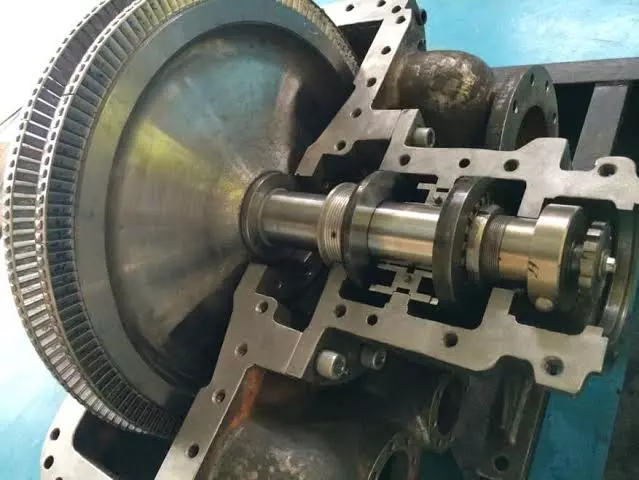
Categories
Uncategorized

Used Micro Turbine for Sale

Used Micro Turbine for Sale

Used Micro Turbine for Sale: Steam turbines are mechanical devices that extract thermal energy from pressurized steam and convert it into mechanical work, typically used to drive electrical generators in power plants. The basic operation of a steam turbine involves the expansion of steam through a series of blades or vanes that are mounted on a rotating shaft. As the steam expands and cools, it transfers its energy to the turbine blades, causing the rotor to spin. This mechanical motion is then used to generate electricity or drive other machinery.

Steam turbines come in various designs, depending on the specific application and the requirements of the power generation system. The two main types of steam turbines are condensing and back-pressure turbines. Condensing turbines are used in large-scale power plants where the exhaust steam is condensed into water in a condenser, usually by cooling with water or air. This process allows for more efficient energy extraction from the steam, as it can be expanded to a lower pressure, resulting in a higher thermal efficiency.

Back-pressure turbines, on the other hand, do not condense the exhaust steam. Instead, the steam exits the turbine at a higher pressure and is often used for heating or industrial processes. This type of turbine is commonly found in combined heat and power (CHP) systems, where both electricity and heat are needed. The advantage of back-pressure turbines is that they allow for the utilization of the exhaust steam, improving the overall efficiency of the system by providing useful heat in addition to electricity.

The design and operation of steam turbines involve several key components, including the rotor, stator, blades, nozzles, and casing. The rotor is the central shaft that holds the blades and rotates to convert steam energy into mechanical energy. The stator contains stationary blades or nozzles that direct the steam flow onto the rotor blades at the optimal angle to maximize energy transfer. The blades are designed to withstand high temperatures and pressures, and they are typically made from materials that can resist corrosion and wear.

Steam turbines operate under varying load conditions, and their efficiency can be affected by factors such as steam temperature, pressure, and quality. To optimize performance, modern steam turbines are equipped with control systems that adjust the steam flow and pressure based on the demand for electricity or heat. These control systems use sensors and actuators to monitor and regulate the turbine’s operation, ensuring safe and efficient performance.

Maintenance and reliability are critical aspects of steam turbine operation. Regular inspections and maintenance are required to prevent issues such as blade erosion, fouling, and mechanical wear. Advanced diagnostic tools and techniques, such as vibration analysis and thermography, are used to detect potential problems early and avoid unplanned outages.

Steam turbines play a crucial role in power generation, especially in fossil fuel and nuclear power plants. They are also used in renewable energy applications, such as geothermal and biomass power plants. The ongoing development of advanced materials, coatings, and control systems continues to improve the efficiency and reliability of steam turbines, making them an essential component of the modern energy landscape.

Steam Turbines

Steam Turbines
Steam Turbines

In the context of energy generation, steam turbines are integral to the efficiency and reliability of various power systems. Their versatility allows them to be used across a wide range of scales, from small industrial facilities to large power plants producing hundreds of megawatts. The thermodynamic process that underpins steam turbine operation is the Rankine cycle, which involves the boiling of water into steam, expansion of steam through the turbine, condensation of the steam back into water, and then reheating to complete the cycle.

The efficiency of a steam turbine is largely influenced by the inlet steam conditions—namely, its temperature and pressure. Higher inlet steam temperatures and pressures generally lead to higher efficiencies because they allow the steam to do more work as it expands through the turbine. However, there are practical and material limitations to how high these parameters can be set, as the components must be able to withstand the extreme conditions without degradation over time.

Another factor that plays a significant role in turbine efficiency is the exhaust pressure, which is directly influenced by the design of the condenser in a condensing turbine system. The lower the exhaust pressure, the more work can be extracted from the steam. In practice, this means maintaining a vacuum in the condenser, which helps in drawing the steam through the turbine more effectively. Effective heat exchange in the condenser is crucial for maintaining this vacuum and, consequently, the overall efficiency of the system.

In addition to efficiency, another critical aspect of steam turbine operation is the load-following capability. This refers to the ability of the turbine to adjust its output to match the fluctuating demand for electricity. This capability is particularly important in modern energy grids, which incorporate a significant amount of variable renewable energy sources such as wind and solar power. Steam turbines in these systems must be able to ramp up or down quickly and efficiently to ensure grid stability and reliability.

Steam turbines are also used in cogeneration, or combined heat and power (CHP) systems, where both electricity and useful heat are produced from the same energy source. These systems are highly efficient because they make use of the thermal energy that would otherwise be wasted in a traditional power plant setup. In industrial applications, steam turbines can be found in refineries, chemical plants, and paper mills, where they drive pumps, compressors, and other equipment.

The design of steam turbines continues to evolve, driven by the need for greater efficiency, reduced emissions, and improved reliability. Advances in materials science have led to the development of new alloys and coatings that can withstand higher temperatures and pressures, thus improving the efficiency of the turbines. Additionally, innovations in blade design, such as three-dimensional profiling and advanced aerodynamic shaping, help reduce losses and improve performance.

Modern steam turbines are also increasingly incorporating digital technologies for monitoring and control. Sensors placed throughout the turbine provide real-time data on temperatures, pressures, vibrations, and other critical parameters. This data is analyzed using advanced algorithms and machine learning techniques to predict maintenance needs, optimize performance, and prevent failures before they occur.

Overall, steam turbines are a mature technology that continues to see significant improvements, making them a cornerstone of global electricity generation. Their ability to efficiently convert thermal energy into mechanical work is unparalleled, and their role in the transition to more sustainable energy systems remains crucial. As the world moves towards decarbonization, steam turbines are expected to play a vital role in hybrid systems that combine traditional and renewable energy sources, ensuring a stable and efficient supply of electricity.

Steam Turbine Manufacturing

Steam Turbine Manufacturing

The manufacturing of steam turbines is a complex and precise process that requires a deep understanding of materials science, engineering principles, and advanced manufacturing techniques. Given the critical role of steam turbines in power generation, the manufacturing process is designed to ensure high reliability, efficiency, and longevity. Several key stages define the process of steam turbine manufacturing:

Design and Engineering

Before manufacturing begins, extensive design and engineering work is required. Engineers use advanced computer-aided design (CAD) software to create detailed models of the turbine, including its blades, rotor, casing, and other components. Computational fluid dynamics (CFD) and finite element analysis (FEA) are used to simulate the performance of the turbine under various operating conditions, helping to optimize the design for efficiency and durability. The design process also involves selecting materials that can withstand high temperatures, pressures, and corrosive environments typical in steam turbine operation.

Material Selection and Procurement

Steam turbines are typically made from high-strength alloys capable of withstanding the harsh conditions inside the turbine. Common materials include stainless steel, titanium alloys, and nickel-based superalloys. These materials are chosen for their strength, corrosion resistance, and ability to maintain structural integrity at high temperatures. Sourcing high-quality raw materials is critical to ensure the reliability of the final product. Manufacturers often work closely with suppliers to obtain materials that meet stringent specifications.

Casting and Forging

Key components of a steam turbine, such as the rotor and casing, are often produced through casting or forging processes. Forging involves shaping the metal using compressive forces, which results in components with superior mechanical properties, such as increased strength and toughness. Casting involves pouring molten metal into molds to create the desired shapes. Precision in these processes is essential, as any defects can compromise the performance and safety of the turbine.

Machining

Once the basic shapes are formed, precision machining is used to create the intricate details of the turbine components. Computer numerical control (CNC) machines are commonly used for this purpose, allowing for high precision and repeatability. Machining processes include milling, drilling, and grinding, which shape the turbine blades and other components to their final dimensions. The tolerances in steam turbine manufacturing are extremely tight, as even minor deviations can affect performance and efficiency.

Blade Manufacturing

The blades of a steam turbine are one of its most critical components, as they directly interact with the steam to extract energy. Blades are manufactured using precision forging and machining processes, followed by surface finishing to achieve the required aerodynamic profiles. Advanced blade designs may involve complex three-dimensional shapes to optimize the flow of steam and reduce losses. After manufacturing, blades are subjected to rigorous quality control checks, including dimensional inspection and non-destructive testing to ensure there are no internal defects.

Assembly

The assembly of a steam turbine involves carefully fitting all components together, including the rotor, blades, casing, and ancillary systems. This process requires high precision to ensure that all parts align correctly and that the turbine operates smoothly. During assembly, components are often tested for balance and alignment to prevent vibrations and mechanical stresses during operation. Any imbalance in the rotor, for example, can lead to severe operational issues.

Testing and Quality Assurance

Before a steam turbine is shipped to the customer, it undergoes a series of tests to verify its performance and reliability. These tests include hydrostatic testing to check for leaks, performance testing to measure efficiency and output, and mechanical testing to assess the turbine’s ability to operate under load. Non-destructive testing methods, such as ultrasonic and radiographic inspections, are used to detect any internal defects that could compromise safety.

Shipping and Installation

Once testing is complete, the turbine is disassembled for shipping. Components are carefully packaged to protect them from damage during transit. Upon arrival at the installation site, the turbine is reassembled and installed, often with the assistance of engineers from the manufacturing company. Installation involves precise alignment and connection to the power plant’s steam and electrical systems. After installation, the turbine undergoes further testing to ensure it operates correctly within the plant’s specific conditions.

After-Sales Support and Maintenance

Manufacturers typically provide ongoing support to ensure the long-term performance of the turbine. This includes regular maintenance services, parts replacement, and technical support. Some manufacturers offer remote monitoring services, where the turbine’s performance is continuously tracked to detect potential issues early and prevent unplanned outages.

The manufacturing of steam turbines is a highly specialized field that combines advanced engineering, precision manufacturing, and rigorous quality control. The goal is to produce turbines that operate reliably for decades, delivering efficient and sustainable power generation. As technology evolves, steam turbine manufacturing continues to innovate, incorporating new materials, designs, and digital tools to enhance performance and meet the demands of a changing energy landscape.

Design and Engineering

Design and Engineering

Design and engineering for steam turbines is a highly specialized field that involves careful planning, innovation, and technical expertise. The process begins with defining the specifications for the turbine based on its intended application, which can range from large-scale power generation plants to smaller industrial facilities. Engineers consider numerous factors during the design phase, including the type of fuel or heat source, the desired efficiency, the operational conditions, and the specific requirements of the power grid or industrial system.

The design of a steam turbine is a delicate balance between thermal efficiency, mechanical reliability, and cost-effectiveness. Engineers use advanced computer-aided design (CAD) software to create detailed models of every component, from the rotor and blades to the casing and control systems. CAD models allow engineers to visualize the turbine in three dimensions, which helps to identify potential issues early in the process and optimize the design for performance. These models are often accompanied by simulations that predict how the turbine will behave under various operational conditions. Computational fluid dynamics (CFD) plays a crucial role in these simulations, as it allows engineers to study the flow of steam through the turbine and refine the design of the blades, nozzles, and other key components to maximize energy extraction and minimize losses.

Finite element analysis (FEA) is another critical tool in the design process. It helps engineers evaluate how the turbine will respond to stresses, vibrations, and thermal expansion. This analysis is essential for ensuring the structural integrity of the turbine, as it must withstand extreme temperatures and pressures while maintaining efficient operation. FEA can simulate the impact of different materials, geometries, and operational scenarios, allowing engineers to fine-tune the design to achieve the best performance and durability. The use of these advanced simulation tools has revolutionized steam turbine design, enabling manufacturers to create more efficient, reliable, and cost-effective turbines.

The materials used in steam turbine construction are carefully chosen to meet the demanding operational conditions. High-strength alloys, such as stainless steel, nickel-based superalloys, and titanium, are selected for their ability to resist corrosion, fatigue, and high temperatures. The materials must not only withstand the stresses of rotating at high speeds but also the corrosive effects of steam, which can lead to erosion and material degradation over time. Material selection is a crucial aspect of the design process, as the right choice of alloys can significantly impact the turbine’s longevity and efficiency.

The design also takes into account the turbine’s ability to operate across a wide range of load conditions. Steam turbines are designed to handle varying steam flow rates, pressures, and temperatures while maintaining stable and efficient operation. Engineers use sophisticated control systems to monitor and adjust the turbine’s performance in real time, ensuring that it responds effectively to changes in demand. The ability to operate efficiently across different load conditions is particularly important in modern power plants, which often need to ramp up or down quickly in response to fluctuating electricity demand or the integration of renewable energy sources like wind and solar power.

Turbine designers must also address the issue of vibration and mechanical resonance. Since turbines rotate at extremely high speeds, any imbalance or misalignment can lead to excessive vibrations that can damage the turbine and reduce its operational life. To mitigate these risks, the design process includes careful balancing of the rotor, ensuring that it is precisely aligned and that the rotor blades are evenly distributed. Vibration analysis is carried out throughout the design process to identify potential resonance frequencies and prevent them from aligning with the turbine’s operating speed.

The layout and configuration of the turbine system are also critical aspects of the design. Engineers must ensure that the various components, such as the rotor, stator, nozzles, and casing, fit together seamlessly and are arranged in a way that optimizes steam flow and minimizes energy losses. Turbine designers must also consider the integration of the turbine with the larger power plant system, including the condenser, heat exchangers, and electrical generator. The turbine must be able to operate in harmony with the rest of the plant, ensuring that steam is efficiently converted into mechanical energy and that the plant’s overall efficiency is maximized.

Another important aspect of turbine design is ensuring ease of maintenance. Steam turbines are complex machines, and over the course of their operational life, they will require regular maintenance to ensure optimal performance. Design engineers aim to make the turbine components accessible for inspections, repairs, and replacements. For example, the rotor and blades may be designed for easy removal and replacement, while the casing is often constructed with features that allow for quick access to critical components. The design process also incorporates redundancy and safety features to ensure that the turbine operates safely under all conditions and that any potential failure can be quickly detected and addressed.

Ultimately, the goal of the design and engineering process is to create a turbine that operates with maximum efficiency, reliability, and safety, while minimizing maintenance requirements and ensuring a long service life. This requires not only a deep understanding of thermodynamics and mechanical engineering but also a constant awareness of the practical challenges and constraints of real-world operation. The design of steam turbines continues to evolve, driven by advances in materials science, computational methods, and manufacturing technologies, as engineers work to meet the growing demand for more efficient and sustainable power generation solutions.

As the design and engineering of steam turbines progress, another key consideration is the integration of advancements in digital technologies. Modern steam turbine design increasingly incorporates digital tools to enhance both performance and reliability. For instance, digital twin technology is becoming an essential aspect of turbine engineering. A digital twin is a virtual replica of the turbine that allows engineers to simulate and monitor its performance throughout its lifecycle. By using real-time data from sensors installed on the turbine, the digital twin can provide insights into the turbine’s operation, predict potential failures, and suggest optimizations. This capability is vital for improving operational efficiency, reducing downtime, and extending the service life of the turbine.

Furthermore, the design process is heavily influenced by environmental and regulatory factors. With the growing emphasis on reducing the carbon footprint of power generation, steam turbines must be designed with fuel efficiency and emissions control in mind. For example, turbines may be optimized for use with alternative fuels or to capture and reduce emissions from the combustion process. Designers must also consider the plant’s water usage and the efficiency of the cooling system, as steam turbines typically require large amounts of water for cooling. In regions where water resources are scarce, turbines are designed to minimize water consumption or integrate more sustainable cooling technologies, such as air-cooled condensers.

Another critical design focus in steam turbine engineering is the ability to adapt to changing grid demands, particularly with the increasing penetration of renewable energy sources. Power plants equipped with steam turbines must be able to quickly adjust their output to respond to fluctuations in demand or the intermittency of renewable sources like wind and solar. This requires advanced control systems and turbine designs that allow for rapid load-following capabilities, where the turbine can seamlessly increase or decrease its output in response to changes in grid conditions. The trend toward flexible, high-performance turbines is becoming more pronounced as the global energy landscape shifts toward cleaner and more decentralized energy sources.

The advancement of steam turbine efficiency is also driven by improvements in thermodynamic cycles. Over the years, engineers have worked to enhance the Rankine cycle, which forms the basis of steam turbine operation. Innovations like supercritical and ultra-supercritical steam cycles, where steam is heated to extremely high temperatures and pressures before entering the turbine, have led to significant gains in efficiency. These cycles allow for higher temperature steam, which in turn improves the turbine’s ability to convert thermal energy into mechanical work. However, achieving the necessary materials and engineering standards to operate at these extreme conditions presents challenges, requiring continuous innovation in both turbine design and materials technology.

For turbines used in combined heat and power (CHP) systems, designers must ensure that the turbine is capable of efficiently utilizing both the electricity generation and heat production aspects of the system. This requires a nuanced approach to design, where the steam turbine is integrated into a larger system that can effectively harness waste heat, optimizing both electrical and thermal efficiency. The design of these systems must account for various factors, including the pressure and temperature of the steam, the flow rate of the working fluid, and the specific requirements for heating.

During the engineering process, steam turbine designers also focus on safety and operational resilience. Steam turbines operate under extremely high pressures and temperatures, which necessitate robust safety features. The engineering team must design for scenarios like pressure surges, mechanical failures, or unexpected operational conditions. Safety valves, pressure relief systems, and redundant mechanisms are incorporated to ensure that the turbine can operate safely and continue functioning even in the event of minor faults or anomalies. The material selection, stress analysis, and overall design must ensure that the turbine can withstand these extreme conditions without compromising the safety of the plant or its personnel.

Moreover, design engineers work closely with other stakeholders, including environmental specialists, electrical engineers, and system integrators, to ensure that the turbine fits seamlessly into the larger power plant or industrial system. This interdisciplinary approach helps optimize the overall system performance, ensuring that the turbine operates at its peak efficiency while meeting regulatory requirements and operational goals. In many cases, the design process is iterative, with prototypes and mockups being created and tested to identify areas for improvement before the final design is implemented.

As steam turbine technology continues to evolve, there is an increasing focus on modular and flexible designs. Modular turbines are designed for easy assembly and customization, making them suitable for a wide range of applications, from small-scale industrial projects to large power plants. These modular designs allow for easier maintenance, upgrades, and future scalability, accommodating changes in energy demand or the integration of newer technologies as they become available.

In summary, the design and engineering of steam turbines is a highly intricate process that requires careful consideration of a broad range of factors. From materials selection and thermodynamic optimization to advanced digital tools and environmental sustainability, engineers must balance numerous variables to create a turbine that meets the evolving needs of the energy industry. The ongoing advancements in design methodology, coupled with the development of new materials and technologies, will continue to drive improvements in steam turbine performance, efficiency, and sustainability, making them a cornerstone of modern energy systems for years to come.

Material Selection and Procurement

Turbine Blade Assembly

Material selection and procurement for steam turbines is one of the most critical aspects of their design and manufacturing process, as it directly affects the turbine’s performance, longevity, and reliability. Steam turbines operate under extreme conditions, including high temperatures, pressures, and mechanical stresses. Therefore, the materials used in their construction must possess specific properties that allow them to withstand these harsh environments while maintaining their structural integrity over the long term.

The first step in material selection is to identify the operating conditions of the turbine, such as the steam temperature, pressure, and flow rate, as well as the mechanical stresses that the components will experience. These factors are crucial for determining the type of material that will be used in different parts of the turbine, such as the rotor, blades, casing, and other critical components. The materials must be able to resist thermal degradation, mechanical fatigue, corrosion, and erosion, all of which can lead to premature failure if not properly addressed.

One of the most common materials used in the construction of steam turbines is high-strength steel, particularly stainless steel and nickel-based alloys. Stainless steel is favored for its excellent resistance to corrosion and its ability to withstand high temperatures. However, for more demanding applications, especially in modern high-efficiency turbines operating at supercritical or ultra-supercritical pressures and temperatures, higher-performance alloys, such as nickel-based superalloys, are often required. These alloys offer superior resistance to both thermal fatigue and corrosion, making them ideal for components that are exposed to the hottest parts of the turbine.

The turbine blades, in particular, are subjected to intense mechanical stresses and extreme temperatures as they interact with the high-pressure steam. To ensure optimal performance and durability, these blades are often made from advanced materials such as Inconel or Hastelloy, both of which are nickel-based superalloys known for their high-temperature strength and resistance to oxidation and corrosion. These materials are specifically designed to retain their mechanical properties at temperatures that can exceed 700°C, which is typical in modern, high-efficiency steam turbines.

The selection of materials for turbine components such as the rotor is equally important. The rotor must be able to handle both the mechanical stresses of rotating at high speeds and the thermal stresses caused by the temperature fluctuations within the turbine. Materials used for the rotor, therefore, need to have excellent tensile strength, fatigue resistance, and thermal conductivity. Forged steel and special alloys, such as carbon steels with added chromium or molybdenum, are often used in these applications. These materials provide the necessary strength while ensuring that the rotor can expand and contract with temperature changes without warping or cracking.

In addition to strength and resistance to thermal degradation, steam turbine components must also be resistant to erosion and corrosion caused by the high-speed steam flowing over the surfaces of the blades and other parts. Over time, steam can carry water droplets, dirt, and other particulates that cause wear and tear on turbine components. To mitigate this, materials such as chromium and other carbide-forming elements are often incorporated into the design to enhance wear resistance. The use of coatings and surface treatments, such as thermal spraying or the application of ceramic coatings, can further protect these surfaces from erosion and corrosion, extending the life of the turbine.

Beyond the performance properties, material selection also takes into account factors like cost, availability, and manufacturability. While high-performance alloys may offer superior properties, they are also more expensive and can be more challenging to process. Manufacturers must therefore balance the need for performance with the cost-effectiveness of the materials used. In many cases, the materials for less critical components, such as the casing, may be selected for their lower cost and ease of manufacturing, while more expensive and specialized materials are reserved for high-stress areas like the blades and rotor.

Once the appropriate materials are selected, the procurement process begins. Procurement involves sourcing raw materials from suppliers who can meet the strict specifications required for steam turbine construction. These materials must undergo thorough quality control checks to ensure they meet the required standards before they are used in manufacturing. This includes checking for impurities, verifying the material’s chemical composition, and ensuring that the material can withstand the expected operational stresses. The procurement process also involves managing the supply chain to ensure that materials are delivered on time, within budget, and in the quantities needed for the turbine’s construction.

One important consideration during procurement is the certification of materials, particularly for high-performance alloys and superalloys. These materials often need to be sourced from specialized suppliers who can provide documentation to verify their composition, heat treatment processes, and testing results. In some cases, turbine manufacturers may even work closely with material suppliers during the development stage to ensure that the materials meet the exact requirements for a specific turbine design.

In the context of steam turbine manufacturing, it is also essential to address environmental and sustainability considerations. The mining, processing, and disposal of raw materials can have significant environmental impacts. Manufacturers increasingly prioritize the use of recycled materials and sustainable practices in material sourcing. For example, some turbine manufacturers are exploring the use of advanced alloys that can be recycled more easily at the end of their lifecycle, reducing the environmental footprint of the turbine. Additionally, the focus on energy efficiency in modern steam turbines has led to the development of materials that enhance the performance of the turbine while minimizing energy consumption during their production and use.

To support long-term reliability and efficiency, manufacturers often implement robust material testing programs. This includes non-destructive testing methods such as ultrasonic testing, x-ray inspection, and magnetic particle testing to identify internal flaws or defects in the materials. Material samples may undergo accelerated aging tests to simulate years of service, allowing engineers to better understand how materials will behave over time under high-stress conditions. These testing methods help ensure that the selected materials will perform as expected throughout the turbine’s operational life, providing confidence that the turbine will meet the required safety and efficiency standards.

In conclusion, material selection and procurement are foundational to the design and performance of steam turbines. The materials chosen must be able to withstand the extreme conditions within the turbine, including high temperatures, pressures, and mechanical stresses, while also offering resistance to corrosion, erosion, and thermal degradation. The procurement process ensures that high-quality materials are sourced from reliable suppliers and are subject to rigorous testing to guarantee their performance. As steam turbine technology continues to evolve, innovations in material science and manufacturing techniques will play a vital role in improving turbine efficiency, durability, and sustainability, making material selection a key driver of the industry’s ongoing progress.

As steam turbine technology continues to advance, the ongoing development of materials plays a critical role in meeting the evolving demands of power generation. With growing concerns about energy efficiency, environmental sustainability, and the need to adapt to renewable energy sources, material selection remains a dynamic area of research and innovation. One major direction is the development of even more advanced high-temperature materials capable of withstanding the pressures and thermal stresses required for ultra-supercritical and advanced steam cycles.

Researchers and engineers are working on new alloys, including advanced ceramics and composites, that promise to push the boundaries of steam turbine efficiency. These materials are designed to offer superior thermal resistance, reduced wear, and improved mechanical strength while also being lighter and more cost-effective than their predecessors. The development of coatings that can be applied to turbine blades and other high-temperature components is another area of focus. For example, thermal barrier coatings (TBCs) are being studied for their ability to protect turbine components from extreme temperatures, thus extending their operational life and reducing the need for frequent maintenance.

Another key area of material innovation is in corrosion resistance. As steam turbines become more efficient, they are often required to operate at higher pressures and temperatures, which can increase the likelihood of corrosion due to the interaction with high-pressure steam, water droplets, and other particulates. Research into corrosion-resistant alloys and coatings that can prevent the formation of scale or corrosion on turbine components is ongoing. Advanced materials that can withstand both the corrosive effects of steam and the mechanical stresses of turbine operation will be vital to the continued performance and longevity of turbines in a wide range of applications, from traditional fossil fuel plants to modern systems designed to integrate with renewable energy sources.

The ongoing push for sustainability in the power generation industry also influences material selection. As environmental concerns regarding resource extraction and waste disposal continue to rise, the use of recycled materials and sustainable manufacturing processes is becoming increasingly important. Manufacturers are investigating the use of recycled high-performance alloys, which can significantly reduce the environmental impact of turbine production while maintaining the performance characteristics required for modern turbines. In addition, more stringent regulations around environmental impacts are driving innovation in material handling and disposal at the end of a turbine’s lifecycle, focusing on reducing waste and improving the recyclability of turbine components.

The procurement process itself is evolving to address these challenges. Manufacturers are increasingly collaborating with suppliers to ensure a more sustainable and efficient material supply chain. This involves not only ensuring the consistent quality and availability of materials but also ensuring that the environmental impacts of material production and transportation are minimized. Advanced supply chain management systems, along with improved material traceability, are helping manufacturers to track the environmental and social impacts of their material choices, which is critical for both regulatory compliance and corporate social responsibility initiatives.

Moreover, the role of material testing and certification continues to grow. As turbines operate under more extreme conditions, it is essential to test the materials under accelerated aging conditions, as well as to conduct detailed performance assessments in real-world environments. These tests often involve subjecting materials to conditions that simulate decades of wear and tear in a much shorter time frame, allowing engineers to identify potential issues and weaknesses before the turbine is deployed. Non-destructive testing methods, such as laser scanning and x-ray imaging, allow for the detailed inspection of turbine materials and components, ensuring that the turbine can perform safely and efficiently over the long term.

The importance of material selection and procurement cannot be overstated in the context of steam turbine reliability. High-performance materials are crucial for ensuring that turbines can withstand the intense mechanical and thermal stresses they experience, which is especially important in industries like power generation, where downtime is costly. Steam turbines are designed to run for decades, so the materials chosen must offer long-term durability and low maintenance requirements, reducing the need for frequent repairs or replacements.

Additionally, as the world shifts towards more flexible and decentralized energy systems, the role of steam turbines in power plants that integrate renewable energy sources will require turbines to operate efficiently across a wide range of conditions. This means that materials need to not only endure high temperatures and pressures but also be adaptable to a range of operational cycles. As plants move from baseload operation to load-following, materials that offer better thermal cycling performance—those that can withstand rapid heating and cooling cycles without degrading—will be increasingly important. This could lead to a greater emphasis on materials that can handle such stress without suffering from fatigue or cracking, ensuring reliable operation even as demand fluctuates.

In conclusion, material selection and procurement for steam turbines is a multifaceted process that involves selecting the right materials to ensure efficiency, durability, and sustainability. The continued evolution of turbine technology, including the shift toward more efficient and flexible systems, requires the development of materials that can withstand higher temperatures, pressures, and stresses while offering greater resistance to corrosion, erosion, and thermal fatigue. As the power generation industry seeks to meet global energy demands while minimizing environmental impact, advancements in material science will remain a cornerstone of steam turbine innovation, playing a critical role in improving turbine performance, extending service life, and reducing operational costs.

Steam Turbine Parts Manufacturing

As the need for more efficient, sustainable, and adaptable steam turbines grows, material selection and procurement processes are expected to undergo further evolution. The increasing demand for renewable energy integration, combined with the need to meet stringent emissions regulations and operational flexibility, will continue to push the boundaries of material science. One key area of ongoing development is the creation of materials with enhanced resistance to thermal cycling. Modern steam turbines are often required to start up and shut down rapidly, especially in plants that complement intermittent renewable energy sources like wind and solar. These frequent cycling operations place tremendous stress on turbine components, particularly the materials used in the blades, rotor, and casings, which are exposed to high-temperature steam during operation.

Materials that can endure repeated heating and cooling cycles without developing cracks, warping, or other forms of fatigue are essential for these flexible power plants. Research into advanced composites and hybrid materials, such as ceramic-metal composites, is aimed at creating stronger, more resilient materials capable of withstanding these rapid temperature changes. These materials not only need to be thermally stable but also exhibit high mechanical strength and resistance to both thermal and mechanical fatigue. This research is vital to ensuring that turbines can efficiently meet the demands of a modern grid that requires more flexible, responsive power generation.

Another critical area of material innovation is the development of high-performance coatings and surface treatments to protect turbine components. As turbines are subjected to extremely high temperatures and pressures, and as they interact with corrosive steam, protective coatings can significantly extend their operational life. Advances in thermal barrier coatings (TBCs) and oxidation-resistant coatings help reduce material degradation by protecting the turbine’s surface from the damaging effects of high-temperature steam and the erosion caused by high-speed steam flow and particulate matter. These coatings not only extend the service life of turbine components but also contribute to improved efficiency by reducing energy losses due to surface degradation.

Nanotechnology is also playing an increasingly important role in steam turbine materials research. Nanomaterials, due to their unique properties at the atomic scale, offer the potential for greater strength, improved corrosion resistance, and better thermal conductivity compared to traditional materials. Research into the use of nanoparticles or nanostructured coatings for turbine blades and other components aims to create surfaces that are both harder and more resistant to the environmental conditions within the turbine. While the use of nanomaterials is still in the experimental stages, it holds promise for significantly improving turbine performance and longevity in the future.

The focus on reducing the environmental impact of steam turbine manufacturing and operation is also influencing material selection and procurement. As global sustainability initiatives become more prominent, turbine manufacturers are increasingly adopting green manufacturing practices. This includes the use of recycled materials and minimizing the carbon footprint of the materials themselves. The use of more sustainable and readily available raw materials, such as certain types of steel and alloys, is being prioritized, and some manufacturers are exploring alternative materials that could lower the environmental impact during both the production and operational phases of the turbine lifecycle.

Additionally, turbine manufacturers are exploring opportunities for the use of low-carbon and sustainable materials. For instance, certain bio-based composites and advanced polymers are being tested for use in less critical turbine components, where their properties may offer similar advantages to traditional materials at a lower environmental cost. While not yet widely adopted for high-performance turbine components, such research represents the growing trend of reducing reliance on traditional, resource-intensive materials.

The global supply chain for turbine materials is also undergoing significant changes. With growing demands for raw materials driven by the expanding global energy market, manufacturers are placing increased emphasis on ensuring the sustainability and reliability of their supply chains. The sourcing of rare materials, such as rare-earth elements used in high-performance alloys, has become more challenging. Turbine manufacturers are adopting strategies to mitigate supply chain risks, including working with a broader range of suppliers, investing in domestic production capabilities, and exploring alternatives to materials that are in short supply or subject to price volatility.

The procurement process is also evolving to incorporate more sophisticated methods for material traceability, quality control, and lifecycle management. This ensures that every material used in turbine manufacturing meets rigorous standards for performance and safety. By utilizing digital tools, such as blockchain or other tracking systems, turbine manufacturers can ensure that materials are sourced responsibly, with a transparent view of the entire supply chain. This also allows manufacturers to monitor the performance of materials throughout the turbine’s life, which can be useful for predictive maintenance and identifying potential issues before they lead to turbine failure.

In line with global trends in manufacturing efficiency, steam turbine manufacturers are increasingly looking toward additive manufacturing, or 3D printing, to complement traditional material procurement. Additive manufacturing techniques allow for the creation of complex turbine components with higher precision and reduced material waste. While still an emerging technology in turbine production, additive manufacturing has the potential to reduce manufacturing costs, improve the performance of turbine components, and even enable the production of highly customized parts. This is particularly useful for small-scale or specialized turbine applications where traditional manufacturing processes might be inefficient or cost-prohibitive.

Looking ahead, the focus on material selection and procurement in steam turbine technology is likely to center around increasing turbine performance while reducing costs and environmental impact. Innovations in material science, from next-generation alloys and coatings to new digital tools for procurement and quality control, will continue to shape the future of turbine manufacturing. As energy systems become increasingly complex and diverse, with greater emphasis on renewable energy integration and flexibility, the ability to select, source, and manufacture turbine materials that meet these evolving needs will be a key determinant of the industry’s success. Steam turbines, supported by cutting-edge material innovations, will continue to play a central role in achieving global energy goals, balancing the need for reliable power with the imperative for sustainability.

Casting and Forging

Steam Engine Piston
Steam Engine Piston

Casting and forging are two of the most fundamental manufacturing processes in the production of steam turbines, and both play a critical role in determining the performance, reliability, and longevity of turbine components. These processes are used to create the large and complex parts of the turbine, such as the rotor, casing, blades, and other critical components that must withstand extreme stresses and high temperatures during operation.

Casting is the process of pouring molten metal into a mold to create a solidified part in the shape of the mold. It is commonly used for producing intricate or complex components with relatively low to medium production volumes. In the context of steam turbines, casting is used for parts such as turbine casings, large valves, and other components that require specific shapes or geometries that are difficult to achieve with other manufacturing techniques. The casting process allows for the creation of parts with relatively intricate designs, making it an ideal choice for components that require complex internal passages or cavities, such as cooling channels within a turbine casing.

The casting process begins with the preparation of the mold, which can be made from a variety of materials, including sand, metal, or ceramic, depending on the type of metal being used and the desired properties of the final part. The metal to be cast is heated to its melting point, then poured into the mold, where it cools and solidifies into the desired shape. The resulting part may undergo further processing, such as heat treatment, machining, or surface finishing, to refine its properties and dimensions. In steam turbine manufacturing, precision is crucial, as any defects or deviations in the casting can compromise the performance and safety of the turbine. As such, quality control is a critical aspect of the casting process, with rigorous inspection techniques like x-ray imaging and ultrasonic testing used to identify internal defects or cracks that may not be visible to the naked eye.

Forging, on the other hand, is a process in which metal is shaped by applying compressive forces, typically using hammers or presses. It is often used to produce parts that require high strength and durability, as the forging process aligns the grain structure of the metal, making it stronger and more resistant to stress than cast materials. Forging is commonly used for producing turbine rotors, shafts, and other load-bearing components that must endure high mechanical stresses during operation. Because of its ability to create high-strength components, forging is an essential process for parts that need to withstand the rotational forces and thermal stresses experienced in a steam turbine.

Forging begins with the selection of the raw material, typically in the form of billets or bars of metal. These materials are heated to a temperature where they become malleable and can be shaped under pressure. The metal is then placed between dies, which apply compressive force to form the part into the desired shape. Depending on the specific design and the complexity of the component, multiple stages of forging may be required. The first stage involves rough forming, followed by more precise shaping and finishing in subsequent stages. This ensures that the final component meets the tight tolerances required for turbine operation.

One of the key benefits of forging is its ability to produce components with superior mechanical properties. The compressive forces used in forging refine the grain structure of the material, making it denser and stronger. This is particularly important for turbine rotors, which are subjected to high rotational forces and thermal stresses. Forged components are less likely to contain internal voids, cracks, or other defects, which can be common in cast materials. This makes forged parts ideal for critical applications where failure could result in significant damage or downtime, such as in the turbine’s rotating parts.

While casting is often used for producing larger, more complex parts with intricate shapes, forging is typically reserved for components that require high strength and precision, such as turbine blades, rotors, and shafts. The process also allows for a more controlled grain structure, which is essential for ensuring that the part can withstand the stresses and fatigue associated with high-speed rotation. The combination of casting and forging in turbine manufacturing allows manufacturers to take advantage of the unique benefits of each process, ensuring that every component is optimally designed for its specific function within the turbine.

In some cases, components may undergo both casting and forging. For example, a large turbine casing might be cast to form its basic shape, and then subjected to forging or other finishing processes to enhance its mechanical properties or to achieve more precise tolerances. This hybrid approach can be particularly useful for complex turbine parts that require both intricate geometry and superior strength.

One of the challenges in casting and forging turbine components lies in the need for material selection. The materials used for steam turbines must be able to withstand high temperatures, pressures, and corrosive environments, while also being capable of being processed through these manufacturing methods. High-strength steels, nickel-based alloys, and superalloys are commonly used in turbine manufacturing due to their excellent thermal stability, resistance to corrosion, and mechanical strength. However, the selection of the right material is crucial for ensuring that the casting or forging process will be successful and that the final part will meet the necessary performance standards.

In addition to material selection, both casting and forging processes require precise control of temperature, pressure, and time to ensure that the components meet the required specifications. In casting, for example, the cooling rate of the molten metal can affect the microstructure and properties of the final part, so it must be carefully controlled to prevent defects like porosity or cracking. Similarly, in forging, the temperature at which the material is worked and the amount of force applied must be closely monitored to ensure that the material is properly formed without damaging its structure.

Post-processing is another important aspect of casting and forging in turbine manufacturing. After casting or forging, parts often undergo heat treatment to further refine their properties. Heat treatment processes, such as annealing, hardening, or tempering, can improve the material’s strength, ductility, and resistance to fatigue. In some cases, the parts may also undergo surface treatments, such as coating or polishing, to enhance their durability and performance in the harsh conditions of a steam turbine.

Both casting and forging are essential to the manufacturing of steam turbines, each playing a key role in creating the robust components required for optimal turbine operation. By utilizing casting for complex shapes and forging for high-strength, load-bearing parts, manufacturers are able to produce steam turbines that can endure the intense stresses of modern power generation. Through careful material selection, process control, and post-processing, manufacturers ensure that turbine components meet the highest standards for reliability and performance, contributing to the long-term success of steam turbine technology in a rapidly evolving energy landscape.

As turbine technology continues to evolve, the methods of casting and forging are also advancing to keep pace with the increasing demands of efficiency, reliability, and cost-effectiveness. One significant trend is the continued refinement of both processes to produce more complex, higher-performance turbine components. Modern steam turbines operate at higher pressures and temperatures than ever before, and these enhanced operational conditions require parts that are both stronger and more resistant to wear, corrosion, and fatigue. This places even greater demands on the materials, casting molds, forging techniques, and finishing processes used in manufacturing.

In the realm of casting, there have been notable improvements in techniques such as investment casting, which is widely used for high-precision turbine components. Investment casting involves creating a detailed wax model of the part, coating it with a ceramic shell, and then melting away the wax to leave a hollow mold. The mold is then filled with molten metal to create the final part. This technique allows for the creation of highly detailed parts with complex geometries, such as turbine blades and intricate internal passages. It is especially useful for turbine components that require tight tolerances and smooth surface finishes. The ability to produce such detailed parts with investment casting has expanded the range of geometries that can be achieved, enabling the design of more efficient turbine blades that maximize steam flow and reduce energy loss.

Another significant advancement in casting is the use of 3D printing, also known as additive manufacturing, to create molds and even final components for turbines. In this process, layers of material are deposited one by one to build up a part. 3D printing has the potential to revolutionize turbine casting by enabling the creation of complex, customized parts that would be impossible or extremely expensive to produce using traditional methods. For example, intricate internal cooling channels in turbine blades that optimize the cooling of high-temperature surfaces can be created with great precision using 3D-printed molds or cores. The ability to print molds directly allows manufacturers to bypass some of the traditional limitations of mold-making, reducing both lead time and cost. Moreover, 3D printing enables the use of advanced materials that might otherwise be difficult to cast in traditional molds, including high-performance alloys or superalloys.

The advances in casting technology are paralleled by innovations in forging. One important development is the use of isothermal forging, a process in which the workpiece is heated to a uniform temperature, allowing it to be forged at a more controlled rate. This results in less distortion, reduced tool wear, and improved material properties, particularly in terms of grain structure. Isothermal forging can be particularly beneficial for creating turbine rotors and other high-strength components, as it allows for the production of parts with a more uniform structure, enhancing the mechanical properties of the material. This method ensures that the forged part maintains its integrity even under the high temperatures and stresses typically experienced in a steam turbine.

Another key advancement in forging is the use of precision forging, which employs highly sophisticated equipment to achieve even tighter tolerances and better control over the material’s final properties. Precision forging techniques have made it possible to produce components that are not only stronger and more reliable but also lighter, which is essential in modern turbine design. For example, reducing the weight of turbine blades or rotors can improve the overall efficiency of the turbine by reducing rotational inertia, allowing for faster response times and better fuel efficiency.

Along with these advanced forging and casting methods, manufacturers are increasingly incorporating automation and digital technologies into the production process. Computer numerical control (CNC) machines and robotics are being employed to perform precise machining and finishing of turbine components after casting or forging. These automated systems improve the consistency and accuracy of the manufacturing process, reducing the risk of human error and enabling the production of complex parts that would be difficult to achieve manually. Additionally, these technologies enable greater flexibility in turbine production, allowing manufacturers to quickly adjust to changing design requirements or custom orders.

The integration of digital twin technology is also making a significant impact on casting and forging in turbine manufacturing. A digital twin is a virtual representation of a physical object, and in the context of turbine manufacturing, it can be used to simulate the behavior of components during the casting or forging process. By using digital twins, manufacturers can predict potential issues, such as material defects, stress concentrations, or distortions, before they occur in the actual production process. This allows for more informed decision-making during the design and manufacturing stages, improving the overall quality of the turbine components and reducing waste.

Furthermore, advances in material science continue to influence both casting and forging practices. As the materials used in turbine manufacturing become more advanced, manufacturers are developing new processes to better handle these materials during the casting and forging stages. For example, newer nickel-based superalloys, which offer exceptional high-temperature strength and resistance to corrosion, require highly specialized casting and forging processes to ensure the parts meet the necessary performance standards. In response, manufacturers have refined their processes to accommodate these high-performance materials, ensuring that turbine components made from such alloys maintain their integrity and reliability during long-term operation.

The growing emphasis on sustainability is also shaping the future of casting and forging. As energy production becomes more environmentally focused, there is an increasing demand for sustainable manufacturing processes that minimize energy consumption and reduce waste. For example, the use of more energy-efficient furnaces, improved material recycling practices, and low-emission forging techniques are gaining traction in turbine manufacturing. The ability to recycle metals, particularly rare and expensive alloys, reduces the environmental impact of raw material extraction while also lowering production costs. This focus on sustainability is also driving the development of alternative manufacturing methods that could further reduce the ecological footprint of turbine component production.

Finally, the rise of advanced quality control techniques is essential in ensuring that turbine components meet the strict requirements of modern power generation. Non-destructive testing (NDT) methods, including ultrasonic testing, x-ray inspection, and eddy current testing, are employed to detect any potential flaws or imperfections in cast and forged components. These testing methods are critical for ensuring that turbine parts can perform safely and efficiently under the extreme conditions they will face in operation. Additionally, the increasing use of real-time data monitoring during the manufacturing process allows manufacturers to detect issues as they arise and make adjustments in real time, further improving the consistency and quality of the final product.

In conclusion, casting and forging are pivotal processes in the manufacturing of steam turbines, and their continued advancement is crucial to meeting the demands of modern energy production. With innovations in materials, automation, digital technologies, and sustainability, these manufacturing techniques are evolving to create turbine components that are stronger, more precise, and more efficient than ever before. As turbine manufacturers continue to push the boundaries of what is possible in terms of performance, reliability, and environmental responsibility, the role of casting and forging in turbine production will remain central to the development of the next generation of steam turbines.

Machining

Single-stage Steam Turbine Parts

Machining is an essential part of the manufacturing process for steam turbines, enabling the production of highly precise components that meet the stringent requirements of performance, durability, and reliability. Steam turbines are complex machines that operate under extreme conditions, including high pressure, temperature, and rotational speed. The parts that make up a steam turbine must therefore be fabricated with exacting accuracy to ensure smooth operation and minimize the risk of failure. Machining processes are used to shape, refine, and finish turbine components after casting, forging, or other initial manufacturing steps. These processes are crucial for ensuring that the final parts meet the tight tolerances required for efficient and safe turbine operation.

The machining of steam turbine components typically involves several different techniques, each tailored to the specific needs of the part being produced. One of the most commonly used methods is milling, which involves the use of rotating cutting tools to remove material from a workpiece. Milling is often used for turbine blades, casings, and other complex components that require intricate surface geometries or fine detailing. High-speed milling can achieve precise tolerances and surface finishes, which are critical for ensuring that turbine blades, for example, are aerodynamically efficient and able to withstand the stresses placed on them during operation.

Turning is another important machining process that is often employed in turbine manufacturing. It involves rotating the workpiece while a cutting tool is applied to remove material and shape the part. This method is commonly used for creating round or cylindrical components, such as turbine shafts and rotors, which are subject to high rotational forces in operation. Turning allows for high precision in terms of dimensional accuracy and surface finish, both of which are essential for ensuring that turbine shafts rotate smoothly and without excessive wear or vibration.

Grinding is a precision machining process that uses abrasive wheels to remove material from a workpiece, resulting in a smooth surface finish. It is often used to achieve high-precision tolerances and tight dimensional control in turbine components. For example, grinding is frequently employed to refine the surface of turbine rotors and blades after casting or forging to ensure that they meet the strict geometric and surface finish specifications required for optimal performance. Grinding can also be used to remove any remaining imperfections from the surface of the material, improving the component’s ability to resist corrosion, wear, and other forms of degradation.

Electrical discharge machining (EDM) is a non-traditional machining method that uses electrical discharges to erode material from a workpiece. EDM is particularly useful for machining complex geometries or hard-to-reach areas that might be difficult to access using conventional machining techniques. This process is often used to create intricate features in turbine components, such as cooling channels within turbine blades, or to refine turbine parts made from hard, high-strength materials that are difficult to machine using traditional cutting tools. EDM can achieve very fine tolerances and surface finishes, making it an ideal process for turbine components that require intricate details or precision.

Laser machining is another advanced technique that has found increasing use in turbine manufacturing. This method involves using a high-powered laser beam to cut, drill, or etch materials with extreme precision. Laser machining can be used for creating small, intricate holes or patterns in turbine components, such as cooling holes in turbine blades, which help to regulate the temperature of the blade surfaces. The advantage of laser machining is its ability to produce high-quality cuts with minimal thermal distortion, which is crucial for maintaining the integrity of the turbine component, particularly in high-performance applications.

In addition to these individual machining processes, many steam turbine components undergo a combination of techniques to achieve the desired results. For example, a turbine blade might first be forged into a rough shape and then subjected to milling and grinding to achieve the precise geometry required. Afterward, it may undergo EDM or laser machining to create small features such as cooling channels. The choice of machining processes depends on the complexity of the component, the material being used, and the specific performance requirements of the turbine.

One of the key challenges in machining steam turbine components is working with the high-strength, heat-resistant materials commonly used in turbine manufacturing. Materials like high-performance alloys, nickel-based superalloys, and other exotic materials are often employed for their ability to withstand the extreme temperatures and stresses encountered in steam turbines. However, these materials can be difficult to machine due to their hardness and toughness. Specialized cutting tools, advanced cooling techniques, and optimized machining parameters are often required to achieve the desired results when working with these materials. For instance, the use of high-speed cutting tools made from carbide or other hard materials, along with advanced cooling techniques like through-tool coolant delivery, can help to reduce tool wear and improve cutting efficiency when machining tough materials.

Another important aspect of machining is ensuring that the turbine components are free from defects and meet the required quality standards. High-precision machining is critical for maintaining the integrity of the components and ensuring that they perform optimally in the turbine. Advanced inspection methods, such as laser scanning, coordinate measuring machines (CMM), and 3D imaging, are used to check the dimensions and surface quality of turbine components during and after machining. These technologies allow manufacturers to detect any deviations from the specified tolerances, ensuring that parts are produced with the utmost accuracy. Non-destructive testing (NDT) methods, such as ultrasonic testing and x-ray inspection, are also commonly used to detect internal defects, ensuring that the components are free from cracks or other weaknesses that could lead to failure during operation.

In modern turbine manufacturing, automation plays an increasingly important role in machining. The use of Computer Numerical Control (CNC) machines allows for highly precise and repeatable machining of turbine components. CNC machines are programmed with detailed specifications and can perform a wide range of machining operations with minimal human intervention. This increases the speed and efficiency of the manufacturing process while ensuring consistent quality. Additionally, robotic arms and automated loading systems are increasingly being used to handle turbine parts during machining, reducing the risk of human error and improving safety on the production floor.

One of the latest trends in machining technology is the integration of additive manufacturing or 3D printing with traditional machining processes. Additive manufacturing can be used to create prototypes or small quantities of turbine components, allowing manufacturers to test and refine designs before moving to full-scale production. While additive manufacturing is not yet widely used for large-scale turbine production, it holds promise for creating complex parts or features that would be difficult or impossible to machine using traditional methods. In some cases, additive manufacturing is used to produce customized tooling or fixtures that aid in the machining of turbine components.

As turbine technology continues to evolve, machining processes will play a key role in meeting the increasing demands for efficiency, performance, and sustainability. The continued development of advanced machining techniques, improved materials, and cutting-edge technologies will enable manufacturers to produce turbine components with even greater precision, durability, and performance. Through careful integration of machining methods, quality control, and material science, turbine manufacturers can ensure that each part is produced to the highest standards, contributing to the overall efficiency and longevity of steam turbine systems in modern power generation.

As steam turbine technology advances, the demands on machining processes continue to increase, pushing manufacturers to innovate and refine machining techniques further. The evolution of turbine designs, especially in terms of efficiency and performance, requires even greater precision and durability in the components produced. Machining, therefore, must evolve to accommodate these demands, particularly as turbines are pushed to operate at higher pressures, temperatures, and rotational speeds.

One of the key factors in improving the performance of steam turbines is the optimization of turbine blades. The design of these blades plays a critical role in determining the overall efficiency of the turbine, as they are responsible for converting steam energy into mechanical energy. Modern turbine blades are often made from high-performance alloys that offer superior resistance to heat and wear, such as nickel-based superalloys. These materials, while capable of withstanding extreme operational conditions, are also notoriously difficult to machine due to their hardness and toughness.

To address this challenge, the use of advanced machining techniques is becoming more prevalent. For example, high-velocity oxygen fuel (HVOF) coating is often applied to turbine blades to improve their resistance to wear and corrosion. This process involves spraying a high-velocity stream of particles onto the surface of the blade to create a hard, dense coating. After the coating is applied, the blade may undergo precision machining to remove any excess material and achieve the final shape and surface finish. The combination of HVOF coating and precise machining ensures that turbine blades remain resilient to erosion and fatigue, ultimately improving the lifespan of the turbine.

The role of thermal barrier coatings (TBCs) is also growing in importance. TBCs are applied to turbine blades to protect them from high-temperature steam. These coatings are typically made from ceramic materials and act as insulators, allowing the blades to operate at higher temperatures without experiencing thermal damage. Machining of turbine blades with TBCs is more challenging, as the coatings can be fragile and prone to cracking during processing. Specialized techniques, such as laser-based machining or abrasive water jet cutting, are often employed to preserve the integrity of the coatings while achieving the required precision.

In addition to blade machining, the increasing use of additive manufacturing in turbine production is opening up new possibilities for both component design and manufacturing efficiency. Additive manufacturing, particularly in the form of metal 3D printing, is being explored for the production of complex turbine components, such as nozzles, blading, and structural elements. These components can be fabricated layer by layer, with the ability to create intricate internal geometries, cooling channels, and other features that would be difficult or impossible to achieve through traditional machining methods. In turbine blades, for example, additive manufacturing allows for the creation of advanced cooling channels that maximize the efficiency of heat dissipation during operation.

While additive manufacturing offers considerable design flexibility, it is typically used in conjunction with traditional machining processes for finishing and refining parts. For instance, a turbine blade may be created using 3D printing, but it will still require machining to achieve the final shape, tolerances, and surface finish. This hybrid approach, combining additive manufacturing with traditional machining, enables turbine manufacturers to take full advantage of the strengths of both technologies. Additive manufacturing can be used to create complex geometries quickly and cost-effectively, while machining ensures that the final components meet the strict tolerances required for turbine operation.

The integration of robotics and automation into the machining process is another area of significant advancement. Automated systems are increasingly being used to handle turbine components throughout the machining process, reducing the need for human intervention and minimizing the risk of errors or defects. Robots equipped with advanced vision systems can inspect components in real time, allowing for immediate feedback on whether parts meet the required tolerances. This level of automation increases the consistency and accuracy of machining operations, reducing variability in the final products and ensuring that each component adheres to the exact specifications needed for optimal turbine performance.

CNC machining remains the cornerstone of precision manufacturing for steam turbine components. CNC machines are capable of executing highly intricate movements and cutting operations, allowing for tight tolerances and complex shapes to be created with minimal human oversight. The increased use of multi-axis CNC machines has expanded the capability to create even more complex geometries, such as those found in turbine blades with advanced airfoil shapes. These machines allow for the precise control of tool movement, ensuring that each pass removes material in a way that optimizes both part geometry and surface quality.

The importance of maintaining high surface quality in turbine components cannot be overstated. In high-performance applications, such as steam turbines, even minor surface imperfections can lead to significant problems, including stress concentration, fatigue failure, and corrosion. As a result, post-machining surface treatments, such as polishing, honing, or shot peening, are often applied to turbine components to enhance their durability and performance. These treatments improve surface finish, reduce surface roughness, and relieve residual stresses, ensuring that the turbine parts can withstand the harsh operating conditions they will face in service.

Surface coating technologies are also critical in improving the longevity of turbine components. For example, coatings that resist oxidation, corrosion, or wear are often applied to the surfaces of turbine blades, nozzles, and other components to enhance their resistance to the damaging effects of high temperatures, steam, and pressure. These coatings are typically applied using advanced methods like physical vapor deposition (PVD) or chemical vapor deposition (CVD), and after application, the parts often undergo machining to remove any excess coating and ensure a smooth, uniform finish.

Environmental concerns are also influencing machining processes in steam turbine manufacturing. As industries strive to become more sustainable, machining practices that minimize waste and energy consumption are increasingly in demand. For example, the use of dry machining techniques, which eliminate the need for cutting fluids and reduce environmental pollution, is gaining traction in turbine manufacturing. Additionally, advances in tool design and coatings have led to longer tool life and more efficient cutting, which reduces both material waste and the need for frequent tool replacements.

The combination of advanced machining techniques, automation, and material science is helping turbine manufacturers meet the growing demands for performance, efficiency, and sustainability. Through continuous innovation, machining processes are becoming more capable, enabling the production of turbine components that are stronger, more precise, and more durable than ever before. As the energy industry moves toward more efficient and environmentally friendly solutions, machining will continue to play a crucial role in ensuring the reliability and performance of steam turbines in power generation. The ongoing development of machining technologies will further enhance the precision and efficiency of turbine manufacturing, ultimately contributing to the success of modern power generation systems.

Blade Manufacturing

Turbine Components Manufactuting

Blade manufacturing is one of the most critical aspects of steam turbine production, as turbine blades play a pivotal role in the turbine’s efficiency and overall performance. These blades are subjected to extreme forces, including high temperatures, pressures, and rotational speeds, which demand exceptional material strength and precision in their design and manufacture. The process of manufacturing turbine blades involves a combination of advanced materials, intricate manufacturing techniques, and precise quality control to ensure that the final blades can withstand these harsh operating conditions while maintaining their efficiency over time.

The manufacturing of turbine blades begins with careful material selection. The material chosen must be able to endure the high temperatures and stresses encountered within the turbine. For steam turbines, the most commonly used materials are high-performance alloys, such as nickel-based superalloys, which possess superior resistance to thermal degradation, oxidation, and corrosion. These materials are designed to retain their mechanical strength even at elevated temperatures, making them ideal for use in turbine blades. The selection of the right material is critical, as the blade material directly impacts the blade’s longevity, thermal resistance, and overall efficiency.

Once the material is selected, the next step is often casting, which is used to create the initial shape of the blade. Investment casting is one of the most widely employed techniques for producing turbine blades. In this process, a detailed wax or plastic model of the blade is created, coated with a ceramic shell, and then heated to remove the wax and harden the shell. The ceramic mold is then filled with molten metal to form the blade. Investment casting is particularly advantageous for turbine blades because it allows for the production of highly complex shapes with intricate geometries and fine details. This is essential for creating the highly optimized airfoil profiles and internal cooling channels that modern turbine blades require. The complexity of these designs is necessary to maximize the efficiency of the turbine by improving steam flow and heat dissipation.

After casting, the blades undergo various machining operations to refine their shape and dimensions. Machining is a crucial step in blade manufacturing, as it ensures that the blades meet the precise tolerances required for optimal performance. Common machining processes for turbine blades include milling, grinding, and turning. Milling is used to remove material and shape the blade, while grinding is often employed to achieve a smooth surface finish and to refine the blade’s aerodynamic profile. Blades may also undergo turning operations, especially if they have cylindrical features, such as root sections that fit into the turbine rotor. These processes are essential for achieving the exact geometry needed for the blade to perform efficiently in the turbine.

One of the most critical aspects of blade manufacturing is ensuring the internal cooling channels are correctly formed. Modern turbine blades are often designed with complex internal cooling systems that help regulate the temperature of the blade during operation. These cooling channels allow for the circulation of coolant, typically air or steam, to remove heat from the blade surfaces and maintain optimal performance. The cooling channels are particularly important in preventing thermal damage to the blades, which can occur due to the extreme temperatures of the steam entering the turbine. These channels are often intricate and difficult to form, and they may be created using advanced techniques like laser drilling, EDM, or 3D printing. These methods provide the precision required to create small, complex geometries inside the blades that are not achievable with traditional casting or machining techniques.

In addition to cooling, blades must be designed with aerodynamic profiles that maximize steam flow efficiency. The design of the airfoil, or blade shape, is optimized to convert the steam’s thermal energy into mechanical energy as efficiently as possible. This involves careful engineering to ensure that the blade maintains the appropriate angle of attack and airflow characteristics across its surface. Computational fluid dynamics (CFD) simulations are commonly used during the design process to predict and optimize the airflow around the blades, guiding the development of the airfoil shape. Once the blade design is finalized, it is then implemented in the manufacturing process, ensuring that the blade has the correct curvature, taper, and surface texture to achieve optimal performance.

After the blades are shaped and cooled, they undergo a series of heat treatments to enhance their mechanical properties. Heat treatment processes, such as solution treatment, aging, and annealing, are used to refine the microstructure of the blade material, improving its strength, toughness, and resistance to thermal degradation. These treatments alter the material’s grain structure and properties to enhance its ability to withstand the mechanical stresses and high temperatures encountered during turbine operation. Heat treatment is a critical step in blade manufacturing, as it directly impacts the blade’s durability and performance.

In addition to heat treatment, turbine blades may undergo surface treatments to improve their resistance to wear and corrosion. Techniques such as thermal spraying, shot peening, and coating are commonly applied to protect the blade surface. Thermal spraying involves the deposition of a protective coating onto the blade’s surface to improve its resistance to oxidation and corrosion. Shot peening is a process in which the blade surface is bombarded with small metal or ceramic particles to induce compressive stresses, which help to prevent fatigue and crack formation. Coatings, such as thermal barrier coatings (TBCs), are often applied to the surface of the blade to protect it from high-temperature steam and to reduce heat transfer to the blade material. These surface treatments play a crucial role in extending the lifespan of turbine blades and ensuring their continued performance under demanding operating conditions.

Once the blades have undergone all the necessary treatments, they are subjected to rigorous testing and inspection to ensure that they meet the required specifications. Non-destructive testing (NDT) methods, such as ultrasonic testing, X-ray inspection, and dye penetrant testing, are used to detect any potential internal defects or surface cracks that could compromise the blade’s structural integrity. These inspections are critical for ensuring that the blades are free from defects that could lead to failure during turbine operation. In addition to NDT, dimensional inspection is performed using high-precision measurement equipment, such as coordinate measuring machines (CMM), to verify that the blades meet the precise tolerances required for optimal performance.

Finally, the blades are carefully assembled into the turbine rotor, where they are fastened using highly precise and secure attachment methods. The process of attaching the blades to the rotor requires careful alignment and balancing to ensure that the turbine operates smoothly and efficiently. The blades are typically attached using dovetail or fir-tree joints, which provide a strong, secure connection while allowing for thermal expansion and contraction during turbine operation. Once the blades are assembled, the entire rotor is balanced to ensure that it spins evenly and without vibration, which is crucial for maintaining the efficiency and longevity of the turbine.

Throughout the entire process of turbine blade manufacturing, quality control is of paramount importance. Each blade must meet strict standards of material quality, precision, and performance to ensure that the turbine operates efficiently and safely. Advances in manufacturing technologies, including automation, robotics, and real-time monitoring systems, have made it possible to achieve higher levels of precision and consistency in blade production. These innovations help to reduce the risk of defects and ensure that turbine blades perform at their best over the course of their long operational life.

In conclusion, turbine blade manufacturing is a highly complex and precise process that involves multiple stages, including material selection, casting, machining, heat treatment, coating, and quality control. Each stage is critical for ensuring that the blades meet the high-performance standards required for steam turbines. Advances in manufacturing technologies and material science continue to push the boundaries of what is possible in blade design and production, leading to turbines that are more efficient, durable, and capable of operating under increasingly demanding conditions.

Waste Heat Recovery System

As turbine technology progresses, there are continuous advancements in turbine blade manufacturing to meet the growing demands of power generation, particularly as the focus shifts toward higher efficiency and sustainability. These developments are largely driven by the need for turbines that can operate at even higher temperatures, pressures, and rotational speeds while maintaining reliability and performance over extended periods. To address these challenges, manufacturers are employing innovative techniques and materials to further enhance turbine blade production and their operational capabilities.

One area where significant innovation is occurring is in the field of advanced materials for turbine blades. New alloys, composites, and coatings are being developed to increase the blades’ ability to withstand the harsh conditions within the turbine. For example, research into new high-temperature materials such as refractory metals and ceramic matrix composites (CMCs) is showing promise. CMCs, which combine ceramics with reinforcing fibers, offer high strength at elevated temperatures, corrosion resistance, and reduced weight compared to traditional superalloys. These materials may allow turbines to operate at even higher temperatures and improve their efficiency by enabling better heat conversion. The challenge with such materials lies in processing and manufacturing methods, as they are typically more difficult to work with than conventional metals. New approaches, such as advanced machining and additive manufacturing, are being explored to make these materials viable for turbine blade production.

In addition to material advancements, blade design continues to evolve. One of the key focuses of modern turbine blade design is improving aerodynamic efficiency. Turbine blades are shaped to optimize the flow of steam, thereby maximizing the amount of mechanical energy extracted from the steam. Computational fluid dynamics (CFD) plays a pivotal role in modern blade design, as it allows engineers to simulate steam flow patterns and refine blade shapes to achieve the best possible performance. These simulations help identify the most efficient airfoil geometries and cooling channel configurations, reducing energy losses due to drag and improving the efficiency of steam conversion.

Another area of focus in blade design is the integration of more advanced cooling techniques. As turbine blades are exposed to high-temperature steam, they must be kept cool to prevent thermal damage and maintain their structural integrity. Traditionally, turbine blades were cooled using air that was passed through internal cooling channels, but modern designs incorporate more complex cooling strategies. For instance, blades are increasingly being designed with enhanced internal cooling systems that use a combination of cooling air, steam, and even liquid coolant. The cooling channels inside the blades can be highly intricate, incorporating serpentine, pin-fin, or other advanced geometries that maximize cooling efficiency without compromising structural strength. These advanced cooling systems are critical for prolonging the life of the blades and improving turbine efficiency.

Additive manufacturing, or 3D printing, is another groundbreaking technology that has started to play a role in turbine blade production. Additive manufacturing allows for the creation of components layer by layer, which opens up new possibilities for producing complex blade designs with intricate internal cooling channels or unique surface geometries. Unlike traditional manufacturing methods, which often require expensive molds or complex tooling, additive manufacturing can produce turbine blades with geometries that would be difficult or even impossible to achieve using conventional methods. The use of additive manufacturing for turbine blades is still in its infancy, but it holds the potential to revolutionize blade design by enabling faster prototyping, reducing waste, and allowing for more customized solutions.

Moreover, as the push for cleaner and more sustainable energy sources continues, turbine blade manufacturers are focusing on improving blade longevity and resistance to degradation. One such method is through the use of coatings that enhance the blades’ resistance to oxidation, corrosion, and wear. Thermal barrier coatings (TBCs) are commonly applied to the surfaces of turbine blades to protect them from the extreme temperatures they are exposed to. These coatings act as insulators, allowing the blade material to remain at a lower temperature than the steam, reducing thermal stress and improving overall blade durability. Other coatings, such as oxidation-resistant coatings or coatings designed to reduce friction, are also used to protect blades from wear caused by the high-speed interaction with steam and particles in the turbine. The development of more advanced coatings and the ability to apply them more effectively are key areas of research in improving turbine blade performance.

Manufacturers are also focusing on reducing the environmental impact of turbine blade production. The energy-intensive nature of traditional blade manufacturing, including casting, forging, and machining, has prompted the industry to look for ways to reduce energy consumption and material waste. Technologies such as precision casting, which minimizes material waste during the initial casting phase, and advanced machining processes that use less energy, are being implemented to make turbine blade manufacturing more sustainable. Additionally, there is a growing interest in recycling and reusing materials from decommissioned turbine blades. This not only reduces waste but also contributes to the sustainability of the manufacturing process.

Quality control and testing remain integral to the production of turbine blades. As turbine blades operate in extreme conditions, their performance and reliability must be ensured at every step of the manufacturing process. Manufacturers use various non-destructive testing (NDT) techniques, such as ultrasonic testing, X-ray inspection, and eddy current testing, to detect any internal flaws or surface defects that could compromise the blade’s performance. These tests allow for early detection of potential issues, such as cracks, porosity, or inclusions, which could lead to blade failure during operation. In addition to NDT, blades are often subjected to rigorous mechanical testing, including fatigue testing and creep testing, to simulate the conditions the blades will face over their operational lifespan. These tests help verify the material properties and performance characteristics of the blades, ensuring that they meet the high standards required for safe and efficient turbine operation.

As the global energy landscape shifts towards renewable energy sources, steam turbines continue to play a crucial role in power generation, particularly in combined cycle power plants and other applications where efficiency is key. The ongoing development of more advanced turbine blades, with improved materials, design, cooling systems, and coatings, will be essential to meeting the increasing demand for energy while minimizing environmental impact. By adopting cutting-edge manufacturing technologies, optimizing designs, and incorporating more sustainable practices, manufacturers can continue to enhance turbine blade performance and support the transition to a more energy-efficient and sustainable future.

In conclusion, turbine blade manufacturing is a highly complex, specialized process that involves a combination of advanced materials, precision engineering, and rigorous testing. From the initial selection of materials to the final inspection of the blades, each step of the process is crucial for ensuring that the blades can perform optimally under the demanding conditions of steam turbines. As turbine technology continues to evolve, manufacturers are developing new materials, coatings, and manufacturing techniques to increase blade efficiency, longevity, and sustainability. These innovations will help drive the continued improvement of steam turbines, enabling more efficient and environmentally friendly power generation solutions for the future.

Assembly

Steam Turbine Manufacturing

Assembly is a crucial stage in the steam turbine manufacturing process, where individual components such as blades, rotors, casings, and other critical parts are brought together to create the fully operational turbine. This stage requires precision, skill, and careful coordination, as the successful integration of these components determines the turbine’s overall efficiency, reliability, and safety during its operation. The assembly process is complex and often requires several steps, from the initial preparation of parts to final testing and alignment before the turbine is ready for installation.

The first step in the assembly of a steam turbine is the preparation of the individual components. These components are typically produced separately through casting, forging, machining, or additive manufacturing, depending on the part’s function and design. Once the components are ready, they are inspected for quality and dimensional accuracy. It is essential to ensure that all parts meet the strict tolerances required for turbine operation, as even slight deviations can lead to performance issues, vibrations, or mechanical failure. Non-destructive testing (NDT) methods, such as ultrasonic testing, X-ray, or magnetic particle inspection, are often employed at this stage to detect any internal flaws or surface imperfections that could compromise the turbine’s reliability.

After inspection, the components are cleaned and prepared for assembly. Cleaning is a critical step to ensure that there is no debris, oil, or other contaminants that could affect the turbine’s performance. High-precision cleaning techniques, such as ultrasonic cleaning or solvent-based cleaning, are often employed to remove any particles or residues from the surfaces of the components. This ensures that all parts fit together properly and minimizes the risk of damage during the assembly process.

Once the parts are prepared, the assembly process begins, starting with the rotor. The rotor is typically the central rotating component of the turbine, to which the turbine blades are attached. The rotor shaft is first aligned and carefully positioned within the turbine casing or housing, ensuring that it is correctly oriented for rotation. Precision alignment is critical, as any misalignment can result in vibrations, excessive wear, or premature failure of the rotor. Specialized equipment, such as laser alignment systems or dial indicators, is often used to ensure that the rotor is precisely aligned within the casing.

Once the rotor is positioned, the turbine blades are attached to the rotor, usually by means of dovetail or fir-tree joints, which provide secure attachment while allowing for thermal expansion and contraction during operation. The attachment of the blades requires careful attention to detail to ensure that they are securely fixed, balanced, and properly positioned. In many cases, the blades must be individually installed, with each one being inspected for proper fit and alignment before proceeding to the next.

In addition to the rotor and blades, other critical components, such as the nozzles, diaphragms, and seals, must also be carefully installed during assembly. Nozzles control the flow of steam into the turbine, while diaphragms help to direct steam flow across the blades. Seals are essential for preventing steam leakage, which could reduce the turbine’s efficiency. These components are typically installed with great precision to ensure that the steam flows smoothly and efficiently through the turbine, without any loss of energy or pressure.

During assembly, the casing or housing that encloses the turbine is also put in place. The casing serves to contain the rotor and blades, while also providing structural support and housing for the bearings and other critical components. It is essential that the casing is carefully aligned and sealed to prevent any loss of pressure or steam leakage. The casing must also be checked for proper clearance around the rotor and blades to ensure smooth rotation and prevent any interference between moving parts.

As the turbine is assembled, attention must also be paid to the installation of auxiliary systems, such as lubrication, cooling, and sealing systems. Lubrication is essential for reducing friction between moving parts and preventing wear, while cooling systems help maintain the turbine’s temperature within optimal limits. Sealing systems are designed to prevent steam leakage and maintain pressure within the turbine. Each of these systems must be carefully installed and tested to ensure proper operation.

One of the most critical aspects of turbine assembly is balancing. The turbine rotor, with all of its blades and other components, must be perfectly balanced to ensure smooth and stable operation. Any imbalance in the rotor can lead to vibrations, which can cause mechanical failure or reduced efficiency. Balancing is typically achieved through the addition or removal of small amounts of weight on the rotor, which is carefully measured and adjusted until the rotor is within the required balance tolerances. Dynamic balancing machines or computerized systems are often used for this process to achieve the level of precision needed.

Once the rotor, blades, and casing are assembled, the turbine undergoes a series of tests to ensure that everything is functioning correctly. These tests are typically performed under controlled conditions and may include functional tests, performance tests, and safety tests. Functional tests check that all components are working as intended, such as verifying that the blades rotate smoothly and that steam flows through the turbine efficiently. Performance tests are designed to measure the turbine’s output under simulated operating conditions, ensuring that it meets the specified power and efficiency requirements. Safety tests check for potential issues such as steam leaks, mechanical failure, or overheating, and ensure that the turbine can operate safely under extreme conditions.

During testing, any issues that arise are addressed immediately, and adjustments are made to the assembly as necessary. This could involve fine-tuning the rotor alignment, rebalancing the turbine, or replacing faulty components. The goal is to ensure that the turbine is operating at optimal efficiency and can withstand the stresses it will face during actual operation.

After the turbine has passed all tests and is deemed fully operational, the final step in the assembly process is packaging and shipping. Depending on the size and complexity of the turbine, this step may involve disassembling certain parts for transportation, then reassembling the turbine at its final installation site. In some cases, the turbine may be partially assembled on-site, with the remaining assembly completed once the turbine is positioned in place. This is especially common for large industrial turbines, which are often too large to transport fully assembled.

Once the turbine reaches its final destination, it undergoes final assembly and installation, where it is integrated into the power plant’s infrastructure. This includes connecting the turbine to the electrical grid, integrating control systems, and ensuring that all auxiliary systems, such as cooling and lubrication, are functioning properly. Final testing is conducted on-site to verify that the turbine is fully operational and ready for service. Once all systems are functioning correctly and the turbine is thoroughly tested, it is commissioned for full-scale operation.

In conclusion, the assembly of a steam turbine is a highly detailed and precision-driven process that involves the careful integration of various components to ensure that the turbine operates efficiently and reliably. From the rotor to the blades, casing, and auxiliary systems, each part must be meticulously assembled, tested, and adjusted to meet the strict performance standards required for turbine operation. The assembly process is not only about putting the parts together but also ensuring that every system is functioning as intended and that the turbine is properly aligned, balanced, and ready for service. As turbine technology continues to advance, the assembly process will continue to evolve, incorporating new materials, designs, and manufacturing techniques to improve performance, reliability, and sustainability.

Small Steam Turbine Electric Generator

Once the turbine is fully assembled and ready for final testing, the focus shifts to ensuring the system operates as expected under actual working conditions. At this stage, final checks are performed on all interconnected systems, including electrical, mechanical, and control systems, to verify that they work seamlessly together. These final inspections and tests aim to confirm that the turbine can handle its intended operational loads and that all systems are functioning within the specified parameters.

A crucial part of the final testing process is the performance testing, where the turbine is put through a series of simulations to ensure it can operate efficiently under various conditions. This includes ramping up to full operational speeds and monitoring key performance metrics such as pressure, temperature, power output, and steam flow. Performance testing helps to confirm the turbine’s efficiency, reliability, and compliance with the design specifications. If any deviations from expected performance are noted, further adjustments are made to ensure the turbine can operate optimally once installed in the field.

Another vital component of the final testing process is the safety testing. During these tests, the turbine is subjected to scenarios that could potentially cause safety hazards, such as overpressure conditions, excessive temperatures, or power surges. Safety systems are rigorously checked to ensure that they function correctly, and the turbine is capable of responding to any emergency conditions. These systems often include pressure relief valves, emergency shutdown procedures, and temperature regulation mechanisms that help prevent catastrophic failure in the event of an abnormal condition. The goal of safety testing is to ensure that the turbine not only performs efficiently but can also protect against unforeseen failures that might compromise plant safety or turbine longevity.

Once performance and safety testing have been completed successfully, the next step is to conduct operational testing. In this phase, the turbine is tested in actual operating conditions, typically at a power plant or facility where it will be installed. The turbine is carefully monitored during this phase to ensure that all systems continue to function as intended under real-world loads and conditions. Engineers and technicians observe the turbine’s behavior, checking for any signs of vibration, noise, or unusual wear, and monitor critical parameters like bearing temperatures, steam flow, and pressure. If the turbine meets all operational requirements and passes this final round of testing, it is deemed ready for service.

Another significant aspect of final assembly is the integration of control and monitoring systems. Turbines are equipped with advanced control systems that monitor various parameters, such as temperature, pressure, vibration, and rotational speed, and adjust turbine operation to ensure optimal performance. These control systems are typically computer-based and are integrated with plant monitoring systems to allow real-time tracking of turbine performance. Control systems also include protective features, such as automatic shutdown procedures, to safeguard the turbine from damage under abnormal operating conditions.

The installation of sensors and diagnostic tools is also a key part of the assembly process. These tools are designed to continuously monitor the condition of critical components, providing real-time data that can be used for predictive maintenance, performance optimization, and troubleshooting. Sensors placed on bearings, blades, and rotors track parameters such as temperature, vibration, and stress levels, helping to identify potential issues before they lead to failure. This data can be sent to a centralized control room, allowing operators to take proactive measures to address any anomalies.

Once the turbine has undergone its final testing and is ready for commissioning, it is transported to its operational site if it hasn’t already been installed. Depending on the size and complexity of the turbine, this process may require disassembling large parts and transporting them by land, sea, or air. Upon arrival at the site, the turbine is reassembled and connected to the plant’s infrastructure, including steam pipes, generators, and electrical systems.

Installation of the turbine at the power plant involves further alignment and integration. The turbine is positioned within its designated housing, and various mechanical systems, such as cooling, lubrication, and exhaust systems, are connected. Final adjustments are made to the alignment of the rotor and the blades to ensure smooth operation. This often involves precision tools and equipment, such as laser alignment systems, to ensure that the rotor is perfectly centered within the casing and that there is no undue friction or wear during operation.

Once the turbine has been installed and integrated, another round of performance and safety checks is conducted on-site to ensure that the turbine can operate reliably under real-world conditions. Engineers will run the turbine at various speeds and loads to simulate different operating conditions and monitor its performance. This testing is done to confirm that the turbine will operate efficiently and reliably for the duration of its expected lifespan. If all tests pass successfully, the turbine is then ready for commercial operation.

Ongoing maintenance is critical to ensuring that the turbine continues to function at peak efficiency throughout its operational life. This includes scheduled inspections, part replacements, and performance monitoring. Over time, components such as bearings, seals, and blades may experience wear and need to be replaced. In some cases, turbines may undergo major overhauls or refurbishments to extend their operational life or improve efficiency. The assembly process is therefore not just about the initial setup but also involves planning for the turbine’s long-term maintenance and potential upgrades.

In conclusion, the assembly of a steam turbine is a multi-faceted and highly precise process that involves several stages of integration, alignment, testing, and adjustments. Each component, from the rotor and blades to the casing, seals, and cooling systems, must be carefully assembled to ensure the turbine operates efficiently, safely, and reliably. The process culminates in extensive performance and safety testing, both in the factory and on-site, to ensure the turbine meets its design specifications and operational requirements. With the turbine assembled, tested, and integrated into the power plant, it can provide reliable power generation, contributing to the plant’s efficiency and sustainability. Regular maintenance and monitoring ensure that the turbine continues to operate at its best over the long term, ensuring continued success and longevity in power generation applications.

Testing and Quality Assurance

Testing and quality assurance are fundamental components of the steam turbine manufacturing process, ensuring that each turbine meets the necessary performance, safety, and reliability standards before being put into service. As steam turbines are critical components in power generation, the consequences of failure can be significant, including energy production loss, potential damage to the turbine itself, and even safety hazards to plant personnel. Therefore, rigorous testing and quality control processes are implemented at every stage of manufacturing to guarantee that the turbine operates efficiently and reliably under a wide range of operating conditions.

The testing process begins early in the manufacturing stage, starting with individual components such as the rotor, blades, and casings. These components undergo detailed inspections to verify that they meet the design specifications and quality standards. The initial tests typically involve non-destructive testing (NDT) methods, such as ultrasonic testing, X-ray inspections, and magnetic particle testing, which help identify any internal defects, cracks, or material inconsistencies without damaging the parts. These inspections are essential for detecting problems that might not be visible to the naked eye but could potentially lead to catastrophic failure later in the turbine’s operation.

Once individual components pass their initial inspections, assembly testing begins. During the assembly phase, each part is carefully brought together, and the turbine is assembled under highly controlled conditions to ensure that all components fit together precisely. Alignment checks are critical during this stage, especially for the rotor and blades, to avoid issues such as excessive vibrations or friction once the turbine is in operation. The rotor, for instance, must be perfectly aligned within the casing, as even slight misalignments can lead to significant wear or failure. Special tools, such as laser alignment systems and dial indicators, are often used to ensure the accuracy of the rotor’s position and prevent any misalignment that could affect performance.

Another key aspect of assembly testing is the verification of the turbine’s mechanical integrity and balance. Balancing is an essential process to ensure that the turbine operates smoothly at high speeds. The rotor and blades must be perfectly balanced to prevent vibrations, which can cause damage to the turbine or reduce its operational life. Dynamic balancing machines or computerized systems are typically employed to measure and adjust the balance of the rotor and blades. The turbine undergoes several iterations of balancing, adjusting small weights as needed until it is balanced within the precise tolerances required for smooth and efficient operation.

Once the turbine is fully assembled, it undergoes a series of operational tests to simulate real-world conditions. These tests are typically conducted in a test facility, where the turbine is subjected to a range of scenarios that mimic the conditions it will face once installed at the power plant. The turbine is gradually ramped up to full operational speeds and subjected to various loads, pressures, and temperatures to evaluate its performance under different conditions. During these tests, key parameters such as steam flow, temperature, pressure, and power output are closely monitored to ensure that the turbine meets its design specifications and performs as expected.

Performance testing is critical, as it helps verify that the turbine will produce the required amount of power and operate efficiently throughout its lifespan. Turbines are designed to operate at specific pressure and temperature ranges, and performance testing ensures that these conditions are met. The turbine’s efficiency is measured by its ability to convert steam energy into mechanical energy and then into electrical power. Any discrepancies in performance at this stage could indicate potential issues with the design or assembly, such as leaks, inadequate sealing, or issues with steam flow dynamics. If any performance issues are detected during testing, adjustments are made to optimize the turbine’s operation.

In addition to performance testing, safety testing is a crucial aspect of the quality assurance process. Steam turbines operate under extreme pressure and temperature conditions, and ensuring that safety mechanisms are in place to protect the turbine and the surrounding infrastructure is paramount. During safety testing, the turbine is subjected to emergency scenarios, such as overpressure conditions or equipment failures, to verify that safety systems function as intended. Pressure relief valves, emergency shutdown systems, and other protective measures are thoroughly tested to ensure they will activate when needed to prevent catastrophic failure. These safety systems are crucial for protecting both the turbine and the plant operators from harm in the event of an emergency.

Once the turbine has passed all operational and safety tests, it undergoes final inspections before being shipped for installation. These inspections ensure that the turbine meets all regulatory and quality standards set by industry organizations and governing bodies. The final inspections often include visual checks, dimensional measurements, and a review of the test data to verify that all aspects of the turbine meet the required specifications. In addition to these standard inspections, manufacturers may also conduct endurance testing, where the turbine is run for extended periods under simulated load conditions to ensure that it can operate reliably over the long term without degradation.

To ensure the turbine’s continued reliability throughout its operational life, many manufacturers also implement predictive maintenance programs. These programs use sensors and monitoring systems installed in the turbine to track performance metrics such as vibration, temperature, and pressure. This data is continuously collected and analyzed to detect any anomalies that could indicate a potential issue. Predictive maintenance helps to identify issues before they become critical, allowing for proactive repairs or part replacements, which can help extend the turbine’s lifespan and reduce downtime.

Throughout the entire manufacturing process, quality assurance is a key focus, with stringent protocols in place to verify that every aspect of the turbine meets the highest standards of performance and safety. Manufacturers adhere to strict quality control procedures at each stage, from component fabrication and assembly to final testing and inspection. Quality assurance personnel are responsible for overseeing these processes, ensuring that every turbine is built to the highest standards. The aim is to minimize the risk of failure and ensure that the turbine will deliver reliable performance throughout its operational life.

In addition to internal quality control, third-party certifications and audits play an important role in verifying the turbine’s quality. Many turbines are subject to international standards and certifications, such as ISO 9001, which sets guidelines for quality management systems. These certifications ensure that the manufacturer adheres to best practices and maintains consistent quality throughout the production process. Independent testing and verification by external organizations provide an additional layer of assurance that the turbine meets global standards and regulations.

As part of the ongoing commitment to quality assurance, many manufacturers also focus on continuous improvement processes. These processes involve analyzing past production data, identifying areas for improvement, and implementing changes to enhance turbine design, manufacturing processes, and testing methods. By continually refining their practices and adopting new technologies, manufacturers can increase turbine efficiency, reduce manufacturing costs, and improve overall quality.

In conclusion, testing and quality assurance are vital to ensuring the performance, safety, and longevity of steam turbines. From initial component testing to final performance, safety, and operational checks, each stage of the process is designed to guarantee that the turbine will operate efficiently and reliably under a range of conditions. By employing rigorous testing procedures and maintaining stringent quality control standards, manufacturers ensure that their turbines can withstand the demanding environments in which they operate, providing reliable power generation for years to come.

Steam Turbine Parts and Functions

After the turbine passes all testing phases and is deemed fully operational, it enters the final stages of the commissioning process, where it is prepared for actual use at the power plant or installation site. However, testing and quality assurance don’t end with the delivery and installation of the turbine. Continuous monitoring and ongoing assessments are crucial to ensure that the turbine performs optimally throughout its service life.

Upon reaching the installation site, the turbine undergoes a series of final inspections and tests to ensure that it integrates seamlessly with the rest of the plant’s infrastructure. Installation tests focus on confirming that the turbine is correctly aligned, all auxiliary systems (such as cooling, lubrication, and steam control systems) are properly connected, and that the turbine is operating within the required parameters. These tests often include checking the clearance between rotating and stationary components, verifying pressure and temperature conditions, and conducting functional tests of the turbine’s control systems.

One important element of the final commissioning process is the system integration testing, where the turbine’s performance is evaluated alongside the rest of the plant’s systems. These tests ensure that the turbine operates efficiently with the power generation system, steam boiler, electrical generation equipment, and control systems. The integration tests check for correct synchronization with the grid and ensure that the turbine can maintain optimal performance under varying loads. Furthermore, any adjustments needed to align the turbine with the specific operating conditions of the power plant are made during this stage.

While commissioning tests verify that the turbine is working as designed, the importance of post-installation monitoring cannot be overstated. The performance of a steam turbine is subject to many variables, such as changes in steam conditions, plant operations, and load variations. Therefore, an ongoing monitoring and diagnostic program is essential to track the turbine’s health and optimize its performance over time. Remote monitoring systems, often integrated with a plant’s control center, collect and analyze data from various sensors embedded in the turbine. These systems track critical parameters like vibration levels, steam pressure, temperature gradients, and rotational speed. By analyzing this data, operators can spot potential problems early, such as bearing wear, misalignment, or efficiency drops.

Predictive maintenance is a key component of this ongoing monitoring. By analyzing historical performance data and current operational metrics, advanced algorithms and artificial intelligence can predict when specific components might need maintenance, based on trends and early warning signs. This allows operators to plan maintenance activities in advance, preventing unexpected breakdowns, reducing downtime, and extending the life of the turbine. Predictive maintenance can also help to optimize the turbine’s performance by identifying areas where efficiency gains can be made or where operational adjustments are necessary.

Another aspect of maintaining turbine reliability is periodic testing and inspection. Even though the turbine has passed its initial commissioning tests, ongoing inspections are necessary to ensure that it continues to operate efficiently and safely. These periodic checks often involve inspections of the turbine’s blades, seals, bearings, and rotors, as well as the systems that support turbine operation. Vibration analysis is often performed as part of these inspections to detect any imbalances that could indicate wear or misalignment. Thermography or infrared inspections can be used to detect temperature anomalies in critical components such as bearings, which may indicate early signs of failure. In addition, periodic testing of the turbine’s control systems ensures that the turbine is able to respond appropriately to operational changes and emergency situations.

In some cases, turbines may undergo major overhauls after a certain period of operation, usually every few years or based on operating hours. These overhauls involve disassembling the turbine for detailed inspections, replacing worn-out components, and performing upgrades to improve performance or efficiency. Overhauls are an opportunity to check for any wear on the blades, rotor, and other internal components, and to replace parts that have experienced fatigue. These major overhauls are often scheduled during planned plant downtime to minimize the impact on overall power generation.

One of the key goals of ongoing testing and maintenance is to ensure that the turbine operates within the parameters specified during its design and testing phases. If performance deviates from expected values, it could signal a potential issue with one or more turbine components, and corrective action can be taken before any significant damage occurs. Monitoring the turbine’s efficiency is particularly important, as even small losses in efficiency can result in higher operational costs and lower energy output.

Turbine upgrades may also be required over time. These can involve modifications to improve efficiency, such as installing new blades, enhancing cooling systems, or upgrading the control systems to take advantage of new technology. Technological advancements in materials, manufacturing methods, and digital controls often lead to opportunities to retrofit older turbines with more advanced components. Such upgrades can significantly extend the turbine’s operational life, improve fuel efficiency, and reduce emissions.

Finally, as part of the overall quality assurance strategy, manufacturers often provide ongoing support and service to the turbine owner throughout its operating life. This support can include regular maintenance services, remote monitoring, troubleshooting assistance, and availability of spare parts. Many manufacturers offer service contracts that include periodic inspections, performance audits, and access to technical expertise. By maintaining close communication with the turbine owner, manufacturers can ensure that any emerging issues are addressed promptly, and that the turbine continues to perform optimally over its entire service life.

In conclusion, testing and quality assurance are vital not only during the initial stages of turbine manufacturing and assembly but also throughout the turbine’s operational life. From comprehensive initial tests to ongoing performance monitoring and periodic inspections, these activities ensure that the turbine delivers reliable power generation, maximizes efficiency, and maintains safety throughout its service. Through predictive maintenance, remote monitoring, and periodic overhauls, steam turbines can operate efficiently for many years, meeting the evolving needs of the power generation industry while minimizing unexpected downtime and costly repairs.

Micro Turbine for Sale

Steam Turbine Generator Manufacturers

Micro turbines are compact, high-efficiency turbines designed for use in small-scale power generation applications. They have gained significant attention in recent years due to their ability to produce electricity efficiently in areas where traditional large-scale turbines or power plants may not be practical. These turbines are commonly used in distributed generation systems, offering a solution for off-grid power, remote locations, and backup power needs. With their small footprint, high efficiency, and potential for use with a variety of fuel sources, micro turbines have become an attractive option for businesses, homeowners, and organizations looking for reliable and cost-effective power generation.

Micro turbines are typically characterized by their small size, with power outputs ranging from a few kilowatts to several hundred kilowatts. This makes them ideal for applications such as powering small industrial facilities, residential homes, remote communications stations, and even electric vehicles. Their compact design allows for easy integration into existing infrastructure, and they are often used in conjunction with renewable energy sources such as solar panels or wind turbines to create hybrid systems. Additionally, micro turbines are well-suited for use in combined heat and power (CHP) systems, where they provide both electricity and thermal energy for heating or cooling.

One of the key advantages of micro turbines is their efficiency. These turbines can achieve high thermal efficiency, often exceeding 30% in electrical generation and up to 80% in combined heat and power systems, making them much more efficient than traditional internal combustion engines or diesel generators. Micro turbines are typically fueled by natural gas, propane, biogas, or even hydrogen, giving users a range of options for fuel selection based on availability and cost. Their ability to operate on different fuels makes them versatile and adaptable to various geographical locations and energy markets.

The compact design of micro turbines also contributes to their low environmental impact. They have lower emissions compared to conventional fossil-fuel-powered generators, producing fewer pollutants like nitrogen oxides (NOx) and carbon dioxide (CO2). Some micro turbines can even run on renewable gases such as biogas from organic waste, further reducing their environmental footprint. This makes them an attractive option for businesses and organizations looking to reduce their carbon footprint or meet sustainability goals.

Another important feature of micro turbines is their reliability. These turbines are designed to operate in harsh environments, and many are equipped with advanced control systems to ensure consistent performance over time. The turbines typically feature robust construction with high-quality materials, which helps to minimize wear and tear and extend their operational life. Additionally, micro turbines generally require less maintenance compared to other power generation technologies, thanks to their simple design, fewer moving parts, and the fact that they operate at lower temperatures.

In terms of pricing, micro turbines vary in cost depending on factors such as size, power output, and fuel type. The initial investment for a micro turbine can be higher than traditional backup generators, but the long-term savings in operational costs, energy efficiency, and reduced maintenance requirements can make them a cost-effective choice over the lifetime of the system. In some cases, government incentives and rebates for clean energy technologies may help offset the upfront costs, further improving the economic feasibility of micro turbine installations.

For businesses and organizations that require a continuous, reliable source of power, micro turbines are an appealing solution. Their ability to provide backup power during grid outages, or to supply base-load power for off-grid locations, is a significant advantage in regions with unreliable electricity infrastructure. Micro turbines are especially useful in remote or rural areas where the installation of larger, centralized power plants may be cost-prohibitive or logistically challenging. Additionally, micro turbines can be used as part of a larger distributed generation system, where multiple turbines are deployed to serve a community or industrial complex.

The growing interest in renewable energy and sustainable power generation has spurred the development of more advanced micro turbine technologies. Manufacturers are continuously working on improving the efficiency, reliability, and environmental performance of these turbines to meet the increasing demand for clean, affordable energy. As the technology evolves, micro turbines are expected to become even more efficient, with improved fuel flexibility, higher power outputs, and the ability to integrate seamlessly with other energy systems.

In terms of availability, micro turbines for sale can be found through a variety of suppliers, ranging from large-scale turbine manufacturers to specialized dealers. These turbines are sold both as standalone units or as part of integrated energy systems that include power electronics, control systems, and support infrastructure. Many suppliers offer installation and maintenance services to ensure that the turbines are properly integrated into existing power systems, with ongoing support for troubleshooting and repairs.

As the demand for decentralized, clean, and reliable power continues to rise, micro turbines will play a pivotal role in meeting these needs. Whether for residential, commercial, or industrial applications, these turbines offer a cost-effective, efficient, and environmentally friendly solution for small-scale power generation. The combination of high efficiency, low emissions, and versatility makes micro turbines an attractive option for those looking to reduce their dependence on traditional grid power and embrace sustainable energy solutions.

Micro turbines continue to evolve as part of the broader trend toward distributed energy resources (DERs). These technologies are becoming integral components of energy systems that are more decentralized, flexible, and resilient, particularly as global energy demands shift towards sustainability and self-sufficiency. Micro turbines, with their ability to provide power directly at the point of use, contribute significantly to this transition, supporting both residential and industrial sectors in their efforts to reduce energy costs, improve energy security, and reduce environmental impacts.

One area where micro turbines are gaining traction is in combined heat and power (CHP) applications. In CHP systems, micro turbines produce both electricity and usable heat, which can be harnessed for heating buildings, providing hot water, or even supporting industrial processes that require thermal energy. This dual-use capability boosts the overall efficiency of the system, making it a highly attractive solution for users looking to maximize energy savings. The efficiency benefits of CHP systems are particularly compelling in industrial applications, where there is a constant demand for both electricity and heat. Businesses in sectors such as food processing, chemical production, and pharmaceuticals can leverage micro turbines for CHP to optimize energy consumption, reduce waste, and enhance sustainability efforts.

The versatility of micro turbines extends to their ability to integrate with renewable energy systems. As the world moves towards more sustainable energy solutions, micro turbines are increasingly being paired with solar, wind, or biomass power sources to create hybrid energy systems. These hybrid systems can significantly improve energy reliability and reduce dependence on the grid, especially in remote locations or regions where energy infrastructure is lacking or unreliable. For example, in off-grid areas, micro turbines powered by renewable resources can provide a stable and reliable source of electricity, ensuring that local communities have access to the energy they need without relying on traditional fossil-fuel-based power generation.

Additionally, micro turbines are emerging as an essential technology for the emerging hydrogen economy. With the increasing focus on hydrogen as a clean energy carrier, micro turbines are being designed and optimized to run on hydrogen fuel. These turbines offer a high-efficiency, low-emission alternative to traditional internal combustion engines for generating electricity and heat from hydrogen. The ability to utilize hydrogen as a fuel source opens up new possibilities for decarbonizing industries such as transportation, manufacturing, and power generation. Micro turbines that run on hydrogen can play a pivotal role in this transition, contributing to a low-carbon future by reducing the reliance on conventional fossil fuels.

Furthermore, advancements in digital control systems are enhancing the capabilities of micro turbines. These systems enable real-time monitoring and management of turbine performance, optimizing efficiency, and providing valuable data for predictive maintenance. With sensors and analytics integrated into the turbines, operators can monitor critical parameters such as temperature, vibration, and pressure, which allows them to detect early signs of wear or potential issues before they lead to failures. This level of monitoring improves the reliability of the turbines, reduces downtime, and extends their operational life. Smart grid technology is also enabling micro turbines to work in conjunction with larger energy systems, offering a flexible and responsive solution to grid management, particularly as renewable energy sources like solar and wind, which are intermittent, become more common.

From a market perspective, the demand for micro turbines is expected to increase as industries and consumers alike look for reliable, efficient, and cost-effective energy solutions. Small-scale power generation is particularly appealing in regions with high energy costs, unstable power grids, or significant environmental concerns. As more people and businesses move toward self-sufficiency and carbon neutrality, micro turbines provide an efficient and scalable solution for achieving these goals. Government incentives and subsidies for renewable energy technologies are also helping to drive market growth, making micro turbines an even more attractive investment for those looking to adopt sustainable energy solutions.

In terms of installation, micro turbines offer significant advantages. Unlike large-scale power plants or traditional generators, they require minimal space, which makes them ideal for urban or confined settings. Their modular design allows them to be deployed in a variety of settings, from small residential properties to large commercial or industrial complexes. Furthermore, many micro turbines are designed with easy integration in mind, allowing them to be connected to existing infrastructure with minimal disruption. Installation and commissioning are typically streamlined processes, with many manufacturers providing turn-key solutions that include system design, installation, and maintenance.

While micro turbines offer many advantages, there are also challenges to consider. The initial capital cost for purchasing and installing micro turbines can still be relatively high compared to conventional backup generators or grid electricity. However, as the technology matures and economies of scale are achieved, prices are expected to decrease over time. Additionally, in some cases, regulatory or permitting requirements may delay the deployment of micro turbines, depending on local energy policies and environmental regulations. Nonetheless, as awareness of their benefits grows, and as renewable energy and energy efficiency policies continue to expand, the adoption of micro turbines is likely to accelerate.

In summary, micro turbines present a promising solution for small-scale, decentralized power generation. With their compact size, high efficiency, and ability to operate on a variety of fuels, including natural gas, biogas, and hydrogen, they are an increasingly popular choice for both residential and industrial applications. Their ability to provide both electricity and heat in combined heat and power systems further enhances their appeal. As part of a broader trend towards sustainability and distributed energy resources, micro turbines play a key role in the future of energy generation, helping users reduce costs, lower their carbon footprint, and achieve greater energy independence. Whether used alone or as part of a hybrid energy system, micro turbines offer a flexible, efficient, and environmentally friendly solution to meet the growing energy demands of the future.

Steam Turbine Parts Manufacturing

The future of micro turbines holds exciting potential, especially as the global energy landscape continues to shift toward greater sustainability and resilience. As technology advances, micro turbines are expected to become even more efficient, with innovations that improve fuel flexibility, enhance reliability, and integrate more seamlessly with renewable energy systems. For businesses, municipalities, and individuals seeking to reduce their reliance on traditional power grids and fossil fuels, micro turbines offer a promising avenue for achieving energy security, cost savings, and environmental goals.

One of the key areas of future development for micro turbines is their ability to operate with a broader range of fuels. While many micro turbines currently run on natural gas or propane, research and innovation are expanding the potential fuel options. For instance, the integration of biogas, which is produced from organic waste materials, not only offers a renewable fuel source but also provides a way to help reduce methane emissions from landfills and agricultural processes. This makes biogas-powered micro turbines a compelling option for environmentally conscious businesses and municipalities, especially in agricultural regions where organic waste is abundant.

Additionally, the ability to run on hydrogen is becoming increasingly important. As hydrogen production technology advances and becomes more widely available, micro turbines that use hydrogen as a fuel will play a significant role in reducing carbon emissions across various sectors. Hydrogen-powered micro turbines will support industries in transitioning to clean energy, with applications ranging from powering industrial plants to providing electricity for remote communities or off-grid locations. The integration of hydrogen into the broader energy ecosystem also facilitates a more diverse and resilient energy mix, which is essential for reducing vulnerability to supply disruptions.

The advancement of digital technologies will further enhance the capabilities of micro turbines. For example, the use of machine learning and advanced analytics can improve predictive maintenance strategies. With real-time data from sensors embedded in the turbine, operators can analyze operational patterns and make adjustments before issues escalate, optimizing performance and minimizing downtime. These technologies can also be linked to smart grids, enabling micro turbines to respond to changes in energy demand dynamically, contributing to a more balanced and flexible energy system.

Another area of focus for micro turbines is the potential for integration with energy storage solutions. As energy storage technologies improve, micro turbines can work in tandem with batteries or other storage systems to provide a more consistent and reliable energy supply. This integration is particularly valuable for intermittent renewable energy sources such as solar and wind, which can be unpredictable. By pairing micro turbines with energy storage, it becomes possible to store excess power generated during times of high production and release it when demand exceeds supply, thus ensuring a stable power supply even during periods of low renewable generation.

Micro turbines also have a critical role in the development of microgrids, small-scale, localized energy systems that can operate independently from the main grid. Microgrids, which can integrate various energy sources, such as solar, wind, and storage, with micro turbines, offer a robust solution for energy security in both rural and urban areas. Microgrids can be particularly beneficial in regions prone to natural disasters, where power outages are common. By utilizing micro turbines in these microgrids, communities can ensure that they have reliable power sources even in the event of grid failure, enhancing their resilience in the face of climate change and other challenges.

Additionally, micro turbines are increasingly being considered as part of urban infrastructure projects. As cities grow and face rising energy demands, micro turbines offer an opportunity for decentralized, efficient power generation. By incorporating micro turbines into district energy systems, urban areas can reduce their reliance on central grid infrastructure, lower carbon emissions, and optimize energy distribution. Furthermore, micro turbines can be used in combination with advanced building energy management systems (BEMS) to ensure that energy use is efficient and aligned with the specific needs of the building or district.

From a financial perspective, the ongoing development of micro turbines is expected to drive down costs and make these technologies more accessible to a wider range of customers. As manufacturers continue to innovate, the economies of scale will come into play, resulting in lower production costs, improved efficiency, and a reduction in the initial investment required for purchasing and installing micro turbines. Over time, the cost savings achieved through improved energy efficiency and reduced maintenance requirements will further enhance the attractiveness of micro turbines as a viable long-term energy solution.

Governments and regulatory bodies also play a vital role in shaping the future of micro turbines. With the global push for cleaner energy and the implementation of more stringent environmental regulations, micro turbines are positioned to benefit from policies and incentives that promote energy efficiency and carbon reduction. As governments continue to invest in renewable energy infrastructure and provide incentives for clean technologies, micro turbines will be an essential component of achieving national and international sustainability goals.

The growing market for micro turbines also opens opportunities for innovation and entrepreneurship. As the technology matures and demand increases, new companies are emerging to offer micro turbine products, services, and solutions tailored to specific market needs. This competitive landscape fosters innovation and the development of new applications for micro turbines, from small-scale residential units to large industrial systems.

In conclusion, the future of micro turbines is bright, driven by advances in technology, the growing demand for decentralized and sustainable energy solutions, and the integration of micro turbines into various energy systems. Their ability to provide reliable, efficient, and environmentally friendly power makes them an attractive choice for diverse applications, from homes and businesses to remote communities and industrial facilities. With the continued development of fuel flexibility, digital technologies, and integration with renewable energy sources and storage systems, micro turbines will be a cornerstone of the evolving energy landscape, contributing to a more sustainable and resilient global energy future.

Micro turbines

Small Steam Turbine Electric Generator

Micro turbines are small, high-efficiency turbines designed for compact and decentralized power generation. They are engineered to provide electricity and, in many cases, both electricity and heat through combined heat and power (CHP) systems. These turbines typically range in power output from a few kilowatts to several hundred kilowatts, making them ideal for small-scale applications, including residential homes, small industrial operations, remote facilities, and off-grid power generation.

One of the primary advantages of micro turbines is their compact size and versatility. Due to their small footprint, they can be easily installed in tight spaces or integrated into existing infrastructure. Micro turbines are used in various settings, from small businesses requiring reliable backup power to remote locations where connecting to the main grid would be cost-prohibitive or impractical. They are often used in conjunction with renewable energy sources such as solar or wind power to create hybrid systems, enhancing overall system efficiency and reliability.

Micro turbines are known for their high thermal efficiency, especially when used in CHP applications. A micro turbine can achieve significant energy savings by producing both electrical power and thermal energy. The thermal energy can be used for heating, hot water production, or industrial processes that require heat, reducing the need for separate heating systems and improving overall system efficiency. In CHP systems, the turbine’s electrical output is complemented by the heat it produces, often making it a cost-effective solution for businesses with continuous energy needs.

One of the major advantages of micro turbines is their ability to operate on a variety of fuels. They can run on natural gas, propane, biogas, or even hydrogen. This fuel flexibility allows them to be used in different geographical locations with varying fuel availability, making them a highly adaptable energy solution. For example, micro turbines running on biogas derived from organic waste offer a renewable and environmentally friendly energy option, further reducing greenhouse gas emissions.

In addition to their fuel flexibility, micro turbines are known for their reliability and ease of maintenance. Unlike traditional generators or combustion engines, micro turbines have fewer moving parts, which reduces the risk of mechanical failure. Their design typically includes advanced control systems that allow them to operate efficiently under a wide range of conditions. Moreover, they generally require less maintenance than other power generation technologies because they have fewer components subject to wear and tear. This reliability makes micro turbines an attractive option for applications where consistent performance is critical, such as in remote or off-grid locations, where access to maintenance services may be limited.

The low environmental impact of micro turbines is another key benefit. Compared to traditional fossil fuel-based generators, micro turbines produce fewer emissions, including lower levels of nitrogen oxides (NOx) and carbon dioxide (CO2). Some micro turbines are designed to run on renewable fuels, further reducing their carbon footprint. The relatively low emissions of micro turbines make them an appealing choice for businesses and organizations looking to meet sustainability goals and reduce their environmental impact.

Although micro turbines can have a higher initial cost compared to conventional generators, their long-term savings in operational costs, efficiency, and reduced maintenance needs can make them a cost-effective solution over time. The operating costs for micro turbines are typically lower due to their high efficiency, long service life, and reduced fuel consumption compared to other power generation technologies. Additionally, in some regions, government incentives or tax credits for clean energy technologies can help offset the initial investment, making micro turbines an even more attractive choice for businesses and homeowners looking to switch to renewable and efficient energy solutions.

Micro turbines also offer significant advantages in off-grid and backup power applications. In regions with unreliable or nonexistent access to the main grid, micro turbines can provide a stable and reliable source of power. These turbines are often used in remote areas where electricity is not readily available, such as rural villages, telecommunications towers, or research stations. Their ability to generate power locally reduces the need for long-distance transmission lines, which can be costly and prone to failure during storms or other disruptions. This decentralized approach to energy generation improves energy security, ensuring a more resilient power supply for critical operations.

The growing interest in micro turbines has spurred further technological advancements, improving their efficiency, performance, and integration with renewable energy systems. For instance, hybrid systems combining micro turbines with solar panels, wind turbines, or energy storage systems are becoming increasingly popular. These hybrid systems can optimize energy production and storage, ensuring that electricity is available when it is needed most. With the use of advanced power electronics and control systems, these systems can manage fluctuations in energy supply and demand, providing a seamless and reliable energy source.

The integration of micro turbines into microgrids is another area of significant growth. A microgrid is a small-scale energy system that can operate independently or in conjunction with the main grid. Micro turbines are well-suited for inclusion in microgrids because of their ability to generate power locally and efficiently. In remote areas or communities that experience frequent power outages, microgrids powered by micro turbines can ensure that critical infrastructure—such as hospitals, schools, and emergency services—remains operational even when the main grid fails. This contributes to overall energy resilience, which is becoming increasingly important in the face of climate change and natural disasters.

Micro turbines are also emerging as part of the broader push for hydrogen-powered energy systems. As the hydrogen economy develops, micro turbines can play a crucial role in utilizing hydrogen as a clean fuel for electricity generation. Hydrogen-powered micro turbines would produce electricity with zero carbon emissions, making them an important tool for decarbonizing various sectors, including transportation, industry, and power generation. As hydrogen production becomes more widespread and cost-effective, the demand for micro turbines that run on hydrogen is expected to grow, opening up new possibilities for clean, distributed energy systems.

In summary, micro turbines represent an increasingly important technology in the transition to cleaner, more efficient, and decentralized energy systems. Their ability to operate on various fuels, produce both electricity and heat, and offer high efficiency and reliability make them an attractive option for a wide range of applications. Whether for residential, commercial, or industrial use, micro turbines provide a flexible and sustainable energy solution. As technological advancements continue and the global demand for clean energy rises, micro turbines will play an essential role in shaping the future of power generation.

As micro turbine technology continues to evolve, further advancements are likely to unlock even more applications and efficiencies, broadening their potential impact across various industries. These advancements could drive additional adoption of micro turbines, especially as energy demand grows globally and environmental concerns become increasingly pressing.

One of the key areas of development for micro turbines is their ability to integrate seamlessly with smart grid technologies. Smart grids, which use advanced communication and monitoring systems to manage electricity distribution, can benefit greatly from the decentralized nature of micro turbines. By enabling micro turbines to communicate with the grid and adjust their output based on demand, they can help stabilize the grid, particularly as more intermittent renewable energy sources like solar and wind are integrated. The flexibility of micro turbines in a smart grid environment allows them to act as both a local power source and a balancing mechanism to ensure that energy is available when and where it is needed.

Furthermore, as the demand for cleaner energy solutions continues to rise, micro turbines will increasingly be seen as essential components in the development of sustainable energy systems. Their low emissions and ability to run on renewable fuels make them an attractive solution for businesses and communities aiming to reduce their carbon footprint. The incorporation of micro turbines into district energy systems is one example of how they can help create more energy-efficient and sustainable cities. In these systems, multiple micro turbines could be used to provide both electricity and heat to buildings in a localized area, reducing overall energy consumption and increasing energy efficiency.

Micro turbines also have potential in the transportation sector, particularly for applications such as hybrid electric vehicles (HEVs) or auxiliary power units (APUs) for trucks, ships, and airplanes. In these applications, micro turbines can serve as a compact and efficient energy source to supplement traditional propulsion systems. For example, in a hybrid vehicle, a micro turbine could generate electricity to charge batteries or power electric motors, extending the range of the vehicle and improving fuel efficiency. Similarly, in aviation or marine applications, micro turbines can provide auxiliary power for non-propulsion systems, reducing the load on primary engines and increasing overall efficiency.

In remote and off-grid areas, micro turbines can offer a critical solution for ensuring energy access. Many remote communities and industrial sites still rely on diesel generators or other polluting sources of energy, which are both costly and environmentally damaging. By switching to micro turbines powered by renewable fuels like biogas or hydrogen, these areas can reduce their dependence on fossil fuels while gaining access to more reliable, locally produced power. Micro turbines are particularly valuable in regions where traditional energy infrastructure is lacking or difficult to install, such as isolated islands or mountainous regions. Their ability to generate power locally can eliminate the need for expensive and vulnerable transmission lines, making them a more cost-effective and resilient solution.

The evolving role of micro turbines in energy storage and hybrid systems is another promising area. With the development of more efficient and affordable energy storage technologies, such as advanced batteries, micro turbines can be paired with these storage systems to optimize energy production and consumption. In these hybrid systems, the micro turbine can operate during periods of low energy demand, generating excess power that is stored for later use. This combination of micro turbines and energy storage ensures that electricity is available during times of peak demand or when renewable energy generation is insufficient, helping to stabilize the energy supply and reduce reliance on the grid.

In addition to their role in microgrids and hybrid systems, micro turbines are poised to contribute to the development of larger-scale distributed energy resources (DERs). Distributed energy refers to small-scale power generation technologies that are located close to the point of use, rather than relying on large, centralized power plants. Micro turbines are a key element of DERs, as they offer a decentralized, efficient, and flexible solution for local power generation. As part of a broader trend toward decentralization in energy production, micro turbines help reduce transmission and distribution losses and increase the overall resilience of energy systems.

The growing adoption of micro turbines will likely be supported by continued research and development. Innovations in materials science, turbine design, and control systems are expected to improve the efficiency, lifespan, and performance of micro turbines, further driving down costs and enhancing their appeal. As micro turbines become more technologically advanced, they will become an increasingly vital component of the clean energy transition, providing localized, low-emission power generation solutions to meet the growing demand for sustainable energy.

Finally, micro turbines’ scalability and modularity will continue to make them a versatile option for a wide range of applications. They can be deployed in small, standalone units for individual residential or commercial use or scaled up to form larger distributed energy networks. This scalability ensures that micro turbines can meet the needs of diverse customer bases, from homeowners and small businesses to large industrial complexes or even entire communities. Their ability to adapt to different power generation capacities and integrate with other technologies makes them a crucial part of the future energy mix.

In conclusion, micro turbines offer a highly efficient, flexible, and sustainable energy solution that is well-positioned to play a key role in the future of decentralized power generation. Their ability to operate on a variety of fuels, provide both electricity and heat, and integrate with renewable energy sources and storage systems makes them an attractive choice for a wide range of applications. With ongoing technological advancements and increased adoption across industries, micro turbines will continue to contribute to a cleaner, more resilient, and more sustainable energy future. Whether used for backup power, off-grid applications, hybrid energy systems, or district energy networks, micro turbines provide a reliable and efficient way to meet the growing global demand for cleaner energy.

As micro turbines continue to evolve, they will also play a critical role in the global push toward net-zero emissions. With governments, corporations, and communities setting ambitious climate targets, the need for clean, reliable, and locally generated power is more pressing than ever. Micro turbines, with their efficiency, low emissions, and fuel flexibility, are uniquely positioned to support these sustainability goals.

One area where micro turbines could have a significant impact is in the decarbonization of industries that are traditionally difficult to electrify, such as manufacturing, mining, and heavy transportation. These industries often rely on fossil fuels for power, and transitioning them to cleaner energy sources has been a major challenge. Micro turbines, especially those that can run on renewable fuels like biogas or hydrogen, offer a viable solution. By using these low-carbon fuels, micro turbines can help reduce emissions from industrial processes, supporting the transition to cleaner production while ensuring the reliability and availability of power.

As the world moves toward more sustainable practices, there is also an increasing focus on circular economy principles, which aim to reduce waste and maximize resource efficiency. Micro turbines can align with these principles in several ways. For instance, micro turbines powered by waste gases, such as flared natural gas or methane from landfills, provide a way to capture and use energy that would otherwise be wasted. This process not only reduces emissions but also contributes to the overall efficiency of the energy system. Additionally, the ability to run on renewable fuels like biogas or hydrogen made from waste materials further reduces the reliance on fossil fuels and minimizes environmental impact.

Micro turbines’ ability to integrate with renewable energy sources will also be crucial as the energy grid becomes more decentralized and diversified. In the future, energy grids will likely consist of a combination of traditional and renewable power generation, with renewable energy sources such as wind, solar, and geothermal playing a larger role. Micro turbines can complement these renewable sources by providing reliable, consistent power when renewable energy generation is intermittent or insufficient. This ability to fill in the gaps ensures that renewable energy can be used more effectively, reducing the reliance on fossil fuels and helping to stabilize the grid.

Moreover, micro turbines are increasingly being recognized for their potential in addressing energy poverty in developing regions. Many parts of the world, particularly in rural and remote areas, still lack reliable access to electricity. Micro turbines provide a cost-effective and sustainable solution for these regions. By utilizing local renewable resources, such as agricultural waste or small-scale biogas production, micro turbines can offer reliable off-grid power without the need for extensive infrastructure. This not only improves the quality of life in underserved communities but also supports economic development by providing reliable energy for businesses, schools, hospitals, and other essential services.

The trend toward greater energy resilience is another factor driving the adoption of micro turbines. As extreme weather events and natural disasters become more frequent due to climate change, the vulnerability of traditional power grids is becoming more evident. Power outages caused by storms, wildfires, or earthquakes can have devastating consequences for communities and businesses. Micro turbines, particularly when used in microgrids, offer a solution by providing localized and reliable power that can operate independently of the main grid. This ability to “island” during grid failures is a valuable feature, ensuring that critical services remain operational even when the broader electricity infrastructure is compromised.

The long-term cost-effectiveness of micro turbines will also continue to drive their adoption. While the initial investment for a micro turbine system may be higher than that for conventional backup generators, the operational savings over time can make them a more economical option. Micro turbines are typically more fuel-efficient and require less maintenance than traditional generators, leading to lower long-term operating costs. Additionally, their ability to run on a variety of fuels, including renewables and waste products, offers greater flexibility and cost control, particularly in areas where fuel prices may fluctuate.

A growing focus on decentralized energy generation also opens up opportunities for community-scale micro turbine projects. In some regions, communities are taking control of their energy production by investing in small-scale, locally managed microgrids powered by micro turbines. These community-based systems allow residents to benefit from cleaner, more affordable energy, while also providing the flexibility to prioritize energy sources that align with local needs and resources. By harnessing the power of micro turbines, these communities can reduce their reliance on centralized power grids, lower energy costs, and increase energy independence.

Moreover, the integration of micro turbines into electric vehicle (EV) charging infrastructure could help address some of the challenges associated with the growing demand for EVs. As the number of electric vehicles on the road increases, so too will the need for charging stations. Micro turbines could be deployed at these stations, providing clean and reliable power for charging while reducing the strain on the grid. In locations where grid access is limited or unreliable, micro turbines could enable off-grid charging, further supporting the adoption of electric vehicles and contributing to the decarbonization of the transportation sector.

Another emerging application for micro turbines is in data centers and critical infrastructure facilities. These facilities, which require a constant supply of power to operate their servers and equipment, are increasingly turning to micro turbines to provide backup power and ensure uninterrupted service. Micro turbines offer a reliable, high-efficiency solution for maintaining operations during grid failures, helping to prevent costly downtime and ensuring data security.

As the world continues to embrace renewable energy and move toward cleaner, more resilient energy systems, micro turbines will play a key role in this transition. With their ability to generate reliable power from a variety of fuels, including renewable and waste-derived sources, micro turbines will be integral to creating a more sustainable energy future. By providing a flexible, scalable, and efficient solution for decentralized power generation, micro turbines will support the transition to cleaner, more resilient energy systems, benefiting individuals, businesses, and communities around the world.

Distributed energy resources

Distributed energy resources (DERs) refer to small-scale power generation or storage systems that are located close to where the energy is used, rather than at a central plant. These resources can generate, store, or manage energy locally and are becoming increasingly important as the world moves toward cleaner, more resilient, and decentralized energy systems. DERs can include renewable energy sources, such as solar panels and wind turbines, as well as other technologies like micro turbines, batteries, and combined heat and power (CHP) systems. They are designed to provide power independently or in conjunction with the larger energy grid, allowing for greater flexibility, efficiency, and reliability in energy supply.

The primary advantage of DERs is their ability to decentralize power generation. Instead of relying on large, centralized power plants, DERs allow for localized generation, reducing the need for long-distance transmission lines, which can be expensive and prone to loss. By generating electricity closer to where it is needed, DERs can reduce transmission losses, improve grid stability, and reduce the environmental impact of long-distance energy transport. This is particularly important in areas with aging or unreliable infrastructure, where DERs can provide a more resilient and cost-effective alternative to traditional energy systems.

In addition to reducing transmission losses, DERs can contribute to greater energy efficiency. Technologies such as combined heat and power (CHP) systems and microgrids can simultaneously generate both electricity and useful heat, providing a higher overall efficiency compared to traditional energy systems that produce only electricity. For example, a CHP system can generate power and use the waste heat for space heating, hot water production, or industrial processes, improving overall system efficiency and reducing the need for additional energy resources. In regions with high heating demands, this can be a particularly effective way to optimize energy use.

One of the most significant benefits of DERs is their ability to integrate with renewable energy sources, such as solar, wind, or biomass. As the demand for clean energy increases, renewable energy technologies are being deployed at greater scales, and DERs can support this transition by allowing for localized generation of renewable power. Solar panels, wind turbines, and small-scale hydropower systems are all examples of renewable DERs that can provide clean, low-emission power to homes, businesses, and communities. By incorporating these renewable resources into the grid or using them in standalone systems, DERs can contribute to reducing the reliance on fossil fuels and lowering greenhouse gas emissions.

DERs also provide greater flexibility in terms of energy storage and load management. Batteries and other energy storage systems allow for the storing of excess energy generated by renewable sources, such as solar and wind, for use during times when generation is low or demand is high. This ability to store energy for later use helps to balance supply and demand, making renewable energy sources more reliable and ensuring a stable energy supply. Storage technologies can also help to reduce peak demand on the grid, lowering the need for expensive, carbon-intensive peaking power plants.

Microgrids, which are small, localized energy systems that can operate independently or in connection with the main grid, are another important aspect of distributed energy resources. Microgrids can include a variety of DERs, such as solar panels, wind turbines, batteries, and micro turbines, and can be used to power a specific area or community. They are particularly valuable in remote or off-grid locations where access to the main grid is limited or unreliable. Microgrids can also increase energy security by allowing critical infrastructure, such as hospitals or emergency services, to continue operating even during power outages or grid failures.

The rise of DERs is also helping to create more resilient and flexible energy systems. As extreme weather events and natural disasters become more frequent, the vulnerability of centralized energy infrastructure is becoming more apparent. Power outages caused by storms, wildfires, or other disruptions can have widespread consequences, especially for critical services like healthcare, water treatment, and telecommunications. By decentralizing power generation, DERs provide a way to ensure that power is available when it is needed most. In areas where power outages are common, businesses and homes can use DERs to maintain a reliable power supply during emergencies.

The adoption of DERs also aligns with the growing trend of energy independence. With the ability to generate and store energy locally, individuals, businesses, and communities can reduce their dependence on the larger energy grid and mitigate the impact of rising energy costs. In some cases, DERs can even allow for “energy independence,” where a home or business can generate enough power to meet its own needs without relying on external sources. This level of energy autonomy is becoming increasingly attractive to consumers who are seeking greater control over their energy usage and expenses.

As DERs become more widespread, they are being integrated into the larger energy grid through advanced grid technologies. Smart grids, which use digital communication and automation to manage the flow of electricity, are designed to accommodate a wide range of energy sources, including distributed resources like solar panels and microgrids. Through smart grid systems, DERs can communicate with the grid to adjust their output based on demand, providing a more dynamic and responsive energy system. This ability to integrate distributed resources into the grid helps to improve grid stability and ensure that electricity is available when and where it is needed.

The regulatory environment surrounding DERs is also evolving. In many countries, governments are implementing policies and incentives to encourage the adoption of distributed energy technologies. These policies can include subsidies for renewable energy installations, tax credits for energy storage systems, and financial support for microgrid projects. In some regions, utilities are beginning to embrace DERs as part of their long-term energy strategy, offering incentives for customers to install solar panels, batteries, or other distributed resources. The expansion of these policies is helping to drive further growth in the DER sector.

However, the widespread adoption of DERs also presents challenges. One of the key obstacles is the integration of distributed resources into existing energy infrastructure. While DERs can provide significant benefits in terms of efficiency, flexibility, and sustainability, they also require sophisticated management systems to ensure that they can work together seamlessly with the central grid. The increasing complexity of managing a grid with a large number of decentralized resources presents technical and regulatory challenges that will need to be addressed as DER adoption grows.

Another challenge is ensuring that DERs are accessible and affordable to a broad range of consumers. While the cost of renewable energy technologies, such as solar panels and batteries, has decreased significantly in recent years, initial installation costs can still be a barrier for some households and businesses. Innovative financing models, such as power purchase agreements (PPAs) or leasing options, are helping to make DERs more accessible, but further efforts will be needed to ensure that the benefits of distributed energy are available to all consumers.

Despite these challenges, the future of distributed energy resources looks promising. As technological advancements continue to improve the efficiency and cost-effectiveness of DERs, and as policy frameworks evolve to support their adoption, DERs will become an increasingly integral part of the global energy landscape. Whether in the form of rooftop solar panels, community-based microgrids, or advanced energy storage systems, distributed energy resources offer a flexible, sustainable, and resilient solution to the world’s growing energy needs. They are helping to transform the way we produce, consume, and manage energy, and they will play a critical role in the transition to a cleaner, more decentralized energy future.

As the adoption of distributed energy resources (DERs) grows, their potential to transform energy systems will expand significantly. The increasing focus on sustainability, resilience, and energy efficiency is driving innovation in DER technologies. Advances in energy storage, automation, and grid management will allow DERs to function more seamlessly within broader energy systems, enhancing their ability to provide reliable power in both urban and rural settings.

One of the key trends in the future development of DERs is the continued evolution of energy storage systems. As renewable energy sources such as wind and solar are intermittent, efficient storage solutions are critical for balancing supply and demand. New storage technologies, including advanced lithium-ion batteries, solid-state batteries, and flow batteries, are emerging to enhance the efficiency, capacity, and lifespan of energy storage. These innovations will allow DERs to store excess energy generated during periods of low demand or high renewable generation and discharge it when it is needed most, such as during peak hours or times when renewable generation is insufficient. Energy storage will also help to mitigate the intermittency of renewable energy, making it a more reliable and predictable power source.

In addition to improving energy storage, digital technologies will play a pivotal role in the future of DERs. The integration of smart meters, sensors, and advanced communication systems into the grid will enable real-time monitoring, optimization, and management of distributed resources. With the help of artificial intelligence (AI) and machine learning, the grid can predict energy demand, optimize the use of local energy resources, and efficiently distribute energy based on real-time data. Smart home technologies will also allow consumers to monitor and control their energy usage, creating opportunities for load shifting and demand response programs. This integration of digital technologies into DER systems will further enhance their efficiency, reliability, and integration with the central grid.

The increasing prevalence of virtual power plants (VPPs) is another trend that will accelerate the deployment of DERs. A VPP is a network of distributed energy resources, such as solar panels, batteries, and microgrids, that are aggregated and managed as a single entity. By pooling the resources of individual DERs, a VPP can operate like a traditional power plant, providing reliable and flexible electricity to the grid. VPPs can optimize the output of distributed resources and offer services such as frequency regulation, voltage control, and grid balancing. As more DERs are deployed, the development of VPPs will provide a way to harness the full potential of decentralized energy systems while maintaining grid stability.

The increasing demand for electric vehicles (EVs) is also driving the need for advanced DER solutions. As the number of EVs on the road grows, the demand for charging infrastructure will surge. Microgrids and distributed energy systems can play a key role in supporting this transition by providing decentralized, clean energy for EV charging stations. Microgrids powered by solar energy and storage can offer off-grid charging solutions, allowing EV owners to charge their vehicles in remote or underserved areas without relying on the central grid. Additionally, vehicle-to-grid (V2G) technologies could enable EVs to serve as mobile energy storage units, allowing electric vehicles to discharge energy back into the grid during periods of high demand, further enhancing grid flexibility and resilience.

Another critical area of development for DERs is the expansion of community-based energy systems. In both rural and urban settings, communities are coming together to invest in local energy solutions that reduce their reliance on the grid, lower energy costs, and support the transition to clean energy. Community solar projects, for example, allow multiple households or businesses to collectively invest in solar installations and share the benefits of renewable energy generation. Similarly, community-based microgrids can provide localized, resilient power to entire neighborhoods or towns, reducing the impact of power outages and providing an affordable and sustainable energy solution. By fostering greater energy autonomy, these community-driven initiatives can improve energy security and enhance social equity by making clean energy more accessible to low-income households.

The regulatory landscape for DERs will continue to evolve as governments around the world recognize the need to support decentralized energy systems. Policies and incentives that encourage the installation of solar panels, energy storage systems, and other DER technologies are expected to expand, helping to drive down installation costs and encourage the widespread adoption of clean energy solutions. Many governments are already offering tax credits, rebates, and other financial incentives for residential and commercial installations of solar panels and batteries, and these policies are likely to become more robust as the need for sustainable energy solutions grows. Additionally, regulatory frameworks that allow for greater flexibility in the integration of DERs with the grid will be essential for ensuring that these technologies can function effectively in a distributed energy landscape.

Despite the many benefits, there are still challenges to the widespread adoption of DERs. One major obstacle is the need for modernized grid infrastructure that can accommodate a large number of distributed energy resources. Traditional grids were designed to handle centralized power generation and one-way electricity flow from power plants to consumers. As more DERs are integrated into the grid, the infrastructure must evolve to support two-way power flows, manage distributed energy generation, and ensure grid stability. Utilities and grid operators will need to invest in smart grid technologies, advanced metering systems, and grid automation to ensure that DERs can operate in harmony with the larger grid.

Another challenge is the complexity of managing and coordinating a large number of small-scale energy resources. While the integration of DERs into the grid can offer many benefits, it also requires sophisticated coordination and management. This includes addressing issues such as balancing supply and demand, optimizing energy storage, and ensuring that distributed resources can respond to grid signals in real-time. Advanced grid management tools, AI, and machine learning algorithms will be essential for addressing these challenges and ensuring that DERs can operate effectively.

The cost of DER technologies is also a significant consideration for widespread adoption. While prices for renewable energy systems like solar panels and batteries have decreased significantly in recent years, initial installation costs can still be prohibitive for some consumers. Innovative financing models, such as leasing options or power purchase agreements (PPAs), are helping to make DERs more affordable, but more efforts will be needed to ensure that DER technologies are accessible to all income levels.

Despite these challenges, the future of distributed energy resources is promising. As technology advances, costs decrease, and policy frameworks become more supportive, DERs will become a central component of the global energy transition. Their ability to provide clean, reliable, and flexible power generation, coupled with their potential to enhance grid resilience and reduce energy costs, positions them as a key solution for the evolving energy landscape. With continued innovation and collaboration among stakeholders, DERs will play an essential role in creating a more sustainable, decentralized, and resilient energy future.

As we look to the future, the integration of distributed energy resources (DERs) into mainstream energy systems will be pivotal in addressing the challenges of climate change, energy security, and the ongoing transition to renewable energy. With the rapid advancements in technology, the increasing affordability of renewable energy systems, and the growing importance of energy independence, DERs will become more common in both residential and commercial settings.

The rise of electric vehicles (EVs) and their interaction with DERs is a significant trend that will continue to evolve. As EV adoption grows, so too does the potential for DERs to play a key role in providing charging infrastructure that is decentralized, renewable, and more resilient to grid disruptions. One exciting possibility is the role of vehicle-to-grid (V2G) technology, where EVs not only draw power from the grid but can also return electricity to the grid when demand is high, helping to stabilize the grid during peak times. This bi-directional flow of electricity creates an opportunity for EVs to serve as mobile energy storage devices, adding an additional layer of flexibility and efficiency to the grid. In this scenario, EVs can act as dynamic contributors to the power grid, enhancing the integration of intermittent renewable resources like solar and wind power.

Microgrids are another exciting application of DERs that will continue to grow in importance. Microgrids are small-scale, localized energy systems that can operate independently or in conjunction with the larger grid. These systems allow communities, businesses, and institutions to generate, store, and manage their own electricity. When coupled with renewable energy resources, such as solar panels or wind turbines, and storage solutions like batteries, microgrids provide a resilient and sustainable energy solution. In the event of a grid failure or natural disaster, microgrids can “island” and continue providing power, ensuring that critical infrastructure such as hospitals, schools, and emergency services remain operational. This ability to maintain an independent power supply during grid disruptions increases the resilience of communities and helps mitigate the impacts of extreme weather events, which are becoming more frequent due to climate change.

One of the advantages of microgrids and other DER systems is the potential for energy sharing. In some communities or regions, DERs are being deployed in such a way that they allow for peer-to-peer energy exchange. Through platforms that enable the buying and selling of excess energy, consumers can trade power with their neighbors or other members of the community. This decentralization of energy production and consumption can lower costs, increase energy access, and improve the overall efficiency of energy systems. For instance, a homeowner with excess solar power can sell their surplus electricity to neighbors or businesses that need it, contributing to a more decentralized and equitable energy economy.

The proliferation of DERs also encourages innovation in energy management software. As the number of small-scale energy systems increases, so too does the need for sophisticated digital tools that can monitor, manage, and optimize energy usage. These tools enable consumers, businesses, and grid operators to track energy production, consumption, and storage in real-time, helping to ensure the efficient operation of DERs. Advanced algorithms, powered by artificial intelligence (AI) and machine learning, will play an increasingly important role in this process, allowing for more precise load forecasting, demand response, and real-time grid balancing. Through this increased automation and digitalization, DERs will be better integrated into the broader grid system and can respond dynamically to changes in supply and demand.

Furthermore, as the world increasingly moves toward decentralized energy systems, the role of local energy governance will become more important. Communities, local governments, and cooperatives are increasingly taking control of their energy production and consumption. By creating and managing local energy markets, these entities can reduce their reliance on centralized power sources, lower energy costs, and support local economies. In some cases, these local energy markets are supported by legislation that enables the creation of energy cooperatives, where consumers come together to invest in and share the benefits of renewable energy projects.

A crucial aspect of the future of DERs is their contribution to energy equity and social inclusion. In many parts of the world, access to reliable and affordable electricity remains a significant challenge. DERs have the potential to bridge the energy gap in underserved communities, particularly in rural or remote areas that are not connected to the central grid. Off-grid DER systems, powered by renewable resources such as solar or wind, can provide a cost-effective and sustainable energy solution. In addition, as the cost of renewable energy technologies continues to decrease, DERs will become more accessible to low-income households, improving their quality of life and offering opportunities for economic development.

The growing importance of sustainability and the need for decarbonization will also drive the adoption of DERs. Governments, businesses, and individuals are increasingly aware of the need to reduce greenhouse gas emissions and transition to clean energy sources. DERs, particularly those powered by renewable energy, contribute to these goals by reducing the reliance on fossil fuels. Furthermore, as industries move toward net-zero emissions, DERs will be part of the broader strategy to decarbonize sectors such as manufacturing, transportation, and agriculture. The ability to use locally generated renewable power instead of relying on traditional grid electricity can help businesses reduce their carbon footprint and meet their sustainability targets.

However, despite their many advantages, widespread adoption of DERs still faces challenges. One of the main obstacles is the need for regulatory frameworks that can support the integration of distributed resources into existing energy systems. In many cases, traditional regulations and utility business models are not well-suited to accommodate decentralized energy generation, which can create barriers to the adoption of DERs. Policymakers will need to update regulations and incentive structures to facilitate the integration of DERs into the grid and ensure that the benefits of these technologies are accessible to all.

Another challenge is the need for significant investment in infrastructure. In order to support the widespread deployment of DERs, grids must be modernized to accommodate two-way power flows and the integration of a wide variety of energy sources. Smart grid technologies, advanced metering systems, and digital communication networks will be necessary to ensure that DERs can operate seamlessly within the broader energy system. Investments in energy storage solutions will also be crucial for ensuring that excess energy generated by renewable sources can be stored and used when needed.

Despite these challenges, the future of DERs remains bright. As technological innovations continue to reduce costs and improve the efficiency of energy storage, renewable generation, and energy management systems, DERs will become a central component of global energy infrastructure. The ability to decentralize energy generation, increase energy efficiency, reduce costs, and enhance resilience will make DERs an essential tool in addressing the challenges of climate change, energy security, and sustainability. The adoption of DERs will contribute to a cleaner, more flexible, and more resilient energy future, one that is powered by local, renewable energy and designed to meet the needs of communities, businesses, and individuals in a rapidly changing world.

Combined heat and power (CHP)

Combined Heat and Power (CHP), also known as cogeneration, is an energy-efficient technology that simultaneously produces electricity and useful heat from a single fuel source. It represents a highly efficient use of energy because it captures and utilizes heat that would otherwise be wasted in conventional power generation processes, where heat is typically discarded into the environment. By recovering this waste heat and converting it into usable thermal energy, CHP systems offer a way to achieve substantial improvements in energy efficiency, reduce greenhouse gas emissions, and lower operational costs.

The core principle behind CHP is the simultaneous generation of two forms of energy—electricity and heat—from one energy source, typically natural gas, biomass, coal, or even waste materials. The system is designed to operate in a way that makes use of the heat generated during the electricity production process, rather than letting it escape into the atmosphere. In a conventional power plant, the steam or hot gases used to generate electricity are often released into the environment without being utilized further. However, in a CHP system, this heat is captured and repurposed, which makes the system significantly more efficient.

CHP systems can vary greatly in size and scale, ranging from small-scale systems that serve individual buildings, to larger, district-level systems that can provide both heat and power to entire communities or industrial plants. The technology is applicable to a wide range of sectors, including residential, commercial, industrial, and institutional settings. CHP systems are particularly effective in locations where there is a high demand for both electricity and thermal energy, such as in hospitals, universities, industrial manufacturing plants, and large office buildings.

One of the key benefits of CHP is its ability to achieve a high level of efficiency compared to traditional, separate heat and power generation methods. In conventional systems, electricity is generated in a power plant, and heat is produced in separate boilers or furnaces. Each of these processes is typically less efficient individually, and significant energy losses occur during transmission and distribution. In contrast, CHP systems integrate both functions, maximizing the use of energy and minimizing waste. Depending on the design and operating conditions, CHP systems can achieve efficiencies of up to 80-90%, compared to the typical 30-40% efficiency of separate heat and power generation systems.

In terms of energy savings, CHP systems are particularly advantageous in environments where a consistent and reliable supply of both electricity and thermal energy is required. In industrial settings, for example, where steam and hot water are essential for various manufacturing processes, a CHP system can produce electricity for the plant while simultaneously providing heat for processes such as heating, drying, or chemical reactions. This integrated approach leads to significant cost savings, as the facility can meet its energy needs with a single, efficient system rather than relying on multiple energy sources.

For residential and commercial buildings, CHP systems can be used to supply both electricity and heating or cooling needs. In colder climates, where heating demands are high, a CHP system can be an especially efficient solution, as it provides heat directly to the building without needing to rely on separate heating systems. By generating power on-site and utilizing waste heat for space heating or water heating, building owners can reduce their reliance on the grid and lower energy bills. In addition to space heating, CHP systems can also support district heating networks, where heat is distributed to multiple buildings through an underground network of pipes, creating a highly efficient energy system at the neighborhood or city level.

Biomass is another fuel source that can be used in CHP systems, and its utilization further enhances the sustainability and environmental benefits of the technology. Biomass-fired CHP systems use organic materials such as wood chips, agricultural residues, or other plant-based materials as fuel to generate both heat and power. Biomass is considered a renewable energy source, as it can be replenished through sustainable agricultural practices, and it is also carbon-neutral when managed properly. The use of biomass in CHP systems can be an important step in reducing carbon emissions, particularly in industrial applications or communities that rely on fossil fuels for heat and power generation.

In addition to natural gas and biomass, CHP systems can also operate on waste fuels, including landfill gas, sewage gas, and waste oils. The use of waste fuels in CHP systems helps to address environmental challenges by diverting waste from landfills or incineration and repurposing it to produce useful energy. This form of waste-to-energy technology not only improves efficiency but also helps to mitigate the environmental impact of waste disposal.

Environmental benefits of CHP systems are particularly significant when considering their potential to reduce greenhouse gas emissions and reliance on fossil fuels. By improving energy efficiency and reducing the need for separate heat and power generation, CHP systems reduce the overall consumption of fuel and lower emissions of carbon dioxide (CO2), nitrogen oxides (NOx), and other pollutants. In regions where carbon pricing mechanisms are in place, CHP systems may offer additional financial incentives by helping to reduce a facility’s carbon footprint. Furthermore, by integrating renewable fuels such as biomass or waste into the system, CHP systems can further contribute to the decarbonization of energy production.

In addition to efficiency and environmental advantages, CHP systems offer increased energy reliability and resilience. Because CHP systems generate power locally, they can provide a reliable source of energy during grid outages or periods of peak demand. This is particularly important for critical facilities such as hospitals, data centers, and manufacturing plants, where uninterrupted energy supply is essential. CHP systems can also help to reduce the stress on the central grid by providing power at times when the grid is under strain, improving overall grid stability.

From a financial perspective, CHP systems offer significant savings in the long run. The initial capital investment for a CHP system can be substantial, depending on the size and complexity of the installation, but the operational savings achieved through increased efficiency and reduced energy consumption often result in a short payback period. In addition, many governments and utilities offer incentives, tax credits, or subsidies to encourage the adoption of CHP systems, which can help to offset the initial costs. These financial incentives, combined with the long-term savings in energy costs, make CHP systems an attractive investment for businesses and organizations looking to reduce their energy expenditures.

However, despite the many advantages of CHP systems, their adoption can be limited by certain factors. One of the main challenges is the high upfront capital cost associated with installing a CHP system. While the long-term operational savings can offset this investment, the initial cost may be prohibitive for some organizations, particularly small businesses or residential consumers. Financial incentives and grants can help mitigate this barrier, but the availability of such programs can vary by region. Additionally, CHP systems require specialized maintenance and expertise, which may pose challenges for facilities without access to the necessary technical support.

The installation of a CHP system also requires a consistent and reliable supply of fuel. In some regions, the availability of appropriate fuels such as natural gas or biomass may be limited, which can affect the feasibility of implementing a CHP system. Moreover, the ongoing operation of the system depends on fuel price stability, which can be volatile, especially in the case of natural gas.

Another challenge for the widespread adoption of CHP systems is the regulatory landscape. In some regions, existing energy policies and regulations may not be conducive to the widespread deployment of CHP technology. For example, utility grid access and interconnection standards may need to be updated to accommodate distributed energy systems like CHP. Furthermore, policymakers must create a regulatory environment that supports the financial incentives for CHP adoption and ensures that systems are operated safely and efficiently.

Despite these challenges, the future of CHP looks promising. As governments, industries, and communities increasingly prioritize energy efficiency, sustainability, and resilience, CHP technology will continue to play a key role in achieving these goals. The advancement of CHP systems, including the integration of renewable energy sources and waste fuels, will help reduce energy consumption, lower emissions, and create more reliable and cost-effective energy systems. With continued technological innovations, favorable regulatory frameworks, and financial incentives, CHP systems will remain a critical tool in the global transition toward cleaner and more efficient energy production.

As the demand for more sustainable and efficient energy solutions grows, Combined Heat and Power (CHP) systems will likely see increased deployment across various sectors. This growth will be driven by a combination of technological advances, economic pressures, and government policies aimed at reducing carbon emissions and improving energy efficiency. The integration of CHP systems into the energy landscape offers a flexible, reliable, and environmentally friendly option for power generation, particularly in settings where both heat and electricity are required.

The continued innovation in CHP technology will improve the economic and environmental performance of these systems. For instance, the integration of digital technologies and advanced control systems into CHP operations can further enhance efficiency by optimizing energy generation, improving maintenance schedules, and minimizing downtime. Digital solutions, including predictive analytics and real-time monitoring, allow operators to adjust settings and optimize performance to reduce energy waste, improve system longevity, and minimize operational costs. The ability to forecast energy demand and adjust CHP output accordingly will be crucial in maximizing the system’s efficiency.

Additionally, improvements in fuel flexibility are likely to play an important role in the future of CHP systems. Current systems are typically designed to run on specific fuels, such as natural gas or biomass. However, with the growing interest in renewable energy and sustainable fuel sources, CHP technology is evolving to utilize a broader range of feedstocks. For instance, biogas derived from organic waste, such as agricultural residues or wastewater, can be used to fuel CHP systems, offering a renewable alternative to fossil fuels. Similarly, hydrogen, which is emerging as a promising clean fuel, could be integrated into CHP systems to further reduce carbon emissions. These innovations will allow CHP systems to be more adaptable to various fuel sources, contributing to the transition toward a cleaner and more sustainable energy system.

Furthermore, CHP systems will continue to contribute to the development of decentralized energy networks, also known as distributed generation. As power grids become more complex and distributed, local energy production through CHP will be crucial in reducing the reliance on centralized power plants and minimizing transmission and distribution losses. With the increasing prevalence of microgrids, CHP systems can serve as the cornerstone of these local energy solutions, providing both power and heat while increasing energy resilience. Microgrids, often powered by renewable energy sources such as solar or wind, can integrate CHP as a backup power solution, allowing communities or businesses to remain self-sufficient even during grid outages or periods of high demand.

In industries such as manufacturing, where energy demand is high and the need for process heat is constant, CHP systems offer the potential for significant cost savings and energy security. Industries like paper and pulp, chemicals, food processing, and steel production, which require large amounts of heat and power for their operations, can benefit immensely from implementing CHP systems. These industries often operate in energy-intensive processes that generate substantial amounts of waste heat, which can be captured and reused by CHP units, reducing their overall fuel consumption. As industrial sectors become more focused on energy efficiency and sustainability, CHP systems will increasingly be viewed as an essential tool for achieving operational goals while minimizing environmental impact.

Additionally, the role of CHP systems in enhancing energy security cannot be overstated. For regions or nations that rely on imported fuels, such as natural gas, for electricity and heating, CHP offers a more energy-independent alternative. By producing both heat and power on-site, businesses and municipalities can reduce their dependence on external fuel sources, ensuring that they are less vulnerable to price volatility and supply disruptions. In areas prone to extreme weather events or natural disasters, the distributed nature of CHP systems offers a greater degree of resilience compared to centralized power generation. In these cases, CHP systems can operate independently or in isolation, providing continuous energy to critical infrastructure such as hospitals, emergency services, and data centers when the central grid goes down.

The combination of these advantages—improved energy efficiency, reduced environmental impact, enhanced resilience, and greater fuel flexibility—positions CHP as a key player in the global energy transition. However, to fully realize the potential of CHP systems, there must be a concerted effort from governments, utilities, and industry stakeholders to address the remaining barriers to widespread adoption. Key to this process is the creation of a favorable policy and regulatory framework that incentivizes investment in CHP technology and supports its integration into the energy market.

Governments can play a crucial role by offering financial incentives such as grants, tax credits, or subsidies to lower the initial capital cost of CHP installations. Many countries already have such incentives in place, but expanding these programs and offering long-term support would make CHP more accessible to businesses and communities that could benefit from it. Moreover, policymakers must consider the implementation of policies that encourage the use of renewable fuels in CHP systems, providing additional benefits for the environment and helping to meet renewable energy targets.

Another important consideration for the future of CHP is its integration with emerging technologies such as smart grids, energy storage systems, and demand-side management solutions. Smart grids, with their advanced communication and control systems, can optimize the operation of distributed energy resources like CHP, ensuring that energy is produced and consumed efficiently. CHP systems integrated with energy storage, such as batteries, could also help to smooth out fluctuations in power demand and supply, providing a reliable source of energy even when renewable generation is low. Demand-side management tools, which allow for better coordination between energy suppliers and consumers, could further enhance the value of CHP by helping to balance supply and demand across the grid.

The development of new business models and financing mechanisms will also be essential in driving the adoption of CHP systems, particularly for smaller-scale applications. As the technology becomes more accessible and cost-competitive, new financial models such as power purchase agreements (PPAs) or shared ownership schemes could help businesses and consumers who may not have the capital to invest in a full CHP system upfront. Under these models, third-party developers could install and maintain the CHP system, with the customer purchasing the energy produced at a reduced rate over time. This would allow more organizations, especially small and medium-sized enterprises, to take advantage of the cost savings and efficiency benefits offered by CHP.

In conclusion, the future of Combined Heat and Power (CHP) systems looks bright, with increasing opportunities for both energy savings and environmental benefits. By utilizing both heat and electricity from a single source, CHP systems are among the most efficient energy solutions available. As technological advances continue to improve the performance, affordability, and flexibility of CHP systems, they will become an even more important component of the energy landscape. From enhancing industrial efficiency to supporting resilient energy systems, CHP technology has the potential to contribute significantly to a sustainable, low-carbon energy future. However, to fully realize the benefits of CHP, concerted efforts are required to overcome barriers such as high upfront costs, regulatory challenges, and the need for appropriate infrastructure. With the right policies, investments, and innovation, CHP can be a powerful tool in achieving the global goals of energy efficiency, sustainability, and carbon reduction.

The ongoing evolution of Combined Heat and Power (CHP) systems will continue to be shaped by advancements in technology, energy policy, and market trends. As global attention increasingly turns toward sustainable energy solutions, CHP stands at the intersection of economic efficiency and environmental responsibility. Its capacity to simultaneously generate electricity and useful heat positions it as a key contributor to meeting global energy demands while reducing carbon emissions.

One significant aspect of the future growth of CHP systems is the growing emphasis on decarbonization. As countries set more ambitious targets for reducing greenhouse gas emissions, CHP systems can play a vital role in the transition to a low-carbon energy future. By efficiently using energy and minimizing waste, CHP helps to decrease the overall amount of fuel required for both electricity and heating. When paired with renewable fuels such as biomass, biogas, or hydrogen, CHP systems can contribute to achieving carbon-neutral energy generation. Additionally, CHP’s ability to integrate with renewable energy sources enhances the overall decarbonization efforts, providing a way to bridge the gap between intermittent renewable generation (such as wind and solar) and the consistent energy needs of industries and communities.

The widespread adoption of renewable energy technologies, such as wind, solar, and geothermal, has added a new layer of complexity to the energy grid. CHP systems can complement these renewable energy sources by providing consistent, baseload power when renewable generation is low. For instance, during periods of low sunlight or wind, CHP systems can generate electricity and heat from biomass or natural gas, helping to stabilize the grid and ensuring that energy demand is met. By acting as a flexible backup source, CHP helps to integrate variable renewable energy sources into the grid, making them more reliable and efficient.

In addition to renewables, the rise of green hydrogen is also poised to revolutionize the energy sector, and CHP systems can play a role in this transformation. Green hydrogen, produced using renewable electricity to split water molecules through electrolysis, can be used as a clean fuel in CHP systems. When used in a CHP unit, green hydrogen can generate both heat and power with virtually zero carbon emissions, providing a scalable and sustainable solution for industries, buildings, and communities looking to decarbonize their energy supply. The combination of CHP and green hydrogen holds the potential to decarbonize high-emission sectors such as heavy industry, transportation, and even residential heating, contributing to the global push toward net-zero emissions.

At the same time, CHP systems will need to continue evolving in terms of their technical design and operational efficiency. New materials and advanced manufacturing techniques are likely to improve the efficiency, lifespan, and environmental performance of CHP systems. For instance, the use of advanced heat exchangers, high-efficiency turbines, and more durable materials can enhance the performance of CHP units, allowing them to operate at higher temperatures and pressures, which results in greater thermal efficiency. Additionally, the integration of cutting-edge monitoring and control technologies, including artificial intelligence (AI) and machine learning algorithms, will enable more precise control of CHP systems, ensuring optimal operation and reducing energy losses.

As the market for CHP systems continues to expand, there will be increased collaboration between technology developers, utilities, and policy makers to create a supportive ecosystem for CHP adoption. Governments will continue to play a crucial role in promoting CHP through subsidies, tax incentives, and favorable regulations. In many cases, CHP will be included in broader energy efficiency and decarbonization programs aimed at reducing the carbon intensity of industrial operations and buildings. By incentivizing the deployment of CHP technology, policymakers can help industries meet their sustainability targets while also fostering innovation in the energy sector.

At the consumer level, the increased availability of small-scale, modular CHP units will make the technology more accessible to a wider range of customers, including small businesses and households. These smaller systems can be integrated with renewable energy technologies such as solar panels and wind turbines to create highly efficient, self-sufficient energy solutions. In some regions, particularly in off-grid or remote areas, small-scale CHP systems can provide a reliable and cost-effective way to meet both electricity and heating needs, reducing dependence on centralized energy infrastructure.

Furthermore, the rise of digitalization and the internet of things (IoT) will enable CHP systems to become even more intelligent and adaptable. Through IoT-connected sensors and real-time data analytics, operators will be able to track the performance of their CHP systems more accurately, identifying opportunities for improvement and proactively addressing maintenance needs. Advanced data analytics will also help optimize the interaction between CHP systems and the wider energy grid, improving the coordination between energy supply and demand. By leveraging big data and predictive analytics, operators can optimize energy production, reduce fuel consumption, and minimize emissions, ultimately driving cost savings and environmental benefits.

As demand for energy-efficient and sustainable solutions continues to rise, the role of CHP in achieving energy security and resilience will also be emphasized. In the face of global energy challenges such as rising fuel costs, geopolitical instability, and the need for grid resilience, decentralized and self-sufficient energy solutions like CHP offer a way to mitigate these risks. In critical facilities, such as hospitals, emergency services, and military bases, CHP systems can provide reliable power and heating, ensuring that operations continue even during power outages or disruptions in the energy supply. By reducing the reliance on external energy providers and enhancing the local generation of power, CHP systems increase energy independence and security.

The long-term outlook for CHP systems is one of continued growth and integration into the broader energy landscape. As the world works to address climate change and reduce its reliance on fossil fuels, CHP offers a viable and sustainable solution for meeting energy needs in both developed and emerging markets. With their ability to deliver high-efficiency energy, reduce emissions, and improve energy resilience, CHP systems are set to play a key role in the transformation of the global energy system.

In conclusion, the future of Combined Heat and Power (CHP) systems is promising, driven by technological innovation, growing demand for energy efficiency, and the global transition to a cleaner, more sustainable energy mix. As CHP systems evolve, they will become even more integral to meeting the world’s energy needs while reducing environmental impact. The integration of renewable energy, advances in system design, and the increased use of smart technologies will further enhance the benefits of CHP. By embracing CHP as part of the broader energy transition, businesses, communities, and nations can help create a more resilient, efficient, and sustainable energy future.

Hydrogen fuel

Hydrogen fuel is rapidly emerging as a critical component of the global effort to transition to a cleaner, more sustainable energy system. As one of the most abundant elements in the universe, hydrogen has the potential to replace fossil fuels in a wide range of applications, from power generation and transportation to industrial processes and residential heating. Hydrogen fuel, when produced and utilized through clean technologies, offers the promise of reducing carbon emissions, improving energy security, and providing an efficient energy storage solution to support the growing demand for renewable energy.

Hydrogen itself is not a primary energy source but rather an energy carrier, similar to electricity. It does not occur freely in nature but must be extracted from compounds such as water, natural gas, or biomass. The most common method of hydrogen production is through steam methane reforming (SMR), which involves extracting hydrogen from natural gas. While this process is widely used and cost-effective, it releases carbon dioxide (CO2) as a byproduct, making it less desirable in terms of environmental impact. However, with advances in technology, the carbon emissions associated with SMR can be captured and stored, making this process more sustainable.

Alternatively, hydrogen can be produced through electrolysis, a process that uses electricity to split water into hydrogen and oxygen. When the electricity used for electrolysis comes from renewable sources such as wind, solar, or hydropower, the resulting hydrogen is referred to as “green hydrogen.” This process is entirely clean and produces no carbon emissions, making it the most sustainable option for hydrogen production. Green hydrogen is seen as a key solution to decarbonizing industries and sectors that are otherwise difficult to electrify, such as heavy industry, long-haul transportation, and chemical production.

One of the primary advantages of hydrogen as a fuel is its versatility. It can be used in a variety of applications, including as a fuel for vehicles, in power plants, as a feedstock for industrial processes, and in residential heating systems. In the transportation sector, hydrogen fuel cells have the potential to replace gasoline and diesel in cars, trucks, buses, trains, and even ships. Hydrogen-powered vehicles (HPVs) are attractive because they offer long driving ranges, fast refueling times, and zero emissions, making them a clean alternative to traditional internal combustion engine vehicles. This is particularly important in addressing the limitations of battery electric vehicles (BEVs), which can suffer from range anxiety and long charging times.

In addition to its use in transportation, hydrogen can be used in power generation, either directly in fuel cells or in combustion turbines. Fuel cells generate electricity by combining hydrogen with oxygen, with the only byproduct being water vapor. This process is highly efficient and clean, making hydrogen a viable option for decentralized and large-scale power generation. In the context of renewable energy, hydrogen can serve as an energy storage solution. When renewable energy generation exceeds demand, excess electricity can be used to produce hydrogen through electrolysis. This hydrogen can then be stored and used later to generate electricity when demand is high or renewable generation is low. This capability to store and transport energy in the form of hydrogen addresses one of the main challenges associated with renewable energy—its intermittency.

Hydrogen also has significant potential in the industrial sector, particularly in heavy industries such as steelmaking, cement production, and refining, which are traditionally energy-intensive and carbon-emitting. Hydrogen can serve as a cleaner alternative to coal and natural gas in high-temperature industrial processes. In steel production, for example, hydrogen can be used to replace coke as a reducing agent in the blast furnace, leading to a significant reduction in CO2 emissions. Similarly, hydrogen can be used in chemical manufacturing, where it is already a key feedstock, to replace carbon-based raw materials and minimize environmental impact.

In the context of residential heating, hydrogen can be blended with natural gas in existing gas networks to reduce emissions from heating systems. A more ambitious approach involves converting buildings and heating systems to run entirely on hydrogen. This would eliminate carbon emissions from home heating, making it possible to decarbonize one of the largest sources of residential energy consumption. Hydrogen could also be used in combined heat and power (CHP) systems, which provide both heat and electricity, making it a flexible solution for residential and commercial energy needs.

One of the most significant challenges facing the widespread adoption of hydrogen as a fuel is the cost of production. Currently, green hydrogen produced through electrolysis is more expensive than hydrogen produced from natural gas, mainly due to the high cost of renewable electricity and the electrolysis process itself. However, costs are expected to fall as renewable energy prices continue to decrease, electrolyzer technology improves, and economies of scale are achieved. Governments around the world are investing heavily in hydrogen research and infrastructure, with the aim of reducing the cost of hydrogen production and making it more competitive with fossil fuels. In some regions, hydrogen production is already being incentivized through subsidies, tax credits, and policy support, further driving down costs and accelerating the commercialization of hydrogen technologies.

The development of hydrogen infrastructure is another key challenge. To support the widespread use of hydrogen as a fuel, significant investments are needed in hydrogen production, storage, and distribution networks. Hydrogen needs to be stored either as a compressed gas, liquid, or in solid form, each of which presents unique challenges in terms of storage and transportation. The development of a robust hydrogen infrastructure is critical to enabling the adoption of hydrogen-powered vehicles, industrial applications, and residential heating systems. Governments and private companies are working together to build the necessary infrastructure, with plans for hydrogen refueling stations, pipelines, and storage facilities.

Another challenge to hydrogen adoption is the need for a skilled workforce to develop, operate, and maintain hydrogen technologies. As the hydrogen economy grows, there will be a greater demand for engineers, technicians, and researchers who specialize in hydrogen production, storage, and utilization. Educational and training programs will need to be expanded to ensure that workers have the skills needed to support the hydrogen industry.

Hydrogen fuel also has the potential to create new economic opportunities. The global shift toward hydrogen presents the possibility of new industries, job creation, and economic growth, particularly in regions with abundant renewable energy resources. For example, countries with vast wind or solar potential could become major exporters of green hydrogen, creating a new global market for hydrogen fuel. Additionally, hydrogen can play a role in creating energy independence by reducing reliance on imported oil and gas, helping countries to diversify their energy mix and enhance their energy security.

International cooperation will also be essential to the success of the hydrogen economy. The production, storage, and distribution of hydrogen require collaboration between countries, industries, and research institutions. Global agreements on standards, regulations, and infrastructure will help create a cohesive hydrogen market that allows for the efficient exchange of hydrogen fuel across borders. Collaboration on research and development can also accelerate the commercialization of hydrogen technologies, making them more affordable and widely available.

In conclusion, hydrogen fuel holds immense potential to transform the global energy landscape. As a clean and versatile energy carrier, hydrogen can be used in a wide range of applications, from transportation and power generation to industrial processes and heating. When produced through renewable energy sources, hydrogen is a carbon-free fuel that can contribute significantly to decarbonizing hard-to-abate sectors and supporting the integration of renewable energy into the grid. While challenges such as cost, infrastructure development, and workforce training remain, ongoing technological advancements and government support are paving the way for hydrogen to become a mainstream energy solution. The future of hydrogen fuel is promising, and its role in achieving a sustainable, low-carbon energy future will only continue to grow as investments in hydrogen technology and infrastructure expand globally.

As the world moves toward a more sustainable energy future, the role of hydrogen in the global energy mix will continue to grow. Its unique properties as a clean, efficient, and versatile energy carrier position hydrogen as a key enabler in the transition to net-zero emissions. However, realizing the full potential of hydrogen fuel requires overcoming several technical, economic, and logistical challenges, many of which are currently being addressed through innovation, research, and collaboration across industries and governments.

The hydrogen economy is expected to evolve in stages, with early applications focusing on sectors where hydrogen can provide the most immediate benefits. Transportation, for example, is already seeing the adoption of hydrogen fuel cells in vehicles such as buses, trucks, and trains. These vehicles offer a compelling alternative to battery electric vehicles (BEVs), particularly in heavy-duty transport and long-distance travel. Hydrogen fuel cell vehicles (FCVs) are ideal for these applications because they offer a longer range and quicker refueling times than BEVs, addressing some of the key limitations of electric mobility. For long-haul trucking, where battery weight and recharging times are significant barriers, hydrogen provides an efficient and scalable solution. Similarly, hydrogen-powered trains are being developed to replace diesel-powered locomotives in regions where electrification of rail infrastructure is not feasible.

In the maritime and aviation sectors, hydrogen fuel is also gaining traction as a potential solution for reducing emissions. The shipping industry, which accounts for a significant portion of global CO2 emissions, is exploring the use of hydrogen in fuel cells and internal combustion engines. Hydrogen-powered ships can offer zero-emission solutions for both short-distance and long-distance voyages, and when combined with renewable energy sources, such as wind or solar, hydrogen-powered ships could provide a fully decarbonized shipping option. In aviation, hydrogen is being tested as a potential fuel for aircraft, especially for short-haul flights. The use of hydrogen in aviation could reduce the sector’s reliance on jet fuel and contribute to meeting the ambitious decarbonization targets set by international bodies such as the International Civil Aviation Organization (ICAO).

In addition to transportation, hydrogen’s role in power generation is increasingly recognized as a critical component of the energy transition. Hydrogen can be used in gas turbines for large-scale power plants or in smaller, distributed generation systems. When combined with renewable energy sources, hydrogen can help balance supply and demand by storing excess energy generated during times of high renewable output and using it to generate electricity when renewable generation is low. This “power-to-gas” approach is a promising way to store and distribute renewable energy, reducing the need for expensive and inefficient battery storage. Hydrogen can also be used in fuel cells for backup power and off-grid applications, offering a reliable, clean energy source for remote areas or critical infrastructure such as hospitals, data centers, and military bases.

Hydrogen can also play a central role in industrial decarbonization, where it is used to replace fossil fuels in energy-intensive processes such as steel production, cement manufacturing, and chemical production. For example, in steel manufacturing, hydrogen can be used to reduce iron ore into iron, eliminating the need for coal-based coke and significantly reducing carbon emissions. The chemical industry, which is a major consumer of hydrogen, can also benefit from green hydrogen, which can replace hydrogen derived from natural gas in processes such as ammonia production. Hydrogen’s versatility as both a feedstock and an energy source positions it as a key solution for decarbonizing sectors that are difficult to electrify through other means.

While hydrogen holds great promise, its widespread adoption will depend on a concerted effort to build the necessary infrastructure. A global hydrogen economy requires the development of hydrogen production, storage, and transportation networks. Hydrogen pipelines, storage tanks, and refueling stations will need to be established to support the large-scale use of hydrogen in transportation, industry, and power generation. For example, countries like Japan, Germany, and South Korea are already making significant investments in hydrogen infrastructure, including hydrogen fueling stations and pipeline networks. The construction of a robust infrastructure is critical to enabling the efficient distribution of hydrogen across regions and ensuring that hydrogen can be produced and delivered to where it is needed most.

Another key factor influencing hydrogen adoption is the cost of production. As mentioned earlier, green hydrogen, produced using renewable electricity, is currently more expensive than hydrogen derived from natural gas. However, the cost of renewable electricity has been falling steadily in recent years, and as electrolyzer technology advances, the cost of green hydrogen is expected to decrease. This trend is being supported by government policies and subsidies that incentivize the development of green hydrogen production projects. The increasing scale of renewable energy deployment, coupled with economies of scale in electrolyzer manufacturing, is likely to result in further reductions in hydrogen production costs.

Hydrogen fuel will also benefit from innovations in hydrogen storage technologies. Storing hydrogen in a safe and efficient manner is one of the major challenges to its widespread use, as hydrogen is a low-density gas that requires high-pressure storage or cryogenic cooling. Advances in materials science, such as the development of advanced hydrogen storage tanks and solid-state hydrogen storage methods, will improve the efficiency and safety of hydrogen storage systems. These innovations will make it easier and more cost-effective to store hydrogen for both short-term and long-term use, ensuring that it is available when and where it is needed.

The integration of hydrogen into the global energy system will require coordinated efforts among governments, industries, and research institutions. Policymakers will need to create a regulatory environment that supports hydrogen adoption by providing clear standards, incentives, and funding for hydrogen research and development. International collaboration on hydrogen production, storage, and distribution infrastructure will also be essential to ensuring that hydrogen can be traded and transported efficiently across borders. Public-private partnerships will play a crucial role in financing hydrogen projects, particularly those that involve large-scale infrastructure development.

In addition to the technical and economic challenges, public perception of hydrogen will also influence its adoption. The safety of hydrogen, which is highly flammable, is an important concern that needs to be addressed through rigorous safety standards, public education, and effective risk management. Overcoming these concerns and demonstrating the safety and reliability of hydrogen technologies will be key to gaining public trust and fostering widespread acceptance of hydrogen as a mainstream fuel.

As the hydrogen economy continues to evolve, it will likely become a central pillar of the global energy landscape, complementing other renewable energy sources and enabling the decarbonization of hard-to-abate sectors. Hydrogen offers a flexible, scalable, and clean energy solution that can be used in transportation, power generation, industrial processes, and heating. With continued technological advancements, policy support, and infrastructure development, hydrogen has the potential to play a pivotal role in achieving global climate goals and ensuring a sustainable energy future.

In conclusion, hydrogen fuel represents a promising solution for a wide range of energy challenges, from reducing greenhouse gas emissions to providing energy storage and balancing renewable energy generation. While significant hurdles remain, ongoing technological, economic, and policy innovations are driving the hydrogen economy forward. As hydrogen becomes more accessible and affordable, it will undoubtedly play an increasingly important role in shaping a cleaner, more resilient, and sustainable energy system. The future of hydrogen is bright, and its potential to transform industries, transportation, and power generation is immense.

As the hydrogen economy expands, its impact will be felt across numerous sectors, influencing both the global energy landscape and the way industries operate. Beyond the direct applications of hydrogen fuel in power generation, transportation, and industry, hydrogen offers a variety of ancillary benefits that are critical to achieving long-term sustainability and energy security goals.

One of the key aspects of hydrogen’s potential lies in its ability to enable sector coupling, or the integration of different energy sectors such as electricity, heat, and transport. This interconnection allows hydrogen to bridge the gap between intermittent renewable energy sources and the demand for reliable, dispatchable power. As more renewable energy, such as wind and solar, comes online, it can lead to periods of excess generation when supply exceeds demand. During these times, surplus renewable electricity can be used to produce hydrogen via electrolysis, which can then be stored for use in various sectors. The stored hydrogen can be converted back into electricity when demand is high or renewable generation is low, providing a flexible and efficient means of balancing the grid. This makes hydrogen an essential element in the broader energy system, helping to address the challenges posed by the increasing share of renewable energy in the grid.

Furthermore, hydrogen can help decarbonize industries that are difficult to electrify using traditional methods, such as heavy industry and shipping. As the world continues to address its emissions reduction targets, hydrogen can play a crucial role in sectors like steelmaking, cement production, and chemical manufacturing, where high temperatures are required and electrification is challenging. The use of hydrogen as a clean fuel in these industries will significantly reduce their carbon footprints, helping to decarbonize some of the most energy-intensive processes. For instance, in the steel industry, hydrogen-based direct reduction (H2-DR) processes have the potential to replace the carbon-intensive blast furnace method, which traditionally relies on coke as a fuel. This shift to hydrogen could make the steel industry far less polluting, contributing to the global effort to reduce industrial emissions.

In the maritime and aviation sectors, where heavy fuel use and long operational durations have traditionally made decarbonization efforts challenging, hydrogen is also gaining traction. Hydrogen-powered ships, both for cargo and passenger transport, can offer zero-emission alternatives to diesel-powered vessels, helping to reduce the carbon intensity of the shipping industry. In aviation, hydrogen fuel holds the potential to replace conventional jet fuel, which is a major contributor to greenhouse gas emissions in the transport sector. Hydrogen-powered aircraft would emit only water vapor as exhaust, significantly reducing aviation’s environmental impact. In addition to direct fuel substitution, hydrogen can also serve as a crucial fuel for powering on-board systems in electric aircraft, contributing to more sustainable aviation technologies.

In addition to its applications in energy production, transportation, and industry, hydrogen also has the potential to revolutionize energy storage. While batteries are well-suited for short-term storage of energy, hydrogen offers a more versatile and long-term storage solution. This is particularly important in regions with high seasonal fluctuations in renewable energy generation. Hydrogen can be produced during periods of surplus renewable energy generation, stored, and then used to generate power when renewable generation drops, such as during the winter months or on cloudy days. This capability makes hydrogen an essential part of efforts to provide year-round clean energy to grids and communities, even in regions with less consistent renewable energy availability.

The integration of hydrogen into national and global energy systems will be supported by advances in hydrogen infrastructure. Developing a widespread hydrogen infrastructure is critical for enabling the large-scale use of hydrogen across transportation, industry, and power generation. This will require the creation of hydrogen storage, distribution, and refueling networks that can transport and deliver hydrogen safely and efficiently. As hydrogen is produced and used at different locations, it will need to be transported via pipelines or by trucks, ships, and rail. The establishment of hydrogen pipelines, particularly in regions with high demand or significant hydrogen production, will facilitate the widespread use of hydrogen by making it easier to distribute and store.

Furthermore, hydrogen refueling stations, particularly for hydrogen-powered vehicles, will play a crucial role in increasing the adoption of hydrogen in transportation. Just as the network of gas stations allows for the widespread use of gasoline and diesel, hydrogen refueling stations will need to become ubiquitous in order to meet the needs of hydrogen-powered vehicles. The establishment of a global network of hydrogen refueling stations will be instrumental in accelerating the transition to hydrogen-powered transport, making it a more viable and attractive option for consumers and businesses.

The hydrogen economy also opens up new avenues for international cooperation and trade. As countries around the world seek to meet their emissions reduction targets, many are exploring the potential of hydrogen as a clean energy carrier. Hydrogen can be produced from renewable sources in regions with abundant wind, solar, or hydropower potential, and then exported to other regions where renewable resources are less abundant. For instance, countries in the Middle East, North Africa, and Australia, which have vast renewable energy resources, are already positioning themselves as potential exporters of green hydrogen to markets in Europe and Asia. The development of international hydrogen trade networks will not only help countries meet their energy needs but also foster collaboration and the sharing of technological expertise.

The advancement of hydrogen technologies will also create new economic opportunities. As the hydrogen economy grows, so too will the demand for research and development, manufacturing, and deployment of hydrogen-related technologies. This will drive job creation in sectors ranging from engineering and manufacturing to infrastructure development and maintenance. For example, the production of hydrogen electrolysis systems, fuel cells, and storage technologies will require a skilled workforce, creating new industries and opportunities for innovation. The transition to a hydrogen economy will also stimulate investment in green technologies, attracting both public and private sector capital.

As the hydrogen market matures, the establishment of global standards for hydrogen production, storage, and transportation will be critical to ensuring safety and consistency in the industry. International regulatory frameworks will help facilitate the safe and efficient use of hydrogen, allowing for the widespread adoption of hydrogen technologies across different regions. This will also ensure that hydrogen is produced and used in an environmentally responsible manner, with clear guidelines for reducing emissions and minimizing the environmental impact of hydrogen production.

At the same time, the public and private sectors must continue to collaborate in developing policies and incentives that promote the use of hydrogen fuel. Governments around the world are already setting ambitious targets for hydrogen adoption, with some countries offering financial incentives for the development of hydrogen infrastructure and technology. These policies will help create a favorable environment for hydrogen adoption, encouraging investment in research, production, and infrastructure development. They will also help drive down the costs of hydrogen production, making it more competitive with conventional fuels.

Public acceptance and understanding of hydrogen will also be a critical factor in the success of the hydrogen economy. Safety concerns, such as the flammability of hydrogen, must be addressed through proper regulation, safety protocols, and public education. Ensuring that communities are informed about the benefits and safety of hydrogen technologies will help build public trust and acceptance, which will be essential for the widespread deployment of hydrogen systems.

In conclusion, hydrogen fuel is poised to become a cornerstone of the future energy landscape. With its ability to decarbonize multiple sectors, provide flexible energy storage, and integrate with renewable energy sources, hydrogen presents a viable solution to the challenges posed by climate change and energy security. As technology advances, costs decrease, and infrastructure develops, hydrogen’s role in powering the global economy will only continue to grow. The hydrogen economy offers exciting opportunities for innovation, international cooperation, and job creation, all while contributing to a cleaner, more sustainable future. The widespread adoption of hydrogen technologies will be essential in achieving global climate goals and ensuring a resilient and sustainable energy system for future generations.

Energy storage integration

Energy storage integration is becoming a crucial component of the global transition to clean, renewable energy. As renewable energy sources such as solar, wind, and hydropower become more dominant, the need for reliable energy storage systems has intensified. These energy sources are intermittent, meaning they do not generate a consistent supply of electricity throughout the day or year. For example, solar energy is only available when the sun is shining, and wind energy depends on wind conditions. Energy storage helps solve this challenge by capturing excess energy during periods of high production and releasing it when demand is high or when renewable generation is low. This makes energy storage systems an essential part of the energy infrastructure for managing the variability of renewable energy and ensuring a reliable and stable power supply.

Energy storage systems work by storing energy in various forms, such as chemical, mechanical, or thermal energy, and then converting that stored energy back into electricity when needed. The most common form of energy storage is battery storage, which stores electricity chemically in batteries. Batteries, such as lithium-ion batteries, are widely used due to their high energy density, efficiency, and declining cost. These batteries can be deployed in a wide range of applications, from large-scale grid storage to smaller systems for residential use. However, other types of energy storage systems, including pumped hydro storage, compressed air energy storage, and thermal storage, are also important for different use cases.

Pumped hydro storage is one of the oldest and most established forms of large-scale energy storage. In this system, water is pumped from a lower reservoir to an upper reservoir using excess electricity. When electricity demand increases, water is released from the upper reservoir to flow back down through turbines, generating electricity. Pumped hydro storage is highly efficient and capable of providing large amounts of energy for extended periods, but its deployment is limited to areas with suitable topography, such as mountainous regions.

Compressed air energy storage (CAES) is another form of mechanical energy storage that uses compressed air to store energy. In a CAES system, excess electricity is used to compress air and store it in underground caverns or tanks. When energy is needed, the compressed air is released and passed through turbines to generate electricity. While CAES systems have been deployed in some regions, they are still in the early stages of development and are less common than other storage technologies. CAES systems are well-suited to large-scale energy storage applications and can provide grid stability over long durations.

Thermal energy storage (TES) systems capture and store heat for later use. These systems are typically used in conjunction with concentrated solar power (CSP) plants, where sunlight is concentrated to generate high temperatures that can be stored in materials such as molten salt. The stored thermal energy can be used to generate electricity during periods when sunlight is not available. TES can also be used for district heating and cooling, where excess heat is stored and then distributed to homes or businesses.

One of the key challenges in energy storage integration is the cost of these systems. Although the cost of energy storage, particularly battery storage, has decreased significantly in recent years, it is still a major factor that influences the economics of energy storage. High upfront costs for storage systems can be a barrier to widespread adoption, especially in regions where energy prices are low or where energy storage is not yet seen as economically viable. However, the cost of energy storage is expected to continue to decline as technology improves and economies of scale are achieved. Battery prices, for instance, have dropped by more than 80% over the past decade, and this trend is likely to continue as manufacturing capacity increases and technology advances.

Energy storage systems also need to be integrated into the existing energy infrastructure, which presents another set of challenges. The integration of large-scale energy storage into power grids requires careful planning and investment in transmission and distribution infrastructure. Energy storage systems must be able to communicate with grid operators to balance supply and demand, and they must be deployed in locations that optimize their effectiveness. In some cases, energy storage can be deployed in conjunction with renewable energy generation systems, such as solar or wind farms, to improve grid reliability and ensure that excess energy is captured and stored for later use.

The integration of energy storage also involves addressing technical challenges related to grid stability and the management of variable renewable energy sources. For example, as renewable energy generation increases, the grid will experience fluctuations in supply that need to be managed. Energy storage can help smooth out these fluctuations by providing a buffer for excess energy during periods of high generation and delivering energy when renewable generation is low. This type of flexibility is essential for maintaining grid stability, especially as the share of renewable energy in the global power mix continues to rise.

In addition to balancing supply and demand, energy storage plays an important role in supporting grid resilience and reliability. In regions prone to extreme weather events or other disruptions, energy storage systems can provide backup power in the event of outages, helping to ensure continuity of service for critical infrastructure such as hospitals, data centers, and emergency response facilities. Additionally, energy storage can help reduce the need for costly and environmentally damaging peaking power plants, which are often used to meet short-term spikes in electricity demand. By providing a clean and flexible source of backup power, energy storage contributes to the overall reliability and resilience of the energy grid.

The potential for energy storage to support renewable energy integration is further enhanced by the development of microgrids. Microgrids are localized networks of energy generation, storage, and distribution that can operate independently or in coordination with the main grid. By integrating energy storage with local renewable generation sources, microgrids can help communities become more energy independent and resilient. This is particularly important in remote areas, island communities, or areas with unreliable grid infrastructure. Microgrids can function autonomously during power outages or periods of grid instability, and the energy stored in these systems can be used to maintain local power supplies until the main grid is restored.

In addition to supporting the integration of renewable energy into the grid, energy storage also plays a role in facilitating the transition to a decentralized energy system. As more consumers install rooftop solar panels and become producers of their own energy, energy storage allows them to store excess electricity for later use, reducing their reliance on the grid and lowering their energy bills. This trend, known as “prosumers,” is transforming the way energy is produced, distributed, and consumed. Energy storage systems enable prosumers to store their self-generated electricity and use it when demand is highest, reducing the need to purchase electricity from the grid and improving the economics of residential and commercial solar energy systems.

One of the emerging areas of energy storage integration is the use of artificial intelligence (AI) and advanced data analytics to optimize the operation of storage systems. AI algorithms can analyze energy demand patterns, weather forecasts, and renewable energy generation data to predict when energy storage systems should charge and discharge. These algorithms can also help operators manage the use of energy storage in real time, ensuring that storage systems are being utilized as efficiently as possible. By incorporating AI into the operation of energy storage, grid operators can improve the flexibility and responsiveness of the energy system, making it easier to integrate higher levels of renewable energy.

In conclusion, energy storage integration is critical for the successful transition to a renewable, low-carbon energy system. It allows for the efficient use of renewable energy, helps maintain grid stability, supports the resilience of the energy infrastructure, and enables the growth of decentralized energy generation. As energy storage technology continues to advance and costs continue to decrease, it will become an increasingly important tool for managing the variability of renewable energy sources, ensuring a reliable and flexible power supply, and supporting the transition to a more sustainable and resilient energy future.

Steam Turbine Governing System

Steam Turbine Manufacturing

A steam turbine governing system is essential for regulating the speed and output of a steam turbine, ensuring that it operates efficiently and within its design specifications. The governing system is responsible for maintaining the turbine’s operational stability, particularly in response to varying loads and changing conditions within the power plant. This system typically involves a series of components designed to adjust the steam flow to the turbine’s rotor, maintaining the desired rotational speed and preventing the turbine from overspeeding or stalling.

The governing system is designed to manage the turbine’s speed by controlling the amount of steam that is allowed to enter the turbine. This is crucial because steam turbines are typically designed to operate at a specific rotational speed, which is dictated by the power generation requirements and the turbine’s mechanical characteristics. The system needs to respond to changes in electrical load, where the turbine must either increase or decrease its power output to match demand. In the case of an increase in load, the steam flow to the turbine must be increased, whereas a decrease in load requires reducing the steam supply. The governing system controls this adjustment by modifying the steam valves, ensuring that the turbine maintains its optimal operating conditions.

There are several different types of governing systems used in steam turbines, each with unique mechanisms for controlling the steam flow. One of the most common systems is the hydraulic governor, which uses hydraulic pressure to control the steam valves. The hydraulic system is powered by oil or water, which operates a series of pistons and actuators to regulate the valve positions in response to load changes. The hydraulic governor is sensitive and can make precise adjustments to steam flow, allowing the turbine to maintain a steady speed.

Another widely used governing system is the electronic governor, which relies on electrical signals to regulate the steam flow. These governors use sensors to measure the turbine’s speed and load, and then transmit these signals to a control system that adjusts the steam valves accordingly. Electronic governors offer a higher degree of precision and can respond more quickly to changing conditions than hydraulic governors. Furthermore, they often include advanced control algorithms that optimize turbine performance and efficiency, enhancing the overall operation of the turbine.

In modern steam turbine plants, digital control systems are increasingly being used to manage the governing system. These systems integrate sensors, actuators, and controllers into a centralized digital network, enabling real-time monitoring and control of the turbine. Digital governors offer numerous benefits, including improved speed control, better coordination with other plant systems, and the ability to fine-tune the turbine’s operation for maximum efficiency. Digital control systems can also provide detailed diagnostic data, allowing operators to predict maintenance needs and address potential issues before they lead to failures.

The steam turbine governing system also plays a crucial role in ensuring the protection of the turbine. One of the primary concerns is preventing overspeed, which occurs when the turbine’s rotational speed exceeds safe limits. Overspeed can cause catastrophic damage to the turbine, potentially leading to a failure of critical components such as the rotor or bearings. To prevent this, the governing system continuously monitors the turbine’s speed and adjusts the steam flow to keep the turbine within its safe operating range. In the event of an emergency, the governing system can take immediate action to reduce the steam flow or shut down the turbine if necessary.

Another important function of the governing system is the ability to maintain synchronization between the turbine and the generator. In a power plant, the turbine is connected to an electrical generator that produces electricity. The speed of the turbine must be carefully controlled to ensure that it matches the frequency of the electrical grid. If the turbine’s speed deviates too much from the grid frequency, it can lead to instability and potential damage to both the turbine and the electrical grid. The governing system adjusts the steam flow to ensure that the turbine remains synchronized with the generator and the grid, preventing frequency fluctuations and maintaining a stable power output.

To optimize the operation of the governing system, various auxiliary systems are often incorporated into the turbine’s design. These may include systems for lubrication, cooling, and steam pressure regulation, all of which help ensure that the governing system operates smoothly and efficiently. Proper maintenance of these auxiliary systems is vital for the continued performance and longevity of the governing system, as well as the turbine as a whole.

The turbine’s governing system also has an important role during startup and shutdown procedures. During startup, the governing system is responsible for gradually increasing the steam flow to bring the turbine up to speed in a controlled manner. This gradual increase prevents the turbine from experiencing mechanical stress and ensures that the turbine reaches its optimal operating speed safely. During shutdown, the governing system reduces the steam flow to slow the turbine down in a controlled manner, preventing damage to the turbine’s components.

In addition to these primary functions, modern steam turbine governing systems often incorporate features for remote monitoring and control. This allows operators to adjust settings and monitor the performance of the turbine from a central control room or even from remote locations. Remote control capabilities enhance the flexibility of turbine operation, allowing for more responsive adjustments and better overall management of plant operations.

The development of more advanced governing systems continues to evolve alongside improvements in turbine technology and plant automation. With the increasing emphasis on improving efficiency, reducing emissions, and ensuring plant reliability, new governing systems are being designed to meet these objectives. These systems incorporate advanced algorithms and artificial intelligence to optimize steam flow and turbine performance, further enhancing the efficiency of power plants.

In conclusion, the steam turbine governing system is a critical component of modern steam turbine operations, ensuring that the turbine operates safely, efficiently, and in synchronization with the generator and grid. Whether using hydraulic, electronic, or digital controls, the governing system plays a key role in managing steam flow, maintaining stable turbine speed, and preventing potential damage. As technology continues to advance, these systems are becoming more sophisticated, offering increased precision, better performance, and greater reliability. By continuously improving the governing system, operators can ensure that their turbines operate at peak efficiency, contributing to the overall performance and sustainability of the power generation industry.

The integration of advanced technologies into steam turbine governing systems continues to enhance the flexibility and efficiency of power plants. One of the most promising developments is the use of predictive maintenance and condition monitoring systems, which are often integrated into modern governing systems. These systems continuously monitor the performance of the turbine, detecting any deviations from normal operating conditions that may indicate wear or potential failures. By using sensors to measure parameters such as vibration, temperature, pressure, and speed, the system can provide real-time diagnostics and predict when maintenance is required. This allows operators to schedule maintenance activities proactively, reducing the risk of unplanned downtime and minimizing the overall maintenance costs.

In addition, artificial intelligence (AI) and machine learning (ML) technologies are becoming increasingly incorporated into steam turbine governing systems. These technologies enable more advanced data analysis and optimization, allowing the governing system to adapt to changing conditions in real time. AI and ML algorithms can analyze vast amounts of operational data to optimize steam flow and turbine speed, taking into account factors such as load fluctuations, steam pressure variations, and grid frequency adjustments. This ability to respond dynamically to varying conditions not only improves the efficiency of the turbine but also enhances the overall performance of the power plant.

The use of AI and ML in governing systems can also lead to improved fault detection and anomaly identification. By analyzing historical data and identifying patterns that precede failure events, these systems can learn to recognize early warning signs of potential problems. This predictive capability can lead to earlier intervention and more targeted repairs, reducing the likelihood of catastrophic turbine failures and extending the life of the equipment.

Moreover, with the ongoing shift toward more sustainable energy generation, steam turbine governing systems are increasingly being adapted to support the integration of renewable energy sources into the grid. As renewable energy generation becomes more prevalent, there is a growing need for power plants to be flexible and responsive to fluctuations in renewable output. Steam turbines equipped with advanced governing systems can quickly adjust to changes in renewable generation, allowing power plants to provide stable backup power when needed. In the case of wind or solar power generation, the grid can experience periods of excess or insufficient supply, which requires fast responses from conventional power sources like steam turbines. The governing system can quickly increase or decrease the steam flow to meet these changes, ensuring the grid remains stable and reliable.

The need for fast response times in the governing system has driven innovation in turbine design and control. Some modern turbines are designed to operate at partial load for extended periods without sacrificing efficiency. This is important in a grid that increasingly relies on variable renewable energy sources, where conventional thermal plants must be more adaptable and capable of providing power when renewables cannot meet demand. To achieve this, the governing system is able to rapidly adjust steam flow to meet both short-term and long-term fluctuations in demand, ensuring that the turbine operates efficiently even under varying load conditions.

In some cases, steam turbine governing systems are also being integrated with grid management software, which enables a more coordinated approach to energy distribution across the entire power network. Grid operators can monitor the status of multiple turbines and adjust their output as needed to maintain grid stability. These systems can optimize the distribution of power from different plants based on real-time data, ensuring that the correct mix of energy generation is used to meet demand while minimizing the environmental impact. The ability to integrate steam turbine governing systems with grid management software enables a more flexible, efficient, and environmentally friendly power generation model.

The expansion of hybrid power systems, which combine steam turbines with renewable energy sources or energy storage technologies, is another area where steam turbine governing systems are becoming increasingly important. Hybrid systems offer the potential to combine the benefits of both renewable and conventional energy sources, allowing for more reliable power generation and smoother integration of renewables into the grid. For example, a combined cycle plant that integrates a steam turbine with a gas turbine and energy storage system can take advantage of both fossil and renewable fuels, with the governing system optimizing the steam flow based on the available energy sources. This approach allows for more efficient use of resources and helps to maintain grid stability.

Additionally, steam turbine governing systems are being developed to address specific challenges posed by emerging energy markets, such as those focused on decarbonization and the reduction of greenhouse gas emissions. Many power plants are now being retrofitted with carbon capture technologies, which can remove CO2 emissions from the flue gas before they are released into the atmosphere. In these applications, the governing system may need to adjust steam flow to accommodate the additional energy demands required for the carbon capture process. The governing system can play a critical role in ensuring that the steam turbine continues to operate efficiently while supporting the carbon capture equipment, helping power plants achieve their emissions reduction goals.

As global efforts to address climate change intensify, steam turbines and their governing systems will play an essential role in the transition to cleaner energy systems. Many countries are increasing their reliance on natural gas, nuclear power, and renewable energy to reduce carbon emissions from coal-fired plants. Steam turbines, especially those in combined cycle configurations, are highly efficient and offer flexibility to operate with a variety of fuels. The integration of these turbines with advanced governing systems ensures that they can maintain high efficiency while supporting grid stability and helping to meet emissions reduction targets.

The ongoing advancements in steam turbine governing systems are also helping to improve overall operational safety. The ability to constantly monitor turbine conditions and adjust steam flow in response to real-time data helps prevent potential damage caused by mechanical stress, temperature fluctuations, or changes in steam pressure. Additionally, many modern governing systems incorporate multiple layers of protection, such as overspeed trips, steam pressure limiters, and temperature sensors, to ensure the turbine operates within safe parameters. This approach helps safeguard against accidents and ensures that turbines continue to operate at peak efficiency.

In conclusion, steam turbine governing systems are a critical element of modern power generation, ensuring that turbines operate efficiently, safely, and in sync with grid requirements. With advancements in digital control, AI, and predictive maintenance, these systems are becoming more sophisticated and responsive, providing greater operational flexibility and reliability. As renewable energy integration, hybrid systems, and decarbonization goals become increasingly important, steam turbine governing systems will continue to evolve to meet these challenges. By improving turbine performance, extending equipment lifespan, and contributing to the stability of the power grid, modern governing systems are helping to drive the transition to a more sustainable and efficient energy future.

As steam turbine governing systems continue to evolve, their role in enhancing operational efficiency and supporting the transition to cleaner energy becomes even more critical. With the global push toward reducing carbon emissions, steam turbines, and the systems that control them, are adapting to meet these new challenges. One important development is the growing trend of flexibility in turbine operation. In the past, steam turbines were predominantly used in base-load power plants, running at full capacity for extended periods. Today, however, with the increasing integration of renewable energy sources like wind and solar, steam turbines are being required to operate in more dynamic conditions, including frequent starts, stops, and varying load levels. This necessitates that governing systems become more sophisticated, with a greater focus on ensuring smooth transitions between different operating states.

Flexibility is not just about load-following capabilities but also involves maintaining the turbine’s operational efficiency across a range of conditions. For example, modern turbines may operate at reduced loads for longer periods without suffering from reduced performance or increased wear. This is important in regions where energy demand fluctuates due to seasonal variations or unexpected drops in renewable energy generation. The governing system plays a crucial role in optimizing steam flow under such circumstances to ensure that the turbine remains efficient and responsive without causing unnecessary strain on the components.

Another emerging trend in steam turbine operation is the integration of advanced sensors and monitoring technologies, which provide real-time data on various parameters such as vibration, temperature, pressure, and steam flow. These sensors allow operators to have a much more detailed view of turbine performance, enabling them to make more informed decisions regarding system adjustments and maintenance. By continuously tracking the health of the turbine components, such as bearings, blades, and seals, the governing system can anticipate potential problems and trigger preventive actions before they lead to a failure. This predictive capability reduces the need for expensive, unscheduled maintenance and helps improve the overall uptime of the turbine.

In addition to operational flexibility, governing systems are increasingly being designed with a focus on energy efficiency. By adjusting the steam flow to match the optimal operating conditions, the governing system can minimize energy waste. Modern systems can optimize steam admission to the turbine to ensure that the turbine’s efficiency is maximized across various load levels. This is particularly important as power plants face pressure to meet stricter emissions regulations and improve overall environmental performance. The ability to optimize steam flow also helps reduce fuel consumption, making turbines more economical and environmentally friendly.

The role of steam turbine governing systems is also expanding in distributed energy systems, such as microgrids and combined heat and power (CHP) plants. These systems are increasingly being deployed to provide localized energy solutions, particularly in remote areas or urban environments where energy demand is variable. In such applications, steam turbines must be able to respond to local energy needs, adjusting steam flow in real time to balance the supply of electricity with the demand. The governing system plays a critical role in managing these local energy fluctuations, ensuring that the turbine operates efficiently within the constraints of a decentralized energy environment.

As the integration of renewable energy and distributed energy systems becomes more widespread, steam turbine governing systems must also accommodate varying grid conditions. For example, turbines operating in regions with high levels of renewable energy penetration may need to respond rapidly to grid frequency fluctuations caused by sudden changes in renewable generation. In such cases, governing systems must be able to quickly adjust steam flow to either absorb excess power or provide backup power to the grid, depending on the situation. The ability to maintain grid stability during such fluctuations is essential for ensuring reliable energy supply.

Furthermore, the integration of energy storage technologies with steam turbine systems is another avenue that is being explored to enhance grid stability and flexibility. Energy storage systems, such as batteries or pumped hydro storage, can store excess energy when renewable generation is high and release it when generation is low. By integrating energy storage with steam turbine systems, it is possible to smooth out the intermittency of renewable energy sources, allowing the steam turbine to operate at more consistent load levels. The governing system can then work in tandem with the energy storage system to optimize steam flow, ensuring that the turbine operates efficiently while contributing to overall grid stability.

Additionally, the expansion of digitalization in power generation plants is driving the modernization of steam turbine governing systems. Digital twin technology, for example, creates a virtual replica of the steam turbine and its components, allowing operators to simulate various operating conditions and predict how the turbine will behave under different scenarios. This digital model can be used to optimize turbine performance, identify areas for improvement, and reduce downtime. By linking the governing system with these digital tools, operators can make data-driven decisions that lead to better turbine performance, greater efficiency, and more effective maintenance scheduling.

One of the most notable advancements in steam turbine technology is the transition to supercritical and ultra-supercritical steam turbines, which operate at higher temperatures and pressures than conventional steam turbines. These turbines are more efficient because they extract more energy from the steam, reducing fuel consumption and emissions. However, these advanced turbines require sophisticated governing systems that can handle the increased pressure and temperature levels. The governing system must ensure that steam flow is precisely controlled to prevent overheating, ensure stable operation, and protect the turbine components. As more plants adopt supercritical and ultra-supercritical turbines, the demand for advanced governing systems capable of managing these high-performance turbines will continue to rise.

The evolving regulatory landscape also plays a role in shaping the development of steam turbine governing systems. Governments and regulatory bodies around the world are setting stricter environmental standards, pushing power plants to reduce their carbon footprint and improve the efficiency of their operations. In response, governing systems must adapt to meet these regulations by ensuring that turbines operate at optimal efficiency levels and reduce emissions. Innovations in turbine design and governing system technologies are crucial for meeting these regulatory requirements while maintaining the economic viability of power plants.

In conclusion, the future of steam turbine governing systems is deeply intertwined with the broader energy transformation happening worldwide. As power plants adapt to more dynamic grid conditions, renewable energy integration, and stricter environmental standards, the role of the governing system becomes even more vital. Advanced technologies such as AI, machine learning, predictive maintenance, and digital twins are enhancing the performance and reliability of governing systems, enabling turbines to operate more efficiently and respond more flexibly to changing conditions. As steam turbines continue to evolve, their governing systems will play a central role in ensuring that these turbines contribute effectively to a more sustainable, flexible, and reliable energy future.

Steam Turbine

100kw Steam Turbine
100kw Steam Turbine

A steam turbine is a mechanical device that converts thermal energy from steam into rotational mechanical energy. This process plays a vital role in power generation, particularly in the context of large-scale power plants. The steam turbine operates on the principle of converting the pressure energy of steam into kinetic energy, which then turns a rotor attached to a generator, producing electricity. Steam turbines are commonly used in both industrial and electrical applications, where their ability to efficiently convert heat into work makes them an essential part of power generation infrastructure.

Steam turbines work based on the thermodynamic principles of the Rankine cycle, which involves the heating of water to produce steam that is then expanded through a series of blades or rotors. The steam is directed onto the turbine blades at high pressure, causing them to rotate. The rotational energy is transferred to the turbine shaft, which is connected to a generator to produce electrical power. After passing through the turbine, the steam is condensed back into water and returned to the boiler to begin the cycle anew. This continuous cycle of steam generation, expansion, and condensation is key to the operation of steam turbines.

The construction of a steam turbine is a complex process, involving a number of key components. The main parts include the rotor, stator, nozzles, and blades. The rotor is the central part of the turbine, consisting of a shaft and a series of blades. The stator houses the nozzles that direct steam onto the blades and serves as a stationary part of the turbine. The blades themselves are designed to capture the energy from the steam and convert it into rotational force. In addition to these components, steam turbines also include a series of seals, bearings, and other auxiliary systems to ensure smooth operation and prevent leakage of steam.

The performance of a steam turbine is influenced by various factors, including the pressure, temperature, and flow rate of the steam entering the turbine, as well as the design of the turbine itself. Higher pressure and temperature steam typically result in higher efficiency, as the turbine can extract more energy from the steam. Additionally, the efficiency of a steam turbine is influenced by the quality of the steam, which should be dry and free of impurities. Impurities such as water droplets or contaminants can cause erosion or damage to the turbine blades, reducing its efficiency and lifespan.

Steam turbines are available in a wide range of sizes and configurations to meet different power generation requirements. Smaller turbines are typically used in industrial applications, such as cogeneration plants or district heating systems, where they generate both electricity and heat. Larger turbines, on the other hand, are used in utility-scale power plants, where they generate electricity by expanding steam produced in large boilers. These turbines are typically coupled with generators and other power plant equipment to form a complete system that can produce a steady supply of electricity to the grid.

In addition to their use in power generation, steam turbines are also employed in other industries, including petrochemical, marine, and industrial applications. In the marine industry, steam turbines are used to power large ships, providing the necessary thrust to propel the vessel through the water. In petrochemical refineries, steam turbines are often used to drive compressors or other equipment, providing mechanical power for various processes. Industrial applications also make use of steam turbines in cogeneration systems, where both electricity and useful heat are produced for industrial processes.

As with any complex mechanical system, steam turbines require regular maintenance to ensure optimal performance and longevity. Common maintenance tasks include monitoring the turbine’s vibration levels, temperature, and pressure, as well as inspecting the blades and other components for signs of wear or damage. Over time, turbine blades can become eroded or cracked due to the high-pressure steam and mechanical stresses, which can reduce the turbine’s efficiency and increase the risk of failure. Routine inspection and maintenance are essential for preventing such issues and ensuring the continued reliable operation of the turbine.

One of the key factors driving the development of steam turbine technology is the ongoing push for higher efficiency and reduced environmental impact. As the demand for clean energy continues to grow, the efficiency of steam turbines has become a focal point in the design of modern power plants. Advanced steam turbines are being developed to operate at higher temperatures and pressures, allowing them to achieve greater efficiency and generate more electricity from less fuel. These advanced turbines are also designed to reduce emissions, making them an important part of the transition to cleaner, more sustainable energy systems.

To improve turbine efficiency, manufacturers have been incorporating new materials and technologies into steam turbine design. For example, the use of advanced alloys and coatings can help increase the turbine’s resistance to high temperatures and corrosive environments, allowing the turbine to operate more efficiently at higher temperatures. In addition, new blade designs and turbine configurations are being developed to maximize the energy extraction from the steam while minimizing losses due to friction and turbulence.

In recent years, steam turbines have also been adapted to accommodate the growing need for flexibility in power generation. As renewable energy sources such as wind and solar power become more prevalent, power plants must be able to respond quickly to fluctuations in energy demand. Steam turbines, once primarily used in base-load plants, are now being adapted for use in peaking plants, where they can quickly ramp up or down their output to meet changing grid conditions. This flexibility is essential for integrating renewable energy into the power grid, as it allows steam turbines to provide backup power when renewable sources are not generating enough electricity to meet demand.

One of the key advantages of steam turbines is their ability to operate in combined-cycle systems, where the waste heat from the turbine is used to generate additional power. In a combined-cycle plant, the exhaust steam from the turbine is passed through a heat recovery steam generator (HRSG), where it is used to produce steam that drives a second turbine, often a gas turbine. This configuration increases the overall efficiency of the power plant, as it allows for the capture and use of waste heat that would otherwise be lost. Combined-cycle plants are among the most efficient power generation systems in operation today, making them a popular choice for modern energy production.

Despite their advantages, steam turbines also face certain challenges. One of the primary challenges is the wear and tear on turbine components over time. The high temperatures, pressures, and mechanical stresses involved in turbine operation can cause significant damage to the blades, bearings, and other critical parts. While regular maintenance can help mitigate these issues, turbine downtime for repairs or replacements can be costly and disruptive to power generation operations. As such, manufacturers are continually working to improve the durability and longevity of steam turbines, developing new materials and designs that can withstand the harsh operating conditions.

Another challenge facing the steam turbine industry is the growing competition from alternative power generation technologies. Gas turbines, for example, have become increasingly popular in recent years due to their higher efficiency and faster response times. While steam turbines still offer advantages in terms of fuel flexibility and scalability, gas turbines are often seen as more suitable for meeting the growing demand for flexible, on-demand power generation. However, steam turbines remain a key part of the energy landscape, particularly in large-scale power plants and industrial applications.

In conclusion, steam turbines are a crucial technology for modern power generation, offering efficient and reliable means of converting thermal energy into mechanical work. They play a key role in both traditional and emerging energy systems, providing power to the grid and supporting industrial processes. As the demand for cleaner, more efficient energy grows, steam turbines will continue to evolve, with advancements in materials, design, and efficiency driving their development. Despite the challenges posed by alternative technologies, steam turbines remain an integral part of the global energy mix, helping to meet the world’s electricity needs while supporting efforts to reduce carbon emissions and transition to a more sustainable energy future.

Steam turbines will continue to evolve to meet the demands of modern power generation and industrial applications. With the increasing focus on reducing carbon emissions, innovations in steam turbine design are aimed at enhancing their efficiency, reliability, and adaptability. Research and development efforts are exploring ways to improve turbine performance by incorporating more advanced materials and optimizing blade and rotor designs. For example, the use of advanced coatings on turbine blades is becoming more prevalent, helping to reduce corrosion and wear caused by high temperatures and the corrosive nature of the steam. This not only increases the lifespan of the turbine but also helps maintain its efficiency over a longer period of time.

In addition to materials innovations, steam turbines are being designed with enhanced aerodynamics and thermodynamic efficiency. By reducing energy losses due to friction and turbulence, manufacturers can achieve higher power outputs with less fuel. This is particularly important as the global energy landscape shifts toward more sustainable power generation. Advanced steam turbines are designed to operate at higher pressures and temperatures, which increases the overall energy extracted from the steam and improves overall plant efficiency. These high-efficiency turbines are essential in maximizing the potential of both fossil fuels and renewable sources of energy, ensuring that power plants can continue to operate sustainably while minimizing environmental impacts.

As the power grid continues to modernize, steam turbines are also being adapted to work alongside emerging technologies, such as energy storage systems and hybrid power plants. The combination of steam turbines with energy storage solutions, such as battery storage or pumped hydro storage, can provide additional flexibility to meet fluctuating energy demands. For instance, when renewable generation is abundant, the excess energy can be stored and later used to supplement power generation during times when renewable resources are unavailable. This synergy allows steam turbines to play an active role in supporting grid stability, especially as renewable energy becomes an increasingly large part of the energy mix.

Moreover, the digitalization of the energy industry is transforming how steam turbines are monitored and managed. Digital twins, for example, offer a virtual representation of the turbine, allowing operators to monitor and simulate turbine performance in real-time. This advanced technology helps operators predict maintenance needs, optimize turbine performance, and identify potential issues before they lead to costly breakdowns. With integrated digital platforms, operators can analyze data from turbine sensors to improve decision-making and make real-time adjustments to optimize turbine operation. As the energy sector embraces more digital tools, steam turbine operators will have greater control over turbine efficiency and the ability to quickly respond to changes in demand or plant conditions.

In addition to performance enhancements, steam turbines are also becoming more adaptable to the integration of alternative fuels. The drive for a low-carbon future means that many steam turbines are being designed or retrofitted to accommodate fuels such as biomass, hydrogen, or synthetic gases. By adapting to these fuels, steam turbines can help power plants transition away from traditional fossil fuels like coal and natural gas, reducing greenhouse gas emissions and supporting the global effort to decarbonize the energy sector. The ability to burn alternative fuels in steam turbines also enhances fuel security and reduces reliance on a single energy source, making the overall power generation system more resilient.

The trend toward greater flexibility in power generation also means that steam turbines are increasingly being used in applications where fast ramp-up and ramp-down capabilities are necessary. While traditional steam turbines were often used in base-load plants that operated continuously at full capacity, modern steam turbines are being designed to handle more variable loads. These turbines can quickly adjust their output to meet sudden changes in electricity demand, allowing power plants to provide backup or peaking power when renewable energy generation fluctuates or during periods of high demand. This ability to rapidly respond to grid requirements is essential for maintaining the stability of the electrical grid as more renewable energy sources are integrated.

Steam turbines are also playing an important role in the development of carbon capture, utilization, and storage (CCUS) technologies. As governments and industries work toward reducing CO2 emissions, many power plants are being equipped with CCUS systems to capture carbon dioxide emissions before they are released into the atmosphere. The energy required for these systems is often provided by steam turbines, which can use the waste heat from the power generation process to drive the carbon capture equipment. This integration of steam turbines with CCUS helps make power generation more sustainable by reducing the carbon footprint of conventional power plants.

Despite the many advancements, challenges remain for the steam turbine industry. One of the primary challenges is the need for continuous innovation to keep pace with evolving energy demands and environmental regulations. As global energy consumption grows and the pressure to reduce emissions increases, the steam turbine industry must continue to develop more efficient and environmentally friendly solutions. Additionally, steam turbines must compete with newer technologies, such as gas turbines and renewables, which may offer faster response times or higher efficiencies in some applications. However, the versatility of steam turbines, particularly in combined-cycle plants, ensures that they will remain a valuable part of the energy mix for the foreseeable future.

As the energy industry undergoes a transformation toward decarbonization, steam turbines are being called upon to support the transition from conventional, fossil fuel-based power generation to cleaner, more sustainable systems. With advances in turbine design, materials, and digitalization, steam turbines are becoming more efficient, flexible, and adaptable. Their ability to provide reliable power generation while supporting the integration of renewable energy sources, energy storage, and carbon capture technologies positions steam turbines as a key technology in the future energy landscape. As the industry continues to evolve, steam turbines will remain integral to meeting the growing global demand for clean, reliable, and efficient energy.

The future of steam turbines lies in their continued ability to adapt to new technological, environmental, and economic challenges. With the ongoing evolution of energy systems worldwide, steam turbines are increasingly being integrated into hybrid power plants that combine multiple energy sources to optimize performance and efficiency. These plants can combine steam turbines with renewable energy sources like solar or wind, as well as energy storage systems, to provide a more flexible, reliable, and sustainable power supply. Hybridization of power plants ensures that when renewable energy is unavailable due to intermittency or weather conditions, steam turbines can quickly provide backup power, filling the gaps and maintaining grid stability.

As renewable energy capacity expands, the need for efficient energy storage solutions becomes more critical. Steam turbines can play a crucial role in facilitating energy storage by providing a reliable backup when storage systems are deployed. For instance, in concentrated solar power (CSP) plants, steam turbines are used to convert thermal energy from solar heat into electricity. In these setups, solar collectors capture and store heat during the day, which can then be used to generate steam that drives a turbine, enabling electricity generation even when the sun isn’t shining. This kind of hybrid system can bridge the gap between intermittent renewable generation and consistent energy demand, improving the overall reliability and efficiency of the energy grid.

Another area of development in steam turbine technology is the ongoing integration with the digital transformation of the energy sector. The use of advanced analytics, machine learning, and AI in turbine monitoring systems is providing operators with new insights into the health of the turbine, enabling predictive maintenance and real-time decision-making. By continuously gathering and analyzing data from sensors placed throughout the turbine, operators can detect early warning signs of potential failures, such as vibrations, overheating, or component degradation. These insights allow for more precise maintenance schedules, minimizing downtime and maximizing the lifespan of the turbine. Furthermore, digital twin technology allows for the creation of a virtual model of the turbine, which can simulate various operational conditions and provide a platform for optimization.

Digitalization is also making it possible to enhance the control and optimization of steam turbines. With the integration of advanced control algorithms, steam turbines can automatically adjust their operating parameters based on real-time feedback, ensuring that they are operating at their highest efficiency while maintaining grid stability. These control systems enable turbines to respond quickly to fluctuations in demand or supply, allowing them to maintain optimal performance even in a rapidly changing energy environment.

Steam turbines are also being integrated into decentralized energy systems, such as microgrids and off-grid power solutions. These smaller, localized energy systems are becoming increasingly popular due to their ability to provide reliable, renewable energy in areas with limited access to a centralized power grid. Steam turbines, particularly when combined with renewable energy sources like biomass or geothermal, can be used to generate electricity in these decentralized systems. Their adaptability allows them to handle the fluctuating demands of smaller-scale applications while contributing to a cleaner and more resilient energy system.

In terms of fuel flexibility, the ability of steam turbines to burn a variety of fuels, including biomass, natural gas, and even hydrogen, makes them highly adaptable to the needs of the energy sector. Biomass, as a renewable fuel source, offers the potential for carbon-neutral power generation when paired with steam turbines, making them an important tool for meeting global sustainability goals. Furthermore, as hydrogen energy becomes more viable and cost-effective, steam turbines can be retrofitted or designed to burn hydrogen as a fuel, reducing the overall carbon footprint of power plants. This capability positions steam turbines as versatile components in the transition to a low-carbon future, offering an essential bridge between current fossil fuel-based systems and more sustainable energy solutions.

The development of ultra-supercritical steam turbines is another significant advancement in the field. These turbines operate at much higher pressures and temperatures than traditional supercritical turbines, allowing for increased efficiency and reduced emissions. Ultra-supercritical turbines are becoming more common in new coal-fired power plants as they can extract more energy from the steam, resulting in less fuel consumption and lower greenhouse gas emissions. This technology is also being explored in other sectors, including gasification and integrated gasification combined cycle (IGCC) systems, which use a variety of feedstocks to produce electricity. These systems, when combined with advanced carbon capture technologies, can offer a pathway to decarbonized power generation while still utilizing fossil fuels.

In the broader context of energy transition, steam turbines also play a role in supporting the industrial sector’s shift toward cleaner energy. Many industries rely on steam turbines for combined heat and power (CHP) applications, where both electricity and useful heat are generated from the same source. CHP systems, which use steam turbines to produce electricity while simultaneously using the waste heat for industrial processes such as heating, drying, or chemical production, significantly improve energy efficiency. By using steam turbines in CHP configurations, industries can reduce their reliance on external power sources, lower energy costs, and reduce their carbon emissions.

The demand for higher efficiency, greater flexibility, and lower emissions is driving continued research and development in steam turbine technology. Manufacturers are focusing on improving turbine performance by developing advanced blade materials, enhancing steam conditions (temperature, pressure, and flow), and implementing better designs for minimizing energy losses. The ongoing trend toward automation and digitalization in power plants is improving turbine control, operation, and maintenance, making it possible to operate turbines with greater precision and reliability.

One of the most promising areas of innovation in steam turbine technology is the development of hybrid steam turbine systems. These systems combine the benefits of steam turbines with other energy conversion technologies, such as gas turbines, to improve overall plant efficiency. For instance, a combined cycle plant that integrates both steam and gas turbines can achieve much higher efficiencies than either turbine type operating alone. Gas turbines provide quick ramp-up times and high efficiencies at part-load operations, while steam turbines can operate efficiently at full load, taking advantage of the waste heat generated by the gas turbine. This integration of steam and gas turbines in hybrid plants is expected to become more widespread as energy demands become more variable and the need for flexible, high-efficiency power plants grows.

In conclusion, steam turbines continue to be a cornerstone of modern energy generation, supporting the production of electricity in both conventional and renewable energy systems. The ongoing development of steam turbine technology, combined with innovations in materials, control systems, and fuel flexibility, ensures that steam turbines will remain relevant in the transition to a cleaner, more sustainable energy future. Whether integrated into large-scale power plants, hybrid systems, or decentralized energy solutions, steam turbines are evolving to meet the demands of a rapidly changing energy landscape, providing reliable, efficient, and flexible power for generations to come.

The continuous development of steam turbine technology is increasingly focused on increasing efficiency, reducing emissions, and improving adaptability in response to the evolving global energy landscape. Innovations in design and material science are helping steam turbines operate at even higher levels of performance and sustainability. These advancements are especially crucial as the global push toward decarbonization intensifies, and the energy sector strives to balance increasing demand with lower environmental impact.

One of the key trends in steam turbine development is the pursuit of even higher efficiency levels. This is being achieved through innovations such as advanced heat exchangers, which improve the heat recovery process, and the introduction of new turbine blade designs. These blades are optimized to handle higher stress and temperature conditions, reducing energy losses and improving overall performance. High-efficiency turbines are particularly important in combined-cycle power plants, where waste heat from one turbine is used to generate additional power. In this way, advanced steam turbines are contributing significantly to reducing fuel consumption and emissions, making them an integral part of future energy systems.

The growing need for flexibility in energy generation is also pushing steam turbine technology forward. As renewable energy sources like wind and solar become more widespread, power plants must be able to accommodate the intermittent nature of these energy sources. Steam turbines, particularly those used in combined-cycle plants, offer the flexibility needed to respond quickly to fluctuations in renewable energy output. They can ramp up or down rapidly to meet changes in demand, providing backup power during periods of low renewable generation. This characteristic makes steam turbines a crucial component in maintaining grid stability as the share of renewable energy in the energy mix grows.

Another area of focus is the integration of steam turbines into emerging low-carbon technologies. Carbon capture, utilization, and storage (CCUS) are becoming increasingly important for mitigating the environmental impact of fossil fuel power plants. Steam turbines are often used to drive the systems that capture CO2 emissions, enabling power plants to operate more sustainably while reducing their carbon footprint. The use of steam turbines in CCUS applications aligns with the global effort to reduce greenhouse gas emissions and combat climate change, further solidifying their role in the future energy landscape.

As the energy sector shifts toward more decentralized and distributed systems, steam turbines are also finding new applications. Microgrids, which can operate independently or in conjunction with the main power grid, often rely on steam turbines to provide reliable, local power generation. These small-scale systems are especially useful in remote areas or regions with unreliable access to the central grid. By integrating steam turbines into these distributed systems, communities can achieve greater energy independence while reducing the need for long-distance transmission and distribution infrastructure.

The potential for using steam turbines in conjunction with alternative fuels is another exciting development. Biomass, hydrogen, and other renewable fuels are gaining traction as cleaner alternatives to fossil fuels. Steam turbines are highly adaptable and can be modified to burn these alternative fuels efficiently. Biomass power plants, for example, often use steam turbines to generate electricity by burning organic materials such as wood pellets, agricultural waste, or dedicated energy crops. These plants offer a way to reduce greenhouse gas emissions while providing a renewable source of energy. Likewise, hydrogen is becoming an increasingly important fuel source due to its clean-burning properties, and steam turbines are being adapted to handle hydrogen combustion, further expanding their versatility.

The role of steam turbines in the decarbonization of the global energy system is underscored by their ability to operate with fuels that produce zero or low emissions. When integrated into systems that utilize renewable fuels or even renewable hydrogen, steam turbines can help power plants operate with little to no carbon output. These technologies will become increasingly important in industries like heavy manufacturing and transportation, which are traditionally more difficult to decarbonize. In such contexts, steam turbines can be used in combination with other technologies to produce low-carbon industrial heat and power, further driving the transition to a greener economy.

The demand for reduced operational costs, improved uptime, and lower maintenance needs is also pushing steam turbine manufacturers to innovate. With the use of advanced monitoring and diagnostic systems, operators can better understand the condition of the turbine and predict potential failures before they happen. Predictive maintenance technologies are transforming the way steam turbines are serviced and managed. These systems rely on data analytics, sensors, and machine learning to monitor turbine performance in real time, providing operators with actionable insights to optimize performance, reduce energy waste, and prevent costly downtimes. By predicting when and where maintenance is needed, predictive maintenance can minimize the risk of catastrophic failures and extend the lifespan of the turbines, thereby reducing long-term operational costs.

Additionally, the digitalization of the energy industry has made it possible for operators to optimize steam turbine performance remotely. Through the use of digital twins, which are virtual replicas of the turbine, operators can simulate various operating conditions and test different parameters without physically adjusting the turbine. This not only allows for better optimization of performance but also enables more effective troubleshooting. The increasing reliance on digital platforms allows for more effective control, optimization, and operation of steam turbines in diverse environments, providing greater operational flexibility and reducing costs.

As the energy sector increasingly relies on a combination of renewable energy sources, energy storage, and advanced power generation systems, steam turbines are expected to remain an essential part of the global energy infrastructure. While new technologies, such as gas turbines and energy storage systems, may offer advantages in certain areas, steam turbines will continue to provide a proven, reliable, and flexible solution for both large-scale and small-scale power generation. Their ability to integrate with diverse energy systems, adapt to a range of fuel types, and provide a steady, reliable power output will keep steam turbines in demand for the foreseeable future.

The transition to a more sustainable energy system, driven by the need to reduce greenhouse gas emissions, will continue to shape the development of steam turbine technology. Advances in efficiency, fuel flexibility, and digitalization will ensure that steam turbines remain a key part of the energy mix, supporting the global shift toward cleaner, more resilient power generation. As these innovations unfold, steam turbines will continue to play a crucial role in providing reliable, cost-effective, and low-carbon energy to meet the needs of an ever-changing world.

Governing System

Steam Turbine Governing System

The governing system of a steam turbine is an integral component of its overall operation, ensuring that the turbine runs efficiently and reliably under varying load conditions. The purpose of a governing system is to maintain the speed of the turbine within prescribed limits, regardless of fluctuations in load, steam pressure, or other operational factors. This is achieved by adjusting the flow of steam into the turbine, either by controlling the steam valves or adjusting the nozzles, ensuring that the turbine speed stays consistent and that the generator or mechanical load attached to the turbine operates at the desired speed.

In its simplest form, a steam turbine governing system uses a mechanical governor, which is a device that senses changes in turbine speed and adjusts the steam flow accordingly. Traditionally, these systems were purely mechanical, relying on centrifugal force to detect speed variations. However, modern governing systems have evolved to incorporate advanced electronic control systems that provide greater precision and responsiveness. These modern systems rely on a variety of sensors, actuators, and control algorithms to maintain the turbine’s operational parameters and optimize performance.

The governing system works by continuously monitoring the turbine’s speed through speed sensors. If the turbine speed increases above the desired value, the system responds by reducing the steam flow, which in turn decreases the speed of the turbine. Conversely, if the speed drops below the set point, the system increases the steam flow to raise the speed. The key is to achieve a stable, continuous adjustment that maintains the correct speed despite changes in operational conditions. This is particularly important in power plants or industrial facilities where turbines need to operate under varying loads or with fluctuating steam pressure.

One of the most important functions of a governing system is to provide a stable output in response to changes in demand. In electricity generation, the governing system ensures that a steam turbine’s output matches the load requirements of the power grid, providing a stable supply of electricity to meet consumer demand. As grid demand increases, the governing system increases the steam input to the turbine to maintain the output, and as demand decreases, the system reduces steam flow to prevent oversupply. This balancing act is crucial for maintaining the reliability and stability of the power grid, especially in systems that rely on variable energy sources like wind or solar power.

Modern governing systems typically consist of several key components: speed sensors, control valves, actuator systems, and control mechanisms. The speed sensors constantly monitor the rotational speed of the turbine. The control valves are responsible for regulating the amount of steam entering the turbine. Actuators are used to adjust the control valves based on the information provided by the control system, which interprets the signals from the speed sensors and adjusts the steam flow accordingly. The control system, often based on a microprocessor or a digital controller, processes the data from the sensors and determines the appropriate response. It uses a feedback loop to maintain the turbine speed within a specified range.

The sophistication of modern governing systems allows for greater flexibility and efficiency in turbine operation. Many modern systems incorporate digital technology, such as programmable logic controllers (PLCs) or distributed control systems (DCS), which offer improved precision, real-time monitoring, and enhanced diagnostic capabilities. These systems can not only maintain the turbine speed but also monitor other key operational parameters, such as temperature, pressure, and vibration, to ensure optimal performance and safety. Advanced control algorithms can adjust the steam flow dynamically to optimize efficiency, taking into account factors like turbine load, steam quality, and environmental conditions.

In addition to controlling the turbine speed, the governing system can also play a role in protecting the turbine from operating outside of safe parameters. In situations where the turbine may experience sudden changes in load, steam quality, or pressure, the governing system can respond rapidly to prevent over-speed or overloading. This safety feature is essential in ensuring that the turbine operates within its mechanical and thermal limits, preventing damage to components or systems.

Another important aspect of governing systems is their integration with the overall power plant control system. The governing system must communicate with other systems in the plant, such as the boiler control system and the load management system, to ensure smooth and coordinated operation. For example, in a combined-cycle power plant, the governing system of the steam turbine needs to coordinate with the gas turbine’s governing system to ensure the two turbines operate in harmony, optimizing plant efficiency and minimizing fuel consumption. This requires precise synchronization of the steam and gas turbines, which is made possible by the governing system’s ability to adjust steam flow based on real-time plant conditions.

The development of advanced governing systems has also led to improvements in the overall energy efficiency of steam turbine-driven systems. By maintaining the turbine speed within an optimal range and adjusting steam input dynamically, modern governing systems help minimize energy waste, reduce fuel consumption, and optimize turbine performance. In turn, this contributes to the overall efficiency of the power generation process, which is essential in both reducing operational costs and minimizing environmental impacts.

As renewable energy integration becomes more prevalent in the power grid, governing systems will need to evolve to handle the increasing variability of power supply and demand. The ability of governing systems to respond rapidly and precisely to changes in demand or supply will be crucial in ensuring the stability and reliability of the grid. For example, when there is a sudden drop in renewable generation due to cloud cover or a sudden change in wind speed, the governing system must respond quickly to provide backup power from the steam turbine to maintain grid stability.

Furthermore, with the growing emphasis on digitalization in the energy sector, governing systems are becoming smarter, more automated, and capable of interacting with other systems in real time. The integration of Internet of Things (IoT) technology and machine learning algorithms allows governing systems to continuously optimize turbine performance by learning from historical data and real-time operational conditions. This not only improves turbine efficiency but also enhances the accuracy of predictive maintenance, helping to identify potential issues before they lead to failure.

For power plants that incorporate combined heat and power (CHP) systems, governing systems are critical in ensuring that both electricity and heat are produced efficiently. The governing system adjusts the steam flow to meet both the electrical and thermal demands of the plant, ensuring that both forms of energy are generated without compromising the performance of the turbine or the efficiency of the overall system. In industrial applications, where steam turbines are often used for mechanical drive or for powering compressors, pumps, and other equipment, the governing system ensures that the steam turbine operates in sync with the energy needs of the facility.

In conclusion, the governing system of a steam turbine plays a critical role in ensuring stable, efficient, and safe operation. Through its ability to maintain the turbine’s speed within a specified range, adjust steam flow in response to varying conditions, and protect the turbine from operational extremes, the governing system helps optimize turbine performance and contributes to the overall efficiency of power generation systems. As energy systems evolve and become more complex, governing systems will continue to advance, incorporating digital technologies and adaptive control strategies to meet the demands of modern power grids and industrial applications.

As the energy landscape evolves and increasingly incorporates renewable energy sources, the role of the governing system in steam turbines will continue to expand. With the integration of wind, solar, and other intermittent renewable sources, the grid’s supply becomes more unpredictable, making it essential for governing systems to respond more dynamically. This adaptability will ensure that steam turbines can smoothly balance fluctuations in grid demand, especially when renewable generation surges or drops unexpectedly. Steam turbines, with their ability to operate efficiently over a wide range of loads, are well-positioned to provide backup power when renewable sources falter, and governing systems will be essential in achieving that balance.

In modern power plants, the coordination between steam turbine governing systems and other plant systems is crucial. The plant-wide control systems, often digital in nature, help ensure that steam turbines operate efficiently by aligning their performance with that of other plant components, including the boiler, cooling system, and auxiliary equipment. Through advanced communications and control, the governing system can synchronize the turbine with the overall energy generation process, leading to improved system efficiency and reduced fuel consumption.

One significant advancement in turbine governing systems is the growing use of artificial intelligence (AI) and machine learning (ML) to enhance system performance. By collecting large amounts of operational data from turbines and analyzing it using AI and ML algorithms, operators can optimize the governing system’s responses to a variety of scenarios. These systems can learn from historical data and predict future turbine behavior under various conditions. As a result, governing systems become more proactive, detecting potential performance issues before they arise and adjusting control strategies in real time to maintain optimal turbine operation. This predictive capability helps reduce the risk of turbine failures, minimizes downtime, and ensures that turbines run at their most efficient levels.

Further advancements in digitalization, such as cloud-based systems and real-time data analysis, are making governing systems even more powerful and responsive. With cloud-based technologies, operators can monitor and control the turbine’s performance remotely, allowing for more flexibility and faster decision-making. These platforms can aggregate data from multiple turbines across different plants, providing insights into performance trends and potential areas for optimization. Cloud computing also enables better collaboration between operational teams, allowing for more coordinated and informed decision-making, improving overall plant management.

Additionally, as environmental regulations become more stringent, governing systems will need to play a larger role in ensuring that turbines comply with emission standards. For example, modern governing systems can adjust the turbine’s operating parameters to minimize emissions, ensuring that the plant stays within regulatory limits while maintaining high efficiency. This can involve adjusting steam flow, optimizing fuel consumption, or ensuring that combustion temperatures remain at the ideal levels to reduce NOx, SOx, and particulate emissions. The integration of the governing system with environmental monitoring systems will be crucial in meeting these demands and supporting the transition to cleaner, more sustainable energy production.

The development of hybrid power plants, which combine multiple forms of energy generation, also relies on the flexibility and responsiveness of governing systems. For example, plants that use both steam turbines and gas turbines or other renewable technologies need governing systems that can ensure these components operate in harmony. When one energy source is unavailable or in short supply, the governing system ensures that the other systems compensate for the loss. This hybrid operation helps ensure that power generation remains stable and efficient, reducing the risk of outages and allowing for more flexibility in the face of changing energy demands.

In industries such as oil, gas, and chemical manufacturing, where steam turbines are used for mechanical drive applications, the governing system plays an important role in ensuring that the turbine operates efficiently under varying load conditions. For example, in a refinery or petrochemical plant, steam turbines are often used to drive compressors, pumps, and other equipment that are critical to the production process. The governing system ensures that the turbine maintains the correct speed to drive these processes efficiently while preventing excessive wear on the turbine and reducing energy consumption. This helps keep production costs low and ensures that the plant remains competitive in a market that increasingly demands energy efficiency.

In addition to operational benefits, advanced governing systems can also help optimize the lifecycle costs of steam turbines. By ensuring that turbines operate within optimal parameters, governing systems can reduce wear and tear on turbine components, extending their operational lifespans. With predictive maintenance capabilities, governing systems help reduce the likelihood of catastrophic failures, which can result in expensive repairs and extended downtime. In turn, this reduces the total cost of ownership over the turbine’s life cycle and improves the return on investment for power plant operators.

The continuous advancements in turbine governing systems also support the trend toward smaller-scale, distributed power generation systems. Microgrids and local energy systems, which often rely on steam turbines for backup or base-load power, require governing systems that can manage the turbine’s performance efficiently in small, decentralized settings. The ability of governing systems to work seamlessly in these distributed applications helps ensure that even remote or off-grid locations can access reliable, efficient power generation.

In the future, as energy systems become more decentralized and interconnected, governing systems will become more important than ever. The ability to monitor, control, and adjust the operation of turbines will be key to maintaining grid stability and ensuring a reliable energy supply in a world increasingly dominated by renewable sources. Additionally, as the push for decarbonization continues, governing systems will play a vital role in optimizing turbines for low-carbon fuels such as hydrogen and biomass, ensuring that they can operate with minimal environmental impact.

In conclusion, the governing system of a steam turbine is a crucial component in ensuring its stable, efficient, and safe operation. From maintaining turbine speed to optimizing efficiency and reducing emissions, governing systems are critical to the smooth operation of power plants, industrial facilities, and other energy generation systems. With advancements in digitalization, artificial intelligence, and real-time data analysis, these systems are becoming smarter and more capable of adapting to the evolving needs of the energy sector. As energy demands increase, and the global energy landscape continues to shift toward more sustainable and decentralized solutions, the importance of an efficient and responsive governing system will only grow. Steam turbine governing systems are evolving alongside these changes, ensuring that turbines continue to play a vital role in the energy generation mix for years to come.

As the energy sector continues to innovate and evolve, the role of the governing system in steam turbines will become even more critical in ensuring the efficiency, sustainability, and flexibility of energy generation. The increasing integration of renewable energy, energy storage, and advanced grid management systems will necessitate that governing systems in steam turbines become more intelligent and adaptive. These systems must not only manage the basic operation of the turbine but also be capable of responding to complex grid conditions, supporting the integration of fluctuating renewable energy sources, and meeting increasingly stringent environmental regulations.

A key area of development is the incorporation of advanced control strategies that enable steam turbines to operate seamlessly with energy storage systems. As renewable energy sources like wind and solar power become more common, their intermittent nature can create challenges for grid stability. Steam turbines, with their ability to provide flexible, fast-response power generation, are well-suited to complement renewables. The governing system must be able to adjust the turbine’s performance in real time to match the variability of renewable energy generation, allowing the steam turbine to quickly ramp up or down to balance supply and demand. Additionally, the integration of energy storage technologies like batteries or pumped hydro storage can help smooth out the fluctuations of renewable energy, and the governing system can coordinate with these storage systems to optimize energy distribution and ensure grid stability.

In parallel with renewable integration, the global trend towards decentralized energy generation means that steam turbines are increasingly being used in smaller, distributed systems. This could involve microgrids, local combined heat and power (CHP) plants, or industrial applications where steam turbines provide reliable, on-site power generation. In these cases, governing systems must be able to handle a variety of operating scenarios, ensuring that turbines can function efficiently and reliably in small-scale or remote settings. Moreover, the governing system must interface with other systems within the local grid, enabling dynamic control and integration with distributed energy resources such as solar panels, battery storage, and demand response mechanisms.

As digital technologies continue to penetrate the energy industry, the governing systems of steam turbines will increasingly rely on advanced data analytics, artificial intelligence (AI), and machine learning (ML). These technologies will enable the system to predict potential issues before they arise, optimize the turbine’s performance across a wide range of operating conditions, and ensure the turbine operates at peak efficiency. AI algorithms, for example, can analyze large sets of operational data to identify patterns, anticipate performance degradation, and recommend maintenance actions. By continuously learning from real-time data, these intelligent governing systems can make adjustments to steam flow, speed, and other parameters in real time to keep the turbine running at optimal efficiency.

Another key area of development is the ability of governing systems to handle alternative fuels. As the world transitions towards cleaner energy sources, steam turbines must adapt to handle a variety of fuels, including biomass, hydrogen, and synthetic fuels. These fuels, which are often produced from renewable sources, require precise control and management during combustion to ensure optimal turbine performance. The governing system must be able to adjust the steam flow and combustion parameters to ensure the turbine operates efficiently and produces minimal emissions. For example, hydrogen combustion requires different operational parameters compared to natural gas or coal, and the governing system must be capable of adapting quickly to these changes.

The ability to operate with low-emission fuels also ties into the broader trend of decarbonization in the energy sector. Governments and industry leaders are increasingly focusing on reducing carbon emissions, and steam turbines are expected to play a significant role in this transition. By incorporating advanced emission control technologies into the governing system, steam turbines can help meet regulatory standards for greenhouse gases, particulate matter, and other pollutants. The governing system can optimize turbine operation to minimize NOx, CO2, and other harmful emissions, contributing to cleaner, more sustainable energy production.

The future of steam turbine governing systems will also be shaped by the growing importance of grid flexibility. As power grids become more complex, with the integration of both centralized and decentralized energy sources, the ability of governing systems to respond dynamically to changes in grid demand will be crucial. This may involve not just adjusting steam input to match load, but also coordinating with grid management systems to manage voltage, frequency, and other grid parameters. In some cases, governing systems may need to respond to signals from the grid operator, adjusting turbine output in response to changes in overall grid conditions or specific grid events, such as peak demand or faults.

With the increasing demand for high efficiency and low operational costs, predictive maintenance is becoming a vital aspect of steam turbine governance. Instead of relying on scheduled maintenance intervals, predictive maintenance systems use real-time data from sensors embedded in the turbine to assess the health of critical components. This data is analyzed to predict potential failures, such as bearing wear, blade degradation, or fuel system issues. By identifying problems before they cause unplanned downtime, operators can schedule maintenance during periods of low demand or optimize shutdown times, reducing both the costs and the risks associated with turbine failure. The integration of these predictive systems into governing systems helps ensure that turbines run more reliably and cost-effectively over their lifespan.

As the energy market becomes more competitive, operators are looking for ways to optimize not just the performance of individual turbines, but also the entire fleet of turbines within a power plant. Through digital twin technology, operators can create virtual models of steam turbines and simulate their behavior under various conditions. This allows them to optimize the governing system and predict how turbines will respond to different loads, fuels, and operating parameters. By analyzing the virtual model in real time, operators can adjust the governing system to optimize turbine performance, enhance efficiency, and ensure the plant operates as smoothly as possible.

The combination of digitalization, renewable energy integration, and advanced predictive technologies will transform steam turbine governing systems into highly adaptive, efficient, and reliable components of the modern energy landscape. These systems will be essential for maintaining grid stability, optimizing turbine performance, and ensuring that turbines continue to meet the demands of a rapidly changing energy world. As steam turbines become more integral to decarbonization efforts and the integration of renewables, the governing system will evolve to meet these new challenges, helping to create a more sustainable, flexible, and resilient global energy infrastructure.

In conclusion, the governing system in a steam turbine plays an indispensable role in maintaining optimal turbine operation. Through its ability to control steam flow, adjust speed, and ensure operational stability, the governing system ensures that steam turbines can deliver reliable, efficient, and clean power. As the energy industry continues to evolve with the introduction of more renewable sources, smarter grids, and cleaner fuels, governing systems will continue to advance, incorporating cutting-edge technologies such as artificial intelligence, machine learning, and predictive maintenance. These advancements will enhance the flexibility, efficiency, and sustainability of steam turbines, ensuring their continued relevance in the future of global energy production.

Renewable Energy

Renewable energy is a critical component in the transition to a sustainable energy future, as it offers a cleaner alternative to conventional fossil fuels, helping to reduce greenhouse gas emissions, mitigate climate change, and create a more resilient energy infrastructure. Renewable energy sources are derived from natural processes that are constantly replenished, such as sunlight, wind, rain, tides, geothermal heat, and even biomass. Unlike finite fossil fuels like coal, oil, and natural gas, renewable resources are abundant and can be harnessed repeatedly, making them a key element in long-term energy strategies.

Solar energy, one of the most widely adopted forms of renewable energy, harnesses sunlight through solar panels, which convert the sun’s radiation into electricity. Solar photovoltaic (PV) technology has seen significant advances in efficiency and cost reduction over the past few decades. Solar panels are used in a variety of applications, from residential rooftop installations to large-scale solar farms. Additionally, solar thermal systems are used to capture heat from the sun and can be used for applications like water heating or for generating electricity through concentrated solar power (CSP) plants. Solar power’s scalability, from small home systems to large utility-scale plants, makes it highly versatile and adaptable to different needs.

Wind energy, another key renewable resource, harnesses the power of wind to generate electricity. Wind turbines, typically installed in areas with high wind speeds, convert the kinetic energy of the wind into mechanical energy, which is then used to generate electricity. Wind farms can be located onshore, where land-based turbines are installed, or offshore, where turbines are placed in bodies of water to take advantage of stronger and more consistent winds. The cost of wind energy has decreased significantly in recent years, and its potential for growth is vast, particularly in regions with strong wind resources.

Hydropower, which generates electricity from the movement of water, is one of the oldest and most established forms of renewable energy. Hydropower plants can range from large dams that store water and release it through turbines to smaller run-of-river systems that do not require extensive reservoirs. While large-scale hydropower plants have been criticized for their environmental and social impacts, such as habitat destruction and displacement of communities, small-scale and micro-hydro systems offer more sustainable options that minimize ecological disruptions. Hydropower remains a crucial contributor to global renewable energy production and is particularly important in regions with significant river systems.

Geothermal energy taps into the heat stored beneath the Earth’s surface to generate electricity and provide heating. Geothermal power plants are typically located in regions with high geothermal activity, such as areas with active volcanoes or tectonic plate boundaries. These plants use steam or hot water from underground reservoirs to drive turbines that generate electricity. In addition to electricity generation, geothermal energy can also be used for district heating, providing a reliable and constant source of thermal energy. One of the advantages of geothermal energy is that it is available 24/7, unlike solar and wind, which are intermittent. However, its potential is geographically limited to areas with accessible geothermal resources.

Biomass energy involves the conversion of organic materials such as plant and animal waste, wood, or agricultural residues into energy. Biomass can be burned directly for heat or converted into biofuels like ethanol or biodiesel, which can be used as replacements for gasoline or diesel in transportation. Biomass power plants generate electricity by burning organic materials to produce steam, which drives turbines. In addition to biofuels, biogas, which is produced through the anaerobic digestion of organic waste, can also be used to generate electricity or heat. Biomass is considered a renewable resource, as the organic materials used can be regrown or replenished, making it a potentially sustainable energy source. However, the sustainability of biomass depends on factors such as land use, feedstock sourcing, and carbon emissions from combustion.

Ocean energy is an emerging form of renewable energy that captures the power of tides, waves, and ocean currents. Tidal energy systems use the rise and fall of tides to generate electricity, while wave energy technologies harness the motion of ocean waves. Ocean current turbines operate similarly to underwater wind turbines, using the flow of ocean currents to generate power. Although ocean energy has great potential, it is still in the early stages of development, and many of the technologies require further innovation and investment to become commercially viable on a large scale.

Renewable energy offers numerous advantages over traditional fossil fuels. It is abundant, widely distributed across the globe, and produces little to no greenhouse gas emissions during operation, making it a cornerstone of efforts to combat climate change. Additionally, renewable energy systems are becoming increasingly cost-competitive with fossil fuels. As technology advances and economies of scale are achieved, the cost of renewable energy generation has fallen significantly, making it a more affordable option for countries, businesses, and individuals.

Moreover, renewable energy contributes to energy security and resilience by diversifying the energy supply and reducing reliance on imported fossil fuels. Many countries with abundant renewable resources are leveraging this advantage to reduce their dependence on foreign energy sources, enhancing their energy independence and stability. In regions prone to natural disasters or supply disruptions, distributed renewable energy systems like rooftop solar panels, small wind turbines, and off-grid energy solutions can offer greater resilience and reduce the impact of power outages.

The integration of renewable energy into the global energy grid presents certain challenges, primarily due to the intermittent nature of some renewable resources like wind and solar. These sources are not available 24/7 and are subject to fluctuations in weather and time of day. As a result, managing grid stability and ensuring a constant, reliable supply of electricity becomes more complex as the share of renewables increases. To address this challenge, energy storage technologies, such as batteries and pumped storage, are essential. These systems store excess energy generated during periods of high renewable output and release it when demand is high or renewable generation is low. Additionally, advanced grid management techniques, such as demand response and smart grids, are being developed to better integrate renewable energy and balance supply and demand.

Another challenge is the need for infrastructure upgrades to accommodate the increased penetration of renewable energy. Traditional power grids were designed for centralized energy generation from fossil fuels, and integrating large amounts of distributed, variable renewable energy requires significant changes to grid infrastructure. These upgrades may include the expansion of transmission lines to connect renewable energy sources to population centers, the development of smart grid technologies that enable better communication and control, and the establishment of energy storage systems that can provide grid stabilization.

The growth of renewable energy also has significant economic and social implications. The renewable energy sector has created millions of jobs worldwide in manufacturing, installation, operation, and maintenance of renewable energy systems. In addition to job creation, renewable energy can drive economic development in rural areas, where resources like wind, solar, and biomass are often abundant. As renewable energy markets continue to grow, they also stimulate investment in clean technology, innovation, and research, fostering a new, sustainable economy.

Governments around the world have recognized the importance of renewable energy and have introduced policies, subsidies, and incentives to support its development. These efforts are part of broader strategies to reduce greenhouse gas emissions, meet climate targets, and transition to a low-carbon economy. The Paris Agreement, signed in 2015, set a global framework for limiting global warming to below 2°C and pursuing efforts to limit it to 1.5°C, with renewable energy playing a central role in achieving these goals.

Despite the many benefits, the widespread adoption of renewable energy faces barriers such as regulatory hurdles, financing challenges, and resistance from traditional fossil fuel industries. However, with continued technological innovation, supportive policies, and increasing public awareness of the need for sustainable energy, the growth of renewable energy is expected to accelerate in the coming decades. As the world moves towards a cleaner, more sustainable energy future, renewable energy will play a vital role in shaping the way we generate, distribute, and consume power.

As the renewable energy sector continues to expand, innovations in technology, policy, and finance will be crucial in overcoming existing barriers and accelerating the transition to a more sustainable energy system. One area of innovation is the development of next-generation renewable energy technologies that enhance efficiency and lower costs. For example, researchers are working on advanced solar panel technologies, such as tandem solar cells and perovskite-based materials, which could dramatically increase the efficiency of solar power generation while reducing production costs. Similarly, advancements in wind turbine design, such as larger blades and floating offshore turbines, are opening up new possibilities for harnessing wind energy in areas that were previously less viable.

In addition to technological advancements, the integration of renewable energy into existing grids will benefit from more sophisticated forecasting tools and digital technologies. Machine learning and artificial intelligence are being used to improve the accuracy of weather forecasts, which in turn helps grid operators predict renewable energy output more effectively. This predictive capability will be essential for optimizing the use of energy storage and adjusting grid operations to accommodate the variability of renewable resources.

Energy storage is one of the key enablers of a renewable-powered future. While lithium-ion batteries have become the standard for grid-scale storage, research is ongoing into alternative storage technologies that could offer greater efficiency, lower costs, and longer lifespans. Technologies like solid-state batteries, flow batteries, and compressed air energy storage (CAES) are being developed to address some of the limitations of traditional storage systems. These advances could help balance renewable energy supply and demand more effectively, enabling greater reliance on intermittent sources like solar and wind.

Another area where renewable energy can make a significant impact is in the electrification of other sectors, such as transportation, heating, and industrial processes. The use of renewable electricity to power electric vehicles (EVs) is already gaining traction, reducing dependence on fossil fuels in the transportation sector. Similarly, the electrification of heating and cooling systems in buildings, along with the use of heat pumps and other technologies, can reduce the need for natural gas and oil in residential and commercial applications. In the industrial sector, renewable electricity can replace fossil fuels in processes like steel production, cement manufacturing, and chemical production, helping to decarbonize some of the most energy-intensive industries.

Decentralized energy production and consumption will continue to grow in importance as communities, businesses, and individuals look for ways to take control of their energy supply. Small-scale renewable energy systems, such as rooftop solar panels, small wind turbines, and home battery storage, are becoming more affordable and accessible. The rise of microgrids, which are localized energy systems that can operate independently or in coordination with the main grid, is another trend that supports decentralization. These systems enable communities to generate, store, and consume their own energy, reducing reliance on the centralized grid and improving energy resilience, especially in remote or disaster-prone areas.

Policy and regulatory frameworks will be pivotal in shaping the future of renewable energy. Governments around the world have set ambitious renewable energy targets and implemented various incentives to promote clean energy. Feed-in tariffs, tax credits, subsidies, and renewable energy standards are among the mechanisms used to encourage investment in renewable energy projects. As renewable energy becomes a larger share of the global energy mix, policy-makers will need to ensure that the necessary infrastructure and market frameworks are in place to support its growth. This may involve revising existing laws to accommodate new technologies, such as energy storage, smart grids, and electric vehicles, and addressing challenges related to grid integration, system reliability, and equity.

International cooperation will also play a critical role in accelerating the global adoption of renewable energy. Many countries, particularly in the developing world, face challenges in accessing the capital, technology, and expertise needed to scale up renewable energy projects. Global partnerships, financing mechanisms, and knowledge-sharing platforms can help bridge these gaps and ensure that renewable energy benefits are shared equitably across regions. Initiatives like the Green Climate Fund and international renewable energy cooperatives are helping to mobilize investments and provide technical assistance to countries in need.

Public support and engagement are essential to driving the widespread adoption of renewable energy. As awareness of climate change and the environmental impacts of fossil fuels grows, public demand for clean energy solutions is increasing. Consumers are becoming more conscious of their energy choices, and many are actively seeking renewable energy options, whether through purchasing green energy plans from utilities or installing solar panels on their properties. This shift in consumer behavior is putting pressure on utilities and businesses to transition to renewable energy sources. In turn, this is driving further innovation and competition in the renewable energy market, leading to faster adoption and greater investment in clean energy technologies.

The economic opportunities associated with renewable energy are vast. The renewable energy industry has already created millions of jobs worldwide, spanning various sectors such as manufacturing, construction, engineering, research, and project development. As the market grows, so too does the potential for job creation, particularly in emerging economies that are investing in renewable infrastructure. The renewable energy transition also opens up new business opportunities for startups and established companies alike, ranging from solar panel manufacturers to energy storage developers and electric vehicle producers.

In conclusion, renewable energy is a key driver of the global transition to a sustainable energy future. With its vast potential, renewable energy can provide clean, abundant, and cost-effective power that can meet the world’s growing energy demands while reducing environmental impacts. However, realizing this potential requires continued technological innovation, policy support, infrastructure development, and international cooperation. As renewable energy technologies become more advanced, cost-competitive, and integrated into energy systems, the transition to a low-carbon economy will accelerate, offering new opportunities for economic growth, job creation, and environmental protection. The move toward renewable energy is not just an environmental necessity but also an economic and social imperative, shaping a cleaner, more resilient, and more equitable energy future for generations to come.

As we continue to advance in the development and adoption of renewable energy, several key factors will further define the trajectory of this global transition. One important aspect is the role of energy efficiency, which goes hand-in-hand with renewable energy development. By improving the efficiency of energy generation, transmission, and consumption, we can maximize the impact of renewable sources and reduce the overall demand for energy. Innovations in energy-efficient technologies, from high-performance building materials and lighting systems to advanced industrial processes and transportation, will enable society to get more out of every unit of energy, whether it is renewable or not.

Smart grids, another crucial development, are poised to play a major role in integrating renewable energy into the electricity grid. Traditional grids were designed to deliver electricity from a central power plant to consumers in a one-way flow, making it difficult to incorporate the variable nature of renewable sources like solar and wind. Smart grids, however, enable two-way communication between energy producers, storage systems, and consumers, which allows for real-time monitoring and optimization of energy distribution. This enhanced flexibility ensures that renewable energy can be more efficiently integrated into the grid, balancing supply and demand while maintaining system reliability. Furthermore, smart grids can facilitate the use of demand response programs, where consumers can adjust their energy usage in response to signals from the grid operator, contributing to greater grid stability and efficiency.

The development of advanced materials will also significantly impact the future of renewable energy. New materials that enhance the efficiency of solar cells, improve energy storage systems, or enable more efficient wind turbine designs could lead to breakthroughs in renewable energy technology. For example, the development of perovskite solar cells, which promise higher efficiency at a lower cost than traditional silicon-based cells, could revolutionize solar power production. In wind energy, lighter and stronger composite materials could lead to larger, more efficient turbines that can capture more wind energy, particularly in offshore locations.

The hydrogen economy is another area where renewable energy could play a transformative role. Hydrogen is a versatile energy carrier that can be produced from water using renewable electricity through a process called electrolysis. Once produced, hydrogen can be stored, transported, and used in a variety of applications, from powering vehicles to providing heat or electricity for industrial processes. It can even serve as a backup energy source, helping to balance supply and demand when renewable energy generation is low. The use of hydrogen as a clean fuel for transportation, industry, and electricity generation could dramatically reduce global reliance on fossil fuels and help decarbonize some of the hardest-to-electrify sectors. However, the widespread use of hydrogen requires continued advancements in production efficiency, storage technologies, and infrastructure development.

Public and private sector investment in research and development (R&D) will continue to be a driving force in advancing renewable energy technologies. Government funding, alongside private sector innovation, is essential for scaling up renewable energy solutions and addressing the technical, economic, and social challenges of the energy transition. Collaborative R&D efforts between governments, universities, research institutions, and private companies can accelerate the commercialization of emerging technologies, bringing new solutions to market more quickly. Furthermore, international cooperation in R&D can help ensure that renewable energy technologies are accessible and affordable for developing countries, supporting a global transition to clean energy.

One of the most significant challenges in the renewable energy transition is ensuring that the benefits are distributed equitably. While renewable energy offers vast potential, it also requires careful consideration of social, economic, and political factors. As the energy landscape shifts, some regions and communities may face challenges, such as job displacement in traditional energy sectors or limited access to clean energy technologies. It is essential that governments, businesses, and civil society work together to address these disparities by providing job training and reskilling opportunities for workers in fossil fuel industries, ensuring access to affordable renewable energy for all populations, and supporting the development of local renewable energy industries in developing countries.

Global cooperation on climate change and energy policy will also be crucial in driving the renewable energy transition. International agreements, such as the Paris Agreement, have set ambitious climate targets that are impossible to meet without a massive increase in renewable energy production. Countries must work together to establish common goals, share knowledge, and pool resources to tackle the complex and interconnected challenges of climate change, energy security, and sustainable development. Cooperation can also help to create international markets for renewable energy technologies, providing the economies of scale needed to further drive down costs and make clean energy more accessible.

In the coming decades, we will likely see a dramatic shift in how we produce, consume, and think about energy. Renewable energy will not only be the dominant source of power but will also serve as a catalyst for broader societal changes. As more industries, communities, and individuals embrace renewable energy, new business models will emerge that redefine traditional energy systems. For instance, the rise of prosumers—consumers who both produce and consume energy—will lead to new energy-sharing platforms and decentralized markets. This shift will empower individuals and communities to take control of their energy supply, reducing reliance on centralized utilities and providing opportunities for local economic development.

As renewable energy continues to grow, it will also be vital to address the environmental impacts associated with its production and deployment. While renewable energy technologies generally have lower environmental footprints compared to fossil fuels, there are still concerns related to land use, resource extraction, and waste management. For example, the mining of materials for solar panels and wind turbines, such as rare earth elements and lithium, raises environmental and ethical concerns. It will be important to develop sustainable sourcing practices, recycling programs, and circular economy models to minimize these impacts and ensure that renewable energy technologies are truly environmentally responsible.

The future of renewable energy is incredibly promising, with vast potential to meet the world’s energy needs while addressing climate change, improving energy security, and creating economic opportunities. However, realizing this potential will require continued innovation, investment, collaboration, and a commitment to inclusivity. Renewable energy technologies are advancing rapidly, and with the right policies, infrastructure, and support, they will become the cornerstone of a sustainable, low-carbon energy system. As we move toward this future, renewable energy will play a central role in shaping a more equitable, resilient, and sustainable global energy landscape.

Predictive Maintenance

Predictive maintenance is a proactive approach to equipment management that leverages data and advanced analytics to predict when machinery or assets are likely to fail. By identifying potential issues before they result in costly breakdowns, organizations can minimize downtime, optimize operational efficiency, and extend the lifespan of their equipment. Unlike traditional maintenance strategies, which rely on either scheduled maintenance (time-based) or reactive maintenance (repairing equipment after failure), predictive maintenance aims to anticipate problems and address them preemptively, ensuring smooth operations while reducing maintenance costs.

The foundation of predictive maintenance lies in the use of real-time data gathered from various sensors embedded in machines and equipment. These sensors monitor different parameters, such as temperature, vibration, pressure, and speed, and feed this data into a central system for analysis. By continuously monitoring these parameters, predictive maintenance systems can detect anomalies or patterns that suggest potential failures or wear and tear before they reach a critical point. For example, if a sensor detects unusual vibration in a motor, it may indicate that a bearing is deteriorating, allowing maintenance crews to replace the part before it causes a system failure.

Advanced data analytics plays a crucial role in predictive maintenance. Machine learning (ML) and artificial intelligence (AI) algorithms are used to analyze the large amounts of data collected by sensors. These algorithms can identify patterns and trends in the data that would be difficult for humans to detect, allowing maintenance teams to make data-driven decisions. By training models on historical maintenance data, AI systems can predict the likelihood of equipment failure and recommend the most effective course of action. For instance, an AI system might predict that a pump is likely to fail within the next two weeks based on historical data and current performance metrics, giving the maintenance team enough time to schedule the necessary repairs without disrupting operations.

The implementation of predictive maintenance offers a wide range of benefits to organizations across industries. One of the primary advantages is reduced downtime. By predicting when equipment is likely to fail, businesses can plan maintenance activities during scheduled downtime or at a convenient time, minimizing disruptions to operations. This proactive approach also helps prevent unplanned downtime, which can be costly in terms of lost production, repair expenses, and potential damage to surrounding equipment.

Another significant benefit is cost savings. Traditional time-based maintenance often leads to unnecessary repairs or replacements, as parts are replaced on a fixed schedule regardless of their actual condition. Predictive maintenance, on the other hand, allows businesses to replace or repair only the components that need attention, reducing unnecessary expenditures and improving resource allocation. Additionally, by catching issues early, predictive maintenance can help avoid the more expensive costs associated with major equipment failures, such as emergency repairs or the need for new equipment.

Predictive maintenance also contributes to improved asset lifespan and reliability. By identifying and addressing problems before they become severe, businesses can extend the life of their equipment and avoid premature replacement. The ability to optimize equipment use also ensures that assets perform at their best for as long as possible, which is particularly important for industries that rely on high-cost, high-value machinery, such as manufacturing, aviation, and energy.

For organizations looking to implement predictive maintenance, there are several key considerations. The first step is the installation of sensors and data collection systems. These sensors must be placed on critical components of machinery to monitor the relevant parameters, such as motor speed, temperature, and vibration. In addition to sensor installation, organizations must ensure they have the necessary infrastructure to store and process the vast amounts of data generated by these systems. Cloud computing and edge computing are often used to handle this data and enable real-time analysis, ensuring that maintenance teams receive timely notifications and recommendations.

Next, organizations need to invest in the necessary software and analytical tools to process and interpret the data collected from sensors. Advanced analytics platforms that use machine learning and AI are typically employed to detect patterns and predict failures. It’s important for businesses to work closely with data scientists and engineers to develop models that accurately reflect the performance of their specific equipment, taking into account historical performance data, environmental factors, and other relevant variables.

A successful predictive maintenance strategy also requires collaboration across departments. Maintenance teams, operations teams, and IT specialists must work together to ensure that data is being captured accurately and that maintenance schedules are optimized based on predictive insights. Furthermore, it’s essential that staff are trained to interpret the results of predictive analytics and take appropriate action. In some cases, predictive maintenance insights may suggest minor adjustments or repairs that can be handled by operators, while in other cases, more specialized maintenance may be required.

The integration of predictive maintenance into an organization’s broader operational strategy can be a significant cultural shift. Employees accustomed to reactive maintenance may need time to adjust to the idea of using data-driven insights to guide decision-making. Additionally, organizations must be prepared to invest in the technology and expertise required for successful implementation. While the initial investment in predictive maintenance tools and systems can be high, the long-term benefits—such as reduced downtime, extended equipment life, and cost savings—make it a worthwhile investment for many businesses.

The effectiveness of predictive maintenance also depends on the quality and accuracy of the data being collected. Inaccurate or incomplete data can lead to false predictions and unnecessary maintenance activities. As a result, organizations need to ensure that their sensors are properly calibrated and maintained, and that data collection processes are standardized to ensure consistency. Regular audits of sensor performance and data quality are essential to maintaining the reliability of predictive maintenance systems.

Predictive maintenance is not a one-size-fits-all solution; its success depends on the specific needs and characteristics of each organization. For industries with highly complex and expensive machinery, such as aerospace, oil and gas, or manufacturing, predictive maintenance can offer substantial benefits in terms of cost savings, increased efficiency, and extended asset lifespan. For less complex systems, predictive maintenance may offer fewer advantages but can still provide value by preventing unexpected failures and optimizing resource usage.

As technology continues to evolve, predictive maintenance systems are likely to become even more sophisticated. The integration of the Internet of Things (IoT), cloud computing, and 5G connectivity is expected to further enhance the capabilities of predictive maintenance, enabling more real-time insights, greater accuracy, and faster response times. In addition, advancements in AI and machine learning will continue to refine predictive models, allowing for more precise predictions and automated decision-making.

The growing adoption of predictive maintenance is also driving the development of new business models and service offerings. Companies that specialize in predictive maintenance technologies are offering subscription-based models, where businesses pay for access to software platforms and analytics tools, reducing the need for upfront capital investment. Additionally, some companies offer predictive maintenance as a service, where they manage the monitoring and analysis of equipment performance on behalf of businesses. This allows organizations to take advantage of predictive maintenance without needing to invest heavily in the technology and expertise themselves.

In conclusion, predictive maintenance represents a significant advancement in the way businesses manage their equipment and assets. By using real-time data, advanced analytics, and machine learning, organizations can predict potential failures before they occur, leading to reduced downtime, cost savings, improved reliability, and extended equipment lifespan. While implementing predictive maintenance requires an investment in technology, infrastructure, and expertise, the long-term benefits make it a valuable strategy for businesses looking to optimize their operations and reduce maintenance costs. As technology continues to evolve, predictive maintenance will become an even more integral part of industrial and manufacturing processes, helping businesses maintain their competitive edge in an increasingly data-driven world.

Energy Efficiency

Energy efficiency is a fundamental concept in the quest to reduce energy consumption, lower costs, and mitigate the environmental impact of human activities. It refers to using less energy to perform the same task or achieve the same result. By improving energy efficiency, organizations, households, and industries can significantly decrease their energy consumption, leading to both economic and environmental benefits. In an era of rising energy prices and growing concern about climate change, energy efficiency is becoming an increasingly critical element of sustainable energy practices.

At its core, energy efficiency is about optimizing the use of energy in every aspect of life. It involves using energy more intelligently by adopting technologies, practices, and behaviors that minimize energy waste. This can be achieved by improving the efficiency of various systems and devices, including lighting, heating and cooling systems, appliances, industrial machinery, transportation, and more. Energy-efficient technologies and practices not only help reduce energy consumption but also contribute to lowering greenhouse gas emissions, as the production of energy often involves the burning of fossil fuels, which release carbon dioxide (CO2) and other pollutants into the atmosphere.

One of the most significant areas where energy efficiency can make a difference is in buildings. Residential and commercial buildings account for a substantial portion of global energy consumption, primarily due to heating, cooling, lighting, and the use of electrical appliances. Implementing energy-efficient measures in buildings can lead to substantial energy savings and reduce the carbon footprint of the built environment. Simple measures like insulating buildings to reduce heat loss, upgrading windows, and using energy-efficient lighting (e.g., LED bulbs) can significantly lower energy consumption. In addition, advanced technologies such as smart thermostats, energy management systems, and automated building controls can optimize heating and cooling based on occupancy, weather conditions, and time of day, further enhancing energy efficiency.

In the industrial sector, energy efficiency improvements can have a transformative impact. Industries are often large consumers of energy, particularly in manufacturing processes that involve heating, cooling, and the operation of machinery. Adopting energy-efficient technologies, such as high-efficiency motors, variable speed drives, and heat recovery systems, can reduce the energy required to produce goods. In addition to upgrading equipment, energy management systems can help industries track their energy consumption, identify inefficiencies, and implement strategies for improvement. For example, using waste heat from industrial processes to generate power or preheat materials can reduce the need for external energy sources, leading to both cost savings and lower environmental impact.

Transportation is another sector where energy efficiency plays a crucial role. Vehicles, from cars to trucks to public transport, consume large amounts of fuel, and improving the efficiency of transportation systems can help reduce overall energy use and emissions. The adoption of electric vehicles (EVs) is one of the most significant advancements in transportation efficiency, as they require less energy to operate than traditional internal combustion engine vehicles. Additionally, innovations in vehicle design, such as lightweight materials, aerodynamics, and improved drivetrains, have made modern vehicles more energy-efficient. Beyond individual vehicles, improving the energy efficiency of public transportation systems, shipping, and logistics networks can help reduce fuel consumption and emissions on a larger scale.

The potential for energy efficiency extends to power generation as well. Although the production of electricity is inherently energy-intensive, improving the efficiency of power plants and the transmission and distribution of electricity can reduce energy losses. Modernizing aging power infrastructure, upgrading transmission lines, and using advanced power generation technologies, such as combined-cycle gas turbines, can help increase the overall efficiency of power production. Furthermore, integrating renewable energy sources like wind and solar into the grid can improve the efficiency of the overall energy system, as these sources typically have lower operational costs and environmental impacts compared to fossil-fuel-based power plants.

In addition to technological innovations, behavioral changes play a significant role in energy efficiency. Individuals and organizations can adopt energy-saving practices that reduce energy consumption without necessarily requiring significant investments in new technologies. Simple actions like turning off lights when not in use, using energy-efficient appliances, and reducing unnecessary heating or cooling can lead to measurable energy savings. Encouraging people to use energy more wisely is an essential part of a comprehensive approach to energy efficiency, and public awareness campaigns, education, and incentives can help drive widespread adoption of energy-saving behaviors.

Government policies and regulations have a significant influence on energy efficiency improvements. Many countries have implemented energy efficiency standards and regulations for buildings, appliances, vehicles, and industrial processes to ensure that energy use is optimized. For example, the introduction of appliance efficiency standards, such as ENERGY STAR in the United States, has led to the widespread adoption of more energy-efficient products. Similarly, building codes and standards that mandate insulation, energy-efficient windows, and efficient heating and cooling systems have made new construction more energy-efficient. Governments also offer incentives and tax breaks to encourage businesses and homeowners to invest in energy-efficient technologies, helping to make these solutions more affordable and accessible.

The role of energy efficiency in addressing climate change cannot be overstated. Energy efficiency is often considered the “first fuel” in efforts to reduce carbon emissions because it offers a cost-effective, immediate way to cut emissions. Reducing energy consumption means that less fossil fuel is burned to produce electricity, heat, or power vehicles, directly leading to lower greenhouse gas emissions. According to the International Energy Agency (IEA), energy efficiency improvements accounted for nearly half of the global reduction in energy-related CO2 emissions in recent years. As the world seeks to meet climate goals and transition to a low-carbon economy, energy efficiency will continue to be a critical tool in reducing emissions.

Energy efficiency also has significant economic benefits. In addition to reducing energy costs for consumers and businesses, it can stimulate job creation and economic growth. The development and deployment of energy-efficient technologies create jobs in manufacturing, construction, engineering, and services. Moreover, energy efficiency investments often yield a high return on investment, making them an attractive proposition for governments and businesses. For example, companies that invest in energy-efficient equipment and practices can reduce operating costs, improve their competitiveness, and achieve higher profit margins. Similarly, governments that promote energy efficiency can see economic benefits in the form of reduced energy expenditures, improved energy security, and job creation.

As energy efficiency technologies continue to advance, the potential for further improvements grows. The development of smart grids, advanced energy storage systems, and digital technologies such as the Internet of Things (IoT) will make it easier to monitor and optimize energy use across entire systems. IoT-enabled devices, for example, can provide real-time data on energy consumption, allowing for more precise control over energy use in homes, businesses, and industrial settings. Similarly, the integration of artificial intelligence (AI) and machine learning algorithms can improve energy management by predicting energy needs, optimizing energy distribution, and identifying inefficiencies.

Despite the many benefits of energy efficiency, challenges remain. One of the primary obstacles is the upfront cost of energy-efficient technologies, which can be a barrier to adoption, particularly in developing countries or among low-income households. To overcome this, innovative financing mechanisms, such as energy performance contracting and green financing, can help reduce the financial burden of energy efficiency investments. Additionally, the lack of awareness and education about energy efficiency can prevent many people from realizing the benefits of energy-saving practices. Public campaigns, incentives, and subsidies can help raise awareness and encourage widespread adoption of energy-efficient solutions.

In conclusion, energy efficiency is a cornerstone of sustainable energy practices, offering a range of benefits, from cost savings and job creation to reduced greenhouse gas emissions and energy consumption. By adopting energy-efficient technologies, practices, and behaviors, individuals, businesses, and governments can contribute to a more sustainable, low-carbon future. With ongoing advancements in technology and supportive policy frameworks, the potential for energy efficiency to transform the way we produce, use, and think about energy is immense. The future of energy lies in our ability to use energy more wisely, efficiently, and sustainably.

Biomass Energy Generator

Turbine Generators: Working Principle and Operation

Biomass energy generation is a renewable energy technology that involves the use of organic materials, such as plant matter, animal waste, and other biodegradable materials, to produce heat, electricity, or fuel. Biomass energy has been harnessed for centuries, but modern biomass power generation has grown significantly in importance as the world looks for sustainable and cleaner alternatives to fossil fuels. Biomass is considered a carbon-neutral energy source because the carbon dioxide (CO2) released during the combustion or conversion of biomass materials is roughly equivalent to the CO2 that the plants absorbed during their growth. This makes biomass energy an attractive option for reducing greenhouse gas emissions, particularly when compared to conventional fossil fuels like coal, oil, and natural gas.

The biomass energy generation process typically involves the combustion, gasification, or anaerobic digestion of organic materials to release energy. Combustion, the most common method, involves burning biomass materials such as wood pellets, agricultural waste, or dedicated energy crops in a furnace or boiler to produce heat, which is then used to generate steam to power a turbine and produce electricity. Gasification, on the other hand, involves converting biomass into a synthetic gas (syngas) by heating it in a low-oxygen environment, which can then be used for electricity generation or as a fuel for internal combustion engines. Anaerobic digestion is a biological process in which microorganisms break down organic matter in the absence of oxygen, producing biogas, primarily methane, which can be used as a renewable fuel for heating, electricity generation, or transportation.

One of the main advantages of biomass energy generation is that it is renewable and abundant. Biomass feedstocks are widely available, especially in agricultural regions where crop residues, such as straw and corn stalks, are often underutilized. In addition, biomass can be derived from waste materials, such as sawdust, food waste, and even municipal solid waste, helping to reduce waste and provide an environmentally friendly way to dispose of organic materials. This makes biomass a particularly attractive energy source for rural and agricultural communities, where the potential for using locally available resources for energy generation is high.

Biomass power plants can vary in size and scale, from small-scale units that serve individual buildings or communities to large, utility-scale plants that supply power to the grid. In many cases, biomass power generation is integrated with other renewable energy technologies, such as wind or solar power, to provide a more reliable and consistent energy supply. Biomass power plants can operate continuously, providing baseload power generation, which is a key advantage over some intermittent renewable energy sources like wind and solar. This makes biomass an important component of a diverse energy mix, particularly in regions seeking to transition away from fossil fuels and reduce their dependence on non-renewable energy sources.

The efficiency of biomass power generation depends on several factors, including the type of biomass used, the conversion technology employed, and the design of the power plant. Different types of biomass materials have varying energy contents, which means that some feedstocks may be more efficient than others. For example, hardwoods like oak or maple have higher energy densities than softwoods like pine, meaning they produce more heat per unit of weight when burned. However, biomass feedstocks that are lower in energy content can be processed or pretreated to improve their efficiency, such as by pelletizing wood chips or drying agricultural residues to reduce moisture content. Similarly, advances in biomass conversion technologies are continually improving efficiency and reducing costs, helping to make biomass a more viable and competitive energy source.

Despite its many benefits, biomass energy generation also presents some challenges. One of the primary concerns is the potential environmental impact of large-scale biomass production. The demand for biomass feedstocks could lead to land-use changes, such as deforestation or the conversion of natural habitats into monoculture energy crops, which may have negative effects on biodiversity and ecosystems. Additionally, the transportation and processing of biomass materials can contribute to carbon emissions, potentially offsetting some of the carbon savings associated with the use of biomass energy. To address these concerns, it is important to ensure that biomass feedstocks are sourced sustainably and that the carbon lifecycle of biomass energy is carefully considered. This includes accounting for emissions associated with land-use changes, harvesting, transportation, and processing.

Another challenge of biomass energy generation is its competition with other land uses, such as food production, forestry, and conservation. The large-scale cultivation of biomass crops may put pressure on land and water resources, potentially leading to conflicts over land use. In some cases, the diversion of agricultural land for bioenergy production could result in higher food prices and food insecurity, particularly in developing countries. To mitigate these challenges, it is essential to balance the use of biomass for energy with other land uses and to prioritize the use of waste materials or non-food crops for energy generation. Additionally, research is ongoing into more sustainable and efficient forms of biomass production, such as the use of algae or fast-growing perennial grasses, which may offer lower environmental impacts and less competition with food production.

The carbon neutrality of biomass energy is another area of debate. While it is true that the CO2 released during biomass combustion is offset by the CO2 absorbed by plants during their growth, the overall carbon balance depends on various factors. For example, the carbon footprint of biomass energy can be influenced by the energy inputs required to grow, harvest, process, and transport biomass materials. In some cases, these energy inputs may result in carbon emissions that reduce the overall carbon neutrality of biomass. Additionally, the time frame over which biomass energy is considered carbon-neutral is also important. While the CO2 released during combustion is reabsorbed by plants over time, this cycle can take years or decades, meaning that the immediate environmental impact of biomass energy may be higher than that of other renewable energy sources like wind or solar.

Biomass energy generation also faces challenges related to infrastructure and market development. Biomass power plants require specialized equipment and infrastructure, such as boilers, turbines, and storage facilities, which can be expensive to build and maintain. Additionally, the supply chain for biomass feedstocks can be complex and variable, as the availability of biomass materials depends on factors like seasonal variation, crop yields, and transportation logistics. To ensure the long-term viability of biomass energy, it is essential to develop robust supply chains and improve the efficiency of biomass processing and transportation. Governments, industry stakeholders, and researchers are working to address these challenges by investing in research and development, as well as developing policies and incentives that promote the growth of the biomass energy sector.

Despite these challenges, biomass energy generation has considerable potential to contribute to a sustainable, low-carbon energy future. As part of the broader renewable energy mix, biomass can help reduce reliance on fossil fuels, decrease greenhouse gas emissions, and support energy security. In regions where biomass resources are abundant, biomass energy generation can provide a reliable and renewable source of power, especially when combined with other renewable energy technologies. The development of more efficient biomass conversion technologies, sustainable sourcing practices, and innovative feedstock options will help overcome current limitations and unlock the full potential of biomass as a renewable energy source.

In conclusion, biomass energy generation is a promising renewable energy technology that can provide a sustainable alternative to fossil fuels. By utilizing organic materials like wood, agricultural waste, and food scraps, biomass energy helps reduce waste, supports local economies, and provides a renewable energy source that can help mitigate climate change. However, like any energy source, biomass energy presents challenges related to environmental impact, land use, and carbon emissions. With careful management, ongoing technological advancements, and sustainable sourcing practices, biomass energy generation has the potential to play an important role in the transition to a cleaner, more sustainable energy system.

Biomass energy generation continues to evolve as researchers and engineers explore new ways to enhance its efficiency, sustainability, and overall impact. The ongoing development of advanced technologies is central to improving the economic and environmental performance of biomass as an energy source. For example, one area of focus is the optimization of conversion processes. While traditional methods like combustion and gasification have been in use for many years, innovations such as pyrolysis and hydrothermal liquefaction are gaining attention for their potential to extract more energy from biomass materials while producing fewer emissions.

Pyrolysis involves heating biomass materials in the absence of oxygen to break them down into bio-oil, syngas, and charcoal. This process has several advantages over direct combustion, as it can yield higher energy outputs and produce valuable byproducts, such as biochar, which can be used as a soil amendment to improve soil fertility and sequester carbon. Furthermore, bio-oil produced through pyrolysis can be refined into transportation fuels, creating a potential bridge between biomass energy and the transportation sector.

Hydrothermal liquefaction is another promising technology that converts biomass into liquid fuels by subjecting it to high temperatures and pressure in the presence of water. This process mimics the natural formation of fossil fuels and is capable of converting a wider range of biomass feedstocks, including wet organic materials like algae, food waste, and sewage sludge. Hydrothermal liquefaction could open new avenues for utilizing biomass resources that are difficult to process with traditional methods.

In addition to conversion technologies, advancements in biomass feedstock development are also key to improving the overall viability of biomass energy. Research is underway to explore the potential of non-food crops, such as switchgrass, miscanthus, and algae, for use in bioenergy production. These crops offer several advantages over traditional food crops, including faster growth rates, higher energy yields per acre, and reduced competition with food production. Algae, in particular, has garnered significant attention for its potential to produce biofuels due to its high oil content and ability to grow in a wide range of environments, including wastewater treatment systems.

Another area of development in biomass energy is the improvement of biomass supply chains. The transportation and storage of biomass materials can be expensive and logistically challenging, especially when large quantities are needed for power generation. To address these challenges, researchers are working on methods to increase the energy density of biomass feedstocks, making them easier and more cost-effective to transport and store. This includes processes like densification, where biomass materials are compressed into pellets, briquettes, or cubes, making them more compact and easier to handle. Additionally, efforts are being made to optimize harvesting and collection techniques to reduce waste and ensure a consistent and reliable supply of biomass materials.

In terms of policy and market development, governments and international organizations are increasingly recognizing the potential of biomass energy as part of their strategies for achieving clean energy targets. Several countries have established biomass energy incentives, subsidies, and renewable energy targets to encourage the growth of the sector. These policies can help reduce the financial barriers to investing in biomass energy infrastructure, making it more accessible to both developers and consumers. In many cases, biomass energy is being integrated into existing renewable energy programs, such as feed-in tariffs and renewable portfolio standards, to ensure a stable market for biomass-generated electricity and heat.

At the same time, efforts are being made to ensure the sustainability of biomass energy by promoting the use of feedstocks that do not harm ecosystems or food security. International sustainability certification programs, such as the Roundtable on Sustainable Biomaterials (RSB) and the Sustainable Biomass Program (SBP), help ensure that biomass energy production meets environmental, social, and economic criteria. These standards are designed to minimize the negative impacts of biomass production, such as deforestation, loss of biodiversity, and land-use changes that compete with food production. By certifying sustainable biomass sources, these programs help build consumer confidence in the environmental integrity of biomass energy.

In terms of market opportunities, biomass energy offers significant potential for rural development and job creation. The establishment of biomass power plants and biofuel production facilities can create employment opportunities in agriculture, forestry, and manufacturing. Additionally, the demand for locally sourced biomass feedstocks can provide economic benefits for farmers and landowners, encouraging sustainable land management practices. In rural areas where biomass resources are abundant, these opportunities can help revitalize local economies and reduce the economic challenges associated with fossil fuel dependence.

In conclusion, biomass energy generation has the potential to play a significant role in addressing the world’s energy needs while reducing the environmental impacts of fossil fuels. As technologies continue to evolve and markets develop, biomass energy is becoming an increasingly competitive and sustainable energy option. The key to unlocking its full potential lies in improving efficiency, ensuring sustainability, and developing robust supply chains that can meet the growing demand for renewable energy. While challenges remain, the continued research and innovation in biomass energy technology offer exciting prospects for a cleaner, more sustainable energy future.

The future of biomass energy generation is promising, with ongoing advancements in technology, sustainability practices, and market integration paving the way for its broader adoption. The transition to a low-carbon, renewable energy system requires a diversified approach, and biomass plays a critical role in complementing other renewable sources such as wind, solar, and hydropower. Biomass’s unique ability to provide reliable, baseload power makes it an essential part of the global effort to decarbonize energy systems and reduce dependence on fossil fuels.

One area where biomass energy can contribute to this transition is in the use of biomass for heat generation. Many industries and residential sectors rely on heat for various processes, from manufacturing to home heating. Biomass heating systems, such as biomass boilers and stoves, provide an alternative to natural gas, oil, or coal-based heating. These systems are increasingly being adopted in both developed and developing countries, offering a clean and cost-effective option for meeting heating needs. In regions with abundant biomass resources, such as forests or agricultural areas, biomass heating systems can be especially beneficial, providing localized energy solutions and reducing the need for imported fossil fuels.

Another emerging opportunity for biomass energy is in the production of bio-based chemicals and materials. Biomass can be converted into a wide variety of valuable chemicals that are traditionally derived from petroleum, such as plastics, solvents, and fertilizers. This shift from petroleum-based chemicals to bio-based alternatives can reduce the environmental impact of chemical production, as biomass feedstocks are renewable and often produce fewer greenhouse gas emissions during their lifecycle. Additionally, the use of biomass in the production of bio-based materials can help create a more circular economy, where renewable resources are continually cycled through the production process, reducing waste and resource depletion.

The growing interest in the bioeconomy is another factor driving the expansion of biomass energy generation. A bioeconomy focuses on utilizing renewable biological resources, such as plants, algae, and waste materials, to create products, energy, and services. Biomass energy generation is a central component of this bioeconomy, providing the energy necessary to support the sustainable production of bio-based goods. As governments and industries look to transition to more sustainable economic models, the development of biomass energy can help achieve broader environmental goals, including reducing carbon emissions, increasing energy security, and promoting rural economic development.

However, the path forward for biomass energy is not without challenges. One of the ongoing concerns is the potential competition for biomass resources between energy production, food production, and other uses such as forestry and animal feed. To address this, the focus is shifting toward the use of non-food biomass feedstocks, including agricultural residues, forest residues, and waste materials from the food, forestry, and agricultural industries. By tapping into these resources, biomass energy generation can avoid competing with food production, while still providing a valuable source of renewable energy. Additionally, research into more efficient and sustainable feedstock production methods, such as agroforestry or the cultivation of energy crops on marginal lands, is helping to alleviate concerns about land-use competition.

Carbon capture and storage (CCS) technologies are another potential avenue for improving the sustainability of biomass energy generation. Biomass energy systems are already considered carbon-neutral because the CO2 emitted during combustion is reabsorbed by the plants during their growth. However, capturing and storing the carbon emissions from biomass combustion could provide an additional layer of environmental benefit, making biomass a negative-carbon energy source. By integrating CCS with biomass power plants, the CO2 emissions could be captured and stored underground, further reducing the environmental impact and potentially even helping to reduce the concentration of CO2 in the atmosphere. Ongoing research is exploring the feasibility and scalability of combining biomass energy generation with carbon capture technologies.

International cooperation and policy frameworks will also play a crucial role in advancing biomass energy. Countries around the world are increasingly recognizing the need to transition to renewable energy sources and meet climate change targets. Biomass energy has a key role to play in this transition, particularly in countries with abundant biomass resources. International collaboration on research, technology development, and sustainability standards will help to ensure that biomass energy is deployed in an environmentally responsible and economically viable way. Multinational initiatives, such as the International Energy Agency (IEA) Bioenergy Technology Collaboration Programme, are helping to foster global cooperation and the sharing of best practices in biomass energy.

In terms of market trends, the growing demand for clean, renewable energy is likely to increase investment in biomass energy projects. Governments around the world are offering financial incentives and subsidies for biomass energy production, as part of broader renewable energy policies aimed at reducing carbon emissions and meeting climate goals. These incentives can help reduce the financial barriers to entry for biomass energy projects and stimulate the development of new infrastructure, such as biomass power plants and biofuel refineries. Furthermore, the price competitiveness of biomass energy relative to fossil fuels will improve as biomass conversion technologies continue to advance, making it a more attractive option for both investors and consumers.

Biomass energy is also gaining traction as an essential part of integrated, decentralized energy systems. As renewable energy technologies like solar and wind become more widespread, the need for energy storage and backup power systems has become more apparent. Biomass, with its ability to generate reliable baseload power, can complement intermittent renewable energy sources by providing a steady supply of energy when solar and wind power generation are low. This integration of biomass into a diverse energy mix helps create a more resilient and stable energy grid, capable of meeting the demands of modern society while reducing reliance on fossil fuels.

As the global demand for energy continues to rise and the impacts of climate change become more apparent, the need for clean, renewable energy sources will only increase. Biomass energy has the potential to play a significant role in the transition to a sustainable energy future, by providing a reliable and low-carbon source of power, heat, and biofuels. Ongoing research, technological innovations, and supportive policies will help to address the challenges facing biomass energy, making it a more viable and attractive option for meeting the world’s energy needs. As the biomass energy sector continues to grow and evolve, it will be an integral part of the global effort to reduce greenhouse gas emissions, improve energy security, and build a sustainable, low-carbon economy.

Biomass Energy

Steam Turbines
Steam Turbines

Biomass energy is a renewable energy source derived from organic materials such as wood, agricultural residues, and even waste products. Biomass has been utilized for thousands of years as a means of heating and cooking, but its role in modern energy production has evolved significantly. Today, biomass is recognized as a vital component of the renewable energy mix, offering a cleaner and more sustainable alternative to fossil fuels. The primary appeal of biomass energy lies in its ability to produce electricity, heat, and biofuels in a way that contributes to reducing carbon emissions and minimizing the environmental impact associated with conventional energy sources.

The fundamental concept behind biomass energy is the conversion of organic material into usable energy forms. Biomass can be burned directly to generate heat, which can be used in power plants to produce electricity or in industrial processes. Alternatively, biomass can undergo chemical or biological processes to produce gas or liquid fuels. The process of converting biomass into energy often involves combustion, gasification, or anaerobic digestion, each of which has unique advantages depending on the type of biomass and the intended energy output.

Combustion is the most common method for generating energy from biomass. In this process, organic materials such as wood chips, agricultural waste, or dedicated energy crops are burned to produce heat. The heat is used to generate steam, which drives a turbine connected to an electric generator. Biomass-fired power plants function similarly to conventional coal-fired power plants but emit fewer greenhouse gases because the carbon released during combustion is offset by the carbon absorbed by the plants during their growth. While combustion is effective and widely used, it has some limitations, such as the emission of particulate matter and the need for specialized equipment to handle different types of biomass materials.

Gasification is another process used to convert biomass into energy. This involves heating biomass in a low-oxygen environment to produce a synthetic gas, or “syngas,” composed primarily of hydrogen, carbon monoxide, and methane. The syngas can then be burned in a turbine or internal combustion engine to produce electricity or used as a fuel for other applications. Gasification offers several benefits over traditional combustion, including higher energy efficiency and the ability to process a wider range of biomass feedstocks, such as wet materials and waste products. Additionally, gasification reduces the formation of pollutants such as nitrogen oxides and sulfur compounds, making it a cleaner alternative to direct combustion.

Anaerobic digestion is a biological process that breaks down organic materials in the absence of oxygen, resulting in the production of biogas, primarily methane. This process occurs naturally in landfills, sewage treatment plants, and other environments where organic matter decomposes without oxygen. In anaerobic digestion systems, organic waste such as food scraps, manure, or sewage sludge is placed in a sealed container called a digester. Microorganisms break down the material, releasing biogas, which can be captured and used as a fuel for heating, electricity generation, or even as a transportation fuel. Anaerobic digestion is highly versatile and can be applied to a wide range of organic waste materials, making it a promising technology for waste management and energy generation.

The carbon neutrality of biomass energy is a key aspect of its environmental appeal. Biomass is considered carbon-neutral because the carbon dioxide released during the combustion or conversion of biomass materials is roughly equivalent to the carbon absorbed by the plants during their growth. This makes biomass an attractive alternative to fossil fuels, which release additional carbon into the atmosphere that has been sequestered for millions of years. However, it is important to note that biomass energy is not entirely without environmental impact. The carbon footprint of biomass depends on factors such as the type of biomass used, the energy required to grow, harvest, and process the feedstocks, and the transportation of biomass materials to power plants. To ensure biomass remains a sustainable energy source, it is critical to consider these factors in lifecycle assessments and adopt sustainable sourcing practices.

Biomass is also considered a renewable energy source because the feedstocks used to produce it can be replenished over time. Unlike fossil fuels, which take millions of years to form, biomass materials grow relatively quickly and can be harvested sustainably. Biomass feedstocks come from various sources, including forestry residues, agricultural waste, and dedicated energy crops such as switchgrass and miscanthus. The availability of biomass feedstocks is a key consideration for biomass energy generation, as consistent and reliable access to raw materials is essential for power plants and biofuel production facilities to operate efficiently. In some regions, biomass feedstocks are abundant, particularly in agricultural or forested areas, making biomass energy a promising option for rural development and energy independence.

The potential of biomass to reduce greenhouse gas emissions is another significant advantage. Biomass energy systems produce lower levels of carbon dioxide and other harmful pollutants compared to fossil fuel-based power generation. Additionally, when biomass is sourced from waste materials or sustainably managed forests, it can have a positive environmental impact by diverting waste from landfills and reducing the need for logging of old-growth forests. Moreover, the use of biomass for energy helps to displace fossil fuels, reducing the need for coal, oil, and natural gas, which are among the largest contributors to global warming and air pollution.

Despite its many advantages, there are some challenges associated with biomass energy generation. One of the main concerns is the land use required to produce biomass feedstocks. Large-scale biomass production may lead to competition with food production, particularly if energy crops are grown on land that could otherwise be used for food crops. Additionally, the cultivation of biomass crops may contribute to deforestation, habitat loss, and soil degradation if not managed responsibly. To address these issues, efforts are being made to develop sustainable biomass production practices that minimize environmental impacts and prioritize the use of non-food crops or waste materials.

Another challenge is the cost-effectiveness of biomass energy generation. While biomass is often cheaper than fossil fuels in some regions, the infrastructure required to convert biomass into energy, such as power plants, gasifiers, and digesters, can be expensive to build and maintain. Additionally, the transportation and storage of biomass materials can be costly due to their bulkiness and low energy density. To improve the economic viability of biomass energy, research is focused on increasing the energy efficiency of conversion processes, optimizing supply chains, and developing technologies that enhance the energy density of biomass feedstocks, such as pelletization or densification.

Biomass energy can also face competition from other renewable energy sources, such as wind, solar, and hydropower, which have lower operational costs and fewer environmental impacts. However, biomass offers unique benefits that make it an essential component of a diversified energy mix. Unlike intermittent sources like wind and solar, biomass can provide reliable, baseload power generation, making it a valuable complement to other renewables. Biomass can also be used in combined heat and power (CHP) systems, where both electricity and heat are generated from the same biomass fuel source, improving overall efficiency and reducing waste.

The future of biomass energy is promising, with ongoing advancements in technology and sustainable practices helping to address its challenges. Innovations in biomass conversion technologies, such as advanced gasification systems, pyrolysis, and biofuel production, continue to improve the efficiency and sustainability of biomass energy generation. Additionally, the growing demand for renewable energy and bio-based products presents new opportunities for biomass, including biofuels for transportation, bioplastics, and bio-based chemicals. As governments and industries continue to invest in research and development, biomass energy will play an increasingly important role in the transition to a clean, low-carbon energy future.

As biomass energy continues to develop, it will likely integrate more closely with other renewable energy sources, creating a more flexible and resilient energy system. One of the key advantages of biomass is its ability to generate baseload power, providing a consistent supply of energy when renewable sources like solar or wind are not producing electricity. This makes biomass a critical player in the push to decarbonize energy systems while ensuring grid reliability. Biomass can complement intermittent renewable energy sources by acting as a backup or providing energy storage through technologies like combined heat and power (CHP) systems, which increase the overall efficiency of biomass power generation.

The growing demand for clean and sustainable energy solutions is driving investments in the biomass sector, and governments around the world are increasingly recognizing biomass as an essential part of their renewable energy strategies. Many countries have implemented policies to encourage the use of biomass, including tax credits, renewable energy standards, and subsidies for biomass-based power generation and biofuel production. These policies help to lower the costs of biomass energy production and make it a more attractive option for utilities and industrial users.

In addition to its use in power generation and biofuel production, biomass energy has the potential to contribute to a circular economy. The concept of a circular economy emphasizes the importance of reducing waste, reusing materials, and recycling resources to create a sustainable, closed-loop system. Biomass, especially when sourced from waste materials, can play an important role in this system. Agricultural and forestry residues, food waste, and other organic materials can be converted into energy, reducing the amount of waste sent to landfills and decreasing the need for raw materials from natural resources. By diverting waste into productive energy uses, biomass energy contributes to a more sustainable and resource-efficient economy.

In the transportation sector, biofuels derived from biomass, such as ethanol and biodiesel, have gained popularity as cleaner alternatives to gasoline and diesel. These biofuels can be used in existing internal combustion engines with little or no modification, making them an easy option for reducing transportation-related emissions. Biofuels have the potential to significantly reduce greenhouse gas emissions from the transportation sector, which is one of the largest sources of carbon dioxide worldwide. Research into next-generation biofuels, such as algae-based fuels or cellulosic ethanol, is expected to improve the performance and sustainability of biofuels, further expanding their role in decarbonizing the transportation sector.

Another promising area for biomass energy is the development of advanced materials and chemicals from biomass feedstocks. The chemical industry has long relied on petroleum and natural gas as raw materials for the production of plastics, solvents, and other chemicals. Biomass offers the potential to replace fossil fuels in the production of these materials, reducing the environmental impact of the chemical industry. Biomass-derived chemicals, known as “biochemicals,” can be used to create biodegradable plastics, green solvents, and other sustainable products. This shift to bio-based chemicals aligns with the growing demand for more sustainable consumer products and reduces the chemical industry’s reliance on non-renewable resources.

As biomass energy continues to grow, sustainability will remain a key focus. It is essential that biomass production and energy generation processes minimize negative environmental impacts, such as deforestation, land-use changes, and competition with food production. Sustainable biomass sourcing practices, such as using waste products, non-food crops, and residues, help reduce these concerns and ensure that biomass energy is a responsible and environmentally friendly option. Certification programs and sustainability standards, such as the Roundtable on Sustainable Biomaterials (RSB) and the Sustainable Biomass Program (SBP), provide guidelines for ensuring that biomass energy production meets environmental and social criteria.

Global collaboration and investment in research and development will be crucial in unlocking the full potential of biomass energy. Innovations in biomass conversion technologies, feedstock development, and efficiency improvements will make biomass more competitive with other renewable energy sources. For example, research into more efficient gasification and pyrolysis technologies could enable the use of a broader range of feedstocks, such as municipal waste, and improve the energy yield from these materials. In addition, improvements in the logistics and transportation of biomass feedstocks, such as pelletization and densification, can help make biomass energy more cost-effective and scalable.

In conclusion, biomass energy plays a significant role in the global transition to renewable, low-carbon energy. It offers a flexible and reliable energy source that can be used for electricity generation, heating, and biofuel production. With ongoing technological advancements, research, and sustainability practices, biomass has the potential to meet a growing share of the world’s energy needs while contributing to a cleaner, more sustainable energy system. By reducing greenhouse gas emissions, supporting rural economies, and helping to create a circular economy, biomass energy offers numerous benefits and will continue to be a vital component of the renewable energy landscape for years to come.

As biomass energy technologies mature, their potential for creating a more resilient and decentralized energy system continues to expand. In many regions, especially rural and remote areas, biomass energy can provide a stable and locally sourced energy supply, reducing dependence on centralized grids and imported fuels. This decentralization can improve energy security, reduce transmission losses, and offer more affordable energy solutions in areas that are otherwise underserved by traditional energy infrastructure.

Small-scale biomass systems, such as residential biomass heating units or community-scale combined heat and power (CHP) plants, are becoming increasingly popular. These systems can provide localized, cost-effective solutions for heating, electricity generation, or combined heat and power production. In some cases, small-scale biomass projects can be tailored to specific needs, such as district heating for communities, which further enhances energy accessibility and efficiency. With further technological developments, these systems are expected to become more cost-competitive and capable of running on a wider range of feedstocks, making them an attractive solution for both developing and industrialized nations.

Another significant trend in biomass energy is the development of advanced biofuels that are more efficient, sustainable, and versatile than traditional biofuels. For example, cellulosic ethanol, derived from non-food biomass such as agricultural residues or woody biomass, is one of the most promising next-generation biofuels. Unlike first-generation biofuels made from food crops like corn or sugarcane, cellulosic ethanol does not compete with food production and can be made from a wide variety of feedstocks that would otherwise go to waste. The development of enzymes and microbes that can efficiently break down the cellulose in plant materials is a key focus of research in this area. As technology advances, cellulosic biofuels could play a major role in decarbonizing the transportation sector and reducing reliance on fossil fuels.

Similarly, algae-based biofuels are another exciting area of research. Algae can be grown in a wide range of conditions, including non-arable land, and has a high oil content, which makes it a promising source of biodiesel and jet fuel. Algae cultivation also has the potential to absorb carbon dioxide from the atmosphere, contributing to the reduction of greenhouse gas emissions. While the commercial viability of algae-based biofuels is still being explored, advancements in algae farming, processing, and biofuel extraction techniques suggest that they could become an important part of the biofuel market in the coming years.

In addition to fuel production, biomass energy can also contribute to the development of sustainable building materials. Biomass can be used to produce biocomposites, which are materials made from plant fibers or other renewable feedstocks. These biocomposites can be used in the construction of buildings, furniture, and automotive parts, replacing traditional materials like plastics, metals, and cement. The use of renewable materials in construction can significantly reduce the carbon footprint of buildings and infrastructure, providing an eco-friendly alternative to conventional building materials. Furthermore, biomass-based building materials are biodegradable and have a lower environmental impact throughout their lifecycle compared to non-renewable alternatives.

The integration of biomass energy with other technologies, such as carbon capture and storage (CCS), is another area that could enhance its sustainability. While biomass is considered carbon-neutral, combining biomass power plants with CCS technologies has the potential to create “negative emissions,” where more carbon dioxide is removed from the atmosphere than is emitted during energy generation. By capturing the CO2 produced during biomass combustion and storing it underground, these systems could help offset emissions from other sectors, contributing to climate change mitigation efforts. Research into the feasibility and scalability of biomass-CCS systems is ongoing, and while challenges remain, they could represent a significant breakthrough in efforts to combat global warming.

In the context of global climate change mitigation, biomass energy is increasingly seen as a critical part of the solution. The International Energy Agency (IEA) and other organizations have emphasized the role of biomass in achieving global decarbonization targets. In particular, the use of biomass for both power generation and the production of biofuels can help reduce emissions from the energy, transportation, and industrial sectors. Biomass energy also helps diversify energy portfolios, providing countries with greater energy security and resilience in the face of fluctuations in global fuel prices.

The international trade of biomass is another area where significant growth is expected. With biomass being a versatile energy source, countries with abundant biomass resources—such as the United States, Brazil, and Canada—are exploring export opportunities to meet the growing demand for renewable energy in other parts of the world. Biomass pellets, which are compacted forms of biomass that are easier to transport and store, have become an important commodity in global energy markets. Many European countries, including the United Kingdom and the Netherlands, import biomass pellets to replace coal in their power plants as part of their decarbonization efforts. This global trade in biomass presents both opportunities and challenges, including concerns about sustainability and the carbon footprint of biomass transportation, but it highlights the growing role of biomass in the global energy transition.

As the biomass energy sector continues to expand, governments and industry leaders must prioritize the development of sustainable biomass sourcing practices. This includes implementing policies that ensure responsible land management, reduce deforestation, and prioritize the use of waste materials and non-food crops. The long-term success of biomass as a renewable energy source depends on its ability to meet energy demands without compromising food security, biodiversity, or ecosystem health. Certification schemes, such as the Forest Stewardship Council (FSC) and the Roundtable on Sustainable Biomaterials (RSB), are essential for ensuring that biomass is sourced in an environmentally responsible manner and that its lifecycle impacts are minimized.

Public awareness and education about the benefits and challenges of biomass energy are also crucial. While biomass offers many environmental benefits, including reduced greenhouse gas emissions and waste diversion, it is not a one-size-fits-all solution. It is important for consumers, policymakers, and businesses to understand the trade-offs and complexities involved in biomass energy production and use. Encouraging informed decision-making, investing in sustainable biomass technologies, and fostering public-private partnerships will be key to realizing the full potential of biomass as a renewable energy source.

In summary, biomass energy is a versatile and renewable resource that can play a central role in the transition to a low-carbon energy future. Through continued innovation and sustainable practices, biomass energy can provide a reliable and environmentally friendly solution to meet the world’s energy needs, reduce greenhouse gas emissions, and support the development of bio-based products. The growth of biomass energy technologies, such as advanced biofuels, biochemicals, and decentralized energy systems, offers immense potential for both energy production and economic development. With thoughtful planning, collaboration, and investment, biomass energy will continue to be an important part of the global effort to build a sustainable, clean, and resilient energy system.

Renewable energy

Renewable energy refers to energy derived from natural sources that are replenished on a human timescale. These sources include sunlight, wind, rain, tides, geothermal heat, and more, offering sustainable alternatives to traditional fossil fuels. The shift toward renewable energy is driven by the need to reduce greenhouse gas emissions, decrease dependence on non-renewable resources, and mitigate the impacts of climate change. With growing concerns over environmental sustainability and the depletion of fossil fuel reserves, renewable energy has become a key component in the global effort to transition to a cleaner, more sustainable energy system.

Solar energy is one of the most widely recognized forms of renewable energy. It harnesses energy from the sun’s rays and can be converted into electricity using photovoltaic cells or concentrated solar power systems. Solar power has seen dramatic growth over the past few decades, driven by advances in technology, cost reductions, and favorable policy incentives. Solar panels can be deployed on rooftops, in large-scale solar farms, or integrated into building materials, making solar energy highly versatile and scalable. While solar energy production is intermittent and depends on weather conditions and the time of day, energy storage systems, such as batteries, can help address this challenge by storing excess energy for use during periods of low sunlight.

Wind energy is another major form of renewable energy. Wind turbines convert the kinetic energy of moving air into electricity. Onshore and offshore wind farms are increasingly common, and they are capable of generating large amounts of power. Wind energy is particularly effective in areas with high and consistent wind speeds, such as coastal regions and open plains. Similar to solar energy, wind energy is intermittent, meaning that wind turbines only generate electricity when the wind is blowing. However, advancements in grid integration and energy storage technologies are helping to make wind energy a more reliable and consistent source of power.

Hydropower, also known as hydroelectric power, is one of the oldest and most established forms of renewable energy. It involves the use of flowing water to generate electricity. The energy from falling or flowing water is harnessed by turbines, which are connected to generators that produce electricity. Hydropower can be classified into different types, including large-scale dams, run-of-river systems, and pumped storage hydropower. While large-scale dams can produce significant amounts of energy, they can also have environmental and social impacts, including habitat disruption, water quality degradation, and displacement of local communities. As a result, there is increasing interest in developing smaller, more environmentally friendly hydroelectric systems that can be more easily integrated into existing water systems with minimal disruption.

Geothermal energy taps into the heat stored beneath the Earth’s surface. It utilizes steam or hot water reservoirs located deep underground to generate electricity or provide direct heating. Geothermal power plants are typically located in areas with significant volcanic activity, such as parts of the United States, Iceland, and New Zealand. Geothermal energy is considered a reliable and consistent source of power, as the Earth’s internal heat is constant and not dependent on weather conditions. However, the initial costs of setting up geothermal plants can be high, and drilling deep wells can be technically challenging. Despite these challenges, geothermal energy remains a promising option for providing clean, baseload power.

Biomass energy, derived from organic materials such as wood, agricultural residues, and waste, is another key component of the renewable energy landscape. Biomass can be burned to generate heat or electricity, or it can be converted into biofuels, such as ethanol and biodiesel, for use in transportation. Biomass is considered carbon-neutral because the carbon dioxide released during combustion is offset by the carbon absorbed by the plants during their growth. However, the sustainability of biomass energy depends on the sourcing of feedstocks and the management of land use. The use of waste materials, such as agricultural residues and wood chips, is a more sustainable option than growing dedicated energy crops, which could compete with food production or lead to deforestation.

Ocean energy is an emerging field that harnesses the power of ocean tides, waves, and temperature differences to generate electricity. Tidal energy relies on the movement of tides to drive turbines, while wave energy captures the kinetic energy of ocean waves. Ocean thermal energy conversion (OTEC) uses temperature differences between warm surface water and cold deep water to produce electricity. While ocean energy has great potential, the technology is still in its infancy, and there are significant technical and environmental challenges to overcome. However, ocean energy could play an important role in the future of renewable energy, particularly in coastal areas where there is abundant access to the ocean.

One of the key benefits of renewable energy is its ability to reduce greenhouse gas emissions, helping to combat climate change. Unlike fossil fuels, which release large amounts of carbon dioxide (CO2) and other pollutants into the atmosphere when burned, renewable energy sources produce little or no direct emissions. The transition to renewable energy is essential for meeting global climate targets, such as those outlined in the Paris Agreement, which aims to limit global warming to well below 2°C above pre-industrial levels. By reducing emissions from power generation, transportation, and other sectors, renewable energy can significantly contribute to the reduction of global CO2 levels and help mitigate the impacts of climate change.

Renewable energy also offers energy security by diversifying energy sources and reducing dependence on imported fossil fuels. Many countries, especially those without significant domestic fossil fuel resources, rely heavily on oil, coal, and natural gas imports to meet their energy needs. By investing in renewable energy infrastructure, nations can reduce their reliance on foreign energy supplies and create a more resilient and self-sufficient energy system. Moreover, renewable energy systems are less vulnerable to price fluctuations and geopolitical tensions that often affect global fossil fuel markets.

In addition to environmental and energy security benefits, the renewable energy sector is a significant driver of economic growth and job creation. The renewable energy industry employs millions of people worldwide in manufacturing, installation, operation, and maintenance of renewable energy systems. The expansion of renewable energy markets also fosters innovation and technological advancements, creating new opportunities for businesses and entrepreneurs. As the cost of renewable energy technologies continues to decrease, particularly for solar and wind power, these industries are expected to grow even further, contributing to economic development and job creation, especially in rural and remote areas where many renewable energy projects are located.

Despite these advantages, there are several challenges to the widespread adoption of renewable energy. One of the main hurdles is the intermittency of certain renewable energy sources, such as solar and wind. Energy production from these sources fluctuates depending on weather conditions, time of day, and seasonal variations. To address this challenge, advances in energy storage technologies, such as batteries, pumped hydro storage, and thermal storage, are critical. These technologies can store excess energy produced during periods of high production for use when demand is higher or when renewable generation is low.

The integration of renewable energy into existing power grids is another challenge. Many power grids were originally designed to accommodate centralized, fossil-fuel-based power plants, and adapting them to handle decentralized, variable renewable energy sources requires significant upgrades. Smart grid technologies, which enable more flexible and efficient management of energy flows, are essential for integrating renewable energy into the grid. Additionally, the development of energy storage systems and demand response mechanisms can help balance supply and demand, ensuring a stable and reliable energy system.

Policy support and investment are also crucial for accelerating the transition to renewable energy. Governments play a key role in shaping the energy landscape through regulations, incentives, and subsidies that encourage the development and deployment of renewable energy technologies. The implementation of renewable energy targets, carbon pricing mechanisms, and green investment programs can stimulate private sector investment in renewable energy infrastructure and research. Global cooperation, through initiatives such as the United Nations Framework Convention on Climate Change (UNFCCC), can help align international efforts to promote renewable energy and tackle climate change on a global scale.

In conclusion, renewable energy is a vital part of the solution to the world’s energy challenges. It offers numerous benefits, including reduced greenhouse gas emissions, energy security, economic growth, and job creation. As technology advances and costs continue to fall, renewable energy will become increasingly accessible and affordable, helping to power the world in a sustainable, low-carbon future. The ongoing development of renewable energy technologies, alongside supportive policies and investments, will be essential to achieving a cleaner, greener energy system for future generations.

As the renewable energy sector continues to evolve, the global transition to sustainable energy systems will require collaboration across industries, governments, and communities. This collaborative effort will be essential not only in addressing technical and logistical challenges but also in ensuring that the benefits of renewable energy are distributed equitably across regions and populations. For example, many developing countries have abundant renewable energy resources, such as solar and wind, but face challenges in deploying these technologies due to financial constraints, lack of infrastructure, and limited technical expertise. International cooperation, knowledge sharing, and financial assistance can help bridge these gaps and ensure that renewable energy access is available to all, especially in regions where energy poverty is prevalent.

A growing focus on decentralization is also a key component of the renewable energy transition. Distributed energy resources (DERs), which are small-scale energy systems that generate, store, or manage electricity locally, offer a promising solution for enhancing energy access, particularly in remote or underserved areas. These systems can be based on renewable sources such as solar panels, small-scale wind turbines, or biogas plants, and can be integrated with battery storage to provide reliable, off-grid power. The ability to deploy renewable energy systems at a local level can improve energy resilience, reduce transmission and distribution losses, and reduce dependence on centralized power plants.

Along with technological advancements, the growth of renewable energy is driving the development of new financial models that support clean energy projects. Innovative financing mechanisms, such as green bonds, impact investing, and renewable energy auctions, have become key drivers of renewable energy development, especially in emerging markets. These financing mechanisms allow governments, corporations, and financial institutions to raise capital for renewable energy projects while offering attractive returns for investors. As the renewable energy market continues to grow, it is likely that these financial models will evolve to meet the increasing demand for clean energy investments.

The electrification of various sectors, such as transportation, heating, and industrial processes, is another major trend contributing to the renewable energy transition. As more industries and sectors adopt electric technologies, the demand for clean electricity will rise, making the need for renewable energy even more urgent. Electric vehicles (EVs), for example, have become increasingly popular as governments and consumers seek to reduce emissions from the transportation sector. EVs can be powered by renewable electricity, allowing them to further reduce their carbon footprint. Additionally, the adoption of heat pumps and electric heating systems in buildings can reduce the use of fossil fuels for heating, contributing to lower emissions from the residential and commercial sectors.

The integration of renewable energy into buildings and urban infrastructure is another promising development. The concept of “net-zero energy buildings” (NZEBs), which produce as much energy as they consume through the use of renewable energy systems, is gaining traction around the world. These buildings incorporate energy-efficient technologies, such as insulation, efficient lighting, and energy management systems, along with renewable energy sources like solar panels or small wind turbines. NZEBs are seen as a model for future urban development, helping to reduce the energy demand of buildings and contribute to broader sustainability goals.

As the renewable energy sector expands, new challenges will emerge. The intermittency of certain renewable energy sources, such as solar and wind, remains a significant concern for grid stability and reliability. While energy storage technologies, including batteries and pumped hydro storage, have made significant progress, they are still expensive and face scalability challenges. Additionally, the integration of large amounts of renewable energy into existing power grids will require smart grid technologies that can balance supply and demand, manage fluctuations, and provide real-time data to improve grid efficiency.

Hydrogen energy, produced from renewable sources through the process of electrolysis, is gaining attention as a potential solution to address the intermittency of renewable energy. Green hydrogen, which is generated using renewable electricity, can be stored and transported as a clean energy carrier, providing a means to store excess renewable energy produced during periods of high generation. Hydrogen can be used in a variety of applications, including transportation (hydrogen fuel cells for vehicles), industry (as a feedstock for manufacturing), and power generation (in gas turbines or fuel cells). The development of a hydrogen economy, where hydrogen is produced, stored, and used as a clean energy carrier, is seen as a critical step toward achieving a fully decarbonized energy system.

While the potential of renewable energy is vast, its success will depend on continued investment, innovation, and policy support. Governments and international organizations must play a leading role in providing incentives, creating supportive regulatory frameworks, and ensuring that renewable energy technologies are accessible and affordable. At the same time, private sector investment and innovation will drive technological advancements and help scale up renewable energy production. Public awareness and engagement are also essential for ensuring the success of renewable energy initiatives. Educating consumers, businesses, and policymakers about the benefits and challenges of renewable energy will help create a broad base of support for clean energy solutions.

The renewable energy revolution is not just about reducing emissions and providing sustainable energy; it is also about creating new economic opportunities, fostering innovation, and building a more resilient energy system. By shifting away from fossil fuels and embracing renewable technologies, we can build a future that is more sustainable, equitable, and prosperous. Renewable energy offers the promise of a cleaner, greener, and more connected world, where energy is generated and consumed in harmony with the planet’s natural systems.

In conclusion, renewable energy is essential to addressing the global challenges of climate change, energy security, and sustainable development. With advancements in technology, supportive policies, and increased investment, renewable energy has the potential to transform the global energy landscape. The transition to renewable energy is a complex process that will require collaboration, innovation, and a commitment to sustainability. As the world continues to embrace renewable energy, we are moving closer to a future where clean, sustainable, and accessible energy powers our homes, industries, and communities.

As the global energy landscape continues to evolve, the expansion of renewable energy technologies and the associated infrastructure is increasingly seen as a critical factor in achieving long-term sustainability. The push for renewable energy is not only about mitigating climate change but also about improving the efficiency, reliability, and affordability of energy systems across the world. The success of renewable energy hinges on both technological advancements and the collective efforts of governments, industries, and communities to create a low-carbon future.

One of the ongoing developments that are likely to shape the future of renewable energy is the concept of “smart cities.” Smart cities use advanced technology, data, and energy-efficient systems to enhance urban living, reduce energy consumption, and improve environmental sustainability. These cities integrate renewable energy into their design, use energy-efficient infrastructure, and encourage sustainable practices, such as reducing waste and promoting clean transportation. The adoption of smart grid technologies, energy storage, and distributed energy systems will be integral to making cities more energy-efficient and better equipped to integrate renewable energy sources at scale. Additionally, the idea of microgrids—small, localized grids that can operate independently of the main grid—can enhance the resilience of urban areas, allowing them to produce, store, and distribute renewable energy in response to local demand.

Energy efficiency remains one of the cornerstones of a renewable energy transition. Maximizing the use of energy through efficient systems and reducing energy waste in all sectors—such as residential, commercial, industrial, and transportation—is crucial for reducing overall energy consumption and minimizing the environmental impact of energy production. Energy-efficient appliances, buildings, and manufacturing processes can play an essential role in lowering energy demand while complementing the increased use of renewable energy. Moreover, energy efficiency measures can contribute to economic savings and help ensure that renewable energy resources are utilized in the most effective way possible.

The role of innovation cannot be overstated in the continued advancement of renewable energy. Research and development into new materials, processes, and energy generation techniques are accelerating the transition to cleaner energy. For instance, next-generation solar panels, such as perovskite solar cells, promise higher efficiency at lower production costs, making solar energy even more accessible. In wind energy, advancements in turbine design, including floating wind turbines, can unlock new offshore wind potential in deeper waters where traditional turbines are not feasible. Additionally, innovations in energy storage, such as solid-state batteries, and the growing potential of green hydrogen to act as an energy carrier, are vital to addressing the intermittency challenges associated with renewable energy.

Emerging technologies such as carbon capture and storage (CCS) also have the potential to complement renewable energy by reducing the carbon footprint of industrial activities. By capturing carbon emissions from industries and power plants and storing them underground or converting them into usable products, CCS technologies can provide a bridging solution until renewable energy sources fully replace fossil fuels. In parallel with the use of renewables, CCS can help limit the damage caused by unavoidable emissions in sectors that are more challenging to decarbonize, such as cement production and heavy industry.

One of the critical factors driving the renewable energy revolution is the growing recognition of the economic opportunities associated with clean energy. As fossil fuel prices fluctuate and become more volatile, renewable energy offers a more stable and predictable cost structure, making it an attractive option for investors, industries, and governments. The renewable energy sector already provides millions of jobs worldwide, from manufacturing to installation, maintenance, and operations. As renewable energy technologies continue to scale, even more opportunities for job creation, innovation, and economic growth will arise.

Energy democratization, which involves empowering communities and individuals to generate, store, and consume their energy, is another important aspect of the renewable energy movement. The rise of rooftop solar installations, small-scale wind turbines, and community solar projects enables households and local communities to become active participants in the energy system. This decentralized model not only provides greater control over energy consumption but also reduces reliance on centralized, fossil fuel-based power generation, helping to increase resilience and reduce emissions. Furthermore, energy cooperatives and community-owned renewable energy projects can foster social cohesion and allow local communities to share in the economic benefits of renewable energy.

One significant development in renewable energy adoption is the electrification of traditionally non-electric sectors. Transportation, for instance, is undergoing a transformation with the rapid growth of electric vehicles (EVs), powered by renewable electricity. EVs are not only more efficient than their gasoline and diesel counterparts, but they can also contribute to grid stability when used in conjunction with smart grids and vehicle-to-grid (V2G) technologies. Electric vehicles can store excess energy during periods of low demand and feed it back into the grid during peak demand, helping to balance electricity supply and demand. Additionally, with the advancement of charging infrastructure, the widespread adoption of EVs becomes increasingly feasible.

The global shift to renewable energy also intersects with the broader goals of sustainable development. Renewable energy supports the achievement of several of the United Nations’ Sustainable Development Goals (SDGs), particularly those related to affordable and clean energy, climate action, economic growth, and responsible consumption. By providing clean and sustainable energy, renewable sources help reduce the reliance on polluting fossil fuels, which disproportionately impact disadvantaged communities and contribute to environmental degradation. Furthermore, renewable energy plays a critical role in addressing energy poverty by providing affordable access to electricity in remote or underserved regions, empowering communities and improving quality of life.

Despite the overwhelming benefits, the renewable energy transition will require significant investment in infrastructure, research, and policy frameworks to scale up clean energy solutions. Governments around the world must continue to develop and implement policies that incentivize the growth of renewable energy, such as tax credits, subsidies, renewable energy targets, and carbon pricing mechanisms. These policies, alongside public and private investment, will help stimulate the necessary research and development, drive technological innovation, and reduce costs, enabling renewable energy to become the dominant source of power globally.

In summary, renewable energy represents the future of global energy systems, offering sustainable, low-carbon alternatives to traditional fossil fuels. The continued development and integration of renewable energy sources such as solar, wind, geothermal, biomass, and hydropower hold the potential to transform the way energy is generated, stored, and consumed. Overcoming the challenges of intermittency, storage, grid integration, and financing will be essential for realizing the full potential of renewable energy. However, through collaboration, technological innovation, and policy support, renewable energy can provide a pathway to a cleaner, more sustainable, and economically prosperous future. The renewable energy transition is not just an environmental imperative but a vast opportunity for building a sustainable global economy that benefits all.

Carbon neutrality

Carbon neutrality, also known as achieving net-zero carbon emissions, is the state in which the amount of carbon dioxide (CO2) and other greenhouse gases emitted into the atmosphere is balanced by the amount of emissions removed or offset. This concept is at the heart of global efforts to combat climate change, as it aims to stop the accumulation of greenhouse gases in the atmosphere, thereby stabilizing global temperatures and reducing the harmful impacts of global warming.

The need for carbon neutrality has never been more urgent. The consequences of unchecked carbon emissions, including rising global temperatures, extreme weather events, melting ice caps, sea-level rise, and disruptions to ecosystems, are already being felt around the world. To avoid the most catastrophic effects of climate change, scientists and policymakers agree that humanity must limit global warming to well below 2°C above pre-industrial levels, with efforts to aim for 1.5°C. Achieving carbon neutrality is a key part of meeting these goals.

Reaching carbon neutrality involves both reducing emissions and increasing efforts to absorb or offset the remaining emissions that cannot be eliminated. Carbon emissions come from various sources, with the primary contributors being the burning of fossil fuels for energy, industrial processes, transportation, deforestation, and agricultural activities. Reducing emissions requires significant changes to how energy is produced, how industries operate, how transportation is managed, and how land is used. This includes transitioning to renewable energy sources, improving energy efficiency, adopting sustainable agricultural practices, and protecting and restoring forests, which act as carbon sinks.

One of the most critical steps in achieving carbon neutrality is the transition to renewable energy. Fossil fuels, such as coal, oil, and natural gas, are the largest sources of carbon emissions globally, and replacing them with clean, renewable sources of energy—such as solar, wind, hydropower, and geothermal—is essential for reducing carbon output. Renewable energy technologies have seen significant advancements in recent years, making them more cost-competitive and accessible. Solar panels, wind turbines, and energy storage systems are rapidly becoming key components of the global energy infrastructure, helping to reduce dependence on fossil fuels.

Alongside the expansion of renewable energy, improving energy efficiency is another critical strategy for achieving carbon neutrality. By using energy more efficiently across sectors such as transportation, industry, and buildings, we can significantly reduce overall demand for energy and, in turn, decrease emissions. For example, enhancing the energy efficiency of buildings through better insulation, lighting, and heating systems can reduce energy consumption while also cutting costs. In transportation, the adoption of electric vehicles (EVs) and the shift towards public transportation and alternative fuels like hydrogen can reduce the emissions from fossil fuel-powered vehicles.

In addition to reducing emissions, offsetting is an important component of achieving carbon neutrality. Since certain sectors, such as heavy industry and aviation, may have difficulty completely eliminating their emissions in the near term, carbon offsetting allows for the neutralization of emissions by investing in projects that remove or reduce greenhouse gases elsewhere. These projects may include reforestation and afforestation, which capture CO2 from the atmosphere, or the development of carbon capture and storage (CCS) technologies that trap emissions from industrial processes and store them underground. Carbon credits are often used as a mechanism for offsetting, where companies or individuals can purchase credits to compensate for their emissions.

Another approach to offsetting emissions is through the use of negative emissions technologies (NETs), which aim to remove CO2 directly from the atmosphere. These include methods such as direct air capture (DAC), which uses machines to pull CO2 out of the air and store it, or soil carbon sequestration, where carbon is stored in soil through changes in agricultural practices. While these technologies show promise, they are still in the early stages of development and face challenges related to scalability, cost, and environmental impacts. However, they will play a role in the global effort to reach carbon neutrality, especially in sectors that are difficult to decarbonize.

The concept of carbon neutrality also extends to the corporate and national levels. Governments around the world are setting ambitious climate targets, with many committing to achieving carbon neutrality by mid-century. For example, the European Union has set a goal of becoming carbon-neutral by 2050, while countries such as the United Kingdom and Canada have established similar targets. These commitments are typically accompanied by a range of policies and regulations, such as carbon pricing, emissions trading systems, renewable energy mandates, and energy efficiency standards, designed to encourage the reduction of emissions across all sectors of the economy.

Corporations are also setting carbon neutrality goals, often in line with international climate agreements or in response to increasing pressure from consumers, investors, and regulators. Many companies are committing to reduce their emissions through energy efficiency improvements, transitioning to renewable energy, and adopting sustainable practices throughout their supply chains. Companies that achieve carbon neutrality often purchase carbon credits or engage in offset projects to neutralize the emissions they cannot eliminate. In addition to contributing to global climate goals, corporate carbon neutrality efforts can offer reputational benefits, reduce regulatory risks, and enhance brand loyalty among increasingly environmentally conscious consumers.

Achieving carbon neutrality is not only about addressing environmental concerns—it also presents significant economic and social opportunities. The transition to a low-carbon economy can stimulate innovation, create new industries, and generate jobs, particularly in sectors such as renewable energy, energy storage, sustainable agriculture, and electric transportation. It can also enhance energy security by reducing reliance on imported fossil fuels, while improving public health by reducing air pollution associated with the burning of coal and other fossil fuels.

Despite these opportunities, the path to carbon neutrality is not without challenges. One of the main obstacles is the need for large-scale infrastructure changes, such as the construction of renewable energy plants, the expansion of electric vehicle charging networks, and the retrofitting of buildings to improve energy efficiency. The transition to carbon-neutral systems will also require significant investment in research and development to make clean technologies more affordable and accessible, particularly in developing countries. Moreover, international collaboration and cooperation will be crucial in addressing global emissions, as climate change is a collective issue that requires coordinated action from all countries.

The role of governments, businesses, and individuals is pivotal in achieving carbon neutrality. Governments must provide strong leadership by implementing policies that support carbon reduction, setting clear targets, and creating incentives for clean energy investments. Businesses need to adopt sustainable practices and embrace innovation to drive emissions reductions and make sustainability an integral part of their operations. Individuals, too, can contribute by making environmentally conscious choices, such as reducing energy consumption, adopting sustainable transportation options, and supporting companies and policies that prioritize sustainability.

In conclusion, carbon neutrality is a critical objective in the global fight against climate change. By transitioning to renewable energy, improving energy efficiency, and investing in carbon offsetting and negative emissions technologies, we can work towards reducing the global carbon footprint. Governments, corporations, and individuals all have roles to play in this transition, and the collective efforts to achieve carbon neutrality will help ensure a sustainable and resilient future for generations to come. While the path to carbon neutrality presents challenges, it also offers immense opportunities for innovation, economic growth, and environmental preservation.

As we continue to advance towards carbon neutrality, the integration of circular economy principles will play an increasingly significant role in reducing carbon footprints and fostering sustainability. A circular economy focuses on reducing waste and making the most of available resources by encouraging the reuse, recycling, and refurbishment of products and materials. This approach contrasts with the traditional linear economy, which relies on a “take-make-dispose” model, where resources are extracted, used, and discarded. In a circular economy, resources remain in use for as long as possible, which can substantially reduce carbon emissions associated with resource extraction, production, and waste management.

One of the key areas where the circular economy can contribute to carbon neutrality is in the manufacturing sector. Industries such as electronics, textiles, and automotive production are responsible for a significant portion of global emissions due to the energy-intensive processes involved in creating new products. By focusing on designing products that are easier to repair, reuse, and recycle, manufacturers can lower emissions and reduce the demand for raw materials, which often involves energy-intensive extraction and processing. For instance, the automotive industry is increasingly adopting circular principles by designing vehicles with recyclable components and using recycled materials in the production process.

Similarly, the construction sector, which contributes significantly to global emissions, can benefit from circular practices. Reusing construction materials, such as steel, concrete, and wood, reduces the need for new raw materials, thereby cutting emissions from production and transportation. Additionally, retrofitting and refurbishing existing buildings, rather than demolishing them and constructing new ones, can help conserve energy and materials. By incorporating these circular practices, the construction industry can play a pivotal role in achieving carbon neutrality.

One of the challenges of achieving carbon neutrality is addressing the emissions associated with the more difficult-to-decarbonize sectors. For example, heavy industries such as steel, cement, and chemicals are among the largest emitters of carbon due to the chemical reactions and high heat required in their processes. While renewable energy can help reduce emissions from these sectors, other solutions, such as carbon capture, utilization, and storage (CCUS), will be necessary to achieve full decarbonization. CCUS technologies capture CO2 emissions from industrial processes and either store them underground or convert them into useful products. This approach has the potential to make a significant contribution to reducing emissions from hard-to-abate sectors.

The aviation and shipping industries also present substantial challenges in the push for carbon neutrality. Both sectors are highly dependent on fossil fuels and have few alternatives to reduce emissions in the short term. However, innovations in alternative fuels, such as biofuels and hydrogen, along with improvements in fuel efficiency and changes in operational practices, could help reduce emissions in these industries. For instance, sustainable aviation fuel (SAF), which is derived from renewable sources such as plants or waste materials, has the potential to reduce emissions in the aviation sector. In shipping, the development of wind-assisted propulsion technologies and the exploration of zero-emission vessels powered by hydrogen or ammonia are gaining momentum.

Another challenge to carbon neutrality is the need for a transition in the global agricultural sector. Agriculture is both a source of greenhouse gas emissions—primarily methane and nitrous oxide—and a significant land use contributor. The sector is responsible for a substantial portion of global emissions, particularly from livestock farming and fertilizer use. To achieve carbon neutrality, agriculture must adopt more sustainable practices, such as regenerative agriculture, which focuses on soil health, increased biodiversity, and carbon sequestration. Additionally, reducing food waste, adopting plant-based diets, and improving the efficiency of agricultural supply chains can help lower emissions in this sector.

One of the most important aspects of achieving carbon neutrality is global cooperation and a collective effort to tackle the climate crisis. While individual countries, industries, and businesses can take significant steps towards reducing emissions, the scale of the challenge requires coordinated action on an international level. The Paris Agreement, which was adopted by nearly every nation in 2015, set a global framework for addressing climate change by committing to limit global temperature rise and achieve net-zero emissions by the middle of the century. Continued international cooperation, including financial support for developing nations, will be critical for reaching the global carbon neutrality goal.

Carbon markets and international trade in carbon credits will also play a role in helping countries and companies meet their emissions reduction targets. By creating a system where carbon emissions are priced, carbon markets incentivize the reduction of emissions by allowing entities to buy and sell carbon allowances or credits. This approach can facilitate the flow of capital to carbon-reduction projects and stimulate investment in clean technologies. However, ensuring the integrity of carbon markets and ensuring that offsets represent genuine emissions reductions is vital for ensuring the effectiveness of this approach.

In addition to policy measures, financial innovations and the growing role of climate finance will support the transition to carbon neutrality. Financial instruments such as green bonds, impact investing, and climate funds are increasingly being used to fund clean energy projects, climate adaptation, and emissions reduction initiatives. As private sector investments in sustainability grow, it is essential to ensure that these financial flows are directed toward projects that have a real impact on reducing emissions and supporting the transition to a low-carbon economy.

Carbon neutrality also presents opportunities for innovation in new technologies, business models, and consumer behavior. The rise of renewable energy, energy storage, electric vehicles, and carbon capture technologies has already led to the creation of new industries and job opportunities. Similarly, the development of sustainable products, services, and business models focused on reducing environmental impact offers growth opportunities. For example, companies in the fashion and food industries are exploring sustainable practices such as circular design, plant-based products, and responsible sourcing to reduce their carbon footprints.

In conclusion, carbon neutrality is an essential goal for addressing the challenges of climate change and securing a sustainable future. It requires a holistic approach that includes reducing emissions through the transition to renewable energy, improving energy efficiency, implementing circular economy principles, and investing in carbon offsetting and negative emissions technologies. Achieving carbon neutrality will require collective action from governments, businesses, and individuals, along with the development of supportive policies, financial systems, and innovations. The transition to a low-carbon economy presents both challenges and opportunities, but with the right combination of technological advancements, policy frameworks, and global cooperation, carbon neutrality is achievable. The path to carbon neutrality not only promises to mitigate climate change but also offers the potential for economic growth, job creation, and a more sustainable and resilient world.

Bioeconomy

Bioeconomy refers to the use of biological resources, processes, and principles to produce goods, services, and energy in a sustainable manner, aiming to enhance economic growth, address societal challenges, and promote environmental sustainability. It encompasses a wide range of sectors, including agriculture, forestry, fisheries, food production, bioenergy, biotechnology, and industrial processes that utilize renewable biological resources. The central idea behind the bioeconomy is to shift from the traditional fossil-based economy, which relies heavily on non-renewable resources, to a more sustainable and circular economic model that harnesses the potential of natural biological systems.

The bioeconomy can be seen as a crucial component of the broader movement towards sustainability and resource efficiency. By replacing fossil fuels and other non-renewable resources with biological materials, the bioeconomy aims to reduce greenhouse gas emissions, conserve resources, and promote the circular use of materials. This is particularly important in the context of global climate change, where there is an urgent need to transition to sustainable production and consumption patterns. The bioeconomy can provide solutions to various environmental challenges, including reducing carbon footprints, minimizing waste, and promoting biodiversity conservation.

One of the key drivers of the bioeconomy is biotechnology, which enables the conversion of biological materials into a wide range of products and services. For example, biotechnology can be used to create biofuels, bioplastics, and bio-based chemicals that serve as sustainable alternatives to petroleum-based products. These innovations are increasingly important in industries such as transportation, packaging, and manufacturing, where the reliance on fossil fuels and non-renewable resources has significant environmental impacts. Advances in biotechnology also allow for the development of new medicines, vaccines, and treatments, making bioeconomy a critical field for improving health outcomes and addressing global health challenges.

The agricultural sector plays a vital role in the bioeconomy, as it provides the raw materials for many bio-based products, including food, fibers, and bioenergy. The sustainable management of agricultural systems is therefore essential to the success of the bioeconomy. This includes practices such as precision farming, agroecology, and sustainable land management, which aim to improve crop yields, enhance soil health, and reduce the environmental impacts of farming. The bioeconomy also promotes the use of waste and by-products from agriculture, such as crop residues, food waste, and animal manure, to produce bioenergy and other valuable products, thus reducing waste and creating new economic opportunities.

Forestry is another important sector within the bioeconomy, as forests provide renewable resources such as timber, wood products, and biomass for energy production. Sustainable forest management practices, such as reforestation, afforestation, and responsible harvesting, ensure that forest resources are used in a way that preserves biodiversity, mitigates climate change, and contributes to rural development. The bioeconomy encourages the use of wood and other forest products in a variety of applications, including bio-based chemicals, materials, and bioenergy, helping to reduce dependence on fossil fuels and promote sustainable growth in rural areas.

Bioenergy, which includes biofuels, biogas, and biomass, is a critical aspect of the bioeconomy. Bioenergy can be used to replace fossil fuels in sectors such as transportation, heating, and electricity generation. The production of biofuels, such as ethanol and biodiesel, from crops like corn, sugarcane, and algae, provides an alternative to petroleum-based fuels, reducing greenhouse gas emissions and enhancing energy security. Similarly, biogas, produced from the anaerobic digestion of organic waste, can be used to generate renewable electricity and heat, while also reducing the amount of waste sent to landfills. Biomass, including wood chips, agricultural residues, and dedicated energy crops, can be used for large-scale power generation or heating, contributing to a more sustainable energy mix.

The bioeconomy also has the potential to contribute to economic growth and job creation, particularly in rural and remote areas. By fostering innovation in the production of bio-based products and services, the bioeconomy can create new industries and market opportunities, from renewable energy production to sustainable agriculture and forestry. The development of bio-based products also provides opportunities for small and medium-sized enterprises (SMEs) to innovate and participate in global value chains. Furthermore, the bioeconomy can enhance food security by improving the efficiency of agricultural production and reducing food waste, while also contributing to rural development through the promotion of sustainable land use and resource management.

One of the challenges of the bioeconomy is ensuring that its growth is both sustainable and inclusive. While the bioeconomy offers significant potential for environmental and economic benefits, its development must be guided by principles of sustainability and equity. This includes ensuring that the production of bio-based products does not lead to deforestation, land degradation, or the depletion of natural resources. It is also essential to ensure that the benefits of the bioeconomy are distributed equitably, particularly in developing countries, where access to biotechnology, markets, and sustainable practices may be limited.

Policy frameworks and regulations are essential to fostering the growth of the bioeconomy. Governments play a key role in promoting research and innovation in biotechnology and bio-based industries, as well as providing incentives for the adoption of sustainable practices in agriculture, forestry, and energy production. Policy tools such as subsidies, tax incentives, and green procurement policies can encourage businesses to invest in bio-based solutions and promote the use of renewable resources. At the same time, regulatory frameworks must ensure that bioeconomy activities are carried out in an environmentally responsible manner, with safeguards in place to protect ecosystems, biodiversity, and human health.

International cooperation is also important for the development of the bioeconomy. Global challenges such as climate change, food security, and biodiversity loss require coordinated efforts between countries, industries, and research institutions. Sharing knowledge, best practices, and technological innovations across borders can accelerate the transition to a sustainable bioeconomy and help address common challenges. Additionally, international trade in bio-based products and services can open up new markets for bioeconomy industries, fostering economic growth and creating opportunities for sustainable development.

In conclusion, the bioeconomy represents a transformative approach to economic growth, sustainability, and resource management. By harnessing the potential of biological resources and processes, the bioeconomy offers solutions to some of the most pressing global challenges, including climate change, resource depletion, and food security. Through innovation in biotechnology, sustainable agriculture and forestry practices, and the development of bio-based products and energy sources, the bioeconomy has the potential to drive sustainable growth, create new industries, and promote environmental stewardship. However, the success of the bioeconomy depends on the adoption of sustainable practices, the development of supportive policies and regulations, and global cooperation to ensure that its benefits are shared equitably.

Energy conversion

Energy conversion refers to the process of changing one form of energy into another, typically with the goal of making energy more useful for specific applications. This process is fundamental to modern society, as it enables the generation of electricity, heating, cooling, and mechanical work from a variety of energy sources. Energy conversion occurs in many forms, from the combustion of fuels to the transformation of solar radiation into electrical energy, and it plays a crucial role in how we produce, distribute, and consume energy. The efficiency of energy conversion technologies is a critical factor in reducing energy consumption, minimizing environmental impacts, and enhancing the sustainability of energy systems.

One of the most common forms of energy conversion is the transformation of thermal energy into mechanical energy, which occurs in power plants that burn fossil fuels such as coal, oil, and natural gas. These plants operate on the principle of steam generation, where water is heated by burning fuel to produce steam, which then drives a turbine connected to a generator to produce electricity. Although fossil fuel-based power plants have been the dominant source of energy generation for many years, they are associated with high levels of greenhouse gas emissions, air pollution, and resource depletion, leading to growing interest in more sustainable energy conversion technologies.

Renewable energy sources, such as solar, wind, and hydropower, are increasingly becoming central to energy conversion processes due to their ability to produce clean and sustainable energy. Solar energy conversion is primarily achieved through photovoltaic (PV) cells, which capture sunlight and convert it directly into electrical energy through the photovoltaic effect. Wind energy conversion, on the other hand, involves the use of wind turbines to convert the kinetic energy of wind into mechanical energy, which is then used to generate electricity. Hydropower utilizes the potential and kinetic energy of water, often through dams or turbines, to produce mechanical energy that can be converted into electricity. These renewable energy sources offer significant advantages over fossil fuels, including lower emissions and the potential for infinite supply, but they also face challenges related to intermittency and variability, which necessitate the development of advanced energy storage and grid integration technologies.

In addition to electrical energy conversion, thermal energy conversion is also crucial in many industrial and residential applications. For example, natural gas boilers and furnaces convert chemical energy in natural gas into heat for space heating and hot water production. Similarly, geothermal energy, which harnesses the heat stored beneath the Earth’s surface, is increasingly used for both electricity generation and direct heating applications. This form of energy conversion is considered highly sustainable, as it relies on a renewable and consistent source of heat, although its geographic limitations restrict its widespread application.

Energy conversion technologies also include the use of chemical processes, such as those found in batteries and fuel cells, which convert chemical energy into electrical energy. In batteries, chemical reactions between the electrodes and electrolyte generate an electric current that can power devices such as smartphones, electric vehicles, and grid storage systems. Fuel cells operate on a similar principle, where hydrogen and oxygen react electrochemically to produce electricity, with water as the only byproduct. Fuel cells are considered a promising technology for clean energy conversion, particularly in transportation and stationary power generation, due to their high efficiency and low emissions.

One of the challenges of energy conversion is the issue of efficiency. Not all energy that is input into a system can be converted into useful work; some of it is inevitably lost as waste heat, friction, or other forms of energy dissipation. The efficiency of an energy conversion process is a measure of how effectively it transforms energy from one form to another, and improving this efficiency is a key goal in energy system design. For example, combined heat and power (CHP) systems, which simultaneously produce electricity and useful heat from a single fuel source, can achieve significantly higher overall efficiency compared to traditional systems that only generate electricity. Similarly, technological advances in energy storage, such as high-capacity batteries and thermal storage systems, are essential for improving the overall efficiency of energy conversion and ensuring that renewable energy sources can be more reliably integrated into the grid.

Energy conversion also plays a key role in reducing the environmental impacts associated with energy use. Conventional methods of energy conversion, particularly those that rely on fossil fuels, are major contributors to air pollution and climate change. The combustion of coal, oil, and natural gas releases carbon dioxide (CO2) and other greenhouse gases into the atmosphere, which trap heat and contribute to global warming. In contrast, renewable energy conversion technologies, such as wind, solar, and hydropower, produce little to no direct emissions, making them more environmentally friendly. In addition, advancements in carbon capture, utilization, and storage (CCUS) technologies are being explored as ways to reduce the carbon emissions associated with fossil fuel-based energy conversion, although these technologies are still in development and have not yet been widely deployed.

The integration of renewable energy sources into the broader energy grid presents both opportunities and challenges in the context of energy conversion. While renewable energy offers the potential for cleaner and more sustainable energy, it is often intermittent and variable, meaning that energy generation from sources like wind and solar may not always align with demand. As a result, energy conversion systems must be designed to manage these fluctuations, often through the use of energy storage systems, demand-side management, and grid balancing techniques. Smart grids, which use digital technology to monitor and manage electricity flow, are an important tool for optimizing energy conversion and distribution in a world with a growing share of renewable energy sources.

Another key area of innovation in energy conversion is the development of decentralized and off-grid systems, which can provide energy in remote or underserved regions. Off-grid systems, such as small-scale solar power systems, microgrids, and biogas generators, enable local communities to access reliable and affordable energy without relying on centralized power plants or long-distance transmission lines. These systems can also contribute to energy resilience, as they are less vulnerable to disruptions from natural disasters or infrastructure failures. The development of efficient and cost-effective energy conversion technologies for off-grid applications is crucial for achieving universal energy access and promoting sustainable development.

As global demand for energy continues to rise, the need for efficient, reliable, and sustainable energy conversion technologies becomes increasingly urgent. Innovations in energy conversion are essential for reducing dependence on fossil fuels, minimizing environmental impacts, and ensuring that energy systems can meet the needs of a growing and increasingly urbanized global population. The transition to a low-carbon energy future will require continued advancements in energy conversion technologies, as well as the development of supportive policies and investment in research and development. From renewable energy to advanced battery systems, energy conversion technologies will be at the forefront of efforts to create a more sustainable, equitable, and resilient energy future for all.

Steam Condensation

Plate Heat Exchangers

Superheated steam condensation is a crucial process in many industrial applications, particularly in steam turbines and heat exchangers, where steam is used to generate mechanical or electrical energy. The process involves the cooling and phase transition of steam from its superheated state back into liquid water, often under controlled conditions. Understanding the behavior of superheated steam during condensation is essential for designing efficient systems that maximize energy recovery while minimizing heat losses and damage to equipment.

Superheated steam refers to steam that has been heated beyond its boiling point, such that it is at a temperature higher than that required for the steam to exist in equilibrium with water at a given pressure. This superheating process increases the thermal energy of the steam and is typically achieved by adding heat to the steam after it has already reached its boiling point. Superheated steam is used in a variety of applications, including in steam turbines where its high temperature allows for a greater energy conversion efficiency as it expands and does mechanical work.

The condensation of superheated steam occurs when the steam is cooled down below its superheated temperature, typically by releasing heat to a surrounding medium such as air or water. As the steam cools, the temperature decreases, and the steam begins to lose its thermal energy. The condensation process is marked by a phase change, where steam, which is a gas, transforms back into water, which is a liquid. During this process, the temperature of the steam decreases until it reaches the saturation point, at which point the steam starts to condense rapidly, releasing latent heat in the process.

The phase change during condensation is a key feature of superheated steam condensation. Unlike sensible heat, which can be easily measured with a thermometer, latent heat refers to the energy required to change the phase of a substance without changing its temperature. During the condensation of superheated steam, the steam releases latent heat, which is transferred to the cooling medium. This transfer of heat is what allows steam condensers to efficiently recover thermal energy, making it available for reuse in industrial processes or power generation. For example, in a steam power plant, the heat released during condensation can be used to pre-heat water entering the boiler, thereby improving the overall thermal efficiency of the system.

Condensation of superheated steam is a complex process influenced by several factors, including the pressure, temperature, and flow characteristics of the steam, as well as the design and efficiency of the condenser. The rate at which superheated steam condenses depends on the temperature gradient between the steam and the cooling surface. A larger temperature difference generally leads to faster condensation, as more heat is transferred. However, excessive temperature differences can cause thermal stresses on equipment, leading to material fatigue or damage over time. Therefore, it is crucial to maintain optimal temperature gradients to ensure efficient condensation while preventing equipment damage.

In industrial applications, superheated steam condensation typically occurs within a steam condenser. The condenser is a heat exchanger that provides a surface for steam to come into contact with a cooling medium, usually water. The cooling water flows through the condenser tubes, and the steam surrounds them. As the steam loses its thermal energy, it condenses on the cooler surfaces of the tubes and turns back into water. The condensed steam, now referred to as condensate, is then collected and pumped back into the boiler or reused in the system, minimizing water loss and improving the overall efficiency of the operation.

In some systems, particularly in closed-loop cooling systems, the cooling water may undergo a heat exchange process before being used to cool the steam. In this case, the heat exchanger is designed to prevent contamination of the steam and cooling water. Superheated steam condensation in these systems requires careful management of the heat exchange process to ensure that the temperature and pressure of the steam are controlled effectively throughout the entire cycle.

The efficiency of superheated steam condensation is critical in many energy systems. In power plants, steam turbines that operate with superheated steam depend on efficient heat exchange during condensation to maintain their high efficiency. The condenser’s ability to remove heat efficiently from the steam allows the turbine to work at lower exhaust pressures, increasing the overall efficiency of the system. The use of large, highly effective condensers, often with enhanced heat transfer surfaces, is essential for improving the performance of steam turbines and ensuring that they operate at peak efficiency over time.

Aside from power generation, superheated steam condensation is also used in a variety of industrial processes such as chemical manufacturing, food processing, and desalination. In these industries, steam is used to heat or sterilize materials, and the condensation of superheated steam is an essential part of maintaining the temperature and pressure conditions required for these processes. For instance, in chemical processing, superheated steam may be used to drive chemical reactions, and the condensation process is carefully controlled to optimize reaction conditions and recovery of heat. In food processing, superheated steam is often employed in sterilization and pasteurization, and the condensation process helps ensure that products are heated efficiently and uniformly.

One of the challenges associated with superheated steam condensation is the potential for scaling or fouling of condenser surfaces. When steam condenses on the cooling surfaces, impurities present in the steam, such as minerals or chemicals, can deposit on the surface of the condenser tubes. This accumulation of material can impede heat transfer, reduce efficiency, and lead to maintenance issues. To prevent scaling, water treatment systems are often employed to remove impurities from the steam before it enters the condenser, and regular cleaning of the condenser tubes is necessary to maintain efficient operation.

Moreover, in high-pressure systems where superheated steam is involved, the design of the condenser must accommodate the high temperature and pressure conditions of the steam to prevent mechanical failure. Specialized materials that can withstand these harsh conditions are often used in the construction of condensers. Additionally, the potential for steam to condense unevenly due to local temperature variations requires advanced monitoring and control systems to regulate steam flow and temperature throughout the process.

In conclusion, superheated steam condensation is a vital process in many energy and industrial applications, where it allows for the efficient conversion of thermal energy into usable forms, such as electricity or heat. The process is governed by principles of heat transfer, latent heat, and phase change, and its efficiency is influenced by factors such as temperature gradients, system design, and cooling methods. Superheated steam condensation requires careful management to optimize energy recovery, prevent equipment damage, and maintain operational efficiency, making it an integral part of modern industrial systems, power generation, and thermal management.

The process of superheated steam condensation is not just important for improving efficiency in traditional power generation systems but also plays a significant role in the transition to more sustainable energy practices. As industries and power plants strive to reduce carbon emissions and adopt cleaner energy solutions, optimizing steam condensation processes is becoming even more critical. Technologies and innovations are being explored to further enhance the efficiency of steam condensation, particularly in systems that rely on renewable or low-carbon sources of energy.

For example, in concentrated solar power (CSP) plants, superheated steam is often used to drive turbines and generate electricity. In such applications, improving the heat recovery during condensation becomes even more important, as the overall efficiency of the CSP plant depends on how well it can retain and reuse thermal energy. Advanced cooling technologies, such as dry cooling or hybrid systems that combine both air and water cooling, are being investigated as ways to improve the heat exchange efficiency during superheated steam condensation while also reducing water consumption, which is crucial in water-scarce regions.

Additionally, in geothermal power plants, superheated steam derived from the Earth’s natural heat is used for electricity generation. The condensation process in geothermal plants is also vital for maintaining efficient energy conversion. Here, managing the temperature and pressure of the steam is crucial for both safety and efficiency. The condensate that is produced during the cooling process can be reinjected into the geothermal reservoir to maintain pressure levels, ensuring the long-term sustainability of the energy resource.

The integration of superheated steam condensation with carbon capture and storage (CCS) technologies also holds promise for reducing greenhouse gas emissions from fossil-fuel-powered plants. CCS systems capture CO2 emissions from power plant exhaust and prevent them from being released into the atmosphere. As superheated steam cools and condenses in a power plant, the residual heat can be harnessed to aid in the operation of CCS systems, improving their efficiency and reducing the overall energy penalty associated with carbon capture. This dual benefit of optimizing superheated steam condensation for both energy generation and emissions reduction is an area of active research and development.

Furthermore, the adoption of combined heat and power (CHP) systems in industries such as manufacturing, district heating, and commercial buildings is making efficient superheated steam condensation even more crucial. CHP systems simultaneously generate both electricity and useful heat from the same energy source, which is typically achieved by utilizing the waste heat from steam condensation. By improving the condensation process and optimizing heat recovery, CHP systems can operate at high efficiencies and significantly reduce overall energy consumption. This approach is a key strategy for enhancing energy efficiency in both urban and industrial settings.

In the context of space heating and cooling, district heating systems that use steam for thermal energy distribution can benefit from improved superheated steam condensation. These systems, often deployed in colder regions, can be more energy-efficient by utilizing advanced condensation technologies that minimize thermal losses during heat transfer. The development of more efficient steam condensation techniques can lead to lower operational costs and reduced environmental impacts associated with heating large urban areas.

The importance of superheated steam condensation extends to many sectors beyond energy generation, including chemical and food processing industries. In chemical manufacturing, steam is often used as a heat source for various reactions. The efficient recovery of heat from the condensation process can significantly reduce energy consumption and improve process economics. Similarly, in food processing, steam is used for sterilization, pasteurization, and drying processes, where the release of latent heat during condensation plays a vital role in maintaining product quality while reducing energy use.

Research into alternative materials and new cooling technologies for superheated steam condensation is also ongoing. For instance, materials with better thermal conductivity, such as advanced composites or novel alloys, may help improve the rate at which steam condenses, making heat transfer more efficient. Similarly, innovations in surface coatings, such as hydrophobic or nanostructured surfaces, could further enhance condensation efficiency by reducing frictional losses and encouraging faster phase changes.

Overall, superheated steam condensation is a critical component of many energy and industrial systems. As the demand for more sustainable energy solutions continues to grow, optimizing the condensation process will play an increasingly important role in improving energy efficiency, reducing operational costs, and minimizing environmental impacts. Continued technological advancements in heat recovery, cooling systems, and system integration will enhance the performance of superheated steam condensation processes, ensuring they remain a key part of efficient energy generation, industrial processes, and low-carbon energy solutions.

EMS Power Machines

EMS Power Machines
EMS Power Machines

We design, manufacture and assembly Power Machines such as – diesel generators, electric motors, vibration motors, pumps, steam engines and steam turbines

EMS Power Machines is a global power engineering company, one of the five world leaders in the industry in terms of installed equipment. The companies included in the company have been operating in the energy market for more than 60 years.

EMS Power Machines manufactures steam turbines, gas turbines, hydroelectric turbines, generators, and other power equipment for thermal, nuclear, and hydroelectric power plants, as well as for various industries, transport, and marine energy.

EMS Power Machines is a major player in the global power industry, and its equipment is used in power plants all over the world. The company has a strong track record of innovation, and it is constantly developing new and improved technologies.

Here are some examples of Power Machines’ products and services:

  • Steam turbines for thermal and nuclear power plants
  • Gas turbines for combined cycle power plants and industrial applications
  • Hydroelectric turbines for hydroelectric power plants
  • Generators for all types of power plants
  • Boilers for thermal power plants
  • Condensers for thermal power plants
  • Reheaters for thermal power plants
  • Air preheaters for thermal power plants
  • Feedwater pumps for thermal power plants
  • Control systems for power plants
  • Maintenance and repair services for power plants

EMS Power Machines is committed to providing its customers with high-quality products and services. The company has a strong reputation for reliability and innovation. Power Machines is a leading provider of power equipment and services, and it plays a vital role in the global power industry.

EMS Power Machines, which began in 1961 as a small factory of electric motors, has become a leading global supplier of electronic products for different segments. The search for excellence has resulted in the diversification of the business, adding to the electric motors products which provide from power generation to more efficient means of use.