Categories
Uncategorized

Steam Turbine Troubleshooting

Steam Turbine Troubleshooting

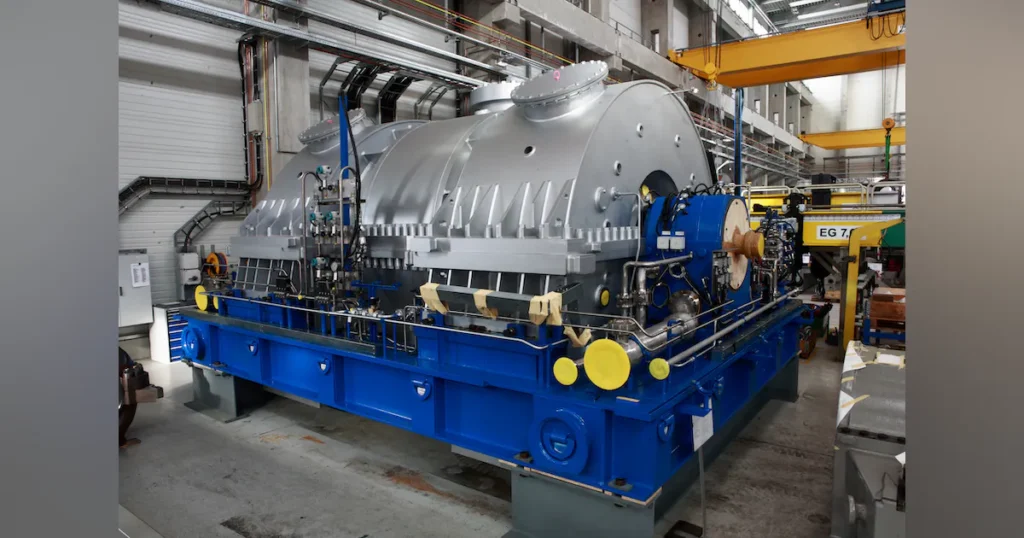
Steam Turbine Troubleshooting: A steam turbine is a device that converts the thermal energy of steam into mechanical energy, which can then be used to generate electricity or drive mechanical equipment. The basic principle behind a steam turbine is the expansion of steam through a series of blades, where high-pressure steam enters the turbine and passes through a rotor, causing it to spin. The rotational motion of the rotor is connected to a generator or mechanical shaft, which then performs the intended work.

Steam turbines operate based on the principles of thermodynamics, specifically the Rankine cycle. In this cycle, water is heated in a boiler to produce steam, which is then directed into the turbine. The steam expands in a series of stages, usually involving multiple sets of rotor and stator blades. Each stage allows the steam to lose pressure and temperature, with its thermal energy converted into mechanical energy through the turbine’s rotation. The steam finally exits the turbine at lower pressure and temperature, at which point it can be condensed back into water in a condenser for reuse in the boiler.

The performance of a steam turbine is highly influenced by its design, which may vary depending on its application. There are two primary types of steam turbines: condensing and non-condensing. Condensing turbines operate with the steam being expanded to a vacuum in the condenser, resulting in the lowest possible exhaust pressure. This design allows for the maximum extraction of energy from the steam. Non-condensing turbines, on the other hand, often operate with exhaust steam at atmospheric pressure or higher, where they are frequently used in applications like mechanical drive systems for pumps, compressors, or industrial processes.

In many large power plants, steam turbines are used to drive generators that produce electricity. The efficiency of these turbines is crucial to overall plant performance, and it is influenced by factors like the pressure and temperature of the steam entering the turbine, the number of stages of expansion, and the quality of the materials used in the turbine construction. High-efficiency turbines require careful engineering to minimize losses due to friction, heat loss, and other factors that can lower the system’s overall effectiveness.

A key aspect of steam turbine operation is the cooling system. In condensing turbines, steam is cooled in a condenser, typically using water from a nearby river, ocean, or cooling towers. The condensed water is then pumped back to the boiler to be reheated and converted into steam again. In contrast, non-condensing turbines often operate with a simpler cooling system as the exhaust steam does not require condensation. However, the temperature of the exhaust may still need to be controlled for optimal operation of the equipment it drives.

There are also specialized types of steam turbines that serve specific functions. For example, back-pressure turbines are used in situations where the exhaust steam needs to be at a certain pressure for use in industrial processes. These turbines do not operate in a vacuum but instead maintain a certain pressure in the exhaust, which can then be directed to heating systems or other applications. This makes back-pressure turbines ideal for cogeneration plants, where both electricity and heat are produced from the same energy source.

In addition to the mechanical and thermodynamic considerations, steam turbine performance is heavily impacted by the materials used in its construction. Steam turbines operate at very high temperatures and pressures, which means the materials must be able to withstand extreme conditions without suffering degradation or failure. Modern turbines are typically made from high-strength alloys, including stainless steel, nickel alloys, and other heat-resistant materials. Advances in material science have allowed for turbines that can operate at ever-higher temperatures and pressures, improving the overall efficiency of power plants.

Steam Turbine
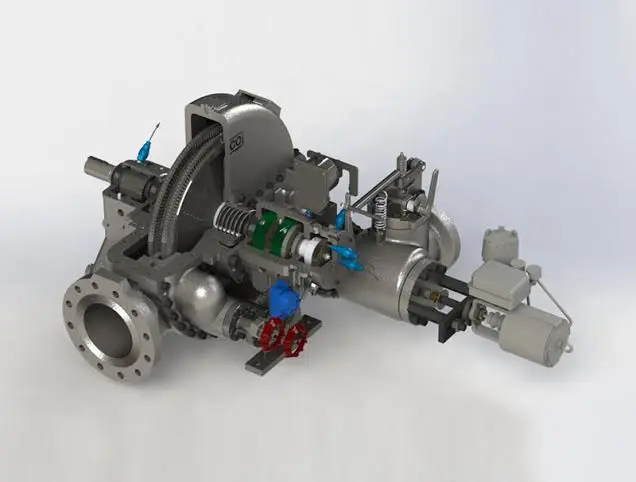
Steam Turbines for Waste Heat Utilization

Another important aspect is the control and maintenance of steam turbines. These turbines are highly complex machines, and regular monitoring of their operation is necessary to ensure optimal performance and prevent failures. Turbine speed, temperature, vibration, and other factors are constantly monitored, and sophisticated control systems adjust the turbine’s operation to maintain efficiency. Maintenance schedules include regular inspections, lubrication of moving parts, and replacement of worn components. The maintenance of the blades, in particular, is crucial, as they experience significant stress and wear over time. The blades are subject to thermal and mechanical stresses, which can cause them to crack or erode, especially in high-efficiency turbines that operate at extreme temperatures.

In recent years, there has been a growing emphasis on improving the efficiency and environmental performance of steam turbines. As power generation increasingly moves towards renewable energy sources, such as biomass and geothermal, there are efforts to adapt steam turbine technology for use with these resources. Additionally, the development of combined-cycle power plants, which use both gas and steam turbines in a single system, has allowed for even greater efficiency in electricity generation. Combined-cycle plants take advantage of the waste heat from the gas turbine to generate steam, which is then used in a steam turbine for additional power generation. This combined approach results in significantly higher efficiency compared to traditional single-cycle power plants.

Steam turbines remain a vital part of modern power generation systems, with their ability to efficiently convert heat into mechanical energy making them indispensable in many industries, from large-scale power plants to smaller industrial operations. However, with rising energy demands and environmental concerns, the focus on improving turbine technology and optimizing their use continues to evolve. Innovations in materials, design, and operational strategies are all contributing to more efficient, reliable, and sustainable steam turbine systems, ensuring that these machines will remain at the heart of power generation for the foreseeable future.

Steam turbines also play a significant role in cogeneration and district heating systems. In cogeneration, also known as combined heat and power (CHP), both electricity and useful thermal energy are produced from the same fuel source. This is achieved by using steam turbines to generate electricity, while the exhaust steam is directed to provide heating for nearby buildings, industrial processes, or district heating networks. This dual use of energy increases the overall efficiency of the system, as it minimizes the loss of heat that would otherwise be wasted in conventional power generation processes. Cogeneration systems are especially valuable in industries where both electricity and heat are required, such as in chemical plants, refineries, and paper mills.

District heating systems, which distribute heat from a central plant to multiple buildings or facilities, also benefit from steam turbine technology. In these systems, steam is produced in a central boiler and used to supply heat to homes and businesses in a localized area. A steam turbine, often in a CHP configuration, can be integrated to simultaneously generate electricity while supplying this thermal energy. Such systems provide an environmentally friendly and efficient way to meet heating and power needs, especially in urban areas with a high demand for both.

The environmental impact of steam turbines is also a critical consideration in their operation. In traditional fossil-fuel-powered plants, steam turbines are often part of a coal, natural gas, or oil-fired boiler system. These power plants emit significant amounts of carbon dioxide and other pollutants into the atmosphere, contributing to global warming and air quality issues. As a result, there is a growing push to develop cleaner technologies that reduce emissions from steam turbine-based power plants. One approach to this challenge is the implementation of carbon capture and storage (CCS) technologies, which capture carbon dioxide from power plants before it is released into the atmosphere. These systems can be integrated with steam turbines to help mitigate the environmental impact of fossil-fuel-based power generation.

In addition, renewable energy sources such as geothermal energy, biomass, and solar thermal power are becoming more viable for use in steam turbine systems. Geothermal power plants, for example, utilize the Earth’s internal heat to generate steam, which is then used to drive a steam turbine. These systems offer a low-carbon alternative to fossil-fuel-based power generation and can provide a constant, reliable source of electricity. Biomass power plants burn organic materials such as wood chips or agricultural waste to produce steam, which powers a steam turbine. While biomass is renewable, its environmental sustainability depends on the sourcing and management of the biomass material, which must be done responsibly to avoid negative ecological impacts.

Solar thermal power plants use mirrors or lenses to concentrate sunlight onto a heat exchanger, producing steam that drives a steam turbine. These plants are often located in sunny regions and are part of the growing trend of concentrating solar power (CSP) systems. While CSP plants are still more expensive than conventional power plants, they have the potential to provide large-scale renewable energy while utilizing steam turbines for power generation. Integrating energy storage systems, such as molten salt tanks, with CSP plants allows for the continuous generation of electricity even when the sun is not shining, making it a more reliable source of renewable power.

The future of steam turbine technology is closely linked to advancements in energy storage, grid integration, and efficiency improvements. One of the major challenges in renewable energy generation is the intermittency of sources such as wind and solar power. As the power grid becomes more reliant on these variable sources of energy, there is a need for more flexible power plants that can quickly adjust to fluctuations in supply and demand. Steam turbines, especially in combined-cycle or CHP configurations, have the potential to complement renewable energy systems by providing backup power when needed, ensuring a stable and reliable electricity supply.

In terms of technological advancements, innovations in steam turbine design are focused on improving efficiency, reducing wear and tear, and extending the lifespan of the turbines. Advances in computational fluid dynamics (CFD) and materials science are enabling engineers to design more efficient turbine blades that can withstand higher temperatures and pressures without degrading. Additionally, turbine manufacturers are exploring advanced coatings and surface treatments that reduce friction and improve resistance to corrosion, leading to more durable and long-lasting components.

Hybrid steam turbine systems, which combine steam turbines with other technologies like gas turbines or organic Rankine cycle (ORC) systems, are also being developed to increase efficiency and flexibility. Gas turbines can be used in combination with steam turbines in a combined-cycle system, as mentioned earlier, where the waste heat from the gas turbine is used to generate steam for the steam turbine. ORC systems, which use organic fluids instead of water to generate steam, can be used in smaller-scale applications or with lower temperature heat sources, further expanding the range of uses for steam turbine technology.

As global energy demands continue to rise and the pressure to reduce greenhouse gas emissions grows, the development of more efficient and environmentally friendly steam turbines will play a pivotal role in achieving a sustainable energy future. The continued innovation in turbine technology, combined with cleaner energy sources, will help meet the world’s growing need for reliable, affordable, and clean power.

The continued evolution of steam turbine technology also brings the integration of digitalization and smart monitoring systems. As power plants and industrial facilities become more reliant on automation and data analytics, the role of digital systems in optimizing steam turbine performance is increasingly important. Advanced sensors, predictive maintenance tools, and real-time monitoring systems allow for better operational control, improving both the efficiency and reliability of steam turbines.

Predictive maintenance, in particular, has become a key area of development in steam turbine operations. Using data collected from various sensors and analyzed through machine learning algorithms, operators can detect potential issues before they result in costly failures. Vibration analysis, temperature monitoring, and pressure readings provide continuous insight into the health of the turbine. If any unusual patterns or abnormalities are detected, maintenance can be scheduled proactively, reducing downtime and extending the lifespan of the equipment. This shift from reactive to proactive maintenance is helping reduce costs and improve the overall performance of steam turbines in power generation and industrial applications.

Another area of innovation is the advancement of turbine control systems. Modern steam turbines are equipped with sophisticated control systems that optimize the turbine’s performance based on real-time input from the plant. These systems adjust the operation of the turbine to accommodate changing steam conditions, including pressure, temperature, and flow rate, to maintain the highest possible efficiency. The integration of digital control systems allows operators to make more informed decisions, improving the overall coordination between the turbine, boiler, and other components of the power generation system. Furthermore, control systems can be linked to larger grid management systems, ensuring that steam turbine operations are synchronized with the broader energy supply and demand.

The efficiency of steam turbines is also being boosted through hybrid approaches that combine traditional steam generation with newer technologies. For example, the use of integrated energy storage systems (such as thermal energy storage or battery storage) allows steam turbine-based plants to store excess energy during periods of low demand and release it when needed. This not only helps balance intermittent renewable energy generation but also improves the overall efficiency of the power plant by reducing the need to waste excess heat or energy.

Additionally, the trend toward more flexible power plants is reshaping how steam turbines are designed and operated. Traditionally, steam turbines were used in large, baseload power plants, where they ran continuously at full capacity. However, as renewable energy sources such as wind and solar become more prevalent, the demand for flexible, on-demand power has increased. Modern steam turbines are now being designed to handle more frequent cycling and rapid startup times. This flexibility is critical in a world where energy generation is less predictable and the need for backup power sources is more pronounced.

The decarbonization of the energy sector is driving much of the innovation around steam turbines. Governments and organizations are setting ambitious targets to reduce carbon emissions, and steam turbine manufacturers are responding with more sustainable solutions. Combined with carbon capture and storage (CCS) technologies, steam turbines can play a role in reducing the carbon footprint of fossil-fuel-based power generation. CCS involves capturing carbon dioxide emissions from power plants before they can be released into the atmosphere and then storing or repurposing them. While the integration of CCS with steam turbine systems is still in its early stages, it holds promise as a method of mitigating the environmental impact of steam turbine-based energy production.

Another area of focus is the development of low-carbon fuel alternatives for steam turbine power plants. Biomass and waste-to-energy plants are becoming more common as an alternative to coal-fired power generation. These plants use organic materials or waste products to generate steam, which drives steam turbines to produce electricity. The carbon emissions from burning biomass are considered more sustainable than fossil fuels, as the carbon dioxide released is roughly balanced by the carbon absorbed during the growth of the biomass. Similarly, waste-to-energy plants reduce the need for landfills and help mitigate the environmental impacts of waste disposal.

Moreover, hybridizing steam turbines with renewable sources such as geothermal or solar thermal energy is increasingly gaining attention. Geothermal energy, for example, utilizes the Earth’s natural heat to generate steam that can be used to drive turbines. This form of power generation offers a low-carbon alternative to traditional fossil-fuel-based plants. Solar thermal power, using concentrated solar power (CSP), also relies on steam turbines to convert sunlight into electricity by concentrating solar energy onto a heat exchanger to produce steam. These renewable sources of energy, when integrated with steam turbines, present an opportunity to reduce the reliance on fossil fuels while still leveraging the proven technology and efficiency of steam turbines.

The use of steam turbines in industrial processes is another area where significant progress is being made. For industries like petrochemical, paper, and cement manufacturing, steam turbines can be used not only for power generation but also for driving mechanical equipment like pumps and compressors. This dual functionality improves overall plant efficiency by reducing the need for separate power sources. Industrial steam turbines are often customized for the specific needs of the application, and these systems may include features such as back-pressure turbines, which allow the exhaust steam to be used in heating or process applications. The ongoing development of industrial steam turbine systems aims to further optimize their performance, making them more efficient and adaptable to varying load conditions.

Looking ahead, the future of steam turbine technology is undoubtedly intertwined with advances in power generation and energy efficiency. As the world moves towards a more sustainable energy future, steam turbines will continue to evolve. Innovations in turbine materials, digitalization, and hybrid energy systems will allow steam turbines to remain a critical component of the global energy mix, while also adapting to new energy sources and increasing demands for cleaner, more reliable energy. Whether in large-scale power generation, cogeneration, or industrial applications, steam turbines will remain a cornerstone of the energy sector, contributing to the transition to a low-carbon, sustainable future.

As the global energy landscape continues to evolve, the integration of steam turbines into a more interconnected and decentralized energy system will play a pivotal role in ensuring a reliable, flexible, and low-carbon future. This transformation will rely on advancements in grid integration, system optimization, and the increasing adoption of decentralized energy sources. One of the key challenges in modernizing the energy grid is accommodating the variable nature of renewable energy sources such as wind and solar power. These sources are inherently intermittent, producing electricity only when the wind blows or the sun shines. To address this variability, steam turbines can be used in conjunction with energy storage systems, such as pumped hydro storage, compressed air energy storage, or advanced battery technologies.

In a grid that increasingly relies on renewable energy, steam turbines could serve as a backup or balancing resource, ensuring a stable and continuous supply of power. When renewable generation is low, steam turbines in power plants or cogeneration systems can ramp up production to meet demand. Conversely, during times of excess renewable energy, such as sunny or windy periods, excess electricity can be stored or used to produce steam, which can then drive turbines during periods of high demand or low renewable output. This flexibility helps prevent the overloading of the grid and supports a more stable energy system.

One promising area in this regard is the development of hybrid power plants that combine both renewable energy sources and traditional steam turbine technology. For example, geothermal and solar thermal plants that use concentrated solar power (CSP) to generate steam could be integrated with battery storage or hybrid gas-steam turbine systems. These hybrid configurations allow for more efficient use of energy while minimizing the need for fossil fuel backup. In these plants, steam turbines can work in tandem with gas turbines to increase flexibility and efficiency, ensuring that energy is available on demand.

Moreover, as part of the energy transition, the potential for steam turbines to contribute to carbon-neutral or low-carbon energy production is expanding. For instance, biomass and biogas are renewable fuel sources that can be used in steam turbine-based systems. These fuels, derived from organic waste or crops, can provide a carbon-neutral alternative to fossil fuels. By capturing carbon dioxide released during the combustion process and sequestering it, biomass and biogas-based power plants could help mitigate the environmental impacts traditionally associated with steam turbine power generation.

In addition to biomass, there is growing interest in using hydrogen as a fuel for steam turbines. Hydrogen, when burned or used in fuel cells, produces only water vapor as a byproduct, making it an extremely clean fuel. Hydrogen can be produced from a variety of renewable sources, such as water electrolysis powered by wind or solar energy. Steam turbines that can run on hydrogen would contribute significantly to decarbonizing the power sector. Research is currently underway to develop turbines that can operate on hydrogen or a hydrogen-rich blend, which could become an essential part of the global effort to reduce greenhouse gas emissions.

Another important aspect of the future of steam turbines lies in the integration of advanced materials and manufacturing techniques. As steam turbines are pushed to higher performance levels, the materials used to construct their components must also evolve. For example, steam turbines that operate at higher temperatures and pressures require more advanced alloys and coatings to prevent corrosion, wear, and fatigue. Research into materials such as superalloys, ceramics, and advanced composites is ongoing, with the aim of improving the durability and efficiency of turbine components. The development of such materials not only enhances the performance of steam turbines but also reduces the need for frequent maintenance and component replacement, lowering the total cost of ownership for power plant operators.

Additive manufacturing, or 3D printing, is also poised to revolutionize the way steam turbine components are produced. This technology allows for the creation of complex geometries that would be difficult or impossible to achieve with traditional manufacturing methods. It also offers the potential for producing lighter, stronger, and more customized turbine parts, which can improve overall turbine efficiency. As additive manufacturing becomes more advanced, it could lead to faster production times, reduced material waste, and cost savings in the manufacturing and repair of steam turbines.

The operation of steam turbines will also be significantly enhanced by advancements in artificial intelligence (AI) and machine learning. These technologies have the potential to further improve predictive maintenance, system optimization, and control. AI-driven algorithms can analyze vast amounts of data collected from sensors and other monitoring systems, enabling real-time decision-making that optimizes turbine performance. For example, AI could be used to predict when specific components, such as turbine blades, will experience wear or failure, allowing for preemptive maintenance to avoid costly downtimes. Additionally, AI could help improve the efficiency of the steam turbine by optimizing steam flow, pressure, and temperature in response to changing grid demands.

The digital twin technology is another important innovation that is expected to transform steam turbine operation. A digital twin is a virtual model of a steam turbine that replicates its physical counterpart in real-time. This technology allows operators to simulate various operating conditions, test new configurations, and assess the impact of different maintenance strategies without affecting the actual turbine. The use of digital twins can help optimize turbine design, improve troubleshooting, and reduce the time and cost associated with repairs and upgrades.

As the demand for clean energy continues to grow, the adoption of steam turbines in non-traditional sectors is also on the rise. One example is the growing use of steam turbines in small-scale, decentralized power generation systems. These systems, often referred to as microgrids or distributed energy resources (DERs), use localized power generation to meet the energy needs of a specific area or facility. Steam turbines can be incorporated into these systems, providing a reliable and efficient energy source for industries, communities, and even remote locations that are not connected to the larger power grid.

Another emerging application for steam turbines is in the emerging field of waste heat recovery. Many industrial processes generate excess heat that is currently wasted, contributing to energy inefficiencies and environmental pollution. By using steam turbines in waste heat recovery systems, this excess heat can be converted into useful power. This technology can be implemented in a wide range of industries, including steel production, cement manufacturing, and food processing, offering the potential to significantly improve energy efficiency and reduce the carbon footprint of these operations.

In conclusion, steam turbine technology is poised for continued innovation and adaptation as it plays a central role in the energy transition. By integrating renewable energy sources, improving efficiency, and embracing digitalization, steam turbines will remain a cornerstone of modern energy systems. Their flexibility, ability to generate reliable power, and compatibility with a wide range of fuels and applications will ensure that steam turbines continue to meet the demands of a low-carbon, sustainable energy future. As technology advances, steam turbines will be an integral part of the solution to global energy challenges, offering cleaner, more efficient, and more resilient energy systems.

The future of steam turbines also lies in their role within the global movement toward energy decentralization. Traditionally, large, centralized power plants have been the backbone of electricity generation, but the shift toward decentralized power systems—driven by the increasing use of renewable energy sources and energy storage technologies—has the potential to transform how steam turbines are used in the energy mix. Decentralized energy systems, such as microgrids, distributed power generation, and local heating and cooling networks, offer advantages in terms of energy security, efficiency, and resilience.

In decentralized systems, steam turbines could provide flexible and reliable backup power, especially when integrated with renewable energy sources like solar, wind, and biomass. For example, in remote or off-grid communities, steam turbines fueled by biomass, waste, or even geothermal energy could offer an affordable and reliable means of electricity generation, without relying on external power grids. These localized systems can reduce transmission losses, lower infrastructure costs, and increase the resilience of energy supply to natural disasters or grid failures. By using steam turbines in this way, rural and remote areas can benefit from the same reliable power generation as more urbanized areas, helping to bridge the energy access gap.

Another important facet of decentralized energy systems is their ability to support the integration of renewable energy at the local level. Solar and wind power, while abundant and clean, are intermittent and may not always align with local demand. Steam turbines can play a crucial role in smoothing out these fluctuations, offering a reliable energy source when renewable generation is low. For instance, in regions with abundant solar or wind resources, steam turbines can be used to store excess energy in the form of steam, which can later be used to produce electricity. This process reduces the need for fossil-fuel-based backup generators, further decarbonizing the energy mix.

As part of this shift toward more distributed energy production, steam turbines will also be crucial in the development of community-based heating and cooling systems. District heating systems, which distribute thermal energy from a central plant to multiple buildings, are particularly popular in densely populated urban areas. Steam turbines in these systems can provide both electricity and useful heat for homes, businesses, and industrial facilities. In areas where waste heat is abundant—such as industrial zones, data centers, or high-density urban districts—combined heat and power (CHP) systems using steam turbines can significantly improve energy efficiency by capturing and utilizing this waste heat.

As the need for sustainable and reliable energy sources continues to rise, there is also growing attention on integrating steam turbines into the concept of circular economies. Circular economies prioritize the reuse of resources, minimizing waste and promoting sustainability throughout the life cycle of products and materials. In this context, steam turbines can be integrated into waste-to-energy plants, where the burning of waste materials is converted into steam, which in turn powers turbines for electricity generation. These systems help reduce landfill waste while simultaneously producing clean energy. Furthermore, the efficiency of such systems can be improved by utilizing advanced technologies like fluidized bed combustion, which allows for more efficient burning of waste materials.

The adoption of steam turbines in waste-to-energy plants not only contributes to reducing waste but also plays a role in addressing environmental issues related to landfills and incineration. By capturing and utilizing the energy from waste products that would otherwise end up in landfills, steam turbines enable a more sustainable method of waste management, decreasing methane emissions and lowering the overall environmental impact. Additionally, steam turbines used in waste-to-energy applications can help reduce reliance on fossil fuels, contributing to global decarbonization goals.

In the same vein, the role of steam turbines in industrial decarbonization is increasingly important. Industries are some of the largest emitters of carbon dioxide and other greenhouse gases, with energy-intensive sectors like cement, steel, and chemical production accounting for a significant portion of global emissions. The integration of steam turbines into industrial processes, especially in combination with renewable energy sources and carbon capture technologies, can help industries reduce their carbon footprints while maintaining high levels of productivity. For example, in cement production, excess heat generated during the manufacturing process can be harnessed by steam turbines to generate electricity or provide process heat. This waste heat recovery not only improves energy efficiency but also reduces the need for additional fuel inputs, helping to lower overall emissions.

Steam turbines can also be integrated into emerging technologies that aim to capture and store carbon emissions. Carbon capture, utilization, and storage (CCUS) technologies can be combined with steam turbines to reduce the carbon footprint of existing fossil-fuel-based power plants. In a typical CCUS process, carbon dioxide is captured from the flue gases of power plants and then compressed for storage or converted into a usable product, such as synthetic fuels or building materials. Steam turbines could play a role in generating the power required for the capture process or in assisting with the compression and transport of captured carbon dioxide.

In addition to these industrial applications, the role of steam turbines in the decarbonization of the broader energy sector is also evolving through the development of hybrid and multi-fuel technologies. Multi-fuel steam turbines, which can operate on a variety of fuels, including natural gas, biomass, hydrogen, and even waste products, offer greater flexibility and efficiency. These turbines can adjust their fuel input depending on the availability of different energy sources, enabling power plants to operate with lower emissions and to integrate renewable fuels as they become more accessible and cost-competitive. Such flexibility will be crucial as countries around the world transition away from coal and other high-emission fuels in favor of cleaner, renewable alternatives.

The ability of steam turbines to integrate with hydrogen as a fuel is particularly noteworthy. As hydrogen becomes a key player in the global energy transition, especially for sectors like heavy industry and long-distance transportation, steam turbines that can run on hydrogen could open up new opportunities for decarbonization. Hydrogen, when produced from renewable sources, offers a clean, flexible, and energy-dense fuel that could power steam turbines with minimal environmental impact. Research into hydrogen-fired steam turbines is already underway, and these systems could play a crucial role in industries or regions where electricity generation from renewable sources alone is insufficient or impractical.

Finally, the increasing importance of energy storage systems in the future energy grid is another area where steam turbines will remain relevant. Energy storage technologies, such as large-scale batteries, pumped hydro storage, and molten salt systems, can be integrated with steam turbines to improve the overall efficiency of the energy system. By providing a means to store excess energy generated during periods of low demand or high renewable generation, these storage systems help smooth out fluctuations in the grid, ensuring a reliable and continuous energy supply. Steam turbines can be used in conjunction with these storage systems to generate electricity when stored energy is needed, further enhancing the reliability and flexibility of the grid.

As the world faces growing challenges related to climate change, energy security, and sustainability, the role of steam turbines in the global energy mix will continue to evolve. Their versatility, efficiency, and ability to integrate with renewable energy sources, carbon capture technologies, and decentralized energy systems make them a crucial component in the ongoing transformation of the energy sector. Whether in traditional power plants, hybrid systems, or industrial applications, steam turbines will remain an essential technology for meeting the world’s future energy needs while helping to reduce emissions and combat climate change.

The continuous evolution of steam turbine technology is also deeply intertwined with the ongoing development of artificial intelligence (AI) and machine learning (ML), which are poised to revolutionize how steam turbines are operated, monitored, and maintained. The application of AI to the steam turbine industry holds the potential to dramatically enhance performance, reduce operational costs, and improve overall system reliability. Machine learning algorithms can process vast amounts of real-time data from turbines to identify patterns, detect anomalies, and predict future performance trends. This ability to anticipate issues before they arise is particularly valuable in ensuring the smooth operation of turbines, minimizing downtime, and extending their operational lifespan.

AI can assist in optimizing the operation of steam turbines by adjusting key parameters such as steam pressure, temperature, and flow rate. By analyzing real-time data from sensors, AI algorithms can fine-tune turbine performance in response to changing conditions, maximizing efficiency while minimizing wear and tear. These advanced systems can learn from historical operational data, improving their decision-making over time to further enhance the turbine’s overall efficiency. This predictive capability allows for more agile operations, enabling steam turbines to better adapt to variations in energy demand and renewable energy fluctuations, making them a more integrated and efficient part of modern energy systems.

In addition to operational improvements, AI and ML technologies can be instrumental in refining maintenance strategies. With predictive analytics, steam turbine operators can schedule maintenance based on the actual condition of components rather than relying on fixed schedules or guesswork. For example, AI models can forecast when specific parts, such as bearings or blades, are likely to wear out, allowing for preemptive maintenance or part replacement. This predictive maintenance approach not only reduces unplanned downtime but also optimizes the use of resources, minimizes operational disruptions, and reduces costs associated with over-maintenance or premature part replacement.

Another area where AI is being integrated into steam turbine operations is through digital twin technology. Digital twins are virtual representations of physical assets that enable real-time monitoring and simulation of turbine performance. AI-powered digital twins continuously analyze data from physical turbines and simulate their performance under various conditions. This digital model allows operators to test different operational strategies, assess the impact of potential changes, and evaluate how the turbine would perform under various scenarios—such as changes in steam conditions or unexpected grid fluctuations—without physically altering the turbine. This can lead to optimized operational strategies, better fault diagnosis, and improved planning for maintenance and upgrades.

Another frontier where AI and machine learning are expected to make a significant impact is in the design of steam turbines. AI-driven simulations can help turbine manufacturers accelerate the design process by testing multiple configurations and materials in a virtual environment. This can lead to the development of more efficient, durable, and cost-effective turbines, which can better handle the stresses associated with higher temperatures, pressures, and varying operating conditions. AI algorithms can also be used to predict how turbine components will perform over time, identifying potential areas of failure before they occur. This kind of predictive design can lead to higher-quality turbines with fewer design flaws and better overall performance.

In the context of hybrid and multi-fuel systems, AI will also be essential for optimizing the integration of steam turbines with other power generation technologies, such as gas turbines, batteries, and renewable energy sources. AI systems can continuously monitor and adjust the operation of these systems to ensure that the most efficient and cost-effective energy mix is used at any given time. For example, AI can determine the optimal moment to switch between different fuel sources (e.g., biomass, hydrogen, or natural gas) or to adjust the balance between steam and gas turbine generation, depending on the available resources and the demand for electricity. This not only ensures a more efficient energy generation process but also reduces emissions and maximizes the use of renewable energy.

In addition to AI’s contributions to operational optimization, the integration of blockchain technology into steam turbine management is beginning to gain traction. Blockchain’s ability to provide secure, transparent, and immutable data records can be useful in ensuring the traceability of parts, the integrity of operational data, and the transparency of maintenance histories. With blockchain, steam turbine manufacturers, operators, and maintenance providers can track each component of the turbine throughout its lifecycle, including design, installation, maintenance, and eventual decommissioning. This ensures that data regarding turbine performance and maintenance is accurate, auditable, and easily accessible for all stakeholders. Such transparency can improve decision-making, increase accountability, and help ensure that turbines are operating at their peak performance.

Blockchain also offers the possibility of creating smart contracts between turbine manufacturers, operators, and service providers. These self-executing contracts, stored on the blockchain, could automate various processes, such as payments, service agreements, and parts replacement, based on predefined conditions. For instance, a smart contract could automatically release payment to a maintenance service provider once certain maintenance milestones are achieved or parts are replaced, improving the efficiency of operations and reducing administrative overhead.

The convergence of AI, blockchain, and steam turbine technology presents significant opportunities for improving the overall efficiency, transparency, and sustainability of energy production. Together, these technologies will help streamline operations, reduce emissions, and increase the reliability and flexibility of steam turbines. Their adoption will support the transition toward a more decentralized and decarbonized energy system, helping to meet the growing demand for cleaner, more resilient energy solutions.

Furthermore, the advancements in digital technologies, such as the Internet of Things (IoT), will also enhance the connectivity and integration of steam turbines into smart grids. IoT sensors and devices can provide a continuous flow of real-time data about turbine conditions, such as vibrations, temperature, and pressure, enabling operators to monitor performance remotely. This increased connectivity allows for more responsive and adaptive turbine control, enabling operators to quickly identify and address any performance issues. By integrating IoT with AI and machine learning, operators can create a comprehensive digital ecosystem that not only monitors turbine performance but also anticipates potential issues and optimizes turbine operation.

Another key area of development is the focus on turbine recyclability and sustainability. As the demand for clean energy increases, there is a growing need to minimize the environmental impact of turbine manufacturing, operation, and disposal. In this context, the adoption of sustainable materials, such as recycled metals, biodegradable lubricants, and eco-friendly coatings, is becoming more important. The development of steam turbines that can be easily recycled at the end of their lifespan also contributes to the circular economy, reducing waste and the need for raw materials. Furthermore, efforts are being made to design turbines that have a longer lifespan, reducing the need for frequent replacements and minimizing resource consumption over time.

Finally, regulatory and policy frameworks around steam turbine technology will continue to evolve, providing both challenges and opportunities for manufacturers and operators. Governments are increasingly focusing on energy efficiency, emissions reduction, and the promotion of renewable energy. As these policies are implemented, steam turbines will likely be subject to stricter efficiency standards and carbon emissions regulations. This will encourage further technological innovation, driving the development of even more efficient, low-emission turbines and supporting the transition to a carbon-neutral energy future.

In summary, the future of steam turbine technology is marked by an exciting convergence of advancements in AI, machine learning, digitalization, sustainability, and regulatory change. The continued evolution of steam turbines will allow for more efficient, flexible, and reliable power generation, supporting the global transition toward cleaner, decentralized, and renewable energy systems. As these technologies continue to evolve, steam turbines will remain at the heart of a more sustainable and resilient energy infrastructure, playing a critical role in meeting the world’s future energy needs while addressing the challenges of climate change.

As we look further into the future of steam turbines, the ongoing advancements in turbine design, efficiency, and integration with modern energy systems are expected to catalyze a shift in the overall energy landscape. The transition toward cleaner, smarter, and more resilient energy systems is no longer just an ideal; it’s becoming a necessity driven by both climate imperatives and technological advancements. Steam turbines, with their longstanding role in power generation, are well-positioned to play a central role in this transformation. However, to truly capitalize on their potential, several key areas of innovation and adaptation must be explored.

Advanced Materials and Efficiency Improvements

The quest for higher turbine efficiency and reliability continues to drive research into new materials and manufacturing techniques. High-efficiency turbines that operate at elevated temperatures and pressures require materials that can withstand extreme conditions without degrading. The development of superalloys, ceramic materials, and advanced coatings has allowed modern steam turbines to operate at higher thermal efficiencies, often exceeding 40%. This is critical in improving the overall energy conversion process, ensuring that less fuel is used to produce the same amount of energy. Further material advancements are expected to raise this efficiency even higher, approaching 50% in some systems, which would drastically reduce emissions and energy consumption.

In particular, the use of ceramic matrix composites (CMCs) and other high-temperature-resistant materials can significantly increase the operating temperature of the steam, which in turn improves thermal efficiency. Such improvements will reduce the need for massive amounts of fuel, especially in fossil-fuel-based plants, and facilitate the integration of renewable energy systems by providing a more robust and versatile infrastructure.

Hybridization with Emerging Technologies

Another area where steam turbines are poised for growth is in the hybridization with emerging technologies like fuel cells and advanced storage systems. Fuel cells, particularly those utilizing hydrogen as a fuel, represent a promising alternative to traditional combustion-based power generation. When paired with steam turbines, fuel cells can provide a cleaner source of power generation, producing electricity with almost no emissions. Hydrogen-powered steam turbines, while still in the research phase, offer the potential to decarbonize large-scale power generation. These turbines could use hydrogen produced from renewable sources, such as wind or solar, through electrolysis, enabling carbon-free power production.

Additionally, hybridization with energy storage systems, such as thermal storage or even innovative battery technologies, could further enhance the flexibility of steam turbines. In systems where excess electricity is generated—such as during periods of peak renewable output—the energy could be stored and later converted into steam, which would drive the turbine to meet demand during periods when renewable resources are not available. This combination of steam turbines and storage technologies will be particularly valuable for balancing grid systems and ensuring reliable, uninterrupted power delivery.

Integration with Green Hydrogen and Decarbonized Fuels

One of the most promising applications for steam turbines in the coming decades is their role in the growing hydrogen economy. Green hydrogen, produced using renewable energy, is expected to become a cornerstone of decarbonization efforts. Hydrogen can be used as a fuel for steam turbines, either by directly combusting hydrogen in turbine combustors or by incorporating it into hybrid systems that combine hydrogen with other renewable fuels. Hydrogen’s potential as a clean, carbon-neutral fuel has made it a focal point for research and investment in the energy sector.

For steam turbines, this hydrogen integration presents a transformative opportunity. By using hydrogen as a fuel, steam turbines can operate without emitting carbon dioxide, thereby supporting the decarbonization of industries and power sectors that have historically been reliant on fossil fuels. Furthermore, hydrogen can be stored and transported more easily than electricity, making it an ideal fuel for use in areas where large-scale renewable energy production is not feasible or during times of high demand.

The use of hydrogen in steam turbines also opens up the possibility of long-term, seasonal energy storage. Hydrogen can be produced in excess during periods of renewable energy abundance (e.g., when solar or wind generation is at its peak) and stored for later use during periods of low generation. This form of energy storage addresses the intermittent nature of renewable resources and allows for steam turbines to operate as a stable and flexible part of a hybrid energy system, providing dispatchable power on demand.

Distributed Energy Systems and Microgrids

The growing interest in distributed energy systems and microgrids offers another compelling application for steam turbines. Microgrids are localized energy systems that can operate independently of the central grid and are increasingly seen as essential for improving energy security, especially in remote or underserved areas. Steam turbines, when integrated into these microgrids, can provide a reliable, dispatchable source of power, offering resilience to communities that may otherwise be vulnerable to power outages or grid failures.

In this context, steam turbines could be fueled by local resources, such as biomass, geothermal energy, or even municipal waste, reducing dependence on centralized power plants and transmission infrastructure. By enabling localized power generation, steam turbines help to decentralize energy production, reducing transmission losses and improving overall grid efficiency. Additionally, steam turbines in microgrids can complement renewable energy sources, such as solar or wind, by providing backup power when these intermittent sources are not generating electricity.

Waste Heat Recovery and Industrial Integration

Steam turbines have long been employed in combined heat and power (CHP) applications, where they generate both electricity and useful heat for industrial processes. The potential for steam turbines to recover waste heat from industrial operations is significant, as many energy-intensive industries generate excess heat that could be harnessed to produce electricity. Steam turbines can be integrated into industrial processes, such as those in steel mills, cement plants, and chemical manufacturing facilities, to convert waste heat into useful energy, thus improving overall energy efficiency and reducing the environmental impact of these industries.

This is particularly important in the context of decarbonizing hard-to-abate sectors that are difficult to electrify or decarbonize directly. By incorporating steam turbines into waste heat recovery systems, industries can reduce their reliance on fossil fuels, lower emissions, and create a more sustainable energy cycle within their operations. In addition, waste heat recovery with steam turbines can serve as a valuable complement to carbon capture, utilization, and storage (CCUS) technologies. By converting excess heat into electricity, these systems can help power the CCUS process, further enhancing the carbon reduction potential of industries.

Digitalization and Smart Turbine Networks

The future of steam turbines will also be heavily influenced by the ongoing digital transformation of the energy sector. With the increasing deployment of sensors, IoT devices, and data analytics tools, steam turbines will become more interconnected and capable of operating within smart turbine networks. These digital tools enable real-time monitoring, performance analysis, and predictive maintenance, reducing operational downtime and improving the overall reliability and efficiency of turbine systems.

Through the use of digital twins, AI, and cloud-based platforms, operators can remotely monitor and control turbines, optimizing their performance based on real-time data. These technologies can also help predict failures before they occur, allowing for more proactive maintenance strategies and reducing the risk of unplanned outages. Moreover, smart grid technologies will allow steam turbines to integrate seamlessly into the larger energy network, responding dynamically to grid conditions and helping to balance energy supply and demand.

Conclusion: A Central Role in a Decarbonized Future

In summary, steam turbines will remain a cornerstone of the global energy transition, evolving to meet the challenges of a decarbonized, distributed, and digitally connected energy landscape. Through innovations in materials, hybrid technologies, hydrogen integration, and waste heat recovery, steam turbines will continue to play a vital role in providing reliable, flexible, and clean energy. As the energy sector evolves toward greater sustainability, efficiency, and resilience, steam turbines will be a key enabler of the transition to a low-carbon future, helping to meet the world’s energy needs while reducing environmental impact. Their adaptability, scalability, and role in integrating renewable energy make them an essential technology for powering the sustainable energy systems of tomorrow.

Steam turbine maintenance
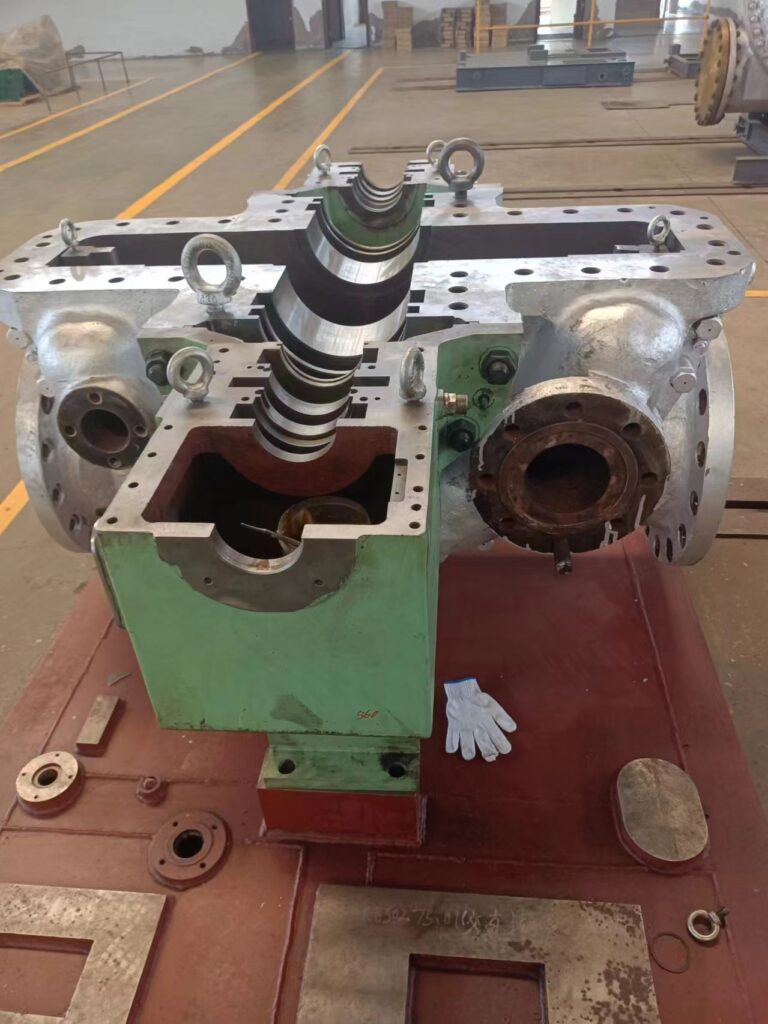
Steam turbine maintenance

Steam turbine maintenance is a critical aspect of ensuring the longevity, reliability, and optimal performance of turbines in power generation plants and industrial applications. As with any complex mechanical system, regular and proactive maintenance is essential to prevent costly failures, extend the life of turbine components, and maintain efficient operation. The maintenance strategies for steam turbines have evolved significantly over the years, incorporating advanced diagnostic tools, predictive technologies, and improved practices that enhance the efficiency and reliability of these machines. Effective maintenance helps to prevent downtime, reduce operational costs, and optimize the overall performance of steam turbines in both traditional and modern energy systems.

Types of Maintenance

Steam turbine maintenance is generally divided into three primary categories:

  1. Preventive Maintenance (PM): Preventive maintenance involves scheduled inspections, repairs, and replacements designed to prevent failure before it happens. PM is carried out at regular intervals based on operational hours or manufacturer-recommended schedules. The focus is on maintaining components in optimal condition and detecting wear or issues that may affect performance or lead to failure. Common PM activities include:
    • Inspection of key components like blades, bearings, seals, and rotors
    • Monitoring turbine performance through vibration analysis and thermographic inspections
    • Cleaning of condenser tubes and checking for blockages or scale buildup
    • Lubrication of moving parts and checking oil quality
    • Alignment checks for shafts and rotors
  2. Predictive Maintenance (PdM): Predictive maintenance uses advanced data analytics, real-time monitoring, and sensor technologies to predict when a turbine component may fail, allowing for maintenance to be performed just before the failure occurs. Predictive tools enable operators to detect early signs of wear and tear, such as unusual vibrations, temperature fluctuations, or abnormal pressure readings. PdM relies on data collected from sensors embedded within the turbine and analyzed using machine learning algorithms. Common techniques include:
    • Vibration analysis to detect imbalances, misalignments, or bearing failures
    • Oil analysis to detect contamination or wear debris
    • Temperature monitoring to identify overheating or improper thermal stress
    • Acoustic emission monitoring to detect cracks or structural issues
  3. Corrective Maintenance: Corrective maintenance is the repair or replacement of components after a failure or when performance significantly degrades. This type of maintenance is typically unplanned and is often the result of a major breakdown. While corrective maintenance cannot be completely eliminated, the goal is to reduce the occurrence of unplanned downtime through robust preventive and predictive maintenance practices. Common corrective maintenance tasks include:
    • Replacing failed turbine blades, seals, or other components
    • Repairing cracks or other structural damage
    • Replacing worn bearings or lubricating systems

Maintenance Strategies

Effective steam turbine maintenance requires a well-thought-out strategy, balancing the need for preventive and predictive actions while minimizing unplanned corrective repairs. Several strategies are commonly used to optimize maintenance efforts:

  1. Condition-Based Monitoring (CBM): Condition-based monitoring involves monitoring the condition of turbine components during operation and performing maintenance when specific thresholds are exceeded. For example, if vibration levels increase beyond normal limits, a turbine may need to be shut down for further inspection. This strategy allows for a more tailored approach to maintenance, reducing unnecessary maintenance activities and focusing on the most critical needs.
  2. Reliability-Centered Maintenance (RCM): RCM is a systematic approach to maintenance that focuses on identifying and prioritizing critical components that directly affect turbine reliability. The RCM process involves analyzing turbine operations and identifying failure modes for each component. It then evaluates the impact of failure on the system and develops a maintenance strategy that addresses these risks. RCM prioritizes resources to areas with the highest risk of failure, helping to reduce maintenance costs and optimize turbine performance.
  3. Total Productive Maintenance (TPM): TPM is a comprehensive approach that involves all levels of the organization in turbine maintenance activities. It emphasizes the importance of maintaining equipment in optimal condition to ensure continuous and efficient operation. TPM encourages operators to take an active role in monitoring turbine performance and reporting potential issues, allowing for early intervention and reducing the likelihood of unexpected breakdowns. This approach also promotes the training of staff to enhance their knowledge of turbine systems, which leads to a more proactive and effective maintenance culture.

Key Components in Steam Turbine Maintenance

The maintenance of steam turbines focuses on ensuring that the major components remain in good working condition, as failure in any of these parts can lead to significant operational disruptions. Key components of steam turbines include:

  1. Turbine Blades: The turbine blades are subjected to high thermal and mechanical stresses, which can cause them to wear out over time. Regular inspection of blades for signs of erosion, corrosion, cracking, or fatigue is crucial. Blades are often inspected using visual inspections, ultrasonic testing, or eddy current testing to detect cracks or fatigue. Additionally, coating and heat treatment technologies are used to extend the life of turbine blades by reducing wear.
  2. Bearings: Bearings support the rotor and shaft of the turbine and ensure smooth operation. If the bearings are not properly maintained, they can lead to misalignment, increased friction, and heat generation, which can ultimately cause turbine failure. Regular checks on bearing lubrication and temperature are essential, as well as the use of vibration analysis to detect early signs of wear or misalignment.
  3. Seals and Gaskets: Seals and gaskets prevent steam from leaking and ensure that the pressure and temperature within the turbine remain stable. Steam leakage can reduce turbine efficiency and lead to energy loss. Regular inspection and replacement of seals are critical to maintaining optimal performance. The use of advanced materials for seals can extend their life and improve performance under high-pressure and high-temperature conditions.
  4. Rotor and Shaft: The rotor and shaft are responsible for transferring the energy generated by steam to mechanical energy. Over time, they can become misaligned, experience wear, or develop cracks due to thermal and mechanical stresses. Regular alignment checks and the monitoring of vibration and temperature levels are essential to ensure the integrity of the rotor and shaft.
  5. Condenser and Heat Exchanger: The condenser is responsible for cooling the steam after it exits the turbine. It is crucial to ensure that the condenser tubes are clean and free from scale buildup, corrosion, or fouling, which can impede heat transfer and reduce efficiency. Regular cleaning and inspection of the condenser are necessary to ensure optimal heat exchange and to prevent any blockage that may affect turbine operation.

Maintenance Challenges and Solutions

Steam turbine maintenance is not without challenges, especially in older plants or in environments with harsh operational conditions. Some common challenges include:

  1. Aging Infrastructure: In many industries, turbines are part of aging infrastructure that may have been in operation for decades. Over time, parts may deteriorate or become less efficient, and maintenance requirements may increase. The solution to this is the adoption of predictive maintenance technologies that can anticipate failures and help prioritize replacement or repairs based on component condition.
  2. Unavailability of Spare Parts: For older turbine models, finding replacement parts or components may be difficult or expensive. In such cases, refurbishment of parts or retrofitting with modern materials and technologies can extend the life of the turbine. Manufacturers and service providers often offer remanufacturing services to restore critical turbine components to their original specifications.
  3. Staff Training: The complexity of modern steam turbines requires a high level of expertise for both operators and maintenance personnel. Continuous training programs are essential to keep staff updated on the latest technologies, maintenance techniques, and diagnostic tools. Skilled personnel are also needed to handle complex tasks such as vibration analysis, thermal imaging, and condition monitoring.
  4. Minimizing Downtime: Reducing downtime is a key goal in turbine maintenance, especially in critical power generation plants. Scheduled maintenance during off-peak periods and the use of modular or “plug-and-play” components can help minimize downtime. Additionally, the use of advanced diagnostics can lead to faster troubleshooting and quicker resolutions, allowing turbines to return to service more quickly.

Future Trends in Steam Turbine Maintenance

The future of steam turbine maintenance will be shaped by the continued evolution of digital technologies, automation, and AI-based monitoring systems. Turbines will become increasingly connected, allowing for real-time data collection, performance tracking, and remote diagnostics. Artificial intelligence and machine learning will play a larger role in automating predictive maintenance, reducing the need for human intervention and improving overall efficiency.

Moreover, the integration of 3D printing and additive manufacturing into turbine maintenance practices may allow for more rapid and cost-effective repair and replacement of components, particularly in remote locations or during emergency repairs. The adoption of digital twins, as mentioned earlier, will also provide a virtual representation of the turbine system, allowing for continuous monitoring and optimization of maintenance strategies.

In summary, steam turbine maintenance is a vital and evolving discipline that combines traditional mechanical expertise with cutting-edge technologies. By adopting a holistic and proactive maintenance strategy that includes preventive, predictive, and corrective maintenance, turbine operators can ensure that steam turbines continue to operate efficiently and reliably for many years to come. Advances in digital technologies, materials science, and AI will further enhance maintenance practices, leading to lower costs, improved reliability, and a greater role for steam turbines in the decarbonized energy future.

Advanced Diagnostics and Monitoring Technologies

The integration of advanced diagnostic tools is one of the key factors contributing to the evolution of steam turbine maintenance. These tools provide insights into the condition of turbine components and help predict potential failures before they occur. The growing role of digitalization and Industry 4.0 has made condition monitoring and real-time diagnostics far more accessible and efficient. Some key monitoring technologies include:

  1. Vibration Analysis: Vibration analysis is one of the most widely used techniques for detecting early signs of turbine issues. Vibrations can reveal a wide range of problems, such as misalignment, imbalance, bearing failures, and shaft defects. By continuously monitoring vibration levels, operators can detect deviations from normal behavior and address issues before they escalate into major failures. Advanced sensors and algorithms can now provide real-time data on turbine performance, facilitating proactive repairs.
  2. Thermography: Thermographic inspections using infrared cameras are another crucial diagnostic tool. They allow maintenance personnel to visualize temperature differences across turbine components, helping identify areas of abnormal heat buildup. Overheating can be a sign of friction, poor lubrication, or electrical issues. Thermography helps pinpoint these hot spots and enables quick corrective action to prevent damage.
  3. Oil and Fluid Analysis: Oil analysis is key in detecting internal wear and contamination in steam turbines. Contaminants like metal particles or moisture in the oil can point to excessive wear on internal components such as bearings or seals. By periodically sampling turbine oils and assessing their properties—viscosity, acidity, and levels of dissolved gases—operators can assess the condition of the turbine and its lubrication system. This process also helps determine the optimal time for oil changes, further ensuring the longevity of critical parts.
  4. Ultrasonic Testing: Ultrasonic testing is used to identify internal flaws or cracks that may not be visible through traditional inspection methods. High-frequency sound waves are transmitted through turbine materials (blades, shafts, and other critical parts), and any changes in the sound wave’s reflection are analyzed to detect defects. This technique is especially useful for identifying issues in hard-to-reach areas that could lead to catastrophic failure if left undetected.
  5. Acoustic Emission Monitoring: Acoustic emission (AE) monitoring is a relatively newer technique that listens for high-frequency sound waves emitted by material deformation or crack formation in turbine components. These sounds are generated by stress or changes in the material, making AE a useful tool for detecting issues like cracking or fatigue that could compromise turbine performance. With real-time analysis, this method helps in anticipating maintenance needs before the problem becomes critical.

Integrating AI and Machine Learning for Predictive Maintenance

The future of steam turbine maintenance is increasingly driven by the power of artificial intelligence (AI) and machine learning (ML) algorithms. These technologies enhance the ability to forecast maintenance needs by analyzing vast amounts of data collected from sensors and monitoring systems. Here’s how AI and ML are contributing to predictive maintenance:

  1. Predictive Algorithms: AI-based algorithms can analyze historical data from turbines and apply predictive models to estimate when a failure is likely to occur. By examining factors such as operating hours, environmental conditions, vibration levels, temperature fluctuations, and pressure changes, these algorithms can predict component wear rates and potential failures long before they manifest. This allows maintenance teams to schedule repairs during non-peak times, reducing the impact on operations.
  2. Anomaly Detection: ML techniques can continuously monitor turbine performance and identify anomalies by comparing real-time data to known operational patterns. Any significant deviation from normal behavior can trigger an alert, signaling a potential issue that requires attention. The more data the system collects, the more accurate and reliable these anomaly detection algorithms become.
  3. Data-Driven Decision Making: The vast amount of data gathered from turbines, along with continuous learning from AI algorithms, allows operators to make data-driven decisions about when and how to maintain turbines. For example, AI can recommend a specific corrective action or repair procedure based on the severity of a detected issue. This leads to more effective and efficient maintenance, as well as reduced reliance on trial-and-error methods.
  4. Automated Fault Diagnosis: AI systems can help diagnose faults in real time by cross-referencing sensor data with fault models of turbine components. Once a fault is detected, AI systems can suggest the most likely root cause and recommend a maintenance strategy. Over time, the AI becomes better at identifying fault patterns and recommending solutions based on the specific operational history of a particular turbine.

Advanced Coatings and Material Technologies

Another significant trend in turbine maintenance involves advancements in materials science. High-performance coatings and advanced materials are becoming more widely used to extend the life of turbine components and reduce maintenance costs. These materials can improve resistance to corrosion, wear, and thermal degradation, which are critical factors in turbine operation.

  1. Thermal Barrier Coatings (TBC): TBCs are used to protect turbine blades and other components from the intense heat generated during operation. These coatings, often made of ceramic materials, are designed to withstand extreme temperatures while preventing thermal degradation of the underlying metal. By extending the life of high-temperature components, TBCs help reduce the frequency of repairs and replacements, thus lowering maintenance costs.
  2. Wear-Resistant Coatings: Steam turbines are exposed to significant mechanical stress, leading to wear and erosion of critical components such as blades and seals. Wear-resistant coatings, such as carbide or ceramic-based layers, help protect components from abrasion and erosion. These coatings are particularly effective in high-stress areas and can significantly improve the overall lifespan of turbine blades and other critical parts.
  3. Corrosion-Resistant Materials: Steam turbines are prone to corrosion, especially when exposed to moisture, steam, and other aggressive substances. To combat this, new alloys and corrosion-resistant materials are being developed for turbine components. These materials help prevent degradation due to corrosive effects, reducing the need for repairs and replacements caused by rust or pitting.

Remote Monitoring and Diagnostic Systems

The rise of remote monitoring technologies has greatly improved the speed and accuracy of steam turbine maintenance. With the use of internet-connected sensors, operators can remotely monitor turbines at all times, even when they are located in far-off or difficult-to-access locations. Remote monitoring systems enable the collection of real-time data from turbines and provide operators with detailed insights into performance metrics such as vibration levels, temperatures, pressure, and efficiency.

  1. Cloud-Based Monitoring: Cloud-based monitoring systems allow for centralized data collection and analysis. These systems can aggregate data from multiple turbines across different locations, enabling operators to identify trends, compare performance, and detect potential problems early on. The cloud also makes it easier for maintenance teams to access data remotely, enabling faster troubleshooting and decision-making.
  2. Real-Time Alerts and Remote Troubleshooting: When an issue is detected through remote monitoring, operators can receive real-time alerts via email, text, or through the monitoring platform. In many cases, technicians can perform remote diagnostics to understand the root cause of the problem and even make adjustments to the turbine’s settings or operational parameters. This reduces the need for on-site visits, saving both time and resources.
  3. Virtual Inspections: Advances in augmented reality (AR) and virtual reality (VR) technologies have enabled virtual inspections of steam turbines. Maintenance personnel can use AR glasses or VR devices to visualize turbine components, superimpose diagnostic data, and walk through complex inspections in a virtual environment. This technology can also be used for training purposes, allowing technicians to learn about turbine maintenance procedures in a safe and controlled environment.

Conclusion

In the world of steam turbine maintenance, technology and innovation are continually pushing the boundaries of what’s possible. The integration of advanced diagnostics, predictive maintenance tools, and material advancements significantly improves turbine efficiency, reduces costs, and extends the lifespan of components. Additionally, digital technologies like AI, IoT, remote monitoring, and cloud-based systems allow for more proactive, data-driven approaches to maintenance, further enhancing turbine performance and minimizing downtime.

With these ongoing advancements, the steam turbine industry is better equipped than ever to meet the challenges of modern energy systems, whether it be in renewable energy integration, energy storage, or the transition toward low-carbon energy solutions. As these technologies continue to evolve, steam turbine maintenance will become even more streamlined, efficient, and reliable—ensuring that these critical machines remain at the heart of global power generation for many years to come.

The continued advancements in technology have transformed steam turbine maintenance into a more efficient and effective process, making it less reliant on traditional methods and more driven by real-time data and predictive analytics. One of the most notable changes in recent years has been the integration of Internet of Things (IoT) technologies and the growth of smart turbines. These turbines are equipped with a wide range of sensors that continuously measure parameters such as vibration, temperature, pressure, and rotational speed. By collecting this data, operators can get a detailed view of the turbine’s health at any given moment, which helps in early detection of potential issues before they lead to significant downtime.

IoT-based systems enable turbines to communicate with central control systems, where algorithms analyze the data and provide actionable insights. These insights allow for faster decision-making and better resource allocation. For example, an anomaly in vibration levels may indicate an issue with the rotor or bearings, which, if caught early, can be corrected before it leads to a catastrophic failure. In this way, the turbines not only monitor their own condition but also provide valuable feedback to maintenance teams on how to improve performance and extend lifespan.

One of the primary benefits of these advanced monitoring systems is the reduction of unscheduled downtime. Downtime in power generation plants or industrial settings is costly, and preventing it is critical for maximizing operational efficiency. By enabling proactive maintenance, predictive analytics reduces the likelihood of failure and increases the availability of turbines. With real-time data, operators can accurately forecast when maintenance will be needed and plan for it accordingly, minimizing the disruption to normal operations.

The ability to leverage big data from turbine sensors and operational data also allows for more comprehensive performance tracking over time. Trends and patterns in turbine behavior can be analyzed to optimize both operational strategies and maintenance schedules. For instance, if a turbine consistently experiences high vibration during certain operating conditions, this can be used to adjust the operational parameters to avoid stress on the machine. The benefit of this predictive maintenance approach is that it doesn’t just react to issues but anticipates them, allowing for a smarter way to manage steam turbine health.

Furthermore, remote monitoring has made significant strides in recent years. Technicians no longer have to be physically present at the turbine site to assess its condition. Through cloud-based platforms, maintenance teams can access real-time data and analyze performance metrics from anywhere in the world. This can reduce response time and improve efficiency by enabling remote diagnostics and even remote adjustments to operating parameters. With augmented reality (AR) and virtual reality (VR) tools, remote technicians can visually inspect turbines and guide on-site personnel through complex maintenance procedures, further enhancing the ability to provide swift solutions.

As turbines become increasingly sophisticated, the demand for skilled maintenance professionals also rises. Technicians must not only be mechanically adept but also capable of interpreting data from a wide range of sensors and diagnostic tools. Training plays a crucial role in ensuring that personnel are equipped with the knowledge to handle these advanced systems. In many cases, turbine manufacturers provide specialized training programs that focus on the latest technology and diagnostic methods, ensuring that maintenance teams are fully prepared to work with modern turbines. This emphasis on education also ensures that staff can efficiently diagnose issues, even when they involve complex software or sensor data that require a higher level of technical understanding.

Another area in which steam turbine maintenance is evolving is through digital twins. A digital twin is a virtual representation of the steam turbine that simulates its physical counterpart in real time. This virtual model mirrors the turbine’s operational data and conditions, providing a dynamic platform for monitoring and analysis. By using digital twins, operators can run simulations, test various maintenance strategies, and predict the outcomes of potential failures before they occur. This helps in improving decision-making and enhances the overall maintenance process. By analyzing the performance of the digital twin alongside physical data, engineers can better understand the wear and tear on turbine components and make more informed decisions about repairs, replacements, and upgrades.

The integration of additive manufacturing (or 3D printing) also offers new possibilities in turbine maintenance. With 3D printing, turbine components such as blades, seals, and even certain parts of the turbine casing can be fabricated more quickly and cost-effectively than through traditional manufacturing methods. This is especially valuable when dealing with hard-to-find or obsolete parts for older turbine models. 3D printing allows for customized solutions that are tailored specifically to the needs of the turbine, reducing lead times for repairs and ensuring that turbines can return to service more quickly.

However, despite all these advancements, there are still challenges that need to be addressed. For example, older turbines with legacy systems may not be fully compatible with modern monitoring technologies. Retrofitting these turbines to work with current sensor technologies can be costly and time-consuming. Furthermore, the security of the data being transmitted from turbines to monitoring systems is a growing concern. As turbines become more connected, the potential for cyber-attacks increases, making it essential to implement robust cybersecurity measures.

There is also the issue of interoperability between different manufacturers’ equipment and software platforms. In a typical power plant or industrial setting, turbines from different manufacturers may be in operation, which can lead to challenges when trying to integrate the data from different sources into a single cohesive system. Standardization of monitoring systems and data formats is crucial for seamless integration and effective use of predictive maintenance technologies.

The future of steam turbine maintenance lies in further automation and artificial intelligence. As AI and machine learning technologies continue to evolve, they will be able to provide even more precise predictions regarding turbine health, enabling more accurate assessments of when and how maintenance should be performed. AI can also be used to optimize operational conditions based on real-time feedback, ensuring that turbines are operating at their highest efficiency levels at all times. As automation continues to improve, the role of human operators may shift from hands-on maintenance to overseeing automated systems and responding to alerts and anomalies generated by advanced monitoring systems.

In conclusion, the field of steam turbine maintenance is undergoing a profound transformation, driven by digitalization, advanced diagnostic tools, and innovative materials. The shift towards predictive maintenance, remote monitoring, and AI-driven optimization is helping operators move from a reactive maintenance strategy to a proactive and data-driven approach. This evolution is not only improving the reliability and efficiency of steam turbines but also reducing the cost and time associated with maintenance activities. As technology continues to advance, the role of steam turbines in the global energy mix will remain critical, and the ongoing development of maintenance practices will ensure that these machines continue to operate reliably and efficiently for many years to come.

As steam turbines continue to evolve, a few additional key aspects need attention to further enhance the maintenance strategies and ensure the longevity of these critical components.

One crucial area is sustainability and how it impacts steam turbine maintenance. With the global push towards decarbonization and the shift to more environmentally friendly energy sources, steam turbines are being integrated into more sustainable systems, such as biomassgeothermal, and solar-thermal power plants. This brings new challenges to maintenance practices, as turbines operating in these environments can be exposed to different stressors compared to conventional coal or gas-fired turbines. For instance, turbines running in biomass plants may experience higher rates of corrosion due to the presence of chlorine in the fuel. In geothermal plants, turbines may face more extreme temperature variations and the potential for mineral buildup, which can affect performance and longevity. These challenges require specialized maintenance strategies and adaptations in turbine design, such as using corrosion-resistant materials or implementing regular cleaning protocols for the components.

Moreover, as turbines are incorporated into hybrid energy systems—which combine renewable and conventional energy sources—the operational conditions can vary significantly, requiring turbines to handle a broader range of workloads and environmental conditions. This variability can put additional stress on components such as seals, blades, and valves. Proper maintenance in such systems, therefore, requires a more flexible approach, often incorporating advanced data analytics to monitor and optimize turbine performance in real time, adjusting operational parameters based on energy demand fluctuations.

As renewable energy generation grows, there is also the increasing need for integration with energy storage systems. Many renewable sources, such as wind and solar, generate intermittent power that must be stored and dispatched when needed. Steam turbines may be used as backup power or for peak-shaving purposes in these scenarios. Flexible operation of steam turbines becomes essential for these purposes, with turbines required to start up and shut down more frequently. This adds to the complexity of maintenance, as turbines may experience increased thermal cycling, which can lead to additional wear and tear. To counteract these effects, maintenance strategies must account for more frequent inspections and potentially shorter intervals between maintenance events.

The complexity of modern steam turbines, combined with more variable operating conditions, has also led to an increased emphasis on advanced computational methods. Computational Fluid Dynamics (CFD), for example, is being used to optimize the design and performance of turbine blades and nozzles. CFD simulations can model the flow of steam through the turbine to predict efficiency losses due to turbulence, erosion, or fouling. This approach allows engineers to fine-tune turbine designs or predict how different operating conditions might affect turbine performance, leading to improved efficiency and reduced wear.

Additionally, with the expansion of digital twins—virtual replicas of turbines operating in real-time—turbine maintenance strategies are moving toward even more precise and tailored approaches. These digital twins, often integrated with AI and machine learning, can simulate various operational scenarios, helping engineers assess how a turbine will perform under different conditions or predict the impact of minor design changes. Over time, as more data is gathered and analyzed, these virtual models can accurately predict when specific components will need maintenance, based on historical patterns of performance. This results in a level of precision in scheduling maintenance that minimizes both the cost and the risk of unnecessary downtime.

Automation in maintenance processes is another area seeing significant progress. More tasks that were previously performed manually by technicians are being automated using robotic systems and drones. For example, drones equipped with cameras and sensors can inspect turbine blades for damage or wear without the need for scaffolding or complex disassembly procedures. This significantly reduces the time and cost of inspections while improving safety for maintenance personnel. Automated cleaning systems can also help maintain turbines, removing debris or mineral buildup that might impair performance, thus reducing the need for manual labor and increasing the time between shutdowns for cleaning.

The global supply chain for turbine parts is also evolving. With advances in 3D printing and additive manufacturing, spare parts can be created on-demand rather than relying on long delivery times from manufacturers. This is particularly beneficial for parts that are no longer in production or for turbines that are no longer supported by original equipment manufacturers. The ability to create custom or rare parts quickly reduces downtime and lowers the cost of maintenance.

Despite these advancements, maintenance teams must remain vigilant about issues that still present significant risks. One such challenge is fatigue failure, which occurs over long periods due to cyclic stress, such as that experienced during frequent start-ups and shut-downs. Fatigue can cause cracks and material degradation in high-stress components like blades and shafts. This phenomenon is particularly relevant in flexible power systems, where turbines are required to operate under fluctuating loads. Ongoing research and development are addressing this by creating more robust materials and fatigue-resistant coatings, as well as refining maintenance strategies to detect and address early signs of fatigue before they become critical failures.

The future of turbine maintenance also involves the broader integration of turbines into a digital grid system. As power generation becomes increasingly decentralized and smart grid technologies advance, steam turbines will be integrated into a network of interconnected devices that monitor and control energy distribution. These systems will be able to communicate directly with turbines, optimizing their performance in real-time based on electricity demand, system health, and renewable energy input. This will likely reduce the burden on operators by automating much of the decision-making process, while still allowing human intervention when needed.

Furthermore, the adoption of artificial intelligence for fault detection is becoming more sophisticated. As AI systems are trained on large datasets, they are able to recognize subtle patterns that may signal the early stages of failure that would be difficult for a human to detect. With these capabilities, AI can recommend preventative actions based on the analysis of past turbine behavior, helping to prevent unexpected breakdowns and optimize the performance of turbines throughout their lifecycle.

To sum up, the maintenance of steam turbines is evolving rapidly due to a combination of technological advancements, the shift toward sustainable and flexible energy systems, and the growing integration of digital technologies. The future will likely see even more automation, data-driven decision-making, and precise predictive maintenance, all contributing to more efficient, reliable, and environmentally friendly turbine operation. These advancements will not only extend the lifespan of steam turbines but also help energy producers reduce operating costs, enhance performance, and better meet the demands of the evolving energy landscape. As the industry continues to adopt new technologies, steam turbine maintenance will become more integrated into the broader grid management systems, enabling a future where turbines are operated and maintained with unprecedented efficiency and intelligence.

As the steam turbine industry progresses, new challenges and opportunities continue to shape the future of turbine maintenance. One such challenge is the increasing complexity of steam turbine systems due to the integration of multifuel capabilities and advanced control systems. Steam turbines are now being designed to operate more flexibly, allowing them to run on a wider range of fuels beyond the traditional coal and natural gas. This includes biomass, synthetic fuels, and waste-derived fuels, each with unique characteristics that affect turbine performance and maintenance requirements.

For example, turbines running on biomass or waste-derived fuels tend to accumulate ash and particulate matter more quickly than those running on cleaner fuels like natural gas. This buildup can lead to erosion and fouling of turbine blades, reduced efficiency, and increased wear on critical components. Biomass also tends to have higher moisture content than coal, which can increase the potential for corrosion in the system, particularly in the heat exchangers and condensers. In response to these challenges, maintenance strategies must be adapted to account for the additional wear and cleaning cycles required. Regular cleaning, monitoring of corrosion, and more frequent inspections of the blades and nozzles are key considerations for turbines running on non-traditional fuels.

Another significant development in turbine technology is the adoption of advanced control systems that allow turbines to be operated with greater precision and adaptability. These systems, often powered by artificial intelligence (AI), enable turbines to adjust their operations in real time based on external conditions such as grid demand, fuel quality, and efficiency needs. AI-based control systems can optimize load distribution, prevent unnecessary wear, and enhance operational flexibility, all of which contribute to longer service intervals and reduced maintenance needs. However, the complexity of these systems requires specialized training for maintenance personnel to ensure that they can operate, troubleshoot, and maintain the control systems effectively.

One of the driving forces behind this shift towards more flexible and adaptable turbines is the global trend toward energy diversification and grid stability. As renewable energy sources like wind and solar become more prevalent, steam turbines are increasingly used to provide backup power or to stabilize the grid during times of intermittent renewable generation. This flexible operation often means that turbines are called upon to start and stop more frequently than they did in the past. These start-stop cycles—especially when combined with the ramping up and down of load—can subject turbine components to thermal stresses and fatigue, making regular inspections and preventive maintenance more critical than ever. Turbine manufacturers are developing advanced materials and coatings to mitigate some of these stresses, but the key to successful operation still lies in effective monitoring and timely intervention.

Condition-based monitoring continues to evolve, and with it, more complex systems are being implemented to track the operational state of turbines. Beyond the usual sensors for vibration, pressure, temperature, and flow, new technologies are being developed to monitor things like blade wear and aerodynamic performance. Advanced acoustic emission technology can detect internal cracks or structural weaknesses in turbine blades, which may not be visible through traditional inspection methods. Similarly, laser scanners and 3D imaging technologies are being employed to analyze blade geometry, ensuring that turbine blades are operating within their optimal design specifications.

As automation continues to make its way into turbine maintenance, it is not limited to just monitoring and diagnostics. The use of robotic systems for more hands-on tasks is also becoming more common. Robots are now capable of inspecting blades, seals, and other critical components, often in environments that would be dangerous or time-consuming for human technicians to access. These robots can be deployed for routine inspections and maintenance tasks such as cleaning turbine bladesapplying coatings, and measuring wear. The use of robotics reduces human exposure to dangerous working conditions, such as high temperatures or the need for scaffolding, and speeds up the overall maintenance process.

Machine learning and deep learning algorithms are increasingly being incorporated into the diagnostic process to help predict when and where turbine components might fail. These algorithms analyze data collected from sensors and historical maintenance records to identify patterns of wear or performance degradation that may go unnoticed by human operators. By using these predictive tools, operators can intervene before a failure occurs, reducing the need for expensive and time-consuming repairs. Additionally, this approach helps to improve maintenance scheduling, allowing for repairs to be done during planned shutdowns rather than unplanned outages, which can be disruptive to plant operations.

As digital twins become more common in steam turbine operations, the potential for real-time simulation and optimization expands. These virtual replicas of turbines can be updated continuously to reflect current operational conditions and can be used to simulate changes in operating parameters or even predict how the turbine might perform under extreme conditions. By testing scenarios in the digital twin model before making physical changes to the turbine, operators can make more informed decisions about maintenance schedules, component replacements, and upgrades, reducing costs and improving turbine efficiency. Furthermore, digital twins offer the potential for remote troubleshooting. Engineers or maintenance personnel can virtually examine the turbine from anywhere in the world, identifying problems and offering solutions without needing to be on-site.

As we move towards more integrated and interconnected power systems, steam turbines will play an increasingly critical role in maintaining grid stability. The growth of microgrids and distributed energy resources (DERs) will likely involve turbines that are connected to smaller, more localized power networks. In these systems, steam turbines may need to operate in conjunction with other forms of energy generation, such as gas engines, solar panels, or battery storage. This may require new forms of coordinated control, where the steam turbine must interact with these other resources to balance supply and demand efficiently. The integration of these systems will require turbines to operate with greater flexibility and responsiveness, but it will also open up new possibilities for turbine maintenance, as performance data can be shared across the network and analyzed in real-time.

Another area of focus will be the supply chain for turbine parts. With the rise of additive manufacturing and 3D printing, the process of creating turbine components is becoming more agile. Turbine parts that were once difficult to source or replace—especially for older turbine models—can now be produced on-demand in a fraction of the time. This technology is especially useful for producing complex, high-performance components that would be difficult or expensive to manufacture using traditional methods. For example, complex rotor blades or nozzles can be 3D printed with advanced materials, reducing the lead time and cost of repairs and replacement.

The cost-effectiveness of turbine maintenance continues to be a top priority. The expense of traditional maintenance practices—such as disassembling turbines for inspection, replacing worn-out parts, and rebuilding major components—can be a significant burden for plant operators. As technology evolves, more affordable and efficient methods of performing these tasks are emerging. For example, digital inspection technologies, like drones and robotic arms, reduce labor costs and the need for manual inspections. Additionally, the adoption of predictive maintenance minimizes the need for unplanned downtime, which can lead to substantial losses in revenue. By focusing on preventive and condition-based maintenance, operators can optimize turbine lifespan while reducing operational costs.

In conclusion, steam turbine maintenance is increasingly driven by technological innovation. The continued advancements in AI, machine learning, robotics, and digital monitoring are transforming maintenance practices and allowing for greater operational efficiency, extended component life, and reduced downtime. The shift towards sustainable energy sources and flexible power systems is driving the development of turbines that can adapt to different fuels and grid conditions, but it also demands more complex and adaptive maintenance strategies. Moving forward, the use of automated diagnosticspredictive analytics3D printing, and digital twins will enable maintenance teams to manage turbines with greater precision and fewer disruptions, contributing to a more sustainable, resilient, and cost-effective energy future.

As the steam turbine industry continues to evolve, several emerging trends and innovations are shaping not only maintenance practices but the overall design and operation of turbines themselves. One of the most transformative factors in turbine maintenance is the growing emphasis on data-driven strategies that leverage advanced analytics to improve turbine performance and predict failure points with greater accuracy. These advancements are part of a larger movement toward the digitalization of industrial operations, where data is becoming a central asset for optimizing every aspect of turbine management.

The use of predictive maintenance systems that rely on real-time data collection and analysis is already reshaping the way turbines are operated and maintained. Turbines are equipped with a vast array of sensors that track various performance indicators, including vibrationtemperaturepressure, and flow rate, among others. This data is fed into advanced analytics platforms, which process the information and generate insights about the turbine’s operational health. These systems can identify patterns that may indicate early signs of wear or stress, allowing for targeted, preventive actions before failures occur. The benefit of predictive maintenance is clear: it reduces the frequency of unplanned downtime, ensures optimal performance, and extends the overall life of the turbine.

Additionally, the integration of artificial intelligence (AI) and machine learning (ML) algorithms with predictive maintenance tools adds another layer of sophistication. AI and ML can analyze vast amounts of historical data, learning from past performance and failure events to improve future predictions. For example, by training these algorithms on turbine-specific data, maintenance teams can receive more accurate forecasts on the remaining useful life (RUL) of critical components, such as bearings, seals, and blades. This allows maintenance to be performed based on actual wear patterns rather than fixed intervals, optimizing both the timing and cost of repairs.

One of the primary advantages of data-driven maintenance strategies is the ability to minimize unplanned outages. Unplanned downtime not only leads to costly repairs but can also significantly impact the efficiency of the power generation process. By shifting to predictive models, operators can intervene before a failure occurs, scheduling maintenance activities in a way that does not interfere with peak demand periods. This proactive approach ensures that turbines continue to run at optimal efficiency, reducing the risk of unexpected failures and helping to avoid the negative impact on the plant’s profitability and output.

Another key development in steam turbine maintenance is the role of remote monitoring and digital collaboration. With advancements in cloud computing and internet connectivity, turbine performance data can be accessed from anywhere in the world, enabling remote monitoring and diagnostics. Operators and maintenance teams no longer need to be physically present at the turbine site to evaluate its health. Through digital platforms, engineers can remotely troubleshoot issues, adjust operational parameters, and even perform virtual inspections using augmented reality (AR) and virtual reality (VR) technologies.

Remote monitoring capabilities allow for real-time intervention, meaning that even in cases where operators are unable to reach the turbine immediately, they can still make informed decisions based on accurate data. For instance, if a sudden increase in vibration levels is detected, the system can automatically alert the operator, who can remotely adjust settings to reduce stress on the turbine or trigger further diagnostic procedures. The use of AR and VR tools can further enhance remote capabilities, allowing engineers to interact with the turbine’s virtual model and guide on-site personnel through maintenance tasks in a way that reduces errors and speeds up the process.

As turbines become more connected, the issue of cybersecurity becomes increasingly critical. While the connectivity of turbines enables greater efficiency and remote monitoring, it also opens up potential vulnerabilities to cyberattacks. To address this, turbine manufacturers are investing in robust cybersecurity systems to safeguard the integrity of operational data and ensure that only authorized personnel can access sensitive information. These systems include the use of firewallsencryption, and multi-factor authentication to prevent unauthorized access to turbine controls and performance data. As part of a broader cyber-physical systems approach, turbine maintenance teams are being trained to recognize and mitigate cybersecurity risks, ensuring that the advanced technologies powering maintenance efforts are protected from external threats.

Another significant area of progress is the use of advanced materials and coatings in turbine design and maintenance. Over the years, turbine manufacturers have developed more durable materials that are better able to withstand the extreme conditions turbines face, such as high temperatures, corrosive environments, and constant mechanical stress. For example, the use of ceramic coatings on turbine blades can significantly reduce wear and tear caused by heat and erosion. Similarly, the development of superalloys has enabled turbine components to endure higher operating temperatures without losing strength or performance. These advanced materials can extend the time between maintenance intervals and reduce the overall frequency of repairs.

However, the use of advanced materials requires equally advanced maintenance techniques. For instance, when replacing or refurbishing components made from these materials, specialized knowledge and tools are necessary to ensure that the new parts meet the exact specifications required to maintain turbine efficiency. This means that maintenance teams must stay up to date with the latest material technologies and be trained in the handling, installation, and repair of these high-performance components.

In addition to advanced materials, additive manufacturing or 3D printing is beginning to play a significant role in turbine maintenance. The ability to create customized turbine parts on demand is revolutionizing the way components are replaced and maintained. When a turbine part is damaged or needs replacing, it can often take weeks or even months to source the appropriate component. However, with 3D printing, maintenance teams can fabricate replacement parts locally and quickly, reducing downtime and saving on logistics costs. This is particularly useful for obsolete parts or when an exact replica of a component is required but not readily available through traditional manufacturing channels.

3D printing is also being used for rapid prototyping of new turbine designs, allowing for quicker testing and validation of components before they are mass-produced. This can lead to more efficient turbines that require less frequent maintenance due to better design or more durable materials, ultimately reducing operational costs.

One more area where maintenance practices are evolving is in the field of energy storage integration. As renewable energy sources like solar and wind become more prevalent, steam turbines are often used in conjunction with energy storage systems, such as batteries or pumped hydro storage, to stabilize the grid. These systems allow excess energy produced by renewable sources to be stored and dispatched when needed, and turbines can be used to convert stored energy into power during periods of high demand.

The integration of energy storage and steam turbines requires careful attention to maintenance, as the cycling of turbines—starting, stopping, and ramping up and down frequently—can put additional stress on components. Regular monitoring of the turbines’ health and performance becomes even more crucial in these settings, as any failure can affect grid stability and lead to significant downtime. Predictive maintenance, combined with real-time monitoring and smart grid integration, can help optimize the operation of turbines within these hybrid systems, reducing wear and ensuring reliable performance.

Lastly, the role of human expertise in turbine maintenance continues to be invaluable. While automation, AI, and advanced materials play increasingly important roles, the human element remains critical in overseeing operations and making informed decisions based on the data. Training and ongoing education for maintenance personnel are essential for keeping up with new technologies and techniques. By combining advanced tools with highly skilled technicians, the steam turbine industry can ensure that maintenance practices remain effective and efficient.

In conclusion, the future of steam turbine maintenance is being shaped by a blend of advanced technologies, innovative materials, and more interconnected systems. The continued integration of AI, predictive analytics, remote monitoring, and 3D printing offers promising opportunities to improve turbine performance, reduce maintenance costs, and minimize downtime. However, this shift toward digital and automated systems must be accompanied by investments in trainingcybersecurity, and advanced materials, ensuring that maintenance teams can keep pace with the rapidly evolving landscape. With these advancements, steam turbines will remain a reliable and efficient part of the global energy infrastructure, contributing to the transition to a more sustainable and resilient energy future.

As the steam turbine industry moves forward, maintenance practices will likely continue to evolve alongside broader trends in power generation, energy systems, and technological advancements. The ongoing transition to a cleaner energy grid and decarbonization efforts will play a pivotal role in shaping the future of turbine maintenance, as turbines are integrated into hybrid systems and low-carbon energy solutions.

One major shift in turbine operation and maintenance will be the greater integration with renewable energy sources, as steam turbines play an increasingly important role in balancing intermittent energy generation from sources like windsolar, and hydropower. These renewable energy sources fluctuate depending on weather and environmental conditions, making it necessary for turbines to ramp up and down frequently to provide stable power to the grid. In these hybrid energy systems, turbines may operate more like peaking plants, where they are called upon during periods of high demand or low renewable generation. However, this more dynamic and flexible operation puts additional stress on turbine components.

With more frequent startups and shutdowns, turbines are subjected to thermal cycling, which can cause fatigue in critical components, such as the rotorblades, and seals. To mitigate the effects of this thermal stress, ongoing advancements in material science will be crucial. Thermal-resistant alloysadvanced coatings, and composite materials will become more prevalent in turbine design and maintenance to ensure that turbines can handle these thermal cycling conditions without suffering from premature wear or failure.

Additionally, to better accommodate these frequent load changes and to extend the lifespan of turbine components, adaptive control systems will be essential. These systems can automatically adjust operational parameters in real time, balancing turbine efficiency with the need to minimize wear. By dynamically adjusting the turbine’s operation to the grid’s requirements, these systems can optimize performance and reduce unnecessary stresses on the components, decreasing maintenance frequency.

The implementation of smart grids will also have a significant impact on turbine maintenance strategies. Smart grids, which rely on digital communication networks to manage the distribution of electricity efficiently, allow for real-time monitoring and automated adjustments based on changing demand. These grids are capable of integrating diverse power sources and storage systems, creating a more flexible, responsive energy infrastructure. In this environment, steam turbines will need to be more adaptable and capable of working in tandem with a range of different power-generation and storage systems.

Steam turbines will also likely play an integral role in carbon capture and storage (CCS) technologies, as they are already being deployed in coal-fired power plants to reduce carbon emissions. For instance, some power plants are already experimenting with using steam turbines to generate power while capturing carbon dioxide emissions before they are released into the atmosphere. This will likely require specialized maintenance practices to address the unique challenges posed by carbon capture technologies, such as dealing with increased moisture and chemical contaminants in the exhaust gases. Maintenance teams will need to account for potential corrosionclogging, and fouling in the systems, requiring frequent inspections and the use of more advanced materials to prevent damage from the captured CO2.

In addition to these changes, the growth of energy storage systems, including batteries and pumped hydro storage, will also drive the future of steam turbine maintenance. Energy storage systems can store excess electricity produced by renewable sources during times of low demand and release it when demand spikes. As turbines are integrated into these systems, they may be called on to convert stored energy back into electricity during peak demand periods. This cycling—of storing and releasing energy—can contribute to mechanical fatigue in turbine components. Condition-based monitoring systems will be essential in these scenarios, enabling operators to continuously assess the turbine’s health and adjust maintenance schedules accordingly.

A noteworthy trend is the continued miniaturization and modularization of turbine systems. As turbines are increasingly used in distributed energy systems or microgrids, smaller and more compact turbine designs are gaining traction. These modular turbines are typically easier to install, maintain, and operate in smaller-scale settings, allowing for a more localized approach to energy generation. The maintenance of these smaller systems will likely require a more flexible and streamlined approach, with simpler diagnostic tools and fewer components to replace or repair. However, these modular systems still face similar challenges in terms of material fatigue and corrosion as their larger counterparts.

With the growth of additive manufacturing (3D printing), steam turbine maintenance is also poised to benefit from the ability to create customized, on-demand parts. For example, turbine components that are no longer in production, or components that are highly specific to a plant’s unique setup, can be manufactured on-site using 3D printing technologies. This ability to quickly produce replacement parts on demand reduces downtime, increases the availability of critical components, and reduces the cost and logistical burden of sourcing rare or obsolete parts. In the future, turbines could potentially have the ability to self-repair by printing replacement components as part of their maintenance strategy.

As turbines continue to become more digitally connected, the use of digital twins and remote diagnostics will further transform maintenance procedures. A digital twin is a virtual replica of a turbine that is constantly updated with real-time data from sensors and performance monitoring systems. This virtual model allows operators to simulate different operating scenarios, predict potential failures, and fine-tune maintenance schedules. Engineers can use these models to experiment with changes in turbine operation without the risk of affecting the physical system, helping to optimize efficiency, reduce wear, and enhance overall performance.

Artificial intelligence (AI) and machine learning (ML) will play an even more significant role in turbine maintenance, particularly in the context of predictive analytics. AI algorithms will analyze vast amounts of data generated by the turbine’s sensors, historical performance, and maintenance records to predict when certain components are likely to fail or require attention. This predictive capability allows maintenance teams to focus on the most critical parts of the turbine at the right time, reducing both downtime and maintenance costs.

Remote and autonomous inspections are also likely to become a regular part of the maintenance process. Robotic technologies, such as drones and robotic arms, are already being employed to inspect and maintain turbine components that are difficult to reach. These systems can autonomously navigate the turbine structure, capturing high-resolution images and conducting inspections without human intervention. In the future, it is conceivable that autonomous drones could conduct regular inspections and even perform basic maintenance tasks, further reducing human labor costs and minimizing safety risks.

Environmental factors will continue to influence steam turbine maintenance practices. As climate change drives more extreme weather events, turbines will be exposed to higher temperatures, more intense storms, and potentially more corrosive environmental conditions. Maintenance teams will need to adjust their strategies to account for these factors, ensuring that turbines remain resilient and functional under increasingly harsh conditions. For example, steam turbines in coastal areas may face more saltwater corrosion, requiring specialized protective coatings and more frequent inspections. Similarly, turbines operating in areas prone to extreme heat will need to be maintained with a focus on cooling systems and ensuring that all components can withstand higher operating temperatures.

Lastly, cost optimization remains a key driver of maintenance practices. Turbine operators will need to continuously evaluate maintenance costs and seek out efficiencies in their approach. Advances in diagnostic technologyautomation, and remote monitoring are all contributing to a reduction in overall maintenance costs by enabling faster, more precise interventions. Operators will be able to schedule maintenance based on actual turbine performance data rather than relying on fixed intervals, ensuring that repairs and replacements are conducted at the most cost-effective times.

In summary, the future of steam turbine maintenance is being shaped by a combination of technological advances, increased integration with renewable energy sources, and evolving global energy demands. Data-driven maintenancesmart gridspredictive analytics, and additive manufacturing are all playing a transformative role in how turbines are maintained and operated. As turbines become more adaptable, resilient, and efficient, operators will be able to reduce downtime, extend the life of turbine components, and ensure reliable, sustainable energy production. However, this future relies on a coordinated approach that involves not only adopting new technologies but also ensuring that maintenance personnel are equipped with the right skills and training to leverage these innovations effectively.

Steam Turbine Nozzle Replacement
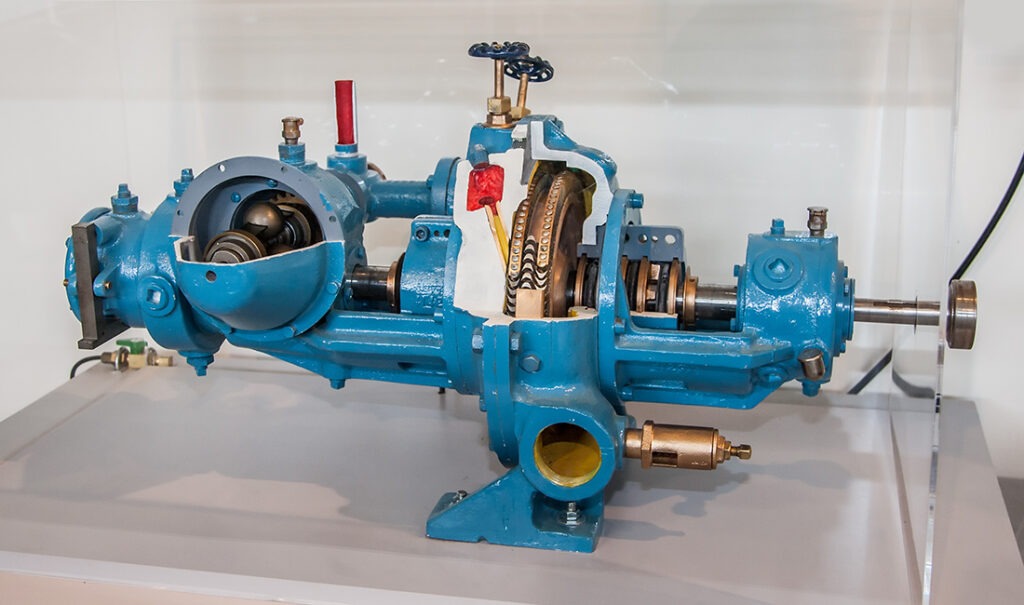
Steam turbine nozzle replacement

The replacement of steam turbine nozzles is a critical aspect of turbine maintenance, as these components directly influence the performance, efficiency, and longevity of the turbine. Nozzles play a vital role in the steam expansion process within the turbine, directing high-pressure steam onto the turbine blades to generate mechanical energy. Over time, nozzles can degrade due to erosioncorrosion, and thermal fatigue, which can significantly impact turbine performance and necessitate replacement. The process of nozzle replacement, however, is complex and requires careful planning, precise execution, and ongoing monitoring to minimize downtime and ensure optimal turbine operation.

Why Nozzles Need to Be Replaced

Steam turbine nozzles are subject to extreme operating conditions, including high-pressure steam flow, intense temperatures, and high mechanical stresses. The key reasons for nozzle replacement include:

  1. Erosion and Corrosion: Over time, the high-velocity steam that passes through the nozzles can cause erosion, especially if the steam contains solid particles, such as ash, dirt, or sand. This erosion gradually wears away the nozzle material, resulting in a loss of efficiency and, in extreme cases, nozzle failure. In addition to erosion, corrosion can occur due to the presence of moisture, high temperatures, and chemicals in the steam, which can compromise the structural integrity of the nozzles.
  2. Thermal Fatigue: The constant exposure to thermal cycling—the repeated heating and cooling of nozzle components—can lead to thermal fatigue. Over time, the nozzle material may develop cracks or other forms of damage that affect performance.
  3. Mechanical Wear and Deformation: Nozzles are subjected to forces that can cause mechanical wear and deformation, leading to misalignment or improper steam flow. Over time, this can significantly reduce the efficiency of the turbine.
  4. Improper Performance: In some cases, nozzles may need to be replaced simply because they have reached the end of their service life, and continued use would degrade turbine performance, leading to decreased efficiency or increased fuel consumption.

Nozzle Replacement Process

The process of replacing steam turbine nozzles involves several critical steps that need to be carried out with precision to ensure the continued optimal performance of the turbine. These steps include:

  1. Preparation and Planning: The first step in replacing the nozzles is thorough inspection and assessment of the turbine’s condition. A detailed review of the turbine’s operating history, including vibration datatemperature profiles, and steam quality, is essential to identify the nozzles that require replacement. Additionally, a risk assessment should be conducted to determine whether the turbine can continue operating at reduced capacity until the replacement or if immediate shutdown is required.
  2. Shutdown and Disassembly: Once the decision is made to replace the nozzles, the turbine must be safely shut down. This involves stopping the steam flow, cooling down the turbine to a safe working temperature, and de-pressurizing the system. Afterward, the necessary components, such as the casing and rotor, are removed to access the nozzles. This can be a complex and labor-intensive task, depending on the design of the turbine and the location of the nozzles within the assembly.
  3. Inspection of Turbine Components: Before the new nozzles are installed, all other components in the vicinity, including the bladesrotor, and bearings, should be inspected for wear or damage. Any issues identified during this inspection should be addressed before reassembly, as the failure of these components could impact the performance and longevity of the turbine.
  4. Nozzle Removal: The worn or damaged nozzles are carefully removed from their housing. This may involve cuttingwelding, or other techniques to detach the nozzles without causing damage to surrounding parts. In some cases, nozzles may be bolted or welded into place, and careful attention must be paid to prevent damaging other components during the removal process.
  5. Cleaning and Surface Preparation: After the old nozzles are removed, the nozzle seats and surrounding areas should be thoroughly cleaned and prepared. This step is critical to ensure that the new nozzles can be installed properly and that there is no debris, corrosion, or other contaminants that could affect the performance of the new components.
  6. Installation of New Nozzles: The new nozzles, which may be custom-designed to match the specifications of the turbine, are carefully installed. These nozzles are typically made from high-strength materials, such as superalloys or ceramic-coated materials, to ensure they can withstand the extreme operating conditions within the turbine. Proper alignment and installation are essential to ensure that the new nozzles direct the steam correctly onto the turbine blades and optimize energy extraction.
  7. Sealing and Testing: After installation, the nozzles are sealed, and the turbine is reassembled. Comprehensive testing is performed to ensure that the new nozzles are operating correctly and that there are no leaks or defects in the system. The turbine may undergo a performance test, including steam flow measurements and thermal imaging, to verify the integrity of the nozzles and confirm that the turbine is functioning at peak efficiency.
  8. Post-Replacement Monitoring: Once the nozzle replacement is complete and the turbine is operational, it is important to continue monitoring the performance of the turbine closely. This involves checking vibration levelstemperature readings, and steam flow to ensure that the new nozzles are functioning as intended. Regular inspection and data collection help identify any issues early and allow for prompt corrective action.

Challenges and Considerations

While nozzle replacement is a necessary part of steam turbine maintenance, several challenges can arise during the process:

  1. Downtime and Productivity Loss: The replacement process can take a significant amount of time, especially in large turbines with complex designs. During this downtime, power generation may be halted, which can result in significant productivity losses. Minimizing downtime and ensuring that the replacement is completed efficiently is a major consideration for plant operators.
  2. Cost: Nozzle replacement can be expensive, especially when considering the cost of the components themselves, labor, and any additional repairs that may be necessary. Furthermore, specialized tools and equipment may be required to perform the replacement, adding to the overall cost.
  3. Access to Spare Parts: For older turbines, sourcing the right replacement nozzles can be challenging. Older turbine models may require parts that are no longer in production, requiring custom fabrication or the use of additive manufacturing (3D printing) technologies to create bespoke nozzles. Availability of these parts can lead to extended downtime if not managed well.
  4. Material Compatibility: It is important to ensure that the replacement nozzles are made from materials that are compatible with the rest of the turbine’s components and operating conditions. Choosing the wrong material could lead to premature wear or other issues, such as excessive corrosion or thermal expansion mismatches.
  5. Complexity of Installation: The installation of new nozzles must be done with precision. Any misalignment or improper installation can result in inefficient steam flow, reduced performance, or even damage to the turbine blades. Skilled technicians must be involved to ensure the proper installation of the nozzles.
  6. Environmental and Safety Risks: Steam turbines operate under extreme conditions, and the replacement process involves working with high-temperature, high-pressure systems. Proper safety measures and environmental considerations must be in place to protect personnel from accidents or exposure to harmful conditions during the nozzle replacement.

Future Trends in Nozzle Replacement

As technology advances, nozzle replacement processes are likely to see improvements in both the materials used and the techniques employed. Some trends to watch for include:

  1. Advanced Materials: New materials, such as ceramic coatingssuperalloys, and composite materials, are being developed to enhance the durability and efficiency of turbine nozzles. These materials are more resistant to erosioncorrosion, and thermal fatigue, which will extend the lifespan of nozzles and reduce the need for frequent replacements.
  2. 3D Printing: The use of additive manufacturing could revolutionize nozzle replacement by enabling on-demand production of custom nozzles. This can reduce lead times for replacement parts and potentially lower costs by eliminating the need for large inventories of spare parts.
  3. Condition-Based Monitoring: As more turbines are equipped with sensors and data analytics tools, monitoring nozzle condition in real time will become easier. Predictive maintenance systems will help operators identify nozzle wear earlier, allowing for more targeted and efficient replacements.
  4. Automation: Automation in the replacement process may reduce human error and improve the precision of nozzle installation. Robotic systems could assist with disassembly, cleaning, and installation, reducing downtime and increasing safety.

In conclusion, the replacement of steam turbine nozzles is a critical maintenance activity that requires careful planning, precision, and expert execution. Advances in materials, manufacturing technologies, and monitoring tools will continue to improve the efficiency and effectiveness of nozzle replacement, helping operators reduce costs, extend turbine life, and enhance overall performance.

Integration with Overall Turbine Health Management

As turbine maintenance strategies become more data-driven and predictive, nozzle replacement will be part of a broader turbine health management system. These systems involve integrating various sensors and monitoring devices throughout the turbine to collect data on component performance and degradation. This data can be used to track the health of individual nozzles and provide early warning signs of wear or potential failure. Through the use of predictive analytics, operators can predict the remaining useful life of the nozzles and schedule replacements or repairs proactively, avoiding unplanned downtime.

This integrated approach to turbine maintenance extends beyond just the nozzles. Condition-based monitoring systems will track the performance of all critical components, including rotor bladesbearings, and seal systems, creating a comprehensive picture of the turbine’s overall health. By constantly monitoring and analyzing the turbine’s performance data, operators can optimize maintenance schedules, ensure that resources are focused on the most critical components, and extend the operational lifespan of the entire system.

Advanced Nozzle Testing and Simulation

The need for precise and reliable nozzle performance will continue to drive improvements in nozzle testing and simulation techniquesNon-destructive testing (NDT) methods such as ultrasonic testingeddy current testing, and thermal imaging will become more advanced, enabling operators to assess nozzle condition more accurately. These testing methods allow for the detection of microcracks, erosion, or signs of thermal fatigue without disassembling the turbine, potentially identifying problems before they result in significant damage.

Additionally, the use of computer simulations for nozzle performance analysis will continue to improve. By employing advanced computational fluid dynamics (CFD) simulations, turbine designers and operators can model the steam flow through the nozzles and assess how different nozzle designs, materials, or operating conditions affect turbine performance. These simulations help identify optimal nozzle configurations that maximize efficiency and energy extraction, reducing the likelihood of premature wear and improving the overall lifespan of the turbine.

Reducing Nozzle Replacement Frequency

While nozzle replacement is inevitable over the course of a turbine’s life, there will likely be a focus on reducing the frequency of replacements. This will be achieved through a combination of material innovationsadvanced coatings, and more precise turbine operation.

  1. Improved Coatings and Surface Treatments: Advances in ceramic coatings and thermal barrier coatings will provide enhanced protection against the high-temperature steam flow that accelerates nozzle degradation. These coatings can significantly reduce erosion and corrosion, improving the nozzle’s resistance to wear and extending its useful life.
  2. Optimizing Operational Conditions: By improving the control of steam quality and temperature entering the turbine, operators can reduce the likelihood of nozzle damage. This could involve the use of advanced filtration systems to remove solid particles from the steam or the optimization of boiler systems to ensure that steam entering the turbine is as clean and consistent as possible.
  3. Advanced Design and Manufacturing: The future design of turbine nozzles will likely incorporate additive manufacturing techniques, allowing for more complex geometries that enhance durability and performance. These designs may include features that minimize the stresses on the nozzles, such as more efficient steam flow paths that reduce thermal gradients and pressure fluctuations. Additionally, advanced manufacturing methods will enable the production of nozzles that are more resistant to the specific types of wear experienced in different operating environments, resulting in longer intervals between replacements.

Training and Expertise in Nozzle Replacement

As turbine technology evolves and becomes more complex, the demand for skilled technicians with expertise in nozzle replacement and turbine maintenance will increase. Technicians must have a deep understanding of advanced materialsdiagnostic tools, and maintenance techniques to ensure that nozzle replacements are performed correctly and efficiently.

Training programs and certification processes will become more specialized, with a focus on data analysispredictive maintenance techniques, and the use of smart technologies in maintenance practices. With a deeper knowledge of how turbines and nozzles interact, technicians will be able to troubleshoot more effectively and make informed decisions regarding nozzle replacement timing and strategies.

Sustainability and Environmental Considerations

As the energy sector moves toward cleaner energy and decarbonization, the environmental impact of steam turbine maintenance will be an important consideration. The production and disposal of turbine nozzles—particularly those made from high-strength alloys and specialized coatings—can have an environmental footprint. To address this, manufacturers and operators are exploring more sustainable alternatives, such as:

  1. Recycling Nozzles: As nozzle materials and coatings improve, the recycling of used nozzles could become a more viable option. Specialized facilities may be developed to refurbish or repurpose nozzle materials, reducing the need for new resources and minimizing waste.
  2. Reducing Emissions and Efficiencies: New nozzle designs and maintenance practices will aim to improve the overall efficiency of the turbine, thereby reducing fuel consumption and emissions. Higher efficiency means less wear and tear on the nozzles, leading to fewer replacements and a more sustainable turbine operation.
  3. Alternative Materials: The industry may also turn to bio-based materialsrecycled metals, or materials that are easier to recycle for nozzle manufacturing. Innovations in sustainable materials science will drive the development of turbine components that are both high-performance and environmentally friendly.

Collaboration with OEMs and Supply Chain Partners

Collaboration with Original Equipment Manufacturers (OEMs) and supply chain partners will be increasingly important to streamline the nozzle replacement process. By working closely with nozzle manufacturers, turbine operators can ensure that replacement parts meet the highest standards for performance and longevity. Additionally, OEMs will provide valuable technical support and guidance throughout the maintenance process, ensuring that operators use the most up-to-date and effective techniques for nozzle replacement.

As turbine designs evolve, operators will need to stay in close communication with OEMs to ensure that the replacement nozzles are compatible with the latest models and that maintenance schedules are aligned with the operational goals of the power plant.

Conclusion

The future of steam turbine nozzle replacement will be characterized by a greater emphasis on efficiencypredictive maintenance, and advanced materials. With the continued evolution of monitoring technologies, advanced coatings, and 3D printing, the process of replacing turbine nozzles will become more precise, cost-effective, and less disruptive to turbine operations. Enhanced simulation and testing capabilities, coupled with data-driven maintenance strategies, will also help extend the life of nozzle components and reduce the frequency of replacements.

Ultimately, the goal will be to ensure that steam turbines continue to operate at peak performance, providing reliable, efficient, and sustainable power generation for the energy sector, while minimizing downtime, reducing costs, and extending the lifespan of the turbine as a whole.

The process of replacing steam turbine nozzles involves several critical steps that need to be executed with precision to ensure the turbine operates efficiently and safely. These steps include preparation, the removal of old nozzles, and the careful installation of new nozzles, all of which must be done while ensuring that the rest of the turbine components are in optimal condition. One of the first tasks is to conduct a detailed inspection of the turbine’s operational condition, using vibration data, temperature profiles, and steam quality information to pinpoint the nozzles that require replacement. This step is essential for ensuring that the replacement process focuses only on the nozzles that are truly compromised, avoiding unnecessary work and minimizing downtime.

Once the decision is made to replace the nozzles, the turbine must be carefully shut down. This involves stopping the steam flow, cooling down the turbine to a safe working temperature, and ensuring that the system is fully de-pressurized. Disassembling the turbine to access the nozzles is often a complex and labor-intensive task, particularly in large turbines where components may be tightly packed. Once the turbine is disassembled, an inspection of all surrounding components—such as rotor blades, bearings, and other critical parts—is crucial to ensure that they have not suffered any damage that could affect performance or cause future issues.

After thoroughly inspecting the turbine, the old nozzles can be removed. This is typically done with care, as the removal process can involve cutting or welding, depending on how the nozzles are attached to the turbine. It’s vital that the surrounding components are not damaged during this step, as this could complicate the replacement process and lead to additional downtime. Once the old nozzles are removed, the nozzle seats and surrounding areas should be cleaned and prepared for the installation of the new nozzles. This step ensures that there are no contaminants, corrosion, or wear that could impair the performance of the new components.

The installation of the new nozzles must be done with precision to ensure that the steam flow is directed correctly. New nozzles are typically made from high-strength materials, such as superalloys or ceramic-coated materials, to withstand the extreme conditions within the turbine. The installation must be done carefully to ensure proper alignment and sealing, as any misalignment could result in inefficient steam flow or even damage to the turbine blades. Once the new nozzles are installed, the turbine is reassembled, ensuring all seals and components are correctly positioned and tightened.

After reassembly, the turbine undergoes extensive testing to ensure that the new nozzles are functioning properly. This can include steam flow tests, thermal imaging, and performance checks to verify that the nozzles are operating within the expected parameters. Vibration levels, temperature readings, and other operational metrics are closely monitored during these tests to ensure that everything is functioning smoothly. If any issues are detected, further adjustments can be made before the turbine is returned to full service.

Once the nozzle replacement is completed and the turbine is back online, continued monitoring of its performance is essential. This helps detect any early signs of wear or misalignment that could require attention. Regular inspections and ongoing data collection will ensure that the turbine continues to operate at peak efficiency, with the new nozzles contributing to improved overall performance and extended turbine life.

Despite the significant advancements in nozzle design and replacement methods, challenges can arise during the replacement process. Downtime is always a concern, particularly for plants that rely heavily on continuous power generation. The replacement process can take several days or even weeks depending on the turbine’s size and complexity, leading to productivity losses. To minimize downtime, precise planning and execution are critical, ensuring that the process is as efficient as possible. Furthermore, the cost of replacing nozzles, including labor, materials, and testing, can be substantial, so managing this expense is an important part of turbine maintenance.

Access to spare parts can also present a challenge, particularly for older turbines. As turbines age, finding the correct replacement nozzles can become difficult, as some parts may no longer be in production. In such cases, custom fabrication or the use of advanced manufacturing techniques such as 3D printing may be necessary. Material compatibility is another critical issue. It’s important to ensure that the replacement nozzles are made from materials that can withstand the turbine’s operating conditions and will not cause compatibility issues with other parts of the system.

Safety is another paramount consideration during the replacement process. The high-temperature, high-pressure environment in which turbines operate presents inherent risks to workers. Proper safety protocols must be followed throughout the process to protect personnel from potential hazards such as steam leaks, burns, or mechanical failure. Additionally, environmental risks, such as the disposal of old nozzles and other components, must be carefully managed to minimize environmental impact.

As turbine technology continues to evolve, so too will the methods and techniques for nozzle replacement. The future of nozzle replacement will likely see greater use of advanced materials, such as high-performance alloys and coatings that improve the durability and resistance of nozzles to erosion and corrosion. Additionally, the use of predictive maintenance technologies, including sensors and machine learning algorithms, will allow operators to better predict when nozzles need to be replaced, reducing unplanned downtime and optimizing the maintenance schedule.

Furthermore, advancements in additive manufacturing may reduce lead times for producing custom nozzles, allowing for faster replacements and reduced downtime. This could also lead to more cost-effective replacements, particularly for turbines with outdated or hard-to-find parts. In the long term, these technologies will help make steam turbine nozzle replacement a more efficient and reliable process, ensuring that turbines continue to operate at optimal levels with minimal disruptions.

In conclusion, the replacement of steam turbine nozzles is a critical part of ensuring that turbines remain efficient and reliable throughout their operational life. The process requires careful planning, skilled labor, and the use of advanced technologies to minimize downtime and optimize performance. As turbine technology continues to evolve, the nozzle replacement process will become more efficient, with advancements in materials, manufacturing, and predictive maintenance contributing to reduced costs, extended turbine life, and enhanced operational efficiency.

The evolution of steam turbine nozzle replacement is deeply intertwined with broader shifts in the energy sector, which are focused on increasing operational efficiency, reducing environmental impact, and minimizing maintenance costs. As we look further into the future, it becomes clear that technological innovations and regulatory changes will continue to play significant roles in how nozzle replacements are approached. These trends can be categorized in several areas:

Increased Automation and Robotics
Automation is likely to become an integral part of steam turbine maintenance, including nozzle replacement. Advances in robotics and automation technology could reduce the time and manpower required for disassembling and reassembling turbines. Robots and automated systems can be used to remove and install nozzles with high precision, reducing the risk of human error and improving safety by keeping workers out of high-risk zones. These robotic systems could also be designed to perform inspections, replacing manual inspections and enhancing the speed of diagnostics.

Robotic systems equipped with vision sensorsultrasonic tools, or even infrared cameras could also carry out in-situ nozzle inspections, detecting cracks, erosion, or thermal damage. These robots could function in environments that are otherwise hazardous for human workers, such as areas with high heat, steam pressure, or radiation. Over time, this could lead to higher consistency in maintenance procedures, allowing for more accurate replacement schedules and improving the overall health management of the turbine system.

Advanced Data Analytics and AI in Maintenance Scheduling
The development of data analytics and artificial intelligence (AI) tools is reshaping maintenance planning. Predictive analytics will allow operators to move away from traditional time-based maintenance schedules, which often lead to unnecessary replacements, and instead rely on real-time data to predict the remaining useful life of nozzles. By incorporating data from sensors throughout the turbine, including vibration levels, steam pressure, temperature, and other key indicators, AI algorithms can identify early signs of nozzle degradation and predict when a replacement will be necessary. This can reduce the frequency of maintenance activities and help to optimize the turbine’s uptime.

For instance, AI algorithms can process massive amounts of data to detect subtle trends that humans might miss, such as microstructural changes in nozzle materials, corrosion rates, or shifts in steam flow patterns that indicate nozzle wear. This predictive capability allows maintenance teams to anticipate problems before they escalate into major issues, resulting in fewer emergency repairs and reduced downtime. AI-driven systems may also provide recommendations for optimizing operating parameters, such as steam temperature or pressure settings, to extend the life of the nozzles and other critical components.

Enhanced Material Science and Nozzle Lifespan
As material science continues to evolve, the durability of steam turbine nozzles is expected to improve. For instance, superalloys, which are currently used in turbine nozzles, may be further enhanced with advanced coatings or nanomaterialsCeramic coatings that resist corrosion and thermal shock will become more commonplace, extending the life of nozzles and reducing the frequency of replacements. Innovations such as self-healing materials may allow nozzles to repair minor surface damage automatically, further reducing the need for intervention.

Nozzles could also be manufactured from composite materials that offer better resistance to erosion, thermal cycling, and steam corrosion. As turbine manufacturers continue to explore additive manufacturing (3D printing) to produce turbine components, including nozzles, it may become easier to produce highly customized parts with intricate features that optimize performance and longevity. These materials will not only enhance the mechanical properties of the nozzles but also enable the manufacturing of nozzles with more precise geometries that improve steam flow efficiency and reduce wear.

Sustainability and Circular Economy in Nozzle Replacement
As environmental concerns grow, there will be increasing pressure to make nozzle replacement processes more sustainable. The use of recycled materials in nozzle manufacturing will likely become a significant trend. This might involve creating nozzles from recycled alloys or repurposed turbine components, cutting down on the extraction of new raw materials and reducing the carbon footprint of production. The introduction of more eco-friendly coatings or biodegradable alternatives could also help reduce the environmental impact of nozzle replacements.

Circular economy principles could also drive changes in the maintenance process. Instead of discarding used nozzles, companies may find ways to refurbish or remanufacture them, restoring the original strength and performance of the components. This could involve the re-coating or re-machining of used nozzles, reducing waste and lowering the costs associated with purchasing new parts. While this process would require careful testing and certification to ensure that refurbished nozzles meet the required performance standards, it represents a potential shift toward more sustainable practices in the turbine industry.

Regulatory and Industry Standards
As the energy sector faces increased regulatory scrutiny and environmental goals, nozzle replacement practices will need to align with emerging safetyefficiency, and emissions regulations. Nozzles that have become damaged or degraded over time can cause efficiency losses, leading to higher emissions and fuel consumption. Regulatory bodies may introduce stricter guidelines for turbine maintenance and nozzle replacement, ensuring that turbines operate at optimal efficiency and adhere to environmental standards.

Industry standards for nozzle replacements will also likely evolve to incorporate best practices from across the industry, driven by technological advancements and performance benchmarking. Companies may increasingly look to industry-wide collaborative efforts and open standards to improve the efficiency and safety of nozzle replacement procedures, allowing operators to take advantage of new techniques and technologies while maintaining compliance with environmental regulations.

Cost Considerations and Economic Viability
While advanced technologies like AI, robotics, and new materials will improve turbine performance and reduce the need for frequent nozzle replacements, the upfront cost of these innovations may present challenges, particularly for smaller operators. Therefore, the economic viability of these innovations will depend on the long-term cost savings they generate, such as reducing unplanned downtime, minimizing maintenance costs, and improving the overall efficiency of the turbine.

One way to balance these costs is through performance-based contracts with OEMs or third-party service providers. Under these contracts, operators can pay for nozzle replacements and maintenance services based on the performance outcomes achieved rather than fixed fees. This model incentivizes maintenance providers to focus on maximizing turbine performance and minimizing maintenance costs while ensuring that nozzles are replaced only when necessary.

Looking Ahead: A Seamless Integration of Technologies
In the coming years, steam turbine nozzle replacement will evolve into a highly integrated process that combines cutting-edge technologies, predictive analytics, and sustainable practices. The convergence of advanced monitoring systemsAI-based diagnostics, and robotics will lead to more efficient and cost-effective maintenance procedures. The challenge for operators and manufacturers will be ensuring that these technologies are integrated seamlessly into existing turbine fleets, while managing costs and ensuring that the turbines continue to meet performance and safety standards.

As turbines become more efficient, reliable, and sustainable, nozzle replacement will be one of the key areas where innovation drives operational improvements. The future of nozzle replacement in steam turbines is a perfect example of how emerging technologies and trends will transform industrial maintenance processes, leading to more sustainable, efficient, and cost-effective power generation.

Looking toward the future, the next phase of evolution in steam turbine nozzle replacement will likely be shaped by several key developments. These will focus on optimizing operational performance, improving material durability, and minimizing environmental impact, all while ensuring that turbines remain cost-effective and efficient throughout their operational lives.

Integration with Digital Twin Technology
One of the most exciting advancements in steam turbine maintenance, including nozzle replacement, is the integration of Digital Twin technology. A Digital Twin is a virtual replica of a physical asset, such as a steam turbine, which continuously collects real-time data from sensors embedded in the turbine and uses that data to simulate the turbine’s performance under various conditions. By creating a dynamic, digital representation of the turbine, engineers can monitor the operational health of each component, including the nozzles, in real-time.

Digital twins will enable maintenance teams to track the condition of nozzles more accurately, and AI-driven simulations can predict how long the current nozzles can last before they need to be replaced. This allows for data-driven decisions about when to replace nozzles, optimizing maintenance schedules to ensure that turbines are not taken offline too frequently. The use of digital twins will also allow for optimization of operating conditions—for example, adjusting steam temperature or pressure—helping to extend the life of nozzles and improve overall turbine performance.

Furthermore, the integration of a digital twin with machine learning algorithms could enable the system to learn from the operational data and suggest improvements or predict failures with increasing accuracy over time. These predictive capabilities will make nozzle replacement more targeted, preventing unnecessary maintenance and optimizing turbine uptime.

3D Printing and Additive Manufacturing
The application of 3D printing or additive manufacturing in nozzle replacement is another key area where technological advancements will have a significant impact. Currently, producing custom turbine nozzles can be time-consuming and costly. However, with additive manufacturing, it becomes possible to create nozzles with highly precise geometries that are customized for specific operational conditions.

3D printing will not only allow for rapid prototyping of nozzles with optimized designs but also enable the creation of components with internal structures that are difficult or impossible to manufacture using traditional methods. This could lead to stronger, lighter nozzles that are more resistant to wear, heat, and corrosion, significantly extending their lifespan and reducing the need for frequent replacements.

In addition, additive manufacturing can offer cost advantages by allowing for on-demand production of nozzles, reducing the need to keep large inventories of replacement parts. This also minimizes the impact of long lead times and enables the rapid replacement of nozzles in the event of damage or failure, reducing turbine downtime.

Focus on Enhancing Operational Efficiency
As part of a broader push to optimize turbine operations, nozzles will be increasingly designed and maintained to ensure maximum thermal efficiency and energy conversion. Advances in aerodynamics and fluid dynamics will help design nozzles that better control steam flow, reducing energy losses and improving turbine performance.

High-efficiency nozzles will also be better equipped to handle higher steam temperatures and pressures, which are crucial for improving the overall thermodynamic efficiency of turbines. This will allow for greater flexibility in operational settings, such as accommodating fluctuations in steam conditions or optimizing for different types of fuels or renewable energy sources.

Nozzles will also be designed to reduce vibration and stress that typically lead to wear and degradation over time. Advances in material fatigue resistanceadvanced coatings, and vibration damping will help mitigate the stresses on nozzles, contributing to longer service intervals and reduced operational risks.

Extended Life Cycle of Components
As steam turbines become more sophisticated, the idea of extending the entire life cycle of turbine components—including nozzles—will become more prominent. Instead of focusing solely on the replacement of worn-out nozzles, the focus will shift toward creating systems that enhance the life expectancy of all components, from the rotor to the bearings and nozzle seats.

Enhanced protective coatings, such as diamond-like carbon (DLC) or nanostructured coatings, will be developed to provide superior resistance to corrosion, erosion, and high-temperature degradation. These coatings will help extend the life of not only nozzles but also other critical components, making the turbine more resilient to harsh operating conditions and reducing the need for frequent replacements.

Additionally, components will be designed with modular features, enabling specific parts, including nozzles, to be replaced individually without requiring significant disassembly of the entire turbine. This modular approach will streamline the replacement process, allowing for quicker maintenance and reducing the downtime associated with nozzle changes.

Eco-Friendly and Circular Design
The ongoing transition toward sustainability in the energy sector will also influence the design and manufacturing of turbine nozzles. As the demand for cleaner energy grows, steam turbine nozzle manufacturers will increasingly be tasked with meeting stringent environmental requirements. This will include the use of sustainable materials that are either biodegradable or easier to recycle, reducing the environmental impact of turbine maintenance.

For example, manufacturers may develop low-carbon nozzles made from alloys or composite materials that have a smaller carbon footprint in production and during their end-of-life disposal. The circular economy approach will likely lead to the introduction of remanufactured nozzles or recycled nozzle materials, helping to reduce waste and lower the overall cost of replacement.

The adoption of circular economy practices may also involve the repair and refurbishment of old nozzles, which could be an attractive option for power plants looking to reduce maintenance costs and environmental impact. Refurbishing existing nozzles could involve processes such as re-coating or re-machining, extending the lifespan of the nozzle without requiring new raw materials.

Improved Supply Chain and Spare Parts Management
As turbine operators continue to seek ways to reduce costs, improved supply chain management and spare parts logistics will play an increasingly important role. By leveraging technologies such as blockchain and IoT (Internet of Things), operators will be able to track the condition of nozzles more effectively and ensure that the right spare parts are available at the right time.

Real-time tracking of nozzle wear and damage, combined with automated supply chain systems, will ensure that spare parts are delivered when needed, reducing lead times and preventing delays in maintenance. This will become particularly important in large-scale power plants, where turbine downtime can result in significant economic losses.

Training and Knowledge Sharing
As turbine technologies evolve and maintenance practices become more complex, training and knowledge sharing will be essential to maintaining high standards of turbine care. Operators and maintenance technicians will need to stay updated on the latest developments in nozzle design, materials, and maintenance techniques. Training programs will evolve to incorporate digital tools and simulations, giving workers the opportunity to practice replacement procedures in virtual environments before performing them in the field.

Furthermore, collaboration and knowledge-sharing across the industry will help improve the consistency of maintenance practices and ensure that best practices for nozzle replacement are disseminated widely. Industry forums, workshops, and partnerships between OEMs and plant operators will be key in fostering innovation and driving the future of nozzle replacement in steam turbines.

In Conclusion

The future of steam turbine nozzle replacement will be shaped by technological advances, operational optimizations, and sustainability initiatives. Automation, predictive maintenance, additive manufacturing, and digital twins are all poised to transform how nozzles are maintained and replaced, reducing downtime, improving turbine efficiency, and lowering costs. As the industry embraces new materials, smarter maintenance practices, and more eco-friendly solutions, nozzle replacement will become more seamless, cost-effective, and environmentally responsible. Ultimately, these changes will help ensure that steam turbines remain a reliable and efficient source of power for the global energy sector.

Looking even further into the future, the field of steam turbine nozzle replacement will continue to evolve, with new technologies, strategies, and practices emerging to address both existing challenges and new demands. As the energy sector transitions toward more flexible, sustainable, and high-efficiency systems, steam turbine maintenance, particularly nozzle replacement, will be influenced by a variety of global trends and innovations. These trends will not only enhance the performance of turbines but also reshape how the industry approaches maintenance, operational optimization, and cost-effectiveness.

Integration of Renewable Energy and Hybrid Systems
The global push toward renewable energy sources such as wind, solar, and geothermal will have a significant impact on steam turbine operation and maintenance. As power plants shift towards integrating renewable energy into their grids, turbines will need to adapt to fluctuating power inputs and variable load demands. This could result in the need for more frequent adjustments and optimizations, including the replacement of nozzles to accommodate changing steam conditions, increased cycling, and fluctuating operational loads.

Hybrid systems, which combine traditional steam turbine generators with renewable energy sources or energy storage systems, are expected to grow in prominence. These systems require turbines that are both flexible and reliable under a wider range of operational conditions. Nozzles in hybrid systems will need to be designed with materials that can withstand greater stress due to frequent load changes and varying steam parameters. Nozzle replacement practices may also evolve to accommodate the demands of hybrid systems, potentially requiring more agile maintenance strategies and an increased frequency of inspections.

Decarbonization and Net-Zero Goals
The increasing focus on decarbonization and the pursuit of net-zero emissions goals will lead to substantial changes in steam turbine operation and maintenance. Nozzles, which are subjected to high thermal and mechanical stresses, are critical in ensuring the efficiency of steam turbines. To meet the growing regulatory pressures for reduced carbon emissions, turbines will likely operate with more emphasis on efficiency and flexibility.

To support these decarbonization efforts, turbine manufacturers will continue to develop advanced materials that enhance the efficiency of nozzles while reducing emissions. This may include research into high-efficiency coatings, materials that resist corrosion and erosion better, and alloys that can withstand higher operating temperatures, ultimately improving the turbine’s thermal efficiency. Furthermore, hydrogen-fueled turbines—which are seen as one of the key solutions for decarbonizing the energy sector—will require specialized nozzles that can handle the unique properties of hydrogen combustion. Nozzles used in these systems will need to be more resistant to the different combustion dynamics associated with hydrogen, including higher flame temperatures, combustion instability, and material wear due to hydrogen embrittlement.

The design and replacement of nozzles in hydrogen-powered turbines will require careful attention to material compatibilityfuel dynamics, and the unique performance challenges that come with using hydrogen as a fuel source. As this technology matures, the replacement of nozzles will likely need to adapt to the changing needs of turbines running on alternative fuels, requiring ongoing research and development in nozzle materials and design.

Advanced Monitoring Systems for Real-Time Decision Making
Real-time monitoring systems will become a cornerstone of turbine maintenance, especially in the context of nozzle replacement. These systems, which rely on the integration of advanced sensors, IoT (Internet of Things) devices, and machine learning algorithms, will continuously collect data on turbine performance and component health. Sensors placed throughout the turbine will track temperature, pressure, vibration, steam quality, and other critical parameters, providing operators with an immediate, data-driven understanding of the turbine’s health.

Nozzles, being key components in directing steam flow, will be continuously monitored for early signs of degradation such as erosioncorrosion, or thermal stress. By integrating this real-time data with predictive analytics, operators will be able to determine when nozzles are approaching the end of their service life, allowing for precise and timely replacement. Predictive maintenance will become a crucial part of the decision-making process, helping prevent costly unplanned downtime by replacing nozzles before failure occurs.

Moreover, digital twin technology will play a key role in monitoring turbine nozzles. By creating a virtual copy of the turbine, including its nozzles, operators can run simulations to predict how nozzles will behave under various operational conditions. This data will help make better decisions about when and how to replace nozzles while optimizing performance and minimizing energy losses.

Cybersecurity Considerations for Turbine Systems
As turbines become more interconnected and rely on digital monitoring and control systems, cybersecurity will become a significant concern in the maintenance and replacement of critical components, including nozzles. With the increasing adoption of digital twin models, real-time sensors, and AI-driven systems, steam turbines are becoming more dependent on secure data networks to ensure safe and optimal operation.

Hackers or cybercriminals targeting these systems could potentially disrupt turbine performance or cause catastrophic damage. To address these concerns, turbine manufacturers and operators will need to implement robust cybersecurity measures to protect against threats to turbine monitoring systems and their components, including nozzles. Strong encryption protocols, access controls, and intrusion detection systems will be essential in preventing cyber attacks and ensuring the integrity of nozzle replacement processes.

Supply Chain Resilience and Spare Parts Availability
A key challenge for the future of steam turbine maintenance, including nozzle replacement, will be supply chain resilience. Global supply chains have faced disruptions in recent years due to geopolitical tensions, pandemics, and natural disasters. These disruptions have highlighted the importance of ensuring that critical spare parts, such as turbine nozzles, are readily available and can be delivered on time.

To mitigate these risks, power plants will likely adopt more diversified supply chains, localizing or regionalizing production and sourcing of key components. Advanced inventory management systems, powered by AI and data analytics, will allow operators to track spare parts more effectively and forecast when replacements will be needed. 3D printing could also play a role in providing spare parts on-demand, reducing lead times and minimizing the impact of supply chain delays.

Global Collaboration for Best Practices
As the steam turbine industry becomes more globalized, collaboration between industry stakeholders—including manufacturers, operators, and researchers—will be critical for establishing best practices in nozzle design, maintenance, and replacement. Industry forums, consortia, and academic research groups will help share knowledge about new materials, technologies, and strategies for improving turbine efficiency and extending the lifespan of critical components.

Standardization and Regulatory Changes
Global efforts to standardize turbine performance, efficiency, and maintenance practices will help streamline the nozzle replacement process. Standards will evolve to incorporate safety protocolsenvironmental regulations, and operational guidelines that ensure nozzles are replaced at the right time and with the most suitable materials. Governments and regulatory bodies will play a key role in shaping how nozzles are manufactured, inspected, and replaced, ensuring they meet the highest standards of safety, efficiency, and sustainability.

The Bottom Line
As we look to the future of steam turbine nozzle replacement, it’s clear that the industry is heading toward a more integrated, data-driven, and sustainable approach to turbine maintenance. Emerging technologies such as real-time monitoring, predictive analytics, digital twins, and 3D printing will significantly improve the efficiency and accuracy of nozzle replacement. At the same time, the transition to renewable energy, decarbonization efforts, and the increased need for flexible, hybrid systems will push turbine manufacturers and operators to adopt more advanced materials, designs, and maintenance practices.

Ultimately, the success of these advancements will depend on the ability of the industry to integrate these technologies effectively while ensuring economic viability, operational flexibility, and environmental sustainability. The future of steam turbine nozzle replacement will be a seamless blend of cutting-edge technology, data intelligence, and sustainability, enabling the industry to meet the challenges of an evolving energy landscape.

Looking further into the future, the role of steam turbine nozzle replacement will continue to evolve with the broader trends in the energy and industrial sectors. These developments will aim to meet emerging demands for higher performance, sustainability, and efficiency. Let’s explore some of the cutting-edge innovations and approaches that could shape the future of nozzle replacement and maintenance:

Customization of Nozzles for Advanced Turbine Designs

As steam turbines continue to advance, especially in hybrid and renewable energy applications, there will be a growing demand for customized nozzles that can accommodate the evolving needs of these systems. Turbines used in combined heat and power (CHP) plants or geothermal plants, for example, may require specially designed nozzles to optimize performance at different pressure and temperature ranges. The future of nozzle replacement will likely involve a higher degree of customization to address the specific demands of these applications.

Advanced computational fluid dynamics (CFD) simulations will play a significant role in designing nozzles that maximize steam flow efficiency while minimizing losses. Through CFD modeling, engineers will be able to predict and optimize the performance of nozzles based on varying steam conditions. This will ensure that replacement nozzles are tailored to a plant’s specific operating profile, improving overall turbine efficiency and extending the lifespan of components.

The ability to design and manufacture highly customized nozzles on-demand, using technologies such as 3D printing or additive manufacturing, will also allow for more flexible and rapid replacements. This is especially important for turbines operating in remote locations or in industries that cannot afford extended downtime, such as oil and gas, petrochemical, or large-scale industrial plants.

Robust Turbine Components for Harsh Environments

Another significant trend in turbine nozzle replacement is the growing demand for nozzles that can withstand harsh environments—from higher temperatures and pressures to more corrosive steam conditions. As turbines become increasingly essential in power generation, especially in regions that rely on extreme environments, the materials used for turbine nozzles will have to evolve to meet these demands.

Research into high-temperature alloys, such as superalloys and ceramic coatings, will play a critical role in enhancing nozzle durability. These materials will not only improve the nozzle’s ability to withstand high thermal loads but also protect against wear and corrosion caused by aggressive steam conditions. The use of coatings, such as thermal barrier coatings (TBCs) or anti-corrosive materials, will protect nozzles from both thermal stresses and chemical attacks, especially in high-sulfur or high-salinity environments.

The move towards hydrogen-fueled turbines, with their higher combustion temperatures, will require nozzles made of materials that can cope with these extreme conditions. The nozzle’s ability to maintain its integrity and performance while operating at high temperatures and pressures will be paramount in ensuring the longevity and efficiency of these turbines.

Sustainability and the Circular Economy in Nozzle Lifecycle

The transition to a more sustainable energy landscape will bring new challenges and opportunities in nozzle replacement. To minimize the environmental footprint of turbine maintenance, turbine manufacturers and operators will increasingly look to adopt circular economy principles in their practices. This includes a focus on material reuserefurbishment, and recycling of nozzles and other turbine components.

Instead of simply discarding worn-out nozzles, companies will explore options for remanufacturing or repairing them to extend their service life. Advanced repair technologies, such as laser cladding or plasma spray coating, will allow for the rejuvenation of nozzles that have been damaged by corrosion, erosion, or thermal stress. These processes will restore the nozzles to their original specifications without the need to replace the entire component, reducing waste and resource consumption.

Recycling will also play a larger role in nozzle replacement. Materials like high-performance alloys or superalloys, which are commonly used in turbine components, can be costly and resource-intensive to produce. The future may see more turbines being designed for end-of-life recyclability, where nozzle components are designed with a focus on easy disassembly and material recovery. This approach not only reduces the environmental impact of turbine maintenance but also offers economic benefits by lowering material costs.

Smart Manufacturing and Automation

The future of nozzle replacement will also be heavily influenced by advancements in smart manufacturing and automation. The manufacturing processes for turbine nozzles will likely see greater integration of roboticsAI-driven quality control, and automated testing. These technologies will allow for faster, more precise manufacturing of nozzles, ensuring that each component meets the required specifications without the potential for human error.

Additionally, robotic-assisted nozzle replacement could become a standard practice in large-scale plants or those in hazardous environments. Robots or drones could be used to remove and replace nozzles with greater speed and precision, reducing the need for personnel to work in potentially dangerous conditions. These robotic systems would be equipped with AI-driven vision systems that allow them to inspect, diagnose, and replace nozzles autonomously, making the replacement process safer, faster, and more efficient.

With smart manufacturing, data analytics will also be used to streamline production processes and ensure high-quality output. Predictive algorithms could analyze past nozzle performance and failure data to anticipate future needs, making production more agile and responsive to changing operational conditions.

Increased Focus on Safety and Reliability

The safety and reliability of steam turbines are of utmost importance, and the future of nozzle replacement will involve heightened attention to these factors. Turbine nozzles, being one of the most critical components in controlling steam flow, must be able to perform without failure for extended periods of time.

Enhanced safety protocols will be introduced to ensure that nozzle replacements are conducted without risking turbine operation or the safety of personnel. The use of real-time data analytics, integrated with AI-powered maintenance systems, will allow for continuous monitoring of nozzle condition, providing early warning signs of potential issues. This will allow operators to replace nozzles preemptively, avoiding unexpected failures and reducing the need for emergency shutdowns.

Additionally, with advancements in remote monitoring and predictive maintenance, operators will be able to assess the health of nozzles without physically inspecting them. This will not only improve maintenance efficiency but also enhance safety by minimizing the need for manual inspections in dangerous areas.

Global Standardization and Policy Influence

As the global energy sector works toward greater efficiency, reduced emissions, and improved performance, standardization and regulation will become even more critical in the steam turbine industry. International organizations, such as the International Electrotechnical Commission (IEC) and the American Society of Mechanical Engineers (ASME), will likely continue to develop new standards for turbine components, including nozzles, to ensure consistent performance and safety worldwide.

Policy changes related to carbon emissions and energy efficiency could also influence the design and replacement of nozzles. Regulatory bodies may introduce stricter guidelines on the thermal efficiency of turbines, pushing for nozzles that minimize steam loss and maximize energy conversion. Governments may also offer incentives or subsidies for power plants that adopt green technologies, including more efficient nozzles or those designed for renewable energy integration.

The Role of Skilled Workforce and Training

As steam turbines grow more complex with the introduction of new technologies, skilled technicians will be essential in the maintenance and replacement of turbine nozzles. The future will see an increasing demand for workers who are trained in advanced diagnostic toolsroboticsAI systems, and advanced materials.

Training programs will focus on equipping maintenance personnel with the skills to operate advanced diagnostic equipment, understand predictive maintenance algorithms, and work with new nozzle materials and technologies. The combination of digital literacy and technical knowledge will be key for future workers in this field. Companies will also invest in virtual training environments that allow technicians to practice nozzle replacements and repairs in simulation environments before performing them in the field.

Conclusion

The future of steam turbine nozzle replacement is poised for significant transformation, driven by technological advancements, regulatory changes, and sustainability goals. As turbines become more complex and the energy sector embraces decarbonization and renewable energy integration, nozzles will need to evolve in terms of material performance, design flexibility, and durability. The adoption of new technologies such as AI, predictive analytics, additive manufacturing, and 3D printing will redefine the way turbine nozzles are maintained, replaced, and optimized for performance. At the same time, global trends toward sustainability, circular economies, and efficiency will reshape the lifecycle of nozzles, pushing for greener, more resilient solutions in the turbine industry.

The future of steam turbine rotor shaft repairs is deeply intertwined with advancements in material science, precision engineering, and digital technologies. Rotor shafts are among the most critical components in a steam turbine, directly influencing its performance and overall reliability. Over time, they experience significant stresses, including high-temperature gradients, mechanical vibrations, and fatigue, making repairs an essential part of the turbine’s lifecycle. These repairs not only aim to restore the shaft’s structural integrity but also improve its operational efficiency, extending the life of the entire turbine system.

As we look ahead, rotor shaft repairs are expected to evolve significantly, driven by technological innovation and the increasing demand for efficiency and sustainability in power generation. One of the key trends shaping the future of rotor shaft repairs is the continued development of advanced materials that enhance the shaft’s resistance to wear, corrosion, and fatigue. High-performance alloys and coatings will be developed to withstand the extreme conditions that rotors face, reducing the need for frequent repairs and extending the lifespan of these critical components.

Additionally, the rise of predictive maintenance technologies will significantly alter how rotor shafts are monitored and repaired. Instead of relying on traditional maintenance schedules, turbine operators will increasingly use real-time data from advanced sensors embedded in the turbine to continuously monitor the condition of the rotor shaft. This data will be analyzed through machine learning algorithms, which will detect early signs of wear, cracks, or other issues that could lead to rotor failure. By predicting potential problems before they occur, operators can schedule repairs proactively, minimizing downtime and reducing the risk of catastrophic failures.

Non-destructive testing (NDT) technologies will continue to play a crucial role in rotor shaft repair and maintenance. As these techniques advance, the ability to inspect and assess the condition of the rotor shaft without causing any damage will improve. Ultrasonic testingmagnetic particle inspection, and X-ray technologies are becoming more sophisticated, allowing for greater accuracy and the detection of even the most subtle cracks or material degradation. These technologies will enable maintenance teams to perform more detailed and precise assessments of rotor shafts, identifying potential problem areas and allowing for targeted repairs rather than complete replacements.

In cases where repairs are necessary, new methods for repair welding and cladding will become more refined, allowing for stronger, more durable repairs to rotor shafts. Laser cladding and additive manufacturing techniques may be employed to restore the rotor’s surface integrity, especially for areas that have suffered from wear or fatigue. These techniques can apply metal powders or coatings to the shaft, rebuilding the damaged areas with minimal distortion or loss of material properties. The precision and versatility of these technologies will allow for repairs to be made more efficiently, with less material waste and faster turnaround times.

As the turbine industry moves toward hybrid energy systems and renewable energy sources, the demands on rotor shafts will evolve. Turbines will be required to operate under more variable loads and in increasingly harsh environmental conditions. As a result, rotor shafts will need to be more robust and adaptive to these changing operational demands. Maintenance and repair strategies will have to adjust to ensure that the rotor shafts are capable of handling these new challenges, including higher thermal stresses and faster operational cycling.

Furthermore, the global drive toward decarbonization and achieving net-zero emissions will likely lead to the development of turbines that use alternative fuels such as hydrogen. Rotor shafts used in hydrogen-powered turbines will face unique challenges, such as hydrogen embrittlement, where the material becomes brittle due to the presence of hydrogen. This could require the development of specialized materials and coatings for rotor shafts that can resist this effect while maintaining performance. Repair techniques for these types of turbines will need to incorporate these new materials, ensuring that any repairs or replacements can withstand the specific demands of hydrogen combustion.

The adoption of digital twins and virtual simulations will also revolutionize the way rotor shaft repairs are conducted. By creating a digital replica of the turbine rotor, operators can simulate and analyze the behavior of the rotor shaft under various conditions. These simulations can help identify potential areas of weakness and stress before they become real-world issues. In addition, digital twins will allow for more precise planning of rotor shaft repairs, including the design of replacement parts or the application of coatings. This will ensure that repairs are carried out with a high degree of accuracy and efficiency.

The growing emphasis on sustainability will also influence rotor shaft repair strategies. As turbines are increasingly used in renewable energy plants, which operate under more dynamic and demanding conditions, the need for more energy-efficient and sustainable repair practices will increase. The emphasis will be on reducing waste and energy consumption during repairs. This might include using recyclable materials, adopting more energy-efficient manufacturing techniques, and ensuring that the repair processes do not result in excessive emissions or environmental degradation. Companies may invest in green technologies for turbine repair, such as water-based coatings or low-carbon-emission welding processes.

As rotor shaft repairs become more sophisticated, the role of the skilled workforce will evolve as well. Technicians will need to be well-versed in advanced diagnostics, repair technologies, and material science. The increasing use of robotics and AI-driven tools in the repair process will necessitate new skill sets. For example, repair technicians may need to work with robotic systems that carry out tasks like laser cladding, welding, or automated inspections. They will also need to be able to interpret data from predictive maintenance systems and understand how to implement the necessary repairs based on that data.

In terms of global trends, the supply chain for turbine rotor parts, including shafts, is likely to undergo significant changes. Manufacturers may seek to reduce reliance on overseas suppliers by sourcing materials closer to the point of use or by adopting more localized production strategies. This will help mitigate the risks posed by global supply chain disruptions and ensure that critical components for turbine repairs are readily available when needed.

In conclusion, the future of steam turbine rotor shaft repairs will be defined by a combination of advanced technologies, materials, and methodologies. From the development of new high-performance materials to the integration of predictive maintenance and robotics, the turbine industry is poised to make rotor shaft repairs more efficient, cost-effective, and environmentally friendly. As turbines evolve to meet the challenges of a more dynamic and sustainable energy landscape, rotor shaft repair strategies will adapt to ensure that these essential components continue to operate at peak performance for years to come.

Looking further into the future, advancements in steam turbine rotor shaft repair will be influenced by the continued integration of digital technologiesrobotics, and sustainability efforts, with the goal of improving both performance and operational efficiency in various industries. Several key trends will continue to reshape the way rotor shaft repairs are carried out, offering even more precise, cost-effective, and sustainable solutions. Here are some of the emerging innovations that are expected to further shape the trajectory of steam turbine rotor shaft repair in the coming years.

Autonomous Diagnostics and Repair Systems

One of the most exciting prospects for rotor shaft repair is the integration of autonomous diagnostic systems and repair robots. As turbines grow more complex, the ability to conduct remote inspections and repairs without the need for manual intervention will be a game-changer. Robotic systems, powered by artificial intelligence (AI) and machine learning algorithms, will be capable of autonomously identifying early signs of rotor shaft wear, cracks, or fatigue.

These systems could use a combination of advanced imaging techniques like infrared cameras, ultrasonic sensors, and even robotic arms equipped with 3D scanning technology to assess the condition of the rotor shaft in real time. Once a fault is detected, the robot could not only identify the location but also perform repairs, such as weldingcladding, or laser surfacing, directly on the turbine rotor shaft. This would significantly reduce the downtime associated with rotor shaft repair and mitigate risks associated with human error.

Moreover, robots equipped with advanced nanotechnology-based tools could be developed to mend microscopic cracks or damage that might otherwise go unnoticed with traditional diagnostic techniques. These technologies would provide maintenance teams with tools that can self-adjust based on real-time readings, ensuring precision and extending the lifespan of the rotor shafts without causing disruptions to turbine operations.

Advanced Material Development and Coatings

Another area where rotor shaft repairs will see a leap forward is in the development of advanced materials and protective coatings. As turbines are designed to operate at increasingly higher temperatures and pressures, the materials used in rotor shafts will need to be more resistant to the extreme stresses they face. In particular, superalloys and ceramic-based coatings are expected to play a larger role in enhancing the durability and performance of rotor shafts.

For example, new high-temperature alloys, such as nickel-based superalloys, can be combined with diamond-like carbon coatings or thermal barrier coatings (TBCs) to improve heat resistance and wear protection. These advanced materials would allow rotor shafts to better withstand the elevated operating conditions of modern steam turbines, reducing the frequency of repairs needed. Furthermore, new alloys will be optimized to resist the effects of corrosionfatigue, and erosion, which are common issues faced by rotor shafts in harsh industrial environments.

The use of self-healing materials may also become an important feature in future rotor shaft designs. These materials have the ability to automatically repair themselves when cracks or damage occur, potentially eliminating the need for traditional repair methods in the first place. In some cases, coatings that contain nano-encapsulated healing agents could be applied to rotor shafts, which would release healing agents when a crack or defect is detected, effectively “self-repairing” the damage and preventing further degradation.

Predictive Maintenance and Data-Driven Decision Making

As mentioned earlier, the role of predictive maintenance will become increasingly central to rotor shaft repair strategies. By leveraging real-time data gathered from IoT sensors embedded in turbine rotors, maintenance teams can continuously monitor the health of rotor shafts and other critical components. This data will not only provide insights into the condition of the shaft but also offer valuable predictive capabilities that allow engineers to forecast potential issues well before they occur.

Machine learning algorithms will analyze the data collected from these sensors, identifying patterns and anomalies that could indicate underlying issues with the rotor shaft. These predictive systems will not only determine when a rotor shaft needs attention but also recommend the specific type of repair needed, helping to reduce unnecessary maintenance work and optimize resource allocation. In turn, predictive maintenance systems can help minimize turbine downtime by alerting operators to issues early enough to perform repairs during scheduled maintenance windows, avoiding costly unplanned shutdowns.

Another benefit of data-driven maintenance is the ability to tailor repairs to the specific operating conditions of a turbine. By assessing performance data across different turbines in an operation, maintenance teams can better understand which rotor shafts are likely to face the most wear and tear, helping to prioritize repair work based on actual operational conditions rather than just routine schedules. This level of precision will help ensure that the right repairs are made at the right time, ultimately improving turbine performance and reducing operational costs.

Remote and Virtual Repair Assistance

The global trend toward remote work and virtual assistance will also have an impact on rotor shaft repair processes. Using augmented reality (AR) and virtual reality (VR) technologies, turbine maintenance personnel can receive real-time remote support from experts located anywhere in the world. This will allow maintenance teams to access expert guidance when performing rotor shaft repairs, even if those experts are not physically on-site.

Through AR headsets or smart glasses, workers could overlay digital information, such as 3D models of the rotor shaft, on the physical turbine in real time. This could be especially useful when performing complex repairs, as workers will be able to consult maintenance manuals, visualize step-by-step instructions, and even receive visual cues or alerts on potential issues directly in their field of view. This could also aid in diagnostics by allowing operators to virtually walk through the system’s performance data, assessing key metrics such as vibration, temperature, and pressure to identify areas of concern before a repair is made.

In addition, remote experts can use these technologies to guide local teams through the repair process, performing real-time assessments, and suggesting adjustments, without the need for in-person visits. This capability will make it easier for turbine operators to quickly address rotor shaft problems in remote or difficult-to-access locations, reducing the need for lengthy travel and minimizing downtime.

Sustainability Considerations in Rotor Shaft Repair

As environmental concerns grow, the future of rotor shaft repair will inevitably focus on sustainable practices. The turbine industry is under increasing pressure to reduce its carbon footprint and minimize waste. As part of this shift, manufacturers and operators will adopt green technologies and practices in the repair process.

For example, recycled materials and environmentally friendly welding techniques may be used to restore rotor shafts. This could include the use of recycled high-strength alloys or low-emission welding processes that minimize energy consumption. Additionally, laser cladding and other additive manufacturing techniques could become more common, as these methods produce less waste compared to traditional machining processes. These technologies also allow for more localized repair, reducing transportation emissions associated with sending parts to remote repair facilities.

As industries become more committed to circular economy principles, turbine rotor shafts may also be designed with recyclability in mind. The materials used in the shafts may be selected for their ability to be efficiently recycled at the end of their life, minimizing waste and reducing the environmental impact of manufacturing new components. Similarly, repair processes could be optimized to extend the life of rotor shafts, reducing the need for replacements and conserving resources.

Collaborative Repair Ecosystems

Another trend shaping the future of rotor shaft repair is the rise of collaborative repair ecosystems. In the future, turbine manufacturers, operators, service providers, and parts suppliers will work together in more integrated and collaborative networks. This collaboration will streamline the repair process, allowing for faster troubleshooting, more efficient sourcing of parts, and improved sharing of knowledge and best practices.

Such ecosystems could leverage cloud-based platforms where maintenance data and repair histories are shared across organizations, improving coordination and reducing downtime. Service providers could share data about previous repairs, troubleshooting techniques, and even lessons learned from rotor shaft repairs, creating a knowledge base that benefits all participants.

These collaborative approaches will not only improve operational efficiency but also foster a culture of continuous improvement, where the latest technological advances and maintenance strategies are rapidly adopted and shared across the industry.

Conclusion

The future of steam turbine rotor shaft repair will be shaped by an evolving landscape of technological innovationdata-driven decision-makingadvanced materials, and sustainability efforts. These trends will make rotor shaft repairs faster, more efficient, and environmentally friendly while ensuring turbine performance is maximized for longer periods. By leveraging technologies such as autonomous diagnosticspredictive maintenance, and remote assistance, turbine operators will be able to address rotor shaft issues with precision and reduce downtime, improving the overall efficiency and reliability of steam turbines. The collaboration between manufacturers, service providers, and operators will further optimize repair processes, ensuring that the future of rotor shaft maintenance aligns with the evolving needs of the energy sector.

As we continue to explore the future of steam turbine rotor shaft repairs, several additional advancements and trends will significantly influence the way repairs are conducted, extending beyond the technologies and strategies mentioned so far. Here, we’ll dive into a few more emerging innovations, operational considerations, and future directions in the repair and maintenance of steam turbine rotor shafts.

Integration of Artificial Intelligence (AI) in Maintenance Operations

In the next phase of rotor shaft repair, artificial intelligence (AI) will become a cornerstone of operational efficiency. AI-powered algorithms will be increasingly used for real-time monitoring and failure prediction, offering much more precise diagnostics than current methods. These systems will analyze large volumes of data from sensors, historical repair data, and operational performance metrics to detect early signs of rotor shaft failure.

AI models can be trained on past repair cases, vibration data, temperature readings, and even environmental factors to build predictive models that forecast when and where faults might occur in the rotor shaft. By predicting when repairs or inspections are required, maintenance teams will be able to schedule interventions in advance, optimizing the use of resources and minimizing the risk of unexpected breakdowns.

Moreover, AI will assist in making decisions about the best approach to repairs by analyzing past repair success rates, material performance, and operational context. This could result in more personalized repair strategies for each turbine and rotor shaft, improving the likelihood of successful, long-lasting repairs and reducing overall repair costs.

Smart Materials and Self-Sensing Rotor Shafts

As rotor shaft technology progresses, the next frontier will be the development of smart materials that not only enhance the durability of components but also provide real-time data on their health. Self-sensing rotor shafts equipped with embedded sensors could detect internal stresses, temperature variations, and the onset of cracks without the need for external diagnostic systems.

These piezoelectric sensors embedded in the rotor shaft material could continuously monitor for strain or vibrations, sending data to a central control system for analysis. When abnormal conditions are detected, these sensors could trigger alerts, enabling immediate intervention or preventive maintenance measures to avoid catastrophic failures.

Self-healing materials are also a promising innovation in rotor shaft technology. These materials could be designed to respond to cracks or mechanical damage by releasing healing agents that repair minor defects automatically. This would reduce the need for frequent repairs, prevent damage from escalating into more serious issues, and ultimately extend the life of the rotor shaft and the turbine itself.

Augmented Reality (AR) for On-Site Repairs

The use of augmented reality (AR) in steam turbine rotor shaft repairs will become more widespread in the coming years. As rotor shaft repairs become more complex, AR will provide real-time visual assistance to technicians, enabling them to execute repairs with greater accuracy.

For example, when working on a rotor shaft repair, technicians could use AR glasses or handheld devices that project step-by-step instructions onto the field of view. This could include critical measurements, repair guidelines, and best practices that are tailored to the specific needs of the rotor shaft in question. In addition to instructions, the AR interface could provide real-time diagnostic feedback, such as vibration levelstemperature measurements, and pressure readings, allowing technicians to make informed decisions during repairs.

By overlaying 3D models of rotor shafts and components onto the physical equipment, AR will also assist in identifying problems that might be invisible to the naked eye, such as microfractures or corrosion, helping maintenance teams to catch issues early before they lead to failure. Furthermore, AR could allow experts to remotely guide on-site technicians through the repair process, providing virtual assistance from anywhere in the world.

3D Printing for Rotor Shaft Repair and Replacement

One of the most groundbreaking developments in the field of turbine rotor repairs is the use of 3D printing (also known as additive manufacturing) for producing replacement parts or performing repairs. For steam turbines, the ability to print rotor shaft components using specialized materials could significantly reduce repair times and costs.

Using metal 3D printing technologies, technicians could produce complex rotor shaft parts with high precision. These parts can be custom-designed to meet specific operational needs, such as enhancing wear resistance or improving thermal performance in high-stress areas. Moreover, 3D printing will allow for the use of advanced alloys that may not be easily manufactured through traditional methods, providing components that are better suited to extreme conditions.

In cases where only localized damage occurs on a rotor shaft, 3D printing could be used to repair specific sections of the shaft with minimal material waste. This process can be incredibly efficient for producing small quantities of replacement parts or custom repairs, which would be particularly useful in the event of emergency repairs or when sourcing replacement parts from the manufacturer is not feasible due to supply chain issues.

The integration of 3D scanning into repair workflows will further enhance the ability to recreate complex geometries and ensure that the replacement components match the original design with high accuracy. As 3D printing technology improves, it is likely to become a routine part of rotor shaft repairs, especially for turbines operating in remote locations or under challenging conditions.

Advanced Coating Technologies for Wear Resistance

In response to the increasingly demanding operating conditions of modern steam turbines, advanced coating technologies will play a pivotal role in extending the life of rotor shafts. Rotor shafts are often exposed to high temperatures, abrasive forces, and corrosive environments, leading to surface wear and fatigue. Coatings that enhance abrasion resistancecorrosion resistance, and heat resistance will be crucial in maintaining rotor shaft integrity.

Thermal barrier coatings (TBCs) are one of the most promising advancements in this area. These coatings protect the rotor shaft from high temperatures by providing an insulating layer that reduces thermal fatigue and protects the underlying material from degradation. In addition, new ceramic-based coatings can provide excellent resistance to both oxidation and corrosion, extending the life of rotor shafts even in harsh, high-pressure environments.

Diamond-like carbon (DLC) coatings are another innovation in the field of wear resistance. These ultra-hard coatings can significantly reduce friction between rotor components and other moving parts, helping to minimize wear and tear. The ability to apply these coatings directly to the rotor shaft using advanced deposition techniques, such as plasma spray or physical vapor deposition (PVD), will enable better protection against erosion, ensuring longer service life and fewer repairs.

Integration of Hydrogen in Future Turbine Systems

As the global energy sector shifts toward more sustainable practices, the introduction of hydrogen-powered turbines will likely become more prevalent. These turbines will require rotor shafts that are capable of handling hydrogen combustion—which presents unique challenges, such as hydrogen embrittlement and changes in operating dynamics compared to traditional fossil fuels.

In the future, rotor shaft repair strategies for hydrogen turbines will need to include advanced hydrogen-resistant materials and coatings. Research is already underway to develop materials that can resist the embrittling effects of hydrogen while maintaining strength and integrity under high-stress conditions. For example, rotor shafts might be constructed from titanium alloys or high-strength steels that are specially treated to resist hydrogen embrittlement.

Additionally, repair processes for hydrogen turbines will likely integrate advanced sealing technologies to address the challenges of maintaining a tight seal in environments where hydrogen leakage can be a concern. Rotor shafts for these turbines will need to be regularly inspected and maintained using the latest diagnostic techniques to ensure that they remain in peak condition and free from cracks or degradation caused by exposure to hydrogen.

Global Collaboration and Knowledge Sharing

As steam turbine technology advances, the industry is likely to see more collaborative efforts between turbine manufacturers, service providers, research institutions, and government agencies. These collaborations will focus on addressing common challenges in rotor shaft repair and exploring new repair methods and materials.

Global cooperation will facilitate the exchange of knowledge, best practices, and technical advancements, ensuring that the latest repair technologies and maintenance strategies are readily available to turbine operators around the world. The standardization of repair procedures and the establishment of global repair centers will improve efficiency and reduce costs by ensuring that high-quality repairs are conducted consistently across the industry.

Conclusion

The future of steam turbine rotor shaft repair is poised to be shaped by a convergence of cutting-edge technologies and innovative strategies that prioritize precision, sustainability, and operational efficiency. From the advent of AI-powered diagnostics and autonomous repair robots to the rise of 3D printing and self-healing materials, the steam turbine repair landscape will continue to evolve, creating opportunities for faster, more cost-effective, and environmentally friendly repair solutions. Through these advancements, operators will be able to extend the life of their rotor shafts and turbines, improving performance and meeting the increasing demand for sustainable energy production.

As we continue to explore the evolution of steam turbine rotor shaft repairs, it is important to consider the broader impacts these technological advancements will have on the energy sector, and how turbine operators and maintenance teams can prepare for the upcoming changes. The following areas focus on both the operational and strategic considerations for turbine repair as we move further into the future.

Digital Twin Technology for Rotor Shaft Monitoring and Repair

One of the most promising technological innovations on the horizon is the integration of digital twin technology into steam turbine rotor shaft maintenance. A digital twin is a virtual replica of a physical asset that provides real-time data feedback to optimize its operation, performance, and repair processes. In the case of steam turbines, a digital twin could be created for each rotor shaft by using data gathered from sensors embedded in the shaft itself, as well as performance data from other turbine components.

The virtual model of the rotor shaft would enable engineers to simulate the behavior of the shaft under various operating conditions. By using real-time data, the digital twin can model wear patterns, heat distribution, vibrations, and stress loads on the rotor shaft over time. This approach allows for more accurate predictions of when a rotor shaft will require maintenance or repair. The ability to detect and address wear early, before it leads to failure, will drastically reduce unplanned downtime and increase the overall efficiency of turbine operations.

In addition to predicting failures, digital twins can be used to plan repairs. Maintenance teams could simulate different repair scenarios in the digital model to assess which repair strategies would be most effective, helping to ensure that repairs are carried out efficiently and with minimal disruption to turbine operations. As the technology matures, the digital twin could even be used to remotely guide technicians through repair processes, providing real-time data and instructions tailored to the specific conditions of the turbine.

Enhanced Training and Skill Development for Technicians

With the introduction of new technologies such as robotic systemsAI-powered diagnostics, and 3D printing, the role of turbine maintenance technicians will evolve significantly. These systems will require technicians to develop new skills and knowledge to operate, monitor, and maintain advanced repair technologies effectively. As a result, training programs will need to be updated and enhanced to ensure that technicians are proficient in using the latest tools and systems.

Training will no longer focus solely on traditional repair techniques but will also include the use of digital tools, robotics, and AI interfaces. Virtual reality (VR) and augmented reality (AR) will likely play an important role in these programs, offering immersive, hands-on training experiences without the need for physical turbine components. These technologies can simulate real-world repair scenarios, providing technicians with practical experience in a safe, controlled environment.

Moreover, continuous learning will become essential, as new repair methods and technologies are constantly being developed. Operators and maintenance teams will need to stay current with technological advancements to ensure that their repair strategies are aligned with industry best practices. Collaboration between turbine manufacturers, training institutions, and service providers will be crucial to ensure that training materials remain up to date and technicians are fully equipped to handle the challenges of the future.

Turbine Optimization and Retrofit Strategies

Another key area of focus in the future of rotor shaft repairs is the growing trend of turbine optimization and retrofitting. Many steam turbines in operation today were designed and built decades ago, and while they remain operational, they may not meet the efficiency, sustainability, or performance standards that modern turbines offer. Retrofitting involves upgrading existing turbines with newer components, technologies, and materials to improve their efficiency and reliability, thereby extending their operational life.

One area where rotor shaft repair and retrofitting will intersect is in the upgrading of rotor shaft materials and coatings. Existing turbines that are still in service could benefit from newer, more advanced materials that are resistant to corrosionfatigue, and thermal degradation. Upgrading rotor shafts with superalloysceramic coatings, or thermal barrier coatings could drastically improve their performance, allowing them to operate at higher pressures and temperatures without the need for extensive repairs.

Additionally, turbines can be retrofitted with advanced sensors and monitoring systems that provide real-time feedback on rotor shaft condition. These upgrades could help optimize maintenance schedules, ensuring that repairs are only performed when necessary, which reduces unnecessary downtime and operational costs.

Digital retrofitting will also play a significant role in this process. By implementing digital monitoring systems on older turbines, operators will be able to enhance the reliability and performance of legacy turbines, giving them an extended useful life while benefiting from the advancements in diagnostic and predictive maintenance technologies.

Impact of Regulatory and Environmental Standards

As steam turbines and their rotor shafts play an integral role in global energy production, especially in power generation and industrial applications, the repair processes will also be influenced by changing regulatory and environmental standards. With growing concerns about carbon emissions and environmental sustainability, regulators are increasingly imposing stricter emissions and efficiency standards on power plants and other turbine-driven industries.

These regulations will likely push operators to adopt more efficient repair practices and invest in newer, cleaner technologies. Sustainability will become a critical factor in choosing repair materials and techniques, with an emphasis on reducing wastelowering energy consumption, and minimizing the carbon footprint of turbine operations. The repair and maintenance of rotor shafts will need to adhere to these stricter environmental guidelines, ensuring that the repair processes themselves are as sustainable as the turbines they are maintaining.

Carbon capture and low-emission technologies may also be integrated into turbines during the repair or retrofitting process to comply with evolving regulations. The ability to improve turbine efficiency while maintaining environmental compliance will be essential for companies to remain competitive in the face of increasingly stringent global environmental standards.

Collaboration Across Sectors for Advanced Repair Solutions

The future of steam turbine rotor shaft repair will see increased collaboration between various sectors, including energymanufacturingmaterial sciencerobotics, and software development. These collaborations will bring together the expertise and resources needed to develop advanced solutions for turbine repair and maintenance.

For example, research and development (R&D) in material science could lead to the creation of new alloys or coatings that enhance rotor shaft durability. Similarly, robotics and AI experts will work with turbine engineers to design autonomous systems that can conduct repairs and diagnostics with minimal human intervention. In the long term, this interdisciplinary collaboration could result in breakthroughs that will drastically reduce the cost and complexity of rotor shaft repair.

This increased collaboration could extend beyond the manufacturing sector to include policy makersenvironmental organizations, and academia. Together, these groups can drive the development of more sustainable and efficient turbine repair methods, influencing both the regulatory landscape and the development of best practices across industries.

Emerging Markets and Global Demand for Advanced Repair Technologies

As the demand for cleaner energy sources and more efficient industrial operations grows, the need for high-performance steam turbines will increase, driving the global demand for advanced rotor shaft repair technologies. Emerging markets, particularly in AsiaAfrica, and South America, are likely to see an increase in the use of steam turbines, especially in sectors such as power generation, manufacturing, and petrochemicals.

These markets will be key drivers for innovative repair solutions that can meet the demands of newer, more efficient turbines while addressing the challenges of maintaining older units. The rapid adoption of digital technologies, predictive maintenance systems, and sustainable repair practices will be essential in helping these regions meet their energy needs while balancing environmental and economic considerations.

To support the growing demand for turbine maintenance and repairs, there will likely be an expansion of service networks and repair facilities globally. This will include both physical service hubs as well as cloud-based platforms for remote monitoring and diagnostics, allowing operators in remote areas to access cutting-edge repair tools and support services. These global networks will help reduce the gap between regions that are more advanced in turbine technology and those that are still developing, ensuring that the benefits of advanced repair technologies are accessible to all.

Conclusion: Preparing for the Future of Steam Turbine Rotor Shaft Repair

The future of steam turbine rotor shaft repair is filled with exciting possibilities driven by technological innovation, sustainability, and a focus on operational efficiency. As predictive maintenance, autonomous systems, AI-driven diagnostics, and 3D printing become more prevalent, turbine operators and maintenance teams will have access to tools that can improve repair accuracy, reduce downtime, and lower operational costs.

To ensure a smooth transition into this new era of turbine repair, companies must invest in the development of their workforce, adopt advanced repair technologies, and engage in global collaboration to shape the future of the industry. By embracing these changes, the steam turbine industry will continue to play a pivotal role in energy production and industrial processes for years to come.

As we continue to explore the future landscape of steam turbine rotor shaft repair, it’s essential to consider not only the technological advancements but also the broader trends that will shape the industry. These include changes in energy production, the shifting demands of the global energy market, and the increased focus on sustainability and environmental concerns. In this section, we will delve into how these factors will influence rotor shaft repair and turbine maintenance, and what turbine operators, service providers, and industry stakeholders can do to prepare for the challenges and opportunities that lie ahead.

Adapting to the Growth of Renewable Energy

The global energy landscape is undergoing a major transformation with the rapid growth of renewable energy sources, such as wind, solar, and hydropower. As a result, there is increasing pressure to reduce reliance on traditional fossil fuels and optimize the operation of conventional power generation equipment, including steam turbines. While renewable energy is increasingly dominating the energy mix, steam turbines will continue to play a critical role in providing backup generation capacity, especially in power plants that rely on natural gas or biomass.

To keep pace with this shift, steam turbines will need to become more efficient, flexible, and responsive to the fluctuating demands of intermittent renewable energy sources. Flexibility in operation will become a key requirement, as power plants will need to quickly ramp up or down in response to changes in renewable generation. This may mean more frequent start-stop cycles for turbines, which could have an impact on rotor shaft wear and performance. As a result, the repair and maintenance processes for rotor shafts will need to account for increased stress from rapid cycling, and operators will need to adopt more proactive strategies to manage the additional strain on turbine components.

Turbine operators and maintenance teams will need to incorporate advanced monitoring and diagnostic tools that provide insights into how renewable energy integration impacts rotor shaft health. By continuously tracking operating conditions and performing predictive analysis, operators can anticipate wear and fatigue issues that could result from more frequent starts and stops. These insights will help optimize rotor shaft repair schedules and extend the operational life of turbines in a renewable-heavy energy mix.

Transition to Decarbonized Energy Systems

The global push toward decarbonization presents another driving force that will shape the future of steam turbine rotor shaft repair. As countries around the world set ambitious goals to reduce carbon emissions, power plants and industrial facilities will be required to adapt by adopting more energy-efficient systems and incorporating carbon capture and storage (CCS) technologies.

For steam turbines, this transition may mean the need to retrofit existing turbines with CCS-compatible components or replace certain parts with more energy-efficient alternatives. Rotor shafts in turbines that are retrofitted for carbon capture may face new types of wear and corrosion due to exposure to higher moisture content, chemicals, or gases that are part of the capture process. As a result, turbine operators will need to invest in rotor shaft components that are specifically designed to withstand the unique stresses associated with CCS applications.

Furthermore, turbines used in hybrid power systems that combine fossil fuels with renewable energy may require rotor shaft repairs that are tailored to the specific demands of these mixed-generation systems. For example, a turbine operating in a hybrid setting may have more frequent load variations, fluctuating operating temperatures, and different mechanical stresses than a turbine running on fossil fuels alone. Maintenance strategies will need to account for these variations, with rotor shaft repairs focusing on components that are particularly susceptible to fatigue and thermal degradation.

Focus on Sustainability in Maintenance and Repair

As industries become more committed to sustainability, there will be increased pressure to make repair and maintenance processes more environmentally friendly. The traditional methods of rotor shaft repair often involve significant material waste, energy consumption, and the use of chemicals or coatings that can have negative environmental impacts. Going forward, there will be a growing emphasis on reducing the environmental footprint of turbine repairs by adopting more sustainable practices.

For example, eco-friendly coatings and advanced materials that are both high-performing and sustainable will become increasingly popular in rotor shaft repairs. These coatings can provide the necessary protection from corrosion and wear while being less toxic and more biodegradable than traditional alternatives. Likewise, repair processes that minimize waste—such as the use of 3D printing to create custom parts on demand—will help reduce the need for mass production of spare parts and limit the transportation emissions associated with parts delivery.

Additionally, circular economy principles will influence the way turbine components are repaired and replaced. Instead of simply discarding damaged rotor shafts, turbine operators may look to remanufacture or refurbish components to extend their useful life. This approach reduces the environmental impact of producing new components and helps minimize the carbon footprint of the turbine repair process.

Developing a Resilient and Agile Supply Chain

As turbine operators strive to keep their equipment in peak condition, having a resilient supply chain for rotor shaft repairs will be critical. Supply chain disruptions, as seen during the COVID-19 pandemic and subsequent global crises, have shown how vulnerable industries can be to delays and shortages of essential parts and materials. To mitigate these risks, operators will need to develop more agile supply chains that can quickly adapt to changing circumstances and deliver components or repair services as needed.

One key strategy for ensuring a resilient supply chain is the localization of manufacturing and repair capabilities. Instead of relying on global suppliers for parts, which can be subject to delays or shortages due to geopolitical issues or natural disasters, operators may begin to source parts locally, or work with regional suppliers who have a more predictable production schedule. This localization approach could lead to the development of regional service hubs for turbine repairs, reducing the reliance on distant repair centers and enabling faster turnaround times for rotor shaft repairs.

Technology also plays a role in creating an agile supply chain. The use of cloud-based platforms to track parts and components, predict when repairs will be needed, and communicate with service providers in real-time will help operators maintain a steady flow of resources and streamline the repair process. These platforms could integrate data from predictive maintenance tools, allowing operators to identify potential issues early, thereby ensuring that replacement parts are ready before a failure occurs.

Collaboration with Industry Experts and Service Providers

Given the increasing complexity of steam turbine repair and the evolving demands of the energy sector, collaboration between turbine operators and external experts will become more critical than ever. Service providers with specialized knowledge in rotor shaft repair, advanced materials, and modern diagnostic tools will play an important role in helping operators implement the latest technologies and best practices.

One area where this collaboration will be particularly important is in data sharing. As turbines become more connected through Internet of Things (IoT) technology, the volume of data generated by sensors and monitoring systems will increase significantly. Partnering with service providers who specialize in data analysis and predictive maintenance can help operators derive actionable insights from this vast pool of information, optimizing repair strategies and increasing the efficiency of turbine operations.

Moreover, collaborative R&D efforts between turbine manufacturers, maintenance teams, and material scientists will lead to innovations in rotor shaft repair methods. For instance, research into advanced coatingsself-healing materials, and AI-powered diagnostics could be accelerated through partnerships with academic institutions and technology providers. These collaborations will ensure that the industry remains at the forefront of technological innovation, ultimately improving the longevity and performance of steam turbines.

Predicting the Impact of Industry 4.0 on Rotor Shaft Repair

The ongoing evolution of Industry 4.0, characterized by the integration of smart systems, automation, and the Internet of Things (IoT) into manufacturing and maintenance processes, will have a profound impact on rotor shaft repair in the coming years. IoT-enabled sensors, connected devices, and big data analytics will offer real-time visibility into the health of rotor shafts, enabling maintenance teams to make more informed decisions about repair schedules and resource allocation.

As part of Industry 4.0, robotics and automation will play an increasingly prominent role in rotor shaft repairs. Autonomous drones, robots, and automated machines could perform routine inspections, monitor for signs of wear, and even conduct basic repairs with minimal human intervention. This shift towards automation will reduce the risk of human error, improve efficiency, and lower the cost of repairs, particularly in environments that are hazardous or difficult for human technicians to access.

Furthermore, big data analytics will allow operators to track the performance of rotor shafts across fleets of turbines, identifying trends, patterns, and correlations that might otherwise go unnoticed. By analyzing this data, operators can optimize their maintenance practices, pinpointing which turbines are most likely to require repairs and addressing issues before they lead to failures.

Conclusion: Navigating the Future of Steam Turbine Rotor Shaft Repair

The future of steam turbine rotor shaft repair will be shaped by a combination of technological advancements, environmental considerations, regulatory pressures, and market dynamics. By embracing the transformative potential of AI, predictive maintenance, robotics, and sustainable practices, turbine operators can not only improve the performance of their assets but also ensure their long-term viability in an increasingly competitive and environmentally conscious global energy market.

As the industry evolves, collaboration between turbine manufacturers, service providers, research institutions, and energy producers will be essential to unlocking new repair methods, optimizing maintenance strategies, and ensuring that steam turbines continue to provide reliable, efficient power for years to come. By staying ahead of these trends and adopting innovative repair technologies, the future of steam turbine rotor shaft repair will be marked by improved efficiency, reduced environmental impact, and increased operational reliability.

As we continue to explore the future of steam turbine rotor shaft repair, it’s important to delve into the broader operational and strategic shifts that will further influence the industry. These include factors such as the global focus on sustainability, the integration of digital technologies, and the evolving needs of power generation in response to a shifting energy landscape. The following section explores how industry stakeholders can take advantage of emerging trends, while also addressing the challenges and complexities that come with them.

Harnessing the Power of Data: Big Data and Predictive Maintenance

One of the most significant transformations in the world of steam turbine rotor shaft repair will be driven by the increasing use of big data and predictive maintenance techniques. The shift towards data-driven decision-making is already underway, and it is expected to accelerate in the coming years as more turbines are equipped with sensors and monitoring devices that generate vast amounts of real-time data.

Big data analytics is poised to revolutionize the way turbine operators approach rotor shaft repair. By analyzing large volumes of data collected from various sensors on the turbine, operators can track the health of the rotor shaft in real time, identifying potential issues before they escalate into failures. Predictive maintenance algorithms use this data to forecast when maintenance or repairs will be required, enabling operators to schedule interventions at the optimal time. This can significantly reduce the need for unplanned downtime, extend the life of turbine components, and minimize the cost of repairs.

The adoption of predictive maintenance systems will be especially crucial as turbines operate in increasingly variable conditions due to the integration of renewable energy sources. Fluctuating load demands and changes in operational conditions can put additional strain on rotor shafts, making it even more important to predict potential wear and tear. By leveraging machine learning models and advanced data analytics, turbine operators can optimize the timing and nature of repairs, improving operational reliability while reducing costs.

In addition to predictive maintenance, real-time condition monitoring will become an essential tool for turbine operators. Sensors embedded in turbine components, including the rotor shaft, can continuously measure critical parameters such as vibration, temperature, and pressure. When these measurements are analyzed in real-time, maintenance teams can receive immediate alerts about abnormal conditions that could indicate a problem, allowing for rapid intervention. The result is improved maintenance practices that focus on proactive measures, rather than relying on reactive repairs after a failure occurs.

Advanced Materials and Coatings for Enhanced Durability

As rotor shafts are subject to extreme operating conditions—such as high temperatures, high pressures, and exposure to corrosive environments—there will be a growing emphasis on using advanced materials and coatings to improve the durability and longevity of these components. The development of superalloysceramic materials, and advanced coatings will play a critical role in mitigating the challenges associated with rotor shaft wear and corrosion.

Superalloys, which are designed to withstand high temperatures and mechanical stress, will be increasingly used in the manufacturing of rotor shafts and other turbine components. These alloys typically include elements such as nickel, cobalt, and chromium, which impart superior strength and resistance to thermal degradation. Rotor shafts made from superalloys will be better equipped to handle the extreme conditions inside a steam turbine, leading to fewer repairs and longer service intervals.

In addition to superalloys, ceramic coatings are being explored as a way to protect turbine components from heat, wear, and corrosion. These coatings provide a thin, yet highly effective, protective layer that can withstand high temperatures and reduce friction between moving parts. The application of ceramic coatings on rotor shafts can significantly extend their operational life by reducing the effects of thermal stress and mechanical wear.

Furthermore, anti-corrosion coatings will play a key role in enhancing the performance of rotor shafts, particularly in turbines that operate in harsh environments, such as those exposed to seawater or chemicals. These coatings can prevent corrosion from forming on the surface of the rotor shaft, which is a common cause of premature failure. As the demand for more efficient and durable turbines increases, the use of these advanced materials and coatings will become standard practice in rotor shaft repair and maintenance.

Sustainability and Environmental Considerations

As the global energy landscape shifts toward sustainability and decarbonization, the focus on eco-friendly repair practices and material sustainability will intensify. The repair and maintenance of steam turbine rotor shafts will need to align with broader environmental goals, such as reducing waste, minimizing carbon emissions, and using sustainable materials.

One area where sustainability will have a significant impact is in the remanufacturing and refurbishment of rotor shafts. Instead of discarding worn-out shafts, operators may opt to refurbish them through processes like machiningwelding, or coating restoration. This approach can significantly reduce the need for new raw materials and minimize the carbon footprint associated with manufacturing new components. Remanufacturing also helps reduce waste by extending the lifecycle of existing components, contributing to a more circular economy.

In addition, green manufacturing technologies will be increasingly incorporated into turbine repair practices. These include techniques such as 3D printing and additive manufacturing, which can produce replacement components with minimal material waste. The ability to print rotor shaft components on demand, using advanced materials such as lightweight alloys and polymers, could transform the way repairs are performed, reducing reliance on traditional manufacturing methods and lowering the environmental impact of repairs.

Another important aspect of sustainability in rotor shaft repair is the reduction of energy consumption during repair processes. Innovations in repair techniques, such as the use of robotics and automation, can reduce the amount of energy required to perform repairs, leading to a lower overall environmental impact. Additionally, energy-efficient tools and equipment, along with the use of clean energy in the repair process, can further contribute to the goal of reducing the carbon footprint of turbine maintenance operations.

The Role of Robotics and Automation in Rotor Shaft Repair

The growing trend of robotics and automation in industrial applications will also have a profound impact on rotor shaft repair. As repair techniques become more advanced, the role of autonomous systems will become more prevalent in turbine maintenance.

One example of automation in rotor shaft repair is the use of robotic arms and drones for performing inspections and minor repairs. These robots can be equipped with sensors and cameras to assess the condition of rotor shafts and other turbine components, providing real-time feedback to maintenance teams. In some cases, these robots may even be capable of performing basic repair tasks, such as replacing seals, applying coatings, or polishing the rotor shaft surface.

Another significant application of robotics and automation is in the field of welding and machining. For example, robotic welding can be used to repair cracks or surface defects on rotor shafts with high precision, reducing the risk of human error and ensuring a more reliable repair. Similarly, robotic machining systems can be used to remove damaged material from a rotor shaft and restore it to its original shape, reducing the need for full replacement.

The use of robotics and automation will also improve the efficiency of repairs by reducing the time required to complete maintenance tasks. Robots can work in environments that are hazardous to humans, such as high-temperature or high-radiation areas, and can operate continuously without the need for breaks. This capability will allow for faster and safer rotor shaft repairs, especially in critical applications where downtime must be minimized.

Collaborative Industry Networks for Knowledge Sharing

The future of steam turbine rotor shaft repair will rely heavily on collaborative networks that bring together experts from various sectors, including turbine manufacturers, repair service providers, material scientists, and engineers. These networks will facilitate the exchange of knowledge and expertise, allowing for the development of innovative repair solutions that address the unique challenges facing turbine operators.

Industry forums and conferences will play an important role in advancing rotor shaft repair practices by fostering collaboration and knowledge sharing. These events will provide a platform for operators to learn about the latest advancements in repair technologies, materials, and diagnostic tools, while also giving manufacturers and service providers an opportunity to showcase their products and services. Collaboration between industry stakeholders will lead to the development of more efficient repair methods, as well as the creation of best practices for rotor shaft maintenance.

Furthermore, partnerships between academia and industry will drive the development of cutting-edge research and innovation in rotor shaft repair. Universities and research institutions will continue to explore new materials, coatings, and repair techniques, which will be critical for improving rotor shaft performance and extending its operational life. These collaborations will ensure that the steam turbine industry remains at the forefront of technological advancement and continues to meet the evolving demands of power generation and industrial applications.

Conclusion: The Future of Steam Turbine Rotor Shaft Repair

The future of steam turbine rotor shaft repair is bright, with numerous opportunities for improvement driven by technological advancements, sustainability efforts, and a greater focus on efficiency and performance. By embracing big data and predictive maintenanceadvanced materials, and robotics, turbine operators can significantly enhance the reliability, durability, and cost-effectiveness of rotor shaft repairs.

As the industry moves toward more sustainable and eco-friendly practices, repair methods will evolve to reduce waste, minimize energy consumption, and extend the lifecycle of turbine components. Collaborative efforts between manufacturers, service providers, researchers, and policymakers will play a key role in shaping the future of rotor shaft repair, ensuring that the steam turbine industry remains a reliable and efficient source of power for years to come.

By staying at the cutting edge of these trends and adopting innovative repair technologies, turbine operators can optimize their operations, reduce downtime, and ensure the long-term success of their assets in a rapidly changing energy landscape.

As we explore the final part of the future of steam turbine rotor shaft repair, the integration of emerging technologies and global industry shifts will continue to play a central role in defining how turbine operators, manufacturers, and service providers adapt and thrive in the face of evolving energy needs and operational demands. Here, we will discuss some additional key factors influencing rotor shaft repair, including the importance of training and workforce development, the role of digital twins, and how global standards and regulations may shape the future of turbine maintenance and repair practices.

The Role of Digital Twins in Steam Turbine Rotor Shaft Maintenance

One of the most promising developments in the maintenance and repair of steam turbine rotor shafts is the use of digital twin technology. A digital twin is a virtual replica of a physical asset or system that allows for real-time monitoring, analysis, and simulation of its performance. In the case of steam turbines, a digital twin can represent the entire turbine system, including the rotor shaft, and provide operators with real-time insights into the health and condition of critical components.

By integrating sensors and IoT devices into the turbine system, the digital twin can continuously receive data about the turbine’s performance and environmental conditions. This data is then used to simulate potential wear and tear on the rotor shaft, predict failures, and suggest optimal maintenance schedules. The ability to model the behavior of the turbine in a digital environment allows operators to test different scenarios, assess the impact of operational changes, and determine the best course of action for repairs.

Digital twins also support predictive maintenance by providing a real-time, continuously updated representation of the rotor shaft’s condition. If a problem is detected—such as unusual vibrations, misalignments, or signs of material fatigue—the digital twin can alert operators to potential issues before they cause significant damage, enabling more targeted and timely interventions. The use of digital twins can ultimately reduce downtime, extend the life of turbine components, and improve operational efficiency by allowing for better-informed decision-making.

Moreover, the ability to simulate repairs within the digital twin can help optimize the repair process. By experimenting with different repair methods and approaches in the virtual world before applying them in the real world, operators can reduce trial-and-error and ensure that the chosen repair strategy is the most effective. This also has the potential to significantly reduce repair costs and improve the overall quality of maintenance work.

Training and Workforce Development for the Future

As the steam turbine industry evolves with the adoption of new technologies, the skills and knowledge required by technicians and engineers will also undergo significant changes. The integration of advanced diagnostic toolsrobotics, and digital technologies means that a new generation of workers will need to be trained in the latest maintenance and repair techniques.

To keep pace with these advancements, there will be an increased demand for specialized training programs that focus on the operation and maintenance of modern turbines. These programs will need to cover a wide range of topics, including:

  • Predictive maintenance: Training technicians on how to use data analytics and machine learning algorithms to predict wear and failure modes.
  • Digital twin technology: Educating engineers on how to leverage virtual models to monitor turbine health and optimize maintenance strategies.
  • Advanced materials: Teaching workers how to handle and repair turbines using high-performance alloys, ceramic coatings, and other cutting-edge materials.
  • Robotics and automation: Providing training on how to operate and maintain robotic systems that are used for inspections, repairs, and machining.

In addition to technical training, turbine operators will need to foster a culture of continuous learning and adaptability among their workforce. As the technology continues to evolve, technicians will need to stay up-to-date on the latest tools and best practices in turbine maintenance. This can be achieved through ongoing professional development, online courses, and partnerships with academic institutions and research organizations.

Moreover, the transition to digital maintenance tools, including the use of predictive maintenance software and IoT devices, will require workers to be proficient in data interpretation and cybersecurity. A strong understanding of data analysis techniques and the ability to ensure the security of digital systems will be crucial for ensuring the integrity of maintenance processes and the protection of sensitive operational data.

The demand for skilled workers in turbine repair and maintenance will also drive changes in hiring practices, with operators seeking technicians who have expertise not only in mechanical systems but also in digital technologies and data science. This will open new career pathways for individuals with backgrounds in engineering, computer science, and data analysis, as the industry continues to blend traditional mechanical skills with the capabilities offered by the digital revolution.

Global Standards and Regulations: Shaping the Future of Rotor Shaft Repair

As the steam turbine industry grows and diversifies, global standards and regulations will play an increasingly important role in ensuring that rotor shaft repairs are carried out safely, efficiently, and consistently. Regulatory bodies such as the American Society of Mechanical Engineers (ASME), the International Organization for Standardization (ISO), and other industry-specific entities will continue to develop and enforce standards for turbine design, repair, and maintenance.

These standards help ensure the safety and reliability of turbines, which are critical components in power generation and industrial applications. Rotor shaft repair procedures, in particular, will be subject to rigorous oversight to minimize the risk of failure, which can result in catastrophic consequences. To meet these standards, turbine manufacturers and service providers will need to adopt industry best practices, maintain thorough documentation of repairs, and ensure that all components and materials used in rotor shaft repairs meet the required specifications.

In addition to established standards, there will likely be an increased emphasis on environmental regulations that govern the sustainability of turbine maintenance practices. These regulations may include guidelines for reducing waste, minimizing the environmental impact of repair processes, and promoting the use of green materials and eco-friendly coatings. As global pressure mounts for industries to adopt sustainable practices, turbine operators and repair service providers will need to align their operations with these regulatory requirements to remain compliant and maintain a competitive edge in the marketplace.

Furthermore, regulations surrounding data security and privacy will also become increasingly important as digital tools such as IoT sensorsdigital twins, and cloud-based maintenance platforms become more widely used. Operators will need to ensure that the data collected during rotor shaft inspections and repairs is properly protected from cyber threats and that privacy protocols are followed. Regulatory compliance in this area will require the implementation of robust cybersecurity measures, including data encryption, access controls, and regular audits of digital systems.

Collaboration Across Borders: The Globalization of Steam Turbine Maintenance

In an increasingly globalized world, turbine operators and repair service providers will face the challenge of managing a global supply chain for turbine parts, repair services, and maintenance technologies. The international nature of the energy industry means that repair services may need to be coordinated across different countries and regions, with turbine components being sourced from various manufacturers around the world.

This will require greater collaboration between turbine operators, manufacturers, and service providers across borders. Global supply chains will need to be optimized to ensure that rotor shaft repair parts and materials are readily available when needed, and that repair teams have access to the latest tools and technologies. Additionally, multinational companies that operate steam turbines in different countries will need to develop consistent maintenance practices that comply with local regulations while adhering to global standards.

To facilitate international collaboration, organizations such as the International Energy Agency (IEA), the World Energy Council (WEC), and regional industry associations will play a key role in establishing best practices and sharing knowledge across countries. These forums will provide opportunities for stakeholders from around the world to exchange ideas, learn from one another’s experiences, and collaborate on joint research and development projects that drive innovation in rotor shaft repair and maintenance.

Conclusion: A New Era for Steam Turbine Rotor Shaft Repair

The future of steam turbine rotor shaft repair is poised to be shaped by the rapid advancements in digital technologiesadvanced materialssustainability, and workforce development. These innovations, combined with a growing emphasis on global collaboration, predictive maintenance, and regulatory compliance, will enable turbine operators to optimize the performance and longevity of their assets while reducing downtime and repair costs.

By embracing these transformative technologies and strategies, turbine operators can ensure that their steam turbines remain a reliable and efficient source of power for decades to come. As the energy industry continues to evolve, steam turbine maintenance and repair will need to adapt to meet the changing demands of the market, creating new opportunities for innovation, collaboration, and sustainability.

With ongoing investment in research and development, a commitment to training the next generation of skilled workers, and a focus on sustainable practices, the steam turbine rotor shaft repair industry is well-equipped to face the challenges of the future and remain a vital part of the global energy infrastructure.

Steam turbine troubleshooting
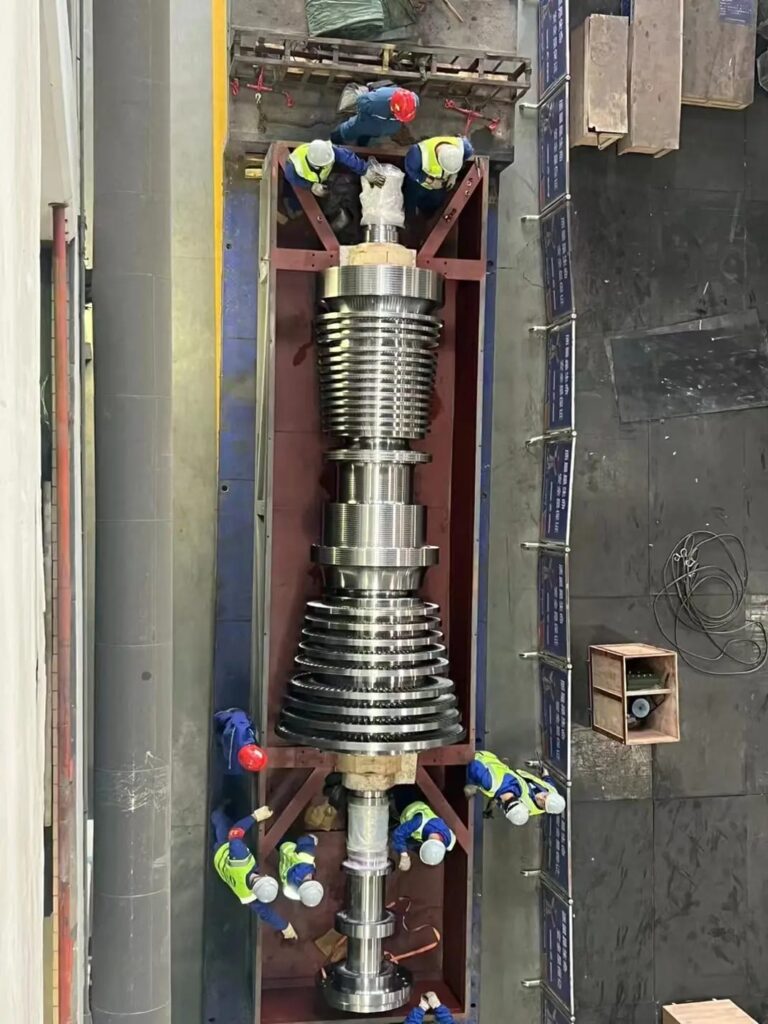
Steam turbine troubleshooting

Steam turbine troubleshooting is a complex process that requires a deep understanding of the mechanical, thermal, and electrical systems within a turbine. Troubleshooting aims to diagnose and correct operational issues, ensuring that the turbine runs efficiently and safely. The challenges faced during troubleshooting can range from simple operational glitches to more severe mechanical failures, but with the right approach and tools, many of these issues can be resolved effectively.

Understanding Common Steam Turbine Issues

Before diving into specific troubleshooting procedures, it’s important to understand some of the most common issues that steam turbines face. These issues can fall into several categories:

  1. Mechanical Failures: These include problems such as shaft misalignment, bearing wear, or rotor imbalances, which can affect the smooth operation of the turbine.
  2. Thermal Issues: Inadequate steam conditions, such as insufficient temperature or pressure, can lead to poor turbine performance. Overheating or improper cooling can cause thermal stresses that affect the turbine’s components.
  3. Vibration and Noise: Unusual vibrations or noise can indicate problems such as misalignment, imbalance, or damaged bearings.
  4. Control System Failures: Issues with the control systems, sensors, or feedback loops can result in incorrect turbine speed, pressure, or temperature settings, leading to operational disruptions.
  5. Steam Quality Problems: Poor steam quality, such as excessive moisture or contaminants, can cause erosion or corrosion of turbine blades, leading to inefficiency or failure.
  6. Electrical Issues: In modern turbines with integrated electrical systems, problems such as electrical faults or failures in the generator can occur, affecting overall performance.

Troubleshooting Procedure

Effective troubleshooting begins with a systematic approach to diagnosing the problem. Below is a general framework for troubleshooting a steam turbine:

1. Initial Assessment

The first step in troubleshooting is to gather information about the turbine’s current operating conditions. This involves reviewing operational data and logs from the turbine’s monitoring system. Key data points to examine include:

  • Steam pressure and temperature
  • Turbine speed
  • Vibration levels
  • Power output
  • Bearing temperatures
  • Fuel consumption (if applicable)

Reviewing this data will help pinpoint any immediate discrepancies or abnormal readings, which can indicate the source of the issue.

2. Visual Inspection

Once the initial data has been reviewed, a visual inspection of the turbine and its components should be performed. Look for obvious signs of wear or damage, including:

  • Leaks around steam seals or pipes
  • Corrosion on external surfaces
  • Worn bearings or seals
  • Cracks or chips in turbine blades

A thorough inspection is essential to identify potential mechanical issues, such as cracks or wear, that could cause further damage if left unchecked.

3. Check for Alignment or Imbalance

Turbines operate at high speeds, and even slight misalignments or imbalances can lead to catastrophic failure. Check the rotor shaft alignment and ensure that there is no undue vibration or wobbling during operation. Misalignment can lead to excessive bearing wear, which may cause overheating and further damage. Balancing the rotor may resolve vibration issues, restoring smooth operation.

4. Examine Bearings

Bearings are among the most critical components in a steam turbine. They support the rotating parts and bear the heavy loads generated during operation. Over time, bearings can wear out, leading to friction, overheating, and even failure. Common signs of bearing failure include:

  • Excessive noise or vibration
  • High bearing temperatures
  • Unusual heat patterns on the turbine housing

If any of these symptoms are observed, it is necessary to inspect and possibly replace the bearings.

5. Steam Quality and Conditioning

If steam quality is suspected to be the root cause of turbine inefficiency, check for moisture content or contaminants in the steam. Excessive moisture or impurities can erode the turbine blades and cause erosion or corrosion, leading to efficiency losses. Inspect the steam feedwater quality and the condition of the superheaters and reheat systems. Steam purity and dryness are critical to ensuring optimal turbine performance.

6. Monitor Vibration Levels

Excessive vibration can be a sign of an underlying mechanical issue, such as rotor imbalance, misalignment, or a failing bearing. Use vibration monitoring tools and compare the readings with manufacturer specifications. If the vibration levels exceed the acceptable thresholds, further investigation is needed. A vibration spectrum analysis can help identify whether the vibrations are caused by specific components, such as the rotor, blades, or bearings.

7. Check Control and Safety Systems

Modern steam turbines are equipped with complex control systems to regulate turbine speed, temperature, pressure, and other critical parameters. If the turbine is not operating correctly, it’s essential to verify that these control systems are functioning properly. Common issues include:

  • Faulty sensors
  • Incorrect temperature or pressure settings
  • Malfunctioning actuators or valves

By checking the settings and performing diagnostic tests, technicians can ensure the control system is calibrated correctly and that all safety features are operational.

8. Electrical and Generator System Troubleshooting

In turbines that are coupled to electrical generators, any issues with the electrical system must also be diagnosed. Common problems include electrical faults, short circuits, or generator malfunctions. Check the electrical output, voltage levels, and current to verify that the generator is operating as expected. Use insulation resistance testing and check the excitation system for faults. Ensure the system is producing the expected power and that the turbine is not underperforming.

Advanced Troubleshooting Tools

The following are advanced tools and techniques that can be employed to help with troubleshooting steam turbines:

1. Vibration Analysis

Advanced vibration analysis can help pinpoint the exact location and cause of vibration problems. By using accelerometers and vibration sensors, engineers can track the frequency and amplitude of turbine vibrations and identify abnormal patterns. This can help detect imbalances, misalignments, or failing components such as bearings or blades. Fourier transform analysis is often used to translate vibration data into frequency spectra for more detailed investigation.

2. Thermal Imaging

Thermal cameras can detect hot spots or abnormal heat distribution across the turbine’s components. This tool can be invaluable in identifying issues like bearing overheating, steam leakage, or electrical faults that generate excessive heat.

3. Ultrasonic Testing

Ultrasonic testing can be used to detect cracks or material degradation in turbine components, particularly the rotor and blades. By sending high-frequency sound waves through the material and analyzing the reflections, technicians can identify cracks, voids, or other structural issues that are not visible to the naked eye.

4. Oil Analysis

For turbines that rely on lubricating oil, an oil analysis can provide insight into the internal condition of bearings and other moving parts. Oil samples can be analyzed for metal wear particles, moisture, and other contaminants that could indicate impending mechanical failure.

Dealing with Specific Turbine Problems

1. Turbine Speed Problems

If the turbine is operating at an incorrect speed (too fast or too slow), the issue may lie in the control system, such as a faulty governor or actuator. Check the system settings and make sure the speed controller is functioning correctly.

2. Steam Leaks and Pressure Drops

Steam leaks can occur at any joint or seal within the turbine, leading to loss of pressure and efficiency. Check for visible leaks around seals, steam pipes, and flanges. Pressure drops can also be caused by issues in the steam generator, such as a malfunctioning superheater or improper steam distribution.

3. Excessive Noise

Excessive noise in a steam turbine is usually indicative of mechanical problems, such as a misalignment, imbalance, or worn bearings. Use sound analysis equipment to pinpoint the source of the noise, and inspect the turbine components for any visible damage.

Preventive Measures and Best Practices

While troubleshooting is essential to resolving existing issues, preventive maintenance and operational best practices can help minimize the likelihood of future problems:

  1. Routine Inspections: Regularly inspect bearings, seals, and other critical components to catch issues early before they develop into significant failures.
  2. Lubrication: Ensure that bearings and moving parts are properly lubricated to prevent wear and overheating.
  3. Condition Monitoring: Implement continuous monitoring systems to keep track of key parameters such as temperature, vibration, and pressure. This will allow for early detection of abnormalities and help schedule maintenance before issues become critical.
  4. Operator Training: Proper training for operators on the correct procedures and best practices is essential to ensure the turbine is run efficiently and safely.

Conclusion

Steam turbine troubleshooting requires a methodical approach to diagnose issues and determine the root causes of operational disruptions. By employing diagnostic tools, performing thorough inspections, and addressing common problems like mechanical wear, vibration, and control system failures, operators can resolve many issues efficiently. Preventive measures and regular maintenance are critical to ensuring long-term turbine performance and minimizing unplanned downtime.

Advancements in technology, such as vibration analysis, thermal imaging, and digital monitoring systems, are increasingly integral to modern troubleshooting procedures. By utilizing these tools and techniques, turbine operators can quickly identify and resolve problems, ensuring that turbines continue to operate at peak efficiency.

Continuing from where we left off, let’s explore further steps and considerations for advanced troubleshooting strategies, including more complex issues and how modern technology can assist in streamlining the troubleshooting process.

Advanced Troubleshooting Considerations

While common turbine issues like mechanical wear, imbalance, and thermal concerns are relatively straightforward to identify and fix, there are more intricate problems that may require deeper investigation. These issues often involve systemic failuresoperational anomalies, and interactions between components that are not immediately apparent through routine inspections.

1. Corrosion and Erosion Detection

Steam turbines are subject to high-pressure steam that can carry contaminants, moisture, or chemicals, leading to corrosion and erosion of turbine components. Over time, the rotorblades, and nozzles can be affected, leading to efficiency losses or even failure. Detecting early signs of erosion and corrosion is crucial to preventing long-term damage.

  • Visual Inspection: For external surfaces, signs of corrosion can often be detected through visual inspection. Rust or discoloration of metal parts can be indicative of excessive moisture or poor steam quality.
  • Non-Destructive Testing (NDT): Advanced NDT techniques, such as ultrasonic testing, can be used to assess the thickness of critical components and detect areas that are thinning due to corrosion or erosion. This is especially important for turbine blades and rotor shafts, where material loss can compromise structural integrity.

If corrosion is identified, it is essential to determine whether the turbine’s materials are appropriate for the operating conditions. In some cases, material upgrades or coatings may be needed to prevent further degradation.

2. High-Pressure Steam Leaks

Leaks in high-pressure areas, such as the turbine’s casing or piping, can lead to energy losses, reduced efficiency, and even safety hazards. Detecting these leaks can be challenging because the steam is often invisible and may not always leave obvious signs of damage. However, there are ways to identify steam leaks even when they are not immediately visible:

  • Ultrasonic Leak Detection: Special ultrasonic sensors can pick up the high-frequency sounds emitted by escaping steam. These sensors can be used to scan the turbine casing and piping for leaks, even in hard-to-reach areas.
  • Infrared Thermography: Using infrared cameras can help detect temperature variations around joints and seals. Steam leaks can create noticeable thermal gradients, which can be picked up using thermal imaging, allowing operators to pinpoint leaks even if they are hidden from sight.

Once the leak source is identified, repairing the seals, joints, or gaskets, or replacing damaged pipes, can restore full operational efficiency.

3. Overheating and Thermal Imbalance

Excessive heat generation within a steam turbine can result in thermal stress and damage to sensitive components. Identifying the root causes of overheating is essential for maintaining optimal performance. Common causes of overheating include:

  • Insufficient cooling of bearings or rotor shafts.
  • Steam temperature or pressure issues from the steam generator.
  • Blocked cooling passages or fouling in heat exchangers.

To identify overheating issues:

  • Thermal Cameras: As mentioned earlier, infrared thermography can be used to spot localized hot spots around the bearings, rotor, or casing. Unusual thermal patterns can indicate a cooling issue or internal friction.
  • Bearing Temperature Monitoring: Overheated bearings are a common source of failure. By monitoring bearing temperatures through sensors, operators can detect early signs of friction or wear.

Addressing overheating typically involves improving cooling efficiency, inspecting and replacing bearings, or adjusting steam conditions to ensure that the turbine operates within the recommended temperature range.

4. Dynamic Stress and Fatigue

Turbines are designed to operate under significant stress, but over time, cyclic loading—where parts are subjected to repeated stress cycles—can lead to fatigue cracks in components like the rotor shaft, blades, and casing. Over time, these cracks can propagate, leading to catastrophic failures if left unchecked. Detecting fatigue requires a more sophisticated approach:

  • Fatigue Monitoring: Advanced stress monitoring tools are available to assess the load history and detect if certain components have been subjected to cyclic stress that could lead to fatigue failure. Some turbines are equipped with built-in strain gauges to measure real-time stresses on the rotor and other critical parts.
  • Crack Detection: Non-destructive techniques such as magnetic particle inspectiondye penetrant inspection, or ultrasonic testing can be used to detect cracks in turbine components. It’s particularly important to perform regular inspections of critical areas such as the rotor shaft, nozzle blades, and casing joints.

5. Control System and Sensor Failures

The control system of a steam turbine plays a critical role in regulating steam flow, temperature, and pressure to ensure safe and efficient operation. Failures in the control system can lead to instability, improper turbine performance, or even shutdowns. Common control system issues include:

  • Faulty sensors or transmitters that give incorrect readings of pressure, temperature, or steam flow.
  • Damaged or malfunctioning actuators that control steam valves or governor settings.
  • Communication breakdowns between the turbine’s control systems and the monitoring interface.

When troubleshooting control systems:

  • Check Sensor Calibration: Often, sensors need periodic recalibration. A discrepancy in readings may indicate that a sensor is out of calibration or failing.
  • Signal Interference or Loss: Inspect for any issues with electrical wiring, data transmission signals, or communication errors in the control system. Modern turbines are often equipped with SCADA systems (Supervisory Control and Data Acquisition), and monitoring data from these systems can pinpoint which sensors or components are malfunctioning.

6. Steam Flow and Pressure Issues

Steam turbines are sensitive to variations in steam flow and pressure, which can result from fluctuations in the boiler, steam line blockages, or issues with steam valve operation. Issues such as low steam pressure or inconsistent steam flow can cause turbines to underperform, and in some cases, can result in damage.

  • Check Steam Valve Operations: Ensure that the governor valves are operating properly and regulating steam flow appropriately. A malfunctioning governor valve can lead to unstable operation.
  • Steam Piping Inspections: Perform routine checks of the steam lines and valves to ensure that there are no blockages or leaks that could disrupt the flow of steam to the turbine.

These checks, when properly conducted, can ensure that the steam delivered to the turbine is of the correct quality and pressure, ensuring optimal turbine performance.

7. System-Wide Troubleshooting

Sometimes, the issue with a steam turbine is not isolated to a single component, but rather the interaction between multiple systems. For example, a failure in the steam generator or condenser can affect the turbine’s ability to operate efficiently, even though the turbine itself may be functioning correctly.

When performing system-wide troubleshooting, it is essential to:

  • Analyze Entire Plant Performance: Check not only the turbine but also the steam generation and cooling systems. Assess whether there are issues in upstream or downstream systems, such as the boiler, condenser, or feedwater pumps, that are affecting turbine performance.
  • Simulate Operation: In complex systems, it can be useful to create simulation models of the turbine system to test different scenarios and determine where the problem may be originating. This is often done using dynamic simulation software that mimics the turbine’s performance under varying conditions.

Technological Advancements to Aid in Troubleshooting

With the ongoing integration of digital technologies, steam turbine troubleshooting has become increasingly advanced and efficient. Tools such as predictive maintenance softwareAI-powered diagnostics, and real-time monitoring systems are revolutionizing the way issues are detected and resolved. These technologies allow operators to foresee potential problems and take proactive measures to mitigate risks before they cause downtime or system failure.

  • Predictive Maintenance: Machine learning algorithms can analyze historical and real-time data to predict when components like bearings, seals, or rotor shafts are likely to fail. This enables operators to schedule repairs before failures occur.
  • Cloud-Based Monitoring: Many turbine manufacturers now offer cloud-based monitoring solutions, where performance data from turbines around the world can be analyzed in real time. This allows engineers to troubleshoot remotely and collaborate across different sites to solve complex issues.

Conclusion: Effective Troubleshooting for Reliable Operations

Steam turbine troubleshooting requires a combination of systematic investigation, advanced diagnostic tools, and industry experience. By focusing on common problem areas such as mechanical wear, thermal imbalances, corrosion, and control system issues, operators can address a wide range of operational problems. However, some issues may require advanced technologies such as ultrasonic testing, predictive maintenance, and real-time monitoring to identify and resolve.

Incorporating these advanced tools into the troubleshooting process helps ensure that turbines operate efficiently, safely, and with minimal downtime. Regular maintenance, preventive measures, and continuous monitoring will not only extend the life of the turbine but also improve its reliability and performance in the long run.

Continuing from where we left off, let’s focus on additional advanced troubleshooting strategies and considerations for steam turbines. This section will cover further intricacies in the troubleshooting process, focusing on deeper issues that might require more specialized diagnostic tools or operational adjustments.

Troubleshooting Advanced Turbine Failures and Complex Issues

1. Blading and Rotor Issues

The turbine blades and rotor are the heart of the steam turbine, and they are subject to the most significant wear and stress over time. Any issues with the blades or rotor can cause severe disruptions in turbine performance. Common failures in this area include:

  • Blade Erosion: This occurs when high-velocity steam, potentially containing water droplets, impinges on the turbine blades. Over time, this can cause material degradation, leading to reduced efficiency. Blade erosion is most commonly seen in high-pressure stages where steam temperatures and velocities are the highest.
  • Rotor Cracking: Cracks can form due to excessive mechanical stress, improper material selection, or fatigue. These cracks are typically located in high-stress regions like the rotor shaft or blade roots. If undetected, rotor cracking can lead to catastrophic failures.
  • Blade Fouling: Dust or contaminants in the steam can accumulate on the turbine blades, creating a layer of fouling. This fouling can hinder the blades’ efficiency by altering their aerodynamic properties and causing performance degradation.

To troubleshoot blade and rotor issues:

  • Ultrasonic and X-ray Testing: These non-destructive testing (NDT) methods can be used to detect cracks in rotor components, including the shaft and rotor blades. Ultrasonic waves can help identify cracks in deeper layers of the material.
  • Visual Inspection and Profiling: A visual inspection of the blades and rotor surfaces is essential to detect visible signs of wear, erosion, or fouling. Profiling tools can also be used to measure the blade’s surface geometry and identify abnormal wear patterns.
  • Blade Erosion Monitoring: Some turbines are equipped with erosion monitoring systems that track the rate of erosion on blades. This can help forecast when the blades may need to be replaced or refurbished to maintain optimal performance.

2. Shaft and Shaft Coupling Failures

The turbine shaft transmits rotational energy from the rotor to the generator or the mechanical load. Failures in the shaft can occur due to:

  • Shaft Misalignment: Misalignment between the turbine shaft and other connected components, such as the generator or load, can lead to excessive wear on bearings, couplings, and seals. Over time, this can result in vibration, overheating, and reduced turbine efficiency.
  • Fatigue Cracking: Like the rotor, the turbine shaft can also suffer from fatigue due to repeated thermal and mechanical stresses. If these cracks propagate undetected, the shaft may fail, leading to catastrophic consequences.
  • Shaft Coupling Issues: Shaft couplings connect the turbine rotor to the generator or other mechanical components. If these couplings are not properly installed or become loose, they can result in inefficient power transfer and possible mechanical failure.

Troubleshooting shaft-related issues:

  • Shaft Alignment Checks: Use alignment tools and laser-guided systems to ensure the shaft is properly aligned. Misalignment can be detected by monitoring vibration patterns or using alignment jigs.
  • Visual Inspection and Fatigue Testing: Regularly inspect the shaft for any cracks or signs of wear. Ultrasonic testing and magnetic particle testing can be used to identify cracks or stress concentrations in the shaft material, particularly around key load-bearing areas.
  • Coupling Monitoring: Ensure that couplings are properly maintained and securely fastened. Coupling issues can often be detected through vibration analysis or visual inspection of the coupling components for wear or loosening.

3. Excessive Vibration Troubleshooting

Vibration issues are one of the most common and problematic problems in steam turbines. Excessive vibration can be indicative of multiple issues:

  • Imbalance: Imbalance in the rotor, blades, or turbine components can lead to vibrations. This can occur due to foreign objects, uneven wear, or erosion on blades, or from improper assembly during maintenance.
  • Misalignment: Misalignment between the rotor shaft and the bearings or generator can lead to abnormal stress distribution, resulting in vibrations.
  • Bearing Failure: Worn or damaged bearings can cause irregular vibrations due to increased friction or misalignment. Bearing problems may also lead to increased operating temperatures, contributing to further turbine damage.

To troubleshoot vibration issues:

  • Vibration Monitoring: Install vibration sensors at critical points on the turbine (such as bearings, rotor shaft, and turbine casing). By monitoring the frequency, amplitude, and phase of vibrations, technicians can pinpoint the root cause.
  • Spectral Analysis: Use vibration spectral analysis tools to identify the frequency patterns in the vibrations. This can help to differentiate between imbalances, misalignments, and bearing-related issues. Imbalances tend to generate vibrations at specific rotational frequencies, while misalignment and bearing problems often show different patterns.
  • Turbine Balancing: If imbalance is detected, the rotor or other rotating components should be balanced. This may involve adding or removing material from the rotor to restore equilibrium.

4. Steam Quality and Moisture Content Issues

Steam quality is critical to the performance and longevity of a steam turbine. Issues related to steam moisture content can lead to several problems:

  • Water Hammer: This occurs when moisture in the steam condenses rapidly, creating shock waves within the system. These shock waves can cause mechanical damage to the blades and other turbine components.
  • Turbine Blade Erosion: If the steam contains excessive moisture, water droplets can impact the turbine blades, eroding the surface and reducing turbine efficiency.
  • Corrosion: Excessive moisture can also lead to corrosion of internal components, particularly when coupled with impurities or contaminants in the steam.

To troubleshoot steam quality issues:

  • Steam Moisture Content Measurement: Use steam moisture meters to measure the moisture content in the steam. If the moisture content exceeds the recommended limits, adjustments should be made to the steam generation system.
  • Water Hammer Detection: Use pressure transducers and strain gauges to monitor for sudden pressure changes indicative of water hammer. Implementing more effective drainage systems or improving steam dryness can help mitigate this issue.
  • Steam Purity Monitoring: Install steam quality monitors to measure the level of contaminants or impurities in the steam. Filtration and water treatment systems may need to be improved if the steam contains excessive amounts of impurities.

5. Control System Faults

As turbines become more sophisticated, the role of electronic control systems has become increasingly important. Failures in the control system can lead to instability, improper turbine operation, and damage to the turbine. These faults often involve the control loops or the sensors monitoring key parameters like speed, pressure, and temperature.

To troubleshoot control system faults:

  • Check Sensor Readings: The control system relies on accurate sensor data to regulate turbine parameters. Check if sensors are malfunctioning or providing erroneous data. Cross-check sensor data with manual readings to identify discrepancies.
  • Inspect the Governor and Actuators: A malfunctioning governor valve or actuator can lead to improper steam regulation, causing the turbine to over-speed or operate inefficiently. These components should be inspected for wear, corrosion, or electrical faults.
  • Test the Control Software and Logic: Ensure that the control logic is operating according to specifications. Faulty software or programming errors can lead to incorrect valve positioning, incorrect turbine speed regulation, or unsafe operational settings.

6. Condenser and Vacuum System Issues

For turbines that operate in a Rankine cycle, the condenser plays a critical role in cooling the exhaust steam and maintaining vacuum conditions. Any issues with the condenser or the vacuum system can affect turbine performance.

Common problems include:

  • Vacuum Loss: A loss of vacuum in the condenser can result in reduced turbine efficiency, increased backpressure, and mechanical strain on the turbine. Vacuum loss may be caused by leaks, fouling, or malfunctioning equipment in the condenser.
  • Condensate Pump Failures: The condensate pump is responsible for moving the condensed steam back into the boiler. If it fails, the turbine will operate inefficiently, and steam quality may degrade.

To troubleshoot condenser and vacuum issues:

  • Monitor Vacuum Pressure: Use vacuum gauges and pressure sensors to monitor the vacuum in the condenser. A drop in vacuum pressure may indicate a leak or malfunction in the condenser system.
  • Check Condenser Tube Heat Transfer Efficiency: Over time, condenser tubes can accumulate scale or fouling, reducing heat transfer efficiency. Use thermal imaging or water quality tests to detect scale buildup in the condenser.
  • Inspect Pump Operation: Regularly inspect the condensate pump to ensure it is functioning properly. Check for any abnormal sounds, vibrations, or signs of wear that might indicate mechanical failure.

Conclusion: Comprehensive Troubleshooting for Optimal Turbine Health

Troubleshooting a steam turbine involves a multifaceted approach, addressing mechanical, thermal, and control system issues. By utilizing a combination of traditional diagnostic methods, modern tools like vibration monitoring, ultrasonic testing, and advanced control system analysis, operators can identify and rectify problems that would otherwise disrupt turbine performance.

Routine inspections, predictive maintenance strategies, and technological innovations continue to enhance troubleshooting efficiency and help prevent costly breakdowns. By implementing a proactive approach to troubleshooting, operators can ensure the long-term reliability, efficiency, and safety of steam turbine systems, contributing to overall operational excellence.

Continuing from the previous discussion on troubleshooting steam turbines, let’s dive into even more specific troubleshooting scenarios and strategies. This section will focus on more complex troubleshooting cases, advanced tools, and techniques that can enhance turbine system diagnostics.

Advanced Troubleshooting Techniques for Specific Turbine Failures

1. Bearing and Lubrication System Issues

The bearings in a steam turbine play a critical role in reducing friction and ensuring smooth rotation. If there are issues with the bearings or lubrication system, they can lead to excessive wear, overheating, and even catastrophic turbine failure. Bearing-related problems are often identified through vibration analysis, temperature monitoring, and lubrication checks.

Common bearing and lubrication issues include:

  • Excessive Bearing Wear: Bearings can wear out due to high loads, inadequate lubrication, or contamination. Over time, this can lead to increased friction, overheating, and eventually failure.
  • Contaminated Lubricant: If the lubricant used for the bearings becomes contaminated with dirt, water, or foreign particles, it can significantly reduce the bearing’s efficiency, leading to premature wear or failure.
  • Bearing Overheating: If the bearing temperature rises above safe levels, it may indicate insufficient lubrication, misalignment, or excessive friction. Overheating can degrade the lubricant and cause permanent damage to the bearings.

To troubleshoot bearing and lubrication system issues:

  • Vibration Monitoring: Install vibration sensors near bearings to detect any irregular vibrations that might indicate wear or misalignment. High-frequency vibrations can point to specific bearing problems such as imbalances or misalignments.
  • Temperature Sensors: Monitor the temperature of key bearings and the lubrication system. Significant deviations from the normal operating range should be addressed immediately.
  • Lubrication Checks: Regularly check the quality and cleanliness of the lubricant. Test for contaminants and ensure that the lubricant is being applied evenly across the bearings. Consider using filtration systems to keep the lubricant clean and free of debris.
  • Condition Monitoring: Implement condition-based monitoring systems that measure the wear level of bearings and lubricant viscosity over time. This can provide insights into when bearings may need to be replaced or lubricants replenished.

2. Valve Issues

Steam turbines rely on precise control over steam flow, which is governed by various valves throughout the system. Valve-related problems, including malfunctioning control valves, relief valves, or steam admission valves, can cause major operational disruptions. Valve issues can lead to improper steam admission, causing overpressure, loss of efficiency, or even shutdown.

Common valve-related issues include:

  • Sticking or Jammed Valves: Valves that stick or fail to open/close properly can lead to improper steam regulation, resulting in overpressure or inefficient steam utilization.
  • Control Valve Failures: The failure of the control valve to regulate steam flow effectively can lead to improper turbine speed regulation, causing instability and operational inefficiencies.
  • Leakage Through Valve Seats: If the valve seat becomes worn or damaged, it may lead to steam leakage, reducing the overall efficiency of the turbine and increasing operational costs.

To troubleshoot valve issues:

  • Visual Inspection and Manual Testing: Conduct visual inspections of the valves for signs of wear, corrosion, or misalignment. Manually test the valve’s operation to ensure that it opens and closes correctly.
  • Valve Seat Testing: For leaking valves, perform seat testing by pressurizing the valve and checking for steam leaks. Using a smoke test or dye penetrant test can also help identify leaks in the valve seat.
  • Control Valve Calibration: Ensure that the control valve is properly calibrated to regulate the flow of steam based on the turbine’s operational parameters. If the valve is miscalibrated, adjust it to ensure proper steam regulation.
  • Leak Detection and Monitoring: Install leak detection sensors around the valve assembly to identify early signs of leakage. These sensors can help pinpoint the exact source of the leakage and facilitate repairs before it affects turbine performance.

3. Exhaust System and Backpressure Issues

The exhaust system is responsible for evacuating the exhaust steam from the turbine and directing it toward the condenser or other downstream systems. If there are issues with the exhaust system, such as backpressure, it can significantly reduce turbine performance and efficiency.

Common exhaust system and backpressure issues include:

  • High Backpressure: High exhaust backpressure can occur when the pressure at the exhaust side of the turbine is too high, leading to reduced efficiency. This can be caused by a blockage, a malfunctioning condenser, or a failure in the exhaust piping.
  • Condensing Problems: If the exhaust steam is not adequately condensed, steam may not flow efficiently through the turbine, reducing its output power and causing instability.

To troubleshoot exhaust system and backpressure issues:

  • Pressure Monitoring: Regularly monitor the exhaust pressure using pressure transducers to ensure that it stays within the recommended range. High pressure may indicate blockages, malfunctioning valves, or issues in the condenser system.
  • Check for Blockages: Inspect the exhaust piping and condenser for any blockages, dirt buildup, or other obstructions that could prevent the steam from exiting the turbine properly.
  • Condensing Efficiency Assessment: Evaluate the performance of the condenser by monitoring the vacuum pressure and checking for leaks. In some cases, condensers need cleaning or maintenance to restore optimal function.
  • Exhaust Temperature Monitoring: Monitor the exhaust temperature to detect any irregularities that could indicate cooling or pressure problems. Elevated exhaust temperatures can signal that the exhaust steam is not being adequately cooled or condensed.

4. Steam Generator and Feedwater System Issues

A malfunction in the steam generator (boiler) or feedwater system can affect steam quality and pressure, impacting the turbine’s performance. Issues such as water hammer, improper pressure settings, or low-quality steam can reduce turbine efficiency and even cause mechanical damage.

Common steam generator and feedwater system issues include:

  • Low or High Steam Pressure: Fluctuations in steam pressure can lead to unstable turbine performance. Low steam pressure may cause insufficient turbine speed or energy production, while high pressure can lead to stress and potential damage to turbine components.
  • Water Hammer in Feedwater System: If there is a sudden condensation of steam in the feedwater system, it can create shock waves, known as water hammer, which can damage pipes, valves, and turbine components.

To troubleshoot steam generator and feedwater system issues:

  • Monitor Boiler Pressure: Use pressure gauges and safety relief valves to monitor steam pressure in the boiler. If pressure is consistently too high or too low, adjustments to the feedwater flow or burner settings may be necessary.
  • Check Feedwater Flow: Ensure that the feedwater system is providing a consistent flow of water into the boiler. Any fluctuation in feedwater flow can lead to unstable steam pressure and poor turbine performance.
  • Water Treatment Systems: Poor steam quality can be the result of impurities in the feedwater, leading to scale formation or corrosion within the boiler and turbine. Regularly monitor the water treatment system to ensure that it is adequately removing contaminants from the feedwater.
  • Monitor for Water Hammer: Check for water hammer occurrences in the feedwater system by examining piping for signs of stress or damage. Ensure that the steam flow to the boiler is smooth and uninterrupted, and adjust the startup and shutdown procedures to prevent water hammer.

5. Control System Malfunctions and Communication Failures

Control system failures or communication breakdowns can have a significant impact on turbine operations, leading to instability, over-speed, or unsafe operating conditions.

Common control system issues include:

  • Faulty Sensors: Sensors in the control system monitor key variables such as steam temperature, pressure, and turbine speed. If sensors fail or provide inaccurate data, the control system may operate the turbine improperly.
  • Control Loop Failures: Control loops that regulate steam flow and turbine speed are vital for turbine stability. A failure in one of these loops can cause the turbine to over-speed or under-speed, potentially damaging the equipment.

To troubleshoot control system malfunctions:

  • Sensor Calibration and Verification: Check the calibration of all critical sensors. Ensure that the sensors are reading accurately by comparing their readings with known reference values.
  • Check Control Logic and Software: Inspect the control system’s software for any errors or bugs that may be causing faulty logic. Regularly update software and firmware to address any known issues.
  • Communication Network Assessment: Ensure that the communication network linking the turbine’s control system to other components, such as the governor, valves, and safety systems, is functioning properly. Look for broken connections, outdated firmware, or loose wiring that could disrupt communication.
  • Simulate and Test Failures: Some control systems allow for simulation of failure scenarios. Use the simulation tools to test the system’s response to various failures, such as a faulty sensor or malfunctioning valve. This will help identify potential weaknesses in the control system and ensure that it behaves properly in real-world conditions.

Conclusion: In-Depth Troubleshooting for Long-Term Reliability

Advanced troubleshooting for steam turbines requires a combination of physical inspections, digital diagnostics, and system-wide evaluations. By focusing on specific failure points, such as bearing wear, valve malfunctions, exhaust pressure issues, and control system failures, turbine operators can identify problems early and take corrective actions before they lead to costly downtime or major repairs.

Incorporating modern technologies like real-time monitoring, predictive maintenance tools, and AI-powered diagnostics can enhance the ability to detect issues and streamline troubleshooting. Proactive maintenance, thorough inspections, and continuous monitoring will not only resolve immediate problems but also extend the lifespan of turbine systems, ensuring that they operate efficiently and reliably for years to come.

Steam Turbine Rotor Balancing

Steam turbine rotor balancing is an essential aspect of turbine maintenance, crucial for ensuring the efficient and reliable operation of the turbine. It refers to the process of adjusting the rotor components to achieve uniform distribution of mass and reduce vibrations that can negatively affect turbine performance and longevity. In steam turbines, the rotor is a critical rotating component that transfers the mechanical energy generated by the steam flow to the generator or mechanical load. An imbalanced rotor can lead to severe mechanical stress, excessive vibration, and ultimately cause premature wear or failure of critical components like bearings, seals, and shaft couplings.

The rotor in a steam turbine typically consists of several rotating elements, including the rotor shaft, rotor discs, and attached blades. Imbalance can occur in any of these components, often due to wear, erosion, or manufacturing defects. Even slight imbalances can lead to significant operational problems, particularly at high rotational speeds, where centrifugal forces are magnified. In some cases, imbalance can cause shaft deflection, misalignment, and increased bearing loads, leading to overheating and accelerated wear.

Balancing a steam turbine rotor is a highly specialized process that involves measuring the vibrations and identifying the location and magnitude of imbalance. Vibration analysis is typically employed as the primary diagnostic tool. Vibration sensors are placed at strategic points along the rotor and associated bearings. The measurements taken from these sensors provide information about the frequency, amplitude, and phase of the vibrations, helping technicians pinpoint the specific area where the imbalance is most pronounced.

There are two main types of rotor imbalance: static imbalance and dynamic imbalance. Static imbalance occurs when the center of mass of the rotor does not align with the rotational axis, resulting in a constant force that tries to tilt the rotor. Dynamic imbalance, on the other hand, occurs when the rotor has an uneven distribution of mass along its length, causing fluctuating forces as the rotor spins. Both types of imbalance require different corrective actions and balancing techniques.

To balance a steam turbine rotor, the first step is to carefully disassemble the turbine and inspect the rotor for any obvious signs of damage, corrosion, or wear. The rotor shaft is often checked for straightness and any misalignment that could contribute to imbalance. In some cases, components like rotor blades or discs may need to be replaced or repaired before proceeding with the balancing process.

Once the rotor is inspected and any obvious issues are addressed, the next step involves precision measurement of the rotor’s imbalance. This is done using specialized equipment such as vibration analyzers or balancing machines. These machines are designed to measure the imbalance of rotating components and display the results in real time. The vibration data is analyzed to determine the magnitude and location of the imbalance, which guides the technician in making the necessary adjustments.

Corrective balancing is typically achieved by adding or removing material from the rotor. For example, if the imbalance is found to be on the rotor shaft, the technician might add small weights at the opposite end of the rotor to counteract the imbalance. In the case of blade or disc imbalance, material may be added to or removed from specific areas of the blades or discs to achieve a uniform distribution of mass. This process is repeated in a controlled manner until the rotor achieves a balanced state.

During the balancing process, it is essential to follow strict tolerances and guidelines to avoid introducing new issues. Over-balancing or under-balancing the rotor can lead to other problems, such as uneven stress distribution or excessive wear on the bearings. Additionally, the balancing process should be done with the turbine operating at its normal speed or at a speed close to the design operating speed. This ensures that the rotor’s behavior under real operating conditions is accurately represented and that any residual imbalance is corrected.

Once the rotor is balanced, it undergoes a final series of tests to verify its performance. This typically involves running the turbine at full speed while continuously monitoring vibrations, temperatures, and bearing loads. Any residual vibrations or anomalies that persist after balancing are further analyzed to ensure that the rotor is operating within acceptable parameters. In some cases, additional fine-tuning may be required to achieve the desired balance.

In addition to the mechanical aspects of rotor balancing, the control systems of the turbine are also adjusted to accommodate the changes made during the balancing process. The rotor’s new balanced state must be integrated into the turbine’s operational software to ensure that the control systems can manage the turbine’s speed, load, and other parameters correctly. This may involve recalibrating speed governors or adjusting valve settings.

Regular rotor balancing is a critical part of a steam turbine’s preventive maintenance program. Over time, turbines can accumulate wear, particularly in components like bearings, blades, and discs, which can cause imbalances to develop. Routine balancing helps to identify and correct these imbalances before they cause significant damage. Balancing should ideally be performed during scheduled maintenance or overhauls, although if vibration issues or performance anomalies are detected during normal operation, balancing may need to be carried out on an emergency basis.

In some cases, dynamic balancing equipment can also be used while the turbine is still installed in the plant, though this is a more complex procedure. This method involves placing sensors on the turbine casing to monitor vibrations while the turbine is running at full speed. The equipment then adjusts weights in real time to achieve a balanced rotor. Dynamic balancing can be particularly useful in diagnosing subtle imbalance issues that may not be apparent during static tests.

Steam turbine rotor balancing is vital for maintaining turbine performance, reducing downtime, and extending the life of the equipment. Imbalances that are left uncorrected can lead to increased vibration, bearing wear, excessive energy consumption, and mechanical failure. The balancing process, while complex, is crucial for ensuring the turbine runs smoothly, efficiently, and safely over its operational lifespan. Routine checks and expert maintenance are key to avoiding costly repairs and minimizing the risk of unexpected downtime, contributing to the turbine’s overall reliability and the efficiency of the entire power generation system.

Continuing with steam turbine rotor balancing, it’s important to recognize that the long-term success of rotor balancing hinges on not only the initial balancing process but also on ongoing maintenance and monitoring to prevent issues from recurring. Over time, steam turbines can experience shifts in operational conditions, wear, or external factors that may cause imbalances to develop again. Addressing these issues promptly is essential for the turbine’s sustained operation and for preventing damage that could escalate into larger, more costly problems.

Ongoing Monitoring and Maintenance for Rotor Balancing

After the initial rotor balancing process, continuous monitoring is crucial for detecting any changes in rotor dynamics that may indicate a developing imbalance. Vibration monitoring plays a key role in this process, with sensors installed at strategic locations throughout the turbine. These sensors continuously measure the amplitude and frequency of vibrations during operation and send the data to a monitoring system, where it can be analyzed for signs of rotor imbalances. In some cases, turbines are equipped with real-time vibration monitoring systems that can trigger alarms or shutdowns if abnormal vibration levels are detected.

By regularly analyzing vibration data, turbine operators can identify any trends that may suggest a need for rebalancing. If excessive vibrations are detected early, technicians can take corrective action before the imbalance becomes severe enough to cause significant damage to the turbine’s bearings or other critical components.

It’s also important to assess the thermal conditions of the rotor and surrounding components. Steam turbines often experience thermal expansion and contraction as they ramp up and down in speed, which can impact the balance of the rotor. Regular thermal inspections using infrared cameras or temperature sensors can provide insights into areas where heat is not being dissipated evenly, which could suggest imbalances or problems with rotor components such as the blades, discs, or shaft.

The Role of Rotor Balancing in Preventive Maintenance Programs

In a preventive maintenance program, rotor balancing should be scheduled regularly, ideally during routine overhauls or other maintenance activities. Over time, parts of the rotor assembly, such as the rotor blades or discs, can become worn or corroded due to the high-pressure steam flow and constant mechanical stresses. When these parts are damaged or worn unevenly, they can create new imbalances in the rotor. A scheduled checkup allows for the inspection of the rotor and any necessary adjustments to be made before these issues lead to more significant failures.

Additionally, as the turbine operates in various conditions, such as during load changes or start-up/shutdown cycles, rotor imbalances can develop. As a result, balancing the rotor should not be seen as a one-time task but rather as part of a long-term strategy for maintaining turbine health. It is often recommended to perform rotor balancing whenever the turbine is disassembled for repairs or upgrades, especially if any components are replaced, repaired, or refurbished. Rebalancing after major component replacements ensures that any changes in the mass distribution of the rotor assembly are properly addressed.

Special Considerations for Rotor Balancing

Several factors must be taken into account when balancing a steam turbine rotor. One of these is the rotor’s operating speed. Steam turbines typically operate at high rotational speeds, which makes the balancing process more challenging. Even small imbalances can result in large centrifugal forces at high speeds, which can amplify vibration issues and lead to mechanical failures. Rotor balancing should therefore be performed when the turbine is running at its normal operating speed to simulate real-world conditions and ensure that the rotor performs optimally.

Another consideration is the type of steam turbine being balanced. Different types of turbines (such as condensing turbinesback-pressure turbines, or extraction turbines) may have unique rotor configurations or operating conditions that influence balancing requirements. In the case of back-pressure turbines, where the exhaust steam pressure is utilized for other purposes, the design may create different vibration patterns compared to a condensing turbine. Understanding the specifics of the turbine type allows for more accurate balancing techniques and helps avoid potential errors.

The rotor’s alignment is another critical factor that affects balancing. Even slight misalignments in the rotor shaft or rotor components can lead to imbalances that may not be immediately obvious but can cause significant operational issues. Misalignment can occur due to factors such as thermal expansion, bearing wear, or inadequate installation. During rotor balancing, technicians should check for shaft misalignment and ensure that the rotor is correctly aligned before proceeding with the balancing process.

Use of Advanced Technologies in Rotor Balancing

In modern steam turbine systems, advanced technologies are often employed to assist with rotor balancing. These include:

  1. Laser Alignment Systems: Laser alignment systems are increasingly used to check the alignment of the rotor and other rotating components. These systems provide highly accurate measurements and help ensure that the rotor is correctly aligned, reducing the risk of imbalance caused by misalignment.
  2. Digital Vibration Monitoring: Digital vibration sensors and real-time monitoring systems are now common in many turbines. These systems continuously collect and analyze vibration data, providing valuable insights into the rotor’s condition. By monitoring trends in vibration data, turbine operators can predict when balancing might be necessary and take corrective action before the imbalance becomes severe.
  3. Finite Element Analysis (FEA): Finite Element Analysis software is used to model the dynamic behavior of the rotor and predict how changes in mass distribution may affect its performance. This technique can simulate rotor balancing scenarios and predict the effects of specific corrective actions. Engineers can use these simulations to optimize the rotor’s design and balancing process.
  4. Dynamic Balancing Machines: These machines are used to balance the rotor while it is in motion, simulating actual operating conditions. Using these machines helps achieve the most accurate balance by providing real-time data on vibrations and forces acting on the rotor. This allows for precise adjustments during the balancing process.
  5. Wear Monitoring: Wear monitoring techniques, including ultrasonic testing and eddy current testing, can detect early signs of wear or fatigue in rotor components. These tools help identify areas where the rotor may be losing mass or developing irregularities, which could affect balance. Early detection of such issues allows for corrective measures to be taken before they result in a larger imbalance.

Challenges in Rotor Balancing

Despite the advancements in technology, rotor balancing still presents several challenges. The high speed and precision required in turbine operations make the balancing process complex and time-consuming. Moreover, the environmental conditions in which steam turbines operate, such as extreme temperatures, high-pressure steam, and mechanical stresses, can cause rotor components to degrade over time, leading to imbalances.

One of the most challenging aspects of rotor balancing is ensuring that the balance achieved during maintenance is maintained throughout the turbine’s operational life. Factors like bearing wear, vibration resonance, and dynamic shifts in operational conditions can all influence rotor balance over time. In some cases, imbalances may reoccur due to these changing conditions, necessitating ongoing monitoring and periodic rebalancing.

Conclusion: Importance of Routine Rotor Balancing for Reliability

Overall, rotor balancing is a critical component of steam turbine maintenance, directly impacting the turbine’s performance, reliability, and lifespan. Properly balanced rotors help reduce vibration, prevent excessive wear on bearings, increase energy efficiency, and minimize the risk of catastrophic failures. By utilizing advanced monitoring systems, laser alignment tools, and dynamic balancing techniques, steam turbine operators can ensure that the turbine remains balanced throughout its operational life.

Regular balancing, combined with ongoing vibration monitoring and predictive maintenance strategies, is key to avoiding costly repairs and ensuring that the steam turbine continues to operate smoothly and efficiently. Whether during scheduled overhauls or emergency shutdowns, balancing the rotor properly and maintaining its alignment and vibration characteristics are essential for maintaining turbine health and maximizing the plant’s overall performance.

Continuing with the discussion on steam turbine rotor balancing, it’s essential to delve deeper into some additional factors and best practices that further contribute to the effective management of rotor balancing and overall turbine performance.

Advanced Vibration Analysis Techniques

In recent years, vibration analysis has evolved significantly, offering a variety of methods to analyze rotor dynamics and detect imbalances with greater precision. For example, time-domain analysis is commonly used to study vibration patterns over time, which helps to identify transient events such as startup, shutdown, or rapid changes in operating conditions. These can be crucial for diagnosing rotor imbalance in real-time.

Additionally, frequency-domain analysis, often performed using Fast Fourier Transform (FFT) techniques, allows technicians to isolate specific frequencies at which the rotor is vibrating. By identifying the dominant frequency of vibration, technicians can identify whether the imbalance is static (a constant vibration) or dynamic (fluctuating as the rotor rotates), thus aiding in diagnosing the exact nature of the imbalance.

Using these advanced techniques in combination with modal analysis (which identifies natural frequencies of the rotor system) can help predict areas of the rotor that may experience resonance. Resonance can amplify vibrations and lead to significant damage over time, making it crucial to identify and mitigate such issues during rotor balancing.

Impact of Rotor Blade and Disc Wear

Rotor blades and discs play a key role in the balancing of steam turbines. Over time, the performance of these components can degrade due to erosioncorrosion, and thermal stresses, all of which can alter the mass distribution of the rotor and lead to imbalance. Rotor blade wear, in particular, can occur due to the high-energy steam flow constantly interacting with the blades. This wear may be uneven, which contributes to dynamic imbalance.

In certain instances, rotor blade wear can also affect the turbine’s aerodynamic performance, causing an imbalance that manifests in irregular vibrations. The careful inspection of rotor blades for cracks, pitting, or other signs of wear is necessary before any balancing process. If significant blade wear is detected, the blades may need to be replaced or refurbished, and their mass distribution must be recalibrated to ensure that the rotor remains balanced.

Similarly, wear on the rotor discs, especially on the edge or where they are attached to the shaft, can create additional points of imbalance. Disc and blade wear must be factored into the balancing process, and any replacements or repairs should be made carefully to avoid introducing new imbalances.

Role of Bearings in Rotor Balancing

Bearings play a critical role in the operation of steam turbines by supporting the rotor and allowing it to rotate smoothly. Bearing wear, misalignment, or lubrication issues can introduce imbalances and affect the overall health of the rotor. Over time, bearing surfaces can degrade due to thermal and mechanical stresses, and any uneven wear can change the rotor’s operational behavior, affecting balance.

During rotor balancing, it’s important to check for bearing wear or damage as part of the balancing process. Ensuring that bearings are properly aligned and lubricated is essential to preventing the introduction of imbalance. Additionally, bearing condition should be regularly monitored during operation, as a failing bearing can quickly cause imbalance issues that escalate into more severe damage if left unchecked.

Understanding Shaft Dynamics and Misalignment

Shaft dynamics and alignment are often overlooked when discussing rotor balance, but they are critical for ensuring proper rotor functioning. A misaligned rotor shaft, whether due to thermal expansion, bearing failure, or improper installation, can lead to severe imbalance. Misalignment often causes uneven loading on the rotor, leading to localized wear and a dynamic imbalance.

During rotor balancing, the shaft alignment must be carefully measured using precision tools, such as laser alignment systems or dial indicators. Misalignment correction is usually done through adjusting the positioning of the bearings or correcting the rotor shaft’s axial and radial positions. Achieving proper alignment not only ensures the rotor remains balanced but also minimizes bearing wear and reduces vibration levels.

Corrective Actions Post-Balancing

Even after balancing, it’s essential to monitor the turbine closely for any signs of residual imbalance or new issues. Small residual imbalances can still exist after the balancing process, and if not addressed, they may escalate over time. Therefore, after balancing, it’s recommended to conduct a series of tests under operational conditions to ensure that the rotor behaves as expected.

These tests typically include:

  • Run-up tests to check the rotor’s behavior as it accelerates to full speed, allowing technicians to monitor vibrations at various speeds and under load.
  • Dynamic tests to observe how the rotor responds to changes in operational conditions.
  • Extended monitoring through continuous vibration sensors to ensure that no excessive vibrations occur after reassembly.

In the case of minor residual imbalances, the turbine may still operate effectively, but frequent monitoring will be necessary to identify when rebalancing might be required. If the imbalance is significant, further adjustments must be made.

Integration of Rotor Balancing into Turbine Operation

Rotor balancing is closely tied to the overall operational strategy of the turbine. For instance, it is essential to consider the turbine’s operational profile, including factors such as startup and shutdown cycles, operational load, and environmental conditions. Each of these factors can influence the rotor’s behavior, leading to potential imbalances.

In plants that run turbines continuously, preventive maintenance and rotor balancing become even more critical. Over time, turbines that are frequently exposed to fluctuating loads, rapid speed changes, or other variable conditions are more likely to experience imbalances due to wear or thermal effects. For turbines in such dynamic environments, rotor balancing should be part of a predictive maintenance approach, where real-time data is analyzed to forecast potential balance issues before they become serious.

For plants where turbines operate under more stable conditions, the balancing process may be less frequent, but it still plays a crucial role in keeping the equipment running smoothly.

Long-Term Benefits of Proper Rotor Balancing

When executed correctly, rotor balancing contributes significantly to the longevity of the turbine and the entire power generation system. Some of the long-term benefits include:

  • Reduced Vibration: Minimizing vibrations improves the overall operational stability of the turbine and reduces the stress on components such as bearings, seals, and shaft couplings. This reduces wear and extends the life of the turbine.
  • Increased Efficiency: A balanced rotor allows for smoother rotation, reducing mechanical losses and improving the turbine’s energy conversion efficiency. This can contribute to lower operational costs over the life of the turbine.
  • Minimized Downtime: Proper balancing reduces the likelihood of catastrophic failures caused by rotor imbalance, leading to fewer unscheduled shutdowns and repairs.
  • Improved Reliability: Turbines that are properly balanced are less prone to unexpected vibrations, thermal stresses, and wear, contributing to better operational reliability and higher uptime.

Conclusion: The Critical Role of Rotor Balancing in Steam Turbine Health

Rotor balancing in steam turbines is much more than a maintenance task; it is a fundamental aspect of turbine operation that ensures efficiency, reliability, and safety. It involves a combination of careful inspection, precise measurement, corrective action, and ongoing monitoring to keep the rotor in optimal balance. A properly balanced rotor minimizes vibrations, reduces wear, and helps prevent failures, making it essential for the long-term performance and durability of steam turbines.

Whether through advanced diagnostic techniques, predictive maintenance strategies, or regular operational checks, rotor balancing must be viewed as an ongoing process that requires attention to detail and a proactive approach to ensure that steam turbines continue to function smoothly throughout their service life.

Continuing with the discussion on steam turbine rotor balancing, it’s important to further explore how technological advancements, maintenance strategies, and operational conditions influence the overall success and efficiency of rotor balancing. Additionally, we’ll touch on the key factors that contribute to managing rotor imbalance effectively over the long term.

Technological Advancements in Rotor Balancing

In the realm of steam turbine rotor balancing, advancements in technology have significantly improved the accuracy and efficiency of balancing processes. As turbines grow more sophisticated and are required to perform under higher stresses and more dynamic conditions, traditional balancing methods are increasingly being supplemented by cutting-edge techniques. Some of the key technological innovations include:

1. Advanced Vibration Monitoring Systems

Modern vibration monitoring systems have become more integrated and capable of providing real-time feedback. These systems, often equipped with wireless technology, allow for continuous vibration monitoring during turbine operation. Vibration sensors, which measure amplitude, frequency, and phase shifts in the rotor vibrations, are strategically placed at key points around the rotor and bearings to detect any signs of imbalance as the turbine runs. The data collected can be analyzed using advanced software to identify specific imbalances, track trends over time, and predict potential failures.

By using machine learning algorithms and predictive analytics, these systems can process large amounts of data and identify early signs of imbalance before it becomes a significant problem. Predictive maintenance based on real-time vibration data can optimize the timing of balancing procedures, preventing unplanned shutdowns or catastrophic damage to the turbine components.

2. Laser Measurement and Alignment Technologies

Laser alignment systems have revolutionized how rotor alignment is assessed and corrected. These systems are highly accurate and can detect even the slightest misalignment of the rotor shaft, which might otherwise go unnoticed using traditional mechanical methods. Proper alignment is critical for rotor balancing, as misalignment can lead to vibrations and stresses that impact the rotor’s overall stability.

Laser systems work by measuring the distance between multiple points on the rotor shaft and the surrounding components with millimeter-level precision. These measurements are then used to correct any misalignment, ensuring that the rotor remains balanced during operation. This technology is especially beneficial during the rotor balancing process, as it can be combined with vibration data to optimize the rotor’s performance and reduce the likelihood of future imbalance.

3. Finite Element Analysis (FEA)

Finite Element Analysis (FEA) is an advanced computational technique used to simulate the behavior of rotor components under various operating conditions. FEA can be used during the design phase of a steam turbine to model how rotor components will behave under different stresses, thermal loads, and centrifugal forces. This helps identify potential weak points or areas where imbalances may develop over time.

In the context of rotor balancing, FEA can assist engineers by predicting how changes in rotor components, such as repairs or replacements of blades or discs, will impact the rotor’s balance. It can also simulate the impact of operational conditions, such as rapid load changes or thermal cycling, on the rotor’s stability. By using FEA, engineers can optimize the rotor’s design for better balance and performance before it even enters service.

Factors Influencing Rotor Imbalance

There are several factors that can influence rotor imbalance over the course of a steam turbine’s operation. Recognizing these factors and understanding how they interact with the turbine’s operational environment is key to effectively managing rotor balance and preventing issues before they arise.

1. Wear and Tear on Rotor Components

Rotor imbalance often results from wear and tear on key components such as blades, discs, or the rotor shaft itself. Over time, blades may experience erosion due to high-velocity steam or mechanical wear due to the stress of the rotating forces. Uneven wear can alter the mass distribution across the rotor, leading to an imbalance that grows more pronounced over time.

Disc wear can also result in imbalances, as the discs may become thinner or develop cracks due to thermal cycling or mechanical stress. In such cases, balancing procedures must be conducted to correct these imbalances, and it may require the replacement or refurbishing of components.

Additionally, shaft deformation or misalignment due to stresses such as thermal expansion or improper installation can lead to imbalance. Therefore, routine inspections to detect early signs of wear are vital for preventing imbalance-related problems.

2. Operating Conditions

Operating conditions, including steam pressure, temperature, and load cycles, can also play a significant role in rotor balancing. Steam turbines are often subjected to fluctuating loads, especially in power plants that operate under varying grid demands or during startup and shutdown sequences. These dynamic conditions cause thermal and mechanical stresses that may alter the rotor’s behavior and introduce imbalance.

For example, thermal expansion and contraction of the rotor can affect its mass distribution as the turbine heats up and cools down. These changes are typically temporary, but they can influence rotor balance and lead to vibrations or misalignment.

Similarly, rapid changes in load or steam flow can lead to dynamic imbalances, especially if the rotor is not properly balanced for these fluctuations. Understanding the operating conditions of the turbine and predicting how the rotor will respond can help prevent imbalance during these transitions.

3. Installation and Assembly

The way a steam turbine is installed and assembled can also influence rotor balance. Improper assembly of rotor components, such as misalignment of blades or uneven bolting of rotor discs, can create an inherent imbalance in the rotor. This can lead to abnormal vibrations during operation and may require corrective action.

It’s critical to ensure that all rotor components are carefully aligned and assembled during installation and maintenance. Any issues in the installation process should be addressed immediately to prevent long-term imbalances. This also includes checking for proper lubrication and seal installations, as inadequate lubrication can cause friction, misalignment, or damage to bearings and other components, indirectly affecting rotor balance.

4. Vibration Resonance

Rotor resonance is a specific type of vibration that occurs when the natural frequency of the rotor matches the frequency of external excitation forces, such as pressure fluctuations or aerodynamic forces. This can amplify vibrations, which, if left unchecked, can lead to catastrophic damage to the turbine. To mitigate resonance, turbines are designed to avoid operating at frequencies close to their natural resonant frequencies.

During the balancing process, engineers use modal analysis to identify the natural frequencies of the rotor and ensure that its operating speeds do not fall within these resonance ranges. Additionally, adjustments to rotor mass distribution, bearing placements, and even operational speeds may be needed to avoid resonance conditions.

Best Practices for Rotor Balancing Maintenance

To effectively manage rotor balancing throughout the life of a steam turbine, it’s important to adopt best practices that ensure a consistent approach to rotor maintenance. These practices help identify imbalances early, improve operational reliability, and maximize turbine lifespan:

1. Regular Vibration Monitoring

Routine vibration monitoring is critical to detecting rotor imbalances before they result in catastrophic failure. Using advanced sensors and monitoring systems, operators can continuously track vibration levels across various turbine components. This data can be analyzed to detect any abnormal vibrations or imbalances and help plan corrective actions before they escalate.

2. Periodic Balancing during Overhauls

Scheduled overhauls should always include rotor balancing as a key maintenance activity. These overhauls provide an opportunity to disassemble the turbine and perform a thorough inspection of the rotor and its components. Rotor balancing during these overhauls ensures that any wear or damage is addressed, and the rotor remains in proper working order.

3. Component Inspections and Replacements

Routine inspections of rotor components, such as blades, discs, and bearings, are essential for identifying wear, corrosion, and misalignment that can contribute to imbalance. Damaged or worn components should be replaced or repaired as part of regular maintenance procedures. Rebalancing should be conducted if any components are replaced to ensure that the rotor remains in perfect alignment.

4. Accurate Rotor Alignment

Achieving and maintaining accurate rotor alignment is a critical step in the balancing process. Misalignment can lead to vibrations and excessive wear on bearings, which may exacerbate imbalance issues. Laser alignment systems and other precision tools should be used during both installation and maintenance to ensure that the rotor is properly aligned.

5. Documentation and Trend Analysis

Maintaining detailed records of balancing procedures, vibration data, and any corrective actions taken is essential for tracking the turbine’s health over time. This documentation allows engineers to monitor trends in rotor imbalance, wear, and vibration patterns, helping to predict future maintenance needs and minimize downtime.

Conclusion: A Holistic Approach to Rotor Balancing

Rotor balancing is a critical aspect of steam turbine operation that impacts efficiency, reliability, and safety. With the increasing complexity of turbines and the demands of modern power generation, adopting a holistic approach that combines advanced technologies, regular monitoring, and proactive maintenance strategies is key to ensuring optimal rotor performance.

By integrating sophisticated vibration analysis, precise alignment systems, and ongoing inspections, steam turbine operators can effectively manage rotor balance, minimize downtime, and extend the lifespan of the turbine. Understanding the influence of operating conditions, wear, and installation processes, alongside the use of predictive maintenance practices, will ensure that steam turbines continue to operate at peak performance throughout their service life.

Steam Turbine Seal Replacement

Steam Turbine Seal Replacement

Steam turbine seal replacement is an essential aspect of turbine maintenance aimed at ensuring efficiency, reducing leakage, and maintaining pressure integrity. Seals in steam turbines perform the vital role of preventing the escape of high-pressure steam from the turbine stages, as well as protecting the bearings and other internal components from contaminants. Over time, seals can wear out due to the high pressures, temperatures, and mechanical stresses they are subjected to during operation. Proper seal maintenance and replacement are crucial for the safe and efficient operation of the turbine. Below, we explore the key steps, best practices, and important considerations in steam turbine seal replacement.

Types of Seals in Steam Turbines

Before diving into the process of seal replacement, it’s essential to understand the different types of seals used in steam turbines and their specific functions:

  1. Labyrinth Seals: These are the most commonly used seals in steam turbines. Labyrinth seals have a series of grooves and ridges that create a tortuous path for the steam, which reduces the amount of steam leakage. These seals are effective at handling high-pressure steam, but they can experience wear over time due to the steam’s erosive effects.
  2. Carbon Seals: These seals are often used in regions of the turbine where the operating temperatures are high. Carbon seals are made of a combination of carbon and graphite, providing excellent resistance to heat and corrosion. These seals are used for sealing the shaft against the casing.
  3. Mechanical Seals: Mechanical seals are used to prevent leakage between rotating and stationary parts. They are commonly used to seal the turbine’s shaft at the point where it enters the bearings or external housing.
  4. O-Ring Seals: O-ring seals are used in various places in the turbine, including around flanges, covers, and other joint areas. O-rings are made of elastomeric materials and provide an excellent sealing function in static conditions.
  5. Packing Seals: These seals are made from materials like graphite or PTFE and are used for sealing in gland packing boxes. They are typically employed in low-pressure regions of the turbine, such as between the shaft and the turbine casing.

Indications for Seal Replacement

Seals are subjected to continuous mechanical wear and thermal stress, and over time they may degrade, leading to a decrease in turbine efficiency and potential damage to internal components. The following signs indicate that a seal replacement may be necessary:

  • Steam Leakage: Increased steam leakage around seals is the most obvious sign that a seal needs to be replaced. This can lead to loss of energy efficiency, as steam escapes from the turbine stages.
  • Increased Vibration: Worn-out seals may cause imbalances, leading to vibrations during operation. Excessive vibration can damage other turbine components, so addressing seal wear early is critical.
  • Loss of Pressure Integrity: Seals are responsible for maintaining pressure within the turbine stages. If seals fail, the turbine may experience a drop in internal pressure, resulting in loss of efficiency and potentially causing operational instability.
  • Excessive Heat Generation: Seals that are not functioning properly can cause friction and heat buildup, which may further damage the seals themselves or other components in the turbine.
  • Contamination of Bearings or Other Components: Failed seals can allow contaminants, such as dirt or water, to enter the turbine’s internal components, leading to premature wear or failure of critical parts like bearings.

Seal Replacement Process

Replacing seals in a steam turbine requires careful attention to detail and a structured approach to ensure proper installation and long-term performance. The process typically follows these steps:

1. Shutdown and Preparation

Before beginning the replacement of seals, the turbine must be completely shut down and isolated from any operational systems. This includes:

  • Turning off the steam supply to the turbine.
  • Cooling the turbine down to a safe temperature.
  • Disconnecting the turbine from the grid, if applicable.
  • Ensuring that all safety protocols are followed to protect personnel working around the turbine.

Once the turbine is safely shut down, the work area should be prepared by ensuring proper lighting, ventilation, and access to necessary tools and replacement seals.

2. Inspection of Seal Condition

Once access is gained to the turbine’s sealing components, a thorough inspection should be conducted. This inspection helps to identify any wear, damage, or misalignment in the seals or related components, such as the shaft or casing. Components that show signs of erosion, pitting, or corrosion should also be repaired or replaced before installing new seals.

Inspect the following areas:

  • Shaft condition: Ensure there are no grooves or damage that might prevent a good seal from forming.
  • Casing condition: Check the casing for cracks, wear, or areas where the seal might not sit properly.
  • Seal grooves: Ensure that the grooves where the seals sit are not worn or damaged.

3. Removal of Worn Seals

Carefully remove the worn or damaged seals from their respective positions. Depending on the type of seal, this can involve:

  • Disassembly of turbine parts: Some seals, especially labyrinth seals, may require disassembly of larger turbine components, such as rotor casings or bearing housings.
  • Using specialized tools: Tools like seal pullers or hydraulic presses may be used to remove stubborn or difficult-to-reach seals.
  • Protecting surrounding parts: Care must be taken during removal to avoid damaging surrounding parts like bearings, shafts, or casing surfaces.

4. Cleaning and Surface Preparation

Once the old seals are removed, the surfaces where the new seals will be installed must be thoroughly cleaned. This includes:

  • Cleaning the shaft and casing surfaces: Use appropriate cleaning agents to remove dirt, oil, or any remaining residue from the old seals. Make sure that the surfaces are free of scratches, pits, or other irregularities that could interfere with the new seals.
  • Inspection for damage: Check that the sealing surfaces are still in good condition and that no additional repairs are needed before installing new seals.

5. Installation of New Seals

Now that the surfaces are prepared, new seals can be installed:

  • Correct type and size: Ensure that the correct seal type and size are used to match the turbine’s design specifications.
  • Proper lubrication: Apply a thin layer of lubrication (if recommended by the manufacturer) to the seals before installation to reduce the risk of damage during fitting and to ensure a proper seal.
  • Correct orientation: Install the seals in the correct orientation to ensure they perform as intended. Some seals, such as labyrinth seals, may require specific positioning to function effectively.
  • Seal seating: Ensure that the seals sit firmly in their grooves or cavities, without gaps or misalignment. This may involve using light force or specialized installation tools to press the seals into place.

6. Reassembly and Final Checks

Once the seals are installed, begin reassembling the turbine components that were disassembled during the process. Take the time to ensure that everything is reassembled correctly, paying particular attention to the proper alignment of parts. Perform a final inspection to check that the seals are properly seated and that no parts are left loose.

7. Testing and Commissioning

After the turbine is reassembled, it should undergo a series of tests to ensure the seal replacement has been successful:

  • Leakage tests: Perform steam leakage tests to confirm that the new seals are functioning correctly and that there are no leaks.
  • Vibration analysis: Conduct vibration tests to ensure that the turbine is balanced and that the new seals are not causing any operational issues.
  • Operational testing: Gradually bring the turbine up to full operating speed while monitoring for any signs of abnormal behavior, such as increased vibration or excessive steam leakage.

Post-Replacement Monitoring

After the turbine has returned to service, it is essential to monitor the performance of the newly installed seals. Vibration sensors, steam flow measurements, and periodic inspections should be used to track the condition of the seals over time. Any signs of failure, such as increased leakage or changes in operational performance, should be addressed immediately to prevent further damage.

Conclusion

Seal replacement is an essential part of maintaining steam turbine efficiency, performance, and reliability. Over time, seals can degrade due to the harsh operating conditions of high temperatures, pressures, and mechanical stresses. By following a structured process for seal replacement, including proper inspection, removal, installation, and post-replacement testing, operators can ensure that the turbine continues to operate safely and efficiently.

Incorporating regular seal inspections and proactive maintenance will help minimize steam leakage, reduce energy losses, and extend the operational life of the turbine. Proper seal management is critical for maintaining the integrity of the steam turbine and ensuring that it remains an efficient and reliable asset in power generation systems.

Steam turbine seal replacement is crucial for maintaining the overall efficiency and performance of the turbine. Seals are essential components that help prevent the leakage of high-pressure steam, maintain pressure integrity within the turbine stages, and protect bearings and other internal components from contaminants. Over time, the seals can wear out due to the constant thermal, mechanical, and pressure stresses they undergo. This can lead to steam leakage, energy losses, contamination, and increased wear on other parts of the turbine, ultimately reducing its efficiency and lifespan.

The most common types of seals in steam turbines include labyrinth seals, carbon seals, mechanical seals, O-ring seals, and packing seals. Each of these seals serves a specific purpose, from preventing steam leakage in high-pressure stages to providing protection for moving parts like shafts and bearings. Labyrinth seals are particularly common, using a series of grooves to create a tortuous path for steam to flow through, thus minimizing leakage. Carbon seals are used in high-temperature regions, while mechanical seals often prevent leakage between rotating and stationary parts. O-rings and packing seals are often used for sealing joints and lower-pressure areas of the turbine.

Signs that seal replacement is needed include increased steam leakage, loss of pressure integrity, excessive vibration, contamination of bearings or components, and increased heat generation within the turbine. Steam leakage is the most obvious indicator, as the escaping steam results in a loss of energy and can also cause operational instability. Worn-out seals can also contribute to abnormal vibrations, leading to potential damage to other turbine components. If contaminants such as dirt or water enter the turbine due to seal failure, the bearings and other sensitive components may experience premature wear, further exacerbating the issue.

The seal replacement process begins with shutting down the turbine safely and preparing the work area. Once the turbine is isolated and cooled, a thorough inspection of the seals and associated components should be conducted. This inspection helps to identify any wear, cracks, or misalignment in the seals, shaft, or casing. Damaged components should be repaired or replaced before proceeding with the seal replacement.

Next, the worn seals are carefully removed using specialized tools to avoid damaging other parts of the turbine. This may require disassembling components such as rotor casings or bearing housings, depending on the type of seal being replaced. After removing the old seals, the shaft and casing surfaces must be cleaned thoroughly to remove any residue, dirt, or debris. Any damage to the sealing surfaces should be addressed to ensure that the new seals fit properly and form an effective barrier against steam leakage.

Once the surfaces are properly prepared, the new seals are installed. It is important to use the correct type and size of seals to match the turbine’s design specifications. Lubrication should be applied as recommended to reduce friction and prevent damage during installation. The seals must be installed with proper orientation and seated firmly in their respective grooves or cavities to ensure optimal performance.

After the new seals are in place, the turbine is reassembled, and all components are checked for proper alignment. Once the reassembly is complete, the turbine undergoes a series of tests, including steam leakage tests, vibration analysis, and operational testing. These tests are crucial to ensure that the seals are functioning correctly and that no further issues exist.

Once the turbine is back in service, ongoing monitoring is necessary to track the performance of the seals. This includes regular inspections, vibration monitoring, and steam flow measurements to detect any early signs of seal degradation or failure. Proper documentation of the replacement process and performance trends helps in predicting future maintenance needs and ensures that the turbine operates at peak efficiency for as long as possible.

By adhering to a thorough seal replacement process, turbine operators can ensure that their equipment continues to operate reliably, with minimal steam leakage and energy loss. Regular maintenance and proactive seal replacement extend the lifespan of the turbine and enhance overall operational efficiency, which is crucial for maintaining the profitability and reliability of power generation systems.

Continuing with steam turbine seal replacement, it’s important to highlight the ongoing maintenance and monitoring that play a vital role in extending the operational life of the turbine. After the replacement of seals, regular checks and early detection of any issues can prevent major failures and help optimize turbine performance.

Monitoring the turbine’s operation after the seal replacement involves several techniques, such as vibration analysis, steam flow monitoring, and thermal performance evaluations. These methods help detect any irregularities in the turbine’s performance that could indicate problems with the seals or other components. Vibration analysis is particularly useful in identifying any imbalances or misalignments that may be caused by improperly installed seals or other mechanical issues. Unusual vibrations could also point to other underlying problems such as misalignment of the shaft, rotor, or casing.

Steam flow monitoring is another crucial element to track. Excessive steam loss due to improper sealing can cause a drop in efficiency. Accurate steam flow measurements allow operators to quantify the amount of steam leakage and assess whether it is within acceptable limits. If leakage levels are higher than expected, further investigation into the seal’s condition and potential causes of failure should be carried out.

Thermal performance evaluation is another critical area of monitoring. If seals are not properly functioning, heat can build up within the turbine, potentially damaging components or causing excessive wear on the seals themselves. Consistent temperature checks during operation can help identify overheating issues that could lead to seal degradation.

In addition to performance monitoring, periodic inspections are also necessary to ensure the integrity of the seals over time. Even though a turbine may operate well immediately after seal replacement, wear and tear will eventually occur, so regular inspection intervals should be established. These inspections should focus on detecting early signs of wear or damage, including:

  • Visual checks for steam leakage: Inspect for any signs of steam escaping from seal areas, which might indicate failure or improper sealing.
  • Seal surface checks: Examine the sealing surfaces for damage, corrosion, or wear that could compromise the seal’s effectiveness.
  • Alignment checks: Ensure that the rotating and stationary parts of the turbine are properly aligned, as misalignment can put extra stress on the seals and lead to early failure.

In addition to physical inspections, operators should pay close attention to operational data, including steam pressures, temperatures, and power output, to detect any anomalies that could suggest seal issues. Comparing performance data before and after the seal replacement will provide valuable insights into the effectiveness of the replacement and help identify any potential problems.

Once the seals are replaced, and the turbine is back in operation, the operators must keep track of the turbine’s operating hours and condition to determine when future seal replacements may be necessary. This proactive approach to maintenance can help minimize downtime, reduce the need for unexpected repairs, and ensure that the turbine continues to operate efficiently.

Furthermore, maintaining a detailed record of seal replacements, inspections, and testing is beneficial for long-term turbine management. This record-keeping provides valuable historical data that can be used to predict future maintenance needs and prevent premature failures. The data can also inform maintenance schedules, enabling operators to replace seals at the right intervals based on operating conditions and historical performance trends.

In conclusion, replacing seals in a steam turbine is a critical maintenance activity that significantly impacts the turbine’s efficiency and longevity. By following a thorough seal replacement process and implementing regular monitoring and inspection practices, operators can ensure that their turbines continue to operate at peak performance. Consistent maintenance, early detection of problems, and careful monitoring after seal replacement help to avoid costly downtime, improve operational efficiency, and extend the lifespan of the turbine, ensuring its reliability in power generation systems.

After steam turbine seal replacement, the ongoing maintenance and monitoring play a crucial role in ensuring the turbine’s long-term efficiency and reliability. These steps help minimize downtime and extend the life of the turbine, preventing the need for costly repairs or replacement of components. Proactive maintenance ensures that seals continue to perform at optimal levels, helping to maintain the turbine’s performance while avoiding the detrimental effects of seal wear and degradation.

Advanced Monitoring Techniques:

In addition to basic vibration and steam flow monitoring, more advanced monitoring systems can provide deeper insights into the condition of seals and other turbine components. For example, real-time condition monitoring systems can be installed to track various parameters, such as temperature, pressure, vibration, and rotational speed. These systems allow for continuous tracking of turbine performance and early identification of any abnormal behavior that could indicate seal issues.

Another advanced technique for assessing the health of seals involves the use of ultrasonic testing. This method uses high-frequency sound waves to detect steam leakage around the seals and identify areas of potential damage or wear. Ultrasonic testing can often identify issues before they become visible to the naked eye, making it a valuable tool for early detection and preventative maintenance.

Predictive Maintenance:

The integration of predictive maintenance technologies into turbine operations can also help minimize downtime and improve reliability. By analyzing historical performance data, operators can forecast when seals are likely to need replacement or maintenance based on usage patterns and operating conditions. Predictive models that take into account turbine load, operating hours, temperature fluctuations, and other factors can provide a more accurate timeline for seal replacement, allowing for better planning and reducing the likelihood of unexpected failures.

For instance, operators may notice through predictive analytics that seals are wearing down faster under certain operating conditions, such as when the turbine is running at higher loads or in more extreme temperature ranges. In such cases, the maintenance schedule can be adjusted to replace seals before they fail, thus preventing unplanned downtime.

Lubrication and Seal Health:

The health of seals is also directly related to the lubrication used within the turbine. Proper lubrication helps reduce friction between moving parts and prevents excessive wear on seals, particularly in areas such as the shaft or bearing housings. It’s important to use the recommended lubrication materials as specified by the manufacturer. Lubrication should be regularly checked for contamination and degraded oil, as poor lubrication can exacerbate seal wear.

In cases where turbine seals require ongoing lubrication, regular monitoring of the lubricant’s quality and quantity is essential. Over time, lubricants can degrade due to high temperatures and operational stresses, and when this happens, it can lead to insufficient lubrication and premature seal failure. Routine oil changes and top-ups, along with quality checks, can help extend seal life and maintain turbine efficiency.

Seal Material Technology:

Advances in seal material technology are also improving the longevity and performance of seals in steam turbines. Traditional materials like carbon and graphite are being supplemented with newer, more durable materials that offer better resistance to heat, pressure, and chemical degradation. Some modern seal materials are also designed to minimize wear and tear, improve efficiency, and reduce energy losses associated with steam leakage.

Using high-performance materials for seal replacement not only extends the life of the seals but also improves the overall efficiency of the turbine. Seals made from materials that have higher thermal and mechanical properties can withstand the rigors of high-temperature and high-pressure environments, reducing the need for frequent replacements and preventing operational inefficiencies.

Documentation and Record Keeping:

Throughout the seal replacement process and subsequent maintenance activities, accurate documentation is essential. Every seal replacement, inspection, and performance check should be recorded with details such as the type of seal used, the condition of the turbine components, any repairs performed, and any performance data gathered during testing. This record-keeping ensures that there is a clear history of the turbine’s maintenance, which can help inform future decisions and highlight any recurring issues that may need attention.

Documenting the conditions under which seals were replaced (e.g., operating temperature, pressure, turbine load) allows operators to identify patterns that could suggest systemic issues with the turbine or operating environment. For example, if seals consistently fail under specific operational conditions, it may be necessary to reevaluate the turbine’s design, operating parameters, or maintenance practices to address the root cause of the failure.

Training and Expertise:

It is also crucial that maintenance personnel are properly trained and knowledgeable about turbine seal replacement and the associated processes. Well-trained technicians who understand the complexities of turbine operation and seal functionality will be better equipped to identify potential issues early and take appropriate action. They should be familiar with turbine design, the specific types of seals used, and the manufacturer’s recommended maintenance practices.

Training in advanced diagnostic techniques, such as ultrasonic testing, vibration analysis, and predictive maintenance tools, should also be considered for staff. Properly trained personnel will be able to diagnose potential issues before they lead to significant downtime, reducing the likelihood of seal failure and improving turbine reliability.

Conclusion:

The ongoing maintenance, monitoring, and proactive management of steam turbine seals are essential to ensuring long-term turbine performance. Replacing seals when necessary, using advanced diagnostic tools, implementing predictive maintenance, and utilizing modern seal materials can greatly enhance turbine efficiency, reduce steam leakage, and extend the operational life of the turbine. In addition, maintaining a thorough record of all maintenance activities and ensuring that staff are well-trained in modern techniques will help identify issues early, preventing costly downtime and repairs. Regular inspection and monitoring of seals, along with timely and efficient replacement, will ensure the continued optimal performance of steam turbines in power generation systems.

Steam turbine alignment procedures
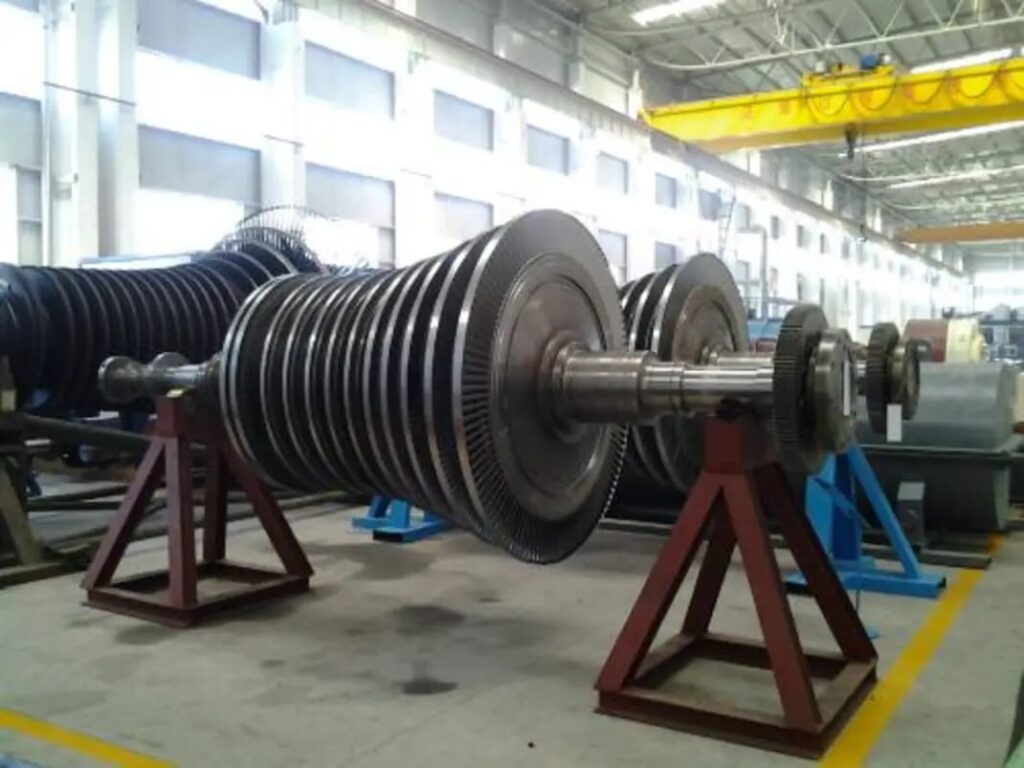
Steam turbine alignment procedures

Steam turbine alignment is a critical procedure for ensuring that the turbine operates smoothly and efficiently. Misalignment of the turbine rotor or its components can lead to excessive wear, vibration, and reduced performance. Therefore, proper alignment ensures that all rotating and stationary parts of the turbine are properly positioned relative to each other, minimizing stresses and avoiding damage. Here’s a detailed approach to the alignment procedure:

Preparation for Alignment

Before beginning any alignment procedure, it is important to prepare the turbine and surrounding environment to ensure safety and accuracy:

  1. Shut Down the Turbine:
    • The turbine must be safely shut down and isolated from any operational systems. Ensure all steam, fuel, and electrical connections are secured.
    • Wait for the turbine to cool down to prevent any thermal expansion that could affect the alignment process.
  2. Inspect the Equipment:
    • Perform a visual inspection of the turbine, including the rotor, casing, bearings, and coupling. Look for signs of wear, damage, or contamination that might affect the alignment.
    • Inspect the foundation of the turbine for any signs of settling or damage. Foundation misalignment can cause problems during turbine operation, so it’s essential to ensure it’s level and stable.
  3. Check for Rotational Freedom:
    • Ensure the rotor can rotate freely without obstruction. If there are any signs of rubbing or resistance, the source of the issue should be identified and addressed before proceeding with alignment.
  4. Clean the Turbine:
    • Clean the surfaces where alignment tools will be used to avoid interference from dirt or debris. This includes the shaft and coupling areas.
  5. Gather Alignment Tools:
    • Gather the necessary tools for alignment, such as dial indicators, laser alignment devices, and alignment shims. For higher precision, laser alignment tools are preferred, as they provide more accurate measurements.

Types of Alignment

There are generally two main types of alignment that need to be considered during turbine maintenance: shaft alignment and geometric alignment.

  1. Shaft Alignment:
    • This ensures that the turbine shaft is aligned with the drive system, including the coupling and generator, to ensure smooth rotation.
  2. Geometric Alignment:
    • This focuses on aligning the entire turbine assembly (including casing, rotor, and bearings) to prevent internal stresses that could cause premature wear and failure.

Alignment Procedure

  1. Shaft Alignment:Initial Setup:
    • Position the alignment tool (either a dial indicator or a laser alignment system) on the turbine shaft and coupling. The tool should be placed in such a way that it can measure the misalignment between the two shafts.
    Measurement:
    • Rotate the turbine shaft to check for any discrepancies between the coupling halves. A dial indicator will show variations in distance as the shaft turns, while a laser system will indicate any misalignment in terms of angular or parallel offset.
    Adjustments:
    • If there is misalignment, adjustments are made to either the turbine shaft or the coupled equipment. Typically, this involves moving the turbine or the associated machinery to align the shafts.
    Rechecking:
    • After making adjustments, repeat the measurements to ensure that the shafts are now properly aligned. Ideally, misalignment should be corrected to within the manufacturer’s recommended tolerances.
  2. Geometric Alignment:Check Horizontal and Vertical Alignment:
    • For geometric alignment, measure the turbine rotor’s position both horizontally and vertically. This can be done by checking the rotor’s alignment relative to the bearing housings and the casing.
    • Laser tools are useful for this as they can project a straight line, allowing you to compare the rotor’s position to ensure it’s correctly aligned in both dimensions.
    Bearings and Casing Alignment:
    • Measure the distance between the bearing housings and the casing to confirm that the rotor is in the proper alignment with respect to the stator and casing. Any misalignment in these areas can lead to increased friction, wear, and heat buildup.
    Coupling Alignment:
    • Additionally, ensure that the coupling components, such as the turbine and generator or pump, are properly aligned to prevent any operational issues like excessive vibration or uneven load distribution.
  3. Tightening the Bolts and Checking for Stability:
    • After the alignment process is complete, carefully tighten all the bolts securing the turbine components in place. It’s crucial to follow the manufacturer’s torque specifications to ensure that the bolts are tightened uniformly, which will help maintain the proper alignment.
    • Once tightened, recheck the alignment to ensure no shifts occurred during the bolting process.

Post-Alignment Steps

  1. Operational Testing:
    • Once the turbine has been aligned and reassembled, it should undergo operational testing. This includes running the turbine at low speeds and gradually increasing the speed to full operational conditions.
    • During this testing, operators should monitor vibration levels, temperatures, and any signs of abnormal operation. If vibration levels are higher than expected, further adjustments to the alignment may be necessary.
  2. Final Inspection:
    • Perform a final inspection of the turbine after the test run, checking for any signs of overheating, excessive vibration, or misalignment. If any issues are detected, corrective actions should be taken immediately.
  3. Record Keeping:
    • Document all the alignment measurements, adjustments, and results. This record will serve as a reference for future maintenance and troubleshooting efforts. It is also valuable for ensuring that the alignment was performed correctly and within acceptable tolerances.
  4. Ongoing Monitoring:
    • Continue monitoring the turbine’s performance during regular operation. Vibration monitoring and temperature checks are crucial for detecting any potential misalignment or operational problems. Regular checks can help identify early signs of issues before they lead to failure.

Conclusion

Steam turbine alignment is a detailed, precise process that ensures optimal turbine performance, extends operational life, and minimizes unnecessary wear on turbine components. By using accurate measurement tools, ensuring proper adjustments, and following best practices for both shaft and geometric alignment, operators can prevent misalignment-related issues, such as excessive vibrations, energy losses, and damage to components. A well-aligned turbine runs efficiently and reliably, helping to reduce downtime and maintenance costs. Regular inspection and monitoring after alignment further ensure that the turbine continues to perform at its best.

Steam turbine alignment is a fundamental procedure that ensures the proper functioning and longevity of the turbine. Proper alignment of the turbine rotor and other critical components helps reduce vibration, wear, and operational issues, while maintaining optimal performance. The process involves aligning the rotor shaft with the generator or other coupled equipment to prevent any misalignment that could cause excessive stress, overheating, or inefficiency during operation.

The alignment process begins with preparing the turbine by ensuring it is safely shut down and cooled. This allows technicians to work in a stable environment, free from the risks of heat and pressure that could affect the precision of the alignment. After ensuring the turbine is safe to work on, the surrounding equipment and the turbine itself should be inspected for any visible issues such as wear, cracks, or contamination that could interfere with the alignment process.

Once the turbine has been inspected, the alignment tools, such as dial indicators or laser alignment systems, are set up to measure the relative positions of the turbine’s rotating and stationary parts. These tools measure any misalignment between the turbine’s shaft and the coupled equipment, providing valuable data on the extent and direction of the misalignment.

The rotor alignment process typically requires adjustments to the turbine’s position or the surrounding equipment. This might involve moving the rotor or the casing to achieve the desired alignment, while also checking the bearing housings to ensure they are properly aligned in relation to the rotor. Using laser alignment tools is especially beneficial in this stage because they provide highly accurate measurements, which can be used to adjust the turbine or its components to within very tight tolerances.

Once the adjustments have been made, the turbine components are carefully bolted back into place, and the alignment is rechecked to ensure no changes have occurred during the tightening process. This is an important step as any misalignment during the bolting phase can result in further adjustments.

After the turbine is reassembled, it should undergo a series of tests to ensure it operates smoothly. Initially, the turbine is run at a low speed to monitor for any unusual vibrations or operational issues. Once the turbine reaches its normal operational speed, operators should continue to monitor vibration levels, bearing temperatures, and steam conditions. Any abnormal readings may indicate the need for further alignment adjustments.

In addition to the tests, ongoing monitoring after the alignment is essential. Vibration analysis, temperature readings, and steam flow measurements are crucial to detect any signs of misalignment that may develop during operation. Regular monitoring can catch potential alignment issues early, preventing costly repairs and downtime. Continuous observation of operational parameters helps identify any changes in the turbine’s behavior that might indicate misalignment or other performance issues.

Finally, documenting the entire alignment process, including measurements, adjustments, and operational results, is vital for future maintenance. Proper records provide a historical reference, allowing technicians to compare the turbine’s performance over time and recognize trends that may indicate the need for alignment or other corrective actions. Accurate documentation also serves as a valuable resource for troubleshooting any future issues, providing insight into previous alignment efforts and how they may have impacted the turbine’s performance.

In conclusion, steam turbine alignment is a critical maintenance procedure that ensures efficient operation, reduces wear on components, and extends the life of the turbine. By carefully following alignment procedures, using accurate measurement tools, and conducting thorough operational testing and monitoring, technicians can prevent misalignment-related issues and maintain the turbine’s performance.

After the turbine alignment procedure is completed, ensuring the turbine continues to operate efficiently requires continuous monitoring and periodic checks. Post-alignment, operators should maintain a consistent approach to inspecting and tracking the turbine’s operational health. Here’s how to ensure the turbine remains in optimal condition:

One of the key aspects of post-alignment care is to continually monitor vibration levels. Even slight changes in vibration patterns can indicate potential alignment issues. Vibration analysis tools, such as accelerometers and vibration sensors, provide valuable data on rotor and bearing behavior. Regularly reviewing this data helps detect misalignment or imbalances early, allowing for timely corrections before they lead to more severe issues. Keeping track of vibration data over time also helps establish baseline performance and highlights deviations that could signal developing problems.

Temperature monitoring is another crucial step in maintaining the turbine after alignment. Heat buildup in critical components such as bearings or the shaft can indicate misalignment, inadequate lubrication, or other mechanical problems. By tracking temperature changes during turbine operation, operators can identify areas that may be experiencing excessive friction or stress. If temperatures exceed safe operating limits, it may suggest that the alignment is off or that other components, such as seals or bearings, require maintenance.

Another essential part of post-alignment care is ensuring that the lubrication system is functioning properly. Proper lubrication helps reduce friction, wear, and heat generation in turbine components. If the turbine was disassembled for alignment and reassembled afterward, technicians should confirm that the lubrication system has been correctly refilled and that there are no blockages or leaks in the oil or grease lines. Monitoring oil levels and quality is also vital for preventing issues with lubrication that could affect alignment.

Beyond monitoring operational parameters, periodic inspections are necessary to detect any physical changes in the turbine’s components. Even if initial alignment is done correctly, wear and tear on bearings, seals, or coupling can lead to misalignment over time. Inspections should focus on checking for any signs of fatigue, corrosion, or damage to critical components. Inspections should also include visual checks of the turbine casing, shaft, bearings, and coupling to ensure that no components have shifted or are exhibiting signs of unusual wear.

In addition to periodic inspections, utilizing condition-based monitoring systems can help assess the turbine’s health in real time. These systems track a variety of data points, such as pressure, temperature, vibration, and power output, and can identify when any of these parameters exceed predefined thresholds. If a system detects an issue, operators can be alerted before a failure occurs, allowing for proactive measures.

It is also helpful to periodically revisit the turbine’s alignment status after it has been in operation for a certain amount of time. While the initial alignment may be correct, over time, equipment can shift due to thermal expansion, mechanical forces, or other factors. Regular checks of the turbine’s alignment after the initial procedure can ensure that any shifts are addressed promptly. In some cases, the turbine may need to undergo a realignment if substantial changes in operating conditions are observed or if excessive wear occurs in certain parts.

Lastly, documentation remains critical throughout the life of the turbine. Not only should alignment procedures be thoroughly documented, but all subsequent inspections, monitoring results, and repairs should be recorded in detail. This documentation serves as a useful reference for future maintenance, helping operators spot recurring issues or identify trends in turbine performance. A complete historical record also helps with troubleshooting by providing insight into past issues, repairs, and performance trends.

Overall, proper steam turbine alignment is not just a one-time procedure but part of an ongoing process of monitoring, maintenance, and adjustments. Continuous oversight and proactive maintenance help ensure that the turbine continues to operate efficiently, reducing the risk of downtime and preventing premature wear on key components. By combining accurate initial alignment with routine monitoring and inspections, operators can extend the operational lifespan of the turbine while maximizing its performance.

Continuing from the ongoing monitoring and maintenance of steam turbines post-alignment, it’s essential to emphasize the role of predictive maintenance strategies and the importance of maintaining a solid understanding of the turbine’s operational behavior.

Predictive maintenance is one of the most valuable approaches to maintaining steam turbine performance. This technique involves analyzing data collected from the turbine’s various sensors to predict potential failures before they occur. Using predictive analytics tools, operators can detect early warning signs of misalignment, wear, or other issues based on trends in vibration, temperature, and other monitored parameters. For example, a gradual increase in vibration levels or a shift in the frequency spectrum can signal a developing misalignment, imbalance, or bearing wear. Early detection allows for corrective measures to be taken before the issue escalates into a major failure.

In addition to vibration and temperature monitoring, ultrasonic testing is another useful technique in detecting alignment issues and other potential problems. Ultrasound testing can detect leaks in seals, measure the thickness of components, and check for internal flaws or material degradation that could contribute to misalignment. This form of non-destructive testing can provide critical information about the condition of the turbine without requiring disassembly, helping to identify problems early.

Regularly scheduled oil analysis is also a useful part of a comprehensive monitoring program. The condition of lubricants can provide important clues about the health of the turbine’s bearings and other moving parts. For example, metal particles found in the oil can indicate wear on bearings or shafts, which may be a result of misalignment. Routine oil analysis can reveal trends in oil quality, enabling early detection of issues before they lead to significant damage.

Having a robust control system that integrates all monitoring data is essential for maintaining optimal turbine performance. A centralized control system should collect and analyze data from vibration sensors, temperature gauges, pressure transducers, and other instruments. This data can then be used to generate reports that help operators track the turbine’s performance over time and identify any anomalies that might suggest misalignment or other operational issues.

The use of alignment software also plays a crucial role in maintaining turbine health. Modern alignment systems often come equipped with software that can calculate precise alignment parameters, take into account machine thermal behavior, and provide recommendations for corrective actions based on real-time data. This software can be linked to the turbine’s central monitoring system, providing real-time feedback on alignment status and the overall condition of the system. The data generated from these systems helps in optimizing alignment procedures and ensuring that the turbine stays within the manufacturer’s specified tolerances.

Additionally, the alignment of auxiliary equipment such as pumps, compressors, or generators that are connected to the steam turbine should not be overlooked. These components must also be correctly aligned to avoid introducing misalignment into the turbine system, especially when they are connected through shafts or couplings. Misalignment in these auxiliary systems can contribute to strain on the turbine, reducing its efficiency and lifespan.

Thermal expansion is another important factor that must be accounted for in turbine alignment. As the turbine heats up during operation, different materials within the turbine expand at different rates. This can cause temporary misalignment as the turbine components adjust to the changes in temperature. Thermal effects on alignment can be minimized by understanding the expected thermal expansion patterns of various components and allowing for them during the alignment procedure. Some alignment tools, especially laser systems, are designed to account for temperature-induced changes in alignment.

As the turbine continues to operate, it’s essential to periodically recalibrate alignment measurements to ensure that no gradual shifts have occurred over time. Even the best alignment can be affected by the operational stresses placed on the turbine, especially in high-load or extreme temperature environments. Regular re-evaluation helps to catch any deviations early before they can lead to larger, more costly issues.

Maintaining a proactive approach to alignment also involves developing a solid spare parts strategy. Critical alignment components such as bearings, couplings, and seals should be regularly inspected, and replacements should be planned in advance to minimize downtime. Keeping a stock of these parts ensures that, if a misalignment-related issue arises, repairs can be carried out immediately without unnecessary delays.

Another key aspect of turbine maintenance is ensuring that all personnel involved in the alignment process are properly trained and have up-to-date knowledge of the turbine’s design and maintenance procedures. Ensuring that technicians are familiar with both the operational behavior of the turbine and the specific alignment tools used will improve the precision of the alignment procedure and reduce the likelihood of errors. Moreover, technicians should understand how changes in operational conditions, such as load shifts or environmental factors, can affect alignment and be ready to make adjustments as needed.

Furthermore, maintaining proper documentation and records throughout the alignment process is indispensable. A detailed record of alignment measurements, adjustments, inspections, and any issues that arise during the maintenance process provides valuable historical context for future inspections. These records serve as an important reference, allowing technicians to understand the turbine’s performance over time and to make informed decisions about future maintenance tasks.

Finally, as part of a comprehensive maintenance plan, it’s critical to regularly assess the overall condition of the turbine. This includes evaluating not only the alignment but also other key factors such as vibration levels, seal condition, rotor health, lubrication, and operational loads. These assessments will provide a holistic view of the turbine’s operational health, enabling better predictive maintenance and avoiding unforeseen failures.

In conclusion, the post-alignment phase is just as important as the alignment procedure itself. Continuous monitoring, predictive analytics, regular inspections, and a proactive maintenance strategy are essential to ensuring the turbine operates at its best. By taking a comprehensive approach to turbine health, operators can significantly reduce the likelihood of misalignment, extend the life of the turbine, and maximize its efficiency and reliability.

Steam turbine vibration analysis

Steam turbine vibration analysis is a critical aspect of turbine maintenance, used to monitor and diagnose potential issues related to misalignment, imbalance, bearing wear, and other mechanical problems. Vibration analysis provides real-time insight into the turbine’s operational health, allowing operators to detect abnormalities early and take corrective actions before a failure occurs. By assessing the frequency, amplitude, and pattern of vibrations, technicians can pinpoint specific issues and understand their severity.

Vibration analysis typically involves using specialized sensors and tools that measure the movement of the turbine’s rotating and stationary components. These tools collect data on vibration patterns, which are then analyzed to detect any irregularities. Early identification of excessive vibration can prevent costly damage to turbine components and minimize unplanned downtime.

Key Concepts in Vibration Analysis

1. Vibration Frequency:

  • The frequency of vibration is one of the most important parameters in turbine vibration analysis. Vibrations are typically measured in cycles per minute (CPM) or Hertz (Hz). Different components of the turbine, such as the rotor, bearings, and casing, vibrate at different frequencies depending on their design, condition, and operational state. Monitoring these frequencies can help identify specific problems.
  • For example, a frequency near the turbine’s rotational speed (1x RPM) could indicate rotor imbalance, while frequencies at higher multiples (2x, 3x RPM) may point to issues such as misalignment, bearing defects, or resonance.

2. Vibration Amplitude:

  • The amplitude of vibration refers to the magnitude of the vibration. Excessive amplitude is often a sign of a serious issue, such as mechanical imbalance, resonance, or misalignment. Amplitude is typically measured in mil or microns, with higher amplitudes indicating greater severity of the issue. Small amplitude vibrations are usually normal, while large amplitudes can signal a mechanical fault.
  • Monitoring amplitude helps to determine the urgency of the problem. A slight increase in amplitude might indicate the need for regular monitoring, while a sudden or significant rise demands immediate action.

3. Vibration Pattern:

  • The pattern of vibrations tells a lot about the nature of the problem. For example, vibrations that follow a periodic pattern often point to mechanical problems like unbalanced rotating parts or misalignment. Irregular patterns may indicate issues such as gear wear, bearing degradation, or loose components.
  • Analyzing the pattern can also help identify resonance problems. If the turbine’s natural frequency coincides with an external excitation frequency, the system can resonate, causing large amplitude vibrations that can lead to catastrophic damage if not addressed.

Common Causes of Excessive Vibration

Several mechanical issues can cause excessive vibration in a steam turbine, including:

1. Rotor Imbalance:

  • Rotor imbalance occurs when the mass distribution of the rotating shaft is uneven, causing it to vibrate as it spins. This is one of the most common causes of turbine vibration. Imbalance can result from manufacturing defects, wear, or debris accumulation on the rotor.
  • Imbalanced rotors tend to cause vibrations at 1x RPM (once per revolution). Vibration analysis can detect this condition by comparing the frequency of vibration with the turbine’s rotational speed.

2. Misalignment:

  • Misalignment between the turbine shaft and the connected equipment (such as the generator or pump) can cause excessive vibration. Misalignment forces uneven loading on the components, leading to vibration at multiple frequencies, including 1x RPM and higher-order harmonics.
  • Misalignment typically results in vibrations at both the shaft and bearing points. Aligning the turbine properly can significantly reduce these vibrations and increase the lifespan of the turbine and associated components.

3. Bearing Problems:

  • Bearings are critical components in steam turbines, and problems with them—such as wear, poor lubrication, or contamination—can cause abnormal vibrations. Bearing faults often generate vibrations at higher frequencies, such as 2x, 3x, or higher multiples of the RPM.
  • Vibration analysis can detect irregular bearing behavior, such as changes in the vibration frequency or amplitude, which may indicate damaged rolling elements or lubrication problems.

4. Resonance:

  • Resonance occurs when the turbine or its components vibrate at their natural frequencies due to an external excitation force. When the turbine’s operating speed matches a natural frequency of the turbine, a condition called resonance may occur, amplifying vibrations.
  • This is a dangerous condition, as resonance can lead to structural failure if the turbine is not properly tuned to avoid these frequencies. Vibration analysis can identify when the system is resonating by comparing vibration frequencies with known natural frequencies of the turbine.

5. Structural Defects:

  • Structural issues, such as cracks or loose components, can lead to abnormal vibrations. These problems can cause vibrations at unpredictable frequencies and amplitudes.
  • Vibration analysis can sometimes detect early signs of structural defects by analyzing shifts in the vibration pattern or spikes in certain frequencies.

Vibration Analysis Process

The vibration analysis process generally follows these steps:

1. Sensor Placement:

  • Vibration sensors are strategically placed on key turbine components, including the rotor, shaft, bearings, and casing. Sensors are typically accelerometers or velocity transducers that measure the movement of the components.
  • For optimal monitoring, sensors are usually placed at key locations such as the bearing housings, turbine casing, and shaft ends. The number and location of sensors depend on the turbine design and the type of analysis being performed.

2. Data Collection:

  • Once the sensors are in place, they continuously collect vibration data. This data includes the amplitude and frequency of vibrations. The data is collected in real time during turbine operation to monitor ongoing performance.

3. Data Analysis:

  • The collected data is analyzed using software tools that can process vibration signals and transform them into useful information. Analysis tools can generate spectral plots that display the frequency and amplitude of vibrations.
  • Spectral analysis is typically used to identify the frequencies corresponding to different faults. By comparing the measured vibration frequencies with the turbine’s operational parameters (e.g., rotational speed), technicians can pinpoint specific problems such as imbalance or misalignment.

4. Fault Diagnosis:

  • Once the data is analyzed, a fault diagnosis is performed based on the vibration signatures. Vibration patterns are compared with typical fault signatures to identify the root cause of the vibration. These fault signatures are compiled from years of operational data and are used as a reference for troubleshooting.

5. Corrective Action:

  • Once the fault is identified, corrective actions are taken. This may involve realigning the turbine, balancing the rotor, replacing worn bearings, or fixing any structural issues. Vibration analysis data can help guide the repair process by indicating which components are most affected and where to focus attention.
  • Following repairs, vibration monitoring should continue to ensure that the issue has been resolved and that no new faults have developed.

Advanced Vibration Analysis Techniques

While traditional vibration analysis techniques are widely used, advanced methods can provide deeper insights into turbine health.

1. Time-domain Analysis:

  • Time-domain analysis involves looking at vibration data as a function of time. It’s useful for detecting transient or non-periodic events, such as sudden impacts or abrupt changes in system behavior.

2. Modal Analysis:

  • Modal analysis helps identify the natural frequencies and modes of vibration of turbine components. This can help prevent resonance issues by understanding how the turbine’s components respond to different operating conditions.

3. Bode Plots:

  • Bode plots provide a graphical representation of the system’s frequency response. These plots help identify resonance and understand the amplitude-frequency relationship, which is useful for tuning the turbine and preventing destructive resonant frequencies.

Conclusion

Vibration analysis is a vital tool for ensuring the smooth operation of steam turbines. By continuously monitoring vibration frequencies, amplitudes, and patterns, technicians can detect early signs of imbalance, misalignment, bearing issues, and resonance. This proactive approach helps prevent catastrophic failures, optimize turbine performance, and extend the lifespan of turbine components. Regular vibration analysis, combined with predictive maintenance strategies, plays a crucial role in keeping steam turbines running efficiently and reliably.

Vibration analysis plays a crucial role in detecting and diagnosing potential issues in steam turbines before they lead to significant damage. It helps operators understand the underlying mechanical problems by analyzing the frequency, amplitude, and pattern of the vibrations. By monitoring these key parameters, operators can identify early signs of misalignment, imbalance, bearing wear, resonance, or other mechanical failures. It’s an essential part of a comprehensive maintenance program aimed at ensuring the turbine operates efficiently and reliably.

The process typically begins with strategically placing vibration sensors on key turbine components like the rotor, shaft, bearings, and casing. These sensors, usually accelerometers or velocity transducers, measure the vibrations of the rotating and stationary parts. This data is continuously collected as the turbine operates, allowing for real-time monitoring of its health. The frequency and amplitude of the vibrations recorded are then analyzed to detect any irregularities or excessive levels that could indicate a developing issue.

Vibration frequency refers to the rate at which the turbine’s components vibrate. Different components, such as the rotor or bearings, vibrate at different frequencies depending on their design, condition, and operational state. These frequencies are monitored and compared to known operating parameters, such as the turbine’s rotational speed. An increase in vibration frequency at the same rate as the rotational speed (1x RPM) often indicates rotor imbalance, whereas higher multiples (2x, 3x RPM) may suggest problems such as misalignment or bearing wear. Excessive vibration amplitudes can be signs of a serious problem, such as structural defects, unbalanced rotors, or improper alignment. It is critical to monitor the amplitude carefully because large changes could point to significant mechanical issues that require immediate attention.

Vibration patterns provide valuable information about the nature of the problem. Regular or periodic vibrations can often be associated with rotor imbalance or misalignment. In contrast, irregular or erratic patterns may indicate issues like gear wear, bearing degradation, or loose components. Identifying these patterns early is key to minimizing downtime and preventing further damage. Resonance is another issue that vibration analysis can help detect. If the turbine is operating at or near its natural frequency, resonance can occur, leading to excessive vibrations that can cause structural damage if not addressed. By comparing operational data with known frequencies, operators can avoid dangerous resonant conditions and ensure the turbine operates outside its critical frequency range.

Excessive vibrations in a turbine can stem from several causes. Rotor imbalance is one of the most common, typically occurring when the rotor’s mass is unevenly distributed. This can happen due to manufacturing defects, wear, or debris accumulation on the rotor. Imbalance usually generates vibrations at the turbine’s rotational speed (1x RPM). Misalignment is another common cause, where the turbine shaft is not properly aligned with connected equipment, leading to uneven loads and vibrations at multiple frequencies. Bearing issues, such as wear or improper lubrication, also produce vibrations, often detectable at higher frequencies (2x RPM or higher). Resonance occurs when external forces excite the turbine at its natural frequency, amplifying vibrations to dangerous levels.

To address excessive vibration, vibration analysis is used to locate the exact source of the issue. If imbalance is detected, corrective actions like rotor balancing are recommended. For misalignment, adjustments are made to realign the turbine shaft and connected equipment. Bearings that show signs of wear or damage are replaced or repaired, and if resonance is detected, changes to the operational speed or adjustments to the turbine’s design may be required to prevent damaging vibrations.

The collected vibration data is processed using advanced analysis tools, which generate spectral plots that show the frequency and amplitude of the vibrations. This helps technicians pinpoint the exact problem by matching vibration frequencies with known fault signatures. These tools can also generate time-domain analysis to track transient or non-periodic events that may not show up in traditional frequency-domain analysis.

Once the problem is diagnosed, corrective measures are implemented. These might involve realigning components, replacing worn parts, or fixing any structural defects. Following repairs, vibration analysis continues to ensure that the issue has been resolved and that no new problems have arisen. For complex systems, advanced techniques like modal analysis or Bode plots are used to understand the turbine’s frequency response and ensure that resonant frequencies are avoided during operation.

Vibration analysis not only helps in detecting and diagnosing existing problems but also plays a key role in predictive maintenance. By continuously monitoring vibration data, operators can identify trends and patterns that suggest a developing issue. Predictive maintenance strategies use this data to forecast when parts will need repair or replacement, reducing the risk of sudden failures and allowing for more efficient planning of maintenance activities.

In addition to routine vibration monitoring, operators also need to conduct regular inspections and maintenance tasks, such as oil analysis, to ensure the overall health of the turbine. Oil analysis can reveal signs of bearing wear or contamination, which could be indicative of vibration issues. Regular maintenance checks, combined with vibration data, create a comprehensive strategy for maintaining turbine health and preventing failures.

Vibration analysis ultimately improves turbine reliability, reduces downtime, and lowers the cost of unplanned repairs. By identifying problems early and allowing for corrective action before they escalate, vibration monitoring helps maximize turbine performance and longevity. Through proactive monitoring, corrective measures, and predictive analytics, steam turbines can be kept in optimal condition, ensuring that they continue to operate efficiently and reliably for years to come.

Building on the importance of vibration analysis, it’s also crucial to delve deeper into advanced methods and best practices that enhance the effectiveness of vibration monitoring for steam turbines.

One of the most advanced techniques used in vibration analysis is envelope analysis. Envelope analysis is particularly effective for detecting faults in bearings and gearboxes. It focuses on the high-frequency modulations of vibration signals that are typically associated with localized defects in rotating components. By isolating these high-frequency components, envelope analysis helps detect issues like pitting, cracking, or spalling in bearing surfaces or gear teeth long before they become visible through traditional inspection methods. This method helps operators identify mechanical degradation in its earliest stages, preventing more severe failures.

Another advanced technique used in vibration analysis is time-synchronous averaging (TSA). This method works by synchronizing vibration data with the rotor’s position, allowing for better analysis of periodic events that are synchronized with the turbine’s rotation. TSA helps identify subtle vibration patterns that are otherwise hard to distinguish in standard time-domain analysis. It’s particularly useful for diagnosing issues such as rubs, unbalance, or misalignment at specific points of the turbine’s operation cycle. By providing a clearer picture of how the turbine behaves during each revolution, TSA improves the accuracy of diagnostics and helps operators take targeted corrective actions.

In addition to advanced analysis techniques, data integration and the use of modern condition monitoring systems are key components of an effective vibration analysis program. These systems collect and integrate data from various sensors placed throughout the turbine, including vibration sensors, temperature sensors, pressure sensors, and even acoustic sensors. By analyzing data from multiple sources, operators can build a more comprehensive understanding of the turbine’s health and identify any correlations between different operational parameters. For example, a rise in temperature combined with increased vibration could indicate a potential problem with lubrication or bearing wear.

Machine learning and artificial intelligence (AI) are becoming increasingly important tools in vibration analysis. These technologies allow for the automation of fault detection and diagnosis by analyzing large sets of vibration data and learning to recognize patterns associated with specific types of faults. Machine learning algorithms can analyze historical data, compare current data with known fault signatures, and predict when a failure is likely to occur. This predictive capability helps in planning maintenance activities more effectively and reduces the likelihood of unplanned outages.

Another important consideration in vibration analysis is ensuring proper sensor calibration and placement. For vibration data to be accurate and reliable, it’s essential that sensors are properly calibrated and installed at optimal locations. For example, sensors placed near bearings or on the rotor itself will provide the most relevant data regarding the health of these components. Regular calibration ensures that the sensors continue to provide accurate measurements over time, reducing the risk of false alarms or missed detections. Additionally, the positioning of sensors should be regularly reviewed and adjusted as necessary based on the turbine’s operational changes or modifications.

Routine baseline data collection is also essential for effective vibration monitoring. This involves establishing a baseline vibration profile for the turbine when it is in good condition and then regularly comparing subsequent measurements against this baseline. Any significant deviation from the baseline could indicate the onset of a problem. Baseline data serves as a reference point and helps to distinguish between normal operational vibrations and abnormal patterns that may suggest mechanical issues.

As part of ongoing analysis, trend monitoring is also crucial. By continuously monitoring and analyzing trends in vibration data over time, operators can identify gradual changes in turbine behavior. For example, a slow increase in vibration amplitude over several months may point to developing issues such as bearing wear or misalignment. Detecting these trends early allows operators to intervene before the problem worsens, preventing major damage and extending the life of the turbine.

In addition to the technical aspects, effective vibration analysis also relies on having a well-trained team of operators and maintenance personnel. These technicians should be familiar with the turbine’s design, the behavior of its components, and the use of vibration analysis tools and software. Regular training ensures that the team can interpret vibration data accurately and respond to any issues that arise promptly. As part of a proactive maintenance culture, technicians should be encouraged to document all findings from vibration analysis and share insights across the team to continuously improve diagnostic accuracy.

The role of predictive maintenance is also tied closely with vibration analysis. By continually monitoring vibration data, operators can predict when a turbine is likely to experience failure based on patterns from previous data. Predictive maintenance, which uses advanced algorithms and real-time data, helps avoid unnecessary maintenance and reduces downtime by scheduling interventions based on the actual condition of the equipment rather than fixed intervals. This approach not only saves costs but also ensures that interventions occur at the right time to maximize turbine performance.

In the broader context, vibration analysis contributes to overall turbine performance optimization. By maintaining a well-calibrated, well-monitored turbine, operators can ensure that the turbine operates at peak efficiency. Vibration monitoring also plays a role in energy efficiency, as a misaligned or unbalanced turbine will often consume more energy to operate, reducing overall efficiency. Maintaining proper alignment and reducing vibrations ensures the turbine operates smoothly, reduces energy waste, and extends the operational life of critical components.

Furthermore, collaboration with manufacturers and specialized service providers can enhance vibration analysis efforts. Manufacturers often have in-depth knowledge of their turbines’ design and common failure modes, which can be invaluable when analyzing vibration data. External service providers with expertise in vibration analysis can also offer additional diagnostic support and recommendations, especially when dealing with complex turbine systems or unusual vibration patterns.

In conclusion, vibration analysis is more than just a diagnostic tool—it’s an essential part of maintaining a steam turbine’s health and optimizing its performance. With the use of advanced analysis techniques, integrated monitoring systems, and predictive maintenance strategies, vibration analysis can detect issues before they lead to catastrophic failures, reduce downtime, and ensure the turbine operates at maximum efficiency. By combining sophisticated diagnostic tools with proactive maintenance practices, operators can significantly extend the life of their turbines and keep them running reliably and efficiently for years to come.

Continuing with the role of vibration analysis in steam turbine maintenance, it’s also important to consider the broader impact of effective vibration monitoring on safety, cost management, and operational uptime. By using vibration data as part of a comprehensive condition monitoring strategy, operators can make informed decisions that not only prevent mechanical failures but also enhance the overall safety and reliability of turbine operations.

One of the primary benefits of vibration analysis is its ability to increase operational safety. Turbines are subject to extreme stresses, and even minor mechanical failures can escalate quickly, leading to safety hazards such as shaft breakages, fire, or explosions. Regular vibration monitoring helps identify problems before they reach critical levels, allowing for early intervention. By pinpointing issues such as misalignment, imbalance, or bearing defects, operators can address them before they compromise the structural integrity of the turbine. For example, a bearing failure can lead to catastrophic damage if left unchecked, but vibration analysis helps detect early warning signs, preventing such outcomes. Therefore, by reducing the risk of catastrophic failure, vibration analysis directly contributes to the safety of both the personnel operating the turbine and the plant as a whole.

Effective vibration monitoring also plays a key role in cost reduction. Unplanned downtime and emergency repairs are among the most expensive aspects of turbine operation. When a turbine fails unexpectedly, the costs can be staggering—not only from repair expenses but also due to the associated loss of production and energy. Vibration analysis helps prevent these costly events by detecting problems early, allowing for scheduled maintenance that is more cost-effective than reactive measures. The ability to predict when a component is likely to fail enables operators to plan for replacements or repairs in advance, minimizing both the cost of parts and the disruption to turbine operations.

Moreover, vibration analysis supports better resource allocation by allowing for more efficient maintenance planning. When vibration data points to a developing problem, maintenance can be scheduled during planned outages, thus avoiding costly downtime. This helps optimize manpower and equipment resources. Predictive maintenance based on vibration data allows maintenance teams to focus their efforts on components that are most likely to fail, preventing unnecessary work on parts that are still in good condition. This helps streamline maintenance operations, improve turnaround times, and ensure that resources are used effectively.

Vibration monitoring also contributes to extended equipment life. Regular monitoring and early identification of problems mean that corrective actions can be taken before minor issues turn into major repairs. For example, detecting a minor imbalance early allows for rotor balancing, preventing long-term damage to bearings and other components. By addressing issues promptly, the turbine’s components remain in optimal condition for longer periods, reducing the need for expensive replacements and repairs. This translates into significant long-term savings and improves the overall return on investment for the turbine system.

In addition to maintaining equipment, vibration analysis also plays a significant role in reducing energy consumption. When turbines experience issues like misalignment or imbalance, they often operate less efficiently, requiring more energy to maintain the same level of performance. Vibration monitoring helps ensure that the turbine is running smoothly, minimizing energy waste. By identifying and addressing mechanical faults early, turbines can operate more efficiently, reducing the need for excessive energy input and optimizing fuel use. This not only lowers operational costs but also helps to meet sustainability goals by reducing the overall energy footprint of the plant.

Furthermore, vibration analysis is invaluable in ensuring compliance with industry standards and regulations. Many industries, particularly those in critical sectors like power generation, are governed by strict standards related to machinery condition monitoring and safety. Regular vibration monitoring and analysis can provide the necessary documentation to demonstrate compliance with these standards, ensuring that the plant meets regulatory requirements. Failing to adhere to these standards can result in fines, legal issues, or even shutdowns, so using vibration analysis as part of a broader compliance strategy is essential for avoiding such risks.

One increasingly popular approach in vibration analysis is the integration of Internet of Things (IoT) technology. IoT-enabled vibration sensors can collect real-time data from turbines and transmit it to a central monitoring system, where it can be analyzed remotely. This enables operators to monitor turbine health from anywhere and make decisions without needing to be physically present at the plant. The integration of IoT technology makes it easier to detect emerging issues, monitor trends, and respond to problems immediately, all while maintaining a lower cost of operation and reducing the need for manual inspections.

In some cases, remote vibration monitoring can be combined with other predictive maintenance technologies such as thermography (temperature monitoring) and ultrasound inspection. By using a combination of monitoring methods, operators can build a comprehensive picture of the turbine’s health. For example, temperature and vibration data together can indicate a lubrication problem, while vibration and ultrasound data can identify issues with bearings or misalignment. The combination of these technologies provides a more holistic view of the turbine’s condition, improving the accuracy of fault detection and enabling more effective maintenance decisions.

The advancement of cloud-based analytics platforms further enhances the value of vibration analysis. Data from turbines can be stored in the cloud and accessed by maintenance teams or engineers at any time. Cloud platforms can also process large volumes of vibration data using advanced algorithms, machine learning models, or AI to predict failure modes or optimize maintenance schedules. These platforms can leverage historical data from multiple turbines, improving diagnostics and predictive capabilities over time. Furthermore, cloud-based platforms allow for easy sharing of vibration data between different locations, making it possible for plant managers to compare performance metrics across multiple turbines or facilities.

As turbine technology continues to evolve, so does the complexity of the analysis and the types of faults that can be detected. New diagnostic algorithms, machine learning models, and enhanced sensor technology are all contributing to increasingly sophisticated vibration monitoring techniques. For example, high-frequency sensors can now capture vibrations at much higher resolutions, allowing for the detection of smaller, more subtle issues that may have previously gone unnoticed. Likewise, machine learning models trained on large datasets of vibration data can identify emerging fault patterns and trends that are difficult to recognize through traditional analysis methods. As these technologies improve, so too does the ability of vibration analysis to predict failures before they occur, further reducing the likelihood of unplanned downtime.

In conclusion, vibration analysis is not just a diagnostic tool but a comprehensive strategy that provides long-term benefits in terms of safety, efficiency, and cost-effectiveness. By continuously monitoring vibrations, detecting faults early, and performing predictive maintenance, operators can keep turbines running efficiently while extending their operational life. The integration of advanced analytics, IoT technology, and predictive maintenance strategies ensures that vibration analysis remains at the forefront of turbine health management, offering increased reliability, reduced energy consumption, and lower operational costs. Through ongoing advancements in sensor technology and data analytics, vibration analysis will continue to evolve, providing even greater insights and enabling steam turbines to operate at their optimal performance levels for years to come.

Steam turbine rotor maintenance

Steam turbine rotor maintenance is an essential part of ensuring the longevity and performance of the turbine. The rotor, being the central rotating component of the turbine, experiences significant stresses and fatigue due to the constant exposure to high temperatures, pressure, and rotational forces. Rotor maintenance is crucial for minimizing the risk of failure, maintaining efficiency, and reducing costly downtime. This process involves a combination of regular inspections, monitoring, repairs, and proactive maintenance strategies.

Routine inspections form the foundation of steam turbine rotor maintenance. Operators regularly inspect the rotor for signs of wear, cracking, and other forms of mechanical damage. Visual inspections help detect surface flaws such as corrosion, erosion, or pitting that can develop over time, particularly in the high-temperature regions of the rotor. These visual checks are often supplemented by non-destructive testing (NDT) methods, including ultrasonic testing, eddy current inspection, and magnetic particle testing. These techniques allow technicians to detect internal cracks, fatigue damage, and other structural issues that may not be visible on the surface. Routine inspections are typically carried out during planned turbine shutdowns, when the rotor can be safely accessed.

One of the key maintenance tasks is rotor balancing. Imbalance in the rotor can cause excessive vibrations, which, if left unchecked, can lead to significant wear and premature failure of bearings, seals, and other components. Rotor imbalance can be caused by factors such as uneven material wear, accumulation of debris, or improper assembly during manufacturing. A common method to address imbalance is dynamic balancing, where the rotor is rotated at various speeds to identify and correct any imbalance. This is usually done using specialized balancing machines that measure vibration responses and pinpoint where corrections need to be made. Balancing ensures smooth rotor operation, minimizes mechanical stresses, and prevents damage to surrounding components.

Another crucial aspect of rotor maintenance is bearing maintenance. Bearings support the rotor and allow it to rotate smoothly, and they are subjected to high loads and constant friction. Regular bearing inspections are essential to ensure that they are in good condition and functioning as designed. The rotor’s bearings are often fitted with sensors to monitor vibrations, temperature, and lubrication levels, allowing operators to track bearing performance continuously. Bearing failure can lead to misalignment, further imbalance, and damage to the rotor itself. If any bearing is found to be defective, it must be replaced or repaired promptly to prevent further damage to the rotor or other critical turbine components.

Rotor shaft repairs are another key area of maintenance. The shaft is subject to significant mechanical stresses, including bending, torsional stresses, and thermal expansion. Over time, the rotor shaft may experience wear, cracking, or deformation, which can compromise the turbine’s performance and reliability. In the case of minor shaft damage, repair procedures like surface hardening, welding, or machining may be performed. More severe damage may require shaft replacement. Regular monitoring of shaft vibrations and stresses helps identify issues before they become critical, enabling timely repairs and preventing catastrophic failures.

In addition to inspections, lubrication is an integral part of maintaining the rotor and its associated components. Proper lubrication ensures that the rotor bearings and other moving parts operate smoothly and reduces friction, which helps prevent premature wear. The quality and consistency of lubricant are vital, and regular oil analysis is conducted to ensure that it is clean, free of contaminants, and operating at the correct temperature. Oil degradation can cause increased friction, higher operating temperatures, and accelerated wear on rotor bearings, so lubricant management is an ongoing task that must be closely monitored.

Over time, thermal stresses can affect the rotor’s integrity, particularly if the turbine experiences frequent start-ups and shutdowns. The rotor can undergo thermal expansion and contraction, which can cause mechanical fatigue and even cracking. To mitigate the effects of thermal stresses, it’s important to adhere to proper startup and shutdown procedures, ensuring that the rotor heats up and cools down gradually. Additionally, maintaining optimal operational temperatures and pressures within the turbine will reduce the likelihood of thermal damage. In some cases, heat treatment techniques, such as stress relieving or thermal aging, may be applied to the rotor to increase its resistance to thermal fatigue.

Crack detection and repair are significant aspects of rotor maintenance. Due to the high operational stresses, cracks can develop in the rotor over time, especially at welds or in areas of high thermal cycling. Regular inspection using ultrasonic testing or dye penetrant inspections can identify surface or subsurface cracks early on. In the case of detected cracks, repair methods vary depending on the severity and location of the crack. For minor surface cracks, processes like welding or brazing can be used to restore the structural integrity of the rotor. In more severe cases, sections of the rotor may need to be replaced. The earlier cracks are identified, the more cost-effective and manageable the repairs will be.

Rotor retubing is a maintenance procedure that can be necessary in older steam turbines. The rotor may have internal tubes or passages through which steam flows, and over time, these can become corroded or eroded. Retubing involves replacing these components to restore optimal performance. This process can be particularly important in turbines that have been in operation for an extended period, as corrosion and wear are inevitable in high-temperature environments.

To improve the reliability and performance of the turbine, upgrading rotor components might also be a consideration during maintenance. This includes replacing older rotor blades with newer, more efficient designs or upgrading the rotor’s material to enhance its resistance to high temperatures and stresses. Such upgrades can improve the efficiency and lifespan of the rotor, making it better suited to modern operational demands.

In addition to these individual maintenance tasks, it’s important to implement a comprehensive rotor maintenance schedule that incorporates both preventive and predictive strategies. Preventive maintenance involves routine tasks performed at set intervals, such as inspections, lubrication, and balancing. Predictive maintenance, on the other hand, uses real-time data from monitoring systems to forecast potential issues based on trends and condition indicators, allowing for more targeted maintenance before problems arise.

An effective rotor maintenance strategy also requires collaboration between operators, engineers, and external specialists. Engineers with expertise in rotor dynamics can help interpret vibration analysis and other diagnostic data, providing recommendations for corrective actions. External specialists may also be called in for specialized tasks such as rotor balancing, shaft repairs, or advanced non-destructive testing.

Documentation and record-keeping are also crucial aspects of steam turbine rotor maintenance. Detailed records of all inspections, repairs, replacements, and upgrades should be kept to track the turbine’s maintenance history. These records help inform future maintenance decisions, assist in troubleshooting, and ensure compliance with regulatory standards. They also provide valuable data for long-term performance analysis, helping operators optimize rotor maintenance over time.

In conclusion, steam turbine rotor maintenance is a complex, ongoing process that involves a combination of inspections, repairs, balancing, lubrication, and monitoring to ensure the reliable performance of the turbine. Timely and effective maintenance is key to preventing costly failures and ensuring that the rotor operates at peak efficiency. By leveraging modern diagnostic tools, advanced maintenance techniques, and predictive analytics, operators can extend the life of the rotor, minimize downtime, and improve the overall reliability of the turbine. As turbine technology continues to evolve, rotor maintenance will remain a critical component in optimizing turbine performance and ensuring the long-term success of power generation operations.

Building on the foundation of steam turbine rotor maintenance, it is essential to recognize that continuous monitoring plays a pivotal role in ensuring the rotor remains in optimal condition over its lifespan. Through constant observation and real-time data collection, maintenance teams can track the turbine’s performance and spot emerging issues long before they evolve into catastrophic failures. Modern turbines are equipped with advanced sensors that measure a variety of parameters, including vibration, temperature, pressure, and rotational speed. These sensors provide a continuous stream of data, which is analyzed by sophisticated condition monitoring systems. These systems compare current data with historical trends to detect anomalies or deviations that could signal potential problems, allowing for early intervention and avoiding costly downtime.

Automated diagnostic tools have become increasingly integral to rotor maintenance as they enable continuous assessment without the need for manual inspection. These tools use machine learning algorithms to identify patterns within the collected data and predict future failures based on historical trends. For instance, if the vibration levels from a particular bearing are consistently rising or if the temperature of a rotor shaft increases beyond a predefined threshold, automated diagnostics can raise an alert, prompting operators to perform targeted inspections. This predictive approach is much more efficient than waiting for symptoms to manifest visibly, and it allows for corrective actions to be taken during scheduled maintenance windows, minimizing the impact on operations.

Alongside real-time monitoring, another strategy that enhances rotor maintenance is thermal management. As steam turbines operate, the rotor experiences thermal cycling as it heats up and cools down repeatedly during start-up and shutdown cycles. These frequent temperature fluctuations can result in thermal stresses that weaken the rotor over time. Proper thermal management helps reduce the strain on the rotor by ensuring that temperature changes occur gradually, minimizing the risk of cracking or warping. Techniques like stress-relieving treatments or installing cooling jackets around the rotor can help manage these thermal stresses and prevent premature damage to critical components.

Additionally, maintaining the integrity of rotor materials is crucial for ensuring the rotor’s long-term reliability. The material composition of the rotor is designed to withstand high temperatures and pressures. However, over time, exposure to these extreme conditions can lead to the degradation of the rotor’s material properties. Material degradation can manifest as creep, which occurs when the material slowly deforms under constant stress at high temperatures, or fatigue caused by repeated loading cycles. To mitigate material degradation, operators should follow the manufacturer’s recommended maintenance intervals and use advanced testing methods like metallurgical analysis to assess the condition of the rotor material. In some cases, the rotor may require reconditioning or remanufacturing to restore its original properties, especially if it is showing signs of significant wear or stress accumulation.

Proper seal integrity is also a critical factor in rotor maintenance. Seals prevent steam from escaping the rotor assembly and ensure that the turbine maintains its efficiency. Over time, seals can wear out due to high temperatures, pressure differentials, and the mechanical stresses of turbine operation. Monitoring seal conditions through pressure sensors and regular inspections is essential to prevent steam leakage, which can lower turbine efficiency and lead to increased wear on rotor components. If seal degradation is detected early, timely replacement can prevent excessive wear on other critical parts, such as the rotor bearings and turbine casing.

Rotor disassembly and inspection is often necessary for more thorough maintenance, especially during major overhauls or after extended periods of operation. During disassembly, components like the rotor blades, shaft, and bearings are carefully inspected, cleaned, and measured for any signs of wear or damage. This process can also involve detailed non-destructive testing methods to identify any hidden cracks or weaknesses within the rotor’s material. In certain cases, rotor refurbishment or remanufacturing may be required to bring components back to like-new condition. While disassembling the rotor for inspection can be time-consuming, it provides valuable insights into the rotor’s overall condition and ensures that all components are operating as intended.

When disassembling the rotor, precision handling is essential to avoid causing any damage to the delicate components. The rotor must be handled with care to prevent deformation, surface damage, or contamination. Any damage during disassembly can lead to increased repair costs and downtime, making it critical to employ skilled technicians and adhere to strict disassembly protocols.

Moreover, rotor maintenance should consider the environmental conditions in which the turbine operates. Factors such as humidity, dust, or corrosive elements in the surrounding environment can accelerate wear on rotor components. For example, high humidity can increase the risk of corrosion, while dust or particulate matter in the air can cause erosion on the rotor blades. To mitigate these risks, turbine operators may invest in protective coatings or corrosion-resistant materials for rotor components. Additionally, maintaining clean and dry operating environments, as well as implementing regular cleaning procedures, can help prevent environmental factors from compromising rotor performance.

Another critical element in rotor maintenance is root cause analysis. When a failure or malfunction occurs, it is essential to conduct a thorough investigation to determine the underlying cause. Root cause analysis helps prevent future occurrences by identifying systemic issues that may not be immediately obvious. For instance, if a rotor shaft failure occurs, the root cause could be linked to improper lubrication, manufacturing defects, or thermal stresses rather than just the material fatigue of the shaft itself. By identifying the root cause, operators can implement corrective actions that address the broader issue and ensure the problem does not recur.

Finally, operator training plays an important role in maintaining the integrity of the rotor and turbine system as a whole. Maintenance personnel and operators need to be well-versed in the specific requirements for rotor care and understand the various failure modes that can affect the rotor. Continuous training on the latest rotor maintenance techniques, tools, and diagnostic systems ensures that personnel are equipped to address issues promptly and effectively. In addition, sharing knowledge and experiences among operators can foster a more proactive maintenance culture, where potential issues are identified and addressed before they lead to significant failures.

Documentation and reporting are vital parts of rotor maintenance. Keeping detailed records of inspections, repairs, and any other maintenance actions is crucial for tracking the health of the rotor over time. These records can be invaluable during future inspections or when assessing the overall performance of the turbine. Moreover, they provide a historical context for operators and engineers to analyze trends in rotor wear and performance, helping to refine maintenance schedules and strategies. Detailed records are also essential for compliance with regulatory standards, as they provide verifiable evidence that proper maintenance procedures have been followed.

In conclusion, steam turbine rotor maintenance is a multifaceted process that involves a range of strategies to ensure the turbine remains in peak operating condition. From regular inspections and monitoring to advanced diagnostic techniques, proper lubrication, and thermal management, rotor maintenance is a critical aspect of turbine reliability. With the implementation of proactive maintenance practices, timely repairs, and continuous monitoring, operators can extend the lifespan of the rotor, minimize unplanned downtime, and ensure that the turbine operates with maximum efficiency. By combining traditional maintenance approaches with cutting-edge technologies like predictive analytics, material science advancements, and automated diagnostics, rotor maintenance will continue to evolve, keeping turbines running smoothly and reliably for many years.

To further expand on steam turbine rotor maintenance, it’s essential to address the broader operational strategies and technologies that contribute to ensuring the rotor’s optimal performance over its lifecycle. These strategies incorporate data-driven decision-making and advanced engineering practices to anticipate potential issues and extend the lifespan of turbine rotors. The integration of such technologies allows for a more streamlined, efficient, and reliable maintenance process.

One of the cornerstones of modern turbine rotor maintenance is the implementation of predictive maintenance. This strategy goes beyond traditional scheduled maintenance by utilizing data collected from sensors embedded throughout the turbine. These sensors track key parameters such as vibration, temperature, pressure, and rotational speed in real-time. This continuous flow of data allows engineers to identify early signs of wear, misalignment, or thermal stress. By leveraging machine learning algorithms, the data is analyzed to predict the likelihood of component failure before it occurs, which reduces the risk of unexpected breakdowns. Predictive maintenance not only enhances rotor reliability but also reduces the need for unnecessary inspections or repairs, thus optimizing both time and resource allocation.

Additionally, the adoption of smart sensors has revolutionized rotor condition monitoring. These sensors, which are capable of monitoring various parameters continuously, often include features such as wireless communication, allowing data to be transmitted remotely to maintenance teams. This wireless monitoring is particularly valuable in large industrial turbines, where accessing the rotor can be time-consuming and challenging. By providing real-time, accurate data on rotor health, smart sensors enable operators to act quickly when a problem is detected, avoiding costly delays or unscheduled downtimes. The sensors may also be equipped with data logging capabilities, allowing trends to be analyzed over time to help predict potential future issues.

The use of digital twins in rotor maintenance is another innovative approach. A digital twin is a virtual representation of the turbine and its components, created using real-time data. This virtual model allows engineers to simulate various operating conditions and predict how the rotor might behave under different circumstances. For example, engineers can use a digital twin to test how the rotor would respond to changes in steam pressure, temperature, or operational load without physically altering the turbine. This predictive modeling helps operators optimize maintenance schedules, troubleshoot issues before they become severe, and make informed decisions on rotor repairs and upgrades.

Beyond digital advancements, rotor maintenance also relies on the application of advanced materials to improve the rotor’s resistance to wear and corrosion. Steam turbines operate in extreme environments, where high temperatures and pressures accelerate material degradation. In this context, modern high-performance alloys and coatings are used to enhance the durability of rotor components. These materials can resist thermal fatigue, oxidation, and erosion, which are common issues that affect the rotor’s integrity over time. For example, superalloys, which are designed to withstand extreme temperatures without losing strength, are commonly used in the construction of rotor blades and shafts. Furthermore, ceramic coatings can be applied to certain components to improve their resistance to wear and heat, thereby extending their lifespan.

Robotics and automation are also making significant contributions to rotor maintenance. In particular, robots are used for tasks that are too dangerous or difficult for human workers. For example, drones equipped with high-definition cameras and ultrasonic testing tools can be deployed to perform inspections of turbine components in hard-to-reach areas. This reduces the risk of injury and ensures that even the most challenging components are thoroughly checked for defects. Similarly, robotic systems can assist in removing and replacing rotor parts, such as blades or bearings, during scheduled maintenance outages. Automation streamlines the process, reduces labor costs, and improves the consistency and precision of the work being done.

In addition to technological advancements, comprehensive training programs for maintenance personnel are crucial for effective rotor maintenance. The introduction of new technologies, sensors, and diagnostic tools requires operators to continuously upgrade their skills and knowledge. Training programs that focus on understanding rotor dynamics, interpreting sensor data, and utilizing advanced diagnostic equipment can help technicians identify potential issues more effectively. Furthermore, having a well-trained workforce ensures that the correct procedures are followed when conducting maintenance tasks, minimizing the risk of mistakes that could lead to rotor damage or malfunction.

Another critical element of rotor maintenance is root cause failure analysis (RCFA), which helps determine the underlying reasons for rotor failures or malfunctions. By investigating the cause of failure rather than just repairing the symptoms, operators can implement corrective measures that prevent future breakdowns. For example, if a rotor shaft failure occurs, an RCFA investigation might reveal that improper lubrication or a flawed assembly process contributed to the failure. Understanding the root cause allows maintenance teams to implement long-term solutions, such as optimizing the lubrication system or revising assembly protocols, to avoid the same issue from recurring.

Moreover, to ensure that the rotor operates within optimal conditions, thermal optimization techniques are employed. Steam turbines operate most efficiently when maintained at specific temperature and pressure conditions, and deviations from these conditions can lead to inefficient performance or damage. By monitoring the temperature profiles of the rotor and its components, operators can ensure that the rotor operates within its thermal limits, reducing the risk of overheating or thermal stress. This also involves optimizing the cooling systems around the rotor, ensuring that heat is dissipated efficiently and preventing localized overheating.

Rotor reconditioning is another important aspect of maintenance, particularly for turbines that have been in service for extended periods. Over time, rotor components may experience wear, erosion, or corrosion that impacts their functionality. Reconditioning involves restoring these components to their original specifications, often by applying coatings, re-machining surfaces, or replacing worn parts. Reconditioning can extend the life of the rotor without the need for a complete replacement, offering significant cost savings. It also helps maintain the turbine’s efficiency by ensuring that the rotor continues to perform at peak levels even after years of operation.

While individual maintenance practices are essential, having a comprehensive maintenance strategy is key to rotor reliability. A successful maintenance strategy combines routine inspections, real-time monitoring, predictive analytics, and timely repairs, all tailored to the specific needs of the turbine and its operating conditions. By taking a proactive approach to rotor maintenance and incorporating the latest technologies, operators can reduce the likelihood of unexpected failures, improve turbine efficiency, and maximize the asset’s lifecycle. Furthermore, by regularly reviewing maintenance strategies and incorporating feedback from maintenance teams, operators can continuously refine and optimize their approach, ensuring the long-term success of the steam turbine.

In conclusion, steam turbine rotor maintenance is a multifaceted process that involves a blend of technology, material science, predictive analytics, and skilled craftsmanship. As turbines become more advanced and operate in increasingly demanding conditions, maintaining the rotor’s performance and reliability is crucial. By embracing new technologies, employing advanced materials, and adopting data-driven strategies, operators can significantly improve rotor longevity, minimize downtime, and enhance turbine efficiency. With a comprehensive and proactive maintenance plan, steam turbines will continue to operate at peak performance, ensuring reliable power generation for years to come.

Expanding further on steam turbine rotor maintenance, the focus now shifts to optimizing operational reliability and maximizing turbine lifespan through advanced methodologies and strategies that address both immediate maintenance concerns and long-term turbine health.

One of the key areas where technology is making a significant impact is advanced diagnostics. Rotor health is often best assessed by combining various diagnostic tools and testing methods, each designed to identify specific issues at early stages. In addition to vibration analysis, modern turbines increasingly rely on ultrasonic testing and eddy current testing. These non-destructive testing (NDT) methods allow engineers to detect internal flaws or degradation that may not be visible during visual inspections. Ultrasonic testing, for example, uses high-frequency sound waves to detect cracks or voids within rotor components. When paired with vibration analysis, ultrasonic testing provides a comprehensive overview of the rotor’s condition, enabling maintenance teams to detect cracks, corrosion, or stress fractures before they progress to a failure point.

Additionally, advanced rotor balancing plays a crucial role in maintaining rotor integrity. Rotor imbalance can lead to severe vibration issues that may degrade rotor performance, damage bearings, or even cause shaft misalignment. Balancing the rotor during both the initial installation and routine maintenance intervals ensures that the turbine operates smoothly and efficiently. Modern techniques, such as on-line balancing, can dynamically correct rotor imbalances without the need for a complete disassembly of the turbine. On-line balancing systems adjust the rotor’s mass distribution in real-time based on data collected from sensors installed on the rotor shaft. This method reduces downtime and improves the accuracy and precision of balancing procedures, ensuring that the rotor maintains optimal performance.

Rotor refurbishment is another aspect of maintenance that significantly extends the lifespan of the turbine. Instead of replacing worn-out or damaged components, refurbishment involves the restoration of the rotor to its original specifications using advanced techniques like laser cladding, which applies a protective layer of material to worn surfaces to restore functionality. Laser cladding improves surface hardness, wear resistance, and corrosion protection, allowing rotor components to perform better and last longer in demanding environments. Another method used in refurbishment is electropolishing, which smooths out rough surfaces and reduces friction between components, further extending their lifespan.

Alongside refurbishment, material improvements are vital to rotor longevity. Advances in metal alloys have led to the development of materials that are better suited to withstand the high thermal and mechanical stresses experienced by steam turbine rotors. Alloys with higher creep resistance and improved fatigue properties are increasingly being used in rotor design and maintenance. These materials can tolerate the extreme operating conditions within steam turbines, such as high temperatures and pressures, without losing their structural integrity over time. Similarly, the development of advanced coating technologies allows for enhanced protection of rotor surfaces. Thermal barrier coatings help to mitigate the effects of thermal cycling, which can weaken the rotor material over time.

The integration of artificial intelligence (AI) into turbine maintenance processes is also revolutionizing how rotor health is monitored and maintained. AI algorithms can analyze vast amounts of data collected from turbine sensors to detect patterns that may indicate potential rotor issues. These systems can then prioritize maintenance tasks based on the severity of the potential failure, allowing maintenance teams to focus on the most urgent issues first. For example, AI can detect subtle changes in vibration patterns that may indicate the early stages of a bearing failure or rotor misalignment, enabling proactive maintenance actions to be taken before the issue escalates into a costly shutdown. Moreover, AI-powered maintenance systems can optimize maintenance schedules by predicting the optimal time to perform routine inspections and repairs, helping to reduce downtime and improve overall turbine efficiency.

In addition to predictive maintenance technologies, reliability-centered maintenance (RCM) plays an important role in rotor upkeep. RCM is a strategic approach to maintenance that focuses on the reliability and performance of critical turbine components, such as the rotor. By analyzing the risks associated with rotor failure and the consequences of failure events, RCM helps maintenance teams prioritize tasks and develop customized maintenance schedules. This method emphasizes the importance of proactive maintenance, which focuses on preventing failures rather than merely responding to them. For example, instead of waiting for a bearing to fail, RCM encourages the use of predictive tools to monitor the condition of the bearing and replace it before it reaches a critical point. By focusing on the reliability of rotor components, RCM helps improve turbine performance and reduce operational costs.

Operational environment also plays a significant role in rotor maintenance. Steam turbines often operate in environments where factors like humiditydust, or corrosive gases can accelerate rotor wear. To mitigate these environmental risks, operators may implement protective measures, such as air filtration systemsdehumidifiers, or corrosion inhibitors. The use of high-efficiency filtration systems can significantly reduce the amount of dust and particulate matter that enters the turbine, which can otherwise cause erosion or wear on rotor blades. In environments where corrosive gases are present, materials resistant to chemical degradation, such as titanium or nickel-based alloys, may be used to replace traditional steel components, thereby protecting the rotor from damage and extending its service life.

Furthermore, rotor cleaning is another aspect of routine maintenance that cannot be overlooked. Over time, rotor blades can accumulate scalemineral deposits, or other contaminants that can negatively impact performance. Regular cleaning of rotor components, especially in regions where the steam contains high levels of impurities, is essential to maintaining efficient operation. Specialized cleaning methods, such as high-pressure water blasting or abrasive cleaning, can remove deposits without damaging the rotor material. Cleaning also helps identify potential issues early, such as cracks or misalignments that might otherwise go unnoticed.

A comprehensive maintenance management system (MMS) can integrate all of the various maintenance activities into a cohesive framework. An MMS system allows operators to track and schedule inspections, repairs, rotor refurbishments, and other maintenance tasks, ensuring that nothing is overlooked. These systems are equipped with sophisticated data management tools that provide real-time information about the health of the rotor and other turbine components. Maintenance logs and performance metrics can be easily accessed, allowing for better decision-making when scheduling maintenance tasks and allocating resources. With MMS, operators can ensure that the rotor is maintained in a timely and cost-effective manner, ultimately contributing to a more reliable and efficient turbine operation.

Rotor storage is another consideration in turbine maintenance, especially during extended shutdowns or repairs. Storing rotors properly ensures they remain in excellent condition and are not subject to environmental damage, such as corrosion or mechanical stress, when not in use. Proper storage procedures include ensuring that the rotor is placed in a dry, controlled environment, where it is protected from extreme temperatures, humidity, and physical damage. Rotors should also be stored in a manner that avoids distortion or deformation, such as suspending them in a manner that distributes their weight evenly.

Finally, collaborative efforts between turbine manufacturers, operators, and maintenance providers are essential for ensuring the rotor’s long-term health. By maintaining an open dialogue with equipment manufacturers, operators can stay informed about the latest maintenance recommendations, technical advancements, and best practices. Additionally, collaboration between different teams allows for sharing valuable insights from past maintenance experiences, which can improve maintenance strategies across the board. Sharing knowledge and lessons learned helps operators refine their maintenance practices, leading to more effective and efficient rotor care.

In summary, steam turbine rotor maintenance is an evolving field that incorporates advancements in diagnostic technologies, material science, and predictive analytics. By embracing these innovations, operators can enhance rotor performance, reduce the likelihood of failures, and extend the lifespan of turbine components. Proactive maintenance, driven by real-time data and advanced analytics, combined with traditional repair and refurbishment techniques, ensures that rotors continue to operate efficiently throughout their service life. Through a blend of predictive maintenance, automation, and modern materials, steam turbines will remain a reliable and efficient source of power generation for decades to come.

Steam turbine blade replacement is a critical aspect of maintaining turbine efficiency, reliability, and performance over the course of its operational life. The blades of a steam turbine are exposed to harsh operating conditions, such as high temperatures, pressures, and mechanical stresses, which gradually degrade their material properties and efficiency. As a result, timely blade replacement is essential to ensure the turbine operates at peak performance and to prevent potential failures that could lead to costly repairs or downtime. This maintenance procedure requires a thorough understanding of blade design, material properties, and operational behavior.

Blade degradation occurs over time due to several factors, including erosioncorrosionfatiguethermal stresses, and vibrationErosion results from the impact of high-velocity steam on the surface of the blades, gradually wearing away the material and causing a loss of aerodynamic efficiency. Corrosion can occur when the blades come into contact with impurities in the steam, such as water droplets or chemical contaminants, which can lead to material degradation. Fatigue refers to the repeated loading and unloading of the blades during operation, which can eventually cause cracks to form and propagate, weakening the blade structure. Additionally, the extreme temperature differences across the blades, particularly in high-pressure sections, can induce thermal stresses that contribute to cracking or warping of the material.

Vibration is another important factor in blade wear. Blades experience dynamic forces as the turbine rotates, which can lead to resonant frequencies that cause mechanical vibrations. If not properly managed, these vibrations can lead to blade cracking or fatigue failures. Therefore, careful monitoring and control of vibration levels are essential to extend the life of the blades and avoid premature replacement.

The decision to replace turbine blades depends on several factors, including the degree of wear, the overall condition of the turbine, and the availability of replacement parts. Blade inspections play a crucial role in determining when blade replacement is necessary. Regular inspections, often carried out during scheduled outages, involve a combination of visual inspectionsultrasonic testingeddy current testing, and vibration analysis to detect signs of degradation, such as cracks, corrosion, or erosion. Visual inspections can identify surface wear or cracks that are visible to the naked eye, while ultrasonic and eddy current testing methods can detect sub-surface flaws that are not immediately apparent.

When blade replacement is required, the process typically involves several steps to ensure the safe and efficient removal of the worn blades and the installation of new ones. The procedure begins with shutting down the turbine and draining any residual steam or condensate from the system. This ensures the turbine is safe to work on and that no pressure or thermal energy remains. Next, the turbine casing is carefully opened, and the blades are accessed. In many cases, blades are held in place by blades root locks or dovetail fittings, which secure them to the rotor. The old blades are carefully removed, often requiring specialized equipment, such as lifting devices, to avoid damaging the rotor or surrounding components.

Once the old blades are removed, cleaning and inspection of the rotor are carried out to ensure there is no significant damage or corrosion to the rotor that might require repair or replacement. The rotor should be carefully inspected for cracksabrasion, or deformation that could compromise the integrity of the new blades. If necessary, the rotor is refurbished or repaired before the new blades are installed.

Before installing the new blades, they are carefully checked for any defects, and the blades’ geometry is verified to ensure proper fit and alignment with the rotor. Blade installation involves placing the new blades into the rotor’s blade slots and securing them in place with precision. The blades must be properly aligned to ensure that the turbine operates smoothly and efficiently. Misalignment can cause imbalances, excessive wear, or vibration, leading to performance issues or premature failure of the blades. Blade root locks and dovetail fittings are often used to secure the blades in place, ensuring they are fixed firmly within the rotor.

Once the blades are installed, they are checked for proper clearance and alignment, and the turbine is reassembled. After the installation, the turbine is tested under controlled conditions to ensure that it operates efficiently and without issues. Vibration testing is performed to verify that the blades are balanced correctly and that no vibrations or resonances are present. Additionally, the turbine’s performance is monitored to ensure that the blades contribute to the desired efficiency and output.

Advanced materials and coatings play a critical role in extending the life of the replacement blades. Modern turbine blades are often made from high-performance alloys or superalloys, which offer superior resistance to thermal and mechanical stresses compared to traditional materials. These materials are designed to withstand the extreme conditions inside the turbine, such as high temperatures and pressures, while maintaining their strength and resistance to corrosion and fatigue. In addition, ceramic coatings are sometimes applied to the surface of the blades to enhance their resistance to erosion and corrosion. These coatings act as a protective layer, reducing the impact of steam impurities and improving the overall performance of the blades.

Blade coatings are particularly important in the high-pressure stages of the turbine, where the temperature and pressure conditions are most severe. Ceramic coatings, for example, can significantly improve the thermal resistance of the blades, preventing degradation caused by high heat. These coatings can also improve the blade’s resistance to thermal fatigue, which can occur due to the rapid temperature fluctuations during startup and shutdown cycles. By protecting the blades from these stresses, coatings help to extend their operational lifespan.

Another important aspect of blade replacement is post-replacement testing and performance monitoring. After the blades are installed and the turbine is reassembled, a series of tests are conducted to ensure the turbine operates optimally. These tests may include performance checks to measure parameters such as efficiencyvibration levels, and operating temperatures. Performance tests help verify that the new blades are performing as expected and contributing to the turbine’s overall efficiency. Vibration testing is crucial to ensure that the blades are properly balanced and aligned, as any imbalances can cause excessive wear or damage to the rotor and bearings.

In some cases, the turbine may require adjustments or fine-tuning after the blades are replaced. This could include adjusting the steam flow, temperature, or pressure settings to ensure the turbine is operating at its optimal conditions. In some cases, the turbine may need to be tested under full load conditions to verify that the new blades can handle the operational demands of the system.

The cost of blade replacement is a significant consideration for operators. Replacing blades involves not only the cost of the replacement parts themselves but also the labor and downtime associated with the replacement process. Therefore, operators often use a combination of predictive maintenance techniques and condition monitoring to determine the optimal time for blade replacement. By monitoring the condition of the blades and identifying signs of wear or degradation, operators can plan the replacement process to minimize downtime and avoid unexpected failures.

In some cases, operators may opt for blade refurbishing instead of full replacement. Refurbishing involves repairing or reconditioning the existing blades to restore their functionality and performance. This process can involve techniques such as weldingre-blading, or applying protective coatings to extend the life of the blades. Blade refurbishing is typically a more cost-effective option than full replacement, though it may not be suitable for blades that have undergone significant wear or damage.

Technology advancements continue to influence blade replacement procedures. New diagnostic tools, such as 3D imaging and laser scanning, allow for precise measurements of blade condition and alignment. These technologies enable maintenance teams to identify issues at an early stage and make more informed decisions regarding blade replacement or refurbishment.

In conclusion, steam turbine blade replacement is a complex process that requires careful planning, advanced materials, and specialized techniques to ensure that the turbine operates efficiently and reliably. Timely blade replacement, along with effective inspection and monitoring strategies, helps to prevent turbine failures, reduce downtime, and maximize the lifespan of the turbine. By adopting modern technologies, such as predictive maintenance and advanced materials, operators can optimize turbine performance and ensure continued reliable operation for years to come.

Continuing with steam turbine blade replacement, there are several additional considerations that impact the overall effectiveness and efficiency of the process. One critical factor is the impact of operational cycles on the blades, which can significantly affect their condition over time. Steam turbines often undergo frequent start-stop cycles, and these operational fluctuations can accelerate blade degradation. When turbines are subjected to constant thermal cycling (especially in combined-cycle plants), blades experience thermal expansion and contraction, leading to fatigue and the potential for cracking or warping. This type of stress is particularly prevalent in blades located in the high-temperature sections of the turbine. Proper monitoring and predictive maintenance programs can help identify when blades in these areas require replacement before catastrophic failure occurs.

A crucial aspect of blade maintenance is ensuring the blades are fit-for-service upon installation. Often, blades must undergo a rigorous quality assurance (QA) and testing process before they are put into service. Dynamic testing ensures that each blade performs well under the typical operating conditions of the turbine. This testing can also identify potential resonance issues that may cause vibration problems during operation. For example, if blades are not properly matched or balanced to the rotor, they may create unbalanced forces that cause excessive vibration, potentially leading to failure of the turbine bearings, rotor, or other critical components. Vibration analysis tools can help to ensure that the blades are within acceptable tolerance ranges and that they will not induce damaging vibrations during turbine operation.

Additionally, advanced simulation models can be used to assess the overall turbine performance after blade replacement. Computational tools like finite element analysis (FEA) can simulate the effects of steam flow, temperature variations, and mechanical stresses on the turbine blades during operation. These models are valuable in predicting how the blades will behave under various conditions, helping engineers to optimize the design and performance of the blades before they are manufactured and installed. Simulation techniques can also be used to predict potential failure points in the blades, allowing for proactive measures to be taken to mitigate risks during operation.

Another important consideration when replacing turbine blades is the maintenance and repair of auxiliary components, such as nozzlesdiffusers, and valves. These components work in tandem with the blades to direct the flow of steam, and wear or damage to them can affect the efficiency of the turbine. For example, worn nozzles may lead to uneven steam distribution, which can cause localized overheating of the blades. This type of issue may be detected during regular inspection cycles, and repairs can be made during the same maintenance window to ensure that the blades perform optimally once installed. Ensuring the proper alignment and condition of these auxiliary components also helps to prolong the lifespan of the new blades and prevents premature wear.

Supply chain management and the availability of replacement parts also play a key role in the overall blade replacement process. Modern turbine manufacturers maintain global inventories of replacement parts, including blades, ensuring that operators can quickly obtain the necessary components. However, for older turbines or those with specialized blade designs, sourcing replacement blades can be a challenging and time-consuming process. In such cases, operators may turn to custom manufacturing or refurbishment services to acquire blades that meet the specific requirements of their turbine models. Having a reliable supply chain and planning for blade replacements well in advance can minimize downtime and keep the turbine operating smoothly.

Another innovative advancement in the blade replacement process is the development of additive manufacturing (3D printing) for turbine components. Although still in the early stages of adoption for turbine blades, additive manufacturing offers the potential for rapid prototyping and replacement of components with highly customized designs. This technology can create more complex blade geometries that optimize steam flow and minimize turbulence. Additionally, 3D printing can potentially reduce lead times and production costs for replacement blades. While this technology is still evolving, it may become more widespread in the future, particularly for smaller turbines or in situations where replacement parts are difficult to source.

Finally, environmental factors are becoming increasingly important in turbine blade replacement, especially in industries that are striving for sustainability. Many steam turbines operate in industries where environmental regulations are becoming stricter, and companies are looking for ways to reduce emissions and improve energy efficiency. The choice of blade materials and coatings can have a direct impact on the environmental performance of the turbine. For example, heat-resistant coatings not only improve the performance and lifespan of blades but also enable turbines to operate at higher temperatures, improving the overall efficiency of the power generation process. Additionally, certain blade materials are more recyclable than others, and choosing environmentally friendly materials can help companies meet sustainability targets.

In terms of performance after replacement, the success of the blade replacement is heavily dependent on the alignment and balancing of the blades. Misalignment or poor balancing can lead to uneven steam distribution, vibration issues, and excessive wear on other parts of the turbine. To ensure the turbine operates smoothly post-replacement, careful rotor alignment and blade balancing procedures must be followed. Balancing the blades is crucial because any imbalance in the rotor can cause additional forces to act on the turbine, leading to premature wear on bearings, seals, and other components. Laser alignment tools and dynamic balancing equipment are often used in the field to ensure that the turbine rotor and blades are properly aligned and balanced.

The process of blade replacement also involves a thorough review of the turbine operating profile. Each turbine model may have specific requirements for optimal operation, such as the correct steam flow, temperature, and pressure ranges. When replacing blades, engineers must ensure that the operational conditions remain within the design parameters for the turbine. In some cases, the operating conditions of the turbine may need to be adjusted to compensate for changes in the blade characteristics, ensuring that the turbine continues to operate at maximum efficiency and reliability.

As with any turbine maintenance procedure, operator training is a critical aspect of successful blade replacement. Maintenance teams need to be well-versed in the blade replacement process, from disassembly to installation, and trained in the latest diagnostic tools and techniques. Proper training ensures that maintenance is carried out safely, efficiently, and to a high standard, minimizing the risk of errors that could lead to turbine failure.

In summary, steam turbine blade replacement is a multifaceted and critical procedure that involves a combination of technical expertise, advanced materials, precise engineering, and careful planning. The process includes inspections, material selection, installation, and testing, all of which contribute to ensuring the turbine operates at peak performance. By adopting innovative technologies, including advanced coatings, simulation models, and diagnostic tools, operators can maximize the lifespan of turbine blades and improve turbine efficiency. Regular blade maintenance, coupled with proactive blade replacement, ensures that turbines continue to meet operational demands and provide reliable power generation for years to come.

Continuing with steam turbine blade replacement, the success of the blade replacement procedure can also hinge on the operational downtime and scheduling considerations. Managing downtime during blade replacement is crucial for maintaining overall plant efficiency. Unplanned outages can be costly due to lost production and repair work, so planning the replacement during a scheduled outage or maintenance window helps mitigate these costs. Scheduling blade replacement involves taking into account turbine operating hoursthermal cycles, and inspection data to predict the optimal time for replacement, based on when the blades have reached their end of life but before failure occurs. This type of predictive maintenance helps balance the need for turbine reliability and efficiency with the costs associated with downtime.

The logistics of blade replacement can be complex, particularly for larger or more intricate turbines. The transportation, handling, and storage of replacement blades require careful attention to ensure they are not damaged before installation. Because turbine blades are precisely engineered components, any slight damage during handling can compromise their function, potentially leading to premature failure or suboptimal performance. Often, replacement blades are delivered directly to the turbine site, and specialized lifting equipment, such as cranes, are employed to move them into position. Due to the size and weight of turbine blades, coordination between maintenance teams, logistics providers, and plant operators is critical to ensuring a smooth replacement process.

Once the new blades are in place, the blading strategy can also affect turbine performance. The design of the blades—including their aerodynamic shapematerial properties, and thermal resistance—is tailored to the specific operational requirements of the turbine. Over time, advancements in blade design and material science have led to improvements in turbine efficiency and longevity. For example, modern blades may incorporate cooling channels or thermal barrier coatings to improve resistance to high-temperature steam, which helps increase the turbine’s overall efficiency by allowing it to operate at higher temperatures and pressures. Engineers may adjust the design of the new blades to improve aerodynamic efficiency, further reducing steam losses and enhancing power output.

Blade replacement is also an ideal opportunity to address other areas of the turbine that may need attention. For example, during the disassembly process, the rotor shaft and bearing assemblies should be inspected for wear, as excessive wear on these components can reduce turbine efficiency or lead to other mechanical failures. Additionally, the turbine casing and seals should be carefully checked for signs of leakage or degradation, as any leaks can result in steam losses, reduced pressure, and lower operational efficiency. Seal replacement is often done alongside blade replacement to maintain system integrity and prevent future steam losses.

Inspection and testing after blade replacement are vital steps to verify that the turbine is running optimally. The blades must be re-checked for proper clearance and alignment, and all associated components must be inspected for proper sealing and vibration levels. After assembly, turbines are typically started up slowly to ensure all components are functioning as intended. Performance tests are run to confirm that the turbine is operating at the expected power output and efficiency levels. During these tests, vibration analysis and temperature monitoring are critical to ensure that the blades and rotor are balanced and aligned. Excessive vibration or abnormal temperatures could indicate a problem with the blade installation or alignment, which would require correction before the turbine can be brought up to full load.

In addition to immediate post-replacement testing, long-term performance monitoring is essential to ensure the newly installed blades continue to perform as expected throughout their service life. Monitoring systems may include temperature sensorsvibration sensors, and performance data logging to provide continuous data about turbine performance. This real-time monitoring helps detect any changes in operating conditions that may signal early signs of blade degradation or issues with other turbine components. If any abnormal readings are detected, further investigation can be conducted to prevent potential failures. This kind of predictive monitoring minimizes downtime and maximizes turbine life.

Blade performance feedback is also an essential part of improving turbine operations over time. After the replacement of the blades, operators often collect data on how the blades are performing in actual service conditions. This data may include information about steam consumption, power output, vibration levels, and efficiency. Analyzing this data can provide valuable feedback for engineers, allowing them to make refinements to future blade designs and improve the overall turbine performance. This feedback loop ensures that replacement blades are not only suited for current conditions but are also continuously improved as turbine technology evolves.

One of the most significant challenges during blade replacement is addressing material compatibility. As turbine designs evolve, new materials and alloys are introduced to improve blade performance and extend the lifespan of the components. These new materials may offer superior resistance to thermal stresses, corrosion, or erosion, but they must also be compatible with existing turbine designs. For example, nickel-based alloystitanium, and ceramic matrix composites are becoming more common in high-efficiency turbines because of their ability to withstand high temperatures and reduce wear. When replacing blades, the material of the new blades must match or exceed the original material in terms of mechanical and thermal properties. Failure to match materials appropriately can lead to material degradation, efficiency loss, or mechanical failure of the blades or other turbine components.

As part of cost management for blade replacement, operators must also consider the potential for blade refurbishing instead of a complete replacement. Blade refurbishing involves repairing or reconditioning worn blades to restore them to a condition where they can continue to operate effectively. This can be a more cost-effective option than fully replacing blades, especially if the degradation is minimal or localized. Refurbishment can involve several processes, including weldingpolishingcoating, and blasting to remove contaminants. However, not all blades are suitable for refurbishment, and operators must carefully assess the degree of wear and the remaining lifespan of the blades before deciding to refurbish rather than replace them entirely.

Finally, the ongoing advances in blade technology are pushing the boundaries of what’s possible in turbine performance. Innovations in high-temperature alloysceramic coatings, and additive manufacturing are enabling the production of blades that can withstand even more extreme operating conditions. As turbine blades become more advanced, their ability to operate at higher pressures and temperatures will continue to improve, contributing to greater energy efficiency and a smaller environmental footprint. Researchers are also exploring bi-metallic blades, which use different materials for different parts of the blade to optimize performance in various temperature and pressure conditions. Such innovations help turbines to maintain their competitiveness in an increasingly energy-conscious world.

In conclusion, the blade replacement process is a critical maintenance procedure that requires careful planning, precision, and expertise. Proper blade replacement not only ensures the reliability and efficiency of the turbine but also helps to extend the operational life of the entire turbine system. By incorporating advanced materials, coating technologies, monitoring systems, and predictive maintenance tools, operators can optimize turbine performance, reduce downtime, and keep turbines running at peak efficiency. Through a combination of proactive maintenance and technological innovations, steam turbines can continue to provide reliable and efficient power generation for many years.

Continuing further with steam turbine blade replacement, there are additional considerations that influence the overall process and its success, such as ensuring the blades meet the latest design standards and compliance regulations. In today’s highly regulated industrial environment, turbine blades must conform to stringent standards set by various industry organizations. These standards include requirements for material composition, performance under various environmental conditions, and safety features. International standards such as those set by the ASME (American Society of Mechanical Engineers)ISO (International Organization for Standardization), and API (American Petroleum Institute) provide guidelines for blade design, installation, and replacement. Compliance with these regulations ensures that the turbine operates safely and efficiently while meeting environmental and safety laws.

Blade replacement also requires a detailed inspection checklist to ensure that each component of the turbine, including blades, nozzles, rotors, and other associated parts, is properly maintained and operating as expected. This checklist often includes looking for signs of erosioncorrosion, or fatigue that may not be immediately apparent during routine inspections. For instance, blades in the high-pressure section of the turbine may be subject to more extreme operating conditions, such as higher steam temperatures and pressures, making them more susceptible to thermal fatigue. Other factors that impact the condition of the blades include vibrationcavitation, and water droplet erosion caused by impurities in the steam. The thorough inspection of these components allows maintenance teams to make timely decisions about replacing individual blades or replacing the entire set to ensure optimal turbine performance.

Coating technology plays a crucial role in the blade replacement process. Modern turbine blades are often equipped with protective coatings to enhance their resistance to high-temperature corrosion, erosion, and oxidation. These coatings can significantly extend the life of turbine blades, reducing the frequency of replacement. Some commonly used coatings include ceramic thermal barrier coatings, which insulate the blades from extreme heat, and chromium-based coatings, which protect against oxidation. These coatings help maintain the blade’s mechanical integrity by preventing material degradation. When replacing blades, it is important to ensure that the new blades are equipped with the appropriate protective coatings to meet the required operational conditions.

Another critical aspect to consider during the blade replacement process is the operational efficiency of the turbine post-replacement. Turbine efficiency is directly linked to the aerodynamic properties of the blades. The design of the blades impacts how efficiently steam flows through the turbine, directly influencing the power output and fuel consumption of the turbine. Aerodynamic blade designs have evolved to minimize steam flow losses, reduce drag, and enhance steam utilization efficiency. After blade replacement, it is essential to test the turbine’s aerodynamic performance to confirm that the new blades are operating within design specifications.

In high-efficiency turbines, the blades are often designed with advanced features like contoured tips or cooling channels, which allow for better heat dissipation and improved overall performance. Ensuring that the new blades conform to these high-performance specifications can result in an increase in power output and efficiency.

Blade fatigue is another factor that requires attention during the replacement process. Blades are exposed to significant thermal and mechanical stresses throughout their service life, and these stresses can lead to fatigue over time. Blade failure due to fatigue can be catastrophic, as cracks can propagate quickly under high-stress conditions. Fatigue analysis is essential before blade replacement to predict potential failure points based on the number of operating cycles the turbine has undergone. Advanced tools, such as finite element analysis (FEA), can simulate the stress distribution on the blades, helping engineers assess the remaining life of the blades and decide whether replacement is necessary. Regular inspections, especially after extended periods of operation, can detect early signs of fatigue such as cracks or warping, which may require immediate replacement.

When it comes to installation procedures for replacing the blades, precision is paramount. The installation process requires the careful handling of new blades to avoid any distortion or damage during the assembly phase. Each blade must be correctly aligned within the rotor to prevent issues related to imbalance, vibration, or excessive wear. In most cases, blades are installed into the rotor assembly using precision tools, and the assembly is carefully checked for alignment using laser measurement systems or micrometers to ensure that each blade is in the correct position.

Once the blades are installed, the next step is to verify the balancing of the rotor assembly. Imbalanced blades can cause vibration issues that lead to excessive wear on bearings and seals, reducing turbine life and performance. Balancing the rotor is typically achieved by dynamic balancing techniques, where the rotor is spun at various speeds, and corrections are made to ensure uniform weight distribution across all blades. This ensures that the rotor operates smoothly and efficiently during normal operation.

Additionally, steam path evaluation should be performed after blade replacement. The steam path includes not only the blades but also the nozzles and other components that direct steam to the blades. Ensuring that these components are free of damage and functioning optimally ensures that the steam flows efficiently through the turbine. Any misalignment or damage to the nozzles can reduce turbine efficiency by causing uneven steam distribution or improper steam acceleration.

Furthermore, operators should pay close attention to performance degradation after blade replacement. While new blades will ideally improve turbine performance, the overall system may experience reduced efficiency in the initial stages of operation due to minor issues such as improper sealing or incorrect operating parameters. Performance degradation can also occur if the turbine’s operating conditions change significantly from the previous configuration. In such cases, adjustments to steam pressure, temperature, or flow rate may be necessary to match the new blades’ capabilities.

Post-replacement performance tracking is also critical to ensure that the turbine continues to operate at optimal efficiency. The turbine should undergo regular inspections, vibration analysis, and performance tests to monitor its health and ensure that the blades are functioning as expected. Data acquisition systems should be used to track operational parameters such as steam consumption, exhaust temperature, and rotor speed, which can provide early indicators of any issues with the blades or other turbine components.

In some cases, after replacing the turbine blades, additional measures such as optimization of the control system may be required to account for changes in the turbine’s characteristics. This optimization ensures that the turbine operates smoothly with the new blades and maximizes efficiency by adjusting parameters such as load distribution, steam injection, and exhaust control.

In summary, the replacement of steam turbine blades is a multifaceted process that involves several important steps, from selecting the right materials and designs to proper installation and post-replacement testing. Ensuring that the blades meet modern performance standards, utilizing advanced diagnostic tools, and conducting thorough inspections and tests all contribute to maximizing turbine reliability and performance. Blade replacement, when done correctly, ensures that turbines continue to deliver efficient and reliable power generation for their full operational lifespan.

Steam turbine repair services
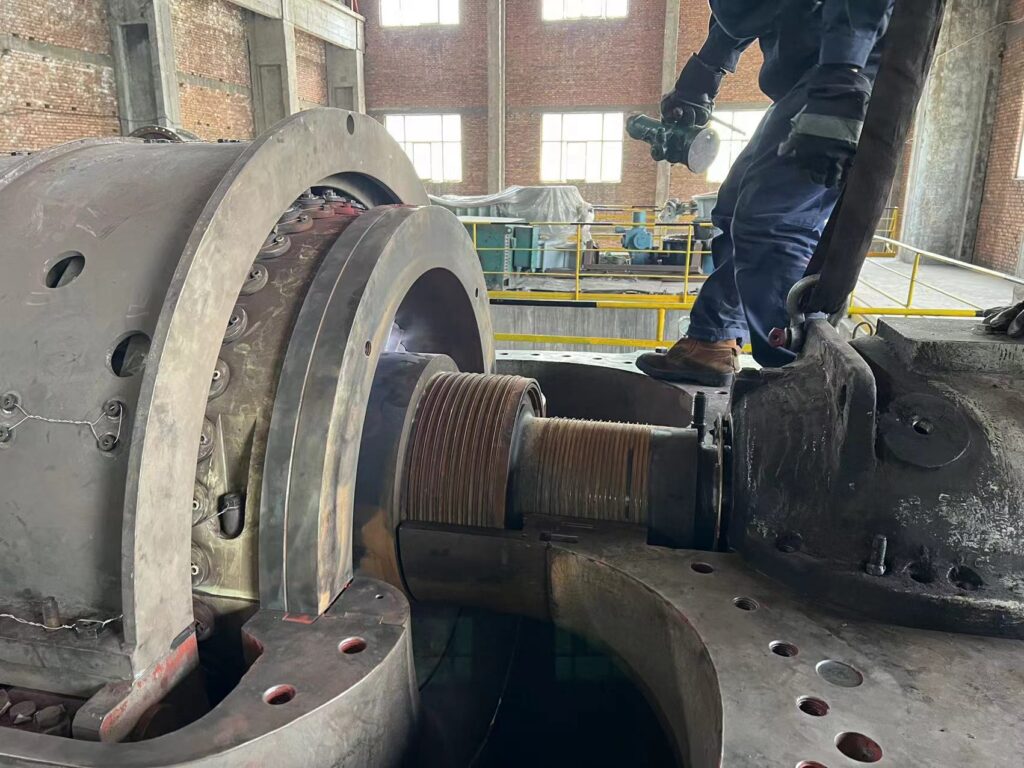
Steam Turbine Inspection

Steam turbine repair services are essential for maintaining the operational integrity and efficiency of steam turbines, which are critical components in power generation, industrial processes, and other applications. These services ensure that turbines continue to operate at optimal performance levels, minimizing downtime, improving reliability, and extending the life of the equipment. Steam turbines are subject to wear and tear from continuous use, thermal stress, and mechanical loads, which can lead to various issues such as reduced efficiency, increased vibration, or even failure of turbine components. Repair services address these issues and restore the turbine to its full operational capacity.

Comprehensive inspection is the first step in the repair process. Before any work begins, a thorough inspection of the turbine is conducted to assess the condition of critical components, including the rotor, blades, nozzles, seals, bearings, and casing. This inspection often involves the use of advanced diagnostic tools such as ultrasonic testingvibration analysis, and X-ray inspection to detect cracks, material degradation, and other hidden issues. Visual inspections are also carried out to check for signs of external damage, such as erosion, corrosion, or misalignment. The inspection helps determine the extent of the damage and identify the specific areas that require repair.

Once the inspection is complete, the next step is fault diagnosis. The diagnostic process includes analyzing performance data and identifying the root causes of issues such as loss of efficiency, increased vibration, or abnormal temperature fluctuations. These issues could stem from problems like worn bladesdamaged sealsbearing failure, or corrosion of internal components. Accurate diagnosis is critical for developing an effective repair plan, as it ensures that all underlying issues are addressed during the repair process and not just the symptoms.

Rotor and shaft repairs are common in steam turbine repair services. The rotor is the heart of the turbine, and any damage or wear to the rotor shaft can lead to reduced performance, vibration, and even catastrophic failure. Rotor repairs often involve metalizingwelding, or grinding to restore the rotor to its original shape and size. In some cases, the rotor may need to be replaced entirely if the damage is extensive. To ensure proper alignment, rotor balancing is performed after repairs are completed to minimize vibrations and prevent future damage to bearings or other components.

Blade repairs are another critical aspect of steam turbine repair services. Over time, turbine blades can experience wear due to thermal cycling, erosion, or corrosion. Repairing blades often involves weldingcoating, and reprofiling to restore their shape and efficiency. For instance, ceramic coatings may be applied to blades to improve resistance to high temperatures and erosion. Blade refurbishment is another option that involves restoring the blades to their original specifications. This can be a cost-effective alternative to complete replacement, especially when the blades are only moderately worn or damaged.

Sealing system repairs are also a significant part of turbine repair services. Seals play a vital role in preventing steam leakage, which can reduce turbine efficiency and increase operational costs. Over time, seals can wear out due to thermal stress, pressure, and friction. Steam turbine repair services involve replacing or refurbishing the seals to restore their sealing capabilities. This may include replacing labyrinth sealscarbon rings, or gland seals and ensuring proper alignment to prevent leakage. Sealing repairs are critical for maintaining the turbine’s overall efficiency and ensuring that it operates within the desired pressure and temperature ranges.

Bearing repairs are another essential aspect of turbine maintenance and repair. Bearings support the rotor and ensure smooth rotation. Over time, bearings can wear out due to high-speed rotation, lubrication issues, or contamination. Bearing repairs may involve replacementcleaninglubrication, or reconditioning. In some cases, it may be necessary to replace the entire bearing assembly if damage is severe. Bearing repairs are crucial to prevent rotor misalignment, vibration, and potential failure of the turbine.

In addition to mechanical repairs, control system repairs and upgrades may also be required. Modern steam turbines rely on advanced control systems for monitoring and regulating various parameters such as steam flow, temperature, pressure, and load. If the control system is malfunctioning, the turbine may not operate efficiently or safely. Repair services may involve troubleshooting and repairing the control systems, including sensor calibrationsoftware updates, and hardware replacements. In some cases, turbine control systems may be upgraded to improve performance or incorporate newer technologies such as digital control systems or predictive maintenance tools.

Casing repairs are also common in steam turbine repair services. The casing houses many of the internal components of the turbine and is subjected to high pressure and temperature. Over time, the casing can develop cracks or signs of corrosion due to the harsh operating environment. Repairing the casing often involves weldinggrinding, and coating to restore its integrity. Casing repairs are critical for maintaining the turbine’s structural stability and preventing steam leaks or pressure drops.

Steam path modifications may also be necessary during turbine repairs. The steam path, which includes the nozzles, blades, and rotor, directs steam through the turbine to generate power. If the steam path is damaged or inefficient, the turbine’s overall performance can suffer. Repair services may involve modifying or replacing nozzles, reprofiling blades, or making adjustments to the rotor to improve steam flow and increase efficiency. These modifications can result in significant improvements in turbine performance, especially in cases where the turbine has been operating at less-than-optimal conditions for an extended period.

After all repairs have been completed, the turbine undergoes a series of performance tests to ensure it operates as expected. These tests include vibration analysisthermal testingpressure testing, and load testing. Vibration analysis helps detect any imbalances or misalignments in the rotor or other components. Thermal testing ensures that the turbine operates within the correct temperature range, and pressure testing verifies that there are no leaks or pressure drops. Load testing checks the turbine’s ability to generate power under normal operating conditions. These tests are crucial for confirming that the repairs have been successful and that the turbine is ready to return to service.

In some cases, upgrade services may be provided during repairs. These upgrades may include installation of advanced materials for improved performance, such as high-temperature alloysceramic coatings, or titanium blades. Upgrades can also include the addition of modern monitoring systems to provide real-time data on turbine health and performance, enabling predictive maintenance and reducing the risk of unexpected failures.

Throughout the repair process, safety is of utmost importance. Steam turbines operate under high pressure and temperature, and improper repair work can lead to dangerous conditions. Repair services follow strict safety protocols, including ensuring proper shutdown procedures, using the correct tools and equipment, and following safety guidelines for working with high-pressure systems. The repair team must also ensure that the turbine is properly de-energized and depressurized before performing any work.

In conclusion, steam turbine repair services are comprehensive processes that address a wide range of issues that can affect turbine performance and reliability. These services include mechanical repairs, blade and rotor restoration, seal replacements, bearing maintenance, control system upgrades, and casing repairs. Accurate diagnostics, skilled repair techniques, and thorough testing are critical to ensuring that the turbine operates efficiently and reliably after repairs. By providing timely and effective repair services, operators can extend the life of their turbines, reduce downtime, and optimize power generation performance.

Continuing with steam turbine repair services, it’s essential to focus on the long-term benefits of proactive and well-executed repairs. Preventive maintenance and timely repairs can help mitigate the risk of unexpected breakdowns, which could lead to expensive downtime, potential safety hazards, or power generation losses. By keeping turbines in optimal condition, plant operators can extend the life of their equipment and ensure that turbines perform at their highest possible efficiency levels.

One of the advantages of comprehensive repair services is the ability to reduce operating costs. Efficient turbine operation means lower fuel consumption and less wear and tear on the rest of the system. When turbine components such as the rotor, blades, and bearings are well-maintained, there is less friction, less heat buildup, and improved steam flow. This results in better overall efficiency and performance. Regular repairs, such as seal replacements, help minimize steam leakage, further improving the energy output and reducing the amount of steam required to generate the same amount of power.

Repairs vs. Replacement is an important decision in the context of turbine maintenance. In many cases, repairing rather than replacing components can be a cost-effective option, especially when the damage is localized or when the turbine is relatively young and still within its expected operational life. Repairing individual components, like blades or seals, rather than replacing the entire turbine or major parts, can significantly lower costs and reduce the downtime needed for repairs. However, if the turbine is older and several components are showing signs of degradation, replacement may be a more viable option. This requires a careful cost-benefit analysis to determine the best approach based on factors such as the turbine’s age, operating hours, performance, and the cost of repairs.

The repair process also involves downtime management, which is critical for ensuring minimal disruption to operations. Steam turbines are often part of a larger power generation system or industrial facility, and any downtime can have significant impacts on productivity and revenue. Therefore, efficient repair schedules are essential to get the turbine back in operation as quickly as possible. This may involve careful planning of repairs during scheduled maintenance windows or implementing temporary measures to maintain power generation capacity while repairs are ongoing.

Furthermore, turbine repairs may also benefit from advanced diagnostic technologies that have emerged in recent years. For example, predictive maintenance tools that use real-time monitoring data and machine learning algorithms can detect early signs of wear or damage, allowing for repairs to be scheduled before failures occur. Sensors can be installed throughout the turbine to continuously monitor variables like vibration, temperature, pressure, and rotational speed. This real-time data enables technicians to predict potential issues before they lead to costly failures, resulting in proactive repairs that reduce overall maintenance costs and downtime.

Another critical factor in turbine repair services is expertise and training. The complexity of modern steam turbines requires skilled technicians with specialized knowledge to perform repairs correctly. These experts are trained in advanced repair techniques, such as rotor weldingseal design, and vibration analysis, and can apply their knowledge to resolve issues quickly and effectively. Furthermore, the repair personnel must be familiar with the specific brand and model of turbines they are working on. As turbine designs and technology evolve, staying up-to-date with new repair methods and technology is essential to delivering the best service possible.

In many cases, repair services can be provided as part of a comprehensive service contract, which ensures that the turbine remains in peak condition over its operational life. These contracts typically cover regular maintenance, inspections, emergency repairs, and parts replacements, offering a fixed cost for repairs and maintenance over a set period. This approach allows operators to plan their maintenance schedules, reduce unexpected repair costs, and ensure that turbines are always operating at maximum efficiency.

Beyond the immediate repair work, operational optimization plays a role in ensuring that turbines continue to run smoothly after repairs are completed. This may involve fine-tuning operational parameters such as steam temperature, pressure, and flow rate to align with the turbine’s repaired or upgraded components. Proper tuning helps optimize the performance and lifespan of the turbine, ensuring it delivers consistent results and efficiency throughout its operational life.

For steam turbines used in critical applications such as power generation plantsrefineries, or chemical processing facilities, ensuring that the turbine remains reliable and operational is of utmost importance. In these cases, repairs often need to be done with even greater precision and urgency, as a turbine failure can disrupt the entire production process or cause a significant loss of power. Emergency repair services are available in such cases to respond rapidly to unexpected turbine issues. These services typically include the mobilization of repair crews, access to spare parts inventory, and expedited troubleshooting to minimize downtime. This can be particularly crucial in industries where turbine failure may have a ripple effect, causing outages or unsafe conditions.

Spare parts inventory management is also critical in steam turbine repair services. Many operators maintain an inventory of spare parts, such as blades, seals, bearings, and other components, to ensure that repairs can be completed quickly. However, procuring the correct parts is vital for maintaining the turbine’s performance. Using original manufacturer parts or OEM (Original Equipment Manufacturer) parts is often recommended to ensure that the repair or replacement components meet the turbine’s design specifications. For rare or obsolete turbine models, custom manufacturing of parts may be required. In this case, a skilled repair service provider can either source or produce the required parts to keep the turbine operational.

Long-term service and monitoring post-repair are also essential for ensuring that repairs have been successful and that the turbine continues to operate efficiently. Regular follow-up inspections, including vibration monitoringthermal imaging, and performance audits, can detect any issues that may arise in the months or years following a repair. These post-repair checks help ensure that the turbine continues to perform optimally and that any emerging issues are addressed before they lead to another breakdown.

To wrap up, steam turbine repair services are a comprehensive solution for ensuring that turbines remain reliable, efficient, and safe over their lifespan. With detailed inspections, precise fault diagnosis, and effective repairs, these services minimize downtime and extend the operational life of the turbine. Proactive maintenance, specialized expertise, and advanced diagnostic tools also contribute to maximizing turbine performance and reducing operating costs.

Building upon the previous discussion, it’s important to emphasize that advanced diagnostic tools and predictive maintenance technologies are revolutionizing the way steam turbine repairs are performed. These tools provide a deeper understanding of turbine health and enable technicians to identify problems before they manifest as significant failures, allowing for more precise and effective interventions. Predictive maintenance techniques rely heavily on data gathered from sensors embedded in various turbine components, as well as on historical performance data.

Sensors placed on key components such as the rotor, bearings, and blades provide real-time feedback on a range of parameters, including vibrationtemperaturepressure, and rotational speed. These measurements are transmitted to a central monitoring system that constantly analyzes the turbine’s performance. If the system detects any anomalies—such as an increase in vibration levels or a rise in temperature—it can alert maintenance personnel about potential issues before they escalate. This allows for repairs to be scheduled in advance, reducing the likelihood of unscheduled downtime.

In addition to vibration analysis, more advanced techniques such as thermal imaging and ultrasonic testing are becoming more common in turbine diagnostics. Thermal imaging helps to detect heat-related issues such as hot spots or uneven temperature distributions in critical areas, including bearings and seals. By identifying areas where temperature fluctuations occur, technicians can pinpoint areas in need of immediate repair or monitoring, ensuring better control over turbine efficiency. Ultrasonic testing is another important method used to detect internal cracks, material weaknesses, or other structural anomalies that may not be visible through regular inspection methods. This nondestructive testing is essential for catching early signs of fatigue in components like blades, shafts, and rotors, allowing for prompt corrective actions before more significant damage occurs.

Another key innovation in turbine repair services is the use of digital twin technology. A digital twin is a virtual model of the steam turbine that mirrors the physical turbine’s behavior in real time. By creating a detailed, computer-generated replica of the turbine, operators can simulate various operational conditions and predict how the turbine will behave under different scenarios. This allows maintenance teams to identify potential issues before they arise, optimize performance, and even test modifications or repairs without physically affecting the turbine. Digital twins can also provide long-term predictive insights into turbine life cycles, helping operators to plan future repairs or upgrades more effectively.

Training and skill development remain central to successful turbine repair services. While advanced technologies play a crucial role in diagnostics, it’s the expertise of technicians that ensures these tools are used to their full potential. Repair service providers typically invest in continuous training programs to keep their technicians updated with the latest repair methods, tools, and technologies. Specialized knowledge is required to understand complex turbine designs and the specific needs of different turbine models. This level of expertise helps minimize the risk of errors during repairs and ensures that turbines are returned to service quickly, efficiently, and safely.

As turbine technology continues to evolve, customized repair solutions are becoming more common. For example, older turbines that may not be available in the original manufacturer’s configuration might require custom-manufactured parts or retrofit solutions to bring them in line with modern standards. Retrofit solutions are particularly useful for enhancing the efficiency or performance of older turbines without needing a full replacement. This could involve upgrading specific components, such as bladesbearings, or sealing systems, to improve their resistance to wear or enhance their performance in extreme conditions. By incorporating modern materials or advanced designs, older turbines can be revitalized and extend their useful life.

Repair services also often include reconditioning of components. Reconditioning is a process by which parts of the turbine, such as blades, rotors, and seals, are stripped down and refurbished to restore their original characteristics. For instance, blade reconditioning may involve weldinggrinding, or coating to remove damage caused by erosion or thermal stress and restore the blades to their original shape. For components like rotors, which are exposed to extreme forces and wear over time, reconditioning can bring them back to a level of performance comparable to that of a new component, without the need for a complete replacement.

After repairs are completed, turbine performance testing and validation are essential to ensure that the turbine operates as expected. This typically includes a combination of static testing and dynamic testing. Static testing checks the turbine’s structural integrity, while dynamic testing evaluates its performance under operational conditions, such as varying steam flow rates and power output levels. Vibration testing is performed to ensure that the rotor is balanced and that there are no excessive vibrations that could lead to further damage or operational inefficiencies. Additionally, pressure tests help ensure that seals are functioning correctly and that no steam leakage occurs, and thermal tests are conducted to verify that heat dissipation and temperature distribution within the turbine are within acceptable limits.

Quality assurance is another critical component of steam turbine repair services. Once repairs are completed and the turbine is tested, the entire system is thoroughly inspected to verify that all work meets the required standards. This ensures that the turbine not only operates correctly but also complies with safety regulations and industry standards. Many repair providers follow stringent quality control procedures, including inspections by certified engineers and adherence to industry-recognized guidelines, such as the ASME (American Society of Mechanical Engineers) or ISO (International Organization for Standardization) standards.

For critical applications—such as in power plants or other industries with high operational demands—turbine repair services may also offer 24/7 emergency repair support. This service ensures that in the event of a turbine failure, repairs can be carried out quickly and effectively to minimize downtime. Emergency support often involves rapid mobilization of repair teams, who are trained to assess and fix problems on-site, sometimes even while the turbine is still in operation, depending on the severity of the issue.

Environmental considerations are also becoming an important part of turbine repair services. Many modern steam turbines operate in industries where emissions and environmental impact must be minimized. Repair services often include measures to ensure that turbines operate in a way that aligns with current environmental regulations. This may involve upgrading emission control systems, improving efficiency to reduce energy consumption, or using environmentally friendly materials during repairs. Energy efficiency improvements, in particular, can have long-term benefits by reducing operational costs and contributing to overall sustainability goals.

In conclusion, steam turbine repair services are multifaceted operations designed to restore turbines to optimal functionality and ensure their long-term reliability. These services incorporate advanced diagnostic techniques, expert repair knowledge, predictive maintenance, and continuous monitoring to keep turbines running smoothly. Proactive repairs and innovative technologies such as digital twins and sensor monitoring help identify and resolve issues before they impact performance, reducing downtime and improving overall efficiency. By focusing on preventive maintenance, high-quality parts, and specialized expertise, steam turbine repair services enable industries to maximize the lifespan and performance of their turbines while minimizing operational costs and ensuring safe, reliable power generation.

Continuing further with steam turbine repair services, we can explore how repair optimization plays a key role in improving the effectiveness and cost-efficiency of repairs. Optimization not only ensures the repairs are done correctly but also that they are completed in a timely manner, with minimal disruption to ongoing operations. The ultimate goal is to restore the turbine to full functionality while managing repair costs and scheduling efficiently to meet the operational demands of the plant.

One of the critical factors in repair optimization is minimizing repair time. Since turbines are often integral parts of large-scale operations, prolonged downtime can lead to significant revenue loss and production delays. To reduce downtime, repair services must be well-coordinated and executed swiftly. This involves having a well-organized team that can quickly assess the damage, identify the appropriate repairs, and gather the necessary parts. Streamlined repair procedures, backed by prior experience and good planning, can significantly reduce the time spent on turbine repairs.

Moreover, on-site repairs are often a preferable solution, particularly for large turbines or turbines installed in remote locations. On-site repairs allow technicians to directly access the turbine and its components, reducing the time required to transport the turbine to a repair facility. The ability to perform comprehensive repairs in the field reduces logistical challenges and enhances the repair timeline. It also eliminates the need for equipment to be disassembled and moved, which can sometimes introduce additional risks.

Advanced repair technologies are also pivotal in optimizing the repair process. For example, techniques like laser alignment and rotor balancing are now widely used in turbine repairs. Laser alignment ensures that all components of the turbine are properly aligned before reassembly, which is crucial for preventing misalignment issues that could lead to premature wear or damage. This method is faster, more precise, and more reliable than traditional alignment techniques, contributing to improved turbine performance post-repair.

Another emerging technique is rotor balancing. If the rotor is unbalanced, it can create excess vibrations that not only damage the turbine’s components but also affect the turbine’s efficiency. Rotor balancing is a vital aspect of turbine repair, and new balancing equipment is more accurate and efficient than ever before. These tools allow repair teams to identify unbalanced areas in the rotor and correct them quickly, improving the rotor’s operational lifespan and reducing future maintenance requirements.

In cases where rotor repairs are extensive, such as when cracks or other structural damage are identified, repair services might offer rotor reconditioning options. This process may include grinding, welding, or other methods to restore the rotor to its original shape and functionality. Rather than replacing the entire rotor, reconditioning can offer significant savings and extended service life for the component. The reconditioning process can be particularly beneficial for turbines that are older or have limited access to replacement parts, making it a cost-effective and environmentally friendly alternative.

When turbines have suffered significant wear and tear, component restoration becomes a crucial aspect of the repair service. This includes refurbishing components such as blades, seals, and bearings. Component restoration often involves metal sprayingwelding, or grinding techniques that not only repair existing damage but also improve the performance and lifespan of the component. For instance, worn-out turbine blades may undergo a process where a protective coating is applied to prevent further erosion or thermal damage. The restoration of these components can restore the turbine to peak performance, avoiding the need for costly replacements.

For high-efficiency turbines, the choice of replacement materials during repairs can make a significant difference. Newer, more advanced materials such as ceramic coatingsnickel-based alloys, and high-temperature resistant materials are used to replace older, less durable components. These modern materials offer better performance under extreme conditions, such as high pressure and temperature, making the turbine more reliable and efficient. Additionally, selecting advanced materials during repairs can reduce the likelihood of future failures, which is particularly important for turbines that operate under demanding conditions for extended periods.

Incorporating data-driven decisions into the repair process is another form of optimization. By gathering and analyzing data from the turbine’s operational history, engineers can better understand the underlying causes of turbine failures or wear. This allows for more informed decisions about repairs, such as determining which components need immediate attention and which ones may have a longer lifespan. This data-driven approach not only helps prioritize repairs but also enables engineers to predict future maintenance needs more accurately, optimizing the overall repair schedule and minimizing the risk of unscheduled outages.

Inventory management is also an essential aspect of repair optimization. Having a well-stocked inventory of spare parts ensures that the required components are readily available when a repair is needed. Effective inventory management minimizes the time spent waiting for parts to be delivered, speeding up the repair process. In many cases, operators work with repair service providers to develop a customized spare parts inventory plan based on their turbine’s specific needs, which helps to further optimize repair times.

When dealing with large-scale repairs, it’s often necessary to implement project management techniques to ensure that all activities are carried out efficiently. Project management tools can be used to plan repairs, coordinate team efforts, and track progress. Scheduling repairs in a manner that aligns with plant operations is critical. Proper planning allows maintenance personnel to account for other factors such as staffing levels, equipment availability, and any potential delays.

Moreover, training and knowledge transfer are integral to repair optimization. Regular training ensures that repair teams are up-to-date with the latest repair techniques, safety protocols, and technological advances. Knowledge sharing among repair personnel helps spread expertise across the team, enabling them to solve problems more effectively. Ongoing training and skill development also help repair teams handle unforeseen issues that may arise during complex repair projects, ensuring that repairs are completed to a high standard.

Safety considerations must also be incorporated into repair optimization. Repairing steam turbines often involves working with high-temperature steam, rotating machinery, and other hazardous equipment, so it’s crucial to follow safety guidelines and maintain a safe working environment. Ensuring that all repair personnel are trained in safety protocols helps prevent accidents, protects equipment, and reduces the risk of downtime caused by safety incidents.

Finally, environmental sustainability is becoming a more pressing concern in the context of steam turbine repair services. Repair providers are increasingly aware of the environmental impact of their activities, including waste generated during repairs, the disposal of old parts, and the materials used in the repair process. Many repair providers now implement green repair practices, such as recycling old parts, using eco-friendly materials, and minimizing waste during the repair process. By embracing sustainability, repair providers contribute to the overall environmental goals of the plant and the industry.

In summary, steam turbine repair services are a comprehensive and evolving aspect of turbine maintenance. From rapid-response repairs to advanced diagnostic tools, these services are continually improving to minimize downtime, reduce costs, and optimize turbine performance. By leveraging advanced technologiestrainingproject management, and data-driven decisions, repair services can address even the most complex issues efficiently, ensuring that turbines remain reliable, safe, and energy-efficient throughout their operational lifespan.

Preventive maintenance for steam turbines
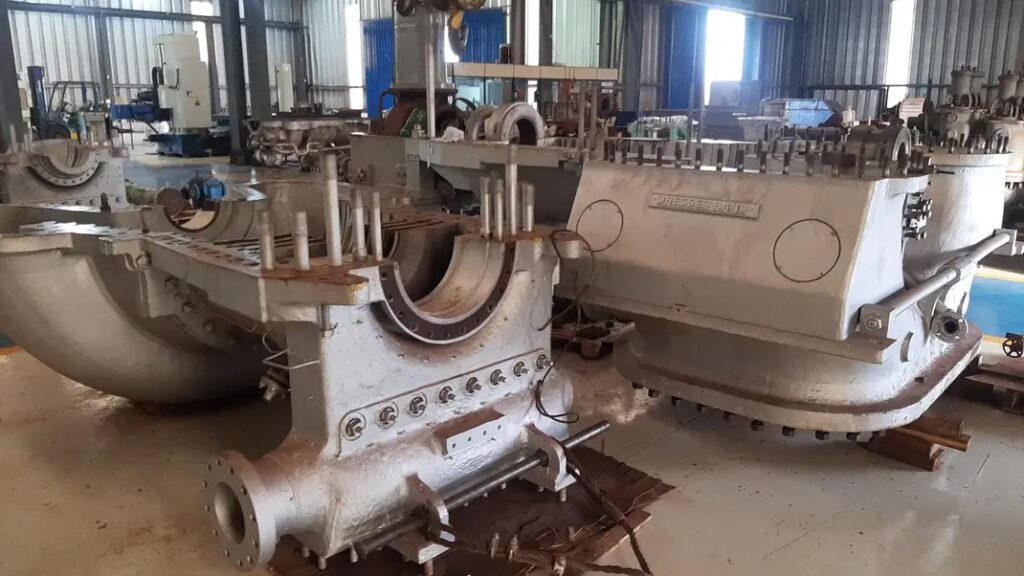
Preventive maintenance for steam turbines

Preventive maintenance (PM) for steam turbines is an essential strategy for ensuring the long-term reliability, efficiency, and safety of turbine systems. Unlike reactive maintenance, which addresses problems after they arise, preventive maintenance focuses on identifying and addressing potential issues before they lead to significant failures. This proactive approach helps to reduce downtime, improve the overall performance of turbines, and extend their operational life. By regularly monitoring and maintaining steam turbines, operators can mitigate the risk of unexpected breakdowns, minimize repair costs, and enhance the efficiency of the power generation process.

Regular inspections are at the heart of preventive maintenance for steam turbines. Scheduled inspections involve a thorough examination of key turbine components to detect early signs of wear or damage. These inspections focus on critical parts such as bladesbearingssealsrotors, and nozzles. The goal is to identify any signs of fatigue, erosion, corrosion, or misalignment before they escalate into more serious problems. Routine inspections are typically based on the manufacturer’s recommendations, historical turbine performance, and operating conditions. They are often conducted during planned downtime or during scheduled shutdowns to minimize production disruptions.

During inspections, vibration monitoring is a key diagnostic tool used to assess the health of the turbine. Abnormal vibrations may indicate issues such as rotor imbalance, misalignment, or bearing degradation. Vibration analysis allows technicians to pinpoint the source of the problem and take corrective action before it leads to more severe damage. Monitoring temperature fluctuations is another important part of preventive maintenance. Excessive heat buildup in components like bearings, seals, or the rotor can signal lubrication issues, inadequate cooling, or internal friction, which may cause premature wear if not addressed promptly.

In addition to routine inspections, preventive maintenance includes lubrication management. Lubricants play a crucial role in reducing friction and wear between moving parts such as bearings and the rotor shaft. Regular checks of lubrication systems ensure that the correct type and quantity of lubricant are used, and that the system is functioning optimally. Lubricants should be replaced periodically to maintain their effectiveness, and the lubrication system itself should be cleaned to prevent contamination. Monitoring the oil condition is also important to identify any signs of degradation, contamination, or metal particles that could indicate internal wear.

Another key component of preventive maintenance for steam turbines is the monitoring of steam flow and pressure. Steam turbines are designed to operate within specific pressure and flow ranges. Any deviation from these parameters can affect turbine performance, leading to efficiency losses or increased wear. By regularly checking the steam system, operators can identify any issues with the steam valves, pressure regulators, or nozzles, and take corrective action to prevent operational inefficiencies. Consistent steam quality is also essential to prevent erosion or corrosion of internal components, which can significantly reduce the turbine’s lifespan.

Cleaning of turbine components is also a vital part of preventive maintenance. Over time, dust, soot, and other contaminants can accumulate on blades, nozzles, and other critical parts, leading to performance degradation. Regular cleaning helps maintain the turbine’s efficiency and prevent wear caused by particulate matter. For instance, blade cleaning can improve steam flow and reduce the risk of erosion. Cleaning also extends to cooling systems and other auxiliary components, ensuring that all systems are free from buildup and functioning at their full capacity.

One aspect of preventive maintenance that is becoming increasingly important is advanced diagnostic monitoring. Many modern turbines are equipped with sensors that monitor key parameters such as vibrationtemperaturepressure, and speed in real-time. These sensors provide continuous data that can be analyzed to detect early signs of problems. Predictive maintenance uses this data to forecast when maintenance or repairs will be needed, helping to avoid unplanned downtime. For example, by monitoring the rate of vibration or changes in temperature, predictive maintenance systems can alert technicians to issues such as imbalance or bearing wear, allowing them to intervene before a failure occurs. The use of data analytics and machine learning can enhance the accuracy of these predictions, making preventive maintenance more effective.

Calibrating and aligning the turbine components are critical steps in ensuring smooth operation. Misalignment or improper calibration of turbine components, such as the rotor or stator, can lead to excessive wear, increased vibration, and inefficient operation. Regular checks to ensure proper alignment and calibration prevent these issues, allowing the turbine to operate more smoothly and efficiently. Laser alignment technology is commonly used in modern preventive maintenance programs to ensure that all rotating components are aligned to exact tolerances. Misalignment is often one of the primary causes of premature bearing wear and rotor damage, so addressing this issue can significantly extend the turbine’s life.

Another vital aspect of preventive maintenance is corrosion control. Turbines that operate in humid or high-temperature environments are especially susceptible to corrosion. Corrosion inhibitors are often applied to turbine components to prevent rust or material degradation, particularly in parts exposed to steam, such as blades, nozzles, and condensers. Monitoring the condition of materials exposed to high temperatures and moisture is essential to detect any signs of corrosion fatigue, which could compromise the integrity of the turbine.

Bearing maintenance is an ongoing part of preventive care, as bearings are subject to high loads and can wear out over time. Regular inspections and lubrication of bearings ensure that they continue to function optimally. Bearings that are found to be in poor condition should be replaced immediately to avoid further damage to the turbine. This is particularly important because bearing failure can lead to catastrophic consequences, such as rotor misalignment or even complete turbine failure.

Seal replacement is also part of preventive maintenance for steam turbines. Seals play a crucial role in preventing steam leakage and maintaining pressure within the turbine system. Over time, seals can wear out, harden, or become brittle, leading to steam leakage and a decrease in turbine efficiency. Routine checks of seal conditions are necessary to identify when replacement is required. If left unchecked, degraded seals can lead to energy losses, increased operating costs, and the potential for catastrophic failures.

Overhaul planning is another critical part of preventive maintenance. Overhauls typically occur at regular intervals based on the turbine’s operational hours or the manufacturer’s recommendations. During an overhaul, the turbine is disassembled for a comprehensive inspection, cleaning, and replacement of worn-out parts. Overhaul activities include inspecting key components such as the rotor, stator, blades, seals, and bearings, and replacing any parts that show signs of wear. It is also an opportunity to update the turbine with new technologies or upgrades that could improve performance or efficiency.

Lastly, documentation and record-keeping play a crucial role in preventive maintenance. Detailed records of all maintenance activities, inspections, and repairs provide valuable insights into the turbine’s performance over time. These records help to track the condition of the turbine, identify recurring problems, and schedule future maintenance. A thorough maintenance history is also important for regulatory compliance and for ensuring that the turbine continues to meet safety and operational standards.

In conclusion, preventive maintenance for steam turbines is a comprehensive and proactive approach that involves regular inspections, monitoring, lubrication, cleaning, and component replacement to keep turbines running efficiently and safely. Through a combination of traditional techniques and modern technologies such as predictive maintenance and real-time diagnostics, preventive maintenance minimizes downtime, enhances turbine performance, and extends the life of the turbine. By implementing a well-structured preventive maintenance program, operators can ensure that their steam turbines operate at peak efficiency, reduce the risk of unexpected failures, and contribute to long-term operational cost savings.

Continuing with preventive maintenance for steam turbines, it’s essential to integrate condition-based monitoring into the maintenance strategy. This method uses real-time data collected from sensors installed on the turbine to monitor its health. Condition-based monitoring can detect early signs of wear or damage, such as increases in vibration, temperature fluctuations, or oil contamination. By continuously assessing the condition of critical components, such as bearings, blades, and rotors, it enables operators to schedule maintenance activities at the most opportune time, preventing unnecessary maintenance while avoiding unexpected failures. This strategy helps optimize the turbine’s performance and extends its service life by addressing issues proactively, based on actual equipment conditions rather than fixed time intervals.

Another critical aspect of preventive maintenance is performance testing. Periodic performance tests assess how well the turbine is performing against its design specifications. These tests typically measure parameters like steam pressure, exhaust temperature, output power, and turbine efficiency. By comparing the actual performance with the turbine’s baseline, operators can identify any deviations that could indicate underlying issues, such as fouling or reduced efficiency. Performance testing is especially valuable in optimizing the operation of the turbine, ensuring it operates within the most efficient parameters, and can help pinpoint when specific parts might need attention before performance starts to degrade further.

Asset management systems play a crucial role in streamlining preventive maintenance activities. These systems help manage the entire lifecycle of the turbine, including its performance, maintenance history, and parts inventory. With an effective asset management system, operators can track maintenance schedules, forecast upcoming service needs, and identify trends that could signal impending issues. This system is particularly valuable for managing multiple turbines in large facilities, allowing plant managers to prioritize repairs and ensure that all turbines are properly maintained without overburdening the maintenance crew. Additionally, predictive tools within the asset management system can offer insights into parts that are likely to fail based on historical data, allowing for timely replacement and avoiding unplanned downtime.

To ensure the success of preventive maintenance programs, collaboration between different teams—such as engineering, operations, and maintenance—is essential. Each team brings a unique perspective and expertise to the process, ensuring that maintenance tasks are carried out effectively and efficiently. Regular communication between teams allows for the sharing of insights on potential issues and ensures that no aspect of turbine maintenance is overlooked. Furthermore, a cross-disciplinary approach can facilitate the development of more effective maintenance strategies, where the operational realities of the turbine are considered alongside the technical aspects of repair and service.

Another valuable aspect of preventive maintenance is the use of training programs. Technicians and engineers must receive continuous training on the latest turbine technologies, maintenance procedures, and diagnostic techniques. As turbines evolve and new technologies emerge, ongoing education helps staff stay updated on the best practices for maintaining modern steam turbines. Regular training sessions also ensure that all personnel are aware of the latest safety protocols, improving the overall safety and efficiency of maintenance activities. Additionally, training can empower the team to handle unexpected challenges more effectively and minimize human errors during routine maintenance tasks.

Spare parts management is an essential factor in the success of preventive maintenance programs. Ensuring that critical spare parts—such as bearings, seals, and turbine blades—are readily available reduces delays during maintenance activities. Implementing a well-organized spare parts inventory system helps ensure that parts are available when needed, preventing the turbine from being offline longer than necessary. Additionally, operators should review the performance of high-demand parts to ensure that the quality and reliability of spare parts meet the turbine’s specifications. By maintaining an adequate inventory and sourcing high-quality parts, preventive maintenance can be carried out more efficiently and minimize the risk of downtime.

In conclusion, preventive maintenance for steam turbines is a multifaceted approach that involves a combination of regular inspections, condition-based monitoring, performance testing, and effective asset management. By utilizing advanced diagnostic tools, predictive maintenance, and integrating ongoing training, operators can maximize the performance, reliability, and longevity of steam turbines. Implementing a structured and proactive maintenance program helps ensure that the turbine remains in optimal condition, reducing operational costs and improving efficiency, ultimately enhancing the overall lifespan of the turbine and the efficiency of the power generation process.

Building on preventive maintenance, a root cause analysis (RCA) is an indispensable part of ongoing maintenance efforts. RCA involves a systematic investigation into the underlying causes of turbine failures or performance degradation. Instead of merely addressing the symptoms of a problem, RCA aims to identify the core issue, which may not always be immediately apparent. For example, if a turbine is experiencing excessive vibration, RCA might reveal that the root cause is not the rotor itself but a misalignment elsewhere in the system, such as in the bearings or the coupling. By pinpointing the root cause, maintenance teams can apply more effective corrective actions, preventing recurrence of the same issues and improving the long-term performance and reliability of the turbine.

Downtime minimization is a critical goal in preventive maintenance. One of the most significant impacts on any power generation facility is unscheduled downtime, which can result from unexpected turbine failures. To reduce downtime, operators should use advanced diagnostic tools to monitor turbine health in real time. Technologies such as ultrasonic testingthermography, and oil analysis provide detailed insights into the turbine’s condition, allowing operators to address issues early, before they lead to failure. These technologies help detect internal problems, such as developing cracks or overheating components, long before they compromise turbine performance or require a complete shutdown.

A successful preventive maintenance program also relies on comprehensive documentation and tracking of maintenance activities. By maintaining detailed records of inspections, repairs, part replacements, and the condition of components, plant operators can establish a baseline for the turbine’s health over time. These records help identify trends that could signal emerging issues, such as the frequent need for bearing replacements or consistent degradation in efficiency. This historical data also serves as a valuable resource for planning future maintenance and avoiding unnecessary or redundant repairs. Additionally, documentation is essential for compliance with industry standards and regulations, ensuring that the turbine is operating within legal and safety parameters.

Another essential component of preventive maintenance is systematic testing and calibration of instrumentation. The sensors and monitoring systems installed on turbines—such as temperature, pressure, vibration, and speed sensors—are critical for detecting anomalies and ensuring proper operation. Over time, these sensors may lose accuracy, affecting the reliability of data used for maintenance decisions. Regular calibration and testing of these systems ensure that the data being collected is accurate and reliable. This, in turn, allows for better decision-making in maintenance, as operators can trust the information they are using to assess turbine health and make interventions as necessary.

Effective communication strategies between maintenance teams, operators, and engineers are crucial for successful preventive maintenance programs. Clear communication ensures that everyone involved in the process is aligned on priorities and the turbine’s condition. For example, if a problem is detected during a routine inspection or real-time monitoring, the maintenance team must communicate the issue to operators and engineers promptly to determine the necessary course of action. Collaborative decision-making ensures that repairs are prioritized effectively, with attention paid to the most critical areas that will maximize operational uptime and efficiency.

Another strategy to consider is the optimization of operational procedures as part of the preventive maintenance process. The way a turbine is operated can directly influence its lifespan and maintenance requirements. For instance, operating the turbine at consistent, optimal loads can reduce the risk of thermal and mechanical stresses that can accelerate wear. By educating operators on the importance of maintaining steady, efficient operations, facilities can prevent unnecessary strain on turbines, ultimately improving the overall condition of the equipment. Training operators to follow recommended operational guidelines—such as proper start-up and shutdown procedures—can also prevent damage caused by improper handling of the turbine during these critical stages.

Environmental factors also play a significant role in the condition of steam turbines. Preventive maintenance should take into account external factors such as ambient temperaturehumidity, and air quality, which can all impact turbine performance. For instance, high humidity can increase the likelihood of corrosion on turbine components, while extreme temperatures may affect the turbine’s efficiency or cause thermal stresses. Operators should monitor environmental conditions and adjust the operation or maintenance schedules accordingly to ensure the turbine is protected from adverse environmental effects.

It’s also vital to schedule maintenance during planned outages to reduce the impact on production and minimize downtime. Planned outages are pre-scheduled breaks in turbine operation that allow for preventive maintenance, inspections, and repairs. These outages provide an ideal window for maintenance activities that may require a significant amount of time or resources. During planned outages, operators can focus on tasks such as overhauls, major component replacements, or system upgrades, which may not be feasible during regular operation. Proper planning of these outages ensures that they do not interfere with production goals while still allowing maintenance teams to conduct thorough and necessary work.

In addition to regular maintenance, upgrading turbine components during preventive maintenance can enhance performance and efficiency. For example, turbine blades or seals may become outdated over time, and newer versions of these components can offer improved performance. Technological advancements in materials, coatings, and turbine design can increase efficiency, reduce wear, and enhance reliability. Periodically reviewing the state of turbine components and considering upgrades can help keep the turbine performing at its best while reducing maintenance needs in the long term.

Finally, energy efficiency should always be a consideration in preventive maintenance. Over time, turbines can become less efficient due to wear and tear on components such as blades, rotors, or nozzles. Preventive maintenance helps ensure that these components remain in optimal condition, allowing the turbine to operate at its highest efficiency. By regularly maintaining and servicing turbines, operators can avoid performance losses that may not only affect productivity but also increase fuel consumption and operational costs. The improved energy efficiency that comes with effective preventive maintenance leads to both financial and environmental benefits.

In summary, preventive maintenance for steam turbines is a comprehensive, proactive strategy that focuses on maximizing turbine performance, reliability, and lifespan. By incorporating regular inspections, predictive diagnostics, performance testing, and condition monitoring into the maintenance routine, facilities can reduce the risk of unplanned downtime, lower repair costs, and ensure that turbines operate efficiently throughout their operational life. The integration of technology, data analytics, and careful planning allows operators to optimize turbine performance, protect against future failures, and make informed decisions that enhance the overall operation of the power plant. Preventive maintenance, when executed properly, not only extends the life of turbines but also contributes to the facility’s long-term profitability and sustainability.

Continuing from where we left off, operational flexibility is another crucial aspect of preventive maintenance for steam turbines. As the demand for power generation can fluctuate, it is important that turbines can quickly adapt to changes in load without causing undue stress on critical components. Regular preventive maintenance ensures that the turbine is always prepared to operate efficiently across a range of conditions. This includes ensuring that all components are capable of withstanding rapid changes in operational speed or load. Regular checks on the control systems, which manage load changes and transitions, help ensure smooth operation during periods of varying demand, thus avoiding potential damage caused by sudden stress.

Shutdown procedures also form an important part of the preventive maintenance approach. Proper shutdown procedures reduce wear and tear, safeguard turbine components, and prevent thermal shocks when shutting down or starting up turbines. Steam turbines experience significant thermal expansion and contraction during startup and shutdown, which can place stress on the rotor and casing. Preventive maintenance includes ensuring that the turbine’s thermal cycling is carefully managed, and that the proper startup and shutdown sequence is always followed. Over time, maintaining a consistent routine will minimize the occurrence of thermal fatigue, which could potentially lead to crack formation or other mechanical issues.

Another important practice in preventive maintenance is water treatment. Steam turbines rely heavily on high-quality steam, and the quality of the water used in the system directly impacts the turbine’s performance and longevity. Regular monitoring and treatment of water systems, including boiler feedwatercondensate, and cooling water, ensure that no impurities, such as dissolved salts, oils, or particles, make their way into the turbine. If contaminants are present, they can cause corrosion, scaling, or erosion within the turbine, leading to efficiency losses and expensive repairs. By maintaining a proper water treatment regimen and routinely inspecting water filtration systems, operators can prevent water-related damage to turbine components.

Condition monitoring of auxiliary systems, such as lubrication, cooling, and steam systems, is another important component of preventive maintenance. These systems support the primary steam turbine and can significantly impact its performance if not properly maintained. For example, failure to maintain cooling systems can lead to overheating of the turbine, while a malfunctioning lubrication system can cause premature wear on the bearings or shaft. Ensuring that auxiliary systems are operating optimally helps safeguard the turbine’s operation, minimizes the risk of failure, and ensures that all parts of the system are working harmoniously.

In addition, risk-based maintenance is a method that has gained traction in the steam turbine maintenance sector. Instead of performing maintenance based solely on fixed schedules or operational hours, risk-based maintenance prioritizes tasks based on the risk of failure and the potential consequences of such failure. High-risk components, which could lead to catastrophic failure or significant downtime, receive more frequent inspections and maintenance. Lower-risk components may be inspected less frequently. This allows maintenance resources to be focused on the areas of the turbine most likely to cause operational disruptions, optimizing the overall maintenance strategy and ensuring that the most critical parts are always functioning properly.

Supply chain management is also a significant consideration when carrying out preventive maintenance for steam turbines. Effective supply chain practices ensure that necessary parts, tools, and resources are readily available when needed, especially during unscheduled repairs or during scheduled shutdowns for routine maintenance. Planning for spare parts inventory, including critical spares such as bearings, seals, blades, and gaskets, is essential to prevent delays. Proper supply chain management also helps in sourcing high-quality, durable components that meet manufacturer specifications. By maintaining a robust and efficient supply chain, plants can keep maintenance activities on schedule and avoid the delays that might arise from waiting on parts or equipment.

Cost optimization is another benefit of implementing preventive maintenance. By addressing issues before they evolve into larger, more costly problems, operators can reduce the frequency and cost of emergency repairs and unscheduled downtime. Regular maintenance extends the turbine’s operational life and maximizes the value of the capital investment in the turbine. While preventive maintenance itself requires investment in tools, training, and skilled technicians, it often results in cost savings in the long run through reduced repair expenses, fewer unplanned outages, and more consistent turbine performance.

Furthermore, regular preventive maintenance can help mitigate safety risks associated with turbine operation. Steam turbines operate under extreme conditions—high pressure, high temperatures, and rapid rotational speeds—and any failure can present significant safety hazards. For example, a catastrophic failure of the rotor or bearings can result in the release of steam or even a mechanical explosion. Preventive maintenance reduces the likelihood of such failures and ensures that safety systems, such as pressure relief valves and shutdown mechanisms, are always functional. Through proper routine checks and adherence to safety standards, maintenance teams can reduce the risk of injury to personnel and avoid potentially dangerous situations.

Environmental impact is an increasingly important consideration in turbine operation, especially with growing concerns about sustainability and environmental regulations. Preventive maintenance helps optimize the steam turbine’s efficiency, ensuring that the plant operates with the least possible environmental footprint. For example, maintaining high efficiency reduces fuel consumption, which in turn lowers greenhouse gas emissions. Proper maintenance of steam quality can reduce contaminants that could be released into the environment. By ensuring the turbine is operating at its most efficient, preventive maintenance plays a key role in improving the plant’s overall environmental performance.

Adaptation to new technologies is another aspect of preventive maintenance that has gained importance in modern turbine operations. As turbine technology advances, older turbines may benefit from upgrades or the integration of newer technologies, such as more efficient turbine blades, improved coatings, or advanced monitoring systems. Preventive maintenance provides an opportunity to evaluate whether these upgrades would enhance performance or extend the operational life of an aging turbine. By incorporating new technologies, operators can stay ahead of performance issues and maximize the return on investment in the turbine.

Energy audit programs are also a valuable addition to a preventive maintenance strategy. Regular energy audits can help identify inefficiencies in the turbine system, including heat losses or excess fuel consumption. By conducting energy audits as part of routine preventive maintenance, operators can ensure the turbine is operating at peak efficiency and identify opportunities for further optimization. This can lead to reduced energy costs and improved overall plant performance.

Finally, performance benchmarking is an ongoing preventive maintenance practice that allows plant operators to compare the performance of turbines over time. By establishing benchmarks for key operational parameters such as efficiency, output, and maintenance costs, operators can gauge whether turbines are performing as expected or if adjustments are needed. Benchmarking also provides valuable insights into turbine degradation trends, allowing for early intervention and more effective maintenance scheduling.

In conclusion, preventive maintenance for steam turbines is a dynamic and comprehensive strategy that involves continuous monitoring, early detection of issues, and regular maintenance activities. By integrating modern technologies, optimizing operational practices, and maintaining a proactive approach, operators can ensure that steam turbines remain reliable, efficient, and safe throughout their operational life. Preventive maintenance reduces the risk of costly repairs, extends turbine lifespan, improves plant efficiency, and ensures the overall safety and environmental sustainability of turbine operations.

Steam Turbine Overhauls
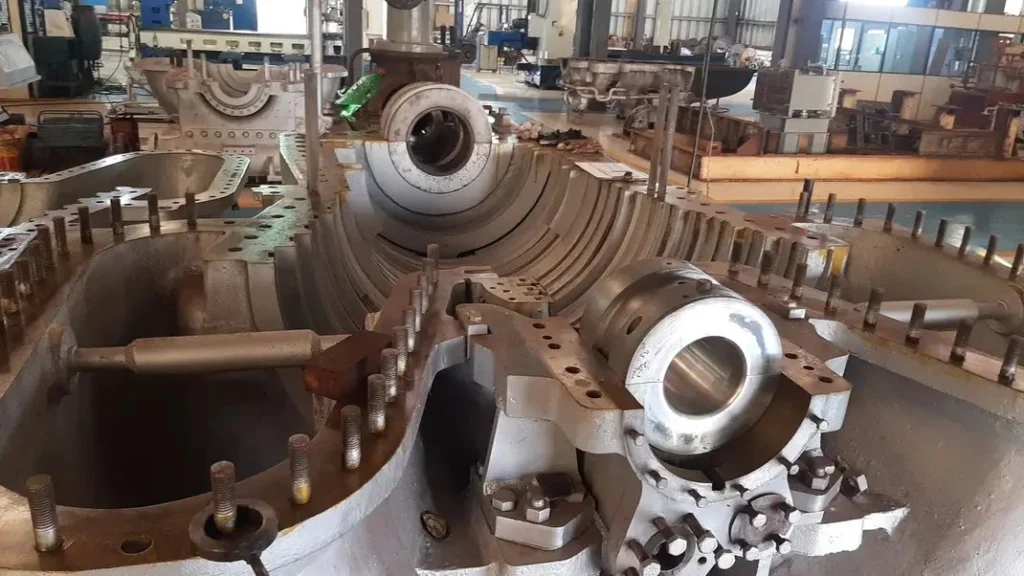
Steam Turbine Overhauls

Steam turbine overhauls are a critical part of maintaining the long-term reliability, efficiency, and safety of steam turbines. Overhauling a turbine involves a comprehensive process that goes beyond routine maintenance, typically including complete disassembly, inspection, repair, and reassembly of major components. Overhauls are typically scheduled after a certain number of operational hours, a predefined period, or when performance begins to degrade to a point where a more extensive intervention is necessary.

A full-scale overhaul allows for the inspection and refurbishment of critical turbine components such as blades, rotors, shafts, bearings, seals, and casings. This is essential for identifying any potential issues that might not be evident through regular maintenance or minor repairs. Overhauls are typically scheduled during planned shutdowns to minimize disruption to power generation operations, although in some cases they may be required due to unexpected failures.

The initial assessment during an overhaul involves a detailed inspection of the turbine’s components, often supported by non-destructive testing (NDT) techniques like ultrasonic testing, eddy current testing, and magnetic particle inspection. These methods allow for the detection of cracks, corrosion, or wear in materials without damaging them, ensuring that hidden defects are identified before they can cause significant damage.

A key element of an overhaul is rotor inspection and repair. The rotor is one of the most crucial parts of the turbine and can experience significant wear over time due to high rotational speeds and thermal cycling. Overhauls typically include the removal of the rotor for close examination, including checking for signs of fatigue, cracks, and distortion. If necessary, repairs may involve resurfacing or re-machining the rotor to restore its dimensions and integrity. In cases of severe damage, rotor replacement might be considered, although this is typically an expensive option.

Blade inspection and replacement are central to any steam turbine overhaul. The blades experience considerable wear due to erosion, corrosion, and thermal fatigue, all of which can degrade turbine performance over time. During an overhaul, the blades are removed, inspected for damage, and replaced if necessary. Modern turbine blades are often made from advanced materials such as nickel alloys or titanium, which are more resistant to the harsh conditions inside the turbine, but even these materials can suffer from fatigue or cracking. The blades may also undergo coating processes to protect them from high-temperature corrosion and erosion, further extending their lifespan.

Seals and gaskets play a crucial role in maintaining the efficiency of steam turbines by ensuring that steam does not leak from critical areas. During overhauls, seals are inspected and replaced if they show signs of wear, deformation, or loss of effectiveness. Worn seals can lead to steam leakage, reducing turbine efficiency and causing thermal losses. High-quality seals and gaskets ensure that the turbine operates at its optimum level, so replacing these during an overhaul helps maintain both performance and efficiency.

Bearings and lubrication systems are critical for the smooth operation of a steam turbine. Bearings experience wear and tear due to constant high-speed rotation and the heavy loads they carry. During overhauls, bearings are inspected for wear and replaced if necessary. The lubrication system, including pumps, filters, and oil quality, is also inspected and serviced. Proper lubrication is essential to reduce friction and prevent premature wear of components, ensuring smooth operation and preventing costly failures in the future.

In addition to the major components, inspecting the steam path during an overhaul is essential. This includes the inspection of the steam nozzles, diaphragms, and stages of the turbine, all of which can experience erosion, corrosion, and thermal degradation over time. Any signs of damage or wear in the steam path should be addressed during the overhaul to maintain turbine efficiency. This could involve cleaning, re-coating, or replacing these components, depending on the severity of the wear.

During an overhaul, the control systems and instrumentation are also thoroughly inspected. Over time, control systems can experience wear due to electrical or mechanical issues, so it’s important to ensure that the systems are calibrated and functioning properly. This includes checking the turbine’s governor, speed control mechanisms, valves, sensors, and monitoring equipment. Calibration ensures that the turbine is operating as intended and is able to respond effectively to varying operating conditions.

After all components have been inspected, repaired, or replaced, the turbine is reassembled, and various tests are performed to ensure everything is functioning as it should. These tests include vibration analysisthermal imaging, and performance testing to assess the turbine’s efficiency and operation. Reassembly is done with careful attention to alignment and tolerances, as even small misalignments can affect performance and lead to premature wear.

One critical element of an overhaul is the documentation and record-keeping. Detailed records of inspections, repairs, parts replaced, and any other work performed during the overhaul are essential for future reference. These records can help identify trends in turbine degradation, highlight recurring problems, and provide valuable insights for future overhauls. Moreover, keeping thorough documentation is often a regulatory requirement, especially in industries that operate under strict safety and performance standards.

The length of a turbine overhaul can vary depending on the complexity of the work, the size of the turbine, and the specific components that need attention. While some overhauls can be completed in a few weeks, others may take several months, especially if there are extensive repairs or parts replacements. The downtime associated with an overhaul can be costly, so careful planning is essential to ensure that the turbine is offline for as short a time as possible.

In addition to cost considerations, there are environmental factors that must be taken into account during a turbine overhaul. The turbine’s emissions, such as steam and exhaust gases, must be properly managed to minimize environmental impact. Any outdated or inefficient components that contribute to excessive emissions should be replaced with more environmentally friendly alternatives. For example, newer turbines may use more efficient steam path designs or incorporate advanced materials that reduce energy losses and emissions.

Scheduling overhauls is also critical in managing operational efficiency. Overhauls should be strategically planned during periods of lower demand or when other parts of the power plant are undergoing maintenance. This helps reduce the impact on overall plant performance and ensures that operations can continue without significant interruptions. Advanced planning is essential to make the overhaul process as efficient as possible, minimizing downtime and maximizing the return on investment.

The overhaul process provides an opportunity to implement technological upgrades to the turbine. As turbine technology evolves, new systems or materials may become available that can improve performance, increase efficiency, or reduce the risk of failure. Overhauls allow for the incorporation of these upgrades, which can contribute to long-term improvements in turbine operation and energy generation. For example, upgrading the turbine blades with newer, more efficient designs can significantly improve overall efficiency and performance, providing a competitive edge and reducing energy costs.

Finally, post-overhaul testing and monitoring are essential to ensure that the turbine is operating correctly after the overhaul is complete. Post-overhaul testing typically involves baseline performance testing, where the turbine’s efficiency and output are measured against its original specifications. Continuous monitoring after the overhaul is also recommended to ensure that the turbine operates as expected and that no issues arise in the immediate aftermath of the service. Regular monitoring during the first few months of operation can help detect any issues early, ensuring that the turbine maintains peak performance.

In conclusion, steam turbine overhauls are a vital part of maintaining the long-term health and efficiency of steam turbines. Overhauls provide the opportunity to address any hidden issues that might not be apparent during routine maintenance and repair activities. By thoroughly inspecting, repairing, and upgrading turbine components during an overhaul, operators can extend the turbine’s lifespan, enhance its performance, and ensure reliable, efficient operation over the long term. The overhaul process, while resource-intensive, helps optimize the turbine’s operation, reduce the risk of unexpected failures, and maximize the return on investment for power generation facilities.

Continuing with steam turbine overhauls, another significant aspect to consider is the optimization of turbine performance. During an overhaul, operators often look for opportunities to enhance the overall efficiency of the turbine. This may involve not only replacing or repairing worn-out components but also upgrading systems that can improve turbine performance. For instance, adjustments can be made to the steam path to increase efficiency, or advanced coatings may be applied to turbine blades and other critical components to reduce wear and corrosion. Such enhancements can result in increased output, reduced fuel consumption, and overall cost savings for the plant.

An essential part of overhaul planning is the detailed scheduling and logistics of procuring the necessary parts and resources. In many cases, components may need to be custom-manufactured or specially sourced, which can take time. Planning the overhaul process well in advance ensures that parts are available when needed, minimizing downtime. Coordination with suppliers and manufacturers is critical to guarantee that the correct materials, parts, and tools are on hand. This can also involve managing long lead times for specialized parts, such as replacement blades or turbine rotors. Timely procurement and inventory management play a crucial role in maintaining the overhaul timeline.

Workforce training and expertise are also central to the success of an overhaul. Given the complexity of steam turbines, having a highly skilled and knowledgeable workforce is essential for carrying out a thorough and successful overhaul. Technicians, engineers, and support staff must be adequately trained in turbine operation, troubleshooting, and repair procedures. Advanced training programs that focus on turbine technology, diagnostics, and emerging trends ensure that the workforce stays up to date with the latest best practices and technologies. Furthermore, having experienced personnel on-site reduces the likelihood of errors during the overhaul and can lead to better problem-solving and efficiency during the disassembly, inspection, repair, and reassembly processes.

Another important consideration is the impact of overhauls on plant operations. While overhauls are necessary for ensuring that turbines operate efficiently over the long term, they also require careful management of plant output. Power plants must plan for turbine overhauls in such a way that the overhaul process does not interfere with the plant’s ability to meet demand. If a turbine overhaul is scheduled during a peak demand period, operators may need to make adjustments to other parts of the plant or bring in additional generation capacity to meet the load. Balancing the timing of overhauls with the plant’s operational requirements is a key factor in minimizing disruptions and ensuring that the plant can continue to operate effectively.

Overhauls also provide an opportunity for a systematic review of turbine performance. By examining performance data over time, operators can identify trends in turbine behavior and potential areas for improvement. This review can help in predicting potential problems or failures before they occur, allowing for timely intervention. Over time, gathering performance data from the turbine enables more precise forecasting of maintenance needs and provides insights into whether the turbine will need major repairs or a complete overhaul. This proactive approach minimizes the risk of unexpected failures and maximizes the turbine’s operational lifespan.

Additionally, overhauls often include an environmental impact review. During the overhaul process, operators examine how the turbine’s emissions, efficiency, and resource usage can be improved. Replacing older, inefficient components with modern, energy-efficient designs not only enhances turbine performance but also reduces the environmental impact. In some cases, improvements to turbine exhaust systems or the integration of advanced filtration technologies can significantly reduce emissions. By incorporating environmental best practices into the overhaul process, operators can ensure that the turbine remains compliant with evolving environmental regulations and contribute to more sustainable power generation.

Finally, after the overhaul, reliability testing and performance verification are crucial steps to confirm that the turbine is operating as expected. Performance verification typically includes testing the turbine under full load conditions, checking vibration levels, and monitoring temperature and pressure fluctuations. Reliability tests verify that all systems are functioning within expected tolerances and that no issues are likely to arise soon after the turbine is brought back online. Testing ensures that the turbine is operating at peak efficiency and helps verify that the repair or upgrade measures made during the overhaul were effective.

Overhauling a steam turbine can be a complex, time-consuming process, but it is essential to the turbine’s overall lifespan and efficiency. By incorporating a systematic approach to inspection, repair, and performance optimization, overhauls ensure that turbines operate reliably and efficiently for years to come. Proper planning, skilled labor, and the use of advanced technologies all play vital roles in the overhaul process, which ultimately leads to a more reliable and cost-effective power generation system.

Continuing with steam turbine overhauls, the process involves ongoing monitoring and evaluation even after the turbine has been successfully brought back online. Post-overhaul, it’s essential to have a structured monitoring program in place to track the turbine’s performance over time. This includes continuous or periodic data collection on parameters such as steam pressure, temperature, vibration, and output. This data helps in detecting any early signs of degradation or malfunction before they escalate into major problems. Regular monitoring after an overhaul also provides confidence that the turbine is operating within its designed parameters and that any issues can be quickly addressed if they arise.

Moreover, modern turbines are often equipped with advanced condition monitoring systems that provide real-time data on the health of critical components. These systems can include sensors for vibration, temperature, pressure, and even oil quality, allowing operators to receive immediate feedback on the turbine’s performance. With the integration of artificial intelligence (AI) and machine learning algorithms, the condition monitoring systems can even predict potential failures based on trends in the data. This predictive maintenance approach can be particularly useful after an overhaul, as it provides an added layer of assurance that the turbine will continue to operate smoothly long after the overhaul is complete.

Another factor that plays into the long-term success of a steam turbine overhaul is the updating of maintenance schedules based on the turbine’s post-overhaul performance. After the overhaul, maintenance schedules may need to be adjusted to account for any changes in the turbine’s performance or operating conditions. The overhaul process might lead to a reduction in the frequency of certain types of maintenance or the adoption of new, more efficient techniques. It’s important for plant operators to continuously assess the turbine’s behavior and adjust the maintenance strategy accordingly to optimize uptime and performance.

During post-overhaul operations, it’s also crucial to ensure that training programs are updated to reflect any new technologies, materials, or systems that have been incorporated during the overhaul. New blade designs, control systems, or monitoring technologies may require specific training for operators and maintenance staff. This ensures that the team is fully equipped to handle any future maintenance tasks and can troubleshoot problems effectively if they arise. Properly trained personnel are essential for identifying problems early and responding appropriately to avoid costly downtime or safety issues.

In some cases, following an overhaul, upgrades and modifications might be recommended to further enhance the turbine’s operational life or efficiency. The manufacturer or service provider may suggest certain improvements based on the turbine’s current performance and emerging technological trends. These upgrades could range from software updates for control systems to more advanced materials for components exposed to high temperatures or pressures. Over time, incorporating these upgrades can further optimize the turbine’s overall performance and help it stay competitive in terms of energy efficiency.

Additionally, operational tests performed after an overhaul, which may include thermal performance testing, vibration testing, and load tests, are crucial to validate the turbine’s readiness for full service. In these tests, the turbine is subjected to its full operational conditions, and the performance data is analyzed to ensure that it matches the expected results. For instance, ensuring that the turbine is operating at the proper speed, pressure, and efficiency under load is essential to avoid potential future issues and verify the success of the overhaul. If the turbine does not meet its expected performance targets during these tests, it may require further fine-tuning or adjustments before it is fully returned to service.

Lastly, maintaining a close relationship with turbine manufacturers and service providers is vital for ensuring that the turbine continues to operate optimally post-overhaul. Many manufacturers offer long-term support and can provide valuable insights into emerging trends in turbine design, materials, and maintenance practices. Additionally, turbine manufacturers often offer specialized maintenance services and diagnostic tools that can be leveraged for ongoing monitoring and future overhauls. Establishing a solid partnership with turbine manufacturers can also provide access to the latest technological advancements, ensuring that the turbine stays current with industry standards and remains as efficient as possible.

In conclusion, steam turbine overhauls are an intricate and essential part of maintaining turbine performance and extending the operational lifespan of turbines in power plants. The process of overhauling involves much more than just replacing worn-out parts; it includes careful inspection, repair, and optimization of key turbine components to restore or enhance the turbine’s performance. Post-overhaul activities such as ongoing monitoring, training, and upgrading ensure that the turbine remains in peak condition and continues to meet the energy demands of the plant. By adopting a comprehensive approach that includes both short-term and long-term considerations, power plant operators can ensure the continued success of their steam turbines, minimizing downtime, reducing maintenance costs, and improving overall plant efficiency.

Continuing with steam turbine overhauls, another critical aspect of the process is the evaluation and documentation of the overhaul’s success. After the overhaul is completed, a comprehensive review should be conducted to assess the effectiveness of the work done and to verify that all goals have been met. This evaluation typically includes reviewing the performance of the turbine post-overhaul, comparing it against pre-overhaul performance data, and assessing whether any issues or discrepancies have emerged during the testing phase. Operators should also verify that all components were properly replaced or repaired and that the overhaul met any relevant regulatory and operational standards.

One of the key elements of this evaluation is the analysis of the maintenance records. The overhaul should be thoroughly documented, with all repairs, parts replacements, and upgrades recorded for future reference. These records are invaluable for understanding the health of the turbine over its entire lifecycle, helping to predict future maintenance needs and providing insight into recurring problems or areas that may need further attention. This documentation also helps inform future overhauls, as it creates a detailed history of the turbine’s condition and previous work done on it, making it easier to identify potential issues early.

Post-overhaul, a critical part of ongoing maintenance is the tracking of turbine performance over time. After a turbine has been overhauled, operators should continue to closely monitor its operational performance. This can be done by tracking key performance indicators (KPIs), such as steam consumption, turbine output, and efficiency rates. Any deviation from expected performance may indicate issues that could need further attention. Monitoring also helps to detect any premature wear or failure of parts, providing a warning that another intervention may be needed sooner than expected. Regular performance reviews allow operators to identify optimization opportunities and adjust operational procedures to keep the turbine running efficiently.

To complement performance monitoring, ongoing inspections should be conducted as part of a post-overhaul care program. Although the turbine has been thoroughly checked during the overhaul, it’s crucial to regularly inspect certain components—particularly those subject to high wear, such as the blades, rotor, and bearings. Early detection of issues can prevent larger problems from developing, reducing the likelihood of expensive repairs or unplanned downtime. Regular inspections should include both visual checks and the use of diagnostic tools like vibration analysis, oil analysis, and temperature monitoring.

In addition to inspections, another proactive strategy for maintaining a turbine after an overhaul is implementing condition-based monitoring (CBM). CBM involves the continuous measurement of key parameters and compares these with baseline values. In the context of a steam turbine, this might include monitoring vibrations, temperature gradients, shaft alignment, and rotor speed. By setting thresholds for acceptable conditions, operators can more accurately predict when the turbine will need attention, reducing the likelihood of sudden failures. CBM can be particularly helpful in providing early warning signs of potential issues, allowing for predictive maintenance and minimizing unnecessary downtime.

For plant operators and managers, post-overhaul operational adjustments might be needed to optimize the integration of the turbine back into the system. After the overhaul, the turbine’s behavior may differ slightly from its pre-overhaul operation, particularly if significant upgrades were made. For example, if a turbine’s efficiency was increased as part of the overhaul, operators might need to adjust operating procedures, such as steam flow, to maximize the benefits of the upgrade. Similarly, the reestablishment of proper alignment between the turbine and associated equipment should be carefully monitored, especially in the case of large turbines, as even small shifts in alignment can have significant operational impacts.

As with any major overhaul, ensuring that the turbine complies with relevant safety regulations and standards is essential. After the turbine is put back into operation, it’s important to ensure that all safety systems, including emergency shut-off valves, pressure relief systems, and fire suppression systems, are functioning correctly. Any regulatory changes in the energy or industrial sectors that could affect turbine operation should also be reviewed to make sure the turbine complies with new standards. A thorough post-overhaul review of safety procedures ensures that the turbine remains fully operational without putting workers, equipment, or the surrounding environment at risk.

Collaboration with external experts can also play a significant role in ensuring the long-term success of a turbine overhaul. After an overhaul, operators might seek input from turbine manufacturers, third-party engineers, or independent inspection services to validate the quality and thoroughness of the work done. These experts can provide fresh perspectives on any areas that might have been overlooked or offer suggestions for further improvements. For example, turbine manufacturers may have access to proprietary data or recommendations for new technology and components that could improve turbine operation. Collaborating with experts can also provide peace of mind to the plant operators, knowing that all necessary steps have been taken to ensure the turbine’s reliability and performance.

Another key element in ensuring the long-term success of turbine overhauls is the integration of lessons learned. Each overhaul provides valuable insight into the turbine’s performance, areas of weakness, and potential for improvement. The knowledge gained during the overhaul can be used to refine maintenance procedures, improve operational practices, and guide future decision-making for turbine upgrades and repairs. For example, if certain components are found to wear out more quickly than expected, future overhauls might focus on sourcing more durable materials for those parts or changing operational procedures to reduce stress on those components.

Lastly, the financial implications of a turbine overhaul cannot be overlooked. While overhauls are often costly, they can provide significant long-term cost savings by extending the life of the turbine and improving its operational efficiency. In some cases, turbines that undergo successful overhauls can operate for years beyond their expected lifespan, making the cost of the overhaul a worthwhile investment. From a financial standpoint, overhauls should be viewed as part of a broader strategy to reduce operating costs, optimize energy production, and increase the return on investment over the turbine’s entire lifecycle. With careful planning and well-executed overhauls, the cost of maintaining a turbine can be significantly lower than the cost of replacing it prematurely.

In summary, steam turbine overhauls are an essential part of maintaining and optimizing the performance of turbines in power generation facilities. The overhaul process is not only about repairing or replacing worn-out components but also about taking the opportunity to enhance turbine efficiency, integrate new technologies, and ensure that the turbine operates in accordance with the latest safety standards. Ongoing monitoring, inspections, and data analysis following an overhaul ensure that the turbine continues to perform optimally, while post-overhaul evaluations help document successes and inform future actions. By focusing on continuous improvement and embracing new technologies and maintenance strategies, power plants can ensure that their turbines operate reliably, efficiently, and safely throughout their operational lifespan.

Steam turbine inspection
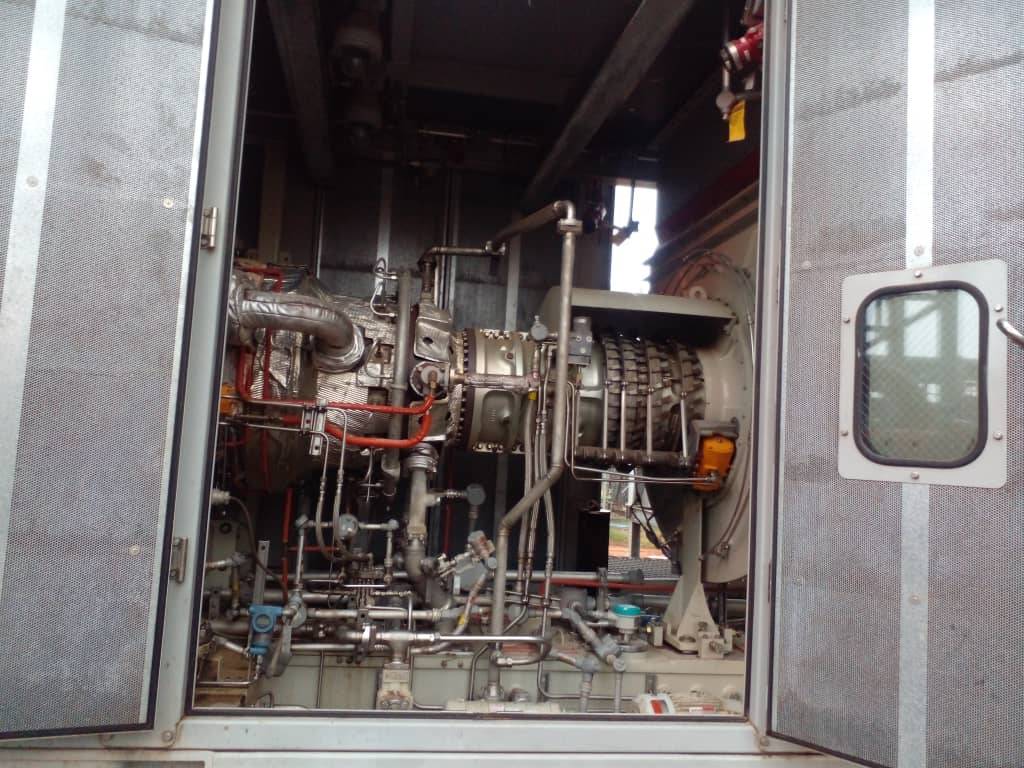
Steam turbine inspection

Steam turbine inspection is a critical process for ensuring the reliability, efficiency, and safety of turbines in power plants and industrial settings. Regular inspections allow for the detection of early signs of wear and potential failures, ultimately extending the turbine’s operational lifespan and minimizing unexpected downtime. The inspection process involves a comprehensive examination of all turbine components, including the rotor, stator, blades, seals, bearings, and other key parts. It is essential to conduct inspections according to a well-defined schedule, based on the manufacturer’s recommendations, operating hours, and the plant’s specific needs.

At the core of steam turbine inspection is the goal to assess the turbine’s overall condition and identify any areas of concern before they become critical issues. This can involve both visual inspections and the use of advanced diagnostic tools to assess internal components. Visual inspections typically focus on checking for external signs of damage, corrosion, or overheating. Components like the casing, nozzle, and blade tips are often checked for wear or cracks. By conducting a thorough visual inspection, any visible signs of stress or deterioration can be identified early, allowing for timely repairs.

However, visual inspection alone is not sufficient to assess the turbine’s full health, especially for internal components that are not directly visible. For this reason, non-destructive testing (NDT) techniques are widely used in steam turbine inspections. These methods allow for the internal inspection of the turbine without causing any damage to the components. Techniques like ultrasonic testingeddy current testing, and magnetic particle testing are commonly used to detect cracks, voids, and other structural issues within the rotor, blades, and other critical parts. These methods are highly effective in identifying early-stage damage or material degradation that may not be visible on the surface.

Another crucial aspect of turbine inspection is vibration analysis, which helps identify any imbalance or misalignment issues in the turbine’s rotating components. Unbalanced or misaligned turbines can lead to excessive wear, energy loss, and even catastrophic failures if left unchecked. Vibration analysis involves measuring the vibrations produced by the rotating shaft and analyzing them for abnormal patterns. These patterns can indicate problems like bearing wear, misalignment, or excessive clearances. Vibration monitoring systems are typically installed to provide continuous real-time data during turbine operation, helping operators to detect issues as soon as they arise.

Thermal imaging is another inspection technique that helps monitor the turbine’s performance. By capturing thermal images of key components like the rotor, stator, and steam piping, operators can detect hotspots caused by abnormal temperature differences, which may indicate issues such as insufficient lubrication, overheating, or improper steam flow. Thermal imaging can quickly identify potential problem areas without requiring disassembly, making it a valuable tool in predictive maintenance.

The steam path inspection is one of the most important elements of a steam turbine inspection. The steam path includes components such as the nozzles, blades, and diaphragms, which are directly responsible for converting thermal energy into mechanical energy. Over time, these components can suffer from erosion, corrosion, and wear, reducing the turbine’s efficiency and performance. A detailed inspection of the steam path typically includes checking the condition of the blades for cracking, pitting, or other types of damage. The nozzles are inspected for any blockages, damage, or wear, and the diaphragms are checked for alignment and deformation. This type of inspection is critical to ensuring that the turbine continues to operate at peak efficiency.

Bearing inspections are another important part of the turbine inspection process. Bearings support the rotating components of the turbine, and any damage to them can lead to misalignment, excessive vibration, or even catastrophic failure. Bearing inspections involve checking for signs of overheating, excessive wear, and proper lubrication. Ultrasonic testing is often used to detect early signs of bearing damage, while visual inspections can help identify external issues like oil leaks or damaged seals.

The seals in a steam turbine play a critical role in maintaining the correct steam pressure and preventing leaks. Over time, seals can degrade due to heat, pressure, and wear, leading to efficiency losses and potential damage to other components. During the inspection, the condition of seals is carefully examined, with particular attention paid to areas where steam leakage may occur, such as the shaft seals, gland seals, and diaphragm seals. Seal wear can lead to performance degradation, and in some cases, replacement may be necessary to ensure optimal turbine operation.

After completing the mechanical inspections, operational inspections are conducted to assess how the turbine is performing under its normal operating conditions. This involves checking parameters such as steam pressure, temperature, flow rate, vibration, and power output. By comparing these operational parameters with expected performance data, operators can determine if the turbine is operating within the desired efficiency range. Any deviations from expected performance can indicate issues that need to be addressed, such as imbalances, misalignments, or problems with the steam path.

Additionally, oil and lubrication systems are routinely inspected during turbine assessments. Oil analysis can help identify contaminants, degradation, or any signs of wear in the turbine’s lubrication system. The oil plays a vital role in minimizing friction and wear, and any problems with the oil can affect the entire turbine’s performance. Regular inspections ensure that the oil system is functioning as intended, maintaining optimal operating conditions for the turbine.

Finally, all findings from the inspection should be thoroughly documented, and a detailed report should be generated, including recommendations for any repairs or replacements needed. This documentation serves as a record for future inspections, helps establish a timeline for component replacements, and can be used to predict potential problems based on historical data. Detailed inspection reports also help plant managers make informed decisions regarding maintenance schedules, operational adjustments, and budget planning for future turbine care.

To summarize, steam turbine inspection is an essential part of maintaining the efficiency, safety, and reliability of turbines in power plants. It involves a range of techniques, including visual inspections, non-destructive testing, vibration analysis, thermal imaging, and operational monitoring, to identify any early signs of wear, misalignment, or damage. Routine inspections allow operators to detect potential issues before they lead to expensive repairs or unplanned downtime. By conducting thorough inspections and closely monitoring the turbine’s performance, plant operators can ensure that the turbine continues to operate efficiently, safely, and with minimal interruptions over its lifespan.

Building on the previous discussion about steam turbine inspection, it’s also important to focus on the timing and frequency of inspections, which are critical factors in ensuring that inspections remain effective and contribute to the overall longevity of the turbine. The frequency of inspections largely depends on the turbine’s operating hours, service conditions, and manufacturer recommendations. Typically, inspections are classified into routineperiodic, and major inspections.

Routine inspections are the most frequent and usually involve basic checks such as monitoring vibration levels, temperatures, and pressures, as well as visually inspecting accessible components. These inspections are conducted on a daily, weekly, or monthly basis, depending on the operational conditions and criticality of the turbine. Routine inspections help identify any potential issues early, allowing operators to make adjustments or repairs before problems escalate. The goal is to maintain smooth turbine operation by catching minor issues before they become major failures.

Periodic inspections are more comprehensive and usually take place at set intervals, often annually or semi-annually, depending on the turbine’s workload. These inspections typically include checks on internal components, such as bearings, seals, rotor condition, and blade alignment. For periodic inspections, non-destructive testing methods like ultrasonic or eddy current testing may be employed to assess internal wear or cracks without disassembling the turbine. Advanced diagnostic tools, such as thermal imaging and online vibration monitoring, may also be used during these inspections to detect any emerging issues that routine checks might have missed.

Major inspections typically occur every few years or after a set number of operating hours, depending on the turbine’s design and application. Major inspections involve a complete disassembly of key turbine components, including the rotor, stator, and steam path elements. During these inspections, each part is thoroughly examined for wear, corrosion, or any other signs of damage. Components such as blades, nozzles, and diaphragms are carefully checked for erosion, pitting, or cracks. Bearings, seals, and other moving parts are also replaced or reconditioned as necessary. The turbine’s alignment and balance are also checked during major inspections, and any worn or damaged parts are replaced to restore the turbine to optimal working condition.

In the course of inspections, maintenance teams also rely on performance testing to evaluate how well the turbine is operating under its specific conditions. This includes a series of tests designed to verify efficiency and identify any discrepancies in the turbine’s performance. Thermal performance testing is an example of this, where the turbine’s ability to convert steam energy into mechanical energy is measured. Testing the turbine’s efficiency against established benchmarks allows operators to track any degradation in performance and adjust maintenance schedules accordingly. These tests also help verify whether any changes made during previous inspections or overhauls have resulted in an improvement in performance.

When performing steam turbine inspections, the operational environment must also be considered. Factors such as vibration monitoringambient temperaturecooling water systems, and steam quality are essential for determining the turbine’s health. For instance, high-quality steam is critical to preventing erosion and corrosion in turbine blades, and fluctuations in vibration or temperature can signal an imbalance, misalignment, or faulty component that requires immediate attention. Water and chemical treatment systems that feed the steam must be inspected as well, ensuring that they maintain proper quality standards to prevent damage to turbine components.

Effective turbine inspections also rely heavily on data collection and analysis. Modern turbines often come equipped with condition monitoring systems that gather data continuously. This data can include real-time information on vibration levels, temperatures, pressures, and even oil quality. By integrating this data with predictive analytics and machine learning tools, operators can identify trends and anomalies that may point to future issues. For example, slight increases in vibration could signal early wear on bearings or rotor imbalance. Predictive maintenance tools can flag these early warning signs before they develop into critical failures, allowing for repairs to be scheduled during planned downtimes.

In addition to standard inspections, comprehensive failure analysis is also a key component in identifying root causes when problems arise. If a turbine failure or malfunction occurs, performing a detailed investigation is essential. This process involves gathering data on the operating conditions at the time of failure, conducting visual and NDT assessments on failed components, and analyzing the turbine’s operating history to look for patterns. A failure analysis helps determine the specific cause of the malfunction, whether it’s due to manufacturing defects, design issues, wear and tear, or operational errors. It can also offer valuable insights into how to prevent similar issues in the future, improving the turbine’s overall reliability and efficiency.

Moreover, documentation and tracking of inspection results play an essential role in maintaining a well-documented history of the turbine’s condition over its entire lifecycle. Inspection records allow operators to track changes in performance and maintenance needs over time, helping them make informed decisions about repairs, replacements, and overhauls. These records can also be useful in compliance audits or regulatory inspections, providing evidence that the turbine has been properly maintained and is operating within required safety standards.

By maintaining a clear, comprehensive inspection program, a power plant can prevent premature failures, optimize operational performance, and extend the turbine’s service life. Regular inspections not only enhance the turbine’s efficiency and reliability but also allow operators to manage maintenance costs more effectively. Over time, with the use of advanced diagnostics, predictive maintenance tools, and comprehensive reporting, the process of inspecting steam turbines will become more accurate and efficient, minimizing downtime and maximizing the return on investment for the plant.

In conclusion, steam turbine inspection is an ongoing and essential process that plays a crucial role in ensuring the safe and efficient operation of steam turbines in power plants. By utilizing a combination of visual inspections, non-destructive testing, performance monitoring, and advanced diagnostic tools, operators can identify problems early and make necessary repairs before they lead to costly failures. The goal is to keep the turbine operating at peak efficiency, reduce unplanned downtime, and ultimately extend the life of the turbine. With continuous advancements in inspection technology, steam turbine inspection will become even more reliable and precise, helping plants optimize their operations and meet the energy demands of the future.

To build further on steam turbine inspection, it’s important to delve deeper into the importance of real-time monitoring and predictive maintenance for modern turbine inspection strategies. As steam turbines become more complex and integrated with automated systems, real-time monitoring plays an essential role in enhancing the effectiveness of inspections. Modern technologies, such as condition monitoring systems (CMS), have revolutionized how turbines are maintained by offering continuous insight into the turbine’s health.

Real-time monitoring systems capture and analyze key operational data, providing operators with immediate feedback on the turbine’s condition. These systems collect data on various parameters, including vibration levelstemperature fluctuationspressure readingsrotational speed, and oil condition, which are essential indicators of a turbine’s performance. Real-time monitoring systems often rely on sensors embedded in critical turbine components, transmitting data to centralized monitoring platforms where it can be analyzed by operators. This data is crucial for detecting abnormal operating conditions that might indicate potential issues such as imbalances, overheating, or component wear.

Predictive maintenance goes hand-in-hand with real-time monitoring, allowing operators to shift from a reactive or scheduled maintenance approach to a more proactive one. Predictive maintenance utilizes data analysis and predictive algorithms to forecast potential failures before they occur. By leveraging advanced technologies such as machine learningartificial intelligence (AI), and data analytics, predictive maintenance models can identify patterns in the operational data that precede equipment failure. For example, subtle changes in vibration frequencies might be linked to bearing wear, or shifts in temperature profiles could point to issues with steam flow or heat transfer.

Predictive maintenance helps reduce unnecessary inspections and prevent turbine failures by providing operators with specific early warnings about potential issues. This allows for targeted maintenance, ensuring that only components that are at risk of failing are addressed, minimizing downtime and maintenance costs. Moreover, this approach enhances the overall efficiency of the turbine by allowing maintenance activities to be scheduled based on the turbine’s actual condition, rather than relying solely on fixed intervals.

One of the significant advancements in steam turbine inspections is the ability to integrate vibration analysis with real-time monitoring systems. Turbine vibration can be a direct indicator of issues such as imbalance, misalignment, or loosening of critical components. By continuously monitoring vibration data during operation, vibration analysis can alert operators to any abnormalities in real-time, enabling them to take immediate corrective actions before more severe damage occurs. With advancements in diagnostic tools like online vibration sensors, operators can now capture real-time vibration data and compare it against established baseline profiles to detect even slight deviations.

Similarly, thermal analysis has become a powerful tool for inspecting steam turbines. Thermal imaging allows operators to monitor temperature variations across the turbine’s key components without having to shut down the unit. In addition to infrared thermography, thermal sensors installed at various points along the turbine’s steam path provide real-time temperature readings. Significant temperature shifts may indicate problems such as poor steam distribution, imbalances in steam flow, or localized overheating that could lead to component failure. Regular temperature checks also help in identifying overheating bearings or inefficient heat exchange, which may otherwise go unnoticed until severe damage occurs.

Alongside thermal and vibration monitoring, oil condition monitoring has proven to be an effective method for detecting issues early. The turbine’s lubrication system plays a vital role in reducing friction and wear between moving parts. Through the installation of oil quality sensors, operators can continuously monitor the oil’s condition, looking for signs of contamination or degradation. Changes in the oil’s viscosity, presence of metal particles, or a rise in acid content can indicate wear on critical components such as bearings or seals. Oil analysis can even offer insights into the effectiveness of oil filters and help detect potential issues with lubrication systems.

Data-driven diagnostics and the ability to track turbine performance over time are pivotal in refining turbine inspection strategies. By leveraging data from sensors, inspection reports, and operational history, operators can develop a comprehensive health profile for each turbine. This profile allows maintenance teams to monitor trends and predict when specific components are likely to need attention. Predictive tools take into account factors such as age, operating hours, and the severity of past issues to generate accurate estimates of when turbine components will likely need repairs or replacement.

Furthermore, steam turbines operating in environments with extreme temperatureshigh vibration levels, or variable load conditions require more frequent and specialized inspections. For instance, turbines in combined-cycle plants or industrial facilities with fluctuating demand might experience more stress, leading to faster wear. Inspection schedules for turbines operating under such conditions may need to be adjusted to account for the increased risk of component degradation.

key part of modern inspection processes is integrating the turbine’s operational data with other plant systems, such as supervision and control systems. This data-sharing helps create a unified approach to plant monitoring and decision-making, allowing for more accurate troubleshooting and better coordination between the inspection team and plant operations.

Data integration across various platforms also enables a more efficient workflow for inspections. Maintenance management software can be synchronized with the turbine’s monitoring system to keep a record of inspections, repairs, parts replacements, and other key activities. This integration helps streamline scheduling, ensure that inspections are completed on time, and track the effectiveness of maintenance efforts.

At the same time, detailed inspection reports and historical data tracking allow plant managers to take a more informed approach to long-term asset management. This holistic view of turbine health helps ensure the plant remains reliable, safe, and cost-efficient over time. With accurate and consistent records, plant owners can make better decisions regarding equipment replacement or upgrades, ultimately ensuring the plant operates at optimal performance and cost-effectiveness for its entire lifecycle.

In addition to ongoing monitoring and predictive analysis, staff training and expertise play an essential role in ensuring that inspections are conducted thoroughly. Having skilled personnel who are well-versed in modern inspection techniques, diagnostic tools, and condition monitoring systems is crucial for maintaining turbine performance. Training programs should cover a wide range of inspection methodologies, from manual visual inspections to the latest digital tools for data analysis and remote monitoring. Skilled technicians are also essential for interpreting complex data and identifying subtle trends that may require corrective action.

Another emerging trend in steam turbine inspections is the increased reliance on drone inspections and robotics. These technologies offer significant benefits in terms of safety and efficiency, particularly in difficult-to-reach areas of large turbines. Drones equipped with high-definition cameras and thermal sensors can capture detailed images of the turbine’s outer casing and steam path components, helping identify issues such as cracks, corrosion, or unusual wear patterns. Similarly, robotic tools are being used to inspect and repair turbines in hazardous or high-temperature environments where human entry would be unsafe or impractical.

To summarize, steam turbine inspection is a dynamic and evolving process that incorporates real-time monitoring, predictive maintenance, advanced diagnostics, and automation. With the advent of condition-based monitoring systems, predictive algorithms, and emerging technologies like drones and robotics, inspections are becoming more efficient, accurate, and proactive. Data integration, real-time analytics, and continuous monitoring all contribute to reducing downtime, enhancing performance, and extending the turbine’s operational life. By embracing these advancements, power plants and industrial facilities can keep their turbines running at peak efficiency and reliability, reducing the risk of costly failures and maximizing the turbine’s performance over time.

Building upon steam turbine inspection and its evolving methodologies, the next logical step in enhancing turbine reliability is the integration of advanced diagnostic tools for more accurate, predictive, and data-driven assessments. As turbine technology continues to evolve, the tools and techniques used in inspections also advance to ensure that the turbines are operating efficiently and safely. A crucial part of this advancement is the integration of artificial intelligence (AI) and machine learning (ML) algorithms to enhance the interpretation of data collected from sensors and monitoring systems.

Artificial Intelligence and Machine Learning are playing a significant role in revolutionizing the turbine inspection process. These technologies can analyze large volumes of data, identify patterns, and predict potential failures. For instance, AI can learn from past failure data, sensor readings, and operational history to predict when a part might fail or when maintenance is due, offering early warnings well in advance of catastrophic issues. This capability minimizes downtime by allowing technicians to act before problems escalate. AI-driven systems can also optimize inspection schedules by continuously analyzing the turbine’s performance and comparing it to historical data, ensuring that maintenance is conducted only when necessary.

In practice, this could involve intelligent systems that automatically analyze vibration datatemperature fluctuations, and pressure levels across the turbine and compare them to baseline operational conditions. When discrepancies are detected, the system alerts the maintenance team with specific insights into the nature of the issue, such as excessive wear on blades, imbalance, or the degradation of seals. This level of predictive capability transforms inspection from a reactionary to a preventive approach, allowing for smarter, more efficient maintenance strategies.

Furthermore, predictive analytics now also extends to failure mode analysis. By using AI to simulate various operating conditions, the turbine’s response to different stress factors can be modeled. This not only helps in identifying which components are most vulnerable to failure but also provides a detailed understanding of how the turbine behaves under unusual or extreme conditions. As a result, power plants can develop more effective maintenance schedules tailored to each turbine’s specific operating conditions, leading to both cost savings and improved safety.

Non-Destructive Testing (NDT) has also seen advancements in turbine inspections. The use of techniques such as ultrasonic testingeddy current testing, and X-ray imaging is now more sophisticated and offers more precise results. For instance, eddy current testing can be used to identify cracks or corrosion in turbine blades, particularly in high-stress areas. Similarly, ultrasonic testing can measure the thickness of turbine components, such as blades or nozzles, to detect wear and corrosion that could potentially lead to failure. These NDT techniques provide real-time insights into the internal integrity of turbine components without the need for disassembly, thus reducing downtime and improving operational efficiency.

Moreover, robotic inspections are gaining traction, particularly in environments that are hazardous or difficult for human inspectors to access. Autonomous inspection robots equipped with specialized sensors can navigate the turbine’s inner workings, including hard-to-reach areas, to carry out detailed visual and thermal inspections. These robots can use infrared thermography to detect temperature variations in the turbine’s casing, which can be an indicator of hot spots or internal failures. Drones with cameras and thermal sensors are similarly used to inspect the external components of steam turbines, identifying cracks, rust, and signs of wear that would be hard to detect during manual inspections.

In addition to increasing the scope of inspections, these robotic and AI systems contribute significantly to improving safety by reducing the need for personnel to be in hazardous environments. For example, robots can be deployed in high-pressure, high-temperature, or confined spaces where human presence might be risky. Drones, on the other hand, offer a safer alternative to scaffolding and ladders when inspecting the turbine’s external components.

Another crucial aspect of modern steam turbine inspection is the utilization of cloud-based data storage and analytics platforms. These platforms allow for the centralized collection and management of data from multiple turbines, even across different sites. By using cloud computing, maintenance teams can remotely monitor turbine performance, access historical inspection data, and collaborate in real time with experts located anywhere in the world. The cloud also enables easier sharing of insights and best practices across the organization, which can be beneficial for standardizing inspection protocols and troubleshooting processes. These cloud platforms often incorporate big data analytics to process vast amounts of operational data from sensors, wear indicators, and inspection reports.

The integration of cloud technology in turbine inspections offers several advantages, such as improved data transparency and accessibilityreal-time collaboration, and the ability to make data-driven decisions from anywhere. For example, if a turbine is showing signs of abnormal vibration, the maintenance team can access real-time data to identify potential causes, consult with engineers for expert advice, and make adjustments without waiting for an onsite inspection. Additionally, the centralized data repository allows for trend analysis to identify recurring issues or patterns that may signal a need for broader operational changes.

Furthermore, advanced sensor technologies are rapidly becoming a critical part of turbine inspection. The use of fiber-optic sensors for detecting strain, temperature, and pressure changes in turbine blades, shafts, and casings is an exciting development. These sensors can provide continuous, high-resolution data on the mechanical and thermal performance of turbine components. Fiber-optic sensors are extremely sensitive, able to detect even the smallest deviations, such as microcracks or variations in pressure, that could indicate a failure in the making. This technology allows for earlier detection of failures and more frequent monitoring, leading to proactive maintenance actions.

Also, temperature and humidity sensors play a crucial role in maintaining optimal operational conditions in steam turbines. These sensors ensure that the turbine operates within the manufacturer-recommended temperature and humidity ranges. Exceeding these limits could result in steam corrosion, damage to internal components, and reduced turbine performance. By constantly monitoring and adjusting the turbine’s operating conditions based on sensor inputs, operators can significantly extend the life of the turbine and improve its overall efficiency.

Finally, regular training and upskilling of staff to operate and interpret these advanced diagnostic tools is crucial. The integration of cutting-edge technologies such as AI, robotics, and predictive analytics requires skilled technicians who understand how to analyze data effectively and make quick, informed decisions based on the information available. By providing comprehensive training on these technologies and ensuring the workforce is continually updated on the latest inspection tools, operators can maximize the potential benefits of modern inspection techniques.

In conclusion, the integration of advanced diagnostic technologies, such as AImachine learningrobotics, and cloud-based platforms, is transforming the landscape of steam turbine inspections. These technologies not only enhance the precision and efficiency of inspections but also help in identifying potential issues earlier, reducing unplanned downtime, and ultimately extending the life of the turbine. By employing predictive maintenance strategies and real-time data monitoring, power plants can move toward a more proactive approach to turbine management. The synergy of these technologies, combined with skilled personnel and comprehensive training, ensures that modern turbine inspection is more effective than ever before, improving turbine reliability, safety, and overall performance.

EMS Power Machines
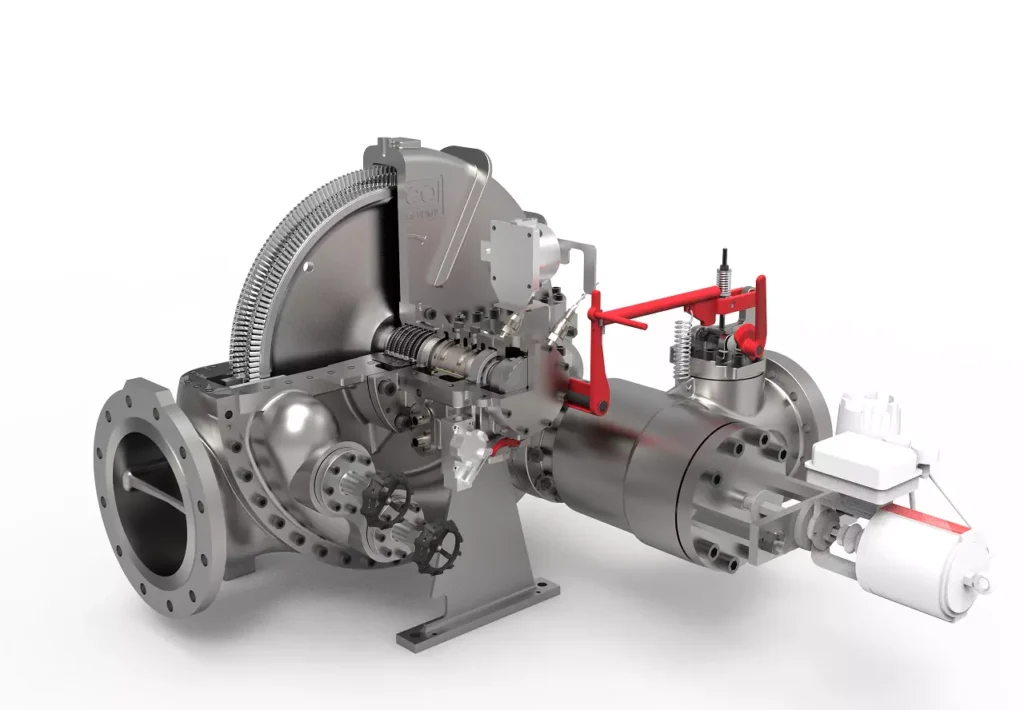
EMS Power Machines
EMS Power Machines

We design, manufacture and assembly Power Machines such as – diesel generators, electric motors, vibration motors, pumps, steam engines and steam turbines

EMS Power Machines is a global power engineering company, one of the five world leaders in the industry in terms of installed equipment. The companies included in the company have been operating in the energy market for more than 60 years.

EMS Power Machines manufactures steam turbines, gas turbines, hydroelectric turbines, generators, and other power equipment for thermal, nuclear, and hydroelectric power plants, as well as for various industries, transport, and marine energy.

EMS Power Machines is a major player in the global power industry, and its equipment is used in power plants all over the world. The company has a strong track record of innovation, and it is constantly developing new and improved technologies.

Here are some examples of Power Machines’ products and services:

  • Steam turbines for thermal and nuclear power plants
  • Gas turbines for combined cycle power plants and industrial applications
  • Hydroelectric turbines for hydroelectric power plants
  • Generators for all types of power plants
  • Boilers for thermal power plants
  • Condensers for thermal power plants
  • Reheaters for thermal power plants
  • Air preheaters for thermal power plants
  • Feedwater pumps for thermal power plants
  • Control systems for power plants
  • Maintenance and repair services for power plants

EMS Power Machines is committed to providing its customers with high-quality products and services. The company has a strong reputation for reliability and innovation. Power Machines is a leading provider of power equipment and services, and it plays a vital role in the global power industry.

EMS Power Machines, which began in 1961 as a small factory of electric motors, has become a leading global supplier of electronic products for different segments. The search for excellence has resulted in the diversification of the business, adding to the electric motors products which provide from power generation to more efficient means of use.
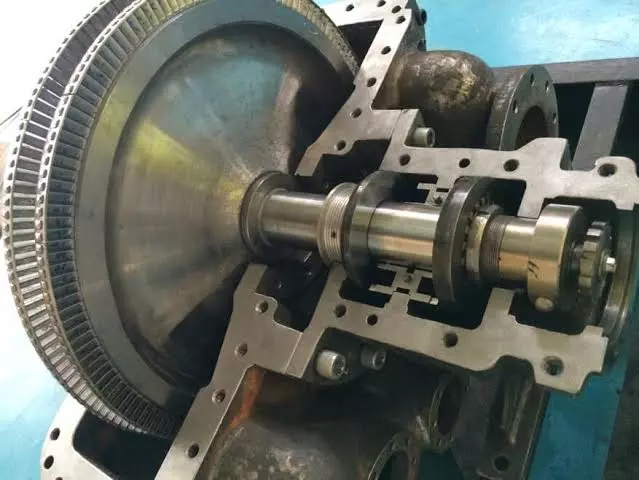
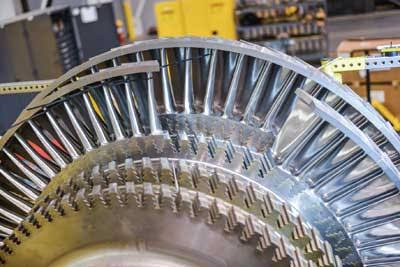
Categories
Uncategorized

Steam Turbine Rotor Shaft Repairs

Steam Turbine Rotor Shaft Repairs

Steam Turbine Rotor Shaft Repairs: A steam turbine is a device that converts the thermal energy of steam into mechanical energy, which can then be used to generate electricity or drive mechanical equipment. The basic principle behind a steam turbine is the expansion of steam through a series of blades, where high-pressure steam enters the turbine and passes through a rotor, causing it to spin. The rotational motion of the rotor is connected to a generator or mechanical shaft, which then performs the intended work.

Steam turbines operate based on the principles of thermodynamics, specifically the Rankine cycle. In this cycle, water is heated in a boiler to produce steam, which is then directed into the turbine. The steam expands in a series of stages, usually involving multiple sets of rotor and stator blades. Each stage allows the steam to lose pressure and temperature, with its thermal energy converted into mechanical energy through the turbine’s rotation. The steam finally exits the turbine at lower pressure and temperature, at which point it can be condensed back into water in a condenser for reuse in the boiler.

The performance of a steam turbine is highly influenced by its design, which may vary depending on its application. There are two primary types of steam turbines: condensing and non-condensing. Condensing turbines operate with the steam being expanded to a vacuum in the condenser, resulting in the lowest possible exhaust pressure. This design allows for the maximum extraction of energy from the steam. Non-condensing turbines, on the other hand, often operate with exhaust steam at atmospheric pressure or higher, where they are frequently used in applications like mechanical drive systems for pumps, compressors, or industrial processes.

In many large power plants, steam turbines are used to drive generators that produce electricity. The efficiency of these turbines is crucial to overall plant performance, and it is influenced by factors like the pressure and temperature of the steam entering the turbine, the number of stages of expansion, and the quality of the materials used in the turbine construction. High-efficiency turbines require careful engineering to minimize losses due to friction, heat loss, and other factors that can lower the system’s overall effectiveness.

A key aspect of steam turbine operation is the cooling system. In condensing turbines, steam is cooled in a condenser, typically using water from a nearby river, ocean, or cooling towers. The condensed water is then pumped back to the boiler to be reheated and converted into steam again. In contrast, non-condensing turbines often operate with a simpler cooling system as the exhaust steam does not require condensation. However, the temperature of the exhaust may still need to be controlled for optimal operation of the equipment it drives.

There are also specialized types of steam turbines that serve specific functions. For example, back-pressure turbines are used in situations where the exhaust steam needs to be at a certain pressure for use in industrial processes. These turbines do not operate in a vacuum but instead maintain a certain pressure in the exhaust, which can then be directed to heating systems or other applications. This makes back-pressure turbines ideal for cogeneration plants, where both electricity and heat are produced from the same energy source.

In addition to the mechanical and thermodynamic considerations, steam turbine performance is heavily impacted by the materials used in its construction. Steam turbines operate at very high temperatures and pressures, which means the materials must be able to withstand extreme conditions without suffering degradation or failure. Modern turbines are typically made from high-strength alloys, including stainless steel, nickel alloys, and other heat-resistant materials. Advances in material science have allowed for turbines that can operate at ever-higher temperatures and pressures, improving the overall efficiency of power plants.

Steam Turbine

Steam Turbines for Waste Heat Utilization

Another important aspect is the control and maintenance of steam turbines. These turbines are highly complex machines, and regular monitoring of their operation is necessary to ensure optimal performance and prevent failures. Turbine speed, temperature, vibration, and other factors are constantly monitored, and sophisticated control systems adjust the turbine’s operation to maintain efficiency. Maintenance schedules include regular inspections, lubrication of moving parts, and replacement of worn components. The maintenance of the blades, in particular, is crucial, as they experience significant stress and wear over time. The blades are subject to thermal and mechanical stresses, which can cause them to crack or erode, especially in high-efficiency turbines that operate at extreme temperatures.

In recent years, there has been a growing emphasis on improving the efficiency and environmental performance of steam turbines. As power generation increasingly moves towards renewable energy sources, such as biomass and geothermal, there are efforts to adapt steam turbine technology for use with these resources. Additionally, the development of combined-cycle power plants, which use both gas and steam turbines in a single system, has allowed for even greater efficiency in electricity generation. Combined-cycle plants take advantage of the waste heat from the gas turbine to generate steam, which is then used in a steam turbine for additional power generation. This combined approach results in significantly higher efficiency compared to traditional single-cycle power plants.

Steam turbines remain a vital part of modern power generation systems, with their ability to efficiently convert heat into mechanical energy making them indispensable in many industries, from large-scale power plants to smaller industrial operations. However, with rising energy demands and environmental concerns, the focus on improving turbine technology and optimizing their use continues to evolve. Innovations in materials, design, and operational strategies are all contributing to more efficient, reliable, and sustainable steam turbine systems, ensuring that these machines will remain at the heart of power generation for the foreseeable future.

Steam turbines also play a significant role in cogeneration and district heating systems. In cogeneration, also known as combined heat and power (CHP), both electricity and useful thermal energy are produced from the same fuel source. This is achieved by using steam turbines to generate electricity, while the exhaust steam is directed to provide heating for nearby buildings, industrial processes, or district heating networks. This dual use of energy increases the overall efficiency of the system, as it minimizes the loss of heat that would otherwise be wasted in conventional power generation processes. Cogeneration systems are especially valuable in industries where both electricity and heat are required, such as in chemical plants, refineries, and paper mills.

District heating systems, which distribute heat from a central plant to multiple buildings or facilities, also benefit from steam turbine technology. In these systems, steam is produced in a central boiler and used to supply heat to homes and businesses in a localized area. A steam turbine, often in a CHP configuration, can be integrated to simultaneously generate electricity while supplying this thermal energy. Such systems provide an environmentally friendly and efficient way to meet heating and power needs, especially in urban areas with a high demand for both.

The environmental impact of steam turbines is also a critical consideration in their operation. In traditional fossil-fuel-powered plants, steam turbines are often part of a coal, natural gas, or oil-fired boiler system. These power plants emit significant amounts of carbon dioxide and other pollutants into the atmosphere, contributing to global warming and air quality issues. As a result, there is a growing push to develop cleaner technologies that reduce emissions from steam turbine-based power plants. One approach to this challenge is the implementation of carbon capture and storage (CCS) technologies, which capture carbon dioxide from power plants before it is released into the atmosphere. These systems can be integrated with steam turbines to help mitigate the environmental impact of fossil-fuel-based power generation.

In addition, renewable energy sources such as geothermal energy, biomass, and solar thermal power are becoming more viable for use in steam turbine systems. Geothermal power plants, for example, utilize the Earth’s internal heat to generate steam, which is then used to drive a steam turbine. These systems offer a low-carbon alternative to fossil-fuel-based power generation and can provide a constant, reliable source of electricity. Biomass power plants burn organic materials such as wood chips or agricultural waste to produce steam, which powers a steam turbine. While biomass is renewable, its environmental sustainability depends on the sourcing and management of the biomass material, which must be done responsibly to avoid negative ecological impacts.

Solar thermal power plants use mirrors or lenses to concentrate sunlight onto a heat exchanger, producing steam that drives a steam turbine. These plants are often located in sunny regions and are part of the growing trend of concentrating solar power (CSP) systems. While CSP plants are still more expensive than conventional power plants, they have the potential to provide large-scale renewable energy while utilizing steam turbines for power generation. Integrating energy storage systems, such as molten salt tanks, with CSP plants allows for the continuous generation of electricity even when the sun is not shining, making it a more reliable source of renewable power.

The future of steam turbine technology is closely linked to advancements in energy storage, grid integration, and efficiency improvements. One of the major challenges in renewable energy generation is the intermittency of sources such as wind and solar power. As the power grid becomes more reliant on these variable sources of energy, there is a need for more flexible power plants that can quickly adjust to fluctuations in supply and demand. Steam turbines, especially in combined-cycle or CHP configurations, have the potential to complement renewable energy systems by providing backup power when needed, ensuring a stable and reliable electricity supply.

In terms of technological advancements, innovations in steam turbine design are focused on improving efficiency, reducing wear and tear, and extending the lifespan of the turbines. Advances in computational fluid dynamics (CFD) and materials science are enabling engineers to design more efficient turbine blades that can withstand higher temperatures and pressures without degrading. Additionally, turbine manufacturers are exploring advanced coatings and surface treatments that reduce friction and improve resistance to corrosion, leading to more durable and long-lasting components.

Hybrid steam turbine systems, which combine steam turbines with other technologies like gas turbines or organic Rankine cycle (ORC) systems, are also being developed to increase efficiency and flexibility. Gas turbines can be used in combination with steam turbines in a combined-cycle system, as mentioned earlier, where the waste heat from the gas turbine is used to generate steam for the steam turbine. ORC systems, which use organic fluids instead of water to generate steam, can be used in smaller-scale applications or with lower temperature heat sources, further expanding the range of uses for steam turbine technology.

As global energy demands continue to rise and the pressure to reduce greenhouse gas emissions grows, the development of more efficient and environmentally friendly steam turbines will play a pivotal role in achieving a sustainable energy future. The continued innovation in turbine technology, combined with cleaner energy sources, will help meet the world’s growing need for reliable, affordable, and clean power.

The continued evolution of steam turbine technology also brings the integration of digitalization and smart monitoring systems. As power plants and industrial facilities become more reliant on automation and data analytics, the role of digital systems in optimizing steam turbine performance is increasingly important. Advanced sensors, predictive maintenance tools, and real-time monitoring systems allow for better operational control, improving both the efficiency and reliability of steam turbines.

Predictive maintenance, in particular, has become a key area of development in steam turbine operations. Using data collected from various sensors and analyzed through machine learning algorithms, operators can detect potential issues before they result in costly failures. Vibration analysis, temperature monitoring, and pressure readings provide continuous insight into the health of the turbine. If any unusual patterns or abnormalities are detected, maintenance can be scheduled proactively, reducing downtime and extending the lifespan of the equipment. This shift from reactive to proactive maintenance is helping reduce costs and improve the overall performance of steam turbines in power generation and industrial applications.

Another area of innovation is the advancement of turbine control systems. Modern steam turbines are equipped with sophisticated control systems that optimize the turbine’s performance based on real-time input from the plant. These systems adjust the operation of the turbine to accommodate changing steam conditions, including pressure, temperature, and flow rate, to maintain the highest possible efficiency. The integration of digital control systems allows operators to make more informed decisions, improving the overall coordination between the turbine, boiler, and other components of the power generation system. Furthermore, control systems can be linked to larger grid management systems, ensuring that steam turbine operations are synchronized with the broader energy supply and demand.

The efficiency of steam turbines is also being boosted through hybrid approaches that combine traditional steam generation with newer technologies. For example, the use of integrated energy storage systems (such as thermal energy storage or battery storage) allows steam turbine-based plants to store excess energy during periods of low demand and release it when needed. This not only helps balance intermittent renewable energy generation but also improves the overall efficiency of the power plant by reducing the need to waste excess heat or energy.

Additionally, the trend toward more flexible power plants is reshaping how steam turbines are designed and operated. Traditionally, steam turbines were used in large, baseload power plants, where they ran continuously at full capacity. However, as renewable energy sources such as wind and solar become more prevalent, the demand for flexible, on-demand power has increased. Modern steam turbines are now being designed to handle more frequent cycling and rapid startup times. This flexibility is critical in a world where energy generation is less predictable and the need for backup power sources is more pronounced.

The decarbonization of the energy sector is driving much of the innovation around steam turbines. Governments and organizations are setting ambitious targets to reduce carbon emissions, and steam turbine manufacturers are responding with more sustainable solutions. Combined with carbon capture and storage (CCS) technologies, steam turbines can play a role in reducing the carbon footprint of fossil-fuel-based power generation. CCS involves capturing carbon dioxide emissions from power plants before they can be released into the atmosphere and then storing or repurposing them. While the integration of CCS with steam turbine systems is still in its early stages, it holds promise as a method of mitigating the environmental impact of steam turbine-based energy production.

Another area of focus is the development of low-carbon fuel alternatives for steam turbine power plants. Biomass and waste-to-energy plants are becoming more common as an alternative to coal-fired power generation. These plants use organic materials or waste products to generate steam, which drives steam turbines to produce electricity. The carbon emissions from burning biomass are considered more sustainable than fossil fuels, as the carbon dioxide released is roughly balanced by the carbon absorbed during the growth of the biomass. Similarly, waste-to-energy plants reduce the need for landfills and help mitigate the environmental impacts of waste disposal.

Moreover, hybridizing steam turbines with renewable sources such as geothermal or solar thermal energy is increasingly gaining attention. Geothermal energy, for example, utilizes the Earth’s natural heat to generate steam that can be used to drive turbines. This form of power generation offers a low-carbon alternative to traditional fossil-fuel-based plants. Solar thermal power, using concentrated solar power (CSP), also relies on steam turbines to convert sunlight into electricity by concentrating solar energy onto a heat exchanger to produce steam. These renewable sources of energy, when integrated with steam turbines, present an opportunity to reduce the reliance on fossil fuels while still leveraging the proven technology and efficiency of steam turbines.

The use of steam turbines in industrial processes is another area where significant progress is being made. For industries like petrochemical, paper, and cement manufacturing, steam turbines can be used not only for power generation but also for driving mechanical equipment like pumps and compressors. This dual functionality improves overall plant efficiency by reducing the need for separate power sources. Industrial steam turbines are often customized for the specific needs of the application, and these systems may include features such as back-pressure turbines, which allow the exhaust steam to be used in heating or process applications. The ongoing development of industrial steam turbine systems aims to further optimize their performance, making them more efficient and adaptable to varying load conditions.

Looking ahead, the future of steam turbine technology is undoubtedly intertwined with advances in power generation and energy efficiency. As the world moves towards a more sustainable energy future, steam turbines will continue to evolve. Innovations in turbine materials, digitalization, and hybrid energy systems will allow steam turbines to remain a critical component of the global energy mix, while also adapting to new energy sources and increasing demands for cleaner, more reliable energy. Whether in large-scale power generation, cogeneration, or industrial applications, steam turbines will remain a cornerstone of the energy sector, contributing to the transition to a low-carbon, sustainable future.

As the global energy landscape continues to evolve, the integration of steam turbines into a more interconnected and decentralized energy system will play a pivotal role in ensuring a reliable, flexible, and low-carbon future. This transformation will rely on advancements in grid integration, system optimization, and the increasing adoption of decentralized energy sources. One of the key challenges in modernizing the energy grid is accommodating the variable nature of renewable energy sources such as wind and solar power. These sources are inherently intermittent, producing electricity only when the wind blows or the sun shines. To address this variability, steam turbines can be used in conjunction with energy storage systems, such as pumped hydro storage, compressed air energy storage, or advanced battery technologies.

In a grid that increasingly relies on renewable energy, steam turbines could serve as a backup or balancing resource, ensuring a stable and continuous supply of power. When renewable generation is low, steam turbines in power plants or cogeneration systems can ramp up production to meet demand. Conversely, during times of excess renewable energy, such as sunny or windy periods, excess electricity can be stored or used to produce steam, which can then drive turbines during periods of high demand or low renewable output. This flexibility helps prevent the overloading of the grid and supports a more stable energy system.

One promising area in this regard is the development of hybrid power plants that combine both renewable energy sources and traditional steam turbine technology. For example, geothermal and solar thermal plants that use concentrated solar power (CSP) to generate steam could be integrated with battery storage or hybrid gas-steam turbine systems. These hybrid configurations allow for more efficient use of energy while minimizing the need for fossil fuel backup. In these plants, steam turbines can work in tandem with gas turbines to increase flexibility and efficiency, ensuring that energy is available on demand.

Moreover, as part of the energy transition, the potential for steam turbines to contribute to carbon-neutral or low-carbon energy production is expanding. For instance, biomass and biogas are renewable fuel sources that can be used in steam turbine-based systems. These fuels, derived from organic waste or crops, can provide a carbon-neutral alternative to fossil fuels. By capturing carbon dioxide released during the combustion process and sequestering it, biomass and biogas-based power plants could help mitigate the environmental impacts traditionally associated with steam turbine power generation.

In addition to biomass, there is growing interest in using hydrogen as a fuel for steam turbines. Hydrogen, when burned or used in fuel cells, produces only water vapor as a byproduct, making it an extremely clean fuel. Hydrogen can be produced from a variety of renewable sources, such as water electrolysis powered by wind or solar energy. Steam turbines that can run on hydrogen would contribute significantly to decarbonizing the power sector. Research is currently underway to develop turbines that can operate on hydrogen or a hydrogen-rich blend, which could become an essential part of the global effort to reduce greenhouse gas emissions.

Another important aspect of the future of steam turbines lies in the integration of advanced materials and manufacturing techniques. As steam turbines are pushed to higher performance levels, the materials used to construct their components must also evolve. For example, steam turbines that operate at higher temperatures and pressures require more advanced alloys and coatings to prevent corrosion, wear, and fatigue. Research into materials such as superalloys, ceramics, and advanced composites is ongoing, with the aim of improving the durability and efficiency of turbine components. The development of such materials not only enhances the performance of steam turbines but also reduces the need for frequent maintenance and component replacement, lowering the total cost of ownership for power plant operators.

Additive manufacturing, or 3D printing, is also poised to revolutionize the way steam turbine components are produced. This technology allows for the creation of complex geometries that would be difficult or impossible to achieve with traditional manufacturing methods. It also offers the potential for producing lighter, stronger, and more customized turbine parts, which can improve overall turbine efficiency. As additive manufacturing becomes more advanced, it could lead to faster production times, reduced material waste, and cost savings in the manufacturing and repair of steam turbines.

The operation of steam turbines will also be significantly enhanced by advancements in artificial intelligence (AI) and machine learning. These technologies have the potential to further improve predictive maintenance, system optimization, and control. AI-driven algorithms can analyze vast amounts of data collected from sensors and other monitoring systems, enabling real-time decision-making that optimizes turbine performance. For example, AI could be used to predict when specific components, such as turbine blades, will experience wear or failure, allowing for preemptive maintenance to avoid costly downtimes. Additionally, AI could help improve the efficiency of the steam turbine by optimizing steam flow, pressure, and temperature in response to changing grid demands.

The digital twin technology is another important innovation that is expected to transform steam turbine operation. A digital twin is a virtual model of a steam turbine that replicates its physical counterpart in real-time. This technology allows operators to simulate various operating conditions, test new configurations, and assess the impact of different maintenance strategies without affecting the actual turbine. The use of digital twins can help optimize turbine design, improve troubleshooting, and reduce the time and cost associated with repairs and upgrades.

As the demand for clean energy continues to grow, the adoption of steam turbines in non-traditional sectors is also on the rise. One example is the growing use of steam turbines in small-scale, decentralized power generation systems. These systems, often referred to as microgrids or distributed energy resources (DERs), use localized power generation to meet the energy needs of a specific area or facility. Steam turbines can be incorporated into these systems, providing a reliable and efficient energy source for industries, communities, and even remote locations that are not connected to the larger power grid.

Another emerging application for steam turbines is in the emerging field of waste heat recovery. Many industrial processes generate excess heat that is currently wasted, contributing to energy inefficiencies and environmental pollution. By using steam turbines in waste heat recovery systems, this excess heat can be converted into useful power. This technology can be implemented in a wide range of industries, including steel production, cement manufacturing, and food processing, offering the potential to significantly improve energy efficiency and reduce the carbon footprint of these operations.

In conclusion, steam turbine technology is poised for continued innovation and adaptation as it plays a central role in the energy transition. By integrating renewable energy sources, improving efficiency, and embracing digitalization, steam turbines will remain a cornerstone of modern energy systems. Their flexibility, ability to generate reliable power, and compatibility with a wide range of fuels and applications will ensure that steam turbines continue to meet the demands of a low-carbon, sustainable energy future. As technology advances, steam turbines will be an integral part of the solution to global energy challenges, offering cleaner, more efficient, and more resilient energy systems.

The future of steam turbines also lies in their role within the global movement toward energy decentralization. Traditionally, large, centralized power plants have been the backbone of electricity generation, but the shift toward decentralized power systems—driven by the increasing use of renewable energy sources and energy storage technologies—has the potential to transform how steam turbines are used in the energy mix. Decentralized energy systems, such as microgrids, distributed power generation, and local heating and cooling networks, offer advantages in terms of energy security, efficiency, and resilience.

In decentralized systems, steam turbines could provide flexible and reliable backup power, especially when integrated with renewable energy sources like solar, wind, and biomass. For example, in remote or off-grid communities, steam turbines fueled by biomass, waste, or even geothermal energy could offer an affordable and reliable means of electricity generation, without relying on external power grids. These localized systems can reduce transmission losses, lower infrastructure costs, and increase the resilience of energy supply to natural disasters or grid failures. By using steam turbines in this way, rural and remote areas can benefit from the same reliable power generation as more urbanized areas, helping to bridge the energy access gap.

Another important facet of decentralized energy systems is their ability to support the integration of renewable energy at the local level. Solar and wind power, while abundant and clean, are intermittent and may not always align with local demand. Steam turbines can play a crucial role in smoothing out these fluctuations, offering a reliable energy source when renewable generation is low. For instance, in regions with abundant solar or wind resources, steam turbines can be used to store excess energy in the form of steam, which can later be used to produce electricity. This process reduces the need for fossil-fuel-based backup generators, further decarbonizing the energy mix.

As part of this shift toward more distributed energy production, steam turbines will also be crucial in the development of community-based heating and cooling systems. District heating systems, which distribute thermal energy from a central plant to multiple buildings, are particularly popular in densely populated urban areas. Steam turbines in these systems can provide both electricity and useful heat for homes, businesses, and industrial facilities. In areas where waste heat is abundant—such as industrial zones, data centers, or high-density urban districts—combined heat and power (CHP) systems using steam turbines can significantly improve energy efficiency by capturing and utilizing this waste heat.

As the need for sustainable and reliable energy sources continues to rise, there is also growing attention on integrating steam turbines into the concept of circular economies. Circular economies prioritize the reuse of resources, minimizing waste and promoting sustainability throughout the life cycle of products and materials. In this context, steam turbines can be integrated into waste-to-energy plants, where the burning of waste materials is converted into steam, which in turn powers turbines for electricity generation. These systems help reduce landfill waste while simultaneously producing clean energy. Furthermore, the efficiency of such systems can be improved by utilizing advanced technologies like fluidized bed combustion, which allows for more efficient burning of waste materials.

The adoption of steam turbines in waste-to-energy plants not only contributes to reducing waste but also plays a role in addressing environmental issues related to landfills and incineration. By capturing and utilizing the energy from waste products that would otherwise end up in landfills, steam turbines enable a more sustainable method of waste management, decreasing methane emissions and lowering the overall environmental impact. Additionally, steam turbines used in waste-to-energy applications can help reduce reliance on fossil fuels, contributing to global decarbonization goals.

In the same vein, the role of steam turbines in industrial decarbonization is increasingly important. Industries are some of the largest emitters of carbon dioxide and other greenhouse gases, with energy-intensive sectors like cement, steel, and chemical production accounting for a significant portion of global emissions. The integration of steam turbines into industrial processes, especially in combination with renewable energy sources and carbon capture technologies, can help industries reduce their carbon footprints while maintaining high levels of productivity. For example, in cement production, excess heat generated during the manufacturing process can be harnessed by steam turbines to generate electricity or provide process heat. This waste heat recovery not only improves energy efficiency but also reduces the need for additional fuel inputs, helping to lower overall emissions.

Steam turbines can also be integrated into emerging technologies that aim to capture and store carbon emissions. Carbon capture, utilization, and storage (CCUS) technologies can be combined with steam turbines to reduce the carbon footprint of existing fossil-fuel-based power plants. In a typical CCUS process, carbon dioxide is captured from the flue gases of power plants and then compressed for storage or converted into a usable product, such as synthetic fuels or building materials. Steam turbines could play a role in generating the power required for the capture process or in assisting with the compression and transport of captured carbon dioxide.

In addition to these industrial applications, the role of steam turbines in the decarbonization of the broader energy sector is also evolving through the development of hybrid and multi-fuel technologies. Multi-fuel steam turbines, which can operate on a variety of fuels, including natural gas, biomass, hydrogen, and even waste products, offer greater flexibility and efficiency. These turbines can adjust their fuel input depending on the availability of different energy sources, enabling power plants to operate with lower emissions and to integrate renewable fuels as they become more accessible and cost-competitive. Such flexibility will be crucial as countries around the world transition away from coal and other high-emission fuels in favor of cleaner, renewable alternatives.

The ability of steam turbines to integrate with hydrogen as a fuel is particularly noteworthy. As hydrogen becomes a key player in the global energy transition, especially for sectors like heavy industry and long-distance transportation, steam turbines that can run on hydrogen could open up new opportunities for decarbonization. Hydrogen, when produced from renewable sources, offers a clean, flexible, and energy-dense fuel that could power steam turbines with minimal environmental impact. Research into hydrogen-fired steam turbines is already underway, and these systems could play a crucial role in industries or regions where electricity generation from renewable sources alone is insufficient or impractical.

Finally, the increasing importance of energy storage systems in the future energy grid is another area where steam turbines will remain relevant. Energy storage technologies, such as large-scale batteries, pumped hydro storage, and molten salt systems, can be integrated with steam turbines to improve the overall efficiency of the energy system. By providing a means to store excess energy generated during periods of low demand or high renewable generation, these storage systems help smooth out fluctuations in the grid, ensuring a reliable and continuous energy supply. Steam turbines can be used in conjunction with these storage systems to generate electricity when stored energy is needed, further enhancing the reliability and flexibility of the grid.

As the world faces growing challenges related to climate change, energy security, and sustainability, the role of steam turbines in the global energy mix will continue to evolve. Their versatility, efficiency, and ability to integrate with renewable energy sources, carbon capture technologies, and decentralized energy systems make them a crucial component in the ongoing transformation of the energy sector. Whether in traditional power plants, hybrid systems, or industrial applications, steam turbines will remain an essential technology for meeting the world’s future energy needs while helping to reduce emissions and combat climate change.

The continuous evolution of steam turbine technology is also deeply intertwined with the ongoing development of artificial intelligence (AI) and machine learning (ML), which are poised to revolutionize how steam turbines are operated, monitored, and maintained. The application of AI to the steam turbine industry holds the potential to dramatically enhance performance, reduce operational costs, and improve overall system reliability. Machine learning algorithms can process vast amounts of real-time data from turbines to identify patterns, detect anomalies, and predict future performance trends. This ability to anticipate issues before they arise is particularly valuable in ensuring the smooth operation of turbines, minimizing downtime, and extending their operational lifespan.

AI can assist in optimizing the operation of steam turbines by adjusting key parameters such as steam pressure, temperature, and flow rate. By analyzing real-time data from sensors, AI algorithms can fine-tune turbine performance in response to changing conditions, maximizing efficiency while minimizing wear and tear. These advanced systems can learn from historical operational data, improving their decision-making over time to further enhance the turbine’s overall efficiency. This predictive capability allows for more agile operations, enabling steam turbines to better adapt to variations in energy demand and renewable energy fluctuations, making them a more integrated and efficient part of modern energy systems.

In addition to operational improvements, AI and ML technologies can be instrumental in refining maintenance strategies. With predictive analytics, steam turbine operators can schedule maintenance based on the actual condition of components rather than relying on fixed schedules or guesswork. For example, AI models can forecast when specific parts, such as bearings or blades, are likely to wear out, allowing for preemptive maintenance or part replacement. This predictive maintenance approach not only reduces unplanned downtime but also optimizes the use of resources, minimizes operational disruptions, and reduces costs associated with over-maintenance or premature part replacement.

Another area where AI is being integrated into steam turbine operations is through digital twin technology. Digital twins are virtual representations of physical assets that enable real-time monitoring and simulation of turbine performance. AI-powered digital twins continuously analyze data from physical turbines and simulate their performance under various conditions. This digital model allows operators to test different operational strategies, assess the impact of potential changes, and evaluate how the turbine would perform under various scenarios—such as changes in steam conditions or unexpected grid fluctuations—without physically altering the turbine. This can lead to optimized operational strategies, better fault diagnosis, and improved planning for maintenance and upgrades.

Another frontier where AI and machine learning are expected to make a significant impact is in the design of steam turbines. AI-driven simulations can help turbine manufacturers accelerate the design process by testing multiple configurations and materials in a virtual environment. This can lead to the development of more efficient, durable, and cost-effective turbines, which can better handle the stresses associated with higher temperatures, pressures, and varying operating conditions. AI algorithms can also be used to predict how turbine components will perform over time, identifying potential areas of failure before they occur. This kind of predictive design can lead to higher-quality turbines with fewer design flaws and better overall performance.

In the context of hybrid and multi-fuel systems, AI will also be essential for optimizing the integration of steam turbines with other power generation technologies, such as gas turbines, batteries, and renewable energy sources. AI systems can continuously monitor and adjust the operation of these systems to ensure that the most efficient and cost-effective energy mix is used at any given time. For example, AI can determine the optimal moment to switch between different fuel sources (e.g., biomass, hydrogen, or natural gas) or to adjust the balance between steam and gas turbine generation, depending on the available resources and the demand for electricity. This not only ensures a more efficient energy generation process but also reduces emissions and maximizes the use of renewable energy.

In addition to AI’s contributions to operational optimization, the integration of blockchain technology into steam turbine management is beginning to gain traction. Blockchain’s ability to provide secure, transparent, and immutable data records can be useful in ensuring the traceability of parts, the integrity of operational data, and the transparency of maintenance histories. With blockchain, steam turbine manufacturers, operators, and maintenance providers can track each component of the turbine throughout its lifecycle, including design, installation, maintenance, and eventual decommissioning. This ensures that data regarding turbine performance and maintenance is accurate, auditable, and easily accessible for all stakeholders. Such transparency can improve decision-making, increase accountability, and help ensure that turbines are operating at their peak performance.

Blockchain also offers the possibility of creating smart contracts between turbine manufacturers, operators, and service providers. These self-executing contracts, stored on the blockchain, could automate various processes, such as payments, service agreements, and parts replacement, based on predefined conditions. For instance, a smart contract could automatically release payment to a maintenance service provider once certain maintenance milestones are achieved or parts are replaced, improving the efficiency of operations and reducing administrative overhead.

The convergence of AI, blockchain, and steam turbine technology presents significant opportunities for improving the overall efficiency, transparency, and sustainability of energy production. Together, these technologies will help streamline operations, reduce emissions, and increase the reliability and flexibility of steam turbines. Their adoption will support the transition toward a more decentralized and decarbonized energy system, helping to meet the growing demand for cleaner, more resilient energy solutions.

Furthermore, the advancements in digital technologies, such as the Internet of Things (IoT), will also enhance the connectivity and integration of steam turbines into smart grids. IoT sensors and devices can provide a continuous flow of real-time data about turbine conditions, such as vibrations, temperature, and pressure, enabling operators to monitor performance remotely. This increased connectivity allows for more responsive and adaptive turbine control, enabling operators to quickly identify and address any performance issues. By integrating IoT with AI and machine learning, operators can create a comprehensive digital ecosystem that not only monitors turbine performance but also anticipates potential issues and optimizes turbine operation.

Another key area of development is the focus on turbine recyclability and sustainability. As the demand for clean energy increases, there is a growing need to minimize the environmental impact of turbine manufacturing, operation, and disposal. In this context, the adoption of sustainable materials, such as recycled metals, biodegradable lubricants, and eco-friendly coatings, is becoming more important. The development of steam turbines that can be easily recycled at the end of their lifespan also contributes to the circular economy, reducing waste and the need for raw materials. Furthermore, efforts are being made to design turbines that have a longer lifespan, reducing the need for frequent replacements and minimizing resource consumption over time.

Finally, regulatory and policy frameworks around steam turbine technology will continue to evolve, providing both challenges and opportunities for manufacturers and operators. Governments are increasingly focusing on energy efficiency, emissions reduction, and the promotion of renewable energy. As these policies are implemented, steam turbines will likely be subject to stricter efficiency standards and carbon emissions regulations. This will encourage further technological innovation, driving the development of even more efficient, low-emission turbines and supporting the transition to a carbon-neutral energy future.

In summary, the future of steam turbine technology is marked by an exciting convergence of advancements in AI, machine learning, digitalization, sustainability, and regulatory change. The continued evolution of steam turbines will allow for more efficient, flexible, and reliable power generation, supporting the global transition toward cleaner, decentralized, and renewable energy systems. As these technologies continue to evolve, steam turbines will remain at the heart of a more sustainable and resilient energy infrastructure, playing a critical role in meeting the world’s future energy needs while addressing the challenges of climate change.

As we look further into the future of steam turbines, the ongoing advancements in turbine design, efficiency, and integration with modern energy systems are expected to catalyze a shift in the overall energy landscape. The transition toward cleaner, smarter, and more resilient energy systems is no longer just an ideal; it’s becoming a necessity driven by both climate imperatives and technological advancements. Steam turbines, with their longstanding role in power generation, are well-positioned to play a central role in this transformation. However, to truly capitalize on their potential, several key areas of innovation and adaptation must be explored.

Advanced Materials and Efficiency Improvements

The quest for higher turbine efficiency and reliability continues to drive research into new materials and manufacturing techniques. High-efficiency turbines that operate at elevated temperatures and pressures require materials that can withstand extreme conditions without degrading. The development of superalloys, ceramic materials, and advanced coatings has allowed modern steam turbines to operate at higher thermal efficiencies, often exceeding 40%. This is critical in improving the overall energy conversion process, ensuring that less fuel is used to produce the same amount of energy. Further material advancements are expected to raise this efficiency even higher, approaching 50% in some systems, which would drastically reduce emissions and energy consumption.

In particular, the use of ceramic matrix composites (CMCs) and other high-temperature-resistant materials can significantly increase the operating temperature of the steam, which in turn improves thermal efficiency. Such improvements will reduce the need for massive amounts of fuel, especially in fossil-fuel-based plants, and facilitate the integration of renewable energy systems by providing a more robust and versatile infrastructure.

Hybridization with Emerging Technologies

Another area where steam turbines are poised for growth is in the hybridization with emerging technologies like fuel cells and advanced storage systems. Fuel cells, particularly those utilizing hydrogen as a fuel, represent a promising alternative to traditional combustion-based power generation. When paired with steam turbines, fuel cells can provide a cleaner source of power generation, producing electricity with almost no emissions. Hydrogen-powered steam turbines, while still in the research phase, offer the potential to decarbonize large-scale power generation. These turbines could use hydrogen produced from renewable sources, such as wind or solar, through electrolysis, enabling carbon-free power production.

Additionally, hybridization with energy storage systems, such as thermal storage or even innovative battery technologies, could further enhance the flexibility of steam turbines. In systems where excess electricity is generated—such as during periods of peak renewable output—the energy could be stored and later converted into steam, which would drive the turbine to meet demand during periods when renewable resources are not available. This combination of steam turbines and storage technologies will be particularly valuable for balancing grid systems and ensuring reliable, uninterrupted power delivery.

Integration with Green Hydrogen and Decarbonized Fuels

One of the most promising applications for steam turbines in the coming decades is their role in the growing hydrogen economy. Green hydrogen, produced using renewable energy, is expected to become a cornerstone of decarbonization efforts. Hydrogen can be used as a fuel for steam turbines, either by directly combusting hydrogen in turbine combustors or by incorporating it into hybrid systems that combine hydrogen with other renewable fuels. Hydrogen’s potential as a clean, carbon-neutral fuel has made it a focal point for research and investment in the energy sector.

For steam turbines, this hydrogen integration presents a transformative opportunity. By using hydrogen as a fuel, steam turbines can operate without emitting carbon dioxide, thereby supporting the decarbonization of industries and power sectors that have historically been reliant on fossil fuels. Furthermore, hydrogen can be stored and transported more easily than electricity, making it an ideal fuel for use in areas where large-scale renewable energy production is not feasible or during times of high demand.

The use of hydrogen in steam turbines also opens up the possibility of long-term, seasonal energy storage. Hydrogen can be produced in excess during periods of renewable energy abundance (e.g., when solar or wind generation is at its peak) and stored for later use during periods of low generation. This form of energy storage addresses the intermittent nature of renewable resources and allows for steam turbines to operate as a stable and flexible part of a hybrid energy system, providing dispatchable power on demand.

Distributed Energy Systems and Microgrids

The growing interest in distributed energy systems and microgrids offers another compelling application for steam turbines. Microgrids are localized energy systems that can operate independently of the central grid and are increasingly seen as essential for improving energy security, especially in remote or underserved areas. Steam turbines, when integrated into these microgrids, can provide a reliable, dispatchable source of power, offering resilience to communities that may otherwise be vulnerable to power outages or grid failures.

In this context, steam turbines could be fueled by local resources, such as biomass, geothermal energy, or even municipal waste, reducing dependence on centralized power plants and transmission infrastructure. By enabling localized power generation, steam turbines help to decentralize energy production, reducing transmission losses and improving overall grid efficiency. Additionally, steam turbines in microgrids can complement renewable energy sources, such as solar or wind, by providing backup power when these intermittent sources are not generating electricity.

Waste Heat Recovery and Industrial Integration

Steam turbines have long been employed in combined heat and power (CHP) applications, where they generate both electricity and useful heat for industrial processes. The potential for steam turbines to recover waste heat from industrial operations is significant, as many energy-intensive industries generate excess heat that could be harnessed to produce electricity. Steam turbines can be integrated into industrial processes, such as those in steel mills, cement plants, and chemical manufacturing facilities, to convert waste heat into useful energy, thus improving overall energy efficiency and reducing the environmental impact of these industries.

This is particularly important in the context of decarbonizing hard-to-abate sectors that are difficult to electrify or decarbonize directly. By incorporating steam turbines into waste heat recovery systems, industries can reduce their reliance on fossil fuels, lower emissions, and create a more sustainable energy cycle within their operations. In addition, waste heat recovery with steam turbines can serve as a valuable complement to carbon capture, utilization, and storage (CCUS) technologies. By converting excess heat into electricity, these systems can help power the CCUS process, further enhancing the carbon reduction potential of industries.

Digitalization and Smart Turbine Networks

The future of steam turbines will also be heavily influenced by the ongoing digital transformation of the energy sector. With the increasing deployment of sensors, IoT devices, and data analytics tools, steam turbines will become more interconnected and capable of operating within smart turbine networks. These digital tools enable real-time monitoring, performance analysis, and predictive maintenance, reducing operational downtime and improving the overall reliability and efficiency of turbine systems.

Through the use of digital twins, AI, and cloud-based platforms, operators can remotely monitor and control turbines, optimizing their performance based on real-time data. These technologies can also help predict failures before they occur, allowing for more proactive maintenance strategies and reducing the risk of unplanned outages. Moreover, smart grid technologies will allow steam turbines to integrate seamlessly into the larger energy network, responding dynamically to grid conditions and helping to balance energy supply and demand.

Conclusion: A Central Role in a Decarbonized Future

In summary, steam turbines will remain a cornerstone of the global energy transition, evolving to meet the challenges of a decarbonized, distributed, and digitally connected energy landscape. Through innovations in materials, hybrid technologies, hydrogen integration, and waste heat recovery, steam turbines will continue to play a vital role in providing reliable, flexible, and clean energy. As the energy sector evolves toward greater sustainability, efficiency, and resilience, steam turbines will be a key enabler of the transition to a low-carbon future, helping to meet the world’s energy needs while reducing environmental impact. Their adaptability, scalability, and role in integrating renewable energy make them an essential technology for powering the sustainable energy systems of tomorrow.

Steam turbine maintenance

Steam turbine maintenance

Steam turbine maintenance is a critical aspect of ensuring the longevity, reliability, and optimal performance of turbines in power generation plants and industrial applications. As with any complex mechanical system, regular and proactive maintenance is essential to prevent costly failures, extend the life of turbine components, and maintain efficient operation. The maintenance strategies for steam turbines have evolved significantly over the years, incorporating advanced diagnostic tools, predictive technologies, and improved practices that enhance the efficiency and reliability of these machines. Effective maintenance helps to prevent downtime, reduce operational costs, and optimize the overall performance of steam turbines in both traditional and modern energy systems.

Types of Maintenance

Steam turbine maintenance is generally divided into three primary categories:

  1. Preventive Maintenance (PM): Preventive maintenance involves scheduled inspections, repairs, and replacements designed to prevent failure before it happens. PM is carried out at regular intervals based on operational hours or manufacturer-recommended schedules. The focus is on maintaining components in optimal condition and detecting wear or issues that may affect performance or lead to failure. Common PM activities include:
    • Inspection of key components like blades, bearings, seals, and rotors
    • Monitoring turbine performance through vibration analysis and thermographic inspections
    • Cleaning of condenser tubes and checking for blockages or scale buildup
    • Lubrication of moving parts and checking oil quality
    • Alignment checks for shafts and rotors
  2. Predictive Maintenance (PdM): Predictive maintenance uses advanced data analytics, real-time monitoring, and sensor technologies to predict when a turbine component may fail, allowing for maintenance to be performed just before the failure occurs. Predictive tools enable operators to detect early signs of wear and tear, such as unusual vibrations, temperature fluctuations, or abnormal pressure readings. PdM relies on data collected from sensors embedded within the turbine and analyzed using machine learning algorithms. Common techniques include:
    • Vibration analysis to detect imbalances, misalignments, or bearing failures
    • Oil analysis to detect contamination or wear debris
    • Temperature monitoring to identify overheating or improper thermal stress
    • Acoustic emission monitoring to detect cracks or structural issues
  3. Corrective Maintenance: Corrective maintenance is the repair or replacement of components after a failure or when performance significantly degrades. This type of maintenance is typically unplanned and is often the result of a major breakdown. While corrective maintenance cannot be completely eliminated, the goal is to reduce the occurrence of unplanned downtime through robust preventive and predictive maintenance practices. Common corrective maintenance tasks include:
    • Replacing failed turbine blades, seals, or other components
    • Repairing cracks or other structural damage
    • Replacing worn bearings or lubricating systems

Maintenance Strategies

Effective steam turbine maintenance requires a well-thought-out strategy, balancing the need for preventive and predictive actions while minimizing unplanned corrective repairs. Several strategies are commonly used to optimize maintenance efforts:

  1. Condition-Based Monitoring (CBM): Condition-based monitoring involves monitoring the condition of turbine components during operation and performing maintenance when specific thresholds are exceeded. For example, if vibration levels increase beyond normal limits, a turbine may need to be shut down for further inspection. This strategy allows for a more tailored approach to maintenance, reducing unnecessary maintenance activities and focusing on the most critical needs.
  2. Reliability-Centered Maintenance (RCM): RCM is a systematic approach to maintenance that focuses on identifying and prioritizing critical components that directly affect turbine reliability. The RCM process involves analyzing turbine operations and identifying failure modes for each component. It then evaluates the impact of failure on the system and develops a maintenance strategy that addresses these risks. RCM prioritizes resources to areas with the highest risk of failure, helping to reduce maintenance costs and optimize turbine performance.
  3. Total Productive Maintenance (TPM): TPM is a comprehensive approach that involves all levels of the organization in turbine maintenance activities. It emphasizes the importance of maintaining equipment in optimal condition to ensure continuous and efficient operation. TPM encourages operators to take an active role in monitoring turbine performance and reporting potential issues, allowing for early intervention and reducing the likelihood of unexpected breakdowns. This approach also promotes the training of staff to enhance their knowledge of turbine systems, which leads to a more proactive and effective maintenance culture.

Key Components in Steam Turbine Maintenance

The maintenance of steam turbines focuses on ensuring that the major components remain in good working condition, as failure in any of these parts can lead to significant operational disruptions. Key components of steam turbines include:

  1. Turbine Blades: The turbine blades are subjected to high thermal and mechanical stresses, which can cause them to wear out over time. Regular inspection of blades for signs of erosion, corrosion, cracking, or fatigue is crucial. Blades are often inspected using visual inspections, ultrasonic testing, or eddy current testing to detect cracks or fatigue. Additionally, coating and heat treatment technologies are used to extend the life of turbine blades by reducing wear.
  2. Bearings: Bearings support the rotor and shaft of the turbine and ensure smooth operation. If the bearings are not properly maintained, they can lead to misalignment, increased friction, and heat generation, which can ultimately cause turbine failure. Regular checks on bearing lubrication and temperature are essential, as well as the use of vibration analysis to detect early signs of wear or misalignment.
  3. Seals and Gaskets: Seals and gaskets prevent steam from leaking and ensure that the pressure and temperature within the turbine remain stable. Steam leakage can reduce turbine efficiency and lead to energy loss. Regular inspection and replacement of seals are critical to maintaining optimal performance. The use of advanced materials for seals can extend their life and improve performance under high-pressure and high-temperature conditions.
  4. Rotor and Shaft: The rotor and shaft are responsible for transferring the energy generated by steam to mechanical energy. Over time, they can become misaligned, experience wear, or develop cracks due to thermal and mechanical stresses. Regular alignment checks and the monitoring of vibration and temperature levels are essential to ensure the integrity of the rotor and shaft.
  5. Condenser and Heat Exchanger: The condenser is responsible for cooling the steam after it exits the turbine. It is crucial to ensure that the condenser tubes are clean and free from scale buildup, corrosion, or fouling, which can impede heat transfer and reduce efficiency. Regular cleaning and inspection of the condenser are necessary to ensure optimal heat exchange and to prevent any blockage that may affect turbine operation.

Maintenance Challenges and Solutions

Steam turbine maintenance is not without challenges, especially in older plants or in environments with harsh operational conditions. Some common challenges include:

  1. Aging Infrastructure: In many industries, turbines are part of aging infrastructure that may have been in operation for decades. Over time, parts may deteriorate or become less efficient, and maintenance requirements may increase. The solution to this is the adoption of predictive maintenance technologies that can anticipate failures and help prioritize replacement or repairs based on component condition.
  2. Unavailability of Spare Parts: For older turbine models, finding replacement parts or components may be difficult or expensive. In such cases, refurbishment of parts or retrofitting with modern materials and technologies can extend the life of the turbine. Manufacturers and service providers often offer remanufacturing services to restore critical turbine components to their original specifications.
  3. Staff Training: The complexity of modern steam turbines requires a high level of expertise for both operators and maintenance personnel. Continuous training programs are essential to keep staff updated on the latest technologies, maintenance techniques, and diagnostic tools. Skilled personnel are also needed to handle complex tasks such as vibration analysis, thermal imaging, and condition monitoring.
  4. Minimizing Downtime: Reducing downtime is a key goal in turbine maintenance, especially in critical power generation plants. Scheduled maintenance during off-peak periods and the use of modular or “plug-and-play” components can help minimize downtime. Additionally, the use of advanced diagnostics can lead to faster troubleshooting and quicker resolutions, allowing turbines to return to service more quickly.

Future Trends in Steam Turbine Maintenance

The future of steam turbine maintenance will be shaped by the continued evolution of digital technologies, automation, and AI-based monitoring systems. Turbines will become increasingly connected, allowing for real-time data collection, performance tracking, and remote diagnostics. Artificial intelligence and machine learning will play a larger role in automating predictive maintenance, reducing the need for human intervention and improving overall efficiency.

Moreover, the integration of 3D printing and additive manufacturing into turbine maintenance practices may allow for more rapid and cost-effective repair and replacement of components, particularly in remote locations or during emergency repairs. The adoption of digital twins, as mentioned earlier, will also provide a virtual representation of the turbine system, allowing for continuous monitoring and optimization of maintenance strategies.

In summary, steam turbine maintenance is a vital and evolving discipline that combines traditional mechanical expertise with cutting-edge technologies. By adopting a holistic and proactive maintenance strategy that includes preventive, predictive, and corrective maintenance, turbine operators can ensure that steam turbines continue to operate efficiently and reliably for many years to come. Advances in digital technologies, materials science, and AI will further enhance maintenance practices, leading to lower costs, improved reliability, and a greater role for steam turbines in the decarbonized energy future.

Advanced Diagnostics and Monitoring Technologies

The integration of advanced diagnostic tools is one of the key factors contributing to the evolution of steam turbine maintenance. These tools provide insights into the condition of turbine components and help predict potential failures before they occur. The growing role of digitalization and Industry 4.0 has made condition monitoring and real-time diagnostics far more accessible and efficient. Some key monitoring technologies include:

  1. Vibration Analysis: Vibration analysis is one of the most widely used techniques for detecting early signs of turbine issues. Vibrations can reveal a wide range of problems, such as misalignment, imbalance, bearing failures, and shaft defects. By continuously monitoring vibration levels, operators can detect deviations from normal behavior and address issues before they escalate into major failures. Advanced sensors and algorithms can now provide real-time data on turbine performance, facilitating proactive repairs.
  2. Thermography: Thermographic inspections using infrared cameras are another crucial diagnostic tool. They allow maintenance personnel to visualize temperature differences across turbine components, helping identify areas of abnormal heat buildup. Overheating can be a sign of friction, poor lubrication, or electrical issues. Thermography helps pinpoint these hot spots and enables quick corrective action to prevent damage.
  3. Oil and Fluid Analysis: Oil analysis is key in detecting internal wear and contamination in steam turbines. Contaminants like metal particles or moisture in the oil can point to excessive wear on internal components such as bearings or seals. By periodically sampling turbine oils and assessing their properties—viscosity, acidity, and levels of dissolved gases—operators can assess the condition of the turbine and its lubrication system. This process also helps determine the optimal time for oil changes, further ensuring the longevity of critical parts.
  4. Ultrasonic Testing: Ultrasonic testing is used to identify internal flaws or cracks that may not be visible through traditional inspection methods. High-frequency sound waves are transmitted through turbine materials (blades, shafts, and other critical parts), and any changes in the sound wave’s reflection are analyzed to detect defects. This technique is especially useful for identifying issues in hard-to-reach areas that could lead to catastrophic failure if left undetected.
  5. Acoustic Emission Monitoring: Acoustic emission (AE) monitoring is a relatively newer technique that listens for high-frequency sound waves emitted by material deformation or crack formation in turbine components. These sounds are generated by stress or changes in the material, making AE a useful tool for detecting issues like cracking or fatigue that could compromise turbine performance. With real-time analysis, this method helps in anticipating maintenance needs before the problem becomes critical.

Integrating AI and Machine Learning for Predictive Maintenance

The future of steam turbine maintenance is increasingly driven by the power of artificial intelligence (AI) and machine learning (ML) algorithms. These technologies enhance the ability to forecast maintenance needs by analyzing vast amounts of data collected from sensors and monitoring systems. Here’s how AI and ML are contributing to predictive maintenance:

  1. Predictive Algorithms: AI-based algorithms can analyze historical data from turbines and apply predictive models to estimate when a failure is likely to occur. By examining factors such as operating hours, environmental conditions, vibration levels, temperature fluctuations, and pressure changes, these algorithms can predict component wear rates and potential failures long before they manifest. This allows maintenance teams to schedule repairs during non-peak times, reducing the impact on operations.
  2. Anomaly Detection: ML techniques can continuously monitor turbine performance and identify anomalies by comparing real-time data to known operational patterns. Any significant deviation from normal behavior can trigger an alert, signaling a potential issue that requires attention. The more data the system collects, the more accurate and reliable these anomaly detection algorithms become.
  3. Data-Driven Decision Making: The vast amount of data gathered from turbines, along with continuous learning from AI algorithms, allows operators to make data-driven decisions about when and how to maintain turbines. For example, AI can recommend a specific corrective action or repair procedure based on the severity of a detected issue. This leads to more effective and efficient maintenance, as well as reduced reliance on trial-and-error methods.
  4. Automated Fault Diagnosis: AI systems can help diagnose faults in real time by cross-referencing sensor data with fault models of turbine components. Once a fault is detected, AI systems can suggest the most likely root cause and recommend a maintenance strategy. Over time, the AI becomes better at identifying fault patterns and recommending solutions based on the specific operational history of a particular turbine.

Advanced Coatings and Material Technologies

Another significant trend in turbine maintenance involves advancements in materials science. High-performance coatings and advanced materials are becoming more widely used to extend the life of turbine components and reduce maintenance costs. These materials can improve resistance to corrosion, wear, and thermal degradation, which are critical factors in turbine operation.

  1. Thermal Barrier Coatings (TBC): TBCs are used to protect turbine blades and other components from the intense heat generated during operation. These coatings, often made of ceramic materials, are designed to withstand extreme temperatures while preventing thermal degradation of the underlying metal. By extending the life of high-temperature components, TBCs help reduce the frequency of repairs and replacements, thus lowering maintenance costs.
  2. Wear-Resistant Coatings: Steam turbines are exposed to significant mechanical stress, leading to wear and erosion of critical components such as blades and seals. Wear-resistant coatings, such as carbide or ceramic-based layers, help protect components from abrasion and erosion. These coatings are particularly effective in high-stress areas and can significantly improve the overall lifespan of turbine blades and other critical parts.
  3. Corrosion-Resistant Materials: Steam turbines are prone to corrosion, especially when exposed to moisture, steam, and other aggressive substances. To combat this, new alloys and corrosion-resistant materials are being developed for turbine components. These materials help prevent degradation due to corrosive effects, reducing the need for repairs and replacements caused by rust or pitting.

Remote Monitoring and Diagnostic Systems

The rise of remote monitoring technologies has greatly improved the speed and accuracy of steam turbine maintenance. With the use of internet-connected sensors, operators can remotely monitor turbines at all times, even when they are located in far-off or difficult-to-access locations. Remote monitoring systems enable the collection of real-time data from turbines and provide operators with detailed insights into performance metrics such as vibration levels, temperatures, pressure, and efficiency.

  1. Cloud-Based Monitoring: Cloud-based monitoring systems allow for centralized data collection and analysis. These systems can aggregate data from multiple turbines across different locations, enabling operators to identify trends, compare performance, and detect potential problems early on. The cloud also makes it easier for maintenance teams to access data remotely, enabling faster troubleshooting and decision-making.
  2. Real-Time Alerts and Remote Troubleshooting: When an issue is detected through remote monitoring, operators can receive real-time alerts via email, text, or through the monitoring platform. In many cases, technicians can perform remote diagnostics to understand the root cause of the problem and even make adjustments to the turbine’s settings or operational parameters. This reduces the need for on-site visits, saving both time and resources.
  3. Virtual Inspections: Advances in augmented reality (AR) and virtual reality (VR) technologies have enabled virtual inspections of steam turbines. Maintenance personnel can use AR glasses or VR devices to visualize turbine components, superimpose diagnostic data, and walk through complex inspections in a virtual environment. This technology can also be used for training purposes, allowing technicians to learn about turbine maintenance procedures in a safe and controlled environment.

Conclusion

In the world of steam turbine maintenance, technology and innovation are continually pushing the boundaries of what’s possible. The integration of advanced diagnostics, predictive maintenance tools, and material advancements significantly improves turbine efficiency, reduces costs, and extends the lifespan of components. Additionally, digital technologies like AI, IoT, remote monitoring, and cloud-based systems allow for more proactive, data-driven approaches to maintenance, further enhancing turbine performance and minimizing downtime.

With these ongoing advancements, the steam turbine industry is better equipped than ever to meet the challenges of modern energy systems, whether it be in renewable energy integration, energy storage, or the transition toward low-carbon energy solutions. As these technologies continue to evolve, steam turbine maintenance will become even more streamlined, efficient, and reliable—ensuring that these critical machines remain at the heart of global power generation for many years to come.

The continued advancements in technology have transformed steam turbine maintenance into a more efficient and effective process, making it less reliant on traditional methods and more driven by real-time data and predictive analytics. One of the most notable changes in recent years has been the integration of Internet of Things (IoT) technologies and the growth of smart turbines. These turbines are equipped with a wide range of sensors that continuously measure parameters such as vibration, temperature, pressure, and rotational speed. By collecting this data, operators can get a detailed view of the turbine’s health at any given moment, which helps in early detection of potential issues before they lead to significant downtime.

IoT-based systems enable turbines to communicate with central control systems, where algorithms analyze the data and provide actionable insights. These insights allow for faster decision-making and better resource allocation. For example, an anomaly in vibration levels may indicate an issue with the rotor or bearings, which, if caught early, can be corrected before it leads to a catastrophic failure. In this way, the turbines not only monitor their own condition but also provide valuable feedback to maintenance teams on how to improve performance and extend lifespan.

One of the primary benefits of these advanced monitoring systems is the reduction of unscheduled downtime. Downtime in power generation plants or industrial settings is costly, and preventing it is critical for maximizing operational efficiency. By enabling proactive maintenance, predictive analytics reduces the likelihood of failure and increases the availability of turbines. With real-time data, operators can accurately forecast when maintenance will be needed and plan for it accordingly, minimizing the disruption to normal operations.

The ability to leverage big data from turbine sensors and operational data also allows for more comprehensive performance tracking over time. Trends and patterns in turbine behavior can be analyzed to optimize both operational strategies and maintenance schedules. For instance, if a turbine consistently experiences high vibration during certain operating conditions, this can be used to adjust the operational parameters to avoid stress on the machine. The benefit of this predictive maintenance approach is that it doesn’t just react to issues but anticipates them, allowing for a smarter way to manage steam turbine health.

Furthermore, remote monitoring has made significant strides in recent years. Technicians no longer have to be physically present at the turbine site to assess its condition. Through cloud-based platforms, maintenance teams can access real-time data and analyze performance metrics from anywhere in the world. This can reduce response time and improve efficiency by enabling remote diagnostics and even remote adjustments to operating parameters. With augmented reality (AR) and virtual reality (VR) tools, remote technicians can visually inspect turbines and guide on-site personnel through complex maintenance procedures, further enhancing the ability to provide swift solutions.

As turbines become increasingly sophisticated, the demand for skilled maintenance professionals also rises. Technicians must not only be mechanically adept but also capable of interpreting data from a wide range of sensors and diagnostic tools. Training plays a crucial role in ensuring that personnel are equipped with the knowledge to handle these advanced systems. In many cases, turbine manufacturers provide specialized training programs that focus on the latest technology and diagnostic methods, ensuring that maintenance teams are fully prepared to work with modern turbines. This emphasis on education also ensures that staff can efficiently diagnose issues, even when they involve complex software or sensor data that require a higher level of technical understanding.

Another area in which steam turbine maintenance is evolving is through digital twins. A digital twin is a virtual representation of the steam turbine that simulates its physical counterpart in real time. This virtual model mirrors the turbine’s operational data and conditions, providing a dynamic platform for monitoring and analysis. By using digital twins, operators can run simulations, test various maintenance strategies, and predict the outcomes of potential failures before they occur. This helps in improving decision-making and enhances the overall maintenance process. By analyzing the performance of the digital twin alongside physical data, engineers can better understand the wear and tear on turbine components and make more informed decisions about repairs, replacements, and upgrades.

The integration of additive manufacturing (or 3D printing) also offers new possibilities in turbine maintenance. With 3D printing, turbine components such as blades, seals, and even certain parts of the turbine casing can be fabricated more quickly and cost-effectively than through traditional manufacturing methods. This is especially valuable when dealing with hard-to-find or obsolete parts for older turbine models. 3D printing allows for customized solutions that are tailored specifically to the needs of the turbine, reducing lead times for repairs and ensuring that turbines can return to service more quickly.

However, despite all these advancements, there are still challenges that need to be addressed. For example, older turbines with legacy systems may not be fully compatible with modern monitoring technologies. Retrofitting these turbines to work with current sensor technologies can be costly and time-consuming. Furthermore, the security of the data being transmitted from turbines to monitoring systems is a growing concern. As turbines become more connected, the potential for cyber-attacks increases, making it essential to implement robust cybersecurity measures.

There is also the issue of interoperability between different manufacturers’ equipment and software platforms. In a typical power plant or industrial setting, turbines from different manufacturers may be in operation, which can lead to challenges when trying to integrate the data from different sources into a single cohesive system. Standardization of monitoring systems and data formats is crucial for seamless integration and effective use of predictive maintenance technologies.

The future of steam turbine maintenance lies in further automation and artificial intelligence. As AI and machine learning technologies continue to evolve, they will be able to provide even more precise predictions regarding turbine health, enabling more accurate assessments of when and how maintenance should be performed. AI can also be used to optimize operational conditions based on real-time feedback, ensuring that turbines are operating at their highest efficiency levels at all times. As automation continues to improve, the role of human operators may shift from hands-on maintenance to overseeing automated systems and responding to alerts and anomalies generated by advanced monitoring systems.

In conclusion, the field of steam turbine maintenance is undergoing a profound transformation, driven by digitalization, advanced diagnostic tools, and innovative materials. The shift towards predictive maintenance, remote monitoring, and AI-driven optimization is helping operators move from a reactive maintenance strategy to a proactive and data-driven approach. This evolution is not only improving the reliability and efficiency of steam turbines but also reducing the cost and time associated with maintenance activities. As technology continues to advance, the role of steam turbines in the global energy mix will remain critical, and the ongoing development of maintenance practices will ensure that these machines continue to operate reliably and efficiently for many years to come.

As steam turbines continue to evolve, a few additional key aspects need attention to further enhance the maintenance strategies and ensure the longevity of these critical components.

One crucial area is sustainability and how it impacts steam turbine maintenance. With the global push towards decarbonization and the shift to more environmentally friendly energy sources, steam turbines are being integrated into more sustainable systems, such as biomassgeothermal, and solar-thermal power plants. This brings new challenges to maintenance practices, as turbines operating in these environments can be exposed to different stressors compared to conventional coal or gas-fired turbines. For instance, turbines running in biomass plants may experience higher rates of corrosion due to the presence of chlorine in the fuel. In geothermal plants, turbines may face more extreme temperature variations and the potential for mineral buildup, which can affect performance and longevity. These challenges require specialized maintenance strategies and adaptations in turbine design, such as using corrosion-resistant materials or implementing regular cleaning protocols for the components.

Moreover, as turbines are incorporated into hybrid energy systems—which combine renewable and conventional energy sources—the operational conditions can vary significantly, requiring turbines to handle a broader range of workloads and environmental conditions. This variability can put additional stress on components such as seals, blades, and valves. Proper maintenance in such systems, therefore, requires a more flexible approach, often incorporating advanced data analytics to monitor and optimize turbine performance in real time, adjusting operational parameters based on energy demand fluctuations.

As renewable energy generation grows, there is also the increasing need for integration with energy storage systems. Many renewable sources, such as wind and solar, generate intermittent power that must be stored and dispatched when needed. Steam turbines may be used as backup power or for peak-shaving purposes in these scenarios. Flexible operation of steam turbines becomes essential for these purposes, with turbines required to start up and shut down more frequently. This adds to the complexity of maintenance, as turbines may experience increased thermal cycling, which can lead to additional wear and tear. To counteract these effects, maintenance strategies must account for more frequent inspections and potentially shorter intervals between maintenance events.

The complexity of modern steam turbines, combined with more variable operating conditions, has also led to an increased emphasis on advanced computational methods. Computational Fluid Dynamics (CFD), for example, is being used to optimize the design and performance of turbine blades and nozzles. CFD simulations can model the flow of steam through the turbine to predict efficiency losses due to turbulence, erosion, or fouling. This approach allows engineers to fine-tune turbine designs or predict how different operating conditions might affect turbine performance, leading to improved efficiency and reduced wear.

Additionally, with the expansion of digital twins—virtual replicas of turbines operating in real-time—turbine maintenance strategies are moving toward even more precise and tailored approaches. These digital twins, often integrated with AI and machine learning, can simulate various operational scenarios, helping engineers assess how a turbine will perform under different conditions or predict the impact of minor design changes. Over time, as more data is gathered and analyzed, these virtual models can accurately predict when specific components will need maintenance, based on historical patterns of performance. This results in a level of precision in scheduling maintenance that minimizes both the cost and the risk of unnecessary downtime.

Automation in maintenance processes is another area seeing significant progress. More tasks that were previously performed manually by technicians are being automated using robotic systems and drones. For example, drones equipped with cameras and sensors can inspect turbine blades for damage or wear without the need for scaffolding or complex disassembly procedures. This significantly reduces the time and cost of inspections while improving safety for maintenance personnel. Automated cleaning systems can also help maintain turbines, removing debris or mineral buildup that might impair performance, thus reducing the need for manual labor and increasing the time between shutdowns for cleaning.

The global supply chain for turbine parts is also evolving. With advances in 3D printing and additive manufacturing, spare parts can be created on-demand rather than relying on long delivery times from manufacturers. This is particularly beneficial for parts that are no longer in production or for turbines that are no longer supported by original equipment manufacturers. The ability to create custom or rare parts quickly reduces downtime and lowers the cost of maintenance.

Despite these advancements, maintenance teams must remain vigilant about issues that still present significant risks. One such challenge is fatigue failure, which occurs over long periods due to cyclic stress, such as that experienced during frequent start-ups and shut-downs. Fatigue can cause cracks and material degradation in high-stress components like blades and shafts. This phenomenon is particularly relevant in flexible power systems, where turbines are required to operate under fluctuating loads. Ongoing research and development are addressing this by creating more robust materials and fatigue-resistant coatings, as well as refining maintenance strategies to detect and address early signs of fatigue before they become critical failures.

The future of turbine maintenance also involves the broader integration of turbines into a digital grid system. As power generation becomes increasingly decentralized and smart grid technologies advance, steam turbines will be integrated into a network of interconnected devices that monitor and control energy distribution. These systems will be able to communicate directly with turbines, optimizing their performance in real-time based on electricity demand, system health, and renewable energy input. This will likely reduce the burden on operators by automating much of the decision-making process, while still allowing human intervention when needed.

Furthermore, the adoption of artificial intelligence for fault detection is becoming more sophisticated. As AI systems are trained on large datasets, they are able to recognize subtle patterns that may signal the early stages of failure that would be difficult for a human to detect. With these capabilities, AI can recommend preventative actions based on the analysis of past turbine behavior, helping to prevent unexpected breakdowns and optimize the performance of turbines throughout their lifecycle.

To sum up, the maintenance of steam turbines is evolving rapidly due to a combination of technological advancements, the shift toward sustainable and flexible energy systems, and the growing integration of digital technologies. The future will likely see even more automation, data-driven decision-making, and precise predictive maintenance, all contributing to more efficient, reliable, and environmentally friendly turbine operation. These advancements will not only extend the lifespan of steam turbines but also help energy producers reduce operating costs, enhance performance, and better meet the demands of the evolving energy landscape. As the industry continues to adopt new technologies, steam turbine maintenance will become more integrated into the broader grid management systems, enabling a future where turbines are operated and maintained with unprecedented efficiency and intelligence.

As the steam turbine industry progresses, new challenges and opportunities continue to shape the future of turbine maintenance. One such challenge is the increasing complexity of steam turbine systems due to the integration of multifuel capabilities and advanced control systems. Steam turbines are now being designed to operate more flexibly, allowing them to run on a wider range of fuels beyond the traditional coal and natural gas. This includes biomass, synthetic fuels, and waste-derived fuels, each with unique characteristics that affect turbine performance and maintenance requirements.

For example, turbines running on biomass or waste-derived fuels tend to accumulate ash and particulate matter more quickly than those running on cleaner fuels like natural gas. This buildup can lead to erosion and fouling of turbine blades, reduced efficiency, and increased wear on critical components. Biomass also tends to have higher moisture content than coal, which can increase the potential for corrosion in the system, particularly in the heat exchangers and condensers. In response to these challenges, maintenance strategies must be adapted to account for the additional wear and cleaning cycles required. Regular cleaning, monitoring of corrosion, and more frequent inspections of the blades and nozzles are key considerations for turbines running on non-traditional fuels.

Another significant development in turbine technology is the adoption of advanced control systems that allow turbines to be operated with greater precision and adaptability. These systems, often powered by artificial intelligence (AI), enable turbines to adjust their operations in real time based on external conditions such as grid demand, fuel quality, and efficiency needs. AI-based control systems can optimize load distribution, prevent unnecessary wear, and enhance operational flexibility, all of which contribute to longer service intervals and reduced maintenance needs. However, the complexity of these systems requires specialized training for maintenance personnel to ensure that they can operate, troubleshoot, and maintain the control systems effectively.

One of the driving forces behind this shift towards more flexible and adaptable turbines is the global trend toward energy diversification and grid stability. As renewable energy sources like wind and solar become more prevalent, steam turbines are increasingly used to provide backup power or to stabilize the grid during times of intermittent renewable generation. This flexible operation often means that turbines are called upon to start and stop more frequently than they did in the past. These start-stop cycles—especially when combined with the ramping up and down of load—can subject turbine components to thermal stresses and fatigue, making regular inspections and preventive maintenance more critical than ever. Turbine manufacturers are developing advanced materials and coatings to mitigate some of these stresses, but the key to successful operation still lies in effective monitoring and timely intervention.

Condition-based monitoring continues to evolve, and with it, more complex systems are being implemented to track the operational state of turbines. Beyond the usual sensors for vibration, pressure, temperature, and flow, new technologies are being developed to monitor things like blade wear and aerodynamic performance. Advanced acoustic emission technology can detect internal cracks or structural weaknesses in turbine blades, which may not be visible through traditional inspection methods. Similarly, laser scanners and 3D imaging technologies are being employed to analyze blade geometry, ensuring that turbine blades are operating within their optimal design specifications.

As automation continues to make its way into turbine maintenance, it is not limited to just monitoring and diagnostics. The use of robotic systems for more hands-on tasks is also becoming more common. Robots are now capable of inspecting blades, seals, and other critical components, often in environments that would be dangerous or time-consuming for human technicians to access. These robots can be deployed for routine inspections and maintenance tasks such as cleaning turbine bladesapplying coatings, and measuring wear. The use of robotics reduces human exposure to dangerous working conditions, such as high temperatures or the need for scaffolding, and speeds up the overall maintenance process.

Machine learning and deep learning algorithms are increasingly being incorporated into the diagnostic process to help predict when and where turbine components might fail. These algorithms analyze data collected from sensors and historical maintenance records to identify patterns of wear or performance degradation that may go unnoticed by human operators. By using these predictive tools, operators can intervene before a failure occurs, reducing the need for expensive and time-consuming repairs. Additionally, this approach helps to improve maintenance scheduling, allowing for repairs to be done during planned shutdowns rather than unplanned outages, which can be disruptive to plant operations.

As digital twins become more common in steam turbine operations, the potential for real-time simulation and optimization expands. These virtual replicas of turbines can be updated continuously to reflect current operational conditions and can be used to simulate changes in operating parameters or even predict how the turbine might perform under extreme conditions. By testing scenarios in the digital twin model before making physical changes to the turbine, operators can make more informed decisions about maintenance schedules, component replacements, and upgrades, reducing costs and improving turbine efficiency. Furthermore, digital twins offer the potential for remote troubleshooting. Engineers or maintenance personnel can virtually examine the turbine from anywhere in the world, identifying problems and offering solutions without needing to be on-site.

As we move towards more integrated and interconnected power systems, steam turbines will play an increasingly critical role in maintaining grid stability. The growth of microgrids and distributed energy resources (DERs) will likely involve turbines that are connected to smaller, more localized power networks. In these systems, steam turbines may need to operate in conjunction with other forms of energy generation, such as gas engines, solar panels, or battery storage. This may require new forms of coordinated control, where the steam turbine must interact with these other resources to balance supply and demand efficiently. The integration of these systems will require turbines to operate with greater flexibility and responsiveness, but it will also open up new possibilities for turbine maintenance, as performance data can be shared across the network and analyzed in real-time.

Another area of focus will be the supply chain for turbine parts. With the rise of additive manufacturing and 3D printing, the process of creating turbine components is becoming more agile. Turbine parts that were once difficult to source or replace—especially for older turbine models—can now be produced on-demand in a fraction of the time. This technology is especially useful for producing complex, high-performance components that would be difficult or expensive to manufacture using traditional methods. For example, complex rotor blades or nozzles can be 3D printed with advanced materials, reducing the lead time and cost of repairs and replacement.

The cost-effectiveness of turbine maintenance continues to be a top priority. The expense of traditional maintenance practices—such as disassembling turbines for inspection, replacing worn-out parts, and rebuilding major components—can be a significant burden for plant operators. As technology evolves, more affordable and efficient methods of performing these tasks are emerging. For example, digital inspection technologies, like drones and robotic arms, reduce labor costs and the need for manual inspections. Additionally, the adoption of predictive maintenance minimizes the need for unplanned downtime, which can lead to substantial losses in revenue. By focusing on preventive and condition-based maintenance, operators can optimize turbine lifespan while reducing operational costs.

In conclusion, steam turbine maintenance is increasingly driven by technological innovation. The continued advancements in AI, machine learning, robotics, and digital monitoring are transforming maintenance practices and allowing for greater operational efficiency, extended component life, and reduced downtime. The shift towards sustainable energy sources and flexible power systems is driving the development of turbines that can adapt to different fuels and grid conditions, but it also demands more complex and adaptive maintenance strategies. Moving forward, the use of automated diagnosticspredictive analytics3D printing, and digital twins will enable maintenance teams to manage turbines with greater precision and fewer disruptions, contributing to a more sustainable, resilient, and cost-effective energy future.

As the steam turbine industry continues to evolve, several emerging trends and innovations are shaping not only maintenance practices but the overall design and operation of turbines themselves. One of the most transformative factors in turbine maintenance is the growing emphasis on data-driven strategies that leverage advanced analytics to improve turbine performance and predict failure points with greater accuracy. These advancements are part of a larger movement toward the digitalization of industrial operations, where data is becoming a central asset for optimizing every aspect of turbine management.

The use of predictive maintenance systems that rely on real-time data collection and analysis is already reshaping the way turbines are operated and maintained. Turbines are equipped with a vast array of sensors that track various performance indicators, including vibrationtemperaturepressure, and flow rate, among others. This data is fed into advanced analytics platforms, which process the information and generate insights about the turbine’s operational health. These systems can identify patterns that may indicate early signs of wear or stress, allowing for targeted, preventive actions before failures occur. The benefit of predictive maintenance is clear: it reduces the frequency of unplanned downtime, ensures optimal performance, and extends the overall life of the turbine.

Additionally, the integration of artificial intelligence (AI) and machine learning (ML) algorithms with predictive maintenance tools adds another layer of sophistication. AI and ML can analyze vast amounts of historical data, learning from past performance and failure events to improve future predictions. For example, by training these algorithms on turbine-specific data, maintenance teams can receive more accurate forecasts on the remaining useful life (RUL) of critical components, such as bearings, seals, and blades. This allows maintenance to be performed based on actual wear patterns rather than fixed intervals, optimizing both the timing and cost of repairs.

One of the primary advantages of data-driven maintenance strategies is the ability to minimize unplanned outages. Unplanned downtime not only leads to costly repairs but can also significantly impact the efficiency of the power generation process. By shifting to predictive models, operators can intervene before a failure occurs, scheduling maintenance activities in a way that does not interfere with peak demand periods. This proactive approach ensures that turbines continue to run at optimal efficiency, reducing the risk of unexpected failures and helping to avoid the negative impact on the plant’s profitability and output.

Another key development in steam turbine maintenance is the role of remote monitoring and digital collaboration. With advancements in cloud computing and internet connectivity, turbine performance data can be accessed from anywhere in the world, enabling remote monitoring and diagnostics. Operators and maintenance teams no longer need to be physically present at the turbine site to evaluate its health. Through digital platforms, engineers can remotely troubleshoot issues, adjust operational parameters, and even perform virtual inspections using augmented reality (AR) and virtual reality (VR) technologies.

Remote monitoring capabilities allow for real-time intervention, meaning that even in cases where operators are unable to reach the turbine immediately, they can still make informed decisions based on accurate data. For instance, if a sudden increase in vibration levels is detected, the system can automatically alert the operator, who can remotely adjust settings to reduce stress on the turbine or trigger further diagnostic procedures. The use of AR and VR tools can further enhance remote capabilities, allowing engineers to interact with the turbine’s virtual model and guide on-site personnel through maintenance tasks in a way that reduces errors and speeds up the process.

As turbines become more connected, the issue of cybersecurity becomes increasingly critical. While the connectivity of turbines enables greater efficiency and remote monitoring, it also opens up potential vulnerabilities to cyberattacks. To address this, turbine manufacturers are investing in robust cybersecurity systems to safeguard the integrity of operational data and ensure that only authorized personnel can access sensitive information. These systems include the use of firewallsencryption, and multi-factor authentication to prevent unauthorized access to turbine controls and performance data. As part of a broader cyber-physical systems approach, turbine maintenance teams are being trained to recognize and mitigate cybersecurity risks, ensuring that the advanced technologies powering maintenance efforts are protected from external threats.

Another significant area of progress is the use of advanced materials and coatings in turbine design and maintenance. Over the years, turbine manufacturers have developed more durable materials that are better able to withstand the extreme conditions turbines face, such as high temperatures, corrosive environments, and constant mechanical stress. For example, the use of ceramic coatings on turbine blades can significantly reduce wear and tear caused by heat and erosion. Similarly, the development of superalloys has enabled turbine components to endure higher operating temperatures without losing strength or performance. These advanced materials can extend the time between maintenance intervals and reduce the overall frequency of repairs.

However, the use of advanced materials requires equally advanced maintenance techniques. For instance, when replacing or refurbishing components made from these materials, specialized knowledge and tools are necessary to ensure that the new parts meet the exact specifications required to maintain turbine efficiency. This means that maintenance teams must stay up to date with the latest material technologies and be trained in the handling, installation, and repair of these high-performance components.

In addition to advanced materials, additive manufacturing or 3D printing is beginning to play a significant role in turbine maintenance. The ability to create customized turbine parts on demand is revolutionizing the way components are replaced and maintained. When a turbine part is damaged or needs replacing, it can often take weeks or even months to source the appropriate component. However, with 3D printing, maintenance teams can fabricate replacement parts locally and quickly, reducing downtime and saving on logistics costs. This is particularly useful for obsolete parts or when an exact replica of a component is required but not readily available through traditional manufacturing channels.

3D printing is also being used for rapid prototyping of new turbine designs, allowing for quicker testing and validation of components before they are mass-produced. This can lead to more efficient turbines that require less frequent maintenance due to better design or more durable materials, ultimately reducing operational costs.

One more area where maintenance practices are evolving is in the field of energy storage integration. As renewable energy sources like solar and wind become more prevalent, steam turbines are often used in conjunction with energy storage systems, such as batteries or pumped hydro storage, to stabilize the grid. These systems allow excess energy produced by renewable sources to be stored and dispatched when needed, and turbines can be used to convert stored energy into power during periods of high demand.

The integration of energy storage and steam turbines requires careful attention to maintenance, as the cycling of turbines—starting, stopping, and ramping up and down frequently—can put additional stress on components. Regular monitoring of the turbines’ health and performance becomes even more crucial in these settings, as any failure can affect grid stability and lead to significant downtime. Predictive maintenance, combined with real-time monitoring and smart grid integration, can help optimize the operation of turbines within these hybrid systems, reducing wear and ensuring reliable performance.

Lastly, the role of human expertise in turbine maintenance continues to be invaluable. While automation, AI, and advanced materials play increasingly important roles, the human element remains critical in overseeing operations and making informed decisions based on the data. Training and ongoing education for maintenance personnel are essential for keeping up with new technologies and techniques. By combining advanced tools with highly skilled technicians, the steam turbine industry can ensure that maintenance practices remain effective and efficient.

In conclusion, the future of steam turbine maintenance is being shaped by a blend of advanced technologies, innovative materials, and more interconnected systems. The continued integration of AI, predictive analytics, remote monitoring, and 3D printing offers promising opportunities to improve turbine performance, reduce maintenance costs, and minimize downtime. However, this shift toward digital and automated systems must be accompanied by investments in trainingcybersecurity, and advanced materials, ensuring that maintenance teams can keep pace with the rapidly evolving landscape. With these advancements, steam turbines will remain a reliable and efficient part of the global energy infrastructure, contributing to the transition to a more sustainable and resilient energy future.

As the steam turbine industry moves forward, maintenance practices will likely continue to evolve alongside broader trends in power generation, energy systems, and technological advancements. The ongoing transition to a cleaner energy grid and decarbonization efforts will play a pivotal role in shaping the future of turbine maintenance, as turbines are integrated into hybrid systems and low-carbon energy solutions.

One major shift in turbine operation and maintenance will be the greater integration with renewable energy sources, as steam turbines play an increasingly important role in balancing intermittent energy generation from sources like windsolar, and hydropower. These renewable energy sources fluctuate depending on weather and environmental conditions, making it necessary for turbines to ramp up and down frequently to provide stable power to the grid. In these hybrid energy systems, turbines may operate more like peaking plants, where they are called upon during periods of high demand or low renewable generation. However, this more dynamic and flexible operation puts additional stress on turbine components.

With more frequent startups and shutdowns, turbines are subjected to thermal cycling, which can cause fatigue in critical components, such as the rotorblades, and seals. To mitigate the effects of this thermal stress, ongoing advancements in material science will be crucial. Thermal-resistant alloysadvanced coatings, and composite materials will become more prevalent in turbine design and maintenance to ensure that turbines can handle these thermal cycling conditions without suffering from premature wear or failure.

Additionally, to better accommodate these frequent load changes and to extend the lifespan of turbine components, adaptive control systems will be essential. These systems can automatically adjust operational parameters in real time, balancing turbine efficiency with the need to minimize wear. By dynamically adjusting the turbine’s operation to the grid’s requirements, these systems can optimize performance and reduce unnecessary stresses on the components, decreasing maintenance frequency.

The implementation of smart grids will also have a significant impact on turbine maintenance strategies. Smart grids, which rely on digital communication networks to manage the distribution of electricity efficiently, allow for real-time monitoring and automated adjustments based on changing demand. These grids are capable of integrating diverse power sources and storage systems, creating a more flexible, responsive energy infrastructure. In this environment, steam turbines will need to be more adaptable and capable of working in tandem with a range of different power-generation and storage systems.

Steam turbines will also likely play an integral role in carbon capture and storage (CCS) technologies, as they are already being deployed in coal-fired power plants to reduce carbon emissions. For instance, some power plants are already experimenting with using steam turbines to generate power while capturing carbon dioxide emissions before they are released into the atmosphere. This will likely require specialized maintenance practices to address the unique challenges posed by carbon capture technologies, such as dealing with increased moisture and chemical contaminants in the exhaust gases. Maintenance teams will need to account for potential corrosionclogging, and fouling in the systems, requiring frequent inspections and the use of more advanced materials to prevent damage from the captured CO2.

In addition to these changes, the growth of energy storage systems, including batteries and pumped hydro storage, will also drive the future of steam turbine maintenance. Energy storage systems can store excess electricity produced by renewable sources during times of low demand and release it when demand spikes. As turbines are integrated into these systems, they may be called on to convert stored energy back into electricity during peak demand periods. This cycling—of storing and releasing energy—can contribute to mechanical fatigue in turbine components. Condition-based monitoring systems will be essential in these scenarios, enabling operators to continuously assess the turbine’s health and adjust maintenance schedules accordingly.

A noteworthy trend is the continued miniaturization and modularization of turbine systems. As turbines are increasingly used in distributed energy systems or microgrids, smaller and more compact turbine designs are gaining traction. These modular turbines are typically easier to install, maintain, and operate in smaller-scale settings, allowing for a more localized approach to energy generation. The maintenance of these smaller systems will likely require a more flexible and streamlined approach, with simpler diagnostic tools and fewer components to replace or repair. However, these modular systems still face similar challenges in terms of material fatigue and corrosion as their larger counterparts.

With the growth of additive manufacturing (3D printing), steam turbine maintenance is also poised to benefit from the ability to create customized, on-demand parts. For example, turbine components that are no longer in production, or components that are highly specific to a plant’s unique setup, can be manufactured on-site using 3D printing technologies. This ability to quickly produce replacement parts on demand reduces downtime, increases the availability of critical components, and reduces the cost and logistical burden of sourcing rare or obsolete parts. In the future, turbines could potentially have the ability to self-repair by printing replacement components as part of their maintenance strategy.

As turbines continue to become more digitally connected, the use of digital twins and remote diagnostics will further transform maintenance procedures. A digital twin is a virtual replica of a turbine that is constantly updated with real-time data from sensors and performance monitoring systems. This virtual model allows operators to simulate different operating scenarios, predict potential failures, and fine-tune maintenance schedules. Engineers can use these models to experiment with changes in turbine operation without the risk of affecting the physical system, helping to optimize efficiency, reduce wear, and enhance overall performance.

Artificial intelligence (AI) and machine learning (ML) will play an even more significant role in turbine maintenance, particularly in the context of predictive analytics. AI algorithms will analyze vast amounts of data generated by the turbine’s sensors, historical performance, and maintenance records to predict when certain components are likely to fail or require attention. This predictive capability allows maintenance teams to focus on the most critical parts of the turbine at the right time, reducing both downtime and maintenance costs.

Remote and autonomous inspections are also likely to become a regular part of the maintenance process. Robotic technologies, such as drones and robotic arms, are already being employed to inspect and maintain turbine components that are difficult to reach. These systems can autonomously navigate the turbine structure, capturing high-resolution images and conducting inspections without human intervention. In the future, it is conceivable that autonomous drones could conduct regular inspections and even perform basic maintenance tasks, further reducing human labor costs and minimizing safety risks.

Environmental factors will continue to influence steam turbine maintenance practices. As climate change drives more extreme weather events, turbines will be exposed to higher temperatures, more intense storms, and potentially more corrosive environmental conditions. Maintenance teams will need to adjust their strategies to account for these factors, ensuring that turbines remain resilient and functional under increasingly harsh conditions. For example, steam turbines in coastal areas may face more saltwater corrosion, requiring specialized protective coatings and more frequent inspections. Similarly, turbines operating in areas prone to extreme heat will need to be maintained with a focus on cooling systems and ensuring that all components can withstand higher operating temperatures.

Lastly, cost optimization remains a key driver of maintenance practices. Turbine operators will need to continuously evaluate maintenance costs and seek out efficiencies in their approach. Advances in diagnostic technologyautomation, and remote monitoring are all contributing to a reduction in overall maintenance costs by enabling faster, more precise interventions. Operators will be able to schedule maintenance based on actual turbine performance data rather than relying on fixed intervals, ensuring that repairs and replacements are conducted at the most cost-effective times.

In summary, the future of steam turbine maintenance is being shaped by a combination of technological advances, increased integration with renewable energy sources, and evolving global energy demands. Data-driven maintenancesmart gridspredictive analytics, and additive manufacturing are all playing a transformative role in how turbines are maintained and operated. As turbines become more adaptable, resilient, and efficient, operators will be able to reduce downtime, extend the life of turbine components, and ensure reliable, sustainable energy production. However, this future relies on a coordinated approach that involves not only adopting new technologies but also ensuring that maintenance personnel are equipped with the right skills and training to leverage these innovations effectively.

Steam Turbine Nozzle Replacement

Steam turbine nozzle replacement

The replacement of steam turbine nozzles is a critical aspect of turbine maintenance, as these components directly influence the performance, efficiency, and longevity of the turbine. Nozzles play a vital role in the steam expansion process within the turbine, directing high-pressure steam onto the turbine blades to generate mechanical energy. Over time, nozzles can degrade due to erosioncorrosion, and thermal fatigue, which can significantly impact turbine performance and necessitate replacement. The process of nozzle replacement, however, is complex and requires careful planning, precise execution, and ongoing monitoring to minimize downtime and ensure optimal turbine operation.

Why Nozzles Need to Be Replaced

Steam turbine nozzles are subject to extreme operating conditions, including high-pressure steam flow, intense temperatures, and high mechanical stresses. The key reasons for nozzle replacement include:

  1. Erosion and Corrosion: Over time, the high-velocity steam that passes through the nozzles can cause erosion, especially if the steam contains solid particles, such as ash, dirt, or sand. This erosion gradually wears away the nozzle material, resulting in a loss of efficiency and, in extreme cases, nozzle failure. In addition to erosion, corrosion can occur due to the presence of moisture, high temperatures, and chemicals in the steam, which can compromise the structural integrity of the nozzles.
  2. Thermal Fatigue: The constant exposure to thermal cycling—the repeated heating and cooling of nozzle components—can lead to thermal fatigue. Over time, the nozzle material may develop cracks or other forms of damage that affect performance.
  3. Mechanical Wear and Deformation: Nozzles are subjected to forces that can cause mechanical wear and deformation, leading to misalignment or improper steam flow. Over time, this can significantly reduce the efficiency of the turbine.
  4. Improper Performance: In some cases, nozzles may need to be replaced simply because they have reached the end of their service life, and continued use would degrade turbine performance, leading to decreased efficiency or increased fuel consumption.

Nozzle Replacement Process

The process of replacing steam turbine nozzles involves several critical steps that need to be carried out with precision to ensure the continued optimal performance of the turbine. These steps include:

  1. Preparation and Planning: The first step in replacing the nozzles is thorough inspection and assessment of the turbine’s condition. A detailed review of the turbine’s operating history, including vibration datatemperature profiles, and steam quality, is essential to identify the nozzles that require replacement. Additionally, a risk assessment should be conducted to determine whether the turbine can continue operating at reduced capacity until the replacement or if immediate shutdown is required.
  2. Shutdown and Disassembly: Once the decision is made to replace the nozzles, the turbine must be safely shut down. This involves stopping the steam flow, cooling down the turbine to a safe working temperature, and de-pressurizing the system. Afterward, the necessary components, such as the casing and rotor, are removed to access the nozzles. This can be a complex and labor-intensive task, depending on the design of the turbine and the location of the nozzles within the assembly.
  3. Inspection of Turbine Components: Before the new nozzles are installed, all other components in the vicinity, including the bladesrotor, and bearings, should be inspected for wear or damage. Any issues identified during this inspection should be addressed before reassembly, as the failure of these components could impact the performance and longevity of the turbine.
  4. Nozzle Removal: The worn or damaged nozzles are carefully removed from their housing. This may involve cuttingwelding, or other techniques to detach the nozzles without causing damage to surrounding parts. In some cases, nozzles may be bolted or welded into place, and careful attention must be paid to prevent damaging other components during the removal process.
  5. Cleaning and Surface Preparation: After the old nozzles are removed, the nozzle seats and surrounding areas should be thoroughly cleaned and prepared. This step is critical to ensure that the new nozzles can be installed properly and that there is no debris, corrosion, or other contaminants that could affect the performance of the new components.
  6. Installation of New Nozzles: The new nozzles, which may be custom-designed to match the specifications of the turbine, are carefully installed. These nozzles are typically made from high-strength materials, such as superalloys or ceramic-coated materials, to ensure they can withstand the extreme operating conditions within the turbine. Proper alignment and installation are essential to ensure that the new nozzles direct the steam correctly onto the turbine blades and optimize energy extraction.
  7. Sealing and Testing: After installation, the nozzles are sealed, and the turbine is reassembled. Comprehensive testing is performed to ensure that the new nozzles are operating correctly and that there are no leaks or defects in the system. The turbine may undergo a performance test, including steam flow measurements and thermal imaging, to verify the integrity of the nozzles and confirm that the turbine is functioning at peak efficiency.
  8. Post-Replacement Monitoring: Once the nozzle replacement is complete and the turbine is operational, it is important to continue monitoring the performance of the turbine closely. This involves checking vibration levelstemperature readings, and steam flow to ensure that the new nozzles are functioning as intended. Regular inspection and data collection help identify any issues early and allow for prompt corrective action.

Challenges and Considerations

While nozzle replacement is a necessary part of steam turbine maintenance, several challenges can arise during the process:

  1. Downtime and Productivity Loss: The replacement process can take a significant amount of time, especially in large turbines with complex designs. During this downtime, power generation may be halted, which can result in significant productivity losses. Minimizing downtime and ensuring that the replacement is completed efficiently is a major consideration for plant operators.
  2. Cost: Nozzle replacement can be expensive, especially when considering the cost of the components themselves, labor, and any additional repairs that may be necessary. Furthermore, specialized tools and equipment may be required to perform the replacement, adding to the overall cost.
  3. Access to Spare Parts: For older turbines, sourcing the right replacement nozzles can be challenging. Older turbine models may require parts that are no longer in production, requiring custom fabrication or the use of additive manufacturing (3D printing) technologies to create bespoke nozzles. Availability of these parts can lead to extended downtime if not managed well.
  4. Material Compatibility: It is important to ensure that the replacement nozzles are made from materials that are compatible with the rest of the turbine’s components and operating conditions. Choosing the wrong material could lead to premature wear or other issues, such as excessive corrosion or thermal expansion mismatches.
  5. Complexity of Installation: The installation of new nozzles must be done with precision. Any misalignment or improper installation can result in inefficient steam flow, reduced performance, or even damage to the turbine blades. Skilled technicians must be involved to ensure the proper installation of the nozzles.
  6. Environmental and Safety Risks: Steam turbines operate under extreme conditions, and the replacement process involves working with high-temperature, high-pressure systems. Proper safety measures and environmental considerations must be in place to protect personnel from accidents or exposure to harmful conditions during the nozzle replacement.

Future Trends in Nozzle Replacement

As technology advances, nozzle replacement processes are likely to see improvements in both the materials used and the techniques employed. Some trends to watch for include:

  1. Advanced Materials: New materials, such as ceramic coatingssuperalloys, and composite materials, are being developed to enhance the durability and efficiency of turbine nozzles. These materials are more resistant to erosioncorrosion, and thermal fatigue, which will extend the lifespan of nozzles and reduce the need for frequent replacements.
  2. 3D Printing: The use of additive manufacturing could revolutionize nozzle replacement by enabling on-demand production of custom nozzles. This can reduce lead times for replacement parts and potentially lower costs by eliminating the need for large inventories of spare parts.
  3. Condition-Based Monitoring: As more turbines are equipped with sensors and data analytics tools, monitoring nozzle condition in real time will become easier. Predictive maintenance systems will help operators identify nozzle wear earlier, allowing for more targeted and efficient replacements.
  4. Automation: Automation in the replacement process may reduce human error and improve the precision of nozzle installation. Robotic systems could assist with disassembly, cleaning, and installation, reducing downtime and increasing safety.

In conclusion, the replacement of steam turbine nozzles is a critical maintenance activity that requires careful planning, precision, and expert execution. Advances in materials, manufacturing technologies, and monitoring tools will continue to improve the efficiency and effectiveness of nozzle replacement, helping operators reduce costs, extend turbine life, and enhance overall performance.

Integration with Overall Turbine Health Management

As turbine maintenance strategies become more data-driven and predictive, nozzle replacement will be part of a broader turbine health management system. These systems involve integrating various sensors and monitoring devices throughout the turbine to collect data on component performance and degradation. This data can be used to track the health of individual nozzles and provide early warning signs of wear or potential failure. Through the use of predictive analytics, operators can predict the remaining useful life of the nozzles and schedule replacements or repairs proactively, avoiding unplanned downtime.

This integrated approach to turbine maintenance extends beyond just the nozzles. Condition-based monitoring systems will track the performance of all critical components, including rotor bladesbearings, and seal systems, creating a comprehensive picture of the turbine’s overall health. By constantly monitoring and analyzing the turbine’s performance data, operators can optimize maintenance schedules, ensure that resources are focused on the most critical components, and extend the operational lifespan of the entire system.

Advanced Nozzle Testing and Simulation

The need for precise and reliable nozzle performance will continue to drive improvements in nozzle testing and simulation techniquesNon-destructive testing (NDT) methods such as ultrasonic testingeddy current testing, and thermal imaging will become more advanced, enabling operators to assess nozzle condition more accurately. These testing methods allow for the detection of microcracks, erosion, or signs of thermal fatigue without disassembling the turbine, potentially identifying problems before they result in significant damage.

Additionally, the use of computer simulations for nozzle performance analysis will continue to improve. By employing advanced computational fluid dynamics (CFD) simulations, turbine designers and operators can model the steam flow through the nozzles and assess how different nozzle designs, materials, or operating conditions affect turbine performance. These simulations help identify optimal nozzle configurations that maximize efficiency and energy extraction, reducing the likelihood of premature wear and improving the overall lifespan of the turbine.

Reducing Nozzle Replacement Frequency

While nozzle replacement is inevitable over the course of a turbine’s life, there will likely be a focus on reducing the frequency of replacements. This will be achieved through a combination of material innovationsadvanced coatings, and more precise turbine operation.

  1. Improved Coatings and Surface Treatments: Advances in ceramic coatings and thermal barrier coatings will provide enhanced protection against the high-temperature steam flow that accelerates nozzle degradation. These coatings can significantly reduce erosion and corrosion, improving the nozzle’s resistance to wear and extending its useful life.
  2. Optimizing Operational Conditions: By improving the control of steam quality and temperature entering the turbine, operators can reduce the likelihood of nozzle damage. This could involve the use of advanced filtration systems to remove solid particles from the steam or the optimization of boiler systems to ensure that steam entering the turbine is as clean and consistent as possible.
  3. Advanced Design and Manufacturing: The future design of turbine nozzles will likely incorporate additive manufacturing techniques, allowing for more complex geometries that enhance durability and performance. These designs may include features that minimize the stresses on the nozzles, such as more efficient steam flow paths that reduce thermal gradients and pressure fluctuations. Additionally, advanced manufacturing methods will enable the production of nozzles that are more resistant to the specific types of wear experienced in different operating environments, resulting in longer intervals between replacements.

Training and Expertise in Nozzle Replacement

As turbine technology evolves and becomes more complex, the demand for skilled technicians with expertise in nozzle replacement and turbine maintenance will increase. Technicians must have a deep understanding of advanced materialsdiagnostic tools, and maintenance techniques to ensure that nozzle replacements are performed correctly and efficiently.

Training programs and certification processes will become more specialized, with a focus on data analysispredictive maintenance techniques, and the use of smart technologies in maintenance practices. With a deeper knowledge of how turbines and nozzles interact, technicians will be able to troubleshoot more effectively and make informed decisions regarding nozzle replacement timing and strategies.

Sustainability and Environmental Considerations

As the energy sector moves toward cleaner energy and decarbonization, the environmental impact of steam turbine maintenance will be an important consideration. The production and disposal of turbine nozzles—particularly those made from high-strength alloys and specialized coatings—can have an environmental footprint. To address this, manufacturers and operators are exploring more sustainable alternatives, such as:

  1. Recycling Nozzles: As nozzle materials and coatings improve, the recycling of used nozzles could become a more viable option. Specialized facilities may be developed to refurbish or repurpose nozzle materials, reducing the need for new resources and minimizing waste.
  2. Reducing Emissions and Efficiencies: New nozzle designs and maintenance practices will aim to improve the overall efficiency of the turbine, thereby reducing fuel consumption and emissions. Higher efficiency means less wear and tear on the nozzles, leading to fewer replacements and a more sustainable turbine operation.
  3. Alternative Materials: The industry may also turn to bio-based materialsrecycled metals, or materials that are easier to recycle for nozzle manufacturing. Innovations in sustainable materials science will drive the development of turbine components that are both high-performance and environmentally friendly.

Collaboration with OEMs and Supply Chain Partners

Collaboration with Original Equipment Manufacturers (OEMs) and supply chain partners will be increasingly important to streamline the nozzle replacement process. By working closely with nozzle manufacturers, turbine operators can ensure that replacement parts meet the highest standards for performance and longevity. Additionally, OEMs will provide valuable technical support and guidance throughout the maintenance process, ensuring that operators use the most up-to-date and effective techniques for nozzle replacement.

As turbine designs evolve, operators will need to stay in close communication with OEMs to ensure that the replacement nozzles are compatible with the latest models and that maintenance schedules are aligned with the operational goals of the power plant.

Conclusion

The future of steam turbine nozzle replacement will be characterized by a greater emphasis on efficiencypredictive maintenance, and advanced materials. With the continued evolution of monitoring technologies, advanced coatings, and 3D printing, the process of replacing turbine nozzles will become more precise, cost-effective, and less disruptive to turbine operations. Enhanced simulation and testing capabilities, coupled with data-driven maintenance strategies, will also help extend the life of nozzle components and reduce the frequency of replacements.

Ultimately, the goal will be to ensure that steam turbines continue to operate at peak performance, providing reliable, efficient, and sustainable power generation for the energy sector, while minimizing downtime, reducing costs, and extending the lifespan of the turbine as a whole.

The process of replacing steam turbine nozzles involves several critical steps that need to be executed with precision to ensure the turbine operates efficiently and safely. These steps include preparation, the removal of old nozzles, and the careful installation of new nozzles, all of which must be done while ensuring that the rest of the turbine components are in optimal condition. One of the first tasks is to conduct a detailed inspection of the turbine’s operational condition, using vibration data, temperature profiles, and steam quality information to pinpoint the nozzles that require replacement. This step is essential for ensuring that the replacement process focuses only on the nozzles that are truly compromised, avoiding unnecessary work and minimizing downtime.

Once the decision is made to replace the nozzles, the turbine must be carefully shut down. This involves stopping the steam flow, cooling down the turbine to a safe working temperature, and ensuring that the system is fully de-pressurized. Disassembling the turbine to access the nozzles is often a complex and labor-intensive task, particularly in large turbines where components may be tightly packed. Once the turbine is disassembled, an inspection of all surrounding components—such as rotor blades, bearings, and other critical parts—is crucial to ensure that they have not suffered any damage that could affect performance or cause future issues.

After thoroughly inspecting the turbine, the old nozzles can be removed. This is typically done with care, as the removal process can involve cutting or welding, depending on how the nozzles are attached to the turbine. It’s vital that the surrounding components are not damaged during this step, as this could complicate the replacement process and lead to additional downtime. Once the old nozzles are removed, the nozzle seats and surrounding areas should be cleaned and prepared for the installation of the new nozzles. This step ensures that there are no contaminants, corrosion, or wear that could impair the performance of the new components.

The installation of the new nozzles must be done with precision to ensure that the steam flow is directed correctly. New nozzles are typically made from high-strength materials, such as superalloys or ceramic-coated materials, to withstand the extreme conditions within the turbine. The installation must be done carefully to ensure proper alignment and sealing, as any misalignment could result in inefficient steam flow or even damage to the turbine blades. Once the new nozzles are installed, the turbine is reassembled, ensuring all seals and components are correctly positioned and tightened.

After reassembly, the turbine undergoes extensive testing to ensure that the new nozzles are functioning properly. This can include steam flow tests, thermal imaging, and performance checks to verify that the nozzles are operating within the expected parameters. Vibration levels, temperature readings, and other operational metrics are closely monitored during these tests to ensure that everything is functioning smoothly. If any issues are detected, further adjustments can be made before the turbine is returned to full service.

Once the nozzle replacement is completed and the turbine is back online, continued monitoring of its performance is essential. This helps detect any early signs of wear or misalignment that could require attention. Regular inspections and ongoing data collection will ensure that the turbine continues to operate at peak efficiency, with the new nozzles contributing to improved overall performance and extended turbine life.

Despite the significant advancements in nozzle design and replacement methods, challenges can arise during the replacement process. Downtime is always a concern, particularly for plants that rely heavily on continuous power generation. The replacement process can take several days or even weeks depending on the turbine’s size and complexity, leading to productivity losses. To minimize downtime, precise planning and execution are critical, ensuring that the process is as efficient as possible. Furthermore, the cost of replacing nozzles, including labor, materials, and testing, can be substantial, so managing this expense is an important part of turbine maintenance.

Access to spare parts can also present a challenge, particularly for older turbines. As turbines age, finding the correct replacement nozzles can become difficult, as some parts may no longer be in production. In such cases, custom fabrication or the use of advanced manufacturing techniques such as 3D printing may be necessary. Material compatibility is another critical issue. It’s important to ensure that the replacement nozzles are made from materials that can withstand the turbine’s operating conditions and will not cause compatibility issues with other parts of the system.

Safety is another paramount consideration during the replacement process. The high-temperature, high-pressure environment in which turbines operate presents inherent risks to workers. Proper safety protocols must be followed throughout the process to protect personnel from potential hazards such as steam leaks, burns, or mechanical failure. Additionally, environmental risks, such as the disposal of old nozzles and other components, must be carefully managed to minimize environmental impact.

As turbine technology continues to evolve, so too will the methods and techniques for nozzle replacement. The future of nozzle replacement will likely see greater use of advanced materials, such as high-performance alloys and coatings that improve the durability and resistance of nozzles to erosion and corrosion. Additionally, the use of predictive maintenance technologies, including sensors and machine learning algorithms, will allow operators to better predict when nozzles need to be replaced, reducing unplanned downtime and optimizing the maintenance schedule.

Furthermore, advancements in additive manufacturing may reduce lead times for producing custom nozzles, allowing for faster replacements and reduced downtime. This could also lead to more cost-effective replacements, particularly for turbines with outdated or hard-to-find parts. In the long term, these technologies will help make steam turbine nozzle replacement a more efficient and reliable process, ensuring that turbines continue to operate at optimal levels with minimal disruptions.

In conclusion, the replacement of steam turbine nozzles is a critical part of ensuring that turbines remain efficient and reliable throughout their operational life. The process requires careful planning, skilled labor, and the use of advanced technologies to minimize downtime and optimize performance. As turbine technology continues to evolve, the nozzle replacement process will become more efficient, with advancements in materials, manufacturing, and predictive maintenance contributing to reduced costs, extended turbine life, and enhanced operational efficiency.

The evolution of steam turbine nozzle replacement is deeply intertwined with broader shifts in the energy sector, which are focused on increasing operational efficiency, reducing environmental impact, and minimizing maintenance costs. As we look further into the future, it becomes clear that technological innovations and regulatory changes will continue to play significant roles in how nozzle replacements are approached. These trends can be categorized in several areas:

Increased Automation and Robotics
Automation is likely to become an integral part of steam turbine maintenance, including nozzle replacement. Advances in robotics and automation technology could reduce the time and manpower required for disassembling and reassembling turbines. Robots and automated systems can be used to remove and install nozzles with high precision, reducing the risk of human error and improving safety by keeping workers out of high-risk zones. These robotic systems could also be designed to perform inspections, replacing manual inspections and enhancing the speed of diagnostics.

Robotic systems equipped with vision sensorsultrasonic tools, or even infrared cameras could also carry out in-situ nozzle inspections, detecting cracks, erosion, or thermal damage. These robots could function in environments that are otherwise hazardous for human workers, such as areas with high heat, steam pressure, or radiation. Over time, this could lead to higher consistency in maintenance procedures, allowing for more accurate replacement schedules and improving the overall health management of the turbine system.

Advanced Data Analytics and AI in Maintenance Scheduling
The development of data analytics and artificial intelligence (AI) tools is reshaping maintenance planning. Predictive analytics will allow operators to move away from traditional time-based maintenance schedules, which often lead to unnecessary replacements, and instead rely on real-time data to predict the remaining useful life of nozzles. By incorporating data from sensors throughout the turbine, including vibration levels, steam pressure, temperature, and other key indicators, AI algorithms can identify early signs of nozzle degradation and predict when a replacement will be necessary. This can reduce the frequency of maintenance activities and help to optimize the turbine’s uptime.

For instance, AI algorithms can process massive amounts of data to detect subtle trends that humans might miss, such as microstructural changes in nozzle materials, corrosion rates, or shifts in steam flow patterns that indicate nozzle wear. This predictive capability allows maintenance teams to anticipate problems before they escalate into major issues, resulting in fewer emergency repairs and reduced downtime. AI-driven systems may also provide recommendations for optimizing operating parameters, such as steam temperature or pressure settings, to extend the life of the nozzles and other critical components.

Enhanced Material Science and Nozzle Lifespan
As material science continues to evolve, the durability of steam turbine nozzles is expected to improve. For instance, superalloys, which are currently used in turbine nozzles, may be further enhanced with advanced coatings or nanomaterialsCeramic coatings that resist corrosion and thermal shock will become more commonplace, extending the life of nozzles and reducing the frequency of replacements. Innovations such as self-healing materials may allow nozzles to repair minor surface damage automatically, further reducing the need for intervention.

Nozzles could also be manufactured from composite materials that offer better resistance to erosion, thermal cycling, and steam corrosion. As turbine manufacturers continue to explore additive manufacturing (3D printing) to produce turbine components, including nozzles, it may become easier to produce highly customized parts with intricate features that optimize performance and longevity. These materials will not only enhance the mechanical properties of the nozzles but also enable the manufacturing of nozzles with more precise geometries that improve steam flow efficiency and reduce wear.

Sustainability and Circular Economy in Nozzle Replacement
As environmental concerns grow, there will be increasing pressure to make nozzle replacement processes more sustainable. The use of recycled materials in nozzle manufacturing will likely become a significant trend. This might involve creating nozzles from recycled alloys or repurposed turbine components, cutting down on the extraction of new raw materials and reducing the carbon footprint of production. The introduction of more eco-friendly coatings or biodegradable alternatives could also help reduce the environmental impact of nozzle replacements.

Circular economy principles could also drive changes in the maintenance process. Instead of discarding used nozzles, companies may find ways to refurbish or remanufacture them, restoring the original strength and performance of the components. This could involve the re-coating or re-machining of used nozzles, reducing waste and lowering the costs associated with purchasing new parts. While this process would require careful testing and certification to ensure that refurbished nozzles meet the required performance standards, it represents a potential shift toward more sustainable practices in the turbine industry.

Regulatory and Industry Standards
As the energy sector faces increased regulatory scrutiny and environmental goals, nozzle replacement practices will need to align with emerging safetyefficiency, and emissions regulations. Nozzles that have become damaged or degraded over time can cause efficiency losses, leading to higher emissions and fuel consumption. Regulatory bodies may introduce stricter guidelines for turbine maintenance and nozzle replacement, ensuring that turbines operate at optimal efficiency and adhere to environmental standards.

Industry standards for nozzle replacements will also likely evolve to incorporate best practices from across the industry, driven by technological advancements and performance benchmarking. Companies may increasingly look to industry-wide collaborative efforts and open standards to improve the efficiency and safety of nozzle replacement procedures, allowing operators to take advantage of new techniques and technologies while maintaining compliance with environmental regulations.

Cost Considerations and Economic Viability
While advanced technologies like AI, robotics, and new materials will improve turbine performance and reduce the need for frequent nozzle replacements, the upfront cost of these innovations may present challenges, particularly for smaller operators. Therefore, the economic viability of these innovations will depend on the long-term cost savings they generate, such as reducing unplanned downtime, minimizing maintenance costs, and improving the overall efficiency of the turbine.

One way to balance these costs is through performance-based contracts with OEMs or third-party service providers. Under these contracts, operators can pay for nozzle replacements and maintenance services based on the performance outcomes achieved rather than fixed fees. This model incentivizes maintenance providers to focus on maximizing turbine performance and minimizing maintenance costs while ensuring that nozzles are replaced only when necessary.

Looking Ahead: A Seamless Integration of Technologies
In the coming years, steam turbine nozzle replacement will evolve into a highly integrated process that combines cutting-edge technologies, predictive analytics, and sustainable practices. The convergence of advanced monitoring systemsAI-based diagnostics, and robotics will lead to more efficient and cost-effective maintenance procedures. The challenge for operators and manufacturers will be ensuring that these technologies are integrated seamlessly into existing turbine fleets, while managing costs and ensuring that the turbines continue to meet performance and safety standards.

As turbines become more efficient, reliable, and sustainable, nozzle replacement will be one of the key areas where innovation drives operational improvements. The future of nozzle replacement in steam turbines is a perfect example of how emerging technologies and trends will transform industrial maintenance processes, leading to more sustainable, efficient, and cost-effective power generation.

Looking toward the future, the next phase of evolution in steam turbine nozzle replacement will likely be shaped by several key developments. These will focus on optimizing operational performance, improving material durability, and minimizing environmental impact, all while ensuring that turbines remain cost-effective and efficient throughout their operational lives.

Integration with Digital Twin Technology
One of the most exciting advancements in steam turbine maintenance, including nozzle replacement, is the integration of Digital Twin technology. A Digital Twin is a virtual replica of a physical asset, such as a steam turbine, which continuously collects real-time data from sensors embedded in the turbine and uses that data to simulate the turbine’s performance under various conditions. By creating a dynamic, digital representation of the turbine, engineers can monitor the operational health of each component, including the nozzles, in real-time.

Digital twins will enable maintenance teams to track the condition of nozzles more accurately, and AI-driven simulations can predict how long the current nozzles can last before they need to be replaced. This allows for data-driven decisions about when to replace nozzles, optimizing maintenance schedules to ensure that turbines are not taken offline too frequently. The use of digital twins will also allow for optimization of operating conditions—for example, adjusting steam temperature or pressure—helping to extend the life of nozzles and improve overall turbine performance.

Furthermore, the integration of a digital twin with machine learning algorithms could enable the system to learn from the operational data and suggest improvements or predict failures with increasing accuracy over time. These predictive capabilities will make nozzle replacement more targeted, preventing unnecessary maintenance and optimizing turbine uptime.

3D Printing and Additive Manufacturing
The application of 3D printing or additive manufacturing in nozzle replacement is another key area where technological advancements will have a significant impact. Currently, producing custom turbine nozzles can be time-consuming and costly. However, with additive manufacturing, it becomes possible to create nozzles with highly precise geometries that are customized for specific operational conditions.

3D printing will not only allow for rapid prototyping of nozzles with optimized designs but also enable the creation of components with internal structures that are difficult or impossible to manufacture using traditional methods. This could lead to stronger, lighter nozzles that are more resistant to wear, heat, and corrosion, significantly extending their lifespan and reducing the need for frequent replacements.

In addition, additive manufacturing can offer cost advantages by allowing for on-demand production of nozzles, reducing the need to keep large inventories of replacement parts. This also minimizes the impact of long lead times and enables the rapid replacement of nozzles in the event of damage or failure, reducing turbine downtime.

Focus on Enhancing Operational Efficiency
As part of a broader push to optimize turbine operations, nozzles will be increasingly designed and maintained to ensure maximum thermal efficiency and energy conversion. Advances in aerodynamics and fluid dynamics will help design nozzles that better control steam flow, reducing energy losses and improving turbine performance.

High-efficiency nozzles will also be better equipped to handle higher steam temperatures and pressures, which are crucial for improving the overall thermodynamic efficiency of turbines. This will allow for greater flexibility in operational settings, such as accommodating fluctuations in steam conditions or optimizing for different types of fuels or renewable energy sources.

Nozzles will also be designed to reduce vibration and stress that typically lead to wear and degradation over time. Advances in material fatigue resistanceadvanced coatings, and vibration damping will help mitigate the stresses on nozzles, contributing to longer service intervals and reduced operational risks.

Extended Life Cycle of Components
As steam turbines become more sophisticated, the idea of extending the entire life cycle of turbine components—including nozzles—will become more prominent. Instead of focusing solely on the replacement of worn-out nozzles, the focus will shift toward creating systems that enhance the life expectancy of all components, from the rotor to the bearings and nozzle seats.

Enhanced protective coatings, such as diamond-like carbon (DLC) or nanostructured coatings, will be developed to provide superior resistance to corrosion, erosion, and high-temperature degradation. These coatings will help extend the life of not only nozzles but also other critical components, making the turbine more resilient to harsh operating conditions and reducing the need for frequent replacements.

Additionally, components will be designed with modular features, enabling specific parts, including nozzles, to be replaced individually without requiring significant disassembly of the entire turbine. This modular approach will streamline the replacement process, allowing for quicker maintenance and reducing the downtime associated with nozzle changes.

Eco-Friendly and Circular Design
The ongoing transition toward sustainability in the energy sector will also influence the design and manufacturing of turbine nozzles. As the demand for cleaner energy grows, steam turbine nozzle manufacturers will increasingly be tasked with meeting stringent environmental requirements. This will include the use of sustainable materials that are either biodegradable or easier to recycle, reducing the environmental impact of turbine maintenance.

For example, manufacturers may develop low-carbon nozzles made from alloys or composite materials that have a smaller carbon footprint in production and during their end-of-life disposal. The circular economy approach will likely lead to the introduction of remanufactured nozzles or recycled nozzle materials, helping to reduce waste and lower the overall cost of replacement.

The adoption of circular economy practices may also involve the repair and refurbishment of old nozzles, which could be an attractive option for power plants looking to reduce maintenance costs and environmental impact. Refurbishing existing nozzles could involve processes such as re-coating or re-machining, extending the lifespan of the nozzle without requiring new raw materials.

Improved Supply Chain and Spare Parts Management
As turbine operators continue to seek ways to reduce costs, improved supply chain management and spare parts logistics will play an increasingly important role. By leveraging technologies such as blockchain and IoT (Internet of Things), operators will be able to track the condition of nozzles more effectively and ensure that the right spare parts are available at the right time.

Real-time tracking of nozzle wear and damage, combined with automated supply chain systems, will ensure that spare parts are delivered when needed, reducing lead times and preventing delays in maintenance. This will become particularly important in large-scale power plants, where turbine downtime can result in significant economic losses.

Training and Knowledge Sharing
As turbine technologies evolve and maintenance practices become more complex, training and knowledge sharing will be essential to maintaining high standards of turbine care. Operators and maintenance technicians will need to stay updated on the latest developments in nozzle design, materials, and maintenance techniques. Training programs will evolve to incorporate digital tools and simulations, giving workers the opportunity to practice replacement procedures in virtual environments before performing them in the field.

Furthermore, collaboration and knowledge-sharing across the industry will help improve the consistency of maintenance practices and ensure that best practices for nozzle replacement are disseminated widely. Industry forums, workshops, and partnerships between OEMs and plant operators will be key in fostering innovation and driving the future of nozzle replacement in steam turbines.

In Conclusion

The future of steam turbine nozzle replacement will be shaped by technological advances, operational optimizations, and sustainability initiatives. Automation, predictive maintenance, additive manufacturing, and digital twins are all poised to transform how nozzles are maintained and replaced, reducing downtime, improving turbine efficiency, and lowering costs. As the industry embraces new materials, smarter maintenance practices, and more eco-friendly solutions, nozzle replacement will become more seamless, cost-effective, and environmentally responsible. Ultimately, these changes will help ensure that steam turbines remain a reliable and efficient source of power for the global energy sector.

Looking even further into the future, the field of steam turbine nozzle replacement will continue to evolve, with new technologies, strategies, and practices emerging to address both existing challenges and new demands. As the energy sector transitions toward more flexible, sustainable, and high-efficiency systems, steam turbine maintenance, particularly nozzle replacement, will be influenced by a variety of global trends and innovations. These trends will not only enhance the performance of turbines but also reshape how the industry approaches maintenance, operational optimization, and cost-effectiveness.

Integration of Renewable Energy and Hybrid Systems
The global push toward renewable energy sources such as wind, solar, and geothermal will have a significant impact on steam turbine operation and maintenance. As power plants shift towards integrating renewable energy into their grids, turbines will need to adapt to fluctuating power inputs and variable load demands. This could result in the need for more frequent adjustments and optimizations, including the replacement of nozzles to accommodate changing steam conditions, increased cycling, and fluctuating operational loads.

Hybrid systems, which combine traditional steam turbine generators with renewable energy sources or energy storage systems, are expected to grow in prominence. These systems require turbines that are both flexible and reliable under a wider range of operational conditions. Nozzles in hybrid systems will need to be designed with materials that can withstand greater stress due to frequent load changes and varying steam parameters. Nozzle replacement practices may also evolve to accommodate the demands of hybrid systems, potentially requiring more agile maintenance strategies and an increased frequency of inspections.

Decarbonization and Net-Zero Goals
The increasing focus on decarbonization and the pursuit of net-zero emissions goals will lead to substantial changes in steam turbine operation and maintenance. Nozzles, which are subjected to high thermal and mechanical stresses, are critical in ensuring the efficiency of steam turbines. To meet the growing regulatory pressures for reduced carbon emissions, turbines will likely operate with more emphasis on efficiency and flexibility.

To support these decarbonization efforts, turbine manufacturers will continue to develop advanced materials that enhance the efficiency of nozzles while reducing emissions. This may include research into high-efficiency coatings, materials that resist corrosion and erosion better, and alloys that can withstand higher operating temperatures, ultimately improving the turbine’s thermal efficiency. Furthermore, hydrogen-fueled turbines—which are seen as one of the key solutions for decarbonizing the energy sector—will require specialized nozzles that can handle the unique properties of hydrogen combustion. Nozzles used in these systems will need to be more resistant to the different combustion dynamics associated with hydrogen, including higher flame temperatures, combustion instability, and material wear due to hydrogen embrittlement.

The design and replacement of nozzles in hydrogen-powered turbines will require careful attention to material compatibilityfuel dynamics, and the unique performance challenges that come with using hydrogen as a fuel source. As this technology matures, the replacement of nozzles will likely need to adapt to the changing needs of turbines running on alternative fuels, requiring ongoing research and development in nozzle materials and design.

Advanced Monitoring Systems for Real-Time Decision Making
Real-time monitoring systems will become a cornerstone of turbine maintenance, especially in the context of nozzle replacement. These systems, which rely on the integration of advanced sensors, IoT (Internet of Things) devices, and machine learning algorithms, will continuously collect data on turbine performance and component health. Sensors placed throughout the turbine will track temperature, pressure, vibration, steam quality, and other critical parameters, providing operators with an immediate, data-driven understanding of the turbine’s health.

Nozzles, being key components in directing steam flow, will be continuously monitored for early signs of degradation such as erosioncorrosion, or thermal stress. By integrating this real-time data with predictive analytics, operators will be able to determine when nozzles are approaching the end of their service life, allowing for precise and timely replacement. Predictive maintenance will become a crucial part of the decision-making process, helping prevent costly unplanned downtime by replacing nozzles before failure occurs.

Moreover, digital twin technology will play a key role in monitoring turbine nozzles. By creating a virtual copy of the turbine, including its nozzles, operators can run simulations to predict how nozzles will behave under various operational conditions. This data will help make better decisions about when and how to replace nozzles while optimizing performance and minimizing energy losses.

Cybersecurity Considerations for Turbine Systems
As turbines become more interconnected and rely on digital monitoring and control systems, cybersecurity will become a significant concern in the maintenance and replacement of critical components, including nozzles. With the increasing adoption of digital twin models, real-time sensors, and AI-driven systems, steam turbines are becoming more dependent on secure data networks to ensure safe and optimal operation.

Hackers or cybercriminals targeting these systems could potentially disrupt turbine performance or cause catastrophic damage. To address these concerns, turbine manufacturers and operators will need to implement robust cybersecurity measures to protect against threats to turbine monitoring systems and their components, including nozzles. Strong encryption protocols, access controls, and intrusion detection systems will be essential in preventing cyber attacks and ensuring the integrity of nozzle replacement processes.

Supply Chain Resilience and Spare Parts Availability
A key challenge for the future of steam turbine maintenance, including nozzle replacement, will be supply chain resilience. Global supply chains have faced disruptions in recent years due to geopolitical tensions, pandemics, and natural disasters. These disruptions have highlighted the importance of ensuring that critical spare parts, such as turbine nozzles, are readily available and can be delivered on time.

To mitigate these risks, power plants will likely adopt more diversified supply chains, localizing or regionalizing production and sourcing of key components. Advanced inventory management systems, powered by AI and data analytics, will allow operators to track spare parts more effectively and forecast when replacements will be needed. 3D printing could also play a role in providing spare parts on-demand, reducing lead times and minimizing the impact of supply chain delays.

Global Collaboration for Best Practices
As the steam turbine industry becomes more globalized, collaboration between industry stakeholders—including manufacturers, operators, and researchers—will be critical for establishing best practices in nozzle design, maintenance, and replacement. Industry forums, consortia, and academic research groups will help share knowledge about new materials, technologies, and strategies for improving turbine efficiency and extending the lifespan of critical components.

Standardization and Regulatory Changes
Global efforts to standardize turbine performance, efficiency, and maintenance practices will help streamline the nozzle replacement process. Standards will evolve to incorporate safety protocolsenvironmental regulations, and operational guidelines that ensure nozzles are replaced at the right time and with the most suitable materials. Governments and regulatory bodies will play a key role in shaping how nozzles are manufactured, inspected, and replaced, ensuring they meet the highest standards of safety, efficiency, and sustainability.

The Bottom Line
As we look to the future of steam turbine nozzle replacement, it’s clear that the industry is heading toward a more integrated, data-driven, and sustainable approach to turbine maintenance. Emerging technologies such as real-time monitoring, predictive analytics, digital twins, and 3D printing will significantly improve the efficiency and accuracy of nozzle replacement. At the same time, the transition to renewable energy, decarbonization efforts, and the increased need for flexible, hybrid systems will push turbine manufacturers and operators to adopt more advanced materials, designs, and maintenance practices.

Ultimately, the success of these advancements will depend on the ability of the industry to integrate these technologies effectively while ensuring economic viability, operational flexibility, and environmental sustainability. The future of steam turbine nozzle replacement will be a seamless blend of cutting-edge technology, data intelligence, and sustainability, enabling the industry to meet the challenges of an evolving energy landscape.

Looking further into the future, the role of steam turbine nozzle replacement will continue to evolve with the broader trends in the energy and industrial sectors. These developments will aim to meet emerging demands for higher performance, sustainability, and efficiency. Let’s explore some of the cutting-edge innovations and approaches that could shape the future of nozzle replacement and maintenance:

Customization of Nozzles for Advanced Turbine Designs

As steam turbines continue to advance, especially in hybrid and renewable energy applications, there will be a growing demand for customized nozzles that can accommodate the evolving needs of these systems. Turbines used in combined heat and power (CHP) plants or geothermal plants, for example, may require specially designed nozzles to optimize performance at different pressure and temperature ranges. The future of nozzle replacement will likely involve a higher degree of customization to address the specific demands of these applications.

Advanced computational fluid dynamics (CFD) simulations will play a significant role in designing nozzles that maximize steam flow efficiency while minimizing losses. Through CFD modeling, engineers will be able to predict and optimize the performance of nozzles based on varying steam conditions. This will ensure that replacement nozzles are tailored to a plant’s specific operating profile, improving overall turbine efficiency and extending the lifespan of components.

The ability to design and manufacture highly customized nozzles on-demand, using technologies such as 3D printing or additive manufacturing, will also allow for more flexible and rapid replacements. This is especially important for turbines operating in remote locations or in industries that cannot afford extended downtime, such as oil and gas, petrochemical, or large-scale industrial plants.

Robust Turbine Components for Harsh Environments

Another significant trend in turbine nozzle replacement is the growing demand for nozzles that can withstand harsh environments—from higher temperatures and pressures to more corrosive steam conditions. As turbines become increasingly essential in power generation, especially in regions that rely on extreme environments, the materials used for turbine nozzles will have to evolve to meet these demands.

Research into high-temperature alloys, such as superalloys and ceramic coatings, will play a critical role in enhancing nozzle durability. These materials will not only improve the nozzle’s ability to withstand high thermal loads but also protect against wear and corrosion caused by aggressive steam conditions. The use of coatings, such as thermal barrier coatings (TBCs) or anti-corrosive materials, will protect nozzles from both thermal stresses and chemical attacks, especially in high-sulfur or high-salinity environments.

The move towards hydrogen-fueled turbines, with their higher combustion temperatures, will require nozzles made of materials that can cope with these extreme conditions. The nozzle’s ability to maintain its integrity and performance while operating at high temperatures and pressures will be paramount in ensuring the longevity and efficiency of these turbines.

Sustainability and the Circular Economy in Nozzle Lifecycle

The transition to a more sustainable energy landscape will bring new challenges and opportunities in nozzle replacement. To minimize the environmental footprint of turbine maintenance, turbine manufacturers and operators will increasingly look to adopt circular economy principles in their practices. This includes a focus on material reuserefurbishment, and recycling of nozzles and other turbine components.

Instead of simply discarding worn-out nozzles, companies will explore options for remanufacturing or repairing them to extend their service life. Advanced repair technologies, such as laser cladding or plasma spray coating, will allow for the rejuvenation of nozzles that have been damaged by corrosion, erosion, or thermal stress. These processes will restore the nozzles to their original specifications without the need to replace the entire component, reducing waste and resource consumption.

Recycling will also play a larger role in nozzle replacement. Materials like high-performance alloys or superalloys, which are commonly used in turbine components, can be costly and resource-intensive to produce. The future may see more turbines being designed for end-of-life recyclability, where nozzle components are designed with a focus on easy disassembly and material recovery. This approach not only reduces the environmental impact of turbine maintenance but also offers economic benefits by lowering material costs.

Smart Manufacturing and Automation

The future of nozzle replacement will also be heavily influenced by advancements in smart manufacturing and automation. The manufacturing processes for turbine nozzles will likely see greater integration of roboticsAI-driven quality control, and automated testing. These technologies will allow for faster, more precise manufacturing of nozzles, ensuring that each component meets the required specifications without the potential for human error.

Additionally, robotic-assisted nozzle replacement could become a standard practice in large-scale plants or those in hazardous environments. Robots or drones could be used to remove and replace nozzles with greater speed and precision, reducing the need for personnel to work in potentially dangerous conditions. These robotic systems would be equipped with AI-driven vision systems that allow them to inspect, diagnose, and replace nozzles autonomously, making the replacement process safer, faster, and more efficient.

With smart manufacturing, data analytics will also be used to streamline production processes and ensure high-quality output. Predictive algorithms could analyze past nozzle performance and failure data to anticipate future needs, making production more agile and responsive to changing operational conditions.

Increased Focus on Safety and Reliability

The safety and reliability of steam turbines are of utmost importance, and the future of nozzle replacement will involve heightened attention to these factors. Turbine nozzles, being one of the most critical components in controlling steam flow, must be able to perform without failure for extended periods of time.

Enhanced safety protocols will be introduced to ensure that nozzle replacements are conducted without risking turbine operation or the safety of personnel. The use of real-time data analytics, integrated with AI-powered maintenance systems, will allow for continuous monitoring of nozzle condition, providing early warning signs of potential issues. This will allow operators to replace nozzles preemptively, avoiding unexpected failures and reducing the need for emergency shutdowns.

Additionally, with advancements in remote monitoring and predictive maintenance, operators will be able to assess the health of nozzles without physically inspecting them. This will not only improve maintenance efficiency but also enhance safety by minimizing the need for manual inspections in dangerous areas.

Global Standardization and Policy Influence

As the global energy sector works toward greater efficiency, reduced emissions, and improved performance, standardization and regulation will become even more critical in the steam turbine industry. International organizations, such as the International Electrotechnical Commission (IEC) and the American Society of Mechanical Engineers (ASME), will likely continue to develop new standards for turbine components, including nozzles, to ensure consistent performance and safety worldwide.

Policy changes related to carbon emissions and energy efficiency could also influence the design and replacement of nozzles. Regulatory bodies may introduce stricter guidelines on the thermal efficiency of turbines, pushing for nozzles that minimize steam loss and maximize energy conversion. Governments may also offer incentives or subsidies for power plants that adopt green technologies, including more efficient nozzles or those designed for renewable energy integration.

The Role of Skilled Workforce and Training

As steam turbines grow more complex with the introduction of new technologies, skilled technicians will be essential in the maintenance and replacement of turbine nozzles. The future will see an increasing demand for workers who are trained in advanced diagnostic toolsroboticsAI systems, and advanced materials.

Training programs will focus on equipping maintenance personnel with the skills to operate advanced diagnostic equipment, understand predictive maintenance algorithms, and work with new nozzle materials and technologies. The combination of digital literacy and technical knowledge will be key for future workers in this field. Companies will also invest in virtual training environments that allow technicians to practice nozzle replacements and repairs in simulation environments before performing them in the field.

Conclusion

The future of steam turbine nozzle replacement is poised for significant transformation, driven by technological advancements, regulatory changes, and sustainability goals. As turbines become more complex and the energy sector embraces decarbonization and renewable energy integration, nozzles will need to evolve in terms of material performance, design flexibility, and durability. The adoption of new technologies such as AI, predictive analytics, additive manufacturing, and 3D printing will redefine the way turbine nozzles are maintained, replaced, and optimized for performance. At the same time, global trends toward sustainability, circular economies, and efficiency will reshape the lifecycle of nozzles, pushing for greener, more resilient solutions in the turbine industry.

The future of steam turbine rotor shaft repairs is deeply intertwined with advancements in material science, precision engineering, and digital technologies. Rotor shafts are among the most critical components in a steam turbine, directly influencing its performance and overall reliability. Over time, they experience significant stresses, including high-temperature gradients, mechanical vibrations, and fatigue, making repairs an essential part of the turbine’s lifecycle. These repairs not only aim to restore the shaft’s structural integrity but also improve its operational efficiency, extending the life of the entire turbine system.

As we look ahead, rotor shaft repairs are expected to evolve significantly, driven by technological innovation and the increasing demand for efficiency and sustainability in power generation. One of the key trends shaping the future of rotor shaft repairs is the continued development of advanced materials that enhance the shaft’s resistance to wear, corrosion, and fatigue. High-performance alloys and coatings will be developed to withstand the extreme conditions that rotors face, reducing the need for frequent repairs and extending the lifespan of these critical components.

Additionally, the rise of predictive maintenance technologies will significantly alter how rotor shafts are monitored and repaired. Instead of relying on traditional maintenance schedules, turbine operators will increasingly use real-time data from advanced sensors embedded in the turbine to continuously monitor the condition of the rotor shaft. This data will be analyzed through machine learning algorithms, which will detect early signs of wear, cracks, or other issues that could lead to rotor failure. By predicting potential problems before they occur, operators can schedule repairs proactively, minimizing downtime and reducing the risk of catastrophic failures.

Non-destructive testing (NDT) technologies will continue to play a crucial role in rotor shaft repair and maintenance. As these techniques advance, the ability to inspect and assess the condition of the rotor shaft without causing any damage will improve. Ultrasonic testingmagnetic particle inspection, and X-ray technologies are becoming more sophisticated, allowing for greater accuracy and the detection of even the most subtle cracks or material degradation. These technologies will enable maintenance teams to perform more detailed and precise assessments of rotor shafts, identifying potential problem areas and allowing for targeted repairs rather than complete replacements.

In cases where repairs are necessary, new methods for repair welding and cladding will become more refined, allowing for stronger, more durable repairs to rotor shafts. Laser cladding and additive manufacturing techniques may be employed to restore the rotor’s surface integrity, especially for areas that have suffered from wear or fatigue. These techniques can apply metal powders or coatings to the shaft, rebuilding the damaged areas with minimal distortion or loss of material properties. The precision and versatility of these technologies will allow for repairs to be made more efficiently, with less material waste and faster turnaround times.

As the turbine industry moves toward hybrid energy systems and renewable energy sources, the demands on rotor shafts will evolve. Turbines will be required to operate under more variable loads and in increasingly harsh environmental conditions. As a result, rotor shafts will need to be more robust and adaptive to these changing operational demands. Maintenance and repair strategies will have to adjust to ensure that the rotor shafts are capable of handling these new challenges, including higher thermal stresses and faster operational cycling.

Furthermore, the global drive toward decarbonization and achieving net-zero emissions will likely lead to the development of turbines that use alternative fuels such as hydrogen. Rotor shafts used in hydrogen-powered turbines will face unique challenges, such as hydrogen embrittlement, where the material becomes brittle due to the presence of hydrogen. This could require the development of specialized materials and coatings for rotor shafts that can resist this effect while maintaining performance. Repair techniques for these types of turbines will need to incorporate these new materials, ensuring that any repairs or replacements can withstand the specific demands of hydrogen combustion.

The adoption of digital twins and virtual simulations will also revolutionize the way rotor shaft repairs are conducted. By creating a digital replica of the turbine rotor, operators can simulate and analyze the behavior of the rotor shaft under various conditions. These simulations can help identify potential areas of weakness and stress before they become real-world issues. In addition, digital twins will allow for more precise planning of rotor shaft repairs, including the design of replacement parts or the application of coatings. This will ensure that repairs are carried out with a high degree of accuracy and efficiency.

The growing emphasis on sustainability will also influence rotor shaft repair strategies. As turbines are increasingly used in renewable energy plants, which operate under more dynamic and demanding conditions, the need for more energy-efficient and sustainable repair practices will increase. The emphasis will be on reducing waste and energy consumption during repairs. This might include using recyclable materials, adopting more energy-efficient manufacturing techniques, and ensuring that the repair processes do not result in excessive emissions or environmental degradation. Companies may invest in green technologies for turbine repair, such as water-based coatings or low-carbon-emission welding processes.

As rotor shaft repairs become more sophisticated, the role of the skilled workforce will evolve as well. Technicians will need to be well-versed in advanced diagnostics, repair technologies, and material science. The increasing use of robotics and AI-driven tools in the repair process will necessitate new skill sets. For example, repair technicians may need to work with robotic systems that carry out tasks like laser cladding, welding, or automated inspections. They will also need to be able to interpret data from predictive maintenance systems and understand how to implement the necessary repairs based on that data.

In terms of global trends, the supply chain for turbine rotor parts, including shafts, is likely to undergo significant changes. Manufacturers may seek to reduce reliance on overseas suppliers by sourcing materials closer to the point of use or by adopting more localized production strategies. This will help mitigate the risks posed by global supply chain disruptions and ensure that critical components for turbine repairs are readily available when needed.

In conclusion, the future of steam turbine rotor shaft repairs will be defined by a combination of advanced technologies, materials, and methodologies. From the development of new high-performance materials to the integration of predictive maintenance and robotics, the turbine industry is poised to make rotor shaft repairs more efficient, cost-effective, and environmentally friendly. As turbines evolve to meet the challenges of a more dynamic and sustainable energy landscape, rotor shaft repair strategies will adapt to ensure that these essential components continue to operate at peak performance for years to come.

Looking further into the future, advancements in steam turbine rotor shaft repair will be influenced by the continued integration of digital technologiesrobotics, and sustainability efforts, with the goal of improving both performance and operational efficiency in various industries. Several key trends will continue to reshape the way rotor shaft repairs are carried out, offering even more precise, cost-effective, and sustainable solutions. Here are some of the emerging innovations that are expected to further shape the trajectory of steam turbine rotor shaft repair in the coming years.

Autonomous Diagnostics and Repair Systems

One of the most exciting prospects for rotor shaft repair is the integration of autonomous diagnostic systems and repair robots. As turbines grow more complex, the ability to conduct remote inspections and repairs without the need for manual intervention will be a game-changer. Robotic systems, powered by artificial intelligence (AI) and machine learning algorithms, will be capable of autonomously identifying early signs of rotor shaft wear, cracks, or fatigue.

These systems could use a combination of advanced imaging techniques like infrared cameras, ultrasonic sensors, and even robotic arms equipped with 3D scanning technology to assess the condition of the rotor shaft in real time. Once a fault is detected, the robot could not only identify the location but also perform repairs, such as weldingcladding, or laser surfacing, directly on the turbine rotor shaft. This would significantly reduce the downtime associated with rotor shaft repair and mitigate risks associated with human error.

Moreover, robots equipped with advanced nanotechnology-based tools could be developed to mend microscopic cracks or damage that might otherwise go unnoticed with traditional diagnostic techniques. These technologies would provide maintenance teams with tools that can self-adjust based on real-time readings, ensuring precision and extending the lifespan of the rotor shafts without causing disruptions to turbine operations.

Advanced Material Development and Coatings

Another area where rotor shaft repairs will see a leap forward is in the development of advanced materials and protective coatings. As turbines are designed to operate at increasingly higher temperatures and pressures, the materials used in rotor shafts will need to be more resistant to the extreme stresses they face. In particular, superalloys and ceramic-based coatings are expected to play a larger role in enhancing the durability and performance of rotor shafts.

For example, new high-temperature alloys, such as nickel-based superalloys, can be combined with diamond-like carbon coatings or thermal barrier coatings (TBCs) to improve heat resistance and wear protection. These advanced materials would allow rotor shafts to better withstand the elevated operating conditions of modern steam turbines, reducing the frequency of repairs needed. Furthermore, new alloys will be optimized to resist the effects of corrosionfatigue, and erosion, which are common issues faced by rotor shafts in harsh industrial environments.

The use of self-healing materials may also become an important feature in future rotor shaft designs. These materials have the ability to automatically repair themselves when cracks or damage occur, potentially eliminating the need for traditional repair methods in the first place. In some cases, coatings that contain nano-encapsulated healing agents could be applied to rotor shafts, which would release healing agents when a crack or defect is detected, effectively “self-repairing” the damage and preventing further degradation.

Predictive Maintenance and Data-Driven Decision Making

As mentioned earlier, the role of predictive maintenance will become increasingly central to rotor shaft repair strategies. By leveraging real-time data gathered from IoT sensors embedded in turbine rotors, maintenance teams can continuously monitor the health of rotor shafts and other critical components. This data will not only provide insights into the condition of the shaft but also offer valuable predictive capabilities that allow engineers to forecast potential issues well before they occur.

Machine learning algorithms will analyze the data collected from these sensors, identifying patterns and anomalies that could indicate underlying issues with the rotor shaft. These predictive systems will not only determine when a rotor shaft needs attention but also recommend the specific type of repair needed, helping to reduce unnecessary maintenance work and optimize resource allocation. In turn, predictive maintenance systems can help minimize turbine downtime by alerting operators to issues early enough to perform repairs during scheduled maintenance windows, avoiding costly unplanned shutdowns.

Another benefit of data-driven maintenance is the ability to tailor repairs to the specific operating conditions of a turbine. By assessing performance data across different turbines in an operation, maintenance teams can better understand which rotor shafts are likely to face the most wear and tear, helping to prioritize repair work based on actual operational conditions rather than just routine schedules. This level of precision will help ensure that the right repairs are made at the right time, ultimately improving turbine performance and reducing operational costs.

Remote and Virtual Repair Assistance

The global trend toward remote work and virtual assistance will also have an impact on rotor shaft repair processes. Using augmented reality (AR) and virtual reality (VR) technologies, turbine maintenance personnel can receive real-time remote support from experts located anywhere in the world. This will allow maintenance teams to access expert guidance when performing rotor shaft repairs, even if those experts are not physically on-site.

Through AR headsets or smart glasses, workers could overlay digital information, such as 3D models of the rotor shaft, on the physical turbine in real time. This could be especially useful when performing complex repairs, as workers will be able to consult maintenance manuals, visualize step-by-step instructions, and even receive visual cues or alerts on potential issues directly in their field of view. This could also aid in diagnostics by allowing operators to virtually walk through the system’s performance data, assessing key metrics such as vibration, temperature, and pressure to identify areas of concern before a repair is made.

In addition, remote experts can use these technologies to guide local teams through the repair process, performing real-time assessments, and suggesting adjustments, without the need for in-person visits. This capability will make it easier for turbine operators to quickly address rotor shaft problems in remote or difficult-to-access locations, reducing the need for lengthy travel and minimizing downtime.

Sustainability Considerations in Rotor Shaft Repair

As environmental concerns grow, the future of rotor shaft repair will inevitably focus on sustainable practices. The turbine industry is under increasing pressure to reduce its carbon footprint and minimize waste. As part of this shift, manufacturers and operators will adopt green technologies and practices in the repair process.

For example, recycled materials and environmentally friendly welding techniques may be used to restore rotor shafts. This could include the use of recycled high-strength alloys or low-emission welding processes that minimize energy consumption. Additionally, laser cladding and other additive manufacturing techniques could become more common, as these methods produce less waste compared to traditional machining processes. These technologies also allow for more localized repair, reducing transportation emissions associated with sending parts to remote repair facilities.

As industries become more committed to circular economy principles, turbine rotor shafts may also be designed with recyclability in mind. The materials used in the shafts may be selected for their ability to be efficiently recycled at the end of their life, minimizing waste and reducing the environmental impact of manufacturing new components. Similarly, repair processes could be optimized to extend the life of rotor shafts, reducing the need for replacements and conserving resources.

Collaborative Repair Ecosystems

Another trend shaping the future of rotor shaft repair is the rise of collaborative repair ecosystems. In the future, turbine manufacturers, operators, service providers, and parts suppliers will work together in more integrated and collaborative networks. This collaboration will streamline the repair process, allowing for faster troubleshooting, more efficient sourcing of parts, and improved sharing of knowledge and best practices.

Such ecosystems could leverage cloud-based platforms where maintenance data and repair histories are shared across organizations, improving coordination and reducing downtime. Service providers could share data about previous repairs, troubleshooting techniques, and even lessons learned from rotor shaft repairs, creating a knowledge base that benefits all participants.

These collaborative approaches will not only improve operational efficiency but also foster a culture of continuous improvement, where the latest technological advances and maintenance strategies are rapidly adopted and shared across the industry.

Conclusion

The future of steam turbine rotor shaft repair will be shaped by an evolving landscape of technological innovationdata-driven decision-makingadvanced materials, and sustainability efforts. These trends will make rotor shaft repairs faster, more efficient, and environmentally friendly while ensuring turbine performance is maximized for longer periods. By leveraging technologies such as autonomous diagnosticspredictive maintenance, and remote assistance, turbine operators will be able to address rotor shaft issues with precision and reduce downtime, improving the overall efficiency and reliability of steam turbines. The collaboration between manufacturers, service providers, and operators will further optimize repair processes, ensuring that the future of rotor shaft maintenance aligns with the evolving needs of the energy sector.

As we continue to explore the future of steam turbine rotor shaft repairs, several additional advancements and trends will significantly influence the way repairs are conducted, extending beyond the technologies and strategies mentioned so far. Here, we’ll dive into a few more emerging innovations, operational considerations, and future directions in the repair and maintenance of steam turbine rotor shafts.

Integration of Artificial Intelligence (AI) in Maintenance Operations

In the next phase of rotor shaft repair, artificial intelligence (AI) will become a cornerstone of operational efficiency. AI-powered algorithms will be increasingly used for real-time monitoring and failure prediction, offering much more precise diagnostics than current methods. These systems will analyze large volumes of data from sensors, historical repair data, and operational performance metrics to detect early signs of rotor shaft failure.

AI models can be trained on past repair cases, vibration data, temperature readings, and even environmental factors to build predictive models that forecast when and where faults might occur in the rotor shaft. By predicting when repairs or inspections are required, maintenance teams will be able to schedule interventions in advance, optimizing the use of resources and minimizing the risk of unexpected breakdowns.

Moreover, AI will assist in making decisions about the best approach to repairs by analyzing past repair success rates, material performance, and operational context. This could result in more personalized repair strategies for each turbine and rotor shaft, improving the likelihood of successful, long-lasting repairs and reducing overall repair costs.

Smart Materials and Self-Sensing Rotor Shafts

As rotor shaft technology progresses, the next frontier will be the development of smart materials that not only enhance the durability of components but also provide real-time data on their health. Self-sensing rotor shafts equipped with embedded sensors could detect internal stresses, temperature variations, and the onset of cracks without the need for external diagnostic systems.

These piezoelectric sensors embedded in the rotor shaft material could continuously monitor for strain or vibrations, sending data to a central control system for analysis. When abnormal conditions are detected, these sensors could trigger alerts, enabling immediate intervention or preventive maintenance measures to avoid catastrophic failures.

Self-healing materials are also a promising innovation in rotor shaft technology. These materials could be designed to respond to cracks or mechanical damage by releasing healing agents that repair minor defects automatically. This would reduce the need for frequent repairs, prevent damage from escalating into more serious issues, and ultimately extend the life of the rotor shaft and the turbine itself.

Augmented Reality (AR) for On-Site Repairs

The use of augmented reality (AR) in steam turbine rotor shaft repairs will become more widespread in the coming years. As rotor shaft repairs become more complex, AR will provide real-time visual assistance to technicians, enabling them to execute repairs with greater accuracy.

For example, when working on a rotor shaft repair, technicians could use AR glasses or handheld devices that project step-by-step instructions onto the field of view. This could include critical measurements, repair guidelines, and best practices that are tailored to the specific needs of the rotor shaft in question. In addition to instructions, the AR interface could provide real-time diagnostic feedback, such as vibration levelstemperature measurements, and pressure readings, allowing technicians to make informed decisions during repairs.

By overlaying 3D models of rotor shafts and components onto the physical equipment, AR will also assist in identifying problems that might be invisible to the naked eye, such as microfractures or corrosion, helping maintenance teams to catch issues early before they lead to failure. Furthermore, AR could allow experts to remotely guide on-site technicians through the repair process, providing virtual assistance from anywhere in the world.

3D Printing for Rotor Shaft Repair and Replacement

One of the most groundbreaking developments in the field of turbine rotor repairs is the use of 3D printing (also known as additive manufacturing) for producing replacement parts or performing repairs. For steam turbines, the ability to print rotor shaft components using specialized materials could significantly reduce repair times and costs.

Using metal 3D printing technologies, technicians could produce complex rotor shaft parts with high precision. These parts can be custom-designed to meet specific operational needs, such as enhancing wear resistance or improving thermal performance in high-stress areas. Moreover, 3D printing will allow for the use of advanced alloys that may not be easily manufactured through traditional methods, providing components that are better suited to extreme conditions.

In cases where only localized damage occurs on a rotor shaft, 3D printing could be used to repair specific sections of the shaft with minimal material waste. This process can be incredibly efficient for producing small quantities of replacement parts or custom repairs, which would be particularly useful in the event of emergency repairs or when sourcing replacement parts from the manufacturer is not feasible due to supply chain issues.

The integration of 3D scanning into repair workflows will further enhance the ability to recreate complex geometries and ensure that the replacement components match the original design with high accuracy. As 3D printing technology improves, it is likely to become a routine part of rotor shaft repairs, especially for turbines operating in remote locations or under challenging conditions.

Advanced Coating Technologies for Wear Resistance

In response to the increasingly demanding operating conditions of modern steam turbines, advanced coating technologies will play a pivotal role in extending the life of rotor shafts. Rotor shafts are often exposed to high temperatures, abrasive forces, and corrosive environments, leading to surface wear and fatigue. Coatings that enhance abrasion resistancecorrosion resistance, and heat resistance will be crucial in maintaining rotor shaft integrity.

Thermal barrier coatings (TBCs) are one of the most promising advancements in this area. These coatings protect the rotor shaft from high temperatures by providing an insulating layer that reduces thermal fatigue and protects the underlying material from degradation. In addition, new ceramic-based coatings can provide excellent resistance to both oxidation and corrosion, extending the life of rotor shafts even in harsh, high-pressure environments.

Diamond-like carbon (DLC) coatings are another innovation in the field of wear resistance. These ultra-hard coatings can significantly reduce friction between rotor components and other moving parts, helping to minimize wear and tear. The ability to apply these coatings directly to the rotor shaft using advanced deposition techniques, such as plasma spray or physical vapor deposition (PVD), will enable better protection against erosion, ensuring longer service life and fewer repairs.

Integration of Hydrogen in Future Turbine Systems

As the global energy sector shifts toward more sustainable practices, the introduction of hydrogen-powered turbines will likely become more prevalent. These turbines will require rotor shafts that are capable of handling hydrogen combustion—which presents unique challenges, such as hydrogen embrittlement and changes in operating dynamics compared to traditional fossil fuels.

In the future, rotor shaft repair strategies for hydrogen turbines will need to include advanced hydrogen-resistant materials and coatings. Research is already underway to develop materials that can resist the embrittling effects of hydrogen while maintaining strength and integrity under high-stress conditions. For example, rotor shafts might be constructed from titanium alloys or high-strength steels that are specially treated to resist hydrogen embrittlement.

Additionally, repair processes for hydrogen turbines will likely integrate advanced sealing technologies to address the challenges of maintaining a tight seal in environments where hydrogen leakage can be a concern. Rotor shafts for these turbines will need to be regularly inspected and maintained using the latest diagnostic techniques to ensure that they remain in peak condition and free from cracks or degradation caused by exposure to hydrogen.

Global Collaboration and Knowledge Sharing

As steam turbine technology advances, the industry is likely to see more collaborative efforts between turbine manufacturers, service providers, research institutions, and government agencies. These collaborations will focus on addressing common challenges in rotor shaft repair and exploring new repair methods and materials.

Global cooperation will facilitate the exchange of knowledge, best practices, and technical advancements, ensuring that the latest repair technologies and maintenance strategies are readily available to turbine operators around the world. The standardization of repair procedures and the establishment of global repair centers will improve efficiency and reduce costs by ensuring that high-quality repairs are conducted consistently across the industry.

Conclusion

The future of steam turbine rotor shaft repair is poised to be shaped by a convergence of cutting-edge technologies and innovative strategies that prioritize precision, sustainability, and operational efficiency. From the advent of AI-powered diagnostics and autonomous repair robots to the rise of 3D printing and self-healing materials, the steam turbine repair landscape will continue to evolve, creating opportunities for faster, more cost-effective, and environmentally friendly repair solutions. Through these advancements, operators will be able to extend the life of their rotor shafts and turbines, improving performance and meeting the increasing demand for sustainable energy production.

As we continue to explore the evolution of steam turbine rotor shaft repairs, it is important to consider the broader impacts these technological advancements will have on the energy sector, and how turbine operators and maintenance teams can prepare for the upcoming changes. The following areas focus on both the operational and strategic considerations for turbine repair as we move further into the future.

Digital Twin Technology for Rotor Shaft Monitoring and Repair

One of the most promising technological innovations on the horizon is the integration of digital twin technology into steam turbine rotor shaft maintenance. A digital twin is a virtual replica of a physical asset that provides real-time data feedback to optimize its operation, performance, and repair processes. In the case of steam turbines, a digital twin could be created for each rotor shaft by using data gathered from sensors embedded in the shaft itself, as well as performance data from other turbine components.

The virtual model of the rotor shaft would enable engineers to simulate the behavior of the shaft under various operating conditions. By using real-time data, the digital twin can model wear patterns, heat distribution, vibrations, and stress loads on the rotor shaft over time. This approach allows for more accurate predictions of when a rotor shaft will require maintenance or repair. The ability to detect and address wear early, before it leads to failure, will drastically reduce unplanned downtime and increase the overall efficiency of turbine operations.

In addition to predicting failures, digital twins can be used to plan repairs. Maintenance teams could simulate different repair scenarios in the digital model to assess which repair strategies would be most effective, helping to ensure that repairs are carried out efficiently and with minimal disruption to turbine operations. As the technology matures, the digital twin could even be used to remotely guide technicians through repair processes, providing real-time data and instructions tailored to the specific conditions of the turbine.

Enhanced Training and Skill Development for Technicians

With the introduction of new technologies such as robotic systemsAI-powered diagnostics, and 3D printing, the role of turbine maintenance technicians will evolve significantly. These systems will require technicians to develop new skills and knowledge to operate, monitor, and maintain advanced repair technologies effectively. As a result, training programs will need to be updated and enhanced to ensure that technicians are proficient in using the latest tools and systems.

Training will no longer focus solely on traditional repair techniques but will also include the use of digital tools, robotics, and AI interfaces. Virtual reality (VR) and augmented reality (AR) will likely play an important role in these programs, offering immersive, hands-on training experiences without the need for physical turbine components. These technologies can simulate real-world repair scenarios, providing technicians with practical experience in a safe, controlled environment.

Moreover, continuous learning will become essential, as new repair methods and technologies are constantly being developed. Operators and maintenance teams will need to stay current with technological advancements to ensure that their repair strategies are aligned with industry best practices. Collaboration between turbine manufacturers, training institutions, and service providers will be crucial to ensure that training materials remain up to date and technicians are fully equipped to handle the challenges of the future.

Turbine Optimization and Retrofit Strategies

Another key area of focus in the future of rotor shaft repairs is the growing trend of turbine optimization and retrofitting. Many steam turbines in operation today were designed and built decades ago, and while they remain operational, they may not meet the efficiency, sustainability, or performance standards that modern turbines offer. Retrofitting involves upgrading existing turbines with newer components, technologies, and materials to improve their efficiency and reliability, thereby extending their operational life.

One area where rotor shaft repair and retrofitting will intersect is in the upgrading of rotor shaft materials and coatings. Existing turbines that are still in service could benefit from newer, more advanced materials that are resistant to corrosionfatigue, and thermal degradation. Upgrading rotor shafts with superalloysceramic coatings, or thermal barrier coatings could drastically improve their performance, allowing them to operate at higher pressures and temperatures without the need for extensive repairs.

Additionally, turbines can be retrofitted with advanced sensors and monitoring systems that provide real-time feedback on rotor shaft condition. These upgrades could help optimize maintenance schedules, ensuring that repairs are only performed when necessary, which reduces unnecessary downtime and operational costs.

Digital retrofitting will also play a significant role in this process. By implementing digital monitoring systems on older turbines, operators will be able to enhance the reliability and performance of legacy turbines, giving them an extended useful life while benefiting from the advancements in diagnostic and predictive maintenance technologies.

Impact of Regulatory and Environmental Standards

As steam turbines and their rotor shafts play an integral role in global energy production, especially in power generation and industrial applications, the repair processes will also be influenced by changing regulatory and environmental standards. With growing concerns about carbon emissions and environmental sustainability, regulators are increasingly imposing stricter emissions and efficiency standards on power plants and other turbine-driven industries.

These regulations will likely push operators to adopt more efficient repair practices and invest in newer, cleaner technologies. Sustainability will become a critical factor in choosing repair materials and techniques, with an emphasis on reducing wastelowering energy consumption, and minimizing the carbon footprint of turbine operations. The repair and maintenance of rotor shafts will need to adhere to these stricter environmental guidelines, ensuring that the repair processes themselves are as sustainable as the turbines they are maintaining.

Carbon capture and low-emission technologies may also be integrated into turbines during the repair or retrofitting process to comply with evolving regulations. The ability to improve turbine efficiency while maintaining environmental compliance will be essential for companies to remain competitive in the face of increasingly stringent global environmental standards.

Collaboration Across Sectors for Advanced Repair Solutions

The future of steam turbine rotor shaft repair will see increased collaboration between various sectors, including energymanufacturingmaterial sciencerobotics, and software development. These collaborations will bring together the expertise and resources needed to develop advanced solutions for turbine repair and maintenance.

For example, research and development (R&D) in material science could lead to the creation of new alloys or coatings that enhance rotor shaft durability. Similarly, robotics and AI experts will work with turbine engineers to design autonomous systems that can conduct repairs and diagnostics with minimal human intervention. In the long term, this interdisciplinary collaboration could result in breakthroughs that will drastically reduce the cost and complexity of rotor shaft repair.

This increased collaboration could extend beyond the manufacturing sector to include policy makersenvironmental organizations, and academia. Together, these groups can drive the development of more sustainable and efficient turbine repair methods, influencing both the regulatory landscape and the development of best practices across industries.

Emerging Markets and Global Demand for Advanced Repair Technologies

As the demand for cleaner energy sources and more efficient industrial operations grows, the need for high-performance steam turbines will increase, driving the global demand for advanced rotor shaft repair technologies. Emerging markets, particularly in AsiaAfrica, and South America, are likely to see an increase in the use of steam turbines, especially in sectors such as power generation, manufacturing, and petrochemicals.

These markets will be key drivers for innovative repair solutions that can meet the demands of newer, more efficient turbines while addressing the challenges of maintaining older units. The rapid adoption of digital technologies, predictive maintenance systems, and sustainable repair practices will be essential in helping these regions meet their energy needs while balancing environmental and economic considerations.

To support the growing demand for turbine maintenance and repairs, there will likely be an expansion of service networks and repair facilities globally. This will include both physical service hubs as well as cloud-based platforms for remote monitoring and diagnostics, allowing operators in remote areas to access cutting-edge repair tools and support services. These global networks will help reduce the gap between regions that are more advanced in turbine technology and those that are still developing, ensuring that the benefits of advanced repair technologies are accessible to all.

Conclusion: Preparing for the Future of Steam Turbine Rotor Shaft Repair

The future of steam turbine rotor shaft repair is filled with exciting possibilities driven by technological innovation, sustainability, and a focus on operational efficiency. As predictive maintenance, autonomous systems, AI-driven diagnostics, and 3D printing become more prevalent, turbine operators and maintenance teams will have access to tools that can improve repair accuracy, reduce downtime, and lower operational costs.

To ensure a smooth transition into this new era of turbine repair, companies must invest in the development of their workforce, adopt advanced repair technologies, and engage in global collaboration to shape the future of the industry. By embracing these changes, the steam turbine industry will continue to play a pivotal role in energy production and industrial processes for years to come.

As we continue to explore the future landscape of steam turbine rotor shaft repair, it’s essential to consider not only the technological advancements but also the broader trends that will shape the industry. These include changes in energy production, the shifting demands of the global energy market, and the increased focus on sustainability and environmental concerns. In this section, we will delve into how these factors will influence rotor shaft repair and turbine maintenance, and what turbine operators, service providers, and industry stakeholders can do to prepare for the challenges and opportunities that lie ahead.

Adapting to the Growth of Renewable Energy

The global energy landscape is undergoing a major transformation with the rapid growth of renewable energy sources, such as wind, solar, and hydropower. As a result, there is increasing pressure to reduce reliance on traditional fossil fuels and optimize the operation of conventional power generation equipment, including steam turbines. While renewable energy is increasingly dominating the energy mix, steam turbines will continue to play a critical role in providing backup generation capacity, especially in power plants that rely on natural gas or biomass.

To keep pace with this shift, steam turbines will need to become more efficient, flexible, and responsive to the fluctuating demands of intermittent renewable energy sources. Flexibility in operation will become a key requirement, as power plants will need to quickly ramp up or down in response to changes in renewable generation. This may mean more frequent start-stop cycles for turbines, which could have an impact on rotor shaft wear and performance. As a result, the repair and maintenance processes for rotor shafts will need to account for increased stress from rapid cycling, and operators will need to adopt more proactive strategies to manage the additional strain on turbine components.

Turbine operators and maintenance teams will need to incorporate advanced monitoring and diagnostic tools that provide insights into how renewable energy integration impacts rotor shaft health. By continuously tracking operating conditions and performing predictive analysis, operators can anticipate wear and fatigue issues that could result from more frequent starts and stops. These insights will help optimize rotor shaft repair schedules and extend the operational life of turbines in a renewable-heavy energy mix.

Transition to Decarbonized Energy Systems

The global push toward decarbonization presents another driving force that will shape the future of steam turbine rotor shaft repair. As countries around the world set ambitious goals to reduce carbon emissions, power plants and industrial facilities will be required to adapt by adopting more energy-efficient systems and incorporating carbon capture and storage (CCS) technologies.

For steam turbines, this transition may mean the need to retrofit existing turbines with CCS-compatible components or replace certain parts with more energy-efficient alternatives. Rotor shafts in turbines that are retrofitted for carbon capture may face new types of wear and corrosion due to exposure to higher moisture content, chemicals, or gases that are part of the capture process. As a result, turbine operators will need to invest in rotor shaft components that are specifically designed to withstand the unique stresses associated with CCS applications.

Furthermore, turbines used in hybrid power systems that combine fossil fuels with renewable energy may require rotor shaft repairs that are tailored to the specific demands of these mixed-generation systems. For example, a turbine operating in a hybrid setting may have more frequent load variations, fluctuating operating temperatures, and different mechanical stresses than a turbine running on fossil fuels alone. Maintenance strategies will need to account for these variations, with rotor shaft repairs focusing on components that are particularly susceptible to fatigue and thermal degradation.

Focus on Sustainability in Maintenance and Repair

As industries become more committed to sustainability, there will be increased pressure to make repair and maintenance processes more environmentally friendly. The traditional methods of rotor shaft repair often involve significant material waste, energy consumption, and the use of chemicals or coatings that can have negative environmental impacts. Going forward, there will be a growing emphasis on reducing the environmental footprint of turbine repairs by adopting more sustainable practices.

For example, eco-friendly coatings and advanced materials that are both high-performing and sustainable will become increasingly popular in rotor shaft repairs. These coatings can provide the necessary protection from corrosion and wear while being less toxic and more biodegradable than traditional alternatives. Likewise, repair processes that minimize waste—such as the use of 3D printing to create custom parts on demand—will help reduce the need for mass production of spare parts and limit the transportation emissions associated with parts delivery.

Additionally, circular economy principles will influence the way turbine components are repaired and replaced. Instead of simply discarding damaged rotor shafts, turbine operators may look to remanufacture or refurbish components to extend their useful life. This approach reduces the environmental impact of producing new components and helps minimize the carbon footprint of the turbine repair process.

Developing a Resilient and Agile Supply Chain

As turbine operators strive to keep their equipment in peak condition, having a resilient supply chain for rotor shaft repairs will be critical. Supply chain disruptions, as seen during the COVID-19 pandemic and subsequent global crises, have shown how vulnerable industries can be to delays and shortages of essential parts and materials. To mitigate these risks, operators will need to develop more agile supply chains that can quickly adapt to changing circumstances and deliver components or repair services as needed.

One key strategy for ensuring a resilient supply chain is the localization of manufacturing and repair capabilities. Instead of relying on global suppliers for parts, which can be subject to delays or shortages due to geopolitical issues or natural disasters, operators may begin to source parts locally, or work with regional suppliers who have a more predictable production schedule. This localization approach could lead to the development of regional service hubs for turbine repairs, reducing the reliance on distant repair centers and enabling faster turnaround times for rotor shaft repairs.

Technology also plays a role in creating an agile supply chain. The use of cloud-based platforms to track parts and components, predict when repairs will be needed, and communicate with service providers in real-time will help operators maintain a steady flow of resources and streamline the repair process. These platforms could integrate data from predictive maintenance tools, allowing operators to identify potential issues early, thereby ensuring that replacement parts are ready before a failure occurs.

Collaboration with Industry Experts and Service Providers

Given the increasing complexity of steam turbine repair and the evolving demands of the energy sector, collaboration between turbine operators and external experts will become more critical than ever. Service providers with specialized knowledge in rotor shaft repair, advanced materials, and modern diagnostic tools will play an important role in helping operators implement the latest technologies and best practices.

One area where this collaboration will be particularly important is in data sharing. As turbines become more connected through Internet of Things (IoT) technology, the volume of data generated by sensors and monitoring systems will increase significantly. Partnering with service providers who specialize in data analysis and predictive maintenance can help operators derive actionable insights from this vast pool of information, optimizing repair strategies and increasing the efficiency of turbine operations.

Moreover, collaborative R&D efforts between turbine manufacturers, maintenance teams, and material scientists will lead to innovations in rotor shaft repair methods. For instance, research into advanced coatingsself-healing materials, and AI-powered diagnostics could be accelerated through partnerships with academic institutions and technology providers. These collaborations will ensure that the industry remains at the forefront of technological innovation, ultimately improving the longevity and performance of steam turbines.

Predicting the Impact of Industry 4.0 on Rotor Shaft Repair

The ongoing evolution of Industry 4.0, characterized by the integration of smart systems, automation, and the Internet of Things (IoT) into manufacturing and maintenance processes, will have a profound impact on rotor shaft repair in the coming years. IoT-enabled sensors, connected devices, and big data analytics will offer real-time visibility into the health of rotor shafts, enabling maintenance teams to make more informed decisions about repair schedules and resource allocation.

As part of Industry 4.0, robotics and automation will play an increasingly prominent role in rotor shaft repairs. Autonomous drones, robots, and automated machines could perform routine inspections, monitor for signs of wear, and even conduct basic repairs with minimal human intervention. This shift towards automation will reduce the risk of human error, improve efficiency, and lower the cost of repairs, particularly in environments that are hazardous or difficult for human technicians to access.

Furthermore, big data analytics will allow operators to track the performance of rotor shafts across fleets of turbines, identifying trends, patterns, and correlations that might otherwise go unnoticed. By analyzing this data, operators can optimize their maintenance practices, pinpointing which turbines are most likely to require repairs and addressing issues before they lead to failures.

Conclusion: Navigating the Future of Steam Turbine Rotor Shaft Repair

The future of steam turbine rotor shaft repair will be shaped by a combination of technological advancements, environmental considerations, regulatory pressures, and market dynamics. By embracing the transformative potential of AI, predictive maintenance, robotics, and sustainable practices, turbine operators can not only improve the performance of their assets but also ensure their long-term viability in an increasingly competitive and environmentally conscious global energy market.

As the industry evolves, collaboration between turbine manufacturers, service providers, research institutions, and energy producers will be essential to unlocking new repair methods, optimizing maintenance strategies, and ensuring that steam turbines continue to provide reliable, efficient power for years to come. By staying ahead of these trends and adopting innovative repair technologies, the future of steam turbine rotor shaft repair will be marked by improved efficiency, reduced environmental impact, and increased operational reliability.

As we continue to explore the future of steam turbine rotor shaft repair, it’s important to delve into the broader operational and strategic shifts that will further influence the industry. These include factors such as the global focus on sustainability, the integration of digital technologies, and the evolving needs of power generation in response to a shifting energy landscape. The following section explores how industry stakeholders can take advantage of emerging trends, while also addressing the challenges and complexities that come with them.

Harnessing the Power of Data: Big Data and Predictive Maintenance

One of the most significant transformations in the world of steam turbine rotor shaft repair will be driven by the increasing use of big data and predictive maintenance techniques. The shift towards data-driven decision-making is already underway, and it is expected to accelerate in the coming years as more turbines are equipped with sensors and monitoring devices that generate vast amounts of real-time data.

Big data analytics is poised to revolutionize the way turbine operators approach rotor shaft repair. By analyzing large volumes of data collected from various sensors on the turbine, operators can track the health of the rotor shaft in real time, identifying potential issues before they escalate into failures. Predictive maintenance algorithms use this data to forecast when maintenance or repairs will be required, enabling operators to schedule interventions at the optimal time. This can significantly reduce the need for unplanned downtime, extend the life of turbine components, and minimize the cost of repairs.

The adoption of predictive maintenance systems will be especially crucial as turbines operate in increasingly variable conditions due to the integration of renewable energy sources. Fluctuating load demands and changes in operational conditions can put additional strain on rotor shafts, making it even more important to predict potential wear and tear. By leveraging machine learning models and advanced data analytics, turbine operators can optimize the timing and nature of repairs, improving operational reliability while reducing costs.

In addition to predictive maintenance, real-time condition monitoring will become an essential tool for turbine operators. Sensors embedded in turbine components, including the rotor shaft, can continuously measure critical parameters such as vibration, temperature, and pressure. When these measurements are analyzed in real-time, maintenance teams can receive immediate alerts about abnormal conditions that could indicate a problem, allowing for rapid intervention. The result is improved maintenance practices that focus on proactive measures, rather than relying on reactive repairs after a failure occurs.

Advanced Materials and Coatings for Enhanced Durability

As rotor shafts are subject to extreme operating conditions—such as high temperatures, high pressures, and exposure to corrosive environments—there will be a growing emphasis on using advanced materials and coatings to improve the durability and longevity of these components. The development of superalloysceramic materials, and advanced coatings will play a critical role in mitigating the challenges associated with rotor shaft wear and corrosion.

Superalloys, which are designed to withstand high temperatures and mechanical stress, will be increasingly used in the manufacturing of rotor shafts and other turbine components. These alloys typically include elements such as nickel, cobalt, and chromium, which impart superior strength and resistance to thermal degradation. Rotor shafts made from superalloys will be better equipped to handle the extreme conditions inside a steam turbine, leading to fewer repairs and longer service intervals.

In addition to superalloys, ceramic coatings are being explored as a way to protect turbine components from heat, wear, and corrosion. These coatings provide a thin, yet highly effective, protective layer that can withstand high temperatures and reduce friction between moving parts. The application of ceramic coatings on rotor shafts can significantly extend their operational life by reducing the effects of thermal stress and mechanical wear.

Furthermore, anti-corrosion coatings will play a key role in enhancing the performance of rotor shafts, particularly in turbines that operate in harsh environments, such as those exposed to seawater or chemicals. These coatings can prevent corrosion from forming on the surface of the rotor shaft, which is a common cause of premature failure. As the demand for more efficient and durable turbines increases, the use of these advanced materials and coatings will become standard practice in rotor shaft repair and maintenance.

Sustainability and Environmental Considerations

As the global energy landscape shifts toward sustainability and decarbonization, the focus on eco-friendly repair practices and material sustainability will intensify. The repair and maintenance of steam turbine rotor shafts will need to align with broader environmental goals, such as reducing waste, minimizing carbon emissions, and using sustainable materials.

One area where sustainability will have a significant impact is in the remanufacturing and refurbishment of rotor shafts. Instead of discarding worn-out shafts, operators may opt to refurbish them through processes like machiningwelding, or coating restoration. This approach can significantly reduce the need for new raw materials and minimize the carbon footprint associated with manufacturing new components. Remanufacturing also helps reduce waste by extending the lifecycle of existing components, contributing to a more circular economy.

In addition, green manufacturing technologies will be increasingly incorporated into turbine repair practices. These include techniques such as 3D printing and additive manufacturing, which can produce replacement components with minimal material waste. The ability to print rotor shaft components on demand, using advanced materials such as lightweight alloys and polymers, could transform the way repairs are performed, reducing reliance on traditional manufacturing methods and lowering the environmental impact of repairs.

Another important aspect of sustainability in rotor shaft repair is the reduction of energy consumption during repair processes. Innovations in repair techniques, such as the use of robotics and automation, can reduce the amount of energy required to perform repairs, leading to a lower overall environmental impact. Additionally, energy-efficient tools and equipment, along with the use of clean energy in the repair process, can further contribute to the goal of reducing the carbon footprint of turbine maintenance operations.

The Role of Robotics and Automation in Rotor Shaft Repair

The growing trend of robotics and automation in industrial applications will also have a profound impact on rotor shaft repair. As repair techniques become more advanced, the role of autonomous systems will become more prevalent in turbine maintenance.

One example of automation in rotor shaft repair is the use of robotic arms and drones for performing inspections and minor repairs. These robots can be equipped with sensors and cameras to assess the condition of rotor shafts and other turbine components, providing real-time feedback to maintenance teams. In some cases, these robots may even be capable of performing basic repair tasks, such as replacing seals, applying coatings, or polishing the rotor shaft surface.

Another significant application of robotics and automation is in the field of welding and machining. For example, robotic welding can be used to repair cracks or surface defects on rotor shafts with high precision, reducing the risk of human error and ensuring a more reliable repair. Similarly, robotic machining systems can be used to remove damaged material from a rotor shaft and restore it to its original shape, reducing the need for full replacement.

The use of robotics and automation will also improve the efficiency of repairs by reducing the time required to complete maintenance tasks. Robots can work in environments that are hazardous to humans, such as high-temperature or high-radiation areas, and can operate continuously without the need for breaks. This capability will allow for faster and safer rotor shaft repairs, especially in critical applications where downtime must be minimized.

Collaborative Industry Networks for Knowledge Sharing

The future of steam turbine rotor shaft repair will rely heavily on collaborative networks that bring together experts from various sectors, including turbine manufacturers, repair service providers, material scientists, and engineers. These networks will facilitate the exchange of knowledge and expertise, allowing for the development of innovative repair solutions that address the unique challenges facing turbine operators.

Industry forums and conferences will play an important role in advancing rotor shaft repair practices by fostering collaboration and knowledge sharing. These events will provide a platform for operators to learn about the latest advancements in repair technologies, materials, and diagnostic tools, while also giving manufacturers and service providers an opportunity to showcase their products and services. Collaboration between industry stakeholders will lead to the development of more efficient repair methods, as well as the creation of best practices for rotor shaft maintenance.

Furthermore, partnerships between academia and industry will drive the development of cutting-edge research and innovation in rotor shaft repair. Universities and research institutions will continue to explore new materials, coatings, and repair techniques, which will be critical for improving rotor shaft performance and extending its operational life. These collaborations will ensure that the steam turbine industry remains at the forefront of technological advancement and continues to meet the evolving demands of power generation and industrial applications.

Conclusion: The Future of Steam Turbine Rotor Shaft Repair

The future of steam turbine rotor shaft repair is bright, with numerous opportunities for improvement driven by technological advancements, sustainability efforts, and a greater focus on efficiency and performance. By embracing big data and predictive maintenanceadvanced materials, and robotics, turbine operators can significantly enhance the reliability, durability, and cost-effectiveness of rotor shaft repairs.

As the industry moves toward more sustainable and eco-friendly practices, repair methods will evolve to reduce waste, minimize energy consumption, and extend the lifecycle of turbine components. Collaborative efforts between manufacturers, service providers, researchers, and policymakers will play a key role in shaping the future of rotor shaft repair, ensuring that the steam turbine industry remains a reliable and efficient source of power for years to come.

By staying at the cutting edge of these trends and adopting innovative repair technologies, turbine operators can optimize their operations, reduce downtime, and ensure the long-term success of their assets in a rapidly changing energy landscape.

As we explore the final part of the future of steam turbine rotor shaft repair, the integration of emerging technologies and global industry shifts will continue to play a central role in defining how turbine operators, manufacturers, and service providers adapt and thrive in the face of evolving energy needs and operational demands. Here, we will discuss some additional key factors influencing rotor shaft repair, including the importance of training and workforce development, the role of digital twins, and how global standards and regulations may shape the future of turbine maintenance and repair practices.

The Role of Digital Twins in Steam Turbine Rotor Shaft Maintenance

One of the most promising developments in the maintenance and repair of steam turbine rotor shafts is the use of digital twin technology. A digital twin is a virtual replica of a physical asset or system that allows for real-time monitoring, analysis, and simulation of its performance. In the case of steam turbines, a digital twin can represent the entire turbine system, including the rotor shaft, and provide operators with real-time insights into the health and condition of critical components.

By integrating sensors and IoT devices into the turbine system, the digital twin can continuously receive data about the turbine’s performance and environmental conditions. This data is then used to simulate potential wear and tear on the rotor shaft, predict failures, and suggest optimal maintenance schedules. The ability to model the behavior of the turbine in a digital environment allows operators to test different scenarios, assess the impact of operational changes, and determine the best course of action for repairs.

Digital twins also support predictive maintenance by providing a real-time, continuously updated representation of the rotor shaft’s condition. If a problem is detected—such as unusual vibrations, misalignments, or signs of material fatigue—the digital twin can alert operators to potential issues before they cause significant damage, enabling more targeted and timely interventions. The use of digital twins can ultimately reduce downtime, extend the life of turbine components, and improve operational efficiency by allowing for better-informed decision-making.

Moreover, the ability to simulate repairs within the digital twin can help optimize the repair process. By experimenting with different repair methods and approaches in the virtual world before applying them in the real world, operators can reduce trial-and-error and ensure that the chosen repair strategy is the most effective. This also has the potential to significantly reduce repair costs and improve the overall quality of maintenance work.

Training and Workforce Development for the Future

As the steam turbine industry evolves with the adoption of new technologies, the skills and knowledge required by technicians and engineers will also undergo significant changes. The integration of advanced diagnostic toolsrobotics, and digital technologies means that a new generation of workers will need to be trained in the latest maintenance and repair techniques.

To keep pace with these advancements, there will be an increased demand for specialized training programs that focus on the operation and maintenance of modern turbines. These programs will need to cover a wide range of topics, including:

  • Predictive maintenance: Training technicians on how to use data analytics and machine learning algorithms to predict wear and failure modes.
  • Digital twin technology: Educating engineers on how to leverage virtual models to monitor turbine health and optimize maintenance strategies.
  • Advanced materials: Teaching workers how to handle and repair turbines using high-performance alloys, ceramic coatings, and other cutting-edge materials.
  • Robotics and automation: Providing training on how to operate and maintain robotic systems that are used for inspections, repairs, and machining.

In addition to technical training, turbine operators will need to foster a culture of continuous learning and adaptability among their workforce. As the technology continues to evolve, technicians will need to stay up-to-date on the latest tools and best practices in turbine maintenance. This can be achieved through ongoing professional development, online courses, and partnerships with academic institutions and research organizations.

Moreover, the transition to digital maintenance tools, including the use of predictive maintenance software and IoT devices, will require workers to be proficient in data interpretation and cybersecurity. A strong understanding of data analysis techniques and the ability to ensure the security of digital systems will be crucial for ensuring the integrity of maintenance processes and the protection of sensitive operational data.

The demand for skilled workers in turbine repair and maintenance will also drive changes in hiring practices, with operators seeking technicians who have expertise not only in mechanical systems but also in digital technologies and data science. This will open new career pathways for individuals with backgrounds in engineering, computer science, and data analysis, as the industry continues to blend traditional mechanical skills with the capabilities offered by the digital revolution.

Global Standards and Regulations: Shaping the Future of Rotor Shaft Repair

As the steam turbine industry grows and diversifies, global standards and regulations will play an increasingly important role in ensuring that rotor shaft repairs are carried out safely, efficiently, and consistently. Regulatory bodies such as the American Society of Mechanical Engineers (ASME), the International Organization for Standardization (ISO), and other industry-specific entities will continue to develop and enforce standards for turbine design, repair, and maintenance.

These standards help ensure the safety and reliability of turbines, which are critical components in power generation and industrial applications. Rotor shaft repair procedures, in particular, will be subject to rigorous oversight to minimize the risk of failure, which can result in catastrophic consequences. To meet these standards, turbine manufacturers and service providers will need to adopt industry best practices, maintain thorough documentation of repairs, and ensure that all components and materials used in rotor shaft repairs meet the required specifications.

In addition to established standards, there will likely be an increased emphasis on environmental regulations that govern the sustainability of turbine maintenance practices. These regulations may include guidelines for reducing waste, minimizing the environmental impact of repair processes, and promoting the use of green materials and eco-friendly coatings. As global pressure mounts for industries to adopt sustainable practices, turbine operators and repair service providers will need to align their operations with these regulatory requirements to remain compliant and maintain a competitive edge in the marketplace.

Furthermore, regulations surrounding data security and privacy will also become increasingly important as digital tools such as IoT sensorsdigital twins, and cloud-based maintenance platforms become more widely used. Operators will need to ensure that the data collected during rotor shaft inspections and repairs is properly protected from cyber threats and that privacy protocols are followed. Regulatory compliance in this area will require the implementation of robust cybersecurity measures, including data encryption, access controls, and regular audits of digital systems.

Collaboration Across Borders: The Globalization of Steam Turbine Maintenance

In an increasingly globalized world, turbine operators and repair service providers will face the challenge of managing a global supply chain for turbine parts, repair services, and maintenance technologies. The international nature of the energy industry means that repair services may need to be coordinated across different countries and regions, with turbine components being sourced from various manufacturers around the world.

This will require greater collaboration between turbine operators, manufacturers, and service providers across borders. Global supply chains will need to be optimized to ensure that rotor shaft repair parts and materials are readily available when needed, and that repair teams have access to the latest tools and technologies. Additionally, multinational companies that operate steam turbines in different countries will need to develop consistent maintenance practices that comply with local regulations while adhering to global standards.

To facilitate international collaboration, organizations such as the International Energy Agency (IEA), the World Energy Council (WEC), and regional industry associations will play a key role in establishing best practices and sharing knowledge across countries. These forums will provide opportunities for stakeholders from around the world to exchange ideas, learn from one another’s experiences, and collaborate on joint research and development projects that drive innovation in rotor shaft repair and maintenance.

Conclusion: A New Era for Steam Turbine Rotor Shaft Repair

The future of steam turbine rotor shaft repair is poised to be shaped by the rapid advancements in digital technologiesadvanced materialssustainability, and workforce development. These innovations, combined with a growing emphasis on global collaboration, predictive maintenance, and regulatory compliance, will enable turbine operators to optimize the performance and longevity of their assets while reducing downtime and repair costs.

By embracing these transformative technologies and strategies, turbine operators can ensure that their steam turbines remain a reliable and efficient source of power for decades to come. As the energy industry continues to evolve, steam turbine maintenance and repair will need to adapt to meet the changing demands of the market, creating new opportunities for innovation, collaboration, and sustainability.

With ongoing investment in research and development, a commitment to training the next generation of skilled workers, and a focus on sustainable practices, the steam turbine rotor shaft repair industry is well-equipped to face the challenges of the future and remain a vital part of the global energy infrastructure.

Steam turbine troubleshooting

Steam turbine troubleshooting

Steam turbine troubleshooting is a complex process that requires a deep understanding of the mechanical, thermal, and electrical systems within a turbine. Troubleshooting aims to diagnose and correct operational issues, ensuring that the turbine runs efficiently and safely. The challenges faced during troubleshooting can range from simple operational glitches to more severe mechanical failures, but with the right approach and tools, many of these issues can be resolved effectively.

Understanding Common Steam Turbine Issues

Before diving into specific troubleshooting procedures, it’s important to understand some of the most common issues that steam turbines face. These issues can fall into several categories:

  1. Mechanical Failures: These include problems such as shaft misalignment, bearing wear, or rotor imbalances, which can affect the smooth operation of the turbine.
  2. Thermal Issues: Inadequate steam conditions, such as insufficient temperature or pressure, can lead to poor turbine performance. Overheating or improper cooling can cause thermal stresses that affect the turbine’s components.
  3. Vibration and Noise: Unusual vibrations or noise can indicate problems such as misalignment, imbalance, or damaged bearings.
  4. Control System Failures: Issues with the control systems, sensors, or feedback loops can result in incorrect turbine speed, pressure, or temperature settings, leading to operational disruptions.
  5. Steam Quality Problems: Poor steam quality, such as excessive moisture or contaminants, can cause erosion or corrosion of turbine blades, leading to inefficiency or failure.
  6. Electrical Issues: In modern turbines with integrated electrical systems, problems such as electrical faults or failures in the generator can occur, affecting overall performance.

Troubleshooting Procedure

Effective troubleshooting begins with a systematic approach to diagnosing the problem. Below is a general framework for troubleshooting a steam turbine:

1. Initial Assessment

The first step in troubleshooting is to gather information about the turbine’s current operating conditions. This involves reviewing operational data and logs from the turbine’s monitoring system. Key data points to examine include:

  • Steam pressure and temperature
  • Turbine speed
  • Vibration levels
  • Power output
  • Bearing temperatures
  • Fuel consumption (if applicable)

Reviewing this data will help pinpoint any immediate discrepancies or abnormal readings, which can indicate the source of the issue.

2. Visual Inspection

Once the initial data has been reviewed, a visual inspection of the turbine and its components should be performed. Look for obvious signs of wear or damage, including:

  • Leaks around steam seals or pipes
  • Corrosion on external surfaces
  • Worn bearings or seals
  • Cracks or chips in turbine blades

A thorough inspection is essential to identify potential mechanical issues, such as cracks or wear, that could cause further damage if left unchecked.

3. Check for Alignment or Imbalance

Turbines operate at high speeds, and even slight misalignments or imbalances can lead to catastrophic failure. Check the rotor shaft alignment and ensure that there is no undue vibration or wobbling during operation. Misalignment can lead to excessive bearing wear, which may cause overheating and further damage. Balancing the rotor may resolve vibration issues, restoring smooth operation.

4. Examine Bearings

Bearings are among the most critical components in a steam turbine. They support the rotating parts and bear the heavy loads generated during operation. Over time, bearings can wear out, leading to friction, overheating, and even failure. Common signs of bearing failure include:

  • Excessive noise or vibration
  • High bearing temperatures
  • Unusual heat patterns on the turbine housing

If any of these symptoms are observed, it is necessary to inspect and possibly replace the bearings.

5. Steam Quality and Conditioning

If steam quality is suspected to be the root cause of turbine inefficiency, check for moisture content or contaminants in the steam. Excessive moisture or impurities can erode the turbine blades and cause erosion or corrosion, leading to efficiency losses. Inspect the steam feedwater quality and the condition of the superheaters and reheat systems. Steam purity and dryness are critical to ensuring optimal turbine performance.

6. Monitor Vibration Levels

Excessive vibration can be a sign of an underlying mechanical issue, such as rotor imbalance, misalignment, or a failing bearing. Use vibration monitoring tools and compare the readings with manufacturer specifications. If the vibration levels exceed the acceptable thresholds, further investigation is needed. A vibration spectrum analysis can help identify whether the vibrations are caused by specific components, such as the rotor, blades, or bearings.

7. Check Control and Safety Systems

Modern steam turbines are equipped with complex control systems to regulate turbine speed, temperature, pressure, and other critical parameters. If the turbine is not operating correctly, it’s essential to verify that these control systems are functioning properly. Common issues include:

  • Faulty sensors
  • Incorrect temperature or pressure settings
  • Malfunctioning actuators or valves

By checking the settings and performing diagnostic tests, technicians can ensure the control system is calibrated correctly and that all safety features are operational.

8. Electrical and Generator System Troubleshooting

In turbines that are coupled to electrical generators, any issues with the electrical system must also be diagnosed. Common problems include electrical faults, short circuits, or generator malfunctions. Check the electrical output, voltage levels, and current to verify that the generator is operating as expected. Use insulation resistance testing and check the excitation system for faults. Ensure the system is producing the expected power and that the turbine is not underperforming.

Advanced Troubleshooting Tools

The following are advanced tools and techniques that can be employed to help with troubleshooting steam turbines:

1. Vibration Analysis

Advanced vibration analysis can help pinpoint the exact location and cause of vibration problems. By using accelerometers and vibration sensors, engineers can track the frequency and amplitude of turbine vibrations and identify abnormal patterns. This can help detect imbalances, misalignments, or failing components such as bearings or blades. Fourier transform analysis is often used to translate vibration data into frequency spectra for more detailed investigation.

2. Thermal Imaging

Thermal cameras can detect hot spots or abnormal heat distribution across the turbine’s components. This tool can be invaluable in identifying issues like bearing overheating, steam leakage, or electrical faults that generate excessive heat.

3. Ultrasonic Testing

Ultrasonic testing can be used to detect cracks or material degradation in turbine components, particularly the rotor and blades. By sending high-frequency sound waves through the material and analyzing the reflections, technicians can identify cracks, voids, or other structural issues that are not visible to the naked eye.

4. Oil Analysis

For turbines that rely on lubricating oil, an oil analysis can provide insight into the internal condition of bearings and other moving parts. Oil samples can be analyzed for metal wear particles, moisture, and other contaminants that could indicate impending mechanical failure.

Dealing with Specific Turbine Problems

1. Turbine Speed Problems

If the turbine is operating at an incorrect speed (too fast or too slow), the issue may lie in the control system, such as a faulty governor or actuator. Check the system settings and make sure the speed controller is functioning correctly.

2. Steam Leaks and Pressure Drops

Steam leaks can occur at any joint or seal within the turbine, leading to loss of pressure and efficiency. Check for visible leaks around seals, steam pipes, and flanges. Pressure drops can also be caused by issues in the steam generator, such as a malfunctioning superheater or improper steam distribution.

3. Excessive Noise

Excessive noise in a steam turbine is usually indicative of mechanical problems, such as a misalignment, imbalance, or worn bearings. Use sound analysis equipment to pinpoint the source of the noise, and inspect the turbine components for any visible damage.

Preventive Measures and Best Practices

While troubleshooting is essential to resolving existing issues, preventive maintenance and operational best practices can help minimize the likelihood of future problems:

  1. Routine Inspections: Regularly inspect bearings, seals, and other critical components to catch issues early before they develop into significant failures.
  2. Lubrication: Ensure that bearings and moving parts are properly lubricated to prevent wear and overheating.
  3. Condition Monitoring: Implement continuous monitoring systems to keep track of key parameters such as temperature, vibration, and pressure. This will allow for early detection of abnormalities and help schedule maintenance before issues become critical.
  4. Operator Training: Proper training for operators on the correct procedures and best practices is essential to ensure the turbine is run efficiently and safely.

Conclusion

Steam turbine troubleshooting requires a methodical approach to diagnose issues and determine the root causes of operational disruptions. By employing diagnostic tools, performing thorough inspections, and addressing common problems like mechanical wear, vibration, and control system failures, operators can resolve many issues efficiently. Preventive measures and regular maintenance are critical to ensuring long-term turbine performance and minimizing unplanned downtime.

Advancements in technology, such as vibration analysis, thermal imaging, and digital monitoring systems, are increasingly integral to modern troubleshooting procedures. By utilizing these tools and techniques, turbine operators can quickly identify and resolve problems, ensuring that turbines continue to operate at peak efficiency.

Continuing from where we left off, let’s explore further steps and considerations for advanced troubleshooting strategies, including more complex issues and how modern technology can assist in streamlining the troubleshooting process.

Advanced Troubleshooting Considerations

While common turbine issues like mechanical wear, imbalance, and thermal concerns are relatively straightforward to identify and fix, there are more intricate problems that may require deeper investigation. These issues often involve systemic failuresoperational anomalies, and interactions between components that are not immediately apparent through routine inspections.

1. Corrosion and Erosion Detection

Steam turbines are subject to high-pressure steam that can carry contaminants, moisture, or chemicals, leading to corrosion and erosion of turbine components. Over time, the rotorblades, and nozzles can be affected, leading to efficiency losses or even failure. Detecting early signs of erosion and corrosion is crucial to preventing long-term damage.

  • Visual Inspection: For external surfaces, signs of corrosion can often be detected through visual inspection. Rust or discoloration of metal parts can be indicative of excessive moisture or poor steam quality.
  • Non-Destructive Testing (NDT): Advanced NDT techniques, such as ultrasonic testing, can be used to assess the thickness of critical components and detect areas that are thinning due to corrosion or erosion. This is especially important for turbine blades and rotor shafts, where material loss can compromise structural integrity.

If corrosion is identified, it is essential to determine whether the turbine’s materials are appropriate for the operating conditions. In some cases, material upgrades or coatings may be needed to prevent further degradation.

2. High-Pressure Steam Leaks

Leaks in high-pressure areas, such as the turbine’s casing or piping, can lead to energy losses, reduced efficiency, and even safety hazards. Detecting these leaks can be challenging because the steam is often invisible and may not always leave obvious signs of damage. However, there are ways to identify steam leaks even when they are not immediately visible:

  • Ultrasonic Leak Detection: Special ultrasonic sensors can pick up the high-frequency sounds emitted by escaping steam. These sensors can be used to scan the turbine casing and piping for leaks, even in hard-to-reach areas.
  • Infrared Thermography: Using infrared cameras can help detect temperature variations around joints and seals. Steam leaks can create noticeable thermal gradients, which can be picked up using thermal imaging, allowing operators to pinpoint leaks even if they are hidden from sight.

Once the leak source is identified, repairing the seals, joints, or gaskets, or replacing damaged pipes, can restore full operational efficiency.

3. Overheating and Thermal Imbalance

Excessive heat generation within a steam turbine can result in thermal stress and damage to sensitive components. Identifying the root causes of overheating is essential for maintaining optimal performance. Common causes of overheating include:

  • Insufficient cooling of bearings or rotor shafts.
  • Steam temperature or pressure issues from the steam generator.
  • Blocked cooling passages or fouling in heat exchangers.

To identify overheating issues:

  • Thermal Cameras: As mentioned earlier, infrared thermography can be used to spot localized hot spots around the bearings, rotor, or casing. Unusual thermal patterns can indicate a cooling issue or internal friction.
  • Bearing Temperature Monitoring: Overheated bearings are a common source of failure. By monitoring bearing temperatures through sensors, operators can detect early signs of friction or wear.

Addressing overheating typically involves improving cooling efficiency, inspecting and replacing bearings, or adjusting steam conditions to ensure that the turbine operates within the recommended temperature range.

4. Dynamic Stress and Fatigue

Turbines are designed to operate under significant stress, but over time, cyclic loading—where parts are subjected to repeated stress cycles—can lead to fatigue cracks in components like the rotor shaft, blades, and casing. Over time, these cracks can propagate, leading to catastrophic failures if left unchecked. Detecting fatigue requires a more sophisticated approach:

  • Fatigue Monitoring: Advanced stress monitoring tools are available to assess the load history and detect if certain components have been subjected to cyclic stress that could lead to fatigue failure. Some turbines are equipped with built-in strain gauges to measure real-time stresses on the rotor and other critical parts.
  • Crack Detection: Non-destructive techniques such as magnetic particle inspectiondye penetrant inspection, or ultrasonic testing can be used to detect cracks in turbine components. It’s particularly important to perform regular inspections of critical areas such as the rotor shaft, nozzle blades, and casing joints.

5. Control System and Sensor Failures

The control system of a steam turbine plays a critical role in regulating steam flow, temperature, and pressure to ensure safe and efficient operation. Failures in the control system can lead to instability, improper turbine performance, or even shutdowns. Common control system issues include:

  • Faulty sensors or transmitters that give incorrect readings of pressure, temperature, or steam flow.
  • Damaged or malfunctioning actuators that control steam valves or governor settings.
  • Communication breakdowns between the turbine’s control systems and the monitoring interface.

When troubleshooting control systems:

  • Check Sensor Calibration: Often, sensors need periodic recalibration. A discrepancy in readings may indicate that a sensor is out of calibration or failing.
  • Signal Interference or Loss: Inspect for any issues with electrical wiring, data transmission signals, or communication errors in the control system. Modern turbines are often equipped with SCADA systems (Supervisory Control and Data Acquisition), and monitoring data from these systems can pinpoint which sensors or components are malfunctioning.

6. Steam Flow and Pressure Issues

Steam turbines are sensitive to variations in steam flow and pressure, which can result from fluctuations in the boiler, steam line blockages, or issues with steam valve operation. Issues such as low steam pressure or inconsistent steam flow can cause turbines to underperform, and in some cases, can result in damage.

  • Check Steam Valve Operations: Ensure that the governor valves are operating properly and regulating steam flow appropriately. A malfunctioning governor valve can lead to unstable operation.
  • Steam Piping Inspections: Perform routine checks of the steam lines and valves to ensure that there are no blockages or leaks that could disrupt the flow of steam to the turbine.

These checks, when properly conducted, can ensure that the steam delivered to the turbine is of the correct quality and pressure, ensuring optimal turbine performance.

7. System-Wide Troubleshooting

Sometimes, the issue with a steam turbine is not isolated to a single component, but rather the interaction between multiple systems. For example, a failure in the steam generator or condenser can affect the turbine’s ability to operate efficiently, even though the turbine itself may be functioning correctly.

When performing system-wide troubleshooting, it is essential to:

  • Analyze Entire Plant Performance: Check not only the turbine but also the steam generation and cooling systems. Assess whether there are issues in upstream or downstream systems, such as the boiler, condenser, or feedwater pumps, that are affecting turbine performance.
  • Simulate Operation: In complex systems, it can be useful to create simulation models of the turbine system to test different scenarios and determine where the problem may be originating. This is often done using dynamic simulation software that mimics the turbine’s performance under varying conditions.

Technological Advancements to Aid in Troubleshooting

With the ongoing integration of digital technologies, steam turbine troubleshooting has become increasingly advanced and efficient. Tools such as predictive maintenance softwareAI-powered diagnostics, and real-time monitoring systems are revolutionizing the way issues are detected and resolved. These technologies allow operators to foresee potential problems and take proactive measures to mitigate risks before they cause downtime or system failure.

  • Predictive Maintenance: Machine learning algorithms can analyze historical and real-time data to predict when components like bearings, seals, or rotor shafts are likely to fail. This enables operators to schedule repairs before failures occur.
  • Cloud-Based Monitoring: Many turbine manufacturers now offer cloud-based monitoring solutions, where performance data from turbines around the world can be analyzed in real time. This allows engineers to troubleshoot remotely and collaborate across different sites to solve complex issues.

Conclusion: Effective Troubleshooting for Reliable Operations

Steam turbine troubleshooting requires a combination of systematic investigation, advanced diagnostic tools, and industry experience. By focusing on common problem areas such as mechanical wear, thermal imbalances, corrosion, and control system issues, operators can address a wide range of operational problems. However, some issues may require advanced technologies such as ultrasonic testing, predictive maintenance, and real-time monitoring to identify and resolve.

Incorporating these advanced tools into the troubleshooting process helps ensure that turbines operate efficiently, safely, and with minimal downtime. Regular maintenance, preventive measures, and continuous monitoring will not only extend the life of the turbine but also improve its reliability and performance in the long run.

Continuing from where we left off, let’s focus on additional advanced troubleshooting strategies and considerations for steam turbines. This section will cover further intricacies in the troubleshooting process, focusing on deeper issues that might require more specialized diagnostic tools or operational adjustments.

Troubleshooting Advanced Turbine Failures and Complex Issues

1. Blading and Rotor Issues

The turbine blades and rotor are the heart of the steam turbine, and they are subject to the most significant wear and stress over time. Any issues with the blades or rotor can cause severe disruptions in turbine performance. Common failures in this area include:

  • Blade Erosion: This occurs when high-velocity steam, potentially containing water droplets, impinges on the turbine blades. Over time, this can cause material degradation, leading to reduced efficiency. Blade erosion is most commonly seen in high-pressure stages where steam temperatures and velocities are the highest.
  • Rotor Cracking: Cracks can form due to excessive mechanical stress, improper material selection, or fatigue. These cracks are typically located in high-stress regions like the rotor shaft or blade roots. If undetected, rotor cracking can lead to catastrophic failures.
  • Blade Fouling: Dust or contaminants in the steam can accumulate on the turbine blades, creating a layer of fouling. This fouling can hinder the blades’ efficiency by altering their aerodynamic properties and causing performance degradation.

To troubleshoot blade and rotor issues:

  • Ultrasonic and X-ray Testing: These non-destructive testing (NDT) methods can be used to detect cracks in rotor components, including the shaft and rotor blades. Ultrasonic waves can help identify cracks in deeper layers of the material.
  • Visual Inspection and Profiling: A visual inspection of the blades and rotor surfaces is essential to detect visible signs of wear, erosion, or fouling. Profiling tools can also be used to measure the blade’s surface geometry and identify abnormal wear patterns.
  • Blade Erosion Monitoring: Some turbines are equipped with erosion monitoring systems that track the rate of erosion on blades. This can help forecast when the blades may need to be replaced or refurbished to maintain optimal performance.

2. Shaft and Shaft Coupling Failures

The turbine shaft transmits rotational energy from the rotor to the generator or the mechanical load. Failures in the shaft can occur due to:

  • Shaft Misalignment: Misalignment between the turbine shaft and other connected components, such as the generator or load, can lead to excessive wear on bearings, couplings, and seals. Over time, this can result in vibration, overheating, and reduced turbine efficiency.
  • Fatigue Cracking: Like the rotor, the turbine shaft can also suffer from fatigue due to repeated thermal and mechanical stresses. If these cracks propagate undetected, the shaft may fail, leading to catastrophic consequences.
  • Shaft Coupling Issues: Shaft couplings connect the turbine rotor to the generator or other mechanical components. If these couplings are not properly installed or become loose, they can result in inefficient power transfer and possible mechanical failure.

Troubleshooting shaft-related issues:

  • Shaft Alignment Checks: Use alignment tools and laser-guided systems to ensure the shaft is properly aligned. Misalignment can be detected by monitoring vibration patterns or using alignment jigs.
  • Visual Inspection and Fatigue Testing: Regularly inspect the shaft for any cracks or signs of wear. Ultrasonic testing and magnetic particle testing can be used to identify cracks or stress concentrations in the shaft material, particularly around key load-bearing areas.
  • Coupling Monitoring: Ensure that couplings are properly maintained and securely fastened. Coupling issues can often be detected through vibration analysis or visual inspection of the coupling components for wear or loosening.

3. Excessive Vibration Troubleshooting

Vibration issues are one of the most common and problematic problems in steam turbines. Excessive vibration can be indicative of multiple issues:

  • Imbalance: Imbalance in the rotor, blades, or turbine components can lead to vibrations. This can occur due to foreign objects, uneven wear, or erosion on blades, or from improper assembly during maintenance.
  • Misalignment: Misalignment between the rotor shaft and the bearings or generator can lead to abnormal stress distribution, resulting in vibrations.
  • Bearing Failure: Worn or damaged bearings can cause irregular vibrations due to increased friction or misalignment. Bearing problems may also lead to increased operating temperatures, contributing to further turbine damage.

To troubleshoot vibration issues:

  • Vibration Monitoring: Install vibration sensors at critical points on the turbine (such as bearings, rotor shaft, and turbine casing). By monitoring the frequency, amplitude, and phase of vibrations, technicians can pinpoint the root cause.
  • Spectral Analysis: Use vibration spectral analysis tools to identify the frequency patterns in the vibrations. This can help to differentiate between imbalances, misalignments, and bearing-related issues. Imbalances tend to generate vibrations at specific rotational frequencies, while misalignment and bearing problems often show different patterns.
  • Turbine Balancing: If imbalance is detected, the rotor or other rotating components should be balanced. This may involve adding or removing material from the rotor to restore equilibrium.

4. Steam Quality and Moisture Content Issues

Steam quality is critical to the performance and longevity of a steam turbine. Issues related to steam moisture content can lead to several problems:

  • Water Hammer: This occurs when moisture in the steam condenses rapidly, creating shock waves within the system. These shock waves can cause mechanical damage to the blades and other turbine components.
  • Turbine Blade Erosion: If the steam contains excessive moisture, water droplets can impact the turbine blades, eroding the surface and reducing turbine efficiency.
  • Corrosion: Excessive moisture can also lead to corrosion of internal components, particularly when coupled with impurities or contaminants in the steam.

To troubleshoot steam quality issues:

  • Steam Moisture Content Measurement: Use steam moisture meters to measure the moisture content in the steam. If the moisture content exceeds the recommended limits, adjustments should be made to the steam generation system.
  • Water Hammer Detection: Use pressure transducers and strain gauges to monitor for sudden pressure changes indicative of water hammer. Implementing more effective drainage systems or improving steam dryness can help mitigate this issue.
  • Steam Purity Monitoring: Install steam quality monitors to measure the level of contaminants or impurities in the steam. Filtration and water treatment systems may need to be improved if the steam contains excessive amounts of impurities.

5. Control System Faults

As turbines become more sophisticated, the role of electronic control systems has become increasingly important. Failures in the control system can lead to instability, improper turbine operation, and damage to the turbine. These faults often involve the control loops or the sensors monitoring key parameters like speed, pressure, and temperature.

To troubleshoot control system faults:

  • Check Sensor Readings: The control system relies on accurate sensor data to regulate turbine parameters. Check if sensors are malfunctioning or providing erroneous data. Cross-check sensor data with manual readings to identify discrepancies.
  • Inspect the Governor and Actuators: A malfunctioning governor valve or actuator can lead to improper steam regulation, causing the turbine to over-speed or operate inefficiently. These components should be inspected for wear, corrosion, or electrical faults.
  • Test the Control Software and Logic: Ensure that the control logic is operating according to specifications. Faulty software or programming errors can lead to incorrect valve positioning, incorrect turbine speed regulation, or unsafe operational settings.

6. Condenser and Vacuum System Issues

For turbines that operate in a Rankine cycle, the condenser plays a critical role in cooling the exhaust steam and maintaining vacuum conditions. Any issues with the condenser or the vacuum system can affect turbine performance.

Common problems include:

  • Vacuum Loss: A loss of vacuum in the condenser can result in reduced turbine efficiency, increased backpressure, and mechanical strain on the turbine. Vacuum loss may be caused by leaks, fouling, or malfunctioning equipment in the condenser.
  • Condensate Pump Failures: The condensate pump is responsible for moving the condensed steam back into the boiler. If it fails, the turbine will operate inefficiently, and steam quality may degrade.

To troubleshoot condenser and vacuum issues:

  • Monitor Vacuum Pressure: Use vacuum gauges and pressure sensors to monitor the vacuum in the condenser. A drop in vacuum pressure may indicate a leak or malfunction in the condenser system.
  • Check Condenser Tube Heat Transfer Efficiency: Over time, condenser tubes can accumulate scale or fouling, reducing heat transfer efficiency. Use thermal imaging or water quality tests to detect scale buildup in the condenser.
  • Inspect Pump Operation: Regularly inspect the condensate pump to ensure it is functioning properly. Check for any abnormal sounds, vibrations, or signs of wear that might indicate mechanical failure.

Conclusion: Comprehensive Troubleshooting for Optimal Turbine Health

Troubleshooting a steam turbine involves a multifaceted approach, addressing mechanical, thermal, and control system issues. By utilizing a combination of traditional diagnostic methods, modern tools like vibration monitoring, ultrasonic testing, and advanced control system analysis, operators can identify and rectify problems that would otherwise disrupt turbine performance.

Routine inspections, predictive maintenance strategies, and technological innovations continue to enhance troubleshooting efficiency and help prevent costly breakdowns. By implementing a proactive approach to troubleshooting, operators can ensure the long-term reliability, efficiency, and safety of steam turbine systems, contributing to overall operational excellence.

Continuing from the previous discussion on troubleshooting steam turbines, let’s dive into even more specific troubleshooting scenarios and strategies. This section will focus on more complex troubleshooting cases, advanced tools, and techniques that can enhance turbine system diagnostics.

Advanced Troubleshooting Techniques for Specific Turbine Failures

1. Bearing and Lubrication System Issues

The bearings in a steam turbine play a critical role in reducing friction and ensuring smooth rotation. If there are issues with the bearings or lubrication system, they can lead to excessive wear, overheating, and even catastrophic turbine failure. Bearing-related problems are often identified through vibration analysis, temperature monitoring, and lubrication checks.

Common bearing and lubrication issues include:

  • Excessive Bearing Wear: Bearings can wear out due to high loads, inadequate lubrication, or contamination. Over time, this can lead to increased friction, overheating, and eventually failure.
  • Contaminated Lubricant: If the lubricant used for the bearings becomes contaminated with dirt, water, or foreign particles, it can significantly reduce the bearing’s efficiency, leading to premature wear or failure.
  • Bearing Overheating: If the bearing temperature rises above safe levels, it may indicate insufficient lubrication, misalignment, or excessive friction. Overheating can degrade the lubricant and cause permanent damage to the bearings.

To troubleshoot bearing and lubrication system issues:

  • Vibration Monitoring: Install vibration sensors near bearings to detect any irregular vibrations that might indicate wear or misalignment. High-frequency vibrations can point to specific bearing problems such as imbalances or misalignments.
  • Temperature Sensors: Monitor the temperature of key bearings and the lubrication system. Significant deviations from the normal operating range should be addressed immediately.
  • Lubrication Checks: Regularly check the quality and cleanliness of the lubricant. Test for contaminants and ensure that the lubricant is being applied evenly across the bearings. Consider using filtration systems to keep the lubricant clean and free of debris.
  • Condition Monitoring: Implement condition-based monitoring systems that measure the wear level of bearings and lubricant viscosity over time. This can provide insights into when bearings may need to be replaced or lubricants replenished.

2. Valve Issues

Steam turbines rely on precise control over steam flow, which is governed by various valves throughout the system. Valve-related problems, including malfunctioning control valves, relief valves, or steam admission valves, can cause major operational disruptions. Valve issues can lead to improper steam admission, causing overpressure, loss of efficiency, or even shutdown.

Common valve-related issues include:

  • Sticking or Jammed Valves: Valves that stick or fail to open/close properly can lead to improper steam regulation, resulting in overpressure or inefficient steam utilization.
  • Control Valve Failures: The failure of the control valve to regulate steam flow effectively can lead to improper turbine speed regulation, causing instability and operational inefficiencies.
  • Leakage Through Valve Seats: If the valve seat becomes worn or damaged, it may lead to steam leakage, reducing the overall efficiency of the turbine and increasing operational costs.

To troubleshoot valve issues:

  • Visual Inspection and Manual Testing: Conduct visual inspections of the valves for signs of wear, corrosion, or misalignment. Manually test the valve’s operation to ensure that it opens and closes correctly.
  • Valve Seat Testing: For leaking valves, perform seat testing by pressurizing the valve and checking for steam leaks. Using a smoke test or dye penetrant test can also help identify leaks in the valve seat.
  • Control Valve Calibration: Ensure that the control valve is properly calibrated to regulate the flow of steam based on the turbine’s operational parameters. If the valve is miscalibrated, adjust it to ensure proper steam regulation.
  • Leak Detection and Monitoring: Install leak detection sensors around the valve assembly to identify early signs of leakage. These sensors can help pinpoint the exact source of the leakage and facilitate repairs before it affects turbine performance.

3. Exhaust System and Backpressure Issues

The exhaust system is responsible for evacuating the exhaust steam from the turbine and directing it toward the condenser or other downstream systems. If there are issues with the exhaust system, such as backpressure, it can significantly reduce turbine performance and efficiency.

Common exhaust system and backpressure issues include:

  • High Backpressure: High exhaust backpressure can occur when the pressure at the exhaust side of the turbine is too high, leading to reduced efficiency. This can be caused by a blockage, a malfunctioning condenser, or a failure in the exhaust piping.
  • Condensing Problems: If the exhaust steam is not adequately condensed, steam may not flow efficiently through the turbine, reducing its output power and causing instability.

To troubleshoot exhaust system and backpressure issues:

  • Pressure Monitoring: Regularly monitor the exhaust pressure using pressure transducers to ensure that it stays within the recommended range. High pressure may indicate blockages, malfunctioning valves, or issues in the condenser system.
  • Check for Blockages: Inspect the exhaust piping and condenser for any blockages, dirt buildup, or other obstructions that could prevent the steam from exiting the turbine properly.
  • Condensing Efficiency Assessment: Evaluate the performance of the condenser by monitoring the vacuum pressure and checking for leaks. In some cases, condensers need cleaning or maintenance to restore optimal function.
  • Exhaust Temperature Monitoring: Monitor the exhaust temperature to detect any irregularities that could indicate cooling or pressure problems. Elevated exhaust temperatures can signal that the exhaust steam is not being adequately cooled or condensed.

4. Steam Generator and Feedwater System Issues

A malfunction in the steam generator (boiler) or feedwater system can affect steam quality and pressure, impacting the turbine’s performance. Issues such as water hammer, improper pressure settings, or low-quality steam can reduce turbine efficiency and even cause mechanical damage.

Common steam generator and feedwater system issues include:

  • Low or High Steam Pressure: Fluctuations in steam pressure can lead to unstable turbine performance. Low steam pressure may cause insufficient turbine speed or energy production, while high pressure can lead to stress and potential damage to turbine components.
  • Water Hammer in Feedwater System: If there is a sudden condensation of steam in the feedwater system, it can create shock waves, known as water hammer, which can damage pipes, valves, and turbine components.

To troubleshoot steam generator and feedwater system issues:

  • Monitor Boiler Pressure: Use pressure gauges and safety relief valves to monitor steam pressure in the boiler. If pressure is consistently too high or too low, adjustments to the feedwater flow or burner settings may be necessary.
  • Check Feedwater Flow: Ensure that the feedwater system is providing a consistent flow of water into the boiler. Any fluctuation in feedwater flow can lead to unstable steam pressure and poor turbine performance.
  • Water Treatment Systems: Poor steam quality can be the result of impurities in the feedwater, leading to scale formation or corrosion within the boiler and turbine. Regularly monitor the water treatment system to ensure that it is adequately removing contaminants from the feedwater.
  • Monitor for Water Hammer: Check for water hammer occurrences in the feedwater system by examining piping for signs of stress or damage. Ensure that the steam flow to the boiler is smooth and uninterrupted, and adjust the startup and shutdown procedures to prevent water hammer.

5. Control System Malfunctions and Communication Failures

Control system failures or communication breakdowns can have a significant impact on turbine operations, leading to instability, over-speed, or unsafe operating conditions.

Common control system issues include:

  • Faulty Sensors: Sensors in the control system monitor key variables such as steam temperature, pressure, and turbine speed. If sensors fail or provide inaccurate data, the control system may operate the turbine improperly.
  • Control Loop Failures: Control loops that regulate steam flow and turbine speed are vital for turbine stability. A failure in one of these loops can cause the turbine to over-speed or under-speed, potentially damaging the equipment.

To troubleshoot control system malfunctions:

  • Sensor Calibration and Verification: Check the calibration of all critical sensors. Ensure that the sensors are reading accurately by comparing their readings with known reference values.
  • Check Control Logic and Software: Inspect the control system’s software for any errors or bugs that may be causing faulty logic. Regularly update software and firmware to address any known issues.
  • Communication Network Assessment: Ensure that the communication network linking the turbine’s control system to other components, such as the governor, valves, and safety systems, is functioning properly. Look for broken connections, outdated firmware, or loose wiring that could disrupt communication.
  • Simulate and Test Failures: Some control systems allow for simulation of failure scenarios. Use the simulation tools to test the system’s response to various failures, such as a faulty sensor or malfunctioning valve. This will help identify potential weaknesses in the control system and ensure that it behaves properly in real-world conditions.

Conclusion: In-Depth Troubleshooting for Long-Term Reliability

Advanced troubleshooting for steam turbines requires a combination of physical inspections, digital diagnostics, and system-wide evaluations. By focusing on specific failure points, such as bearing wear, valve malfunctions, exhaust pressure issues, and control system failures, turbine operators can identify problems early and take corrective actions before they lead to costly downtime or major repairs.

Incorporating modern technologies like real-time monitoring, predictive maintenance tools, and AI-powered diagnostics can enhance the ability to detect issues and streamline troubleshooting. Proactive maintenance, thorough inspections, and continuous monitoring will not only resolve immediate problems but also extend the lifespan of turbine systems, ensuring that they operate efficiently and reliably for years to come.

Steam Turbine Rotor Balancing

Steam turbine rotor balancing is an essential aspect of turbine maintenance, crucial for ensuring the efficient and reliable operation of the turbine. It refers to the process of adjusting the rotor components to achieve uniform distribution of mass and reduce vibrations that can negatively affect turbine performance and longevity. In steam turbines, the rotor is a critical rotating component that transfers the mechanical energy generated by the steam flow to the generator or mechanical load. An imbalanced rotor can lead to severe mechanical stress, excessive vibration, and ultimately cause premature wear or failure of critical components like bearings, seals, and shaft couplings.

The rotor in a steam turbine typically consists of several rotating elements, including the rotor shaft, rotor discs, and attached blades. Imbalance can occur in any of these components, often due to wear, erosion, or manufacturing defects. Even slight imbalances can lead to significant operational problems, particularly at high rotational speeds, where centrifugal forces are magnified. In some cases, imbalance can cause shaft deflection, misalignment, and increased bearing loads, leading to overheating and accelerated wear.

Balancing a steam turbine rotor is a highly specialized process that involves measuring the vibrations and identifying the location and magnitude of imbalance. Vibration analysis is typically employed as the primary diagnostic tool. Vibration sensors are placed at strategic points along the rotor and associated bearings. The measurements taken from these sensors provide information about the frequency, amplitude, and phase of the vibrations, helping technicians pinpoint the specific area where the imbalance is most pronounced.

There are two main types of rotor imbalance: static imbalance and dynamic imbalance. Static imbalance occurs when the center of mass of the rotor does not align with the rotational axis, resulting in a constant force that tries to tilt the rotor. Dynamic imbalance, on the other hand, occurs when the rotor has an uneven distribution of mass along its length, causing fluctuating forces as the rotor spins. Both types of imbalance require different corrective actions and balancing techniques.

To balance a steam turbine rotor, the first step is to carefully disassemble the turbine and inspect the rotor for any obvious signs of damage, corrosion, or wear. The rotor shaft is often checked for straightness and any misalignment that could contribute to imbalance. In some cases, components like rotor blades or discs may need to be replaced or repaired before proceeding with the balancing process.

Once the rotor is inspected and any obvious issues are addressed, the next step involves precision measurement of the rotor’s imbalance. This is done using specialized equipment such as vibration analyzers or balancing machines. These machines are designed to measure the imbalance of rotating components and display the results in real time. The vibration data is analyzed to determine the magnitude and location of the imbalance, which guides the technician in making the necessary adjustments.

Corrective balancing is typically achieved by adding or removing material from the rotor. For example, if the imbalance is found to be on the rotor shaft, the technician might add small weights at the opposite end of the rotor to counteract the imbalance. In the case of blade or disc imbalance, material may be added to or removed from specific areas of the blades or discs to achieve a uniform distribution of mass. This process is repeated in a controlled manner until the rotor achieves a balanced state.

During the balancing process, it is essential to follow strict tolerances and guidelines to avoid introducing new issues. Over-balancing or under-balancing the rotor can lead to other problems, such as uneven stress distribution or excessive wear on the bearings. Additionally, the balancing process should be done with the turbine operating at its normal speed or at a speed close to the design operating speed. This ensures that the rotor’s behavior under real operating conditions is accurately represented and that any residual imbalance is corrected.

Once the rotor is balanced, it undergoes a final series of tests to verify its performance. This typically involves running the turbine at full speed while continuously monitoring vibrations, temperatures, and bearing loads. Any residual vibrations or anomalies that persist after balancing are further analyzed to ensure that the rotor is operating within acceptable parameters. In some cases, additional fine-tuning may be required to achieve the desired balance.

In addition to the mechanical aspects of rotor balancing, the control systems of the turbine are also adjusted to accommodate the changes made during the balancing process. The rotor’s new balanced state must be integrated into the turbine’s operational software to ensure that the control systems can manage the turbine’s speed, load, and other parameters correctly. This may involve recalibrating speed governors or adjusting valve settings.

Regular rotor balancing is a critical part of a steam turbine’s preventive maintenance program. Over time, turbines can accumulate wear, particularly in components like bearings, blades, and discs, which can cause imbalances to develop. Routine balancing helps to identify and correct these imbalances before they cause significant damage. Balancing should ideally be performed during scheduled maintenance or overhauls, although if vibration issues or performance anomalies are detected during normal operation, balancing may need to be carried out on an emergency basis.

In some cases, dynamic balancing equipment can also be used while the turbine is still installed in the plant, though this is a more complex procedure. This method involves placing sensors on the turbine casing to monitor vibrations while the turbine is running at full speed. The equipment then adjusts weights in real time to achieve a balanced rotor. Dynamic balancing can be particularly useful in diagnosing subtle imbalance issues that may not be apparent during static tests.

Steam turbine rotor balancing is vital for maintaining turbine performance, reducing downtime, and extending the life of the equipment. Imbalances that are left uncorrected can lead to increased vibration, bearing wear, excessive energy consumption, and mechanical failure. The balancing process, while complex, is crucial for ensuring the turbine runs smoothly, efficiently, and safely over its operational lifespan. Routine checks and expert maintenance are key to avoiding costly repairs and minimizing the risk of unexpected downtime, contributing to the turbine’s overall reliability and the efficiency of the entire power generation system.

Continuing with steam turbine rotor balancing, it’s important to recognize that the long-term success of rotor balancing hinges on not only the initial balancing process but also on ongoing maintenance and monitoring to prevent issues from recurring. Over time, steam turbines can experience shifts in operational conditions, wear, or external factors that may cause imbalances to develop again. Addressing these issues promptly is essential for the turbine’s sustained operation and for preventing damage that could escalate into larger, more costly problems.

Ongoing Monitoring and Maintenance for Rotor Balancing

After the initial rotor balancing process, continuous monitoring is crucial for detecting any changes in rotor dynamics that may indicate a developing imbalance. Vibration monitoring plays a key role in this process, with sensors installed at strategic locations throughout the turbine. These sensors continuously measure the amplitude and frequency of vibrations during operation and send the data to a monitoring system, where it can be analyzed for signs of rotor imbalances. In some cases, turbines are equipped with real-time vibration monitoring systems that can trigger alarms or shutdowns if abnormal vibration levels are detected.

By regularly analyzing vibration data, turbine operators can identify any trends that may suggest a need for rebalancing. If excessive vibrations are detected early, technicians can take corrective action before the imbalance becomes severe enough to cause significant damage to the turbine’s bearings or other critical components.

It’s also important to assess the thermal conditions of the rotor and surrounding components. Steam turbines often experience thermal expansion and contraction as they ramp up and down in speed, which can impact the balance of the rotor. Regular thermal inspections using infrared cameras or temperature sensors can provide insights into areas where heat is not being dissipated evenly, which could suggest imbalances or problems with rotor components such as the blades, discs, or shaft.

The Role of Rotor Balancing in Preventive Maintenance Programs

In a preventive maintenance program, rotor balancing should be scheduled regularly, ideally during routine overhauls or other maintenance activities. Over time, parts of the rotor assembly, such as the rotor blades or discs, can become worn or corroded due to the high-pressure steam flow and constant mechanical stresses. When these parts are damaged or worn unevenly, they can create new imbalances in the rotor. A scheduled checkup allows for the inspection of the rotor and any necessary adjustments to be made before these issues lead to more significant failures.

Additionally, as the turbine operates in various conditions, such as during load changes or start-up/shutdown cycles, rotor imbalances can develop. As a result, balancing the rotor should not be seen as a one-time task but rather as part of a long-term strategy for maintaining turbine health. It is often recommended to perform rotor balancing whenever the turbine is disassembled for repairs or upgrades, especially if any components are replaced, repaired, or refurbished. Rebalancing after major component replacements ensures that any changes in the mass distribution of the rotor assembly are properly addressed.

Special Considerations for Rotor Balancing

Several factors must be taken into account when balancing a steam turbine rotor. One of these is the rotor’s operating speed. Steam turbines typically operate at high rotational speeds, which makes the balancing process more challenging. Even small imbalances can result in large centrifugal forces at high speeds, which can amplify vibration issues and lead to mechanical failures. Rotor balancing should therefore be performed when the turbine is running at its normal operating speed to simulate real-world conditions and ensure that the rotor performs optimally.

Another consideration is the type of steam turbine being balanced. Different types of turbines (such as condensing turbinesback-pressure turbines, or extraction turbines) may have unique rotor configurations or operating conditions that influence balancing requirements. In the case of back-pressure turbines, where the exhaust steam pressure is utilized for other purposes, the design may create different vibration patterns compared to a condensing turbine. Understanding the specifics of the turbine type allows for more accurate balancing techniques and helps avoid potential errors.

The rotor’s alignment is another critical factor that affects balancing. Even slight misalignments in the rotor shaft or rotor components can lead to imbalances that may not be immediately obvious but can cause significant operational issues. Misalignment can occur due to factors such as thermal expansion, bearing wear, or inadequate installation. During rotor balancing, technicians should check for shaft misalignment and ensure that the rotor is correctly aligned before proceeding with the balancing process.

Use of Advanced Technologies in Rotor Balancing

In modern steam turbine systems, advanced technologies are often employed to assist with rotor balancing. These include:

  1. Laser Alignment Systems: Laser alignment systems are increasingly used to check the alignment of the rotor and other rotating components. These systems provide highly accurate measurements and help ensure that the rotor is correctly aligned, reducing the risk of imbalance caused by misalignment.
  2. Digital Vibration Monitoring: Digital vibration sensors and real-time monitoring systems are now common in many turbines. These systems continuously collect and analyze vibration data, providing valuable insights into the rotor’s condition. By monitoring trends in vibration data, turbine operators can predict when balancing might be necessary and take corrective action before the imbalance becomes severe.
  3. Finite Element Analysis (FEA): Finite Element Analysis software is used to model the dynamic behavior of the rotor and predict how changes in mass distribution may affect its performance. This technique can simulate rotor balancing scenarios and predict the effects of specific corrective actions. Engineers can use these simulations to optimize the rotor’s design and balancing process.
  4. Dynamic Balancing Machines: These machines are used to balance the rotor while it is in motion, simulating actual operating conditions. Using these machines helps achieve the most accurate balance by providing real-time data on vibrations and forces acting on the rotor. This allows for precise adjustments during the balancing process.
  5. Wear Monitoring: Wear monitoring techniques, including ultrasonic testing and eddy current testing, can detect early signs of wear or fatigue in rotor components. These tools help identify areas where the rotor may be losing mass or developing irregularities, which could affect balance. Early detection of such issues allows for corrective measures to be taken before they result in a larger imbalance.

Challenges in Rotor Balancing

Despite the advancements in technology, rotor balancing still presents several challenges. The high speed and precision required in turbine operations make the balancing process complex and time-consuming. Moreover, the environmental conditions in which steam turbines operate, such as extreme temperatures, high-pressure steam, and mechanical stresses, can cause rotor components to degrade over time, leading to imbalances.

One of the most challenging aspects of rotor balancing is ensuring that the balance achieved during maintenance is maintained throughout the turbine’s operational life. Factors like bearing wear, vibration resonance, and dynamic shifts in operational conditions can all influence rotor balance over time. In some cases, imbalances may reoccur due to these changing conditions, necessitating ongoing monitoring and periodic rebalancing.

Conclusion: Importance of Routine Rotor Balancing for Reliability

Overall, rotor balancing is a critical component of steam turbine maintenance, directly impacting the turbine’s performance, reliability, and lifespan. Properly balanced rotors help reduce vibration, prevent excessive wear on bearings, increase energy efficiency, and minimize the risk of catastrophic failures. By utilizing advanced monitoring systems, laser alignment tools, and dynamic balancing techniques, steam turbine operators can ensure that the turbine remains balanced throughout its operational life.

Regular balancing, combined with ongoing vibration monitoring and predictive maintenance strategies, is key to avoiding costly repairs and ensuring that the steam turbine continues to operate smoothly and efficiently. Whether during scheduled overhauls or emergency shutdowns, balancing the rotor properly and maintaining its alignment and vibration characteristics are essential for maintaining turbine health and maximizing the plant’s overall performance.

Continuing with the discussion on steam turbine rotor balancing, it’s essential to delve deeper into some additional factors and best practices that further contribute to the effective management of rotor balancing and overall turbine performance.

Advanced Vibration Analysis Techniques

In recent years, vibration analysis has evolved significantly, offering a variety of methods to analyze rotor dynamics and detect imbalances with greater precision. For example, time-domain analysis is commonly used to study vibration patterns over time, which helps to identify transient events such as startup, shutdown, or rapid changes in operating conditions. These can be crucial for diagnosing rotor imbalance in real-time.

Additionally, frequency-domain analysis, often performed using Fast Fourier Transform (FFT) techniques, allows technicians to isolate specific frequencies at which the rotor is vibrating. By identifying the dominant frequency of vibration, technicians can identify whether the imbalance is static (a constant vibration) or dynamic (fluctuating as the rotor rotates), thus aiding in diagnosing the exact nature of the imbalance.

Using these advanced techniques in combination with modal analysis (which identifies natural frequencies of the rotor system) can help predict areas of the rotor that may experience resonance. Resonance can amplify vibrations and lead to significant damage over time, making it crucial to identify and mitigate such issues during rotor balancing.

Impact of Rotor Blade and Disc Wear

Rotor blades and discs play a key role in the balancing of steam turbines. Over time, the performance of these components can degrade due to erosioncorrosion, and thermal stresses, all of which can alter the mass distribution of the rotor and lead to imbalance. Rotor blade wear, in particular, can occur due to the high-energy steam flow constantly interacting with the blades. This wear may be uneven, which contributes to dynamic imbalance.

In certain instances, rotor blade wear can also affect the turbine’s aerodynamic performance, causing an imbalance that manifests in irregular vibrations. The careful inspection of rotor blades for cracks, pitting, or other signs of wear is necessary before any balancing process. If significant blade wear is detected, the blades may need to be replaced or refurbished, and their mass distribution must be recalibrated to ensure that the rotor remains balanced.

Similarly, wear on the rotor discs, especially on the edge or where they are attached to the shaft, can create additional points of imbalance. Disc and blade wear must be factored into the balancing process, and any replacements or repairs should be made carefully to avoid introducing new imbalances.

Role of Bearings in Rotor Balancing

Bearings play a critical role in the operation of steam turbines by supporting the rotor and allowing it to rotate smoothly. Bearing wear, misalignment, or lubrication issues can introduce imbalances and affect the overall health of the rotor. Over time, bearing surfaces can degrade due to thermal and mechanical stresses, and any uneven wear can change the rotor’s operational behavior, affecting balance.

During rotor balancing, it’s important to check for bearing wear or damage as part of the balancing process. Ensuring that bearings are properly aligned and lubricated is essential to preventing the introduction of imbalance. Additionally, bearing condition should be regularly monitored during operation, as a failing bearing can quickly cause imbalance issues that escalate into more severe damage if left unchecked.

Understanding Shaft Dynamics and Misalignment

Shaft dynamics and alignment are often overlooked when discussing rotor balance, but they are critical for ensuring proper rotor functioning. A misaligned rotor shaft, whether due to thermal expansion, bearing failure, or improper installation, can lead to severe imbalance. Misalignment often causes uneven loading on the rotor, leading to localized wear and a dynamic imbalance.

During rotor balancing, the shaft alignment must be carefully measured using precision tools, such as laser alignment systems or dial indicators. Misalignment correction is usually done through adjusting the positioning of the bearings or correcting the rotor shaft’s axial and radial positions. Achieving proper alignment not only ensures the rotor remains balanced but also minimizes bearing wear and reduces vibration levels.

Corrective Actions Post-Balancing

Even after balancing, it’s essential to monitor the turbine closely for any signs of residual imbalance or new issues. Small residual imbalances can still exist after the balancing process, and if not addressed, they may escalate over time. Therefore, after balancing, it’s recommended to conduct a series of tests under operational conditions to ensure that the rotor behaves as expected.

These tests typically include:

  • Run-up tests to check the rotor’s behavior as it accelerates to full speed, allowing technicians to monitor vibrations at various speeds and under load.
  • Dynamic tests to observe how the rotor responds to changes in operational conditions.
  • Extended monitoring through continuous vibration sensors to ensure that no excessive vibrations occur after reassembly.

In the case of minor residual imbalances, the turbine may still operate effectively, but frequent monitoring will be necessary to identify when rebalancing might be required. If the imbalance is significant, further adjustments must be made.

Integration of Rotor Balancing into Turbine Operation

Rotor balancing is closely tied to the overall operational strategy of the turbine. For instance, it is essential to consider the turbine’s operational profile, including factors such as startup and shutdown cycles, operational load, and environmental conditions. Each of these factors can influence the rotor’s behavior, leading to potential imbalances.

In plants that run turbines continuously, preventive maintenance and rotor balancing become even more critical. Over time, turbines that are frequently exposed to fluctuating loads, rapid speed changes, or other variable conditions are more likely to experience imbalances due to wear or thermal effects. For turbines in such dynamic environments, rotor balancing should be part of a predictive maintenance approach, where real-time data is analyzed to forecast potential balance issues before they become serious.

For plants where turbines operate under more stable conditions, the balancing process may be less frequent, but it still plays a crucial role in keeping the equipment running smoothly.

Long-Term Benefits of Proper Rotor Balancing

When executed correctly, rotor balancing contributes significantly to the longevity of the turbine and the entire power generation system. Some of the long-term benefits include:

  • Reduced Vibration: Minimizing vibrations improves the overall operational stability of the turbine and reduces the stress on components such as bearings, seals, and shaft couplings. This reduces wear and extends the life of the turbine.
  • Increased Efficiency: A balanced rotor allows for smoother rotation, reducing mechanical losses and improving the turbine’s energy conversion efficiency. This can contribute to lower operational costs over the life of the turbine.
  • Minimized Downtime: Proper balancing reduces the likelihood of catastrophic failures caused by rotor imbalance, leading to fewer unscheduled shutdowns and repairs.
  • Improved Reliability: Turbines that are properly balanced are less prone to unexpected vibrations, thermal stresses, and wear, contributing to better operational reliability and higher uptime.

Conclusion: The Critical Role of Rotor Balancing in Steam Turbine Health

Rotor balancing in steam turbines is much more than a maintenance task; it is a fundamental aspect of turbine operation that ensures efficiency, reliability, and safety. It involves a combination of careful inspection, precise measurement, corrective action, and ongoing monitoring to keep the rotor in optimal balance. A properly balanced rotor minimizes vibrations, reduces wear, and helps prevent failures, making it essential for the long-term performance and durability of steam turbines.

Whether through advanced diagnostic techniques, predictive maintenance strategies, or regular operational checks, rotor balancing must be viewed as an ongoing process that requires attention to detail and a proactive approach to ensure that steam turbines continue to function smoothly throughout their service life.

Continuing with the discussion on steam turbine rotor balancing, it’s important to further explore how technological advancements, maintenance strategies, and operational conditions influence the overall success and efficiency of rotor balancing. Additionally, we’ll touch on the key factors that contribute to managing rotor imbalance effectively over the long term.

Technological Advancements in Rotor Balancing

In the realm of steam turbine rotor balancing, advancements in technology have significantly improved the accuracy and efficiency of balancing processes. As turbines grow more sophisticated and are required to perform under higher stresses and more dynamic conditions, traditional balancing methods are increasingly being supplemented by cutting-edge techniques. Some of the key technological innovations include:

1. Advanced Vibration Monitoring Systems

Modern vibration monitoring systems have become more integrated and capable of providing real-time feedback. These systems, often equipped with wireless technology, allow for continuous vibration monitoring during turbine operation. Vibration sensors, which measure amplitude, frequency, and phase shifts in the rotor vibrations, are strategically placed at key points around the rotor and bearings to detect any signs of imbalance as the turbine runs. The data collected can be analyzed using advanced software to identify specific imbalances, track trends over time, and predict potential failures.

By using machine learning algorithms and predictive analytics, these systems can process large amounts of data and identify early signs of imbalance before it becomes a significant problem. Predictive maintenance based on real-time vibration data can optimize the timing of balancing procedures, preventing unplanned shutdowns or catastrophic damage to the turbine components.

2. Laser Measurement and Alignment Technologies

Laser alignment systems have revolutionized how rotor alignment is assessed and corrected. These systems are highly accurate and can detect even the slightest misalignment of the rotor shaft, which might otherwise go unnoticed using traditional mechanical methods. Proper alignment is critical for rotor balancing, as misalignment can lead to vibrations and stresses that impact the rotor’s overall stability.

Laser systems work by measuring the distance between multiple points on the rotor shaft and the surrounding components with millimeter-level precision. These measurements are then used to correct any misalignment, ensuring that the rotor remains balanced during operation. This technology is especially beneficial during the rotor balancing process, as it can be combined with vibration data to optimize the rotor’s performance and reduce the likelihood of future imbalance.

3. Finite Element Analysis (FEA)

Finite Element Analysis (FEA) is an advanced computational technique used to simulate the behavior of rotor components under various operating conditions. FEA can be used during the design phase of a steam turbine to model how rotor components will behave under different stresses, thermal loads, and centrifugal forces. This helps identify potential weak points or areas where imbalances may develop over time.

In the context of rotor balancing, FEA can assist engineers by predicting how changes in rotor components, such as repairs or replacements of blades or discs, will impact the rotor’s balance. It can also simulate the impact of operational conditions, such as rapid load changes or thermal cycling, on the rotor’s stability. By using FEA, engineers can optimize the rotor’s design for better balance and performance before it even enters service.

Factors Influencing Rotor Imbalance

There are several factors that can influence rotor imbalance over the course of a steam turbine’s operation. Recognizing these factors and understanding how they interact with the turbine’s operational environment is key to effectively managing rotor balance and preventing issues before they arise.

1. Wear and Tear on Rotor Components

Rotor imbalance often results from wear and tear on key components such as blades, discs, or the rotor shaft itself. Over time, blades may experience erosion due to high-velocity steam or mechanical wear due to the stress of the rotating forces. Uneven wear can alter the mass distribution across the rotor, leading to an imbalance that grows more pronounced over time.

Disc wear can also result in imbalances, as the discs may become thinner or develop cracks due to thermal cycling or mechanical stress. In such cases, balancing procedures must be conducted to correct these imbalances, and it may require the replacement or refurbishing of components.

Additionally, shaft deformation or misalignment due to stresses such as thermal expansion or improper installation can lead to imbalance. Therefore, routine inspections to detect early signs of wear are vital for preventing imbalance-related problems.

2. Operating Conditions

Operating conditions, including steam pressure, temperature, and load cycles, can also play a significant role in rotor balancing. Steam turbines are often subjected to fluctuating loads, especially in power plants that operate under varying grid demands or during startup and shutdown sequences. These dynamic conditions cause thermal and mechanical stresses that may alter the rotor’s behavior and introduce imbalance.

For example, thermal expansion and contraction of the rotor can affect its mass distribution as the turbine heats up and cools down. These changes are typically temporary, but they can influence rotor balance and lead to vibrations or misalignment.

Similarly, rapid changes in load or steam flow can lead to dynamic imbalances, especially if the rotor is not properly balanced for these fluctuations. Understanding the operating conditions of the turbine and predicting how the rotor will respond can help prevent imbalance during these transitions.

3. Installation and Assembly

The way a steam turbine is installed and assembled can also influence rotor balance. Improper assembly of rotor components, such as misalignment of blades or uneven bolting of rotor discs, can create an inherent imbalance in the rotor. This can lead to abnormal vibrations during operation and may require corrective action.

It’s critical to ensure that all rotor components are carefully aligned and assembled during installation and maintenance. Any issues in the installation process should be addressed immediately to prevent long-term imbalances. This also includes checking for proper lubrication and seal installations, as inadequate lubrication can cause friction, misalignment, or damage to bearings and other components, indirectly affecting rotor balance.

4. Vibration Resonance

Rotor resonance is a specific type of vibration that occurs when the natural frequency of the rotor matches the frequency of external excitation forces, such as pressure fluctuations or aerodynamic forces. This can amplify vibrations, which, if left unchecked, can lead to catastrophic damage to the turbine. To mitigate resonance, turbines are designed to avoid operating at frequencies close to their natural resonant frequencies.

During the balancing process, engineers use modal analysis to identify the natural frequencies of the rotor and ensure that its operating speeds do not fall within these resonance ranges. Additionally, adjustments to rotor mass distribution, bearing placements, and even operational speeds may be needed to avoid resonance conditions.

Best Practices for Rotor Balancing Maintenance

To effectively manage rotor balancing throughout the life of a steam turbine, it’s important to adopt best practices that ensure a consistent approach to rotor maintenance. These practices help identify imbalances early, improve operational reliability, and maximize turbine lifespan:

1. Regular Vibration Monitoring

Routine vibration monitoring is critical to detecting rotor imbalances before they result in catastrophic failure. Using advanced sensors and monitoring systems, operators can continuously track vibration levels across various turbine components. This data can be analyzed to detect any abnormal vibrations or imbalances and help plan corrective actions before they escalate.

2. Periodic Balancing during Overhauls

Scheduled overhauls should always include rotor balancing as a key maintenance activity. These overhauls provide an opportunity to disassemble the turbine and perform a thorough inspection of the rotor and its components. Rotor balancing during these overhauls ensures that any wear or damage is addressed, and the rotor remains in proper working order.

3. Component Inspections and Replacements

Routine inspections of rotor components, such as blades, discs, and bearings, are essential for identifying wear, corrosion, and misalignment that can contribute to imbalance. Damaged or worn components should be replaced or repaired as part of regular maintenance procedures. Rebalancing should be conducted if any components are replaced to ensure that the rotor remains in perfect alignment.

4. Accurate Rotor Alignment

Achieving and maintaining accurate rotor alignment is a critical step in the balancing process. Misalignment can lead to vibrations and excessive wear on bearings, which may exacerbate imbalance issues. Laser alignment systems and other precision tools should be used during both installation and maintenance to ensure that the rotor is properly aligned.

5. Documentation and Trend Analysis

Maintaining detailed records of balancing procedures, vibration data, and any corrective actions taken is essential for tracking the turbine’s health over time. This documentation allows engineers to monitor trends in rotor imbalance, wear, and vibration patterns, helping to predict future maintenance needs and minimize downtime.

Conclusion: A Holistic Approach to Rotor Balancing

Rotor balancing is a critical aspect of steam turbine operation that impacts efficiency, reliability, and safety. With the increasing complexity of turbines and the demands of modern power generation, adopting a holistic approach that combines advanced technologies, regular monitoring, and proactive maintenance strategies is key to ensuring optimal rotor performance.

By integrating sophisticated vibration analysis, precise alignment systems, and ongoing inspections, steam turbine operators can effectively manage rotor balance, minimize downtime, and extend the lifespan of the turbine. Understanding the influence of operating conditions, wear, and installation processes, alongside the use of predictive maintenance practices, will ensure that steam turbines continue to operate at peak performance throughout their service life.

Steam Turbine Seal Replacement

Steam Turbine Seal Replacement

Steam turbine seal replacement is an essential aspect of turbine maintenance aimed at ensuring efficiency, reducing leakage, and maintaining pressure integrity. Seals in steam turbines perform the vital role of preventing the escape of high-pressure steam from the turbine stages, as well as protecting the bearings and other internal components from contaminants. Over time, seals can wear out due to the high pressures, temperatures, and mechanical stresses they are subjected to during operation. Proper seal maintenance and replacement are crucial for the safe and efficient operation of the turbine. Below, we explore the key steps, best practices, and important considerations in steam turbine seal replacement.

Types of Seals in Steam Turbines

Before diving into the process of seal replacement, it’s essential to understand the different types of seals used in steam turbines and their specific functions:

  1. Labyrinth Seals: These are the most commonly used seals in steam turbines. Labyrinth seals have a series of grooves and ridges that create a tortuous path for the steam, which reduces the amount of steam leakage. These seals are effective at handling high-pressure steam, but they can experience wear over time due to the steam’s erosive effects.
  2. Carbon Seals: These seals are often used in regions of the turbine where the operating temperatures are high. Carbon seals are made of a combination of carbon and graphite, providing excellent resistance to heat and corrosion. These seals are used for sealing the shaft against the casing.
  3. Mechanical Seals: Mechanical seals are used to prevent leakage between rotating and stationary parts. They are commonly used to seal the turbine’s shaft at the point where it enters the bearings or external housing.
  4. O-Ring Seals: O-ring seals are used in various places in the turbine, including around flanges, covers, and other joint areas. O-rings are made of elastomeric materials and provide an excellent sealing function in static conditions.
  5. Packing Seals: These seals are made from materials like graphite or PTFE and are used for sealing in gland packing boxes. They are typically employed in low-pressure regions of the turbine, such as between the shaft and the turbine casing.

Indications for Seal Replacement

Seals are subjected to continuous mechanical wear and thermal stress, and over time they may degrade, leading to a decrease in turbine efficiency and potential damage to internal components. The following signs indicate that a seal replacement may be necessary:

  • Steam Leakage: Increased steam leakage around seals is the most obvious sign that a seal needs to be replaced. This can lead to loss of energy efficiency, as steam escapes from the turbine stages.
  • Increased Vibration: Worn-out seals may cause imbalances, leading to vibrations during operation. Excessive vibration can damage other turbine components, so addressing seal wear early is critical.
  • Loss of Pressure Integrity: Seals are responsible for maintaining pressure within the turbine stages. If seals fail, the turbine may experience a drop in internal pressure, resulting in loss of efficiency and potentially causing operational instability.
  • Excessive Heat Generation: Seals that are not functioning properly can cause friction and heat buildup, which may further damage the seals themselves or other components in the turbine.
  • Contamination of Bearings or Other Components: Failed seals can allow contaminants, such as dirt or water, to enter the turbine’s internal components, leading to premature wear or failure of critical parts like bearings.

Seal Replacement Process

Replacing seals in a steam turbine requires careful attention to detail and a structured approach to ensure proper installation and long-term performance. The process typically follows these steps:

1. Shutdown and Preparation

Before beginning the replacement of seals, the turbine must be completely shut down and isolated from any operational systems. This includes:

  • Turning off the steam supply to the turbine.
  • Cooling the turbine down to a safe temperature.
  • Disconnecting the turbine from the grid, if applicable.
  • Ensuring that all safety protocols are followed to protect personnel working around the turbine.

Once the turbine is safely shut down, the work area should be prepared by ensuring proper lighting, ventilation, and access to necessary tools and replacement seals.

2. Inspection of Seal Condition

Once access is gained to the turbine’s sealing components, a thorough inspection should be conducted. This inspection helps to identify any wear, damage, or misalignment in the seals or related components, such as the shaft or casing. Components that show signs of erosion, pitting, or corrosion should also be repaired or replaced before installing new seals.

Inspect the following areas:

  • Shaft condition: Ensure there are no grooves or damage that might prevent a good seal from forming.
  • Casing condition: Check the casing for cracks, wear, or areas where the seal might not sit properly.
  • Seal grooves: Ensure that the grooves where the seals sit are not worn or damaged.

3. Removal of Worn Seals

Carefully remove the worn or damaged seals from their respective positions. Depending on the type of seal, this can involve:

  • Disassembly of turbine parts: Some seals, especially labyrinth seals, may require disassembly of larger turbine components, such as rotor casings or bearing housings.
  • Using specialized tools: Tools like seal pullers or hydraulic presses may be used to remove stubborn or difficult-to-reach seals.
  • Protecting surrounding parts: Care must be taken during removal to avoid damaging surrounding parts like bearings, shafts, or casing surfaces.

4. Cleaning and Surface Preparation

Once the old seals are removed, the surfaces where the new seals will be installed must be thoroughly cleaned. This includes:

  • Cleaning the shaft and casing surfaces: Use appropriate cleaning agents to remove dirt, oil, or any remaining residue from the old seals. Make sure that the surfaces are free of scratches, pits, or other irregularities that could interfere with the new seals.
  • Inspection for damage: Check that the sealing surfaces are still in good condition and that no additional repairs are needed before installing new seals.

5. Installation of New Seals

Now that the surfaces are prepared, new seals can be installed:

  • Correct type and size: Ensure that the correct seal type and size are used to match the turbine’s design specifications.
  • Proper lubrication: Apply a thin layer of lubrication (if recommended by the manufacturer) to the seals before installation to reduce the risk of damage during fitting and to ensure a proper seal.
  • Correct orientation: Install the seals in the correct orientation to ensure they perform as intended. Some seals, such as labyrinth seals, may require specific positioning to function effectively.
  • Seal seating: Ensure that the seals sit firmly in their grooves or cavities, without gaps or misalignment. This may involve using light force or specialized installation tools to press the seals into place.

6. Reassembly and Final Checks

Once the seals are installed, begin reassembling the turbine components that were disassembled during the process. Take the time to ensure that everything is reassembled correctly, paying particular attention to the proper alignment of parts. Perform a final inspection to check that the seals are properly seated and that no parts are left loose.

7. Testing and Commissioning

After the turbine is reassembled, it should undergo a series of tests to ensure the seal replacement has been successful:

  • Leakage tests: Perform steam leakage tests to confirm that the new seals are functioning correctly and that there are no leaks.
  • Vibration analysis: Conduct vibration tests to ensure that the turbine is balanced and that the new seals are not causing any operational issues.
  • Operational testing: Gradually bring the turbine up to full operating speed while monitoring for any signs of abnormal behavior, such as increased vibration or excessive steam leakage.

Post-Replacement Monitoring

After the turbine has returned to service, it is essential to monitor the performance of the newly installed seals. Vibration sensors, steam flow measurements, and periodic inspections should be used to track the condition of the seals over time. Any signs of failure, such as increased leakage or changes in operational performance, should be addressed immediately to prevent further damage.

Conclusion

Seal replacement is an essential part of maintaining steam turbine efficiency, performance, and reliability. Over time, seals can degrade due to the harsh operating conditions of high temperatures, pressures, and mechanical stresses. By following a structured process for seal replacement, including proper inspection, removal, installation, and post-replacement testing, operators can ensure that the turbine continues to operate safely and efficiently.

Incorporating regular seal inspections and proactive maintenance will help minimize steam leakage, reduce energy losses, and extend the operational life of the turbine. Proper seal management is critical for maintaining the integrity of the steam turbine and ensuring that it remains an efficient and reliable asset in power generation systems.

Steam turbine seal replacement is crucial for maintaining the overall efficiency and performance of the turbine. Seals are essential components that help prevent the leakage of high-pressure steam, maintain pressure integrity within the turbine stages, and protect bearings and other internal components from contaminants. Over time, the seals can wear out due to the constant thermal, mechanical, and pressure stresses they undergo. This can lead to steam leakage, energy losses, contamination, and increased wear on other parts of the turbine, ultimately reducing its efficiency and lifespan.

The most common types of seals in steam turbines include labyrinth seals, carbon seals, mechanical seals, O-ring seals, and packing seals. Each of these seals serves a specific purpose, from preventing steam leakage in high-pressure stages to providing protection for moving parts like shafts and bearings. Labyrinth seals are particularly common, using a series of grooves to create a tortuous path for steam to flow through, thus minimizing leakage. Carbon seals are used in high-temperature regions, while mechanical seals often prevent leakage between rotating and stationary parts. O-rings and packing seals are often used for sealing joints and lower-pressure areas of the turbine.

Signs that seal replacement is needed include increased steam leakage, loss of pressure integrity, excessive vibration, contamination of bearings or components, and increased heat generation within the turbine. Steam leakage is the most obvious indicator, as the escaping steam results in a loss of energy and can also cause operational instability. Worn-out seals can also contribute to abnormal vibrations, leading to potential damage to other turbine components. If contaminants such as dirt or water enter the turbine due to seal failure, the bearings and other sensitive components may experience premature wear, further exacerbating the issue.

The seal replacement process begins with shutting down the turbine safely and preparing the work area. Once the turbine is isolated and cooled, a thorough inspection of the seals and associated components should be conducted. This inspection helps to identify any wear, cracks, or misalignment in the seals, shaft, or casing. Damaged components should be repaired or replaced before proceeding with the seal replacement.

Next, the worn seals are carefully removed using specialized tools to avoid damaging other parts of the turbine. This may require disassembling components such as rotor casings or bearing housings, depending on the type of seal being replaced. After removing the old seals, the shaft and casing surfaces must be cleaned thoroughly to remove any residue, dirt, or debris. Any damage to the sealing surfaces should be addressed to ensure that the new seals fit properly and form an effective barrier against steam leakage.

Once the surfaces are properly prepared, the new seals are installed. It is important to use the correct type and size of seals to match the turbine’s design specifications. Lubrication should be applied as recommended to reduce friction and prevent damage during installation. The seals must be installed with proper orientation and seated firmly in their respective grooves or cavities to ensure optimal performance.

After the new seals are in place, the turbine is reassembled, and all components are checked for proper alignment. Once the reassembly is complete, the turbine undergoes a series of tests, including steam leakage tests, vibration analysis, and operational testing. These tests are crucial to ensure that the seals are functioning correctly and that no further issues exist.

Once the turbine is back in service, ongoing monitoring is necessary to track the performance of the seals. This includes regular inspections, vibration monitoring, and steam flow measurements to detect any early signs of seal degradation or failure. Proper documentation of the replacement process and performance trends helps in predicting future maintenance needs and ensures that the turbine operates at peak efficiency for as long as possible.

By adhering to a thorough seal replacement process, turbine operators can ensure that their equipment continues to operate reliably, with minimal steam leakage and energy loss. Regular maintenance and proactive seal replacement extend the lifespan of the turbine and enhance overall operational efficiency, which is crucial for maintaining the profitability and reliability of power generation systems.

Continuing with steam turbine seal replacement, it’s important to highlight the ongoing maintenance and monitoring that play a vital role in extending the operational life of the turbine. After the replacement of seals, regular checks and early detection of any issues can prevent major failures and help optimize turbine performance.

Monitoring the turbine’s operation after the seal replacement involves several techniques, such as vibration analysis, steam flow monitoring, and thermal performance evaluations. These methods help detect any irregularities in the turbine’s performance that could indicate problems with the seals or other components. Vibration analysis is particularly useful in identifying any imbalances or misalignments that may be caused by improperly installed seals or other mechanical issues. Unusual vibrations could also point to other underlying problems such as misalignment of the shaft, rotor, or casing.

Steam flow monitoring is another crucial element to track. Excessive steam loss due to improper sealing can cause a drop in efficiency. Accurate steam flow measurements allow operators to quantify the amount of steam leakage and assess whether it is within acceptable limits. If leakage levels are higher than expected, further investigation into the seal’s condition and potential causes of failure should be carried out.

Thermal performance evaluation is another critical area of monitoring. If seals are not properly functioning, heat can build up within the turbine, potentially damaging components or causing excessive wear on the seals themselves. Consistent temperature checks during operation can help identify overheating issues that could lead to seal degradation.

In addition to performance monitoring, periodic inspections are also necessary to ensure the integrity of the seals over time. Even though a turbine may operate well immediately after seal replacement, wear and tear will eventually occur, so regular inspection intervals should be established. These inspections should focus on detecting early signs of wear or damage, including:

  • Visual checks for steam leakage: Inspect for any signs of steam escaping from seal areas, which might indicate failure or improper sealing.
  • Seal surface checks: Examine the sealing surfaces for damage, corrosion, or wear that could compromise the seal’s effectiveness.
  • Alignment checks: Ensure that the rotating and stationary parts of the turbine are properly aligned, as misalignment can put extra stress on the seals and lead to early failure.

In addition to physical inspections, operators should pay close attention to operational data, including steam pressures, temperatures, and power output, to detect any anomalies that could suggest seal issues. Comparing performance data before and after the seal replacement will provide valuable insights into the effectiveness of the replacement and help identify any potential problems.

Once the seals are replaced, and the turbine is back in operation, the operators must keep track of the turbine’s operating hours and condition to determine when future seal replacements may be necessary. This proactive approach to maintenance can help minimize downtime, reduce the need for unexpected repairs, and ensure that the turbine continues to operate efficiently.

Furthermore, maintaining a detailed record of seal replacements, inspections, and testing is beneficial for long-term turbine management. This record-keeping provides valuable historical data that can be used to predict future maintenance needs and prevent premature failures. The data can also inform maintenance schedules, enabling operators to replace seals at the right intervals based on operating conditions and historical performance trends.

In conclusion, replacing seals in a steam turbine is a critical maintenance activity that significantly impacts the turbine’s efficiency and longevity. By following a thorough seal replacement process and implementing regular monitoring and inspection practices, operators can ensure that their turbines continue to operate at peak performance. Consistent maintenance, early detection of problems, and careful monitoring after seal replacement help to avoid costly downtime, improve operational efficiency, and extend the lifespan of the turbine, ensuring its reliability in power generation systems.

After steam turbine seal replacement, the ongoing maintenance and monitoring play a crucial role in ensuring the turbine’s long-term efficiency and reliability. These steps help minimize downtime and extend the life of the turbine, preventing the need for costly repairs or replacement of components. Proactive maintenance ensures that seals continue to perform at optimal levels, helping to maintain the turbine’s performance while avoiding the detrimental effects of seal wear and degradation.

Advanced Monitoring Techniques:

In addition to basic vibration and steam flow monitoring, more advanced monitoring systems can provide deeper insights into the condition of seals and other turbine components. For example, real-time condition monitoring systems can be installed to track various parameters, such as temperature, pressure, vibration, and rotational speed. These systems allow for continuous tracking of turbine performance and early identification of any abnormal behavior that could indicate seal issues.

Another advanced technique for assessing the health of seals involves the use of ultrasonic testing. This method uses high-frequency sound waves to detect steam leakage around the seals and identify areas of potential damage or wear. Ultrasonic testing can often identify issues before they become visible to the naked eye, making it a valuable tool for early detection and preventative maintenance.

Predictive Maintenance:

The integration of predictive maintenance technologies into turbine operations can also help minimize downtime and improve reliability. By analyzing historical performance data, operators can forecast when seals are likely to need replacement or maintenance based on usage patterns and operating conditions. Predictive models that take into account turbine load, operating hours, temperature fluctuations, and other factors can provide a more accurate timeline for seal replacement, allowing for better planning and reducing the likelihood of unexpected failures.

For instance, operators may notice through predictive analytics that seals are wearing down faster under certain operating conditions, such as when the turbine is running at higher loads or in more extreme temperature ranges. In such cases, the maintenance schedule can be adjusted to replace seals before they fail, thus preventing unplanned downtime.

Lubrication and Seal Health:

The health of seals is also directly related to the lubrication used within the turbine. Proper lubrication helps reduce friction between moving parts and prevents excessive wear on seals, particularly in areas such as the shaft or bearing housings. It’s important to use the recommended lubrication materials as specified by the manufacturer. Lubrication should be regularly checked for contamination and degraded oil, as poor lubrication can exacerbate seal wear.

In cases where turbine seals require ongoing lubrication, regular monitoring of the lubricant’s quality and quantity is essential. Over time, lubricants can degrade due to high temperatures and operational stresses, and when this happens, it can lead to insufficient lubrication and premature seal failure. Routine oil changes and top-ups, along with quality checks, can help extend seal life and maintain turbine efficiency.

Seal Material Technology:

Advances in seal material technology are also improving the longevity and performance of seals in steam turbines. Traditional materials like carbon and graphite are being supplemented with newer, more durable materials that offer better resistance to heat, pressure, and chemical degradation. Some modern seal materials are also designed to minimize wear and tear, improve efficiency, and reduce energy losses associated with steam leakage.

Using high-performance materials for seal replacement not only extends the life of the seals but also improves the overall efficiency of the turbine. Seals made from materials that have higher thermal and mechanical properties can withstand the rigors of high-temperature and high-pressure environments, reducing the need for frequent replacements and preventing operational inefficiencies.

Documentation and Record Keeping:

Throughout the seal replacement process and subsequent maintenance activities, accurate documentation is essential. Every seal replacement, inspection, and performance check should be recorded with details such as the type of seal used, the condition of the turbine components, any repairs performed, and any performance data gathered during testing. This record-keeping ensures that there is a clear history of the turbine’s maintenance, which can help inform future decisions and highlight any recurring issues that may need attention.

Documenting the conditions under which seals were replaced (e.g., operating temperature, pressure, turbine load) allows operators to identify patterns that could suggest systemic issues with the turbine or operating environment. For example, if seals consistently fail under specific operational conditions, it may be necessary to reevaluate the turbine’s design, operating parameters, or maintenance practices to address the root cause of the failure.

Training and Expertise:

It is also crucial that maintenance personnel are properly trained and knowledgeable about turbine seal replacement and the associated processes. Well-trained technicians who understand the complexities of turbine operation and seal functionality will be better equipped to identify potential issues early and take appropriate action. They should be familiar with turbine design, the specific types of seals used, and the manufacturer’s recommended maintenance practices.

Training in advanced diagnostic techniques, such as ultrasonic testing, vibration analysis, and predictive maintenance tools, should also be considered for staff. Properly trained personnel will be able to diagnose potential issues before they lead to significant downtime, reducing the likelihood of seal failure and improving turbine reliability.

Conclusion:

The ongoing maintenance, monitoring, and proactive management of steam turbine seals are essential to ensuring long-term turbine performance. Replacing seals when necessary, using advanced diagnostic tools, implementing predictive maintenance, and utilizing modern seal materials can greatly enhance turbine efficiency, reduce steam leakage, and extend the operational life of the turbine. In addition, maintaining a thorough record of all maintenance activities and ensuring that staff are well-trained in modern techniques will help identify issues early, preventing costly downtime and repairs. Regular inspection and monitoring of seals, along with timely and efficient replacement, will ensure the continued optimal performance of steam turbines in power generation systems.

Steam turbine alignment procedures

Steam turbine alignment procedures

Steam turbine alignment is a critical procedure for ensuring that the turbine operates smoothly and efficiently. Misalignment of the turbine rotor or its components can lead to excessive wear, vibration, and reduced performance. Therefore, proper alignment ensures that all rotating and stationary parts of the turbine are properly positioned relative to each other, minimizing stresses and avoiding damage. Here’s a detailed approach to the alignment procedure:

Preparation for Alignment

Before beginning any alignment procedure, it is important to prepare the turbine and surrounding environment to ensure safety and accuracy:

  1. Shut Down the Turbine:
    • The turbine must be safely shut down and isolated from any operational systems. Ensure all steam, fuel, and electrical connections are secured.
    • Wait for the turbine to cool down to prevent any thermal expansion that could affect the alignment process.
  2. Inspect the Equipment:
    • Perform a visual inspection of the turbine, including the rotor, casing, bearings, and coupling. Look for signs of wear, damage, or contamination that might affect the alignment.
    • Inspect the foundation of the turbine for any signs of settling or damage. Foundation misalignment can cause problems during turbine operation, so it’s essential to ensure it’s level and stable.
  3. Check for Rotational Freedom:
    • Ensure the rotor can rotate freely without obstruction. If there are any signs of rubbing or resistance, the source of the issue should be identified and addressed before proceeding with alignment.
  4. Clean the Turbine:
    • Clean the surfaces where alignment tools will be used to avoid interference from dirt or debris. This includes the shaft and coupling areas.
  5. Gather Alignment Tools:
    • Gather the necessary tools for alignment, such as dial indicators, laser alignment devices, and alignment shims. For higher precision, laser alignment tools are preferred, as they provide more accurate measurements.

Types of Alignment

There are generally two main types of alignment that need to be considered during turbine maintenance: shaft alignment and geometric alignment.

  1. Shaft Alignment:
    • This ensures that the turbine shaft is aligned with the drive system, including the coupling and generator, to ensure smooth rotation.
  2. Geometric Alignment:
    • This focuses on aligning the entire turbine assembly (including casing, rotor, and bearings) to prevent internal stresses that could cause premature wear and failure.

Alignment Procedure

  1. Shaft Alignment:Initial Setup:
    • Position the alignment tool (either a dial indicator or a laser alignment system) on the turbine shaft and coupling. The tool should be placed in such a way that it can measure the misalignment between the two shafts.
    Measurement:
    • Rotate the turbine shaft to check for any discrepancies between the coupling halves. A dial indicator will show variations in distance as the shaft turns, while a laser system will indicate any misalignment in terms of angular or parallel offset.
    Adjustments:
    • If there is misalignment, adjustments are made to either the turbine shaft or the coupled equipment. Typically, this involves moving the turbine or the associated machinery to align the shafts.
    Rechecking:
    • After making adjustments, repeat the measurements to ensure that the shafts are now properly aligned. Ideally, misalignment should be corrected to within the manufacturer’s recommended tolerances.
  2. Geometric Alignment:Check Horizontal and Vertical Alignment:
    • For geometric alignment, measure the turbine rotor’s position both horizontally and vertically. This can be done by checking the rotor’s alignment relative to the bearing housings and the casing.
    • Laser tools are useful for this as they can project a straight line, allowing you to compare the rotor’s position to ensure it’s correctly aligned in both dimensions.
    Bearings and Casing Alignment:
    • Measure the distance between the bearing housings and the casing to confirm that the rotor is in the proper alignment with respect to the stator and casing. Any misalignment in these areas can lead to increased friction, wear, and heat buildup.
    Coupling Alignment:
    • Additionally, ensure that the coupling components, such as the turbine and generator or pump, are properly aligned to prevent any operational issues like excessive vibration or uneven load distribution.
  3. Tightening the Bolts and Checking for Stability:
    • After the alignment process is complete, carefully tighten all the bolts securing the turbine components in place. It’s crucial to follow the manufacturer’s torque specifications to ensure that the bolts are tightened uniformly, which will help maintain the proper alignment.
    • Once tightened, recheck the alignment to ensure no shifts occurred during the bolting process.

Post-Alignment Steps

  1. Operational Testing:
    • Once the turbine has been aligned and reassembled, it should undergo operational testing. This includes running the turbine at low speeds and gradually increasing the speed to full operational conditions.
    • During this testing, operators should monitor vibration levels, temperatures, and any signs of abnormal operation. If vibration levels are higher than expected, further adjustments to the alignment may be necessary.
  2. Final Inspection:
    • Perform a final inspection of the turbine after the test run, checking for any signs of overheating, excessive vibration, or misalignment. If any issues are detected, corrective actions should be taken immediately.
  3. Record Keeping:
    • Document all the alignment measurements, adjustments, and results. This record will serve as a reference for future maintenance and troubleshooting efforts. It is also valuable for ensuring that the alignment was performed correctly and within acceptable tolerances.
  4. Ongoing Monitoring:
    • Continue monitoring the turbine’s performance during regular operation. Vibration monitoring and temperature checks are crucial for detecting any potential misalignment or operational problems. Regular checks can help identify early signs of issues before they lead to failure.

Conclusion

Steam turbine alignment is a detailed, precise process that ensures optimal turbine performance, extends operational life, and minimizes unnecessary wear on turbine components. By using accurate measurement tools, ensuring proper adjustments, and following best practices for both shaft and geometric alignment, operators can prevent misalignment-related issues, such as excessive vibrations, energy losses, and damage to components. A well-aligned turbine runs efficiently and reliably, helping to reduce downtime and maintenance costs. Regular inspection and monitoring after alignment further ensure that the turbine continues to perform at its best.

Steam turbine alignment is a fundamental procedure that ensures the proper functioning and longevity of the turbine. Proper alignment of the turbine rotor and other critical components helps reduce vibration, wear, and operational issues, while maintaining optimal performance. The process involves aligning the rotor shaft with the generator or other coupled equipment to prevent any misalignment that could cause excessive stress, overheating, or inefficiency during operation.

The alignment process begins with preparing the turbine by ensuring it is safely shut down and cooled. This allows technicians to work in a stable environment, free from the risks of heat and pressure that could affect the precision of the alignment. After ensuring the turbine is safe to work on, the surrounding equipment and the turbine itself should be inspected for any visible issues such as wear, cracks, or contamination that could interfere with the alignment process.

Once the turbine has been inspected, the alignment tools, such as dial indicators or laser alignment systems, are set up to measure the relative positions of the turbine’s rotating and stationary parts. These tools measure any misalignment between the turbine’s shaft and the coupled equipment, providing valuable data on the extent and direction of the misalignment.

The rotor alignment process typically requires adjustments to the turbine’s position or the surrounding equipment. This might involve moving the rotor or the casing to achieve the desired alignment, while also checking the bearing housings to ensure they are properly aligned in relation to the rotor. Using laser alignment tools is especially beneficial in this stage because they provide highly accurate measurements, which can be used to adjust the turbine or its components to within very tight tolerances.

Once the adjustments have been made, the turbine components are carefully bolted back into place, and the alignment is rechecked to ensure no changes have occurred during the tightening process. This is an important step as any misalignment during the bolting phase can result in further adjustments.

After the turbine is reassembled, it should undergo a series of tests to ensure it operates smoothly. Initially, the turbine is run at a low speed to monitor for any unusual vibrations or operational issues. Once the turbine reaches its normal operational speed, operators should continue to monitor vibration levels, bearing temperatures, and steam conditions. Any abnormal readings may indicate the need for further alignment adjustments.

In addition to the tests, ongoing monitoring after the alignment is essential. Vibration analysis, temperature readings, and steam flow measurements are crucial to detect any signs of misalignment that may develop during operation. Regular monitoring can catch potential alignment issues early, preventing costly repairs and downtime. Continuous observation of operational parameters helps identify any changes in the turbine’s behavior that might indicate misalignment or other performance issues.

Finally, documenting the entire alignment process, including measurements, adjustments, and operational results, is vital for future maintenance. Proper records provide a historical reference, allowing technicians to compare the turbine’s performance over time and recognize trends that may indicate the need for alignment or other corrective actions. Accurate documentation also serves as a valuable resource for troubleshooting any future issues, providing insight into previous alignment efforts and how they may have impacted the turbine’s performance.

In conclusion, steam turbine alignment is a critical maintenance procedure that ensures efficient operation, reduces wear on components, and extends the life of the turbine. By carefully following alignment procedures, using accurate measurement tools, and conducting thorough operational testing and monitoring, technicians can prevent misalignment-related issues and maintain the turbine’s performance.

After the turbine alignment procedure is completed, ensuring the turbine continues to operate efficiently requires continuous monitoring and periodic checks. Post-alignment, operators should maintain a consistent approach to inspecting and tracking the turbine’s operational health. Here’s how to ensure the turbine remains in optimal condition:

One of the key aspects of post-alignment care is to continually monitor vibration levels. Even slight changes in vibration patterns can indicate potential alignment issues. Vibration analysis tools, such as accelerometers and vibration sensors, provide valuable data on rotor and bearing behavior. Regularly reviewing this data helps detect misalignment or imbalances early, allowing for timely corrections before they lead to more severe issues. Keeping track of vibration data over time also helps establish baseline performance and highlights deviations that could signal developing problems.

Temperature monitoring is another crucial step in maintaining the turbine after alignment. Heat buildup in critical components such as bearings or the shaft can indicate misalignment, inadequate lubrication, or other mechanical problems. By tracking temperature changes during turbine operation, operators can identify areas that may be experiencing excessive friction or stress. If temperatures exceed safe operating limits, it may suggest that the alignment is off or that other components, such as seals or bearings, require maintenance.

Another essential part of post-alignment care is ensuring that the lubrication system is functioning properly. Proper lubrication helps reduce friction, wear, and heat generation in turbine components. If the turbine was disassembled for alignment and reassembled afterward, technicians should confirm that the lubrication system has been correctly refilled and that there are no blockages or leaks in the oil or grease lines. Monitoring oil levels and quality is also vital for preventing issues with lubrication that could affect alignment.

Beyond monitoring operational parameters, periodic inspections are necessary to detect any physical changes in the turbine’s components. Even if initial alignment is done correctly, wear and tear on bearings, seals, or coupling can lead to misalignment over time. Inspections should focus on checking for any signs of fatigue, corrosion, or damage to critical components. Inspections should also include visual checks of the turbine casing, shaft, bearings, and coupling to ensure that no components have shifted or are exhibiting signs of unusual wear.

In addition to periodic inspections, utilizing condition-based monitoring systems can help assess the turbine’s health in real time. These systems track a variety of data points, such as pressure, temperature, vibration, and power output, and can identify when any of these parameters exceed predefined thresholds. If a system detects an issue, operators can be alerted before a failure occurs, allowing for proactive measures.

It is also helpful to periodically revisit the turbine’s alignment status after it has been in operation for a certain amount of time. While the initial alignment may be correct, over time, equipment can shift due to thermal expansion, mechanical forces, or other factors. Regular checks of the turbine’s alignment after the initial procedure can ensure that any shifts are addressed promptly. In some cases, the turbine may need to undergo a realignment if substantial changes in operating conditions are observed or if excessive wear occurs in certain parts.

Lastly, documentation remains critical throughout the life of the turbine. Not only should alignment procedures be thoroughly documented, but all subsequent inspections, monitoring results, and repairs should be recorded in detail. This documentation serves as a useful reference for future maintenance, helping operators spot recurring issues or identify trends in turbine performance. A complete historical record also helps with troubleshooting by providing insight into past issues, repairs, and performance trends.

Overall, proper steam turbine alignment is not just a one-time procedure but part of an ongoing process of monitoring, maintenance, and adjustments. Continuous oversight and proactive maintenance help ensure that the turbine continues to operate efficiently, reducing the risk of downtime and preventing premature wear on key components. By combining accurate initial alignment with routine monitoring and inspections, operators can extend the operational lifespan of the turbine while maximizing its performance.

Continuing from the ongoing monitoring and maintenance of steam turbines post-alignment, it’s essential to emphasize the role of predictive maintenance strategies and the importance of maintaining a solid understanding of the turbine’s operational behavior.

Predictive maintenance is one of the most valuable approaches to maintaining steam turbine performance. This technique involves analyzing data collected from the turbine’s various sensors to predict potential failures before they occur. Using predictive analytics tools, operators can detect early warning signs of misalignment, wear, or other issues based on trends in vibration, temperature, and other monitored parameters. For example, a gradual increase in vibration levels or a shift in the frequency spectrum can signal a developing misalignment, imbalance, or bearing wear. Early detection allows for corrective measures to be taken before the issue escalates into a major failure.

In addition to vibration and temperature monitoring, ultrasonic testing is another useful technique in detecting alignment issues and other potential problems. Ultrasound testing can detect leaks in seals, measure the thickness of components, and check for internal flaws or material degradation that could contribute to misalignment. This form of non-destructive testing can provide critical information about the condition of the turbine without requiring disassembly, helping to identify problems early.

Regularly scheduled oil analysis is also a useful part of a comprehensive monitoring program. The condition of lubricants can provide important clues about the health of the turbine’s bearings and other moving parts. For example, metal particles found in the oil can indicate wear on bearings or shafts, which may be a result of misalignment. Routine oil analysis can reveal trends in oil quality, enabling early detection of issues before they lead to significant damage.

Having a robust control system that integrates all monitoring data is essential for maintaining optimal turbine performance. A centralized control system should collect and analyze data from vibration sensors, temperature gauges, pressure transducers, and other instruments. This data can then be used to generate reports that help operators track the turbine’s performance over time and identify any anomalies that might suggest misalignment or other operational issues.

The use of alignment software also plays a crucial role in maintaining turbine health. Modern alignment systems often come equipped with software that can calculate precise alignment parameters, take into account machine thermal behavior, and provide recommendations for corrective actions based on real-time data. This software can be linked to the turbine’s central monitoring system, providing real-time feedback on alignment status and the overall condition of the system. The data generated from these systems helps in optimizing alignment procedures and ensuring that the turbine stays within the manufacturer’s specified tolerances.

Additionally, the alignment of auxiliary equipment such as pumps, compressors, or generators that are connected to the steam turbine should not be overlooked. These components must also be correctly aligned to avoid introducing misalignment into the turbine system, especially when they are connected through shafts or couplings. Misalignment in these auxiliary systems can contribute to strain on the turbine, reducing its efficiency and lifespan.

Thermal expansion is another important factor that must be accounted for in turbine alignment. As the turbine heats up during operation, different materials within the turbine expand at different rates. This can cause temporary misalignment as the turbine components adjust to the changes in temperature. Thermal effects on alignment can be minimized by understanding the expected thermal expansion patterns of various components and allowing for them during the alignment procedure. Some alignment tools, especially laser systems, are designed to account for temperature-induced changes in alignment.

As the turbine continues to operate, it’s essential to periodically recalibrate alignment measurements to ensure that no gradual shifts have occurred over time. Even the best alignment can be affected by the operational stresses placed on the turbine, especially in high-load or extreme temperature environments. Regular re-evaluation helps to catch any deviations early before they can lead to larger, more costly issues.

Maintaining a proactive approach to alignment also involves developing a solid spare parts strategy. Critical alignment components such as bearings, couplings, and seals should be regularly inspected, and replacements should be planned in advance to minimize downtime. Keeping a stock of these parts ensures that, if a misalignment-related issue arises, repairs can be carried out immediately without unnecessary delays.

Another key aspect of turbine maintenance is ensuring that all personnel involved in the alignment process are properly trained and have up-to-date knowledge of the turbine’s design and maintenance procedures. Ensuring that technicians are familiar with both the operational behavior of the turbine and the specific alignment tools used will improve the precision of the alignment procedure and reduce the likelihood of errors. Moreover, technicians should understand how changes in operational conditions, such as load shifts or environmental factors, can affect alignment and be ready to make adjustments as needed.

Furthermore, maintaining proper documentation and records throughout the alignment process is indispensable. A detailed record of alignment measurements, adjustments, inspections, and any issues that arise during the maintenance process provides valuable historical context for future inspections. These records serve as an important reference, allowing technicians to understand the turbine’s performance over time and to make informed decisions about future maintenance tasks.

Finally, as part of a comprehensive maintenance plan, it’s critical to regularly assess the overall condition of the turbine. This includes evaluating not only the alignment but also other key factors such as vibration levels, seal condition, rotor health, lubrication, and operational loads. These assessments will provide a holistic view of the turbine’s operational health, enabling better predictive maintenance and avoiding unforeseen failures.

In conclusion, the post-alignment phase is just as important as the alignment procedure itself. Continuous monitoring, predictive analytics, regular inspections, and a proactive maintenance strategy are essential to ensuring the turbine operates at its best. By taking a comprehensive approach to turbine health, operators can significantly reduce the likelihood of misalignment, extend the life of the turbine, and maximize its efficiency and reliability.

Steam turbine vibration analysis

Steam turbine vibration analysis is a critical aspect of turbine maintenance, used to monitor and diagnose potential issues related to misalignment, imbalance, bearing wear, and other mechanical problems. Vibration analysis provides real-time insight into the turbine’s operational health, allowing operators to detect abnormalities early and take corrective actions before a failure occurs. By assessing the frequency, amplitude, and pattern of vibrations, technicians can pinpoint specific issues and understand their severity.

Vibration analysis typically involves using specialized sensors and tools that measure the movement of the turbine’s rotating and stationary components. These tools collect data on vibration patterns, which are then analyzed to detect any irregularities. Early identification of excessive vibration can prevent costly damage to turbine components and minimize unplanned downtime.

Key Concepts in Vibration Analysis

1. Vibration Frequency:

  • The frequency of vibration is one of the most important parameters in turbine vibration analysis. Vibrations are typically measured in cycles per minute (CPM) or Hertz (Hz). Different components of the turbine, such as the rotor, bearings, and casing, vibrate at different frequencies depending on their design, condition, and operational state. Monitoring these frequencies can help identify specific problems.
  • For example, a frequency near the turbine’s rotational speed (1x RPM) could indicate rotor imbalance, while frequencies at higher multiples (2x, 3x RPM) may point to issues such as misalignment, bearing defects, or resonance.

2. Vibration Amplitude:

  • The amplitude of vibration refers to the magnitude of the vibration. Excessive amplitude is often a sign of a serious issue, such as mechanical imbalance, resonance, or misalignment. Amplitude is typically measured in mil or microns, with higher amplitudes indicating greater severity of the issue. Small amplitude vibrations are usually normal, while large amplitudes can signal a mechanical fault.
  • Monitoring amplitude helps to determine the urgency of the problem. A slight increase in amplitude might indicate the need for regular monitoring, while a sudden or significant rise demands immediate action.

3. Vibration Pattern:

  • The pattern of vibrations tells a lot about the nature of the problem. For example, vibrations that follow a periodic pattern often point to mechanical problems like unbalanced rotating parts or misalignment. Irregular patterns may indicate issues such as gear wear, bearing degradation, or loose components.
  • Analyzing the pattern can also help identify resonance problems. If the turbine’s natural frequency coincides with an external excitation frequency, the system can resonate, causing large amplitude vibrations that can lead to catastrophic damage if not addressed.

Common Causes of Excessive Vibration

Several mechanical issues can cause excessive vibration in a steam turbine, including:

1. Rotor Imbalance:

  • Rotor imbalance occurs when the mass distribution of the rotating shaft is uneven, causing it to vibrate as it spins. This is one of the most common causes of turbine vibration. Imbalance can result from manufacturing defects, wear, or debris accumulation on the rotor.
  • Imbalanced rotors tend to cause vibrations at 1x RPM (once per revolution). Vibration analysis can detect this condition by comparing the frequency of vibration with the turbine’s rotational speed.

2. Misalignment:

  • Misalignment between the turbine shaft and the connected equipment (such as the generator or pump) can cause excessive vibration. Misalignment forces uneven loading on the components, leading to vibration at multiple frequencies, including 1x RPM and higher-order harmonics.
  • Misalignment typically results in vibrations at both the shaft and bearing points. Aligning the turbine properly can significantly reduce these vibrations and increase the lifespan of the turbine and associated components.

3. Bearing Problems:

  • Bearings are critical components in steam turbines, and problems with them—such as wear, poor lubrication, or contamination—can cause abnormal vibrations. Bearing faults often generate vibrations at higher frequencies, such as 2x, 3x, or higher multiples of the RPM.
  • Vibration analysis can detect irregular bearing behavior, such as changes in the vibration frequency or amplitude, which may indicate damaged rolling elements or lubrication problems.

4. Resonance:

  • Resonance occurs when the turbine or its components vibrate at their natural frequencies due to an external excitation force. When the turbine’s operating speed matches a natural frequency of the turbine, a condition called resonance may occur, amplifying vibrations.
  • This is a dangerous condition, as resonance can lead to structural failure if the turbine is not properly tuned to avoid these frequencies. Vibration analysis can identify when the system is resonating by comparing vibration frequencies with known natural frequencies of the turbine.

5. Structural Defects:

  • Structural issues, such as cracks or loose components, can lead to abnormal vibrations. These problems can cause vibrations at unpredictable frequencies and amplitudes.
  • Vibration analysis can sometimes detect early signs of structural defects by analyzing shifts in the vibration pattern or spikes in certain frequencies.

Vibration Analysis Process

The vibration analysis process generally follows these steps:

1. Sensor Placement:

  • Vibration sensors are strategically placed on key turbine components, including the rotor, shaft, bearings, and casing. Sensors are typically accelerometers or velocity transducers that measure the movement of the components.
  • For optimal monitoring, sensors are usually placed at key locations such as the bearing housings, turbine casing, and shaft ends. The number and location of sensors depend on the turbine design and the type of analysis being performed.

2. Data Collection:

  • Once the sensors are in place, they continuously collect vibration data. This data includes the amplitude and frequency of vibrations. The data is collected in real time during turbine operation to monitor ongoing performance.

3. Data Analysis:

  • The collected data is analyzed using software tools that can process vibration signals and transform them into useful information. Analysis tools can generate spectral plots that display the frequency and amplitude of vibrations.
  • Spectral analysis is typically used to identify the frequencies corresponding to different faults. By comparing the measured vibration frequencies with the turbine’s operational parameters (e.g., rotational speed), technicians can pinpoint specific problems such as imbalance or misalignment.

4. Fault Diagnosis:

  • Once the data is analyzed, a fault diagnosis is performed based on the vibration signatures. Vibration patterns are compared with typical fault signatures to identify the root cause of the vibration. These fault signatures are compiled from years of operational data and are used as a reference for troubleshooting.

5. Corrective Action:

  • Once the fault is identified, corrective actions are taken. This may involve realigning the turbine, balancing the rotor, replacing worn bearings, or fixing any structural issues. Vibration analysis data can help guide the repair process by indicating which components are most affected and where to focus attention.
  • Following repairs, vibration monitoring should continue to ensure that the issue has been resolved and that no new faults have developed.

Advanced Vibration Analysis Techniques

While traditional vibration analysis techniques are widely used, advanced methods can provide deeper insights into turbine health.

1. Time-domain Analysis:

  • Time-domain analysis involves looking at vibration data as a function of time. It’s useful for detecting transient or non-periodic events, such as sudden impacts or abrupt changes in system behavior.

2. Modal Analysis:

  • Modal analysis helps identify the natural frequencies and modes of vibration of turbine components. This can help prevent resonance issues by understanding how the turbine’s components respond to different operating conditions.

3. Bode Plots:

  • Bode plots provide a graphical representation of the system’s frequency response. These plots help identify resonance and understand the amplitude-frequency relationship, which is useful for tuning the turbine and preventing destructive resonant frequencies.

Conclusion

Vibration analysis is a vital tool for ensuring the smooth operation of steam turbines. By continuously monitoring vibration frequencies, amplitudes, and patterns, technicians can detect early signs of imbalance, misalignment, bearing issues, and resonance. This proactive approach helps prevent catastrophic failures, optimize turbine performance, and extend the lifespan of turbine components. Regular vibration analysis, combined with predictive maintenance strategies, plays a crucial role in keeping steam turbines running efficiently and reliably.

Vibration analysis plays a crucial role in detecting and diagnosing potential issues in steam turbines before they lead to significant damage. It helps operators understand the underlying mechanical problems by analyzing the frequency, amplitude, and pattern of the vibrations. By monitoring these key parameters, operators can identify early signs of misalignment, imbalance, bearing wear, resonance, or other mechanical failures. It’s an essential part of a comprehensive maintenance program aimed at ensuring the turbine operates efficiently and reliably.

The process typically begins with strategically placing vibration sensors on key turbine components like the rotor, shaft, bearings, and casing. These sensors, usually accelerometers or velocity transducers, measure the vibrations of the rotating and stationary parts. This data is continuously collected as the turbine operates, allowing for real-time monitoring of its health. The frequency and amplitude of the vibrations recorded are then analyzed to detect any irregularities or excessive levels that could indicate a developing issue.

Vibration frequency refers to the rate at which the turbine’s components vibrate. Different components, such as the rotor or bearings, vibrate at different frequencies depending on their design, condition, and operational state. These frequencies are monitored and compared to known operating parameters, such as the turbine’s rotational speed. An increase in vibration frequency at the same rate as the rotational speed (1x RPM) often indicates rotor imbalance, whereas higher multiples (2x, 3x RPM) may suggest problems such as misalignment or bearing wear. Excessive vibration amplitudes can be signs of a serious problem, such as structural defects, unbalanced rotors, or improper alignment. It is critical to monitor the amplitude carefully because large changes could point to significant mechanical issues that require immediate attention.

Vibration patterns provide valuable information about the nature of the problem. Regular or periodic vibrations can often be associated with rotor imbalance or misalignment. In contrast, irregular or erratic patterns may indicate issues like gear wear, bearing degradation, or loose components. Identifying these patterns early is key to minimizing downtime and preventing further damage. Resonance is another issue that vibration analysis can help detect. If the turbine is operating at or near its natural frequency, resonance can occur, leading to excessive vibrations that can cause structural damage if not addressed. By comparing operational data with known frequencies, operators can avoid dangerous resonant conditions and ensure the turbine operates outside its critical frequency range.

Excessive vibrations in a turbine can stem from several causes. Rotor imbalance is one of the most common, typically occurring when the rotor’s mass is unevenly distributed. This can happen due to manufacturing defects, wear, or debris accumulation on the rotor. Imbalance usually generates vibrations at the turbine’s rotational speed (1x RPM). Misalignment is another common cause, where the turbine shaft is not properly aligned with connected equipment, leading to uneven loads and vibrations at multiple frequencies. Bearing issues, such as wear or improper lubrication, also produce vibrations, often detectable at higher frequencies (2x RPM or higher). Resonance occurs when external forces excite the turbine at its natural frequency, amplifying vibrations to dangerous levels.

To address excessive vibration, vibration analysis is used to locate the exact source of the issue. If imbalance is detected, corrective actions like rotor balancing are recommended. For misalignment, adjustments are made to realign the turbine shaft and connected equipment. Bearings that show signs of wear or damage are replaced or repaired, and if resonance is detected, changes to the operational speed or adjustments to the turbine’s design may be required to prevent damaging vibrations.

The collected vibration data is processed using advanced analysis tools, which generate spectral plots that show the frequency and amplitude of the vibrations. This helps technicians pinpoint the exact problem by matching vibration frequencies with known fault signatures. These tools can also generate time-domain analysis to track transient or non-periodic events that may not show up in traditional frequency-domain analysis.

Once the problem is diagnosed, corrective measures are implemented. These might involve realigning components, replacing worn parts, or fixing any structural defects. Following repairs, vibration analysis continues to ensure that the issue has been resolved and that no new problems have arisen. For complex systems, advanced techniques like modal analysis or Bode plots are used to understand the turbine’s frequency response and ensure that resonant frequencies are avoided during operation.

Vibration analysis not only helps in detecting and diagnosing existing problems but also plays a key role in predictive maintenance. By continuously monitoring vibration data, operators can identify trends and patterns that suggest a developing issue. Predictive maintenance strategies use this data to forecast when parts will need repair or replacement, reducing the risk of sudden failures and allowing for more efficient planning of maintenance activities.

In addition to routine vibration monitoring, operators also need to conduct regular inspections and maintenance tasks, such as oil analysis, to ensure the overall health of the turbine. Oil analysis can reveal signs of bearing wear or contamination, which could be indicative of vibration issues. Regular maintenance checks, combined with vibration data, create a comprehensive strategy for maintaining turbine health and preventing failures.

Vibration analysis ultimately improves turbine reliability, reduces downtime, and lowers the cost of unplanned repairs. By identifying problems early and allowing for corrective action before they escalate, vibration monitoring helps maximize turbine performance and longevity. Through proactive monitoring, corrective measures, and predictive analytics, steam turbines can be kept in optimal condition, ensuring that they continue to operate efficiently and reliably for years to come.

Building on the importance of vibration analysis, it’s also crucial to delve deeper into advanced methods and best practices that enhance the effectiveness of vibration monitoring for steam turbines.

One of the most advanced techniques used in vibration analysis is envelope analysis. Envelope analysis is particularly effective for detecting faults in bearings and gearboxes. It focuses on the high-frequency modulations of vibration signals that are typically associated with localized defects in rotating components. By isolating these high-frequency components, envelope analysis helps detect issues like pitting, cracking, or spalling in bearing surfaces or gear teeth long before they become visible through traditional inspection methods. This method helps operators identify mechanical degradation in its earliest stages, preventing more severe failures.

Another advanced technique used in vibration analysis is time-synchronous averaging (TSA). This method works by synchronizing vibration data with the rotor’s position, allowing for better analysis of periodic events that are synchronized with the turbine’s rotation. TSA helps identify subtle vibration patterns that are otherwise hard to distinguish in standard time-domain analysis. It’s particularly useful for diagnosing issues such as rubs, unbalance, or misalignment at specific points of the turbine’s operation cycle. By providing a clearer picture of how the turbine behaves during each revolution, TSA improves the accuracy of diagnostics and helps operators take targeted corrective actions.

In addition to advanced analysis techniques, data integration and the use of modern condition monitoring systems are key components of an effective vibration analysis program. These systems collect and integrate data from various sensors placed throughout the turbine, including vibration sensors, temperature sensors, pressure sensors, and even acoustic sensors. By analyzing data from multiple sources, operators can build a more comprehensive understanding of the turbine’s health and identify any correlations between different operational parameters. For example, a rise in temperature combined with increased vibration could indicate a potential problem with lubrication or bearing wear.

Machine learning and artificial intelligence (AI) are becoming increasingly important tools in vibration analysis. These technologies allow for the automation of fault detection and diagnosis by analyzing large sets of vibration data and learning to recognize patterns associated with specific types of faults. Machine learning algorithms can analyze historical data, compare current data with known fault signatures, and predict when a failure is likely to occur. This predictive capability helps in planning maintenance activities more effectively and reduces the likelihood of unplanned outages.

Another important consideration in vibration analysis is ensuring proper sensor calibration and placement. For vibration data to be accurate and reliable, it’s essential that sensors are properly calibrated and installed at optimal locations. For example, sensors placed near bearings or on the rotor itself will provide the most relevant data regarding the health of these components. Regular calibration ensures that the sensors continue to provide accurate measurements over time, reducing the risk of false alarms or missed detections. Additionally, the positioning of sensors should be regularly reviewed and adjusted as necessary based on the turbine’s operational changes or modifications.

Routine baseline data collection is also essential for effective vibration monitoring. This involves establishing a baseline vibration profile for the turbine when it is in good condition and then regularly comparing subsequent measurements against this baseline. Any significant deviation from the baseline could indicate the onset of a problem. Baseline data serves as a reference point and helps to distinguish between normal operational vibrations and abnormal patterns that may suggest mechanical issues.

As part of ongoing analysis, trend monitoring is also crucial. By continuously monitoring and analyzing trends in vibration data over time, operators can identify gradual changes in turbine behavior. For example, a slow increase in vibration amplitude over several months may point to developing issues such as bearing wear or misalignment. Detecting these trends early allows operators to intervene before the problem worsens, preventing major damage and extending the life of the turbine.

In addition to the technical aspects, effective vibration analysis also relies on having a well-trained team of operators and maintenance personnel. These technicians should be familiar with the turbine’s design, the behavior of its components, and the use of vibration analysis tools and software. Regular training ensures that the team can interpret vibration data accurately and respond to any issues that arise promptly. As part of a proactive maintenance culture, technicians should be encouraged to document all findings from vibration analysis and share insights across the team to continuously improve diagnostic accuracy.

The role of predictive maintenance is also tied closely with vibration analysis. By continually monitoring vibration data, operators can predict when a turbine is likely to experience failure based on patterns from previous data. Predictive maintenance, which uses advanced algorithms and real-time data, helps avoid unnecessary maintenance and reduces downtime by scheduling interventions based on the actual condition of the equipment rather than fixed intervals. This approach not only saves costs but also ensures that interventions occur at the right time to maximize turbine performance.

In the broader context, vibration analysis contributes to overall turbine performance optimization. By maintaining a well-calibrated, well-monitored turbine, operators can ensure that the turbine operates at peak efficiency. Vibration monitoring also plays a role in energy efficiency, as a misaligned or unbalanced turbine will often consume more energy to operate, reducing overall efficiency. Maintaining proper alignment and reducing vibrations ensures the turbine operates smoothly, reduces energy waste, and extends the operational life of critical components.

Furthermore, collaboration with manufacturers and specialized service providers can enhance vibration analysis efforts. Manufacturers often have in-depth knowledge of their turbines’ design and common failure modes, which can be invaluable when analyzing vibration data. External service providers with expertise in vibration analysis can also offer additional diagnostic support and recommendations, especially when dealing with complex turbine systems or unusual vibration patterns.

In conclusion, vibration analysis is more than just a diagnostic tool—it’s an essential part of maintaining a steam turbine’s health and optimizing its performance. With the use of advanced analysis techniques, integrated monitoring systems, and predictive maintenance strategies, vibration analysis can detect issues before they lead to catastrophic failures, reduce downtime, and ensure the turbine operates at maximum efficiency. By combining sophisticated diagnostic tools with proactive maintenance practices, operators can significantly extend the life of their turbines and keep them running reliably and efficiently for years to come.

Continuing with the role of vibration analysis in steam turbine maintenance, it’s also important to consider the broader impact of effective vibration monitoring on safety, cost management, and operational uptime. By using vibration data as part of a comprehensive condition monitoring strategy, operators can make informed decisions that not only prevent mechanical failures but also enhance the overall safety and reliability of turbine operations.

One of the primary benefits of vibration analysis is its ability to increase operational safety. Turbines are subject to extreme stresses, and even minor mechanical failures can escalate quickly, leading to safety hazards such as shaft breakages, fire, or explosions. Regular vibration monitoring helps identify problems before they reach critical levels, allowing for early intervention. By pinpointing issues such as misalignment, imbalance, or bearing defects, operators can address them before they compromise the structural integrity of the turbine. For example, a bearing failure can lead to catastrophic damage if left unchecked, but vibration analysis helps detect early warning signs, preventing such outcomes. Therefore, by reducing the risk of catastrophic failure, vibration analysis directly contributes to the safety of both the personnel operating the turbine and the plant as a whole.

Effective vibration monitoring also plays a key role in cost reduction. Unplanned downtime and emergency repairs are among the most expensive aspects of turbine operation. When a turbine fails unexpectedly, the costs can be staggering—not only from repair expenses but also due to the associated loss of production and energy. Vibration analysis helps prevent these costly events by detecting problems early, allowing for scheduled maintenance that is more cost-effective than reactive measures. The ability to predict when a component is likely to fail enables operators to plan for replacements or repairs in advance, minimizing both the cost of parts and the disruption to turbine operations.

Moreover, vibration analysis supports better resource allocation by allowing for more efficient maintenance planning. When vibration data points to a developing problem, maintenance can be scheduled during planned outages, thus avoiding costly downtime. This helps optimize manpower and equipment resources. Predictive maintenance based on vibration data allows maintenance teams to focus their efforts on components that are most likely to fail, preventing unnecessary work on parts that are still in good condition. This helps streamline maintenance operations, improve turnaround times, and ensure that resources are used effectively.

Vibration monitoring also contributes to extended equipment life. Regular monitoring and early identification of problems mean that corrective actions can be taken before minor issues turn into major repairs. For example, detecting a minor imbalance early allows for rotor balancing, preventing long-term damage to bearings and other components. By addressing issues promptly, the turbine’s components remain in optimal condition for longer periods, reducing the need for expensive replacements and repairs. This translates into significant long-term savings and improves the overall return on investment for the turbine system.

In addition to maintaining equipment, vibration analysis also plays a significant role in reducing energy consumption. When turbines experience issues like misalignment or imbalance, they often operate less efficiently, requiring more energy to maintain the same level of performance. Vibration monitoring helps ensure that the turbine is running smoothly, minimizing energy waste. By identifying and addressing mechanical faults early, turbines can operate more efficiently, reducing the need for excessive energy input and optimizing fuel use. This not only lowers operational costs but also helps to meet sustainability goals by reducing the overall energy footprint of the plant.

Furthermore, vibration analysis is invaluable in ensuring compliance with industry standards and regulations. Many industries, particularly those in critical sectors like power generation, are governed by strict standards related to machinery condition monitoring and safety. Regular vibration monitoring and analysis can provide the necessary documentation to demonstrate compliance with these standards, ensuring that the plant meets regulatory requirements. Failing to adhere to these standards can result in fines, legal issues, or even shutdowns, so using vibration analysis as part of a broader compliance strategy is essential for avoiding such risks.

One increasingly popular approach in vibration analysis is the integration of Internet of Things (IoT) technology. IoT-enabled vibration sensors can collect real-time data from turbines and transmit it to a central monitoring system, where it can be analyzed remotely. This enables operators to monitor turbine health from anywhere and make decisions without needing to be physically present at the plant. The integration of IoT technology makes it easier to detect emerging issues, monitor trends, and respond to problems immediately, all while maintaining a lower cost of operation and reducing the need for manual inspections.

In some cases, remote vibration monitoring can be combined with other predictive maintenance technologies such as thermography (temperature monitoring) and ultrasound inspection. By using a combination of monitoring methods, operators can build a comprehensive picture of the turbine’s health. For example, temperature and vibration data together can indicate a lubrication problem, while vibration and ultrasound data can identify issues with bearings or misalignment. The combination of these technologies provides a more holistic view of the turbine’s condition, improving the accuracy of fault detection and enabling more effective maintenance decisions.

The advancement of cloud-based analytics platforms further enhances the value of vibration analysis. Data from turbines can be stored in the cloud and accessed by maintenance teams or engineers at any time. Cloud platforms can also process large volumes of vibration data using advanced algorithms, machine learning models, or AI to predict failure modes or optimize maintenance schedules. These platforms can leverage historical data from multiple turbines, improving diagnostics and predictive capabilities over time. Furthermore, cloud-based platforms allow for easy sharing of vibration data between different locations, making it possible for plant managers to compare performance metrics across multiple turbines or facilities.

As turbine technology continues to evolve, so does the complexity of the analysis and the types of faults that can be detected. New diagnostic algorithms, machine learning models, and enhanced sensor technology are all contributing to increasingly sophisticated vibration monitoring techniques. For example, high-frequency sensors can now capture vibrations at much higher resolutions, allowing for the detection of smaller, more subtle issues that may have previously gone unnoticed. Likewise, machine learning models trained on large datasets of vibration data can identify emerging fault patterns and trends that are difficult to recognize through traditional analysis methods. As these technologies improve, so too does the ability of vibration analysis to predict failures before they occur, further reducing the likelihood of unplanned downtime.

In conclusion, vibration analysis is not just a diagnostic tool but a comprehensive strategy that provides long-term benefits in terms of safety, efficiency, and cost-effectiveness. By continuously monitoring vibrations, detecting faults early, and performing predictive maintenance, operators can keep turbines running efficiently while extending their operational life. The integration of advanced analytics, IoT technology, and predictive maintenance strategies ensures that vibration analysis remains at the forefront of turbine health management, offering increased reliability, reduced energy consumption, and lower operational costs. Through ongoing advancements in sensor technology and data analytics, vibration analysis will continue to evolve, providing even greater insights and enabling steam turbines to operate at their optimal performance levels for years to come.

Steam turbine rotor maintenance

Steam turbine rotor maintenance is an essential part of ensuring the longevity and performance of the turbine. The rotor, being the central rotating component of the turbine, experiences significant stresses and fatigue due to the constant exposure to high temperatures, pressure, and rotational forces. Rotor maintenance is crucial for minimizing the risk of failure, maintaining efficiency, and reducing costly downtime. This process involves a combination of regular inspections, monitoring, repairs, and proactive maintenance strategies.

Routine inspections form the foundation of steam turbine rotor maintenance. Operators regularly inspect the rotor for signs of wear, cracking, and other forms of mechanical damage. Visual inspections help detect surface flaws such as corrosion, erosion, or pitting that can develop over time, particularly in the high-temperature regions of the rotor. These visual checks are often supplemented by non-destructive testing (NDT) methods, including ultrasonic testing, eddy current inspection, and magnetic particle testing. These techniques allow technicians to detect internal cracks, fatigue damage, and other structural issues that may not be visible on the surface. Routine inspections are typically carried out during planned turbine shutdowns, when the rotor can be safely accessed.

One of the key maintenance tasks is rotor balancing. Imbalance in the rotor can cause excessive vibrations, which, if left unchecked, can lead to significant wear and premature failure of bearings, seals, and other components. Rotor imbalance can be caused by factors such as uneven material wear, accumulation of debris, or improper assembly during manufacturing. A common method to address imbalance is dynamic balancing, where the rotor is rotated at various speeds to identify and correct any imbalance. This is usually done using specialized balancing machines that measure vibration responses and pinpoint where corrections need to be made. Balancing ensures smooth rotor operation, minimizes mechanical stresses, and prevents damage to surrounding components.

Another crucial aspect of rotor maintenance is bearing maintenance. Bearings support the rotor and allow it to rotate smoothly, and they are subjected to high loads and constant friction. Regular bearing inspections are essential to ensure that they are in good condition and functioning as designed. The rotor’s bearings are often fitted with sensors to monitor vibrations, temperature, and lubrication levels, allowing operators to track bearing performance continuously. Bearing failure can lead to misalignment, further imbalance, and damage to the rotor itself. If any bearing is found to be defective, it must be replaced or repaired promptly to prevent further damage to the rotor or other critical turbine components.

Rotor shaft repairs are another key area of maintenance. The shaft is subject to significant mechanical stresses, including bending, torsional stresses, and thermal expansion. Over time, the rotor shaft may experience wear, cracking, or deformation, which can compromise the turbine’s performance and reliability. In the case of minor shaft damage, repair procedures like surface hardening, welding, or machining may be performed. More severe damage may require shaft replacement. Regular monitoring of shaft vibrations and stresses helps identify issues before they become critical, enabling timely repairs and preventing catastrophic failures.

In addition to inspections, lubrication is an integral part of maintaining the rotor and its associated components. Proper lubrication ensures that the rotor bearings and other moving parts operate smoothly and reduces friction, which helps prevent premature wear. The quality and consistency of lubricant are vital, and regular oil analysis is conducted to ensure that it is clean, free of contaminants, and operating at the correct temperature. Oil degradation can cause increased friction, higher operating temperatures, and accelerated wear on rotor bearings, so lubricant management is an ongoing task that must be closely monitored.

Over time, thermal stresses can affect the rotor’s integrity, particularly if the turbine experiences frequent start-ups and shutdowns. The rotor can undergo thermal expansion and contraction, which can cause mechanical fatigue and even cracking. To mitigate the effects of thermal stresses, it’s important to adhere to proper startup and shutdown procedures, ensuring that the rotor heats up and cools down gradually. Additionally, maintaining optimal operational temperatures and pressures within the turbine will reduce the likelihood of thermal damage. In some cases, heat treatment techniques, such as stress relieving or thermal aging, may be applied to the rotor to increase its resistance to thermal fatigue.

Crack detection and repair are significant aspects of rotor maintenance. Due to the high operational stresses, cracks can develop in the rotor over time, especially at welds or in areas of high thermal cycling. Regular inspection using ultrasonic testing or dye penetrant inspections can identify surface or subsurface cracks early on. In the case of detected cracks, repair methods vary depending on the severity and location of the crack. For minor surface cracks, processes like welding or brazing can be used to restore the structural integrity of the rotor. In more severe cases, sections of the rotor may need to be replaced. The earlier cracks are identified, the more cost-effective and manageable the repairs will be.

Rotor retubing is a maintenance procedure that can be necessary in older steam turbines. The rotor may have internal tubes or passages through which steam flows, and over time, these can become corroded or eroded. Retubing involves replacing these components to restore optimal performance. This process can be particularly important in turbines that have been in operation for an extended period, as corrosion and wear are inevitable in high-temperature environments.

To improve the reliability and performance of the turbine, upgrading rotor components might also be a consideration during maintenance. This includes replacing older rotor blades with newer, more efficient designs or upgrading the rotor’s material to enhance its resistance to high temperatures and stresses. Such upgrades can improve the efficiency and lifespan of the rotor, making it better suited to modern operational demands.

In addition to these individual maintenance tasks, it’s important to implement a comprehensive rotor maintenance schedule that incorporates both preventive and predictive strategies. Preventive maintenance involves routine tasks performed at set intervals, such as inspections, lubrication, and balancing. Predictive maintenance, on the other hand, uses real-time data from monitoring systems to forecast potential issues based on trends and condition indicators, allowing for more targeted maintenance before problems arise.

An effective rotor maintenance strategy also requires collaboration between operators, engineers, and external specialists. Engineers with expertise in rotor dynamics can help interpret vibration analysis and other diagnostic data, providing recommendations for corrective actions. External specialists may also be called in for specialized tasks such as rotor balancing, shaft repairs, or advanced non-destructive testing.

Documentation and record-keeping are also crucial aspects of steam turbine rotor maintenance. Detailed records of all inspections, repairs, replacements, and upgrades should be kept to track the turbine’s maintenance history. These records help inform future maintenance decisions, assist in troubleshooting, and ensure compliance with regulatory standards. They also provide valuable data for long-term performance analysis, helping operators optimize rotor maintenance over time.

In conclusion, steam turbine rotor maintenance is a complex, ongoing process that involves a combination of inspections, repairs, balancing, lubrication, and monitoring to ensure the reliable performance of the turbine. Timely and effective maintenance is key to preventing costly failures and ensuring that the rotor operates at peak efficiency. By leveraging modern diagnostic tools, advanced maintenance techniques, and predictive analytics, operators can extend the life of the rotor, minimize downtime, and improve the overall reliability of the turbine. As turbine technology continues to evolve, rotor maintenance will remain a critical component in optimizing turbine performance and ensuring the long-term success of power generation operations.

Building on the foundation of steam turbine rotor maintenance, it is essential to recognize that continuous monitoring plays a pivotal role in ensuring the rotor remains in optimal condition over its lifespan. Through constant observation and real-time data collection, maintenance teams can track the turbine’s performance and spot emerging issues long before they evolve into catastrophic failures. Modern turbines are equipped with advanced sensors that measure a variety of parameters, including vibration, temperature, pressure, and rotational speed. These sensors provide a continuous stream of data, which is analyzed by sophisticated condition monitoring systems. These systems compare current data with historical trends to detect anomalies or deviations that could signal potential problems, allowing for early intervention and avoiding costly downtime.

Automated diagnostic tools have become increasingly integral to rotor maintenance as they enable continuous assessment without the need for manual inspection. These tools use machine learning algorithms to identify patterns within the collected data and predict future failures based on historical trends. For instance, if the vibration levels from a particular bearing are consistently rising or if the temperature of a rotor shaft increases beyond a predefined threshold, automated diagnostics can raise an alert, prompting operators to perform targeted inspections. This predictive approach is much more efficient than waiting for symptoms to manifest visibly, and it allows for corrective actions to be taken during scheduled maintenance windows, minimizing the impact on operations.

Alongside real-time monitoring, another strategy that enhances rotor maintenance is thermal management. As steam turbines operate, the rotor experiences thermal cycling as it heats up and cools down repeatedly during start-up and shutdown cycles. These frequent temperature fluctuations can result in thermal stresses that weaken the rotor over time. Proper thermal management helps reduce the strain on the rotor by ensuring that temperature changes occur gradually, minimizing the risk of cracking or warping. Techniques like stress-relieving treatments or installing cooling jackets around the rotor can help manage these thermal stresses and prevent premature damage to critical components.

Additionally, maintaining the integrity of rotor materials is crucial for ensuring the rotor’s long-term reliability. The material composition of the rotor is designed to withstand high temperatures and pressures. However, over time, exposure to these extreme conditions can lead to the degradation of the rotor’s material properties. Material degradation can manifest as creep, which occurs when the material slowly deforms under constant stress at high temperatures, or fatigue caused by repeated loading cycles. To mitigate material degradation, operators should follow the manufacturer’s recommended maintenance intervals and use advanced testing methods like metallurgical analysis to assess the condition of the rotor material. In some cases, the rotor may require reconditioning or remanufacturing to restore its original properties, especially if it is showing signs of significant wear or stress accumulation.

Proper seal integrity is also a critical factor in rotor maintenance. Seals prevent steam from escaping the rotor assembly and ensure that the turbine maintains its efficiency. Over time, seals can wear out due to high temperatures, pressure differentials, and the mechanical stresses of turbine operation. Monitoring seal conditions through pressure sensors and regular inspections is essential to prevent steam leakage, which can lower turbine efficiency and lead to increased wear on rotor components. If seal degradation is detected early, timely replacement can prevent excessive wear on other critical parts, such as the rotor bearings and turbine casing.

Rotor disassembly and inspection is often necessary for more thorough maintenance, especially during major overhauls or after extended periods of operation. During disassembly, components like the rotor blades, shaft, and bearings are carefully inspected, cleaned, and measured for any signs of wear or damage. This process can also involve detailed non-destructive testing methods to identify any hidden cracks or weaknesses within the rotor’s material. In certain cases, rotor refurbishment or remanufacturing may be required to bring components back to like-new condition. While disassembling the rotor for inspection can be time-consuming, it provides valuable insights into the rotor’s overall condition and ensures that all components are operating as intended.

When disassembling the rotor, precision handling is essential to avoid causing any damage to the delicate components. The rotor must be handled with care to prevent deformation, surface damage, or contamination. Any damage during disassembly can lead to increased repair costs and downtime, making it critical to employ skilled technicians and adhere to strict disassembly protocols.

Moreover, rotor maintenance should consider the environmental conditions in which the turbine operates. Factors such as humidity, dust, or corrosive elements in the surrounding environment can accelerate wear on rotor components. For example, high humidity can increase the risk of corrosion, while dust or particulate matter in the air can cause erosion on the rotor blades. To mitigate these risks, turbine operators may invest in protective coatings or corrosion-resistant materials for rotor components. Additionally, maintaining clean and dry operating environments, as well as implementing regular cleaning procedures, can help prevent environmental factors from compromising rotor performance.

Another critical element in rotor maintenance is root cause analysis. When a failure or malfunction occurs, it is essential to conduct a thorough investigation to determine the underlying cause. Root cause analysis helps prevent future occurrences by identifying systemic issues that may not be immediately obvious. For instance, if a rotor shaft failure occurs, the root cause could be linked to improper lubrication, manufacturing defects, or thermal stresses rather than just the material fatigue of the shaft itself. By identifying the root cause, operators can implement corrective actions that address the broader issue and ensure the problem does not recur.

Finally, operator training plays an important role in maintaining the integrity of the rotor and turbine system as a whole. Maintenance personnel and operators need to be well-versed in the specific requirements for rotor care and understand the various failure modes that can affect the rotor. Continuous training on the latest rotor maintenance techniques, tools, and diagnostic systems ensures that personnel are equipped to address issues promptly and effectively. In addition, sharing knowledge and experiences among operators can foster a more proactive maintenance culture, where potential issues are identified and addressed before they lead to significant failures.

Documentation and reporting are vital parts of rotor maintenance. Keeping detailed records of inspections, repairs, and any other maintenance actions is crucial for tracking the health of the rotor over time. These records can be invaluable during future inspections or when assessing the overall performance of the turbine. Moreover, they provide a historical context for operators and engineers to analyze trends in rotor wear and performance, helping to refine maintenance schedules and strategies. Detailed records are also essential for compliance with regulatory standards, as they provide verifiable evidence that proper maintenance procedures have been followed.

In conclusion, steam turbine rotor maintenance is a multifaceted process that involves a range of strategies to ensure the turbine remains in peak operating condition. From regular inspections and monitoring to advanced diagnostic techniques, proper lubrication, and thermal management, rotor maintenance is a critical aspect of turbine reliability. With the implementation of proactive maintenance practices, timely repairs, and continuous monitoring, operators can extend the lifespan of the rotor, minimize unplanned downtime, and ensure that the turbine operates with maximum efficiency. By combining traditional maintenance approaches with cutting-edge technologies like predictive analytics, material science advancements, and automated diagnostics, rotor maintenance will continue to evolve, keeping turbines running smoothly and reliably for many years.

To further expand on steam turbine rotor maintenance, it’s essential to address the broader operational strategies and technologies that contribute to ensuring the rotor’s optimal performance over its lifecycle. These strategies incorporate data-driven decision-making and advanced engineering practices to anticipate potential issues and extend the lifespan of turbine rotors. The integration of such technologies allows for a more streamlined, efficient, and reliable maintenance process.

One of the cornerstones of modern turbine rotor maintenance is the implementation of predictive maintenance. This strategy goes beyond traditional scheduled maintenance by utilizing data collected from sensors embedded throughout the turbine. These sensors track key parameters such as vibration, temperature, pressure, and rotational speed in real-time. This continuous flow of data allows engineers to identify early signs of wear, misalignment, or thermal stress. By leveraging machine learning algorithms, the data is analyzed to predict the likelihood of component failure before it occurs, which reduces the risk of unexpected breakdowns. Predictive maintenance not only enhances rotor reliability but also reduces the need for unnecessary inspections or repairs, thus optimizing both time and resource allocation.

Additionally, the adoption of smart sensors has revolutionized rotor condition monitoring. These sensors, which are capable of monitoring various parameters continuously, often include features such as wireless communication, allowing data to be transmitted remotely to maintenance teams. This wireless monitoring is particularly valuable in large industrial turbines, where accessing the rotor can be time-consuming and challenging. By providing real-time, accurate data on rotor health, smart sensors enable operators to act quickly when a problem is detected, avoiding costly delays or unscheduled downtimes. The sensors may also be equipped with data logging capabilities, allowing trends to be analyzed over time to help predict potential future issues.

The use of digital twins in rotor maintenance is another innovative approach. A digital twin is a virtual representation of the turbine and its components, created using real-time data. This virtual model allows engineers to simulate various operating conditions and predict how the rotor might behave under different circumstances. For example, engineers can use a digital twin to test how the rotor would respond to changes in steam pressure, temperature, or operational load without physically altering the turbine. This predictive modeling helps operators optimize maintenance schedules, troubleshoot issues before they become severe, and make informed decisions on rotor repairs and upgrades.

Beyond digital advancements, rotor maintenance also relies on the application of advanced materials to improve the rotor’s resistance to wear and corrosion. Steam turbines operate in extreme environments, where high temperatures and pressures accelerate material degradation. In this context, modern high-performance alloys and coatings are used to enhance the durability of rotor components. These materials can resist thermal fatigue, oxidation, and erosion, which are common issues that affect the rotor’s integrity over time. For example, superalloys, which are designed to withstand extreme temperatures without losing strength, are commonly used in the construction of rotor blades and shafts. Furthermore, ceramic coatings can be applied to certain components to improve their resistance to wear and heat, thereby extending their lifespan.

Robotics and automation are also making significant contributions to rotor maintenance. In particular, robots are used for tasks that are too dangerous or difficult for human workers. For example, drones equipped with high-definition cameras and ultrasonic testing tools can be deployed to perform inspections of turbine components in hard-to-reach areas. This reduces the risk of injury and ensures that even the most challenging components are thoroughly checked for defects. Similarly, robotic systems can assist in removing and replacing rotor parts, such as blades or bearings, during scheduled maintenance outages. Automation streamlines the process, reduces labor costs, and improves the consistency and precision of the work being done.

In addition to technological advancements, comprehensive training programs for maintenance personnel are crucial for effective rotor maintenance. The introduction of new technologies, sensors, and diagnostic tools requires operators to continuously upgrade their skills and knowledge. Training programs that focus on understanding rotor dynamics, interpreting sensor data, and utilizing advanced diagnostic equipment can help technicians identify potential issues more effectively. Furthermore, having a well-trained workforce ensures that the correct procedures are followed when conducting maintenance tasks, minimizing the risk of mistakes that could lead to rotor damage or malfunction.

Another critical element of rotor maintenance is root cause failure analysis (RCFA), which helps determine the underlying reasons for rotor failures or malfunctions. By investigating the cause of failure rather than just repairing the symptoms, operators can implement corrective measures that prevent future breakdowns. For example, if a rotor shaft failure occurs, an RCFA investigation might reveal that improper lubrication or a flawed assembly process contributed to the failure. Understanding the root cause allows maintenance teams to implement long-term solutions, such as optimizing the lubrication system or revising assembly protocols, to avoid the same issue from recurring.

Moreover, to ensure that the rotor operates within optimal conditions, thermal optimization techniques are employed. Steam turbines operate most efficiently when maintained at specific temperature and pressure conditions, and deviations from these conditions can lead to inefficient performance or damage. By monitoring the temperature profiles of the rotor and its components, operators can ensure that the rotor operates within its thermal limits, reducing the risk of overheating or thermal stress. This also involves optimizing the cooling systems around the rotor, ensuring that heat is dissipated efficiently and preventing localized overheating.

Rotor reconditioning is another important aspect of maintenance, particularly for turbines that have been in service for extended periods. Over time, rotor components may experience wear, erosion, or corrosion that impacts their functionality. Reconditioning involves restoring these components to their original specifications, often by applying coatings, re-machining surfaces, or replacing worn parts. Reconditioning can extend the life of the rotor without the need for a complete replacement, offering significant cost savings. It also helps maintain the turbine’s efficiency by ensuring that the rotor continues to perform at peak levels even after years of operation.

While individual maintenance practices are essential, having a comprehensive maintenance strategy is key to rotor reliability. A successful maintenance strategy combines routine inspections, real-time monitoring, predictive analytics, and timely repairs, all tailored to the specific needs of the turbine and its operating conditions. By taking a proactive approach to rotor maintenance and incorporating the latest technologies, operators can reduce the likelihood of unexpected failures, improve turbine efficiency, and maximize the asset’s lifecycle. Furthermore, by regularly reviewing maintenance strategies and incorporating feedback from maintenance teams, operators can continuously refine and optimize their approach, ensuring the long-term success of the steam turbine.

In conclusion, steam turbine rotor maintenance is a multifaceted process that involves a blend of technology, material science, predictive analytics, and skilled craftsmanship. As turbines become more advanced and operate in increasingly demanding conditions, maintaining the rotor’s performance and reliability is crucial. By embracing new technologies, employing advanced materials, and adopting data-driven strategies, operators can significantly improve rotor longevity, minimize downtime, and enhance turbine efficiency. With a comprehensive and proactive maintenance plan, steam turbines will continue to operate at peak performance, ensuring reliable power generation for years to come.

Expanding further on steam turbine rotor maintenance, the focus now shifts to optimizing operational reliability and maximizing turbine lifespan through advanced methodologies and strategies that address both immediate maintenance concerns and long-term turbine health.

One of the key areas where technology is making a significant impact is advanced diagnostics. Rotor health is often best assessed by combining various diagnostic tools and testing methods, each designed to identify specific issues at early stages. In addition to vibration analysis, modern turbines increasingly rely on ultrasonic testing and eddy current testing. These non-destructive testing (NDT) methods allow engineers to detect internal flaws or degradation that may not be visible during visual inspections. Ultrasonic testing, for example, uses high-frequency sound waves to detect cracks or voids within rotor components. When paired with vibration analysis, ultrasonic testing provides a comprehensive overview of the rotor’s condition, enabling maintenance teams to detect cracks, corrosion, or stress fractures before they progress to a failure point.

Additionally, advanced rotor balancing plays a crucial role in maintaining rotor integrity. Rotor imbalance can lead to severe vibration issues that may degrade rotor performance, damage bearings, or even cause shaft misalignment. Balancing the rotor during both the initial installation and routine maintenance intervals ensures that the turbine operates smoothly and efficiently. Modern techniques, such as on-line balancing, can dynamically correct rotor imbalances without the need for a complete disassembly of the turbine. On-line balancing systems adjust the rotor’s mass distribution in real-time based on data collected from sensors installed on the rotor shaft. This method reduces downtime and improves the accuracy and precision of balancing procedures, ensuring that the rotor maintains optimal performance.

Rotor refurbishment is another aspect of maintenance that significantly extends the lifespan of the turbine. Instead of replacing worn-out or damaged components, refurbishment involves the restoration of the rotor to its original specifications using advanced techniques like laser cladding, which applies a protective layer of material to worn surfaces to restore functionality. Laser cladding improves surface hardness, wear resistance, and corrosion protection, allowing rotor components to perform better and last longer in demanding environments. Another method used in refurbishment is electropolishing, which smooths out rough surfaces and reduces friction between components, further extending their lifespan.

Alongside refurbishment, material improvements are vital to rotor longevity. Advances in metal alloys have led to the development of materials that are better suited to withstand the high thermal and mechanical stresses experienced by steam turbine rotors. Alloys with higher creep resistance and improved fatigue properties are increasingly being used in rotor design and maintenance. These materials can tolerate the extreme operating conditions within steam turbines, such as high temperatures and pressures, without losing their structural integrity over time. Similarly, the development of advanced coating technologies allows for enhanced protection of rotor surfaces. Thermal barrier coatings help to mitigate the effects of thermal cycling, which can weaken the rotor material over time.

The integration of artificial intelligence (AI) into turbine maintenance processes is also revolutionizing how rotor health is monitored and maintained. AI algorithms can analyze vast amounts of data collected from turbine sensors to detect patterns that may indicate potential rotor issues. These systems can then prioritize maintenance tasks based on the severity of the potential failure, allowing maintenance teams to focus on the most urgent issues first. For example, AI can detect subtle changes in vibration patterns that may indicate the early stages of a bearing failure or rotor misalignment, enabling proactive maintenance actions to be taken before the issue escalates into a costly shutdown. Moreover, AI-powered maintenance systems can optimize maintenance schedules by predicting the optimal time to perform routine inspections and repairs, helping to reduce downtime and improve overall turbine efficiency.

In addition to predictive maintenance technologies, reliability-centered maintenance (RCM) plays an important role in rotor upkeep. RCM is a strategic approach to maintenance that focuses on the reliability and performance of critical turbine components, such as the rotor. By analyzing the risks associated with rotor failure and the consequences of failure events, RCM helps maintenance teams prioritize tasks and develop customized maintenance schedules. This method emphasizes the importance of proactive maintenance, which focuses on preventing failures rather than merely responding to them. For example, instead of waiting for a bearing to fail, RCM encourages the use of predictive tools to monitor the condition of the bearing and replace it before it reaches a critical point. By focusing on the reliability of rotor components, RCM helps improve turbine performance and reduce operational costs.

Operational environment also plays a significant role in rotor maintenance. Steam turbines often operate in environments where factors like humiditydust, or corrosive gases can accelerate rotor wear. To mitigate these environmental risks, operators may implement protective measures, such as air filtration systemsdehumidifiers, or corrosion inhibitors. The use of high-efficiency filtration systems can significantly reduce the amount of dust and particulate matter that enters the turbine, which can otherwise cause erosion or wear on rotor blades. In environments where corrosive gases are present, materials resistant to chemical degradation, such as titanium or nickel-based alloys, may be used to replace traditional steel components, thereby protecting the rotor from damage and extending its service life.

Furthermore, rotor cleaning is another aspect of routine maintenance that cannot be overlooked. Over time, rotor blades can accumulate scalemineral deposits, or other contaminants that can negatively impact performance. Regular cleaning of rotor components, especially in regions where the steam contains high levels of impurities, is essential to maintaining efficient operation. Specialized cleaning methods, such as high-pressure water blasting or abrasive cleaning, can remove deposits without damaging the rotor material. Cleaning also helps identify potential issues early, such as cracks or misalignments that might otherwise go unnoticed.

A comprehensive maintenance management system (MMS) can integrate all of the various maintenance activities into a cohesive framework. An MMS system allows operators to track and schedule inspections, repairs, rotor refurbishments, and other maintenance tasks, ensuring that nothing is overlooked. These systems are equipped with sophisticated data management tools that provide real-time information about the health of the rotor and other turbine components. Maintenance logs and performance metrics can be easily accessed, allowing for better decision-making when scheduling maintenance tasks and allocating resources. With MMS, operators can ensure that the rotor is maintained in a timely and cost-effective manner, ultimately contributing to a more reliable and efficient turbine operation.

Rotor storage is another consideration in turbine maintenance, especially during extended shutdowns or repairs. Storing rotors properly ensures they remain in excellent condition and are not subject to environmental damage, such as corrosion or mechanical stress, when not in use. Proper storage procedures include ensuring that the rotor is placed in a dry, controlled environment, where it is protected from extreme temperatures, humidity, and physical damage. Rotors should also be stored in a manner that avoids distortion or deformation, such as suspending them in a manner that distributes their weight evenly.

Finally, collaborative efforts between turbine manufacturers, operators, and maintenance providers are essential for ensuring the rotor’s long-term health. By maintaining an open dialogue with equipment manufacturers, operators can stay informed about the latest maintenance recommendations, technical advancements, and best practices. Additionally, collaboration between different teams allows for sharing valuable insights from past maintenance experiences, which can improve maintenance strategies across the board. Sharing knowledge and lessons learned helps operators refine their maintenance practices, leading to more effective and efficient rotor care.

In summary, steam turbine rotor maintenance is an evolving field that incorporates advancements in diagnostic technologies, material science, and predictive analytics. By embracing these innovations, operators can enhance rotor performance, reduce the likelihood of failures, and extend the lifespan of turbine components. Proactive maintenance, driven by real-time data and advanced analytics, combined with traditional repair and refurbishment techniques, ensures that rotors continue to operate efficiently throughout their service life. Through a blend of predictive maintenance, automation, and modern materials, steam turbines will remain a reliable and efficient source of power generation for decades to come.

Steam turbine blade replacement is a critical aspect of maintaining turbine efficiency, reliability, and performance over the course of its operational life. The blades of a steam turbine are exposed to harsh operating conditions, such as high temperatures, pressures, and mechanical stresses, which gradually degrade their material properties and efficiency. As a result, timely blade replacement is essential to ensure the turbine operates at peak performance and to prevent potential failures that could lead to costly repairs or downtime. This maintenance procedure requires a thorough understanding of blade design, material properties, and operational behavior.

Blade degradation occurs over time due to several factors, including erosioncorrosionfatiguethermal stresses, and vibrationErosion results from the impact of high-velocity steam on the surface of the blades, gradually wearing away the material and causing a loss of aerodynamic efficiency. Corrosion can occur when the blades come into contact with impurities in the steam, such as water droplets or chemical contaminants, which can lead to material degradation. Fatigue refers to the repeated loading and unloading of the blades during operation, which can eventually cause cracks to form and propagate, weakening the blade structure. Additionally, the extreme temperature differences across the blades, particularly in high-pressure sections, can induce thermal stresses that contribute to cracking or warping of the material.

Vibration is another important factor in blade wear. Blades experience dynamic forces as the turbine rotates, which can lead to resonant frequencies that cause mechanical vibrations. If not properly managed, these vibrations can lead to blade cracking or fatigue failures. Therefore, careful monitoring and control of vibration levels are essential to extend the life of the blades and avoid premature replacement.

The decision to replace turbine blades depends on several factors, including the degree of wear, the overall condition of the turbine, and the availability of replacement parts. Blade inspections play a crucial role in determining when blade replacement is necessary. Regular inspections, often carried out during scheduled outages, involve a combination of visual inspectionsultrasonic testingeddy current testing, and vibration analysis to detect signs of degradation, such as cracks, corrosion, or erosion. Visual inspections can identify surface wear or cracks that are visible to the naked eye, while ultrasonic and eddy current testing methods can detect sub-surface flaws that are not immediately apparent.

When blade replacement is required, the process typically involves several steps to ensure the safe and efficient removal of the worn blades and the installation of new ones. The procedure begins with shutting down the turbine and draining any residual steam or condensate from the system. This ensures the turbine is safe to work on and that no pressure or thermal energy remains. Next, the turbine casing is carefully opened, and the blades are accessed. In many cases, blades are held in place by blades root locks or dovetail fittings, which secure them to the rotor. The old blades are carefully removed, often requiring specialized equipment, such as lifting devices, to avoid damaging the rotor or surrounding components.

Once the old blades are removed, cleaning and inspection of the rotor are carried out to ensure there is no significant damage or corrosion to the rotor that might require repair or replacement. The rotor should be carefully inspected for cracksabrasion, or deformation that could compromise the integrity of the new blades. If necessary, the rotor is refurbished or repaired before the new blades are installed.

Before installing the new blades, they are carefully checked for any defects, and the blades’ geometry is verified to ensure proper fit and alignment with the rotor. Blade installation involves placing the new blades into the rotor’s blade slots and securing them in place with precision. The blades must be properly aligned to ensure that the turbine operates smoothly and efficiently. Misalignment can cause imbalances, excessive wear, or vibration, leading to performance issues or premature failure of the blades. Blade root locks and dovetail fittings are often used to secure the blades in place, ensuring they are fixed firmly within the rotor.

Once the blades are installed, they are checked for proper clearance and alignment, and the turbine is reassembled. After the installation, the turbine is tested under controlled conditions to ensure that it operates efficiently and without issues. Vibration testing is performed to verify that the blades are balanced correctly and that no vibrations or resonances are present. Additionally, the turbine’s performance is monitored to ensure that the blades contribute to the desired efficiency and output.

Advanced materials and coatings play a critical role in extending the life of the replacement blades. Modern turbine blades are often made from high-performance alloys or superalloys, which offer superior resistance to thermal and mechanical stresses compared to traditional materials. These materials are designed to withstand the extreme conditions inside the turbine, such as high temperatures and pressures, while maintaining their strength and resistance to corrosion and fatigue. In addition, ceramic coatings are sometimes applied to the surface of the blades to enhance their resistance to erosion and corrosion. These coatings act as a protective layer, reducing the impact of steam impurities and improving the overall performance of the blades.

Blade coatings are particularly important in the high-pressure stages of the turbine, where the temperature and pressure conditions are most severe. Ceramic coatings, for example, can significantly improve the thermal resistance of the blades, preventing degradation caused by high heat. These coatings can also improve the blade’s resistance to thermal fatigue, which can occur due to the rapid temperature fluctuations during startup and shutdown cycles. By protecting the blades from these stresses, coatings help to extend their operational lifespan.

Another important aspect of blade replacement is post-replacement testing and performance monitoring. After the blades are installed and the turbine is reassembled, a series of tests are conducted to ensure the turbine operates optimally. These tests may include performance checks to measure parameters such as efficiencyvibration levels, and operating temperatures. Performance tests help verify that the new blades are performing as expected and contributing to the turbine’s overall efficiency. Vibration testing is crucial to ensure that the blades are properly balanced and aligned, as any imbalances can cause excessive wear or damage to the rotor and bearings.

In some cases, the turbine may require adjustments or fine-tuning after the blades are replaced. This could include adjusting the steam flow, temperature, or pressure settings to ensure the turbine is operating at its optimal conditions. In some cases, the turbine may need to be tested under full load conditions to verify that the new blades can handle the operational demands of the system.

The cost of blade replacement is a significant consideration for operators. Replacing blades involves not only the cost of the replacement parts themselves but also the labor and downtime associated with the replacement process. Therefore, operators often use a combination of predictive maintenance techniques and condition monitoring to determine the optimal time for blade replacement. By monitoring the condition of the blades and identifying signs of wear or degradation, operators can plan the replacement process to minimize downtime and avoid unexpected failures.

In some cases, operators may opt for blade refurbishing instead of full replacement. Refurbishing involves repairing or reconditioning the existing blades to restore their functionality and performance. This process can involve techniques such as weldingre-blading, or applying protective coatings to extend the life of the blades. Blade refurbishing is typically a more cost-effective option than full replacement, though it may not be suitable for blades that have undergone significant wear or damage.

Technology advancements continue to influence blade replacement procedures. New diagnostic tools, such as 3D imaging and laser scanning, allow for precise measurements of blade condition and alignment. These technologies enable maintenance teams to identify issues at an early stage and make more informed decisions regarding blade replacement or refurbishment.

In conclusion, steam turbine blade replacement is a complex process that requires careful planning, advanced materials, and specialized techniques to ensure that the turbine operates efficiently and reliably. Timely blade replacement, along with effective inspection and monitoring strategies, helps to prevent turbine failures, reduce downtime, and maximize the lifespan of the turbine. By adopting modern technologies, such as predictive maintenance and advanced materials, operators can optimize turbine performance and ensure continued reliable operation for years to come.

Continuing with steam turbine blade replacement, there are several additional considerations that impact the overall effectiveness and efficiency of the process. One critical factor is the impact of operational cycles on the blades, which can significantly affect their condition over time. Steam turbines often undergo frequent start-stop cycles, and these operational fluctuations can accelerate blade degradation. When turbines are subjected to constant thermal cycling (especially in combined-cycle plants), blades experience thermal expansion and contraction, leading to fatigue and the potential for cracking or warping. This type of stress is particularly prevalent in blades located in the high-temperature sections of the turbine. Proper monitoring and predictive maintenance programs can help identify when blades in these areas require replacement before catastrophic failure occurs.

A crucial aspect of blade maintenance is ensuring the blades are fit-for-service upon installation. Often, blades must undergo a rigorous quality assurance (QA) and testing process before they are put into service. Dynamic testing ensures that each blade performs well under the typical operating conditions of the turbine. This testing can also identify potential resonance issues that may cause vibration problems during operation. For example, if blades are not properly matched or balanced to the rotor, they may create unbalanced forces that cause excessive vibration, potentially leading to failure of the turbine bearings, rotor, or other critical components. Vibration analysis tools can help to ensure that the blades are within acceptable tolerance ranges and that they will not induce damaging vibrations during turbine operation.

Additionally, advanced simulation models can be used to assess the overall turbine performance after blade replacement. Computational tools like finite element analysis (FEA) can simulate the effects of steam flow, temperature variations, and mechanical stresses on the turbine blades during operation. These models are valuable in predicting how the blades will behave under various conditions, helping engineers to optimize the design and performance of the blades before they are manufactured and installed. Simulation techniques can also be used to predict potential failure points in the blades, allowing for proactive measures to be taken to mitigate risks during operation.

Another important consideration when replacing turbine blades is the maintenance and repair of auxiliary components, such as nozzlesdiffusers, and valves. These components work in tandem with the blades to direct the flow of steam, and wear or damage to them can affect the efficiency of the turbine. For example, worn nozzles may lead to uneven steam distribution, which can cause localized overheating of the blades. This type of issue may be detected during regular inspection cycles, and repairs can be made during the same maintenance window to ensure that the blades perform optimally once installed. Ensuring the proper alignment and condition of these auxiliary components also helps to prolong the lifespan of the new blades and prevents premature wear.

Supply chain management and the availability of replacement parts also play a key role in the overall blade replacement process. Modern turbine manufacturers maintain global inventories of replacement parts, including blades, ensuring that operators can quickly obtain the necessary components. However, for older turbines or those with specialized blade designs, sourcing replacement blades can be a challenging and time-consuming process. In such cases, operators may turn to custom manufacturing or refurbishment services to acquire blades that meet the specific requirements of their turbine models. Having a reliable supply chain and planning for blade replacements well in advance can minimize downtime and keep the turbine operating smoothly.

Another innovative advancement in the blade replacement process is the development of additive manufacturing (3D printing) for turbine components. Although still in the early stages of adoption for turbine blades, additive manufacturing offers the potential for rapid prototyping and replacement of components with highly customized designs. This technology can create more complex blade geometries that optimize steam flow and minimize turbulence. Additionally, 3D printing can potentially reduce lead times and production costs for replacement blades. While this technology is still evolving, it may become more widespread in the future, particularly for smaller turbines or in situations where replacement parts are difficult to source.

Finally, environmental factors are becoming increasingly important in turbine blade replacement, especially in industries that are striving for sustainability. Many steam turbines operate in industries where environmental regulations are becoming stricter, and companies are looking for ways to reduce emissions and improve energy efficiency. The choice of blade materials and coatings can have a direct impact on the environmental performance of the turbine. For example, heat-resistant coatings not only improve the performance and lifespan of blades but also enable turbines to operate at higher temperatures, improving the overall efficiency of the power generation process. Additionally, certain blade materials are more recyclable than others, and choosing environmentally friendly materials can help companies meet sustainability targets.

In terms of performance after replacement, the success of the blade replacement is heavily dependent on the alignment and balancing of the blades. Misalignment or poor balancing can lead to uneven steam distribution, vibration issues, and excessive wear on other parts of the turbine. To ensure the turbine operates smoothly post-replacement, careful rotor alignment and blade balancing procedures must be followed. Balancing the blades is crucial because any imbalance in the rotor can cause additional forces to act on the turbine, leading to premature wear on bearings, seals, and other components. Laser alignment tools and dynamic balancing equipment are often used in the field to ensure that the turbine rotor and blades are properly aligned and balanced.

The process of blade replacement also involves a thorough review of the turbine operating profile. Each turbine model may have specific requirements for optimal operation, such as the correct steam flow, temperature, and pressure ranges. When replacing blades, engineers must ensure that the operational conditions remain within the design parameters for the turbine. In some cases, the operating conditions of the turbine may need to be adjusted to compensate for changes in the blade characteristics, ensuring that the turbine continues to operate at maximum efficiency and reliability.

As with any turbine maintenance procedure, operator training is a critical aspect of successful blade replacement. Maintenance teams need to be well-versed in the blade replacement process, from disassembly to installation, and trained in the latest diagnostic tools and techniques. Proper training ensures that maintenance is carried out safely, efficiently, and to a high standard, minimizing the risk of errors that could lead to turbine failure.

In summary, steam turbine blade replacement is a multifaceted and critical procedure that involves a combination of technical expertise, advanced materials, precise engineering, and careful planning. The process includes inspections, material selection, installation, and testing, all of which contribute to ensuring the turbine operates at peak performance. By adopting innovative technologies, including advanced coatings, simulation models, and diagnostic tools, operators can maximize the lifespan of turbine blades and improve turbine efficiency. Regular blade maintenance, coupled with proactive blade replacement, ensures that turbines continue to meet operational demands and provide reliable power generation for years to come.

Continuing with steam turbine blade replacement, the success of the blade replacement procedure can also hinge on the operational downtime and scheduling considerations. Managing downtime during blade replacement is crucial for maintaining overall plant efficiency. Unplanned outages can be costly due to lost production and repair work, so planning the replacement during a scheduled outage or maintenance window helps mitigate these costs. Scheduling blade replacement involves taking into account turbine operating hoursthermal cycles, and inspection data to predict the optimal time for replacement, based on when the blades have reached their end of life but before failure occurs. This type of predictive maintenance helps balance the need for turbine reliability and efficiency with the costs associated with downtime.

The logistics of blade replacement can be complex, particularly for larger or more intricate turbines. The transportation, handling, and storage of replacement blades require careful attention to ensure they are not damaged before installation. Because turbine blades are precisely engineered components, any slight damage during handling can compromise their function, potentially leading to premature failure or suboptimal performance. Often, replacement blades are delivered directly to the turbine site, and specialized lifting equipment, such as cranes, are employed to move them into position. Due to the size and weight of turbine blades, coordination between maintenance teams, logistics providers, and plant operators is critical to ensuring a smooth replacement process.

Once the new blades are in place, the blading strategy can also affect turbine performance. The design of the blades—including their aerodynamic shapematerial properties, and thermal resistance—is tailored to the specific operational requirements of the turbine. Over time, advancements in blade design and material science have led to improvements in turbine efficiency and longevity. For example, modern blades may incorporate cooling channels or thermal barrier coatings to improve resistance to high-temperature steam, which helps increase the turbine’s overall efficiency by allowing it to operate at higher temperatures and pressures. Engineers may adjust the design of the new blades to improve aerodynamic efficiency, further reducing steam losses and enhancing power output.

Blade replacement is also an ideal opportunity to address other areas of the turbine that may need attention. For example, during the disassembly process, the rotor shaft and bearing assemblies should be inspected for wear, as excessive wear on these components can reduce turbine efficiency or lead to other mechanical failures. Additionally, the turbine casing and seals should be carefully checked for signs of leakage or degradation, as any leaks can result in steam losses, reduced pressure, and lower operational efficiency. Seal replacement is often done alongside blade replacement to maintain system integrity and prevent future steam losses.

Inspection and testing after blade replacement are vital steps to verify that the turbine is running optimally. The blades must be re-checked for proper clearance and alignment, and all associated components must be inspected for proper sealing and vibration levels. After assembly, turbines are typically started up slowly to ensure all components are functioning as intended. Performance tests are run to confirm that the turbine is operating at the expected power output and efficiency levels. During these tests, vibration analysis and temperature monitoring are critical to ensure that the blades and rotor are balanced and aligned. Excessive vibration or abnormal temperatures could indicate a problem with the blade installation or alignment, which would require correction before the turbine can be brought up to full load.

In addition to immediate post-replacement testing, long-term performance monitoring is essential to ensure the newly installed blades continue to perform as expected throughout their service life. Monitoring systems may include temperature sensorsvibration sensors, and performance data logging to provide continuous data about turbine performance. This real-time monitoring helps detect any changes in operating conditions that may signal early signs of blade degradation or issues with other turbine components. If any abnormal readings are detected, further investigation can be conducted to prevent potential failures. This kind of predictive monitoring minimizes downtime and maximizes turbine life.

Blade performance feedback is also an essential part of improving turbine operations over time. After the replacement of the blades, operators often collect data on how the blades are performing in actual service conditions. This data may include information about steam consumption, power output, vibration levels, and efficiency. Analyzing this data can provide valuable feedback for engineers, allowing them to make refinements to future blade designs and improve the overall turbine performance. This feedback loop ensures that replacement blades are not only suited for current conditions but are also continuously improved as turbine technology evolves.

One of the most significant challenges during blade replacement is addressing material compatibility. As turbine designs evolve, new materials and alloys are introduced to improve blade performance and extend the lifespan of the components. These new materials may offer superior resistance to thermal stresses, corrosion, or erosion, but they must also be compatible with existing turbine designs. For example, nickel-based alloystitanium, and ceramic matrix composites are becoming more common in high-efficiency turbines because of their ability to withstand high temperatures and reduce wear. When replacing blades, the material of the new blades must match or exceed the original material in terms of mechanical and thermal properties. Failure to match materials appropriately can lead to material degradation, efficiency loss, or mechanical failure of the blades or other turbine components.

As part of cost management for blade replacement, operators must also consider the potential for blade refurbishing instead of a complete replacement. Blade refurbishing involves repairing or reconditioning worn blades to restore them to a condition where they can continue to operate effectively. This can be a more cost-effective option than fully replacing blades, especially if the degradation is minimal or localized. Refurbishment can involve several processes, including weldingpolishingcoating, and blasting to remove contaminants. However, not all blades are suitable for refurbishment, and operators must carefully assess the degree of wear and the remaining lifespan of the blades before deciding to refurbish rather than replace them entirely.

Finally, the ongoing advances in blade technology are pushing the boundaries of what’s possible in turbine performance. Innovations in high-temperature alloysceramic coatings, and additive manufacturing are enabling the production of blades that can withstand even more extreme operating conditions. As turbine blades become more advanced, their ability to operate at higher pressures and temperatures will continue to improve, contributing to greater energy efficiency and a smaller environmental footprint. Researchers are also exploring bi-metallic blades, which use different materials for different parts of the blade to optimize performance in various temperature and pressure conditions. Such innovations help turbines to maintain their competitiveness in an increasingly energy-conscious world.

In conclusion, the blade replacement process is a critical maintenance procedure that requires careful planning, precision, and expertise. Proper blade replacement not only ensures the reliability and efficiency of the turbine but also helps to extend the operational life of the entire turbine system. By incorporating advanced materials, coating technologies, monitoring systems, and predictive maintenance tools, operators can optimize turbine performance, reduce downtime, and keep turbines running at peak efficiency. Through a combination of proactive maintenance and technological innovations, steam turbines can continue to provide reliable and efficient power generation for many years.

Continuing further with steam turbine blade replacement, there are additional considerations that influence the overall process and its success, such as ensuring the blades meet the latest design standards and compliance regulations. In today’s highly regulated industrial environment, turbine blades must conform to stringent standards set by various industry organizations. These standards include requirements for material composition, performance under various environmental conditions, and safety features. International standards such as those set by the ASME (American Society of Mechanical Engineers)ISO (International Organization for Standardization), and API (American Petroleum Institute) provide guidelines for blade design, installation, and replacement. Compliance with these regulations ensures that the turbine operates safely and efficiently while meeting environmental and safety laws.

Blade replacement also requires a detailed inspection checklist to ensure that each component of the turbine, including blades, nozzles, rotors, and other associated parts, is properly maintained and operating as expected. This checklist often includes looking for signs of erosioncorrosion, or fatigue that may not be immediately apparent during routine inspections. For instance, blades in the high-pressure section of the turbine may be subject to more extreme operating conditions, such as higher steam temperatures and pressures, making them more susceptible to thermal fatigue. Other factors that impact the condition of the blades include vibrationcavitation, and water droplet erosion caused by impurities in the steam. The thorough inspection of these components allows maintenance teams to make timely decisions about replacing individual blades or replacing the entire set to ensure optimal turbine performance.

Coating technology plays a crucial role in the blade replacement process. Modern turbine blades are often equipped with protective coatings to enhance their resistance to high-temperature corrosion, erosion, and oxidation. These coatings can significantly extend the life of turbine blades, reducing the frequency of replacement. Some commonly used coatings include ceramic thermal barrier coatings, which insulate the blades from extreme heat, and chromium-based coatings, which protect against oxidation. These coatings help maintain the blade’s mechanical integrity by preventing material degradation. When replacing blades, it is important to ensure that the new blades are equipped with the appropriate protective coatings to meet the required operational conditions.

Another critical aspect to consider during the blade replacement process is the operational efficiency of the turbine post-replacement. Turbine efficiency is directly linked to the aerodynamic properties of the blades. The design of the blades impacts how efficiently steam flows through the turbine, directly influencing the power output and fuel consumption of the turbine. Aerodynamic blade designs have evolved to minimize steam flow losses, reduce drag, and enhance steam utilization efficiency. After blade replacement, it is essential to test the turbine’s aerodynamic performance to confirm that the new blades are operating within design specifications.

In high-efficiency turbines, the blades are often designed with advanced features like contoured tips or cooling channels, which allow for better heat dissipation and improved overall performance. Ensuring that the new blades conform to these high-performance specifications can result in an increase in power output and efficiency.

Blade fatigue is another factor that requires attention during the replacement process. Blades are exposed to significant thermal and mechanical stresses throughout their service life, and these stresses can lead to fatigue over time. Blade failure due to fatigue can be catastrophic, as cracks can propagate quickly under high-stress conditions. Fatigue analysis is essential before blade replacement to predict potential failure points based on the number of operating cycles the turbine has undergone. Advanced tools, such as finite element analysis (FEA), can simulate the stress distribution on the blades, helping engineers assess the remaining life of the blades and decide whether replacement is necessary. Regular inspections, especially after extended periods of operation, can detect early signs of fatigue such as cracks or warping, which may require immediate replacement.

When it comes to installation procedures for replacing the blades, precision is paramount. The installation process requires the careful handling of new blades to avoid any distortion or damage during the assembly phase. Each blade must be correctly aligned within the rotor to prevent issues related to imbalance, vibration, or excessive wear. In most cases, blades are installed into the rotor assembly using precision tools, and the assembly is carefully checked for alignment using laser measurement systems or micrometers to ensure that each blade is in the correct position.

Once the blades are installed, the next step is to verify the balancing of the rotor assembly. Imbalanced blades can cause vibration issues that lead to excessive wear on bearings and seals, reducing turbine life and performance. Balancing the rotor is typically achieved by dynamic balancing techniques, where the rotor is spun at various speeds, and corrections are made to ensure uniform weight distribution across all blades. This ensures that the rotor operates smoothly and efficiently during normal operation.

Additionally, steam path evaluation should be performed after blade replacement. The steam path includes not only the blades but also the nozzles and other components that direct steam to the blades. Ensuring that these components are free of damage and functioning optimally ensures that the steam flows efficiently through the turbine. Any misalignment or damage to the nozzles can reduce turbine efficiency by causing uneven steam distribution or improper steam acceleration.

Furthermore, operators should pay close attention to performance degradation after blade replacement. While new blades will ideally improve turbine performance, the overall system may experience reduced efficiency in the initial stages of operation due to minor issues such as improper sealing or incorrect operating parameters. Performance degradation can also occur if the turbine’s operating conditions change significantly from the previous configuration. In such cases, adjustments to steam pressure, temperature, or flow rate may be necessary to match the new blades’ capabilities.

Post-replacement performance tracking is also critical to ensure that the turbine continues to operate at optimal efficiency. The turbine should undergo regular inspections, vibration analysis, and performance tests to monitor its health and ensure that the blades are functioning as expected. Data acquisition systems should be used to track operational parameters such as steam consumption, exhaust temperature, and rotor speed, which can provide early indicators of any issues with the blades or other turbine components.

In some cases, after replacing the turbine blades, additional measures such as optimization of the control system may be required to account for changes in the turbine’s characteristics. This optimization ensures that the turbine operates smoothly with the new blades and maximizes efficiency by adjusting parameters such as load distribution, steam injection, and exhaust control.

In summary, the replacement of steam turbine blades is a multifaceted process that involves several important steps, from selecting the right materials and designs to proper installation and post-replacement testing. Ensuring that the blades meet modern performance standards, utilizing advanced diagnostic tools, and conducting thorough inspections and tests all contribute to maximizing turbine reliability and performance. Blade replacement, when done correctly, ensures that turbines continue to deliver efficient and reliable power generation for their full operational lifespan.

Steam turbine repair services

Steam Turbine Inspection

Steam turbine repair services are essential for maintaining the operational integrity and efficiency of steam turbines, which are critical components in power generation, industrial processes, and other applications. These services ensure that turbines continue to operate at optimal performance levels, minimizing downtime, improving reliability, and extending the life of the equipment. Steam turbines are subject to wear and tear from continuous use, thermal stress, and mechanical loads, which can lead to various issues such as reduced efficiency, increased vibration, or even failure of turbine components. Repair services address these issues and restore the turbine to its full operational capacity.

Comprehensive inspection is the first step in the repair process. Before any work begins, a thorough inspection of the turbine is conducted to assess the condition of critical components, including the rotor, blades, nozzles, seals, bearings, and casing. This inspection often involves the use of advanced diagnostic tools such as ultrasonic testingvibration analysis, and X-ray inspection to detect cracks, material degradation, and other hidden issues. Visual inspections are also carried out to check for signs of external damage, such as erosion, corrosion, or misalignment. The inspection helps determine the extent of the damage and identify the specific areas that require repair.

Once the inspection is complete, the next step is fault diagnosis. The diagnostic process includes analyzing performance data and identifying the root causes of issues such as loss of efficiency, increased vibration, or abnormal temperature fluctuations. These issues could stem from problems like worn bladesdamaged sealsbearing failure, or corrosion of internal components. Accurate diagnosis is critical for developing an effective repair plan, as it ensures that all underlying issues are addressed during the repair process and not just the symptoms.

Rotor and shaft repairs are common in steam turbine repair services. The rotor is the heart of the turbine, and any damage or wear to the rotor shaft can lead to reduced performance, vibration, and even catastrophic failure. Rotor repairs often involve metalizingwelding, or grinding to restore the rotor to its original shape and size. In some cases, the rotor may need to be replaced entirely if the damage is extensive. To ensure proper alignment, rotor balancing is performed after repairs are completed to minimize vibrations and prevent future damage to bearings or other components.

Blade repairs are another critical aspect of steam turbine repair services. Over time, turbine blades can experience wear due to thermal cycling, erosion, or corrosion. Repairing blades often involves weldingcoating, and reprofiling to restore their shape and efficiency. For instance, ceramic coatings may be applied to blades to improve resistance to high temperatures and erosion. Blade refurbishment is another option that involves restoring the blades to their original specifications. This can be a cost-effective alternative to complete replacement, especially when the blades are only moderately worn or damaged.

Sealing system repairs are also a significant part of turbine repair services. Seals play a vital role in preventing steam leakage, which can reduce turbine efficiency and increase operational costs. Over time, seals can wear out due to thermal stress, pressure, and friction. Steam turbine repair services involve replacing or refurbishing the seals to restore their sealing capabilities. This may include replacing labyrinth sealscarbon rings, or gland seals and ensuring proper alignment to prevent leakage. Sealing repairs are critical for maintaining the turbine’s overall efficiency and ensuring that it operates within the desired pressure and temperature ranges.

Bearing repairs are another essential aspect of turbine maintenance and repair. Bearings support the rotor and ensure smooth rotation. Over time, bearings can wear out due to high-speed rotation, lubrication issues, or contamination. Bearing repairs may involve replacementcleaninglubrication, or reconditioning. In some cases, it may be necessary to replace the entire bearing assembly if damage is severe. Bearing repairs are crucial to prevent rotor misalignment, vibration, and potential failure of the turbine.

In addition to mechanical repairs, control system repairs and upgrades may also be required. Modern steam turbines rely on advanced control systems for monitoring and regulating various parameters such as steam flow, temperature, pressure, and load. If the control system is malfunctioning, the turbine may not operate efficiently or safely. Repair services may involve troubleshooting and repairing the control systems, including sensor calibrationsoftware updates, and hardware replacements. In some cases, turbine control systems may be upgraded to improve performance or incorporate newer technologies such as digital control systems or predictive maintenance tools.

Casing repairs are also common in steam turbine repair services. The casing houses many of the internal components of the turbine and is subjected to high pressure and temperature. Over time, the casing can develop cracks or signs of corrosion due to the harsh operating environment. Repairing the casing often involves weldinggrinding, and coating to restore its integrity. Casing repairs are critical for maintaining the turbine’s structural stability and preventing steam leaks or pressure drops.

Steam path modifications may also be necessary during turbine repairs. The steam path, which includes the nozzles, blades, and rotor, directs steam through the turbine to generate power. If the steam path is damaged or inefficient, the turbine’s overall performance can suffer. Repair services may involve modifying or replacing nozzles, reprofiling blades, or making adjustments to the rotor to improve steam flow and increase efficiency. These modifications can result in significant improvements in turbine performance, especially in cases where the turbine has been operating at less-than-optimal conditions for an extended period.

After all repairs have been completed, the turbine undergoes a series of performance tests to ensure it operates as expected. These tests include vibration analysisthermal testingpressure testing, and load testing. Vibration analysis helps detect any imbalances or misalignments in the rotor or other components. Thermal testing ensures that the turbine operates within the correct temperature range, and pressure testing verifies that there are no leaks or pressure drops. Load testing checks the turbine’s ability to generate power under normal operating conditions. These tests are crucial for confirming that the repairs have been successful and that the turbine is ready to return to service.

In some cases, upgrade services may be provided during repairs. These upgrades may include installation of advanced materials for improved performance, such as high-temperature alloysceramic coatings, or titanium blades. Upgrades can also include the addition of modern monitoring systems to provide real-time data on turbine health and performance, enabling predictive maintenance and reducing the risk of unexpected failures.

Throughout the repair process, safety is of utmost importance. Steam turbines operate under high pressure and temperature, and improper repair work can lead to dangerous conditions. Repair services follow strict safety protocols, including ensuring proper shutdown procedures, using the correct tools and equipment, and following safety guidelines for working with high-pressure systems. The repair team must also ensure that the turbine is properly de-energized and depressurized before performing any work.

In conclusion, steam turbine repair services are comprehensive processes that address a wide range of issues that can affect turbine performance and reliability. These services include mechanical repairs, blade and rotor restoration, seal replacements, bearing maintenance, control system upgrades, and casing repairs. Accurate diagnostics, skilled repair techniques, and thorough testing are critical to ensuring that the turbine operates efficiently and reliably after repairs. By providing timely and effective repair services, operators can extend the life of their turbines, reduce downtime, and optimize power generation performance.

Continuing with steam turbine repair services, it’s essential to focus on the long-term benefits of proactive and well-executed repairs. Preventive maintenance and timely repairs can help mitigate the risk of unexpected breakdowns, which could lead to expensive downtime, potential safety hazards, or power generation losses. By keeping turbines in optimal condition, plant operators can extend the life of their equipment and ensure that turbines perform at their highest possible efficiency levels.

One of the advantages of comprehensive repair services is the ability to reduce operating costs. Efficient turbine operation means lower fuel consumption and less wear and tear on the rest of the system. When turbine components such as the rotor, blades, and bearings are well-maintained, there is less friction, less heat buildup, and improved steam flow. This results in better overall efficiency and performance. Regular repairs, such as seal replacements, help minimize steam leakage, further improving the energy output and reducing the amount of steam required to generate the same amount of power.

Repairs vs. Replacement is an important decision in the context of turbine maintenance. In many cases, repairing rather than replacing components can be a cost-effective option, especially when the damage is localized or when the turbine is relatively young and still within its expected operational life. Repairing individual components, like blades or seals, rather than replacing the entire turbine or major parts, can significantly lower costs and reduce the downtime needed for repairs. However, if the turbine is older and several components are showing signs of degradation, replacement may be a more viable option. This requires a careful cost-benefit analysis to determine the best approach based on factors such as the turbine’s age, operating hours, performance, and the cost of repairs.

The repair process also involves downtime management, which is critical for ensuring minimal disruption to operations. Steam turbines are often part of a larger power generation system or industrial facility, and any downtime can have significant impacts on productivity and revenue. Therefore, efficient repair schedules are essential to get the turbine back in operation as quickly as possible. This may involve careful planning of repairs during scheduled maintenance windows or implementing temporary measures to maintain power generation capacity while repairs are ongoing.

Furthermore, turbine repairs may also benefit from advanced diagnostic technologies that have emerged in recent years. For example, predictive maintenance tools that use real-time monitoring data and machine learning algorithms can detect early signs of wear or damage, allowing for repairs to be scheduled before failures occur. Sensors can be installed throughout the turbine to continuously monitor variables like vibration, temperature, pressure, and rotational speed. This real-time data enables technicians to predict potential issues before they lead to costly failures, resulting in proactive repairs that reduce overall maintenance costs and downtime.

Another critical factor in turbine repair services is expertise and training. The complexity of modern steam turbines requires skilled technicians with specialized knowledge to perform repairs correctly. These experts are trained in advanced repair techniques, such as rotor weldingseal design, and vibration analysis, and can apply their knowledge to resolve issues quickly and effectively. Furthermore, the repair personnel must be familiar with the specific brand and model of turbines they are working on. As turbine designs and technology evolve, staying up-to-date with new repair methods and technology is essential to delivering the best service possible.

In many cases, repair services can be provided as part of a comprehensive service contract, which ensures that the turbine remains in peak condition over its operational life. These contracts typically cover regular maintenance, inspections, emergency repairs, and parts replacements, offering a fixed cost for repairs and maintenance over a set period. This approach allows operators to plan their maintenance schedules, reduce unexpected repair costs, and ensure that turbines are always operating at maximum efficiency.

Beyond the immediate repair work, operational optimization plays a role in ensuring that turbines continue to run smoothly after repairs are completed. This may involve fine-tuning operational parameters such as steam temperature, pressure, and flow rate to align with the turbine’s repaired or upgraded components. Proper tuning helps optimize the performance and lifespan of the turbine, ensuring it delivers consistent results and efficiency throughout its operational life.

For steam turbines used in critical applications such as power generation plantsrefineries, or chemical processing facilities, ensuring that the turbine remains reliable and operational is of utmost importance. In these cases, repairs often need to be done with even greater precision and urgency, as a turbine failure can disrupt the entire production process or cause a significant loss of power. Emergency repair services are available in such cases to respond rapidly to unexpected turbine issues. These services typically include the mobilization of repair crews, access to spare parts inventory, and expedited troubleshooting to minimize downtime. This can be particularly crucial in industries where turbine failure may have a ripple effect, causing outages or unsafe conditions.

Spare parts inventory management is also critical in steam turbine repair services. Many operators maintain an inventory of spare parts, such as blades, seals, bearings, and other components, to ensure that repairs can be completed quickly. However, procuring the correct parts is vital for maintaining the turbine’s performance. Using original manufacturer parts or OEM (Original Equipment Manufacturer) parts is often recommended to ensure that the repair or replacement components meet the turbine’s design specifications. For rare or obsolete turbine models, custom manufacturing of parts may be required. In this case, a skilled repair service provider can either source or produce the required parts to keep the turbine operational.

Long-term service and monitoring post-repair are also essential for ensuring that repairs have been successful and that the turbine continues to operate efficiently. Regular follow-up inspections, including vibration monitoringthermal imaging, and performance audits, can detect any issues that may arise in the months or years following a repair. These post-repair checks help ensure that the turbine continues to perform optimally and that any emerging issues are addressed before they lead to another breakdown.

To wrap up, steam turbine repair services are a comprehensive solution for ensuring that turbines remain reliable, efficient, and safe over their lifespan. With detailed inspections, precise fault diagnosis, and effective repairs, these services minimize downtime and extend the operational life of the turbine. Proactive maintenance, specialized expertise, and advanced diagnostic tools also contribute to maximizing turbine performance and reducing operating costs.

Building upon the previous discussion, it’s important to emphasize that advanced diagnostic tools and predictive maintenance technologies are revolutionizing the way steam turbine repairs are performed. These tools provide a deeper understanding of turbine health and enable technicians to identify problems before they manifest as significant failures, allowing for more precise and effective interventions. Predictive maintenance techniques rely heavily on data gathered from sensors embedded in various turbine components, as well as on historical performance data.

Sensors placed on key components such as the rotor, bearings, and blades provide real-time feedback on a range of parameters, including vibrationtemperaturepressure, and rotational speed. These measurements are transmitted to a central monitoring system that constantly analyzes the turbine’s performance. If the system detects any anomalies—such as an increase in vibration levels or a rise in temperature—it can alert maintenance personnel about potential issues before they escalate. This allows for repairs to be scheduled in advance, reducing the likelihood of unscheduled downtime.

In addition to vibration analysis, more advanced techniques such as thermal imaging and ultrasonic testing are becoming more common in turbine diagnostics. Thermal imaging helps to detect heat-related issues such as hot spots or uneven temperature distributions in critical areas, including bearings and seals. By identifying areas where temperature fluctuations occur, technicians can pinpoint areas in need of immediate repair or monitoring, ensuring better control over turbine efficiency. Ultrasonic testing is another important method used to detect internal cracks, material weaknesses, or other structural anomalies that may not be visible through regular inspection methods. This nondestructive testing is essential for catching early signs of fatigue in components like blades, shafts, and rotors, allowing for prompt corrective actions before more significant damage occurs.

Another key innovation in turbine repair services is the use of digital twin technology. A digital twin is a virtual model of the steam turbine that mirrors the physical turbine’s behavior in real time. By creating a detailed, computer-generated replica of the turbine, operators can simulate various operational conditions and predict how the turbine will behave under different scenarios. This allows maintenance teams to identify potential issues before they arise, optimize performance, and even test modifications or repairs without physically affecting the turbine. Digital twins can also provide long-term predictive insights into turbine life cycles, helping operators to plan future repairs or upgrades more effectively.

Training and skill development remain central to successful turbine repair services. While advanced technologies play a crucial role in diagnostics, it’s the expertise of technicians that ensures these tools are used to their full potential. Repair service providers typically invest in continuous training programs to keep their technicians updated with the latest repair methods, tools, and technologies. Specialized knowledge is required to understand complex turbine designs and the specific needs of different turbine models. This level of expertise helps minimize the risk of errors during repairs and ensures that turbines are returned to service quickly, efficiently, and safely.

As turbine technology continues to evolve, customized repair solutions are becoming more common. For example, older turbines that may not be available in the original manufacturer’s configuration might require custom-manufactured parts or retrofit solutions to bring them in line with modern standards. Retrofit solutions are particularly useful for enhancing the efficiency or performance of older turbines without needing a full replacement. This could involve upgrading specific components, such as bladesbearings, or sealing systems, to improve their resistance to wear or enhance their performance in extreme conditions. By incorporating modern materials or advanced designs, older turbines can be revitalized and extend their useful life.

Repair services also often include reconditioning of components. Reconditioning is a process by which parts of the turbine, such as blades, rotors, and seals, are stripped down and refurbished to restore their original characteristics. For instance, blade reconditioning may involve weldinggrinding, or coating to remove damage caused by erosion or thermal stress and restore the blades to their original shape. For components like rotors, which are exposed to extreme forces and wear over time, reconditioning can bring them back to a level of performance comparable to that of a new component, without the need for a complete replacement.

After repairs are completed, turbine performance testing and validation are essential to ensure that the turbine operates as expected. This typically includes a combination of static testing and dynamic testing. Static testing checks the turbine’s structural integrity, while dynamic testing evaluates its performance under operational conditions, such as varying steam flow rates and power output levels. Vibration testing is performed to ensure that the rotor is balanced and that there are no excessive vibrations that could lead to further damage or operational inefficiencies. Additionally, pressure tests help ensure that seals are functioning correctly and that no steam leakage occurs, and thermal tests are conducted to verify that heat dissipation and temperature distribution within the turbine are within acceptable limits.

Quality assurance is another critical component of steam turbine repair services. Once repairs are completed and the turbine is tested, the entire system is thoroughly inspected to verify that all work meets the required standards. This ensures that the turbine not only operates correctly but also complies with safety regulations and industry standards. Many repair providers follow stringent quality control procedures, including inspections by certified engineers and adherence to industry-recognized guidelines, such as the ASME (American Society of Mechanical Engineers) or ISO (International Organization for Standardization) standards.

For critical applications—such as in power plants or other industries with high operational demands—turbine repair services may also offer 24/7 emergency repair support. This service ensures that in the event of a turbine failure, repairs can be carried out quickly and effectively to minimize downtime. Emergency support often involves rapid mobilization of repair teams, who are trained to assess and fix problems on-site, sometimes even while the turbine is still in operation, depending on the severity of the issue.

Environmental considerations are also becoming an important part of turbine repair services. Many modern steam turbines operate in industries where emissions and environmental impact must be minimized. Repair services often include measures to ensure that turbines operate in a way that aligns with current environmental regulations. This may involve upgrading emission control systems, improving efficiency to reduce energy consumption, or using environmentally friendly materials during repairs. Energy efficiency improvements, in particular, can have long-term benefits by reducing operational costs and contributing to overall sustainability goals.

In conclusion, steam turbine repair services are multifaceted operations designed to restore turbines to optimal functionality and ensure their long-term reliability. These services incorporate advanced diagnostic techniques, expert repair knowledge, predictive maintenance, and continuous monitoring to keep turbines running smoothly. Proactive repairs and innovative technologies such as digital twins and sensor monitoring help identify and resolve issues before they impact performance, reducing downtime and improving overall efficiency. By focusing on preventive maintenance, high-quality parts, and specialized expertise, steam turbine repair services enable industries to maximize the lifespan and performance of their turbines while minimizing operational costs and ensuring safe, reliable power generation.

Continuing further with steam turbine repair services, we can explore how repair optimization plays a key role in improving the effectiveness and cost-efficiency of repairs. Optimization not only ensures the repairs are done correctly but also that they are completed in a timely manner, with minimal disruption to ongoing operations. The ultimate goal is to restore the turbine to full functionality while managing repair costs and scheduling efficiently to meet the operational demands of the plant.

One of the critical factors in repair optimization is minimizing repair time. Since turbines are often integral parts of large-scale operations, prolonged downtime can lead to significant revenue loss and production delays. To reduce downtime, repair services must be well-coordinated and executed swiftly. This involves having a well-organized team that can quickly assess the damage, identify the appropriate repairs, and gather the necessary parts. Streamlined repair procedures, backed by prior experience and good planning, can significantly reduce the time spent on turbine repairs.

Moreover, on-site repairs are often a preferable solution, particularly for large turbines or turbines installed in remote locations. On-site repairs allow technicians to directly access the turbine and its components, reducing the time required to transport the turbine to a repair facility. The ability to perform comprehensive repairs in the field reduces logistical challenges and enhances the repair timeline. It also eliminates the need for equipment to be disassembled and moved, which can sometimes introduce additional risks.

Advanced repair technologies are also pivotal in optimizing the repair process. For example, techniques like laser alignment and rotor balancing are now widely used in turbine repairs. Laser alignment ensures that all components of the turbine are properly aligned before reassembly, which is crucial for preventing misalignment issues that could lead to premature wear or damage. This method is faster, more precise, and more reliable than traditional alignment techniques, contributing to improved turbine performance post-repair.

Another emerging technique is rotor balancing. If the rotor is unbalanced, it can create excess vibrations that not only damage the turbine’s components but also affect the turbine’s efficiency. Rotor balancing is a vital aspect of turbine repair, and new balancing equipment is more accurate and efficient than ever before. These tools allow repair teams to identify unbalanced areas in the rotor and correct them quickly, improving the rotor’s operational lifespan and reducing future maintenance requirements.

In cases where rotor repairs are extensive, such as when cracks or other structural damage are identified, repair services might offer rotor reconditioning options. This process may include grinding, welding, or other methods to restore the rotor to its original shape and functionality. Rather than replacing the entire rotor, reconditioning can offer significant savings and extended service life for the component. The reconditioning process can be particularly beneficial for turbines that are older or have limited access to replacement parts, making it a cost-effective and environmentally friendly alternative.

When turbines have suffered significant wear and tear, component restoration becomes a crucial aspect of the repair service. This includes refurbishing components such as blades, seals, and bearings. Component restoration often involves metal sprayingwelding, or grinding techniques that not only repair existing damage but also improve the performance and lifespan of the component. For instance, worn-out turbine blades may undergo a process where a protective coating is applied to prevent further erosion or thermal damage. The restoration of these components can restore the turbine to peak performance, avoiding the need for costly replacements.

For high-efficiency turbines, the choice of replacement materials during repairs can make a significant difference. Newer, more advanced materials such as ceramic coatingsnickel-based alloys, and high-temperature resistant materials are used to replace older, less durable components. These modern materials offer better performance under extreme conditions, such as high pressure and temperature, making the turbine more reliable and efficient. Additionally, selecting advanced materials during repairs can reduce the likelihood of future failures, which is particularly important for turbines that operate under demanding conditions for extended periods.

Incorporating data-driven decisions into the repair process is another form of optimization. By gathering and analyzing data from the turbine’s operational history, engineers can better understand the underlying causes of turbine failures or wear. This allows for more informed decisions about repairs, such as determining which components need immediate attention and which ones may have a longer lifespan. This data-driven approach not only helps prioritize repairs but also enables engineers to predict future maintenance needs more accurately, optimizing the overall repair schedule and minimizing the risk of unscheduled outages.

Inventory management is also an essential aspect of repair optimization. Having a well-stocked inventory of spare parts ensures that the required components are readily available when a repair is needed. Effective inventory management minimizes the time spent waiting for parts to be delivered, speeding up the repair process. In many cases, operators work with repair service providers to develop a customized spare parts inventory plan based on their turbine’s specific needs, which helps to further optimize repair times.

When dealing with large-scale repairs, it’s often necessary to implement project management techniques to ensure that all activities are carried out efficiently. Project management tools can be used to plan repairs, coordinate team efforts, and track progress. Scheduling repairs in a manner that aligns with plant operations is critical. Proper planning allows maintenance personnel to account for other factors such as staffing levels, equipment availability, and any potential delays.

Moreover, training and knowledge transfer are integral to repair optimization. Regular training ensures that repair teams are up-to-date with the latest repair techniques, safety protocols, and technological advances. Knowledge sharing among repair personnel helps spread expertise across the team, enabling them to solve problems more effectively. Ongoing training and skill development also help repair teams handle unforeseen issues that may arise during complex repair projects, ensuring that repairs are completed to a high standard.

Safety considerations must also be incorporated into repair optimization. Repairing steam turbines often involves working with high-temperature steam, rotating machinery, and other hazardous equipment, so it’s crucial to follow safety guidelines and maintain a safe working environment. Ensuring that all repair personnel are trained in safety protocols helps prevent accidents, protects equipment, and reduces the risk of downtime caused by safety incidents.

Finally, environmental sustainability is becoming a more pressing concern in the context of steam turbine repair services. Repair providers are increasingly aware of the environmental impact of their activities, including waste generated during repairs, the disposal of old parts, and the materials used in the repair process. Many repair providers now implement green repair practices, such as recycling old parts, using eco-friendly materials, and minimizing waste during the repair process. By embracing sustainability, repair providers contribute to the overall environmental goals of the plant and the industry.

In summary, steam turbine repair services are a comprehensive and evolving aspect of turbine maintenance. From rapid-response repairs to advanced diagnostic tools, these services are continually improving to minimize downtime, reduce costs, and optimize turbine performance. By leveraging advanced technologiestrainingproject management, and data-driven decisions, repair services can address even the most complex issues efficiently, ensuring that turbines remain reliable, safe, and energy-efficient throughout their operational lifespan.

Preventive maintenance for steam turbines

Preventive maintenance for steam turbines

Preventive maintenance (PM) for steam turbines is an essential strategy for ensuring the long-term reliability, efficiency, and safety of turbine systems. Unlike reactive maintenance, which addresses problems after they arise, preventive maintenance focuses on identifying and addressing potential issues before they lead to significant failures. This proactive approach helps to reduce downtime, improve the overall performance of turbines, and extend their operational life. By regularly monitoring and maintaining steam turbines, operators can mitigate the risk of unexpected breakdowns, minimize repair costs, and enhance the efficiency of the power generation process.

Regular inspections are at the heart of preventive maintenance for steam turbines. Scheduled inspections involve a thorough examination of key turbine components to detect early signs of wear or damage. These inspections focus on critical parts such as bladesbearingssealsrotors, and nozzles. The goal is to identify any signs of fatigue, erosion, corrosion, or misalignment before they escalate into more serious problems. Routine inspections are typically based on the manufacturer’s recommendations, historical turbine performance, and operating conditions. They are often conducted during planned downtime or during scheduled shutdowns to minimize production disruptions.

During inspections, vibration monitoring is a key diagnostic tool used to assess the health of the turbine. Abnormal vibrations may indicate issues such as rotor imbalance, misalignment, or bearing degradation. Vibration analysis allows technicians to pinpoint the source of the problem and take corrective action before it leads to more severe damage. Monitoring temperature fluctuations is another important part of preventive maintenance. Excessive heat buildup in components like bearings, seals, or the rotor can signal lubrication issues, inadequate cooling, or internal friction, which may cause premature wear if not addressed promptly.

In addition to routine inspections, preventive maintenance includes lubrication management. Lubricants play a crucial role in reducing friction and wear between moving parts such as bearings and the rotor shaft. Regular checks of lubrication systems ensure that the correct type and quantity of lubricant are used, and that the system is functioning optimally. Lubricants should be replaced periodically to maintain their effectiveness, and the lubrication system itself should be cleaned to prevent contamination. Monitoring the oil condition is also important to identify any signs of degradation, contamination, or metal particles that could indicate internal wear.

Another key component of preventive maintenance for steam turbines is the monitoring of steam flow and pressure. Steam turbines are designed to operate within specific pressure and flow ranges. Any deviation from these parameters can affect turbine performance, leading to efficiency losses or increased wear. By regularly checking the steam system, operators can identify any issues with the steam valves, pressure regulators, or nozzles, and take corrective action to prevent operational inefficiencies. Consistent steam quality is also essential to prevent erosion or corrosion of internal components, which can significantly reduce the turbine’s lifespan.

Cleaning of turbine components is also a vital part of preventive maintenance. Over time, dust, soot, and other contaminants can accumulate on blades, nozzles, and other critical parts, leading to performance degradation. Regular cleaning helps maintain the turbine’s efficiency and prevent wear caused by particulate matter. For instance, blade cleaning can improve steam flow and reduce the risk of erosion. Cleaning also extends to cooling systems and other auxiliary components, ensuring that all systems are free from buildup and functioning at their full capacity.

One aspect of preventive maintenance that is becoming increasingly important is advanced diagnostic monitoring. Many modern turbines are equipped with sensors that monitor key parameters such as vibrationtemperaturepressure, and speed in real-time. These sensors provide continuous data that can be analyzed to detect early signs of problems. Predictive maintenance uses this data to forecast when maintenance or repairs will be needed, helping to avoid unplanned downtime. For example, by monitoring the rate of vibration or changes in temperature, predictive maintenance systems can alert technicians to issues such as imbalance or bearing wear, allowing them to intervene before a failure occurs. The use of data analytics and machine learning can enhance the accuracy of these predictions, making preventive maintenance more effective.

Calibrating and aligning the turbine components are critical steps in ensuring smooth operation. Misalignment or improper calibration of turbine components, such as the rotor or stator, can lead to excessive wear, increased vibration, and inefficient operation. Regular checks to ensure proper alignment and calibration prevent these issues, allowing the turbine to operate more smoothly and efficiently. Laser alignment technology is commonly used in modern preventive maintenance programs to ensure that all rotating components are aligned to exact tolerances. Misalignment is often one of the primary causes of premature bearing wear and rotor damage, so addressing this issue can significantly extend the turbine’s life.

Another vital aspect of preventive maintenance is corrosion control. Turbines that operate in humid or high-temperature environments are especially susceptible to corrosion. Corrosion inhibitors are often applied to turbine components to prevent rust or material degradation, particularly in parts exposed to steam, such as blades, nozzles, and condensers. Monitoring the condition of materials exposed to high temperatures and moisture is essential to detect any signs of corrosion fatigue, which could compromise the integrity of the turbine.

Bearing maintenance is an ongoing part of preventive care, as bearings are subject to high loads and can wear out over time. Regular inspections and lubrication of bearings ensure that they continue to function optimally. Bearings that are found to be in poor condition should be replaced immediately to avoid further damage to the turbine. This is particularly important because bearing failure can lead to catastrophic consequences, such as rotor misalignment or even complete turbine failure.

Seal replacement is also part of preventive maintenance for steam turbines. Seals play a crucial role in preventing steam leakage and maintaining pressure within the turbine system. Over time, seals can wear out, harden, or become brittle, leading to steam leakage and a decrease in turbine efficiency. Routine checks of seal conditions are necessary to identify when replacement is required. If left unchecked, degraded seals can lead to energy losses, increased operating costs, and the potential for catastrophic failures.

Overhaul planning is another critical part of preventive maintenance. Overhauls typically occur at regular intervals based on the turbine’s operational hours or the manufacturer’s recommendations. During an overhaul, the turbine is disassembled for a comprehensive inspection, cleaning, and replacement of worn-out parts. Overhaul activities include inspecting key components such as the rotor, stator, blades, seals, and bearings, and replacing any parts that show signs of wear. It is also an opportunity to update the turbine with new technologies or upgrades that could improve performance or efficiency.

Lastly, documentation and record-keeping play a crucial role in preventive maintenance. Detailed records of all maintenance activities, inspections, and repairs provide valuable insights into the turbine’s performance over time. These records help to track the condition of the turbine, identify recurring problems, and schedule future maintenance. A thorough maintenance history is also important for regulatory compliance and for ensuring that the turbine continues to meet safety and operational standards.

In conclusion, preventive maintenance for steam turbines is a comprehensive and proactive approach that involves regular inspections, monitoring, lubrication, cleaning, and component replacement to keep turbines running efficiently and safely. Through a combination of traditional techniques and modern technologies such as predictive maintenance and real-time diagnostics, preventive maintenance minimizes downtime, enhances turbine performance, and extends the life of the turbine. By implementing a well-structured preventive maintenance program, operators can ensure that their steam turbines operate at peak efficiency, reduce the risk of unexpected failures, and contribute to long-term operational cost savings.

Continuing with preventive maintenance for steam turbines, it’s essential to integrate condition-based monitoring into the maintenance strategy. This method uses real-time data collected from sensors installed on the turbine to monitor its health. Condition-based monitoring can detect early signs of wear or damage, such as increases in vibration, temperature fluctuations, or oil contamination. By continuously assessing the condition of critical components, such as bearings, blades, and rotors, it enables operators to schedule maintenance activities at the most opportune time, preventing unnecessary maintenance while avoiding unexpected failures. This strategy helps optimize the turbine’s performance and extends its service life by addressing issues proactively, based on actual equipment conditions rather than fixed time intervals.

Another critical aspect of preventive maintenance is performance testing. Periodic performance tests assess how well the turbine is performing against its design specifications. These tests typically measure parameters like steam pressure, exhaust temperature, output power, and turbine efficiency. By comparing the actual performance with the turbine’s baseline, operators can identify any deviations that could indicate underlying issues, such as fouling or reduced efficiency. Performance testing is especially valuable in optimizing the operation of the turbine, ensuring it operates within the most efficient parameters, and can help pinpoint when specific parts might need attention before performance starts to degrade further.

Asset management systems play a crucial role in streamlining preventive maintenance activities. These systems help manage the entire lifecycle of the turbine, including its performance, maintenance history, and parts inventory. With an effective asset management system, operators can track maintenance schedules, forecast upcoming service needs, and identify trends that could signal impending issues. This system is particularly valuable for managing multiple turbines in large facilities, allowing plant managers to prioritize repairs and ensure that all turbines are properly maintained without overburdening the maintenance crew. Additionally, predictive tools within the asset management system can offer insights into parts that are likely to fail based on historical data, allowing for timely replacement and avoiding unplanned downtime.

To ensure the success of preventive maintenance programs, collaboration between different teams—such as engineering, operations, and maintenance—is essential. Each team brings a unique perspective and expertise to the process, ensuring that maintenance tasks are carried out effectively and efficiently. Regular communication between teams allows for the sharing of insights on potential issues and ensures that no aspect of turbine maintenance is overlooked. Furthermore, a cross-disciplinary approach can facilitate the development of more effective maintenance strategies, where the operational realities of the turbine are considered alongside the technical aspects of repair and service.

Another valuable aspect of preventive maintenance is the use of training programs. Technicians and engineers must receive continuous training on the latest turbine technologies, maintenance procedures, and diagnostic techniques. As turbines evolve and new technologies emerge, ongoing education helps staff stay updated on the best practices for maintaining modern steam turbines. Regular training sessions also ensure that all personnel are aware of the latest safety protocols, improving the overall safety and efficiency of maintenance activities. Additionally, training can empower the team to handle unexpected challenges more effectively and minimize human errors during routine maintenance tasks.

Spare parts management is an essential factor in the success of preventive maintenance programs. Ensuring that critical spare parts—such as bearings, seals, and turbine blades—are readily available reduces delays during maintenance activities. Implementing a well-organized spare parts inventory system helps ensure that parts are available when needed, preventing the turbine from being offline longer than necessary. Additionally, operators should review the performance of high-demand parts to ensure that the quality and reliability of spare parts meet the turbine’s specifications. By maintaining an adequate inventory and sourcing high-quality parts, preventive maintenance can be carried out more efficiently and minimize the risk of downtime.

In conclusion, preventive maintenance for steam turbines is a multifaceted approach that involves a combination of regular inspections, condition-based monitoring, performance testing, and effective asset management. By utilizing advanced diagnostic tools, predictive maintenance, and integrating ongoing training, operators can maximize the performance, reliability, and longevity of steam turbines. Implementing a structured and proactive maintenance program helps ensure that the turbine remains in optimal condition, reducing operational costs and improving efficiency, ultimately enhancing the overall lifespan of the turbine and the efficiency of the power generation process.

Building on preventive maintenance, a root cause analysis (RCA) is an indispensable part of ongoing maintenance efforts. RCA involves a systematic investigation into the underlying causes of turbine failures or performance degradation. Instead of merely addressing the symptoms of a problem, RCA aims to identify the core issue, which may not always be immediately apparent. For example, if a turbine is experiencing excessive vibration, RCA might reveal that the root cause is not the rotor itself but a misalignment elsewhere in the system, such as in the bearings or the coupling. By pinpointing the root cause, maintenance teams can apply more effective corrective actions, preventing recurrence of the same issues and improving the long-term performance and reliability of the turbine.

Downtime minimization is a critical goal in preventive maintenance. One of the most significant impacts on any power generation facility is unscheduled downtime, which can result from unexpected turbine failures. To reduce downtime, operators should use advanced diagnostic tools to monitor turbine health in real time. Technologies such as ultrasonic testingthermography, and oil analysis provide detailed insights into the turbine’s condition, allowing operators to address issues early, before they lead to failure. These technologies help detect internal problems, such as developing cracks or overheating components, long before they compromise turbine performance or require a complete shutdown.

A successful preventive maintenance program also relies on comprehensive documentation and tracking of maintenance activities. By maintaining detailed records of inspections, repairs, part replacements, and the condition of components, plant operators can establish a baseline for the turbine’s health over time. These records help identify trends that could signal emerging issues, such as the frequent need for bearing replacements or consistent degradation in efficiency. This historical data also serves as a valuable resource for planning future maintenance and avoiding unnecessary or redundant repairs. Additionally, documentation is essential for compliance with industry standards and regulations, ensuring that the turbine is operating within legal and safety parameters.

Another essential component of preventive maintenance is systematic testing and calibration of instrumentation. The sensors and monitoring systems installed on turbines—such as temperature, pressure, vibration, and speed sensors—are critical for detecting anomalies and ensuring proper operation. Over time, these sensors may lose accuracy, affecting the reliability of data used for maintenance decisions. Regular calibration and testing of these systems ensure that the data being collected is accurate and reliable. This, in turn, allows for better decision-making in maintenance, as operators can trust the information they are using to assess turbine health and make interventions as necessary.

Effective communication strategies between maintenance teams, operators, and engineers are crucial for successful preventive maintenance programs. Clear communication ensures that everyone involved in the process is aligned on priorities and the turbine’s condition. For example, if a problem is detected during a routine inspection or real-time monitoring, the maintenance team must communicate the issue to operators and engineers promptly to determine the necessary course of action. Collaborative decision-making ensures that repairs are prioritized effectively, with attention paid to the most critical areas that will maximize operational uptime and efficiency.

Another strategy to consider is the optimization of operational procedures as part of the preventive maintenance process. The way a turbine is operated can directly influence its lifespan and maintenance requirements. For instance, operating the turbine at consistent, optimal loads can reduce the risk of thermal and mechanical stresses that can accelerate wear. By educating operators on the importance of maintaining steady, efficient operations, facilities can prevent unnecessary strain on turbines, ultimately improving the overall condition of the equipment. Training operators to follow recommended operational guidelines—such as proper start-up and shutdown procedures—can also prevent damage caused by improper handling of the turbine during these critical stages.

Environmental factors also play a significant role in the condition of steam turbines. Preventive maintenance should take into account external factors such as ambient temperaturehumidity, and air quality, which can all impact turbine performance. For instance, high humidity can increase the likelihood of corrosion on turbine components, while extreme temperatures may affect the turbine’s efficiency or cause thermal stresses. Operators should monitor environmental conditions and adjust the operation or maintenance schedules accordingly to ensure the turbine is protected from adverse environmental effects.

It’s also vital to schedule maintenance during planned outages to reduce the impact on production and minimize downtime. Planned outages are pre-scheduled breaks in turbine operation that allow for preventive maintenance, inspections, and repairs. These outages provide an ideal window for maintenance activities that may require a significant amount of time or resources. During planned outages, operators can focus on tasks such as overhauls, major component replacements, or system upgrades, which may not be feasible during regular operation. Proper planning of these outages ensures that they do not interfere with production goals while still allowing maintenance teams to conduct thorough and necessary work.

In addition to regular maintenance, upgrading turbine components during preventive maintenance can enhance performance and efficiency. For example, turbine blades or seals may become outdated over time, and newer versions of these components can offer improved performance. Technological advancements in materials, coatings, and turbine design can increase efficiency, reduce wear, and enhance reliability. Periodically reviewing the state of turbine components and considering upgrades can help keep the turbine performing at its best while reducing maintenance needs in the long term.

Finally, energy efficiency should always be a consideration in preventive maintenance. Over time, turbines can become less efficient due to wear and tear on components such as blades, rotors, or nozzles. Preventive maintenance helps ensure that these components remain in optimal condition, allowing the turbine to operate at its highest efficiency. By regularly maintaining and servicing turbines, operators can avoid performance losses that may not only affect productivity but also increase fuel consumption and operational costs. The improved energy efficiency that comes with effective preventive maintenance leads to both financial and environmental benefits.

In summary, preventive maintenance for steam turbines is a comprehensive, proactive strategy that focuses on maximizing turbine performance, reliability, and lifespan. By incorporating regular inspections, predictive diagnostics, performance testing, and condition monitoring into the maintenance routine, facilities can reduce the risk of unplanned downtime, lower repair costs, and ensure that turbines operate efficiently throughout their operational life. The integration of technology, data analytics, and careful planning allows operators to optimize turbine performance, protect against future failures, and make informed decisions that enhance the overall operation of the power plant. Preventive maintenance, when executed properly, not only extends the life of turbines but also contributes to the facility’s long-term profitability and sustainability.

Continuing from where we left off, operational flexibility is another crucial aspect of preventive maintenance for steam turbines. As the demand for power generation can fluctuate, it is important that turbines can quickly adapt to changes in load without causing undue stress on critical components. Regular preventive maintenance ensures that the turbine is always prepared to operate efficiently across a range of conditions. This includes ensuring that all components are capable of withstanding rapid changes in operational speed or load. Regular checks on the control systems, which manage load changes and transitions, help ensure smooth operation during periods of varying demand, thus avoiding potential damage caused by sudden stress.

Shutdown procedures also form an important part of the preventive maintenance approach. Proper shutdown procedures reduce wear and tear, safeguard turbine components, and prevent thermal shocks when shutting down or starting up turbines. Steam turbines experience significant thermal expansion and contraction during startup and shutdown, which can place stress on the rotor and casing. Preventive maintenance includes ensuring that the turbine’s thermal cycling is carefully managed, and that the proper startup and shutdown sequence is always followed. Over time, maintaining a consistent routine will minimize the occurrence of thermal fatigue, which could potentially lead to crack formation or other mechanical issues.

Another important practice in preventive maintenance is water treatment. Steam turbines rely heavily on high-quality steam, and the quality of the water used in the system directly impacts the turbine’s performance and longevity. Regular monitoring and treatment of water systems, including boiler feedwatercondensate, and cooling water, ensure that no impurities, such as dissolved salts, oils, or particles, make their way into the turbine. If contaminants are present, they can cause corrosion, scaling, or erosion within the turbine, leading to efficiency losses and expensive repairs. By maintaining a proper water treatment regimen and routinely inspecting water filtration systems, operators can prevent water-related damage to turbine components.

Condition monitoring of auxiliary systems, such as lubrication, cooling, and steam systems, is another important component of preventive maintenance. These systems support the primary steam turbine and can significantly impact its performance if not properly maintained. For example, failure to maintain cooling systems can lead to overheating of the turbine, while a malfunctioning lubrication system can cause premature wear on the bearings or shaft. Ensuring that auxiliary systems are operating optimally helps safeguard the turbine’s operation, minimizes the risk of failure, and ensures that all parts of the system are working harmoniously.

In addition, risk-based maintenance is a method that has gained traction in the steam turbine maintenance sector. Instead of performing maintenance based solely on fixed schedules or operational hours, risk-based maintenance prioritizes tasks based on the risk of failure and the potential consequences of such failure. High-risk components, which could lead to catastrophic failure or significant downtime, receive more frequent inspections and maintenance. Lower-risk components may be inspected less frequently. This allows maintenance resources to be focused on the areas of the turbine most likely to cause operational disruptions, optimizing the overall maintenance strategy and ensuring that the most critical parts are always functioning properly.

Supply chain management is also a significant consideration when carrying out preventive maintenance for steam turbines. Effective supply chain practices ensure that necessary parts, tools, and resources are readily available when needed, especially during unscheduled repairs or during scheduled shutdowns for routine maintenance. Planning for spare parts inventory, including critical spares such as bearings, seals, blades, and gaskets, is essential to prevent delays. Proper supply chain management also helps in sourcing high-quality, durable components that meet manufacturer specifications. By maintaining a robust and efficient supply chain, plants can keep maintenance activities on schedule and avoid the delays that might arise from waiting on parts or equipment.

Cost optimization is another benefit of implementing preventive maintenance. By addressing issues before they evolve into larger, more costly problems, operators can reduce the frequency and cost of emergency repairs and unscheduled downtime. Regular maintenance extends the turbine’s operational life and maximizes the value of the capital investment in the turbine. While preventive maintenance itself requires investment in tools, training, and skilled technicians, it often results in cost savings in the long run through reduced repair expenses, fewer unplanned outages, and more consistent turbine performance.

Furthermore, regular preventive maintenance can help mitigate safety risks associated with turbine operation. Steam turbines operate under extreme conditions—high pressure, high temperatures, and rapid rotational speeds—and any failure can present significant safety hazards. For example, a catastrophic failure of the rotor or bearings can result in the release of steam or even a mechanical explosion. Preventive maintenance reduces the likelihood of such failures and ensures that safety systems, such as pressure relief valves and shutdown mechanisms, are always functional. Through proper routine checks and adherence to safety standards, maintenance teams can reduce the risk of injury to personnel and avoid potentially dangerous situations.

Environmental impact is an increasingly important consideration in turbine operation, especially with growing concerns about sustainability and environmental regulations. Preventive maintenance helps optimize the steam turbine’s efficiency, ensuring that the plant operates with the least possible environmental footprint. For example, maintaining high efficiency reduces fuel consumption, which in turn lowers greenhouse gas emissions. Proper maintenance of steam quality can reduce contaminants that could be released into the environment. By ensuring the turbine is operating at its most efficient, preventive maintenance plays a key role in improving the plant’s overall environmental performance.

Adaptation to new technologies is another aspect of preventive maintenance that has gained importance in modern turbine operations. As turbine technology advances, older turbines may benefit from upgrades or the integration of newer technologies, such as more efficient turbine blades, improved coatings, or advanced monitoring systems. Preventive maintenance provides an opportunity to evaluate whether these upgrades would enhance performance or extend the operational life of an aging turbine. By incorporating new technologies, operators can stay ahead of performance issues and maximize the return on investment in the turbine.

Energy audit programs are also a valuable addition to a preventive maintenance strategy. Regular energy audits can help identify inefficiencies in the turbine system, including heat losses or excess fuel consumption. By conducting energy audits as part of routine preventive maintenance, operators can ensure the turbine is operating at peak efficiency and identify opportunities for further optimization. This can lead to reduced energy costs and improved overall plant performance.

Finally, performance benchmarking is an ongoing preventive maintenance practice that allows plant operators to compare the performance of turbines over time. By establishing benchmarks for key operational parameters such as efficiency, output, and maintenance costs, operators can gauge whether turbines are performing as expected or if adjustments are needed. Benchmarking also provides valuable insights into turbine degradation trends, allowing for early intervention and more effective maintenance scheduling.

In conclusion, preventive maintenance for steam turbines is a dynamic and comprehensive strategy that involves continuous monitoring, early detection of issues, and regular maintenance activities. By integrating modern technologies, optimizing operational practices, and maintaining a proactive approach, operators can ensure that steam turbines remain reliable, efficient, and safe throughout their operational life. Preventive maintenance reduces the risk of costly repairs, extends turbine lifespan, improves plant efficiency, and ensures the overall safety and environmental sustainability of turbine operations.

Steam Turbine Overhauls

Steam Turbine Overhauls

Steam turbine overhauls are a critical part of maintaining the long-term reliability, efficiency, and safety of steam turbines. Overhauling a turbine involves a comprehensive process that goes beyond routine maintenance, typically including complete disassembly, inspection, repair, and reassembly of major components. Overhauls are typically scheduled after a certain number of operational hours, a predefined period, or when performance begins to degrade to a point where a more extensive intervention is necessary.

A full-scale overhaul allows for the inspection and refurbishment of critical turbine components such as blades, rotors, shafts, bearings, seals, and casings. This is essential for identifying any potential issues that might not be evident through regular maintenance or minor repairs. Overhauls are typically scheduled during planned shutdowns to minimize disruption to power generation operations, although in some cases they may be required due to unexpected failures.

The initial assessment during an overhaul involves a detailed inspection of the turbine’s components, often supported by non-destructive testing (NDT) techniques like ultrasonic testing, eddy current testing, and magnetic particle inspection. These methods allow for the detection of cracks, corrosion, or wear in materials without damaging them, ensuring that hidden defects are identified before they can cause significant damage.

A key element of an overhaul is rotor inspection and repair. The rotor is one of the most crucial parts of the turbine and can experience significant wear over time due to high rotational speeds and thermal cycling. Overhauls typically include the removal of the rotor for close examination, including checking for signs of fatigue, cracks, and distortion. If necessary, repairs may involve resurfacing or re-machining the rotor to restore its dimensions and integrity. In cases of severe damage, rotor replacement might be considered, although this is typically an expensive option.

Blade inspection and replacement are central to any steam turbine overhaul. The blades experience considerable wear due to erosion, corrosion, and thermal fatigue, all of which can degrade turbine performance over time. During an overhaul, the blades are removed, inspected for damage, and replaced if necessary. Modern turbine blades are often made from advanced materials such as nickel alloys or titanium, which are more resistant to the harsh conditions inside the turbine, but even these materials can suffer from fatigue or cracking. The blades may also undergo coating processes to protect them from high-temperature corrosion and erosion, further extending their lifespan.

Seals and gaskets play a crucial role in maintaining the efficiency of steam turbines by ensuring that steam does not leak from critical areas. During overhauls, seals are inspected and replaced if they show signs of wear, deformation, or loss of effectiveness. Worn seals can lead to steam leakage, reducing turbine efficiency and causing thermal losses. High-quality seals and gaskets ensure that the turbine operates at its optimum level, so replacing these during an overhaul helps maintain both performance and efficiency.

Bearings and lubrication systems are critical for the smooth operation of a steam turbine. Bearings experience wear and tear due to constant high-speed rotation and the heavy loads they carry. During overhauls, bearings are inspected for wear and replaced if necessary. The lubrication system, including pumps, filters, and oil quality, is also inspected and serviced. Proper lubrication is essential to reduce friction and prevent premature wear of components, ensuring smooth operation and preventing costly failures in the future.

In addition to the major components, inspecting the steam path during an overhaul is essential. This includes the inspection of the steam nozzles, diaphragms, and stages of the turbine, all of which can experience erosion, corrosion, and thermal degradation over time. Any signs of damage or wear in the steam path should be addressed during the overhaul to maintain turbine efficiency. This could involve cleaning, re-coating, or replacing these components, depending on the severity of the wear.

During an overhaul, the control systems and instrumentation are also thoroughly inspected. Over time, control systems can experience wear due to electrical or mechanical issues, so it’s important to ensure that the systems are calibrated and functioning properly. This includes checking the turbine’s governor, speed control mechanisms, valves, sensors, and monitoring equipment. Calibration ensures that the turbine is operating as intended and is able to respond effectively to varying operating conditions.

After all components have been inspected, repaired, or replaced, the turbine is reassembled, and various tests are performed to ensure everything is functioning as it should. These tests include vibration analysisthermal imaging, and performance testing to assess the turbine’s efficiency and operation. Reassembly is done with careful attention to alignment and tolerances, as even small misalignments can affect performance and lead to premature wear.

One critical element of an overhaul is the documentation and record-keeping. Detailed records of inspections, repairs, parts replaced, and any other work performed during the overhaul are essential for future reference. These records can help identify trends in turbine degradation, highlight recurring problems, and provide valuable insights for future overhauls. Moreover, keeping thorough documentation is often a regulatory requirement, especially in industries that operate under strict safety and performance standards.

The length of a turbine overhaul can vary depending on the complexity of the work, the size of the turbine, and the specific components that need attention. While some overhauls can be completed in a few weeks, others may take several months, especially if there are extensive repairs or parts replacements. The downtime associated with an overhaul can be costly, so careful planning is essential to ensure that the turbine is offline for as short a time as possible.

In addition to cost considerations, there are environmental factors that must be taken into account during a turbine overhaul. The turbine’s emissions, such as steam and exhaust gases, must be properly managed to minimize environmental impact. Any outdated or inefficient components that contribute to excessive emissions should be replaced with more environmentally friendly alternatives. For example, newer turbines may use more efficient steam path designs or incorporate advanced materials that reduce energy losses and emissions.

Scheduling overhauls is also critical in managing operational efficiency. Overhauls should be strategically planned during periods of lower demand or when other parts of the power plant are undergoing maintenance. This helps reduce the impact on overall plant performance and ensures that operations can continue without significant interruptions. Advanced planning is essential to make the overhaul process as efficient as possible, minimizing downtime and maximizing the return on investment.

The overhaul process provides an opportunity to implement technological upgrades to the turbine. As turbine technology evolves, new systems or materials may become available that can improve performance, increase efficiency, or reduce the risk of failure. Overhauls allow for the incorporation of these upgrades, which can contribute to long-term improvements in turbine operation and energy generation. For example, upgrading the turbine blades with newer, more efficient designs can significantly improve overall efficiency and performance, providing a competitive edge and reducing energy costs.

Finally, post-overhaul testing and monitoring are essential to ensure that the turbine is operating correctly after the overhaul is complete. Post-overhaul testing typically involves baseline performance testing, where the turbine’s efficiency and output are measured against its original specifications. Continuous monitoring after the overhaul is also recommended to ensure that the turbine operates as expected and that no issues arise in the immediate aftermath of the service. Regular monitoring during the first few months of operation can help detect any issues early, ensuring that the turbine maintains peak performance.

In conclusion, steam turbine overhauls are a vital part of maintaining the long-term health and efficiency of steam turbines. Overhauls provide the opportunity to address any hidden issues that might not be apparent during routine maintenance and repair activities. By thoroughly inspecting, repairing, and upgrading turbine components during an overhaul, operators can extend the turbine’s lifespan, enhance its performance, and ensure reliable, efficient operation over the long term. The overhaul process, while resource-intensive, helps optimize the turbine’s operation, reduce the risk of unexpected failures, and maximize the return on investment for power generation facilities.

Continuing with steam turbine overhauls, another significant aspect to consider is the optimization of turbine performance. During an overhaul, operators often look for opportunities to enhance the overall efficiency of the turbine. This may involve not only replacing or repairing worn-out components but also upgrading systems that can improve turbine performance. For instance, adjustments can be made to the steam path to increase efficiency, or advanced coatings may be applied to turbine blades and other critical components to reduce wear and corrosion. Such enhancements can result in increased output, reduced fuel consumption, and overall cost savings for the plant.

An essential part of overhaul planning is the detailed scheduling and logistics of procuring the necessary parts and resources. In many cases, components may need to be custom-manufactured or specially sourced, which can take time. Planning the overhaul process well in advance ensures that parts are available when needed, minimizing downtime. Coordination with suppliers and manufacturers is critical to guarantee that the correct materials, parts, and tools are on hand. This can also involve managing long lead times for specialized parts, such as replacement blades or turbine rotors. Timely procurement and inventory management play a crucial role in maintaining the overhaul timeline.

Workforce training and expertise are also central to the success of an overhaul. Given the complexity of steam turbines, having a highly skilled and knowledgeable workforce is essential for carrying out a thorough and successful overhaul. Technicians, engineers, and support staff must be adequately trained in turbine operation, troubleshooting, and repair procedures. Advanced training programs that focus on turbine technology, diagnostics, and emerging trends ensure that the workforce stays up to date with the latest best practices and technologies. Furthermore, having experienced personnel on-site reduces the likelihood of errors during the overhaul and can lead to better problem-solving and efficiency during the disassembly, inspection, repair, and reassembly processes.

Another important consideration is the impact of overhauls on plant operations. While overhauls are necessary for ensuring that turbines operate efficiently over the long term, they also require careful management of plant output. Power plants must plan for turbine overhauls in such a way that the overhaul process does not interfere with the plant’s ability to meet demand. If a turbine overhaul is scheduled during a peak demand period, operators may need to make adjustments to other parts of the plant or bring in additional generation capacity to meet the load. Balancing the timing of overhauls with the plant’s operational requirements is a key factor in minimizing disruptions and ensuring that the plant can continue to operate effectively.

Overhauls also provide an opportunity for a systematic review of turbine performance. By examining performance data over time, operators can identify trends in turbine behavior and potential areas for improvement. This review can help in predicting potential problems or failures before they occur, allowing for timely intervention. Over time, gathering performance data from the turbine enables more precise forecasting of maintenance needs and provides insights into whether the turbine will need major repairs or a complete overhaul. This proactive approach minimizes the risk of unexpected failures and maximizes the turbine’s operational lifespan.

Additionally, overhauls often include an environmental impact review. During the overhaul process, operators examine how the turbine’s emissions, efficiency, and resource usage can be improved. Replacing older, inefficient components with modern, energy-efficient designs not only enhances turbine performance but also reduces the environmental impact. In some cases, improvements to turbine exhaust systems or the integration of advanced filtration technologies can significantly reduce emissions. By incorporating environmental best practices into the overhaul process, operators can ensure that the turbine remains compliant with evolving environmental regulations and contribute to more sustainable power generation.

Finally, after the overhaul, reliability testing and performance verification are crucial steps to confirm that the turbine is operating as expected. Performance verification typically includes testing the turbine under full load conditions, checking vibration levels, and monitoring temperature and pressure fluctuations. Reliability tests verify that all systems are functioning within expected tolerances and that no issues are likely to arise soon after the turbine is brought back online. Testing ensures that the turbine is operating at peak efficiency and helps verify that the repair or upgrade measures made during the overhaul were effective.

Overhauling a steam turbine can be a complex, time-consuming process, but it is essential to the turbine’s overall lifespan and efficiency. By incorporating a systematic approach to inspection, repair, and performance optimization, overhauls ensure that turbines operate reliably and efficiently for years to come. Proper planning, skilled labor, and the use of advanced technologies all play vital roles in the overhaul process, which ultimately leads to a more reliable and cost-effective power generation system.

Continuing with steam turbine overhauls, the process involves ongoing monitoring and evaluation even after the turbine has been successfully brought back online. Post-overhaul, it’s essential to have a structured monitoring program in place to track the turbine’s performance over time. This includes continuous or periodic data collection on parameters such as steam pressure, temperature, vibration, and output. This data helps in detecting any early signs of degradation or malfunction before they escalate into major problems. Regular monitoring after an overhaul also provides confidence that the turbine is operating within its designed parameters and that any issues can be quickly addressed if they arise.

Moreover, modern turbines are often equipped with advanced condition monitoring systems that provide real-time data on the health of critical components. These systems can include sensors for vibration, temperature, pressure, and even oil quality, allowing operators to receive immediate feedback on the turbine’s performance. With the integration of artificial intelligence (AI) and machine learning algorithms, the condition monitoring systems can even predict potential failures based on trends in the data. This predictive maintenance approach can be particularly useful after an overhaul, as it provides an added layer of assurance that the turbine will continue to operate smoothly long after the overhaul is complete.

Another factor that plays into the long-term success of a steam turbine overhaul is the updating of maintenance schedules based on the turbine’s post-overhaul performance. After the overhaul, maintenance schedules may need to be adjusted to account for any changes in the turbine’s performance or operating conditions. The overhaul process might lead to a reduction in the frequency of certain types of maintenance or the adoption of new, more efficient techniques. It’s important for plant operators to continuously assess the turbine’s behavior and adjust the maintenance strategy accordingly to optimize uptime and performance.

During post-overhaul operations, it’s also crucial to ensure that training programs are updated to reflect any new technologies, materials, or systems that have been incorporated during the overhaul. New blade designs, control systems, or monitoring technologies may require specific training for operators and maintenance staff. This ensures that the team is fully equipped to handle any future maintenance tasks and can troubleshoot problems effectively if they arise. Properly trained personnel are essential for identifying problems early and responding appropriately to avoid costly downtime or safety issues.

In some cases, following an overhaul, upgrades and modifications might be recommended to further enhance the turbine’s operational life or efficiency. The manufacturer or service provider may suggest certain improvements based on the turbine’s current performance and emerging technological trends. These upgrades could range from software updates for control systems to more advanced materials for components exposed to high temperatures or pressures. Over time, incorporating these upgrades can further optimize the turbine’s overall performance and help it stay competitive in terms of energy efficiency.

Additionally, operational tests performed after an overhaul, which may include thermal performance testing, vibration testing, and load tests, are crucial to validate the turbine’s readiness for full service. In these tests, the turbine is subjected to its full operational conditions, and the performance data is analyzed to ensure that it matches the expected results. For instance, ensuring that the turbine is operating at the proper speed, pressure, and efficiency under load is essential to avoid potential future issues and verify the success of the overhaul. If the turbine does not meet its expected performance targets during these tests, it may require further fine-tuning or adjustments before it is fully returned to service.

Lastly, maintaining a close relationship with turbine manufacturers and service providers is vital for ensuring that the turbine continues to operate optimally post-overhaul. Many manufacturers offer long-term support and can provide valuable insights into emerging trends in turbine design, materials, and maintenance practices. Additionally, turbine manufacturers often offer specialized maintenance services and diagnostic tools that can be leveraged for ongoing monitoring and future overhauls. Establishing a solid partnership with turbine manufacturers can also provide access to the latest technological advancements, ensuring that the turbine stays current with industry standards and remains as efficient as possible.

In conclusion, steam turbine overhauls are an intricate and essential part of maintaining turbine performance and extending the operational lifespan of turbines in power plants. The process of overhauling involves much more than just replacing worn-out parts; it includes careful inspection, repair, and optimization of key turbine components to restore or enhance the turbine’s performance. Post-overhaul activities such as ongoing monitoring, training, and upgrading ensure that the turbine remains in peak condition and continues to meet the energy demands of the plant. By adopting a comprehensive approach that includes both short-term and long-term considerations, power plant operators can ensure the continued success of their steam turbines, minimizing downtime, reducing maintenance costs, and improving overall plant efficiency.

Continuing with steam turbine overhauls, another critical aspect of the process is the evaluation and documentation of the overhaul’s success. After the overhaul is completed, a comprehensive review should be conducted to assess the effectiveness of the work done and to verify that all goals have been met. This evaluation typically includes reviewing the performance of the turbine post-overhaul, comparing it against pre-overhaul performance data, and assessing whether any issues or discrepancies have emerged during the testing phase. Operators should also verify that all components were properly replaced or repaired and that the overhaul met any relevant regulatory and operational standards.

One of the key elements of this evaluation is the analysis of the maintenance records. The overhaul should be thoroughly documented, with all repairs, parts replacements, and upgrades recorded for future reference. These records are invaluable for understanding the health of the turbine over its entire lifecycle, helping to predict future maintenance needs and providing insight into recurring problems or areas that may need further attention. This documentation also helps inform future overhauls, as it creates a detailed history of the turbine’s condition and previous work done on it, making it easier to identify potential issues early.

Post-overhaul, a critical part of ongoing maintenance is the tracking of turbine performance over time. After a turbine has been overhauled, operators should continue to closely monitor its operational performance. This can be done by tracking key performance indicators (KPIs), such as steam consumption, turbine output, and efficiency rates. Any deviation from expected performance may indicate issues that could need further attention. Monitoring also helps to detect any premature wear or failure of parts, providing a warning that another intervention may be needed sooner than expected. Regular performance reviews allow operators to identify optimization opportunities and adjust operational procedures to keep the turbine running efficiently.

To complement performance monitoring, ongoing inspections should be conducted as part of a post-overhaul care program. Although the turbine has been thoroughly checked during the overhaul, it’s crucial to regularly inspect certain components—particularly those subject to high wear, such as the blades, rotor, and bearings. Early detection of issues can prevent larger problems from developing, reducing the likelihood of expensive repairs or unplanned downtime. Regular inspections should include both visual checks and the use of diagnostic tools like vibration analysis, oil analysis, and temperature monitoring.

In addition to inspections, another proactive strategy for maintaining a turbine after an overhaul is implementing condition-based monitoring (CBM). CBM involves the continuous measurement of key parameters and compares these with baseline values. In the context of a steam turbine, this might include monitoring vibrations, temperature gradients, shaft alignment, and rotor speed. By setting thresholds for acceptable conditions, operators can more accurately predict when the turbine will need attention, reducing the likelihood of sudden failures. CBM can be particularly helpful in providing early warning signs of potential issues, allowing for predictive maintenance and minimizing unnecessary downtime.

For plant operators and managers, post-overhaul operational adjustments might be needed to optimize the integration of the turbine back into the system. After the overhaul, the turbine’s behavior may differ slightly from its pre-overhaul operation, particularly if significant upgrades were made. For example, if a turbine’s efficiency was increased as part of the overhaul, operators might need to adjust operating procedures, such as steam flow, to maximize the benefits of the upgrade. Similarly, the reestablishment of proper alignment between the turbine and associated equipment should be carefully monitored, especially in the case of large turbines, as even small shifts in alignment can have significant operational impacts.

As with any major overhaul, ensuring that the turbine complies with relevant safety regulations and standards is essential. After the turbine is put back into operation, it’s important to ensure that all safety systems, including emergency shut-off valves, pressure relief systems, and fire suppression systems, are functioning correctly. Any regulatory changes in the energy or industrial sectors that could affect turbine operation should also be reviewed to make sure the turbine complies with new standards. A thorough post-overhaul review of safety procedures ensures that the turbine remains fully operational without putting workers, equipment, or the surrounding environment at risk.

Collaboration with external experts can also play a significant role in ensuring the long-term success of a turbine overhaul. After an overhaul, operators might seek input from turbine manufacturers, third-party engineers, or independent inspection services to validate the quality and thoroughness of the work done. These experts can provide fresh perspectives on any areas that might have been overlooked or offer suggestions for further improvements. For example, turbine manufacturers may have access to proprietary data or recommendations for new technology and components that could improve turbine operation. Collaborating with experts can also provide peace of mind to the plant operators, knowing that all necessary steps have been taken to ensure the turbine’s reliability and performance.

Another key element in ensuring the long-term success of turbine overhauls is the integration of lessons learned. Each overhaul provides valuable insight into the turbine’s performance, areas of weakness, and potential for improvement. The knowledge gained during the overhaul can be used to refine maintenance procedures, improve operational practices, and guide future decision-making for turbine upgrades and repairs. For example, if certain components are found to wear out more quickly than expected, future overhauls might focus on sourcing more durable materials for those parts or changing operational procedures to reduce stress on those components.

Lastly, the financial implications of a turbine overhaul cannot be overlooked. While overhauls are often costly, they can provide significant long-term cost savings by extending the life of the turbine and improving its operational efficiency. In some cases, turbines that undergo successful overhauls can operate for years beyond their expected lifespan, making the cost of the overhaul a worthwhile investment. From a financial standpoint, overhauls should be viewed as part of a broader strategy to reduce operating costs, optimize energy production, and increase the return on investment over the turbine’s entire lifecycle. With careful planning and well-executed overhauls, the cost of maintaining a turbine can be significantly lower than the cost of replacing it prematurely.

In summary, steam turbine overhauls are an essential part of maintaining and optimizing the performance of turbines in power generation facilities. The overhaul process is not only about repairing or replacing worn-out components but also about taking the opportunity to enhance turbine efficiency, integrate new technologies, and ensure that the turbine operates in accordance with the latest safety standards. Ongoing monitoring, inspections, and data analysis following an overhaul ensure that the turbine continues to perform optimally, while post-overhaul evaluations help document successes and inform future actions. By focusing on continuous improvement and embracing new technologies and maintenance strategies, power plants can ensure that their turbines operate reliably, efficiently, and safely throughout their operational lifespan.

Steam turbine inspection

Steam turbine inspection

Steam turbine inspection is a critical process for ensuring the reliability, efficiency, and safety of turbines in power plants and industrial settings. Regular inspections allow for the detection of early signs of wear and potential failures, ultimately extending the turbine’s operational lifespan and minimizing unexpected downtime. The inspection process involves a comprehensive examination of all turbine components, including the rotor, stator, blades, seals, bearings, and other key parts. It is essential to conduct inspections according to a well-defined schedule, based on the manufacturer’s recommendations, operating hours, and the plant’s specific needs.

At the core of steam turbine inspection is the goal to assess the turbine’s overall condition and identify any areas of concern before they become critical issues. This can involve both visual inspections and the use of advanced diagnostic tools to assess internal components. Visual inspections typically focus on checking for external signs of damage, corrosion, or overheating. Components like the casing, nozzle, and blade tips are often checked for wear or cracks. By conducting a thorough visual inspection, any visible signs of stress or deterioration can be identified early, allowing for timely repairs.

However, visual inspection alone is not sufficient to assess the turbine’s full health, especially for internal components that are not directly visible. For this reason, non-destructive testing (NDT) techniques are widely used in steam turbine inspections. These methods allow for the internal inspection of the turbine without causing any damage to the components. Techniques like ultrasonic testingeddy current testing, and magnetic particle testing are commonly used to detect cracks, voids, and other structural issues within the rotor, blades, and other critical parts. These methods are highly effective in identifying early-stage damage or material degradation that may not be visible on the surface.

Another crucial aspect of turbine inspection is vibration analysis, which helps identify any imbalance or misalignment issues in the turbine’s rotating components. Unbalanced or misaligned turbines can lead to excessive wear, energy loss, and even catastrophic failures if left unchecked. Vibration analysis involves measuring the vibrations produced by the rotating shaft and analyzing them for abnormal patterns. These patterns can indicate problems like bearing wear, misalignment, or excessive clearances. Vibration monitoring systems are typically installed to provide continuous real-time data during turbine operation, helping operators to detect issues as soon as they arise.

Thermal imaging is another inspection technique that helps monitor the turbine’s performance. By capturing thermal images of key components like the rotor, stator, and steam piping, operators can detect hotspots caused by abnormal temperature differences, which may indicate issues such as insufficient lubrication, overheating, or improper steam flow. Thermal imaging can quickly identify potential problem areas without requiring disassembly, making it a valuable tool in predictive maintenance.

The steam path inspection is one of the most important elements of a steam turbine inspection. The steam path includes components such as the nozzles, blades, and diaphragms, which are directly responsible for converting thermal energy into mechanical energy. Over time, these components can suffer from erosion, corrosion, and wear, reducing the turbine’s efficiency and performance. A detailed inspection of the steam path typically includes checking the condition of the blades for cracking, pitting, or other types of damage. The nozzles are inspected for any blockages, damage, or wear, and the diaphragms are checked for alignment and deformation. This type of inspection is critical to ensuring that the turbine continues to operate at peak efficiency.

Bearing inspections are another important part of the turbine inspection process. Bearings support the rotating components of the turbine, and any damage to them can lead to misalignment, excessive vibration, or even catastrophic failure. Bearing inspections involve checking for signs of overheating, excessive wear, and proper lubrication. Ultrasonic testing is often used to detect early signs of bearing damage, while visual inspections can help identify external issues like oil leaks or damaged seals.

The seals in a steam turbine play a critical role in maintaining the correct steam pressure and preventing leaks. Over time, seals can degrade due to heat, pressure, and wear, leading to efficiency losses and potential damage to other components. During the inspection, the condition of seals is carefully examined, with particular attention paid to areas where steam leakage may occur, such as the shaft seals, gland seals, and diaphragm seals. Seal wear can lead to performance degradation, and in some cases, replacement may be necessary to ensure optimal turbine operation.

After completing the mechanical inspections, operational inspections are conducted to assess how the turbine is performing under its normal operating conditions. This involves checking parameters such as steam pressure, temperature, flow rate, vibration, and power output. By comparing these operational parameters with expected performance data, operators can determine if the turbine is operating within the desired efficiency range. Any deviations from expected performance can indicate issues that need to be addressed, such as imbalances, misalignments, or problems with the steam path.

Additionally, oil and lubrication systems are routinely inspected during turbine assessments. Oil analysis can help identify contaminants, degradation, or any signs of wear in the turbine’s lubrication system. The oil plays a vital role in minimizing friction and wear, and any problems with the oil can affect the entire turbine’s performance. Regular inspections ensure that the oil system is functioning as intended, maintaining optimal operating conditions for the turbine.

Finally, all findings from the inspection should be thoroughly documented, and a detailed report should be generated, including recommendations for any repairs or replacements needed. This documentation serves as a record for future inspections, helps establish a timeline for component replacements, and can be used to predict potential problems based on historical data. Detailed inspection reports also help plant managers make informed decisions regarding maintenance schedules, operational adjustments, and budget planning for future turbine care.

To summarize, steam turbine inspection is an essential part of maintaining the efficiency, safety, and reliability of turbines in power plants. It involves a range of techniques, including visual inspections, non-destructive testing, vibration analysis, thermal imaging, and operational monitoring, to identify any early signs of wear, misalignment, or damage. Routine inspections allow operators to detect potential issues before they lead to expensive repairs or unplanned downtime. By conducting thorough inspections and closely monitoring the turbine’s performance, plant operators can ensure that the turbine continues to operate efficiently, safely, and with minimal interruptions over its lifespan.

Building on the previous discussion about steam turbine inspection, it’s also important to focus on the timing and frequency of inspections, which are critical factors in ensuring that inspections remain effective and contribute to the overall longevity of the turbine. The frequency of inspections largely depends on the turbine’s operating hours, service conditions, and manufacturer recommendations. Typically, inspections are classified into routineperiodic, and major inspections.

Routine inspections are the most frequent and usually involve basic checks such as monitoring vibration levels, temperatures, and pressures, as well as visually inspecting accessible components. These inspections are conducted on a daily, weekly, or monthly basis, depending on the operational conditions and criticality of the turbine. Routine inspections help identify any potential issues early, allowing operators to make adjustments or repairs before problems escalate. The goal is to maintain smooth turbine operation by catching minor issues before they become major failures.

Periodic inspections are more comprehensive and usually take place at set intervals, often annually or semi-annually, depending on the turbine’s workload. These inspections typically include checks on internal components, such as bearings, seals, rotor condition, and blade alignment. For periodic inspections, non-destructive testing methods like ultrasonic or eddy current testing may be employed to assess internal wear or cracks without disassembling the turbine. Advanced diagnostic tools, such as thermal imaging and online vibration monitoring, may also be used during these inspections to detect any emerging issues that routine checks might have missed.

Major inspections typically occur every few years or after a set number of operating hours, depending on the turbine’s design and application. Major inspections involve a complete disassembly of key turbine components, including the rotor, stator, and steam path elements. During these inspections, each part is thoroughly examined for wear, corrosion, or any other signs of damage. Components such as blades, nozzles, and diaphragms are carefully checked for erosion, pitting, or cracks. Bearings, seals, and other moving parts are also replaced or reconditioned as necessary. The turbine’s alignment and balance are also checked during major inspections, and any worn or damaged parts are replaced to restore the turbine to optimal working condition.

In the course of inspections, maintenance teams also rely on performance testing to evaluate how well the turbine is operating under its specific conditions. This includes a series of tests designed to verify efficiency and identify any discrepancies in the turbine’s performance. Thermal performance testing is an example of this, where the turbine’s ability to convert steam energy into mechanical energy is measured. Testing the turbine’s efficiency against established benchmarks allows operators to track any degradation in performance and adjust maintenance schedules accordingly. These tests also help verify whether any changes made during previous inspections or overhauls have resulted in an improvement in performance.

When performing steam turbine inspections, the operational environment must also be considered. Factors such as vibration monitoringambient temperaturecooling water systems, and steam quality are essential for determining the turbine’s health. For instance, high-quality steam is critical to preventing erosion and corrosion in turbine blades, and fluctuations in vibration or temperature can signal an imbalance, misalignment, or faulty component that requires immediate attention. Water and chemical treatment systems that feed the steam must be inspected as well, ensuring that they maintain proper quality standards to prevent damage to turbine components.

Effective turbine inspections also rely heavily on data collection and analysis. Modern turbines often come equipped with condition monitoring systems that gather data continuously. This data can include real-time information on vibration levels, temperatures, pressures, and even oil quality. By integrating this data with predictive analytics and machine learning tools, operators can identify trends and anomalies that may point to future issues. For example, slight increases in vibration could signal early wear on bearings or rotor imbalance. Predictive maintenance tools can flag these early warning signs before they develop into critical failures, allowing for repairs to be scheduled during planned downtimes.

In addition to standard inspections, comprehensive failure analysis is also a key component in identifying root causes when problems arise. If a turbine failure or malfunction occurs, performing a detailed investigation is essential. This process involves gathering data on the operating conditions at the time of failure, conducting visual and NDT assessments on failed components, and analyzing the turbine’s operating history to look for patterns. A failure analysis helps determine the specific cause of the malfunction, whether it’s due to manufacturing defects, design issues, wear and tear, or operational errors. It can also offer valuable insights into how to prevent similar issues in the future, improving the turbine’s overall reliability and efficiency.

Moreover, documentation and tracking of inspection results play an essential role in maintaining a well-documented history of the turbine’s condition over its entire lifecycle. Inspection records allow operators to track changes in performance and maintenance needs over time, helping them make informed decisions about repairs, replacements, and overhauls. These records can also be useful in compliance audits or regulatory inspections, providing evidence that the turbine has been properly maintained and is operating within required safety standards.

By maintaining a clear, comprehensive inspection program, a power plant can prevent premature failures, optimize operational performance, and extend the turbine’s service life. Regular inspections not only enhance the turbine’s efficiency and reliability but also allow operators to manage maintenance costs more effectively. Over time, with the use of advanced diagnostics, predictive maintenance tools, and comprehensive reporting, the process of inspecting steam turbines will become more accurate and efficient, minimizing downtime and maximizing the return on investment for the plant.

In conclusion, steam turbine inspection is an ongoing and essential process that plays a crucial role in ensuring the safe and efficient operation of steam turbines in power plants. By utilizing a combination of visual inspections, non-destructive testing, performance monitoring, and advanced diagnostic tools, operators can identify problems early and make necessary repairs before they lead to costly failures. The goal is to keep the turbine operating at peak efficiency, reduce unplanned downtime, and ultimately extend the life of the turbine. With continuous advancements in inspection technology, steam turbine inspection will become even more reliable and precise, helping plants optimize their operations and meet the energy demands of the future.

To build further on steam turbine inspection, it’s important to delve deeper into the importance of real-time monitoring and predictive maintenance for modern turbine inspection strategies. As steam turbines become more complex and integrated with automated systems, real-time monitoring plays an essential role in enhancing the effectiveness of inspections. Modern technologies, such as condition monitoring systems (CMS), have revolutionized how turbines are maintained by offering continuous insight into the turbine’s health.

Real-time monitoring systems capture and analyze key operational data, providing operators with immediate feedback on the turbine’s condition. These systems collect data on various parameters, including vibration levelstemperature fluctuationspressure readingsrotational speed, and oil condition, which are essential indicators of a turbine’s performance. Real-time monitoring systems often rely on sensors embedded in critical turbine components, transmitting data to centralized monitoring platforms where it can be analyzed by operators. This data is crucial for detecting abnormal operating conditions that might indicate potential issues such as imbalances, overheating, or component wear.

Predictive maintenance goes hand-in-hand with real-time monitoring, allowing operators to shift from a reactive or scheduled maintenance approach to a more proactive one. Predictive maintenance utilizes data analysis and predictive algorithms to forecast potential failures before they occur. By leveraging advanced technologies such as machine learningartificial intelligence (AI), and data analytics, predictive maintenance models can identify patterns in the operational data that precede equipment failure. For example, subtle changes in vibration frequencies might be linked to bearing wear, or shifts in temperature profiles could point to issues with steam flow or heat transfer.

Predictive maintenance helps reduce unnecessary inspections and prevent turbine failures by providing operators with specific early warnings about potential issues. This allows for targeted maintenance, ensuring that only components that are at risk of failing are addressed, minimizing downtime and maintenance costs. Moreover, this approach enhances the overall efficiency of the turbine by allowing maintenance activities to be scheduled based on the turbine’s actual condition, rather than relying solely on fixed intervals.

One of the significant advancements in steam turbine inspections is the ability to integrate vibration analysis with real-time monitoring systems. Turbine vibration can be a direct indicator of issues such as imbalance, misalignment, or loosening of critical components. By continuously monitoring vibration data during operation, vibration analysis can alert operators to any abnormalities in real-time, enabling them to take immediate corrective actions before more severe damage occurs. With advancements in diagnostic tools like online vibration sensors, operators can now capture real-time vibration data and compare it against established baseline profiles to detect even slight deviations.

Similarly, thermal analysis has become a powerful tool for inspecting steam turbines. Thermal imaging allows operators to monitor temperature variations across the turbine’s key components without having to shut down the unit. In addition to infrared thermography, thermal sensors installed at various points along the turbine’s steam path provide real-time temperature readings. Significant temperature shifts may indicate problems such as poor steam distribution, imbalances in steam flow, or localized overheating that could lead to component failure. Regular temperature checks also help in identifying overheating bearings or inefficient heat exchange, which may otherwise go unnoticed until severe damage occurs.

Alongside thermal and vibration monitoring, oil condition monitoring has proven to be an effective method for detecting issues early. The turbine’s lubrication system plays a vital role in reducing friction and wear between moving parts. Through the installation of oil quality sensors, operators can continuously monitor the oil’s condition, looking for signs of contamination or degradation. Changes in the oil’s viscosity, presence of metal particles, or a rise in acid content can indicate wear on critical components such as bearings or seals. Oil analysis can even offer insights into the effectiveness of oil filters and help detect potential issues with lubrication systems.

Data-driven diagnostics and the ability to track turbine performance over time are pivotal in refining turbine inspection strategies. By leveraging data from sensors, inspection reports, and operational history, operators can develop a comprehensive health profile for each turbine. This profile allows maintenance teams to monitor trends and predict when specific components are likely to need attention. Predictive tools take into account factors such as age, operating hours, and the severity of past issues to generate accurate estimates of when turbine components will likely need repairs or replacement.

Furthermore, steam turbines operating in environments with extreme temperatureshigh vibration levels, or variable load conditions require more frequent and specialized inspections. For instance, turbines in combined-cycle plants or industrial facilities with fluctuating demand might experience more stress, leading to faster wear. Inspection schedules for turbines operating under such conditions may need to be adjusted to account for the increased risk of component degradation.

key part of modern inspection processes is integrating the turbine’s operational data with other plant systems, such as supervision and control systems. This data-sharing helps create a unified approach to plant monitoring and decision-making, allowing for more accurate troubleshooting and better coordination between the inspection team and plant operations.

Data integration across various platforms also enables a more efficient workflow for inspections. Maintenance management software can be synchronized with the turbine’s monitoring system to keep a record of inspections, repairs, parts replacements, and other key activities. This integration helps streamline scheduling, ensure that inspections are completed on time, and track the effectiveness of maintenance efforts.

At the same time, detailed inspection reports and historical data tracking allow plant managers to take a more informed approach to long-term asset management. This holistic view of turbine health helps ensure the plant remains reliable, safe, and cost-efficient over time. With accurate and consistent records, plant owners can make better decisions regarding equipment replacement or upgrades, ultimately ensuring the plant operates at optimal performance and cost-effectiveness for its entire lifecycle.

In addition to ongoing monitoring and predictive analysis, staff training and expertise play an essential role in ensuring that inspections are conducted thoroughly. Having skilled personnel who are well-versed in modern inspection techniques, diagnostic tools, and condition monitoring systems is crucial for maintaining turbine performance. Training programs should cover a wide range of inspection methodologies, from manual visual inspections to the latest digital tools for data analysis and remote monitoring. Skilled technicians are also essential for interpreting complex data and identifying subtle trends that may require corrective action.

Another emerging trend in steam turbine inspections is the increased reliance on drone inspections and robotics. These technologies offer significant benefits in terms of safety and efficiency, particularly in difficult-to-reach areas of large turbines. Drones equipped with high-definition cameras and thermal sensors can capture detailed images of the turbine’s outer casing and steam path components, helping identify issues such as cracks, corrosion, or unusual wear patterns. Similarly, robotic tools are being used to inspect and repair turbines in hazardous or high-temperature environments where human entry would be unsafe or impractical.

To summarize, steam turbine inspection is a dynamic and evolving process that incorporates real-time monitoring, predictive maintenance, advanced diagnostics, and automation. With the advent of condition-based monitoring systems, predictive algorithms, and emerging technologies like drones and robotics, inspections are becoming more efficient, accurate, and proactive. Data integration, real-time analytics, and continuous monitoring all contribute to reducing downtime, enhancing performance, and extending the turbine’s operational life. By embracing these advancements, power plants and industrial facilities can keep their turbines running at peak efficiency and reliability, reducing the risk of costly failures and maximizing the turbine’s performance over time.

Building upon steam turbine inspection and its evolving methodologies, the next logical step in enhancing turbine reliability is the integration of advanced diagnostic tools for more accurate, predictive, and data-driven assessments. As turbine technology continues to evolve, the tools and techniques used in inspections also advance to ensure that the turbines are operating efficiently and safely. A crucial part of this advancement is the integration of artificial intelligence (AI) and machine learning (ML) algorithms to enhance the interpretation of data collected from sensors and monitoring systems.

Artificial Intelligence and Machine Learning are playing a significant role in revolutionizing the turbine inspection process. These technologies can analyze large volumes of data, identify patterns, and predict potential failures. For instance, AI can learn from past failure data, sensor readings, and operational history to predict when a part might fail or when maintenance is due, offering early warnings well in advance of catastrophic issues. This capability minimizes downtime by allowing technicians to act before problems escalate. AI-driven systems can also optimize inspection schedules by continuously analyzing the turbine’s performance and comparing it to historical data, ensuring that maintenance is conducted only when necessary.

In practice, this could involve intelligent systems that automatically analyze vibration datatemperature fluctuations, and pressure levels across the turbine and compare them to baseline operational conditions. When discrepancies are detected, the system alerts the maintenance team with specific insights into the nature of the issue, such as excessive wear on blades, imbalance, or the degradation of seals. This level of predictive capability transforms inspection from a reactionary to a preventive approach, allowing for smarter, more efficient maintenance strategies.

Furthermore, predictive analytics now also extends to failure mode analysis. By using AI to simulate various operating conditions, the turbine’s response to different stress factors can be modeled. This not only helps in identifying which components are most vulnerable to failure but also provides a detailed understanding of how the turbine behaves under unusual or extreme conditions. As a result, power plants can develop more effective maintenance schedules tailored to each turbine’s specific operating conditions, leading to both cost savings and improved safety.

Non-Destructive Testing (NDT) has also seen advancements in turbine inspections. The use of techniques such as ultrasonic testingeddy current testing, and X-ray imaging is now more sophisticated and offers more precise results. For instance, eddy current testing can be used to identify cracks or corrosion in turbine blades, particularly in high-stress areas. Similarly, ultrasonic testing can measure the thickness of turbine components, such as blades or nozzles, to detect wear and corrosion that could potentially lead to failure. These NDT techniques provide real-time insights into the internal integrity of turbine components without the need for disassembly, thus reducing downtime and improving operational efficiency.

Moreover, robotic inspections are gaining traction, particularly in environments that are hazardous or difficult for human inspectors to access. Autonomous inspection robots equipped with specialized sensors can navigate the turbine’s inner workings, including hard-to-reach areas, to carry out detailed visual and thermal inspections. These robots can use infrared thermography to detect temperature variations in the turbine’s casing, which can be an indicator of hot spots or internal failures. Drones with cameras and thermal sensors are similarly used to inspect the external components of steam turbines, identifying cracks, rust, and signs of wear that would be hard to detect during manual inspections.

In addition to increasing the scope of inspections, these robotic and AI systems contribute significantly to improving safety by reducing the need for personnel to be in hazardous environments. For example, robots can be deployed in high-pressure, high-temperature, or confined spaces where human presence might be risky. Drones, on the other hand, offer a safer alternative to scaffolding and ladders when inspecting the turbine’s external components.

Another crucial aspect of modern steam turbine inspection is the utilization of cloud-based data storage and analytics platforms. These platforms allow for the centralized collection and management of data from multiple turbines, even across different sites. By using cloud computing, maintenance teams can remotely monitor turbine performance, access historical inspection data, and collaborate in real time with experts located anywhere in the world. The cloud also enables easier sharing of insights and best practices across the organization, which can be beneficial for standardizing inspection protocols and troubleshooting processes. These cloud platforms often incorporate big data analytics to process vast amounts of operational data from sensors, wear indicators, and inspection reports.

The integration of cloud technology in turbine inspections offers several advantages, such as improved data transparency and accessibilityreal-time collaboration, and the ability to make data-driven decisions from anywhere. For example, if a turbine is showing signs of abnormal vibration, the maintenance team can access real-time data to identify potential causes, consult with engineers for expert advice, and make adjustments without waiting for an onsite inspection. Additionally, the centralized data repository allows for trend analysis to identify recurring issues or patterns that may signal a need for broader operational changes.

Furthermore, advanced sensor technologies are rapidly becoming a critical part of turbine inspection. The use of fiber-optic sensors for detecting strain, temperature, and pressure changes in turbine blades, shafts, and casings is an exciting development. These sensors can provide continuous, high-resolution data on the mechanical and thermal performance of turbine components. Fiber-optic sensors are extremely sensitive, able to detect even the smallest deviations, such as microcracks or variations in pressure, that could indicate a failure in the making. This technology allows for earlier detection of failures and more frequent monitoring, leading to proactive maintenance actions.

Also, temperature and humidity sensors play a crucial role in maintaining optimal operational conditions in steam turbines. These sensors ensure that the turbine operates within the manufacturer-recommended temperature and humidity ranges. Exceeding these limits could result in steam corrosion, damage to internal components, and reduced turbine performance. By constantly monitoring and adjusting the turbine’s operating conditions based on sensor inputs, operators can significantly extend the life of the turbine and improve its overall efficiency.

Finally, regular training and upskilling of staff to operate and interpret these advanced diagnostic tools is crucial. The integration of cutting-edge technologies such as AI, robotics, and predictive analytics requires skilled technicians who understand how to analyze data effectively and make quick, informed decisions based on the information available. By providing comprehensive training on these technologies and ensuring the workforce is continually updated on the latest inspection tools, operators can maximize the potential benefits of modern inspection techniques.

In conclusion, the integration of advanced diagnostic technologies, such as AImachine learningrobotics, and cloud-based platforms, is transforming the landscape of steam turbine inspections. These technologies not only enhance the precision and efficiency of inspections but also help in identifying potential issues earlier, reducing unplanned downtime, and ultimately extending the life of the turbine. By employing predictive maintenance strategies and real-time data monitoring, power plants can move toward a more proactive approach to turbine management. The synergy of these technologies, combined with skilled personnel and comprehensive training, ensures that modern turbine inspection is more effective than ever before, improving turbine reliability, safety, and overall performance.

EMS Power Machines

EMS Power Machines
EMS Power Machines

We design, manufacture and assembly Power Machines such as – diesel generators, electric motors, vibration motors, pumps, steam engines and steam turbines

EMS Power Machines is a global power engineering company, one of the five world leaders in the industry in terms of installed equipment. The companies included in the company have been operating in the energy market for more than 60 years.

EMS Power Machines manufactures steam turbines, gas turbines, hydroelectric turbines, generators, and other power equipment for thermal, nuclear, and hydroelectric power plants, as well as for various industries, transport, and marine energy.

EMS Power Machines is a major player in the global power industry, and its equipment is used in power plants all over the world. The company has a strong track record of innovation, and it is constantly developing new and improved technologies.

Here are some examples of Power Machines’ products and services:

  • Steam turbines for thermal and nuclear power plants
  • Gas turbines for combined cycle power plants and industrial applications
  • Hydroelectric turbines for hydroelectric power plants
  • Generators for all types of power plants
  • Boilers for thermal power plants
  • Condensers for thermal power plants
  • Reheaters for thermal power plants
  • Air preheaters for thermal power plants
  • Feedwater pumps for thermal power plants
  • Control systems for power plants
  • Maintenance and repair services for power plants

EMS Power Machines is committed to providing its customers with high-quality products and services. The company has a strong reputation for reliability and innovation. Power Machines is a leading provider of power equipment and services, and it plays a vital role in the global power industry.

EMS Power Machines, which began in 1961 as a small factory of electric motors, has become a leading global supplier of electronic products for different segments. The search for excellence has resulted in the diversification of the business, adding to the electric motors products which provide from power generation to more efficient means of use.
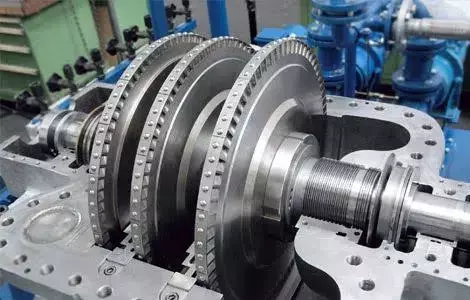
Categories
Uncategorized

Steam Turbine Nozzle Replacement

Steam Turbine Nozzle Replacement

Steam Turbine Nozzle Replacement: A steam turbine is a device that converts the thermal energy of steam into mechanical energy, which can then be used to generate electricity or drive mechanical equipment. The basic principle behind a steam turbine is the expansion of steam through a series of blades, where high-pressure steam enters the turbine and passes through a rotor, causing it to spin. The rotational motion of the rotor is connected to a generator or mechanical shaft, which then performs the intended work.

Steam turbines operate based on the principles of thermodynamics, specifically the Rankine cycle. In this cycle, water is heated in a boiler to produce steam, which is then directed into the turbine. The steam expands in a series of stages, usually involving multiple sets of rotor and stator blades. Each stage allows the steam to lose pressure and temperature, with its thermal energy converted into mechanical energy through the turbine’s rotation. The steam finally exits the turbine at lower pressure and temperature, at which point it can be condensed back into water in a condenser for reuse in the boiler.

The performance of a steam turbine is highly influenced by its design, which may vary depending on its application. There are two primary types of steam turbines: condensing and non-condensing. Condensing turbines operate with the steam being expanded to a vacuum in the condenser, resulting in the lowest possible exhaust pressure. This design allows for the maximum extraction of energy from the steam. Non-condensing turbines, on the other hand, often operate with exhaust steam at atmospheric pressure or higher, where they are frequently used in applications like mechanical drive systems for pumps, compressors, or industrial processes.

In many large power plants, steam turbines are used to drive generators that produce electricity. The efficiency of these turbines is crucial to overall plant performance, and it is influenced by factors like the pressure and temperature of the steam entering the turbine, the number of stages of expansion, and the quality of the materials used in the turbine construction. High-efficiency turbines require careful engineering to minimize losses due to friction, heat loss, and other factors that can lower the system’s overall effectiveness.

A key aspect of steam turbine operation is the cooling system. In condensing turbines, steam is cooled in a condenser, typically using water from a nearby river, ocean, or cooling towers. The condensed water is then pumped back to the boiler to be reheated and converted into steam again. In contrast, non-condensing turbines often operate with a simpler cooling system as the exhaust steam does not require condensation. However, the temperature of the exhaust may still need to be controlled for optimal operation of the equipment it drives.

There are also specialized types of steam turbines that serve specific functions. For example, back-pressure turbines are used in situations where the exhaust steam needs to be at a certain pressure for use in industrial processes. These turbines do not operate in a vacuum but instead maintain a certain pressure in the exhaust, which can then be directed to heating systems or other applications. This makes back-pressure turbines ideal for cogeneration plants, where both electricity and heat are produced from the same energy source.

In addition to the mechanical and thermodynamic considerations, steam turbine performance is heavily impacted by the materials used in its construction. Steam turbines operate at very high temperatures and pressures, which means the materials must be able to withstand extreme conditions without suffering degradation or failure. Modern turbines are typically made from high-strength alloys, including stainless steel, nickel alloys, and other heat-resistant materials. Advances in material science have allowed for turbines that can operate at ever-higher temperatures and pressures, improving the overall efficiency of power plants.

Steam Turbine

Steam Turbines for Waste Heat Utilization

Another important aspect is the control and maintenance of steam turbines. These turbines are highly complex machines, and regular monitoring of their operation is necessary to ensure optimal performance and prevent failures. Turbine speed, temperature, vibration, and other factors are constantly monitored, and sophisticated control systems adjust the turbine’s operation to maintain efficiency. Maintenance schedules include regular inspections, lubrication of moving parts, and replacement of worn components. The maintenance of the blades, in particular, is crucial, as they experience significant stress and wear over time. The blades are subject to thermal and mechanical stresses, which can cause them to crack or erode, especially in high-efficiency turbines that operate at extreme temperatures.

In recent years, there has been a growing emphasis on improving the efficiency and environmental performance of steam turbines. As power generation increasingly moves towards renewable energy sources, such as biomass and geothermal, there are efforts to adapt steam turbine technology for use with these resources. Additionally, the development of combined-cycle power plants, which use both gas and steam turbines in a single system, has allowed for even greater efficiency in electricity generation. Combined-cycle plants take advantage of the waste heat from the gas turbine to generate steam, which is then used in a steam turbine for additional power generation. This combined approach results in significantly higher efficiency compared to traditional single-cycle power plants.

Steam turbines remain a vital part of modern power generation systems, with their ability to efficiently convert heat into mechanical energy making them indispensable in many industries, from large-scale power plants to smaller industrial operations. However, with rising energy demands and environmental concerns, the focus on improving turbine technology and optimizing their use continues to evolve. Innovations in materials, design, and operational strategies are all contributing to more efficient, reliable, and sustainable steam turbine systems, ensuring that these machines will remain at the heart of power generation for the foreseeable future.

Steam turbines also play a significant role in cogeneration and district heating systems. In cogeneration, also known as combined heat and power (CHP), both electricity and useful thermal energy are produced from the same fuel source. This is achieved by using steam turbines to generate electricity, while the exhaust steam is directed to provide heating for nearby buildings, industrial processes, or district heating networks. This dual use of energy increases the overall efficiency of the system, as it minimizes the loss of heat that would otherwise be wasted in conventional power generation processes. Cogeneration systems are especially valuable in industries where both electricity and heat are required, such as in chemical plants, refineries, and paper mills.

District heating systems, which distribute heat from a central plant to multiple buildings or facilities, also benefit from steam turbine technology. In these systems, steam is produced in a central boiler and used to supply heat to homes and businesses in a localized area. A steam turbine, often in a CHP configuration, can be integrated to simultaneously generate electricity while supplying this thermal energy. Such systems provide an environmentally friendly and efficient way to meet heating and power needs, especially in urban areas with a high demand for both.

The environmental impact of steam turbines is also a critical consideration in their operation. In traditional fossil-fuel-powered plants, steam turbines are often part of a coal, natural gas, or oil-fired boiler system. These power plants emit significant amounts of carbon dioxide and other pollutants into the atmosphere, contributing to global warming and air quality issues. As a result, there is a growing push to develop cleaner technologies that reduce emissions from steam turbine-based power plants. One approach to this challenge is the implementation of carbon capture and storage (CCS) technologies, which capture carbon dioxide from power plants before it is released into the atmosphere. These systems can be integrated with steam turbines to help mitigate the environmental impact of fossil-fuel-based power generation.

In addition, renewable energy sources such as geothermal energy, biomass, and solar thermal power are becoming more viable for use in steam turbine systems. Geothermal power plants, for example, utilize the Earth’s internal heat to generate steam, which is then used to drive a steam turbine. These systems offer a low-carbon alternative to fossil-fuel-based power generation and can provide a constant, reliable source of electricity. Biomass power plants burn organic materials such as wood chips or agricultural waste to produce steam, which powers a steam turbine. While biomass is renewable, its environmental sustainability depends on the sourcing and management of the biomass material, which must be done responsibly to avoid negative ecological impacts.

Solar thermal power plants use mirrors or lenses to concentrate sunlight onto a heat exchanger, producing steam that drives a steam turbine. These plants are often located in sunny regions and are part of the growing trend of concentrating solar power (CSP) systems. While CSP plants are still more expensive than conventional power plants, they have the potential to provide large-scale renewable energy while utilizing steam turbines for power generation. Integrating energy storage systems, such as molten salt tanks, with CSP plants allows for the continuous generation of electricity even when the sun is not shining, making it a more reliable source of renewable power.

The future of steam turbine technology is closely linked to advancements in energy storage, grid integration, and efficiency improvements. One of the major challenges in renewable energy generation is the intermittency of sources such as wind and solar power. As the power grid becomes more reliant on these variable sources of energy, there is a need for more flexible power plants that can quickly adjust to fluctuations in supply and demand. Steam turbines, especially in combined-cycle or CHP configurations, have the potential to complement renewable energy systems by providing backup power when needed, ensuring a stable and reliable electricity supply.

In terms of technological advancements, innovations in steam turbine design are focused on improving efficiency, reducing wear and tear, and extending the lifespan of the turbines. Advances in computational fluid dynamics (CFD) and materials science are enabling engineers to design more efficient turbine blades that can withstand higher temperatures and pressures without degrading. Additionally, turbine manufacturers are exploring advanced coatings and surface treatments that reduce friction and improve resistance to corrosion, leading to more durable and long-lasting components.

Hybrid steam turbine systems, which combine steam turbines with other technologies like gas turbines or organic Rankine cycle (ORC) systems, are also being developed to increase efficiency and flexibility. Gas turbines can be used in combination with steam turbines in a combined-cycle system, as mentioned earlier, where the waste heat from the gas turbine is used to generate steam for the steam turbine. ORC systems, which use organic fluids instead of water to generate steam, can be used in smaller-scale applications or with lower temperature heat sources, further expanding the range of uses for steam turbine technology.

As global energy demands continue to rise and the pressure to reduce greenhouse gas emissions grows, the development of more efficient and environmentally friendly steam turbines will play a pivotal role in achieving a sustainable energy future. The continued innovation in turbine technology, combined with cleaner energy sources, will help meet the world’s growing need for reliable, affordable, and clean power.

The continued evolution of steam turbine technology also brings the integration of digitalization and smart monitoring systems. As power plants and industrial facilities become more reliant on automation and data analytics, the role of digital systems in optimizing steam turbine performance is increasingly important. Advanced sensors, predictive maintenance tools, and real-time monitoring systems allow for better operational control, improving both the efficiency and reliability of steam turbines.

Predictive maintenance, in particular, has become a key area of development in steam turbine operations. Using data collected from various sensors and analyzed through machine learning algorithms, operators can detect potential issues before they result in costly failures. Vibration analysis, temperature monitoring, and pressure readings provide continuous insight into the health of the turbine. If any unusual patterns or abnormalities are detected, maintenance can be scheduled proactively, reducing downtime and extending the lifespan of the equipment. This shift from reactive to proactive maintenance is helping reduce costs and improve the overall performance of steam turbines in power generation and industrial applications.

Another area of innovation is the advancement of turbine control systems. Modern steam turbines are equipped with sophisticated control systems that optimize the turbine’s performance based on real-time input from the plant. These systems adjust the operation of the turbine to accommodate changing steam conditions, including pressure, temperature, and flow rate, to maintain the highest possible efficiency. The integration of digital control systems allows operators to make more informed decisions, improving the overall coordination between the turbine, boiler, and other components of the power generation system. Furthermore, control systems can be linked to larger grid management systems, ensuring that steam turbine operations are synchronized with the broader energy supply and demand.

The efficiency of steam turbines is also being boosted through hybrid approaches that combine traditional steam generation with newer technologies. For example, the use of integrated energy storage systems (such as thermal energy storage or battery storage) allows steam turbine-based plants to store excess energy during periods of low demand and release it when needed. This not only helps balance intermittent renewable energy generation but also improves the overall efficiency of the power plant by reducing the need to waste excess heat or energy.

Additionally, the trend toward more flexible power plants is reshaping how steam turbines are designed and operated. Traditionally, steam turbines were used in large, baseload power plants, where they ran continuously at full capacity. However, as renewable energy sources such as wind and solar become more prevalent, the demand for flexible, on-demand power has increased. Modern steam turbines are now being designed to handle more frequent cycling and rapid startup times. This flexibility is critical in a world where energy generation is less predictable and the need for backup power sources is more pronounced.

The decarbonization of the energy sector is driving much of the innovation around steam turbines. Governments and organizations are setting ambitious targets to reduce carbon emissions, and steam turbine manufacturers are responding with more sustainable solutions. Combined with carbon capture and storage (CCS) technologies, steam turbines can play a role in reducing the carbon footprint of fossil-fuel-based power generation. CCS involves capturing carbon dioxide emissions from power plants before they can be released into the atmosphere and then storing or repurposing them. While the integration of CCS with steam turbine systems is still in its early stages, it holds promise as a method of mitigating the environmental impact of steam turbine-based energy production.

Another area of focus is the development of low-carbon fuel alternatives for steam turbine power plants. Biomass and waste-to-energy plants are becoming more common as an alternative to coal-fired power generation. These plants use organic materials or waste products to generate steam, which drives steam turbines to produce electricity. The carbon emissions from burning biomass are considered more sustainable than fossil fuels, as the carbon dioxide released is roughly balanced by the carbon absorbed during the growth of the biomass. Similarly, waste-to-energy plants reduce the need for landfills and help mitigate the environmental impacts of waste disposal.

Moreover, hybridizing steam turbines with renewable sources such as geothermal or solar thermal energy is increasingly gaining attention. Geothermal energy, for example, utilizes the Earth’s natural heat to generate steam that can be used to drive turbines. This form of power generation offers a low-carbon alternative to traditional fossil-fuel-based plants. Solar thermal power, using concentrated solar power (CSP), also relies on steam turbines to convert sunlight into electricity by concentrating solar energy onto a heat exchanger to produce steam. These renewable sources of energy, when integrated with steam turbines, present an opportunity to reduce the reliance on fossil fuels while still leveraging the proven technology and efficiency of steam turbines.

The use of steam turbines in industrial processes is another area where significant progress is being made. For industries like petrochemical, paper, and cement manufacturing, steam turbines can be used not only for power generation but also for driving mechanical equipment like pumps and compressors. This dual functionality improves overall plant efficiency by reducing the need for separate power sources. Industrial steam turbines are often customized for the specific needs of the application, and these systems may include features such as back-pressure turbines, which allow the exhaust steam to be used in heating or process applications. The ongoing development of industrial steam turbine systems aims to further optimize their performance, making them more efficient and adaptable to varying load conditions.

Looking ahead, the future of steam turbine technology is undoubtedly intertwined with advances in power generation and energy efficiency. As the world moves towards a more sustainable energy future, steam turbines will continue to evolve. Innovations in turbine materials, digitalization, and hybrid energy systems will allow steam turbines to remain a critical component of the global energy mix, while also adapting to new energy sources and increasing demands for cleaner, more reliable energy. Whether in large-scale power generation, cogeneration, or industrial applications, steam turbines will remain a cornerstone of the energy sector, contributing to the transition to a low-carbon, sustainable future.

As the global energy landscape continues to evolve, the integration of steam turbines into a more interconnected and decentralized energy system will play a pivotal role in ensuring a reliable, flexible, and low-carbon future. This transformation will rely on advancements in grid integration, system optimization, and the increasing adoption of decentralized energy sources. One of the key challenges in modernizing the energy grid is accommodating the variable nature of renewable energy sources such as wind and solar power. These sources are inherently intermittent, producing electricity only when the wind blows or the sun shines. To address this variability, steam turbines can be used in conjunction with energy storage systems, such as pumped hydro storage, compressed air energy storage, or advanced battery technologies.

In a grid that increasingly relies on renewable energy, steam turbines could serve as a backup or balancing resource, ensuring a stable and continuous supply of power. When renewable generation is low, steam turbines in power plants or cogeneration systems can ramp up production to meet demand. Conversely, during times of excess renewable energy, such as sunny or windy periods, excess electricity can be stored or used to produce steam, which can then drive turbines during periods of high demand or low renewable output. This flexibility helps prevent the overloading of the grid and supports a more stable energy system.

One promising area in this regard is the development of hybrid power plants that combine both renewable energy sources and traditional steam turbine technology. For example, geothermal and solar thermal plants that use concentrated solar power (CSP) to generate steam could be integrated with battery storage or hybrid gas-steam turbine systems. These hybrid configurations allow for more efficient use of energy while minimizing the need for fossil fuel backup. In these plants, steam turbines can work in tandem with gas turbines to increase flexibility and efficiency, ensuring that energy is available on demand.

Moreover, as part of the energy transition, the potential for steam turbines to contribute to carbon-neutral or low-carbon energy production is expanding. For instance, biomass and biogas are renewable fuel sources that can be used in steam turbine-based systems. These fuels, derived from organic waste or crops, can provide a carbon-neutral alternative to fossil fuels. By capturing carbon dioxide released during the combustion process and sequestering it, biomass and biogas-based power plants could help mitigate the environmental impacts traditionally associated with steam turbine power generation.

In addition to biomass, there is growing interest in using hydrogen as a fuel for steam turbines. Hydrogen, when burned or used in fuel cells, produces only water vapor as a byproduct, making it an extremely clean fuel. Hydrogen can be produced from a variety of renewable sources, such as water electrolysis powered by wind or solar energy. Steam turbines that can run on hydrogen would contribute significantly to decarbonizing the power sector. Research is currently underway to develop turbines that can operate on hydrogen or a hydrogen-rich blend, which could become an essential part of the global effort to reduce greenhouse gas emissions.

Another important aspect of the future of steam turbines lies in the integration of advanced materials and manufacturing techniques. As steam turbines are pushed to higher performance levels, the materials used to construct their components must also evolve. For example, steam turbines that operate at higher temperatures and pressures require more advanced alloys and coatings to prevent corrosion, wear, and fatigue. Research into materials such as superalloys, ceramics, and advanced composites is ongoing, with the aim of improving the durability and efficiency of turbine components. The development of such materials not only enhances the performance of steam turbines but also reduces the need for frequent maintenance and component replacement, lowering the total cost of ownership for power plant operators.

Additive manufacturing, or 3D printing, is also poised to revolutionize the way steam turbine components are produced. This technology allows for the creation of complex geometries that would be difficult or impossible to achieve with traditional manufacturing methods. It also offers the potential for producing lighter, stronger, and more customized turbine parts, which can improve overall turbine efficiency. As additive manufacturing becomes more advanced, it could lead to faster production times, reduced material waste, and cost savings in the manufacturing and repair of steam turbines.

The operation of steam turbines will also be significantly enhanced by advancements in artificial intelligence (AI) and machine learning. These technologies have the potential to further improve predictive maintenance, system optimization, and control. AI-driven algorithms can analyze vast amounts of data collected from sensors and other monitoring systems, enabling real-time decision-making that optimizes turbine performance. For example, AI could be used to predict when specific components, such as turbine blades, will experience wear or failure, allowing for preemptive maintenance to avoid costly downtimes. Additionally, AI could help improve the efficiency of the steam turbine by optimizing steam flow, pressure, and temperature in response to changing grid demands.

The digital twin technology is another important innovation that is expected to transform steam turbine operation. A digital twin is a virtual model of a steam turbine that replicates its physical counterpart in real-time. This technology allows operators to simulate various operating conditions, test new configurations, and assess the impact of different maintenance strategies without affecting the actual turbine. The use of digital twins can help optimize turbine design, improve troubleshooting, and reduce the time and cost associated with repairs and upgrades.

As the demand for clean energy continues to grow, the adoption of steam turbines in non-traditional sectors is also on the rise. One example is the growing use of steam turbines in small-scale, decentralized power generation systems. These systems, often referred to as microgrids or distributed energy resources (DERs), use localized power generation to meet the energy needs of a specific area or facility. Steam turbines can be incorporated into these systems, providing a reliable and efficient energy source for industries, communities, and even remote locations that are not connected to the larger power grid.

Another emerging application for steam turbines is in the emerging field of waste heat recovery. Many industrial processes generate excess heat that is currently wasted, contributing to energy inefficiencies and environmental pollution. By using steam turbines in waste heat recovery systems, this excess heat can be converted into useful power. This technology can be implemented in a wide range of industries, including steel production, cement manufacturing, and food processing, offering the potential to significantly improve energy efficiency and reduce the carbon footprint of these operations.

In conclusion, steam turbine technology is poised for continued innovation and adaptation as it plays a central role in the energy transition. By integrating renewable energy sources, improving efficiency, and embracing digitalization, steam turbines will remain a cornerstone of modern energy systems. Their flexibility, ability to generate reliable power, and compatibility with a wide range of fuels and applications will ensure that steam turbines continue to meet the demands of a low-carbon, sustainable energy future. As technology advances, steam turbines will be an integral part of the solution to global energy challenges, offering cleaner, more efficient, and more resilient energy systems.

The future of steam turbines also lies in their role within the global movement toward energy decentralization. Traditionally, large, centralized power plants have been the backbone of electricity generation, but the shift toward decentralized power systems—driven by the increasing use of renewable energy sources and energy storage technologies—has the potential to transform how steam turbines are used in the energy mix. Decentralized energy systems, such as microgrids, distributed power generation, and local heating and cooling networks, offer advantages in terms of energy security, efficiency, and resilience.

In decentralized systems, steam turbines could provide flexible and reliable backup power, especially when integrated with renewable energy sources like solar, wind, and biomass. For example, in remote or off-grid communities, steam turbines fueled by biomass, waste, or even geothermal energy could offer an affordable and reliable means of electricity generation, without relying on external power grids. These localized systems can reduce transmission losses, lower infrastructure costs, and increase the resilience of energy supply to natural disasters or grid failures. By using steam turbines in this way, rural and remote areas can benefit from the same reliable power generation as more urbanized areas, helping to bridge the energy access gap.

Another important facet of decentralized energy systems is their ability to support the integration of renewable energy at the local level. Solar and wind power, while abundant and clean, are intermittent and may not always align with local demand. Steam turbines can play a crucial role in smoothing out these fluctuations, offering a reliable energy source when renewable generation is low. For instance, in regions with abundant solar or wind resources, steam turbines can be used to store excess energy in the form of steam, which can later be used to produce electricity. This process reduces the need for fossil-fuel-based backup generators, further decarbonizing the energy mix.

As part of this shift toward more distributed energy production, steam turbines will also be crucial in the development of community-based heating and cooling systems. District heating systems, which distribute thermal energy from a central plant to multiple buildings, are particularly popular in densely populated urban areas. Steam turbines in these systems can provide both electricity and useful heat for homes, businesses, and industrial facilities. In areas where waste heat is abundant—such as industrial zones, data centers, or high-density urban districts—combined heat and power (CHP) systems using steam turbines can significantly improve energy efficiency by capturing and utilizing this waste heat.

As the need for sustainable and reliable energy sources continues to rise, there is also growing attention on integrating steam turbines into the concept of circular economies. Circular economies prioritize the reuse of resources, minimizing waste and promoting sustainability throughout the life cycle of products and materials. In this context, steam turbines can be integrated into waste-to-energy plants, where the burning of waste materials is converted into steam, which in turn powers turbines for electricity generation. These systems help reduce landfill waste while simultaneously producing clean energy. Furthermore, the efficiency of such systems can be improved by utilizing advanced technologies like fluidized bed combustion, which allows for more efficient burning of waste materials.

The adoption of steam turbines in waste-to-energy plants not only contributes to reducing waste but also plays a role in addressing environmental issues related to landfills and incineration. By capturing and utilizing the energy from waste products that would otherwise end up in landfills, steam turbines enable a more sustainable method of waste management, decreasing methane emissions and lowering the overall environmental impact. Additionally, steam turbines used in waste-to-energy applications can help reduce reliance on fossil fuels, contributing to global decarbonization goals.

In the same vein, the role of steam turbines in industrial decarbonization is increasingly important. Industries are some of the largest emitters of carbon dioxide and other greenhouse gases, with energy-intensive sectors like cement, steel, and chemical production accounting for a significant portion of global emissions. The integration of steam turbines into industrial processes, especially in combination with renewable energy sources and carbon capture technologies, can help industries reduce their carbon footprints while maintaining high levels of productivity. For example, in cement production, excess heat generated during the manufacturing process can be harnessed by steam turbines to generate electricity or provide process heat. This waste heat recovery not only improves energy efficiency but also reduces the need for additional fuel inputs, helping to lower overall emissions.

Steam turbines can also be integrated into emerging technologies that aim to capture and store carbon emissions. Carbon capture, utilization, and storage (CCUS) technologies can be combined with steam turbines to reduce the carbon footprint of existing fossil-fuel-based power plants. In a typical CCUS process, carbon dioxide is captured from the flue gases of power plants and then compressed for storage or converted into a usable product, such as synthetic fuels or building materials. Steam turbines could play a role in generating the power required for the capture process or in assisting with the compression and transport of captured carbon dioxide.

In addition to these industrial applications, the role of steam turbines in the decarbonization of the broader energy sector is also evolving through the development of hybrid and multi-fuel technologies. Multi-fuel steam turbines, which can operate on a variety of fuels, including natural gas, biomass, hydrogen, and even waste products, offer greater flexibility and efficiency. These turbines can adjust their fuel input depending on the availability of different energy sources, enabling power plants to operate with lower emissions and to integrate renewable fuels as they become more accessible and cost-competitive. Such flexibility will be crucial as countries around the world transition away from coal and other high-emission fuels in favor of cleaner, renewable alternatives.

The ability of steam turbines to integrate with hydrogen as a fuel is particularly noteworthy. As hydrogen becomes a key player in the global energy transition, especially for sectors like heavy industry and long-distance transportation, steam turbines that can run on hydrogen could open up new opportunities for decarbonization. Hydrogen, when produced from renewable sources, offers a clean, flexible, and energy-dense fuel that could power steam turbines with minimal environmental impact. Research into hydrogen-fired steam turbines is already underway, and these systems could play a crucial role in industries or regions where electricity generation from renewable sources alone is insufficient or impractical.

Finally, the increasing importance of energy storage systems in the future energy grid is another area where steam turbines will remain relevant. Energy storage technologies, such as large-scale batteries, pumped hydro storage, and molten salt systems, can be integrated with steam turbines to improve the overall efficiency of the energy system. By providing a means to store excess energy generated during periods of low demand or high renewable generation, these storage systems help smooth out fluctuations in the grid, ensuring a reliable and continuous energy supply. Steam turbines can be used in conjunction with these storage systems to generate electricity when stored energy is needed, further enhancing the reliability and flexibility of the grid.

As the world faces growing challenges related to climate change, energy security, and sustainability, the role of steam turbines in the global energy mix will continue to evolve. Their versatility, efficiency, and ability to integrate with renewable energy sources, carbon capture technologies, and decentralized energy systems make them a crucial component in the ongoing transformation of the energy sector. Whether in traditional power plants, hybrid systems, or industrial applications, steam turbines will remain an essential technology for meeting the world’s future energy needs while helping to reduce emissions and combat climate change.

The continuous evolution of steam turbine technology is also deeply intertwined with the ongoing development of artificial intelligence (AI) and machine learning (ML), which are poised to revolutionize how steam turbines are operated, monitored, and maintained. The application of AI to the steam turbine industry holds the potential to dramatically enhance performance, reduce operational costs, and improve overall system reliability. Machine learning algorithms can process vast amounts of real-time data from turbines to identify patterns, detect anomalies, and predict future performance trends. This ability to anticipate issues before they arise is particularly valuable in ensuring the smooth operation of turbines, minimizing downtime, and extending their operational lifespan.

AI can assist in optimizing the operation of steam turbines by adjusting key parameters such as steam pressure, temperature, and flow rate. By analyzing real-time data from sensors, AI algorithms can fine-tune turbine performance in response to changing conditions, maximizing efficiency while minimizing wear and tear. These advanced systems can learn from historical operational data, improving their decision-making over time to further enhance the turbine’s overall efficiency. This predictive capability allows for more agile operations, enabling steam turbines to better adapt to variations in energy demand and renewable energy fluctuations, making them a more integrated and efficient part of modern energy systems.

In addition to operational improvements, AI and ML technologies can be instrumental in refining maintenance strategies. With predictive analytics, steam turbine operators can schedule maintenance based on the actual condition of components rather than relying on fixed schedules or guesswork. For example, AI models can forecast when specific parts, such as bearings or blades, are likely to wear out, allowing for preemptive maintenance or part replacement. This predictive maintenance approach not only reduces unplanned downtime but also optimizes the use of resources, minimizes operational disruptions, and reduces costs associated with over-maintenance or premature part replacement.

Another area where AI is being integrated into steam turbine operations is through digital twin technology. Digital twins are virtual representations of physical assets that enable real-time monitoring and simulation of turbine performance. AI-powered digital twins continuously analyze data from physical turbines and simulate their performance under various conditions. This digital model allows operators to test different operational strategies, assess the impact of potential changes, and evaluate how the turbine would perform under various scenarios—such as changes in steam conditions or unexpected grid fluctuations—without physically altering the turbine. This can lead to optimized operational strategies, better fault diagnosis, and improved planning for maintenance and upgrades.

Another frontier where AI and machine learning are expected to make a significant impact is in the design of steam turbines. AI-driven simulations can help turbine manufacturers accelerate the design process by testing multiple configurations and materials in a virtual environment. This can lead to the development of more efficient, durable, and cost-effective turbines, which can better handle the stresses associated with higher temperatures, pressures, and varying operating conditions. AI algorithms can also be used to predict how turbine components will perform over time, identifying potential areas of failure before they occur. This kind of predictive design can lead to higher-quality turbines with fewer design flaws and better overall performance.

In the context of hybrid and multi-fuel systems, AI will also be essential for optimizing the integration of steam turbines with other power generation technologies, such as gas turbines, batteries, and renewable energy sources. AI systems can continuously monitor and adjust the operation of these systems to ensure that the most efficient and cost-effective energy mix is used at any given time. For example, AI can determine the optimal moment to switch between different fuel sources (e.g., biomass, hydrogen, or natural gas) or to adjust the balance between steam and gas turbine generation, depending on the available resources and the demand for electricity. This not only ensures a more efficient energy generation process but also reduces emissions and maximizes the use of renewable energy.

In addition to AI’s contributions to operational optimization, the integration of blockchain technology into steam turbine management is beginning to gain traction. Blockchain’s ability to provide secure, transparent, and immutable data records can be useful in ensuring the traceability of parts, the integrity of operational data, and the transparency of maintenance histories. With blockchain, steam turbine manufacturers, operators, and maintenance providers can track each component of the turbine throughout its lifecycle, including design, installation, maintenance, and eventual decommissioning. This ensures that data regarding turbine performance and maintenance is accurate, auditable, and easily accessible for all stakeholders. Such transparency can improve decision-making, increase accountability, and help ensure that turbines are operating at their peak performance.

Blockchain also offers the possibility of creating smart contracts between turbine manufacturers, operators, and service providers. These self-executing contracts, stored on the blockchain, could automate various processes, such as payments, service agreements, and parts replacement, based on predefined conditions. For instance, a smart contract could automatically release payment to a maintenance service provider once certain maintenance milestones are achieved or parts are replaced, improving the efficiency of operations and reducing administrative overhead.

The convergence of AI, blockchain, and steam turbine technology presents significant opportunities for improving the overall efficiency, transparency, and sustainability of energy production. Together, these technologies will help streamline operations, reduce emissions, and increase the reliability and flexibility of steam turbines. Their adoption will support the transition toward a more decentralized and decarbonized energy system, helping to meet the growing demand for cleaner, more resilient energy solutions.

Furthermore, the advancements in digital technologies, such as the Internet of Things (IoT), will also enhance the connectivity and integration of steam turbines into smart grids. IoT sensors and devices can provide a continuous flow of real-time data about turbine conditions, such as vibrations, temperature, and pressure, enabling operators to monitor performance remotely. This increased connectivity allows for more responsive and adaptive turbine control, enabling operators to quickly identify and address any performance issues. By integrating IoT with AI and machine learning, operators can create a comprehensive digital ecosystem that not only monitors turbine performance but also anticipates potential issues and optimizes turbine operation.

Another key area of development is the focus on turbine recyclability and sustainability. As the demand for clean energy increases, there is a growing need to minimize the environmental impact of turbine manufacturing, operation, and disposal. In this context, the adoption of sustainable materials, such as recycled metals, biodegradable lubricants, and eco-friendly coatings, is becoming more important. The development of steam turbines that can be easily recycled at the end of their lifespan also contributes to the circular economy, reducing waste and the need for raw materials. Furthermore, efforts are being made to design turbines that have a longer lifespan, reducing the need for frequent replacements and minimizing resource consumption over time.

Finally, regulatory and policy frameworks around steam turbine technology will continue to evolve, providing both challenges and opportunities for manufacturers and operators. Governments are increasingly focusing on energy efficiency, emissions reduction, and the promotion of renewable energy. As these policies are implemented, steam turbines will likely be subject to stricter efficiency standards and carbon emissions regulations. This will encourage further technological innovation, driving the development of even more efficient, low-emission turbines and supporting the transition to a carbon-neutral energy future.

In summary, the future of steam turbine technology is marked by an exciting convergence of advancements in AI, machine learning, digitalization, sustainability, and regulatory change. The continued evolution of steam turbines will allow for more efficient, flexible, and reliable power generation, supporting the global transition toward cleaner, decentralized, and renewable energy systems. As these technologies continue to evolve, steam turbines will remain at the heart of a more sustainable and resilient energy infrastructure, playing a critical role in meeting the world’s future energy needs while addressing the challenges of climate change.

As we look further into the future of steam turbines, the ongoing advancements in turbine design, efficiency, and integration with modern energy systems are expected to catalyze a shift in the overall energy landscape. The transition toward cleaner, smarter, and more resilient energy systems is no longer just an ideal; it’s becoming a necessity driven by both climate imperatives and technological advancements. Steam turbines, with their longstanding role in power generation, are well-positioned to play a central role in this transformation. However, to truly capitalize on their potential, several key areas of innovation and adaptation must be explored.

Advanced Materials and Efficiency Improvements

The quest for higher turbine efficiency and reliability continues to drive research into new materials and manufacturing techniques. High-efficiency turbines that operate at elevated temperatures and pressures require materials that can withstand extreme conditions without degrading. The development of superalloys, ceramic materials, and advanced coatings has allowed modern steam turbines to operate at higher thermal efficiencies, often exceeding 40%. This is critical in improving the overall energy conversion process, ensuring that less fuel is used to produce the same amount of energy. Further material advancements are expected to raise this efficiency even higher, approaching 50% in some systems, which would drastically reduce emissions and energy consumption.

In particular, the use of ceramic matrix composites (CMCs) and other high-temperature-resistant materials can significantly increase the operating temperature of the steam, which in turn improves thermal efficiency. Such improvements will reduce the need for massive amounts of fuel, especially in fossil-fuel-based plants, and facilitate the integration of renewable energy systems by providing a more robust and versatile infrastructure.

Hybridization with Emerging Technologies

Another area where steam turbines are poised for growth is in the hybridization with emerging technologies like fuel cells and advanced storage systems. Fuel cells, particularly those utilizing hydrogen as a fuel, represent a promising alternative to traditional combustion-based power generation. When paired with steam turbines, fuel cells can provide a cleaner source of power generation, producing electricity with almost no emissions. Hydrogen-powered steam turbines, while still in the research phase, offer the potential to decarbonize large-scale power generation. These turbines could use hydrogen produced from renewable sources, such as wind or solar, through electrolysis, enabling carbon-free power production.

Additionally, hybridization with energy storage systems, such as thermal storage or even innovative battery technologies, could further enhance the flexibility of steam turbines. In systems where excess electricity is generated—such as during periods of peak renewable output—the energy could be stored and later converted into steam, which would drive the turbine to meet demand during periods when renewable resources are not available. This combination of steam turbines and storage technologies will be particularly valuable for balancing grid systems and ensuring reliable, uninterrupted power delivery.

Integration with Green Hydrogen and Decarbonized Fuels

One of the most promising applications for steam turbines in the coming decades is their role in the growing hydrogen economy. Green hydrogen, produced using renewable energy, is expected to become a cornerstone of decarbonization efforts. Hydrogen can be used as a fuel for steam turbines, either by directly combusting hydrogen in turbine combustors or by incorporating it into hybrid systems that combine hydrogen with other renewable fuels. Hydrogen’s potential as a clean, carbon-neutral fuel has made it a focal point for research and investment in the energy sector.

For steam turbines, this hydrogen integration presents a transformative opportunity. By using hydrogen as a fuel, steam turbines can operate without emitting carbon dioxide, thereby supporting the decarbonization of industries and power sectors that have historically been reliant on fossil fuels. Furthermore, hydrogen can be stored and transported more easily than electricity, making it an ideal fuel for use in areas where large-scale renewable energy production is not feasible or during times of high demand.

The use of hydrogen in steam turbines also opens up the possibility of long-term, seasonal energy storage. Hydrogen can be produced in excess during periods of renewable energy abundance (e.g., when solar or wind generation is at its peak) and stored for later use during periods of low generation. This form of energy storage addresses the intermittent nature of renewable resources and allows for steam turbines to operate as a stable and flexible part of a hybrid energy system, providing dispatchable power on demand.

Distributed Energy Systems and Microgrids

The growing interest in distributed energy systems and microgrids offers another compelling application for steam turbines. Microgrids are localized energy systems that can operate independently of the central grid and are increasingly seen as essential for improving energy security, especially in remote or underserved areas. Steam turbines, when integrated into these microgrids, can provide a reliable, dispatchable source of power, offering resilience to communities that may otherwise be vulnerable to power outages or grid failures.

In this context, steam turbines could be fueled by local resources, such as biomass, geothermal energy, or even municipal waste, reducing dependence on centralized power plants and transmission infrastructure. By enabling localized power generation, steam turbines help to decentralize energy production, reducing transmission losses and improving overall grid efficiency. Additionally, steam turbines in microgrids can complement renewable energy sources, such as solar or wind, by providing backup power when these intermittent sources are not generating electricity.

Waste Heat Recovery and Industrial Integration

Steam turbines have long been employed in combined heat and power (CHP) applications, where they generate both electricity and useful heat for industrial processes. The potential for steam turbines to recover waste heat from industrial operations is significant, as many energy-intensive industries generate excess heat that could be harnessed to produce electricity. Steam turbines can be integrated into industrial processes, such as those in steel mills, cement plants, and chemical manufacturing facilities, to convert waste heat into useful energy, thus improving overall energy efficiency and reducing the environmental impact of these industries.

This is particularly important in the context of decarbonizing hard-to-abate sectors that are difficult to electrify or decarbonize directly. By incorporating steam turbines into waste heat recovery systems, industries can reduce their reliance on fossil fuels, lower emissions, and create a more sustainable energy cycle within their operations. In addition, waste heat recovery with steam turbines can serve as a valuable complement to carbon capture, utilization, and storage (CCUS) technologies. By converting excess heat into electricity, these systems can help power the CCUS process, further enhancing the carbon reduction potential of industries.

Digitalization and Smart Turbine Networks

The future of steam turbines will also be heavily influenced by the ongoing digital transformation of the energy sector. With the increasing deployment of sensors, IoT devices, and data analytics tools, steam turbines will become more interconnected and capable of operating within smart turbine networks. These digital tools enable real-time monitoring, performance analysis, and predictive maintenance, reducing operational downtime and improving the overall reliability and efficiency of turbine systems.

Through the use of digital twins, AI, and cloud-based platforms, operators can remotely monitor and control turbines, optimizing their performance based on real-time data. These technologies can also help predict failures before they occur, allowing for more proactive maintenance strategies and reducing the risk of unplanned outages. Moreover, smart grid technologies will allow steam turbines to integrate seamlessly into the larger energy network, responding dynamically to grid conditions and helping to balance energy supply and demand.

Conclusion: A Central Role in a Decarbonized Future

In summary, steam turbines will remain a cornerstone of the global energy transition, evolving to meet the challenges of a decarbonized, distributed, and digitally connected energy landscape. Through innovations in materials, hybrid technologies, hydrogen integration, and waste heat recovery, steam turbines will continue to play a vital role in providing reliable, flexible, and clean energy. As the energy sector evolves toward greater sustainability, efficiency, and resilience, steam turbines will be a key enabler of the transition to a low-carbon future, helping to meet the world’s energy needs while reducing environmental impact. Their adaptability, scalability, and role in integrating renewable energy make them an essential technology for powering the sustainable energy systems of tomorrow.

Steam turbine maintenance

Steam turbine maintenance

Steam turbine maintenance is a critical aspect of ensuring the longevity, reliability, and optimal performance of turbines in power generation plants and industrial applications. As with any complex mechanical system, regular and proactive maintenance is essential to prevent costly failures, extend the life of turbine components, and maintain efficient operation. The maintenance strategies for steam turbines have evolved significantly over the years, incorporating advanced diagnostic tools, predictive technologies, and improved practices that enhance the efficiency and reliability of these machines. Effective maintenance helps to prevent downtime, reduce operational costs, and optimize the overall performance of steam turbines in both traditional and modern energy systems.

Types of Maintenance

Steam turbine maintenance is generally divided into three primary categories:

  1. Preventive Maintenance (PM): Preventive maintenance involves scheduled inspections, repairs, and replacements designed to prevent failure before it happens. PM is carried out at regular intervals based on operational hours or manufacturer-recommended schedules. The focus is on maintaining components in optimal condition and detecting wear or issues that may affect performance or lead to failure. Common PM activities include:
    • Inspection of key components like blades, bearings, seals, and rotors
    • Monitoring turbine performance through vibration analysis and thermographic inspections
    • Cleaning of condenser tubes and checking for blockages or scale buildup
    • Lubrication of moving parts and checking oil quality
    • Alignment checks for shafts and rotors
  2. Predictive Maintenance (PdM): Predictive maintenance uses advanced data analytics, real-time monitoring, and sensor technologies to predict when a turbine component may fail, allowing for maintenance to be performed just before the failure occurs. Predictive tools enable operators to detect early signs of wear and tear, such as unusual vibrations, temperature fluctuations, or abnormal pressure readings. PdM relies on data collected from sensors embedded within the turbine and analyzed using machine learning algorithms. Common techniques include:
    • Vibration analysis to detect imbalances, misalignments, or bearing failures
    • Oil analysis to detect contamination or wear debris
    • Temperature monitoring to identify overheating or improper thermal stress
    • Acoustic emission monitoring to detect cracks or structural issues
  3. Corrective Maintenance: Corrective maintenance is the repair or replacement of components after a failure or when performance significantly degrades. This type of maintenance is typically unplanned and is often the result of a major breakdown. While corrective maintenance cannot be completely eliminated, the goal is to reduce the occurrence of unplanned downtime through robust preventive and predictive maintenance practices. Common corrective maintenance tasks include:
    • Replacing failed turbine blades, seals, or other components
    • Repairing cracks or other structural damage
    • Replacing worn bearings or lubricating systems

Maintenance Strategies

Effective steam turbine maintenance requires a well-thought-out strategy, balancing the need for preventive and predictive actions while minimizing unplanned corrective repairs. Several strategies are commonly used to optimize maintenance efforts:

  1. Condition-Based Monitoring (CBM): Condition-based monitoring involves monitoring the condition of turbine components during operation and performing maintenance when specific thresholds are exceeded. For example, if vibration levels increase beyond normal limits, a turbine may need to be shut down for further inspection. This strategy allows for a more tailored approach to maintenance, reducing unnecessary maintenance activities and focusing on the most critical needs.
  2. Reliability-Centered Maintenance (RCM): RCM is a systematic approach to maintenance that focuses on identifying and prioritizing critical components that directly affect turbine reliability. The RCM process involves analyzing turbine operations and identifying failure modes for each component. It then evaluates the impact of failure on the system and develops a maintenance strategy that addresses these risks. RCM prioritizes resources to areas with the highest risk of failure, helping to reduce maintenance costs and optimize turbine performance.
  3. Total Productive Maintenance (TPM): TPM is a comprehensive approach that involves all levels of the organization in turbine maintenance activities. It emphasizes the importance of maintaining equipment in optimal condition to ensure continuous and efficient operation. TPM encourages operators to take an active role in monitoring turbine performance and reporting potential issues, allowing for early intervention and reducing the likelihood of unexpected breakdowns. This approach also promotes the training of staff to enhance their knowledge of turbine systems, which leads to a more proactive and effective maintenance culture.

Key Components in Steam Turbine Maintenance

The maintenance of steam turbines focuses on ensuring that the major components remain in good working condition, as failure in any of these parts can lead to significant operational disruptions. Key components of steam turbines include:

  1. Turbine Blades: The turbine blades are subjected to high thermal and mechanical stresses, which can cause them to wear out over time. Regular inspection of blades for signs of erosion, corrosion, cracking, or fatigue is crucial. Blades are often inspected using visual inspections, ultrasonic testing, or eddy current testing to detect cracks or fatigue. Additionally, coating and heat treatment technologies are used to extend the life of turbine blades by reducing wear.
  2. Bearings: Bearings support the rotor and shaft of the turbine and ensure smooth operation. If the bearings are not properly maintained, they can lead to misalignment, increased friction, and heat generation, which can ultimately cause turbine failure. Regular checks on bearing lubrication and temperature are essential, as well as the use of vibration analysis to detect early signs of wear or misalignment.
  3. Seals and Gaskets: Seals and gaskets prevent steam from leaking and ensure that the pressure and temperature within the turbine remain stable. Steam leakage can reduce turbine efficiency and lead to energy loss. Regular inspection and replacement of seals are critical to maintaining optimal performance. The use of advanced materials for seals can extend their life and improve performance under high-pressure and high-temperature conditions.
  4. Rotor and Shaft: The rotor and shaft are responsible for transferring the energy generated by steam to mechanical energy. Over time, they can become misaligned, experience wear, or develop cracks due to thermal and mechanical stresses. Regular alignment checks and the monitoring of vibration and temperature levels are essential to ensure the integrity of the rotor and shaft.
  5. Condenser and Heat Exchanger: The condenser is responsible for cooling the steam after it exits the turbine. It is crucial to ensure that the condenser tubes are clean and free from scale buildup, corrosion, or fouling, which can impede heat transfer and reduce efficiency. Regular cleaning and inspection of the condenser are necessary to ensure optimal heat exchange and to prevent any blockage that may affect turbine operation.

Maintenance Challenges and Solutions

Steam turbine maintenance is not without challenges, especially in older plants or in environments with harsh operational conditions. Some common challenges include:

  1. Aging Infrastructure: In many industries, turbines are part of aging infrastructure that may have been in operation for decades. Over time, parts may deteriorate or become less efficient, and maintenance requirements may increase. The solution to this is the adoption of predictive maintenance technologies that can anticipate failures and help prioritize replacement or repairs based on component condition.
  2. Unavailability of Spare Parts: For older turbine models, finding replacement parts or components may be difficult or expensive. In such cases, refurbishment of parts or retrofitting with modern materials and technologies can extend the life of the turbine. Manufacturers and service providers often offer remanufacturing services to restore critical turbine components to their original specifications.
  3. Staff Training: The complexity of modern steam turbines requires a high level of expertise for both operators and maintenance personnel. Continuous training programs are essential to keep staff updated on the latest technologies, maintenance techniques, and diagnostic tools. Skilled personnel are also needed to handle complex tasks such as vibration analysis, thermal imaging, and condition monitoring.
  4. Minimizing Downtime: Reducing downtime is a key goal in turbine maintenance, especially in critical power generation plants. Scheduled maintenance during off-peak periods and the use of modular or “plug-and-play” components can help minimize downtime. Additionally, the use of advanced diagnostics can lead to faster troubleshooting and quicker resolutions, allowing turbines to return to service more quickly.

Future Trends in Steam Turbine Maintenance

The future of steam turbine maintenance will be shaped by the continued evolution of digital technologies, automation, and AI-based monitoring systems. Turbines will become increasingly connected, allowing for real-time data collection, performance tracking, and remote diagnostics. Artificial intelligence and machine learning will play a larger role in automating predictive maintenance, reducing the need for human intervention and improving overall efficiency.

Moreover, the integration of 3D printing and additive manufacturing into turbine maintenance practices may allow for more rapid and cost-effective repair and replacement of components, particularly in remote locations or during emergency repairs. The adoption of digital twins, as mentioned earlier, will also provide a virtual representation of the turbine system, allowing for continuous monitoring and optimization of maintenance strategies.

In summary, steam turbine maintenance is a vital and evolving discipline that combines traditional mechanical expertise with cutting-edge technologies. By adopting a holistic and proactive maintenance strategy that includes preventive, predictive, and corrective maintenance, turbine operators can ensure that steam turbines continue to operate efficiently and reliably for many years to come. Advances in digital technologies, materials science, and AI will further enhance maintenance practices, leading to lower costs, improved reliability, and a greater role for steam turbines in the decarbonized energy future.

Advanced Diagnostics and Monitoring Technologies

The integration of advanced diagnostic tools is one of the key factors contributing to the evolution of steam turbine maintenance. These tools provide insights into the condition of turbine components and help predict potential failures before they occur. The growing role of digitalization and Industry 4.0 has made condition monitoring and real-time diagnostics far more accessible and efficient. Some key monitoring technologies include:

  1. Vibration Analysis: Vibration analysis is one of the most widely used techniques for detecting early signs of turbine issues. Vibrations can reveal a wide range of problems, such as misalignment, imbalance, bearing failures, and shaft defects. By continuously monitoring vibration levels, operators can detect deviations from normal behavior and address issues before they escalate into major failures. Advanced sensors and algorithms can now provide real-time data on turbine performance, facilitating proactive repairs.
  2. Thermography: Thermographic inspections using infrared cameras are another crucial diagnostic tool. They allow maintenance personnel to visualize temperature differences across turbine components, helping identify areas of abnormal heat buildup. Overheating can be a sign of friction, poor lubrication, or electrical issues. Thermography helps pinpoint these hot spots and enables quick corrective action to prevent damage.
  3. Oil and Fluid Analysis: Oil analysis is key in detecting internal wear and contamination in steam turbines. Contaminants like metal particles or moisture in the oil can point to excessive wear on internal components such as bearings or seals. By periodically sampling turbine oils and assessing their properties—viscosity, acidity, and levels of dissolved gases—operators can assess the condition of the turbine and its lubrication system. This process also helps determine the optimal time for oil changes, further ensuring the longevity of critical parts.
  4. Ultrasonic Testing: Ultrasonic testing is used to identify internal flaws or cracks that may not be visible through traditional inspection methods. High-frequency sound waves are transmitted through turbine materials (blades, shafts, and other critical parts), and any changes in the sound wave’s reflection are analyzed to detect defects. This technique is especially useful for identifying issues in hard-to-reach areas that could lead to catastrophic failure if left undetected.
  5. Acoustic Emission Monitoring: Acoustic emission (AE) monitoring is a relatively newer technique that listens for high-frequency sound waves emitted by material deformation or crack formation in turbine components. These sounds are generated by stress or changes in the material, making AE a useful tool for detecting issues like cracking or fatigue that could compromise turbine performance. With real-time analysis, this method helps in anticipating maintenance needs before the problem becomes critical.

Integrating AI and Machine Learning for Predictive Maintenance

The future of steam turbine maintenance is increasingly driven by the power of artificial intelligence (AI) and machine learning (ML) algorithms. These technologies enhance the ability to forecast maintenance needs by analyzing vast amounts of data collected from sensors and monitoring systems. Here’s how AI and ML are contributing to predictive maintenance:

  1. Predictive Algorithms: AI-based algorithms can analyze historical data from turbines and apply predictive models to estimate when a failure is likely to occur. By examining factors such as operating hours, environmental conditions, vibration levels, temperature fluctuations, and pressure changes, these algorithms can predict component wear rates and potential failures long before they manifest. This allows maintenance teams to schedule repairs during non-peak times, reducing the impact on operations.
  2. Anomaly Detection: ML techniques can continuously monitor turbine performance and identify anomalies by comparing real-time data to known operational patterns. Any significant deviation from normal behavior can trigger an alert, signaling a potential issue that requires attention. The more data the system collects, the more accurate and reliable these anomaly detection algorithms become.
  3. Data-Driven Decision Making: The vast amount of data gathered from turbines, along with continuous learning from AI algorithms, allows operators to make data-driven decisions about when and how to maintain turbines. For example, AI can recommend a specific corrective action or repair procedure based on the severity of a detected issue. This leads to more effective and efficient maintenance, as well as reduced reliance on trial-and-error methods.
  4. Automated Fault Diagnosis: AI systems can help diagnose faults in real time by cross-referencing sensor data with fault models of turbine components. Once a fault is detected, AI systems can suggest the most likely root cause and recommend a maintenance strategy. Over time, the AI becomes better at identifying fault patterns and recommending solutions based on the specific operational history of a particular turbine.

Advanced Coatings and Material Technologies

Another significant trend in turbine maintenance involves advancements in materials science. High-performance coatings and advanced materials are becoming more widely used to extend the life of turbine components and reduce maintenance costs. These materials can improve resistance to corrosion, wear, and thermal degradation, which are critical factors in turbine operation.

  1. Thermal Barrier Coatings (TBC): TBCs are used to protect turbine blades and other components from the intense heat generated during operation. These coatings, often made of ceramic materials, are designed to withstand extreme temperatures while preventing thermal degradation of the underlying metal. By extending the life of high-temperature components, TBCs help reduce the frequency of repairs and replacements, thus lowering maintenance costs.
  2. Wear-Resistant Coatings: Steam turbines are exposed to significant mechanical stress, leading to wear and erosion of critical components such as blades and seals. Wear-resistant coatings, such as carbide or ceramic-based layers, help protect components from abrasion and erosion. These coatings are particularly effective in high-stress areas and can significantly improve the overall lifespan of turbine blades and other critical parts.
  3. Corrosion-Resistant Materials: Steam turbines are prone to corrosion, especially when exposed to moisture, steam, and other aggressive substances. To combat this, new alloys and corrosion-resistant materials are being developed for turbine components. These materials help prevent degradation due to corrosive effects, reducing the need for repairs and replacements caused by rust or pitting.

Remote Monitoring and Diagnostic Systems

The rise of remote monitoring technologies has greatly improved the speed and accuracy of steam turbine maintenance. With the use of internet-connected sensors, operators can remotely monitor turbines at all times, even when they are located in far-off or difficult-to-access locations. Remote monitoring systems enable the collection of real-time data from turbines and provide operators with detailed insights into performance metrics such as vibration levels, temperatures, pressure, and efficiency.

  1. Cloud-Based Monitoring: Cloud-based monitoring systems allow for centralized data collection and analysis. These systems can aggregate data from multiple turbines across different locations, enabling operators to identify trends, compare performance, and detect potential problems early on. The cloud also makes it easier for maintenance teams to access data remotely, enabling faster troubleshooting and decision-making.
  2. Real-Time Alerts and Remote Troubleshooting: When an issue is detected through remote monitoring, operators can receive real-time alerts via email, text, or through the monitoring platform. In many cases, technicians can perform remote diagnostics to understand the root cause of the problem and even make adjustments to the turbine’s settings or operational parameters. This reduces the need for on-site visits, saving both time and resources.
  3. Virtual Inspections: Advances in augmented reality (AR) and virtual reality (VR) technologies have enabled virtual inspections of steam turbines. Maintenance personnel can use AR glasses or VR devices to visualize turbine components, superimpose diagnostic data, and walk through complex inspections in a virtual environment. This technology can also be used for training purposes, allowing technicians to learn about turbine maintenance procedures in a safe and controlled environment.

Conclusion

In the world of steam turbine maintenance, technology and innovation are continually pushing the boundaries of what’s possible. The integration of advanced diagnostics, predictive maintenance tools, and material advancements significantly improves turbine efficiency, reduces costs, and extends the lifespan of components. Additionally, digital technologies like AI, IoT, remote monitoring, and cloud-based systems allow for more proactive, data-driven approaches to maintenance, further enhancing turbine performance and minimizing downtime.

With these ongoing advancements, the steam turbine industry is better equipped than ever to meet the challenges of modern energy systems, whether it be in renewable energy integration, energy storage, or the transition toward low-carbon energy solutions. As these technologies continue to evolve, steam turbine maintenance will become even more streamlined, efficient, and reliable—ensuring that these critical machines remain at the heart of global power generation for many years to come.

The continued advancements in technology have transformed steam turbine maintenance into a more efficient and effective process, making it less reliant on traditional methods and more driven by real-time data and predictive analytics. One of the most notable changes in recent years has been the integration of Internet of Things (IoT) technologies and the growth of smart turbines. These turbines are equipped with a wide range of sensors that continuously measure parameters such as vibration, temperature, pressure, and rotational speed. By collecting this data, operators can get a detailed view of the turbine’s health at any given moment, which helps in early detection of potential issues before they lead to significant downtime.

IoT-based systems enable turbines to communicate with central control systems, where algorithms analyze the data and provide actionable insights. These insights allow for faster decision-making and better resource allocation. For example, an anomaly in vibration levels may indicate an issue with the rotor or bearings, which, if caught early, can be corrected before it leads to a catastrophic failure. In this way, the turbines not only monitor their own condition but also provide valuable feedback to maintenance teams on how to improve performance and extend lifespan.

One of the primary benefits of these advanced monitoring systems is the reduction of unscheduled downtime. Downtime in power generation plants or industrial settings is costly, and preventing it is critical for maximizing operational efficiency. By enabling proactive maintenance, predictive analytics reduces the likelihood of failure and increases the availability of turbines. With real-time data, operators can accurately forecast when maintenance will be needed and plan for it accordingly, minimizing the disruption to normal operations.

The ability to leverage big data from turbine sensors and operational data also allows for more comprehensive performance tracking over time. Trends and patterns in turbine behavior can be analyzed to optimize both operational strategies and maintenance schedules. For instance, if a turbine consistently experiences high vibration during certain operating conditions, this can be used to adjust the operational parameters to avoid stress on the machine. The benefit of this predictive maintenance approach is that it doesn’t just react to issues but anticipates them, allowing for a smarter way to manage steam turbine health.

Furthermore, remote monitoring has made significant strides in recent years. Technicians no longer have to be physically present at the turbine site to assess its condition. Through cloud-based platforms, maintenance teams can access real-time data and analyze performance metrics from anywhere in the world. This can reduce response time and improve efficiency by enabling remote diagnostics and even remote adjustments to operating parameters. With augmented reality (AR) and virtual reality (VR) tools, remote technicians can visually inspect turbines and guide on-site personnel through complex maintenance procedures, further enhancing the ability to provide swift solutions.

As turbines become increasingly sophisticated, the demand for skilled maintenance professionals also rises. Technicians must not only be mechanically adept but also capable of interpreting data from a wide range of sensors and diagnostic tools. Training plays a crucial role in ensuring that personnel are equipped with the knowledge to handle these advanced systems. In many cases, turbine manufacturers provide specialized training programs that focus on the latest technology and diagnostic methods, ensuring that maintenance teams are fully prepared to work with modern turbines. This emphasis on education also ensures that staff can efficiently diagnose issues, even when they involve complex software or sensor data that require a higher level of technical understanding.

Another area in which steam turbine maintenance is evolving is through digital twins. A digital twin is a virtual representation of the steam turbine that simulates its physical counterpart in real time. This virtual model mirrors the turbine’s operational data and conditions, providing a dynamic platform for monitoring and analysis. By using digital twins, operators can run simulations, test various maintenance strategies, and predict the outcomes of potential failures before they occur. This helps in improving decision-making and enhances the overall maintenance process. By analyzing the performance of the digital twin alongside physical data, engineers can better understand the wear and tear on turbine components and make more informed decisions about repairs, replacements, and upgrades.

The integration of additive manufacturing (or 3D printing) also offers new possibilities in turbine maintenance. With 3D printing, turbine components such as blades, seals, and even certain parts of the turbine casing can be fabricated more quickly and cost-effectively than through traditional manufacturing methods. This is especially valuable when dealing with hard-to-find or obsolete parts for older turbine models. 3D printing allows for customized solutions that are tailored specifically to the needs of the turbine, reducing lead times for repairs and ensuring that turbines can return to service more quickly.

However, despite all these advancements, there are still challenges that need to be addressed. For example, older turbines with legacy systems may not be fully compatible with modern monitoring technologies. Retrofitting these turbines to work with current sensor technologies can be costly and time-consuming. Furthermore, the security of the data being transmitted from turbines to monitoring systems is a growing concern. As turbines become more connected, the potential for cyber-attacks increases, making it essential to implement robust cybersecurity measures.

There is also the issue of interoperability between different manufacturers’ equipment and software platforms. In a typical power plant or industrial setting, turbines from different manufacturers may be in operation, which can lead to challenges when trying to integrate the data from different sources into a single cohesive system. Standardization of monitoring systems and data formats is crucial for seamless integration and effective use of predictive maintenance technologies.

The future of steam turbine maintenance lies in further automation and artificial intelligence. As AI and machine learning technologies continue to evolve, they will be able to provide even more precise predictions regarding turbine health, enabling more accurate assessments of when and how maintenance should be performed. AI can also be used to optimize operational conditions based on real-time feedback, ensuring that turbines are operating at their highest efficiency levels at all times. As automation continues to improve, the role of human operators may shift from hands-on maintenance to overseeing automated systems and responding to alerts and anomalies generated by advanced monitoring systems.

In conclusion, the field of steam turbine maintenance is undergoing a profound transformation, driven by digitalization, advanced diagnostic tools, and innovative materials. The shift towards predictive maintenance, remote monitoring, and AI-driven optimization is helping operators move from a reactive maintenance strategy to a proactive and data-driven approach. This evolution is not only improving the reliability and efficiency of steam turbines but also reducing the cost and time associated with maintenance activities. As technology continues to advance, the role of steam turbines in the global energy mix will remain critical, and the ongoing development of maintenance practices will ensure that these machines continue to operate reliably and efficiently for many years to come.

As steam turbines continue to evolve, a few additional key aspects need attention to further enhance the maintenance strategies and ensure the longevity of these critical components.

One crucial area is sustainability and how it impacts steam turbine maintenance. With the global push towards decarbonization and the shift to more environmentally friendly energy sources, steam turbines are being integrated into more sustainable systems, such as biomassgeothermal, and solar-thermal power plants. This brings new challenges to maintenance practices, as turbines operating in these environments can be exposed to different stressors compared to conventional coal or gas-fired turbines. For instance, turbines running in biomass plants may experience higher rates of corrosion due to the presence of chlorine in the fuel. In geothermal plants, turbines may face more extreme temperature variations and the potential for mineral buildup, which can affect performance and longevity. These challenges require specialized maintenance strategies and adaptations in turbine design, such as using corrosion-resistant materials or implementing regular cleaning protocols for the components.

Moreover, as turbines are incorporated into hybrid energy systems—which combine renewable and conventional energy sources—the operational conditions can vary significantly, requiring turbines to handle a broader range of workloads and environmental conditions. This variability can put additional stress on components such as seals, blades, and valves. Proper maintenance in such systems, therefore, requires a more flexible approach, often incorporating advanced data analytics to monitor and optimize turbine performance in real time, adjusting operational parameters based on energy demand fluctuations.

As renewable energy generation grows, there is also the increasing need for integration with energy storage systems. Many renewable sources, such as wind and solar, generate intermittent power that must be stored and dispatched when needed. Steam turbines may be used as backup power or for peak-shaving purposes in these scenarios. Flexible operation of steam turbines becomes essential for these purposes, with turbines required to start up and shut down more frequently. This adds to the complexity of maintenance, as turbines may experience increased thermal cycling, which can lead to additional wear and tear. To counteract these effects, maintenance strategies must account for more frequent inspections and potentially shorter intervals between maintenance events.

The complexity of modern steam turbines, combined with more variable operating conditions, has also led to an increased emphasis on advanced computational methods. Computational Fluid Dynamics (CFD), for example, is being used to optimize the design and performance of turbine blades and nozzles. CFD simulations can model the flow of steam through the turbine to predict efficiency losses due to turbulence, erosion, or fouling. This approach allows engineers to fine-tune turbine designs or predict how different operating conditions might affect turbine performance, leading to improved efficiency and reduced wear.

Additionally, with the expansion of digital twins—virtual replicas of turbines operating in real-time—turbine maintenance strategies are moving toward even more precise and tailored approaches. These digital twins, often integrated with AI and machine learning, can simulate various operational scenarios, helping engineers assess how a turbine will perform under different conditions or predict the impact of minor design changes. Over time, as more data is gathered and analyzed, these virtual models can accurately predict when specific components will need maintenance, based on historical patterns of performance. This results in a level of precision in scheduling maintenance that minimizes both the cost and the risk of unnecessary downtime.

Automation in maintenance processes is another area seeing significant progress. More tasks that were previously performed manually by technicians are being automated using robotic systems and drones. For example, drones equipped with cameras and sensors can inspect turbine blades for damage or wear without the need for scaffolding or complex disassembly procedures. This significantly reduces the time and cost of inspections while improving safety for maintenance personnel. Automated cleaning systems can also help maintain turbines, removing debris or mineral buildup that might impair performance, thus reducing the need for manual labor and increasing the time between shutdowns for cleaning.

The global supply chain for turbine parts is also evolving. With advances in 3D printing and additive manufacturing, spare parts can be created on-demand rather than relying on long delivery times from manufacturers. This is particularly beneficial for parts that are no longer in production or for turbines that are no longer supported by original equipment manufacturers. The ability to create custom or rare parts quickly reduces downtime and lowers the cost of maintenance.

Despite these advancements, maintenance teams must remain vigilant about issues that still present significant risks. One such challenge is fatigue failure, which occurs over long periods due to cyclic stress, such as that experienced during frequent start-ups and shut-downs. Fatigue can cause cracks and material degradation in high-stress components like blades and shafts. This phenomenon is particularly relevant in flexible power systems, where turbines are required to operate under fluctuating loads. Ongoing research and development are addressing this by creating more robust materials and fatigue-resistant coatings, as well as refining maintenance strategies to detect and address early signs of fatigue before they become critical failures.

The future of turbine maintenance also involves the broader integration of turbines into a digital grid system. As power generation becomes increasingly decentralized and smart grid technologies advance, steam turbines will be integrated into a network of interconnected devices that monitor and control energy distribution. These systems will be able to communicate directly with turbines, optimizing their performance in real-time based on electricity demand, system health, and renewable energy input. This will likely reduce the burden on operators by automating much of the decision-making process, while still allowing human intervention when needed.

Furthermore, the adoption of artificial intelligence for fault detection is becoming more sophisticated. As AI systems are trained on large datasets, they are able to recognize subtle patterns that may signal the early stages of failure that would be difficult for a human to detect. With these capabilities, AI can recommend preventative actions based on the analysis of past turbine behavior, helping to prevent unexpected breakdowns and optimize the performance of turbines throughout their lifecycle.

To sum up, the maintenance of steam turbines is evolving rapidly due to a combination of technological advancements, the shift toward sustainable and flexible energy systems, and the growing integration of digital technologies. The future will likely see even more automation, data-driven decision-making, and precise predictive maintenance, all contributing to more efficient, reliable, and environmentally friendly turbine operation. These advancements will not only extend the lifespan of steam turbines but also help energy producers reduce operating costs, enhance performance, and better meet the demands of the evolving energy landscape. As the industry continues to adopt new technologies, steam turbine maintenance will become more integrated into the broader grid management systems, enabling a future where turbines are operated and maintained with unprecedented efficiency and intelligence.

As the steam turbine industry progresses, new challenges and opportunities continue to shape the future of turbine maintenance. One such challenge is the increasing complexity of steam turbine systems due to the integration of multifuel capabilities and advanced control systems. Steam turbines are now being designed to operate more flexibly, allowing them to run on a wider range of fuels beyond the traditional coal and natural gas. This includes biomass, synthetic fuels, and waste-derived fuels, each with unique characteristics that affect turbine performance and maintenance requirements.

For example, turbines running on biomass or waste-derived fuels tend to accumulate ash and particulate matter more quickly than those running on cleaner fuels like natural gas. This buildup can lead to erosion and fouling of turbine blades, reduced efficiency, and increased wear on critical components. Biomass also tends to have higher moisture content than coal, which can increase the potential for corrosion in the system, particularly in the heat exchangers and condensers. In response to these challenges, maintenance strategies must be adapted to account for the additional wear and cleaning cycles required. Regular cleaning, monitoring of corrosion, and more frequent inspections of the blades and nozzles are key considerations for turbines running on non-traditional fuels.

Another significant development in turbine technology is the adoption of advanced control systems that allow turbines to be operated with greater precision and adaptability. These systems, often powered by artificial intelligence (AI), enable turbines to adjust their operations in real time based on external conditions such as grid demand, fuel quality, and efficiency needs. AI-based control systems can optimize load distribution, prevent unnecessary wear, and enhance operational flexibility, all of which contribute to longer service intervals and reduced maintenance needs. However, the complexity of these systems requires specialized training for maintenance personnel to ensure that they can operate, troubleshoot, and maintain the control systems effectively.

One of the driving forces behind this shift towards more flexible and adaptable turbines is the global trend toward energy diversification and grid stability. As renewable energy sources like wind and solar become more prevalent, steam turbines are increasingly used to provide backup power or to stabilize the grid during times of intermittent renewable generation. This flexible operation often means that turbines are called upon to start and stop more frequently than they did in the past. These start-stop cycles—especially when combined with the ramping up and down of load—can subject turbine components to thermal stresses and fatigue, making regular inspections and preventive maintenance more critical than ever. Turbine manufacturers are developing advanced materials and coatings to mitigate some of these stresses, but the key to successful operation still lies in effective monitoring and timely intervention.

Condition-based monitoring continues to evolve, and with it, more complex systems are being implemented to track the operational state of turbines. Beyond the usual sensors for vibration, pressure, temperature, and flow, new technologies are being developed to monitor things like blade wear and aerodynamic performance. Advanced acoustic emission technology can detect internal cracks or structural weaknesses in turbine blades, which may not be visible through traditional inspection methods. Similarly, laser scanners and 3D imaging technologies are being employed to analyze blade geometry, ensuring that turbine blades are operating within their optimal design specifications.

As automation continues to make its way into turbine maintenance, it is not limited to just monitoring and diagnostics. The use of robotic systems for more hands-on tasks is also becoming more common. Robots are now capable of inspecting blades, seals, and other critical components, often in environments that would be dangerous or time-consuming for human technicians to access. These robots can be deployed for routine inspections and maintenance tasks such as cleaning turbine bladesapplying coatings, and measuring wear. The use of robotics reduces human exposure to dangerous working conditions, such as high temperatures or the need for scaffolding, and speeds up the overall maintenance process.

Machine learning and deep learning algorithms are increasingly being incorporated into the diagnostic process to help predict when and where turbine components might fail. These algorithms analyze data collected from sensors and historical maintenance records to identify patterns of wear or performance degradation that may go unnoticed by human operators. By using these predictive tools, operators can intervene before a failure occurs, reducing the need for expensive and time-consuming repairs. Additionally, this approach helps to improve maintenance scheduling, allowing for repairs to be done during planned shutdowns rather than unplanned outages, which can be disruptive to plant operations.

As digital twins become more common in steam turbine operations, the potential for real-time simulation and optimization expands. These virtual replicas of turbines can be updated continuously to reflect current operational conditions and can be used to simulate changes in operating parameters or even predict how the turbine might perform under extreme conditions. By testing scenarios in the digital twin model before making physical changes to the turbine, operators can make more informed decisions about maintenance schedules, component replacements, and upgrades, reducing costs and improving turbine efficiency. Furthermore, digital twins offer the potential for remote troubleshooting. Engineers or maintenance personnel can virtually examine the turbine from anywhere in the world, identifying problems and offering solutions without needing to be on-site.

As we move towards more integrated and interconnected power systems, steam turbines will play an increasingly critical role in maintaining grid stability. The growth of microgrids and distributed energy resources (DERs) will likely involve turbines that are connected to smaller, more localized power networks. In these systems, steam turbines may need to operate in conjunction with other forms of energy generation, such as gas engines, solar panels, or battery storage. This may require new forms of coordinated control, where the steam turbine must interact with these other resources to balance supply and demand efficiently. The integration of these systems will require turbines to operate with greater flexibility and responsiveness, but it will also open up new possibilities for turbine maintenance, as performance data can be shared across the network and analyzed in real-time.

Another area of focus will be the supply chain for turbine parts. With the rise of additive manufacturing and 3D printing, the process of creating turbine components is becoming more agile. Turbine parts that were once difficult to source or replace—especially for older turbine models—can now be produced on-demand in a fraction of the time. This technology is especially useful for producing complex, high-performance components that would be difficult or expensive to manufacture using traditional methods. For example, complex rotor blades or nozzles can be 3D printed with advanced materials, reducing the lead time and cost of repairs and replacement.

The cost-effectiveness of turbine maintenance continues to be a top priority. The expense of traditional maintenance practices—such as disassembling turbines for inspection, replacing worn-out parts, and rebuilding major components—can be a significant burden for plant operators. As technology evolves, more affordable and efficient methods of performing these tasks are emerging. For example, digital inspection technologies, like drones and robotic arms, reduce labor costs and the need for manual inspections. Additionally, the adoption of predictive maintenance minimizes the need for unplanned downtime, which can lead to substantial losses in revenue. By focusing on preventive and condition-based maintenance, operators can optimize turbine lifespan while reducing operational costs.

In conclusion, steam turbine maintenance is increasingly driven by technological innovation. The continued advancements in AI, machine learning, robotics, and digital monitoring are transforming maintenance practices and allowing for greater operational efficiency, extended component life, and reduced downtime. The shift towards sustainable energy sources and flexible power systems is driving the development of turbines that can adapt to different fuels and grid conditions, but it also demands more complex and adaptive maintenance strategies. Moving forward, the use of automated diagnosticspredictive analytics3D printing, and digital twins will enable maintenance teams to manage turbines with greater precision and fewer disruptions, contributing to a more sustainable, resilient, and cost-effective energy future.

As the steam turbine industry continues to evolve, several emerging trends and innovations are shaping not only maintenance practices but the overall design and operation of turbines themselves. One of the most transformative factors in turbine maintenance is the growing emphasis on data-driven strategies that leverage advanced analytics to improve turbine performance and predict failure points with greater accuracy. These advancements are part of a larger movement toward the digitalization of industrial operations, where data is becoming a central asset for optimizing every aspect of turbine management.

The use of predictive maintenance systems that rely on real-time data collection and analysis is already reshaping the way turbines are operated and maintained. Turbines are equipped with a vast array of sensors that track various performance indicators, including vibrationtemperaturepressure, and flow rate, among others. This data is fed into advanced analytics platforms, which process the information and generate insights about the turbine’s operational health. These systems can identify patterns that may indicate early signs of wear or stress, allowing for targeted, preventive actions before failures occur. The benefit of predictive maintenance is clear: it reduces the frequency of unplanned downtime, ensures optimal performance, and extends the overall life of the turbine.

Additionally, the integration of artificial intelligence (AI) and machine learning (ML) algorithms with predictive maintenance tools adds another layer of sophistication. AI and ML can analyze vast amounts of historical data, learning from past performance and failure events to improve future predictions. For example, by training these algorithms on turbine-specific data, maintenance teams can receive more accurate forecasts on the remaining useful life (RUL) of critical components, such as bearings, seals, and blades. This allows maintenance to be performed based on actual wear patterns rather than fixed intervals, optimizing both the timing and cost of repairs.

One of the primary advantages of data-driven maintenance strategies is the ability to minimize unplanned outages. Unplanned downtime not only leads to costly repairs but can also significantly impact the efficiency of the power generation process. By shifting to predictive models, operators can intervene before a failure occurs, scheduling maintenance activities in a way that does not interfere with peak demand periods. This proactive approach ensures that turbines continue to run at optimal efficiency, reducing the risk of unexpected failures and helping to avoid the negative impact on the plant’s profitability and output.

Another key development in steam turbine maintenance is the role of remote monitoring and digital collaboration. With advancements in cloud computing and internet connectivity, turbine performance data can be accessed from anywhere in the world, enabling remote monitoring and diagnostics. Operators and maintenance teams no longer need to be physically present at the turbine site to evaluate its health. Through digital platforms, engineers can remotely troubleshoot issues, adjust operational parameters, and even perform virtual inspections using augmented reality (AR) and virtual reality (VR) technologies.

Remote monitoring capabilities allow for real-time intervention, meaning that even in cases where operators are unable to reach the turbine immediately, they can still make informed decisions based on accurate data. For instance, if a sudden increase in vibration levels is detected, the system can automatically alert the operator, who can remotely adjust settings to reduce stress on the turbine or trigger further diagnostic procedures. The use of AR and VR tools can further enhance remote capabilities, allowing engineers to interact with the turbine’s virtual model and guide on-site personnel through maintenance tasks in a way that reduces errors and speeds up the process.

As turbines become more connected, the issue of cybersecurity becomes increasingly critical. While the connectivity of turbines enables greater efficiency and remote monitoring, it also opens up potential vulnerabilities to cyberattacks. To address this, turbine manufacturers are investing in robust cybersecurity systems to safeguard the integrity of operational data and ensure that only authorized personnel can access sensitive information. These systems include the use of firewallsencryption, and multi-factor authentication to prevent unauthorized access to turbine controls and performance data. As part of a broader cyber-physical systems approach, turbine maintenance teams are being trained to recognize and mitigate cybersecurity risks, ensuring that the advanced technologies powering maintenance efforts are protected from external threats.

Another significant area of progress is the use of advanced materials and coatings in turbine design and maintenance. Over the years, turbine manufacturers have developed more durable materials that are better able to withstand the extreme conditions turbines face, such as high temperatures, corrosive environments, and constant mechanical stress. For example, the use of ceramic coatings on turbine blades can significantly reduce wear and tear caused by heat and erosion. Similarly, the development of superalloys has enabled turbine components to endure higher operating temperatures without losing strength or performance. These advanced materials can extend the time between maintenance intervals and reduce the overall frequency of repairs.

However, the use of advanced materials requires equally advanced maintenance techniques. For instance, when replacing or refurbishing components made from these materials, specialized knowledge and tools are necessary to ensure that the new parts meet the exact specifications required to maintain turbine efficiency. This means that maintenance teams must stay up to date with the latest material technologies and be trained in the handling, installation, and repair of these high-performance components.

In addition to advanced materials, additive manufacturing or 3D printing is beginning to play a significant role in turbine maintenance. The ability to create customized turbine parts on demand is revolutionizing the way components are replaced and maintained. When a turbine part is damaged or needs replacing, it can often take weeks or even months to source the appropriate component. However, with 3D printing, maintenance teams can fabricate replacement parts locally and quickly, reducing downtime and saving on logistics costs. This is particularly useful for obsolete parts or when an exact replica of a component is required but not readily available through traditional manufacturing channels.

3D printing is also being used for rapid prototyping of new turbine designs, allowing for quicker testing and validation of components before they are mass-produced. This can lead to more efficient turbines that require less frequent maintenance due to better design or more durable materials, ultimately reducing operational costs.

One more area where maintenance practices are evolving is in the field of energy storage integration. As renewable energy sources like solar and wind become more prevalent, steam turbines are often used in conjunction with energy storage systems, such as batteries or pumped hydro storage, to stabilize the grid. These systems allow excess energy produced by renewable sources to be stored and dispatched when needed, and turbines can be used to convert stored energy into power during periods of high demand.

The integration of energy storage and steam turbines requires careful attention to maintenance, as the cycling of turbines—starting, stopping, and ramping up and down frequently—can put additional stress on components. Regular monitoring of the turbines’ health and performance becomes even more crucial in these settings, as any failure can affect grid stability and lead to significant downtime. Predictive maintenance, combined with real-time monitoring and smart grid integration, can help optimize the operation of turbines within these hybrid systems, reducing wear and ensuring reliable performance.

Lastly, the role of human expertise in turbine maintenance continues to be invaluable. While automation, AI, and advanced materials play increasingly important roles, the human element remains critical in overseeing operations and making informed decisions based on the data. Training and ongoing education for maintenance personnel are essential for keeping up with new technologies and techniques. By combining advanced tools with highly skilled technicians, the steam turbine industry can ensure that maintenance practices remain effective and efficient.

In conclusion, the future of steam turbine maintenance is being shaped by a blend of advanced technologies, innovative materials, and more interconnected systems. The continued integration of AI, predictive analytics, remote monitoring, and 3D printing offers promising opportunities to improve turbine performance, reduce maintenance costs, and minimize downtime. However, this shift toward digital and automated systems must be accompanied by investments in trainingcybersecurity, and advanced materials, ensuring that maintenance teams can keep pace with the rapidly evolving landscape. With these advancements, steam turbines will remain a reliable and efficient part of the global energy infrastructure, contributing to the transition to a more sustainable and resilient energy future.

As the steam turbine industry moves forward, maintenance practices will likely continue to evolve alongside broader trends in power generation, energy systems, and technological advancements. The ongoing transition to a cleaner energy grid and decarbonization efforts will play a pivotal role in shaping the future of turbine maintenance, as turbines are integrated into hybrid systems and low-carbon energy solutions.

One major shift in turbine operation and maintenance will be the greater integration with renewable energy sources, as steam turbines play an increasingly important role in balancing intermittent energy generation from sources like windsolar, and hydropower. These renewable energy sources fluctuate depending on weather and environmental conditions, making it necessary for turbines to ramp up and down frequently to provide stable power to the grid. In these hybrid energy systems, turbines may operate more like peaking plants, where they are called upon during periods of high demand or low renewable generation. However, this more dynamic and flexible operation puts additional stress on turbine components.

With more frequent startups and shutdowns, turbines are subjected to thermal cycling, which can cause fatigue in critical components, such as the rotorblades, and seals. To mitigate the effects of this thermal stress, ongoing advancements in material science will be crucial. Thermal-resistant alloysadvanced coatings, and composite materials will become more prevalent in turbine design and maintenance to ensure that turbines can handle these thermal cycling conditions without suffering from premature wear or failure.

Additionally, to better accommodate these frequent load changes and to extend the lifespan of turbine components, adaptive control systems will be essential. These systems can automatically adjust operational parameters in real time, balancing turbine efficiency with the need to minimize wear. By dynamically adjusting the turbine’s operation to the grid’s requirements, these systems can optimize performance and reduce unnecessary stresses on the components, decreasing maintenance frequency.

The implementation of smart grids will also have a significant impact on turbine maintenance strategies. Smart grids, which rely on digital communication networks to manage the distribution of electricity efficiently, allow for real-time monitoring and automated adjustments based on changing demand. These grids are capable of integrating diverse power sources and storage systems, creating a more flexible, responsive energy infrastructure. In this environment, steam turbines will need to be more adaptable and capable of working in tandem with a range of different power-generation and storage systems.

Steam turbines will also likely play an integral role in carbon capture and storage (CCS) technologies, as they are already being deployed in coal-fired power plants to reduce carbon emissions. For instance, some power plants are already experimenting with using steam turbines to generate power while capturing carbon dioxide emissions before they are released into the atmosphere. This will likely require specialized maintenance practices to address the unique challenges posed by carbon capture technologies, such as dealing with increased moisture and chemical contaminants in the exhaust gases. Maintenance teams will need to account for potential corrosionclogging, and fouling in the systems, requiring frequent inspections and the use of more advanced materials to prevent damage from the captured CO2.

In addition to these changes, the growth of energy storage systems, including batteries and pumped hydro storage, will also drive the future of steam turbine maintenance. Energy storage systems can store excess electricity produced by renewable sources during times of low demand and release it when demand spikes. As turbines are integrated into these systems, they may be called on to convert stored energy back into electricity during peak demand periods. This cycling—of storing and releasing energy—can contribute to mechanical fatigue in turbine components. Condition-based monitoring systems will be essential in these scenarios, enabling operators to continuously assess the turbine’s health and adjust maintenance schedules accordingly.

A noteworthy trend is the continued miniaturization and modularization of turbine systems. As turbines are increasingly used in distributed energy systems or microgrids, smaller and more compact turbine designs are gaining traction. These modular turbines are typically easier to install, maintain, and operate in smaller-scale settings, allowing for a more localized approach to energy generation. The maintenance of these smaller systems will likely require a more flexible and streamlined approach, with simpler diagnostic tools and fewer components to replace or repair. However, these modular systems still face similar challenges in terms of material fatigue and corrosion as their larger counterparts.

With the growth of additive manufacturing (3D printing), steam turbine maintenance is also poised to benefit from the ability to create customized, on-demand parts. For example, turbine components that are no longer in production, or components that are highly specific to a plant’s unique setup, can be manufactured on-site using 3D printing technologies. This ability to quickly produce replacement parts on demand reduces downtime, increases the availability of critical components, and reduces the cost and logistical burden of sourcing rare or obsolete parts. In the future, turbines could potentially have the ability to self-repair by printing replacement components as part of their maintenance strategy.

As turbines continue to become more digitally connected, the use of digital twins and remote diagnostics will further transform maintenance procedures. A digital twin is a virtual replica of a turbine that is constantly updated with real-time data from sensors and performance monitoring systems. This virtual model allows operators to simulate different operating scenarios, predict potential failures, and fine-tune maintenance schedules. Engineers can use these models to experiment with changes in turbine operation without the risk of affecting the physical system, helping to optimize efficiency, reduce wear, and enhance overall performance.

Artificial intelligence (AI) and machine learning (ML) will play an even more significant role in turbine maintenance, particularly in the context of predictive analytics. AI algorithms will analyze vast amounts of data generated by the turbine’s sensors, historical performance, and maintenance records to predict when certain components are likely to fail or require attention. This predictive capability allows maintenance teams to focus on the most critical parts of the turbine at the right time, reducing both downtime and maintenance costs.

Remote and autonomous inspections are also likely to become a regular part of the maintenance process. Robotic technologies, such as drones and robotic arms, are already being employed to inspect and maintain turbine components that are difficult to reach. These systems can autonomously navigate the turbine structure, capturing high-resolution images and conducting inspections without human intervention. In the future, it is conceivable that autonomous drones could conduct regular inspections and even perform basic maintenance tasks, further reducing human labor costs and minimizing safety risks.

Environmental factors will continue to influence steam turbine maintenance practices. As climate change drives more extreme weather events, turbines will be exposed to higher temperatures, more intense storms, and potentially more corrosive environmental conditions. Maintenance teams will need to adjust their strategies to account for these factors, ensuring that turbines remain resilient and functional under increasingly harsh conditions. For example, steam turbines in coastal areas may face more saltwater corrosion, requiring specialized protective coatings and more frequent inspections. Similarly, turbines operating in areas prone to extreme heat will need to be maintained with a focus on cooling systems and ensuring that all components can withstand higher operating temperatures.

Lastly, cost optimization remains a key driver of maintenance practices. Turbine operators will need to continuously evaluate maintenance costs and seek out efficiencies in their approach. Advances in diagnostic technologyautomation, and remote monitoring are all contributing to a reduction in overall maintenance costs by enabling faster, more precise interventions. Operators will be able to schedule maintenance based on actual turbine performance data rather than relying on fixed intervals, ensuring that repairs and replacements are conducted at the most cost-effective times.

In summary, the future of steam turbine maintenance is being shaped by a combination of technological advances, increased integration with renewable energy sources, and evolving global energy demands. Data-driven maintenancesmart gridspredictive analytics, and additive manufacturing are all playing a transformative role in how turbines are maintained and operated. As turbines become more adaptable, resilient, and efficient, operators will be able to reduce downtime, extend the life of turbine components, and ensure reliable, sustainable energy production. However, this future relies on a coordinated approach that involves not only adopting new technologies but also ensuring that maintenance personnel are equipped with the right skills and training to leverage these innovations effectively.

Steam Turbine Nozzle Replacement

Steam turbine nozzle replacement

The replacement of steam turbine nozzles is a critical aspect of turbine maintenance, as these components directly influence the performance, efficiency, and longevity of the turbine. Nozzles play a vital role in the steam expansion process within the turbine, directing high-pressure steam onto the turbine blades to generate mechanical energy. Over time, nozzles can degrade due to erosioncorrosion, and thermal fatigue, which can significantly impact turbine performance and necessitate replacement. The process of nozzle replacement, however, is complex and requires careful planning, precise execution, and ongoing monitoring to minimize downtime and ensure optimal turbine operation.

Why Nozzles Need to Be Replaced

Steam turbine nozzles are subject to extreme operating conditions, including high-pressure steam flow, intense temperatures, and high mechanical stresses. The key reasons for nozzle replacement include:

  1. Erosion and Corrosion: Over time, the high-velocity steam that passes through the nozzles can cause erosion, especially if the steam contains solid particles, such as ash, dirt, or sand. This erosion gradually wears away the nozzle material, resulting in a loss of efficiency and, in extreme cases, nozzle failure. In addition to erosion, corrosion can occur due to the presence of moisture, high temperatures, and chemicals in the steam, which can compromise the structural integrity of the nozzles.
  2. Thermal Fatigue: The constant exposure to thermal cycling—the repeated heating and cooling of nozzle components—can lead to thermal fatigue. Over time, the nozzle material may develop cracks or other forms of damage that affect performance.
  3. Mechanical Wear and Deformation: Nozzles are subjected to forces that can cause mechanical wear and deformation, leading to misalignment or improper steam flow. Over time, this can significantly reduce the efficiency of the turbine.
  4. Improper Performance: In some cases, nozzles may need to be replaced simply because they have reached the end of their service life, and continued use would degrade turbine performance, leading to decreased efficiency or increased fuel consumption.

Nozzle Replacement Process

The process of replacing steam turbine nozzles involves several critical steps that need to be carried out with precision to ensure the continued optimal performance of the turbine. These steps include:

  1. Preparation and Planning: The first step in replacing the nozzles is thorough inspection and assessment of the turbine’s condition. A detailed review of the turbine’s operating history, including vibration datatemperature profiles, and steam quality, is essential to identify the nozzles that require replacement. Additionally, a risk assessment should be conducted to determine whether the turbine can continue operating at reduced capacity until the replacement or if immediate shutdown is required.
  2. Shutdown and Disassembly: Once the decision is made to replace the nozzles, the turbine must be safely shut down. This involves stopping the steam flow, cooling down the turbine to a safe working temperature, and de-pressurizing the system. Afterward, the necessary components, such as the casing and rotor, are removed to access the nozzles. This can be a complex and labor-intensive task, depending on the design of the turbine and the location of the nozzles within the assembly.
  3. Inspection of Turbine Components: Before the new nozzles are installed, all other components in the vicinity, including the bladesrotor, and bearings, should be inspected for wear or damage. Any issues identified during this inspection should be addressed before reassembly, as the failure of these components could impact the performance and longevity of the turbine.
  4. Nozzle Removal: The worn or damaged nozzles are carefully removed from their housing. This may involve cuttingwelding, or other techniques to detach the nozzles without causing damage to surrounding parts. In some cases, nozzles may be bolted or welded into place, and careful attention must be paid to prevent damaging other components during the removal process.
  5. Cleaning and Surface Preparation: After the old nozzles are removed, the nozzle seats and surrounding areas should be thoroughly cleaned and prepared. This step is critical to ensure that the new nozzles can be installed properly and that there is no debris, corrosion, or other contaminants that could affect the performance of the new components.
  6. Installation of New Nozzles: The new nozzles, which may be custom-designed to match the specifications of the turbine, are carefully installed. These nozzles are typically made from high-strength materials, such as superalloys or ceramic-coated materials, to ensure they can withstand the extreme operating conditions within the turbine. Proper alignment and installation are essential to ensure that the new nozzles direct the steam correctly onto the turbine blades and optimize energy extraction.
  7. Sealing and Testing: After installation, the nozzles are sealed, and the turbine is reassembled. Comprehensive testing is performed to ensure that the new nozzles are operating correctly and that there are no leaks or defects in the system. The turbine may undergo a performance test, including steam flow measurements and thermal imaging, to verify the integrity of the nozzles and confirm that the turbine is functioning at peak efficiency.
  8. Post-Replacement Monitoring: Once the nozzle replacement is complete and the turbine is operational, it is important to continue monitoring the performance of the turbine closely. This involves checking vibration levelstemperature readings, and steam flow to ensure that the new nozzles are functioning as intended. Regular inspection and data collection help identify any issues early and allow for prompt corrective action.

Challenges and Considerations

While nozzle replacement is a necessary part of steam turbine maintenance, several challenges can arise during the process:

  1. Downtime and Productivity Loss: The replacement process can take a significant amount of time, especially in large turbines with complex designs. During this downtime, power generation may be halted, which can result in significant productivity losses. Minimizing downtime and ensuring that the replacement is completed efficiently is a major consideration for plant operators.
  2. Cost: Nozzle replacement can be expensive, especially when considering the cost of the components themselves, labor, and any additional repairs that may be necessary. Furthermore, specialized tools and equipment may be required to perform the replacement, adding to the overall cost.
  3. Access to Spare Parts: For older turbines, sourcing the right replacement nozzles can be challenging. Older turbine models may require parts that are no longer in production, requiring custom fabrication or the use of additive manufacturing (3D printing) technologies to create bespoke nozzles. Availability of these parts can lead to extended downtime if not managed well.
  4. Material Compatibility: It is important to ensure that the replacement nozzles are made from materials that are compatible with the rest of the turbine’s components and operating conditions. Choosing the wrong material could lead to premature wear or other issues, such as excessive corrosion or thermal expansion mismatches.
  5. Complexity of Installation: The installation of new nozzles must be done with precision. Any misalignment or improper installation can result in inefficient steam flow, reduced performance, or even damage to the turbine blades. Skilled technicians must be involved to ensure the proper installation of the nozzles.
  6. Environmental and Safety Risks: Steam turbines operate under extreme conditions, and the replacement process involves working with high-temperature, high-pressure systems. Proper safety measures and environmental considerations must be in place to protect personnel from accidents or exposure to harmful conditions during the nozzle replacement.

Future Trends in Nozzle Replacement

As technology advances, nozzle replacement processes are likely to see improvements in both the materials used and the techniques employed. Some trends to watch for include:

  1. Advanced Materials: New materials, such as ceramic coatingssuperalloys, and composite materials, are being developed to enhance the durability and efficiency of turbine nozzles. These materials are more resistant to erosioncorrosion, and thermal fatigue, which will extend the lifespan of nozzles and reduce the need for frequent replacements.
  2. 3D Printing: The use of additive manufacturing could revolutionize nozzle replacement by enabling on-demand production of custom nozzles. This can reduce lead times for replacement parts and potentially lower costs by eliminating the need for large inventories of spare parts.
  3. Condition-Based Monitoring: As more turbines are equipped with sensors and data analytics tools, monitoring nozzle condition in real time will become easier. Predictive maintenance systems will help operators identify nozzle wear earlier, allowing for more targeted and efficient replacements.
  4. Automation: Automation in the replacement process may reduce human error and improve the precision of nozzle installation. Robotic systems could assist with disassembly, cleaning, and installation, reducing downtime and increasing safety.

In conclusion, the replacement of steam turbine nozzles is a critical maintenance activity that requires careful planning, precision, and expert execution. Advances in materials, manufacturing technologies, and monitoring tools will continue to improve the efficiency and effectiveness of nozzle replacement, helping operators reduce costs, extend turbine life, and enhance overall performance.

Integration with Overall Turbine Health Management

As turbine maintenance strategies become more data-driven and predictive, nozzle replacement will be part of a broader turbine health management system. These systems involve integrating various sensors and monitoring devices throughout the turbine to collect data on component performance and degradation. This data can be used to track the health of individual nozzles and provide early warning signs of wear or potential failure. Through the use of predictive analytics, operators can predict the remaining useful life of the nozzles and schedule replacements or repairs proactively, avoiding unplanned downtime.

This integrated approach to turbine maintenance extends beyond just the nozzles. Condition-based monitoring systems will track the performance of all critical components, including rotor bladesbearings, and seal systems, creating a comprehensive picture of the turbine’s overall health. By constantly monitoring and analyzing the turbine’s performance data, operators can optimize maintenance schedules, ensure that resources are focused on the most critical components, and extend the operational lifespan of the entire system.

Advanced Nozzle Testing and Simulation

The need for precise and reliable nozzle performance will continue to drive improvements in nozzle testing and simulation techniquesNon-destructive testing (NDT) methods such as ultrasonic testingeddy current testing, and thermal imaging will become more advanced, enabling operators to assess nozzle condition more accurately. These testing methods allow for the detection of microcracks, erosion, or signs of thermal fatigue without disassembling the turbine, potentially identifying problems before they result in significant damage.

Additionally, the use of computer simulations for nozzle performance analysis will continue to improve. By employing advanced computational fluid dynamics (CFD) simulations, turbine designers and operators can model the steam flow through the nozzles and assess how different nozzle designs, materials, or operating conditions affect turbine performance. These simulations help identify optimal nozzle configurations that maximize efficiency and energy extraction, reducing the likelihood of premature wear and improving the overall lifespan of the turbine.

Reducing Nozzle Replacement Frequency

While nozzle replacement is inevitable over the course of a turbine’s life, there will likely be a focus on reducing the frequency of replacements. This will be achieved through a combination of material innovationsadvanced coatings, and more precise turbine operation.

  1. Improved Coatings and Surface Treatments: Advances in ceramic coatings and thermal barrier coatings will provide enhanced protection against the high-temperature steam flow that accelerates nozzle degradation. These coatings can significantly reduce erosion and corrosion, improving the nozzle’s resistance to wear and extending its useful life.
  2. Optimizing Operational Conditions: By improving the control of steam quality and temperature entering the turbine, operators can reduce the likelihood of nozzle damage. This could involve the use of advanced filtration systems to remove solid particles from the steam or the optimization of boiler systems to ensure that steam entering the turbine is as clean and consistent as possible.
  3. Advanced Design and Manufacturing: The future design of turbine nozzles will likely incorporate additive manufacturing techniques, allowing for more complex geometries that enhance durability and performance. These designs may include features that minimize the stresses on the nozzles, such as more efficient steam flow paths that reduce thermal gradients and pressure fluctuations. Additionally, advanced manufacturing methods will enable the production of nozzles that are more resistant to the specific types of wear experienced in different operating environments, resulting in longer intervals between replacements.

Training and Expertise in Nozzle Replacement

As turbine technology evolves and becomes more complex, the demand for skilled technicians with expertise in nozzle replacement and turbine maintenance will increase. Technicians must have a deep understanding of advanced materialsdiagnostic tools, and maintenance techniques to ensure that nozzle replacements are performed correctly and efficiently.

Training programs and certification processes will become more specialized, with a focus on data analysispredictive maintenance techniques, and the use of smart technologies in maintenance practices. With a deeper knowledge of how turbines and nozzles interact, technicians will be able to troubleshoot more effectively and make informed decisions regarding nozzle replacement timing and strategies.

Sustainability and Environmental Considerations

As the energy sector moves toward cleaner energy and decarbonization, the environmental impact of steam turbine maintenance will be an important consideration. The production and disposal of turbine nozzles—particularly those made from high-strength alloys and specialized coatings—can have an environmental footprint. To address this, manufacturers and operators are exploring more sustainable alternatives, such as:

  1. Recycling Nozzles: As nozzle materials and coatings improve, the recycling of used nozzles could become a more viable option. Specialized facilities may be developed to refurbish or repurpose nozzle materials, reducing the need for new resources and minimizing waste.
  2. Reducing Emissions and Efficiencies: New nozzle designs and maintenance practices will aim to improve the overall efficiency of the turbine, thereby reducing fuel consumption and emissions. Higher efficiency means less wear and tear on the nozzles, leading to fewer replacements and a more sustainable turbine operation.
  3. Alternative Materials: The industry may also turn to bio-based materialsrecycled metals, or materials that are easier to recycle for nozzle manufacturing. Innovations in sustainable materials science will drive the development of turbine components that are both high-performance and environmentally friendly.

Collaboration with OEMs and Supply Chain Partners

Collaboration with Original Equipment Manufacturers (OEMs) and supply chain partners will be increasingly important to streamline the nozzle replacement process. By working closely with nozzle manufacturers, turbine operators can ensure that replacement parts meet the highest standards for performance and longevity. Additionally, OEMs will provide valuable technical support and guidance throughout the maintenance process, ensuring that operators use the most up-to-date and effective techniques for nozzle replacement.

As turbine designs evolve, operators will need to stay in close communication with OEMs to ensure that the replacement nozzles are compatible with the latest models and that maintenance schedules are aligned with the operational goals of the power plant.

Conclusion

The future of steam turbine nozzle replacement will be characterized by a greater emphasis on efficiencypredictive maintenance, and advanced materials. With the continued evolution of monitoring technologies, advanced coatings, and 3D printing, the process of replacing turbine nozzles will become more precise, cost-effective, and less disruptive to turbine operations. Enhanced simulation and testing capabilities, coupled with data-driven maintenance strategies, will also help extend the life of nozzle components and reduce the frequency of replacements.

Ultimately, the goal will be to ensure that steam turbines continue to operate at peak performance, providing reliable, efficient, and sustainable power generation for the energy sector, while minimizing downtime, reducing costs, and extending the lifespan of the turbine as a whole.

The process of replacing steam turbine nozzles involves several critical steps that need to be executed with precision to ensure the turbine operates efficiently and safely. These steps include preparation, the removal of old nozzles, and the careful installation of new nozzles, all of which must be done while ensuring that the rest of the turbine components are in optimal condition. One of the first tasks is to conduct a detailed inspection of the turbine’s operational condition, using vibration data, temperature profiles, and steam quality information to pinpoint the nozzles that require replacement. This step is essential for ensuring that the replacement process focuses only on the nozzles that are truly compromised, avoiding unnecessary work and minimizing downtime.

Once the decision is made to replace the nozzles, the turbine must be carefully shut down. This involves stopping the steam flow, cooling down the turbine to a safe working temperature, and ensuring that the system is fully de-pressurized. Disassembling the turbine to access the nozzles is often a complex and labor-intensive task, particularly in large turbines where components may be tightly packed. Once the turbine is disassembled, an inspection of all surrounding components—such as rotor blades, bearings, and other critical parts—is crucial to ensure that they have not suffered any damage that could affect performance or cause future issues.

After thoroughly inspecting the turbine, the old nozzles can be removed. This is typically done with care, as the removal process can involve cutting or welding, depending on how the nozzles are attached to the turbine. It’s vital that the surrounding components are not damaged during this step, as this could complicate the replacement process and lead to additional downtime. Once the old nozzles are removed, the nozzle seats and surrounding areas should be cleaned and prepared for the installation of the new nozzles. This step ensures that there are no contaminants, corrosion, or wear that could impair the performance of the new components.

The installation of the new nozzles must be done with precision to ensure that the steam flow is directed correctly. New nozzles are typically made from high-strength materials, such as superalloys or ceramic-coated materials, to withstand the extreme conditions within the turbine. The installation must be done carefully to ensure proper alignment and sealing, as any misalignment could result in inefficient steam flow or even damage to the turbine blades. Once the new nozzles are installed, the turbine is reassembled, ensuring all seals and components are correctly positioned and tightened.

After reassembly, the turbine undergoes extensive testing to ensure that the new nozzles are functioning properly. This can include steam flow tests, thermal imaging, and performance checks to verify that the nozzles are operating within the expected parameters. Vibration levels, temperature readings, and other operational metrics are closely monitored during these tests to ensure that everything is functioning smoothly. If any issues are detected, further adjustments can be made before the turbine is returned to full service.

Once the nozzle replacement is completed and the turbine is back online, continued monitoring of its performance is essential. This helps detect any early signs of wear or misalignment that could require attention. Regular inspections and ongoing data collection will ensure that the turbine continues to operate at peak efficiency, with the new nozzles contributing to improved overall performance and extended turbine life.

Despite the significant advancements in nozzle design and replacement methods, challenges can arise during the replacement process. Downtime is always a concern, particularly for plants that rely heavily on continuous power generation. The replacement process can take several days or even weeks depending on the turbine’s size and complexity, leading to productivity losses. To minimize downtime, precise planning and execution are critical, ensuring that the process is as efficient as possible. Furthermore, the cost of replacing nozzles, including labor, materials, and testing, can be substantial, so managing this expense is an important part of turbine maintenance.

Access to spare parts can also present a challenge, particularly for older turbines. As turbines age, finding the correct replacement nozzles can become difficult, as some parts may no longer be in production. In such cases, custom fabrication or the use of advanced manufacturing techniques such as 3D printing may be necessary. Material compatibility is another critical issue. It’s important to ensure that the replacement nozzles are made from materials that can withstand the turbine’s operating conditions and will not cause compatibility issues with other parts of the system.

Safety is another paramount consideration during the replacement process. The high-temperature, high-pressure environment in which turbines operate presents inherent risks to workers. Proper safety protocols must be followed throughout the process to protect personnel from potential hazards such as steam leaks, burns, or mechanical failure. Additionally, environmental risks, such as the disposal of old nozzles and other components, must be carefully managed to minimize environmental impact.

As turbine technology continues to evolve, so too will the methods and techniques for nozzle replacement. The future of nozzle replacement will likely see greater use of advanced materials, such as high-performance alloys and coatings that improve the durability and resistance of nozzles to erosion and corrosion. Additionally, the use of predictive maintenance technologies, including sensors and machine learning algorithms, will allow operators to better predict when nozzles need to be replaced, reducing unplanned downtime and optimizing the maintenance schedule.

Furthermore, advancements in additive manufacturing may reduce lead times for producing custom nozzles, allowing for faster replacements and reduced downtime. This could also lead to more cost-effective replacements, particularly for turbines with outdated or hard-to-find parts. In the long term, these technologies will help make steam turbine nozzle replacement a more efficient and reliable process, ensuring that turbines continue to operate at optimal levels with minimal disruptions.

In conclusion, the replacement of steam turbine nozzles is a critical part of ensuring that turbines remain efficient and reliable throughout their operational life. The process requires careful planning, skilled labor, and the use of advanced technologies to minimize downtime and optimize performance. As turbine technology continues to evolve, the nozzle replacement process will become more efficient, with advancements in materials, manufacturing, and predictive maintenance contributing to reduced costs, extended turbine life, and enhanced operational efficiency.

The evolution of steam turbine nozzle replacement is deeply intertwined with broader shifts in the energy sector, which are focused on increasing operational efficiency, reducing environmental impact, and minimizing maintenance costs. As we look further into the future, it becomes clear that technological innovations and regulatory changes will continue to play significant roles in how nozzle replacements are approached. These trends can be categorized in several areas:

Increased Automation and Robotics
Automation is likely to become an integral part of steam turbine maintenance, including nozzle replacement. Advances in robotics and automation technology could reduce the time and manpower required for disassembling and reassembling turbines. Robots and automated systems can be used to remove and install nozzles with high precision, reducing the risk of human error and improving safety by keeping workers out of high-risk zones. These robotic systems could also be designed to perform inspections, replacing manual inspections and enhancing the speed of diagnostics.

Robotic systems equipped with vision sensorsultrasonic tools, or even infrared cameras could also carry out in-situ nozzle inspections, detecting cracks, erosion, or thermal damage. These robots could function in environments that are otherwise hazardous for human workers, such as areas with high heat, steam pressure, or radiation. Over time, this could lead to higher consistency in maintenance procedures, allowing for more accurate replacement schedules and improving the overall health management of the turbine system.

Advanced Data Analytics and AI in Maintenance Scheduling
The development of data analytics and artificial intelligence (AI) tools is reshaping maintenance planning. Predictive analytics will allow operators to move away from traditional time-based maintenance schedules, which often lead to unnecessary replacements, and instead rely on real-time data to predict the remaining useful life of nozzles. By incorporating data from sensors throughout the turbine, including vibration levels, steam pressure, temperature, and other key indicators, AI algorithms can identify early signs of nozzle degradation and predict when a replacement will be necessary. This can reduce the frequency of maintenance activities and help to optimize the turbine’s uptime.

For instance, AI algorithms can process massive amounts of data to detect subtle trends that humans might miss, such as microstructural changes in nozzle materials, corrosion rates, or shifts in steam flow patterns that indicate nozzle wear. This predictive capability allows maintenance teams to anticipate problems before they escalate into major issues, resulting in fewer emergency repairs and reduced downtime. AI-driven systems may also provide recommendations for optimizing operating parameters, such as steam temperature or pressure settings, to extend the life of the nozzles and other critical components.

Enhanced Material Science and Nozzle Lifespan
As material science continues to evolve, the durability of steam turbine nozzles is expected to improve. For instance, superalloys, which are currently used in turbine nozzles, may be further enhanced with advanced coatings or nanomaterialsCeramic coatings that resist corrosion and thermal shock will become more commonplace, extending the life of nozzles and reducing the frequency of replacements. Innovations such as self-healing materials may allow nozzles to repair minor surface damage automatically, further reducing the need for intervention.

Nozzles could also be manufactured from composite materials that offer better resistance to erosion, thermal cycling, and steam corrosion. As turbine manufacturers continue to explore additive manufacturing (3D printing) to produce turbine components, including nozzles, it may become easier to produce highly customized parts with intricate features that optimize performance and longevity. These materials will not only enhance the mechanical properties of the nozzles but also enable the manufacturing of nozzles with more precise geometries that improve steam flow efficiency and reduce wear.

Sustainability and Circular Economy in Nozzle Replacement
As environmental concerns grow, there will be increasing pressure to make nozzle replacement processes more sustainable. The use of recycled materials in nozzle manufacturing will likely become a significant trend. This might involve creating nozzles from recycled alloys or repurposed turbine components, cutting down on the extraction of new raw materials and reducing the carbon footprint of production. The introduction of more eco-friendly coatings or biodegradable alternatives could also help reduce the environmental impact of nozzle replacements.

Circular economy principles could also drive changes in the maintenance process. Instead of discarding used nozzles, companies may find ways to refurbish or remanufacture them, restoring the original strength and performance of the components. This could involve the re-coating or re-machining of used nozzles, reducing waste and lowering the costs associated with purchasing new parts. While this process would require careful testing and certification to ensure that refurbished nozzles meet the required performance standards, it represents a potential shift toward more sustainable practices in the turbine industry.

Regulatory and Industry Standards
As the energy sector faces increased regulatory scrutiny and environmental goals, nozzle replacement practices will need to align with emerging safetyefficiency, and emissions regulations. Nozzles that have become damaged or degraded over time can cause efficiency losses, leading to higher emissions and fuel consumption. Regulatory bodies may introduce stricter guidelines for turbine maintenance and nozzle replacement, ensuring that turbines operate at optimal efficiency and adhere to environmental standards.

Industry standards for nozzle replacements will also likely evolve to incorporate best practices from across the industry, driven by technological advancements and performance benchmarking. Companies may increasingly look to industry-wide collaborative efforts and open standards to improve the efficiency and safety of nozzle replacement procedures, allowing operators to take advantage of new techniques and technologies while maintaining compliance with environmental regulations.

Cost Considerations and Economic Viability
While advanced technologies like AI, robotics, and new materials will improve turbine performance and reduce the need for frequent nozzle replacements, the upfront cost of these innovations may present challenges, particularly for smaller operators. Therefore, the economic viability of these innovations will depend on the long-term cost savings they generate, such as reducing unplanned downtime, minimizing maintenance costs, and improving the overall efficiency of the turbine.

One way to balance these costs is through performance-based contracts with OEMs or third-party service providers. Under these contracts, operators can pay for nozzle replacements and maintenance services based on the performance outcomes achieved rather than fixed fees. This model incentivizes maintenance providers to focus on maximizing turbine performance and minimizing maintenance costs while ensuring that nozzles are replaced only when necessary.

Looking Ahead: A Seamless Integration of Technologies
In the coming years, steam turbine nozzle replacement will evolve into a highly integrated process that combines cutting-edge technologies, predictive analytics, and sustainable practices. The convergence of advanced monitoring systemsAI-based diagnostics, and robotics will lead to more efficient and cost-effective maintenance procedures. The challenge for operators and manufacturers will be ensuring that these technologies are integrated seamlessly into existing turbine fleets, while managing costs and ensuring that the turbines continue to meet performance and safety standards.

As turbines become more efficient, reliable, and sustainable, nozzle replacement will be one of the key areas where innovation drives operational improvements. The future of nozzle replacement in steam turbines is a perfect example of how emerging technologies and trends will transform industrial maintenance processes, leading to more sustainable, efficient, and cost-effective power generation.

Looking toward the future, the next phase of evolution in steam turbine nozzle replacement will likely be shaped by several key developments. These will focus on optimizing operational performance, improving material durability, and minimizing environmental impact, all while ensuring that turbines remain cost-effective and efficient throughout their operational lives.

Integration with Digital Twin Technology
One of the most exciting advancements in steam turbine maintenance, including nozzle replacement, is the integration of Digital Twin technology. A Digital Twin is a virtual replica of a physical asset, such as a steam turbine, which continuously collects real-time data from sensors embedded in the turbine and uses that data to simulate the turbine’s performance under various conditions. By creating a dynamic, digital representation of the turbine, engineers can monitor the operational health of each component, including the nozzles, in real-time.

Digital twins will enable maintenance teams to track the condition of nozzles more accurately, and AI-driven simulations can predict how long the current nozzles can last before they need to be replaced. This allows for data-driven decisions about when to replace nozzles, optimizing maintenance schedules to ensure that turbines are not taken offline too frequently. The use of digital twins will also allow for optimization of operating conditions—for example, adjusting steam temperature or pressure—helping to extend the life of nozzles and improve overall turbine performance.

Furthermore, the integration of a digital twin with machine learning algorithms could enable the system to learn from the operational data and suggest improvements or predict failures with increasing accuracy over time. These predictive capabilities will make nozzle replacement more targeted, preventing unnecessary maintenance and optimizing turbine uptime.

3D Printing and Additive Manufacturing
The application of 3D printing or additive manufacturing in nozzle replacement is another key area where technological advancements will have a significant impact. Currently, producing custom turbine nozzles can be time-consuming and costly. However, with additive manufacturing, it becomes possible to create nozzles with highly precise geometries that are customized for specific operational conditions.

3D printing will not only allow for rapid prototyping of nozzles with optimized designs but also enable the creation of components with internal structures that are difficult or impossible to manufacture using traditional methods. This could lead to stronger, lighter nozzles that are more resistant to wear, heat, and corrosion, significantly extending their lifespan and reducing the need for frequent replacements.

In addition, additive manufacturing can offer cost advantages by allowing for on-demand production of nozzles, reducing the need to keep large inventories of replacement parts. This also minimizes the impact of long lead times and enables the rapid replacement of nozzles in the event of damage or failure, reducing turbine downtime.

Focus on Enhancing Operational Efficiency
As part of a broader push to optimize turbine operations, nozzles will be increasingly designed and maintained to ensure maximum thermal efficiency and energy conversion. Advances in aerodynamics and fluid dynamics will help design nozzles that better control steam flow, reducing energy losses and improving turbine performance.

High-efficiency nozzles will also be better equipped to handle higher steam temperatures and pressures, which are crucial for improving the overall thermodynamic efficiency of turbines. This will allow for greater flexibility in operational settings, such as accommodating fluctuations in steam conditions or optimizing for different types of fuels or renewable energy sources.

Nozzles will also be designed to reduce vibration and stress that typically lead to wear and degradation over time. Advances in material fatigue resistanceadvanced coatings, and vibration damping will help mitigate the stresses on nozzles, contributing to longer service intervals and reduced operational risks.

Extended Life Cycle of Components
As steam turbines become more sophisticated, the idea of extending the entire life cycle of turbine components—including nozzles—will become more prominent. Instead of focusing solely on the replacement of worn-out nozzles, the focus will shift toward creating systems that enhance the life expectancy of all components, from the rotor to the bearings and nozzle seats.

Enhanced protective coatings, such as diamond-like carbon (DLC) or nanostructured coatings, will be developed to provide superior resistance to corrosion, erosion, and high-temperature degradation. These coatings will help extend the life of not only nozzles but also other critical components, making the turbine more resilient to harsh operating conditions and reducing the need for frequent replacements.

Additionally, components will be designed with modular features, enabling specific parts, including nozzles, to be replaced individually without requiring significant disassembly of the entire turbine. This modular approach will streamline the replacement process, allowing for quicker maintenance and reducing the downtime associated with nozzle changes.

Eco-Friendly and Circular Design
The ongoing transition toward sustainability in the energy sector will also influence the design and manufacturing of turbine nozzles. As the demand for cleaner energy grows, steam turbine nozzle manufacturers will increasingly be tasked with meeting stringent environmental requirements. This will include the use of sustainable materials that are either biodegradable or easier to recycle, reducing the environmental impact of turbine maintenance.

For example, manufacturers may develop low-carbon nozzles made from alloys or composite materials that have a smaller carbon footprint in production and during their end-of-life disposal. The circular economy approach will likely lead to the introduction of remanufactured nozzles or recycled nozzle materials, helping to reduce waste and lower the overall cost of replacement.

The adoption of circular economy practices may also involve the repair and refurbishment of old nozzles, which could be an attractive option for power plants looking to reduce maintenance costs and environmental impact. Refurbishing existing nozzles could involve processes such as re-coating or re-machining, extending the lifespan of the nozzle without requiring new raw materials.

Improved Supply Chain and Spare Parts Management
As turbine operators continue to seek ways to reduce costs, improved supply chain management and spare parts logistics will play an increasingly important role. By leveraging technologies such as blockchain and IoT (Internet of Things), operators will be able to track the condition of nozzles more effectively and ensure that the right spare parts are available at the right time.

Real-time tracking of nozzle wear and damage, combined with automated supply chain systems, will ensure that spare parts are delivered when needed, reducing lead times and preventing delays in maintenance. This will become particularly important in large-scale power plants, where turbine downtime can result in significant economic losses.

Training and Knowledge Sharing
As turbine technologies evolve and maintenance practices become more complex, training and knowledge sharing will be essential to maintaining high standards of turbine care. Operators and maintenance technicians will need to stay updated on the latest developments in nozzle design, materials, and maintenance techniques. Training programs will evolve to incorporate digital tools and simulations, giving workers the opportunity to practice replacement procedures in virtual environments before performing them in the field.

Furthermore, collaboration and knowledge-sharing across the industry will help improve the consistency of maintenance practices and ensure that best practices for nozzle replacement are disseminated widely. Industry forums, workshops, and partnerships between OEMs and plant operators will be key in fostering innovation and driving the future of nozzle replacement in steam turbines.

In Conclusion

The future of steam turbine nozzle replacement will be shaped by technological advances, operational optimizations, and sustainability initiatives. Automation, predictive maintenance, additive manufacturing, and digital twins are all poised to transform how nozzles are maintained and replaced, reducing downtime, improving turbine efficiency, and lowering costs. As the industry embraces new materials, smarter maintenance practices, and more eco-friendly solutions, nozzle replacement will become more seamless, cost-effective, and environmentally responsible. Ultimately, these changes will help ensure that steam turbines remain a reliable and efficient source of power for the global energy sector.

Looking even further into the future, the field of steam turbine nozzle replacement will continue to evolve, with new technologies, strategies, and practices emerging to address both existing challenges and new demands. As the energy sector transitions toward more flexible, sustainable, and high-efficiency systems, steam turbine maintenance, particularly nozzle replacement, will be influenced by a variety of global trends and innovations. These trends will not only enhance the performance of turbines but also reshape how the industry approaches maintenance, operational optimization, and cost-effectiveness.

Integration of Renewable Energy and Hybrid Systems
The global push toward renewable energy sources such as wind, solar, and geothermal will have a significant impact on steam turbine operation and maintenance. As power plants shift towards integrating renewable energy into their grids, turbines will need to adapt to fluctuating power inputs and variable load demands. This could result in the need for more frequent adjustments and optimizations, including the replacement of nozzles to accommodate changing steam conditions, increased cycling, and fluctuating operational loads.

Hybrid systems, which combine traditional steam turbine generators with renewable energy sources or energy storage systems, are expected to grow in prominence. These systems require turbines that are both flexible and reliable under a wider range of operational conditions. Nozzles in hybrid systems will need to be designed with materials that can withstand greater stress due to frequent load changes and varying steam parameters. Nozzle replacement practices may also evolve to accommodate the demands of hybrid systems, potentially requiring more agile maintenance strategies and an increased frequency of inspections.

Decarbonization and Net-Zero Goals
The increasing focus on decarbonization and the pursuit of net-zero emissions goals will lead to substantial changes in steam turbine operation and maintenance. Nozzles, which are subjected to high thermal and mechanical stresses, are critical in ensuring the efficiency of steam turbines. To meet the growing regulatory pressures for reduced carbon emissions, turbines will likely operate with more emphasis on efficiency and flexibility.

To support these decarbonization efforts, turbine manufacturers will continue to develop advanced materials that enhance the efficiency of nozzles while reducing emissions. This may include research into high-efficiency coatings, materials that resist corrosion and erosion better, and alloys that can withstand higher operating temperatures, ultimately improving the turbine’s thermal efficiency. Furthermore, hydrogen-fueled turbines—which are seen as one of the key solutions for decarbonizing the energy sector—will require specialized nozzles that can handle the unique properties of hydrogen combustion. Nozzles used in these systems will need to be more resistant to the different combustion dynamics associated with hydrogen, including higher flame temperatures, combustion instability, and material wear due to hydrogen embrittlement.

The design and replacement of nozzles in hydrogen-powered turbines will require careful attention to material compatibilityfuel dynamics, and the unique performance challenges that come with using hydrogen as a fuel source. As this technology matures, the replacement of nozzles will likely need to adapt to the changing needs of turbines running on alternative fuels, requiring ongoing research and development in nozzle materials and design.

Advanced Monitoring Systems for Real-Time Decision Making
Real-time monitoring systems will become a cornerstone of turbine maintenance, especially in the context of nozzle replacement. These systems, which rely on the integration of advanced sensors, IoT (Internet of Things) devices, and machine learning algorithms, will continuously collect data on turbine performance and component health. Sensors placed throughout the turbine will track temperature, pressure, vibration, steam quality, and other critical parameters, providing operators with an immediate, data-driven understanding of the turbine’s health.

Nozzles, being key components in directing steam flow, will be continuously monitored for early signs of degradation such as erosioncorrosion, or thermal stress. By integrating this real-time data with predictive analytics, operators will be able to determine when nozzles are approaching the end of their service life, allowing for precise and timely replacement. Predictive maintenance will become a crucial part of the decision-making process, helping prevent costly unplanned downtime by replacing nozzles before failure occurs.

Moreover, digital twin technology will play a key role in monitoring turbine nozzles. By creating a virtual copy of the turbine, including its nozzles, operators can run simulations to predict how nozzles will behave under various operational conditions. This data will help make better decisions about when and how to replace nozzles while optimizing performance and minimizing energy losses.

Cybersecurity Considerations for Turbine Systems
As turbines become more interconnected and rely on digital monitoring and control systems, cybersecurity will become a significant concern in the maintenance and replacement of critical components, including nozzles. With the increasing adoption of digital twin models, real-time sensors, and AI-driven systems, steam turbines are becoming more dependent on secure data networks to ensure safe and optimal operation.

Hackers or cybercriminals targeting these systems could potentially disrupt turbine performance or cause catastrophic damage. To address these concerns, turbine manufacturers and operators will need to implement robust cybersecurity measures to protect against threats to turbine monitoring systems and their components, including nozzles. Strong encryption protocols, access controls, and intrusion detection systems will be essential in preventing cyber attacks and ensuring the integrity of nozzle replacement processes.

Supply Chain Resilience and Spare Parts Availability
A key challenge for the future of steam turbine maintenance, including nozzle replacement, will be supply chain resilience. Global supply chains have faced disruptions in recent years due to geopolitical tensions, pandemics, and natural disasters. These disruptions have highlighted the importance of ensuring that critical spare parts, such as turbine nozzles, are readily available and can be delivered on time.

To mitigate these risks, power plants will likely adopt more diversified supply chains, localizing or regionalizing production and sourcing of key components. Advanced inventory management systems, powered by AI and data analytics, will allow operators to track spare parts more effectively and forecast when replacements will be needed. 3D printing could also play a role in providing spare parts on-demand, reducing lead times and minimizing the impact of supply chain delays.

Global Collaboration for Best Practices
As the steam turbine industry becomes more globalized, collaboration between industry stakeholders—including manufacturers, operators, and researchers—will be critical for establishing best practices in nozzle design, maintenance, and replacement. Industry forums, consortia, and academic research groups will help share knowledge about new materials, technologies, and strategies for improving turbine efficiency and extending the lifespan of critical components.

Standardization and Regulatory Changes
Global efforts to standardize turbine performance, efficiency, and maintenance practices will help streamline the nozzle replacement process. Standards will evolve to incorporate safety protocolsenvironmental regulations, and operational guidelines that ensure nozzles are replaced at the right time and with the most suitable materials. Governments and regulatory bodies will play a key role in shaping how nozzles are manufactured, inspected, and replaced, ensuring they meet the highest standards of safety, efficiency, and sustainability.

The Bottom Line
As we look to the future of steam turbine nozzle replacement, it’s clear that the industry is heading toward a more integrated, data-driven, and sustainable approach to turbine maintenance. Emerging technologies such as real-time monitoring, predictive analytics, digital twins, and 3D printing will significantly improve the efficiency and accuracy of nozzle replacement. At the same time, the transition to renewable energy, decarbonization efforts, and the increased need for flexible, hybrid systems will push turbine manufacturers and operators to adopt more advanced materials, designs, and maintenance practices.

Ultimately, the success of these advancements will depend on the ability of the industry to integrate these technologies effectively while ensuring economic viability, operational flexibility, and environmental sustainability. The future of steam turbine nozzle replacement will be a seamless blend of cutting-edge technology, data intelligence, and sustainability, enabling the industry to meet the challenges of an evolving energy landscape.

Looking further into the future, the role of steam turbine nozzle replacement will continue to evolve with the broader trends in the energy and industrial sectors. These developments will aim to meet emerging demands for higher performance, sustainability, and efficiency. Let’s explore some of the cutting-edge innovations and approaches that could shape the future of nozzle replacement and maintenance:

Customization of Nozzles for Advanced Turbine Designs

As steam turbines continue to advance, especially in hybrid and renewable energy applications, there will be a growing demand for customized nozzles that can accommodate the evolving needs of these systems. Turbines used in combined heat and power (CHP) plants or geothermal plants, for example, may require specially designed nozzles to optimize performance at different pressure and temperature ranges. The future of nozzle replacement will likely involve a higher degree of customization to address the specific demands of these applications.

Advanced computational fluid dynamics (CFD) simulations will play a significant role in designing nozzles that maximize steam flow efficiency while minimizing losses. Through CFD modeling, engineers will be able to predict and optimize the performance of nozzles based on varying steam conditions. This will ensure that replacement nozzles are tailored to a plant’s specific operating profile, improving overall turbine efficiency and extending the lifespan of components.

The ability to design and manufacture highly customized nozzles on-demand, using technologies such as 3D printing or additive manufacturing, will also allow for more flexible and rapid replacements. This is especially important for turbines operating in remote locations or in industries that cannot afford extended downtime, such as oil and gas, petrochemical, or large-scale industrial plants.

Robust Turbine Components for Harsh Environments

Another significant trend in turbine nozzle replacement is the growing demand for nozzles that can withstand harsh environments—from higher temperatures and pressures to more corrosive steam conditions. As turbines become increasingly essential in power generation, especially in regions that rely on extreme environments, the materials used for turbine nozzles will have to evolve to meet these demands.

Research into high-temperature alloys, such as superalloys and ceramic coatings, will play a critical role in enhancing nozzle durability. These materials will not only improve the nozzle’s ability to withstand high thermal loads but also protect against wear and corrosion caused by aggressive steam conditions. The use of coatings, such as thermal barrier coatings (TBCs) or anti-corrosive materials, will protect nozzles from both thermal stresses and chemical attacks, especially in high-sulfur or high-salinity environments.

The move towards hydrogen-fueled turbines, with their higher combustion temperatures, will require nozzles made of materials that can cope with these extreme conditions. The nozzle’s ability to maintain its integrity and performance while operating at high temperatures and pressures will be paramount in ensuring the longevity and efficiency of these turbines.

Sustainability and the Circular Economy in Nozzle Lifecycle

The transition to a more sustainable energy landscape will bring new challenges and opportunities in nozzle replacement. To minimize the environmental footprint of turbine maintenance, turbine manufacturers and operators will increasingly look to adopt circular economy principles in their practices. This includes a focus on material reuserefurbishment, and recycling of nozzles and other turbine components.

Instead of simply discarding worn-out nozzles, companies will explore options for remanufacturing or repairing them to extend their service life. Advanced repair technologies, such as laser cladding or plasma spray coating, will allow for the rejuvenation of nozzles that have been damaged by corrosion, erosion, or thermal stress. These processes will restore the nozzles to their original specifications without the need to replace the entire component, reducing waste and resource consumption.

Recycling will also play a larger role in nozzle replacement. Materials like high-performance alloys or superalloys, which are commonly used in turbine components, can be costly and resource-intensive to produce. The future may see more turbines being designed for end-of-life recyclability, where nozzle components are designed with a focus on easy disassembly and material recovery. This approach not only reduces the environmental impact of turbine maintenance but also offers economic benefits by lowering material costs.

Smart Manufacturing and Automation

The future of nozzle replacement will also be heavily influenced by advancements in smart manufacturing and automation. The manufacturing processes for turbine nozzles will likely see greater integration of roboticsAI-driven quality control, and automated testing. These technologies will allow for faster, more precise manufacturing of nozzles, ensuring that each component meets the required specifications without the potential for human error.

Additionally, robotic-assisted nozzle replacement could become a standard practice in large-scale plants or those in hazardous environments. Robots or drones could be used to remove and replace nozzles with greater speed and precision, reducing the need for personnel to work in potentially dangerous conditions. These robotic systems would be equipped with AI-driven vision systems that allow them to inspect, diagnose, and replace nozzles autonomously, making the replacement process safer, faster, and more efficient.

With smart manufacturing, data analytics will also be used to streamline production processes and ensure high-quality output. Predictive algorithms could analyze past nozzle performance and failure data to anticipate future needs, making production more agile and responsive to changing operational conditions.

Increased Focus on Safety and Reliability

The safety and reliability of steam turbines are of utmost importance, and the future of nozzle replacement will involve heightened attention to these factors. Turbine nozzles, being one of the most critical components in controlling steam flow, must be able to perform without failure for extended periods of time.

Enhanced safety protocols will be introduced to ensure that nozzle replacements are conducted without risking turbine operation or the safety of personnel. The use of real-time data analytics, integrated with AI-powered maintenance systems, will allow for continuous monitoring of nozzle condition, providing early warning signs of potential issues. This will allow operators to replace nozzles preemptively, avoiding unexpected failures and reducing the need for emergency shutdowns.

Additionally, with advancements in remote monitoring and predictive maintenance, operators will be able to assess the health of nozzles without physically inspecting them. This will not only improve maintenance efficiency but also enhance safety by minimizing the need for manual inspections in dangerous areas.

Global Standardization and Policy Influence

As the global energy sector works toward greater efficiency, reduced emissions, and improved performance, standardization and regulation will become even more critical in the steam turbine industry. International organizations, such as the International Electrotechnical Commission (IEC) and the American Society of Mechanical Engineers (ASME), will likely continue to develop new standards for turbine components, including nozzles, to ensure consistent performance and safety worldwide.

Policy changes related to carbon emissions and energy efficiency could also influence the design and replacement of nozzles. Regulatory bodies may introduce stricter guidelines on the thermal efficiency of turbines, pushing for nozzles that minimize steam loss and maximize energy conversion. Governments may also offer incentives or subsidies for power plants that adopt green technologies, including more efficient nozzles or those designed for renewable energy integration.

The Role of Skilled Workforce and Training

As steam turbines grow more complex with the introduction of new technologies, skilled technicians will be essential in the maintenance and replacement of turbine nozzles. The future will see an increasing demand for workers who are trained in advanced diagnostic toolsroboticsAI systems, and advanced materials.

Training programs will focus on equipping maintenance personnel with the skills to operate advanced diagnostic equipment, understand predictive maintenance algorithms, and work with new nozzle materials and technologies. The combination of digital literacy and technical knowledge will be key for future workers in this field. Companies will also invest in virtual training environments that allow technicians to practice nozzle replacements and repairs in simulation environments before performing them in the field.

Conclusion

The future of steam turbine nozzle replacement is poised for significant transformation, driven by technological advancements, regulatory changes, and sustainability goals. As turbines become more complex and the energy sector embraces decarbonization and renewable energy integration, nozzles will need to evolve in terms of material performance, design flexibility, and durability. The adoption of new technologies such as AI, predictive analytics, additive manufacturing, and 3D printing will redefine the way turbine nozzles are maintained, replaced, and optimized for performance. At the same time, global trends toward sustainability, circular economies, and efficiency will reshape the lifecycle of nozzles, pushing for greener, more resilient solutions in the turbine industry.

The future of steam turbine rotor shaft repairs is deeply intertwined with advancements in material science, precision engineering, and digital technologies. Rotor shafts are among the most critical components in a steam turbine, directly influencing its performance and overall reliability. Over time, they experience significant stresses, including high-temperature gradients, mechanical vibrations, and fatigue, making repairs an essential part of the turbine’s lifecycle. These repairs not only aim to restore the shaft’s structural integrity but also improve its operational efficiency, extending the life of the entire turbine system.

As we look ahead, rotor shaft repairs are expected to evolve significantly, driven by technological innovation and the increasing demand for efficiency and sustainability in power generation. One of the key trends shaping the future of rotor shaft repairs is the continued development of advanced materials that enhance the shaft’s resistance to wear, corrosion, and fatigue. High-performance alloys and coatings will be developed to withstand the extreme conditions that rotors face, reducing the need for frequent repairs and extending the lifespan of these critical components.

Additionally, the rise of predictive maintenance technologies will significantly alter how rotor shafts are monitored and repaired. Instead of relying on traditional maintenance schedules, turbine operators will increasingly use real-time data from advanced sensors embedded in the turbine to continuously monitor the condition of the rotor shaft. This data will be analyzed through machine learning algorithms, which will detect early signs of wear, cracks, or other issues that could lead to rotor failure. By predicting potential problems before they occur, operators can schedule repairs proactively, minimizing downtime and reducing the risk of catastrophic failures.

Non-destructive testing (NDT) technologies will continue to play a crucial role in rotor shaft repair and maintenance. As these techniques advance, the ability to inspect and assess the condition of the rotor shaft without causing any damage will improve. Ultrasonic testingmagnetic particle inspection, and X-ray technologies are becoming more sophisticated, allowing for greater accuracy and the detection of even the most subtle cracks or material degradation. These technologies will enable maintenance teams to perform more detailed and precise assessments of rotor shafts, identifying potential problem areas and allowing for targeted repairs rather than complete replacements.

In cases where repairs are necessary, new methods for repair welding and cladding will become more refined, allowing for stronger, more durable repairs to rotor shafts. Laser cladding and additive manufacturing techniques may be employed to restore the rotor’s surface integrity, especially for areas that have suffered from wear or fatigue. These techniques can apply metal powders or coatings to the shaft, rebuilding the damaged areas with minimal distortion or loss of material properties. The precision and versatility of these technologies will allow for repairs to be made more efficiently, with less material waste and faster turnaround times.

As the turbine industry moves toward hybrid energy systems and renewable energy sources, the demands on rotor shafts will evolve. Turbines will be required to operate under more variable loads and in increasingly harsh environmental conditions. As a result, rotor shafts will need to be more robust and adaptive to these changing operational demands. Maintenance and repair strategies will have to adjust to ensure that the rotor shafts are capable of handling these new challenges, including higher thermal stresses and faster operational cycling.

Furthermore, the global drive toward decarbonization and achieving net-zero emissions will likely lead to the development of turbines that use alternative fuels such as hydrogen. Rotor shafts used in hydrogen-powered turbines will face unique challenges, such as hydrogen embrittlement, where the material becomes brittle due to the presence of hydrogen. This could require the development of specialized materials and coatings for rotor shafts that can resist this effect while maintaining performance. Repair techniques for these types of turbines will need to incorporate these new materials, ensuring that any repairs or replacements can withstand the specific demands of hydrogen combustion.

The adoption of digital twins and virtual simulations will also revolutionize the way rotor shaft repairs are conducted. By creating a digital replica of the turbine rotor, operators can simulate and analyze the behavior of the rotor shaft under various conditions. These simulations can help identify potential areas of weakness and stress before they become real-world issues. In addition, digital twins will allow for more precise planning of rotor shaft repairs, including the design of replacement parts or the application of coatings. This will ensure that repairs are carried out with a high degree of accuracy and efficiency.

The growing emphasis on sustainability will also influence rotor shaft repair strategies. As turbines are increasingly used in renewable energy plants, which operate under more dynamic and demanding conditions, the need for more energy-efficient and sustainable repair practices will increase. The emphasis will be on reducing waste and energy consumption during repairs. This might include using recyclable materials, adopting more energy-efficient manufacturing techniques, and ensuring that the repair processes do not result in excessive emissions or environmental degradation. Companies may invest in green technologies for turbine repair, such as water-based coatings or low-carbon-emission welding processes.

As rotor shaft repairs become more sophisticated, the role of the skilled workforce will evolve as well. Technicians will need to be well-versed in advanced diagnostics, repair technologies, and material science. The increasing use of robotics and AI-driven tools in the repair process will necessitate new skill sets. For example, repair technicians may need to work with robotic systems that carry out tasks like laser cladding, welding, or automated inspections. They will also need to be able to interpret data from predictive maintenance systems and understand how to implement the necessary repairs based on that data.

In terms of global trends, the supply chain for turbine rotor parts, including shafts, is likely to undergo significant changes. Manufacturers may seek to reduce reliance on overseas suppliers by sourcing materials closer to the point of use or by adopting more localized production strategies. This will help mitigate the risks posed by global supply chain disruptions and ensure that critical components for turbine repairs are readily available when needed.

In conclusion, the future of steam turbine rotor shaft repairs will be defined by a combination of advanced technologies, materials, and methodologies. From the development of new high-performance materials to the integration of predictive maintenance and robotics, the turbine industry is poised to make rotor shaft repairs more efficient, cost-effective, and environmentally friendly. As turbines evolve to meet the challenges of a more dynamic and sustainable energy landscape, rotor shaft repair strategies will adapt to ensure that these essential components continue to operate at peak performance for years to come.

Looking further into the future, advancements in steam turbine rotor shaft repair will be influenced by the continued integration of digital technologiesrobotics, and sustainability efforts, with the goal of improving both performance and operational efficiency in various industries. Several key trends will continue to reshape the way rotor shaft repairs are carried out, offering even more precise, cost-effective, and sustainable solutions. Here are some of the emerging innovations that are expected to further shape the trajectory of steam turbine rotor shaft repair in the coming years.

Autonomous Diagnostics and Repair Systems

One of the most exciting prospects for rotor shaft repair is the integration of autonomous diagnostic systems and repair robots. As turbines grow more complex, the ability to conduct remote inspections and repairs without the need for manual intervention will be a game-changer. Robotic systems, powered by artificial intelligence (AI) and machine learning algorithms, will be capable of autonomously identifying early signs of rotor shaft wear, cracks, or fatigue.

These systems could use a combination of advanced imaging techniques like infrared cameras, ultrasonic sensors, and even robotic arms equipped with 3D scanning technology to assess the condition of the rotor shaft in real time. Once a fault is detected, the robot could not only identify the location but also perform repairs, such as weldingcladding, or laser surfacing, directly on the turbine rotor shaft. This would significantly reduce the downtime associated with rotor shaft repair and mitigate risks associated with human error.

Moreover, robots equipped with advanced nanotechnology-based tools could be developed to mend microscopic cracks or damage that might otherwise go unnoticed with traditional diagnostic techniques. These technologies would provide maintenance teams with tools that can self-adjust based on real-time readings, ensuring precision and extending the lifespan of the rotor shafts without causing disruptions to turbine operations.

Advanced Material Development and Coatings

Another area where rotor shaft repairs will see a leap forward is in the development of advanced materials and protective coatings. As turbines are designed to operate at increasingly higher temperatures and pressures, the materials used in rotor shafts will need to be more resistant to the extreme stresses they face. In particular, superalloys and ceramic-based coatings are expected to play a larger role in enhancing the durability and performance of rotor shafts.

For example, new high-temperature alloys, such as nickel-based superalloys, can be combined with diamond-like carbon coatings or thermal barrier coatings (TBCs) to improve heat resistance and wear protection. These advanced materials would allow rotor shafts to better withstand the elevated operating conditions of modern steam turbines, reducing the frequency of repairs needed. Furthermore, new alloys will be optimized to resist the effects of corrosionfatigue, and erosion, which are common issues faced by rotor shafts in harsh industrial environments.

The use of self-healing materials may also become an important feature in future rotor shaft designs. These materials have the ability to automatically repair themselves when cracks or damage occur, potentially eliminating the need for traditional repair methods in the first place. In some cases, coatings that contain nano-encapsulated healing agents could be applied to rotor shafts, which would release healing agents when a crack or defect is detected, effectively “self-repairing” the damage and preventing further degradation.

Predictive Maintenance and Data-Driven Decision Making

As mentioned earlier, the role of predictive maintenance will become increasingly central to rotor shaft repair strategies. By leveraging real-time data gathered from IoT sensors embedded in turbine rotors, maintenance teams can continuously monitor the health of rotor shafts and other critical components. This data will not only provide insights into the condition of the shaft but also offer valuable predictive capabilities that allow engineers to forecast potential issues well before they occur.

Machine learning algorithms will analyze the data collected from these sensors, identifying patterns and anomalies that could indicate underlying issues with the rotor shaft. These predictive systems will not only determine when a rotor shaft needs attention but also recommend the specific type of repair needed, helping to reduce unnecessary maintenance work and optimize resource allocation. In turn, predictive maintenance systems can help minimize turbine downtime by alerting operators to issues early enough to perform repairs during scheduled maintenance windows, avoiding costly unplanned shutdowns.

Another benefit of data-driven maintenance is the ability to tailor repairs to the specific operating conditions of a turbine. By assessing performance data across different turbines in an operation, maintenance teams can better understand which rotor shafts are likely to face the most wear and tear, helping to prioritize repair work based on actual operational conditions rather than just routine schedules. This level of precision will help ensure that the right repairs are made at the right time, ultimately improving turbine performance and reducing operational costs.

Remote and Virtual Repair Assistance

The global trend toward remote work and virtual assistance will also have an impact on rotor shaft repair processes. Using augmented reality (AR) and virtual reality (VR) technologies, turbine maintenance personnel can receive real-time remote support from experts located anywhere in the world. This will allow maintenance teams to access expert guidance when performing rotor shaft repairs, even if those experts are not physically on-site.

Through AR headsets or smart glasses, workers could overlay digital information, such as 3D models of the rotor shaft, on the physical turbine in real time. This could be especially useful when performing complex repairs, as workers will be able to consult maintenance manuals, visualize step-by-step instructions, and even receive visual cues or alerts on potential issues directly in their field of view. This could also aid in diagnostics by allowing operators to virtually walk through the system’s performance data, assessing key metrics such as vibration, temperature, and pressure to identify areas of concern before a repair is made.

In addition, remote experts can use these technologies to guide local teams through the repair process, performing real-time assessments, and suggesting adjustments, without the need for in-person visits. This capability will make it easier for turbine operators to quickly address rotor shaft problems in remote or difficult-to-access locations, reducing the need for lengthy travel and minimizing downtime.

Sustainability Considerations in Rotor Shaft Repair

As environmental concerns grow, the future of rotor shaft repair will inevitably focus on sustainable practices. The turbine industry is under increasing pressure to reduce its carbon footprint and minimize waste. As part of this shift, manufacturers and operators will adopt green technologies and practices in the repair process.

For example, recycled materials and environmentally friendly welding techniques may be used to restore rotor shafts. This could include the use of recycled high-strength alloys or low-emission welding processes that minimize energy consumption. Additionally, laser cladding and other additive manufacturing techniques could become more common, as these methods produce less waste compared to traditional machining processes. These technologies also allow for more localized repair, reducing transportation emissions associated with sending parts to remote repair facilities.

As industries become more committed to circular economy principles, turbine rotor shafts may also be designed with recyclability in mind. The materials used in the shafts may be selected for their ability to be efficiently recycled at the end of their life, minimizing waste and reducing the environmental impact of manufacturing new components. Similarly, repair processes could be optimized to extend the life of rotor shafts, reducing the need for replacements and conserving resources.

Collaborative Repair Ecosystems

Another trend shaping the future of rotor shaft repair is the rise of collaborative repair ecosystems. In the future, turbine manufacturers, operators, service providers, and parts suppliers will work together in more integrated and collaborative networks. This collaboration will streamline the repair process, allowing for faster troubleshooting, more efficient sourcing of parts, and improved sharing of knowledge and best practices.

Such ecosystems could leverage cloud-based platforms where maintenance data and repair histories are shared across organizations, improving coordination and reducing downtime. Service providers could share data about previous repairs, troubleshooting techniques, and even lessons learned from rotor shaft repairs, creating a knowledge base that benefits all participants.

These collaborative approaches will not only improve operational efficiency but also foster a culture of continuous improvement, where the latest technological advances and maintenance strategies are rapidly adopted and shared across the industry.

Conclusion

The future of steam turbine rotor shaft repair will be shaped by an evolving landscape of technological innovationdata-driven decision-makingadvanced materials, and sustainability efforts. These trends will make rotor shaft repairs faster, more efficient, and environmentally friendly while ensuring turbine performance is maximized for longer periods. By leveraging technologies such as autonomous diagnosticspredictive maintenance, and remote assistance, turbine operators will be able to address rotor shaft issues with precision and reduce downtime, improving the overall efficiency and reliability of steam turbines. The collaboration between manufacturers, service providers, and operators will further optimize repair processes, ensuring that the future of rotor shaft maintenance aligns with the evolving needs of the energy sector.

As we continue to explore the future of steam turbine rotor shaft repairs, several additional advancements and trends will significantly influence the way repairs are conducted, extending beyond the technologies and strategies mentioned so far. Here, we’ll dive into a few more emerging innovations, operational considerations, and future directions in the repair and maintenance of steam turbine rotor shafts.

Integration of Artificial Intelligence (AI) in Maintenance Operations

In the next phase of rotor shaft repair, artificial intelligence (AI) will become a cornerstone of operational efficiency. AI-powered algorithms will be increasingly used for real-time monitoring and failure prediction, offering much more precise diagnostics than current methods. These systems will analyze large volumes of data from sensors, historical repair data, and operational performance metrics to detect early signs of rotor shaft failure.

AI models can be trained on past repair cases, vibration data, temperature readings, and even environmental factors to build predictive models that forecast when and where faults might occur in the rotor shaft. By predicting when repairs or inspections are required, maintenance teams will be able to schedule interventions in advance, optimizing the use of resources and minimizing the risk of unexpected breakdowns.

Moreover, AI will assist in making decisions about the best approach to repairs by analyzing past repair success rates, material performance, and operational context. This could result in more personalized repair strategies for each turbine and rotor shaft, improving the likelihood of successful, long-lasting repairs and reducing overall repair costs.

Smart Materials and Self-Sensing Rotor Shafts

As rotor shaft technology progresses, the next frontier will be the development of smart materials that not only enhance the durability of components but also provide real-time data on their health. Self-sensing rotor shafts equipped with embedded sensors could detect internal stresses, temperature variations, and the onset of cracks without the need for external diagnostic systems.

These piezoelectric sensors embedded in the rotor shaft material could continuously monitor for strain or vibrations, sending data to a central control system for analysis. When abnormal conditions are detected, these sensors could trigger alerts, enabling immediate intervention or preventive maintenance measures to avoid catastrophic failures.

Self-healing materials are also a promising innovation in rotor shaft technology. These materials could be designed to respond to cracks or mechanical damage by releasing healing agents that repair minor defects automatically. This would reduce the need for frequent repairs, prevent damage from escalating into more serious issues, and ultimately extend the life of the rotor shaft and the turbine itself.

Augmented Reality (AR) for On-Site Repairs

The use of augmented reality (AR) in steam turbine rotor shaft repairs will become more widespread in the coming years. As rotor shaft repairs become more complex, AR will provide real-time visual assistance to technicians, enabling them to execute repairs with greater accuracy.

For example, when working on a rotor shaft repair, technicians could use AR glasses or handheld devices that project step-by-step instructions onto the field of view. This could include critical measurements, repair guidelines, and best practices that are tailored to the specific needs of the rotor shaft in question. In addition to instructions, the AR interface could provide real-time diagnostic feedback, such as vibration levelstemperature measurements, and pressure readings, allowing technicians to make informed decisions during repairs.

By overlaying 3D models of rotor shafts and components onto the physical equipment, AR will also assist in identifying problems that might be invisible to the naked eye, such as microfractures or corrosion, helping maintenance teams to catch issues early before they lead to failure. Furthermore, AR could allow experts to remotely guide on-site technicians through the repair process, providing virtual assistance from anywhere in the world.

3D Printing for Rotor Shaft Repair and Replacement

One of the most groundbreaking developments in the field of turbine rotor repairs is the use of 3D printing (also known as additive manufacturing) for producing replacement parts or performing repairs. For steam turbines, the ability to print rotor shaft components using specialized materials could significantly reduce repair times and costs.

Using metal 3D printing technologies, technicians could produce complex rotor shaft parts with high precision. These parts can be custom-designed to meet specific operational needs, such as enhancing wear resistance or improving thermal performance in high-stress areas. Moreover, 3D printing will allow for the use of advanced alloys that may not be easily manufactured through traditional methods, providing components that are better suited to extreme conditions.

In cases where only localized damage occurs on a rotor shaft, 3D printing could be used to repair specific sections of the shaft with minimal material waste. This process can be incredibly efficient for producing small quantities of replacement parts or custom repairs, which would be particularly useful in the event of emergency repairs or when sourcing replacement parts from the manufacturer is not feasible due to supply chain issues.

The integration of 3D scanning into repair workflows will further enhance the ability to recreate complex geometries and ensure that the replacement components match the original design with high accuracy. As 3D printing technology improves, it is likely to become a routine part of rotor shaft repairs, especially for turbines operating in remote locations or under challenging conditions.

Advanced Coating Technologies for Wear Resistance

In response to the increasingly demanding operating conditions of modern steam turbines, advanced coating technologies will play a pivotal role in extending the life of rotor shafts. Rotor shafts are often exposed to high temperatures, abrasive forces, and corrosive environments, leading to surface wear and fatigue. Coatings that enhance abrasion resistancecorrosion resistance, and heat resistance will be crucial in maintaining rotor shaft integrity.

Thermal barrier coatings (TBCs) are one of the most promising advancements in this area. These coatings protect the rotor shaft from high temperatures by providing an insulating layer that reduces thermal fatigue and protects the underlying material from degradation. In addition, new ceramic-based coatings can provide excellent resistance to both oxidation and corrosion, extending the life of rotor shafts even in harsh, high-pressure environments.

Diamond-like carbon (DLC) coatings are another innovation in the field of wear resistance. These ultra-hard coatings can significantly reduce friction between rotor components and other moving parts, helping to minimize wear and tear. The ability to apply these coatings directly to the rotor shaft using advanced deposition techniques, such as plasma spray or physical vapor deposition (PVD), will enable better protection against erosion, ensuring longer service life and fewer repairs.

Integration of Hydrogen in Future Turbine Systems

As the global energy sector shifts toward more sustainable practices, the introduction of hydrogen-powered turbines will likely become more prevalent. These turbines will require rotor shafts that are capable of handling hydrogen combustion—which presents unique challenges, such as hydrogen embrittlement and changes in operating dynamics compared to traditional fossil fuels.

In the future, rotor shaft repair strategies for hydrogen turbines will need to include advanced hydrogen-resistant materials and coatings. Research is already underway to develop materials that can resist the embrittling effects of hydrogen while maintaining strength and integrity under high-stress conditions. For example, rotor shafts might be constructed from titanium alloys or high-strength steels that are specially treated to resist hydrogen embrittlement.

Additionally, repair processes for hydrogen turbines will likely integrate advanced sealing technologies to address the challenges of maintaining a tight seal in environments where hydrogen leakage can be a concern. Rotor shafts for these turbines will need to be regularly inspected and maintained using the latest diagnostic techniques to ensure that they remain in peak condition and free from cracks or degradation caused by exposure to hydrogen.

Global Collaboration and Knowledge Sharing

As steam turbine technology advances, the industry is likely to see more collaborative efforts between turbine manufacturers, service providers, research institutions, and government agencies. These collaborations will focus on addressing common challenges in rotor shaft repair and exploring new repair methods and materials.

Global cooperation will facilitate the exchange of knowledge, best practices, and technical advancements, ensuring that the latest repair technologies and maintenance strategies are readily available to turbine operators around the world. The standardization of repair procedures and the establishment of global repair centers will improve efficiency and reduce costs by ensuring that high-quality repairs are conducted consistently across the industry.

Conclusion

The future of steam turbine rotor shaft repair is poised to be shaped by a convergence of cutting-edge technologies and innovative strategies that prioritize precision, sustainability, and operational efficiency. From the advent of AI-powered diagnostics and autonomous repair robots to the rise of 3D printing and self-healing materials, the steam turbine repair landscape will continue to evolve, creating opportunities for faster, more cost-effective, and environmentally friendly repair solutions. Through these advancements, operators will be able to extend the life of their rotor shafts and turbines, improving performance and meeting the increasing demand for sustainable energy production.

As we continue to explore the evolution of steam turbine rotor shaft repairs, it is important to consider the broader impacts these technological advancements will have on the energy sector, and how turbine operators and maintenance teams can prepare for the upcoming changes. The following areas focus on both the operational and strategic considerations for turbine repair as we move further into the future.

Digital Twin Technology for Rotor Shaft Monitoring and Repair

One of the most promising technological innovations on the horizon is the integration of digital twin technology into steam turbine rotor shaft maintenance. A digital twin is a virtual replica of a physical asset that provides real-time data feedback to optimize its operation, performance, and repair processes. In the case of steam turbines, a digital twin could be created for each rotor shaft by using data gathered from sensors embedded in the shaft itself, as well as performance data from other turbine components.

The virtual model of the rotor shaft would enable engineers to simulate the behavior of the shaft under various operating conditions. By using real-time data, the digital twin can model wear patterns, heat distribution, vibrations, and stress loads on the rotor shaft over time. This approach allows for more accurate predictions of when a rotor shaft will require maintenance or repair. The ability to detect and address wear early, before it leads to failure, will drastically reduce unplanned downtime and increase the overall efficiency of turbine operations.

In addition to predicting failures, digital twins can be used to plan repairs. Maintenance teams could simulate different repair scenarios in the digital model to assess which repair strategies would be most effective, helping to ensure that repairs are carried out efficiently and with minimal disruption to turbine operations. As the technology matures, the digital twin could even be used to remotely guide technicians through repair processes, providing real-time data and instructions tailored to the specific conditions of the turbine.

Enhanced Training and Skill Development for Technicians

With the introduction of new technologies such as robotic systemsAI-powered diagnostics, and 3D printing, the role of turbine maintenance technicians will evolve significantly. These systems will require technicians to develop new skills and knowledge to operate, monitor, and maintain advanced repair technologies effectively. As a result, training programs will need to be updated and enhanced to ensure that technicians are proficient in using the latest tools and systems.

Training will no longer focus solely on traditional repair techniques but will also include the use of digital tools, robotics, and AI interfaces. Virtual reality (VR) and augmented reality (AR) will likely play an important role in these programs, offering immersive, hands-on training experiences without the need for physical turbine components. These technologies can simulate real-world repair scenarios, providing technicians with practical experience in a safe, controlled environment.

Moreover, continuous learning will become essential, as new repair methods and technologies are constantly being developed. Operators and maintenance teams will need to stay current with technological advancements to ensure that their repair strategies are aligned with industry best practices. Collaboration between turbine manufacturers, training institutions, and service providers will be crucial to ensure that training materials remain up to date and technicians are fully equipped to handle the challenges of the future.

Turbine Optimization and Retrofit Strategies

Another key area of focus in the future of rotor shaft repairs is the growing trend of turbine optimization and retrofitting. Many steam turbines in operation today were designed and built decades ago, and while they remain operational, they may not meet the efficiency, sustainability, or performance standards that modern turbines offer. Retrofitting involves upgrading existing turbines with newer components, technologies, and materials to improve their efficiency and reliability, thereby extending their operational life.

One area where rotor shaft repair and retrofitting will intersect is in the upgrading of rotor shaft materials and coatings. Existing turbines that are still in service could benefit from newer, more advanced materials that are resistant to corrosionfatigue, and thermal degradation. Upgrading rotor shafts with superalloysceramic coatings, or thermal barrier coatings could drastically improve their performance, allowing them to operate at higher pressures and temperatures without the need for extensive repairs.

Additionally, turbines can be retrofitted with advanced sensors and monitoring systems that provide real-time feedback on rotor shaft condition. These upgrades could help optimize maintenance schedules, ensuring that repairs are only performed when necessary, which reduces unnecessary downtime and operational costs.

Digital retrofitting will also play a significant role in this process. By implementing digital monitoring systems on older turbines, operators will be able to enhance the reliability and performance of legacy turbines, giving them an extended useful life while benefiting from the advancements in diagnostic and predictive maintenance technologies.

Impact of Regulatory and Environmental Standards

As steam turbines and their rotor shafts play an integral role in global energy production, especially in power generation and industrial applications, the repair processes will also be influenced by changing regulatory and environmental standards. With growing concerns about carbon emissions and environmental sustainability, regulators are increasingly imposing stricter emissions and efficiency standards on power plants and other turbine-driven industries.

These regulations will likely push operators to adopt more efficient repair practices and invest in newer, cleaner technologies. Sustainability will become a critical factor in choosing repair materials and techniques, with an emphasis on reducing wastelowering energy consumption, and minimizing the carbon footprint of turbine operations. The repair and maintenance of rotor shafts will need to adhere to these stricter environmental guidelines, ensuring that the repair processes themselves are as sustainable as the turbines they are maintaining.

Carbon capture and low-emission technologies may also be integrated into turbines during the repair or retrofitting process to comply with evolving regulations. The ability to improve turbine efficiency while maintaining environmental compliance will be essential for companies to remain competitive in the face of increasingly stringent global environmental standards.

Collaboration Across Sectors for Advanced Repair Solutions

The future of steam turbine rotor shaft repair will see increased collaboration between various sectors, including energymanufacturingmaterial sciencerobotics, and software development. These collaborations will bring together the expertise and resources needed to develop advanced solutions for turbine repair and maintenance.

For example, research and development (R&D) in material science could lead to the creation of new alloys or coatings that enhance rotor shaft durability. Similarly, robotics and AI experts will work with turbine engineers to design autonomous systems that can conduct repairs and diagnostics with minimal human intervention. In the long term, this interdisciplinary collaboration could result in breakthroughs that will drastically reduce the cost and complexity of rotor shaft repair.

This increased collaboration could extend beyond the manufacturing sector to include policy makersenvironmental organizations, and academia. Together, these groups can drive the development of more sustainable and efficient turbine repair methods, influencing both the regulatory landscape and the development of best practices across industries.

Emerging Markets and Global Demand for Advanced Repair Technologies

As the demand for cleaner energy sources and more efficient industrial operations grows, the need for high-performance steam turbines will increase, driving the global demand for advanced rotor shaft repair technologies. Emerging markets, particularly in AsiaAfrica, and South America, are likely to see an increase in the use of steam turbines, especially in sectors such as power generation, manufacturing, and petrochemicals.

These markets will be key drivers for innovative repair solutions that can meet the demands of newer, more efficient turbines while addressing the challenges of maintaining older units. The rapid adoption of digital technologies, predictive maintenance systems, and sustainable repair practices will be essential in helping these regions meet their energy needs while balancing environmental and economic considerations.

To support the growing demand for turbine maintenance and repairs, there will likely be an expansion of service networks and repair facilities globally. This will include both physical service hubs as well as cloud-based platforms for remote monitoring and diagnostics, allowing operators in remote areas to access cutting-edge repair tools and support services. These global networks will help reduce the gap between regions that are more advanced in turbine technology and those that are still developing, ensuring that the benefits of advanced repair technologies are accessible to all.

Conclusion: Preparing for the Future of Steam Turbine Rotor Shaft Repair

The future of steam turbine rotor shaft repair is filled with exciting possibilities driven by technological innovation, sustainability, and a focus on operational efficiency. As predictive maintenance, autonomous systems, AI-driven diagnostics, and 3D printing become more prevalent, turbine operators and maintenance teams will have access to tools that can improve repair accuracy, reduce downtime, and lower operational costs.

To ensure a smooth transition into this new era of turbine repair, companies must invest in the development of their workforce, adopt advanced repair technologies, and engage in global collaboration to shape the future of the industry. By embracing these changes, the steam turbine industry will continue to play a pivotal role in energy production and industrial processes for years to come.

As we continue to explore the future landscape of steam turbine rotor shaft repair, it’s essential to consider not only the technological advancements but also the broader trends that will shape the industry. These include changes in energy production, the shifting demands of the global energy market, and the increased focus on sustainability and environmental concerns. In this section, we will delve into how these factors will influence rotor shaft repair and turbine maintenance, and what turbine operators, service providers, and industry stakeholders can do to prepare for the challenges and opportunities that lie ahead.

Adapting to the Growth of Renewable Energy

The global energy landscape is undergoing a major transformation with the rapid growth of renewable energy sources, such as wind, solar, and hydropower. As a result, there is increasing pressure to reduce reliance on traditional fossil fuels and optimize the operation of conventional power generation equipment, including steam turbines. While renewable energy is increasingly dominating the energy mix, steam turbines will continue to play a critical role in providing backup generation capacity, especially in power plants that rely on natural gas or biomass.

To keep pace with this shift, steam turbines will need to become more efficient, flexible, and responsive to the fluctuating demands of intermittent renewable energy sources. Flexibility in operation will become a key requirement, as power plants will need to quickly ramp up or down in response to changes in renewable generation. This may mean more frequent start-stop cycles for turbines, which could have an impact on rotor shaft wear and performance. As a result, the repair and maintenance processes for rotor shafts will need to account for increased stress from rapid cycling, and operators will need to adopt more proactive strategies to manage the additional strain on turbine components.

Turbine operators and maintenance teams will need to incorporate advanced monitoring and diagnostic tools that provide insights into how renewable energy integration impacts rotor shaft health. By continuously tracking operating conditions and performing predictive analysis, operators can anticipate wear and fatigue issues that could result from more frequent starts and stops. These insights will help optimize rotor shaft repair schedules and extend the operational life of turbines in a renewable-heavy energy mix.

Transition to Decarbonized Energy Systems

The global push toward decarbonization presents another driving force that will shape the future of steam turbine rotor shaft repair. As countries around the world set ambitious goals to reduce carbon emissions, power plants and industrial facilities will be required to adapt by adopting more energy-efficient systems and incorporating carbon capture and storage (CCS) technologies.

For steam turbines, this transition may mean the need to retrofit existing turbines with CCS-compatible components or replace certain parts with more energy-efficient alternatives. Rotor shafts in turbines that are retrofitted for carbon capture may face new types of wear and corrosion due to exposure to higher moisture content, chemicals, or gases that are part of the capture process. As a result, turbine operators will need to invest in rotor shaft components that are specifically designed to withstand the unique stresses associated with CCS applications.

Furthermore, turbines used in hybrid power systems that combine fossil fuels with renewable energy may require rotor shaft repairs that are tailored to the specific demands of these mixed-generation systems. For example, a turbine operating in a hybrid setting may have more frequent load variations, fluctuating operating temperatures, and different mechanical stresses than a turbine running on fossil fuels alone. Maintenance strategies will need to account for these variations, with rotor shaft repairs focusing on components that are particularly susceptible to fatigue and thermal degradation.

Focus on Sustainability in Maintenance and Repair

As industries become more committed to sustainability, there will be increased pressure to make repair and maintenance processes more environmentally friendly. The traditional methods of rotor shaft repair often involve significant material waste, energy consumption, and the use of chemicals or coatings that can have negative environmental impacts. Going forward, there will be a growing emphasis on reducing the environmental footprint of turbine repairs by adopting more sustainable practices.

For example, eco-friendly coatings and advanced materials that are both high-performing and sustainable will become increasingly popular in rotor shaft repairs. These coatings can provide the necessary protection from corrosion and wear while being less toxic and more biodegradable than traditional alternatives. Likewise, repair processes that minimize waste—such as the use of 3D printing to create custom parts on demand—will help reduce the need for mass production of spare parts and limit the transportation emissions associated with parts delivery.

Additionally, circular economy principles will influence the way turbine components are repaired and replaced. Instead of simply discarding damaged rotor shafts, turbine operators may look to remanufacture or refurbish components to extend their useful life. This approach reduces the environmental impact of producing new components and helps minimize the carbon footprint of the turbine repair process.

Developing a Resilient and Agile Supply Chain

As turbine operators strive to keep their equipment in peak condition, having a resilient supply chain for rotor shaft repairs will be critical. Supply chain disruptions, as seen during the COVID-19 pandemic and subsequent global crises, have shown how vulnerable industries can be to delays and shortages of essential parts and materials. To mitigate these risks, operators will need to develop more agile supply chains that can quickly adapt to changing circumstances and deliver components or repair services as needed.

One key strategy for ensuring a resilient supply chain is the localization of manufacturing and repair capabilities. Instead of relying on global suppliers for parts, which can be subject to delays or shortages due to geopolitical issues or natural disasters, operators may begin to source parts locally, or work with regional suppliers who have a more predictable production schedule. This localization approach could lead to the development of regional service hubs for turbine repairs, reducing the reliance on distant repair centers and enabling faster turnaround times for rotor shaft repairs.

Technology also plays a role in creating an agile supply chain. The use of cloud-based platforms to track parts and components, predict when repairs will be needed, and communicate with service providers in real-time will help operators maintain a steady flow of resources and streamline the repair process. These platforms could integrate data from predictive maintenance tools, allowing operators to identify potential issues early, thereby ensuring that replacement parts are ready before a failure occurs.

Collaboration with Industry Experts and Service Providers

Given the increasing complexity of steam turbine repair and the evolving demands of the energy sector, collaboration between turbine operators and external experts will become more critical than ever. Service providers with specialized knowledge in rotor shaft repair, advanced materials, and modern diagnostic tools will play an important role in helping operators implement the latest technologies and best practices.

One area where this collaboration will be particularly important is in data sharing. As turbines become more connected through Internet of Things (IoT) technology, the volume of data generated by sensors and monitoring systems will increase significantly. Partnering with service providers who specialize in data analysis and predictive maintenance can help operators derive actionable insights from this vast pool of information, optimizing repair strategies and increasing the efficiency of turbine operations.

Moreover, collaborative R&D efforts between turbine manufacturers, maintenance teams, and material scientists will lead to innovations in rotor shaft repair methods. For instance, research into advanced coatingsself-healing materials, and AI-powered diagnostics could be accelerated through partnerships with academic institutions and technology providers. These collaborations will ensure that the industry remains at the forefront of technological innovation, ultimately improving the longevity and performance of steam turbines.

Predicting the Impact of Industry 4.0 on Rotor Shaft Repair

The ongoing evolution of Industry 4.0, characterized by the integration of smart systems, automation, and the Internet of Things (IoT) into manufacturing and maintenance processes, will have a profound impact on rotor shaft repair in the coming years. IoT-enabled sensors, connected devices, and big data analytics will offer real-time visibility into the health of rotor shafts, enabling maintenance teams to make more informed decisions about repair schedules and resource allocation.

As part of Industry 4.0, robotics and automation will play an increasingly prominent role in rotor shaft repairs. Autonomous drones, robots, and automated machines could perform routine inspections, monitor for signs of wear, and even conduct basic repairs with minimal human intervention. This shift towards automation will reduce the risk of human error, improve efficiency, and lower the cost of repairs, particularly in environments that are hazardous or difficult for human technicians to access.

Furthermore, big data analytics will allow operators to track the performance of rotor shafts across fleets of turbines, identifying trends, patterns, and correlations that might otherwise go unnoticed. By analyzing this data, operators can optimize their maintenance practices, pinpointing which turbines are most likely to require repairs and addressing issues before they lead to failures.

Conclusion: Navigating the Future of Steam Turbine Rotor Shaft Repair

The future of steam turbine rotor shaft repair will be shaped by a combination of technological advancements, environmental considerations, regulatory pressures, and market dynamics. By embracing the transformative potential of AI, predictive maintenance, robotics, and sustainable practices, turbine operators can not only improve the performance of their assets but also ensure their long-term viability in an increasingly competitive and environmentally conscious global energy market.

As the industry evolves, collaboration between turbine manufacturers, service providers, research institutions, and energy producers will be essential to unlocking new repair methods, optimizing maintenance strategies, and ensuring that steam turbines continue to provide reliable, efficient power for years to come. By staying ahead of these trends and adopting innovative repair technologies, the future of steam turbine rotor shaft repair will be marked by improved efficiency, reduced environmental impact, and increased operational reliability.

As we continue to explore the future of steam turbine rotor shaft repair, it’s important to delve into the broader operational and strategic shifts that will further influence the industry. These include factors such as the global focus on sustainability, the integration of digital technologies, and the evolving needs of power generation in response to a shifting energy landscape. The following section explores how industry stakeholders can take advantage of emerging trends, while also addressing the challenges and complexities that come with them.

Harnessing the Power of Data: Big Data and Predictive Maintenance

One of the most significant transformations in the world of steam turbine rotor shaft repair will be driven by the increasing use of big data and predictive maintenance techniques. The shift towards data-driven decision-making is already underway, and it is expected to accelerate in the coming years as more turbines are equipped with sensors and monitoring devices that generate vast amounts of real-time data.

Big data analytics is poised to revolutionize the way turbine operators approach rotor shaft repair. By analyzing large volumes of data collected from various sensors on the turbine, operators can track the health of the rotor shaft in real time, identifying potential issues before they escalate into failures. Predictive maintenance algorithms use this data to forecast when maintenance or repairs will be required, enabling operators to schedule interventions at the optimal time. This can significantly reduce the need for unplanned downtime, extend the life of turbine components, and minimize the cost of repairs.

The adoption of predictive maintenance systems will be especially crucial as turbines operate in increasingly variable conditions due to the integration of renewable energy sources. Fluctuating load demands and changes in operational conditions can put additional strain on rotor shafts, making it even more important to predict potential wear and tear. By leveraging machine learning models and advanced data analytics, turbine operators can optimize the timing and nature of repairs, improving operational reliability while reducing costs.

In addition to predictive maintenance, real-time condition monitoring will become an essential tool for turbine operators. Sensors embedded in turbine components, including the rotor shaft, can continuously measure critical parameters such as vibration, temperature, and pressure. When these measurements are analyzed in real-time, maintenance teams can receive immediate alerts about abnormal conditions that could indicate a problem, allowing for rapid intervention. The result is improved maintenance practices that focus on proactive measures, rather than relying on reactive repairs after a failure occurs.

Advanced Materials and Coatings for Enhanced Durability

As rotor shafts are subject to extreme operating conditions—such as high temperatures, high pressures, and exposure to corrosive environments—there will be a growing emphasis on using advanced materials and coatings to improve the durability and longevity of these components. The development of superalloysceramic materials, and advanced coatings will play a critical role in mitigating the challenges associated with rotor shaft wear and corrosion.

Superalloys, which are designed to withstand high temperatures and mechanical stress, will be increasingly used in the manufacturing of rotor shafts and other turbine components. These alloys typically include elements such as nickel, cobalt, and chromium, which impart superior strength and resistance to thermal degradation. Rotor shafts made from superalloys will be better equipped to handle the extreme conditions inside a steam turbine, leading to fewer repairs and longer service intervals.

In addition to superalloys, ceramic coatings are being explored as a way to protect turbine components from heat, wear, and corrosion. These coatings provide a thin, yet highly effective, protective layer that can withstand high temperatures and reduce friction between moving parts. The application of ceramic coatings on rotor shafts can significantly extend their operational life by reducing the effects of thermal stress and mechanical wear.

Furthermore, anti-corrosion coatings will play a key role in enhancing the performance of rotor shafts, particularly in turbines that operate in harsh environments, such as those exposed to seawater or chemicals. These coatings can prevent corrosion from forming on the surface of the rotor shaft, which is a common cause of premature failure. As the demand for more efficient and durable turbines increases, the use of these advanced materials and coatings will become standard practice in rotor shaft repair and maintenance.

Sustainability and Environmental Considerations

As the global energy landscape shifts toward sustainability and decarbonization, the focus on eco-friendly repair practices and material sustainability will intensify. The repair and maintenance of steam turbine rotor shafts will need to align with broader environmental goals, such as reducing waste, minimizing carbon emissions, and using sustainable materials.

One area where sustainability will have a significant impact is in the remanufacturing and refurbishment of rotor shafts. Instead of discarding worn-out shafts, operators may opt to refurbish them through processes like machiningwelding, or coating restoration. This approach can significantly reduce the need for new raw materials and minimize the carbon footprint associated with manufacturing new components. Remanufacturing also helps reduce waste by extending the lifecycle of existing components, contributing to a more circular economy.

In addition, green manufacturing technologies will be increasingly incorporated into turbine repair practices. These include techniques such as 3D printing and additive manufacturing, which can produce replacement components with minimal material waste. The ability to print rotor shaft components on demand, using advanced materials such as lightweight alloys and polymers, could transform the way repairs are performed, reducing reliance on traditional manufacturing methods and lowering the environmental impact of repairs.

Another important aspect of sustainability in rotor shaft repair is the reduction of energy consumption during repair processes. Innovations in repair techniques, such as the use of robotics and automation, can reduce the amount of energy required to perform repairs, leading to a lower overall environmental impact. Additionally, energy-efficient tools and equipment, along with the use of clean energy in the repair process, can further contribute to the goal of reducing the carbon footprint of turbine maintenance operations.

The Role of Robotics and Automation in Rotor Shaft Repair

The growing trend of robotics and automation in industrial applications will also have a profound impact on rotor shaft repair. As repair techniques become more advanced, the role of autonomous systems will become more prevalent in turbine maintenance.

One example of automation in rotor shaft repair is the use of robotic arms and drones for performing inspections and minor repairs. These robots can be equipped with sensors and cameras to assess the condition of rotor shafts and other turbine components, providing real-time feedback to maintenance teams. In some cases, these robots may even be capable of performing basic repair tasks, such as replacing seals, applying coatings, or polishing the rotor shaft surface.

Another significant application of robotics and automation is in the field of welding and machining. For example, robotic welding can be used to repair cracks or surface defects on rotor shafts with high precision, reducing the risk of human error and ensuring a more reliable repair. Similarly, robotic machining systems can be used to remove damaged material from a rotor shaft and restore it to its original shape, reducing the need for full replacement.

The use of robotics and automation will also improve the efficiency of repairs by reducing the time required to complete maintenance tasks. Robots can work in environments that are hazardous to humans, such as high-temperature or high-radiation areas, and can operate continuously without the need for breaks. This capability will allow for faster and safer rotor shaft repairs, especially in critical applications where downtime must be minimized.

Collaborative Industry Networks for Knowledge Sharing

The future of steam turbine rotor shaft repair will rely heavily on collaborative networks that bring together experts from various sectors, including turbine manufacturers, repair service providers, material scientists, and engineers. These networks will facilitate the exchange of knowledge and expertise, allowing for the development of innovative repair solutions that address the unique challenges facing turbine operators.

Industry forums and conferences will play an important role in advancing rotor shaft repair practices by fostering collaboration and knowledge sharing. These events will provide a platform for operators to learn about the latest advancements in repair technologies, materials, and diagnostic tools, while also giving manufacturers and service providers an opportunity to showcase their products and services. Collaboration between industry stakeholders will lead to the development of more efficient repair methods, as well as the creation of best practices for rotor shaft maintenance.

Furthermore, partnerships between academia and industry will drive the development of cutting-edge research and innovation in rotor shaft repair. Universities and research institutions will continue to explore new materials, coatings, and repair techniques, which will be critical for improving rotor shaft performance and extending its operational life. These collaborations will ensure that the steam turbine industry remains at the forefront of technological advancement and continues to meet the evolving demands of power generation and industrial applications.

Conclusion: The Future of Steam Turbine Rotor Shaft Repair

The future of steam turbine rotor shaft repair is bright, with numerous opportunities for improvement driven by technological advancements, sustainability efforts, and a greater focus on efficiency and performance. By embracing big data and predictive maintenanceadvanced materials, and robotics, turbine operators can significantly enhance the reliability, durability, and cost-effectiveness of rotor shaft repairs.

As the industry moves toward more sustainable and eco-friendly practices, repair methods will evolve to reduce waste, minimize energy consumption, and extend the lifecycle of turbine components. Collaborative efforts between manufacturers, service providers, researchers, and policymakers will play a key role in shaping the future of rotor shaft repair, ensuring that the steam turbine industry remains a reliable and efficient source of power for years to come.

By staying at the cutting edge of these trends and adopting innovative repair technologies, turbine operators can optimize their operations, reduce downtime, and ensure the long-term success of their assets in a rapidly changing energy landscape.

As we explore the final part of the future of steam turbine rotor shaft repair, the integration of emerging technologies and global industry shifts will continue to play a central role in defining how turbine operators, manufacturers, and service providers adapt and thrive in the face of evolving energy needs and operational demands. Here, we will discuss some additional key factors influencing rotor shaft repair, including the importance of training and workforce development, the role of digital twins, and how global standards and regulations may shape the future of turbine maintenance and repair practices.

The Role of Digital Twins in Steam Turbine Rotor Shaft Maintenance

One of the most promising developments in the maintenance and repair of steam turbine rotor shafts is the use of digital twin technology. A digital twin is a virtual replica of a physical asset or system that allows for real-time monitoring, analysis, and simulation of its performance. In the case of steam turbines, a digital twin can represent the entire turbine system, including the rotor shaft, and provide operators with real-time insights into the health and condition of critical components.

By integrating sensors and IoT devices into the turbine system, the digital twin can continuously receive data about the turbine’s performance and environmental conditions. This data is then used to simulate potential wear and tear on the rotor shaft, predict failures, and suggest optimal maintenance schedules. The ability to model the behavior of the turbine in a digital environment allows operators to test different scenarios, assess the impact of operational changes, and determine the best course of action for repairs.

Digital twins also support predictive maintenance by providing a real-time, continuously updated representation of the rotor shaft’s condition. If a problem is detected—such as unusual vibrations, misalignments, or signs of material fatigue—the digital twin can alert operators to potential issues before they cause significant damage, enabling more targeted and timely interventions. The use of digital twins can ultimately reduce downtime, extend the life of turbine components, and improve operational efficiency by allowing for better-informed decision-making.

Moreover, the ability to simulate repairs within the digital twin can help optimize the repair process. By experimenting with different repair methods and approaches in the virtual world before applying them in the real world, operators can reduce trial-and-error and ensure that the chosen repair strategy is the most effective. This also has the potential to significantly reduce repair costs and improve the overall quality of maintenance work.

Training and Workforce Development for the Future

As the steam turbine industry evolves with the adoption of new technologies, the skills and knowledge required by technicians and engineers will also undergo significant changes. The integration of advanced diagnostic toolsrobotics, and digital technologies means that a new generation of workers will need to be trained in the latest maintenance and repair techniques.

To keep pace with these advancements, there will be an increased demand for specialized training programs that focus on the operation and maintenance of modern turbines. These programs will need to cover a wide range of topics, including:

  • Predictive maintenance: Training technicians on how to use data analytics and machine learning algorithms to predict wear and failure modes.
  • Digital twin technology: Educating engineers on how to leverage virtual models to monitor turbine health and optimize maintenance strategies.
  • Advanced materials: Teaching workers how to handle and repair turbines using high-performance alloys, ceramic coatings, and other cutting-edge materials.
  • Robotics and automation: Providing training on how to operate and maintain robotic systems that are used for inspections, repairs, and machining.

In addition to technical training, turbine operators will need to foster a culture of continuous learning and adaptability among their workforce. As the technology continues to evolve, technicians will need to stay up-to-date on the latest tools and best practices in turbine maintenance. This can be achieved through ongoing professional development, online courses, and partnerships with academic institutions and research organizations.

Moreover, the transition to digital maintenance tools, including the use of predictive maintenance software and IoT devices, will require workers to be proficient in data interpretation and cybersecurity. A strong understanding of data analysis techniques and the ability to ensure the security of digital systems will be crucial for ensuring the integrity of maintenance processes and the protection of sensitive operational data.

The demand for skilled workers in turbine repair and maintenance will also drive changes in hiring practices, with operators seeking technicians who have expertise not only in mechanical systems but also in digital technologies and data science. This will open new career pathways for individuals with backgrounds in engineering, computer science, and data analysis, as the industry continues to blend traditional mechanical skills with the capabilities offered by the digital revolution.

Global Standards and Regulations: Shaping the Future of Rotor Shaft Repair

As the steam turbine industry grows and diversifies, global standards and regulations will play an increasingly important role in ensuring that rotor shaft repairs are carried out safely, efficiently, and consistently. Regulatory bodies such as the American Society of Mechanical Engineers (ASME), the International Organization for Standardization (ISO), and other industry-specific entities will continue to develop and enforce standards for turbine design, repair, and maintenance.

These standards help ensure the safety and reliability of turbines, which are critical components in power generation and industrial applications. Rotor shaft repair procedures, in particular, will be subject to rigorous oversight to minimize the risk of failure, which can result in catastrophic consequences. To meet these standards, turbine manufacturers and service providers will need to adopt industry best practices, maintain thorough documentation of repairs, and ensure that all components and materials used in rotor shaft repairs meet the required specifications.

In addition to established standards, there will likely be an increased emphasis on environmental regulations that govern the sustainability of turbine maintenance practices. These regulations may include guidelines for reducing waste, minimizing the environmental impact of repair processes, and promoting the use of green materials and eco-friendly coatings. As global pressure mounts for industries to adopt sustainable practices, turbine operators and repair service providers will need to align their operations with these regulatory requirements to remain compliant and maintain a competitive edge in the marketplace.

Furthermore, regulations surrounding data security and privacy will also become increasingly important as digital tools such as IoT sensorsdigital twins, and cloud-based maintenance platforms become more widely used. Operators will need to ensure that the data collected during rotor shaft inspections and repairs is properly protected from cyber threats and that privacy protocols are followed. Regulatory compliance in this area will require the implementation of robust cybersecurity measures, including data encryption, access controls, and regular audits of digital systems.

Collaboration Across Borders: The Globalization of Steam Turbine Maintenance

In an increasingly globalized world, turbine operators and repair service providers will face the challenge of managing a global supply chain for turbine parts, repair services, and maintenance technologies. The international nature of the energy industry means that repair services may need to be coordinated across different countries and regions, with turbine components being sourced from various manufacturers around the world.

This will require greater collaboration between turbine operators, manufacturers, and service providers across borders. Global supply chains will need to be optimized to ensure that rotor shaft repair parts and materials are readily available when needed, and that repair teams have access to the latest tools and technologies. Additionally, multinational companies that operate steam turbines in different countries will need to develop consistent maintenance practices that comply with local regulations while adhering to global standards.

To facilitate international collaboration, organizations such as the International Energy Agency (IEA), the World Energy Council (WEC), and regional industry associations will play a key role in establishing best practices and sharing knowledge across countries. These forums will provide opportunities for stakeholders from around the world to exchange ideas, learn from one another’s experiences, and collaborate on joint research and development projects that drive innovation in rotor shaft repair and maintenance.

Conclusion: A New Era for Steam Turbine Rotor Shaft Repair

The future of steam turbine rotor shaft repair is poised to be shaped by the rapid advancements in digital technologiesadvanced materialssustainability, and workforce development. These innovations, combined with a growing emphasis on global collaboration, predictive maintenance, and regulatory compliance, will enable turbine operators to optimize the performance and longevity of their assets while reducing downtime and repair costs.

By embracing these transformative technologies and strategies, turbine operators can ensure that their steam turbines remain a reliable and efficient source of power for decades to come. As the energy industry continues to evolve, steam turbine maintenance and repair will need to adapt to meet the changing demands of the market, creating new opportunities for innovation, collaboration, and sustainability.

With ongoing investment in research and development, a commitment to training the next generation of skilled workers, and a focus on sustainable practices, the steam turbine rotor shaft repair industry is well-equipped to face the challenges of the future and remain a vital part of the global energy infrastructure.

Steam turbine troubleshooting

Steam turbine troubleshooting

Steam turbine troubleshooting is a complex process that requires a deep understanding of the mechanical, thermal, and electrical systems within a turbine. Troubleshooting aims to diagnose and correct operational issues, ensuring that the turbine runs efficiently and safely. The challenges faced during troubleshooting can range from simple operational glitches to more severe mechanical failures, but with the right approach and tools, many of these issues can be resolved effectively.

Understanding Common Steam Turbine Issues

Before diving into specific troubleshooting procedures, it’s important to understand some of the most common issues that steam turbines face. These issues can fall into several categories:

  1. Mechanical Failures: These include problems such as shaft misalignment, bearing wear, or rotor imbalances, which can affect the smooth operation of the turbine.
  2. Thermal Issues: Inadequate steam conditions, such as insufficient temperature or pressure, can lead to poor turbine performance. Overheating or improper cooling can cause thermal stresses that affect the turbine’s components.
  3. Vibration and Noise: Unusual vibrations or noise can indicate problems such as misalignment, imbalance, or damaged bearings.
  4. Control System Failures: Issues with the control systems, sensors, or feedback loops can result in incorrect turbine speed, pressure, or temperature settings, leading to operational disruptions.
  5. Steam Quality Problems: Poor steam quality, such as excessive moisture or contaminants, can cause erosion or corrosion of turbine blades, leading to inefficiency or failure.
  6. Electrical Issues: In modern turbines with integrated electrical systems, problems such as electrical faults or failures in the generator can occur, affecting overall performance.

Troubleshooting Procedure

Effective troubleshooting begins with a systematic approach to diagnosing the problem. Below is a general framework for troubleshooting a steam turbine:

1. Initial Assessment

The first step in troubleshooting is to gather information about the turbine’s current operating conditions. This involves reviewing operational data and logs from the turbine’s monitoring system. Key data points to examine include:

  • Steam pressure and temperature
  • Turbine speed
  • Vibration levels
  • Power output
  • Bearing temperatures
  • Fuel consumption (if applicable)

Reviewing this data will help pinpoint any immediate discrepancies or abnormal readings, which can indicate the source of the issue.

2. Visual Inspection

Once the initial data has been reviewed, a visual inspection of the turbine and its components should be performed. Look for obvious signs of wear or damage, including:

  • Leaks around steam seals or pipes
  • Corrosion on external surfaces
  • Worn bearings or seals
  • Cracks or chips in turbine blades

A thorough inspection is essential to identify potential mechanical issues, such as cracks or wear, that could cause further damage if left unchecked.

3. Check for Alignment or Imbalance

Turbines operate at high speeds, and even slight misalignments or imbalances can lead to catastrophic failure. Check the rotor shaft alignment and ensure that there is no undue vibration or wobbling during operation. Misalignment can lead to excessive bearing wear, which may cause overheating and further damage. Balancing the rotor may resolve vibration issues, restoring smooth operation.

4. Examine Bearings

Bearings are among the most critical components in a steam turbine. They support the rotating parts and bear the heavy loads generated during operation. Over time, bearings can wear out, leading to friction, overheating, and even failure. Common signs of bearing failure include:

  • Excessive noise or vibration
  • High bearing temperatures
  • Unusual heat patterns on the turbine housing

If any of these symptoms are observed, it is necessary to inspect and possibly replace the bearings.

5. Steam Quality and Conditioning

If steam quality is suspected to be the root cause of turbine inefficiency, check for moisture content or contaminants in the steam. Excessive moisture or impurities can erode the turbine blades and cause erosion or corrosion, leading to efficiency losses. Inspect the steam feedwater quality and the condition of the superheaters and reheat systems. Steam purity and dryness are critical to ensuring optimal turbine performance.

6. Monitor Vibration Levels

Excessive vibration can be a sign of an underlying mechanical issue, such as rotor imbalance, misalignment, or a failing bearing. Use vibration monitoring tools and compare the readings with manufacturer specifications. If the vibration levels exceed the acceptable thresholds, further investigation is needed. A vibration spectrum analysis can help identify whether the vibrations are caused by specific components, such as the rotor, blades, or bearings.

7. Check Control and Safety Systems

Modern steam turbines are equipped with complex control systems to regulate turbine speed, temperature, pressure, and other critical parameters. If the turbine is not operating correctly, it’s essential to verify that these control systems are functioning properly. Common issues include:

  • Faulty sensors
  • Incorrect temperature or pressure settings
  • Malfunctioning actuators or valves

By checking the settings and performing diagnostic tests, technicians can ensure the control system is calibrated correctly and that all safety features are operational.

8. Electrical and Generator System Troubleshooting

In turbines that are coupled to electrical generators, any issues with the electrical system must also be diagnosed. Common problems include electrical faults, short circuits, or generator malfunctions. Check the electrical output, voltage levels, and current to verify that the generator is operating as expected. Use insulation resistance testing and check the excitation system for faults. Ensure the system is producing the expected power and that the turbine is not underperforming.

Advanced Troubleshooting Tools

The following are advanced tools and techniques that can be employed to help with troubleshooting steam turbines:

1. Vibration Analysis

Advanced vibration analysis can help pinpoint the exact location and cause of vibration problems. By using accelerometers and vibration sensors, engineers can track the frequency and amplitude of turbine vibrations and identify abnormal patterns. This can help detect imbalances, misalignments, or failing components such as bearings or blades. Fourier transform analysis is often used to translate vibration data into frequency spectra for more detailed investigation.

2. Thermal Imaging

Thermal cameras can detect hot spots or abnormal heat distribution across the turbine’s components. This tool can be invaluable in identifying issues like bearing overheating, steam leakage, or electrical faults that generate excessive heat.

3. Ultrasonic Testing

Ultrasonic testing can be used to detect cracks or material degradation in turbine components, particularly the rotor and blades. By sending high-frequency sound waves through the material and analyzing the reflections, technicians can identify cracks, voids, or other structural issues that are not visible to the naked eye.

4. Oil Analysis

For turbines that rely on lubricating oil, an oil analysis can provide insight into the internal condition of bearings and other moving parts. Oil samples can be analyzed for metal wear particles, moisture, and other contaminants that could indicate impending mechanical failure.

Dealing with Specific Turbine Problems

1. Turbine Speed Problems

If the turbine is operating at an incorrect speed (too fast or too slow), the issue may lie in the control system, such as a faulty governor or actuator. Check the system settings and make sure the speed controller is functioning correctly.

2. Steam Leaks and Pressure Drops

Steam leaks can occur at any joint or seal within the turbine, leading to loss of pressure and efficiency. Check for visible leaks around seals, steam pipes, and flanges. Pressure drops can also be caused by issues in the steam generator, such as a malfunctioning superheater or improper steam distribution.

3. Excessive Noise

Excessive noise in a steam turbine is usually indicative of mechanical problems, such as a misalignment, imbalance, or worn bearings. Use sound analysis equipment to pinpoint the source of the noise, and inspect the turbine components for any visible damage.

Preventive Measures and Best Practices

While troubleshooting is essential to resolving existing issues, preventive maintenance and operational best practices can help minimize the likelihood of future problems:

  1. Routine Inspections: Regularly inspect bearings, seals, and other critical components to catch issues early before they develop into significant failures.
  2. Lubrication: Ensure that bearings and moving parts are properly lubricated to prevent wear and overheating.
  3. Condition Monitoring: Implement continuous monitoring systems to keep track of key parameters such as temperature, vibration, and pressure. This will allow for early detection of abnormalities and help schedule maintenance before issues become critical.
  4. Operator Training: Proper training for operators on the correct procedures and best practices is essential to ensure the turbine is run efficiently and safely.

Conclusion

Steam turbine troubleshooting requires a methodical approach to diagnose issues and determine the root causes of operational disruptions. By employing diagnostic tools, performing thorough inspections, and addressing common problems like mechanical wear, vibration, and control system failures, operators can resolve many issues efficiently. Preventive measures and regular maintenance are critical to ensuring long-term turbine performance and minimizing unplanned downtime.

Advancements in technology, such as vibration analysis, thermal imaging, and digital monitoring systems, are increasingly integral to modern troubleshooting procedures. By utilizing these tools and techniques, turbine operators can quickly identify and resolve problems, ensuring that turbines continue to operate at peak efficiency.

Continuing from where we left off, let’s explore further steps and considerations for advanced troubleshooting strategies, including more complex issues and how modern technology can assist in streamlining the troubleshooting process.

Advanced Troubleshooting Considerations

While common turbine issues like mechanical wear, imbalance, and thermal concerns are relatively straightforward to identify and fix, there are more intricate problems that may require deeper investigation. These issues often involve systemic failuresoperational anomalies, and interactions between components that are not immediately apparent through routine inspections.

1. Corrosion and Erosion Detection

Steam turbines are subject to high-pressure steam that can carry contaminants, moisture, or chemicals, leading to corrosion and erosion of turbine components. Over time, the rotorblades, and nozzles can be affected, leading to efficiency losses or even failure. Detecting early signs of erosion and corrosion is crucial to preventing long-term damage.

  • Visual Inspection: For external surfaces, signs of corrosion can often be detected through visual inspection. Rust or discoloration of metal parts can be indicative of excessive moisture or poor steam quality.
  • Non-Destructive Testing (NDT): Advanced NDT techniques, such as ultrasonic testing, can be used to assess the thickness of critical components and detect areas that are thinning due to corrosion or erosion. This is especially important for turbine blades and rotor shafts, where material loss can compromise structural integrity.

If corrosion is identified, it is essential to determine whether the turbine’s materials are appropriate for the operating conditions. In some cases, material upgrades or coatings may be needed to prevent further degradation.

2. High-Pressure Steam Leaks

Leaks in high-pressure areas, such as the turbine’s casing or piping, can lead to energy losses, reduced efficiency, and even safety hazards. Detecting these leaks can be challenging because the steam is often invisible and may not always leave obvious signs of damage. However, there are ways to identify steam leaks even when they are not immediately visible:

  • Ultrasonic Leak Detection: Special ultrasonic sensors can pick up the high-frequency sounds emitted by escaping steam. These sensors can be used to scan the turbine casing and piping for leaks, even in hard-to-reach areas.
  • Infrared Thermography: Using infrared cameras can help detect temperature variations around joints and seals. Steam leaks can create noticeable thermal gradients, which can be picked up using thermal imaging, allowing operators to pinpoint leaks even if they are hidden from sight.

Once the leak source is identified, repairing the seals, joints, or gaskets, or replacing damaged pipes, can restore full operational efficiency.

3. Overheating and Thermal Imbalance

Excessive heat generation within a steam turbine can result in thermal stress and damage to sensitive components. Identifying the root causes of overheating is essential for maintaining optimal performance. Common causes of overheating include:

  • Insufficient cooling of bearings or rotor shafts.
  • Steam temperature or pressure issues from the steam generator.
  • Blocked cooling passages or fouling in heat exchangers.

To identify overheating issues:

  • Thermal Cameras: As mentioned earlier, infrared thermography can be used to spot localized hot spots around the bearings, rotor, or casing. Unusual thermal patterns can indicate a cooling issue or internal friction.
  • Bearing Temperature Monitoring: Overheated bearings are a common source of failure. By monitoring bearing temperatures through sensors, operators can detect early signs of friction or wear.

Addressing overheating typically involves improving cooling efficiency, inspecting and replacing bearings, or adjusting steam conditions to ensure that the turbine operates within the recommended temperature range.

4. Dynamic Stress and Fatigue

Turbines are designed to operate under significant stress, but over time, cyclic loading—where parts are subjected to repeated stress cycles—can lead to fatigue cracks in components like the rotor shaft, blades, and casing. Over time, these cracks can propagate, leading to catastrophic failures if left unchecked. Detecting fatigue requires a more sophisticated approach:

  • Fatigue Monitoring: Advanced stress monitoring tools are available to assess the load history and detect if certain components have been subjected to cyclic stress that could lead to fatigue failure. Some turbines are equipped with built-in strain gauges to measure real-time stresses on the rotor and other critical parts.
  • Crack Detection: Non-destructive techniques such as magnetic particle inspectiondye penetrant inspection, or ultrasonic testing can be used to detect cracks in turbine components. It’s particularly important to perform regular inspections of critical areas such as the rotor shaft, nozzle blades, and casing joints.

5. Control System and Sensor Failures

The control system of a steam turbine plays a critical role in regulating steam flow, temperature, and pressure to ensure safe and efficient operation. Failures in the control system can lead to instability, improper turbine performance, or even shutdowns. Common control system issues include:

  • Faulty sensors or transmitters that give incorrect readings of pressure, temperature, or steam flow.
  • Damaged or malfunctioning actuators that control steam valves or governor settings.
  • Communication breakdowns between the turbine’s control systems and the monitoring interface.

When troubleshooting control systems:

  • Check Sensor Calibration: Often, sensors need periodic recalibration. A discrepancy in readings may indicate that a sensor is out of calibration or failing.
  • Signal Interference or Loss: Inspect for any issues with electrical wiring, data transmission signals, or communication errors in the control system. Modern turbines are often equipped with SCADA systems (Supervisory Control and Data Acquisition), and monitoring data from these systems can pinpoint which sensors or components are malfunctioning.

6. Steam Flow and Pressure Issues

Steam turbines are sensitive to variations in steam flow and pressure, which can result from fluctuations in the boiler, steam line blockages, or issues with steam valve operation. Issues such as low steam pressure or inconsistent steam flow can cause turbines to underperform, and in some cases, can result in damage.

  • Check Steam Valve Operations: Ensure that the governor valves are operating properly and regulating steam flow appropriately. A malfunctioning governor valve can lead to unstable operation.
  • Steam Piping Inspections: Perform routine checks of the steam lines and valves to ensure that there are no blockages or leaks that could disrupt the flow of steam to the turbine.

These checks, when properly conducted, can ensure that the steam delivered to the turbine is of the correct quality and pressure, ensuring optimal turbine performance.

7. System-Wide Troubleshooting

Sometimes, the issue with a steam turbine is not isolated to a single component, but rather the interaction between multiple systems. For example, a failure in the steam generator or condenser can affect the turbine’s ability to operate efficiently, even though the turbine itself may be functioning correctly.

When performing system-wide troubleshooting, it is essential to:

  • Analyze Entire Plant Performance: Check not only the turbine but also the steam generation and cooling systems. Assess whether there are issues in upstream or downstream systems, such as the boiler, condenser, or feedwater pumps, that are affecting turbine performance.
  • Simulate Operation: In complex systems, it can be useful to create simulation models of the turbine system to test different scenarios and determine where the problem may be originating. This is often done using dynamic simulation software that mimics the turbine’s performance under varying conditions.

Technological Advancements to Aid in Troubleshooting

With the ongoing integration of digital technologies, steam turbine troubleshooting has become increasingly advanced and efficient. Tools such as predictive maintenance softwareAI-powered diagnostics, and real-time monitoring systems are revolutionizing the way issues are detected and resolved. These technologies allow operators to foresee potential problems and take proactive measures to mitigate risks before they cause downtime or system failure.

  • Predictive Maintenance: Machine learning algorithms can analyze historical and real-time data to predict when components like bearings, seals, or rotor shafts are likely to fail. This enables operators to schedule repairs before failures occur.
  • Cloud-Based Monitoring: Many turbine manufacturers now offer cloud-based monitoring solutions, where performance data from turbines around the world can be analyzed in real time. This allows engineers to troubleshoot remotely and collaborate across different sites to solve complex issues.

Conclusion: Effective Troubleshooting for Reliable Operations

Steam turbine troubleshooting requires a combination of systematic investigation, advanced diagnostic tools, and industry experience. By focusing on common problem areas such as mechanical wear, thermal imbalances, corrosion, and control system issues, operators can address a wide range of operational problems. However, some issues may require advanced technologies such as ultrasonic testing, predictive maintenance, and real-time monitoring to identify and resolve.

Incorporating these advanced tools into the troubleshooting process helps ensure that turbines operate efficiently, safely, and with minimal downtime. Regular maintenance, preventive measures, and continuous monitoring will not only extend the life of the turbine but also improve its reliability and performance in the long run.

Continuing from where we left off, let’s focus on additional advanced troubleshooting strategies and considerations for steam turbines. This section will cover further intricacies in the troubleshooting process, focusing on deeper issues that might require more specialized diagnostic tools or operational adjustments.

Troubleshooting Advanced Turbine Failures and Complex Issues

1. Blading and Rotor Issues

The turbine blades and rotor are the heart of the steam turbine, and they are subject to the most significant wear and stress over time. Any issues with the blades or rotor can cause severe disruptions in turbine performance. Common failures in this area include:

  • Blade Erosion: This occurs when high-velocity steam, potentially containing water droplets, impinges on the turbine blades. Over time, this can cause material degradation, leading to reduced efficiency. Blade erosion is most commonly seen in high-pressure stages where steam temperatures and velocities are the highest.
  • Rotor Cracking: Cracks can form due to excessive mechanical stress, improper material selection, or fatigue. These cracks are typically located in high-stress regions like the rotor shaft or blade roots. If undetected, rotor cracking can lead to catastrophic failures.
  • Blade Fouling: Dust or contaminants in the steam can accumulate on the turbine blades, creating a layer of fouling. This fouling can hinder the blades’ efficiency by altering their aerodynamic properties and causing performance degradation.

To troubleshoot blade and rotor issues:

  • Ultrasonic and X-ray Testing: These non-destructive testing (NDT) methods can be used to detect cracks in rotor components, including the shaft and rotor blades. Ultrasonic waves can help identify cracks in deeper layers of the material.
  • Visual Inspection and Profiling: A visual inspection of the blades and rotor surfaces is essential to detect visible signs of wear, erosion, or fouling. Profiling tools can also be used to measure the blade’s surface geometry and identify abnormal wear patterns.
  • Blade Erosion Monitoring: Some turbines are equipped with erosion monitoring systems that track the rate of erosion on blades. This can help forecast when the blades may need to be replaced or refurbished to maintain optimal performance.

2. Shaft and Shaft Coupling Failures

The turbine shaft transmits rotational energy from the rotor to the generator or the mechanical load. Failures in the shaft can occur due to:

  • Shaft Misalignment: Misalignment between the turbine shaft and other connected components, such as the generator or load, can lead to excessive wear on bearings, couplings, and seals. Over time, this can result in vibration, overheating, and reduced turbine efficiency.
  • Fatigue Cracking: Like the rotor, the turbine shaft can also suffer from fatigue due to repeated thermal and mechanical stresses. If these cracks propagate undetected, the shaft may fail, leading to catastrophic consequences.
  • Shaft Coupling Issues: Shaft couplings connect the turbine rotor to the generator or other mechanical components. If these couplings are not properly installed or become loose, they can result in inefficient power transfer and possible mechanical failure.

Troubleshooting shaft-related issues:

  • Shaft Alignment Checks: Use alignment tools and laser-guided systems to ensure the shaft is properly aligned. Misalignment can be detected by monitoring vibration patterns or using alignment jigs.
  • Visual Inspection and Fatigue Testing: Regularly inspect the shaft for any cracks or signs of wear. Ultrasonic testing and magnetic particle testing can be used to identify cracks or stress concentrations in the shaft material, particularly around key load-bearing areas.
  • Coupling Monitoring: Ensure that couplings are properly maintained and securely fastened. Coupling issues can often be detected through vibration analysis or visual inspection of the coupling components for wear or loosening.

3. Excessive Vibration Troubleshooting

Vibration issues are one of the most common and problematic problems in steam turbines. Excessive vibration can be indicative of multiple issues:

  • Imbalance: Imbalance in the rotor, blades, or turbine components can lead to vibrations. This can occur due to foreign objects, uneven wear, or erosion on blades, or from improper assembly during maintenance.
  • Misalignment: Misalignment between the rotor shaft and the bearings or generator can lead to abnormal stress distribution, resulting in vibrations.
  • Bearing Failure: Worn or damaged bearings can cause irregular vibrations due to increased friction or misalignment. Bearing problems may also lead to increased operating temperatures, contributing to further turbine damage.

To troubleshoot vibration issues:

  • Vibration Monitoring: Install vibration sensors at critical points on the turbine (such as bearings, rotor shaft, and turbine casing). By monitoring the frequency, amplitude, and phase of vibrations, technicians can pinpoint the root cause.
  • Spectral Analysis: Use vibration spectral analysis tools to identify the frequency patterns in the vibrations. This can help to differentiate between imbalances, misalignments, and bearing-related issues. Imbalances tend to generate vibrations at specific rotational frequencies, while misalignment and bearing problems often show different patterns.
  • Turbine Balancing: If imbalance is detected, the rotor or other rotating components should be balanced. This may involve adding or removing material from the rotor to restore equilibrium.

4. Steam Quality and Moisture Content Issues

Steam quality is critical to the performance and longevity of a steam turbine. Issues related to steam moisture content can lead to several problems:

  • Water Hammer: This occurs when moisture in the steam condenses rapidly, creating shock waves within the system. These shock waves can cause mechanical damage to the blades and other turbine components.
  • Turbine Blade Erosion: If the steam contains excessive moisture, water droplets can impact the turbine blades, eroding the surface and reducing turbine efficiency.
  • Corrosion: Excessive moisture can also lead to corrosion of internal components, particularly when coupled with impurities or contaminants in the steam.

To troubleshoot steam quality issues:

  • Steam Moisture Content Measurement: Use steam moisture meters to measure the moisture content in the steam. If the moisture content exceeds the recommended limits, adjustments should be made to the steam generation system.
  • Water Hammer Detection: Use pressure transducers and strain gauges to monitor for sudden pressure changes indicative of water hammer. Implementing more effective drainage systems or improving steam dryness can help mitigate this issue.
  • Steam Purity Monitoring: Install steam quality monitors to measure the level of contaminants or impurities in the steam. Filtration and water treatment systems may need to be improved if the steam contains excessive amounts of impurities.

5. Control System Faults

As turbines become more sophisticated, the role of electronic control systems has become increasingly important. Failures in the control system can lead to instability, improper turbine operation, and damage to the turbine. These faults often involve the control loops or the sensors monitoring key parameters like speed, pressure, and temperature.

To troubleshoot control system faults:

  • Check Sensor Readings: The control system relies on accurate sensor data to regulate turbine parameters. Check if sensors are malfunctioning or providing erroneous data. Cross-check sensor data with manual readings to identify discrepancies.
  • Inspect the Governor and Actuators: A malfunctioning governor valve or actuator can lead to improper steam regulation, causing the turbine to over-speed or operate inefficiently. These components should be inspected for wear, corrosion, or electrical faults.
  • Test the Control Software and Logic: Ensure that the control logic is operating according to specifications. Faulty software or programming errors can lead to incorrect valve positioning, incorrect turbine speed regulation, or unsafe operational settings.

6. Condenser and Vacuum System Issues

For turbines that operate in a Rankine cycle, the condenser plays a critical role in cooling the exhaust steam and maintaining vacuum conditions. Any issues with the condenser or the vacuum system can affect turbine performance.

Common problems include:

  • Vacuum Loss: A loss of vacuum in the condenser can result in reduced turbine efficiency, increased backpressure, and mechanical strain on the turbine. Vacuum loss may be caused by leaks, fouling, or malfunctioning equipment in the condenser.
  • Condensate Pump Failures: The condensate pump is responsible for moving the condensed steam back into the boiler. If it fails, the turbine will operate inefficiently, and steam quality may degrade.

To troubleshoot condenser and vacuum issues:

  • Monitor Vacuum Pressure: Use vacuum gauges and pressure sensors to monitor the vacuum in the condenser. A drop in vacuum pressure may indicate a leak or malfunction in the condenser system.
  • Check Condenser Tube Heat Transfer Efficiency: Over time, condenser tubes can accumulate scale or fouling, reducing heat transfer efficiency. Use thermal imaging or water quality tests to detect scale buildup in the condenser.
  • Inspect Pump Operation: Regularly inspect the condensate pump to ensure it is functioning properly. Check for any abnormal sounds, vibrations, or signs of wear that might indicate mechanical failure.

Conclusion: Comprehensive Troubleshooting for Optimal Turbine Health

Troubleshooting a steam turbine involves a multifaceted approach, addressing mechanical, thermal, and control system issues. By utilizing a combination of traditional diagnostic methods, modern tools like vibration monitoring, ultrasonic testing, and advanced control system analysis, operators can identify and rectify problems that would otherwise disrupt turbine performance.

Routine inspections, predictive maintenance strategies, and technological innovations continue to enhance troubleshooting efficiency and help prevent costly breakdowns. By implementing a proactive approach to troubleshooting, operators can ensure the long-term reliability, efficiency, and safety of steam turbine systems, contributing to overall operational excellence.

Continuing from the previous discussion on troubleshooting steam turbines, let’s dive into even more specific troubleshooting scenarios and strategies. This section will focus on more complex troubleshooting cases, advanced tools, and techniques that can enhance turbine system diagnostics.

Advanced Troubleshooting Techniques for Specific Turbine Failures

1. Bearing and Lubrication System Issues

The bearings in a steam turbine play a critical role in reducing friction and ensuring smooth rotation. If there are issues with the bearings or lubrication system, they can lead to excessive wear, overheating, and even catastrophic turbine failure. Bearing-related problems are often identified through vibration analysis, temperature monitoring, and lubrication checks.

Common bearing and lubrication issues include:

  • Excessive Bearing Wear: Bearings can wear out due to high loads, inadequate lubrication, or contamination. Over time, this can lead to increased friction, overheating, and eventually failure.
  • Contaminated Lubricant: If the lubricant used for the bearings becomes contaminated with dirt, water, or foreign particles, it can significantly reduce the bearing’s efficiency, leading to premature wear or failure.
  • Bearing Overheating: If the bearing temperature rises above safe levels, it may indicate insufficient lubrication, misalignment, or excessive friction. Overheating can degrade the lubricant and cause permanent damage to the bearings.

To troubleshoot bearing and lubrication system issues:

  • Vibration Monitoring: Install vibration sensors near bearings to detect any irregular vibrations that might indicate wear or misalignment. High-frequency vibrations can point to specific bearing problems such as imbalances or misalignments.
  • Temperature Sensors: Monitor the temperature of key bearings and the lubrication system. Significant deviations from the normal operating range should be addressed immediately.
  • Lubrication Checks: Regularly check the quality and cleanliness of the lubricant. Test for contaminants and ensure that the lubricant is being applied evenly across the bearings. Consider using filtration systems to keep the lubricant clean and free of debris.
  • Condition Monitoring: Implement condition-based monitoring systems that measure the wear level of bearings and lubricant viscosity over time. This can provide insights into when bearings may need to be replaced or lubricants replenished.

2. Valve Issues

Steam turbines rely on precise control over steam flow, which is governed by various valves throughout the system. Valve-related problems, including malfunctioning control valves, relief valves, or steam admission valves, can cause major operational disruptions. Valve issues can lead to improper steam admission, causing overpressure, loss of efficiency, or even shutdown.

Common valve-related issues include:

  • Sticking or Jammed Valves: Valves that stick or fail to open/close properly can lead to improper steam regulation, resulting in overpressure or inefficient steam utilization.
  • Control Valve Failures: The failure of the control valve to regulate steam flow effectively can lead to improper turbine speed regulation, causing instability and operational inefficiencies.
  • Leakage Through Valve Seats: If the valve seat becomes worn or damaged, it may lead to steam leakage, reducing the overall efficiency of the turbine and increasing operational costs.

To troubleshoot valve issues:

  • Visual Inspection and Manual Testing: Conduct visual inspections of the valves for signs of wear, corrosion, or misalignment. Manually test the valve’s operation to ensure that it opens and closes correctly.
  • Valve Seat Testing: For leaking valves, perform seat testing by pressurizing the valve and checking for steam leaks. Using a smoke test or dye penetrant test can also help identify leaks in the valve seat.
  • Control Valve Calibration: Ensure that the control valve is properly calibrated to regulate the flow of steam based on the turbine’s operational parameters. If the valve is miscalibrated, adjust it to ensure proper steam regulation.
  • Leak Detection and Monitoring: Install leak detection sensors around the valve assembly to identify early signs of leakage. These sensors can help pinpoint the exact source of the leakage and facilitate repairs before it affects turbine performance.

3. Exhaust System and Backpressure Issues

The exhaust system is responsible for evacuating the exhaust steam from the turbine and directing it toward the condenser or other downstream systems. If there are issues with the exhaust system, such as backpressure, it can significantly reduce turbine performance and efficiency.

Common exhaust system and backpressure issues include:

  • High Backpressure: High exhaust backpressure can occur when the pressure at the exhaust side of the turbine is too high, leading to reduced efficiency. This can be caused by a blockage, a malfunctioning condenser, or a failure in the exhaust piping.
  • Condensing Problems: If the exhaust steam is not adequately condensed, steam may not flow efficiently through the turbine, reducing its output power and causing instability.

To troubleshoot exhaust system and backpressure issues:

  • Pressure Monitoring: Regularly monitor the exhaust pressure using pressure transducers to ensure that it stays within the recommended range. High pressure may indicate blockages, malfunctioning valves, or issues in the condenser system.
  • Check for Blockages: Inspect the exhaust piping and condenser for any blockages, dirt buildup, or other obstructions that could prevent the steam from exiting the turbine properly.
  • Condensing Efficiency Assessment: Evaluate the performance of the condenser by monitoring the vacuum pressure and checking for leaks. In some cases, condensers need cleaning or maintenance to restore optimal function.
  • Exhaust Temperature Monitoring: Monitor the exhaust temperature to detect any irregularities that could indicate cooling or pressure problems. Elevated exhaust temperatures can signal that the exhaust steam is not being adequately cooled or condensed.

4. Steam Generator and Feedwater System Issues

A malfunction in the steam generator (boiler) or feedwater system can affect steam quality and pressure, impacting the turbine’s performance. Issues such as water hammer, improper pressure settings, or low-quality steam can reduce turbine efficiency and even cause mechanical damage.

Common steam generator and feedwater system issues include:

  • Low or High Steam Pressure: Fluctuations in steam pressure can lead to unstable turbine performance. Low steam pressure may cause insufficient turbine speed or energy production, while high pressure can lead to stress and potential damage to turbine components.
  • Water Hammer in Feedwater System: If there is a sudden condensation of steam in the feedwater system, it can create shock waves, known as water hammer, which can damage pipes, valves, and turbine components.

To troubleshoot steam generator and feedwater system issues:

  • Monitor Boiler Pressure: Use pressure gauges and safety relief valves to monitor steam pressure in the boiler. If pressure is consistently too high or too low, adjustments to the feedwater flow or burner settings may be necessary.
  • Check Feedwater Flow: Ensure that the feedwater system is providing a consistent flow of water into the boiler. Any fluctuation in feedwater flow can lead to unstable steam pressure and poor turbine performance.
  • Water Treatment Systems: Poor steam quality can be the result of impurities in the feedwater, leading to scale formation or corrosion within the boiler and turbine. Regularly monitor the water treatment system to ensure that it is adequately removing contaminants from the feedwater.
  • Monitor for Water Hammer: Check for water hammer occurrences in the feedwater system by examining piping for signs of stress or damage. Ensure that the steam flow to the boiler is smooth and uninterrupted, and adjust the startup and shutdown procedures to prevent water hammer.

5. Control System Malfunctions and Communication Failures

Control system failures or communication breakdowns can have a significant impact on turbine operations, leading to instability, over-speed, or unsafe operating conditions.

Common control system issues include:

  • Faulty Sensors: Sensors in the control system monitor key variables such as steam temperature, pressure, and turbine speed. If sensors fail or provide inaccurate data, the control system may operate the turbine improperly.
  • Control Loop Failures: Control loops that regulate steam flow and turbine speed are vital for turbine stability. A failure in one of these loops can cause the turbine to over-speed or under-speed, potentially damaging the equipment.

To troubleshoot control system malfunctions:

  • Sensor Calibration and Verification: Check the calibration of all critical sensors. Ensure that the sensors are reading accurately by comparing their readings with known reference values.
  • Check Control Logic and Software: Inspect the control system’s software for any errors or bugs that may be causing faulty logic. Regularly update software and firmware to address any known issues.
  • Communication Network Assessment: Ensure that the communication network linking the turbine’s control system to other components, such as the governor, valves, and safety systems, is functioning properly. Look for broken connections, outdated firmware, or loose wiring that could disrupt communication.
  • Simulate and Test Failures: Some control systems allow for simulation of failure scenarios. Use the simulation tools to test the system’s response to various failures, such as a faulty sensor or malfunctioning valve. This will help identify potential weaknesses in the control system and ensure that it behaves properly in real-world conditions.

Conclusion: In-Depth Troubleshooting for Long-Term Reliability

Advanced troubleshooting for steam turbines requires a combination of physical inspections, digital diagnostics, and system-wide evaluations. By focusing on specific failure points, such as bearing wear, valve malfunctions, exhaust pressure issues, and control system failures, turbine operators can identify problems early and take corrective actions before they lead to costly downtime or major repairs.

Incorporating modern technologies like real-time monitoring, predictive maintenance tools, and AI-powered diagnostics can enhance the ability to detect issues and streamline troubleshooting. Proactive maintenance, thorough inspections, and continuous monitoring will not only resolve immediate problems but also extend the lifespan of turbine systems, ensuring that they operate efficiently and reliably for years to come.

Steam Turbine Rotor Balancing

Steam turbine rotor balancing is an essential aspect of turbine maintenance, crucial for ensuring the efficient and reliable operation of the turbine. It refers to the process of adjusting the rotor components to achieve uniform distribution of mass and reduce vibrations that can negatively affect turbine performance and longevity. In steam turbines, the rotor is a critical rotating component that transfers the mechanical energy generated by the steam flow to the generator or mechanical load. An imbalanced rotor can lead to severe mechanical stress, excessive vibration, and ultimately cause premature wear or failure of critical components like bearings, seals, and shaft couplings.

The rotor in a steam turbine typically consists of several rotating elements, including the rotor shaft, rotor discs, and attached blades. Imbalance can occur in any of these components, often due to wear, erosion, or manufacturing defects. Even slight imbalances can lead to significant operational problems, particularly at high rotational speeds, where centrifugal forces are magnified. In some cases, imbalance can cause shaft deflection, misalignment, and increased bearing loads, leading to overheating and accelerated wear.

Balancing a steam turbine rotor is a highly specialized process that involves measuring the vibrations and identifying the location and magnitude of imbalance. Vibration analysis is typically employed as the primary diagnostic tool. Vibration sensors are placed at strategic points along the rotor and associated bearings. The measurements taken from these sensors provide information about the frequency, amplitude, and phase of the vibrations, helping technicians pinpoint the specific area where the imbalance is most pronounced.

There are two main types of rotor imbalance: static imbalance and dynamic imbalance. Static imbalance occurs when the center of mass of the rotor does not align with the rotational axis, resulting in a constant force that tries to tilt the rotor. Dynamic imbalance, on the other hand, occurs when the rotor has an uneven distribution of mass along its length, causing fluctuating forces as the rotor spins. Both types of imbalance require different corrective actions and balancing techniques.

To balance a steam turbine rotor, the first step is to carefully disassemble the turbine and inspect the rotor for any obvious signs of damage, corrosion, or wear. The rotor shaft is often checked for straightness and any misalignment that could contribute to imbalance. In some cases, components like rotor blades or discs may need to be replaced or repaired before proceeding with the balancing process.

Once the rotor is inspected and any obvious issues are addressed, the next step involves precision measurement of the rotor’s imbalance. This is done using specialized equipment such as vibration analyzers or balancing machines. These machines are designed to measure the imbalance of rotating components and display the results in real time. The vibration data is analyzed to determine the magnitude and location of the imbalance, which guides the technician in making the necessary adjustments.

Corrective balancing is typically achieved by adding or removing material from the rotor. For example, if the imbalance is found to be on the rotor shaft, the technician might add small weights at the opposite end of the rotor to counteract the imbalance. In the case of blade or disc imbalance, material may be added to or removed from specific areas of the blades or discs to achieve a uniform distribution of mass. This process is repeated in a controlled manner until the rotor achieves a balanced state.

During the balancing process, it is essential to follow strict tolerances and guidelines to avoid introducing new issues. Over-balancing or under-balancing the rotor can lead to other problems, such as uneven stress distribution or excessive wear on the bearings. Additionally, the balancing process should be done with the turbine operating at its normal speed or at a speed close to the design operating speed. This ensures that the rotor’s behavior under real operating conditions is accurately represented and that any residual imbalance is corrected.

Once the rotor is balanced, it undergoes a final series of tests to verify its performance. This typically involves running the turbine at full speed while continuously monitoring vibrations, temperatures, and bearing loads. Any residual vibrations or anomalies that persist after balancing are further analyzed to ensure that the rotor is operating within acceptable parameters. In some cases, additional fine-tuning may be required to achieve the desired balance.

In addition to the mechanical aspects of rotor balancing, the control systems of the turbine are also adjusted to accommodate the changes made during the balancing process. The rotor’s new balanced state must be integrated into the turbine’s operational software to ensure that the control systems can manage the turbine’s speed, load, and other parameters correctly. This may involve recalibrating speed governors or adjusting valve settings.

Regular rotor balancing is a critical part of a steam turbine’s preventive maintenance program. Over time, turbines can accumulate wear, particularly in components like bearings, blades, and discs, which can cause imbalances to develop. Routine balancing helps to identify and correct these imbalances before they cause significant damage. Balancing should ideally be performed during scheduled maintenance or overhauls, although if vibration issues or performance anomalies are detected during normal operation, balancing may need to be carried out on an emergency basis.

In some cases, dynamic balancing equipment can also be used while the turbine is still installed in the plant, though this is a more complex procedure. This method involves placing sensors on the turbine casing to monitor vibrations while the turbine is running at full speed. The equipment then adjusts weights in real time to achieve a balanced rotor. Dynamic balancing can be particularly useful in diagnosing subtle imbalance issues that may not be apparent during static tests.

Steam turbine rotor balancing is vital for maintaining turbine performance, reducing downtime, and extending the life of the equipment. Imbalances that are left uncorrected can lead to increased vibration, bearing wear, excessive energy consumption, and mechanical failure. The balancing process, while complex, is crucial for ensuring the turbine runs smoothly, efficiently, and safely over its operational lifespan. Routine checks and expert maintenance are key to avoiding costly repairs and minimizing the risk of unexpected downtime, contributing to the turbine’s overall reliability and the efficiency of the entire power generation system.

Continuing with steam turbine rotor balancing, it’s important to recognize that the long-term success of rotor balancing hinges on not only the initial balancing process but also on ongoing maintenance and monitoring to prevent issues from recurring. Over time, steam turbines can experience shifts in operational conditions, wear, or external factors that may cause imbalances to develop again. Addressing these issues promptly is essential for the turbine’s sustained operation and for preventing damage that could escalate into larger, more costly problems.

Ongoing Monitoring and Maintenance for Rotor Balancing

After the initial rotor balancing process, continuous monitoring is crucial for detecting any changes in rotor dynamics that may indicate a developing imbalance. Vibration monitoring plays a key role in this process, with sensors installed at strategic locations throughout the turbine. These sensors continuously measure the amplitude and frequency of vibrations during operation and send the data to a monitoring system, where it can be analyzed for signs of rotor imbalances. In some cases, turbines are equipped with real-time vibration monitoring systems that can trigger alarms or shutdowns if abnormal vibration levels are detected.

By regularly analyzing vibration data, turbine operators can identify any trends that may suggest a need for rebalancing. If excessive vibrations are detected early, technicians can take corrective action before the imbalance becomes severe enough to cause significant damage to the turbine’s bearings or other critical components.

It’s also important to assess the thermal conditions of the rotor and surrounding components. Steam turbines often experience thermal expansion and contraction as they ramp up and down in speed, which can impact the balance of the rotor. Regular thermal inspections using infrared cameras or temperature sensors can provide insights into areas where heat is not being dissipated evenly, which could suggest imbalances or problems with rotor components such as the blades, discs, or shaft.

The Role of Rotor Balancing in Preventive Maintenance Programs

In a preventive maintenance program, rotor balancing should be scheduled regularly, ideally during routine overhauls or other maintenance activities. Over time, parts of the rotor assembly, such as the rotor blades or discs, can become worn or corroded due to the high-pressure steam flow and constant mechanical stresses. When these parts are damaged or worn unevenly, they can create new imbalances in the rotor. A scheduled checkup allows for the inspection of the rotor and any necessary adjustments to be made before these issues lead to more significant failures.

Additionally, as the turbine operates in various conditions, such as during load changes or start-up/shutdown cycles, rotor imbalances can develop. As a result, balancing the rotor should not be seen as a one-time task but rather as part of a long-term strategy for maintaining turbine health. It is often recommended to perform rotor balancing whenever the turbine is disassembled for repairs or upgrades, especially if any components are replaced, repaired, or refurbished. Rebalancing after major component replacements ensures that any changes in the mass distribution of the rotor assembly are properly addressed.

Special Considerations for Rotor Balancing

Several factors must be taken into account when balancing a steam turbine rotor. One of these is the rotor’s operating speed. Steam turbines typically operate at high rotational speeds, which makes the balancing process more challenging. Even small imbalances can result in large centrifugal forces at high speeds, which can amplify vibration issues and lead to mechanical failures. Rotor balancing should therefore be performed when the turbine is running at its normal operating speed to simulate real-world conditions and ensure that the rotor performs optimally.

Another consideration is the type of steam turbine being balanced. Different types of turbines (such as condensing turbinesback-pressure turbines, or extraction turbines) may have unique rotor configurations or operating conditions that influence balancing requirements. In the case of back-pressure turbines, where the exhaust steam pressure is utilized for other purposes, the design may create different vibration patterns compared to a condensing turbine. Understanding the specifics of the turbine type allows for more accurate balancing techniques and helps avoid potential errors.

The rotor’s alignment is another critical factor that affects balancing. Even slight misalignments in the rotor shaft or rotor components can lead to imbalances that may not be immediately obvious but can cause significant operational issues. Misalignment can occur due to factors such as thermal expansion, bearing wear, or inadequate installation. During rotor balancing, technicians should check for shaft misalignment and ensure that the rotor is correctly aligned before proceeding with the balancing process.

Use of Advanced Technologies in Rotor Balancing

In modern steam turbine systems, advanced technologies are often employed to assist with rotor balancing. These include:

  1. Laser Alignment Systems: Laser alignment systems are increasingly used to check the alignment of the rotor and other rotating components. These systems provide highly accurate measurements and help ensure that the rotor is correctly aligned, reducing the risk of imbalance caused by misalignment.
  2. Digital Vibration Monitoring: Digital vibration sensors and real-time monitoring systems are now common in many turbines. These systems continuously collect and analyze vibration data, providing valuable insights into the rotor’s condition. By monitoring trends in vibration data, turbine operators can predict when balancing might be necessary and take corrective action before the imbalance becomes severe.
  3. Finite Element Analysis (FEA): Finite Element Analysis software is used to model the dynamic behavior of the rotor and predict how changes in mass distribution may affect its performance. This technique can simulate rotor balancing scenarios and predict the effects of specific corrective actions. Engineers can use these simulations to optimize the rotor’s design and balancing process.
  4. Dynamic Balancing Machines: These machines are used to balance the rotor while it is in motion, simulating actual operating conditions. Using these machines helps achieve the most accurate balance by providing real-time data on vibrations and forces acting on the rotor. This allows for precise adjustments during the balancing process.
  5. Wear Monitoring: Wear monitoring techniques, including ultrasonic testing and eddy current testing, can detect early signs of wear or fatigue in rotor components. These tools help identify areas where the rotor may be losing mass or developing irregularities, which could affect balance. Early detection of such issues allows for corrective measures to be taken before they result in a larger imbalance.

Challenges in Rotor Balancing

Despite the advancements in technology, rotor balancing still presents several challenges. The high speed and precision required in turbine operations make the balancing process complex and time-consuming. Moreover, the environmental conditions in which steam turbines operate, such as extreme temperatures, high-pressure steam, and mechanical stresses, can cause rotor components to degrade over time, leading to imbalances.

One of the most challenging aspects of rotor balancing is ensuring that the balance achieved during maintenance is maintained throughout the turbine’s operational life. Factors like bearing wear, vibration resonance, and dynamic shifts in operational conditions can all influence rotor balance over time. In some cases, imbalances may reoccur due to these changing conditions, necessitating ongoing monitoring and periodic rebalancing.

Conclusion: Importance of Routine Rotor Balancing for Reliability

Overall, rotor balancing is a critical component of steam turbine maintenance, directly impacting the turbine’s performance, reliability, and lifespan. Properly balanced rotors help reduce vibration, prevent excessive wear on bearings, increase energy efficiency, and minimize the risk of catastrophic failures. By utilizing advanced monitoring systems, laser alignment tools, and dynamic balancing techniques, steam turbine operators can ensure that the turbine remains balanced throughout its operational life.

Regular balancing, combined with ongoing vibration monitoring and predictive maintenance strategies, is key to avoiding costly repairs and ensuring that the steam turbine continues to operate smoothly and efficiently. Whether during scheduled overhauls or emergency shutdowns, balancing the rotor properly and maintaining its alignment and vibration characteristics are essential for maintaining turbine health and maximizing the plant’s overall performance.

Continuing with the discussion on steam turbine rotor balancing, it’s essential to delve deeper into some additional factors and best practices that further contribute to the effective management of rotor balancing and overall turbine performance.

Advanced Vibration Analysis Techniques

In recent years, vibration analysis has evolved significantly, offering a variety of methods to analyze rotor dynamics and detect imbalances with greater precision. For example, time-domain analysis is commonly used to study vibration patterns over time, which helps to identify transient events such as startup, shutdown, or rapid changes in operating conditions. These can be crucial for diagnosing rotor imbalance in real-time.

Additionally, frequency-domain analysis, often performed using Fast Fourier Transform (FFT) techniques, allows technicians to isolate specific frequencies at which the rotor is vibrating. By identifying the dominant frequency of vibration, technicians can identify whether the imbalance is static (a constant vibration) or dynamic (fluctuating as the rotor rotates), thus aiding in diagnosing the exact nature of the imbalance.

Using these advanced techniques in combination with modal analysis (which identifies natural frequencies of the rotor system) can help predict areas of the rotor that may experience resonance. Resonance can amplify vibrations and lead to significant damage over time, making it crucial to identify and mitigate such issues during rotor balancing.

Impact of Rotor Blade and Disc Wear

Rotor blades and discs play a key role in the balancing of steam turbines. Over time, the performance of these components can degrade due to erosioncorrosion, and thermal stresses, all of which can alter the mass distribution of the rotor and lead to imbalance. Rotor blade wear, in particular, can occur due to the high-energy steam flow constantly interacting with the blades. This wear may be uneven, which contributes to dynamic imbalance.

In certain instances, rotor blade wear can also affect the turbine’s aerodynamic performance, causing an imbalance that manifests in irregular vibrations. The careful inspection of rotor blades for cracks, pitting, or other signs of wear is necessary before any balancing process. If significant blade wear is detected, the blades may need to be replaced or refurbished, and their mass distribution must be recalibrated to ensure that the rotor remains balanced.

Similarly, wear on the rotor discs, especially on the edge or where they are attached to the shaft, can create additional points of imbalance. Disc and blade wear must be factored into the balancing process, and any replacements or repairs should be made carefully to avoid introducing new imbalances.

Role of Bearings in Rotor Balancing

Bearings play a critical role in the operation of steam turbines by supporting the rotor and allowing it to rotate smoothly. Bearing wear, misalignment, or lubrication issues can introduce imbalances and affect the overall health of the rotor. Over time, bearing surfaces can degrade due to thermal and mechanical stresses, and any uneven wear can change the rotor’s operational behavior, affecting balance.

During rotor balancing, it’s important to check for bearing wear or damage as part of the balancing process. Ensuring that bearings are properly aligned and lubricated is essential to preventing the introduction of imbalance. Additionally, bearing condition should be regularly monitored during operation, as a failing bearing can quickly cause imbalance issues that escalate into more severe damage if left unchecked.

Understanding Shaft Dynamics and Misalignment

Shaft dynamics and alignment are often overlooked when discussing rotor balance, but they are critical for ensuring proper rotor functioning. A misaligned rotor shaft, whether due to thermal expansion, bearing failure, or improper installation, can lead to severe imbalance. Misalignment often causes uneven loading on the rotor, leading to localized wear and a dynamic imbalance.

During rotor balancing, the shaft alignment must be carefully measured using precision tools, such as laser alignment systems or dial indicators. Misalignment correction is usually done through adjusting the positioning of the bearings or correcting the rotor shaft’s axial and radial positions. Achieving proper alignment not only ensures the rotor remains balanced but also minimizes bearing wear and reduces vibration levels.

Corrective Actions Post-Balancing

Even after balancing, it’s essential to monitor the turbine closely for any signs of residual imbalance or new issues. Small residual imbalances can still exist after the balancing process, and if not addressed, they may escalate over time. Therefore, after balancing, it’s recommended to conduct a series of tests under operational conditions to ensure that the rotor behaves as expected.

These tests typically include:

  • Run-up tests to check the rotor’s behavior as it accelerates to full speed, allowing technicians to monitor vibrations at various speeds and under load.
  • Dynamic tests to observe how the rotor responds to changes in operational conditions.
  • Extended monitoring through continuous vibration sensors to ensure that no excessive vibrations occur after reassembly.

In the case of minor residual imbalances, the turbine may still operate effectively, but frequent monitoring will be necessary to identify when rebalancing might be required. If the imbalance is significant, further adjustments must be made.

Integration of Rotor Balancing into Turbine Operation

Rotor balancing is closely tied to the overall operational strategy of the turbine. For instance, it is essential to consider the turbine’s operational profile, including factors such as startup and shutdown cycles, operational load, and environmental conditions. Each of these factors can influence the rotor’s behavior, leading to potential imbalances.

In plants that run turbines continuously, preventive maintenance and rotor balancing become even more critical. Over time, turbines that are frequently exposed to fluctuating loads, rapid speed changes, or other variable conditions are more likely to experience imbalances due to wear or thermal effects. For turbines in such dynamic environments, rotor balancing should be part of a predictive maintenance approach, where real-time data is analyzed to forecast potential balance issues before they become serious.

For plants where turbines operate under more stable conditions, the balancing process may be less frequent, but it still plays a crucial role in keeping the equipment running smoothly.

Long-Term Benefits of Proper Rotor Balancing

When executed correctly, rotor balancing contributes significantly to the longevity of the turbine and the entire power generation system. Some of the long-term benefits include:

  • Reduced Vibration: Minimizing vibrations improves the overall operational stability of the turbine and reduces the stress on components such as bearings, seals, and shaft couplings. This reduces wear and extends the life of the turbine.
  • Increased Efficiency: A balanced rotor allows for smoother rotation, reducing mechanical losses and improving the turbine’s energy conversion efficiency. This can contribute to lower operational costs over the life of the turbine.
  • Minimized Downtime: Proper balancing reduces the likelihood of catastrophic failures caused by rotor imbalance, leading to fewer unscheduled shutdowns and repairs.
  • Improved Reliability: Turbines that are properly balanced are less prone to unexpected vibrations, thermal stresses, and wear, contributing to better operational reliability and higher uptime.

Conclusion: The Critical Role of Rotor Balancing in Steam Turbine Health

Rotor balancing in steam turbines is much more than a maintenance task; it is a fundamental aspect of turbine operation that ensures efficiency, reliability, and safety. It involves a combination of careful inspection, precise measurement, corrective action, and ongoing monitoring to keep the rotor in optimal balance. A properly balanced rotor minimizes vibrations, reduces wear, and helps prevent failures, making it essential for the long-term performance and durability of steam turbines.

Whether through advanced diagnostic techniques, predictive maintenance strategies, or regular operational checks, rotor balancing must be viewed as an ongoing process that requires attention to detail and a proactive approach to ensure that steam turbines continue to function smoothly throughout their service life.

Continuing with the discussion on steam turbine rotor balancing, it’s important to further explore how technological advancements, maintenance strategies, and operational conditions influence the overall success and efficiency of rotor balancing. Additionally, we’ll touch on the key factors that contribute to managing rotor imbalance effectively over the long term.

Technological Advancements in Rotor Balancing

In the realm of steam turbine rotor balancing, advancements in technology have significantly improved the accuracy and efficiency of balancing processes. As turbines grow more sophisticated and are required to perform under higher stresses and more dynamic conditions, traditional balancing methods are increasingly being supplemented by cutting-edge techniques. Some of the key technological innovations include:

1. Advanced Vibration Monitoring Systems

Modern vibration monitoring systems have become more integrated and capable of providing real-time feedback. These systems, often equipped with wireless technology, allow for continuous vibration monitoring during turbine operation. Vibration sensors, which measure amplitude, frequency, and phase shifts in the rotor vibrations, are strategically placed at key points around the rotor and bearings to detect any signs of imbalance as the turbine runs. The data collected can be analyzed using advanced software to identify specific imbalances, track trends over time, and predict potential failures.

By using machine learning algorithms and predictive analytics, these systems can process large amounts of data and identify early signs of imbalance before it becomes a significant problem. Predictive maintenance based on real-time vibration data can optimize the timing of balancing procedures, preventing unplanned shutdowns or catastrophic damage to the turbine components.

2. Laser Measurement and Alignment Technologies

Laser alignment systems have revolutionized how rotor alignment is assessed and corrected. These systems are highly accurate and can detect even the slightest misalignment of the rotor shaft, which might otherwise go unnoticed using traditional mechanical methods. Proper alignment is critical for rotor balancing, as misalignment can lead to vibrations and stresses that impact the rotor’s overall stability.

Laser systems work by measuring the distance between multiple points on the rotor shaft and the surrounding components with millimeter-level precision. These measurements are then used to correct any misalignment, ensuring that the rotor remains balanced during operation. This technology is especially beneficial during the rotor balancing process, as it can be combined with vibration data to optimize the rotor’s performance and reduce the likelihood of future imbalance.

3. Finite Element Analysis (FEA)

Finite Element Analysis (FEA) is an advanced computational technique used to simulate the behavior of rotor components under various operating conditions. FEA can be used during the design phase of a steam turbine to model how rotor components will behave under different stresses, thermal loads, and centrifugal forces. This helps identify potential weak points or areas where imbalances may develop over time.

In the context of rotor balancing, FEA can assist engineers by predicting how changes in rotor components, such as repairs or replacements of blades or discs, will impact the rotor’s balance. It can also simulate the impact of operational conditions, such as rapid load changes or thermal cycling, on the rotor’s stability. By using FEA, engineers can optimize the rotor’s design for better balance and performance before it even enters service.

Factors Influencing Rotor Imbalance

There are several factors that can influence rotor imbalance over the course of a steam turbine’s operation. Recognizing these factors and understanding how they interact with the turbine’s operational environment is key to effectively managing rotor balance and preventing issues before they arise.

1. Wear and Tear on Rotor Components

Rotor imbalance often results from wear and tear on key components such as blades, discs, or the rotor shaft itself. Over time, blades may experience erosion due to high-velocity steam or mechanical wear due to the stress of the rotating forces. Uneven wear can alter the mass distribution across the rotor, leading to an imbalance that grows more pronounced over time.

Disc wear can also result in imbalances, as the discs may become thinner or develop cracks due to thermal cycling or mechanical stress. In such cases, balancing procedures must be conducted to correct these imbalances, and it may require the replacement or refurbishing of components.

Additionally, shaft deformation or misalignment due to stresses such as thermal expansion or improper installation can lead to imbalance. Therefore, routine inspections to detect early signs of wear are vital for preventing imbalance-related problems.

2. Operating Conditions

Operating conditions, including steam pressure, temperature, and load cycles, can also play a significant role in rotor balancing. Steam turbines are often subjected to fluctuating loads, especially in power plants that operate under varying grid demands or during startup and shutdown sequences. These dynamic conditions cause thermal and mechanical stresses that may alter the rotor’s behavior and introduce imbalance.

For example, thermal expansion and contraction of the rotor can affect its mass distribution as the turbine heats up and cools down. These changes are typically temporary, but they can influence rotor balance and lead to vibrations or misalignment.

Similarly, rapid changes in load or steam flow can lead to dynamic imbalances, especially if the rotor is not properly balanced for these fluctuations. Understanding the operating conditions of the turbine and predicting how the rotor will respond can help prevent imbalance during these transitions.

3. Installation and Assembly

The way a steam turbine is installed and assembled can also influence rotor balance. Improper assembly of rotor components, such as misalignment of blades or uneven bolting of rotor discs, can create an inherent imbalance in the rotor. This can lead to abnormal vibrations during operation and may require corrective action.

It’s critical to ensure that all rotor components are carefully aligned and assembled during installation and maintenance. Any issues in the installation process should be addressed immediately to prevent long-term imbalances. This also includes checking for proper lubrication and seal installations, as inadequate lubrication can cause friction, misalignment, or damage to bearings and other components, indirectly affecting rotor balance.

4. Vibration Resonance

Rotor resonance is a specific type of vibration that occurs when the natural frequency of the rotor matches the frequency of external excitation forces, such as pressure fluctuations or aerodynamic forces. This can amplify vibrations, which, if left unchecked, can lead to catastrophic damage to the turbine. To mitigate resonance, turbines are designed to avoid operating at frequencies close to their natural resonant frequencies.

During the balancing process, engineers use modal analysis to identify the natural frequencies of the rotor and ensure that its operating speeds do not fall within these resonance ranges. Additionally, adjustments to rotor mass distribution, bearing placements, and even operational speeds may be needed to avoid resonance conditions.

Best Practices for Rotor Balancing Maintenance

To effectively manage rotor balancing throughout the life of a steam turbine, it’s important to adopt best practices that ensure a consistent approach to rotor maintenance. These practices help identify imbalances early, improve operational reliability, and maximize turbine lifespan:

1. Regular Vibration Monitoring

Routine vibration monitoring is critical to detecting rotor imbalances before they result in catastrophic failure. Using advanced sensors and monitoring systems, operators can continuously track vibration levels across various turbine components. This data can be analyzed to detect any abnormal vibrations or imbalances and help plan corrective actions before they escalate.

2. Periodic Balancing during Overhauls

Scheduled overhauls should always include rotor balancing as a key maintenance activity. These overhauls provide an opportunity to disassemble the turbine and perform a thorough inspection of the rotor and its components. Rotor balancing during these overhauls ensures that any wear or damage is addressed, and the rotor remains in proper working order.

3. Component Inspections and Replacements

Routine inspections of rotor components, such as blades, discs, and bearings, are essential for identifying wear, corrosion, and misalignment that can contribute to imbalance. Damaged or worn components should be replaced or repaired as part of regular maintenance procedures. Rebalancing should be conducted if any components are replaced to ensure that the rotor remains in perfect alignment.

4. Accurate Rotor Alignment

Achieving and maintaining accurate rotor alignment is a critical step in the balancing process. Misalignment can lead to vibrations and excessive wear on bearings, which may exacerbate imbalance issues. Laser alignment systems and other precision tools should be used during both installation and maintenance to ensure that the rotor is properly aligned.

5. Documentation and Trend Analysis

Maintaining detailed records of balancing procedures, vibration data, and any corrective actions taken is essential for tracking the turbine’s health over time. This documentation allows engineers to monitor trends in rotor imbalance, wear, and vibration patterns, helping to predict future maintenance needs and minimize downtime.

Conclusion: A Holistic Approach to Rotor Balancing

Rotor balancing is a critical aspect of steam turbine operation that impacts efficiency, reliability, and safety. With the increasing complexity of turbines and the demands of modern power generation, adopting a holistic approach that combines advanced technologies, regular monitoring, and proactive maintenance strategies is key to ensuring optimal rotor performance.

By integrating sophisticated vibration analysis, precise alignment systems, and ongoing inspections, steam turbine operators can effectively manage rotor balance, minimize downtime, and extend the lifespan of the turbine. Understanding the influence of operating conditions, wear, and installation processes, alongside the use of predictive maintenance practices, will ensure that steam turbines continue to operate at peak performance throughout their service life.

Steam Turbine Seal Replacement

Steam Turbine Seal Replacement

Steam turbine seal replacement is an essential aspect of turbine maintenance aimed at ensuring efficiency, reducing leakage, and maintaining pressure integrity. Seals in steam turbines perform the vital role of preventing the escape of high-pressure steam from the turbine stages, as well as protecting the bearings and other internal components from contaminants. Over time, seals can wear out due to the high pressures, temperatures, and mechanical stresses they are subjected to during operation. Proper seal maintenance and replacement are crucial for the safe and efficient operation of the turbine. Below, we explore the key steps, best practices, and important considerations in steam turbine seal replacement.

Types of Seals in Steam Turbines

Before diving into the process of seal replacement, it’s essential to understand the different types of seals used in steam turbines and their specific functions:

  1. Labyrinth Seals: These are the most commonly used seals in steam turbines. Labyrinth seals have a series of grooves and ridges that create a tortuous path for the steam, which reduces the amount of steam leakage. These seals are effective at handling high-pressure steam, but they can experience wear over time due to the steam’s erosive effects.
  2. Carbon Seals: These seals are often used in regions of the turbine where the operating temperatures are high. Carbon seals are made of a combination of carbon and graphite, providing excellent resistance to heat and corrosion. These seals are used for sealing the shaft against the casing.
  3. Mechanical Seals: Mechanical seals are used to prevent leakage between rotating and stationary parts. They are commonly used to seal the turbine’s shaft at the point where it enters the bearings or external housing.
  4. O-Ring Seals: O-ring seals are used in various places in the turbine, including around flanges, covers, and other joint areas. O-rings are made of elastomeric materials and provide an excellent sealing function in static conditions.
  5. Packing Seals: These seals are made from materials like graphite or PTFE and are used for sealing in gland packing boxes. They are typically employed in low-pressure regions of the turbine, such as between the shaft and the turbine casing.

Indications for Seal Replacement

Seals are subjected to continuous mechanical wear and thermal stress, and over time they may degrade, leading to a decrease in turbine efficiency and potential damage to internal components. The following signs indicate that a seal replacement may be necessary:

  • Steam Leakage: Increased steam leakage around seals is the most obvious sign that a seal needs to be replaced. This can lead to loss of energy efficiency, as steam escapes from the turbine stages.
  • Increased Vibration: Worn-out seals may cause imbalances, leading to vibrations during operation. Excessive vibration can damage other turbine components, so addressing seal wear early is critical.
  • Loss of Pressure Integrity: Seals are responsible for maintaining pressure within the turbine stages. If seals fail, the turbine may experience a drop in internal pressure, resulting in loss of efficiency and potentially causing operational instability.
  • Excessive Heat Generation: Seals that are not functioning properly can cause friction and heat buildup, which may further damage the seals themselves or other components in the turbine.
  • Contamination of Bearings or Other Components: Failed seals can allow contaminants, such as dirt or water, to enter the turbine’s internal components, leading to premature wear or failure of critical parts like bearings.

Seal Replacement Process

Replacing seals in a steam turbine requires careful attention to detail and a structured approach to ensure proper installation and long-term performance. The process typically follows these steps:

1. Shutdown and Preparation

Before beginning the replacement of seals, the turbine must be completely shut down and isolated from any operational systems. This includes:

  • Turning off the steam supply to the turbine.
  • Cooling the turbine down to a safe temperature.
  • Disconnecting the turbine from the grid, if applicable.
  • Ensuring that all safety protocols are followed to protect personnel working around the turbine.

Once the turbine is safely shut down, the work area should be prepared by ensuring proper lighting, ventilation, and access to necessary tools and replacement seals.

2. Inspection of Seal Condition

Once access is gained to the turbine’s sealing components, a thorough inspection should be conducted. This inspection helps to identify any wear, damage, or misalignment in the seals or related components, such as the shaft or casing. Components that show signs of erosion, pitting, or corrosion should also be repaired or replaced before installing new seals.

Inspect the following areas:

  • Shaft condition: Ensure there are no grooves or damage that might prevent a good seal from forming.
  • Casing condition: Check the casing for cracks, wear, or areas where the seal might not sit properly.
  • Seal grooves: Ensure that the grooves where the seals sit are not worn or damaged.

3. Removal of Worn Seals

Carefully remove the worn or damaged seals from their respective positions. Depending on the type of seal, this can involve:

  • Disassembly of turbine parts: Some seals, especially labyrinth seals, may require disassembly of larger turbine components, such as rotor casings or bearing housings.
  • Using specialized tools: Tools like seal pullers or hydraulic presses may be used to remove stubborn or difficult-to-reach seals.
  • Protecting surrounding parts: Care must be taken during removal to avoid damaging surrounding parts like bearings, shafts, or casing surfaces.

4. Cleaning and Surface Preparation

Once the old seals are removed, the surfaces where the new seals will be installed must be thoroughly cleaned. This includes:

  • Cleaning the shaft and casing surfaces: Use appropriate cleaning agents to remove dirt, oil, or any remaining residue from the old seals. Make sure that the surfaces are free of scratches, pits, or other irregularities that could interfere with the new seals.
  • Inspection for damage: Check that the sealing surfaces are still in good condition and that no additional repairs are needed before installing new seals.

5. Installation of New Seals

Now that the surfaces are prepared, new seals can be installed:

  • Correct type and size: Ensure that the correct seal type and size are used to match the turbine’s design specifications.
  • Proper lubrication: Apply a thin layer of lubrication (if recommended by the manufacturer) to the seals before installation to reduce the risk of damage during fitting and to ensure a proper seal.
  • Correct orientation: Install the seals in the correct orientation to ensure they perform as intended. Some seals, such as labyrinth seals, may require specific positioning to function effectively.
  • Seal seating: Ensure that the seals sit firmly in their grooves or cavities, without gaps or misalignment. This may involve using light force or specialized installation tools to press the seals into place.

6. Reassembly and Final Checks

Once the seals are installed, begin reassembling the turbine components that were disassembled during the process. Take the time to ensure that everything is reassembled correctly, paying particular attention to the proper alignment of parts. Perform a final inspection to check that the seals are properly seated and that no parts are left loose.

7. Testing and Commissioning

After the turbine is reassembled, it should undergo a series of tests to ensure the seal replacement has been successful:

  • Leakage tests: Perform steam leakage tests to confirm that the new seals are functioning correctly and that there are no leaks.
  • Vibration analysis: Conduct vibration tests to ensure that the turbine is balanced and that the new seals are not causing any operational issues.
  • Operational testing: Gradually bring the turbine up to full operating speed while monitoring for any signs of abnormal behavior, such as increased vibration or excessive steam leakage.

Post-Replacement Monitoring

After the turbine has returned to service, it is essential to monitor the performance of the newly installed seals. Vibration sensors, steam flow measurements, and periodic inspections should be used to track the condition of the seals over time. Any signs of failure, such as increased leakage or changes in operational performance, should be addressed immediately to prevent further damage.

Conclusion

Seal replacement is an essential part of maintaining steam turbine efficiency, performance, and reliability. Over time, seals can degrade due to the harsh operating conditions of high temperatures, pressures, and mechanical stresses. By following a structured process for seal replacement, including proper inspection, removal, installation, and post-replacement testing, operators can ensure that the turbine continues to operate safely and efficiently.

Incorporating regular seal inspections and proactive maintenance will help minimize steam leakage, reduce energy losses, and extend the operational life of the turbine. Proper seal management is critical for maintaining the integrity of the steam turbine and ensuring that it remains an efficient and reliable asset in power generation systems.

Steam turbine seal replacement is crucial for maintaining the overall efficiency and performance of the turbine. Seals are essential components that help prevent the leakage of high-pressure steam, maintain pressure integrity within the turbine stages, and protect bearings and other internal components from contaminants. Over time, the seals can wear out due to the constant thermal, mechanical, and pressure stresses they undergo. This can lead to steam leakage, energy losses, contamination, and increased wear on other parts of the turbine, ultimately reducing its efficiency and lifespan.

The most common types of seals in steam turbines include labyrinth seals, carbon seals, mechanical seals, O-ring seals, and packing seals. Each of these seals serves a specific purpose, from preventing steam leakage in high-pressure stages to providing protection for moving parts like shafts and bearings. Labyrinth seals are particularly common, using a series of grooves to create a tortuous path for steam to flow through, thus minimizing leakage. Carbon seals are used in high-temperature regions, while mechanical seals often prevent leakage between rotating and stationary parts. O-rings and packing seals are often used for sealing joints and lower-pressure areas of the turbine.

Signs that seal replacement is needed include increased steam leakage, loss of pressure integrity, excessive vibration, contamination of bearings or components, and increased heat generation within the turbine. Steam leakage is the most obvious indicator, as the escaping steam results in a loss of energy and can also cause operational instability. Worn-out seals can also contribute to abnormal vibrations, leading to potential damage to other turbine components. If contaminants such as dirt or water enter the turbine due to seal failure, the bearings and other sensitive components may experience premature wear, further exacerbating the issue.

The seal replacement process begins with shutting down the turbine safely and preparing the work area. Once the turbine is isolated and cooled, a thorough inspection of the seals and associated components should be conducted. This inspection helps to identify any wear, cracks, or misalignment in the seals, shaft, or casing. Damaged components should be repaired or replaced before proceeding with the seal replacement.

Next, the worn seals are carefully removed using specialized tools to avoid damaging other parts of the turbine. This may require disassembling components such as rotor casings or bearing housings, depending on the type of seal being replaced. After removing the old seals, the shaft and casing surfaces must be cleaned thoroughly to remove any residue, dirt, or debris. Any damage to the sealing surfaces should be addressed to ensure that the new seals fit properly and form an effective barrier against steam leakage.

Once the surfaces are properly prepared, the new seals are installed. It is important to use the correct type and size of seals to match the turbine’s design specifications. Lubrication should be applied as recommended to reduce friction and prevent damage during installation. The seals must be installed with proper orientation and seated firmly in their respective grooves or cavities to ensure optimal performance.

After the new seals are in place, the turbine is reassembled, and all components are checked for proper alignment. Once the reassembly is complete, the turbine undergoes a series of tests, including steam leakage tests, vibration analysis, and operational testing. These tests are crucial to ensure that the seals are functioning correctly and that no further issues exist.

Once the turbine is back in service, ongoing monitoring is necessary to track the performance of the seals. This includes regular inspections, vibration monitoring, and steam flow measurements to detect any early signs of seal degradation or failure. Proper documentation of the replacement process and performance trends helps in predicting future maintenance needs and ensures that the turbine operates at peak efficiency for as long as possible.

By adhering to a thorough seal replacement process, turbine operators can ensure that their equipment continues to operate reliably, with minimal steam leakage and energy loss. Regular maintenance and proactive seal replacement extend the lifespan of the turbine and enhance overall operational efficiency, which is crucial for maintaining the profitability and reliability of power generation systems.

Continuing with steam turbine seal replacement, it’s important to highlight the ongoing maintenance and monitoring that play a vital role in extending the operational life of the turbine. After the replacement of seals, regular checks and early detection of any issues can prevent major failures and help optimize turbine performance.

Monitoring the turbine’s operation after the seal replacement involves several techniques, such as vibration analysis, steam flow monitoring, and thermal performance evaluations. These methods help detect any irregularities in the turbine’s performance that could indicate problems with the seals or other components. Vibration analysis is particularly useful in identifying any imbalances or misalignments that may be caused by improperly installed seals or other mechanical issues. Unusual vibrations could also point to other underlying problems such as misalignment of the shaft, rotor, or casing.

Steam flow monitoring is another crucial element to track. Excessive steam loss due to improper sealing can cause a drop in efficiency. Accurate steam flow measurements allow operators to quantify the amount of steam leakage and assess whether it is within acceptable limits. If leakage levels are higher than expected, further investigation into the seal’s condition and potential causes of failure should be carried out.

Thermal performance evaluation is another critical area of monitoring. If seals are not properly functioning, heat can build up within the turbine, potentially damaging components or causing excessive wear on the seals themselves. Consistent temperature checks during operation can help identify overheating issues that could lead to seal degradation.

In addition to performance monitoring, periodic inspections are also necessary to ensure the integrity of the seals over time. Even though a turbine may operate well immediately after seal replacement, wear and tear will eventually occur, so regular inspection intervals should be established. These inspections should focus on detecting early signs of wear or damage, including:

  • Visual checks for steam leakage: Inspect for any signs of steam escaping from seal areas, which might indicate failure or improper sealing.
  • Seal surface checks: Examine the sealing surfaces for damage, corrosion, or wear that could compromise the seal’s effectiveness.
  • Alignment checks: Ensure that the rotating and stationary parts of the turbine are properly aligned, as misalignment can put extra stress on the seals and lead to early failure.

In addition to physical inspections, operators should pay close attention to operational data, including steam pressures, temperatures, and power output, to detect any anomalies that could suggest seal issues. Comparing performance data before and after the seal replacement will provide valuable insights into the effectiveness of the replacement and help identify any potential problems.

Once the seals are replaced, and the turbine is back in operation, the operators must keep track of the turbine’s operating hours and condition to determine when future seal replacements may be necessary. This proactive approach to maintenance can help minimize downtime, reduce the need for unexpected repairs, and ensure that the turbine continues to operate efficiently.

Furthermore, maintaining a detailed record of seal replacements, inspections, and testing is beneficial for long-term turbine management. This record-keeping provides valuable historical data that can be used to predict future maintenance needs and prevent premature failures. The data can also inform maintenance schedules, enabling operators to replace seals at the right intervals based on operating conditions and historical performance trends.

In conclusion, replacing seals in a steam turbine is a critical maintenance activity that significantly impacts the turbine’s efficiency and longevity. By following a thorough seal replacement process and implementing regular monitoring and inspection practices, operators can ensure that their turbines continue to operate at peak performance. Consistent maintenance, early detection of problems, and careful monitoring after seal replacement help to avoid costly downtime, improve operational efficiency, and extend the lifespan of the turbine, ensuring its reliability in power generation systems.

After steam turbine seal replacement, the ongoing maintenance and monitoring play a crucial role in ensuring the turbine’s long-term efficiency and reliability. These steps help minimize downtime and extend the life of the turbine, preventing the need for costly repairs or replacement of components. Proactive maintenance ensures that seals continue to perform at optimal levels, helping to maintain the turbine’s performance while avoiding the detrimental effects of seal wear and degradation.

Advanced Monitoring Techniques:

In addition to basic vibration and steam flow monitoring, more advanced monitoring systems can provide deeper insights into the condition of seals and other turbine components. For example, real-time condition monitoring systems can be installed to track various parameters, such as temperature, pressure, vibration, and rotational speed. These systems allow for continuous tracking of turbine performance and early identification of any abnormal behavior that could indicate seal issues.

Another advanced technique for assessing the health of seals involves the use of ultrasonic testing. This method uses high-frequency sound waves to detect steam leakage around the seals and identify areas of potential damage or wear. Ultrasonic testing can often identify issues before they become visible to the naked eye, making it a valuable tool for early detection and preventative maintenance.

Predictive Maintenance:

The integration of predictive maintenance technologies into turbine operations can also help minimize downtime and improve reliability. By analyzing historical performance data, operators can forecast when seals are likely to need replacement or maintenance based on usage patterns and operating conditions. Predictive models that take into account turbine load, operating hours, temperature fluctuations, and other factors can provide a more accurate timeline for seal replacement, allowing for better planning and reducing the likelihood of unexpected failures.

For instance, operators may notice through predictive analytics that seals are wearing down faster under certain operating conditions, such as when the turbine is running at higher loads or in more extreme temperature ranges. In such cases, the maintenance schedule can be adjusted to replace seals before they fail, thus preventing unplanned downtime.

Lubrication and Seal Health:

The health of seals is also directly related to the lubrication used within the turbine. Proper lubrication helps reduce friction between moving parts and prevents excessive wear on seals, particularly in areas such as the shaft or bearing housings. It’s important to use the recommended lubrication materials as specified by the manufacturer. Lubrication should be regularly checked for contamination and degraded oil, as poor lubrication can exacerbate seal wear.

In cases where turbine seals require ongoing lubrication, regular monitoring of the lubricant’s quality and quantity is essential. Over time, lubricants can degrade due to high temperatures and operational stresses, and when this happens, it can lead to insufficient lubrication and premature seal failure. Routine oil changes and top-ups, along with quality checks, can help extend seal life and maintain turbine efficiency.

Seal Material Technology:

Advances in seal material technology are also improving the longevity and performance of seals in steam turbines. Traditional materials like carbon and graphite are being supplemented with newer, more durable materials that offer better resistance to heat, pressure, and chemical degradation. Some modern seal materials are also designed to minimize wear and tear, improve efficiency, and reduce energy losses associated with steam leakage.

Using high-performance materials for seal replacement not only extends the life of the seals but also improves the overall efficiency of the turbine. Seals made from materials that have higher thermal and mechanical properties can withstand the rigors of high-temperature and high-pressure environments, reducing the need for frequent replacements and preventing operational inefficiencies.

Documentation and Record Keeping:

Throughout the seal replacement process and subsequent maintenance activities, accurate documentation is essential. Every seal replacement, inspection, and performance check should be recorded with details such as the type of seal used, the condition of the turbine components, any repairs performed, and any performance data gathered during testing. This record-keeping ensures that there is a clear history of the turbine’s maintenance, which can help inform future decisions and highlight any recurring issues that may need attention.

Documenting the conditions under which seals were replaced (e.g., operating temperature, pressure, turbine load) allows operators to identify patterns that could suggest systemic issues with the turbine or operating environment. For example, if seals consistently fail under specific operational conditions, it may be necessary to reevaluate the turbine’s design, operating parameters, or maintenance practices to address the root cause of the failure.

Training and Expertise:

It is also crucial that maintenance personnel are properly trained and knowledgeable about turbine seal replacement and the associated processes. Well-trained technicians who understand the complexities of turbine operation and seal functionality will be better equipped to identify potential issues early and take appropriate action. They should be familiar with turbine design, the specific types of seals used, and the manufacturer’s recommended maintenance practices.

Training in advanced diagnostic techniques, such as ultrasonic testing, vibration analysis, and predictive maintenance tools, should also be considered for staff. Properly trained personnel will be able to diagnose potential issues before they lead to significant downtime, reducing the likelihood of seal failure and improving turbine reliability.

Conclusion:

The ongoing maintenance, monitoring, and proactive management of steam turbine seals are essential to ensuring long-term turbine performance. Replacing seals when necessary, using advanced diagnostic tools, implementing predictive maintenance, and utilizing modern seal materials can greatly enhance turbine efficiency, reduce steam leakage, and extend the operational life of the turbine. In addition, maintaining a thorough record of all maintenance activities and ensuring that staff are well-trained in modern techniques will help identify issues early, preventing costly downtime and repairs. Regular inspection and monitoring of seals, along with timely and efficient replacement, will ensure the continued optimal performance of steam turbines in power generation systems.

Steam turbine alignment procedures

Steam turbine alignment procedures

Steam turbine alignment is a critical procedure for ensuring that the turbine operates smoothly and efficiently. Misalignment of the turbine rotor or its components can lead to excessive wear, vibration, and reduced performance. Therefore, proper alignment ensures that all rotating and stationary parts of the turbine are properly positioned relative to each other, minimizing stresses and avoiding damage. Here’s a detailed approach to the alignment procedure:

Preparation for Alignment

Before beginning any alignment procedure, it is important to prepare the turbine and surrounding environment to ensure safety and accuracy:

  1. Shut Down the Turbine:
    • The turbine must be safely shut down and isolated from any operational systems. Ensure all steam, fuel, and electrical connections are secured.
    • Wait for the turbine to cool down to prevent any thermal expansion that could affect the alignment process.
  2. Inspect the Equipment:
    • Perform a visual inspection of the turbine, including the rotor, casing, bearings, and coupling. Look for signs of wear, damage, or contamination that might affect the alignment.
    • Inspect the foundation of the turbine for any signs of settling or damage. Foundation misalignment can cause problems during turbine operation, so it’s essential to ensure it’s level and stable.
  3. Check for Rotational Freedom:
    • Ensure the rotor can rotate freely without obstruction. If there are any signs of rubbing or resistance, the source of the issue should be identified and addressed before proceeding with alignment.
  4. Clean the Turbine:
    • Clean the surfaces where alignment tools will be used to avoid interference from dirt or debris. This includes the shaft and coupling areas.
  5. Gather Alignment Tools:
    • Gather the necessary tools for alignment, such as dial indicators, laser alignment devices, and alignment shims. For higher precision, laser alignment tools are preferred, as they provide more accurate measurements.

Types of Alignment

There are generally two main types of alignment that need to be considered during turbine maintenance: shaft alignment and geometric alignment.

  1. Shaft Alignment:
    • This ensures that the turbine shaft is aligned with the drive system, including the coupling and generator, to ensure smooth rotation.
  2. Geometric Alignment:
    • This focuses on aligning the entire turbine assembly (including casing, rotor, and bearings) to prevent internal stresses that could cause premature wear and failure.

Alignment Procedure

  1. Shaft Alignment:Initial Setup:
    • Position the alignment tool (either a dial indicator or a laser alignment system) on the turbine shaft and coupling. The tool should be placed in such a way that it can measure the misalignment between the two shafts.
    Measurement:
    • Rotate the turbine shaft to check for any discrepancies between the coupling halves. A dial indicator will show variations in distance as the shaft turns, while a laser system will indicate any misalignment in terms of angular or parallel offset.
    Adjustments:
    • If there is misalignment, adjustments are made to either the turbine shaft or the coupled equipment. Typically, this involves moving the turbine or the associated machinery to align the shafts.
    Rechecking:
    • After making adjustments, repeat the measurements to ensure that the shafts are now properly aligned. Ideally, misalignment should be corrected to within the manufacturer’s recommended tolerances.
  2. Geometric Alignment:Check Horizontal and Vertical Alignment:
    • For geometric alignment, measure the turbine rotor’s position both horizontally and vertically. This can be done by checking the rotor’s alignment relative to the bearing housings and the casing.
    • Laser tools are useful for this as they can project a straight line, allowing you to compare the rotor’s position to ensure it’s correctly aligned in both dimensions.
    Bearings and Casing Alignment:
    • Measure the distance between the bearing housings and the casing to confirm that the rotor is in the proper alignment with respect to the stator and casing. Any misalignment in these areas can lead to increased friction, wear, and heat buildup.
    Coupling Alignment:
    • Additionally, ensure that the coupling components, such as the turbine and generator or pump, are properly aligned to prevent any operational issues like excessive vibration or uneven load distribution.
  3. Tightening the Bolts and Checking for Stability:
    • After the alignment process is complete, carefully tighten all the bolts securing the turbine components in place. It’s crucial to follow the manufacturer’s torque specifications to ensure that the bolts are tightened uniformly, which will help maintain the proper alignment.
    • Once tightened, recheck the alignment to ensure no shifts occurred during the bolting process.

Post-Alignment Steps

  1. Operational Testing:
    • Once the turbine has been aligned and reassembled, it should undergo operational testing. This includes running the turbine at low speeds and gradually increasing the speed to full operational conditions.
    • During this testing, operators should monitor vibration levels, temperatures, and any signs of abnormal operation. If vibration levels are higher than expected, further adjustments to the alignment may be necessary.
  2. Final Inspection:
    • Perform a final inspection of the turbine after the test run, checking for any signs of overheating, excessive vibration, or misalignment. If any issues are detected, corrective actions should be taken immediately.
  3. Record Keeping:
    • Document all the alignment measurements, adjustments, and results. This record will serve as a reference for future maintenance and troubleshooting efforts. It is also valuable for ensuring that the alignment was performed correctly and within acceptable tolerances.
  4. Ongoing Monitoring:
    • Continue monitoring the turbine’s performance during regular operation. Vibration monitoring and temperature checks are crucial for detecting any potential misalignment or operational problems. Regular checks can help identify early signs of issues before they lead to failure.

Conclusion

Steam turbine alignment is a detailed, precise process that ensures optimal turbine performance, extends operational life, and minimizes unnecessary wear on turbine components. By using accurate measurement tools, ensuring proper adjustments, and following best practices for both shaft and geometric alignment, operators can prevent misalignment-related issues, such as excessive vibrations, energy losses, and damage to components. A well-aligned turbine runs efficiently and reliably, helping to reduce downtime and maintenance costs. Regular inspection and monitoring after alignment further ensure that the turbine continues to perform at its best.

Steam turbine alignment is a fundamental procedure that ensures the proper functioning and longevity of the turbine. Proper alignment of the turbine rotor and other critical components helps reduce vibration, wear, and operational issues, while maintaining optimal performance. The process involves aligning the rotor shaft with the generator or other coupled equipment to prevent any misalignment that could cause excessive stress, overheating, or inefficiency during operation.

The alignment process begins with preparing the turbine by ensuring it is safely shut down and cooled. This allows technicians to work in a stable environment, free from the risks of heat and pressure that could affect the precision of the alignment. After ensuring the turbine is safe to work on, the surrounding equipment and the turbine itself should be inspected for any visible issues such as wear, cracks, or contamination that could interfere with the alignment process.

Once the turbine has been inspected, the alignment tools, such as dial indicators or laser alignment systems, are set up to measure the relative positions of the turbine’s rotating and stationary parts. These tools measure any misalignment between the turbine’s shaft and the coupled equipment, providing valuable data on the extent and direction of the misalignment.

The rotor alignment process typically requires adjustments to the turbine’s position or the surrounding equipment. This might involve moving the rotor or the casing to achieve the desired alignment, while also checking the bearing housings to ensure they are properly aligned in relation to the rotor. Using laser alignment tools is especially beneficial in this stage because they provide highly accurate measurements, which can be used to adjust the turbine or its components to within very tight tolerances.

Once the adjustments have been made, the turbine components are carefully bolted back into place, and the alignment is rechecked to ensure no changes have occurred during the tightening process. This is an important step as any misalignment during the bolting phase can result in further adjustments.

After the turbine is reassembled, it should undergo a series of tests to ensure it operates smoothly. Initially, the turbine is run at a low speed to monitor for any unusual vibrations or operational issues. Once the turbine reaches its normal operational speed, operators should continue to monitor vibration levels, bearing temperatures, and steam conditions. Any abnormal readings may indicate the need for further alignment adjustments.

In addition to the tests, ongoing monitoring after the alignment is essential. Vibration analysis, temperature readings, and steam flow measurements are crucial to detect any signs of misalignment that may develop during operation. Regular monitoring can catch potential alignment issues early, preventing costly repairs and downtime. Continuous observation of operational parameters helps identify any changes in the turbine’s behavior that might indicate misalignment or other performance issues.

Finally, documenting the entire alignment process, including measurements, adjustments, and operational results, is vital for future maintenance. Proper records provide a historical reference, allowing technicians to compare the turbine’s performance over time and recognize trends that may indicate the need for alignment or other corrective actions. Accurate documentation also serves as a valuable resource for troubleshooting any future issues, providing insight into previous alignment efforts and how they may have impacted the turbine’s performance.

In conclusion, steam turbine alignment is a critical maintenance procedure that ensures efficient operation, reduces wear on components, and extends the life of the turbine. By carefully following alignment procedures, using accurate measurement tools, and conducting thorough operational testing and monitoring, technicians can prevent misalignment-related issues and maintain the turbine’s performance.

After the turbine alignment procedure is completed, ensuring the turbine continues to operate efficiently requires continuous monitoring and periodic checks. Post-alignment, operators should maintain a consistent approach to inspecting and tracking the turbine’s operational health. Here’s how to ensure the turbine remains in optimal condition:

One of the key aspects of post-alignment care is to continually monitor vibration levels. Even slight changes in vibration patterns can indicate potential alignment issues. Vibration analysis tools, such as accelerometers and vibration sensors, provide valuable data on rotor and bearing behavior. Regularly reviewing this data helps detect misalignment or imbalances early, allowing for timely corrections before they lead to more severe issues. Keeping track of vibration data over time also helps establish baseline performance and highlights deviations that could signal developing problems.

Temperature monitoring is another crucial step in maintaining the turbine after alignment. Heat buildup in critical components such as bearings or the shaft can indicate misalignment, inadequate lubrication, or other mechanical problems. By tracking temperature changes during turbine operation, operators can identify areas that may be experiencing excessive friction or stress. If temperatures exceed safe operating limits, it may suggest that the alignment is off or that other components, such as seals or bearings, require maintenance.

Another essential part of post-alignment care is ensuring that the lubrication system is functioning properly. Proper lubrication helps reduce friction, wear, and heat generation in turbine components. If the turbine was disassembled for alignment and reassembled afterward, technicians should confirm that the lubrication system has been correctly refilled and that there are no blockages or leaks in the oil or grease lines. Monitoring oil levels and quality is also vital for preventing issues with lubrication that could affect alignment.

Beyond monitoring operational parameters, periodic inspections are necessary to detect any physical changes in the turbine’s components. Even if initial alignment is done correctly, wear and tear on bearings, seals, or coupling can lead to misalignment over time. Inspections should focus on checking for any signs of fatigue, corrosion, or damage to critical components. Inspections should also include visual checks of the turbine casing, shaft, bearings, and coupling to ensure that no components have shifted or are exhibiting signs of unusual wear.

In addition to periodic inspections, utilizing condition-based monitoring systems can help assess the turbine’s health in real time. These systems track a variety of data points, such as pressure, temperature, vibration, and power output, and can identify when any of these parameters exceed predefined thresholds. If a system detects an issue, operators can be alerted before a failure occurs, allowing for proactive measures.

It is also helpful to periodically revisit the turbine’s alignment status after it has been in operation for a certain amount of time. While the initial alignment may be correct, over time, equipment can shift due to thermal expansion, mechanical forces, or other factors. Regular checks of the turbine’s alignment after the initial procedure can ensure that any shifts are addressed promptly. In some cases, the turbine may need to undergo a realignment if substantial changes in operating conditions are observed or if excessive wear occurs in certain parts.

Lastly, documentation remains critical throughout the life of the turbine. Not only should alignment procedures be thoroughly documented, but all subsequent inspections, monitoring results, and repairs should be recorded in detail. This documentation serves as a useful reference for future maintenance, helping operators spot recurring issues or identify trends in turbine performance. A complete historical record also helps with troubleshooting by providing insight into past issues, repairs, and performance trends.

Overall, proper steam turbine alignment is not just a one-time procedure but part of an ongoing process of monitoring, maintenance, and adjustments. Continuous oversight and proactive maintenance help ensure that the turbine continues to operate efficiently, reducing the risk of downtime and preventing premature wear on key components. By combining accurate initial alignment with routine monitoring and inspections, operators can extend the operational lifespan of the turbine while maximizing its performance.

Continuing from the ongoing monitoring and maintenance of steam turbines post-alignment, it’s essential to emphasize the role of predictive maintenance strategies and the importance of maintaining a solid understanding of the turbine’s operational behavior.

Predictive maintenance is one of the most valuable approaches to maintaining steam turbine performance. This technique involves analyzing data collected from the turbine’s various sensors to predict potential failures before they occur. Using predictive analytics tools, operators can detect early warning signs of misalignment, wear, or other issues based on trends in vibration, temperature, and other monitored parameters. For example, a gradual increase in vibration levels or a shift in the frequency spectrum can signal a developing misalignment, imbalance, or bearing wear. Early detection allows for corrective measures to be taken before the issue escalates into a major failure.

In addition to vibration and temperature monitoring, ultrasonic testing is another useful technique in detecting alignment issues and other potential problems. Ultrasound testing can detect leaks in seals, measure the thickness of components, and check for internal flaws or material degradation that could contribute to misalignment. This form of non-destructive testing can provide critical information about the condition of the turbine without requiring disassembly, helping to identify problems early.

Regularly scheduled oil analysis is also a useful part of a comprehensive monitoring program. The condition of lubricants can provide important clues about the health of the turbine’s bearings and other moving parts. For example, metal particles found in the oil can indicate wear on bearings or shafts, which may be a result of misalignment. Routine oil analysis can reveal trends in oil quality, enabling early detection of issues before they lead to significant damage.

Having a robust control system that integrates all monitoring data is essential for maintaining optimal turbine performance. A centralized control system should collect and analyze data from vibration sensors, temperature gauges, pressure transducers, and other instruments. This data can then be used to generate reports that help operators track the turbine’s performance over time and identify any anomalies that might suggest misalignment or other operational issues.

The use of alignment software also plays a crucial role in maintaining turbine health. Modern alignment systems often come equipped with software that can calculate precise alignment parameters, take into account machine thermal behavior, and provide recommendations for corrective actions based on real-time data. This software can be linked to the turbine’s central monitoring system, providing real-time feedback on alignment status and the overall condition of the system. The data generated from these systems helps in optimizing alignment procedures and ensuring that the turbine stays within the manufacturer’s specified tolerances.

Additionally, the alignment of auxiliary equipment such as pumps, compressors, or generators that are connected to the steam turbine should not be overlooked. These components must also be correctly aligned to avoid introducing misalignment into the turbine system, especially when they are connected through shafts or couplings. Misalignment in these auxiliary systems can contribute to strain on the turbine, reducing its efficiency and lifespan.

Thermal expansion is another important factor that must be accounted for in turbine alignment. As the turbine heats up during operation, different materials within the turbine expand at different rates. This can cause temporary misalignment as the turbine components adjust to the changes in temperature. Thermal effects on alignment can be minimized by understanding the expected thermal expansion patterns of various components and allowing for them during the alignment procedure. Some alignment tools, especially laser systems, are designed to account for temperature-induced changes in alignment.

As the turbine continues to operate, it’s essential to periodically recalibrate alignment measurements to ensure that no gradual shifts have occurred over time. Even the best alignment can be affected by the operational stresses placed on the turbine, especially in high-load or extreme temperature environments. Regular re-evaluation helps to catch any deviations early before they can lead to larger, more costly issues.

Maintaining a proactive approach to alignment also involves developing a solid spare parts strategy. Critical alignment components such as bearings, couplings, and seals should be regularly inspected, and replacements should be planned in advance to minimize downtime. Keeping a stock of these parts ensures that, if a misalignment-related issue arises, repairs can be carried out immediately without unnecessary delays.

Another key aspect of turbine maintenance is ensuring that all personnel involved in the alignment process are properly trained and have up-to-date knowledge of the turbine’s design and maintenance procedures. Ensuring that technicians are familiar with both the operational behavior of the turbine and the specific alignment tools used will improve the precision of the alignment procedure and reduce the likelihood of errors. Moreover, technicians should understand how changes in operational conditions, such as load shifts or environmental factors, can affect alignment and be ready to make adjustments as needed.

Furthermore, maintaining proper documentation and records throughout the alignment process is indispensable. A detailed record of alignment measurements, adjustments, inspections, and any issues that arise during the maintenance process provides valuable historical context for future inspections. These records serve as an important reference, allowing technicians to understand the turbine’s performance over time and to make informed decisions about future maintenance tasks.

Finally, as part of a comprehensive maintenance plan, it’s critical to regularly assess the overall condition of the turbine. This includes evaluating not only the alignment but also other key factors such as vibration levels, seal condition, rotor health, lubrication, and operational loads. These assessments will provide a holistic view of the turbine’s operational health, enabling better predictive maintenance and avoiding unforeseen failures.

In conclusion, the post-alignment phase is just as important as the alignment procedure itself. Continuous monitoring, predictive analytics, regular inspections, and a proactive maintenance strategy are essential to ensuring the turbine operates at its best. By taking a comprehensive approach to turbine health, operators can significantly reduce the likelihood of misalignment, extend the life of the turbine, and maximize its efficiency and reliability.

Steam turbine vibration analysis

Steam turbine vibration analysis is a critical aspect of turbine maintenance, used to monitor and diagnose potential issues related to misalignment, imbalance, bearing wear, and other mechanical problems. Vibration analysis provides real-time insight into the turbine’s operational health, allowing operators to detect abnormalities early and take corrective actions before a failure occurs. By assessing the frequency, amplitude, and pattern of vibrations, technicians can pinpoint specific issues and understand their severity.

Vibration analysis typically involves using specialized sensors and tools that measure the movement of the turbine’s rotating and stationary components. These tools collect data on vibration patterns, which are then analyzed to detect any irregularities. Early identification of excessive vibration can prevent costly damage to turbine components and minimize unplanned downtime.

Key Concepts in Vibration Analysis

1. Vibration Frequency:

  • The frequency of vibration is one of the most important parameters in turbine vibration analysis. Vibrations are typically measured in cycles per minute (CPM) or Hertz (Hz). Different components of the turbine, such as the rotor, bearings, and casing, vibrate at different frequencies depending on their design, condition, and operational state. Monitoring these frequencies can help identify specific problems.
  • For example, a frequency near the turbine’s rotational speed (1x RPM) could indicate rotor imbalance, while frequencies at higher multiples (2x, 3x RPM) may point to issues such as misalignment, bearing defects, or resonance.

2. Vibration Amplitude:

  • The amplitude of vibration refers to the magnitude of the vibration. Excessive amplitude is often a sign of a serious issue, such as mechanical imbalance, resonance, or misalignment. Amplitude is typically measured in mil or microns, with higher amplitudes indicating greater severity of the issue. Small amplitude vibrations are usually normal, while large amplitudes can signal a mechanical fault.
  • Monitoring amplitude helps to determine the urgency of the problem. A slight increase in amplitude might indicate the need for regular monitoring, while a sudden or significant rise demands immediate action.

3. Vibration Pattern:

  • The pattern of vibrations tells a lot about the nature of the problem. For example, vibrations that follow a periodic pattern often point to mechanical problems like unbalanced rotating parts or misalignment. Irregular patterns may indicate issues such as gear wear, bearing degradation, or loose components.
  • Analyzing the pattern can also help identify resonance problems. If the turbine’s natural frequency coincides with an external excitation frequency, the system can resonate, causing large amplitude vibrations that can lead to catastrophic damage if not addressed.

Common Causes of Excessive Vibration

Several mechanical issues can cause excessive vibration in a steam turbine, including:

1. Rotor Imbalance:

  • Rotor imbalance occurs when the mass distribution of the rotating shaft is uneven, causing it to vibrate as it spins. This is one of the most common causes of turbine vibration. Imbalance can result from manufacturing defects, wear, or debris accumulation on the rotor.
  • Imbalanced rotors tend to cause vibrations at 1x RPM (once per revolution). Vibration analysis can detect this condition by comparing the frequency of vibration with the turbine’s rotational speed.

2. Misalignment:

  • Misalignment between the turbine shaft and the connected equipment (such as the generator or pump) can cause excessive vibration. Misalignment forces uneven loading on the components, leading to vibration at multiple frequencies, including 1x RPM and higher-order harmonics.
  • Misalignment typically results in vibrations at both the shaft and bearing points. Aligning the turbine properly can significantly reduce these vibrations and increase the lifespan of the turbine and associated components.

3. Bearing Problems:

  • Bearings are critical components in steam turbines, and problems with them—such as wear, poor lubrication, or contamination—can cause abnormal vibrations. Bearing faults often generate vibrations at higher frequencies, such as 2x, 3x, or higher multiples of the RPM.
  • Vibration analysis can detect irregular bearing behavior, such as changes in the vibration frequency or amplitude, which may indicate damaged rolling elements or lubrication problems.

4. Resonance:

  • Resonance occurs when the turbine or its components vibrate at their natural frequencies due to an external excitation force. When the turbine’s operating speed matches a natural frequency of the turbine, a condition called resonance may occur, amplifying vibrations.
  • This is a dangerous condition, as resonance can lead to structural failure if the turbine is not properly tuned to avoid these frequencies. Vibration analysis can identify when the system is resonating by comparing vibration frequencies with known natural frequencies of the turbine.

5. Structural Defects:

  • Structural issues, such as cracks or loose components, can lead to abnormal vibrations. These problems can cause vibrations at unpredictable frequencies and amplitudes.
  • Vibration analysis can sometimes detect early signs of structural defects by analyzing shifts in the vibration pattern or spikes in certain frequencies.

Vibration Analysis Process

The vibration analysis process generally follows these steps:

1. Sensor Placement:

  • Vibration sensors are strategically placed on key turbine components, including the rotor, shaft, bearings, and casing. Sensors are typically accelerometers or velocity transducers that measure the movement of the components.
  • For optimal monitoring, sensors are usually placed at key locations such as the bearing housings, turbine casing, and shaft ends. The number and location of sensors depend on the turbine design and the type of analysis being performed.

2. Data Collection:

  • Once the sensors are in place, they continuously collect vibration data. This data includes the amplitude and frequency of vibrations. The data is collected in real time during turbine operation to monitor ongoing performance.

3. Data Analysis:

  • The collected data is analyzed using software tools that can process vibration signals and transform them into useful information. Analysis tools can generate spectral plots that display the frequency and amplitude of vibrations.
  • Spectral analysis is typically used to identify the frequencies corresponding to different faults. By comparing the measured vibration frequencies with the turbine’s operational parameters (e.g., rotational speed), technicians can pinpoint specific problems such as imbalance or misalignment.

4. Fault Diagnosis:

  • Once the data is analyzed, a fault diagnosis is performed based on the vibration signatures. Vibration patterns are compared with typical fault signatures to identify the root cause of the vibration. These fault signatures are compiled from years of operational data and are used as a reference for troubleshooting.

5. Corrective Action:

  • Once the fault is identified, corrective actions are taken. This may involve realigning the turbine, balancing the rotor, replacing worn bearings, or fixing any structural issues. Vibration analysis data can help guide the repair process by indicating which components are most affected and where to focus attention.
  • Following repairs, vibration monitoring should continue to ensure that the issue has been resolved and that no new faults have developed.

Advanced Vibration Analysis Techniques

While traditional vibration analysis techniques are widely used, advanced methods can provide deeper insights into turbine health.

1. Time-domain Analysis:

  • Time-domain analysis involves looking at vibration data as a function of time. It’s useful for detecting transient or non-periodic events, such as sudden impacts or abrupt changes in system behavior.

2. Modal Analysis:

  • Modal analysis helps identify the natural frequencies and modes of vibration of turbine components. This can help prevent resonance issues by understanding how the turbine’s components respond to different operating conditions.

3. Bode Plots:

  • Bode plots provide a graphical representation of the system’s frequency response. These plots help identify resonance and understand the amplitude-frequency relationship, which is useful for tuning the turbine and preventing destructive resonant frequencies.

Conclusion

Vibration analysis is a vital tool for ensuring the smooth operation of steam turbines. By continuously monitoring vibration frequencies, amplitudes, and patterns, technicians can detect early signs of imbalance, misalignment, bearing issues, and resonance. This proactive approach helps prevent catastrophic failures, optimize turbine performance, and extend the lifespan of turbine components. Regular vibration analysis, combined with predictive maintenance strategies, plays a crucial role in keeping steam turbines running efficiently and reliably.

Vibration analysis plays a crucial role in detecting and diagnosing potential issues in steam turbines before they lead to significant damage. It helps operators understand the underlying mechanical problems by analyzing the frequency, amplitude, and pattern of the vibrations. By monitoring these key parameters, operators can identify early signs of misalignment, imbalance, bearing wear, resonance, or other mechanical failures. It’s an essential part of a comprehensive maintenance program aimed at ensuring the turbine operates efficiently and reliably.

The process typically begins with strategically placing vibration sensors on key turbine components like the rotor, shaft, bearings, and casing. These sensors, usually accelerometers or velocity transducers, measure the vibrations of the rotating and stationary parts. This data is continuously collected as the turbine operates, allowing for real-time monitoring of its health. The frequency and amplitude of the vibrations recorded are then analyzed to detect any irregularities or excessive levels that could indicate a developing issue.

Vibration frequency refers to the rate at which the turbine’s components vibrate. Different components, such as the rotor or bearings, vibrate at different frequencies depending on their design, condition, and operational state. These frequencies are monitored and compared to known operating parameters, such as the turbine’s rotational speed. An increase in vibration frequency at the same rate as the rotational speed (1x RPM) often indicates rotor imbalance, whereas higher multiples (2x, 3x RPM) may suggest problems such as misalignment or bearing wear. Excessive vibration amplitudes can be signs of a serious problem, such as structural defects, unbalanced rotors, or improper alignment. It is critical to monitor the amplitude carefully because large changes could point to significant mechanical issues that require immediate attention.

Vibration patterns provide valuable information about the nature of the problem. Regular or periodic vibrations can often be associated with rotor imbalance or misalignment. In contrast, irregular or erratic patterns may indicate issues like gear wear, bearing degradation, or loose components. Identifying these patterns early is key to minimizing downtime and preventing further damage. Resonance is another issue that vibration analysis can help detect. If the turbine is operating at or near its natural frequency, resonance can occur, leading to excessive vibrations that can cause structural damage if not addressed. By comparing operational data with known frequencies, operators can avoid dangerous resonant conditions and ensure the turbine operates outside its critical frequency range.

Excessive vibrations in a turbine can stem from several causes. Rotor imbalance is one of the most common, typically occurring when the rotor’s mass is unevenly distributed. This can happen due to manufacturing defects, wear, or debris accumulation on the rotor. Imbalance usually generates vibrations at the turbine’s rotational speed (1x RPM). Misalignment is another common cause, where the turbine shaft is not properly aligned with connected equipment, leading to uneven loads and vibrations at multiple frequencies. Bearing issues, such as wear or improper lubrication, also produce vibrations, often detectable at higher frequencies (2x RPM or higher). Resonance occurs when external forces excite the turbine at its natural frequency, amplifying vibrations to dangerous levels.

To address excessive vibration, vibration analysis is used to locate the exact source of the issue. If imbalance is detected, corrective actions like rotor balancing are recommended. For misalignment, adjustments are made to realign the turbine shaft and connected equipment. Bearings that show signs of wear or damage are replaced or repaired, and if resonance is detected, changes to the operational speed or adjustments to the turbine’s design may be required to prevent damaging vibrations.

The collected vibration data is processed using advanced analysis tools, which generate spectral plots that show the frequency and amplitude of the vibrations. This helps technicians pinpoint the exact problem by matching vibration frequencies with known fault signatures. These tools can also generate time-domain analysis to track transient or non-periodic events that may not show up in traditional frequency-domain analysis.

Once the problem is diagnosed, corrective measures are implemented. These might involve realigning components, replacing worn parts, or fixing any structural defects. Following repairs, vibration analysis continues to ensure that the issue has been resolved and that no new problems have arisen. For complex systems, advanced techniques like modal analysis or Bode plots are used to understand the turbine’s frequency response and ensure that resonant frequencies are avoided during operation.

Vibration analysis not only helps in detecting and diagnosing existing problems but also plays a key role in predictive maintenance. By continuously monitoring vibration data, operators can identify trends and patterns that suggest a developing issue. Predictive maintenance strategies use this data to forecast when parts will need repair or replacement, reducing the risk of sudden failures and allowing for more efficient planning of maintenance activities.

In addition to routine vibration monitoring, operators also need to conduct regular inspections and maintenance tasks, such as oil analysis, to ensure the overall health of the turbine. Oil analysis can reveal signs of bearing wear or contamination, which could be indicative of vibration issues. Regular maintenance checks, combined with vibration data, create a comprehensive strategy for maintaining turbine health and preventing failures.

Vibration analysis ultimately improves turbine reliability, reduces downtime, and lowers the cost of unplanned repairs. By identifying problems early and allowing for corrective action before they escalate, vibration monitoring helps maximize turbine performance and longevity. Through proactive monitoring, corrective measures, and predictive analytics, steam turbines can be kept in optimal condition, ensuring that they continue to operate efficiently and reliably for years to come.

Building on the importance of vibration analysis, it’s also crucial to delve deeper into advanced methods and best practices that enhance the effectiveness of vibration monitoring for steam turbines.

One of the most advanced techniques used in vibration analysis is envelope analysis. Envelope analysis is particularly effective for detecting faults in bearings and gearboxes. It focuses on the high-frequency modulations of vibration signals that are typically associated with localized defects in rotating components. By isolating these high-frequency components, envelope analysis helps detect issues like pitting, cracking, or spalling in bearing surfaces or gear teeth long before they become visible through traditional inspection methods. This method helps operators identify mechanical degradation in its earliest stages, preventing more severe failures.

Another advanced technique used in vibration analysis is time-synchronous averaging (TSA). This method works by synchronizing vibration data with the rotor’s position, allowing for better analysis of periodic events that are synchronized with the turbine’s rotation. TSA helps identify subtle vibration patterns that are otherwise hard to distinguish in standard time-domain analysis. It’s particularly useful for diagnosing issues such as rubs, unbalance, or misalignment at specific points of the turbine’s operation cycle. By providing a clearer picture of how the turbine behaves during each revolution, TSA improves the accuracy of diagnostics and helps operators take targeted corrective actions.

In addition to advanced analysis techniques, data integration and the use of modern condition monitoring systems are key components of an effective vibration analysis program. These systems collect and integrate data from various sensors placed throughout the turbine, including vibration sensors, temperature sensors, pressure sensors, and even acoustic sensors. By analyzing data from multiple sources, operators can build a more comprehensive understanding of the turbine’s health and identify any correlations between different operational parameters. For example, a rise in temperature combined with increased vibration could indicate a potential problem with lubrication or bearing wear.

Machine learning and artificial intelligence (AI) are becoming increasingly important tools in vibration analysis. These technologies allow for the automation of fault detection and diagnosis by analyzing large sets of vibration data and learning to recognize patterns associated with specific types of faults. Machine learning algorithms can analyze historical data, compare current data with known fault signatures, and predict when a failure is likely to occur. This predictive capability helps in planning maintenance activities more effectively and reduces the likelihood of unplanned outages.

Another important consideration in vibration analysis is ensuring proper sensor calibration and placement. For vibration data to be accurate and reliable, it’s essential that sensors are properly calibrated and installed at optimal locations. For example, sensors placed near bearings or on the rotor itself will provide the most relevant data regarding the health of these components. Regular calibration ensures that the sensors continue to provide accurate measurements over time, reducing the risk of false alarms or missed detections. Additionally, the positioning of sensors should be regularly reviewed and adjusted as necessary based on the turbine’s operational changes or modifications.

Routine baseline data collection is also essential for effective vibration monitoring. This involves establishing a baseline vibration profile for the turbine when it is in good condition and then regularly comparing subsequent measurements against this baseline. Any significant deviation from the baseline could indicate the onset of a problem. Baseline data serves as a reference point and helps to distinguish between normal operational vibrations and abnormal patterns that may suggest mechanical issues.

As part of ongoing analysis, trend monitoring is also crucial. By continuously monitoring and analyzing trends in vibration data over time, operators can identify gradual changes in turbine behavior. For example, a slow increase in vibration amplitude over several months may point to developing issues such as bearing wear or misalignment. Detecting these trends early allows operators to intervene before the problem worsens, preventing major damage and extending the life of the turbine.

In addition to the technical aspects, effective vibration analysis also relies on having a well-trained team of operators and maintenance personnel. These technicians should be familiar with the turbine’s design, the behavior of its components, and the use of vibration analysis tools and software. Regular training ensures that the team can interpret vibration data accurately and respond to any issues that arise promptly. As part of a proactive maintenance culture, technicians should be encouraged to document all findings from vibration analysis and share insights across the team to continuously improve diagnostic accuracy.

The role of predictive maintenance is also tied closely with vibration analysis. By continually monitoring vibration data, operators can predict when a turbine is likely to experience failure based on patterns from previous data. Predictive maintenance, which uses advanced algorithms and real-time data, helps avoid unnecessary maintenance and reduces downtime by scheduling interventions based on the actual condition of the equipment rather than fixed intervals. This approach not only saves costs but also ensures that interventions occur at the right time to maximize turbine performance.

In the broader context, vibration analysis contributes to overall turbine performance optimization. By maintaining a well-calibrated, well-monitored turbine, operators can ensure that the turbine operates at peak efficiency. Vibration monitoring also plays a role in energy efficiency, as a misaligned or unbalanced turbine will often consume more energy to operate, reducing overall efficiency. Maintaining proper alignment and reducing vibrations ensures the turbine operates smoothly, reduces energy waste, and extends the operational life of critical components.

Furthermore, collaboration with manufacturers and specialized service providers can enhance vibration analysis efforts. Manufacturers often have in-depth knowledge of their turbines’ design and common failure modes, which can be invaluable when analyzing vibration data. External service providers with expertise in vibration analysis can also offer additional diagnostic support and recommendations, especially when dealing with complex turbine systems or unusual vibration patterns.

In conclusion, vibration analysis is more than just a diagnostic tool—it’s an essential part of maintaining a steam turbine’s health and optimizing its performance. With the use of advanced analysis techniques, integrated monitoring systems, and predictive maintenance strategies, vibration analysis can detect issues before they lead to catastrophic failures, reduce downtime, and ensure the turbine operates at maximum efficiency. By combining sophisticated diagnostic tools with proactive maintenance practices, operators can significantly extend the life of their turbines and keep them running reliably and efficiently for years to come.

Continuing with the role of vibration analysis in steam turbine maintenance, it’s also important to consider the broader impact of effective vibration monitoring on safety, cost management, and operational uptime. By using vibration data as part of a comprehensive condition monitoring strategy, operators can make informed decisions that not only prevent mechanical failures but also enhance the overall safety and reliability of turbine operations.

One of the primary benefits of vibration analysis is its ability to increase operational safety. Turbines are subject to extreme stresses, and even minor mechanical failures can escalate quickly, leading to safety hazards such as shaft breakages, fire, or explosions. Regular vibration monitoring helps identify problems before they reach critical levels, allowing for early intervention. By pinpointing issues such as misalignment, imbalance, or bearing defects, operators can address them before they compromise the structural integrity of the turbine. For example, a bearing failure can lead to catastrophic damage if left unchecked, but vibration analysis helps detect early warning signs, preventing such outcomes. Therefore, by reducing the risk of catastrophic failure, vibration analysis directly contributes to the safety of both the personnel operating the turbine and the plant as a whole.

Effective vibration monitoring also plays a key role in cost reduction. Unplanned downtime and emergency repairs are among the most expensive aspects of turbine operation. When a turbine fails unexpectedly, the costs can be staggering—not only from repair expenses but also due to the associated loss of production and energy. Vibration analysis helps prevent these costly events by detecting problems early, allowing for scheduled maintenance that is more cost-effective than reactive measures. The ability to predict when a component is likely to fail enables operators to plan for replacements or repairs in advance, minimizing both the cost of parts and the disruption to turbine operations.

Moreover, vibration analysis supports better resource allocation by allowing for more efficient maintenance planning. When vibration data points to a developing problem, maintenance can be scheduled during planned outages, thus avoiding costly downtime. This helps optimize manpower and equipment resources. Predictive maintenance based on vibration data allows maintenance teams to focus their efforts on components that are most likely to fail, preventing unnecessary work on parts that are still in good condition. This helps streamline maintenance operations, improve turnaround times, and ensure that resources are used effectively.

Vibration monitoring also contributes to extended equipment life. Regular monitoring and early identification of problems mean that corrective actions can be taken before minor issues turn into major repairs. For example, detecting a minor imbalance early allows for rotor balancing, preventing long-term damage to bearings and other components. By addressing issues promptly, the turbine’s components remain in optimal condition for longer periods, reducing the need for expensive replacements and repairs. This translates into significant long-term savings and improves the overall return on investment for the turbine system.

In addition to maintaining equipment, vibration analysis also plays a significant role in reducing energy consumption. When turbines experience issues like misalignment or imbalance, they often operate less efficiently, requiring more energy to maintain the same level of performance. Vibration monitoring helps ensure that the turbine is running smoothly, minimizing energy waste. By identifying and addressing mechanical faults early, turbines can operate more efficiently, reducing the need for excessive energy input and optimizing fuel use. This not only lowers operational costs but also helps to meet sustainability goals by reducing the overall energy footprint of the plant.

Furthermore, vibration analysis is invaluable in ensuring compliance with industry standards and regulations. Many industries, particularly those in critical sectors like power generation, are governed by strict standards related to machinery condition monitoring and safety. Regular vibration monitoring and analysis can provide the necessary documentation to demonstrate compliance with these standards, ensuring that the plant meets regulatory requirements. Failing to adhere to these standards can result in fines, legal issues, or even shutdowns, so using vibration analysis as part of a broader compliance strategy is essential for avoiding such risks.

One increasingly popular approach in vibration analysis is the integration of Internet of Things (IoT) technology. IoT-enabled vibration sensors can collect real-time data from turbines and transmit it to a central monitoring system, where it can be analyzed remotely. This enables operators to monitor turbine health from anywhere and make decisions without needing to be physically present at the plant. The integration of IoT technology makes it easier to detect emerging issues, monitor trends, and respond to problems immediately, all while maintaining a lower cost of operation and reducing the need for manual inspections.

In some cases, remote vibration monitoring can be combined with other predictive maintenance technologies such as thermography (temperature monitoring) and ultrasound inspection. By using a combination of monitoring methods, operators can build a comprehensive picture of the turbine’s health. For example, temperature and vibration data together can indicate a lubrication problem, while vibration and ultrasound data can identify issues with bearings or misalignment. The combination of these technologies provides a more holistic view of the turbine’s condition, improving the accuracy of fault detection and enabling more effective maintenance decisions.

The advancement of cloud-based analytics platforms further enhances the value of vibration analysis. Data from turbines can be stored in the cloud and accessed by maintenance teams or engineers at any time. Cloud platforms can also process large volumes of vibration data using advanced algorithms, machine learning models, or AI to predict failure modes or optimize maintenance schedules. These platforms can leverage historical data from multiple turbines, improving diagnostics and predictive capabilities over time. Furthermore, cloud-based platforms allow for easy sharing of vibration data between different locations, making it possible for plant managers to compare performance metrics across multiple turbines or facilities.

As turbine technology continues to evolve, so does the complexity of the analysis and the types of faults that can be detected. New diagnostic algorithms, machine learning models, and enhanced sensor technology are all contributing to increasingly sophisticated vibration monitoring techniques. For example, high-frequency sensors can now capture vibrations at much higher resolutions, allowing for the detection of smaller, more subtle issues that may have previously gone unnoticed. Likewise, machine learning models trained on large datasets of vibration data can identify emerging fault patterns and trends that are difficult to recognize through traditional analysis methods. As these technologies improve, so too does the ability of vibration analysis to predict failures before they occur, further reducing the likelihood of unplanned downtime.

In conclusion, vibration analysis is not just a diagnostic tool but a comprehensive strategy that provides long-term benefits in terms of safety, efficiency, and cost-effectiveness. By continuously monitoring vibrations, detecting faults early, and performing predictive maintenance, operators can keep turbines running efficiently while extending their operational life. The integration of advanced analytics, IoT technology, and predictive maintenance strategies ensures that vibration analysis remains at the forefront of turbine health management, offering increased reliability, reduced energy consumption, and lower operational costs. Through ongoing advancements in sensor technology and data analytics, vibration analysis will continue to evolve, providing even greater insights and enabling steam turbines to operate at their optimal performance levels for years to come.

Steam turbine rotor maintenance

Steam turbine rotor maintenance is an essential part of ensuring the longevity and performance of the turbine. The rotor, being the central rotating component of the turbine, experiences significant stresses and fatigue due to the constant exposure to high temperatures, pressure, and rotational forces. Rotor maintenance is crucial for minimizing the risk of failure, maintaining efficiency, and reducing costly downtime. This process involves a combination of regular inspections, monitoring, repairs, and proactive maintenance strategies.

Routine inspections form the foundation of steam turbine rotor maintenance. Operators regularly inspect the rotor for signs of wear, cracking, and other forms of mechanical damage. Visual inspections help detect surface flaws such as corrosion, erosion, or pitting that can develop over time, particularly in the high-temperature regions of the rotor. These visual checks are often supplemented by non-destructive testing (NDT) methods, including ultrasonic testing, eddy current inspection, and magnetic particle testing. These techniques allow technicians to detect internal cracks, fatigue damage, and other structural issues that may not be visible on the surface. Routine inspections are typically carried out during planned turbine shutdowns, when the rotor can be safely accessed.

One of the key maintenance tasks is rotor balancing. Imbalance in the rotor can cause excessive vibrations, which, if left unchecked, can lead to significant wear and premature failure of bearings, seals, and other components. Rotor imbalance can be caused by factors such as uneven material wear, accumulation of debris, or improper assembly during manufacturing. A common method to address imbalance is dynamic balancing, where the rotor is rotated at various speeds to identify and correct any imbalance. This is usually done using specialized balancing machines that measure vibration responses and pinpoint where corrections need to be made. Balancing ensures smooth rotor operation, minimizes mechanical stresses, and prevents damage to surrounding components.

Another crucial aspect of rotor maintenance is bearing maintenance. Bearings support the rotor and allow it to rotate smoothly, and they are subjected to high loads and constant friction. Regular bearing inspections are essential to ensure that they are in good condition and functioning as designed. The rotor’s bearings are often fitted with sensors to monitor vibrations, temperature, and lubrication levels, allowing operators to track bearing performance continuously. Bearing failure can lead to misalignment, further imbalance, and damage to the rotor itself. If any bearing is found to be defective, it must be replaced or repaired promptly to prevent further damage to the rotor or other critical turbine components.

Rotor shaft repairs are another key area of maintenance. The shaft is subject to significant mechanical stresses, including bending, torsional stresses, and thermal expansion. Over time, the rotor shaft may experience wear, cracking, or deformation, which can compromise the turbine’s performance and reliability. In the case of minor shaft damage, repair procedures like surface hardening, welding, or machining may be performed. More severe damage may require shaft replacement. Regular monitoring of shaft vibrations and stresses helps identify issues before they become critical, enabling timely repairs and preventing catastrophic failures.

In addition to inspections, lubrication is an integral part of maintaining the rotor and its associated components. Proper lubrication ensures that the rotor bearings and other moving parts operate smoothly and reduces friction, which helps prevent premature wear. The quality and consistency of lubricant are vital, and regular oil analysis is conducted to ensure that it is clean, free of contaminants, and operating at the correct temperature. Oil degradation can cause increased friction, higher operating temperatures, and accelerated wear on rotor bearings, so lubricant management is an ongoing task that must be closely monitored.

Over time, thermal stresses can affect the rotor’s integrity, particularly if the turbine experiences frequent start-ups and shutdowns. The rotor can undergo thermal expansion and contraction, which can cause mechanical fatigue and even cracking. To mitigate the effects of thermal stresses, it’s important to adhere to proper startup and shutdown procedures, ensuring that the rotor heats up and cools down gradually. Additionally, maintaining optimal operational temperatures and pressures within the turbine will reduce the likelihood of thermal damage. In some cases, heat treatment techniques, such as stress relieving or thermal aging, may be applied to the rotor to increase its resistance to thermal fatigue.

Crack detection and repair are significant aspects of rotor maintenance. Due to the high operational stresses, cracks can develop in the rotor over time, especially at welds or in areas of high thermal cycling. Regular inspection using ultrasonic testing or dye penetrant inspections can identify surface or subsurface cracks early on. In the case of detected cracks, repair methods vary depending on the severity and location of the crack. For minor surface cracks, processes like welding or brazing can be used to restore the structural integrity of the rotor. In more severe cases, sections of the rotor may need to be replaced. The earlier cracks are identified, the more cost-effective and manageable the repairs will be.

Rotor retubing is a maintenance procedure that can be necessary in older steam turbines. The rotor may have internal tubes or passages through which steam flows, and over time, these can become corroded or eroded. Retubing involves replacing these components to restore optimal performance. This process can be particularly important in turbines that have been in operation for an extended period, as corrosion and wear are inevitable in high-temperature environments.

To improve the reliability and performance of the turbine, upgrading rotor components might also be a consideration during maintenance. This includes replacing older rotor blades with newer, more efficient designs or upgrading the rotor’s material to enhance its resistance to high temperatures and stresses. Such upgrades can improve the efficiency and lifespan of the rotor, making it better suited to modern operational demands.

In addition to these individual maintenance tasks, it’s important to implement a comprehensive rotor maintenance schedule that incorporates both preventive and predictive strategies. Preventive maintenance involves routine tasks performed at set intervals, such as inspections, lubrication, and balancing. Predictive maintenance, on the other hand, uses real-time data from monitoring systems to forecast potential issues based on trends and condition indicators, allowing for more targeted maintenance before problems arise.

An effective rotor maintenance strategy also requires collaboration between operators, engineers, and external specialists. Engineers with expertise in rotor dynamics can help interpret vibration analysis and other diagnostic data, providing recommendations for corrective actions. External specialists may also be called in for specialized tasks such as rotor balancing, shaft repairs, or advanced non-destructive testing.

Documentation and record-keeping are also crucial aspects of steam turbine rotor maintenance. Detailed records of all inspections, repairs, replacements, and upgrades should be kept to track the turbine’s maintenance history. These records help inform future maintenance decisions, assist in troubleshooting, and ensure compliance with regulatory standards. They also provide valuable data for long-term performance analysis, helping operators optimize rotor maintenance over time.

In conclusion, steam turbine rotor maintenance is a complex, ongoing process that involves a combination of inspections, repairs, balancing, lubrication, and monitoring to ensure the reliable performance of the turbine. Timely and effective maintenance is key to preventing costly failures and ensuring that the rotor operates at peak efficiency. By leveraging modern diagnostic tools, advanced maintenance techniques, and predictive analytics, operators can extend the life of the rotor, minimize downtime, and improve the overall reliability of the turbine. As turbine technology continues to evolve, rotor maintenance will remain a critical component in optimizing turbine performance and ensuring the long-term success of power generation operations.

Building on the foundation of steam turbine rotor maintenance, it is essential to recognize that continuous monitoring plays a pivotal role in ensuring the rotor remains in optimal condition over its lifespan. Through constant observation and real-time data collection, maintenance teams can track the turbine’s performance and spot emerging issues long before they evolve into catastrophic failures. Modern turbines are equipped with advanced sensors that measure a variety of parameters, including vibration, temperature, pressure, and rotational speed. These sensors provide a continuous stream of data, which is analyzed by sophisticated condition monitoring systems. These systems compare current data with historical trends to detect anomalies or deviations that could signal potential problems, allowing for early intervention and avoiding costly downtime.

Automated diagnostic tools have become increasingly integral to rotor maintenance as they enable continuous assessment without the need for manual inspection. These tools use machine learning algorithms to identify patterns within the collected data and predict future failures based on historical trends. For instance, if the vibration levels from a particular bearing are consistently rising or if the temperature of a rotor shaft increases beyond a predefined threshold, automated diagnostics can raise an alert, prompting operators to perform targeted inspections. This predictive approach is much more efficient than waiting for symptoms to manifest visibly, and it allows for corrective actions to be taken during scheduled maintenance windows, minimizing the impact on operations.

Alongside real-time monitoring, another strategy that enhances rotor maintenance is thermal management. As steam turbines operate, the rotor experiences thermal cycling as it heats up and cools down repeatedly during start-up and shutdown cycles. These frequent temperature fluctuations can result in thermal stresses that weaken the rotor over time. Proper thermal management helps reduce the strain on the rotor by ensuring that temperature changes occur gradually, minimizing the risk of cracking or warping. Techniques like stress-relieving treatments or installing cooling jackets around the rotor can help manage these thermal stresses and prevent premature damage to critical components.

Additionally, maintaining the integrity of rotor materials is crucial for ensuring the rotor’s long-term reliability. The material composition of the rotor is designed to withstand high temperatures and pressures. However, over time, exposure to these extreme conditions can lead to the degradation of the rotor’s material properties. Material degradation can manifest as creep, which occurs when the material slowly deforms under constant stress at high temperatures, or fatigue caused by repeated loading cycles. To mitigate material degradation, operators should follow the manufacturer’s recommended maintenance intervals and use advanced testing methods like metallurgical analysis to assess the condition of the rotor material. In some cases, the rotor may require reconditioning or remanufacturing to restore its original properties, especially if it is showing signs of significant wear or stress accumulation.

Proper seal integrity is also a critical factor in rotor maintenance. Seals prevent steam from escaping the rotor assembly and ensure that the turbine maintains its efficiency. Over time, seals can wear out due to high temperatures, pressure differentials, and the mechanical stresses of turbine operation. Monitoring seal conditions through pressure sensors and regular inspections is essential to prevent steam leakage, which can lower turbine efficiency and lead to increased wear on rotor components. If seal degradation is detected early, timely replacement can prevent excessive wear on other critical parts, such as the rotor bearings and turbine casing.

Rotor disassembly and inspection is often necessary for more thorough maintenance, especially during major overhauls or after extended periods of operation. During disassembly, components like the rotor blades, shaft, and bearings are carefully inspected, cleaned, and measured for any signs of wear or damage. This process can also involve detailed non-destructive testing methods to identify any hidden cracks or weaknesses within the rotor’s material. In certain cases, rotor refurbishment or remanufacturing may be required to bring components back to like-new condition. While disassembling the rotor for inspection can be time-consuming, it provides valuable insights into the rotor’s overall condition and ensures that all components are operating as intended.

When disassembling the rotor, precision handling is essential to avoid causing any damage to the delicate components. The rotor must be handled with care to prevent deformation, surface damage, or contamination. Any damage during disassembly can lead to increased repair costs and downtime, making it critical to employ skilled technicians and adhere to strict disassembly protocols.

Moreover, rotor maintenance should consider the environmental conditions in which the turbine operates. Factors such as humidity, dust, or corrosive elements in the surrounding environment can accelerate wear on rotor components. For example, high humidity can increase the risk of corrosion, while dust or particulate matter in the air can cause erosion on the rotor blades. To mitigate these risks, turbine operators may invest in protective coatings or corrosion-resistant materials for rotor components. Additionally, maintaining clean and dry operating environments, as well as implementing regular cleaning procedures, can help prevent environmental factors from compromising rotor performance.

Another critical element in rotor maintenance is root cause analysis. When a failure or malfunction occurs, it is essential to conduct a thorough investigation to determine the underlying cause. Root cause analysis helps prevent future occurrences by identifying systemic issues that may not be immediately obvious. For instance, if a rotor shaft failure occurs, the root cause could be linked to improper lubrication, manufacturing defects, or thermal stresses rather than just the material fatigue of the shaft itself. By identifying the root cause, operators can implement corrective actions that address the broader issue and ensure the problem does not recur.

Finally, operator training plays an important role in maintaining the integrity of the rotor and turbine system as a whole. Maintenance personnel and operators need to be well-versed in the specific requirements for rotor care and understand the various failure modes that can affect the rotor. Continuous training on the latest rotor maintenance techniques, tools, and diagnostic systems ensures that personnel are equipped to address issues promptly and effectively. In addition, sharing knowledge and experiences among operators can foster a more proactive maintenance culture, where potential issues are identified and addressed before they lead to significant failures.

Documentation and reporting are vital parts of rotor maintenance. Keeping detailed records of inspections, repairs, and any other maintenance actions is crucial for tracking the health of the rotor over time. These records can be invaluable during future inspections or when assessing the overall performance of the turbine. Moreover, they provide a historical context for operators and engineers to analyze trends in rotor wear and performance, helping to refine maintenance schedules and strategies. Detailed records are also essential for compliance with regulatory standards, as they provide verifiable evidence that proper maintenance procedures have been followed.

In conclusion, steam turbine rotor maintenance is a multifaceted process that involves a range of strategies to ensure the turbine remains in peak operating condition. From regular inspections and monitoring to advanced diagnostic techniques, proper lubrication, and thermal management, rotor maintenance is a critical aspect of turbine reliability. With the implementation of proactive maintenance practices, timely repairs, and continuous monitoring, operators can extend the lifespan of the rotor, minimize unplanned downtime, and ensure that the turbine operates with maximum efficiency. By combining traditional maintenance approaches with cutting-edge technologies like predictive analytics, material science advancements, and automated diagnostics, rotor maintenance will continue to evolve, keeping turbines running smoothly and reliably for many years.

To further expand on steam turbine rotor maintenance, it’s essential to address the broader operational strategies and technologies that contribute to ensuring the rotor’s optimal performance over its lifecycle. These strategies incorporate data-driven decision-making and advanced engineering practices to anticipate potential issues and extend the lifespan of turbine rotors. The integration of such technologies allows for a more streamlined, efficient, and reliable maintenance process.

One of the cornerstones of modern turbine rotor maintenance is the implementation of predictive maintenance. This strategy goes beyond traditional scheduled maintenance by utilizing data collected from sensors embedded throughout the turbine. These sensors track key parameters such as vibration, temperature, pressure, and rotational speed in real-time. This continuous flow of data allows engineers to identify early signs of wear, misalignment, or thermal stress. By leveraging machine learning algorithms, the data is analyzed to predict the likelihood of component failure before it occurs, which reduces the risk of unexpected breakdowns. Predictive maintenance not only enhances rotor reliability but also reduces the need for unnecessary inspections or repairs, thus optimizing both time and resource allocation.

Additionally, the adoption of smart sensors has revolutionized rotor condition monitoring. These sensors, which are capable of monitoring various parameters continuously, often include features such as wireless communication, allowing data to be transmitted remotely to maintenance teams. This wireless monitoring is particularly valuable in large industrial turbines, where accessing the rotor can be time-consuming and challenging. By providing real-time, accurate data on rotor health, smart sensors enable operators to act quickly when a problem is detected, avoiding costly delays or unscheduled downtimes. The sensors may also be equipped with data logging capabilities, allowing trends to be analyzed over time to help predict potential future issues.

The use of digital twins in rotor maintenance is another innovative approach. A digital twin is a virtual representation of the turbine and its components, created using real-time data. This virtual model allows engineers to simulate various operating conditions and predict how the rotor might behave under different circumstances. For example, engineers can use a digital twin to test how the rotor would respond to changes in steam pressure, temperature, or operational load without physically altering the turbine. This predictive modeling helps operators optimize maintenance schedules, troubleshoot issues before they become severe, and make informed decisions on rotor repairs and upgrades.

Beyond digital advancements, rotor maintenance also relies on the application of advanced materials to improve the rotor’s resistance to wear and corrosion. Steam turbines operate in extreme environments, where high temperatures and pressures accelerate material degradation. In this context, modern high-performance alloys and coatings are used to enhance the durability of rotor components. These materials can resist thermal fatigue, oxidation, and erosion, which are common issues that affect the rotor’s integrity over time. For example, superalloys, which are designed to withstand extreme temperatures without losing strength, are commonly used in the construction of rotor blades and shafts. Furthermore, ceramic coatings can be applied to certain components to improve their resistance to wear and heat, thereby extending their lifespan.

Robotics and automation are also making significant contributions to rotor maintenance. In particular, robots are used for tasks that are too dangerous or difficult for human workers. For example, drones equipped with high-definition cameras and ultrasonic testing tools can be deployed to perform inspections of turbine components in hard-to-reach areas. This reduces the risk of injury and ensures that even the most challenging components are thoroughly checked for defects. Similarly, robotic systems can assist in removing and replacing rotor parts, such as blades or bearings, during scheduled maintenance outages. Automation streamlines the process, reduces labor costs, and improves the consistency and precision of the work being done.

In addition to technological advancements, comprehensive training programs for maintenance personnel are crucial for effective rotor maintenance. The introduction of new technologies, sensors, and diagnostic tools requires operators to continuously upgrade their skills and knowledge. Training programs that focus on understanding rotor dynamics, interpreting sensor data, and utilizing advanced diagnostic equipment can help technicians identify potential issues more effectively. Furthermore, having a well-trained workforce ensures that the correct procedures are followed when conducting maintenance tasks, minimizing the risk of mistakes that could lead to rotor damage or malfunction.

Another critical element of rotor maintenance is root cause failure analysis (RCFA), which helps determine the underlying reasons for rotor failures or malfunctions. By investigating the cause of failure rather than just repairing the symptoms, operators can implement corrective measures that prevent future breakdowns. For example, if a rotor shaft failure occurs, an RCFA investigation might reveal that improper lubrication or a flawed assembly process contributed to the failure. Understanding the root cause allows maintenance teams to implement long-term solutions, such as optimizing the lubrication system or revising assembly protocols, to avoid the same issue from recurring.

Moreover, to ensure that the rotor operates within optimal conditions, thermal optimization techniques are employed. Steam turbines operate most efficiently when maintained at specific temperature and pressure conditions, and deviations from these conditions can lead to inefficient performance or damage. By monitoring the temperature profiles of the rotor and its components, operators can ensure that the rotor operates within its thermal limits, reducing the risk of overheating or thermal stress. This also involves optimizing the cooling systems around the rotor, ensuring that heat is dissipated efficiently and preventing localized overheating.

Rotor reconditioning is another important aspect of maintenance, particularly for turbines that have been in service for extended periods. Over time, rotor components may experience wear, erosion, or corrosion that impacts their functionality. Reconditioning involves restoring these components to their original specifications, often by applying coatings, re-machining surfaces, or replacing worn parts. Reconditioning can extend the life of the rotor without the need for a complete replacement, offering significant cost savings. It also helps maintain the turbine’s efficiency by ensuring that the rotor continues to perform at peak levels even after years of operation.

While individual maintenance practices are essential, having a comprehensive maintenance strategy is key to rotor reliability. A successful maintenance strategy combines routine inspections, real-time monitoring, predictive analytics, and timely repairs, all tailored to the specific needs of the turbine and its operating conditions. By taking a proactive approach to rotor maintenance and incorporating the latest technologies, operators can reduce the likelihood of unexpected failures, improve turbine efficiency, and maximize the asset’s lifecycle. Furthermore, by regularly reviewing maintenance strategies and incorporating feedback from maintenance teams, operators can continuously refine and optimize their approach, ensuring the long-term success of the steam turbine.

In conclusion, steam turbine rotor maintenance is a multifaceted process that involves a blend of technology, material science, predictive analytics, and skilled craftsmanship. As turbines become more advanced and operate in increasingly demanding conditions, maintaining the rotor’s performance and reliability is crucial. By embracing new technologies, employing advanced materials, and adopting data-driven strategies, operators can significantly improve rotor longevity, minimize downtime, and enhance turbine efficiency. With a comprehensive and proactive maintenance plan, steam turbines will continue to operate at peak performance, ensuring reliable power generation for years to come.

Expanding further on steam turbine rotor maintenance, the focus now shifts to optimizing operational reliability and maximizing turbine lifespan through advanced methodologies and strategies that address both immediate maintenance concerns and long-term turbine health.

One of the key areas where technology is making a significant impact is advanced diagnostics. Rotor health is often best assessed by combining various diagnostic tools and testing methods, each designed to identify specific issues at early stages. In addition to vibration analysis, modern turbines increasingly rely on ultrasonic testing and eddy current testing. These non-destructive testing (NDT) methods allow engineers to detect internal flaws or degradation that may not be visible during visual inspections. Ultrasonic testing, for example, uses high-frequency sound waves to detect cracks or voids within rotor components. When paired with vibration analysis, ultrasonic testing provides a comprehensive overview of the rotor’s condition, enabling maintenance teams to detect cracks, corrosion, or stress fractures before they progress to a failure point.

Additionally, advanced rotor balancing plays a crucial role in maintaining rotor integrity. Rotor imbalance can lead to severe vibration issues that may degrade rotor performance, damage bearings, or even cause shaft misalignment. Balancing the rotor during both the initial installation and routine maintenance intervals ensures that the turbine operates smoothly and efficiently. Modern techniques, such as on-line balancing, can dynamically correct rotor imbalances without the need for a complete disassembly of the turbine. On-line balancing systems adjust the rotor’s mass distribution in real-time based on data collected from sensors installed on the rotor shaft. This method reduces downtime and improves the accuracy and precision of balancing procedures, ensuring that the rotor maintains optimal performance.

Rotor refurbishment is another aspect of maintenance that significantly extends the lifespan of the turbine. Instead of replacing worn-out or damaged components, refurbishment involves the restoration of the rotor to its original specifications using advanced techniques like laser cladding, which applies a protective layer of material to worn surfaces to restore functionality. Laser cladding improves surface hardness, wear resistance, and corrosion protection, allowing rotor components to perform better and last longer in demanding environments. Another method used in refurbishment is electropolishing, which smooths out rough surfaces and reduces friction between components, further extending their lifespan.

Alongside refurbishment, material improvements are vital to rotor longevity. Advances in metal alloys have led to the development of materials that are better suited to withstand the high thermal and mechanical stresses experienced by steam turbine rotors. Alloys with higher creep resistance and improved fatigue properties are increasingly being used in rotor design and maintenance. These materials can tolerate the extreme operating conditions within steam turbines, such as high temperatures and pressures, without losing their structural integrity over time. Similarly, the development of advanced coating technologies allows for enhanced protection of rotor surfaces. Thermal barrier coatings help to mitigate the effects of thermal cycling, which can weaken the rotor material over time.

The integration of artificial intelligence (AI) into turbine maintenance processes is also revolutionizing how rotor health is monitored and maintained. AI algorithms can analyze vast amounts of data collected from turbine sensors to detect patterns that may indicate potential rotor issues. These systems can then prioritize maintenance tasks based on the severity of the potential failure, allowing maintenance teams to focus on the most urgent issues first. For example, AI can detect subtle changes in vibration patterns that may indicate the early stages of a bearing failure or rotor misalignment, enabling proactive maintenance actions to be taken before the issue escalates into a costly shutdown. Moreover, AI-powered maintenance systems can optimize maintenance schedules by predicting the optimal time to perform routine inspections and repairs, helping to reduce downtime and improve overall turbine efficiency.

In addition to predictive maintenance technologies, reliability-centered maintenance (RCM) plays an important role in rotor upkeep. RCM is a strategic approach to maintenance that focuses on the reliability and performance of critical turbine components, such as the rotor. By analyzing the risks associated with rotor failure and the consequences of failure events, RCM helps maintenance teams prioritize tasks and develop customized maintenance schedules. This method emphasizes the importance of proactive maintenance, which focuses on preventing failures rather than merely responding to them. For example, instead of waiting for a bearing to fail, RCM encourages the use of predictive tools to monitor the condition of the bearing and replace it before it reaches a critical point. By focusing on the reliability of rotor components, RCM helps improve turbine performance and reduce operational costs.

Operational environment also plays a significant role in rotor maintenance. Steam turbines often operate in environments where factors like humiditydust, or corrosive gases can accelerate rotor wear. To mitigate these environmental risks, operators may implement protective measures, such as air filtration systemsdehumidifiers, or corrosion inhibitors. The use of high-efficiency filtration systems can significantly reduce the amount of dust and particulate matter that enters the turbine, which can otherwise cause erosion or wear on rotor blades. In environments where corrosive gases are present, materials resistant to chemical degradation, such as titanium or nickel-based alloys, may be used to replace traditional steel components, thereby protecting the rotor from damage and extending its service life.

Furthermore, rotor cleaning is another aspect of routine maintenance that cannot be overlooked. Over time, rotor blades can accumulate scalemineral deposits, or other contaminants that can negatively impact performance. Regular cleaning of rotor components, especially in regions where the steam contains high levels of impurities, is essential to maintaining efficient operation. Specialized cleaning methods, such as high-pressure water blasting or abrasive cleaning, can remove deposits without damaging the rotor material. Cleaning also helps identify potential issues early, such as cracks or misalignments that might otherwise go unnoticed.

A comprehensive maintenance management system (MMS) can integrate all of the various maintenance activities into a cohesive framework. An MMS system allows operators to track and schedule inspections, repairs, rotor refurbishments, and other maintenance tasks, ensuring that nothing is overlooked. These systems are equipped with sophisticated data management tools that provide real-time information about the health of the rotor and other turbine components. Maintenance logs and performance metrics can be easily accessed, allowing for better decision-making when scheduling maintenance tasks and allocating resources. With MMS, operators can ensure that the rotor is maintained in a timely and cost-effective manner, ultimately contributing to a more reliable and efficient turbine operation.

Rotor storage is another consideration in turbine maintenance, especially during extended shutdowns or repairs. Storing rotors properly ensures they remain in excellent condition and are not subject to environmental damage, such as corrosion or mechanical stress, when not in use. Proper storage procedures include ensuring that the rotor is placed in a dry, controlled environment, where it is protected from extreme temperatures, humidity, and physical damage. Rotors should also be stored in a manner that avoids distortion or deformation, such as suspending them in a manner that distributes their weight evenly.

Finally, collaborative efforts between turbine manufacturers, operators, and maintenance providers are essential for ensuring the rotor’s long-term health. By maintaining an open dialogue with equipment manufacturers, operators can stay informed about the latest maintenance recommendations, technical advancements, and best practices. Additionally, collaboration between different teams allows for sharing valuable insights from past maintenance experiences, which can improve maintenance strategies across the board. Sharing knowledge and lessons learned helps operators refine their maintenance practices, leading to more effective and efficient rotor care.

In summary, steam turbine rotor maintenance is an evolving field that incorporates advancements in diagnostic technologies, material science, and predictive analytics. By embracing these innovations, operators can enhance rotor performance, reduce the likelihood of failures, and extend the lifespan of turbine components. Proactive maintenance, driven by real-time data and advanced analytics, combined with traditional repair and refurbishment techniques, ensures that rotors continue to operate efficiently throughout their service life. Through a blend of predictive maintenance, automation, and modern materials, steam turbines will remain a reliable and efficient source of power generation for decades to come.

Steam turbine blade replacement is a critical aspect of maintaining turbine efficiency, reliability, and performance over the course of its operational life. The blades of a steam turbine are exposed to harsh operating conditions, such as high temperatures, pressures, and mechanical stresses, which gradually degrade their material properties and efficiency. As a result, timely blade replacement is essential to ensure the turbine operates at peak performance and to prevent potential failures that could lead to costly repairs or downtime. This maintenance procedure requires a thorough understanding of blade design, material properties, and operational behavior.

Blade degradation occurs over time due to several factors, including erosioncorrosionfatiguethermal stresses, and vibrationErosion results from the impact of high-velocity steam on the surface of the blades, gradually wearing away the material and causing a loss of aerodynamic efficiency. Corrosion can occur when the blades come into contact with impurities in the steam, such as water droplets or chemical contaminants, which can lead to material degradation. Fatigue refers to the repeated loading and unloading of the blades during operation, which can eventually cause cracks to form and propagate, weakening the blade structure. Additionally, the extreme temperature differences across the blades, particularly in high-pressure sections, can induce thermal stresses that contribute to cracking or warping of the material.

Vibration is another important factor in blade wear. Blades experience dynamic forces as the turbine rotates, which can lead to resonant frequencies that cause mechanical vibrations. If not properly managed, these vibrations can lead to blade cracking or fatigue failures. Therefore, careful monitoring and control of vibration levels are essential to extend the life of the blades and avoid premature replacement.

The decision to replace turbine blades depends on several factors, including the degree of wear, the overall condition of the turbine, and the availability of replacement parts. Blade inspections play a crucial role in determining when blade replacement is necessary. Regular inspections, often carried out during scheduled outages, involve a combination of visual inspectionsultrasonic testingeddy current testing, and vibration analysis to detect signs of degradation, such as cracks, corrosion, or erosion. Visual inspections can identify surface wear or cracks that are visible to the naked eye, while ultrasonic and eddy current testing methods can detect sub-surface flaws that are not immediately apparent.

When blade replacement is required, the process typically involves several steps to ensure the safe and efficient removal of the worn blades and the installation of new ones. The procedure begins with shutting down the turbine and draining any residual steam or condensate from the system. This ensures the turbine is safe to work on and that no pressure or thermal energy remains. Next, the turbine casing is carefully opened, and the blades are accessed. In many cases, blades are held in place by blades root locks or dovetail fittings, which secure them to the rotor. The old blades are carefully removed, often requiring specialized equipment, such as lifting devices, to avoid damaging the rotor or surrounding components.

Once the old blades are removed, cleaning and inspection of the rotor are carried out to ensure there is no significant damage or corrosion to the rotor that might require repair or replacement. The rotor should be carefully inspected for cracksabrasion, or deformation that could compromise the integrity of the new blades. If necessary, the rotor is refurbished or repaired before the new blades are installed.

Before installing the new blades, they are carefully checked for any defects, and the blades’ geometry is verified to ensure proper fit and alignment with the rotor. Blade installation involves placing the new blades into the rotor’s blade slots and securing them in place with precision. The blades must be properly aligned to ensure that the turbine operates smoothly and efficiently. Misalignment can cause imbalances, excessive wear, or vibration, leading to performance issues or premature failure of the blades. Blade root locks and dovetail fittings are often used to secure the blades in place, ensuring they are fixed firmly within the rotor.

Once the blades are installed, they are checked for proper clearance and alignment, and the turbine is reassembled. After the installation, the turbine is tested under controlled conditions to ensure that it operates efficiently and without issues. Vibration testing is performed to verify that the blades are balanced correctly and that no vibrations or resonances are present. Additionally, the turbine’s performance is monitored to ensure that the blades contribute to the desired efficiency and output.

Advanced materials and coatings play a critical role in extending the life of the replacement blades. Modern turbine blades are often made from high-performance alloys or superalloys, which offer superior resistance to thermal and mechanical stresses compared to traditional materials. These materials are designed to withstand the extreme conditions inside the turbine, such as high temperatures and pressures, while maintaining their strength and resistance to corrosion and fatigue. In addition, ceramic coatings are sometimes applied to the surface of the blades to enhance their resistance to erosion and corrosion. These coatings act as a protective layer, reducing the impact of steam impurities and improving the overall performance of the blades.

Blade coatings are particularly important in the high-pressure stages of the turbine, where the temperature and pressure conditions are most severe. Ceramic coatings, for example, can significantly improve the thermal resistance of the blades, preventing degradation caused by high heat. These coatings can also improve the blade’s resistance to thermal fatigue, which can occur due to the rapid temperature fluctuations during startup and shutdown cycles. By protecting the blades from these stresses, coatings help to extend their operational lifespan.

Another important aspect of blade replacement is post-replacement testing and performance monitoring. After the blades are installed and the turbine is reassembled, a series of tests are conducted to ensure the turbine operates optimally. These tests may include performance checks to measure parameters such as efficiencyvibration levels, and operating temperatures. Performance tests help verify that the new blades are performing as expected and contributing to the turbine’s overall efficiency. Vibration testing is crucial to ensure that the blades are properly balanced and aligned, as any imbalances can cause excessive wear or damage to the rotor and bearings.

In some cases, the turbine may require adjustments or fine-tuning after the blades are replaced. This could include adjusting the steam flow, temperature, or pressure settings to ensure the turbine is operating at its optimal conditions. In some cases, the turbine may need to be tested under full load conditions to verify that the new blades can handle the operational demands of the system.

The cost of blade replacement is a significant consideration for operators. Replacing blades involves not only the cost of the replacement parts themselves but also the labor and downtime associated with the replacement process. Therefore, operators often use a combination of predictive maintenance techniques and condition monitoring to determine the optimal time for blade replacement. By monitoring the condition of the blades and identifying signs of wear or degradation, operators can plan the replacement process to minimize downtime and avoid unexpected failures.

In some cases, operators may opt for blade refurbishing instead of full replacement. Refurbishing involves repairing or reconditioning the existing blades to restore their functionality and performance. This process can involve techniques such as weldingre-blading, or applying protective coatings to extend the life of the blades. Blade refurbishing is typically a more cost-effective option than full replacement, though it may not be suitable for blades that have undergone significant wear or damage.

Technology advancements continue to influence blade replacement procedures. New diagnostic tools, such as 3D imaging and laser scanning, allow for precise measurements of blade condition and alignment. These technologies enable maintenance teams to identify issues at an early stage and make more informed decisions regarding blade replacement or refurbishment.

In conclusion, steam turbine blade replacement is a complex process that requires careful planning, advanced materials, and specialized techniques to ensure that the turbine operates efficiently and reliably. Timely blade replacement, along with effective inspection and monitoring strategies, helps to prevent turbine failures, reduce downtime, and maximize the lifespan of the turbine. By adopting modern technologies, such as predictive maintenance and advanced materials, operators can optimize turbine performance and ensure continued reliable operation for years to come.

Continuing with steam turbine blade replacement, there are several additional considerations that impact the overall effectiveness and efficiency of the process. One critical factor is the impact of operational cycles on the blades, which can significantly affect their condition over time. Steam turbines often undergo frequent start-stop cycles, and these operational fluctuations can accelerate blade degradation. When turbines are subjected to constant thermal cycling (especially in combined-cycle plants), blades experience thermal expansion and contraction, leading to fatigue and the potential for cracking or warping. This type of stress is particularly prevalent in blades located in the high-temperature sections of the turbine. Proper monitoring and predictive maintenance programs can help identify when blades in these areas require replacement before catastrophic failure occurs.

A crucial aspect of blade maintenance is ensuring the blades are fit-for-service upon installation. Often, blades must undergo a rigorous quality assurance (QA) and testing process before they are put into service. Dynamic testing ensures that each blade performs well under the typical operating conditions of the turbine. This testing can also identify potential resonance issues that may cause vibration problems during operation. For example, if blades are not properly matched or balanced to the rotor, they may create unbalanced forces that cause excessive vibration, potentially leading to failure of the turbine bearings, rotor, or other critical components. Vibration analysis tools can help to ensure that the blades are within acceptable tolerance ranges and that they will not induce damaging vibrations during turbine operation.

Additionally, advanced simulation models can be used to assess the overall turbine performance after blade replacement. Computational tools like finite element analysis (FEA) can simulate the effects of steam flow, temperature variations, and mechanical stresses on the turbine blades during operation. These models are valuable in predicting how the blades will behave under various conditions, helping engineers to optimize the design and performance of the blades before they are manufactured and installed. Simulation techniques can also be used to predict potential failure points in the blades, allowing for proactive measures to be taken to mitigate risks during operation.

Another important consideration when replacing turbine blades is the maintenance and repair of auxiliary components, such as nozzlesdiffusers, and valves. These components work in tandem with the blades to direct the flow of steam, and wear or damage to them can affect the efficiency of the turbine. For example, worn nozzles may lead to uneven steam distribution, which can cause localized overheating of the blades. This type of issue may be detected during regular inspection cycles, and repairs can be made during the same maintenance window to ensure that the blades perform optimally once installed. Ensuring the proper alignment and condition of these auxiliary components also helps to prolong the lifespan of the new blades and prevents premature wear.

Supply chain management and the availability of replacement parts also play a key role in the overall blade replacement process. Modern turbine manufacturers maintain global inventories of replacement parts, including blades, ensuring that operators can quickly obtain the necessary components. However, for older turbines or those with specialized blade designs, sourcing replacement blades can be a challenging and time-consuming process. In such cases, operators may turn to custom manufacturing or refurbishment services to acquire blades that meet the specific requirements of their turbine models. Having a reliable supply chain and planning for blade replacements well in advance can minimize downtime and keep the turbine operating smoothly.

Another innovative advancement in the blade replacement process is the development of additive manufacturing (3D printing) for turbine components. Although still in the early stages of adoption for turbine blades, additive manufacturing offers the potential for rapid prototyping and replacement of components with highly customized designs. This technology can create more complex blade geometries that optimize steam flow and minimize turbulence. Additionally, 3D printing can potentially reduce lead times and production costs for replacement blades. While this technology is still evolving, it may become more widespread in the future, particularly for smaller turbines or in situations where replacement parts are difficult to source.

Finally, environmental factors are becoming increasingly important in turbine blade replacement, especially in industries that are striving for sustainability. Many steam turbines operate in industries where environmental regulations are becoming stricter, and companies are looking for ways to reduce emissions and improve energy efficiency. The choice of blade materials and coatings can have a direct impact on the environmental performance of the turbine. For example, heat-resistant coatings not only improve the performance and lifespan of blades but also enable turbines to operate at higher temperatures, improving the overall efficiency of the power generation process. Additionally, certain blade materials are more recyclable than others, and choosing environmentally friendly materials can help companies meet sustainability targets.

In terms of performance after replacement, the success of the blade replacement is heavily dependent on the alignment and balancing of the blades. Misalignment or poor balancing can lead to uneven steam distribution, vibration issues, and excessive wear on other parts of the turbine. To ensure the turbine operates smoothly post-replacement, careful rotor alignment and blade balancing procedures must be followed. Balancing the blades is crucial because any imbalance in the rotor can cause additional forces to act on the turbine, leading to premature wear on bearings, seals, and other components. Laser alignment tools and dynamic balancing equipment are often used in the field to ensure that the turbine rotor and blades are properly aligned and balanced.

The process of blade replacement also involves a thorough review of the turbine operating profile. Each turbine model may have specific requirements for optimal operation, such as the correct steam flow, temperature, and pressure ranges. When replacing blades, engineers must ensure that the operational conditions remain within the design parameters for the turbine. In some cases, the operating conditions of the turbine may need to be adjusted to compensate for changes in the blade characteristics, ensuring that the turbine continues to operate at maximum efficiency and reliability.

As with any turbine maintenance procedure, operator training is a critical aspect of successful blade replacement. Maintenance teams need to be well-versed in the blade replacement process, from disassembly to installation, and trained in the latest diagnostic tools and techniques. Proper training ensures that maintenance is carried out safely, efficiently, and to a high standard, minimizing the risk of errors that could lead to turbine failure.

In summary, steam turbine blade replacement is a multifaceted and critical procedure that involves a combination of technical expertise, advanced materials, precise engineering, and careful planning. The process includes inspections, material selection, installation, and testing, all of which contribute to ensuring the turbine operates at peak performance. By adopting innovative technologies, including advanced coatings, simulation models, and diagnostic tools, operators can maximize the lifespan of turbine blades and improve turbine efficiency. Regular blade maintenance, coupled with proactive blade replacement, ensures that turbines continue to meet operational demands and provide reliable power generation for years to come.

Continuing with steam turbine blade replacement, the success of the blade replacement procedure can also hinge on the operational downtime and scheduling considerations. Managing downtime during blade replacement is crucial for maintaining overall plant efficiency. Unplanned outages can be costly due to lost production and repair work, so planning the replacement during a scheduled outage or maintenance window helps mitigate these costs. Scheduling blade replacement involves taking into account turbine operating hoursthermal cycles, and inspection data to predict the optimal time for replacement, based on when the blades have reached their end of life but before failure occurs. This type of predictive maintenance helps balance the need for turbine reliability and efficiency with the costs associated with downtime.

The logistics of blade replacement can be complex, particularly for larger or more intricate turbines. The transportation, handling, and storage of replacement blades require careful attention to ensure they are not damaged before installation. Because turbine blades are precisely engineered components, any slight damage during handling can compromise their function, potentially leading to premature failure or suboptimal performance. Often, replacement blades are delivered directly to the turbine site, and specialized lifting equipment, such as cranes, are employed to move them into position. Due to the size and weight of turbine blades, coordination between maintenance teams, logistics providers, and plant operators is critical to ensuring a smooth replacement process.

Once the new blades are in place, the blading strategy can also affect turbine performance. The design of the blades—including their aerodynamic shapematerial properties, and thermal resistance—is tailored to the specific operational requirements of the turbine. Over time, advancements in blade design and material science have led to improvements in turbine efficiency and longevity. For example, modern blades may incorporate cooling channels or thermal barrier coatings to improve resistance to high-temperature steam, which helps increase the turbine’s overall efficiency by allowing it to operate at higher temperatures and pressures. Engineers may adjust the design of the new blades to improve aerodynamic efficiency, further reducing steam losses and enhancing power output.

Blade replacement is also an ideal opportunity to address other areas of the turbine that may need attention. For example, during the disassembly process, the rotor shaft and bearing assemblies should be inspected for wear, as excessive wear on these components can reduce turbine efficiency or lead to other mechanical failures. Additionally, the turbine casing and seals should be carefully checked for signs of leakage or degradation, as any leaks can result in steam losses, reduced pressure, and lower operational efficiency. Seal replacement is often done alongside blade replacement to maintain system integrity and prevent future steam losses.

Inspection and testing after blade replacement are vital steps to verify that the turbine is running optimally. The blades must be re-checked for proper clearance and alignment, and all associated components must be inspected for proper sealing and vibration levels. After assembly, turbines are typically started up slowly to ensure all components are functioning as intended. Performance tests are run to confirm that the turbine is operating at the expected power output and efficiency levels. During these tests, vibration analysis and temperature monitoring are critical to ensure that the blades and rotor are balanced and aligned. Excessive vibration or abnormal temperatures could indicate a problem with the blade installation or alignment, which would require correction before the turbine can be brought up to full load.

In addition to immediate post-replacement testing, long-term performance monitoring is essential to ensure the newly installed blades continue to perform as expected throughout their service life. Monitoring systems may include temperature sensorsvibration sensors, and performance data logging to provide continuous data about turbine performance. This real-time monitoring helps detect any changes in operating conditions that may signal early signs of blade degradation or issues with other turbine components. If any abnormal readings are detected, further investigation can be conducted to prevent potential failures. This kind of predictive monitoring minimizes downtime and maximizes turbine life.

Blade performance feedback is also an essential part of improving turbine operations over time. After the replacement of the blades, operators often collect data on how the blades are performing in actual service conditions. This data may include information about steam consumption, power output, vibration levels, and efficiency. Analyzing this data can provide valuable feedback for engineers, allowing them to make refinements to future blade designs and improve the overall turbine performance. This feedback loop ensures that replacement blades are not only suited for current conditions but are also continuously improved as turbine technology evolves.

One of the most significant challenges during blade replacement is addressing material compatibility. As turbine designs evolve, new materials and alloys are introduced to improve blade performance and extend the lifespan of the components. These new materials may offer superior resistance to thermal stresses, corrosion, or erosion, but they must also be compatible with existing turbine designs. For example, nickel-based alloystitanium, and ceramic matrix composites are becoming more common in high-efficiency turbines because of their ability to withstand high temperatures and reduce wear. When replacing blades, the material of the new blades must match or exceed the original material in terms of mechanical and thermal properties. Failure to match materials appropriately can lead to material degradation, efficiency loss, or mechanical failure of the blades or other turbine components.

As part of cost management for blade replacement, operators must also consider the potential for blade refurbishing instead of a complete replacement. Blade refurbishing involves repairing or reconditioning worn blades to restore them to a condition where they can continue to operate effectively. This can be a more cost-effective option than fully replacing blades, especially if the degradation is minimal or localized. Refurbishment can involve several processes, including weldingpolishingcoating, and blasting to remove contaminants. However, not all blades are suitable for refurbishment, and operators must carefully assess the degree of wear and the remaining lifespan of the blades before deciding to refurbish rather than replace them entirely.

Finally, the ongoing advances in blade technology are pushing the boundaries of what’s possible in turbine performance. Innovations in high-temperature alloysceramic coatings, and additive manufacturing are enabling the production of blades that can withstand even more extreme operating conditions. As turbine blades become more advanced, their ability to operate at higher pressures and temperatures will continue to improve, contributing to greater energy efficiency and a smaller environmental footprint. Researchers are also exploring bi-metallic blades, which use different materials for different parts of the blade to optimize performance in various temperature and pressure conditions. Such innovations help turbines to maintain their competitiveness in an increasingly energy-conscious world.

In conclusion, the blade replacement process is a critical maintenance procedure that requires careful planning, precision, and expertise. Proper blade replacement not only ensures the reliability and efficiency of the turbine but also helps to extend the operational life of the entire turbine system. By incorporating advanced materials, coating technologies, monitoring systems, and predictive maintenance tools, operators can optimize turbine performance, reduce downtime, and keep turbines running at peak efficiency. Through a combination of proactive maintenance and technological innovations, steam turbines can continue to provide reliable and efficient power generation for many years.

Continuing further with steam turbine blade replacement, there are additional considerations that influence the overall process and its success, such as ensuring the blades meet the latest design standards and compliance regulations. In today’s highly regulated industrial environment, turbine blades must conform to stringent standards set by various industry organizations. These standards include requirements for material composition, performance under various environmental conditions, and safety features. International standards such as those set by the ASME (American Society of Mechanical Engineers)ISO (International Organization for Standardization), and API (American Petroleum Institute) provide guidelines for blade design, installation, and replacement. Compliance with these regulations ensures that the turbine operates safely and efficiently while meeting environmental and safety laws.

Blade replacement also requires a detailed inspection checklist to ensure that each component of the turbine, including blades, nozzles, rotors, and other associated parts, is properly maintained and operating as expected. This checklist often includes looking for signs of erosioncorrosion, or fatigue that may not be immediately apparent during routine inspections. For instance, blades in the high-pressure section of the turbine may be subject to more extreme operating conditions, such as higher steam temperatures and pressures, making them more susceptible to thermal fatigue. Other factors that impact the condition of the blades include vibrationcavitation, and water droplet erosion caused by impurities in the steam. The thorough inspection of these components allows maintenance teams to make timely decisions about replacing individual blades or replacing the entire set to ensure optimal turbine performance.

Coating technology plays a crucial role in the blade replacement process. Modern turbine blades are often equipped with protective coatings to enhance their resistance to high-temperature corrosion, erosion, and oxidation. These coatings can significantly extend the life of turbine blades, reducing the frequency of replacement. Some commonly used coatings include ceramic thermal barrier coatings, which insulate the blades from extreme heat, and chromium-based coatings, which protect against oxidation. These coatings help maintain the blade’s mechanical integrity by preventing material degradation. When replacing blades, it is important to ensure that the new blades are equipped with the appropriate protective coatings to meet the required operational conditions.

Another critical aspect to consider during the blade replacement process is the operational efficiency of the turbine post-replacement. Turbine efficiency is directly linked to the aerodynamic properties of the blades. The design of the blades impacts how efficiently steam flows through the turbine, directly influencing the power output and fuel consumption of the turbine. Aerodynamic blade designs have evolved to minimize steam flow losses, reduce drag, and enhance steam utilization efficiency. After blade replacement, it is essential to test the turbine’s aerodynamic performance to confirm that the new blades are operating within design specifications.

In high-efficiency turbines, the blades are often designed with advanced features like contoured tips or cooling channels, which allow for better heat dissipation and improved overall performance. Ensuring that the new blades conform to these high-performance specifications can result in an increase in power output and efficiency.

Blade fatigue is another factor that requires attention during the replacement process. Blades are exposed to significant thermal and mechanical stresses throughout their service life, and these stresses can lead to fatigue over time. Blade failure due to fatigue can be catastrophic, as cracks can propagate quickly under high-stress conditions. Fatigue analysis is essential before blade replacement to predict potential failure points based on the number of operating cycles the turbine has undergone. Advanced tools, such as finite element analysis (FEA), can simulate the stress distribution on the blades, helping engineers assess the remaining life of the blades and decide whether replacement is necessary. Regular inspections, especially after extended periods of operation, can detect early signs of fatigue such as cracks or warping, which may require immediate replacement.

When it comes to installation procedures for replacing the blades, precision is paramount. The installation process requires the careful handling of new blades to avoid any distortion or damage during the assembly phase. Each blade must be correctly aligned within the rotor to prevent issues related to imbalance, vibration, or excessive wear. In most cases, blades are installed into the rotor assembly using precision tools, and the assembly is carefully checked for alignment using laser measurement systems or micrometers to ensure that each blade is in the correct position.

Once the blades are installed, the next step is to verify the balancing of the rotor assembly. Imbalanced blades can cause vibration issues that lead to excessive wear on bearings and seals, reducing turbine life and performance. Balancing the rotor is typically achieved by dynamic balancing techniques, where the rotor is spun at various speeds, and corrections are made to ensure uniform weight distribution across all blades. This ensures that the rotor operates smoothly and efficiently during normal operation.

Additionally, steam path evaluation should be performed after blade replacement. The steam path includes not only the blades but also the nozzles and other components that direct steam to the blades. Ensuring that these components are free of damage and functioning optimally ensures that the steam flows efficiently through the turbine. Any misalignment or damage to the nozzles can reduce turbine efficiency by causing uneven steam distribution or improper steam acceleration.

Furthermore, operators should pay close attention to performance degradation after blade replacement. While new blades will ideally improve turbine performance, the overall system may experience reduced efficiency in the initial stages of operation due to minor issues such as improper sealing or incorrect operating parameters. Performance degradation can also occur if the turbine’s operating conditions change significantly from the previous configuration. In such cases, adjustments to steam pressure, temperature, or flow rate may be necessary to match the new blades’ capabilities.

Post-replacement performance tracking is also critical to ensure that the turbine continues to operate at optimal efficiency. The turbine should undergo regular inspections, vibration analysis, and performance tests to monitor its health and ensure that the blades are functioning as expected. Data acquisition systems should be used to track operational parameters such as steam consumption, exhaust temperature, and rotor speed, which can provide early indicators of any issues with the blades or other turbine components.

In some cases, after replacing the turbine blades, additional measures such as optimization of the control system may be required to account for changes in the turbine’s characteristics. This optimization ensures that the turbine operates smoothly with the new blades and maximizes efficiency by adjusting parameters such as load distribution, steam injection, and exhaust control.

In summary, the replacement of steam turbine blades is a multifaceted process that involves several important steps, from selecting the right materials and designs to proper installation and post-replacement testing. Ensuring that the blades meet modern performance standards, utilizing advanced diagnostic tools, and conducting thorough inspections and tests all contribute to maximizing turbine reliability and performance. Blade replacement, when done correctly, ensures that turbines continue to deliver efficient and reliable power generation for their full operational lifespan.

Steam turbine repair services

Steam Turbine Inspection

Steam turbine repair services are essential for maintaining the operational integrity and efficiency of steam turbines, which are critical components in power generation, industrial processes, and other applications. These services ensure that turbines continue to operate at optimal performance levels, minimizing downtime, improving reliability, and extending the life of the equipment. Steam turbines are subject to wear and tear from continuous use, thermal stress, and mechanical loads, which can lead to various issues such as reduced efficiency, increased vibration, or even failure of turbine components. Repair services address these issues and restore the turbine to its full operational capacity.

Comprehensive inspection is the first step in the repair process. Before any work begins, a thorough inspection of the turbine is conducted to assess the condition of critical components, including the rotor, blades, nozzles, seals, bearings, and casing. This inspection often involves the use of advanced diagnostic tools such as ultrasonic testingvibration analysis, and X-ray inspection to detect cracks, material degradation, and other hidden issues. Visual inspections are also carried out to check for signs of external damage, such as erosion, corrosion, or misalignment. The inspection helps determine the extent of the damage and identify the specific areas that require repair.

Once the inspection is complete, the next step is fault diagnosis. The diagnostic process includes analyzing performance data and identifying the root causes of issues such as loss of efficiency, increased vibration, or abnormal temperature fluctuations. These issues could stem from problems like worn bladesdamaged sealsbearing failure, or corrosion of internal components. Accurate diagnosis is critical for developing an effective repair plan, as it ensures that all underlying issues are addressed during the repair process and not just the symptoms.

Rotor and shaft repairs are common in steam turbine repair services. The rotor is the heart of the turbine, and any damage or wear to the rotor shaft can lead to reduced performance, vibration, and even catastrophic failure. Rotor repairs often involve metalizingwelding, or grinding to restore the rotor to its original shape and size. In some cases, the rotor may need to be replaced entirely if the damage is extensive. To ensure proper alignment, rotor balancing is performed after repairs are completed to minimize vibrations and prevent future damage to bearings or other components.

Blade repairs are another critical aspect of steam turbine repair services. Over time, turbine blades can experience wear due to thermal cycling, erosion, or corrosion. Repairing blades often involves weldingcoating, and reprofiling to restore their shape and efficiency. For instance, ceramic coatings may be applied to blades to improve resistance to high temperatures and erosion. Blade refurbishment is another option that involves restoring the blades to their original specifications. This can be a cost-effective alternative to complete replacement, especially when the blades are only moderately worn or damaged.

Sealing system repairs are also a significant part of turbine repair services. Seals play a vital role in preventing steam leakage, which can reduce turbine efficiency and increase operational costs. Over time, seals can wear out due to thermal stress, pressure, and friction. Steam turbine repair services involve replacing or refurbishing the seals to restore their sealing capabilities. This may include replacing labyrinth sealscarbon rings, or gland seals and ensuring proper alignment to prevent leakage. Sealing repairs are critical for maintaining the turbine’s overall efficiency and ensuring that it operates within the desired pressure and temperature ranges.

Bearing repairs are another essential aspect of turbine maintenance and repair. Bearings support the rotor and ensure smooth rotation. Over time, bearings can wear out due to high-speed rotation, lubrication issues, or contamination. Bearing repairs may involve replacementcleaninglubrication, or reconditioning. In some cases, it may be necessary to replace the entire bearing assembly if damage is severe. Bearing repairs are crucial to prevent rotor misalignment, vibration, and potential failure of the turbine.

In addition to mechanical repairs, control system repairs and upgrades may also be required. Modern steam turbines rely on advanced control systems for monitoring and regulating various parameters such as steam flow, temperature, pressure, and load. If the control system is malfunctioning, the turbine may not operate efficiently or safely. Repair services may involve troubleshooting and repairing the control systems, including sensor calibrationsoftware updates, and hardware replacements. In some cases, turbine control systems may be upgraded to improve performance or incorporate newer technologies such as digital control systems or predictive maintenance tools.

Casing repairs are also common in steam turbine repair services. The casing houses many of the internal components of the turbine and is subjected to high pressure and temperature. Over time, the casing can develop cracks or signs of corrosion due to the harsh operating environment. Repairing the casing often involves weldinggrinding, and coating to restore its integrity. Casing repairs are critical for maintaining the turbine’s structural stability and preventing steam leaks or pressure drops.

Steam path modifications may also be necessary during turbine repairs. The steam path, which includes the nozzles, blades, and rotor, directs steam through the turbine to generate power. If the steam path is damaged or inefficient, the turbine’s overall performance can suffer. Repair services may involve modifying or replacing nozzles, reprofiling blades, or making adjustments to the rotor to improve steam flow and increase efficiency. These modifications can result in significant improvements in turbine performance, especially in cases where the turbine has been operating at less-than-optimal conditions for an extended period.

After all repairs have been completed, the turbine undergoes a series of performance tests to ensure it operates as expected. These tests include vibration analysisthermal testingpressure testing, and load testing. Vibration analysis helps detect any imbalances or misalignments in the rotor or other components. Thermal testing ensures that the turbine operates within the correct temperature range, and pressure testing verifies that there are no leaks or pressure drops. Load testing checks the turbine’s ability to generate power under normal operating conditions. These tests are crucial for confirming that the repairs have been successful and that the turbine is ready to return to service.

In some cases, upgrade services may be provided during repairs. These upgrades may include installation of advanced materials for improved performance, such as high-temperature alloysceramic coatings, or titanium blades. Upgrades can also include the addition of modern monitoring systems to provide real-time data on turbine health and performance, enabling predictive maintenance and reducing the risk of unexpected failures.

Throughout the repair process, safety is of utmost importance. Steam turbines operate under high pressure and temperature, and improper repair work can lead to dangerous conditions. Repair services follow strict safety protocols, including ensuring proper shutdown procedures, using the correct tools and equipment, and following safety guidelines for working with high-pressure systems. The repair team must also ensure that the turbine is properly de-energized and depressurized before performing any work.

In conclusion, steam turbine repair services are comprehensive processes that address a wide range of issues that can affect turbine performance and reliability. These services include mechanical repairs, blade and rotor restoration, seal replacements, bearing maintenance, control system upgrades, and casing repairs. Accurate diagnostics, skilled repair techniques, and thorough testing are critical to ensuring that the turbine operates efficiently and reliably after repairs. By providing timely and effective repair services, operators can extend the life of their turbines, reduce downtime, and optimize power generation performance.

Continuing with steam turbine repair services, it’s essential to focus on the long-term benefits of proactive and well-executed repairs. Preventive maintenance and timely repairs can help mitigate the risk of unexpected breakdowns, which could lead to expensive downtime, potential safety hazards, or power generation losses. By keeping turbines in optimal condition, plant operators can extend the life of their equipment and ensure that turbines perform at their highest possible efficiency levels.

One of the advantages of comprehensive repair services is the ability to reduce operating costs. Efficient turbine operation means lower fuel consumption and less wear and tear on the rest of the system. When turbine components such as the rotor, blades, and bearings are well-maintained, there is less friction, less heat buildup, and improved steam flow. This results in better overall efficiency and performance. Regular repairs, such as seal replacements, help minimize steam leakage, further improving the energy output and reducing the amount of steam required to generate the same amount of power.

Repairs vs. Replacement is an important decision in the context of turbine maintenance. In many cases, repairing rather than replacing components can be a cost-effective option, especially when the damage is localized or when the turbine is relatively young and still within its expected operational life. Repairing individual components, like blades or seals, rather than replacing the entire turbine or major parts, can significantly lower costs and reduce the downtime needed for repairs. However, if the turbine is older and several components are showing signs of degradation, replacement may be a more viable option. This requires a careful cost-benefit analysis to determine the best approach based on factors such as the turbine’s age, operating hours, performance, and the cost of repairs.

The repair process also involves downtime management, which is critical for ensuring minimal disruption to operations. Steam turbines are often part of a larger power generation system or industrial facility, and any downtime can have significant impacts on productivity and revenue. Therefore, efficient repair schedules are essential to get the turbine back in operation as quickly as possible. This may involve careful planning of repairs during scheduled maintenance windows or implementing temporary measures to maintain power generation capacity while repairs are ongoing.

Furthermore, turbine repairs may also benefit from advanced diagnostic technologies that have emerged in recent years. For example, predictive maintenance tools that use real-time monitoring data and machine learning algorithms can detect early signs of wear or damage, allowing for repairs to be scheduled before failures occur. Sensors can be installed throughout the turbine to continuously monitor variables like vibration, temperature, pressure, and rotational speed. This real-time data enables technicians to predict potential issues before they lead to costly failures, resulting in proactive repairs that reduce overall maintenance costs and downtime.

Another critical factor in turbine repair services is expertise and training. The complexity of modern steam turbines requires skilled technicians with specialized knowledge to perform repairs correctly. These experts are trained in advanced repair techniques, such as rotor weldingseal design, and vibration analysis, and can apply their knowledge to resolve issues quickly and effectively. Furthermore, the repair personnel must be familiar with the specific brand and model of turbines they are working on. As turbine designs and technology evolve, staying up-to-date with new repair methods and technology is essential to delivering the best service possible.

In many cases, repair services can be provided as part of a comprehensive service contract, which ensures that the turbine remains in peak condition over its operational life. These contracts typically cover regular maintenance, inspections, emergency repairs, and parts replacements, offering a fixed cost for repairs and maintenance over a set period. This approach allows operators to plan their maintenance schedules, reduce unexpected repair costs, and ensure that turbines are always operating at maximum efficiency.

Beyond the immediate repair work, operational optimization plays a role in ensuring that turbines continue to run smoothly after repairs are completed. This may involve fine-tuning operational parameters such as steam temperature, pressure, and flow rate to align with the turbine’s repaired or upgraded components. Proper tuning helps optimize the performance and lifespan of the turbine, ensuring it delivers consistent results and efficiency throughout its operational life.

For steam turbines used in critical applications such as power generation plantsrefineries, or chemical processing facilities, ensuring that the turbine remains reliable and operational is of utmost importance. In these cases, repairs often need to be done with even greater precision and urgency, as a turbine failure can disrupt the entire production process or cause a significant loss of power. Emergency repair services are available in such cases to respond rapidly to unexpected turbine issues. These services typically include the mobilization of repair crews, access to spare parts inventory, and expedited troubleshooting to minimize downtime. This can be particularly crucial in industries where turbine failure may have a ripple effect, causing outages or unsafe conditions.

Spare parts inventory management is also critical in steam turbine repair services. Many operators maintain an inventory of spare parts, such as blades, seals, bearings, and other components, to ensure that repairs can be completed quickly. However, procuring the correct parts is vital for maintaining the turbine’s performance. Using original manufacturer parts or OEM (Original Equipment Manufacturer) parts is often recommended to ensure that the repair or replacement components meet the turbine’s design specifications. For rare or obsolete turbine models, custom manufacturing of parts may be required. In this case, a skilled repair service provider can either source or produce the required parts to keep the turbine operational.

Long-term service and monitoring post-repair are also essential for ensuring that repairs have been successful and that the turbine continues to operate efficiently. Regular follow-up inspections, including vibration monitoringthermal imaging, and performance audits, can detect any issues that may arise in the months or years following a repair. These post-repair checks help ensure that the turbine continues to perform optimally and that any emerging issues are addressed before they lead to another breakdown.

To wrap up, steam turbine repair services are a comprehensive solution for ensuring that turbines remain reliable, efficient, and safe over their lifespan. With detailed inspections, precise fault diagnosis, and effective repairs, these services minimize downtime and extend the operational life of the turbine. Proactive maintenance, specialized expertise, and advanced diagnostic tools also contribute to maximizing turbine performance and reducing operating costs.

Building upon the previous discussion, it’s important to emphasize that advanced diagnostic tools and predictive maintenance technologies are revolutionizing the way steam turbine repairs are performed. These tools provide a deeper understanding of turbine health and enable technicians to identify problems before they manifest as significant failures, allowing for more precise and effective interventions. Predictive maintenance techniques rely heavily on data gathered from sensors embedded in various turbine components, as well as on historical performance data.

Sensors placed on key components such as the rotor, bearings, and blades provide real-time feedback on a range of parameters, including vibrationtemperaturepressure, and rotational speed. These measurements are transmitted to a central monitoring system that constantly analyzes the turbine’s performance. If the system detects any anomalies—such as an increase in vibration levels or a rise in temperature—it can alert maintenance personnel about potential issues before they escalate. This allows for repairs to be scheduled in advance, reducing the likelihood of unscheduled downtime.

In addition to vibration analysis, more advanced techniques such as thermal imaging and ultrasonic testing are becoming more common in turbine diagnostics. Thermal imaging helps to detect heat-related issues such as hot spots or uneven temperature distributions in critical areas, including bearings and seals. By identifying areas where temperature fluctuations occur, technicians can pinpoint areas in need of immediate repair or monitoring, ensuring better control over turbine efficiency. Ultrasonic testing is another important method used to detect internal cracks, material weaknesses, or other structural anomalies that may not be visible through regular inspection methods. This nondestructive testing is essential for catching early signs of fatigue in components like blades, shafts, and rotors, allowing for prompt corrective actions before more significant damage occurs.

Another key innovation in turbine repair services is the use of digital twin technology. A digital twin is a virtual model of the steam turbine that mirrors the physical turbine’s behavior in real time. By creating a detailed, computer-generated replica of the turbine, operators can simulate various operational conditions and predict how the turbine will behave under different scenarios. This allows maintenance teams to identify potential issues before they arise, optimize performance, and even test modifications or repairs without physically affecting the turbine. Digital twins can also provide long-term predictive insights into turbine life cycles, helping operators to plan future repairs or upgrades more effectively.

Training and skill development remain central to successful turbine repair services. While advanced technologies play a crucial role in diagnostics, it’s the expertise of technicians that ensures these tools are used to their full potential. Repair service providers typically invest in continuous training programs to keep their technicians updated with the latest repair methods, tools, and technologies. Specialized knowledge is required to understand complex turbine designs and the specific needs of different turbine models. This level of expertise helps minimize the risk of errors during repairs and ensures that turbines are returned to service quickly, efficiently, and safely.

As turbine technology continues to evolve, customized repair solutions are becoming more common. For example, older turbines that may not be available in the original manufacturer’s configuration might require custom-manufactured parts or retrofit solutions to bring them in line with modern standards. Retrofit solutions are particularly useful for enhancing the efficiency or performance of older turbines without needing a full replacement. This could involve upgrading specific components, such as bladesbearings, or sealing systems, to improve their resistance to wear or enhance their performance in extreme conditions. By incorporating modern materials or advanced designs, older turbines can be revitalized and extend their useful life.

Repair services also often include reconditioning of components. Reconditioning is a process by which parts of the turbine, such as blades, rotors, and seals, are stripped down and refurbished to restore their original characteristics. For instance, blade reconditioning may involve weldinggrinding, or coating to remove damage caused by erosion or thermal stress and restore the blades to their original shape. For components like rotors, which are exposed to extreme forces and wear over time, reconditioning can bring them back to a level of performance comparable to that of a new component, without the need for a complete replacement.

After repairs are completed, turbine performance testing and validation are essential to ensure that the turbine operates as expected. This typically includes a combination of static testing and dynamic testing. Static testing checks the turbine’s structural integrity, while dynamic testing evaluates its performance under operational conditions, such as varying steam flow rates and power output levels. Vibration testing is performed to ensure that the rotor is balanced and that there are no excessive vibrations that could lead to further damage or operational inefficiencies. Additionally, pressure tests help ensure that seals are functioning correctly and that no steam leakage occurs, and thermal tests are conducted to verify that heat dissipation and temperature distribution within the turbine are within acceptable limits.

Quality assurance is another critical component of steam turbine repair services. Once repairs are completed and the turbine is tested, the entire system is thoroughly inspected to verify that all work meets the required standards. This ensures that the turbine not only operates correctly but also complies with safety regulations and industry standards. Many repair providers follow stringent quality control procedures, including inspections by certified engineers and adherence to industry-recognized guidelines, such as the ASME (American Society of Mechanical Engineers) or ISO (International Organization for Standardization) standards.

For critical applications—such as in power plants or other industries with high operational demands—turbine repair services may also offer 24/7 emergency repair support. This service ensures that in the event of a turbine failure, repairs can be carried out quickly and effectively to minimize downtime. Emergency support often involves rapid mobilization of repair teams, who are trained to assess and fix problems on-site, sometimes even while the turbine is still in operation, depending on the severity of the issue.

Environmental considerations are also becoming an important part of turbine repair services. Many modern steam turbines operate in industries where emissions and environmental impact must be minimized. Repair services often include measures to ensure that turbines operate in a way that aligns with current environmental regulations. This may involve upgrading emission control systems, improving efficiency to reduce energy consumption, or using environmentally friendly materials during repairs. Energy efficiency improvements, in particular, can have long-term benefits by reducing operational costs and contributing to overall sustainability goals.

In conclusion, steam turbine repair services are multifaceted operations designed to restore turbines to optimal functionality and ensure their long-term reliability. These services incorporate advanced diagnostic techniques, expert repair knowledge, predictive maintenance, and continuous monitoring to keep turbines running smoothly. Proactive repairs and innovative technologies such as digital twins and sensor monitoring help identify and resolve issues before they impact performance, reducing downtime and improving overall efficiency. By focusing on preventive maintenance, high-quality parts, and specialized expertise, steam turbine repair services enable industries to maximize the lifespan and performance of their turbines while minimizing operational costs and ensuring safe, reliable power generation.

Continuing further with steam turbine repair services, we can explore how repair optimization plays a key role in improving the effectiveness and cost-efficiency of repairs. Optimization not only ensures the repairs are done correctly but also that they are completed in a timely manner, with minimal disruption to ongoing operations. The ultimate goal is to restore the turbine to full functionality while managing repair costs and scheduling efficiently to meet the operational demands of the plant.

One of the critical factors in repair optimization is minimizing repair time. Since turbines are often integral parts of large-scale operations, prolonged downtime can lead to significant revenue loss and production delays. To reduce downtime, repair services must be well-coordinated and executed swiftly. This involves having a well-organized team that can quickly assess the damage, identify the appropriate repairs, and gather the necessary parts. Streamlined repair procedures, backed by prior experience and good planning, can significantly reduce the time spent on turbine repairs.

Moreover, on-site repairs are often a preferable solution, particularly for large turbines or turbines installed in remote locations. On-site repairs allow technicians to directly access the turbine and its components, reducing the time required to transport the turbine to a repair facility. The ability to perform comprehensive repairs in the field reduces logistical challenges and enhances the repair timeline. It also eliminates the need for equipment to be disassembled and moved, which can sometimes introduce additional risks.

Advanced repair technologies are also pivotal in optimizing the repair process. For example, techniques like laser alignment and rotor balancing are now widely used in turbine repairs. Laser alignment ensures that all components of the turbine are properly aligned before reassembly, which is crucial for preventing misalignment issues that could lead to premature wear or damage. This method is faster, more precise, and more reliable than traditional alignment techniques, contributing to improved turbine performance post-repair.

Another emerging technique is rotor balancing. If the rotor is unbalanced, it can create excess vibrations that not only damage the turbine’s components but also affect the turbine’s efficiency. Rotor balancing is a vital aspect of turbine repair, and new balancing equipment is more accurate and efficient than ever before. These tools allow repair teams to identify unbalanced areas in the rotor and correct them quickly, improving the rotor’s operational lifespan and reducing future maintenance requirements.

In cases where rotor repairs are extensive, such as when cracks or other structural damage are identified, repair services might offer rotor reconditioning options. This process may include grinding, welding, or other methods to restore the rotor to its original shape and functionality. Rather than replacing the entire rotor, reconditioning can offer significant savings and extended service life for the component. The reconditioning process can be particularly beneficial for turbines that are older or have limited access to replacement parts, making it a cost-effective and environmentally friendly alternative.

When turbines have suffered significant wear and tear, component restoration becomes a crucial aspect of the repair service. This includes refurbishing components such as blades, seals, and bearings. Component restoration often involves metal sprayingwelding, or grinding techniques that not only repair existing damage but also improve the performance and lifespan of the component. For instance, worn-out turbine blades may undergo a process where a protective coating is applied to prevent further erosion or thermal damage. The restoration of these components can restore the turbine to peak performance, avoiding the need for costly replacements.

For high-efficiency turbines, the choice of replacement materials during repairs can make a significant difference. Newer, more advanced materials such as ceramic coatingsnickel-based alloys, and high-temperature resistant materials are used to replace older, less durable components. These modern materials offer better performance under extreme conditions, such as high pressure and temperature, making the turbine more reliable and efficient. Additionally, selecting advanced materials during repairs can reduce the likelihood of future failures, which is particularly important for turbines that operate under demanding conditions for extended periods.

Incorporating data-driven decisions into the repair process is another form of optimization. By gathering and analyzing data from the turbine’s operational history, engineers can better understand the underlying causes of turbine failures or wear. This allows for more informed decisions about repairs, such as determining which components need immediate attention and which ones may have a longer lifespan. This data-driven approach not only helps prioritize repairs but also enables engineers to predict future maintenance needs more accurately, optimizing the overall repair schedule and minimizing the risk of unscheduled outages.

Inventory management is also an essential aspect of repair optimization. Having a well-stocked inventory of spare parts ensures that the required components are readily available when a repair is needed. Effective inventory management minimizes the time spent waiting for parts to be delivered, speeding up the repair process. In many cases, operators work with repair service providers to develop a customized spare parts inventory plan based on their turbine’s specific needs, which helps to further optimize repair times.

When dealing with large-scale repairs, it’s often necessary to implement project management techniques to ensure that all activities are carried out efficiently. Project management tools can be used to plan repairs, coordinate team efforts, and track progress. Scheduling repairs in a manner that aligns with plant operations is critical. Proper planning allows maintenance personnel to account for other factors such as staffing levels, equipment availability, and any potential delays.

Moreover, training and knowledge transfer are integral to repair optimization. Regular training ensures that repair teams are up-to-date with the latest repair techniques, safety protocols, and technological advances. Knowledge sharing among repair personnel helps spread expertise across the team, enabling them to solve problems more effectively. Ongoing training and skill development also help repair teams handle unforeseen issues that may arise during complex repair projects, ensuring that repairs are completed to a high standard.

Safety considerations must also be incorporated into repair optimization. Repairing steam turbines often involves working with high-temperature steam, rotating machinery, and other hazardous equipment, so it’s crucial to follow safety guidelines and maintain a safe working environment. Ensuring that all repair personnel are trained in safety protocols helps prevent accidents, protects equipment, and reduces the risk of downtime caused by safety incidents.

Finally, environmental sustainability is becoming a more pressing concern in the context of steam turbine repair services. Repair providers are increasingly aware of the environmental impact of their activities, including waste generated during repairs, the disposal of old parts, and the materials used in the repair process. Many repair providers now implement green repair practices, such as recycling old parts, using eco-friendly materials, and minimizing waste during the repair process. By embracing sustainability, repair providers contribute to the overall environmental goals of the plant and the industry.

In summary, steam turbine repair services are a comprehensive and evolving aspect of turbine maintenance. From rapid-response repairs to advanced diagnostic tools, these services are continually improving to minimize downtime, reduce costs, and optimize turbine performance. By leveraging advanced technologiestrainingproject management, and data-driven decisions, repair services can address even the most complex issues efficiently, ensuring that turbines remain reliable, safe, and energy-efficient throughout their operational lifespan.

Preventive maintenance for steam turbines

Preventive maintenance for steam turbines

Preventive maintenance (PM) for steam turbines is an essential strategy for ensuring the long-term reliability, efficiency, and safety of turbine systems. Unlike reactive maintenance, which addresses problems after they arise, preventive maintenance focuses on identifying and addressing potential issues before they lead to significant failures. This proactive approach helps to reduce downtime, improve the overall performance of turbines, and extend their operational life. By regularly monitoring and maintaining steam turbines, operators can mitigate the risk of unexpected breakdowns, minimize repair costs, and enhance the efficiency of the power generation process.

Regular inspections are at the heart of preventive maintenance for steam turbines. Scheduled inspections involve a thorough examination of key turbine components to detect early signs of wear or damage. These inspections focus on critical parts such as bladesbearingssealsrotors, and nozzles. The goal is to identify any signs of fatigue, erosion, corrosion, or misalignment before they escalate into more serious problems. Routine inspections are typically based on the manufacturer’s recommendations, historical turbine performance, and operating conditions. They are often conducted during planned downtime or during scheduled shutdowns to minimize production disruptions.

During inspections, vibration monitoring is a key diagnostic tool used to assess the health of the turbine. Abnormal vibrations may indicate issues such as rotor imbalance, misalignment, or bearing degradation. Vibration analysis allows technicians to pinpoint the source of the problem and take corrective action before it leads to more severe damage. Monitoring temperature fluctuations is another important part of preventive maintenance. Excessive heat buildup in components like bearings, seals, or the rotor can signal lubrication issues, inadequate cooling, or internal friction, which may cause premature wear if not addressed promptly.

In addition to routine inspections, preventive maintenance includes lubrication management. Lubricants play a crucial role in reducing friction and wear between moving parts such as bearings and the rotor shaft. Regular checks of lubrication systems ensure that the correct type and quantity of lubricant are used, and that the system is functioning optimally. Lubricants should be replaced periodically to maintain their effectiveness, and the lubrication system itself should be cleaned to prevent contamination. Monitoring the oil condition is also important to identify any signs of degradation, contamination, or metal particles that could indicate internal wear.

Another key component of preventive maintenance for steam turbines is the monitoring of steam flow and pressure. Steam turbines are designed to operate within specific pressure and flow ranges. Any deviation from these parameters can affect turbine performance, leading to efficiency losses or increased wear. By regularly checking the steam system, operators can identify any issues with the steam valves, pressure regulators, or nozzles, and take corrective action to prevent operational inefficiencies. Consistent steam quality is also essential to prevent erosion or corrosion of internal components, which can significantly reduce the turbine’s lifespan.

Cleaning of turbine components is also a vital part of preventive maintenance. Over time, dust, soot, and other contaminants can accumulate on blades, nozzles, and other critical parts, leading to performance degradation. Regular cleaning helps maintain the turbine’s efficiency and prevent wear caused by particulate matter. For instance, blade cleaning can improve steam flow and reduce the risk of erosion. Cleaning also extends to cooling systems and other auxiliary components, ensuring that all systems are free from buildup and functioning at their full capacity.

One aspect of preventive maintenance that is becoming increasingly important is advanced diagnostic monitoring. Many modern turbines are equipped with sensors that monitor key parameters such as vibrationtemperaturepressure, and speed in real-time. These sensors provide continuous data that can be analyzed to detect early signs of problems. Predictive maintenance uses this data to forecast when maintenance or repairs will be needed, helping to avoid unplanned downtime. For example, by monitoring the rate of vibration or changes in temperature, predictive maintenance systems can alert technicians to issues such as imbalance or bearing wear, allowing them to intervene before a failure occurs. The use of data analytics and machine learning can enhance the accuracy of these predictions, making preventive maintenance more effective.

Calibrating and aligning the turbine components are critical steps in ensuring smooth operation. Misalignment or improper calibration of turbine components, such as the rotor or stator, can lead to excessive wear, increased vibration, and inefficient operation. Regular checks to ensure proper alignment and calibration prevent these issues, allowing the turbine to operate more smoothly and efficiently. Laser alignment technology is commonly used in modern preventive maintenance programs to ensure that all rotating components are aligned to exact tolerances. Misalignment is often one of the primary causes of premature bearing wear and rotor damage, so addressing this issue can significantly extend the turbine’s life.

Another vital aspect of preventive maintenance is corrosion control. Turbines that operate in humid or high-temperature environments are especially susceptible to corrosion. Corrosion inhibitors are often applied to turbine components to prevent rust or material degradation, particularly in parts exposed to steam, such as blades, nozzles, and condensers. Monitoring the condition of materials exposed to high temperatures and moisture is essential to detect any signs of corrosion fatigue, which could compromise the integrity of the turbine.

Bearing maintenance is an ongoing part of preventive care, as bearings are subject to high loads and can wear out over time. Regular inspections and lubrication of bearings ensure that they continue to function optimally. Bearings that are found to be in poor condition should be replaced immediately to avoid further damage to the turbine. This is particularly important because bearing failure can lead to catastrophic consequences, such as rotor misalignment or even complete turbine failure.

Seal replacement is also part of preventive maintenance for steam turbines. Seals play a crucial role in preventing steam leakage and maintaining pressure within the turbine system. Over time, seals can wear out, harden, or become brittle, leading to steam leakage and a decrease in turbine efficiency. Routine checks of seal conditions are necessary to identify when replacement is required. If left unchecked, degraded seals can lead to energy losses, increased operating costs, and the potential for catastrophic failures.

Overhaul planning is another critical part of preventive maintenance. Overhauls typically occur at regular intervals based on the turbine’s operational hours or the manufacturer’s recommendations. During an overhaul, the turbine is disassembled for a comprehensive inspection, cleaning, and replacement of worn-out parts. Overhaul activities include inspecting key components such as the rotor, stator, blades, seals, and bearings, and replacing any parts that show signs of wear. It is also an opportunity to update the turbine with new technologies or upgrades that could improve performance or efficiency.

Lastly, documentation and record-keeping play a crucial role in preventive maintenance. Detailed records of all maintenance activities, inspections, and repairs provide valuable insights into the turbine’s performance over time. These records help to track the condition of the turbine, identify recurring problems, and schedule future maintenance. A thorough maintenance history is also important for regulatory compliance and for ensuring that the turbine continues to meet safety and operational standards.

In conclusion, preventive maintenance for steam turbines is a comprehensive and proactive approach that involves regular inspections, monitoring, lubrication, cleaning, and component replacement to keep turbines running efficiently and safely. Through a combination of traditional techniques and modern technologies such as predictive maintenance and real-time diagnostics, preventive maintenance minimizes downtime, enhances turbine performance, and extends the life of the turbine. By implementing a well-structured preventive maintenance program, operators can ensure that their steam turbines operate at peak efficiency, reduce the risk of unexpected failures, and contribute to long-term operational cost savings.

Continuing with preventive maintenance for steam turbines, it’s essential to integrate condition-based monitoring into the maintenance strategy. This method uses real-time data collected from sensors installed on the turbine to monitor its health. Condition-based monitoring can detect early signs of wear or damage, such as increases in vibration, temperature fluctuations, or oil contamination. By continuously assessing the condition of critical components, such as bearings, blades, and rotors, it enables operators to schedule maintenance activities at the most opportune time, preventing unnecessary maintenance while avoiding unexpected failures. This strategy helps optimize the turbine’s performance and extends its service life by addressing issues proactively, based on actual equipment conditions rather than fixed time intervals.

Another critical aspect of preventive maintenance is performance testing. Periodic performance tests assess how well the turbine is performing against its design specifications. These tests typically measure parameters like steam pressure, exhaust temperature, output power, and turbine efficiency. By comparing the actual performance with the turbine’s baseline, operators can identify any deviations that could indicate underlying issues, such as fouling or reduced efficiency. Performance testing is especially valuable in optimizing the operation of the turbine, ensuring it operates within the most efficient parameters, and can help pinpoint when specific parts might need attention before performance starts to degrade further.

Asset management systems play a crucial role in streamlining preventive maintenance activities. These systems help manage the entire lifecycle of the turbine, including its performance, maintenance history, and parts inventory. With an effective asset management system, operators can track maintenance schedules, forecast upcoming service needs, and identify trends that could signal impending issues. This system is particularly valuable for managing multiple turbines in large facilities, allowing plant managers to prioritize repairs and ensure that all turbines are properly maintained without overburdening the maintenance crew. Additionally, predictive tools within the asset management system can offer insights into parts that are likely to fail based on historical data, allowing for timely replacement and avoiding unplanned downtime.

To ensure the success of preventive maintenance programs, collaboration between different teams—such as engineering, operations, and maintenance—is essential. Each team brings a unique perspective and expertise to the process, ensuring that maintenance tasks are carried out effectively and efficiently. Regular communication between teams allows for the sharing of insights on potential issues and ensures that no aspect of turbine maintenance is overlooked. Furthermore, a cross-disciplinary approach can facilitate the development of more effective maintenance strategies, where the operational realities of the turbine are considered alongside the technical aspects of repair and service.

Another valuable aspect of preventive maintenance is the use of training programs. Technicians and engineers must receive continuous training on the latest turbine technologies, maintenance procedures, and diagnostic techniques. As turbines evolve and new technologies emerge, ongoing education helps staff stay updated on the best practices for maintaining modern steam turbines. Regular training sessions also ensure that all personnel are aware of the latest safety protocols, improving the overall safety and efficiency of maintenance activities. Additionally, training can empower the team to handle unexpected challenges more effectively and minimize human errors during routine maintenance tasks.

Spare parts management is an essential factor in the success of preventive maintenance programs. Ensuring that critical spare parts—such as bearings, seals, and turbine blades—are readily available reduces delays during maintenance activities. Implementing a well-organized spare parts inventory system helps ensure that parts are available when needed, preventing the turbine from being offline longer than necessary. Additionally, operators should review the performance of high-demand parts to ensure that the quality and reliability of spare parts meet the turbine’s specifications. By maintaining an adequate inventory and sourcing high-quality parts, preventive maintenance can be carried out more efficiently and minimize the risk of downtime.

In conclusion, preventive maintenance for steam turbines is a multifaceted approach that involves a combination of regular inspections, condition-based monitoring, performance testing, and effective asset management. By utilizing advanced diagnostic tools, predictive maintenance, and integrating ongoing training, operators can maximize the performance, reliability, and longevity of steam turbines. Implementing a structured and proactive maintenance program helps ensure that the turbine remains in optimal condition, reducing operational costs and improving efficiency, ultimately enhancing the overall lifespan of the turbine and the efficiency of the power generation process.

Building on preventive maintenance, a root cause analysis (RCA) is an indispensable part of ongoing maintenance efforts. RCA involves a systematic investigation into the underlying causes of turbine failures or performance degradation. Instead of merely addressing the symptoms of a problem, RCA aims to identify the core issue, which may not always be immediately apparent. For example, if a turbine is experiencing excessive vibration, RCA might reveal that the root cause is not the rotor itself but a misalignment elsewhere in the system, such as in the bearings or the coupling. By pinpointing the root cause, maintenance teams can apply more effective corrective actions, preventing recurrence of the same issues and improving the long-term performance and reliability of the turbine.

Downtime minimization is a critical goal in preventive maintenance. One of the most significant impacts on any power generation facility is unscheduled downtime, which can result from unexpected turbine failures. To reduce downtime, operators should use advanced diagnostic tools to monitor turbine health in real time. Technologies such as ultrasonic testingthermography, and oil analysis provide detailed insights into the turbine’s condition, allowing operators to address issues early, before they lead to failure. These technologies help detect internal problems, such as developing cracks or overheating components, long before they compromise turbine performance or require a complete shutdown.

A successful preventive maintenance program also relies on comprehensive documentation and tracking of maintenance activities. By maintaining detailed records of inspections, repairs, part replacements, and the condition of components, plant operators can establish a baseline for the turbine’s health over time. These records help identify trends that could signal emerging issues, such as the frequent need for bearing replacements or consistent degradation in efficiency. This historical data also serves as a valuable resource for planning future maintenance and avoiding unnecessary or redundant repairs. Additionally, documentation is essential for compliance with industry standards and regulations, ensuring that the turbine is operating within legal and safety parameters.

Another essential component of preventive maintenance is systematic testing and calibration of instrumentation. The sensors and monitoring systems installed on turbines—such as temperature, pressure, vibration, and speed sensors—are critical for detecting anomalies and ensuring proper operation. Over time, these sensors may lose accuracy, affecting the reliability of data used for maintenance decisions. Regular calibration and testing of these systems ensure that the data being collected is accurate and reliable. This, in turn, allows for better decision-making in maintenance, as operators can trust the information they are using to assess turbine health and make interventions as necessary.

Effective communication strategies between maintenance teams, operators, and engineers are crucial for successful preventive maintenance programs. Clear communication ensures that everyone involved in the process is aligned on priorities and the turbine’s condition. For example, if a problem is detected during a routine inspection or real-time monitoring, the maintenance team must communicate the issue to operators and engineers promptly to determine the necessary course of action. Collaborative decision-making ensures that repairs are prioritized effectively, with attention paid to the most critical areas that will maximize operational uptime and efficiency.

Another strategy to consider is the optimization of operational procedures as part of the preventive maintenance process. The way a turbine is operated can directly influence its lifespan and maintenance requirements. For instance, operating the turbine at consistent, optimal loads can reduce the risk of thermal and mechanical stresses that can accelerate wear. By educating operators on the importance of maintaining steady, efficient operations, facilities can prevent unnecessary strain on turbines, ultimately improving the overall condition of the equipment. Training operators to follow recommended operational guidelines—such as proper start-up and shutdown procedures—can also prevent damage caused by improper handling of the turbine during these critical stages.

Environmental factors also play a significant role in the condition of steam turbines. Preventive maintenance should take into account external factors such as ambient temperaturehumidity, and air quality, which can all impact turbine performance. For instance, high humidity can increase the likelihood of corrosion on turbine components, while extreme temperatures may affect the turbine’s efficiency or cause thermal stresses. Operators should monitor environmental conditions and adjust the operation or maintenance schedules accordingly to ensure the turbine is protected from adverse environmental effects.

It’s also vital to schedule maintenance during planned outages to reduce the impact on production and minimize downtime. Planned outages are pre-scheduled breaks in turbine operation that allow for preventive maintenance, inspections, and repairs. These outages provide an ideal window for maintenance activities that may require a significant amount of time or resources. During planned outages, operators can focus on tasks such as overhauls, major component replacements, or system upgrades, which may not be feasible during regular operation. Proper planning of these outages ensures that they do not interfere with production goals while still allowing maintenance teams to conduct thorough and necessary work.

In addition to regular maintenance, upgrading turbine components during preventive maintenance can enhance performance and efficiency. For example, turbine blades or seals may become outdated over time, and newer versions of these components can offer improved performance. Technological advancements in materials, coatings, and turbine design can increase efficiency, reduce wear, and enhance reliability. Periodically reviewing the state of turbine components and considering upgrades can help keep the turbine performing at its best while reducing maintenance needs in the long term.

Finally, energy efficiency should always be a consideration in preventive maintenance. Over time, turbines can become less efficient due to wear and tear on components such as blades, rotors, or nozzles. Preventive maintenance helps ensure that these components remain in optimal condition, allowing the turbine to operate at its highest efficiency. By regularly maintaining and servicing turbines, operators can avoid performance losses that may not only affect productivity but also increase fuel consumption and operational costs. The improved energy efficiency that comes with effective preventive maintenance leads to both financial and environmental benefits.

In summary, preventive maintenance for steam turbines is a comprehensive, proactive strategy that focuses on maximizing turbine performance, reliability, and lifespan. By incorporating regular inspections, predictive diagnostics, performance testing, and condition monitoring into the maintenance routine, facilities can reduce the risk of unplanned downtime, lower repair costs, and ensure that turbines operate efficiently throughout their operational life. The integration of technology, data analytics, and careful planning allows operators to optimize turbine performance, protect against future failures, and make informed decisions that enhance the overall operation of the power plant. Preventive maintenance, when executed properly, not only extends the life of turbines but also contributes to the facility’s long-term profitability and sustainability.

Continuing from where we left off, operational flexibility is another crucial aspect of preventive maintenance for steam turbines. As the demand for power generation can fluctuate, it is important that turbines can quickly adapt to changes in load without causing undue stress on critical components. Regular preventive maintenance ensures that the turbine is always prepared to operate efficiently across a range of conditions. This includes ensuring that all components are capable of withstanding rapid changes in operational speed or load. Regular checks on the control systems, which manage load changes and transitions, help ensure smooth operation during periods of varying demand, thus avoiding potential damage caused by sudden stress.

Shutdown procedures also form an important part of the preventive maintenance approach. Proper shutdown procedures reduce wear and tear, safeguard turbine components, and prevent thermal shocks when shutting down or starting up turbines. Steam turbines experience significant thermal expansion and contraction during startup and shutdown, which can place stress on the rotor and casing. Preventive maintenance includes ensuring that the turbine’s thermal cycling is carefully managed, and that the proper startup and shutdown sequence is always followed. Over time, maintaining a consistent routine will minimize the occurrence of thermal fatigue, which could potentially lead to crack formation or other mechanical issues.

Another important practice in preventive maintenance is water treatment. Steam turbines rely heavily on high-quality steam, and the quality of the water used in the system directly impacts the turbine’s performance and longevity. Regular monitoring and treatment of water systems, including boiler feedwatercondensate, and cooling water, ensure that no impurities, such as dissolved salts, oils, or particles, make their way into the turbine. If contaminants are present, they can cause corrosion, scaling, or erosion within the turbine, leading to efficiency losses and expensive repairs. By maintaining a proper water treatment regimen and routinely inspecting water filtration systems, operators can prevent water-related damage to turbine components.

Condition monitoring of auxiliary systems, such as lubrication, cooling, and steam systems, is another important component of preventive maintenance. These systems support the primary steam turbine and can significantly impact its performance if not properly maintained. For example, failure to maintain cooling systems can lead to overheating of the turbine, while a malfunctioning lubrication system can cause premature wear on the bearings or shaft. Ensuring that auxiliary systems are operating optimally helps safeguard the turbine’s operation, minimizes the risk of failure, and ensures that all parts of the system are working harmoniously.

In addition, risk-based maintenance is a method that has gained traction in the steam turbine maintenance sector. Instead of performing maintenance based solely on fixed schedules or operational hours, risk-based maintenance prioritizes tasks based on the risk of failure and the potential consequences of such failure. High-risk components, which could lead to catastrophic failure or significant downtime, receive more frequent inspections and maintenance. Lower-risk components may be inspected less frequently. This allows maintenance resources to be focused on the areas of the turbine most likely to cause operational disruptions, optimizing the overall maintenance strategy and ensuring that the most critical parts are always functioning properly.

Supply chain management is also a significant consideration when carrying out preventive maintenance for steam turbines. Effective supply chain practices ensure that necessary parts, tools, and resources are readily available when needed, especially during unscheduled repairs or during scheduled shutdowns for routine maintenance. Planning for spare parts inventory, including critical spares such as bearings, seals, blades, and gaskets, is essential to prevent delays. Proper supply chain management also helps in sourcing high-quality, durable components that meet manufacturer specifications. By maintaining a robust and efficient supply chain, plants can keep maintenance activities on schedule and avoid the delays that might arise from waiting on parts or equipment.

Cost optimization is another benefit of implementing preventive maintenance. By addressing issues before they evolve into larger, more costly problems, operators can reduce the frequency and cost of emergency repairs and unscheduled downtime. Regular maintenance extends the turbine’s operational life and maximizes the value of the capital investment in the turbine. While preventive maintenance itself requires investment in tools, training, and skilled technicians, it often results in cost savings in the long run through reduced repair expenses, fewer unplanned outages, and more consistent turbine performance.

Furthermore, regular preventive maintenance can help mitigate safety risks associated with turbine operation. Steam turbines operate under extreme conditions—high pressure, high temperatures, and rapid rotational speeds—and any failure can present significant safety hazards. For example, a catastrophic failure of the rotor or bearings can result in the release of steam or even a mechanical explosion. Preventive maintenance reduces the likelihood of such failures and ensures that safety systems, such as pressure relief valves and shutdown mechanisms, are always functional. Through proper routine checks and adherence to safety standards, maintenance teams can reduce the risk of injury to personnel and avoid potentially dangerous situations.

Environmental impact is an increasingly important consideration in turbine operation, especially with growing concerns about sustainability and environmental regulations. Preventive maintenance helps optimize the steam turbine’s efficiency, ensuring that the plant operates with the least possible environmental footprint. For example, maintaining high efficiency reduces fuel consumption, which in turn lowers greenhouse gas emissions. Proper maintenance of steam quality can reduce contaminants that could be released into the environment. By ensuring the turbine is operating at its most efficient, preventive maintenance plays a key role in improving the plant’s overall environmental performance.

Adaptation to new technologies is another aspect of preventive maintenance that has gained importance in modern turbine operations. As turbine technology advances, older turbines may benefit from upgrades or the integration of newer technologies, such as more efficient turbine blades, improved coatings, or advanced monitoring systems. Preventive maintenance provides an opportunity to evaluate whether these upgrades would enhance performance or extend the operational life of an aging turbine. By incorporating new technologies, operators can stay ahead of performance issues and maximize the return on investment in the turbine.

Energy audit programs are also a valuable addition to a preventive maintenance strategy. Regular energy audits can help identify inefficiencies in the turbine system, including heat losses or excess fuel consumption. By conducting energy audits as part of routine preventive maintenance, operators can ensure the turbine is operating at peak efficiency and identify opportunities for further optimization. This can lead to reduced energy costs and improved overall plant performance.

Finally, performance benchmarking is an ongoing preventive maintenance practice that allows plant operators to compare the performance of turbines over time. By establishing benchmarks for key operational parameters such as efficiency, output, and maintenance costs, operators can gauge whether turbines are performing as expected or if adjustments are needed. Benchmarking also provides valuable insights into turbine degradation trends, allowing for early intervention and more effective maintenance scheduling.

In conclusion, preventive maintenance for steam turbines is a dynamic and comprehensive strategy that involves continuous monitoring, early detection of issues, and regular maintenance activities. By integrating modern technologies, optimizing operational practices, and maintaining a proactive approach, operators can ensure that steam turbines remain reliable, efficient, and safe throughout their operational life. Preventive maintenance reduces the risk of costly repairs, extends turbine lifespan, improves plant efficiency, and ensures the overall safety and environmental sustainability of turbine operations.

Steam Turbine Overhauls

Steam Turbine Overhauls

Steam turbine overhauls are a critical part of maintaining the long-term reliability, efficiency, and safety of steam turbines. Overhauling a turbine involves a comprehensive process that goes beyond routine maintenance, typically including complete disassembly, inspection, repair, and reassembly of major components. Overhauls are typically scheduled after a certain number of operational hours, a predefined period, or when performance begins to degrade to a point where a more extensive intervention is necessary.

A full-scale overhaul allows for the inspection and refurbishment of critical turbine components such as blades, rotors, shafts, bearings, seals, and casings. This is essential for identifying any potential issues that might not be evident through regular maintenance or minor repairs. Overhauls are typically scheduled during planned shutdowns to minimize disruption to power generation operations, although in some cases they may be required due to unexpected failures.

The initial assessment during an overhaul involves a detailed inspection of the turbine’s components, often supported by non-destructive testing (NDT) techniques like ultrasonic testing, eddy current testing, and magnetic particle inspection. These methods allow for the detection of cracks, corrosion, or wear in materials without damaging them, ensuring that hidden defects are identified before they can cause significant damage.

A key element of an overhaul is rotor inspection and repair. The rotor is one of the most crucial parts of the turbine and can experience significant wear over time due to high rotational speeds and thermal cycling. Overhauls typically include the removal of the rotor for close examination, including checking for signs of fatigue, cracks, and distortion. If necessary, repairs may involve resurfacing or re-machining the rotor to restore its dimensions and integrity. In cases of severe damage, rotor replacement might be considered, although this is typically an expensive option.

Blade inspection and replacement are central to any steam turbine overhaul. The blades experience considerable wear due to erosion, corrosion, and thermal fatigue, all of which can degrade turbine performance over time. During an overhaul, the blades are removed, inspected for damage, and replaced if necessary. Modern turbine blades are often made from advanced materials such as nickel alloys or titanium, which are more resistant to the harsh conditions inside the turbine, but even these materials can suffer from fatigue or cracking. The blades may also undergo coating processes to protect them from high-temperature corrosion and erosion, further extending their lifespan.

Seals and gaskets play a crucial role in maintaining the efficiency of steam turbines by ensuring that steam does not leak from critical areas. During overhauls, seals are inspected and replaced if they show signs of wear, deformation, or loss of effectiveness. Worn seals can lead to steam leakage, reducing turbine efficiency and causing thermal losses. High-quality seals and gaskets ensure that the turbine operates at its optimum level, so replacing these during an overhaul helps maintain both performance and efficiency.

Bearings and lubrication systems are critical for the smooth operation of a steam turbine. Bearings experience wear and tear due to constant high-speed rotation and the heavy loads they carry. During overhauls, bearings are inspected for wear and replaced if necessary. The lubrication system, including pumps, filters, and oil quality, is also inspected and serviced. Proper lubrication is essential to reduce friction and prevent premature wear of components, ensuring smooth operation and preventing costly failures in the future.

In addition to the major components, inspecting the steam path during an overhaul is essential. This includes the inspection of the steam nozzles, diaphragms, and stages of the turbine, all of which can experience erosion, corrosion, and thermal degradation over time. Any signs of damage or wear in the steam path should be addressed during the overhaul to maintain turbine efficiency. This could involve cleaning, re-coating, or replacing these components, depending on the severity of the wear.

During an overhaul, the control systems and instrumentation are also thoroughly inspected. Over time, control systems can experience wear due to electrical or mechanical issues, so it’s important to ensure that the systems are calibrated and functioning properly. This includes checking the turbine’s governor, speed control mechanisms, valves, sensors, and monitoring equipment. Calibration ensures that the turbine is operating as intended and is able to respond effectively to varying operating conditions.

After all components have been inspected, repaired, or replaced, the turbine is reassembled, and various tests are performed to ensure everything is functioning as it should. These tests include vibration analysisthermal imaging, and performance testing to assess the turbine’s efficiency and operation. Reassembly is done with careful attention to alignment and tolerances, as even small misalignments can affect performance and lead to premature wear.

One critical element of an overhaul is the documentation and record-keeping. Detailed records of inspections, repairs, parts replaced, and any other work performed during the overhaul are essential for future reference. These records can help identify trends in turbine degradation, highlight recurring problems, and provide valuable insights for future overhauls. Moreover, keeping thorough documentation is often a regulatory requirement, especially in industries that operate under strict safety and performance standards.

The length of a turbine overhaul can vary depending on the complexity of the work, the size of the turbine, and the specific components that need attention. While some overhauls can be completed in a few weeks, others may take several months, especially if there are extensive repairs or parts replacements. The downtime associated with an overhaul can be costly, so careful planning is essential to ensure that the turbine is offline for as short a time as possible.

In addition to cost considerations, there are environmental factors that must be taken into account during a turbine overhaul. The turbine’s emissions, such as steam and exhaust gases, must be properly managed to minimize environmental impact. Any outdated or inefficient components that contribute to excessive emissions should be replaced with more environmentally friendly alternatives. For example, newer turbines may use more efficient steam path designs or incorporate advanced materials that reduce energy losses and emissions.

Scheduling overhauls is also critical in managing operational efficiency. Overhauls should be strategically planned during periods of lower demand or when other parts of the power plant are undergoing maintenance. This helps reduce the impact on overall plant performance and ensures that operations can continue without significant interruptions. Advanced planning is essential to make the overhaul process as efficient as possible, minimizing downtime and maximizing the return on investment.

The overhaul process provides an opportunity to implement technological upgrades to the turbine. As turbine technology evolves, new systems or materials may become available that can improve performance, increase efficiency, or reduce the risk of failure. Overhauls allow for the incorporation of these upgrades, which can contribute to long-term improvements in turbine operation and energy generation. For example, upgrading the turbine blades with newer, more efficient designs can significantly improve overall efficiency and performance, providing a competitive edge and reducing energy costs.

Finally, post-overhaul testing and monitoring are essential to ensure that the turbine is operating correctly after the overhaul is complete. Post-overhaul testing typically involves baseline performance testing, where the turbine’s efficiency and output are measured against its original specifications. Continuous monitoring after the overhaul is also recommended to ensure that the turbine operates as expected and that no issues arise in the immediate aftermath of the service. Regular monitoring during the first few months of operation can help detect any issues early, ensuring that the turbine maintains peak performance.

In conclusion, steam turbine overhauls are a vital part of maintaining the long-term health and efficiency of steam turbines. Overhauls provide the opportunity to address any hidden issues that might not be apparent during routine maintenance and repair activities. By thoroughly inspecting, repairing, and upgrading turbine components during an overhaul, operators can extend the turbine’s lifespan, enhance its performance, and ensure reliable, efficient operation over the long term. The overhaul process, while resource-intensive, helps optimize the turbine’s operation, reduce the risk of unexpected failures, and maximize the return on investment for power generation facilities.

Continuing with steam turbine overhauls, another significant aspect to consider is the optimization of turbine performance. During an overhaul, operators often look for opportunities to enhance the overall efficiency of the turbine. This may involve not only replacing or repairing worn-out components but also upgrading systems that can improve turbine performance. For instance, adjustments can be made to the steam path to increase efficiency, or advanced coatings may be applied to turbine blades and other critical components to reduce wear and corrosion. Such enhancements can result in increased output, reduced fuel consumption, and overall cost savings for the plant.

An essential part of overhaul planning is the detailed scheduling and logistics of procuring the necessary parts and resources. In many cases, components may need to be custom-manufactured or specially sourced, which can take time. Planning the overhaul process well in advance ensures that parts are available when needed, minimizing downtime. Coordination with suppliers and manufacturers is critical to guarantee that the correct materials, parts, and tools are on hand. This can also involve managing long lead times for specialized parts, such as replacement blades or turbine rotors. Timely procurement and inventory management play a crucial role in maintaining the overhaul timeline.

Workforce training and expertise are also central to the success of an overhaul. Given the complexity of steam turbines, having a highly skilled and knowledgeable workforce is essential for carrying out a thorough and successful overhaul. Technicians, engineers, and support staff must be adequately trained in turbine operation, troubleshooting, and repair procedures. Advanced training programs that focus on turbine technology, diagnostics, and emerging trends ensure that the workforce stays up to date with the latest best practices and technologies. Furthermore, having experienced personnel on-site reduces the likelihood of errors during the overhaul and can lead to better problem-solving and efficiency during the disassembly, inspection, repair, and reassembly processes.

Another important consideration is the impact of overhauls on plant operations. While overhauls are necessary for ensuring that turbines operate efficiently over the long term, they also require careful management of plant output. Power plants must plan for turbine overhauls in such a way that the overhaul process does not interfere with the plant’s ability to meet demand. If a turbine overhaul is scheduled during a peak demand period, operators may need to make adjustments to other parts of the plant or bring in additional generation capacity to meet the load. Balancing the timing of overhauls with the plant’s operational requirements is a key factor in minimizing disruptions and ensuring that the plant can continue to operate effectively.

Overhauls also provide an opportunity for a systematic review of turbine performance. By examining performance data over time, operators can identify trends in turbine behavior and potential areas for improvement. This review can help in predicting potential problems or failures before they occur, allowing for timely intervention. Over time, gathering performance data from the turbine enables more precise forecasting of maintenance needs and provides insights into whether the turbine will need major repairs or a complete overhaul. This proactive approach minimizes the risk of unexpected failures and maximizes the turbine’s operational lifespan.

Additionally, overhauls often include an environmental impact review. During the overhaul process, operators examine how the turbine’s emissions, efficiency, and resource usage can be improved. Replacing older, inefficient components with modern, energy-efficient designs not only enhances turbine performance but also reduces the environmental impact. In some cases, improvements to turbine exhaust systems or the integration of advanced filtration technologies can significantly reduce emissions. By incorporating environmental best practices into the overhaul process, operators can ensure that the turbine remains compliant with evolving environmental regulations and contribute to more sustainable power generation.

Finally, after the overhaul, reliability testing and performance verification are crucial steps to confirm that the turbine is operating as expected. Performance verification typically includes testing the turbine under full load conditions, checking vibration levels, and monitoring temperature and pressure fluctuations. Reliability tests verify that all systems are functioning within expected tolerances and that no issues are likely to arise soon after the turbine is brought back online. Testing ensures that the turbine is operating at peak efficiency and helps verify that the repair or upgrade measures made during the overhaul were effective.

Overhauling a steam turbine can be a complex, time-consuming process, but it is essential to the turbine’s overall lifespan and efficiency. By incorporating a systematic approach to inspection, repair, and performance optimization, overhauls ensure that turbines operate reliably and efficiently for years to come. Proper planning, skilled labor, and the use of advanced technologies all play vital roles in the overhaul process, which ultimately leads to a more reliable and cost-effective power generation system.

Continuing with steam turbine overhauls, the process involves ongoing monitoring and evaluation even after the turbine has been successfully brought back online. Post-overhaul, it’s essential to have a structured monitoring program in place to track the turbine’s performance over time. This includes continuous or periodic data collection on parameters such as steam pressure, temperature, vibration, and output. This data helps in detecting any early signs of degradation or malfunction before they escalate into major problems. Regular monitoring after an overhaul also provides confidence that the turbine is operating within its designed parameters and that any issues can be quickly addressed if they arise.

Moreover, modern turbines are often equipped with advanced condition monitoring systems that provide real-time data on the health of critical components. These systems can include sensors for vibration, temperature, pressure, and even oil quality, allowing operators to receive immediate feedback on the turbine’s performance. With the integration of artificial intelligence (AI) and machine learning algorithms, the condition monitoring systems can even predict potential failures based on trends in the data. This predictive maintenance approach can be particularly useful after an overhaul, as it provides an added layer of assurance that the turbine will continue to operate smoothly long after the overhaul is complete.

Another factor that plays into the long-term success of a steam turbine overhaul is the updating of maintenance schedules based on the turbine’s post-overhaul performance. After the overhaul, maintenance schedules may need to be adjusted to account for any changes in the turbine’s performance or operating conditions. The overhaul process might lead to a reduction in the frequency of certain types of maintenance or the adoption of new, more efficient techniques. It’s important for plant operators to continuously assess the turbine’s behavior and adjust the maintenance strategy accordingly to optimize uptime and performance.

During post-overhaul operations, it’s also crucial to ensure that training programs are updated to reflect any new technologies, materials, or systems that have been incorporated during the overhaul. New blade designs, control systems, or monitoring technologies may require specific training for operators and maintenance staff. This ensures that the team is fully equipped to handle any future maintenance tasks and can troubleshoot problems effectively if they arise. Properly trained personnel are essential for identifying problems early and responding appropriately to avoid costly downtime or safety issues.

In some cases, following an overhaul, upgrades and modifications might be recommended to further enhance the turbine’s operational life or efficiency. The manufacturer or service provider may suggest certain improvements based on the turbine’s current performance and emerging technological trends. These upgrades could range from software updates for control systems to more advanced materials for components exposed to high temperatures or pressures. Over time, incorporating these upgrades can further optimize the turbine’s overall performance and help it stay competitive in terms of energy efficiency.

Additionally, operational tests performed after an overhaul, which may include thermal performance testing, vibration testing, and load tests, are crucial to validate the turbine’s readiness for full service. In these tests, the turbine is subjected to its full operational conditions, and the performance data is analyzed to ensure that it matches the expected results. For instance, ensuring that the turbine is operating at the proper speed, pressure, and efficiency under load is essential to avoid potential future issues and verify the success of the overhaul. If the turbine does not meet its expected performance targets during these tests, it may require further fine-tuning or adjustments before it is fully returned to service.

Lastly, maintaining a close relationship with turbine manufacturers and service providers is vital for ensuring that the turbine continues to operate optimally post-overhaul. Many manufacturers offer long-term support and can provide valuable insights into emerging trends in turbine design, materials, and maintenance practices. Additionally, turbine manufacturers often offer specialized maintenance services and diagnostic tools that can be leveraged for ongoing monitoring and future overhauls. Establishing a solid partnership with turbine manufacturers can also provide access to the latest technological advancements, ensuring that the turbine stays current with industry standards and remains as efficient as possible.

In conclusion, steam turbine overhauls are an intricate and essential part of maintaining turbine performance and extending the operational lifespan of turbines in power plants. The process of overhauling involves much more than just replacing worn-out parts; it includes careful inspection, repair, and optimization of key turbine components to restore or enhance the turbine’s performance. Post-overhaul activities such as ongoing monitoring, training, and upgrading ensure that the turbine remains in peak condition and continues to meet the energy demands of the plant. By adopting a comprehensive approach that includes both short-term and long-term considerations, power plant operators can ensure the continued success of their steam turbines, minimizing downtime, reducing maintenance costs, and improving overall plant efficiency.

Continuing with steam turbine overhauls, another critical aspect of the process is the evaluation and documentation of the overhaul’s success. After the overhaul is completed, a comprehensive review should be conducted to assess the effectiveness of the work done and to verify that all goals have been met. This evaluation typically includes reviewing the performance of the turbine post-overhaul, comparing it against pre-overhaul performance data, and assessing whether any issues or discrepancies have emerged during the testing phase. Operators should also verify that all components were properly replaced or repaired and that the overhaul met any relevant regulatory and operational standards.

One of the key elements of this evaluation is the analysis of the maintenance records. The overhaul should be thoroughly documented, with all repairs, parts replacements, and upgrades recorded for future reference. These records are invaluable for understanding the health of the turbine over its entire lifecycle, helping to predict future maintenance needs and providing insight into recurring problems or areas that may need further attention. This documentation also helps inform future overhauls, as it creates a detailed history of the turbine’s condition and previous work done on it, making it easier to identify potential issues early.

Post-overhaul, a critical part of ongoing maintenance is the tracking of turbine performance over time. After a turbine has been overhauled, operators should continue to closely monitor its operational performance. This can be done by tracking key performance indicators (KPIs), such as steam consumption, turbine output, and efficiency rates. Any deviation from expected performance may indicate issues that could need further attention. Monitoring also helps to detect any premature wear or failure of parts, providing a warning that another intervention may be needed sooner than expected. Regular performance reviews allow operators to identify optimization opportunities and adjust operational procedures to keep the turbine running efficiently.

To complement performance monitoring, ongoing inspections should be conducted as part of a post-overhaul care program. Although the turbine has been thoroughly checked during the overhaul, it’s crucial to regularly inspect certain components—particularly those subject to high wear, such as the blades, rotor, and bearings. Early detection of issues can prevent larger problems from developing, reducing the likelihood of expensive repairs or unplanned downtime. Regular inspections should include both visual checks and the use of diagnostic tools like vibration analysis, oil analysis, and temperature monitoring.

In addition to inspections, another proactive strategy for maintaining a turbine after an overhaul is implementing condition-based monitoring (CBM). CBM involves the continuous measurement of key parameters and compares these with baseline values. In the context of a steam turbine, this might include monitoring vibrations, temperature gradients, shaft alignment, and rotor speed. By setting thresholds for acceptable conditions, operators can more accurately predict when the turbine will need attention, reducing the likelihood of sudden failures. CBM can be particularly helpful in providing early warning signs of potential issues, allowing for predictive maintenance and minimizing unnecessary downtime.

For plant operators and managers, post-overhaul operational adjustments might be needed to optimize the integration of the turbine back into the system. After the overhaul, the turbine’s behavior may differ slightly from its pre-overhaul operation, particularly if significant upgrades were made. For example, if a turbine’s efficiency was increased as part of the overhaul, operators might need to adjust operating procedures, such as steam flow, to maximize the benefits of the upgrade. Similarly, the reestablishment of proper alignment between the turbine and associated equipment should be carefully monitored, especially in the case of large turbines, as even small shifts in alignment can have significant operational impacts.

As with any major overhaul, ensuring that the turbine complies with relevant safety regulations and standards is essential. After the turbine is put back into operation, it’s important to ensure that all safety systems, including emergency shut-off valves, pressure relief systems, and fire suppression systems, are functioning correctly. Any regulatory changes in the energy or industrial sectors that could affect turbine operation should also be reviewed to make sure the turbine complies with new standards. A thorough post-overhaul review of safety procedures ensures that the turbine remains fully operational without putting workers, equipment, or the surrounding environment at risk.

Collaboration with external experts can also play a significant role in ensuring the long-term success of a turbine overhaul. After an overhaul, operators might seek input from turbine manufacturers, third-party engineers, or independent inspection services to validate the quality and thoroughness of the work done. These experts can provide fresh perspectives on any areas that might have been overlooked or offer suggestions for further improvements. For example, turbine manufacturers may have access to proprietary data or recommendations for new technology and components that could improve turbine operation. Collaborating with experts can also provide peace of mind to the plant operators, knowing that all necessary steps have been taken to ensure the turbine’s reliability and performance.

Another key element in ensuring the long-term success of turbine overhauls is the integration of lessons learned. Each overhaul provides valuable insight into the turbine’s performance, areas of weakness, and potential for improvement. The knowledge gained during the overhaul can be used to refine maintenance procedures, improve operational practices, and guide future decision-making for turbine upgrades and repairs. For example, if certain components are found to wear out more quickly than expected, future overhauls might focus on sourcing more durable materials for those parts or changing operational procedures to reduce stress on those components.

Lastly, the financial implications of a turbine overhaul cannot be overlooked. While overhauls are often costly, they can provide significant long-term cost savings by extending the life of the turbine and improving its operational efficiency. In some cases, turbines that undergo successful overhauls can operate for years beyond their expected lifespan, making the cost of the overhaul a worthwhile investment. From a financial standpoint, overhauls should be viewed as part of a broader strategy to reduce operating costs, optimize energy production, and increase the return on investment over the turbine’s entire lifecycle. With careful planning and well-executed overhauls, the cost of maintaining a turbine can be significantly lower than the cost of replacing it prematurely.

In summary, steam turbine overhauls are an essential part of maintaining and optimizing the performance of turbines in power generation facilities. The overhaul process is not only about repairing or replacing worn-out components but also about taking the opportunity to enhance turbine efficiency, integrate new technologies, and ensure that the turbine operates in accordance with the latest safety standards. Ongoing monitoring, inspections, and data analysis following an overhaul ensure that the turbine continues to perform optimally, while post-overhaul evaluations help document successes and inform future actions. By focusing on continuous improvement and embracing new technologies and maintenance strategies, power plants can ensure that their turbines operate reliably, efficiently, and safely throughout their operational lifespan.

Steam turbine inspection

Steam turbine inspection

Steam turbine inspection is a critical process for ensuring the reliability, efficiency, and safety of turbines in power plants and industrial settings. Regular inspections allow for the detection of early signs of wear and potential failures, ultimately extending the turbine’s operational lifespan and minimizing unexpected downtime. The inspection process involves a comprehensive examination of all turbine components, including the rotor, stator, blades, seals, bearings, and other key parts. It is essential to conduct inspections according to a well-defined schedule, based on the manufacturer’s recommendations, operating hours, and the plant’s specific needs.

At the core of steam turbine inspection is the goal to assess the turbine’s overall condition and identify any areas of concern before they become critical issues. This can involve both visual inspections and the use of advanced diagnostic tools to assess internal components. Visual inspections typically focus on checking for external signs of damage, corrosion, or overheating. Components like the casing, nozzle, and blade tips are often checked for wear or cracks. By conducting a thorough visual inspection, any visible signs of stress or deterioration can be identified early, allowing for timely repairs.

However, visual inspection alone is not sufficient to assess the turbine’s full health, especially for internal components that are not directly visible. For this reason, non-destructive testing (NDT) techniques are widely used in steam turbine inspections. These methods allow for the internal inspection of the turbine without causing any damage to the components. Techniques like ultrasonic testingeddy current testing, and magnetic particle testing are commonly used to detect cracks, voids, and other structural issues within the rotor, blades, and other critical parts. These methods are highly effective in identifying early-stage damage or material degradation that may not be visible on the surface.

Another crucial aspect of turbine inspection is vibration analysis, which helps identify any imbalance or misalignment issues in the turbine’s rotating components. Unbalanced or misaligned turbines can lead to excessive wear, energy loss, and even catastrophic failures if left unchecked. Vibration analysis involves measuring the vibrations produced by the rotating shaft and analyzing them for abnormal patterns. These patterns can indicate problems like bearing wear, misalignment, or excessive clearances. Vibration monitoring systems are typically installed to provide continuous real-time data during turbine operation, helping operators to detect issues as soon as they arise.

Thermal imaging is another inspection technique that helps monitor the turbine’s performance. By capturing thermal images of key components like the rotor, stator, and steam piping, operators can detect hotspots caused by abnormal temperature differences, which may indicate issues such as insufficient lubrication, overheating, or improper steam flow. Thermal imaging can quickly identify potential problem areas without requiring disassembly, making it a valuable tool in predictive maintenance.

The steam path inspection is one of the most important elements of a steam turbine inspection. The steam path includes components such as the nozzles, blades, and diaphragms, which are directly responsible for converting thermal energy into mechanical energy. Over time, these components can suffer from erosion, corrosion, and wear, reducing the turbine’s efficiency and performance. A detailed inspection of the steam path typically includes checking the condition of the blades for cracking, pitting, or other types of damage. The nozzles are inspected for any blockages, damage, or wear, and the diaphragms are checked for alignment and deformation. This type of inspection is critical to ensuring that the turbine continues to operate at peak efficiency.

Bearing inspections are another important part of the turbine inspection process. Bearings support the rotating components of the turbine, and any damage to them can lead to misalignment, excessive vibration, or even catastrophic failure. Bearing inspections involve checking for signs of overheating, excessive wear, and proper lubrication. Ultrasonic testing is often used to detect early signs of bearing damage, while visual inspections can help identify external issues like oil leaks or damaged seals.

The seals in a steam turbine play a critical role in maintaining the correct steam pressure and preventing leaks. Over time, seals can degrade due to heat, pressure, and wear, leading to efficiency losses and potential damage to other components. During the inspection, the condition of seals is carefully examined, with particular attention paid to areas where steam leakage may occur, such as the shaft seals, gland seals, and diaphragm seals. Seal wear can lead to performance degradation, and in some cases, replacement may be necessary to ensure optimal turbine operation.

After completing the mechanical inspections, operational inspections are conducted to assess how the turbine is performing under its normal operating conditions. This involves checking parameters such as steam pressure, temperature, flow rate, vibration, and power output. By comparing these operational parameters with expected performance data, operators can determine if the turbine is operating within the desired efficiency range. Any deviations from expected performance can indicate issues that need to be addressed, such as imbalances, misalignments, or problems with the steam path.

Additionally, oil and lubrication systems are routinely inspected during turbine assessments. Oil analysis can help identify contaminants, degradation, or any signs of wear in the turbine’s lubrication system. The oil plays a vital role in minimizing friction and wear, and any problems with the oil can affect the entire turbine’s performance. Regular inspections ensure that the oil system is functioning as intended, maintaining optimal operating conditions for the turbine.

Finally, all findings from the inspection should be thoroughly documented, and a detailed report should be generated, including recommendations for any repairs or replacements needed. This documentation serves as a record for future inspections, helps establish a timeline for component replacements, and can be used to predict potential problems based on historical data. Detailed inspection reports also help plant managers make informed decisions regarding maintenance schedules, operational adjustments, and budget planning for future turbine care.

To summarize, steam turbine inspection is an essential part of maintaining the efficiency, safety, and reliability of turbines in power plants. It involves a range of techniques, including visual inspections, non-destructive testing, vibration analysis, thermal imaging, and operational monitoring, to identify any early signs of wear, misalignment, or damage. Routine inspections allow operators to detect potential issues before they lead to expensive repairs or unplanned downtime. By conducting thorough inspections and closely monitoring the turbine’s performance, plant operators can ensure that the turbine continues to operate efficiently, safely, and with minimal interruptions over its lifespan.

Building on the previous discussion about steam turbine inspection, it’s also important to focus on the timing and frequency of inspections, which are critical factors in ensuring that inspections remain effective and contribute to the overall longevity of the turbine. The frequency of inspections largely depends on the turbine’s operating hours, service conditions, and manufacturer recommendations. Typically, inspections are classified into routineperiodic, and major inspections.

Routine inspections are the most frequent and usually involve basic checks such as monitoring vibration levels, temperatures, and pressures, as well as visually inspecting accessible components. These inspections are conducted on a daily, weekly, or monthly basis, depending on the operational conditions and criticality of the turbine. Routine inspections help identify any potential issues early, allowing operators to make adjustments or repairs before problems escalate. The goal is to maintain smooth turbine operation by catching minor issues before they become major failures.

Periodic inspections are more comprehensive and usually take place at set intervals, often annually or semi-annually, depending on the turbine’s workload. These inspections typically include checks on internal components, such as bearings, seals, rotor condition, and blade alignment. For periodic inspections, non-destructive testing methods like ultrasonic or eddy current testing may be employed to assess internal wear or cracks without disassembling the turbine. Advanced diagnostic tools, such as thermal imaging and online vibration monitoring, may also be used during these inspections to detect any emerging issues that routine checks might have missed.

Major inspections typically occur every few years or after a set number of operating hours, depending on the turbine’s design and application. Major inspections involve a complete disassembly of key turbine components, including the rotor, stator, and steam path elements. During these inspections, each part is thoroughly examined for wear, corrosion, or any other signs of damage. Components such as blades, nozzles, and diaphragms are carefully checked for erosion, pitting, or cracks. Bearings, seals, and other moving parts are also replaced or reconditioned as necessary. The turbine’s alignment and balance are also checked during major inspections, and any worn or damaged parts are replaced to restore the turbine to optimal working condition.

In the course of inspections, maintenance teams also rely on performance testing to evaluate how well the turbine is operating under its specific conditions. This includes a series of tests designed to verify efficiency and identify any discrepancies in the turbine’s performance. Thermal performance testing is an example of this, where the turbine’s ability to convert steam energy into mechanical energy is measured. Testing the turbine’s efficiency against established benchmarks allows operators to track any degradation in performance and adjust maintenance schedules accordingly. These tests also help verify whether any changes made during previous inspections or overhauls have resulted in an improvement in performance.

When performing steam turbine inspections, the operational environment must also be considered. Factors such as vibration monitoringambient temperaturecooling water systems, and steam quality are essential for determining the turbine’s health. For instance, high-quality steam is critical to preventing erosion and corrosion in turbine blades, and fluctuations in vibration or temperature can signal an imbalance, misalignment, or faulty component that requires immediate attention. Water and chemical treatment systems that feed the steam must be inspected as well, ensuring that they maintain proper quality standards to prevent damage to turbine components.

Effective turbine inspections also rely heavily on data collection and analysis. Modern turbines often come equipped with condition monitoring systems that gather data continuously. This data can include real-time information on vibration levels, temperatures, pressures, and even oil quality. By integrating this data with predictive analytics and machine learning tools, operators can identify trends and anomalies that may point to future issues. For example, slight increases in vibration could signal early wear on bearings or rotor imbalance. Predictive maintenance tools can flag these early warning signs before they develop into critical failures, allowing for repairs to be scheduled during planned downtimes.

In addition to standard inspections, comprehensive failure analysis is also a key component in identifying root causes when problems arise. If a turbine failure or malfunction occurs, performing a detailed investigation is essential. This process involves gathering data on the operating conditions at the time of failure, conducting visual and NDT assessments on failed components, and analyzing the turbine’s operating history to look for patterns. A failure analysis helps determine the specific cause of the malfunction, whether it’s due to manufacturing defects, design issues, wear and tear, or operational errors. It can also offer valuable insights into how to prevent similar issues in the future, improving the turbine’s overall reliability and efficiency.

Moreover, documentation and tracking of inspection results play an essential role in maintaining a well-documented history of the turbine’s condition over its entire lifecycle. Inspection records allow operators to track changes in performance and maintenance needs over time, helping them make informed decisions about repairs, replacements, and overhauls. These records can also be useful in compliance audits or regulatory inspections, providing evidence that the turbine has been properly maintained and is operating within required safety standards.

By maintaining a clear, comprehensive inspection program, a power plant can prevent premature failures, optimize operational performance, and extend the turbine’s service life. Regular inspections not only enhance the turbine’s efficiency and reliability but also allow operators to manage maintenance costs more effectively. Over time, with the use of advanced diagnostics, predictive maintenance tools, and comprehensive reporting, the process of inspecting steam turbines will become more accurate and efficient, minimizing downtime and maximizing the return on investment for the plant.

In conclusion, steam turbine inspection is an ongoing and essential process that plays a crucial role in ensuring the safe and efficient operation of steam turbines in power plants. By utilizing a combination of visual inspections, non-destructive testing, performance monitoring, and advanced diagnostic tools, operators can identify problems early and make necessary repairs before they lead to costly failures. The goal is to keep the turbine operating at peak efficiency, reduce unplanned downtime, and ultimately extend the life of the turbine. With continuous advancements in inspection technology, steam turbine inspection will become even more reliable and precise, helping plants optimize their operations and meet the energy demands of the future.

To build further on steam turbine inspection, it’s important to delve deeper into the importance of real-time monitoring and predictive maintenance for modern turbine inspection strategies. As steam turbines become more complex and integrated with automated systems, real-time monitoring plays an essential role in enhancing the effectiveness of inspections. Modern technologies, such as condition monitoring systems (CMS), have revolutionized how turbines are maintained by offering continuous insight into the turbine’s health.

Real-time monitoring systems capture and analyze key operational data, providing operators with immediate feedback on the turbine’s condition. These systems collect data on various parameters, including vibration levelstemperature fluctuationspressure readingsrotational speed, and oil condition, which are essential indicators of a turbine’s performance. Real-time monitoring systems often rely on sensors embedded in critical turbine components, transmitting data to centralized monitoring platforms where it can be analyzed by operators. This data is crucial for detecting abnormal operating conditions that might indicate potential issues such as imbalances, overheating, or component wear.

Predictive maintenance goes hand-in-hand with real-time monitoring, allowing operators to shift from a reactive or scheduled maintenance approach to a more proactive one. Predictive maintenance utilizes data analysis and predictive algorithms to forecast potential failures before they occur. By leveraging advanced technologies such as machine learningartificial intelligence (AI), and data analytics, predictive maintenance models can identify patterns in the operational data that precede equipment failure. For example, subtle changes in vibration frequencies might be linked to bearing wear, or shifts in temperature profiles could point to issues with steam flow or heat transfer.

Predictive maintenance helps reduce unnecessary inspections and prevent turbine failures by providing operators with specific early warnings about potential issues. This allows for targeted maintenance, ensuring that only components that are at risk of failing are addressed, minimizing downtime and maintenance costs. Moreover, this approach enhances the overall efficiency of the turbine by allowing maintenance activities to be scheduled based on the turbine’s actual condition, rather than relying solely on fixed intervals.

One of the significant advancements in steam turbine inspections is the ability to integrate vibration analysis with real-time monitoring systems. Turbine vibration can be a direct indicator of issues such as imbalance, misalignment, or loosening of critical components. By continuously monitoring vibration data during operation, vibration analysis can alert operators to any abnormalities in real-time, enabling them to take immediate corrective actions before more severe damage occurs. With advancements in diagnostic tools like online vibration sensors, operators can now capture real-time vibration data and compare it against established baseline profiles to detect even slight deviations.

Similarly, thermal analysis has become a powerful tool for inspecting steam turbines. Thermal imaging allows operators to monitor temperature variations across the turbine’s key components without having to shut down the unit. In addition to infrared thermography, thermal sensors installed at various points along the turbine’s steam path provide real-time temperature readings. Significant temperature shifts may indicate problems such as poor steam distribution, imbalances in steam flow, or localized overheating that could lead to component failure. Regular temperature checks also help in identifying overheating bearings or inefficient heat exchange, which may otherwise go unnoticed until severe damage occurs.

Alongside thermal and vibration monitoring, oil condition monitoring has proven to be an effective method for detecting issues early. The turbine’s lubrication system plays a vital role in reducing friction and wear between moving parts. Through the installation of oil quality sensors, operators can continuously monitor the oil’s condition, looking for signs of contamination or degradation. Changes in the oil’s viscosity, presence of metal particles, or a rise in acid content can indicate wear on critical components such as bearings or seals. Oil analysis can even offer insights into the effectiveness of oil filters and help detect potential issues with lubrication systems.

Data-driven diagnostics and the ability to track turbine performance over time are pivotal in refining turbine inspection strategies. By leveraging data from sensors, inspection reports, and operational history, operators can develop a comprehensive health profile for each turbine. This profile allows maintenance teams to monitor trends and predict when specific components are likely to need attention. Predictive tools take into account factors such as age, operating hours, and the severity of past issues to generate accurate estimates of when turbine components will likely need repairs or replacement.

Furthermore, steam turbines operating in environments with extreme temperatureshigh vibration levels, or variable load conditions require more frequent and specialized inspections. For instance, turbines in combined-cycle plants or industrial facilities with fluctuating demand might experience more stress, leading to faster wear. Inspection schedules for turbines operating under such conditions may need to be adjusted to account for the increased risk of component degradation.

key part of modern inspection processes is integrating the turbine’s operational data with other plant systems, such as supervision and control systems. This data-sharing helps create a unified approach to plant monitoring and decision-making, allowing for more accurate troubleshooting and better coordination between the inspection team and plant operations.

Data integration across various platforms also enables a more efficient workflow for inspections. Maintenance management software can be synchronized with the turbine’s monitoring system to keep a record of inspections, repairs, parts replacements, and other key activities. This integration helps streamline scheduling, ensure that inspections are completed on time, and track the effectiveness of maintenance efforts.

At the same time, detailed inspection reports and historical data tracking allow plant managers to take a more informed approach to long-term asset management. This holistic view of turbine health helps ensure the plant remains reliable, safe, and cost-efficient over time. With accurate and consistent records, plant owners can make better decisions regarding equipment replacement or upgrades, ultimately ensuring the plant operates at optimal performance and cost-effectiveness for its entire lifecycle.

In addition to ongoing monitoring and predictive analysis, staff training and expertise play an essential role in ensuring that inspections are conducted thoroughly. Having skilled personnel who are well-versed in modern inspection techniques, diagnostic tools, and condition monitoring systems is crucial for maintaining turbine performance. Training programs should cover a wide range of inspection methodologies, from manual visual inspections to the latest digital tools for data analysis and remote monitoring. Skilled technicians are also essential for interpreting complex data and identifying subtle trends that may require corrective action.

Another emerging trend in steam turbine inspections is the increased reliance on drone inspections and robotics. These technologies offer significant benefits in terms of safety and efficiency, particularly in difficult-to-reach areas of large turbines. Drones equipped with high-definition cameras and thermal sensors can capture detailed images of the turbine’s outer casing and steam path components, helping identify issues such as cracks, corrosion, or unusual wear patterns. Similarly, robotic tools are being used to inspect and repair turbines in hazardous or high-temperature environments where human entry would be unsafe or impractical.

To summarize, steam turbine inspection is a dynamic and evolving process that incorporates real-time monitoring, predictive maintenance, advanced diagnostics, and automation. With the advent of condition-based monitoring systems, predictive algorithms, and emerging technologies like drones and robotics, inspections are becoming more efficient, accurate, and proactive. Data integration, real-time analytics, and continuous monitoring all contribute to reducing downtime, enhancing performance, and extending the turbine’s operational life. By embracing these advancements, power plants and industrial facilities can keep their turbines running at peak efficiency and reliability, reducing the risk of costly failures and maximizing the turbine’s performance over time.

Building upon steam turbine inspection and its evolving methodologies, the next logical step in enhancing turbine reliability is the integration of advanced diagnostic tools for more accurate, predictive, and data-driven assessments. As turbine technology continues to evolve, the tools and techniques used in inspections also advance to ensure that the turbines are operating efficiently and safely. A crucial part of this advancement is the integration of artificial intelligence (AI) and machine learning (ML) algorithms to enhance the interpretation of data collected from sensors and monitoring systems.

Artificial Intelligence and Machine Learning are playing a significant role in revolutionizing the turbine inspection process. These technologies can analyze large volumes of data, identify patterns, and predict potential failures. For instance, AI can learn from past failure data, sensor readings, and operational history to predict when a part might fail or when maintenance is due, offering early warnings well in advance of catastrophic issues. This capability minimizes downtime by allowing technicians to act before problems escalate. AI-driven systems can also optimize inspection schedules by continuously analyzing the turbine’s performance and comparing it to historical data, ensuring that maintenance is conducted only when necessary.

In practice, this could involve intelligent systems that automatically analyze vibration datatemperature fluctuations, and pressure levels across the turbine and compare them to baseline operational conditions. When discrepancies are detected, the system alerts the maintenance team with specific insights into the nature of the issue, such as excessive wear on blades, imbalance, or the degradation of seals. This level of predictive capability transforms inspection from a reactionary to a preventive approach, allowing for smarter, more efficient maintenance strategies.

Furthermore, predictive analytics now also extends to failure mode analysis. By using AI to simulate various operating conditions, the turbine’s response to different stress factors can be modeled. This not only helps in identifying which components are most vulnerable to failure but also provides a detailed understanding of how the turbine behaves under unusual or extreme conditions. As a result, power plants can develop more effective maintenance schedules tailored to each turbine’s specific operating conditions, leading to both cost savings and improved safety.

Non-Destructive Testing (NDT) has also seen advancements in turbine inspections. The use of techniques such as ultrasonic testingeddy current testing, and X-ray imaging is now more sophisticated and offers more precise results. For instance, eddy current testing can be used to identify cracks or corrosion in turbine blades, particularly in high-stress areas. Similarly, ultrasonic testing can measure the thickness of turbine components, such as blades or nozzles, to detect wear and corrosion that could potentially lead to failure. These NDT techniques provide real-time insights into the internal integrity of turbine components without the need for disassembly, thus reducing downtime and improving operational efficiency.

Moreover, robotic inspections are gaining traction, particularly in environments that are hazardous or difficult for human inspectors to access. Autonomous inspection robots equipped with specialized sensors can navigate the turbine’s inner workings, including hard-to-reach areas, to carry out detailed visual and thermal inspections. These robots can use infrared thermography to detect temperature variations in the turbine’s casing, which can be an indicator of hot spots or internal failures. Drones with cameras and thermal sensors are similarly used to inspect the external components of steam turbines, identifying cracks, rust, and signs of wear that would be hard to detect during manual inspections.

In addition to increasing the scope of inspections, these robotic and AI systems contribute significantly to improving safety by reducing the need for personnel to be in hazardous environments. For example, robots can be deployed in high-pressure, high-temperature, or confined spaces where human presence might be risky. Drones, on the other hand, offer a safer alternative to scaffolding and ladders when inspecting the turbine’s external components.

Another crucial aspect of modern steam turbine inspection is the utilization of cloud-based data storage and analytics platforms. These platforms allow for the centralized collection and management of data from multiple turbines, even across different sites. By using cloud computing, maintenance teams can remotely monitor turbine performance, access historical inspection data, and collaborate in real time with experts located anywhere in the world. The cloud also enables easier sharing of insights and best practices across the organization, which can be beneficial for standardizing inspection protocols and troubleshooting processes. These cloud platforms often incorporate big data analytics to process vast amounts of operational data from sensors, wear indicators, and inspection reports.

The integration of cloud technology in turbine inspections offers several advantages, such as improved data transparency and accessibilityreal-time collaboration, and the ability to make data-driven decisions from anywhere. For example, if a turbine is showing signs of abnormal vibration, the maintenance team can access real-time data to identify potential causes, consult with engineers for expert advice, and make adjustments without waiting for an onsite inspection. Additionally, the centralized data repository allows for trend analysis to identify recurring issues or patterns that may signal a need for broader operational changes.

Furthermore, advanced sensor technologies are rapidly becoming a critical part of turbine inspection. The use of fiber-optic sensors for detecting strain, temperature, and pressure changes in turbine blades, shafts, and casings is an exciting development. These sensors can provide continuous, high-resolution data on the mechanical and thermal performance of turbine components. Fiber-optic sensors are extremely sensitive, able to detect even the smallest deviations, such as microcracks or variations in pressure, that could indicate a failure in the making. This technology allows for earlier detection of failures and more frequent monitoring, leading to proactive maintenance actions.

Also, temperature and humidity sensors play a crucial role in maintaining optimal operational conditions in steam turbines. These sensors ensure that the turbine operates within the manufacturer-recommended temperature and humidity ranges. Exceeding these limits could result in steam corrosion, damage to internal components, and reduced turbine performance. By constantly monitoring and adjusting the turbine’s operating conditions based on sensor inputs, operators can significantly extend the life of the turbine and improve its overall efficiency.

Finally, regular training and upskilling of staff to operate and interpret these advanced diagnostic tools is crucial. The integration of cutting-edge technologies such as AI, robotics, and predictive analytics requires skilled technicians who understand how to analyze data effectively and make quick, informed decisions based on the information available. By providing comprehensive training on these technologies and ensuring the workforce is continually updated on the latest inspection tools, operators can maximize the potential benefits of modern inspection techniques.

In conclusion, the integration of advanced diagnostic technologies, such as AImachine learningrobotics, and cloud-based platforms, is transforming the landscape of steam turbine inspections. These technologies not only enhance the precision and efficiency of inspections but also help in identifying potential issues earlier, reducing unplanned downtime, and ultimately extending the life of the turbine. By employing predictive maintenance strategies and real-time data monitoring, power plants can move toward a more proactive approach to turbine management. The synergy of these technologies, combined with skilled personnel and comprehensive training, ensures that modern turbine inspection is more effective than ever before, improving turbine reliability, safety, and overall performance.

EMS Power Machines

EMS Power Machines
EMS Power Machines

We design, manufacture and assembly Power Machines such as – diesel generators, electric motors, vibration motors, pumps, steam engines and steam turbines

EMS Power Machines is a global power engineering company, one of the five world leaders in the industry in terms of installed equipment. The companies included in the company have been operating in the energy market for more than 60 years.

EMS Power Machines manufactures steam turbines, gas turbines, hydroelectric turbines, generators, and other power equipment for thermal, nuclear, and hydroelectric power plants, as well as for various industries, transport, and marine energy.

EMS Power Machines is a major player in the global power industry, and its equipment is used in power plants all over the world. The company has a strong track record of innovation, and it is constantly developing new and improved technologies.

Here are some examples of Power Machines’ products and services:

  • Steam turbines for thermal and nuclear power plants
  • Gas turbines for combined cycle power plants and industrial applications
  • Hydroelectric turbines for hydroelectric power plants
  • Generators for all types of power plants
  • Boilers for thermal power plants
  • Condensers for thermal power plants
  • Reheaters for thermal power plants
  • Air preheaters for thermal power plants
  • Feedwater pumps for thermal power plants
  • Control systems for power plants
  • Maintenance and repair services for power plants

EMS Power Machines is committed to providing its customers with high-quality products and services. The company has a strong reputation for reliability and innovation. Power Machines is a leading provider of power equipment and services, and it plays a vital role in the global power industry.

EMS Power Machines, which began in 1961 as a small factory of electric motors, has become a leading global supplier of electronic products for different segments. The search for excellence has resulted in the diversification of the business, adding to the electric motors products which provide from power generation to more efficient means of use.
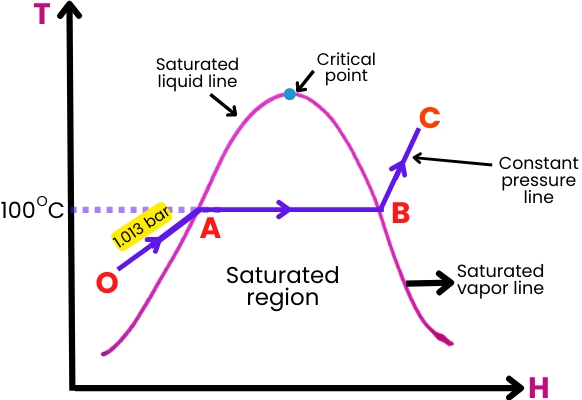
Categories
Uncategorized

Steam Turbine Maintenance

Steam Turbine Maintenance

Steam Turbine Maintenance: A steam turbine is a device that converts the thermal energy of steam into mechanical energy, which can then be used to generate electricity or drive mechanical equipment. The basic principle behind a steam turbine is the expansion of steam through a series of blades, where high-pressure steam enters the turbine and passes through a rotor, causing it to spin. The rotational motion of the rotor is connected to a generator or mechanical shaft, which then performs the intended work.

Steam turbines operate based on the principles of thermodynamics, specifically the Rankine cycle. In this cycle, water is heated in a boiler to produce steam, which is then directed into the turbine. The steam expands in a series of stages, usually involving multiple sets of rotor and stator blades. Each stage allows the steam to lose pressure and temperature, with its thermal energy converted into mechanical energy through the turbine’s rotation. The steam finally exits the turbine at lower pressure and temperature, at which point it can be condensed back into water in a condenser for reuse in the boiler.

The performance of a steam turbine is highly influenced by its design, which may vary depending on its application. There are two primary types of steam turbines: condensing and non-condensing. Condensing turbines operate with the steam being expanded to a vacuum in the condenser, resulting in the lowest possible exhaust pressure. This design allows for the maximum extraction of energy from the steam. Non-condensing turbines, on the other hand, often operate with exhaust steam at atmospheric pressure or higher, where they are frequently used in applications like mechanical drive systems for pumps, compressors, or industrial processes.

In many large power plants, steam turbines are used to drive generators that produce electricity. The efficiency of these turbines is crucial to overall plant performance, and it is influenced by factors like the pressure and temperature of the steam entering the turbine, the number of stages of expansion, and the quality of the materials used in the turbine construction. High-efficiency turbines require careful engineering to minimize losses due to friction, heat loss, and other factors that can lower the system’s overall effectiveness.

A key aspect of steam turbine operation is the cooling system. In condensing turbines, steam is cooled in a condenser, typically using water from a nearby river, ocean, or cooling towers. The condensed water is then pumped back to the boiler to be reheated and converted into steam again. In contrast, non-condensing turbines often operate with a simpler cooling system as the exhaust steam does not require condensation. However, the temperature of the exhaust may still need to be controlled for optimal operation of the equipment it drives.

There are also specialized types of steam turbines that serve specific functions. For example, back-pressure turbines are used in situations where the exhaust steam needs to be at a certain pressure for use in industrial processes. These turbines do not operate in a vacuum but instead maintain a certain pressure in the exhaust, which can then be directed to heating systems or other applications. This makes back-pressure turbines ideal for cogeneration plants, where both electricity and heat are produced from the same energy source.

In addition to the mechanical and thermodynamic considerations, steam turbine performance is heavily impacted by the materials used in its construction. Steam turbines operate at very high temperatures and pressures, which means the materials must be able to withstand extreme conditions without suffering degradation or failure. Modern turbines are typically made from high-strength alloys, including stainless steel, nickel alloys, and other heat-resistant materials. Advances in material science have allowed for turbines that can operate at ever-higher temperatures and pressures, improving the overall efficiency of power plants.

Steam Turbine

Steam Turbines for Waste Heat Utilization

Another important aspect is the control and maintenance of steam turbines. These turbines are highly complex machines, and regular monitoring of their operation is necessary to ensure optimal performance and prevent failures. Turbine speed, temperature, vibration, and other factors are constantly monitored, and sophisticated control systems adjust the turbine’s operation to maintain efficiency. Maintenance schedules include regular inspections, lubrication of moving parts, and replacement of worn components. The maintenance of the blades, in particular, is crucial, as they experience significant stress and wear over time. The blades are subject to thermal and mechanical stresses, which can cause them to crack or erode, especially in high-efficiency turbines that operate at extreme temperatures.

In recent years, there has been a growing emphasis on improving the efficiency and environmental performance of steam turbines. As power generation increasingly moves towards renewable energy sources, such as biomass and geothermal, there are efforts to adapt steam turbine technology for use with these resources. Additionally, the development of combined-cycle power plants, which use both gas and steam turbines in a single system, has allowed for even greater efficiency in electricity generation. Combined-cycle plants take advantage of the waste heat from the gas turbine to generate steam, which is then used in a steam turbine for additional power generation. This combined approach results in significantly higher efficiency compared to traditional single-cycle power plants.

Steam turbines remain a vital part of modern power generation systems, with their ability to efficiently convert heat into mechanical energy making them indispensable in many industries, from large-scale power plants to smaller industrial operations. However, with rising energy demands and environmental concerns, the focus on improving turbine technology and optimizing their use continues to evolve. Innovations in materials, design, and operational strategies are all contributing to more efficient, reliable, and sustainable steam turbine systems, ensuring that these machines will remain at the heart of power generation for the foreseeable future.

Steam turbines also play a significant role in cogeneration and district heating systems. In cogeneration, also known as combined heat and power (CHP), both electricity and useful thermal energy are produced from the same fuel source. This is achieved by using steam turbines to generate electricity, while the exhaust steam is directed to provide heating for nearby buildings, industrial processes, or district heating networks. This dual use of energy increases the overall efficiency of the system, as it minimizes the loss of heat that would otherwise be wasted in conventional power generation processes. Cogeneration systems are especially valuable in industries where both electricity and heat are required, such as in chemical plants, refineries, and paper mills.

District heating systems, which distribute heat from a central plant to multiple buildings or facilities, also benefit from steam turbine technology. In these systems, steam is produced in a central boiler and used to supply heat to homes and businesses in a localized area. A steam turbine, often in a CHP configuration, can be integrated to simultaneously generate electricity while supplying this thermal energy. Such systems provide an environmentally friendly and efficient way to meet heating and power needs, especially in urban areas with a high demand for both.

The environmental impact of steam turbines is also a critical consideration in their operation. In traditional fossil-fuel-powered plants, steam turbines are often part of a coal, natural gas, or oil-fired boiler system. These power plants emit significant amounts of carbon dioxide and other pollutants into the atmosphere, contributing to global warming and air quality issues. As a result, there is a growing push to develop cleaner technologies that reduce emissions from steam turbine-based power plants. One approach to this challenge is the implementation of carbon capture and storage (CCS) technologies, which capture carbon dioxide from power plants before it is released into the atmosphere. These systems can be integrated with steam turbines to help mitigate the environmental impact of fossil-fuel-based power generation.

In addition, renewable energy sources such as geothermal energy, biomass, and solar thermal power are becoming more viable for use in steam turbine systems. Geothermal power plants, for example, utilize the Earth’s internal heat to generate steam, which is then used to drive a steam turbine. These systems offer a low-carbon alternative to fossil-fuel-based power generation and can provide a constant, reliable source of electricity. Biomass power plants burn organic materials such as wood chips or agricultural waste to produce steam, which powers a steam turbine. While biomass is renewable, its environmental sustainability depends on the sourcing and management of the biomass material, which must be done responsibly to avoid negative ecological impacts.

Solar thermal power plants use mirrors or lenses to concentrate sunlight onto a heat exchanger, producing steam that drives a steam turbine. These plants are often located in sunny regions and are part of the growing trend of concentrating solar power (CSP) systems. While CSP plants are still more expensive than conventional power plants, they have the potential to provide large-scale renewable energy while utilizing steam turbines for power generation. Integrating energy storage systems, such as molten salt tanks, with CSP plants allows for the continuous generation of electricity even when the sun is not shining, making it a more reliable source of renewable power.

The future of steam turbine technology is closely linked to advancements in energy storage, grid integration, and efficiency improvements. One of the major challenges in renewable energy generation is the intermittency of sources such as wind and solar power. As the power grid becomes more reliant on these variable sources of energy, there is a need for more flexible power plants that can quickly adjust to fluctuations in supply and demand. Steam turbines, especially in combined-cycle or CHP configurations, have the potential to complement renewable energy systems by providing backup power when needed, ensuring a stable and reliable electricity supply.

In terms of technological advancements, innovations in steam turbine design are focused on improving efficiency, reducing wear and tear, and extending the lifespan of the turbines. Advances in computational fluid dynamics (CFD) and materials science are enabling engineers to design more efficient turbine blades that can withstand higher temperatures and pressures without degrading. Additionally, turbine manufacturers are exploring advanced coatings and surface treatments that reduce friction and improve resistance to corrosion, leading to more durable and long-lasting components.

Hybrid steam turbine systems, which combine steam turbines with other technologies like gas turbines or organic Rankine cycle (ORC) systems, are also being developed to increase efficiency and flexibility. Gas turbines can be used in combination with steam turbines in a combined-cycle system, as mentioned earlier, where the waste heat from the gas turbine is used to generate steam for the steam turbine. ORC systems, which use organic fluids instead of water to generate steam, can be used in smaller-scale applications or with lower temperature heat sources, further expanding the range of uses for steam turbine technology.

As global energy demands continue to rise and the pressure to reduce greenhouse gas emissions grows, the development of more efficient and environmentally friendly steam turbines will play a pivotal role in achieving a sustainable energy future. The continued innovation in turbine technology, combined with cleaner energy sources, will help meet the world’s growing need for reliable, affordable, and clean power.

The continued evolution of steam turbine technology also brings the integration of digitalization and smart monitoring systems. As power plants and industrial facilities become more reliant on automation and data analytics, the role of digital systems in optimizing steam turbine performance is increasingly important. Advanced sensors, predictive maintenance tools, and real-time monitoring systems allow for better operational control, improving both the efficiency and reliability of steam turbines.

Predictive maintenance, in particular, has become a key area of development in steam turbine operations. Using data collected from various sensors and analyzed through machine learning algorithms, operators can detect potential issues before they result in costly failures. Vibration analysis, temperature monitoring, and pressure readings provide continuous insight into the health of the turbine. If any unusual patterns or abnormalities are detected, maintenance can be scheduled proactively, reducing downtime and extending the lifespan of the equipment. This shift from reactive to proactive maintenance is helping reduce costs and improve the overall performance of steam turbines in power generation and industrial applications.

Another area of innovation is the advancement of turbine control systems. Modern steam turbines are equipped with sophisticated control systems that optimize the turbine’s performance based on real-time input from the plant. These systems adjust the operation of the turbine to accommodate changing steam conditions, including pressure, temperature, and flow rate, to maintain the highest possible efficiency. The integration of digital control systems allows operators to make more informed decisions, improving the overall coordination between the turbine, boiler, and other components of the power generation system. Furthermore, control systems can be linked to larger grid management systems, ensuring that steam turbine operations are synchronized with the broader energy supply and demand.

The efficiency of steam turbines is also being boosted through hybrid approaches that combine traditional steam generation with newer technologies. For example, the use of integrated energy storage systems (such as thermal energy storage or battery storage) allows steam turbine-based plants to store excess energy during periods of low demand and release it when needed. This not only helps balance intermittent renewable energy generation but also improves the overall efficiency of the power plant by reducing the need to waste excess heat or energy.

Additionally, the trend toward more flexible power plants is reshaping how steam turbines are designed and operated. Traditionally, steam turbines were used in large, baseload power plants, where they ran continuously at full capacity. However, as renewable energy sources such as wind and solar become more prevalent, the demand for flexible, on-demand power has increased. Modern steam turbines are now being designed to handle more frequent cycling and rapid startup times. This flexibility is critical in a world where energy generation is less predictable and the need for backup power sources is more pronounced.

The decarbonization of the energy sector is driving much of the innovation around steam turbines. Governments and organizations are setting ambitious targets to reduce carbon emissions, and steam turbine manufacturers are responding with more sustainable solutions. Combined with carbon capture and storage (CCS) technologies, steam turbines can play a role in reducing the carbon footprint of fossil-fuel-based power generation. CCS involves capturing carbon dioxide emissions from power plants before they can be released into the atmosphere and then storing or repurposing them. While the integration of CCS with steam turbine systems is still in its early stages, it holds promise as a method of mitigating the environmental impact of steam turbine-based energy production.

Another area of focus is the development of low-carbon fuel alternatives for steam turbine power plants. Biomass and waste-to-energy plants are becoming more common as an alternative to coal-fired power generation. These plants use organic materials or waste products to generate steam, which drives steam turbines to produce electricity. The carbon emissions from burning biomass are considered more sustainable than fossil fuels, as the carbon dioxide released is roughly balanced by the carbon absorbed during the growth of the biomass. Similarly, waste-to-energy plants reduce the need for landfills and help mitigate the environmental impacts of waste disposal.

Moreover, hybridizing steam turbines with renewable sources such as geothermal or solar thermal energy is increasingly gaining attention. Geothermal energy, for example, utilizes the Earth’s natural heat to generate steam that can be used to drive turbines. This form of power generation offers a low-carbon alternative to traditional fossil-fuel-based plants. Solar thermal power, using concentrated solar power (CSP), also relies on steam turbines to convert sunlight into electricity by concentrating solar energy onto a heat exchanger to produce steam. These renewable sources of energy, when integrated with steam turbines, present an opportunity to reduce the reliance on fossil fuels while still leveraging the proven technology and efficiency of steam turbines.

The use of steam turbines in industrial processes is another area where significant progress is being made. For industries like petrochemical, paper, and cement manufacturing, steam turbines can be used not only for power generation but also for driving mechanical equipment like pumps and compressors. This dual functionality improves overall plant efficiency by reducing the need for separate power sources. Industrial steam turbines are often customized for the specific needs of the application, and these systems may include features such as back-pressure turbines, which allow the exhaust steam to be used in heating or process applications. The ongoing development of industrial steam turbine systems aims to further optimize their performance, making them more efficient and adaptable to varying load conditions.

Looking ahead, the future of steam turbine technology is undoubtedly intertwined with advances in power generation and energy efficiency. As the world moves towards a more sustainable energy future, steam turbines will continue to evolve. Innovations in turbine materials, digitalization, and hybrid energy systems will allow steam turbines to remain a critical component of the global energy mix, while also adapting to new energy sources and increasing demands for cleaner, more reliable energy. Whether in large-scale power generation, cogeneration, or industrial applications, steam turbines will remain a cornerstone of the energy sector, contributing to the transition to a low-carbon, sustainable future.

As the global energy landscape continues to evolve, the integration of steam turbines into a more interconnected and decentralized energy system will play a pivotal role in ensuring a reliable, flexible, and low-carbon future. This transformation will rely on advancements in grid integration, system optimization, and the increasing adoption of decentralized energy sources. One of the key challenges in modernizing the energy grid is accommodating the variable nature of renewable energy sources such as wind and solar power. These sources are inherently intermittent, producing electricity only when the wind blows or the sun shines. To address this variability, steam turbines can be used in conjunction with energy storage systems, such as pumped hydro storage, compressed air energy storage, or advanced battery technologies.

In a grid that increasingly relies on renewable energy, steam turbines could serve as a backup or balancing resource, ensuring a stable and continuous supply of power. When renewable generation is low, steam turbines in power plants or cogeneration systems can ramp up production to meet demand. Conversely, during times of excess renewable energy, such as sunny or windy periods, excess electricity can be stored or used to produce steam, which can then drive turbines during periods of high demand or low renewable output. This flexibility helps prevent the overloading of the grid and supports a more stable energy system.

One promising area in this regard is the development of hybrid power plants that combine both renewable energy sources and traditional steam turbine technology. For example, geothermal and solar thermal plants that use concentrated solar power (CSP) to generate steam could be integrated with battery storage or hybrid gas-steam turbine systems. These hybrid configurations allow for more efficient use of energy while minimizing the need for fossil fuel backup. In these plants, steam turbines can work in tandem with gas turbines to increase flexibility and efficiency, ensuring that energy is available on demand.

Moreover, as part of the energy transition, the potential for steam turbines to contribute to carbon-neutral or low-carbon energy production is expanding. For instance, biomass and biogas are renewable fuel sources that can be used in steam turbine-based systems. These fuels, derived from organic waste or crops, can provide a carbon-neutral alternative to fossil fuels. By capturing carbon dioxide released during the combustion process and sequestering it, biomass and biogas-based power plants could help mitigate the environmental impacts traditionally associated with steam turbine power generation.

In addition to biomass, there is growing interest in using hydrogen as a fuel for steam turbines. Hydrogen, when burned or used in fuel cells, produces only water vapor as a byproduct, making it an extremely clean fuel. Hydrogen can be produced from a variety of renewable sources, such as water electrolysis powered by wind or solar energy. Steam turbines that can run on hydrogen would contribute significantly to decarbonizing the power sector. Research is currently underway to develop turbines that can operate on hydrogen or a hydrogen-rich blend, which could become an essential part of the global effort to reduce greenhouse gas emissions.

Another important aspect of the future of steam turbines lies in the integration of advanced materials and manufacturing techniques. As steam turbines are pushed to higher performance levels, the materials used to construct their components must also evolve. For example, steam turbines that operate at higher temperatures and pressures require more advanced alloys and coatings to prevent corrosion, wear, and fatigue. Research into materials such as superalloys, ceramics, and advanced composites is ongoing, with the aim of improving the durability and efficiency of turbine components. The development of such materials not only enhances the performance of steam turbines but also reduces the need for frequent maintenance and component replacement, lowering the total cost of ownership for power plant operators.

Additive manufacturing, or 3D printing, is also poised to revolutionize the way steam turbine components are produced. This technology allows for the creation of complex geometries that would be difficult or impossible to achieve with traditional manufacturing methods. It also offers the potential for producing lighter, stronger, and more customized turbine parts, which can improve overall turbine efficiency. As additive manufacturing becomes more advanced, it could lead to faster production times, reduced material waste, and cost savings in the manufacturing and repair of steam turbines.

The operation of steam turbines will also be significantly enhanced by advancements in artificial intelligence (AI) and machine learning. These technologies have the potential to further improve predictive maintenance, system optimization, and control. AI-driven algorithms can analyze vast amounts of data collected from sensors and other monitoring systems, enabling real-time decision-making that optimizes turbine performance. For example, AI could be used to predict when specific components, such as turbine blades, will experience wear or failure, allowing for preemptive maintenance to avoid costly downtimes. Additionally, AI could help improve the efficiency of the steam turbine by optimizing steam flow, pressure, and temperature in response to changing grid demands.

The digital twin technology is another important innovation that is expected to transform steam turbine operation. A digital twin is a virtual model of a steam turbine that replicates its physical counterpart in real-time. This technology allows operators to simulate various operating conditions, test new configurations, and assess the impact of different maintenance strategies without affecting the actual turbine. The use of digital twins can help optimize turbine design, improve troubleshooting, and reduce the time and cost associated with repairs and upgrades.

As the demand for clean energy continues to grow, the adoption of steam turbines in non-traditional sectors is also on the rise. One example is the growing use of steam turbines in small-scale, decentralized power generation systems. These systems, often referred to as microgrids or distributed energy resources (DERs), use localized power generation to meet the energy needs of a specific area or facility. Steam turbines can be incorporated into these systems, providing a reliable and efficient energy source for industries, communities, and even remote locations that are not connected to the larger power grid.

Another emerging application for steam turbines is in the emerging field of waste heat recovery. Many industrial processes generate excess heat that is currently wasted, contributing to energy inefficiencies and environmental pollution. By using steam turbines in waste heat recovery systems, this excess heat can be converted into useful power. This technology can be implemented in a wide range of industries, including steel production, cement manufacturing, and food processing, offering the potential to significantly improve energy efficiency and reduce the carbon footprint of these operations.

In conclusion, steam turbine technology is poised for continued innovation and adaptation as it plays a central role in the energy transition. By integrating renewable energy sources, improving efficiency, and embracing digitalization, steam turbines will remain a cornerstone of modern energy systems. Their flexibility, ability to generate reliable power, and compatibility with a wide range of fuels and applications will ensure that steam turbines continue to meet the demands of a low-carbon, sustainable energy future. As technology advances, steam turbines will be an integral part of the solution to global energy challenges, offering cleaner, more efficient, and more resilient energy systems.

The future of steam turbines also lies in their role within the global movement toward energy decentralization. Traditionally, large, centralized power plants have been the backbone of electricity generation, but the shift toward decentralized power systems—driven by the increasing use of renewable energy sources and energy storage technologies—has the potential to transform how steam turbines are used in the energy mix. Decentralized energy systems, such as microgrids, distributed power generation, and local heating and cooling networks, offer advantages in terms of energy security, efficiency, and resilience.

In decentralized systems, steam turbines could provide flexible and reliable backup power, especially when integrated with renewable energy sources like solar, wind, and biomass. For example, in remote or off-grid communities, steam turbines fueled by biomass, waste, or even geothermal energy could offer an affordable and reliable means of electricity generation, without relying on external power grids. These localized systems can reduce transmission losses, lower infrastructure costs, and increase the resilience of energy supply to natural disasters or grid failures. By using steam turbines in this way, rural and remote areas can benefit from the same reliable power generation as more urbanized areas, helping to bridge the energy access gap.

Another important facet of decentralized energy systems is their ability to support the integration of renewable energy at the local level. Solar and wind power, while abundant and clean, are intermittent and may not always align with local demand. Steam turbines can play a crucial role in smoothing out these fluctuations, offering a reliable energy source when renewable generation is low. For instance, in regions with abundant solar or wind resources, steam turbines can be used to store excess energy in the form of steam, which can later be used to produce electricity. This process reduces the need for fossil-fuel-based backup generators, further decarbonizing the energy mix.

As part of this shift toward more distributed energy production, steam turbines will also be crucial in the development of community-based heating and cooling systems. District heating systems, which distribute thermal energy from a central plant to multiple buildings, are particularly popular in densely populated urban areas. Steam turbines in these systems can provide both electricity and useful heat for homes, businesses, and industrial facilities. In areas where waste heat is abundant—such as industrial zones, data centers, or high-density urban districts—combined heat and power (CHP) systems using steam turbines can significantly improve energy efficiency by capturing and utilizing this waste heat.

As the need for sustainable and reliable energy sources continues to rise, there is also growing attention on integrating steam turbines into the concept of circular economies. Circular economies prioritize the reuse of resources, minimizing waste and promoting sustainability throughout the life cycle of products and materials. In this context, steam turbines can be integrated into waste-to-energy plants, where the burning of waste materials is converted into steam, which in turn powers turbines for electricity generation. These systems help reduce landfill waste while simultaneously producing clean energy. Furthermore, the efficiency of such systems can be improved by utilizing advanced technologies like fluidized bed combustion, which allows for more efficient burning of waste materials.

The adoption of steam turbines in waste-to-energy plants not only contributes to reducing waste but also plays a role in addressing environmental issues related to landfills and incineration. By capturing and utilizing the energy from waste products that would otherwise end up in landfills, steam turbines enable a more sustainable method of waste management, decreasing methane emissions and lowering the overall environmental impact. Additionally, steam turbines used in waste-to-energy applications can help reduce reliance on fossil fuels, contributing to global decarbonization goals.

In the same vein, the role of steam turbines in industrial decarbonization is increasingly important. Industries are some of the largest emitters of carbon dioxide and other greenhouse gases, with energy-intensive sectors like cement, steel, and chemical production accounting for a significant portion of global emissions. The integration of steam turbines into industrial processes, especially in combination with renewable energy sources and carbon capture technologies, can help industries reduce their carbon footprints while maintaining high levels of productivity. For example, in cement production, excess heat generated during the manufacturing process can be harnessed by steam turbines to generate electricity or provide process heat. This waste heat recovery not only improves energy efficiency but also reduces the need for additional fuel inputs, helping to lower overall emissions.

Steam turbines can also be integrated into emerging technologies that aim to capture and store carbon emissions. Carbon capture, utilization, and storage (CCUS) technologies can be combined with steam turbines to reduce the carbon footprint of existing fossil-fuel-based power plants. In a typical CCUS process, carbon dioxide is captured from the flue gases of power plants and then compressed for storage or converted into a usable product, such as synthetic fuels or building materials. Steam turbines could play a role in generating the power required for the capture process or in assisting with the compression and transport of captured carbon dioxide.

In addition to these industrial applications, the role of steam turbines in the decarbonization of the broader energy sector is also evolving through the development of hybrid and multi-fuel technologies. Multi-fuel steam turbines, which can operate on a variety of fuels, including natural gas, biomass, hydrogen, and even waste products, offer greater flexibility and efficiency. These turbines can adjust their fuel input depending on the availability of different energy sources, enabling power plants to operate with lower emissions and to integrate renewable fuels as they become more accessible and cost-competitive. Such flexibility will be crucial as countries around the world transition away from coal and other high-emission fuels in favor of cleaner, renewable alternatives.

The ability of steam turbines to integrate with hydrogen as a fuel is particularly noteworthy. As hydrogen becomes a key player in the global energy transition, especially for sectors like heavy industry and long-distance transportation, steam turbines that can run on hydrogen could open up new opportunities for decarbonization. Hydrogen, when produced from renewable sources, offers a clean, flexible, and energy-dense fuel that could power steam turbines with minimal environmental impact. Research into hydrogen-fired steam turbines is already underway, and these systems could play a crucial role in industries or regions where electricity generation from renewable sources alone is insufficient or impractical.

Finally, the increasing importance of energy storage systems in the future energy grid is another area where steam turbines will remain relevant. Energy storage technologies, such as large-scale batteries, pumped hydro storage, and molten salt systems, can be integrated with steam turbines to improve the overall efficiency of the energy system. By providing a means to store excess energy generated during periods of low demand or high renewable generation, these storage systems help smooth out fluctuations in the grid, ensuring a reliable and continuous energy supply. Steam turbines can be used in conjunction with these storage systems to generate electricity when stored energy is needed, further enhancing the reliability and flexibility of the grid.

As the world faces growing challenges related to climate change, energy security, and sustainability, the role of steam turbines in the global energy mix will continue to evolve. Their versatility, efficiency, and ability to integrate with renewable energy sources, carbon capture technologies, and decentralized energy systems make them a crucial component in the ongoing transformation of the energy sector. Whether in traditional power plants, hybrid systems, or industrial applications, steam turbines will remain an essential technology for meeting the world’s future energy needs while helping to reduce emissions and combat climate change.

The continuous evolution of steam turbine technology is also deeply intertwined with the ongoing development of artificial intelligence (AI) and machine learning (ML), which are poised to revolutionize how steam turbines are operated, monitored, and maintained. The application of AI to the steam turbine industry holds the potential to dramatically enhance performance, reduce operational costs, and improve overall system reliability. Machine learning algorithms can process vast amounts of real-time data from turbines to identify patterns, detect anomalies, and predict future performance trends. This ability to anticipate issues before they arise is particularly valuable in ensuring the smooth operation of turbines, minimizing downtime, and extending their operational lifespan.

AI can assist in optimizing the operation of steam turbines by adjusting key parameters such as steam pressure, temperature, and flow rate. By analyzing real-time data from sensors, AI algorithms can fine-tune turbine performance in response to changing conditions, maximizing efficiency while minimizing wear and tear. These advanced systems can learn from historical operational data, improving their decision-making over time to further enhance the turbine’s overall efficiency. This predictive capability allows for more agile operations, enabling steam turbines to better adapt to variations in energy demand and renewable energy fluctuations, making them a more integrated and efficient part of modern energy systems.

In addition to operational improvements, AI and ML technologies can be instrumental in refining maintenance strategies. With predictive analytics, steam turbine operators can schedule maintenance based on the actual condition of components rather than relying on fixed schedules or guesswork. For example, AI models can forecast when specific parts, such as bearings or blades, are likely to wear out, allowing for preemptive maintenance or part replacement. This predictive maintenance approach not only reduces unplanned downtime but also optimizes the use of resources, minimizes operational disruptions, and reduces costs associated with over-maintenance or premature part replacement.

Another area where AI is being integrated into steam turbine operations is through digital twin technology. Digital twins are virtual representations of physical assets that enable real-time monitoring and simulation of turbine performance. AI-powered digital twins continuously analyze data from physical turbines and simulate their performance under various conditions. This digital model allows operators to test different operational strategies, assess the impact of potential changes, and evaluate how the turbine would perform under various scenarios—such as changes in steam conditions or unexpected grid fluctuations—without physically altering the turbine. This can lead to optimized operational strategies, better fault diagnosis, and improved planning for maintenance and upgrades.

Another frontier where AI and machine learning are expected to make a significant impact is in the design of steam turbines. AI-driven simulations can help turbine manufacturers accelerate the design process by testing multiple configurations and materials in a virtual environment. This can lead to the development of more efficient, durable, and cost-effective turbines, which can better handle the stresses associated with higher temperatures, pressures, and varying operating conditions. AI algorithms can also be used to predict how turbine components will perform over time, identifying potential areas of failure before they occur. This kind of predictive design can lead to higher-quality turbines with fewer design flaws and better overall performance.

In the context of hybrid and multi-fuel systems, AI will also be essential for optimizing the integration of steam turbines with other power generation technologies, such as gas turbines, batteries, and renewable energy sources. AI systems can continuously monitor and adjust the operation of these systems to ensure that the most efficient and cost-effective energy mix is used at any given time. For example, AI can determine the optimal moment to switch between different fuel sources (e.g., biomass, hydrogen, or natural gas) or to adjust the balance between steam and gas turbine generation, depending on the available resources and the demand for electricity. This not only ensures a more efficient energy generation process but also reduces emissions and maximizes the use of renewable energy.

In addition to AI’s contributions to operational optimization, the integration of blockchain technology into steam turbine management is beginning to gain traction. Blockchain’s ability to provide secure, transparent, and immutable data records can be useful in ensuring the traceability of parts, the integrity of operational data, and the transparency of maintenance histories. With blockchain, steam turbine manufacturers, operators, and maintenance providers can track each component of the turbine throughout its lifecycle, including design, installation, maintenance, and eventual decommissioning. This ensures that data regarding turbine performance and maintenance is accurate, auditable, and easily accessible for all stakeholders. Such transparency can improve decision-making, increase accountability, and help ensure that turbines are operating at their peak performance.

Blockchain also offers the possibility of creating smart contracts between turbine manufacturers, operators, and service providers. These self-executing contracts, stored on the blockchain, could automate various processes, such as payments, service agreements, and parts replacement, based on predefined conditions. For instance, a smart contract could automatically release payment to a maintenance service provider once certain maintenance milestones are achieved or parts are replaced, improving the efficiency of operations and reducing administrative overhead.

The convergence of AI, blockchain, and steam turbine technology presents significant opportunities for improving the overall efficiency, transparency, and sustainability of energy production. Together, these technologies will help streamline operations, reduce emissions, and increase the reliability and flexibility of steam turbines. Their adoption will support the transition toward a more decentralized and decarbonized energy system, helping to meet the growing demand for cleaner, more resilient energy solutions.

Furthermore, the advancements in digital technologies, such as the Internet of Things (IoT), will also enhance the connectivity and integration of steam turbines into smart grids. IoT sensors and devices can provide a continuous flow of real-time data about turbine conditions, such as vibrations, temperature, and pressure, enabling operators to monitor performance remotely. This increased connectivity allows for more responsive and adaptive turbine control, enabling operators to quickly identify and address any performance issues. By integrating IoT with AI and machine learning, operators can create a comprehensive digital ecosystem that not only monitors turbine performance but also anticipates potential issues and optimizes turbine operation.

Another key area of development is the focus on turbine recyclability and sustainability. As the demand for clean energy increases, there is a growing need to minimize the environmental impact of turbine manufacturing, operation, and disposal. In this context, the adoption of sustainable materials, such as recycled metals, biodegradable lubricants, and eco-friendly coatings, is becoming more important. The development of steam turbines that can be easily recycled at the end of their lifespan also contributes to the circular economy, reducing waste and the need for raw materials. Furthermore, efforts are being made to design turbines that have a longer lifespan, reducing the need for frequent replacements and minimizing resource consumption over time.

Finally, regulatory and policy frameworks around steam turbine technology will continue to evolve, providing both challenges and opportunities for manufacturers and operators. Governments are increasingly focusing on energy efficiency, emissions reduction, and the promotion of renewable energy. As these policies are implemented, steam turbines will likely be subject to stricter efficiency standards and carbon emissions regulations. This will encourage further technological innovation, driving the development of even more efficient, low-emission turbines and supporting the transition to a carbon-neutral energy future.

In summary, the future of steam turbine technology is marked by an exciting convergence of advancements in AI, machine learning, digitalization, sustainability, and regulatory change. The continued evolution of steam turbines will allow for more efficient, flexible, and reliable power generation, supporting the global transition toward cleaner, decentralized, and renewable energy systems. As these technologies continue to evolve, steam turbines will remain at the heart of a more sustainable and resilient energy infrastructure, playing a critical role in meeting the world’s future energy needs while addressing the challenges of climate change.

As we look further into the future of steam turbines, the ongoing advancements in turbine design, efficiency, and integration with modern energy systems are expected to catalyze a shift in the overall energy landscape. The transition toward cleaner, smarter, and more resilient energy systems is no longer just an ideal; it’s becoming a necessity driven by both climate imperatives and technological advancements. Steam turbines, with their longstanding role in power generation, are well-positioned to play a central role in this transformation. However, to truly capitalize on their potential, several key areas of innovation and adaptation must be explored.

Advanced Materials and Efficiency Improvements

The quest for higher turbine efficiency and reliability continues to drive research into new materials and manufacturing techniques. High-efficiency turbines that operate at elevated temperatures and pressures require materials that can withstand extreme conditions without degrading. The development of superalloys, ceramic materials, and advanced coatings has allowed modern steam turbines to operate at higher thermal efficiencies, often exceeding 40%. This is critical in improving the overall energy conversion process, ensuring that less fuel is used to produce the same amount of energy. Further material advancements are expected to raise this efficiency even higher, approaching 50% in some systems, which would drastically reduce emissions and energy consumption.

In particular, the use of ceramic matrix composites (CMCs) and other high-temperature-resistant materials can significantly increase the operating temperature of the steam, which in turn improves thermal efficiency. Such improvements will reduce the need for massive amounts of fuel, especially in fossil-fuel-based plants, and facilitate the integration of renewable energy systems by providing a more robust and versatile infrastructure.

Hybridization with Emerging Technologies

Another area where steam turbines are poised for growth is in the hybridization with emerging technologies like fuel cells and advanced storage systems. Fuel cells, particularly those utilizing hydrogen as a fuel, represent a promising alternative to traditional combustion-based power generation. When paired with steam turbines, fuel cells can provide a cleaner source of power generation, producing electricity with almost no emissions. Hydrogen-powered steam turbines, while still in the research phase, offer the potential to decarbonize large-scale power generation. These turbines could use hydrogen produced from renewable sources, such as wind or solar, through electrolysis, enabling carbon-free power production.

Additionally, hybridization with energy storage systems, such as thermal storage or even innovative battery technologies, could further enhance the flexibility of steam turbines. In systems where excess electricity is generated—such as during periods of peak renewable output—the energy could be stored and later converted into steam, which would drive the turbine to meet demand during periods when renewable resources are not available. This combination of steam turbines and storage technologies will be particularly valuable for balancing grid systems and ensuring reliable, uninterrupted power delivery.

Integration with Green Hydrogen and Decarbonized Fuels

One of the most promising applications for steam turbines in the coming decades is their role in the growing hydrogen economy. Green hydrogen, produced using renewable energy, is expected to become a cornerstone of decarbonization efforts. Hydrogen can be used as a fuel for steam turbines, either by directly combusting hydrogen in turbine combustors or by incorporating it into hybrid systems that combine hydrogen with other renewable fuels. Hydrogen’s potential as a clean, carbon-neutral fuel has made it a focal point for research and investment in the energy sector.

For steam turbines, this hydrogen integration presents a transformative opportunity. By using hydrogen as a fuel, steam turbines can operate without emitting carbon dioxide, thereby supporting the decarbonization of industries and power sectors that have historically been reliant on fossil fuels. Furthermore, hydrogen can be stored and transported more easily than electricity, making it an ideal fuel for use in areas where large-scale renewable energy production is not feasible or during times of high demand.

The use of hydrogen in steam turbines also opens up the possibility of long-term, seasonal energy storage. Hydrogen can be produced in excess during periods of renewable energy abundance (e.g., when solar or wind generation is at its peak) and stored for later use during periods of low generation. This form of energy storage addresses the intermittent nature of renewable resources and allows for steam turbines to operate as a stable and flexible part of a hybrid energy system, providing dispatchable power on demand.

Distributed Energy Systems and Microgrids

The growing interest in distributed energy systems and microgrids offers another compelling application for steam turbines. Microgrids are localized energy systems that can operate independently of the central grid and are increasingly seen as essential for improving energy security, especially in remote or underserved areas. Steam turbines, when integrated into these microgrids, can provide a reliable, dispatchable source of power, offering resilience to communities that may otherwise be vulnerable to power outages or grid failures.

In this context, steam turbines could be fueled by local resources, such as biomass, geothermal energy, or even municipal waste, reducing dependence on centralized power plants and transmission infrastructure. By enabling localized power generation, steam turbines help to decentralize energy production, reducing transmission losses and improving overall grid efficiency. Additionally, steam turbines in microgrids can complement renewable energy sources, such as solar or wind, by providing backup power when these intermittent sources are not generating electricity.

Waste Heat Recovery and Industrial Integration

Steam turbines have long been employed in combined heat and power (CHP) applications, where they generate both electricity and useful heat for industrial processes. The potential for steam turbines to recover waste heat from industrial operations is significant, as many energy-intensive industries generate excess heat that could be harnessed to produce electricity. Steam turbines can be integrated into industrial processes, such as those in steel mills, cement plants, and chemical manufacturing facilities, to convert waste heat into useful energy, thus improving overall energy efficiency and reducing the environmental impact of these industries.

This is particularly important in the context of decarbonizing hard-to-abate sectors that are difficult to electrify or decarbonize directly. By incorporating steam turbines into waste heat recovery systems, industries can reduce their reliance on fossil fuels, lower emissions, and create a more sustainable energy cycle within their operations. In addition, waste heat recovery with steam turbines can serve as a valuable complement to carbon capture, utilization, and storage (CCUS) technologies. By converting excess heat into electricity, these systems can help power the CCUS process, further enhancing the carbon reduction potential of industries.

Digitalization and Smart Turbine Networks

The future of steam turbines will also be heavily influenced by the ongoing digital transformation of the energy sector. With the increasing deployment of sensors, IoT devices, and data analytics tools, steam turbines will become more interconnected and capable of operating within smart turbine networks. These digital tools enable real-time monitoring, performance analysis, and predictive maintenance, reducing operational downtime and improving the overall reliability and efficiency of turbine systems.

Through the use of digital twins, AI, and cloud-based platforms, operators can remotely monitor and control turbines, optimizing their performance based on real-time data. These technologies can also help predict failures before they occur, allowing for more proactive maintenance strategies and reducing the risk of unplanned outages. Moreover, smart grid technologies will allow steam turbines to integrate seamlessly into the larger energy network, responding dynamically to grid conditions and helping to balance energy supply and demand.

Conclusion: A Central Role in a Decarbonized Future

In summary, steam turbines will remain a cornerstone of the global energy transition, evolving to meet the challenges of a decarbonized, distributed, and digitally connected energy landscape. Through innovations in materials, hybrid technologies, hydrogen integration, and waste heat recovery, steam turbines will continue to play a vital role in providing reliable, flexible, and clean energy. As the energy sector evolves toward greater sustainability, efficiency, and resilience, steam turbines will be a key enabler of the transition to a low-carbon future, helping to meet the world’s energy needs while reducing environmental impact. Their adaptability, scalability, and role in integrating renewable energy make them an essential technology for powering the sustainable energy systems of tomorrow.

Steam turbine maintenance

Steam turbine maintenance

Steam turbine maintenance is a critical aspect of ensuring the longevity, reliability, and optimal performance of turbines in power generation plants and industrial applications. As with any complex mechanical system, regular and proactive maintenance is essential to prevent costly failures, extend the life of turbine components, and maintain efficient operation. The maintenance strategies for steam turbines have evolved significantly over the years, incorporating advanced diagnostic tools, predictive technologies, and improved practices that enhance the efficiency and reliability of these machines. Effective maintenance helps to prevent downtime, reduce operational costs, and optimize the overall performance of steam turbines in both traditional and modern energy systems.

Types of Maintenance

Steam turbine maintenance is generally divided into three primary categories:

  1. Preventive Maintenance (PM): Preventive maintenance involves scheduled inspections, repairs, and replacements designed to prevent failure before it happens. PM is carried out at regular intervals based on operational hours or manufacturer-recommended schedules. The focus is on maintaining components in optimal condition and detecting wear or issues that may affect performance or lead to failure. Common PM activities include:
    • Inspection of key components like blades, bearings, seals, and rotors
    • Monitoring turbine performance through vibration analysis and thermographic inspections
    • Cleaning of condenser tubes and checking for blockages or scale buildup
    • Lubrication of moving parts and checking oil quality
    • Alignment checks for shafts and rotors
  2. Predictive Maintenance (PdM): Predictive maintenance uses advanced data analytics, real-time monitoring, and sensor technologies to predict when a turbine component may fail, allowing for maintenance to be performed just before the failure occurs. Predictive tools enable operators to detect early signs of wear and tear, such as unusual vibrations, temperature fluctuations, or abnormal pressure readings. PdM relies on data collected from sensors embedded within the turbine and analyzed using machine learning algorithms. Common techniques include:
    • Vibration analysis to detect imbalances, misalignments, or bearing failures
    • Oil analysis to detect contamination or wear debris
    • Temperature monitoring to identify overheating or improper thermal stress
    • Acoustic emission monitoring to detect cracks or structural issues
  3. Corrective Maintenance: Corrective maintenance is the repair or replacement of components after a failure or when performance significantly degrades. This type of maintenance is typically unplanned and is often the result of a major breakdown. While corrective maintenance cannot be completely eliminated, the goal is to reduce the occurrence of unplanned downtime through robust preventive and predictive maintenance practices. Common corrective maintenance tasks include:
    • Replacing failed turbine blades, seals, or other components
    • Repairing cracks or other structural damage
    • Replacing worn bearings or lubricating systems

Maintenance Strategies

Effective steam turbine maintenance requires a well-thought-out strategy, balancing the need for preventive and predictive actions while minimizing unplanned corrective repairs. Several strategies are commonly used to optimize maintenance efforts:

  1. Condition-Based Monitoring (CBM): Condition-based monitoring involves monitoring the condition of turbine components during operation and performing maintenance when specific thresholds are exceeded. For example, if vibration levels increase beyond normal limits, a turbine may need to be shut down for further inspection. This strategy allows for a more tailored approach to maintenance, reducing unnecessary maintenance activities and focusing on the most critical needs.
  2. Reliability-Centered Maintenance (RCM): RCM is a systematic approach to maintenance that focuses on identifying and prioritizing critical components that directly affect turbine reliability. The RCM process involves analyzing turbine operations and identifying failure modes for each component. It then evaluates the impact of failure on the system and develops a maintenance strategy that addresses these risks. RCM prioritizes resources to areas with the highest risk of failure, helping to reduce maintenance costs and optimize turbine performance.
  3. Total Productive Maintenance (TPM): TPM is a comprehensive approach that involves all levels of the organization in turbine maintenance activities. It emphasizes the importance of maintaining equipment in optimal condition to ensure continuous and efficient operation. TPM encourages operators to take an active role in monitoring turbine performance and reporting potential issues, allowing for early intervention and reducing the likelihood of unexpected breakdowns. This approach also promotes the training of staff to enhance their knowledge of turbine systems, which leads to a more proactive and effective maintenance culture.

Key Components in Steam Turbine Maintenance

The maintenance of steam turbines focuses on ensuring that the major components remain in good working condition, as failure in any of these parts can lead to significant operational disruptions. Key components of steam turbines include:

  1. Turbine Blades: The turbine blades are subjected to high thermal and mechanical stresses, which can cause them to wear out over time. Regular inspection of blades for signs of erosion, corrosion, cracking, or fatigue is crucial. Blades are often inspected using visual inspections, ultrasonic testing, or eddy current testing to detect cracks or fatigue. Additionally, coating and heat treatment technologies are used to extend the life of turbine blades by reducing wear.
  2. Bearings: Bearings support the rotor and shaft of the turbine and ensure smooth operation. If the bearings are not properly maintained, they can lead to misalignment, increased friction, and heat generation, which can ultimately cause turbine failure. Regular checks on bearing lubrication and temperature are essential, as well as the use of vibration analysis to detect early signs of wear or misalignment.
  3. Seals and Gaskets: Seals and gaskets prevent steam from leaking and ensure that the pressure and temperature within the turbine remain stable. Steam leakage can reduce turbine efficiency and lead to energy loss. Regular inspection and replacement of seals are critical to maintaining optimal performance. The use of advanced materials for seals can extend their life and improve performance under high-pressure and high-temperature conditions.
  4. Rotor and Shaft: The rotor and shaft are responsible for transferring the energy generated by steam to mechanical energy. Over time, they can become misaligned, experience wear, or develop cracks due to thermal and mechanical stresses. Regular alignment checks and the monitoring of vibration and temperature levels are essential to ensure the integrity of the rotor and shaft.
  5. Condenser and Heat Exchanger: The condenser is responsible for cooling the steam after it exits the turbine. It is crucial to ensure that the condenser tubes are clean and free from scale buildup, corrosion, or fouling, which can impede heat transfer and reduce efficiency. Regular cleaning and inspection of the condenser are necessary to ensure optimal heat exchange and to prevent any blockage that may affect turbine operation.

Maintenance Challenges and Solutions

Steam turbine maintenance is not without challenges, especially in older plants or in environments with harsh operational conditions. Some common challenges include:

  1. Aging Infrastructure: In many industries, turbines are part of aging infrastructure that may have been in operation for decades. Over time, parts may deteriorate or become less efficient, and maintenance requirements may increase. The solution to this is the adoption of predictive maintenance technologies that can anticipate failures and help prioritize replacement or repairs based on component condition.
  2. Unavailability of Spare Parts: For older turbine models, finding replacement parts or components may be difficult or expensive. In such cases, refurbishment of parts or retrofitting with modern materials and technologies can extend the life of the turbine. Manufacturers and service providers often offer remanufacturing services to restore critical turbine components to their original specifications.
  3. Staff Training: The complexity of modern steam turbines requires a high level of expertise for both operators and maintenance personnel. Continuous training programs are essential to keep staff updated on the latest technologies, maintenance techniques, and diagnostic tools. Skilled personnel are also needed to handle complex tasks such as vibration analysis, thermal imaging, and condition monitoring.
  4. Minimizing Downtime: Reducing downtime is a key goal in turbine maintenance, especially in critical power generation plants. Scheduled maintenance during off-peak periods and the use of modular or “plug-and-play” components can help minimize downtime. Additionally, the use of advanced diagnostics can lead to faster troubleshooting and quicker resolutions, allowing turbines to return to service more quickly.

Future Trends in Steam Turbine Maintenance

The future of steam turbine maintenance will be shaped by the continued evolution of digital technologies, automation, and AI-based monitoring systems. Turbines will become increasingly connected, allowing for real-time data collection, performance tracking, and remote diagnostics. Artificial intelligence and machine learning will play a larger role in automating predictive maintenance, reducing the need for human intervention and improving overall efficiency.

Moreover, the integration of 3D printing and additive manufacturing into turbine maintenance practices may allow for more rapid and cost-effective repair and replacement of components, particularly in remote locations or during emergency repairs. The adoption of digital twins, as mentioned earlier, will also provide a virtual representation of the turbine system, allowing for continuous monitoring and optimization of maintenance strategies.

In summary, steam turbine maintenance is a vital and evolving discipline that combines traditional mechanical expertise with cutting-edge technologies. By adopting a holistic and proactive maintenance strategy that includes preventive, predictive, and corrective maintenance, turbine operators can ensure that steam turbines continue to operate efficiently and reliably for many years to come. Advances in digital technologies, materials science, and AI will further enhance maintenance practices, leading to lower costs, improved reliability, and a greater role for steam turbines in the decarbonized energy future.

Advanced Diagnostics and Monitoring Technologies

The integration of advanced diagnostic tools is one of the key factors contributing to the evolution of steam turbine maintenance. These tools provide insights into the condition of turbine components and help predict potential failures before they occur. The growing role of digitalization and Industry 4.0 has made condition monitoring and real-time diagnostics far more accessible and efficient. Some key monitoring technologies include:

  1. Vibration Analysis: Vibration analysis is one of the most widely used techniques for detecting early signs of turbine issues. Vibrations can reveal a wide range of problems, such as misalignment, imbalance, bearing failures, and shaft defects. By continuously monitoring vibration levels, operators can detect deviations from normal behavior and address issues before they escalate into major failures. Advanced sensors and algorithms can now provide real-time data on turbine performance, facilitating proactive repairs.
  2. Thermography: Thermographic inspections using infrared cameras are another crucial diagnostic tool. They allow maintenance personnel to visualize temperature differences across turbine components, helping identify areas of abnormal heat buildup. Overheating can be a sign of friction, poor lubrication, or electrical issues. Thermography helps pinpoint these hot spots and enables quick corrective action to prevent damage.
  3. Oil and Fluid Analysis: Oil analysis is key in detecting internal wear and contamination in steam turbines. Contaminants like metal particles or moisture in the oil can point to excessive wear on internal components such as bearings or seals. By periodically sampling turbine oils and assessing their properties—viscosity, acidity, and levels of dissolved gases—operators can assess the condition of the turbine and its lubrication system. This process also helps determine the optimal time for oil changes, further ensuring the longevity of critical parts.
  4. Ultrasonic Testing: Ultrasonic testing is used to identify internal flaws or cracks that may not be visible through traditional inspection methods. High-frequency sound waves are transmitted through turbine materials (blades, shafts, and other critical parts), and any changes in the sound wave’s reflection are analyzed to detect defects. This technique is especially useful for identifying issues in hard-to-reach areas that could lead to catastrophic failure if left undetected.
  5. Acoustic Emission Monitoring: Acoustic emission (AE) monitoring is a relatively newer technique that listens for high-frequency sound waves emitted by material deformation or crack formation in turbine components. These sounds are generated by stress or changes in the material, making AE a useful tool for detecting issues like cracking or fatigue that could compromise turbine performance. With real-time analysis, this method helps in anticipating maintenance needs before the problem becomes critical.

Integrating AI and Machine Learning for Predictive Maintenance

The future of steam turbine maintenance is increasingly driven by the power of artificial intelligence (AI) and machine learning (ML) algorithms. These technologies enhance the ability to forecast maintenance needs by analyzing vast amounts of data collected from sensors and monitoring systems. Here’s how AI and ML are contributing to predictive maintenance:

  1. Predictive Algorithms: AI-based algorithms can analyze historical data from turbines and apply predictive models to estimate when a failure is likely to occur. By examining factors such as operating hours, environmental conditions, vibration levels, temperature fluctuations, and pressure changes, these algorithms can predict component wear rates and potential failures long before they manifest. This allows maintenance teams to schedule repairs during non-peak times, reducing the impact on operations.
  2. Anomaly Detection: ML techniques can continuously monitor turbine performance and identify anomalies by comparing real-time data to known operational patterns. Any significant deviation from normal behavior can trigger an alert, signaling a potential issue that requires attention. The more data the system collects, the more accurate and reliable these anomaly detection algorithms become.
  3. Data-Driven Decision Making: The vast amount of data gathered from turbines, along with continuous learning from AI algorithms, allows operators to make data-driven decisions about when and how to maintain turbines. For example, AI can recommend a specific corrective action or repair procedure based on the severity of a detected issue. This leads to more effective and efficient maintenance, as well as reduced reliance on trial-and-error methods.
  4. Automated Fault Diagnosis: AI systems can help diagnose faults in real time by cross-referencing sensor data with fault models of turbine components. Once a fault is detected, AI systems can suggest the most likely root cause and recommend a maintenance strategy. Over time, the AI becomes better at identifying fault patterns and recommending solutions based on the specific operational history of a particular turbine.

Advanced Coatings and Material Technologies

Another significant trend in turbine maintenance involves advancements in materials science. High-performance coatings and advanced materials are becoming more widely used to extend the life of turbine components and reduce maintenance costs. These materials can improve resistance to corrosion, wear, and thermal degradation, which are critical factors in turbine operation.

  1. Thermal Barrier Coatings (TBC): TBCs are used to protect turbine blades and other components from the intense heat generated during operation. These coatings, often made of ceramic materials, are designed to withstand extreme temperatures while preventing thermal degradation of the underlying metal. By extending the life of high-temperature components, TBCs help reduce the frequency of repairs and replacements, thus lowering maintenance costs.
  2. Wear-Resistant Coatings: Steam turbines are exposed to significant mechanical stress, leading to wear and erosion of critical components such as blades and seals. Wear-resistant coatings, such as carbide or ceramic-based layers, help protect components from abrasion and erosion. These coatings are particularly effective in high-stress areas and can significantly improve the overall lifespan of turbine blades and other critical parts.
  3. Corrosion-Resistant Materials: Steam turbines are prone to corrosion, especially when exposed to moisture, steam, and other aggressive substances. To combat this, new alloys and corrosion-resistant materials are being developed for turbine components. These materials help prevent degradation due to corrosive effects, reducing the need for repairs and replacements caused by rust or pitting.

Remote Monitoring and Diagnostic Systems

The rise of remote monitoring technologies has greatly improved the speed and accuracy of steam turbine maintenance. With the use of internet-connected sensors, operators can remotely monitor turbines at all times, even when they are located in far-off or difficult-to-access locations. Remote monitoring systems enable the collection of real-time data from turbines and provide operators with detailed insights into performance metrics such as vibration levels, temperatures, pressure, and efficiency.

  1. Cloud-Based Monitoring: Cloud-based monitoring systems allow for centralized data collection and analysis. These systems can aggregate data from multiple turbines across different locations, enabling operators to identify trends, compare performance, and detect potential problems early on. The cloud also makes it easier for maintenance teams to access data remotely, enabling faster troubleshooting and decision-making.
  2. Real-Time Alerts and Remote Troubleshooting: When an issue is detected through remote monitoring, operators can receive real-time alerts via email, text, or through the monitoring platform. In many cases, technicians can perform remote diagnostics to understand the root cause of the problem and even make adjustments to the turbine’s settings or operational parameters. This reduces the need for on-site visits, saving both time and resources.
  3. Virtual Inspections: Advances in augmented reality (AR) and virtual reality (VR) technologies have enabled virtual inspections of steam turbines. Maintenance personnel can use AR glasses or VR devices to visualize turbine components, superimpose diagnostic data, and walk through complex inspections in a virtual environment. This technology can also be used for training purposes, allowing technicians to learn about turbine maintenance procedures in a safe and controlled environment.

Conclusion

In the world of steam turbine maintenance, technology and innovation are continually pushing the boundaries of what’s possible. The integration of advanced diagnostics, predictive maintenance tools, and material advancements significantly improves turbine efficiency, reduces costs, and extends the lifespan of components. Additionally, digital technologies like AI, IoT, remote monitoring, and cloud-based systems allow for more proactive, data-driven approaches to maintenance, further enhancing turbine performance and minimizing downtime.

With these ongoing advancements, the steam turbine industry is better equipped than ever to meet the challenges of modern energy systems, whether it be in renewable energy integration, energy storage, or the transition toward low-carbon energy solutions. As these technologies continue to evolve, steam turbine maintenance will become even more streamlined, efficient, and reliable—ensuring that these critical machines remain at the heart of global power generation for many years to come.

The continued advancements in technology have transformed steam turbine maintenance into a more efficient and effective process, making it less reliant on traditional methods and more driven by real-time data and predictive analytics. One of the most notable changes in recent years has been the integration of Internet of Things (IoT) technologies and the growth of smart turbines. These turbines are equipped with a wide range of sensors that continuously measure parameters such as vibration, temperature, pressure, and rotational speed. By collecting this data, operators can get a detailed view of the turbine’s health at any given moment, which helps in early detection of potential issues before they lead to significant downtime.

IoT-based systems enable turbines to communicate with central control systems, where algorithms analyze the data and provide actionable insights. These insights allow for faster decision-making and better resource allocation. For example, an anomaly in vibration levels may indicate an issue with the rotor or bearings, which, if caught early, can be corrected before it leads to a catastrophic failure. In this way, the turbines not only monitor their own condition but also provide valuable feedback to maintenance teams on how to improve performance and extend lifespan.

One of the primary benefits of these advanced monitoring systems is the reduction of unscheduled downtime. Downtime in power generation plants or industrial settings is costly, and preventing it is critical for maximizing operational efficiency. By enabling proactive maintenance, predictive analytics reduces the likelihood of failure and increases the availability of turbines. With real-time data, operators can accurately forecast when maintenance will be needed and plan for it accordingly, minimizing the disruption to normal operations.

The ability to leverage big data from turbine sensors and operational data also allows for more comprehensive performance tracking over time. Trends and patterns in turbine behavior can be analyzed to optimize both operational strategies and maintenance schedules. For instance, if a turbine consistently experiences high vibration during certain operating conditions, this can be used to adjust the operational parameters to avoid stress on the machine. The benefit of this predictive maintenance approach is that it doesn’t just react to issues but anticipates them, allowing for a smarter way to manage steam turbine health.

Furthermore, remote monitoring has made significant strides in recent years. Technicians no longer have to be physically present at the turbine site to assess its condition. Through cloud-based platforms, maintenance teams can access real-time data and analyze performance metrics from anywhere in the world. This can reduce response time and improve efficiency by enabling remote diagnostics and even remote adjustments to operating parameters. With augmented reality (AR) and virtual reality (VR) tools, remote technicians can visually inspect turbines and guide on-site personnel through complex maintenance procedures, further enhancing the ability to provide swift solutions.

As turbines become increasingly sophisticated, the demand for skilled maintenance professionals also rises. Technicians must not only be mechanically adept but also capable of interpreting data from a wide range of sensors and diagnostic tools. Training plays a crucial role in ensuring that personnel are equipped with the knowledge to handle these advanced systems. In many cases, turbine manufacturers provide specialized training programs that focus on the latest technology and diagnostic methods, ensuring that maintenance teams are fully prepared to work with modern turbines. This emphasis on education also ensures that staff can efficiently diagnose issues, even when they involve complex software or sensor data that require a higher level of technical understanding.

Another area in which steam turbine maintenance is evolving is through digital twins. A digital twin is a virtual representation of the steam turbine that simulates its physical counterpart in real time. This virtual model mirrors the turbine’s operational data and conditions, providing a dynamic platform for monitoring and analysis. By using digital twins, operators can run simulations, test various maintenance strategies, and predict the outcomes of potential failures before they occur. This helps in improving decision-making and enhances the overall maintenance process. By analyzing the performance of the digital twin alongside physical data, engineers can better understand the wear and tear on turbine components and make more informed decisions about repairs, replacements, and upgrades.

The integration of additive manufacturing (or 3D printing) also offers new possibilities in turbine maintenance. With 3D printing, turbine components such as blades, seals, and even certain parts of the turbine casing can be fabricated more quickly and cost-effectively than through traditional manufacturing methods. This is especially valuable when dealing with hard-to-find or obsolete parts for older turbine models. 3D printing allows for customized solutions that are tailored specifically to the needs of the turbine, reducing lead times for repairs and ensuring that turbines can return to service more quickly.

However, despite all these advancements, there are still challenges that need to be addressed. For example, older turbines with legacy systems may not be fully compatible with modern monitoring technologies. Retrofitting these turbines to work with current sensor technologies can be costly and time-consuming. Furthermore, the security of the data being transmitted from turbines to monitoring systems is a growing concern. As turbines become more connected, the potential for cyber-attacks increases, making it essential to implement robust cybersecurity measures.

There is also the issue of interoperability between different manufacturers’ equipment and software platforms. In a typical power plant or industrial setting, turbines from different manufacturers may be in operation, which can lead to challenges when trying to integrate the data from different sources into a single cohesive system. Standardization of monitoring systems and data formats is crucial for seamless integration and effective use of predictive maintenance technologies.

The future of steam turbine maintenance lies in further automation and artificial intelligence. As AI and machine learning technologies continue to evolve, they will be able to provide even more precise predictions regarding turbine health, enabling more accurate assessments of when and how maintenance should be performed. AI can also be used to optimize operational conditions based on real-time feedback, ensuring that turbines are operating at their highest efficiency levels at all times. As automation continues to improve, the role of human operators may shift from hands-on maintenance to overseeing automated systems and responding to alerts and anomalies generated by advanced monitoring systems.

In conclusion, the field of steam turbine maintenance is undergoing a profound transformation, driven by digitalization, advanced diagnostic tools, and innovative materials. The shift towards predictive maintenance, remote monitoring, and AI-driven optimization is helping operators move from a reactive maintenance strategy to a proactive and data-driven approach. This evolution is not only improving the reliability and efficiency of steam turbines but also reducing the cost and time associated with maintenance activities. As technology continues to advance, the role of steam turbines in the global energy mix will remain critical, and the ongoing development of maintenance practices will ensure that these machines continue to operate reliably and efficiently for many years to come.

As steam turbines continue to evolve, a few additional key aspects need attention to further enhance the maintenance strategies and ensure the longevity of these critical components.

One crucial area is sustainability and how it impacts steam turbine maintenance. With the global push towards decarbonization and the shift to more environmentally friendly energy sources, steam turbines are being integrated into more sustainable systems, such as biomass, geothermal, and solar-thermal power plants. This brings new challenges to maintenance practices, as turbines operating in these environments can be exposed to different stressors compared to conventional coal or gas-fired turbines. For instance, turbines running in biomass plants may experience higher rates of corrosion due to the presence of chlorine in the fuel. In geothermal plants, turbines may face more extreme temperature variations and the potential for mineral buildup, which can affect performance and longevity. These challenges require specialized maintenance strategies and adaptations in turbine design, such as using corrosion-resistant materials or implementing regular cleaning protocols for the components.

Moreover, as turbines are incorporated into hybrid energy systems—which combine renewable and conventional energy sources—the operational conditions can vary significantly, requiring turbines to handle a broader range of workloads and environmental conditions. This variability can put additional stress on components such as seals, blades, and valves. Proper maintenance in such systems, therefore, requires a more flexible approach, often incorporating advanced data analytics to monitor and optimize turbine performance in real time, adjusting operational parameters based on energy demand fluctuations.

As renewable energy generation grows, there is also the increasing need for integration with energy storage systems. Many renewable sources, such as wind and solar, generate intermittent power that must be stored and dispatched when needed. Steam turbines may be used as backup power or for peak-shaving purposes in these scenarios. Flexible operation of steam turbines becomes essential for these purposes, with turbines required to start up and shut down more frequently. This adds to the complexity of maintenance, as turbines may experience increased thermal cycling, which can lead to additional wear and tear. To counteract these effects, maintenance strategies must account for more frequent inspections and potentially shorter intervals between maintenance events.

The complexity of modern steam turbines, combined with more variable operating conditions, has also led to an increased emphasis on advanced computational methods. Computational Fluid Dynamics (CFD), for example, is being used to optimize the design and performance of turbine blades and nozzles. CFD simulations can model the flow of steam through the turbine to predict efficiency losses due to turbulence, erosion, or fouling. This approach allows engineers to fine-tune turbine designs or predict how different operating conditions might affect turbine performance, leading to improved efficiency and reduced wear.

Additionally, with the expansion of digital twins—virtual replicas of turbines operating in real-time—turbine maintenance strategies are moving toward even more precise and tailored approaches. These digital twins, often integrated with AI and machine learning, can simulate various operational scenarios, helping engineers assess how a turbine will perform under different conditions or predict the impact of minor design changes. Over time, as more data is gathered and analyzed, these virtual models can accurately predict when specific components will need maintenance, based on historical patterns of performance. This results in a level of precision in scheduling maintenance that minimizes both the cost and the risk of unnecessary downtime.

Automation in maintenance processes is another area seeing significant progress. More tasks that were previously performed manually by technicians are being automated using robotic systems and drones. For example, drones equipped with cameras and sensors can inspect turbine blades for damage or wear without the need for scaffolding or complex disassembly procedures. This significantly reduces the time and cost of inspections while improving safety for maintenance personnel. Automated cleaning systems can also help maintain turbines, removing debris or mineral buildup that might impair performance, thus reducing the need for manual labor and increasing the time between shutdowns for cleaning.

The global supply chain for turbine parts is also evolving. With advances in 3D printing and additive manufacturing, spare parts can be created on-demand rather than relying on long delivery times from manufacturers. This is particularly beneficial for parts that are no longer in production or for turbines that are no longer supported by original equipment manufacturers. The ability to create custom or rare parts quickly reduces downtime and lowers the cost of maintenance.

Despite these advancements, maintenance teams must remain vigilant about issues that still present significant risks. One such challenge is fatigue failure, which occurs over long periods due to cyclic stress, such as that experienced during frequent start-ups and shut-downs. Fatigue can cause cracks and material degradation in high-stress components like blades and shafts. This phenomenon is particularly relevant in flexible power systems, where turbines are required to operate under fluctuating loads. Ongoing research and development are addressing this by creating more robust materials and fatigue-resistant coatings, as well as refining maintenance strategies to detect and address early signs of fatigue before they become critical failures.

The future of turbine maintenance also involves the broader integration of turbines into a digital grid system. As power generation becomes increasingly decentralized and smart grid technologies advance, steam turbines will be integrated into a network of interconnected devices that monitor and control energy distribution. These systems will be able to communicate directly with turbines, optimizing their performance in real-time based on electricity demand, system health, and renewable energy input. This will likely reduce the burden on operators by automating much of the decision-making process, while still allowing human intervention when needed.

Furthermore, the adoption of artificial intelligence for fault detection is becoming more sophisticated. As AI systems are trained on large datasets, they are able to recognize subtle patterns that may signal the early stages of failure that would be difficult for a human to detect. With these capabilities, AI can recommend preventative actions based on the analysis of past turbine behavior, helping to prevent unexpected breakdowns and optimize the performance of turbines throughout their lifecycle.

To sum up, the maintenance of steam turbines is evolving rapidly due to a combination of technological advancements, the shift toward sustainable and flexible energy systems, and the growing integration of digital technologies. The future will likely see even more automation, data-driven decision-making, and precise predictive maintenance, all contributing to more efficient, reliable, and environmentally friendly turbine operation. These advancements will not only extend the lifespan of steam turbines but also help energy producers reduce operating costs, enhance performance, and better meet the demands of the evolving energy landscape. As the industry continues to adopt new technologies, steam turbine maintenance will become more integrated into the broader grid management systems, enabling a future where turbines are operated and maintained with unprecedented efficiency and intelligence.

As the steam turbine industry progresses, new challenges and opportunities continue to shape the future of turbine maintenance. One such challenge is the increasing complexity of steam turbine systems due to the integration of multifuel capabilities and advanced control systems. Steam turbines are now being designed to operate more flexibly, allowing them to run on a wider range of fuels beyond the traditional coal and natural gas. This includes biomass, synthetic fuels, and waste-derived fuels, each with unique characteristics that affect turbine performance and maintenance requirements.

For example, turbines running on biomass or waste-derived fuels tend to accumulate ash and particulate matter more quickly than those running on cleaner fuels like natural gas. This buildup can lead to erosion and fouling of turbine blades, reduced efficiency, and increased wear on critical components. Biomass also tends to have higher moisture content than coal, which can increase the potential for corrosion in the system, particularly in the heat exchangers and condensers. In response to these challenges, maintenance strategies must be adapted to account for the additional wear and cleaning cycles required. Regular cleaning, monitoring of corrosion, and more frequent inspections of the blades and nozzles are key considerations for turbines running on non-traditional fuels.

Another significant development in turbine technology is the adoption of advanced control systems that allow turbines to be operated with greater precision and adaptability. These systems, often powered by artificial intelligence (AI), enable turbines to adjust their operations in real time based on external conditions such as grid demand, fuel quality, and efficiency needs. AI-based control systems can optimize load distribution, prevent unnecessary wear, and enhance operational flexibility, all of which contribute to longer service intervals and reduced maintenance needs. However, the complexity of these systems requires specialized training for maintenance personnel to ensure that they can operate, troubleshoot, and maintain the control systems effectively.

One of the driving forces behind this shift towards more flexible and adaptable turbines is the global trend toward energy diversification and grid stability. As renewable energy sources like wind and solar become more prevalent, steam turbines are increasingly used to provide backup power or to stabilize the grid during times of intermittent renewable generation. This flexible operation often means that turbines are called upon to start and stop more frequently than they did in the past. These start-stop cycles—especially when combined with the ramping up and down of load—can subject turbine components to thermal stresses and fatigue, making regular inspections and preventive maintenance more critical than ever. Turbine manufacturers are developing advanced materials and coatings to mitigate some of these stresses, but the key to successful operation still lies in effective monitoring and timely intervention.

Condition-based monitoring continues to evolve, and with it, more complex systems are being implemented to track the operational state of turbines. Beyond the usual sensors for vibration, pressure, temperature, and flow, new technologies are being developed to monitor things like blade wear and aerodynamic performance. Advanced acoustic emission technology can detect internal cracks or structural weaknesses in turbine blades, which may not be visible through traditional inspection methods. Similarly, laser scanners and 3D imaging technologies are being employed to analyze blade geometry, ensuring that turbine blades are operating within their optimal design specifications.

As automation continues to make its way into turbine maintenance, it is not limited to just monitoring and diagnostics. The use of robotic systems for more hands-on tasks is also becoming more common. Robots are now capable of inspecting blades, seals, and other critical components, often in environments that would be dangerous or time-consuming for human technicians to access. These robots can be deployed for routine inspections and maintenance tasks such as cleaning turbine blades, applying coatings, and measuring wear. The use of robotics reduces human exposure to dangerous working conditions, such as high temperatures or the need for scaffolding, and speeds up the overall maintenance process.

Machine learning and deep learning algorithms are increasingly being incorporated into the diagnostic process to help predict when and where turbine components might fail. These algorithms analyze data collected from sensors and historical maintenance records to identify patterns of wear or performance degradation that may go unnoticed by human operators. By using these predictive tools, operators can intervene before a failure occurs, reducing the need for expensive and time-consuming repairs. Additionally, this approach helps to improve maintenance scheduling, allowing for repairs to be done during planned shutdowns rather than unplanned outages, which can be disruptive to plant operations.

As digital twins become more common in steam turbine operations, the potential for real-time simulation and optimization expands. These virtual replicas of turbines can be updated continuously to reflect current operational conditions and can be used to simulate changes in operating parameters or even predict how the turbine might perform under extreme conditions. By testing scenarios in the digital twin model before making physical changes to the turbine, operators can make more informed decisions about maintenance schedules, component replacements, and upgrades, reducing costs and improving turbine efficiency. Furthermore, digital twins offer the potential for remote troubleshooting. Engineers or maintenance personnel can virtually examine the turbine from anywhere in the world, identifying problems and offering solutions without needing to be on-site.

As we move towards more integrated and interconnected power systems, steam turbines will play an increasingly critical role in maintaining grid stability. The growth of microgrids and distributed energy resources (DERs) will likely involve turbines that are connected to smaller, more localized power networks. In these systems, steam turbines may need to operate in conjunction with other forms of energy generation, such as gas engines, solar panels, or battery storage. This may require new forms of coordinated control, where the steam turbine must interact with these other resources to balance supply and demand efficiently. The integration of these systems will require turbines to operate with greater flexibility and responsiveness, but it will also open up new possibilities for turbine maintenance, as performance data can be shared across the network and analyzed in real-time.

Another area of focus will be the supply chain for turbine parts. With the rise of additive manufacturing and 3D printing, the process of creating turbine components is becoming more agile. Turbine parts that were once difficult to source or replace—especially for older turbine models—can now be produced on-demand in a fraction of the time. This technology is especially useful for producing complex, high-performance components that would be difficult or expensive to manufacture using traditional methods. For example, complex rotor blades or nozzles can be 3D printed with advanced materials, reducing the lead time and cost of repairs and replacement.

The cost-effectiveness of turbine maintenance continues to be a top priority. The expense of traditional maintenance practices—such as disassembling turbines for inspection, replacing worn-out parts, and rebuilding major components—can be a significant burden for plant operators. As technology evolves, more affordable and efficient methods of performing these tasks are emerging. For example, digital inspection technologies, like drones and robotic arms, reduce labor costs and the need for manual inspections. Additionally, the adoption of predictive maintenance minimizes the need for unplanned downtime, which can lead to substantial losses in revenue. By focusing on preventive and condition-based maintenance, operators can optimize turbine lifespan while reducing operational costs.

In conclusion, steam turbine maintenance is increasingly driven by technological innovation. The continued advancements in AI, machine learning, robotics, and digital monitoring are transforming maintenance practices and allowing for greater operational efficiency, extended component life, and reduced downtime. The shift towards sustainable energy sources and flexible power systems is driving the development of turbines that can adapt to different fuels and grid conditions, but it also demands more complex and adaptive maintenance strategies. Moving forward, the use of automated diagnostics, predictive analytics, 3D printing, and digital twins will enable maintenance teams to manage turbines with greater precision and fewer disruptions, contributing to a more sustainable, resilient, and cost-effective energy future.

As the steam turbine industry continues to evolve, several emerging trends and innovations are shaping not only maintenance practices but the overall design and operation of turbines themselves. One of the most transformative factors in turbine maintenance is the growing emphasis on data-driven strategies that leverage advanced analytics to improve turbine performance and predict failure points with greater accuracy. These advancements are part of a larger movement toward the digitalization of industrial operations, where data is becoming a central asset for optimizing every aspect of turbine management.

The use of predictive maintenance systems that rely on real-time data collection and analysis is already reshaping the way turbines are operated and maintained. Turbines are equipped with a vast array of sensors that track various performance indicators, including vibration, temperature, pressure, and flow rate, among others. This data is fed into advanced analytics platforms, which process the information and generate insights about the turbine’s operational health. These systems can identify patterns that may indicate early signs of wear or stress, allowing for targeted, preventive actions before failures occur. The benefit of predictive maintenance is clear: it reduces the frequency of unplanned downtime, ensures optimal performance, and extends the overall life of the turbine.

Additionally, the integration of artificial intelligence (AI) and machine learning (ML) algorithms with predictive maintenance tools adds another layer of sophistication. AI and ML can analyze vast amounts of historical data, learning from past performance and failure events to improve future predictions. For example, by training these algorithms on turbine-specific data, maintenance teams can receive more accurate forecasts on the remaining useful life (RUL) of critical components, such as bearings, seals, and blades. This allows maintenance to be performed based on actual wear patterns rather than fixed intervals, optimizing both the timing and cost of repairs.

One of the primary advantages of data-driven maintenance strategies is the ability to minimize unplanned outages. Unplanned downtime not only leads to costly repairs but can also significantly impact the efficiency of the power generation process. By shifting to predictive models, operators can intervene before a failure occurs, scheduling maintenance activities in a way that does not interfere with peak demand periods. This proactive approach ensures that turbines continue to run at optimal efficiency, reducing the risk of unexpected failures and helping to avoid the negative impact on the plant’s profitability and output.

Another key development in steam turbine maintenance is the role of remote monitoring and digital collaboration. With advancements in cloud computing and internet connectivity, turbine performance data can be accessed from anywhere in the world, enabling remote monitoring and diagnostics. Operators and maintenance teams no longer need to be physically present at the turbine site to evaluate its health. Through digital platforms, engineers can remotely troubleshoot issues, adjust operational parameters, and even perform virtual inspections using augmented reality (AR) and virtual reality (VR) technologies.

Remote monitoring capabilities allow for real-time intervention, meaning that even in cases where operators are unable to reach the turbine immediately, they can still make informed decisions based on accurate data. For instance, if a sudden increase in vibration levels is detected, the system can automatically alert the operator, who can remotely adjust settings to reduce stress on the turbine or trigger further diagnostic procedures. The use of AR and VR tools can further enhance remote capabilities, allowing engineers to interact with the turbine’s virtual model and guide on-site personnel through maintenance tasks in a way that reduces errors and speeds up the process.

As turbines become more connected, the issue of cybersecurity becomes increasingly critical. While the connectivity of turbines enables greater efficiency and remote monitoring, it also opens up potential vulnerabilities to cyberattacks. To address this, turbine manufacturers are investing in robust cybersecurity systems to safeguard the integrity of operational data and ensure that only authorized personnel can access sensitive information. These systems include the use of firewalls, encryption, and multi-factor authentication to prevent unauthorized access to turbine controls and performance data. As part of a broader cyber-physical systems approach, turbine maintenance teams are being trained to recognize and mitigate cybersecurity risks, ensuring that the advanced technologies powering maintenance efforts are protected from external threats.

Another significant area of progress is the use of advanced materials and coatings in turbine design and maintenance. Over the years, turbine manufacturers have developed more durable materials that are better able to withstand the extreme conditions turbines face, such as high temperatures, corrosive environments, and constant mechanical stress. For example, the use of ceramic coatings on turbine blades can significantly reduce wear and tear caused by heat and erosion. Similarly, the development of superalloys has enabled turbine components to endure higher operating temperatures without losing strength or performance. These advanced materials can extend the time between maintenance intervals and reduce the overall frequency of repairs.

However, the use of advanced materials requires equally advanced maintenance techniques. For instance, when replacing or refurbishing components made from these materials, specialized knowledge and tools are necessary to ensure that the new parts meet the exact specifications required to maintain turbine efficiency. This means that maintenance teams must stay up to date with the latest material technologies and be trained in the handling, installation, and repair of these high-performance components.

In addition to advanced materials, additive manufacturing or 3D printing is beginning to play a significant role in turbine maintenance. The ability to create customized turbine parts on demand is revolutionizing the way components are replaced and maintained. When a turbine part is damaged or needs replacing, it can often take weeks or even months to source the appropriate component. However, with 3D printing, maintenance teams can fabricate replacement parts locally and quickly, reducing downtime and saving on logistics costs. This is particularly useful for obsolete parts or when an exact replica of a component is required but not readily available through traditional manufacturing channels.

3D printing is also being used for rapid prototyping of new turbine designs, allowing for quicker testing and validation of components before they are mass-produced. This can lead to more efficient turbines that require less frequent maintenance due to better design or more durable materials, ultimately reducing operational costs.

One more area where maintenance practices are evolving is in the field of energy storage integration. As renewable energy sources like solar and wind become more prevalent, steam turbines are often used in conjunction with energy storage systems, such as batteries or pumped hydro storage, to stabilize the grid. These systems allow excess energy produced by renewable sources to be stored and dispatched when needed, and turbines can be used to convert stored energy into power during periods of high demand.

The integration of energy storage and steam turbines requires careful attention to maintenance, as the cycling of turbines—starting, stopping, and ramping up and down frequently—can put additional stress on components. Regular monitoring of the turbines’ health and performance becomes even more crucial in these settings, as any failure can affect grid stability and lead to significant downtime. Predictive maintenance, combined with real-time monitoring and smart grid integration, can help optimize the operation of turbines within these hybrid systems, reducing wear and ensuring reliable performance.

Lastly, the role of human expertise in turbine maintenance continues to be invaluable. While automation, AI, and advanced materials play increasingly important roles, the human element remains critical in overseeing operations and making informed decisions based on the data. Training and ongoing education for maintenance personnel are essential for keeping up with new technologies and techniques. By combining advanced tools with highly skilled technicians, the steam turbine industry can ensure that maintenance practices remain effective and efficient.

In conclusion, the future of steam turbine maintenance is being shaped by a blend of advanced technologies, innovative materials, and more interconnected systems. The continued integration of AI, predictive analytics, remote monitoring, and 3D printing offers promising opportunities to improve turbine performance, reduce maintenance costs, and minimize downtime. However, this shift toward digital and automated systems must be accompanied by investments in training, cybersecurity, and advanced materials, ensuring that maintenance teams can keep pace with the rapidly evolving landscape. With these advancements, steam turbines will remain a reliable and efficient part of the global energy infrastructure, contributing to the transition to a more sustainable and resilient energy future.

As the steam turbine industry moves forward, maintenance practices will likely continue to evolve alongside broader trends in power generation, energy systems, and technological advancements. The ongoing transition to a cleaner energy grid and decarbonization efforts will play a pivotal role in shaping the future of turbine maintenance, as turbines are integrated into hybrid systems and low-carbon energy solutions.

One major shift in turbine operation and maintenance will be the greater integration with renewable energy sources, as steam turbines play an increasingly important role in balancing intermittent energy generation from sources like wind, solar, and hydropower. These renewable energy sources fluctuate depending on weather and environmental conditions, making it necessary for turbines to ramp up and down frequently to provide stable power to the grid. In these hybrid energy systems, turbines may operate more like peaking plants, where they are called upon during periods of high demand or low renewable generation. However, this more dynamic and flexible operation puts additional stress on turbine components.

With more frequent startups and shutdowns, turbines are subjected to thermal cycling, which can cause fatigue in critical components, such as the rotor, blades, and seals. To mitigate the effects of this thermal stress, ongoing advancements in material science will be crucial. Thermal-resistant alloys, advanced coatings, and composite materials will become more prevalent in turbine design and maintenance to ensure that turbines can handle these thermal cycling conditions without suffering from premature wear or failure.

Additionally, to better accommodate these frequent load changes and to extend the lifespan of turbine components, adaptive control systems will be essential. These systems can automatically adjust operational parameters in real time, balancing turbine efficiency with the need to minimize wear. By dynamically adjusting the turbine’s operation to the grid’s requirements, these systems can optimize performance and reduce unnecessary stresses on the components, decreasing maintenance frequency.

The implementation of smart grids will also have a significant impact on turbine maintenance strategies. Smart grids, which rely on digital communication networks to manage the distribution of electricity efficiently, allow for real-time monitoring and automated adjustments based on changing demand. These grids are capable of integrating diverse power sources and storage systems, creating a more flexible, responsive energy infrastructure. In this environment, steam turbines will need to be more adaptable and capable of working in tandem with a range of different power-generation and storage systems.

Steam turbines will also likely play an integral role in carbon capture and storage (CCS) technologies, as they are already being deployed in coal-fired power plants to reduce carbon emissions. For instance, some power plants are already experimenting with using steam turbines to generate power while capturing carbon dioxide emissions before they are released into the atmosphere. This will likely require specialized maintenance practices to address the unique challenges posed by carbon capture technologies, such as dealing with increased moisture and chemical contaminants in the exhaust gases. Maintenance teams will need to account for potential corrosion, clogging, and fouling in the systems, requiring frequent inspections and the use of more advanced materials to prevent damage from the captured CO2.

In addition to these changes, the growth of energy storage systems, including batteries and pumped hydro storage, will also drive the future of steam turbine maintenance. Energy storage systems can store excess electricity produced by renewable sources during times of low demand and release it when demand spikes. As turbines are integrated into these systems, they may be called on to convert stored energy back into electricity during peak demand periods. This cycling—of storing and releasing energy—can contribute to mechanical fatigue in turbine components. Condition-based monitoring systems will be essential in these scenarios, enabling operators to continuously assess the turbine’s health and adjust maintenance schedules accordingly.

A noteworthy trend is the continued miniaturization and modularization of turbine systems. As turbines are increasingly used in distributed energy systems or microgrids, smaller and more compact turbine designs are gaining traction. These modular turbines are typically easier to install, maintain, and operate in smaller-scale settings, allowing for a more localized approach to energy generation. The maintenance of these smaller systems will likely require a more flexible and streamlined approach, with simpler diagnostic tools and fewer components to replace or repair. However, these modular systems still face similar challenges in terms of material fatigue and corrosion as their larger counterparts.

With the growth of additive manufacturing (3D printing), steam turbine maintenance is also poised to benefit from the ability to create customized, on-demand parts. For example, turbine components that are no longer in production, or components that are highly specific to a plant’s unique setup, can be manufactured on-site using 3D printing technologies. This ability to quickly produce replacement parts on demand reduces downtime, increases the availability of critical components, and reduces the cost and logistical burden of sourcing rare or obsolete parts. In the future, turbines could potentially have the ability to self-repair by printing replacement components as part of their maintenance strategy.

As turbines continue to become more digitally connected, the use of digital twins and remote diagnostics will further transform maintenance procedures. A digital twin is a virtual replica of a turbine that is constantly updated with real-time data from sensors and performance monitoring systems. This virtual model allows operators to simulate different operating scenarios, predict potential failures, and fine-tune maintenance schedules. Engineers can use these models to experiment with changes in turbine operation without the risk of affecting the physical system, helping to optimize efficiency, reduce wear, and enhance overall performance.

Artificial intelligence (AI) and machine learning (ML) will play an even more significant role in turbine maintenance, particularly in the context of predictive analytics. AI algorithms will analyze vast amounts of data generated by the turbine’s sensors, historical performance, and maintenance records to predict when certain components are likely to fail or require attention. This predictive capability allows maintenance teams to focus on the most critical parts of the turbine at the right time, reducing both downtime and maintenance costs.

Remote and autonomous inspections are also likely to become a regular part of the maintenance process. Robotic technologies, such as drones and robotic arms, are already being employed to inspect and maintain turbine components that are difficult to reach. These systems can autonomously navigate the turbine structure, capturing high-resolution images and conducting inspections without human intervention. In the future, it is conceivable that autonomous drones could conduct regular inspections and even perform basic maintenance tasks, further reducing human labor costs and minimizing safety risks.

Environmental factors will continue to influence steam turbine maintenance practices. As climate change drives more extreme weather events, turbines will be exposed to higher temperatures, more intense storms, and potentially more corrosive environmental conditions. Maintenance teams will need to adjust their strategies to account for these factors, ensuring that turbines remain resilient and functional under increasingly harsh conditions. For example, steam turbines in coastal areas may face more saltwater corrosion, requiring specialized protective coatings and more frequent inspections. Similarly, turbines operating in areas prone to extreme heat will need to be maintained with a focus on cooling systems and ensuring that all components can withstand higher operating temperatures.

Lastly, cost optimization remains a key driver of maintenance practices. Turbine operators will need to continuously evaluate maintenance costs and seek out efficiencies in their approach. Advances in diagnostic technology, automation, and remote monitoring are all contributing to a reduction in overall maintenance costs by enabling faster, more precise interventions. Operators will be able to schedule maintenance based on actual turbine performance data rather than relying on fixed intervals, ensuring that repairs and replacements are conducted at the most cost-effective times.

In summary, the future of steam turbine maintenance is being shaped by a combination of technological advances, increased integration with renewable energy sources, and evolving global energy demands. Data-driven maintenance, smart grids, predictive analytics, and additive manufacturing are all playing a transformative role in how turbines are maintained and operated. As turbines become more adaptable, resilient, and efficient, operators will be able to reduce downtime, extend the life of turbine components, and ensure reliable, sustainable energy production. However, this future relies on a coordinated approach that involves not only adopting new technologies but also ensuring that maintenance personnel are equipped with the right skills and training to leverage these innovations effectively.

Steam Turbine Nozzle Replacement

Steam turbine nozzle replacement

The replacement of steam turbine nozzles is a critical aspect of turbine maintenance, as these components directly influence the performance, efficiency, and longevity of the turbine. Nozzles play a vital role in the steam expansion process within the turbine, directing high-pressure steam onto the turbine blades to generate mechanical energy. Over time, nozzles can degrade due to erosion, corrosion, and thermal fatigue, which can significantly impact turbine performance and necessitate replacement. The process of nozzle replacement, however, is complex and requires careful planning, precise execution, and ongoing monitoring to minimize downtime and ensure optimal turbine operation.

Why Nozzles Need to Be Replaced

Steam turbine nozzles are subject to extreme operating conditions, including high-pressure steam flow, intense temperatures, and high mechanical stresses. The key reasons for nozzle replacement include:

  1. Erosion and Corrosion: Over time, the high-velocity steam that passes through the nozzles can cause erosion, especially if the steam contains solid particles, such as ash, dirt, or sand. This erosion gradually wears away the nozzle material, resulting in a loss of efficiency and, in extreme cases, nozzle failure. In addition to erosion, corrosion can occur due to the presence of moisture, high temperatures, and chemicals in the steam, which can compromise the structural integrity of the nozzles.
  2. Thermal Fatigue: The constant exposure to thermal cycling—the repeated heating and cooling of nozzle components—can lead to thermal fatigue. Over time, the nozzle material may develop cracks or other forms of damage that affect performance.
  3. Mechanical Wear and Deformation: Nozzles are subjected to forces that can cause mechanical wear and deformation, leading to misalignment or improper steam flow. Over time, this can significantly reduce the efficiency of the turbine.
  4. Improper Performance: In some cases, nozzles may need to be replaced simply because they have reached the end of their service life, and continued use would degrade turbine performance, leading to decreased efficiency or increased fuel consumption.

Nozzle Replacement Process

The process of replacing steam turbine nozzles involves several critical steps that need to be carried out with precision to ensure the continued optimal performance of the turbine. These steps include:

  1. Preparation and Planning: The first step in replacing the nozzles is thorough inspection and assessment of the turbine’s condition. A detailed review of the turbine’s operating history, including vibration data, temperature profiles, and steam quality, is essential to identify the nozzles that require replacement. Additionally, a risk assessment should be conducted to determine whether the turbine can continue operating at reduced capacity until the replacement or if immediate shutdown is required.
  2. Shutdown and Disassembly: Once the decision is made to replace the nozzles, the turbine must be safely shut down. This involves stopping the steam flow, cooling down the turbine to a safe working temperature, and de-pressurizing the system. Afterward, the necessary components, such as the casing and rotor, are removed to access the nozzles. This can be a complex and labor-intensive task, depending on the design of the turbine and the location of the nozzles within the assembly.
  3. Inspection of Turbine Components: Before the new nozzles are installed, all other components in the vicinity, including the blades, rotor, and bearings, should be inspected for wear or damage. Any issues identified during this inspection should be addressed before reassembly, as the failure of these components could impact the performance and longevity of the turbine.
  4. Nozzle Removal: The worn or damaged nozzles are carefully removed from their housing. This may involve cutting, welding, or other techniques to detach the nozzles without causing damage to surrounding parts. In some cases, nozzles may be bolted or welded into place, and careful attention must be paid to prevent damaging other components during the removal process.
  5. Cleaning and Surface Preparation: After the old nozzles are removed, the nozzle seats and surrounding areas should be thoroughly cleaned and prepared. This step is critical to ensure that the new nozzles can be installed properly and that there is no debris, corrosion, or other contaminants that could affect the performance of the new components.
  6. Installation of New Nozzles: The new nozzles, which may be custom-designed to match the specifications of the turbine, are carefully installed. These nozzles are typically made from high-strength materials, such as superalloys or ceramic-coated materials, to ensure they can withstand the extreme operating conditions within the turbine. Proper alignment and installation are essential to ensure that the new nozzles direct the steam correctly onto the turbine blades and optimize energy extraction.
  7. Sealing and Testing: After installation, the nozzles are sealed, and the turbine is reassembled. Comprehensive testing is performed to ensure that the new nozzles are operating correctly and that there are no leaks or defects in the system. The turbine may undergo a performance test, including steam flow measurements and thermal imaging, to verify the integrity of the nozzles and confirm that the turbine is functioning at peak efficiency.
  8. Post-Replacement Monitoring: Once the nozzle replacement is complete and the turbine is operational, it is important to continue monitoring the performance of the turbine closely. This involves checking vibration levels, temperature readings, and steam flow to ensure that the new nozzles are functioning as intended. Regular inspection and data collection help identify any issues early and allow for prompt corrective action.

Challenges and Considerations

While nozzle replacement is a necessary part of steam turbine maintenance, several challenges can arise during the process:

  1. Downtime and Productivity Loss: The replacement process can take a significant amount of time, especially in large turbines with complex designs. During this downtime, power generation may be halted, which can result in significant productivity losses. Minimizing downtime and ensuring that the replacement is completed efficiently is a major consideration for plant operators.
  2. Cost: Nozzle replacement can be expensive, especially when considering the cost of the components themselves, labor, and any additional repairs that may be necessary. Furthermore, specialized tools and equipment may be required to perform the replacement, adding to the overall cost.
  3. Access to Spare Parts: For older turbines, sourcing the right replacement nozzles can be challenging. Older turbine models may require parts that are no longer in production, requiring custom fabrication or the use of additive manufacturing (3D printing) technologies to create bespoke nozzles. Availability of these parts can lead to extended downtime if not managed well.
  4. Material Compatibility: It is important to ensure that the replacement nozzles are made from materials that are compatible with the rest of the turbine’s components and operating conditions. Choosing the wrong material could lead to premature wear or other issues, such as excessive corrosion or thermal expansion mismatches.
  5. Complexity of Installation: The installation of new nozzles must be done with precision. Any misalignment or improper installation can result in inefficient steam flow, reduced performance, or even damage to the turbine blades. Skilled technicians must be involved to ensure the proper installation of the nozzles.
  6. Environmental and Safety Risks: Steam turbines operate under extreme conditions, and the replacement process involves working with high-temperature, high-pressure systems. Proper safety measures and environmental considerations must be in place to protect personnel from accidents or exposure to harmful conditions during the nozzle replacement.

Future Trends in Nozzle Replacement

As technology advances, nozzle replacement processes are likely to see improvements in both the materials used and the techniques employed. Some trends to watch for include:

  1. Advanced Materials: New materials, such as ceramic coatings, superalloys, and composite materials, are being developed to enhance the durability and efficiency of turbine nozzles. These materials are more resistant to erosion, corrosion, and thermal fatigue, which will extend the lifespan of nozzles and reduce the need for frequent replacements.
  2. 3D Printing: The use of additive manufacturing could revolutionize nozzle replacement by enabling on-demand production of custom nozzles. This can reduce lead times for replacement parts and potentially lower costs by eliminating the need for large inventories of spare parts.
  3. Condition-Based Monitoring: As more turbines are equipped with sensors and data analytics tools, monitoring nozzle condition in real time will become easier. Predictive maintenance systems will help operators identify nozzle wear earlier, allowing for more targeted and efficient replacements.
  4. Automation: Automation in the replacement process may reduce human error and improve the precision of nozzle installation. Robotic systems could assist with disassembly, cleaning, and installation, reducing downtime and increasing safety.

In conclusion, the replacement of steam turbine nozzles is a critical maintenance activity that requires careful planning, precision, and expert execution. Advances in materials, manufacturing technologies, and monitoring tools will continue to improve the efficiency and effectiveness of nozzle replacement, helping operators reduce costs, extend turbine life, and enhance overall performance.

Integration with Overall Turbine Health Management

As turbine maintenance strategies become more data-driven and predictive, nozzle replacement will be part of a broader turbine health management system. These systems involve integrating various sensors and monitoring devices throughout the turbine to collect data on component performance and degradation. This data can be used to track the health of individual nozzles and provide early warning signs of wear or potential failure. Through the use of predictive analytics, operators can predict the remaining useful life of the nozzles and schedule replacements or repairs proactively, avoiding unplanned downtime.

This integrated approach to turbine maintenance extends beyond just the nozzles. Condition-based monitoring systems will track the performance of all critical components, including rotor blades, bearings, and seal systems, creating a comprehensive picture of the turbine’s overall health. By constantly monitoring and analyzing the turbine’s performance data, operators can optimize maintenance schedules, ensure that resources are focused on the most critical components, and extend the operational lifespan of the entire system.

Advanced Nozzle Testing and Simulation

The need for precise and reliable nozzle performance will continue to drive improvements in nozzle testing and simulation techniques. Non-destructive testing (NDT) methods such as ultrasonic testing, eddy current testing, and thermal imaging will become more advanced, enabling operators to assess nozzle condition more accurately. These testing methods allow for the detection of microcracks, erosion, or signs of thermal fatigue without disassembling the turbine, potentially identifying problems before they result in significant damage.

Additionally, the use of computer simulations for nozzle performance analysis will continue to improve. By employing advanced computational fluid dynamics (CFD) simulations, turbine designers and operators can model the steam flow through the nozzles and assess how different nozzle designs, materials, or operating conditions affect turbine performance. These simulations help identify optimal nozzle configurations that maximize efficiency and energy extraction, reducing the likelihood of premature wear and improving the overall lifespan of the turbine.

Reducing Nozzle Replacement Frequency

While nozzle replacement is inevitable over the course of a turbine’s life, there will likely be a focus on reducing the frequency of replacements. This will be achieved through a combination of material innovations, advanced coatings, and more precise turbine operation.

  1. Improved Coatings and Surface Treatments: Advances in ceramic coatings and thermal barrier coatings will provide enhanced protection against the high-temperature steam flow that accelerates nozzle degradation. These coatings can significantly reduce erosion and corrosion, improving the nozzle’s resistance to wear and extending its useful life.
  2. Optimizing Operational Conditions: By improving the control of steam quality and temperature entering the turbine, operators can reduce the likelihood of nozzle damage. This could involve the use of advanced filtration systems to remove solid particles from the steam or the optimization of boiler systems to ensure that steam entering the turbine is as clean and consistent as possible.
  3. Advanced Design and Manufacturing: The future design of turbine nozzles will likely incorporate additive manufacturing techniques, allowing for more complex geometries that enhance durability and performance. These designs may include features that minimize the stresses on the nozzles, such as more efficient steam flow paths that reduce thermal gradients and pressure fluctuations. Additionally, advanced manufacturing methods will enable the production of nozzles that are more resistant to the specific types of wear experienced in different operating environments, resulting in longer intervals between replacements.

Training and Expertise in Nozzle Replacement

As turbine technology evolves and becomes more complex, the demand for skilled technicians with expertise in nozzle replacement and turbine maintenance will increase. Technicians must have a deep understanding of advanced materials, diagnostic tools, and maintenance techniques to ensure that nozzle replacements are performed correctly and efficiently.

Training programs and certification processes will become more specialized, with a focus on data analysis, predictive maintenance techniques, and the use of smart technologies in maintenance practices. With a deeper knowledge of how turbines and nozzles interact, technicians will be able to troubleshoot more effectively and make informed decisions regarding nozzle replacement timing and strategies.

Sustainability and Environmental Considerations

As the energy sector moves toward cleaner energy and decarbonization, the environmental impact of steam turbine maintenance will be an important consideration. The production and disposal of turbine nozzles—particularly those made from high-strength alloys and specialized coatings—can have an environmental footprint. To address this, manufacturers and operators are exploring more sustainable alternatives, such as:

  1. Recycling Nozzles: As nozzle materials and coatings improve, the recycling of used nozzles could become a more viable option. Specialized facilities may be developed to refurbish or repurpose nozzle materials, reducing the need for new resources and minimizing waste.
  2. Reducing Emissions and Efficiencies: New nozzle designs and maintenance practices will aim to improve the overall efficiency of the turbine, thereby reducing fuel consumption and emissions. Higher efficiency means less wear and tear on the nozzles, leading to fewer replacements and a more sustainable turbine operation.
  3. Alternative Materials: The industry may also turn to bio-based materials, recycled metals, or materials that are easier to recycle for nozzle manufacturing. Innovations in sustainable materials science will drive the development of turbine components that are both high-performance and environmentally friendly.

Collaboration with OEMs and Supply Chain Partners

Collaboration with Original Equipment Manufacturers (OEMs) and supply chain partners will be increasingly important to streamline the nozzle replacement process. By working closely with nozzle manufacturers, turbine operators can ensure that replacement parts meet the highest standards for performance and longevity. Additionally, OEMs will provide valuable technical support and guidance throughout the maintenance process, ensuring that operators use the most up-to-date and effective techniques for nozzle replacement.

As turbine designs evolve, operators will need to stay in close communication with OEMs to ensure that the replacement nozzles are compatible with the latest models and that maintenance schedules are aligned with the operational goals of the power plant.

Conclusion

The future of steam turbine nozzle replacement will be characterized by a greater emphasis on efficiency, predictive maintenance, and advanced materials. With the continued evolution of monitoring technologies, advanced coatings, and 3D printing, the process of replacing turbine nozzles will become more precise, cost-effective, and less disruptive to turbine operations. Enhanced simulation and testing capabilities, coupled with data-driven maintenance strategies, will also help extend the life of nozzle components and reduce the frequency of replacements.

Ultimately, the goal will be to ensure that steam turbines continue to operate at peak performance, providing reliable, efficient, and sustainable power generation for the energy sector, while minimizing downtime, reducing costs, and extending the lifespan of the turbine as a whole.

The process of replacing steam turbine nozzles involves several critical steps that need to be executed with precision to ensure the turbine operates efficiently and safely. These steps include preparation, the removal of old nozzles, and the careful installation of new nozzles, all of which must be done while ensuring that the rest of the turbine components are in optimal condition. One of the first tasks is to conduct a detailed inspection of the turbine’s operational condition, using vibration data, temperature profiles, and steam quality information to pinpoint the nozzles that require replacement. This step is essential for ensuring that the replacement process focuses only on the nozzles that are truly compromised, avoiding unnecessary work and minimizing downtime.

Once the decision is made to replace the nozzles, the turbine must be carefully shut down. This involves stopping the steam flow, cooling down the turbine to a safe working temperature, and ensuring that the system is fully de-pressurized. Disassembling the turbine to access the nozzles is often a complex and labor-intensive task, particularly in large turbines where components may be tightly packed. Once the turbine is disassembled, an inspection of all surrounding components—such as rotor blades, bearings, and other critical parts—is crucial to ensure that they have not suffered any damage that could affect performance or cause future issues.

After thoroughly inspecting the turbine, the old nozzles can be removed. This is typically done with care, as the removal process can involve cutting or welding, depending on how the nozzles are attached to the turbine. It’s vital that the surrounding components are not damaged during this step, as this could complicate the replacement process and lead to additional downtime. Once the old nozzles are removed, the nozzle seats and surrounding areas should be cleaned and prepared for the installation of the new nozzles. This step ensures that there are no contaminants, corrosion, or wear that could impair the performance of the new components.

The installation of the new nozzles must be done with precision to ensure that the steam flow is directed correctly. New nozzles are typically made from high-strength materials, such as superalloys or ceramic-coated materials, to withstand the extreme conditions within the turbine. The installation must be done carefully to ensure proper alignment and sealing, as any misalignment could result in inefficient steam flow or even damage to the turbine blades. Once the new nozzles are installed, the turbine is reassembled, ensuring all seals and components are correctly positioned and tightened.

After reassembly, the turbine undergoes extensive testing to ensure that the new nozzles are functioning properly. This can include steam flow tests, thermal imaging, and performance checks to verify that the nozzles are operating within the expected parameters. Vibration levels, temperature readings, and other operational metrics are closely monitored during these tests to ensure that everything is functioning smoothly. If any issues are detected, further adjustments can be made before the turbine is returned to full service.

Once the nozzle replacement is completed and the turbine is back online, continued monitoring of its performance is essential. This helps detect any early signs of wear or misalignment that could require attention. Regular inspections and ongoing data collection will ensure that the turbine continues to operate at peak efficiency, with the new nozzles contributing to improved overall performance and extended turbine life.

Despite the significant advancements in nozzle design and replacement methods, challenges can arise during the replacement process. Downtime is always a concern, particularly for plants that rely heavily on continuous power generation. The replacement process can take several days or even weeks depending on the turbine’s size and complexity, leading to productivity losses. To minimize downtime, precise planning and execution are critical, ensuring that the process is as efficient as possible. Furthermore, the cost of replacing nozzles, including labor, materials, and testing, can be substantial, so managing this expense is an important part of turbine maintenance.

Access to spare parts can also present a challenge, particularly for older turbines. As turbines age, finding the correct replacement nozzles can become difficult, as some parts may no longer be in production. In such cases, custom fabrication or the use of advanced manufacturing techniques such as 3D printing may be necessary. Material compatibility is another critical issue. It’s important to ensure that the replacement nozzles are made from materials that can withstand the turbine’s operating conditions and will not cause compatibility issues with other parts of the system.

Safety is another paramount consideration during the replacement process. The high-temperature, high-pressure environment in which turbines operate presents inherent risks to workers. Proper safety protocols must be followed throughout the process to protect personnel from potential hazards such as steam leaks, burns, or mechanical failure. Additionally, environmental risks, such as the disposal of old nozzles and other components, must be carefully managed to minimize environmental impact.

As turbine technology continues to evolve, so too will the methods and techniques for nozzle replacement. The future of nozzle replacement will likely see greater use of advanced materials, such as high-performance alloys and coatings that improve the durability and resistance of nozzles to erosion and corrosion. Additionally, the use of predictive maintenance technologies, including sensors and machine learning algorithms, will allow operators to better predict when nozzles need to be replaced, reducing unplanned downtime and optimizing the maintenance schedule.

Furthermore, advancements in additive manufacturing may reduce lead times for producing custom nozzles, allowing for faster replacements and reduced downtime. This could also lead to more cost-effective replacements, particularly for turbines with outdated or hard-to-find parts. In the long term, these technologies will help make steam turbine nozzle replacement a more efficient and reliable process, ensuring that turbines continue to operate at optimal levels with minimal disruptions.

In conclusion, the replacement of steam turbine nozzles is a critical part of ensuring that turbines remain efficient and reliable throughout their operational life. The process requires careful planning, skilled labor, and the use of advanced technologies to minimize downtime and optimize performance. As turbine technology continues to evolve, the nozzle replacement process will become more efficient, with advancements in materials, manufacturing, and predictive maintenance contributing to reduced costs, extended turbine life, and enhanced operational efficiency.

The evolution of steam turbine nozzle replacement is deeply intertwined with broader shifts in the energy sector, which are focused on increasing operational efficiency, reducing environmental impact, and minimizing maintenance costs. As we look further into the future, it becomes clear that technological innovations and regulatory changes will continue to play significant roles in how nozzle replacements are approached. These trends can be categorized in several areas:

Increased Automation and Robotics
Automation is likely to become an integral part of steam turbine maintenance, including nozzle replacement. Advances in robotics and automation technology could reduce the time and manpower required for disassembling and reassembling turbines. Robots and automated systems can be used to remove and install nozzles with high precision, reducing the risk of human error and improving safety by keeping workers out of high-risk zones. These robotic systems could also be designed to perform inspections, replacing manual inspections and enhancing the speed of diagnostics.

Robotic systems equipped with vision sensors, ultrasonic tools, or even infrared cameras could also carry out in-situ nozzle inspections, detecting cracks, erosion, or thermal damage. These robots could function in environments that are otherwise hazardous for human workers, such as areas with high heat, steam pressure, or radiation. Over time, this could lead to higher consistency in maintenance procedures, allowing for more accurate replacement schedules and improving the overall health management of the turbine system.

Advanced Data Analytics and AI in Maintenance Scheduling
The development of data analytics and artificial intelligence (AI) tools is reshaping maintenance planning. Predictive analytics will allow operators to move away from traditional time-based maintenance schedules, which often lead to unnecessary replacements, and instead rely on real-time data to predict the remaining useful life of nozzles. By incorporating data from sensors throughout the turbine, including vibration levels, steam pressure, temperature, and other key indicators, AI algorithms can identify early signs of nozzle degradation and predict when a replacement will be necessary. This can reduce the frequency of maintenance activities and help to optimize the turbine’s uptime.

For instance, AI algorithms can process massive amounts of data to detect subtle trends that humans might miss, such as microstructural changes in nozzle materials, corrosion rates, or shifts in steam flow patterns that indicate nozzle wear. This predictive capability allows maintenance teams to anticipate problems before they escalate into major issues, resulting in fewer emergency repairs and reduced downtime. AI-driven systems may also provide recommendations for optimizing operating parameters, such as steam temperature or pressure settings, to extend the life of the nozzles and other critical components.

Enhanced Material Science and Nozzle Lifespan
As material science continues to evolve, the durability of steam turbine nozzles is expected to improve. For instance, superalloys, which are currently used in turbine nozzles, may be further enhanced with advanced coatings or nanomaterials. Ceramic coatings that resist corrosion and thermal shock will become more commonplace, extending the life of nozzles and reducing the frequency of replacements. Innovations such as self-healing materials may allow nozzles to repair minor surface damage automatically, further reducing the need for intervention.

Nozzles could also be manufactured from composite materials that offer better resistance to erosion, thermal cycling, and steam corrosion. As turbine manufacturers continue to explore additive manufacturing (3D printing) to produce turbine components, including nozzles, it may become easier to produce highly customized parts with intricate features that optimize performance and longevity. These materials will not only enhance the mechanical properties of the nozzles but also enable the manufacturing of nozzles with more precise geometries that improve steam flow efficiency and reduce wear.

Sustainability and Circular Economy in Nozzle Replacement
As environmental concerns grow, there will be increasing pressure to make nozzle replacement processes more sustainable. The use of recycled materials in nozzle manufacturing will likely become a significant trend. This might involve creating nozzles from recycled alloys or repurposed turbine components, cutting down on the extraction of new raw materials and reducing the carbon footprint of production. The introduction of more eco-friendly coatings or biodegradable alternatives could also help reduce the environmental impact of nozzle replacements.

Circular economy principles could also drive changes in the maintenance process. Instead of discarding used nozzles, companies may find ways to refurbish or remanufacture them, restoring the original strength and performance of the components. This could involve the re-coating or re-machining of used nozzles, reducing waste and lowering the costs associated with purchasing new parts. While this process would require careful testing and certification to ensure that refurbished nozzles meet the required performance standards, it represents a potential shift toward more sustainable practices in the turbine industry.

Regulatory and Industry Standards
As the energy sector faces increased regulatory scrutiny and environmental goals, nozzle replacement practices will need to align with emerging safety, efficiency, and emissions regulations. Nozzles that have become damaged or degraded over time can cause efficiency losses, leading to higher emissions and fuel consumption. Regulatory bodies may introduce stricter guidelines for turbine maintenance and nozzle replacement, ensuring that turbines operate at optimal efficiency and adhere to environmental standards.

Industry standards for nozzle replacements will also likely evolve to incorporate best practices from across the industry, driven by technological advancements and performance benchmarking. Companies may increasingly look to industry-wide collaborative efforts and open standards to improve the efficiency and safety of nozzle replacement procedures, allowing operators to take advantage of new techniques and technologies while maintaining compliance with environmental regulations.

Cost Considerations and Economic Viability
While advanced technologies like AI, robotics, and new materials will improve turbine performance and reduce the need for frequent nozzle replacements, the upfront cost of these innovations may present challenges, particularly for smaller operators. Therefore, the economic viability of these innovations will depend on the long-term cost savings they generate, such as reducing unplanned downtime, minimizing maintenance costs, and improving the overall efficiency of the turbine.

One way to balance these costs is through performance-based contracts with OEMs or third-party service providers. Under these contracts, operators can pay for nozzle replacements and maintenance services based on the performance outcomes achieved rather than fixed fees. This model incentivizes maintenance providers to focus on maximizing turbine performance and minimizing maintenance costs while ensuring that nozzles are replaced only when necessary.

Looking Ahead: A Seamless Integration of Technologies
In the coming years, steam turbine nozzle replacement will evolve into a highly integrated process that combines cutting-edge technologies, predictive analytics, and sustainable practices. The convergence of advanced monitoring systems, AI-based diagnostics, and robotics will lead to more efficient and cost-effective maintenance procedures. The challenge for operators and manufacturers will be ensuring that these technologies are integrated seamlessly into existing turbine fleets, while managing costs and ensuring that the turbines continue to meet performance and safety standards.

As turbines become more efficient, reliable, and sustainable, nozzle replacement will be one of the key areas where innovation drives operational improvements. The future of nozzle replacement in steam turbines is a perfect example of how emerging technologies and trends will transform industrial maintenance processes, leading to more sustainable, efficient, and cost-effective power generation.

Looking toward the future, the next phase of evolution in steam turbine nozzle replacement will likely be shaped by several key developments. These will focus on optimizing operational performance, improving material durability, and minimizing environmental impact, all while ensuring that turbines remain cost-effective and efficient throughout their operational lives.

Integration with Digital Twin Technology
One of the most exciting advancements in steam turbine maintenance, including nozzle replacement, is the integration of Digital Twin technology. A Digital Twin is a virtual replica of a physical asset, such as a steam turbine, which continuously collects real-time data from sensors embedded in the turbine and uses that data to simulate the turbine’s performance under various conditions. By creating a dynamic, digital representation of the turbine, engineers can monitor the operational health of each component, including the nozzles, in real-time.

Digital twins will enable maintenance teams to track the condition of nozzles more accurately, and AI-driven simulations can predict how long the current nozzles can last before they need to be replaced. This allows for data-driven decisions about when to replace nozzles, optimizing maintenance schedules to ensure that turbines are not taken offline too frequently. The use of digital twins will also allow for optimization of operating conditions—for example, adjusting steam temperature or pressure—helping to extend the life of nozzles and improve overall turbine performance.

Furthermore, the integration of a digital twin with machine learning algorithms could enable the system to learn from the operational data and suggest improvements or predict failures with increasing accuracy over time. These predictive capabilities will make nozzle replacement more targeted, preventing unnecessary maintenance and optimizing turbine uptime.

3D Printing and Additive Manufacturing
The application of 3D printing or additive manufacturing in nozzle replacement is another key area where technological advancements will have a significant impact. Currently, producing custom turbine nozzles can be time-consuming and costly. However, with additive manufacturing, it becomes possible to create nozzles with highly precise geometries that are customized for specific operational conditions.

3D printing will not only allow for rapid prototyping of nozzles with optimized designs but also enable the creation of components with internal structures that are difficult or impossible to manufacture using traditional methods. This could lead to stronger, lighter nozzles that are more resistant to wear, heat, and corrosion, significantly extending their lifespan and reducing the need for frequent replacements.

In addition, additive manufacturing can offer cost advantages by allowing for on-demand production of nozzles, reducing the need to keep large inventories of replacement parts. This also minimizes the impact of long lead times and enables the rapid replacement of nozzles in the event of damage or failure, reducing turbine downtime.

Focus on Enhancing Operational Efficiency
As part of a broader push to optimize turbine operations, nozzles will be increasingly designed and maintained to ensure maximum thermal efficiency and energy conversion. Advances in aerodynamics and fluid dynamics will help design nozzles that better control steam flow, reducing energy losses and improving turbine performance.

High-efficiency nozzles will also be better equipped to handle higher steam temperatures and pressures, which are crucial for improving the overall thermodynamic efficiency of turbines. This will allow for greater flexibility in operational settings, such as accommodating fluctuations in steam conditions or optimizing for different types of fuels or renewable energy sources.

Nozzles will also be designed to reduce vibration and stress that typically lead to wear and degradation over time. Advances in material fatigue resistance, advanced coatings, and vibration damping will help mitigate the stresses on nozzles, contributing to longer service intervals and reduced operational risks.

Extended Life Cycle of Components
As steam turbines become more sophisticated, the idea of extending the entire life cycle of turbine components—including nozzles—will become more prominent. Instead of focusing solely on the replacement of worn-out nozzles, the focus will shift toward creating systems that enhance the life expectancy of all components, from the rotor to the bearings and nozzle seats.

Enhanced protective coatings, such as diamond-like carbon (DLC) or nanostructured coatings, will be developed to provide superior resistance to corrosion, erosion, and high-temperature degradation. These coatings will help extend the life of not only nozzles but also other critical components, making the turbine more resilient to harsh operating conditions and reducing the need for frequent replacements.

Additionally, components will be designed with modular features, enabling specific parts, including nozzles, to be replaced individually without requiring significant disassembly of the entire turbine. This modular approach will streamline the replacement process, allowing for quicker maintenance and reducing the downtime associated with nozzle changes.

Eco-Friendly and Circular Design
The ongoing transition toward sustainability in the energy sector will also influence the design and manufacturing of turbine nozzles. As the demand for cleaner energy grows, steam turbine nozzle manufacturers will increasingly be tasked with meeting stringent environmental requirements. This will include the use of sustainable materials that are either biodegradable or easier to recycle, reducing the environmental impact of turbine maintenance.

For example, manufacturers may develop low-carbon nozzles made from alloys or composite materials that have a smaller carbon footprint in production and during their end-of-life disposal. The circular economy approach will likely lead to the introduction of remanufactured nozzles or recycled nozzle materials, helping to reduce waste and lower the overall cost of replacement.

The adoption of circular economy practices may also involve the repair and refurbishment of old nozzles, which could be an attractive option for power plants looking to reduce maintenance costs and environmental impact. Refurbishing existing nozzles could involve processes such as re-coating or re-machining, extending the lifespan of the nozzle without requiring new raw materials.

Improved Supply Chain and Spare Parts Management
As turbine operators continue to seek ways to reduce costs, improved supply chain management and spare parts logistics will play an increasingly important role. By leveraging technologies such as blockchain and IoT (Internet of Things), operators will be able to track the condition of nozzles more effectively and ensure that the right spare parts are available at the right time.

Real-time tracking of nozzle wear and damage, combined with automated supply chain systems, will ensure that spare parts are delivered when needed, reducing lead times and preventing delays in maintenance. This will become particularly important in large-scale power plants, where turbine downtime can result in significant economic losses.

Training and Knowledge Sharing
As turbine technologies evolve and maintenance practices become more complex, training and knowledge sharing will be essential to maintaining high standards of turbine care. Operators and maintenance technicians will need to stay updated on the latest developments in nozzle design, materials, and maintenance techniques. Training programs will evolve to incorporate digital tools and simulations, giving workers the opportunity to practice replacement procedures in virtual environments before performing them in the field.

Furthermore, collaboration and knowledge-sharing across the industry will help improve the consistency of maintenance practices and ensure that best practices for nozzle replacement are disseminated widely. Industry forums, workshops, and partnerships between OEMs and plant operators will be key in fostering innovation and driving the future of nozzle replacement in steam turbines.

In Conclusion

The future of steam turbine nozzle replacement will be shaped by technological advances, operational optimizations, and sustainability initiatives. Automation, predictive maintenance, additive manufacturing, and digital twins are all poised to transform how nozzles are maintained and replaced, reducing downtime, improving turbine efficiency, and lowering costs. As the industry embraces new materials, smarter maintenance practices, and more eco-friendly solutions, nozzle replacement will become more seamless, cost-effective, and environmentally responsible. Ultimately, these changes will help ensure that steam turbines remain a reliable and efficient source of power for the global energy sector.

Looking even further into the future, the field of steam turbine nozzle replacement will continue to evolve, with new technologies, strategies, and practices emerging to address both existing challenges and new demands. As the energy sector transitions toward more flexible, sustainable, and high-efficiency systems, steam turbine maintenance, particularly nozzle replacement, will be influenced by a variety of global trends and innovations. These trends will not only enhance the performance of turbines but also reshape how the industry approaches maintenance, operational optimization, and cost-effectiveness.

Integration of Renewable Energy and Hybrid Systems
The global push toward renewable energy sources such as wind, solar, and geothermal will have a significant impact on steam turbine operation and maintenance. As power plants shift towards integrating renewable energy into their grids, turbines will need to adapt to fluctuating power inputs and variable load demands. This could result in the need for more frequent adjustments and optimizations, including the replacement of nozzles to accommodate changing steam conditions, increased cycling, and fluctuating operational loads.

Hybrid systems, which combine traditional steam turbine generators with renewable energy sources or energy storage systems, are expected to grow in prominence. These systems require turbines that are both flexible and reliable under a wider range of operational conditions. Nozzles in hybrid systems will need to be designed with materials that can withstand greater stress due to frequent load changes and varying steam parameters. Nozzle replacement practices may also evolve to accommodate the demands of hybrid systems, potentially requiring more agile maintenance strategies and an increased frequency of inspections.

Decarbonization and Net-Zero Goals
The increasing focus on decarbonization and the pursuit of net-zero emissions goals will lead to substantial changes in steam turbine operation and maintenance. Nozzles, which are subjected to high thermal and mechanical stresses, are critical in ensuring the efficiency of steam turbines. To meet the growing regulatory pressures for reduced carbon emissions, turbines will likely operate with more emphasis on efficiency and flexibility.

To support these decarbonization efforts, turbine manufacturers will continue to develop advanced materials that enhance the efficiency of nozzles while reducing emissions. This may include research into high-efficiency coatings, materials that resist corrosion and erosion better, and alloys that can withstand higher operating temperatures, ultimately improving the turbine’s thermal efficiency. Furthermore, hydrogen-fueled turbines—which are seen as one of the key solutions for decarbonizing the energy sector—will require specialized nozzles that can handle the unique properties of hydrogen combustion. Nozzles used in these systems will need to be more resistant to the different combustion dynamics associated with hydrogen, including higher flame temperatures, combustion instability, and material wear due to hydrogen embrittlement.

The design and replacement of nozzles in hydrogen-powered turbines will require careful attention to material compatibility, fuel dynamics, and the unique performance challenges that come with using hydrogen as a fuel source. As this technology matures, the replacement of nozzles will likely need to adapt to the changing needs of turbines running on alternative fuels, requiring ongoing research and development in nozzle materials and design.

Advanced Monitoring Systems for Real-Time Decision Making
Real-time monitoring systems will become a cornerstone of turbine maintenance, especially in the context of nozzle replacement. These systems, which rely on the integration of advanced sensors, IoT (Internet of Things) devices, and machine learning algorithms, will continuously collect data on turbine performance and component health. Sensors placed throughout the turbine will track temperature, pressure, vibration, steam quality, and other critical parameters, providing operators with an immediate, data-driven understanding of the turbine’s health.

Nozzles, being key components in directing steam flow, will be continuously monitored for early signs of degradation such as erosion, corrosion, or thermal stress. By integrating this real-time data with predictive analytics, operators will be able to determine when nozzles are approaching the end of their service life, allowing for precise and timely replacement. Predictive maintenance will become a crucial part of the decision-making process, helping prevent costly unplanned downtime by replacing nozzles before failure occurs.

Moreover, digital twin technology will play a key role in monitoring turbine nozzles. By creating a virtual copy of the turbine, including its nozzles, operators can run simulations to predict how nozzles will behave under various operational conditions. This data will help make better decisions about when and how to replace nozzles while optimizing performance and minimizing energy losses.

Cybersecurity Considerations for Turbine Systems
As turbines become more interconnected and rely on digital monitoring and control systems, cybersecurity will become a significant concern in the maintenance and replacement of critical components, including nozzles. With the increasing adoption of digital twin models, real-time sensors, and AI-driven systems, steam turbines are becoming more dependent on secure data networks to ensure safe and optimal operation.

Hackers or cybercriminals targeting these systems could potentially disrupt turbine performance or cause catastrophic damage. To address these concerns, turbine manufacturers and operators will need to implement robust cybersecurity measures to protect against threats to turbine monitoring systems and their components, including nozzles. Strong encryption protocols, access controls, and intrusion detection systems will be essential in preventing cyber attacks and ensuring the integrity of nozzle replacement processes.

Supply Chain Resilience and Spare Parts Availability
A key challenge for the future of steam turbine maintenance, including nozzle replacement, will be supply chain resilience. Global supply chains have faced disruptions in recent years due to geopolitical tensions, pandemics, and natural disasters. These disruptions have highlighted the importance of ensuring that critical spare parts, such as turbine nozzles, are readily available and can be delivered on time.

To mitigate these risks, power plants will likely adopt more diversified supply chains, localizing or regionalizing production and sourcing of key components. Advanced inventory management systems, powered by AI and data analytics, will allow operators to track spare parts more effectively and forecast when replacements will be needed. 3D printing could also play a role in providing spare parts on-demand, reducing lead times and minimizing the impact of supply chain delays.

Global Collaboration for Best Practices
As the steam turbine industry becomes more globalized, collaboration between industry stakeholders—including manufacturers, operators, and researchers—will be critical for establishing best practices in nozzle design, maintenance, and replacement. Industry forums, consortia, and academic research groups will help share knowledge about new materials, technologies, and strategies for improving turbine efficiency and extending the lifespan of critical components.

Standardization and Regulatory Changes
Global efforts to standardize turbine performance, efficiency, and maintenance practices will help streamline the nozzle replacement process. Standards will evolve to incorporate safety protocols, environmental regulations, and operational guidelines that ensure nozzles are replaced at the right time and with the most suitable materials. Governments and regulatory bodies will play a key role in shaping how nozzles are manufactured, inspected, and replaced, ensuring they meet the highest standards of safety, efficiency, and sustainability.

The Bottom Line
As we look to the future of steam turbine nozzle replacement, it’s clear that the industry is heading toward a more integrated, data-driven, and sustainable approach to turbine maintenance. Emerging technologies such as real-time monitoring, predictive analytics, digital twins, and 3D printing will significantly improve the efficiency and accuracy of nozzle replacement. At the same time, the transition to renewable energy, decarbonization efforts, and the increased need for flexible, hybrid systems will push turbine manufacturers and operators to adopt more advanced materials, designs, and maintenance practices.

Ultimately, the success of these advancements will depend on the ability of the industry to integrate these technologies effectively while ensuring economic viability, operational flexibility, and environmental sustainability. The future of steam turbine nozzle replacement will be a seamless blend of cutting-edge technology, data intelligence, and sustainability, enabling the industry to meet the challenges of an evolving energy landscape.

Looking further into the future, the role of steam turbine nozzle replacement will continue to evolve with the broader trends in the energy and industrial sectors. These developments will aim to meet emerging demands for higher performance, sustainability, and efficiency. Let’s explore some of the cutting-edge innovations and approaches that could shape the future of nozzle replacement and maintenance:

Customization of Nozzles for Advanced Turbine Designs

As steam turbines continue to advance, especially in hybrid and renewable energy applications, there will be a growing demand for customized nozzles that can accommodate the evolving needs of these systems. Turbines used in combined heat and power (CHP) plants or geothermal plants, for example, may require specially designed nozzles to optimize performance at different pressure and temperature ranges. The future of nozzle replacement will likely involve a higher degree of customization to address the specific demands of these applications.

Advanced computational fluid dynamics (CFD) simulations will play a significant role in designing nozzles that maximize steam flow efficiency while minimizing losses. Through CFD modeling, engineers will be able to predict and optimize the performance of nozzles based on varying steam conditions. This will ensure that replacement nozzles are tailored to a plant’s specific operating profile, improving overall turbine efficiency and extending the lifespan of components.

The ability to design and manufacture highly customized nozzles on-demand, using technologies such as 3D printing or additive manufacturing, will also allow for more flexible and rapid replacements. This is especially important for turbines operating in remote locations or in industries that cannot afford extended downtime, such as oil and gas, petrochemical, or large-scale industrial plants.

Robust Turbine Components for Harsh Environments

Another significant trend in turbine nozzle replacement is the growing demand for nozzles that can withstand harsh environments—from higher temperatures and pressures to more corrosive steam conditions. As turbines become increasingly essential in power generation, especially in regions that rely on extreme environments, the materials used for turbine nozzles will have to evolve to meet these demands.

Research into high-temperature alloys, such as superalloys and ceramic coatings, will play a critical role in enhancing nozzle durability. These materials will not only improve the nozzle’s ability to withstand high thermal loads but also protect against wear and corrosion caused by aggressive steam conditions. The use of coatings, such as thermal barrier coatings (TBCs) or anti-corrosive materials, will protect nozzles from both thermal stresses and chemical attacks, especially in high-sulfur or high-salinity environments.

The move towards hydrogen-fueled turbines, with their higher combustion temperatures, will require nozzles made of materials that can cope with these extreme conditions. The nozzle’s ability to maintain its integrity and performance while operating at high temperatures and pressures will be paramount in ensuring the longevity and efficiency of these turbines.

Sustainability and the Circular Economy in Nozzle Lifecycle

The transition to a more sustainable energy landscape will bring new challenges and opportunities in nozzle replacement. To minimize the environmental footprint of turbine maintenance, turbine manufacturers and operators will increasingly look to adopt circular economy principles in their practices. This includes a focus on material reuse, refurbishment, and recycling of nozzles and other turbine components.

Instead of simply discarding worn-out nozzles, companies will explore options for remanufacturing or repairing them to extend their service life. Advanced repair technologies, such as laser cladding or plasma spray coating, will allow for the rejuvenation of nozzles that have been damaged by corrosion, erosion, or thermal stress. These processes will restore the nozzles to their original specifications without the need to replace the entire component, reducing waste and resource consumption.

Recycling will also play a larger role in nozzle replacement. Materials like high-performance alloys or superalloys, which are commonly used in turbine components, can be costly and resource-intensive to produce. The future may see more turbines being designed for end-of-life recyclability, where nozzle components are designed with a focus on easy disassembly and material recovery. This approach not only reduces the environmental impact of turbine maintenance but also offers economic benefits by lowering material costs.

Smart Manufacturing and Automation

The future of nozzle replacement will also be heavily influenced by advancements in smart manufacturing and automation. The manufacturing processes for turbine nozzles will likely see greater integration of robotics, AI-driven quality control, and automated testing. These technologies will allow for faster, more precise manufacturing of nozzles, ensuring that each component meets the required specifications without the potential for human error.

Additionally, robotic-assisted nozzle replacement could become a standard practice in large-scale plants or those in hazardous environments. Robots or drones could be used to remove and replace nozzles with greater speed and precision, reducing the need for personnel to work in potentially dangerous conditions. These robotic systems would be equipped with AI-driven vision systems that allow them to inspect, diagnose, and replace nozzles autonomously, making the replacement process safer, faster, and more efficient.

With smart manufacturing, data analytics will also be used to streamline production processes and ensure high-quality output. Predictive algorithms could analyze past nozzle performance and failure data to anticipate future needs, making production more agile and responsive to changing operational conditions.

Increased Focus on Safety and Reliability

The safety and reliability of steam turbines are of utmost importance, and the future of nozzle replacement will involve heightened attention to these factors. Turbine nozzles, being one of the most critical components in controlling steam flow, must be able to perform without failure for extended periods of time.

Enhanced safety protocols will be introduced to ensure that nozzle replacements are conducted without risking turbine operation or the safety of personnel. The use of real-time data analytics, integrated with AI-powered maintenance systems, will allow for continuous monitoring of nozzle condition, providing early warning signs of potential issues. This will allow operators to replace nozzles preemptively, avoiding unexpected failures and reducing the need for emergency shutdowns.

Additionally, with advancements in remote monitoring and predictive maintenance, operators will be able to assess the health of nozzles without physically inspecting them. This will not only improve maintenance efficiency but also enhance safety by minimizing the need for manual inspections in dangerous areas.

Global Standardization and Policy Influence

As the global energy sector works toward greater efficiency, reduced emissions, and improved performance, standardization and regulation will become even more critical in the steam turbine industry. International organizations, such as the International Electrotechnical Commission (IEC) and the American Society of Mechanical Engineers (ASME), will likely continue to develop new standards for turbine components, including nozzles, to ensure consistent performance and safety worldwide.

Policy changes related to carbon emissions and energy efficiency could also influence the design and replacement of nozzles. Regulatory bodies may introduce stricter guidelines on the thermal efficiency of turbines, pushing for nozzles that minimize steam loss and maximize energy conversion. Governments may also offer incentives or subsidies for power plants that adopt green technologies, including more efficient nozzles or those designed for renewable energy integration.

The Role of Skilled Workforce and Training

As steam turbines grow more complex with the introduction of new technologies, skilled technicians will be essential in the maintenance and replacement of turbine nozzles. The future will see an increasing demand for workers who are trained in advanced diagnostic tools, robotics, AI systems, and advanced materials.

Training programs will focus on equipping maintenance personnel with the skills to operate advanced diagnostic equipment, understand predictive maintenance algorithms, and work with new nozzle materials and technologies. The combination of digital literacy and technical knowledge will be key for future workers in this field. Companies will also invest in virtual training environments that allow technicians to practice nozzle replacements and repairs in simulation environments before performing them in the field.

Conclusion

The future of steam turbine nozzle replacement is poised for significant transformation, driven by technological advancements, regulatory changes, and sustainability goals. As turbines become more complex and the energy sector embraces decarbonization and renewable energy integration, nozzles will need to evolve in terms of material performance, design flexibility, and durability. The adoption of new technologies such as AI, predictive analytics, additive manufacturing, and 3D printing will redefine the way turbine nozzles are maintained, replaced, and optimized for performance. At the same time, global trends toward sustainability, circular economies, and efficiency will reshape the lifecycle of nozzles, pushing for greener, more resilient solutions in the turbine industry.

The future of steam turbine rotor shaft repairs is deeply intertwined with advancements in material science, precision engineering, and digital technologies. Rotor shafts are among the most critical components in a steam turbine, directly influencing its performance and overall reliability. Over time, they experience significant stresses, including high-temperature gradients, mechanical vibrations, and fatigue, making repairs an essential part of the turbine’s lifecycle. These repairs not only aim to restore the shaft’s structural integrity but also improve its operational efficiency, extending the life of the entire turbine system.

As we look ahead, rotor shaft repairs are expected to evolve significantly, driven by technological innovation and the increasing demand for efficiency and sustainability in power generation. One of the key trends shaping the future of rotor shaft repairs is the continued development of advanced materials that enhance the shaft’s resistance to wear, corrosion, and fatigue. High-performance alloys and coatings will be developed to withstand the extreme conditions that rotors face, reducing the need for frequent repairs and extending the lifespan of these critical components.

Additionally, the rise of predictive maintenance technologies will significantly alter how rotor shafts are monitored and repaired. Instead of relying on traditional maintenance schedules, turbine operators will increasingly use real-time data from advanced sensors embedded in the turbine to continuously monitor the condition of the rotor shaft. This data will be analyzed through machine learning algorithms, which will detect early signs of wear, cracks, or other issues that could lead to rotor failure. By predicting potential problems before they occur, operators can schedule repairs proactively, minimizing downtime and reducing the risk of catastrophic failures.

Non-destructive testing (NDT) technologies will continue to play a crucial role in rotor shaft repair and maintenance. As these techniques advance, the ability to inspect and assess the condition of the rotor shaft without causing any damage will improve. Ultrasonic testing, magnetic particle inspection, and X-ray technologies are becoming more sophisticated, allowing for greater accuracy and the detection of even the most subtle cracks or material degradation. These technologies will enable maintenance teams to perform more detailed and precise assessments of rotor shafts, identifying potential problem areas and allowing for targeted repairs rather than complete replacements.

In cases where repairs are necessary, new methods for repair welding and cladding will become more refined, allowing for stronger, more durable repairs to rotor shafts. Laser cladding and additive manufacturing techniques may be employed to restore the rotor’s surface integrity, especially for areas that have suffered from wear or fatigue. These techniques can apply metal powders or coatings to the shaft, rebuilding the damaged areas with minimal distortion or loss of material properties. The precision and versatility of these technologies will allow for repairs to be made more efficiently, with less material waste and faster turnaround times.

As the turbine industry moves toward hybrid energy systems and renewable energy sources, the demands on rotor shafts will evolve. Turbines will be required to operate under more variable loads and in increasingly harsh environmental conditions. As a result, rotor shafts will need to be more robust and adaptive to these changing operational demands. Maintenance and repair strategies will have to adjust to ensure that the rotor shafts are capable of handling these new challenges, including higher thermal stresses and faster operational cycling.

Furthermore, the global drive toward decarbonization and achieving net-zero emissions will likely lead to the development of turbines that use alternative fuels such as hydrogen. Rotor shafts used in hydrogen-powered turbines will face unique challenges, such as hydrogen embrittlement, where the material becomes brittle due to the presence of hydrogen. This could require the development of specialized materials and coatings for rotor shafts that can resist this effect while maintaining performance. Repair techniques for these types of turbines will need to incorporate these new materials, ensuring that any repairs or replacements can withstand the specific demands of hydrogen combustion.

The adoption of digital twins and virtual simulations will also revolutionize the way rotor shaft repairs are conducted. By creating a digital replica of the turbine rotor, operators can simulate and analyze the behavior of the rotor shaft under various conditions. These simulations can help identify potential areas of weakness and stress before they become real-world issues. In addition, digital twins will allow for more precise planning of rotor shaft repairs, including the design of replacement parts or the application of coatings. This will ensure that repairs are carried out with a high degree of accuracy and efficiency.

The growing emphasis on sustainability will also influence rotor shaft repair strategies. As turbines are increasingly used in renewable energy plants, which operate under more dynamic and demanding conditions, the need for more energy-efficient and sustainable repair practices will increase. The emphasis will be on reducing waste and energy consumption during repairs. This might include using recyclable materials, adopting more energy-efficient manufacturing techniques, and ensuring that the repair processes do not result in excessive emissions or environmental degradation. Companies may invest in green technologies for turbine repair, such as water-based coatings or low-carbon-emission welding processes.

As rotor shaft repairs become more sophisticated, the role of the skilled workforce will evolve as well. Technicians will need to be well-versed in advanced diagnostics, repair technologies, and material science. The increasing use of robotics and AI-driven tools in the repair process will necessitate new skill sets. For example, repair technicians may need to work with robotic systems that carry out tasks like laser cladding, welding, or automated inspections. They will also need to be able to interpret data from predictive maintenance systems and understand how to implement the necessary repairs based on that data.

In terms of global trends, the supply chain for turbine rotor parts, including shafts, is likely to undergo significant changes. Manufacturers may seek to reduce reliance on overseas suppliers by sourcing materials closer to the point of use or by adopting more localized production strategies. This will help mitigate the risks posed by global supply chain disruptions and ensure that critical components for turbine repairs are readily available when needed.

In conclusion, the future of steam turbine rotor shaft repairs will be defined by a combination of advanced technologies, materials, and methodologies. From the development of new high-performance materials to the integration of predictive maintenance and robotics, the turbine industry is poised to make rotor shaft repairs more efficient, cost-effective, and environmentally friendly. As turbines evolve to meet the challenges of a more dynamic and sustainable energy landscape, rotor shaft repair strategies will adapt to ensure that these essential components continue to operate at peak performance for years to come.

Looking further into the future, advancements in steam turbine rotor shaft repair will be influenced by the continued integration of digital technologies, robotics, and sustainability efforts, with the goal of improving both performance and operational efficiency in various industries. Several key trends will continue to reshape the way rotor shaft repairs are carried out, offering even more precise, cost-effective, and sustainable solutions. Here are some of the emerging innovations that are expected to further shape the trajectory of steam turbine rotor shaft repair in the coming years.

Autonomous Diagnostics and Repair Systems

One of the most exciting prospects for rotor shaft repair is the integration of autonomous diagnostic systems and repair robots. As turbines grow more complex, the ability to conduct remote inspections and repairs without the need for manual intervention will be a game-changer. Robotic systems, powered by artificial intelligence (AI) and machine learning algorithms, will be capable of autonomously identifying early signs of rotor shaft wear, cracks, or fatigue.

These systems could use a combination of advanced imaging techniques like infrared cameras, ultrasonic sensors, and even robotic arms equipped with 3D scanning technology to assess the condition of the rotor shaft in real time. Once a fault is detected, the robot could not only identify the location but also perform repairs, such as welding, cladding, or laser surfacing, directly on the turbine rotor shaft. This would significantly reduce the downtime associated with rotor shaft repair and mitigate risks associated with human error.

Moreover, robots equipped with advanced nanotechnology-based tools could be developed to mend microscopic cracks or damage that might otherwise go unnoticed with traditional diagnostic techniques. These technologies would provide maintenance teams with tools that can self-adjust based on real-time readings, ensuring precision and extending the lifespan of the rotor shafts without causing disruptions to turbine operations.

Advanced Material Development and Coatings

Another area where rotor shaft repairs will see a leap forward is in the development of advanced materials and protective coatings. As turbines are designed to operate at increasingly higher temperatures and pressures, the materials used in rotor shafts will need to be more resistant to the extreme stresses they face. In particular, superalloys and ceramic-based coatings are expected to play a larger role in enhancing the durability and performance of rotor shafts.

For example, new high-temperature alloys, such as nickel-based superalloys, can be combined with diamond-like carbon coatings or thermal barrier coatings (TBCs) to improve heat resistance and wear protection. These advanced materials would allow rotor shafts to better withstand the elevated operating conditions of modern steam turbines, reducing the frequency of repairs needed. Furthermore, new alloys will be optimized to resist the effects of corrosion, fatigue, and erosion, which are common issues faced by rotor shafts in harsh industrial environments.

The use of self-healing materials may also become an important feature in future rotor shaft designs. These materials have the ability to automatically repair themselves when cracks or damage occur, potentially eliminating the need for traditional repair methods in the first place. In some cases, coatings that contain nano-encapsulated healing agents could be applied to rotor shafts, which would release healing agents when a crack or defect is detected, effectively “self-repairing” the damage and preventing further degradation.

Predictive Maintenance and Data-Driven Decision Making

As mentioned earlier, the role of predictive maintenance will become increasingly central to rotor shaft repair strategies. By leveraging real-time data gathered from IoT sensors embedded in turbine rotors, maintenance teams can continuously monitor the health of rotor shafts and other critical components. This data will not only provide insights into the condition of the shaft but also offer valuable predictive capabilities that allow engineers to forecast potential issues well before they occur.

Machine learning algorithms will analyze the data collected from these sensors, identifying patterns and anomalies that could indicate underlying issues with the rotor shaft. These predictive systems will not only determine when a rotor shaft needs attention but also recommend the specific type of repair needed, helping to reduce unnecessary maintenance work and optimize resource allocation. In turn, predictive maintenance systems can help minimize turbine downtime by alerting operators to issues early enough to perform repairs during scheduled maintenance windows, avoiding costly unplanned shutdowns.

Another benefit of data-driven maintenance is the ability to tailor repairs to the specific operating conditions of a turbine. By assessing performance data across different turbines in an operation, maintenance teams can better understand which rotor shafts are likely to face the most wear and tear, helping to prioritize repair work based on actual operational conditions rather than just routine schedules. This level of precision will help ensure that the right repairs are made at the right time, ultimately improving turbine performance and reducing operational costs.

Remote and Virtual Repair Assistance

The global trend toward remote work and virtual assistance will also have an impact on rotor shaft repair processes. Using augmented reality (AR) and virtual reality (VR) technologies, turbine maintenance personnel can receive real-time remote support from experts located anywhere in the world. This will allow maintenance teams to access expert guidance when performing rotor shaft repairs, even if those experts are not physically on-site.

Through AR headsets or smart glasses, workers could overlay digital information, such as 3D models of the rotor shaft, on the physical turbine in real time. This could be especially useful when performing complex repairs, as workers will be able to consult maintenance manuals, visualize step-by-step instructions, and even receive visual cues or alerts on potential issues directly in their field of view. This could also aid in diagnostics by allowing operators to virtually walk through the system’s performance data, assessing key metrics such as vibration, temperature, and pressure to identify areas of concern before a repair is made.

In addition, remote experts can use these technologies to guide local teams through the repair process, performing real-time assessments, and suggesting adjustments, without the need for in-person visits. This capability will make it easier for turbine operators to quickly address rotor shaft problems in remote or difficult-to-access locations, reducing the need for lengthy travel and minimizing downtime.

Sustainability Considerations in Rotor Shaft Repair

As environmental concerns grow, the future of rotor shaft repair will inevitably focus on sustainable practices. The turbine industry is under increasing pressure to reduce its carbon footprint and minimize waste. As part of this shift, manufacturers and operators will adopt green technologies and practices in the repair process.

For example, recycled materials and environmentally friendly welding techniques may be used to restore rotor shafts. This could include the use of recycled high-strength alloys or low-emission welding processes that minimize energy consumption. Additionally, laser cladding and other additive manufacturing techniques could become more common, as these methods produce less waste compared to traditional machining processes. These technologies also allow for more localized repair, reducing transportation emissions associated with sending parts to remote repair facilities.

As industries become more committed to circular economy principles, turbine rotor shafts may also be designed with recyclability in mind. The materials used in the shafts may be selected for their ability to be efficiently recycled at the end of their life, minimizing waste and reducing the environmental impact of manufacturing new components. Similarly, repair processes could be optimized to extend the life of rotor shafts, reducing the need for replacements and conserving resources.

Collaborative Repair Ecosystems

Another trend shaping the future of rotor shaft repair is the rise of collaborative repair ecosystems. In the future, turbine manufacturers, operators, service providers, and parts suppliers will work together in more integrated and collaborative networks. This collaboration will streamline the repair process, allowing for faster troubleshooting, more efficient sourcing of parts, and improved sharing of knowledge and best practices.

Such ecosystems could leverage cloud-based platforms where maintenance data and repair histories are shared across organizations, improving coordination and reducing downtime. Service providers could share data about previous repairs, troubleshooting techniques, and even lessons learned from rotor shaft repairs, creating a knowledge base that benefits all participants.

These collaborative approaches will not only improve operational efficiency but also foster a culture of continuous improvement, where the latest technological advances and maintenance strategies are rapidly adopted and shared across the industry.

Conclusion

The future of steam turbine rotor shaft repair will be shaped by an evolving landscape of technological innovation, data-driven decision-making, advanced materials, and sustainability efforts. These trends will make rotor shaft repairs faster, more efficient, and environmentally friendly while ensuring turbine performance is maximized for longer periods. By leveraging technologies such as autonomous diagnostics, predictive maintenance, and remote assistance, turbine operators will be able to address rotor shaft issues with precision and reduce downtime, improving the overall efficiency and reliability of steam turbines. The collaboration between manufacturers, service providers, and operators will further optimize repair processes, ensuring that the future of rotor shaft maintenance aligns with the evolving needs of the energy sector.

As we continue to explore the future of steam turbine rotor shaft repairs, several additional advancements and trends will significantly influence the way repairs are conducted, extending beyond the technologies and strategies mentioned so far. Here, we’ll dive into a few more emerging innovations, operational considerations, and future directions in the repair and maintenance of steam turbine rotor shafts.

Integration of Artificial Intelligence (AI) in Maintenance Operations

In the next phase of rotor shaft repair, artificial intelligence (AI) will become a cornerstone of operational efficiency. AI-powered algorithms will be increasingly used for real-time monitoring and failure prediction, offering much more precise diagnostics than current methods. These systems will analyze large volumes of data from sensors, historical repair data, and operational performance metrics to detect early signs of rotor shaft failure.

AI models can be trained on past repair cases, vibration data, temperature readings, and even environmental factors to build predictive models that forecast when and where faults might occur in the rotor shaft. By predicting when repairs or inspections are required, maintenance teams will be able to schedule interventions in advance, optimizing the use of resources and minimizing the risk of unexpected breakdowns.

Moreover, AI will assist in making decisions about the best approach to repairs by analyzing past repair success rates, material performance, and operational context. This could result in more personalized repair strategies for each turbine and rotor shaft, improving the likelihood of successful, long-lasting repairs and reducing overall repair costs.

Smart Materials and Self-Sensing Rotor Shafts

As rotor shaft technology progresses, the next frontier will be the development of smart materials that not only enhance the durability of components but also provide real-time data on their health. Self-sensing rotor shafts equipped with embedded sensors could detect internal stresses, temperature variations, and the onset of cracks without the need for external diagnostic systems.

These piezoelectric sensors embedded in the rotor shaft material could continuously monitor for strain or vibrations, sending data to a central control system for analysis. When abnormal conditions are detected, these sensors could trigger alerts, enabling immediate intervention or preventive maintenance measures to avoid catastrophic failures.

Self-healing materials are also a promising innovation in rotor shaft technology. These materials could be designed to respond to cracks or mechanical damage by releasing healing agents that repair minor defects automatically. This would reduce the need for frequent repairs, prevent damage from escalating into more serious issues, and ultimately extend the life of the rotor shaft and the turbine itself.

Augmented Reality (AR) for On-Site Repairs

The use of augmented reality (AR) in steam turbine rotor shaft repairs will become more widespread in the coming years. As rotor shaft repairs become more complex, AR will provide real-time visual assistance to technicians, enabling them to execute repairs with greater accuracy.

For example, when working on a rotor shaft repair, technicians could use AR glasses or handheld devices that project step-by-step instructions onto the field of view. This could include critical measurements, repair guidelines, and best practices that are tailored to the specific needs of the rotor shaft in question. In addition to instructions, the AR interface could provide real-time diagnostic feedback, such as vibration levels, temperature measurements, and pressure readings, allowing technicians to make informed decisions during repairs.

By overlaying 3D models of rotor shafts and components onto the physical equipment, AR will also assist in identifying problems that might be invisible to the naked eye, such as microfractures or corrosion, helping maintenance teams to catch issues early before they lead to failure. Furthermore, AR could allow experts to remotely guide on-site technicians through the repair process, providing virtual assistance from anywhere in the world.

3D Printing for Rotor Shaft Repair and Replacement

One of the most groundbreaking developments in the field of turbine rotor repairs is the use of 3D printing (also known as additive manufacturing) for producing replacement parts or performing repairs. For steam turbines, the ability to print rotor shaft components using specialized materials could significantly reduce repair times and costs.

Using metal 3D printing technologies, technicians could produce complex rotor shaft parts with high precision. These parts can be custom-designed to meet specific operational needs, such as enhancing wear resistance or improving thermal performance in high-stress areas. Moreover, 3D printing will allow for the use of advanced alloys that may not be easily manufactured through traditional methods, providing components that are better suited to extreme conditions.

In cases where only localized damage occurs on a rotor shaft, 3D printing could be used to repair specific sections of the shaft with minimal material waste. This process can be incredibly efficient for producing small quantities of replacement parts or custom repairs, which would be particularly useful in the event of emergency repairs or when sourcing replacement parts from the manufacturer is not feasible due to supply chain issues.

The integration of 3D scanning into repair workflows will further enhance the ability to recreate complex geometries and ensure that the replacement components match the original design with high accuracy. As 3D printing technology improves, it is likely to become a routine part of rotor shaft repairs, especially for turbines operating in remote locations or under challenging conditions.

Advanced Coating Technologies for Wear Resistance

In response to the increasingly demanding operating conditions of modern steam turbines, advanced coating technologies will play a pivotal role in extending the life of rotor shafts. Rotor shafts are often exposed to high temperatures, abrasive forces, and corrosive environments, leading to surface wear and fatigue. Coatings that enhance abrasion resistance, corrosion resistance, and heat resistance will be crucial in maintaining rotor shaft integrity.

Thermal barrier coatings (TBCs) are one of the most promising advancements in this area. These coatings protect the rotor shaft from high temperatures by providing an insulating layer that reduces thermal fatigue and protects the underlying material from degradation. In addition, new ceramic-based coatings can provide excellent resistance to both oxidation and corrosion, extending the life of rotor shafts even in harsh, high-pressure environments.

Diamond-like carbon (DLC) coatings are another innovation in the field of wear resistance. These ultra-hard coatings can significantly reduce friction between rotor components and other moving parts, helping to minimize wear and tear. The ability to apply these coatings directly to the rotor shaft using advanced deposition techniques, such as plasma spray or physical vapor deposition (PVD), will enable better protection against erosion, ensuring longer service life and fewer repairs.

Integration of Hydrogen in Future Turbine Systems

As the global energy sector shifts toward more sustainable practices, the introduction of hydrogen-powered turbines will likely become more prevalent. These turbines will require rotor shafts that are capable of handling hydrogen combustion—which presents unique challenges, such as hydrogen embrittlement and changes in operating dynamics compared to traditional fossil fuels.

In the future, rotor shaft repair strategies for hydrogen turbines will need to include advanced hydrogen-resistant materials and coatings. Research is already underway to develop materials that can resist the embrittling effects of hydrogen while maintaining strength and integrity under high-stress conditions. For example, rotor shafts might be constructed from titanium alloys or high-strength steels that are specially treated to resist hydrogen embrittlement.

Additionally, repair processes for hydrogen turbines will likely integrate advanced sealing technologies to address the challenges of maintaining a tight seal in environments where hydrogen leakage can be a concern. Rotor shafts for these turbines will need to be regularly inspected and maintained using the latest diagnostic techniques to ensure that they remain in peak condition and free from cracks or degradation caused by exposure to hydrogen.

Global Collaboration and Knowledge Sharing

As steam turbine technology advances, the industry is likely to see more collaborative efforts between turbine manufacturers, service providers, research institutions, and government agencies. These collaborations will focus on addressing common challenges in rotor shaft repair and exploring new repair methods and materials.

Global cooperation will facilitate the exchange of knowledge, best practices, and technical advancements, ensuring that the latest repair technologies and maintenance strategies are readily available to turbine operators around the world. The standardization of repair procedures and the establishment of global repair centers will improve efficiency and reduce costs by ensuring that high-quality repairs are conducted consistently across the industry.

Conclusion

The future of steam turbine rotor shaft repair is poised to be shaped by a convergence of cutting-edge technologies and innovative strategies that prioritize precision, sustainability, and operational efficiency. From the advent of AI-powered diagnostics and autonomous repair robots to the rise of 3D printing and self-healing materials, the steam turbine repair landscape will continue to evolve, creating opportunities for faster, more cost-effective, and environmentally friendly repair solutions. Through these advancements, operators will be able to extend the life of their rotor shafts and turbines, improving performance and meeting the increasing demand for sustainable energy production.

As we continue to explore the evolution of steam turbine rotor shaft repairs, it is important to consider the broader impacts these technological advancements will have on the energy sector, and how turbine operators and maintenance teams can prepare for the upcoming changes. The following areas focus on both the operational and strategic considerations for turbine repair as we move further into the future.

Digital Twin Technology for Rotor Shaft Monitoring and Repair

One of the most promising technological innovations on the horizon is the integration of digital twin technology into steam turbine rotor shaft maintenance. A digital twin is a virtual replica of a physical asset that provides real-time data feedback to optimize its operation, performance, and repair processes. In the case of steam turbines, a digital twin could be created for each rotor shaft by using data gathered from sensors embedded in the shaft itself, as well as performance data from other turbine components.

The virtual model of the rotor shaft would enable engineers to simulate the behavior of the shaft under various operating conditions. By using real-time data, the digital twin can model wear patterns, heat distribution, vibrations, and stress loads on the rotor shaft over time. This approach allows for more accurate predictions of when a rotor shaft will require maintenance or repair. The ability to detect and address wear early, before it leads to failure, will drastically reduce unplanned downtime and increase the overall efficiency of turbine operations.

In addition to predicting failures, digital twins can be used to plan repairs. Maintenance teams could simulate different repair scenarios in the digital model to assess which repair strategies would be most effective, helping to ensure that repairs are carried out efficiently and with minimal disruption to turbine operations. As the technology matures, the digital twin could even be used to remotely guide technicians through repair processes, providing real-time data and instructions tailored to the specific conditions of the turbine.

Enhanced Training and Skill Development for Technicians

With the introduction of new technologies such as robotic systems, AI-powered diagnostics, and 3D printing, the role of turbine maintenance technicians will evolve significantly. These systems will require technicians to develop new skills and knowledge to operate, monitor, and maintain advanced repair technologies effectively. As a result, training programs will need to be updated and enhanced to ensure that technicians are proficient in using the latest tools and systems.

Training will no longer focus solely on traditional repair techniques but will also include the use of digital tools, robotics, and AI interfaces. Virtual reality (VR) and augmented reality (AR) will likely play an important role in these programs, offering immersive, hands-on training experiences without the need for physical turbine components. These technologies can simulate real-world repair scenarios, providing technicians with practical experience in a safe, controlled environment.

Moreover, continuous learning will become essential, as new repair methods and technologies are constantly being developed. Operators and maintenance teams will need to stay current with technological advancements to ensure that their repair strategies are aligned with industry best practices. Collaboration between turbine manufacturers, training institutions, and service providers will be crucial to ensure that training materials remain up to date and technicians are fully equipped to handle the challenges of the future.

Turbine Optimization and Retrofit Strategies

Another key area of focus in the future of rotor shaft repairs is the growing trend of turbine optimization and retrofitting. Many steam turbines in operation today were designed and built decades ago, and while they remain operational, they may not meet the efficiency, sustainability, or performance standards that modern turbines offer. Retrofitting involves upgrading existing turbines with newer components, technologies, and materials to improve their efficiency and reliability, thereby extending their operational life.

One area where rotor shaft repair and retrofitting will intersect is in the upgrading of rotor shaft materials and coatings. Existing turbines that are still in service could benefit from newer, more advanced materials that are resistant to corrosion, fatigue, and thermal degradation. Upgrading rotor shafts with superalloys, ceramic coatings, or thermal barrier coatings could drastically improve their performance, allowing them to operate at higher pressures and temperatures without the need for extensive repairs.

Additionally, turbines can be retrofitted with advanced sensors and monitoring systems that provide real-time feedback on rotor shaft condition. These upgrades could help optimize maintenance schedules, ensuring that repairs are only performed when necessary, which reduces unnecessary downtime and operational costs.

Digital retrofitting will also play a significant role in this process. By implementing digital monitoring systems on older turbines, operators will be able to enhance the reliability and performance of legacy turbines, giving them an extended useful life while benefiting from the advancements in diagnostic and predictive maintenance technologies.

Impact of Regulatory and Environmental Standards

As steam turbines and their rotor shafts play an integral role in global energy production, especially in power generation and industrial applications, the repair processes will also be influenced by changing regulatory and environmental standards. With growing concerns about carbon emissions and environmental sustainability, regulators are increasingly imposing stricter emissions and efficiency standards on power plants and other turbine-driven industries.

These regulations will likely push operators to adopt more efficient repair practices and invest in newer, cleaner technologies. Sustainability will become a critical factor in choosing repair materials and techniques, with an emphasis on reducing waste, lowering energy consumption, and minimizing the carbon footprint of turbine operations. The repair and maintenance of rotor shafts will need to adhere to these stricter environmental guidelines, ensuring that the repair processes themselves are as sustainable as the turbines they are maintaining.

Carbon capture and low-emission technologies may also be integrated into turbines during the repair or retrofitting process to comply with evolving regulations. The ability to improve turbine efficiency while maintaining environmental compliance will be essential for companies to remain competitive in the face of increasingly stringent global environmental standards.

Collaboration Across Sectors for Advanced Repair Solutions

The future of steam turbine rotor shaft repair will see increased collaboration between various sectors, including energy, manufacturing, material science, robotics, and software development. These collaborations will bring together the expertise and resources needed to develop advanced solutions for turbine repair and maintenance.

For example, research and development (R&D) in material science could lead to the creation of new alloys or coatings that enhance rotor shaft durability. Similarly, robotics and AI experts will work with turbine engineers to design autonomous systems that can conduct repairs and diagnostics with minimal human intervention. In the long term, this interdisciplinary collaboration could result in breakthroughs that will drastically reduce the cost and complexity of rotor shaft repair.

This increased collaboration could extend beyond the manufacturing sector to include policy makers, environmental organizations, and academia. Together, these groups can drive the development of more sustainable and efficient turbine repair methods, influencing both the regulatory landscape and the development of best practices across industries.

Emerging Markets and Global Demand for Advanced Repair Technologies

As the demand for cleaner energy sources and more efficient industrial operations grows, the need for high-performance steam turbines will increase, driving the global demand for advanced rotor shaft repair technologies. Emerging markets, particularly in Asia, Africa, and South America, are likely to see an increase in the use of steam turbines, especially in sectors such as power generation, manufacturing, and petrochemicals.

These markets will be key drivers for innovative repair solutions that can meet the demands of newer, more efficient turbines while addressing the challenges of maintaining older units. The rapid adoption of digital technologies, predictive maintenance systems, and sustainable repair practices will be essential in helping these regions meet their energy needs while balancing environmental and economic considerations.

To support the growing demand for turbine maintenance and repairs, there will likely be an expansion of service networks and repair facilities globally. This will include both physical service hubs as well as cloud-based platforms for remote monitoring and diagnostics, allowing operators in remote areas to access cutting-edge repair tools and support services. These global networks will help reduce the gap between regions that are more advanced in turbine technology and those that are still developing, ensuring that the benefits of advanced repair technologies are accessible to all.

Conclusion: Preparing for the Future of Steam Turbine Rotor Shaft Repair

The future of steam turbine rotor shaft repair is filled with exciting possibilities driven by technological innovation, sustainability, and a focus on operational efficiency. As predictive maintenance, autonomous systems, AI-driven diagnostics, and 3D printing become more prevalent, turbine operators and maintenance teams will have access to tools that can improve repair accuracy, reduce downtime, and lower operational costs.

To ensure a smooth transition into this new era of turbine repair, companies must invest in the development of their workforce, adopt advanced repair technologies, and engage in global collaboration to shape the future of the industry. By embracing these changes, the steam turbine industry will continue to play a pivotal role in energy production and industrial processes for years to come.

As we continue to explore the future landscape of steam turbine rotor shaft repair, it’s essential to consider not only the technological advancements but also the broader trends that will shape the industry. These include changes in energy production, the shifting demands of the global energy market, and the increased focus on sustainability and environmental concerns. In this section, we will delve into how these factors will influence rotor shaft repair and turbine maintenance, and what turbine operators, service providers, and industry stakeholders can do to prepare for the challenges and opportunities that lie ahead.

Adapting to the Growth of Renewable Energy

The global energy landscape is undergoing a major transformation with the rapid growth of renewable energy sources, such as wind, solar, and hydropower. As a result, there is increasing pressure to reduce reliance on traditional fossil fuels and optimize the operation of conventional power generation equipment, including steam turbines. While renewable energy is increasingly dominating the energy mix, steam turbines will continue to play a critical role in providing backup generation capacity, especially in power plants that rely on natural gas or biomass.

To keep pace with this shift, steam turbines will need to become more efficient, flexible, and responsive to the fluctuating demands of intermittent renewable energy sources. Flexibility in operation will become a key requirement, as power plants will need to quickly ramp up or down in response to changes in renewable generation. This may mean more frequent start-stop cycles for turbines, which could have an impact on rotor shaft wear and performance. As a result, the repair and maintenance processes for rotor shafts will need to account for increased stress from rapid cycling, and operators will need to adopt more proactive strategies to manage the additional strain on turbine components.

Turbine operators and maintenance teams will need to incorporate advanced monitoring and diagnostic tools that provide insights into how renewable energy integration impacts rotor shaft health. By continuously tracking operating conditions and performing predictive analysis, operators can anticipate wear and fatigue issues that could result from more frequent starts and stops. These insights will help optimize rotor shaft repair schedules and extend the operational life of turbines in a renewable-heavy energy mix.

Transition to Decarbonized Energy Systems

The global push toward decarbonization presents another driving force that will shape the future of steam turbine rotor shaft repair. As countries around the world set ambitious goals to reduce carbon emissions, power plants and industrial facilities will be required to adapt by adopting more energy-efficient systems and incorporating carbon capture and storage (CCS) technologies.

For steam turbines, this transition may mean the need to retrofit existing turbines with CCS-compatible components or replace certain parts with more energy-efficient alternatives. Rotor shafts in turbines that are retrofitted for carbon capture may face new types of wear and corrosion due to exposure to higher moisture content, chemicals, or gases that are part of the capture process. As a result, turbine operators will need to invest in rotor shaft components that are specifically designed to withstand the unique stresses associated with CCS applications.

Furthermore, turbines used in hybrid power systems that combine fossil fuels with renewable energy may require rotor shaft repairs that are tailored to the specific demands of these mixed-generation systems. For example, a turbine operating in a hybrid setting may have more frequent load variations, fluctuating operating temperatures, and different mechanical stresses than a turbine running on fossil fuels alone. Maintenance strategies will need to account for these variations, with rotor shaft repairs focusing on components that are particularly susceptible to fatigue and thermal degradation.

Focus on Sustainability in Maintenance and Repair

As industries become more committed to sustainability, there will be increased pressure to make repair and maintenance processes more environmentally friendly. The traditional methods of rotor shaft repair often involve significant material waste, energy consumption, and the use of chemicals or coatings that can have negative environmental impacts. Going forward, there will be a growing emphasis on reducing the environmental footprint of turbine repairs by adopting more sustainable practices.

For example, eco-friendly coatings and advanced materials that are both high-performing and sustainable will become increasingly popular in rotor shaft repairs. These coatings can provide the necessary protection from corrosion and wear while being less toxic and more biodegradable than traditional alternatives. Likewise, repair processes that minimize waste—such as the use of 3D printing to create custom parts on demand—will help reduce the need for mass production of spare parts and limit the transportation emissions associated with parts delivery.

Additionally, circular economy principles will influence the way turbine components are repaired and replaced. Instead of simply discarding damaged rotor shafts, turbine operators may look to remanufacture or refurbish components to extend their useful life. This approach reduces the environmental impact of producing new components and helps minimize the carbon footprint of the turbine repair process.

Developing a Resilient and Agile Supply Chain

As turbine operators strive to keep their equipment in peak condition, having a resilient supply chain for rotor shaft repairs will be critical. Supply chain disruptions, as seen during the COVID-19 pandemic and subsequent global crises, have shown how vulnerable industries can be to delays and shortages of essential parts and materials. To mitigate these risks, operators will need to develop more agile supply chains that can quickly adapt to changing circumstances and deliver components or repair services as needed.

One key strategy for ensuring a resilient supply chain is the localization of manufacturing and repair capabilities. Instead of relying on global suppliers for parts, which can be subject to delays or shortages due to geopolitical issues or natural disasters, operators may begin to source parts locally, or work with regional suppliers who have a more predictable production schedule. This localization approach could lead to the development of regional service hubs for turbine repairs, reducing the reliance on distant repair centers and enabling faster turnaround times for rotor shaft repairs.

Technology also plays a role in creating an agile supply chain. The use of cloud-based platforms to track parts and components, predict when repairs will be needed, and communicate with service providers in real-time will help operators maintain a steady flow of resources and streamline the repair process. These platforms could integrate data from predictive maintenance tools, allowing operators to identify potential issues early, thereby ensuring that replacement parts are ready before a failure occurs.

Collaboration with Industry Experts and Service Providers

Given the increasing complexity of steam turbine repair and the evolving demands of the energy sector, collaboration between turbine operators and external experts will become more critical than ever. Service providers with specialized knowledge in rotor shaft repair, advanced materials, and modern diagnostic tools will play an important role in helping operators implement the latest technologies and best practices.

One area where this collaboration will be particularly important is in data sharing. As turbines become more connected through Internet of Things (IoT) technology, the volume of data generated by sensors and monitoring systems will increase significantly. Partnering with service providers who specialize in data analysis and predictive maintenance can help operators derive actionable insights from this vast pool of information, optimizing repair strategies and increasing the efficiency of turbine operations.

Moreover, collaborative R&D efforts between turbine manufacturers, maintenance teams, and material scientists will lead to innovations in rotor shaft repair methods. For instance, research into advanced coatings, self-healing materials, and AI-powered diagnostics could be accelerated through partnerships with academic institutions and technology providers. These collaborations will ensure that the industry remains at the forefront of technological innovation, ultimately improving the longevity and performance of steam turbines.

Predicting the Impact of Industry 4.0 on Rotor Shaft Repair

The ongoing evolution of Industry 4.0, characterized by the integration of smart systems, automation, and the Internet of Things (IoT) into manufacturing and maintenance processes, will have a profound impact on rotor shaft repair in the coming years. IoT-enabled sensors, connected devices, and big data analytics will offer real-time visibility into the health of rotor shafts, enabling maintenance teams to make more informed decisions about repair schedules and resource allocation.

As part of Industry 4.0, robotics and automation will play an increasingly prominent role in rotor shaft repairs. Autonomous drones, robots, and automated machines could perform routine inspections, monitor for signs of wear, and even conduct basic repairs with minimal human intervention. This shift towards automation will reduce the risk of human error, improve efficiency, and lower the cost of repairs, particularly in environments that are hazardous or difficult for human technicians to access.

Furthermore, big data analytics will allow operators to track the performance of rotor shafts across fleets of turbines, identifying trends, patterns, and correlations that might otherwise go unnoticed. By analyzing this data, operators can optimize their maintenance practices, pinpointing which turbines are most likely to require repairs and addressing issues before they lead to failures.

Conclusion: Navigating the Future of Steam Turbine Rotor Shaft Repair

The future of steam turbine rotor shaft repair will be shaped by a combination of technological advancements, environmental considerations, regulatory pressures, and market dynamics. By embracing the transformative potential of AI, predictive maintenance, robotics, and sustainable practices, turbine operators can not only improve the performance of their assets but also ensure their long-term viability in an increasingly competitive and environmentally conscious global energy market.

As the industry evolves, collaboration between turbine manufacturers, service providers, research institutions, and energy producers will be essential to unlocking new repair methods, optimizing maintenance strategies, and ensuring that steam turbines continue to provide reliable, efficient power for years to come. By staying ahead of these trends and adopting innovative repair technologies, the future of steam turbine rotor shaft repair will be marked by improved efficiency, reduced environmental impact, and increased operational reliability.

As we continue to explore the future of steam turbine rotor shaft repair, it’s important to delve into the broader operational and strategic shifts that will further influence the industry. These include factors such as the global focus on sustainability, the integration of digital technologies, and the evolving needs of power generation in response to a shifting energy landscape. The following section explores how industry stakeholders can take advantage of emerging trends, while also addressing the challenges and complexities that come with them.

Harnessing the Power of Data: Big Data and Predictive Maintenance

One of the most significant transformations in the world of steam turbine rotor shaft repair will be driven by the increasing use of big data and predictive maintenance techniques. The shift towards data-driven decision-making is already underway, and it is expected to accelerate in the coming years as more turbines are equipped with sensors and monitoring devices that generate vast amounts of real-time data.

Big data analytics is poised to revolutionize the way turbine operators approach rotor shaft repair. By analyzing large volumes of data collected from various sensors on the turbine, operators can track the health of the rotor shaft in real time, identifying potential issues before they escalate into failures. Predictive maintenance algorithms use this data to forecast when maintenance or repairs will be required, enabling operators to schedule interventions at the optimal time. This can significantly reduce the need for unplanned downtime, extend the life of turbine components, and minimize the cost of repairs.

The adoption of predictive maintenance systems will be especially crucial as turbines operate in increasingly variable conditions due to the integration of renewable energy sources. Fluctuating load demands and changes in operational conditions can put additional strain on rotor shafts, making it even more important to predict potential wear and tear. By leveraging machine learning models and advanced data analytics, turbine operators can optimize the timing and nature of repairs, improving operational reliability while reducing costs.

In addition to predictive maintenance, real-time condition monitoring will become an essential tool for turbine operators. Sensors embedded in turbine components, including the rotor shaft, can continuously measure critical parameters such as vibration, temperature, and pressure. When these measurements are analyzed in real-time, maintenance teams can receive immediate alerts about abnormal conditions that could indicate a problem, allowing for rapid intervention. The result is improved maintenance practices that focus on proactive measures, rather than relying on reactive repairs after a failure occurs.

Advanced Materials and Coatings for Enhanced Durability

As rotor shafts are subject to extreme operating conditions—such as high temperatures, high pressures, and exposure to corrosive environments—there will be a growing emphasis on using advanced materials and coatings to improve the durability and longevity of these components. The development of superalloys, ceramic materials, and advanced coatings will play a critical role in mitigating the challenges associated with rotor shaft wear and corrosion.

Superalloys, which are designed to withstand high temperatures and mechanical stress, will be increasingly used in the manufacturing of rotor shafts and other turbine components. These alloys typically include elements such as nickel, cobalt, and chromium, which impart superior strength and resistance to thermal degradation. Rotor shafts made from superalloys will be better equipped to handle the extreme conditions inside a steam turbine, leading to fewer repairs and longer service intervals.

In addition to superalloys, ceramic coatings are being explored as a way to protect turbine components from heat, wear, and corrosion. These coatings provide a thin, yet highly effective, protective layer that can withstand high temperatures and reduce friction between moving parts. The application of ceramic coatings on rotor shafts can significantly extend their operational life by reducing the effects of thermal stress and mechanical wear.

Furthermore, anti-corrosion coatings will play a key role in enhancing the performance of rotor shafts, particularly in turbines that operate in harsh environments, such as those exposed to seawater or chemicals. These coatings can prevent corrosion from forming on the surface of the rotor shaft, which is a common cause of premature failure. As the demand for more efficient and durable turbines increases, the use of these advanced materials and coatings will become standard practice in rotor shaft repair and maintenance.

Sustainability and Environmental Considerations

As the global energy landscape shifts toward sustainability and decarbonization, the focus on eco-friendly repair practices and material sustainability will intensify. The repair and maintenance of steam turbine rotor shafts will need to align with broader environmental goals, such as reducing waste, minimizing carbon emissions, and using sustainable materials.

One area where sustainability will have a significant impact is in the remanufacturing and refurbishment of rotor shafts. Instead of discarding worn-out shafts, operators may opt to refurbish them through processes like machining, welding, or coating restoration. This approach can significantly reduce the need for new raw materials and minimize the carbon footprint associated with manufacturing new components. Remanufacturing also helps reduce waste by extending the lifecycle of existing components, contributing to a more circular economy.

In addition, green manufacturing technologies will be increasingly incorporated into turbine repair practices. These include techniques such as 3D printing and additive manufacturing, which can produce replacement components with minimal material waste. The ability to print rotor shaft components on demand, using advanced materials such as lightweight alloys and polymers, could transform the way repairs are performed, reducing reliance on traditional manufacturing methods and lowering the environmental impact of repairs.

Another important aspect of sustainability in rotor shaft repair is the reduction of energy consumption during repair processes. Innovations in repair techniques, such as the use of robotics and automation, can reduce the amount of energy required to perform repairs, leading to a lower overall environmental impact. Additionally, energy-efficient tools and equipment, along with the use of clean energy in the repair process, can further contribute to the goal of reducing the carbon footprint of turbine maintenance operations.

The Role of Robotics and Automation in Rotor Shaft Repair

The growing trend of robotics and automation in industrial applications will also have a profound impact on rotor shaft repair. As repair techniques become more advanced, the role of autonomous systems will become more prevalent in turbine maintenance.

One example of automation in rotor shaft repair is the use of robotic arms and drones for performing inspections and minor repairs. These robots can be equipped with sensors and cameras to assess the condition of rotor shafts and other turbine components, providing real-time feedback to maintenance teams. In some cases, these robots may even be capable of performing basic repair tasks, such as replacing seals, applying coatings, or polishing the rotor shaft surface.

Another significant application of robotics and automation is in the field of welding and machining. For example, robotic welding can be used to repair cracks or surface defects on rotor shafts with high precision, reducing the risk of human error and ensuring a more reliable repair. Similarly, robotic machining systems can be used to remove damaged material from a rotor shaft and restore it to its original shape, reducing the need for full replacement.

The use of robotics and automation will also improve the efficiency of repairs by reducing the time required to complete maintenance tasks. Robots can work in environments that are hazardous to humans, such as high-temperature or high-radiation areas, and can operate continuously without the need for breaks. This capability will allow for faster and safer rotor shaft repairs, especially in critical applications where downtime must be minimized.

Collaborative Industry Networks for Knowledge Sharing

The future of steam turbine rotor shaft repair will rely heavily on collaborative networks that bring together experts from various sectors, including turbine manufacturers, repair service providers, material scientists, and engineers. These networks will facilitate the exchange of knowledge and expertise, allowing for the development of innovative repair solutions that address the unique challenges facing turbine operators.

Industry forums and conferences will play an important role in advancing rotor shaft repair practices by fostering collaboration and knowledge sharing. These events will provide a platform for operators to learn about the latest advancements in repair technologies, materials, and diagnostic tools, while also giving manufacturers and service providers an opportunity to showcase their products and services. Collaboration between industry stakeholders will lead to the development of more efficient repair methods, as well as the creation of best practices for rotor shaft maintenance.

Furthermore, partnerships between academia and industry will drive the development of cutting-edge research and innovation in rotor shaft repair. Universities and research institutions will continue to explore new materials, coatings, and repair techniques, which will be critical for improving rotor shaft performance and extending its operational life. These collaborations will ensure that the steam turbine industry remains at the forefront of technological advancement and continues to meet the evolving demands of power generation and industrial applications.

Conclusion: The Future of Steam Turbine Rotor Shaft Repair

The future of steam turbine rotor shaft repair is bright, with numerous opportunities for improvement driven by technological advancements, sustainability efforts, and a greater focus on efficiency and performance. By embracing big data and predictive maintenance, advanced materials, and robotics, turbine operators can significantly enhance the reliability, durability, and cost-effectiveness of rotor shaft repairs.

As the industry moves toward more sustainable and eco-friendly practices, repair methods will evolve to reduce waste, minimize energy consumption, and extend the lifecycle of turbine components. Collaborative efforts between manufacturers, service providers, researchers, and policymakers will play a key role in shaping the future of rotor shaft repair, ensuring that the steam turbine industry remains a reliable and efficient source of power for years to come.

By staying at the cutting edge of these trends and adopting innovative repair technologies, turbine operators can optimize their operations, reduce downtime, and ensure the long-term success of their assets in a rapidly changing energy landscape.

As we explore the final part of the future of steam turbine rotor shaft repair, the integration of emerging technologies and global industry shifts will continue to play a central role in defining how turbine operators, manufacturers, and service providers adapt and thrive in the face of evolving energy needs and operational demands. Here, we will discuss some additional key factors influencing rotor shaft repair, including the importance of training and workforce development, the role of digital twins, and how global standards and regulations may shape the future of turbine maintenance and repair practices.

The Role of Digital Twins in Steam Turbine Rotor Shaft Maintenance

One of the most promising developments in the maintenance and repair of steam turbine rotor shafts is the use of digital twin technology. A digital twin is a virtual replica of a physical asset or system that allows for real-time monitoring, analysis, and simulation of its performance. In the case of steam turbines, a digital twin can represent the entire turbine system, including the rotor shaft, and provide operators with real-time insights into the health and condition of critical components.

By integrating sensors and IoT devices into the turbine system, the digital twin can continuously receive data about the turbine’s performance and environmental conditions. This data is then used to simulate potential wear and tear on the rotor shaft, predict failures, and suggest optimal maintenance schedules. The ability to model the behavior of the turbine in a digital environment allows operators to test different scenarios, assess the impact of operational changes, and determine the best course of action for repairs.

Digital twins also support predictive maintenance by providing a real-time, continuously updated representation of the rotor shaft’s condition. If a problem is detected—such as unusual vibrations, misalignments, or signs of material fatigue—the digital twin can alert operators to potential issues before they cause significant damage, enabling more targeted and timely interventions. The use of digital twins can ultimately reduce downtime, extend the life of turbine components, and improve operational efficiency by allowing for better-informed decision-making.

Moreover, the ability to simulate repairs within the digital twin can help optimize the repair process. By experimenting with different repair methods and approaches in the virtual world before applying them in the real world, operators can reduce trial-and-error and ensure that the chosen repair strategy is the most effective. This also has the potential to significantly reduce repair costs and improve the overall quality of maintenance work.

Training and Workforce Development for the Future

As the steam turbine industry evolves with the adoption of new technologies, the skills and knowledge required by technicians and engineers will also undergo significant changes. The integration of advanced diagnostic tools, robotics, and digital technologies means that a new generation of workers will need to be trained in the latest maintenance and repair techniques.

To keep pace with these advancements, there will be an increased demand for specialized training programs that focus on the operation and maintenance of modern turbines. These programs will need to cover a wide range of topics, including:

  • Predictive maintenance: Training technicians on how to use data analytics and machine learning algorithms to predict wear and failure modes.
  • Digital twin technology: Educating engineers on how to leverage virtual models to monitor turbine health and optimize maintenance strategies.
  • Advanced materials: Teaching workers how to handle and repair turbines using high-performance alloys, ceramic coatings, and other cutting-edge materials.
  • Robotics and automation: Providing training on how to operate and maintain robotic systems that are used for inspections, repairs, and machining.

In addition to technical training, turbine operators will need to foster a culture of continuous learning and adaptability among their workforce. As the technology continues to evolve, technicians will need to stay up-to-date on the latest tools and best practices in turbine maintenance. This can be achieved through ongoing professional development, online courses, and partnerships with academic institutions and research organizations.

Moreover, the transition to digital maintenance tools, including the use of predictive maintenance software and IoT devices, will require workers to be proficient in data interpretation and cybersecurity. A strong understanding of data analysis techniques and the ability to ensure the security of digital systems will be crucial for ensuring the integrity of maintenance processes and the protection of sensitive operational data.

The demand for skilled workers in turbine repair and maintenance will also drive changes in hiring practices, with operators seeking technicians who have expertise not only in mechanical systems but also in digital technologies and data science. This will open new career pathways for individuals with backgrounds in engineering, computer science, and data analysis, as the industry continues to blend traditional mechanical skills with the capabilities offered by the digital revolution.

Global Standards and Regulations: Shaping the Future of Rotor Shaft Repair

As the steam turbine industry grows and diversifies, global standards and regulations will play an increasingly important role in ensuring that rotor shaft repairs are carried out safely, efficiently, and consistently. Regulatory bodies such as the American Society of Mechanical Engineers (ASME), the International Organization for Standardization (ISO), and other industry-specific entities will continue to develop and enforce standards for turbine design, repair, and maintenance.

These standards help ensure the safety and reliability of turbines, which are critical components in power generation and industrial applications. Rotor shaft repair procedures, in particular, will be subject to rigorous oversight to minimize the risk of failure, which can result in catastrophic consequences. To meet these standards, turbine manufacturers and service providers will need to adopt industry best practices, maintain thorough documentation of repairs, and ensure that all components and materials used in rotor shaft repairs meet the required specifications.

In addition to established standards, there will likely be an increased emphasis on environmental regulations that govern the sustainability of turbine maintenance practices. These regulations may include guidelines for reducing waste, minimizing the environmental impact of repair processes, and promoting the use of green materials and eco-friendly coatings. As global pressure mounts for industries to adopt sustainable practices, turbine operators and repair service providers will need to align their operations with these regulatory requirements to remain compliant and maintain a competitive edge in the marketplace.

Furthermore, regulations surrounding data security and privacy will also become increasingly important as digital tools such as IoT sensors, digital twins, and cloud-based maintenance platforms become more widely used. Operators will need to ensure that the data collected during rotor shaft inspections and repairs is properly protected from cyber threats and that privacy protocols are followed. Regulatory compliance in this area will require the implementation of robust cybersecurity measures, including data encryption, access controls, and regular audits of digital systems.

Collaboration Across Borders: The Globalization of Steam Turbine Maintenance

In an increasingly globalized world, turbine operators and repair service providers will face the challenge of managing a global supply chain for turbine parts, repair services, and maintenance technologies. The international nature of the energy industry means that repair services may need to be coordinated across different countries and regions, with turbine components being sourced from various manufacturers around the world.

This will require greater collaboration between turbine operators, manufacturers, and service providers across borders. Global supply chains will need to be optimized to ensure that rotor shaft repair parts and materials are readily available when needed, and that repair teams have access to the latest tools and technologies. Additionally, multinational companies that operate steam turbines in different countries will need to develop consistent maintenance practices that comply with local regulations while adhering to global standards.

To facilitate international collaboration, organizations such as the International Energy Agency (IEA), the World Energy Council (WEC), and regional industry associations will play a key role in establishing best practices and sharing knowledge across countries. These forums will provide opportunities for stakeholders from around the world to exchange ideas, learn from one another’s experiences, and collaborate on joint research and development projects that drive innovation in rotor shaft repair and maintenance.

Conclusion: A New Era for Steam Turbine Rotor Shaft Repair

The future of steam turbine rotor shaft repair is poised to be shaped by the rapid advancements in digital technologies, advanced materials, sustainability, and workforce development. These innovations, combined with a growing emphasis on global collaboration, predictive maintenance, and regulatory compliance, will enable turbine operators to optimize the performance and longevity of their assets while reducing downtime and repair costs.

By embracing these transformative technologies and strategies, turbine operators can ensure that their steam turbines remain a reliable and efficient source of power for decades to come. As the energy industry continues to evolve, steam turbine maintenance and repair will need to adapt to meet the changing demands of the market, creating new opportunities for innovation, collaboration, and sustainability.

With ongoing investment in research and development, a commitment to training the next generation of skilled workers, and a focus on sustainable practices, the steam turbine rotor shaft repair industry is well-equipped to face the challenges of the future and remain a vital part of the global energy infrastructure.

Steam turbine troubleshooting

Steam turbine troubleshooting

Steam turbine troubleshooting is a complex process that requires a deep understanding of the mechanical, thermal, and electrical systems within a turbine. Troubleshooting aims to diagnose and correct operational issues, ensuring that the turbine runs efficiently and safely. The challenges faced during troubleshooting can range from simple operational glitches to more severe mechanical failures, but with the right approach and tools, many of these issues can be resolved effectively.

Understanding Common Steam Turbine Issues

Before diving into specific troubleshooting procedures, it’s important to understand some of the most common issues that steam turbines face. These issues can fall into several categories:

  1. Mechanical Failures: These include problems such as shaft misalignment, bearing wear, or rotor imbalances, which can affect the smooth operation of the turbine.
  2. Thermal Issues: Inadequate steam conditions, such as insufficient temperature or pressure, can lead to poor turbine performance. Overheating or improper cooling can cause thermal stresses that affect the turbine’s components.
  3. Vibration and Noise: Unusual vibrations or noise can indicate problems such as misalignment, imbalance, or damaged bearings.
  4. Control System Failures: Issues with the control systems, sensors, or feedback loops can result in incorrect turbine speed, pressure, or temperature settings, leading to operational disruptions.
  5. Steam Quality Problems: Poor steam quality, such as excessive moisture or contaminants, can cause erosion or corrosion of turbine blades, leading to inefficiency or failure.
  6. Electrical Issues: In modern turbines with integrated electrical systems, problems such as electrical faults or failures in the generator can occur, affecting overall performance.

Troubleshooting Procedure

Effective troubleshooting begins with a systematic approach to diagnosing the problem. Below is a general framework for troubleshooting a steam turbine:

1. Initial Assessment

The first step in troubleshooting is to gather information about the turbine’s current operating conditions. This involves reviewing operational data and logs from the turbine’s monitoring system. Key data points to examine include:

  • Steam pressure and temperature
  • Turbine speed
  • Vibration levels
  • Power output
  • Bearing temperatures
  • Fuel consumption (if applicable)

Reviewing this data will help pinpoint any immediate discrepancies or abnormal readings, which can indicate the source of the issue.

2. Visual Inspection

Once the initial data has been reviewed, a visual inspection of the turbine and its components should be performed. Look for obvious signs of wear or damage, including:

  • Leaks around steam seals or pipes
  • Corrosion on external surfaces
  • Worn bearings or seals
  • Cracks or chips in turbine blades

A thorough inspection is essential to identify potential mechanical issues, such as cracks or wear, that could cause further damage if left unchecked.

3. Check for Alignment or Imbalance

Turbines operate at high speeds, and even slight misalignments or imbalances can lead to catastrophic failure. Check the rotor shaft alignment and ensure that there is no undue vibration or wobbling during operation. Misalignment can lead to excessive bearing wear, which may cause overheating and further damage. Balancing the rotor may resolve vibration issues, restoring smooth operation.

4. Examine Bearings

Bearings are among the most critical components in a steam turbine. They support the rotating parts and bear the heavy loads generated during operation. Over time, bearings can wear out, leading to friction, overheating, and even failure. Common signs of bearing failure include:

  • Excessive noise or vibration
  • High bearing temperatures
  • Unusual heat patterns on the turbine housing

If any of these symptoms are observed, it is necessary to inspect and possibly replace the bearings.

5. Steam Quality and Conditioning

If steam quality is suspected to be the root cause of turbine inefficiency, check for moisture content or contaminants in the steam. Excessive moisture or impurities can erode the turbine blades and cause erosion or corrosion, leading to efficiency losses. Inspect the steam feedwater quality and the condition of the superheaters and reheat systems. Steam purity and dryness are critical to ensuring optimal turbine performance.

6. Monitor Vibration Levels

Excessive vibration can be a sign of an underlying mechanical issue, such as rotor imbalance, misalignment, or a failing bearing. Use vibration monitoring tools and compare the readings with manufacturer specifications. If the vibration levels exceed the acceptable thresholds, further investigation is needed. A vibration spectrum analysis can help identify whether the vibrations are caused by specific components, such as the rotor, blades, or bearings.

7. Check Control and Safety Systems

Modern steam turbines are equipped with complex control systems to regulate turbine speed, temperature, pressure, and other critical parameters. If the turbine is not operating correctly, it’s essential to verify that these control systems are functioning properly. Common issues include:

  • Faulty sensors
  • Incorrect temperature or pressure settings
  • Malfunctioning actuators or valves

By checking the settings and performing diagnostic tests, technicians can ensure the control system is calibrated correctly and that all safety features are operational.

8. Electrical and Generator System Troubleshooting

In turbines that are coupled to electrical generators, any issues with the electrical system must also be diagnosed. Common problems include electrical faults, short circuits, or generator malfunctions. Check the electrical output, voltage levels, and current to verify that the generator is operating as expected. Use insulation resistance testing and check the excitation system for faults. Ensure the system is producing the expected power and that the turbine is not underperforming.

Advanced Troubleshooting Tools

The following are advanced tools and techniques that can be employed to help with troubleshooting steam turbines:

1. Vibration Analysis

Advanced vibration analysis can help pinpoint the exact location and cause of vibration problems. By using accelerometers and vibration sensors, engineers can track the frequency and amplitude of turbine vibrations and identify abnormal patterns. This can help detect imbalances, misalignments, or failing components such as bearings or blades. Fourier transform analysis is often used to translate vibration data into frequency spectra for more detailed investigation.

2. Thermal Imaging

Thermal cameras can detect hot spots or abnormal heat distribution across the turbine’s components. This tool can be invaluable in identifying issues like bearing overheating, steam leakage, or electrical faults that generate excessive heat.

3. Ultrasonic Testing

Ultrasonic testing can be used to detect cracks or material degradation in turbine components, particularly the rotor and blades. By sending high-frequency sound waves through the material and analyzing the reflections, technicians can identify cracks, voids, or other structural issues that are not visible to the naked eye.

4. Oil Analysis

For turbines that rely on lubricating oil, an oil analysis can provide insight into the internal condition of bearings and other moving parts. Oil samples can be analyzed for metal wear particles, moisture, and other contaminants that could indicate impending mechanical failure.

Dealing with Specific Turbine Problems

1. Turbine Speed Problems

If the turbine is operating at an incorrect speed (too fast or too slow), the issue may lie in the control system, such as a faulty governor or actuator. Check the system settings and make sure the speed controller is functioning correctly.

2. Steam Leaks and Pressure Drops

Steam leaks can occur at any joint or seal within the turbine, leading to loss of pressure and efficiency. Check for visible leaks around seals, steam pipes, and flanges. Pressure drops can also be caused by issues in the steam generator, such as a malfunctioning superheater or improper steam distribution.

3. Excessive Noise

Excessive noise in a steam turbine is usually indicative of mechanical problems, such as a misalignment, imbalance, or worn bearings. Use sound analysis equipment to pinpoint the source of the noise, and inspect the turbine components for any visible damage.

Preventive Measures and Best Practices

While troubleshooting is essential to resolving existing issues, preventive maintenance and operational best practices can help minimize the likelihood of future problems:

  1. Routine Inspections: Regularly inspect bearings, seals, and other critical components to catch issues early before they develop into significant failures.
  2. Lubrication: Ensure that bearings and moving parts are properly lubricated to prevent wear and overheating.
  3. Condition Monitoring: Implement continuous monitoring systems to keep track of key parameters such as temperature, vibration, and pressure. This will allow for early detection of abnormalities and help schedule maintenance before issues become critical.
  4. Operator Training: Proper training for operators on the correct procedures and best practices is essential to ensure the turbine is run efficiently and safely.

Conclusion

Steam turbine troubleshooting requires a methodical approach to diagnose issues and determine the root causes of operational disruptions. By employing diagnostic tools, performing thorough inspections, and addressing common problems like mechanical wear, vibration, and control system failures, operators can resolve many issues efficiently. Preventive measures and regular maintenance are critical to ensuring long-term turbine performance and minimizing unplanned downtime.

Advancements in technology, such as vibration analysis, thermal imaging, and digital monitoring systems, are increasingly integral to modern troubleshooting procedures. By utilizing these tools and techniques, turbine operators can quickly identify and resolve problems, ensuring that turbines continue to operate at peak efficiency.

Continuing from where we left off, let’s explore further steps and considerations for advanced troubleshooting strategies, including more complex issues and how modern technology can assist in streamlining the troubleshooting process.

Advanced Troubleshooting Considerations

While common turbine issues like mechanical wear, imbalance, and thermal concerns are relatively straightforward to identify and fix, there are more intricate problems that may require deeper investigation. These issues often involve systemic failures, operational anomalies, and interactions between components that are not immediately apparent through routine inspections.

1. Corrosion and Erosion Detection

Steam turbines are subject to high-pressure steam that can carry contaminants, moisture, or chemicals, leading to corrosion and erosion of turbine components. Over time, the rotor, blades, and nozzles can be affected, leading to efficiency losses or even failure. Detecting early signs of erosion and corrosion is crucial to preventing long-term damage.

  • Visual Inspection: For external surfaces, signs of corrosion can often be detected through visual inspection. Rust or discoloration of metal parts can be indicative of excessive moisture or poor steam quality.
  • Non-Destructive Testing (NDT): Advanced NDT techniques, such as ultrasonic testing, can be used to assess the thickness of critical components and detect areas that are thinning due to corrosion or erosion. This is especially important for turbine blades and rotor shafts, where material loss can compromise structural integrity.

If corrosion is identified, it is essential to determine whether the turbine’s materials are appropriate for the operating conditions. In some cases, material upgrades or coatings may be needed to prevent further degradation.

2. High-Pressure Steam Leaks

Leaks in high-pressure areas, such as the turbine’s casing or piping, can lead to energy losses, reduced efficiency, and even safety hazards. Detecting these leaks can be challenging because the steam is often invisible and may not always leave obvious signs of damage. However, there are ways to identify steam leaks even when they are not immediately visible:

  • Ultrasonic Leak Detection: Special ultrasonic sensors can pick up the high-frequency sounds emitted by escaping steam. These sensors can be used to scan the turbine casing and piping for leaks, even in hard-to-reach areas.
  • Infrared Thermography: Using infrared cameras can help detect temperature variations around joints and seals. Steam leaks can create noticeable thermal gradients, which can be picked up using thermal imaging, allowing operators to pinpoint leaks even if they are hidden from sight.

Once the leak source is identified, repairing the seals, joints, or gaskets, or replacing damaged pipes, can restore full operational efficiency.

3. Overheating and Thermal Imbalance

Excessive heat generation within a steam turbine can result in thermal stress and damage to sensitive components. Identifying the root causes of overheating is essential for maintaining optimal performance. Common causes of overheating include:

  • Insufficient cooling of bearings or rotor shafts.
  • Steam temperature or pressure issues from the steam generator.
  • Blocked cooling passages or fouling in heat exchangers.

To identify overheating issues:

  • Thermal Cameras: As mentioned earlier, infrared thermography can be used to spot localized hot spots around the bearings, rotor, or casing. Unusual thermal patterns can indicate a cooling issue or internal friction.
  • Bearing Temperature Monitoring: Overheated bearings are a common source of failure. By monitoring bearing temperatures through sensors, operators can detect early signs of friction or wear.

Addressing overheating typically involves improving cooling efficiency, inspecting and replacing bearings, or adjusting steam conditions to ensure that the turbine operates within the recommended temperature range.

4. Dynamic Stress and Fatigue

Turbines are designed to operate under significant stress, but over time, cyclic loading—where parts are subjected to repeated stress cycles—can lead to fatigue cracks in components like the rotor shaft, blades, and casing. Over time, these cracks can propagate, leading to catastrophic failures if left unchecked. Detecting fatigue requires a more sophisticated approach:

  • Fatigue Monitoring: Advanced stress monitoring tools are available to assess the load history and detect if certain components have been subjected to cyclic stress that could lead to fatigue failure. Some turbines are equipped with built-in strain gauges to measure real-time stresses on the rotor and other critical parts.
  • Crack Detection: Non-destructive techniques such as magnetic particle inspection, dye penetrant inspection, or ultrasonic testing can be used to detect cracks in turbine components. It’s particularly important to perform regular inspections of critical areas such as the rotor shaft, nozzle blades, and casing joints.

5. Control System and Sensor Failures

The control system of a steam turbine plays a critical role in regulating steam flow, temperature, and pressure to ensure safe and efficient operation. Failures in the control system can lead to instability, improper turbine performance, or even shutdowns. Common control system issues include:

  • Faulty sensors or transmitters that give incorrect readings of pressure, temperature, or steam flow.
  • Damaged or malfunctioning actuators that control steam valves or governor settings.
  • Communication breakdowns between the turbine’s control systems and the monitoring interface.

When troubleshooting control systems:

  • Check Sensor Calibration: Often, sensors need periodic recalibration. A discrepancy in readings may indicate that a sensor is out of calibration or failing.
  • Signal Interference or Loss: Inspect for any issues with electrical wiring, data transmission signals, or communication errors in the control system. Modern turbines are often equipped with SCADA systems (Supervisory Control and Data Acquisition), and monitoring data from these systems can pinpoint which sensors or components are malfunctioning.

6. Steam Flow and Pressure Issues

Steam turbines are sensitive to variations in steam flow and pressure, which can result from fluctuations in the boiler, steam line blockages, or issues with steam valve operation. Issues such as low steam pressure or inconsistent steam flow can cause turbines to underperform, and in some cases, can result in damage.

  • Check Steam Valve Operations: Ensure that the governor valves are operating properly and regulating steam flow appropriately. A malfunctioning governor valve can lead to unstable operation.
  • Steam Piping Inspections: Perform routine checks of the steam lines and valves to ensure that there are no blockages or leaks that could disrupt the flow of steam to the turbine.

These checks, when properly conducted, can ensure that the steam delivered to the turbine is of the correct quality and pressure, ensuring optimal turbine performance.

7. System-Wide Troubleshooting

Sometimes, the issue with a steam turbine is not isolated to a single component, but rather the interaction between multiple systems. For example, a failure in the steam generator or condenser can affect the turbine’s ability to operate efficiently, even though the turbine itself may be functioning correctly.

When performing system-wide troubleshooting, it is essential to:

  • Analyze Entire Plant Performance: Check not only the turbine but also the steam generation and cooling systems. Assess whether there are issues in upstream or downstream systems, such as the boiler, condenser, or feedwater pumps, that are affecting turbine performance.
  • Simulate Operation: In complex systems, it can be useful to create simulation models of the turbine system to test different scenarios and determine where the problem may be originating. This is often done using dynamic simulation software that mimics the turbine’s performance under varying conditions.

Technological Advancements to Aid in Troubleshooting

With the ongoing integration of digital technologies, steam turbine troubleshooting has become increasingly advanced and efficient. Tools such as predictive maintenance software, AI-powered diagnostics, and real-time monitoring systems are revolutionizing the way issues are detected and resolved. These technologies allow operators to foresee potential problems and take proactive measures to mitigate risks before they cause downtime or system failure.

  • Predictive Maintenance: Machine learning algorithms can analyze historical and real-time data to predict when components like bearings, seals, or rotor shafts are likely to fail. This enables operators to schedule repairs before failures occur.
  • Cloud-Based Monitoring: Many turbine manufacturers now offer cloud-based monitoring solutions, where performance data from turbines around the world can be analyzed in real time. This allows engineers to troubleshoot remotely and collaborate across different sites to solve complex issues.

Conclusion: Effective Troubleshooting for Reliable Operations

Steam turbine troubleshooting requires a combination of systematic investigation, advanced diagnostic tools, and industry experience. By focusing on common problem areas such as mechanical wear, thermal imbalances, corrosion, and control system issues, operators can address a wide range of operational problems. However, some issues may require advanced technologies such as ultrasonic testing, predictive maintenance, and real-time monitoring to identify and resolve.

Incorporating these advanced tools into the troubleshooting process helps ensure that turbines operate efficiently, safely, and with minimal downtime. Regular maintenance, preventive measures, and continuous monitoring will not only extend the life of the turbine but also improve its reliability and performance in the long run.

Continuing from where we left off, let’s focus on additional advanced troubleshooting strategies and considerations for steam turbines. This section will cover further intricacies in the troubleshooting process, focusing on deeper issues that might require more specialized diagnostic tools or operational adjustments.

Troubleshooting Advanced Turbine Failures and Complex Issues

1. Blading and Rotor Issues

The turbine blades and rotor are the heart of the steam turbine, and they are subject to the most significant wear and stress over time. Any issues with the blades or rotor can cause severe disruptions in turbine performance. Common failures in this area include:

  • Blade Erosion: This occurs when high-velocity steam, potentially containing water droplets, impinges on the turbine blades. Over time, this can cause material degradation, leading to reduced efficiency. Blade erosion is most commonly seen in high-pressure stages where steam temperatures and velocities are the highest.
  • Rotor Cracking: Cracks can form due to excessive mechanical stress, improper material selection, or fatigue. These cracks are typically located in high-stress regions like the rotor shaft or blade roots. If undetected, rotor cracking can lead to catastrophic failures.
  • Blade Fouling: Dust or contaminants in the steam can accumulate on the turbine blades, creating a layer of fouling. This fouling can hinder the blades’ efficiency by altering their aerodynamic properties and causing performance degradation.

To troubleshoot blade and rotor issues:

  • Ultrasonic and X-ray Testing: These non-destructive testing (NDT) methods can be used to detect cracks in rotor components, including the shaft and rotor blades. Ultrasonic waves can help identify cracks in deeper layers of the material.
  • Visual Inspection and Profiling: A visual inspection of the blades and rotor surfaces is essential to detect visible signs of wear, erosion, or fouling. Profiling tools can also be used to measure the blade’s surface geometry and identify abnormal wear patterns.
  • Blade Erosion Monitoring: Some turbines are equipped with erosion monitoring systems that track the rate of erosion on blades. This can help forecast when the blades may need to be replaced or refurbished to maintain optimal performance.

2. Shaft and Shaft Coupling Failures

The turbine shaft transmits rotational energy from the rotor to the generator or the mechanical load. Failures in the shaft can occur due to:

  • Shaft Misalignment: Misalignment between the turbine shaft and other connected components, such as the generator or load, can lead to excessive wear on bearings, couplings, and seals. Over time, this can result in vibration, overheating, and reduced turbine efficiency.
  • Fatigue Cracking: Like the rotor, the turbine shaft can also suffer from fatigue due to repeated thermal and mechanical stresses. If these cracks propagate undetected, the shaft may fail, leading to catastrophic consequences.
  • Shaft Coupling Issues: Shaft couplings connect the turbine rotor to the generator or other mechanical components. If these couplings are not properly installed or become loose, they can result in inefficient power transfer and possible mechanical failure.

Troubleshooting shaft-related issues:

  • Shaft Alignment Checks: Use alignment tools and laser-guided systems to ensure the shaft is properly aligned. Misalignment can be detected by monitoring vibration patterns or using alignment jigs.
  • Visual Inspection and Fatigue Testing: Regularly inspect the shaft for any cracks or signs of wear. Ultrasonic testing and magnetic particle testing can be used to identify cracks or stress concentrations in the shaft material, particularly around key load-bearing areas.
  • Coupling Monitoring: Ensure that couplings are properly maintained and securely fastened. Coupling issues can often be detected through vibration analysis or visual inspection of the coupling components for wear or loosening.

3. Excessive Vibration Troubleshooting

Vibration issues are one of the most common and problematic problems in steam turbines. Excessive vibration can be indicative of multiple issues:

  • Imbalance: Imbalance in the rotor, blades, or turbine components can lead to vibrations. This can occur due to foreign objects, uneven wear, or erosion on blades, or from improper assembly during maintenance.
  • Misalignment: Misalignment between the rotor shaft and the bearings or generator can lead to abnormal stress distribution, resulting in vibrations.
  • Bearing Failure: Worn or damaged bearings can cause irregular vibrations due to increased friction or misalignment. Bearing problems may also lead to increased operating temperatures, contributing to further turbine damage.

To troubleshoot vibration issues:

  • Vibration Monitoring: Install vibration sensors at critical points on the turbine (such as bearings, rotor shaft, and turbine casing). By monitoring the frequency, amplitude, and phase of vibrations, technicians can pinpoint the root cause.
  • Spectral Analysis: Use vibration spectral analysis tools to identify the frequency patterns in the vibrations. This can help to differentiate between imbalances, misalignments, and bearing-related issues. Imbalances tend to generate vibrations at specific rotational frequencies, while misalignment and bearing problems often show different patterns.
  • Turbine Balancing: If imbalance is detected, the rotor or other rotating components should be balanced. This may involve adding or removing material from the rotor to restore equilibrium.

4. Steam Quality and Moisture Content Issues

Steam quality is critical to the performance and longevity of a steam turbine. Issues related to steam moisture content can lead to several problems:

  • Water Hammer: This occurs when moisture in the steam condenses rapidly, creating shock waves within the system. These shock waves can cause mechanical damage to the blades and other turbine components.
  • Turbine Blade Erosion: If the steam contains excessive moisture, water droplets can impact the turbine blades, eroding the surface and reducing turbine efficiency.
  • Corrosion: Excessive moisture can also lead to corrosion of internal components, particularly when coupled with impurities or contaminants in the steam.

To troubleshoot steam quality issues:

  • Steam Moisture Content Measurement: Use steam moisture meters to measure the moisture content in the steam. If the moisture content exceeds the recommended limits, adjustments should be made to the steam generation system.
  • Water Hammer Detection: Use pressure transducers and strain gauges to monitor for sudden pressure changes indicative of water hammer. Implementing more effective drainage systems or improving steam dryness can help mitigate this issue.
  • Steam Purity Monitoring: Install steam quality monitors to measure the level of contaminants or impurities in the steam. Filtration and water treatment systems may need to be improved if the steam contains excessive amounts of impurities.

5. Control System Faults

As turbines become more sophisticated, the role of electronic control systems has become increasingly important. Failures in the control system can lead to instability, improper turbine operation, and damage to the turbine. These faults often involve the control loops or the sensors monitoring key parameters like speed, pressure, and temperature.

To troubleshoot control system faults:

  • Check Sensor Readings: The control system relies on accurate sensor data to regulate turbine parameters. Check if sensors are malfunctioning or providing erroneous data. Cross-check sensor data with manual readings to identify discrepancies.
  • Inspect the Governor and Actuators: A malfunctioning governor valve or actuator can lead to improper steam regulation, causing the turbine to over-speed or operate inefficiently. These components should be inspected for wear, corrosion, or electrical faults.
  • Test the Control Software and Logic: Ensure that the control logic is operating according to specifications. Faulty software or programming errors can lead to incorrect valve positioning, incorrect turbine speed regulation, or unsafe operational settings.

6. Condenser and Vacuum System Issues

For turbines that operate in a Rankine cycle, the condenser plays a critical role in cooling the exhaust steam and maintaining vacuum conditions. Any issues with the condenser or the vacuum system can affect turbine performance.

Common problems include:

  • Vacuum Loss: A loss of vacuum in the condenser can result in reduced turbine efficiency, increased backpressure, and mechanical strain on the turbine. Vacuum loss may be caused by leaks, fouling, or malfunctioning equipment in the condenser.
  • Condensate Pump Failures: The condensate pump is responsible for moving the condensed steam back into the boiler. If it fails, the turbine will operate inefficiently, and steam quality may degrade.

To troubleshoot condenser and vacuum issues:

  • Monitor Vacuum Pressure: Use vacuum gauges and pressure sensors to monitor the vacuum in the condenser. A drop in vacuum pressure may indicate a leak or malfunction in the condenser system.
  • Check Condenser Tube Heat Transfer Efficiency: Over time, condenser tubes can accumulate scale or fouling, reducing heat transfer efficiency. Use thermal imaging or water quality tests to detect scale buildup in the condenser.
  • Inspect Pump Operation: Regularly inspect the condensate pump to ensure it is functioning properly. Check for any abnormal sounds, vibrations, or signs of wear that might indicate mechanical failure.

Conclusion: Comprehensive Troubleshooting for Optimal Turbine Health

Troubleshooting a steam turbine involves a multifaceted approach, addressing mechanical, thermal, and control system issues. By utilizing a combination of traditional diagnostic methods, modern tools like vibration monitoring, ultrasonic testing, and advanced control system analysis, operators can identify and rectify problems that would otherwise disrupt turbine performance.

Routine inspections, predictive maintenance strategies, and technological innovations continue to enhance troubleshooting efficiency and help prevent costly breakdowns. By implementing a proactive approach to troubleshooting, operators can ensure the long-term reliability, efficiency, and safety of steam turbine systems, contributing to overall operational excellence.

Continuing from the previous discussion on troubleshooting steam turbines, let’s dive into even more specific troubleshooting scenarios and strategies. This section will focus on more complex troubleshooting cases, advanced tools, and techniques that can enhance turbine system diagnostics.

Advanced Troubleshooting Techniques for Specific Turbine Failures

1. Bearing and Lubrication System Issues

The bearings in a steam turbine play a critical role in reducing friction and ensuring smooth rotation. If there are issues with the bearings or lubrication system, they can lead to excessive wear, overheating, and even catastrophic turbine failure. Bearing-related problems are often identified through vibration analysis, temperature monitoring, and lubrication checks.

Common bearing and lubrication issues include:

  • Excessive Bearing Wear: Bearings can wear out due to high loads, inadequate lubrication, or contamination. Over time, this can lead to increased friction, overheating, and eventually failure.
  • Contaminated Lubricant: If the lubricant used for the bearings becomes contaminated with dirt, water, or foreign particles, it can significantly reduce the bearing’s efficiency, leading to premature wear or failure.
  • Bearing Overheating: If the bearing temperature rises above safe levels, it may indicate insufficient lubrication, misalignment, or excessive friction. Overheating can degrade the lubricant and cause permanent damage to the bearings.

To troubleshoot bearing and lubrication system issues:

  • Vibration Monitoring: Install vibration sensors near bearings to detect any irregular vibrations that might indicate wear or misalignment. High-frequency vibrations can point to specific bearing problems such as imbalances or misalignments.
  • Temperature Sensors: Monitor the temperature of key bearings and the lubrication system. Significant deviations from the normal operating range should be addressed immediately.
  • Lubrication Checks: Regularly check the quality and cleanliness of the lubricant. Test for contaminants and ensure that the lubricant is being applied evenly across the bearings. Consider using filtration systems to keep the lubricant clean and free of debris.
  • Condition Monitoring: Implement condition-based monitoring systems that measure the wear level of bearings and lubricant viscosity over time. This can provide insights into when bearings may need to be replaced or lubricants replenished.

2. Valve Issues

Steam turbines rely on precise control over steam flow, which is governed by various valves throughout the system. Valve-related problems, including malfunctioning control valves, relief valves, or steam admission valves, can cause major operational disruptions. Valve issues can lead to improper steam admission, causing overpressure, loss of efficiency, or even shutdown.

Common valve-related issues include:

  • Sticking or Jammed Valves: Valves that stick or fail to open/close properly can lead to improper steam regulation, resulting in overpressure or inefficient steam utilization.
  • Control Valve Failures: The failure of the control valve to regulate steam flow effectively can lead to improper turbine speed regulation, causing instability and operational inefficiencies.
  • Leakage Through Valve Seats: If the valve seat becomes worn or damaged, it may lead to steam leakage, reducing the overall efficiency of the turbine and increasing operational costs.

To troubleshoot valve issues:

  • Visual Inspection and Manual Testing: Conduct visual inspections of the valves for signs of wear, corrosion, or misalignment. Manually test the valve’s operation to ensure that it opens and closes correctly.
  • Valve Seat Testing: For leaking valves, perform seat testing by pressurizing the valve and checking for steam leaks. Using a smoke test or dye penetrant test can also help identify leaks in the valve seat.
  • Control Valve Calibration: Ensure that the control valve is properly calibrated to regulate the flow of steam based on the turbine’s operational parameters. If the valve is miscalibrated, adjust it to ensure proper steam regulation.
  • Leak Detection and Monitoring: Install leak detection sensors around the valve assembly to identify early signs of leakage. These sensors can help pinpoint the exact source of the leakage and facilitate repairs before it affects turbine performance.

3. Exhaust System and Backpressure Issues

The exhaust system is responsible for evacuating the exhaust steam from the turbine and directing it toward the condenser or other downstream systems. If there are issues with the exhaust system, such as backpressure, it can significantly reduce turbine performance and efficiency.

Common exhaust system and backpressure issues include:

  • High Backpressure: High exhaust backpressure can occur when the pressure at the exhaust side of the turbine is too high, leading to reduced efficiency. This can be caused by a blockage, a malfunctioning condenser, or a failure in the exhaust piping.
  • Condensing Problems: If the exhaust steam is not adequately condensed, steam may not flow efficiently through the turbine, reducing its output power and causing instability.

To troubleshoot exhaust system and backpressure issues:

  • Pressure Monitoring: Regularly monitor the exhaust pressure using pressure transducers to ensure that it stays within the recommended range. High pressure may indicate blockages, malfunctioning valves, or issues in the condenser system.
  • Check for Blockages: Inspect the exhaust piping and condenser for any blockages, dirt buildup, or other obstructions that could prevent the steam from exiting the turbine properly.
  • Condensing Efficiency Assessment: Evaluate the performance of the condenser by monitoring the vacuum pressure and checking for leaks. In some cases, condensers need cleaning or maintenance to restore optimal function.
  • Exhaust Temperature Monitoring: Monitor the exhaust temperature to detect any irregularities that could indicate cooling or pressure problems. Elevated exhaust temperatures can signal that the exhaust steam is not being adequately cooled or condensed.

4. Steam Generator and Feedwater System Issues

A malfunction in the steam generator (boiler) or feedwater system can affect steam quality and pressure, impacting the turbine’s performance. Issues such as water hammer, improper pressure settings, or low-quality steam can reduce turbine efficiency and even cause mechanical damage.

Common steam generator and feedwater system issues include:

  • Low or High Steam Pressure: Fluctuations in steam pressure can lead to unstable turbine performance. Low steam pressure may cause insufficient turbine speed or energy production, while high pressure can lead to stress and potential damage to turbine components.
  • Water Hammer in Feedwater System: If there is a sudden condensation of steam in the feedwater system, it can create shock waves, known as water hammer, which can damage pipes, valves, and turbine components.

To troubleshoot steam generator and feedwater system issues:

  • Monitor Boiler Pressure: Use pressure gauges and safety relief valves to monitor steam pressure in the boiler. If pressure is consistently too high or too low, adjustments to the feedwater flow or burner settings may be necessary.
  • Check Feedwater Flow: Ensure that the feedwater system is providing a consistent flow of water into the boiler. Any fluctuation in feedwater flow can lead to unstable steam pressure and poor turbine performance.
  • Water Treatment Systems: Poor steam quality can be the result of impurities in the feedwater, leading to scale formation or corrosion within the boiler and turbine. Regularly monitor the water treatment system to ensure that it is adequately removing contaminants from the feedwater.
  • Monitor for Water Hammer: Check for water hammer occurrences in the feedwater system by examining piping for signs of stress or damage. Ensure that the steam flow to the boiler is smooth and uninterrupted, and adjust the startup and shutdown procedures to prevent water hammer.

5. Control System Malfunctions and Communication Failures

Control system failures or communication breakdowns can have a significant impact on turbine operations, leading to instability, over-speed, or unsafe operating conditions.

Common control system issues include:

  • Faulty Sensors: Sensors in the control system monitor key variables such as steam temperature, pressure, and turbine speed. If sensors fail or provide inaccurate data, the control system may operate the turbine improperly.
  • Control Loop Failures: Control loops that regulate steam flow and turbine speed are vital for turbine stability. A failure in one of these loops can cause the turbine to over-speed or under-speed, potentially damaging the equipment.

To troubleshoot control system malfunctions:

  • Sensor Calibration and Verification: Check the calibration of all critical sensors. Ensure that the sensors are reading accurately by comparing their readings with known reference values.
  • Check Control Logic and Software: Inspect the control system’s software for any errors or bugs that may be causing faulty logic. Regularly update software and firmware to address any known issues.
  • Communication Network Assessment: Ensure that the communication network linking the turbine’s control system to other components, such as the governor, valves, and safety systems, is functioning properly. Look for broken connections, outdated firmware, or loose wiring that could disrupt communication.
  • Simulate and Test Failures: Some control systems allow for simulation of failure scenarios. Use the simulation tools to test the system’s response to various failures, such as a faulty sensor or malfunctioning valve. This will help identify potential weaknesses in the control system and ensure that it behaves properly in real-world conditions.

Conclusion: In-Depth Troubleshooting for Long-Term Reliability

Advanced troubleshooting for steam turbines requires a combination of physical inspections, digital diagnostics, and system-wide evaluations. By focusing on specific failure points, such as bearing wear, valve malfunctions, exhaust pressure issues, and control system failures, turbine operators can identify problems early and take corrective actions before they lead to costly downtime or major repairs.

Incorporating modern technologies like real-time monitoring, predictive maintenance tools, and AI-powered diagnostics can enhance the ability to detect issues and streamline troubleshooting. Proactive maintenance, thorough inspections, and continuous monitoring will not only resolve immediate problems but also extend the lifespan of turbine systems, ensuring that they operate efficiently and reliably for years to come.

Steam Turbine Rotor Balancing

Steam turbine rotor balancing is an essential aspect of turbine maintenance, crucial for ensuring the efficient and reliable operation of the turbine. It refers to the process of adjusting the rotor components to achieve uniform distribution of mass and reduce vibrations that can negatively affect turbine performance and longevity. In steam turbines, the rotor is a critical rotating component that transfers the mechanical energy generated by the steam flow to the generator or mechanical load. An imbalanced rotor can lead to severe mechanical stress, excessive vibration, and ultimately cause premature wear or failure of critical components like bearings, seals, and shaft couplings.

The rotor in a steam turbine typically consists of several rotating elements, including the rotor shaft, rotor discs, and attached blades. Imbalance can occur in any of these components, often due to wear, erosion, or manufacturing defects. Even slight imbalances can lead to significant operational problems, particularly at high rotational speeds, where centrifugal forces are magnified. In some cases, imbalance can cause shaft deflection, misalignment, and increased bearing loads, leading to overheating and accelerated wear.

Balancing a steam turbine rotor is a highly specialized process that involves measuring the vibrations and identifying the location and magnitude of imbalance. Vibration analysis is typically employed as the primary diagnostic tool. Vibration sensors are placed at strategic points along the rotor and associated bearings. The measurements taken from these sensors provide information about the frequency, amplitude, and phase of the vibrations, helping technicians pinpoint the specific area where the imbalance is most pronounced.

There are two main types of rotor imbalance: static imbalance and dynamic imbalance. Static imbalance occurs when the center of mass of the rotor does not align with the rotational axis, resulting in a constant force that tries to tilt the rotor. Dynamic imbalance, on the other hand, occurs when the rotor has an uneven distribution of mass along its length, causing fluctuating forces as the rotor spins. Both types of imbalance require different corrective actions and balancing techniques.

To balance a steam turbine rotor, the first step is to carefully disassemble the turbine and inspect the rotor for any obvious signs of damage, corrosion, or wear. The rotor shaft is often checked for straightness and any misalignment that could contribute to imbalance. In some cases, components like rotor blades or discs may need to be replaced or repaired before proceeding with the balancing process.

Once the rotor is inspected and any obvious issues are addressed, the next step involves precision measurement of the rotor’s imbalance. This is done using specialized equipment such as vibration analyzers or balancing machines. These machines are designed to measure the imbalance of rotating components and display the results in real time. The vibration data is analyzed to determine the magnitude and location of the imbalance, which guides the technician in making the necessary adjustments.

Corrective balancing is typically achieved by adding or removing material from the rotor. For example, if the imbalance is found to be on the rotor shaft, the technician might add small weights at the opposite end of the rotor to counteract the imbalance. In the case of blade or disc imbalance, material may be added to or removed from specific areas of the blades or discs to achieve a uniform distribution of mass. This process is repeated in a controlled manner until the rotor achieves a balanced state.

During the balancing process, it is essential to follow strict tolerances and guidelines to avoid introducing new issues. Over-balancing or under-balancing the rotor can lead to other problems, such as uneven stress distribution or excessive wear on the bearings. Additionally, the balancing process should be done with the turbine operating at its normal speed or at a speed close to the design operating speed. This ensures that the rotor’s behavior under real operating conditions is accurately represented and that any residual imbalance is corrected.

Once the rotor is balanced, it undergoes a final series of tests to verify its performance. This typically involves running the turbine at full speed while continuously monitoring vibrations, temperatures, and bearing loads. Any residual vibrations or anomalies that persist after balancing are further analyzed to ensure that the rotor is operating within acceptable parameters. In some cases, additional fine-tuning may be required to achieve the desired balance.

In addition to the mechanical aspects of rotor balancing, the control systems of the turbine are also adjusted to accommodate the changes made during the balancing process. The rotor’s new balanced state must be integrated into the turbine’s operational software to ensure that the control systems can manage the turbine’s speed, load, and other parameters correctly. This may involve recalibrating speed governors or adjusting valve settings.

Regular rotor balancing is a critical part of a steam turbine’s preventive maintenance program. Over time, turbines can accumulate wear, particularly in components like bearings, blades, and discs, which can cause imbalances to develop. Routine balancing helps to identify and correct these imbalances before they cause significant damage. Balancing should ideally be performed during scheduled maintenance or overhauls, although if vibration issues or performance anomalies are detected during normal operation, balancing may need to be carried out on an emergency basis.

In some cases, dynamic balancing equipment can also be used while the turbine is still installed in the plant, though this is a more complex procedure. This method involves placing sensors on the turbine casing to monitor vibrations while the turbine is running at full speed. The equipment then adjusts weights in real time to achieve a balanced rotor. Dynamic balancing can be particularly useful in diagnosing subtle imbalance issues that may not be apparent during static tests.

Steam turbine rotor balancing is vital for maintaining turbine performance, reducing downtime, and extending the life of the equipment. Imbalances that are left uncorrected can lead to increased vibration, bearing wear, excessive energy consumption, and mechanical failure. The balancing process, while complex, is crucial for ensuring the turbine runs smoothly, efficiently, and safely over its operational lifespan. Routine checks and expert maintenance are key to avoiding costly repairs and minimizing the risk of unexpected downtime, contributing to the turbine’s overall reliability and the efficiency of the entire power generation system.

Continuing with steam turbine rotor balancing, it’s important to recognize that the long-term success of rotor balancing hinges on not only the initial balancing process but also on ongoing maintenance and monitoring to prevent issues from recurring. Over time, steam turbines can experience shifts in operational conditions, wear, or external factors that may cause imbalances to develop again. Addressing these issues promptly is essential for the turbine’s sustained operation and for preventing damage that could escalate into larger, more costly problems.

Ongoing Monitoring and Maintenance for Rotor Balancing

After the initial rotor balancing process, continuous monitoring is crucial for detecting any changes in rotor dynamics that may indicate a developing imbalance. Vibration monitoring plays a key role in this process, with sensors installed at strategic locations throughout the turbine. These sensors continuously measure the amplitude and frequency of vibrations during operation and send the data to a monitoring system, where it can be analyzed for signs of rotor imbalances. In some cases, turbines are equipped with real-time vibration monitoring systems that can trigger alarms or shutdowns if abnormal vibration levels are detected.

By regularly analyzing vibration data, turbine operators can identify any trends that may suggest a need for rebalancing. If excessive vibrations are detected early, technicians can take corrective action before the imbalance becomes severe enough to cause significant damage to the turbine’s bearings or other critical components.

It’s also important to assess the thermal conditions of the rotor and surrounding components. Steam turbines often experience thermal expansion and contraction as they ramp up and down in speed, which can impact the balance of the rotor. Regular thermal inspections using infrared cameras or temperature sensors can provide insights into areas where heat is not being dissipated evenly, which could suggest imbalances or problems with rotor components such as the blades, discs, or shaft.

The Role of Rotor Balancing in Preventive Maintenance Programs

In a preventive maintenance program, rotor balancing should be scheduled regularly, ideally during routine overhauls or other maintenance activities. Over time, parts of the rotor assembly, such as the rotor blades or discs, can become worn or corroded due to the high-pressure steam flow and constant mechanical stresses. When these parts are damaged or worn unevenly, they can create new imbalances in the rotor. A scheduled checkup allows for the inspection of the rotor and any necessary adjustments to be made before these issues lead to more significant failures.

Additionally, as the turbine operates in various conditions, such as during load changes or start-up/shutdown cycles, rotor imbalances can develop. As a result, balancing the rotor should not be seen as a one-time task but rather as part of a long-term strategy for maintaining turbine health. It is often recommended to perform rotor balancing whenever the turbine is disassembled for repairs or upgrades, especially if any components are replaced, repaired, or refurbished. Rebalancing after major component replacements ensures that any changes in the mass distribution of the rotor assembly are properly addressed.

Special Considerations for Rotor Balancing

Several factors must be taken into account when balancing a steam turbine rotor. One of these is the rotor’s operating speed. Steam turbines typically operate at high rotational speeds, which makes the balancing process more challenging. Even small imbalances can result in large centrifugal forces at high speeds, which can amplify vibration issues and lead to mechanical failures. Rotor balancing should therefore be performed when the turbine is running at its normal operating speed to simulate real-world conditions and ensure that the rotor performs optimally.

Another consideration is the type of steam turbine being balanced. Different types of turbines (such as condensing turbines, back-pressure turbines, or extraction turbines) may have unique rotor configurations or operating conditions that influence balancing requirements. In the case of back-pressure turbines, where the exhaust steam pressure is utilized for other purposes, the design may create different vibration patterns compared to a condensing turbine. Understanding the specifics of the turbine type allows for more accurate balancing techniques and helps avoid potential errors.

The rotor’s alignment is another critical factor that affects balancing. Even slight misalignments in the rotor shaft or rotor components can lead to imbalances that may not be immediately obvious but can cause significant operational issues. Misalignment can occur due to factors such as thermal expansion, bearing wear, or inadequate installation. During rotor balancing, technicians should check for shaft misalignment and ensure that the rotor is correctly aligned before proceeding with the balancing process.

Use of Advanced Technologies in Rotor Balancing

In modern steam turbine systems, advanced technologies are often employed to assist with rotor balancing. These include:

  1. Laser Alignment Systems: Laser alignment systems are increasingly used to check the alignment of the rotor and other rotating components. These systems provide highly accurate measurements and help ensure that the rotor is correctly aligned, reducing the risk of imbalance caused by misalignment.
  2. Digital Vibration Monitoring: Digital vibration sensors and real-time monitoring systems are now common in many turbines. These systems continuously collect and analyze vibration data, providing valuable insights into the rotor’s condition. By monitoring trends in vibration data, turbine operators can predict when balancing might be necessary and take corrective action before the imbalance becomes severe.
  3. Finite Element Analysis (FEA): Finite Element Analysis software is used to model the dynamic behavior of the rotor and predict how changes in mass distribution may affect its performance. This technique can simulate rotor balancing scenarios and predict the effects of specific corrective actions. Engineers can use these simulations to optimize the rotor’s design and balancing process.
  4. Dynamic Balancing Machines: These machines are used to balance the rotor while it is in motion, simulating actual operating conditions. Using these machines helps achieve the most accurate balance by providing real-time data on vibrations and forces acting on the rotor. This allows for precise adjustments during the balancing process.
  5. Wear Monitoring: Wear monitoring techniques, including ultrasonic testing and eddy current testing, can detect early signs of wear or fatigue in rotor components. These tools help identify areas where the rotor may be losing mass or developing irregularities, which could affect balance. Early detection of such issues allows for corrective measures to be taken before they result in a larger imbalance.

Challenges in Rotor Balancing

Despite the advancements in technology, rotor balancing still presents several challenges. The high speed and precision required in turbine operations make the balancing process complex and time-consuming. Moreover, the environmental conditions in which steam turbines operate, such as extreme temperatures, high-pressure steam, and mechanical stresses, can cause rotor components to degrade over time, leading to imbalances.

One of the most challenging aspects of rotor balancing is ensuring that the balance achieved during maintenance is maintained throughout the turbine’s operational life. Factors like bearing wear, vibration resonance, and dynamic shifts in operational conditions can all influence rotor balance over time. In some cases, imbalances may reoccur due to these changing conditions, necessitating ongoing monitoring and periodic rebalancing.

Conclusion: Importance of Routine Rotor Balancing for Reliability

Overall, rotor balancing is a critical component of steam turbine maintenance, directly impacting the turbine’s performance, reliability, and lifespan. Properly balanced rotors help reduce vibration, prevent excessive wear on bearings, increase energy efficiency, and minimize the risk of catastrophic failures. By utilizing advanced monitoring systems, laser alignment tools, and dynamic balancing techniques, steam turbine operators can ensure that the turbine remains balanced throughout its operational life.

Regular balancing, combined with ongoing vibration monitoring and predictive maintenance strategies, is key to avoiding costly repairs and ensuring that the steam turbine continues to operate smoothly and efficiently. Whether during scheduled overhauls or emergency shutdowns, balancing the rotor properly and maintaining its alignment and vibration characteristics are essential for maintaining turbine health and maximizing the plant’s overall performance.

Continuing with the discussion on steam turbine rotor balancing, it’s essential to delve deeper into some additional factors and best practices that further contribute to the effective management of rotor balancing and overall turbine performance.

Advanced Vibration Analysis Techniques

In recent years, vibration analysis has evolved significantly, offering a variety of methods to analyze rotor dynamics and detect imbalances with greater precision. For example, time-domain analysis is commonly used to study vibration patterns over time, which helps to identify transient events such as startup, shutdown, or rapid changes in operating conditions. These can be crucial for diagnosing rotor imbalance in real-time.

Additionally, frequency-domain analysis, often performed using Fast Fourier Transform (FFT) techniques, allows technicians to isolate specific frequencies at which the rotor is vibrating. By identifying the dominant frequency of vibration, technicians can identify whether the imbalance is static (a constant vibration) or dynamic (fluctuating as the rotor rotates), thus aiding in diagnosing the exact nature of the imbalance.

Using these advanced techniques in combination with modal analysis (which identifies natural frequencies of the rotor system) can help predict areas of the rotor that may experience resonance. Resonance can amplify vibrations and lead to significant damage over time, making it crucial to identify and mitigate such issues during rotor balancing.

Impact of Rotor Blade and Disc Wear

Rotor blades and discs play a key role in the balancing of steam turbines. Over time, the performance of these components can degrade due to erosion, corrosion, and thermal stresses, all of which can alter the mass distribution of the rotor and lead to imbalance. Rotor blade wear, in particular, can occur due to the high-energy steam flow constantly interacting with the blades. This wear may be uneven, which contributes to dynamic imbalance.

In certain instances, rotor blade wear can also affect the turbine’s aerodynamic performance, causing an imbalance that manifests in irregular vibrations. The careful inspection of rotor blades for cracks, pitting, or other signs of wear is necessary before any balancing process. If significant blade wear is detected, the blades may need to be replaced or refurbished, and their mass distribution must be recalibrated to ensure that the rotor remains balanced.

Similarly, wear on the rotor discs, especially on the edge or where they are attached to the shaft, can create additional points of imbalance. Disc and blade wear must be factored into the balancing process, and any replacements or repairs should be made carefully to avoid introducing new imbalances.

Role of Bearings in Rotor Balancing

Bearings play a critical role in the operation of steam turbines by supporting the rotor and allowing it to rotate smoothly. Bearing wear, misalignment, or lubrication issues can introduce imbalances and affect the overall health of the rotor. Over time, bearing surfaces can degrade due to thermal and mechanical stresses, and any uneven wear can change the rotor’s operational behavior, affecting balance.

During rotor balancing, it’s important to check for bearing wear or damage as part of the balancing process. Ensuring that bearings are properly aligned and lubricated is essential to preventing the introduction of imbalance. Additionally, bearing condition should be regularly monitored during operation, as a failing bearing can quickly cause imbalance issues that escalate into more severe damage if left unchecked.

Understanding Shaft Dynamics and Misalignment

Shaft dynamics and alignment are often overlooked when discussing rotor balance, but they are critical for ensuring proper rotor functioning. A misaligned rotor shaft, whether due to thermal expansion, bearing failure, or improper installation, can lead to severe imbalance. Misalignment often causes uneven loading on the rotor, leading to localized wear and a dynamic imbalance.

During rotor balancing, the shaft alignment must be carefully measured using precision tools, such as laser alignment systems or dial indicators. Misalignment correction is usually done through adjusting the positioning of the bearings or correcting the rotor shaft’s axial and radial positions. Achieving proper alignment not only ensures the rotor remains balanced but also minimizes bearing wear and reduces vibration levels.

Corrective Actions Post-Balancing

Even after balancing, it’s essential to monitor the turbine closely for any signs of residual imbalance or new issues. Small residual imbalances can still exist after the balancing process, and if not addressed, they may escalate over time. Therefore, after balancing, it’s recommended to conduct a series of tests under operational conditions to ensure that the rotor behaves as expected.

These tests typically include:

  • Run-up tests to check the rotor’s behavior as it accelerates to full speed, allowing technicians to monitor vibrations at various speeds and under load.
  • Dynamic tests to observe how the rotor responds to changes in operational conditions.
  • Extended monitoring through continuous vibration sensors to ensure that no excessive vibrations occur after reassembly.

In the case of minor residual imbalances, the turbine may still operate effectively, but frequent monitoring will be necessary to identify when rebalancing might be required. If the imbalance is significant, further adjustments must be made.

Integration of Rotor Balancing into Turbine Operation

Rotor balancing is closely tied to the overall operational strategy of the turbine. For instance, it is essential to consider the turbine’s operational profile, including factors such as startup and shutdown cycles, operational load, and environmental conditions. Each of these factors can influence the rotor’s behavior, leading to potential imbalances.

In plants that run turbines continuously, preventive maintenance and rotor balancing become even more critical. Over time, turbines that are frequently exposed to fluctuating loads, rapid speed changes, or other variable conditions are more likely to experience imbalances due to wear or thermal effects. For turbines in such dynamic environments, rotor balancing should be part of a predictive maintenance approach, where real-time data is analyzed to forecast potential balance issues before they become serious.

For plants where turbines operate under more stable conditions, the balancing process may be less frequent, but it still plays a crucial role in keeping the equipment running smoothly.

Long-Term Benefits of Proper Rotor Balancing

When executed correctly, rotor balancing contributes significantly to the longevity of the turbine and the entire power generation system. Some of the long-term benefits include:

  • Reduced Vibration: Minimizing vibrations improves the overall operational stability of the turbine and reduces the stress on components such as bearings, seals, and shaft couplings. This reduces wear and extends the life of the turbine.
  • Increased Efficiency: A balanced rotor allows for smoother rotation, reducing mechanical losses and improving the turbine’s energy conversion efficiency. This can contribute to lower operational costs over the life of the turbine.
  • Minimized Downtime: Proper balancing reduces the likelihood of catastrophic failures caused by rotor imbalance, leading to fewer unscheduled shutdowns and repairs.
  • Improved Reliability: Turbines that are properly balanced are less prone to unexpected vibrations, thermal stresses, and wear, contributing to better operational reliability and higher uptime.

Conclusion: The Critical Role of Rotor Balancing in Steam Turbine Health

Rotor balancing in steam turbines is much more than a maintenance task; it is a fundamental aspect of turbine operation that ensures efficiency, reliability, and safety. It involves a combination of careful inspection, precise measurement, corrective action, and ongoing monitoring to keep the rotor in optimal balance. A properly balanced rotor minimizes vibrations, reduces wear, and helps prevent failures, making it essential for the long-term performance and durability of steam turbines.

Whether through advanced diagnostic techniques, predictive maintenance strategies, or regular operational checks, rotor balancing must be viewed as an ongoing process that requires attention to detail and a proactive approach to ensure that steam turbines continue to function smoothly throughout their service life.

Continuing with the discussion on steam turbine rotor balancing, it’s important to further explore how technological advancements, maintenance strategies, and operational conditions influence the overall success and efficiency of rotor balancing. Additionally, we’ll touch on the key factors that contribute to managing rotor imbalance effectively over the long term.

Technological Advancements in Rotor Balancing

In the realm of steam turbine rotor balancing, advancements in technology have significantly improved the accuracy and efficiency of balancing processes. As turbines grow more sophisticated and are required to perform under higher stresses and more dynamic conditions, traditional balancing methods are increasingly being supplemented by cutting-edge techniques. Some of the key technological innovations include:

1. Advanced Vibration Monitoring Systems

Modern vibration monitoring systems have become more integrated and capable of providing real-time feedback. These systems, often equipped with wireless technology, allow for continuous vibration monitoring during turbine operation. Vibration sensors, which measure amplitude, frequency, and phase shifts in the rotor vibrations, are strategically placed at key points around the rotor and bearings to detect any signs of imbalance as the turbine runs. The data collected can be analyzed using advanced software to identify specific imbalances, track trends over time, and predict potential failures.

By using machine learning algorithms and predictive analytics, these systems can process large amounts of data and identify early signs of imbalance before it becomes a significant problem. Predictive maintenance based on real-time vibration data can optimize the timing of balancing procedures, preventing unplanned shutdowns or catastrophic damage to the turbine components.

2. Laser Measurement and Alignment Technologies

Laser alignment systems have revolutionized how rotor alignment is assessed and corrected. These systems are highly accurate and can detect even the slightest misalignment of the rotor shaft, which might otherwise go unnoticed using traditional mechanical methods. Proper alignment is critical for rotor balancing, as misalignment can lead to vibrations and stresses that impact the rotor’s overall stability.

Laser systems work by measuring the distance between multiple points on the rotor shaft and the surrounding components with millimeter-level precision. These measurements are then used to correct any misalignment, ensuring that the rotor remains balanced during operation. This technology is especially beneficial during the rotor balancing process, as it can be combined with vibration data to optimize the rotor’s performance and reduce the likelihood of future imbalance.

3. Finite Element Analysis (FEA)

Finite Element Analysis (FEA) is an advanced computational technique used to simulate the behavior of rotor components under various operating conditions. FEA can be used during the design phase of a steam turbine to model how rotor components will behave under different stresses, thermal loads, and centrifugal forces. This helps identify potential weak points or areas where imbalances may develop over time.

In the context of rotor balancing, FEA can assist engineers by predicting how changes in rotor components, such as repairs or replacements of blades or discs, will impact the rotor’s balance. It can also simulate the impact of operational conditions, such as rapid load changes or thermal cycling, on the rotor’s stability. By using FEA, engineers can optimize the rotor’s design for better balance and performance before it even enters service.

Factors Influencing Rotor Imbalance

There are several factors that can influence rotor imbalance over the course of a steam turbine’s operation. Recognizing these factors and understanding how they interact with the turbine’s operational environment is key to effectively managing rotor balance and preventing issues before they arise.

1. Wear and Tear on Rotor Components

Rotor imbalance often results from wear and tear on key components such as blades, discs, or the rotor shaft itself. Over time, blades may experience erosion due to high-velocity steam or mechanical wear due to the stress of the rotating forces. Uneven wear can alter the mass distribution across the rotor, leading to an imbalance that grows more pronounced over time.

Disc wear can also result in imbalances, as the discs may become thinner or develop cracks due to thermal cycling or mechanical stress. In such cases, balancing procedures must be conducted to correct these imbalances, and it may require the replacement or refurbishing of components.

Additionally, shaft deformation or misalignment due to stresses such as thermal expansion or improper installation can lead to imbalance. Therefore, routine inspections to detect early signs of wear are vital for preventing imbalance-related problems.

2. Operating Conditions

Operating conditions, including steam pressure, temperature, and load cycles, can also play a significant role in rotor balancing. Steam turbines are often subjected to fluctuating loads, especially in power plants that operate under varying grid demands or during startup and shutdown sequences. These dynamic conditions cause thermal and mechanical stresses that may alter the rotor’s behavior and introduce imbalance.

For example, thermal expansion and contraction of the rotor can affect its mass distribution as the turbine heats up and cools down. These changes are typically temporary, but they can influence rotor balance and lead to vibrations or misalignment.

Similarly, rapid changes in load or steam flow can lead to dynamic imbalances, especially if the rotor is not properly balanced for these fluctuations. Understanding the operating conditions of the turbine and predicting how the rotor will respond can help prevent imbalance during these transitions.

3. Installation and Assembly

The way a steam turbine is installed and assembled can also influence rotor balance. Improper assembly of rotor components, such as misalignment of blades or uneven bolting of rotor discs, can create an inherent imbalance in the rotor. This can lead to abnormal vibrations during operation and may require corrective action.

It’s critical to ensure that all rotor components are carefully aligned and assembled during installation and maintenance. Any issues in the installation process should be addressed immediately to prevent long-term imbalances. This also includes checking for proper lubrication and seal installations, as inadequate lubrication can cause friction, misalignment, or damage to bearings and other components, indirectly affecting rotor balance.

4. Vibration Resonance

Rotor resonance is a specific type of vibration that occurs when the natural frequency of the rotor matches the frequency of external excitation forces, such as pressure fluctuations or aerodynamic forces. This can amplify vibrations, which, if left unchecked, can lead to catastrophic damage to the turbine. To mitigate resonance, turbines are designed to avoid operating at frequencies close to their natural resonant frequencies.

During the balancing process, engineers use modal analysis to identify the natural frequencies of the rotor and ensure that its operating speeds do not fall within these resonance ranges. Additionally, adjustments to rotor mass distribution, bearing placements, and even operational speeds may be needed to avoid resonance conditions.

Best Practices for Rotor Balancing Maintenance

To effectively manage rotor balancing throughout the life of a steam turbine, it’s important to adopt best practices that ensure a consistent approach to rotor maintenance. These practices help identify imbalances early, improve operational reliability, and maximize turbine lifespan:

1. Regular Vibration Monitoring

Routine vibration monitoring is critical to detecting rotor imbalances before they result in catastrophic failure. Using advanced sensors and monitoring systems, operators can continuously track vibration levels across various turbine components. This data can be analyzed to detect any abnormal vibrations or imbalances and help plan corrective actions before they escalate.

2. Periodic Balancing during Overhauls

Scheduled overhauls should always include rotor balancing as a key maintenance activity. These overhauls provide an opportunity to disassemble the turbine and perform a thorough inspection of the rotor and its components. Rotor balancing during these overhauls ensures that any wear or damage is addressed, and the rotor remains in proper working order.

3. Component Inspections and Replacements

Routine inspections of rotor components, such as blades, discs, and bearings, are essential for identifying wear, corrosion, and misalignment that can contribute to imbalance. Damaged or worn components should be replaced or repaired as part of regular maintenance procedures. Rebalancing should be conducted if any components are replaced to ensure that the rotor remains in perfect alignment.

4. Accurate Rotor Alignment

Achieving and maintaining accurate rotor alignment is a critical step in the balancing process. Misalignment can lead to vibrations and excessive wear on bearings, which may exacerbate imbalance issues. Laser alignment systems and other precision tools should be used during both installation and maintenance to ensure that the rotor is properly aligned.

5. Documentation and Trend Analysis

Maintaining detailed records of balancing procedures, vibration data, and any corrective actions taken is essential for tracking the turbine’s health over time. This documentation allows engineers to monitor trends in rotor imbalance, wear, and vibration patterns, helping to predict future maintenance needs and minimize downtime.

Conclusion: A Holistic Approach to Rotor Balancing

Rotor balancing is a critical aspect of steam turbine operation that impacts efficiency, reliability, and safety. With the increasing complexity of turbines and the demands of modern power generation, adopting a holistic approach that combines advanced technologies, regular monitoring, and proactive maintenance strategies is key to ensuring optimal rotor performance.

By integrating sophisticated vibration analysis, precise alignment systems, and ongoing inspections, steam turbine operators can effectively manage rotor balance, minimize downtime, and extend the lifespan of the turbine. Understanding the influence of operating conditions, wear, and installation processes, alongside the use of predictive maintenance practices, will ensure that steam turbines continue to operate at peak performance throughout their service life.

Steam Turbine Seal Replacement

Steam Turbine Seal Replacement

Steam turbine seal replacement is an essential aspect of turbine maintenance aimed at ensuring efficiency, reducing leakage, and maintaining pressure integrity. Seals in steam turbines perform the vital role of preventing the escape of high-pressure steam from the turbine stages, as well as protecting the bearings and other internal components from contaminants. Over time, seals can wear out due to the high pressures, temperatures, and mechanical stresses they are subjected to during operation. Proper seal maintenance and replacement are crucial for the safe and efficient operation of the turbine. Below, we explore the key steps, best practices, and important considerations in steam turbine seal replacement.

Types of Seals in Steam Turbines

Before diving into the process of seal replacement, it’s essential to understand the different types of seals used in steam turbines and their specific functions:

  1. Labyrinth Seals: These are the most commonly used seals in steam turbines. Labyrinth seals have a series of grooves and ridges that create a tortuous path for the steam, which reduces the amount of steam leakage. These seals are effective at handling high-pressure steam, but they can experience wear over time due to the steam’s erosive effects.
  2. Carbon Seals: These seals are often used in regions of the turbine where the operating temperatures are high. Carbon seals are made of a combination of carbon and graphite, providing excellent resistance to heat and corrosion. These seals are used for sealing the shaft against the casing.
  3. Mechanical Seals: Mechanical seals are used to prevent leakage between rotating and stationary parts. They are commonly used to seal the turbine’s shaft at the point where it enters the bearings or external housing.
  4. O-Ring Seals: O-ring seals are used in various places in the turbine, including around flanges, covers, and other joint areas. O-rings are made of elastomeric materials and provide an excellent sealing function in static conditions.
  5. Packing Seals: These seals are made from materials like graphite or PTFE and are used for sealing in gland packing boxes. They are typically employed in low-pressure regions of the turbine, such as between the shaft and the turbine casing.

Indications for Seal Replacement

Seals are subjected to continuous mechanical wear and thermal stress, and over time they may degrade, leading to a decrease in turbine efficiency and potential damage to internal components. The following signs indicate that a seal replacement may be necessary:

  • Steam Leakage: Increased steam leakage around seals is the most obvious sign that a seal needs to be replaced. This can lead to loss of energy efficiency, as steam escapes from the turbine stages.
  • Increased Vibration: Worn-out seals may cause imbalances, leading to vibrations during operation. Excessive vibration can damage other turbine components, so addressing seal wear early is critical.
  • Loss of Pressure Integrity: Seals are responsible for maintaining pressure within the turbine stages. If seals fail, the turbine may experience a drop in internal pressure, resulting in loss of efficiency and potentially causing operational instability.
  • Excessive Heat Generation: Seals that are not functioning properly can cause friction and heat buildup, which may further damage the seals themselves or other components in the turbine.
  • Contamination of Bearings or Other Components: Failed seals can allow contaminants, such as dirt or water, to enter the turbine’s internal components, leading to premature wear or failure of critical parts like bearings.

Seal Replacement Process

Replacing seals in a steam turbine requires careful attention to detail and a structured approach to ensure proper installation and long-term performance. The process typically follows these steps:

1. Shutdown and Preparation

Before beginning the replacement of seals, the turbine must be completely shut down and isolated from any operational systems. This includes:

  • Turning off the steam supply to the turbine.
  • Cooling the turbine down to a safe temperature.
  • Disconnecting the turbine from the grid, if applicable.
  • Ensuring that all safety protocols are followed to protect personnel working around the turbine.

Once the turbine is safely shut down, the work area should be prepared by ensuring proper lighting, ventilation, and access to necessary tools and replacement seals.

2. Inspection of Seal Condition

Once access is gained to the turbine’s sealing components, a thorough inspection should be conducted. This inspection helps to identify any wear, damage, or misalignment in the seals or related components, such as the shaft or casing. Components that show signs of erosion, pitting, or corrosion should also be repaired or replaced before installing new seals.

Inspect the following areas:

  • Shaft condition: Ensure there are no grooves or damage that might prevent a good seal from forming.
  • Casing condition: Check the casing for cracks, wear, or areas where the seal might not sit properly.
  • Seal grooves: Ensure that the grooves where the seals sit are not worn or damaged.

3. Removal of Worn Seals

Carefully remove the worn or damaged seals from their respective positions. Depending on the type of seal, this can involve:

  • Disassembly of turbine parts: Some seals, especially labyrinth seals, may require disassembly of larger turbine components, such as rotor casings or bearing housings.
  • Using specialized tools: Tools like seal pullers or hydraulic presses may be used to remove stubborn or difficult-to-reach seals.
  • Protecting surrounding parts: Care must be taken during removal to avoid damaging surrounding parts like bearings, shafts, or casing surfaces.

4. Cleaning and Surface Preparation

Once the old seals are removed, the surfaces where the new seals will be installed must be thoroughly cleaned. This includes:

  • Cleaning the shaft and casing surfaces: Use appropriate cleaning agents to remove dirt, oil, or any remaining residue from the old seals. Make sure that the surfaces are free of scratches, pits, or other irregularities that could interfere with the new seals.
  • Inspection for damage: Check that the sealing surfaces are still in good condition and that no additional repairs are needed before installing new seals.

5. Installation of New Seals

Now that the surfaces are prepared, new seals can be installed:

  • Correct type and size: Ensure that the correct seal type and size are used to match the turbine’s design specifications.
  • Proper lubrication: Apply a thin layer of lubrication (if recommended by the manufacturer) to the seals before installation to reduce the risk of damage during fitting and to ensure a proper seal.
  • Correct orientation: Install the seals in the correct orientation to ensure they perform as intended. Some seals, such as labyrinth seals, may require specific positioning to function effectively.
  • Seal seating: Ensure that the seals sit firmly in their grooves or cavities, without gaps or misalignment. This may involve using light force or specialized installation tools to press the seals into place.

6. Reassembly and Final Checks

Once the seals are installed, begin reassembling the turbine components that were disassembled during the process. Take the time to ensure that everything is reassembled correctly, paying particular attention to the proper alignment of parts. Perform a final inspection to check that the seals are properly seated and that no parts are left loose.

7. Testing and Commissioning

After the turbine is reassembled, it should undergo a series of tests to ensure the seal replacement has been successful:

  • Leakage tests: Perform steam leakage tests to confirm that the new seals are functioning correctly and that there are no leaks.
  • Vibration analysis: Conduct vibration tests to ensure that the turbine is balanced and that the new seals are not causing any operational issues.
  • Operational testing: Gradually bring the turbine up to full operating speed while monitoring for any signs of abnormal behavior, such as increased vibration or excessive steam leakage.

Post-Replacement Monitoring

After the turbine has returned to service, it is essential to monitor the performance of the newly installed seals. Vibration sensors, steam flow measurements, and periodic inspections should be used to track the condition of the seals over time. Any signs of failure, such as increased leakage or changes in operational performance, should be addressed immediately to prevent further damage.

Conclusion

Seal replacement is an essential part of maintaining steam turbine efficiency, performance, and reliability. Over time, seals can degrade due to the harsh operating conditions of high temperatures, pressures, and mechanical stresses. By following a structured process for seal replacement, including proper inspection, removal, installation, and post-replacement testing, operators can ensure that the turbine continues to operate safely and efficiently.

Incorporating regular seal inspections and proactive maintenance will help minimize steam leakage, reduce energy losses, and extend the operational life of the turbine. Proper seal management is critical for maintaining the integrity of the steam turbine and ensuring that it remains an efficient and reliable asset in power generation systems.

Steam turbine seal replacement is crucial for maintaining the overall efficiency and performance of the turbine. Seals are essential components that help prevent the leakage of high-pressure steam, maintain pressure integrity within the turbine stages, and protect bearings and other internal components from contaminants. Over time, the seals can wear out due to the constant thermal, mechanical, and pressure stresses they undergo. This can lead to steam leakage, energy losses, contamination, and increased wear on other parts of the turbine, ultimately reducing its efficiency and lifespan.

The most common types of seals in steam turbines include labyrinth seals, carbon seals, mechanical seals, O-ring seals, and packing seals. Each of these seals serves a specific purpose, from preventing steam leakage in high-pressure stages to providing protection for moving parts like shafts and bearings. Labyrinth seals are particularly common, using a series of grooves to create a tortuous path for steam to flow through, thus minimizing leakage. Carbon seals are used in high-temperature regions, while mechanical seals often prevent leakage between rotating and stationary parts. O-rings and packing seals are often used for sealing joints and lower-pressure areas of the turbine.

Signs that seal replacement is needed include increased steam leakage, loss of pressure integrity, excessive vibration, contamination of bearings or components, and increased heat generation within the turbine. Steam leakage is the most obvious indicator, as the escaping steam results in a loss of energy and can also cause operational instability. Worn-out seals can also contribute to abnormal vibrations, leading to potential damage to other turbine components. If contaminants such as dirt or water enter the turbine due to seal failure, the bearings and other sensitive components may experience premature wear, further exacerbating the issue.

The seal replacement process begins with shutting down the turbine safely and preparing the work area. Once the turbine is isolated and cooled, a thorough inspection of the seals and associated components should be conducted. This inspection helps to identify any wear, cracks, or misalignment in the seals, shaft, or casing. Damaged components should be repaired or replaced before proceeding with the seal replacement.

Next, the worn seals are carefully removed using specialized tools to avoid damaging other parts of the turbine. This may require disassembling components such as rotor casings or bearing housings, depending on the type of seal being replaced. After removing the old seals, the shaft and casing surfaces must be cleaned thoroughly to remove any residue, dirt, or debris. Any damage to the sealing surfaces should be addressed to ensure that the new seals fit properly and form an effective barrier against steam leakage.

Once the surfaces are properly prepared, the new seals are installed. It is important to use the correct type and size of seals to match the turbine’s design specifications. Lubrication should be applied as recommended to reduce friction and prevent damage during installation. The seals must be installed with proper orientation and seated firmly in their respective grooves or cavities to ensure optimal performance.

After the new seals are in place, the turbine is reassembled, and all components are checked for proper alignment. Once the reassembly is complete, the turbine undergoes a series of tests, including steam leakage tests, vibration analysis, and operational testing. These tests are crucial to ensure that the seals are functioning correctly and that no further issues exist.

Once the turbine is back in service, ongoing monitoring is necessary to track the performance of the seals. This includes regular inspections, vibration monitoring, and steam flow measurements to detect any early signs of seal degradation or failure. Proper documentation of the replacement process and performance trends helps in predicting future maintenance needs and ensures that the turbine operates at peak efficiency for as long as possible.

By adhering to a thorough seal replacement process, turbine operators can ensure that their equipment continues to operate reliably, with minimal steam leakage and energy loss. Regular maintenance and proactive seal replacement extend the lifespan of the turbine and enhance overall operational efficiency, which is crucial for maintaining the profitability and reliability of power generation systems.

Continuing with steam turbine seal replacement, it’s important to highlight the ongoing maintenance and monitoring that play a vital role in extending the operational life of the turbine. After the replacement of seals, regular checks and early detection of any issues can prevent major failures and help optimize turbine performance.

Monitoring the turbine’s operation after the seal replacement involves several techniques, such as vibration analysis, steam flow monitoring, and thermal performance evaluations. These methods help detect any irregularities in the turbine’s performance that could indicate problems with the seals or other components. Vibration analysis is particularly useful in identifying any imbalances or misalignments that may be caused by improperly installed seals or other mechanical issues. Unusual vibrations could also point to other underlying problems such as misalignment of the shaft, rotor, or casing.

Steam flow monitoring is another crucial element to track. Excessive steam loss due to improper sealing can cause a drop in efficiency. Accurate steam flow measurements allow operators to quantify the amount of steam leakage and assess whether it is within acceptable limits. If leakage levels are higher than expected, further investigation into the seal’s condition and potential causes of failure should be carried out.

Thermal performance evaluation is another critical area of monitoring. If seals are not properly functioning, heat can build up within the turbine, potentially damaging components or causing excessive wear on the seals themselves. Consistent temperature checks during operation can help identify overheating issues that could lead to seal degradation.

In addition to performance monitoring, periodic inspections are also necessary to ensure the integrity of the seals over time. Even though a turbine may operate well immediately after seal replacement, wear and tear will eventually occur, so regular inspection intervals should be established. These inspections should focus on detecting early signs of wear or damage, including:

  • Visual checks for steam leakage: Inspect for any signs of steam escaping from seal areas, which might indicate failure or improper sealing.
  • Seal surface checks: Examine the sealing surfaces for damage, corrosion, or wear that could compromise the seal’s effectiveness.
  • Alignment checks: Ensure that the rotating and stationary parts of the turbine are properly aligned, as misalignment can put extra stress on the seals and lead to early failure.

In addition to physical inspections, operators should pay close attention to operational data, including steam pressures, temperatures, and power output, to detect any anomalies that could suggest seal issues. Comparing performance data before and after the seal replacement will provide valuable insights into the effectiveness of the replacement and help identify any potential problems.

Once the seals are replaced, and the turbine is back in operation, the operators must keep track of the turbine’s operating hours and condition to determine when future seal replacements may be necessary. This proactive approach to maintenance can help minimize downtime, reduce the need for unexpected repairs, and ensure that the turbine continues to operate efficiently.

Furthermore, maintaining a detailed record of seal replacements, inspections, and testing is beneficial for long-term turbine management. This record-keeping provides valuable historical data that can be used to predict future maintenance needs and prevent premature failures. The data can also inform maintenance schedules, enabling operators to replace seals at the right intervals based on operating conditions and historical performance trends.

In conclusion, replacing seals in a steam turbine is a critical maintenance activity that significantly impacts the turbine’s efficiency and longevity. By following a thorough seal replacement process and implementing regular monitoring and inspection practices, operators can ensure that their turbines continue to operate at peak performance. Consistent maintenance, early detection of problems, and careful monitoring after seal replacement help to avoid costly downtime, improve operational efficiency, and extend the lifespan of the turbine, ensuring its reliability in power generation systems.

After steam turbine seal replacement, the ongoing maintenance and monitoring play a crucial role in ensuring the turbine’s long-term efficiency and reliability. These steps help minimize downtime and extend the life of the turbine, preventing the need for costly repairs or replacement of components. Proactive maintenance ensures that seals continue to perform at optimal levels, helping to maintain the turbine’s performance while avoiding the detrimental effects of seal wear and degradation.

Advanced Monitoring Techniques:

In addition to basic vibration and steam flow monitoring, more advanced monitoring systems can provide deeper insights into the condition of seals and other turbine components. For example, real-time condition monitoring systems can be installed to track various parameters, such as temperature, pressure, vibration, and rotational speed. These systems allow for continuous tracking of turbine performance and early identification of any abnormal behavior that could indicate seal issues.

Another advanced technique for assessing the health of seals involves the use of ultrasonic testing. This method uses high-frequency sound waves to detect steam leakage around the seals and identify areas of potential damage or wear. Ultrasonic testing can often identify issues before they become visible to the naked eye, making it a valuable tool for early detection and preventative maintenance.

Predictive Maintenance:

The integration of predictive maintenance technologies into turbine operations can also help minimize downtime and improve reliability. By analyzing historical performance data, operators can forecast when seals are likely to need replacement or maintenance based on usage patterns and operating conditions. Predictive models that take into account turbine load, operating hours, temperature fluctuations, and other factors can provide a more accurate timeline for seal replacement, allowing for better planning and reducing the likelihood of unexpected failures.

For instance, operators may notice through predictive analytics that seals are wearing down faster under certain operating conditions, such as when the turbine is running at higher loads or in more extreme temperature ranges. In such cases, the maintenance schedule can be adjusted to replace seals before they fail, thus preventing unplanned downtime.

Lubrication and Seal Health:

The health of seals is also directly related to the lubrication used within the turbine. Proper lubrication helps reduce friction between moving parts and prevents excessive wear on seals, particularly in areas such as the shaft or bearing housings. It’s important to use the recommended lubrication materials as specified by the manufacturer. Lubrication should be regularly checked for contamination and degraded oil, as poor lubrication can exacerbate seal wear.

In cases where turbine seals require ongoing lubrication, regular monitoring of the lubricant’s quality and quantity is essential. Over time, lubricants can degrade due to high temperatures and operational stresses, and when this happens, it can lead to insufficient lubrication and premature seal failure. Routine oil changes and top-ups, along with quality checks, can help extend seal life and maintain turbine efficiency.

Seal Material Technology:

Advances in seal material technology are also improving the longevity and performance of seals in steam turbines. Traditional materials like carbon and graphite are being supplemented with newer, more durable materials that offer better resistance to heat, pressure, and chemical degradation. Some modern seal materials are also designed to minimize wear and tear, improve efficiency, and reduce energy losses associated with steam leakage.

Using high-performance materials for seal replacement not only extends the life of the seals but also improves the overall efficiency of the turbine. Seals made from materials that have higher thermal and mechanical properties can withstand the rigors of high-temperature and high-pressure environments, reducing the need for frequent replacements and preventing operational inefficiencies.

Documentation and Record Keeping:

Throughout the seal replacement process and subsequent maintenance activities, accurate documentation is essential. Every seal replacement, inspection, and performance check should be recorded with details such as the type of seal used, the condition of the turbine components, any repairs performed, and any performance data gathered during testing. This record-keeping ensures that there is a clear history of the turbine’s maintenance, which can help inform future decisions and highlight any recurring issues that may need attention.

Documenting the conditions under which seals were replaced (e.g., operating temperature, pressure, turbine load) allows operators to identify patterns that could suggest systemic issues with the turbine or operating environment. For example, if seals consistently fail under specific operational conditions, it may be necessary to reevaluate the turbine’s design, operating parameters, or maintenance practices to address the root cause of the failure.

Training and Expertise:

It is also crucial that maintenance personnel are properly trained and knowledgeable about turbine seal replacement and the associated processes. Well-trained technicians who understand the complexities of turbine operation and seal functionality will be better equipped to identify potential issues early and take appropriate action. They should be familiar with turbine design, the specific types of seals used, and the manufacturer’s recommended maintenance practices.

Training in advanced diagnostic techniques, such as ultrasonic testing, vibration analysis, and predictive maintenance tools, should also be considered for staff. Properly trained personnel will be able to diagnose potential issues before they lead to significant downtime, reducing the likelihood of seal failure and improving turbine reliability.

Conclusion:

The ongoing maintenance, monitoring, and proactive management of steam turbine seals are essential to ensuring long-term turbine performance. Replacing seals when necessary, using advanced diagnostic tools, implementing predictive maintenance, and utilizing modern seal materials can greatly enhance turbine efficiency, reduce steam leakage, and extend the operational life of the turbine. In addition, maintaining a thorough record of all maintenance activities and ensuring that staff are well-trained in modern techniques will help identify issues early, preventing costly downtime and repairs. Regular inspection and monitoring of seals, along with timely and efficient replacement, will ensure the continued optimal performance of steam turbines in power generation systems.

Steam turbine alignment procedures

Steam turbine alignment procedures

Steam turbine alignment is a critical procedure for ensuring that the turbine operates smoothly and efficiently. Misalignment of the turbine rotor or its components can lead to excessive wear, vibration, and reduced performance. Therefore, proper alignment ensures that all rotating and stationary parts of the turbine are properly positioned relative to each other, minimizing stresses and avoiding damage. Here’s a detailed approach to the alignment procedure:

Preparation for Alignment

Before beginning any alignment procedure, it is important to prepare the turbine and surrounding environment to ensure safety and accuracy:

  1. Shut Down the Turbine:
    • The turbine must be safely shut down and isolated from any operational systems. Ensure all steam, fuel, and electrical connections are secured.
    • Wait for the turbine to cool down to prevent any thermal expansion that could affect the alignment process.
  2. Inspect the Equipment:
    • Perform a visual inspection of the turbine, including the rotor, casing, bearings, and coupling. Look for signs of wear, damage, or contamination that might affect the alignment.
    • Inspect the foundation of the turbine for any signs of settling or damage. Foundation misalignment can cause problems during turbine operation, so it’s essential to ensure it’s level and stable.
  3. Check for Rotational Freedom:
    • Ensure the rotor can rotate freely without obstruction. If there are any signs of rubbing or resistance, the source of the issue should be identified and addressed before proceeding with alignment.
  4. Clean the Turbine:
    • Clean the surfaces where alignment tools will be used to avoid interference from dirt or debris. This includes the shaft and coupling areas.
  5. Gather Alignment Tools:
    • Gather the necessary tools for alignment, such as dial indicators, laser alignment devices, and alignment shims. For higher precision, laser alignment tools are preferred, as they provide more accurate measurements.

Types of Alignment

There are generally two main types of alignment that need to be considered during turbine maintenance: shaft alignment and geometric alignment.

  1. Shaft Alignment:
    • This ensures that the turbine shaft is aligned with the drive system, including the coupling and generator, to ensure smooth rotation.
  2. Geometric Alignment:
    • This focuses on aligning the entire turbine assembly (including casing, rotor, and bearings) to prevent internal stresses that could cause premature wear and failure.

Alignment Procedure

  1. Shaft Alignment:Initial Setup:
    • Position the alignment tool (either a dial indicator or a laser alignment system) on the turbine shaft and coupling. The tool should be placed in such a way that it can measure the misalignment between the two shafts.
    Measurement:
    • Rotate the turbine shaft to check for any discrepancies between the coupling halves. A dial indicator will show variations in distance as the shaft turns, while a laser system will indicate any misalignment in terms of angular or parallel offset.
    Adjustments:
    • If there is misalignment, adjustments are made to either the turbine shaft or the coupled equipment. Typically, this involves moving the turbine or the associated machinery to align the shafts.
    Rechecking:
    • After making adjustments, repeat the measurements to ensure that the shafts are now properly aligned. Ideally, misalignment should be corrected to within the manufacturer’s recommended tolerances.
  2. Geometric Alignment:Check Horizontal and Vertical Alignment:
    • For geometric alignment, measure the turbine rotor’s position both horizontally and vertically. This can be done by checking the rotor’s alignment relative to the bearing housings and the casing.
    • Laser tools are useful for this as they can project a straight line, allowing you to compare the rotor’s position to ensure it’s correctly aligned in both dimensions.
    Bearings and Casing Alignment:
    • Measure the distance between the bearing housings and the casing to confirm that the rotor is in the proper alignment with respect to the stator and casing. Any misalignment in these areas can lead to increased friction, wear, and heat buildup.
    Coupling Alignment:
    • Additionally, ensure that the coupling components, such as the turbine and generator or pump, are properly aligned to prevent any operational issues like excessive vibration or uneven load distribution.
  3. Tightening the Bolts and Checking for Stability:
    • After the alignment process is complete, carefully tighten all the bolts securing the turbine components in place. It’s crucial to follow the manufacturer’s torque specifications to ensure that the bolts are tightened uniformly, which will help maintain the proper alignment.
    • Once tightened, recheck the alignment to ensure no shifts occurred during the bolting process.

Post-Alignment Steps

  1. Operational Testing:
    • Once the turbine has been aligned and reassembled, it should undergo operational testing. This includes running the turbine at low speeds and gradually increasing the speed to full operational conditions.
    • During this testing, operators should monitor vibration levels, temperatures, and any signs of abnormal operation. If vibration levels are higher than expected, further adjustments to the alignment may be necessary.
  2. Final Inspection:
    • Perform a final inspection of the turbine after the test run, checking for any signs of overheating, excessive vibration, or misalignment. If any issues are detected, corrective actions should be taken immediately.
  3. Record Keeping:
    • Document all the alignment measurements, adjustments, and results. This record will serve as a reference for future maintenance and troubleshooting efforts. It is also valuable for ensuring that the alignment was performed correctly and within acceptable tolerances.
  4. Ongoing Monitoring:
    • Continue monitoring the turbine’s performance during regular operation. Vibration monitoring and temperature checks are crucial for detecting any potential misalignment or operational problems. Regular checks can help identify early signs of issues before they lead to failure.

Conclusion

Steam turbine alignment is a detailed, precise process that ensures optimal turbine performance, extends operational life, and minimizes unnecessary wear on turbine components. By using accurate measurement tools, ensuring proper adjustments, and following best practices for both shaft and geometric alignment, operators can prevent misalignment-related issues, such as excessive vibrations, energy losses, and damage to components. A well-aligned turbine runs efficiently and reliably, helping to reduce downtime and maintenance costs. Regular inspection and monitoring after alignment further ensure that the turbine continues to perform at its best.

Steam turbine alignment is a fundamental procedure that ensures the proper functioning and longevity of the turbine. Proper alignment of the turbine rotor and other critical components helps reduce vibration, wear, and operational issues, while maintaining optimal performance. The process involves aligning the rotor shaft with the generator or other coupled equipment to prevent any misalignment that could cause excessive stress, overheating, or inefficiency during operation.

The alignment process begins with preparing the turbine by ensuring it is safely shut down and cooled. This allows technicians to work in a stable environment, free from the risks of heat and pressure that could affect the precision of the alignment. After ensuring the turbine is safe to work on, the surrounding equipment and the turbine itself should be inspected for any visible issues such as wear, cracks, or contamination that could interfere with the alignment process.

Once the turbine has been inspected, the alignment tools, such as dial indicators or laser alignment systems, are set up to measure the relative positions of the turbine’s rotating and stationary parts. These tools measure any misalignment between the turbine’s shaft and the coupled equipment, providing valuable data on the extent and direction of the misalignment.

The rotor alignment process typically requires adjustments to the turbine’s position or the surrounding equipment. This might involve moving the rotor or the casing to achieve the desired alignment, while also checking the bearing housings to ensure they are properly aligned in relation to the rotor. Using laser alignment tools is especially beneficial in this stage because they provide highly accurate measurements, which can be used to adjust the turbine or its components to within very tight tolerances.

Once the adjustments have been made, the turbine components are carefully bolted back into place, and the alignment is rechecked to ensure no changes have occurred during the tightening process. This is an important step as any misalignment during the bolting phase can result in further adjustments.

After the turbine is reassembled, it should undergo a series of tests to ensure it operates smoothly. Initially, the turbine is run at a low speed to monitor for any unusual vibrations or operational issues. Once the turbine reaches its normal operational speed, operators should continue to monitor vibration levels, bearing temperatures, and steam conditions. Any abnormal readings may indicate the need for further alignment adjustments.

In addition to the tests, ongoing monitoring after the alignment is essential. Vibration analysis, temperature readings, and steam flow measurements are crucial to detect any signs of misalignment that may develop during operation. Regular monitoring can catch potential alignment issues early, preventing costly repairs and downtime. Continuous observation of operational parameters helps identify any changes in the turbine’s behavior that might indicate misalignment or other performance issues.

Finally, documenting the entire alignment process, including measurements, adjustments, and operational results, is vital for future maintenance. Proper records provide a historical reference, allowing technicians to compare the turbine’s performance over time and recognize trends that may indicate the need for alignment or other corrective actions. Accurate documentation also serves as a valuable resource for troubleshooting any future issues, providing insight into previous alignment efforts and how they may have impacted the turbine’s performance.

In conclusion, steam turbine alignment is a critical maintenance procedure that ensures efficient operation, reduces wear on components, and extends the life of the turbine. By carefully following alignment procedures, using accurate measurement tools, and conducting thorough operational testing and monitoring, technicians can prevent misalignment-related issues and maintain the turbine’s performance.

After the turbine alignment procedure is completed, ensuring the turbine continues to operate efficiently requires continuous monitoring and periodic checks. Post-alignment, operators should maintain a consistent approach to inspecting and tracking the turbine’s operational health. Here’s how to ensure the turbine remains in optimal condition:

One of the key aspects of post-alignment care is to continually monitor vibration levels. Even slight changes in vibration patterns can indicate potential alignment issues. Vibration analysis tools, such as accelerometers and vibration sensors, provide valuable data on rotor and bearing behavior. Regularly reviewing this data helps detect misalignment or imbalances early, allowing for timely corrections before they lead to more severe issues. Keeping track of vibration data over time also helps establish baseline performance and highlights deviations that could signal developing problems.

Temperature monitoring is another crucial step in maintaining the turbine after alignment. Heat buildup in critical components such as bearings or the shaft can indicate misalignment, inadequate lubrication, or other mechanical problems. By tracking temperature changes during turbine operation, operators can identify areas that may be experiencing excessive friction or stress. If temperatures exceed safe operating limits, it may suggest that the alignment is off or that other components, such as seals or bearings, require maintenance.

Another essential part of post-alignment care is ensuring that the lubrication system is functioning properly. Proper lubrication helps reduce friction, wear, and heat generation in turbine components. If the turbine was disassembled for alignment and reassembled afterward, technicians should confirm that the lubrication system has been correctly refilled and that there are no blockages or leaks in the oil or grease lines. Monitoring oil levels and quality is also vital for preventing issues with lubrication that could affect alignment.

Beyond monitoring operational parameters, periodic inspections are necessary to detect any physical changes in the turbine’s components. Even if initial alignment is done correctly, wear and tear on bearings, seals, or coupling can lead to misalignment over time. Inspections should focus on checking for any signs of fatigue, corrosion, or damage to critical components. Inspections should also include visual checks of the turbine casing, shaft, bearings, and coupling to ensure that no components have shifted or are exhibiting signs of unusual wear.

In addition to periodic inspections, utilizing condition-based monitoring systems can help assess the turbine’s health in real time. These systems track a variety of data points, such as pressure, temperature, vibration, and power output, and can identify when any of these parameters exceed predefined thresholds. If a system detects an issue, operators can be alerted before a failure occurs, allowing for proactive measures.

It is also helpful to periodically revisit the turbine’s alignment status after it has been in operation for a certain amount of time. While the initial alignment may be correct, over time, equipment can shift due to thermal expansion, mechanical forces, or other factors. Regular checks of the turbine’s alignment after the initial procedure can ensure that any shifts are addressed promptly. In some cases, the turbine may need to undergo a realignment if substantial changes in operating conditions are observed or if excessive wear occurs in certain parts.

Lastly, documentation remains critical throughout the life of the turbine. Not only should alignment procedures be thoroughly documented, but all subsequent inspections, monitoring results, and repairs should be recorded in detail. This documentation serves as a useful reference for future maintenance, helping operators spot recurring issues or identify trends in turbine performance. A complete historical record also helps with troubleshooting by providing insight into past issues, repairs, and performance trends.

Overall, proper steam turbine alignment is not just a one-time procedure but part of an ongoing process of monitoring, maintenance, and adjustments. Continuous oversight and proactive maintenance help ensure that the turbine continues to operate efficiently, reducing the risk of downtime and preventing premature wear on key components. By combining accurate initial alignment with routine monitoring and inspections, operators can extend the operational lifespan of the turbine while maximizing its performance.

Continuing from the ongoing monitoring and maintenance of steam turbines post-alignment, it’s essential to emphasize the role of predictive maintenance strategies and the importance of maintaining a solid understanding of the turbine’s operational behavior.

Predictive maintenance is one of the most valuable approaches to maintaining steam turbine performance. This technique involves analyzing data collected from the turbine’s various sensors to predict potential failures before they occur. Using predictive analytics tools, operators can detect early warning signs of misalignment, wear, or other issues based on trends in vibration, temperature, and other monitored parameters. For example, a gradual increase in vibration levels or a shift in the frequency spectrum can signal a developing misalignment, imbalance, or bearing wear. Early detection allows for corrective measures to be taken before the issue escalates into a major failure.

In addition to vibration and temperature monitoring, ultrasonic testing is another useful technique in detecting alignment issues and other potential problems. Ultrasound testing can detect leaks in seals, measure the thickness of components, and check for internal flaws or material degradation that could contribute to misalignment. This form of non-destructive testing can provide critical information about the condition of the turbine without requiring disassembly, helping to identify problems early.

Regularly scheduled oil analysis is also a useful part of a comprehensive monitoring program. The condition of lubricants can provide important clues about the health of the turbine’s bearings and other moving parts. For example, metal particles found in the oil can indicate wear on bearings or shafts, which may be a result of misalignment. Routine oil analysis can reveal trends in oil quality, enabling early detection of issues before they lead to significant damage.

Having a robust control system that integrates all monitoring data is essential for maintaining optimal turbine performance. A centralized control system should collect and analyze data from vibration sensors, temperature gauges, pressure transducers, and other instruments. This data can then be used to generate reports that help operators track the turbine’s performance over time and identify any anomalies that might suggest misalignment or other operational issues.

The use of alignment software also plays a crucial role in maintaining turbine health. Modern alignment systems often come equipped with software that can calculate precise alignment parameters, take into account machine thermal behavior, and provide recommendations for corrective actions based on real-time data. This software can be linked to the turbine’s central monitoring system, providing real-time feedback on alignment status and the overall condition of the system. The data generated from these systems helps in optimizing alignment procedures and ensuring that the turbine stays within the manufacturer’s specified tolerances.

Additionally, the alignment of auxiliary equipment such as pumps, compressors, or generators that are connected to the steam turbine should not be overlooked. These components must also be correctly aligned to avoid introducing misalignment into the turbine system, especially when they are connected through shafts or couplings. Misalignment in these auxiliary systems can contribute to strain on the turbine, reducing its efficiency and lifespan.

Thermal expansion is another important factor that must be accounted for in turbine alignment. As the turbine heats up during operation, different materials within the turbine expand at different rates. This can cause temporary misalignment as the turbine components adjust to the changes in temperature. Thermal effects on alignment can be minimized by understanding the expected thermal expansion patterns of various components and allowing for them during the alignment procedure. Some alignment tools, especially laser systems, are designed to account for temperature-induced changes in alignment.

As the turbine continues to operate, it’s essential to periodically recalibrate alignment measurements to ensure that no gradual shifts have occurred over time. Even the best alignment can be affected by the operational stresses placed on the turbine, especially in high-load or extreme temperature environments. Regular re-evaluation helps to catch any deviations early before they can lead to larger, more costly issues.

Maintaining a proactive approach to alignment also involves developing a solid spare parts strategy. Critical alignment components such as bearings, couplings, and seals should be regularly inspected, and replacements should be planned in advance to minimize downtime. Keeping a stock of these parts ensures that, if a misalignment-related issue arises, repairs can be carried out immediately without unnecessary delays.

Another key aspect of turbine maintenance is ensuring that all personnel involved in the alignment process are properly trained and have up-to-date knowledge of the turbine’s design and maintenance procedures. Ensuring that technicians are familiar with both the operational behavior of the turbine and the specific alignment tools used will improve the precision of the alignment procedure and reduce the likelihood of errors. Moreover, technicians should understand how changes in operational conditions, such as load shifts or environmental factors, can affect alignment and be ready to make adjustments as needed.

Furthermore, maintaining proper documentation and records throughout the alignment process is indispensable. A detailed record of alignment measurements, adjustments, inspections, and any issues that arise during the maintenance process provides valuable historical context for future inspections. These records serve as an important reference, allowing technicians to understand the turbine’s performance over time and to make informed decisions about future maintenance tasks.

Finally, as part of a comprehensive maintenance plan, it’s critical to regularly assess the overall condition of the turbine. This includes evaluating not only the alignment but also other key factors such as vibration levels, seal condition, rotor health, lubrication, and operational loads. These assessments will provide a holistic view of the turbine’s operational health, enabling better predictive maintenance and avoiding unforeseen failures.

In conclusion, the post-alignment phase is just as important as the alignment procedure itself. Continuous monitoring, predictive analytics, regular inspections, and a proactive maintenance strategy are essential to ensuring the turbine operates at its best. By taking a comprehensive approach to turbine health, operators can significantly reduce the likelihood of misalignment, extend the life of the turbine, and maximize its efficiency and reliability.

Steam turbine vibration analysis

Steam turbine vibration analysis is a critical aspect of turbine maintenance, used to monitor and diagnose potential issues related to misalignment, imbalance, bearing wear, and other mechanical problems. Vibration analysis provides real-time insight into the turbine’s operational health, allowing operators to detect abnormalities early and take corrective actions before a failure occurs. By assessing the frequency, amplitude, and pattern of vibrations, technicians can pinpoint specific issues and understand their severity.

Vibration analysis typically involves using specialized sensors and tools that measure the movement of the turbine’s rotating and stationary components. These tools collect data on vibration patterns, which are then analyzed to detect any irregularities. Early identification of excessive vibration can prevent costly damage to turbine components and minimize unplanned downtime.

Key Concepts in Vibration Analysis

1. Vibration Frequency:

  • The frequency of vibration is one of the most important parameters in turbine vibration analysis. Vibrations are typically measured in cycles per minute (CPM) or Hertz (Hz). Different components of the turbine, such as the rotor, bearings, and casing, vibrate at different frequencies depending on their design, condition, and operational state. Monitoring these frequencies can help identify specific problems.
  • For example, a frequency near the turbine’s rotational speed (1x RPM) could indicate rotor imbalance, while frequencies at higher multiples (2x, 3x RPM) may point to issues such as misalignment, bearing defects, or resonance.

2. Vibration Amplitude:

  • The amplitude of vibration refers to the magnitude of the vibration. Excessive amplitude is often a sign of a serious issue, such as mechanical imbalance, resonance, or misalignment. Amplitude is typically measured in mil or microns, with higher amplitudes indicating greater severity of the issue. Small amplitude vibrations are usually normal, while large amplitudes can signal a mechanical fault.
  • Monitoring amplitude helps to determine the urgency of the problem. A slight increase in amplitude might indicate the need for regular monitoring, while a sudden or significant rise demands immediate action.

3. Vibration Pattern:

  • The pattern of vibrations tells a lot about the nature of the problem. For example, vibrations that follow a periodic pattern often point to mechanical problems like unbalanced rotating parts or misalignment. Irregular patterns may indicate issues such as gear wear, bearing degradation, or loose components.
  • Analyzing the pattern can also help identify resonance problems. If the turbine’s natural frequency coincides with an external excitation frequency, the system can resonate, causing large amplitude vibrations that can lead to catastrophic damage if not addressed.

Common Causes of Excessive Vibration

Several mechanical issues can cause excessive vibration in a steam turbine, including:

1. Rotor Imbalance:

  • Rotor imbalance occurs when the mass distribution of the rotating shaft is uneven, causing it to vibrate as it spins. This is one of the most common causes of turbine vibration. Imbalance can result from manufacturing defects, wear, or debris accumulation on the rotor.
  • Imbalanced rotors tend to cause vibrations at 1x RPM (once per revolution). Vibration analysis can detect this condition by comparing the frequency of vibration with the turbine’s rotational speed.

2. Misalignment:

  • Misalignment between the turbine shaft and the connected equipment (such as the generator or pump) can cause excessive vibration. Misalignment forces uneven loading on the components, leading to vibration at multiple frequencies, including 1x RPM and higher-order harmonics.
  • Misalignment typically results in vibrations at both the shaft and bearing points. Aligning the turbine properly can significantly reduce these vibrations and increase the lifespan of the turbine and associated components.

3. Bearing Problems:

  • Bearings are critical components in steam turbines, and problems with them—such as wear, poor lubrication, or contamination—can cause abnormal vibrations. Bearing faults often generate vibrations at higher frequencies, such as 2x, 3x, or higher multiples of the RPM.
  • Vibration analysis can detect irregular bearing behavior, such as changes in the vibration frequency or amplitude, which may indicate damaged rolling elements or lubrication problems.

4. Resonance:

  • Resonance occurs when the turbine or its components vibrate at their natural frequencies due to an external excitation force. When the turbine’s operating speed matches a natural frequency of the turbine, a condition called resonance may occur, amplifying vibrations.
  • This is a dangerous condition, as resonance can lead to structural failure if the turbine is not properly tuned to avoid these frequencies. Vibration analysis can identify when the system is resonating by comparing vibration frequencies with known natural frequencies of the turbine.

5. Structural Defects:

  • Structural issues, such as cracks or loose components, can lead to abnormal vibrations. These problems can cause vibrations at unpredictable frequencies and amplitudes.
  • Vibration analysis can sometimes detect early signs of structural defects by analyzing shifts in the vibration pattern or spikes in certain frequencies.

Vibration Analysis Process

The vibration analysis process generally follows these steps:

1. Sensor Placement:

  • Vibration sensors are strategically placed on key turbine components, including the rotor, shaft, bearings, and casing. Sensors are typically accelerometers or velocity transducers that measure the movement of the components.
  • For optimal monitoring, sensors are usually placed at key locations such as the bearing housings, turbine casing, and shaft ends. The number and location of sensors depend on the turbine design and the type of analysis being performed.

2. Data Collection:

  • Once the sensors are in place, they continuously collect vibration data. This data includes the amplitude and frequency of vibrations. The data is collected in real time during turbine operation to monitor ongoing performance.

3. Data Analysis:

  • The collected data is analyzed using software tools that can process vibration signals and transform them into useful information. Analysis tools can generate spectral plots that display the frequency and amplitude of vibrations.
  • Spectral analysis is typically used to identify the frequencies corresponding to different faults. By comparing the measured vibration frequencies with the turbine’s operational parameters (e.g., rotational speed), technicians can pinpoint specific problems such as imbalance or misalignment.

4. Fault Diagnosis:

  • Once the data is analyzed, a fault diagnosis is performed based on the vibration signatures. Vibration patterns are compared with typical fault signatures to identify the root cause of the vibration. These fault signatures are compiled from years of operational data and are used as a reference for troubleshooting.

5. Corrective Action:

  • Once the fault is identified, corrective actions are taken. This may involve realigning the turbine, balancing the rotor, replacing worn bearings, or fixing any structural issues. Vibration analysis data can help guide the repair process by indicating which components are most affected and where to focus attention.
  • Following repairs, vibration monitoring should continue to ensure that the issue has been resolved and that no new faults have developed.

Advanced Vibration Analysis Techniques

While traditional vibration analysis techniques are widely used, advanced methods can provide deeper insights into turbine health.

1. Time-domain Analysis:

  • Time-domain analysis involves looking at vibration data as a function of time. It’s useful for detecting transient or non-periodic events, such as sudden impacts or abrupt changes in system behavior.

2. Modal Analysis:

  • Modal analysis helps identify the natural frequencies and modes of vibration of turbine components. This can help prevent resonance issues by understanding how the turbine’s components respond to different operating conditions.

3. Bode Plots:

  • Bode plots provide a graphical representation of the system’s frequency response. These plots help identify resonance and understand the amplitude-frequency relationship, which is useful for tuning the turbine and preventing destructive resonant frequencies.

Conclusion

Vibration analysis is a vital tool for ensuring the smooth operation of steam turbines. By continuously monitoring vibration frequencies, amplitudes, and patterns, technicians can detect early signs of imbalance, misalignment, bearing issues, and resonance. This proactive approach helps prevent catastrophic failures, optimize turbine performance, and extend the lifespan of turbine components. Regular vibration analysis, combined with predictive maintenance strategies, plays a crucial role in keeping steam turbines running efficiently and reliably.

Vibration analysis plays a crucial role in detecting and diagnosing potential issues in steam turbines before they lead to significant damage. It helps operators understand the underlying mechanical problems by analyzing the frequency, amplitude, and pattern of the vibrations. By monitoring these key parameters, operators can identify early signs of misalignment, imbalance, bearing wear, resonance, or other mechanical failures. It’s an essential part of a comprehensive maintenance program aimed at ensuring the turbine operates efficiently and reliably.

The process typically begins with strategically placing vibration sensors on key turbine components like the rotor, shaft, bearings, and casing. These sensors, usually accelerometers or velocity transducers, measure the vibrations of the rotating and stationary parts. This data is continuously collected as the turbine operates, allowing for real-time monitoring of its health. The frequency and amplitude of the vibrations recorded are then analyzed to detect any irregularities or excessive levels that could indicate a developing issue.

Vibration frequency refers to the rate at which the turbine’s components vibrate. Different components, such as the rotor or bearings, vibrate at different frequencies depending on their design, condition, and operational state. These frequencies are monitored and compared to known operating parameters, such as the turbine’s rotational speed. An increase in vibration frequency at the same rate as the rotational speed (1x RPM) often indicates rotor imbalance, whereas higher multiples (2x, 3x RPM) may suggest problems such as misalignment or bearing wear. Excessive vibration amplitudes can be signs of a serious problem, such as structural defects, unbalanced rotors, or improper alignment. It is critical to monitor the amplitude carefully because large changes could point to significant mechanical issues that require immediate attention.

Vibration patterns provide valuable information about the nature of the problem. Regular or periodic vibrations can often be associated with rotor imbalance or misalignment. In contrast, irregular or erratic patterns may indicate issues like gear wear, bearing degradation, or loose components. Identifying these patterns early is key to minimizing downtime and preventing further damage. Resonance is another issue that vibration analysis can help detect. If the turbine is operating at or near its natural frequency, resonance can occur, leading to excessive vibrations that can cause structural damage if not addressed. By comparing operational data with known frequencies, operators can avoid dangerous resonant conditions and ensure the turbine operates outside its critical frequency range.

Excessive vibrations in a turbine can stem from several causes. Rotor imbalance is one of the most common, typically occurring when the rotor’s mass is unevenly distributed. This can happen due to manufacturing defects, wear, or debris accumulation on the rotor. Imbalance usually generates vibrations at the turbine’s rotational speed (1x RPM). Misalignment is another common cause, where the turbine shaft is not properly aligned with connected equipment, leading to uneven loads and vibrations at multiple frequencies. Bearing issues, such as wear or improper lubrication, also produce vibrations, often detectable at higher frequencies (2x RPM or higher). Resonance occurs when external forces excite the turbine at its natural frequency, amplifying vibrations to dangerous levels.

To address excessive vibration, vibration analysis is used to locate the exact source of the issue. If imbalance is detected, corrective actions like rotor balancing are recommended. For misalignment, adjustments are made to realign the turbine shaft and connected equipment. Bearings that show signs of wear or damage are replaced or repaired, and if resonance is detected, changes to the operational speed or adjustments to the turbine’s design may be required to prevent damaging vibrations.

The collected vibration data is processed using advanced analysis tools, which generate spectral plots that show the frequency and amplitude of the vibrations. This helps technicians pinpoint the exact problem by matching vibration frequencies with known fault signatures. These tools can also generate time-domain analysis to track transient or non-periodic events that may not show up in traditional frequency-domain analysis.

Once the problem is diagnosed, corrective measures are implemented. These might involve realigning components, replacing worn parts, or fixing any structural defects. Following repairs, vibration analysis continues to ensure that the issue has been resolved and that no new problems have arisen. For complex systems, advanced techniques like modal analysis or Bode plots are used to understand the turbine’s frequency response and ensure that resonant frequencies are avoided during operation.

Vibration analysis not only helps in detecting and diagnosing existing problems but also plays a key role in predictive maintenance. By continuously monitoring vibration data, operators can identify trends and patterns that suggest a developing issue. Predictive maintenance strategies use this data to forecast when parts will need repair or replacement, reducing the risk of sudden failures and allowing for more efficient planning of maintenance activities.

In addition to routine vibration monitoring, operators also need to conduct regular inspections and maintenance tasks, such as oil analysis, to ensure the overall health of the turbine. Oil analysis can reveal signs of bearing wear or contamination, which could be indicative of vibration issues. Regular maintenance checks, combined with vibration data, create a comprehensive strategy for maintaining turbine health and preventing failures.

Vibration analysis ultimately improves turbine reliability, reduces downtime, and lowers the cost of unplanned repairs. By identifying problems early and allowing for corrective action before they escalate, vibration monitoring helps maximize turbine performance and longevity. Through proactive monitoring, corrective measures, and predictive analytics, steam turbines can be kept in optimal condition, ensuring that they continue to operate efficiently and reliably for years to come.

Building on the importance of vibration analysis, it’s also crucial to delve deeper into advanced methods and best practices that enhance the effectiveness of vibration monitoring for steam turbines.

One of the most advanced techniques used in vibration analysis is envelope analysis. Envelope analysis is particularly effective for detecting faults in bearings and gearboxes. It focuses on the high-frequency modulations of vibration signals that are typically associated with localized defects in rotating components. By isolating these high-frequency components, envelope analysis helps detect issues like pitting, cracking, or spalling in bearing surfaces or gear teeth long before they become visible through traditional inspection methods. This method helps operators identify mechanical degradation in its earliest stages, preventing more severe failures.

Another advanced technique used in vibration analysis is time-synchronous averaging (TSA). This method works by synchronizing vibration data with the rotor’s position, allowing for better analysis of periodic events that are synchronized with the turbine’s rotation. TSA helps identify subtle vibration patterns that are otherwise hard to distinguish in standard time-domain analysis. It’s particularly useful for diagnosing issues such as rubs, unbalance, or misalignment at specific points of the turbine’s operation cycle. By providing a clearer picture of how the turbine behaves during each revolution, TSA improves the accuracy of diagnostics and helps operators take targeted corrective actions.

In addition to advanced analysis techniques, data integration and the use of modern condition monitoring systems are key components of an effective vibration analysis program. These systems collect and integrate data from various sensors placed throughout the turbine, including vibration sensors, temperature sensors, pressure sensors, and even acoustic sensors. By analyzing data from multiple sources, operators can build a more comprehensive understanding of the turbine’s health and identify any correlations between different operational parameters. For example, a rise in temperature combined with increased vibration could indicate a potential problem with lubrication or bearing wear.

Machine learning and artificial intelligence (AI) are becoming increasingly important tools in vibration analysis. These technologies allow for the automation of fault detection and diagnosis by analyzing large sets of vibration data and learning to recognize patterns associated with specific types of faults. Machine learning algorithms can analyze historical data, compare current data with known fault signatures, and predict when a failure is likely to occur. This predictive capability helps in planning maintenance activities more effectively and reduces the likelihood of unplanned outages.

Another important consideration in vibration analysis is ensuring proper sensor calibration and placement. For vibration data to be accurate and reliable, it’s essential that sensors are properly calibrated and installed at optimal locations. For example, sensors placed near bearings or on the rotor itself will provide the most relevant data regarding the health of these components. Regular calibration ensures that the sensors continue to provide accurate measurements over time, reducing the risk of false alarms or missed detections. Additionally, the positioning of sensors should be regularly reviewed and adjusted as necessary based on the turbine’s operational changes or modifications.

Routine baseline data collection is also essential for effective vibration monitoring. This involves establishing a baseline vibration profile for the turbine when it is in good condition and then regularly comparing subsequent measurements against this baseline. Any significant deviation from the baseline could indicate the onset of a problem. Baseline data serves as a reference point and helps to distinguish between normal operational vibrations and abnormal patterns that may suggest mechanical issues.

As part of ongoing analysis, trend monitoring is also crucial. By continuously monitoring and analyzing trends in vibration data over time, operators can identify gradual changes in turbine behavior. For example, a slow increase in vibration amplitude over several months may point to developing issues such as bearing wear or misalignment. Detecting these trends early allows operators to intervene before the problem worsens, preventing major damage and extending the life of the turbine.

In addition to the technical aspects, effective vibration analysis also relies on having a well-trained team of operators and maintenance personnel. These technicians should be familiar with the turbine’s design, the behavior of its components, and the use of vibration analysis tools and software. Regular training ensures that the team can interpret vibration data accurately and respond to any issues that arise promptly. As part of a proactive maintenance culture, technicians should be encouraged to document all findings from vibration analysis and share insights across the team to continuously improve diagnostic accuracy.

The role of predictive maintenance is also tied closely with vibration analysis. By continually monitoring vibration data, operators can predict when a turbine is likely to experience failure based on patterns from previous data. Predictive maintenance, which uses advanced algorithms and real-time data, helps avoid unnecessary maintenance and reduces downtime by scheduling interventions based on the actual condition of the equipment rather than fixed intervals. This approach not only saves costs but also ensures that interventions occur at the right time to maximize turbine performance.

In the broader context, vibration analysis contributes to overall turbine performance optimization. By maintaining a well-calibrated, well-monitored turbine, operators can ensure that the turbine operates at peak efficiency. Vibration monitoring also plays a role in energy efficiency, as a misaligned or unbalanced turbine will often consume more energy to operate, reducing overall efficiency. Maintaining proper alignment and reducing vibrations ensures the turbine operates smoothly, reduces energy waste, and extends the operational life of critical components.

Furthermore, collaboration with manufacturers and specialized service providers can enhance vibration analysis efforts. Manufacturers often have in-depth knowledge of their turbines’ design and common failure modes, which can be invaluable when analyzing vibration data. External service providers with expertise in vibration analysis can also offer additional diagnostic support and recommendations, especially when dealing with complex turbine systems or unusual vibration patterns.

In conclusion, vibration analysis is more than just a diagnostic tool—it’s an essential part of maintaining a steam turbine’s health and optimizing its performance. With the use of advanced analysis techniques, integrated monitoring systems, and predictive maintenance strategies, vibration analysis can detect issues before they lead to catastrophic failures, reduce downtime, and ensure the turbine operates at maximum efficiency. By combining sophisticated diagnostic tools with proactive maintenance practices, operators can significantly extend the life of their turbines and keep them running reliably and efficiently for years to come.

Continuing with the role of vibration analysis in steam turbine maintenance, it’s also important to consider the broader impact of effective vibration monitoring on safety, cost management, and operational uptime. By using vibration data as part of a comprehensive condition monitoring strategy, operators can make informed decisions that not only prevent mechanical failures but also enhance the overall safety and reliability of turbine operations.

One of the primary benefits of vibration analysis is its ability to increase operational safety. Turbines are subject to extreme stresses, and even minor mechanical failures can escalate quickly, leading to safety hazards such as shaft breakages, fire, or explosions. Regular vibration monitoring helps identify problems before they reach critical levels, allowing for early intervention. By pinpointing issues such as misalignment, imbalance, or bearing defects, operators can address them before they compromise the structural integrity of the turbine. For example, a bearing failure can lead to catastrophic damage if left unchecked, but vibration analysis helps detect early warning signs, preventing such outcomes. Therefore, by reducing the risk of catastrophic failure, vibration analysis directly contributes to the safety of both the personnel operating the turbine and the plant as a whole.

Effective vibration monitoring also plays a key role in cost reduction. Unplanned downtime and emergency repairs are among the most expensive aspects of turbine operation. When a turbine fails unexpectedly, the costs can be staggering—not only from repair expenses but also due to the associated loss of production and energy. Vibration analysis helps prevent these costly events by detecting problems early, allowing for scheduled maintenance that is more cost-effective than reactive measures. The ability to predict when a component is likely to fail enables operators to plan for replacements or repairs in advance, minimizing both the cost of parts and the disruption to turbine operations.

Moreover, vibration analysis supports better resource allocation by allowing for more efficient maintenance planning. When vibration data points to a developing problem, maintenance can be scheduled during planned outages, thus avoiding costly downtime. This helps optimize manpower and equipment resources. Predictive maintenance based on vibration data allows maintenance teams to focus their efforts on components that are most likely to fail, preventing unnecessary work on parts that are still in good condition. This helps streamline maintenance operations, improve turnaround times, and ensure that resources are used effectively.

Vibration monitoring also contributes to extended equipment life. Regular monitoring and early identification of problems mean that corrective actions can be taken before minor issues turn into major repairs. For example, detecting a minor imbalance early allows for rotor balancing, preventing long-term damage to bearings and other components. By addressing issues promptly, the turbine’s components remain in optimal condition for longer periods, reducing the need for expensive replacements and repairs. This translates into significant long-term savings and improves the overall return on investment for the turbine system.

In addition to maintaining equipment, vibration analysis also plays a significant role in reducing energy consumption. When turbines experience issues like misalignment or imbalance, they often operate less efficiently, requiring more energy to maintain the same level of performance. Vibration monitoring helps ensure that the turbine is running smoothly, minimizing energy waste. By identifying and addressing mechanical faults early, turbines can operate more efficiently, reducing the need for excessive energy input and optimizing fuel use. This not only lowers operational costs but also helps to meet sustainability goals by reducing the overall energy footprint of the plant.

Furthermore, vibration analysis is invaluable in ensuring compliance with industry standards and regulations. Many industries, particularly those in critical sectors like power generation, are governed by strict standards related to machinery condition monitoring and safety. Regular vibration monitoring and analysis can provide the necessary documentation to demonstrate compliance with these standards, ensuring that the plant meets regulatory requirements. Failing to adhere to these standards can result in fines, legal issues, or even shutdowns, so using vibration analysis as part of a broader compliance strategy is essential for avoiding such risks.

One increasingly popular approach in vibration analysis is the integration of Internet of Things (IoT) technology. IoT-enabled vibration sensors can collect real-time data from turbines and transmit it to a central monitoring system, where it can be analyzed remotely. This enables operators to monitor turbine health from anywhere and make decisions without needing to be physically present at the plant. The integration of IoT technology makes it easier to detect emerging issues, monitor trends, and respond to problems immediately, all while maintaining a lower cost of operation and reducing the need for manual inspections.

In some cases, remote vibration monitoring can be combined with other predictive maintenance technologies such as thermography (temperature monitoring) and ultrasound inspection. By using a combination of monitoring methods, operators can build a comprehensive picture of the turbine’s health. For example, temperature and vibration data together can indicate a lubrication problem, while vibration and ultrasound data can identify issues with bearings or misalignment. The combination of these technologies provides a more holistic view of the turbine’s condition, improving the accuracy of fault detection and enabling more effective maintenance decisions.

The advancement of cloud-based analytics platforms further enhances the value of vibration analysis. Data from turbines can be stored in the cloud and accessed by maintenance teams or engineers at any time. Cloud platforms can also process large volumes of vibration data using advanced algorithms, machine learning models, or AI to predict failure modes or optimize maintenance schedules. These platforms can leverage historical data from multiple turbines, improving diagnostics and predictive capabilities over time. Furthermore, cloud-based platforms allow for easy sharing of vibration data between different locations, making it possible for plant managers to compare performance metrics across multiple turbines or facilities.

As turbine technology continues to evolve, so does the complexity of the analysis and the types of faults that can be detected. New diagnostic algorithms, machine learning models, and enhanced sensor technology are all contributing to increasingly sophisticated vibration monitoring techniques. For example, high-frequency sensors can now capture vibrations at much higher resolutions, allowing for the detection of smaller, more subtle issues that may have previously gone unnoticed. Likewise, machine learning models trained on large datasets of vibration data can identify emerging fault patterns and trends that are difficult to recognize through traditional analysis methods. As these technologies improve, so too does the ability of vibration analysis to predict failures before they occur, further reducing the likelihood of unplanned downtime.

In conclusion, vibration analysis is not just a diagnostic tool but a comprehensive strategy that provides long-term benefits in terms of safety, efficiency, and cost-effectiveness. By continuously monitoring vibrations, detecting faults early, and performing predictive maintenance, operators can keep turbines running efficiently while extending their operational life. The integration of advanced analytics, IoT technology, and predictive maintenance strategies ensures that vibration analysis remains at the forefront of turbine health management, offering increased reliability, reduced energy consumption, and lower operational costs. Through ongoing advancements in sensor technology and data analytics, vibration analysis will continue to evolve, providing even greater insights and enabling steam turbines to operate at their optimal performance levels for years to come.

Steam turbine rotor maintenance

Steam turbine rotor maintenance is an essential part of ensuring the longevity and performance of the turbine. The rotor, being the central rotating component of the turbine, experiences significant stresses and fatigue due to the constant exposure to high temperatures, pressure, and rotational forces. Rotor maintenance is crucial for minimizing the risk of failure, maintaining efficiency, and reducing costly downtime. This process involves a combination of regular inspections, monitoring, repairs, and proactive maintenance strategies.

Routine inspections form the foundation of steam turbine rotor maintenance. Operators regularly inspect the rotor for signs of wear, cracking, and other forms of mechanical damage. Visual inspections help detect surface flaws such as corrosion, erosion, or pitting that can develop over time, particularly in the high-temperature regions of the rotor. These visual checks are often supplemented by non-destructive testing (NDT) methods, including ultrasonic testing, eddy current inspection, and magnetic particle testing. These techniques allow technicians to detect internal cracks, fatigue damage, and other structural issues that may not be visible on the surface. Routine inspections are typically carried out during planned turbine shutdowns, when the rotor can be safely accessed.

One of the key maintenance tasks is rotor balancing. Imbalance in the rotor can cause excessive vibrations, which, if left unchecked, can lead to significant wear and premature failure of bearings, seals, and other components. Rotor imbalance can be caused by factors such as uneven material wear, accumulation of debris, or improper assembly during manufacturing. A common method to address imbalance is dynamic balancing, where the rotor is rotated at various speeds to identify and correct any imbalance. This is usually done using specialized balancing machines that measure vibration responses and pinpoint where corrections need to be made. Balancing ensures smooth rotor operation, minimizes mechanical stresses, and prevents damage to surrounding components.

Another crucial aspect of rotor maintenance is bearing maintenance. Bearings support the rotor and allow it to rotate smoothly, and they are subjected to high loads and constant friction. Regular bearing inspections are essential to ensure that they are in good condition and functioning as designed. The rotor’s bearings are often fitted with sensors to monitor vibrations, temperature, and lubrication levels, allowing operators to track bearing performance continuously. Bearing failure can lead to misalignment, further imbalance, and damage to the rotor itself. If any bearing is found to be defective, it must be replaced or repaired promptly to prevent further damage to the rotor or other critical turbine components.

Rotor shaft repairs are another key area of maintenance. The shaft is subject to significant mechanical stresses, including bending, torsional stresses, and thermal expansion. Over time, the rotor shaft may experience wear, cracking, or deformation, which can compromise the turbine’s performance and reliability. In the case of minor shaft damage, repair procedures like surface hardening, welding, or machining may be performed. More severe damage may require shaft replacement. Regular monitoring of shaft vibrations and stresses helps identify issues before they become critical, enabling timely repairs and preventing catastrophic failures.

In addition to inspections, lubrication is an integral part of maintaining the rotor and its associated components. Proper lubrication ensures that the rotor bearings and other moving parts operate smoothly and reduces friction, which helps prevent premature wear. The quality and consistency of lubricant are vital, and regular oil analysis is conducted to ensure that it is clean, free of contaminants, and operating at the correct temperature. Oil degradation can cause increased friction, higher operating temperatures, and accelerated wear on rotor bearings, so lubricant management is an ongoing task that must be closely monitored.

Over time, thermal stresses can affect the rotor’s integrity, particularly if the turbine experiences frequent start-ups and shutdowns. The rotor can undergo thermal expansion and contraction, which can cause mechanical fatigue and even cracking. To mitigate the effects of thermal stresses, it’s important to adhere to proper startup and shutdown procedures, ensuring that the rotor heats up and cools down gradually. Additionally, maintaining optimal operational temperatures and pressures within the turbine will reduce the likelihood of thermal damage. In some cases, heat treatment techniques, such as stress relieving or thermal aging, may be applied to the rotor to increase its resistance to thermal fatigue.

Crack detection and repair are significant aspects of rotor maintenance. Due to the high operational stresses, cracks can develop in the rotor over time, especially at welds or in areas of high thermal cycling. Regular inspection using ultrasonic testing or dye penetrant inspections can identify surface or subsurface cracks early on. In the case of detected cracks, repair methods vary depending on the severity and location of the crack. For minor surface cracks, processes like welding or brazing can be used to restore the structural integrity of the rotor. In more severe cases, sections of the rotor may need to be replaced. The earlier cracks are identified, the more cost-effective and manageable the repairs will be.

Rotor retubing is a maintenance procedure that can be necessary in older steam turbines. The rotor may have internal tubes or passages through which steam flows, and over time, these can become corroded or eroded. Retubing involves replacing these components to restore optimal performance. This process can be particularly important in turbines that have been in operation for an extended period, as corrosion and wear are inevitable in high-temperature environments.

To improve the reliability and performance of the turbine, upgrading rotor components might also be a consideration during maintenance. This includes replacing older rotor blades with newer, more efficient designs or upgrading the rotor’s material to enhance its resistance to high temperatures and stresses. Such upgrades can improve the efficiency and lifespan of the rotor, making it better suited to modern operational demands.

In addition to these individual maintenance tasks, it’s important to implement a comprehensive rotor maintenance schedule that incorporates both preventive and predictive strategies. Preventive maintenance involves routine tasks performed at set intervals, such as inspections, lubrication, and balancing. Predictive maintenance, on the other hand, uses real-time data from monitoring systems to forecast potential issues based on trends and condition indicators, allowing for more targeted maintenance before problems arise.

An effective rotor maintenance strategy also requires collaboration between operators, engineers, and external specialists. Engineers with expertise in rotor dynamics can help interpret vibration analysis and other diagnostic data, providing recommendations for corrective actions. External specialists may also be called in for specialized tasks such as rotor balancing, shaft repairs, or advanced non-destructive testing.

Documentation and record-keeping are also crucial aspects of steam turbine rotor maintenance. Detailed records of all inspections, repairs, replacements, and upgrades should be kept to track the turbine’s maintenance history. These records help inform future maintenance decisions, assist in troubleshooting, and ensure compliance with regulatory standards. They also provide valuable data for long-term performance analysis, helping operators optimize rotor maintenance over time.

In conclusion, steam turbine rotor maintenance is a complex, ongoing process that involves a combination of inspections, repairs, balancing, lubrication, and monitoring to ensure the reliable performance of the turbine. Timely and effective maintenance is key to preventing costly failures and ensuring that the rotor operates at peak efficiency. By leveraging modern diagnostic tools, advanced maintenance techniques, and predictive analytics, operators can extend the life of the rotor, minimize downtime, and improve the overall reliability of the turbine. As turbine technology continues to evolve, rotor maintenance will remain a critical component in optimizing turbine performance and ensuring the long-term success of power generation operations.

Building on the foundation of steam turbine rotor maintenance, it is essential to recognize that continuous monitoring plays a pivotal role in ensuring the rotor remains in optimal condition over its lifespan. Through constant observation and real-time data collection, maintenance teams can track the turbine’s performance and spot emerging issues long before they evolve into catastrophic failures. Modern turbines are equipped with advanced sensors that measure a variety of parameters, including vibration, temperature, pressure, and rotational speed. These sensors provide a continuous stream of data, which is analyzed by sophisticated condition monitoring systems. These systems compare current data with historical trends to detect anomalies or deviations that could signal potential problems, allowing for early intervention and avoiding costly downtime.

Automated diagnostic tools have become increasingly integral to rotor maintenance as they enable continuous assessment without the need for manual inspection. These tools use machine learning algorithms to identify patterns within the collected data and predict future failures based on historical trends. For instance, if the vibration levels from a particular bearing are consistently rising or if the temperature of a rotor shaft increases beyond a predefined threshold, automated diagnostics can raise an alert, prompting operators to perform targeted inspections. This predictive approach is much more efficient than waiting for symptoms to manifest visibly, and it allows for corrective actions to be taken during scheduled maintenance windows, minimizing the impact on operations.

Alongside real-time monitoring, another strategy that enhances rotor maintenance is thermal management. As steam turbines operate, the rotor experiences thermal cycling as it heats up and cools down repeatedly during start-up and shutdown cycles. These frequent temperature fluctuations can result in thermal stresses that weaken the rotor over time. Proper thermal management helps reduce the strain on the rotor by ensuring that temperature changes occur gradually, minimizing the risk of cracking or warping. Techniques like stress-relieving treatments or installing cooling jackets around the rotor can help manage these thermal stresses and prevent premature damage to critical components.

Additionally, maintaining the integrity of rotor materials is crucial for ensuring the rotor’s long-term reliability. The material composition of the rotor is designed to withstand high temperatures and pressures. However, over time, exposure to these extreme conditions can lead to the degradation of the rotor’s material properties. Material degradation can manifest as creep, which occurs when the material slowly deforms under constant stress at high temperatures, or fatigue caused by repeated loading cycles. To mitigate material degradation, operators should follow the manufacturer’s recommended maintenance intervals and use advanced testing methods like metallurgical analysis to assess the condition of the rotor material. In some cases, the rotor may require reconditioning or remanufacturing to restore its original properties, especially if it is showing signs of significant wear or stress accumulation.

Proper seal integrity is also a critical factor in rotor maintenance. Seals prevent steam from escaping the rotor assembly and ensure that the turbine maintains its efficiency. Over time, seals can wear out due to high temperatures, pressure differentials, and the mechanical stresses of turbine operation. Monitoring seal conditions through pressure sensors and regular inspections is essential to prevent steam leakage, which can lower turbine efficiency and lead to increased wear on rotor components. If seal degradation is detected early, timely replacement can prevent excessive wear on other critical parts, such as the rotor bearings and turbine casing.

Rotor disassembly and inspection is often necessary for more thorough maintenance, especially during major overhauls or after extended periods of operation. During disassembly, components like the rotor blades, shaft, and bearings are carefully inspected, cleaned, and measured for any signs of wear or damage. This process can also involve detailed non-destructive testing methods to identify any hidden cracks or weaknesses within the rotor’s material. In certain cases, rotor refurbishment or remanufacturing may be required to bring components back to like-new condition. While disassembling the rotor for inspection can be time-consuming, it provides valuable insights into the rotor’s overall condition and ensures that all components are operating as intended.

When disassembling the rotor, precision handling is essential to avoid causing any damage to the delicate components. The rotor must be handled with care to prevent deformation, surface damage, or contamination. Any damage during disassembly can lead to increased repair costs and downtime, making it critical to employ skilled technicians and adhere to strict disassembly protocols.

Moreover, rotor maintenance should consider the environmental conditions in which the turbine operates. Factors such as humidity, dust, or corrosive elements in the surrounding environment can accelerate wear on rotor components. For example, high humidity can increase the risk of corrosion, while dust or particulate matter in the air can cause erosion on the rotor blades. To mitigate these risks, turbine operators may invest in protective coatings or corrosion-resistant materials for rotor components. Additionally, maintaining clean and dry operating environments, as well as implementing regular cleaning procedures, can help prevent environmental factors from compromising rotor performance.

Another critical element in rotor maintenance is root cause analysis. When a failure or malfunction occurs, it is essential to conduct a thorough investigation to determine the underlying cause. Root cause analysis helps prevent future occurrences by identifying systemic issues that may not be immediately obvious. For instance, if a rotor shaft failure occurs, the root cause could be linked to improper lubrication, manufacturing defects, or thermal stresses rather than just the material fatigue of the shaft itself. By identifying the root cause, operators can implement corrective actions that address the broader issue and ensure the problem does not recur.

Finally, operator training plays an important role in maintaining the integrity of the rotor and turbine system as a whole. Maintenance personnel and operators need to be well-versed in the specific requirements for rotor care and understand the various failure modes that can affect the rotor. Continuous training on the latest rotor maintenance techniques, tools, and diagnostic systems ensures that personnel are equipped to address issues promptly and effectively. In addition, sharing knowledge and experiences among operators can foster a more proactive maintenance culture, where potential issues are identified and addressed before they lead to significant failures.

Documentation and reporting are vital parts of rotor maintenance. Keeping detailed records of inspections, repairs, and any other maintenance actions is crucial for tracking the health of the rotor over time. These records can be invaluable during future inspections or when assessing the overall performance of the turbine. Moreover, they provide a historical context for operators and engineers to analyze trends in rotor wear and performance, helping to refine maintenance schedules and strategies. Detailed records are also essential for compliance with regulatory standards, as they provide verifiable evidence that proper maintenance procedures have been followed.

In conclusion, steam turbine rotor maintenance is a multifaceted process that involves a range of strategies to ensure the turbine remains in peak operating condition. From regular inspections and monitoring to advanced diagnostic techniques, proper lubrication, and thermal management, rotor maintenance is a critical aspect of turbine reliability. With the implementation of proactive maintenance practices, timely repairs, and continuous monitoring, operators can extend the lifespan of the rotor, minimize unplanned downtime, and ensure that the turbine operates with maximum efficiency. By combining traditional maintenance approaches with cutting-edge technologies like predictive analytics, material science advancements, and automated diagnostics, rotor maintenance will continue to evolve, keeping turbines running smoothly and reliably for many years.

To further expand on steam turbine rotor maintenance, it’s essential to address the broader operational strategies and technologies that contribute to ensuring the rotor’s optimal performance over its lifecycle. These strategies incorporate data-driven decision-making and advanced engineering practices to anticipate potential issues and extend the lifespan of turbine rotors. The integration of such technologies allows for a more streamlined, efficient, and reliable maintenance process.

One of the cornerstones of modern turbine rotor maintenance is the implementation of predictive maintenance. This strategy goes beyond traditional scheduled maintenance by utilizing data collected from sensors embedded throughout the turbine. These sensors track key parameters such as vibration, temperature, pressure, and rotational speed in real-time. This continuous flow of data allows engineers to identify early signs of wear, misalignment, or thermal stress. By leveraging machine learning algorithms, the data is analyzed to predict the likelihood of component failure before it occurs, which reduces the risk of unexpected breakdowns. Predictive maintenance not only enhances rotor reliability but also reduces the need for unnecessary inspections or repairs, thus optimizing both time and resource allocation.

Additionally, the adoption of smart sensors has revolutionized rotor condition monitoring. These sensors, which are capable of monitoring various parameters continuously, often include features such as wireless communication, allowing data to be transmitted remotely to maintenance teams. This wireless monitoring is particularly valuable in large industrial turbines, where accessing the rotor can be time-consuming and challenging. By providing real-time, accurate data on rotor health, smart sensors enable operators to act quickly when a problem is detected, avoiding costly delays or unscheduled downtimes. The sensors may also be equipped with data logging capabilities, allowing trends to be analyzed over time to help predict potential future issues.

The use of digital twins in rotor maintenance is another innovative approach. A digital twin is a virtual representation of the turbine and its components, created using real-time data. This virtual model allows engineers to simulate various operating conditions and predict how the rotor might behave under different circumstances. For example, engineers can use a digital twin to test how the rotor would respond to changes in steam pressure, temperature, or operational load without physically altering the turbine. This predictive modeling helps operators optimize maintenance schedules, troubleshoot issues before they become severe, and make informed decisions on rotor repairs and upgrades.

Beyond digital advancements, rotor maintenance also relies on the application of advanced materials to improve the rotor’s resistance to wear and corrosion. Steam turbines operate in extreme environments, where high temperatures and pressures accelerate material degradation. In this context, modern high-performance alloys and coatings are used to enhance the durability of rotor components. These materials can resist thermal fatigue, oxidation, and erosion, which are common issues that affect the rotor’s integrity over time. For example, superalloys, which are designed to withstand extreme temperatures without losing strength, are commonly used in the construction of rotor blades and shafts. Furthermore, ceramic coatings can be applied to certain components to improve their resistance to wear and heat, thereby extending their lifespan.

Robotics and automation are also making significant contributions to rotor maintenance. In particular, robots are used for tasks that are too dangerous or difficult for human workers. For example, drones equipped with high-definition cameras and ultrasonic testing tools can be deployed to perform inspections of turbine components in hard-to-reach areas. This reduces the risk of injury and ensures that even the most challenging components are thoroughly checked for defects. Similarly, robotic systems can assist in removing and replacing rotor parts, such as blades or bearings, during scheduled maintenance outages. Automation streamlines the process, reduces labor costs, and improves the consistency and precision of the work being done.

In addition to technological advancements, comprehensive training programs for maintenance personnel are crucial for effective rotor maintenance. The introduction of new technologies, sensors, and diagnostic tools requires operators to continuously upgrade their skills and knowledge. Training programs that focus on understanding rotor dynamics, interpreting sensor data, and utilizing advanced diagnostic equipment can help technicians identify potential issues more effectively. Furthermore, having a well-trained workforce ensures that the correct procedures are followed when conducting maintenance tasks, minimizing the risk of mistakes that could lead to rotor damage or malfunction.

Another critical element of rotor maintenance is root cause failure analysis (RCFA), which helps determine the underlying reasons for rotor failures or malfunctions. By investigating the cause of failure rather than just repairing the symptoms, operators can implement corrective measures that prevent future breakdowns. For example, if a rotor shaft failure occurs, an RCFA investigation might reveal that improper lubrication or a flawed assembly process contributed to the failure. Understanding the root cause allows maintenance teams to implement long-term solutions, such as optimizing the lubrication system or revising assembly protocols, to avoid the same issue from recurring.

Moreover, to ensure that the rotor operates within optimal conditions, thermal optimization techniques are employed. Steam turbines operate most efficiently when maintained at specific temperature and pressure conditions, and deviations from these conditions can lead to inefficient performance or damage. By monitoring the temperature profiles of the rotor and its components, operators can ensure that the rotor operates within its thermal limits, reducing the risk of overheating or thermal stress. This also involves optimizing the cooling systems around the rotor, ensuring that heat is dissipated efficiently and preventing localized overheating.

Rotor reconditioning is another important aspect of maintenance, particularly for turbines that have been in service for extended periods. Over time, rotor components may experience wear, erosion, or corrosion that impacts their functionality. Reconditioning involves restoring these components to their original specifications, often by applying coatings, re-machining surfaces, or replacing worn parts. Reconditioning can extend the life of the rotor without the need for a complete replacement, offering significant cost savings. It also helps maintain the turbine’s efficiency by ensuring that the rotor continues to perform at peak levels even after years of operation.

While individual maintenance practices are essential, having a comprehensive maintenance strategy is key to rotor reliability. A successful maintenance strategy combines routine inspections, real-time monitoring, predictive analytics, and timely repairs, all tailored to the specific needs of the turbine and its operating conditions. By taking a proactive approach to rotor maintenance and incorporating the latest technologies, operators can reduce the likelihood of unexpected failures, improve turbine efficiency, and maximize the asset’s lifecycle. Furthermore, by regularly reviewing maintenance strategies and incorporating feedback from maintenance teams, operators can continuously refine and optimize their approach, ensuring the long-term success of the steam turbine.

In conclusion, steam turbine rotor maintenance is a multifaceted process that involves a blend of technology, material science, predictive analytics, and skilled craftsmanship. As turbines become more advanced and operate in increasingly demanding conditions, maintaining the rotor’s performance and reliability is crucial. By embracing new technologies, employing advanced materials, and adopting data-driven strategies, operators can significantly improve rotor longevity, minimize downtime, and enhance turbine efficiency. With a comprehensive and proactive maintenance plan, steam turbines will continue to operate at peak performance, ensuring reliable power generation for years to come.

Expanding further on steam turbine rotor maintenance, the focus now shifts to optimizing operational reliability and maximizing turbine lifespan through advanced methodologies and strategies that address both immediate maintenance concerns and long-term turbine health.

One of the key areas where technology is making a significant impact is advanced diagnostics. Rotor health is often best assessed by combining various diagnostic tools and testing methods, each designed to identify specific issues at early stages. In addition to vibration analysis, modern turbines increasingly rely on ultrasonic testing and eddy current testing. These non-destructive testing (NDT) methods allow engineers to detect internal flaws or degradation that may not be visible during visual inspections. Ultrasonic testing, for example, uses high-frequency sound waves to detect cracks or voids within rotor components. When paired with vibration analysis, ultrasonic testing provides a comprehensive overview of the rotor’s condition, enabling maintenance teams to detect cracks, corrosion, or stress fractures before they progress to a failure point.

Additionally, advanced rotor balancing plays a crucial role in maintaining rotor integrity. Rotor imbalance can lead to severe vibration issues that may degrade rotor performance, damage bearings, or even cause shaft misalignment. Balancing the rotor during both the initial installation and routine maintenance intervals ensures that the turbine operates smoothly and efficiently. Modern techniques, such as on-line balancing, can dynamically correct rotor imbalances without the need for a complete disassembly of the turbine. On-line balancing systems adjust the rotor’s mass distribution in real-time based on data collected from sensors installed on the rotor shaft. This method reduces downtime and improves the accuracy and precision of balancing procedures, ensuring that the rotor maintains optimal performance.

Rotor refurbishment is another aspect of maintenance that significantly extends the lifespan of the turbine. Instead of replacing worn-out or damaged components, refurbishment involves the restoration of the rotor to its original specifications using advanced techniques like laser cladding, which applies a protective layer of material to worn surfaces to restore functionality. Laser cladding improves surface hardness, wear resistance, and corrosion protection, allowing rotor components to perform better and last longer in demanding environments. Another method used in refurbishment is electropolishing, which smooths out rough surfaces and reduces friction between components, further extending their lifespan.

Alongside refurbishment, material improvements are vital to rotor longevity. Advances in metal alloys have led to the development of materials that are better suited to withstand the high thermal and mechanical stresses experienced by steam turbine rotors. Alloys with higher creep resistance and improved fatigue properties are increasingly being used in rotor design and maintenance. These materials can tolerate the extreme operating conditions within steam turbines, such as high temperatures and pressures, without losing their structural integrity over time. Similarly, the development of advanced coating technologies allows for enhanced protection of rotor surfaces. Thermal barrier coatings help to mitigate the effects of thermal cycling, which can weaken the rotor material over time.

The integration of artificial intelligence (AI) into turbine maintenance processes is also revolutionizing how rotor health is monitored and maintained. AI algorithms can analyze vast amounts of data collected from turbine sensors to detect patterns that may indicate potential rotor issues. These systems can then prioritize maintenance tasks based on the severity of the potential failure, allowing maintenance teams to focus on the most urgent issues first. For example, AI can detect subtle changes in vibration patterns that may indicate the early stages of a bearing failure or rotor misalignment, enabling proactive maintenance actions to be taken before the issue escalates into a costly shutdown. Moreover, AI-powered maintenance systems can optimize maintenance schedules by predicting the optimal time to perform routine inspections and repairs, helping to reduce downtime and improve overall turbine efficiency.

In addition to predictive maintenance technologies, reliability-centered maintenance (RCM) plays an important role in rotor upkeep. RCM is a strategic approach to maintenance that focuses on the reliability and performance of critical turbine components, such as the rotor. By analyzing the risks associated with rotor failure and the consequences of failure events, RCM helps maintenance teams prioritize tasks and develop customized maintenance schedules. This method emphasizes the importance of proactive maintenance, which focuses on preventing failures rather than merely responding to them. For example, instead of waiting for a bearing to fail, RCM encourages the use of predictive tools to monitor the condition of the bearing and replace it before it reaches a critical point. By focusing on the reliability of rotor components, RCM helps improve turbine performance and reduce operational costs.

Operational environment also plays a significant role in rotor maintenance. Steam turbines often operate in environments where factors like humidity, dust, or corrosive gases can accelerate rotor wear. To mitigate these environmental risks, operators may implement protective measures, such as air filtration systems, dehumidifiers, or corrosion inhibitors. The use of high-efficiency filtration systems can significantly reduce the amount of dust and particulate matter that enters the turbine, which can otherwise cause erosion or wear on rotor blades. In environments where corrosive gases are present, materials resistant to chemical degradation, such as titanium or nickel-based alloys, may be used to replace traditional steel components, thereby protecting the rotor from damage and extending its service life.

Furthermore, rotor cleaning is another aspect of routine maintenance that cannot be overlooked. Over time, rotor blades can accumulate scale, mineral deposits, or other contaminants that can negatively impact performance. Regular cleaning of rotor components, especially in regions where the steam contains high levels of impurities, is essential to maintaining efficient operation. Specialized cleaning methods, such as high-pressure water blasting or abrasive cleaning, can remove deposits without damaging the rotor material. Cleaning also helps identify potential issues early, such as cracks or misalignments that might otherwise go unnoticed.

A comprehensive maintenance management system (MMS) can integrate all of the various maintenance activities into a cohesive framework. An MMS system allows operators to track and schedule inspections, repairs, rotor refurbishments, and other maintenance tasks, ensuring that nothing is overlooked. These systems are equipped with sophisticated data management tools that provide real-time information about the health of the rotor and other turbine components. Maintenance logs and performance metrics can be easily accessed, allowing for better decision-making when scheduling maintenance tasks and allocating resources. With MMS, operators can ensure that the rotor is maintained in a timely and cost-effective manner, ultimately contributing to a more reliable and efficient turbine operation.

Rotor storage is another consideration in turbine maintenance, especially during extended shutdowns or repairs. Storing rotors properly ensures they remain in excellent condition and are not subject to environmental damage, such as corrosion or mechanical stress, when not in use. Proper storage procedures include ensuring that the rotor is placed in a dry, controlled environment, where it is protected from extreme temperatures, humidity, and physical damage. Rotors should also be stored in a manner that avoids distortion or deformation, such as suspending them in a manner that distributes their weight evenly.

Finally, collaborative efforts between turbine manufacturers, operators, and maintenance providers are essential for ensuring the rotor’s long-term health. By maintaining an open dialogue with equipment manufacturers, operators can stay informed about the latest maintenance recommendations, technical advancements, and best practices. Additionally, collaboration between different teams allows for sharing valuable insights from past maintenance experiences, which can improve maintenance strategies across the board. Sharing knowledge and lessons learned helps operators refine their maintenance practices, leading to more effective and efficient rotor care.

In summary, steam turbine rotor maintenance is an evolving field that incorporates advancements in diagnostic technologies, material science, and predictive analytics. By embracing these innovations, operators can enhance rotor performance, reduce the likelihood of failures, and extend the lifespan of turbine components. Proactive maintenance, driven by real-time data and advanced analytics, combined with traditional repair and refurbishment techniques, ensures that rotors continue to operate efficiently throughout their service life. Through a blend of predictive maintenance, automation, and modern materials, steam turbines will remain a reliable and efficient source of power generation for decades to come.

Steam turbine blade replacement is a critical aspect of maintaining turbine efficiency, reliability, and performance over the course of its operational life. The blades of a steam turbine are exposed to harsh operating conditions, such as high temperatures, pressures, and mechanical stresses, which gradually degrade their material properties and efficiency. As a result, timely blade replacement is essential to ensure the turbine operates at peak performance and to prevent potential failures that could lead to costly repairs or downtime. This maintenance procedure requires a thorough understanding of blade design, material properties, and operational behavior.

Blade degradation occurs over time due to several factors, including erosion, corrosion, fatigue, thermal stresses, and vibration. Erosion results from the impact of high-velocity steam on the surface of the blades, gradually wearing away the material and causing a loss of aerodynamic efficiency. Corrosion can occur when the blades come into contact with impurities in the steam, such as water droplets or chemical contaminants, which can lead to material degradation. Fatigue refers to the repeated loading and unloading of the blades during operation, which can eventually cause cracks to form and propagate, weakening the blade structure. Additionally, the extreme temperature differences across the blades, particularly in high-pressure sections, can induce thermal stresses that contribute to cracking or warping of the material.

Vibration is another important factor in blade wear. Blades experience dynamic forces as the turbine rotates, which can lead to resonant frequencies that cause mechanical vibrations. If not properly managed, these vibrations can lead to blade cracking or fatigue failures. Therefore, careful monitoring and control of vibration levels are essential to extend the life of the blades and avoid premature replacement.

The decision to replace turbine blades depends on several factors, including the degree of wear, the overall condition of the turbine, and the availability of replacement parts. Blade inspections play a crucial role in determining when blade replacement is necessary. Regular inspections, often carried out during scheduled outages, involve a combination of visual inspections, ultrasonic testing, eddy current testing, and vibration analysis to detect signs of degradation, such as cracks, corrosion, or erosion. Visual inspections can identify surface wear or cracks that are visible to the naked eye, while ultrasonic and eddy current testing methods can detect sub-surface flaws that are not immediately apparent.

When blade replacement is required, the process typically involves several steps to ensure the safe and efficient removal of the worn blades and the installation of new ones. The procedure begins with shutting down the turbine and draining any residual steam or condensate from the system. This ensures the turbine is safe to work on and that no pressure or thermal energy remains. Next, the turbine casing is carefully opened, and the blades are accessed. In many cases, blades are held in place by blades root locks or dovetail fittings, which secure them to the rotor. The old blades are carefully removed, often requiring specialized equipment, such as lifting devices, to avoid damaging the rotor or surrounding components.

Once the old blades are removed, cleaning and inspection of the rotor are carried out to ensure there is no significant damage or corrosion to the rotor that might require repair or replacement. The rotor should be carefully inspected for cracks, abrasion, or deformation that could compromise the integrity of the new blades. If necessary, the rotor is refurbished or repaired before the new blades are installed.

Before installing the new blades, they are carefully checked for any defects, and the blades’ geometry is verified to ensure proper fit and alignment with the rotor. Blade installation involves placing the new blades into the rotor’s blade slots and securing them in place with precision. The blades must be properly aligned to ensure that the turbine operates smoothly and efficiently. Misalignment can cause imbalances, excessive wear, or vibration, leading to performance issues or premature failure of the blades. Blade root locks and dovetail fittings are often used to secure the blades in place, ensuring they are fixed firmly within the rotor.

Once the blades are installed, they are checked for proper clearance and alignment, and the turbine is reassembled. After the installation, the turbine is tested under controlled conditions to ensure that it operates efficiently and without issues. Vibration testing is performed to verify that the blades are balanced correctly and that no vibrations or resonances are present. Additionally, the turbine’s performance is monitored to ensure that the blades contribute to the desired efficiency and output.

Advanced materials and coatings play a critical role in extending the life of the replacement blades. Modern turbine blades are often made from high-performance alloys or superalloys, which offer superior resistance to thermal and mechanical stresses compared to traditional materials. These materials are designed to withstand the extreme conditions inside the turbine, such as high temperatures and pressures, while maintaining their strength and resistance to corrosion and fatigue. In addition, ceramic coatings are sometimes applied to the surface of the blades to enhance their resistance to erosion and corrosion. These coatings act as a protective layer, reducing the impact of steam impurities and improving the overall performance of the blades.

Blade coatings are particularly important in the high-pressure stages of the turbine, where the temperature and pressure conditions are most severe. Ceramic coatings, for example, can significantly improve the thermal resistance of the blades, preventing degradation caused by high heat. These coatings can also improve the blade’s resistance to thermal fatigue, which can occur due to the rapid temperature fluctuations during startup and shutdown cycles. By protecting the blades from these stresses, coatings help to extend their operational lifespan.

Another important aspect of blade replacement is post-replacement testing and performance monitoring. After the blades are installed and the turbine is reassembled, a series of tests are conducted to ensure the turbine operates optimally. These tests may include performance checks to measure parameters such as efficiency, vibration levels, and operating temperatures. Performance tests help verify that the new blades are performing as expected and contributing to the turbine’s overall efficiency. Vibration testing is crucial to ensure that the blades are properly balanced and aligned, as any imbalances can cause excessive wear or damage to the rotor and bearings.

In some cases, the turbine may require adjustments or fine-tuning after the blades are replaced. This could include adjusting the steam flow, temperature, or pressure settings to ensure the turbine is operating at its optimal conditions. In some cases, the turbine may need to be tested under full load conditions to verify that the new blades can handle the operational demands of the system.

The cost of blade replacement is a significant consideration for operators. Replacing blades involves not only the cost of the replacement parts themselves but also the labor and downtime associated with the replacement process. Therefore, operators often use a combination of predictive maintenance techniques and condition monitoring to determine the optimal time for blade replacement. By monitoring the condition of the blades and identifying signs of wear or degradation, operators can plan the replacement process to minimize downtime and avoid unexpected failures.

In some cases, operators may opt for blade refurbishing instead of full replacement. Refurbishing involves repairing or reconditioning the existing blades to restore their functionality and performance. This process can involve techniques such as welding, re-blading, or applying protective coatings to extend the life of the blades. Blade refurbishing is typically a more cost-effective option than full replacement, though it may not be suitable for blades that have undergone significant wear or damage.

Technology advancements continue to influence blade replacement procedures. New diagnostic tools, such as 3D imaging and laser scanning, allow for precise measurements of blade condition and alignment. These technologies enable maintenance teams to identify issues at an early stage and make more informed decisions regarding blade replacement or refurbishment.

In conclusion, steam turbine blade replacement is a complex process that requires careful planning, advanced materials, and specialized techniques to ensure that the turbine operates efficiently and reliably. Timely blade replacement, along with effective inspection and monitoring strategies, helps to prevent turbine failures, reduce downtime, and maximize the lifespan of the turbine. By adopting modern technologies, such as predictive maintenance and advanced materials, operators can optimize turbine performance and ensure continued reliable operation for years to come.

Continuing with steam turbine blade replacement, there are several additional considerations that impact the overall effectiveness and efficiency of the process. One critical factor is the impact of operational cycles on the blades, which can significantly affect their condition over time. Steam turbines often undergo frequent start-stop cycles, and these operational fluctuations can accelerate blade degradation. When turbines are subjected to constant thermal cycling (especially in combined-cycle plants), blades experience thermal expansion and contraction, leading to fatigue and the potential for cracking or warping. This type of stress is particularly prevalent in blades located in the high-temperature sections of the turbine. Proper monitoring and predictive maintenance programs can help identify when blades in these areas require replacement before catastrophic failure occurs.

A crucial aspect of blade maintenance is ensuring the blades are fit-for-service upon installation. Often, blades must undergo a rigorous quality assurance (QA) and testing process before they are put into service. Dynamic testing ensures that each blade performs well under the typical operating conditions of the turbine. This testing can also identify potential resonance issues that may cause vibration problems during operation. For example, if blades are not properly matched or balanced to the rotor, they may create unbalanced forces that cause excessive vibration, potentially leading to failure of the turbine bearings, rotor, or other critical components. Vibration analysis tools can help to ensure that the blades are within acceptable tolerance ranges and that they will not induce damaging vibrations during turbine operation.

Additionally, advanced simulation models can be used to assess the overall turbine performance after blade replacement. Computational tools like finite element analysis (FEA) can simulate the effects of steam flow, temperature variations, and mechanical stresses on the turbine blades during operation. These models are valuable in predicting how the blades will behave under various conditions, helping engineers to optimize the design and performance of the blades before they are manufactured and installed. Simulation techniques can also be used to predict potential failure points in the blades, allowing for proactive measures to be taken to mitigate risks during operation.

Another important consideration when replacing turbine blades is the maintenance and repair of auxiliary components, such as nozzles, diffusers, and valves. These components work in tandem with the blades to direct the flow of steam, and wear or damage to them can affect the efficiency of the turbine. For example, worn nozzles may lead to uneven steam distribution, which can cause localized overheating of the blades. This type of issue may be detected during regular inspection cycles, and repairs can be made during the same maintenance window to ensure that the blades perform optimally once installed. Ensuring the proper alignment and condition of these auxiliary components also helps to prolong the lifespan of the new blades and prevents premature wear.

Supply chain management and the availability of replacement parts also play a key role in the overall blade replacement process. Modern turbine manufacturers maintain global inventories of replacement parts, including blades, ensuring that operators can quickly obtain the necessary components. However, for older turbines or those with specialized blade designs, sourcing replacement blades can be a challenging and time-consuming process. In such cases, operators may turn to custom manufacturing or refurbishment services to acquire blades that meet the specific requirements of their turbine models. Having a reliable supply chain and planning for blade replacements well in advance can minimize downtime and keep the turbine operating smoothly.

Another innovative advancement in the blade replacement process is the development of additive manufacturing (3D printing) for turbine components. Although still in the early stages of adoption for turbine blades, additive manufacturing offers the potential for rapid prototyping and replacement of components with highly customized designs. This technology can create more complex blade geometries that optimize steam flow and minimize turbulence. Additionally, 3D printing can potentially reduce lead times and production costs for replacement blades. While this technology is still evolving, it may become more widespread in the future, particularly for smaller turbines or in situations where replacement parts are difficult to source.

Finally, environmental factors are becoming increasingly important in turbine blade replacement, especially in industries that are striving for sustainability. Many steam turbines operate in industries where environmental regulations are becoming stricter, and companies are looking for ways to reduce emissions and improve energy efficiency. The choice of blade materials and coatings can have a direct impact on the environmental performance of the turbine. For example, heat-resistant coatings not only improve the performance and lifespan of blades but also enable turbines to operate at higher temperatures, improving the overall efficiency of the power generation process. Additionally, certain blade materials are more recyclable than others, and choosing environmentally friendly materials can help companies meet sustainability targets.

In terms of performance after replacement, the success of the blade replacement is heavily dependent on the alignment and balancing of the blades. Misalignment or poor balancing can lead to uneven steam distribution, vibration issues, and excessive wear on other parts of the turbine. To ensure the turbine operates smoothly post-replacement, careful rotor alignment and blade balancing procedures must be followed. Balancing the blades is crucial because any imbalance in the rotor can cause additional forces to act on the turbine, leading to premature wear on bearings, seals, and other components. Laser alignment tools and dynamic balancing equipment are often used in the field to ensure that the turbine rotor and blades are properly aligned and balanced.

The process of blade replacement also involves a thorough review of the turbine operating profile. Each turbine model may have specific requirements for optimal operation, such as the correct steam flow, temperature, and pressure ranges. When replacing blades, engineers must ensure that the operational conditions remain within the design parameters for the turbine. In some cases, the operating conditions of the turbine may need to be adjusted to compensate for changes in the blade characteristics, ensuring that the turbine continues to operate at maximum efficiency and reliability.

As with any turbine maintenance procedure, operator training is a critical aspect of successful blade replacement. Maintenance teams need to be well-versed in the blade replacement process, from disassembly to installation, and trained in the latest diagnostic tools and techniques. Proper training ensures that maintenance is carried out safely, efficiently, and to a high standard, minimizing the risk of errors that could lead to turbine failure.

In summary, steam turbine blade replacement is a multifaceted and critical procedure that involves a combination of technical expertise, advanced materials, precise engineering, and careful planning. The process includes inspections, material selection, installation, and testing, all of which contribute to ensuring the turbine operates at peak performance. By adopting innovative technologies, including advanced coatings, simulation models, and diagnostic tools, operators can maximize the lifespan of turbine blades and improve turbine efficiency. Regular blade maintenance, coupled with proactive blade replacement, ensures that turbines continue to meet operational demands and provide reliable power generation for years to come.

Continuing with steam turbine blade replacement, the success of the blade replacement procedure can also hinge on the operational downtime and scheduling considerations. Managing downtime during blade replacement is crucial for maintaining overall plant efficiency. Unplanned outages can be costly due to lost production and repair work, so planning the replacement during a scheduled outage or maintenance window helps mitigate these costs. Scheduling blade replacement involves taking into account turbine operating hours, thermal cycles, and inspection data to predict the optimal time for replacement, based on when the blades have reached their end of life but before failure occurs. This type of predictive maintenance helps balance the need for turbine reliability and efficiency with the costs associated with downtime.

The logistics of blade replacement can be complex, particularly for larger or more intricate turbines. The transportation, handling, and storage of replacement blades require careful attention to ensure they are not damaged before installation. Because turbine blades are precisely engineered components, any slight damage during handling can compromise their function, potentially leading to premature failure or suboptimal performance. Often, replacement blades are delivered directly to the turbine site, and specialized lifting equipment, such as cranes, are employed to move them into position. Due to the size and weight of turbine blades, coordination between maintenance teams, logistics providers, and plant operators is critical to ensuring a smooth replacement process.

Once the new blades are in place, the blading strategy can also affect turbine performance. The design of the blades—including their aerodynamic shape, material properties, and thermal resistance—is tailored to the specific operational requirements of the turbine. Over time, advancements in blade design and material science have led to improvements in turbine efficiency and longevity. For example, modern blades may incorporate cooling channels or thermal barrier coatings to improve resistance to high-temperature steam, which helps increase the turbine’s overall efficiency by allowing it to operate at higher temperatures and pressures. Engineers may adjust the design of the new blades to improve aerodynamic efficiency, further reducing steam losses and enhancing power output.

Blade replacement is also an ideal opportunity to address other areas of the turbine that may need attention. For example, during the disassembly process, the rotor shaft and bearing assemblies should be inspected for wear, as excessive wear on these components can reduce turbine efficiency or lead to other mechanical failures. Additionally, the turbine casing and seals should be carefully checked for signs of leakage or degradation, as any leaks can result in steam losses, reduced pressure, and lower operational efficiency. Seal replacement is often done alongside blade replacement to maintain system integrity and prevent future steam losses.

Inspection and testing after blade replacement are vital steps to verify that the turbine is running optimally. The blades must be re-checked for proper clearance and alignment, and all associated components must be inspected for proper sealing and vibration levels. After assembly, turbines are typically started up slowly to ensure all components are functioning as intended. Performance tests are run to confirm that the turbine is operating at the expected power output and efficiency levels. During these tests, vibration analysis and temperature monitoring are critical to ensure that the blades and rotor are balanced and aligned. Excessive vibration or abnormal temperatures could indicate a problem with the blade installation or alignment, which would require correction before the turbine can be brought up to full load.

In addition to immediate post-replacement testing, long-term performance monitoring is essential to ensure the newly installed blades continue to perform as expected throughout their service life. Monitoring systems may include temperature sensors, vibration sensors, and performance data logging to provide continuous data about turbine performance. This real-time monitoring helps detect any changes in operating conditions that may signal early signs of blade degradation or issues with other turbine components. If any abnormal readings are detected, further investigation can be conducted to prevent potential failures. This kind of predictive monitoring minimizes downtime and maximizes turbine life.

Blade performance feedback is also an essential part of improving turbine operations over time. After the replacement of the blades, operators often collect data on how the blades are performing in actual service conditions. This data may include information about steam consumption, power output, vibration levels, and efficiency. Analyzing this data can provide valuable feedback for engineers, allowing them to make refinements to future blade designs and improve the overall turbine performance. This feedback loop ensures that replacement blades are not only suited for current conditions but are also continuously improved as turbine technology evolves.

One of the most significant challenges during blade replacement is addressing material compatibility. As turbine designs evolve, new materials and alloys are introduced to improve blade performance and extend the lifespan of the components. These new materials may offer superior resistance to thermal stresses, corrosion, or erosion, but they must also be compatible with existing turbine designs. For example, nickel-based alloys, titanium, and ceramic matrix composites are becoming more common in high-efficiency turbines because of their ability to withstand high temperatures and reduce wear. When replacing blades, the material of the new blades must match or exceed the original material in terms of mechanical and thermal properties. Failure to match materials appropriately can lead to material degradation, efficiency loss, or mechanical failure of the blades or other turbine components.

As part of cost management for blade replacement, operators must also consider the potential for blade refurbishing instead of a complete replacement. Blade refurbishing involves repairing or reconditioning worn blades to restore them to a condition where they can continue to operate effectively. This can be a more cost-effective option than fully replacing blades, especially if the degradation is minimal or localized. Refurbishment can involve several processes, including welding, polishing, coating, and blasting to remove contaminants. However, not all blades are suitable for refurbishment, and operators must carefully assess the degree of wear and the remaining lifespan of the blades before deciding to refurbish rather than replace them entirely.

Finally, the ongoing advances in blade technology are pushing the boundaries of what’s possible in turbine performance. Innovations in high-temperature alloys, ceramic coatings, and additive manufacturing are enabling the production of blades that can withstand even more extreme operating conditions. As turbine blades become more advanced, their ability to operate at higher pressures and temperatures will continue to improve, contributing to greater energy efficiency and a smaller environmental footprint. Researchers are also exploring bi-metallic blades, which use different materials for different parts of the blade to optimize performance in various temperature and pressure conditions. Such innovations help turbines to maintain their competitiveness in an increasingly energy-conscious world.

In conclusion, the blade replacement process is a critical maintenance procedure that requires careful planning, precision, and expertise. Proper blade replacement not only ensures the reliability and efficiency of the turbine but also helps to extend the operational life of the entire turbine system. By incorporating advanced materials, coating technologies, monitoring systems, and predictive maintenance tools, operators can optimize turbine performance, reduce downtime, and keep turbines running at peak efficiency. Through a combination of proactive maintenance and technological innovations, steam turbines can continue to provide reliable and efficient power generation for many years.

Continuing further with steam turbine blade replacement, there are additional considerations that influence the overall process and its success, such as ensuring the blades meet the latest design standards and compliance regulations. In today’s highly regulated industrial environment, turbine blades must conform to stringent standards set by various industry organizations. These standards include requirements for material composition, performance under various environmental conditions, and safety features. International standards such as those set by the ASME (American Society of Mechanical Engineers), ISO (International Organization for Standardization), and API (American Petroleum Institute) provide guidelines for blade design, installation, and replacement. Compliance with these regulations ensures that the turbine operates safely and efficiently while meeting environmental and safety laws.

Blade replacement also requires a detailed inspection checklist to ensure that each component of the turbine, including blades, nozzles, rotors, and other associated parts, is properly maintained and operating as expected. This checklist often includes looking for signs of erosion, corrosion, or fatigue that may not be immediately apparent during routine inspections. For instance, blades in the high-pressure section of the turbine may be subject to more extreme operating conditions, such as higher steam temperatures and pressures, making them more susceptible to thermal fatigue. Other factors that impact the condition of the blades include vibration, cavitation, and water droplet erosion caused by impurities in the steam. The thorough inspection of these components allows maintenance teams to make timely decisions about replacing individual blades or replacing the entire set to ensure optimal turbine performance.

Coating technology plays a crucial role in the blade replacement process. Modern turbine blades are often equipped with protective coatings to enhance their resistance to high-temperature corrosion, erosion, and oxidation. These coatings can significantly extend the life of turbine blades, reducing the frequency of replacement. Some commonly used coatings include ceramic thermal barrier coatings, which insulate the blades from extreme heat, and chromium-based coatings, which protect against oxidation. These coatings help maintain the blade’s mechanical integrity by preventing material degradation. When replacing blades, it is important to ensure that the new blades are equipped with the appropriate protective coatings to meet the required operational conditions.

Another critical aspect to consider during the blade replacement process is the operational efficiency of the turbine post-replacement. Turbine efficiency is directly linked to the aerodynamic properties of the blades. The design of the blades impacts how efficiently steam flows through the turbine, directly influencing the power output and fuel consumption of the turbine. Aerodynamic blade designs have evolved to minimize steam flow losses, reduce drag, and enhance steam utilization efficiency. After blade replacement, it is essential to test the turbine’s aerodynamic performance to confirm that the new blades are operating within design specifications.

In high-efficiency turbines, the blades are often designed with advanced features like contoured tips or cooling channels, which allow for better heat dissipation and improved overall performance. Ensuring that the new blades conform to these high-performance specifications can result in an increase in power output and efficiency.

Blade fatigue is another factor that requires attention during the replacement process. Blades are exposed to significant thermal and mechanical stresses throughout their service life, and these stresses can lead to fatigue over time. Blade failure due to fatigue can be catastrophic, as cracks can propagate quickly under high-stress conditions. Fatigue analysis is essential before blade replacement to predict potential failure points based on the number of operating cycles the turbine has undergone. Advanced tools, such as finite element analysis (FEA), can simulate the stress distribution on the blades, helping engineers assess the remaining life of the blades and decide whether replacement is necessary. Regular inspections, especially after extended periods of operation, can detect early signs of fatigue such as cracks or warping, which may require immediate replacement.

When it comes to installation procedures for replacing the blades, precision is paramount. The installation process requires the careful handling of new blades to avoid any distortion or damage during the assembly phase. Each blade must be correctly aligned within the rotor to prevent issues related to imbalance, vibration, or excessive wear. In most cases, blades are installed into the rotor assembly using precision tools, and the assembly is carefully checked for alignment using laser measurement systems or micrometers to ensure that each blade is in the correct position.

Once the blades are installed, the next step is to verify the balancing of the rotor assembly. Imbalanced blades can cause vibration issues that lead to excessive wear on bearings and seals, reducing turbine life and performance. Balancing the rotor is typically achieved by dynamic balancing techniques, where the rotor is spun at various speeds, and corrections are made to ensure uniform weight distribution across all blades. This ensures that the rotor operates smoothly and efficiently during normal operation.

Additionally, steam path evaluation should be performed after blade replacement. The steam path includes not only the blades but also the nozzles and other components that direct steam to the blades. Ensuring that these components are free of damage and functioning optimally ensures that the steam flows efficiently through the turbine. Any misalignment or damage to the nozzles can reduce turbine efficiency by causing uneven steam distribution or improper steam acceleration.

Furthermore, operators should pay close attention to performance degradation after blade replacement. While new blades will ideally improve turbine performance, the overall system may experience reduced efficiency in the initial stages of operation due to minor issues such as improper sealing or incorrect operating parameters. Performance degradation can also occur if the turbine’s operating conditions change significantly from the previous configuration. In such cases, adjustments to steam pressure, temperature, or flow rate may be necessary to match the new blades’ capabilities.

Post-replacement performance tracking is also critical to ensure that the turbine continues to operate at optimal efficiency. The turbine should undergo regular inspections, vibration analysis, and performance tests to monitor its health and ensure that the blades are functioning as expected. Data acquisition systems should be used to track operational parameters such as steam consumption, exhaust temperature, and rotor speed, which can provide early indicators of any issues with the blades or other turbine components.

In some cases, after replacing the turbine blades, additional measures such as optimization of the control system may be required to account for changes in the turbine’s characteristics. This optimization ensures that the turbine operates smoothly with the new blades and maximizes efficiency by adjusting parameters such as load distribution, steam injection, and exhaust control.

In summary, the replacement of steam turbine blades is a multifaceted process that involves several important steps, from selecting the right materials and designs to proper installation and post-replacement testing. Ensuring that the blades meet modern performance standards, utilizing advanced diagnostic tools, and conducting thorough inspections and tests all contribute to maximizing turbine reliability and performance. Blade replacement, when done correctly, ensures that turbines continue to deliver efficient and reliable power generation for their full operational lifespan.

Steam turbine repair services

Steam Turbine Inspection

Steam turbine repair services are essential for maintaining the operational integrity and efficiency of steam turbines, which are critical components in power generation, industrial processes, and other applications. These services ensure that turbines continue to operate at optimal performance levels, minimizing downtime, improving reliability, and extending the life of the equipment. Steam turbines are subject to wear and tear from continuous use, thermal stress, and mechanical loads, which can lead to various issues such as reduced efficiency, increased vibration, or even failure of turbine components. Repair services address these issues and restore the turbine to its full operational capacity.

Comprehensive inspection is the first step in the repair process. Before any work begins, a thorough inspection of the turbine is conducted to assess the condition of critical components, including the rotor, blades, nozzles, seals, bearings, and casing. This inspection often involves the use of advanced diagnostic tools such as ultrasonic testing, vibration analysis, and X-ray inspection to detect cracks, material degradation, and other hidden issues. Visual inspections are also carried out to check for signs of external damage, such as erosion, corrosion, or misalignment. The inspection helps determine the extent of the damage and identify the specific areas that require repair.

Once the inspection is complete, the next step is fault diagnosis. The diagnostic process includes analyzing performance data and identifying the root causes of issues such as loss of efficiency, increased vibration, or abnormal temperature fluctuations. These issues could stem from problems like worn blades, damaged seals, bearing failure, or corrosion of internal components. Accurate diagnosis is critical for developing an effective repair plan, as it ensures that all underlying issues are addressed during the repair process and not just the symptoms.

Rotor and shaft repairs are common in steam turbine repair services. The rotor is the heart of the turbine, and any damage or wear to the rotor shaft can lead to reduced performance, vibration, and even catastrophic failure. Rotor repairs often involve metalizing, welding, or grinding to restore the rotor to its original shape and size. In some cases, the rotor may need to be replaced entirely if the damage is extensive. To ensure proper alignment, rotor balancing is performed after repairs are completed to minimize vibrations and prevent future damage to bearings or other components.

Blade repairs are another critical aspect of steam turbine repair services. Over time, turbine blades can experience wear due to thermal cycling, erosion, or corrosion. Repairing blades often involves welding, coating, and reprofiling to restore their shape and efficiency. For instance, ceramic coatings may be applied to blades to improve resistance to high temperatures and erosion. Blade refurbishment is another option that involves restoring the blades to their original specifications. This can be a cost-effective alternative to complete replacement, especially when the blades are only moderately worn or damaged.

Sealing system repairs are also a significant part of turbine repair services. Seals play a vital role in preventing steam leakage, which can reduce turbine efficiency and increase operational costs. Over time, seals can wear out due to thermal stress, pressure, and friction. Steam turbine repair services involve replacing or refurbishing the seals to restore their sealing capabilities. This may include replacing labyrinth seals, carbon rings, or gland seals and ensuring proper alignment to prevent leakage. Sealing repairs are critical for maintaining the turbine’s overall efficiency and ensuring that it operates within the desired pressure and temperature ranges.

Bearing repairs are another essential aspect of turbine maintenance and repair. Bearings support the rotor and ensure smooth rotation. Over time, bearings can wear out due to high-speed rotation, lubrication issues, or contamination. Bearing repairs may involve replacement, cleaning, lubrication, or reconditioning. In some cases, it may be necessary to replace the entire bearing assembly if damage is severe. Bearing repairs are crucial to prevent rotor misalignment, vibration, and potential failure of the turbine.

In addition to mechanical repairs, control system repairs and upgrades may also be required. Modern steam turbines rely on advanced control systems for monitoring and regulating various parameters such as steam flow, temperature, pressure, and load. If the control system is malfunctioning, the turbine may not operate efficiently or safely. Repair services may involve troubleshooting and repairing the control systems, including sensor calibration, software updates, and hardware replacements. In some cases, turbine control systems may be upgraded to improve performance or incorporate newer technologies such as digital control systems or predictive maintenance tools.

Casing repairs are also common in steam turbine repair services. The casing houses many of the internal components of the turbine and is subjected to high pressure and temperature. Over time, the casing can develop cracks or signs of corrosion due to the harsh operating environment. Repairing the casing often involves welding, grinding, and coating to restore its integrity. Casing repairs are critical for maintaining the turbine’s structural stability and preventing steam leaks or pressure drops.

Steam path modifications may also be necessary during turbine repairs. The steam path, which includes the nozzles, blades, and rotor, directs steam through the turbine to generate power. If the steam path is damaged or inefficient, the turbine’s overall performance can suffer. Repair services may involve modifying or replacing nozzles, reprofiling blades, or making adjustments to the rotor to improve steam flow and increase efficiency. These modifications can result in significant improvements in turbine performance, especially in cases where the turbine has been operating at less-than-optimal conditions for an extended period.

After all repairs have been completed, the turbine undergoes a series of performance tests to ensure it operates as expected. These tests include vibration analysis, thermal testing, pressure testing, and load testing. Vibration analysis helps detect any imbalances or misalignments in the rotor or other components. Thermal testing ensures that the turbine operates within the correct temperature range, and pressure testing verifies that there are no leaks or pressure drops. Load testing checks the turbine’s ability to generate power under normal operating conditions. These tests are crucial for confirming that the repairs have been successful and that the turbine is ready to return to service.

In some cases, upgrade services may be provided during repairs. These upgrades may include installation of advanced materials for improved performance, such as high-temperature alloys, ceramic coatings, or titanium blades. Upgrades can also include the addition of modern monitoring systems to provide real-time data on turbine health and performance, enabling predictive maintenance and reducing the risk of unexpected failures.

Throughout the repair process, safety is of utmost importance. Steam turbines operate under high pressure and temperature, and improper repair work can lead to dangerous conditions. Repair services follow strict safety protocols, including ensuring proper shutdown procedures, using the correct tools and equipment, and following safety guidelines for working with high-pressure systems. The repair team must also ensure that the turbine is properly de-energized and depressurized before performing any work.

In conclusion, steam turbine repair services are comprehensive processes that address a wide range of issues that can affect turbine performance and reliability. These services include mechanical repairs, blade and rotor restoration, seal replacements, bearing maintenance, control system upgrades, and casing repairs. Accurate diagnostics, skilled repair techniques, and thorough testing are critical to ensuring that the turbine operates efficiently and reliably after repairs. By providing timely and effective repair services, operators can extend the life of their turbines, reduce downtime, and optimize power generation performance.

Continuing with steam turbine repair services, it’s essential to focus on the long-term benefits of proactive and well-executed repairs. Preventive maintenance and timely repairs can help mitigate the risk of unexpected breakdowns, which could lead to expensive downtime, potential safety hazards, or power generation losses. By keeping turbines in optimal condition, plant operators can extend the life of their equipment and ensure that turbines perform at their highest possible efficiency levels.

One of the advantages of comprehensive repair services is the ability to reduce operating costs. Efficient turbine operation means lower fuel consumption and less wear and tear on the rest of the system. When turbine components such as the rotor, blades, and bearings are well-maintained, there is less friction, less heat buildup, and improved steam flow. This results in better overall efficiency and performance. Regular repairs, such as seal replacements, help minimize steam leakage, further improving the energy output and reducing the amount of steam required to generate the same amount of power.

Repairs vs. Replacement is an important decision in the context of turbine maintenance. In many cases, repairing rather than replacing components can be a cost-effective option, especially when the damage is localized or when the turbine is relatively young and still within its expected operational life. Repairing individual components, like blades or seals, rather than replacing the entire turbine or major parts, can significantly lower costs and reduce the downtime needed for repairs. However, if the turbine is older and several components are showing signs of degradation, replacement may be a more viable option. This requires a careful cost-benefit analysis to determine the best approach based on factors such as the turbine’s age, operating hours, performance, and the cost of repairs.

The repair process also involves downtime management, which is critical for ensuring minimal disruption to operations. Steam turbines are often part of a larger power generation system or industrial facility, and any downtime can have significant impacts on productivity and revenue. Therefore, efficient repair schedules are essential to get the turbine back in operation as quickly as possible. This may involve careful planning of repairs during scheduled maintenance windows or implementing temporary measures to maintain power generation capacity while repairs are ongoing.

Furthermore, turbine repairs may also benefit from advanced diagnostic technologies that have emerged in recent years. For example, predictive maintenance tools that use real-time monitoring data and machine learning algorithms can detect early signs of wear or damage, allowing for repairs to be scheduled before failures occur. Sensors can be installed throughout the turbine to continuously monitor variables like vibration, temperature, pressure, and rotational speed. This real-time data enables technicians to predict potential issues before they lead to costly failures, resulting in proactive repairs that reduce overall maintenance costs and downtime.

Another critical factor in turbine repair services is expertise and training. The complexity of modern steam turbines requires skilled technicians with specialized knowledge to perform repairs correctly. These experts are trained in advanced repair techniques, such as rotor welding, seal design, and vibration analysis, and can apply their knowledge to resolve issues quickly and effectively. Furthermore, the repair personnel must be familiar with the specific brand and model of turbines they are working on. As turbine designs and technology evolve, staying up-to-date with new repair methods and technology is essential to delivering the best service possible.

In many cases, repair services can be provided as part of a comprehensive service contract, which ensures that the turbine remains in peak condition over its operational life. These contracts typically cover regular maintenance, inspections, emergency repairs, and parts replacements, offering a fixed cost for repairs and maintenance over a set period. This approach allows operators to plan their maintenance schedules, reduce unexpected repair costs, and ensure that turbines are always operating at maximum efficiency.

Beyond the immediate repair work, operational optimization plays a role in ensuring that turbines continue to run smoothly after repairs are completed. This may involve fine-tuning operational parameters such as steam temperature, pressure, and flow rate to align with the turbine’s repaired or upgraded components. Proper tuning helps optimize the performance and lifespan of the turbine, ensuring it delivers consistent results and efficiency throughout its operational life.

For steam turbines used in critical applications such as power generation plants, refineries, or chemical processing facilities, ensuring that the turbine remains reliable and operational is of utmost importance. In these cases, repairs often need to be done with even greater precision and urgency, as a turbine failure can disrupt the entire production process or cause a significant loss of power. Emergency repair services are available in such cases to respond rapidly to unexpected turbine issues. These services typically include the mobilization of repair crews, access to spare parts inventory, and expedited troubleshooting to minimize downtime. This can be particularly crucial in industries where turbine failure may have a ripple effect, causing outages or unsafe conditions.

Spare parts inventory management is also critical in steam turbine repair services. Many operators maintain an inventory of spare parts, such as blades, seals, bearings, and other components, to ensure that repairs can be completed quickly. However, procuring the correct parts is vital for maintaining the turbine’s performance. Using original manufacturer parts or OEM (Original Equipment Manufacturer) parts is often recommended to ensure that the repair or replacement components meet the turbine’s design specifications. For rare or obsolete turbine models, custom manufacturing of parts may be required. In this case, a skilled repair service provider can either source or produce the required parts to keep the turbine operational.

Long-term service and monitoring post-repair are also essential for ensuring that repairs have been successful and that the turbine continues to operate efficiently. Regular follow-up inspections, including vibration monitoring, thermal imaging, and performance audits, can detect any issues that may arise in the months or years following a repair. These post-repair checks help ensure that the turbine continues to perform optimally and that any emerging issues are addressed before they lead to another breakdown.

To wrap up, steam turbine repair services are a comprehensive solution for ensuring that turbines remain reliable, efficient, and safe over their lifespan. With detailed inspections, precise fault diagnosis, and effective repairs, these services minimize downtime and extend the operational life of the turbine. Proactive maintenance, specialized expertise, and advanced diagnostic tools also contribute to maximizing turbine performance and reducing operating costs.

Building upon the previous discussion, it’s important to emphasize that advanced diagnostic tools and predictive maintenance technologies are revolutionizing the way steam turbine repairs are performed. These tools provide a deeper understanding of turbine health and enable technicians to identify problems before they manifest as significant failures, allowing for more precise and effective interventions. Predictive maintenance techniques rely heavily on data gathered from sensors embedded in various turbine components, as well as on historical performance data.

Sensors placed on key components such as the rotor, bearings, and blades provide real-time feedback on a range of parameters, including vibration, temperature, pressure, and rotational speed. These measurements are transmitted to a central monitoring system that constantly analyzes the turbine’s performance. If the system detects any anomalies—such as an increase in vibration levels or a rise in temperature—it can alert maintenance personnel about potential issues before they escalate. This allows for repairs to be scheduled in advance, reducing the likelihood of unscheduled downtime.

In addition to vibration analysis, more advanced techniques such as thermal imaging and ultrasonic testing are becoming more common in turbine diagnostics. Thermal imaging helps to detect heat-related issues such as hot spots or uneven temperature distributions in critical areas, including bearings and seals. By identifying areas where temperature fluctuations occur, technicians can pinpoint areas in need of immediate repair or monitoring, ensuring better control over turbine efficiency. Ultrasonic testing is another important method used to detect internal cracks, material weaknesses, or other structural anomalies that may not be visible through regular inspection methods. This nondestructive testing is essential for catching early signs of fatigue in components like blades, shafts, and rotors, allowing for prompt corrective actions before more significant damage occurs.

Another key innovation in turbine repair services is the use of digital twin technology. A digital twin is a virtual model of the steam turbine that mirrors the physical turbine’s behavior in real time. By creating a detailed, computer-generated replica of the turbine, operators can simulate various operational conditions and predict how the turbine will behave under different scenarios. This allows maintenance teams to identify potential issues before they arise, optimize performance, and even test modifications or repairs without physically affecting the turbine. Digital twins can also provide long-term predictive insights into turbine life cycles, helping operators to plan future repairs or upgrades more effectively.

Training and skill development remain central to successful turbine repair services. While advanced technologies play a crucial role in diagnostics, it’s the expertise of technicians that ensures these tools are used to their full potential. Repair service providers typically invest in continuous training programs to keep their technicians updated with the latest repair methods, tools, and technologies. Specialized knowledge is required to understand complex turbine designs and the specific needs of different turbine models. This level of expertise helps minimize the risk of errors during repairs and ensures that turbines are returned to service quickly, efficiently, and safely.

As turbine technology continues to evolve, customized repair solutions are becoming more common. For example, older turbines that may not be available in the original manufacturer’s configuration might require custom-manufactured parts or retrofit solutions to bring them in line with modern standards. Retrofit solutions are particularly useful for enhancing the efficiency or performance of older turbines without needing a full replacement. This could involve upgrading specific components, such as blades, bearings, or sealing systems, to improve their resistance to wear or enhance their performance in extreme conditions. By incorporating modern materials or advanced designs, older turbines can be revitalized and extend their useful life.

Repair services also often include reconditioning of components. Reconditioning is a process by which parts of the turbine, such as blades, rotors, and seals, are stripped down and refurbished to restore their original characteristics. For instance, blade reconditioning may involve welding, grinding, or coating to remove damage caused by erosion or thermal stress and restore the blades to their original shape. For components like rotors, which are exposed to extreme forces and wear over time, reconditioning can bring them back to a level of performance comparable to that of a new component, without the need for a complete replacement.

After repairs are completed, turbine performance testing and validation are essential to ensure that the turbine operates as expected. This typically includes a combination of static testing and dynamic testing. Static testing checks the turbine’s structural integrity, while dynamic testing evaluates its performance under operational conditions, such as varying steam flow rates and power output levels. Vibration testing is performed to ensure that the rotor is balanced and that there are no excessive vibrations that could lead to further damage or operational inefficiencies. Additionally, pressure tests help ensure that seals are functioning correctly and that no steam leakage occurs, and thermal tests are conducted to verify that heat dissipation and temperature distribution within the turbine are within acceptable limits.

Quality assurance is another critical component of steam turbine repair services. Once repairs are completed and the turbine is tested, the entire system is thoroughly inspected to verify that all work meets the required standards. This ensures that the turbine not only operates correctly but also complies with safety regulations and industry standards. Many repair providers follow stringent quality control procedures, including inspections by certified engineers and adherence to industry-recognized guidelines, such as the ASME (American Society of Mechanical Engineers) or ISO (International Organization for Standardization) standards.

For critical applications—such as in power plants or other industries with high operational demands—turbine repair services may also offer 24/7 emergency repair support. This service ensures that in the event of a turbine failure, repairs can be carried out quickly and effectively to minimize downtime. Emergency support often involves rapid mobilization of repair teams, who are trained to assess and fix problems on-site, sometimes even while the turbine is still in operation, depending on the severity of the issue.

Environmental considerations are also becoming an important part of turbine repair services. Many modern steam turbines operate in industries where emissions and environmental impact must be minimized. Repair services often include measures to ensure that turbines operate in a way that aligns with current environmental regulations. This may involve upgrading emission control systems, improving efficiency to reduce energy consumption, or using environmentally friendly materials during repairs. Energy efficiency improvements, in particular, can have long-term benefits by reducing operational costs and contributing to overall sustainability goals.

In conclusion, steam turbine repair services are multifaceted operations designed to restore turbines to optimal functionality and ensure their long-term reliability. These services incorporate advanced diagnostic techniques, expert repair knowledge, predictive maintenance, and continuous monitoring to keep turbines running smoothly. Proactive repairs and innovative technologies such as digital twins and sensor monitoring help identify and resolve issues before they impact performance, reducing downtime and improving overall efficiency. By focusing on preventive maintenance, high-quality parts, and specialized expertise, steam turbine repair services enable industries to maximize the lifespan and performance of their turbines while minimizing operational costs and ensuring safe, reliable power generation.

Continuing further with steam turbine repair services, we can explore how repair optimization plays a key role in improving the effectiveness and cost-efficiency of repairs. Optimization not only ensures the repairs are done correctly but also that they are completed in a timely manner, with minimal disruption to ongoing operations. The ultimate goal is to restore the turbine to full functionality while managing repair costs and scheduling efficiently to meet the operational demands of the plant.

One of the critical factors in repair optimization is minimizing repair time. Since turbines are often integral parts of large-scale operations, prolonged downtime can lead to significant revenue loss and production delays. To reduce downtime, repair services must be well-coordinated and executed swiftly. This involves having a well-organized team that can quickly assess the damage, identify the appropriate repairs, and gather the necessary parts. Streamlined repair procedures, backed by prior experience and good planning, can significantly reduce the time spent on turbine repairs.

Moreover, on-site repairs are often a preferable solution, particularly for large turbines or turbines installed in remote locations. On-site repairs allow technicians to directly access the turbine and its components, reducing the time required to transport the turbine to a repair facility. The ability to perform comprehensive repairs in the field reduces logistical challenges and enhances the repair timeline. It also eliminates the need for equipment to be disassembled and moved, which can sometimes introduce additional risks.

Advanced repair technologies are also pivotal in optimizing the repair process. For example, techniques like laser alignment and rotor balancing are now widely used in turbine repairs. Laser alignment ensures that all components of the turbine are properly aligned before reassembly, which is crucial for preventing misalignment issues that could lead to premature wear or damage. This method is faster, more precise, and more reliable than traditional alignment techniques, contributing to improved turbine performance post-repair.

Another emerging technique is rotor balancing. If the rotor is unbalanced, it can create excess vibrations that not only damage the turbine’s components but also affect the turbine’s efficiency. Rotor balancing is a vital aspect of turbine repair, and new balancing equipment is more accurate and efficient than ever before. These tools allow repair teams to identify unbalanced areas in the rotor and correct them quickly, improving the rotor’s operational lifespan and reducing future maintenance requirements.

In cases where rotor repairs are extensive, such as when cracks or other structural damage are identified, repair services might offer rotor reconditioning options. This process may include grinding, welding, or other methods to restore the rotor to its original shape and functionality. Rather than replacing the entire rotor, reconditioning can offer significant savings and extended service life for the component. The reconditioning process can be particularly beneficial for turbines that are older or have limited access to replacement parts, making it a cost-effective and environmentally friendly alternative.

When turbines have suffered significant wear and tear, component restoration becomes a crucial aspect of the repair service. This includes refurbishing components such as blades, seals, and bearings. Component restoration often involves metal spraying, welding, or grinding techniques that not only repair existing damage but also improve the performance and lifespan of the component. For instance, worn-out turbine blades may undergo a process where a protective coating is applied to prevent further erosion or thermal damage. The restoration of these components can restore the turbine to peak performance, avoiding the need for costly replacements.

For high-efficiency turbines, the choice of replacement materials during repairs can make a significant difference. Newer, more advanced materials such as ceramic coatings, nickel-based alloys, and high-temperature resistant materials are used to replace older, less durable components. These modern materials offer better performance under extreme conditions, such as high pressure and temperature, making the turbine more reliable and efficient. Additionally, selecting advanced materials during repairs can reduce the likelihood of future failures, which is particularly important for turbines that operate under demanding conditions for extended periods.

Incorporating data-driven decisions into the repair process is another form of optimization. By gathering and analyzing data from the turbine’s operational history, engineers can better understand the underlying causes of turbine failures or wear. This allows for more informed decisions about repairs, such as determining which components need immediate attention and which ones may have a longer lifespan. This data-driven approach not only helps prioritize repairs but also enables engineers to predict future maintenance needs more accurately, optimizing the overall repair schedule and minimizing the risk of unscheduled outages.

Inventory management is also an essential aspect of repair optimization. Having a well-stocked inventory of spare parts ensures that the required components are readily available when a repair is needed. Effective inventory management minimizes the time spent waiting for parts to be delivered, speeding up the repair process. In many cases, operators work with repair service providers to develop a customized spare parts inventory plan based on their turbine’s specific needs, which helps to further optimize repair times.

When dealing with large-scale repairs, it’s often necessary to implement project management techniques to ensure that all activities are carried out efficiently. Project management tools can be used to plan repairs, coordinate team efforts, and track progress. Scheduling repairs in a manner that aligns with plant operations is critical. Proper planning allows maintenance personnel to account for other factors such as staffing levels, equipment availability, and any potential delays.

Moreover, training and knowledge transfer are integral to repair optimization. Regular training ensures that repair teams are up-to-date with the latest repair techniques, safety protocols, and technological advances. Knowledge sharing among repair personnel helps spread expertise across the team, enabling them to solve problems more effectively. Ongoing training and skill development also help repair teams handle unforeseen issues that may arise during complex repair projects, ensuring that repairs are completed to a high standard.

Safety considerations must also be incorporated into repair optimization. Repairing steam turbines often involves working with high-temperature steam, rotating machinery, and other hazardous equipment, so it’s crucial to follow safety guidelines and maintain a safe working environment. Ensuring that all repair personnel are trained in safety protocols helps prevent accidents, protects equipment, and reduces the risk of downtime caused by safety incidents.

Finally, environmental sustainability is becoming a more pressing concern in the context of steam turbine repair services. Repair providers are increasingly aware of the environmental impact of their activities, including waste generated during repairs, the disposal of old parts, and the materials used in the repair process. Many repair providers now implement green repair practices, such as recycling old parts, using eco-friendly materials, and minimizing waste during the repair process. By embracing sustainability, repair providers contribute to the overall environmental goals of the plant and the industry.

In summary, steam turbine repair services are a comprehensive and evolving aspect of turbine maintenance. From rapid-response repairs to advanced diagnostic tools, these services are continually improving to minimize downtime, reduce costs, and optimize turbine performance. By leveraging advanced technologies, training, project management, and data-driven decisions, repair services can address even the most complex issues efficiently, ensuring that turbines remain reliable, safe, and energy-efficient throughout their operational lifespan.

Preventive maintenance for steam turbines

Preventive maintenance for steam turbines

Preventive maintenance (PM) for steam turbines is an essential strategy for ensuring the long-term reliability, efficiency, and safety of turbine systems. Unlike reactive maintenance, which addresses problems after they arise, preventive maintenance focuses on identifying and addressing potential issues before they lead to significant failures. This proactive approach helps to reduce downtime, improve the overall performance of turbines, and extend their operational life. By regularly monitoring and maintaining steam turbines, operators can mitigate the risk of unexpected breakdowns, minimize repair costs, and enhance the efficiency of the power generation process.

Regular inspections are at the heart of preventive maintenance for steam turbines. Scheduled inspections involve a thorough examination of key turbine components to detect early signs of wear or damage. These inspections focus on critical parts such as blades, bearings, seals, rotors, and nozzles. The goal is to identify any signs of fatigue, erosion, corrosion, or misalignment before they escalate into more serious problems. Routine inspections are typically based on the manufacturer’s recommendations, historical turbine performance, and operating conditions. They are often conducted during planned downtime or during scheduled shutdowns to minimize production disruptions.

During inspections, vibration monitoring is a key diagnostic tool used to assess the health of the turbine. Abnormal vibrations may indicate issues such as rotor imbalance, misalignment, or bearing degradation. Vibration analysis allows technicians to pinpoint the source of the problem and take corrective action before it leads to more severe damage. Monitoring temperature fluctuations is another important part of preventive maintenance. Excessive heat buildup in components like bearings, seals, or the rotor can signal lubrication issues, inadequate cooling, or internal friction, which may cause premature wear if not addressed promptly.

In addition to routine inspections, preventive maintenance includes lubrication management. Lubricants play a crucial role in reducing friction and wear between moving parts such as bearings and the rotor shaft. Regular checks of lubrication systems ensure that the correct type and quantity of lubricant are used, and that the system is functioning optimally. Lubricants should be replaced periodically to maintain their effectiveness, and the lubrication system itself should be cleaned to prevent contamination. Monitoring the oil condition is also important to identify any signs of degradation, contamination, or metal particles that could indicate internal wear.

Another key component of preventive maintenance for steam turbines is the monitoring of steam flow and pressure. Steam turbines are designed to operate within specific pressure and flow ranges. Any deviation from these parameters can affect turbine performance, leading to efficiency losses or increased wear. By regularly checking the steam system, operators can identify any issues with the steam valves, pressure regulators, or nozzles, and take corrective action to prevent operational inefficiencies. Consistent steam quality is also essential to prevent erosion or corrosion of internal components, which can significantly reduce the turbine’s lifespan.

Cleaning of turbine components is also a vital part of preventive maintenance. Over time, dust, soot, and other contaminants can accumulate on blades, nozzles, and other critical parts, leading to performance degradation. Regular cleaning helps maintain the turbine’s efficiency and prevent wear caused by particulate matter. For instance, blade cleaning can improve steam flow and reduce the risk of erosion. Cleaning also extends to cooling systems and other auxiliary components, ensuring that all systems are free from buildup and functioning at their full capacity.

One aspect of preventive maintenance that is becoming increasingly important is advanced diagnostic monitoring. Many modern turbines are equipped with sensors that monitor key parameters such as vibration, temperature, pressure, and speed in real-time. These sensors provide continuous data that can be analyzed to detect early signs of problems. Predictive maintenance uses this data to forecast when maintenance or repairs will be needed, helping to avoid unplanned downtime. For example, by monitoring the rate of vibration or changes in temperature, predictive maintenance systems can alert technicians to issues such as imbalance or bearing wear, allowing them to intervene before a failure occurs. The use of data analytics and machine learning can enhance the accuracy of these predictions, making preventive maintenance more effective.

Calibrating and aligning the turbine components are critical steps in ensuring smooth operation. Misalignment or improper calibration of turbine components, such as the rotor or stator, can lead to excessive wear, increased vibration, and inefficient operation. Regular checks to ensure proper alignment and calibration prevent these issues, allowing the turbine to operate more smoothly and efficiently. Laser alignment technology is commonly used in modern preventive maintenance programs to ensure that all rotating components are aligned to exact tolerances. Misalignment is often one of the primary causes of premature bearing wear and rotor damage, so addressing this issue can significantly extend the turbine’s life.

Another vital aspect of preventive maintenance is corrosion control. Turbines that operate in humid or high-temperature environments are especially susceptible to corrosion. Corrosion inhibitors are often applied to turbine components to prevent rust or material degradation, particularly in parts exposed to steam, such as blades, nozzles, and condensers. Monitoring the condition of materials exposed to high temperatures and moisture is essential to detect any signs of corrosion fatigue, which could compromise the integrity of the turbine.

Bearing maintenance is an ongoing part of preventive care, as bearings are subject to high loads and can wear out over time. Regular inspections and lubrication of bearings ensure that they continue to function optimally. Bearings that are found to be in poor condition should be replaced immediately to avoid further damage to the turbine. This is particularly important because bearing failure can lead to catastrophic consequences, such as rotor misalignment or even complete turbine failure.

Seal replacement is also part of preventive maintenance for steam turbines. Seals play a crucial role in preventing steam leakage and maintaining pressure within the turbine system. Over time, seals can wear out, harden, or become brittle, leading to steam leakage and a decrease in turbine efficiency. Routine checks of seal conditions are necessary to identify when replacement is required. If left unchecked, degraded seals can lead to energy losses, increased operating costs, and the potential for catastrophic failures.

Overhaul planning is another critical part of preventive maintenance. Overhauls typically occur at regular intervals based on the turbine’s operational hours or the manufacturer’s recommendations. During an overhaul, the turbine is disassembled for a comprehensive inspection, cleaning, and replacement of worn-out parts. Overhaul activities include inspecting key components such as the rotor, stator, blades, seals, and bearings, and replacing any parts that show signs of wear. It is also an opportunity to update the turbine with new technologies or upgrades that could improve performance or efficiency.

Lastly, documentation and record-keeping play a crucial role in preventive maintenance. Detailed records of all maintenance activities, inspections, and repairs provide valuable insights into the turbine’s performance over time. These records help to track the condition of the turbine, identify recurring problems, and schedule future maintenance. A thorough maintenance history is also important for regulatory compliance and for ensuring that the turbine continues to meet safety and operational standards.

In conclusion, preventive maintenance for steam turbines is a comprehensive and proactive approach that involves regular inspections, monitoring, lubrication, cleaning, and component replacement to keep turbines running efficiently and safely. Through a combination of traditional techniques and modern technologies such as predictive maintenance and real-time diagnostics, preventive maintenance minimizes downtime, enhances turbine performance, and extends the life of the turbine. By implementing a well-structured preventive maintenance program, operators can ensure that their steam turbines operate at peak efficiency, reduce the risk of unexpected failures, and contribute to long-term operational cost savings.

Continuing with preventive maintenance for steam turbines, it’s essential to integrate condition-based monitoring into the maintenance strategy. This method uses real-time data collected from sensors installed on the turbine to monitor its health. Condition-based monitoring can detect early signs of wear or damage, such as increases in vibration, temperature fluctuations, or oil contamination. By continuously assessing the condition of critical components, such as bearings, blades, and rotors, it enables operators to schedule maintenance activities at the most opportune time, preventing unnecessary maintenance while avoiding unexpected failures. This strategy helps optimize the turbine’s performance and extends its service life by addressing issues proactively, based on actual equipment conditions rather than fixed time intervals.

Another critical aspect of preventive maintenance is performance testing. Periodic performance tests assess how well the turbine is performing against its design specifications. These tests typically measure parameters like steam pressure, exhaust temperature, output power, and turbine efficiency. By comparing the actual performance with the turbine’s baseline, operators can identify any deviations that could indicate underlying issues, such as fouling or reduced efficiency. Performance testing is especially valuable in optimizing the operation of the turbine, ensuring it operates within the most efficient parameters, and can help pinpoint when specific parts might need attention before performance starts to degrade further.

Asset management systems play a crucial role in streamlining preventive maintenance activities. These systems help manage the entire lifecycle of the turbine, including its performance, maintenance history, and parts inventory. With an effective asset management system, operators can track maintenance schedules, forecast upcoming service needs, and identify trends that could signal impending issues. This system is particularly valuable for managing multiple turbines in large facilities, allowing plant managers to prioritize repairs and ensure that all turbines are properly maintained without overburdening the maintenance crew. Additionally, predictive tools within the asset management system can offer insights into parts that are likely to fail based on historical data, allowing for timely replacement and avoiding unplanned downtime.

To ensure the success of preventive maintenance programs, collaboration between different teams—such as engineering, operations, and maintenance—is essential. Each team brings a unique perspective and expertise to the process, ensuring that maintenance tasks are carried out effectively and efficiently. Regular communication between teams allows for the sharing of insights on potential issues and ensures that no aspect of turbine maintenance is overlooked. Furthermore, a cross-disciplinary approach can facilitate the development of more effective maintenance strategies, where the operational realities of the turbine are considered alongside the technical aspects of repair and service.

Another valuable aspect of preventive maintenance is the use of training programs. Technicians and engineers must receive continuous training on the latest turbine technologies, maintenance procedures, and diagnostic techniques. As turbines evolve and new technologies emerge, ongoing education helps staff stay updated on the best practices for maintaining modern steam turbines. Regular training sessions also ensure that all personnel are aware of the latest safety protocols, improving the overall safety and efficiency of maintenance activities. Additionally, training can empower the team to handle unexpected challenges more effectively and minimize human errors during routine maintenance tasks.

Spare parts management is an essential factor in the success of preventive maintenance programs. Ensuring that critical spare parts—such as bearings, seals, and turbine blades—are readily available reduces delays during maintenance activities. Implementing a well-organized spare parts inventory system helps ensure that parts are available when needed, preventing the turbine from being offline longer than necessary. Additionally, operators should review the performance of high-demand parts to ensure that the quality and reliability of spare parts meet the turbine’s specifications. By maintaining an adequate inventory and sourcing high-quality parts, preventive maintenance can be carried out more efficiently and minimize the risk of downtime.

In conclusion, preventive maintenance for steam turbines is a multifaceted approach that involves a combination of regular inspections, condition-based monitoring, performance testing, and effective asset management. By utilizing advanced diagnostic tools, predictive maintenance, and integrating ongoing training, operators can maximize the performance, reliability, and longevity of steam turbines. Implementing a structured and proactive maintenance program helps ensure that the turbine remains in optimal condition, reducing operational costs and improving efficiency, ultimately enhancing the overall lifespan of the turbine and the efficiency of the power generation process.

Building on preventive maintenance, a root cause analysis (RCA) is an indispensable part of ongoing maintenance efforts. RCA involves a systematic investigation into the underlying causes of turbine failures or performance degradation. Instead of merely addressing the symptoms of a problem, RCA aims to identify the core issue, which may not always be immediately apparent. For example, if a turbine is experiencing excessive vibration, RCA might reveal that the root cause is not the rotor itself but a misalignment elsewhere in the system, such as in the bearings or the coupling. By pinpointing the root cause, maintenance teams can apply more effective corrective actions, preventing recurrence of the same issues and improving the long-term performance and reliability of the turbine.

Downtime minimization is a critical goal in preventive maintenance. One of the most significant impacts on any power generation facility is unscheduled downtime, which can result from unexpected turbine failures. To reduce downtime, operators should use advanced diagnostic tools to monitor turbine health in real time. Technologies such as ultrasonic testing, thermography, and oil analysis provide detailed insights into the turbine’s condition, allowing operators to address issues early, before they lead to failure. These technologies help detect internal problems, such as developing cracks or overheating components, long before they compromise turbine performance or require a complete shutdown.

A successful preventive maintenance program also relies on comprehensive documentation and tracking of maintenance activities. By maintaining detailed records of inspections, repairs, part replacements, and the condition of components, plant operators can establish a baseline for the turbine’s health over time. These records help identify trends that could signal emerging issues, such as the frequent need for bearing replacements or consistent degradation in efficiency. This historical data also serves as a valuable resource for planning future maintenance and avoiding unnecessary or redundant repairs. Additionally, documentation is essential for compliance with industry standards and regulations, ensuring that the turbine is operating within legal and safety parameters.

Another essential component of preventive maintenance is systematic testing and calibration of instrumentation. The sensors and monitoring systems installed on turbines—such as temperature, pressure, vibration, and speed sensors—are critical for detecting anomalies and ensuring proper operation. Over time, these sensors may lose accuracy, affecting the reliability of data used for maintenance decisions. Regular calibration and testing of these systems ensure that the data being collected is accurate and reliable. This, in turn, allows for better decision-making in maintenance, as operators can trust the information they are using to assess turbine health and make interventions as necessary.

Effective communication strategies between maintenance teams, operators, and engineers are crucial for successful preventive maintenance programs. Clear communication ensures that everyone involved in the process is aligned on priorities and the turbine’s condition. For example, if a problem is detected during a routine inspection or real-time monitoring, the maintenance team must communicate the issue to operators and engineers promptly to determine the necessary course of action. Collaborative decision-making ensures that repairs are prioritized effectively, with attention paid to the most critical areas that will maximize operational uptime and efficiency.

Another strategy to consider is the optimization of operational procedures as part of the preventive maintenance process. The way a turbine is operated can directly influence its lifespan and maintenance requirements. For instance, operating the turbine at consistent, optimal loads can reduce the risk of thermal and mechanical stresses that can accelerate wear. By educating operators on the importance of maintaining steady, efficient operations, facilities can prevent unnecessary strain on turbines, ultimately improving the overall condition of the equipment. Training operators to follow recommended operational guidelines—such as proper start-up and shutdown procedures—can also prevent damage caused by improper handling of the turbine during these critical stages.

Environmental factors also play a significant role in the condition of steam turbines. Preventive maintenance should take into account external factors such as ambient temperature, humidity, and air quality, which can all impact turbine performance. For instance, high humidity can increase the likelihood of corrosion on turbine components, while extreme temperatures may affect the turbine’s efficiency or cause thermal stresses. Operators should monitor environmental conditions and adjust the operation or maintenance schedules accordingly to ensure the turbine is protected from adverse environmental effects.

It’s also vital to schedule maintenance during planned outages to reduce the impact on production and minimize downtime. Planned outages are pre-scheduled breaks in turbine operation that allow for preventive maintenance, inspections, and repairs. These outages provide an ideal window for maintenance activities that may require a significant amount of time or resources. During planned outages, operators can focus on tasks such as overhauls, major component replacements, or system upgrades, which may not be feasible during regular operation. Proper planning of these outages ensures that they do not interfere with production goals while still allowing maintenance teams to conduct thorough and necessary work.

In addition to regular maintenance, upgrading turbine components during preventive maintenance can enhance performance and efficiency. For example, turbine blades or seals may become outdated over time, and newer versions of these components can offer improved performance. Technological advancements in materials, coatings, and turbine design can increase efficiency, reduce wear, and enhance reliability. Periodically reviewing the state of turbine components and considering upgrades can help keep the turbine performing at its best while reducing maintenance needs in the long term.

Finally, energy efficiency should always be a consideration in preventive maintenance. Over time, turbines can become less efficient due to wear and tear on components such as blades, rotors, or nozzles. Preventive maintenance helps ensure that these components remain in optimal condition, allowing the turbine to operate at its highest efficiency. By regularly maintaining and servicing turbines, operators can avoid performance losses that may not only affect productivity but also increase fuel consumption and operational costs. The improved energy efficiency that comes with effective preventive maintenance leads to both financial and environmental benefits.

In summary, preventive maintenance for steam turbines is a comprehensive, proactive strategy that focuses on maximizing turbine performance, reliability, and lifespan. By incorporating regular inspections, predictive diagnostics, performance testing, and condition monitoring into the maintenance routine, facilities can reduce the risk of unplanned downtime, lower repair costs, and ensure that turbines operate efficiently throughout their operational life. The integration of technology, data analytics, and careful planning allows operators to optimize turbine performance, protect against future failures, and make informed decisions that enhance the overall operation of the power plant. Preventive maintenance, when executed properly, not only extends the life of turbines but also contributes to the facility’s long-term profitability and sustainability.

Continuing from where we left off, operational flexibility is another crucial aspect of preventive maintenance for steam turbines. As the demand for power generation can fluctuate, it is important that turbines can quickly adapt to changes in load without causing undue stress on critical components. Regular preventive maintenance ensures that the turbine is always prepared to operate efficiently across a range of conditions. This includes ensuring that all components are capable of withstanding rapid changes in operational speed or load. Regular checks on the control systems, which manage load changes and transitions, help ensure smooth operation during periods of varying demand, thus avoiding potential damage caused by sudden stress.

Shutdown procedures also form an important part of the preventive maintenance approach. Proper shutdown procedures reduce wear and tear, safeguard turbine components, and prevent thermal shocks when shutting down or starting up turbines. Steam turbines experience significant thermal expansion and contraction during startup and shutdown, which can place stress on the rotor and casing. Preventive maintenance includes ensuring that the turbine’s thermal cycling is carefully managed, and that the proper startup and shutdown sequence is always followed. Over time, maintaining a consistent routine will minimize the occurrence of thermal fatigue, which could potentially lead to crack formation or other mechanical issues.

Another important practice in preventive maintenance is water treatment. Steam turbines rely heavily on high-quality steam, and the quality of the water used in the system directly impacts the turbine’s performance and longevity. Regular monitoring and treatment of water systems, including boiler feedwater, condensate, and cooling water, ensure that no impurities, such as dissolved salts, oils, or particles, make their way into the turbine. If contaminants are present, they can cause corrosion, scaling, or erosion within the turbine, leading to efficiency losses and expensive repairs. By maintaining a proper water treatment regimen and routinely inspecting water filtration systems, operators can prevent water-related damage to turbine components.

Condition monitoring of auxiliary systems, such as lubrication, cooling, and steam systems, is another important component of preventive maintenance. These systems support the primary steam turbine and can significantly impact its performance if not properly maintained. For example, failure to maintain cooling systems can lead to overheating of the turbine, while a malfunctioning lubrication system can cause premature wear on the bearings or shaft. Ensuring that auxiliary systems are operating optimally helps safeguard the turbine’s operation, minimizes the risk of failure, and ensures that all parts of the system are working harmoniously.

In addition, risk-based maintenance is a method that has gained traction in the steam turbine maintenance sector. Instead of performing maintenance based solely on fixed schedules or operational hours, risk-based maintenance prioritizes tasks based on the risk of failure and the potential consequences of such failure. High-risk components, which could lead to catastrophic failure or significant downtime, receive more frequent inspections and maintenance. Lower-risk components may be inspected less frequently. This allows maintenance resources to be focused on the areas of the turbine most likely to cause operational disruptions, optimizing the overall maintenance strategy and ensuring that the most critical parts are always functioning properly.

Supply chain management is also a significant consideration when carrying out preventive maintenance for steam turbines. Effective supply chain practices ensure that necessary parts, tools, and resources are readily available when needed, especially during unscheduled repairs or during scheduled shutdowns for routine maintenance. Planning for spare parts inventory, including critical spares such as bearings, seals, blades, and gaskets, is essential to prevent delays. Proper supply chain management also helps in sourcing high-quality, durable components that meet manufacturer specifications. By maintaining a robust and efficient supply chain, plants can keep maintenance activities on schedule and avoid the delays that might arise from waiting on parts or equipment.

Cost optimization is another benefit of implementing preventive maintenance. By addressing issues before they evolve into larger, more costly problems, operators can reduce the frequency and cost of emergency repairs and unscheduled downtime. Regular maintenance extends the turbine’s operational life and maximizes the value of the capital investment in the turbine. While preventive maintenance itself requires investment in tools, training, and skilled technicians, it often results in cost savings in the long run through reduced repair expenses, fewer unplanned outages, and more consistent turbine performance.

Furthermore, regular preventive maintenance can help mitigate safety risks associated with turbine operation. Steam turbines operate under extreme conditions—high pressure, high temperatures, and rapid rotational speeds—and any failure can present significant safety hazards. For example, a catastrophic failure of the rotor or bearings can result in the release of steam or even a mechanical explosion. Preventive maintenance reduces the likelihood of such failures and ensures that safety systems, such as pressure relief valves and shutdown mechanisms, are always functional. Through proper routine checks and adherence to safety standards, maintenance teams can reduce the risk of injury to personnel and avoid potentially dangerous situations.

Environmental impact is an increasingly important consideration in turbine operation, especially with growing concerns about sustainability and environmental regulations. Preventive maintenance helps optimize the steam turbine’s efficiency, ensuring that the plant operates with the least possible environmental footprint. For example, maintaining high efficiency reduces fuel consumption, which in turn lowers greenhouse gas emissions. Proper maintenance of steam quality can reduce contaminants that could be released into the environment. By ensuring the turbine is operating at its most efficient, preventive maintenance plays a key role in improving the plant’s overall environmental performance.

Adaptation to new technologies is another aspect of preventive maintenance that has gained importance in modern turbine operations. As turbine technology advances, older turbines may benefit from upgrades or the integration of newer technologies, such as more efficient turbine blades, improved coatings, or advanced monitoring systems. Preventive maintenance provides an opportunity to evaluate whether these upgrades would enhance performance or extend the operational life of an aging turbine. By incorporating new technologies, operators can stay ahead of performance issues and maximize the return on investment in the turbine.

Energy audit programs are also a valuable addition to a preventive maintenance strategy. Regular energy audits can help identify inefficiencies in the turbine system, including heat losses or excess fuel consumption. By conducting energy audits as part of routine preventive maintenance, operators can ensure the turbine is operating at peak efficiency and identify opportunities for further optimization. This can lead to reduced energy costs and improved overall plant performance.

Finally, performance benchmarking is an ongoing preventive maintenance practice that allows plant operators to compare the performance of turbines over time. By establishing benchmarks for key operational parameters such as efficiency, output, and maintenance costs, operators can gauge whether turbines are performing as expected or if adjustments are needed. Benchmarking also provides valuable insights into turbine degradation trends, allowing for early intervention and more effective maintenance scheduling.

In conclusion, preventive maintenance for steam turbines is a dynamic and comprehensive strategy that involves continuous monitoring, early detection of issues, and regular maintenance activities. By integrating modern technologies, optimizing operational practices, and maintaining a proactive approach, operators can ensure that steam turbines remain reliable, efficient, and safe throughout their operational life. Preventive maintenance reduces the risk of costly repairs, extends turbine lifespan, improves plant efficiency, and ensures the overall safety and environmental sustainability of turbine operations.

Steam Turbine Overhauls

Steam Turbine Overhauls

Steam turbine overhauls are a critical part of maintaining the long-term reliability, efficiency, and safety of steam turbines. Overhauling a turbine involves a comprehensive process that goes beyond routine maintenance, typically including complete disassembly, inspection, repair, and reassembly of major components. Overhauls are typically scheduled after a certain number of operational hours, a predefined period, or when performance begins to degrade to a point where a more extensive intervention is necessary.

A full-scale overhaul allows for the inspection and refurbishment of critical turbine components such as blades, rotors, shafts, bearings, seals, and casings. This is essential for identifying any potential issues that might not be evident through regular maintenance or minor repairs. Overhauls are typically scheduled during planned shutdowns to minimize disruption to power generation operations, although in some cases they may be required due to unexpected failures.

The initial assessment during an overhaul involves a detailed inspection of the turbine’s components, often supported by non-destructive testing (NDT) techniques like ultrasonic testing, eddy current testing, and magnetic particle inspection. These methods allow for the detection of cracks, corrosion, or wear in materials without damaging them, ensuring that hidden defects are identified before they can cause significant damage.

A key element of an overhaul is rotor inspection and repair. The rotor is one of the most crucial parts of the turbine and can experience significant wear over time due to high rotational speeds and thermal cycling. Overhauls typically include the removal of the rotor for close examination, including checking for signs of fatigue, cracks, and distortion. If necessary, repairs may involve resurfacing or re-machining the rotor to restore its dimensions and integrity. In cases of severe damage, rotor replacement might be considered, although this is typically an expensive option.

Blade inspection and replacement are central to any steam turbine overhaul. The blades experience considerable wear due to erosion, corrosion, and thermal fatigue, all of which can degrade turbine performance over time. During an overhaul, the blades are removed, inspected for damage, and replaced if necessary. Modern turbine blades are often made from advanced materials such as nickel alloys or titanium, which are more resistant to the harsh conditions inside the turbine, but even these materials can suffer from fatigue or cracking. The blades may also undergo coating processes to protect them from high-temperature corrosion and erosion, further extending their lifespan.

Seals and gaskets play a crucial role in maintaining the efficiency of steam turbines by ensuring that steam does not leak from critical areas. During overhauls, seals are inspected and replaced if they show signs of wear, deformation, or loss of effectiveness. Worn seals can lead to steam leakage, reducing turbine efficiency and causing thermal losses. High-quality seals and gaskets ensure that the turbine operates at its optimum level, so replacing these during an overhaul helps maintain both performance and efficiency.

Bearings and lubrication systems are critical for the smooth operation of a steam turbine. Bearings experience wear and tear due to constant high-speed rotation and the heavy loads they carry. During overhauls, bearings are inspected for wear and replaced if necessary. The lubrication system, including pumps, filters, and oil quality, is also inspected and serviced. Proper lubrication is essential to reduce friction and prevent premature wear of components, ensuring smooth operation and preventing costly failures in the future.

In addition to the major components, inspecting the steam path during an overhaul is essential. This includes the inspection of the steam nozzles, diaphragms, and stages of the turbine, all of which can experience erosion, corrosion, and thermal degradation over time. Any signs of damage or wear in the steam path should be addressed during the overhaul to maintain turbine efficiency. This could involve cleaning, re-coating, or replacing these components, depending on the severity of the wear.

During an overhaul, the control systems and instrumentation are also thoroughly inspected. Over time, control systems can experience wear due to electrical or mechanical issues, so it’s important to ensure that the systems are calibrated and functioning properly. This includes checking the turbine’s governor, speed control mechanisms, valves, sensors, and monitoring equipment. Calibration ensures that the turbine is operating as intended and is able to respond effectively to varying operating conditions.

After all components have been inspected, repaired, or replaced, the turbine is reassembled, and various tests are performed to ensure everything is functioning as it should. These tests include vibration analysis, thermal imaging, and performance testing to assess the turbine’s efficiency and operation. Reassembly is done with careful attention to alignment and tolerances, as even small misalignments can affect performance and lead to premature wear.

One critical element of an overhaul is the documentation and record-keeping. Detailed records of inspections, repairs, parts replaced, and any other work performed during the overhaul are essential for future reference. These records can help identify trends in turbine degradation, highlight recurring problems, and provide valuable insights for future overhauls. Moreover, keeping thorough documentation is often a regulatory requirement, especially in industries that operate under strict safety and performance standards.

The length of a turbine overhaul can vary depending on the complexity of the work, the size of the turbine, and the specific components that need attention. While some overhauls can be completed in a few weeks, others may take several months, especially if there are extensive repairs or parts replacements. The downtime associated with an overhaul can be costly, so careful planning is essential to ensure that the turbine is offline for as short a time as possible.

In addition to cost considerations, there are environmental factors that must be taken into account during a turbine overhaul. The turbine’s emissions, such as steam and exhaust gases, must be properly managed to minimize environmental impact. Any outdated or inefficient components that contribute to excessive emissions should be replaced with more environmentally friendly alternatives. For example, newer turbines may use more efficient steam path designs or incorporate advanced materials that reduce energy losses and emissions.

Scheduling overhauls is also critical in managing operational efficiency. Overhauls should be strategically planned during periods of lower demand or when other parts of the power plant are undergoing maintenance. This helps reduce the impact on overall plant performance and ensures that operations can continue without significant interruptions. Advanced planning is essential to make the overhaul process as efficient as possible, minimizing downtime and maximizing the return on investment.

The overhaul process provides an opportunity to implement technological upgrades to the turbine. As turbine technology evolves, new systems or materials may become available that can improve performance, increase efficiency, or reduce the risk of failure. Overhauls allow for the incorporation of these upgrades, which can contribute to long-term improvements in turbine operation and energy generation. For example, upgrading the turbine blades with newer, more efficient designs can significantly improve overall efficiency and performance, providing a competitive edge and reducing energy costs.

Finally, post-overhaul testing and monitoring are essential to ensure that the turbine is operating correctly after the overhaul is complete. Post-overhaul testing typically involves baseline performance testing, where the turbine’s efficiency and output are measured against its original specifications. Continuous monitoring after the overhaul is also recommended to ensure that the turbine operates as expected and that no issues arise in the immediate aftermath of the service. Regular monitoring during the first few months of operation can help detect any issues early, ensuring that the turbine maintains peak performance.

In conclusion, steam turbine overhauls are a vital part of maintaining the long-term health and efficiency of steam turbines. Overhauls provide the opportunity to address any hidden issues that might not be apparent during routine maintenance and repair activities. By thoroughly inspecting, repairing, and upgrading turbine components during an overhaul, operators can extend the turbine’s lifespan, enhance its performance, and ensure reliable, efficient operation over the long term. The overhaul process, while resource-intensive, helps optimize the turbine’s operation, reduce the risk of unexpected failures, and maximize the return on investment for power generation facilities.

Continuing with steam turbine overhauls, another significant aspect to consider is the optimization of turbine performance. During an overhaul, operators often look for opportunities to enhance the overall efficiency of the turbine. This may involve not only replacing or repairing worn-out components but also upgrading systems that can improve turbine performance. For instance, adjustments can be made to the steam path to increase efficiency, or advanced coatings may be applied to turbine blades and other critical components to reduce wear and corrosion. Such enhancements can result in increased output, reduced fuel consumption, and overall cost savings for the plant.

An essential part of overhaul planning is the detailed scheduling and logistics of procuring the necessary parts and resources. In many cases, components may need to be custom-manufactured or specially sourced, which can take time. Planning the overhaul process well in advance ensures that parts are available when needed, minimizing downtime. Coordination with suppliers and manufacturers is critical to guarantee that the correct materials, parts, and tools are on hand. This can also involve managing long lead times for specialized parts, such as replacement blades or turbine rotors. Timely procurement and inventory management play a crucial role in maintaining the overhaul timeline.

Workforce training and expertise are also central to the success of an overhaul. Given the complexity of steam turbines, having a highly skilled and knowledgeable workforce is essential for carrying out a thorough and successful overhaul. Technicians, engineers, and support staff must be adequately trained in turbine operation, troubleshooting, and repair procedures. Advanced training programs that focus on turbine technology, diagnostics, and emerging trends ensure that the workforce stays up to date with the latest best practices and technologies. Furthermore, having experienced personnel on-site reduces the likelihood of errors during the overhaul and can lead to better problem-solving and efficiency during the disassembly, inspection, repair, and reassembly processes.

Another important consideration is the impact of overhauls on plant operations. While overhauls are necessary for ensuring that turbines operate efficiently over the long term, they also require careful management of plant output. Power plants must plan for turbine overhauls in such a way that the overhaul process does not interfere with the plant’s ability to meet demand. If a turbine overhaul is scheduled during a peak demand period, operators may need to make adjustments to other parts of the plant or bring in additional generation capacity to meet the load. Balancing the timing of overhauls with the plant’s operational requirements is a key factor in minimizing disruptions and ensuring that the plant can continue to operate effectively.

Overhauls also provide an opportunity for a systematic review of turbine performance. By examining performance data over time, operators can identify trends in turbine behavior and potential areas for improvement. This review can help in predicting potential problems or failures before they occur, allowing for timely intervention. Over time, gathering performance data from the turbine enables more precise forecasting of maintenance needs and provides insights into whether the turbine will need major repairs or a complete overhaul. This proactive approach minimizes the risk of unexpected failures and maximizes the turbine’s operational lifespan.

Additionally, overhauls often include an environmental impact review. During the overhaul process, operators examine how the turbine’s emissions, efficiency, and resource usage can be improved. Replacing older, inefficient components with modern, energy-efficient designs not only enhances turbine performance but also reduces the environmental impact. In some cases, improvements to turbine exhaust systems or the integration of advanced filtration technologies can significantly reduce emissions. By incorporating environmental best practices into the overhaul process, operators can ensure that the turbine remains compliant with evolving environmental regulations and contribute to more sustainable power generation.

Finally, after the overhaul, reliability testing and performance verification are crucial steps to confirm that the turbine is operating as expected. Performance verification typically includes testing the turbine under full load conditions, checking vibration levels, and monitoring temperature and pressure fluctuations. Reliability tests verify that all systems are functioning within expected tolerances and that no issues are likely to arise soon after the turbine is brought back online. Testing ensures that the turbine is operating at peak efficiency and helps verify that the repair or upgrade measures made during the overhaul were effective.

Overhauling a steam turbine can be a complex, time-consuming process, but it is essential to the turbine’s overall lifespan and efficiency. By incorporating a systematic approach to inspection, repair, and performance optimization, overhauls ensure that turbines operate reliably and efficiently for years to come. Proper planning, skilled labor, and the use of advanced technologies all play vital roles in the overhaul process, which ultimately leads to a more reliable and cost-effective power generation system.

Continuing with steam turbine overhauls, the process involves ongoing monitoring and evaluation even after the turbine has been successfully brought back online. Post-overhaul, it’s essential to have a structured monitoring program in place to track the turbine’s performance over time. This includes continuous or periodic data collection on parameters such as steam pressure, temperature, vibration, and output. This data helps in detecting any early signs of degradation or malfunction before they escalate into major problems. Regular monitoring after an overhaul also provides confidence that the turbine is operating within its designed parameters and that any issues can be quickly addressed if they arise.

Moreover, modern turbines are often equipped with advanced condition monitoring systems that provide real-time data on the health of critical components. These systems can include sensors for vibration, temperature, pressure, and even oil quality, allowing operators to receive immediate feedback on the turbine’s performance. With the integration of artificial intelligence (AI) and machine learning algorithms, the condition monitoring systems can even predict potential failures based on trends in the data. This predictive maintenance approach can be particularly useful after an overhaul, as it provides an added layer of assurance that the turbine will continue to operate smoothly long after the overhaul is complete.

Another factor that plays into the long-term success of a steam turbine overhaul is the updating of maintenance schedules based on the turbine’s post-overhaul performance. After the overhaul, maintenance schedules may need to be adjusted to account for any changes in the turbine’s performance or operating conditions. The overhaul process might lead to a reduction in the frequency of certain types of maintenance or the adoption of new, more efficient techniques. It’s important for plant operators to continuously assess the turbine’s behavior and adjust the maintenance strategy accordingly to optimize uptime and performance.

During post-overhaul operations, it’s also crucial to ensure that training programs are updated to reflect any new technologies, materials, or systems that have been incorporated during the overhaul. New blade designs, control systems, or monitoring technologies may require specific training for operators and maintenance staff. This ensures that the team is fully equipped to handle any future maintenance tasks and can troubleshoot problems effectively if they arise. Properly trained personnel are essential for identifying problems early and responding appropriately to avoid costly downtime or safety issues.

In some cases, following an overhaul, upgrades and modifications might be recommended to further enhance the turbine’s operational life or efficiency. The manufacturer or service provider may suggest certain improvements based on the turbine’s current performance and emerging technological trends. These upgrades could range from software updates for control systems to more advanced materials for components exposed to high temperatures or pressures. Over time, incorporating these upgrades can further optimize the turbine’s overall performance and help it stay competitive in terms of energy efficiency.

Additionally, operational tests performed after an overhaul, which may include thermal performance testing, vibration testing, and load tests, are crucial to validate the turbine’s readiness for full service. In these tests, the turbine is subjected to its full operational conditions, and the performance data is analyzed to ensure that it matches the expected results. For instance, ensuring that the turbine is operating at the proper speed, pressure, and efficiency under load is essential to avoid potential future issues and verify the success of the overhaul. If the turbine does not meet its expected performance targets during these tests, it may require further fine-tuning or adjustments before it is fully returned to service.

Lastly, maintaining a close relationship with turbine manufacturers and service providers is vital for ensuring that the turbine continues to operate optimally post-overhaul. Many manufacturers offer long-term support and can provide valuable insights into emerging trends in turbine design, materials, and maintenance practices. Additionally, turbine manufacturers often offer specialized maintenance services and diagnostic tools that can be leveraged for ongoing monitoring and future overhauls. Establishing a solid partnership with turbine manufacturers can also provide access to the latest technological advancements, ensuring that the turbine stays current with industry standards and remains as efficient as possible.

In conclusion, steam turbine overhauls are an intricate and essential part of maintaining turbine performance and extending the operational lifespan of turbines in power plants. The process of overhauling involves much more than just replacing worn-out parts; it includes careful inspection, repair, and optimization of key turbine components to restore or enhance the turbine’s performance. Post-overhaul activities such as ongoing monitoring, training, and upgrading ensure that the turbine remains in peak condition and continues to meet the energy demands of the plant. By adopting a comprehensive approach that includes both short-term and long-term considerations, power plant operators can ensure the continued success of their steam turbines, minimizing downtime, reducing maintenance costs, and improving overall plant efficiency.

Continuing with steam turbine overhauls, another critical aspect of the process is the evaluation and documentation of the overhaul’s success. After the overhaul is completed, a comprehensive review should be conducted to assess the effectiveness of the work done and to verify that all goals have been met. This evaluation typically includes reviewing the performance of the turbine post-overhaul, comparing it against pre-overhaul performance data, and assessing whether any issues or discrepancies have emerged during the testing phase. Operators should also verify that all components were properly replaced or repaired and that the overhaul met any relevant regulatory and operational standards.

One of the key elements of this evaluation is the analysis of the maintenance records. The overhaul should be thoroughly documented, with all repairs, parts replacements, and upgrades recorded for future reference. These records are invaluable for understanding the health of the turbine over its entire lifecycle, helping to predict future maintenance needs and providing insight into recurring problems or areas that may need further attention. This documentation also helps inform future overhauls, as it creates a detailed history of the turbine’s condition and previous work done on it, making it easier to identify potential issues early.

Post-overhaul, a critical part of ongoing maintenance is the tracking of turbine performance over time. After a turbine has been overhauled, operators should continue to closely monitor its operational performance. This can be done by tracking key performance indicators (KPIs), such as steam consumption, turbine output, and efficiency rates. Any deviation from expected performance may indicate issues that could need further attention. Monitoring also helps to detect any premature wear or failure of parts, providing a warning that another intervention may be needed sooner than expected. Regular performance reviews allow operators to identify optimization opportunities and adjust operational procedures to keep the turbine running efficiently.

To complement performance monitoring, ongoing inspections should be conducted as part of a post-overhaul care program. Although the turbine has been thoroughly checked during the overhaul, it’s crucial to regularly inspect certain components—particularly those subject to high wear, such as the blades, rotor, and bearings. Early detection of issues can prevent larger problems from developing, reducing the likelihood of expensive repairs or unplanned downtime. Regular inspections should include both visual checks and the use of diagnostic tools like vibration analysis, oil analysis, and temperature monitoring.

In addition to inspections, another proactive strategy for maintaining a turbine after an overhaul is implementing condition-based monitoring (CBM). CBM involves the continuous measurement of key parameters and compares these with baseline values. In the context of a steam turbine, this might include monitoring vibrations, temperature gradients, shaft alignment, and rotor speed. By setting thresholds for acceptable conditions, operators can more accurately predict when the turbine will need attention, reducing the likelihood of sudden failures. CBM can be particularly helpful in providing early warning signs of potential issues, allowing for predictive maintenance and minimizing unnecessary downtime.

For plant operators and managers, post-overhaul operational adjustments might be needed to optimize the integration of the turbine back into the system. After the overhaul, the turbine’s behavior may differ slightly from its pre-overhaul operation, particularly if significant upgrades were made. For example, if a turbine’s efficiency was increased as part of the overhaul, operators might need to adjust operating procedures, such as steam flow, to maximize the benefits of the upgrade. Similarly, the reestablishment of proper alignment between the turbine and associated equipment should be carefully monitored, especially in the case of large turbines, as even small shifts in alignment can have significant operational impacts.

As with any major overhaul, ensuring that the turbine complies with relevant safety regulations and standards is essential. After the turbine is put back into operation, it’s important to ensure that all safety systems, including emergency shut-off valves, pressure relief systems, and fire suppression systems, are functioning correctly. Any regulatory changes in the energy or industrial sectors that could affect turbine operation should also be reviewed to make sure the turbine complies with new standards. A thorough post-overhaul review of safety procedures ensures that the turbine remains fully operational without putting workers, equipment, or the surrounding environment at risk.

Collaboration with external experts can also play a significant role in ensuring the long-term success of a turbine overhaul. After an overhaul, operators might seek input from turbine manufacturers, third-party engineers, or independent inspection services to validate the quality and thoroughness of the work done. These experts can provide fresh perspectives on any areas that might have been overlooked or offer suggestions for further improvements. For example, turbine manufacturers may have access to proprietary data or recommendations for new technology and components that could improve turbine operation. Collaborating with experts can also provide peace of mind to the plant operators, knowing that all necessary steps have been taken to ensure the turbine’s reliability and performance.

Another key element in ensuring the long-term success of turbine overhauls is the integration of lessons learned. Each overhaul provides valuable insight into the turbine’s performance, areas of weakness, and potential for improvement. The knowledge gained during the overhaul can be used to refine maintenance procedures, improve operational practices, and guide future decision-making for turbine upgrades and repairs. For example, if certain components are found to wear out more quickly than expected, future overhauls might focus on sourcing more durable materials for those parts or changing operational procedures to reduce stress on those components.

Lastly, the financial implications of a turbine overhaul cannot be overlooked. While overhauls are often costly, they can provide significant long-term cost savings by extending the life of the turbine and improving its operational efficiency. In some cases, turbines that undergo successful overhauls can operate for years beyond their expected lifespan, making the cost of the overhaul a worthwhile investment. From a financial standpoint, overhauls should be viewed as part of a broader strategy to reduce operating costs, optimize energy production, and increase the return on investment over the turbine’s entire lifecycle. With careful planning and well-executed overhauls, the cost of maintaining a turbine can be significantly lower than the cost of replacing it prematurely.

In summary, steam turbine overhauls are an essential part of maintaining and optimizing the performance of turbines in power generation facilities. The overhaul process is not only about repairing or replacing worn-out components but also about taking the opportunity to enhance turbine efficiency, integrate new technologies, and ensure that the turbine operates in accordance with the latest safety standards. Ongoing monitoring, inspections, and data analysis following an overhaul ensure that the turbine continues to perform optimally, while post-overhaul evaluations help document successes and inform future actions. By focusing on continuous improvement and embracing new technologies and maintenance strategies, power plants can ensure that their turbines operate reliably, efficiently, and safely throughout their operational lifespan.

Steam turbine inspection

Steam turbine inspection

Steam turbine inspection is a critical process for ensuring the reliability, efficiency, and safety of turbines in power plants and industrial settings. Regular inspections allow for the detection of early signs of wear and potential failures, ultimately extending the turbine’s operational lifespan and minimizing unexpected downtime. The inspection process involves a comprehensive examination of all turbine components, including the rotor, stator, blades, seals, bearings, and other key parts. It is essential to conduct inspections according to a well-defined schedule, based on the manufacturer’s recommendations, operating hours, and the plant’s specific needs.

At the core of steam turbine inspection is the goal to assess the turbine’s overall condition and identify any areas of concern before they become critical issues. This can involve both visual inspections and the use of advanced diagnostic tools to assess internal components. Visual inspections typically focus on checking for external signs of damage, corrosion, or overheating. Components like the casing, nozzle, and blade tips are often checked for wear or cracks. By conducting a thorough visual inspection, any visible signs of stress or deterioration can be identified early, allowing for timely repairs.

However, visual inspection alone is not sufficient to assess the turbine’s full health, especially for internal components that are not directly visible. For this reason, non-destructive testing (NDT) techniques are widely used in steam turbine inspections. These methods allow for the internal inspection of the turbine without causing any damage to the components. Techniques like ultrasonic testing, eddy current testing, and magnetic particle testing are commonly used to detect cracks, voids, and other structural issues within the rotor, blades, and other critical parts. These methods are highly effective in identifying early-stage damage or material degradation that may not be visible on the surface.

Another crucial aspect of turbine inspection is vibration analysis, which helps identify any imbalance or misalignment issues in the turbine’s rotating components. Unbalanced or misaligned turbines can lead to excessive wear, energy loss, and even catastrophic failures if left unchecked. Vibration analysis involves measuring the vibrations produced by the rotating shaft and analyzing them for abnormal patterns. These patterns can indicate problems like bearing wear, misalignment, or excessive clearances. Vibration monitoring systems are typically installed to provide continuous real-time data during turbine operation, helping operators to detect issues as soon as they arise.

Thermal imaging is another inspection technique that helps monitor the turbine’s performance. By capturing thermal images of key components like the rotor, stator, and steam piping, operators can detect hotspots caused by abnormal temperature differences, which may indicate issues such as insufficient lubrication, overheating, or improper steam flow. Thermal imaging can quickly identify potential problem areas without requiring disassembly, making it a valuable tool in predictive maintenance.

The steam path inspection is one of the most important elements of a steam turbine inspection. The steam path includes components such as the nozzles, blades, and diaphragms, which are directly responsible for converting thermal energy into mechanical energy. Over time, these components can suffer from erosion, corrosion, and wear, reducing the turbine’s efficiency and performance. A detailed inspection of the steam path typically includes checking the condition of the blades for cracking, pitting, or other types of damage. The nozzles are inspected for any blockages, damage, or wear, and the diaphragms are checked for alignment and deformation. This type of inspection is critical to ensuring that the turbine continues to operate at peak efficiency.

Bearing inspections are another important part of the turbine inspection process. Bearings support the rotating components of the turbine, and any damage to them can lead to misalignment, excessive vibration, or even catastrophic failure. Bearing inspections involve checking for signs of overheating, excessive wear, and proper lubrication. Ultrasonic testing is often used to detect early signs of bearing damage, while visual inspections can help identify external issues like oil leaks or damaged seals.

The seals in a steam turbine play a critical role in maintaining the correct steam pressure and preventing leaks. Over time, seals can degrade due to heat, pressure, and wear, leading to efficiency losses and potential damage to other components. During the inspection, the condition of seals is carefully examined, with particular attention paid to areas where steam leakage may occur, such as the shaft seals, gland seals, and diaphragm seals. Seal wear can lead to performance degradation, and in some cases, replacement may be necessary to ensure optimal turbine operation.

After completing the mechanical inspections, operational inspections are conducted to assess how the turbine is performing under its normal operating conditions. This involves checking parameters such as steam pressure, temperature, flow rate, vibration, and power output. By comparing these operational parameters with expected performance data, operators can determine if the turbine is operating within the desired efficiency range. Any deviations from expected performance can indicate issues that need to be addressed, such as imbalances, misalignments, or problems with the steam path.

Additionally, oil and lubrication systems are routinely inspected during turbine assessments. Oil analysis can help identify contaminants, degradation, or any signs of wear in the turbine’s lubrication system. The oil plays a vital role in minimizing friction and wear, and any problems with the oil can affect the entire turbine’s performance. Regular inspections ensure that the oil system is functioning as intended, maintaining optimal operating conditions for the turbine.

Finally, all findings from the inspection should be thoroughly documented, and a detailed report should be generated, including recommendations for any repairs or replacements needed. This documentation serves as a record for future inspections, helps establish a timeline for component replacements, and can be used to predict potential problems based on historical data. Detailed inspection reports also help plant managers make informed decisions regarding maintenance schedules, operational adjustments, and budget planning for future turbine care.

To summarize, steam turbine inspection is an essential part of maintaining the efficiency, safety, and reliability of turbines in power plants. It involves a range of techniques, including visual inspections, non-destructive testing, vibration analysis, thermal imaging, and operational monitoring, to identify any early signs of wear, misalignment, or damage. Routine inspections allow operators to detect potential issues before they lead to expensive repairs or unplanned downtime. By conducting thorough inspections and closely monitoring the turbine’s performance, plant operators can ensure that the turbine continues to operate efficiently, safely, and with minimal interruptions over its lifespan.

Building on the previous discussion about steam turbine inspection, it’s also important to focus on the timing and frequency of inspections, which are critical factors in ensuring that inspections remain effective and contribute to the overall longevity of the turbine. The frequency of inspections largely depends on the turbine’s operating hours, service conditions, and manufacturer recommendations. Typically, inspections are classified into routine, periodic, and major inspections.

Routine inspections are the most frequent and usually involve basic checks such as monitoring vibration levels, temperatures, and pressures, as well as visually inspecting accessible components. These inspections are conducted on a daily, weekly, or monthly basis, depending on the operational conditions and criticality of the turbine. Routine inspections help identify any potential issues early, allowing operators to make adjustments or repairs before problems escalate. The goal is to maintain smooth turbine operation by catching minor issues before they become major failures.

Periodic inspections are more comprehensive and usually take place at set intervals, often annually or semi-annually, depending on the turbine’s workload. These inspections typically include checks on internal components, such as bearings, seals, rotor condition, and blade alignment. For periodic inspections, non-destructive testing methods like ultrasonic or eddy current testing may be employed to assess internal wear or cracks without disassembling the turbine. Advanced diagnostic tools, such as thermal imaging and online vibration monitoring, may also be used during these inspections to detect any emerging issues that routine checks might have missed.

Major inspections typically occur every few years or after a set number of operating hours, depending on the turbine’s design and application. Major inspections involve a complete disassembly of key turbine components, including the rotor, stator, and steam path elements. During these inspections, each part is thoroughly examined for wear, corrosion, or any other signs of damage. Components such as blades, nozzles, and diaphragms are carefully checked for erosion, pitting, or cracks. Bearings, seals, and other moving parts are also replaced or reconditioned as necessary. The turbine’s alignment and balance are also checked during major inspections, and any worn or damaged parts are replaced to restore the turbine to optimal working condition.

In the course of inspections, maintenance teams also rely on performance testing to evaluate how well the turbine is operating under its specific conditions. This includes a series of tests designed to verify efficiency and identify any discrepancies in the turbine’s performance. Thermal performance testing is an example of this, where the turbine’s ability to convert steam energy into mechanical energy is measured. Testing the turbine’s efficiency against established benchmarks allows operators to track any degradation in performance and adjust maintenance schedules accordingly. These tests also help verify whether any changes made during previous inspections or overhauls have resulted in an improvement in performance.

When performing steam turbine inspections, the operational environment must also be considered. Factors such as vibration monitoring, ambient temperature, cooling water systems, and steam quality are essential for determining the turbine’s health. For instance, high-quality steam is critical to preventing erosion and corrosion in turbine blades, and fluctuations in vibration or temperature can signal an imbalance, misalignment, or faulty component that requires immediate attention. Water and chemical treatment systems that feed the steam must be inspected as well, ensuring that they maintain proper quality standards to prevent damage to turbine components.

Effective turbine inspections also rely heavily on data collection and analysis. Modern turbines often come equipped with condition monitoring systems that gather data continuously. This data can include real-time information on vibration levels, temperatures, pressures, and even oil quality. By integrating this data with predictive analytics and machine learning tools, operators can identify trends and anomalies that may point to future issues. For example, slight increases in vibration could signal early wear on bearings or rotor imbalance. Predictive maintenance tools can flag these early warning signs before they develop into critical failures, allowing for repairs to be scheduled during planned downtimes.

In addition to standard inspections, comprehensive failure analysis is also a key component in identifying root causes when problems arise. If a turbine failure or malfunction occurs, performing a detailed investigation is essential. This process involves gathering data on the operating conditions at the time of failure, conducting visual and NDT assessments on failed components, and analyzing the turbine’s operating history to look for patterns. A failure analysis helps determine the specific cause of the malfunction, whether it’s due to manufacturing defects, design issues, wear and tear, or operational errors. It can also offer valuable insights into how to prevent similar issues in the future, improving the turbine’s overall reliability and efficiency.

Moreover, documentation and tracking of inspection results play an essential role in maintaining a well-documented history of the turbine’s condition over its entire lifecycle. Inspection records allow operators to track changes in performance and maintenance needs over time, helping them make informed decisions about repairs, replacements, and overhauls. These records can also be useful in compliance audits or regulatory inspections, providing evidence that the turbine has been properly maintained and is operating within required safety standards.

By maintaining a clear, comprehensive inspection program, a power plant can prevent premature failures, optimize operational performance, and extend the turbine’s service life. Regular inspections not only enhance the turbine’s efficiency and reliability but also allow operators to manage maintenance costs more effectively. Over time, with the use of advanced diagnostics, predictive maintenance tools, and comprehensive reporting, the process of inspecting steam turbines will become more accurate and efficient, minimizing downtime and maximizing the return on investment for the plant.

In conclusion, steam turbine inspection is an ongoing and essential process that plays a crucial role in ensuring the safe and efficient operation of steam turbines in power plants. By utilizing a combination of visual inspections, non-destructive testing, performance monitoring, and advanced diagnostic tools, operators can identify problems early and make necessary repairs before they lead to costly failures. The goal is to keep the turbine operating at peak efficiency, reduce unplanned downtime, and ultimately extend the life of the turbine. With continuous advancements in inspection technology, steam turbine inspection will become even more reliable and precise, helping plants optimize their operations and meet the energy demands of the future.

To build further on steam turbine inspection, it’s important to delve deeper into the importance of real-time monitoring and predictive maintenance for modern turbine inspection strategies. As steam turbines become more complex and integrated with automated systems, real-time monitoring plays an essential role in enhancing the effectiveness of inspections. Modern technologies, such as condition monitoring systems (CMS), have revolutionized how turbines are maintained by offering continuous insight into the turbine’s health.

Real-time monitoring systems capture and analyze key operational data, providing operators with immediate feedback on the turbine’s condition. These systems collect data on various parameters, including vibration levels, temperature fluctuations, pressure readings, rotational speed, and oil condition, which are essential indicators of a turbine’s performance. Real-time monitoring systems often rely on sensors embedded in critical turbine components, transmitting data to centralized monitoring platforms where it can be analyzed by operators. This data is crucial for detecting abnormal operating conditions that might indicate potential issues such as imbalances, overheating, or component wear.

Predictive maintenance goes hand-in-hand with real-time monitoring, allowing operators to shift from a reactive or scheduled maintenance approach to a more proactive one. Predictive maintenance utilizes data analysis and predictive algorithms to forecast potential failures before they occur. By leveraging advanced technologies such as machine learning, artificial intelligence (AI), and data analytics, predictive maintenance models can identify patterns in the operational data that precede equipment failure. For example, subtle changes in vibration frequencies might be linked to bearing wear, or shifts in temperature profiles could point to issues with steam flow or heat transfer.

Predictive maintenance helps reduce unnecessary inspections and prevent turbine failures by providing operators with specific early warnings about potential issues. This allows for targeted maintenance, ensuring that only components that are at risk of failing are addressed, minimizing downtime and maintenance costs. Moreover, this approach enhances the overall efficiency of the turbine by allowing maintenance activities to be scheduled based on the turbine’s actual condition, rather than relying solely on fixed intervals.

One of the significant advancements in steam turbine inspections is the ability to integrate vibration analysis with real-time monitoring systems. Turbine vibration can be a direct indicator of issues such as imbalance, misalignment, or loosening of critical components. By continuously monitoring vibration data during operation, vibration analysis can alert operators to any abnormalities in real-time, enabling them to take immediate corrective actions before more severe damage occurs. With advancements in diagnostic tools like online vibration sensors, operators can now capture real-time vibration data and compare it against established baseline profiles to detect even slight deviations.

Similarly, thermal analysis has become a powerful tool for inspecting steam turbines. Thermal imaging allows operators to monitor temperature variations across the turbine’s key components without having to shut down the unit. In addition to infrared thermography, thermal sensors installed at various points along the turbine’s steam path provide real-time temperature readings. Significant temperature shifts may indicate problems such as poor steam distribution, imbalances in steam flow, or localized overheating that could lead to component failure. Regular temperature checks also help in identifying overheating bearings or inefficient heat exchange, which may otherwise go unnoticed until severe damage occurs.

Alongside thermal and vibration monitoring, oil condition monitoring has proven to be an effective method for detecting issues early. The turbine’s lubrication system plays a vital role in reducing friction and wear between moving parts. Through the installation of oil quality sensors, operators can continuously monitor the oil’s condition, looking for signs of contamination or degradation. Changes in the oil’s viscosity, presence of metal particles, or a rise in acid content can indicate wear on critical components such as bearings or seals. Oil analysis can even offer insights into the effectiveness of oil filters and help detect potential issues with lubrication systems.

Data-driven diagnostics and the ability to track turbine performance over time are pivotal in refining turbine inspection strategies. By leveraging data from sensors, inspection reports, and operational history, operators can develop a comprehensive health profile for each turbine. This profile allows maintenance teams to monitor trends and predict when specific components are likely to need attention. Predictive tools take into account factors such as age, operating hours, and the severity of past issues to generate accurate estimates of when turbine components will likely need repairs or replacement.

Furthermore, steam turbines operating in environments with extreme temperatures, high vibration levels, or variable load conditions require more frequent and specialized inspections. For instance, turbines in combined-cycle plants or industrial facilities with fluctuating demand might experience more stress, leading to faster wear. Inspection schedules for turbines operating under such conditions may need to be adjusted to account for the increased risk of component degradation.

A key part of modern inspection processes is integrating the turbine’s operational data with other plant systems, such as supervision and control systems. This data-sharing helps create a unified approach to plant monitoring and decision-making, allowing for more accurate troubleshooting and better coordination between the inspection team and plant operations.

Data integration across various platforms also enables a more efficient workflow for inspections. Maintenance management software can be synchronized with the turbine’s monitoring system to keep a record of inspections, repairs, parts replacements, and other key activities. This integration helps streamline scheduling, ensure that inspections are completed on time, and track the effectiveness of maintenance efforts.

At the same time, detailed inspection reports and historical data tracking allow plant managers to take a more informed approach to long-term asset management. This holistic view of turbine health helps ensure the plant remains reliable, safe, and cost-efficient over time. With accurate and consistent records, plant owners can make better decisions regarding equipment replacement or upgrades, ultimately ensuring the plant operates at optimal performance and cost-effectiveness for its entire lifecycle.

In addition to ongoing monitoring and predictive analysis, staff training and expertise play an essential role in ensuring that inspections are conducted thoroughly. Having skilled personnel who are well-versed in modern inspection techniques, diagnostic tools, and condition monitoring systems is crucial for maintaining turbine performance. Training programs should cover a wide range of inspection methodologies, from manual visual inspections to the latest digital tools for data analysis and remote monitoring. Skilled technicians are also essential for interpreting complex data and identifying subtle trends that may require corrective action.

Another emerging trend in steam turbine inspections is the increased reliance on drone inspections and robotics. These technologies offer significant benefits in terms of safety and efficiency, particularly in difficult-to-reach areas of large turbines. Drones equipped with high-definition cameras and thermal sensors can capture detailed images of the turbine’s outer casing and steam path components, helping identify issues such as cracks, corrosion, or unusual wear patterns. Similarly, robotic tools are being used to inspect and repair turbines in hazardous or high-temperature environments where human entry would be unsafe or impractical.

To summarize, steam turbine inspection is a dynamic and evolving process that incorporates real-time monitoring, predictive maintenance, advanced diagnostics, and automation. With the advent of condition-based monitoring systems, predictive algorithms, and emerging technologies like drones and robotics, inspections are becoming more efficient, accurate, and proactive. Data integration, real-time analytics, and continuous monitoring all contribute to reducing downtime, enhancing performance, and extending the turbine’s operational life. By embracing these advancements, power plants and industrial facilities can keep their turbines running at peak efficiency and reliability, reducing the risk of costly failures and maximizing the turbine’s performance over time.

Building upon steam turbine inspection and its evolving methodologies, the next logical step in enhancing turbine reliability is the integration of advanced diagnostic tools for more accurate, predictive, and data-driven assessments. As turbine technology continues to evolve, the tools and techniques used in inspections also advance to ensure that the turbines are operating efficiently and safely. A crucial part of this advancement is the integration of artificial intelligence (AI) and machine learning (ML) algorithms to enhance the interpretation of data collected from sensors and monitoring systems.

Artificial Intelligence and Machine Learning are playing a significant role in revolutionizing the turbine inspection process. These technologies can analyze large volumes of data, identify patterns, and predict potential failures. For instance, AI can learn from past failure data, sensor readings, and operational history to predict when a part might fail or when maintenance is due, offering early warnings well in advance of catastrophic issues. This capability minimizes downtime by allowing technicians to act before problems escalate. AI-driven systems can also optimize inspection schedules by continuously analyzing the turbine’s performance and comparing it to historical data, ensuring that maintenance is conducted only when necessary.

In practice, this could involve intelligent systems that automatically analyze vibration data, temperature fluctuations, and pressure levels across the turbine and compare them to baseline operational conditions. When discrepancies are detected, the system alerts the maintenance team with specific insights into the nature of the issue, such as excessive wear on blades, imbalance, or the degradation of seals. This level of predictive capability transforms inspection from a reactionary to a preventive approach, allowing for smarter, more efficient maintenance strategies.

Furthermore, predictive analytics now also extends to failure mode analysis. By using AI to simulate various operating conditions, the turbine’s response to different stress factors can be modeled. This not only helps in identifying which components are most vulnerable to failure but also provides a detailed understanding of how the turbine behaves under unusual or extreme conditions. As a result, power plants can develop more effective maintenance schedules tailored to each turbine’s specific operating conditions, leading to both cost savings and improved safety.

Non-Destructive Testing (NDT) has also seen advancements in turbine inspections. The use of techniques such as ultrasonic testing, eddy current testing, and X-ray imaging is now more sophisticated and offers more precise results. For instance, eddy current testing can be used to identify cracks or corrosion in turbine blades, particularly in high-stress areas. Similarly, ultrasonic testing can measure the thickness of turbine components, such as blades or nozzles, to detect wear and corrosion that could potentially lead to failure. These NDT techniques provide real-time insights into the internal integrity of turbine components without the need for disassembly, thus reducing downtime and improving operational efficiency.

Moreover, robotic inspections are gaining traction, particularly in environments that are hazardous or difficult for human inspectors to access. Autonomous inspection robots equipped with specialized sensors can navigate the turbine’s inner workings, including hard-to-reach areas, to carry out detailed visual and thermal inspections. These robots can use infrared thermography to detect temperature variations in the turbine’s casing, which can be an indicator of hot spots or internal failures. Drones with cameras and thermal sensors are similarly used to inspect the external components of steam turbines, identifying cracks, rust, and signs of wear that would be hard to detect during manual inspections.

In addition to increasing the scope of inspections, these robotic and AI systems contribute significantly to improving safety by reducing the need for personnel to be in hazardous environments. For example, robots can be deployed in high-pressure, high-temperature, or confined spaces where human presence might be risky. Drones, on the other hand, offer a safer alternative to scaffolding and ladders when inspecting the turbine’s external components.

Another crucial aspect of modern steam turbine inspection is the utilization of cloud-based data storage and analytics platforms. These platforms allow for the centralized collection and management of data from multiple turbines, even across different sites. By using cloud computing, maintenance teams can remotely monitor turbine performance, access historical inspection data, and collaborate in real time with experts located anywhere in the world. The cloud also enables easier sharing of insights and best practices across the organization, which can be beneficial for standardizing inspection protocols and troubleshooting processes. These cloud platforms often incorporate big data analytics to process vast amounts of operational data from sensors, wear indicators, and inspection reports.

The integration of cloud technology in turbine inspections offers several advantages, such as improved data transparency and accessibility, real-time collaboration, and the ability to make data-driven decisions from anywhere. For example, if a turbine is showing signs of abnormal vibration, the maintenance team can access real-time data to identify potential causes, consult with engineers for expert advice, and make adjustments without waiting for an onsite inspection. Additionally, the centralized data repository allows for trend analysis to identify recurring issues or patterns that may signal a need for broader operational changes.

Furthermore, advanced sensor technologies are rapidly becoming a critical part of turbine inspection. The use of fiber-optic sensors for detecting strain, temperature, and pressure changes in turbine blades, shafts, and casings is an exciting development. These sensors can provide continuous, high-resolution data on the mechanical and thermal performance of turbine components. Fiber-optic sensors are extremely sensitive, able to detect even the smallest deviations, such as microcracks or variations in pressure, that could indicate a failure in the making. This technology allows for earlier detection of failures and more frequent monitoring, leading to proactive maintenance actions.

Also, temperature and humidity sensors play a crucial role in maintaining optimal operational conditions in steam turbines. These sensors ensure that the turbine operates within the manufacturer-recommended temperature and humidity ranges. Exceeding these limits could result in steam corrosion, damage to internal components, and reduced turbine performance. By constantly monitoring and adjusting the turbine’s operating conditions based on sensor inputs, operators can significantly extend the life of the turbine and improve its overall efficiency.

Finally, regular training and upskilling of staff to operate and interpret these advanced diagnostic tools is crucial. The integration of cutting-edge technologies such as AI, robotics, and predictive analytics requires skilled technicians who understand how to analyze data effectively and make quick, informed decisions based on the information available. By providing comprehensive training on these technologies and ensuring the workforce is continually updated on the latest inspection tools, operators can maximize the potential benefits of modern inspection techniques.

In conclusion, the integration of advanced diagnostic technologies, such as AI, machine learning, robotics, and cloud-based platforms, is transforming the landscape of steam turbine inspections. These technologies not only enhance the precision and efficiency of inspections but also help in identifying potential issues earlier, reducing unplanned downtime, and ultimately extending the life of the turbine. By employing predictive maintenance strategies and real-time data monitoring, power plants can move toward a more proactive approach to turbine management. The synergy of these technologies, combined with skilled personnel and comprehensive training, ensures that modern turbine inspection is more effective than ever before, improving turbine reliability, safety, and overall performance.

EMS Power Machines

EMS Power Machines
EMS Power Machines

We design, manufacture and assembly Power Machines such as – diesel generators, electric motors, vibration motors, pumps, steam engines and steam turbines

EMS Power Machines is a global power engineering company, one of the five world leaders in the industry in terms of installed equipment. The companies included in the company have been operating in the energy market for more than 60 years.

EMS Power Machines manufactures steam turbines, gas turbines, hydroelectric turbines, generators, and other power equipment for thermal, nuclear, and hydroelectric power plants, as well as for various industries, transport, and marine energy.

EMS Power Machines is a major player in the global power industry, and its equipment is used in power plants all over the world. The company has a strong track record of innovation, and it is constantly developing new and improved technologies.

Here are some examples of Power Machines’ products and services:

  • Steam turbines for thermal and nuclear power plants
  • Gas turbines for combined cycle power plants and industrial applications
  • Hydroelectric turbines for hydroelectric power plants
  • Generators for all types of power plants
  • Boilers for thermal power plants
  • Condensers for thermal power plants
  • Reheaters for thermal power plants
  • Air preheaters for thermal power plants
  • Feedwater pumps for thermal power plants
  • Control systems for power plants
  • Maintenance and repair services for power plants

EMS Power Machines is committed to providing its customers with high-quality products and services. The company has a strong reputation for reliability and innovation. Power Machines is a leading provider of power equipment and services, and it plays a vital role in the global power industry.

EMS Power Machines, which began in 1961 as a small factory of electric motors, has become a leading global supplier of electronic products for different segments. The search for excellence has resulted in the diversification of the business, adding to the electric motors products which provide from power generation to more efficient means of use.
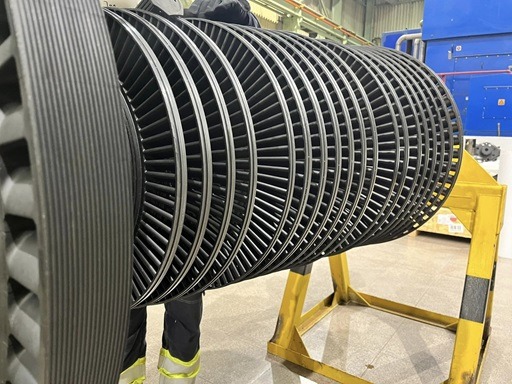
Categories
Uncategorized

Steam Turbines in Food and Beverage Processing

Steam Turbines in Food and Beverage Processing

Steam Turbines in Food and Beverage Processing: Steam turbines are critical components in the generation of mechanical energy from thermal energy in various power generation systems, including both electrical power plants and industrial processes. These devices operate by utilizing steam, typically generated in a boiler, which is directed onto blades or vanes connected to a rotor. The steam, often produced from the combustion of fossil fuels or the harnessing of nuclear energy, carries thermal energy that is converted into mechanical energy by the movement of the steam blades.

The basic operating principle of a steam turbine revolves around the conversion of high-pressure, high-temperature steam into kinetic energy as it passes through the turbine’s rotor. The steam, when it expands through the turbine stages, undergoes a pressure and temperature drop, causing the steam’s velocity to increase, which in turn causes the turbine blades to rotate. This rotational energy is then transmitted to a generator, where it is further converted into electrical energy, or it may be used directly in mechanical processes, depending on the application.

Steam Turbines

The steam turbine typically consists of several stages, each of which includes a set of fixed blades (stators) and rotating blades (rotors). These stages are designed to extract energy from the steam progressively, with each stage taking advantage of the decreasing pressure and temperature of the steam. The initial stage may handle high-pressure steam, while the subsequent stages work with lower pressure and lower-temperature steam.

In power generation, steam turbines are often used in Rankine cycle-based systems, where the steam is generated in a boiler, then expanded through the turbine, and finally condensed in a condenser. This cycle is thermodynamically efficient in that it maximizes the conversion of thermal energy into mechanical energy, though losses due to heat dissipation and mechanical friction are inevitable.

A variety of different steam turbines are designed for specific applications, including back-pressure turbines, condensing turbines, and extraction turbines. Condensing turbines are used in power plants where the exhaust steam is condensed in a condenser and the resulting water is pumped back into the boiler. Back-pressure turbines, on the other hand, are employed in situations where the exhaust steam is utilized for district heating or industrial processes, and the turbine’s exhaust pressure is maintained at a level suitable for these applications.

In addition to the mechanical aspects of steam turbines, there are many considerations that affect their performance and efficiency. These include the design of the blades, the quality of the steam, the operating conditions, and the materials used in the construction of the turbine. Advanced steam turbines may incorporate features such as regenerative heating or reheat cycles, which improve the overall thermodynamic efficiency of the cycle by recovering some of the heat from the exhaust steam or reheating the steam before it enters the turbine.

Materials technology also plays an essential role in steam turbine performance, especially when operating at high temperatures and pressures. The materials used for turbine blades and rotors must be able to withstand not only the thermal stresses but also mechanical stresses due to high rotational speeds. These materials often involve specialized alloys that offer a balance between high-temperature strength, resistance to corrosion, and fatigue resistance.

Another key aspect of steam turbine operation is the monitoring and control of various parameters, including steam flow rate, pressure, temperature, and rotational speed. Modern turbines are often equipped with sophisticated sensors and control systems that allow for real-time monitoring of performance, as well as automated adjustments to optimize efficiency and prevent damage due to operating outside of safe parameters.

Overall, steam turbines remain an essential component in many industries, ranging from power generation to chemical processing and desalination. Their ability to efficiently convert thermal energy into mechanical power, their versatility in various configurations, and their scalability make them indispensable in modern energy production and industrial applications. However, their development and operation continue to evolve with advances in materials, design, and technology to meet growing demands for efficiency, sustainability, and environmental performance.

The development of steam turbines has been marked by continuous advancements in efficiency, durability, and versatility. In particular, the ongoing trend toward larger, more efficient units has driven significant innovations. As the demand for cleaner, more sustainable energy increases, modern steam turbines are being designed with greater attention to reducing fuel consumption and lowering emissions. Innovations in steam turbine technology are closely tied to improvements in boiler efficiency, heat recovery systems, and emissions control technologies. These efforts aim to optimize the overall thermodynamic cycle, ensuring that every unit of energy produced from combustion is harnessed as effectively as possible.

One significant development in steam turbine technology is the use of high-efficiency materials and coatings, particularly for components exposed to the highest temperatures and pressures, such as turbine blades and nozzles. These materials, often based on advanced alloys and ceramic composites, are designed to withstand the harsh conditions inside a turbine, while also preventing damage from erosion and corrosion. The use of advanced coatings, such as thermal barrier coatings, has become common practice in ensuring that turbine components can maintain their integrity over longer operational lifetimes. Additionally, coatings can help mitigate the degradation of the turbine blades due to the corrosive nature of the steam, which may contain trace amounts of salts, acids, or other impurities.

Another significant area of progress in steam turbine technology is the integration of digital and automation systems to enhance performance and reliability. Advanced sensors and control systems now allow operators to monitor a wide array of parameters in real-time, including pressure, temperature, vibration, and rotational speed, making it easier to identify potential issues before they result in failure. This integration of digital technologies, known as predictive maintenance, leverages big data and machine learning algorithms to analyze operational data and predict when a turbine component might fail, allowing for maintenance to be scheduled proactively rather than reactively. This can help avoid unplanned downtime, reduce operational costs, and extend the overall lifespan of the turbine.

The thermal efficiency of steam turbines also benefits from the implementation of combined cycle power plants, where the waste heat from the steam turbine is used to drive a secondary gas turbine. This dual-cycle operation, known as a combined-cycle plant, significantly improves the overall efficiency of electricity generation by capturing and reusing heat that would otherwise be wasted. Combined-cycle plants are now some of the most efficient power plants in the world, with thermal efficiencies exceeding 60%. The use of such plants is a key part of global efforts to reduce carbon emissions, as they can generate more electricity from the same amount of fuel, thus reducing the environmental footprint.

In addition to energy generation, steam turbines also play a pivotal role in industrial applications, particularly in refineries, chemical plants, and paper mills. These industries rely on steam turbines to provide both mechanical and electrical power, as well as to drive compressors, pumps, and other critical machinery. The versatility of steam turbines in various industrial processes is enhanced by their ability to operate in both constant and variable load conditions, as well as by their ability to handle steam from different sources, including waste heat and cogeneration systems.

One particularly important development in industrial applications is the rise of small-scale, modular steam turbines designed for use in decentralized energy production. These smaller turbines can be employed in localized power generation, such as in remote communities, off-grid locations, or industrial plants where access to large-scale power infrastructure may be limited. By combining steam turbines with renewable energy sources, such as biomass or solar thermal energy, these systems can provide flexible, reliable, and sustainable power solutions in a variety of settings.

Moreover, steam turbines are also being adapted for use in renewable energy applications, particularly in the context of waste heat recovery and low-carbon energy systems. For instance, there has been growing interest in using steam turbines in conjunction with geothermal energy, where the natural heat from the Earth is used to generate steam and drive a turbine. This process is particularly relevant in regions with significant geothermal resources, where steam turbines can offer a clean, renewable energy source with minimal environmental impact.

Likewise, concentrated solar power (CSP) systems, which focus sunlight to generate heat for power production, can also use steam turbines as part of their energy conversion process. In these systems, steam is produced from the heat generated by concentrated solar energy, which then drives the turbine to produce electricity. This hybrid approach helps address one of the primary challenges of solar power—its intermittent nature—by incorporating thermal storage systems that allow energy to be stored and used even when the sun is not shining.

Looking to the future, steam turbines are expected to continue evolving in response to growing demands for cleaner, more efficient energy production. Technological advancements in computational fluid dynamics (CFD) and materials science will likely lead to further improvements in turbine efficiency, enabling turbines to operate at even higher temperatures and pressures. Furthermore, the development of advanced manufacturing techniques, such as 3D printing, could potentially reduce production costs and lead to more complex and optimized turbine designs that are lighter, stronger, and more efficient.

As global efforts to combat climate change intensify, steam turbines will likely remain an important part of the energy mix, particularly as part of combined heat and power (CHP) systems, cogeneration plants, and hybrid energy systems. Their ability to provide reliable, scalable, and high-efficiency power generation in a variety of applications will ensure their continued relevance, even as renewable energy sources become more prominent.

The future of steam turbine technology also hinges on the continued evolution of grid integration and energy storage solutions. As more renewable energy sources, such as wind and solar, are integrated into power grids, steam turbines will likely play an increasingly important role in stabilizing grid operations. One of the key challenges with renewable energy is its intermittent nature, where electricity generation fluctuates based on factors such as weather conditions or time of day. Steam turbines, especially when combined with energy storage systems such as batteries or thermal storage, can help smooth out these fluctuations by providing reliable backup power when renewable generation is insufficient.

In many countries, steam turbines are also being looked at as a critical component in the transition to hydrogen-powered energy systems. Hydrogen, when used as a fuel, offers the potential for clean energy generation with water vapor as the only byproduct. The possibility of using hydrogen to power steam turbines presents an exciting avenue for reducing the carbon footprint of conventional power plants. The high energy content of hydrogen means that, in theory, it can be burned or converted into steam to drive turbines with little to no emissions. However, significant research is still needed to understand how steam turbines can be optimized to operate efficiently with hydrogen as a fuel source, considering factors like combustion characteristics and material stress caused by the unique properties of hydrogen.

Another emerging concept that might shape the future of steam turbines is the development of supercritical and ultra-supercritical steam cycles. These cycles operate at much higher pressures and temperatures than traditional subcritical cycles, allowing for greater thermal efficiencies. Supercritical steam cycles, which operate above the critical point of water (374°C and 22.06 MPa), offer a more efficient conversion of thermal energy into mechanical energy, making them ideal for high-efficiency power plants. Ultra-supercritical turbines take this a step further, operating at even higher pressures and temperatures to achieve even greater efficiency. The challenge with these systems lies in material durability, as the extreme conditions can lead to issues such as creep, fatigue, and corrosion over time. Advances in material science, particularly the development of advanced high-temperature alloys and ceramics, are essential to making ultra-supercritical turbines a viable option for next-generation power plants.

While steam turbines have traditionally been associated with large-scale, central power generation, there is also growing interest in using them for small-scale, distributed generation. This shift is partly driven by the growing trend toward decentralized energy systems, which allow for more localized, resilient, and flexible power generation. Small modular reactors (SMRs), for instance, could utilize steam turbines to generate electricity from nuclear reactions on a smaller scale, making nuclear energy more accessible and adaptable to different locations and needs. Similarly, small-scale combined heat and power (CHP) systems using steam turbines could provide reliable, on-demand energy for commercial and industrial applications, as well as for residential communities, particularly in remote areas or regions with unreliable grid access.

Beyond power generation, steam turbines are also finding applications in newer sectors such as carbon capture, utilization, and storage (CCUS). In these systems, steam turbines can be used to drive compressors that capture CO2 from industrial processes or power plants. The captured CO2 can then be transported and stored underground or used for other purposes, such as in enhanced oil recovery or in the production of synthetic fuels. The integration of steam turbines in CCUS processes is critical for reducing emissions from hard-to-decarbonize industries, like cement, steel, and chemicals, which contribute significantly to global greenhouse gas emissions.

On a broader scale, the future of steam turbines is closely tied to global energy policy and the drive toward a low-carbon economy. As governments around the world continue to set ambitious targets for reducing greenhouse gas emissions, the need for cleaner and more efficient power generation technologies will only intensify. Steam turbines will play a central role in achieving these goals, particularly in the context of power plants that rely on a combination of renewable, nuclear, and hydrogen energy sources.

The role of steam turbines in the decarbonization of the energy sector is increasingly important in the context of achieving global climate goals, such as those outlined in the Paris Agreement. By improving efficiency, reducing emissions, and enabling the integration of low-carbon energy sources, steam turbines can contribute significantly to mitigating the impacts of climate change. However, this will require ongoing innovation, investment, and research to ensure that steam turbines are equipped to meet the demands of a rapidly changing energy landscape.

In the context of industrial decarbonization, steam turbines are likely to remain indispensable in sectors such as steel manufacturing, cement production, and chemical processing. These industries rely heavily on high-temperature heat for their processes, and steam turbines, when integrated into cogeneration systems, can help reduce the carbon footprint of these energy-intensive sectors. By coupling steam turbines with renewable energy sources and carbon capture technologies, industries can reduce their reliance on fossil fuels while maintaining the high levels of energy and heat required for their operations.

In conclusion, the future of steam turbines is poised to be shaped by a combination of technological advancements, evolving energy demands, and global environmental goals. As energy systems become more integrated, flexible, and sustainable, steam turbines will continue to play an essential role in the efficient generation of mechanical and electrical power. With ongoing improvements in materials, design, and digital technologies, steam turbines will remain a cornerstone of both traditional and emerging energy systems, ensuring reliable and low-carbon power generation for the decades to come.

Steam turbines for solar-thermal energy integration

The integration of steam turbines with solar-thermal energy systems, particularly in concentrated solar power (CSP) plants, represents a promising path toward achieving more sustainable and efficient energy generation. Solar-thermal energy systems, as opposed to photovoltaic solar systems, utilize mirrors or lenses to concentrate sunlight onto a small area, typically a receiver, where the concentrated heat is used to generate steam. This steam can then drive a steam turbine to produce electricity, much like in conventional fossil-fuel or nuclear power plants.

One of the key advantages of integrating steam turbines into CSP systems is their ability to produce electricity not just during the day when sunlight is available, but also during periods of low or no sunlight, such as at night or during cloudy weather. This is made possible by incorporating thermal energy storage systems, which allow the collected solar energy to be stored as heat in materials like molten salt, concrete, or other heat-retaining substances. The stored heat can then be released as needed to generate steam, which drives the turbine even when solar radiation is not available.

In a typical CSP plant using steam turbines, the concentrated solar energy heats a working fluid, such as water or oil, which is then used to generate high-pressure steam. This steam is directed into the steam turbine, where it expands through multiple stages, transferring its thermal energy into mechanical energy that rotates the turbine blades. The rotational energy is then converted into electricity by a connected generator. The use of steam turbines in CSP plants mirrors the processes used in traditional thermal power plants but replaces fossil fuels with solar energy as the heat source.

The integration of steam turbines into CSP plants offers several key benefits:

1. Efficiency Enhancement through Combined Heat and Power (CHP):

By combining solar-thermal energy with steam turbines, CSP plants can achieve higher overall efficiency. Unlike photovoltaic solar panels, which convert sunlight directly into electricity with relatively low efficiency, CSP systems have the potential to achieve higher efficiencies due to their ability to concentrate sunlight and use heat directly to generate steam. When thermal storage systems are added, CSP plants can maintain a continuous power output, overcoming the intermittency challenge associated with solar energy. The heat stored during the day can be used to produce steam and power turbines even during periods when the sun isn’t shining, providing a more stable and reliable power supply.

2. Thermal Energy Storage:

Thermal energy storage (TES) is one of the key innovations that enables steam turbines in CSP plants to provide dispatchable power. The most common form of TES used in CSP systems is molten salt storage, where salts such as sodium nitrate and potassium nitrate are heated to high temperatures and stored in insulated tanks. This thermal storage medium can retain heat for many hours, allowing for the generation of steam and the driving of turbines after sunset or on cloudy days. The ability to store solar energy as heat and convert it into steam for turbine-driven electricity generation ensures a reliable and flexible energy source, increasing the overall capacity factor of the solar-thermal plant.

3. Reduced Emissions and Fuel Dependency:

One of the strongest arguments for the integration of steam turbines in solar-thermal energy systems is their potential to reduce reliance on fossil fuels. Since solar-thermal energy is a renewable resource, using it to generate steam for turbines reduces the need for coal, natural gas, or oil in power generation. This reduction in fossil fuel use significantly cuts greenhouse gas emissions and other pollutants associated with traditional thermal power plants. In combination with carbon capture, utilization, and storage (CCUS) technologies, CSP plants with steam turbines can offer a near-zero-emissions solution for power generation, contributing to global decarbonization efforts.

4. Scalability and Flexibility:

CSP systems with steam turbines can be scaled up or down depending on the needs of the region or facility. Large utility-scale CSP plants, which can generate hundreds of megawatts (MW) of electricity, are typically designed with large-scale thermal storage systems and advanced turbine technology to provide consistent power. However, smaller, modular CSP systems can also be built, with their turbine systems adapted to match the scale of the installation. This scalability makes CSP with steam turbines a versatile solution for various regions, from remote areas to large metropolitan centers, and enables integration with existing power grids.

5. Hybrid Systems with Other Renewable Energy Sources:

Another promising direction for CSP systems with steam turbines is their hybridization with other renewable energy sources, such as wind or biomass. Hybrid systems that combine CSP with wind or biomass can provide an even more stable and resilient power supply by smoothing out fluctuations in renewable generation. For example, when wind power is strong but solar energy is weak, the CSP plant can be used to provide supplementary power through stored thermal energy, and vice versa. This integration of multiple renewable sources not only helps ensure a more reliable supply of electricity but also improves the overall efficiency of the system by balancing power generation across different sources.

6. Operational Challenges and Future Developments:

While CSP with steam turbines offers clear benefits, there are also several challenges that need to be addressed to improve the technology’s efficiency, reliability, and cost-effectiveness. One significant challenge is the high initial capital cost of CSP plants, including the cost of mirrors, receivers, thermal storage systems, and the steam turbine infrastructure. However, costs are expected to continue falling as technology improves and economies of scale are realized.

Additionally, the materials used for steam turbines in CSP plants must be capable of withstanding higher temperatures and thermal stresses compared to those used in conventional fossil fuel or nuclear power plants. Advances in materials science are crucial to ensuring the durability and performance of these turbines under such extreme conditions. New materials and coatings that resist corrosion, oxidation, and high-temperature wear are essential to extending the lifespan and maintaining the efficiency of steam turbines in CSP applications.

7. Global Trends and Future Outlook:

As the global demand for clean energy grows, CSP with steam turbines is likely to play an increasing role in the energy mix. Countries with abundant solar resources, particularly those in regions like the Middle East, North Africa, and parts of the United States, are well-positioned to deploy large-scale CSP plants with steam turbines. CSP plants are particularly attractive in sunny, arid regions where land availability is not a limiting factor and where thermal storage can help bridge the gap between daytime solar generation and nighttime demand.

Furthermore, the continuing research and development of advanced heat transfer fluids (HTFs), such as supercritical CO2, will likely increase the efficiency and cost-effectiveness of CSP systems, allowing for more widespread deployment of steam turbines. Supercritical CO2 offers a promising alternative to traditional heat transfer fluids like water or molten salt, as it operates at higher temperatures and pressures, potentially improving both the thermal efficiency and the operational flexibility of CSP plants.

Conclusion:

Incorporating steam turbines into solar-thermal energy systems, especially concentrated solar power (CSP) plants, represents a significant step toward making solar energy more reliable, efficient, and commercially viable. The ability to store thermal energy and convert it into electricity on demand through steam turbines addresses one of the key challenges of renewable energy: intermittency. With ongoing technological advancements, reductions in costs, and improvements in materials, CSP systems with steam turbines could become a cornerstone of the global transition to a low-carbon, sustainable energy future. By harnessing the power of the sun and converting it into clean, dispatchable energy, these systems provide a powerful tool for tackling the energy challenges of the 21st century.

The integration of steam turbines into solar-thermal energy systems, particularly through concentrated solar power (CSP) plants, holds great promise for enhancing the efficiency and reliability of renewable energy generation. By using mirrors or lenses to concentrate sunlight onto a receiver, CSP systems can produce heat that is used to generate steam, which in turn drives a steam turbine connected to a generator. This process mimics conventional power plants that rely on fossil fuels or nuclear energy, but instead of using combustion to generate heat, CSP plants harness solar energy.

A major advantage of this integration is that steam turbines in CSP plants can not only produce electricity during the day when sunlight is available but also during periods when the sun is not shining, such as at night or during cloudy weather. This is made possible by thermal energy storage (TES) systems, which store the heat collected by the solar receivers for later use. Materials like molten salts, which have high thermal storage capacities, are typically used for this purpose. These salts can store heat for several hours, allowing CSP plants to continue generating steam and driving turbines even when solar radiation is not present. This ability to store energy makes CSP systems with steam turbines highly flexible, ensuring that they can provide a stable and dispatchable power supply.

The use of steam turbines in CSP systems also enhances the overall efficiency of the energy conversion process. Unlike photovoltaic solar panels, which convert sunlight directly into electricity with relatively lower efficiencies, CSP systems can operate at higher efficiencies due to their ability to concentrate sunlight and convert it into high-temperature heat. This heat is then transferred to a working fluid that generates steam, which powers the turbine. When combined with thermal storage, CSP systems can offer a continuous supply of electricity, overcoming the intermittency issue that is often associated with solar power generation. The integration of steam turbines in this context provides not just renewable power but a more consistent and reliable source of electricity compared to other solar technologies.

In terms of emissions, CSP systems with steam turbines present a significant environmental advantage over traditional fossil-fuel power plants. By replacing the need for coal, oil, or natural gas, these solar-thermal systems can dramatically reduce greenhouse gas emissions and the pollutants typically associated with conventional thermal power generation. Additionally, as the world moves toward decarbonization and aims to achieve net-zero emissions by mid-century, CSP systems are seen as a key technology for providing clean, renewable, and sustainable energy.

The potential for hybrid systems also adds to the appeal of CSP with steam turbines. By combining solar-thermal energy with other renewable sources, such as wind or biomass, CSP plants can offer more consistent and resilient power. For instance, when solar energy production is low due to weather conditions or time of day, wind energy could supplement the power generation, or vice versa. Such hybrid systems could provide the flexibility to balance renewable generation, reduce reliance on grid power, and enhance the overall efficiency of power plants. This versatility in generation capacity is an attractive feature for utilities and energy producers looking to meet growing energy demands while reducing their carbon footprint.

As CSP technology advances, one of the main challenges is cost, especially in the initial stages of plant development. The capital investment required to build CSP systems with thermal storage and steam turbines remains relatively high compared to other renewable technologies, such as photovoltaic solar or wind. However, costs are expected to decrease as the technology matures, economies of scale are realized, and manufacturing processes become more efficient. In the long term, this reduction in costs, along with the increasing efficiency of thermal storage and turbine technology, will likely make CSP systems with steam turbines more competitive in the global energy market.

Another challenge lies in the durability and performance of the materials used in steam turbines. Given the high temperatures and pressures involved in CSP systems, the materials for turbine blades, pipes, and heat exchangers must be carefully selected to withstand extreme thermal and mechanical stresses. Advances in materials science, including the development of advanced alloys and coatings that can resist oxidation, erosion, and high-temperature damage, are critical for ensuring the long-term reliability of these turbines. Furthermore, the use of supercritical CO2 as a heat transfer fluid is being explored as a way to increase the efficiency of CSP systems, as CO2 can operate at higher temperatures and pressures than traditional fluids like water or molten salt.

Despite these challenges, the potential benefits of integrating steam turbines with solar-thermal energy are significant. CSP systems with steam turbines can provide reliable, dispatchable power, which is essential for grid stability, especially in regions where renewable energy sources like wind and solar dominate the energy mix. By providing a consistent power supply that complements other renewable sources, CSP plants can help to reduce the reliance on fossil fuels and promote a more sustainable energy future. Moreover, the ability to store thermal energy and generate electricity even when solar energy is not available gives CSP plants a unique advantage over other solar technologies.

In the coming years, CSP with steam turbines is expected to play an increasingly important role in the global energy landscape, especially in regions with abundant sunlight and significant land availability. As the technology continues to evolve, with improvements in efficiency, cost, and scalability, CSP plants will become a key tool in the transition to a low-carbon energy system. The combination of solar-thermal energy and steam turbines offers a powerful solution for addressing the challenges of energy reliability, grid stability, and decarbonization, making it an essential component of a sustainable and resilient energy future.

As CSP systems with steam turbines continue to mature, we are seeing advancements that further enhance their potential for large-scale adoption. The evolution of these systems is not only about improving thermal efficiency but also about integrating more sophisticated technologies that enable better performance, lower costs, and greater flexibility in energy generation.

One area of innovation is in the development of next-generation thermal energy storage technologies. While molten salts are the most common medium used for thermal storage in CSP systems today, researchers are exploring alternative materials and methods that could offer better thermal storage capacities, lower costs, and enhanced performance. These new storage technologies, such as phase-change materials or advanced thermochemical storage systems, have the potential to further extend the operational hours of CSP plants, enabling them to generate electricity for longer periods without sunlight. Such improvements in storage will make CSP systems even more competitive with other forms of power generation and further mitigate the intermittency issues of solar power.

At the same time, heat exchangers and advanced materials used in steam turbines are undergoing rapid improvement. These components must be able to handle the high temperatures and thermal cycling associated with CSP operations without degrading over time. New alloys, ceramics, and coatings are being developed to ensure that turbine blades, nozzles, and other critical parts can withstand the extreme conditions of CSP plants, maintaining performance and efficiency over the long term. Additionally, these materials are being optimized to resist corrosion and erosion, which are significant concerns when dealing with high-temperature, high-pressure steam.

The potential for supercritical steam cycles in CSP plants is another area of growing interest. Supercritical steam cycles operate at pressures and temperatures above the critical point of water, offering significantly improved thermal efficiency compared to subcritical cycles. In conventional thermal power plants, supercritical and ultra-supercritical steam cycles have already shown to improve overall plant efficiency by more than 10%. If CSP plants can integrate supercritical steam cycles, the overall efficiency of solar-thermal energy conversion could increase significantly, making CSP even more cost-competitive with traditional energy sources like coal and natural gas.

Hybridization of CSP with other renewable energy sources is also gaining momentum. By combining CSP systems with wind energy or biomass, power plants can better balance the fluctuations in renewable generation, ensuring a more stable and continuous energy supply. For example, when solar energy production is low due to cloud cover, wind energy could compensate for the loss, or vice versa. This hybrid approach ensures grid stability while optimizing the use of renewable resources. Furthermore, combining CSP with energy storage systems like large-scale batteries could provide an additional layer of reliability, allowing plants to store excess energy when generation exceeds demand and release it when solar energy is insufficient.

As CSP technology continues to evolve, the economic viability of these systems is steadily improving. The reduction in capital costs, driven by advancements in manufacturing and increased competition in the renewable energy market, is making CSP plants with steam turbines more attractive for investors and utility companies. The economies of scale that are being realized as larger, more efficient plants are built will likely further reduce costs, making CSP an increasingly viable alternative to fossil-fuel-based generation.

One of the more exciting aspects of CSP integration with steam turbines is the potential for local energy generation in regions that have significant solar resources. For example, countries with vast desert areas—like those in the Middle East, North Africa, and parts of the Southwestern United States—are ideal candidates for large-scale CSP deployment. In these regions, where land availability is abundant, CSP plants can be built to harness solar energy on a massive scale, with steam turbines providing reliable, round-the-clock power. Moreover, CSP plants can often be built in modular configurations, which makes them adaptable to smaller or distributed energy generation projects as well.

Beyond electricity generation, desalination is another promising application for CSP with steam turbines. Many coastal regions that rely on desalination for fresh water could benefit from solar-thermal systems integrated with steam turbines. CSP plants, using their thermal energy to power desalination processes, could provide both electricity and potable water for water-scarce regions. This hybrid approach to energy and water production is especially important in arid areas where both energy and water are critical resources.

The integration of steam turbines into solar-thermal systems also offers potential synergies with existing infrastructure. CSP plants can be integrated into regions that already have large-scale thermal power infrastructure, particularly in areas where there is a need to reduce emissions from traditional fossil-fuel-based generation. By retrofitting existing power plants to incorporate solar-thermal collectors and steam turbines, these facilities can reduce their carbon footprint while maintaining a steady supply of electricity. This transition to hybrid systems could also extend the operational life of existing plants, helping to transition away from coal and natural gas without significant upfront capital costs.

Furthermore, advancements in grid integration are critical to the future success of CSP with steam turbines. The ability to seamlessly integrate renewable energy sources into the grid is an ongoing challenge, particularly in regions where grid infrastructure is outdated or incapable of handling the variability of renewable generation. As the grid becomes smarter and more flexible, with the integration of advanced energy management systems, CSP plants with steam turbines will be better equipped to provide reliable power on demand, reducing the need for backup power from fossil fuel plants.

The global push for decarbonization continues to drive the adoption of renewable energy technologies, including CSP with steam turbines. As countries around the world set ambitious targets to reduce their carbon emissions, CSP plants with thermal storage and steam turbines offer a viable solution for meeting both energy demand and sustainability goals. In regions that are heavily dependent on fossil fuels for power generation, transitioning to CSP systems could significantly cut emissions, contribute to energy independence, and create new economic opportunities in the renewable energy sector.

In conclusion, the future of CSP with steam turbines looks promising, with advancements in storage technology, materials science, and hybrid energy systems all playing a role in enhancing their efficiency and cost-effectiveness. As the technology matures, CSP plants integrated with steam turbines could become a key player in the global transition to a sustainable and low-carbon energy future. With continued research, innovation, and investment, solar-thermal power systems can help meet the growing global demand for clean, reliable, and affordable energy.

The ongoing development of CSP systems with steam turbines is positioned to play an essential role in the global transition to a low-carbon economy, especially as nations continue to increase their focus on achieving net-zero emissions. A pivotal aspect of this progress lies in the scalability and adaptability of CSP systems, enabling them to meet diverse energy demands in a variety of regions and industries. As the technology continues to improve and costs decline, CSP with steam turbines is expected to become an increasingly viable option for both large utility-scale projects and smaller, more distributed energy systems.

One area where CSP systems with steam turbines can make a significant impact is in the decentralization of power generation. While large-scale CSP plants in deserts or arid regions may continue to provide electricity to major grids, there is also a growing interest in deploying smaller-scale CSP systems that are more localized. These smaller systems, integrated with steam turbines, could provide reliable and sustainable electricity for isolated communities, industrial operations, or even remote agricultural applications, where access to the grid is limited or unavailable. This decentralization of energy generation has the potential to increase energy security, reduce transmission losses, and enable regions with abundant solar resources to meet their own power needs independently of larger grid infrastructures.

In addition to providing electricity, CSP systems integrated with steam turbines offer another layer of potential value by facilitating combined heat and power (CHP) applications. CHP systems allow for the simultaneous production of both electricity and useful thermal energy, which can be used in industrial processes, district heating, or even desalination. By capturing and utilizing the excess thermal energy from steam production, CSP plants can significantly improve overall energy efficiency. This dual benefit of power generation and heat production could make CSP plants even more attractive in industrial regions, where both electricity and process heat are in high demand.

Another emerging opportunity for CSP with steam turbines lies in industrial decarbonization. Many industries, particularly those that rely on high-temperature heat for their operations, are among the most challenging to decarbonize. These include cement, steel, chemical production, and refining industries, which typically require vast amounts of thermal energy. By incorporating solar-thermal systems that use steam turbines into these industrial processes, companies can reduce their dependence on fossil fuels, lowering both their operating costs and carbon emissions. CSP plants with steam turbines can be integrated into industrial facilities, replacing conventional boilers or natural gas-fired turbines with clean, solar-powered steam generation systems.

One of the most promising areas for CSP systems with steam turbines is in hybridized applications. As the global energy mix shifts toward renewables, the ability to combine different renewable energy technologies to optimize power generation will be increasingly important. CSP systems with steam turbines are an ideal candidate for hybridization with other renewable sources like wind, hydroelectric, or geothermal energy. For example, in regions where solar energy is abundant during the day but often supplemented by strong winds at night, combining CSP with wind power could provide a continuous and stable supply of electricity to the grid. Similarly, when CSP systems are deployed in regions with significant geothermal resources, a hybrid approach could maximize the use of both solar-thermal and geothermal energy, further reducing the need for backup fossil-fuel power plants.

The flexibility and resilience provided by hybrid systems also support grid stabilization, particularly in areas where the energy mix is heavily reliant on intermittent renewable sources like wind and solar. CSP systems with steam turbines can help balance supply and demand by storing thermal energy and releasing it during times when other renewable sources are not generating sufficient power. This dispatchability is a major advantage over other renewable technologies, which may not be able to provide consistent, on-demand energy. As grids become more complex and interconnected, technologies like CSP with steam turbines that offer both stability and flexibility will be crucial for maintaining grid reliability.

In terms of energy storage, while molten salts and other thermal storage media continue to be the dominant solutions for CSP plants, innovations in battery storage and advanced grid integration are beginning to offer even more possibilities for long-term energy storage. Battery technologies, such as lithium-ion and solid-state batteries, can store electricity generated from CSP plants and other renewable sources, allowing the stored energy to be dispatched when needed. Combined with thermal energy storage, these technologies could offer an integrated solution for grid stabilization, ensuring that power generation from CSP systems is available when it is most needed.

Additionally, the ongoing development of hydrogen production technologies is poised to complement CSP systems with steam turbines. The process of electrolysis, where electricity is used to split water into hydrogen and oxygen, can be powered by renewable electricity from CSP plants. The hydrogen produced through this process can then be used as a clean fuel for a variety of applications, including transportation, industrial processes, and even power generation. By integrating hydrogen production with CSP systems, it’s possible to create a closed-loop renewable energy system where solar power is stored as hydrogen and later used for power or other energy needs. This combination of solar-thermal energy and hydrogen production has the potential to be a game-changer in the pursuit of net-zero emissions.

Beyond electricity generation and energy storage, CSP plants with steam turbines also have the potential to play a key role in the production of green fuels. As part of the global effort to decarbonize sectors like aviation, shipping, and heavy-duty transportation, the production of synthetic fuels or biofuels will become increasingly important. CSP systems can be integrated into power-to-x technologies, which convert excess renewable electricity into useful forms of energy such as synthetic gas, methanol, or liquid fuels. These fuels can be used in sectors that are difficult to electrify, offering a versatile solution to global decarbonization goals.

Finally, regulatory frameworks and government policies will play a major role in the future growth of CSP systems with steam turbines. As many countries have already committed to reducing their greenhouse gas emissions, renewable energy mandatescarbon pricing, and clean energy subsidies will likely drive further investment in solar-thermal technologies. Governments around the world can support the growth of CSP by providing incentives for research and development, as well as funding for large-scale pilot projects that demonstrate the viability of CSP technology in diverse geographical locations.

In conclusion, CSP systems integrated with steam turbines are not only a promising solution for generating reliable, dispatchable renewable energy but also offer a multitude of applications across industrial sectors, energy storage, and hybrid power generation. As technology continues to evolve, CSP with steam turbines will be increasingly crucial in the global effort to decarbonize the energy sector, improve energy security, and create a sustainable, low-carbon future. With further advancements in materials, energy storage, grid integration, and hybridization with other renewable technologies, CSP will continue to play a pivotal role in meeting the world’s growing energy demands in a cleaner, more sustainable way.

As the demand for clean energy intensifies, the role of CSP systems with steam turbines will become even more critical in addressing energy challenges worldwide. The combination of renewable solar energy with thermal energy storage and steam turbines is not only a technical solution but also an economic opportunity. With global energy markets increasingly focused on decarbonization, CSP has the potential to significantly disrupt traditional energy paradigms. The future of CSP with steam turbines will be shaped by several emerging trends, which include innovations in turbine technology, cost reduction, enhanced grid integration, and increased focus on sustainability across the entire lifecycle of CSP projects.

One of the main drivers of the future success of CSP systems is the ongoing improvement in turbine technology. As steam turbines continue to evolve, their ability to operate at higher temperatures and pressures—facilitated by advancements in materials science—will unlock greater efficiencies. The integration of advanced cooling technologies and optimized turbine designs will allow steam turbines to generate more electricity per unit of thermal energy, increasing the overall efficiency of CSP plants. Moreover, digitalization and smart grid integration will help optimize turbine performance in real-time. Through advanced sensors, predictive analytics, and AI-based algorithms, operators will be able to fine-tune turbine operation for maximum efficiency, reduce downtime, and minimize maintenance costs.

The cost trajectory for CSP plants with steam turbines is also heading in a favorable direction. Historically, the upfront capital costs for CSP systems, including the installation of mirrors, thermal storage systems, and steam turbines, have been a barrier to widespread adoption. However, as the global market for renewable energy expands and more CSP plants are built, the economies of scale will drive down the cost of components and installation. In particular, the cost of thermal storage is expected to fall as innovations in storage media and improved manufacturing processes lower the price of molten salts, phase-change materials, and other thermal storage solutions. Additionally, increased competition in the renewable energy sector, along with government incentives and policies promoting clean energy adoption, will accelerate the reduction in capital costs, making CSP with steam turbines an increasingly cost-competitive option compared to other renewable technologies and traditional fossil-fuel-based generation.

The integration of CSP with the power grid will continue to be a key area of development. As renewable energy sources like solar and wind become more dominant, the need for stable and flexible grid systems will intensify. CSP plants with steam turbines, equipped with thermal storage, are well-positioned to provide a steady and reliable flow of electricity, compensating for the intermittency of other renewable sources. The role of grid-scale energy storage technologies such as batterieshydrogen storage, and pumped hydro will complement CSP plants in maintaining grid stability. With the right mix of energy storage and smart grid technology, CSP systems can provide baseload and peaking power, ensuring a consistent energy supply and reducing the reliance on fossil fuels for grid balancing.

Moreover, grid integration is not limited to large-scale plants alone. Microgrids and distributed CSP systems are gaining traction, especially in remote or off-grid locations. Small-scale CSP plants with steam turbines could offer communities and industries a decentralized source of reliable and clean power, with the added benefit of energy independence. These smaller systems can be integrated with local renewable resources, such as wind or biomass, providing a tailored energy solution that is resilient to fluctuations in external energy supplies. In addition, CSP with steam turbines could be coupled with desalination plants to provide both electricity and freshwater to regions that face both energy and water scarcity, offering a two-fold solution to the pressing needs of many parts of the world.

CSP systems also offer a significant opportunity for industrial decarbonization. Many industrial sectors, such as cementsteel, and chemical production, require large amounts of heat at high temperatures, which are traditionally supplied by burning fossil fuels. Integrating solar-thermal systems that use steam turbines into these industries could dramatically reduce their carbon emissions, contributing to a greener industrial sector. This approach to decarbonization aligns with the growing trend of corporate sustainability initiatives, where industries are seeking cleaner alternatives to reduce their carbon footprint. In some cases, CSP plants with steam turbines could replace natural gas boilers or other fossil-fuel-based systems, achieving significant reductions in greenhouse gas emissions while maintaining process heat needs.

Furthermore, hybrid systems that combine CSP with other low-carbon technologies could further improve the economic and environmental performance of energy systems. For instance, pairing CSP plants with battery energy storage systems (BESS) can offer enhanced dispatchability, allowing CSP-generated electricity to be stored and released during periods of high demand or when solar generation is low. Likewise, hybridizing CSP with wind power or biomass could create a resilient and diversified renewable energy mix that ensures consistent electricity production across varying weather conditions. Such hybrid systems could provide 24/7 clean power, particularly for regions with abundant renewable resources, offering a major advantage in terms of both grid stability and emissions reduction.

The environmental sustainability of CSP plants is another critical consideration. As interest in solar-thermal energy grows, the lifecycle impact of CSP systems will become an increasingly important factor in their widespread deployment. Environmental assessments of CSP projects will look not only at operational emissions but also at the carbon footprint associated with manufacturing and installing thermal storage systems, turbines, and mirrors. Ongoing improvements in material efficiency and the recycling of components will help reduce the environmental impact of CSP systems. Additionally, water usage—a critical factor in many CSP plants, especially those using steam cycles—can be optimized through dry cooling technologies and advanced water treatment processes, ensuring that CSP plants operate with minimal environmental degradation.

The global energy policy landscape will continue to shape the future of CSP systems. As countries and regions set more ambitious climate goals, the need for large-scale, reliable, and clean energy solutions will increase. Governments will play a crucial role by implementing policies that incentivize the development of CSP technologies and other renewable energy systems. This may include carbon pricing mechanismsfeed-in tariffsrenewable energy auctions, and investment in energy infrastructure. Such policies will foster an environment in which CSP with steam turbines can thrive, attract investment, and support the transition to a cleaner energy system.

Finally, public-private partnerships will be key to accelerating the development and deployment of CSP systems. Collaboration between governments, research institutions, and private industry can drive innovations in financing modelstechnological development, and infrastructure investments that make CSP more accessible and scalable. Large-scale CSP projects often require significant upfront investment, and leveraging public-private partnerships can help de-risk these projects and attract the necessary capital. Additionally, international cooperation on research, development, and deployment of CSP technologies can accelerate their global adoption, particularly in emerging markets where energy access is still a major challenge.

In summary, the future of CSP with steam turbines is bright, driven by advancements in technology, cost reductions, hybrid energy systems, and a global push for sustainability. With the right combination of innovationpolicy support, and market demand, CSP systems could become a cornerstone of the global energy transition. Their ability to provide dispatchable, reliable, and low-carbon power makes them an attractive option for countries seeking to meet their energy needs while addressing climate change. As the world increasingly turns to renewable energy, CSP with steam turbines will play a vital role in ensuring a cleaner, more resilient, and more sustainable energy future for generations to come.

As we look further into the future of CSP systems with steam turbines, several emerging trends and potential innovations could further accelerate their deployment and integration into global energy systems. This includes advancements in digital technologiesAI-driven optimizationmaterial innovations, and global collaboration that will make CSP more efficient, cost-effective, and adaptable to various local contexts.

One of the most promising directions for the future of CSP is the integration of digital technologies to improve both operational efficiency and overall performance. As the energy sector becomes increasingly digitalized, smart monitoring systemsadvanced sensors, and predictive analytics will play a crucial role in optimizing CSP plant operations. These technologies allow for real-time monitoring of plant conditions, detecting inefficiencies or mechanical failures before they cause significant downtime. Additionally, digital twins—virtual replicas of physical systems—can simulate various operating conditions and help engineers make data-driven decisions to improve turbine performance, reduce wear and tear, and extend the lifespan of equipment. This capability can significantly reduce operational and maintenance costs, improving the economics of CSP plants over their lifecycle.

In conjunction with these monitoring and optimization technologies, AI and machine learning will be increasingly deployed to improve the performance of CSP systems. AI algorithms can analyze vast amounts of operational data, predict energy output based on weather patterns, and optimize the dispatch of electricity from CSP plants in real-time. Machine learning can also help optimize the management of thermal storage, ensuring that excess heat is stored and utilized efficiently. Moreover, machine learning can improve fault detection and predictive maintenance, reducing downtime and extending the life of critical components such as steam turbines and thermal storage systems.

Another area where innovation will drive the future of CSP is in material science. As CSP systems typically operate under extreme conditions—high temperatures, intense pressure, and exposure to potentially corrosive environments—materials that are highly durable, heat-resistant, and corrosion-resistant are critical for the longevity of components like steam turbines, heat exchangers, and thermal storage systems. Researchers are focusing on developing high-temperature alloysceramic composites, and advanced coatings that can withstand the harsh operating conditions of CSP systems. New materials may not only improve efficiency but also reduce the frequency of maintenance, ultimately lowering operational costs.

One example is the development of superalloys that could allow steam turbines to operate at even higher temperatures and pressures than current materials permit. This would enable CSP plants to achieve higher thermal efficiencies, potentially exceeding 40% or more in some cases. Likewise, advanced coatings could protect turbine blades and heat exchangers from oxidation and erosion, extending their service life and improving the overall economic viability of CSP plants. These innovations in materials could be critical in ensuring that CSP technology remains competitive with other forms of renewable energy and traditional power generation.

Thermal storage innovations are another crucial area of progress for CSP systems. As storage technologies advance, the potential to increase the capacity and reduce the cost of thermal energy storage (TES) will be pivotal in enhancing the dispatchability and flexibility of CSP systems. Beyond molten salts, which are widely used today, new storage media—such as phase-change materials (PCMs), thermochemical storage materials, or liquid metals—are being explored for their ability to store heat more efficiently and at lower cost. PCMs, for instance, store energy by changing phase (from solid to liquid or vice versa) and can offer greater storage densities and potentially lower costs compared to molten salts.

Innovative thermal storage designs that allow for more modular, scalable systems will also play a role in expanding CSP capabilities. This flexibility could allow CSP plants to be scaled more easily to suit the energy needs of different regions, from large utility-scale plants to smaller, distributed installations in remote or off-grid areas. In some cases, these smaller systems could be directly integrated with other renewable technologies, such as wind or biomass, to create resilient hybrid systems that provide clean energy around the clock.

An exciting emerging application of CSP technology is the direct integration of CSP systems with hydrogen production. As hydrogen emerges as a key fuel for decarbonizing hard-to-abate sectors, CSP systems with steam turbines could play a critical role in producing green hydrogen. By using CSP-generated heat to power electrolysis (the process of splitting water into hydrogen and oxygen), CSP plants could produce hydrogen without emitting greenhouse gases. As hydrogen infrastructure grows, the integration of hydrogen production with CSP could help reduce the cost of both electricity and hydrogen, enabling the widespread adoption of hydrogen as a clean energy carrier for transport, industrial processes, and even electricity generation.

Another important consideration for CSP systems is water usage, particularly in arid regions where many CSP plants are located. Conventional CSP systems often use water for cooling, which can be a significant constraint in water-scarce regions. To overcome this limitation, dry cooling technologies are being developed and deployed. These technologies, which use air instead of water to cool the steam, reduce the need for large volumes of water, making CSP plants more sustainable in areas where water resources are limited. Additionally, advances in closed-loop cooling systems and efficient heat exchangers can further minimize water consumption and improve the environmental profile of CSP plants.

The role of CSP systems in hybrid power plants is also gaining increasing attention. By combining CSP with other renewable technologies such as wind and biomass, power producers can create more resilient energy systems that provide consistent, dispatchable power. For example, CSP plants with thermal storage can provide electricity during the day and night, while wind or biomass power can supplement generation during cloudy periods or at night. This hybrid approach can ensure that the grid remains stable and that power generation is available when it’s needed most. Additionally, hybrid systems can help reduce curtailment of renewable energy, where excess generation occurs during times of low demand. By intelligently managing the energy mix and storage, hybrid systems can reduce reliance on fossil-fuel backup power plants, cutting emissions and improving grid resilience.

The global collaboration necessary for CSP’s growth is another key factor that will drive its future development. International cooperation between governments, researchers, and industry stakeholders can accelerate the deployment of CSP systems by sharing knowledge, best practices, and technical innovations. Collaborative projects that involve multiple countries and stakeholders will be essential for creating the large-scale infrastructure necessary to integrate CSP into national and regional energy grids. Furthermore, international standardization of CSP components and practices can help reduce costs and improve the consistency and reliability of CSP systems.

Finally, policy support will remain a cornerstone of CSP growth. Government incentives, renewable energy mandates, and long-term energy planning policies will be crucial in promoting CSP technology. As governments set ambitious climate targets, carbon pricing mechanismsfeed-in tariffs, and renewable energy credits will further incentivize investment in renewable technologies, including CSP. Additionally, public-private partnerships can help de-risk large-scale CSP projects and attract the necessary funding for research, development, and infrastructure deployment.

In summary, the future of CSP systems with steam turbines is highly promising, driven by technological advancements in turbine design, thermal storage, materials, and digital optimization. As innovations continue to reduce costs and improve efficiency, CSP will become an increasingly competitive and attractive option in the global energy transition. The hybridization of CSP with other renewable sources, integration with hydrogen production, and the development of water-efficient cooling technologies will unlock new applications and markets for CSP. With strong policy support and global collaboration, CSP systems with steam turbines will play a vital role in achieving a sustainable, low-carbon, and resilient energy future.

Steam turbines for waste heat utilization

Efficiency of Steam Turbines

Steam turbines for waste heat utilization are becoming an increasingly important solution for improving energy efficiency across various industries. Waste heat, which is generated during industrial processes, is often overlooked as a potential energy source. However, using steam turbines to recover and convert this otherwise wasted heat into useful electricity or mechanical power can significantly enhance the overall efficiency of industrial operations and contribute to reducing carbon emissions. The integration of steam turbines into waste heat recovery systems is especially crucial as industries and countries seek to decarbonize and optimize their energy consumption, in line with global sustainability goals.

Waste heat is produced during almost all industrial processes, including those in metallurgicalcementchemicalpetrochemical, and food processing industries. In many of these operations, heat is generated by combustion or chemical reactions and is often vented to the atmosphere or discarded into cooling systems without being put to further use. Heat recovery technologies, particularly steam turbines, can capture this waste heat and convert it into electricity or mechanical power. This not only improves the overall energy efficiency of these processes but also reduces the consumption of primary fuels, lowering both operating costs and greenhouse gas emissions.

The integration of steam turbines into waste heat recovery systems offers several advantages. One of the main benefits is the ability to generate electricity from heat that would otherwise be wasted. For example, in industrial settings where excess heat is produced by high-temperature furnaces, ovens, or exhaust gases, steam turbines can be used to drive generators, converting the thermal energy into electrical power. The steam turbine system is connected to a heat recovery steam generator (HRSG), which collects and converts the waste heat into steam. The generated steam then drives the turbine, which is coupled to a generator that produces electricity. This recovered electricity can be used within the plant or fed back into the grid, contributing to overall energy efficiency.

In addition to generating electricity, steam turbines can also be used to provide mechanical power for various industrial applications. For example, in industries that require high-temperature steam for processes such as dryingdistillation, or pasteurization, waste heat can be recovered and used to supply the necessary steam for these operations. By using recovered steam, plants can reduce their reliance on fossil fuels and minimize the environmental impact of their operations. In some cases, waste heat can even be directly utilized for district heating, supplying nearby communities or facilities with thermal energy for space heating or water heating.

One of the critical factors that influence the efficiency of waste heat recovery systems is the temperature of the waste heat. In general, higher-temperature waste heat is more easily converted into useful power through steam turbines. Therefore, steam turbines are particularly well-suited for applications where waste heat is produced at high temperatures (typically above 300°C or 572°F). This includes industries like steel manufacturingcement production, and refining, where processes typically generate high-temperature exhaust gases. The ability to capture and utilize this heat directly results in improved overall plant efficiency, reducing the need for additional fuel inputs.

However, low-grade waste heat, such as heat generated at temperatures below 100°C (212°F), is more difficult to convert into electricity using traditional steam turbines due to the lower temperature differential between the heat source and the environment. To address this challenge, organic Rankine cycle (ORC) systems have been developed as an alternative. ORC systems are similar to steam turbines but use organic fluids with lower boiling points, enabling them to recover and convert waste heat at lower temperatures into electricity. While ORC systems are not as efficient as traditional steam turbines for high-temperature waste heat, they are still an important tool for harnessing energy from lower-temperature heat sources.

Steam turbines used in waste heat recovery are also an important part of combined heat and power (CHP) systems. In CHP systems, waste heat from electricity generation is captured and used for heating purposes, increasing the overall efficiency of energy use. This can be especially advantageous in industrial processes that require both electricity and thermal energy. By utilizing both forms of energy, industries can achieve overall system efficiencies that exceed 80% or even 90%, significantly higher than traditional systems that only convert fuel into electricity or heat separately. The integration of steam turbines into CHP systems allows industries to reduce their reliance on external power sources and significantly cut their energy costs.

In terms of economic feasibility, the integration of steam turbines into waste heat recovery systems is increasingly becoming more attractive as both energy prices and environmental regulations rise. Many industrial sectors are now facing the dual pressure of reducing their energy consumption while also lowering their carbon emissions. By installing steam turbines for waste heat recovery, industries can not only improve their energy efficiency but also lower their greenhouse gas emissions, helping them meet carbon reduction goals. Additionally, the cost savings from reduced energy consumption can provide a quick return on investment (ROI) for waste heat recovery systems.

In terms of technological advancements, there are several areas where improvements are being made to enhance the efficiency and performance of steam turbines used for waste heat recovery. One area of development is the use of advanced materials in turbine construction. Traditional steam turbines rely on metal alloys that can become brittle or corroded over time, particularly in high-temperature and corrosive environments. However, advancements in high-performance materials such as superalloys and ceramic coatings can increase the lifespan of turbines, reduce maintenance costs, and enhance their ability to operate at higher temperatures and pressures.

Another area of development is the optimization of turbine design for waste heat recovery applications. Traditional steam turbines are often designed for large-scale power generation, but newer designs are being developed specifically for industrial waste heat recovery. These turbines are smaller, more compact, and optimized for lower power outputs while maintaining high efficiency. This makes them well-suited for use in smaller industrial facilities where space and energy demand may be limited. In addition, advanced turbine designs with improved heat exchange systems can increase the amount of heat that is captured and utilized, boosting the overall efficiency of the system.

In the context of sustainability, using steam turbines for waste heat recovery is a powerful tool for reducing carbon emissions and improving resource efficiency. Waste heat recovery not only reduces the consumption of fossil fuels but also decreases greenhouse gas emissions by minimizing the need for additional fuel burning. By capturing and reusing waste heat, industries can achieve net-zero emissions or even become carbon-neutral, particularly when paired with renewable energy sources such as solar or wind. The use of steam turbines in waste heat recovery also reduces the environmental impact of industrial activities by lowering the demand for cooling water and reducing thermal pollution.

The future of steam turbines for waste heat utilization lies in further innovation, particularly in the integration of these systems into smart factories and industrial internet of things (IIoT) networks. Through the use of real-time monitoring, predictive analytics, and automation, industries will be able to optimize their waste heat recovery systems more efficiently. For example, sensors and data analytics can help identify areas where waste heat is being lost or underutilized, allowing for better control and more effective heat recovery. Moreover, the integration of steam turbines with digital twin technologies will enable operators to simulate and optimize system performance, improving energy use and reducing costs.

Finally, policy incentives and regulatory frameworks will play a significant role in the adoption of steam turbines for waste heat recovery. As governments worldwide continue to tighten environmental regulations and set more ambitious emissions reduction targets, industries will face increasing pressure to improve their energy efficiency and reduce their carbon footprint. Many governments already offer tax incentives, grants, and subsidies for energy efficiency projects, including waste heat recovery. Policies that support the integration of steam turbines into industrial processes will accelerate the adoption of waste heat recovery systems, driving innovation and reducing barriers to implementation.

In conclusion, steam turbines for waste heat utilization are a vital and evolving technology that will play a central role in the future of industrial energy efficiency. By recovering and converting waste heat into useful power, steam turbines enable industries to reduce energy consumption, lower emissions, and decrease operating costs. With technological advancements, improved materials, and smart integration into industrial processes, steam turbines can unlock the full potential of waste heat as a valuable energy resource. As industries continue to prioritize sustainability, steam turbines will be a crucial tool in achieving a cleaner, more efficient energy future.

As steam turbine technology for waste heat recovery continues to evolve, several additional trends and innovations are expected to enhance its role in industrial energy systems. Among the most notable developments are improvements in system integration, the use of hybrid systems, and advanced control mechanisms that will optimize the performance of waste heat recovery systems. These trends will ensure that the recovery and utilization of waste heat become more cost-effective, flexible, and adaptable to a broader range of industries and applications.

One of the key areas of innovation is the integration of steam turbines with other renewable energy systems and energy storage solutions. For instance, combining steam turbines with solar thermal systemsgeothermal power, or biomass-based power generation can help create hybrid power plants that maximize energy recovery from both waste heat and renewable sources. This integration allows industries to take advantage of intermittent renewable energy sources, like solar or wind, by storing energy when it’s abundant and converting waste heat into power when renewable energy production is low or variable. By combining waste heat recovery with renewable technologies, industries can create highly efficient, low-emission energy systems that operate 24/7, ensuring a continuous power supply.

Furthermore, the combination of steam turbines with energy storage systems like thermal energy storage (TES) or battery storage can significantly enhance the flexibility of waste heat recovery systems. For instance, TES can store excess heat during times of low demand and release it when power demand peaks, allowing for greater load balancing and grid stability. In this setup, the stored thermal energy can be used to generate steam and drive turbines during periods of high electricity demand or when heat recovery from industrial processes is not possible. This hybrid system approach not only boosts the overall efficiency of the energy conversion process but also enables industries to more effectively manage their energy consumption while reducing reliance on external power sources.

In line with these technological advancements, advanced control and optimization systems will play a critical role in maximizing the efficiency of steam turbines in waste heat recovery applications. The use of digital twinspredictive analytics, and real-time monitoring systems will enable plant operators to continuously optimize performance and identify areas for improvement. Predictive analytics can forecast when maintenance or upgrades are needed based on usage patterns, while real-time monitoring can provide feedback on the efficiency of individual turbines, identifying performance bottlenecks or equipment issues before they escalate. This level of monitoring and control can significantly reduce downtime, improve operational efficiency, and extend the lifespan of turbines and associated equipment.

Moreover, automation and smart grid integration will allow waste heat recovery systems to become more autonomous and adaptable. With the implementation of automated control systems, steam turbines can adjust their output in real time based on fluctuations in waste heat availability or electricity demand. By integrating with smart grids, these systems can automatically adjust power output based on grid requirements or demand-response signals, enhancing the stability and efficiency of the energy system as a whole. This will enable industries to make better use of their waste heat recovery potential and improve the overall reliability of their energy supply.

As industries move toward more modular and scalable solutions, smaller-scale waste heat recovery systems are expected to become more prevalent. These systems can be deployed in a wider range of settings, from large industrial plants to smaller facilities or even district energy systems. With improved modularity, steam turbines can be tailored to specific plant needs, allowing for greater customization and scalability. This is particularly beneficial in sectors such as food processingpharmaceuticals, and textiles, where energy consumption is often distributed across multiple smaller units or stages. By offering scalable solutions, manufacturers can recover waste heat at various stages of the production process and use it to generate electricity, hot water, or steam as needed, improving overall energy efficiency and reducing waste.

Another promising innovation is the development of low-temperature waste heat recovery technologies. While steam turbines are most effective in high-temperature applications, new materials and designs are allowing steam turbines to be used for low-temperature waste heat as well. Advanced thermoelectric materials and organic Rankine cycle (ORC) systems are making it possible to recover waste heat from sources that were previously not viable for traditional steam turbines. By capturing waste heat at lower temperatures, industries can now tap into a much wider range of heat sources and convert that energy into usable power. This will open up new opportunities for sectors that generate waste heat at lower temperatures, such as food processing or HVAC systems.

At the same time, hybrid waste heat recovery systems that combine steam turbines with heat pump technologies are becoming more common. Heat pumps can be used to elevate the temperature of low-grade waste heat, making it more suitable for use in steam turbines. These hybrid systems are particularly useful in settings where waste heat is available but at temperatures that are not high enough to generate steam directly. By using heat pumps to upgrade the temperature of the waste heat, industries can recover and utilize energy that would otherwise be discarded, thus improving overall energy efficiency.

Economic incentives will continue to be an important driver of waste heat recovery system adoption. Governments around the world are increasingly recognizing the importance of improving industrial energy efficiency and are providing incentives and support for projects that involve waste heat recovery. Tax credits, grants, and subsidies can help offset the capital costs of installing steam turbines and related systems. In many regions, governments also offer financial support through carbon credit programs and emission reduction incentives, which reward industries for reducing their greenhouse gas emissions. These financial incentives can significantly improve the economics of waste heat recovery, making it more attractive to a wider range of industries.

The role of public-private partnerships (PPPs) will also be instrumental in advancing the adoption of steam turbines for waste heat recovery. Collaboration between governments, industry stakeholders, and research organizations can help de-risk investments in new technologies, accelerate research and development, and drive down the costs associated with waste heat recovery projects. Additionally, PPPs can help establish the infrastructure and regulatory frameworks necessary to promote large-scale adoption of waste heat recovery systems, such as industry standards, permitting processes, and financing mechanisms.

In terms of environmental impact, the widespread adoption of steam turbines for waste heat recovery could have a transformative effect on global energy systems. By recovering and utilizing waste heat, industries can reduce their dependence on fossil fuels, lower their carbon emissions, and reduce the environmental impact of their operations. In particular, steam turbines help reduce the need for additional fuel to generate power, thus mitigating the environmental impact of energy production. With stricter global emissions regulations and increasing pressure to reduce greenhouse gas emissions, the deployment of steam turbines in waste heat recovery will play a key role in achieving climate targets.

Furthermore, the reduction in operating costs and energy consumption can make industries more competitive in the global marketplace. Energy costs are often one of the largest operating expenses for manufacturing and industrial sectors, so reducing energy demand through waste heat recovery can improve profitability. Additionally, industries that invest in energy efficiency and reduce their environmental impact will likely benefit from improved public perception and potential advantages in accessing green financing options. This can provide an important competitive edge as consumers and investors increasingly prioritize sustainability.

In conclusion, the future of steam turbines in waste heat utilization is filled with promise. As technological innovations, economic incentives, and sustainability goals converge, industries will have greater opportunities to recover waste heat, improve energy efficiency, and reduce their environmental impact. The integration of steam turbines into waste heat recovery systems will become more flexible, scalable, and optimized, contributing to a more sustainable, low-carbon energy future. By recovering valuable energy from waste heat, industries can not only enhance their bottom line but also play a key role in driving the global transition to clean and efficient energy systems.

As the adoption of steam turbines for waste heat recovery continues to expand, industries are also beginning to recognize the wider benefits that extend beyond immediate energy savings and efficiency improvements. These benefits include enhanced process stabilityreduced environmental footprint, and compliance with emerging regulations that push industries toward a more sustainable future.

One important aspect of integrating steam turbines into waste heat recovery systems is the stabilization of energy supply. In many industrial processes, fluctuations in power supply can negatively impact production rates and product quality. By generating power from waste heat, plants can have a more stable and predictable source of energy, reducing the reliance on external grids and providing more control over energy usage. This is particularly critical in industries that require continuous or high-precision operations, such as chemical production or semiconductor manufacturing. When waste heat is converted into steam and used to drive turbines, it can help ensure a constant, stable energy supply that supports uninterrupted operations, minimizing downtime, and preventing costly production delays.

Environmental benefits are another key driver of steam turbine adoption for waste heat recovery. Many industries generate significant amounts of carbon dioxide (CO₂) and other greenhouse gases due to the burning of fossil fuels for energy generation. By capturing and utilizing waste heat, industries can reduce the amount of fuel burned, thereby decreasing their carbon emissions. The more effectively waste heat is recovered and converted into useful energy, the less reliance there is on external power generation, which often relies on fossil fuels. In industries such as cement manufacturing or steel production, where carbon emissions are traditionally very high, integrating steam turbines for waste heat recovery can be a critical component of achieving net-zero emissions goals.

Waste heat recovery through steam turbines also reduces the thermal pollution that typically results from discharging excess heat into the environment. In many industrial processes, waste heat is released into bodies of water or directly into the air, contributing to local environmental degradation and impacting nearby ecosystems. By converting this waste heat into usable energy, industries can minimize thermal discharges, helping to preserve local habitats and comply with environmental protection regulations. In areas with stringent rules on water and air quality, such systems not only improve sustainability but can also lower the risks of non-compliance and potential fines.

As governments around the world increase their focus on climate change mitigation and sustainability efforts, industries are facing growing pressure to comply with regulations that limit emissions and enforce efficiency standards. Many countries have introduced policies such as carbon pricingemission trading systems, and energy efficiency directives to incentivize energy efficiency and reduce industrial emissions. For example, the European Union has set ambitious targets to reduce industrial emissions and increase energy efficiency through the European Green Deal and the Fit for 55 package. By incorporating steam turbines into waste heat recovery systems, industries can not only comply with these regulations but also potentially benefit from financial incentives, including subsidiesgrants, and tax breaks.

Carbon capture and storage (CCS) technologies are also increasingly being integrated into industrial facilities, particularly in sectors with high carbon emissions. While steam turbines themselves don’t directly capture carbon, they play a role in the larger context of reducing emissions by improving energy efficiency. When used in combination with CCS systems, steam turbines can enhance the overall performance of carbon capture efforts by reducing the need for additional fuel-burning to meet energy demands. In this way, steam turbines can contribute to both carbon capture and the decarbonization of industrial processes.

Another area where steam turbines are playing a critical role is in microgrids and distributed energy systems. Microgrids are small-scale energy systems that can operate independently or in conjunction with the larger grid, and they are often deployed in industrial areas to improve energy resilience and reduce the environmental footprint of industrial operations. Integrating steam turbines into these systems allows for a more localized, efficient, and sustainable power generation model. By capturing waste heat and converting it into electricity or steam, industrial facilities can create a self-sufficient energy ecosystem that is more reliable, cost-effective, and less dependent on external energy sources. This model also enhances grid stability, particularly in areas with unreliable or intermittent power supplies.

In developing regions, where energy infrastructure may be lacking, the use of steam turbines for waste heat recovery can provide a viable solution to energy access issues. In industries located in regions with limited access to reliable electricity or where grid infrastructure is sparse, waste heat recovery systems can offer an alternative means of energy production, ensuring a more reliable and affordable power supply for local communities. Furthermore, these systems can promote industrialization in developing countries while simultaneously addressing environmental challenges and energy poverty. As more international development organizations focus on promoting sustainable development goals (SDGs), waste heat recovery systems powered by steam turbines will be a key technology in bridging the energy gap while reducing emissions.

In terms of maintenance and operational efficiency, ongoing technological developments in predictive maintenance are set to further enhance the performance and longevity of steam turbines used in waste heat recovery systems. With the help of artificial intelligence (AI)machine learning (ML), and data analytics, predictive maintenance tools can provide real-time insights into the condition of turbines and other components, allowing plant operators to detect and address potential issues before they cause system failures. This leads to a reduction in unplanned downtime, minimized repair costs, and an overall increase in the reliability of steam turbine-based energy systems. Predictive maintenance ensures that turbines operate at optimal performance levels, enhancing the economic and environmental benefits of waste heat recovery.

On the financial side, steam turbines for waste heat recovery have become increasingly attractive investments due to the low operational costs and the relatively short payback period. Once the initial capital investment in the system is made, the ongoing operational costs of steam turbines are low, and the systems require relatively minimal maintenance. In many cases, the savings generated by reduced energy consumption and improved efficiency result in a quick return on investment (ROI). As energy prices continue to rise, the financial attractiveness of waste heat recovery systems will increase, further driving the adoption of steam turbines. In addition, many financial institutions now provide favorable financing options for energy efficiency projects, especially those that contribute to sustainability and carbon reduction goals.

Additionally, energy management systems (EMS) are helping industries more effectively monitor and manage their energy consumption. These systems allow for real-time tracking of energy usage, waste heat recovery, and steam turbine performance, giving plant operators the insights they need to optimize operations and reduce costs. With advanced data analytics, industries can track and optimize not only their energy recovery systems but also other aspects of their production processes, ensuring a holistic approach to energy efficiency across the entire facility. This comprehensive energy management approach helps industries identify areas for improvement, reduce waste, and further improve the economic viability of steam turbines for waste heat recovery.

Finally, public awareness of sustainability and climate action is driving the demand for cleaner and more efficient industrial practices. Consumers, investors, and other stakeholders are increasingly favoring companies that prioritize environmental responsibility. Industries that adopt technologies such as steam turbines for waste heat recovery can improve their corporate reputation and position themselves as leaders in sustainability. The growing demand for sustainable products and processes aligns with the implementation of energy-efficient technologies, reinforcing the business case for steam turbine adoption and enhancing corporate social responsibility (CSR) efforts.

In conclusion, the utilization of steam turbines for waste heat recovery is not just about energy efficiency—it is also about creating a more resilient, sustainable, and economically viable industrial landscape. As technology continues to advance, these systems will become more integrated with other energy solutions, including renewable energy sources, energy storage, and advanced control systems. Through the combination of technical innovation, financial incentives, and regulatory support, steam turbines for waste heat recovery will play an increasingly critical role in addressing both global energy challenges and the pressing need for carbon emissions reduction.

As we move into the future, the role of steam turbines in waste heat recovery systems will be further shaped by emerging technologieschanging market dynamics, and the increasing demand for energy resilience and sustainability. In particular, steam turbines will likely become a central component in the broader context of industrial decarbonizationgrid modernization, and sustainable industrial processes.

A key development in the coming years will be the continued advancement of materials science. As the demand for more efficient and durable systems grows, new materials will be designed to withstand higher temperatures, pressures, and corrosive environments. For example, superalloys and ceramic coatings are already being explored to enhance the heat tolerance and corrosion resistance of turbines, enabling them to operate more efficiently in the harsh conditions often found in waste heat recovery processes. Additionally, the integration of additive manufacturing (3D printing) could revolutionize the production of turbine components, allowing for more complex geometries and customized solutions, which could improve performance and reduce the need for costly maintenance.

The rise of smart grids and energy management technologies will also influence the development of steam turbine systems. Smart grids are equipped with advanced sensors, communication networks, and data analytics tools that allow for the real-time monitoring and management of energy flows. As waste heat recovery systems become increasingly integrated with smart grids, steam turbines will play a critical role in maintaining grid stability. These systems will be able to respond dynamically to fluctuations in electricity demand, dispatching power or thermal energy as needed to maintain a reliable supply. The flexibility provided by integrating steam turbines into smart grid networks will help balance the increasing penetration of intermittent renewable energy sources, such as solar and wind, and mitigate grid instability.

Another important development will be the integration of steam turbines with low-carbon hydrogen technologies. Hydrogen is increasingly seen as a critical part of the global effort to decarbonize sectors that are difficult to electrify, such as heavy industry and transportation. The hydrogen economy is rapidly emerging, with hydrogen being used as a clean fuel source for power generation, transportation, and industrial heating. Steam turbines can be adapted to burn hydrogen or operate in hydrogen-fired power plants, which would allow them to play a key role in decarbonizing the energy sector. Waste heat from hydrogen production processes, such as electrolysis or steam methane reforming, can also be captured and used to drive turbines, further improving the efficiency and sustainability of hydrogen-based energy systems.

As global energy policies become more stringent and ambitious, governments will likely introduce further carbon pricing mechanisms and regulatory incentives to support the widespread adoption of energy-efficient technologies like steam turbines. This will include both carbon taxes and emission reduction credits, which provide economic rewards for industries that reduce their carbon footprints. The energy transition towards cleaner energy sources and more sustainable industrial practices will place even more importance on technologies like steam turbines, which can help industries meet increasingly stringent emissions standards while maintaining operational efficiency. In addition to carbon pricing, policies that encourage energy efficiency auditsenergy savings agreements, and grants for industrial decarbonization will further drive the adoption of steam turbines for waste heat recovery.

There is also a growing trend toward the decentralization of energy systems, with industries looking to generate their own power through waste heat recovery and other distributed energy resources (DERs). By moving toward decentralized energy production, industries can reduce their dependence on centralized power grids and become more energy resilient. In this context, steam turbines will be used to create more autonomous and self-sustaining industrial power systems. These systems will allow companies to maintain energy security and stability, even in the face of power disruptions or grid failures. In sectors such as data centersfood processing, and refining, where power reliability is critical, steam turbines for waste heat recovery will become a vital tool for ensuring continuous operations.

At the same time, the increasing demand for circular economy practices will push industries to look for new ways to reduce waste, reuse materials, and minimize their environmental impact. Waste heat recovery systems that use steam turbines are a natural fit for the circular economy, as they help close the loop by capturing and reusing waste energy that would otherwise be discarded. This concept aligns with the principles of resource efficiency and waste reduction, ensuring that energy is used more effectively and reducing the need for external inputs like fossil fuels. Industries that embrace the circular economy will find steam turbines for waste heat recovery to be an essential part of their sustainability strategies, contributing not only to energy savings but also to the reduction of overall environmental impact.

One of the emerging challenges that will influence the adoption of steam turbines for waste heat recovery is the competition with other emerging energy technologies, such as organic Rankine cycles (ORCs)Kalina cycles, and thermoelectric generators. These technologies are often touted as more efficient for lower-temperature waste heat recovery, and they can offer alternatives to traditional steam turbine systems in specific applications. The key advantage of steam turbines, however, remains their versatility, particularly for higher-temperature and larger-scale systems. Nonetheless, the development of hybrid systems that combine steam turbines with these emerging technologies will be essential to expanding the range of waste heat recovery options available to industries. In some cases, steam turbines and ORCs may work together to capture heat at different temperatures, optimizing the overall energy recovery process.

In parallel, the emergence of artificial intelligence (AI) and machine learning (ML) in industrial operations is opening up new opportunities for optimizing the performance of steam turbines in waste heat recovery systems. AI-driven optimization algorithms can help adjust the operation of steam turbines in real time, based on changing conditions such as temperature, pressure, and heat flow. These systems can also be integrated with big data analytics platforms that aggregate and analyze data from multiple turbines, enabling predictive maintenance, real-time troubleshooting, and enhanced decision-making. By leveraging AI and ML, industries can continuously improve turbine performance, reduce downtime, and ensure that waste heat recovery systems operate at peak efficiency.

As industries continue to embrace sustainability and energy efficiency, the role of steam turbines in waste heat recovery will only grow more significant. The continued advancement of these systems will lead to the development of more cost-effectivereliable, and efficient technologies that make better use of the energy resources already available. From improved turbine designs to advanced materials and AI-based control systems, steam turbines will remain a cornerstone of industrial energy efficiency, enabling businesses to reduce waste, lower costs, and meet their environmental goals. Through the integration of steam turbines into waste heat recovery systems, industries will contribute to a more sustainable, low-carbon energy future—one that balances economic growth with environmental stewardship.

As we progress further into the adoption of steam turbines for waste heat recovery, the focus will increasingly be on optimizing the systems for specific industrial applications, enhancing their adaptability to different operational environments, and improving their integration with complementary technologies. As industries evolve, they will seek customized solutions that maximize efficiency, reduce capital and operational costs, and meet the unique demands of their production processes. Additionally, the incorporation of new technologies and systems will continue to shape the future landscape of waste heat recovery, and steam turbines will remain at the center of these innovations.

One area of growth will be the integration of steam turbines with energy storage systems. While steam turbines are excellent for converting waste heat into usable energy, they typically generate power only when heat is available. By coupling steam turbines with thermal energy storage (TES), industries can store excess heat during periods of low demand and release it when energy consumption spikes. This storage system will allow steam turbines to operate flexibly and provide a consistent energy supply even during times when waste heat is not readily available. The thermal storage can store both heat generated by industrial processes and excess renewable energy, which can later be used by steam turbines to produce electricity or steam, helping industries manage energy demands more effectively and reduce their reliance on external energy sources.

In addition to thermal energy storage, there is also the potential for electricity storage technologies, such as batteries or supercapacitors, to be integrated with steam turbines for waste heat recovery systems. These storage technologies can provide backup power or stabilize fluctuations in the grid, making the overall energy system more resilient. By storing excess energy from waste heat recovery and integrating it into energy storage systems, industries can optimize the use of their waste heat and ensure a more reliable power supply. The combination of steam turbines, energy storage, and advanced control systems will allow companies to maintain consistent and cost-effective energy consumption patterns, regardless of external conditions.

Modular design is another key trend that will shape the future of steam turbines in waste heat recovery. The shift toward modular systems allows for more flexible installations, tailored to the specific energy needs of individual plants or production lines. Modular steam turbines can be scaled up or down to match the energy recovery potential of a given facility, making them an attractive option for industries with varying or fluctuating waste heat production. The ability to easily expand or adjust the system based on energy demand enables industries to start with a smaller system and scale it as their needs grow or change over time. This scalability also allows companies to future-proof their energy systems, ensuring that they can adapt to new waste heat sources, energy requirements, or regulatory demands as they evolve.

Another innovation on the horizon is the development of advanced heat exchangers and high-efficiency steam generators that will work in tandem with steam turbines for waste heat recovery. Heat exchangers are critical components in waste heat recovery systems, as they transfer heat from exhaust gases or process streams to water or steam, which is then used to drive turbines. New advancements in heat exchanger technology, such as the use of phase-change materials (PCMs)microchannel heat exchangers, and heat pipes, will improve the overall thermal efficiency of steam turbines. These technologies can extract heat from lower-temperature waste streams that were previously too inefficient for traditional recovery methods. The integration of these advanced heat exchangers with steam turbines will allow for greater efficiency in capturing and utilizing even low-grade waste heat, expanding the range of industries and applications that can benefit from waste heat recovery.

As digitization continues to transform industrial operations, the adoption of smart sensorsIoT (Internet of Things) devices, and real-time monitoring systems will become increasingly important in optimizing the performance of steam turbines in waste heat recovery applications. With IoT integration, steam turbines will be able to continuously monitor various performance metrics, such as temperature, pressure, flow rates, and vibration levels, to detect issues before they lead to equipment failure. Advanced diagnostic algorithms can analyze this data to provide actionable insights, allowing for proactive maintenance, system optimization, and energy performance improvements. Additionally, steam turbines can be integrated with building management systems (BMS) or industrial control systems (ICS) to automatically adjust operational parameters, such as turbine speed or energy output, based on real-time energy demand or availability of waste heat.

The digital twin technology will also play a crucial role in future steam turbine systems for waste heat recovery. Digital twins are virtual replicas of physical systems that allow engineers to simulate, monitor, and optimize the performance of turbines in real time. By creating a digital twin of a steam turbine, operators can test different configurations, predict the impact of various operational conditions, and identify areas for improvement. This simulation-based approach allows for better decision-making and faster response times in optimizing turbine performance, improving overall system efficiency, and reducing costs associated with maintenance and repairs. The integration of digital twins with steam turbines can also help manufacturers design more efficient systems by testing various parameters and design configurations virtually before committing to physical prototypes.

Another forward-looking trend is the integration of steam turbines with renewable energy systems, such as solar thermal and geothermal energy. By combining steam turbines with these renewable energy sources, industries can enhance the sustainability of their operations and reduce their reliance on fossil fuels. For instance, solar thermal power plants use mirrors or lenses to focus sunlight onto a receiver, where it heats a fluid that can then be used to generate steam and drive a turbine. Combining this with waste heat recovery allows for hybrid energy systems that can operate continuously, even when sunlight is not available, by relying on waste heat or stored thermal energy. Geothermal energy offers another opportunity for combining steam turbines with renewable heat sources, where steam from the Earth’s natural heat reservoirs can be used to power turbines directly or through a heat exchanger system.

The cost reduction and economic viability of steam turbines in waste heat recovery will be influenced by the growing availability of low-cost, high-efficiency components and better manufacturing processes. As turbine manufacturers refine their designs and use more advanced production techniques, the upfront capital costs of steam turbines are expected to decrease, making them more accessible to industries of all sizes. For instance, advanced casting techniques and 3D printing can reduce the cost of turbine components while also improving the performance and reliability of these components. This cost reduction, coupled with energy savings and increased system efficiency, will improve the financial attractiveness of waste heat recovery systems powered by steam turbines.

Furthermore, collaborative research between industry players, technology developers, and academic institutions will continue to drive innovation in steam turbine technology. Research in areas such as advanced materialsefficiency optimization, and integration with renewable energy will ensure that steam turbines remain at the forefront of waste heat recovery solutions. Industry collaborations will also foster the development of standards and best practices for the design, installation, and operation of steam turbines in waste heat recovery systems, making it easier for industries to adopt and implement these technologies.

In conclusion, the future of steam turbines for waste heat recovery looks promising, with advances in materials science, energy storage, digitalization, and renewable energy integration paving the way for more efficient, scalable, and adaptable systems. As industries increasingly prioritize energy resilience, sustainability, and cost-effectiveness, steam turbines will continue to play a central role in transforming industrial energy systems. Through ongoing technological advancements and the integration of emerging technologies, steam turbines for waste heat recovery will become even more versatile and efficient, helping industries to capture the full potential of waste heat and contribute to a more sustainable energy future.

As industries continue to invest in advanced technologies, the next phase of development for steam turbines in waste heat recovery will likely focus on the optimization of operational parameters and system integration across the entire industrial ecosystem. This phase will also bring forward key innovations that leverage the synergies between various energy recovery systems and the broader goals of industrial decarbonization and smart manufacturing.

One of the most significant trends will be the ongoing integration of steam turbines with advanced control systems that utilize artificial intelligence (AI)machine learning (ML), and big data analytics. These technologies have already begun to revolutionize the way industries manage energy usage and efficiency, and their incorporation into steam turbine systems will take operational performance to new heights. AI algorithms will optimize turbine performance by predicting changes in heat availability, steam demand, and even wear-and-tear factors that may affect turbine efficiency over time. With the real-time processing of massive datasets from IoT sensors and monitoring systems, steam turbines will adapt dynamically to changes in operating conditions, ensuring that they always function at peak performance. This predictive optimization will enable industries to reduce operational inefficiencies, lower maintenance costs, and extend the lifespan of their steam turbines.

In addition to AI-driven optimization, predictive maintenance systems will play a critical role in reducing downtime and preventing catastrophic failures. With the increasing sophistication of condition-based monitoring systems, steam turbines will be equipped with sensors that provide continuous feedback on factors such as temperature, vibration, pressure, and fluid flow. These sensors will transmit real-time data to centralized control centers, where advanced analytics will detect early warning signs of potential malfunctions. Predictive maintenance technologies can forecast when specific components of the turbine are likely to need attention, allowing operators to schedule repairs and replacements before they become critical issues. This proactive approach to maintenance will significantly reduce costly emergency repairs and unexpected system failures, ensuring that waste heat recovery operations remain smooth and uninterrupted.

An additional area of focus in the development of steam turbines for waste heat recovery will be the integration with hybrid energy systems that combine different renewable and low-carbon technologies. As energy systems become more interconnected and multi-faceted, industries are increasingly seeking ways to combine steam turbines with other sources of renewable or waste energy. Hybrid systems, such as those combining solar thermalbiomassgeothermal energy, and waste-to-energy technologies, will allow steam turbines to operate in tandem with multiple energy sources. These hybrid systems are designed to capture and convert a variety of waste heat or low-grade heat sources, maximizing the efficiency of energy recovery across different industrial applications. In scenarios where waste heat is intermittent or seasonal, hybrid systems ensure a reliable and steady energy supply by integrating solar or geothermal energy, for example. This hybridization of energy systems will play an essential role in supporting industries that operate in geographically diverse or challenging environments, where specific energy resources may be limited or unreliable.

One of the exciting prospects for the future of steam turbines is the increased focus on energy system decentralization. The trend toward distributed energy resources (DERs) will see more industrial operations utilizing self-sustaining energy systems. This could include facilities that are not just relying on a central grid but are instead equipped with multiple energy generation systems that can operate independently. Steam turbines, when combined with other energy technologies such as microgrids and distributed thermal energy storage, will provide industries with greater autonomy over their energy generation and consumption. In industrial zones, steam turbines may play a key role in these distributed systems, recovering waste heat from local sources and converting it into usable energy for nearby manufacturing plants. This decentralization not only reduces the strain on centralized grid infrastructure but also enhances energy security, allowing industries to function smoothly even during grid outages or periods of high demand.

With an increasing focus on circular economy practices, industries will continue to prioritize the reuse and recycling of waste streams. Steam turbines for waste heat recovery fit seamlessly into this model, as they provide a mechanism for recycling energy that would otherwise be lost. The circular economy paradigm encourages industries to adopt systems that minimize waste, reuse resources, and reduce the consumption of raw materials. Through the recovery of waste heat, steam turbines help industries close the loop in their energy usage, making processes more resource-efficient. In sectors such as metallurgycement production, and chemical manufacturing, where large amounts of waste heat are generated, the integration of steam turbines can significantly reduce the need for external fuel inputs, lowering costs and reducing carbon emissions.

Additionally, the environmental impact of steam turbine systems will continue to be a major focus as carbon-neutral goals become increasingly critical in industrial sectors. As part of the ongoing decarbonization efforts, industries will increasingly turn to carbon capture and storage (CCS) technologies to complement their steam turbine systems. CCS systems capture carbon dioxide produced during the energy recovery process and either store it underground or use it for other industrial applications, such as enhanced oil recovery or producing synthetic fuels. By combining steam turbines with CCS systems, industries will be able to reduce their overall carbon emissions while still utilizing waste heat to generate power or steam. This combination of waste heat recovery and carbon capture will help industries achieve carbon-neutral targets and comply with stricter emissions regulations.

Steam turbines in waste heat recovery applications will also play a key role in the global transition to sustainable industrial practices, with a particular focus on improving energy access and efficiency in emerging markets. As developing regions continue to industrialize, there is significant potential to implement waste heat recovery systems from the outset. In some cases, steam turbines may be integrated into new plants or facilities that are being built in regions with limited access to reliable energy sources. By utilizing waste heat for energy production, industries in these regions can reduce their reliance on expensive and polluting fossil fuels, making energy access more affordable and sustainable. Furthermore, waste heat recovery can reduce the need for costly infrastructure development, such as the construction of new power plants, while still providing industries with the energy they need to power their operations.

As the global energy landscape shifts toward greater sustainability, steam turbines for waste heat recovery will become an integral component of the broader strategy to reduce emissions and improve energy efficiency. Governments, industries, and research institutions will continue to collaborate to promote innovation and accelerate the adoption of energy-efficient technologies. Policies and incentives designed to support the deployment of waste heat recovery systems will further accelerate their uptake, making these systems more accessible and cost-effective for businesses of all sizes.

Finally, public perception will continue to evolve as industries embrace more sustainable and efficient energy systems. Consumers, investors, and other stakeholders are becoming more conscious of the environmental impact of the products they purchase and the companies they support. As companies adopt technologies like steam turbines for waste heat recovery, they not only improve their operational efficiency but also demonstrate their commitment to sustainability and environmental stewardship. Companies that can showcase their use of advanced waste heat recovery systems will likely gain a competitive advantage in the marketplace, further driving the adoption of these technologies.

In conclusion, the future of steam turbines in waste heat recovery will be shaped by technological advances, changing market demands, and the growing emphasis on sustainability. As industries continue to adopt cleaner, more efficient energy practices, steam turbines will play a pivotal role in reducing energy consumption, lowering carbon emissions, and improving the economic and environmental performance of industrial operations. The integration of steam turbines with complementary technologies such as energy storage, hybrid systems, and digital optimization will unlock new levels of efficiency, flexibility, and adaptability, ensuring that steam turbines remain a cornerstone of sustainable industrial energy systems. The ongoing evolution of steam turbine technology will pave the way for a cleaner, more resilient, and more energy-efficient industrial landscape.

Steam turbines in centralized energy systems

Waste Heat Recovery System

The role of steam turbines in centralized energy systems has long been fundamental to the generation of electricity, as they are essential in large-scale thermal power plants, both conventional and renewable. Centralized systems rely on steam turbines to convert heat, typically from burning fossil fuels or from nuclear reactions, into mechanical energy, which is then used to drive electrical generators. As the global energy mix evolves and governments and industries focus on achieving sustainability goals, the integration and optimization of steam turbines in centralized energy systems will continue to play a crucial role in ensuring reliable and efficient electricity generation while supporting the transition to a low-carbon future.

Traditional Centralized Energy Systems and Steam Turbines

In conventional power plants, steam turbines are integral to the Rankine cycle, which is a thermodynamic process that involves heating water to create steam, then using that steam to drive turbines and generate electricity. Fossil-fuel-fired power plants, including those powered by coalnatural gas, or oil, have historically been the primary systems where steam turbines have been employed at large scales. In these systems, steam is generated in a boiler by burning fossil fuels, and the steam pressure is used to turn the blades of a turbine, which then drives a generator. Despite growing concerns about the environmental impact of burning fossil fuels, steam turbines continue to be a significant component of energy infrastructure, especially in regions where transitioning to renewable energy sources is still a work in progress.

While steam turbines in these traditional power plants have been instrumental in meeting global electricity demand, they are also significant contributors to greenhouse gas emissions and climate change. As such, the focus has shifted towards improving their efficiency and reducing their environmental impact. Modern advancements in supercritical and ultra-supercritical steam turbines have improved the thermal efficiency of coal and natural gas plants, allowing them to extract more usable energy from the same amount of fuel and reduce carbon emissions per unit of electricity produced. The deployment of combined-cycle systems, which combine steam turbines with gas turbines, also enhances efficiency by using the waste heat from the gas turbine to produce steam and drive a steam turbine, maximizing energy recovery from the fuel.

The Transition to Renewable Energy in Centralized Systems

With increasing emphasis on decarbonization and the integration of renewable energy sources, steam turbines will continue to play an essential role in centralized energy systems, but in a more diversified energy mix. Renewable thermal power generation, such as concentrated solar power (CSP) and biomass, is emerging as a complementary solution to fossil-fuel-based steam turbine systems. These renewable energy sources generate heat, which can be used to produce steam for driving turbines, reducing reliance on fossil fuels and minimizing emissions.

In concentrated solar power systems, mirrors or lenses are used to focus sunlight onto a receiver, which collects the solar energy and converts it into heat. This heat is then used to generate steam that drives a steam turbine. CSP plants have the advantage of being able to store excess heat, allowing them to generate electricity even when the sun isn’t shining. Thermal energy storage systems, such as molten salt storage, store heat collected during the day and release it at night or during periods of peak electricity demand. This makes CSP an ideal technology for providing baseload power and complementing intermittent renewable sources like wind and solar photovoltaic (PV), which do not always produce electricity when it is needed most.

Similarly, biomass power plants use organic materials such as wood chips, agricultural waste, or even municipal solid waste to generate heat. The combustion of these materials produces steam, which is used to drive a steam turbine and generate electricity. Biomass offers the advantage of being a renewable, carbon-neutral resource when managed sustainably. It can also help mitigate waste disposal issues by converting non-recyclable waste into useful energy. Steam turbines in biomass power plants continue to be central to achieving a cleaner energy mix in many regions.

In both CSP and biomass systems, steam turbines enable large-scale, reliable electricity generation from renewable sources. However, the challenges remain in ensuring that these renewable systems are as efficient and scalable as their fossil-fuel counterparts. Innovations in steam turbine designheat exchanger technology, and system integration will be crucial to improving the performance of these renewable thermal power plants.

Carbon Capture and Steam Turbines in Centralized Energy Systems

As part of efforts to reduce carbon emissions from fossil-fuel-based power plants, carbon capture, utilization, and storage (CCUS) technologies are being integrated into centralized energy systems. In these systems, steam turbines will continue to play an important role, even as power plants transition to low-carbon or carbon-neutral operations.

In a CCUS system, steam turbines are involved in the separation and compression of CO₂ for storage or utilization. Waste heat from the combustion process is used to generate steam that powers additional components of the carbon capture system. For instance, in post-combustion carbon capture, flue gases from the combustion process are passed through an absorber where CO₂ is captured by a solvent. The solvent is then heated in a regenerator to release the captured CO₂, which is compressed and stored. This heating process typically relies on steam, which is generated from the waste heat of the system. Integrating steam turbines with CCUS will help enhance the efficiency of these carbon capture systems, making it more feasible for power plants to reduce emissions while continuing to generate electricity.

Furthermore, **integrating steam turbines with advanced gasification technologies, such as integrated gasification combined cycle (IGCC), provides a pathway for cleaner power generation. IGCC systems convert coal or biomass into a synthetic gas (syngas), which can then be burned in a gas turbine or used to generate steam. The syngas is often captured and treated for impurities before combustion, and the resulting steam can be used to power a steam turbine. IGCC, combined with CCUS technologies, offers the potential to produce electricity with significantly reduced emissions compared to traditional coal-fired power plants.

Digitalization and Steam Turbines in Centralized Systems

The increasing trend of digitalization and smart grid technologies will further improve the efficiency and reliability of steam turbines in centralized energy systems. The integration of advanced sensorsInternet of Things (IoT) devices, and artificial intelligence (AI) with steam turbine systems will allow for real-time monitoring, diagnostics, and predictive maintenance. These technologies will provide operators with actionable insights into turbine performance, enabling them to optimize operational parameters and reduce downtime.

For example, machine learning algorithms can be employed to predict when a steam turbine is likely to require maintenance or parts replacement based on historical data, sensor readings, and operating conditions. This reduces the need for unscheduled downtime, improves system reliability, and helps extend the lifespan of turbines. Additionally, the integration of digital twins, or virtual models of steam turbines, will allow operators to simulate turbine performance under different conditions, enabling better decision-making regarding turbine operation and system configuration.

The integration of digital technologies into centralized energy systems also facilitates the integration of renewable energy sources into the grid. Steam turbines, particularly in combined-cycle plants, can help balance the variability of renewable energy by ramping up or down based on the availability of intermittent power sources like wind and solar. The ability to dynamically adjust steam turbine output in response to changes in renewable generation helps ensure grid stability and reliable electricity supply.

Future Challenges and Opportunities

While steam turbines continue to play an essential role in centralized energy systems, the challenges of decarbonizing the power sector and transitioning to a cleaner energy mix are substantial. The increasing deployment of renewable energy systems and the growing emphasis on energy storage and efficiency technologies will place pressure on traditional steam turbine systems, which must evolve to remain competitive and aligned with environmental goals.

Innovations such as advanced steam turbine materialshigher-efficiency designs, and the integration of sustainable energy systems will be critical for ensuring that steam turbines continue to deliver high-performance power generation while minimizing their environmental impact. The future of steam turbines in centralized energy systems will depend on their ability to be integrated with renewable energy technologies, advanced energy storage systems, and carbon capture solutions in a way that enhances the overall efficiency, sustainability, and economic viability of power generation.

In conclusion, steam turbines remain an integral part of centralized energy systems, but their role will increasingly be shaped by the transition toward cleaner, renewable, and low-carbon energy sources. Through innovation and integration with new technologies, steam turbines will continue to help provide reliable and efficient electricity generation while supporting the global effort to combat climate change. Their ability to adapt to emerging energy paradigms, such as renewable energy, carbon capture, and smart grid integration, will determine their continued relevance and importance in the evolving energy landscape.

As the global energy landscape evolves, steam turbines will continue to play a pivotal role in centralized energy systems, especially as nations strive to meet their climate goals and energy security objectives. The future of steam turbines in centralized energy systems lies in their integration with emerging technologies and their ability to adapt to the growing demand for clean, reliable, and sustainable power. One key trend is the decarbonization of power generation, which will be accelerated by the adoption of renewable energy sourcescarbon capture technologies, and the ongoing optimization of steam turbine designs.

To achieve the ambitious climate goals set by the Paris Agreement and other international initiatives, energy systems will need to significantly reduce their greenhouse gas emissions. This will require both incremental improvements in existing technologies and the development of entirely new approaches to energy generation. As traditional fossil fuel-based plants begin to phase out, steam turbines will be adapted for use in low-carbon power generation systems, including nucleargeothermal, and renewable thermal sources.

One of the most promising areas of development for steam turbines is the advanced nuclear energy sector. The Small Modular Reactor (SMR) concept is gaining momentum, offering a safer, more flexible, and less expensive alternative to traditional large-scale nuclear reactors. SMRs have the potential to provide reliable, low-carbon electricity to both grid-connected and remote energy systems. Steam turbines are key components in SMR-based power plants, as they convert the heat generated by nuclear fission into steam to drive the turbines. The small-scale nature of SMRs could allow for greater regional energy independence, providing a solution to areas with growing energy demands but limited access to large-scale infrastructure.

In addition to SMRs, next-generation nuclear technologies, such as molten salt reactors and high-temperature gas-cooled reactors (HTGRs), are gaining attention for their ability to operate at higher temperatures and potentially provide more efficient heat for steam turbines. These systems could offer improved performance in terms of thermal efficiency and fuel utilization, further enhancing the role of steam turbines in a low-carbon energy future. The flexibility and scalability of steam turbines will be crucial in supporting the wide range of potential nuclear technologies being explored to meet the world’s growing energy needs.

Another significant area of development will be in the geothermal energy sector, where steam turbines are already being used to convert heat from the earth into electricity. Geothermal power plants typically rely on underground reservoirs of hot water or steam, which are brought to the surface to drive turbines. As demand for renewable energy continues to rise, there will be an increasing emphasis on enhancing the efficiency of geothermal steam turbines to harness energy from deeper, hotter, and more geographically diverse geothermal resources. Enhanced geothermal systems (EGS), which involve creating artificial reservoirs by injecting water into deep, hot rocks, may increase the potential for geothermal energy. Steam turbines will play an essential role in converting this geothermal energy into usable power for the grid.

Beyond traditional steam turbine applications, the future of centralized energy systems will likely include more advanced concepts such as integrated district heating systems and power-to-heat solutions. In such systems, excess electricity from renewable sources can be used to generate steam through electrical boilers, which can then be used to drive steam turbines. These systems will enhance energy efficiency by converting surplus renewable energy into useful heat and electricity when demand fluctuates, ensuring that no energy is wasted. This process will also provide greater flexibility in managing intermittent energy generation, smoothing out fluctuations from sources such as wind and solar power.

Energy storage technologies will also play a critical role in the future of centralized systems with steam turbines. The integration of steam turbines with large-scale thermal energy storage systems, such as molten salt or phase-change materials, will enable steam turbines to operate more flexibly. By storing excess thermal energy, these systems can dispatch electricity to the grid when it is most needed, reducing the reliance on conventional fossil-fuel-based backup power plants. The ability of steam turbines to operate with stored heat from renewable energy sources ensures that centralized energy systems can maintain stability, even when variable renewable energy sources experience fluctuations in output.

Additionally, the hybridization of centralized power systems will continue to gain traction, combining traditional steam turbine systems with renewable energy technologies to maximize energy production and minimize emissions. By coupling steam turbines with solar, wind, and storage systems, power plants will become more adaptable and efficient, ensuring that energy demand is met under varying conditions. For example, solar-thermal plants that use steam turbines for power generation could be combined with photovoltaic solar panels to provide both thermal and electrical generation. This hybrid model will help reduce the carbon footprint of centralized energy systems while making them more resilient to supply and demand fluctuations.

As these new and emerging technologies continue to develop, it will be crucial for policy makers and energy stakeholders to create frameworks that foster innovation in steam turbine systems. This includes providing financial incentives for research and development, as well as facilitating collaboration between governmentsindustries, and academia to drive the next generation of steam turbine solutions. In addition, the implementation of market mechanisms, such as carbon pricing and subsidies for clean energy technologies, will help accelerate the transition to more sustainable centralized energy systems.

Another important aspect of the future of centralized energy systems with steam turbines is the global shift toward decentralized grids and smart grids. The increasing reliance on renewable energy and the growing demand for distributed energy resources (DERs) require a more flexible and interconnected grid infrastructure. Steam turbines, particularly in the context of combined-cycle power plants and distributed thermal energy systems, will need to be integrated into a smart grid that can accommodate diverse and intermittent energy sources. This integration will require enhanced communications systemsautomated control mechanisms, and grid management technologies that allow steam turbines to adapt quickly to changes in supply and demand, ensuring grid stability.

Grid stability will also become more critical as the share of renewable energy increases. Steam turbines in centralized systems will be called upon to provide frequency regulationvoltage control, and grid-balancing capabilities. Since renewable energy sources like wind and solar are intermittent, maintaining a stable electricity grid will require flexible and fast-response systems. Steam turbines—especially those in combined-cycle or hybrid plants—will be valuable assets for this purpose, as they can quickly ramp up or down depending on grid needs. The thermal inertia of steam turbines allows them to stabilize fluctuations in power output from variable renewable sources, enhancing the reliability and stability of the grid.

In conclusion, the future of steam turbines in centralized energy systems will be shaped by the intersection of technological advancementspolicy drivers, and the global push toward clean energy. While traditional steam turbine applications continue to provide reliable and large-scale power generation, the role of steam turbines will evolve to meet the demands of a more dynamic and sustainable energy system. Innovations in steam turbine technology, such as improved efficiency, integration with renewable energy sources, and hybridization with energy storage systems, will ensure that steam turbines remain a vital component of the global energy transition. As centralized energy systems become more diversified and resilient, steam turbines will continue to contribute to reliable, low-carbon electricity generation while supporting efforts to mitigate climate change and provide energy security for the future.

Looking ahead, the role of steam turbines in centralized energy systems will be influenced by both technological innovations and global energy trends. As the transition to cleaner energy sources accelerates, steam turbines will be increasingly integrated into systems that combine renewable energyenergy storage, and advanced grid management. This evolution will require steam turbines to become more adaptable and versatile, allowing them to play a key role in supporting grid stabilityenergy reliability, and sustainability in increasingly complex energy networks.

One of the most significant future developments in the application of steam turbines will be in hybridized energy systems. These systems integrate multiple energy generation technologies—such as renewable sources (solar, wind)fossil fuels, and nuclear—with steam turbines, which provide the thermal generation necessary to balance intermittent power generation from renewables. This hybrid approach is designed to ensure that energy production can meet demand even when renewable energy sources experience variability. By combining steam turbines with renewable technologies, energy systems can achieve a higher level of efficiency and lower emissions than relying solely on traditional fossil fuels.

For example, solar-thermal energy systems can be paired with thermal storage solutions like molten salt, which allow excess energy to be stored and used later, even when the sun isn’t shining. These systems enable steam turbines to produce electricity from solar energy during the day while storing heat to continue generating power at night or during cloudy periods. Similarly, wind power can be integrated with steam turbines to ensure continuous power generation. While wind energy is intermittent, hybrid systems allow steam turbines to fill in the gaps during low-wind periods, maintaining grid reliability and energy security.

Incorporating steam turbines into these hybrid systems requires the development of new control technologies that enable turbines to work seamlessly with fluctuating renewable power sources. These systems will need to be capable of load-following and demand response, allowing turbines to ramp up or down as needed in response to changes in renewable energy production. This flexibility will allow steam turbines to effectively support the grid during peak demand hours or when renewable energy availability is low, providing a reliable backup and stabilizing the grid.

Energy storage will play a crucial role in these hybrid systems by helping to store excess energy produced by renewable sources for use when demand is high or when renewable generation is low. Steam turbines can be integrated with large-scale energy storage solutions such as batteriespumped hydro, and compressed air energy storage (CAES). By utilizing stored energy, steam turbines can generate electricity even in the absence of direct heat sources from fossil fuels or renewable energy, enhancing grid reliability.

As the world works toward achieving net-zero emissions, the concept of carbon-neutral energy systems will drive the evolution of centralized energy infrastructure. Steam turbines will continue to play an essential role in carbon capture and sequestration technologiesPost-combustion carbon capture, for example, is a process where carbon dioxide (CO₂) is separated from the exhaust gases produced by burning fossil fuels. The captured CO₂ is then compressed and stored underground or utilized in industrial applications. In these systems, steam turbines help power the carbon capture process by providing the necessary heat and pressure to regenerate solvents used in CO₂ capture. Similarly, pre-combustion carbon capture technologies that convert fossil fuels into hydrogen or synthetic gas will also rely on steam turbines to extract heat and generate power.

To complement these carbon capture efforts, steam turbines will also be a critical component in low-carbon hydrogen production, which is expected to be a major part of future energy systems. Green hydrogen, produced using renewable electricity, and blue hydrogen, produced using fossil fuels with carbon capture, will both require steam turbines for efficient power generation in the associated processes. Steam turbines will be necessary for generating steam and heat in hydrogen production processes, whether through steam methane reforming (SMR) or electrolysis. The integration of hydrogen into centralized energy systems will enhance grid stability and offer a clean alternative to natural gas for power generation.

Additionally, the digitalization of energy systems will play a key role in optimizing steam turbine performance and ensuring their seamless integration into modern, decentralized grids. Smart grids and grid modernization initiatives will leverage advanced sensor networksdata analytics, and AI-driven optimization to improve the operation and management of steam turbines. These technologies will allow for real-time monitoring of turbine performance, predictive maintenance, and the ability to adjust turbine output based on grid demands. For instance, machine learning algorithms can be employed to analyze data from turbine sensors, predict potential failure points, and schedule maintenance before issues occur, reducing downtime and improving operational efficiency.

In parallel, advancements in material science will help improve the efficiency and durability of steam turbines. The development of superalloys and high-temperature materials will enable steam turbines to operate at higher pressures and temperatures, further improving their efficiency in combined-cycle plants and high-temperature renewable applications like concentrated solar power (CSP). These advanced materials will also help turbines withstand the stresses of high-temperature environments, increasing their operational lifespan and reducing the frequency of costly repairs and replacements.

Modularization will also continue to be an important trend, especially in the development of distributed energy systems. Smaller, more flexible steam turbines that can be deployed in remote or smaller-scale power plants are expected to become more common. These turbines can be integrated into microgrids or local energy networks, providing a decentralized but reliable source of electricity. With their modular nature, these systems can be scaled up or down depending on local demand and available resources, offering greater flexibility for energy producers and consumers alike.

The future of steam turbines in centralized energy systems also includes opportunities for cross-sector integration. As industries such as transportation and manufacturing seek to decarbonize, steam turbines may play a role in providing the necessary electricity and heat for electrification efforts. For example, electric vehicle (EV) charging stations and green hydrogen refueling stations could be powered by energy produced from steam turbines in hybridized power plants. Similarly, steam turbines could provide cogeneration solutions for industrial applications, where both electricity and heat are required for processes like chemical manufacturingrefining, and steel production.

Energy equity will also be an important consideration in the deployment of steam turbines in the coming years. The expansion of decentralized and off-grid energy solutions can help address energy access challenges in remote or underserved areas. Steam turbines, particularly those used in biomass or geothermal applications, can provide reliable and clean energy to regions where access to electricity is limited. By focusing on sustainable energy solutions that integrate steam turbines, these regions can leapfrog traditional fossil fuel-based power generation and transition directly to renewable, clean technologies.

Global collaboration and policy alignment will be critical in driving the adoption of these advanced steam turbine systems and achieving the energy transition goals. Governments will need to work together to create international frameworks for sustainable energy technologies, establish clear emissions reduction targets, and encourage the development of new steam turbine designs. Public and private investments in research and development will also be essential for unlocking the full potential of steam turbines in the energy transition, especially as new technologies emerge and new challenges arise in the global energy market.

In conclusion, steam turbines will remain a cornerstone of centralized energy systems, but their role will evolve as the energy industry adapts to meet the demands of a low-carbon, sustainable future. The integration of steam turbines with renewable energy, energy storage, hybrid systems, and carbon capture technologies will ensure their continued relevance in the global effort to address climate change. With advancements in digitalization, material science, and modular design, steam turbines will play a critical role in providing reliable, flexible, and efficient power for the next generation of energy systems. Their ability to adapt to new energy sources, enhance grid stability, and support decarbonization goals will make them an indispensable technology in the transition to a sustainable energy future.

As we progress further into the 21st century, steam turbines will be increasingly instrumental in shaping the future of centralized energy systems. Their adaptability and long-standing role in energy production will allow them to remain relevant as they evolve alongside emerging technologies, policies, and market dynamics. Several trends and challenges will further define their role, ensuring they contribute to a more resilient, efficient, and sustainable energy future.

One of the critical challenges for steam turbines in centralized systems is their integration with renewable energy sources and intermittent power generation. While steam turbines have traditionally been used in large-scale, baseload power plants fueled by fossil fuels or nuclear energy, the rise of renewable energy sources such as solarwind, and hydropower introduces new complexities. These renewable sources, while abundant and clean, can be variable in nature, depending on weather conditions, time of day, and seasonal changes. To address this, steam turbines will need to be part of a broader energy mix that includes both dispatchable and non-dispatchable sources.

To accommodate these fluctuations, steam turbines will increasingly be paired with energy storage systems and demand-side management technologies. As renewable energy production fluctuates, surplus energy can be stored in technologies like batteriespumped hydro, or molten salt storage and dispatched to the grid when needed. Steam turbines will be used in these hybrid systems to ensure grid stability by providing additional power during periods of high demand or when renewable generation is insufficient. The thermal inertia of steam turbines gives them an advantage in managing such fluctuations, as they can ramp up or down quickly to fill gaps in energy supply.

Additionally, advanced control systems and smart grid technologies will become even more critical in ensuring that steam turbines can operate in harmony with renewable generation and energy storage systems. These systems will optimize turbine operations to ensure that energy is produced in the most efficient way, balancing supply and demand in real time. The integration of artificial intelligence (AI)machine learning, and data analytics will allow operators to predict energy needs, improve the efficiency of steam turbines, and better manage the flow of electricity across grids. This digital transformation will enhance the operational flexibility of steam turbines, enabling them to operate as part of a larger, interconnected energy network.

As the energy transition accelerates, there will also be increasing emphasis on the decarbonization of the steam turbine industry itself. While steam turbines are already a key component in low-carbon energy systems, their role in decarbonization efforts will be crucial as the demand for clean electricity rises. One of the most important ways to reduce emissions associated with steam turbines is through the integration of carbon capture, utilization, and storage (CCUS) technologies. In a decarbonized energy future, carbon capture will be a vital tool for reducing the environmental impact of fossil-fuel-based power plants. Steam turbines, particularly those used in combined heat and power (CHP) systems, will need to integrate with these technologies to continue generating power while reducing the carbon footprint.

Another avenue for decarbonizing steam turbines is the use of alternative fuels in place of traditional fossil fuels. Hydrogen, for example, holds promise as a low-carbon alternative to natural gas in steam turbine applications. Green hydrogen, produced through electrolysis powered by renewable energy, can be used as a fuel in combined-cycle systems or hybrid plants, significantly reducing the carbon emissions associated with steam turbines. Similarly, biomass and biogas offer additional pathways for replacing fossil fuels in steam turbine systems, as they can be sourced from waste products or renewable agricultural feedstocks. Utilizing these alternative fuels would not only reduce emissions but also contribute to a circular economy by utilizing waste products and renewable resources.

As global energy demand continues to rise, particularly in developing regions, steam turbines will be essential in meeting the electricity needs of growing populations and expanding economies. The ongoing development of microgrids and distributed energy resources (DERs) will allow steam turbines to play an essential role in meeting local energy needs in remote or off-grid areas. These smaller, more flexible steam turbines can be integrated into rural or industrial regions, providing reliable and sustainable power without the need for extensive grid infrastructure. Modular steam turbines will be particularly well-suited for this purpose, as they can be scaled to meet local energy demands and provide both electricity and heat for industrial or community use.

At the same time, the integration of steam turbines into smart grids will be critical for balancing decentralized power generation and ensuring grid stability. Decentralized grids are becoming increasingly common as renewable energy systems, such as solar panels and wind turbines, are deployed at a larger scale. These grids, which rely on distributed generation sources, require sophisticated management and coordination. Steam turbines will play a central role in ensuring that these decentralized grids remain stable, especially as energy production becomes more variable. Virtual power plants (VPPs), which aggregate multiple distributed energy resources, including steam turbines, can provide a grid-balancing service by controlling and optimizing the operation of these resources in real-time.

In addition to technological advancespolicy frameworks will be essential in shaping the future of steam turbines in centralized energy systems. Governments and international organizations must implement regulations and incentives to encourage the development and deployment of cleaner, more efficient steam turbines. Carbon pricing mechanisms, such as carbon taxes or emission trading systems, can help make the adoption of low-carbon technologies more financially viable. Similarly, subsidies for research and development into advanced turbine technologies will drive innovation and encourage the widespread adoption of cleaner solutions.

Collaboration between various stakeholders will be critical in ensuring the long-term success of steam turbines in energy systems. This includes collaboration between energy companiesresearch institutionsgovernments, and global organizations. By working together, these stakeholders can help advance new technologies, overcome challenges related to energy access, and ensure that centralized energy systems are optimized for resilience and sustainability.

Moreover, steam turbines will need to address circular economy principles to reduce waste and make full use of available resources. This includes recycling materials used in turbines, repurposing components at the end of their life, and minimizing energy losses during operation. In the future, the adoption of life cycle analysis (LCA) will become more important in assessing the environmental impact of steam turbines. This holistic approach to turbine design and operation will help reduce the overall carbon footprint of power generation, ensuring that steam turbines are part of a closed-loop system that maximizes resource efficiency.

In conclusion, steam turbines will continue to be at the heart of centralized energy systems for the foreseeable future. Their versatility, efficiency, and reliability make them indispensable in the quest for a low-carbon, sustainable energy future. The integration of steam turbines with emerging technologies such as renewable energyenergy storage, and advanced grid management will enhance their flexibility and ability to adapt to changing energy demands. The continued evolution of decarbonization technologies, such as carbon capture and hydrogen fuel, will further solidify steam turbines’ role in low-carbon energy systems. As the energy transition unfolds, steam turbines will remain a critical enabler of resilientefficient, and reliable power generation, supporting the global shift toward a more sustainable and equitable energy future.

As we move forward, the role of steam turbines in centralized energy systems will increasingly intertwine with broader global objectives, such as enhancing energy security, increasing efficiency, and reducing environmental impacts. The integration of steam turbines with advanced grid technologies and flexible energy production mechanisms will be central to ensuring that energy systems are not only sustainable but also resilient in the face of new challenges such as climate change, geopolitical instability, and fluctuating energy demands.

One of the driving forces behind this transformation is the continued emphasis on the decarbonization of power generation. As countries work towards meeting their net-zero emissions goalssteam turbines will continue to be a key component in carbon-neutral energy strategiesPower plants, particularly those that combine fossil fuels with carbon capture and storage (CCS) or renewable energy technologies, will depend on steam turbines to extract heat, create steam, and convert thermal energy into electricity. In the future, steam turbines will be designed to operate with low-carbon fuels, such as green hydrogen and synthetic fuels, and will be optimized for low emissions while maintaining their high efficiency.

Additionally, steam turbines will increasingly be required to support flexible energy production in response to changing grid conditions. With the increasing share of intermittent renewable energy sources, such as solar and wind, the need for dispatchable power will grow. Steam turbines, particularly those used in combined-cycle power plants, offer significant flexibility. Their ability to operate in both base-load and peaking modes—ramping up and down in response to demand—will make them an essential tool in stabilizing grids dominated by renewable sources. As grid integration improves, steam turbines will also be integrated into virtual power plants (VPPs), enabling optimized energy production through coordination with distributed energy resources (DERs), such as battery storage and demand response programs.

The modularization of steam turbines will also become more prominent. Smaller, more flexible turbine designs, combined with local generation and microgrids, will provide decentralized and resilient energy solutions. By breaking down large, centralized power generation systems into smaller, more adaptable units, energy providers can offer power generation options that are tailored to local needs while reducing transmission losses and increasing system reliability. Modular steam turbines will also allow for easier integration into emerging markets, where electricity access is limited and energy demand is growing. For instance, microgrids in remote or rural areas can rely on steam turbines powered by biomass, geothermal energy, or waste heat, ensuring that local energy needs are met sustainably.

Decentralized power generation through the use of modular turbines could also play an important role in industrial settings. Steam turbines used in combined heat and power (CHP) applications can support both electricity generation and process heat. Many industries, such as cement productionsteel manufacturing, and chemical processing, require both forms of energy. Steam turbines integrated into CHP systems can provide efficient and reliable energy while minimizing waste. In such systems, the recovered heat from industrial processes can be fed into steam turbines to generate additional electricity, boosting overall energy efficiency and reducing operational costs.

Energy storage will also be a key factor in enhancing the performance and flexibility of steam turbines. By pairing turbines with thermal energy storage systems or electrochemical storage, steam turbines can provide power generation that is decoupled from real-time energy production. In concentrated solar power (CSP) systems, for instance, molten salt or other thermal storage media can be used to store heat during the day and release it to generate electricity during the night or cloudy periods. Similarly, when surplus energy is produced from renewable sources, excess electricity can be used to heat storage media that is later used to drive steam turbines. This capability is particularly important in regions with high solar potential, as it ensures that electricity is available during peak demand hours, even when the sun is not shining.

In addition to their efficiency and operational flexibility, steam turbines will also need to adapt to the evolving demands for digitalization and automation in the energy sector. The continued growth of smart grids and distributed energy systems will require steam turbines to be integrated with advanced control systems that provide real-time monitoring, data collection, and predictive analytics. This will allow turbine operators to optimize energy production, predict potential failures, and improve maintenance schedules, reducing downtime and improving overall system reliability. Moreover, artificial intelligence (AI) and machine learning will be increasingly utilized to enhance turbine performance by analyzing large datasets from turbine sensors and optimizing turbine operations in real-time based on demand forecasts and grid conditions.

As part of the transition to a digital energy ecosystem, steam turbines will become part of a more interactive and automated energy network. In such a network, turbines will operate alongside other energy sources and resources, with their performance constantly adjusted in response to real-time signals from the grid. For example, steam turbines will communicate with other grid-connected assets, such as solar panelswind farms, and battery storage systems, to optimize the distribution of power across the network. Additionally, the use of blockchain and distributed ledger technologies could be explored in future turbine systems to enhance transparency, reliability, and accountability in energy transactions and performance management.

Looking ahead, the growing importance of circular economy principles will influence the design and operation of steam turbines. As environmental sustainability becomes a higher priority for the energy industry, the life cycle impact of turbines will come under greater scrutiny. The material efficiency of turbines, particularly with respect to the use of rare earth elements and metals, will be a key factor in their long-term viability. Manufacturers will need to focus on improving the recyclability of turbine components and optimizing materials to reduce waste at the end of their operational lives. By embracing circular economy principles, steam turbines will be part of a system that prioritizes resource conservation and minimizes environmental impact.

In conclusion, the future of steam turbines in centralized energy systems will be marked by an increasing reliance on innovative technologiesclean energy integration, and sustainability initiatives. Steam turbines will remain essential for dispatchable power generation, but their role will evolve as they become more integrated with renewable energyenergy storagesmart grids, and digital systems. By adapting to these trends, steam turbines will help ensure grid stability, improve energy security, and reduce the carbon footprint of centralized energy production. As we move toward a low-carbon future, the continued development of steam turbine technology, along with advanced materialsmodular designs, and flexible operations, will ensure that they remain a cornerstone of efficient, reliable, and sustainable energy systems worldwide.

As we continue to explore the evolving role of steam turbines in centralized energy systems, the interaction between technological advancementsmarket dynamics, and policy frameworks will shape the way these turbines are designed, deployed, and operated. The ability to integrate steam turbines with emerging technologies and energy solutions will determine their effectiveness in meeting the energy demands of tomorrow, particularly as global energy consumption rises and the push for carbon neutrality intensifies.

One key area of transformation for steam turbines will be their role in multi-generation systems. Traditionally, steam turbines have been used to generate electricity, but there is a growing emphasis on using them in combination with other technologies to produce both electricity and useful heat for industrial, residential, or district applications. This is particularly important in industries where process heat is a significant energy requirement. The integration of combined heat and power (CHP) systems using steam turbines can significantly increase the overall energy efficiency of power generation, as it simultaneously reduces waste heat and lowers fuel consumption.

Waste heat recovery is becoming a prominent concept as part of industrial and power plant operations. Modern steam turbines, designed to operate efficiently with low-grade heat sources, can enhance thermal efficiency by utilizing waste heat from industrial processes, exhaust gases, and geothermal energy sources. This can provide an additional layer of sustainability to centralized energy systems. By tapping into underutilized heat streams, steam turbines can convert energy that would otherwise go to waste into valuable electricity, providing an economical and environmentally friendly alternative for power generation.

Carbon capture, utilization, and storage (CCUS) technologies will also play a pivotal role in the future of steam turbines in centralized systems. Carbon capture technologies are designed to remove CO₂ from the flue gas of fossil-fuel-based power plants before it is emitted into the atmosphere. Steam turbines will need to be integrated with CCUS systems, particularly in plants that continue to use fossil fuels for power generation. While CCUS can significantly reduce the carbon footprint of such power plants, the challenge will be to ensure that steam turbines can operate efficiently under conditions where CO₂ capture and compression processes are integrated into the plant’s operation.

The coupling of steam turbines with renewable energy sources such as biomass and geothermal energy will also be crucial for maintaining a sustainable energy mix. Biomass, derived from organic waste products such as agricultural residues or forest biomass, can be burned to generate steam and drive steam turbines, providing a carbon-neutral source of power generation. This approach is particularly effective in regions where there is an abundant supply of biomass feedstock. Similarly, geothermal energy can provide base-load power, with steam turbines utilizing hot water or steam from the Earth’s natural heat sources. By pairing geothermal resources with steam turbines, it is possible to generate electricity continuously, day and night, without the variability seen in solar and wind power.

Hydrogen is another exciting area of development for steam turbines. As the hydrogen economy begins to take shape, steam turbines may be adapted to run on hydrogen-based fuels. Unlike natural gas, which is currently used in many combined-cycle power plants, hydrogen offers a zero-emissions fuel source when produced from renewable electricity through electrolysis. This could allow steam turbines to operate with minimal or no carbon emissions, making them ideal for integrating into green energy networks. Furthermore, hydrogen turbines could provide critical backup power and help stabilize the grid during periods of high demand or when renewable generation is insufficient.

The development of advanced materials for steam turbines will continue to enhance their performance and efficiency. New materials that can withstand higher temperatures and pressures will allow steam turbines to operate at even greater efficiencies. Materials such as superalloysceramics, and composite materials will be crucial for making steam turbines more heat-resistant and corrosion-resistant. This will enable turbines to operate in higher-efficiency cycles while also extending their operational life. As the energy sector places greater emphasis on improving the cost-effectiveness of renewable and low-carbon technologies, the use of these advanced materials will help lower the overall cost of steam turbine systems, making them more accessible for a wider range of energy applications.

The future success of steam turbines in centralized energy systems will be tied to their integration with digital technologies. The Internet of Things (IoT)artificial intelligence (AI), and machine learning (ML) will be increasingly utilized to enhance the efficiency and performance of steam turbines. By installing sensors and smart devices on steam turbine components, operators will be able to gather real-time data on turbine performance, detect any irregularities or signs of wear, and adjust turbine settings for maximum efficiency. Predictive maintenance algorithms will allow for the identification of potential failures before they occur, reducing unplanned downtime and maintenance costs.

Additionally, the integration of steam turbines into smart grids will enable more dynamic and adaptive energy systems. In a smart grid environment, turbines can automatically adjust their output in response to real-time energy demand, shifting power generation to meet changing load conditions without manual intervention. Steam turbines can be operated in tandem with energy storage systems to balance the availability of renewable energy, and the overall system can be optimized using data analytics to ensure maximum efficiency.

In regions with low energy access or off-grid locations, steam turbines, especially in microgrid systems, can provide reliable power for rural communities and industrial facilities. These turbines will be paired with renewable energy sources such as solarwind, or biomass to provide a consistent and resilient supply of electricity, particularly in areas where conventional grid infrastructure is insufficient or unavailable. Additionally, modular steam turbines will become more common in microgrid configurations, providing a flexible and scalable solution to meet local energy needs.

Policy and regulatory frameworks will also play a significant role in shaping the future of steam turbines in centralized energy systems. Governments and international organizations will need to implement policies that support the adoption of low-carbon technologies and facilitate the integration of steam turbines into emerging energy systems. Policies that encourage research and development into steam turbine technology, as well as those that promote the development of clean energy infrastructure, will help foster innovation and bring about more efficient and sustainable steam turbine systems.

Furthermore, as the global energy landscape shifts toward cleaner energy solutions, there will be increasing pressure on the energy sector to decarbonize and reduce carbon emissions. Governments may implement carbon pricing mechanisms such as carbon taxes or emission trading systems to incentivize power generators to adopt cleaner technologies and improve energy efficiency. In this context, steam turbines, especially those integrated with renewable energy or carbon capture systems, will be positioned as a key element in the broader transition to sustainable and low-emission energy production.

Ultimately, the continued development of steam turbines in centralized energy systems will ensure that these turbines remain essential to meeting the energy demands of a rapidly evolving world. Whether through the integration of renewable fuelsadvanced materialsdigital technologies, or sustainable design principles, steam turbines will continue to play a crucial role in providing reliable, efficient, and sustainable power. With the growing emphasis on energy securityenvironmental responsibility, and technological innovation, steam turbines will remain a cornerstone of the energy systems of the future, providing the flexibility and resilience needed to meet the challenges of an ever-changing energy landscape.

As we look further into the future of steam turbines in centralized energy systems, several additional key factors will shape their role and their integration with the broader global energy transition. A major area of growth will be the digitization and automation of turbine operations, enabling a new level of efficiencyperformance monitoring, and optimization. The energy sector is increasingly becoming more reliant on big dataartificial intelligence (AI), and machine learning (ML) to improve decision-making processes and system optimization. As a result, steam turbines will become more intelligent and capable of adjusting their performance autonomously in response to real-time data from grid operators, weather forecasts, and energy demand signals.

A pivotal aspect of this digitization process will be the integration of advanced control systems and sensor networks into steam turbines. These systems will enable operators to monitor key performance indicators such as temperaturepressurevibration levels, and efficiency metrics remotely. Data collected from these sensors will not only allow for real-time operational adjustments but will also contribute to predictive maintenance strategies. For example, if a turbine shows early signs of wear or malfunction, advanced analytics will flag potential issues before they become critical, preventing costly downtime and extending the turbine’s service life.

In addition to improving operational efficiency, predictive analytics and machine learning algorithms will allow steam turbines to be operated in a more proactive and adaptive manner. Algorithms can continuously optimize operational parameters, such as steam flow, turbine speed, and exhaust temperature, to ensure that the turbine is running at its optimal efficiency in any given operating condition. The application of digital twins—virtual representations of physical steam turbines—will enable engineers and operators to simulate and analyze turbine performance in real-time, running “what-if” scenarios to predict potential issues and develop more effective maintenance and operational strategies.

Another key area that will transform the future of steam turbines in centralized energy systems is the growing need for flexible power generation to accommodate increasing shares of intermittent renewable energy sources, such as wind and solar. In grids with high levels of renewable penetration, steam turbines will need to operate flexibly, rapidly adjusting to changes in power demand or fluctuations in renewable output. Unlike traditional base-load generation plants that run at a constant output, modern steam turbines will increasingly be required to operate in peaking and load-following modes, responding quickly to changes in grid conditions.

This flexibility will be especially critical in ensuring grid stability, as renewable energy sources can be highly variable. The integration of energy storage systems—such as battery storagethermal storage, and hydrogen storage—alongside steam turbines will play an important role in stabilizing the grid and enabling continuous power supply even when renewable generation is low. For instance, excess renewable energy generated during periods of high supply can be stored in batteries or thermal storage systems, and steam turbines can draw from these stored resources to maintain a steady output when demand spikes or renewable generation drops. This interplay between steam turbines and energy storage solutions will help bridge the gap between variable renewable energy and consistent power generation, supporting the transition to a more decarbonized and resilient grid.

The role of steam turbines will also be influenced by the increasing focus on circular economy principles within the energy sector. Resource efficiencysustainability, and waste minimization are becoming critical factors in energy generation systems. In this context, steam turbines will need to be designed for longer lifespans and greater recyclability. Materials such as superalloys, which are often used in steam turbines due to their heat resistance and durability, will need to be sourced and used in ways that minimize environmental impact. Recyclability and closed-loop systems will become more important as manufacturers work to reduce the consumption of virgin raw materials and limit the amount of waste generated throughout the turbine lifecycle.

Additionally, steam turbine manufacturers will focus on modularization, enabling turbines to be more easily integrated into decentralized, off-grid, and microgrid solutions. Modular turbine designs will allow for more flexible deployment in smaller-scale applications such as district energy systemsremote industrial operations, and rural electrification. These turbines can be deployed rapidly and at lower cost compared to larger centralized power plants, helping to provide reliable energy to regions where infrastructure is lacking or where traditional grid connections are not feasible. By scaling down turbine designs and focusing on modular solutions, steam turbines will be able to serve a wider range of applications, enhancing energy access and contributing to global energy equity.

As global energy markets continue to evolve, steam turbines will also play a significant role in supporting the growing decentralized energy movement. This includes the increasing prevalence of community-based energy systemsdistributed energy resources (DERs), and peer-to-peer energy trading. These systems often require flexible and modular power generation solutions that can quickly respond to shifts in local energy demand. Steam turbines can be adapted for use in these decentralized setups, providing reliable electricity and heat generation in smaller, more localized systems that operate independently or in tandem with central grids. In such settings, steam turbines could be powered by locally available resources, including biomassgeothermal, or waste heat, ensuring that these communities are not reliant on large-scale, centralized energy infrastructure.

On the policy side, the future of steam turbines will be shaped by global efforts to decarbonize the energy sector and achieve net-zero emissions. Governments and international organizations will continue to push for the adoption of clean energy technologies, and carbon pricing mechanisms such as carbon taxes and emissions trading systems will become more common. These mechanisms will incentivize utilities and energy producers to adopt low-carbon solutions, including steam turbines that can be powered by renewable fuels or low-carbon alternatives such as green hydrogen. In addition, subsidies and incentives for renewable energy integrationenergy efficiency improvements, and low-carbon technologies will accelerate the deployment of advanced steam turbines that are compatible with a variety of energy sources, further reducing the cost of clean power generation.

Global collaborations will also play a crucial role in advancing steam turbine technologies. International partnerships between governmentsresearch institutions, and private companies will foster innovation and accelerate the development of new turbine designs, materials, and operational strategies. These collaborations will enable the sharing of knowledge, expertise, and resources, helping to drive the adoption of steam turbines in different regions and markets.

As the energy transition continues, steam turbines will remain a vital technology in the global effort to reduce greenhouse gas emissions, improve energy efficiency, and ensure energy security. Their ability to adapt to a variety of fuels, integrate with renewable energy systems, and support flexible grid operations will ensure that they remain an essential part of future energy systems. As the world moves toward a more sustainable, low-carbon economy, steam turbines will continue to provide reliable, efficient, and adaptable energy solutions to meet the challenges of a changing energy landscape.

Steam turbines for community-scale power generation

Steam Turbines for Waste Heat Utilization

Steam turbines are becoming an increasingly important component of community-scale power generation systems as local energy solutions gain more attention. This approach focuses on generating electricity and thermal energy on a smaller scale, often tailored to the needs of a specific community or regional area, rather than relying on large-scale centralized plants. With rising concerns about energy securityenvironmental sustainability, and energy access, steam turbines are emerging as a viable and reliable option for providing power and heat to communities, particularly in rural, off-grid, and industrial regions. The integration of steam turbines at the community level supports both renewable energy and waste-to-energy technologies, enhancing energy resilience and contributing to local sustainability.

The role of steam turbines in community-scale power generation is closely linked to their ability to use a wide range of locally available energy sources. These include biomasswaste heatgeothermal energy, and solar thermal power, all of which can be utilized to produce steam and generate electricity. In many rural and industrial communities, there is an abundance of waste products from agriculture, forestry, and industrial processes that can be used to fuel steam turbines. Biomass such as agricultural residues, wood chips, and food waste can be converted into steam through combustion or gasification processes, providing a sustainable and low-carbon source of energy for communities. By using locally available materials, communities can reduce their reliance on external energy supplies, lower transportation costs, and create local jobs in energy production.

In regions with geothermal resources, steam turbines can play a central role in generating electricity. Geothermal power is a stable and reliable energy source, particularly for communities located near geothermal reservoirs, such as those in volcanic regions. The heat from the Earth’s core can be tapped to produce superheated steam that drives steam turbines, providing consistent, baseload power. Steam turbines used in geothermal systems are designed to operate efficiently with lower-temperature steam, making them well-suited for community-scale generation. Geothermal energy not only supports local power generation but also offers a sustainable and low-emission energy source, which is particularly important as communities transition away from fossil fuels.

Another key aspect of community-scale steam turbine systems is the utilization of waste heat from industrial processes. Many industrial facilities, such as cement plantsrefineries, and steel mills, generate significant amounts of excess heat, often released into the atmosphere. By integrating steam turbines into these facilities, the waste heat can be captured and converted into useful electricity, reducing energy waste and improving overall energy efficiency. This practice, known as combined heat and power (CHP) or cogeneration, enhances the efficiency of power generation by utilizing both the electricity and the thermal energy from the system. Community-scale CHP systems can be deployed in areas where industrial activities already produce significant waste heat, further contributing to the local energy supply without the need for additional fuel inputs.

Solar thermal power is another energy source that can be used to fuel steam turbines in community-scale generation systems. Concentrated solar power (CSP) systems use mirrors or lenses to concentrate sunlight onto a fluid that is heated to high temperatures. This hot fluid is then used to produce steam, which drives a steam turbine connected to an electrical generator. Community-scale CSP plants can be deployed in areas with abundant sunlight, particularly in sunbelt regions, where solar resources are rich. This type of system is particularly suited for off-grid communities or remote areas where access to traditional grid infrastructure may be limited or unreliable.

Modular steam turbines are particularly beneficial in community-scale power generation systems. Smaller-scale, modular turbine designs can be customized to meet the energy needs of specific communities. These turbines are often more cost-effective and can be installed more quickly than larger, traditional turbines. Additionally, their scalability allows them to be deployed in a variety of settings, from small rural towns to larger industrial hubs. Community-scale systems can also be integrated into microgrids, where a cluster of turbines provides localized power to meet the energy demands of the community. Microgrids with steam turbines offer greater flexibility, resilience, and reliability compared to traditional grid-connected systems, especially in areas prone to outages or natural disasters.

In terms of economic viability, community-scale steam turbines are often designed to be low-maintenance and long-lasting, making them a good investment for communities with limited resources. The initial capital cost of installing steam turbine systems is offset by the long-term savings they provide through reduced energy costs and increased energy independence. In addition, utilizing local resources such as biomasswaste heat, and solar energy can significantly lower operating costs and reduce the need for imported fuel. This is particularly beneficial for remote or off-grid communities, where energy costs can be prohibitively high due to transportation and distribution challenges.

The economic impact of community-scale steam turbines extends beyond just reducing energy costs. By deploying these systems, local communities can create a multiplier effect through job creation in the energy sector. These jobs include those in turbine manufacturing, constructionoperation, and maintenance, as well as those related to the collection and processing of local fuels such as biomass and waste. Moreover, energy independence provided by community-scale steam turbines can reduce the vulnerability of local economies to energy price fluctuations and supply disruptions, fostering greater economic stability.

From an environmental perspective, steam turbines for community-scale power generation help to reduce greenhouse gas emissions and support climate resilience. By using renewable and low-carbon fuels such as biomasssolar thermal, and geothermal energy, steam turbines can help communities achieve carbon neutrality and mitigate the impacts of climate change. Furthermore, waste heat recovery and CHP systems help to reduce overall carbon emissions by improving the efficiency of energy generation and minimizing the amount of energy that is wasted.

As the global community faces growing concerns about energy access and sustainabilitycommunity-scale power generation using steam turbines offers a compelling solution. These systems provide a reliable, resilient, and cost-effective means of generating electricity and heat in a sustainable manner. The integration of renewable energy sourceslocal fuels, and advanced technologies will continue to enhance the potential of steam turbines in supporting rural communitiesindustrial areas, and off-grid regions.

Looking ahead, the widespread adoption of steam turbines in community-scale systems will depend on supportive policy frameworkstechnological innovation, and financing mechanisms that encourage investment in clean energy infrastructure. Governments, development agencies, and international organizations will need to implement policies that promote the adoption of low-carbon technologies, including steam turbines, in rural and industrial areas. Financial incentives, such as grants, subsidies, and low-interest loans, can make these systems more affordable for local communities, helping to catalyze their deployment at scale.

Additionally, the integration of steam turbines into smart grid and microgrid frameworks will be critical for maximizing their potential. As the energy landscape becomes more decentralized and communities demand more control over their energy systems, steam turbines will serve as a key component in distributed energy networks. These systems will not only enhance local resilience but also help ensure a steady transition to a more sustainable, low-carbon future.

In conclusion, steam turbines have the potential to play a vital role in community-scale power generation systems, enabling energy accesseconomic development, and environmental sustainability for communities around the world. Whether through biomassgeothermalwaste heat, or solar thermal technologies, steam turbines provide a versatile, efficient, and clean energy solution that can meet the growing demands of both local and industrial energy needs. With continued investment, innovation, and the right policy support, steam turbines will be a cornerstone of the global transition toward a more sustainable and decarbonized energy future.

As we continue to explore the role of steam turbines in community-scale power generation, it’s crucial to recognize the synergies between steam turbines and other decentralized energy technologies. One of the most promising areas for these technologies lies in the integration with distributed renewable energy systems such as wind and solar photovoltaics (PV). While wind and solar PV offer clean, renewable energy, their intermittent nature presents challenges in maintaining stable power output. Steam turbines, however, can act as a reliable backup power source when renewable generation fluctuates, ensuring that communities have continuous access to electricity, even during periods of low wind or sunlight.

In this context, steam turbines can be integrated with energy storage systems, such as batteries or thermal storage, to increase system flexibility. The combination of energy storage and steam turbines can enable a community to store excess renewable energy generated during peak periods and use it to generate steam when demand is high, or when renewable energy generation is insufficient. This hybrid approach, known as hybrid power systems, provides communities with a more stable and resilient energy supply, enhancing energy security and minimizing reliance on external power sources.

Moreover, the growing use of green hydrogen presents new opportunities for steam turbines at the community scale. Hydrogen, produced via electrolysis using renewable energy, can be stored and later used in hydrogen-powered turbines. By utilizing hydrogen as a fuel, steam turbines can contribute to zero-emission power generation in regions that may have limited access to biomass or geothermal resources. Hydrogen can be produced in excess during periods of renewable energy abundance and stored for later use when energy demand spikes or when other generation sources are unavailable. This versatility makes steam turbines ideal for communities looking to develop hydrogen economies at the local level, particularly in industrial or remote areas where energy independence is crucial.

The integration of steam turbines with local energy markets also opens new avenues for peer-to-peer energy trading and energy cooperatives. In decentralized energy systems, communities can produce and trade their own power, creating opportunities for local residents to generate income through energy exports. Steam turbines, when integrated into such systems, not only enhance local power generation but can also become a source of revenue generation for the community. This approach to energy generation empowers communities to take control of their own energy futures, reduce their carbon footprints, and enhance local resilience by producing energy from local sources, all while contributing to national and global decarbonization goals.

The development of smart grids will also play a vital role in facilitating the deployment of steam turbines in community-scale power generation. Smart grids enable real-time monitoring of energy production and consumption, allowing for dynamic adjustments to be made based on energy demand, available generation, and grid conditions. By connecting steam turbines to smart grid infrastructure, communities can optimize the operation of their local energy systems, improving both efficiency and reliability. Smart grids can also enable the integration of demand response programs, where consumers adjust their energy usage based on pricing signals or grid requirements. This flexibility further enhances the role of steam turbines in providing reliable, cost-effective, and low-carbon power to communities.

As steam turbines become more integral to community-scale energy systems, their role in climate adaptation becomes increasingly significant. In many regions, particularly those in developing countries or vulnerable to climate change, steam turbines can help provide essential energy for communities affected by extreme weather eventsdroughts, and floods. These events often disrupt power generation from centralized grids, leaving communities without access to reliable electricity. By deploying steam turbines in community-scale energy systems, especially in microgrid configurations, local communities can maintain their power supply even during crises, ensuring business continuity and quality of life during adverse conditions.

The deployment of steam turbines in these settings also supports social development goals. Energy access is a fundamental enabler of progress in education, healthcare, and economic development. Communities with reliable access to power can power schools, hospitals, and businesses, fostering local economic growth and improving overall well-being. As steam turbines help to expand energy access in remote or off-grid areas, they support the UN Sustainable Development Goals (SDGs), particularly those related to affordable and clean energy (SDG 7), decent work and economic growth (SDG 8), and climate action (SDG 13).

In conclusion, the future of steam turbines in community-scale power generation holds tremendous potential to support sustainable, resilient, and localized energy systems. Their ability to harness renewable energywaste heat, and geothermal resources, combined with their capacity for modularityflexibility, and integration with emerging technologies, positions them as a cornerstone of decentralized energy solutions. By combining steam turbines with energy storage, hybrid power systems, smart grid technology, and community-based energy markets, local energy systems can become more self-sufficientresilient, and environmentally responsible.

Ultimately, the widespread adoption of steam turbines in community-scale applications can contribute significantly to the global energy transition by reducing reliance on fossil fuels, lowering emissions, and ensuring that communities—especially those in remote or underserved regions—can thrive in a sustainable, low-carbon energy future.

As the adoption of steam turbines in community-scale power generation expands, their role in economic development and empowerment becomes more pronounced. By integrating steam turbines into local energy systems, communities can foster job creationskills development, and entrepreneurship, contributing to sustainable local economies. The construction, operation, and maintenance of steam turbine systems create employment opportunities across a range of sectors, including engineering, manufacturing, logistics, and energy management. These jobs can provide a source of stable income for local residents, reducing dependence on external sources of employment and building the capacity of local workforces.

In addition to creating direct jobs in the energy sector, steam turbines can also stimulate secondary economic benefits through their integration into local industries. For example, in regions with a strong agricultural or forestry base, steam turbines can be fueled by biomass derived from crop residues, wood chips, or sawdust. This creates a market for locally sourced biomass, benefiting agricultural producers and supporting rural economies. Similarly, steam turbines powered by waste heat from industrial facilities can improve the financial viability of local businesses by providing a cheaper and more reliable energy supply. This synergy between steam turbine technology and local industries can lead to more circular economies, where waste from one sector is used as a resource in another, driving sustainable economic growth.

One of the advantages of community-scale steam turbine systems is their ability to be tailored to the specific needs and characteristics of a community. By designing systems that match the energy demands of a local population, these turbines can be optimized to provide reliable power at the right scale. This flexibility is particularly important in regions where energy needs can vary widely between urban and rural areas. In urban centers, steam turbines might be integrated into district energy systems to supply both electricity and heat to multiple buildings or industrial zones. Meanwhile, in rural or remote areas, smaller turbines can be deployed to serve localized microgrids that cater to the energy needs of a small town or agricultural community. This scalability ensures that steam turbines are viable for a wide range of community types, from densely populated urban areas to isolated rural villages.

The growing decentralization of energy systems also brings about the need for distributed energy management solutions. Community-scale steam turbines can be integrated into smart energy management systems that allow local communities to optimize their energy use, manage supply and demand, and reduce waste. These systems can use real-time data to automatically adjust energy production from steam turbines, ensuring that power generation aligns with fluctuating demand. By enabling communities to make smarter decisions about how they use energy, steam turbines can help reduce energy costs and carbon footprints while improving overall efficiency.

A key advantage of steam turbines in community-scale applications is their adaptability to different types of energy resources and fuels. For communities with access to waste-to-energy opportunities, such as agricultural residues, municipal solid waste, or industrial by-products, steam turbines offer a practical solution for turning waste into usable power. The ability to convert waste into energy reduces the environmental impact of landfills and waste disposal, helping to address local waste management issues. By incorporating steam turbines into waste-to-energy projects, communities can close the loop between waste generation and power generation, creating more sustainable and self-sufficient local energy systems.

Energy independence is another significant benefit of steam turbines in community-scale power generation. Many rural or off-grid communities are vulnerable to energy supply disruptions due to their reliance on distant centralized power plants and long-distance transmission lines. By deploying steam turbines that rely on local fuels and resources, these communities can reduce their dependence on external energy sources, providing a more stable and reliable energy supply. This energy autonomy enhances resilience in the face of natural disasters, economic disruptions, or geopolitical challenges, ensuring that communities are better prepared to weather such crises.

The integration of steam turbines into community-scale power systems also supports the broader global energy transition toward cleaner, more sustainable energy sources. As communities transition away from fossil fuel-based power generation, steam turbines can play a pivotal role in enabling low-carbon energy production. The use of renewable energy sources such as biomass, solar thermal, and geothermal in steam turbine systems ensures that local energy production aligns with the goals of climate mitigation and sustainability. In addition, the lower carbon emissions associated with these technologies contribute to a reduction in global greenhouse gas emissions, helping to mitigate the effects of climate change.

The community-level deployment of steam turbines also supports climate adaptation strategies by providing reliable access to energy in areas most vulnerable to the impacts of climate change. For example, in drought-prone regions, the use of steam turbines fueled by geothermal energy or biomass offers a stable and resilient source of power that is less susceptible to the disruptions caused by changing weather patterns. Similarly, small island communities or coastal regions that are highly exposed to extreme weather events such as hurricanes or floods can benefit from the increased reliability and self-sufficiency provided by decentralized power systems powered by steam turbines.

The environmental benefits of community-scale steam turbines extend beyond just carbon emissions. By using waste heat from local industries or converting agricultural and forestry residues into energy, steam turbines help reduce the environmental impact of waste disposal, prevent forest degradation, and improve land-use practices. The adoption of sustainable biomass and geothermal resources as fuel for steam turbines promotes responsible resource management and protects ecosystems, ensuring that local energy systems are both efficient and environmentally responsible.

In the broader context, steam turbines in community-scale power generation contribute to a just energy transition by providing affordable, clean energy to vulnerable populations. For underserved or energy-poor communities, access to electricity and clean cooking solutions can dramatically improve health, education, and economic opportunities. Communities with access to reliable energy can power schools, hospitals, and businesses, while reducing the time and effort spent collecting firewood or other traditional fuels. This energy equity supports social justice and helps reduce energy poverty, aligning with global efforts to provide access to affordable, reliable, sustainable, and modern energy for all (SDG 7).

In conclusion, the deployment of steam turbines in community-scale power generation presents a transformative opportunity for local communities around the world. Whether powered by biomassgeothermal energywaste heat, or solar thermal power, steam turbines provide reliable, clean, and cost-effective energy solutions that foster local economic developmentenvironmental sustainability, and energy resilience. As decentralized energy systems continue to gain traction, steam turbines will play an increasingly important role in supporting energy autonomyclimate adaptation, and global decarbonization goals. By enabling local communities to harness their own energy resources, steam turbines contribute to a more equitable, sustainable, and resilient energy future for all.

As we further explore the potential of steam turbines for community-scale power generation, it’s important to consider the technological advancements that will drive their continued integration into decentralized energy systems. Over the coming decades, the ongoing innovation in turbine efficiency, fuel flexibility, and system integration will enhance the ability of steam turbines to meet the diverse energy needs of communities, whether in rural areas, remote islands, or industrial zones. These advancements will enable greater operational flexibility, allowing turbines to be utilized across a broader range of applications, and significantly increasing their economic feasibility for local energy systems.

One such advancement is the development of high-efficiency turbines that can operate effectively at lower pressure and temperature conditions, which are typical of renewable energy sources such as geothermalbiomass, and solar thermal systems. Traditional steam turbines were optimized for higher temperature and pressure steam, such as that generated by large, centralized fossil fuel power plants. However, new materials and design innovations are allowing turbines to operate more efficiently at lower temperatures, thereby enabling their use with more localized, low-temperature energy sources. This breakthrough is particularly important for community-scale power systems, where smaller, more cost-effective solutions are needed. These turbines can generate electricity from local fuels without requiring the large, expensive infrastructure traditionally associated with conventional steam turbines.

Another significant development is the integration of steam turbines with advanced energy storage technologies. As renewable energy sources such as wind and solar power become more widespread, their intermittent nature presents challenges for maintaining consistent power supply. The coupling of steam turbines with energy storage systems—such as battery storagethermal storage, and hydrogen storage—can ensure that energy produced during periods of high renewable output is stored and used when demand rises or when renewable generation is unavailable. By enabling better load matching and optimizing generation, storage, and dispatch, steam turbines can help smooth out the variability of renewable energy and enhance the stability of community-scale power grids.

The advancement of digital technologies is also expected to play a key role in improving the efficiency and reliability of steam turbine-based systems. Digital twinspredictive analytics, and real-time monitoring will allow operators to track the performance of turbines more closely, detect faults before they cause failures, and optimize operational settings for different fuel types and operating conditions. The use of artificial intelligence (AI) and machine learning can enable turbines to adjust their operations autonomously in response to dynamic grid conditions or changing fuel availability, further enhancing their adaptability and efficiency. These technologies will make it easier for communities to manage and maintain their steam turbine systems with fewer resources, reducing operational costs and extending the lifespan of the turbines.

Moreover, the use of modular steam turbines is likely to increase in community-scale power generation systems. Modular turbines offer significant advantages in terms of scalability and customization. Communities can install smaller turbines initially and expand the system over time as energy needs grow. This flexibility allows for phased development, minimizing upfront capital costs while ensuring the system can scale in the future to meet higher energy demand. Modular systems can also be more easily integrated into microgrid networks, where energy generation, storage, and distribution are all managed locally. This capability is particularly valuable for rural or off-grid communities that may not have access to extensive infrastructure but still require reliable power for essential services such as healthcare, education, and small-scale industry.

The increasing automation of steam turbine systems will be another important factor in their continued growth at the community scale. With improved automation, turbines can operate autonomously, responding to grid conditions, demand fluctuations, and variations in fuel supply without the need for continuous human intervention. Automation can also facilitate remote monitoring and control, allowing operators to manage multiple turbines across different sites from a central control room. This is particularly useful for remote or isolated communities where skilled labor may be in short supply. By reducing the need for on-site personnel, automated systems can significantly lower maintenance and operational costs, making steam turbines an even more attractive option for community-scale power generation.

In addition to technological advancements, policy support will play a crucial role in accelerating the deployment of steam turbines in community-scale power generation systems. Governments and international organizations can incentivize the development of decentralized energy solutions through subsidiesgrants, and favorable regulations. Policy frameworks that support the integration of renewable energy into community-scale systems, such as feed-in tariffspower purchase agreements (PPAs), and tax credits for sustainable energy technologies, can significantly reduce the financial barriers to adoption. Additionally, governments can help ensure that community-scale projects meet safety and environmental standards, fostering trust and investment in these systems.

Particularly in developing countries and low-income communitiesfinancing mechanisms such as microfinancingcrowdfunding, and public-private partnerships can help overcome capital challenges. Local governments, development banks, and international aid organizations can work together to provide financing options that support the installation of steam turbine systems. These systems not only provide economic benefits through job creation but can also improve energy access and reduce poverty by providing affordable and reliable power to underserved communities.

As sustainability becomes a central goal for the global community, steam turbines offer a pathway for energy independence and climate resilience. Communities that harness local resources for power generation—whether from biomasswaste heatgeothermal energy, or solar thermal—can significantly reduce their carbon footprints and contribute to the global effort to mitigate climate change. Steam turbines, when integrated into microgrids and smart grids, provide communities with the tools they need to be more self-sufficient, reducing their reliance on carbon-intensive power plants and improving their ability to adapt to a changing climate.

By harnessing locally available resources, steam turbines in community-scale power generation systems also help reduce import dependency for fuels, which can be especially important for island nations or countries that are heavily reliant on fossil fuel imports. In these cases, steam turbines can act as a vital part of the energy security strategy, helping to ensure that communities are less vulnerable to global energy price fluctuations or disruptions in supply chains.

Looking ahead, steam turbines will likely be a key component in the broader push toward a distributed energy future. As the world moves away from centralized energy systems in favor of more localized and resilient energy networks, steam turbines will provide a reliable, efficient, and low-carbon way to meet local energy needs. Whether used to complement renewable energy sources, recover waste heat, or provide reliable baseload power in off-grid communities, steam turbines offer a versatile and scalable solution that will continue to play a critical role in meeting the energy challenges of the 21st century.

In conclusion, the future of steam turbines in community-scale power generation is bright, with continued advancements in technology, system integration, and policy support driving their adoption across a diverse range of communities. From enhancing economic resilience to contributing to climate adaptation, steam turbines represent a key technology in achieving a sustainable, decentralized, and low-carbon energy future. As communities around the world continue to seek ways to reduce their dependence on fossil fuels, improve their energy security, and contribute to global climate goals, steam turbines will remain at the forefront of this energy transformation.

As we continue to envision the future of steam turbines in community-scale power generation, it’s important to highlight the growing emphasis on socioeconomic impacts and local empowerment. As decentralized energy systems expand, the integration of steam turbines provides a powerful tool not only for achieving energy independence but also for fostering social equity and economic development. By creating opportunities for local communities to take charge of their energy future, steam turbines can contribute to sustainable development goals, promote inclusive growth, and enhance the overall quality of life.

The ability to generate power locally through steam turbines provides communities with the opportunity to reduce their energy expenses, a crucial factor for low-income populations that often face high energy costs. In regions where electricity is expensive or unreliable, having a community-based power generation system can lower the cost of energy for households and businesses, freeing up resources for other essential needs like healthcare, education, and infrastructure development. This reduction in energy costs can also promote entrepreneurship and business growth within communities, as small enterprises and startups benefit from affordable, stable power to run their operations. Local businesses that rely on energy-intensive processes—such as food production, textiles, or small manufacturing—can thrive with access to low-cost, sustainable energy.

In addition to fostering economic growth, community-based steam turbine systems play an important role in enhancing social cohesion. When local communities come together to design, install, and operate their own energy systems, they gain a sense of ownership and responsibility over their energy supply. This process promotes collaboration and shared decision-making, helping to strengthen community bonds and increase collective capacity to address challenges. Community involvement in energy generation also helps to build trust in the system and confidence in local governance structures, paving the way for more active participation in other areas of development. Furthermore, the ability of communities to participate in energy production fosters a sense of empowerment, enabling local people to have a direct role in shaping their future.

Education and capacity building are also central to the success of community-scale steam turbine systems. For many communities, the introduction of advanced technologies such as steam turbines represents an opportunity for skill development and training in areas such as engineeringrenewable energy systemsmaintenance, and project management. The operation of steam turbine systems requires skilled technicians, engineers, and operators, and creating training programs within the community can provide valuable opportunities for local residents to gain expertise in clean energy technologies. These newly acquired skills can be leveraged for other sectors of the economy, contributing to long-term employment and socioeconomic mobility.

The integration of steam turbines into community-scale systems also aligns with climate resilience strategies, which are becoming increasingly important as global temperatures rise and the frequency of extreme weather events increases. The deployment of decentralized, locally controlled power systems reduces the vulnerability of communities to disruptions in centralized grid systems caused by natural disasters, power shortages, or economic downturns. By having access to self-sufficient power generation, communities are better prepared to withstand the impacts of climate change. In many cases, decentralized systems based on steam turbines are more adaptable and quicker to repair than large, centralized grids, meaning that energy can be restored more rapidly after a disaster.

In regions vulnerable to severe droughtsfloods, or heat waves, steam turbines can provide a consistent and resilient source of power. For example, biomass-fired steam turbines can run on locally sourced agricultural residues, which are often in abundant supply, even during challenging environmental conditions. This resilience is vital in maintaining critical infrastructure like healthcare facilitiesschools, and water pumping stations, which are often disrupted by power outages during disasters. The availability of clean, reliable energy also helps to ensure that communities can recover quickly and maintain services during and after crises.

At the same time, the growing deployment of steam turbines can serve as a catalyst for the development of green jobs in emerging economies, where the transition to renewable energy sources is expected to play a significant role in economic diversification. With steam turbines acting as key players in biomassgeothermal, and waste-to-energy systems, local industries related to biomass processinggeothermal drilling, and recycling can thrive. In some cases, the development of steam turbine infrastructure might also stimulate the construction of additional clean energy projects, such as solar thermal systems or wind farms, leading to even more job creation.

On the environmental front, steam turbines have the potential to contribute significantly to carbon reduction and environmental sustainability. As a key component of low-carbon energy systems, steam turbines help to replace fossil fuel-based power generation, thereby lowering greenhouse gas emissions. Through the adoption of clean, renewable sources such as geothermal energy or biomass, communities can significantly reduce their carbon footprints and contribute to broader climate goals. Moreover, as communities transition away from traditional coalnatural gas, or diesel-powered plants, they not only reduce their emissions but also help protect local air quality and public health, which often suffers from the pollution caused by conventional energy sources.

By supporting clean energy access, steam turbines enable communities to play an active role in the global fight against climate change. Their ability to convert locally sourced, sustainable fuels into electricity provides a pathway for carbon-neutral or even carbon-negative energy systems. Biomass, for instance, can be carbon-neutral when managed sustainably, as the carbon dioxide emitted during combustion is reabsorbed by the plants that are regrown. Similarly, geothermal and waste-heat recovery are inherently low-carbon energy sources that contribute to the decarbonization of the power sector.

The integration of steam turbines with other renewable energy technologies, such as solar thermalwind energy, or hydropower, also supports the broader transition toward multifaceted energy solutions. A hybrid energy system—combining steam turbines with complementary renewable sources—creates a more resilient and stable energy supply, ensuring that communities can continue to rely on clean, sustainable energy even when one source is temporarily unavailable. For instance, during periods of low sunlight or wind, steam turbines powered by biomass or geothermal energy can step in to meet demand. The ability to integrate multiple renewable technologies within a community-scale energy system reduces the intermittency associated with solar and wind power, creating a more reliable power generation mix.

Looking to the future, the continued innovation in energy systems and steam turbine technologies will allow for even greater flexibility and integration across different renewable energy sources. As communities look to strengthen their energy independence, steam turbines will play an increasingly prominent role in empowering local economies, driving sustainable development, and contributing to climate resilience. By combining these turbines with emerging technologies, such as smart gridsbattery storage, and hydrogen systems, communities will be able to optimize the use of their local energy resources, ensuring that power generation is both affordable and environmentally responsible.

In conclusion, steam turbines offer tremendous potential for community-scale power generation, not just as a tool for sustainable energy production, but as a key enabler of social and economic development. By providing reliable, affordable energy to communities, steam turbines contribute to energy independenceeconomic prosperity, and climate adaptation, while fostering social cohesion and capacity building. The benefits of decentralized, community-based power generation are clear: enhanced resilience, job creation, reduced energy costs, and a cleaner, more sustainable environment. As we move towards a future where local communities are at the heart of the energy transition, steam turbines will continue to play a pivotal role in shaping a more equitable and sustainable energy future.

As we explore the final aspects of steam turbines for community-scale power generation, it’s essential to consider the broader context in which these systems operate. While we’ve discussed technological advancements, social and economic impacts, and environmental benefits, it’s important to also focus on the long-term viability and sustainability of steam turbines within community-based power systems. This includes addressing challenges related to financing, maintenance, policy frameworks, and community engagement, all of which contribute to ensuring the ongoing success and scalability of steam turbine technologies.

Financing remains one of the most significant hurdles for community-scale energy projects, particularly in developing regions or rural areas where access to capital may be limited. Initial investment in steam turbine systems—along with the necessary infrastructure for energy generation, storage, and distribution—can be costly, and many communities may lack the financial resources to cover these expenses upfront. Innovative financing mechanisms, such as blended financecrowdfunding, and green bonds, can provide the necessary capital for these projects by pooling funds from public and private sources, philanthropic organizations, and investors focused on sustainable development. Government incentives, such as subsidies or low-interest loans, can further reduce the financial burden, enabling communities to invest in clean energy systems that might otherwise be out of reach.

Beyond the initial capital costs, the long-term financial sustainability of steam turbine-based systems must also be addressed. Once the turbines are installed, ongoing maintenance and operation are essential to ensure that the systems continue to perform efficiently and reliably. Local communities must have the technical expertise and resources to manage the turbines over time. Training programs that teach local residents how to operate and maintain steam turbine systems are critical to ensuring that communities can sustain these projects in the long run. Additionally, spare parts and replacement components must be readily available to minimize downtime and prevent costly repairs. The ability to source parts locally or through regional suppliers can reduce costs and provide more flexibility in maintaining the system.

To address potential challenges associated with maintenance and reliabilitymodular or plug-and-play turbine designs are gaining attention. These designs allow for easier upgradesrepairs, and replacements, which can reduce the need for specialized technical knowledge and minimize disruption to power generation. Additionally, some turbine systems are being developed with predictive maintenance capabilities, where sensors monitor the system’s performance in real-time, sending alerts if any components show signs of wear or failure. This allows for proactive repairs, preventing unexpected breakdowns and increasing the overall operational efficiency of the system.

Equally important is the establishment of robust policy frameworks to support the widespread adoption of steam turbines in community-scale energy systems. Governments and international agencies must play a proactive role in setting clear regulations and standards for decentralized power generation. This includes ensuring that local energy policies encourage the use of renewable resources, support the integration of energy storage, and provide incentives for adopting steam turbine technologies. In many regions, national policies are increasingly aligned with global climate agreements, such as the Paris Agreement, which calls for the reduction of carbon emissions through the promotion of sustainable and clean energy. In this context, steam turbines can be an important part of a country’s renewable energy strategy by helping to diversify energy sources, improve energy security, and reduce reliance on fossil fuels.

Furthermore, regulatory frameworks should also address challenges related to the interconnection of community-scale energy systems with the national grid. Many communities, especially those in remote or off-grid areas, rely on steam turbines to provide independent energy generation. However, as more communities seek to connect with national or regional grids, it is essential that regulations and grid codes accommodate these decentralized systems. This requires an upgrade of existing grid infrastructure to enable smooth integration, including systems that can manage bi-directional power flow, where excess energy generated by local turbines can be fed back into the grid for wider distribution. Such integration would allow community-based energy systems to participate in energy markets and provide valuable grid services, such as frequency regulation and voltage support.

In parallel, community engagement and public awareness are critical for ensuring the successful adoption and sustained operation of steam turbines. Community-based energy systems require the active participation of local populations, not only in the construction and operation of steam turbines but also in the decision-making and ownership processes. When communities are directly involved in the design and implementation of energy systems, they are more likely to embrace the technology, understand its benefits, and be motivated to maintain and protect the system over time. Public awareness campaigns that emphasize the environmental, economic, and social benefits of local energy systems can also help foster greater support for these initiatives, ensuring that community members are invested in the success of the project.

The role of non-governmental organizations (NGOs) and civil society in promoting community-led energy projects cannot be overstated. These organizations often play a key role in facilitating community participation, providing technical assistance, and connecting local groups with resources, training, and financial support. They can help build trust between communities, government entities, and private sector partners, ensuring that energy projects align with local needs and priorities. Furthermore, NGOs often advocate for policies that incentivize the deployment of sustainable energy technologies, helping to create an enabling environment for the long-term success of community-scale steam turbine projects.

Looking ahead, research into next-generation steam turbines and integrated energy systems will continue to push the boundaries of what is possible in community-scale power generation. As turbines become more efficientflexible, and cost-effective, they will be able to adapt to a wider range of fuels, operating conditions, and grid configurations. The use of artificial intelligence (AI) and machine learning to optimize turbine performance and predict energy demand will further enhance system efficiency and reduce operational costs, making steam turbines an increasingly viable option for small and medium-sized communities. Additionally, ongoing work to develop advanced materials and energy storage solutions will increase the lifespan and reliability of steam turbine systems, ensuring they can deliver continuous power for decades.

Finally, international collaboration will play a crucial role in advancing steam turbine technology for community-scale power generation. Many countries, especially those in the Global South, are eager to deploy renewable energy technologies, but face challenges related to technology transfer, capacity building, and access to financing. International partnerships can help bridge these gaps, providing countries with the knowledge, expertise, and resources they need to develop and implement steam turbine projects. Technology-sharing agreementsglobal funding initiatives, and capacity-building programs can ensure that steam turbines are deployed effectively and equitably, enabling communities around the world to benefit from cleaner, more sustainable energy sources.

In conclusion, the deployment of steam turbines for community-scale power generation holds significant promise for creating a sustainable energy future. By combining advanced technologyinnovative financingstrong policy frameworks, and community involvement, steam turbines can provide communities with reliable, affordable, and low-carbon energy. They also offer opportunities for economic developmentjob creation, and climate resilience, while helping to meet global energy needs in a sustainable way. Through collaboration and continued innovation, steam turbines will remain a central part of the energy transition, ensuring that all communities have access to the clean, reliable energy they need to thrive.

In the final consideration of steam turbines for community-scale power generation, the emphasis shifts toward future innovations and scalability. Looking ahead, the evolution of steam turbines and their integration into community power systems will be crucial in achieving the ambitious goals of global energy transitiondecarbonization, and sustainable development. As energy systems evolve, the role of steam turbines will likely expand and adapt in response to emerging challenges and technologies. Addressing these future trends and innovations will be essential for ensuring that steam turbines remain a reliable and effective technology in community energy generation.

Technological innovations in steam turbine design will play a central role in making these systems even more efficient, versatile, and cost-effective. Research into high-efficiency turbine bladessupercritical steam cycles, and advanced materials is already underway to enhance the performance of steam turbines, allowing them to operate at higher temperatures and pressures. These advancements will increase the overall thermal efficiency of steam turbines, reducing fuel consumption and emissions while maximizing energy production. For community-scale applications, these improvements will make steam turbines more economically viable by lowering operating costs and increasing the amount of usable energy extracted from available resources.

The growing integration of digital technologies such as Internet of Things (IoT)big data analytics, and artificial intelligence (AI) into steam turbine operations is expected to significantly improve the monitoringcontrol, and optimization of turbines. By equipping steam turbines with advanced sensor networks, operators will be able to monitor system performance in real time, track operational conditions, and detect issues before they lead to system failures. AI-based algorithms can then analyze data to predict the best operational strategies for turbines, optimizing fuel usepower output, and maintenance schedules. These smart systems will enhance the predictive maintenance capabilities of steam turbines, extending their lifespan and reducing downtime.

Another exciting avenue of development is the growing focus on hybrid energy systems that combine steam turbines with other renewable energy technologies, such as solar powerwind energy, and energy storage systems. For example, integrating steam turbines with concentrated solar power (CSP) can provide a stable and reliable source of energy for communities, even during periods when the sun is not shining. By storing excess energy produced during the day in thermal storage systems, the energy can be used to generate steam and power the turbine when solar energy is not available. Similarly, coupling steam turbines with battery storage or hydrogen production systems can create clean, flexible energy solutions that can meet variable demand while maintaining grid stability.

The concept of microgrids is another area where steam turbines will find increasing application. Microgrids are localized energy networks that can operate independently from the main grid, providing communities with energy security and resilience against grid failures or natural disasters. Steam turbines can serve as a key component of microgrids, providing dispatchable power when intermittent renewable sources like solar and wind are not producing enough energy. The flexibility of microgrids, combined with the reliability of steam turbines, will empower communities to control their own energy supply, reduce reliance on external sources, and ensure continuous power in the face of disruptions.

In addition to technological advancements, policy frameworks and regulatory reforms will play a critical role in shaping the future of community-scale steam turbine systems. Governments worldwide are increasingly recognizing the need for decentralized energy systems to promote energy access, reduce emissions, and empower local communities. This recognition will likely lead to more favorable policies for steam turbine integration, including incentives for clean energy technologies, subsidies for local power generation projects, and support for community ownership models. Governments may also focus on creating standards and regulations that ensure the interoperability of decentralized systems with national grids, providing a seamless integration that maximizes the benefits of steam turbine power generation.

One important aspect of the future of steam turbines is the potential for circular economy models that prioritize waste-to-energy solutions. As communities look for ways to reduce waste and minimize their environmental impact, steam turbines can be used to convert organic waste into biomass or biogas, which can then be burned to generate steam and electricity. This process creates a closed-loop system where waste is recycled into valuable energy, reducing landfill waste while simultaneously providing a clean and renewable source of power. Biomass-based steam turbine systems are already being used in various parts of the world, and as waste management practices continue to evolve, these systems will become an increasingly attractive option for community-scale energy generation.

Additionally, the future of community-scale steam turbines will also be influenced by global collaboration and the sharing of best practices. As more communities around the world adopt steam turbines for clean energy generation, the lessons learned from different regions can be shared through international platforms, conferences, and collaboration networks. These exchanges will allow communities to adapt successful models to their own local conditions, ensuring that steam turbines are deployed in the most effective and appropriate ways. Moreover, international cooperation can help address common challenges, such as access to financingtechnology transfer, and capacity building, which are often barriers to the widespread adoption of renewable energy technologies in developing countries.

One area of potential future growth lies in the integration of steam turbines with emerging energy storage technologies, such as thermal energy storage (TES) or advanced battery systems. These energy storage solutions can store excess power generated by steam turbines during times of low demand and release it during peak demand periods or when intermittent renewable energy sources are not available. By coupling steam turbines with TES, for instance, communities can ensure a consistent and reliable energy supply, increasing the overall grid stability and resilience of the power system. The ability to store and manage energy in this way will allow for more efficient load management and reduce reliance on fossil fuel-based backup systems, further promoting the environmental benefits of steam turbine technology.

Furthermore, as climate change and energy equity become increasingly important global issues, community-scale steam turbines will play a central role in creating sustainable, low-carbon energy systems that are equitable and accessible to all. By empowering communities to generate their own power from renewable resources, steam turbines enable regions to reduce their carbon footprint while also addressing energy poverty. The integration of distributed energy systems can help create a just energy transition, ensuring that underserved communities are not left behind in the global shift toward clean energy.

In conclusion, the future of steam turbines in community-scale power generation is filled with exciting possibilities. As the demand for clean, sustainable energy continues to grow, steam turbines will remain a key component of decentralized energy systems, providing reliable, affordable, and low-carbon power to communities worldwide. With continued technological advancements, supportive policy frameworks, and global collaboration, steam turbines will not only help mitigate climate change but also empower local communities to build a more sustainable and equitable energy future. The combination of steam turbine technology with innovative energy systems will ensure that these turbines continue to play a crucial role in the global transition to a greener, more resilient energy landscape.

Steam turbines for improving energy efficiency in plants

Steam Turbines in Food and Beverage Processing

Steam turbines have long been recognized as a key technology in improving energy efficiency in various types of power plants, from industrial facilities to thermal power stations. The integration of steam turbines in energy systems is a fundamental way to increase energy conversion efficiency, reduce fuel consumption, and minimize environmental impact. As global demand for energy grows, the need for more efficient, sustainable energy production has never been more critical. In this context, steam turbines offer a significant potential for improving the overall energy efficiency of power plants through advanced engineering, system integration, and process optimization.

The concept of energy efficiency improvement in power plants using steam turbines is rooted in the principle of thermodynamic cycles, where energy is converted from one form (typically thermal energy) into another (mechanical or electrical). The most common thermodynamic cycle used in steam turbine systems is the Rankine cycle, in which water is heated to produce steam, which then drives a turbine connected to a generator to produce electricity. The key to improving efficiency in this process is minimizing energy losses and optimizing the performance of each component within the cycle, including the steam generator, turbine, condenser, and feedwater pumps.

One of the primary ways to improve the efficiency of steam turbines is through the use of high-efficiency turbine designs. Modern turbines are designed to operate at much higher pressures and temperatures than their predecessors, allowing for better energy extraction from the steam. Advanced materials and coatings have been developed to withstand the harsh conditions in high-efficiency turbines, enabling these systems to operate at supercritical and ultra-supercritical pressures and temperatures. These advancements allow turbines to convert a higher proportion of thermal energy into mechanical work, increasing the overall thermal efficiency of the power plant. With higher pressure and temperature, the steam has more energy, allowing turbines to extract more work before the steam is condensed back into water.

Another important consideration for improving steam turbine efficiency is the design of the condenser. The condenser’s role is to cool the exhaust steam from the turbine and convert it back into liquid water, making it available for reuse in the system. The efficiency of the condenser directly affects the overall thermodynamic efficiency of the cycle. Wet cooling systems—in which cooling water absorbs the heat from the exhaust steam—are commonly used, but air-cooled condensers are gaining popularity in areas where water is scarce. Advances in heat exchanger technology and the optimization of the heat transfer processes in the condenser allow for more effective cooling, reducing energy losses and improving overall plant efficiency.

To further enhance efficiency, many power plants are adopting combined heat and power (CHP) systems, also known as cogeneration. In these systems, the waste heat from the steam turbine is utilized for additional purposes, such as district heating or industrial processes. Rather than releasing excess heat into the environment through cooling towers, the system captures this thermal energy and uses it to meet other heating needs, increasing the overall energy utilization of the plant. By recovering and reusing waste heat, CHP systems can achieve total system efficiencies of over 80%, compared to less than 40% in traditional power generation systems that do not utilize waste heat.

Combined cycle power plants also make use of steam turbines in conjunction with gas turbines to further improve efficiency. In a combined cycle system, a gas turbine generates electricity from the combustion of natural gas, and the exhaust gases from the gas turbine are used to produce steam, which drives a steam turbine to generate additional electricity. This two-stage process allows for higher overall efficiency since the waste heat from the gas turbine is used to produce steam, rather than being released into the atmosphere. Combined cycle plants are among the most efficient types of power plants, achieving efficiencies of up to 60% or more, significantly higher than traditional steam-only plants.

Steam turbines are also a key technology for waste heat recovery in industrial plants. Many industrial processes, such as chemical manufacturing, steel production, and refining, generate large amounts of waste heat, which is often vented to the atmosphere. By integrating steam turbines with heat recovery systems, these industrial facilities can capture waste heat and use it to generate additional power, improving their overall energy efficiency. The implementation of organic Rankine cycle (ORC) systems, which are a variation of the traditional Rankine cycle using organic fluids with lower boiling points, can be particularly effective for capturing low-grade waste heat and converting it into electricity.

The concept of district energy systems, which involves the centralized generation of heating and cooling for multiple buildings or facilities, also benefits from the use of steam turbines. These systems, often used in urban areas or large industrial parks, can improve energy efficiency by combining heating, cooling, and power generation in a single system. Steam turbines in these systems can utilize waste heat from industrial processes, power generation, or even renewable energy sources like solar thermal, to provide both electricity and thermal energy to surrounding buildings. By capturing and utilizing waste heat at a large scale, district energy systems can dramatically improve the overall efficiency of energy production and reduce the need for additional fuel consumption.

Advances in digital technology and data analytics are also playing an increasingly important role in improving steam turbine efficiency in power plants. Through the use of predictive analyticsreal-time monitoring, and machine learning algorithms, operators can optimize turbine performance by identifying inefficiencies and potential areas for improvement. Sensors embedded in steam turbines can monitor a range of variables, such as pressure, temperature, and vibration, which are then analyzed to predict when maintenance or repairs are needed. This predictive approach allows power plant operators to reduce downtime and avoid costly emergency repairs, ensuring that the turbines are operating at their peak efficiency at all times.

The integration of energy storage systems into steam turbine-based power plants is also an emerging trend to enhance efficiency and grid stability. Thermal energy storage (TES) systems can store excess energy generated during periods of low demand and release it during peak demand periods when additional power is needed. In steam turbine systems, TES can be used to store excess heat produced during operation, which can then be converted into steam to generate electricity when the demand for power increases. This flexibility ensures that steam turbines continue to operate efficiently even in the face of fluctuating energy demand and intermittent renewable energy sources, contributing to the overall reliability and resilience of the power plant.

Additionally, modular steam turbine systems are gaining traction as a way to improve energy efficiency in smaller, more distributed power plants. These modular systems are designed to be easily scalable, allowing plant operators to increase capacity incrementally as needed, without having to invest in large, centralized power plants. These smaller systems are also more flexible, allowing for better integration with local energy sources, such as renewable energy, waste heat, or industrial by-products. The ability to adjust capacity quickly and efficiently ensures that steam turbines in these systems can meet the specific needs of the plant or community, improving overall energy management.

Advanced control systems are also an important part of improving steam turbine efficiency. These systems use sophisticated algorithms to optimize the operation of the steam turbine by adjusting operational parameters, such as steam pressure, temperature, and flow rate, in real-time. By optimizing these parameters based on changing conditions and demand, the control system can improve the performance and efficiency of the turbine. Automation and AI-driven optimization techniques are also being incorporated into turbine control systems, enabling more precise and efficient operation with less human intervention.

Finally, policy and regulatory frameworks will continue to play a significant role in improving the energy efficiency of steam turbines in power plants. Governments around the world are setting increasingly strict regulations regarding energy efficiency, emissions reductions, and the integration of renewable energy sources into the grid. These regulations create an incentive for plant operators to adopt more efficient technologies, including steam turbines, to meet emission standards and energy performance targets. In this context, steam turbines that are able to operate at higher efficiency levels and integrate with renewable energy sources will become increasingly valuable as countries strive to meet their climate goals and transition to a more sustainable energy future.

In conclusion, steam turbines are an indispensable technology for improving energy efficiency in power plants, whether through advanced turbine designs, combined heat and power systems, waste heat recovery, or integration with renewable energy sources and energy storage. As technological advances continue, steam turbines will play a critical role in helping the world meet its growing energy demands while reducing fuel consumptiongreenhouse gas emissions, and environmental impact. Through continued innovation and optimization, steam turbines will remain a cornerstone of energy-efficient power generation, driving the shift toward a cleaner, more sustainable global energy system.

To further improve steam turbine efficiency in plants, advanced operational strategies are gaining prominence. One such approach is the integration of advanced monitoring systems that leverage big data and machine learning algorithms. These systems continuously monitor turbine performance, collecting vast amounts of operational data to predict potential failures, optimize maintenance schedules, and ensure that turbines are running at their optimal efficiency levels. By analyzing real-time data from various sensors embedded in the turbine and other plant components, predictive models can forecast when components are likely to fail, allowing plant operators to perform preventive maintenance rather than reactive repairs. This shift from traditional maintenance practices to predictive maintenance minimizes downtime, reduces operational costs, and ensures the turbine operates at peak efficiency for longer periods.

Moreover, the importance of system integration cannot be overstated. As energy systems evolve, steam turbines are increasingly being integrated with other technologies, such as renewable energy sources (wind, solar, or biomass) and energy storage solutions. These integrations allow steam turbines to operate in hybrid systems, where they can respond dynamically to fluctuating energy demands. For instance, when renewable generation is high, steam turbines can reduce their output, while still maintaining grid stability. Conversely, during periods of low renewable output, steam turbines can ramp up generation to provide a steady power supply. This level of flexibility enables steam turbines to be used more efficiently in various scenarios, ensuring that energy production meets demand without wasting resources.

Another key area for improving efficiency is thermal energy storage (TES) integration, particularly in systems where excess energy can be stored as heat during periods of low demand and released when needed. This is especially beneficial in power plants that use steam turbines for combined heat and power (CHP) generation. TES can store the waste heat produced by the steam turbine and reuse it later, which enhances overall efficiency and reduces the need for additional fuel to generate steam. Furthermore, innovative turbine designs that incorporate modular systems or compact turbines are allowing plants to optimize their energy production capacity in more cost-effective and flexible ways.

As energy efficiency continues to be a priority for the industry, the combination of technological advancements, smart monitoring systems, and greater system integration will play a crucial role in maximizing the potential of steam turbines in improving energy generation and reducing environmental impacts.

As the energy sector increasingly focuses on sustainability and efficiency, steam turbines are evolving to meet these demands. Beyond improving mechanical and operational efficiency, efforts are also being made to enhance fuel flexibility and carbon capture capabilities in steam turbine systems. By enabling the use of a variety of fuels, including renewable biofuelssynthetic fuels, and even hydrogen, steam turbines can be integrated into low-carbon energy systems, helping to reduce reliance on fossil fuels and lower the overall carbon footprint of power plants. For instance, the integration of hydrogen as a fuel in steam turbines has gained attention because it produces no CO₂ when combusted, presenting a promising pathway for decarbonizing the energy sector.

Hybrid fuel capabilities in steam turbines also allow them to seamlessly operate on a combination of fuels, maximizing fuel efficiency while offering operational flexibility. This feature is particularly beneficial in regions where renewable energy sources are intermittent or where access to certain fuels may be limited. By incorporating steam turbines into multi-fuel plants, operators can adapt to changes in fuel supply, demand, and market conditions, thereby reducing operational risks and ensuring the continued reliability of power generation.

In addition to fuel flexibility, carbon capture, utilization, and storage (CCUS) technologies are becoming increasingly integrated into steam turbine plants, particularly those that continue to use fossil fuels or operate in hybrid systems. Steam turbines, as the primary workhorses in many thermal power plants, are well-positioned to serve as the focal point for integrating carbon capture systems. By capturing CO₂ emissions from the exhaust gases, these systems reduce the amount of carbon released into the atmosphere, making steam turbine plants carbon-neutral or even carbon-negative when coupled with carbon utilization strategies (such as using captured CO₂ in industrial processes or converting it into useful chemicals). The integration of post-combustion and pre-combustion carbon capture systems into steam turbine operations can drastically reduce the environmental impact of power generation while improving plant efficiency through more effective heat recovery.

An emerging trend in steam turbine technology for efficiency improvement is the development of next-generation turbine materials. Advanced materials such as ceramicssuperalloys, and composite materials are being used to construct turbine blades, rotors, and other critical components. These materials are designed to withstand higher temperatures, pressures, and stresses, allowing steam turbines to operate at more extreme conditions while maintaining high efficiency. Such materials also help reduce wear and tear, extending the lifespan of turbine components and reducing the frequency of maintenance shutdowns. This results in increased availability and reliability, which are crucial for maximizing efficiency over the long term.

In conjunction with new materials, the development of advanced cooling technologies is another important factor in improving the efficiency of steam turbines. Modern cooling methods, such as air-cooling systemsdirect-contact cooling, and heat pipe technology, are being applied to steam turbines to optimize heat transfer and improve overall cycle efficiency. In many regions, water for traditional cooling systems is becoming increasingly scarce, making the development of waterless cooling technologies critical. Steam turbines equipped with these advanced cooling systems are able to perform optimally without placing additional strain on local water resources, which is particularly important in arid regions or those with strained water supplies.

The optimization of steam turbine performance is also aided by the use of digital twin technology. A digital twin is a virtual representation of the physical steam turbine, which can be used to simulate and monitor turbine behavior in real-time. By constantly analyzing data from sensors, the digital twin can predict how the turbine will respond to changes in operating conditions, fuel supply, and external factors such as ambient temperature. This predictive capability allows plant operators to optimize turbine operation for maximum efficiency, minimize energy losses, and make adjustments before problems arise, ultimately improving plant performance and reducing maintenance costs. Furthermore, big data analytics can be used to analyze trends over time, helping to identify patterns and areas where operational improvements could be made to enhance turbine efficiency.

Another area where steam turbines can contribute to overall plant efficiency is through the application of advanced control systems. These systems use sophisticated algorithms to fine-tune turbine performance based on real-time data and changing operational conditions. For example, control systems can adjust the steam pressure, temperature, and flow rates to optimize energy conversion based on the plant’s current load and external demand. The ability to dynamically adjust these parameters ensures that the turbine is always running at peak efficiency, which helps reduce fuel consumption, increase power output, and minimize emissions.

Furthermore, the role of system optimization extends beyond just steam turbines to the entire plant operationIntegrated energy management systems (EMS) can coordinate the operation of various plant components, including boilers, turbines, condensers, and auxiliary systems, to ensure that the plant is running at maximum efficiency. By monitoring and controlling the energy flow between different parts of the plant, these systems can minimize waste, optimize fuel consumption, and improve overall plant output. These systems are increasingly being enhanced with artificial intelligence (AI) and machine learning to further optimize plant performance. By constantly learning from operational data, these systems can adapt to changing conditions and identify new opportunities for efficiency improvements.

Finally, life cycle assessments (LCAs) and life extension programs are playing an important role in improving the long-term energy efficiency of steam turbine plants. LCAs allow plant operators to evaluate the environmental and energy impacts of different turbine designs, materials, and operational strategies over the entire lifespan of the plant. By identifying areas where improvements can be made and adopting strategies that reduce the plant’s environmental impact, operators can make informed decisions about equipment upgrades, maintenance schedules, and fuel usage. Similarly, life extension programs aim to maximize the operational life of steam turbines by implementing ongoing upgrades and improvements, thus avoiding the need for costly full replacements. These programs help ensure that turbines continue to operate at high efficiency throughout their lifespan, maximizing return on investment and minimizing waste.

In conclusion, improving the energy efficiency of steam turbines in plants is an ongoing, multifaceted process that requires innovation across various aspects of turbine design, operation, and integration with other technologies. From advanced turbine materials and fuel flexibility to carbon capture and digital optimization, steam turbines are poised to play a key role in maximizing energy efficiency and supporting the global transition to more sustainable and cost-effective energy systems. By embracing these technological advancements, steam turbines will continue to be a cornerstone of efficient energy generation, helping plants meet growing energy demands while minimizing their environmental footprint.

As the focus on energy efficiency and sustainability continues to grow, additional innovative solutions are emerging to optimize steam turbine operations in power plants. One significant advancement in improving turbine efficiency involves the integration of supercritical and ultra-supercritical steam cycles. These advanced cycles operate at higher pressures and temperatures than traditional steam turbines, which leads to more efficient energy conversion. By using superheated steam at supercritical conditions—where water and steam coexist at the same temperature and pressure—turbines can extract more work from the steam, achieving higher thermal efficiencies. This not only increases the plant’s overall output but also reduces the amount of fuel needed to produce the same amount of electricity, further lowering operational costs and emissions.

The development of ultra-supercritical cycles, which push steam temperatures and pressures even further, has the potential to revolutionize power plant efficiency. These systems use steam at even higher temperatures and pressures than supercritical systems, with the goal of achieving efficiency rates well above traditional subcritical plants. However, these systems require specialized materials that can withstand the extreme conditions without degrading over time, necessitating continued research into advanced materials that can perform reliably under these high-stress conditions. The potential of ultra-supercritical turbines lies not only in their higher thermal efficiency but also in their ability to significantly reduce CO₂ emissions, providing a pathway to lower-carbon energy generation.

One of the emerging technologies that can further boost steam turbine efficiency is the integration of heat recovery steam generators (HRSGs). HRSGs are used in combined cycle power plants, where waste heat from gas turbines is recovered and converted into steam to drive a steam turbine. By capturing and reusing this waste heat, HRSGs can improve the efficiency of power plants, sometimes reaching overall efficiencies of 60% or more, compared to traditional plants with efficiencies in the range of 30% to 40%. In these systems, steam turbines can generate additional power without the need for additional fuel input, maximizing the use of every unit of energy produced. The combination of gas turbines and steam turbines in a combined cycle configuration represents one of the most efficient methods of power generation currently available.

The use of organic Rankine cycles (ORCs) in conjunction with steam turbines is another innovative approach to improve energy efficiency. ORCs operate on a similar principle as traditional Rankine cycles but use organic fluids with lower boiling points, making them suitable for capturing low-grade waste heat from a variety of industrial processes. When combined with traditional steam turbines, ORCs can capture and convert low-temperature waste heat into usable energy, which would otherwise be lost. By utilizing low-grade heat, steam turbines can achieve higher overall plant efficiency by expanding the range of waste heat that can be recovered and utilized for power generation.

In industrial settings, steam turbines are also playing an increasingly important role in improving energy efficiency through cogeneration or combined heat and power (CHP) systems. These systems allow for the simultaneous generation of electricity and useful thermal energy, typically in the form of hot water or steam, which can be used for industrial processes, heating, or district energy systems. The ability to recover and utilize the thermal energy produced by steam turbines significantly improves the overall energy utilization of the system, leading to efficiency rates of over 80% in some cases, compared to traditional power generation systems that only convert about 30-40% of fuel energy into useful power. By integrating steam turbines into CHP systems, industries can reduce their reliance on external energy sources, lower fuel consumption, and lower their environmental footprint.

Another key area for improving steam turbine efficiency involves the use of advanced control systems that use artificial intelligence (AI) and machine learning (ML) to optimize plant performance. These systems can continuously monitor and analyze the turbine’s performance, identifying trends and detecting inefficiencies in real-time. With the help of AI and ML algorithms, these systems can predict the optimal operating conditions for steam turbines, such as steam pressure, temperature, and flow rates, and adjust parameters dynamically based on changing conditions. This type of real-time optimization helps reduce energy losses, improve reliability, and increase overall plant efficiency. Over time, AI-driven systems can “learn” from past performance data, improving their predictive capabilities and further enhancing turbine efficiency.

In addition to operational improvements, energy storage systems are playing an increasingly important role in enhancing steam turbine efficiency. Energy storage technologies, such as thermal energy storage (TES) or battery storage, can store excess energy produced during periods of low demand and release it during peak demand periods, ensuring a stable and reliable power supply. In steam turbine systems, TES can be used to store excess heat generated by the turbine and release it when needed, allowing turbines to operate more efficiently without unnecessary fuel consumption during periods of fluctuating demand. Energy storage systems can help address the intermittency challenges of renewable energy sources like solar and wind, which may require backup power from conventional steam turbine plants during periods of low renewable generation.

Grid integration also plays a key role in enhancing steam turbine efficiency, especially when coupled with renewable energy sources. Steam turbines are increasingly being integrated into smart grids that can better balance supply and demand by automatically adjusting the flow of electricity based on real-time data and forecasts. Through better grid integration, steam turbines can operate more efficiently, adjusting their output based on fluctuations in renewable generation, demand patterns, and system conditions. The smart grid technology enables greater coordination between renewable energy sources, energy storage systems, and conventional steam turbine power generation, optimizing the use of each source to maintain grid stability while minimizing waste.

In conclusion, improving steam turbine efficiency in power plants requires a combination of technological advancements, operational innovations, and strategic system integrations. From supercritical and ultra-supercritical cycles to heat recovery systemsorganic Rankine cyclesAI-driven control systems, and cogeneration technologies, steam turbines are becoming increasingly more efficient, flexible, and capable of supporting a sustainable energy future. As research and development continue, steam turbines will play a critical role in optimizing energy production, reducing environmental impact, and contributing to the global transition toward cleaner, more efficient energy systems. By adopting these cutting-edge technologies and operational practices, power plants can maximize their efficiency, reduce costs, and help meet the growing demand for clean, sustainable energy.

As the global energy landscape evolves, steam turbines are increasingly seen as essential components for enabling low-carbon energy systems and improving energy efficiency across various industries. Beyond traditional power generation, there are multiple avenues for advancing steam turbine technology that focus on decarbonizationsustainability, and energy security. The integration of steam turbines with renewable energy sourcescarbon-neutral fuels, and energy storage solutions is poised to create more resilient and environmentally friendly energy systems.

The development of carbon-neutral fuels, such as green hydrogen and biofuels, presents a significant opportunity for steam turbines to further reduce their carbon footprint. Green hydrogen, produced through the electrolysis of water using renewable electricity, is a promising fuel for steam turbines. When used in combustion or as a fuel source for combined heat and power (CHP) systems, hydrogen produces only water vapor as a byproduct, making it a key enabler of decarbonizing industrial processes and power generation. The shift toward hydrogen-powered steam turbines is being explored as a way to replace fossil fuels, particularly in heavy industries such as steel production, cement manufacturing, and power generation, where emissions reductions are otherwise difficult to achieve with current technologies. Although challenges remain regarding the production, storage, and transportation of hydrogen, its potential to decarbonize heavy energy users makes it a critical element in the transition to cleaner energy systems.

In parallel with the development of hydrogen and biofuels, biomass-fired steam turbines are gaining traction as a renewable energy source. Biomass, including organic materials such as wood pellets, agricultural waste, and dedicated energy crops, can be burned to generate steam and power. When managed sustainably, biomass can offer a carbon-neutral fuel source for steam turbines because the carbon dioxide released during combustion is roughly equivalent to that absorbed by the plants during their growth. The advantage of biomass as a fuel for steam turbines is that it is more readily available and can provide a stable energy source compared to intermittent renewable energy like solar or wind. However, challenges related to the sourcing and transportation of biomass feedstocks, as well as the potential for land use changes and competition with food production, must be carefully managed.

As the role of renewable energy expands, integrating steam turbines into hybrid systems that combine solar thermalwind, and biomass generation offers significant potential for improving efficiency. In solar thermal power plants, mirrors or lenses concentrate sunlight to generate heat, which is used to produce steam that drives a turbine. These systems can be combined with conventional steam turbines to improve power output and efficiency. For example, concentrated solar power (CSP) systems, which generate high-temperature steam from solar radiation, use steam turbines to convert thermal energy into electricity. When paired with energy storage systems, CSP can provide dispatchable power, available even when the sun isn’t shining, further enhancing grid stability and the role of renewables in the energy mix.

In wind-energy systems, steam turbines can also play an important role in providing backup power or managing grid stability. While wind power is variable, steam turbines provide baseload generation when wind speeds are low. By integrating steam turbines with wind farms, operators can balance the inherent intermittency of wind energy and ensure consistent power output, especially in offshore wind projects where energy production is often subject to fluctuating wind conditions.

An increasingly important area of innovation for steam turbines is their integration with energy storage systems, particularly in relation to thermal storage and battery storageThermal energy storage systems capture excess heat generated by steam turbines during periods of low demand and store it for later use, improving overall system efficiency. For example, excess heat from a steam turbine can be stored in molten saltphase-change materials, or thermal oils, which retain heat for extended periods. When electricity demand rises or when there is a need for additional power generation, the stored thermal energy can be released and converted back into steam to generate electricity. This integration of steam turbines with energy storage systems provides flexibility and ensures that excess renewable energy can be stored and used when needed, further optimizing grid management and reducing energy wastage.

Moreover, battery storage solutions can complement steam turbines by storing electricity generated during off-peak times when renewable sources, such as wind or solar, are in surplus. Steam turbines can still operate during peak demand periods, but battery storage can take over for shorter bursts of energy demand, ensuring that the steam turbine can maintain a steady operation while meeting higher levels of demand. This synergy between steam turbines and energy storage technologies can help mitigate the challenges posed by renewable energy’s variability and create a more reliable and resilient energy system.

The efficiency of steam turbines can also be significantly enhanced through the continued development of digital technologiesIoT (Internet of Things) sensors and smart monitoring systems enable operators to continuously track turbine performance, assess system health, and predict potential failures. These digital tools help prevent costly downtime by enabling predictive maintenance, ensuring that turbines are repaired or replaced before they fail, rather than after a breakdown occurs. Additionally, advances in artificial intelligence (AI) and machine learning allow for the continuous optimization of steam turbine operations by analyzing vast amounts of operational data and adjusting performance in real time to maximize energy output. This predictive capability allows for a more efficient operation, ensuring that turbines are running at their highest possible efficiency throughout their operational lifetimes.

Further advancements in steam turbine design and materials are also contributing to higher efficiency levels. Researchers are exploring advanced alloysceramic coatings, and composite materials that can withstand higher temperatures and pressures, which would allow turbines to operate more efficiently by utilizing steam at supercritical and ultra-supercritical conditions. These materials can reduce the need for frequent maintenance and repairs, further extending the life of steam turbines while improving overall plant efficiency.

Moreover, the concept of advanced steam cycles is emerging as a promising way to improve steam turbine efficiency. By employing combined cycles that integrate steam turbines with gas turbines or organic Rankine cycles (ORCs), power plants can achieve higher efficiencies by utilizing exhaust heat from the gas turbine to generate steam for the steam turbine. Such configurations, often referred to as combined cycle power plants (CCPPs), can significantly improve thermal efficiency by maximizing the energy recovered from all fuel inputs. The flexibility of steam turbines in such systems allows them to respond dynamically to varying energy demands, making them a crucial part of next-generation energy systems that rely on both conventional and renewable sources.

Lastly, system-wide optimization is critical for improving steam turbine efficiency in integrated energy systems. By optimizing the entire plant, from the steam generation to the power grid interface, operators can ensure that steam turbines are always operating under the most efficient conditions. Advanced energy management systems (EMS) and grid integration strategies allow for the real-time optimization of power generation and distribution. These systems can adjust the output of steam turbines based on grid demand, renewable energy production, and system conditions, ensuring that the turbines are always producing power in the most efficient manner possible.

In conclusion, the integration of steam turbines into decarbonized, flexible, and sustainable energy systems represents a key pathway to achieving both higher energy efficiency and lower carbon emissions. By adopting clean fuels, integrating with renewable sources, improving turbine performance through digital technologies, and combining with energy storage and advanced control systems, steam turbines will continue to play a vital role in shaping the future of energy generation. With ongoing innovation and technological development, steam turbines will remain an integral part of the global effort to transition to a more sustainable and efficient energy future.

As the demand for energy continues to rise, and environmental concerns grow, steam turbines are undergoing rapid advancements to ensure that power plants operate at peak efficiency and minimal environmental impact. One area of significant interest in improving energy efficiency in steam turbine systems is the further development and optimization of integrated power cycles. These cycles, which combine multiple heat engines or technologies, aim to increase the total efficiency of power generation by effectively capturing and utilizing all forms of energy produced within the system. A prominent example is the combined heat and power (CHP) cycle, where steam turbines work in tandem with heat recovery systems to maximize energy extraction from fuel.

One innovative approach to enhancing the performance of steam turbines is the integrated gas-steam cycle, commonly known as a combined-cycle power plant (CCPP). In these systems, a gas turbine operates in the first stage of the power cycle, producing electricity from natural gas or another fuel. The exhaust gases from the gas turbine, which are typically very hot, are used to generate steam in a heat recovery steam generator (HRSG). This steam is then used to drive a steam turbine, generating additional electricity. The integration of both gas and steam turbines into a single power generation system allows for more efficient use of fuel and an overall increase in plant efficiency. Combined-cycle plants can achieve thermal efficiencies of up to 60% or higher, far surpassing the efficiencies of traditional single-cycle steam or gas turbines.

In addition to combined cycles, advancements in organic Rankine cycles (ORC) are also contributing to improvements in steam turbine efficiency. ORCs are typically used to generate electricity from low-temperature heat sources, such as industrial waste heat, geothermal energy, or biomass combustion. By using organic fluids with lower boiling points than water, ORCs allow for the efficient recovery and conversion of lower-temperature heat, which would otherwise be wasted. These systems can be coupled with traditional steam turbines to recover energy from waste heat streams and improve the overall thermal efficiency of power plants. Waste heat recovery is a crucial component in modern power generation, especially in industries with high thermal output, such as cement, steel, and refining industries, where capturing waste heat can provide substantial energy savings.

Another important technology for improving the efficiency of steam turbines is superheating. Superheating refers to the process of increasing the temperature of steam above its boiling point before it enters the turbine. Higher-temperature steam has greater thermodynamic potential, meaning it can extract more energy from the heat input, thus improving the efficiency of the steam turbine. Steam turbines in ultra-supercritical and hyper-supercritical plants are designed to handle these elevated steam temperatures and pressures, which results in better performance and higher efficiency. By incorporating advanced materials such as ceramic coatings or nickel-based superalloys, turbine components can withstand the increased stresses and temperatures, enabling the use of superheated steam without compromising equipment integrity.

The efficiency of steam turbines can also be optimized by minimizing heat losses throughout the system. One method of achieving this is through the implementation of advanced insulation techniques. Insulating components such as pipes, turbine casings, and exhaust ducts helps to reduce heat loss and maintain optimal operating conditions for the steam cycle. Additionally, low-emissivity coatings and reflective materials are being used to enhance heat retention and reflect heat back into the steam cycle. By improving the overall thermal efficiency of steam turbine systems, plants can generate more power with less fuel input, leading to both cost savings and reduced environmental impact.

The performance of steam turbines is also improved through the use of advanced monitoring and diagnostic systems. As power plants grow more complex and larger-scale systems are used, the need for real-time data and predictive maintenance becomes more important. Digital technologies, including internet of things (IoT) sensorspredictive analytics, and machine learning algorithms, can provide valuable insights into the performance and health of steam turbines. These technologies continuously monitor key operating parameters such as temperature, pressure, vibration, and steam flow, allowing operators to identify inefficiencies or potential issues before they lead to catastrophic failures. By utilizing this data for predictive maintenance, operators can reduce the frequency of unscheduled downtime and ensure that turbines are always operating at optimal efficiency.

Further advancements in additive manufacturing (or 3D printing) have also contributed to improving steam turbine efficiency. With 3D printing, turbine components can be manufactured with greater precision and in more complex geometries than traditional manufacturing methods allow. This can lead to the creation of lighter, more efficient turbine blades and rotors, reducing weight and improving performance. Additionally, 3D printing enables the production of highly customized parts that can be tailored for specific applications, which helps improve turbine performance, reduce waste, and lower overall manufacturing costs.

The ongoing development of hybrid systems that combine steam turbines with renewable energy sources like solar, wind, and geothermal is another important avenue for improving the efficiency of steam turbines. Solar thermal power systems, for example, use concentrated sunlight to heat a fluid, which is then used to produce steam for driving a steam turbine. These systems can be integrated with traditional steam turbine plants to supplement power generation with clean, renewable energy, improving the overall sustainability and reducing the carbon footprint of power plants. In wind energy systems, steam turbines can play a role in balancing grid stability by providing backup power when wind generation is low, or when the demand exceeds available renewable output. By integrating steam turbines with renewable sources, power plants can benefit from enhanced grid flexibility, higher energy output, and reduced emissions.

In addition to improving turbine efficiency, reducing fuel consumption and operational costs is another important area of focus. Cogeneration and trigeneration systems, which combine power generation with heating and cooling, provide additional economic benefits by making more efficient use of fuel. In cogeneration systems, steam turbines generate electricity while also producing heat that can be used for industrial processes or district heating. In trigeneration systems, additional processes such as cooling or refrigeration are integrated into the system, further improving overall energy efficiency. These systems are particularly valuable in industrial applications where both electricity and heat are needed, such as in chemical manufacturing, food processing, and district energy systems.

Finally, life cycle optimization is becoming an essential component in improving the long-term efficiency of steam turbines. Life cycle optimization involves designing turbines that not only operate at peak efficiency during their active years but also take into account their maintenancerepair, and decommissioning costs. With longer turbine lifespans, plants can avoid the high costs associated with premature replacement and maximize the return on investment over the operational life of the system. Advances in turbine design, materials, and manufacturing techniques are helping extend the lifespan of turbines, ensuring they remain efficient for decades. Through predictive modeling and preventive maintenance, power plants can extend the operational life of turbines, delaying costly capital expenditures and increasing overall system efficiency.

In conclusion, improving energy efficiency in steam turbines is a multi-faceted process that involves innovations in thermal managementturbine designsystem integrationadvanced monitoring, and the incorporation of renewable energy and energy storage solutions. The continued development of steam turbine technologies, including superheatingcombined cyclescogeneration, and the use of advanced materials and digital technologies, holds tremendous promise for enhancing energy efficiency, reducing carbon emissions, and contributing to more sustainable and resilient energy systems. As these technologies continue to evolve, steam turbines will remain a key player in achieving the global energy transition, enabling both clean power generation and improved energy security for decades to come.

Looking ahead, energy transition strategies will increasingly rely on advanced steam turbine technologies to optimize the utilization of both conventional and renewable energy sources. As nations and industries work towards meeting global climate goals and achieving net-zero emissions, steam turbines are expected to play a critical role in reducing reliance on fossil fuels and integrating carbon-neutral energy systems. Their ability to complement renewable energy sources, improve grid flexibility, and enhance energy efficiency will make steam turbines indispensable in achieving decarbonization goals.

The integration of steam turbines with low-carbon technologies will be crucial in meeting energy demands while simultaneously reducing greenhouse gas emissions. A key element of this strategy will be the adoption of carbon capture, utilization, and storage (CCUS) technologies, which capture carbon dioxide emissions from power plants and either store them underground or use them in industrial applications. Steam turbines in CCUS-equipped plants will play a significant role in managing energy efficiency and maintaining the continuous operation of capture and storage equipment. Although CCUS remains in its developmental stages, steam turbines will be central to maximizing the overall efficiency of these systems, ensuring that energy used for capture does not offset the benefits of the carbon captured.

Decentralized and distributed power generation is another area in which steam turbines will become more prominent. As the energy grid shifts toward localized systems powered by microgrids, steam turbines can be integrated into community-scale generation units, providing backup or base load power when renewable resources like solar and wind are not available. These smaller, modular systems, which can be deployed in industrial zones, remote areas, or areas lacking access to centralized power infrastructure, will benefit from the efficiency of modern steam turbines, even when operating with renewable and hybrid power sources. In particular, biomass and waste-to-energy (WTE) systems that rely on steam turbines to generate electricity from organic materials or waste products will be essential for providing localized, low-carbon energy solutions. These systems can be powered by various feedstocks, including agricultural residue, forest waste, and municipal solid waste, thus contributing to a circular economy while simultaneously reducing the carbon footprint of the energy sector.

Incorporating digitalization and smart technologies into steam turbine systems will enhance their role in this more decentralized energy landscape. The application of advanced data analyticspredictive modeling, and machine learning algorithms will enable real-time optimization of turbine operations in response to shifting grid demand and fluctuating renewable energy generation. Digital twins, which replicate the operational behavior of turbines in a virtual environment, will become standard tools for turbine designers, operators, and maintenance teams. By simulating various operational scenarios, digital twins can help operators predict maintenance needs, improve efficiency, and avoid costly downtimes, ensuring that steam turbines in decentralized systems can respond dynamically to evolving energy needs.

As the global shift towards clean energy accelerates, electrification of industrial processes will also become a significant driver for steam turbine efficiency. Electrification, or the use of electricity instead of direct fossil fuel combustion for industrial heating and other processes, can significantly reduce carbon emissions in sectors like steel production, cement manufacturing, and chemicals. In these industries, electric steam generation using renewable electricity to heat water and produce steam will be an increasingly common application of steam turbines. By decarbonizing industrial processes and integrating them into renewable-powered electricity systems, electrification of industrial applications can significantly reduce the reliance on fossil fuels.

Another promising application for steam turbines in the future is in hydrogen production, specifically in the process of green hydrogen generation via electrolysis. In green hydrogen production, steam turbines can be integrated into the system to manage excess electricity from renewable sources, using it to generate steam that helps drive the electrolyzers responsible for producing hydrogen. In this context, steam turbines are not only enhancing efficiency but also supporting the expansion of a clean hydrogen economy, which could become a cornerstone of decarbonized energy systems.

As energy demands continue to rise, steam turbines will be critical to meeting these needs while ensuring the sustainable operation of power plants. Their flexibilityefficiency, and ability to integrate with diverse energy sources will make them an indispensable part of hybrid power systems, where renewable energy sources like wind, solar, and hydropower are combined with biomasswaste-to-energy, and geothermal energy. The ability of steam turbines to operate across these various energy types, with minimal impact on emissions, will support the transition to more resilient, sustainable, and diversified energy infrastructures. Steam turbines can seamlessly integrate into power plants of various scales—ranging from large-scale industrial facilities to smaller, decentralized power generation units—while reducing carbon footprints and improving operational efficiency.

Finally, global policy frameworks and regulations will play a critical role in driving steam turbine technology innovations. International agreements such as the Paris Agreement and national climate action plans will push industries to adopt cleaner energy technologies and reduce carbon emissions. Governments can incentivize the adoption of more energy-efficient technologies, including steam turbines, by providing financial incentives for green infrastructure investments or by implementing stricter regulations on emissions. Additionally, policies that encourage the development of clean energy markets, including support for green hydrogen, biomass, and waste-to-energy, will provide a conducive environment for steam turbines to evolve and become more adaptable to the changing energy needs.

In conclusion, the future of steam turbines is bright as they evolve to meet the challenges of a rapidly changing energy landscape. By integrating with renewable energy sourcesimproving efficiency through advanced materials and digital technologies, and playing an essential role in supporting decarbonization and circular economies, steam turbines will remain at the core of modern energy systems. Whether in large-scale power plantsmicrogrids, or industrial applications, the continuing innovation of steam turbines will be critical to achieving global sustainability goals while ensuring energy security and reliability. The combination of flexibilitysustainability, and cutting-edge technological development positions steam turbines as vital players in the future of global energy.

Steam turbines in food and beverage processing

Steam Turbines in Food and Beverage Processing

Steam turbines have long been integral to the food and beverage industry, providing reliable, efficient, and cost-effective solutions for power generation and thermal energy utilization in a wide range of processing applications. The food and beverage sector is one of the largest industrial consumers of energy, requiring substantial amounts of heat and electricity for operations such as cooking, sterilization, evaporation, drying, and refrigeration. In these settings, steam turbines play a crucial role in improving the efficiency and sustainability of production processes, ensuring consistent product quality while reducing operational costs.

The demand for steam in food and beverage processing is driven by various processes that require high temperatures, such as pasteurizationsterilizationblanching, and canning. These processes often require steam at specific pressures and temperatures to effectively preserve food products, maintain safety standards, and extend shelf life. Steam turbines can efficiently generate the necessary steam by converting thermal energy into mechanical energy, which can then be used to drive various processes in food manufacturing.

In modern food and beverage plants, cogeneration systems, where steam turbines are paired with combined heat and power (CHP) systems, are becoming increasingly popular. These systems generate both electricity and useful thermal energy from a single fuel source. The ability to recover and reuse waste heat in cogeneration systems helps increase overall energy efficiency, reduce fuel consumption, and lower operational costs. By utilizing waste heat from the turbine exhaust, food and beverage facilities can use it to meet the steam requirements of production processes, further improving energy efficiency. For example, the hot exhaust from a steam turbine can be used to preheat water, increase steam pressure, or drive dryers in food production lines.

Energy efficiency is a primary concern in the food and beverage industry, where energy costs often account for a significant portion of total operational expenses. Steam turbines are well-suited for improving the energy efficiency of food and beverage production systems. Their ability to operate at high efficiencies means that food manufacturers can maximize energy output from the steam produced while minimizing fuel consumption. By optimizing steam generation and utilizing energy recovery systems, such as heat exchangers or thermal storage units, food processing plants can reduce energy waste, lower emissions, and improve the overall cost-effectiveness of their operations. Additionally, steam turbines can be part of a broader strategy to reduce the industry’s carbon footprint, particularly when paired with renewable energy sources like biomassbiogas, or solar thermal systems.

A key application of steam turbines in food and beverage processing is in the evaporation and concentration of liquids. Processes such as fruit juice concentrationmilk powder production, and syrup production require the removal of large amounts of water from the product, which is typically achieved through evaporators that use steam as the heat source. Steam turbines are employed to power these evaporators, efficiently converting thermal energy into mechanical power to facilitate the evaporation process. By recovering waste heat from the evaporators or the turbine exhaust, these systems can further improve efficiency by preheating incoming water or other liquids that require heating, reducing overall fuel consumption and improving sustainability.

In the drying process, steam turbines are used to generate the high-pressure steam required for industrial dryers that are common in the food and beverage sector. Drying plays a critical role in the production of various products, including dried fruits, vegetables, grains, herbs, spices, and powdered food items like powdered milk or soup mixes. The heat produced by steam turbines is used to maintain the required temperature for hot-air dryersspray dryers, and freeze dryers, among other technologies. By using steam turbines for power generation and heat recovery, plants can optimize the drying process, ensure consistent product quality, and reduce energy waste.

Another important application of steam turbines in food and beverage production is in water treatment and sanitation. Steam turbines can be used to generate steam for sterilizing equipment, cleaning tanks, and treating water, ensuring that food and beverage facilities comply with safety and hygiene regulations. The sterilization process is critical in preventing contamination and preserving food products, and steam provides an effective and efficient method of maintaining sanitary conditions. By using steam turbines for power generation and coupling them with advanced filtration and water treatment systems, food manufacturers can reduce water usage and energy consumption while improving overall production efficiency.

As food and beverage companies continue to emphasize sustainability, renewable energy sources are becoming an increasingly attractive option for steam turbine integration. For example, biomass and biogas systems, which use organic waste from food production or agricultural residues, can be employed to generate steam for turbine-driven power systems. These renewable fuels provide a sustainable alternative to traditional fossil fuels and help reduce the overall environmental impact of food and beverage production. Biomass-fueled steam turbines can be used to replace natural gas or coal in many applications, significantly reducing carbon emissions and promoting the circular economy. Additionally, solar thermal technologies can provide a clean source of heat for generating steam, especially in regions with abundant sunlight.

In multi-product food processing plants, where different product lines may have varying steam requirements, steam turbine systems offer flexibility and efficiency. The ability to adjust steam output to meet changing demand, coupled with advanced control systems, allows for more efficient utilization of resources across multiple production lines. By employing variable-speed turbines and heat recovery systems, plants can match steam generation to actual production needs, minimizing waste and improving overall energy performance.

In recent years, smart technologies have begun to play a more prominent role in optimizing the performance of steam turbines in the food and beverage industry. With the use of Internet of Things (IoT) sensors and advanced data analytics, operators can monitor steam turbine performance in real-time, gaining insights into efficiency, wear and tear, and potential areas for improvement. These technologies enable predictive maintenance, reducing the likelihood of unexpected downtime and improving the longevity of equipment. By utilizing data from smart sensors, food manufacturers can continuously optimize steam production and distribution, ensuring that energy is used in the most efficient way possible.

In addition to reducing energy costs, steam turbines help food and beverage plants achieve greater operational resilience. In cases of power outages or grid instability, on-site steam generation provides a reliable backup power source, ensuring that critical production processes can continue uninterrupted. This capability is particularly valuable in 24/7 operations, where downtime can lead to significant losses in both product and revenue.

The flexibility of steam turbines is also beneficial in the food and beverage industry’s customized production environment. Turbines can be scaled and adapted to meet the demands of small, medium, and large production facilities. Whether it’s for a small artisanal beverage producer or a large-scale food processing plant, steam turbines offer the adaptability to handle different capacities, feedstocks, and operational needs.

In conclusion, steam turbines in the food and beverage industry are crucial for enhancing energy efficiency, sustainability, and operational effectiveness. From generating steam for critical processing operations like evaporation, drying, and sterilization to enabling cogeneration systems that provide both power and heat, steam turbines help food manufacturers reduce energy consumption, improve product quality, and lower environmental impact. The integration of renewable energyadvanced data analytics, and smart technologies further improves steam turbine performance, enabling the food and beverage industry to meet the growing demand for sustainable and energy-efficient production systems. By continuing to innovate and optimize steam turbine systems, food and beverage manufacturers will be able to increase their operational resilience, reduce carbon footprints, and ensure long-term energy efficiency in an increasingly competitive and eco-conscious market.

Looking ahead, the role of steam turbines in the food and beverage industry is expected to grow as sustainability and energy efficiency continue to be central to the sector’s future. As consumer preferences shift toward environmentally friendly and ethically produced products, food and beverage companies are under increasing pressure to lower their carbon footprints, reduce waste, and optimize resource use. Steam turbines will be a critical technology in helping manufacturers meet these expectations, especially in terms of reducing greenhouse gas emissions, improving energy recovery, and adopting circular economy principles.

One of the key strategies to enhance sustainability in food production is through the reduction of water consumptionSteam turbines can help food and beverage plants improve their water-use efficiency by utilizing condensate recovery systems, which recover the condensed steam after it has transferred its heat energy. By reusing this condensate, companies can reduce the need for additional fresh water, which is particularly beneficial in regions with water scarcity or where water treatment costs are high. This process not only saves water but also reduces the energy required to heat fresh water, leading to a reduction in operational costs and environmental impact.

Furthermore, as part of the sustainability trend, food and beverage manufacturers are increasingly looking at ways to optimize their waste streams. Waste-to-energy technologies, which often involve biomass or biogas sources, are being integrated with steam turbines for energy recovery. By converting organic waste materials, such as food scraps or agricultural byproducts, into bioenergy, manufacturers can generate steam for their production processes while simultaneously reducing the environmental impact of waste disposal. In this way, steam turbines help to close the loop in the food production process, turning waste into valuable energy and contributing to a more circular economy.

In some food production processes, volatile organic compounds (VOCs) and other harmful byproducts can be released into the atmosphere during production. Steam turbines can also be integrated with scrubbing systems to treat these emissions. By providing the energy needed to power such systems, turbines help ensure that food and beverage plants comply with increasingly stringent environmental regulations aimed at reducing air pollution and improving air quality.

As companies continue to adopt smart manufacturing practices, the role of advanced sensors and data analytics in optimizing the operation of steam turbines will be even more important. The integration of real-time monitoring allows operators to detect inefficiencies, identify opportunities for optimization, and perform predictive maintenance. By analyzing data from IoT-enabled sensors, operators can identify small issues before they become major failures, leading to longer equipment life, less downtime, and reduced operational costs. This is especially beneficial in high-demand environments where steam turbines must operate continuously to meet the demands of production. The application of predictive maintenance algorithms will enable steam turbines to operate at optimal efficiency, minimizing energy consumption and extending service life.

Another promising development in the use of steam turbines in food and beverage processing is the integration with energy storage systems. Energy storage, such as thermal storage or battery systems, could play a vital role in reducing reliance on the grid and improving the flexibility of food production. By storing excess energy produced during periods of low demand or by renewable generation (e.g., solar or wind), manufacturers can use this stored energy to operate steam turbines when demand spikes or renewable generation fluctuates. This approach can not only stabilize energy supply but also help balance energy prices, providing a more predictable energy cost structure and further increasing energy security for the food and beverage industry.

The development of more energy-efficient steam turbines, incorporating the latest advancements in material scienceaerodynamics, and heat transfer, will continue to reduce the energy needed to generate steam, thus improving overall efficiency and lowering operating costs. These turbines will be particularly valuable in food processing applications where the demand for steam is high and continuous. Additionally, low-emission technologies that integrate carbon capture systems with steam turbines can help food and beverage plants further reduce their environmental impact, ensuring compliance with international emissions standards.

The growing trend toward localization of production and the need for more resilient supply chains will also influence the role of steam turbines. As food and beverage plants aim to reduce transportation costs and enhance supply chain sustainability, they are increasingly moving toward community-scale energy systems. These localized power systems, including microgrids and on-site cogeneration plants, can benefit from steam turbines by providing both power and thermal energy for food processing and other industrial applications. By using locally sourced renewable fuels such as biomass or biogas, these distributed systems can reduce the carbon footprint associated with both food production and energy generation.

In the future, government regulations and industry standards will continue to shape the development and adoption of steam turbine technology in the food and beverage industry. Governments worldwide are introducing stricter regulations on energy consumption and emissions, and food and beverage companies will need to comply with these standards in order to remain competitive. In response to these regulations, many companies are adopting more sustainable energy systems, including renewable energy sources and high-efficiency turbines, to minimize their carbon footprints and ensure compliance with environmental laws. Steam turbines, by enabling efficient power generation, will be central to these compliance efforts, particularly when paired with biomasssolar, or other renewable sources.

The evolving role of steam turbines in the food and beverage sector is driven by the industry’s growing demand for cost-effective, energy-efficient, and sustainable solutions. As energy costs remain a significant concern for manufacturers, the ability to generate steam efficiently and recover waste heat is crucial to maintaining profitability. Energy recovery systems in steam turbine applications are helping reduce both energy waste and operational costs, making food processing operations more competitive in the global marketplace. Furthermore, the integration of steam turbines with renewable energy technologies, smart monitoring systems, and energy storage solutions will continue to improve the sustainability and reliability of food production, creating a more resilient, energy-efficient, and environmentally friendly industry.

In conclusion, steam turbines will remain essential in the food and beverage industry, facilitating cost-effectiveenergy-efficient, and sustainable production processes. Through innovations in cogenerationwaste heat recoveryrenewable energy integration, and advanced data analytics, steam turbines will help food manufacturers meet their energy needs, reduce operational costs, and minimize their environmental impact. As the industry moves toward smarter, more sustainable practices, steam turbines will play a pivotal role in shaping the future of food production, ensuring that the sector is capable of meeting the demands of an evolving global market.

Looking to the future, the role of steam turbines in food and beverage processing will likely become even more significant as manufacturers continue to strive for energy autonomy and greater reliance on sustainable technologies. One of the key drivers of this change will be the increasing availability and affordability of renewable energy options, which will enable food producers to incorporate low-carbon energy solutions into their processes. Steam turbines, when paired with renewable sources such as biomasssolar thermal, or geothermal energy, can significantly reduce the carbon footprint of food and beverage plants by providing a clean, reliable, and efficient means of generating heat and power. This integration will help companies meet their sustainability targets while also adhering to global and local regulatory pressures to reduce greenhouse gas emissions.

Waste-to-energy systems are particularly promising in this regard. In the food and beverage industry, waste streams like food scrapspeels, and organic byproducts can be processed through anaerobic digestion or combustion to produce biogas or biomass, which can then be converted into steam using turbines. This process not only reduces the amount of waste sent to landfills but also creates a circular economy model, where waste is used as a resource to generate clean energy for food production. The implementation of these technologies will enable food manufacturers to close the loop on their energy needs while reducing their dependence on traditional, non-renewable energy sources.

As the industry embraces decentralized energy systems, steam turbines will increasingly be deployed in microgrids or distributed power generation systems within food processing plants. These systems, which are designed to generate and manage energy locally, allow food manufacturers to have greater control over their energy consumption and costs. In regions where energy grids may be unstable or where electricity costs are high, having on-site steam generation systems powered by renewable fuels can provide a reliable and cost-effective energy solution. Additionally, as the food and beverage industry continues to embrace sustainability goals, decentralized power generation can help reduce the sector’s overall reliance on external energy sources and grid infrastructure, enhancing energy security and improving overall operational resilience.

The advent of smart manufacturing will further enhance the efficiency of steam turbines in food and beverage production. As Industry 4.0 technologies gain traction, food manufacturers will increasingly rely on data-driven insights to optimize their operations. Advanced sensors embedded in steam turbines will allow for real-time monitoring of performance parameters such as steam pressureflow ratestemperature, and turbine efficiency. The Internet of Things (IoT) will enable the collection of large amounts of operational data, which can be analyzed through cloud computing and machine learning algorithms. This data will help operators identify patterns, predict maintenance needs, optimize energy usage, and make informed decisions about energy production and consumption.

Predictive maintenance will play a central role in the optimization of steam turbine operations in food and beverage plants. By leveraging AI-driven maintenance systems, food manufacturers will be able to anticipate and address issues before they result in unexpected downtime. This capability is particularly valuable in high-demand production environments where even small interruptions in energy supply can disrupt production schedules, leading to significant losses in both time and product. With predictive maintenance, operators can schedule repairs and maintenance activities at optimal times, reducing the likelihood of unplanned outages and enhancing the reliability and availability of steam turbines in food processing applications.

The integration of digital twin technology will further enhance steam turbine performance in food and beverage production. A digital twin is a virtual replica of a physical system, which allows for real-time monitoring and simulation of turbine operations. This technology will enable food manufacturers to model different operational scenarios, perform virtual stress tests, and evaluate how the turbines will respond to different conditions without risking the physical equipment. The ability to virtually test different operational strategies and conditions will enable plant operators to optimize steam turbine efficiency and make proactive decisions that improve energy performance and reduce operational costs.

As steam turbines are integrated with more advanced energy storage systems, the benefits for the food and beverage industry will grow. The combination of steam turbines with thermal energy storage technologies, such as molten salt or phase-change materials, will allow food manufacturers to store excess heat generated during periods of low demand and use it when energy demand spikes. This will provide a steady and reliable supply of steam for production processes, even when renewable energy sources like solar or wind are not available. Additionally, coupling steam turbines with battery storage systems will enable food manufacturers to generate both electricity and steam, providing a flexible, efficient, and resilient energy solution that can adapt to varying production demands and grid conditions.

Increased interest in hydrogen production will also present new opportunities for steam turbines in the food and beverage industry. Green hydrogen, produced through electrolysis powered by renewable energy, can serve as both a fuel source and a storage medium for energy. Steam turbines can be integrated into hydrogen production facilities to supply the necessary heat for the electrolysis process, which splits water molecules into hydrogen and oxygen. As the hydrogen economy grows, steam turbines will play an important role in supporting hydrogen production infrastructure and helping to reduce carbon emissions across the industrial sector, including food processing.

The continued growth of plant-based diets and the rise of alternative proteins will likely influence the application of steam turbines in food and beverage production. As demand increases for plant-based meat products, dairy alternatives, and other plant-derived food items, steam turbines will be required to power the processing of raw materials and the creation of finished products. For instance, steam turbines may be used in the processing of soybeanspeas, or other plant-based ingredients to extract protein, create texture, or facilitate other transformations in food production. The technological innovations needed to support the growing plant-based food market will rely on efficient energy systems, where steam turbines will be key to maximizing energy use and reducing waste.

In conclusion, steam turbines will continue to play a pivotal role in the food and beverage industry as the sector strives to meet its energy needs with greater efficiency, sustainability, and resilience. Through advances in renewable energy integrationdigital technologiesenergy storage, and waste-to-energy systems, steam turbines will help food manufacturers optimize their production processes, reduce operational costs, and lower their environmental impact. As the food and beverage industry adapts to the evolving demands of sustainabilitysmart manufacturing, and decarbonization, steam turbines will be at the heart of efforts to improve the energy efficiency and resilience of food production systems, helping companies remain competitive in an increasingly environmentally conscious market.

Looking ahead, the role of steam turbines in the food and beverage industry will evolve even further as manufacturers face increasing pressure to meet stricter environmental regulations and consumer demand for more sustainable and ethically produced products. As the sector grapples with challenges such as rising energy costsresource scarcity, and the transition to greener technologies, steam turbines will continue to serve as an indispensable tool in optimizing both energy production and consumption.

One key development that will influence the adoption of steam turbines is the push for greater integration of circular economy principles within food processing. In this model, waste is minimized, resources are kept in use for as long as possible, and products are eventually regenerated at the end of their life cycle. For food manufacturers, steam turbines can play a central role by utilizing waste streams—such as food scraps, agricultural byproducts, and organic waste—to generate bioenergy. This waste-to-energy process can be integrated into existing production lines, significantly reducing the environmental impact associated with waste disposal while also reducing the need to rely on traditional energy sources. By recovering energy from waste and converting it into useful steam, these systems can help create a more sustainable and efficient production model.

With the increasing focus on renewable energy in global efforts to combat climate change, steam turbines will continue to be essential for energy-intensive industries like food and beverage processing. The availability of cleaner, more affordable renewable energy sources—such as biomasssolar thermal energy, and geothermal energy—will encourage food manufacturers to replace traditional fossil-fuel-based power with these greener alternatives. Steam turbines, when coupled with these renewable sources, can help maximize the use of clean energy to generate both steam and electricity. This integration not only enhances the environmental footprint of food processing but also offers potential cost savings through reduced reliance on the grid and lower fuel costs.

Another development that will shape the future of steam turbines in the food and beverage sector is the advancement of thermal energy storage systems. Thermal storage, such as molten salts or phase-change materials, allows for the capture and storage of excess heat generated during periods of low demand, which can then be used during peak production times. By combining steam turbines with these storage technologies, manufacturers can ensure a more consistent and reliable supply of steam, helping to smooth out fluctuations in energy demand. This would not only help manufacturers optimize their energy usage but also provide a buffer against rising energy prices or periods of energy scarcity.

Moreover, as the Internet of Things (IoT) and big data technologies continue to advance, steam turbines will be integrated into more connectedsmart manufacturing ecosystems. Through real-time data collection and advanced analytics, food manufacturers can monitor turbine performance, predict potential failures before they occur, and optimize energy consumption patterns. For example, with real-time performance monitoring, manufacturers will be able to make data-driven decisions about when to shut down or restart turbines, adjust operational parameters to enhance efficiency, or identify underperforming components that need repair or replacement. This integration of predictive maintenance and condition-based monitoring will enhance the reliability and lifespan of steam turbines while reducing downtime, thereby boosting overall plant productivity.

Digital twin technology is another promising advancement that could revolutionize the management of steam turbines in food and beverage processing. A digital twin—a virtual replica of a physical system—allows manufacturers to simulate turbine operations in real time and explore different operational scenarios without risking the physical assets. This allows plant operators to test and optimize various configurations, analyze the impacts of various changes to the system, and explore how turbines would react under different operating conditions. By using digital twins, manufacturers can gain deeper insights into turbine behavior, identify potential inefficiencies or failure points, and implement solutions to improve performance.

The ability to seamlessly integrate renewable fuels—such as biomethane or hydrogen—with steam turbines will play an increasingly important role in the sector’s decarbonization efforts. As renewable fuel options become more viable and cost-effective, food and beverage producers will turn to these alternative energy sources to power their steam turbines. The use of green hydrogen, for example, could become a key technology in reducing emissions from food manufacturing, as hydrogen can be produced from renewable electricity through electrolysis and combusted in turbines without emitting carbon dioxide. Similarly, biomethane, produced from food waste, agricultural residues, or landfill gas, could also provide a sustainable fuel source for steam turbines in food processing plants.

Looking even further into the future, steam turbines may become increasingly integrated with electrification efforts in the food and beverage sector. As the industry moves toward decarbonizing its operations, electric-powered systems will likely complement traditional steam-based systems in generating heat and power. Steam turbines could be designed to work in tandem with electric heat pumps, which utilize electricity to transfer heat from one location to another, providing an alternative way to generate heat for food processing applications. This hybrid approach—combining traditional steam turbines with electrification technologies—would create more flexible, scalable, and efficient systems for energy generation, helping to minimize environmental impact and reduce costs.

In the context of food production trends, plant-based foods and alternative proteins will continue to be a major area of growth, influencing the design and application of steam turbines in the sector. As demand for plant-based foods increases, the energy-intensive processing techniques used to extract proteins from crops like soybeanspeas, and lentils will require reliable and efficient steam generation. Steam turbines will be integral to these operations, providing the necessary heat for various processing steps, such as extractiontexturization, and fermentation. As these processes become more sophisticated and energy-efficient, steam turbines will evolve to meet the specific needs of these emerging markets, ensuring that food manufacturers can efficiently process plant-based proteins with minimal environmental impact.

Lastly, government regulations and industry standards will continue to shape the future development and deployment of steam turbines in the food and beverage sector. With increasing emphasis on carbon neutrality and sustainable production practices, governments will likely introduce stricter emissions standards, especially for energy-intensive industries like food processing. In response, food manufacturers will need to adopt low-emission technologies, including highly efficient steam turbines powered by renewable energy, to meet regulatory requirements. Turbines equipped with carbon capture and storage (CCS) technologies may also become increasingly common in food processing plants, helping manufacturers capture carbon dioxide emissions and contribute to global decarbonization goals.

In conclusion, steam turbines will remain a critical technology for the food and beverage industry, helping manufacturers meet their sustainability goals while optimizing energy use and reducing operational costs. Through the integration of renewable energy sources, energy storage systems, and advanced monitoring technologies, steam turbines will continue to provide reliable and efficient solutions for generating the heat and power needed in food production. As the industry moves toward greater decarbonizationsmart manufacturing, and resource efficiency, steam turbines will be essential in enabling food manufacturers to remain competitive, resilient, and sustainable in an increasingly eco-conscious marketplace.

Looking to the future, the integration of steam turbines in the food and beverage industry will be driven by continuous advancements in technologiesregulatory frameworks, and evolving consumer demands for sustainability and resource efficiency. As food production processes become more complex and energy-intensive, steam turbines will be crucial in providing reliable and efficient energy solutions, particularly in the context of decarbonization efforts, which are central to the industry’s long-term goals.

One key area where steam turbines will likely see an expanded role is in the use of industrial heat recovery systems. In many food and beverage processing plants, a significant amount of waste heat is generated during production, particularly in high-temperature processes such as boilingpasteurizationsterilization, and drying. This waste heat, if left untapped, represents a major lost energy opportunity. By integrating steam turbines into waste heat recovery systems, manufacturers can capture this waste heat and convert it into useful power or additional process steam. This can significantly improve overall energy efficiency in food plants, reduce energy consumption, and lower operational costs while also decreasing the environmental impact of operations. Heat recovery from exhaust gases or cooling systems could be fed into steam turbines to generate electricity or reintroduce steam into production processes, closing the loop on energy usage.

The adoption of biomass-based power generation is another area where steam turbines will continue to be pivotal. As the food and beverage industry increasingly adopts renewable energy sources, the use of biomass as a sustainable fuel source for steam turbines is expected to grow. Biomass, derived from organic materials such as agricultural waste, food scraps, and wood chips, can be converted into biofuels or biogas to fuel steam turbine systems. These systems, when combined with waste-to-energy technologies, provide a dual benefit of reducing waste and generating clean energy. In many regions, food manufacturers are likely to leverage local waste streams, such as food waste or residual crops, to produce their own energy. This practice will become increasingly valuable as manufacturers seek to meet both sustainability goals and local energy demands, reducing their reliance on external power grids and minimizing their carbon footprint.

Energy independence will continue to be a growing trend, particularly for food and beverage manufacturers located in areas with unreliable or expensive power grids. For these manufacturers, deploying on-site steam turbine generation systems can help ensure a stable, self-sufficient energy supply. By harnessing renewable fuels such as biomass or waste-derived biofuels, they can reduce their vulnerability to energy price volatility and external supply disruptions. In addition, integrating microgrid systems with steam turbines will provide more flexibility and control over energy generation, allowing food plants to manage their energy needs independently, even during grid outages or periods of high demand. This self-sufficiency will be particularly important in locations with weak or unstable electricity infrastructures, where food processing plants cannot afford disruptions in production.

The food industry is also expected to benefit from the rise of digitalization and smart manufacturing systems. Steam turbines, increasingly equipped with sensors and advanced monitoring technology, will be connected to plant-wide data systems that track energy consumption, performance metrics, and operational efficiency. Through real-time data analytics, manufacturers can make more informed decisions about steam turbine performance, reducing waste, improving energy efficiency, and identifying areas for improvement. The integration of artificial intelligence (AI) and machine learning technologies will further enhance this capability by enabling predictive analytics, which can forecast turbine failure before it happens and suggest optimal operating conditions based on historical data. These advancements will ensure that steam turbines run at peak performance while minimizing downtime and reducing maintenance costs.

In the future, as sustainability and energy efficiency continue to rise to the forefront of the global agenda, steam turbines will likely be used in conjunction with other advanced technologies such as carbon capture and storage (CCS) to further reduce emissions. Steam turbines can be part of larger systems designed to capture and store carbon dioxide produced during industrial processes. In food and beverage plants, where carbon emissions are typically generated from both power generation and thermal processing, combining steam turbines with CCS technologies will allow companies to reduce their carbon output while continuing to generate necessary heat and power. This solution could be particularly beneficial for companies seeking to comply with international climate agreements or carbon neutrality goals set by national governments.

The growing emphasis on plant-based diets and alternative proteins will also significantly impact the use of steam turbines. As the demand for plant-based meat alternatives, dairy substitutes, and other alternative proteins increases, the need for efficient processing systems will follow suit. Steam turbines will be crucial in processing raw materials such as soybeanspeas, and lentils, which require specific thermal treatments to extract proteins or create desired textures. As the production of plant-based foods often involves energy-intensive processes, using highly efficient steam turbines to generate the necessary steam will not only improve operational efficiency but also contribute to the environmental sustainability of the plant-based food sector.

The growing focus on energy security and climate resilience will also promote the use of steam turbines in regions vulnerable to the effects of climate change or resource depletion. For example, countries facing frequent droughts, heatwaves, or unreliable energy grids could benefit from localized, decentralized energy generation systems powered by steam turbines. In such regions, integrating renewable energy sources such as solarwind, or geothermal energy into the operation of steam turbines will provide a reliable and sustainable way to produce energy even in the face of extreme environmental conditions. These decentralized systems can help mitigate the risks posed by climate change and ensure that food processing operations continue to run smoothly regardless of external circumstances.

Furthermore, steam turbines will continue to evolve in response to consumer-driven demand for greater transparency and ethical production practices in the food industry. As consumers demand more sustainable food products with reduced environmental impact, food manufacturers will be pushed to adopt technologies that support sustainable production methods. This shift will likely encourage food processors to turn to more resource-efficient steam turbine systems, including those powered by renewable fuels, energy recovery systems, and low-emission technologies. In turn, food manufacturers will be able to showcase their commitment to sustainability, aligning their energy generation practices with consumer preferences for more environmentally conscious production processes.

Finally, as food safety standards become more stringent and food supply chains become increasingly complex, the reliability of energy systems within food processing plants will be of paramount importance. Steam turbines, with their robust and dependable operation, will continue to provide the essential power needed for critical food safety processes such as sterilizationpasteurization, and cooking. Ensuring the consistent performance of steam turbines in these high-demand environments will help food manufacturers comply with international food safety regulations and quality standards while meeting the demands of an increasingly competitive marketplace.

In conclusion, steam turbines will remain a critical technology for the food and beverage industry as it adapts to new challenges, including the transition to renewable energycarbon neutralitysustainable manufacturing, and smart technologies. As global demand for sustainable food products and energy efficiency continues to rise, steam turbines will play a key role in helping food manufacturers meet their energy needs, reduce environmental impact, and improve operational efficiency. With their ability to integrate with renewable energy sourceswaste-to-energy technologies, and advanced digital systems, steam turbines will continue to drive innovation, enabling the food and beverage sector to evolve into a more resilientefficient, and sustainable industry.

As we continue to look ahead, steam turbines in the food and beverage industry will likely play an increasingly strategic role in addressing a variety of challenges that the sector faces. Among the most pressing challenges are supply chain disruptionsfluctuating commodity prices, and the evolution of consumer preferences toward more sustainablehealth-conscious, and ethically produced foods. To address these challenges, food processors will need to adopt technologies that not only improve the operational efficiency of their processes but also enhance their ability to manage risk, reduce costs, and maintain product quality. Steam turbines, with their ability to provide reliable, efficient, and sustainable energy, will be key in driving these transformations.

One key area where steam turbines will continue to make an impact is in reducing reliance on non-renewable resources. As global concerns around climate change and fossil fuel dependence continue to intensify, industries such as food processing will be under increasing pressure to transition to more sustainable energy systems. Steam turbines, when integrated with renewable energy sources like biomasssolar, and wind, can help food manufacturers significantly reduce their carbon footprint while maintaining a steady supply of energy for their operations. By utilizing renewable fuels for steam generation, food processors can decarbonize their energy supply chain and contribute to national and international emissions reduction goals. Furthermore, renewable energy-powered turbines can also act as a reliable backup during peak energy demand, providing much-needed stability to the food production process.

Energy resilience will become an increasingly important consideration as regions face more frequent disruptions in energy availability. Climate change-related events, such as extreme weather and natural disasters, may increase the frequency of power outages or fuel supply shortages, which could have significant impacts on food processing plants. Steam turbines, when paired with on-site renewable energy systems and energy storage solutions, can help mitigate these risks by enabling food plants to operate independently of the grid during periods of instability. In addition, this energy autonomy could shield manufacturers from the volatility of energy prices, which may rise due to supply shortages or geopolitical factors. In this context, steam turbines will not only provide cost-effectivesustainable energy, but also ensure that food manufacturers can continue their operations even during challenging circumstances.

Another area of focus for steam turbines will be the integration of waste heat recovery technologies. As the global push for circular economies gains momentum, food and beverage manufacturers will increasingly seek solutions to minimize waste and improve energy efficiency. Steam turbines will play a central role in this effort by enabling plants to recover and repurpose waste heat produced during food processing. By using recovered heat to generate electricity or additional steam for production processes, manufacturers can achieve significant reductions in energy consumption. This approach not only supports cost savings but also helps companies align with the growing expectation that industries adopt resource-efficient practices that contribute to sustainability.

Steam turbines will also need to evolve to meet the changing nature of food production. With a growing demand for plant-based foodsalternative proteins, and functional foods, manufacturers will need to develop new processes for extracting proteins, creating new textures, or processing non-traditional ingredients. For example, fermentation and texturization processes commonly used in plant-based food production often require specific temperatures and pressures, which can be efficiently achieved using steam turbines. As these emerging markets grow, food manufacturers will look for steam turbines that can handle increasingly complex, energy-intensive operations.

In addition to emission reduction and energy efficiencyproduct quality control and consistency will remain a priority for food and beverage manufacturers. Steam turbines, particularly those with advanced monitoring and control systems, will provide manufacturers with the capability to maintain precise control over energy delivery to key production areas. For example, steam turbines used in pasteurization or sterilization processes must be able to maintain a consistent level of steam pressure and temperature to ensure product safety. By leveraging smart technology and automated control systems, food manufacturers will be able to optimize turbine performance, reduce the risk of operational interruptions, and maintain product quality across diverse production runs.

As part of the broader movement toward sustainable agriculture and resource management, steam turbines will increasingly be integrated with other biotechnologies aimed at minimizing food waste and enhancing food production sustainability. One promising area is the use of food waste as a fuel source for steam turbines. In regions with high volumes of food waste, steam turbines could be fueled by organic materials such as food scrapsused cooking oils, or biogas produced from anaerobic digestion processes. By transforming this food waste into energy, food manufacturers can lower disposal costs, reduce methane emissions from landfills, and contribute to a zero-waste economy. Additionally, using food waste to fuel steam turbines can reduce the environmental footprint of food production and strengthen manufacturers’ positions as responsible, eco-conscious businesses.

In line with food security concerns and the need to ensure a consistent and affordable food supply, steam turbines will continue to be crucial in reducing energy costs and enhancing the profitability of food production. With energy costs accounting for a significant portion of a food plant’s operating expenses, improving energy efficiency and optimizing energy sourcing will be critical in maintaining price competitiveness. In particular, manufacturers in emerging markets, where access to affordable energy may be more limited, will find steam turbines to be a viable solution for on-site energy generation that supports low-cost, high-quality food production. This accessibility to low-cost energy will become more important as global food supply chains become increasingly integrated and resilient to economic shifts and climate impacts.

The next few years will also see greater emphasis on the role of digital transformation in steam turbine management. Technologies like IoTartificial intelligence (AI), and blockchain will become increasingly intertwined with steam turbine operations, enabling more sophisticated forms of monitoringcontrol, and optimization. By integrating steam turbines into smart factories, manufacturers will be able to collect detailed data on turbine performance, energy consumption, and environmental impact. This data can be analyzed in real-time to predict maintenance needs, optimize operational performance, and improve overall energy efficiency. As more food processing plants become digitally connected, the ability to remotely monitor and adjust turbine operations will provide manufacturers with greater control and flexibility to respond quickly to shifting energy demandssupply chain disruptions, and market trends.

In conclusion, steam turbines will remain an essential technology in the food and beverage industry for the foreseeable future. As manufacturers face growing pressure to meet sustainability goalsreduce emissions, and optimize energy usage, steam turbines will play a critical role in enabling food processors to improve their operational efficiency, cut costs, and minimize their environmental impact. With advances in renewable energy integrationsmart technologies, and waste-to-energy systems, steam turbines will become even more integral to the industry’s sustainability efforts. By embracing these evolving trends, food manufacturers can ensure that they remain at the forefront of the global push for a more sustainableenergy-efficient, and resilient food production system.

As the future of steam turbines in the food and beverage industry continues to evolve, innovation will play a crucial role in shaping their application and enhancing their effectiveness. One of the key areas where steam turbines will continue to make a significant impact is in the development of hybrid energy systems that combine multiple renewable energy sources. For example, steam turbines could be paired with solar thermal energy systems to generate both electricity and heat for food production processes. This dual-purpose energy solution would maximize the use of renewable resources while minimizing the need for external power, reducing operational costs and supporting sustainability initiatives.

In areas with abundant biomass resources, steam turbines will likely become integral components in biomass-to-energy systems that convert organic materials into steam or electricity. Biomass can be sourced from a variety of organic waste streams, including agricultural residuesfood scraps, and forest residues. These materials, often considered waste, can be harnessed as valuable resources to generate steam for food processing operations. The use of biomass for steam turbines will allow food manufacturers to tap into a circular economy, reducing reliance on fossil fuels while supporting the production of clean, renewable energy. This will also help food manufacturers align with national renewable energy targets and climate action plans, reducing their overall carbon footprint and improving their sustainability credentials.

Another key factor driving the adoption of steam turbines in the food and beverage industry is the growing emphasis on industrial decarbonization. Governments and international organizations are increasingly focusing on carbon reduction initiatives, which will pressure industries like food manufacturing to meet stricter greenhouse gas (GHG) emission standards. Steam turbines, particularly those running on renewable fuels or biofuels, will play a central role in helping food manufacturers decarbonize their operations. By adopting these low-emission solutions, companies can avoid the high costs associated with carbon taxation and emissions penalties while contributing to the global effort to combat climate change.

The advancement of digitalization and the growth of smart grids will also shape the future of steam turbines in food processing. As Internet of Things (IoT) devices, sensors, and real-time data analytics become more prevalent, steam turbines will be able to operate with even greater precision and efficiency. Manufacturers will have access to highly granular data about their energy usage, steam production, and equipment performance, which can be used to optimize operations and reduce downtime. Real-time predictive analytics could enable manufacturers to detect inefficiencies in steam generation and use, allowing for timely interventions and adjustments. This will be particularly beneficial in ensuring that turbines operate at peak efficiency and that energy is used in the most effective and cost-efficient manner possible.

Furthermore, as consumer demand for clean label products and ethical sourcing increases, food manufacturers will be under even greater scrutiny to demonstrate their commitment to sustainability and social responsibility. By utilizing renewable energy-powered steam turbines, manufacturers can visibly reduce their environmental footprint and promote the fact that they are using sustainable energy solutions. This will resonate with environmentally conscious consumers and enhance brand value, especially as supply chain transparency becomes a greater priority for both consumers and regulatory bodies.

The transition toward zero-emission technologies will also encourage the integration of carbon capture and storage (CCS) technologies alongside steam turbines. In plants where high emissions are a concern, the combination of steam turbines with carbon capture systems will be a key strategy for reducing the overall carbon output of food production processes. CCS technology captures carbon dioxide emissions from the combustion of fuels used in steam turbines, preventing the gas from entering the atmosphere. This process could become an essential part of regulatory compliance for food manufacturers, especially those operating in regions with stringent environmental regulations. As a result, steam turbines equipped with CCS could become a standard for food plants aiming to achieve net-zero emissions by the middle of the century.

Energy flexibility and dynamic demand-response strategies will also shape the future of steam turbines in the food sector. The ability to respond quickly to fluctuations in energy demand and supply will be increasingly important as food manufacturers work to balance operational efficiency with sustainability goals. With the integration of smart technologies, steam turbines can be used to adjust energy output in real-time, ensuring that energy is available when it’s needed most. This flexibility is particularly important in regions with intermittent renewable energy sources, such as solar or wind, where energy availability can vary. By using thermal energy storage systems or battery storage, steam turbines can help stabilize energy supply, ensuring that food plants have access to a reliable and sustainable source of energy even when renewables are not generating.

Decentralized energy systems, including those powered by microgrids and local renewable resources, will likely become more common as food processing plants seek to become more energy independent. Steam turbines, when combined with on-site renewable power generation, will help food manufacturers create a more resilient energy system that operates independently of the main grid. In cases of power outages or grid instability, these decentralized systems can continue to provide steam and electricity, ensuring that production processes are not interrupted. Additionally, local energy systems powered by renewable sources can help mitigate the impact of rising energy costs and provide more predictable energy pricing, benefiting food manufacturers by reducing their exposure to market volatility.

Energy as a service (EaaS) is another emerging trend that could impact steam turbine deployment in the food and beverage industry. With this model, food manufacturers can outsource the responsibility for energy generation, management, and optimization to specialized service providers. These providers could install, operate, and maintain steam turbines on behalf of manufacturers, ensuring that energy needs are met without the company having to make significant upfront capital investments. This pay-per-use or performance-based approach can lower the financial barrier to adopting advanced steam turbine technologies while still reaping the benefits of improved energy efficiency, reduced emissions, and cost savings. As the EaaS model becomes more popular, food manufacturers may increasingly rely on third-party providers to implement cutting-edge steam turbine solutions without assuming the financial risks associated with direct ownership.

Lastly, the growing pressure for sustainable agriculture and food systems will continue to drive demand for steam turbines in agricultural processing. As the food industry moves toward more sustainable farming practices, there will be greater emphasis on on-site energy generation and waste valorization technologies. Steam turbines will be an essential part of these systems, especially in regions where agricultural waste is abundant. For instance, agricultural residuesmanure, and food waste can be processed in anaerobic digesters to produce biogas, which can then be used to power steam turbines. This approach allows for the recovery of energy from byproducts that would otherwise contribute to environmental pollution or waste. In this way, steam turbines will support the integration of agriculture and food processing into a more circular and sustainable economy.

In conclusion, the future of steam turbines in the food and beverage industry is bright, with continued innovation and adaptation to evolving technological, environmental, and market trends. As the industry focuses on sustainabilityenergy efficiencyrenewable energy integration, and decarbonization, steam turbines will remain an essential technology for driving energy innovation and ensuring the resilience of food production systems. With their ability to optimize energy userecover waste heat, and reduce emissions, steam turbines will help food manufacturers meet their sustainability goals while maintaining high standards of quality and efficiency. As global demands for food production continue to grow, steam turbines will play a pivotal role in shaping a more sustainable and resource-efficient food industry.

EMS Power Machines

EMS Power Machines
EMS Power Machines

We design, manufacture and assembly Power Machines such as – diesel generators, electric motors, vibration motors, pumps, steam engines and steam turbines

EMS Power Machines is a global power engineering company, one of the five world leaders in the industry in terms of installed equipment. The companies included in the company have been operating in the energy market for more than 60 years.

EMS Power Machines manufactures steam turbines, gas turbines, hydroelectric turbines, generators, and other power equipment for thermal, nuclear, and hydroelectric power plants, as well as for various industries, transport, and marine energy.

EMS Power Machines is a major player in the global power industry, and its equipment is used in power plants all over the world. The company has a strong track record of innovation, and it is constantly developing new and improved technologies.

Here are some examples of Power Machines’ products and services:

  • Steam turbines for thermal and nuclear power plants
  • Gas turbines for combined cycle power plants and industrial applications
  • Hydroelectric turbines for hydroelectric power plants
  • Generators for all types of power plants
  • Boilers for thermal power plants
  • Condensers for thermal power plants
  • Reheaters for thermal power plants
  • Air preheaters for thermal power plants
  • Feedwater pumps for thermal power plants
  • Control systems for power plants
  • Maintenance and repair services for power plants

EMS Power Machines is committed to providing its customers with high-quality products and services. The company has a strong reputation for reliability and innovation. Power Machines is a leading provider of power equipment and services, and it plays a vital role in the global power industry.

EMS Power Machines, which began in 1961 as a small factory of electric motors, has become a leading global supplier of electronic products for different segments. The search for excellence has resulted in the diversification of the business, adding to the electric motors products which provide from power generation to more efficient means of use.
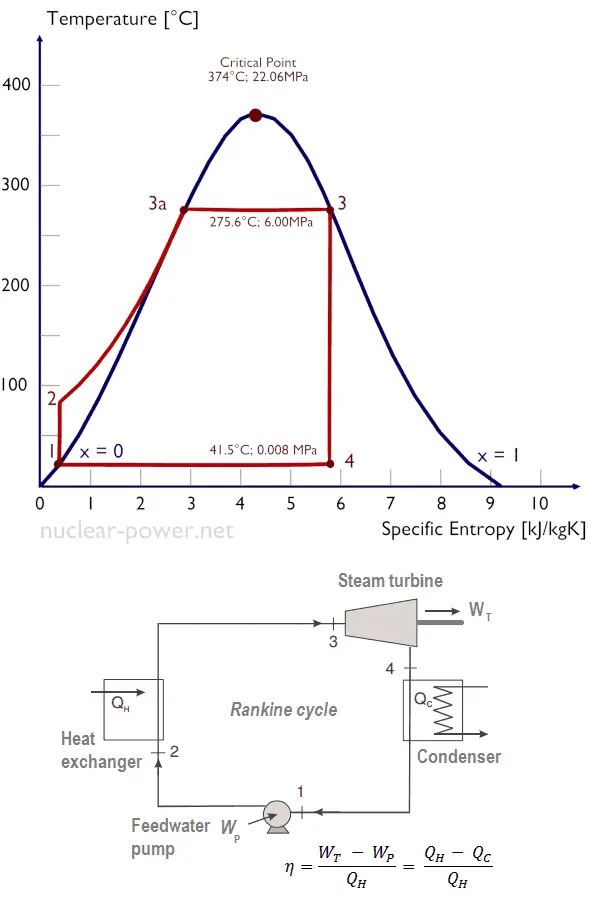
Categories
Uncategorized

Steam Turbines for Improving Energy Efficiency in Plants

Steam Turbines for Improving Energy Efficiency in Plants

Steam Turbines for Improving Energy Efficiency in Plants: Steam turbines are critical components in the generation of mechanical energy from thermal energy in various power generation systems, including both electrical power plants and industrial processes. These devices operate by utilizing steam, typically generated in a boiler, which is directed onto blades or vanes connected to a rotor. The steam, often produced from the combustion of fossil fuels or the harnessing of nuclear energy, carries thermal energy that is converted into mechanical energy by the movement of the steam blades.

The basic operating principle of a steam turbine revolves around the conversion of high-pressure, high-temperature steam into kinetic energy as it passes through the turbine’s rotor. The steam, when it expands through the turbine stages, undergoes a pressure and temperature drop, causing the steam’s velocity to increase, which in turn causes the turbine blades to rotate. This rotational energy is then transmitted to a generator, where it is further converted into electrical energy, or it may be used directly in mechanical processes, depending on the application.

Steam Turbines

The steam turbine typically consists of several stages, each of which includes a set of fixed blades (stators) and rotating blades (rotors). These stages are designed to extract energy from the steam progressively, with each stage taking advantage of the decreasing pressure and temperature of the steam. The initial stage may handle high-pressure steam, while the subsequent stages work with lower pressure and lower-temperature steam.

In power generation, steam turbines are often used in Rankine cycle-based systems, where the steam is generated in a boiler, then expanded through the turbine, and finally condensed in a condenser. This cycle is thermodynamically efficient in that it maximizes the conversion of thermal energy into mechanical energy, though losses due to heat dissipation and mechanical friction are inevitable.

A variety of different steam turbines are designed for specific applications, including back-pressure turbines, condensing turbines, and extraction turbines. Condensing turbines are used in power plants where the exhaust steam is condensed in a condenser and the resulting water is pumped back into the boiler. Back-pressure turbines, on the other hand, are employed in situations where the exhaust steam is utilized for district heating or industrial processes, and the turbine’s exhaust pressure is maintained at a level suitable for these applications.

In addition to the mechanical aspects of steam turbines, there are many considerations that affect their performance and efficiency. These include the design of the blades, the quality of the steam, the operating conditions, and the materials used in the construction of the turbine. Advanced steam turbines may incorporate features such as regenerative heating or reheat cycles, which improve the overall thermodynamic efficiency of the cycle by recovering some of the heat from the exhaust steam or reheating the steam before it enters the turbine.

Materials technology also plays an essential role in steam turbine performance, especially when operating at high temperatures and pressures. The materials used for turbine blades and rotors must be able to withstand not only the thermal stresses but also mechanical stresses due to high rotational speeds. These materials often involve specialized alloys that offer a balance between high-temperature strength, resistance to corrosion, and fatigue resistance.

Another key aspect of steam turbine operation is the monitoring and control of various parameters, including steam flow rate, pressure, temperature, and rotational speed. Modern turbines are often equipped with sophisticated sensors and control systems that allow for real-time monitoring of performance, as well as automated adjustments to optimize efficiency and prevent damage due to operating outside of safe parameters.

Overall, steam turbines remain an essential component in many industries, ranging from power generation to chemical processing and desalination. Their ability to efficiently convert thermal energy into mechanical power, their versatility in various configurations, and their scalability make them indispensable in modern energy production and industrial applications. However, their development and operation continue to evolve with advances in materials, design, and technology to meet growing demands for efficiency, sustainability, and environmental performance.

The development of steam turbines has been marked by continuous advancements in efficiency, durability, and versatility. In particular, the ongoing trend toward larger, more efficient units has driven significant innovations. As the demand for cleaner, more sustainable energy increases, modern steam turbines are being designed with greater attention to reducing fuel consumption and lowering emissions. Innovations in steam turbine technology are closely tied to improvements in boiler efficiency, heat recovery systems, and emissions control technologies. These efforts aim to optimize the overall thermodynamic cycle, ensuring that every unit of energy produced from combustion is harnessed as effectively as possible.

One significant development in steam turbine technology is the use of high-efficiency materials and coatings, particularly for components exposed to the highest temperatures and pressures, such as turbine blades and nozzles. These materials, often based on advanced alloys and ceramic composites, are designed to withstand the harsh conditions inside a turbine, while also preventing damage from erosion and corrosion. The use of advanced coatings, such as thermal barrier coatings, has become common practice in ensuring that turbine components can maintain their integrity over longer operational lifetimes. Additionally, coatings can help mitigate the degradation of the turbine blades due to the corrosive nature of the steam, which may contain trace amounts of salts, acids, or other impurities.

Another significant area of progress in steam turbine technology is the integration of digital and automation systems to enhance performance and reliability. Advanced sensors and control systems now allow operators to monitor a wide array of parameters in real-time, including pressure, temperature, vibration, and rotational speed, making it easier to identify potential issues before they result in failure. This integration of digital technologies, known as predictive maintenance, leverages big data and machine learning algorithms to analyze operational data and predict when a turbine component might fail, allowing for maintenance to be scheduled proactively rather than reactively. This can help avoid unplanned downtime, reduce operational costs, and extend the overall lifespan of the turbine.

The thermal efficiency of steam turbines also benefits from the implementation of combined cycle power plants, where the waste heat from the steam turbine is used to drive a secondary gas turbine. This dual-cycle operation, known as a combined-cycle plant, significantly improves the overall efficiency of electricity generation by capturing and reusing heat that would otherwise be wasted. Combined-cycle plants are now some of the most efficient power plants in the world, with thermal efficiencies exceeding 60%. The use of such plants is a key part of global efforts to reduce carbon emissions, as they can generate more electricity from the same amount of fuel, thus reducing the environmental footprint.

In addition to energy generation, steam turbines also play a pivotal role in industrial applications, particularly in refineries, chemical plants, and paper mills. These industries rely on steam turbines to provide both mechanical and electrical power, as well as to drive compressors, pumps, and other critical machinery. The versatility of steam turbines in various industrial processes is enhanced by their ability to operate in both constant and variable load conditions, as well as by their ability to handle steam from different sources, including waste heat and cogeneration systems.

One particularly important development in industrial applications is the rise of small-scale, modular steam turbines designed for use in decentralized energy production. These smaller turbines can be employed in localized power generation, such as in remote communities, off-grid locations, or industrial plants where access to large-scale power infrastructure may be limited. By combining steam turbines with renewable energy sources, such as biomass or solar thermal energy, these systems can provide flexible, reliable, and sustainable power solutions in a variety of settings.

Moreover, steam turbines are also being adapted for use in renewable energy applications, particularly in the context of waste heat recovery and low-carbon energy systems. For instance, there has been growing interest in using steam turbines in conjunction with geothermal energy, where the natural heat from the Earth is used to generate steam and drive a turbine. This process is particularly relevant in regions with significant geothermal resources, where steam turbines can offer a clean, renewable energy source with minimal environmental impact.

Likewise, concentrated solar power (CSP) systems, which focus sunlight to generate heat for power production, can also use steam turbines as part of their energy conversion process. In these systems, steam is produced from the heat generated by concentrated solar energy, which then drives the turbine to produce electricity. This hybrid approach helps address one of the primary challenges of solar power—its intermittent nature—by incorporating thermal storage systems that allow energy to be stored and used even when the sun is not shining.

Looking to the future, steam turbines are expected to continue evolving in response to growing demands for cleaner, more efficient energy production. Technological advancements in computational fluid dynamics (CFD) and materials science will likely lead to further improvements in turbine efficiency, enabling turbines to operate at even higher temperatures and pressures. Furthermore, the development of advanced manufacturing techniques, such as 3D printing, could potentially reduce production costs and lead to more complex and optimized turbine designs that are lighter, stronger, and more efficient.

As global efforts to combat climate change intensify, steam turbines will likely remain an important part of the energy mix, particularly as part of combined heat and power (CHP) systems, cogeneration plants, and hybrid energy systems. Their ability to provide reliable, scalable, and high-efficiency power generation in a variety of applications will ensure their continued relevance, even as renewable energy sources become more prominent.

The future of steam turbine technology also hinges on the continued evolution of grid integration and energy storage solutions. As more renewable energy sources, such as wind and solar, are integrated into power grids, steam turbines will likely play an increasingly important role in stabilizing grid operations. One of the key challenges with renewable energy is its intermittent nature, where electricity generation fluctuates based on factors such as weather conditions or time of day. Steam turbines, especially when combined with energy storage systems such as batteries or thermal storage, can help smooth out these fluctuations by providing reliable backup power when renewable generation is insufficient.

In many countries, steam turbines are also being looked at as a critical component in the transition to hydrogen-powered energy systems. Hydrogen, when used as a fuel, offers the potential for clean energy generation with water vapor as the only byproduct. The possibility of using hydrogen to power steam turbines presents an exciting avenue for reducing the carbon footprint of conventional power plants. The high energy content of hydrogen means that, in theory, it can be burned or converted into steam to drive turbines with little to no emissions. However, significant research is still needed to understand how steam turbines can be optimized to operate efficiently with hydrogen as a fuel source, considering factors like combustion characteristics and material stress caused by the unique properties of hydrogen.

Another emerging concept that might shape the future of steam turbines is the development of supercritical and ultra-supercritical steam cycles. These cycles operate at much higher pressures and temperatures than traditional subcritical cycles, allowing for greater thermal efficiencies. Supercritical steam cycles, which operate above the critical point of water (374°C and 22.06 MPa), offer a more efficient conversion of thermal energy into mechanical energy, making them ideal for high-efficiency power plants. Ultra-supercritical turbines take this a step further, operating at even higher pressures and temperatures to achieve even greater efficiency. The challenge with these systems lies in material durability, as the extreme conditions can lead to issues such as creep, fatigue, and corrosion over time. Advances in material science, particularly the development of advanced high-temperature alloys and ceramics, are essential to making ultra-supercritical turbines a viable option for next-generation power plants.

While steam turbines have traditionally been associated with large-scale, central power generation, there is also growing interest in using them for small-scale, distributed generation. This shift is partly driven by the growing trend toward decentralized energy systems, which allow for more localized, resilient, and flexible power generation. Small modular reactors (SMRs), for instance, could utilize steam turbines to generate electricity from nuclear reactions on a smaller scale, making nuclear energy more accessible and adaptable to different locations and needs. Similarly, small-scale combined heat and power (CHP) systems using steam turbines could provide reliable, on-demand energy for commercial and industrial applications, as well as for residential communities, particularly in remote areas or regions with unreliable grid access.

Beyond power generation, steam turbines are also finding applications in newer sectors such as carbon capture, utilization, and storage (CCUS). In these systems, steam turbines can be used to drive compressors that capture CO2 from industrial processes or power plants. The captured CO2 can then be transported and stored underground or used for other purposes, such as in enhanced oil recovery or in the production of synthetic fuels. The integration of steam turbines in CCUS processes is critical for reducing emissions from hard-to-decarbonize industries, like cement, steel, and chemicals, which contribute significantly to global greenhouse gas emissions.

On a broader scale, the future of steam turbines is closely tied to global energy policy and the drive toward a low-carbon economy. As governments around the world continue to set ambitious targets for reducing greenhouse gas emissions, the need for cleaner and more efficient power generation technologies will only intensify. Steam turbines will play a central role in achieving these goals, particularly in the context of power plants that rely on a combination of renewable, nuclear, and hydrogen energy sources.

The role of steam turbines in the decarbonization of the energy sector is increasingly important in the context of achieving global climate goals, such as those outlined in the Paris Agreement. By improving efficiency, reducing emissions, and enabling the integration of low-carbon energy sources, steam turbines can contribute significantly to mitigating the impacts of climate change. However, this will require ongoing innovation, investment, and research to ensure that steam turbines are equipped to meet the demands of a rapidly changing energy landscape.

In the context of industrial decarbonization, steam turbines are likely to remain indispensable in sectors such as steel manufacturing, cement production, and chemical processing. These industries rely heavily on high-temperature heat for their processes, and steam turbines, when integrated into cogeneration systems, can help reduce the carbon footprint of these energy-intensive sectors. By coupling steam turbines with renewable energy sources and carbon capture technologies, industries can reduce their reliance on fossil fuels while maintaining the high levels of energy and heat required for their operations.

In conclusion, the future of steam turbines is poised to be shaped by a combination of technological advancements, evolving energy demands, and global environmental goals. As energy systems become more integrated, flexible, and sustainable, steam turbines will continue to play an essential role in the efficient generation of mechanical and electrical power. With ongoing improvements in materials, design, and digital technologies, steam turbines will remain a cornerstone of both traditional and emerging energy systems, ensuring reliable and low-carbon power generation for the decades to come.

Steam turbines for solar-thermal energy integration

The integration of steam turbines with solar-thermal energy systems, particularly in concentrated solar power (CSP) plants, represents a promising path toward achieving more sustainable and efficient energy generation. Solar-thermal energy systems, as opposed to photovoltaic solar systems, utilize mirrors or lenses to concentrate sunlight onto a small area, typically a receiver, where the concentrated heat is used to generate steam. This steam can then drive a steam turbine to produce electricity, much like in conventional fossil-fuel or nuclear power plants.

One of the key advantages of integrating steam turbines into CSP systems is their ability to produce electricity not just during the day when sunlight is available, but also during periods of low or no sunlight, such as at night or during cloudy weather. This is made possible by incorporating thermal energy storage systems, which allow the collected solar energy to be stored as heat in materials like molten salt, concrete, or other heat-retaining substances. The stored heat can then be released as needed to generate steam, which drives the turbine even when solar radiation is not available.

In a typical CSP plant using steam turbines, the concentrated solar energy heats a working fluid, such as water or oil, which is then used to generate high-pressure steam. This steam is directed into the steam turbine, where it expands through multiple stages, transferring its thermal energy into mechanical energy that rotates the turbine blades. The rotational energy is then converted into electricity by a connected generator. The use of steam turbines in CSP plants mirrors the processes used in traditional thermal power plants but replaces fossil fuels with solar energy as the heat source.

The integration of steam turbines into CSP plants offers several key benefits:

1. Efficiency Enhancement through Combined Heat and Power (CHP):

By combining solar-thermal energy with steam turbines, CSP plants can achieve higher overall efficiency. Unlike photovoltaic solar panels, which convert sunlight directly into electricity with relatively low efficiency, CSP systems have the potential to achieve higher efficiencies due to their ability to concentrate sunlight and use heat directly to generate steam. When thermal storage systems are added, CSP plants can maintain a continuous power output, overcoming the intermittency challenge associated with solar energy. The heat stored during the day can be used to produce steam and power turbines even during periods when the sun isn’t shining, providing a more stable and reliable power supply.

2. Thermal Energy Storage:

Thermal energy storage (TES) is one of the key innovations that enables steam turbines in CSP plants to provide dispatchable power. The most common form of TES used in CSP systems is molten salt storage, where salts such as sodium nitrate and potassium nitrate are heated to high temperatures and stored in insulated tanks. This thermal storage medium can retain heat for many hours, allowing for the generation of steam and the driving of turbines after sunset or on cloudy days. The ability to store solar energy as heat and convert it into steam for turbine-driven electricity generation ensures a reliable and flexible energy source, increasing the overall capacity factor of the solar-thermal plant.

3. Reduced Emissions and Fuel Dependency:

One of the strongest arguments for the integration of steam turbines in solar-thermal energy systems is their potential to reduce reliance on fossil fuels. Since solar-thermal energy is a renewable resource, using it to generate steam for turbines reduces the need for coal, natural gas, or oil in power generation. This reduction in fossil fuel use significantly cuts greenhouse gas emissions and other pollutants associated with traditional thermal power plants. In combination with carbon capture, utilization, and storage (CCUS) technologies, CSP plants with steam turbines can offer a near-zero-emissions solution for power generation, contributing to global decarbonization efforts.

4. Scalability and Flexibility:

CSP systems with steam turbines can be scaled up or down depending on the needs of the region or facility. Large utility-scale CSP plants, which can generate hundreds of megawatts (MW) of electricity, are typically designed with large-scale thermal storage systems and advanced turbine technology to provide consistent power. However, smaller, modular CSP systems can also be built, with their turbine systems adapted to match the scale of the installation. This scalability makes CSP with steam turbines a versatile solution for various regions, from remote areas to large metropolitan centers, and enables integration with existing power grids.

5. Hybrid Systems with Other Renewable Energy Sources:

Another promising direction for CSP systems with steam turbines is their hybridization with other renewable energy sources, such as wind or biomass. Hybrid systems that combine CSP with wind or biomass can provide an even more stable and resilient power supply by smoothing out fluctuations in renewable generation. For example, when wind power is strong but solar energy is weak, the CSP plant can be used to provide supplementary power through stored thermal energy, and vice versa. This integration of multiple renewable sources not only helps ensure a more reliable supply of electricity but also improves the overall efficiency of the system by balancing power generation across different sources.

6. Operational Challenges and Future Developments:

While CSP with steam turbines offers clear benefits, there are also several challenges that need to be addressed to improve the technology’s efficiency, reliability, and cost-effectiveness. One significant challenge is the high initial capital cost of CSP plants, including the cost of mirrors, receivers, thermal storage systems, and the steam turbine infrastructure. However, costs are expected to continue falling as technology improves and economies of scale are realized.

Additionally, the materials used for steam turbines in CSP plants must be capable of withstanding higher temperatures and thermal stresses compared to those used in conventional fossil fuel or nuclear power plants. Advances in materials science are crucial to ensuring the durability and performance of these turbines under such extreme conditions. New materials and coatings that resist corrosion, oxidation, and high-temperature wear are essential to extending the lifespan and maintaining the efficiency of steam turbines in CSP applications.

7. Global Trends and Future Outlook:

As the global demand for clean energy grows, CSP with steam turbines is likely to play an increasing role in the energy mix. Countries with abundant solar resources, particularly those in regions like the Middle East, North Africa, and parts of the United States, are well-positioned to deploy large-scale CSP plants with steam turbines. CSP plants are particularly attractive in sunny, arid regions where land availability is not a limiting factor and where thermal storage can help bridge the gap between daytime solar generation and nighttime demand.

Furthermore, the continuing research and development of advanced heat transfer fluids (HTFs), such as supercritical CO2, will likely increase the efficiency and cost-effectiveness of CSP systems, allowing for more widespread deployment of steam turbines. Supercritical CO2 offers a promising alternative to traditional heat transfer fluids like water or molten salt, as it operates at higher temperatures and pressures, potentially improving both the thermal efficiency and the operational flexibility of CSP plants.

Conclusion:

Incorporating steam turbines into solar-thermal energy systems, especially concentrated solar power (CSP) plants, represents a significant step toward making solar energy more reliable, efficient, and commercially viable. The ability to store thermal energy and convert it into electricity on demand through steam turbines addresses one of the key challenges of renewable energy: intermittency. With ongoing technological advancements, reductions in costs, and improvements in materials, CSP systems with steam turbines could become a cornerstone of the global transition to a low-carbon, sustainable energy future. By harnessing the power of the sun and converting it into clean, dispatchable energy, these systems provide a powerful tool for tackling the energy challenges of the 21st century.

The integration of steam turbines into solar-thermal energy systems, particularly through concentrated solar power (CSP) plants, holds great promise for enhancing the efficiency and reliability of renewable energy generation. By using mirrors or lenses to concentrate sunlight onto a receiver, CSP systems can produce heat that is used to generate steam, which in turn drives a steam turbine connected to a generator. This process mimics conventional power plants that rely on fossil fuels or nuclear energy, but instead of using combustion to generate heat, CSP plants harness solar energy.

A major advantage of this integration is that steam turbines in CSP plants can not only produce electricity during the day when sunlight is available but also during periods when the sun is not shining, such as at night or during cloudy weather. This is made possible by thermal energy storage (TES) systems, which store the heat collected by the solar receivers for later use. Materials like molten salts, which have high thermal storage capacities, are typically used for this purpose. These salts can store heat for several hours, allowing CSP plants to continue generating steam and driving turbines even when solar radiation is not present. This ability to store energy makes CSP systems with steam turbines highly flexible, ensuring that they can provide a stable and dispatchable power supply.

The use of steam turbines in CSP systems also enhances the overall efficiency of the energy conversion process. Unlike photovoltaic solar panels, which convert sunlight directly into electricity with relatively lower efficiencies, CSP systems can operate at higher efficiencies due to their ability to concentrate sunlight and convert it into high-temperature heat. This heat is then transferred to a working fluid that generates steam, which powers the turbine. When combined with thermal storage, CSP systems can offer a continuous supply of electricity, overcoming the intermittency issue that is often associated with solar power generation. The integration of steam turbines in this context provides not just renewable power but a more consistent and reliable source of electricity compared to other solar technologies.

In terms of emissions, CSP systems with steam turbines present a significant environmental advantage over traditional fossil-fuel power plants. By replacing the need for coal, oil, or natural gas, these solar-thermal systems can dramatically reduce greenhouse gas emissions and the pollutants typically associated with conventional thermal power generation. Additionally, as the world moves toward decarbonization and aims to achieve net-zero emissions by mid-century, CSP systems are seen as a key technology for providing clean, renewable, and sustainable energy.

The potential for hybrid systems also adds to the appeal of CSP with steam turbines. By combining solar-thermal energy with other renewable sources, such as wind or biomass, CSP plants can offer more consistent and resilient power. For instance, when solar energy production is low due to weather conditions or time of day, wind energy could supplement the power generation, or vice versa. Such hybrid systems could provide the flexibility to balance renewable generation, reduce reliance on grid power, and enhance the overall efficiency of power plants. This versatility in generation capacity is an attractive feature for utilities and energy producers looking to meet growing energy demands while reducing their carbon footprint.

As CSP technology advances, one of the main challenges is cost, especially in the initial stages of plant development. The capital investment required to build CSP systems with thermal storage and steam turbines remains relatively high compared to other renewable technologies, such as photovoltaic solar or wind. However, costs are expected to decrease as the technology matures, economies of scale are realized, and manufacturing processes become more efficient. In the long term, this reduction in costs, along with the increasing efficiency of thermal storage and turbine technology, will likely make CSP systems with steam turbines more competitive in the global energy market.

Another challenge lies in the durability and performance of the materials used in steam turbines. Given the high temperatures and pressures involved in CSP systems, the materials for turbine blades, pipes, and heat exchangers must be carefully selected to withstand extreme thermal and mechanical stresses. Advances in materials science, including the development of advanced alloys and coatings that can resist oxidation, erosion, and high-temperature damage, are critical for ensuring the long-term reliability of these turbines. Furthermore, the use of supercritical CO2 as a heat transfer fluid is being explored as a way to increase the efficiency of CSP systems, as CO2 can operate at higher temperatures and pressures than traditional fluids like water or molten salt.

Despite these challenges, the potential benefits of integrating steam turbines with solar-thermal energy are significant. CSP systems with steam turbines can provide reliable, dispatchable power, which is essential for grid stability, especially in regions where renewable energy sources like wind and solar dominate the energy mix. By providing a consistent power supply that complements other renewable sources, CSP plants can help to reduce the reliance on fossil fuels and promote a more sustainable energy future. Moreover, the ability to store thermal energy and generate electricity even when solar energy is not available gives CSP plants a unique advantage over other solar technologies.

In the coming years, CSP with steam turbines is expected to play an increasingly important role in the global energy landscape, especially in regions with abundant sunlight and significant land availability. As the technology continues to evolve, with improvements in efficiency, cost, and scalability, CSP plants will become a key tool in the transition to a low-carbon energy system. The combination of solar-thermal energy and steam turbines offers a powerful solution for addressing the challenges of energy reliability, grid stability, and decarbonization, making it an essential component of a sustainable and resilient energy future.

As CSP systems with steam turbines continue to mature, we are seeing advancements that further enhance their potential for large-scale adoption. The evolution of these systems is not only about improving thermal efficiency but also about integrating more sophisticated technologies that enable better performance, lower costs, and greater flexibility in energy generation.

One area of innovation is in the development of next-generation thermal energy storage technologies. While molten salts are the most common medium used for thermal storage in CSP systems today, researchers are exploring alternative materials and methods that could offer better thermal storage capacities, lower costs, and enhanced performance. These new storage technologies, such as phase-change materials or advanced thermochemical storage systems, have the potential to further extend the operational hours of CSP plants, enabling them to generate electricity for longer periods without sunlight. Such improvements in storage will make CSP systems even more competitive with other forms of power generation and further mitigate the intermittency issues of solar power.

At the same time, heat exchangers and advanced materials used in steam turbines are undergoing rapid improvement. These components must be able to handle the high temperatures and thermal cycling associated with CSP operations without degrading over time. New alloys, ceramics, and coatings are being developed to ensure that turbine blades, nozzles, and other critical parts can withstand the extreme conditions of CSP plants, maintaining performance and efficiency over the long term. Additionally, these materials are being optimized to resist corrosion and erosion, which are significant concerns when dealing with high-temperature, high-pressure steam.

The potential for supercritical steam cycles in CSP plants is another area of growing interest. Supercritical steam cycles operate at pressures and temperatures above the critical point of water, offering significantly improved thermal efficiency compared to subcritical cycles. In conventional thermal power plants, supercritical and ultra-supercritical steam cycles have already shown to improve overall plant efficiency by more than 10%. If CSP plants can integrate supercritical steam cycles, the overall efficiency of solar-thermal energy conversion could increase significantly, making CSP even more cost-competitive with traditional energy sources like coal and natural gas.

Hybridization of CSP with other renewable energy sources is also gaining momentum. By combining CSP systems with wind energy or biomass, power plants can better balance the fluctuations in renewable generation, ensuring a more stable and continuous energy supply. For example, when solar energy production is low due to cloud cover, wind energy could compensate for the loss, or vice versa. This hybrid approach ensures grid stability while optimizing the use of renewable resources. Furthermore, combining CSP with energy storage systems like large-scale batteries could provide an additional layer of reliability, allowing plants to store excess energy when generation exceeds demand and release it when solar energy is insufficient.

As CSP technology continues to evolve, the economic viability of these systems is steadily improving. The reduction in capital costs, driven by advancements in manufacturing and increased competition in the renewable energy market, is making CSP plants with steam turbines more attractive for investors and utility companies. The economies of scale that are being realized as larger, more efficient plants are built will likely further reduce costs, making CSP an increasingly viable alternative to fossil-fuel-based generation.

One of the more exciting aspects of CSP integration with steam turbines is the potential for local energy generation in regions that have significant solar resources. For example, countries with vast desert areas—like those in the Middle East, North Africa, and parts of the Southwestern United States—are ideal candidates for large-scale CSP deployment. In these regions, where land availability is abundant, CSP plants can be built to harness solar energy on a massive scale, with steam turbines providing reliable, round-the-clock power. Moreover, CSP plants can often be built in modular configurations, which makes them adaptable to smaller or distributed energy generation projects as well.

Beyond electricity generation, desalination is another promising application for CSP with steam turbines. Many coastal regions that rely on desalination for fresh water could benefit from solar-thermal systems integrated with steam turbines. CSP plants, using their thermal energy to power desalination processes, could provide both electricity and potable water for water-scarce regions. This hybrid approach to energy and water production is especially important in arid areas where both energy and water are critical resources.

The integration of steam turbines into solar-thermal systems also offers potential synergies with existing infrastructure. CSP plants can be integrated into regions that already have large-scale thermal power infrastructure, particularly in areas where there is a need to reduce emissions from traditional fossil-fuel-based generation. By retrofitting existing power plants to incorporate solar-thermal collectors and steam turbines, these facilities can reduce their carbon footprint while maintaining a steady supply of electricity. This transition to hybrid systems could also extend the operational life of existing plants, helping to transition away from coal and natural gas without significant upfront capital costs.

Furthermore, advancements in grid integration are critical to the future success of CSP with steam turbines. The ability to seamlessly integrate renewable energy sources into the grid is an ongoing challenge, particularly in regions where grid infrastructure is outdated or incapable of handling the variability of renewable generation. As the grid becomes smarter and more flexible, with the integration of advanced energy management systems, CSP plants with steam turbines will be better equipped to provide reliable power on demand, reducing the need for backup power from fossil fuel plants.

The global push for decarbonization continues to drive the adoption of renewable energy technologies, including CSP with steam turbines. As countries around the world set ambitious targets to reduce their carbon emissions, CSP plants with thermal storage and steam turbines offer a viable solution for meeting both energy demand and sustainability goals. In regions that are heavily dependent on fossil fuels for power generation, transitioning to CSP systems could significantly cut emissions, contribute to energy independence, and create new economic opportunities in the renewable energy sector.

In conclusion, the future of CSP with steam turbines looks promising, with advancements in storage technology, materials science, and hybrid energy systems all playing a role in enhancing their efficiency and cost-effectiveness. As the technology matures, CSP plants integrated with steam turbines could become a key player in the global transition to a sustainable and low-carbon energy future. With continued research, innovation, and investment, solar-thermal power systems can help meet the growing global demand for clean, reliable, and affordable energy.

The ongoing development of CSP systems with steam turbines is positioned to play an essential role in the global transition to a low-carbon economy, especially as nations continue to increase their focus on achieving net-zero emissions. A pivotal aspect of this progress lies in the scalability and adaptability of CSP systems, enabling them to meet diverse energy demands in a variety of regions and industries. As the technology continues to improve and costs decline, CSP with steam turbines is expected to become an increasingly viable option for both large utility-scale projects and smaller, more distributed energy systems.

One area where CSP systems with steam turbines can make a significant impact is in the decentralization of power generation. While large-scale CSP plants in deserts or arid regions may continue to provide electricity to major grids, there is also a growing interest in deploying smaller-scale CSP systems that are more localized. These smaller systems, integrated with steam turbines, could provide reliable and sustainable electricity for isolated communities, industrial operations, or even remote agricultural applications, where access to the grid is limited or unavailable. This decentralization of energy generation has the potential to increase energy security, reduce transmission losses, and enable regions with abundant solar resources to meet their own power needs independently of larger grid infrastructures.

In addition to providing electricity, CSP systems integrated with steam turbines offer another layer of potential value by facilitating combined heat and power (CHP) applications. CHP systems allow for the simultaneous production of both electricity and useful thermal energy, which can be used in industrial processes, district heating, or even desalination. By capturing and utilizing the excess thermal energy from steam production, CSP plants can significantly improve overall energy efficiency. This dual benefit of power generation and heat production could make CSP plants even more attractive in industrial regions, where both electricity and process heat are in high demand.

Another emerging opportunity for CSP with steam turbines lies in industrial decarbonization. Many industries, particularly those that rely on high-temperature heat for their operations, are among the most challenging to decarbonize. These include cement, steel, chemical production, and refining industries, which typically require vast amounts of thermal energy. By incorporating solar-thermal systems that use steam turbines into these industrial processes, companies can reduce their dependence on fossil fuels, lowering both their operating costs and carbon emissions. CSP plants with steam turbines can be integrated into industrial facilities, replacing conventional boilers or natural gas-fired turbines with clean, solar-powered steam generation systems.

One of the most promising areas for CSP systems with steam turbines is in hybridized applications. As the global energy mix shifts toward renewables, the ability to combine different renewable energy technologies to optimize power generation will be increasingly important. CSP systems with steam turbines are an ideal candidate for hybridization with other renewable sources like wind, hydroelectric, or geothermal energy. For example, in regions where solar energy is abundant during the day but often supplemented by strong winds at night, combining CSP with wind power could provide a continuous and stable supply of electricity to the grid. Similarly, when CSP systems are deployed in regions with significant geothermal resources, a hybrid approach could maximize the use of both solar-thermal and geothermal energy, further reducing the need for backup fossil-fuel power plants.

The flexibility and resilience provided by hybrid systems also support grid stabilization, particularly in areas where the energy mix is heavily reliant on intermittent renewable sources like wind and solar. CSP systems with steam turbines can help balance supply and demand by storing thermal energy and releasing it during times when other renewable sources are not generating sufficient power. This dispatchability is a major advantage over other renewable technologies, which may not be able to provide consistent, on-demand energy. As grids become more complex and interconnected, technologies like CSP with steam turbines that offer both stability and flexibility will be crucial for maintaining grid reliability.

In terms of energy storage, while molten salts and other thermal storage media continue to be the dominant solutions for CSP plants, innovations in battery storage and advanced grid integration are beginning to offer even more possibilities for long-term energy storage. Battery technologies, such as lithium-ion and solid-state batteries, can store electricity generated from CSP plants and other renewable sources, allowing the stored energy to be dispatched when needed. Combined with thermal energy storage, these technologies could offer an integrated solution for grid stabilization, ensuring that power generation from CSP systems is available when it is most needed.

Additionally, the ongoing development of hydrogen production technologies is poised to complement CSP systems with steam turbines. The process of electrolysis, where electricity is used to split water into hydrogen and oxygen, can be powered by renewable electricity from CSP plants. The hydrogen produced through this process can then be used as a clean fuel for a variety of applications, including transportation, industrial processes, and even power generation. By integrating hydrogen production with CSP systems, it’s possible to create a closed-loop renewable energy system where solar power is stored as hydrogen and later used for power or other energy needs. This combination of solar-thermal energy and hydrogen production has the potential to be a game-changer in the pursuit of net-zero emissions.

Beyond electricity generation and energy storage, CSP plants with steam turbines also have the potential to play a key role in the production of green fuels. As part of the global effort to decarbonize sectors like aviation, shipping, and heavy-duty transportation, the production of synthetic fuels or biofuels will become increasingly important. CSP systems can be integrated into power-to-x technologies, which convert excess renewable electricity into useful forms of energy such as synthetic gas, methanol, or liquid fuels. These fuels can be used in sectors that are difficult to electrify, offering a versatile solution to global decarbonization goals.

Finally, regulatory frameworks and government policies will play a major role in the future growth of CSP systems with steam turbines. As many countries have already committed to reducing their greenhouse gas emissions, renewable energy mandatescarbon pricing, and clean energy subsidies will likely drive further investment in solar-thermal technologies. Governments around the world can support the growth of CSP by providing incentives for research and development, as well as funding for large-scale pilot projects that demonstrate the viability of CSP technology in diverse geographical locations.

In conclusion, CSP systems integrated with steam turbines are not only a promising solution for generating reliable, dispatchable renewable energy but also offer a multitude of applications across industrial sectors, energy storage, and hybrid power generation. As technology continues to evolve, CSP with steam turbines will be increasingly crucial in the global effort to decarbonize the energy sector, improve energy security, and create a sustainable, low-carbon future. With further advancements in materials, energy storage, grid integration, and hybridization with other renewable technologies, CSP will continue to play a pivotal role in meeting the world’s growing energy demands in a cleaner, more sustainable way.

As the demand for clean energy intensifies, the role of CSP systems with steam turbines will become even more critical in addressing energy challenges worldwide. The combination of renewable solar energy with thermal energy storage and steam turbines is not only a technical solution but also an economic opportunity. With global energy markets increasingly focused on decarbonization, CSP has the potential to significantly disrupt traditional energy paradigms. The future of CSP with steam turbines will be shaped by several emerging trends, which include innovations in turbine technology, cost reduction, enhanced grid integration, and increased focus on sustainability across the entire lifecycle of CSP projects.

One of the main drivers of the future success of CSP systems is the ongoing improvement in turbine technology. As steam turbines continue to evolve, their ability to operate at higher temperatures and pressures—facilitated by advancements in materials science—will unlock greater efficiencies. The integration of advanced cooling technologies and optimized turbine designs will allow steam turbines to generate more electricity per unit of thermal energy, increasing the overall efficiency of CSP plants. Moreover, digitalization and smart grid integration will help optimize turbine performance in real-time. Through advanced sensors, predictive analytics, and AI-based algorithms, operators will be able to fine-tune turbine operation for maximum efficiency, reduce downtime, and minimize maintenance costs.

The cost trajectory for CSP plants with steam turbines is also heading in a favorable direction. Historically, the upfront capital costs for CSP systems, including the installation of mirrors, thermal storage systems, and steam turbines, have been a barrier to widespread adoption. However, as the global market for renewable energy expands and more CSP plants are built, the economies of scale will drive down the cost of components and installation. In particular, the cost of thermal storage is expected to fall as innovations in storage media and improved manufacturing processes lower the price of molten salts, phase-change materials, and other thermal storage solutions. Additionally, increased competition in the renewable energy sector, along with government incentives and policies promoting clean energy adoption, will accelerate the reduction in capital costs, making CSP with steam turbines an increasingly cost-competitive option compared to other renewable technologies and traditional fossil-fuel-based generation.

The integration of CSP with the power grid will continue to be a key area of development. As renewable energy sources like solar and wind become more dominant, the need for stable and flexible grid systems will intensify. CSP plants with steam turbines, equipped with thermal storage, are well-positioned to provide a steady and reliable flow of electricity, compensating for the intermittency of other renewable sources. The role of grid-scale energy storage technologies such as batterieshydrogen storage, and pumped hydro will complement CSP plants in maintaining grid stability. With the right mix of energy storage and smart grid technology, CSP systems can provide baseload and peaking power, ensuring a consistent energy supply and reducing the reliance on fossil fuels for grid balancing.

Moreover, grid integration is not limited to large-scale plants alone. Microgrids and distributed CSP systems are gaining traction, especially in remote or off-grid locations. Small-scale CSP plants with steam turbines could offer communities and industries a decentralized source of reliable and clean power, with the added benefit of energy independence. These smaller systems can be integrated with local renewable resources, such as wind or biomass, providing a tailored energy solution that is resilient to fluctuations in external energy supplies. In addition, CSP with steam turbines could be coupled with desalination plants to provide both electricity and freshwater to regions that face both energy and water scarcity, offering a two-fold solution to the pressing needs of many parts of the world.

CSP systems also offer a significant opportunity for industrial decarbonization. Many industrial sectors, such as cementsteel, and chemical production, require large amounts of heat at high temperatures, which are traditionally supplied by burning fossil fuels. Integrating solar-thermal systems that use steam turbines into these industries could dramatically reduce their carbon emissions, contributing to a greener industrial sector. This approach to decarbonization aligns with the growing trend of corporate sustainability initiatives, where industries are seeking cleaner alternatives to reduce their carbon footprint. In some cases, CSP plants with steam turbines could replace natural gas boilers or other fossil-fuel-based systems, achieving significant reductions in greenhouse gas emissions while maintaining process heat needs.

Furthermore, hybrid systems that combine CSP with other low-carbon technologies could further improve the economic and environmental performance of energy systems. For instance, pairing CSP plants with battery energy storage systems (BESS) can offer enhanced dispatchability, allowing CSP-generated electricity to be stored and released during periods of high demand or when solar generation is low. Likewise, hybridizing CSP with wind power or biomass could create a resilient and diversified renewable energy mix that ensures consistent electricity production across varying weather conditions. Such hybrid systems could provide 24/7 clean power, particularly for regions with abundant renewable resources, offering a major advantage in terms of both grid stability and emissions reduction.

The environmental sustainability of CSP plants is another critical consideration. As interest in solar-thermal energy grows, the lifecycle impact of CSP systems will become an increasingly important factor in their widespread deployment. Environmental assessments of CSP projects will look not only at operational emissions but also at the carbon footprint associated with manufacturing and installing thermal storage systems, turbines, and mirrors. Ongoing improvements in material efficiency and the recycling of components will help reduce the environmental impact of CSP systems. Additionally, water usage—a critical factor in many CSP plants, especially those using steam cycles—can be optimized through dry cooling technologies and advanced water treatment processes, ensuring that CSP plants operate with minimal environmental degradation.

The global energy policy landscape will continue to shape the future of CSP systems. As countries and regions set more ambitious climate goals, the need for large-scale, reliable, and clean energy solutions will increase. Governments will play a crucial role by implementing policies that incentivize the development of CSP technologies and other renewable energy systems. This may include carbon pricing mechanismsfeed-in tariffsrenewable energy auctions, and investment in energy infrastructure. Such policies will foster an environment in which CSP with steam turbines can thrive, attract investment, and support the transition to a cleaner energy system.

Finally, public-private partnerships will be key to accelerating the development and deployment of CSP systems. Collaboration between governments, research institutions, and private industry can drive innovations in financing modelstechnological development, and infrastructure investments that make CSP more accessible and scalable. Large-scale CSP projects often require significant upfront investment, and leveraging public-private partnerships can help de-risk these projects and attract the necessary capital. Additionally, international cooperation on research, development, and deployment of CSP technologies can accelerate their global adoption, particularly in emerging markets where energy access is still a major challenge.

In summary, the future of CSP with steam turbines is bright, driven by advancements in technology, cost reductions, hybrid energy systems, and a global push for sustainability. With the right combination of innovationpolicy support, and market demand, CSP systems could become a cornerstone of the global energy transition. Their ability to provide dispatchable, reliable, and low-carbon power makes them an attractive option for countries seeking to meet their energy needs while addressing climate change. As the world increasingly turns to renewable energy, CSP with steam turbines will play a vital role in ensuring a cleaner, more resilient, and more sustainable energy future for generations to come.

As we look further into the future of CSP systems with steam turbines, several emerging trends and potential innovations could further accelerate their deployment and integration into global energy systems. This includes advancements in digital technologiesAI-driven optimizationmaterial innovations, and global collaboration that will make CSP more efficient, cost-effective, and adaptable to various local contexts.

One of the most promising directions for the future of CSP is the integration of digital technologies to improve both operational efficiency and overall performance. As the energy sector becomes increasingly digitalized, smart monitoring systemsadvanced sensors, and predictive analytics will play a crucial role in optimizing CSP plant operations. These technologies allow for real-time monitoring of plant conditions, detecting inefficiencies or mechanical failures before they cause significant downtime. Additionally, digital twins—virtual replicas of physical systems—can simulate various operating conditions and help engineers make data-driven decisions to improve turbine performance, reduce wear and tear, and extend the lifespan of equipment. This capability can significantly reduce operational and maintenance costs, improving the economics of CSP plants over their lifecycle.

In conjunction with these monitoring and optimization technologies, AI and machine learning will be increasingly deployed to improve the performance of CSP systems. AI algorithms can analyze vast amounts of operational data, predict energy output based on weather patterns, and optimize the dispatch of electricity from CSP plants in real-time. Machine learning can also help optimize the management of thermal storage, ensuring that excess heat is stored and utilized efficiently. Moreover, machine learning can improve fault detection and predictive maintenance, reducing downtime and extending the life of critical components such as steam turbines and thermal storage systems.

Another area where innovation will drive the future of CSP is in material science. As CSP systems typically operate under extreme conditions—high temperatures, intense pressure, and exposure to potentially corrosive environments—materials that are highly durable, heat-resistant, and corrosion-resistant are critical for the longevity of components like steam turbines, heat exchangers, and thermal storage systems. Researchers are focusing on developing high-temperature alloysceramic composites, and advanced coatings that can withstand the harsh operating conditions of CSP systems. New materials may not only improve efficiency but also reduce the frequency of maintenance, ultimately lowering operational costs.

One example is the development of superalloys that could allow steam turbines to operate at even higher temperatures and pressures than current materials permit. This would enable CSP plants to achieve higher thermal efficiencies, potentially exceeding 40% or more in some cases. Likewise, advanced coatings could protect turbine blades and heat exchangers from oxidation and erosion, extending their service life and improving the overall economic viability of CSP plants. These innovations in materials could be critical in ensuring that CSP technology remains competitive with other forms of renewable energy and traditional power generation.

Thermal storage innovations are another crucial area of progress for CSP systems. As storage technologies advance, the potential to increase the capacity and reduce the cost of thermal energy storage (TES) will be pivotal in enhancing the dispatchability and flexibility of CSP systems. Beyond molten salts, which are widely used today, new storage media—such as phase-change materials (PCMs), thermochemical storage materials, or liquid metals—are being explored for their ability to store heat more efficiently and at lower cost. PCMs, for instance, store energy by changing phase (from solid to liquid or vice versa) and can offer greater storage densities and potentially lower costs compared to molten salts.

Innovative thermal storage designs that allow for more modular, scalable systems will also play a role in expanding CSP capabilities. This flexibility could allow CSP plants to be scaled more easily to suit the energy needs of different regions, from large utility-scale plants to smaller, distributed installations in remote or off-grid areas. In some cases, these smaller systems could be directly integrated with other renewable technologies, such as wind or biomass, to create resilient hybrid systems that provide clean energy around the clock.

An exciting emerging application of CSP technology is the direct integration of CSP systems with hydrogen production. As hydrogen emerges as a key fuel for decarbonizing hard-to-abate sectors, CSP systems with steam turbines could play a critical role in producing green hydrogen. By using CSP-generated heat to power electrolysis (the process of splitting water into hydrogen and oxygen), CSP plants could produce hydrogen without emitting greenhouse gases. As hydrogen infrastructure grows, the integration of hydrogen production with CSP could help reduce the cost of both electricity and hydrogen, enabling the widespread adoption of hydrogen as a clean energy carrier for transport, industrial processes, and even electricity generation.

Another important consideration for CSP systems is water usage, particularly in arid regions where many CSP plants are located. Conventional CSP systems often use water for cooling, which can be a significant constraint in water-scarce regions. To overcome this limitation, dry cooling technologies are being developed and deployed. These technologies, which use air instead of water to cool the steam, reduce the need for large volumes of water, making CSP plants more sustainable in areas where water resources are limited. Additionally, advances in closed-loop cooling systems and efficient heat exchangers can further minimize water consumption and improve the environmental profile of CSP plants.

The role of CSP systems in hybrid power plants is also gaining increasing attention. By combining CSP with other renewable technologies such as wind and biomass, power producers can create more resilient energy systems that provide consistent, dispatchable power. For example, CSP plants with thermal storage can provide electricity during the day and night, while wind or biomass power can supplement generation during cloudy periods or at night. This hybrid approach can ensure that the grid remains stable and that power generation is available when it’s needed most. Additionally, hybrid systems can help reduce curtailment of renewable energy, where excess generation occurs during times of low demand. By intelligently managing the energy mix and storage, hybrid systems can reduce reliance on fossil-fuel backup power plants, cutting emissions and improving grid resilience.

The global collaboration necessary for CSP’s growth is another key factor that will drive its future development. International cooperation between governments, researchers, and industry stakeholders can accelerate the deployment of CSP systems by sharing knowledge, best practices, and technical innovations. Collaborative projects that involve multiple countries and stakeholders will be essential for creating the large-scale infrastructure necessary to integrate CSP into national and regional energy grids. Furthermore, international standardization of CSP components and practices can help reduce costs and improve the consistency and reliability of CSP systems.

Finally, policy support will remain a cornerstone of CSP growth. Government incentives, renewable energy mandates, and long-term energy planning policies will be crucial in promoting CSP technology. As governments set ambitious climate targets, carbon pricing mechanismsfeed-in tariffs, and renewable energy credits will further incentivize investment in renewable technologies, including CSP. Additionally, public-private partnerships can help de-risk large-scale CSP projects and attract the necessary funding for research, development, and infrastructure deployment.

In summary, the future of CSP systems with steam turbines is highly promising, driven by technological advancements in turbine design, thermal storage, materials, and digital optimization. As innovations continue to reduce costs and improve efficiency, CSP will become an increasingly competitive and attractive option in the global energy transition. The hybridization of CSP with other renewable sources, integration with hydrogen production, and the development of water-efficient cooling technologies will unlock new applications and markets for CSP. With strong policy support and global collaboration, CSP systems with steam turbines will play a vital role in achieving a sustainable, low-carbon, and resilient energy future.

Steam turbines for waste heat utilization

Efficiency of Steam Turbines

Steam turbines for waste heat utilization are becoming an increasingly important solution for improving energy efficiency across various industries. Waste heat, which is generated during industrial processes, is often overlooked as a potential energy source. However, using steam turbines to recover and convert this otherwise wasted heat into useful electricity or mechanical power can significantly enhance the overall efficiency of industrial operations and contribute to reducing carbon emissions. The integration of steam turbines into waste heat recovery systems is especially crucial as industries and countries seek to decarbonize and optimize their energy consumption, in line with global sustainability goals.

Waste heat is produced during almost all industrial processes, including those in metallurgicalcementchemicalpetrochemical, and food processing industries. In many of these operations, heat is generated by combustion or chemical reactions and is often vented to the atmosphere or discarded into cooling systems without being put to further use. Heat recovery technologies, particularly steam turbines, can capture this waste heat and convert it into electricity or mechanical power. This not only improves the overall energy efficiency of these processes but also reduces the consumption of primary fuels, lowering both operating costs and greenhouse gas emissions.

The integration of steam turbines into waste heat recovery systems offers several advantages. One of the main benefits is the ability to generate electricity from heat that would otherwise be wasted. For example, in industrial settings where excess heat is produced by high-temperature furnaces, ovens, or exhaust gases, steam turbines can be used to drive generators, converting the thermal energy into electrical power. The steam turbine system is connected to a heat recovery steam generator (HRSG), which collects and converts the waste heat into steam. The generated steam then drives the turbine, which is coupled to a generator that produces electricity. This recovered electricity can be used within the plant or fed back into the grid, contributing to overall energy efficiency.

In addition to generating electricity, steam turbines can also be used to provide mechanical power for various industrial applications. For example, in industries that require high-temperature steam for processes such as dryingdistillation, or pasteurization, waste heat can be recovered and used to supply the necessary steam for these operations. By using recovered steam, plants can reduce their reliance on fossil fuels and minimize the environmental impact of their operations. In some cases, waste heat can even be directly utilized for district heating, supplying nearby communities or facilities with thermal energy for space heating or water heating.

One of the critical factors that influence the efficiency of waste heat recovery systems is the temperature of the waste heat. In general, higher-temperature waste heat is more easily converted into useful power through steam turbines. Therefore, steam turbines are particularly well-suited for applications where waste heat is produced at high temperatures (typically above 300°C or 572°F). This includes industries like steel manufacturingcement production, and refining, where processes typically generate high-temperature exhaust gases. The ability to capture and utilize this heat directly results in improved overall plant efficiency, reducing the need for additional fuel inputs.

However, low-grade waste heat, such as heat generated at temperatures below 100°C (212°F), is more difficult to convert into electricity using traditional steam turbines due to the lower temperature differential between the heat source and the environment. To address this challenge, organic Rankine cycle (ORC) systems have been developed as an alternative. ORC systems are similar to steam turbines but use organic fluids with lower boiling points, enabling them to recover and convert waste heat at lower temperatures into electricity. While ORC systems are not as efficient as traditional steam turbines for high-temperature waste heat, they are still an important tool for harnessing energy from lower-temperature heat sources.

Steam turbines used in waste heat recovery are also an important part of combined heat and power (CHP) systems. In CHP systems, waste heat from electricity generation is captured and used for heating purposes, increasing the overall efficiency of energy use. This can be especially advantageous in industrial processes that require both electricity and thermal energy. By utilizing both forms of energy, industries can achieve overall system efficiencies that exceed 80% or even 90%, significantly higher than traditional systems that only convert fuel into electricity or heat separately. The integration of steam turbines into CHP systems allows industries to reduce their reliance on external power sources and significantly cut their energy costs.

In terms of economic feasibility, the integration of steam turbines into waste heat recovery systems is increasingly becoming more attractive as both energy prices and environmental regulations rise. Many industrial sectors are now facing the dual pressure of reducing their energy consumption while also lowering their carbon emissions. By installing steam turbines for waste heat recovery, industries can not only improve their energy efficiency but also lower their greenhouse gas emissions, helping them meet carbon reduction goals. Additionally, the cost savings from reduced energy consumption can provide a quick return on investment (ROI) for waste heat recovery systems.

In terms of technological advancements, there are several areas where improvements are being made to enhance the efficiency and performance of steam turbines used for waste heat recovery. One area of development is the use of advanced materials in turbine construction. Traditional steam turbines rely on metal alloys that can become brittle or corroded over time, particularly in high-temperature and corrosive environments. However, advancements in high-performance materials such as superalloys and ceramic coatings can increase the lifespan of turbines, reduce maintenance costs, and enhance their ability to operate at higher temperatures and pressures.

Another area of development is the optimization of turbine design for waste heat recovery applications. Traditional steam turbines are often designed for large-scale power generation, but newer designs are being developed specifically for industrial waste heat recovery. These turbines are smaller, more compact, and optimized for lower power outputs while maintaining high efficiency. This makes them well-suited for use in smaller industrial facilities where space and energy demand may be limited. In addition, advanced turbine designs with improved heat exchange systems can increase the amount of heat that is captured and utilized, boosting the overall efficiency of the system.

In the context of sustainability, using steam turbines for waste heat recovery is a powerful tool for reducing carbon emissions and improving resource efficiency. Waste heat recovery not only reduces the consumption of fossil fuels but also decreases greenhouse gas emissions by minimizing the need for additional fuel burning. By capturing and reusing waste heat, industries can achieve net-zero emissions or even become carbon-neutral, particularly when paired with renewable energy sources such as solar or wind. The use of steam turbines in waste heat recovery also reduces the environmental impact of industrial activities by lowering the demand for cooling water and reducing thermal pollution.

The future of steam turbines for waste heat utilization lies in further innovation, particularly in the integration of these systems into smart factories and industrial internet of things (IIoT) networks. Through the use of real-time monitoring, predictive analytics, and automation, industries will be able to optimize their waste heat recovery systems more efficiently. For example, sensors and data analytics can help identify areas where waste heat is being lost or underutilized, allowing for better control and more effective heat recovery. Moreover, the integration of steam turbines with digital twin technologies will enable operators to simulate and optimize system performance, improving energy use and reducing costs.

Finally, policy incentives and regulatory frameworks will play a significant role in the adoption of steam turbines for waste heat recovery. As governments worldwide continue to tighten environmental regulations and set more ambitious emissions reduction targets, industries will face increasing pressure to improve their energy efficiency and reduce their carbon footprint. Many governments already offer tax incentives, grants, and subsidies for energy efficiency projects, including waste heat recovery. Policies that support the integration of steam turbines into industrial processes will accelerate the adoption of waste heat recovery systems, driving innovation and reducing barriers to implementation.

In conclusion, steam turbines for waste heat utilization are a vital and evolving technology that will play a central role in the future of industrial energy efficiency. By recovering and converting waste heat into useful power, steam turbines enable industries to reduce energy consumption, lower emissions, and decrease operating costs. With technological advancements, improved materials, and smart integration into industrial processes, steam turbines can unlock the full potential of waste heat as a valuable energy resource. As industries continue to prioritize sustainability, steam turbines will be a crucial tool in achieving a cleaner, more efficient energy future.

As steam turbine technology for waste heat recovery continues to evolve, several additional trends and innovations are expected to enhance its role in industrial energy systems. Among the most notable developments are improvements in system integration, the use of hybrid systems, and advanced control mechanisms that will optimize the performance of waste heat recovery systems. These trends will ensure that the recovery and utilization of waste heat become more cost-effective, flexible, and adaptable to a broader range of industries and applications.

One of the key areas of innovation is the integration of steam turbines with other renewable energy systems and energy storage solutions. For instance, combining steam turbines with solar thermal systemsgeothermal power, or biomass-based power generation can help create hybrid power plants that maximize energy recovery from both waste heat and renewable sources. This integration allows industries to take advantage of intermittent renewable energy sources, like solar or wind, by storing energy when it’s abundant and converting waste heat into power when renewable energy production is low or variable. By combining waste heat recovery with renewable technologies, industries can create highly efficient, low-emission energy systems that operate 24/7, ensuring a continuous power supply.

Furthermore, the combination of steam turbines with energy storage systems like thermal energy storage (TES) or battery storage can significantly enhance the flexibility of waste heat recovery systems. For instance, TES can store excess heat during times of low demand and release it when power demand peaks, allowing for greater load balancing and grid stability. In this setup, the stored thermal energy can be used to generate steam and drive turbines during periods of high electricity demand or when heat recovery from industrial processes is not possible. This hybrid system approach not only boosts the overall efficiency of the energy conversion process but also enables industries to more effectively manage their energy consumption while reducing reliance on external power sources.

In line with these technological advancements, advanced control and optimization systems will play a critical role in maximizing the efficiency of steam turbines in waste heat recovery applications. The use of digital twinspredictive analytics, and real-time monitoring systems will enable plant operators to continuously optimize performance and identify areas for improvement. Predictive analytics can forecast when maintenance or upgrades are needed based on usage patterns, while real-time monitoring can provide feedback on the efficiency of individual turbines, identifying performance bottlenecks or equipment issues before they escalate. This level of monitoring and control can significantly reduce downtime, improve operational efficiency, and extend the lifespan of turbines and associated equipment.

Moreover, automation and smart grid integration will allow waste heat recovery systems to become more autonomous and adaptable. With the implementation of automated control systems, steam turbines can adjust their output in real time based on fluctuations in waste heat availability or electricity demand. By integrating with smart grids, these systems can automatically adjust power output based on grid requirements or demand-response signals, enhancing the stability and efficiency of the energy system as a whole. This will enable industries to make better use of their waste heat recovery potential and improve the overall reliability of their energy supply.

As industries move toward more modular and scalable solutions, smaller-scale waste heat recovery systems are expected to become more prevalent. These systems can be deployed in a wider range of settings, from large industrial plants to smaller facilities or even district energy systems. With improved modularity, steam turbines can be tailored to specific plant needs, allowing for greater customization and scalability. This is particularly beneficial in sectors such as food processingpharmaceuticals, and textiles, where energy consumption is often distributed across multiple smaller units or stages. By offering scalable solutions, manufacturers can recover waste heat at various stages of the production process and use it to generate electricity, hot water, or steam as needed, improving overall energy efficiency and reducing waste.

Another promising innovation is the development of low-temperature waste heat recovery technologies. While steam turbines are most effective in high-temperature applications, new materials and designs are allowing steam turbines to be used for low-temperature waste heat as well. Advanced thermoelectric materials and organic Rankine cycle (ORC) systems are making it possible to recover waste heat from sources that were previously not viable for traditional steam turbines. By capturing waste heat at lower temperatures, industries can now tap into a much wider range of heat sources and convert that energy into usable power. This will open up new opportunities for sectors that generate waste heat at lower temperatures, such as food processing or HVAC systems.

At the same time, hybrid waste heat recovery systems that combine steam turbines with heat pump technologies are becoming more common. Heat pumps can be used to elevate the temperature of low-grade waste heat, making it more suitable for use in steam turbines. These hybrid systems are particularly useful in settings where waste heat is available but at temperatures that are not high enough to generate steam directly. By using heat pumps to upgrade the temperature of the waste heat, industries can recover and utilize energy that would otherwise be discarded, thus improving overall energy efficiency.

Economic incentives will continue to be an important driver of waste heat recovery system adoption. Governments around the world are increasingly recognizing the importance of improving industrial energy efficiency and are providing incentives and support for projects that involve waste heat recovery. Tax credits, grants, and subsidies can help offset the capital costs of installing steam turbines and related systems. In many regions, governments also offer financial support through carbon credit programs and emission reduction incentives, which reward industries for reducing their greenhouse gas emissions. These financial incentives can significantly improve the economics of waste heat recovery, making it more attractive to a wider range of industries.

The role of public-private partnerships (PPPs) will also be instrumental in advancing the adoption of steam turbines for waste heat recovery. Collaboration between governments, industry stakeholders, and research organizations can help de-risk investments in new technologies, accelerate research and development, and drive down the costs associated with waste heat recovery projects. Additionally, PPPs can help establish the infrastructure and regulatory frameworks necessary to promote large-scale adoption of waste heat recovery systems, such as industry standards, permitting processes, and financing mechanisms.

In terms of environmental impact, the widespread adoption of steam turbines for waste heat recovery could have a transformative effect on global energy systems. By recovering and utilizing waste heat, industries can reduce their dependence on fossil fuels, lower their carbon emissions, and reduce the environmental impact of their operations. In particular, steam turbines help reduce the need for additional fuel to generate power, thus mitigating the environmental impact of energy production. With stricter global emissions regulations and increasing pressure to reduce greenhouse gas emissions, the deployment of steam turbines in waste heat recovery will play a key role in achieving climate targets.

Furthermore, the reduction in operating costs and energy consumption can make industries more competitive in the global marketplace. Energy costs are often one of the largest operating expenses for manufacturing and industrial sectors, so reducing energy demand through waste heat recovery can improve profitability. Additionally, industries that invest in energy efficiency and reduce their environmental impact will likely benefit from improved public perception and potential advantages in accessing green financing options. This can provide an important competitive edge as consumers and investors increasingly prioritize sustainability.

In conclusion, the future of steam turbines in waste heat utilization is filled with promise. As technological innovations, economic incentives, and sustainability goals converge, industries will have greater opportunities to recover waste heat, improve energy efficiency, and reduce their environmental impact. The integration of steam turbines into waste heat recovery systems will become more flexible, scalable, and optimized, contributing to a more sustainable, low-carbon energy future. By recovering valuable energy from waste heat, industries can not only enhance their bottom line but also play a key role in driving the global transition to clean and efficient energy systems.

As the adoption of steam turbines for waste heat recovery continues to expand, industries are also beginning to recognize the wider benefits that extend beyond immediate energy savings and efficiency improvements. These benefits include enhanced process stabilityreduced environmental footprint, and compliance with emerging regulations that push industries toward a more sustainable future.

One important aspect of integrating steam turbines into waste heat recovery systems is the stabilization of energy supply. In many industrial processes, fluctuations in power supply can negatively impact production rates and product quality. By generating power from waste heat, plants can have a more stable and predictable source of energy, reducing the reliance on external grids and providing more control over energy usage. This is particularly critical in industries that require continuous or high-precision operations, such as chemical production or semiconductor manufacturing. When waste heat is converted into steam and used to drive turbines, it can help ensure a constant, stable energy supply that supports uninterrupted operations, minimizing downtime, and preventing costly production delays.

Environmental benefits are another key driver of steam turbine adoption for waste heat recovery. Many industries generate significant amounts of carbon dioxide (CO₂) and other greenhouse gases due to the burning of fossil fuels for energy generation. By capturing and utilizing waste heat, industries can reduce the amount of fuel burned, thereby decreasing their carbon emissions. The more effectively waste heat is recovered and converted into useful energy, the less reliance there is on external power generation, which often relies on fossil fuels. In industries such as cement manufacturing or steel production, where carbon emissions are traditionally very high, integrating steam turbines for waste heat recovery can be a critical component of achieving net-zero emissions goals.

Waste heat recovery through steam turbines also reduces the thermal pollution that typically results from discharging excess heat into the environment. In many industrial processes, waste heat is released into bodies of water or directly into the air, contributing to local environmental degradation and impacting nearby ecosystems. By converting this waste heat into usable energy, industries can minimize thermal discharges, helping to preserve local habitats and comply with environmental protection regulations. In areas with stringent rules on water and air quality, such systems not only improve sustainability but can also lower the risks of non-compliance and potential fines.

As governments around the world increase their focus on climate change mitigation and sustainability efforts, industries are facing growing pressure to comply with regulations that limit emissions and enforce efficiency standards. Many countries have introduced policies such as carbon pricingemission trading systems, and energy efficiency directives to incentivize energy efficiency and reduce industrial emissions. For example, the European Union has set ambitious targets to reduce industrial emissions and increase energy efficiency through the European Green Deal and the Fit for 55 package. By incorporating steam turbines into waste heat recovery systems, industries can not only comply with these regulations but also potentially benefit from financial incentives, including subsidiesgrants, and tax breaks.

Carbon capture and storage (CCS) technologies are also increasingly being integrated into industrial facilities, particularly in sectors with high carbon emissions. While steam turbines themselves don’t directly capture carbon, they play a role in the larger context of reducing emissions by improving energy efficiency. When used in combination with CCS systems, steam turbines can enhance the overall performance of carbon capture efforts by reducing the need for additional fuel-burning to meet energy demands. In this way, steam turbines can contribute to both carbon capture and the decarbonization of industrial processes.

Another area where steam turbines are playing a critical role is in microgrids and distributed energy systems. Microgrids are small-scale energy systems that can operate independently or in conjunction with the larger grid, and they are often deployed in industrial areas to improve energy resilience and reduce the environmental footprint of industrial operations. Integrating steam turbines into these systems allows for a more localized, efficient, and sustainable power generation model. By capturing waste heat and converting it into electricity or steam, industrial facilities can create a self-sufficient energy ecosystem that is more reliable, cost-effective, and less dependent on external energy sources. This model also enhances grid stability, particularly in areas with unreliable or intermittent power supplies.

In developing regions, where energy infrastructure may be lacking, the use of steam turbines for waste heat recovery can provide a viable solution to energy access issues. In industries located in regions with limited access to reliable electricity or where grid infrastructure is sparse, waste heat recovery systems can offer an alternative means of energy production, ensuring a more reliable and affordable power supply for local communities. Furthermore, these systems can promote industrialization in developing countries while simultaneously addressing environmental challenges and energy poverty. As more international development organizations focus on promoting sustainable development goals (SDGs), waste heat recovery systems powered by steam turbines will be a key technology in bridging the energy gap while reducing emissions.

In terms of maintenance and operational efficiency, ongoing technological developments in predictive maintenance are set to further enhance the performance and longevity of steam turbines used in waste heat recovery systems. With the help of artificial intelligence (AI)machine learning (ML), and data analytics, predictive maintenance tools can provide real-time insights into the condition of turbines and other components, allowing plant operators to detect and address potential issues before they cause system failures. This leads to a reduction in unplanned downtime, minimized repair costs, and an overall increase in the reliability of steam turbine-based energy systems. Predictive maintenance ensures that turbines operate at optimal performance levels, enhancing the economic and environmental benefits of waste heat recovery.

On the financial side, steam turbines for waste heat recovery have become increasingly attractive investments due to the low operational costs and the relatively short payback period. Once the initial capital investment in the system is made, the ongoing operational costs of steam turbines are low, and the systems require relatively minimal maintenance. In many cases, the savings generated by reduced energy consumption and improved efficiency result in a quick return on investment (ROI). As energy prices continue to rise, the financial attractiveness of waste heat recovery systems will increase, further driving the adoption of steam turbines. In addition, many financial institutions now provide favorable financing options for energy efficiency projects, especially those that contribute to sustainability and carbon reduction goals.

Additionally, energy management systems (EMS) are helping industries more effectively monitor and manage their energy consumption. These systems allow for real-time tracking of energy usage, waste heat recovery, and steam turbine performance, giving plant operators the insights they need to optimize operations and reduce costs. With advanced data analytics, industries can track and optimize not only their energy recovery systems but also other aspects of their production processes, ensuring a holistic approach to energy efficiency across the entire facility. This comprehensive energy management approach helps industries identify areas for improvement, reduce waste, and further improve the economic viability of steam turbines for waste heat recovery.

Finally, public awareness of sustainability and climate action is driving the demand for cleaner and more efficient industrial practices. Consumers, investors, and other stakeholders are increasingly favoring companies that prioritize environmental responsibility. Industries that adopt technologies such as steam turbines for waste heat recovery can improve their corporate reputation and position themselves as leaders in sustainability. The growing demand for sustainable products and processes aligns with the implementation of energy-efficient technologies, reinforcing the business case for steam turbine adoption and enhancing corporate social responsibility (CSR) efforts.

In conclusion, the utilization of steam turbines for waste heat recovery is not just about energy efficiency—it is also about creating a more resilient, sustainable, and economically viable industrial landscape. As technology continues to advance, these systems will become more integrated with other energy solutions, including renewable energy sources, energy storage, and advanced control systems. Through the combination of technical innovation, financial incentives, and regulatory support, steam turbines for waste heat recovery will play an increasingly critical role in addressing both global energy challenges and the pressing need for carbon emissions reduction.

As we move into the future, the role of steam turbines in waste heat recovery systems will be further shaped by emerging technologieschanging market dynamics, and the increasing demand for energy resilience and sustainability. In particular, steam turbines will likely become a central component in the broader context of industrial decarbonizationgrid modernization, and sustainable industrial processes.

A key development in the coming years will be the continued advancement of materials science. As the demand for more efficient and durable systems grows, new materials will be designed to withstand higher temperatures, pressures, and corrosive environments. For example, superalloys and ceramic coatings are already being explored to enhance the heat tolerance and corrosion resistance of turbines, enabling them to operate more efficiently in the harsh conditions often found in waste heat recovery processes. Additionally, the integration of additive manufacturing (3D printing) could revolutionize the production of turbine components, allowing for more complex geometries and customized solutions, which could improve performance and reduce the need for costly maintenance.

The rise of smart grids and energy management technologies will also influence the development of steam turbine systems. Smart grids are equipped with advanced sensors, communication networks, and data analytics tools that allow for the real-time monitoring and management of energy flows. As waste heat recovery systems become increasingly integrated with smart grids, steam turbines will play a critical role in maintaining grid stability. These systems will be able to respond dynamically to fluctuations in electricity demand, dispatching power or thermal energy as needed to maintain a reliable supply. The flexibility provided by integrating steam turbines into smart grid networks will help balance the increasing penetration of intermittent renewable energy sources, such as solar and wind, and mitigate grid instability.

Another important development will be the integration of steam turbines with low-carbon hydrogen technologies. Hydrogen is increasingly seen as a critical part of the global effort to decarbonize sectors that are difficult to electrify, such as heavy industry and transportation. The hydrogen economy is rapidly emerging, with hydrogen being used as a clean fuel source for power generation, transportation, and industrial heating. Steam turbines can be adapted to burn hydrogen or operate in hydrogen-fired power plants, which would allow them to play a key role in decarbonizing the energy sector. Waste heat from hydrogen production processes, such as electrolysis or steam methane reforming, can also be captured and used to drive turbines, further improving the efficiency and sustainability of hydrogen-based energy systems.

As global energy policies become more stringent and ambitious, governments will likely introduce further carbon pricing mechanisms and regulatory incentives to support the widespread adoption of energy-efficient technologies like steam turbines. This will include both carbon taxes and emission reduction credits, which provide economic rewards for industries that reduce their carbon footprints. The energy transition towards cleaner energy sources and more sustainable industrial practices will place even more importance on technologies like steam turbines, which can help industries meet increasingly stringent emissions standards while maintaining operational efficiency. In addition to carbon pricing, policies that encourage energy efficiency auditsenergy savings agreements, and grants for industrial decarbonization will further drive the adoption of steam turbines for waste heat recovery.

There is also a growing trend toward the decentralization of energy systems, with industries looking to generate their own power through waste heat recovery and other distributed energy resources (DERs). By moving toward decentralized energy production, industries can reduce their dependence on centralized power grids and become more energy resilient. In this context, steam turbines will be used to create more autonomous and self-sustaining industrial power systems. These systems will allow companies to maintain energy security and stability, even in the face of power disruptions or grid failures. In sectors such as data centersfood processing, and refining, where power reliability is critical, steam turbines for waste heat recovery will become a vital tool for ensuring continuous operations.

At the same time, the increasing demand for circular economy practices will push industries to look for new ways to reduce waste, reuse materials, and minimize their environmental impact. Waste heat recovery systems that use steam turbines are a natural fit for the circular economy, as they help close the loop by capturing and reusing waste energy that would otherwise be discarded. This concept aligns with the principles of resource efficiency and waste reduction, ensuring that energy is used more effectively and reducing the need for external inputs like fossil fuels. Industries that embrace the circular economy will find steam turbines for waste heat recovery to be an essential part of their sustainability strategies, contributing not only to energy savings but also to the reduction of overall environmental impact.

One of the emerging challenges that will influence the adoption of steam turbines for waste heat recovery is the competition with other emerging energy technologies, such as organic Rankine cycles (ORCs)Kalina cycles, and thermoelectric generators. These technologies are often touted as more efficient for lower-temperature waste heat recovery, and they can offer alternatives to traditional steam turbine systems in specific applications. The key advantage of steam turbines, however, remains their versatility, particularly for higher-temperature and larger-scale systems. Nonetheless, the development of hybrid systems that combine steam turbines with these emerging technologies will be essential to expanding the range of waste heat recovery options available to industries. In some cases, steam turbines and ORCs may work together to capture heat at different temperatures, optimizing the overall energy recovery process.

In parallel, the emergence of artificial intelligence (AI) and machine learning (ML) in industrial operations is opening up new opportunities for optimizing the performance of steam turbines in waste heat recovery systems. AI-driven optimization algorithms can help adjust the operation of steam turbines in real time, based on changing conditions such as temperature, pressure, and heat flow. These systems can also be integrated with big data analytics platforms that aggregate and analyze data from multiple turbines, enabling predictive maintenance, real-time troubleshooting, and enhanced decision-making. By leveraging AI and ML, industries can continuously improve turbine performance, reduce downtime, and ensure that waste heat recovery systems operate at peak efficiency.

As industries continue to embrace sustainability and energy efficiency, the role of steam turbines in waste heat recovery will only grow more significant. The continued advancement of these systems will lead to the development of more cost-effectivereliable, and efficient technologies that make better use of the energy resources already available. From improved turbine designs to advanced materials and AI-based control systems, steam turbines will remain a cornerstone of industrial energy efficiency, enabling businesses to reduce waste, lower costs, and meet their environmental goals. Through the integration of steam turbines into waste heat recovery systems, industries will contribute to a more sustainable, low-carbon energy future—one that balances economic growth with environmental stewardship.

As we progress further into the adoption of steam turbines for waste heat recovery, the focus will increasingly be on optimizing the systems for specific industrial applications, enhancing their adaptability to different operational environments, and improving their integration with complementary technologies. As industries evolve, they will seek customized solutions that maximize efficiency, reduce capital and operational costs, and meet the unique demands of their production processes. Additionally, the incorporation of new technologies and systems will continue to shape the future landscape of waste heat recovery, and steam turbines will remain at the center of these innovations.

One area of growth will be the integration of steam turbines with energy storage systems. While steam turbines are excellent for converting waste heat into usable energy, they typically generate power only when heat is available. By coupling steam turbines with thermal energy storage (TES), industries can store excess heat during periods of low demand and release it when energy consumption spikes. This storage system will allow steam turbines to operate flexibly and provide a consistent energy supply even during times when waste heat is not readily available. The thermal storage can store both heat generated by industrial processes and excess renewable energy, which can later be used by steam turbines to produce electricity or steam, helping industries manage energy demands more effectively and reduce their reliance on external energy sources.

In addition to thermal energy storage, there is also the potential for electricity storage technologies, such as batteries or supercapacitors, to be integrated with steam turbines for waste heat recovery systems. These storage technologies can provide backup power or stabilize fluctuations in the grid, making the overall energy system more resilient. By storing excess energy from waste heat recovery and integrating it into energy storage systems, industries can optimize the use of their waste heat and ensure a more reliable power supply. The combination of steam turbines, energy storage, and advanced control systems will allow companies to maintain consistent and cost-effective energy consumption patterns, regardless of external conditions.

Modular design is another key trend that will shape the future of steam turbines in waste heat recovery. The shift toward modular systems allows for more flexible installations, tailored to the specific energy needs of individual plants or production lines. Modular steam turbines can be scaled up or down to match the energy recovery potential of a given facility, making them an attractive option for industries with varying or fluctuating waste heat production. The ability to easily expand or adjust the system based on energy demand enables industries to start with a smaller system and scale it as their needs grow or change over time. This scalability also allows companies to future-proof their energy systems, ensuring that they can adapt to new waste heat sources, energy requirements, or regulatory demands as they evolve.

Another innovation on the horizon is the development of advanced heat exchangers and high-efficiency steam generators that will work in tandem with steam turbines for waste heat recovery. Heat exchangers are critical components in waste heat recovery systems, as they transfer heat from exhaust gases or process streams to water or steam, which is then used to drive turbines. New advancements in heat exchanger technology, such as the use of phase-change materials (PCMs)microchannel heat exchangers, and heat pipes, will improve the overall thermal efficiency of steam turbines. These technologies can extract heat from lower-temperature waste streams that were previously too inefficient for traditional recovery methods. The integration of these advanced heat exchangers with steam turbines will allow for greater efficiency in capturing and utilizing even low-grade waste heat, expanding the range of industries and applications that can benefit from waste heat recovery.

As digitization continues to transform industrial operations, the adoption of smart sensorsIoT (Internet of Things) devices, and real-time monitoring systems will become increasingly important in optimizing the performance of steam turbines in waste heat recovery applications. With IoT integration, steam turbines will be able to continuously monitor various performance metrics, such as temperature, pressure, flow rates, and vibration levels, to detect issues before they lead to equipment failure. Advanced diagnostic algorithms can analyze this data to provide actionable insights, allowing for proactive maintenance, system optimization, and energy performance improvements. Additionally, steam turbines can be integrated with building management systems (BMS) or industrial control systems (ICS) to automatically adjust operational parameters, such as turbine speed or energy output, based on real-time energy demand or availability of waste heat.

The digital twin technology will also play a crucial role in future steam turbine systems for waste heat recovery. Digital twins are virtual replicas of physical systems that allow engineers to simulate, monitor, and optimize the performance of turbines in real time. By creating a digital twin of a steam turbine, operators can test different configurations, predict the impact of various operational conditions, and identify areas for improvement. This simulation-based approach allows for better decision-making and faster response times in optimizing turbine performance, improving overall system efficiency, and reducing costs associated with maintenance and repairs. The integration of digital twins with steam turbines can also help manufacturers design more efficient systems by testing various parameters and design configurations virtually before committing to physical prototypes.

Another forward-looking trend is the integration of steam turbines with renewable energy systems, such as solar thermal and geothermal energy. By combining steam turbines with these renewable energy sources, industries can enhance the sustainability of their operations and reduce their reliance on fossil fuels. For instance, solar thermal power plants use mirrors or lenses to focus sunlight onto a receiver, where it heats a fluid that can then be used to generate steam and drive a turbine. Combining this with waste heat recovery allows for hybrid energy systems that can operate continuously, even when sunlight is not available, by relying on waste heat or stored thermal energy. Geothermal energy offers another opportunity for combining steam turbines with renewable heat sources, where steam from the Earth’s natural heat reservoirs can be used to power turbines directly or through a heat exchanger system.

The cost reduction and economic viability of steam turbines in waste heat recovery will be influenced by the growing availability of low-cost, high-efficiency components and better manufacturing processes. As turbine manufacturers refine their designs and use more advanced production techniques, the upfront capital costs of steam turbines are expected to decrease, making them more accessible to industries of all sizes. For instance, advanced casting techniques and 3D printing can reduce the cost of turbine components while also improving the performance and reliability of these components. This cost reduction, coupled with energy savings and increased system efficiency, will improve the financial attractiveness of waste heat recovery systems powered by steam turbines.

Furthermore, collaborative research between industry players, technology developers, and academic institutions will continue to drive innovation in steam turbine technology. Research in areas such as advanced materialsefficiency optimization, and integration with renewable energy will ensure that steam turbines remain at the forefront of waste heat recovery solutions. Industry collaborations will also foster the development of standards and best practices for the design, installation, and operation of steam turbines in waste heat recovery systems, making it easier for industries to adopt and implement these technologies.

In conclusion, the future of steam turbines for waste heat recovery looks promising, with advances in materials science, energy storage, digitalization, and renewable energy integration paving the way for more efficient, scalable, and adaptable systems. As industries increasingly prioritize energy resilience, sustainability, and cost-effectiveness, steam turbines will continue to play a central role in transforming industrial energy systems. Through ongoing technological advancements and the integration of emerging technologies, steam turbines for waste heat recovery will become even more versatile and efficient, helping industries to capture the full potential of waste heat and contribute to a more sustainable energy future.

As industries continue to invest in advanced technologies, the next phase of development for steam turbines in waste heat recovery will likely focus on the optimization of operational parameters and system integration across the entire industrial ecosystem. This phase will also bring forward key innovations that leverage the synergies between various energy recovery systems and the broader goals of industrial decarbonization and smart manufacturing.

One of the most significant trends will be the ongoing integration of steam turbines with advanced control systems that utilize artificial intelligence (AI)machine learning (ML), and big data analytics. These technologies have already begun to revolutionize the way industries manage energy usage and efficiency, and their incorporation into steam turbine systems will take operational performance to new heights. AI algorithms will optimize turbine performance by predicting changes in heat availability, steam demand, and even wear-and-tear factors that may affect turbine efficiency over time. With the real-time processing of massive datasets from IoT sensors and monitoring systems, steam turbines will adapt dynamically to changes in operating conditions, ensuring that they always function at peak performance. This predictive optimization will enable industries to reduce operational inefficiencies, lower maintenance costs, and extend the lifespan of their steam turbines.

In addition to AI-driven optimization, predictive maintenance systems will play a critical role in reducing downtime and preventing catastrophic failures. With the increasing sophistication of condition-based monitoring systems, steam turbines will be equipped with sensors that provide continuous feedback on factors such as temperature, vibration, pressure, and fluid flow. These sensors will transmit real-time data to centralized control centers, where advanced analytics will detect early warning signs of potential malfunctions. Predictive maintenance technologies can forecast when specific components of the turbine are likely to need attention, allowing operators to schedule repairs and replacements before they become critical issues. This proactive approach to maintenance will significantly reduce costly emergency repairs and unexpected system failures, ensuring that waste heat recovery operations remain smooth and uninterrupted.

An additional area of focus in the development of steam turbines for waste heat recovery will be the integration with hybrid energy systems that combine different renewable and low-carbon technologies. As energy systems become more interconnected and multi-faceted, industries are increasingly seeking ways to combine steam turbines with other sources of renewable or waste energy. Hybrid systems, such as those combining solar thermalbiomassgeothermal energy, and waste-to-energy technologies, will allow steam turbines to operate in tandem with multiple energy sources. These hybrid systems are designed to capture and convert a variety of waste heat or low-grade heat sources, maximizing the efficiency of energy recovery across different industrial applications. In scenarios where waste heat is intermittent or seasonal, hybrid systems ensure a reliable and steady energy supply by integrating solar or geothermal energy, for example. This hybridization of energy systems will play an essential role in supporting industries that operate in geographically diverse or challenging environments, where specific energy resources may be limited or unreliable.

One of the exciting prospects for the future of steam turbines is the increased focus on energy system decentralization. The trend toward distributed energy resources (DERs) will see more industrial operations utilizing self-sustaining energy systems. This could include facilities that are not just relying on a central grid but are instead equipped with multiple energy generation systems that can operate independently. Steam turbines, when combined with other energy technologies such as microgrids and distributed thermal energy storage, will provide industries with greater autonomy over their energy generation and consumption. In industrial zones, steam turbines may play a key role in these distributed systems, recovering waste heat from local sources and converting it into usable energy for nearby manufacturing plants. This decentralization not only reduces the strain on centralized grid infrastructure but also enhances energy security, allowing industries to function smoothly even during grid outages or periods of high demand.

With an increasing focus on circular economy practices, industries will continue to prioritize the reuse and recycling of waste streams. Steam turbines for waste heat recovery fit seamlessly into this model, as they provide a mechanism for recycling energy that would otherwise be lost. The circular economy paradigm encourages industries to adopt systems that minimize waste, reuse resources, and reduce the consumption of raw materials. Through the recovery of waste heat, steam turbines help industries close the loop in their energy usage, making processes more resource-efficient. In sectors such as metallurgycement production, and chemical manufacturing, where large amounts of waste heat are generated, the integration of steam turbines can significantly reduce the need for external fuel inputs, lowering costs and reducing carbon emissions.

Additionally, the environmental impact of steam turbine systems will continue to be a major focus as carbon-neutral goals become increasingly critical in industrial sectors. As part of the ongoing decarbonization efforts, industries will increasingly turn to carbon capture and storage (CCS) technologies to complement their steam turbine systems. CCS systems capture carbon dioxide produced during the energy recovery process and either store it underground or use it for other industrial applications, such as enhanced oil recovery or producing synthetic fuels. By combining steam turbines with CCS systems, industries will be able to reduce their overall carbon emissions while still utilizing waste heat to generate power or steam. This combination of waste heat recovery and carbon capture will help industries achieve carbon-neutral targets and comply with stricter emissions regulations.

Steam turbines in waste heat recovery applications will also play a key role in the global transition to sustainable industrial practices, with a particular focus on improving energy access and efficiency in emerging markets. As developing regions continue to industrialize, there is significant potential to implement waste heat recovery systems from the outset. In some cases, steam turbines may be integrated into new plants or facilities that are being built in regions with limited access to reliable energy sources. By utilizing waste heat for energy production, industries in these regions can reduce their reliance on expensive and polluting fossil fuels, making energy access more affordable and sustainable. Furthermore, waste heat recovery can reduce the need for costly infrastructure development, such as the construction of new power plants, while still providing industries with the energy they need to power their operations.

As the global energy landscape shifts toward greater sustainability, steam turbines for waste heat recovery will become an integral component of the broader strategy to reduce emissions and improve energy efficiency. Governments, industries, and research institutions will continue to collaborate to promote innovation and accelerate the adoption of energy-efficient technologies. Policies and incentives designed to support the deployment of waste heat recovery systems will further accelerate their uptake, making these systems more accessible and cost-effective for businesses of all sizes.

Finally, public perception will continue to evolve as industries embrace more sustainable and efficient energy systems. Consumers, investors, and other stakeholders are becoming more conscious of the environmental impact of the products they purchase and the companies they support. As companies adopt technologies like steam turbines for waste heat recovery, they not only improve their operational efficiency but also demonstrate their commitment to sustainability and environmental stewardship. Companies that can showcase their use of advanced waste heat recovery systems will likely gain a competitive advantage in the marketplace, further driving the adoption of these technologies.

In conclusion, the future of steam turbines in waste heat recovery will be shaped by technological advances, changing market demands, and the growing emphasis on sustainability. As industries continue to adopt cleaner, more efficient energy practices, steam turbines will play a pivotal role in reducing energy consumption, lowering carbon emissions, and improving the economic and environmental performance of industrial operations. The integration of steam turbines with complementary technologies such as energy storage, hybrid systems, and digital optimization will unlock new levels of efficiency, flexibility, and adaptability, ensuring that steam turbines remain a cornerstone of sustainable industrial energy systems. The ongoing evolution of steam turbine technology will pave the way for a cleaner, more resilient, and more energy-efficient industrial landscape.

Steam turbines in centralized energy systems

Waste Heat Recovery System

The role of steam turbines in centralized energy systems has long been fundamental to the generation of electricity, as they are essential in large-scale thermal power plants, both conventional and renewable. Centralized systems rely on steam turbines to convert heat, typically from burning fossil fuels or from nuclear reactions, into mechanical energy, which is then used to drive electrical generators. As the global energy mix evolves and governments and industries focus on achieving sustainability goals, the integration and optimization of steam turbines in centralized energy systems will continue to play a crucial role in ensuring reliable and efficient electricity generation while supporting the transition to a low-carbon future.

Traditional Centralized Energy Systems and Steam Turbines

In conventional power plants, steam turbines are integral to the Rankine cycle, which is a thermodynamic process that involves heating water to create steam, then using that steam to drive turbines and generate electricity. Fossil-fuel-fired power plants, including those powered by coalnatural gas, or oil, have historically been the primary systems where steam turbines have been employed at large scales. In these systems, steam is generated in a boiler by burning fossil fuels, and the steam pressure is used to turn the blades of a turbine, which then drives a generator. Despite growing concerns about the environmental impact of burning fossil fuels, steam turbines continue to be a significant component of energy infrastructure, especially in regions where transitioning to renewable energy sources is still a work in progress.

While steam turbines in these traditional power plants have been instrumental in meeting global electricity demand, they are also significant contributors to greenhouse gas emissions and climate change. As such, the focus has shifted towards improving their efficiency and reducing their environmental impact. Modern advancements in supercritical and ultra-supercritical steam turbines have improved the thermal efficiency of coal and natural gas plants, allowing them to extract more usable energy from the same amount of fuel and reduce carbon emissions per unit of electricity produced. The deployment of combined-cycle systems, which combine steam turbines with gas turbines, also enhances efficiency by using the waste heat from the gas turbine to produce steam and drive a steam turbine, maximizing energy recovery from the fuel.

The Transition to Renewable Energy in Centralized Systems

With increasing emphasis on decarbonization and the integration of renewable energy sources, steam turbines will continue to play an essential role in centralized energy systems, but in a more diversified energy mix. Renewable thermal power generation, such as concentrated solar power (CSP) and biomass, is emerging as a complementary solution to fossil-fuel-based steam turbine systems. These renewable energy sources generate heat, which can be used to produce steam for driving turbines, reducing reliance on fossil fuels and minimizing emissions.

In concentrated solar power systems, mirrors or lenses are used to focus sunlight onto a receiver, which collects the solar energy and converts it into heat. This heat is then used to generate steam that drives a steam turbine. CSP plants have the advantage of being able to store excess heat, allowing them to generate electricity even when the sun isn’t shining. Thermal energy storage systems, such as molten salt storage, store heat collected during the day and release it at night or during periods of peak electricity demand. This makes CSP an ideal technology for providing baseload power and complementing intermittent renewable sources like wind and solar photovoltaic (PV), which do not always produce electricity when it is needed most.

Similarly, biomass power plants use organic materials such as wood chips, agricultural waste, or even municipal solid waste to generate heat. The combustion of these materials produces steam, which is used to drive a steam turbine and generate electricity. Biomass offers the advantage of being a renewable, carbon-neutral resource when managed sustainably. It can also help mitigate waste disposal issues by converting non-recyclable waste into useful energy. Steam turbines in biomass power plants continue to be central to achieving a cleaner energy mix in many regions.

In both CSP and biomass systems, steam turbines enable large-scale, reliable electricity generation from renewable sources. However, the challenges remain in ensuring that these renewable systems are as efficient and scalable as their fossil-fuel counterparts. Innovations in steam turbine designheat exchanger technology, and system integration will be crucial to improving the performance of these renewable thermal power plants.

Carbon Capture and Steam Turbines in Centralized Energy Systems

As part of efforts to reduce carbon emissions from fossil-fuel-based power plants, carbon capture, utilization, and storage (CCUS) technologies are being integrated into centralized energy systems. In these systems, steam turbines will continue to play an important role, even as power plants transition to low-carbon or carbon-neutral operations.

In a CCUS system, steam turbines are involved in the separation and compression of CO₂ for storage or utilization. Waste heat from the combustion process is used to generate steam that powers additional components of the carbon capture system. For instance, in post-combustion carbon capture, flue gases from the combustion process are passed through an absorber where CO₂ is captured by a solvent. The solvent is then heated in a regenerator to release the captured CO₂, which is compressed and stored. This heating process typically relies on steam, which is generated from the waste heat of the system. Integrating steam turbines with CCUS will help enhance the efficiency of these carbon capture systems, making it more feasible for power plants to reduce emissions while continuing to generate electricity.

Furthermore, **integrating steam turbines with advanced gasification technologies, such as integrated gasification combined cycle (IGCC), provides a pathway for cleaner power generation. IGCC systems convert coal or biomass into a synthetic gas (syngas), which can then be burned in a gas turbine or used to generate steam. The syngas is often captured and treated for impurities before combustion, and the resulting steam can be used to power a steam turbine. IGCC, combined with CCUS technologies, offers the potential to produce electricity with significantly reduced emissions compared to traditional coal-fired power plants.

Digitalization and Steam Turbines in Centralized Systems

The increasing trend of digitalization and smart grid technologies will further improve the efficiency and reliability of steam turbines in centralized energy systems. The integration of advanced sensorsInternet of Things (IoT) devices, and artificial intelligence (AI) with steam turbine systems will allow for real-time monitoring, diagnostics, and predictive maintenance. These technologies will provide operators with actionable insights into turbine performance, enabling them to optimize operational parameters and reduce downtime.

For example, machine learning algorithms can be employed to predict when a steam turbine is likely to require maintenance or parts replacement based on historical data, sensor readings, and operating conditions. This reduces the need for unscheduled downtime, improves system reliability, and helps extend the lifespan of turbines. Additionally, the integration of digital twins, or virtual models of steam turbines, will allow operators to simulate turbine performance under different conditions, enabling better decision-making regarding turbine operation and system configuration.

The integration of digital technologies into centralized energy systems also facilitates the integration of renewable energy sources into the grid. Steam turbines, particularly in combined-cycle plants, can help balance the variability of renewable energy by ramping up or down based on the availability of intermittent power sources like wind and solar. The ability to dynamically adjust steam turbine output in response to changes in renewable generation helps ensure grid stability and reliable electricity supply.

Future Challenges and Opportunities

While steam turbines continue to play an essential role in centralized energy systems, the challenges of decarbonizing the power sector and transitioning to a cleaner energy mix are substantial. The increasing deployment of renewable energy systems and the growing emphasis on energy storage and efficiency technologies will place pressure on traditional steam turbine systems, which must evolve to remain competitive and aligned with environmental goals.

Innovations such as advanced steam turbine materialshigher-efficiency designs, and the integration of sustainable energy systems will be critical for ensuring that steam turbines continue to deliver high-performance power generation while minimizing their environmental impact. The future of steam turbines in centralized energy systems will depend on their ability to be integrated with renewable energy technologies, advanced energy storage systems, and carbon capture solutions in a way that enhances the overall efficiency, sustainability, and economic viability of power generation.

In conclusion, steam turbines remain an integral part of centralized energy systems, but their role will increasingly be shaped by the transition toward cleaner, renewable, and low-carbon energy sources. Through innovation and integration with new technologies, steam turbines will continue to help provide reliable and efficient electricity generation while supporting the global effort to combat climate change. Their ability to adapt to emerging energy paradigms, such as renewable energy, carbon capture, and smart grid integration, will determine their continued relevance and importance in the evolving energy landscape.

As the global energy landscape evolves, steam turbines will continue to play a pivotal role in centralized energy systems, especially as nations strive to meet their climate goals and energy security objectives. The future of steam turbines in centralized energy systems lies in their integration with emerging technologies and their ability to adapt to the growing demand for clean, reliable, and sustainable power. One key trend is the decarbonization of power generation, which will be accelerated by the adoption of renewable energy sourcescarbon capture technologies, and the ongoing optimization of steam turbine designs.

To achieve the ambitious climate goals set by the Paris Agreement and other international initiatives, energy systems will need to significantly reduce their greenhouse gas emissions. This will require both incremental improvements in existing technologies and the development of entirely new approaches to energy generation. As traditional fossil fuel-based plants begin to phase out, steam turbines will be adapted for use in low-carbon power generation systems, including nucleargeothermal, and renewable thermal sources.

One of the most promising areas of development for steam turbines is the advanced nuclear energy sector. The Small Modular Reactor (SMR) concept is gaining momentum, offering a safer, more flexible, and less expensive alternative to traditional large-scale nuclear reactors. SMRs have the potential to provide reliable, low-carbon electricity to both grid-connected and remote energy systems. Steam turbines are key components in SMR-based power plants, as they convert the heat generated by nuclear fission into steam to drive the turbines. The small-scale nature of SMRs could allow for greater regional energy independence, providing a solution to areas with growing energy demands but limited access to large-scale infrastructure.

In addition to SMRs, next-generation nuclear technologies, such as molten salt reactors and high-temperature gas-cooled reactors (HTGRs), are gaining attention for their ability to operate at higher temperatures and potentially provide more efficient heat for steam turbines. These systems could offer improved performance in terms of thermal efficiency and fuel utilization, further enhancing the role of steam turbines in a low-carbon energy future. The flexibility and scalability of steam turbines will be crucial in supporting the wide range of potential nuclear technologies being explored to meet the world’s growing energy needs.

Another significant area of development will be in the geothermal energy sector, where steam turbines are already being used to convert heat from the earth into electricity. Geothermal power plants typically rely on underground reservoirs of hot water or steam, which are brought to the surface to drive turbines. As demand for renewable energy continues to rise, there will be an increasing emphasis on enhancing the efficiency of geothermal steam turbines to harness energy from deeper, hotter, and more geographically diverse geothermal resources. Enhanced geothermal systems (EGS), which involve creating artificial reservoirs by injecting water into deep, hot rocks, may increase the potential for geothermal energy. Steam turbines will play an essential role in converting this geothermal energy into usable power for the grid.

Beyond traditional steam turbine applications, the future of centralized energy systems will likely include more advanced concepts such as integrated district heating systems and power-to-heat solutions. In such systems, excess electricity from renewable sources can be used to generate steam through electrical boilers, which can then be used to drive steam turbines. These systems will enhance energy efficiency by converting surplus renewable energy into useful heat and electricity when demand fluctuates, ensuring that no energy is wasted. This process will also provide greater flexibility in managing intermittent energy generation, smoothing out fluctuations from sources such as wind and solar power.

Energy storage technologies will also play a critical role in the future of centralized systems with steam turbines. The integration of steam turbines with large-scale thermal energy storage systems, such as molten salt or phase-change materials, will enable steam turbines to operate more flexibly. By storing excess thermal energy, these systems can dispatch electricity to the grid when it is most needed, reducing the reliance on conventional fossil-fuel-based backup power plants. The ability of steam turbines to operate with stored heat from renewable energy sources ensures that centralized energy systems can maintain stability, even when variable renewable energy sources experience fluctuations in output.

Additionally, the hybridization of centralized power systems will continue to gain traction, combining traditional steam turbine systems with renewable energy technologies to maximize energy production and minimize emissions. By coupling steam turbines with solar, wind, and storage systems, power plants will become more adaptable and efficient, ensuring that energy demand is met under varying conditions. For example, solar-thermal plants that use steam turbines for power generation could be combined with photovoltaic solar panels to provide both thermal and electrical generation. This hybrid model will help reduce the carbon footprint of centralized energy systems while making them more resilient to supply and demand fluctuations.

As these new and emerging technologies continue to develop, it will be crucial for policy makers and energy stakeholders to create frameworks that foster innovation in steam turbine systems. This includes providing financial incentives for research and development, as well as facilitating collaboration between governmentsindustries, and academia to drive the next generation of steam turbine solutions. In addition, the implementation of market mechanisms, such as carbon pricing and subsidies for clean energy technologies, will help accelerate the transition to more sustainable centralized energy systems.

Another important aspect of the future of centralized energy systems with steam turbines is the global shift toward decentralized grids and smart grids. The increasing reliance on renewable energy and the growing demand for distributed energy resources (DERs) require a more flexible and interconnected grid infrastructure. Steam turbines, particularly in the context of combined-cycle power plants and distributed thermal energy systems, will need to be integrated into a smart grid that can accommodate diverse and intermittent energy sources. This integration will require enhanced communications systemsautomated control mechanisms, and grid management technologies that allow steam turbines to adapt quickly to changes in supply and demand, ensuring grid stability.

Grid stability will also become more critical as the share of renewable energy increases. Steam turbines in centralized systems will be called upon to provide frequency regulationvoltage control, and grid-balancing capabilities. Since renewable energy sources like wind and solar are intermittent, maintaining a stable electricity grid will require flexible and fast-response systems. Steam turbines—especially those in combined-cycle or hybrid plants—will be valuable assets for this purpose, as they can quickly ramp up or down depending on grid needs. The thermal inertia of steam turbines allows them to stabilize fluctuations in power output from variable renewable sources, enhancing the reliability and stability of the grid.

In conclusion, the future of steam turbines in centralized energy systems will be shaped by the intersection of technological advancementspolicy drivers, and the global push toward clean energy. While traditional steam turbine applications continue to provide reliable and large-scale power generation, the role of steam turbines will evolve to meet the demands of a more dynamic and sustainable energy system. Innovations in steam turbine technology, such as improved efficiency, integration with renewable energy sources, and hybridization with energy storage systems, will ensure that steam turbines remain a vital component of the global energy transition. As centralized energy systems become more diversified and resilient, steam turbines will continue to contribute to reliable, low-carbon electricity generation while supporting efforts to mitigate climate change and provide energy security for the future.

Looking ahead, the role of steam turbines in centralized energy systems will be influenced by both technological innovations and global energy trends. As the transition to cleaner energy sources accelerates, steam turbines will be increasingly integrated into systems that combine renewable energyenergy storage, and advanced grid management. This evolution will require steam turbines to become more adaptable and versatile, allowing them to play a key role in supporting grid stabilityenergy reliability, and sustainability in increasingly complex energy networks.

One of the most significant future developments in the application of steam turbines will be in hybridized energy systems. These systems integrate multiple energy generation technologies—such as renewable sources (solar, wind)fossil fuels, and nuclear—with steam turbines, which provide the thermal generation necessary to balance intermittent power generation from renewables. This hybrid approach is designed to ensure that energy production can meet demand even when renewable energy sources experience variability. By combining steam turbines with renewable technologies, energy systems can achieve a higher level of efficiency and lower emissions than relying solely on traditional fossil fuels.

For example, solar-thermal energy systems can be paired with thermal storage solutions like molten salt, which allow excess energy to be stored and used later, even when the sun isn’t shining. These systems enable steam turbines to produce electricity from solar energy during the day while storing heat to continue generating power at night or during cloudy periods. Similarly, wind power can be integrated with steam turbines to ensure continuous power generation. While wind energy is intermittent, hybrid systems allow steam turbines to fill in the gaps during low-wind periods, maintaining grid reliability and energy security.

Incorporating steam turbines into these hybrid systems requires the development of new control technologies that enable turbines to work seamlessly with fluctuating renewable power sources. These systems will need to be capable of load-following and demand response, allowing turbines to ramp up or down as needed in response to changes in renewable energy production. This flexibility will allow steam turbines to effectively support the grid during peak demand hours or when renewable energy availability is low, providing a reliable backup and stabilizing the grid.

Energy storage will play a crucial role in these hybrid systems by helping to store excess energy produced by renewable sources for use when demand is high or when renewable generation is low. Steam turbines can be integrated with large-scale energy storage solutions such as batteriespumped hydro, and compressed air energy storage (CAES). By utilizing stored energy, steam turbines can generate electricity even in the absence of direct heat sources from fossil fuels or renewable energy, enhancing grid reliability.

As the world works toward achieving net-zero emissions, the concept of carbon-neutral energy systems will drive the evolution of centralized energy infrastructure. Steam turbines will continue to play an essential role in carbon capture and sequestration technologiesPost-combustion carbon capture, for example, is a process where carbon dioxide (CO₂) is separated from the exhaust gases produced by burning fossil fuels. The captured CO₂ is then compressed and stored underground or utilized in industrial applications. In these systems, steam turbines help power the carbon capture process by providing the necessary heat and pressure to regenerate solvents used in CO₂ capture. Similarly, pre-combustion carbon capture technologies that convert fossil fuels into hydrogen or synthetic gas will also rely on steam turbines to extract heat and generate power.

To complement these carbon capture efforts, steam turbines will also be a critical component in low-carbon hydrogen production, which is expected to be a major part of future energy systems. Green hydrogen, produced using renewable electricity, and blue hydrogen, produced using fossil fuels with carbon capture, will both require steam turbines for efficient power generation in the associated processes. Steam turbines will be necessary for generating steam and heat in hydrogen production processes, whether through steam methane reforming (SMR) or electrolysis. The integration of hydrogen into centralized energy systems will enhance grid stability and offer a clean alternative to natural gas for power generation.

Additionally, the digitalization of energy systems will play a key role in optimizing steam turbine performance and ensuring their seamless integration into modern, decentralized grids. Smart grids and grid modernization initiatives will leverage advanced sensor networksdata analytics, and AI-driven optimization to improve the operation and management of steam turbines. These technologies will allow for real-time monitoring of turbine performance, predictive maintenance, and the ability to adjust turbine output based on grid demands. For instance, machine learning algorithms can be employed to analyze data from turbine sensors, predict potential failure points, and schedule maintenance before issues occur, reducing downtime and improving operational efficiency.

In parallel, advancements in material science will help improve the efficiency and durability of steam turbines. The development of superalloys and high-temperature materials will enable steam turbines to operate at higher pressures and temperatures, further improving their efficiency in combined-cycle plants and high-temperature renewable applications like concentrated solar power (CSP). These advanced materials will also help turbines withstand the stresses of high-temperature environments, increasing their operational lifespan and reducing the frequency of costly repairs and replacements.

Modularization will also continue to be an important trend, especially in the development of distributed energy systems. Smaller, more flexible steam turbines that can be deployed in remote or smaller-scale power plants are expected to become more common. These turbines can be integrated into microgrids or local energy networks, providing a decentralized but reliable source of electricity. With their modular nature, these systems can be scaled up or down depending on local demand and available resources, offering greater flexibility for energy producers and consumers alike.

The future of steam turbines in centralized energy systems also includes opportunities for cross-sector integration. As industries such as transportation and manufacturing seek to decarbonize, steam turbines may play a role in providing the necessary electricity and heat for electrification efforts. For example, electric vehicle (EV) charging stations and green hydrogen refueling stations could be powered by energy produced from steam turbines in hybridized power plants. Similarly, steam turbines could provide cogeneration solutions for industrial applications, where both electricity and heat are required for processes like chemical manufacturingrefining, and steel production.

Energy equity will also be an important consideration in the deployment of steam turbines in the coming years. The expansion of decentralized and off-grid energy solutions can help address energy access challenges in remote or underserved areas. Steam turbines, particularly those used in biomass or geothermal applications, can provide reliable and clean energy to regions where access to electricity is limited. By focusing on sustainable energy solutions that integrate steam turbines, these regions can leapfrog traditional fossil fuel-based power generation and transition directly to renewable, clean technologies.

Global collaboration and policy alignment will be critical in driving the adoption of these advanced steam turbine systems and achieving the energy transition goals. Governments will need to work together to create international frameworks for sustainable energy technologies, establish clear emissions reduction targets, and encourage the development of new steam turbine designs. Public and private investments in research and development will also be essential for unlocking the full potential of steam turbines in the energy transition, especially as new technologies emerge and new challenges arise in the global energy market.

In conclusion, steam turbines will remain a cornerstone of centralized energy systems, but their role will evolve as the energy industry adapts to meet the demands of a low-carbon, sustainable future. The integration of steam turbines with renewable energy, energy storage, hybrid systems, and carbon capture technologies will ensure their continued relevance in the global effort to address climate change. With advancements in digitalization, material science, and modular design, steam turbines will play a critical role in providing reliable, flexible, and efficient power for the next generation of energy systems. Their ability to adapt to new energy sources, enhance grid stability, and support decarbonization goals will make them an indispensable technology in the transition to a sustainable energy future.

As we progress further into the 21st century, steam turbines will be increasingly instrumental in shaping the future of centralized energy systems. Their adaptability and long-standing role in energy production will allow them to remain relevant as they evolve alongside emerging technologies, policies, and market dynamics. Several trends and challenges will further define their role, ensuring they contribute to a more resilient, efficient, and sustainable energy future.

One of the critical challenges for steam turbines in centralized systems is their integration with renewable energy sources and intermittent power generation. While steam turbines have traditionally been used in large-scale, baseload power plants fueled by fossil fuels or nuclear energy, the rise of renewable energy sources such as solarwind, and hydropower introduces new complexities. These renewable sources, while abundant and clean, can be variable in nature, depending on weather conditions, time of day, and seasonal changes. To address this, steam turbines will need to be part of a broader energy mix that includes both dispatchable and non-dispatchable sources.

To accommodate these fluctuations, steam turbines will increasingly be paired with energy storage systems and demand-side management technologies. As renewable energy production fluctuates, surplus energy can be stored in technologies like batteriespumped hydro, or molten salt storage and dispatched to the grid when needed. Steam turbines will be used in these hybrid systems to ensure grid stability by providing additional power during periods of high demand or when renewable generation is insufficient. The thermal inertia of steam turbines gives them an advantage in managing such fluctuations, as they can ramp up or down quickly to fill gaps in energy supply.

Additionally, advanced control systems and smart grid technologies will become even more critical in ensuring that steam turbines can operate in harmony with renewable generation and energy storage systems. These systems will optimize turbine operations to ensure that energy is produced in the most efficient way, balancing supply and demand in real time. The integration of artificial intelligence (AI)machine learning, and data analytics will allow operators to predict energy needs, improve the efficiency of steam turbines, and better manage the flow of electricity across grids. This digital transformation will enhance the operational flexibility of steam turbines, enabling them to operate as part of a larger, interconnected energy network.

As the energy transition accelerates, there will also be increasing emphasis on the decarbonization of the steam turbine industry itself. While steam turbines are already a key component in low-carbon energy systems, their role in decarbonization efforts will be crucial as the demand for clean electricity rises. One of the most important ways to reduce emissions associated with steam turbines is through the integration of carbon capture, utilization, and storage (CCUS) technologies. In a decarbonized energy future, carbon capture will be a vital tool for reducing the environmental impact of fossil-fuel-based power plants. Steam turbines, particularly those used in combined heat and power (CHP) systems, will need to integrate with these technologies to continue generating power while reducing the carbon footprint.

Another avenue for decarbonizing steam turbines is the use of alternative fuels in place of traditional fossil fuels. Hydrogen, for example, holds promise as a low-carbon alternative to natural gas in steam turbine applications. Green hydrogen, produced through electrolysis powered by renewable energy, can be used as a fuel in combined-cycle systems or hybrid plants, significantly reducing the carbon emissions associated with steam turbines. Similarly, biomass and biogas offer additional pathways for replacing fossil fuels in steam turbine systems, as they can be sourced from waste products or renewable agricultural feedstocks. Utilizing these alternative fuels would not only reduce emissions but also contribute to a circular economy by utilizing waste products and renewable resources.

As global energy demand continues to rise, particularly in developing regions, steam turbines will be essential in meeting the electricity needs of growing populations and expanding economies. The ongoing development of microgrids and distributed energy resources (DERs) will allow steam turbines to play an essential role in meeting local energy needs in remote or off-grid areas. These smaller, more flexible steam turbines can be integrated into rural or industrial regions, providing reliable and sustainable power without the need for extensive grid infrastructure. Modular steam turbines will be particularly well-suited for this purpose, as they can be scaled to meet local energy demands and provide both electricity and heat for industrial or community use.

At the same time, the integration of steam turbines into smart grids will be critical for balancing decentralized power generation and ensuring grid stability. Decentralized grids are becoming increasingly common as renewable energy systems, such as solar panels and wind turbines, are deployed at a larger scale. These grids, which rely on distributed generation sources, require sophisticated management and coordination. Steam turbines will play a central role in ensuring that these decentralized grids remain stable, especially as energy production becomes more variable. Virtual power plants (VPPs), which aggregate multiple distributed energy resources, including steam turbines, can provide a grid-balancing service by controlling and optimizing the operation of these resources in real-time.

In addition to technological advancespolicy frameworks will be essential in shaping the future of steam turbines in centralized energy systems. Governments and international organizations must implement regulations and incentives to encourage the development and deployment of cleaner, more efficient steam turbines. Carbon pricing mechanisms, such as carbon taxes or emission trading systems, can help make the adoption of low-carbon technologies more financially viable. Similarly, subsidies for research and development into advanced turbine technologies will drive innovation and encourage the widespread adoption of cleaner solutions.

Collaboration between various stakeholders will be critical in ensuring the long-term success of steam turbines in energy systems. This includes collaboration between energy companiesresearch institutionsgovernments, and global organizations. By working together, these stakeholders can help advance new technologies, overcome challenges related to energy access, and ensure that centralized energy systems are optimized for resilience and sustainability.

Moreover, steam turbines will need to address circular economy principles to reduce waste and make full use of available resources. This includes recycling materials used in turbines, repurposing components at the end of their life, and minimizing energy losses during operation. In the future, the adoption of life cycle analysis (LCA) will become more important in assessing the environmental impact of steam turbines. This holistic approach to turbine design and operation will help reduce the overall carbon footprint of power generation, ensuring that steam turbines are part of a closed-loop system that maximizes resource efficiency.

In conclusion, steam turbines will continue to be at the heart of centralized energy systems for the foreseeable future. Their versatility, efficiency, and reliability make them indispensable in the quest for a low-carbon, sustainable energy future. The integration of steam turbines with emerging technologies such as renewable energyenergy storage, and advanced grid management will enhance their flexibility and ability to adapt to changing energy demands. The continued evolution of decarbonization technologies, such as carbon capture and hydrogen fuel, will further solidify steam turbines’ role in low-carbon energy systems. As the energy transition unfolds, steam turbines will remain a critical enabler of resilientefficient, and reliable power generation, supporting the global shift toward a more sustainable and equitable energy future.

As we move forward, the role of steam turbines in centralized energy systems will increasingly intertwine with broader global objectives, such as enhancing energy security, increasing efficiency, and reducing environmental impacts. The integration of steam turbines with advanced grid technologies and flexible energy production mechanisms will be central to ensuring that energy systems are not only sustainable but also resilient in the face of new challenges such as climate change, geopolitical instability, and fluctuating energy demands.

One of the driving forces behind this transformation is the continued emphasis on the decarbonization of power generation. As countries work towards meeting their net-zero emissions goalssteam turbines will continue to be a key component in carbon-neutral energy strategiesPower plants, particularly those that combine fossil fuels with carbon capture and storage (CCS) or renewable energy technologies, will depend on steam turbines to extract heat, create steam, and convert thermal energy into electricity. In the future, steam turbines will be designed to operate with low-carbon fuels, such as green hydrogen and synthetic fuels, and will be optimized for low emissions while maintaining their high efficiency.

Additionally, steam turbines will increasingly be required to support flexible energy production in response to changing grid conditions. With the increasing share of intermittent renewable energy sources, such as solar and wind, the need for dispatchable power will grow. Steam turbines, particularly those used in combined-cycle power plants, offer significant flexibility. Their ability to operate in both base-load and peaking modes—ramping up and down in response to demand—will make them an essential tool in stabilizing grids dominated by renewable sources. As grid integration improves, steam turbines will also be integrated into virtual power plants (VPPs), enabling optimized energy production through coordination with distributed energy resources (DERs), such as battery storage and demand response programs.

The modularization of steam turbines will also become more prominent. Smaller, more flexible turbine designs, combined with local generation and microgrids, will provide decentralized and resilient energy solutions. By breaking down large, centralized power generation systems into smaller, more adaptable units, energy providers can offer power generation options that are tailored to local needs while reducing transmission losses and increasing system reliability. Modular steam turbines will also allow for easier integration into emerging markets, where electricity access is limited and energy demand is growing. For instance, microgrids in remote or rural areas can rely on steam turbines powered by biomass, geothermal energy, or waste heat, ensuring that local energy needs are met sustainably.

Decentralized power generation through the use of modular turbines could also play an important role in industrial settings. Steam turbines used in combined heat and power (CHP) applications can support both electricity generation and process heat. Many industries, such as cement productionsteel manufacturing, and chemical processing, require both forms of energy. Steam turbines integrated into CHP systems can provide efficient and reliable energy while minimizing waste. In such systems, the recovered heat from industrial processes can be fed into steam turbines to generate additional electricity, boosting overall energy efficiency and reducing operational costs.

Energy storage will also be a key factor in enhancing the performance and flexibility of steam turbines. By pairing turbines with thermal energy storage systems or electrochemical storage, steam turbines can provide power generation that is decoupled from real-time energy production. In concentrated solar power (CSP) systems, for instance, molten salt or other thermal storage media can be used to store heat during the day and release it to generate electricity during the night or cloudy periods. Similarly, when surplus energy is produced from renewable sources, excess electricity can be used to heat storage media that is later used to drive steam turbines. This capability is particularly important in regions with high solar potential, as it ensures that electricity is available during peak demand hours, even when the sun is not shining.

In addition to their efficiency and operational flexibility, steam turbines will also need to adapt to the evolving demands for digitalization and automation in the energy sector. The continued growth of smart grids and distributed energy systems will require steam turbines to be integrated with advanced control systems that provide real-time monitoring, data collection, and predictive analytics. This will allow turbine operators to optimize energy production, predict potential failures, and improve maintenance schedules, reducing downtime and improving overall system reliability. Moreover, artificial intelligence (AI) and machine learning will be increasingly utilized to enhance turbine performance by analyzing large datasets from turbine sensors and optimizing turbine operations in real-time based on demand forecasts and grid conditions.

As part of the transition to a digital energy ecosystem, steam turbines will become part of a more interactive and automated energy network. In such a network, turbines will operate alongside other energy sources and resources, with their performance constantly adjusted in response to real-time signals from the grid. For example, steam turbines will communicate with other grid-connected assets, such as solar panelswind farms, and battery storage systems, to optimize the distribution of power across the network. Additionally, the use of blockchain and distributed ledger technologies could be explored in future turbine systems to enhance transparency, reliability, and accountability in energy transactions and performance management.

Looking ahead, the growing importance of circular economy principles will influence the design and operation of steam turbines. As environmental sustainability becomes a higher priority for the energy industry, the life cycle impact of turbines will come under greater scrutiny. The material efficiency of turbines, particularly with respect to the use of rare earth elements and metals, will be a key factor in their long-term viability. Manufacturers will need to focus on improving the recyclability of turbine components and optimizing materials to reduce waste at the end of their operational lives. By embracing circular economy principles, steam turbines will be part of a system that prioritizes resource conservation and minimizes environmental impact.

In conclusion, the future of steam turbines in centralized energy systems will be marked by an increasing reliance on innovative technologiesclean energy integration, and sustainability initiatives. Steam turbines will remain essential for dispatchable power generation, but their role will evolve as they become more integrated with renewable energyenergy storagesmart grids, and digital systems. By adapting to these trends, steam turbines will help ensure grid stability, improve energy security, and reduce the carbon footprint of centralized energy production. As we move toward a low-carbon future, the continued development of steam turbine technology, along with advanced materialsmodular designs, and flexible operations, will ensure that they remain a cornerstone of efficient, reliable, and sustainable energy systems worldwide.

As we continue to explore the evolving role of steam turbines in centralized energy systems, the interaction between technological advancementsmarket dynamics, and policy frameworks will shape the way these turbines are designed, deployed, and operated. The ability to integrate steam turbines with emerging technologies and energy solutions will determine their effectiveness in meeting the energy demands of tomorrow, particularly as global energy consumption rises and the push for carbon neutrality intensifies.

One key area of transformation for steam turbines will be their role in multi-generation systems. Traditionally, steam turbines have been used to generate electricity, but there is a growing emphasis on using them in combination with other technologies to produce both electricity and useful heat for industrial, residential, or district applications. This is particularly important in industries where process heat is a significant energy requirement. The integration of combined heat and power (CHP) systems using steam turbines can significantly increase the overall energy efficiency of power generation, as it simultaneously reduces waste heat and lowers fuel consumption.

Waste heat recovery is becoming a prominent concept as part of industrial and power plant operations. Modern steam turbines, designed to operate efficiently with low-grade heat sources, can enhance thermal efficiency by utilizing waste heat from industrial processes, exhaust gases, and geothermal energy sources. This can provide an additional layer of sustainability to centralized energy systems. By tapping into underutilized heat streams, steam turbines can convert energy that would otherwise go to waste into valuable electricity, providing an economical and environmentally friendly alternative for power generation.

Carbon capture, utilization, and storage (CCUS) technologies will also play a pivotal role in the future of steam turbines in centralized systems. Carbon capture technologies are designed to remove CO₂ from the flue gas of fossil-fuel-based power plants before it is emitted into the atmosphere. Steam turbines will need to be integrated with CCUS systems, particularly in plants that continue to use fossil fuels for power generation. While CCUS can significantly reduce the carbon footprint of such power plants, the challenge will be to ensure that steam turbines can operate efficiently under conditions where CO₂ capture and compression processes are integrated into the plant’s operation.

The coupling of steam turbines with renewable energy sources such as biomass and geothermal energy will also be crucial for maintaining a sustainable energy mix. Biomass, derived from organic waste products such as agricultural residues or forest biomass, can be burned to generate steam and drive steam turbines, providing a carbon-neutral source of power generation. This approach is particularly effective in regions where there is an abundant supply of biomass feedstock. Similarly, geothermal energy can provide base-load power, with steam turbines utilizing hot water or steam from the Earth’s natural heat sources. By pairing geothermal resources with steam turbines, it is possible to generate electricity continuously, day and night, without the variability seen in solar and wind power.

Hydrogen is another exciting area of development for steam turbines. As the hydrogen economy begins to take shape, steam turbines may be adapted to run on hydrogen-based fuels. Unlike natural gas, which is currently used in many combined-cycle power plants, hydrogen offers a zero-emissions fuel source when produced from renewable electricity through electrolysis. This could allow steam turbines to operate with minimal or no carbon emissions, making them ideal for integrating into green energy networks. Furthermore, hydrogen turbines could provide critical backup power and help stabilize the grid during periods of high demand or when renewable generation is insufficient.

The development of advanced materials for steam turbines will continue to enhance their performance and efficiency. New materials that can withstand higher temperatures and pressures will allow steam turbines to operate at even greater efficiencies. Materials such as superalloysceramics, and composite materials will be crucial for making steam turbines more heat-resistant and corrosion-resistant. This will enable turbines to operate in higher-efficiency cycles while also extending their operational life. As the energy sector places greater emphasis on improving the cost-effectiveness of renewable and low-carbon technologies, the use of these advanced materials will help lower the overall cost of steam turbine systems, making them more accessible for a wider range of energy applications.

The future success of steam turbines in centralized energy systems will be tied to their integration with digital technologies. The Internet of Things (IoT)artificial intelligence (AI), and machine learning (ML) will be increasingly utilized to enhance the efficiency and performance of steam turbines. By installing sensors and smart devices on steam turbine components, operators will be able to gather real-time data on turbine performance, detect any irregularities or signs of wear, and adjust turbine settings for maximum efficiency. Predictive maintenance algorithms will allow for the identification of potential failures before they occur, reducing unplanned downtime and maintenance costs.

Additionally, the integration of steam turbines into smart grids will enable more dynamic and adaptive energy systems. In a smart grid environment, turbines can automatically adjust their output in response to real-time energy demand, shifting power generation to meet changing load conditions without manual intervention. Steam turbines can be operated in tandem with energy storage systems to balance the availability of renewable energy, and the overall system can be optimized using data analytics to ensure maximum efficiency.

In regions with low energy access or off-grid locations, steam turbines, especially in microgrid systems, can provide reliable power for rural communities and industrial facilities. These turbines will be paired with renewable energy sources such as solarwind, or biomass to provide a consistent and resilient supply of electricity, particularly in areas where conventional grid infrastructure is insufficient or unavailable. Additionally, modular steam turbines will become more common in microgrid configurations, providing a flexible and scalable solution to meet local energy needs.

Policy and regulatory frameworks will also play a significant role in shaping the future of steam turbines in centralized energy systems. Governments and international organizations will need to implement policies that support the adoption of low-carbon technologies and facilitate the integration of steam turbines into emerging energy systems. Policies that encourage research and development into steam turbine technology, as well as those that promote the development of clean energy infrastructure, will help foster innovation and bring about more efficient and sustainable steam turbine systems.

Furthermore, as the global energy landscape shifts toward cleaner energy solutions, there will be increasing pressure on the energy sector to decarbonize and reduce carbon emissions. Governments may implement carbon pricing mechanisms such as carbon taxes or emission trading systems to incentivize power generators to adopt cleaner technologies and improve energy efficiency. In this context, steam turbines, especially those integrated with renewable energy or carbon capture systems, will be positioned as a key element in the broader transition to sustainable and low-emission energy production.

Ultimately, the continued development of steam turbines in centralized energy systems will ensure that these turbines remain essential to meeting the energy demands of a rapidly evolving world. Whether through the integration of renewable fuelsadvanced materialsdigital technologies, or sustainable design principles, steam turbines will continue to play a crucial role in providing reliable, efficient, and sustainable power. With the growing emphasis on energy securityenvironmental responsibility, and technological innovation, steam turbines will remain a cornerstone of the energy systems of the future, providing the flexibility and resilience needed to meet the challenges of an ever-changing energy landscape.

As we look further into the future of steam turbines in centralized energy systems, several additional key factors will shape their role and their integration with the broader global energy transition. A major area of growth will be the digitization and automation of turbine operations, enabling a new level of efficiencyperformance monitoring, and optimization. The energy sector is increasingly becoming more reliant on big dataartificial intelligence (AI), and machine learning (ML) to improve decision-making processes and system optimization. As a result, steam turbines will become more intelligent and capable of adjusting their performance autonomously in response to real-time data from grid operators, weather forecasts, and energy demand signals.

A pivotal aspect of this digitization process will be the integration of advanced control systems and sensor networks into steam turbines. These systems will enable operators to monitor key performance indicators such as temperaturepressurevibration levels, and efficiency metrics remotely. Data collected from these sensors will not only allow for real-time operational adjustments but will also contribute to predictive maintenance strategies. For example, if a turbine shows early signs of wear or malfunction, advanced analytics will flag potential issues before they become critical, preventing costly downtime and extending the turbine’s service life.

In addition to improving operational efficiency, predictive analytics and machine learning algorithms will allow steam turbines to be operated in a more proactive and adaptive manner. Algorithms can continuously optimize operational parameters, such as steam flow, turbine speed, and exhaust temperature, to ensure that the turbine is running at its optimal efficiency in any given operating condition. The application of digital twins—virtual representations of physical steam turbines—will enable engineers and operators to simulate and analyze turbine performance in real-time, running “what-if” scenarios to predict potential issues and develop more effective maintenance and operational strategies.

Another key area that will transform the future of steam turbines in centralized energy systems is the growing need for flexible power generation to accommodate increasing shares of intermittent renewable energy sources, such as wind and solar. In grids with high levels of renewable penetration, steam turbines will need to operate flexibly, rapidly adjusting to changes in power demand or fluctuations in renewable output. Unlike traditional base-load generation plants that run at a constant output, modern steam turbines will increasingly be required to operate in peaking and load-following modes, responding quickly to changes in grid conditions.

This flexibility will be especially critical in ensuring grid stability, as renewable energy sources can be highly variable. The integration of energy storage systems—such as battery storagethermal storage, and hydrogen storage—alongside steam turbines will play an important role in stabilizing the grid and enabling continuous power supply even when renewable generation is low. For instance, excess renewable energy generated during periods of high supply can be stored in batteries or thermal storage systems, and steam turbines can draw from these stored resources to maintain a steady output when demand spikes or renewable generation drops. This interplay between steam turbines and energy storage solutions will help bridge the gap between variable renewable energy and consistent power generation, supporting the transition to a more decarbonized and resilient grid.

The role of steam turbines will also be influenced by the increasing focus on circular economy principles within the energy sector. Resource efficiencysustainability, and waste minimization are becoming critical factors in energy generation systems. In this context, steam turbines will need to be designed for longer lifespans and greater recyclability. Materials such as superalloys, which are often used in steam turbines due to their heat resistance and durability, will need to be sourced and used in ways that minimize environmental impact. Recyclability and closed-loop systems will become more important as manufacturers work to reduce the consumption of virgin raw materials and limit the amount of waste generated throughout the turbine lifecycle.

Additionally, steam turbine manufacturers will focus on modularization, enabling turbines to be more easily integrated into decentralized, off-grid, and microgrid solutions. Modular turbine designs will allow for more flexible deployment in smaller-scale applications such as district energy systemsremote industrial operations, and rural electrification. These turbines can be deployed rapidly and at lower cost compared to larger centralized power plants, helping to provide reliable energy to regions where infrastructure is lacking or where traditional grid connections are not feasible. By scaling down turbine designs and focusing on modular solutions, steam turbines will be able to serve a wider range of applications, enhancing energy access and contributing to global energy equity.

As global energy markets continue to evolve, steam turbines will also play a significant role in supporting the growing decentralized energy movement. This includes the increasing prevalence of community-based energy systemsdistributed energy resources (DERs), and peer-to-peer energy trading. These systems often require flexible and modular power generation solutions that can quickly respond to shifts in local energy demand. Steam turbines can be adapted for use in these decentralized setups, providing reliable electricity and heat generation in smaller, more localized systems that operate independently or in tandem with central grids. In such settings, steam turbines could be powered by locally available resources, including biomassgeothermal, or waste heat, ensuring that these communities are not reliant on large-scale, centralized energy infrastructure.

On the policy side, the future of steam turbines will be shaped by global efforts to decarbonize the energy sector and achieve net-zero emissions. Governments and international organizations will continue to push for the adoption of clean energy technologies, and carbon pricing mechanisms such as carbon taxes and emissions trading systems will become more common. These mechanisms will incentivize utilities and energy producers to adopt low-carbon solutions, including steam turbines that can be powered by renewable fuels or low-carbon alternatives such as green hydrogen. In addition, subsidies and incentives for renewable energy integrationenergy efficiency improvements, and low-carbon technologies will accelerate the deployment of advanced steam turbines that are compatible with a variety of energy sources, further reducing the cost of clean power generation.

Global collaborations will also play a crucial role in advancing steam turbine technologies. International partnerships between governmentsresearch institutions, and private companies will foster innovation and accelerate the development of new turbine designs, materials, and operational strategies. These collaborations will enable the sharing of knowledge, expertise, and resources, helping to drive the adoption of steam turbines in different regions and markets.

As the energy transition continues, steam turbines will remain a vital technology in the global effort to reduce greenhouse gas emissions, improve energy efficiency, and ensure energy security. Their ability to adapt to a variety of fuels, integrate with renewable energy systems, and support flexible grid operations will ensure that they remain an essential part of future energy systems. As the world moves toward a more sustainable, low-carbon economy, steam turbines will continue to provide reliable, efficient, and adaptable energy solutions to meet the challenges of a changing energy landscape.

Steam turbines for community-scale power generation

Steam Turbines for Waste Heat Utilization

Steam turbines are becoming an increasingly important component of community-scale power generation systems as local energy solutions gain more attention. This approach focuses on generating electricity and thermal energy on a smaller scale, often tailored to the needs of a specific community or regional area, rather than relying on large-scale centralized plants. With rising concerns about energy securityenvironmental sustainability, and energy access, steam turbines are emerging as a viable and reliable option for providing power and heat to communities, particularly in rural, off-grid, and industrial regions. The integration of steam turbines at the community level supports both renewable energy and waste-to-energy technologies, enhancing energy resilience and contributing to local sustainability.

The role of steam turbines in community-scale power generation is closely linked to their ability to use a wide range of locally available energy sources. These include biomasswaste heatgeothermal energy, and solar thermal power, all of which can be utilized to produce steam and generate electricity. In many rural and industrial communities, there is an abundance of waste products from agriculture, forestry, and industrial processes that can be used to fuel steam turbines. Biomass such as agricultural residues, wood chips, and food waste can be converted into steam through combustion or gasification processes, providing a sustainable and low-carbon source of energy for communities. By using locally available materials, communities can reduce their reliance on external energy supplies, lower transportation costs, and create local jobs in energy production.

In regions with geothermal resources, steam turbines can play a central role in generating electricity. Geothermal power is a stable and reliable energy source, particularly for communities located near geothermal reservoirs, such as those in volcanic regions. The heat from the Earth’s core can be tapped to produce superheated steam that drives steam turbines, providing consistent, baseload power. Steam turbines used in geothermal systems are designed to operate efficiently with lower-temperature steam, making them well-suited for community-scale generation. Geothermal energy not only supports local power generation but also offers a sustainable and low-emission energy source, which is particularly important as communities transition away from fossil fuels.

Another key aspect of community-scale steam turbine systems is the utilization of waste heat from industrial processes. Many industrial facilities, such as cement plantsrefineries, and steel mills, generate significant amounts of excess heat, often released into the atmosphere. By integrating steam turbines into these facilities, the waste heat can be captured and converted into useful electricity, reducing energy waste and improving overall energy efficiency. This practice, known as combined heat and power (CHP) or cogeneration, enhances the efficiency of power generation by utilizing both the electricity and the thermal energy from the system. Community-scale CHP systems can be deployed in areas where industrial activities already produce significant waste heat, further contributing to the local energy supply without the need for additional fuel inputs.

Solar thermal power is another energy source that can be used to fuel steam turbines in community-scale generation systems. Concentrated solar power (CSP) systems use mirrors or lenses to concentrate sunlight onto a fluid that is heated to high temperatures. This hot fluid is then used to produce steam, which drives a steam turbine connected to an electrical generator. Community-scale CSP plants can be deployed in areas with abundant sunlight, particularly in sunbelt regions, where solar resources are rich. This type of system is particularly suited for off-grid communities or remote areas where access to traditional grid infrastructure may be limited or unreliable.

Modular steam turbines are particularly beneficial in community-scale power generation systems. Smaller-scale, modular turbine designs can be customized to meet the energy needs of specific communities. These turbines are often more cost-effective and can be installed more quickly than larger, traditional turbines. Additionally, their scalability allows them to be deployed in a variety of settings, from small rural towns to larger industrial hubs. Community-scale systems can also be integrated into microgrids, where a cluster of turbines provides localized power to meet the energy demands of the community. Microgrids with steam turbines offer greater flexibility, resilience, and reliability compared to traditional grid-connected systems, especially in areas prone to outages or natural disasters.

In terms of economic viability, community-scale steam turbines are often designed to be low-maintenance and long-lasting, making them a good investment for communities with limited resources. The initial capital cost of installing steam turbine systems is offset by the long-term savings they provide through reduced energy costs and increased energy independence. In addition, utilizing local resources such as biomasswaste heat, and solar energy can significantly lower operating costs and reduce the need for imported fuel. This is particularly beneficial for remote or off-grid communities, where energy costs can be prohibitively high due to transportation and distribution challenges.

The economic impact of community-scale steam turbines extends beyond just reducing energy costs. By deploying these systems, local communities can create a multiplier effect through job creation in the energy sector. These jobs include those in turbine manufacturing, constructionoperation, and maintenance, as well as those related to the collection and processing of local fuels such as biomass and waste. Moreover, energy independence provided by community-scale steam turbines can reduce the vulnerability of local economies to energy price fluctuations and supply disruptions, fostering greater economic stability.

From an environmental perspective, steam turbines for community-scale power generation help to reduce greenhouse gas emissions and support climate resilience. By using renewable and low-carbon fuels such as biomasssolar thermal, and geothermal energy, steam turbines can help communities achieve carbon neutrality and mitigate the impacts of climate change. Furthermore, waste heat recovery and CHP systems help to reduce overall carbon emissions by improving the efficiency of energy generation and minimizing the amount of energy that is wasted.

As the global community faces growing concerns about energy access and sustainabilitycommunity-scale power generation using steam turbines offers a compelling solution. These systems provide a reliable, resilient, and cost-effective means of generating electricity and heat in a sustainable manner. The integration of renewable energy sourceslocal fuels, and advanced technologies will continue to enhance the potential of steam turbines in supporting rural communitiesindustrial areas, and off-grid regions.

Looking ahead, the widespread adoption of steam turbines in community-scale systems will depend on supportive policy frameworkstechnological innovation, and financing mechanisms that encourage investment in clean energy infrastructure. Governments, development agencies, and international organizations will need to implement policies that promote the adoption of low-carbon technologies, including steam turbines, in rural and industrial areas. Financial incentives, such as grants, subsidies, and low-interest loans, can make these systems more affordable for local communities, helping to catalyze their deployment at scale.

Additionally, the integration of steam turbines into smart grid and microgrid frameworks will be critical for maximizing their potential. As the energy landscape becomes more decentralized and communities demand more control over their energy systems, steam turbines will serve as a key component in distributed energy networks. These systems will not only enhance local resilience but also help ensure a steady transition to a more sustainable, low-carbon future.

In conclusion, steam turbines have the potential to play a vital role in community-scale power generation systems, enabling energy accesseconomic development, and environmental sustainability for communities around the world. Whether through biomassgeothermalwaste heat, or solar thermal technologies, steam turbines provide a versatile, efficient, and clean energy solution that can meet the growing demands of both local and industrial energy needs. With continued investment, innovation, and the right policy support, steam turbines will be a cornerstone of the global transition toward a more sustainable and decarbonized energy future.

As we continue to explore the role of steam turbines in community-scale power generation, it’s crucial to recognize the synergies between steam turbines and other decentralized energy technologies. One of the most promising areas for these technologies lies in the integration with distributed renewable energy systems such as wind and solar photovoltaics (PV). While wind and solar PV offer clean, renewable energy, their intermittent nature presents challenges in maintaining stable power output. Steam turbines, however, can act as a reliable backup power source when renewable generation fluctuates, ensuring that communities have continuous access to electricity, even during periods of low wind or sunlight.

In this context, steam turbines can be integrated with energy storage systems, such as batteries or thermal storage, to increase system flexibility. The combination of energy storage and steam turbines can enable a community to store excess renewable energy generated during peak periods and use it to generate steam when demand is high, or when renewable energy generation is insufficient. This hybrid approach, known as hybrid power systems, provides communities with a more stable and resilient energy supply, enhancing energy security and minimizing reliance on external power sources.

Moreover, the growing use of green hydrogen presents new opportunities for steam turbines at the community scale. Hydrogen, produced via electrolysis using renewable energy, can be stored and later used in hydrogen-powered turbines. By utilizing hydrogen as a fuel, steam turbines can contribute to zero-emission power generation in regions that may have limited access to biomass or geothermal resources. Hydrogen can be produced in excess during periods of renewable energy abundance and stored for later use when energy demand spikes or when other generation sources are unavailable. This versatility makes steam turbines ideal for communities looking to develop hydrogen economies at the local level, particularly in industrial or remote areas where energy independence is crucial.

The integration of steam turbines with local energy markets also opens new avenues for peer-to-peer energy trading and energy cooperatives. In decentralized energy systems, communities can produce and trade their own power, creating opportunities for local residents to generate income through energy exports. Steam turbines, when integrated into such systems, not only enhance local power generation but can also become a source of revenue generation for the community. This approach to energy generation empowers communities to take control of their own energy futures, reduce their carbon footprints, and enhance local resilience by producing energy from local sources, all while contributing to national and global decarbonization goals.

The development of smart grids will also play a vital role in facilitating the deployment of steam turbines in community-scale power generation. Smart grids enable real-time monitoring of energy production and consumption, allowing for dynamic adjustments to be made based on energy demand, available generation, and grid conditions. By connecting steam turbines to smart grid infrastructure, communities can optimize the operation of their local energy systems, improving both efficiency and reliability. Smart grids can also enable the integration of demand response programs, where consumers adjust their energy usage based on pricing signals or grid requirements. This flexibility further enhances the role of steam turbines in providing reliable, cost-effective, and low-carbon power to communities.

As steam turbines become more integral to community-scale energy systems, their role in climate adaptation becomes increasingly significant. In many regions, particularly those in developing countries or vulnerable to climate change, steam turbines can help provide essential energy for communities affected by extreme weather eventsdroughts, and floods. These events often disrupt power generation from centralized grids, leaving communities without access to reliable electricity. By deploying steam turbines in community-scale energy systems, especially in microgrid configurations, local communities can maintain their power supply even during crises, ensuring business continuity and quality of life during adverse conditions.

The deployment of steam turbines in these settings also supports social development goals. Energy access is a fundamental enabler of progress in education, healthcare, and economic development. Communities with reliable access to power can power schools, hospitals, and businesses, fostering local economic growth and improving overall well-being. As steam turbines help to expand energy access in remote or off-grid areas, they support the UN Sustainable Development Goals (SDGs), particularly those related to affordable and clean energy (SDG 7), decent work and economic growth (SDG 8), and climate action (SDG 13).

In conclusion, the future of steam turbines in community-scale power generation holds tremendous potential to support sustainable, resilient, and localized energy systems. Their ability to harness renewable energywaste heat, and geothermal resources, combined with their capacity for modularityflexibility, and integration with emerging technologies, positions them as a cornerstone of decentralized energy solutions. By combining steam turbines with energy storage, hybrid power systems, smart grid technology, and community-based energy markets, local energy systems can become more self-sufficientresilient, and environmentally responsible.

Ultimately, the widespread adoption of steam turbines in community-scale applications can contribute significantly to the global energy transition by reducing reliance on fossil fuels, lowering emissions, and ensuring that communities—especially those in remote or underserved regions—can thrive in a sustainable, low-carbon energy future.

As the adoption of steam turbines in community-scale power generation expands, their role in economic development and empowerment becomes more pronounced. By integrating steam turbines into local energy systems, communities can foster job creationskills development, and entrepreneurship, contributing to sustainable local economies. The construction, operation, and maintenance of steam turbine systems create employment opportunities across a range of sectors, including engineering, manufacturing, logistics, and energy management. These jobs can provide a source of stable income for local residents, reducing dependence on external sources of employment and building the capacity of local workforces.

In addition to creating direct jobs in the energy sector, steam turbines can also stimulate secondary economic benefits through their integration into local industries. For example, in regions with a strong agricultural or forestry base, steam turbines can be fueled by biomass derived from crop residues, wood chips, or sawdust. This creates a market for locally sourced biomass, benefiting agricultural producers and supporting rural economies. Similarly, steam turbines powered by waste heat from industrial facilities can improve the financial viability of local businesses by providing a cheaper and more reliable energy supply. This synergy between steam turbine technology and local industries can lead to more circular economies, where waste from one sector is used as a resource in another, driving sustainable economic growth.

One of the advantages of community-scale steam turbine systems is their ability to be tailored to the specific needs and characteristics of a community. By designing systems that match the energy demands of a local population, these turbines can be optimized to provide reliable power at the right scale. This flexibility is particularly important in regions where energy needs can vary widely between urban and rural areas. In urban centers, steam turbines might be integrated into district energy systems to supply both electricity and heat to multiple buildings or industrial zones. Meanwhile, in rural or remote areas, smaller turbines can be deployed to serve localized microgrids that cater to the energy needs of a small town or agricultural community. This scalability ensures that steam turbines are viable for a wide range of community types, from densely populated urban areas to isolated rural villages.

The growing decentralization of energy systems also brings about the need for distributed energy management solutions. Community-scale steam turbines can be integrated into smart energy management systems that allow local communities to optimize their energy use, manage supply and demand, and reduce waste. These systems can use real-time data to automatically adjust energy production from steam turbines, ensuring that power generation aligns with fluctuating demand. By enabling communities to make smarter decisions about how they use energy, steam turbines can help reduce energy costs and carbon footprints while improving overall efficiency.

A key advantage of steam turbines in community-scale applications is their adaptability to different types of energy resources and fuels. For communities with access to waste-to-energy opportunities, such as agricultural residues, municipal solid waste, or industrial by-products, steam turbines offer a practical solution for turning waste into usable power. The ability to convert waste into energy reduces the environmental impact of landfills and waste disposal, helping to address local waste management issues. By incorporating steam turbines into waste-to-energy projects, communities can close the loop between waste generation and power generation, creating more sustainable and self-sufficient local energy systems.

Energy independence is another significant benefit of steam turbines in community-scale power generation. Many rural or off-grid communities are vulnerable to energy supply disruptions due to their reliance on distant centralized power plants and long-distance transmission lines. By deploying steam turbines that rely on local fuels and resources, these communities can reduce their dependence on external energy sources, providing a more stable and reliable energy supply. This energy autonomy enhances resilience in the face of natural disasters, economic disruptions, or geopolitical challenges, ensuring that communities are better prepared to weather such crises.

The integration of steam turbines into community-scale power systems also supports the broader global energy transition toward cleaner, more sustainable energy sources. As communities transition away from fossil fuel-based power generation, steam turbines can play a pivotal role in enabling low-carbon energy production. The use of renewable energy sources such as biomass, solar thermal, and geothermal in steam turbine systems ensures that local energy production aligns with the goals of climate mitigation and sustainability. In addition, the lower carbon emissions associated with these technologies contribute to a reduction in global greenhouse gas emissions, helping to mitigate the effects of climate change.

The community-level deployment of steam turbines also supports climate adaptation strategies by providing reliable access to energy in areas most vulnerable to the impacts of climate change. For example, in drought-prone regions, the use of steam turbines fueled by geothermal energy or biomass offers a stable and resilient source of power that is less susceptible to the disruptions caused by changing weather patterns. Similarly, small island communities or coastal regions that are highly exposed to extreme weather events such as hurricanes or floods can benefit from the increased reliability and self-sufficiency provided by decentralized power systems powered by steam turbines.

The environmental benefits of community-scale steam turbines extend beyond just carbon emissions. By using waste heat from local industries or converting agricultural and forestry residues into energy, steam turbines help reduce the environmental impact of waste disposal, prevent forest degradation, and improve land-use practices. The adoption of sustainable biomass and geothermal resources as fuel for steam turbines promotes responsible resource management and protects ecosystems, ensuring that local energy systems are both efficient and environmentally responsible.

In the broader context, steam turbines in community-scale power generation contribute to a just energy transition by providing affordable, clean energy to vulnerable populations. For underserved or energy-poor communities, access to electricity and clean cooking solutions can dramatically improve health, education, and economic opportunities. Communities with access to reliable energy can power schools, hospitals, and businesses, while reducing the time and effort spent collecting firewood or other traditional fuels. This energy equity supports social justice and helps reduce energy poverty, aligning with global efforts to provide access to affordable, reliable, sustainable, and modern energy for all (SDG 7).

In conclusion, the deployment of steam turbines in community-scale power generation presents a transformative opportunity for local communities around the world. Whether powered by biomassgeothermal energywaste heat, or solar thermal power, steam turbines provide reliable, clean, and cost-effective energy solutions that foster local economic developmentenvironmental sustainability, and energy resilience. As decentralized energy systems continue to gain traction, steam turbines will play an increasingly important role in supporting energy autonomyclimate adaptation, and global decarbonization goals. By enabling local communities to harness their own energy resources, steam turbines contribute to a more equitable, sustainable, and resilient energy future for all.

As we further explore the potential of steam turbines for community-scale power generation, it’s important to consider the technological advancements that will drive their continued integration into decentralized energy systems. Over the coming decades, the ongoing innovation in turbine efficiency, fuel flexibility, and system integration will enhance the ability of steam turbines to meet the diverse energy needs of communities, whether in rural areas, remote islands, or industrial zones. These advancements will enable greater operational flexibility, allowing turbines to be utilized across a broader range of applications, and significantly increasing their economic feasibility for local energy systems.

One such advancement is the development of high-efficiency turbines that can operate effectively at lower pressure and temperature conditions, which are typical of renewable energy sources such as geothermalbiomass, and solar thermal systems. Traditional steam turbines were optimized for higher temperature and pressure steam, such as that generated by large, centralized fossil fuel power plants. However, new materials and design innovations are allowing turbines to operate more efficiently at lower temperatures, thereby enabling their use with more localized, low-temperature energy sources. This breakthrough is particularly important for community-scale power systems, where smaller, more cost-effective solutions are needed. These turbines can generate electricity from local fuels without requiring the large, expensive infrastructure traditionally associated with conventional steam turbines.

Another significant development is the integration of steam turbines with advanced energy storage technologies. As renewable energy sources such as wind and solar power become more widespread, their intermittent nature presents challenges for maintaining consistent power supply. The coupling of steam turbines with energy storage systems—such as battery storagethermal storage, and hydrogen storage—can ensure that energy produced during periods of high renewable output is stored and used when demand rises or when renewable generation is unavailable. By enabling better load matching and optimizing generation, storage, and dispatch, steam turbines can help smooth out the variability of renewable energy and enhance the stability of community-scale power grids.

The advancement of digital technologies is also expected to play a key role in improving the efficiency and reliability of steam turbine-based systems. Digital twinspredictive analytics, and real-time monitoring will allow operators to track the performance of turbines more closely, detect faults before they cause failures, and optimize operational settings for different fuel types and operating conditions. The use of artificial intelligence (AI) and machine learning can enable turbines to adjust their operations autonomously in response to dynamic grid conditions or changing fuel availability, further enhancing their adaptability and efficiency. These technologies will make it easier for communities to manage and maintain their steam turbine systems with fewer resources, reducing operational costs and extending the lifespan of the turbines.

Moreover, the use of modular steam turbines is likely to increase in community-scale power generation systems. Modular turbines offer significant advantages in terms of scalability and customization. Communities can install smaller turbines initially and expand the system over time as energy needs grow. This flexibility allows for phased development, minimizing upfront capital costs while ensuring the system can scale in the future to meet higher energy demand. Modular systems can also be more easily integrated into microgrid networks, where energy generation, storage, and distribution are all managed locally. This capability is particularly valuable for rural or off-grid communities that may not have access to extensive infrastructure but still require reliable power for essential services such as healthcare, education, and small-scale industry.

The increasing automation of steam turbine systems will be another important factor in their continued growth at the community scale. With improved automation, turbines can operate autonomously, responding to grid conditions, demand fluctuations, and variations in fuel supply without the need for continuous human intervention. Automation can also facilitate remote monitoring and control, allowing operators to manage multiple turbines across different sites from a central control room. This is particularly useful for remote or isolated communities where skilled labor may be in short supply. By reducing the need for on-site personnel, automated systems can significantly lower maintenance and operational costs, making steam turbines an even more attractive option for community-scale power generation.

In addition to technological advancements, policy support will play a crucial role in accelerating the deployment of steam turbines in community-scale power generation systems. Governments and international organizations can incentivize the development of decentralized energy solutions through subsidiesgrants, and favorable regulations. Policy frameworks that support the integration of renewable energy into community-scale systems, such as feed-in tariffspower purchase agreements (PPAs), and tax credits for sustainable energy technologies, can significantly reduce the financial barriers to adoption. Additionally, governments can help ensure that community-scale projects meet safety and environmental standards, fostering trust and investment in these systems.

Particularly in developing countries and low-income communitiesfinancing mechanisms such as microfinancingcrowdfunding, and public-private partnerships can help overcome capital challenges. Local governments, development banks, and international aid organizations can work together to provide financing options that support the installation of steam turbine systems. These systems not only provide economic benefits through job creation but can also improve energy access and reduce poverty by providing affordable and reliable power to underserved communities.

As sustainability becomes a central goal for the global community, steam turbines offer a pathway for energy independence and climate resilience. Communities that harness local resources for power generation—whether from biomasswaste heatgeothermal energy, or solar thermal—can significantly reduce their carbon footprints and contribute to the global effort to mitigate climate change. Steam turbines, when integrated into microgrids and smart grids, provide communities with the tools they need to be more self-sufficient, reducing their reliance on carbon-intensive power plants and improving their ability to adapt to a changing climate.

By harnessing locally available resources, steam turbines in community-scale power generation systems also help reduce import dependency for fuels, which can be especially important for island nations or countries that are heavily reliant on fossil fuel imports. In these cases, steam turbines can act as a vital part of the energy security strategy, helping to ensure that communities are less vulnerable to global energy price fluctuations or disruptions in supply chains.

Looking ahead, steam turbines will likely be a key component in the broader push toward a distributed energy future. As the world moves away from centralized energy systems in favor of more localized and resilient energy networks, steam turbines will provide a reliable, efficient, and low-carbon way to meet local energy needs. Whether used to complement renewable energy sources, recover waste heat, or provide reliable baseload power in off-grid communities, steam turbines offer a versatile and scalable solution that will continue to play a critical role in meeting the energy challenges of the 21st century.

In conclusion, the future of steam turbines in community-scale power generation is bright, with continued advancements in technology, system integration, and policy support driving their adoption across a diverse range of communities. From enhancing economic resilience to contributing to climate adaptation, steam turbines represent a key technology in achieving a sustainable, decentralized, and low-carbon energy future. As communities around the world continue to seek ways to reduce their dependence on fossil fuels, improve their energy security, and contribute to global climate goals, steam turbines will remain at the forefront of this energy transformation.

As we continue to envision the future of steam turbines in community-scale power generation, it’s important to highlight the growing emphasis on socioeconomic impacts and local empowerment. As decentralized energy systems expand, the integration of steam turbines provides a powerful tool not only for achieving energy independence but also for fostering social equity and economic development. By creating opportunities for local communities to take charge of their energy future, steam turbines can contribute to sustainable development goals, promote inclusive growth, and enhance the overall quality of life.

The ability to generate power locally through steam turbines provides communities with the opportunity to reduce their energy expenses, a crucial factor for low-income populations that often face high energy costs. In regions where electricity is expensive or unreliable, having a community-based power generation system can lower the cost of energy for households and businesses, freeing up resources for other essential needs like healthcare, education, and infrastructure development. This reduction in energy costs can also promote entrepreneurship and business growth within communities, as small enterprises and startups benefit from affordable, stable power to run their operations. Local businesses that rely on energy-intensive processes—such as food production, textiles, or small manufacturing—can thrive with access to low-cost, sustainable energy.

In addition to fostering economic growth, community-based steam turbine systems play an important role in enhancing social cohesion. When local communities come together to design, install, and operate their own energy systems, they gain a sense of ownership and responsibility over their energy supply. This process promotes collaboration and shared decision-making, helping to strengthen community bonds and increase collective capacity to address challenges. Community involvement in energy generation also helps to build trust in the system and confidence in local governance structures, paving the way for more active participation in other areas of development. Furthermore, the ability of communities to participate in energy production fosters a sense of empowerment, enabling local people to have a direct role in shaping their future.

Education and capacity building are also central to the success of community-scale steam turbine systems. For many communities, the introduction of advanced technologies such as steam turbines represents an opportunity for skill development and training in areas such as engineeringrenewable energy systemsmaintenance, and project management. The operation of steam turbine systems requires skilled technicians, engineers, and operators, and creating training programs within the community can provide valuable opportunities for local residents to gain expertise in clean energy technologies. These newly acquired skills can be leveraged for other sectors of the economy, contributing to long-term employment and socioeconomic mobility.

The integration of steam turbines into community-scale systems also aligns with climate resilience strategies, which are becoming increasingly important as global temperatures rise and the frequency of extreme weather events increases. The deployment of decentralized, locally controlled power systems reduces the vulnerability of communities to disruptions in centralized grid systems caused by natural disasters, power shortages, or economic downturns. By having access to self-sufficient power generation, communities are better prepared to withstand the impacts of climate change. In many cases, decentralized systems based on steam turbines are more adaptable and quicker to repair than large, centralized grids, meaning that energy can be restored more rapidly after a disaster.

In regions vulnerable to severe droughtsfloods, or heat waves, steam turbines can provide a consistent and resilient source of power. For example, biomass-fired steam turbines can run on locally sourced agricultural residues, which are often in abundant supply, even during challenging environmental conditions. This resilience is vital in maintaining critical infrastructure like healthcare facilitiesschools, and water pumping stations, which are often disrupted by power outages during disasters. The availability of clean, reliable energy also helps to ensure that communities can recover quickly and maintain services during and after crises.

At the same time, the growing deployment of steam turbines can serve as a catalyst for the development of green jobs in emerging economies, where the transition to renewable energy sources is expected to play a significant role in economic diversification. With steam turbines acting as key players in biomassgeothermal, and waste-to-energy systems, local industries related to biomass processinggeothermal drilling, and recycling can thrive. In some cases, the development of steam turbine infrastructure might also stimulate the construction of additional clean energy projects, such as solar thermal systems or wind farms, leading to even more job creation.

On the environmental front, steam turbines have the potential to contribute significantly to carbon reduction and environmental sustainability. As a key component of low-carbon energy systems, steam turbines help to replace fossil fuel-based power generation, thereby lowering greenhouse gas emissions. Through the adoption of clean, renewable sources such as geothermal energy or biomass, communities can significantly reduce their carbon footprints and contribute to broader climate goals. Moreover, as communities transition away from traditional coalnatural gas, or diesel-powered plants, they not only reduce their emissions but also help protect local air quality and public health, which often suffers from the pollution caused by conventional energy sources.

By supporting clean energy access, steam turbines enable communities to play an active role in the global fight against climate change. Their ability to convert locally sourced, sustainable fuels into electricity provides a pathway for carbon-neutral or even carbon-negative energy systems. Biomass, for instance, can be carbon-neutral when managed sustainably, as the carbon dioxide emitted during combustion is reabsorbed by the plants that are regrown. Similarly, geothermal and waste-heat recovery are inherently low-carbon energy sources that contribute to the decarbonization of the power sector.

The integration of steam turbines with other renewable energy technologies, such as solar thermalwind energy, or hydropower, also supports the broader transition toward multifaceted energy solutions. A hybrid energy system—combining steam turbines with complementary renewable sources—creates a more resilient and stable energy supply, ensuring that communities can continue to rely on clean, sustainable energy even when one source is temporarily unavailable. For instance, during periods of low sunlight or wind, steam turbines powered by biomass or geothermal energy can step in to meet demand. The ability to integrate multiple renewable technologies within a community-scale energy system reduces the intermittency associated with solar and wind power, creating a more reliable power generation mix.

Looking to the future, the continued innovation in energy systems and steam turbine technologies will allow for even greater flexibility and integration across different renewable energy sources. As communities look to strengthen their energy independence, steam turbines will play an increasingly prominent role in empowering local economies, driving sustainable development, and contributing to climate resilience. By combining these turbines with emerging technologies, such as smart gridsbattery storage, and hydrogen systems, communities will be able to optimize the use of their local energy resources, ensuring that power generation is both affordable and environmentally responsible.

In conclusion, steam turbines offer tremendous potential for community-scale power generation, not just as a tool for sustainable energy production, but as a key enabler of social and economic development. By providing reliable, affordable energy to communities, steam turbines contribute to energy independenceeconomic prosperity, and climate adaptation, while fostering social cohesion and capacity building. The benefits of decentralized, community-based power generation are clear: enhanced resilience, job creation, reduced energy costs, and a cleaner, more sustainable environment. As we move towards a future where local communities are at the heart of the energy transition, steam turbines will continue to play a pivotal role in shaping a more equitable and sustainable energy future.

As we explore the final aspects of steam turbines for community-scale power generation, it’s essential to consider the broader context in which these systems operate. While we’ve discussed technological advancements, social and economic impacts, and environmental benefits, it’s important to also focus on the long-term viability and sustainability of steam turbines within community-based power systems. This includes addressing challenges related to financing, maintenance, policy frameworks, and community engagement, all of which contribute to ensuring the ongoing success and scalability of steam turbine technologies.

Financing remains one of the most significant hurdles for community-scale energy projects, particularly in developing regions or rural areas where access to capital may be limited. Initial investment in steam turbine systems—along with the necessary infrastructure for energy generation, storage, and distribution—can be costly, and many communities may lack the financial resources to cover these expenses upfront. Innovative financing mechanisms, such as blended financecrowdfunding, and green bonds, can provide the necessary capital for these projects by pooling funds from public and private sources, philanthropic organizations, and investors focused on sustainable development. Government incentives, such as subsidies or low-interest loans, can further reduce the financial burden, enabling communities to invest in clean energy systems that might otherwise be out of reach.

Beyond the initial capital costs, the long-term financial sustainability of steam turbine-based systems must also be addressed. Once the turbines are installed, ongoing maintenance and operation are essential to ensure that the systems continue to perform efficiently and reliably. Local communities must have the technical expertise and resources to manage the turbines over time. Training programs that teach local residents how to operate and maintain steam turbine systems are critical to ensuring that communities can sustain these projects in the long run. Additionally, spare parts and replacement components must be readily available to minimize downtime and prevent costly repairs. The ability to source parts locally or through regional suppliers can reduce costs and provide more flexibility in maintaining the system.

To address potential challenges associated with maintenance and reliabilitymodular or plug-and-play turbine designs are gaining attention. These designs allow for easier upgradesrepairs, and replacements, which can reduce the need for specialized technical knowledge and minimize disruption to power generation. Additionally, some turbine systems are being developed with predictive maintenance capabilities, where sensors monitor the system’s performance in real-time, sending alerts if any components show signs of wear or failure. This allows for proactive repairs, preventing unexpected breakdowns and increasing the overall operational efficiency of the system.

Equally important is the establishment of robust policy frameworks to support the widespread adoption of steam turbines in community-scale energy systems. Governments and international agencies must play a proactive role in setting clear regulations and standards for decentralized power generation. This includes ensuring that local energy policies encourage the use of renewable resources, support the integration of energy storage, and provide incentives for adopting steam turbine technologies. In many regions, national policies are increasingly aligned with global climate agreements, such as the Paris Agreement, which calls for the reduction of carbon emissions through the promotion of sustainable and clean energy. In this context, steam turbines can be an important part of a country’s renewable energy strategy by helping to diversify energy sources, improve energy security, and reduce reliance on fossil fuels.

Furthermore, regulatory frameworks should also address challenges related to the interconnection of community-scale energy systems with the national grid. Many communities, especially those in remote or off-grid areas, rely on steam turbines to provide independent energy generation. However, as more communities seek to connect with national or regional grids, it is essential that regulations and grid codes accommodate these decentralized systems. This requires an upgrade of existing grid infrastructure to enable smooth integration, including systems that can manage bi-directional power flow, where excess energy generated by local turbines can be fed back into the grid for wider distribution. Such integration would allow community-based energy systems to participate in energy markets and provide valuable grid services, such as frequency regulation and voltage support.

In parallel, community engagement and public awareness are critical for ensuring the successful adoption and sustained operation of steam turbines. Community-based energy systems require the active participation of local populations, not only in the construction and operation of steam turbines but also in the decision-making and ownership processes. When communities are directly involved in the design and implementation of energy systems, they are more likely to embrace the technology, understand its benefits, and be motivated to maintain and protect the system over time. Public awareness campaigns that emphasize the environmental, economic, and social benefits of local energy systems can also help foster greater support for these initiatives, ensuring that community members are invested in the success of the project.

The role of non-governmental organizations (NGOs) and civil society in promoting community-led energy projects cannot be overstated. These organizations often play a key role in facilitating community participation, providing technical assistance, and connecting local groups with resources, training, and financial support. They can help build trust between communities, government entities, and private sector partners, ensuring that energy projects align with local needs and priorities. Furthermore, NGOs often advocate for policies that incentivize the deployment of sustainable energy technologies, helping to create an enabling environment for the long-term success of community-scale steam turbine projects.

Looking ahead, research into next-generation steam turbines and integrated energy systems will continue to push the boundaries of what is possible in community-scale power generation. As turbines become more efficientflexible, and cost-effective, they will be able to adapt to a wider range of fuels, operating conditions, and grid configurations. The use of artificial intelligence (AI) and machine learning to optimize turbine performance and predict energy demand will further enhance system efficiency and reduce operational costs, making steam turbines an increasingly viable option for small and medium-sized communities. Additionally, ongoing work to develop advanced materials and energy storage solutions will increase the lifespan and reliability of steam turbine systems, ensuring they can deliver continuous power for decades.

Finally, international collaboration will play a crucial role in advancing steam turbine technology for community-scale power generation. Many countries, especially those in the Global South, are eager to deploy renewable energy technologies, but face challenges related to technology transfer, capacity building, and access to financing. International partnerships can help bridge these gaps, providing countries with the knowledge, expertise, and resources they need to develop and implement steam turbine projects. Technology-sharing agreementsglobal funding initiatives, and capacity-building programs can ensure that steam turbines are deployed effectively and equitably, enabling communities around the world to benefit from cleaner, more sustainable energy sources.

In conclusion, the deployment of steam turbines for community-scale power generation holds significant promise for creating a sustainable energy future. By combining advanced technologyinnovative financingstrong policy frameworks, and community involvement, steam turbines can provide communities with reliable, affordable, and low-carbon energy. They also offer opportunities for economic developmentjob creation, and climate resilience, while helping to meet global energy needs in a sustainable way. Through collaboration and continued innovation, steam turbines will remain a central part of the energy transition, ensuring that all communities have access to the clean, reliable energy they need to thrive.

In the final consideration of steam turbines for community-scale power generation, the emphasis shifts toward future innovations and scalability. Looking ahead, the evolution of steam turbines and their integration into community power systems will be crucial in achieving the ambitious goals of global energy transitiondecarbonization, and sustainable development. As energy systems evolve, the role of steam turbines will likely expand and adapt in response to emerging challenges and technologies. Addressing these future trends and innovations will be essential for ensuring that steam turbines remain a reliable and effective technology in community energy generation.

Technological innovations in steam turbine design will play a central role in making these systems even more efficient, versatile, and cost-effective. Research into high-efficiency turbine bladessupercritical steam cycles, and advanced materials is already underway to enhance the performance of steam turbines, allowing them to operate at higher temperatures and pressures. These advancements will increase the overall thermal efficiency of steam turbines, reducing fuel consumption and emissions while maximizing energy production. For community-scale applications, these improvements will make steam turbines more economically viable by lowering operating costs and increasing the amount of usable energy extracted from available resources.

The growing integration of digital technologies such as Internet of Things (IoT)big data analytics, and artificial intelligence (AI) into steam turbine operations is expected to significantly improve the monitoringcontrol, and optimization of turbines. By equipping steam turbines with advanced sensor networks, operators will be able to monitor system performance in real time, track operational conditions, and detect issues before they lead to system failures. AI-based algorithms can then analyze data to predict the best operational strategies for turbines, optimizing fuel usepower output, and maintenance schedules. These smart systems will enhance the predictive maintenance capabilities of steam turbines, extending their lifespan and reducing downtime.

Another exciting avenue of development is the growing focus on hybrid energy systems that combine steam turbines with other renewable energy technologies, such as solar powerwind energy, and energy storage systems. For example, integrating steam turbines with concentrated solar power (CSP) can provide a stable and reliable source of energy for communities, even during periods when the sun is not shining. By storing excess energy produced during the day in thermal storage systems, the energy can be used to generate steam and power the turbine when solar energy is not available. Similarly, coupling steam turbines with battery storage or hydrogen production systems can create clean, flexible energy solutions that can meet variable demand while maintaining grid stability.

The concept of microgrids is another area where steam turbines will find increasing application. Microgrids are localized energy networks that can operate independently from the main grid, providing communities with energy security and resilience against grid failures or natural disasters. Steam turbines can serve as a key component of microgrids, providing dispatchable power when intermittent renewable sources like solar and wind are not producing enough energy. The flexibility of microgrids, combined with the reliability of steam turbines, will empower communities to control their own energy supply, reduce reliance on external sources, and ensure continuous power in the face of disruptions.

In addition to technological advancements, policy frameworks and regulatory reforms will play a critical role in shaping the future of community-scale steam turbine systems. Governments worldwide are increasingly recognizing the need for decentralized energy systems to promote energy access, reduce emissions, and empower local communities. This recognition will likely lead to more favorable policies for steam turbine integration, including incentives for clean energy technologies, subsidies for local power generation projects, and support for community ownership models. Governments may also focus on creating standards and regulations that ensure the interoperability of decentralized systems with national grids, providing a seamless integration that maximizes the benefits of steam turbine power generation.

One important aspect of the future of steam turbines is the potential for circular economy models that prioritize waste-to-energy solutions. As communities look for ways to reduce waste and minimize their environmental impact, steam turbines can be used to convert organic waste into biomass or biogas, which can then be burned to generate steam and electricity. This process creates a closed-loop system where waste is recycled into valuable energy, reducing landfill waste while simultaneously providing a clean and renewable source of power. Biomass-based steam turbine systems are already being used in various parts of the world, and as waste management practices continue to evolve, these systems will become an increasingly attractive option for community-scale energy generation.

Additionally, the future of community-scale steam turbines will also be influenced by global collaboration and the sharing of best practices. As more communities around the world adopt steam turbines for clean energy generation, the lessons learned from different regions can be shared through international platforms, conferences, and collaboration networks. These exchanges will allow communities to adapt successful models to their own local conditions, ensuring that steam turbines are deployed in the most effective and appropriate ways. Moreover, international cooperation can help address common challenges, such as access to financingtechnology transfer, and capacity building, which are often barriers to the widespread adoption of renewable energy technologies in developing countries.

One area of potential future growth lies in the integration of steam turbines with emerging energy storage technologies, such as thermal energy storage (TES) or advanced battery systems. These energy storage solutions can store excess power generated by steam turbines during times of low demand and release it during peak demand periods or when intermittent renewable energy sources are not available. By coupling steam turbines with TES, for instance, communities can ensure a consistent and reliable energy supply, increasing the overall grid stability and resilience of the power system. The ability to store and manage energy in this way will allow for more efficient load management and reduce reliance on fossil fuel-based backup systems, further promoting the environmental benefits of steam turbine technology.

Furthermore, as climate change and energy equity become increasingly important global issues, community-scale steam turbines will play a central role in creating sustainable, low-carbon energy systems that are equitable and accessible to all. By empowering communities to generate their own power from renewable resources, steam turbines enable regions to reduce their carbon footprint while also addressing energy poverty. The integration of distributed energy systems can help create a just energy transition, ensuring that underserved communities are not left behind in the global shift toward clean energy.

In conclusion, the future of steam turbines in community-scale power generation is filled with exciting possibilities. As the demand for clean, sustainable energy continues to grow, steam turbines will remain a key component of decentralized energy systems, providing reliable, affordable, and low-carbon power to communities worldwide. With continued technological advancements, supportive policy frameworks, and global collaboration, steam turbines will not only help mitigate climate change but also empower local communities to build a more sustainable and equitable energy future. The combination of steam turbine technology with innovative energy systems will ensure that these turbines continue to play a crucial role in the global transition to a greener, more resilient energy landscape.

Steam turbines for improving energy efficiency in plants

Steam Turbines in Food and Beverage Processing

Steam turbines have long been recognized as a key technology in improving energy efficiency in various types of power plants, from industrial facilities to thermal power stations. The integration of steam turbines in energy systems is a fundamental way to increase energy conversion efficiency, reduce fuel consumption, and minimize environmental impact. As global demand for energy grows, the need for more efficient, sustainable energy production has never been more critical. In this context, steam turbines offer a significant potential for improving the overall energy efficiency of power plants through advanced engineering, system integration, and process optimization.

The concept of energy efficiency improvement in power plants using steam turbines is rooted in the principle of thermodynamic cycles, where energy is converted from one form (typically thermal energy) into another (mechanical or electrical). The most common thermodynamic cycle used in steam turbine systems is the Rankine cycle, in which water is heated to produce steam, which then drives a turbine connected to a generator to produce electricity. The key to improving efficiency in this process is minimizing energy losses and optimizing the performance of each component within the cycle, including the steam generator, turbine, condenser, and feedwater pumps.

One of the primary ways to improve the efficiency of steam turbines is through the use of high-efficiency turbine designs. Modern turbines are designed to operate at much higher pressures and temperatures than their predecessors, allowing for better energy extraction from the steam. Advanced materials and coatings have been developed to withstand the harsh conditions in high-efficiency turbines, enabling these systems to operate at supercritical and ultra-supercritical pressures and temperatures. These advancements allow turbines to convert a higher proportion of thermal energy into mechanical work, increasing the overall thermal efficiency of the power plant. With higher pressure and temperature, the steam has more energy, allowing turbines to extract more work before the steam is condensed back into water.

Another important consideration for improving steam turbine efficiency is the design of the condenser. The condenser’s role is to cool the exhaust steam from the turbine and convert it back into liquid water, making it available for reuse in the system. The efficiency of the condenser directly affects the overall thermodynamic efficiency of the cycle. Wet cooling systems—in which cooling water absorbs the heat from the exhaust steam—are commonly used, but air-cooled condensers are gaining popularity in areas where water is scarce. Advances in heat exchanger technology and the optimization of the heat transfer processes in the condenser allow for more effective cooling, reducing energy losses and improving overall plant efficiency.

To further enhance efficiency, many power plants are adopting combined heat and power (CHP) systems, also known as cogeneration. In these systems, the waste heat from the steam turbine is utilized for additional purposes, such as district heating or industrial processes. Rather than releasing excess heat into the environment through cooling towers, the system captures this thermal energy and uses it to meet other heating needs, increasing the overall energy utilization of the plant. By recovering and reusing waste heat, CHP systems can achieve total system efficiencies of over 80%, compared to less than 40% in traditional power generation systems that do not utilize waste heat.

Combined cycle power plants also make use of steam turbines in conjunction with gas turbines to further improve efficiency. In a combined cycle system, a gas turbine generates electricity from the combustion of natural gas, and the exhaust gases from the gas turbine are used to produce steam, which drives a steam turbine to generate additional electricity. This two-stage process allows for higher overall efficiency since the waste heat from the gas turbine is used to produce steam, rather than being released into the atmosphere. Combined cycle plants are among the most efficient types of power plants, achieving efficiencies of up to 60% or more, significantly higher than traditional steam-only plants.

Steam turbines are also a key technology for waste heat recovery in industrial plants. Many industrial processes, such as chemical manufacturing, steel production, and refining, generate large amounts of waste heat, which is often vented to the atmosphere. By integrating steam turbines with heat recovery systems, these industrial facilities can capture waste heat and use it to generate additional power, improving their overall energy efficiency. The implementation of organic Rankine cycle (ORC) systems, which are a variation of the traditional Rankine cycle using organic fluids with lower boiling points, can be particularly effective for capturing low-grade waste heat and converting it into electricity.

The concept of district energy systems, which involves the centralized generation of heating and cooling for multiple buildings or facilities, also benefits from the use of steam turbines. These systems, often used in urban areas or large industrial parks, can improve energy efficiency by combining heating, cooling, and power generation in a single system. Steam turbines in these systems can utilize waste heat from industrial processes, power generation, or even renewable energy sources like solar thermal, to provide both electricity and thermal energy to surrounding buildings. By capturing and utilizing waste heat at a large scale, district energy systems can dramatically improve the overall efficiency of energy production and reduce the need for additional fuel consumption.

Advances in digital technology and data analytics are also playing an increasingly important role in improving steam turbine efficiency in power plants. Through the use of predictive analyticsreal-time monitoring, and machine learning algorithms, operators can optimize turbine performance by identifying inefficiencies and potential areas for improvement. Sensors embedded in steam turbines can monitor a range of variables, such as pressure, temperature, and vibration, which are then analyzed to predict when maintenance or repairs are needed. This predictive approach allows power plant operators to reduce downtime and avoid costly emergency repairs, ensuring that the turbines are operating at their peak efficiency at all times.

The integration of energy storage systems into steam turbine-based power plants is also an emerging trend to enhance efficiency and grid stability. Thermal energy storage (TES) systems can store excess energy generated during periods of low demand and release it during peak demand periods when additional power is needed. In steam turbine systems, TES can be used to store excess heat produced during operation, which can then be converted into steam to generate electricity when the demand for power increases. This flexibility ensures that steam turbines continue to operate efficiently even in the face of fluctuating energy demand and intermittent renewable energy sources, contributing to the overall reliability and resilience of the power plant.

Additionally, modular steam turbine systems are gaining traction as a way to improve energy efficiency in smaller, more distributed power plants. These modular systems are designed to be easily scalable, allowing plant operators to increase capacity incrementally as needed, without having to invest in large, centralized power plants. These smaller systems are also more flexible, allowing for better integration with local energy sources, such as renewable energy, waste heat, or industrial by-products. The ability to adjust capacity quickly and efficiently ensures that steam turbines in these systems can meet the specific needs of the plant or community, improving overall energy management.

Advanced control systems are also an important part of improving steam turbine efficiency. These systems use sophisticated algorithms to optimize the operation of the steam turbine by adjusting operational parameters, such as steam pressure, temperature, and flow rate, in real-time. By optimizing these parameters based on changing conditions and demand, the control system can improve the performance and efficiency of the turbine. Automation and AI-driven optimization techniques are also being incorporated into turbine control systems, enabling more precise and efficient operation with less human intervention.

Finally, policy and regulatory frameworks will continue to play a significant role in improving the energy efficiency of steam turbines in power plants. Governments around the world are setting increasingly strict regulations regarding energy efficiency, emissions reductions, and the integration of renewable energy sources into the grid. These regulations create an incentive for plant operators to adopt more efficient technologies, including steam turbines, to meet emission standards and energy performance targets. In this context, steam turbines that are able to operate at higher efficiency levels and integrate with renewable energy sources will become increasingly valuable as countries strive to meet their climate goals and transition to a more sustainable energy future.

In conclusion, steam turbines are an indispensable technology for improving energy efficiency in power plants, whether through advanced turbine designs, combined heat and power systems, waste heat recovery, or integration with renewable energy sources and energy storage. As technological advances continue, steam turbines will play a critical role in helping the world meet its growing energy demands while reducing fuel consumptiongreenhouse gas emissions, and environmental impact. Through continued innovation and optimization, steam turbines will remain a cornerstone of energy-efficient power generation, driving the shift toward a cleaner, more sustainable global energy system.

To further improve steam turbine efficiency in plants, advanced operational strategies are gaining prominence. One such approach is the integration of advanced monitoring systems that leverage big data and machine learning algorithms. These systems continuously monitor turbine performance, collecting vast amounts of operational data to predict potential failures, optimize maintenance schedules, and ensure that turbines are running at their optimal efficiency levels. By analyzing real-time data from various sensors embedded in the turbine and other plant components, predictive models can forecast when components are likely to fail, allowing plant operators to perform preventive maintenance rather than reactive repairs. This shift from traditional maintenance practices to predictive maintenance minimizes downtime, reduces operational costs, and ensures the turbine operates at peak efficiency for longer periods.

Moreover, the importance of system integration cannot be overstated. As energy systems evolve, steam turbines are increasingly being integrated with other technologies, such as renewable energy sources (wind, solar, or biomass) and energy storage solutions. These integrations allow steam turbines to operate in hybrid systems, where they can respond dynamically to fluctuating energy demands. For instance, when renewable generation is high, steam turbines can reduce their output, while still maintaining grid stability. Conversely, during periods of low renewable output, steam turbines can ramp up generation to provide a steady power supply. This level of flexibility enables steam turbines to be used more efficiently in various scenarios, ensuring that energy production meets demand without wasting resources.

Another key area for improving efficiency is thermal energy storage (TES) integration, particularly in systems where excess energy can be stored as heat during periods of low demand and released when needed. This is especially beneficial in power plants that use steam turbines for combined heat and power (CHP) generation. TES can store the waste heat produced by the steam turbine and reuse it later, which enhances overall efficiency and reduces the need for additional fuel to generate steam. Furthermore, innovative turbine designs that incorporate modular systems or compact turbines are allowing plants to optimize their energy production capacity in more cost-effective and flexible ways.

As energy efficiency continues to be a priority for the industry, the combination of technological advancements, smart monitoring systems, and greater system integration will play a crucial role in maximizing the potential of steam turbines in improving energy generation and reducing environmental impacts.

As the energy sector increasingly focuses on sustainability and efficiency, steam turbines are evolving to meet these demands. Beyond improving mechanical and operational efficiency, efforts are also being made to enhance fuel flexibility and carbon capture capabilities in steam turbine systems. By enabling the use of a variety of fuels, including renewable biofuelssynthetic fuels, and even hydrogen, steam turbines can be integrated into low-carbon energy systems, helping to reduce reliance on fossil fuels and lower the overall carbon footprint of power plants. For instance, the integration of hydrogen as a fuel in steam turbines has gained attention because it produces no CO₂ when combusted, presenting a promising pathway for decarbonizing the energy sector.

Hybrid fuel capabilities in steam turbines also allow them to seamlessly operate on a combination of fuels, maximizing fuel efficiency while offering operational flexibility. This feature is particularly beneficial in regions where renewable energy sources are intermittent or where access to certain fuels may be limited. By incorporating steam turbines into multi-fuel plants, operators can adapt to changes in fuel supply, demand, and market conditions, thereby reducing operational risks and ensuring the continued reliability of power generation.

In addition to fuel flexibility, carbon capture, utilization, and storage (CCUS) technologies are becoming increasingly integrated into steam turbine plants, particularly those that continue to use fossil fuels or operate in hybrid systems. Steam turbines, as the primary workhorses in many thermal power plants, are well-positioned to serve as the focal point for integrating carbon capture systems. By capturing CO₂ emissions from the exhaust gases, these systems reduce the amount of carbon released into the atmosphere, making steam turbine plants carbon-neutral or even carbon-negative when coupled with carbon utilization strategies (such as using captured CO₂ in industrial processes or converting it into useful chemicals). The integration of post-combustion and pre-combustion carbon capture systems into steam turbine operations can drastically reduce the environmental impact of power generation while improving plant efficiency through more effective heat recovery.

An emerging trend in steam turbine technology for efficiency improvement is the development of next-generation turbine materials. Advanced materials such as ceramicssuperalloys, and composite materials are being used to construct turbine blades, rotors, and other critical components. These materials are designed to withstand higher temperatures, pressures, and stresses, allowing steam turbines to operate at more extreme conditions while maintaining high efficiency. Such materials also help reduce wear and tear, extending the lifespan of turbine components and reducing the frequency of maintenance shutdowns. This results in increased availability and reliability, which are crucial for maximizing efficiency over the long term.

In conjunction with new materials, the development of advanced cooling technologies is another important factor in improving the efficiency of steam turbines. Modern cooling methods, such as air-cooling systemsdirect-contact cooling, and heat pipe technology, are being applied to steam turbines to optimize heat transfer and improve overall cycle efficiency. In many regions, water for traditional cooling systems is becoming increasingly scarce, making the development of waterless cooling technologies critical. Steam turbines equipped with these advanced cooling systems are able to perform optimally without placing additional strain on local water resources, which is particularly important in arid regions or those with strained water supplies.

The optimization of steam turbine performance is also aided by the use of digital twin technology. A digital twin is a virtual representation of the physical steam turbine, which can be used to simulate and monitor turbine behavior in real-time. By constantly analyzing data from sensors, the digital twin can predict how the turbine will respond to changes in operating conditions, fuel supply, and external factors such as ambient temperature. This predictive capability allows plant operators to optimize turbine operation for maximum efficiency, minimize energy losses, and make adjustments before problems arise, ultimately improving plant performance and reducing maintenance costs. Furthermore, big data analytics can be used to analyze trends over time, helping to identify patterns and areas where operational improvements could be made to enhance turbine efficiency.

Another area where steam turbines can contribute to overall plant efficiency is through the application of advanced control systems. These systems use sophisticated algorithms to fine-tune turbine performance based on real-time data and changing operational conditions. For example, control systems can adjust the steam pressure, temperature, and flow rates to optimize energy conversion based on the plant’s current load and external demand. The ability to dynamically adjust these parameters ensures that the turbine is always running at peak efficiency, which helps reduce fuel consumption, increase power output, and minimize emissions.

Furthermore, the role of system optimization extends beyond just steam turbines to the entire plant operationIntegrated energy management systems (EMS) can coordinate the operation of various plant components, including boilers, turbines, condensers, and auxiliary systems, to ensure that the plant is running at maximum efficiency. By monitoring and controlling the energy flow between different parts of the plant, these systems can minimize waste, optimize fuel consumption, and improve overall plant output. These systems are increasingly being enhanced with artificial intelligence (AI) and machine learning to further optimize plant performance. By constantly learning from operational data, these systems can adapt to changing conditions and identify new opportunities for efficiency improvements.

Finally, life cycle assessments (LCAs) and life extension programs are playing an important role in improving the long-term energy efficiency of steam turbine plants. LCAs allow plant operators to evaluate the environmental and energy impacts of different turbine designs, materials, and operational strategies over the entire lifespan of the plant. By identifying areas where improvements can be made and adopting strategies that reduce the plant’s environmental impact, operators can make informed decisions about equipment upgrades, maintenance schedules, and fuel usage. Similarly, life extension programs aim to maximize the operational life of steam turbines by implementing ongoing upgrades and improvements, thus avoiding the need for costly full replacements. These programs help ensure that turbines continue to operate at high efficiency throughout their lifespan, maximizing return on investment and minimizing waste.

In conclusion, improving the energy efficiency of steam turbines in plants is an ongoing, multifaceted process that requires innovation across various aspects of turbine design, operation, and integration with other technologies. From advanced turbine materials and fuel flexibility to carbon capture and digital optimization, steam turbines are poised to play a key role in maximizing energy efficiency and supporting the global transition to more sustainable and cost-effective energy systems. By embracing these technological advancements, steam turbines will continue to be a cornerstone of efficient energy generation, helping plants meet growing energy demands while minimizing their environmental footprint.

As the focus on energy efficiency and sustainability continues to grow, additional innovative solutions are emerging to optimize steam turbine operations in power plants. One significant advancement in improving turbine efficiency involves the integration of supercritical and ultra-supercritical steam cycles. These advanced cycles operate at higher pressures and temperatures than traditional steam turbines, which leads to more efficient energy conversion. By using superheated steam at supercritical conditions—where water and steam coexist at the same temperature and pressure—turbines can extract more work from the steam, achieving higher thermal efficiencies. This not only increases the plant’s overall output but also reduces the amount of fuel needed to produce the same amount of electricity, further lowering operational costs and emissions.

The development of ultra-supercritical cycles, which push steam temperatures and pressures even further, has the potential to revolutionize power plant efficiency. These systems use steam at even higher temperatures and pressures than supercritical systems, with the goal of achieving efficiency rates well above traditional subcritical plants. However, these systems require specialized materials that can withstand the extreme conditions without degrading over time, necessitating continued research into advanced materials that can perform reliably under these high-stress conditions. The potential of ultra-supercritical turbines lies not only in their higher thermal efficiency but also in their ability to significantly reduce CO₂ emissions, providing a pathway to lower-carbon energy generation.

One of the emerging technologies that can further boost steam turbine efficiency is the integration of heat recovery steam generators (HRSGs). HRSGs are used in combined cycle power plants, where waste heat from gas turbines is recovered and converted into steam to drive a steam turbine. By capturing and reusing this waste heat, HRSGs can improve the efficiency of power plants, sometimes reaching overall efficiencies of 60% or more, compared to traditional plants with efficiencies in the range of 30% to 40%. In these systems, steam turbines can generate additional power without the need for additional fuel input, maximizing the use of every unit of energy produced. The combination of gas turbines and steam turbines in a combined cycle configuration represents one of the most efficient methods of power generation currently available.

The use of organic Rankine cycles (ORCs) in conjunction with steam turbines is another innovative approach to improve energy efficiency. ORCs operate on a similar principle as traditional Rankine cycles but use organic fluids with lower boiling points, making them suitable for capturing low-grade waste heat from a variety of industrial processes. When combined with traditional steam turbines, ORCs can capture and convert low-temperature waste heat into usable energy, which would otherwise be lost. By utilizing low-grade heat, steam turbines can achieve higher overall plant efficiency by expanding the range of waste heat that can be recovered and utilized for power generation.

In industrial settings, steam turbines are also playing an increasingly important role in improving energy efficiency through cogeneration or combined heat and power (CHP) systems. These systems allow for the simultaneous generation of electricity and useful thermal energy, typically in the form of hot water or steam, which can be used for industrial processes, heating, or district energy systems. The ability to recover and utilize the thermal energy produced by steam turbines significantly improves the overall energy utilization of the system, leading to efficiency rates of over 80% in some cases, compared to traditional power generation systems that only convert about 30-40% of fuel energy into useful power. By integrating steam turbines into CHP systems, industries can reduce their reliance on external energy sources, lower fuel consumption, and lower their environmental footprint.

Another key area for improving steam turbine efficiency involves the use of advanced control systems that use artificial intelligence (AI) and machine learning (ML) to optimize plant performance. These systems can continuously monitor and analyze the turbine’s performance, identifying trends and detecting inefficiencies in real-time. With the help of AI and ML algorithms, these systems can predict the optimal operating conditions for steam turbines, such as steam pressure, temperature, and flow rates, and adjust parameters dynamically based on changing conditions. This type of real-time optimization helps reduce energy losses, improve reliability, and increase overall plant efficiency. Over time, AI-driven systems can “learn” from past performance data, improving their predictive capabilities and further enhancing turbine efficiency.

In addition to operational improvements, energy storage systems are playing an increasingly important role in enhancing steam turbine efficiency. Energy storage technologies, such as thermal energy storage (TES) or battery storage, can store excess energy produced during periods of low demand and release it during peak demand periods, ensuring a stable and reliable power supply. In steam turbine systems, TES can be used to store excess heat generated by the turbine and release it when needed, allowing turbines to operate more efficiently without unnecessary fuel consumption during periods of fluctuating demand. Energy storage systems can help address the intermittency challenges of renewable energy sources like solar and wind, which may require backup power from conventional steam turbine plants during periods of low renewable generation.

Grid integration also plays a key role in enhancing steam turbine efficiency, especially when coupled with renewable energy sources. Steam turbines are increasingly being integrated into smart grids that can better balance supply and demand by automatically adjusting the flow of electricity based on real-time data and forecasts. Through better grid integration, steam turbines can operate more efficiently, adjusting their output based on fluctuations in renewable generation, demand patterns, and system conditions. The smart grid technology enables greater coordination between renewable energy sources, energy storage systems, and conventional steam turbine power generation, optimizing the use of each source to maintain grid stability while minimizing waste.

In conclusion, improving steam turbine efficiency in power plants requires a combination of technological advancements, operational innovations, and strategic system integrations. From supercritical and ultra-supercritical cycles to heat recovery systemsorganic Rankine cyclesAI-driven control systems, and cogeneration technologies, steam turbines are becoming increasingly more efficient, flexible, and capable of supporting a sustainable energy future. As research and development continue, steam turbines will play a critical role in optimizing energy production, reducing environmental impact, and contributing to the global transition toward cleaner, more efficient energy systems. By adopting these cutting-edge technologies and operational practices, power plants can maximize their efficiency, reduce costs, and help meet the growing demand for clean, sustainable energy.

As the global energy landscape evolves, steam turbines are increasingly seen as essential components for enabling low-carbon energy systems and improving energy efficiency across various industries. Beyond traditional power generation, there are multiple avenues for advancing steam turbine technology that focus on decarbonizationsustainability, and energy security. The integration of steam turbines with renewable energy sourcescarbon-neutral fuels, and energy storage solutions is poised to create more resilient and environmentally friendly energy systems.

The development of carbon-neutral fuels, such as green hydrogen and biofuels, presents a significant opportunity for steam turbines to further reduce their carbon footprint. Green hydrogen, produced through the electrolysis of water using renewable electricity, is a promising fuel for steam turbines. When used in combustion or as a fuel source for combined heat and power (CHP) systems, hydrogen produces only water vapor as a byproduct, making it a key enabler of decarbonizing industrial processes and power generation. The shift toward hydrogen-powered steam turbines is being explored as a way to replace fossil fuels, particularly in heavy industries such as steel production, cement manufacturing, and power generation, where emissions reductions are otherwise difficult to achieve with current technologies. Although challenges remain regarding the production, storage, and transportation of hydrogen, its potential to decarbonize heavy energy users makes it a critical element in the transition to cleaner energy systems.

In parallel with the development of hydrogen and biofuels, biomass-fired steam turbines are gaining traction as a renewable energy source. Biomass, including organic materials such as wood pellets, agricultural waste, and dedicated energy crops, can be burned to generate steam and power. When managed sustainably, biomass can offer a carbon-neutral fuel source for steam turbines because the carbon dioxide released during combustion is roughly equivalent to that absorbed by the plants during their growth. The advantage of biomass as a fuel for steam turbines is that it is more readily available and can provide a stable energy source compared to intermittent renewable energy like solar or wind. However, challenges related to the sourcing and transportation of biomass feedstocks, as well as the potential for land use changes and competition with food production, must be carefully managed.

As the role of renewable energy expands, integrating steam turbines into hybrid systems that combine solar thermalwind, and biomass generation offers significant potential for improving efficiency. In solar thermal power plants, mirrors or lenses concentrate sunlight to generate heat, which is used to produce steam that drives a turbine. These systems can be combined with conventional steam turbines to improve power output and efficiency. For example, concentrated solar power (CSP) systems, which generate high-temperature steam from solar radiation, use steam turbines to convert thermal energy into electricity. When paired with energy storage systems, CSP can provide dispatchable power, available even when the sun isn’t shining, further enhancing grid stability and the role of renewables in the energy mix.

In wind-energy systems, steam turbines can also play an important role in providing backup power or managing grid stability. While wind power is variable, steam turbines provide baseload generation when wind speeds are low. By integrating steam turbines with wind farms, operators can balance the inherent intermittency of wind energy and ensure consistent power output, especially in offshore wind projects where energy production is often subject to fluctuating wind conditions.

An increasingly important area of innovation for steam turbines is their integration with energy storage systems, particularly in relation to thermal storage and battery storageThermal energy storage systems capture excess heat generated by steam turbines during periods of low demand and store it for later use, improving overall system efficiency. For example, excess heat from a steam turbine can be stored in molten saltphase-change materials, or thermal oils, which retain heat for extended periods. When electricity demand rises or when there is a need for additional power generation, the stored thermal energy can be released and converted back into steam to generate electricity. This integration of steam turbines with energy storage systems provides flexibility and ensures that excess renewable energy can be stored and used when needed, further optimizing grid management and reducing energy wastage.

Moreover, battery storage solutions can complement steam turbines by storing electricity generated during off-peak times when renewable sources, such as wind or solar, are in surplus. Steam turbines can still operate during peak demand periods, but battery storage can take over for shorter bursts of energy demand, ensuring that the steam turbine can maintain a steady operation while meeting higher levels of demand. This synergy between steam turbines and energy storage technologies can help mitigate the challenges posed by renewable energy’s variability and create a more reliable and resilient energy system.

The efficiency of steam turbines can also be significantly enhanced through the continued development of digital technologiesIoT (Internet of Things) sensors and smart monitoring systems enable operators to continuously track turbine performance, assess system health, and predict potential failures. These digital tools help prevent costly downtime by enabling predictive maintenance, ensuring that turbines are repaired or replaced before they fail, rather than after a breakdown occurs. Additionally, advances in artificial intelligence (AI) and machine learning allow for the continuous optimization of steam turbine operations by analyzing vast amounts of operational data and adjusting performance in real time to maximize energy output. This predictive capability allows for a more efficient operation, ensuring that turbines are running at their highest possible efficiency throughout their operational lifetimes.

Further advancements in steam turbine design and materials are also contributing to higher efficiency levels. Researchers are exploring advanced alloysceramic coatings, and composite materials that can withstand higher temperatures and pressures, which would allow turbines to operate more efficiently by utilizing steam at supercritical and ultra-supercritical conditions. These materials can reduce the need for frequent maintenance and repairs, further extending the life of steam turbines while improving overall plant efficiency.

Moreover, the concept of advanced steam cycles is emerging as a promising way to improve steam turbine efficiency. By employing combined cycles that integrate steam turbines with gas turbines or organic Rankine cycles (ORCs), power plants can achieve higher efficiencies by utilizing exhaust heat from the gas turbine to generate steam for the steam turbine. Such configurations, often referred to as combined cycle power plants (CCPPs), can significantly improve thermal efficiency by maximizing the energy recovered from all fuel inputs. The flexibility of steam turbines in such systems allows them to respond dynamically to varying energy demands, making them a crucial part of next-generation energy systems that rely on both conventional and renewable sources.

Lastly, system-wide optimization is critical for improving steam turbine efficiency in integrated energy systems. By optimizing the entire plant, from the steam generation to the power grid interface, operators can ensure that steam turbines are always operating under the most efficient conditions. Advanced energy management systems (EMS) and grid integration strategies allow for the real-time optimization of power generation and distribution. These systems can adjust the output of steam turbines based on grid demand, renewable energy production, and system conditions, ensuring that the turbines are always producing power in the most efficient manner possible.

In conclusion, the integration of steam turbines into decarbonized, flexible, and sustainable energy systems represents a key pathway to achieving both higher energy efficiency and lower carbon emissions. By adopting clean fuels, integrating with renewable sources, improving turbine performance through digital technologies, and combining with energy storage and advanced control systems, steam turbines will continue to play a vital role in shaping the future of energy generation. With ongoing innovation and technological development, steam turbines will remain an integral part of the global effort to transition to a more sustainable and efficient energy future.

As the demand for energy continues to rise, and environmental concerns grow, steam turbines are undergoing rapid advancements to ensure that power plants operate at peak efficiency and minimal environmental impact. One area of significant interest in improving energy efficiency in steam turbine systems is the further development and optimization of integrated power cycles. These cycles, which combine multiple heat engines or technologies, aim to increase the total efficiency of power generation by effectively capturing and utilizing all forms of energy produced within the system. A prominent example is the combined heat and power (CHP) cycle, where steam turbines work in tandem with heat recovery systems to maximize energy extraction from fuel.

One innovative approach to enhancing the performance of steam turbines is the integrated gas-steam cycle, commonly known as a combined-cycle power plant (CCPP). In these systems, a gas turbine operates in the first stage of the power cycle, producing electricity from natural gas or another fuel. The exhaust gases from the gas turbine, which are typically very hot, are used to generate steam in a heat recovery steam generator (HRSG). This steam is then used to drive a steam turbine, generating additional electricity. The integration of both gas and steam turbines into a single power generation system allows for more efficient use of fuel and an overall increase in plant efficiency. Combined-cycle plants can achieve thermal efficiencies of up to 60% or higher, far surpassing the efficiencies of traditional single-cycle steam or gas turbines.

In addition to combined cycles, advancements in organic Rankine cycles (ORC) are also contributing to improvements in steam turbine efficiency. ORCs are typically used to generate electricity from low-temperature heat sources, such as industrial waste heat, geothermal energy, or biomass combustion. By using organic fluids with lower boiling points than water, ORCs allow for the efficient recovery and conversion of lower-temperature heat, which would otherwise be wasted. These systems can be coupled with traditional steam turbines to recover energy from waste heat streams and improve the overall thermal efficiency of power plants. Waste heat recovery is a crucial component in modern power generation, especially in industries with high thermal output, such as cement, steel, and refining industries, where capturing waste heat can provide substantial energy savings.

Another important technology for improving the efficiency of steam turbines is superheating. Superheating refers to the process of increasing the temperature of steam above its boiling point before it enters the turbine. Higher-temperature steam has greater thermodynamic potential, meaning it can extract more energy from the heat input, thus improving the efficiency of the steam turbine. Steam turbines in ultra-supercritical and hyper-supercritical plants are designed to handle these elevated steam temperatures and pressures, which results in better performance and higher efficiency. By incorporating advanced materials such as ceramic coatings or nickel-based superalloys, turbine components can withstand the increased stresses and temperatures, enabling the use of superheated steam without compromising equipment integrity.

The efficiency of steam turbines can also be optimized by minimizing heat losses throughout the system. One method of achieving this is through the implementation of advanced insulation techniques. Insulating components such as pipes, turbine casings, and exhaust ducts helps to reduce heat loss and maintain optimal operating conditions for the steam cycle. Additionally, low-emissivity coatings and reflective materials are being used to enhance heat retention and reflect heat back into the steam cycle. By improving the overall thermal efficiency of steam turbine systems, plants can generate more power with less fuel input, leading to both cost savings and reduced environmental impact.

The performance of steam turbines is also improved through the use of advanced monitoring and diagnostic systems. As power plants grow more complex and larger-scale systems are used, the need for real-time data and predictive maintenance becomes more important. Digital technologies, including internet of things (IoT) sensorspredictive analytics, and machine learning algorithms, can provide valuable insights into the performance and health of steam turbines. These technologies continuously monitor key operating parameters such as temperature, pressure, vibration, and steam flow, allowing operators to identify inefficiencies or potential issues before they lead to catastrophic failures. By utilizing this data for predictive maintenance, operators can reduce the frequency of unscheduled downtime and ensure that turbines are always operating at optimal efficiency.

Further advancements in additive manufacturing (or 3D printing) have also contributed to improving steam turbine efficiency. With 3D printing, turbine components can be manufactured with greater precision and in more complex geometries than traditional manufacturing methods allow. This can lead to the creation of lighter, more efficient turbine blades and rotors, reducing weight and improving performance. Additionally, 3D printing enables the production of highly customized parts that can be tailored for specific applications, which helps improve turbine performance, reduce waste, and lower overall manufacturing costs.

The ongoing development of hybrid systems that combine steam turbines with renewable energy sources like solar, wind, and geothermal is another important avenue for improving the efficiency of steam turbines. Solar thermal power systems, for example, use concentrated sunlight to heat a fluid, which is then used to produce steam for driving a steam turbine. These systems can be integrated with traditional steam turbine plants to supplement power generation with clean, renewable energy, improving the overall sustainability and reducing the carbon footprint of power plants. In wind energy systems, steam turbines can play a role in balancing grid stability by providing backup power when wind generation is low, or when the demand exceeds available renewable output. By integrating steam turbines with renewable sources, power plants can benefit from enhanced grid flexibility, higher energy output, and reduced emissions.

In addition to improving turbine efficiency, reducing fuel consumption and operational costs is another important area of focus. Cogeneration and trigeneration systems, which combine power generation with heating and cooling, provide additional economic benefits by making more efficient use of fuel. In cogeneration systems, steam turbines generate electricity while also producing heat that can be used for industrial processes or district heating. In trigeneration systems, additional processes such as cooling or refrigeration are integrated into the system, further improving overall energy efficiency. These systems are particularly valuable in industrial applications where both electricity and heat are needed, such as in chemical manufacturing, food processing, and district energy systems.

Finally, life cycle optimization is becoming an essential component in improving the long-term efficiency of steam turbines. Life cycle optimization involves designing turbines that not only operate at peak efficiency during their active years but also take into account their maintenancerepair, and decommissioning costs. With longer turbine lifespans, plants can avoid the high costs associated with premature replacement and maximize the return on investment over the operational life of the system. Advances in turbine design, materials, and manufacturing techniques are helping extend the lifespan of turbines, ensuring they remain efficient for decades. Through predictive modeling and preventive maintenance, power plants can extend the operational life of turbines, delaying costly capital expenditures and increasing overall system efficiency.

In conclusion, improving energy efficiency in steam turbines is a multi-faceted process that involves innovations in thermal managementturbine designsystem integrationadvanced monitoring, and the incorporation of renewable energy and energy storage solutions. The continued development of steam turbine technologies, including superheatingcombined cyclescogeneration, and the use of advanced materials and digital technologies, holds tremendous promise for enhancing energy efficiency, reducing carbon emissions, and contributing to more sustainable and resilient energy systems. As these technologies continue to evolve, steam turbines will remain a key player in achieving the global energy transition, enabling both clean power generation and improved energy security for decades to come.

Looking ahead, energy transition strategies will increasingly rely on advanced steam turbine technologies to optimize the utilization of both conventional and renewable energy sources. As nations and industries work towards meeting global climate goals and achieving net-zero emissions, steam turbines are expected to play a critical role in reducing reliance on fossil fuels and integrating carbon-neutral energy systems. Their ability to complement renewable energy sources, improve grid flexibility, and enhance energy efficiency will make steam turbines indispensable in achieving decarbonization goals.

The integration of steam turbines with low-carbon technologies will be crucial in meeting energy demands while simultaneously reducing greenhouse gas emissions. A key element of this strategy will be the adoption of carbon capture, utilization, and storage (CCUS) technologies, which capture carbon dioxide emissions from power plants and either store them underground or use them in industrial applications. Steam turbines in CCUS-equipped plants will play a significant role in managing energy efficiency and maintaining the continuous operation of capture and storage equipment. Although CCUS remains in its developmental stages, steam turbines will be central to maximizing the overall efficiency of these systems, ensuring that energy used for capture does not offset the benefits of the carbon captured.

Decentralized and distributed power generation is another area in which steam turbines will become more prominent. As the energy grid shifts toward localized systems powered by microgrids, steam turbines can be integrated into community-scale generation units, providing backup or base load power when renewable resources like solar and wind are not available. These smaller, modular systems, which can be deployed in industrial zones, remote areas, or areas lacking access to centralized power infrastructure, will benefit from the efficiency of modern steam turbines, even when operating with renewable and hybrid power sources. In particular, biomass and waste-to-energy (WTE) systems that rely on steam turbines to generate electricity from organic materials or waste products will be essential for providing localized, low-carbon energy solutions. These systems can be powered by various feedstocks, including agricultural residue, forest waste, and municipal solid waste, thus contributing to a circular economy while simultaneously reducing the carbon footprint of the energy sector.

Incorporating digitalization and smart technologies into steam turbine systems will enhance their role in this more decentralized energy landscape. The application of advanced data analyticspredictive modeling, and machine learning algorithms will enable real-time optimization of turbine operations in response to shifting grid demand and fluctuating renewable energy generation. Digital twins, which replicate the operational behavior of turbines in a virtual environment, will become standard tools for turbine designers, operators, and maintenance teams. By simulating various operational scenarios, digital twins can help operators predict maintenance needs, improve efficiency, and avoid costly downtimes, ensuring that steam turbines in decentralized systems can respond dynamically to evolving energy needs.

As the global shift towards clean energy accelerates, electrification of industrial processes will also become a significant driver for steam turbine efficiency. Electrification, or the use of electricity instead of direct fossil fuel combustion for industrial heating and other processes, can significantly reduce carbon emissions in sectors like steel production, cement manufacturing, and chemicals. In these industries, electric steam generation using renewable electricity to heat water and produce steam will be an increasingly common application of steam turbines. By decarbonizing industrial processes and integrating them into renewable-powered electricity systems, electrification of industrial applications can significantly reduce the reliance on fossil fuels.

Another promising application for steam turbines in the future is in hydrogen production, specifically in the process of green hydrogen generation via electrolysis. In green hydrogen production, steam turbines can be integrated into the system to manage excess electricity from renewable sources, using it to generate steam that helps drive the electrolyzers responsible for producing hydrogen. In this context, steam turbines are not only enhancing efficiency but also supporting the expansion of a clean hydrogen economy, which could become a cornerstone of decarbonized energy systems.

As energy demands continue to rise, steam turbines will be critical to meeting these needs while ensuring the sustainable operation of power plants. Their flexibilityefficiency, and ability to integrate with diverse energy sources will make them an indispensable part of hybrid power systems, where renewable energy sources like wind, solar, and hydropower are combined with biomasswaste-to-energy, and geothermal energy. The ability of steam turbines to operate across these various energy types, with minimal impact on emissions, will support the transition to more resilient, sustainable, and diversified energy infrastructures. Steam turbines can seamlessly integrate into power plants of various scales—ranging from large-scale industrial facilities to smaller, decentralized power generation units—while reducing carbon footprints and improving operational efficiency.

Finally, global policy frameworks and regulations will play a critical role in driving steam turbine technology innovations. International agreements such as the Paris Agreement and national climate action plans will push industries to adopt cleaner energy technologies and reduce carbon emissions. Governments can incentivize the adoption of more energy-efficient technologies, including steam turbines, by providing financial incentives for green infrastructure investments or by implementing stricter regulations on emissions. Additionally, policies that encourage the development of clean energy markets, including support for green hydrogen, biomass, and waste-to-energy, will provide a conducive environment for steam turbines to evolve and become more adaptable to the changing energy needs.

In conclusion, the future of steam turbines is bright as they evolve to meet the challenges of a rapidly changing energy landscape. By integrating with renewable energy sourcesimproving efficiency through advanced materials and digital technologies, and playing an essential role in supporting decarbonization and circular economies, steam turbines will remain at the core of modern energy systems. Whether in large-scale power plantsmicrogrids, or industrial applications, the continuing innovation of steam turbines will be critical to achieving global sustainability goals while ensuring energy security and reliability. The combination of flexibilitysustainability, and cutting-edge technological development positions steam turbines as vital players in the future of global energy.

Steam turbines in food and beverage processing

Steam Turbines in Food and Beverage Processing

Steam turbines have long been integral to the food and beverage industry, providing reliable, efficient, and cost-effective solutions for power generation and thermal energy utilization in a wide range of processing applications. The food and beverage sector is one of the largest industrial consumers of energy, requiring substantial amounts of heat and electricity for operations such as cooking, sterilization, evaporation, drying, and refrigeration. In these settings, steam turbines play a crucial role in improving the efficiency and sustainability of production processes, ensuring consistent product quality while reducing operational costs.

The demand for steam in food and beverage processing is driven by various processes that require high temperatures, such as pasteurizationsterilizationblanching, and canning. These processes often require steam at specific pressures and temperatures to effectively preserve food products, maintain safety standards, and extend shelf life. Steam turbines can efficiently generate the necessary steam by converting thermal energy into mechanical energy, which can then be used to drive various processes in food manufacturing.

In modern food and beverage plants, cogeneration systems, where steam turbines are paired with combined heat and power (CHP) systems, are becoming increasingly popular. These systems generate both electricity and useful thermal energy from a single fuel source. The ability to recover and reuse waste heat in cogeneration systems helps increase overall energy efficiency, reduce fuel consumption, and lower operational costs. By utilizing waste heat from the turbine exhaust, food and beverage facilities can use it to meet the steam requirements of production processes, further improving energy efficiency. For example, the hot exhaust from a steam turbine can be used to preheat water, increase steam pressure, or drive dryers in food production lines.

Energy efficiency is a primary concern in the food and beverage industry, where energy costs often account for a significant portion of total operational expenses. Steam turbines are well-suited for improving the energy efficiency of food and beverage production systems. Their ability to operate at high efficiencies means that food manufacturers can maximize energy output from the steam produced while minimizing fuel consumption. By optimizing steam generation and utilizing energy recovery systems, such as heat exchangers or thermal storage units, food processing plants can reduce energy waste, lower emissions, and improve the overall cost-effectiveness of their operations. Additionally, steam turbines can be part of a broader strategy to reduce the industry’s carbon footprint, particularly when paired with renewable energy sources like biomassbiogas, or solar thermal systems.

A key application of steam turbines in food and beverage processing is in the evaporation and concentration of liquids. Processes such as fruit juice concentrationmilk powder production, and syrup production require the removal of large amounts of water from the product, which is typically achieved through evaporators that use steam as the heat source. Steam turbines are employed to power these evaporators, efficiently converting thermal energy into mechanical power to facilitate the evaporation process. By recovering waste heat from the evaporators or the turbine exhaust, these systems can further improve efficiency by preheating incoming water or other liquids that require heating, reducing overall fuel consumption and improving sustainability.

In the drying process, steam turbines are used to generate the high-pressure steam required for industrial dryers that are common in the food and beverage sector. Drying plays a critical role in the production of various products, including dried fruits, vegetables, grains, herbs, spices, and powdered food items like powdered milk or soup mixes. The heat produced by steam turbines is used to maintain the required temperature for hot-air dryersspray dryers, and freeze dryers, among other technologies. By using steam turbines for power generation and heat recovery, plants can optimize the drying process, ensure consistent product quality, and reduce energy waste.

Another important application of steam turbines in food and beverage production is in water treatment and sanitation. Steam turbines can be used to generate steam for sterilizing equipment, cleaning tanks, and treating water, ensuring that food and beverage facilities comply with safety and hygiene regulations. The sterilization process is critical in preventing contamination and preserving food products, and steam provides an effective and efficient method of maintaining sanitary conditions. By using steam turbines for power generation and coupling them with advanced filtration and water treatment systems, food manufacturers can reduce water usage and energy consumption while improving overall production efficiency.

As food and beverage companies continue to emphasize sustainability, renewable energy sources are becoming an increasingly attractive option for steam turbine integration. For example, biomass and biogas systems, which use organic waste from food production or agricultural residues, can be employed to generate steam for turbine-driven power systems. These renewable fuels provide a sustainable alternative to traditional fossil fuels and help reduce the overall environmental impact of food and beverage production. Biomass-fueled steam turbines can be used to replace natural gas or coal in many applications, significantly reducing carbon emissions and promoting the circular economy. Additionally, solar thermal technologies can provide a clean source of heat for generating steam, especially in regions with abundant sunlight.

In multi-product food processing plants, where different product lines may have varying steam requirements, steam turbine systems offer flexibility and efficiency. The ability to adjust steam output to meet changing demand, coupled with advanced control systems, allows for more efficient utilization of resources across multiple production lines. By employing variable-speed turbines and heat recovery systems, plants can match steam generation to actual production needs, minimizing waste and improving overall energy performance.

In recent years, smart technologies have begun to play a more prominent role in optimizing the performance of steam turbines in the food and beverage industry. With the use of Internet of Things (IoT) sensors and advanced data analytics, operators can monitor steam turbine performance in real-time, gaining insights into efficiency, wear and tear, and potential areas for improvement. These technologies enable predictive maintenance, reducing the likelihood of unexpected downtime and improving the longevity of equipment. By utilizing data from smart sensors, food manufacturers can continuously optimize steam production and distribution, ensuring that energy is used in the most efficient way possible.

In addition to reducing energy costs, steam turbines help food and beverage plants achieve greater operational resilience. In cases of power outages or grid instability, on-site steam generation provides a reliable backup power source, ensuring that critical production processes can continue uninterrupted. This capability is particularly valuable in 24/7 operations, where downtime can lead to significant losses in both product and revenue.

The flexibility of steam turbines is also beneficial in the food and beverage industry’s customized production environment. Turbines can be scaled and adapted to meet the demands of small, medium, and large production facilities. Whether it’s for a small artisanal beverage producer or a large-scale food processing plant, steam turbines offer the adaptability to handle different capacities, feedstocks, and operational needs.

In conclusion, steam turbines in the food and beverage industry are crucial for enhancing energy efficiency, sustainability, and operational effectiveness. From generating steam for critical processing operations like evaporation, drying, and sterilization to enabling cogeneration systems that provide both power and heat, steam turbines help food manufacturers reduce energy consumption, improve product quality, and lower environmental impact. The integration of renewable energyadvanced data analytics, and smart technologies further improves steam turbine performance, enabling the food and beverage industry to meet the growing demand for sustainable and energy-efficient production systems. By continuing to innovate and optimize steam turbine systems, food and beverage manufacturers will be able to increase their operational resilience, reduce carbon footprints, and ensure long-term energy efficiency in an increasingly competitive and eco-conscious market.

Looking ahead, the role of steam turbines in the food and beverage industry is expected to grow as sustainability and energy efficiency continue to be central to the sector’s future. As consumer preferences shift toward environmentally friendly and ethically produced products, food and beverage companies are under increasing pressure to lower their carbon footprints, reduce waste, and optimize resource use. Steam turbines will be a critical technology in helping manufacturers meet these expectations, especially in terms of reducing greenhouse gas emissions, improving energy recovery, and adopting circular economy principles.

One of the key strategies to enhance sustainability in food production is through the reduction of water consumptionSteam turbines can help food and beverage plants improve their water-use efficiency by utilizing condensate recovery systems, which recover the condensed steam after it has transferred its heat energy. By reusing this condensate, companies can reduce the need for additional fresh water, which is particularly beneficial in regions with water scarcity or where water treatment costs are high. This process not only saves water but also reduces the energy required to heat fresh water, leading to a reduction in operational costs and environmental impact.

Furthermore, as part of the sustainability trend, food and beverage manufacturers are increasingly looking at ways to optimize their waste streams. Waste-to-energy technologies, which often involve biomass or biogas sources, are being integrated with steam turbines for energy recovery. By converting organic waste materials, such as food scraps or agricultural byproducts, into bioenergy, manufacturers can generate steam for their production processes while simultaneously reducing the environmental impact of waste disposal. In this way, steam turbines help to close the loop in the food production process, turning waste into valuable energy and contributing to a more circular economy.

In some food production processes, volatile organic compounds (VOCs) and other harmful byproducts can be released into the atmosphere during production. Steam turbines can also be integrated with scrubbing systems to treat these emissions. By providing the energy needed to power such systems, turbines help ensure that food and beverage plants comply with increasingly stringent environmental regulations aimed at reducing air pollution and improving air quality.

As companies continue to adopt smart manufacturing practices, the role of advanced sensors and data analytics in optimizing the operation of steam turbines will be even more important. The integration of real-time monitoring allows operators to detect inefficiencies, identify opportunities for optimization, and perform predictive maintenance. By analyzing data from IoT-enabled sensors, operators can identify small issues before they become major failures, leading to longer equipment life, less downtime, and reduced operational costs. This is especially beneficial in high-demand environments where steam turbines must operate continuously to meet the demands of production. The application of predictive maintenance algorithms will enable steam turbines to operate at optimal efficiency, minimizing energy consumption and extending service life.

Another promising development in the use of steam turbines in food and beverage processing is the integration with energy storage systems. Energy storage, such as thermal storage or battery systems, could play a vital role in reducing reliance on the grid and improving the flexibility of food production. By storing excess energy produced during periods of low demand or by renewable generation (e.g., solar or wind), manufacturers can use this stored energy to operate steam turbines when demand spikes or renewable generation fluctuates. This approach can not only stabilize energy supply but also help balance energy prices, providing a more predictable energy cost structure and further increasing energy security for the food and beverage industry.

The development of more energy-efficient steam turbines, incorporating the latest advancements in material scienceaerodynamics, and heat transfer, will continue to reduce the energy needed to generate steam, thus improving overall efficiency and lowering operating costs. These turbines will be particularly valuable in food processing applications where the demand for steam is high and continuous. Additionally, low-emission technologies that integrate carbon capture systems with steam turbines can help food and beverage plants further reduce their environmental impact, ensuring compliance with international emissions standards.

The growing trend toward localization of production and the need for more resilient supply chains will also influence the role of steam turbines. As food and beverage plants aim to reduce transportation costs and enhance supply chain sustainability, they are increasingly moving toward community-scale energy systems. These localized power systems, including microgrids and on-site cogeneration plants, can benefit from steam turbines by providing both power and thermal energy for food processing and other industrial applications. By using locally sourced renewable fuels such as biomass or biogas, these distributed systems can reduce the carbon footprint associated with both food production and energy generation.

In the future, government regulations and industry standards will continue to shape the development and adoption of steam turbine technology in the food and beverage industry. Governments worldwide are introducing stricter regulations on energy consumption and emissions, and food and beverage companies will need to comply with these standards in order to remain competitive. In response to these regulations, many companies are adopting more sustainable energy systems, including renewable energy sources and high-efficiency turbines, to minimize their carbon footprints and ensure compliance with environmental laws. Steam turbines, by enabling efficient power generation, will be central to these compliance efforts, particularly when paired with biomasssolar, or other renewable sources.

The evolving role of steam turbines in the food and beverage sector is driven by the industry’s growing demand for cost-effective, energy-efficient, and sustainable solutions. As energy costs remain a significant concern for manufacturers, the ability to generate steam efficiently and recover waste heat is crucial to maintaining profitability. Energy recovery systems in steam turbine applications are helping reduce both energy waste and operational costs, making food processing operations more competitive in the global marketplace. Furthermore, the integration of steam turbines with renewable energy technologies, smart monitoring systems, and energy storage solutions will continue to improve the sustainability and reliability of food production, creating a more resilient, energy-efficient, and environmentally friendly industry.

In conclusion, steam turbines will remain essential in the food and beverage industry, facilitating cost-effectiveenergy-efficient, and sustainable production processes. Through innovations in cogenerationwaste heat recoveryrenewable energy integration, and advanced data analytics, steam turbines will help food manufacturers meet their energy needs, reduce operational costs, and minimize their environmental impact. As the industry moves toward smarter, more sustainable practices, steam turbines will play a pivotal role in shaping the future of food production, ensuring that the sector is capable of meeting the demands of an evolving global market.

Looking to the future, the role of steam turbines in food and beverage processing will likely become even more significant as manufacturers continue to strive for energy autonomy and greater reliance on sustainable technologies. One of the key drivers of this change will be the increasing availability and affordability of renewable energy options, which will enable food producers to incorporate low-carbon energy solutions into their processes. Steam turbines, when paired with renewable sources such as biomasssolar thermal, or geothermal energy, can significantly reduce the carbon footprint of food and beverage plants by providing a clean, reliable, and efficient means of generating heat and power. This integration will help companies meet their sustainability targets while also adhering to global and local regulatory pressures to reduce greenhouse gas emissions.

Waste-to-energy systems are particularly promising in this regard. In the food and beverage industry, waste streams like food scrapspeels, and organic byproducts can be processed through anaerobic digestion or combustion to produce biogas or biomass, which can then be converted into steam using turbines. This process not only reduces the amount of waste sent to landfills but also creates a circular economy model, where waste is used as a resource to generate clean energy for food production. The implementation of these technologies will enable food manufacturers to close the loop on their energy needs while reducing their dependence on traditional, non-renewable energy sources.

As the industry embraces decentralized energy systems, steam turbines will increasingly be deployed in microgrids or distributed power generation systems within food processing plants. These systems, which are designed to generate and manage energy locally, allow food manufacturers to have greater control over their energy consumption and costs. In regions where energy grids may be unstable or where electricity costs are high, having on-site steam generation systems powered by renewable fuels can provide a reliable and cost-effective energy solution. Additionally, as the food and beverage industry continues to embrace sustainability goals, decentralized power generation can help reduce the sector’s overall reliance on external energy sources and grid infrastructure, enhancing energy security and improving overall operational resilience.

The advent of smart manufacturing will further enhance the efficiency of steam turbines in food and beverage production. As Industry 4.0 technologies gain traction, food manufacturers will increasingly rely on data-driven insights to optimize their operations. Advanced sensors embedded in steam turbines will allow for real-time monitoring of performance parameters such as steam pressureflow ratestemperature, and turbine efficiency. The Internet of Things (IoT) will enable the collection of large amounts of operational data, which can be analyzed through cloud computing and machine learning algorithms. This data will help operators identify patterns, predict maintenance needs, optimize energy usage, and make informed decisions about energy production and consumption.

Predictive maintenance will play a central role in the optimization of steam turbine operations in food and beverage plants. By leveraging AI-driven maintenance systems, food manufacturers will be able to anticipate and address issues before they result in unexpected downtime. This capability is particularly valuable in high-demand production environments where even small interruptions in energy supply can disrupt production schedules, leading to significant losses in both time and product. With predictive maintenance, operators can schedule repairs and maintenance activities at optimal times, reducing the likelihood of unplanned outages and enhancing the reliability and availability of steam turbines in food processing applications.

The integration of digital twin technology will further enhance steam turbine performance in food and beverage production. A digital twin is a virtual replica of a physical system, which allows for real-time monitoring and simulation of turbine operations. This technology will enable food manufacturers to model different operational scenarios, perform virtual stress tests, and evaluate how the turbines will respond to different conditions without risking the physical equipment. The ability to virtually test different operational strategies and conditions will enable plant operators to optimize steam turbine efficiency and make proactive decisions that improve energy performance and reduce operational costs.

As steam turbines are integrated with more advanced energy storage systems, the benefits for the food and beverage industry will grow. The combination of steam turbines with thermal energy storage technologies, such as molten salt or phase-change materials, will allow food manufacturers to store excess heat generated during periods of low demand and use it when energy demand spikes. This will provide a steady and reliable supply of steam for production processes, even when renewable energy sources like solar or wind are not available. Additionally, coupling steam turbines with battery storage systems will enable food manufacturers to generate both electricity and steam, providing a flexible, efficient, and resilient energy solution that can adapt to varying production demands and grid conditions.

Increased interest in hydrogen production will also present new opportunities for steam turbines in the food and beverage industry. Green hydrogen, produced through electrolysis powered by renewable energy, can serve as both a fuel source and a storage medium for energy. Steam turbines can be integrated into hydrogen production facilities to supply the necessary heat for the electrolysis process, which splits water molecules into hydrogen and oxygen. As the hydrogen economy grows, steam turbines will play an important role in supporting hydrogen production infrastructure and helping to reduce carbon emissions across the industrial sector, including food processing.

The continued growth of plant-based diets and the rise of alternative proteins will likely influence the application of steam turbines in food and beverage production. As demand increases for plant-based meat products, dairy alternatives, and other plant-derived food items, steam turbines will be required to power the processing of raw materials and the creation of finished products. For instance, steam turbines may be used in the processing of soybeanspeas, or other plant-based ingredients to extract protein, create texture, or facilitate other transformations in food production. The technological innovations needed to support the growing plant-based food market will rely on efficient energy systems, where steam turbines will be key to maximizing energy use and reducing waste.

In conclusion, steam turbines will continue to play a pivotal role in the food and beverage industry as the sector strives to meet its energy needs with greater efficiency, sustainability, and resilience. Through advances in renewable energy integrationdigital technologiesenergy storage, and waste-to-energy systems, steam turbines will help food manufacturers optimize their production processes, reduce operational costs, and lower their environmental impact. As the food and beverage industry adapts to the evolving demands of sustainabilitysmart manufacturing, and decarbonization, steam turbines will be at the heart of efforts to improve the energy efficiency and resilience of food production systems, helping companies remain competitive in an increasingly environmentally conscious market.

Looking ahead, the role of steam turbines in the food and beverage industry will evolve even further as manufacturers face increasing pressure to meet stricter environmental regulations and consumer demand for more sustainable and ethically produced products. As the sector grapples with challenges such as rising energy costsresource scarcity, and the transition to greener technologies, steam turbines will continue to serve as an indispensable tool in optimizing both energy production and consumption.

One key development that will influence the adoption of steam turbines is the push for greater integration of circular economy principles within food processing. In this model, waste is minimized, resources are kept in use for as long as possible, and products are eventually regenerated at the end of their life cycle. For food manufacturers, steam turbines can play a central role by utilizing waste streams—such as food scraps, agricultural byproducts, and organic waste—to generate bioenergy. This waste-to-energy process can be integrated into existing production lines, significantly reducing the environmental impact associated with waste disposal while also reducing the need to rely on traditional energy sources. By recovering energy from waste and converting it into useful steam, these systems can help create a more sustainable and efficient production model.

With the increasing focus on renewable energy in global efforts to combat climate change, steam turbines will continue to be essential for energy-intensive industries like food and beverage processing. The availability of cleaner, more affordable renewable energy sources—such as biomasssolar thermal energy, and geothermal energy—will encourage food manufacturers to replace traditional fossil-fuel-based power with these greener alternatives. Steam turbines, when coupled with these renewable sources, can help maximize the use of clean energy to generate both steam and electricity. This integration not only enhances the environmental footprint of food processing but also offers potential cost savings through reduced reliance on the grid and lower fuel costs.

Another development that will shape the future of steam turbines in the food and beverage sector is the advancement of thermal energy storage systems. Thermal storage, such as molten salts or phase-change materials, allows for the capture and storage of excess heat generated during periods of low demand, which can then be used during peak production times. By combining steam turbines with these storage technologies, manufacturers can ensure a more consistent and reliable supply of steam, helping to smooth out fluctuations in energy demand. This would not only help manufacturers optimize their energy usage but also provide a buffer against rising energy prices or periods of energy scarcity.

Moreover, as the Internet of Things (IoT) and big data technologies continue to advance, steam turbines will be integrated into more connectedsmart manufacturing ecosystems. Through real-time data collection and advanced analytics, food manufacturers can monitor turbine performance, predict potential failures before they occur, and optimize energy consumption patterns. For example, with real-time performance monitoring, manufacturers will be able to make data-driven decisions about when to shut down or restart turbines, adjust operational parameters to enhance efficiency, or identify underperforming components that need repair or replacement. This integration of predictive maintenance and condition-based monitoring will enhance the reliability and lifespan of steam turbines while reducing downtime, thereby boosting overall plant productivity.

Digital twin technology is another promising advancement that could revolutionize the management of steam turbines in food and beverage processing. A digital twin—a virtual replica of a physical system—allows manufacturers to simulate turbine operations in real time and explore different operational scenarios without risking the physical assets. This allows plant operators to test and optimize various configurations, analyze the impacts of various changes to the system, and explore how turbines would react under different operating conditions. By using digital twins, manufacturers can gain deeper insights into turbine behavior, identify potential inefficiencies or failure points, and implement solutions to improve performance.

The ability to seamlessly integrate renewable fuels—such as biomethane or hydrogen—with steam turbines will play an increasingly important role in the sector’s decarbonization efforts. As renewable fuel options become more viable and cost-effective, food and beverage producers will turn to these alternative energy sources to power their steam turbines. The use of green hydrogen, for example, could become a key technology in reducing emissions from food manufacturing, as hydrogen can be produced from renewable electricity through electrolysis and combusted in turbines without emitting carbon dioxide. Similarly, biomethane, produced from food waste, agricultural residues, or landfill gas, could also provide a sustainable fuel source for steam turbines in food processing plants.

Looking even further into the future, steam turbines may become increasingly integrated with electrification efforts in the food and beverage sector. As the industry moves toward decarbonizing its operations, electric-powered systems will likely complement traditional steam-based systems in generating heat and power. Steam turbines could be designed to work in tandem with electric heat pumps, which utilize electricity to transfer heat from one location to another, providing an alternative way to generate heat for food processing applications. This hybrid approach—combining traditional steam turbines with electrification technologies—would create more flexible, scalable, and efficient systems for energy generation, helping to minimize environmental impact and reduce costs.

In the context of food production trends, plant-based foods and alternative proteins will continue to be a major area of growth, influencing the design and application of steam turbines in the sector. As demand for plant-based foods increases, the energy-intensive processing techniques used to extract proteins from crops like soybeanspeas, and lentils will require reliable and efficient steam generation. Steam turbines will be integral to these operations, providing the necessary heat for various processing steps, such as extractiontexturization, and fermentation. As these processes become more sophisticated and energy-efficient, steam turbines will evolve to meet the specific needs of these emerging markets, ensuring that food manufacturers can efficiently process plant-based proteins with minimal environmental impact.

Lastly, government regulations and industry standards will continue to shape the future development and deployment of steam turbines in the food and beverage sector. With increasing emphasis on carbon neutrality and sustainable production practices, governments will likely introduce stricter emissions standards, especially for energy-intensive industries like food processing. In response, food manufacturers will need to adopt low-emission technologies, including highly efficient steam turbines powered by renewable energy, to meet regulatory requirements. Turbines equipped with carbon capture and storage (CCS) technologies may also become increasingly common in food processing plants, helping manufacturers capture carbon dioxide emissions and contribute to global decarbonization goals.

In conclusion, steam turbines will remain a critical technology for the food and beverage industry, helping manufacturers meet their sustainability goals while optimizing energy use and reducing operational costs. Through the integration of renewable energy sources, energy storage systems, and advanced monitoring technologies, steam turbines will continue to provide reliable and efficient solutions for generating the heat and power needed in food production. As the industry moves toward greater decarbonizationsmart manufacturing, and resource efficiency, steam turbines will be essential in enabling food manufacturers to remain competitive, resilient, and sustainable in an increasingly eco-conscious marketplace.

Looking to the future, the integration of steam turbines in the food and beverage industry will be driven by continuous advancements in technologiesregulatory frameworks, and evolving consumer demands for sustainability and resource efficiency. As food production processes become more complex and energy-intensive, steam turbines will be crucial in providing reliable and efficient energy solutions, particularly in the context of decarbonization efforts, which are central to the industry’s long-term goals.

One key area where steam turbines will likely see an expanded role is in the use of industrial heat recovery systems. In many food and beverage processing plants, a significant amount of waste heat is generated during production, particularly in high-temperature processes such as boilingpasteurizationsterilization, and drying. This waste heat, if left untapped, represents a major lost energy opportunity. By integrating steam turbines into waste heat recovery systems, manufacturers can capture this waste heat and convert it into useful power or additional process steam. This can significantly improve overall energy efficiency in food plants, reduce energy consumption, and lower operational costs while also decreasing the environmental impact of operations. Heat recovery from exhaust gases or cooling systems could be fed into steam turbines to generate electricity or reintroduce steam into production processes, closing the loop on energy usage.

The adoption of biomass-based power generation is another area where steam turbines will continue to be pivotal. As the food and beverage industry increasingly adopts renewable energy sources, the use of biomass as a sustainable fuel source for steam turbines is expected to grow. Biomass, derived from organic materials such as agricultural waste, food scraps, and wood chips, can be converted into biofuels or biogas to fuel steam turbine systems. These systems, when combined with waste-to-energy technologies, provide a dual benefit of reducing waste and generating clean energy. In many regions, food manufacturers are likely to leverage local waste streams, such as food waste or residual crops, to produce their own energy. This practice will become increasingly valuable as manufacturers seek to meet both sustainability goals and local energy demands, reducing their reliance on external power grids and minimizing their carbon footprint.

Energy independence will continue to be a growing trend, particularly for food and beverage manufacturers located in areas with unreliable or expensive power grids. For these manufacturers, deploying on-site steam turbine generation systems can help ensure a stable, self-sufficient energy supply. By harnessing renewable fuels such as biomass or waste-derived biofuels, they can reduce their vulnerability to energy price volatility and external supply disruptions. In addition, integrating microgrid systems with steam turbines will provide more flexibility and control over energy generation, allowing food plants to manage their energy needs independently, even during grid outages or periods of high demand. This self-sufficiency will be particularly important in locations with weak or unstable electricity infrastructures, where food processing plants cannot afford disruptions in production.

The food industry is also expected to benefit from the rise of digitalization and smart manufacturing systems. Steam turbines, increasingly equipped with sensors and advanced monitoring technology, will be connected to plant-wide data systems that track energy consumption, performance metrics, and operational efficiency. Through real-time data analytics, manufacturers can make more informed decisions about steam turbine performance, reducing waste, improving energy efficiency, and identifying areas for improvement. The integration of artificial intelligence (AI) and machine learning technologies will further enhance this capability by enabling predictive analytics, which can forecast turbine failure before it happens and suggest optimal operating conditions based on historical data. These advancements will ensure that steam turbines run at peak performance while minimizing downtime and reducing maintenance costs.

In the future, as sustainability and energy efficiency continue to rise to the forefront of the global agenda, steam turbines will likely be used in conjunction with other advanced technologies such as carbon capture and storage (CCS) to further reduce emissions. Steam turbines can be part of larger systems designed to capture and store carbon dioxide produced during industrial processes. In food and beverage plants, where carbon emissions are typically generated from both power generation and thermal processing, combining steam turbines with CCS technologies will allow companies to reduce their carbon output while continuing to generate necessary heat and power. This solution could be particularly beneficial for companies seeking to comply with international climate agreements or carbon neutrality goals set by national governments.

The growing emphasis on plant-based diets and alternative proteins will also significantly impact the use of steam turbines. As the demand for plant-based meat alternatives, dairy substitutes, and other alternative proteins increases, the need for efficient processing systems will follow suit. Steam turbines will be crucial in processing raw materials such as soybeanspeas, and lentils, which require specific thermal treatments to extract proteins or create desired textures. As the production of plant-based foods often involves energy-intensive processes, using highly efficient steam turbines to generate the necessary steam will not only improve operational efficiency but also contribute to the environmental sustainability of the plant-based food sector.

The growing focus on energy security and climate resilience will also promote the use of steam turbines in regions vulnerable to the effects of climate change or resource depletion. For example, countries facing frequent droughts, heatwaves, or unreliable energy grids could benefit from localized, decentralized energy generation systems powered by steam turbines. In such regions, integrating renewable energy sources such as solarwind, or geothermal energy into the operation of steam turbines will provide a reliable and sustainable way to produce energy even in the face of extreme environmental conditions. These decentralized systems can help mitigate the risks posed by climate change and ensure that food processing operations continue to run smoothly regardless of external circumstances.

Furthermore, steam turbines will continue to evolve in response to consumer-driven demand for greater transparency and ethical production practices in the food industry. As consumers demand more sustainable food products with reduced environmental impact, food manufacturers will be pushed to adopt technologies that support sustainable production methods. This shift will likely encourage food processors to turn to more resource-efficient steam turbine systems, including those powered by renewable fuels, energy recovery systems, and low-emission technologies. In turn, food manufacturers will be able to showcase their commitment to sustainability, aligning their energy generation practices with consumer preferences for more environmentally conscious production processes.

Finally, as food safety standards become more stringent and food supply chains become increasingly complex, the reliability of energy systems within food processing plants will be of paramount importance. Steam turbines, with their robust and dependable operation, will continue to provide the essential power needed for critical food safety processes such as sterilizationpasteurization, and cooking. Ensuring the consistent performance of steam turbines in these high-demand environments will help food manufacturers comply with international food safety regulations and quality standards while meeting the demands of an increasingly competitive marketplace.

In conclusion, steam turbines will remain a critical technology for the food and beverage industry as it adapts to new challenges, including the transition to renewable energycarbon neutralitysustainable manufacturing, and smart technologies. As global demand for sustainable food products and energy efficiency continues to rise, steam turbines will play a key role in helping food manufacturers meet their energy needs, reduce environmental impact, and improve operational efficiency. With their ability to integrate with renewable energy sourceswaste-to-energy technologies, and advanced digital systems, steam turbines will continue to drive innovation, enabling the food and beverage sector to evolve into a more resilientefficient, and sustainable industry.

As we continue to look ahead, steam turbines in the food and beverage industry will likely play an increasingly strategic role in addressing a variety of challenges that the sector faces. Among the most pressing challenges are supply chain disruptionsfluctuating commodity prices, and the evolution of consumer preferences toward more sustainablehealth-conscious, and ethically produced foods. To address these challenges, food processors will need to adopt technologies that not only improve the operational efficiency of their processes but also enhance their ability to manage risk, reduce costs, and maintain product quality. Steam turbines, with their ability to provide reliable, efficient, and sustainable energy, will be key in driving these transformations.

One key area where steam turbines will continue to make an impact is in reducing reliance on non-renewable resources. As global concerns around climate change and fossil fuel dependence continue to intensify, industries such as food processing will be under increasing pressure to transition to more sustainable energy systems. Steam turbines, when integrated with renewable energy sources like biomasssolar, and wind, can help food manufacturers significantly reduce their carbon footprint while maintaining a steady supply of energy for their operations. By utilizing renewable fuels for steam generation, food processors can decarbonize their energy supply chain and contribute to national and international emissions reduction goals. Furthermore, renewable energy-powered turbines can also act as a reliable backup during peak energy demand, providing much-needed stability to the food production process.

Energy resilience will become an increasingly important consideration as regions face more frequent disruptions in energy availability. Climate change-related events, such as extreme weather and natural disasters, may increase the frequency of power outages or fuel supply shortages, which could have significant impacts on food processing plants. Steam turbines, when paired with on-site renewable energy systems and energy storage solutions, can help mitigate these risks by enabling food plants to operate independently of the grid during periods of instability. In addition, this energy autonomy could shield manufacturers from the volatility of energy prices, which may rise due to supply shortages or geopolitical factors. In this context, steam turbines will not only provide cost-effectivesustainable energy, but also ensure that food manufacturers can continue their operations even during challenging circumstances.

Another area of focus for steam turbines will be the integration of waste heat recovery technologies. As the global push for circular economies gains momentum, food and beverage manufacturers will increasingly seek solutions to minimize waste and improve energy efficiency. Steam turbines will play a central role in this effort by enabling plants to recover and repurpose waste heat produced during food processing. By using recovered heat to generate electricity or additional steam for production processes, manufacturers can achieve significant reductions in energy consumption. This approach not only supports cost savings but also helps companies align with the growing expectation that industries adopt resource-efficient practices that contribute to sustainability.

Steam turbines will also need to evolve to meet the changing nature of food production. With a growing demand for plant-based foodsalternative proteins, and functional foods, manufacturers will need to develop new processes for extracting proteins, creating new textures, or processing non-traditional ingredients. For example, fermentation and texturization processes commonly used in plant-based food production often require specific temperatures and pressures, which can be efficiently achieved using steam turbines. As these emerging markets grow, food manufacturers will look for steam turbines that can handle increasingly complex, energy-intensive operations.

In addition to emission reduction and energy efficiencyproduct quality control and consistency will remain a priority for food and beverage manufacturers. Steam turbines, particularly those with advanced monitoring and control systems, will provide manufacturers with the capability to maintain precise control over energy delivery to key production areas. For example, steam turbines used in pasteurization or sterilization processes must be able to maintain a consistent level of steam pressure and temperature to ensure product safety. By leveraging smart technology and automated control systems, food manufacturers will be able to optimize turbine performance, reduce the risk of operational interruptions, and maintain product quality across diverse production runs.

As part of the broader movement toward sustainable agriculture and resource management, steam turbines will increasingly be integrated with other biotechnologies aimed at minimizing food waste and enhancing food production sustainability. One promising area is the use of food waste as a fuel source for steam turbines. In regions with high volumes of food waste, steam turbines could be fueled by organic materials such as food scrapsused cooking oils, or biogas produced from anaerobic digestion processes. By transforming this food waste into energy, food manufacturers can lower disposal costs, reduce methane emissions from landfills, and contribute to a zero-waste economy. Additionally, using food waste to fuel steam turbines can reduce the environmental footprint of food production and strengthen manufacturers’ positions as responsible, eco-conscious businesses.

In line with food security concerns and the need to ensure a consistent and affordable food supply, steam turbines will continue to be crucial in reducing energy costs and enhancing the profitability of food production. With energy costs accounting for a significant portion of a food plant’s operating expenses, improving energy efficiency and optimizing energy sourcing will be critical in maintaining price competitiveness. In particular, manufacturers in emerging markets, where access to affordable energy may be more limited, will find steam turbines to be a viable solution for on-site energy generation that supports low-cost, high-quality food production. This accessibility to low-cost energy will become more important as global food supply chains become increasingly integrated and resilient to economic shifts and climate impacts.

The next few years will also see greater emphasis on the role of digital transformation in steam turbine management. Technologies like IoTartificial intelligence (AI), and blockchain will become increasingly intertwined with steam turbine operations, enabling more sophisticated forms of monitoringcontrol, and optimization. By integrating steam turbines into smart factories, manufacturers will be able to collect detailed data on turbine performance, energy consumption, and environmental impact. This data can be analyzed in real-time to predict maintenance needs, optimize operational performance, and improve overall energy efficiency. As more food processing plants become digitally connected, the ability to remotely monitor and adjust turbine operations will provide manufacturers with greater control and flexibility to respond quickly to shifting energy demandssupply chain disruptions, and market trends.

In conclusion, steam turbines will remain an essential technology in the food and beverage industry for the foreseeable future. As manufacturers face growing pressure to meet sustainability goalsreduce emissions, and optimize energy usage, steam turbines will play a critical role in enabling food processors to improve their operational efficiency, cut costs, and minimize their environmental impact. With advances in renewable energy integrationsmart technologies, and waste-to-energy systems, steam turbines will become even more integral to the industry’s sustainability efforts. By embracing these evolving trends, food manufacturers can ensure that they remain at the forefront of the global push for a more sustainableenergy-efficient, and resilient food production system.

As the future of steam turbines in the food and beverage industry continues to evolve, innovation will play a crucial role in shaping their application and enhancing their effectiveness. One of the key areas where steam turbines will continue to make a significant impact is in the development of hybrid energy systems that combine multiple renewable energy sources. For example, steam turbines could be paired with solar thermal energy systems to generate both electricity and heat for food production processes. This dual-purpose energy solution would maximize the use of renewable resources while minimizing the need for external power, reducing operational costs and supporting sustainability initiatives.

In areas with abundant biomass resources, steam turbines will likely become integral components in biomass-to-energy systems that convert organic materials into steam or electricity. Biomass can be sourced from a variety of organic waste streams, including agricultural residuesfood scraps, and forest residues. These materials, often considered waste, can be harnessed as valuable resources to generate steam for food processing operations. The use of biomass for steam turbines will allow food manufacturers to tap into a circular economy, reducing reliance on fossil fuels while supporting the production of clean, renewable energy. This will also help food manufacturers align with national renewable energy targets and climate action plans, reducing their overall carbon footprint and improving their sustainability credentials.

Another key factor driving the adoption of steam turbines in the food and beverage industry is the growing emphasis on industrial decarbonization. Governments and international organizations are increasingly focusing on carbon reduction initiatives, which will pressure industries like food manufacturing to meet stricter greenhouse gas (GHG) emission standards. Steam turbines, particularly those running on renewable fuels or biofuels, will play a central role in helping food manufacturers decarbonize their operations. By adopting these low-emission solutions, companies can avoid the high costs associated with carbon taxation and emissions penalties while contributing to the global effort to combat climate change.

The advancement of digitalization and the growth of smart grids will also shape the future of steam turbines in food processing. As Internet of Things (IoT) devices, sensors, and real-time data analytics become more prevalent, steam turbines will be able to operate with even greater precision and efficiency. Manufacturers will have access to highly granular data about their energy usage, steam production, and equipment performance, which can be used to optimize operations and reduce downtime. Real-time predictive analytics could enable manufacturers to detect inefficiencies in steam generation and use, allowing for timely interventions and adjustments. This will be particularly beneficial in ensuring that turbines operate at peak efficiency and that energy is used in the most effective and cost-efficient manner possible.

Furthermore, as consumer demand for clean label products and ethical sourcing increases, food manufacturers will be under even greater scrutiny to demonstrate their commitment to sustainability and social responsibility. By utilizing renewable energy-powered steam turbines, manufacturers can visibly reduce their environmental footprint and promote the fact that they are using sustainable energy solutions. This will resonate with environmentally conscious consumers and enhance brand value, especially as supply chain transparency becomes a greater priority for both consumers and regulatory bodies.

The transition toward zero-emission technologies will also encourage the integration of carbon capture and storage (CCS) technologies alongside steam turbines. In plants where high emissions are a concern, the combination of steam turbines with carbon capture systems will be a key strategy for reducing the overall carbon output of food production processes. CCS technology captures carbon dioxide emissions from the combustion of fuels used in steam turbines, preventing the gas from entering the atmosphere. This process could become an essential part of regulatory compliance for food manufacturers, especially those operating in regions with stringent environmental regulations. As a result, steam turbines equipped with CCS could become a standard for food plants aiming to achieve net-zero emissions by the middle of the century.

Energy flexibility and dynamic demand-response strategies will also shape the future of steam turbines in the food sector. The ability to respond quickly to fluctuations in energy demand and supply will be increasingly important as food manufacturers work to balance operational efficiency with sustainability goals. With the integration of smart technologies, steam turbines can be used to adjust energy output in real-time, ensuring that energy is available when it’s needed most. This flexibility is particularly important in regions with intermittent renewable energy sources, such as solar or wind, where energy availability can vary. By using thermal energy storage systems or battery storage, steam turbines can help stabilize energy supply, ensuring that food plants have access to a reliable and sustainable source of energy even when renewables are not generating.

Decentralized energy systems, including those powered by microgrids and local renewable resources, will likely become more common as food processing plants seek to become more energy independent. Steam turbines, when combined with on-site renewable power generation, will help food manufacturers create a more resilient energy system that operates independently of the main grid. In cases of power outages or grid instability, these decentralized systems can continue to provide steam and electricity, ensuring that production processes are not interrupted. Additionally, local energy systems powered by renewable sources can help mitigate the impact of rising energy costs and provide more predictable energy pricing, benefiting food manufacturers by reducing their exposure to market volatility.

Energy as a service (EaaS) is another emerging trend that could impact steam turbine deployment in the food and beverage industry. With this model, food manufacturers can outsource the responsibility for energy generation, management, and optimization to specialized service providers. These providers could install, operate, and maintain steam turbines on behalf of manufacturers, ensuring that energy needs are met without the company having to make significant upfront capital investments. This pay-per-use or performance-based approach can lower the financial barrier to adopting advanced steam turbine technologies while still reaping the benefits of improved energy efficiency, reduced emissions, and cost savings. As the EaaS model becomes more popular, food manufacturers may increasingly rely on third-party providers to implement cutting-edge steam turbine solutions without assuming the financial risks associated with direct ownership.

Lastly, the growing pressure for sustainable agriculture and food systems will continue to drive demand for steam turbines in agricultural processing. As the food industry moves toward more sustainable farming practices, there will be greater emphasis on on-site energy generation and waste valorization technologies. Steam turbines will be an essential part of these systems, especially in regions where agricultural waste is abundant. For instance, agricultural residuesmanure, and food waste can be processed in anaerobic digesters to produce biogas, which can then be used to power steam turbines. This approach allows for the recovery of energy from byproducts that would otherwise contribute to environmental pollution or waste. In this way, steam turbines will support the integration of agriculture and food processing into a more circular and sustainable economy.

In conclusion, the future of steam turbines in the food and beverage industry is bright, with continued innovation and adaptation to evolving technological, environmental, and market trends. As the industry focuses on sustainabilityenergy efficiencyrenewable energy integration, and decarbonization, steam turbines will remain an essential technology for driving energy innovation and ensuring the resilience of food production systems. With their ability to optimize energy userecover waste heat, and reduce emissions, steam turbines will help food manufacturers meet their sustainability goals while maintaining high standards of quality and efficiency. As global demands for food production continue to grow, steam turbines will play a pivotal role in shaping a more sustainable and resource-efficient food industry.

EMS Power Machines

EMS Power Machines
EMS Power Machines

We design, manufacture and assembly Power Machines such as – diesel generators, electric motors, vibration motors, pumps, steam engines and steam turbines

EMS Power Machines is a global power engineering company, one of the five world leaders in the industry in terms of installed equipment. The companies included in the company have been operating in the energy market for more than 60 years.

EMS Power Machines manufactures steam turbines, gas turbines, hydroelectric turbines, generators, and other power equipment for thermal, nuclear, and hydroelectric power plants, as well as for various industries, transport, and marine energy.

EMS Power Machines is a major player in the global power industry, and its equipment is used in power plants all over the world. The company has a strong track record of innovation, and it is constantly developing new and improved technologies.

Here are some examples of Power Machines’ products and services:

  • Steam turbines for thermal and nuclear power plants
  • Gas turbines for combined cycle power plants and industrial applications
  • Hydroelectric turbines for hydroelectric power plants
  • Generators for all types of power plants
  • Boilers for thermal power plants
  • Condensers for thermal power plants
  • Reheaters for thermal power plants
  • Air preheaters for thermal power plants
  • Feedwater pumps for thermal power plants
  • Control systems for power plants
  • Maintenance and repair services for power plants

EMS Power Machines is committed to providing its customers with high-quality products and services. The company has a strong reputation for reliability and innovation. Power Machines is a leading provider of power equipment and services, and it plays a vital role in the global power industry.

EMS Power Machines, which began in 1961 as a small factory of electric motors, has become a leading global supplier of electronic products for different segments. The search for excellence has resulted in the diversification of the business, adding to the electric motors products which provide from power generation to more efficient means of use.
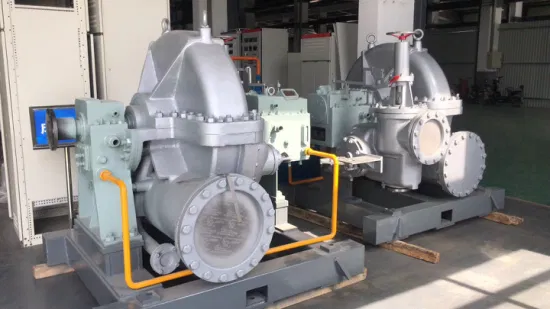
Categories
Uncategorized

Steam Turbines for Community-scale Power Generation

Steam Turbines for Community-scale Power Generation

Steam Turbines for Community-scale Power Generation: Steam turbines are critical components in the generation of mechanical energy from thermal energy in various power generation systems, including both electrical power plants and industrial processes. These devices operate by utilizing steam, typically generated in a boiler, which is directed onto blades or vanes connected to a rotor. The steam, often produced from the combustion of fossil fuels or the harnessing of nuclear energy, carries thermal energy that is converted into mechanical energy by the movement of the steam blades.

The basic operating principle of a steam turbine revolves around the conversion of high-pressure, high-temperature steam into kinetic energy as it passes through the turbine’s rotor. The steam, when it expands through the turbine stages, undergoes a pressure and temperature drop, causing the steam’s velocity to increase, which in turn causes the turbine blades to rotate. This rotational energy is then transmitted to a generator, where it is further converted into electrical energy, or it may be used directly in mechanical processes, depending on the application.

Steam Turbines

The steam turbine typically consists of several stages, each of which includes a set of fixed blades (stators) and rotating blades (rotors). These stages are designed to extract energy from the steam progressively, with each stage taking advantage of the decreasing pressure and temperature of the steam. The initial stage may handle high-pressure steam, while the subsequent stages work with lower pressure and lower-temperature steam.

In power generation, steam turbines are often used in Rankine cycle-based systems, where the steam is generated in a boiler, then expanded through the turbine, and finally condensed in a condenser. This cycle is thermodynamically efficient in that it maximizes the conversion of thermal energy into mechanical energy, though losses due to heat dissipation and mechanical friction are inevitable.

A variety of different steam turbines are designed for specific applications, including back-pressure turbines, condensing turbines, and extraction turbines. Condensing turbines are used in power plants where the exhaust steam is condensed in a condenser and the resulting water is pumped back into the boiler. Back-pressure turbines, on the other hand, are employed in situations where the exhaust steam is utilized for district heating or industrial processes, and the turbine’s exhaust pressure is maintained at a level suitable for these applications.

In addition to the mechanical aspects of steam turbines, there are many considerations that affect their performance and efficiency. These include the design of the blades, the quality of the steam, the operating conditions, and the materials used in the construction of the turbine. Advanced steam turbines may incorporate features such as regenerative heating or reheat cycles, which improve the overall thermodynamic efficiency of the cycle by recovering some of the heat from the exhaust steam or reheating the steam before it enters the turbine.

Materials technology also plays an essential role in steam turbine performance, especially when operating at high temperatures and pressures. The materials used for turbine blades and rotors must be able to withstand not only the thermal stresses but also mechanical stresses due to high rotational speeds. These materials often involve specialized alloys that offer a balance between high-temperature strength, resistance to corrosion, and fatigue resistance.

Another key aspect of steam turbine operation is the monitoring and control of various parameters, including steam flow rate, pressure, temperature, and rotational speed. Modern turbines are often equipped with sophisticated sensors and control systems that allow for real-time monitoring of performance, as well as automated adjustments to optimize efficiency and prevent damage due to operating outside of safe parameters.

Overall, steam turbines remain an essential component in many industries, ranging from power generation to chemical processing and desalination. Their ability to efficiently convert thermal energy into mechanical power, their versatility in various configurations, and their scalability make them indispensable in modern energy production and industrial applications. However, their development and operation continue to evolve with advances in materials, design, and technology to meet growing demands for efficiency, sustainability, and environmental performance.

The development of steam turbines has been marked by continuous advancements in efficiency, durability, and versatility. In particular, the ongoing trend toward larger, more efficient units has driven significant innovations. As the demand for cleaner, more sustainable energy increases, modern steam turbines are being designed with greater attention to reducing fuel consumption and lowering emissions. Innovations in steam turbine technology are closely tied to improvements in boiler efficiency, heat recovery systems, and emissions control technologies. These efforts aim to optimize the overall thermodynamic cycle, ensuring that every unit of energy produced from combustion is harnessed as effectively as possible.

One significant development in steam turbine technology is the use of high-efficiency materials and coatings, particularly for components exposed to the highest temperatures and pressures, such as turbine blades and nozzles. These materials, often based on advanced alloys and ceramic composites, are designed to withstand the harsh conditions inside a turbine, while also preventing damage from erosion and corrosion. The use of advanced coatings, such as thermal barrier coatings, has become common practice in ensuring that turbine components can maintain their integrity over longer operational lifetimes. Additionally, coatings can help mitigate the degradation of the turbine blades due to the corrosive nature of the steam, which may contain trace amounts of salts, acids, or other impurities.

Another significant area of progress in steam turbine technology is the integration of digital and automation systems to enhance performance and reliability. Advanced sensors and control systems now allow operators to monitor a wide array of parameters in real-time, including pressure, temperature, vibration, and rotational speed, making it easier to identify potential issues before they result in failure. This integration of digital technologies, known as predictive maintenance, leverages big data and machine learning algorithms to analyze operational data and predict when a turbine component might fail, allowing for maintenance to be scheduled proactively rather than reactively. This can help avoid unplanned downtime, reduce operational costs, and extend the overall lifespan of the turbine.

The thermal efficiency of steam turbines also benefits from the implementation of combined cycle power plants, where the waste heat from the steam turbine is used to drive a secondary gas turbine. This dual-cycle operation, known as a combined-cycle plant, significantly improves the overall efficiency of electricity generation by capturing and reusing heat that would otherwise be wasted. Combined-cycle plants are now some of the most efficient power plants in the world, with thermal efficiencies exceeding 60%. The use of such plants is a key part of global efforts to reduce carbon emissions, as they can generate more electricity from the same amount of fuel, thus reducing the environmental footprint.

In addition to energy generation, steam turbines also play a pivotal role in industrial applications, particularly in refineries, chemical plants, and paper mills. These industries rely on steam turbines to provide both mechanical and electrical power, as well as to drive compressors, pumps, and other critical machinery. The versatility of steam turbines in various industrial processes is enhanced by their ability to operate in both constant and variable load conditions, as well as by their ability to handle steam from different sources, including waste heat and cogeneration systems.

One particularly important development in industrial applications is the rise of small-scale, modular steam turbines designed for use in decentralized energy production. These smaller turbines can be employed in localized power generation, such as in remote communities, off-grid locations, or industrial plants where access to large-scale power infrastructure may be limited. By combining steam turbines with renewable energy sources, such as biomass or solar thermal energy, these systems can provide flexible, reliable, and sustainable power solutions in a variety of settings.

Moreover, steam turbines are also being adapted for use in renewable energy applications, particularly in the context of waste heat recovery and low-carbon energy systems. For instance, there has been growing interest in using steam turbines in conjunction with geothermal energy, where the natural heat from the Earth is used to generate steam and drive a turbine. This process is particularly relevant in regions with significant geothermal resources, where steam turbines can offer a clean, renewable energy source with minimal environmental impact.

Likewise, concentrated solar power (CSP) systems, which focus sunlight to generate heat for power production, can also use steam turbines as part of their energy conversion process. In these systems, steam is produced from the heat generated by concentrated solar energy, which then drives the turbine to produce electricity. This hybrid approach helps address one of the primary challenges of solar power—its intermittent nature—by incorporating thermal storage systems that allow energy to be stored and used even when the sun is not shining.

Looking to the future, steam turbines are expected to continue evolving in response to growing demands for cleaner, more efficient energy production. Technological advancements in computational fluid dynamics (CFD) and materials science will likely lead to further improvements in turbine efficiency, enabling turbines to operate at even higher temperatures and pressures. Furthermore, the development of advanced manufacturing techniques, such as 3D printing, could potentially reduce production costs and lead to more complex and optimized turbine designs that are lighter, stronger, and more efficient.

As global efforts to combat climate change intensify, steam turbines will likely remain an important part of the energy mix, particularly as part of combined heat and power (CHP) systems, cogeneration plants, and hybrid energy systems. Their ability to provide reliable, scalable, and high-efficiency power generation in a variety of applications will ensure their continued relevance, even as renewable energy sources become more prominent.

The future of steam turbine technology also hinges on the continued evolution of grid integration and energy storage solutions. As more renewable energy sources, such as wind and solar, are integrated into power grids, steam turbines will likely play an increasingly important role in stabilizing grid operations. One of the key challenges with renewable energy is its intermittent nature, where electricity generation fluctuates based on factors such as weather conditions or time of day. Steam turbines, especially when combined with energy storage systems such as batteries or thermal storage, can help smooth out these fluctuations by providing reliable backup power when renewable generation is insufficient.

In many countries, steam turbines are also being looked at as a critical component in the transition to hydrogen-powered energy systems. Hydrogen, when used as a fuel, offers the potential for clean energy generation with water vapor as the only byproduct. The possibility of using hydrogen to power steam turbines presents an exciting avenue for reducing the carbon footprint of conventional power plants. The high energy content of hydrogen means that, in theory, it can be burned or converted into steam to drive turbines with little to no emissions. However, significant research is still needed to understand how steam turbines can be optimized to operate efficiently with hydrogen as a fuel source, considering factors like combustion characteristics and material stress caused by the unique properties of hydrogen.

Another emerging concept that might shape the future of steam turbines is the development of supercritical and ultra-supercritical steam cycles. These cycles operate at much higher pressures and temperatures than traditional subcritical cycles, allowing for greater thermal efficiencies. Supercritical steam cycles, which operate above the critical point of water (374°C and 22.06 MPa), offer a more efficient conversion of thermal energy into mechanical energy, making them ideal for high-efficiency power plants. Ultra-supercritical turbines take this a step further, operating at even higher pressures and temperatures to achieve even greater efficiency. The challenge with these systems lies in material durability, as the extreme conditions can lead to issues such as creep, fatigue, and corrosion over time. Advances in material science, particularly the development of advanced high-temperature alloys and ceramics, are essential to making ultra-supercritical turbines a viable option for next-generation power plants.

While steam turbines have traditionally been associated with large-scale, central power generation, there is also growing interest in using them for small-scale, distributed generation. This shift is partly driven by the growing trend toward decentralized energy systems, which allow for more localized, resilient, and flexible power generation. Small modular reactors (SMRs), for instance, could utilize steam turbines to generate electricity from nuclear reactions on a smaller scale, making nuclear energy more accessible and adaptable to different locations and needs. Similarly, small-scale combined heat and power (CHP) systems using steam turbines could provide reliable, on-demand energy for commercial and industrial applications, as well as for residential communities, particularly in remote areas or regions with unreliable grid access.

Beyond power generation, steam turbines are also finding applications in newer sectors such as carbon capture, utilization, and storage (CCUS). In these systems, steam turbines can be used to drive compressors that capture CO2 from industrial processes or power plants. The captured CO2 can then be transported and stored underground or used for other purposes, such as in enhanced oil recovery or in the production of synthetic fuels. The integration of steam turbines in CCUS processes is critical for reducing emissions from hard-to-decarbonize industries, like cement, steel, and chemicals, which contribute significantly to global greenhouse gas emissions.

On a broader scale, the future of steam turbines is closely tied to global energy policy and the drive toward a low-carbon economy. As governments around the world continue to set ambitious targets for reducing greenhouse gas emissions, the need for cleaner and more efficient power generation technologies will only intensify. Steam turbines will play a central role in achieving these goals, particularly in the context of power plants that rely on a combination of renewable, nuclear, and hydrogen energy sources.

The role of steam turbines in the decarbonization of the energy sector is increasingly important in the context of achieving global climate goals, such as those outlined in the Paris Agreement. By improving efficiency, reducing emissions, and enabling the integration of low-carbon energy sources, steam turbines can contribute significantly to mitigating the impacts of climate change. However, this will require ongoing innovation, investment, and research to ensure that steam turbines are equipped to meet the demands of a rapidly changing energy landscape.

In the context of industrial decarbonization, steam turbines are likely to remain indispensable in sectors such as steel manufacturing, cement production, and chemical processing. These industries rely heavily on high-temperature heat for their processes, and steam turbines, when integrated into cogeneration systems, can help reduce the carbon footprint of these energy-intensive sectors. By coupling steam turbines with renewable energy sources and carbon capture technologies, industries can reduce their reliance on fossil fuels while maintaining the high levels of energy and heat required for their operations.

In conclusion, the future of steam turbines is poised to be shaped by a combination of technological advancements, evolving energy demands, and global environmental goals. As energy systems become more integrated, flexible, and sustainable, steam turbines will continue to play an essential role in the efficient generation of mechanical and electrical power. With ongoing improvements in materials, design, and digital technologies, steam turbines will remain a cornerstone of both traditional and emerging energy systems, ensuring reliable and low-carbon power generation for the decades to come.

Steam turbines for solar-thermal energy integration

The integration of steam turbines with solar-thermal energy systems, particularly in concentrated solar power (CSP) plants, represents a promising path toward achieving more sustainable and efficient energy generation. Solar-thermal energy systems, as opposed to photovoltaic solar systems, utilize mirrors or lenses to concentrate sunlight onto a small area, typically a receiver, where the concentrated heat is used to generate steam. This steam can then drive a steam turbine to produce electricity, much like in conventional fossil-fuel or nuclear power plants.

One of the key advantages of integrating steam turbines into CSP systems is their ability to produce electricity not just during the day when sunlight is available, but also during periods of low or no sunlight, such as at night or during cloudy weather. This is made possible by incorporating thermal energy storage systems, which allow the collected solar energy to be stored as heat in materials like molten salt, concrete, or other heat-retaining substances. The stored heat can then be released as needed to generate steam, which drives the turbine even when solar radiation is not available.

In a typical CSP plant using steam turbines, the concentrated solar energy heats a working fluid, such as water or oil, which is then used to generate high-pressure steam. This steam is directed into the steam turbine, where it expands through multiple stages, transferring its thermal energy into mechanical energy that rotates the turbine blades. The rotational energy is then converted into electricity by a connected generator. The use of steam turbines in CSP plants mirrors the processes used in traditional thermal power plants but replaces fossil fuels with solar energy as the heat source.

The integration of steam turbines into CSP plants offers several key benefits:

1. Efficiency Enhancement through Combined Heat and Power (CHP):

By combining solar-thermal energy with steam turbines, CSP plants can achieve higher overall efficiency. Unlike photovoltaic solar panels, which convert sunlight directly into electricity with relatively low efficiency, CSP systems have the potential to achieve higher efficiencies due to their ability to concentrate sunlight and use heat directly to generate steam. When thermal storage systems are added, CSP plants can maintain a continuous power output, overcoming the intermittency challenge associated with solar energy. The heat stored during the day can be used to produce steam and power turbines even during periods when the sun isn’t shining, providing a more stable and reliable power supply.

2. Thermal Energy Storage:

Thermal energy storage (TES) is one of the key innovations that enables steam turbines in CSP plants to provide dispatchable power. The most common form of TES used in CSP systems is molten salt storage, where salts such as sodium nitrate and potassium nitrate are heated to high temperatures and stored in insulated tanks. This thermal storage medium can retain heat for many hours, allowing for the generation of steam and the driving of turbines after sunset or on cloudy days. The ability to store solar energy as heat and convert it into steam for turbine-driven electricity generation ensures a reliable and flexible energy source, increasing the overall capacity factor of the solar-thermal plant.

3. Reduced Emissions and Fuel Dependency:

One of the strongest arguments for the integration of steam turbines in solar-thermal energy systems is their potential to reduce reliance on fossil fuels. Since solar-thermal energy is a renewable resource, using it to generate steam for turbines reduces the need for coal, natural gas, or oil in power generation. This reduction in fossil fuel use significantly cuts greenhouse gas emissions and other pollutants associated with traditional thermal power plants. In combination with carbon capture, utilization, and storage (CCUS) technologies, CSP plants with steam turbines can offer a near-zero-emissions solution for power generation, contributing to global decarbonization efforts.

4. Scalability and Flexibility:

CSP systems with steam turbines can be scaled up or down depending on the needs of the region or facility. Large utility-scale CSP plants, which can generate hundreds of megawatts (MW) of electricity, are typically designed with large-scale thermal storage systems and advanced turbine technology to provide consistent power. However, smaller, modular CSP systems can also be built, with their turbine systems adapted to match the scale of the installation. This scalability makes CSP with steam turbines a versatile solution for various regions, from remote areas to large metropolitan centers, and enables integration with existing power grids.

5. Hybrid Systems with Other Renewable Energy Sources:

Another promising direction for CSP systems with steam turbines is their hybridization with other renewable energy sources, such as wind or biomass. Hybrid systems that combine CSP with wind or biomass can provide an even more stable and resilient power supply by smoothing out fluctuations in renewable generation. For example, when wind power is strong but solar energy is weak, the CSP plant can be used to provide supplementary power through stored thermal energy, and vice versa. This integration of multiple renewable sources not only helps ensure a more reliable supply of electricity but also improves the overall efficiency of the system by balancing power generation across different sources.

6. Operational Challenges and Future Developments:

While CSP with steam turbines offers clear benefits, there are also several challenges that need to be addressed to improve the technology’s efficiency, reliability, and cost-effectiveness. One significant challenge is the high initial capital cost of CSP plants, including the cost of mirrors, receivers, thermal storage systems, and the steam turbine infrastructure. However, costs are expected to continue falling as technology improves and economies of scale are realized.

Additionally, the materials used for steam turbines in CSP plants must be capable of withstanding higher temperatures and thermal stresses compared to those used in conventional fossil fuel or nuclear power plants. Advances in materials science are crucial to ensuring the durability and performance of these turbines under such extreme conditions. New materials and coatings that resist corrosion, oxidation, and high-temperature wear are essential to extending the lifespan and maintaining the efficiency of steam turbines in CSP applications.

7. Global Trends and Future Outlook:

As the global demand for clean energy grows, CSP with steam turbines is likely to play an increasing role in the energy mix. Countries with abundant solar resources, particularly those in regions like the Middle East, North Africa, and parts of the United States, are well-positioned to deploy large-scale CSP plants with steam turbines. CSP plants are particularly attractive in sunny, arid regions where land availability is not a limiting factor and where thermal storage can help bridge the gap between daytime solar generation and nighttime demand.

Furthermore, the continuing research and development of advanced heat transfer fluids (HTFs), such as supercritical CO2, will likely increase the efficiency and cost-effectiveness of CSP systems, allowing for more widespread deployment of steam turbines. Supercritical CO2 offers a promising alternative to traditional heat transfer fluids like water or molten salt, as it operates at higher temperatures and pressures, potentially improving both the thermal efficiency and the operational flexibility of CSP plants.

Conclusion:

Incorporating steam turbines into solar-thermal energy systems, especially concentrated solar power (CSP) plants, represents a significant step toward making solar energy more reliable, efficient, and commercially viable. The ability to store thermal energy and convert it into electricity on demand through steam turbines addresses one of the key challenges of renewable energy: intermittency. With ongoing technological advancements, reductions in costs, and improvements in materials, CSP systems with steam turbines could become a cornerstone of the global transition to a low-carbon, sustainable energy future. By harnessing the power of the sun and converting it into clean, dispatchable energy, these systems provide a powerful tool for tackling the energy challenges of the 21st century.

The integration of steam turbines into solar-thermal energy systems, particularly through concentrated solar power (CSP) plants, holds great promise for enhancing the efficiency and reliability of renewable energy generation. By using mirrors or lenses to concentrate sunlight onto a receiver, CSP systems can produce heat that is used to generate steam, which in turn drives a steam turbine connected to a generator. This process mimics conventional power plants that rely on fossil fuels or nuclear energy, but instead of using combustion to generate heat, CSP plants harness solar energy.

A major advantage of this integration is that steam turbines in CSP plants can not only produce electricity during the day when sunlight is available but also during periods when the sun is not shining, such as at night or during cloudy weather. This is made possible by thermal energy storage (TES) systems, which store the heat collected by the solar receivers for later use. Materials like molten salts, which have high thermal storage capacities, are typically used for this purpose. These salts can store heat for several hours, allowing CSP plants to continue generating steam and driving turbines even when solar radiation is not present. This ability to store energy makes CSP systems with steam turbines highly flexible, ensuring that they can provide a stable and dispatchable power supply.

The use of steam turbines in CSP systems also enhances the overall efficiency of the energy conversion process. Unlike photovoltaic solar panels, which convert sunlight directly into electricity with relatively lower efficiencies, CSP systems can operate at higher efficiencies due to their ability to concentrate sunlight and convert it into high-temperature heat. This heat is then transferred to a working fluid that generates steam, which powers the turbine. When combined with thermal storage, CSP systems can offer a continuous supply of electricity, overcoming the intermittency issue that is often associated with solar power generation. The integration of steam turbines in this context provides not just renewable power but a more consistent and reliable source of electricity compared to other solar technologies.

In terms of emissions, CSP systems with steam turbines present a significant environmental advantage over traditional fossil-fuel power plants. By replacing the need for coal, oil, or natural gas, these solar-thermal systems can dramatically reduce greenhouse gas emissions and the pollutants typically associated with conventional thermal power generation. Additionally, as the world moves toward decarbonization and aims to achieve net-zero emissions by mid-century, CSP systems are seen as a key technology for providing clean, renewable, and sustainable energy.

The potential for hybrid systems also adds to the appeal of CSP with steam turbines. By combining solar-thermal energy with other renewable sources, such as wind or biomass, CSP plants can offer more consistent and resilient power. For instance, when solar energy production is low due to weather conditions or time of day, wind energy could supplement the power generation, or vice versa. Such hybrid systems could provide the flexibility to balance renewable generation, reduce reliance on grid power, and enhance the overall efficiency of power plants. This versatility in generation capacity is an attractive feature for utilities and energy producers looking to meet growing energy demands while reducing their carbon footprint.

As CSP technology advances, one of the main challenges is cost, especially in the initial stages of plant development. The capital investment required to build CSP systems with thermal storage and steam turbines remains relatively high compared to other renewable technologies, such as photovoltaic solar or wind. However, costs are expected to decrease as the technology matures, economies of scale are realized, and manufacturing processes become more efficient. In the long term, this reduction in costs, along with the increasing efficiency of thermal storage and turbine technology, will likely make CSP systems with steam turbines more competitive in the global energy market.

Another challenge lies in the durability and performance of the materials used in steam turbines. Given the high temperatures and pressures involved in CSP systems, the materials for turbine blades, pipes, and heat exchangers must be carefully selected to withstand extreme thermal and mechanical stresses. Advances in materials science, including the development of advanced alloys and coatings that can resist oxidation, erosion, and high-temperature damage, are critical for ensuring the long-term reliability of these turbines. Furthermore, the use of supercritical CO2 as a heat transfer fluid is being explored as a way to increase the efficiency of CSP systems, as CO2 can operate at higher temperatures and pressures than traditional fluids like water or molten salt.

Despite these challenges, the potential benefits of integrating steam turbines with solar-thermal energy are significant. CSP systems with steam turbines can provide reliable, dispatchable power, which is essential for grid stability, especially in regions where renewable energy sources like wind and solar dominate the energy mix. By providing a consistent power supply that complements other renewable sources, CSP plants can help to reduce the reliance on fossil fuels and promote a more sustainable energy future. Moreover, the ability to store thermal energy and generate electricity even when solar energy is not available gives CSP plants a unique advantage over other solar technologies.

In the coming years, CSP with steam turbines is expected to play an increasingly important role in the global energy landscape, especially in regions with abundant sunlight and significant land availability. As the technology continues to evolve, with improvements in efficiency, cost, and scalability, CSP plants will become a key tool in the transition to a low-carbon energy system. The combination of solar-thermal energy and steam turbines offers a powerful solution for addressing the challenges of energy reliability, grid stability, and decarbonization, making it an essential component of a sustainable and resilient energy future.

As CSP systems with steam turbines continue to mature, we are seeing advancements that further enhance their potential for large-scale adoption. The evolution of these systems is not only about improving thermal efficiency but also about integrating more sophisticated technologies that enable better performance, lower costs, and greater flexibility in energy generation.

One area of innovation is in the development of next-generation thermal energy storage technologies. While molten salts are the most common medium used for thermal storage in CSP systems today, researchers are exploring alternative materials and methods that could offer better thermal storage capacities, lower costs, and enhanced performance. These new storage technologies, such as phase-change materials or advanced thermochemical storage systems, have the potential to further extend the operational hours of CSP plants, enabling them to generate electricity for longer periods without sunlight. Such improvements in storage will make CSP systems even more competitive with other forms of power generation and further mitigate the intermittency issues of solar power.

At the same time, heat exchangers and advanced materials used in steam turbines are undergoing rapid improvement. These components must be able to handle the high temperatures and thermal cycling associated with CSP operations without degrading over time. New alloys, ceramics, and coatings are being developed to ensure that turbine blades, nozzles, and other critical parts can withstand the extreme conditions of CSP plants, maintaining performance and efficiency over the long term. Additionally, these materials are being optimized to resist corrosion and erosion, which are significant concerns when dealing with high-temperature, high-pressure steam.

The potential for supercritical steam cycles in CSP plants is another area of growing interest. Supercritical steam cycles operate at pressures and temperatures above the critical point of water, offering significantly improved thermal efficiency compared to subcritical cycles. In conventional thermal power plants, supercritical and ultra-supercritical steam cycles have already shown to improve overall plant efficiency by more than 10%. If CSP plants can integrate supercritical steam cycles, the overall efficiency of solar-thermal energy conversion could increase significantly, making CSP even more cost-competitive with traditional energy sources like coal and natural gas.

Hybridization of CSP with other renewable energy sources is also gaining momentum. By combining CSP systems with wind energy or biomass, power plants can better balance the fluctuations in renewable generation, ensuring a more stable and continuous energy supply. For example, when solar energy production is low due to cloud cover, wind energy could compensate for the loss, or vice versa. This hybrid approach ensures grid stability while optimizing the use of renewable resources. Furthermore, combining CSP with energy storage systems like large-scale batteries could provide an additional layer of reliability, allowing plants to store excess energy when generation exceeds demand and release it when solar energy is insufficient.

As CSP technology continues to evolve, the economic viability of these systems is steadily improving. The reduction in capital costs, driven by advancements in manufacturing and increased competition in the renewable energy market, is making CSP plants with steam turbines more attractive for investors and utility companies. The economies of scale that are being realized as larger, more efficient plants are built will likely further reduce costs, making CSP an increasingly viable alternative to fossil-fuel-based generation.

One of the more exciting aspects of CSP integration with steam turbines is the potential for local energy generation in regions that have significant solar resources. For example, countries with vast desert areas—like those in the Middle East, North Africa, and parts of the Southwestern United States—are ideal candidates for large-scale CSP deployment. In these regions, where land availability is abundant, CSP plants can be built to harness solar energy on a massive scale, with steam turbines providing reliable, round-the-clock power. Moreover, CSP plants can often be built in modular configurations, which makes them adaptable to smaller or distributed energy generation projects as well.

Beyond electricity generation, desalination is another promising application for CSP with steam turbines. Many coastal regions that rely on desalination for fresh water could benefit from solar-thermal systems integrated with steam turbines. CSP plants, using their thermal energy to power desalination processes, could provide both electricity and potable water for water-scarce regions. This hybrid approach to energy and water production is especially important in arid areas where both energy and water are critical resources.

The integration of steam turbines into solar-thermal systems also offers potential synergies with existing infrastructure. CSP plants can be integrated into regions that already have large-scale thermal power infrastructure, particularly in areas where there is a need to reduce emissions from traditional fossil-fuel-based generation. By retrofitting existing power plants to incorporate solar-thermal collectors and steam turbines, these facilities can reduce their carbon footprint while maintaining a steady supply of electricity. This transition to hybrid systems could also extend the operational life of existing plants, helping to transition away from coal and natural gas without significant upfront capital costs.

Furthermore, advancements in grid integration are critical to the future success of CSP with steam turbines. The ability to seamlessly integrate renewable energy sources into the grid is an ongoing challenge, particularly in regions where grid infrastructure is outdated or incapable of handling the variability of renewable generation. As the grid becomes smarter and more flexible, with the integration of advanced energy management systems, CSP plants with steam turbines will be better equipped to provide reliable power on demand, reducing the need for backup power from fossil fuel plants.

The global push for decarbonization continues to drive the adoption of renewable energy technologies, including CSP with steam turbines. As countries around the world set ambitious targets to reduce their carbon emissions, CSP plants with thermal storage and steam turbines offer a viable solution for meeting both energy demand and sustainability goals. In regions that are heavily dependent on fossil fuels for power generation, transitioning to CSP systems could significantly cut emissions, contribute to energy independence, and create new economic opportunities in the renewable energy sector.

In conclusion, the future of CSP with steam turbines looks promising, with advancements in storage technology, materials science, and hybrid energy systems all playing a role in enhancing their efficiency and cost-effectiveness. As the technology matures, CSP plants integrated with steam turbines could become a key player in the global transition to a sustainable and low-carbon energy future. With continued research, innovation, and investment, solar-thermal power systems can help meet the growing global demand for clean, reliable, and affordable energy.

The ongoing development of CSP systems with steam turbines is positioned to play an essential role in the global transition to a low-carbon economy, especially as nations continue to increase their focus on achieving net-zero emissions. A pivotal aspect of this progress lies in the scalability and adaptability of CSP systems, enabling them to meet diverse energy demands in a variety of regions and industries. As the technology continues to improve and costs decline, CSP with steam turbines is expected to become an increasingly viable option for both large utility-scale projects and smaller, more distributed energy systems.

One area where CSP systems with steam turbines can make a significant impact is in the decentralization of power generation. While large-scale CSP plants in deserts or arid regions may continue to provide electricity to major grids, there is also a growing interest in deploying smaller-scale CSP systems that are more localized. These smaller systems, integrated with steam turbines, could provide reliable and sustainable electricity for isolated communities, industrial operations, or even remote agricultural applications, where access to the grid is limited or unavailable. This decentralization of energy generation has the potential to increase energy security, reduce transmission losses, and enable regions with abundant solar resources to meet their own power needs independently of larger grid infrastructures.

In addition to providing electricity, CSP systems integrated with steam turbines offer another layer of potential value by facilitating combined heat and power (CHP) applications. CHP systems allow for the simultaneous production of both electricity and useful thermal energy, which can be used in industrial processes, district heating, or even desalination. By capturing and utilizing the excess thermal energy from steam production, CSP plants can significantly improve overall energy efficiency. This dual benefit of power generation and heat production could make CSP plants even more attractive in industrial regions, where both electricity and process heat are in high demand.

Another emerging opportunity for CSP with steam turbines lies in industrial decarbonization. Many industries, particularly those that rely on high-temperature heat for their operations, are among the most challenging to decarbonize. These include cement, steel, chemical production, and refining industries, which typically require vast amounts of thermal energy. By incorporating solar-thermal systems that use steam turbines into these industrial processes, companies can reduce their dependence on fossil fuels, lowering both their operating costs and carbon emissions. CSP plants with steam turbines can be integrated into industrial facilities, replacing conventional boilers or natural gas-fired turbines with clean, solar-powered steam generation systems.

One of the most promising areas for CSP systems with steam turbines is in hybridized applications. As the global energy mix shifts toward renewables, the ability to combine different renewable energy technologies to optimize power generation will be increasingly important. CSP systems with steam turbines are an ideal candidate for hybridization with other renewable sources like wind, hydroelectric, or geothermal energy. For example, in regions where solar energy is abundant during the day but often supplemented by strong winds at night, combining CSP with wind power could provide a continuous and stable supply of electricity to the grid. Similarly, when CSP systems are deployed in regions with significant geothermal resources, a hybrid approach could maximize the use of both solar-thermal and geothermal energy, further reducing the need for backup fossil-fuel power plants.

The flexibility and resilience provided by hybrid systems also support grid stabilization, particularly in areas where the energy mix is heavily reliant on intermittent renewable sources like wind and solar. CSP systems with steam turbines can help balance supply and demand by storing thermal energy and releasing it during times when other renewable sources are not generating sufficient power. This dispatchability is a major advantage over other renewable technologies, which may not be able to provide consistent, on-demand energy. As grids become more complex and interconnected, technologies like CSP with steam turbines that offer both stability and flexibility will be crucial for maintaining grid reliability.

In terms of energy storage, while molten salts and other thermal storage media continue to be the dominant solutions for CSP plants, innovations in battery storage and advanced grid integration are beginning to offer even more possibilities for long-term energy storage. Battery technologies, such as lithium-ion and solid-state batteries, can store electricity generated from CSP plants and other renewable sources, allowing the stored energy to be dispatched when needed. Combined with thermal energy storage, these technologies could offer an integrated solution for grid stabilization, ensuring that power generation from CSP systems is available when it is most needed.

Additionally, the ongoing development of hydrogen production technologies is poised to complement CSP systems with steam turbines. The process of electrolysis, where electricity is used to split water into hydrogen and oxygen, can be powered by renewable electricity from CSP plants. The hydrogen produced through this process can then be used as a clean fuel for a variety of applications, including transportation, industrial processes, and even power generation. By integrating hydrogen production with CSP systems, it’s possible to create a closed-loop renewable energy system where solar power is stored as hydrogen and later used for power or other energy needs. This combination of solar-thermal energy and hydrogen production has the potential to be a game-changer in the pursuit of net-zero emissions.

Beyond electricity generation and energy storage, CSP plants with steam turbines also have the potential to play a key role in the production of green fuels. As part of the global effort to decarbonize sectors like aviation, shipping, and heavy-duty transportation, the production of synthetic fuels or biofuels will become increasingly important. CSP systems can be integrated into power-to-x technologies, which convert excess renewable electricity into useful forms of energy such as synthetic gas, methanol, or liquid fuels. These fuels can be used in sectors that are difficult to electrify, offering a versatile solution to global decarbonization goals.

Finally, regulatory frameworks and government policies will play a major role in the future growth of CSP systems with steam turbines. As many countries have already committed to reducing their greenhouse gas emissions, renewable energy mandatescarbon pricing, and clean energy subsidies will likely drive further investment in solar-thermal technologies. Governments around the world can support the growth of CSP by providing incentives for research and development, as well as funding for large-scale pilot projects that demonstrate the viability of CSP technology in diverse geographical locations.

In conclusion, CSP systems integrated with steam turbines are not only a promising solution for generating reliable, dispatchable renewable energy but also offer a multitude of applications across industrial sectors, energy storage, and hybrid power generation. As technology continues to evolve, CSP with steam turbines will be increasingly crucial in the global effort to decarbonize the energy sector, improve energy security, and create a sustainable, low-carbon future. With further advancements in materials, energy storage, grid integration, and hybridization with other renewable technologies, CSP will continue to play a pivotal role in meeting the world’s growing energy demands in a cleaner, more sustainable way.

As the demand for clean energy intensifies, the role of CSP systems with steam turbines will become even more critical in addressing energy challenges worldwide. The combination of renewable solar energy with thermal energy storage and steam turbines is not only a technical solution but also an economic opportunity. With global energy markets increasingly focused on decarbonization, CSP has the potential to significantly disrupt traditional energy paradigms. The future of CSP with steam turbines will be shaped by several emerging trends, which include innovations in turbine technology, cost reduction, enhanced grid integration, and increased focus on sustainability across the entire lifecycle of CSP projects.

One of the main drivers of the future success of CSP systems is the ongoing improvement in turbine technology. As steam turbines continue to evolve, their ability to operate at higher temperatures and pressures—facilitated by advancements in materials science—will unlock greater efficiencies. The integration of advanced cooling technologies and optimized turbine designs will allow steam turbines to generate more electricity per unit of thermal energy, increasing the overall efficiency of CSP plants. Moreover, digitalization and smart grid integration will help optimize turbine performance in real-time. Through advanced sensors, predictive analytics, and AI-based algorithms, operators will be able to fine-tune turbine operation for maximum efficiency, reduce downtime, and minimize maintenance costs.

The cost trajectory for CSP plants with steam turbines is also heading in a favorable direction. Historically, the upfront capital costs for CSP systems, including the installation of mirrors, thermal storage systems, and steam turbines, have been a barrier to widespread adoption. However, as the global market for renewable energy expands and more CSP plants are built, the economies of scale will drive down the cost of components and installation. In particular, the cost of thermal storage is expected to fall as innovations in storage media and improved manufacturing processes lower the price of molten salts, phase-change materials, and other thermal storage solutions. Additionally, increased competition in the renewable energy sector, along with government incentives and policies promoting clean energy adoption, will accelerate the reduction in capital costs, making CSP with steam turbines an increasingly cost-competitive option compared to other renewable technologies and traditional fossil-fuel-based generation.

The integration of CSP with the power grid will continue to be a key area of development. As renewable energy sources like solar and wind become more dominant, the need for stable and flexible grid systems will intensify. CSP plants with steam turbines, equipped with thermal storage, are well-positioned to provide a steady and reliable flow of electricity, compensating for the intermittency of other renewable sources. The role of grid-scale energy storage technologies such as batterieshydrogen storage, and pumped hydro will complement CSP plants in maintaining grid stability. With the right mix of energy storage and smart grid technology, CSP systems can provide baseload and peaking power, ensuring a consistent energy supply and reducing the reliance on fossil fuels for grid balancing.

Moreover, grid integration is not limited to large-scale plants alone. Microgrids and distributed CSP systems are gaining traction, especially in remote or off-grid locations. Small-scale CSP plants with steam turbines could offer communities and industries a decentralized source of reliable and clean power, with the added benefit of energy independence. These smaller systems can be integrated with local renewable resources, such as wind or biomass, providing a tailored energy solution that is resilient to fluctuations in external energy supplies. In addition, CSP with steam turbines could be coupled with desalination plants to provide both electricity and freshwater to regions that face both energy and water scarcity, offering a two-fold solution to the pressing needs of many parts of the world.

CSP systems also offer a significant opportunity for industrial decarbonization. Many industrial sectors, such as cementsteel, and chemical production, require large amounts of heat at high temperatures, which are traditionally supplied by burning fossil fuels. Integrating solar-thermal systems that use steam turbines into these industries could dramatically reduce their carbon emissions, contributing to a greener industrial sector. This approach to decarbonization aligns with the growing trend of corporate sustainability initiatives, where industries are seeking cleaner alternatives to reduce their carbon footprint. In some cases, CSP plants with steam turbines could replace natural gas boilers or other fossil-fuel-based systems, achieving significant reductions in greenhouse gas emissions while maintaining process heat needs.

Furthermore, hybrid systems that combine CSP with other low-carbon technologies could further improve the economic and environmental performance of energy systems. For instance, pairing CSP plants with battery energy storage systems (BESS) can offer enhanced dispatchability, allowing CSP-generated electricity to be stored and released during periods of high demand or when solar generation is low. Likewise, hybridizing CSP with wind power or biomass could create a resilient and diversified renewable energy mix that ensures consistent electricity production across varying weather conditions. Such hybrid systems could provide 24/7 clean power, particularly for regions with abundant renewable resources, offering a major advantage in terms of both grid stability and emissions reduction.

The environmental sustainability of CSP plants is another critical consideration. As interest in solar-thermal energy grows, the lifecycle impact of CSP systems will become an increasingly important factor in their widespread deployment. Environmental assessments of CSP projects will look not only at operational emissions but also at the carbon footprint associated with manufacturing and installing thermal storage systems, turbines, and mirrors. Ongoing improvements in material efficiency and the recycling of components will help reduce the environmental impact of CSP systems. Additionally, water usage—a critical factor in many CSP plants, especially those using steam cycles—can be optimized through dry cooling technologies and advanced water treatment processes, ensuring that CSP plants operate with minimal environmental degradation.

The global energy policy landscape will continue to shape the future of CSP systems. As countries and regions set more ambitious climate goals, the need for large-scale, reliable, and clean energy solutions will increase. Governments will play a crucial role by implementing policies that incentivize the development of CSP technologies and other renewable energy systems. This may include carbon pricing mechanismsfeed-in tariffsrenewable energy auctions, and investment in energy infrastructure. Such policies will foster an environment in which CSP with steam turbines can thrive, attract investment, and support the transition to a cleaner energy system.

Finally, public-private partnerships will be key to accelerating the development and deployment of CSP systems. Collaboration between governments, research institutions, and private industry can drive innovations in financing modelstechnological development, and infrastructure investments that make CSP more accessible and scalable. Large-scale CSP projects often require significant upfront investment, and leveraging public-private partnerships can help de-risk these projects and attract the necessary capital. Additionally, international cooperation on research, development, and deployment of CSP technologies can accelerate their global adoption, particularly in emerging markets where energy access is still a major challenge.

In summary, the future of CSP with steam turbines is bright, driven by advancements in technology, cost reductions, hybrid energy systems, and a global push for sustainability. With the right combination of innovationpolicy support, and market demand, CSP systems could become a cornerstone of the global energy transition. Their ability to provide dispatchable, reliable, and low-carbon power makes them an attractive option for countries seeking to meet their energy needs while addressing climate change. As the world increasingly turns to renewable energy, CSP with steam turbines will play a vital role in ensuring a cleaner, more resilient, and more sustainable energy future for generations to come.

As we look further into the future of CSP systems with steam turbines, several emerging trends and potential innovations could further accelerate their deployment and integration into global energy systems. This includes advancements in digital technologiesAI-driven optimizationmaterial innovations, and global collaboration that will make CSP more efficient, cost-effective, and adaptable to various local contexts.

One of the most promising directions for the future of CSP is the integration of digital technologies to improve both operational efficiency and overall performance. As the energy sector becomes increasingly digitalized, smart monitoring systemsadvanced sensors, and predictive analytics will play a crucial role in optimizing CSP plant operations. These technologies allow for real-time monitoring of plant conditions, detecting inefficiencies or mechanical failures before they cause significant downtime. Additionally, digital twins—virtual replicas of physical systems—can simulate various operating conditions and help engineers make data-driven decisions to improve turbine performance, reduce wear and tear, and extend the lifespan of equipment. This capability can significantly reduce operational and maintenance costs, improving the economics of CSP plants over their lifecycle.

In conjunction with these monitoring and optimization technologies, AI and machine learning will be increasingly deployed to improve the performance of CSP systems. AI algorithms can analyze vast amounts of operational data, predict energy output based on weather patterns, and optimize the dispatch of electricity from CSP plants in real-time. Machine learning can also help optimize the management of thermal storage, ensuring that excess heat is stored and utilized efficiently. Moreover, machine learning can improve fault detection and predictive maintenance, reducing downtime and extending the life of critical components such as steam turbines and thermal storage systems.

Another area where innovation will drive the future of CSP is in material science. As CSP systems typically operate under extreme conditions—high temperatures, intense pressure, and exposure to potentially corrosive environments—materials that are highly durable, heat-resistant, and corrosion-resistant are critical for the longevity of components like steam turbines, heat exchangers, and thermal storage systems. Researchers are focusing on developing high-temperature alloysceramic composites, and advanced coatings that can withstand the harsh operating conditions of CSP systems. New materials may not only improve efficiency but also reduce the frequency of maintenance, ultimately lowering operational costs.

One example is the development of superalloys that could allow steam turbines to operate at even higher temperatures and pressures than current materials permit. This would enable CSP plants to achieve higher thermal efficiencies, potentially exceeding 40% or more in some cases. Likewise, advanced coatings could protect turbine blades and heat exchangers from oxidation and erosion, extending their service life and improving the overall economic viability of CSP plants. These innovations in materials could be critical in ensuring that CSP technology remains competitive with other forms of renewable energy and traditional power generation.

Thermal storage innovations are another crucial area of progress for CSP systems. As storage technologies advance, the potential to increase the capacity and reduce the cost of thermal energy storage (TES) will be pivotal in enhancing the dispatchability and flexibility of CSP systems. Beyond molten salts, which are widely used today, new storage media—such as phase-change materials (PCMs), thermochemical storage materials, or liquid metals—are being explored for their ability to store heat more efficiently and at lower cost. PCMs, for instance, store energy by changing phase (from solid to liquid or vice versa) and can offer greater storage densities and potentially lower costs compared to molten salts.

Innovative thermal storage designs that allow for more modular, scalable systems will also play a role in expanding CSP capabilities. This flexibility could allow CSP plants to be scaled more easily to suit the energy needs of different regions, from large utility-scale plants to smaller, distributed installations in remote or off-grid areas. In some cases, these smaller systems could be directly integrated with other renewable technologies, such as wind or biomass, to create resilient hybrid systems that provide clean energy around the clock.

An exciting emerging application of CSP technology is the direct integration of CSP systems with hydrogen production. As hydrogen emerges as a key fuel for decarbonizing hard-to-abate sectors, CSP systems with steam turbines could play a critical role in producing green hydrogen. By using CSP-generated heat to power electrolysis (the process of splitting water into hydrogen and oxygen), CSP plants could produce hydrogen without emitting greenhouse gases. As hydrogen infrastructure grows, the integration of hydrogen production with CSP could help reduce the cost of both electricity and hydrogen, enabling the widespread adoption of hydrogen as a clean energy carrier for transport, industrial processes, and even electricity generation.

Another important consideration for CSP systems is water usage, particularly in arid regions where many CSP plants are located. Conventional CSP systems often use water for cooling, which can be a significant constraint in water-scarce regions. To overcome this limitation, dry cooling technologies are being developed and deployed. These technologies, which use air instead of water to cool the steam, reduce the need for large volumes of water, making CSP plants more sustainable in areas where water resources are limited. Additionally, advances in closed-loop cooling systems and efficient heat exchangers can further minimize water consumption and improve the environmental profile of CSP plants.

The role of CSP systems in hybrid power plants is also gaining increasing attention. By combining CSP with other renewable technologies such as wind and biomass, power producers can create more resilient energy systems that provide consistent, dispatchable power. For example, CSP plants with thermal storage can provide electricity during the day and night, while wind or biomass power can supplement generation during cloudy periods or at night. This hybrid approach can ensure that the grid remains stable and that power generation is available when it’s needed most. Additionally, hybrid systems can help reduce curtailment of renewable energy, where excess generation occurs during times of low demand. By intelligently managing the energy mix and storage, hybrid systems can reduce reliance on fossil-fuel backup power plants, cutting emissions and improving grid resilience.

The global collaboration necessary for CSP’s growth is another key factor that will drive its future development. International cooperation between governments, researchers, and industry stakeholders can accelerate the deployment of CSP systems by sharing knowledge, best practices, and technical innovations. Collaborative projects that involve multiple countries and stakeholders will be essential for creating the large-scale infrastructure necessary to integrate CSP into national and regional energy grids. Furthermore, international standardization of CSP components and practices can help reduce costs and improve the consistency and reliability of CSP systems.

Finally, policy support will remain a cornerstone of CSP growth. Government incentives, renewable energy mandates, and long-term energy planning policies will be crucial in promoting CSP technology. As governments set ambitious climate targets, carbon pricing mechanismsfeed-in tariffs, and renewable energy credits will further incentivize investment in renewable technologies, including CSP. Additionally, public-private partnerships can help de-risk large-scale CSP projects and attract the necessary funding for research, development, and infrastructure deployment.

In summary, the future of CSP systems with steam turbines is highly promising, driven by technological advancements in turbine design, thermal storage, materials, and digital optimization. As innovations continue to reduce costs and improve efficiency, CSP will become an increasingly competitive and attractive option in the global energy transition. The hybridization of CSP with other renewable sources, integration with hydrogen production, and the development of water-efficient cooling technologies will unlock new applications and markets for CSP. With strong policy support and global collaboration, CSP systems with steam turbines will play a vital role in achieving a sustainable, low-carbon, and resilient energy future.

Steam turbines for waste heat utilization

Efficiency of Steam Turbines

Steam turbines for waste heat utilization are becoming an increasingly important solution for improving energy efficiency across various industries. Waste heat, which is generated during industrial processes, is often overlooked as a potential energy source. However, using steam turbines to recover and convert this otherwise wasted heat into useful electricity or mechanical power can significantly enhance the overall efficiency of industrial operations and contribute to reducing carbon emissions. The integration of steam turbines into waste heat recovery systems is especially crucial as industries and countries seek to decarbonize and optimize their energy consumption, in line with global sustainability goals.

Waste heat is produced during almost all industrial processes, including those in metallurgicalcementchemicalpetrochemical, and food processing industries. In many of these operations, heat is generated by combustion or chemical reactions and is often vented to the atmosphere or discarded into cooling systems without being put to further use. Heat recovery technologies, particularly steam turbines, can capture this waste heat and convert it into electricity or mechanical power. This not only improves the overall energy efficiency of these processes but also reduces the consumption of primary fuels, lowering both operating costs and greenhouse gas emissions.

The integration of steam turbines into waste heat recovery systems offers several advantages. One of the main benefits is the ability to generate electricity from heat that would otherwise be wasted. For example, in industrial settings where excess heat is produced by high-temperature furnaces, ovens, or exhaust gases, steam turbines can be used to drive generators, converting the thermal energy into electrical power. The steam turbine system is connected to a heat recovery steam generator (HRSG), which collects and converts the waste heat into steam. The generated steam then drives the turbine, which is coupled to a generator that produces electricity. This recovered electricity can be used within the plant or fed back into the grid, contributing to overall energy efficiency.

In addition to generating electricity, steam turbines can also be used to provide mechanical power for various industrial applications. For example, in industries that require high-temperature steam for processes such as dryingdistillation, or pasteurization, waste heat can be recovered and used to supply the necessary steam for these operations. By using recovered steam, plants can reduce their reliance on fossil fuels and minimize the environmental impact of their operations. In some cases, waste heat can even be directly utilized for district heating, supplying nearby communities or facilities with thermal energy for space heating or water heating.

One of the critical factors that influence the efficiency of waste heat recovery systems is the temperature of the waste heat. In general, higher-temperature waste heat is more easily converted into useful power through steam turbines. Therefore, steam turbines are particularly well-suited for applications where waste heat is produced at high temperatures (typically above 300°C or 572°F). This includes industries like steel manufacturingcement production, and refining, where processes typically generate high-temperature exhaust gases. The ability to capture and utilize this heat directly results in improved overall plant efficiency, reducing the need for additional fuel inputs.

However, low-grade waste heat, such as heat generated at temperatures below 100°C (212°F), is more difficult to convert into electricity using traditional steam turbines due to the lower temperature differential between the heat source and the environment. To address this challenge, organic Rankine cycle (ORC) systems have been developed as an alternative. ORC systems are similar to steam turbines but use organic fluids with lower boiling points, enabling them to recover and convert waste heat at lower temperatures into electricity. While ORC systems are not as efficient as traditional steam turbines for high-temperature waste heat, they are still an important tool for harnessing energy from lower-temperature heat sources.

Steam turbines used in waste heat recovery are also an important part of combined heat and power (CHP) systems. In CHP systems, waste heat from electricity generation is captured and used for heating purposes, increasing the overall efficiency of energy use. This can be especially advantageous in industrial processes that require both electricity and thermal energy. By utilizing both forms of energy, industries can achieve overall system efficiencies that exceed 80% or even 90%, significantly higher than traditional systems that only convert fuel into electricity or heat separately. The integration of steam turbines into CHP systems allows industries to reduce their reliance on external power sources and significantly cut their energy costs.

In terms of economic feasibility, the integration of steam turbines into waste heat recovery systems is increasingly becoming more attractive as both energy prices and environmental regulations rise. Many industrial sectors are now facing the dual pressure of reducing their energy consumption while also lowering their carbon emissions. By installing steam turbines for waste heat recovery, industries can not only improve their energy efficiency but also lower their greenhouse gas emissions, helping them meet carbon reduction goals. Additionally, the cost savings from reduced energy consumption can provide a quick return on investment (ROI) for waste heat recovery systems.

In terms of technological advancements, there are several areas where improvements are being made to enhance the efficiency and performance of steam turbines used for waste heat recovery. One area of development is the use of advanced materials in turbine construction. Traditional steam turbines rely on metal alloys that can become brittle or corroded over time, particularly in high-temperature and corrosive environments. However, advancements in high-performance materials such as superalloys and ceramic coatings can increase the lifespan of turbines, reduce maintenance costs, and enhance their ability to operate at higher temperatures and pressures.

Another area of development is the optimization of turbine design for waste heat recovery applications. Traditional steam turbines are often designed for large-scale power generation, but newer designs are being developed specifically for industrial waste heat recovery. These turbines are smaller, more compact, and optimized for lower power outputs while maintaining high efficiency. This makes them well-suited for use in smaller industrial facilities where space and energy demand may be limited. In addition, advanced turbine designs with improved heat exchange systems can increase the amount of heat that is captured and utilized, boosting the overall efficiency of the system.

In the context of sustainability, using steam turbines for waste heat recovery is a powerful tool for reducing carbon emissions and improving resource efficiency. Waste heat recovery not only reduces the consumption of fossil fuels but also decreases greenhouse gas emissions by minimizing the need for additional fuel burning. By capturing and reusing waste heat, industries can achieve net-zero emissions or even become carbon-neutral, particularly when paired with renewable energy sources such as solar or wind. The use of steam turbines in waste heat recovery also reduces the environmental impact of industrial activities by lowering the demand for cooling water and reducing thermal pollution.

The future of steam turbines for waste heat utilization lies in further innovation, particularly in the integration of these systems into smart factories and industrial internet of things (IIoT) networks. Through the use of real-time monitoring, predictive analytics, and automation, industries will be able to optimize their waste heat recovery systems more efficiently. For example, sensors and data analytics can help identify areas where waste heat is being lost or underutilized, allowing for better control and more effective heat recovery. Moreover, the integration of steam turbines with digital twin technologies will enable operators to simulate and optimize system performance, improving energy use and reducing costs.

Finally, policy incentives and regulatory frameworks will play a significant role in the adoption of steam turbines for waste heat recovery. As governments worldwide continue to tighten environmental regulations and set more ambitious emissions reduction targets, industries will face increasing pressure to improve their energy efficiency and reduce their carbon footprint. Many governments already offer tax incentives, grants, and subsidies for energy efficiency projects, including waste heat recovery. Policies that support the integration of steam turbines into industrial processes will accelerate the adoption of waste heat recovery systems, driving innovation and reducing barriers to implementation.

In conclusion, steam turbines for waste heat utilization are a vital and evolving technology that will play a central role in the future of industrial energy efficiency. By recovering and converting waste heat into useful power, steam turbines enable industries to reduce energy consumption, lower emissions, and decrease operating costs. With technological advancements, improved materials, and smart integration into industrial processes, steam turbines can unlock the full potential of waste heat as a valuable energy resource. As industries continue to prioritize sustainability, steam turbines will be a crucial tool in achieving a cleaner, more efficient energy future.

As steam turbine technology for waste heat recovery continues to evolve, several additional trends and innovations are expected to enhance its role in industrial energy systems. Among the most notable developments are improvements in system integration, the use of hybrid systems, and advanced control mechanisms that will optimize the performance of waste heat recovery systems. These trends will ensure that the recovery and utilization of waste heat become more cost-effective, flexible, and adaptable to a broader range of industries and applications.

One of the key areas of innovation is the integration of steam turbines with other renewable energy systems and energy storage solutions. For instance, combining steam turbines with solar thermal systemsgeothermal power, or biomass-based power generation can help create hybrid power plants that maximize energy recovery from both waste heat and renewable sources. This integration allows industries to take advantage of intermittent renewable energy sources, like solar or wind, by storing energy when it’s abundant and converting waste heat into power when renewable energy production is low or variable. By combining waste heat recovery with renewable technologies, industries can create highly efficient, low-emission energy systems that operate 24/7, ensuring a continuous power supply.

Furthermore, the combination of steam turbines with energy storage systems like thermal energy storage (TES) or battery storage can significantly enhance the flexibility of waste heat recovery systems. For instance, TES can store excess heat during times of low demand and release it when power demand peaks, allowing for greater load balancing and grid stability. In this setup, the stored thermal energy can be used to generate steam and drive turbines during periods of high electricity demand or when heat recovery from industrial processes is not possible. This hybrid system approach not only boosts the overall efficiency of the energy conversion process but also enables industries to more effectively manage their energy consumption while reducing reliance on external power sources.

In line with these technological advancements, advanced control and optimization systems will play a critical role in maximizing the efficiency of steam turbines in waste heat recovery applications. The use of digital twinspredictive analytics, and real-time monitoring systems will enable plant operators to continuously optimize performance and identify areas for improvement. Predictive analytics can forecast when maintenance or upgrades are needed based on usage patterns, while real-time monitoring can provide feedback on the efficiency of individual turbines, identifying performance bottlenecks or equipment issues before they escalate. This level of monitoring and control can significantly reduce downtime, improve operational efficiency, and extend the lifespan of turbines and associated equipment.

Moreover, automation and smart grid integration will allow waste heat recovery systems to become more autonomous and adaptable. With the implementation of automated control systems, steam turbines can adjust their output in real time based on fluctuations in waste heat availability or electricity demand. By integrating with smart grids, these systems can automatically adjust power output based on grid requirements or demand-response signals, enhancing the stability and efficiency of the energy system as a whole. This will enable industries to make better use of their waste heat recovery potential and improve the overall reliability of their energy supply.

As industries move toward more modular and scalable solutions, smaller-scale waste heat recovery systems are expected to become more prevalent. These systems can be deployed in a wider range of settings, from large industrial plants to smaller facilities or even district energy systems. With improved modularity, steam turbines can be tailored to specific plant needs, allowing for greater customization and scalability. This is particularly beneficial in sectors such as food processingpharmaceuticals, and textiles, where energy consumption is often distributed across multiple smaller units or stages. By offering scalable solutions, manufacturers can recover waste heat at various stages of the production process and use it to generate electricity, hot water, or steam as needed, improving overall energy efficiency and reducing waste.

Another promising innovation is the development of low-temperature waste heat recovery technologies. While steam turbines are most effective in high-temperature applications, new materials and designs are allowing steam turbines to be used for low-temperature waste heat as well. Advanced thermoelectric materials and organic Rankine cycle (ORC) systems are making it possible to recover waste heat from sources that were previously not viable for traditional steam turbines. By capturing waste heat at lower temperatures, industries can now tap into a much wider range of heat sources and convert that energy into usable power. This will open up new opportunities for sectors that generate waste heat at lower temperatures, such as food processing or HVAC systems.

At the same time, hybrid waste heat recovery systems that combine steam turbines with heat pump technologies are becoming more common. Heat pumps can be used to elevate the temperature of low-grade waste heat, making it more suitable for use in steam turbines. These hybrid systems are particularly useful in settings where waste heat is available but at temperatures that are not high enough to generate steam directly. By using heat pumps to upgrade the temperature of the waste heat, industries can recover and utilize energy that would otherwise be discarded, thus improving overall energy efficiency.

Economic incentives will continue to be an important driver of waste heat recovery system adoption. Governments around the world are increasingly recognizing the importance of improving industrial energy efficiency and are providing incentives and support for projects that involve waste heat recovery. Tax credits, grants, and subsidies can help offset the capital costs of installing steam turbines and related systems. In many regions, governments also offer financial support through carbon credit programs and emission reduction incentives, which reward industries for reducing their greenhouse gas emissions. These financial incentives can significantly improve the economics of waste heat recovery, making it more attractive to a wider range of industries.

The role of public-private partnerships (PPPs) will also be instrumental in advancing the adoption of steam turbines for waste heat recovery. Collaboration between governments, industry stakeholders, and research organizations can help de-risk investments in new technologies, accelerate research and development, and drive down the costs associated with waste heat recovery projects. Additionally, PPPs can help establish the infrastructure and regulatory frameworks necessary to promote large-scale adoption of waste heat recovery systems, such as industry standards, permitting processes, and financing mechanisms.

In terms of environmental impact, the widespread adoption of steam turbines for waste heat recovery could have a transformative effect on global energy systems. By recovering and utilizing waste heat, industries can reduce their dependence on fossil fuels, lower their carbon emissions, and reduce the environmental impact of their operations. In particular, steam turbines help reduce the need for additional fuel to generate power, thus mitigating the environmental impact of energy production. With stricter global emissions regulations and increasing pressure to reduce greenhouse gas emissions, the deployment of steam turbines in waste heat recovery will play a key role in achieving climate targets.

Furthermore, the reduction in operating costs and energy consumption can make industries more competitive in the global marketplace. Energy costs are often one of the largest operating expenses for manufacturing and industrial sectors, so reducing energy demand through waste heat recovery can improve profitability. Additionally, industries that invest in energy efficiency and reduce their environmental impact will likely benefit from improved public perception and potential advantages in accessing green financing options. This can provide an important competitive edge as consumers and investors increasingly prioritize sustainability.

In conclusion, the future of steam turbines in waste heat utilization is filled with promise. As technological innovations, economic incentives, and sustainability goals converge, industries will have greater opportunities to recover waste heat, improve energy efficiency, and reduce their environmental impact. The integration of steam turbines into waste heat recovery systems will become more flexible, scalable, and optimized, contributing to a more sustainable, low-carbon energy future. By recovering valuable energy from waste heat, industries can not only enhance their bottom line but also play a key role in driving the global transition to clean and efficient energy systems.

As the adoption of steam turbines for waste heat recovery continues to expand, industries are also beginning to recognize the wider benefits that extend beyond immediate energy savings and efficiency improvements. These benefits include enhanced process stabilityreduced environmental footprint, and compliance with emerging regulations that push industries toward a more sustainable future.

One important aspect of integrating steam turbines into waste heat recovery systems is the stabilization of energy supply. In many industrial processes, fluctuations in power supply can negatively impact production rates and product quality. By generating power from waste heat, plants can have a more stable and predictable source of energy, reducing the reliance on external grids and providing more control over energy usage. This is particularly critical in industries that require continuous or high-precision operations, such as chemical production or semiconductor manufacturing. When waste heat is converted into steam and used to drive turbines, it can help ensure a constant, stable energy supply that supports uninterrupted operations, minimizing downtime, and preventing costly production delays.

Environmental benefits are another key driver of steam turbine adoption for waste heat recovery. Many industries generate significant amounts of carbon dioxide (CO₂) and other greenhouse gases due to the burning of fossil fuels for energy generation. By capturing and utilizing waste heat, industries can reduce the amount of fuel burned, thereby decreasing their carbon emissions. The more effectively waste heat is recovered and converted into useful energy, the less reliance there is on external power generation, which often relies on fossil fuels. In industries such as cement manufacturing or steel production, where carbon emissions are traditionally very high, integrating steam turbines for waste heat recovery can be a critical component of achieving net-zero emissions goals.

Waste heat recovery through steam turbines also reduces the thermal pollution that typically results from discharging excess heat into the environment. In many industrial processes, waste heat is released into bodies of water or directly into the air, contributing to local environmental degradation and impacting nearby ecosystems. By converting this waste heat into usable energy, industries can minimize thermal discharges, helping to preserve local habitats and comply with environmental protection regulations. In areas with stringent rules on water and air quality, such systems not only improve sustainability but can also lower the risks of non-compliance and potential fines.

As governments around the world increase their focus on climate change mitigation and sustainability efforts, industries are facing growing pressure to comply with regulations that limit emissions and enforce efficiency standards. Many countries have introduced policies such as carbon pricingemission trading systems, and energy efficiency directives to incentivize energy efficiency and reduce industrial emissions. For example, the European Union has set ambitious targets to reduce industrial emissions and increase energy efficiency through the European Green Deal and the Fit for 55 package. By incorporating steam turbines into waste heat recovery systems, industries can not only comply with these regulations but also potentially benefit from financial incentives, including subsidiesgrants, and tax breaks.

Carbon capture and storage (CCS) technologies are also increasingly being integrated into industrial facilities, particularly in sectors with high carbon emissions. While steam turbines themselves don’t directly capture carbon, they play a role in the larger context of reducing emissions by improving energy efficiency. When used in combination with CCS systems, steam turbines can enhance the overall performance of carbon capture efforts by reducing the need for additional fuel-burning to meet energy demands. In this way, steam turbines can contribute to both carbon capture and the decarbonization of industrial processes.

Another area where steam turbines are playing a critical role is in microgrids and distributed energy systems. Microgrids are small-scale energy systems that can operate independently or in conjunction with the larger grid, and they are often deployed in industrial areas to improve energy resilience and reduce the environmental footprint of industrial operations. Integrating steam turbines into these systems allows for a more localized, efficient, and sustainable power generation model. By capturing waste heat and converting it into electricity or steam, industrial facilities can create a self-sufficient energy ecosystem that is more reliable, cost-effective, and less dependent on external energy sources. This model also enhances grid stability, particularly in areas with unreliable or intermittent power supplies.

In developing regions, where energy infrastructure may be lacking, the use of steam turbines for waste heat recovery can provide a viable solution to energy access issues. In industries located in regions with limited access to reliable electricity or where grid infrastructure is sparse, waste heat recovery systems can offer an alternative means of energy production, ensuring a more reliable and affordable power supply for local communities. Furthermore, these systems can promote industrialization in developing countries while simultaneously addressing environmental challenges and energy poverty. As more international development organizations focus on promoting sustainable development goals (SDGs), waste heat recovery systems powered by steam turbines will be a key technology in bridging the energy gap while reducing emissions.

In terms of maintenance and operational efficiency, ongoing technological developments in predictive maintenance are set to further enhance the performance and longevity of steam turbines used in waste heat recovery systems. With the help of artificial intelligence (AI)machine learning (ML), and data analytics, predictive maintenance tools can provide real-time insights into the condition of turbines and other components, allowing plant operators to detect and address potential issues before they cause system failures. This leads to a reduction in unplanned downtime, minimized repair costs, and an overall increase in the reliability of steam turbine-based energy systems. Predictive maintenance ensures that turbines operate at optimal performance levels, enhancing the economic and environmental benefits of waste heat recovery.

On the financial side, steam turbines for waste heat recovery have become increasingly attractive investments due to the low operational costs and the relatively short payback period. Once the initial capital investment in the system is made, the ongoing operational costs of steam turbines are low, and the systems require relatively minimal maintenance. In many cases, the savings generated by reduced energy consumption and improved efficiency result in a quick return on investment (ROI). As energy prices continue to rise, the financial attractiveness of waste heat recovery systems will increase, further driving the adoption of steam turbines. In addition, many financial institutions now provide favorable financing options for energy efficiency projects, especially those that contribute to sustainability and carbon reduction goals.

Additionally, energy management systems (EMS) are helping industries more effectively monitor and manage their energy consumption. These systems allow for real-time tracking of energy usage, waste heat recovery, and steam turbine performance, giving plant operators the insights they need to optimize operations and reduce costs. With advanced data analytics, industries can track and optimize not only their energy recovery systems but also other aspects of their production processes, ensuring a holistic approach to energy efficiency across the entire facility. This comprehensive energy management approach helps industries identify areas for improvement, reduce waste, and further improve the economic viability of steam turbines for waste heat recovery.

Finally, public awareness of sustainability and climate action is driving the demand for cleaner and more efficient industrial practices. Consumers, investors, and other stakeholders are increasingly favoring companies that prioritize environmental responsibility. Industries that adopt technologies such as steam turbines for waste heat recovery can improve their corporate reputation and position themselves as leaders in sustainability. The growing demand for sustainable products and processes aligns with the implementation of energy-efficient technologies, reinforcing the business case for steam turbine adoption and enhancing corporate social responsibility (CSR) efforts.

In conclusion, the utilization of steam turbines for waste heat recovery is not just about energy efficiency—it is also about creating a more resilient, sustainable, and economically viable industrial landscape. As technology continues to advance, these systems will become more integrated with other energy solutions, including renewable energy sources, energy storage, and advanced control systems. Through the combination of technical innovation, financial incentives, and regulatory support, steam turbines for waste heat recovery will play an increasingly critical role in addressing both global energy challenges and the pressing need for carbon emissions reduction.

As we move into the future, the role of steam turbines in waste heat recovery systems will be further shaped by emerging technologieschanging market dynamics, and the increasing demand for energy resilience and sustainability. In particular, steam turbines will likely become a central component in the broader context of industrial decarbonizationgrid modernization, and sustainable industrial processes.

A key development in the coming years will be the continued advancement of materials science. As the demand for more efficient and durable systems grows, new materials will be designed to withstand higher temperatures, pressures, and corrosive environments. For example, superalloys and ceramic coatings are already being explored to enhance the heat tolerance and corrosion resistance of turbines, enabling them to operate more efficiently in the harsh conditions often found in waste heat recovery processes. Additionally, the integration of additive manufacturing (3D printing) could revolutionize the production of turbine components, allowing for more complex geometries and customized solutions, which could improve performance and reduce the need for costly maintenance.

The rise of smart grids and energy management technologies will also influence the development of steam turbine systems. Smart grids are equipped with advanced sensors, communication networks, and data analytics tools that allow for the real-time monitoring and management of energy flows. As waste heat recovery systems become increasingly integrated with smart grids, steam turbines will play a critical role in maintaining grid stability. These systems will be able to respond dynamically to fluctuations in electricity demand, dispatching power or thermal energy as needed to maintain a reliable supply. The flexibility provided by integrating steam turbines into smart grid networks will help balance the increasing penetration of intermittent renewable energy sources, such as solar and wind, and mitigate grid instability.

Another important development will be the integration of steam turbines with low-carbon hydrogen technologies. Hydrogen is increasingly seen as a critical part of the global effort to decarbonize sectors that are difficult to electrify, such as heavy industry and transportation. The hydrogen economy is rapidly emerging, with hydrogen being used as a clean fuel source for power generation, transportation, and industrial heating. Steam turbines can be adapted to burn hydrogen or operate in hydrogen-fired power plants, which would allow them to play a key role in decarbonizing the energy sector. Waste heat from hydrogen production processes, such as electrolysis or steam methane reforming, can also be captured and used to drive turbines, further improving the efficiency and sustainability of hydrogen-based energy systems.

As global energy policies become more stringent and ambitious, governments will likely introduce further carbon pricing mechanisms and regulatory incentives to support the widespread adoption of energy-efficient technologies like steam turbines. This will include both carbon taxes and emission reduction credits, which provide economic rewards for industries that reduce their carbon footprints. The energy transition towards cleaner energy sources and more sustainable industrial practices will place even more importance on technologies like steam turbines, which can help industries meet increasingly stringent emissions standards while maintaining operational efficiency. In addition to carbon pricing, policies that encourage energy efficiency auditsenergy savings agreements, and grants for industrial decarbonization will further drive the adoption of steam turbines for waste heat recovery.

There is also a growing trend toward the decentralization of energy systems, with industries looking to generate their own power through waste heat recovery and other distributed energy resources (DERs). By moving toward decentralized energy production, industries can reduce their dependence on centralized power grids and become more energy resilient. In this context, steam turbines will be used to create more autonomous and self-sustaining industrial power systems. These systems will allow companies to maintain energy security and stability, even in the face of power disruptions or grid failures. In sectors such as data centersfood processing, and refining, where power reliability is critical, steam turbines for waste heat recovery will become a vital tool for ensuring continuous operations.

At the same time, the increasing demand for circular economy practices will push industries to look for new ways to reduce waste, reuse materials, and minimize their environmental impact. Waste heat recovery systems that use steam turbines are a natural fit for the circular economy, as they help close the loop by capturing and reusing waste energy that would otherwise be discarded. This concept aligns with the principles of resource efficiency and waste reduction, ensuring that energy is used more effectively and reducing the need for external inputs like fossil fuels. Industries that embrace the circular economy will find steam turbines for waste heat recovery to be an essential part of their sustainability strategies, contributing not only to energy savings but also to the reduction of overall environmental impact.

One of the emerging challenges that will influence the adoption of steam turbines for waste heat recovery is the competition with other emerging energy technologies, such as organic Rankine cycles (ORCs)Kalina cycles, and thermoelectric generators. These technologies are often touted as more efficient for lower-temperature waste heat recovery, and they can offer alternatives to traditional steam turbine systems in specific applications. The key advantage of steam turbines, however, remains their versatility, particularly for higher-temperature and larger-scale systems. Nonetheless, the development of hybrid systems that combine steam turbines with these emerging technologies will be essential to expanding the range of waste heat recovery options available to industries. In some cases, steam turbines and ORCs may work together to capture heat at different temperatures, optimizing the overall energy recovery process.

In parallel, the emergence of artificial intelligence (AI) and machine learning (ML) in industrial operations is opening up new opportunities for optimizing the performance of steam turbines in waste heat recovery systems. AI-driven optimization algorithms can help adjust the operation of steam turbines in real time, based on changing conditions such as temperature, pressure, and heat flow. These systems can also be integrated with big data analytics platforms that aggregate and analyze data from multiple turbines, enabling predictive maintenance, real-time troubleshooting, and enhanced decision-making. By leveraging AI and ML, industries can continuously improve turbine performance, reduce downtime, and ensure that waste heat recovery systems operate at peak efficiency.

As industries continue to embrace sustainability and energy efficiency, the role of steam turbines in waste heat recovery will only grow more significant. The continued advancement of these systems will lead to the development of more cost-effectivereliable, and efficient technologies that make better use of the energy resources already available. From improved turbine designs to advanced materials and AI-based control systems, steam turbines will remain a cornerstone of industrial energy efficiency, enabling businesses to reduce waste, lower costs, and meet their environmental goals. Through the integration of steam turbines into waste heat recovery systems, industries will contribute to a more sustainable, low-carbon energy future—one that balances economic growth with environmental stewardship.

As we progress further into the adoption of steam turbines for waste heat recovery, the focus will increasingly be on optimizing the systems for specific industrial applications, enhancing their adaptability to different operational environments, and improving their integration with complementary technologies. As industries evolve, they will seek customized solutions that maximize efficiency, reduce capital and operational costs, and meet the unique demands of their production processes. Additionally, the incorporation of new technologies and systems will continue to shape the future landscape of waste heat recovery, and steam turbines will remain at the center of these innovations.

One area of growth will be the integration of steam turbines with energy storage systems. While steam turbines are excellent for converting waste heat into usable energy, they typically generate power only when heat is available. By coupling steam turbines with thermal energy storage (TES), industries can store excess heat during periods of low demand and release it when energy consumption spikes. This storage system will allow steam turbines to operate flexibly and provide a consistent energy supply even during times when waste heat is not readily available. The thermal storage can store both heat generated by industrial processes and excess renewable energy, which can later be used by steam turbines to produce electricity or steam, helping industries manage energy demands more effectively and reduce their reliance on external energy sources.

In addition to thermal energy storage, there is also the potential for electricity storage technologies, such as batteries or supercapacitors, to be integrated with steam turbines for waste heat recovery systems. These storage technologies can provide backup power or stabilize fluctuations in the grid, making the overall energy system more resilient. By storing excess energy from waste heat recovery and integrating it into energy storage systems, industries can optimize the use of their waste heat and ensure a more reliable power supply. The combination of steam turbines, energy storage, and advanced control systems will allow companies to maintain consistent and cost-effective energy consumption patterns, regardless of external conditions.

Modular design is another key trend that will shape the future of steam turbines in waste heat recovery. The shift toward modular systems allows for more flexible installations, tailored to the specific energy needs of individual plants or production lines. Modular steam turbines can be scaled up or down to match the energy recovery potential of a given facility, making them an attractive option for industries with varying or fluctuating waste heat production. The ability to easily expand or adjust the system based on energy demand enables industries to start with a smaller system and scale it as their needs grow or change over time. This scalability also allows companies to future-proof their energy systems, ensuring that they can adapt to new waste heat sources, energy requirements, or regulatory demands as they evolve.

Another innovation on the horizon is the development of advanced heat exchangers and high-efficiency steam generators that will work in tandem with steam turbines for waste heat recovery. Heat exchangers are critical components in waste heat recovery systems, as they transfer heat from exhaust gases or process streams to water or steam, which is then used to drive turbines. New advancements in heat exchanger technology, such as the use of phase-change materials (PCMs)microchannel heat exchangers, and heat pipes, will improve the overall thermal efficiency of steam turbines. These technologies can extract heat from lower-temperature waste streams that were previously too inefficient for traditional recovery methods. The integration of these advanced heat exchangers with steam turbines will allow for greater efficiency in capturing and utilizing even low-grade waste heat, expanding the range of industries and applications that can benefit from waste heat recovery.

As digitization continues to transform industrial operations, the adoption of smart sensorsIoT (Internet of Things) devices, and real-time monitoring systems will become increasingly important in optimizing the performance of steam turbines in waste heat recovery applications. With IoT integration, steam turbines will be able to continuously monitor various performance metrics, such as temperature, pressure, flow rates, and vibration levels, to detect issues before they lead to equipment failure. Advanced diagnostic algorithms can analyze this data to provide actionable insights, allowing for proactive maintenance, system optimization, and energy performance improvements. Additionally, steam turbines can be integrated with building management systems (BMS) or industrial control systems (ICS) to automatically adjust operational parameters, such as turbine speed or energy output, based on real-time energy demand or availability of waste heat.

The digital twin technology will also play a crucial role in future steam turbine systems for waste heat recovery. Digital twins are virtual replicas of physical systems that allow engineers to simulate, monitor, and optimize the performance of turbines in real time. By creating a digital twin of a steam turbine, operators can test different configurations, predict the impact of various operational conditions, and identify areas for improvement. This simulation-based approach allows for better decision-making and faster response times in optimizing turbine performance, improving overall system efficiency, and reducing costs associated with maintenance and repairs. The integration of digital twins with steam turbines can also help manufacturers design more efficient systems by testing various parameters and design configurations virtually before committing to physical prototypes.

Another forward-looking trend is the integration of steam turbines with renewable energy systems, such as solar thermal and geothermal energy. By combining steam turbines with these renewable energy sources, industries can enhance the sustainability of their operations and reduce their reliance on fossil fuels. For instance, solar thermal power plants use mirrors or lenses to focus sunlight onto a receiver, where it heats a fluid that can then be used to generate steam and drive a turbine. Combining this with waste heat recovery allows for hybrid energy systems that can operate continuously, even when sunlight is not available, by relying on waste heat or stored thermal energy. Geothermal energy offers another opportunity for combining steam turbines with renewable heat sources, where steam from the Earth’s natural heat reservoirs can be used to power turbines directly or through a heat exchanger system.

The cost reduction and economic viability of steam turbines in waste heat recovery will be influenced by the growing availability of low-cost, high-efficiency components and better manufacturing processes. As turbine manufacturers refine their designs and use more advanced production techniques, the upfront capital costs of steam turbines are expected to decrease, making them more accessible to industries of all sizes. For instance, advanced casting techniques and 3D printing can reduce the cost of turbine components while also improving the performance and reliability of these components. This cost reduction, coupled with energy savings and increased system efficiency, will improve the financial attractiveness of waste heat recovery systems powered by steam turbines.

Furthermore, collaborative research between industry players, technology developers, and academic institutions will continue to drive innovation in steam turbine technology. Research in areas such as advanced materialsefficiency optimization, and integration with renewable energy will ensure that steam turbines remain at the forefront of waste heat recovery solutions. Industry collaborations will also foster the development of standards and best practices for the design, installation, and operation of steam turbines in waste heat recovery systems, making it easier for industries to adopt and implement these technologies.

In conclusion, the future of steam turbines for waste heat recovery looks promising, with advances in materials science, energy storage, digitalization, and renewable energy integration paving the way for more efficient, scalable, and adaptable systems. As industries increasingly prioritize energy resilience, sustainability, and cost-effectiveness, steam turbines will continue to play a central role in transforming industrial energy systems. Through ongoing technological advancements and the integration of emerging technologies, steam turbines for waste heat recovery will become even more versatile and efficient, helping industries to capture the full potential of waste heat and contribute to a more sustainable energy future.

As industries continue to invest in advanced technologies, the next phase of development for steam turbines in waste heat recovery will likely focus on the optimization of operational parameters and system integration across the entire industrial ecosystem. This phase will also bring forward key innovations that leverage the synergies between various energy recovery systems and the broader goals of industrial decarbonization and smart manufacturing.

One of the most significant trends will be the ongoing integration of steam turbines with advanced control systems that utilize artificial intelligence (AI)machine learning (ML), and big data analytics. These technologies have already begun to revolutionize the way industries manage energy usage and efficiency, and their incorporation into steam turbine systems will take operational performance to new heights. AI algorithms will optimize turbine performance by predicting changes in heat availability, steam demand, and even wear-and-tear factors that may affect turbine efficiency over time. With the real-time processing of massive datasets from IoT sensors and monitoring systems, steam turbines will adapt dynamically to changes in operating conditions, ensuring that they always function at peak performance. This predictive optimization will enable industries to reduce operational inefficiencies, lower maintenance costs, and extend the lifespan of their steam turbines.

In addition to AI-driven optimization, predictive maintenance systems will play a critical role in reducing downtime and preventing catastrophic failures. With the increasing sophistication of condition-based monitoring systems, steam turbines will be equipped with sensors that provide continuous feedback on factors such as temperature, vibration, pressure, and fluid flow. These sensors will transmit real-time data to centralized control centers, where advanced analytics will detect early warning signs of potential malfunctions. Predictive maintenance technologies can forecast when specific components of the turbine are likely to need attention, allowing operators to schedule repairs and replacements before they become critical issues. This proactive approach to maintenance will significantly reduce costly emergency repairs and unexpected system failures, ensuring that waste heat recovery operations remain smooth and uninterrupted.

An additional area of focus in the development of steam turbines for waste heat recovery will be the integration with hybrid energy systems that combine different renewable and low-carbon technologies. As energy systems become more interconnected and multi-faceted, industries are increasingly seeking ways to combine steam turbines with other sources of renewable or waste energy. Hybrid systems, such as those combining solar thermalbiomassgeothermal energy, and waste-to-energy technologies, will allow steam turbines to operate in tandem with multiple energy sources. These hybrid systems are designed to capture and convert a variety of waste heat or low-grade heat sources, maximizing the efficiency of energy recovery across different industrial applications. In scenarios where waste heat is intermittent or seasonal, hybrid systems ensure a reliable and steady energy supply by integrating solar or geothermal energy, for example. This hybridization of energy systems will play an essential role in supporting industries that operate in geographically diverse or challenging environments, where specific energy resources may be limited or unreliable.

One of the exciting prospects for the future of steam turbines is the increased focus on energy system decentralization. The trend toward distributed energy resources (DERs) will see more industrial operations utilizing self-sustaining energy systems. This could include facilities that are not just relying on a central grid but are instead equipped with multiple energy generation systems that can operate independently. Steam turbines, when combined with other energy technologies such as microgrids and distributed thermal energy storage, will provide industries with greater autonomy over their energy generation and consumption. In industrial zones, steam turbines may play a key role in these distributed systems, recovering waste heat from local sources and converting it into usable energy for nearby manufacturing plants. This decentralization not only reduces the strain on centralized grid infrastructure but also enhances energy security, allowing industries to function smoothly even during grid outages or periods of high demand.

With an increasing focus on circular economy practices, industries will continue to prioritize the reuse and recycling of waste streams. Steam turbines for waste heat recovery fit seamlessly into this model, as they provide a mechanism for recycling energy that would otherwise be lost. The circular economy paradigm encourages industries to adopt systems that minimize waste, reuse resources, and reduce the consumption of raw materials. Through the recovery of waste heat, steam turbines help industries close the loop in their energy usage, making processes more resource-efficient. In sectors such as metallurgycement production, and chemical manufacturing, where large amounts of waste heat are generated, the integration of steam turbines can significantly reduce the need for external fuel inputs, lowering costs and reducing carbon emissions.

Additionally, the environmental impact of steam turbine systems will continue to be a major focus as carbon-neutral goals become increasingly critical in industrial sectors. As part of the ongoing decarbonization efforts, industries will increasingly turn to carbon capture and storage (CCS) technologies to complement their steam turbine systems. CCS systems capture carbon dioxide produced during the energy recovery process and either store it underground or use it for other industrial applications, such as enhanced oil recovery or producing synthetic fuels. By combining steam turbines with CCS systems, industries will be able to reduce their overall carbon emissions while still utilizing waste heat to generate power or steam. This combination of waste heat recovery and carbon capture will help industries achieve carbon-neutral targets and comply with stricter emissions regulations.

Steam turbines in waste heat recovery applications will also play a key role in the global transition to sustainable industrial practices, with a particular focus on improving energy access and efficiency in emerging markets. As developing regions continue to industrialize, there is significant potential to implement waste heat recovery systems from the outset. In some cases, steam turbines may be integrated into new plants or facilities that are being built in regions with limited access to reliable energy sources. By utilizing waste heat for energy production, industries in these regions can reduce their reliance on expensive and polluting fossil fuels, making energy access more affordable and sustainable. Furthermore, waste heat recovery can reduce the need for costly infrastructure development, such as the construction of new power plants, while still providing industries with the energy they need to power their operations.

As the global energy landscape shifts toward greater sustainability, steam turbines for waste heat recovery will become an integral component of the broader strategy to reduce emissions and improve energy efficiency. Governments, industries, and research institutions will continue to collaborate to promote innovation and accelerate the adoption of energy-efficient technologies. Policies and incentives designed to support the deployment of waste heat recovery systems will further accelerate their uptake, making these systems more accessible and cost-effective for businesses of all sizes.

Finally, public perception will continue to evolve as industries embrace more sustainable and efficient energy systems. Consumers, investors, and other stakeholders are becoming more conscious of the environmental impact of the products they purchase and the companies they support. As companies adopt technologies like steam turbines for waste heat recovery, they not only improve their operational efficiency but also demonstrate their commitment to sustainability and environmental stewardship. Companies that can showcase their use of advanced waste heat recovery systems will likely gain a competitive advantage in the marketplace, further driving the adoption of these technologies.

In conclusion, the future of steam turbines in waste heat recovery will be shaped by technological advances, changing market demands, and the growing emphasis on sustainability. As industries continue to adopt cleaner, more efficient energy practices, steam turbines will play a pivotal role in reducing energy consumption, lowering carbon emissions, and improving the economic and environmental performance of industrial operations. The integration of steam turbines with complementary technologies such as energy storage, hybrid systems, and digital optimization will unlock new levels of efficiency, flexibility, and adaptability, ensuring that steam turbines remain a cornerstone of sustainable industrial energy systems. The ongoing evolution of steam turbine technology will pave the way for a cleaner, more resilient, and more energy-efficient industrial landscape.

Steam turbines in centralized energy systems

Waste Heat Recovery System

The role of steam turbines in centralized energy systems has long been fundamental to the generation of electricity, as they are essential in large-scale thermal power plants, both conventional and renewable. Centralized systems rely on steam turbines to convert heat, typically from burning fossil fuels or from nuclear reactions, into mechanical energy, which is then used to drive electrical generators. As the global energy mix evolves and governments and industries focus on achieving sustainability goals, the integration and optimization of steam turbines in centralized energy systems will continue to play a crucial role in ensuring reliable and efficient electricity generation while supporting the transition to a low-carbon future.

Traditional Centralized Energy Systems and Steam Turbines

In conventional power plants, steam turbines are integral to the Rankine cycle, which is a thermodynamic process that involves heating water to create steam, then using that steam to drive turbines and generate electricity. Fossil-fuel-fired power plants, including those powered by coalnatural gas, or oil, have historically been the primary systems where steam turbines have been employed at large scales. In these systems, steam is generated in a boiler by burning fossil fuels, and the steam pressure is used to turn the blades of a turbine, which then drives a generator. Despite growing concerns about the environmental impact of burning fossil fuels, steam turbines continue to be a significant component of energy infrastructure, especially in regions where transitioning to renewable energy sources is still a work in progress.

While steam turbines in these traditional power plants have been instrumental in meeting global electricity demand, they are also significant contributors to greenhouse gas emissions and climate change. As such, the focus has shifted towards improving their efficiency and reducing their environmental impact. Modern advancements in supercritical and ultra-supercritical steam turbines have improved the thermal efficiency of coal and natural gas plants, allowing them to extract more usable energy from the same amount of fuel and reduce carbon emissions per unit of electricity produced. The deployment of combined-cycle systems, which combine steam turbines with gas turbines, also enhances efficiency by using the waste heat from the gas turbine to produce steam and drive a steam turbine, maximizing energy recovery from the fuel.

The Transition to Renewable Energy in Centralized Systems

With increasing emphasis on decarbonization and the integration of renewable energy sources, steam turbines will continue to play an essential role in centralized energy systems, but in a more diversified energy mix. Renewable thermal power generation, such as concentrated solar power (CSP) and biomass, is emerging as a complementary solution to fossil-fuel-based steam turbine systems. These renewable energy sources generate heat, which can be used to produce steam for driving turbines, reducing reliance on fossil fuels and minimizing emissions.

In concentrated solar power systems, mirrors or lenses are used to focus sunlight onto a receiver, which collects the solar energy and converts it into heat. This heat is then used to generate steam that drives a steam turbine. CSP plants have the advantage of being able to store excess heat, allowing them to generate electricity even when the sun isn’t shining. Thermal energy storage systems, such as molten salt storage, store heat collected during the day and release it at night or during periods of peak electricity demand. This makes CSP an ideal technology for providing baseload power and complementing intermittent renewable sources like wind and solar photovoltaic (PV), which do not always produce electricity when it is needed most.

Similarly, biomass power plants use organic materials such as wood chips, agricultural waste, or even municipal solid waste to generate heat. The combustion of these materials produces steam, which is used to drive a steam turbine and generate electricity. Biomass offers the advantage of being a renewable, carbon-neutral resource when managed sustainably. It can also help mitigate waste disposal issues by converting non-recyclable waste into useful energy. Steam turbines in biomass power plants continue to be central to achieving a cleaner energy mix in many regions.

In both CSP and biomass systems, steam turbines enable large-scale, reliable electricity generation from renewable sources. However, the challenges remain in ensuring that these renewable systems are as efficient and scalable as their fossil-fuel counterparts. Innovations in steam turbine designheat exchanger technology, and system integration will be crucial to improving the performance of these renewable thermal power plants.

Carbon Capture and Steam Turbines in Centralized Energy Systems

As part of efforts to reduce carbon emissions from fossil-fuel-based power plants, carbon capture, utilization, and storage (CCUS) technologies are being integrated into centralized energy systems. In these systems, steam turbines will continue to play an important role, even as power plants transition to low-carbon or carbon-neutral operations.

In a CCUS system, steam turbines are involved in the separation and compression of CO₂ for storage or utilization. Waste heat from the combustion process is used to generate steam that powers additional components of the carbon capture system. For instance, in post-combustion carbon capture, flue gases from the combustion process are passed through an absorber where CO₂ is captured by a solvent. The solvent is then heated in a regenerator to release the captured CO₂, which is compressed and stored. This heating process typically relies on steam, which is generated from the waste heat of the system. Integrating steam turbines with CCUS will help enhance the efficiency of these carbon capture systems, making it more feasible for power plants to reduce emissions while continuing to generate electricity.

Furthermore, **integrating steam turbines with advanced gasification technologies, such as integrated gasification combined cycle (IGCC), provides a pathway for cleaner power generation. IGCC systems convert coal or biomass into a synthetic gas (syngas), which can then be burned in a gas turbine or used to generate steam. The syngas is often captured and treated for impurities before combustion, and the resulting steam can be used to power a steam turbine. IGCC, combined with CCUS technologies, offers the potential to produce electricity with significantly reduced emissions compared to traditional coal-fired power plants.

Digitalization and Steam Turbines in Centralized Systems

The increasing trend of digitalization and smart grid technologies will further improve the efficiency and reliability of steam turbines in centralized energy systems. The integration of advanced sensorsInternet of Things (IoT) devices, and artificial intelligence (AI) with steam turbine systems will allow for real-time monitoring, diagnostics, and predictive maintenance. These technologies will provide operators with actionable insights into turbine performance, enabling them to optimize operational parameters and reduce downtime.

For example, machine learning algorithms can be employed to predict when a steam turbine is likely to require maintenance or parts replacement based on historical data, sensor readings, and operating conditions. This reduces the need for unscheduled downtime, improves system reliability, and helps extend the lifespan of turbines. Additionally, the integration of digital twins, or virtual models of steam turbines, will allow operators to simulate turbine performance under different conditions, enabling better decision-making regarding turbine operation and system configuration.

The integration of digital technologies into centralized energy systems also facilitates the integration of renewable energy sources into the grid. Steam turbines, particularly in combined-cycle plants, can help balance the variability of renewable energy by ramping up or down based on the availability of intermittent power sources like wind and solar. The ability to dynamically adjust steam turbine output in response to changes in renewable generation helps ensure grid stability and reliable electricity supply.

Future Challenges and Opportunities

While steam turbines continue to play an essential role in centralized energy systems, the challenges of decarbonizing the power sector and transitioning to a cleaner energy mix are substantial. The increasing deployment of renewable energy systems and the growing emphasis on energy storage and efficiency technologies will place pressure on traditional steam turbine systems, which must evolve to remain competitive and aligned with environmental goals.

Innovations such as advanced steam turbine materialshigher-efficiency designs, and the integration of sustainable energy systems will be critical for ensuring that steam turbines continue to deliver high-performance power generation while minimizing their environmental impact. The future of steam turbines in centralized energy systems will depend on their ability to be integrated with renewable energy technologies, advanced energy storage systems, and carbon capture solutions in a way that enhances the overall efficiency, sustainability, and economic viability of power generation.

In conclusion, steam turbines remain an integral part of centralized energy systems, but their role will increasingly be shaped by the transition toward cleaner, renewable, and low-carbon energy sources. Through innovation and integration with new technologies, steam turbines will continue to help provide reliable and efficient electricity generation while supporting the global effort to combat climate change. Their ability to adapt to emerging energy paradigms, such as renewable energy, carbon capture, and smart grid integration, will determine their continued relevance and importance in the evolving energy landscape.

As the global energy landscape evolves, steam turbines will continue to play a pivotal role in centralized energy systems, especially as nations strive to meet their climate goals and energy security objectives. The future of steam turbines in centralized energy systems lies in their integration with emerging technologies and their ability to adapt to the growing demand for clean, reliable, and sustainable power. One key trend is the decarbonization of power generation, which will be accelerated by the adoption of renewable energy sourcescarbon capture technologies, and the ongoing optimization of steam turbine designs.

To achieve the ambitious climate goals set by the Paris Agreement and other international initiatives, energy systems will need to significantly reduce their greenhouse gas emissions. This will require both incremental improvements in existing technologies and the development of entirely new approaches to energy generation. As traditional fossil fuel-based plants begin to phase out, steam turbines will be adapted for use in low-carbon power generation systems, including nucleargeothermal, and renewable thermal sources.

One of the most promising areas of development for steam turbines is the advanced nuclear energy sector. The Small Modular Reactor (SMR) concept is gaining momentum, offering a safer, more flexible, and less expensive alternative to traditional large-scale nuclear reactors. SMRs have the potential to provide reliable, low-carbon electricity to both grid-connected and remote energy systems. Steam turbines are key components in SMR-based power plants, as they convert the heat generated by nuclear fission into steam to drive the turbines. The small-scale nature of SMRs could allow for greater regional energy independence, providing a solution to areas with growing energy demands but limited access to large-scale infrastructure.

In addition to SMRs, next-generation nuclear technologies, such as molten salt reactors and high-temperature gas-cooled reactors (HTGRs), are gaining attention for their ability to operate at higher temperatures and potentially provide more efficient heat for steam turbines. These systems could offer improved performance in terms of thermal efficiency and fuel utilization, further enhancing the role of steam turbines in a low-carbon energy future. The flexibility and scalability of steam turbines will be crucial in supporting the wide range of potential nuclear technologies being explored to meet the world’s growing energy needs.

Another significant area of development will be in the geothermal energy sector, where steam turbines are already being used to convert heat from the earth into electricity. Geothermal power plants typically rely on underground reservoirs of hot water or steam, which are brought to the surface to drive turbines. As demand for renewable energy continues to rise, there will be an increasing emphasis on enhancing the efficiency of geothermal steam turbines to harness energy from deeper, hotter, and more geographically diverse geothermal resources. Enhanced geothermal systems (EGS), which involve creating artificial reservoirs by injecting water into deep, hot rocks, may increase the potential for geothermal energy. Steam turbines will play an essential role in converting this geothermal energy into usable power for the grid.

Beyond traditional steam turbine applications, the future of centralized energy systems will likely include more advanced concepts such as integrated district heating systems and power-to-heat solutions. In such systems, excess electricity from renewable sources can be used to generate steam through electrical boilers, which can then be used to drive steam turbines. These systems will enhance energy efficiency by converting surplus renewable energy into useful heat and electricity when demand fluctuates, ensuring that no energy is wasted. This process will also provide greater flexibility in managing intermittent energy generation, smoothing out fluctuations from sources such as wind and solar power.

Energy storage technologies will also play a critical role in the future of centralized systems with steam turbines. The integration of steam turbines with large-scale thermal energy storage systems, such as molten salt or phase-change materials, will enable steam turbines to operate more flexibly. By storing excess thermal energy, these systems can dispatch electricity to the grid when it is most needed, reducing the reliance on conventional fossil-fuel-based backup power plants. The ability of steam turbines to operate with stored heat from renewable energy sources ensures that centralized energy systems can maintain stability, even when variable renewable energy sources experience fluctuations in output.

Additionally, the hybridization of centralized power systems will continue to gain traction, combining traditional steam turbine systems with renewable energy technologies to maximize energy production and minimize emissions. By coupling steam turbines with solar, wind, and storage systems, power plants will become more adaptable and efficient, ensuring that energy demand is met under varying conditions. For example, solar-thermal plants that use steam turbines for power generation could be combined with photovoltaic solar panels to provide both thermal and electrical generation. This hybrid model will help reduce the carbon footprint of centralized energy systems while making them more resilient to supply and demand fluctuations.

As these new and emerging technologies continue to develop, it will be crucial for policy makers and energy stakeholders to create frameworks that foster innovation in steam turbine systems. This includes providing financial incentives for research and development, as well as facilitating collaboration between governmentsindustries, and academia to drive the next generation of steam turbine solutions. In addition, the implementation of market mechanisms, such as carbon pricing and subsidies for clean energy technologies, will help accelerate the transition to more sustainable centralized energy systems.

Another important aspect of the future of centralized energy systems with steam turbines is the global shift toward decentralized grids and smart grids. The increasing reliance on renewable energy and the growing demand for distributed energy resources (DERs) require a more flexible and interconnected grid infrastructure. Steam turbines, particularly in the context of combined-cycle power plants and distributed thermal energy systems, will need to be integrated into a smart grid that can accommodate diverse and intermittent energy sources. This integration will require enhanced communications systemsautomated control mechanisms, and grid management technologies that allow steam turbines to adapt quickly to changes in supply and demand, ensuring grid stability.

Grid stability will also become more critical as the share of renewable energy increases. Steam turbines in centralized systems will be called upon to provide frequency regulationvoltage control, and grid-balancing capabilities. Since renewable energy sources like wind and solar are intermittent, maintaining a stable electricity grid will require flexible and fast-response systems. Steam turbines—especially those in combined-cycle or hybrid plants—will be valuable assets for this purpose, as they can quickly ramp up or down depending on grid needs. The thermal inertia of steam turbines allows them to stabilize fluctuations in power output from variable renewable sources, enhancing the reliability and stability of the grid.

In conclusion, the future of steam turbines in centralized energy systems will be shaped by the intersection of technological advancementspolicy drivers, and the global push toward clean energy. While traditional steam turbine applications continue to provide reliable and large-scale power generation, the role of steam turbines will evolve to meet the demands of a more dynamic and sustainable energy system. Innovations in steam turbine technology, such as improved efficiency, integration with renewable energy sources, and hybridization with energy storage systems, will ensure that steam turbines remain a vital component of the global energy transition. As centralized energy systems become more diversified and resilient, steam turbines will continue to contribute to reliable, low-carbon electricity generation while supporting efforts to mitigate climate change and provide energy security for the future.

Looking ahead, the role of steam turbines in centralized energy systems will be influenced by both technological innovations and global energy trends. As the transition to cleaner energy sources accelerates, steam turbines will be increasingly integrated into systems that combine renewable energyenergy storage, and advanced grid management. This evolution will require steam turbines to become more adaptable and versatile, allowing them to play a key role in supporting grid stabilityenergy reliability, and sustainability in increasingly complex energy networks.

One of the most significant future developments in the application of steam turbines will be in hybridized energy systems. These systems integrate multiple energy generation technologies—such as renewable sources (solar, wind)fossil fuels, and nuclear—with steam turbines, which provide the thermal generation necessary to balance intermittent power generation from renewables. This hybrid approach is designed to ensure that energy production can meet demand even when renewable energy sources experience variability. By combining steam turbines with renewable technologies, energy systems can achieve a higher level of efficiency and lower emissions than relying solely on traditional fossil fuels.

For example, solar-thermal energy systems can be paired with thermal storage solutions like molten salt, which allow excess energy to be stored and used later, even when the sun isn’t shining. These systems enable steam turbines to produce electricity from solar energy during the day while storing heat to continue generating power at night or during cloudy periods. Similarly, wind power can be integrated with steam turbines to ensure continuous power generation. While wind energy is intermittent, hybrid systems allow steam turbines to fill in the gaps during low-wind periods, maintaining grid reliability and energy security.

Incorporating steam turbines into these hybrid systems requires the development of new control technologies that enable turbines to work seamlessly with fluctuating renewable power sources. These systems will need to be capable of load-following and demand response, allowing turbines to ramp up or down as needed in response to changes in renewable energy production. This flexibility will allow steam turbines to effectively support the grid during peak demand hours or when renewable energy availability is low, providing a reliable backup and stabilizing the grid.

Energy storage will play a crucial role in these hybrid systems by helping to store excess energy produced by renewable sources for use when demand is high or when renewable generation is low. Steam turbines can be integrated with large-scale energy storage solutions such as batteriespumped hydro, and compressed air energy storage (CAES). By utilizing stored energy, steam turbines can generate electricity even in the absence of direct heat sources from fossil fuels or renewable energy, enhancing grid reliability.

As the world works toward achieving net-zero emissions, the concept of carbon-neutral energy systems will drive the evolution of centralized energy infrastructure. Steam turbines will continue to play an essential role in carbon capture and sequestration technologiesPost-combustion carbon capture, for example, is a process where carbon dioxide (CO₂) is separated from the exhaust gases produced by burning fossil fuels. The captured CO₂ is then compressed and stored underground or utilized in industrial applications. In these systems, steam turbines help power the carbon capture process by providing the necessary heat and pressure to regenerate solvents used in CO₂ capture. Similarly, pre-combustion carbon capture technologies that convert fossil fuels into hydrogen or synthetic gas will also rely on steam turbines to extract heat and generate power.

To complement these carbon capture efforts, steam turbines will also be a critical component in low-carbon hydrogen production, which is expected to be a major part of future energy systems. Green hydrogen, produced using renewable electricity, and blue hydrogen, produced using fossil fuels with carbon capture, will both require steam turbines for efficient power generation in the associated processes. Steam turbines will be necessary for generating steam and heat in hydrogen production processes, whether through steam methane reforming (SMR) or electrolysis. The integration of hydrogen into centralized energy systems will enhance grid stability and offer a clean alternative to natural gas for power generation.

Additionally, the digitalization of energy systems will play a key role in optimizing steam turbine performance and ensuring their seamless integration into modern, decentralized grids. Smart grids and grid modernization initiatives will leverage advanced sensor networksdata analytics, and AI-driven optimization to improve the operation and management of steam turbines. These technologies will allow for real-time monitoring of turbine performance, predictive maintenance, and the ability to adjust turbine output based on grid demands. For instance, machine learning algorithms can be employed to analyze data from turbine sensors, predict potential failure points, and schedule maintenance before issues occur, reducing downtime and improving operational efficiency.

In parallel, advancements in material science will help improve the efficiency and durability of steam turbines. The development of superalloys and high-temperature materials will enable steam turbines to operate at higher pressures and temperatures, further improving their efficiency in combined-cycle plants and high-temperature renewable applications like concentrated solar power (CSP). These advanced materials will also help turbines withstand the stresses of high-temperature environments, increasing their operational lifespan and reducing the frequency of costly repairs and replacements.

Modularization will also continue to be an important trend, especially in the development of distributed energy systems. Smaller, more flexible steam turbines that can be deployed in remote or smaller-scale power plants are expected to become more common. These turbines can be integrated into microgrids or local energy networks, providing a decentralized but reliable source of electricity. With their modular nature, these systems can be scaled up or down depending on local demand and available resources, offering greater flexibility for energy producers and consumers alike.

The future of steam turbines in centralized energy systems also includes opportunities for cross-sector integration. As industries such as transportation and manufacturing seek to decarbonize, steam turbines may play a role in providing the necessary electricity and heat for electrification efforts. For example, electric vehicle (EV) charging stations and green hydrogen refueling stations could be powered by energy produced from steam turbines in hybridized power plants. Similarly, steam turbines could provide cogeneration solutions for industrial applications, where both electricity and heat are required for processes like chemical manufacturingrefining, and steel production.

Energy equity will also be an important consideration in the deployment of steam turbines in the coming years. The expansion of decentralized and off-grid energy solutions can help address energy access challenges in remote or underserved areas. Steam turbines, particularly those used in biomass or geothermal applications, can provide reliable and clean energy to regions where access to electricity is limited. By focusing on sustainable energy solutions that integrate steam turbines, these regions can leapfrog traditional fossil fuel-based power generation and transition directly to renewable, clean technologies.

Global collaboration and policy alignment will be critical in driving the adoption of these advanced steam turbine systems and achieving the energy transition goals. Governments will need to work together to create international frameworks for sustainable energy technologies, establish clear emissions reduction targets, and encourage the development of new steam turbine designs. Public and private investments in research and development will also be essential for unlocking the full potential of steam turbines in the energy transition, especially as new technologies emerge and new challenges arise in the global energy market.

In conclusion, steam turbines will remain a cornerstone of centralized energy systems, but their role will evolve as the energy industry adapts to meet the demands of a low-carbon, sustainable future. The integration of steam turbines with renewable energy, energy storage, hybrid systems, and carbon capture technologies will ensure their continued relevance in the global effort to address climate change. With advancements in digitalization, material science, and modular design, steam turbines will play a critical role in providing reliable, flexible, and efficient power for the next generation of energy systems. Their ability to adapt to new energy sources, enhance grid stability, and support decarbonization goals will make them an indispensable technology in the transition to a sustainable energy future.

As we progress further into the 21st century, steam turbines will be increasingly instrumental in shaping the future of centralized energy systems. Their adaptability and long-standing role in energy production will allow them to remain relevant as they evolve alongside emerging technologies, policies, and market dynamics. Several trends and challenges will further define their role, ensuring they contribute to a more resilient, efficient, and sustainable energy future.

One of the critical challenges for steam turbines in centralized systems is their integration with renewable energy sources and intermittent power generation. While steam turbines have traditionally been used in large-scale, baseload power plants fueled by fossil fuels or nuclear energy, the rise of renewable energy sources such as solarwind, and hydropower introduces new complexities. These renewable sources, while abundant and clean, can be variable in nature, depending on weather conditions, time of day, and seasonal changes. To address this, steam turbines will need to be part of a broader energy mix that includes both dispatchable and non-dispatchable sources.

To accommodate these fluctuations, steam turbines will increasingly be paired with energy storage systems and demand-side management technologies. As renewable energy production fluctuates, surplus energy can be stored in technologies like batteriespumped hydro, or molten salt storage and dispatched to the grid when needed. Steam turbines will be used in these hybrid systems to ensure grid stability by providing additional power during periods of high demand or when renewable generation is insufficient. The thermal inertia of steam turbines gives them an advantage in managing such fluctuations, as they can ramp up or down quickly to fill gaps in energy supply.

Additionally, advanced control systems and smart grid technologies will become even more critical in ensuring that steam turbines can operate in harmony with renewable generation and energy storage systems. These systems will optimize turbine operations to ensure that energy is produced in the most efficient way, balancing supply and demand in real time. The integration of artificial intelligence (AI)machine learning, and data analytics will allow operators to predict energy needs, improve the efficiency of steam turbines, and better manage the flow of electricity across grids. This digital transformation will enhance the operational flexibility of steam turbines, enabling them to operate as part of a larger, interconnected energy network.

As the energy transition accelerates, there will also be increasing emphasis on the decarbonization of the steam turbine industry itself. While steam turbines are already a key component in low-carbon energy systems, their role in decarbonization efforts will be crucial as the demand for clean electricity rises. One of the most important ways to reduce emissions associated with steam turbines is through the integration of carbon capture, utilization, and storage (CCUS) technologies. In a decarbonized energy future, carbon capture will be a vital tool for reducing the environmental impact of fossil-fuel-based power plants. Steam turbines, particularly those used in combined heat and power (CHP) systems, will need to integrate with these technologies to continue generating power while reducing the carbon footprint.

Another avenue for decarbonizing steam turbines is the use of alternative fuels in place of traditional fossil fuels. Hydrogen, for example, holds promise as a low-carbon alternative to natural gas in steam turbine applications. Green hydrogen, produced through electrolysis powered by renewable energy, can be used as a fuel in combined-cycle systems or hybrid plants, significantly reducing the carbon emissions associated with steam turbines. Similarly, biomass and biogas offer additional pathways for replacing fossil fuels in steam turbine systems, as they can be sourced from waste products or renewable agricultural feedstocks. Utilizing these alternative fuels would not only reduce emissions but also contribute to a circular economy by utilizing waste products and renewable resources.

As global energy demand continues to rise, particularly in developing regions, steam turbines will be essential in meeting the electricity needs of growing populations and expanding economies. The ongoing development of microgrids and distributed energy resources (DERs) will allow steam turbines to play an essential role in meeting local energy needs in remote or off-grid areas. These smaller, more flexible steam turbines can be integrated into rural or industrial regions, providing reliable and sustainable power without the need for extensive grid infrastructure. Modular steam turbines will be particularly well-suited for this purpose, as they can be scaled to meet local energy demands and provide both electricity and heat for industrial or community use.

At the same time, the integration of steam turbines into smart grids will be critical for balancing decentralized power generation and ensuring grid stability. Decentralized grids are becoming increasingly common as renewable energy systems, such as solar panels and wind turbines, are deployed at a larger scale. These grids, which rely on distributed generation sources, require sophisticated management and coordination. Steam turbines will play a central role in ensuring that these decentralized grids remain stable, especially as energy production becomes more variable. Virtual power plants (VPPs), which aggregate multiple distributed energy resources, including steam turbines, can provide a grid-balancing service by controlling and optimizing the operation of these resources in real-time.

In addition to technological advancespolicy frameworks will be essential in shaping the future of steam turbines in centralized energy systems. Governments and international organizations must implement regulations and incentives to encourage the development and deployment of cleaner, more efficient steam turbines. Carbon pricing mechanisms, such as carbon taxes or emission trading systems, can help make the adoption of low-carbon technologies more financially viable. Similarly, subsidies for research and development into advanced turbine technologies will drive innovation and encourage the widespread adoption of cleaner solutions.

Collaboration between various stakeholders will be critical in ensuring the long-term success of steam turbines in energy systems. This includes collaboration between energy companiesresearch institutionsgovernments, and global organizations. By working together, these stakeholders can help advance new technologies, overcome challenges related to energy access, and ensure that centralized energy systems are optimized for resilience and sustainability.

Moreover, steam turbines will need to address circular economy principles to reduce waste and make full use of available resources. This includes recycling materials used in turbines, repurposing components at the end of their life, and minimizing energy losses during operation. In the future, the adoption of life cycle analysis (LCA) will become more important in assessing the environmental impact of steam turbines. This holistic approach to turbine design and operation will help reduce the overall carbon footprint of power generation, ensuring that steam turbines are part of a closed-loop system that maximizes resource efficiency.

In conclusion, steam turbines will continue to be at the heart of centralized energy systems for the foreseeable future. Their versatility, efficiency, and reliability make them indispensable in the quest for a low-carbon, sustainable energy future. The integration of steam turbines with emerging technologies such as renewable energyenergy storage, and advanced grid management will enhance their flexibility and ability to adapt to changing energy demands. The continued evolution of decarbonization technologies, such as carbon capture and hydrogen fuel, will further solidify steam turbines’ role in low-carbon energy systems. As the energy transition unfolds, steam turbines will remain a critical enabler of resilientefficient, and reliable power generation, supporting the global shift toward a more sustainable and equitable energy future.

As we move forward, the role of steam turbines in centralized energy systems will increasingly intertwine with broader global objectives, such as enhancing energy security, increasing efficiency, and reducing environmental impacts. The integration of steam turbines with advanced grid technologies and flexible energy production mechanisms will be central to ensuring that energy systems are not only sustainable but also resilient in the face of new challenges such as climate change, geopolitical instability, and fluctuating energy demands.

One of the driving forces behind this transformation is the continued emphasis on the decarbonization of power generation. As countries work towards meeting their net-zero emissions goalssteam turbines will continue to be a key component in carbon-neutral energy strategiesPower plants, particularly those that combine fossil fuels with carbon capture and storage (CCS) or renewable energy technologies, will depend on steam turbines to extract heat, create steam, and convert thermal energy into electricity. In the future, steam turbines will be designed to operate with low-carbon fuels, such as green hydrogen and synthetic fuels, and will be optimized for low emissions while maintaining their high efficiency.

Additionally, steam turbines will increasingly be required to support flexible energy production in response to changing grid conditions. With the increasing share of intermittent renewable energy sources, such as solar and wind, the need for dispatchable power will grow. Steam turbines, particularly those used in combined-cycle power plants, offer significant flexibility. Their ability to operate in both base-load and peaking modes—ramping up and down in response to demand—will make them an essential tool in stabilizing grids dominated by renewable sources. As grid integration improves, steam turbines will also be integrated into virtual power plants (VPPs), enabling optimized energy production through coordination with distributed energy resources (DERs), such as battery storage and demand response programs.

The modularization of steam turbines will also become more prominent. Smaller, more flexible turbine designs, combined with local generation and microgrids, will provide decentralized and resilient energy solutions. By breaking down large, centralized power generation systems into smaller, more adaptable units, energy providers can offer power generation options that are tailored to local needs while reducing transmission losses and increasing system reliability. Modular steam turbines will also allow for easier integration into emerging markets, where electricity access is limited and energy demand is growing. For instance, microgrids in remote or rural areas can rely on steam turbines powered by biomass, geothermal energy, or waste heat, ensuring that local energy needs are met sustainably.

Decentralized power generation through the use of modular turbines could also play an important role in industrial settings. Steam turbines used in combined heat and power (CHP) applications can support both electricity generation and process heat. Many industries, such as cement productionsteel manufacturing, and chemical processing, require both forms of energy. Steam turbines integrated into CHP systems can provide efficient and reliable energy while minimizing waste. In such systems, the recovered heat from industrial processes can be fed into steam turbines to generate additional electricity, boosting overall energy efficiency and reducing operational costs.

Energy storage will also be a key factor in enhancing the performance and flexibility of steam turbines. By pairing turbines with thermal energy storage systems or electrochemical storage, steam turbines can provide power generation that is decoupled from real-time energy production. In concentrated solar power (CSP) systems, for instance, molten salt or other thermal storage media can be used to store heat during the day and release it to generate electricity during the night or cloudy periods. Similarly, when surplus energy is produced from renewable sources, excess electricity can be used to heat storage media that is later used to drive steam turbines. This capability is particularly important in regions with high solar potential, as it ensures that electricity is available during peak demand hours, even when the sun is not shining.

In addition to their efficiency and operational flexibility, steam turbines will also need to adapt to the evolving demands for digitalization and automation in the energy sector. The continued growth of smart grids and distributed energy systems will require steam turbines to be integrated with advanced control systems that provide real-time monitoring, data collection, and predictive analytics. This will allow turbine operators to optimize energy production, predict potential failures, and improve maintenance schedules, reducing downtime and improving overall system reliability. Moreover, artificial intelligence (AI) and machine learning will be increasingly utilized to enhance turbine performance by analyzing large datasets from turbine sensors and optimizing turbine operations in real-time based on demand forecasts and grid conditions.

As part of the transition to a digital energy ecosystem, steam turbines will become part of a more interactive and automated energy network. In such a network, turbines will operate alongside other energy sources and resources, with their performance constantly adjusted in response to real-time signals from the grid. For example, steam turbines will communicate with other grid-connected assets, such as solar panelswind farms, and battery storage systems, to optimize the distribution of power across the network. Additionally, the use of blockchain and distributed ledger technologies could be explored in future turbine systems to enhance transparency, reliability, and accountability in energy transactions and performance management.

Looking ahead, the growing importance of circular economy principles will influence the design and operation of steam turbines. As environmental sustainability becomes a higher priority for the energy industry, the life cycle impact of turbines will come under greater scrutiny. The material efficiency of turbines, particularly with respect to the use of rare earth elements and metals, will be a key factor in their long-term viability. Manufacturers will need to focus on improving the recyclability of turbine components and optimizing materials to reduce waste at the end of their operational lives. By embracing circular economy principles, steam turbines will be part of a system that prioritizes resource conservation and minimizes environmental impact.

In conclusion, the future of steam turbines in centralized energy systems will be marked by an increasing reliance on innovative technologiesclean energy integration, and sustainability initiatives. Steam turbines will remain essential for dispatchable power generation, but their role will evolve as they become more integrated with renewable energyenergy storagesmart grids, and digital systems. By adapting to these trends, steam turbines will help ensure grid stability, improve energy security, and reduce the carbon footprint of centralized energy production. As we move toward a low-carbon future, the continued development of steam turbine technology, along with advanced materialsmodular designs, and flexible operations, will ensure that they remain a cornerstone of efficient, reliable, and sustainable energy systems worldwide.

As we continue to explore the evolving role of steam turbines in centralized energy systems, the interaction between technological advancementsmarket dynamics, and policy frameworks will shape the way these turbines are designed, deployed, and operated. The ability to integrate steam turbines with emerging technologies and energy solutions will determine their effectiveness in meeting the energy demands of tomorrow, particularly as global energy consumption rises and the push for carbon neutrality intensifies.

One key area of transformation for steam turbines will be their role in multi-generation systems. Traditionally, steam turbines have been used to generate electricity, but there is a growing emphasis on using them in combination with other technologies to produce both electricity and useful heat for industrial, residential, or district applications. This is particularly important in industries where process heat is a significant energy requirement. The integration of combined heat and power (CHP) systems using steam turbines can significantly increase the overall energy efficiency of power generation, as it simultaneously reduces waste heat and lowers fuel consumption.

Waste heat recovery is becoming a prominent concept as part of industrial and power plant operations. Modern steam turbines, designed to operate efficiently with low-grade heat sources, can enhance thermal efficiency by utilizing waste heat from industrial processes, exhaust gases, and geothermal energy sources. This can provide an additional layer of sustainability to centralized energy systems. By tapping into underutilized heat streams, steam turbines can convert energy that would otherwise go to waste into valuable electricity, providing an economical and environmentally friendly alternative for power generation.

Carbon capture, utilization, and storage (CCUS) technologies will also play a pivotal role in the future of steam turbines in centralized systems. Carbon capture technologies are designed to remove CO₂ from the flue gas of fossil-fuel-based power plants before it is emitted into the atmosphere. Steam turbines will need to be integrated with CCUS systems, particularly in plants that continue to use fossil fuels for power generation. While CCUS can significantly reduce the carbon footprint of such power plants, the challenge will be to ensure that steam turbines can operate efficiently under conditions where CO₂ capture and compression processes are integrated into the plant’s operation.

The coupling of steam turbines with renewable energy sources such as biomass and geothermal energy will also be crucial for maintaining a sustainable energy mix. Biomass, derived from organic waste products such as agricultural residues or forest biomass, can be burned to generate steam and drive steam turbines, providing a carbon-neutral source of power generation. This approach is particularly effective in regions where there is an abundant supply of biomass feedstock. Similarly, geothermal energy can provide base-load power, with steam turbines utilizing hot water or steam from the Earth’s natural heat sources. By pairing geothermal resources with steam turbines, it is possible to generate electricity continuously, day and night, without the variability seen in solar and wind power.

Hydrogen is another exciting area of development for steam turbines. As the hydrogen economy begins to take shape, steam turbines may be adapted to run on hydrogen-based fuels. Unlike natural gas, which is currently used in many combined-cycle power plants, hydrogen offers a zero-emissions fuel source when produced from renewable electricity through electrolysis. This could allow steam turbines to operate with minimal or no carbon emissions, making them ideal for integrating into green energy networks. Furthermore, hydrogen turbines could provide critical backup power and help stabilize the grid during periods of high demand or when renewable generation is insufficient.

The development of advanced materials for steam turbines will continue to enhance their performance and efficiency. New materials that can withstand higher temperatures and pressures will allow steam turbines to operate at even greater efficiencies. Materials such as superalloysceramics, and composite materials will be crucial for making steam turbines more heat-resistant and corrosion-resistant. This will enable turbines to operate in higher-efficiency cycles while also extending their operational life. As the energy sector places greater emphasis on improving the cost-effectiveness of renewable and low-carbon technologies, the use of these advanced materials will help lower the overall cost of steam turbine systems, making them more accessible for a wider range of energy applications.

The future success of steam turbines in centralized energy systems will be tied to their integration with digital technologies. The Internet of Things (IoT)artificial intelligence (AI), and machine learning (ML) will be increasingly utilized to enhance the efficiency and performance of steam turbines. By installing sensors and smart devices on steam turbine components, operators will be able to gather real-time data on turbine performance, detect any irregularities or signs of wear, and adjust turbine settings for maximum efficiency. Predictive maintenance algorithms will allow for the identification of potential failures before they occur, reducing unplanned downtime and maintenance costs.

Additionally, the integration of steam turbines into smart grids will enable more dynamic and adaptive energy systems. In a smart grid environment, turbines can automatically adjust their output in response to real-time energy demand, shifting power generation to meet changing load conditions without manual intervention. Steam turbines can be operated in tandem with energy storage systems to balance the availability of renewable energy, and the overall system can be optimized using data analytics to ensure maximum efficiency.

In regions with low energy access or off-grid locations, steam turbines, especially in microgrid systems, can provide reliable power for rural communities and industrial facilities. These turbines will be paired with renewable energy sources such as solarwind, or biomass to provide a consistent and resilient supply of electricity, particularly in areas where conventional grid infrastructure is insufficient or unavailable. Additionally, modular steam turbines will become more common in microgrid configurations, providing a flexible and scalable solution to meet local energy needs.

Policy and regulatory frameworks will also play a significant role in shaping the future of steam turbines in centralized energy systems. Governments and international organizations will need to implement policies that support the adoption of low-carbon technologies and facilitate the integration of steam turbines into emerging energy systems. Policies that encourage research and development into steam turbine technology, as well as those that promote the development of clean energy infrastructure, will help foster innovation and bring about more efficient and sustainable steam turbine systems.

Furthermore, as the global energy landscape shifts toward cleaner energy solutions, there will be increasing pressure on the energy sector to decarbonize and reduce carbon emissions. Governments may implement carbon pricing mechanisms such as carbon taxes or emission trading systems to incentivize power generators to adopt cleaner technologies and improve energy efficiency. In this context, steam turbines, especially those integrated with renewable energy or carbon capture systems, will be positioned as a key element in the broader transition to sustainable and low-emission energy production.

Ultimately, the continued development of steam turbines in centralized energy systems will ensure that these turbines remain essential to meeting the energy demands of a rapidly evolving world. Whether through the integration of renewable fuelsadvanced materialsdigital technologies, or sustainable design principles, steam turbines will continue to play a crucial role in providing reliable, efficient, and sustainable power. With the growing emphasis on energy securityenvironmental responsibility, and technological innovation, steam turbines will remain a cornerstone of the energy systems of the future, providing the flexibility and resilience needed to meet the challenges of an ever-changing energy landscape.

As we look further into the future of steam turbines in centralized energy systems, several additional key factors will shape their role and their integration with the broader global energy transition. A major area of growth will be the digitization and automation of turbine operations, enabling a new level of efficiencyperformance monitoring, and optimization. The energy sector is increasingly becoming more reliant on big dataartificial intelligence (AI), and machine learning (ML) to improve decision-making processes and system optimization. As a result, steam turbines will become more intelligent and capable of adjusting their performance autonomously in response to real-time data from grid operators, weather forecasts, and energy demand signals.

A pivotal aspect of this digitization process will be the integration of advanced control systems and sensor networks into steam turbines. These systems will enable operators to monitor key performance indicators such as temperaturepressurevibration levels, and efficiency metrics remotely. Data collected from these sensors will not only allow for real-time operational adjustments but will also contribute to predictive maintenance strategies. For example, if a turbine shows early signs of wear or malfunction, advanced analytics will flag potential issues before they become critical, preventing costly downtime and extending the turbine’s service life.

In addition to improving operational efficiency, predictive analytics and machine learning algorithms will allow steam turbines to be operated in a more proactive and adaptive manner. Algorithms can continuously optimize operational parameters, such as steam flow, turbine speed, and exhaust temperature, to ensure that the turbine is running at its optimal efficiency in any given operating condition. The application of digital twins—virtual representations of physical steam turbines—will enable engineers and operators to simulate and analyze turbine performance in real-time, running “what-if” scenarios to predict potential issues and develop more effective maintenance and operational strategies.

Another key area that will transform the future of steam turbines in centralized energy systems is the growing need for flexible power generation to accommodate increasing shares of intermittent renewable energy sources, such as wind and solar. In grids with high levels of renewable penetration, steam turbines will need to operate flexibly, rapidly adjusting to changes in power demand or fluctuations in renewable output. Unlike traditional base-load generation plants that run at a constant output, modern steam turbines will increasingly be required to operate in peaking and load-following modes, responding quickly to changes in grid conditions.

This flexibility will be especially critical in ensuring grid stability, as renewable energy sources can be highly variable. The integration of energy storage systems—such as battery storagethermal storage, and hydrogen storage—alongside steam turbines will play an important role in stabilizing the grid and enabling continuous power supply even when renewable generation is low. For instance, excess renewable energy generated during periods of high supply can be stored in batteries or thermal storage systems, and steam turbines can draw from these stored resources to maintain a steady output when demand spikes or renewable generation drops. This interplay between steam turbines and energy storage solutions will help bridge the gap between variable renewable energy and consistent power generation, supporting the transition to a more decarbonized and resilient grid.

The role of steam turbines will also be influenced by the increasing focus on circular economy principles within the energy sector. Resource efficiencysustainability, and waste minimization are becoming critical factors in energy generation systems. In this context, steam turbines will need to be designed for longer lifespans and greater recyclability. Materials such as superalloys, which are often used in steam turbines due to their heat resistance and durability, will need to be sourced and used in ways that minimize environmental impact. Recyclability and closed-loop systems will become more important as manufacturers work to reduce the consumption of virgin raw materials and limit the amount of waste generated throughout the turbine lifecycle.

Additionally, steam turbine manufacturers will focus on modularization, enabling turbines to be more easily integrated into decentralized, off-grid, and microgrid solutions. Modular turbine designs will allow for more flexible deployment in smaller-scale applications such as district energy systemsremote industrial operations, and rural electrification. These turbines can be deployed rapidly and at lower cost compared to larger centralized power plants, helping to provide reliable energy to regions where infrastructure is lacking or where traditional grid connections are not feasible. By scaling down turbine designs and focusing on modular solutions, steam turbines will be able to serve a wider range of applications, enhancing energy access and contributing to global energy equity.

As global energy markets continue to evolve, steam turbines will also play a significant role in supporting the growing decentralized energy movement. This includes the increasing prevalence of community-based energy systemsdistributed energy resources (DERs), and peer-to-peer energy trading. These systems often require flexible and modular power generation solutions that can quickly respond to shifts in local energy demand. Steam turbines can be adapted for use in these decentralized setups, providing reliable electricity and heat generation in smaller, more localized systems that operate independently or in tandem with central grids. In such settings, steam turbines could be powered by locally available resources, including biomassgeothermal, or waste heat, ensuring that these communities are not reliant on large-scale, centralized energy infrastructure.

On the policy side, the future of steam turbines will be shaped by global efforts to decarbonize the energy sector and achieve net-zero emissions. Governments and international organizations will continue to push for the adoption of clean energy technologies, and carbon pricing mechanisms such as carbon taxes and emissions trading systems will become more common. These mechanisms will incentivize utilities and energy producers to adopt low-carbon solutions, including steam turbines that can be powered by renewable fuels or low-carbon alternatives such as green hydrogen. In addition, subsidies and incentives for renewable energy integrationenergy efficiency improvements, and low-carbon technologies will accelerate the deployment of advanced steam turbines that are compatible with a variety of energy sources, further reducing the cost of clean power generation.

Global collaborations will also play a crucial role in advancing steam turbine technologies. International partnerships between governmentsresearch institutions, and private companies will foster innovation and accelerate the development of new turbine designs, materials, and operational strategies. These collaborations will enable the sharing of knowledge, expertise, and resources, helping to drive the adoption of steam turbines in different regions and markets.

As the energy transition continues, steam turbines will remain a vital technology in the global effort to reduce greenhouse gas emissions, improve energy efficiency, and ensure energy security. Their ability to adapt to a variety of fuels, integrate with renewable energy systems, and support flexible grid operations will ensure that they remain an essential part of future energy systems. As the world moves toward a more sustainable, low-carbon economy, steam turbines will continue to provide reliable, efficient, and adaptable energy solutions to meet the challenges of a changing energy landscape.

Steam turbines for community-scale power generation

Steam Turbines for Waste Heat Utilization

Steam turbines are becoming an increasingly important component of community-scale power generation systems as local energy solutions gain more attention. This approach focuses on generating electricity and thermal energy on a smaller scale, often tailored to the needs of a specific community or regional area, rather than relying on large-scale centralized plants. With rising concerns about energy securityenvironmental sustainability, and energy access, steam turbines are emerging as a viable and reliable option for providing power and heat to communities, particularly in rural, off-grid, and industrial regions. The integration of steam turbines at the community level supports both renewable energy and waste-to-energy technologies, enhancing energy resilience and contributing to local sustainability.

The role of steam turbines in community-scale power generation is closely linked to their ability to use a wide range of locally available energy sources. These include biomasswaste heatgeothermal energy, and solar thermal power, all of which can be utilized to produce steam and generate electricity. In many rural and industrial communities, there is an abundance of waste products from agriculture, forestry, and industrial processes that can be used to fuel steam turbines. Biomass such as agricultural residues, wood chips, and food waste can be converted into steam through combustion or gasification processes, providing a sustainable and low-carbon source of energy for communities. By using locally available materials, communities can reduce their reliance on external energy supplies, lower transportation costs, and create local jobs in energy production.

In regions with geothermal resources, steam turbines can play a central role in generating electricity. Geothermal power is a stable and reliable energy source, particularly for communities located near geothermal reservoirs, such as those in volcanic regions. The heat from the Earth’s core can be tapped to produce superheated steam that drives steam turbines, providing consistent, baseload power. Steam turbines used in geothermal systems are designed to operate efficiently with lower-temperature steam, making them well-suited for community-scale generation. Geothermal energy not only supports local power generation but also offers a sustainable and low-emission energy source, which is particularly important as communities transition away from fossil fuels.

Another key aspect of community-scale steam turbine systems is the utilization of waste heat from industrial processes. Many industrial facilities, such as cement plantsrefineries, and steel mills, generate significant amounts of excess heat, often released into the atmosphere. By integrating steam turbines into these facilities, the waste heat can be captured and converted into useful electricity, reducing energy waste and improving overall energy efficiency. This practice, known as combined heat and power (CHP) or cogeneration, enhances the efficiency of power generation by utilizing both the electricity and the thermal energy from the system. Community-scale CHP systems can be deployed in areas where industrial activities already produce significant waste heat, further contributing to the local energy supply without the need for additional fuel inputs.

Solar thermal power is another energy source that can be used to fuel steam turbines in community-scale generation systems. Concentrated solar power (CSP) systems use mirrors or lenses to concentrate sunlight onto a fluid that is heated to high temperatures. This hot fluid is then used to produce steam, which drives a steam turbine connected to an electrical generator. Community-scale CSP plants can be deployed in areas with abundant sunlight, particularly in sunbelt regions, where solar resources are rich. This type of system is particularly suited for off-grid communities or remote areas where access to traditional grid infrastructure may be limited or unreliable.

Modular steam turbines are particularly beneficial in community-scale power generation systems. Smaller-scale, modular turbine designs can be customized to meet the energy needs of specific communities. These turbines are often more cost-effective and can be installed more quickly than larger, traditional turbines. Additionally, their scalability allows them to be deployed in a variety of settings, from small rural towns to larger industrial hubs. Community-scale systems can also be integrated into microgrids, where a cluster of turbines provides localized power to meet the energy demands of the community. Microgrids with steam turbines offer greater flexibility, resilience, and reliability compared to traditional grid-connected systems, especially in areas prone to outages or natural disasters.

In terms of economic viability, community-scale steam turbines are often designed to be low-maintenance and long-lasting, making them a good investment for communities with limited resources. The initial capital cost of installing steam turbine systems is offset by the long-term savings they provide through reduced energy costs and increased energy independence. In addition, utilizing local resources such as biomasswaste heat, and solar energy can significantly lower operating costs and reduce the need for imported fuel. This is particularly beneficial for remote or off-grid communities, where energy costs can be prohibitively high due to transportation and distribution challenges.

The economic impact of community-scale steam turbines extends beyond just reducing energy costs. By deploying these systems, local communities can create a multiplier effect through job creation in the energy sector. These jobs include those in turbine manufacturing, constructionoperation, and maintenance, as well as those related to the collection and processing of local fuels such as biomass and waste. Moreover, energy independence provided by community-scale steam turbines can reduce the vulnerability of local economies to energy price fluctuations and supply disruptions, fostering greater economic stability.

From an environmental perspective, steam turbines for community-scale power generation help to reduce greenhouse gas emissions and support climate resilience. By using renewable and low-carbon fuels such as biomasssolar thermal, and geothermal energy, steam turbines can help communities achieve carbon neutrality and mitigate the impacts of climate change. Furthermore, waste heat recovery and CHP systems help to reduce overall carbon emissions by improving the efficiency of energy generation and minimizing the amount of energy that is wasted.

As the global community faces growing concerns about energy access and sustainabilitycommunity-scale power generation using steam turbines offers a compelling solution. These systems provide a reliable, resilient, and cost-effective means of generating electricity and heat in a sustainable manner. The integration of renewable energy sourceslocal fuels, and advanced technologies will continue to enhance the potential of steam turbines in supporting rural communitiesindustrial areas, and off-grid regions.

Looking ahead, the widespread adoption of steam turbines in community-scale systems will depend on supportive policy frameworkstechnological innovation, and financing mechanisms that encourage investment in clean energy infrastructure. Governments, development agencies, and international organizations will need to implement policies that promote the adoption of low-carbon technologies, including steam turbines, in rural and industrial areas. Financial incentives, such as grants, subsidies, and low-interest loans, can make these systems more affordable for local communities, helping to catalyze their deployment at scale.

Additionally, the integration of steam turbines into smart grid and microgrid frameworks will be critical for maximizing their potential. As the energy landscape becomes more decentralized and communities demand more control over their energy systems, steam turbines will serve as a key component in distributed energy networks. These systems will not only enhance local resilience but also help ensure a steady transition to a more sustainable, low-carbon future.

In conclusion, steam turbines have the potential to play a vital role in community-scale power generation systems, enabling energy accesseconomic development, and environmental sustainability for communities around the world. Whether through biomassgeothermalwaste heat, or solar thermal technologies, steam turbines provide a versatile, efficient, and clean energy solution that can meet the growing demands of both local and industrial energy needs. With continued investment, innovation, and the right policy support, steam turbines will be a cornerstone of the global transition toward a more sustainable and decarbonized energy future.

As we continue to explore the role of steam turbines in community-scale power generation, it’s crucial to recognize the synergies between steam turbines and other decentralized energy technologies. One of the most promising areas for these technologies lies in the integration with distributed renewable energy systems such as wind and solar photovoltaics (PV). While wind and solar PV offer clean, renewable energy, their intermittent nature presents challenges in maintaining stable power output. Steam turbines, however, can act as a reliable backup power source when renewable generation fluctuates, ensuring that communities have continuous access to electricity, even during periods of low wind or sunlight.

In this context, steam turbines can be integrated with energy storage systems, such as batteries or thermal storage, to increase system flexibility. The combination of energy storage and steam turbines can enable a community to store excess renewable energy generated during peak periods and use it to generate steam when demand is high, or when renewable energy generation is insufficient. This hybrid approach, known as hybrid power systems, provides communities with a more stable and resilient energy supply, enhancing energy security and minimizing reliance on external power sources.

Moreover, the growing use of green hydrogen presents new opportunities for steam turbines at the community scale. Hydrogen, produced via electrolysis using renewable energy, can be stored and later used in hydrogen-powered turbines. By utilizing hydrogen as a fuel, steam turbines can contribute to zero-emission power generation in regions that may have limited access to biomass or geothermal resources. Hydrogen can be produced in excess during periods of renewable energy abundance and stored for later use when energy demand spikes or when other generation sources are unavailable. This versatility makes steam turbines ideal for communities looking to develop hydrogen economies at the local level, particularly in industrial or remote areas where energy independence is crucial.

The integration of steam turbines with local energy markets also opens new avenues for peer-to-peer energy trading and energy cooperatives. In decentralized energy systems, communities can produce and trade their own power, creating opportunities for local residents to generate income through energy exports. Steam turbines, when integrated into such systems, not only enhance local power generation but can also become a source of revenue generation for the community. This approach to energy generation empowers communities to take control of their own energy futures, reduce their carbon footprints, and enhance local resilience by producing energy from local sources, all while contributing to national and global decarbonization goals.

The development of smart grids will also play a vital role in facilitating the deployment of steam turbines in community-scale power generation. Smart grids enable real-time monitoring of energy production and consumption, allowing for dynamic adjustments to be made based on energy demand, available generation, and grid conditions. By connecting steam turbines to smart grid infrastructure, communities can optimize the operation of their local energy systems, improving both efficiency and reliability. Smart grids can also enable the integration of demand response programs, where consumers adjust their energy usage based on pricing signals or grid requirements. This flexibility further enhances the role of steam turbines in providing reliable, cost-effective, and low-carbon power to communities.

As steam turbines become more integral to community-scale energy systems, their role in climate adaptation becomes increasingly significant. In many regions, particularly those in developing countries or vulnerable to climate change, steam turbines can help provide essential energy for communities affected by extreme weather eventsdroughts, and floods. These events often disrupt power generation from centralized grids, leaving communities without access to reliable electricity. By deploying steam turbines in community-scale energy systems, especially in microgrid configurations, local communities can maintain their power supply even during crises, ensuring business continuity and quality of life during adverse conditions.

The deployment of steam turbines in these settings also supports social development goals. Energy access is a fundamental enabler of progress in education, healthcare, and economic development. Communities with reliable access to power can power schools, hospitals, and businesses, fostering local economic growth and improving overall well-being. As steam turbines help to expand energy access in remote or off-grid areas, they support the UN Sustainable Development Goals (SDGs), particularly those related to affordable and clean energy (SDG 7), decent work and economic growth (SDG 8), and climate action (SDG 13).

In conclusion, the future of steam turbines in community-scale power generation holds tremendous potential to support sustainable, resilient, and localized energy systems. Their ability to harness renewable energywaste heat, and geothermal resources, combined with their capacity for modularityflexibility, and integration with emerging technologies, positions them as a cornerstone of decentralized energy solutions. By combining steam turbines with energy storage, hybrid power systems, smart grid technology, and community-based energy markets, local energy systems can become more self-sufficientresilient, and environmentally responsible.

Ultimately, the widespread adoption of steam turbines in community-scale applications can contribute significantly to the global energy transition by reducing reliance on fossil fuels, lowering emissions, and ensuring that communities—especially those in remote or underserved regions—can thrive in a sustainable, low-carbon energy future.

As the adoption of steam turbines in community-scale power generation expands, their role in economic development and empowerment becomes more pronounced. By integrating steam turbines into local energy systems, communities can foster job creationskills development, and entrepreneurship, contributing to sustainable local economies. The construction, operation, and maintenance of steam turbine systems create employment opportunities across a range of sectors, including engineering, manufacturing, logistics, and energy management. These jobs can provide a source of stable income for local residents, reducing dependence on external sources of employment and building the capacity of local workforces.

In addition to creating direct jobs in the energy sector, steam turbines can also stimulate secondary economic benefits through their integration into local industries. For example, in regions with a strong agricultural or forestry base, steam turbines can be fueled by biomass derived from crop residues, wood chips, or sawdust. This creates a market for locally sourced biomass, benefiting agricultural producers and supporting rural economies. Similarly, steam turbines powered by waste heat from industrial facilities can improve the financial viability of local businesses by providing a cheaper and more reliable energy supply. This synergy between steam turbine technology and local industries can lead to more circular economies, where waste from one sector is used as a resource in another, driving sustainable economic growth.

One of the advantages of community-scale steam turbine systems is their ability to be tailored to the specific needs and characteristics of a community. By designing systems that match the energy demands of a local population, these turbines can be optimized to provide reliable power at the right scale. This flexibility is particularly important in regions where energy needs can vary widely between urban and rural areas. In urban centers, steam turbines might be integrated into district energy systems to supply both electricity and heat to multiple buildings or industrial zones. Meanwhile, in rural or remote areas, smaller turbines can be deployed to serve localized microgrids that cater to the energy needs of a small town or agricultural community. This scalability ensures that steam turbines are viable for a wide range of community types, from densely populated urban areas to isolated rural villages.

The growing decentralization of energy systems also brings about the need for distributed energy management solutions. Community-scale steam turbines can be integrated into smart energy management systems that allow local communities to optimize their energy use, manage supply and demand, and reduce waste. These systems can use real-time data to automatically adjust energy production from steam turbines, ensuring that power generation aligns with fluctuating demand. By enabling communities to make smarter decisions about how they use energy, steam turbines can help reduce energy costs and carbon footprints while improving overall efficiency.

A key advantage of steam turbines in community-scale applications is their adaptability to different types of energy resources and fuels. For communities with access to waste-to-energy opportunities, such as agricultural residues, municipal solid waste, or industrial by-products, steam turbines offer a practical solution for turning waste into usable power. The ability to convert waste into energy reduces the environmental impact of landfills and waste disposal, helping to address local waste management issues. By incorporating steam turbines into waste-to-energy projects, communities can close the loop between waste generation and power generation, creating more sustainable and self-sufficient local energy systems.

Energy independence is another significant benefit of steam turbines in community-scale power generation. Many rural or off-grid communities are vulnerable to energy supply disruptions due to their reliance on distant centralized power plants and long-distance transmission lines. By deploying steam turbines that rely on local fuels and resources, these communities can reduce their dependence on external energy sources, providing a more stable and reliable energy supply. This energy autonomy enhances resilience in the face of natural disasters, economic disruptions, or geopolitical challenges, ensuring that communities are better prepared to weather such crises.

The integration of steam turbines into community-scale power systems also supports the broader global energy transition toward cleaner, more sustainable energy sources. As communities transition away from fossil fuel-based power generation, steam turbines can play a pivotal role in enabling low-carbon energy production. The use of renewable energy sources such as biomass, solar thermal, and geothermal in steam turbine systems ensures that local energy production aligns with the goals of climate mitigation and sustainability. In addition, the lower carbon emissions associated with these technologies contribute to a reduction in global greenhouse gas emissions, helping to mitigate the effects of climate change.

The community-level deployment of steam turbines also supports climate adaptation strategies by providing reliable access to energy in areas most vulnerable to the impacts of climate change. For example, in drought-prone regions, the use of steam turbines fueled by geothermal energy or biomass offers a stable and resilient source of power that is less susceptible to the disruptions caused by changing weather patterns. Similarly, small island communities or coastal regions that are highly exposed to extreme weather events such as hurricanes or floods can benefit from the increased reliability and self-sufficiency provided by decentralized power systems powered by steam turbines.

The environmental benefits of community-scale steam turbines extend beyond just carbon emissions. By using waste heat from local industries or converting agricultural and forestry residues into energy, steam turbines help reduce the environmental impact of waste disposal, prevent forest degradation, and improve land-use practices. The adoption of sustainable biomass and geothermal resources as fuel for steam turbines promotes responsible resource management and protects ecosystems, ensuring that local energy systems are both efficient and environmentally responsible.

In the broader context, steam turbines in community-scale power generation contribute to a just energy transition by providing affordable, clean energy to vulnerable populations. For underserved or energy-poor communities, access to electricity and clean cooking solutions can dramatically improve health, education, and economic opportunities. Communities with access to reliable energy can power schools, hospitals, and businesses, while reducing the time and effort spent collecting firewood or other traditional fuels. This energy equity supports social justice and helps reduce energy poverty, aligning with global efforts to provide access to affordable, reliable, sustainable, and modern energy for all (SDG 7).

In conclusion, the deployment of steam turbines in community-scale power generation presents a transformative opportunity for local communities around the world. Whether powered by biomassgeothermal energywaste heat, or solar thermal power, steam turbines provide reliable, clean, and cost-effective energy solutions that foster local economic developmentenvironmental sustainability, and energy resilience. As decentralized energy systems continue to gain traction, steam turbines will play an increasingly important role in supporting energy autonomyclimate adaptation, and global decarbonization goals. By enabling local communities to harness their own energy resources, steam turbines contribute to a more equitable, sustainable, and resilient energy future for all.

As we further explore the potential of steam turbines for community-scale power generation, it’s important to consider the technological advancements that will drive their continued integration into decentralized energy systems. Over the coming decades, the ongoing innovation in turbine efficiency, fuel flexibility, and system integration will enhance the ability of steam turbines to meet the diverse energy needs of communities, whether in rural areas, remote islands, or industrial zones. These advancements will enable greater operational flexibility, allowing turbines to be utilized across a broader range of applications, and significantly increasing their economic feasibility for local energy systems.

One such advancement is the development of high-efficiency turbines that can operate effectively at lower pressure and temperature conditions, which are typical of renewable energy sources such as geothermalbiomass, and solar thermal systems. Traditional steam turbines were optimized for higher temperature and pressure steam, such as that generated by large, centralized fossil fuel power plants. However, new materials and design innovations are allowing turbines to operate more efficiently at lower temperatures, thereby enabling their use with more localized, low-temperature energy sources. This breakthrough is particularly important for community-scale power systems, where smaller, more cost-effective solutions are needed. These turbines can generate electricity from local fuels without requiring the large, expensive infrastructure traditionally associated with conventional steam turbines.

Another significant development is the integration of steam turbines with advanced energy storage technologies. As renewable energy sources such as wind and solar power become more widespread, their intermittent nature presents challenges for maintaining consistent power supply. The coupling of steam turbines with energy storage systems—such as battery storagethermal storage, and hydrogen storage—can ensure that energy produced during periods of high renewable output is stored and used when demand rises or when renewable generation is unavailable. By enabling better load matching and optimizing generation, storage, and dispatch, steam turbines can help smooth out the variability of renewable energy and enhance the stability of community-scale power grids.

The advancement of digital technologies is also expected to play a key role in improving the efficiency and reliability of steam turbine-based systems. Digital twinspredictive analytics, and real-time monitoring will allow operators to track the performance of turbines more closely, detect faults before they cause failures, and optimize operational settings for different fuel types and operating conditions. The use of artificial intelligence (AI) and machine learning can enable turbines to adjust their operations autonomously in response to dynamic grid conditions or changing fuel availability, further enhancing their adaptability and efficiency. These technologies will make it easier for communities to manage and maintain their steam turbine systems with fewer resources, reducing operational costs and extending the lifespan of the turbines.

Moreover, the use of modular steam turbines is likely to increase in community-scale power generation systems. Modular turbines offer significant advantages in terms of scalability and customization. Communities can install smaller turbines initially and expand the system over time as energy needs grow. This flexibility allows for phased development, minimizing upfront capital costs while ensuring the system can scale in the future to meet higher energy demand. Modular systems can also be more easily integrated into microgrid networks, where energy generation, storage, and distribution are all managed locally. This capability is particularly valuable for rural or off-grid communities that may not have access to extensive infrastructure but still require reliable power for essential services such as healthcare, education, and small-scale industry.

The increasing automation of steam turbine systems will be another important factor in their continued growth at the community scale. With improved automation, turbines can operate autonomously, responding to grid conditions, demand fluctuations, and variations in fuel supply without the need for continuous human intervention. Automation can also facilitate remote monitoring and control, allowing operators to manage multiple turbines across different sites from a central control room. This is particularly useful for remote or isolated communities where skilled labor may be in short supply. By reducing the need for on-site personnel, automated systems can significantly lower maintenance and operational costs, making steam turbines an even more attractive option for community-scale power generation.

In addition to technological advancements, policy support will play a crucial role in accelerating the deployment of steam turbines in community-scale power generation systems. Governments and international organizations can incentivize the development of decentralized energy solutions through subsidiesgrants, and favorable regulations. Policy frameworks that support the integration of renewable energy into community-scale systems, such as feed-in tariffspower purchase agreements (PPAs), and tax credits for sustainable energy technologies, can significantly reduce the financial barriers to adoption. Additionally, governments can help ensure that community-scale projects meet safety and environmental standards, fostering trust and investment in these systems.

Particularly in developing countries and low-income communitiesfinancing mechanisms such as microfinancingcrowdfunding, and public-private partnerships can help overcome capital challenges. Local governments, development banks, and international aid organizations can work together to provide financing options that support the installation of steam turbine systems. These systems not only provide economic benefits through job creation but can also improve energy access and reduce poverty by providing affordable and reliable power to underserved communities.

As sustainability becomes a central goal for the global community, steam turbines offer a pathway for energy independence and climate resilience. Communities that harness local resources for power generation—whether from biomasswaste heatgeothermal energy, or solar thermal—can significantly reduce their carbon footprints and contribute to the global effort to mitigate climate change. Steam turbines, when integrated into microgrids and smart grids, provide communities with the tools they need to be more self-sufficient, reducing their reliance on carbon-intensive power plants and improving their ability to adapt to a changing climate.

By harnessing locally available resources, steam turbines in community-scale power generation systems also help reduce import dependency for fuels, which can be especially important for island nations or countries that are heavily reliant on fossil fuel imports. In these cases, steam turbines can act as a vital part of the energy security strategy, helping to ensure that communities are less vulnerable to global energy price fluctuations or disruptions in supply chains.

Looking ahead, steam turbines will likely be a key component in the broader push toward a distributed energy future. As the world moves away from centralized energy systems in favor of more localized and resilient energy networks, steam turbines will provide a reliable, efficient, and low-carbon way to meet local energy needs. Whether used to complement renewable energy sources, recover waste heat, or provide reliable baseload power in off-grid communities, steam turbines offer a versatile and scalable solution that will continue to play a critical role in meeting the energy challenges of the 21st century.

In conclusion, the future of steam turbines in community-scale power generation is bright, with continued advancements in technology, system integration, and policy support driving their adoption across a diverse range of communities. From enhancing economic resilience to contributing to climate adaptation, steam turbines represent a key technology in achieving a sustainable, decentralized, and low-carbon energy future. As communities around the world continue to seek ways to reduce their dependence on fossil fuels, improve their energy security, and contribute to global climate goals, steam turbines will remain at the forefront of this energy transformation.

As we continue to envision the future of steam turbines in community-scale power generation, it’s important to highlight the growing emphasis on socioeconomic impacts and local empowerment. As decentralized energy systems expand, the integration of steam turbines provides a powerful tool not only for achieving energy independence but also for fostering social equity and economic development. By creating opportunities for local communities to take charge of their energy future, steam turbines can contribute to sustainable development goals, promote inclusive growth, and enhance the overall quality of life.

The ability to generate power locally through steam turbines provides communities with the opportunity to reduce their energy expenses, a crucial factor for low-income populations that often face high energy costs. In regions where electricity is expensive or unreliable, having a community-based power generation system can lower the cost of energy for households and businesses, freeing up resources for other essential needs like healthcare, education, and infrastructure development. This reduction in energy costs can also promote entrepreneurship and business growth within communities, as small enterprises and startups benefit from affordable, stable power to run their operations. Local businesses that rely on energy-intensive processes—such as food production, textiles, or small manufacturing—can thrive with access to low-cost, sustainable energy.

In addition to fostering economic growth, community-based steam turbine systems play an important role in enhancing social cohesion. When local communities come together to design, install, and operate their own energy systems, they gain a sense of ownership and responsibility over their energy supply. This process promotes collaboration and shared decision-making, helping to strengthen community bonds and increase collective capacity to address challenges. Community involvement in energy generation also helps to build trust in the system and confidence in local governance structures, paving the way for more active participation in other areas of development. Furthermore, the ability of communities to participate in energy production fosters a sense of empowerment, enabling local people to have a direct role in shaping their future.

Education and capacity building are also central to the success of community-scale steam turbine systems. For many communities, the introduction of advanced technologies such as steam turbines represents an opportunity for skill development and training in areas such as engineeringrenewable energy systemsmaintenance, and project management. The operation of steam turbine systems requires skilled technicians, engineers, and operators, and creating training programs within the community can provide valuable opportunities for local residents to gain expertise in clean energy technologies. These newly acquired skills can be leveraged for other sectors of the economy, contributing to long-term employment and socioeconomic mobility.

The integration of steam turbines into community-scale systems also aligns with climate resilience strategies, which are becoming increasingly important as global temperatures rise and the frequency of extreme weather events increases. The deployment of decentralized, locally controlled power systems reduces the vulnerability of communities to disruptions in centralized grid systems caused by natural disasters, power shortages, or economic downturns. By having access to self-sufficient power generation, communities are better prepared to withstand the impacts of climate change. In many cases, decentralized systems based on steam turbines are more adaptable and quicker to repair than large, centralized grids, meaning that energy can be restored more rapidly after a disaster.

In regions vulnerable to severe droughtsfloods, or heat waves, steam turbines can provide a consistent and resilient source of power. For example, biomass-fired steam turbines can run on locally sourced agricultural residues, which are often in abundant supply, even during challenging environmental conditions. This resilience is vital in maintaining critical infrastructure like healthcare facilitiesschools, and water pumping stations, which are often disrupted by power outages during disasters. The availability of clean, reliable energy also helps to ensure that communities can recover quickly and maintain services during and after crises.

At the same time, the growing deployment of steam turbines can serve as a catalyst for the development of green jobs in emerging economies, where the transition to renewable energy sources is expected to play a significant role in economic diversification. With steam turbines acting as key players in biomassgeothermal, and waste-to-energy systems, local industries related to biomass processinggeothermal drilling, and recycling can thrive. In some cases, the development of steam turbine infrastructure might also stimulate the construction of additional clean energy projects, such as solar thermal systems or wind farms, leading to even more job creation.

On the environmental front, steam turbines have the potential to contribute significantly to carbon reduction and environmental sustainability. As a key component of low-carbon energy systems, steam turbines help to replace fossil fuel-based power generation, thereby lowering greenhouse gas emissions. Through the adoption of clean, renewable sources such as geothermal energy or biomass, communities can significantly reduce their carbon footprints and contribute to broader climate goals. Moreover, as communities transition away from traditional coalnatural gas, or diesel-powered plants, they not only reduce their emissions but also help protect local air quality and public health, which often suffers from the pollution caused by conventional energy sources.

By supporting clean energy access, steam turbines enable communities to play an active role in the global fight against climate change. Their ability to convert locally sourced, sustainable fuels into electricity provides a pathway for carbon-neutral or even carbon-negative energy systems. Biomass, for instance, can be carbon-neutral when managed sustainably, as the carbon dioxide emitted during combustion is reabsorbed by the plants that are regrown. Similarly, geothermal and waste-heat recovery are inherently low-carbon energy sources that contribute to the decarbonization of the power sector.

The integration of steam turbines with other renewable energy technologies, such as solar thermalwind energy, or hydropower, also supports the broader transition toward multifaceted energy solutions. A hybrid energy system—combining steam turbines with complementary renewable sources—creates a more resilient and stable energy supply, ensuring that communities can continue to rely on clean, sustainable energy even when one source is temporarily unavailable. For instance, during periods of low sunlight or wind, steam turbines powered by biomass or geothermal energy can step in to meet demand. The ability to integrate multiple renewable technologies within a community-scale energy system reduces the intermittency associated with solar and wind power, creating a more reliable power generation mix.

Looking to the future, the continued innovation in energy systems and steam turbine technologies will allow for even greater flexibility and integration across different renewable energy sources. As communities look to strengthen their energy independence, steam turbines will play an increasingly prominent role in empowering local economies, driving sustainable development, and contributing to climate resilience. By combining these turbines with emerging technologies, such as smart gridsbattery storage, and hydrogen systems, communities will be able to optimize the use of their local energy resources, ensuring that power generation is both affordable and environmentally responsible.

In conclusion, steam turbines offer tremendous potential for community-scale power generation, not just as a tool for sustainable energy production, but as a key enabler of social and economic development. By providing reliable, affordable energy to communities, steam turbines contribute to energy independenceeconomic prosperity, and climate adaptation, while fostering social cohesion and capacity building. The benefits of decentralized, community-based power generation are clear: enhanced resilience, job creation, reduced energy costs, and a cleaner, more sustainable environment. As we move towards a future where local communities are at the heart of the energy transition, steam turbines will continue to play a pivotal role in shaping a more equitable and sustainable energy future.

As we explore the final aspects of steam turbines for community-scale power generation, it’s essential to consider the broader context in which these systems operate. While we’ve discussed technological advancements, social and economic impacts, and environmental benefits, it’s important to also focus on the long-term viability and sustainability of steam turbines within community-based power systems. This includes addressing challenges related to financing, maintenance, policy frameworks, and community engagement, all of which contribute to ensuring the ongoing success and scalability of steam turbine technologies.

Financing remains one of the most significant hurdles for community-scale energy projects, particularly in developing regions or rural areas where access to capital may be limited. Initial investment in steam turbine systems—along with the necessary infrastructure for energy generation, storage, and distribution—can be costly, and many communities may lack the financial resources to cover these expenses upfront. Innovative financing mechanisms, such as blended financecrowdfunding, and green bonds, can provide the necessary capital for these projects by pooling funds from public and private sources, philanthropic organizations, and investors focused on sustainable development. Government incentives, such as subsidies or low-interest loans, can further reduce the financial burden, enabling communities to invest in clean energy systems that might otherwise be out of reach.

Beyond the initial capital costs, the long-term financial sustainability of steam turbine-based systems must also be addressed. Once the turbines are installed, ongoing maintenance and operation are essential to ensure that the systems continue to perform efficiently and reliably. Local communities must have the technical expertise and resources to manage the turbines over time. Training programs that teach local residents how to operate and maintain steam turbine systems are critical to ensuring that communities can sustain these projects in the long run. Additionally, spare parts and replacement components must be readily available to minimize downtime and prevent costly repairs. The ability to source parts locally or through regional suppliers can reduce costs and provide more flexibility in maintaining the system.

To address potential challenges associated with maintenance and reliabilitymodular or plug-and-play turbine designs are gaining attention. These designs allow for easier upgradesrepairs, and replacements, which can reduce the need for specialized technical knowledge and minimize disruption to power generation. Additionally, some turbine systems are being developed with predictive maintenance capabilities, where sensors monitor the system’s performance in real-time, sending alerts if any components show signs of wear or failure. This allows for proactive repairs, preventing unexpected breakdowns and increasing the overall operational efficiency of the system.

Equally important is the establishment of robust policy frameworks to support the widespread adoption of steam turbines in community-scale energy systems. Governments and international agencies must play a proactive role in setting clear regulations and standards for decentralized power generation. This includes ensuring that local energy policies encourage the use of renewable resources, support the integration of energy storage, and provide incentives for adopting steam turbine technologies. In many regions, national policies are increasingly aligned with global climate agreements, such as the Paris Agreement, which calls for the reduction of carbon emissions through the promotion of sustainable and clean energy. In this context, steam turbines can be an important part of a country’s renewable energy strategy by helping to diversify energy sources, improve energy security, and reduce reliance on fossil fuels.

Furthermore, regulatory frameworks should also address challenges related to the interconnection of community-scale energy systems with the national grid. Many communities, especially those in remote or off-grid areas, rely on steam turbines to provide independent energy generation. However, as more communities seek to connect with national or regional grids, it is essential that regulations and grid codes accommodate these decentralized systems. This requires an upgrade of existing grid infrastructure to enable smooth integration, including systems that can manage bi-directional power flow, where excess energy generated by local turbines can be fed back into the grid for wider distribution. Such integration would allow community-based energy systems to participate in energy markets and provide valuable grid services, such as frequency regulation and voltage support.

In parallel, community engagement and public awareness are critical for ensuring the successful adoption and sustained operation of steam turbines. Community-based energy systems require the active participation of local populations, not only in the construction and operation of steam turbines but also in the decision-making and ownership processes. When communities are directly involved in the design and implementation of energy systems, they are more likely to embrace the technology, understand its benefits, and be motivated to maintain and protect the system over time. Public awareness campaigns that emphasize the environmental, economic, and social benefits of local energy systems can also help foster greater support for these initiatives, ensuring that community members are invested in the success of the project.

The role of non-governmental organizations (NGOs) and civil society in promoting community-led energy projects cannot be overstated. These organizations often play a key role in facilitating community participation, providing technical assistance, and connecting local groups with resources, training, and financial support. They can help build trust between communities, government entities, and private sector partners, ensuring that energy projects align with local needs and priorities. Furthermore, NGOs often advocate for policies that incentivize the deployment of sustainable energy technologies, helping to create an enabling environment for the long-term success of community-scale steam turbine projects.

Looking ahead, research into next-generation steam turbines and integrated energy systems will continue to push the boundaries of what is possible in community-scale power generation. As turbines become more efficientflexible, and cost-effective, they will be able to adapt to a wider range of fuels, operating conditions, and grid configurations. The use of artificial intelligence (AI) and machine learning to optimize turbine performance and predict energy demand will further enhance system efficiency and reduce operational costs, making steam turbines an increasingly viable option for small and medium-sized communities. Additionally, ongoing work to develop advanced materials and energy storage solutions will increase the lifespan and reliability of steam turbine systems, ensuring they can deliver continuous power for decades.

Finally, international collaboration will play a crucial role in advancing steam turbine technology for community-scale power generation. Many countries, especially those in the Global South, are eager to deploy renewable energy technologies, but face challenges related to technology transfer, capacity building, and access to financing. International partnerships can help bridge these gaps, providing countries with the knowledge, expertise, and resources they need to develop and implement steam turbine projects. Technology-sharing agreementsglobal funding initiatives, and capacity-building programs can ensure that steam turbines are deployed effectively and equitably, enabling communities around the world to benefit from cleaner, more sustainable energy sources.

In conclusion, the deployment of steam turbines for community-scale power generation holds significant promise for creating a sustainable energy future. By combining advanced technologyinnovative financingstrong policy frameworks, and community involvement, steam turbines can provide communities with reliable, affordable, and low-carbon energy. They also offer opportunities for economic developmentjob creation, and climate resilience, while helping to meet global energy needs in a sustainable way. Through collaboration and continued innovation, steam turbines will remain a central part of the energy transition, ensuring that all communities have access to the clean, reliable energy they need to thrive.

In the final consideration of steam turbines for community-scale power generation, the emphasis shifts toward future innovations and scalability. Looking ahead, the evolution of steam turbines and their integration into community power systems will be crucial in achieving the ambitious goals of global energy transitiondecarbonization, and sustainable development. As energy systems evolve, the role of steam turbines will likely expand and adapt in response to emerging challenges and technologies. Addressing these future trends and innovations will be essential for ensuring that steam turbines remain a reliable and effective technology in community energy generation.

Technological innovations in steam turbine design will play a central role in making these systems even more efficient, versatile, and cost-effective. Research into high-efficiency turbine bladessupercritical steam cycles, and advanced materials is already underway to enhance the performance of steam turbines, allowing them to operate at higher temperatures and pressures. These advancements will increase the overall thermal efficiency of steam turbines, reducing fuel consumption and emissions while maximizing energy production. For community-scale applications, these improvements will make steam turbines more economically viable by lowering operating costs and increasing the amount of usable energy extracted from available resources.

The growing integration of digital technologies such as Internet of Things (IoT)big data analytics, and artificial intelligence (AI) into steam turbine operations is expected to significantly improve the monitoringcontrol, and optimization of turbines. By equipping steam turbines with advanced sensor networks, operators will be able to monitor system performance in real time, track operational conditions, and detect issues before they lead to system failures. AI-based algorithms can then analyze data to predict the best operational strategies for turbines, optimizing fuel usepower output, and maintenance schedules. These smart systems will enhance the predictive maintenance capabilities of steam turbines, extending their lifespan and reducing downtime.

Another exciting avenue of development is the growing focus on hybrid energy systems that combine steam turbines with other renewable energy technologies, such as solar powerwind energy, and energy storage systems. For example, integrating steam turbines with concentrated solar power (CSP) can provide a stable and reliable source of energy for communities, even during periods when the sun is not shining. By storing excess energy produced during the day in thermal storage systems, the energy can be used to generate steam and power the turbine when solar energy is not available. Similarly, coupling steam turbines with battery storage or hydrogen production systems can create clean, flexible energy solutions that can meet variable demand while maintaining grid stability.

The concept of microgrids is another area where steam turbines will find increasing application. Microgrids are localized energy networks that can operate independently from the main grid, providing communities with energy security and resilience against grid failures or natural disasters. Steam turbines can serve as a key component of microgrids, providing dispatchable power when intermittent renewable sources like solar and wind are not producing enough energy. The flexibility of microgrids, combined with the reliability of steam turbines, will empower communities to control their own energy supply, reduce reliance on external sources, and ensure continuous power in the face of disruptions.

In addition to technological advancements, policy frameworks and regulatory reforms will play a critical role in shaping the future of community-scale steam turbine systems. Governments worldwide are increasingly recognizing the need for decentralized energy systems to promote energy access, reduce emissions, and empower local communities. This recognition will likely lead to more favorable policies for steam turbine integration, including incentives for clean energy technologies, subsidies for local power generation projects, and support for community ownership models. Governments may also focus on creating standards and regulations that ensure the interoperability of decentralized systems with national grids, providing a seamless integration that maximizes the benefits of steam turbine power generation.

One important aspect of the future of steam turbines is the potential for circular economy models that prioritize waste-to-energy solutions. As communities look for ways to reduce waste and minimize their environmental impact, steam turbines can be used to convert organic waste into biomass or biogas, which can then be burned to generate steam and electricity. This process creates a closed-loop system where waste is recycled into valuable energy, reducing landfill waste while simultaneously providing a clean and renewable source of power. Biomass-based steam turbine systems are already being used in various parts of the world, and as waste management practices continue to evolve, these systems will become an increasingly attractive option for community-scale energy generation.

Additionally, the future of community-scale steam turbines will also be influenced by global collaboration and the sharing of best practices. As more communities around the world adopt steam turbines for clean energy generation, the lessons learned from different regions can be shared through international platforms, conferences, and collaboration networks. These exchanges will allow communities to adapt successful models to their own local conditions, ensuring that steam turbines are deployed in the most effective and appropriate ways. Moreover, international cooperation can help address common challenges, such as access to financingtechnology transfer, and capacity building, which are often barriers to the widespread adoption of renewable energy technologies in developing countries.

One area of potential future growth lies in the integration of steam turbines with emerging energy storage technologies, such as thermal energy storage (TES) or advanced battery systems. These energy storage solutions can store excess power generated by steam turbines during times of low demand and release it during peak demand periods or when intermittent renewable energy sources are not available. By coupling steam turbines with TES, for instance, communities can ensure a consistent and reliable energy supply, increasing the overall grid stability and resilience of the power system. The ability to store and manage energy in this way will allow for more efficient load management and reduce reliance on fossil fuel-based backup systems, further promoting the environmental benefits of steam turbine technology.

Furthermore, as climate change and energy equity become increasingly important global issues, community-scale steam turbines will play a central role in creating sustainable, low-carbon energy systems that are equitable and accessible to all. By empowering communities to generate their own power from renewable resources, steam turbines enable regions to reduce their carbon footprint while also addressing energy poverty. The integration of distributed energy systems can help create a just energy transition, ensuring that underserved communities are not left behind in the global shift toward clean energy.

In conclusion, the future of steam turbines in community-scale power generation is filled with exciting possibilities. As the demand for clean, sustainable energy continues to grow, steam turbines will remain a key component of decentralized energy systems, providing reliable, affordable, and low-carbon power to communities worldwide. With continued technological advancements, supportive policy frameworks, and global collaboration, steam turbines will not only help mitigate climate change but also empower local communities to build a more sustainable and equitable energy future. The combination of steam turbine technology with innovative energy systems will ensure that these turbines continue to play a crucial role in the global transition to a greener, more resilient energy landscape.

Steam turbines for improving energy efficiency in plants

Steam Turbines in Food and Beverage Processing

Steam turbines have long been recognized as a key technology in improving energy efficiency in various types of power plants, from industrial facilities to thermal power stations. The integration of steam turbines in energy systems is a fundamental way to increase energy conversion efficiency, reduce fuel consumption, and minimize environmental impact. As global demand for energy grows, the need for more efficient, sustainable energy production has never been more critical. In this context, steam turbines offer a significant potential for improving the overall energy efficiency of power plants through advanced engineering, system integration, and process optimization.

The concept of energy efficiency improvement in power plants using steam turbines is rooted in the principle of thermodynamic cycles, where energy is converted from one form (typically thermal energy) into another (mechanical or electrical). The most common thermodynamic cycle used in steam turbine systems is the Rankine cycle, in which water is heated to produce steam, which then drives a turbine connected to a generator to produce electricity. The key to improving efficiency in this process is minimizing energy losses and optimizing the performance of each component within the cycle, including the steam generator, turbine, condenser, and feedwater pumps.

One of the primary ways to improve the efficiency of steam turbines is through the use of high-efficiency turbine designs. Modern turbines are designed to operate at much higher pressures and temperatures than their predecessors, allowing for better energy extraction from the steam. Advanced materials and coatings have been developed to withstand the harsh conditions in high-efficiency turbines, enabling these systems to operate at supercritical and ultra-supercritical pressures and temperatures. These advancements allow turbines to convert a higher proportion of thermal energy into mechanical work, increasing the overall thermal efficiency of the power plant. With higher pressure and temperature, the steam has more energy, allowing turbines to extract more work before the steam is condensed back into water.

Another important consideration for improving steam turbine efficiency is the design of the condenser. The condenser’s role is to cool the exhaust steam from the turbine and convert it back into liquid water, making it available for reuse in the system. The efficiency of the condenser directly affects the overall thermodynamic efficiency of the cycle. Wet cooling systems—in which cooling water absorbs the heat from the exhaust steam—are commonly used, but air-cooled condensers are gaining popularity in areas where water is scarce. Advances in heat exchanger technology and the optimization of the heat transfer processes in the condenser allow for more effective cooling, reducing energy losses and improving overall plant efficiency.

To further enhance efficiency, many power plants are adopting combined heat and power (CHP) systems, also known as cogeneration. In these systems, the waste heat from the steam turbine is utilized for additional purposes, such as district heating or industrial processes. Rather than releasing excess heat into the environment through cooling towers, the system captures this thermal energy and uses it to meet other heating needs, increasing the overall energy utilization of the plant. By recovering and reusing waste heat, CHP systems can achieve total system efficiencies of over 80%, compared to less than 40% in traditional power generation systems that do not utilize waste heat.

Combined cycle power plants also make use of steam turbines in conjunction with gas turbines to further improve efficiency. In a combined cycle system, a gas turbine generates electricity from the combustion of natural gas, and the exhaust gases from the gas turbine are used to produce steam, which drives a steam turbine to generate additional electricity. This two-stage process allows for higher overall efficiency since the waste heat from the gas turbine is used to produce steam, rather than being released into the atmosphere. Combined cycle plants are among the most efficient types of power plants, achieving efficiencies of up to 60% or more, significantly higher than traditional steam-only plants.

Steam turbines are also a key technology for waste heat recovery in industrial plants. Many industrial processes, such as chemical manufacturing, steel production, and refining, generate large amounts of waste heat, which is often vented to the atmosphere. By integrating steam turbines with heat recovery systems, these industrial facilities can capture waste heat and use it to generate additional power, improving their overall energy efficiency. The implementation of organic Rankine cycle (ORC) systems, which are a variation of the traditional Rankine cycle using organic fluids with lower boiling points, can be particularly effective for capturing low-grade waste heat and converting it into electricity.

The concept of district energy systems, which involves the centralized generation of heating and cooling for multiple buildings or facilities, also benefits from the use of steam turbines. These systems, often used in urban areas or large industrial parks, can improve energy efficiency by combining heating, cooling, and power generation in a single system. Steam turbines in these systems can utilize waste heat from industrial processes, power generation, or even renewable energy sources like solar thermal, to provide both electricity and thermal energy to surrounding buildings. By capturing and utilizing waste heat at a large scale, district energy systems can dramatically improve the overall efficiency of energy production and reduce the need for additional fuel consumption.

Advances in digital technology and data analytics are also playing an increasingly important role in improving steam turbine efficiency in power plants. Through the use of predictive analyticsreal-time monitoring, and machine learning algorithms, operators can optimize turbine performance by identifying inefficiencies and potential areas for improvement. Sensors embedded in steam turbines can monitor a range of variables, such as pressure, temperature, and vibration, which are then analyzed to predict when maintenance or repairs are needed. This predictive approach allows power plant operators to reduce downtime and avoid costly emergency repairs, ensuring that the turbines are operating at their peak efficiency at all times.

The integration of energy storage systems into steam turbine-based power plants is also an emerging trend to enhance efficiency and grid stability. Thermal energy storage (TES) systems can store excess energy generated during periods of low demand and release it during peak demand periods when additional power is needed. In steam turbine systems, TES can be used to store excess heat produced during operation, which can then be converted into steam to generate electricity when the demand for power increases. This flexibility ensures that steam turbines continue to operate efficiently even in the face of fluctuating energy demand and intermittent renewable energy sources, contributing to the overall reliability and resilience of the power plant.

Additionally, modular steam turbine systems are gaining traction as a way to improve energy efficiency in smaller, more distributed power plants. These modular systems are designed to be easily scalable, allowing plant operators to increase capacity incrementally as needed, without having to invest in large, centralized power plants. These smaller systems are also more flexible, allowing for better integration with local energy sources, such as renewable energy, waste heat, or industrial by-products. The ability to adjust capacity quickly and efficiently ensures that steam turbines in these systems can meet the specific needs of the plant or community, improving overall energy management.

Advanced control systems are also an important part of improving steam turbine efficiency. These systems use sophisticated algorithms to optimize the operation of the steam turbine by adjusting operational parameters, such as steam pressure, temperature, and flow rate, in real-time. By optimizing these parameters based on changing conditions and demand, the control system can improve the performance and efficiency of the turbine. Automation and AI-driven optimization techniques are also being incorporated into turbine control systems, enabling more precise and efficient operation with less human intervention.

Finally, policy and regulatory frameworks will continue to play a significant role in improving the energy efficiency of steam turbines in power plants. Governments around the world are setting increasingly strict regulations regarding energy efficiency, emissions reductions, and the integration of renewable energy sources into the grid. These regulations create an incentive for plant operators to adopt more efficient technologies, including steam turbines, to meet emission standards and energy performance targets. In this context, steam turbines that are able to operate at higher efficiency levels and integrate with renewable energy sources will become increasingly valuable as countries strive to meet their climate goals and transition to a more sustainable energy future.

In conclusion, steam turbines are an indispensable technology for improving energy efficiency in power plants, whether through advanced turbine designs, combined heat and power systems, waste heat recovery, or integration with renewable energy sources and energy storage. As technological advances continue, steam turbines will play a critical role in helping the world meet its growing energy demands while reducing fuel consumptiongreenhouse gas emissions, and environmental impact. Through continued innovation and optimization, steam turbines will remain a cornerstone of energy-efficient power generation, driving the shift toward a cleaner, more sustainable global energy system.

To further improve steam turbine efficiency in plants, advanced operational strategies are gaining prominence. One such approach is the integration of advanced monitoring systems that leverage big data and machine learning algorithms. These systems continuously monitor turbine performance, collecting vast amounts of operational data to predict potential failures, optimize maintenance schedules, and ensure that turbines are running at their optimal efficiency levels. By analyzing real-time data from various sensors embedded in the turbine and other plant components, predictive models can forecast when components are likely to fail, allowing plant operators to perform preventive maintenance rather than reactive repairs. This shift from traditional maintenance practices to predictive maintenance minimizes downtime, reduces operational costs, and ensures the turbine operates at peak efficiency for longer periods.

Moreover, the importance of system integration cannot be overstated. As energy systems evolve, steam turbines are increasingly being integrated with other technologies, such as renewable energy sources (wind, solar, or biomass) and energy storage solutions. These integrations allow steam turbines to operate in hybrid systems, where they can respond dynamically to fluctuating energy demands. For instance, when renewable generation is high, steam turbines can reduce their output, while still maintaining grid stability. Conversely, during periods of low renewable output, steam turbines can ramp up generation to provide a steady power supply. This level of flexibility enables steam turbines to be used more efficiently in various scenarios, ensuring that energy production meets demand without wasting resources.

Another key area for improving efficiency is thermal energy storage (TES) integration, particularly in systems where excess energy can be stored as heat during periods of low demand and released when needed. This is especially beneficial in power plants that use steam turbines for combined heat and power (CHP) generation. TES can store the waste heat produced by the steam turbine and reuse it later, which enhances overall efficiency and reduces the need for additional fuel to generate steam. Furthermore, innovative turbine designs that incorporate modular systems or compact turbines are allowing plants to optimize their energy production capacity in more cost-effective and flexible ways.

As energy efficiency continues to be a priority for the industry, the combination of technological advancements, smart monitoring systems, and greater system integration will play a crucial role in maximizing the potential of steam turbines in improving energy generation and reducing environmental impacts.

As the energy sector increasingly focuses on sustainability and efficiency, steam turbines are evolving to meet these demands. Beyond improving mechanical and operational efficiency, efforts are also being made to enhance fuel flexibility and carbon capture capabilities in steam turbine systems. By enabling the use of a variety of fuels, including renewable biofuelssynthetic fuels, and even hydrogen, steam turbines can be integrated into low-carbon energy systems, helping to reduce reliance on fossil fuels and lower the overall carbon footprint of power plants. For instance, the integration of hydrogen as a fuel in steam turbines has gained attention because it produces no CO₂ when combusted, presenting a promising pathway for decarbonizing the energy sector.

Hybrid fuel capabilities in steam turbines also allow them to seamlessly operate on a combination of fuels, maximizing fuel efficiency while offering operational flexibility. This feature is particularly beneficial in regions where renewable energy sources are intermittent or where access to certain fuels may be limited. By incorporating steam turbines into multi-fuel plants, operators can adapt to changes in fuel supply, demand, and market conditions, thereby reducing operational risks and ensuring the continued reliability of power generation.

In addition to fuel flexibility, carbon capture, utilization, and storage (CCUS) technologies are becoming increasingly integrated into steam turbine plants, particularly those that continue to use fossil fuels or operate in hybrid systems. Steam turbines, as the primary workhorses in many thermal power plants, are well-positioned to serve as the focal point for integrating carbon capture systems. By capturing CO₂ emissions from the exhaust gases, these systems reduce the amount of carbon released into the atmosphere, making steam turbine plants carbon-neutral or even carbon-negative when coupled with carbon utilization strategies (such as using captured CO₂ in industrial processes or converting it into useful chemicals). The integration of post-combustion and pre-combustion carbon capture systems into steam turbine operations can drastically reduce the environmental impact of power generation while improving plant efficiency through more effective heat recovery.

An emerging trend in steam turbine technology for efficiency improvement is the development of next-generation turbine materials. Advanced materials such as ceramicssuperalloys, and composite materials are being used to construct turbine blades, rotors, and other critical components. These materials are designed to withstand higher temperatures, pressures, and stresses, allowing steam turbines to operate at more extreme conditions while maintaining high efficiency. Such materials also help reduce wear and tear, extending the lifespan of turbine components and reducing the frequency of maintenance shutdowns. This results in increased availability and reliability, which are crucial for maximizing efficiency over the long term.

In conjunction with new materials, the development of advanced cooling technologies is another important factor in improving the efficiency of steam turbines. Modern cooling methods, such as air-cooling systemsdirect-contact cooling, and heat pipe technology, are being applied to steam turbines to optimize heat transfer and improve overall cycle efficiency. In many regions, water for traditional cooling systems is becoming increasingly scarce, making the development of waterless cooling technologies critical. Steam turbines equipped with these advanced cooling systems are able to perform optimally without placing additional strain on local water resources, which is particularly important in arid regions or those with strained water supplies.

The optimization of steam turbine performance is also aided by the use of digital twin technology. A digital twin is a virtual representation of the physical steam turbine, which can be used to simulate and monitor turbine behavior in real-time. By constantly analyzing data from sensors, the digital twin can predict how the turbine will respond to changes in operating conditions, fuel supply, and external factors such as ambient temperature. This predictive capability allows plant operators to optimize turbine operation for maximum efficiency, minimize energy losses, and make adjustments before problems arise, ultimately improving plant performance and reducing maintenance costs. Furthermore, big data analytics can be used to analyze trends over time, helping to identify patterns and areas where operational improvements could be made to enhance turbine efficiency.

Another area where steam turbines can contribute to overall plant efficiency is through the application of advanced control systems. These systems use sophisticated algorithms to fine-tune turbine performance based on real-time data and changing operational conditions. For example, control systems can adjust the steam pressure, temperature, and flow rates to optimize energy conversion based on the plant’s current load and external demand. The ability to dynamically adjust these parameters ensures that the turbine is always running at peak efficiency, which helps reduce fuel consumption, increase power output, and minimize emissions.

Furthermore, the role of system optimization extends beyond just steam turbines to the entire plant operationIntegrated energy management systems (EMS) can coordinate the operation of various plant components, including boilers, turbines, condensers, and auxiliary systems, to ensure that the plant is running at maximum efficiency. By monitoring and controlling the energy flow between different parts of the plant, these systems can minimize waste, optimize fuel consumption, and improve overall plant output. These systems are increasingly being enhanced with artificial intelligence (AI) and machine learning to further optimize plant performance. By constantly learning from operational data, these systems can adapt to changing conditions and identify new opportunities for efficiency improvements.

Finally, life cycle assessments (LCAs) and life extension programs are playing an important role in improving the long-term energy efficiency of steam turbine plants. LCAs allow plant operators to evaluate the environmental and energy impacts of different turbine designs, materials, and operational strategies over the entire lifespan of the plant. By identifying areas where improvements can be made and adopting strategies that reduce the plant’s environmental impact, operators can make informed decisions about equipment upgrades, maintenance schedules, and fuel usage. Similarly, life extension programs aim to maximize the operational life of steam turbines by implementing ongoing upgrades and improvements, thus avoiding the need for costly full replacements. These programs help ensure that turbines continue to operate at high efficiency throughout their lifespan, maximizing return on investment and minimizing waste.

In conclusion, improving the energy efficiency of steam turbines in plants is an ongoing, multifaceted process that requires innovation across various aspects of turbine design, operation, and integration with other technologies. From advanced turbine materials and fuel flexibility to carbon capture and digital optimization, steam turbines are poised to play a key role in maximizing energy efficiency and supporting the global transition to more sustainable and cost-effective energy systems. By embracing these technological advancements, steam turbines will continue to be a cornerstone of efficient energy generation, helping plants meet growing energy demands while minimizing their environmental footprint.

As the focus on energy efficiency and sustainability continues to grow, additional innovative solutions are emerging to optimize steam turbine operations in power plants. One significant advancement in improving turbine efficiency involves the integration of supercritical and ultra-supercritical steam cycles. These advanced cycles operate at higher pressures and temperatures than traditional steam turbines, which leads to more efficient energy conversion. By using superheated steam at supercritical conditions—where water and steam coexist at the same temperature and pressure—turbines can extract more work from the steam, achieving higher thermal efficiencies. This not only increases the plant’s overall output but also reduces the amount of fuel needed to produce the same amount of electricity, further lowering operational costs and emissions.

The development of ultra-supercritical cycles, which push steam temperatures and pressures even further, has the potential to revolutionize power plant efficiency. These systems use steam at even higher temperatures and pressures than supercritical systems, with the goal of achieving efficiency rates well above traditional subcritical plants. However, these systems require specialized materials that can withstand the extreme conditions without degrading over time, necessitating continued research into advanced materials that can perform reliably under these high-stress conditions. The potential of ultra-supercritical turbines lies not only in their higher thermal efficiency but also in their ability to significantly reduce CO₂ emissions, providing a pathway to lower-carbon energy generation.

One of the emerging technologies that can further boost steam turbine efficiency is the integration of heat recovery steam generators (HRSGs). HRSGs are used in combined cycle power plants, where waste heat from gas turbines is recovered and converted into steam to drive a steam turbine. By capturing and reusing this waste heat, HRSGs can improve the efficiency of power plants, sometimes reaching overall efficiencies of 60% or more, compared to traditional plants with efficiencies in the range of 30% to 40%. In these systems, steam turbines can generate additional power without the need for additional fuel input, maximizing the use of every unit of energy produced. The combination of gas turbines and steam turbines in a combined cycle configuration represents one of the most efficient methods of power generation currently available.

The use of organic Rankine cycles (ORCs) in conjunction with steam turbines is another innovative approach to improve energy efficiency. ORCs operate on a similar principle as traditional Rankine cycles but use organic fluids with lower boiling points, making them suitable for capturing low-grade waste heat from a variety of industrial processes. When combined with traditional steam turbines, ORCs can capture and convert low-temperature waste heat into usable energy, which would otherwise be lost. By utilizing low-grade heat, steam turbines can achieve higher overall plant efficiency by expanding the range of waste heat that can be recovered and utilized for power generation.

In industrial settings, steam turbines are also playing an increasingly important role in improving energy efficiency through cogeneration or combined heat and power (CHP) systems. These systems allow for the simultaneous generation of electricity and useful thermal energy, typically in the form of hot water or steam, which can be used for industrial processes, heating, or district energy systems. The ability to recover and utilize the thermal energy produced by steam turbines significantly improves the overall energy utilization of the system, leading to efficiency rates of over 80% in some cases, compared to traditional power generation systems that only convert about 30-40% of fuel energy into useful power. By integrating steam turbines into CHP systems, industries can reduce their reliance on external energy sources, lower fuel consumption, and lower their environmental footprint.

Another key area for improving steam turbine efficiency involves the use of advanced control systems that use artificial intelligence (AI) and machine learning (ML) to optimize plant performance. These systems can continuously monitor and analyze the turbine’s performance, identifying trends and detecting inefficiencies in real-time. With the help of AI and ML algorithms, these systems can predict the optimal operating conditions for steam turbines, such as steam pressure, temperature, and flow rates, and adjust parameters dynamically based on changing conditions. This type of real-time optimization helps reduce energy losses, improve reliability, and increase overall plant efficiency. Over time, AI-driven systems can “learn” from past performance data, improving their predictive capabilities and further enhancing turbine efficiency.

In addition to operational improvements, energy storage systems are playing an increasingly important role in enhancing steam turbine efficiency. Energy storage technologies, such as thermal energy storage (TES) or battery storage, can store excess energy produced during periods of low demand and release it during peak demand periods, ensuring a stable and reliable power supply. In steam turbine systems, TES can be used to store excess heat generated by the turbine and release it when needed, allowing turbines to operate more efficiently without unnecessary fuel consumption during periods of fluctuating demand. Energy storage systems can help address the intermittency challenges of renewable energy sources like solar and wind, which may require backup power from conventional steam turbine plants during periods of low renewable generation.

Grid integration also plays a key role in enhancing steam turbine efficiency, especially when coupled with renewable energy sources. Steam turbines are increasingly being integrated into smart grids that can better balance supply and demand by automatically adjusting the flow of electricity based on real-time data and forecasts. Through better grid integration, steam turbines can operate more efficiently, adjusting their output based on fluctuations in renewable generation, demand patterns, and system conditions. The smart grid technology enables greater coordination between renewable energy sources, energy storage systems, and conventional steam turbine power generation, optimizing the use of each source to maintain grid stability while minimizing waste.

In conclusion, improving steam turbine efficiency in power plants requires a combination of technological advancements, operational innovations, and strategic system integrations. From supercritical and ultra-supercritical cycles to heat recovery systemsorganic Rankine cyclesAI-driven control systems, and cogeneration technologies, steam turbines are becoming increasingly more efficient, flexible, and capable of supporting a sustainable energy future. As research and development continue, steam turbines will play a critical role in optimizing energy production, reducing environmental impact, and contributing to the global transition toward cleaner, more efficient energy systems. By adopting these cutting-edge technologies and operational practices, power plants can maximize their efficiency, reduce costs, and help meet the growing demand for clean, sustainable energy.

As the global energy landscape evolves, steam turbines are increasingly seen as essential components for enabling low-carbon energy systems and improving energy efficiency across various industries. Beyond traditional power generation, there are multiple avenues for advancing steam turbine technology that focus on decarbonizationsustainability, and energy security. The integration of steam turbines with renewable energy sourcescarbon-neutral fuels, and energy storage solutions is poised to create more resilient and environmentally friendly energy systems.

The development of carbon-neutral fuels, such as green hydrogen and biofuels, presents a significant opportunity for steam turbines to further reduce their carbon footprint. Green hydrogen, produced through the electrolysis of water using renewable electricity, is a promising fuel for steam turbines. When used in combustion or as a fuel source for combined heat and power (CHP) systems, hydrogen produces only water vapor as a byproduct, making it a key enabler of decarbonizing industrial processes and power generation. The shift toward hydrogen-powered steam turbines is being explored as a way to replace fossil fuels, particularly in heavy industries such as steel production, cement manufacturing, and power generation, where emissions reductions are otherwise difficult to achieve with current technologies. Although challenges remain regarding the production, storage, and transportation of hydrogen, its potential to decarbonize heavy energy users makes it a critical element in the transition to cleaner energy systems.

In parallel with the development of hydrogen and biofuels, biomass-fired steam turbines are gaining traction as a renewable energy source. Biomass, including organic materials such as wood pellets, agricultural waste, and dedicated energy crops, can be burned to generate steam and power. When managed sustainably, biomass can offer a carbon-neutral fuel source for steam turbines because the carbon dioxide released during combustion is roughly equivalent to that absorbed by the plants during their growth. The advantage of biomass as a fuel for steam turbines is that it is more readily available and can provide a stable energy source compared to intermittent renewable energy like solar or wind. However, challenges related to the sourcing and transportation of biomass feedstocks, as well as the potential for land use changes and competition with food production, must be carefully managed.

As the role of renewable energy expands, integrating steam turbines into hybrid systems that combine solar thermalwind, and biomass generation offers significant potential for improving efficiency. In solar thermal power plants, mirrors or lenses concentrate sunlight to generate heat, which is used to produce steam that drives a turbine. These systems can be combined with conventional steam turbines to improve power output and efficiency. For example, concentrated solar power (CSP) systems, which generate high-temperature steam from solar radiation, use steam turbines to convert thermal energy into electricity. When paired with energy storage systems, CSP can provide dispatchable power, available even when the sun isn’t shining, further enhancing grid stability and the role of renewables in the energy mix.

In wind-energy systems, steam turbines can also play an important role in providing backup power or managing grid stability. While wind power is variable, steam turbines provide baseload generation when wind speeds are low. By integrating steam turbines with wind farms, operators can balance the inherent intermittency of wind energy and ensure consistent power output, especially in offshore wind projects where energy production is often subject to fluctuating wind conditions.

An increasingly important area of innovation for steam turbines is their integration with energy storage systems, particularly in relation to thermal storage and battery storageThermal energy storage systems capture excess heat generated by steam turbines during periods of low demand and store it for later use, improving overall system efficiency. For example, excess heat from a steam turbine can be stored in molten saltphase-change materials, or thermal oils, which retain heat for extended periods. When electricity demand rises or when there is a need for additional power generation, the stored thermal energy can be released and converted back into steam to generate electricity. This integration of steam turbines with energy storage systems provides flexibility and ensures that excess renewable energy can be stored and used when needed, further optimizing grid management and reducing energy wastage.

Moreover, battery storage solutions can complement steam turbines by storing electricity generated during off-peak times when renewable sources, such as wind or solar, are in surplus. Steam turbines can still operate during peak demand periods, but battery storage can take over for shorter bursts of energy demand, ensuring that the steam turbine can maintain a steady operation while meeting higher levels of demand. This synergy between steam turbines and energy storage technologies can help mitigate the challenges posed by renewable energy’s variability and create a more reliable and resilient energy system.

The efficiency of steam turbines can also be significantly enhanced through the continued development of digital technologiesIoT (Internet of Things) sensors and smart monitoring systems enable operators to continuously track turbine performance, assess system health, and predict potential failures. These digital tools help prevent costly downtime by enabling predictive maintenance, ensuring that turbines are repaired or replaced before they fail, rather than after a breakdown occurs. Additionally, advances in artificial intelligence (AI) and machine learning allow for the continuous optimization of steam turbine operations by analyzing vast amounts of operational data and adjusting performance in real time to maximize energy output. This predictive capability allows for a more efficient operation, ensuring that turbines are running at their highest possible efficiency throughout their operational lifetimes.

Further advancements in steam turbine design and materials are also contributing to higher efficiency levels. Researchers are exploring advanced alloysceramic coatings, and composite materials that can withstand higher temperatures and pressures, which would allow turbines to operate more efficiently by utilizing steam at supercritical and ultra-supercritical conditions. These materials can reduce the need for frequent maintenance and repairs, further extending the life of steam turbines while improving overall plant efficiency.

Moreover, the concept of advanced steam cycles is emerging as a promising way to improve steam turbine efficiency. By employing combined cycles that integrate steam turbines with gas turbines or organic Rankine cycles (ORCs), power plants can achieve higher efficiencies by utilizing exhaust heat from the gas turbine to generate steam for the steam turbine. Such configurations, often referred to as combined cycle power plants (CCPPs), can significantly improve thermal efficiency by maximizing the energy recovered from all fuel inputs. The flexibility of steam turbines in such systems allows them to respond dynamically to varying energy demands, making them a crucial part of next-generation energy systems that rely on both conventional and renewable sources.

Lastly, system-wide optimization is critical for improving steam turbine efficiency in integrated energy systems. By optimizing the entire plant, from the steam generation to the power grid interface, operators can ensure that steam turbines are always operating under the most efficient conditions. Advanced energy management systems (EMS) and grid integration strategies allow for the real-time optimization of power generation and distribution. These systems can adjust the output of steam turbines based on grid demand, renewable energy production, and system conditions, ensuring that the turbines are always producing power in the most efficient manner possible.

In conclusion, the integration of steam turbines into decarbonized, flexible, and sustainable energy systems represents a key pathway to achieving both higher energy efficiency and lower carbon emissions. By adopting clean fuels, integrating with renewable sources, improving turbine performance through digital technologies, and combining with energy storage and advanced control systems, steam turbines will continue to play a vital role in shaping the future of energy generation. With ongoing innovation and technological development, steam turbines will remain an integral part of the global effort to transition to a more sustainable and efficient energy future.

As the demand for energy continues to rise, and environmental concerns grow, steam turbines are undergoing rapid advancements to ensure that power plants operate at peak efficiency and minimal environmental impact. One area of significant interest in improving energy efficiency in steam turbine systems is the further development and optimization of integrated power cycles. These cycles, which combine multiple heat engines or technologies, aim to increase the total efficiency of power generation by effectively capturing and utilizing all forms of energy produced within the system. A prominent example is the combined heat and power (CHP) cycle, where steam turbines work in tandem with heat recovery systems to maximize energy extraction from fuel.

One innovative approach to enhancing the performance of steam turbines is the integrated gas-steam cycle, commonly known as a combined-cycle power plant (CCPP). In these systems, a gas turbine operates in the first stage of the power cycle, producing electricity from natural gas or another fuel. The exhaust gases from the gas turbine, which are typically very hot, are used to generate steam in a heat recovery steam generator (HRSG). This steam is then used to drive a steam turbine, generating additional electricity. The integration of both gas and steam turbines into a single power generation system allows for more efficient use of fuel and an overall increase in plant efficiency. Combined-cycle plants can achieve thermal efficiencies of up to 60% or higher, far surpassing the efficiencies of traditional single-cycle steam or gas turbines.

In addition to combined cycles, advancements in organic Rankine cycles (ORC) are also contributing to improvements in steam turbine efficiency. ORCs are typically used to generate electricity from low-temperature heat sources, such as industrial waste heat, geothermal energy, or biomass combustion. By using organic fluids with lower boiling points than water, ORCs allow for the efficient recovery and conversion of lower-temperature heat, which would otherwise be wasted. These systems can be coupled with traditional steam turbines to recover energy from waste heat streams and improve the overall thermal efficiency of power plants. Waste heat recovery is a crucial component in modern power generation, especially in industries with high thermal output, such as cement, steel, and refining industries, where capturing waste heat can provide substantial energy savings.

Another important technology for improving the efficiency of steam turbines is superheating. Superheating refers to the process of increasing the temperature of steam above its boiling point before it enters the turbine. Higher-temperature steam has greater thermodynamic potential, meaning it can extract more energy from the heat input, thus improving the efficiency of the steam turbine. Steam turbines in ultra-supercritical and hyper-supercritical plants are designed to handle these elevated steam temperatures and pressures, which results in better performance and higher efficiency. By incorporating advanced materials such as ceramic coatings or nickel-based superalloys, turbine components can withstand the increased stresses and temperatures, enabling the use of superheated steam without compromising equipment integrity.

The efficiency of steam turbines can also be optimized by minimizing heat losses throughout the system. One method of achieving this is through the implementation of advanced insulation techniques. Insulating components such as pipes, turbine casings, and exhaust ducts helps to reduce heat loss and maintain optimal operating conditions for the steam cycle. Additionally, low-emissivity coatings and reflective materials are being used to enhance heat retention and reflect heat back into the steam cycle. By improving the overall thermal efficiency of steam turbine systems, plants can generate more power with less fuel input, leading to both cost savings and reduced environmental impact.

The performance of steam turbines is also improved through the use of advanced monitoring and diagnostic systems. As power plants grow more complex and larger-scale systems are used, the need for real-time data and predictive maintenance becomes more important. Digital technologies, including internet of things (IoT) sensorspredictive analytics, and machine learning algorithms, can provide valuable insights into the performance and health of steam turbines. These technologies continuously monitor key operating parameters such as temperature, pressure, vibration, and steam flow, allowing operators to identify inefficiencies or potential issues before they lead to catastrophic failures. By utilizing this data for predictive maintenance, operators can reduce the frequency of unscheduled downtime and ensure that turbines are always operating at optimal efficiency.

Further advancements in additive manufacturing (or 3D printing) have also contributed to improving steam turbine efficiency. With 3D printing, turbine components can be manufactured with greater precision and in more complex geometries than traditional manufacturing methods allow. This can lead to the creation of lighter, more efficient turbine blades and rotors, reducing weight and improving performance. Additionally, 3D printing enables the production of highly customized parts that can be tailored for specific applications, which helps improve turbine performance, reduce waste, and lower overall manufacturing costs.

The ongoing development of hybrid systems that combine steam turbines with renewable energy sources like solar, wind, and geothermal is another important avenue for improving the efficiency of steam turbines. Solar thermal power systems, for example, use concentrated sunlight to heat a fluid, which is then used to produce steam for driving a steam turbine. These systems can be integrated with traditional steam turbine plants to supplement power generation with clean, renewable energy, improving the overall sustainability and reducing the carbon footprint of power plants. In wind energy systems, steam turbines can play a role in balancing grid stability by providing backup power when wind generation is low, or when the demand exceeds available renewable output. By integrating steam turbines with renewable sources, power plants can benefit from enhanced grid flexibility, higher energy output, and reduced emissions.

In addition to improving turbine efficiency, reducing fuel consumption and operational costs is another important area of focus. Cogeneration and trigeneration systems, which combine power generation with heating and cooling, provide additional economic benefits by making more efficient use of fuel. In cogeneration systems, steam turbines generate electricity while also producing heat that can be used for industrial processes or district heating. In trigeneration systems, additional processes such as cooling or refrigeration are integrated into the system, further improving overall energy efficiency. These systems are particularly valuable in industrial applications where both electricity and heat are needed, such as in chemical manufacturing, food processing, and district energy systems.

Finally, life cycle optimization is becoming an essential component in improving the long-term efficiency of steam turbines. Life cycle optimization involves designing turbines that not only operate at peak efficiency during their active years but also take into account their maintenancerepair, and decommissioning costs. With longer turbine lifespans, plants can avoid the high costs associated with premature replacement and maximize the return on investment over the operational life of the system. Advances in turbine design, materials, and manufacturing techniques are helping extend the lifespan of turbines, ensuring they remain efficient for decades. Through predictive modeling and preventive maintenance, power plants can extend the operational life of turbines, delaying costly capital expenditures and increasing overall system efficiency.

In conclusion, improving energy efficiency in steam turbines is a multi-faceted process that involves innovations in thermal managementturbine designsystem integrationadvanced monitoring, and the incorporation of renewable energy and energy storage solutions. The continued development of steam turbine technologies, including superheatingcombined cyclescogeneration, and the use of advanced materials and digital technologies, holds tremendous promise for enhancing energy efficiency, reducing carbon emissions, and contributing to more sustainable and resilient energy systems. As these technologies continue to evolve, steam turbines will remain a key player in achieving the global energy transition, enabling both clean power generation and improved energy security for decades to come.

Looking ahead, energy transition strategies will increasingly rely on advanced steam turbine technologies to optimize the utilization of both conventional and renewable energy sources. As nations and industries work towards meeting global climate goals and achieving net-zero emissions, steam turbines are expected to play a critical role in reducing reliance on fossil fuels and integrating carbon-neutral energy systems. Their ability to complement renewable energy sources, improve grid flexibility, and enhance energy efficiency will make steam turbines indispensable in achieving decarbonization goals.

The integration of steam turbines with low-carbon technologies will be crucial in meeting energy demands while simultaneously reducing greenhouse gas emissions. A key element of this strategy will be the adoption of carbon capture, utilization, and storage (CCUS) technologies, which capture carbon dioxide emissions from power plants and either store them underground or use them in industrial applications. Steam turbines in CCUS-equipped plants will play a significant role in managing energy efficiency and maintaining the continuous operation of capture and storage equipment. Although CCUS remains in its developmental stages, steam turbines will be central to maximizing the overall efficiency of these systems, ensuring that energy used for capture does not offset the benefits of the carbon captured.

Decentralized and distributed power generation is another area in which steam turbines will become more prominent. As the energy grid shifts toward localized systems powered by microgrids, steam turbines can be integrated into community-scale generation units, providing backup or base load power when renewable resources like solar and wind are not available. These smaller, modular systems, which can be deployed in industrial zones, remote areas, or areas lacking access to centralized power infrastructure, will benefit from the efficiency of modern steam turbines, even when operating with renewable and hybrid power sources. In particular, biomass and waste-to-energy (WTE) systems that rely on steam turbines to generate electricity from organic materials or waste products will be essential for providing localized, low-carbon energy solutions. These systems can be powered by various feedstocks, including agricultural residue, forest waste, and municipal solid waste, thus contributing to a circular economy while simultaneously reducing the carbon footprint of the energy sector.

Incorporating digitalization and smart technologies into steam turbine systems will enhance their role in this more decentralized energy landscape. The application of advanced data analyticspredictive modeling, and machine learning algorithms will enable real-time optimization of turbine operations in response to shifting grid demand and fluctuating renewable energy generation. Digital twins, which replicate the operational behavior of turbines in a virtual environment, will become standard tools for turbine designers, operators, and maintenance teams. By simulating various operational scenarios, digital twins can help operators predict maintenance needs, improve efficiency, and avoid costly downtimes, ensuring that steam turbines in decentralized systems can respond dynamically to evolving energy needs.

As the global shift towards clean energy accelerates, electrification of industrial processes will also become a significant driver for steam turbine efficiency. Electrification, or the use of electricity instead of direct fossil fuel combustion for industrial heating and other processes, can significantly reduce carbon emissions in sectors like steel production, cement manufacturing, and chemicals. In these industries, electric steam generation using renewable electricity to heat water and produce steam will be an increasingly common application of steam turbines. By decarbonizing industrial processes and integrating them into renewable-powered electricity systems, electrification of industrial applications can significantly reduce the reliance on fossil fuels.

Another promising application for steam turbines in the future is in hydrogen production, specifically in the process of green hydrogen generation via electrolysis. In green hydrogen production, steam turbines can be integrated into the system to manage excess electricity from renewable sources, using it to generate steam that helps drive the electrolyzers responsible for producing hydrogen. In this context, steam turbines are not only enhancing efficiency but also supporting the expansion of a clean hydrogen economy, which could become a cornerstone of decarbonized energy systems.

As energy demands continue to rise, steam turbines will be critical to meeting these needs while ensuring the sustainable operation of power plants. Their flexibilityefficiency, and ability to integrate with diverse energy sources will make them an indispensable part of hybrid power systems, where renewable energy sources like wind, solar, and hydropower are combined with biomasswaste-to-energy, and geothermal energy. The ability of steam turbines to operate across these various energy types, with minimal impact on emissions, will support the transition to more resilient, sustainable, and diversified energy infrastructures. Steam turbines can seamlessly integrate into power plants of various scales—ranging from large-scale industrial facilities to smaller, decentralized power generation units—while reducing carbon footprints and improving operational efficiency.

Finally, global policy frameworks and regulations will play a critical role in driving steam turbine technology innovations. International agreements such as the Paris Agreement and national climate action plans will push industries to adopt cleaner energy technologies and reduce carbon emissions. Governments can incentivize the adoption of more energy-efficient technologies, including steam turbines, by providing financial incentives for green infrastructure investments or by implementing stricter regulations on emissions. Additionally, policies that encourage the development of clean energy markets, including support for green hydrogen, biomass, and waste-to-energy, will provide a conducive environment for steam turbines to evolve and become more adaptable to the changing energy needs.

In conclusion, the future of steam turbines is bright as they evolve to meet the challenges of a rapidly changing energy landscape. By integrating with renewable energy sourcesimproving efficiency through advanced materials and digital technologies, and playing an essential role in supporting decarbonization and circular economies, steam turbines will remain at the core of modern energy systems. Whether in large-scale power plantsmicrogrids, or industrial applications, the continuing innovation of steam turbines will be critical to achieving global sustainability goals while ensuring energy security and reliability. The combination of flexibilitysustainability, and cutting-edge technological development positions steam turbines as vital players in the future of global energy.

Steam turbines in food and beverage processing

Steam Turbines in Food and Beverage Processing

Steam turbines have long been integral to the food and beverage industry, providing reliable, efficient, and cost-effective solutions for power generation and thermal energy utilization in a wide range of processing applications. The food and beverage sector is one of the largest industrial consumers of energy, requiring substantial amounts of heat and electricity for operations such as cooking, sterilization, evaporation, drying, and refrigeration. In these settings, steam turbines play a crucial role in improving the efficiency and sustainability of production processes, ensuring consistent product quality while reducing operational costs.

The demand for steam in food and beverage processing is driven by various processes that require high temperatures, such as pasteurizationsterilizationblanching, and canning. These processes often require steam at specific pressures and temperatures to effectively preserve food products, maintain safety standards, and extend shelf life. Steam turbines can efficiently generate the necessary steam by converting thermal energy into mechanical energy, which can then be used to drive various processes in food manufacturing.

In modern food and beverage plants, cogeneration systems, where steam turbines are paired with combined heat and power (CHP) systems, are becoming increasingly popular. These systems generate both electricity and useful thermal energy from a single fuel source. The ability to recover and reuse waste heat in cogeneration systems helps increase overall energy efficiency, reduce fuel consumption, and lower operational costs. By utilizing waste heat from the turbine exhaust, food and beverage facilities can use it to meet the steam requirements of production processes, further improving energy efficiency. For example, the hot exhaust from a steam turbine can be used to preheat water, increase steam pressure, or drive dryers in food production lines.

Energy efficiency is a primary concern in the food and beverage industry, where energy costs often account for a significant portion of total operational expenses. Steam turbines are well-suited for improving the energy efficiency of food and beverage production systems. Their ability to operate at high efficiencies means that food manufacturers can maximize energy output from the steam produced while minimizing fuel consumption. By optimizing steam generation and utilizing energy recovery systems, such as heat exchangers or thermal storage units, food processing plants can reduce energy waste, lower emissions, and improve the overall cost-effectiveness of their operations. Additionally, steam turbines can be part of a broader strategy to reduce the industry’s carbon footprint, particularly when paired with renewable energy sources like biomassbiogas, or solar thermal systems.

A key application of steam turbines in food and beverage processing is in the evaporation and concentration of liquids. Processes such as fruit juice concentrationmilk powder production, and syrup production require the removal of large amounts of water from the product, which is typically achieved through evaporators that use steam as the heat source. Steam turbines are employed to power these evaporators, efficiently converting thermal energy into mechanical power to facilitate the evaporation process. By recovering waste heat from the evaporators or the turbine exhaust, these systems can further improve efficiency by preheating incoming water or other liquids that require heating, reducing overall fuel consumption and improving sustainability.

In the drying process, steam turbines are used to generate the high-pressure steam required for industrial dryers that are common in the food and beverage sector. Drying plays a critical role in the production of various products, including dried fruits, vegetables, grains, herbs, spices, and powdered food items like powdered milk or soup mixes. The heat produced by steam turbines is used to maintain the required temperature for hot-air dryersspray dryers, and freeze dryers, among other technologies. By using steam turbines for power generation and heat recovery, plants can optimize the drying process, ensure consistent product quality, and reduce energy waste.

Another important application of steam turbines in food and beverage production is in water treatment and sanitation. Steam turbines can be used to generate steam for sterilizing equipment, cleaning tanks, and treating water, ensuring that food and beverage facilities comply with safety and hygiene regulations. The sterilization process is critical in preventing contamination and preserving food products, and steam provides an effective and efficient method of maintaining sanitary conditions. By using steam turbines for power generation and coupling them with advanced filtration and water treatment systems, food manufacturers can reduce water usage and energy consumption while improving overall production efficiency.

As food and beverage companies continue to emphasize sustainability, renewable energy sources are becoming an increasingly attractive option for steam turbine integration. For example, biomass and biogas systems, which use organic waste from food production or agricultural residues, can be employed to generate steam for turbine-driven power systems. These renewable fuels provide a sustainable alternative to traditional fossil fuels and help reduce the overall environmental impact of food and beverage production. Biomass-fueled steam turbines can be used to replace natural gas or coal in many applications, significantly reducing carbon emissions and promoting the circular economy. Additionally, solar thermal technologies can provide a clean source of heat for generating steam, especially in regions with abundant sunlight.

In multi-product food processing plants, where different product lines may have varying steam requirements, steam turbine systems offer flexibility and efficiency. The ability to adjust steam output to meet changing demand, coupled with advanced control systems, allows for more efficient utilization of resources across multiple production lines. By employing variable-speed turbines and heat recovery systems, plants can match steam generation to actual production needs, minimizing waste and improving overall energy performance.

In recent years, smart technologies have begun to play a more prominent role in optimizing the performance of steam turbines in the food and beverage industry. With the use of Internet of Things (IoT) sensors and advanced data analytics, operators can monitor steam turbine performance in real-time, gaining insights into efficiency, wear and tear, and potential areas for improvement. These technologies enable predictive maintenance, reducing the likelihood of unexpected downtime and improving the longevity of equipment. By utilizing data from smart sensors, food manufacturers can continuously optimize steam production and distribution, ensuring that energy is used in the most efficient way possible.

In addition to reducing energy costs, steam turbines help food and beverage plants achieve greater operational resilience. In cases of power outages or grid instability, on-site steam generation provides a reliable backup power source, ensuring that critical production processes can continue uninterrupted. This capability is particularly valuable in 24/7 operations, where downtime can lead to significant losses in both product and revenue.

The flexibility of steam turbines is also beneficial in the food and beverage industry’s customized production environment. Turbines can be scaled and adapted to meet the demands of small, medium, and large production facilities. Whether it’s for a small artisanal beverage producer or a large-scale food processing plant, steam turbines offer the adaptability to handle different capacities, feedstocks, and operational needs.

In conclusion, steam turbines in the food and beverage industry are crucial for enhancing energy efficiency, sustainability, and operational effectiveness. From generating steam for critical processing operations like evaporation, drying, and sterilization to enabling cogeneration systems that provide both power and heat, steam turbines help food manufacturers reduce energy consumption, improve product quality, and lower environmental impact. The integration of renewable energyadvanced data analytics, and smart technologies further improves steam turbine performance, enabling the food and beverage industry to meet the growing demand for sustainable and energy-efficient production systems. By continuing to innovate and optimize steam turbine systems, food and beverage manufacturers will be able to increase their operational resilience, reduce carbon footprints, and ensure long-term energy efficiency in an increasingly competitive and eco-conscious market.

Looking ahead, the role of steam turbines in the food and beverage industry is expected to grow as sustainability and energy efficiency continue to be central to the sector’s future. As consumer preferences shift toward environmentally friendly and ethically produced products, food and beverage companies are under increasing pressure to lower their carbon footprints, reduce waste, and optimize resource use. Steam turbines will be a critical technology in helping manufacturers meet these expectations, especially in terms of reducing greenhouse gas emissions, improving energy recovery, and adopting circular economy principles.

One of the key strategies to enhance sustainability in food production is through the reduction of water consumptionSteam turbines can help food and beverage plants improve their water-use efficiency by utilizing condensate recovery systems, which recover the condensed steam after it has transferred its heat energy. By reusing this condensate, companies can reduce the need for additional fresh water, which is particularly beneficial in regions with water scarcity or where water treatment costs are high. This process not only saves water but also reduces the energy required to heat fresh water, leading to a reduction in operational costs and environmental impact.

Furthermore, as part of the sustainability trend, food and beverage manufacturers are increasingly looking at ways to optimize their waste streams. Waste-to-energy technologies, which often involve biomass or biogas sources, are being integrated with steam turbines for energy recovery. By converting organic waste materials, such as food scraps or agricultural byproducts, into bioenergy, manufacturers can generate steam for their production processes while simultaneously reducing the environmental impact of waste disposal. In this way, steam turbines help to close the loop in the food production process, turning waste into valuable energy and contributing to a more circular economy.

In some food production processes, volatile organic compounds (VOCs) and other harmful byproducts can be released into the atmosphere during production. Steam turbines can also be integrated with scrubbing systems to treat these emissions. By providing the energy needed to power such systems, turbines help ensure that food and beverage plants comply with increasingly stringent environmental regulations aimed at reducing air pollution and improving air quality.

As companies continue to adopt smart manufacturing practices, the role of advanced sensors and data analytics in optimizing the operation of steam turbines will be even more important. The integration of real-time monitoring allows operators to detect inefficiencies, identify opportunities for optimization, and perform predictive maintenance. By analyzing data from IoT-enabled sensors, operators can identify small issues before they become major failures, leading to longer equipment life, less downtime, and reduced operational costs. This is especially beneficial in high-demand environments where steam turbines must operate continuously to meet the demands of production. The application of predictive maintenance algorithms will enable steam turbines to operate at optimal efficiency, minimizing energy consumption and extending service life.

Another promising development in the use of steam turbines in food and beverage processing is the integration with energy storage systems. Energy storage, such as thermal storage or battery systems, could play a vital role in reducing reliance on the grid and improving the flexibility of food production. By storing excess energy produced during periods of low demand or by renewable generation (e.g., solar or wind), manufacturers can use this stored energy to operate steam turbines when demand spikes or renewable generation fluctuates. This approach can not only stabilize energy supply but also help balance energy prices, providing a more predictable energy cost structure and further increasing energy security for the food and beverage industry.

The development of more energy-efficient steam turbines, incorporating the latest advancements in material scienceaerodynamics, and heat transfer, will continue to reduce the energy needed to generate steam, thus improving overall efficiency and lowering operating costs. These turbines will be particularly valuable in food processing applications where the demand for steam is high and continuous. Additionally, low-emission technologies that integrate carbon capture systems with steam turbines can help food and beverage plants further reduce their environmental impact, ensuring compliance with international emissions standards.

The growing trend toward localization of production and the need for more resilient supply chains will also influence the role of steam turbines. As food and beverage plants aim to reduce transportation costs and enhance supply chain sustainability, they are increasingly moving toward community-scale energy systems. These localized power systems, including microgrids and on-site cogeneration plants, can benefit from steam turbines by providing both power and thermal energy for food processing and other industrial applications. By using locally sourced renewable fuels such as biomass or biogas, these distributed systems can reduce the carbon footprint associated with both food production and energy generation.

In the future, government regulations and industry standards will continue to shape the development and adoption of steam turbine technology in the food and beverage industry. Governments worldwide are introducing stricter regulations on energy consumption and emissions, and food and beverage companies will need to comply with these standards in order to remain competitive. In response to these regulations, many companies are adopting more sustainable energy systems, including renewable energy sources and high-efficiency turbines, to minimize their carbon footprints and ensure compliance with environmental laws. Steam turbines, by enabling efficient power generation, will be central to these compliance efforts, particularly when paired with biomasssolar, or other renewable sources.

The evolving role of steam turbines in the food and beverage sector is driven by the industry’s growing demand for cost-effective, energy-efficient, and sustainable solutions. As energy costs remain a significant concern for manufacturers, the ability to generate steam efficiently and recover waste heat is crucial to maintaining profitability. Energy recovery systems in steam turbine applications are helping reduce both energy waste and operational costs, making food processing operations more competitive in the global marketplace. Furthermore, the integration of steam turbines with renewable energy technologies, smart monitoring systems, and energy storage solutions will continue to improve the sustainability and reliability of food production, creating a more resilient, energy-efficient, and environmentally friendly industry.

In conclusion, steam turbines will remain essential in the food and beverage industry, facilitating cost-effectiveenergy-efficient, and sustainable production processes. Through innovations in cogenerationwaste heat recoveryrenewable energy integration, and advanced data analytics, steam turbines will help food manufacturers meet their energy needs, reduce operational costs, and minimize their environmental impact. As the industry moves toward smarter, more sustainable practices, steam turbines will play a pivotal role in shaping the future of food production, ensuring that the sector is capable of meeting the demands of an evolving global market.

Looking to the future, the role of steam turbines in food and beverage processing will likely become even more significant as manufacturers continue to strive for energy autonomy and greater reliance on sustainable technologies. One of the key drivers of this change will be the increasing availability and affordability of renewable energy options, which will enable food producers to incorporate low-carbon energy solutions into their processes. Steam turbines, when paired with renewable sources such as biomasssolar thermal, or geothermal energy, can significantly reduce the carbon footprint of food and beverage plants by providing a clean, reliable, and efficient means of generating heat and power. This integration will help companies meet their sustainability targets while also adhering to global and local regulatory pressures to reduce greenhouse gas emissions.

Waste-to-energy systems are particularly promising in this regard. In the food and beverage industry, waste streams like food scrapspeels, and organic byproducts can be processed through anaerobic digestion or combustion to produce biogas or biomass, which can then be converted into steam using turbines. This process not only reduces the amount of waste sent to landfills but also creates a circular economy model, where waste is used as a resource to generate clean energy for food production. The implementation of these technologies will enable food manufacturers to close the loop on their energy needs while reducing their dependence on traditional, non-renewable energy sources.

As the industry embraces decentralized energy systems, steam turbines will increasingly be deployed in microgrids or distributed power generation systems within food processing plants. These systems, which are designed to generate and manage energy locally, allow food manufacturers to have greater control over their energy consumption and costs. In regions where energy grids may be unstable or where electricity costs are high, having on-site steam generation systems powered by renewable fuels can provide a reliable and cost-effective energy solution. Additionally, as the food and beverage industry continues to embrace sustainability goals, decentralized power generation can help reduce the sector’s overall reliance on external energy sources and grid infrastructure, enhancing energy security and improving overall operational resilience.

The advent of smart manufacturing will further enhance the efficiency of steam turbines in food and beverage production. As Industry 4.0 technologies gain traction, food manufacturers will increasingly rely on data-driven insights to optimize their operations. Advanced sensors embedded in steam turbines will allow for real-time monitoring of performance parameters such as steam pressureflow ratestemperature, and turbine efficiency. The Internet of Things (IoT) will enable the collection of large amounts of operational data, which can be analyzed through cloud computing and machine learning algorithms. This data will help operators identify patterns, predict maintenance needs, optimize energy usage, and make informed decisions about energy production and consumption.

Predictive maintenance will play a central role in the optimization of steam turbine operations in food and beverage plants. By leveraging AI-driven maintenance systems, food manufacturers will be able to anticipate and address issues before they result in unexpected downtime. This capability is particularly valuable in high-demand production environments where even small interruptions in energy supply can disrupt production schedules, leading to significant losses in both time and product. With predictive maintenance, operators can schedule repairs and maintenance activities at optimal times, reducing the likelihood of unplanned outages and enhancing the reliability and availability of steam turbines in food processing applications.

The integration of digital twin technology will further enhance steam turbine performance in food and beverage production. A digital twin is a virtual replica of a physical system, which allows for real-time monitoring and simulation of turbine operations. This technology will enable food manufacturers to model different operational scenarios, perform virtual stress tests, and evaluate how the turbines will respond to different conditions without risking the physical equipment. The ability to virtually test different operational strategies and conditions will enable plant operators to optimize steam turbine efficiency and make proactive decisions that improve energy performance and reduce operational costs.

As steam turbines are integrated with more advanced energy storage systems, the benefits for the food and beverage industry will grow. The combination of steam turbines with thermal energy storage technologies, such as molten salt or phase-change materials, will allow food manufacturers to store excess heat generated during periods of low demand and use it when energy demand spikes. This will provide a steady and reliable supply of steam for production processes, even when renewable energy sources like solar or wind are not available. Additionally, coupling steam turbines with battery storage systems will enable food manufacturers to generate both electricity and steam, providing a flexible, efficient, and resilient energy solution that can adapt to varying production demands and grid conditions.

Increased interest in hydrogen production will also present new opportunities for steam turbines in the food and beverage industry. Green hydrogen, produced through electrolysis powered by renewable energy, can serve as both a fuel source and a storage medium for energy. Steam turbines can be integrated into hydrogen production facilities to supply the necessary heat for the electrolysis process, which splits water molecules into hydrogen and oxygen. As the hydrogen economy grows, steam turbines will play an important role in supporting hydrogen production infrastructure and helping to reduce carbon emissions across the industrial sector, including food processing.

The continued growth of plant-based diets and the rise of alternative proteins will likely influence the application of steam turbines in food and beverage production. As demand increases for plant-based meat products, dairy alternatives, and other plant-derived food items, steam turbines will be required to power the processing of raw materials and the creation of finished products. For instance, steam turbines may be used in the processing of soybeanspeas, or other plant-based ingredients to extract protein, create texture, or facilitate other transformations in food production. The technological innovations needed to support the growing plant-based food market will rely on efficient energy systems, where steam turbines will be key to maximizing energy use and reducing waste.

In conclusion, steam turbines will continue to play a pivotal role in the food and beverage industry as the sector strives to meet its energy needs with greater efficiency, sustainability, and resilience. Through advances in renewable energy integrationdigital technologiesenergy storage, and waste-to-energy systems, steam turbines will help food manufacturers optimize their production processes, reduce operational costs, and lower their environmental impact. As the food and beverage industry adapts to the evolving demands of sustainabilitysmart manufacturing, and decarbonization, steam turbines will be at the heart of efforts to improve the energy efficiency and resilience of food production systems, helping companies remain competitive in an increasingly environmentally conscious market.

Looking ahead, the role of steam turbines in the food and beverage industry will evolve even further as manufacturers face increasing pressure to meet stricter environmental regulations and consumer demand for more sustainable and ethically produced products. As the sector grapples with challenges such as rising energy costsresource scarcity, and the transition to greener technologies, steam turbines will continue to serve as an indispensable tool in optimizing both energy production and consumption.

One key development that will influence the adoption of steam turbines is the push for greater integration of circular economy principles within food processing. In this model, waste is minimized, resources are kept in use for as long as possible, and products are eventually regenerated at the end of their life cycle. For food manufacturers, steam turbines can play a central role by utilizing waste streams—such as food scraps, agricultural byproducts, and organic waste—to generate bioenergy. This waste-to-energy process can be integrated into existing production lines, significantly reducing the environmental impact associated with waste disposal while also reducing the need to rely on traditional energy sources. By recovering energy from waste and converting it into useful steam, these systems can help create a more sustainable and efficient production model.

With the increasing focus on renewable energy in global efforts to combat climate change, steam turbines will continue to be essential for energy-intensive industries like food and beverage processing. The availability of cleaner, more affordable renewable energy sources—such as biomasssolar thermal energy, and geothermal energy—will encourage food manufacturers to replace traditional fossil-fuel-based power with these greener alternatives. Steam turbines, when coupled with these renewable sources, can help maximize the use of clean energy to generate both steam and electricity. This integration not only enhances the environmental footprint of food processing but also offers potential cost savings through reduced reliance on the grid and lower fuel costs.

Another development that will shape the future of steam turbines in the food and beverage sector is the advancement of thermal energy storage systems. Thermal storage, such as molten salts or phase-change materials, allows for the capture and storage of excess heat generated during periods of low demand, which can then be used during peak production times. By combining steam turbines with these storage technologies, manufacturers can ensure a more consistent and reliable supply of steam, helping to smooth out fluctuations in energy demand. This would not only help manufacturers optimize their energy usage but also provide a buffer against rising energy prices or periods of energy scarcity.

Moreover, as the Internet of Things (IoT) and big data technologies continue to advance, steam turbines will be integrated into more connectedsmart manufacturing ecosystems. Through real-time data collection and advanced analytics, food manufacturers can monitor turbine performance, predict potential failures before they occur, and optimize energy consumption patterns. For example, with real-time performance monitoring, manufacturers will be able to make data-driven decisions about when to shut down or restart turbines, adjust operational parameters to enhance efficiency, or identify underperforming components that need repair or replacement. This integration of predictive maintenance and condition-based monitoring will enhance the reliability and lifespan of steam turbines while reducing downtime, thereby boosting overall plant productivity.

Digital twin technology is another promising advancement that could revolutionize the management of steam turbines in food and beverage processing. A digital twin—a virtual replica of a physical system—allows manufacturers to simulate turbine operations in real time and explore different operational scenarios without risking the physical assets. This allows plant operators to test and optimize various configurations, analyze the impacts of various changes to the system, and explore how turbines would react under different operating conditions. By using digital twins, manufacturers can gain deeper insights into turbine behavior, identify potential inefficiencies or failure points, and implement solutions to improve performance.

The ability to seamlessly integrate renewable fuels—such as biomethane or hydrogen—with steam turbines will play an increasingly important role in the sector’s decarbonization efforts. As renewable fuel options become more viable and cost-effective, food and beverage producers will turn to these alternative energy sources to power their steam turbines. The use of green hydrogen, for example, could become a key technology in reducing emissions from food manufacturing, as hydrogen can be produced from renewable electricity through electrolysis and combusted in turbines without emitting carbon dioxide. Similarly, biomethane, produced from food waste, agricultural residues, or landfill gas, could also provide a sustainable fuel source for steam turbines in food processing plants.

Looking even further into the future, steam turbines may become increasingly integrated with electrification efforts in the food and beverage sector. As the industry moves toward decarbonizing its operations, electric-powered systems will likely complement traditional steam-based systems in generating heat and power. Steam turbines could be designed to work in tandem with electric heat pumps, which utilize electricity to transfer heat from one location to another, providing an alternative way to generate heat for food processing applications. This hybrid approach—combining traditional steam turbines with electrification technologies—would create more flexible, scalable, and efficient systems for energy generation, helping to minimize environmental impact and reduce costs.

In the context of food production trends, plant-based foods and alternative proteins will continue to be a major area of growth, influencing the design and application of steam turbines in the sector. As demand for plant-based foods increases, the energy-intensive processing techniques used to extract proteins from crops like soybeanspeas, and lentils will require reliable and efficient steam generation. Steam turbines will be integral to these operations, providing the necessary heat for various processing steps, such as extractiontexturization, and fermentation. As these processes become more sophisticated and energy-efficient, steam turbines will evolve to meet the specific needs of these emerging markets, ensuring that food manufacturers can efficiently process plant-based proteins with minimal environmental impact.

Lastly, government regulations and industry standards will continue to shape the future development and deployment of steam turbines in the food and beverage sector. With increasing emphasis on carbon neutrality and sustainable production practices, governments will likely introduce stricter emissions standards, especially for energy-intensive industries like food processing. In response, food manufacturers will need to adopt low-emission technologies, including highly efficient steam turbines powered by renewable energy, to meet regulatory requirements. Turbines equipped with carbon capture and storage (CCS) technologies may also become increasingly common in food processing plants, helping manufacturers capture carbon dioxide emissions and contribute to global decarbonization goals.

In conclusion, steam turbines will remain a critical technology for the food and beverage industry, helping manufacturers meet their sustainability goals while optimizing energy use and reducing operational costs. Through the integration of renewable energy sources, energy storage systems, and advanced monitoring technologies, steam turbines will continue to provide reliable and efficient solutions for generating the heat and power needed in food production. As the industry moves toward greater decarbonizationsmart manufacturing, and resource efficiency, steam turbines will be essential in enabling food manufacturers to remain competitive, resilient, and sustainable in an increasingly eco-conscious marketplace.

Looking to the future, the integration of steam turbines in the food and beverage industry will be driven by continuous advancements in technologiesregulatory frameworks, and evolving consumer demands for sustainability and resource efficiency. As food production processes become more complex and energy-intensive, steam turbines will be crucial in providing reliable and efficient energy solutions, particularly in the context of decarbonization efforts, which are central to the industry’s long-term goals.

One key area where steam turbines will likely see an expanded role is in the use of industrial heat recovery systems. In many food and beverage processing plants, a significant amount of waste heat is generated during production, particularly in high-temperature processes such as boilingpasteurizationsterilization, and drying. This waste heat, if left untapped, represents a major lost energy opportunity. By integrating steam turbines into waste heat recovery systems, manufacturers can capture this waste heat and convert it into useful power or additional process steam. This can significantly improve overall energy efficiency in food plants, reduce energy consumption, and lower operational costs while also decreasing the environmental impact of operations. Heat recovery from exhaust gases or cooling systems could be fed into steam turbines to generate electricity or reintroduce steam into production processes, closing the loop on energy usage.

The adoption of biomass-based power generation is another area where steam turbines will continue to be pivotal. As the food and beverage industry increasingly adopts renewable energy sources, the use of biomass as a sustainable fuel source for steam turbines is expected to grow. Biomass, derived from organic materials such as agricultural waste, food scraps, and wood chips, can be converted into biofuels or biogas to fuel steam turbine systems. These systems, when combined with waste-to-energy technologies, provide a dual benefit of reducing waste and generating clean energy. In many regions, food manufacturers are likely to leverage local waste streams, such as food waste or residual crops, to produce their own energy. This practice will become increasingly valuable as manufacturers seek to meet both sustainability goals and local energy demands, reducing their reliance on external power grids and minimizing their carbon footprint.

Energy independence will continue to be a growing trend, particularly for food and beverage manufacturers located in areas with unreliable or expensive power grids. For these manufacturers, deploying on-site steam turbine generation systems can help ensure a stable, self-sufficient energy supply. By harnessing renewable fuels such as biomass or waste-derived biofuels, they can reduce their vulnerability to energy price volatility and external supply disruptions. In addition, integrating microgrid systems with steam turbines will provide more flexibility and control over energy generation, allowing food plants to manage their energy needs independently, even during grid outages or periods of high demand. This self-sufficiency will be particularly important in locations with weak or unstable electricity infrastructures, where food processing plants cannot afford disruptions in production.

The food industry is also expected to benefit from the rise of digitalization and smart manufacturing systems. Steam turbines, increasingly equipped with sensors and advanced monitoring technology, will be connected to plant-wide data systems that track energy consumption, performance metrics, and operational efficiency. Through real-time data analytics, manufacturers can make more informed decisions about steam turbine performance, reducing waste, improving energy efficiency, and identifying areas for improvement. The integration of artificial intelligence (AI) and machine learning technologies will further enhance this capability by enabling predictive analytics, which can forecast turbine failure before it happens and suggest optimal operating conditions based on historical data. These advancements will ensure that steam turbines run at peak performance while minimizing downtime and reducing maintenance costs.

In the future, as sustainability and energy efficiency continue to rise to the forefront of the global agenda, steam turbines will likely be used in conjunction with other advanced technologies such as carbon capture and storage (CCS) to further reduce emissions. Steam turbines can be part of larger systems designed to capture and store carbon dioxide produced during industrial processes. In food and beverage plants, where carbon emissions are typically generated from both power generation and thermal processing, combining steam turbines with CCS technologies will allow companies to reduce their carbon output while continuing to generate necessary heat and power. This solution could be particularly beneficial for companies seeking to comply with international climate agreements or carbon neutrality goals set by national governments.

The growing emphasis on plant-based diets and alternative proteins will also significantly impact the use of steam turbines. As the demand for plant-based meat alternatives, dairy substitutes, and other alternative proteins increases, the need for efficient processing systems will follow suit. Steam turbines will be crucial in processing raw materials such as soybeanspeas, and lentils, which require specific thermal treatments to extract proteins or create desired textures. As the production of plant-based foods often involves energy-intensive processes, using highly efficient steam turbines to generate the necessary steam will not only improve operational efficiency but also contribute to the environmental sustainability of the plant-based food sector.

The growing focus on energy security and climate resilience will also promote the use of steam turbines in regions vulnerable to the effects of climate change or resource depletion. For example, countries facing frequent droughts, heatwaves, or unreliable energy grids could benefit from localized, decentralized energy generation systems powered by steam turbines. In such regions, integrating renewable energy sources such as solarwind, or geothermal energy into the operation of steam turbines will provide a reliable and sustainable way to produce energy even in the face of extreme environmental conditions. These decentralized systems can help mitigate the risks posed by climate change and ensure that food processing operations continue to run smoothly regardless of external circumstances.

Furthermore, steam turbines will continue to evolve in response to consumer-driven demand for greater transparency and ethical production practices in the food industry. As consumers demand more sustainable food products with reduced environmental impact, food manufacturers will be pushed to adopt technologies that support sustainable production methods. This shift will likely encourage food processors to turn to more resource-efficient steam turbine systems, including those powered by renewable fuels, energy recovery systems, and low-emission technologies. In turn, food manufacturers will be able to showcase their commitment to sustainability, aligning their energy generation practices with consumer preferences for more environmentally conscious production processes.

Finally, as food safety standards become more stringent and food supply chains become increasingly complex, the reliability of energy systems within food processing plants will be of paramount importance. Steam turbines, with their robust and dependable operation, will continue to provide the essential power needed for critical food safety processes such as sterilizationpasteurization, and cooking. Ensuring the consistent performance of steam turbines in these high-demand environments will help food manufacturers comply with international food safety regulations and quality standards while meeting the demands of an increasingly competitive marketplace.

In conclusion, steam turbines will remain a critical technology for the food and beverage industry as it adapts to new challenges, including the transition to renewable energycarbon neutralitysustainable manufacturing, and smart technologies. As global demand for sustainable food products and energy efficiency continues to rise, steam turbines will play a key role in helping food manufacturers meet their energy needs, reduce environmental impact, and improve operational efficiency. With their ability to integrate with renewable energy sourceswaste-to-energy technologies, and advanced digital systems, steam turbines will continue to drive innovation, enabling the food and beverage sector to evolve into a more resilientefficient, and sustainable industry.

As we continue to look ahead, steam turbines in the food and beverage industry will likely play an increasingly strategic role in addressing a variety of challenges that the sector faces. Among the most pressing challenges are supply chain disruptionsfluctuating commodity prices, and the evolution of consumer preferences toward more sustainablehealth-conscious, and ethically produced foods. To address these challenges, food processors will need to adopt technologies that not only improve the operational efficiency of their processes but also enhance their ability to manage risk, reduce costs, and maintain product quality. Steam turbines, with their ability to provide reliable, efficient, and sustainable energy, will be key in driving these transformations.

One key area where steam turbines will continue to make an impact is in reducing reliance on non-renewable resources. As global concerns around climate change and fossil fuel dependence continue to intensify, industries such as food processing will be under increasing pressure to transition to more sustainable energy systems. Steam turbines, when integrated with renewable energy sources like biomasssolar, and wind, can help food manufacturers significantly reduce their carbon footprint while maintaining a steady supply of energy for their operations. By utilizing renewable fuels for steam generation, food processors can decarbonize their energy supply chain and contribute to national and international emissions reduction goals. Furthermore, renewable energy-powered turbines can also act as a reliable backup during peak energy demand, providing much-needed stability to the food production process.

Energy resilience will become an increasingly important consideration as regions face more frequent disruptions in energy availability. Climate change-related events, such as extreme weather and natural disasters, may increase the frequency of power outages or fuel supply shortages, which could have significant impacts on food processing plants. Steam turbines, when paired with on-site renewable energy systems and energy storage solutions, can help mitigate these risks by enabling food plants to operate independently of the grid during periods of instability. In addition, this energy autonomy could shield manufacturers from the volatility of energy prices, which may rise due to supply shortages or geopolitical factors. In this context, steam turbines will not only provide cost-effectivesustainable energy, but also ensure that food manufacturers can continue their operations even during challenging circumstances.

Another area of focus for steam turbines will be the integration of waste heat recovery technologies. As the global push for circular economies gains momentum, food and beverage manufacturers will increasingly seek solutions to minimize waste and improve energy efficiency. Steam turbines will play a central role in this effort by enabling plants to recover and repurpose waste heat produced during food processing. By using recovered heat to generate electricity or additional steam for production processes, manufacturers can achieve significant reductions in energy consumption. This approach not only supports cost savings but also helps companies align with the growing expectation that industries adopt resource-efficient practices that contribute to sustainability.

Steam turbines will also need to evolve to meet the changing nature of food production. With a growing demand for plant-based foodsalternative proteins, and functional foods, manufacturers will need to develop new processes for extracting proteins, creating new textures, or processing non-traditional ingredients. For example, fermentation and texturization processes commonly used in plant-based food production often require specific temperatures and pressures, which can be efficiently achieved using steam turbines. As these emerging markets grow, food manufacturers will look for steam turbines that can handle increasingly complex, energy-intensive operations.

In addition to emission reduction and energy efficiencyproduct quality control and consistency will remain a priority for food and beverage manufacturers. Steam turbines, particularly those with advanced monitoring and control systems, will provide manufacturers with the capability to maintain precise control over energy delivery to key production areas. For example, steam turbines used in pasteurization or sterilization processes must be able to maintain a consistent level of steam pressure and temperature to ensure product safety. By leveraging smart technology and automated control systems, food manufacturers will be able to optimize turbine performance, reduce the risk of operational interruptions, and maintain product quality across diverse production runs.

As part of the broader movement toward sustainable agriculture and resource management, steam turbines will increasingly be integrated with other biotechnologies aimed at minimizing food waste and enhancing food production sustainability. One promising area is the use of food waste as a fuel source for steam turbines. In regions with high volumes of food waste, steam turbines could be fueled by organic materials such as food scrapsused cooking oils, or biogas produced from anaerobic digestion processes. By transforming this food waste into energy, food manufacturers can lower disposal costs, reduce methane emissions from landfills, and contribute to a zero-waste economy. Additionally, using food waste to fuel steam turbines can reduce the environmental footprint of food production and strengthen manufacturers’ positions as responsible, eco-conscious businesses.

In line with food security concerns and the need to ensure a consistent and affordable food supply, steam turbines will continue to be crucial in reducing energy costs and enhancing the profitability of food production. With energy costs accounting for a significant portion of a food plant’s operating expenses, improving energy efficiency and optimizing energy sourcing will be critical in maintaining price competitiveness. In particular, manufacturers in emerging markets, where access to affordable energy may be more limited, will find steam turbines to be a viable solution for on-site energy generation that supports low-cost, high-quality food production. This accessibility to low-cost energy will become more important as global food supply chains become increasingly integrated and resilient to economic shifts and climate impacts.

The next few years will also see greater emphasis on the role of digital transformation in steam turbine management. Technologies like IoTartificial intelligence (AI), and blockchain will become increasingly intertwined with steam turbine operations, enabling more sophisticated forms of monitoringcontrol, and optimization. By integrating steam turbines into smart factories, manufacturers will be able to collect detailed data on turbine performance, energy consumption, and environmental impact. This data can be analyzed in real-time to predict maintenance needs, optimize operational performance, and improve overall energy efficiency. As more food processing plants become digitally connected, the ability to remotely monitor and adjust turbine operations will provide manufacturers with greater control and flexibility to respond quickly to shifting energy demandssupply chain disruptions, and market trends.

In conclusion, steam turbines will remain an essential technology in the food and beverage industry for the foreseeable future. As manufacturers face growing pressure to meet sustainability goalsreduce emissions, and optimize energy usage, steam turbines will play a critical role in enabling food processors to improve their operational efficiency, cut costs, and minimize their environmental impact. With advances in renewable energy integrationsmart technologies, and waste-to-energy systems, steam turbines will become even more integral to the industry’s sustainability efforts. By embracing these evolving trends, food manufacturers can ensure that they remain at the forefront of the global push for a more sustainableenergy-efficient, and resilient food production system.

As the future of steam turbines in the food and beverage industry continues to evolve, innovation will play a crucial role in shaping their application and enhancing their effectiveness. One of the key areas where steam turbines will continue to make a significant impact is in the development of hybrid energy systems that combine multiple renewable energy sources. For example, steam turbines could be paired with solar thermal energy systems to generate both electricity and heat for food production processes. This dual-purpose energy solution would maximize the use of renewable resources while minimizing the need for external power, reducing operational costs and supporting sustainability initiatives.

In areas with abundant biomass resources, steam turbines will likely become integral components in biomass-to-energy systems that convert organic materials into steam or electricity. Biomass can be sourced from a variety of organic waste streams, including agricultural residuesfood scraps, and forest residues. These materials, often considered waste, can be harnessed as valuable resources to generate steam for food processing operations. The use of biomass for steam turbines will allow food manufacturers to tap into a circular economy, reducing reliance on fossil fuels while supporting the production of clean, renewable energy. This will also help food manufacturers align with national renewable energy targets and climate action plans, reducing their overall carbon footprint and improving their sustainability credentials.

Another key factor driving the adoption of steam turbines in the food and beverage industry is the growing emphasis on industrial decarbonization. Governments and international organizations are increasingly focusing on carbon reduction initiatives, which will pressure industries like food manufacturing to meet stricter greenhouse gas (GHG) emission standards. Steam turbines, particularly those running on renewable fuels or biofuels, will play a central role in helping food manufacturers decarbonize their operations. By adopting these low-emission solutions, companies can avoid the high costs associated with carbon taxation and emissions penalties while contributing to the global effort to combat climate change.

The advancement of digitalization and the growth of smart grids will also shape the future of steam turbines in food processing. As Internet of Things (IoT) devices, sensors, and real-time data analytics become more prevalent, steam turbines will be able to operate with even greater precision and efficiency. Manufacturers will have access to highly granular data about their energy usage, steam production, and equipment performance, which can be used to optimize operations and reduce downtime. Real-time predictive analytics could enable manufacturers to detect inefficiencies in steam generation and use, allowing for timely interventions and adjustments. This will be particularly beneficial in ensuring that turbines operate at peak efficiency and that energy is used in the most effective and cost-efficient manner possible.

Furthermore, as consumer demand for clean label products and ethical sourcing increases, food manufacturers will be under even greater scrutiny to demonstrate their commitment to sustainability and social responsibility. By utilizing renewable energy-powered steam turbines, manufacturers can visibly reduce their environmental footprint and promote the fact that they are using sustainable energy solutions. This will resonate with environmentally conscious consumers and enhance brand value, especially as supply chain transparency becomes a greater priority for both consumers and regulatory bodies.

The transition toward zero-emission technologies will also encourage the integration of carbon capture and storage (CCS) technologies alongside steam turbines. In plants where high emissions are a concern, the combination of steam turbines with carbon capture systems will be a key strategy for reducing the overall carbon output of food production processes. CCS technology captures carbon dioxide emissions from the combustion of fuels used in steam turbines, preventing the gas from entering the atmosphere. This process could become an essential part of regulatory compliance for food manufacturers, especially those operating in regions with stringent environmental regulations. As a result, steam turbines equipped with CCS could become a standard for food plants aiming to achieve net-zero emissions by the middle of the century.

Energy flexibility and dynamic demand-response strategies will also shape the future of steam turbines in the food sector. The ability to respond quickly to fluctuations in energy demand and supply will be increasingly important as food manufacturers work to balance operational efficiency with sustainability goals. With the integration of smart technologies, steam turbines can be used to adjust energy output in real-time, ensuring that energy is available when it’s needed most. This flexibility is particularly important in regions with intermittent renewable energy sources, such as solar or wind, where energy availability can vary. By using thermal energy storage systems or battery storage, steam turbines can help stabilize energy supply, ensuring that food plants have access to a reliable and sustainable source of energy even when renewables are not generating.

Decentralized energy systems, including those powered by microgrids and local renewable resources, will likely become more common as food processing plants seek to become more energy independent. Steam turbines, when combined with on-site renewable power generation, will help food manufacturers create a more resilient energy system that operates independently of the main grid. In cases of power outages or grid instability, these decentralized systems can continue to provide steam and electricity, ensuring that production processes are not interrupted. Additionally, local energy systems powered by renewable sources can help mitigate the impact of rising energy costs and provide more predictable energy pricing, benefiting food manufacturers by reducing their exposure to market volatility.

Energy as a service (EaaS) is another emerging trend that could impact steam turbine deployment in the food and beverage industry. With this model, food manufacturers can outsource the responsibility for energy generation, management, and optimization to specialized service providers. These providers could install, operate, and maintain steam turbines on behalf of manufacturers, ensuring that energy needs are met without the company having to make significant upfront capital investments. This pay-per-use or performance-based approach can lower the financial barrier to adopting advanced steam turbine technologies while still reaping the benefits of improved energy efficiency, reduced emissions, and cost savings. As the EaaS model becomes more popular, food manufacturers may increasingly rely on third-party providers to implement cutting-edge steam turbine solutions without assuming the financial risks associated with direct ownership.

Lastly, the growing pressure for sustainable agriculture and food systems will continue to drive demand for steam turbines in agricultural processing. As the food industry moves toward more sustainable farming practices, there will be greater emphasis on on-site energy generation and waste valorization technologies. Steam turbines will be an essential part of these systems, especially in regions where agricultural waste is abundant. For instance, agricultural residuesmanure, and food waste can be processed in anaerobic digesters to produce biogas, which can then be used to power steam turbines. This approach allows for the recovery of energy from byproducts that would otherwise contribute to environmental pollution or waste. In this way, steam turbines will support the integration of agriculture and food processing into a more circular and sustainable economy.

In conclusion, the future of steam turbines in the food and beverage industry is bright, with continued innovation and adaptation to evolving technological, environmental, and market trends. As the industry focuses on sustainabilityenergy efficiencyrenewable energy integration, and decarbonization, steam turbines will remain an essential technology for driving energy innovation and ensuring the resilience of food production systems. With their ability to optimize energy userecover waste heat, and reduce emissions, steam turbines will help food manufacturers meet their sustainability goals while maintaining high standards of quality and efficiency. As global demands for food production continue to grow, steam turbines will play a pivotal role in shaping a more sustainable and resource-efficient food industry.

EMS Power Machines

EMS Power Machines
EMS Power Machines

We design, manufacture and assembly Power Machines such as – diesel generators, electric motors, vibration motors, pumps, steam engines and steam turbines

EMS Power Machines is a global power engineering company, one of the five world leaders in the industry in terms of installed equipment. The companies included in the company have been operating in the energy market for more than 60 years.

EMS Power Machines manufactures steam turbines, gas turbines, hydroelectric turbines, generators, and other power equipment for thermal, nuclear, and hydroelectric power plants, as well as for various industries, transport, and marine energy.

EMS Power Machines is a major player in the global power industry, and its equipment is used in power plants all over the world. The company has a strong track record of innovation, and it is constantly developing new and improved technologies.

Here are some examples of Power Machines’ products and services:

  • Steam turbines for thermal and nuclear power plants
  • Gas turbines for combined cycle power plants and industrial applications
  • Hydroelectric turbines for hydroelectric power plants
  • Generators for all types of power plants
  • Boilers for thermal power plants
  • Condensers for thermal power plants
  • Reheaters for thermal power plants
  • Air preheaters for thermal power plants
  • Feedwater pumps for thermal power plants
  • Control systems for power plants
  • Maintenance and repair services for power plants

EMS Power Machines is committed to providing its customers with high-quality products and services. The company has a strong reputation for reliability and innovation. Power Machines is a leading provider of power equipment and services, and it plays a vital role in the global power industry.

EMS Power Machines, which began in 1961 as a small factory of electric motors, has become a leading global supplier of electronic products for different segments. The search for excellence has resulted in the diversification of the business, adding to the electric motors products which provide from power generation to more efficient means of use.
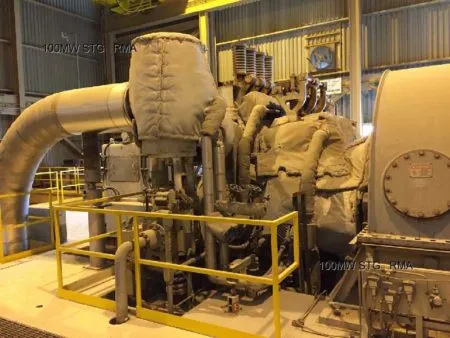
Categories
Uncategorized

Steam Turbines in Centralized Energy System

Steam Turbines in Centralized Energy  System
Steam Turbines in Centralized Energy System

Steam Turbines in Centralized Energy System: Steam turbines are critical components in the generation of mechanical energy from thermal energy in various power generation systems, including both electrical power plants and industrial processes. These devices operate by utilizing steam, typically generated in a boiler, which is directed onto blades or vanes connected to a rotor. The steam, often produced from the combustion of fossil fuels or the harnessing of nuclear energy, carries thermal energy that is converted into mechanical energy by the movement of the steam blades.

The basic operating principle of a steam turbine revolves around the conversion of high-pressure, high-temperature steam into kinetic energy as it passes through the turbine’s rotor. The steam, when it expands through the turbine stages, undergoes a pressure and temperature drop, causing the steam’s velocity to increase, which in turn causes the turbine blades to rotate. This rotational energy is then transmitted to a generator, where it is further converted into electrical energy, or it may be used directly in mechanical processes, depending on the application.

Steam Turbines

The steam turbine typically consists of several stages, each of which includes a set of fixed blades (stators) and rotating blades (rotors). These stages are designed to extract energy from the steam progressively, with each stage taking advantage of the decreasing pressure and temperature of the steam. The initial stage may handle high-pressure steam, while the subsequent stages work with lower pressure and lower-temperature steam.

In power generation, steam turbines are often used in Rankine cycle-based systems, where the steam is generated in a boiler, then expanded through the turbine, and finally condensed in a condenser. This cycle is thermodynamically efficient in that it maximizes the conversion of thermal energy into mechanical energy, though losses due to heat dissipation and mechanical friction are inevitable.

A variety of different steam turbines are designed for specific applications, including back-pressure turbines, condensing turbines, and extraction turbines. Condensing turbines are used in power plants where the exhaust steam is condensed in a condenser and the resulting water is pumped back into the boiler. Back-pressure turbines, on the other hand, are employed in situations where the exhaust steam is utilized for district heating or industrial processes, and the turbine’s exhaust pressure is maintained at a level suitable for these applications.

In addition to the mechanical aspects of steam turbines, there are many considerations that affect their performance and efficiency. These include the design of the blades, the quality of the steam, the operating conditions, and the materials used in the construction of the turbine. Advanced steam turbines may incorporate features such as regenerative heating or reheat cycles, which improve the overall thermodynamic efficiency of the cycle by recovering some of the heat from the exhaust steam or reheating the steam before it enters the turbine.

Materials technology also plays an essential role in steam turbine performance, especially when operating at high temperatures and pressures. The materials used for turbine blades and rotors must be able to withstand not only the thermal stresses but also mechanical stresses due to high rotational speeds. These materials often involve specialized alloys that offer a balance between high-temperature strength, resistance to corrosion, and fatigue resistance.

Another key aspect of steam turbine operation is the monitoring and control of various parameters, including steam flow rate, pressure, temperature, and rotational speed. Modern turbines are often equipped with sophisticated sensors and control systems that allow for real-time monitoring of performance, as well as automated adjustments to optimize efficiency and prevent damage due to operating outside of safe parameters.

Overall, steam turbines remain an essential component in many industries, ranging from power generation to chemical processing and desalination. Their ability to efficiently convert thermal energy into mechanical power, their versatility in various configurations, and their scalability make them indispensable in modern energy production and industrial applications. However, their development and operation continue to evolve with advances in materials, design, and technology to meet growing demands for efficiency, sustainability, and environmental performance.

The development of steam turbines has been marked by continuous advancements in efficiency, durability, and versatility. In particular, the ongoing trend toward larger, more efficient units has driven significant innovations. As the demand for cleaner, more sustainable energy increases, modern steam turbines are being designed with greater attention to reducing fuel consumption and lowering emissions. Innovations in steam turbine technology are closely tied to improvements in boiler efficiency, heat recovery systems, and emissions control technologies. These efforts aim to optimize the overall thermodynamic cycle, ensuring that every unit of energy produced from combustion is harnessed as effectively as possible.

One significant development in steam turbine technology is the use of high-efficiency materials and coatings, particularly for components exposed to the highest temperatures and pressures, such as turbine blades and nozzles. These materials, often based on advanced alloys and ceramic composites, are designed to withstand the harsh conditions inside a turbine, while also preventing damage from erosion and corrosion. The use of advanced coatings, such as thermal barrier coatings, has become common practice in ensuring that turbine components can maintain their integrity over longer operational lifetimes. Additionally, coatings can help mitigate the degradation of the turbine blades due to the corrosive nature of the steam, which may contain trace amounts of salts, acids, or other impurities.

Another significant area of progress in steam turbine technology is the integration of digital and automation systems to enhance performance and reliability. Advanced sensors and control systems now allow operators to monitor a wide array of parameters in real-time, including pressure, temperature, vibration, and rotational speed, making it easier to identify potential issues before they result in failure. This integration of digital technologies, known as predictive maintenance, leverages big data and machine learning algorithms to analyze operational data and predict when a turbine component might fail, allowing for maintenance to be scheduled proactively rather than reactively. This can help avoid unplanned downtime, reduce operational costs, and extend the overall lifespan of the turbine.

The thermal efficiency of steam turbines also benefits from the implementation of combined cycle power plants, where the waste heat from the steam turbine is used to drive a secondary gas turbine. This dual-cycle operation, known as a combined-cycle plant, significantly improves the overall efficiency of electricity generation by capturing and reusing heat that would otherwise be wasted. Combined-cycle plants are now some of the most efficient power plants in the world, with thermal efficiencies exceeding 60%. The use of such plants is a key part of global efforts to reduce carbon emissions, as they can generate more electricity from the same amount of fuel, thus reducing the environmental footprint.

In addition to energy generation, steam turbines also play a pivotal role in industrial applications, particularly in refineries, chemical plants, and paper mills. These industries rely on steam turbines to provide both mechanical and electrical power, as well as to drive compressors, pumps, and other critical machinery. The versatility of steam turbines in various industrial processes is enhanced by their ability to operate in both constant and variable load conditions, as well as by their ability to handle steam from different sources, including waste heat and cogeneration systems.

One particularly important development in industrial applications is the rise of small-scale, modular steam turbines designed for use in decentralized energy production. These smaller turbines can be employed in localized power generation, such as in remote communities, off-grid locations, or industrial plants where access to large-scale power infrastructure may be limited. By combining steam turbines with renewable energy sources, such as biomass or solar thermal energy, these systems can provide flexible, reliable, and sustainable power solutions in a variety of settings.

Moreover, steam turbines are also being adapted for use in renewable energy applications, particularly in the context of waste heat recovery and low-carbon energy systems. For instance, there has been growing interest in using steam turbines in conjunction with geothermal energy, where the natural heat from the Earth is used to generate steam and drive a turbine. This process is particularly relevant in regions with significant geothermal resources, where steam turbines can offer a clean, renewable energy source with minimal environmental impact.

Likewise, concentrated solar power (CSP) systems, which focus sunlight to generate heat for power production, can also use steam turbines as part of their energy conversion process. In these systems, steam is produced from the heat generated by concentrated solar energy, which then drives the turbine to produce electricity. This hybrid approach helps address one of the primary challenges of solar power—its intermittent nature—by incorporating thermal storage systems that allow energy to be stored and used even when the sun is not shining.

Looking to the future, steam turbines are expected to continue evolving in response to growing demands for cleaner, more efficient energy production. Technological advancements in computational fluid dynamics (CFD) and materials science will likely lead to further improvements in turbine efficiency, enabling turbines to operate at even higher temperatures and pressures. Furthermore, the development of advanced manufacturing techniques, such as 3D printing, could potentially reduce production costs and lead to more complex and optimized turbine designs that are lighter, stronger, and more efficient.

As global efforts to combat climate change intensify, steam turbines will likely remain an important part of the energy mix, particularly as part of combined heat and power (CHP) systems, cogeneration plants, and hybrid energy systems. Their ability to provide reliable, scalable, and high-efficiency power generation in a variety of applications will ensure their continued relevance, even as renewable energy sources become more prominent.

The future of steam turbine technology also hinges on the continued evolution of grid integration and energy storage solutions. As more renewable energy sources, such as wind and solar, are integrated into power grids, steam turbines will likely play an increasingly important role in stabilizing grid operations. One of the key challenges with renewable energy is its intermittent nature, where electricity generation fluctuates based on factors such as weather conditions or time of day. Steam turbines, especially when combined with energy storage systems such as batteries or thermal storage, can help smooth out these fluctuations by providing reliable backup power when renewable generation is insufficient.

In many countries, steam turbines are also being looked at as a critical component in the transition to hydrogen-powered energy systems. Hydrogen, when used as a fuel, offers the potential for clean energy generation with water vapor as the only byproduct. The possibility of using hydrogen to power steam turbines presents an exciting avenue for reducing the carbon footprint of conventional power plants. The high energy content of hydrogen means that, in theory, it can be burned or converted into steam to drive turbines with little to no emissions. However, significant research is still needed to understand how steam turbines can be optimized to operate efficiently with hydrogen as a fuel source, considering factors like combustion characteristics and material stress caused by the unique properties of hydrogen.

Another emerging concept that might shape the future of steam turbines is the development of supercritical and ultra-supercritical steam cycles. These cycles operate at much higher pressures and temperatures than traditional subcritical cycles, allowing for greater thermal efficiencies. Supercritical steam cycles, which operate above the critical point of water (374°C and 22.06 MPa), offer a more efficient conversion of thermal energy into mechanical energy, making them ideal for high-efficiency power plants. Ultra-supercritical turbines take this a step further, operating at even higher pressures and temperatures to achieve even greater efficiency. The challenge with these systems lies in material durability, as the extreme conditions can lead to issues such as creep, fatigue, and corrosion over time. Advances in material science, particularly the development of advanced high-temperature alloys and ceramics, are essential to making ultra-supercritical turbines a viable option for next-generation power plants.

While steam turbines have traditionally been associated with large-scale, central power generation, there is also growing interest in using them for small-scale, distributed generation. This shift is partly driven by the growing trend toward decentralized energy systems, which allow for more localized, resilient, and flexible power generation. Small modular reactors (SMRs), for instance, could utilize steam turbines to generate electricity from nuclear reactions on a smaller scale, making nuclear energy more accessible and adaptable to different locations and needs. Similarly, small-scale combined heat and power (CHP) systems using steam turbines could provide reliable, on-demand energy for commercial and industrial applications, as well as for residential communities, particularly in remote areas or regions with unreliable grid access.

Beyond power generation, steam turbines are also finding applications in newer sectors such as carbon capture, utilization, and storage (CCUS). In these systems, steam turbines can be used to drive compressors that capture CO2 from industrial processes or power plants. The captured CO2 can then be transported and stored underground or used for other purposes, such as in enhanced oil recovery or in the production of synthetic fuels. The integration of steam turbines in CCUS processes is critical for reducing emissions from hard-to-decarbonize industries, like cement, steel, and chemicals, which contribute significantly to global greenhouse gas emissions.

On a broader scale, the future of steam turbines is closely tied to global energy policy and the drive toward a low-carbon economy. As governments around the world continue to set ambitious targets for reducing greenhouse gas emissions, the need for cleaner and more efficient power generation technologies will only intensify. Steam turbines will play a central role in achieving these goals, particularly in the context of power plants that rely on a combination of renewable, nuclear, and hydrogen energy sources.

The role of steam turbines in the decarbonization of the energy sector is increasingly important in the context of achieving global climate goals, such as those outlined in the Paris Agreement. By improving efficiency, reducing emissions, and enabling the integration of low-carbon energy sources, steam turbines can contribute significantly to mitigating the impacts of climate change. However, this will require ongoing innovation, investment, and research to ensure that steam turbines are equipped to meet the demands of a rapidly changing energy landscape.

In the context of industrial decarbonization, steam turbines are likely to remain indispensable in sectors such as steel manufacturing, cement production, and chemical processing. These industries rely heavily on high-temperature heat for their processes, and steam turbines, when integrated into cogeneration systems, can help reduce the carbon footprint of these energy-intensive sectors. By coupling steam turbines with renewable energy sources and carbon capture technologies, industries can reduce their reliance on fossil fuels while maintaining the high levels of energy and heat required for their operations.

In conclusion, the future of steam turbines is poised to be shaped by a combination of technological advancements, evolving energy demands, and global environmental goals. As energy systems become more integrated, flexible, and sustainable, steam turbines will continue to play an essential role in the efficient generation of mechanical and electrical power. With ongoing improvements in materials, design, and digital technologies, steam turbines will remain a cornerstone of both traditional and emerging energy systems, ensuring reliable and low-carbon power generation for the decades to come.

Steam turbines for solar-thermal energy integration

The integration of steam turbines with solar-thermal energy systems, particularly in concentrated solar power (CSP) plants, represents a promising path toward achieving more sustainable and efficient energy generation. Solar-thermal energy systems, as opposed to photovoltaic solar systems, utilize mirrors or lenses to concentrate sunlight onto a small area, typically a receiver, where the concentrated heat is used to generate steam. This steam can then drive a steam turbine to produce electricity, much like in conventional fossil-fuel or nuclear power plants.

One of the key advantages of integrating steam turbines into CSP systems is their ability to produce electricity not just during the day when sunlight is available, but also during periods of low or no sunlight, such as at night or during cloudy weather. This is made possible by incorporating thermal energy storage systems, which allow the collected solar energy to be stored as heat in materials like molten salt, concrete, or other heat-retaining substances. The stored heat can then be released as needed to generate steam, which drives the turbine even when solar radiation is not available.

In a typical CSP plant using steam turbines, the concentrated solar energy heats a working fluid, such as water or oil, which is then used to generate high-pressure steam. This steam is directed into the steam turbine, where it expands through multiple stages, transferring its thermal energy into mechanical energy that rotates the turbine blades. The rotational energy is then converted into electricity by a connected generator. The use of steam turbines in CSP plants mirrors the processes used in traditional thermal power plants but replaces fossil fuels with solar energy as the heat source.

The integration of steam turbines into CSP plants offers several key benefits:

1. Efficiency Enhancement through Combined Heat and Power (CHP):

By combining solar-thermal energy with steam turbines, CSP plants can achieve higher overall efficiency. Unlike photovoltaic solar panels, which convert sunlight directly into electricity with relatively low efficiency, CSP systems have the potential to achieve higher efficiencies due to their ability to concentrate sunlight and use heat directly to generate steam. When thermal storage systems are added, CSP plants can maintain a continuous power output, overcoming the intermittency challenge associated with solar energy. The heat stored during the day can be used to produce steam and power turbines even during periods when the sun isn’t shining, providing a more stable and reliable power supply.

2. Thermal Energy Storage:

Thermal energy storage (TES) is one of the key innovations that enables steam turbines in CSP plants to provide dispatchable power. The most common form of TES used in CSP systems is molten salt storage, where salts such as sodium nitrate and potassium nitrate are heated to high temperatures and stored in insulated tanks. This thermal storage medium can retain heat for many hours, allowing for the generation of steam and the driving of turbines after sunset or on cloudy days. The ability to store solar energy as heat and convert it into steam for turbine-driven electricity generation ensures a reliable and flexible energy source, increasing the overall capacity factor of the solar-thermal plant.

3. Reduced Emissions and Fuel Dependency:

One of the strongest arguments for the integration of steam turbines in solar-thermal energy systems is their potential to reduce reliance on fossil fuels. Since solar-thermal energy is a renewable resource, using it to generate steam for turbines reduces the need for coal, natural gas, or oil in power generation. This reduction in fossil fuel use significantly cuts greenhouse gas emissions and other pollutants associated with traditional thermal power plants. In combination with carbon capture, utilization, and storage (CCUS) technologies, CSP plants with steam turbines can offer a near-zero-emissions solution for power generation, contributing to global decarbonization efforts.

4. Scalability and Flexibility:

CSP systems with steam turbines can be scaled up or down depending on the needs of the region or facility. Large utility-scale CSP plants, which can generate hundreds of megawatts (MW) of electricity, are typically designed with large-scale thermal storage systems and advanced turbine technology to provide consistent power. However, smaller, modular CSP systems can also be built, with their turbine systems adapted to match the scale of the installation. This scalability makes CSP with steam turbines a versatile solution for various regions, from remote areas to large metropolitan centers, and enables integration with existing power grids.

5. Hybrid Systems with Other Renewable Energy Sources:

Another promising direction for CSP systems with steam turbines is their hybridization with other renewable energy sources, such as wind or biomass. Hybrid systems that combine CSP with wind or biomass can provide an even more stable and resilient power supply by smoothing out fluctuations in renewable generation. For example, when wind power is strong but solar energy is weak, the CSP plant can be used to provide supplementary power through stored thermal energy, and vice versa. This integration of multiple renewable sources not only helps ensure a more reliable supply of electricity but also improves the overall efficiency of the system by balancing power generation across different sources.

6. Operational Challenges and Future Developments:

While CSP with steam turbines offers clear benefits, there are also several challenges that need to be addressed to improve the technology’s efficiency, reliability, and cost-effectiveness. One significant challenge is the high initial capital cost of CSP plants, including the cost of mirrors, receivers, thermal storage systems, and the steam turbine infrastructure. However, costs are expected to continue falling as technology improves and economies of scale are realized.

Additionally, the materials used for steam turbines in CSP plants must be capable of withstanding higher temperatures and thermal stresses compared to those used in conventional fossil fuel or nuclear power plants. Advances in materials science are crucial to ensuring the durability and performance of these turbines under such extreme conditions. New materials and coatings that resist corrosion, oxidation, and high-temperature wear are essential to extending the lifespan and maintaining the efficiency of steam turbines in CSP applications.

7. Global Trends and Future Outlook:

As the global demand for clean energy grows, CSP with steam turbines is likely to play an increasing role in the energy mix. Countries with abundant solar resources, particularly those in regions like the Middle East, North Africa, and parts of the United States, are well-positioned to deploy large-scale CSP plants with steam turbines. CSP plants are particularly attractive in sunny, arid regions where land availability is not a limiting factor and where thermal storage can help bridge the gap between daytime solar generation and nighttime demand.

Furthermore, the continuing research and development of advanced heat transfer fluids (HTFs), such as supercritical CO2, will likely increase the efficiency and cost-effectiveness of CSP systems, allowing for more widespread deployment of steam turbines. Supercritical CO2 offers a promising alternative to traditional heat transfer fluids like water or molten salt, as it operates at higher temperatures and pressures, potentially improving both the thermal efficiency and the operational flexibility of CSP plants.

Conclusion:

Incorporating steam turbines into solar-thermal energy systems, especially concentrated solar power (CSP) plants, represents a significant step toward making solar energy more reliable, efficient, and commercially viable. The ability to store thermal energy and convert it into electricity on demand through steam turbines addresses one of the key challenges of renewable energy: intermittency. With ongoing technological advancements, reductions in costs, and improvements in materials, CSP systems with steam turbines could become a cornerstone of the global transition to a low-carbon, sustainable energy future. By harnessing the power of the sun and converting it into clean, dispatchable energy, these systems provide a powerful tool for tackling the energy challenges of the 21st century.

The integration of steam turbines into solar-thermal energy systems, particularly through concentrated solar power (CSP) plants, holds great promise for enhancing the efficiency and reliability of renewable energy generation. By using mirrors or lenses to concentrate sunlight onto a receiver, CSP systems can produce heat that is used to generate steam, which in turn drives a steam turbine connected to a generator. This process mimics conventional power plants that rely on fossil fuels or nuclear energy, but instead of using combustion to generate heat, CSP plants harness solar energy.

A major advantage of this integration is that steam turbines in CSP plants can not only produce electricity during the day when sunlight is available but also during periods when the sun is not shining, such as at night or during cloudy weather. This is made possible by thermal energy storage (TES) systems, which store the heat collected by the solar receivers for later use. Materials like molten salts, which have high thermal storage capacities, are typically used for this purpose. These salts can store heat for several hours, allowing CSP plants to continue generating steam and driving turbines even when solar radiation is not present. This ability to store energy makes CSP systems with steam turbines highly flexible, ensuring that they can provide a stable and dispatchable power supply.

The use of steam turbines in CSP systems also enhances the overall efficiency of the energy conversion process. Unlike photovoltaic solar panels, which convert sunlight directly into electricity with relatively lower efficiencies, CSP systems can operate at higher efficiencies due to their ability to concentrate sunlight and convert it into high-temperature heat. This heat is then transferred to a working fluid that generates steam, which powers the turbine. When combined with thermal storage, CSP systems can offer a continuous supply of electricity, overcoming the intermittency issue that is often associated with solar power generation. The integration of steam turbines in this context provides not just renewable power but a more consistent and reliable source of electricity compared to other solar technologies.

In terms of emissions, CSP systems with steam turbines present a significant environmental advantage over traditional fossil-fuel power plants. By replacing the need for coal, oil, or natural gas, these solar-thermal systems can dramatically reduce greenhouse gas emissions and the pollutants typically associated with conventional thermal power generation. Additionally, as the world moves toward decarbonization and aims to achieve net-zero emissions by mid-century, CSP systems are seen as a key technology for providing clean, renewable, and sustainable energy.

The potential for hybrid systems also adds to the appeal of CSP with steam turbines. By combining solar-thermal energy with other renewable sources, such as wind or biomass, CSP plants can offer more consistent and resilient power. For instance, when solar energy production is low due to weather conditions or time of day, wind energy could supplement the power generation, or vice versa. Such hybrid systems could provide the flexibility to balance renewable generation, reduce reliance on grid power, and enhance the overall efficiency of power plants. This versatility in generation capacity is an attractive feature for utilities and energy producers looking to meet growing energy demands while reducing their carbon footprint.

As CSP technology advances, one of the main challenges is cost, especially in the initial stages of plant development. The capital investment required to build CSP systems with thermal storage and steam turbines remains relatively high compared to other renewable technologies, such as photovoltaic solar or wind. However, costs are expected to decrease as the technology matures, economies of scale are realized, and manufacturing processes become more efficient. In the long term, this reduction in costs, along with the increasing efficiency of thermal storage and turbine technology, will likely make CSP systems with steam turbines more competitive in the global energy market.

Another challenge lies in the durability and performance of the materials used in steam turbines. Given the high temperatures and pressures involved in CSP systems, the materials for turbine blades, pipes, and heat exchangers must be carefully selected to withstand extreme thermal and mechanical stresses. Advances in materials science, including the development of advanced alloys and coatings that can resist oxidation, erosion, and high-temperature damage, are critical for ensuring the long-term reliability of these turbines. Furthermore, the use of supercritical CO2 as a heat transfer fluid is being explored as a way to increase the efficiency of CSP systems, as CO2 can operate at higher temperatures and pressures than traditional fluids like water or molten salt.

Despite these challenges, the potential benefits of integrating steam turbines with solar-thermal energy are significant. CSP systems with steam turbines can provide reliable, dispatchable power, which is essential for grid stability, especially in regions where renewable energy sources like wind and solar dominate the energy mix. By providing a consistent power supply that complements other renewable sources, CSP plants can help to reduce the reliance on fossil fuels and promote a more sustainable energy future. Moreover, the ability to store thermal energy and generate electricity even when solar energy is not available gives CSP plants a unique advantage over other solar technologies.

In the coming years, CSP with steam turbines is expected to play an increasingly important role in the global energy landscape, especially in regions with abundant sunlight and significant land availability. As the technology continues to evolve, with improvements in efficiency, cost, and scalability, CSP plants will become a key tool in the transition to a low-carbon energy system. The combination of solar-thermal energy and steam turbines offers a powerful solution for addressing the challenges of energy reliability, grid stability, and decarbonization, making it an essential component of a sustainable and resilient energy future.

As CSP systems with steam turbines continue to mature, we are seeing advancements that further enhance their potential for large-scale adoption. The evolution of these systems is not only about improving thermal efficiency but also about integrating more sophisticated technologies that enable better performance, lower costs, and greater flexibility in energy generation.

One area of innovation is in the development of next-generation thermal energy storage technologies. While molten salts are the most common medium used for thermal storage in CSP systems today, researchers are exploring alternative materials and methods that could offer better thermal storage capacities, lower costs, and enhanced performance. These new storage technologies, such as phase-change materials or advanced thermochemical storage systems, have the potential to further extend the operational hours of CSP plants, enabling them to generate electricity for longer periods without sunlight. Such improvements in storage will make CSP systems even more competitive with other forms of power generation and further mitigate the intermittency issues of solar power.

At the same time, heat exchangers and advanced materials used in steam turbines are undergoing rapid improvement. These components must be able to handle the high temperatures and thermal cycling associated with CSP operations without degrading over time. New alloys, ceramics, and coatings are being developed to ensure that turbine blades, nozzles, and other critical parts can withstand the extreme conditions of CSP plants, maintaining performance and efficiency over the long term. Additionally, these materials are being optimized to resist corrosion and erosion, which are significant concerns when dealing with high-temperature, high-pressure steam.

The potential for supercritical steam cycles in CSP plants is another area of growing interest. Supercritical steam cycles operate at pressures and temperatures above the critical point of water, offering significantly improved thermal efficiency compared to subcritical cycles. In conventional thermal power plants, supercritical and ultra-supercritical steam cycles have already shown to improve overall plant efficiency by more than 10%. If CSP plants can integrate supercritical steam cycles, the overall efficiency of solar-thermal energy conversion could increase significantly, making CSP even more cost-competitive with traditional energy sources like coal and natural gas.

Hybridization of CSP with other renewable energy sources is also gaining momentum. By combining CSP systems with wind energy or biomass, power plants can better balance the fluctuations in renewable generation, ensuring a more stable and continuous energy supply. For example, when solar energy production is low due to cloud cover, wind energy could compensate for the loss, or vice versa. This hybrid approach ensures grid stability while optimizing the use of renewable resources. Furthermore, combining CSP with energy storage systems like large-scale batteries could provide an additional layer of reliability, allowing plants to store excess energy when generation exceeds demand and release it when solar energy is insufficient.

As CSP technology continues to evolve, the economic viability of these systems is steadily improving. The reduction in capital costs, driven by advancements in manufacturing and increased competition in the renewable energy market, is making CSP plants with steam turbines more attractive for investors and utility companies. The economies of scale that are being realized as larger, more efficient plants are built will likely further reduce costs, making CSP an increasingly viable alternative to fossil-fuel-based generation.

One of the more exciting aspects of CSP integration with steam turbines is the potential for local energy generation in regions that have significant solar resources. For example, countries with vast desert areas—like those in the Middle East, North Africa, and parts of the Southwestern United States—are ideal candidates for large-scale CSP deployment. In these regions, where land availability is abundant, CSP plants can be built to harness solar energy on a massive scale, with steam turbines providing reliable, round-the-clock power. Moreover, CSP plants can often be built in modular configurations, which makes them adaptable to smaller or distributed energy generation projects as well.

Beyond electricity generation, desalination is another promising application for CSP with steam turbines. Many coastal regions that rely on desalination for fresh water could benefit from solar-thermal systems integrated with steam turbines. CSP plants, using their thermal energy to power desalination processes, could provide both electricity and potable water for water-scarce regions. This hybrid approach to energy and water production is especially important in arid areas where both energy and water are critical resources.

The integration of steam turbines into solar-thermal systems also offers potential synergies with existing infrastructure. CSP plants can be integrated into regions that already have large-scale thermal power infrastructure, particularly in areas where there is a need to reduce emissions from traditional fossil-fuel-based generation. By retrofitting existing power plants to incorporate solar-thermal collectors and steam turbines, these facilities can reduce their carbon footprint while maintaining a steady supply of electricity. This transition to hybrid systems could also extend the operational life of existing plants, helping to transition away from coal and natural gas without significant upfront capital costs.

Furthermore, advancements in grid integration are critical to the future success of CSP with steam turbines. The ability to seamlessly integrate renewable energy sources into the grid is an ongoing challenge, particularly in regions where grid infrastructure is outdated or incapable of handling the variability of renewable generation. As the grid becomes smarter and more flexible, with the integration of advanced energy management systems, CSP plants with steam turbines will be better equipped to provide reliable power on demand, reducing the need for backup power from fossil fuel plants.

The global push for decarbonization continues to drive the adoption of renewable energy technologies, including CSP with steam turbines. As countries around the world set ambitious targets to reduce their carbon emissions, CSP plants with thermal storage and steam turbines offer a viable solution for meeting both energy demand and sustainability goals. In regions that are heavily dependent on fossil fuels for power generation, transitioning to CSP systems could significantly cut emissions, contribute to energy independence, and create new economic opportunities in the renewable energy sector.

In conclusion, the future of CSP with steam turbines looks promising, with advancements in storage technology, materials science, and hybrid energy systems all playing a role in enhancing their efficiency and cost-effectiveness. As the technology matures, CSP plants integrated with steam turbines could become a key player in the global transition to a sustainable and low-carbon energy future. With continued research, innovation, and investment, solar-thermal power systems can help meet the growing global demand for clean, reliable, and affordable energy.

The ongoing development of CSP systems with steam turbines is positioned to play an essential role in the global transition to a low-carbon economy, especially as nations continue to increase their focus on achieving net-zero emissions. A pivotal aspect of this progress lies in the scalability and adaptability of CSP systems, enabling them to meet diverse energy demands in a variety of regions and industries. As the technology continues to improve and costs decline, CSP with steam turbines is expected to become an increasingly viable option for both large utility-scale projects and smaller, more distributed energy systems.

One area where CSP systems with steam turbines can make a significant impact is in the decentralization of power generation. While large-scale CSP plants in deserts or arid regions may continue to provide electricity to major grids, there is also a growing interest in deploying smaller-scale CSP systems that are more localized. These smaller systems, integrated with steam turbines, could provide reliable and sustainable electricity for isolated communities, industrial operations, or even remote agricultural applications, where access to the grid is limited or unavailable. This decentralization of energy generation has the potential to increase energy security, reduce transmission losses, and enable regions with abundant solar resources to meet their own power needs independently of larger grid infrastructures.

In addition to providing electricity, CSP systems integrated with steam turbines offer another layer of potential value by facilitating combined heat and power (CHP) applications. CHP systems allow for the simultaneous production of both electricity and useful thermal energy, which can be used in industrial processes, district heating, or even desalination. By capturing and utilizing the excess thermal energy from steam production, CSP plants can significantly improve overall energy efficiency. This dual benefit of power generation and heat production could make CSP plants even more attractive in industrial regions, where both electricity and process heat are in high demand.

Another emerging opportunity for CSP with steam turbines lies in industrial decarbonization. Many industries, particularly those that rely on high-temperature heat for their operations, are among the most challenging to decarbonize. These include cement, steel, chemical production, and refining industries, which typically require vast amounts of thermal energy. By incorporating solar-thermal systems that use steam turbines into these industrial processes, companies can reduce their dependence on fossil fuels, lowering both their operating costs and carbon emissions. CSP plants with steam turbines can be integrated into industrial facilities, replacing conventional boilers or natural gas-fired turbines with clean, solar-powered steam generation systems.

One of the most promising areas for CSP systems with steam turbines is in hybridized applications. As the global energy mix shifts toward renewables, the ability to combine different renewable energy technologies to optimize power generation will be increasingly important. CSP systems with steam turbines are an ideal candidate for hybridization with other renewable sources like wind, hydroelectric, or geothermal energy. For example, in regions where solar energy is abundant during the day but often supplemented by strong winds at night, combining CSP with wind power could provide a continuous and stable supply of electricity to the grid. Similarly, when CSP systems are deployed in regions with significant geothermal resources, a hybrid approach could maximize the use of both solar-thermal and geothermal energy, further reducing the need for backup fossil-fuel power plants.

The flexibility and resilience provided by hybrid systems also support grid stabilization, particularly in areas where the energy mix is heavily reliant on intermittent renewable sources like wind and solar. CSP systems with steam turbines can help balance supply and demand by storing thermal energy and releasing it during times when other renewable sources are not generating sufficient power. This dispatchability is a major advantage over other renewable technologies, which may not be able to provide consistent, on-demand energy. As grids become more complex and interconnected, technologies like CSP with steam turbines that offer both stability and flexibility will be crucial for maintaining grid reliability.

In terms of energy storage, while molten salts and other thermal storage media continue to be the dominant solutions for CSP plants, innovations in battery storage and advanced grid integration are beginning to offer even more possibilities for long-term energy storage. Battery technologies, such as lithium-ion and solid-state batteries, can store electricity generated from CSP plants and other renewable sources, allowing the stored energy to be dispatched when needed. Combined with thermal energy storage, these technologies could offer an integrated solution for grid stabilization, ensuring that power generation from CSP systems is available when it is most needed.

Additionally, the ongoing development of hydrogen production technologies is poised to complement CSP systems with steam turbines. The process of electrolysis, where electricity is used to split water into hydrogen and oxygen, can be powered by renewable electricity from CSP plants. The hydrogen produced through this process can then be used as a clean fuel for a variety of applications, including transportation, industrial processes, and even power generation. By integrating hydrogen production with CSP systems, it’s possible to create a closed-loop renewable energy system where solar power is stored as hydrogen and later used for power or other energy needs. This combination of solar-thermal energy and hydrogen production has the potential to be a game-changer in the pursuit of net-zero emissions.

Beyond electricity generation and energy storage, CSP plants with steam turbines also have the potential to play a key role in the production of green fuels. As part of the global effort to decarbonize sectors like aviation, shipping, and heavy-duty transportation, the production of synthetic fuels or biofuels will become increasingly important. CSP systems can be integrated into power-to-x technologies, which convert excess renewable electricity into useful forms of energy such as synthetic gas, methanol, or liquid fuels. These fuels can be used in sectors that are difficult to electrify, offering a versatile solution to global decarbonization goals.

Finally, regulatory frameworks and government policies will play a major role in the future growth of CSP systems with steam turbines. As many countries have already committed to reducing their greenhouse gas emissions, renewable energy mandatescarbon pricing, and clean energy subsidies will likely drive further investment in solar-thermal technologies. Governments around the world can support the growth of CSP by providing incentives for research and development, as well as funding for large-scale pilot projects that demonstrate the viability of CSP technology in diverse geographical locations.

In conclusion, CSP systems integrated with steam turbines are not only a promising solution for generating reliable, dispatchable renewable energy but also offer a multitude of applications across industrial sectors, energy storage, and hybrid power generation. As technology continues to evolve, CSP with steam turbines will be increasingly crucial in the global effort to decarbonize the energy sector, improve energy security, and create a sustainable, low-carbon future. With further advancements in materials, energy storage, grid integration, and hybridization with other renewable technologies, CSP will continue to play a pivotal role in meeting the world’s growing energy demands in a cleaner, more sustainable way.

As the demand for clean energy intensifies, the role of CSP systems with steam turbines will become even more critical in addressing energy challenges worldwide. The combination of renewable solar energy with thermal energy storage and steam turbines is not only a technical solution but also an economic opportunity. With global energy markets increasingly focused on decarbonization, CSP has the potential to significantly disrupt traditional energy paradigms. The future of CSP with steam turbines will be shaped by several emerging trends, which include innovations in turbine technology, cost reduction, enhanced grid integration, and increased focus on sustainability across the entire lifecycle of CSP projects.

One of the main drivers of the future success of CSP systems is the ongoing improvement in turbine technology. As steam turbines continue to evolve, their ability to operate at higher temperatures and pressures—facilitated by advancements in materials science—will unlock greater efficiencies. The integration of advanced cooling technologies and optimized turbine designs will allow steam turbines to generate more electricity per unit of thermal energy, increasing the overall efficiency of CSP plants. Moreover, digitalization and smart grid integration will help optimize turbine performance in real-time. Through advanced sensors, predictive analytics, and AI-based algorithms, operators will be able to fine-tune turbine operation for maximum efficiency, reduce downtime, and minimize maintenance costs.

The cost trajectory for CSP plants with steam turbines is also heading in a favorable direction. Historically, the upfront capital costs for CSP systems, including the installation of mirrors, thermal storage systems, and steam turbines, have been a barrier to widespread adoption. However, as the global market for renewable energy expands and more CSP plants are built, the economies of scale will drive down the cost of components and installation. In particular, the cost of thermal storage is expected to fall as innovations in storage media and improved manufacturing processes lower the price of molten salts, phase-change materials, and other thermal storage solutions. Additionally, increased competition in the renewable energy sector, along with government incentives and policies promoting clean energy adoption, will accelerate the reduction in capital costs, making CSP with steam turbines an increasingly cost-competitive option compared to other renewable technologies and traditional fossil-fuel-based generation.

The integration of CSP with the power grid will continue to be a key area of development. As renewable energy sources like solar and wind become more dominant, the need for stable and flexible grid systems will intensify. CSP plants with steam turbines, equipped with thermal storage, are well-positioned to provide a steady and reliable flow of electricity, compensating for the intermittency of other renewable sources. The role of grid-scale energy storage technologies such as batterieshydrogen storage, and pumped hydro will complement CSP plants in maintaining grid stability. With the right mix of energy storage and smart grid technology, CSP systems can provide baseload and peaking power, ensuring a consistent energy supply and reducing the reliance on fossil fuels for grid balancing.

Moreover, grid integration is not limited to large-scale plants alone. Microgrids and distributed CSP systems are gaining traction, especially in remote or off-grid locations. Small-scale CSP plants with steam turbines could offer communities and industries a decentralized source of reliable and clean power, with the added benefit of energy independence. These smaller systems can be integrated with local renewable resources, such as wind or biomass, providing a tailored energy solution that is resilient to fluctuations in external energy supplies. In addition, CSP with steam turbines could be coupled with desalination plants to provide both electricity and freshwater to regions that face both energy and water scarcity, offering a two-fold solution to the pressing needs of many parts of the world.

CSP systems also offer a significant opportunity for industrial decarbonization. Many industrial sectors, such as cementsteel, and chemical production, require large amounts of heat at high temperatures, which are traditionally supplied by burning fossil fuels. Integrating solar-thermal systems that use steam turbines into these industries could dramatically reduce their carbon emissions, contributing to a greener industrial sector. This approach to decarbonization aligns with the growing trend of corporate sustainability initiatives, where industries are seeking cleaner alternatives to reduce their carbon footprint. In some cases, CSP plants with steam turbines could replace natural gas boilers or other fossil-fuel-based systems, achieving significant reductions in greenhouse gas emissions while maintaining process heat needs.

Furthermore, hybrid systems that combine CSP with other low-carbon technologies could further improve the economic and environmental performance of energy systems. For instance, pairing CSP plants with battery energy storage systems (BESS) can offer enhanced dispatchability, allowing CSP-generated electricity to be stored and released during periods of high demand or when solar generation is low. Likewise, hybridizing CSP with wind power or biomass could create a resilient and diversified renewable energy mix that ensures consistent electricity production across varying weather conditions. Such hybrid systems could provide 24/7 clean power, particularly for regions with abundant renewable resources, offering a major advantage in terms of both grid stability and emissions reduction.

The environmental sustainability of CSP plants is another critical consideration. As interest in solar-thermal energy grows, the lifecycle impact of CSP systems will become an increasingly important factor in their widespread deployment. Environmental assessments of CSP projects will look not only at operational emissions but also at the carbon footprint associated with manufacturing and installing thermal storage systems, turbines, and mirrors. Ongoing improvements in material efficiency and the recycling of components will help reduce the environmental impact of CSP systems. Additionally, water usage—a critical factor in many CSP plants, especially those using steam cycles—can be optimized through dry cooling technologies and advanced water treatment processes, ensuring that CSP plants operate with minimal environmental degradation.

The global energy policy landscape will continue to shape the future of CSP systems. As countries and regions set more ambitious climate goals, the need for large-scale, reliable, and clean energy solutions will increase. Governments will play a crucial role by implementing policies that incentivize the development of CSP technologies and other renewable energy systems. This may include carbon pricing mechanismsfeed-in tariffsrenewable energy auctions, and investment in energy infrastructure. Such policies will foster an environment in which CSP with steam turbines can thrive, attract investment, and support the transition to a cleaner energy system.

Finally, public-private partnerships will be key to accelerating the development and deployment of CSP systems. Collaboration between governments, research institutions, and private industry can drive innovations in financing modelstechnological development, and infrastructure investments that make CSP more accessible and scalable. Large-scale CSP projects often require significant upfront investment, and leveraging public-private partnerships can help de-risk these projects and attract the necessary capital. Additionally, international cooperation on research, development, and deployment of CSP technologies can accelerate their global adoption, particularly in emerging markets where energy access is still a major challenge.

In summary, the future of CSP with steam turbines is bright, driven by advancements in technology, cost reductions, hybrid energy systems, and a global push for sustainability. With the right combination of innovationpolicy support, and market demand, CSP systems could become a cornerstone of the global energy transition. Their ability to provide dispatchable, reliable, and low-carbon power makes them an attractive option for countries seeking to meet their energy needs while addressing climate change. As the world increasingly turns to renewable energy, CSP with steam turbines will play a vital role in ensuring a cleaner, more resilient, and more sustainable energy future for generations to come.

As we look further into the future of CSP systems with steam turbines, several emerging trends and potential innovations could further accelerate their deployment and integration into global energy systems. This includes advancements in digital technologiesAI-driven optimizationmaterial innovations, and global collaboration that will make CSP more efficient, cost-effective, and adaptable to various local contexts.

One of the most promising directions for the future of CSP is the integration of digital technologies to improve both operational efficiency and overall performance. As the energy sector becomes increasingly digitalized, smart monitoring systemsadvanced sensors, and predictive analytics will play a crucial role in optimizing CSP plant operations. These technologies allow for real-time monitoring of plant conditions, detecting inefficiencies or mechanical failures before they cause significant downtime. Additionally, digital twins—virtual replicas of physical systems—can simulate various operating conditions and help engineers make data-driven decisions to improve turbine performance, reduce wear and tear, and extend the lifespan of equipment. This capability can significantly reduce operational and maintenance costs, improving the economics of CSP plants over their lifecycle.

In conjunction with these monitoring and optimization technologies, AI and machine learning will be increasingly deployed to improve the performance of CSP systems. AI algorithms can analyze vast amounts of operational data, predict energy output based on weather patterns, and optimize the dispatch of electricity from CSP plants in real-time. Machine learning can also help optimize the management of thermal storage, ensuring that excess heat is stored and utilized efficiently. Moreover, machine learning can improve fault detection and predictive maintenance, reducing downtime and extending the life of critical components such as steam turbines and thermal storage systems.

Another area where innovation will drive the future of CSP is in material science. As CSP systems typically operate under extreme conditions—high temperatures, intense pressure, and exposure to potentially corrosive environments—materials that are highly durable, heat-resistant, and corrosion-resistant are critical for the longevity of components like steam turbines, heat exchangers, and thermal storage systems. Researchers are focusing on developing high-temperature alloysceramic composites, and advanced coatings that can withstand the harsh operating conditions of CSP systems. New materials may not only improve efficiency but also reduce the frequency of maintenance, ultimately lowering operational costs.

One example is the development of superalloys that could allow steam turbines to operate at even higher temperatures and pressures than current materials permit. This would enable CSP plants to achieve higher thermal efficiencies, potentially exceeding 40% or more in some cases. Likewise, advanced coatings could protect turbine blades and heat exchangers from oxidation and erosion, extending their service life and improving the overall economic viability of CSP plants. These innovations in materials could be critical in ensuring that CSP technology remains competitive with other forms of renewable energy and traditional power generation.

Thermal storage innovations are another crucial area of progress for CSP systems. As storage technologies advance, the potential to increase the capacity and reduce the cost of thermal energy storage (TES) will be pivotal in enhancing the dispatchability and flexibility of CSP systems. Beyond molten salts, which are widely used today, new storage media—such as phase-change materials (PCMs), thermochemical storage materials, or liquid metals—are being explored for their ability to store heat more efficiently and at lower cost. PCMs, for instance, store energy by changing phase (from solid to liquid or vice versa) and can offer greater storage densities and potentially lower costs compared to molten salts.

Innovative thermal storage designs that allow for more modular, scalable systems will also play a role in expanding CSP capabilities. This flexibility could allow CSP plants to be scaled more easily to suit the energy needs of different regions, from large utility-scale plants to smaller, distributed installations in remote or off-grid areas. In some cases, these smaller systems could be directly integrated with other renewable technologies, such as wind or biomass, to create resilient hybrid systems that provide clean energy around the clock.

An exciting emerging application of CSP technology is the direct integration of CSP systems with hydrogen production. As hydrogen emerges as a key fuel for decarbonizing hard-to-abate sectors, CSP systems with steam turbines could play a critical role in producing green hydrogen. By using CSP-generated heat to power electrolysis (the process of splitting water into hydrogen and oxygen), CSP plants could produce hydrogen without emitting greenhouse gases. As hydrogen infrastructure grows, the integration of hydrogen production with CSP could help reduce the cost of both electricity and hydrogen, enabling the widespread adoption of hydrogen as a clean energy carrier for transport, industrial processes, and even electricity generation.

Another important consideration for CSP systems is water usage, particularly in arid regions where many CSP plants are located. Conventional CSP systems often use water for cooling, which can be a significant constraint in water-scarce regions. To overcome this limitation, dry cooling technologies are being developed and deployed. These technologies, which use air instead of water to cool the steam, reduce the need for large volumes of water, making CSP plants more sustainable in areas where water resources are limited. Additionally, advances in closed-loop cooling systems and efficient heat exchangers can further minimize water consumption and improve the environmental profile of CSP plants.

The role of CSP systems in hybrid power plants is also gaining increasing attention. By combining CSP with other renewable technologies such as wind and biomass, power producers can create more resilient energy systems that provide consistent, dispatchable power. For example, CSP plants with thermal storage can provide electricity during the day and night, while wind or biomass power can supplement generation during cloudy periods or at night. This hybrid approach can ensure that the grid remains stable and that power generation is available when it’s needed most. Additionally, hybrid systems can help reduce curtailment of renewable energy, where excess generation occurs during times of low demand. By intelligently managing the energy mix and storage, hybrid systems can reduce reliance on fossil-fuel backup power plants, cutting emissions and improving grid resilience.

The global collaboration necessary for CSP’s growth is another key factor that will drive its future development. International cooperation between governments, researchers, and industry stakeholders can accelerate the deployment of CSP systems by sharing knowledge, best practices, and technical innovations. Collaborative projects that involve multiple countries and stakeholders will be essential for creating the large-scale infrastructure necessary to integrate CSP into national and regional energy grids. Furthermore, international standardization of CSP components and practices can help reduce costs and improve the consistency and reliability of CSP systems.

Finally, policy support will remain a cornerstone of CSP growth. Government incentives, renewable energy mandates, and long-term energy planning policies will be crucial in promoting CSP technology. As governments set ambitious climate targets, carbon pricing mechanismsfeed-in tariffs, and renewable energy credits will further incentivize investment in renewable technologies, including CSP. Additionally, public-private partnerships can help de-risk large-scale CSP projects and attract the necessary funding for research, development, and infrastructure deployment.

In summary, the future of CSP systems with steam turbines is highly promising, driven by technological advancements in turbine design, thermal storage, materials, and digital optimization. As innovations continue to reduce costs and improve efficiency, CSP will become an increasingly competitive and attractive option in the global energy transition. The hybridization of CSP with other renewable sources, integration with hydrogen production, and the development of water-efficient cooling technologies will unlock new applications and markets for CSP. With strong policy support and global collaboration, CSP systems with steam turbines will play a vital role in achieving a sustainable, low-carbon, and resilient energy future.

Steam turbines for waste heat utilization

Efficiency of Steam Turbines

Steam turbines for waste heat utilization are becoming an increasingly important solution for improving energy efficiency across various industries. Waste heat, which is generated during industrial processes, is often overlooked as a potential energy source. However, using steam turbines to recover and convert this otherwise wasted heat into useful electricity or mechanical power can significantly enhance the overall efficiency of industrial operations and contribute to reducing carbon emissions. The integration of steam turbines into waste heat recovery systems is especially crucial as industries and countries seek to decarbonize and optimize their energy consumption, in line with global sustainability goals.

Waste heat is produced during almost all industrial processes, including those in metallurgicalcementchemicalpetrochemical, and food processing industries. In many of these operations, heat is generated by combustion or chemical reactions and is often vented to the atmosphere or discarded into cooling systems without being put to further use. Heat recovery technologies, particularly steam turbines, can capture this waste heat and convert it into electricity or mechanical power. This not only improves the overall energy efficiency of these processes but also reduces the consumption of primary fuels, lowering both operating costs and greenhouse gas emissions.

The integration of steam turbines into waste heat recovery systems offers several advantages. One of the main benefits is the ability to generate electricity from heat that would otherwise be wasted. For example, in industrial settings where excess heat is produced by high-temperature furnaces, ovens, or exhaust gases, steam turbines can be used to drive generators, converting the thermal energy into electrical power. The steam turbine system is connected to a heat recovery steam generator (HRSG), which collects and converts the waste heat into steam. The generated steam then drives the turbine, which is coupled to a generator that produces electricity. This recovered electricity can be used within the plant or fed back into the grid, contributing to overall energy efficiency.

In addition to generating electricity, steam turbines can also be used to provide mechanical power for various industrial applications. For example, in industries that require high-temperature steam for processes such as dryingdistillation, or pasteurization, waste heat can be recovered and used to supply the necessary steam for these operations. By using recovered steam, plants can reduce their reliance on fossil fuels and minimize the environmental impact of their operations. In some cases, waste heat can even be directly utilized for district heating, supplying nearby communities or facilities with thermal energy for space heating or water heating.

One of the critical factors that influence the efficiency of waste heat recovery systems is the temperature of the waste heat. In general, higher-temperature waste heat is more easily converted into useful power through steam turbines. Therefore, steam turbines are particularly well-suited for applications where waste heat is produced at high temperatures (typically above 300°C or 572°F). This includes industries like steel manufacturingcement production, and refining, where processes typically generate high-temperature exhaust gases. The ability to capture and utilize this heat directly results in improved overall plant efficiency, reducing the need for additional fuel inputs.

However, low-grade waste heat, such as heat generated at temperatures below 100°C (212°F), is more difficult to convert into electricity using traditional steam turbines due to the lower temperature differential between the heat source and the environment. To address this challenge, organic Rankine cycle (ORC) systems have been developed as an alternative. ORC systems are similar to steam turbines but use organic fluids with lower boiling points, enabling them to recover and convert waste heat at lower temperatures into electricity. While ORC systems are not as efficient as traditional steam turbines for high-temperature waste heat, they are still an important tool for harnessing energy from lower-temperature heat sources.

Steam turbines used in waste heat recovery are also an important part of combined heat and power (CHP) systems. In CHP systems, waste heat from electricity generation is captured and used for heating purposes, increasing the overall efficiency of energy use. This can be especially advantageous in industrial processes that require both electricity and thermal energy. By utilizing both forms of energy, industries can achieve overall system efficiencies that exceed 80% or even 90%, significantly higher than traditional systems that only convert fuel into electricity or heat separately. The integration of steam turbines into CHP systems allows industries to reduce their reliance on external power sources and significantly cut their energy costs.

In terms of economic feasibility, the integration of steam turbines into waste heat recovery systems is increasingly becoming more attractive as both energy prices and environmental regulations rise. Many industrial sectors are now facing the dual pressure of reducing their energy consumption while also lowering their carbon emissions. By installing steam turbines for waste heat recovery, industries can not only improve their energy efficiency but also lower their greenhouse gas emissions, helping them meet carbon reduction goals. Additionally, the cost savings from reduced energy consumption can provide a quick return on investment (ROI) for waste heat recovery systems.

In terms of technological advancements, there are several areas where improvements are being made to enhance the efficiency and performance of steam turbines used for waste heat recovery. One area of development is the use of advanced materials in turbine construction. Traditional steam turbines rely on metal alloys that can become brittle or corroded over time, particularly in high-temperature and corrosive environments. However, advancements in high-performance materials such as superalloys and ceramic coatings can increase the lifespan of turbines, reduce maintenance costs, and enhance their ability to operate at higher temperatures and pressures.

Another area of development is the optimization of turbine design for waste heat recovery applications. Traditional steam turbines are often designed for large-scale power generation, but newer designs are being developed specifically for industrial waste heat recovery. These turbines are smaller, more compact, and optimized for lower power outputs while maintaining high efficiency. This makes them well-suited for use in smaller industrial facilities where space and energy demand may be limited. In addition, advanced turbine designs with improved heat exchange systems can increase the amount of heat that is captured and utilized, boosting the overall efficiency of the system.

In the context of sustainability, using steam turbines for waste heat recovery is a powerful tool for reducing carbon emissions and improving resource efficiency. Waste heat recovery not only reduces the consumption of fossil fuels but also decreases greenhouse gas emissions by minimizing the need for additional fuel burning. By capturing and reusing waste heat, industries can achieve net-zero emissions or even become carbon-neutral, particularly when paired with renewable energy sources such as solar or wind. The use of steam turbines in waste heat recovery also reduces the environmental impact of industrial activities by lowering the demand for cooling water and reducing thermal pollution.

The future of steam turbines for waste heat utilization lies in further innovation, particularly in the integration of these systems into smart factories and industrial internet of things (IIoT) networks. Through the use of real-time monitoring, predictive analytics, and automation, industries will be able to optimize their waste heat recovery systems more efficiently. For example, sensors and data analytics can help identify areas where waste heat is being lost or underutilized, allowing for better control and more effective heat recovery. Moreover, the integration of steam turbines with digital twin technologies will enable operators to simulate and optimize system performance, improving energy use and reducing costs.

Finally, policy incentives and regulatory frameworks will play a significant role in the adoption of steam turbines for waste heat recovery. As governments worldwide continue to tighten environmental regulations and set more ambitious emissions reduction targets, industries will face increasing pressure to improve their energy efficiency and reduce their carbon footprint. Many governments already offer tax incentives, grants, and subsidies for energy efficiency projects, including waste heat recovery. Policies that support the integration of steam turbines into industrial processes will accelerate the adoption of waste heat recovery systems, driving innovation and reducing barriers to implementation.

In conclusion, steam turbines for waste heat utilization are a vital and evolving technology that will play a central role in the future of industrial energy efficiency. By recovering and converting waste heat into useful power, steam turbines enable industries to reduce energy consumption, lower emissions, and decrease operating costs. With technological advancements, improved materials, and smart integration into industrial processes, steam turbines can unlock the full potential of waste heat as a valuable energy resource. As industries continue to prioritize sustainability, steam turbines will be a crucial tool in achieving a cleaner, more efficient energy future.

As steam turbine technology for waste heat recovery continues to evolve, several additional trends and innovations are expected to enhance its role in industrial energy systems. Among the most notable developments are improvements in system integration, the use of hybrid systems, and advanced control mechanisms that will optimize the performance of waste heat recovery systems. These trends will ensure that the recovery and utilization of waste heat become more cost-effective, flexible, and adaptable to a broader range of industries and applications.

One of the key areas of innovation is the integration of steam turbines with other renewable energy systems and energy storage solutions. For instance, combining steam turbines with solar thermal systemsgeothermal power, or biomass-based power generation can help create hybrid power plants that maximize energy recovery from both waste heat and renewable sources. This integration allows industries to take advantage of intermittent renewable energy sources, like solar or wind, by storing energy when it’s abundant and converting waste heat into power when renewable energy production is low or variable. By combining waste heat recovery with renewable technologies, industries can create highly efficient, low-emission energy systems that operate 24/7, ensuring a continuous power supply.

Furthermore, the combination of steam turbines with energy storage systems like thermal energy storage (TES) or battery storage can significantly enhance the flexibility of waste heat recovery systems. For instance, TES can store excess heat during times of low demand and release it when power demand peaks, allowing for greater load balancing and grid stability. In this setup, the stored thermal energy can be used to generate steam and drive turbines during periods of high electricity demand or when heat recovery from industrial processes is not possible. This hybrid system approach not only boosts the overall efficiency of the energy conversion process but also enables industries to more effectively manage their energy consumption while reducing reliance on external power sources.

In line with these technological advancements, advanced control and optimization systems will play a critical role in maximizing the efficiency of steam turbines in waste heat recovery applications. The use of digital twinspredictive analytics, and real-time monitoring systems will enable plant operators to continuously optimize performance and identify areas for improvement. Predictive analytics can forecast when maintenance or upgrades are needed based on usage patterns, while real-time monitoring can provide feedback on the efficiency of individual turbines, identifying performance bottlenecks or equipment issues before they escalate. This level of monitoring and control can significantly reduce downtime, improve operational efficiency, and extend the lifespan of turbines and associated equipment.

Moreover, automation and smart grid integration will allow waste heat recovery systems to become more autonomous and adaptable. With the implementation of automated control systems, steam turbines can adjust their output in real time based on fluctuations in waste heat availability or electricity demand. By integrating with smart grids, these systems can automatically adjust power output based on grid requirements or demand-response signals, enhancing the stability and efficiency of the energy system as a whole. This will enable industries to make better use of their waste heat recovery potential and improve the overall reliability of their energy supply.

As industries move toward more modular and scalable solutions, smaller-scale waste heat recovery systems are expected to become more prevalent. These systems can be deployed in a wider range of settings, from large industrial plants to smaller facilities or even district energy systems. With improved modularity, steam turbines can be tailored to specific plant needs, allowing for greater customization and scalability. This is particularly beneficial in sectors such as food processingpharmaceuticals, and textiles, where energy consumption is often distributed across multiple smaller units or stages. By offering scalable solutions, manufacturers can recover waste heat at various stages of the production process and use it to generate electricity, hot water, or steam as needed, improving overall energy efficiency and reducing waste.

Another promising innovation is the development of low-temperature waste heat recovery technologies. While steam turbines are most effective in high-temperature applications, new materials and designs are allowing steam turbines to be used for low-temperature waste heat as well. Advanced thermoelectric materials and organic Rankine cycle (ORC) systems are making it possible to recover waste heat from sources that were previously not viable for traditional steam turbines. By capturing waste heat at lower temperatures, industries can now tap into a much wider range of heat sources and convert that energy into usable power. This will open up new opportunities for sectors that generate waste heat at lower temperatures, such as food processing or HVAC systems.

At the same time, hybrid waste heat recovery systems that combine steam turbines with heat pump technologies are becoming more common. Heat pumps can be used to elevate the temperature of low-grade waste heat, making it more suitable for use in steam turbines. These hybrid systems are particularly useful in settings where waste heat is available but at temperatures that are not high enough to generate steam directly. By using heat pumps to upgrade the temperature of the waste heat, industries can recover and utilize energy that would otherwise be discarded, thus improving overall energy efficiency.

Economic incentives will continue to be an important driver of waste heat recovery system adoption. Governments around the world are increasingly recognizing the importance of improving industrial energy efficiency and are providing incentives and support for projects that involve waste heat recovery. Tax credits, grants, and subsidies can help offset the capital costs of installing steam turbines and related systems. In many regions, governments also offer financial support through carbon credit programs and emission reduction incentives, which reward industries for reducing their greenhouse gas emissions. These financial incentives can significantly improve the economics of waste heat recovery, making it more attractive to a wider range of industries.

The role of public-private partnerships (PPPs) will also be instrumental in advancing the adoption of steam turbines for waste heat recovery. Collaboration between governments, industry stakeholders, and research organizations can help de-risk investments in new technologies, accelerate research and development, and drive down the costs associated with waste heat recovery projects. Additionally, PPPs can help establish the infrastructure and regulatory frameworks necessary to promote large-scale adoption of waste heat recovery systems, such as industry standards, permitting processes, and financing mechanisms.

In terms of environmental impact, the widespread adoption of steam turbines for waste heat recovery could have a transformative effect on global energy systems. By recovering and utilizing waste heat, industries can reduce their dependence on fossil fuels, lower their carbon emissions, and reduce the environmental impact of their operations. In particular, steam turbines help reduce the need for additional fuel to generate power, thus mitigating the environmental impact of energy production. With stricter global emissions regulations and increasing pressure to reduce greenhouse gas emissions, the deployment of steam turbines in waste heat recovery will play a key role in achieving climate targets.

Furthermore, the reduction in operating costs and energy consumption can make industries more competitive in the global marketplace. Energy costs are often one of the largest operating expenses for manufacturing and industrial sectors, so reducing energy demand through waste heat recovery can improve profitability. Additionally, industries that invest in energy efficiency and reduce their environmental impact will likely benefit from improved public perception and potential advantages in accessing green financing options. This can provide an important competitive edge as consumers and investors increasingly prioritize sustainability.

In conclusion, the future of steam turbines in waste heat utilization is filled with promise. As technological innovations, economic incentives, and sustainability goals converge, industries will have greater opportunities to recover waste heat, improve energy efficiency, and reduce their environmental impact. The integration of steam turbines into waste heat recovery systems will become more flexible, scalable, and optimized, contributing to a more sustainable, low-carbon energy future. By recovering valuable energy from waste heat, industries can not only enhance their bottom line but also play a key role in driving the global transition to clean and efficient energy systems.

As the adoption of steam turbines for waste heat recovery continues to expand, industries are also beginning to recognize the wider benefits that extend beyond immediate energy savings and efficiency improvements. These benefits include enhanced process stabilityreduced environmental footprint, and compliance with emerging regulations that push industries toward a more sustainable future.

One important aspect of integrating steam turbines into waste heat recovery systems is the stabilization of energy supply. In many industrial processes, fluctuations in power supply can negatively impact production rates and product quality. By generating power from waste heat, plants can have a more stable and predictable source of energy, reducing the reliance on external grids and providing more control over energy usage. This is particularly critical in industries that require continuous or high-precision operations, such as chemical production or semiconductor manufacturing. When waste heat is converted into steam and used to drive turbines, it can help ensure a constant, stable energy supply that supports uninterrupted operations, minimizing downtime, and preventing costly production delays.

Environmental benefits are another key driver of steam turbine adoption for waste heat recovery. Many industries generate significant amounts of carbon dioxide (CO₂) and other greenhouse gases due to the burning of fossil fuels for energy generation. By capturing and utilizing waste heat, industries can reduce the amount of fuel burned, thereby decreasing their carbon emissions. The more effectively waste heat is recovered and converted into useful energy, the less reliance there is on external power generation, which often relies on fossil fuels. In industries such as cement manufacturing or steel production, where carbon emissions are traditionally very high, integrating steam turbines for waste heat recovery can be a critical component of achieving net-zero emissions goals.

Waste heat recovery through steam turbines also reduces the thermal pollution that typically results from discharging excess heat into the environment. In many industrial processes, waste heat is released into bodies of water or directly into the air, contributing to local environmental degradation and impacting nearby ecosystems. By converting this waste heat into usable energy, industries can minimize thermal discharges, helping to preserve local habitats and comply with environmental protection regulations. In areas with stringent rules on water and air quality, such systems not only improve sustainability but can also lower the risks of non-compliance and potential fines.

As governments around the world increase their focus on climate change mitigation and sustainability efforts, industries are facing growing pressure to comply with regulations that limit emissions and enforce efficiency standards. Many countries have introduced policies such as carbon pricingemission trading systems, and energy efficiency directives to incentivize energy efficiency and reduce industrial emissions. For example, the European Union has set ambitious targets to reduce industrial emissions and increase energy efficiency through the European Green Deal and the Fit for 55 package. By incorporating steam turbines into waste heat recovery systems, industries can not only comply with these regulations but also potentially benefit from financial incentives, including subsidiesgrants, and tax breaks.

Carbon capture and storage (CCS) technologies are also increasingly being integrated into industrial facilities, particularly in sectors with high carbon emissions. While steam turbines themselves don’t directly capture carbon, they play a role in the larger context of reducing emissions by improving energy efficiency. When used in combination with CCS systems, steam turbines can enhance the overall performance of carbon capture efforts by reducing the need for additional fuel-burning to meet energy demands. In this way, steam turbines can contribute to both carbon capture and the decarbonization of industrial processes.

Another area where steam turbines are playing a critical role is in microgrids and distributed energy systems. Microgrids are small-scale energy systems that can operate independently or in conjunction with the larger grid, and they are often deployed in industrial areas to improve energy resilience and reduce the environmental footprint of industrial operations. Integrating steam turbines into these systems allows for a more localized, efficient, and sustainable power generation model. By capturing waste heat and converting it into electricity or steam, industrial facilities can create a self-sufficient energy ecosystem that is more reliable, cost-effective, and less dependent on external energy sources. This model also enhances grid stability, particularly in areas with unreliable or intermittent power supplies.

In developing regions, where energy infrastructure may be lacking, the use of steam turbines for waste heat recovery can provide a viable solution to energy access issues. In industries located in regions with limited access to reliable electricity or where grid infrastructure is sparse, waste heat recovery systems can offer an alternative means of energy production, ensuring a more reliable and affordable power supply for local communities. Furthermore, these systems can promote industrialization in developing countries while simultaneously addressing environmental challenges and energy poverty. As more international development organizations focus on promoting sustainable development goals (SDGs), waste heat recovery systems powered by steam turbines will be a key technology in bridging the energy gap while reducing emissions.

In terms of maintenance and operational efficiency, ongoing technological developments in predictive maintenance are set to further enhance the performance and longevity of steam turbines used in waste heat recovery systems. With the help of artificial intelligence (AI)machine learning (ML), and data analytics, predictive maintenance tools can provide real-time insights into the condition of turbines and other components, allowing plant operators to detect and address potential issues before they cause system failures. This leads to a reduction in unplanned downtime, minimized repair costs, and an overall increase in the reliability of steam turbine-based energy systems. Predictive maintenance ensures that turbines operate at optimal performance levels, enhancing the economic and environmental benefits of waste heat recovery.

On the financial side, steam turbines for waste heat recovery have become increasingly attractive investments due to the low operational costs and the relatively short payback period. Once the initial capital investment in the system is made, the ongoing operational costs of steam turbines are low, and the systems require relatively minimal maintenance. In many cases, the savings generated by reduced energy consumption and improved efficiency result in a quick return on investment (ROI). As energy prices continue to rise, the financial attractiveness of waste heat recovery systems will increase, further driving the adoption of steam turbines. In addition, many financial institutions now provide favorable financing options for energy efficiency projects, especially those that contribute to sustainability and carbon reduction goals.

Additionally, energy management systems (EMS) are helping industries more effectively monitor and manage their energy consumption. These systems allow for real-time tracking of energy usage, waste heat recovery, and steam turbine performance, giving plant operators the insights they need to optimize operations and reduce costs. With advanced data analytics, industries can track and optimize not only their energy recovery systems but also other aspects of their production processes, ensuring a holistic approach to energy efficiency across the entire facility. This comprehensive energy management approach helps industries identify areas for improvement, reduce waste, and further improve the economic viability of steam turbines for waste heat recovery.

Finally, public awareness of sustainability and climate action is driving the demand for cleaner and more efficient industrial practices. Consumers, investors, and other stakeholders are increasingly favoring companies that prioritize environmental responsibility. Industries that adopt technologies such as steam turbines for waste heat recovery can improve their corporate reputation and position themselves as leaders in sustainability. The growing demand for sustainable products and processes aligns with the implementation of energy-efficient technologies, reinforcing the business case for steam turbine adoption and enhancing corporate social responsibility (CSR) efforts.

In conclusion, the utilization of steam turbines for waste heat recovery is not just about energy efficiency—it is also about creating a more resilient, sustainable, and economically viable industrial landscape. As technology continues to advance, these systems will become more integrated with other energy solutions, including renewable energy sources, energy storage, and advanced control systems. Through the combination of technical innovation, financial incentives, and regulatory support, steam turbines for waste heat recovery will play an increasingly critical role in addressing both global energy challenges and the pressing need for carbon emissions reduction.

As we move into the future, the role of steam turbines in waste heat recovery systems will be further shaped by emerging technologieschanging market dynamics, and the increasing demand for energy resilience and sustainability. In particular, steam turbines will likely become a central component in the broader context of industrial decarbonizationgrid modernization, and sustainable industrial processes.

A key development in the coming years will be the continued advancement of materials science. As the demand for more efficient and durable systems grows, new materials will be designed to withstand higher temperatures, pressures, and corrosive environments. For example, superalloys and ceramic coatings are already being explored to enhance the heat tolerance and corrosion resistance of turbines, enabling them to operate more efficiently in the harsh conditions often found in waste heat recovery processes. Additionally, the integration of additive manufacturing (3D printing) could revolutionize the production of turbine components, allowing for more complex geometries and customized solutions, which could improve performance and reduce the need for costly maintenance.

The rise of smart grids and energy management technologies will also influence the development of steam turbine systems. Smart grids are equipped with advanced sensors, communication networks, and data analytics tools that allow for the real-time monitoring and management of energy flows. As waste heat recovery systems become increasingly integrated with smart grids, steam turbines will play a critical role in maintaining grid stability. These systems will be able to respond dynamically to fluctuations in electricity demand, dispatching power or thermal energy as needed to maintain a reliable supply. The flexibility provided by integrating steam turbines into smart grid networks will help balance the increasing penetration of intermittent renewable energy sources, such as solar and wind, and mitigate grid instability.

Another important development will be the integration of steam turbines with low-carbon hydrogen technologies. Hydrogen is increasingly seen as a critical part of the global effort to decarbonize sectors that are difficult to electrify, such as heavy industry and transportation. The hydrogen economy is rapidly emerging, with hydrogen being used as a clean fuel source for power generation, transportation, and industrial heating. Steam turbines can be adapted to burn hydrogen or operate in hydrogen-fired power plants, which would allow them to play a key role in decarbonizing the energy sector. Waste heat from hydrogen production processes, such as electrolysis or steam methane reforming, can also be captured and used to drive turbines, further improving the efficiency and sustainability of hydrogen-based energy systems.

As global energy policies become more stringent and ambitious, governments will likely introduce further carbon pricing mechanisms and regulatory incentives to support the widespread adoption of energy-efficient technologies like steam turbines. This will include both carbon taxes and emission reduction credits, which provide economic rewards for industries that reduce their carbon footprints. The energy transition towards cleaner energy sources and more sustainable industrial practices will place even more importance on technologies like steam turbines, which can help industries meet increasingly stringent emissions standards while maintaining operational efficiency. In addition to carbon pricing, policies that encourage energy efficiency auditsenergy savings agreements, and grants for industrial decarbonization will further drive the adoption of steam turbines for waste heat recovery.

There is also a growing trend toward the decentralization of energy systems, with industries looking to generate their own power through waste heat recovery and other distributed energy resources (DERs). By moving toward decentralized energy production, industries can reduce their dependence on centralized power grids and become more energy resilient. In this context, steam turbines will be used to create more autonomous and self-sustaining industrial power systems. These systems will allow companies to maintain energy security and stability, even in the face of power disruptions or grid failures. In sectors such as data centersfood processing, and refining, where power reliability is critical, steam turbines for waste heat recovery will become a vital tool for ensuring continuous operations.

At the same time, the increasing demand for circular economy practices will push industries to look for new ways to reduce waste, reuse materials, and minimize their environmental impact. Waste heat recovery systems that use steam turbines are a natural fit for the circular economy, as they help close the loop by capturing and reusing waste energy that would otherwise be discarded. This concept aligns with the principles of resource efficiency and waste reduction, ensuring that energy is used more effectively and reducing the need for external inputs like fossil fuels. Industries that embrace the circular economy will find steam turbines for waste heat recovery to be an essential part of their sustainability strategies, contributing not only to energy savings but also to the reduction of overall environmental impact.

One of the emerging challenges that will influence the adoption of steam turbines for waste heat recovery is the competition with other emerging energy technologies, such as organic Rankine cycles (ORCs)Kalina cycles, and thermoelectric generators. These technologies are often touted as more efficient for lower-temperature waste heat recovery, and they can offer alternatives to traditional steam turbine systems in specific applications. The key advantage of steam turbines, however, remains their versatility, particularly for higher-temperature and larger-scale systems. Nonetheless, the development of hybrid systems that combine steam turbines with these emerging technologies will be essential to expanding the range of waste heat recovery options available to industries. In some cases, steam turbines and ORCs may work together to capture heat at different temperatures, optimizing the overall energy recovery process.

In parallel, the emergence of artificial intelligence (AI) and machine learning (ML) in industrial operations is opening up new opportunities for optimizing the performance of steam turbines in waste heat recovery systems. AI-driven optimization algorithms can help adjust the operation of steam turbines in real time, based on changing conditions such as temperature, pressure, and heat flow. These systems can also be integrated with big data analytics platforms that aggregate and analyze data from multiple turbines, enabling predictive maintenance, real-time troubleshooting, and enhanced decision-making. By leveraging AI and ML, industries can continuously improve turbine performance, reduce downtime, and ensure that waste heat recovery systems operate at peak efficiency.

As industries continue to embrace sustainability and energy efficiency, the role of steam turbines in waste heat recovery will only grow more significant. The continued advancement of these systems will lead to the development of more cost-effectivereliable, and efficient technologies that make better use of the energy resources already available. From improved turbine designs to advanced materials and AI-based control systems, steam turbines will remain a cornerstone of industrial energy efficiency, enabling businesses to reduce waste, lower costs, and meet their environmental goals. Through the integration of steam turbines into waste heat recovery systems, industries will contribute to a more sustainable, low-carbon energy future—one that balances economic growth with environmental stewardship.

As we progress further into the adoption of steam turbines for waste heat recovery, the focus will increasingly be on optimizing the systems for specific industrial applications, enhancing their adaptability to different operational environments, and improving their integration with complementary technologies. As industries evolve, they will seek customized solutions that maximize efficiency, reduce capital and operational costs, and meet the unique demands of their production processes. Additionally, the incorporation of new technologies and systems will continue to shape the future landscape of waste heat recovery, and steam turbines will remain at the center of these innovations.

One area of growth will be the integration of steam turbines with energy storage systems. While steam turbines are excellent for converting waste heat into usable energy, they typically generate power only when heat is available. By coupling steam turbines with thermal energy storage (TES), industries can store excess heat during periods of low demand and release it when energy consumption spikes. This storage system will allow steam turbines to operate flexibly and provide a consistent energy supply even during times when waste heat is not readily available. The thermal storage can store both heat generated by industrial processes and excess renewable energy, which can later be used by steam turbines to produce electricity or steam, helping industries manage energy demands more effectively and reduce their reliance on external energy sources.

In addition to thermal energy storage, there is also the potential for electricity storage technologies, such as batteries or supercapacitors, to be integrated with steam turbines for waste heat recovery systems. These storage technologies can provide backup power or stabilize fluctuations in the grid, making the overall energy system more resilient. By storing excess energy from waste heat recovery and integrating it into energy storage systems, industries can optimize the use of their waste heat and ensure a more reliable power supply. The combination of steam turbines, energy storage, and advanced control systems will allow companies to maintain consistent and cost-effective energy consumption patterns, regardless of external conditions.

Modular design is another key trend that will shape the future of steam turbines in waste heat recovery. The shift toward modular systems allows for more flexible installations, tailored to the specific energy needs of individual plants or production lines. Modular steam turbines can be scaled up or down to match the energy recovery potential of a given facility, making them an attractive option for industries with varying or fluctuating waste heat production. The ability to easily expand or adjust the system based on energy demand enables industries to start with a smaller system and scale it as their needs grow or change over time. This scalability also allows companies to future-proof their energy systems, ensuring that they can adapt to new waste heat sources, energy requirements, or regulatory demands as they evolve.

Another innovation on the horizon is the development of advanced heat exchangers and high-efficiency steam generators that will work in tandem with steam turbines for waste heat recovery. Heat exchangers are critical components in waste heat recovery systems, as they transfer heat from exhaust gases or process streams to water or steam, which is then used to drive turbines. New advancements in heat exchanger technology, such as the use of phase-change materials (PCMs)microchannel heat exchangers, and heat pipes, will improve the overall thermal efficiency of steam turbines. These technologies can extract heat from lower-temperature waste streams that were previously too inefficient for traditional recovery methods. The integration of these advanced heat exchangers with steam turbines will allow for greater efficiency in capturing and utilizing even low-grade waste heat, expanding the range of industries and applications that can benefit from waste heat recovery.

As digitization continues to transform industrial operations, the adoption of smart sensorsIoT (Internet of Things) devices, and real-time monitoring systems will become increasingly important in optimizing the performance of steam turbines in waste heat recovery applications. With IoT integration, steam turbines will be able to continuously monitor various performance metrics, such as temperature, pressure, flow rates, and vibration levels, to detect issues before they lead to equipment failure. Advanced diagnostic algorithms can analyze this data to provide actionable insights, allowing for proactive maintenance, system optimization, and energy performance improvements. Additionally, steam turbines can be integrated with building management systems (BMS) or industrial control systems (ICS) to automatically adjust operational parameters, such as turbine speed or energy output, based on real-time energy demand or availability of waste heat.

The digital twin technology will also play a crucial role in future steam turbine systems for waste heat recovery. Digital twins are virtual replicas of physical systems that allow engineers to simulate, monitor, and optimize the performance of turbines in real time. By creating a digital twin of a steam turbine, operators can test different configurations, predict the impact of various operational conditions, and identify areas for improvement. This simulation-based approach allows for better decision-making and faster response times in optimizing turbine performance, improving overall system efficiency, and reducing costs associated with maintenance and repairs. The integration of digital twins with steam turbines can also help manufacturers design more efficient systems by testing various parameters and design configurations virtually before committing to physical prototypes.

Another forward-looking trend is the integration of steam turbines with renewable energy systems, such as solar thermal and geothermal energy. By combining steam turbines with these renewable energy sources, industries can enhance the sustainability of their operations and reduce their reliance on fossil fuels. For instance, solar thermal power plants use mirrors or lenses to focus sunlight onto a receiver, where it heats a fluid that can then be used to generate steam and drive a turbine. Combining this with waste heat recovery allows for hybrid energy systems that can operate continuously, even when sunlight is not available, by relying on waste heat or stored thermal energy. Geothermal energy offers another opportunity for combining steam turbines with renewable heat sources, where steam from the Earth’s natural heat reservoirs can be used to power turbines directly or through a heat exchanger system.

The cost reduction and economic viability of steam turbines in waste heat recovery will be influenced by the growing availability of low-cost, high-efficiency components and better manufacturing processes. As turbine manufacturers refine their designs and use more advanced production techniques, the upfront capital costs of steam turbines are expected to decrease, making them more accessible to industries of all sizes. For instance, advanced casting techniques and 3D printing can reduce the cost of turbine components while also improving the performance and reliability of these components. This cost reduction, coupled with energy savings and increased system efficiency, will improve the financial attractiveness of waste heat recovery systems powered by steam turbines.

Furthermore, collaborative research between industry players, technology developers, and academic institutions will continue to drive innovation in steam turbine technology. Research in areas such as advanced materialsefficiency optimization, and integration with renewable energy will ensure that steam turbines remain at the forefront of waste heat recovery solutions. Industry collaborations will also foster the development of standards and best practices for the design, installation, and operation of steam turbines in waste heat recovery systems, making it easier for industries to adopt and implement these technologies.

In conclusion, the future of steam turbines for waste heat recovery looks promising, with advances in materials science, energy storage, digitalization, and renewable energy integration paving the way for more efficient, scalable, and adaptable systems. As industries increasingly prioritize energy resilience, sustainability, and cost-effectiveness, steam turbines will continue to play a central role in transforming industrial energy systems. Through ongoing technological advancements and the integration of emerging technologies, steam turbines for waste heat recovery will become even more versatile and efficient, helping industries to capture the full potential of waste heat and contribute to a more sustainable energy future.

As industries continue to invest in advanced technologies, the next phase of development for steam turbines in waste heat recovery will likely focus on the optimization of operational parameters and system integration across the entire industrial ecosystem. This phase will also bring forward key innovations that leverage the synergies between various energy recovery systems and the broader goals of industrial decarbonization and smart manufacturing.

One of the most significant trends will be the ongoing integration of steam turbines with advanced control systems that utilize artificial intelligence (AI)machine learning (ML), and big data analytics. These technologies have already begun to revolutionize the way industries manage energy usage and efficiency, and their incorporation into steam turbine systems will take operational performance to new heights. AI algorithms will optimize turbine performance by predicting changes in heat availability, steam demand, and even wear-and-tear factors that may affect turbine efficiency over time. With the real-time processing of massive datasets from IoT sensors and monitoring systems, steam turbines will adapt dynamically to changes in operating conditions, ensuring that they always function at peak performance. This predictive optimization will enable industries to reduce operational inefficiencies, lower maintenance costs, and extend the lifespan of their steam turbines.

In addition to AI-driven optimization, predictive maintenance systems will play a critical role in reducing downtime and preventing catastrophic failures. With the increasing sophistication of condition-based monitoring systems, steam turbines will be equipped with sensors that provide continuous feedback on factors such as temperature, vibration, pressure, and fluid flow. These sensors will transmit real-time data to centralized control centers, where advanced analytics will detect early warning signs of potential malfunctions. Predictive maintenance technologies can forecast when specific components of the turbine are likely to need attention, allowing operators to schedule repairs and replacements before they become critical issues. This proactive approach to maintenance will significantly reduce costly emergency repairs and unexpected system failures, ensuring that waste heat recovery operations remain smooth and uninterrupted.

An additional area of focus in the development of steam turbines for waste heat recovery will be the integration with hybrid energy systems that combine different renewable and low-carbon technologies. As energy systems become more interconnected and multi-faceted, industries are increasingly seeking ways to combine steam turbines with other sources of renewable or waste energy. Hybrid systems, such as those combining solar thermalbiomassgeothermal energy, and waste-to-energy technologies, will allow steam turbines to operate in tandem with multiple energy sources. These hybrid systems are designed to capture and convert a variety of waste heat or low-grade heat sources, maximizing the efficiency of energy recovery across different industrial applications. In scenarios where waste heat is intermittent or seasonal, hybrid systems ensure a reliable and steady energy supply by integrating solar or geothermal energy, for example. This hybridization of energy systems will play an essential role in supporting industries that operate in geographically diverse or challenging environments, where specific energy resources may be limited or unreliable.

One of the exciting prospects for the future of steam turbines is the increased focus on energy system decentralization. The trend toward distributed energy resources (DERs) will see more industrial operations utilizing self-sustaining energy systems. This could include facilities that are not just relying on a central grid but are instead equipped with multiple energy generation systems that can operate independently. Steam turbines, when combined with other energy technologies such as microgrids and distributed thermal energy storage, will provide industries with greater autonomy over their energy generation and consumption. In industrial zones, steam turbines may play a key role in these distributed systems, recovering waste heat from local sources and converting it into usable energy for nearby manufacturing plants. This decentralization not only reduces the strain on centralized grid infrastructure but also enhances energy security, allowing industries to function smoothly even during grid outages or periods of high demand.

With an increasing focus on circular economy practices, industries will continue to prioritize the reuse and recycling of waste streams. Steam turbines for waste heat recovery fit seamlessly into this model, as they provide a mechanism for recycling energy that would otherwise be lost. The circular economy paradigm encourages industries to adopt systems that minimize waste, reuse resources, and reduce the consumption of raw materials. Through the recovery of waste heat, steam turbines help industries close the loop in their energy usage, making processes more resource-efficient. In sectors such as metallurgycement production, and chemical manufacturing, where large amounts of waste heat are generated, the integration of steam turbines can significantly reduce the need for external fuel inputs, lowering costs and reducing carbon emissions.

Additionally, the environmental impact of steam turbine systems will continue to be a major focus as carbon-neutral goals become increasingly critical in industrial sectors. As part of the ongoing decarbonization efforts, industries will increasingly turn to carbon capture and storage (CCS) technologies to complement their steam turbine systems. CCS systems capture carbon dioxide produced during the energy recovery process and either store it underground or use it for other industrial applications, such as enhanced oil recovery or producing synthetic fuels. By combining steam turbines with CCS systems, industries will be able to reduce their overall carbon emissions while still utilizing waste heat to generate power or steam. This combination of waste heat recovery and carbon capture will help industries achieve carbon-neutral targets and comply with stricter emissions regulations.

Steam turbines in waste heat recovery applications will also play a key role in the global transition to sustainable industrial practices, with a particular focus on improving energy access and efficiency in emerging markets. As developing regions continue to industrialize, there is significant potential to implement waste heat recovery systems from the outset. In some cases, steam turbines may be integrated into new plants or facilities that are being built in regions with limited access to reliable energy sources. By utilizing waste heat for energy production, industries in these regions can reduce their reliance on expensive and polluting fossil fuels, making energy access more affordable and sustainable. Furthermore, waste heat recovery can reduce the need for costly infrastructure development, such as the construction of new power plants, while still providing industries with the energy they need to power their operations.

As the global energy landscape shifts toward greater sustainability, steam turbines for waste heat recovery will become an integral component of the broader strategy to reduce emissions and improve energy efficiency. Governments, industries, and research institutions will continue to collaborate to promote innovation and accelerate the adoption of energy-efficient technologies. Policies and incentives designed to support the deployment of waste heat recovery systems will further accelerate their uptake, making these systems more accessible and cost-effective for businesses of all sizes.

Finally, public perception will continue to evolve as industries embrace more sustainable and efficient energy systems. Consumers, investors, and other stakeholders are becoming more conscious of the environmental impact of the products they purchase and the companies they support. As companies adopt technologies like steam turbines for waste heat recovery, they not only improve their operational efficiency but also demonstrate their commitment to sustainability and environmental stewardship. Companies that can showcase their use of advanced waste heat recovery systems will likely gain a competitive advantage in the marketplace, further driving the adoption of these technologies.

In conclusion, the future of steam turbines in waste heat recovery will be shaped by technological advances, changing market demands, and the growing emphasis on sustainability. As industries continue to adopt cleaner, more efficient energy practices, steam turbines will play a pivotal role in reducing energy consumption, lowering carbon emissions, and improving the economic and environmental performance of industrial operations. The integration of steam turbines with complementary technologies such as energy storage, hybrid systems, and digital optimization will unlock new levels of efficiency, flexibility, and adaptability, ensuring that steam turbines remain a cornerstone of sustainable industrial energy systems. The ongoing evolution of steam turbine technology will pave the way for a cleaner, more resilient, and more energy-efficient industrial landscape.

Steam turbines in centralized energy systems

Waste Heat Recovery System

The role of steam turbines in centralized energy systems has long been fundamental to the generation of electricity, as they are essential in large-scale thermal power plants, both conventional and renewable. Centralized systems rely on steam turbines to convert heat, typically from burning fossil fuels or from nuclear reactions, into mechanical energy, which is then used to drive electrical generators. As the global energy mix evolves and governments and industries focus on achieving sustainability goals, the integration and optimization of steam turbines in centralized energy systems will continue to play a crucial role in ensuring reliable and efficient electricity generation while supporting the transition to a low-carbon future.

Traditional Centralized Energy Systems and Steam Turbines

In conventional power plants, steam turbines are integral to the Rankine cycle, which is a thermodynamic process that involves heating water to create steam, then using that steam to drive turbines and generate electricity. Fossil-fuel-fired power plants, including those powered by coalnatural gas, or oil, have historically been the primary systems where steam turbines have been employed at large scales. In these systems, steam is generated in a boiler by burning fossil fuels, and the steam pressure is used to turn the blades of a turbine, which then drives a generator. Despite growing concerns about the environmental impact of burning fossil fuels, steam turbines continue to be a significant component of energy infrastructure, especially in regions where transitioning to renewable energy sources is still a work in progress.

While steam turbines in these traditional power plants have been instrumental in meeting global electricity demand, they are also significant contributors to greenhouse gas emissions and climate change. As such, the focus has shifted towards improving their efficiency and reducing their environmental impact. Modern advancements in supercritical and ultra-supercritical steam turbines have improved the thermal efficiency of coal and natural gas plants, allowing them to extract more usable energy from the same amount of fuel and reduce carbon emissions per unit of electricity produced. The deployment of combined-cycle systems, which combine steam turbines with gas turbines, also enhances efficiency by using the waste heat from the gas turbine to produce steam and drive a steam turbine, maximizing energy recovery from the fuel.

The Transition to Renewable Energy in Centralized Systems

With increasing emphasis on decarbonization and the integration of renewable energy sources, steam turbines will continue to play an essential role in centralized energy systems, but in a more diversified energy mix. Renewable thermal power generation, such as concentrated solar power (CSP) and biomass, is emerging as a complementary solution to fossil-fuel-based steam turbine systems. These renewable energy sources generate heat, which can be used to produce steam for driving turbines, reducing reliance on fossil fuels and minimizing emissions.

In concentrated solar power systems, mirrors or lenses are used to focus sunlight onto a receiver, which collects the solar energy and converts it into heat. This heat is then used to generate steam that drives a steam turbine. CSP plants have the advantage of being able to store excess heat, allowing them to generate electricity even when the sun isn’t shining. Thermal energy storage systems, such as molten salt storage, store heat collected during the day and release it at night or during periods of peak electricity demand. This makes CSP an ideal technology for providing baseload power and complementing intermittent renewable sources like wind and solar photovoltaic (PV), which do not always produce electricity when it is needed most.

Similarly, biomass power plants use organic materials such as wood chips, agricultural waste, or even municipal solid waste to generate heat. The combustion of these materials produces steam, which is used to drive a steam turbine and generate electricity. Biomass offers the advantage of being a renewable, carbon-neutral resource when managed sustainably. It can also help mitigate waste disposal issues by converting non-recyclable waste into useful energy. Steam turbines in biomass power plants continue to be central to achieving a cleaner energy mix in many regions.

In both CSP and biomass systems, steam turbines enable large-scale, reliable electricity generation from renewable sources. However, the challenges remain in ensuring that these renewable systems are as efficient and scalable as their fossil-fuel counterparts. Innovations in steam turbine designheat exchanger technology, and system integration will be crucial to improving the performance of these renewable thermal power plants.

Carbon Capture and Steam Turbines in Centralized Energy Systems

As part of efforts to reduce carbon emissions from fossil-fuel-based power plants, carbon capture, utilization, and storage (CCUS) technologies are being integrated into centralized energy systems. In these systems, steam turbines will continue to play an important role, even as power plants transition to low-carbon or carbon-neutral operations.

In a CCUS system, steam turbines are involved in the separation and compression of CO₂ for storage or utilization. Waste heat from the combustion process is used to generate steam that powers additional components of the carbon capture system. For instance, in post-combustion carbon capture, flue gases from the combustion process are passed through an absorber where CO₂ is captured by a solvent. The solvent is then heated in a regenerator to release the captured CO₂, which is compressed and stored. This heating process typically relies on steam, which is generated from the waste heat of the system. Integrating steam turbines with CCUS will help enhance the efficiency of these carbon capture systems, making it more feasible for power plants to reduce emissions while continuing to generate electricity.

Furthermore, **integrating steam turbines with advanced gasification technologies, such as integrated gasification combined cycle (IGCC), provides a pathway for cleaner power generation. IGCC systems convert coal or biomass into a synthetic gas (syngas), which can then be burned in a gas turbine or used to generate steam. The syngas is often captured and treated for impurities before combustion, and the resulting steam can be used to power a steam turbine. IGCC, combined with CCUS technologies, offers the potential to produce electricity with significantly reduced emissions compared to traditional coal-fired power plants.

Digitalization and Steam Turbines in Centralized Systems

The increasing trend of digitalization and smart grid technologies will further improve the efficiency and reliability of steam turbines in centralized energy systems. The integration of advanced sensorsInternet of Things (IoT) devices, and artificial intelligence (AI) with steam turbine systems will allow for real-time monitoring, diagnostics, and predictive maintenance. These technologies will provide operators with actionable insights into turbine performance, enabling them to optimize operational parameters and reduce downtime.

For example, machine learning algorithms can be employed to predict when a steam turbine is likely to require maintenance or parts replacement based on historical data, sensor readings, and operating conditions. This reduces the need for unscheduled downtime, improves system reliability, and helps extend the lifespan of turbines. Additionally, the integration of digital twins, or virtual models of steam turbines, will allow operators to simulate turbine performance under different conditions, enabling better decision-making regarding turbine operation and system configuration.

The integration of digital technologies into centralized energy systems also facilitates the integration of renewable energy sources into the grid. Steam turbines, particularly in combined-cycle plants, can help balance the variability of renewable energy by ramping up or down based on the availability of intermittent power sources like wind and solar. The ability to dynamically adjust steam turbine output in response to changes in renewable generation helps ensure grid stability and reliable electricity supply.

Future Challenges and Opportunities

While steam turbines continue to play an essential role in centralized energy systems, the challenges of decarbonizing the power sector and transitioning to a cleaner energy mix are substantial. The increasing deployment of renewable energy systems and the growing emphasis on energy storage and efficiency technologies will place pressure on traditional steam turbine systems, which must evolve to remain competitive and aligned with environmental goals.

Innovations such as advanced steam turbine materialshigher-efficiency designs, and the integration of sustainable energy systems will be critical for ensuring that steam turbines continue to deliver high-performance power generation while minimizing their environmental impact. The future of steam turbines in centralized energy systems will depend on their ability to be integrated with renewable energy technologies, advanced energy storage systems, and carbon capture solutions in a way that enhances the overall efficiency, sustainability, and economic viability of power generation.

In conclusion, steam turbines remain an integral part of centralized energy systems, but their role will increasingly be shaped by the transition toward cleaner, renewable, and low-carbon energy sources. Through innovation and integration with new technologies, steam turbines will continue to help provide reliable and efficient electricity generation while supporting the global effort to combat climate change. Their ability to adapt to emerging energy paradigms, such as renewable energy, carbon capture, and smart grid integration, will determine their continued relevance and importance in the evolving energy landscape.

As the global energy landscape evolves, steam turbines will continue to play a pivotal role in centralized energy systems, especially as nations strive to meet their climate goals and energy security objectives. The future of steam turbines in centralized energy systems lies in their integration with emerging technologies and their ability to adapt to the growing demand for clean, reliable, and sustainable power. One key trend is the decarbonization of power generation, which will be accelerated by the adoption of renewable energy sourcescarbon capture technologies, and the ongoing optimization of steam turbine designs.

To achieve the ambitious climate goals set by the Paris Agreement and other international initiatives, energy systems will need to significantly reduce their greenhouse gas emissions. This will require both incremental improvements in existing technologies and the development of entirely new approaches to energy generation. As traditional fossil fuel-based plants begin to phase out, steam turbines will be adapted for use in low-carbon power generation systems, including nucleargeothermal, and renewable thermal sources.

One of the most promising areas of development for steam turbines is the advanced nuclear energy sector. The Small Modular Reactor (SMR) concept is gaining momentum, offering a safer, more flexible, and less expensive alternative to traditional large-scale nuclear reactors. SMRs have the potential to provide reliable, low-carbon electricity to both grid-connected and remote energy systems. Steam turbines are key components in SMR-based power plants, as they convert the heat generated by nuclear fission into steam to drive the turbines. The small-scale nature of SMRs could allow for greater regional energy independence, providing a solution to areas with growing energy demands but limited access to large-scale infrastructure.

In addition to SMRs, next-generation nuclear technologies, such as molten salt reactors and high-temperature gas-cooled reactors (HTGRs), are gaining attention for their ability to operate at higher temperatures and potentially provide more efficient heat for steam turbines. These systems could offer improved performance in terms of thermal efficiency and fuel utilization, further enhancing the role of steam turbines in a low-carbon energy future. The flexibility and scalability of steam turbines will be crucial in supporting the wide range of potential nuclear technologies being explored to meet the world’s growing energy needs.

Another significant area of development will be in the geothermal energy sector, where steam turbines are already being used to convert heat from the earth into electricity. Geothermal power plants typically rely on underground reservoirs of hot water or steam, which are brought to the surface to drive turbines. As demand for renewable energy continues to rise, there will be an increasing emphasis on enhancing the efficiency of geothermal steam turbines to harness energy from deeper, hotter, and more geographically diverse geothermal resources. Enhanced geothermal systems (EGS), which involve creating artificial reservoirs by injecting water into deep, hot rocks, may increase the potential for geothermal energy. Steam turbines will play an essential role in converting this geothermal energy into usable power for the grid.

Beyond traditional steam turbine applications, the future of centralized energy systems will likely include more advanced concepts such as integrated district heating systems and power-to-heat solutions. In such systems, excess electricity from renewable sources can be used to generate steam through electrical boilers, which can then be used to drive steam turbines. These systems will enhance energy efficiency by converting surplus renewable energy into useful heat and electricity when demand fluctuates, ensuring that no energy is wasted. This process will also provide greater flexibility in managing intermittent energy generation, smoothing out fluctuations from sources such as wind and solar power.

Energy storage technologies will also play a critical role in the future of centralized systems with steam turbines. The integration of steam turbines with large-scale thermal energy storage systems, such as molten salt or phase-change materials, will enable steam turbines to operate more flexibly. By storing excess thermal energy, these systems can dispatch electricity to the grid when it is most needed, reducing the reliance on conventional fossil-fuel-based backup power plants. The ability of steam turbines to operate with stored heat from renewable energy sources ensures that centralized energy systems can maintain stability, even when variable renewable energy sources experience fluctuations in output.

Additionally, the hybridization of centralized power systems will continue to gain traction, combining traditional steam turbine systems with renewable energy technologies to maximize energy production and minimize emissions. By coupling steam turbines with solar, wind, and storage systems, power plants will become more adaptable and efficient, ensuring that energy demand is met under varying conditions. For example, solar-thermal plants that use steam turbines for power generation could be combined with photovoltaic solar panels to provide both thermal and electrical generation. This hybrid model will help reduce the carbon footprint of centralized energy systems while making them more resilient to supply and demand fluctuations.

As these new and emerging technologies continue to develop, it will be crucial for policy makers and energy stakeholders to create frameworks that foster innovation in steam turbine systems. This includes providing financial incentives for research and development, as well as facilitating collaboration between governmentsindustries, and academia to drive the next generation of steam turbine solutions. In addition, the implementation of market mechanisms, such as carbon pricing and subsidies for clean energy technologies, will help accelerate the transition to more sustainable centralized energy systems.

Another important aspect of the future of centralized energy systems with steam turbines is the global shift toward decentralized grids and smart grids. The increasing reliance on renewable energy and the growing demand for distributed energy resources (DERs) require a more flexible and interconnected grid infrastructure. Steam turbines, particularly in the context of combined-cycle power plants and distributed thermal energy systems, will need to be integrated into a smart grid that can accommodate diverse and intermittent energy sources. This integration will require enhanced communications systemsautomated control mechanisms, and grid management technologies that allow steam turbines to adapt quickly to changes in supply and demand, ensuring grid stability.

Grid stability will also become more critical as the share of renewable energy increases. Steam turbines in centralized systems will be called upon to provide frequency regulationvoltage control, and grid-balancing capabilities. Since renewable energy sources like wind and solar are intermittent, maintaining a stable electricity grid will require flexible and fast-response systems. Steam turbines—especially those in combined-cycle or hybrid plants—will be valuable assets for this purpose, as they can quickly ramp up or down depending on grid needs. The thermal inertia of steam turbines allows them to stabilize fluctuations in power output from variable renewable sources, enhancing the reliability and stability of the grid.

In conclusion, the future of steam turbines in centralized energy systems will be shaped by the intersection of technological advancementspolicy drivers, and the global push toward clean energy. While traditional steam turbine applications continue to provide reliable and large-scale power generation, the role of steam turbines will evolve to meet the demands of a more dynamic and sustainable energy system. Innovations in steam turbine technology, such as improved efficiency, integration with renewable energy sources, and hybridization with energy storage systems, will ensure that steam turbines remain a vital component of the global energy transition. As centralized energy systems become more diversified and resilient, steam turbines will continue to contribute to reliable, low-carbon electricity generation while supporting efforts to mitigate climate change and provide energy security for the future.

Looking ahead, the role of steam turbines in centralized energy systems will be influenced by both technological innovations and global energy trends. As the transition to cleaner energy sources accelerates, steam turbines will be increasingly integrated into systems that combine renewable energyenergy storage, and advanced grid management. This evolution will require steam turbines to become more adaptable and versatile, allowing them to play a key role in supporting grid stabilityenergy reliability, and sustainability in increasingly complex energy networks.

One of the most significant future developments in the application of steam turbines will be in hybridized energy systems. These systems integrate multiple energy generation technologies—such as renewable sources (solar, wind)fossil fuels, and nuclear—with steam turbines, which provide the thermal generation necessary to balance intermittent power generation from renewables. This hybrid approach is designed to ensure that energy production can meet demand even when renewable energy sources experience variability. By combining steam turbines with renewable technologies, energy systems can achieve a higher level of efficiency and lower emissions than relying solely on traditional fossil fuels.

For example, solar-thermal energy systems can be paired with thermal storage solutions like molten salt, which allow excess energy to be stored and used later, even when the sun isn’t shining. These systems enable steam turbines to produce electricity from solar energy during the day while storing heat to continue generating power at night or during cloudy periods. Similarly, wind power can be integrated with steam turbines to ensure continuous power generation. While wind energy is intermittent, hybrid systems allow steam turbines to fill in the gaps during low-wind periods, maintaining grid reliability and energy security.

Incorporating steam turbines into these hybrid systems requires the development of new control technologies that enable turbines to work seamlessly with fluctuating renewable power sources. These systems will need to be capable of load-following and demand response, allowing turbines to ramp up or down as needed in response to changes in renewable energy production. This flexibility will allow steam turbines to effectively support the grid during peak demand hours or when renewable energy availability is low, providing a reliable backup and stabilizing the grid.

Energy storage will play a crucial role in these hybrid systems by helping to store excess energy produced by renewable sources for use when demand is high or when renewable generation is low. Steam turbines can be integrated with large-scale energy storage solutions such as batteriespumped hydro, and compressed air energy storage (CAES). By utilizing stored energy, steam turbines can generate electricity even in the absence of direct heat sources from fossil fuels or renewable energy, enhancing grid reliability.

As the world works toward achieving net-zero emissions, the concept of carbon-neutral energy systems will drive the evolution of centralized energy infrastructure. Steam turbines will continue to play an essential role in carbon capture and sequestration technologiesPost-combustion carbon capture, for example, is a process where carbon dioxide (CO₂) is separated from the exhaust gases produced by burning fossil fuels. The captured CO₂ is then compressed and stored underground or utilized in industrial applications. In these systems, steam turbines help power the carbon capture process by providing the necessary heat and pressure to regenerate solvents used in CO₂ capture. Similarly, pre-combustion carbon capture technologies that convert fossil fuels into hydrogen or synthetic gas will also rely on steam turbines to extract heat and generate power.

To complement these carbon capture efforts, steam turbines will also be a critical component in low-carbon hydrogen production, which is expected to be a major part of future energy systems. Green hydrogen, produced using renewable electricity, and blue hydrogen, produced using fossil fuels with carbon capture, will both require steam turbines for efficient power generation in the associated processes. Steam turbines will be necessary for generating steam and heat in hydrogen production processes, whether through steam methane reforming (SMR) or electrolysis. The integration of hydrogen into centralized energy systems will enhance grid stability and offer a clean alternative to natural gas for power generation.

Additionally, the digitalization of energy systems will play a key role in optimizing steam turbine performance and ensuring their seamless integration into modern, decentralized grids. Smart grids and grid modernization initiatives will leverage advanced sensor networksdata analytics, and AI-driven optimization to improve the operation and management of steam turbines. These technologies will allow for real-time monitoring of turbine performance, predictive maintenance, and the ability to adjust turbine output based on grid demands. For instance, machine learning algorithms can be employed to analyze data from turbine sensors, predict potential failure points, and schedule maintenance before issues occur, reducing downtime and improving operational efficiency.

In parallel, advancements in material science will help improve the efficiency and durability of steam turbines. The development of superalloys and high-temperature materials will enable steam turbines to operate at higher pressures and temperatures, further improving their efficiency in combined-cycle plants and high-temperature renewable applications like concentrated solar power (CSP). These advanced materials will also help turbines withstand the stresses of high-temperature environments, increasing their operational lifespan and reducing the frequency of costly repairs and replacements.

Modularization will also continue to be an important trend, especially in the development of distributed energy systems. Smaller, more flexible steam turbines that can be deployed in remote or smaller-scale power plants are expected to become more common. These turbines can be integrated into microgrids or local energy networks, providing a decentralized but reliable source of electricity. With their modular nature, these systems can be scaled up or down depending on local demand and available resources, offering greater flexibility for energy producers and consumers alike.

The future of steam turbines in centralized energy systems also includes opportunities for cross-sector integration. As industries such as transportation and manufacturing seek to decarbonize, steam turbines may play a role in providing the necessary electricity and heat for electrification efforts. For example, electric vehicle (EV) charging stations and green hydrogen refueling stations could be powered by energy produced from steam turbines in hybridized power plants. Similarly, steam turbines could provide cogeneration solutions for industrial applications, where both electricity and heat are required for processes like chemical manufacturingrefining, and steel production.

Energy equity will also be an important consideration in the deployment of steam turbines in the coming years. The expansion of decentralized and off-grid energy solutions can help address energy access challenges in remote or underserved areas. Steam turbines, particularly those used in biomass or geothermal applications, can provide reliable and clean energy to regions where access to electricity is limited. By focusing on sustainable energy solutions that integrate steam turbines, these regions can leapfrog traditional fossil fuel-based power generation and transition directly to renewable, clean technologies.

Global collaboration and policy alignment will be critical in driving the adoption of these advanced steam turbine systems and achieving the energy transition goals. Governments will need to work together to create international frameworks for sustainable energy technologies, establish clear emissions reduction targets, and encourage the development of new steam turbine designs. Public and private investments in research and development will also be essential for unlocking the full potential of steam turbines in the energy transition, especially as new technologies emerge and new challenges arise in the global energy market.

In conclusion, steam turbines will remain a cornerstone of centralized energy systems, but their role will evolve as the energy industry adapts to meet the demands of a low-carbon, sustainable future. The integration of steam turbines with renewable energy, energy storage, hybrid systems, and carbon capture technologies will ensure their continued relevance in the global effort to address climate change. With advancements in digitalization, material science, and modular design, steam turbines will play a critical role in providing reliable, flexible, and efficient power for the next generation of energy systems. Their ability to adapt to new energy sources, enhance grid stability, and support decarbonization goals will make them an indispensable technology in the transition to a sustainable energy future.

As we progress further into the 21st century, steam turbines will be increasingly instrumental in shaping the future of centralized energy systems. Their adaptability and long-standing role in energy production will allow them to remain relevant as they evolve alongside emerging technologies, policies, and market dynamics. Several trends and challenges will further define their role, ensuring they contribute to a more resilient, efficient, and sustainable energy future.

One of the critical challenges for steam turbines in centralized systems is their integration with renewable energy sources and intermittent power generation. While steam turbines have traditionally been used in large-scale, baseload power plants fueled by fossil fuels or nuclear energy, the rise of renewable energy sources such as solarwind, and hydropower introduces new complexities. These renewable sources, while abundant and clean, can be variable in nature, depending on weather conditions, time of day, and seasonal changes. To address this, steam turbines will need to be part of a broader energy mix that includes both dispatchable and non-dispatchable sources.

To accommodate these fluctuations, steam turbines will increasingly be paired with energy storage systems and demand-side management technologies. As renewable energy production fluctuates, surplus energy can be stored in technologies like batteriespumped hydro, or molten salt storage and dispatched to the grid when needed. Steam turbines will be used in these hybrid systems to ensure grid stability by providing additional power during periods of high demand or when renewable generation is insufficient. The thermal inertia of steam turbines gives them an advantage in managing such fluctuations, as they can ramp up or down quickly to fill gaps in energy supply.

Additionally, advanced control systems and smart grid technologies will become even more critical in ensuring that steam turbines can operate in harmony with renewable generation and energy storage systems. These systems will optimize turbine operations to ensure that energy is produced in the most efficient way, balancing supply and demand in real time. The integration of artificial intelligence (AI)machine learning, and data analytics will allow operators to predict energy needs, improve the efficiency of steam turbines, and better manage the flow of electricity across grids. This digital transformation will enhance the operational flexibility of steam turbines, enabling them to operate as part of a larger, interconnected energy network.

As the energy transition accelerates, there will also be increasing emphasis on the decarbonization of the steam turbine industry itself. While steam turbines are already a key component in low-carbon energy systems, their role in decarbonization efforts will be crucial as the demand for clean electricity rises. One of the most important ways to reduce emissions associated with steam turbines is through the integration of carbon capture, utilization, and storage (CCUS) technologies. In a decarbonized energy future, carbon capture will be a vital tool for reducing the environmental impact of fossil-fuel-based power plants. Steam turbines, particularly those used in combined heat and power (CHP) systems, will need to integrate with these technologies to continue generating power while reducing the carbon footprint.

Another avenue for decarbonizing steam turbines is the use of alternative fuels in place of traditional fossil fuels. Hydrogen, for example, holds promise as a low-carbon alternative to natural gas in steam turbine applications. Green hydrogen, produced through electrolysis powered by renewable energy, can be used as a fuel in combined-cycle systems or hybrid plants, significantly reducing the carbon emissions associated with steam turbines. Similarly, biomass and biogas offer additional pathways for replacing fossil fuels in steam turbine systems, as they can be sourced from waste products or renewable agricultural feedstocks. Utilizing these alternative fuels would not only reduce emissions but also contribute to a circular economy by utilizing waste products and renewable resources.

As global energy demand continues to rise, particularly in developing regions, steam turbines will be essential in meeting the electricity needs of growing populations and expanding economies. The ongoing development of microgrids and distributed energy resources (DERs) will allow steam turbines to play an essential role in meeting local energy needs in remote or off-grid areas. These smaller, more flexible steam turbines can be integrated into rural or industrial regions, providing reliable and sustainable power without the need for extensive grid infrastructure. Modular steam turbines will be particularly well-suited for this purpose, as they can be scaled to meet local energy demands and provide both electricity and heat for industrial or community use.

At the same time, the integration of steam turbines into smart grids will be critical for balancing decentralized power generation and ensuring grid stability. Decentralized grids are becoming increasingly common as renewable energy systems, such as solar panels and wind turbines, are deployed at a larger scale. These grids, which rely on distributed generation sources, require sophisticated management and coordination. Steam turbines will play a central role in ensuring that these decentralized grids remain stable, especially as energy production becomes more variable. Virtual power plants (VPPs), which aggregate multiple distributed energy resources, including steam turbines, can provide a grid-balancing service by controlling and optimizing the operation of these resources in real-time.

In addition to technological advancespolicy frameworks will be essential in shaping the future of steam turbines in centralized energy systems. Governments and international organizations must implement regulations and incentives to encourage the development and deployment of cleaner, more efficient steam turbines. Carbon pricing mechanisms, such as carbon taxes or emission trading systems, can help make the adoption of low-carbon technologies more financially viable. Similarly, subsidies for research and development into advanced turbine technologies will drive innovation and encourage the widespread adoption of cleaner solutions.

Collaboration between various stakeholders will be critical in ensuring the long-term success of steam turbines in energy systems. This includes collaboration between energy companiesresearch institutionsgovernments, and global organizations. By working together, these stakeholders can help advance new technologies, overcome challenges related to energy access, and ensure that centralized energy systems are optimized for resilience and sustainability.

Moreover, steam turbines will need to address circular economy principles to reduce waste and make full use of available resources. This includes recycling materials used in turbines, repurposing components at the end of their life, and minimizing energy losses during operation. In the future, the adoption of life cycle analysis (LCA) will become more important in assessing the environmental impact of steam turbines. This holistic approach to turbine design and operation will help reduce the overall carbon footprint of power generation, ensuring that steam turbines are part of a closed-loop system that maximizes resource efficiency.

In conclusion, steam turbines will continue to be at the heart of centralized energy systems for the foreseeable future. Their versatility, efficiency, and reliability make them indispensable in the quest for a low-carbon, sustainable energy future. The integration of steam turbines with emerging technologies such as renewable energyenergy storage, and advanced grid management will enhance their flexibility and ability to adapt to changing energy demands. The continued evolution of decarbonization technologies, such as carbon capture and hydrogen fuel, will further solidify steam turbines’ role in low-carbon energy systems. As the energy transition unfolds, steam turbines will remain a critical enabler of resilientefficient, and reliable power generation, supporting the global shift toward a more sustainable and equitable energy future.

As we move forward, the role of steam turbines in centralized energy systems will increasingly intertwine with broader global objectives, such as enhancing energy security, increasing efficiency, and reducing environmental impacts. The integration of steam turbines with advanced grid technologies and flexible energy production mechanisms will be central to ensuring that energy systems are not only sustainable but also resilient in the face of new challenges such as climate change, geopolitical instability, and fluctuating energy demands.

One of the driving forces behind this transformation is the continued emphasis on the decarbonization of power generation. As countries work towards meeting their net-zero emissions goalssteam turbines will continue to be a key component in carbon-neutral energy strategiesPower plants, particularly those that combine fossil fuels with carbon capture and storage (CCS) or renewable energy technologies, will depend on steam turbines to extract heat, create steam, and convert thermal energy into electricity. In the future, steam turbines will be designed to operate with low-carbon fuels, such as green hydrogen and synthetic fuels, and will be optimized for low emissions while maintaining their high efficiency.

Additionally, steam turbines will increasingly be required to support flexible energy production in response to changing grid conditions. With the increasing share of intermittent renewable energy sources, such as solar and wind, the need for dispatchable power will grow. Steam turbines, particularly those used in combined-cycle power plants, offer significant flexibility. Their ability to operate in both base-load and peaking modes—ramping up and down in response to demand—will make them an essential tool in stabilizing grids dominated by renewable sources. As grid integration improves, steam turbines will also be integrated into virtual power plants (VPPs), enabling optimized energy production through coordination with distributed energy resources (DERs), such as battery storage and demand response programs.

The modularization of steam turbines will also become more prominent. Smaller, more flexible turbine designs, combined with local generation and microgrids, will provide decentralized and resilient energy solutions. By breaking down large, centralized power generation systems into smaller, more adaptable units, energy providers can offer power generation options that are tailored to local needs while reducing transmission losses and increasing system reliability. Modular steam turbines will also allow for easier integration into emerging markets, where electricity access is limited and energy demand is growing. For instance, microgrids in remote or rural areas can rely on steam turbines powered by biomass, geothermal energy, or waste heat, ensuring that local energy needs are met sustainably.

Decentralized power generation through the use of modular turbines could also play an important role in industrial settings. Steam turbines used in combined heat and power (CHP) applications can support both electricity generation and process heat. Many industries, such as cement productionsteel manufacturing, and chemical processing, require both forms of energy. Steam turbines integrated into CHP systems can provide efficient and reliable energy while minimizing waste. In such systems, the recovered heat from industrial processes can be fed into steam turbines to generate additional electricity, boosting overall energy efficiency and reducing operational costs.

Energy storage will also be a key factor in enhancing the performance and flexibility of steam turbines. By pairing turbines with thermal energy storage systems or electrochemical storage, steam turbines can provide power generation that is decoupled from real-time energy production. In concentrated solar power (CSP) systems, for instance, molten salt or other thermal storage media can be used to store heat during the day and release it to generate electricity during the night or cloudy periods. Similarly, when surplus energy is produced from renewable sources, excess electricity can be used to heat storage media that is later used to drive steam turbines. This capability is particularly important in regions with high solar potential, as it ensures that electricity is available during peak demand hours, even when the sun is not shining.

In addition to their efficiency and operational flexibility, steam turbines will also need to adapt to the evolving demands for digitalization and automation in the energy sector. The continued growth of smart grids and distributed energy systems will require steam turbines to be integrated with advanced control systems that provide real-time monitoring, data collection, and predictive analytics. This will allow turbine operators to optimize energy production, predict potential failures, and improve maintenance schedules, reducing downtime and improving overall system reliability. Moreover, artificial intelligence (AI) and machine learning will be increasingly utilized to enhance turbine performance by analyzing large datasets from turbine sensors and optimizing turbine operations in real-time based on demand forecasts and grid conditions.

As part of the transition to a digital energy ecosystem, steam turbines will become part of a more interactive and automated energy network. In such a network, turbines will operate alongside other energy sources and resources, with their performance constantly adjusted in response to real-time signals from the grid. For example, steam turbines will communicate with other grid-connected assets, such as solar panelswind farms, and battery storage systems, to optimize the distribution of power across the network. Additionally, the use of blockchain and distributed ledger technologies could be explored in future turbine systems to enhance transparency, reliability, and accountability in energy transactions and performance management.

Looking ahead, the growing importance of circular economy principles will influence the design and operation of steam turbines. As environmental sustainability becomes a higher priority for the energy industry, the life cycle impact of turbines will come under greater scrutiny. The material efficiency of turbines, particularly with respect to the use of rare earth elements and metals, will be a key factor in their long-term viability. Manufacturers will need to focus on improving the recyclability of turbine components and optimizing materials to reduce waste at the end of their operational lives. By embracing circular economy principles, steam turbines will be part of a system that prioritizes resource conservation and minimizes environmental impact.

In conclusion, the future of steam turbines in centralized energy systems will be marked by an increasing reliance on innovative technologiesclean energy integration, and sustainability initiatives. Steam turbines will remain essential for dispatchable power generation, but their role will evolve as they become more integrated with renewable energyenergy storagesmart grids, and digital systems. By adapting to these trends, steam turbines will help ensure grid stability, improve energy security, and reduce the carbon footprint of centralized energy production. As we move toward a low-carbon future, the continued development of steam turbine technology, along with advanced materialsmodular designs, and flexible operations, will ensure that they remain a cornerstone of efficient, reliable, and sustainable energy systems worldwide.

As we continue to explore the evolving role of steam turbines in centralized energy systems, the interaction between technological advancementsmarket dynamics, and policy frameworks will shape the way these turbines are designed, deployed, and operated. The ability to integrate steam turbines with emerging technologies and energy solutions will determine their effectiveness in meeting the energy demands of tomorrow, particularly as global energy consumption rises and the push for carbon neutrality intensifies.

One key area of transformation for steam turbines will be their role in multi-generation systems. Traditionally, steam turbines have been used to generate electricity, but there is a growing emphasis on using them in combination with other technologies to produce both electricity and useful heat for industrial, residential, or district applications. This is particularly important in industries where process heat is a significant energy requirement. The integration of combined heat and power (CHP) systems using steam turbines can significantly increase the overall energy efficiency of power generation, as it simultaneously reduces waste heat and lowers fuel consumption.

Waste heat recovery is becoming a prominent concept as part of industrial and power plant operations. Modern steam turbines, designed to operate efficiently with low-grade heat sources, can enhance thermal efficiency by utilizing waste heat from industrial processes, exhaust gases, and geothermal energy sources. This can provide an additional layer of sustainability to centralized energy systems. By tapping into underutilized heat streams, steam turbines can convert energy that would otherwise go to waste into valuable electricity, providing an economical and environmentally friendly alternative for power generation.

Carbon capture, utilization, and storage (CCUS) technologies will also play a pivotal role in the future of steam turbines in centralized systems. Carbon capture technologies are designed to remove CO₂ from the flue gas of fossil-fuel-based power plants before it is emitted into the atmosphere. Steam turbines will need to be integrated with CCUS systems, particularly in plants that continue to use fossil fuels for power generation. While CCUS can significantly reduce the carbon footprint of such power plants, the challenge will be to ensure that steam turbines can operate efficiently under conditions where CO₂ capture and compression processes are integrated into the plant’s operation.

The coupling of steam turbines with renewable energy sources such as biomass and geothermal energy will also be crucial for maintaining a sustainable energy mix. Biomass, derived from organic waste products such as agricultural residues or forest biomass, can be burned to generate steam and drive steam turbines, providing a carbon-neutral source of power generation. This approach is particularly effective in regions where there is an abundant supply of biomass feedstock. Similarly, geothermal energy can provide base-load power, with steam turbines utilizing hot water or steam from the Earth’s natural heat sources. By pairing geothermal resources with steam turbines, it is possible to generate electricity continuously, day and night, without the variability seen in solar and wind power.

Hydrogen is another exciting area of development for steam turbines. As the hydrogen economy begins to take shape, steam turbines may be adapted to run on hydrogen-based fuels. Unlike natural gas, which is currently used in many combined-cycle power plants, hydrogen offers a zero-emissions fuel source when produced from renewable electricity through electrolysis. This could allow steam turbines to operate with minimal or no carbon emissions, making them ideal for integrating into green energy networks. Furthermore, hydrogen turbines could provide critical backup power and help stabilize the grid during periods of high demand or when renewable generation is insufficient.

The development of advanced materials for steam turbines will continue to enhance their performance and efficiency. New materials that can withstand higher temperatures and pressures will allow steam turbines to operate at even greater efficiencies. Materials such as superalloysceramics, and composite materials will be crucial for making steam turbines more heat-resistant and corrosion-resistant. This will enable turbines to operate in higher-efficiency cycles while also extending their operational life. As the energy sector places greater emphasis on improving the cost-effectiveness of renewable and low-carbon technologies, the use of these advanced materials will help lower the overall cost of steam turbine systems, making them more accessible for a wider range of energy applications.

The future success of steam turbines in centralized energy systems will be tied to their integration with digital technologies. The Internet of Things (IoT)artificial intelligence (AI), and machine learning (ML) will be increasingly utilized to enhance the efficiency and performance of steam turbines. By installing sensors and smart devices on steam turbine components, operators will be able to gather real-time data on turbine performance, detect any irregularities or signs of wear, and adjust turbine settings for maximum efficiency. Predictive maintenance algorithms will allow for the identification of potential failures before they occur, reducing unplanned downtime and maintenance costs.

Additionally, the integration of steam turbines into smart grids will enable more dynamic and adaptive energy systems. In a smart grid environment, turbines can automatically adjust their output in response to real-time energy demand, shifting power generation to meet changing load conditions without manual intervention. Steam turbines can be operated in tandem with energy storage systems to balance the availability of renewable energy, and the overall system can be optimized using data analytics to ensure maximum efficiency.

In regions with low energy access or off-grid locations, steam turbines, especially in microgrid systems, can provide reliable power for rural communities and industrial facilities. These turbines will be paired with renewable energy sources such as solarwind, or biomass to provide a consistent and resilient supply of electricity, particularly in areas where conventional grid infrastructure is insufficient or unavailable. Additionally, modular steam turbines will become more common in microgrid configurations, providing a flexible and scalable solution to meet local energy needs.

Policy and regulatory frameworks will also play a significant role in shaping the future of steam turbines in centralized energy systems. Governments and international organizations will need to implement policies that support the adoption of low-carbon technologies and facilitate the integration of steam turbines into emerging energy systems. Policies that encourage research and development into steam turbine technology, as well as those that promote the development of clean energy infrastructure, will help foster innovation and bring about more efficient and sustainable steam turbine systems.

Furthermore, as the global energy landscape shifts toward cleaner energy solutions, there will be increasing pressure on the energy sector to decarbonize and reduce carbon emissions. Governments may implement carbon pricing mechanisms such as carbon taxes or emission trading systems to incentivize power generators to adopt cleaner technologies and improve energy efficiency. In this context, steam turbines, especially those integrated with renewable energy or carbon capture systems, will be positioned as a key element in the broader transition to sustainable and low-emission energy production.

Ultimately, the continued development of steam turbines in centralized energy systems will ensure that these turbines remain essential to meeting the energy demands of a rapidly evolving world. Whether through the integration of renewable fuelsadvanced materialsdigital technologies, or sustainable design principles, steam turbines will continue to play a crucial role in providing reliable, efficient, and sustainable power. With the growing emphasis on energy securityenvironmental responsibility, and technological innovation, steam turbines will remain a cornerstone of the energy systems of the future, providing the flexibility and resilience needed to meet the challenges of an ever-changing energy landscape.

As we look further into the future of steam turbines in centralized energy systems, several additional key factors will shape their role and their integration with the broader global energy transition. A major area of growth will be the digitization and automation of turbine operations, enabling a new level of efficiencyperformance monitoring, and optimization. The energy sector is increasingly becoming more reliant on big dataartificial intelligence (AI), and machine learning (ML) to improve decision-making processes and system optimization. As a result, steam turbines will become more intelligent and capable of adjusting their performance autonomously in response to real-time data from grid operators, weather forecasts, and energy demand signals.

A pivotal aspect of this digitization process will be the integration of advanced control systems and sensor networks into steam turbines. These systems will enable operators to monitor key performance indicators such as temperaturepressurevibration levels, and efficiency metrics remotely. Data collected from these sensors will not only allow for real-time operational adjustments but will also contribute to predictive maintenance strategies. For example, if a turbine shows early signs of wear or malfunction, advanced analytics will flag potential issues before they become critical, preventing costly downtime and extending the turbine’s service life.

In addition to improving operational efficiency, predictive analytics and machine learning algorithms will allow steam turbines to be operated in a more proactive and adaptive manner. Algorithms can continuously optimize operational parameters, such as steam flow, turbine speed, and exhaust temperature, to ensure that the turbine is running at its optimal efficiency in any given operating condition. The application of digital twins—virtual representations of physical steam turbines—will enable engineers and operators to simulate and analyze turbine performance in real-time, running “what-if” scenarios to predict potential issues and develop more effective maintenance and operational strategies.

Another key area that will transform the future of steam turbines in centralized energy systems is the growing need for flexible power generation to accommodate increasing shares of intermittent renewable energy sources, such as wind and solar. In grids with high levels of renewable penetration, steam turbines will need to operate flexibly, rapidly adjusting to changes in power demand or fluctuations in renewable output. Unlike traditional base-load generation plants that run at a constant output, modern steam turbines will increasingly be required to operate in peaking and load-following modes, responding quickly to changes in grid conditions.

This flexibility will be especially critical in ensuring grid stability, as renewable energy sources can be highly variable. The integration of energy storage systems—such as battery storagethermal storage, and hydrogen storage—alongside steam turbines will play an important role in stabilizing the grid and enabling continuous power supply even when renewable generation is low. For instance, excess renewable energy generated during periods of high supply can be stored in batteries or thermal storage systems, and steam turbines can draw from these stored resources to maintain a steady output when demand spikes or renewable generation drops. This interplay between steam turbines and energy storage solutions will help bridge the gap between variable renewable energy and consistent power generation, supporting the transition to a more decarbonized and resilient grid.

The role of steam turbines will also be influenced by the increasing focus on circular economy principles within the energy sector. Resource efficiencysustainability, and waste minimization are becoming critical factors in energy generation systems. In this context, steam turbines will need to be designed for longer lifespans and greater recyclability. Materials such as superalloys, which are often used in steam turbines due to their heat resistance and durability, will need to be sourced and used in ways that minimize environmental impact. Recyclability and closed-loop systems will become more important as manufacturers work to reduce the consumption of virgin raw materials and limit the amount of waste generated throughout the turbine lifecycle.

Additionally, steam turbine manufacturers will focus on modularization, enabling turbines to be more easily integrated into decentralized, off-grid, and microgrid solutions. Modular turbine designs will allow for more flexible deployment in smaller-scale applications such as district energy systemsremote industrial operations, and rural electrification. These turbines can be deployed rapidly and at lower cost compared to larger centralized power plants, helping to provide reliable energy to regions where infrastructure is lacking or where traditional grid connections are not feasible. By scaling down turbine designs and focusing on modular solutions, steam turbines will be able to serve a wider range of applications, enhancing energy access and contributing to global energy equity.

As global energy markets continue to evolve, steam turbines will also play a significant role in supporting the growing decentralized energy movement. This includes the increasing prevalence of community-based energy systemsdistributed energy resources (DERs), and peer-to-peer energy trading. These systems often require flexible and modular power generation solutions that can quickly respond to shifts in local energy demand. Steam turbines can be adapted for use in these decentralized setups, providing reliable electricity and heat generation in smaller, more localized systems that operate independently or in tandem with central grids. In such settings, steam turbines could be powered by locally available resources, including biomassgeothermal, or waste heat, ensuring that these communities are not reliant on large-scale, centralized energy infrastructure.

On the policy side, the future of steam turbines will be shaped by global efforts to decarbonize the energy sector and achieve net-zero emissions. Governments and international organizations will continue to push for the adoption of clean energy technologies, and carbon pricing mechanisms such as carbon taxes and emissions trading systems will become more common. These mechanisms will incentivize utilities and energy producers to adopt low-carbon solutions, including steam turbines that can be powered by renewable fuels or low-carbon alternatives such as green hydrogen. In addition, subsidies and incentives for renewable energy integrationenergy efficiency improvements, and low-carbon technologies will accelerate the deployment of advanced steam turbines that are compatible with a variety of energy sources, further reducing the cost of clean power generation.

Global collaborations will also play a crucial role in advancing steam turbine technologies. International partnerships between governmentsresearch institutions, and private companies will foster innovation and accelerate the development of new turbine designs, materials, and operational strategies. These collaborations will enable the sharing of knowledge, expertise, and resources, helping to drive the adoption of steam turbines in different regions and markets.

As the energy transition continues, steam turbines will remain a vital technology in the global effort to reduce greenhouse gas emissions, improve energy efficiency, and ensure energy security. Their ability to adapt to a variety of fuels, integrate with renewable energy systems, and support flexible grid operations will ensure that they remain an essential part of future energy systems. As the world moves toward a more sustainable, low-carbon economy, steam turbines will continue to provide reliable, efficient, and adaptable energy solutions to meet the challenges of a changing energy landscape.

Steam turbines for community-scale power generation

Steam Turbines for Waste Heat Utilization

Steam turbines are becoming an increasingly important component of community-scale power generation systems as local energy solutions gain more attention. This approach focuses on generating electricity and thermal energy on a smaller scale, often tailored to the needs of a specific community or regional area, rather than relying on large-scale centralized plants. With rising concerns about energy securityenvironmental sustainability, and energy access, steam turbines are emerging as a viable and reliable option for providing power and heat to communities, particularly in rural, off-grid, and industrial regions. The integration of steam turbines at the community level supports both renewable energy and waste-to-energy technologies, enhancing energy resilience and contributing to local sustainability.

The role of steam turbines in community-scale power generation is closely linked to their ability to use a wide range of locally available energy sources. These include biomasswaste heatgeothermal energy, and solar thermal power, all of which can be utilized to produce steam and generate electricity. In many rural and industrial communities, there is an abundance of waste products from agriculture, forestry, and industrial processes that can be used to fuel steam turbines. Biomass such as agricultural residues, wood chips, and food waste can be converted into steam through combustion or gasification processes, providing a sustainable and low-carbon source of energy for communities. By using locally available materials, communities can reduce their reliance on external energy supplies, lower transportation costs, and create local jobs in energy production.

In regions with geothermal resources, steam turbines can play a central role in generating electricity. Geothermal power is a stable and reliable energy source, particularly for communities located near geothermal reservoirs, such as those in volcanic regions. The heat from the Earth’s core can be tapped to produce superheated steam that drives steam turbines, providing consistent, baseload power. Steam turbines used in geothermal systems are designed to operate efficiently with lower-temperature steam, making them well-suited for community-scale generation. Geothermal energy not only supports local power generation but also offers a sustainable and low-emission energy source, which is particularly important as communities transition away from fossil fuels.

Another key aspect of community-scale steam turbine systems is the utilization of waste heat from industrial processes. Many industrial facilities, such as cement plantsrefineries, and steel mills, generate significant amounts of excess heat, often released into the atmosphere. By integrating steam turbines into these facilities, the waste heat can be captured and converted into useful electricity, reducing energy waste and improving overall energy efficiency. This practice, known as combined heat and power (CHP) or cogeneration, enhances the efficiency of power generation by utilizing both the electricity and the thermal energy from the system. Community-scale CHP systems can be deployed in areas where industrial activities already produce significant waste heat, further contributing to the local energy supply without the need for additional fuel inputs.

Solar thermal power is another energy source that can be used to fuel steam turbines in community-scale generation systems. Concentrated solar power (CSP) systems use mirrors or lenses to concentrate sunlight onto a fluid that is heated to high temperatures. This hot fluid is then used to produce steam, which drives a steam turbine connected to an electrical generator. Community-scale CSP plants can be deployed in areas with abundant sunlight, particularly in sunbelt regions, where solar resources are rich. This type of system is particularly suited for off-grid communities or remote areas where access to traditional grid infrastructure may be limited or unreliable.

Modular steam turbines are particularly beneficial in community-scale power generation systems. Smaller-scale, modular turbine designs can be customized to meet the energy needs of specific communities. These turbines are often more cost-effective and can be installed more quickly than larger, traditional turbines. Additionally, their scalability allows them to be deployed in a variety of settings, from small rural towns to larger industrial hubs. Community-scale systems can also be integrated into microgrids, where a cluster of turbines provides localized power to meet the energy demands of the community. Microgrids with steam turbines offer greater flexibility, resilience, and reliability compared to traditional grid-connected systems, especially in areas prone to outages or natural disasters.

In terms of economic viability, community-scale steam turbines are often designed to be low-maintenance and long-lasting, making them a good investment for communities with limited resources. The initial capital cost of installing steam turbine systems is offset by the long-term savings they provide through reduced energy costs and increased energy independence. In addition, utilizing local resources such as biomasswaste heat, and solar energy can significantly lower operating costs and reduce the need for imported fuel. This is particularly beneficial for remote or off-grid communities, where energy costs can be prohibitively high due to transportation and distribution challenges.

The economic impact of community-scale steam turbines extends beyond just reducing energy costs. By deploying these systems, local communities can create a multiplier effect through job creation in the energy sector. These jobs include those in turbine manufacturing, constructionoperation, and maintenance, as well as those related to the collection and processing of local fuels such as biomass and waste. Moreover, energy independence provided by community-scale steam turbines can reduce the vulnerability of local economies to energy price fluctuations and supply disruptions, fostering greater economic stability.

From an environmental perspective, steam turbines for community-scale power generation help to reduce greenhouse gas emissions and support climate resilience. By using renewable and low-carbon fuels such as biomasssolar thermal, and geothermal energy, steam turbines can help communities achieve carbon neutrality and mitigate the impacts of climate change. Furthermore, waste heat recovery and CHP systems help to reduce overall carbon emissions by improving the efficiency of energy generation and minimizing the amount of energy that is wasted.

As the global community faces growing concerns about energy access and sustainabilitycommunity-scale power generation using steam turbines offers a compelling solution. These systems provide a reliable, resilient, and cost-effective means of generating electricity and heat in a sustainable manner. The integration of renewable energy sourceslocal fuels, and advanced technologies will continue to enhance the potential of steam turbines in supporting rural communitiesindustrial areas, and off-grid regions.

Looking ahead, the widespread adoption of steam turbines in community-scale systems will depend on supportive policy frameworkstechnological innovation, and financing mechanisms that encourage investment in clean energy infrastructure. Governments, development agencies, and international organizations will need to implement policies that promote the adoption of low-carbon technologies, including steam turbines, in rural and industrial areas. Financial incentives, such as grants, subsidies, and low-interest loans, can make these systems more affordable for local communities, helping to catalyze their deployment at scale.

Additionally, the integration of steam turbines into smart grid and microgrid frameworks will be critical for maximizing their potential. As the energy landscape becomes more decentralized and communities demand more control over their energy systems, steam turbines will serve as a key component in distributed energy networks. These systems will not only enhance local resilience but also help ensure a steady transition to a more sustainable, low-carbon future.

In conclusion, steam turbines have the potential to play a vital role in community-scale power generation systems, enabling energy accesseconomic development, and environmental sustainability for communities around the world. Whether through biomassgeothermalwaste heat, or solar thermal technologies, steam turbines provide a versatile, efficient, and clean energy solution that can meet the growing demands of both local and industrial energy needs. With continued investment, innovation, and the right policy support, steam turbines will be a cornerstone of the global transition toward a more sustainable and decarbonized energy future.

As we continue to explore the role of steam turbines in community-scale power generation, it’s crucial to recognize the synergies between steam turbines and other decentralized energy technologies. One of the most promising areas for these technologies lies in the integration with distributed renewable energy systems such as wind and solar photovoltaics (PV). While wind and solar PV offer clean, renewable energy, their intermittent nature presents challenges in maintaining stable power output. Steam turbines, however, can act as a reliable backup power source when renewable generation fluctuates, ensuring that communities have continuous access to electricity, even during periods of low wind or sunlight.

In this context, steam turbines can be integrated with energy storage systems, such as batteries or thermal storage, to increase system flexibility. The combination of energy storage and steam turbines can enable a community to store excess renewable energy generated during peak periods and use it to generate steam when demand is high, or when renewable energy generation is insufficient. This hybrid approach, known as hybrid power systems, provides communities with a more stable and resilient energy supply, enhancing energy security and minimizing reliance on external power sources.

Moreover, the growing use of green hydrogen presents new opportunities for steam turbines at the community scale. Hydrogen, produced via electrolysis using renewable energy, can be stored and later used in hydrogen-powered turbines. By utilizing hydrogen as a fuel, steam turbines can contribute to zero-emission power generation in regions that may have limited access to biomass or geothermal resources. Hydrogen can be produced in excess during periods of renewable energy abundance and stored for later use when energy demand spikes or when other generation sources are unavailable. This versatility makes steam turbines ideal for communities looking to develop hydrogen economies at the local level, particularly in industrial or remote areas where energy independence is crucial.

The integration of steam turbines with local energy markets also opens new avenues for peer-to-peer energy trading and energy cooperatives. In decentralized energy systems, communities can produce and trade their own power, creating opportunities for local residents to generate income through energy exports. Steam turbines, when integrated into such systems, not only enhance local power generation but can also become a source of revenue generation for the community. This approach to energy generation empowers communities to take control of their own energy futures, reduce their carbon footprints, and enhance local resilience by producing energy from local sources, all while contributing to national and global decarbonization goals.

The development of smart grids will also play a vital role in facilitating the deployment of steam turbines in community-scale power generation. Smart grids enable real-time monitoring of energy production and consumption, allowing for dynamic adjustments to be made based on energy demand, available generation, and grid conditions. By connecting steam turbines to smart grid infrastructure, communities can optimize the operation of their local energy systems, improving both efficiency and reliability. Smart grids can also enable the integration of demand response programs, where consumers adjust their energy usage based on pricing signals or grid requirements. This flexibility further enhances the role of steam turbines in providing reliable, cost-effective, and low-carbon power to communities.

As steam turbines become more integral to community-scale energy systems, their role in climate adaptation becomes increasingly significant. In many regions, particularly those in developing countries or vulnerable to climate change, steam turbines can help provide essential energy for communities affected by extreme weather eventsdroughts, and floods. These events often disrupt power generation from centralized grids, leaving communities without access to reliable electricity. By deploying steam turbines in community-scale energy systems, especially in microgrid configurations, local communities can maintain their power supply even during crises, ensuring business continuity and quality of life during adverse conditions.

The deployment of steam turbines in these settings also supports social development goals. Energy access is a fundamental enabler of progress in education, healthcare, and economic development. Communities with reliable access to power can power schools, hospitals, and businesses, fostering local economic growth and improving overall well-being. As steam turbines help to expand energy access in remote or off-grid areas, they support the UN Sustainable Development Goals (SDGs), particularly those related to affordable and clean energy (SDG 7), decent work and economic growth (SDG 8), and climate action (SDG 13).

In conclusion, the future of steam turbines in community-scale power generation holds tremendous potential to support sustainable, resilient, and localized energy systems. Their ability to harness renewable energywaste heat, and geothermal resources, combined with their capacity for modularityflexibility, and integration with emerging technologies, positions them as a cornerstone of decentralized energy solutions. By combining steam turbines with energy storage, hybrid power systems, smart grid technology, and community-based energy markets, local energy systems can become more self-sufficientresilient, and environmentally responsible.

Ultimately, the widespread adoption of steam turbines in community-scale applications can contribute significantly to the global energy transition by reducing reliance on fossil fuels, lowering emissions, and ensuring that communities—especially those in remote or underserved regions—can thrive in a sustainable, low-carbon energy future.

As the adoption of steam turbines in community-scale power generation expands, their role in economic development and empowerment becomes more pronounced. By integrating steam turbines into local energy systems, communities can foster job creationskills development, and entrepreneurship, contributing to sustainable local economies. The construction, operation, and maintenance of steam turbine systems create employment opportunities across a range of sectors, including engineering, manufacturing, logistics, and energy management. These jobs can provide a source of stable income for local residents, reducing dependence on external sources of employment and building the capacity of local workforces.

In addition to creating direct jobs in the energy sector, steam turbines can also stimulate secondary economic benefits through their integration into local industries. For example, in regions with a strong agricultural or forestry base, steam turbines can be fueled by biomass derived from crop residues, wood chips, or sawdust. This creates a market for locally sourced biomass, benefiting agricultural producers and supporting rural economies. Similarly, steam turbines powered by waste heat from industrial facilities can improve the financial viability of local businesses by providing a cheaper and more reliable energy supply. This synergy between steam turbine technology and local industries can lead to more circular economies, where waste from one sector is used as a resource in another, driving sustainable economic growth.

One of the advantages of community-scale steam turbine systems is their ability to be tailored to the specific needs and characteristics of a community. By designing systems that match the energy demands of a local population, these turbines can be optimized to provide reliable power at the right scale. This flexibility is particularly important in regions where energy needs can vary widely between urban and rural areas. In urban centers, steam turbines might be integrated into district energy systems to supply both electricity and heat to multiple buildings or industrial zones. Meanwhile, in rural or remote areas, smaller turbines can be deployed to serve localized microgrids that cater to the energy needs of a small town or agricultural community. This scalability ensures that steam turbines are viable for a wide range of community types, from densely populated urban areas to isolated rural villages.

The growing decentralization of energy systems also brings about the need for distributed energy management solutions. Community-scale steam turbines can be integrated into smart energy management systems that allow local communities to optimize their energy use, manage supply and demand, and reduce waste. These systems can use real-time data to automatically adjust energy production from steam turbines, ensuring that power generation aligns with fluctuating demand. By enabling communities to make smarter decisions about how they use energy, steam turbines can help reduce energy costs and carbon footprints while improving overall efficiency.

A key advantage of steam turbines in community-scale applications is their adaptability to different types of energy resources and fuels. For communities with access to waste-to-energy opportunities, such as agricultural residues, municipal solid waste, or industrial by-products, steam turbines offer a practical solution for turning waste into usable power. The ability to convert waste into energy reduces the environmental impact of landfills and waste disposal, helping to address local waste management issues. By incorporating steam turbines into waste-to-energy projects, communities can close the loop between waste generation and power generation, creating more sustainable and self-sufficient local energy systems.

Energy independence is another significant benefit of steam turbines in community-scale power generation. Many rural or off-grid communities are vulnerable to energy supply disruptions due to their reliance on distant centralized power plants and long-distance transmission lines. By deploying steam turbines that rely on local fuels and resources, these communities can reduce their dependence on external energy sources, providing a more stable and reliable energy supply. This energy autonomy enhances resilience in the face of natural disasters, economic disruptions, or geopolitical challenges, ensuring that communities are better prepared to weather such crises.

The integration of steam turbines into community-scale power systems also supports the broader global energy transition toward cleaner, more sustainable energy sources. As communities transition away from fossil fuel-based power generation, steam turbines can play a pivotal role in enabling low-carbon energy production. The use of renewable energy sources such as biomass, solar thermal, and geothermal in steam turbine systems ensures that local energy production aligns with the goals of climate mitigation and sustainability. In addition, the lower carbon emissions associated with these technologies contribute to a reduction in global greenhouse gas emissions, helping to mitigate the effects of climate change.

The community-level deployment of steam turbines also supports climate adaptation strategies by providing reliable access to energy in areas most vulnerable to the impacts of climate change. For example, in drought-prone regions, the use of steam turbines fueled by geothermal energy or biomass offers a stable and resilient source of power that is less susceptible to the disruptions caused by changing weather patterns. Similarly, small island communities or coastal regions that are highly exposed to extreme weather events such as hurricanes or floods can benefit from the increased reliability and self-sufficiency provided by decentralized power systems powered by steam turbines.

The environmental benefits of community-scale steam turbines extend beyond just carbon emissions. By using waste heat from local industries or converting agricultural and forestry residues into energy, steam turbines help reduce the environmental impact of waste disposal, prevent forest degradation, and improve land-use practices. The adoption of sustainable biomass and geothermal resources as fuel for steam turbines promotes responsible resource management and protects ecosystems, ensuring that local energy systems are both efficient and environmentally responsible.

In the broader context, steam turbines in community-scale power generation contribute to a just energy transition by providing affordable, clean energy to vulnerable populations. For underserved or energy-poor communities, access to electricity and clean cooking solutions can dramatically improve health, education, and economic opportunities. Communities with access to reliable energy can power schools, hospitals, and businesses, while reducing the time and effort spent collecting firewood or other traditional fuels. This energy equity supports social justice and helps reduce energy poverty, aligning with global efforts to provide access to affordable, reliable, sustainable, and modern energy for all (SDG 7).

In conclusion, the deployment of steam turbines in community-scale power generation presents a transformative opportunity for local communities around the world. Whether powered by biomassgeothermal energywaste heat, or solar thermal power, steam turbines provide reliable, clean, and cost-effective energy solutions that foster local economic developmentenvironmental sustainability, and energy resilience. As decentralized energy systems continue to gain traction, steam turbines will play an increasingly important role in supporting energy autonomyclimate adaptation, and global decarbonization goals. By enabling local communities to harness their own energy resources, steam turbines contribute to a more equitable, sustainable, and resilient energy future for all.

As we further explore the potential of steam turbines for community-scale power generation, it’s important to consider the technological advancements that will drive their continued integration into decentralized energy systems. Over the coming decades, the ongoing innovation in turbine efficiency, fuel flexibility, and system integration will enhance the ability of steam turbines to meet the diverse energy needs of communities, whether in rural areas, remote islands, or industrial zones. These advancements will enable greater operational flexibility, allowing turbines to be utilized across a broader range of applications, and significantly increasing their economic feasibility for local energy systems.

One such advancement is the development of high-efficiency turbines that can operate effectively at lower pressure and temperature conditions, which are typical of renewable energy sources such as geothermalbiomass, and solar thermal systems. Traditional steam turbines were optimized for higher temperature and pressure steam, such as that generated by large, centralized fossil fuel power plants. However, new materials and design innovations are allowing turbines to operate more efficiently at lower temperatures, thereby enabling their use with more localized, low-temperature energy sources. This breakthrough is particularly important for community-scale power systems, where smaller, more cost-effective solutions are needed. These turbines can generate electricity from local fuels without requiring the large, expensive infrastructure traditionally associated with conventional steam turbines.

Another significant development is the integration of steam turbines with advanced energy storage technologies. As renewable energy sources such as wind and solar power become more widespread, their intermittent nature presents challenges for maintaining consistent power supply. The coupling of steam turbines with energy storage systems—such as battery storagethermal storage, and hydrogen storage—can ensure that energy produced during periods of high renewable output is stored and used when demand rises or when renewable generation is unavailable. By enabling better load matching and optimizing generation, storage, and dispatch, steam turbines can help smooth out the variability of renewable energy and enhance the stability of community-scale power grids.

The advancement of digital technologies is also expected to play a key role in improving the efficiency and reliability of steam turbine-based systems. Digital twinspredictive analytics, and real-time monitoring will allow operators to track the performance of turbines more closely, detect faults before they cause failures, and optimize operational settings for different fuel types and operating conditions. The use of artificial intelligence (AI) and machine learning can enable turbines to adjust their operations autonomously in response to dynamic grid conditions or changing fuel availability, further enhancing their adaptability and efficiency. These technologies will make it easier for communities to manage and maintain their steam turbine systems with fewer resources, reducing operational costs and extending the lifespan of the turbines.

Moreover, the use of modular steam turbines is likely to increase in community-scale power generation systems. Modular turbines offer significant advantages in terms of scalability and customization. Communities can install smaller turbines initially and expand the system over time as energy needs grow. This flexibility allows for phased development, minimizing upfront capital costs while ensuring the system can scale in the future to meet higher energy demand. Modular systems can also be more easily integrated into microgrid networks, where energy generation, storage, and distribution are all managed locally. This capability is particularly valuable for rural or off-grid communities that may not have access to extensive infrastructure but still require reliable power for essential services such as healthcare, education, and small-scale industry.

The increasing automation of steam turbine systems will be another important factor in their continued growth at the community scale. With improved automation, turbines can operate autonomously, responding to grid conditions, demand fluctuations, and variations in fuel supply without the need for continuous human intervention. Automation can also facilitate remote monitoring and control, allowing operators to manage multiple turbines across different sites from a central control room. This is particularly useful for remote or isolated communities where skilled labor may be in short supply. By reducing the need for on-site personnel, automated systems can significantly lower maintenance and operational costs, making steam turbines an even more attractive option for community-scale power generation.

In addition to technological advancements, policy support will play a crucial role in accelerating the deployment of steam turbines in community-scale power generation systems. Governments and international organizations can incentivize the development of decentralized energy solutions through subsidiesgrants, and favorable regulations. Policy frameworks that support the integration of renewable energy into community-scale systems, such as feed-in tariffspower purchase agreements (PPAs), and tax credits for sustainable energy technologies, can significantly reduce the financial barriers to adoption. Additionally, governments can help ensure that community-scale projects meet safety and environmental standards, fostering trust and investment in these systems.

Particularly in developing countries and low-income communitiesfinancing mechanisms such as microfinancingcrowdfunding, and public-private partnerships can help overcome capital challenges. Local governments, development banks, and international aid organizations can work together to provide financing options that support the installation of steam turbine systems. These systems not only provide economic benefits through job creation but can also improve energy access and reduce poverty by providing affordable and reliable power to underserved communities.

As sustainability becomes a central goal for the global community, steam turbines offer a pathway for energy independence and climate resilience. Communities that harness local resources for power generation—whether from biomasswaste heatgeothermal energy, or solar thermal—can significantly reduce their carbon footprints and contribute to the global effort to mitigate climate change. Steam turbines, when integrated into microgrids and smart grids, provide communities with the tools they need to be more self-sufficient, reducing their reliance on carbon-intensive power plants and improving their ability to adapt to a changing climate.

By harnessing locally available resources, steam turbines in community-scale power generation systems also help reduce import dependency for fuels, which can be especially important for island nations or countries that are heavily reliant on fossil fuel imports. In these cases, steam turbines can act as a vital part of the energy security strategy, helping to ensure that communities are less vulnerable to global energy price fluctuations or disruptions in supply chains.

Looking ahead, steam turbines will likely be a key component in the broader push toward a distributed energy future. As the world moves away from centralized energy systems in favor of more localized and resilient energy networks, steam turbines will provide a reliable, efficient, and low-carbon way to meet local energy needs. Whether used to complement renewable energy sources, recover waste heat, or provide reliable baseload power in off-grid communities, steam turbines offer a versatile and scalable solution that will continue to play a critical role in meeting the energy challenges of the 21st century.

In conclusion, the future of steam turbines in community-scale power generation is bright, with continued advancements in technology, system integration, and policy support driving their adoption across a diverse range of communities. From enhancing economic resilience to contributing to climate adaptation, steam turbines represent a key technology in achieving a sustainable, decentralized, and low-carbon energy future. As communities around the world continue to seek ways to reduce their dependence on fossil fuels, improve their energy security, and contribute to global climate goals, steam turbines will remain at the forefront of this energy transformation.

As we continue to envision the future of steam turbines in community-scale power generation, it’s important to highlight the growing emphasis on socioeconomic impacts and local empowerment. As decentralized energy systems expand, the integration of steam turbines provides a powerful tool not only for achieving energy independence but also for fostering social equity and economic development. By creating opportunities for local communities to take charge of their energy future, steam turbines can contribute to sustainable development goals, promote inclusive growth, and enhance the overall quality of life.

The ability to generate power locally through steam turbines provides communities with the opportunity to reduce their energy expenses, a crucial factor for low-income populations that often face high energy costs. In regions where electricity is expensive or unreliable, having a community-based power generation system can lower the cost of energy for households and businesses, freeing up resources for other essential needs like healthcare, education, and infrastructure development. This reduction in energy costs can also promote entrepreneurship and business growth within communities, as small enterprises and startups benefit from affordable, stable power to run their operations. Local businesses that rely on energy-intensive processes—such as food production, textiles, or small manufacturing—can thrive with access to low-cost, sustainable energy.

In addition to fostering economic growth, community-based steam turbine systems play an important role in enhancing social cohesion. When local communities come together to design, install, and operate their own energy systems, they gain a sense of ownership and responsibility over their energy supply. This process promotes collaboration and shared decision-making, helping to strengthen community bonds and increase collective capacity to address challenges. Community involvement in energy generation also helps to build trust in the system and confidence in local governance structures, paving the way for more active participation in other areas of development. Furthermore, the ability of communities to participate in energy production fosters a sense of empowerment, enabling local people to have a direct role in shaping their future.

Education and capacity building are also central to the success of community-scale steam turbine systems. For many communities, the introduction of advanced technologies such as steam turbines represents an opportunity for skill development and training in areas such as engineeringrenewable energy systemsmaintenance, and project management. The operation of steam turbine systems requires skilled technicians, engineers, and operators, and creating training programs within the community can provide valuable opportunities for local residents to gain expertise in clean energy technologies. These newly acquired skills can be leveraged for other sectors of the economy, contributing to long-term employment and socioeconomic mobility.

The integration of steam turbines into community-scale systems also aligns with climate resilience strategies, which are becoming increasingly important as global temperatures rise and the frequency of extreme weather events increases. The deployment of decentralized, locally controlled power systems reduces the vulnerability of communities to disruptions in centralized grid systems caused by natural disasters, power shortages, or economic downturns. By having access to self-sufficient power generation, communities are better prepared to withstand the impacts of climate change. In many cases, decentralized systems based on steam turbines are more adaptable and quicker to repair than large, centralized grids, meaning that energy can be restored more rapidly after a disaster.

In regions vulnerable to severe droughtsfloods, or heat waves, steam turbines can provide a consistent and resilient source of power. For example, biomass-fired steam turbines can run on locally sourced agricultural residues, which are often in abundant supply, even during challenging environmental conditions. This resilience is vital in maintaining critical infrastructure like healthcare facilitiesschools, and water pumping stations, which are often disrupted by power outages during disasters. The availability of clean, reliable energy also helps to ensure that communities can recover quickly and maintain services during and after crises.

At the same time, the growing deployment of steam turbines can serve as a catalyst for the development of green jobs in emerging economies, where the transition to renewable energy sources is expected to play a significant role in economic diversification. With steam turbines acting as key players in biomassgeothermal, and waste-to-energy systems, local industries related to biomass processinggeothermal drilling, and recycling can thrive. In some cases, the development of steam turbine infrastructure might also stimulate the construction of additional clean energy projects, such as solar thermal systems or wind farms, leading to even more job creation.

On the environmental front, steam turbines have the potential to contribute significantly to carbon reduction and environmental sustainability. As a key component of low-carbon energy systems, steam turbines help to replace fossil fuel-based power generation, thereby lowering greenhouse gas emissions. Through the adoption of clean, renewable sources such as geothermal energy or biomass, communities can significantly reduce their carbon footprints and contribute to broader climate goals. Moreover, as communities transition away from traditional coalnatural gas, or diesel-powered plants, they not only reduce their emissions but also help protect local air quality and public health, which often suffers from the pollution caused by conventional energy sources.

By supporting clean energy access, steam turbines enable communities to play an active role in the global fight against climate change. Their ability to convert locally sourced, sustainable fuels into electricity provides a pathway for carbon-neutral or even carbon-negative energy systems. Biomass, for instance, can be carbon-neutral when managed sustainably, as the carbon dioxide emitted during combustion is reabsorbed by the plants that are regrown. Similarly, geothermal and waste-heat recovery are inherently low-carbon energy sources that contribute to the decarbonization of the power sector.

The integration of steam turbines with other renewable energy technologies, such as solar thermalwind energy, or hydropower, also supports the broader transition toward multifaceted energy solutions. A hybrid energy system—combining steam turbines with complementary renewable sources—creates a more resilient and stable energy supply, ensuring that communities can continue to rely on clean, sustainable energy even when one source is temporarily unavailable. For instance, during periods of low sunlight or wind, steam turbines powered by biomass or geothermal energy can step in to meet demand. The ability to integrate multiple renewable technologies within a community-scale energy system reduces the intermittency associated with solar and wind power, creating a more reliable power generation mix.

Looking to the future, the continued innovation in energy systems and steam turbine technologies will allow for even greater flexibility and integration across different renewable energy sources. As communities look to strengthen their energy independence, steam turbines will play an increasingly prominent role in empowering local economies, driving sustainable development, and contributing to climate resilience. By combining these turbines with emerging technologies, such as smart gridsbattery storage, and hydrogen systems, communities will be able to optimize the use of their local energy resources, ensuring that power generation is both affordable and environmentally responsible.

In conclusion, steam turbines offer tremendous potential for community-scale power generation, not just as a tool for sustainable energy production, but as a key enabler of social and economic development. By providing reliable, affordable energy to communities, steam turbines contribute to energy independenceeconomic prosperity, and climate adaptation, while fostering social cohesion and capacity building. The benefits of decentralized, community-based power generation are clear: enhanced resilience, job creation, reduced energy costs, and a cleaner, more sustainable environment. As we move towards a future where local communities are at the heart of the energy transition, steam turbines will continue to play a pivotal role in shaping a more equitable and sustainable energy future.

As we explore the final aspects of steam turbines for community-scale power generation, it’s essential to consider the broader context in which these systems operate. While we’ve discussed technological advancements, social and economic impacts, and environmental benefits, it’s important to also focus on the long-term viability and sustainability of steam turbines within community-based power systems. This includes addressing challenges related to financing, maintenance, policy frameworks, and community engagement, all of which contribute to ensuring the ongoing success and scalability of steam turbine technologies.

Financing remains one of the most significant hurdles for community-scale energy projects, particularly in developing regions or rural areas where access to capital may be limited. Initial investment in steam turbine systems—along with the necessary infrastructure for energy generation, storage, and distribution—can be costly, and many communities may lack the financial resources to cover these expenses upfront. Innovative financing mechanisms, such as blended financecrowdfunding, and green bonds, can provide the necessary capital for these projects by pooling funds from public and private sources, philanthropic organizations, and investors focused on sustainable development. Government incentives, such as subsidies or low-interest loans, can further reduce the financial burden, enabling communities to invest in clean energy systems that might otherwise be out of reach.

Beyond the initial capital costs, the long-term financial sustainability of steam turbine-based systems must also be addressed. Once the turbines are installed, ongoing maintenance and operation are essential to ensure that the systems continue to perform efficiently and reliably. Local communities must have the technical expertise and resources to manage the turbines over time. Training programs that teach local residents how to operate and maintain steam turbine systems are critical to ensuring that communities can sustain these projects in the long run. Additionally, spare parts and replacement components must be readily available to minimize downtime and prevent costly repairs. The ability to source parts locally or through regional suppliers can reduce costs and provide more flexibility in maintaining the system.

To address potential challenges associated with maintenance and reliabilitymodular or plug-and-play turbine designs are gaining attention. These designs allow for easier upgradesrepairs, and replacements, which can reduce the need for specialized technical knowledge and minimize disruption to power generation. Additionally, some turbine systems are being developed with predictive maintenance capabilities, where sensors monitor the system’s performance in real-time, sending alerts if any components show signs of wear or failure. This allows for proactive repairs, preventing unexpected breakdowns and increasing the overall operational efficiency of the system.

Equally important is the establishment of robust policy frameworks to support the widespread adoption of steam turbines in community-scale energy systems. Governments and international agencies must play a proactive role in setting clear regulations and standards for decentralized power generation. This includes ensuring that local energy policies encourage the use of renewable resources, support the integration of energy storage, and provide incentives for adopting steam turbine technologies. In many regions, national policies are increasingly aligned with global climate agreements, such as the Paris Agreement, which calls for the reduction of carbon emissions through the promotion of sustainable and clean energy. In this context, steam turbines can be an important part of a country’s renewable energy strategy by helping to diversify energy sources, improve energy security, and reduce reliance on fossil fuels.

Furthermore, regulatory frameworks should also address challenges related to the interconnection of community-scale energy systems with the national grid. Many communities, especially those in remote or off-grid areas, rely on steam turbines to provide independent energy generation. However, as more communities seek to connect with national or regional grids, it is essential that regulations and grid codes accommodate these decentralized systems. This requires an upgrade of existing grid infrastructure to enable smooth integration, including systems that can manage bi-directional power flow, where excess energy generated by local turbines can be fed back into the grid for wider distribution. Such integration would allow community-based energy systems to participate in energy markets and provide valuable grid services, such as frequency regulation and voltage support.

In parallel, community engagement and public awareness are critical for ensuring the successful adoption and sustained operation of steam turbines. Community-based energy systems require the active participation of local populations, not only in the construction and operation of steam turbines but also in the decision-making and ownership processes. When communities are directly involved in the design and implementation of energy systems, they are more likely to embrace the technology, understand its benefits, and be motivated to maintain and protect the system over time. Public awareness campaigns that emphasize the environmental, economic, and social benefits of local energy systems can also help foster greater support for these initiatives, ensuring that community members are invested in the success of the project.

The role of non-governmental organizations (NGOs) and civil society in promoting community-led energy projects cannot be overstated. These organizations often play a key role in facilitating community participation, providing technical assistance, and connecting local groups with resources, training, and financial support. They can help build trust between communities, government entities, and private sector partners, ensuring that energy projects align with local needs and priorities. Furthermore, NGOs often advocate for policies that incentivize the deployment of sustainable energy technologies, helping to create an enabling environment for the long-term success of community-scale steam turbine projects.

Looking ahead, research into next-generation steam turbines and integrated energy systems will continue to push the boundaries of what is possible in community-scale power generation. As turbines become more efficientflexible, and cost-effective, they will be able to adapt to a wider range of fuels, operating conditions, and grid configurations. The use of artificial intelligence (AI) and machine learning to optimize turbine performance and predict energy demand will further enhance system efficiency and reduce operational costs, making steam turbines an increasingly viable option for small and medium-sized communities. Additionally, ongoing work to develop advanced materials and energy storage solutions will increase the lifespan and reliability of steam turbine systems, ensuring they can deliver continuous power for decades.

Finally, international collaboration will play a crucial role in advancing steam turbine technology for community-scale power generation. Many countries, especially those in the Global South, are eager to deploy renewable energy technologies, but face challenges related to technology transfer, capacity building, and access to financing. International partnerships can help bridge these gaps, providing countries with the knowledge, expertise, and resources they need to develop and implement steam turbine projects. Technology-sharing agreementsglobal funding initiatives, and capacity-building programs can ensure that steam turbines are deployed effectively and equitably, enabling communities around the world to benefit from cleaner, more sustainable energy sources.

In conclusion, the deployment of steam turbines for community-scale power generation holds significant promise for creating a sustainable energy future. By combining advanced technologyinnovative financingstrong policy frameworks, and community involvement, steam turbines can provide communities with reliable, affordable, and low-carbon energy. They also offer opportunities for economic developmentjob creation, and climate resilience, while helping to meet global energy needs in a sustainable way. Through collaboration and continued innovation, steam turbines will remain a central part of the energy transition, ensuring that all communities have access to the clean, reliable energy they need to thrive.

In the final consideration of steam turbines for community-scale power generation, the emphasis shifts toward future innovations and scalability. Looking ahead, the evolution of steam turbines and their integration into community power systems will be crucial in achieving the ambitious goals of global energy transitiondecarbonization, and sustainable development. As energy systems evolve, the role of steam turbines will likely expand and adapt in response to emerging challenges and technologies. Addressing these future trends and innovations will be essential for ensuring that steam turbines remain a reliable and effective technology in community energy generation.

Technological innovations in steam turbine design will play a central role in making these systems even more efficient, versatile, and cost-effective. Research into high-efficiency turbine bladessupercritical steam cycles, and advanced materials is already underway to enhance the performance of steam turbines, allowing them to operate at higher temperatures and pressures. These advancements will increase the overall thermal efficiency of steam turbines, reducing fuel consumption and emissions while maximizing energy production. For community-scale applications, these improvements will make steam turbines more economically viable by lowering operating costs and increasing the amount of usable energy extracted from available resources.

The growing integration of digital technologies such as Internet of Things (IoT)big data analytics, and artificial intelligence (AI) into steam turbine operations is expected to significantly improve the monitoringcontrol, and optimization of turbines. By equipping steam turbines with advanced sensor networks, operators will be able to monitor system performance in real time, track operational conditions, and detect issues before they lead to system failures. AI-based algorithms can then analyze data to predict the best operational strategies for turbines, optimizing fuel usepower output, and maintenance schedules. These smart systems will enhance the predictive maintenance capabilities of steam turbines, extending their lifespan and reducing downtime.

Another exciting avenue of development is the growing focus on hybrid energy systems that combine steam turbines with other renewable energy technologies, such as solar powerwind energy, and energy storage systems. For example, integrating steam turbines with concentrated solar power (CSP) can provide a stable and reliable source of energy for communities, even during periods when the sun is not shining. By storing excess energy produced during the day in thermal storage systems, the energy can be used to generate steam and power the turbine when solar energy is not available. Similarly, coupling steam turbines with battery storage or hydrogen production systems can create clean, flexible energy solutions that can meet variable demand while maintaining grid stability.

The concept of microgrids is another area where steam turbines will find increasing application. Microgrids are localized energy networks that can operate independently from the main grid, providing communities with energy security and resilience against grid failures or natural disasters. Steam turbines can serve as a key component of microgrids, providing dispatchable power when intermittent renewable sources like solar and wind are not producing enough energy. The flexibility of microgrids, combined with the reliability of steam turbines, will empower communities to control their own energy supply, reduce reliance on external sources, and ensure continuous power in the face of disruptions.

In addition to technological advancements, policy frameworks and regulatory reforms will play a critical role in shaping the future of community-scale steam turbine systems. Governments worldwide are increasingly recognizing the need for decentralized energy systems to promote energy access, reduce emissions, and empower local communities. This recognition will likely lead to more favorable policies for steam turbine integration, including incentives for clean energy technologies, subsidies for local power generation projects, and support for community ownership models. Governments may also focus on creating standards and regulations that ensure the interoperability of decentralized systems with national grids, providing a seamless integration that maximizes the benefits of steam turbine power generation.

One important aspect of the future of steam turbines is the potential for circular economy models that prioritize waste-to-energy solutions. As communities look for ways to reduce waste and minimize their environmental impact, steam turbines can be used to convert organic waste into biomass or biogas, which can then be burned to generate steam and electricity. This process creates a closed-loop system where waste is recycled into valuable energy, reducing landfill waste while simultaneously providing a clean and renewable source of power. Biomass-based steam turbine systems are already being used in various parts of the world, and as waste management practices continue to evolve, these systems will become an increasingly attractive option for community-scale energy generation.

Additionally, the future of community-scale steam turbines will also be influenced by global collaboration and the sharing of best practices. As more communities around the world adopt steam turbines for clean energy generation, the lessons learned from different regions can be shared through international platforms, conferences, and collaboration networks. These exchanges will allow communities to adapt successful models to their own local conditions, ensuring that steam turbines are deployed in the most effective and appropriate ways. Moreover, international cooperation can help address common challenges, such as access to financingtechnology transfer, and capacity building, which are often barriers to the widespread adoption of renewable energy technologies in developing countries.

One area of potential future growth lies in the integration of steam turbines with emerging energy storage technologies, such as thermal energy storage (TES) or advanced battery systems. These energy storage solutions can store excess power generated by steam turbines during times of low demand and release it during peak demand periods or when intermittent renewable energy sources are not available. By coupling steam turbines with TES, for instance, communities can ensure a consistent and reliable energy supply, increasing the overall grid stability and resilience of the power system. The ability to store and manage energy in this way will allow for more efficient load management and reduce reliance on fossil fuel-based backup systems, further promoting the environmental benefits of steam turbine technology.

Furthermore, as climate change and energy equity become increasingly important global issues, community-scale steam turbines will play a central role in creating sustainable, low-carbon energy systems that are equitable and accessible to all. By empowering communities to generate their own power from renewable resources, steam turbines enable regions to reduce their carbon footprint while also addressing energy poverty. The integration of distributed energy systems can help create a just energy transition, ensuring that underserved communities are not left behind in the global shift toward clean energy.

In conclusion, the future of steam turbines in community-scale power generation is filled with exciting possibilities. As the demand for clean, sustainable energy continues to grow, steam turbines will remain a key component of decentralized energy systems, providing reliable, affordable, and low-carbon power to communities worldwide. With continued technological advancements, supportive policy frameworks, and global collaboration, steam turbines will not only help mitigate climate change but also empower local communities to build a more sustainable and equitable energy future. The combination of steam turbine technology with innovative energy systems will ensure that these turbines continue to play a crucial role in the global transition to a greener, more resilient energy landscape.

Steam turbines for improving energy efficiency in plants

Steam Turbines in Food and Beverage Processing

Steam turbines have long been recognized as a key technology in improving energy efficiency in various types of power plants, from industrial facilities to thermal power stations. The integration of steam turbines in energy systems is a fundamental way to increase energy conversion efficiency, reduce fuel consumption, and minimize environmental impact. As global demand for energy grows, the need for more efficient, sustainable energy production has never been more critical. In this context, steam turbines offer a significant potential for improving the overall energy efficiency of power plants through advanced engineering, system integration, and process optimization.

The concept of energy efficiency improvement in power plants using steam turbines is rooted in the principle of thermodynamic cycles, where energy is converted from one form (typically thermal energy) into another (mechanical or electrical). The most common thermodynamic cycle used in steam turbine systems is the Rankine cycle, in which water is heated to produce steam, which then drives a turbine connected to a generator to produce electricity. The key to improving efficiency in this process is minimizing energy losses and optimizing the performance of each component within the cycle, including the steam generator, turbine, condenser, and feedwater pumps.

One of the primary ways to improve the efficiency of steam turbines is through the use of high-efficiency turbine designs. Modern turbines are designed to operate at much higher pressures and temperatures than their predecessors, allowing for better energy extraction from the steam. Advanced materials and coatings have been developed to withstand the harsh conditions in high-efficiency turbines, enabling these systems to operate at supercritical and ultra-supercritical pressures and temperatures. These advancements allow turbines to convert a higher proportion of thermal energy into mechanical work, increasing the overall thermal efficiency of the power plant. With higher pressure and temperature, the steam has more energy, allowing turbines to extract more work before the steam is condensed back into water.

Another important consideration for improving steam turbine efficiency is the design of the condenser. The condenser’s role is to cool the exhaust steam from the turbine and convert it back into liquid water, making it available for reuse in the system. The efficiency of the condenser directly affects the overall thermodynamic efficiency of the cycle. Wet cooling systems—in which cooling water absorbs the heat from the exhaust steam—are commonly used, but air-cooled condensers are gaining popularity in areas where water is scarce. Advances in heat exchanger technology and the optimization of the heat transfer processes in the condenser allow for more effective cooling, reducing energy losses and improving overall plant efficiency.

To further enhance efficiency, many power plants are adopting combined heat and power (CHP) systems, also known as cogeneration. In these systems, the waste heat from the steam turbine is utilized for additional purposes, such as district heating or industrial processes. Rather than releasing excess heat into the environment through cooling towers, the system captures this thermal energy and uses it to meet other heating needs, increasing the overall energy utilization of the plant. By recovering and reusing waste heat, CHP systems can achieve total system efficiencies of over 80%, compared to less than 40% in traditional power generation systems that do not utilize waste heat.

Combined cycle power plants also make use of steam turbines in conjunction with gas turbines to further improve efficiency. In a combined cycle system, a gas turbine generates electricity from the combustion of natural gas, and the exhaust gases from the gas turbine are used to produce steam, which drives a steam turbine to generate additional electricity. This two-stage process allows for higher overall efficiency since the waste heat from the gas turbine is used to produce steam, rather than being released into the atmosphere. Combined cycle plants are among the most efficient types of power plants, achieving efficiencies of up to 60% or more, significantly higher than traditional steam-only plants.

Steam turbines are also a key technology for waste heat recovery in industrial plants. Many industrial processes, such as chemical manufacturing, steel production, and refining, generate large amounts of waste heat, which is often vented to the atmosphere. By integrating steam turbines with heat recovery systems, these industrial facilities can capture waste heat and use it to generate additional power, improving their overall energy efficiency. The implementation of organic Rankine cycle (ORC) systems, which are a variation of the traditional Rankine cycle using organic fluids with lower boiling points, can be particularly effective for capturing low-grade waste heat and converting it into electricity.

The concept of district energy systems, which involves the centralized generation of heating and cooling for multiple buildings or facilities, also benefits from the use of steam turbines. These systems, often used in urban areas or large industrial parks, can improve energy efficiency by combining heating, cooling, and power generation in a single system. Steam turbines in these systems can utilize waste heat from industrial processes, power generation, or even renewable energy sources like solar thermal, to provide both electricity and thermal energy to surrounding buildings. By capturing and utilizing waste heat at a large scale, district energy systems can dramatically improve the overall efficiency of energy production and reduce the need for additional fuel consumption.

Advances in digital technology and data analytics are also playing an increasingly important role in improving steam turbine efficiency in power plants. Through the use of predictive analyticsreal-time monitoring, and machine learning algorithms, operators can optimize turbine performance by identifying inefficiencies and potential areas for improvement. Sensors embedded in steam turbines can monitor a range of variables, such as pressure, temperature, and vibration, which are then analyzed to predict when maintenance or repairs are needed. This predictive approach allows power plant operators to reduce downtime and avoid costly emergency repairs, ensuring that the turbines are operating at their peak efficiency at all times.

The integration of energy storage systems into steam turbine-based power plants is also an emerging trend to enhance efficiency and grid stability. Thermal energy storage (TES) systems can store excess energy generated during periods of low demand and release it during peak demand periods when additional power is needed. In steam turbine systems, TES can be used to store excess heat produced during operation, which can then be converted into steam to generate electricity when the demand for power increases. This flexibility ensures that steam turbines continue to operate efficiently even in the face of fluctuating energy demand and intermittent renewable energy sources, contributing to the overall reliability and resilience of the power plant.

Additionally, modular steam turbine systems are gaining traction as a way to improve energy efficiency in smaller, more distributed power plants. These modular systems are designed to be easily scalable, allowing plant operators to increase capacity incrementally as needed, without having to invest in large, centralized power plants. These smaller systems are also more flexible, allowing for better integration with local energy sources, such as renewable energy, waste heat, or industrial by-products. The ability to adjust capacity quickly and efficiently ensures that steam turbines in these systems can meet the specific needs of the plant or community, improving overall energy management.

Advanced control systems are also an important part of improving steam turbine efficiency. These systems use sophisticated algorithms to optimize the operation of the steam turbine by adjusting operational parameters, such as steam pressure, temperature, and flow rate, in real-time. By optimizing these parameters based on changing conditions and demand, the control system can improve the performance and efficiency of the turbine. Automation and AI-driven optimization techniques are also being incorporated into turbine control systems, enabling more precise and efficient operation with less human intervention.

Finally, policy and regulatory frameworks will continue to play a significant role in improving the energy efficiency of steam turbines in power plants. Governments around the world are setting increasingly strict regulations regarding energy efficiency, emissions reductions, and the integration of renewable energy sources into the grid. These regulations create an incentive for plant operators to adopt more efficient technologies, including steam turbines, to meet emission standards and energy performance targets. In this context, steam turbines that are able to operate at higher efficiency levels and integrate with renewable energy sources will become increasingly valuable as countries strive to meet their climate goals and transition to a more sustainable energy future.

In conclusion, steam turbines are an indispensable technology for improving energy efficiency in power plants, whether through advanced turbine designs, combined heat and power systems, waste heat recovery, or integration with renewable energy sources and energy storage. As technological advances continue, steam turbines will play a critical role in helping the world meet its growing energy demands while reducing fuel consumptiongreenhouse gas emissions, and environmental impact. Through continued innovation and optimization, steam turbines will remain a cornerstone of energy-efficient power generation, driving the shift toward a cleaner, more sustainable global energy system.

To further improve steam turbine efficiency in plants, advanced operational strategies are gaining prominence. One such approach is the integration of advanced monitoring systems that leverage big data and machine learning algorithms. These systems continuously monitor turbine performance, collecting vast amounts of operational data to predict potential failures, optimize maintenance schedules, and ensure that turbines are running at their optimal efficiency levels. By analyzing real-time data from various sensors embedded in the turbine and other plant components, predictive models can forecast when components are likely to fail, allowing plant operators to perform preventive maintenance rather than reactive repairs. This shift from traditional maintenance practices to predictive maintenance minimizes downtime, reduces operational costs, and ensures the turbine operates at peak efficiency for longer periods.

Moreover, the importance of system integration cannot be overstated. As energy systems evolve, steam turbines are increasingly being integrated with other technologies, such as renewable energy sources (wind, solar, or biomass) and energy storage solutions. These integrations allow steam turbines to operate in hybrid systems, where they can respond dynamically to fluctuating energy demands. For instance, when renewable generation is high, steam turbines can reduce their output, while still maintaining grid stability. Conversely, during periods of low renewable output, steam turbines can ramp up generation to provide a steady power supply. This level of flexibility enables steam turbines to be used more efficiently in various scenarios, ensuring that energy production meets demand without wasting resources.

Another key area for improving efficiency is thermal energy storage (TES) integration, particularly in systems where excess energy can be stored as heat during periods of low demand and released when needed. This is especially beneficial in power plants that use steam turbines for combined heat and power (CHP) generation. TES can store the waste heat produced by the steam turbine and reuse it later, which enhances overall efficiency and reduces the need for additional fuel to generate steam. Furthermore, innovative turbine designs that incorporate modular systems or compact turbines are allowing plants to optimize their energy production capacity in more cost-effective and flexible ways.

As energy efficiency continues to be a priority for the industry, the combination of technological advancements, smart monitoring systems, and greater system integration will play a crucial role in maximizing the potential of steam turbines in improving energy generation and reducing environmental impacts.

As the energy sector increasingly focuses on sustainability and efficiency, steam turbines are evolving to meet these demands. Beyond improving mechanical and operational efficiency, efforts are also being made to enhance fuel flexibility and carbon capture capabilities in steam turbine systems. By enabling the use of a variety of fuels, including renewable biofuelssynthetic fuels, and even hydrogen, steam turbines can be integrated into low-carbon energy systems, helping to reduce reliance on fossil fuels and lower the overall carbon footprint of power plants. For instance, the integration of hydrogen as a fuel in steam turbines has gained attention because it produces no CO₂ when combusted, presenting a promising pathway for decarbonizing the energy sector.

Hybrid fuel capabilities in steam turbines also allow them to seamlessly operate on a combination of fuels, maximizing fuel efficiency while offering operational flexibility. This feature is particularly beneficial in regions where renewable energy sources are intermittent or where access to certain fuels may be limited. By incorporating steam turbines into multi-fuel plants, operators can adapt to changes in fuel supply, demand, and market conditions, thereby reducing operational risks and ensuring the continued reliability of power generation.

In addition to fuel flexibility, carbon capture, utilization, and storage (CCUS) technologies are becoming increasingly integrated into steam turbine plants, particularly those that continue to use fossil fuels or operate in hybrid systems. Steam turbines, as the primary workhorses in many thermal power plants, are well-positioned to serve as the focal point for integrating carbon capture systems. By capturing CO₂ emissions from the exhaust gases, these systems reduce the amount of carbon released into the atmosphere, making steam turbine plants carbon-neutral or even carbon-negative when coupled with carbon utilization strategies (such as using captured CO₂ in industrial processes or converting it into useful chemicals). The integration of post-combustion and pre-combustion carbon capture systems into steam turbine operations can drastically reduce the environmental impact of power generation while improving plant efficiency through more effective heat recovery.

An emerging trend in steam turbine technology for efficiency improvement is the development of next-generation turbine materials. Advanced materials such as ceramicssuperalloys, and composite materials are being used to construct turbine blades, rotors, and other critical components. These materials are designed to withstand higher temperatures, pressures, and stresses, allowing steam turbines to operate at more extreme conditions while maintaining high efficiency. Such materials also help reduce wear and tear, extending the lifespan of turbine components and reducing the frequency of maintenance shutdowns. This results in increased availability and reliability, which are crucial for maximizing efficiency over the long term.

In conjunction with new materials, the development of advanced cooling technologies is another important factor in improving the efficiency of steam turbines. Modern cooling methods, such as air-cooling systemsdirect-contact cooling, and heat pipe technology, are being applied to steam turbines to optimize heat transfer and improve overall cycle efficiency. In many regions, water for traditional cooling systems is becoming increasingly scarce, making the development of waterless cooling technologies critical. Steam turbines equipped with these advanced cooling systems are able to perform optimally without placing additional strain on local water resources, which is particularly important in arid regions or those with strained water supplies.

The optimization of steam turbine performance is also aided by the use of digital twin technology. A digital twin is a virtual representation of the physical steam turbine, which can be used to simulate and monitor turbine behavior in real-time. By constantly analyzing data from sensors, the digital twin can predict how the turbine will respond to changes in operating conditions, fuel supply, and external factors such as ambient temperature. This predictive capability allows plant operators to optimize turbine operation for maximum efficiency, minimize energy losses, and make adjustments before problems arise, ultimately improving plant performance and reducing maintenance costs. Furthermore, big data analytics can be used to analyze trends over time, helping to identify patterns and areas where operational improvements could be made to enhance turbine efficiency.

Another area where steam turbines can contribute to overall plant efficiency is through the application of advanced control systems. These systems use sophisticated algorithms to fine-tune turbine performance based on real-time data and changing operational conditions. For example, control systems can adjust the steam pressure, temperature, and flow rates to optimize energy conversion based on the plant’s current load and external demand. The ability to dynamically adjust these parameters ensures that the turbine is always running at peak efficiency, which helps reduce fuel consumption, increase power output, and minimize emissions.

Furthermore, the role of system optimization extends beyond just steam turbines to the entire plant operationIntegrated energy management systems (EMS) can coordinate the operation of various plant components, including boilers, turbines, condensers, and auxiliary systems, to ensure that the plant is running at maximum efficiency. By monitoring and controlling the energy flow between different parts of the plant, these systems can minimize waste, optimize fuel consumption, and improve overall plant output. These systems are increasingly being enhanced with artificial intelligence (AI) and machine learning to further optimize plant performance. By constantly learning from operational data, these systems can adapt to changing conditions and identify new opportunities for efficiency improvements.

Finally, life cycle assessments (LCAs) and life extension programs are playing an important role in improving the long-term energy efficiency of steam turbine plants. LCAs allow plant operators to evaluate the environmental and energy impacts of different turbine designs, materials, and operational strategies over the entire lifespan of the plant. By identifying areas where improvements can be made and adopting strategies that reduce the plant’s environmental impact, operators can make informed decisions about equipment upgrades, maintenance schedules, and fuel usage. Similarly, life extension programs aim to maximize the operational life of steam turbines by implementing ongoing upgrades and improvements, thus avoiding the need for costly full replacements. These programs help ensure that turbines continue to operate at high efficiency throughout their lifespan, maximizing return on investment and minimizing waste.

In conclusion, improving the energy efficiency of steam turbines in plants is an ongoing, multifaceted process that requires innovation across various aspects of turbine design, operation, and integration with other technologies. From advanced turbine materials and fuel flexibility to carbon capture and digital optimization, steam turbines are poised to play a key role in maximizing energy efficiency and supporting the global transition to more sustainable and cost-effective energy systems. By embracing these technological advancements, steam turbines will continue to be a cornerstone of efficient energy generation, helping plants meet growing energy demands while minimizing their environmental footprint.

As the focus on energy efficiency and sustainability continues to grow, additional innovative solutions are emerging to optimize steam turbine operations in power plants. One significant advancement in improving turbine efficiency involves the integration of supercritical and ultra-supercritical steam cycles. These advanced cycles operate at higher pressures and temperatures than traditional steam turbines, which leads to more efficient energy conversion. By using superheated steam at supercritical conditions—where water and steam coexist at the same temperature and pressure—turbines can extract more work from the steam, achieving higher thermal efficiencies. This not only increases the plant’s overall output but also reduces the amount of fuel needed to produce the same amount of electricity, further lowering operational costs and emissions.

The development of ultra-supercritical cycles, which push steam temperatures and pressures even further, has the potential to revolutionize power plant efficiency. These systems use steam at even higher temperatures and pressures than supercritical systems, with the goal of achieving efficiency rates well above traditional subcritical plants. However, these systems require specialized materials that can withstand the extreme conditions without degrading over time, necessitating continued research into advanced materials that can perform reliably under these high-stress conditions. The potential of ultra-supercritical turbines lies not only in their higher thermal efficiency but also in their ability to significantly reduce CO₂ emissions, providing a pathway to lower-carbon energy generation.

One of the emerging technologies that can further boost steam turbine efficiency is the integration of heat recovery steam generators (HRSGs). HRSGs are used in combined cycle power plants, where waste heat from gas turbines is recovered and converted into steam to drive a steam turbine. By capturing and reusing this waste heat, HRSGs can improve the efficiency of power plants, sometimes reaching overall efficiencies of 60% or more, compared to traditional plants with efficiencies in the range of 30% to 40%. In these systems, steam turbines can generate additional power without the need for additional fuel input, maximizing the use of every unit of energy produced. The combination of gas turbines and steam turbines in a combined cycle configuration represents one of the most efficient methods of power generation currently available.

The use of organic Rankine cycles (ORCs) in conjunction with steam turbines is another innovative approach to improve energy efficiency. ORCs operate on a similar principle as traditional Rankine cycles but use organic fluids with lower boiling points, making them suitable for capturing low-grade waste heat from a variety of industrial processes. When combined with traditional steam turbines, ORCs can capture and convert low-temperature waste heat into usable energy, which would otherwise be lost. By utilizing low-grade heat, steam turbines can achieve higher overall plant efficiency by expanding the range of waste heat that can be recovered and utilized for power generation.

In industrial settings, steam turbines are also playing an increasingly important role in improving energy efficiency through cogeneration or combined heat and power (CHP) systems. These systems allow for the simultaneous generation of electricity and useful thermal energy, typically in the form of hot water or steam, which can be used for industrial processes, heating, or district energy systems. The ability to recover and utilize the thermal energy produced by steam turbines significantly improves the overall energy utilization of the system, leading to efficiency rates of over 80% in some cases, compared to traditional power generation systems that only convert about 30-40% of fuel energy into useful power. By integrating steam turbines into CHP systems, industries can reduce their reliance on external energy sources, lower fuel consumption, and lower their environmental footprint.

Another key area for improving steam turbine efficiency involves the use of advanced control systems that use artificial intelligence (AI) and machine learning (ML) to optimize plant performance. These systems can continuously monitor and analyze the turbine’s performance, identifying trends and detecting inefficiencies in real-time. With the help of AI and ML algorithms, these systems can predict the optimal operating conditions for steam turbines, such as steam pressure, temperature, and flow rates, and adjust parameters dynamically based on changing conditions. This type of real-time optimization helps reduce energy losses, improve reliability, and increase overall plant efficiency. Over time, AI-driven systems can “learn” from past performance data, improving their predictive capabilities and further enhancing turbine efficiency.

In addition to operational improvements, energy storage systems are playing an increasingly important role in enhancing steam turbine efficiency. Energy storage technologies, such as thermal energy storage (TES) or battery storage, can store excess energy produced during periods of low demand and release it during peak demand periods, ensuring a stable and reliable power supply. In steam turbine systems, TES can be used to store excess heat generated by the turbine and release it when needed, allowing turbines to operate more efficiently without unnecessary fuel consumption during periods of fluctuating demand. Energy storage systems can help address the intermittency challenges of renewable energy sources like solar and wind, which may require backup power from conventional steam turbine plants during periods of low renewable generation.

Grid integration also plays a key role in enhancing steam turbine efficiency, especially when coupled with renewable energy sources. Steam turbines are increasingly being integrated into smart grids that can better balance supply and demand by automatically adjusting the flow of electricity based on real-time data and forecasts. Through better grid integration, steam turbines can operate more efficiently, adjusting their output based on fluctuations in renewable generation, demand patterns, and system conditions. The smart grid technology enables greater coordination between renewable energy sources, energy storage systems, and conventional steam turbine power generation, optimizing the use of each source to maintain grid stability while minimizing waste.

In conclusion, improving steam turbine efficiency in power plants requires a combination of technological advancements, operational innovations, and strategic system integrations. From supercritical and ultra-supercritical cycles to heat recovery systemsorganic Rankine cyclesAI-driven control systems, and cogeneration technologies, steam turbines are becoming increasingly more efficient, flexible, and capable of supporting a sustainable energy future. As research and development continue, steam turbines will play a critical role in optimizing energy production, reducing environmental impact, and contributing to the global transition toward cleaner, more efficient energy systems. By adopting these cutting-edge technologies and operational practices, power plants can maximize their efficiency, reduce costs, and help meet the growing demand for clean, sustainable energy.

As the global energy landscape evolves, steam turbines are increasingly seen as essential components for enabling low-carbon energy systems and improving energy efficiency across various industries. Beyond traditional power generation, there are multiple avenues for advancing steam turbine technology that focus on decarbonizationsustainability, and energy security. The integration of steam turbines with renewable energy sourcescarbon-neutral fuels, and energy storage solutions is poised to create more resilient and environmentally friendly energy systems.

The development of carbon-neutral fuels, such as green hydrogen and biofuels, presents a significant opportunity for steam turbines to further reduce their carbon footprint. Green hydrogen, produced through the electrolysis of water using renewable electricity, is a promising fuel for steam turbines. When used in combustion or as a fuel source for combined heat and power (CHP) systems, hydrogen produces only water vapor as a byproduct, making it a key enabler of decarbonizing industrial processes and power generation. The shift toward hydrogen-powered steam turbines is being explored as a way to replace fossil fuels, particularly in heavy industries such as steel production, cement manufacturing, and power generation, where emissions reductions are otherwise difficult to achieve with current technologies. Although challenges remain regarding the production, storage, and transportation of hydrogen, its potential to decarbonize heavy energy users makes it a critical element in the transition to cleaner energy systems.

In parallel with the development of hydrogen and biofuels, biomass-fired steam turbines are gaining traction as a renewable energy source. Biomass, including organic materials such as wood pellets, agricultural waste, and dedicated energy crops, can be burned to generate steam and power. When managed sustainably, biomass can offer a carbon-neutral fuel source for steam turbines because the carbon dioxide released during combustion is roughly equivalent to that absorbed by the plants during their growth. The advantage of biomass as a fuel for steam turbines is that it is more readily available and can provide a stable energy source compared to intermittent renewable energy like solar or wind. However, challenges related to the sourcing and transportation of biomass feedstocks, as well as the potential for land use changes and competition with food production, must be carefully managed.

As the role of renewable energy expands, integrating steam turbines into hybrid systems that combine solar thermalwind, and biomass generation offers significant potential for improving efficiency. In solar thermal power plants, mirrors or lenses concentrate sunlight to generate heat, which is used to produce steam that drives a turbine. These systems can be combined with conventional steam turbines to improve power output and efficiency. For example, concentrated solar power (CSP) systems, which generate high-temperature steam from solar radiation, use steam turbines to convert thermal energy into electricity. When paired with energy storage systems, CSP can provide dispatchable power, available even when the sun isn’t shining, further enhancing grid stability and the role of renewables in the energy mix.

In wind-energy systems, steam turbines can also play an important role in providing backup power or managing grid stability. While wind power is variable, steam turbines provide baseload generation when wind speeds are low. By integrating steam turbines with wind farms, operators can balance the inherent intermittency of wind energy and ensure consistent power output, especially in offshore wind projects where energy production is often subject to fluctuating wind conditions.

An increasingly important area of innovation for steam turbines is their integration with energy storage systems, particularly in relation to thermal storage and battery storageThermal energy storage systems capture excess heat generated by steam turbines during periods of low demand and store it for later use, improving overall system efficiency. For example, excess heat from a steam turbine can be stored in molten saltphase-change materials, or thermal oils, which retain heat for extended periods. When electricity demand rises or when there is a need for additional power generation, the stored thermal energy can be released and converted back into steam to generate electricity. This integration of steam turbines with energy storage systems provides flexibility and ensures that excess renewable energy can be stored and used when needed, further optimizing grid management and reducing energy wastage.

Moreover, battery storage solutions can complement steam turbines by storing electricity generated during off-peak times when renewable sources, such as wind or solar, are in surplus. Steam turbines can still operate during peak demand periods, but battery storage can take over for shorter bursts of energy demand, ensuring that the steam turbine can maintain a steady operation while meeting higher levels of demand. This synergy between steam turbines and energy storage technologies can help mitigate the challenges posed by renewable energy’s variability and create a more reliable and resilient energy system.

The efficiency of steam turbines can also be significantly enhanced through the continued development of digital technologiesIoT (Internet of Things) sensors and smart monitoring systems enable operators to continuously track turbine performance, assess system health, and predict potential failures. These digital tools help prevent costly downtime by enabling predictive maintenance, ensuring that turbines are repaired or replaced before they fail, rather than after a breakdown occurs. Additionally, advances in artificial intelligence (AI) and machine learning allow for the continuous optimization of steam turbine operations by analyzing vast amounts of operational data and adjusting performance in real time to maximize energy output. This predictive capability allows for a more efficient operation, ensuring that turbines are running at their highest possible efficiency throughout their operational lifetimes.

Further advancements in steam turbine design and materials are also contributing to higher efficiency levels. Researchers are exploring advanced alloysceramic coatings, and composite materials that can withstand higher temperatures and pressures, which would allow turbines to operate more efficiently by utilizing steam at supercritical and ultra-supercritical conditions. These materials can reduce the need for frequent maintenance and repairs, further extending the life of steam turbines while improving overall plant efficiency.

Moreover, the concept of advanced steam cycles is emerging as a promising way to improve steam turbine efficiency. By employing combined cycles that integrate steam turbines with gas turbines or organic Rankine cycles (ORCs), power plants can achieve higher efficiencies by utilizing exhaust heat from the gas turbine to generate steam for the steam turbine. Such configurations, often referred to as combined cycle power plants (CCPPs), can significantly improve thermal efficiency by maximizing the energy recovered from all fuel inputs. The flexibility of steam turbines in such systems allows them to respond dynamically to varying energy demands, making them a crucial part of next-generation energy systems that rely on both conventional and renewable sources.

Lastly, system-wide optimization is critical for improving steam turbine efficiency in integrated energy systems. By optimizing the entire plant, from the steam generation to the power grid interface, operators can ensure that steam turbines are always operating under the most efficient conditions. Advanced energy management systems (EMS) and grid integration strategies allow for the real-time optimization of power generation and distribution. These systems can adjust the output of steam turbines based on grid demand, renewable energy production, and system conditions, ensuring that the turbines are always producing power in the most efficient manner possible.

In conclusion, the integration of steam turbines into decarbonized, flexible, and sustainable energy systems represents a key pathway to achieving both higher energy efficiency and lower carbon emissions. By adopting clean fuels, integrating with renewable sources, improving turbine performance through digital technologies, and combining with energy storage and advanced control systems, steam turbines will continue to play a vital role in shaping the future of energy generation. With ongoing innovation and technological development, steam turbines will remain an integral part of the global effort to transition to a more sustainable and efficient energy future.

As the demand for energy continues to rise, and environmental concerns grow, steam turbines are undergoing rapid advancements to ensure that power plants operate at peak efficiency and minimal environmental impact. One area of significant interest in improving energy efficiency in steam turbine systems is the further development and optimization of integrated power cycles. These cycles, which combine multiple heat engines or technologies, aim to increase the total efficiency of power generation by effectively capturing and utilizing all forms of energy produced within the system. A prominent example is the combined heat and power (CHP) cycle, where steam turbines work in tandem with heat recovery systems to maximize energy extraction from fuel.

One innovative approach to enhancing the performance of steam turbines is the integrated gas-steam cycle, commonly known as a combined-cycle power plant (CCPP). In these systems, a gas turbine operates in the first stage of the power cycle, producing electricity from natural gas or another fuel. The exhaust gases from the gas turbine, which are typically very hot, are used to generate steam in a heat recovery steam generator (HRSG). This steam is then used to drive a steam turbine, generating additional electricity. The integration of both gas and steam turbines into a single power generation system allows for more efficient use of fuel and an overall increase in plant efficiency. Combined-cycle plants can achieve thermal efficiencies of up to 60% or higher, far surpassing the efficiencies of traditional single-cycle steam or gas turbines.

In addition to combined cycles, advancements in organic Rankine cycles (ORC) are also contributing to improvements in steam turbine efficiency. ORCs are typically used to generate electricity from low-temperature heat sources, such as industrial waste heat, geothermal energy, or biomass combustion. By using organic fluids with lower boiling points than water, ORCs allow for the efficient recovery and conversion of lower-temperature heat, which would otherwise be wasted. These systems can be coupled with traditional steam turbines to recover energy from waste heat streams and improve the overall thermal efficiency of power plants. Waste heat recovery is a crucial component in modern power generation, especially in industries with high thermal output, such as cement, steel, and refining industries, where capturing waste heat can provide substantial energy savings.

Another important technology for improving the efficiency of steam turbines is superheating. Superheating refers to the process of increasing the temperature of steam above its boiling point before it enters the turbine. Higher-temperature steam has greater thermodynamic potential, meaning it can extract more energy from the heat input, thus improving the efficiency of the steam turbine. Steam turbines in ultra-supercritical and hyper-supercritical plants are designed to handle these elevated steam temperatures and pressures, which results in better performance and higher efficiency. By incorporating advanced materials such as ceramic coatings or nickel-based superalloys, turbine components can withstand the increased stresses and temperatures, enabling the use of superheated steam without compromising equipment integrity.

The efficiency of steam turbines can also be optimized by minimizing heat losses throughout the system. One method of achieving this is through the implementation of advanced insulation techniques. Insulating components such as pipes, turbine casings, and exhaust ducts helps to reduce heat loss and maintain optimal operating conditions for the steam cycle. Additionally, low-emissivity coatings and reflective materials are being used to enhance heat retention and reflect heat back into the steam cycle. By improving the overall thermal efficiency of steam turbine systems, plants can generate more power with less fuel input, leading to both cost savings and reduced environmental impact.

The performance of steam turbines is also improved through the use of advanced monitoring and diagnostic systems. As power plants grow more complex and larger-scale systems are used, the need for real-time data and predictive maintenance becomes more important. Digital technologies, including internet of things (IoT) sensorspredictive analytics, and machine learning algorithms, can provide valuable insights into the performance and health of steam turbines. These technologies continuously monitor key operating parameters such as temperature, pressure, vibration, and steam flow, allowing operators to identify inefficiencies or potential issues before they lead to catastrophic failures. By utilizing this data for predictive maintenance, operators can reduce the frequency of unscheduled downtime and ensure that turbines are always operating at optimal efficiency.

Further advancements in additive manufacturing (or 3D printing) have also contributed to improving steam turbine efficiency. With 3D printing, turbine components can be manufactured with greater precision and in more complex geometries than traditional manufacturing methods allow. This can lead to the creation of lighter, more efficient turbine blades and rotors, reducing weight and improving performance. Additionally, 3D printing enables the production of highly customized parts that can be tailored for specific applications, which helps improve turbine performance, reduce waste, and lower overall manufacturing costs.

The ongoing development of hybrid systems that combine steam turbines with renewable energy sources like solar, wind, and geothermal is another important avenue for improving the efficiency of steam turbines. Solar thermal power systems, for example, use concentrated sunlight to heat a fluid, which is then used to produce steam for driving a steam turbine. These systems can be integrated with traditional steam turbine plants to supplement power generation with clean, renewable energy, improving the overall sustainability and reducing the carbon footprint of power plants. In wind energy systems, steam turbines can play a role in balancing grid stability by providing backup power when wind generation is low, or when the demand exceeds available renewable output. By integrating steam turbines with renewable sources, power plants can benefit from enhanced grid flexibility, higher energy output, and reduced emissions.

In addition to improving turbine efficiency, reducing fuel consumption and operational costs is another important area of focus. Cogeneration and trigeneration systems, which combine power generation with heating and cooling, provide additional economic benefits by making more efficient use of fuel. In cogeneration systems, steam turbines generate electricity while also producing heat that can be used for industrial processes or district heating. In trigeneration systems, additional processes such as cooling or refrigeration are integrated into the system, further improving overall energy efficiency. These systems are particularly valuable in industrial applications where both electricity and heat are needed, such as in chemical manufacturing, food processing, and district energy systems.

Finally, life cycle optimization is becoming an essential component in improving the long-term efficiency of steam turbines. Life cycle optimization involves designing turbines that not only operate at peak efficiency during their active years but also take into account their maintenancerepair, and decommissioning costs. With longer turbine lifespans, plants can avoid the high costs associated with premature replacement and maximize the return on investment over the operational life of the system. Advances in turbine design, materials, and manufacturing techniques are helping extend the lifespan of turbines, ensuring they remain efficient for decades. Through predictive modeling and preventive maintenance, power plants can extend the operational life of turbines, delaying costly capital expenditures and increasing overall system efficiency.

In conclusion, improving energy efficiency in steam turbines is a multi-faceted process that involves innovations in thermal managementturbine designsystem integrationadvanced monitoring, and the incorporation of renewable energy and energy storage solutions. The continued development of steam turbine technologies, including superheatingcombined cyclescogeneration, and the use of advanced materials and digital technologies, holds tremendous promise for enhancing energy efficiency, reducing carbon emissions, and contributing to more sustainable and resilient energy systems. As these technologies continue to evolve, steam turbines will remain a key player in achieving the global energy transition, enabling both clean power generation and improved energy security for decades to come.

Looking ahead, energy transition strategies will increasingly rely on advanced steam turbine technologies to optimize the utilization of both conventional and renewable energy sources. As nations and industries work towards meeting global climate goals and achieving net-zero emissions, steam turbines are expected to play a critical role in reducing reliance on fossil fuels and integrating carbon-neutral energy systems. Their ability to complement renewable energy sources, improve grid flexibility, and enhance energy efficiency will make steam turbines indispensable in achieving decarbonization goals.

The integration of steam turbines with low-carbon technologies will be crucial in meeting energy demands while simultaneously reducing greenhouse gas emissions. A key element of this strategy will be the adoption of carbon capture, utilization, and storage (CCUS) technologies, which capture carbon dioxide emissions from power plants and either store them underground or use them in industrial applications. Steam turbines in CCUS-equipped plants will play a significant role in managing energy efficiency and maintaining the continuous operation of capture and storage equipment. Although CCUS remains in its developmental stages, steam turbines will be central to maximizing the overall efficiency of these systems, ensuring that energy used for capture does not offset the benefits of the carbon captured.

Decentralized and distributed power generation is another area in which steam turbines will become more prominent. As the energy grid shifts toward localized systems powered by microgrids, steam turbines can be integrated into community-scale generation units, providing backup or base load power when renewable resources like solar and wind are not available. These smaller, modular systems, which can be deployed in industrial zones, remote areas, or areas lacking access to centralized power infrastructure, will benefit from the efficiency of modern steam turbines, even when operating with renewable and hybrid power sources. In particular, biomass and waste-to-energy (WTE) systems that rely on steam turbines to generate electricity from organic materials or waste products will be essential for providing localized, low-carbon energy solutions. These systems can be powered by various feedstocks, including agricultural residue, forest waste, and municipal solid waste, thus contributing to a circular economy while simultaneously reducing the carbon footprint of the energy sector.

Incorporating digitalization and smart technologies into steam turbine systems will enhance their role in this more decentralized energy landscape. The application of advanced data analyticspredictive modeling, and machine learning algorithms will enable real-time optimization of turbine operations in response to shifting grid demand and fluctuating renewable energy generation. Digital twins, which replicate the operational behavior of turbines in a virtual environment, will become standard tools for turbine designers, operators, and maintenance teams. By simulating various operational scenarios, digital twins can help operators predict maintenance needs, improve efficiency, and avoid costly downtimes, ensuring that steam turbines in decentralized systems can respond dynamically to evolving energy needs.

As the global shift towards clean energy accelerates, electrification of industrial processes will also become a significant driver for steam turbine efficiency. Electrification, or the use of electricity instead of direct fossil fuel combustion for industrial heating and other processes, can significantly reduce carbon emissions in sectors like steel production, cement manufacturing, and chemicals. In these industries, electric steam generation using renewable electricity to heat water and produce steam will be an increasingly common application of steam turbines. By decarbonizing industrial processes and integrating them into renewable-powered electricity systems, electrification of industrial applications can significantly reduce the reliance on fossil fuels.

Another promising application for steam turbines in the future is in hydrogen production, specifically in the process of green hydrogen generation via electrolysis. In green hydrogen production, steam turbines can be integrated into the system to manage excess electricity from renewable sources, using it to generate steam that helps drive the electrolyzers responsible for producing hydrogen. In this context, steam turbines are not only enhancing efficiency but also supporting the expansion of a clean hydrogen economy, which could become a cornerstone of decarbonized energy systems.

As energy demands continue to rise, steam turbines will be critical to meeting these needs while ensuring the sustainable operation of power plants. Their flexibilityefficiency, and ability to integrate with diverse energy sources will make them an indispensable part of hybrid power systems, where renewable energy sources like wind, solar, and hydropower are combined with biomasswaste-to-energy, and geothermal energy. The ability of steam turbines to operate across these various energy types, with minimal impact on emissions, will support the transition to more resilient, sustainable, and diversified energy infrastructures. Steam turbines can seamlessly integrate into power plants of various scales—ranging from large-scale industrial facilities to smaller, decentralized power generation units—while reducing carbon footprints and improving operational efficiency.

Finally, global policy frameworks and regulations will play a critical role in driving steam turbine technology innovations. International agreements such as the Paris Agreement and national climate action plans will push industries to adopt cleaner energy technologies and reduce carbon emissions. Governments can incentivize the adoption of more energy-efficient technologies, including steam turbines, by providing financial incentives for green infrastructure investments or by implementing stricter regulations on emissions. Additionally, policies that encourage the development of clean energy markets, including support for green hydrogen, biomass, and waste-to-energy, will provide a conducive environment for steam turbines to evolve and become more adaptable to the changing energy needs.

In conclusion, the future of steam turbines is bright as they evolve to meet the challenges of a rapidly changing energy landscape. By integrating with renewable energy sourcesimproving efficiency through advanced materials and digital technologies, and playing an essential role in supporting decarbonization and circular economies, steam turbines will remain at the core of modern energy systems. Whether in large-scale power plantsmicrogrids, or industrial applications, the continuing innovation of steam turbines will be critical to achieving global sustainability goals while ensuring energy security and reliability. The combination of flexibilitysustainability, and cutting-edge technological development positions steam turbines as vital players in the future of global energy.

Steam turbines in food and beverage processing

Steam Turbines in Food and Beverage Processing

Steam turbines have long been integral to the food and beverage industry, providing reliable, efficient, and cost-effective solutions for power generation and thermal energy utilization in a wide range of processing applications. The food and beverage sector is one of the largest industrial consumers of energy, requiring substantial amounts of heat and electricity for operations such as cooking, sterilization, evaporation, drying, and refrigeration. In these settings, steam turbines play a crucial role in improving the efficiency and sustainability of production processes, ensuring consistent product quality while reducing operational costs.

The demand for steam in food and beverage processing is driven by various processes that require high temperatures, such as pasteurizationsterilizationblanching, and canning. These processes often require steam at specific pressures and temperatures to effectively preserve food products, maintain safety standards, and extend shelf life. Steam turbines can efficiently generate the necessary steam by converting thermal energy into mechanical energy, which can then be used to drive various processes in food manufacturing.

In modern food and beverage plants, cogeneration systems, where steam turbines are paired with combined heat and power (CHP) systems, are becoming increasingly popular. These systems generate both electricity and useful thermal energy from a single fuel source. The ability to recover and reuse waste heat in cogeneration systems helps increase overall energy efficiency, reduce fuel consumption, and lower operational costs. By utilizing waste heat from the turbine exhaust, food and beverage facilities can use it to meet the steam requirements of production processes, further improving energy efficiency. For example, the hot exhaust from a steam turbine can be used to preheat water, increase steam pressure, or drive dryers in food production lines.

Energy efficiency is a primary concern in the food and beverage industry, where energy costs often account for a significant portion of total operational expenses. Steam turbines are well-suited for improving the energy efficiency of food and beverage production systems. Their ability to operate at high efficiencies means that food manufacturers can maximize energy output from the steam produced while minimizing fuel consumption. By optimizing steam generation and utilizing energy recovery systems, such as heat exchangers or thermal storage units, food processing plants can reduce energy waste, lower emissions, and improve the overall cost-effectiveness of their operations. Additionally, steam turbines can be part of a broader strategy to reduce the industry’s carbon footprint, particularly when paired with renewable energy sources like biomassbiogas, or solar thermal systems.

A key application of steam turbines in food and beverage processing is in the evaporation and concentration of liquids. Processes such as fruit juice concentrationmilk powder production, and syrup production require the removal of large amounts of water from the product, which is typically achieved through evaporators that use steam as the heat source. Steam turbines are employed to power these evaporators, efficiently converting thermal energy into mechanical power to facilitate the evaporation process. By recovering waste heat from the evaporators or the turbine exhaust, these systems can further improve efficiency by preheating incoming water or other liquids that require heating, reducing overall fuel consumption and improving sustainability.

In the drying process, steam turbines are used to generate the high-pressure steam required for industrial dryers that are common in the food and beverage sector. Drying plays a critical role in the production of various products, including dried fruits, vegetables, grains, herbs, spices, and powdered food items like powdered milk or soup mixes. The heat produced by steam turbines is used to maintain the required temperature for hot-air dryersspray dryers, and freeze dryers, among other technologies. By using steam turbines for power generation and heat recovery, plants can optimize the drying process, ensure consistent product quality, and reduce energy waste.

Another important application of steam turbines in food and beverage production is in water treatment and sanitation. Steam turbines can be used to generate steam for sterilizing equipment, cleaning tanks, and treating water, ensuring that food and beverage facilities comply with safety and hygiene regulations. The sterilization process is critical in preventing contamination and preserving food products, and steam provides an effective and efficient method of maintaining sanitary conditions. By using steam turbines for power generation and coupling them with advanced filtration and water treatment systems, food manufacturers can reduce water usage and energy consumption while improving overall production efficiency.

As food and beverage companies continue to emphasize sustainability, renewable energy sources are becoming an increasingly attractive option for steam turbine integration. For example, biomass and biogas systems, which use organic waste from food production or agricultural residues, can be employed to generate steam for turbine-driven power systems. These renewable fuels provide a sustainable alternative to traditional fossil fuels and help reduce the overall environmental impact of food and beverage production. Biomass-fueled steam turbines can be used to replace natural gas or coal in many applications, significantly reducing carbon emissions and promoting the circular economy. Additionally, solar thermal technologies can provide a clean source of heat for generating steam, especially in regions with abundant sunlight.

In multi-product food processing plants, where different product lines may have varying steam requirements, steam turbine systems offer flexibility and efficiency. The ability to adjust steam output to meet changing demand, coupled with advanced control systems, allows for more efficient utilization of resources across multiple production lines. By employing variable-speed turbines and heat recovery systems, plants can match steam generation to actual production needs, minimizing waste and improving overall energy performance.

In recent years, smart technologies have begun to play a more prominent role in optimizing the performance of steam turbines in the food and beverage industry. With the use of Internet of Things (IoT) sensors and advanced data analytics, operators can monitor steam turbine performance in real-time, gaining insights into efficiency, wear and tear, and potential areas for improvement. These technologies enable predictive maintenance, reducing the likelihood of unexpected downtime and improving the longevity of equipment. By utilizing data from smart sensors, food manufacturers can continuously optimize steam production and distribution, ensuring that energy is used in the most efficient way possible.

In addition to reducing energy costs, steam turbines help food and beverage plants achieve greater operational resilience. In cases of power outages or grid instability, on-site steam generation provides a reliable backup power source, ensuring that critical production processes can continue uninterrupted. This capability is particularly valuable in 24/7 operations, where downtime can lead to significant losses in both product and revenue.

The flexibility of steam turbines is also beneficial in the food and beverage industry’s customized production environment. Turbines can be scaled and adapted to meet the demands of small, medium, and large production facilities. Whether it’s for a small artisanal beverage producer or a large-scale food processing plant, steam turbines offer the adaptability to handle different capacities, feedstocks, and operational needs.

In conclusion, steam turbines in the food and beverage industry are crucial for enhancing energy efficiency, sustainability, and operational effectiveness. From generating steam for critical processing operations like evaporation, drying, and sterilization to enabling cogeneration systems that provide both power and heat, steam turbines help food manufacturers reduce energy consumption, improve product quality, and lower environmental impact. The integration of renewable energyadvanced data analytics, and smart technologies further improves steam turbine performance, enabling the food and beverage industry to meet the growing demand for sustainable and energy-efficient production systems. By continuing to innovate and optimize steam turbine systems, food and beverage manufacturers will be able to increase their operational resilience, reduce carbon footprints, and ensure long-term energy efficiency in an increasingly competitive and eco-conscious market.

Looking ahead, the role of steam turbines in the food and beverage industry is expected to grow as sustainability and energy efficiency continue to be central to the sector’s future. As consumer preferences shift toward environmentally friendly and ethically produced products, food and beverage companies are under increasing pressure to lower their carbon footprints, reduce waste, and optimize resource use. Steam turbines will be a critical technology in helping manufacturers meet these expectations, especially in terms of reducing greenhouse gas emissions, improving energy recovery, and adopting circular economy principles.

One of the key strategies to enhance sustainability in food production is through the reduction of water consumptionSteam turbines can help food and beverage plants improve their water-use efficiency by utilizing condensate recovery systems, which recover the condensed steam after it has transferred its heat energy. By reusing this condensate, companies can reduce the need for additional fresh water, which is particularly beneficial in regions with water scarcity or where water treatment costs are high. This process not only saves water but also reduces the energy required to heat fresh water, leading to a reduction in operational costs and environmental impact.

Furthermore, as part of the sustainability trend, food and beverage manufacturers are increasingly looking at ways to optimize their waste streams. Waste-to-energy technologies, which often involve biomass or biogas sources, are being integrated with steam turbines for energy recovery. By converting organic waste materials, such as food scraps or agricultural byproducts, into bioenergy, manufacturers can generate steam for their production processes while simultaneously reducing the environmental impact of waste disposal. In this way, steam turbines help to close the loop in the food production process, turning waste into valuable energy and contributing to a more circular economy.

In some food production processes, volatile organic compounds (VOCs) and other harmful byproducts can be released into the atmosphere during production. Steam turbines can also be integrated with scrubbing systems to treat these emissions. By providing the energy needed to power such systems, turbines help ensure that food and beverage plants comply with increasingly stringent environmental regulations aimed at reducing air pollution and improving air quality.

As companies continue to adopt smart manufacturing practices, the role of advanced sensors and data analytics in optimizing the operation of steam turbines will be even more important. The integration of real-time monitoring allows operators to detect inefficiencies, identify opportunities for optimization, and perform predictive maintenance. By analyzing data from IoT-enabled sensors, operators can identify small issues before they become major failures, leading to longer equipment life, less downtime, and reduced operational costs. This is especially beneficial in high-demand environments where steam turbines must operate continuously to meet the demands of production. The application of predictive maintenance algorithms will enable steam turbines to operate at optimal efficiency, minimizing energy consumption and extending service life.

Another promising development in the use of steam turbines in food and beverage processing is the integration with energy storage systems. Energy storage, such as thermal storage or battery systems, could play a vital role in reducing reliance on the grid and improving the flexibility of food production. By storing excess energy produced during periods of low demand or by renewable generation (e.g., solar or wind), manufacturers can use this stored energy to operate steam turbines when demand spikes or renewable generation fluctuates. This approach can not only stabilize energy supply but also help balance energy prices, providing a more predictable energy cost structure and further increasing energy security for the food and beverage industry.

The development of more energy-efficient steam turbines, incorporating the latest advancements in material scienceaerodynamics, and heat transfer, will continue to reduce the energy needed to generate steam, thus improving overall efficiency and lowering operating costs. These turbines will be particularly valuable in food processing applications where the demand for steam is high and continuous. Additionally, low-emission technologies that integrate carbon capture systems with steam turbines can help food and beverage plants further reduce their environmental impact, ensuring compliance with international emissions standards.

The growing trend toward localization of production and the need for more resilient supply chains will also influence the role of steam turbines. As food and beverage plants aim to reduce transportation costs and enhance supply chain sustainability, they are increasingly moving toward community-scale energy systems. These localized power systems, including microgrids and on-site cogeneration plants, can benefit from steam turbines by providing both power and thermal energy for food processing and other industrial applications. By using locally sourced renewable fuels such as biomass or biogas, these distributed systems can reduce the carbon footprint associated with both food production and energy generation.

In the future, government regulations and industry standards will continue to shape the development and adoption of steam turbine technology in the food and beverage industry. Governments worldwide are introducing stricter regulations on energy consumption and emissions, and food and beverage companies will need to comply with these standards in order to remain competitive. In response to these regulations, many companies are adopting more sustainable energy systems, including renewable energy sources and high-efficiency turbines, to minimize their carbon footprints and ensure compliance with environmental laws. Steam turbines, by enabling efficient power generation, will be central to these compliance efforts, particularly when paired with biomasssolar, or other renewable sources.

The evolving role of steam turbines in the food and beverage sector is driven by the industry’s growing demand for cost-effective, energy-efficient, and sustainable solutions. As energy costs remain a significant concern for manufacturers, the ability to generate steam efficiently and recover waste heat is crucial to maintaining profitability. Energy recovery systems in steam turbine applications are helping reduce both energy waste and operational costs, making food processing operations more competitive in the global marketplace. Furthermore, the integration of steam turbines with renewable energy technologies, smart monitoring systems, and energy storage solutions will continue to improve the sustainability and reliability of food production, creating a more resilient, energy-efficient, and environmentally friendly industry.

In conclusion, steam turbines will remain essential in the food and beverage industry, facilitating cost-effectiveenergy-efficient, and sustainable production processes. Through innovations in cogenerationwaste heat recoveryrenewable energy integration, and advanced data analytics, steam turbines will help food manufacturers meet their energy needs, reduce operational costs, and minimize their environmental impact. As the industry moves toward smarter, more sustainable practices, steam turbines will play a pivotal role in shaping the future of food production, ensuring that the sector is capable of meeting the demands of an evolving global market.

Looking to the future, the role of steam turbines in food and beverage processing will likely become even more significant as manufacturers continue to strive for energy autonomy and greater reliance on sustainable technologies. One of the key drivers of this change will be the increasing availability and affordability of renewable energy options, which will enable food producers to incorporate low-carbon energy solutions into their processes. Steam turbines, when paired with renewable sources such as biomasssolar thermal, or geothermal energy, can significantly reduce the carbon footprint of food and beverage plants by providing a clean, reliable, and efficient means of generating heat and power. This integration will help companies meet their sustainability targets while also adhering to global and local regulatory pressures to reduce greenhouse gas emissions.

Waste-to-energy systems are particularly promising in this regard. In the food and beverage industry, waste streams like food scrapspeels, and organic byproducts can be processed through anaerobic digestion or combustion to produce biogas or biomass, which can then be converted into steam using turbines. This process not only reduces the amount of waste sent to landfills but also creates a circular economy model, where waste is used as a resource to generate clean energy for food production. The implementation of these technologies will enable food manufacturers to close the loop on their energy needs while reducing their dependence on traditional, non-renewable energy sources.

As the industry embraces decentralized energy systems, steam turbines will increasingly be deployed in microgrids or distributed power generation systems within food processing plants. These systems, which are designed to generate and manage energy locally, allow food manufacturers to have greater control over their energy consumption and costs. In regions where energy grids may be unstable or where electricity costs are high, having on-site steam generation systems powered by renewable fuels can provide a reliable and cost-effective energy solution. Additionally, as the food and beverage industry continues to embrace sustainability goals, decentralized power generation can help reduce the sector’s overall reliance on external energy sources and grid infrastructure, enhancing energy security and improving overall operational resilience.

The advent of smart manufacturing will further enhance the efficiency of steam turbines in food and beverage production. As Industry 4.0 technologies gain traction, food manufacturers will increasingly rely on data-driven insights to optimize their operations. Advanced sensors embedded in steam turbines will allow for real-time monitoring of performance parameters such as steam pressureflow ratestemperature, and turbine efficiency. The Internet of Things (IoT) will enable the collection of large amounts of operational data, which can be analyzed through cloud computing and machine learning algorithms. This data will help operators identify patterns, predict maintenance needs, optimize energy usage, and make informed decisions about energy production and consumption.

Predictive maintenance will play a central role in the optimization of steam turbine operations in food and beverage plants. By leveraging AI-driven maintenance systems, food manufacturers will be able to anticipate and address issues before they result in unexpected downtime. This capability is particularly valuable in high-demand production environments where even small interruptions in energy supply can disrupt production schedules, leading to significant losses in both time and product. With predictive maintenance, operators can schedule repairs and maintenance activities at optimal times, reducing the likelihood of unplanned outages and enhancing the reliability and availability of steam turbines in food processing applications.

The integration of digital twin technology will further enhance steam turbine performance in food and beverage production. A digital twin is a virtual replica of a physical system, which allows for real-time monitoring and simulation of turbine operations. This technology will enable food manufacturers to model different operational scenarios, perform virtual stress tests, and evaluate how the turbines will respond to different conditions without risking the physical equipment. The ability to virtually test different operational strategies and conditions will enable plant operators to optimize steam turbine efficiency and make proactive decisions that improve energy performance and reduce operational costs.

As steam turbines are integrated with more advanced energy storage systems, the benefits for the food and beverage industry will grow. The combination of steam turbines with thermal energy storage technologies, such as molten salt or phase-change materials, will allow food manufacturers to store excess heat generated during periods of low demand and use it when energy demand spikes. This will provide a steady and reliable supply of steam for production processes, even when renewable energy sources like solar or wind are not available. Additionally, coupling steam turbines with battery storage systems will enable food manufacturers to generate both electricity and steam, providing a flexible, efficient, and resilient energy solution that can adapt to varying production demands and grid conditions.

Increased interest in hydrogen production will also present new opportunities for steam turbines in the food and beverage industry. Green hydrogen, produced through electrolysis powered by renewable energy, can serve as both a fuel source and a storage medium for energy. Steam turbines can be integrated into hydrogen production facilities to supply the necessary heat for the electrolysis process, which splits water molecules into hydrogen and oxygen. As the hydrogen economy grows, steam turbines will play an important role in supporting hydrogen production infrastructure and helping to reduce carbon emissions across the industrial sector, including food processing.

The continued growth of plant-based diets and the rise of alternative proteins will likely influence the application of steam turbines in food and beverage production. As demand increases for plant-based meat products, dairy alternatives, and other plant-derived food items, steam turbines will be required to power the processing of raw materials and the creation of finished products. For instance, steam turbines may be used in the processing of soybeanspeas, or other plant-based ingredients to extract protein, create texture, or facilitate other transformations in food production. The technological innovations needed to support the growing plant-based food market will rely on efficient energy systems, where steam turbines will be key to maximizing energy use and reducing waste.

In conclusion, steam turbines will continue to play a pivotal role in the food and beverage industry as the sector strives to meet its energy needs with greater efficiency, sustainability, and resilience. Through advances in renewable energy integrationdigital technologiesenergy storage, and waste-to-energy systems, steam turbines will help food manufacturers optimize their production processes, reduce operational costs, and lower their environmental impact. As the food and beverage industry adapts to the evolving demands of sustainabilitysmart manufacturing, and decarbonization, steam turbines will be at the heart of efforts to improve the energy efficiency and resilience of food production systems, helping companies remain competitive in an increasingly environmentally conscious market.

Looking ahead, the role of steam turbines in the food and beverage industry will evolve even further as manufacturers face increasing pressure to meet stricter environmental regulations and consumer demand for more sustainable and ethically produced products. As the sector grapples with challenges such as rising energy costsresource scarcity, and the transition to greener technologies, steam turbines will continue to serve as an indispensable tool in optimizing both energy production and consumption.

One key development that will influence the adoption of steam turbines is the push for greater integration of circular economy principles within food processing. In this model, waste is minimized, resources are kept in use for as long as possible, and products are eventually regenerated at the end of their life cycle. For food manufacturers, steam turbines can play a central role by utilizing waste streams—such as food scraps, agricultural byproducts, and organic waste—to generate bioenergy. This waste-to-energy process can be integrated into existing production lines, significantly reducing the environmental impact associated with waste disposal while also reducing the need to rely on traditional energy sources. By recovering energy from waste and converting it into useful steam, these systems can help create a more sustainable and efficient production model.

With the increasing focus on renewable energy in global efforts to combat climate change, steam turbines will continue to be essential for energy-intensive industries like food and beverage processing. The availability of cleaner, more affordable renewable energy sources—such as biomasssolar thermal energy, and geothermal energy—will encourage food manufacturers to replace traditional fossil-fuel-based power with these greener alternatives. Steam turbines, when coupled with these renewable sources, can help maximize the use of clean energy to generate both steam and electricity. This integration not only enhances the environmental footprint of food processing but also offers potential cost savings through reduced reliance on the grid and lower fuel costs.

Another development that will shape the future of steam turbines in the food and beverage sector is the advancement of thermal energy storage systems. Thermal storage, such as molten salts or phase-change materials, allows for the capture and storage of excess heat generated during periods of low demand, which can then be used during peak production times. By combining steam turbines with these storage technologies, manufacturers can ensure a more consistent and reliable supply of steam, helping to smooth out fluctuations in energy demand. This would not only help manufacturers optimize their energy usage but also provide a buffer against rising energy prices or periods of energy scarcity.

Moreover, as the Internet of Things (IoT) and big data technologies continue to advance, steam turbines will be integrated into more connectedsmart manufacturing ecosystems. Through real-time data collection and advanced analytics, food manufacturers can monitor turbine performance, predict potential failures before they occur, and optimize energy consumption patterns. For example, with real-time performance monitoring, manufacturers will be able to make data-driven decisions about when to shut down or restart turbines, adjust operational parameters to enhance efficiency, or identify underperforming components that need repair or replacement. This integration of predictive maintenance and condition-based monitoring will enhance the reliability and lifespan of steam turbines while reducing downtime, thereby boosting overall plant productivity.

Digital twin technology is another promising advancement that could revolutionize the management of steam turbines in food and beverage processing. A digital twin—a virtual replica of a physical system—allows manufacturers to simulate turbine operations in real time and explore different operational scenarios without risking the physical assets. This allows plant operators to test and optimize various configurations, analyze the impacts of various changes to the system, and explore how turbines would react under different operating conditions. By using digital twins, manufacturers can gain deeper insights into turbine behavior, identify potential inefficiencies or failure points, and implement solutions to improve performance.

The ability to seamlessly integrate renewable fuels—such as biomethane or hydrogen—with steam turbines will play an increasingly important role in the sector’s decarbonization efforts. As renewable fuel options become more viable and cost-effective, food and beverage producers will turn to these alternative energy sources to power their steam turbines. The use of green hydrogen, for example, could become a key technology in reducing emissions from food manufacturing, as hydrogen can be produced from renewable electricity through electrolysis and combusted in turbines without emitting carbon dioxide. Similarly, biomethane, produced from food waste, agricultural residues, or landfill gas, could also provide a sustainable fuel source for steam turbines in food processing plants.

Looking even further into the future, steam turbines may become increasingly integrated with electrification efforts in the food and beverage sector. As the industry moves toward decarbonizing its operations, electric-powered systems will likely complement traditional steam-based systems in generating heat and power. Steam turbines could be designed to work in tandem with electric heat pumps, which utilize electricity to transfer heat from one location to another, providing an alternative way to generate heat for food processing applications. This hybrid approach—combining traditional steam turbines with electrification technologies—would create more flexible, scalable, and efficient systems for energy generation, helping to minimize environmental impact and reduce costs.

In the context of food production trends, plant-based foods and alternative proteins will continue to be a major area of growth, influencing the design and application of steam turbines in the sector. As demand for plant-based foods increases, the energy-intensive processing techniques used to extract proteins from crops like soybeanspeas, and lentils will require reliable and efficient steam generation. Steam turbines will be integral to these operations, providing the necessary heat for various processing steps, such as extractiontexturization, and fermentation. As these processes become more sophisticated and energy-efficient, steam turbines will evolve to meet the specific needs of these emerging markets, ensuring that food manufacturers can efficiently process plant-based proteins with minimal environmental impact.

Lastly, government regulations and industry standards will continue to shape the future development and deployment of steam turbines in the food and beverage sector. With increasing emphasis on carbon neutrality and sustainable production practices, governments will likely introduce stricter emissions standards, especially for energy-intensive industries like food processing. In response, food manufacturers will need to adopt low-emission technologies, including highly efficient steam turbines powered by renewable energy, to meet regulatory requirements. Turbines equipped with carbon capture and storage (CCS) technologies may also become increasingly common in food processing plants, helping manufacturers capture carbon dioxide emissions and contribute to global decarbonization goals.

In conclusion, steam turbines will remain a critical technology for the food and beverage industry, helping manufacturers meet their sustainability goals while optimizing energy use and reducing operational costs. Through the integration of renewable energy sources, energy storage systems, and advanced monitoring technologies, steam turbines will continue to provide reliable and efficient solutions for generating the heat and power needed in food production. As the industry moves toward greater decarbonizationsmart manufacturing, and resource efficiency, steam turbines will be essential in enabling food manufacturers to remain competitive, resilient, and sustainable in an increasingly eco-conscious marketplace.

Looking to the future, the integration of steam turbines in the food and beverage industry will be driven by continuous advancements in technologiesregulatory frameworks, and evolving consumer demands for sustainability and resource efficiency. As food production processes become more complex and energy-intensive, steam turbines will be crucial in providing reliable and efficient energy solutions, particularly in the context of decarbonization efforts, which are central to the industry’s long-term goals.

One key area where steam turbines will likely see an expanded role is in the use of industrial heat recovery systems. In many food and beverage processing plants, a significant amount of waste heat is generated during production, particularly in high-temperature processes such as boilingpasteurizationsterilization, and drying. This waste heat, if left untapped, represents a major lost energy opportunity. By integrating steam turbines into waste heat recovery systems, manufacturers can capture this waste heat and convert it into useful power or additional process steam. This can significantly improve overall energy efficiency in food plants, reduce energy consumption, and lower operational costs while also decreasing the environmental impact of operations. Heat recovery from exhaust gases or cooling systems could be fed into steam turbines to generate electricity or reintroduce steam into production processes, closing the loop on energy usage.

The adoption of biomass-based power generation is another area where steam turbines will continue to be pivotal. As the food and beverage industry increasingly adopts renewable energy sources, the use of biomass as a sustainable fuel source for steam turbines is expected to grow. Biomass, derived from organic materials such as agricultural waste, food scraps, and wood chips, can be converted into biofuels or biogas to fuel steam turbine systems. These systems, when combined with waste-to-energy technologies, provide a dual benefit of reducing waste and generating clean energy. In many regions, food manufacturers are likely to leverage local waste streams, such as food waste or residual crops, to produce their own energy. This practice will become increasingly valuable as manufacturers seek to meet both sustainability goals and local energy demands, reducing their reliance on external power grids and minimizing their carbon footprint.

Energy independence will continue to be a growing trend, particularly for food and beverage manufacturers located in areas with unreliable or expensive power grids. For these manufacturers, deploying on-site steam turbine generation systems can help ensure a stable, self-sufficient energy supply. By harnessing renewable fuels such as biomass or waste-derived biofuels, they can reduce their vulnerability to energy price volatility and external supply disruptions. In addition, integrating microgrid systems with steam turbines will provide more flexibility and control over energy generation, allowing food plants to manage their energy needs independently, even during grid outages or periods of high demand. This self-sufficiency will be particularly important in locations with weak or unstable electricity infrastructures, where food processing plants cannot afford disruptions in production.

The food industry is also expected to benefit from the rise of digitalization and smart manufacturing systems. Steam turbines, increasingly equipped with sensors and advanced monitoring technology, will be connected to plant-wide data systems that track energy consumption, performance metrics, and operational efficiency. Through real-time data analytics, manufacturers can make more informed decisions about steam turbine performance, reducing waste, improving energy efficiency, and identifying areas for improvement. The integration of artificial intelligence (AI) and machine learning technologies will further enhance this capability by enabling predictive analytics, which can forecast turbine failure before it happens and suggest optimal operating conditions based on historical data. These advancements will ensure that steam turbines run at peak performance while minimizing downtime and reducing maintenance costs.

In the future, as sustainability and energy efficiency continue to rise to the forefront of the global agenda, steam turbines will likely be used in conjunction with other advanced technologies such as carbon capture and storage (CCS) to further reduce emissions. Steam turbines can be part of larger systems designed to capture and store carbon dioxide produced during industrial processes. In food and beverage plants, where carbon emissions are typically generated from both power generation and thermal processing, combining steam turbines with CCS technologies will allow companies to reduce their carbon output while continuing to generate necessary heat and power. This solution could be particularly beneficial for companies seeking to comply with international climate agreements or carbon neutrality goals set by national governments.

The growing emphasis on plant-based diets and alternative proteins will also significantly impact the use of steam turbines. As the demand for plant-based meat alternatives, dairy substitutes, and other alternative proteins increases, the need for efficient processing systems will follow suit. Steam turbines will be crucial in processing raw materials such as soybeanspeas, and lentils, which require specific thermal treatments to extract proteins or create desired textures. As the production of plant-based foods often involves energy-intensive processes, using highly efficient steam turbines to generate the necessary steam will not only improve operational efficiency but also contribute to the environmental sustainability of the plant-based food sector.

The growing focus on energy security and climate resilience will also promote the use of steam turbines in regions vulnerable to the effects of climate change or resource depletion. For example, countries facing frequent droughts, heatwaves, or unreliable energy grids could benefit from localized, decentralized energy generation systems powered by steam turbines. In such regions, integrating renewable energy sources such as solarwind, or geothermal energy into the operation of steam turbines will provide a reliable and sustainable way to produce energy even in the face of extreme environmental conditions. These decentralized systems can help mitigate the risks posed by climate change and ensure that food processing operations continue to run smoothly regardless of external circumstances.

Furthermore, steam turbines will continue to evolve in response to consumer-driven demand for greater transparency and ethical production practices in the food industry. As consumers demand more sustainable food products with reduced environmental impact, food manufacturers will be pushed to adopt technologies that support sustainable production methods. This shift will likely encourage food processors to turn to more resource-efficient steam turbine systems, including those powered by renewable fuels, energy recovery systems, and low-emission technologies. In turn, food manufacturers will be able to showcase their commitment to sustainability, aligning their energy generation practices with consumer preferences for more environmentally conscious production processes.

Finally, as food safety standards become more stringent and food supply chains become increasingly complex, the reliability of energy systems within food processing plants will be of paramount importance. Steam turbines, with their robust and dependable operation, will continue to provide the essential power needed for critical food safety processes such as sterilizationpasteurization, and cooking. Ensuring the consistent performance of steam turbines in these high-demand environments will help food manufacturers comply with international food safety regulations and quality standards while meeting the demands of an increasingly competitive marketplace.

In conclusion, steam turbines will remain a critical technology for the food and beverage industry as it adapts to new challenges, including the transition to renewable energycarbon neutralitysustainable manufacturing, and smart technologies. As global demand for sustainable food products and energy efficiency continues to rise, steam turbines will play a key role in helping food manufacturers meet their energy needs, reduce environmental impact, and improve operational efficiency. With their ability to integrate with renewable energy sourceswaste-to-energy technologies, and advanced digital systems, steam turbines will continue to drive innovation, enabling the food and beverage sector to evolve into a more resilientefficient, and sustainable industry.

As we continue to look ahead, steam turbines in the food and beverage industry will likely play an increasingly strategic role in addressing a variety of challenges that the sector faces. Among the most pressing challenges are supply chain disruptionsfluctuating commodity prices, and the evolution of consumer preferences toward more sustainablehealth-conscious, and ethically produced foods. To address these challenges, food processors will need to adopt technologies that not only improve the operational efficiency of their processes but also enhance their ability to manage risk, reduce costs, and maintain product quality. Steam turbines, with their ability to provide reliable, efficient, and sustainable energy, will be key in driving these transformations.

One key area where steam turbines will continue to make an impact is in reducing reliance on non-renewable resources. As global concerns around climate change and fossil fuel dependence continue to intensify, industries such as food processing will be under increasing pressure to transition to more sustainable energy systems. Steam turbines, when integrated with renewable energy sources like biomasssolar, and wind, can help food manufacturers significantly reduce their carbon footprint while maintaining a steady supply of energy for their operations. By utilizing renewable fuels for steam generation, food processors can decarbonize their energy supply chain and contribute to national and international emissions reduction goals. Furthermore, renewable energy-powered turbines can also act as a reliable backup during peak energy demand, providing much-needed stability to the food production process.

Energy resilience will become an increasingly important consideration as regions face more frequent disruptions in energy availability. Climate change-related events, such as extreme weather and natural disasters, may increase the frequency of power outages or fuel supply shortages, which could have significant impacts on food processing plants. Steam turbines, when paired with on-site renewable energy systems and energy storage solutions, can help mitigate these risks by enabling food plants to operate independently of the grid during periods of instability. In addition, this energy autonomy could shield manufacturers from the volatility of energy prices, which may rise due to supply shortages or geopolitical factors. In this context, steam turbines will not only provide cost-effectivesustainable energy, but also ensure that food manufacturers can continue their operations even during challenging circumstances.

Another area of focus for steam turbines will be the integration of waste heat recovery technologies. As the global push for circular economies gains momentum, food and beverage manufacturers will increasingly seek solutions to minimize waste and improve energy efficiency. Steam turbines will play a central role in this effort by enabling plants to recover and repurpose waste heat produced during food processing. By using recovered heat to generate electricity or additional steam for production processes, manufacturers can achieve significant reductions in energy consumption. This approach not only supports cost savings but also helps companies align with the growing expectation that industries adopt resource-efficient practices that contribute to sustainability.

Steam turbines will also need to evolve to meet the changing nature of food production. With a growing demand for plant-based foodsalternative proteins, and functional foods, manufacturers will need to develop new processes for extracting proteins, creating new textures, or processing non-traditional ingredients. For example, fermentation and texturization processes commonly used in plant-based food production often require specific temperatures and pressures, which can be efficiently achieved using steam turbines. As these emerging markets grow, food manufacturers will look for steam turbines that can handle increasingly complex, energy-intensive operations.

In addition to emission reduction and energy efficiencyproduct quality control and consistency will remain a priority for food and beverage manufacturers. Steam turbines, particularly those with advanced monitoring and control systems, will provide manufacturers with the capability to maintain precise control over energy delivery to key production areas. For example, steam turbines used in pasteurization or sterilization processes must be able to maintain a consistent level of steam pressure and temperature to ensure product safety. By leveraging smart technology and automated control systems, food manufacturers will be able to optimize turbine performance, reduce the risk of operational interruptions, and maintain product quality across diverse production runs.

As part of the broader movement toward sustainable agriculture and resource management, steam turbines will increasingly be integrated with other biotechnologies aimed at minimizing food waste and enhancing food production sustainability. One promising area is the use of food waste as a fuel source for steam turbines. In regions with high volumes of food waste, steam turbines could be fueled by organic materials such as food scrapsused cooking oils, or biogas produced from anaerobic digestion processes. By transforming this food waste into energy, food manufacturers can lower disposal costs, reduce methane emissions from landfills, and contribute to a zero-waste economy. Additionally, using food waste to fuel steam turbines can reduce the environmental footprint of food production and strengthen manufacturers’ positions as responsible, eco-conscious businesses.

In line with food security concerns and the need to ensure a consistent and affordable food supply, steam turbines will continue to be crucial in reducing energy costs and enhancing the profitability of food production. With energy costs accounting for a significant portion of a food plant’s operating expenses, improving energy efficiency and optimizing energy sourcing will be critical in maintaining price competitiveness. In particular, manufacturers in emerging markets, where access to affordable energy may be more limited, will find steam turbines to be a viable solution for on-site energy generation that supports low-cost, high-quality food production. This accessibility to low-cost energy will become more important as global food supply chains become increasingly integrated and resilient to economic shifts and climate impacts.

The next few years will also see greater emphasis on the role of digital transformation in steam turbine management. Technologies like IoTartificial intelligence (AI), and blockchain will become increasingly intertwined with steam turbine operations, enabling more sophisticated forms of monitoringcontrol, and optimization. By integrating steam turbines into smart factories, manufacturers will be able to collect detailed data on turbine performance, energy consumption, and environmental impact. This data can be analyzed in real-time to predict maintenance needs, optimize operational performance, and improve overall energy efficiency. As more food processing plants become digitally connected, the ability to remotely monitor and adjust turbine operations will provide manufacturers with greater control and flexibility to respond quickly to shifting energy demandssupply chain disruptions, and market trends.

In conclusion, steam turbines will remain an essential technology in the food and beverage industry for the foreseeable future. As manufacturers face growing pressure to meet sustainability goalsreduce emissions, and optimize energy usage, steam turbines will play a critical role in enabling food processors to improve their operational efficiency, cut costs, and minimize their environmental impact. With advances in renewable energy integrationsmart technologies, and waste-to-energy systems, steam turbines will become even more integral to the industry’s sustainability efforts. By embracing these evolving trends, food manufacturers can ensure that they remain at the forefront of the global push for a more sustainableenergy-efficient, and resilient food production system.

As the future of steam turbines in the food and beverage industry continues to evolve, innovation will play a crucial role in shaping their application and enhancing their effectiveness. One of the key areas where steam turbines will continue to make a significant impact is in the development of hybrid energy systems that combine multiple renewable energy sources. For example, steam turbines could be paired with solar thermal energy systems to generate both electricity and heat for food production processes. This dual-purpose energy solution would maximize the use of renewable resources while minimizing the need for external power, reducing operational costs and supporting sustainability initiatives.

In areas with abundant biomass resources, steam turbines will likely become integral components in biomass-to-energy systems that convert organic materials into steam or electricity. Biomass can be sourced from a variety of organic waste streams, including agricultural residuesfood scraps, and forest residues. These materials, often considered waste, can be harnessed as valuable resources to generate steam for food processing operations. The use of biomass for steam turbines will allow food manufacturers to tap into a circular economy, reducing reliance on fossil fuels while supporting the production of clean, renewable energy. This will also help food manufacturers align with national renewable energy targets and climate action plans, reducing their overall carbon footprint and improving their sustainability credentials.

Another key factor driving the adoption of steam turbines in the food and beverage industry is the growing emphasis on industrial decarbonization. Governments and international organizations are increasingly focusing on carbon reduction initiatives, which will pressure industries like food manufacturing to meet stricter greenhouse gas (GHG) emission standards. Steam turbines, particularly those running on renewable fuels or biofuels, will play a central role in helping food manufacturers decarbonize their operations. By adopting these low-emission solutions, companies can avoid the high costs associated with carbon taxation and emissions penalties while contributing to the global effort to combat climate change.

The advancement of digitalization and the growth of smart grids will also shape the future of steam turbines in food processing. As Internet of Things (IoT) devices, sensors, and real-time data analytics become more prevalent, steam turbines will be able to operate with even greater precision and efficiency. Manufacturers will have access to highly granular data about their energy usage, steam production, and equipment performance, which can be used to optimize operations and reduce downtime. Real-time predictive analytics could enable manufacturers to detect inefficiencies in steam generation and use, allowing for timely interventions and adjustments. This will be particularly beneficial in ensuring that turbines operate at peak efficiency and that energy is used in the most effective and cost-efficient manner possible.

Furthermore, as consumer demand for clean label products and ethical sourcing increases, food manufacturers will be under even greater scrutiny to demonstrate their commitment to sustainability and social responsibility. By utilizing renewable energy-powered steam turbines, manufacturers can visibly reduce their environmental footprint and promote the fact that they are using sustainable energy solutions. This will resonate with environmentally conscious consumers and enhance brand value, especially as supply chain transparency becomes a greater priority for both consumers and regulatory bodies.

The transition toward zero-emission technologies will also encourage the integration of carbon capture and storage (CCS) technologies alongside steam turbines. In plants where high emissions are a concern, the combination of steam turbines with carbon capture systems will be a key strategy for reducing the overall carbon output of food production processes. CCS technology captures carbon dioxide emissions from the combustion of fuels used in steam turbines, preventing the gas from entering the atmosphere. This process could become an essential part of regulatory compliance for food manufacturers, especially those operating in regions with stringent environmental regulations. As a result, steam turbines equipped with CCS could become a standard for food plants aiming to achieve net-zero emissions by the middle of the century.

Energy flexibility and dynamic demand-response strategies will also shape the future of steam turbines in the food sector. The ability to respond quickly to fluctuations in energy demand and supply will be increasingly important as food manufacturers work to balance operational efficiency with sustainability goals. With the integration of smart technologies, steam turbines can be used to adjust energy output in real-time, ensuring that energy is available when it’s needed most. This flexibility is particularly important in regions with intermittent renewable energy sources, such as solar or wind, where energy availability can vary. By using thermal energy storage systems or battery storage, steam turbines can help stabilize energy supply, ensuring that food plants have access to a reliable and sustainable source of energy even when renewables are not generating.

Decentralized energy systems, including those powered by microgrids and local renewable resources, will likely become more common as food processing plants seek to become more energy independent. Steam turbines, when combined with on-site renewable power generation, will help food manufacturers create a more resilient energy system that operates independently of the main grid. In cases of power outages or grid instability, these decentralized systems can continue to provide steam and electricity, ensuring that production processes are not interrupted. Additionally, local energy systems powered by renewable sources can help mitigate the impact of rising energy costs and provide more predictable energy pricing, benefiting food manufacturers by reducing their exposure to market volatility.

Energy as a service (EaaS) is another emerging trend that could impact steam turbine deployment in the food and beverage industry. With this model, food manufacturers can outsource the responsibility for energy generation, management, and optimization to specialized service providers. These providers could install, operate, and maintain steam turbines on behalf of manufacturers, ensuring that energy needs are met without the company having to make significant upfront capital investments. This pay-per-use or performance-based approach can lower the financial barrier to adopting advanced steam turbine technologies while still reaping the benefits of improved energy efficiency, reduced emissions, and cost savings. As the EaaS model becomes more popular, food manufacturers may increasingly rely on third-party providers to implement cutting-edge steam turbine solutions without assuming the financial risks associated with direct ownership.

Lastly, the growing pressure for sustainable agriculture and food systems will continue to drive demand for steam turbines in agricultural processing. As the food industry moves toward more sustainable farming practices, there will be greater emphasis on on-site energy generation and waste valorization technologies. Steam turbines will be an essential part of these systems, especially in regions where agricultural waste is abundant. For instance, agricultural residuesmanure, and food waste can be processed in anaerobic digesters to produce biogas, which can then be used to power steam turbines. This approach allows for the recovery of energy from byproducts that would otherwise contribute to environmental pollution or waste. In this way, steam turbines will support the integration of agriculture and food processing into a more circular and sustainable economy.

In conclusion, the future of steam turbines in the food and beverage industry is bright, with continued innovation and adaptation to evolving technological, environmental, and market trends. As the industry focuses on sustainabilityenergy efficiencyrenewable energy integration, and decarbonization, steam turbines will remain an essential technology for driving energy innovation and ensuring the resilience of food production systems. With their ability to optimize energy userecover waste heat, and reduce emissions, steam turbines will help food manufacturers meet their sustainability goals while maintaining high standards of quality and efficiency. As global demands for food production continue to grow, steam turbines will play a pivotal role in shaping a more sustainable and resource-efficient food industry.

EMS Power Machines

EMS Power Machines
EMS Power Machines

We design, manufacture and assembly Power Machines such as – diesel generators, electric motors, vibration motors, pumps, steam engines and steam turbines

EMS Power Machines is a global power engineering company, one of the five world leaders in the industry in terms of installed equipment. The companies included in the company have been operating in the energy market for more than 60 years.

EMS Power Machines manufactures steam turbines, gas turbines, hydroelectric turbines, generators, and other power equipment for thermal, nuclear, and hydroelectric power plants, as well as for various industries, transport, and marine energy.

EMS Power Machines is a major player in the global power industry, and its equipment is used in power plants all over the world. The company has a strong track record of innovation, and it is constantly developing new and improved technologies.

Here are some examples of Power Machines’ products and services:

  • Steam turbines for thermal and nuclear power plants
  • Gas turbines for combined cycle power plants and industrial applications
  • Hydroelectric turbines for hydroelectric power plants
  • Generators for all types of power plants
  • Boilers for thermal power plants
  • Condensers for thermal power plants
  • Reheaters for thermal power plants
  • Air preheaters for thermal power plants
  • Feedwater pumps for thermal power plants
  • Control systems for power plants
  • Maintenance and repair services for power plants

EMS Power Machines is committed to providing its customers with high-quality products and services. The company has a strong reputation for reliability and innovation. Power Machines is a leading provider of power equipment and services, and it plays a vital role in the global power industry.

EMS Power Machines, which began in 1961 as a small factory of electric motors, has become a leading global supplier of electronic products for different segments. The search for excellence has resulted in the diversification of the business, adding to the electric motors products which provide from power generation to more efficient means of use.

Categories
Uncategorized

Steam Turbines for Waste Heat Utilization

Steam Turbines for Waste Heat Utilization

Steam Turbines for Waste Heat Utilization: Steam turbines are critical components in the generation of mechanical energy from thermal energy in various power generation systems, including both electrical power plants and industrial processes. These devices operate by utilizing steam, typically generated in a boiler, which is directed onto blades or vanes connected to a rotor. The steam, often produced from the combustion of fossil fuels or the harnessing of nuclear energy, carries thermal energy that is converted into mechanical energy by the movement of the steam blades.

The basic operating principle of a steam turbine revolves around the conversion of high-pressure, high-temperature steam into kinetic energy as it passes through the turbine’s rotor. The steam, when it expands through the turbine stages, undergoes a pressure and temperature drop, causing the steam’s velocity to increase, which in turn causes the turbine blades to rotate. This rotational energy is then transmitted to a generator, where it is further converted into electrical energy, or it may be used directly in mechanical processes, depending on the application.

Steam Turbines

The steam turbine typically consists of several stages, each of which includes a set of fixed blades (stators) and rotating blades (rotors). These stages are designed to extract energy from the steam progressively, with each stage taking advantage of the decreasing pressure and temperature of the steam. The initial stage may handle high-pressure steam, while the subsequent stages work with lower pressure and lower-temperature steam.

In power generation, steam turbines are often used in Rankine cycle-based systems, where the steam is generated in a boiler, then expanded through the turbine, and finally condensed in a condenser. This cycle is thermodynamically efficient in that it maximizes the conversion of thermal energy into mechanical energy, though losses due to heat dissipation and mechanical friction are inevitable.

A variety of different steam turbines are designed for specific applications, including back-pressure turbines, condensing turbines, and extraction turbines. Condensing turbines are used in power plants where the exhaust steam is condensed in a condenser and the resulting water is pumped back into the boiler. Back-pressure turbines, on the other hand, are employed in situations where the exhaust steam is utilized for district heating or industrial processes, and the turbine’s exhaust pressure is maintained at a level suitable for these applications.

In addition to the mechanical aspects of steam turbines, there are many considerations that affect their performance and efficiency. These include the design of the blades, the quality of the steam, the operating conditions, and the materials used in the construction of the turbine. Advanced steam turbines may incorporate features such as regenerative heating or reheat cycles, which improve the overall thermodynamic efficiency of the cycle by recovering some of the heat from the exhaust steam or reheating the steam before it enters the turbine.

Materials technology also plays an essential role in steam turbine performance, especially when operating at high temperatures and pressures. The materials used for turbine blades and rotors must be able to withstand not only the thermal stresses but also mechanical stresses due to high rotational speeds. These materials often involve specialized alloys that offer a balance between high-temperature strength, resistance to corrosion, and fatigue resistance.

Another key aspect of steam turbine operation is the monitoring and control of various parameters, including steam flow rate, pressure, temperature, and rotational speed. Modern turbines are often equipped with sophisticated sensors and control systems that allow for real-time monitoring of performance, as well as automated adjustments to optimize efficiency and prevent damage due to operating outside of safe parameters.

Overall, steam turbines remain an essential component in many industries, ranging from power generation to chemical processing and desalination. Their ability to efficiently convert thermal energy into mechanical power, their versatility in various configurations, and their scalability make them indispensable in modern energy production and industrial applications. However, their development and operation continue to evolve with advances in materials, design, and technology to meet growing demands for efficiency, sustainability, and environmental performance.

The development of steam turbines has been marked by continuous advancements in efficiency, durability, and versatility. In particular, the ongoing trend toward larger, more efficient units has driven significant innovations. As the demand for cleaner, more sustainable energy increases, modern steam turbines are being designed with greater attention to reducing fuel consumption and lowering emissions. Innovations in steam turbine technology are closely tied to improvements in boiler efficiency, heat recovery systems, and emissions control technologies. These efforts aim to optimize the overall thermodynamic cycle, ensuring that every unit of energy produced from combustion is harnessed as effectively as possible.

One significant development in steam turbine technology is the use of high-efficiency materials and coatings, particularly for components exposed to the highest temperatures and pressures, such as turbine blades and nozzles. These materials, often based on advanced alloys and ceramic composites, are designed to withstand the harsh conditions inside a turbine, while also preventing damage from erosion and corrosion. The use of advanced coatings, such as thermal barrier coatings, has become common practice in ensuring that turbine components can maintain their integrity over longer operational lifetimes. Additionally, coatings can help mitigate the degradation of the turbine blades due to the corrosive nature of the steam, which may contain trace amounts of salts, acids, or other impurities.

Another significant area of progress in steam turbine technology is the integration of digital and automation systems to enhance performance and reliability. Advanced sensors and control systems now allow operators to monitor a wide array of parameters in real-time, including pressure, temperature, vibration, and rotational speed, making it easier to identify potential issues before they result in failure. This integration of digital technologies, known as predictive maintenance, leverages big data and machine learning algorithms to analyze operational data and predict when a turbine component might fail, allowing for maintenance to be scheduled proactively rather than reactively. This can help avoid unplanned downtime, reduce operational costs, and extend the overall lifespan of the turbine.

The thermal efficiency of steam turbines also benefits from the implementation of combined cycle power plants, where the waste heat from the steam turbine is used to drive a secondary gas turbine. This dual-cycle operation, known as a combined-cycle plant, significantly improves the overall efficiency of electricity generation by capturing and reusing heat that would otherwise be wasted. Combined-cycle plants are now some of the most efficient power plants in the world, with thermal efficiencies exceeding 60%. The use of such plants is a key part of global efforts to reduce carbon emissions, as they can generate more electricity from the same amount of fuel, thus reducing the environmental footprint.

In addition to energy generation, steam turbines also play a pivotal role in industrial applications, particularly in refineries, chemical plants, and paper mills. These industries rely on steam turbines to provide both mechanical and electrical power, as well as to drive compressors, pumps, and other critical machinery. The versatility of steam turbines in various industrial processes is enhanced by their ability to operate in both constant and variable load conditions, as well as by their ability to handle steam from different sources, including waste heat and cogeneration systems.

One particularly important development in industrial applications is the rise of small-scale, modular steam turbines designed for use in decentralized energy production. These smaller turbines can be employed in localized power generation, such as in remote communities, off-grid locations, or industrial plants where access to large-scale power infrastructure may be limited. By combining steam turbines with renewable energy sources, such as biomass or solar thermal energy, these systems can provide flexible, reliable, and sustainable power solutions in a variety of settings.

Moreover, steam turbines are also being adapted for use in renewable energy applications, particularly in the context of waste heat recovery and low-carbon energy systems. For instance, there has been growing interest in using steam turbines in conjunction with geothermal energy, where the natural heat from the Earth is used to generate steam and drive a turbine. This process is particularly relevant in regions with significant geothermal resources, where steam turbines can offer a clean, renewable energy source with minimal environmental impact.

Likewise, concentrated solar power (CSP) systems, which focus sunlight to generate heat for power production, can also use steam turbines as part of their energy conversion process. In these systems, steam is produced from the heat generated by concentrated solar energy, which then drives the turbine to produce electricity. This hybrid approach helps address one of the primary challenges of solar power—its intermittent nature—by incorporating thermal storage systems that allow energy to be stored and used even when the sun is not shining.

Looking to the future, steam turbines are expected to continue evolving in response to growing demands for cleaner, more efficient energy production. Technological advancements in computational fluid dynamics (CFD) and materials science will likely lead to further improvements in turbine efficiency, enabling turbines to operate at even higher temperatures and pressures. Furthermore, the development of advanced manufacturing techniques, such as 3D printing, could potentially reduce production costs and lead to more complex and optimized turbine designs that are lighter, stronger, and more efficient.

As global efforts to combat climate change intensify, steam turbines will likely remain an important part of the energy mix, particularly as part of combined heat and power (CHP) systems, cogeneration plants, and hybrid energy systems. Their ability to provide reliable, scalable, and high-efficiency power generation in a variety of applications will ensure their continued relevance, even as renewable energy sources become more prominent.

The future of steam turbine technology also hinges on the continued evolution of grid integration and energy storage solutions. As more renewable energy sources, such as wind and solar, are integrated into power grids, steam turbines will likely play an increasingly important role in stabilizing grid operations. One of the key challenges with renewable energy is its intermittent nature, where electricity generation fluctuates based on factors such as weather conditions or time of day. Steam turbines, especially when combined with energy storage systems such as batteries or thermal storage, can help smooth out these fluctuations by providing reliable backup power when renewable generation is insufficient.

In many countries, steam turbines are also being looked at as a critical component in the transition to hydrogen-powered energy systems. Hydrogen, when used as a fuel, offers the potential for clean energy generation with water vapor as the only byproduct. The possibility of using hydrogen to power steam turbines presents an exciting avenue for reducing the carbon footprint of conventional power plants. The high energy content of hydrogen means that, in theory, it can be burned or converted into steam to drive turbines with little to no emissions. However, significant research is still needed to understand how steam turbines can be optimized to operate efficiently with hydrogen as a fuel source, considering factors like combustion characteristics and material stress caused by the unique properties of hydrogen.

Another emerging concept that might shape the future of steam turbines is the development of supercritical and ultra-supercritical steam cycles. These cycles operate at much higher pressures and temperatures than traditional subcritical cycles, allowing for greater thermal efficiencies. Supercritical steam cycles, which operate above the critical point of water (374°C and 22.06 MPa), offer a more efficient conversion of thermal energy into mechanical energy, making them ideal for high-efficiency power plants. Ultra-supercritical turbines take this a step further, operating at even higher pressures and temperatures to achieve even greater efficiency. The challenge with these systems lies in material durability, as the extreme conditions can lead to issues such as creep, fatigue, and corrosion over time. Advances in material science, particularly the development of advanced high-temperature alloys and ceramics, are essential to making ultra-supercritical turbines a viable option for next-generation power plants.

While steam turbines have traditionally been associated with large-scale, central power generation, there is also growing interest in using them for small-scale, distributed generation. This shift is partly driven by the growing trend toward decentralized energy systems, which allow for more localized, resilient, and flexible power generation. Small modular reactors (SMRs), for instance, could utilize steam turbines to generate electricity from nuclear reactions on a smaller scale, making nuclear energy more accessible and adaptable to different locations and needs. Similarly, small-scale combined heat and power (CHP) systems using steam turbines could provide reliable, on-demand energy for commercial and industrial applications, as well as for residential communities, particularly in remote areas or regions with unreliable grid access.

Beyond power generation, steam turbines are also finding applications in newer sectors such as carbon capture, utilization, and storage (CCUS). In these systems, steam turbines can be used to drive compressors that capture CO2 from industrial processes or power plants. The captured CO2 can then be transported and stored underground or used for other purposes, such as in enhanced oil recovery or in the production of synthetic fuels. The integration of steam turbines in CCUS processes is critical for reducing emissions from hard-to-decarbonize industries, like cement, steel, and chemicals, which contribute significantly to global greenhouse gas emissions.

On a broader scale, the future of steam turbines is closely tied to global energy policy and the drive toward a low-carbon economy. As governments around the world continue to set ambitious targets for reducing greenhouse gas emissions, the need for cleaner and more efficient power generation technologies will only intensify. Steam turbines will play a central role in achieving these goals, particularly in the context of power plants that rely on a combination of renewable, nuclear, and hydrogen energy sources.

The role of steam turbines in the decarbonization of the energy sector is increasingly important in the context of achieving global climate goals, such as those outlined in the Paris Agreement. By improving efficiency, reducing emissions, and enabling the integration of low-carbon energy sources, steam turbines can contribute significantly to mitigating the impacts of climate change. However, this will require ongoing innovation, investment, and research to ensure that steam turbines are equipped to meet the demands of a rapidly changing energy landscape.

In the context of industrial decarbonization, steam turbines are likely to remain indispensable in sectors such as steel manufacturing, cement production, and chemical processing. These industries rely heavily on high-temperature heat for their processes, and steam turbines, when integrated into cogeneration systems, can help reduce the carbon footprint of these energy-intensive sectors. By coupling steam turbines with renewable energy sources and carbon capture technologies, industries can reduce their reliance on fossil fuels while maintaining the high levels of energy and heat required for their operations.

In conclusion, the future of steam turbines is poised to be shaped by a combination of technological advancements, evolving energy demands, and global environmental goals. As energy systems become more integrated, flexible, and sustainable, steam turbines will continue to play an essential role in the efficient generation of mechanical and electrical power. With ongoing improvements in materials, design, and digital technologies, steam turbines will remain a cornerstone of both traditional and emerging energy systems, ensuring reliable and low-carbon power generation for the decades to come.

Steam turbines for solar-thermal energy integration

The integration of steam turbines with solar-thermal energy systems, particularly in concentrated solar power (CSP) plants, represents a promising path toward achieving more sustainable and efficient energy generation. Solar-thermal energy systems, as opposed to photovoltaic solar systems, utilize mirrors or lenses to concentrate sunlight onto a small area, typically a receiver, where the concentrated heat is used to generate steam. This steam can then drive a steam turbine to produce electricity, much like in conventional fossil-fuel or nuclear power plants.

One of the key advantages of integrating steam turbines into CSP systems is their ability to produce electricity not just during the day when sunlight is available, but also during periods of low or no sunlight, such as at night or during cloudy weather. This is made possible by incorporating thermal energy storage systems, which allow the collected solar energy to be stored as heat in materials like molten salt, concrete, or other heat-retaining substances. The stored heat can then be released as needed to generate steam, which drives the turbine even when solar radiation is not available.

In a typical CSP plant using steam turbines, the concentrated solar energy heats a working fluid, such as water or oil, which is then used to generate high-pressure steam. This steam is directed into the steam turbine, where it expands through multiple stages, transferring its thermal energy into mechanical energy that rotates the turbine blades. The rotational energy is then converted into electricity by a connected generator. The use of steam turbines in CSP plants mirrors the processes used in traditional thermal power plants but replaces fossil fuels with solar energy as the heat source.

The integration of steam turbines into CSP plants offers several key benefits:

1. Efficiency Enhancement through Combined Heat and Power (CHP):

By combining solar-thermal energy with steam turbines, CSP plants can achieve higher overall efficiency. Unlike photovoltaic solar panels, which convert sunlight directly into electricity with relatively low efficiency, CSP systems have the potential to achieve higher efficiencies due to their ability to concentrate sunlight and use heat directly to generate steam. When thermal storage systems are added, CSP plants can maintain a continuous power output, overcoming the intermittency challenge associated with solar energy. The heat stored during the day can be used to produce steam and power turbines even during periods when the sun isn’t shining, providing a more stable and reliable power supply.

2. Thermal Energy Storage:

Thermal energy storage (TES) is one of the key innovations that enables steam turbines in CSP plants to provide dispatchable power. The most common form of TES used in CSP systems is molten salt storage, where salts such as sodium nitrate and potassium nitrate are heated to high temperatures and stored in insulated tanks. This thermal storage medium can retain heat for many hours, allowing for the generation of steam and the driving of turbines after sunset or on cloudy days. The ability to store solar energy as heat and convert it into steam for turbine-driven electricity generation ensures a reliable and flexible energy source, increasing the overall capacity factor of the solar-thermal plant.

3. Reduced Emissions and Fuel Dependency:

One of the strongest arguments for the integration of steam turbines in solar-thermal energy systems is their potential to reduce reliance on fossil fuels. Since solar-thermal energy is a renewable resource, using it to generate steam for turbines reduces the need for coal, natural gas, or oil in power generation. This reduction in fossil fuel use significantly cuts greenhouse gas emissions and other pollutants associated with traditional thermal power plants. In combination with carbon capture, utilization, and storage (CCUS) technologies, CSP plants with steam turbines can offer a near-zero-emissions solution for power generation, contributing to global decarbonization efforts.

4. Scalability and Flexibility:

CSP systems with steam turbines can be scaled up or down depending on the needs of the region or facility. Large utility-scale CSP plants, which can generate hundreds of megawatts (MW) of electricity, are typically designed with large-scale thermal storage systems and advanced turbine technology to provide consistent power. However, smaller, modular CSP systems can also be built, with their turbine systems adapted to match the scale of the installation. This scalability makes CSP with steam turbines a versatile solution for various regions, from remote areas to large metropolitan centers, and enables integration with existing power grids.

5. Hybrid Systems with Other Renewable Energy Sources:

Another promising direction for CSP systems with steam turbines is their hybridization with other renewable energy sources, such as wind or biomass. Hybrid systems that combine CSP with wind or biomass can provide an even more stable and resilient power supply by smoothing out fluctuations in renewable generation. For example, when wind power is strong but solar energy is weak, the CSP plant can be used to provide supplementary power through stored thermal energy, and vice versa. This integration of multiple renewable sources not only helps ensure a more reliable supply of electricity but also improves the overall efficiency of the system by balancing power generation across different sources.

6. Operational Challenges and Future Developments:

While CSP with steam turbines offers clear benefits, there are also several challenges that need to be addressed to improve the technology’s efficiency, reliability, and cost-effectiveness. One significant challenge is the high initial capital cost of CSP plants, including the cost of mirrors, receivers, thermal storage systems, and the steam turbine infrastructure. However, costs are expected to continue falling as technology improves and economies of scale are realized.

Additionally, the materials used for steam turbines in CSP plants must be capable of withstanding higher temperatures and thermal stresses compared to those used in conventional fossil fuel or nuclear power plants. Advances in materials science are crucial to ensuring the durability and performance of these turbines under such extreme conditions. New materials and coatings that resist corrosion, oxidation, and high-temperature wear are essential to extending the lifespan and maintaining the efficiency of steam turbines in CSP applications.

7. Global Trends and Future Outlook:

As the global demand for clean energy grows, CSP with steam turbines is likely to play an increasing role in the energy mix. Countries with abundant solar resources, particularly those in regions like the Middle East, North Africa, and parts of the United States, are well-positioned to deploy large-scale CSP plants with steam turbines. CSP plants are particularly attractive in sunny, arid regions where land availability is not a limiting factor and where thermal storage can help bridge the gap between daytime solar generation and nighttime demand.

Furthermore, the continuing research and development of advanced heat transfer fluids (HTFs), such as supercritical CO2, will likely increase the efficiency and cost-effectiveness of CSP systems, allowing for more widespread deployment of steam turbines. Supercritical CO2 offers a promising alternative to traditional heat transfer fluids like water or molten salt, as it operates at higher temperatures and pressures, potentially improving both the thermal efficiency and the operational flexibility of CSP plants.

Conclusion:

Incorporating steam turbines into solar-thermal energy systems, especially concentrated solar power (CSP) plants, represents a significant step toward making solar energy more reliable, efficient, and commercially viable. The ability to store thermal energy and convert it into electricity on demand through steam turbines addresses one of the key challenges of renewable energy: intermittency. With ongoing technological advancements, reductions in costs, and improvements in materials, CSP systems with steam turbines could become a cornerstone of the global transition to a low-carbon, sustainable energy future. By harnessing the power of the sun and converting it into clean, dispatchable energy, these systems provide a powerful tool for tackling the energy challenges of the 21st century.

The integration of steam turbines into solar-thermal energy systems, particularly through concentrated solar power (CSP) plants, holds great promise for enhancing the efficiency and reliability of renewable energy generation. By using mirrors or lenses to concentrate sunlight onto a receiver, CSP systems can produce heat that is used to generate steam, which in turn drives a steam turbine connected to a generator. This process mimics conventional power plants that rely on fossil fuels or nuclear energy, but instead of using combustion to generate heat, CSP plants harness solar energy.

A major advantage of this integration is that steam turbines in CSP plants can not only produce electricity during the day when sunlight is available but also during periods when the sun is not shining, such as at night or during cloudy weather. This is made possible by thermal energy storage (TES) systems, which store the heat collected by the solar receivers for later use. Materials like molten salts, which have high thermal storage capacities, are typically used for this purpose. These salts can store heat for several hours, allowing CSP plants to continue generating steam and driving turbines even when solar radiation is not present. This ability to store energy makes CSP systems with steam turbines highly flexible, ensuring that they can provide a stable and dispatchable power supply.

The use of steam turbines in CSP systems also enhances the overall efficiency of the energy conversion process. Unlike photovoltaic solar panels, which convert sunlight directly into electricity with relatively lower efficiencies, CSP systems can operate at higher efficiencies due to their ability to concentrate sunlight and convert it into high-temperature heat. This heat is then transferred to a working fluid that generates steam, which powers the turbine. When combined with thermal storage, CSP systems can offer a continuous supply of electricity, overcoming the intermittency issue that is often associated with solar power generation. The integration of steam turbines in this context provides not just renewable power but a more consistent and reliable source of electricity compared to other solar technologies.

In terms of emissions, CSP systems with steam turbines present a significant environmental advantage over traditional fossil-fuel power plants. By replacing the need for coal, oil, or natural gas, these solar-thermal systems can dramatically reduce greenhouse gas emissions and the pollutants typically associated with conventional thermal power generation. Additionally, as the world moves toward decarbonization and aims to achieve net-zero emissions by mid-century, CSP systems are seen as a key technology for providing clean, renewable, and sustainable energy.

The potential for hybrid systems also adds to the appeal of CSP with steam turbines. By combining solar-thermal energy with other renewable sources, such as wind or biomass, CSP plants can offer more consistent and resilient power. For instance, when solar energy production is low due to weather conditions or time of day, wind energy could supplement the power generation, or vice versa. Such hybrid systems could provide the flexibility to balance renewable generation, reduce reliance on grid power, and enhance the overall efficiency of power plants. This versatility in generation capacity is an attractive feature for utilities and energy producers looking to meet growing energy demands while reducing their carbon footprint.

As CSP technology advances, one of the main challenges is cost, especially in the initial stages of plant development. The capital investment required to build CSP systems with thermal storage and steam turbines remains relatively high compared to other renewable technologies, such as photovoltaic solar or wind. However, costs are expected to decrease as the technology matures, economies of scale are realized, and manufacturing processes become more efficient. In the long term, this reduction in costs, along with the increasing efficiency of thermal storage and turbine technology, will likely make CSP systems with steam turbines more competitive in the global energy market.

Another challenge lies in the durability and performance of the materials used in steam turbines. Given the high temperatures and pressures involved in CSP systems, the materials for turbine blades, pipes, and heat exchangers must be carefully selected to withstand extreme thermal and mechanical stresses. Advances in materials science, including the development of advanced alloys and coatings that can resist oxidation, erosion, and high-temperature damage, are critical for ensuring the long-term reliability of these turbines. Furthermore, the use of supercritical CO2 as a heat transfer fluid is being explored as a way to increase the efficiency of CSP systems, as CO2 can operate at higher temperatures and pressures than traditional fluids like water or molten salt.

Despite these challenges, the potential benefits of integrating steam turbines with solar-thermal energy are significant. CSP systems with steam turbines can provide reliable, dispatchable power, which is essential for grid stability, especially in regions where renewable energy sources like wind and solar dominate the energy mix. By providing a consistent power supply that complements other renewable sources, CSP plants can help to reduce the reliance on fossil fuels and promote a more sustainable energy future. Moreover, the ability to store thermal energy and generate electricity even when solar energy is not available gives CSP plants a unique advantage over other solar technologies.

In the coming years, CSP with steam turbines is expected to play an increasingly important role in the global energy landscape, especially in regions with abundant sunlight and significant land availability. As the technology continues to evolve, with improvements in efficiency, cost, and scalability, CSP plants will become a key tool in the transition to a low-carbon energy system. The combination of solar-thermal energy and steam turbines offers a powerful solution for addressing the challenges of energy reliability, grid stability, and decarbonization, making it an essential component of a sustainable and resilient energy future.

As CSP systems with steam turbines continue to mature, we are seeing advancements that further enhance their potential for large-scale adoption. The evolution of these systems is not only about improving thermal efficiency but also about integrating more sophisticated technologies that enable better performance, lower costs, and greater flexibility in energy generation.

One area of innovation is in the development of next-generation thermal energy storage technologies. While molten salts are the most common medium used for thermal storage in CSP systems today, researchers are exploring alternative materials and methods that could offer better thermal storage capacities, lower costs, and enhanced performance. These new storage technologies, such as phase-change materials or advanced thermochemical storage systems, have the potential to further extend the operational hours of CSP plants, enabling them to generate electricity for longer periods without sunlight. Such improvements in storage will make CSP systems even more competitive with other forms of power generation and further mitigate the intermittency issues of solar power.

At the same time, heat exchangers and advanced materials used in steam turbines are undergoing rapid improvement. These components must be able to handle the high temperatures and thermal cycling associated with CSP operations without degrading over time. New alloys, ceramics, and coatings are being developed to ensure that turbine blades, nozzles, and other critical parts can withstand the extreme conditions of CSP plants, maintaining performance and efficiency over the long term. Additionally, these materials are being optimized to resist corrosion and erosion, which are significant concerns when dealing with high-temperature, high-pressure steam.

The potential for supercritical steam cycles in CSP plants is another area of growing interest. Supercritical steam cycles operate at pressures and temperatures above the critical point of water, offering significantly improved thermal efficiency compared to subcritical cycles. In conventional thermal power plants, supercritical and ultra-supercritical steam cycles have already shown to improve overall plant efficiency by more than 10%. If CSP plants can integrate supercritical steam cycles, the overall efficiency of solar-thermal energy conversion could increase significantly, making CSP even more cost-competitive with traditional energy sources like coal and natural gas.

Hybridization of CSP with other renewable energy sources is also gaining momentum. By combining CSP systems with wind energy or biomass, power plants can better balance the fluctuations in renewable generation, ensuring a more stable and continuous energy supply. For example, when solar energy production is low due to cloud cover, wind energy could compensate for the loss, or vice versa. This hybrid approach ensures grid stability while optimizing the use of renewable resources. Furthermore, combining CSP with energy storage systems like large-scale batteries could provide an additional layer of reliability, allowing plants to store excess energy when generation exceeds demand and release it when solar energy is insufficient.

As CSP technology continues to evolve, the economic viability of these systems is steadily improving. The reduction in capital costs, driven by advancements in manufacturing and increased competition in the renewable energy market, is making CSP plants with steam turbines more attractive for investors and utility companies. The economies of scale that are being realized as larger, more efficient plants are built will likely further reduce costs, making CSP an increasingly viable alternative to fossil-fuel-based generation.

One of the more exciting aspects of CSP integration with steam turbines is the potential for local energy generation in regions that have significant solar resources. For example, countries with vast desert areas—like those in the Middle East, North Africa, and parts of the Southwestern United States—are ideal candidates for large-scale CSP deployment. In these regions, where land availability is abundant, CSP plants can be built to harness solar energy on a massive scale, with steam turbines providing reliable, round-the-clock power. Moreover, CSP plants can often be built in modular configurations, which makes them adaptable to smaller or distributed energy generation projects as well.

Beyond electricity generation, desalination is another promising application for CSP with steam turbines. Many coastal regions that rely on desalination for fresh water could benefit from solar-thermal systems integrated with steam turbines. CSP plants, using their thermal energy to power desalination processes, could provide both electricity and potable water for water-scarce regions. This hybrid approach to energy and water production is especially important in arid areas where both energy and water are critical resources.

The integration of steam turbines into solar-thermal systems also offers potential synergies with existing infrastructure. CSP plants can be integrated into regions that already have large-scale thermal power infrastructure, particularly in areas where there is a need to reduce emissions from traditional fossil-fuel-based generation. By retrofitting existing power plants to incorporate solar-thermal collectors and steam turbines, these facilities can reduce their carbon footprint while maintaining a steady supply of electricity. This transition to hybrid systems could also extend the operational life of existing plants, helping to transition away from coal and natural gas without significant upfront capital costs.

Furthermore, advancements in grid integration are critical to the future success of CSP with steam turbines. The ability to seamlessly integrate renewable energy sources into the grid is an ongoing challenge, particularly in regions where grid infrastructure is outdated or incapable of handling the variability of renewable generation. As the grid becomes smarter and more flexible, with the integration of advanced energy management systems, CSP plants with steam turbines will be better equipped to provide reliable power on demand, reducing the need for backup power from fossil fuel plants.

The global push for decarbonization continues to drive the adoption of renewable energy technologies, including CSP with steam turbines. As countries around the world set ambitious targets to reduce their carbon emissions, CSP plants with thermal storage and steam turbines offer a viable solution for meeting both energy demand and sustainability goals. In regions that are heavily dependent on fossil fuels for power generation, transitioning to CSP systems could significantly cut emissions, contribute to energy independence, and create new economic opportunities in the renewable energy sector.

In conclusion, the future of CSP with steam turbines looks promising, with advancements in storage technology, materials science, and hybrid energy systems all playing a role in enhancing their efficiency and cost-effectiveness. As the technology matures, CSP plants integrated with steam turbines could become a key player in the global transition to a sustainable and low-carbon energy future. With continued research, innovation, and investment, solar-thermal power systems can help meet the growing global demand for clean, reliable, and affordable energy.

The ongoing development of CSP systems with steam turbines is positioned to play an essential role in the global transition to a low-carbon economy, especially as nations continue to increase their focus on achieving net-zero emissions. A pivotal aspect of this progress lies in the scalability and adaptability of CSP systems, enabling them to meet diverse energy demands in a variety of regions and industries. As the technology continues to improve and costs decline, CSP with steam turbines is expected to become an increasingly viable option for both large utility-scale projects and smaller, more distributed energy systems.

One area where CSP systems with steam turbines can make a significant impact is in the decentralization of power generation. While large-scale CSP plants in deserts or arid regions may continue to provide electricity to major grids, there is also a growing interest in deploying smaller-scale CSP systems that are more localized. These smaller systems, integrated with steam turbines, could provide reliable and sustainable electricity for isolated communities, industrial operations, or even remote agricultural applications, where access to the grid is limited or unavailable. This decentralization of energy generation has the potential to increase energy security, reduce transmission losses, and enable regions with abundant solar resources to meet their own power needs independently of larger grid infrastructures.

In addition to providing electricity, CSP systems integrated with steam turbines offer another layer of potential value by facilitating combined heat and power (CHP) applications. CHP systems allow for the simultaneous production of both electricity and useful thermal energy, which can be used in industrial processes, district heating, or even desalination. By capturing and utilizing the excess thermal energy from steam production, CSP plants can significantly improve overall energy efficiency. This dual benefit of power generation and heat production could make CSP plants even more attractive in industrial regions, where both electricity and process heat are in high demand.

Another emerging opportunity for CSP with steam turbines lies in industrial decarbonization. Many industries, particularly those that rely on high-temperature heat for their operations, are among the most challenging to decarbonize. These include cement, steel, chemical production, and refining industries, which typically require vast amounts of thermal energy. By incorporating solar-thermal systems that use steam turbines into these industrial processes, companies can reduce their dependence on fossil fuels, lowering both their operating costs and carbon emissions. CSP plants with steam turbines can be integrated into industrial facilities, replacing conventional boilers or natural gas-fired turbines with clean, solar-powered steam generation systems.

One of the most promising areas for CSP systems with steam turbines is in hybridized applications. As the global energy mix shifts toward renewables, the ability to combine different renewable energy technologies to optimize power generation will be increasingly important. CSP systems with steam turbines are an ideal candidate for hybridization with other renewable sources like wind, hydroelectric, or geothermal energy. For example, in regions where solar energy is abundant during the day but often supplemented by strong winds at night, combining CSP with wind power could provide a continuous and stable supply of electricity to the grid. Similarly, when CSP systems are deployed in regions with significant geothermal resources, a hybrid approach could maximize the use of both solar-thermal and geothermal energy, further reducing the need for backup fossil-fuel power plants.

The flexibility and resilience provided by hybrid systems also support grid stabilization, particularly in areas where the energy mix is heavily reliant on intermittent renewable sources like wind and solar. CSP systems with steam turbines can help balance supply and demand by storing thermal energy and releasing it during times when other renewable sources are not generating sufficient power. This dispatchability is a major advantage over other renewable technologies, which may not be able to provide consistent, on-demand energy. As grids become more complex and interconnected, technologies like CSP with steam turbines that offer both stability and flexibility will be crucial for maintaining grid reliability.

In terms of energy storage, while molten salts and other thermal storage media continue to be the dominant solutions for CSP plants, innovations in battery storage and advanced grid integration are beginning to offer even more possibilities for long-term energy storage. Battery technologies, such as lithium-ion and solid-state batteries, can store electricity generated from CSP plants and other renewable sources, allowing the stored energy to be dispatched when needed. Combined with thermal energy storage, these technologies could offer an integrated solution for grid stabilization, ensuring that power generation from CSP systems is available when it is most needed.

Additionally, the ongoing development of hydrogen production technologies is poised to complement CSP systems with steam turbines. The process of electrolysis, where electricity is used to split water into hydrogen and oxygen, can be powered by renewable electricity from CSP plants. The hydrogen produced through this process can then be used as a clean fuel for a variety of applications, including transportation, industrial processes, and even power generation. By integrating hydrogen production with CSP systems, it’s possible to create a closed-loop renewable energy system where solar power is stored as hydrogen and later used for power or other energy needs. This combination of solar-thermal energy and hydrogen production has the potential to be a game-changer in the pursuit of net-zero emissions.

Beyond electricity generation and energy storage, CSP plants with steam turbines also have the potential to play a key role in the production of green fuels. As part of the global effort to decarbonize sectors like aviation, shipping, and heavy-duty transportation, the production of synthetic fuels or biofuels will become increasingly important. CSP systems can be integrated into power-to-x technologies, which convert excess renewable electricity into useful forms of energy such as synthetic gas, methanol, or liquid fuels. These fuels can be used in sectors that are difficult to electrify, offering a versatile solution to global decarbonization goals.

Finally, regulatory frameworks and government policies will play a major role in the future growth of CSP systems with steam turbines. As many countries have already committed to reducing their greenhouse gas emissions, renewable energy mandatescarbon pricing, and clean energy subsidies will likely drive further investment in solar-thermal technologies. Governments around the world can support the growth of CSP by providing incentives for research and development, as well as funding for large-scale pilot projects that demonstrate the viability of CSP technology in diverse geographical locations.

In conclusion, CSP systems integrated with steam turbines are not only a promising solution for generating reliable, dispatchable renewable energy but also offer a multitude of applications across industrial sectors, energy storage, and hybrid power generation. As technology continues to evolve, CSP with steam turbines will be increasingly crucial in the global effort to decarbonize the energy sector, improve energy security, and create a sustainable, low-carbon future. With further advancements in materials, energy storage, grid integration, and hybridization with other renewable technologies, CSP will continue to play a pivotal role in meeting the world’s growing energy demands in a cleaner, more sustainable way.

As the demand for clean energy intensifies, the role of CSP systems with steam turbines will become even more critical in addressing energy challenges worldwide. The combination of renewable solar energy with thermal energy storage and steam turbines is not only a technical solution but also an economic opportunity. With global energy markets increasingly focused on decarbonization, CSP has the potential to significantly disrupt traditional energy paradigms. The future of CSP with steam turbines will be shaped by several emerging trends, which include innovations in turbine technology, cost reduction, enhanced grid integration, and increased focus on sustainability across the entire lifecycle of CSP projects.

One of the main drivers of the future success of CSP systems is the ongoing improvement in turbine technology. As steam turbines continue to evolve, their ability to operate at higher temperatures and pressures—facilitated by advancements in materials science—will unlock greater efficiencies. The integration of advanced cooling technologies and optimized turbine designs will allow steam turbines to generate more electricity per unit of thermal energy, increasing the overall efficiency of CSP plants. Moreover, digitalization and smart grid integration will help optimize turbine performance in real-time. Through advanced sensors, predictive analytics, and AI-based algorithms, operators will be able to fine-tune turbine operation for maximum efficiency, reduce downtime, and minimize maintenance costs.

The cost trajectory for CSP plants with steam turbines is also heading in a favorable direction. Historically, the upfront capital costs for CSP systems, including the installation of mirrors, thermal storage systems, and steam turbines, have been a barrier to widespread adoption. However, as the global market for renewable energy expands and more CSP plants are built, the economies of scale will drive down the cost of components and installation. In particular, the cost of thermal storage is expected to fall as innovations in storage media and improved manufacturing processes lower the price of molten salts, phase-change materials, and other thermal storage solutions. Additionally, increased competition in the renewable energy sector, along with government incentives and policies promoting clean energy adoption, will accelerate the reduction in capital costs, making CSP with steam turbines an increasingly cost-competitive option compared to other renewable technologies and traditional fossil-fuel-based generation.

The integration of CSP with the power grid will continue to be a key area of development. As renewable energy sources like solar and wind become more dominant, the need for stable and flexible grid systems will intensify. CSP plants with steam turbines, equipped with thermal storage, are well-positioned to provide a steady and reliable flow of electricity, compensating for the intermittency of other renewable sources. The role of grid-scale energy storage technologies such as batterieshydrogen storage, and pumped hydro will complement CSP plants in maintaining grid stability. With the right mix of energy storage and smart grid technology, CSP systems can provide baseload and peaking power, ensuring a consistent energy supply and reducing the reliance on fossil fuels for grid balancing.

Moreover, grid integration is not limited to large-scale plants alone. Microgrids and distributed CSP systems are gaining traction, especially in remote or off-grid locations. Small-scale CSP plants with steam turbines could offer communities and industries a decentralized source of reliable and clean power, with the added benefit of energy independence. These smaller systems can be integrated with local renewable resources, such as wind or biomass, providing a tailored energy solution that is resilient to fluctuations in external energy supplies. In addition, CSP with steam turbines could be coupled with desalination plants to provide both electricity and freshwater to regions that face both energy and water scarcity, offering a two-fold solution to the pressing needs of many parts of the world.

CSP systems also offer a significant opportunity for industrial decarbonization. Many industrial sectors, such as cementsteel, and chemical production, require large amounts of heat at high temperatures, which are traditionally supplied by burning fossil fuels. Integrating solar-thermal systems that use steam turbines into these industries could dramatically reduce their carbon emissions, contributing to a greener industrial sector. This approach to decarbonization aligns with the growing trend of corporate sustainability initiatives, where industries are seeking cleaner alternatives to reduce their carbon footprint. In some cases, CSP plants with steam turbines could replace natural gas boilers or other fossil-fuel-based systems, achieving significant reductions in greenhouse gas emissions while maintaining process heat needs.

Furthermore, hybrid systems that combine CSP with other low-carbon technologies could further improve the economic and environmental performance of energy systems. For instance, pairing CSP plants with battery energy storage systems (BESS) can offer enhanced dispatchability, allowing CSP-generated electricity to be stored and released during periods of high demand or when solar generation is low. Likewise, hybridizing CSP with wind power or biomass could create a resilient and diversified renewable energy mix that ensures consistent electricity production across varying weather conditions. Such hybrid systems could provide 24/7 clean power, particularly for regions with abundant renewable resources, offering a major advantage in terms of both grid stability and emissions reduction.

The environmental sustainability of CSP plants is another critical consideration. As interest in solar-thermal energy grows, the lifecycle impact of CSP systems will become an increasingly important factor in their widespread deployment. Environmental assessments of CSP projects will look not only at operational emissions but also at the carbon footprint associated with manufacturing and installing thermal storage systems, turbines, and mirrors. Ongoing improvements in material efficiency and the recycling of components will help reduce the environmental impact of CSP systems. Additionally, water usage—a critical factor in many CSP plants, especially those using steam cycles—can be optimized through dry cooling technologies and advanced water treatment processes, ensuring that CSP plants operate with minimal environmental degradation.

The global energy policy landscape will continue to shape the future of CSP systems. As countries and regions set more ambitious climate goals, the need for large-scale, reliable, and clean energy solutions will increase. Governments will play a crucial role by implementing policies that incentivize the development of CSP technologies and other renewable energy systems. This may include carbon pricing mechanismsfeed-in tariffsrenewable energy auctions, and investment in energy infrastructure. Such policies will foster an environment in which CSP with steam turbines can thrive, attract investment, and support the transition to a cleaner energy system.

Finally, public-private partnerships will be key to accelerating the development and deployment of CSP systems. Collaboration between governments, research institutions, and private industry can drive innovations in financing modelstechnological development, and infrastructure investments that make CSP more accessible and scalable. Large-scale CSP projects often require significant upfront investment, and leveraging public-private partnerships can help de-risk these projects and attract the necessary capital. Additionally, international cooperation on research, development, and deployment of CSP technologies can accelerate their global adoption, particularly in emerging markets where energy access is still a major challenge.

In summary, the future of CSP with steam turbines is bright, driven by advancements in technology, cost reductions, hybrid energy systems, and a global push for sustainability. With the right combination of innovationpolicy support, and market demand, CSP systems could become a cornerstone of the global energy transition. Their ability to provide dispatchable, reliable, and low-carbon power makes them an attractive option for countries seeking to meet their energy needs while addressing climate change. As the world increasingly turns to renewable energy, CSP with steam turbines will play a vital role in ensuring a cleaner, more resilient, and more sustainable energy future for generations to come.

As we look further into the future of CSP systems with steam turbines, several emerging trends and potential innovations could further accelerate their deployment and integration into global energy systems. This includes advancements in digital technologiesAI-driven optimizationmaterial innovations, and global collaboration that will make CSP more efficient, cost-effective, and adaptable to various local contexts.

One of the most promising directions for the future of CSP is the integration of digital technologies to improve both operational efficiency and overall performance. As the energy sector becomes increasingly digitalized, smart monitoring systemsadvanced sensors, and predictive analytics will play a crucial role in optimizing CSP plant operations. These technologies allow for real-time monitoring of plant conditions, detecting inefficiencies or mechanical failures before they cause significant downtime. Additionally, digital twins—virtual replicas of physical systems—can simulate various operating conditions and help engineers make data-driven decisions to improve turbine performance, reduce wear and tear, and extend the lifespan of equipment. This capability can significantly reduce operational and maintenance costs, improving the economics of CSP plants over their lifecycle.

In conjunction with these monitoring and optimization technologies, AI and machine learning will be increasingly deployed to improve the performance of CSP systems. AI algorithms can analyze vast amounts of operational data, predict energy output based on weather patterns, and optimize the dispatch of electricity from CSP plants in real-time. Machine learning can also help optimize the management of thermal storage, ensuring that excess heat is stored and utilized efficiently. Moreover, machine learning can improve fault detection and predictive maintenance, reducing downtime and extending the life of critical components such as steam turbines and thermal storage systems.

Another area where innovation will drive the future of CSP is in material science. As CSP systems typically operate under extreme conditions—high temperatures, intense pressure, and exposure to potentially corrosive environments—materials that are highly durable, heat-resistant, and corrosion-resistant are critical for the longevity of components like steam turbines, heat exchangers, and thermal storage systems. Researchers are focusing on developing high-temperature alloysceramic composites, and advanced coatings that can withstand the harsh operating conditions of CSP systems. New materials may not only improve efficiency but also reduce the frequency of maintenance, ultimately lowering operational costs.

One example is the development of superalloys that could allow steam turbines to operate at even higher temperatures and pressures than current materials permit. This would enable CSP plants to achieve higher thermal efficiencies, potentially exceeding 40% or more in some cases. Likewise, advanced coatings could protect turbine blades and heat exchangers from oxidation and erosion, extending their service life and improving the overall economic viability of CSP plants. These innovations in materials could be critical in ensuring that CSP technology remains competitive with other forms of renewable energy and traditional power generation.

Thermal storage innovations are another crucial area of progress for CSP systems. As storage technologies advance, the potential to increase the capacity and reduce the cost of thermal energy storage (TES) will be pivotal in enhancing the dispatchability and flexibility of CSP systems. Beyond molten salts, which are widely used today, new storage media—such as phase-change materials (PCMs), thermochemical storage materials, or liquid metals—are being explored for their ability to store heat more efficiently and at lower cost. PCMs, for instance, store energy by changing phase (from solid to liquid or vice versa) and can offer greater storage densities and potentially lower costs compared to molten salts.

Innovative thermal storage designs that allow for more modular, scalable systems will also play a role in expanding CSP capabilities. This flexibility could allow CSP plants to be scaled more easily to suit the energy needs of different regions, from large utility-scale plants to smaller, distributed installations in remote or off-grid areas. In some cases, these smaller systems could be directly integrated with other renewable technologies, such as wind or biomass, to create resilient hybrid systems that provide clean energy around the clock.

An exciting emerging application of CSP technology is the direct integration of CSP systems with hydrogen production. As hydrogen emerges as a key fuel for decarbonizing hard-to-abate sectors, CSP systems with steam turbines could play a critical role in producing green hydrogen. By using CSP-generated heat to power electrolysis (the process of splitting water into hydrogen and oxygen), CSP plants could produce hydrogen without emitting greenhouse gases. As hydrogen infrastructure grows, the integration of hydrogen production with CSP could help reduce the cost of both electricity and hydrogen, enabling the widespread adoption of hydrogen as a clean energy carrier for transport, industrial processes, and even electricity generation.

Another important consideration for CSP systems is water usage, particularly in arid regions where many CSP plants are located. Conventional CSP systems often use water for cooling, which can be a significant constraint in water-scarce regions. To overcome this limitation, dry cooling technologies are being developed and deployed. These technologies, which use air instead of water to cool the steam, reduce the need for large volumes of water, making CSP plants more sustainable in areas where water resources are limited. Additionally, advances in closed-loop cooling systems and efficient heat exchangers can further minimize water consumption and improve the environmental profile of CSP plants.

The role of CSP systems in hybrid power plants is also gaining increasing attention. By combining CSP with other renewable technologies such as wind and biomass, power producers can create more resilient energy systems that provide consistent, dispatchable power. For example, CSP plants with thermal storage can provide electricity during the day and night, while wind or biomass power can supplement generation during cloudy periods or at night. This hybrid approach can ensure that the grid remains stable and that power generation is available when it’s needed most. Additionally, hybrid systems can help reduce curtailment of renewable energy, where excess generation occurs during times of low demand. By intelligently managing the energy mix and storage, hybrid systems can reduce reliance on fossil-fuel backup power plants, cutting emissions and improving grid resilience.

The global collaboration necessary for CSP’s growth is another key factor that will drive its future development. International cooperation between governments, researchers, and industry stakeholders can accelerate the deployment of CSP systems by sharing knowledge, best practices, and technical innovations. Collaborative projects that involve multiple countries and stakeholders will be essential for creating the large-scale infrastructure necessary to integrate CSP into national and regional energy grids. Furthermore, international standardization of CSP components and practices can help reduce costs and improve the consistency and reliability of CSP systems.

Finally, policy support will remain a cornerstone of CSP growth. Government incentives, renewable energy mandates, and long-term energy planning policies will be crucial in promoting CSP technology. As governments set ambitious climate targets, carbon pricing mechanismsfeed-in tariffs, and renewable energy credits will further incentivize investment in renewable technologies, including CSP. Additionally, public-private partnerships can help de-risk large-scale CSP projects and attract the necessary funding for research, development, and infrastructure deployment.

In summary, the future of CSP systems with steam turbines is highly promising, driven by technological advancements in turbine design, thermal storage, materials, and digital optimization. As innovations continue to reduce costs and improve efficiency, CSP will become an increasingly competitive and attractive option in the global energy transition. The hybridization of CSP with other renewable sources, integration with hydrogen production, and the development of water-efficient cooling technologies will unlock new applications and markets for CSP. With strong policy support and global collaboration, CSP systems with steam turbines will play a vital role in achieving a sustainable, low-carbon, and resilient energy future.

Steam turbines for waste heat utilization

Efficiency of Steam Turbines

Steam turbines for waste heat utilization are becoming an increasingly important solution for improving energy efficiency across various industries. Waste heat, which is generated during industrial processes, is often overlooked as a potential energy source. However, using steam turbines to recover and convert this otherwise wasted heat into useful electricity or mechanical power can significantly enhance the overall efficiency of industrial operations and contribute to reducing carbon emissions. The integration of steam turbines into waste heat recovery systems is especially crucial as industries and countries seek to decarbonize and optimize their energy consumption, in line with global sustainability goals.

Waste heat is produced during almost all industrial processes, including those in metallurgicalcementchemicalpetrochemical, and food processing industries. In many of these operations, heat is generated by combustion or chemical reactions and is often vented to the atmosphere or discarded into cooling systems without being put to further use. Heat recovery technologies, particularly steam turbines, can capture this waste heat and convert it into electricity or mechanical power. This not only improves the overall energy efficiency of these processes but also reduces the consumption of primary fuels, lowering both operating costs and greenhouse gas emissions.

The integration of steam turbines into waste heat recovery systems offers several advantages. One of the main benefits is the ability to generate electricity from heat that would otherwise be wasted. For example, in industrial settings where excess heat is produced by high-temperature furnaces, ovens, or exhaust gases, steam turbines can be used to drive generators, converting the thermal energy into electrical power. The steam turbine system is connected to a heat recovery steam generator (HRSG), which collects and converts the waste heat into steam. The generated steam then drives the turbine, which is coupled to a generator that produces electricity. This recovered electricity can be used within the plant or fed back into the grid, contributing to overall energy efficiency.

In addition to generating electricity, steam turbines can also be used to provide mechanical power for various industrial applications. For example, in industries that require high-temperature steam for processes such as dryingdistillation, or pasteurization, waste heat can be recovered and used to supply the necessary steam for these operations. By using recovered steam, plants can reduce their reliance on fossil fuels and minimize the environmental impact of their operations. In some cases, waste heat can even be directly utilized for district heating, supplying nearby communities or facilities with thermal energy for space heating or water heating.

One of the critical factors that influence the efficiency of waste heat recovery systems is the temperature of the waste heat. In general, higher-temperature waste heat is more easily converted into useful power through steam turbines. Therefore, steam turbines are particularly well-suited for applications where waste heat is produced at high temperatures (typically above 300°C or 572°F). This includes industries like steel manufacturingcement production, and refining, where processes typically generate high-temperature exhaust gases. The ability to capture and utilize this heat directly results in improved overall plant efficiency, reducing the need for additional fuel inputs.

However, low-grade waste heat, such as heat generated at temperatures below 100°C (212°F), is more difficult to convert into electricity using traditional steam turbines due to the lower temperature differential between the heat source and the environment. To address this challenge, organic Rankine cycle (ORC) systems have been developed as an alternative. ORC systems are similar to steam turbines but use organic fluids with lower boiling points, enabling them to recover and convert waste heat at lower temperatures into electricity. While ORC systems are not as efficient as traditional steam turbines for high-temperature waste heat, they are still an important tool for harnessing energy from lower-temperature heat sources.

Steam turbines used in waste heat recovery are also an important part of combined heat and power (CHP) systems. In CHP systems, waste heat from electricity generation is captured and used for heating purposes, increasing the overall efficiency of energy use. This can be especially advantageous in industrial processes that require both electricity and thermal energy. By utilizing both forms of energy, industries can achieve overall system efficiencies that exceed 80% or even 90%, significantly higher than traditional systems that only convert fuel into electricity or heat separately. The integration of steam turbines into CHP systems allows industries to reduce their reliance on external power sources and significantly cut their energy costs.

In terms of economic feasibility, the integration of steam turbines into waste heat recovery systems is increasingly becoming more attractive as both energy prices and environmental regulations rise. Many industrial sectors are now facing the dual pressure of reducing their energy consumption while also lowering their carbon emissions. By installing steam turbines for waste heat recovery, industries can not only improve their energy efficiency but also lower their greenhouse gas emissions, helping them meet carbon reduction goals. Additionally, the cost savings from reduced energy consumption can provide a quick return on investment (ROI) for waste heat recovery systems.

In terms of technological advancements, there are several areas where improvements are being made to enhance the efficiency and performance of steam turbines used for waste heat recovery. One area of development is the use of advanced materials in turbine construction. Traditional steam turbines rely on metal alloys that can become brittle or corroded over time, particularly in high-temperature and corrosive environments. However, advancements in high-performance materials such as superalloys and ceramic coatings can increase the lifespan of turbines, reduce maintenance costs, and enhance their ability to operate at higher temperatures and pressures.

Another area of development is the optimization of turbine design for waste heat recovery applications. Traditional steam turbines are often designed for large-scale power generation, but newer designs are being developed specifically for industrial waste heat recovery. These turbines are smaller, more compact, and optimized for lower power outputs while maintaining high efficiency. This makes them well-suited for use in smaller industrial facilities where space and energy demand may be limited. In addition, advanced turbine designs with improved heat exchange systems can increase the amount of heat that is captured and utilized, boosting the overall efficiency of the system.

In the context of sustainability, using steam turbines for waste heat recovery is a powerful tool for reducing carbon emissions and improving resource efficiency. Waste heat recovery not only reduces the consumption of fossil fuels but also decreases greenhouse gas emissions by minimizing the need for additional fuel burning. By capturing and reusing waste heat, industries can achieve net-zero emissions or even become carbon-neutral, particularly when paired with renewable energy sources such as solar or wind. The use of steam turbines in waste heat recovery also reduces the environmental impact of industrial activities by lowering the demand for cooling water and reducing thermal pollution.

The future of steam turbines for waste heat utilization lies in further innovation, particularly in the integration of these systems into smart factories and industrial internet of things (IIoT) networks. Through the use of real-time monitoring, predictive analytics, and automation, industries will be able to optimize their waste heat recovery systems more efficiently. For example, sensors and data analytics can help identify areas where waste heat is being lost or underutilized, allowing for better control and more effective heat recovery. Moreover, the integration of steam turbines with digital twin technologies will enable operators to simulate and optimize system performance, improving energy use and reducing costs.

Finally, policy incentives and regulatory frameworks will play a significant role in the adoption of steam turbines for waste heat recovery. As governments worldwide continue to tighten environmental regulations and set more ambitious emissions reduction targets, industries will face increasing pressure to improve their energy efficiency and reduce their carbon footprint. Many governments already offer tax incentives, grants, and subsidies for energy efficiency projects, including waste heat recovery. Policies that support the integration of steam turbines into industrial processes will accelerate the adoption of waste heat recovery systems, driving innovation and reducing barriers to implementation.

In conclusion, steam turbines for waste heat utilization are a vital and evolving technology that will play a central role in the future of industrial energy efficiency. By recovering and converting waste heat into useful power, steam turbines enable industries to reduce energy consumption, lower emissions, and decrease operating costs. With technological advancements, improved materials, and smart integration into industrial processes, steam turbines can unlock the full potential of waste heat as a valuable energy resource. As industries continue to prioritize sustainability, steam turbines will be a crucial tool in achieving a cleaner, more efficient energy future.

As steam turbine technology for waste heat recovery continues to evolve, several additional trends and innovations are expected to enhance its role in industrial energy systems. Among the most notable developments are improvements in system integration, the use of hybrid systems, and advanced control mechanisms that will optimize the performance of waste heat recovery systems. These trends will ensure that the recovery and utilization of waste heat become more cost-effective, flexible, and adaptable to a broader range of industries and applications.

One of the key areas of innovation is the integration of steam turbines with other renewable energy systems and energy storage solutions. For instance, combining steam turbines with solar thermal systemsgeothermal power, or biomass-based power generation can help create hybrid power plants that maximize energy recovery from both waste heat and renewable sources. This integration allows industries to take advantage of intermittent renewable energy sources, like solar or wind, by storing energy when it’s abundant and converting waste heat into power when renewable energy production is low or variable. By combining waste heat recovery with renewable technologies, industries can create highly efficient, low-emission energy systems that operate 24/7, ensuring a continuous power supply.

Furthermore, the combination of steam turbines with energy storage systems like thermal energy storage (TES) or battery storage can significantly enhance the flexibility of waste heat recovery systems. For instance, TES can store excess heat during times of low demand and release it when power demand peaks, allowing for greater load balancing and grid stability. In this setup, the stored thermal energy can be used to generate steam and drive turbines during periods of high electricity demand or when heat recovery from industrial processes is not possible. This hybrid system approach not only boosts the overall efficiency of the energy conversion process but also enables industries to more effectively manage their energy consumption while reducing reliance on external power sources.

In line with these technological advancements, advanced control and optimization systems will play a critical role in maximizing the efficiency of steam turbines in waste heat recovery applications. The use of digital twinspredictive analytics, and real-time monitoring systems will enable plant operators to continuously optimize performance and identify areas for improvement. Predictive analytics can forecast when maintenance or upgrades are needed based on usage patterns, while real-time monitoring can provide feedback on the efficiency of individual turbines, identifying performance bottlenecks or equipment issues before they escalate. This level of monitoring and control can significantly reduce downtime, improve operational efficiency, and extend the lifespan of turbines and associated equipment.

Moreover, automation and smart grid integration will allow waste heat recovery systems to become more autonomous and adaptable. With the implementation of automated control systems, steam turbines can adjust their output in real time based on fluctuations in waste heat availability or electricity demand. By integrating with smart grids, these systems can automatically adjust power output based on grid requirements or demand-response signals, enhancing the stability and efficiency of the energy system as a whole. This will enable industries to make better use of their waste heat recovery potential and improve the overall reliability of their energy supply.

As industries move toward more modular and scalable solutions, smaller-scale waste heat recovery systems are expected to become more prevalent. These systems can be deployed in a wider range of settings, from large industrial plants to smaller facilities or even district energy systems. With improved modularity, steam turbines can be tailored to specific plant needs, allowing for greater customization and scalability. This is particularly beneficial in sectors such as food processingpharmaceuticals, and textiles, where energy consumption is often distributed across multiple smaller units or stages. By offering scalable solutions, manufacturers can recover waste heat at various stages of the production process and use it to generate electricity, hot water, or steam as needed, improving overall energy efficiency and reducing waste.

Another promising innovation is the development of low-temperature waste heat recovery technologies. While steam turbines are most effective in high-temperature applications, new materials and designs are allowing steam turbines to be used for low-temperature waste heat as well. Advanced thermoelectric materials and organic Rankine cycle (ORC) systems are making it possible to recover waste heat from sources that were previously not viable for traditional steam turbines. By capturing waste heat at lower temperatures, industries can now tap into a much wider range of heat sources and convert that energy into usable power. This will open up new opportunities for sectors that generate waste heat at lower temperatures, such as food processing or HVAC systems.

At the same time, hybrid waste heat recovery systems that combine steam turbines with heat pump technologies are becoming more common. Heat pumps can be used to elevate the temperature of low-grade waste heat, making it more suitable for use in steam turbines. These hybrid systems are particularly useful in settings where waste heat is available but at temperatures that are not high enough to generate steam directly. By using heat pumps to upgrade the temperature of the waste heat, industries can recover and utilize energy that would otherwise be discarded, thus improving overall energy efficiency.

Economic incentives will continue to be an important driver of waste heat recovery system adoption. Governments around the world are increasingly recognizing the importance of improving industrial energy efficiency and are providing incentives and support for projects that involve waste heat recovery. Tax credits, grants, and subsidies can help offset the capital costs of installing steam turbines and related systems. In many regions, governments also offer financial support through carbon credit programs and emission reduction incentives, which reward industries for reducing their greenhouse gas emissions. These financial incentives can significantly improve the economics of waste heat recovery, making it more attractive to a wider range of industries.

The role of public-private partnerships (PPPs) will also be instrumental in advancing the adoption of steam turbines for waste heat recovery. Collaboration between governments, industry stakeholders, and research organizations can help de-risk investments in new technologies, accelerate research and development, and drive down the costs associated with waste heat recovery projects. Additionally, PPPs can help establish the infrastructure and regulatory frameworks necessary to promote large-scale adoption of waste heat recovery systems, such as industry standards, permitting processes, and financing mechanisms.

In terms of environmental impact, the widespread adoption of steam turbines for waste heat recovery could have a transformative effect on global energy systems. By recovering and utilizing waste heat, industries can reduce their dependence on fossil fuels, lower their carbon emissions, and reduce the environmental impact of their operations. In particular, steam turbines help reduce the need for additional fuel to generate power, thus mitigating the environmental impact of energy production. With stricter global emissions regulations and increasing pressure to reduce greenhouse gas emissions, the deployment of steam turbines in waste heat recovery will play a key role in achieving climate targets.

Furthermore, the reduction in operating costs and energy consumption can make industries more competitive in the global marketplace. Energy costs are often one of the largest operating expenses for manufacturing and industrial sectors, so reducing energy demand through waste heat recovery can improve profitability. Additionally, industries that invest in energy efficiency and reduce their environmental impact will likely benefit from improved public perception and potential advantages in accessing green financing options. This can provide an important competitive edge as consumers and investors increasingly prioritize sustainability.

In conclusion, the future of steam turbines in waste heat utilization is filled with promise. As technological innovations, economic incentives, and sustainability goals converge, industries will have greater opportunities to recover waste heat, improve energy efficiency, and reduce their environmental impact. The integration of steam turbines into waste heat recovery systems will become more flexible, scalable, and optimized, contributing to a more sustainable, low-carbon energy future. By recovering valuable energy from waste heat, industries can not only enhance their bottom line but also play a key role in driving the global transition to clean and efficient energy systems.

As the adoption of steam turbines for waste heat recovery continues to expand, industries are also beginning to recognize the wider benefits that extend beyond immediate energy savings and efficiency improvements. These benefits include enhanced process stabilityreduced environmental footprint, and compliance with emerging regulations that push industries toward a more sustainable future.

One important aspect of integrating steam turbines into waste heat recovery systems is the stabilization of energy supply. In many industrial processes, fluctuations in power supply can negatively impact production rates and product quality. By generating power from waste heat, plants can have a more stable and predictable source of energy, reducing the reliance on external grids and providing more control over energy usage. This is particularly critical in industries that require continuous or high-precision operations, such as chemical production or semiconductor manufacturing. When waste heat is converted into steam and used to drive turbines, it can help ensure a constant, stable energy supply that supports uninterrupted operations, minimizing downtime, and preventing costly production delays.

Environmental benefits are another key driver of steam turbine adoption for waste heat recovery. Many industries generate significant amounts of carbon dioxide (CO₂) and other greenhouse gases due to the burning of fossil fuels for energy generation. By capturing and utilizing waste heat, industries can reduce the amount of fuel burned, thereby decreasing their carbon emissions. The more effectively waste heat is recovered and converted into useful energy, the less reliance there is on external power generation, which often relies on fossil fuels. In industries such as cement manufacturing or steel production, where carbon emissions are traditionally very high, integrating steam turbines for waste heat recovery can be a critical component of achieving net-zero emissions goals.

Waste heat recovery through steam turbines also reduces the thermal pollution that typically results from discharging excess heat into the environment. In many industrial processes, waste heat is released into bodies of water or directly into the air, contributing to local environmental degradation and impacting nearby ecosystems. By converting this waste heat into usable energy, industries can minimize thermal discharges, helping to preserve local habitats and comply with environmental protection regulations. In areas with stringent rules on water and air quality, such systems not only improve sustainability but can also lower the risks of non-compliance and potential fines.

As governments around the world increase their focus on climate change mitigation and sustainability efforts, industries are facing growing pressure to comply with regulations that limit emissions and enforce efficiency standards. Many countries have introduced policies such as carbon pricingemission trading systems, and energy efficiency directives to incentivize energy efficiency and reduce industrial emissions. For example, the European Union has set ambitious targets to reduce industrial emissions and increase energy efficiency through the European Green Deal and the Fit for 55 package. By incorporating steam turbines into waste heat recovery systems, industries can not only comply with these regulations but also potentially benefit from financial incentives, including subsidiesgrants, and tax breaks.

Carbon capture and storage (CCS) technologies are also increasingly being integrated into industrial facilities, particularly in sectors with high carbon emissions. While steam turbines themselves don’t directly capture carbon, they play a role in the larger context of reducing emissions by improving energy efficiency. When used in combination with CCS systems, steam turbines can enhance the overall performance of carbon capture efforts by reducing the need for additional fuel-burning to meet energy demands. In this way, steam turbines can contribute to both carbon capture and the decarbonization of industrial processes.

Another area where steam turbines are playing a critical role is in microgrids and distributed energy systems. Microgrids are small-scale energy systems that can operate independently or in conjunction with the larger grid, and they are often deployed in industrial areas to improve energy resilience and reduce the environmental footprint of industrial operations. Integrating steam turbines into these systems allows for a more localized, efficient, and sustainable power generation model. By capturing waste heat and converting it into electricity or steam, industrial facilities can create a self-sufficient energy ecosystem that is more reliable, cost-effective, and less dependent on external energy sources. This model also enhances grid stability, particularly in areas with unreliable or intermittent power supplies.

In developing regions, where energy infrastructure may be lacking, the use of steam turbines for waste heat recovery can provide a viable solution to energy access issues. In industries located in regions with limited access to reliable electricity or where grid infrastructure is sparse, waste heat recovery systems can offer an alternative means of energy production, ensuring a more reliable and affordable power supply for local communities. Furthermore, these systems can promote industrialization in developing countries while simultaneously addressing environmental challenges and energy poverty. As more international development organizations focus on promoting sustainable development goals (SDGs), waste heat recovery systems powered by steam turbines will be a key technology in bridging the energy gap while reducing emissions.

In terms of maintenance and operational efficiency, ongoing technological developments in predictive maintenance are set to further enhance the performance and longevity of steam turbines used in waste heat recovery systems. With the help of artificial intelligence (AI)machine learning (ML), and data analytics, predictive maintenance tools can provide real-time insights into the condition of turbines and other components, allowing plant operators to detect and address potential issues before they cause system failures. This leads to a reduction in unplanned downtime, minimized repair costs, and an overall increase in the reliability of steam turbine-based energy systems. Predictive maintenance ensures that turbines operate at optimal performance levels, enhancing the economic and environmental benefits of waste heat recovery.

On the financial side, steam turbines for waste heat recovery have become increasingly attractive investments due to the low operational costs and the relatively short payback period. Once the initial capital investment in the system is made, the ongoing operational costs of steam turbines are low, and the systems require relatively minimal maintenance. In many cases, the savings generated by reduced energy consumption and improved efficiency result in a quick return on investment (ROI). As energy prices continue to rise, the financial attractiveness of waste heat recovery systems will increase, further driving the adoption of steam turbines. In addition, many financial institutions now provide favorable financing options for energy efficiency projects, especially those that contribute to sustainability and carbon reduction goals.

Additionally, energy management systems (EMS) are helping industries more effectively monitor and manage their energy consumption. These systems allow for real-time tracking of energy usage, waste heat recovery, and steam turbine performance, giving plant operators the insights they need to optimize operations and reduce costs. With advanced data analytics, industries can track and optimize not only their energy recovery systems but also other aspects of their production processes, ensuring a holistic approach to energy efficiency across the entire facility. This comprehensive energy management approach helps industries identify areas for improvement, reduce waste, and further improve the economic viability of steam turbines for waste heat recovery.

Finally, public awareness of sustainability and climate action is driving the demand for cleaner and more efficient industrial practices. Consumers, investors, and other stakeholders are increasingly favoring companies that prioritize environmental responsibility. Industries that adopt technologies such as steam turbines for waste heat recovery can improve their corporate reputation and position themselves as leaders in sustainability. The growing demand for sustainable products and processes aligns with the implementation of energy-efficient technologies, reinforcing the business case for steam turbine adoption and enhancing corporate social responsibility (CSR) efforts.

In conclusion, the utilization of steam turbines for waste heat recovery is not just about energy efficiency—it is also about creating a more resilient, sustainable, and economically viable industrial landscape. As technology continues to advance, these systems will become more integrated with other energy solutions, including renewable energy sources, energy storage, and advanced control systems. Through the combination of technical innovation, financial incentives, and regulatory support, steam turbines for waste heat recovery will play an increasingly critical role in addressing both global energy challenges and the pressing need for carbon emissions reduction.

As we move into the future, the role of steam turbines in waste heat recovery systems will be further shaped by emerging technologieschanging market dynamics, and the increasing demand for energy resilience and sustainability. In particular, steam turbines will likely become a central component in the broader context of industrial decarbonizationgrid modernization, and sustainable industrial processes.

A key development in the coming years will be the continued advancement of materials science. As the demand for more efficient and durable systems grows, new materials will be designed to withstand higher temperatures, pressures, and corrosive environments. For example, superalloys and ceramic coatings are already being explored to enhance the heat tolerance and corrosion resistance of turbines, enabling them to operate more efficiently in the harsh conditions often found in waste heat recovery processes. Additionally, the integration of additive manufacturing (3D printing) could revolutionize the production of turbine components, allowing for more complex geometries and customized solutions, which could improve performance and reduce the need for costly maintenance.

The rise of smart grids and energy management technologies will also influence the development of steam turbine systems. Smart grids are equipped with advanced sensors, communication networks, and data analytics tools that allow for the real-time monitoring and management of energy flows. As waste heat recovery systems become increasingly integrated with smart grids, steam turbines will play a critical role in maintaining grid stability. These systems will be able to respond dynamically to fluctuations in electricity demand, dispatching power or thermal energy as needed to maintain a reliable supply. The flexibility provided by integrating steam turbines into smart grid networks will help balance the increasing penetration of intermittent renewable energy sources, such as solar and wind, and mitigate grid instability.

Another important development will be the integration of steam turbines with low-carbon hydrogen technologies. Hydrogen is increasingly seen as a critical part of the global effort to decarbonize sectors that are difficult to electrify, such as heavy industry and transportation. The hydrogen economy is rapidly emerging, with hydrogen being used as a clean fuel source for power generation, transportation, and industrial heating. Steam turbines can be adapted to burn hydrogen or operate in hydrogen-fired power plants, which would allow them to play a key role in decarbonizing the energy sector. Waste heat from hydrogen production processes, such as electrolysis or steam methane reforming, can also be captured and used to drive turbines, further improving the efficiency and sustainability of hydrogen-based energy systems.

As global energy policies become more stringent and ambitious, governments will likely introduce further carbon pricing mechanisms and regulatory incentives to support the widespread adoption of energy-efficient technologies like steam turbines. This will include both carbon taxes and emission reduction credits, which provide economic rewards for industries that reduce their carbon footprints. The energy transition towards cleaner energy sources and more sustainable industrial practices will place even more importance on technologies like steam turbines, which can help industries meet increasingly stringent emissions standards while maintaining operational efficiency. In addition to carbon pricing, policies that encourage energy efficiency auditsenergy savings agreements, and grants for industrial decarbonization will further drive the adoption of steam turbines for waste heat recovery.

There is also a growing trend toward the decentralization of energy systems, with industries looking to generate their own power through waste heat recovery and other distributed energy resources (DERs). By moving toward decentralized energy production, industries can reduce their dependence on centralized power grids and become more energy resilient. In this context, steam turbines will be used to create more autonomous and self-sustaining industrial power systems. These systems will allow companies to maintain energy security and stability, even in the face of power disruptions or grid failures. In sectors such as data centersfood processing, and refining, where power reliability is critical, steam turbines for waste heat recovery will become a vital tool for ensuring continuous operations.

At the same time, the increasing demand for circular economy practices will push industries to look for new ways to reduce waste, reuse materials, and minimize their environmental impact. Waste heat recovery systems that use steam turbines are a natural fit for the circular economy, as they help close the loop by capturing and reusing waste energy that would otherwise be discarded. This concept aligns with the principles of resource efficiency and waste reduction, ensuring that energy is used more effectively and reducing the need for external inputs like fossil fuels. Industries that embrace the circular economy will find steam turbines for waste heat recovery to be an essential part of their sustainability strategies, contributing not only to energy savings but also to the reduction of overall environmental impact.

One of the emerging challenges that will influence the adoption of steam turbines for waste heat recovery is the competition with other emerging energy technologies, such as organic Rankine cycles (ORCs)Kalina cycles, and thermoelectric generators. These technologies are often touted as more efficient for lower-temperature waste heat recovery, and they can offer alternatives to traditional steam turbine systems in specific applications. The key advantage of steam turbines, however, remains their versatility, particularly for higher-temperature and larger-scale systems. Nonetheless, the development of hybrid systems that combine steam turbines with these emerging technologies will be essential to expanding the range of waste heat recovery options available to industries. In some cases, steam turbines and ORCs may work together to capture heat at different temperatures, optimizing the overall energy recovery process.

In parallel, the emergence of artificial intelligence (AI) and machine learning (ML) in industrial operations is opening up new opportunities for optimizing the performance of steam turbines in waste heat recovery systems. AI-driven optimization algorithms can help adjust the operation of steam turbines in real time, based on changing conditions such as temperature, pressure, and heat flow. These systems can also be integrated with big data analytics platforms that aggregate and analyze data from multiple turbines, enabling predictive maintenance, real-time troubleshooting, and enhanced decision-making. By leveraging AI and ML, industries can continuously improve turbine performance, reduce downtime, and ensure that waste heat recovery systems operate at peak efficiency.

As industries continue to embrace sustainability and energy efficiency, the role of steam turbines in waste heat recovery will only grow more significant. The continued advancement of these systems will lead to the development of more cost-effectivereliable, and efficient technologies that make better use of the energy resources already available. From improved turbine designs to advanced materials and AI-based control systems, steam turbines will remain a cornerstone of industrial energy efficiency, enabling businesses to reduce waste, lower costs, and meet their environmental goals. Through the integration of steam turbines into waste heat recovery systems, industries will contribute to a more sustainable, low-carbon energy future—one that balances economic growth with environmental stewardship.

As we progress further into the adoption of steam turbines for waste heat recovery, the focus will increasingly be on optimizing the systems for specific industrial applications, enhancing their adaptability to different operational environments, and improving their integration with complementary technologies. As industries evolve, they will seek customized solutions that maximize efficiency, reduce capital and operational costs, and meet the unique demands of their production processes. Additionally, the incorporation of new technologies and systems will continue to shape the future landscape of waste heat recovery, and steam turbines will remain at the center of these innovations.

One area of growth will be the integration of steam turbines with energy storage systems. While steam turbines are excellent for converting waste heat into usable energy, they typically generate power only when heat is available. By coupling steam turbines with thermal energy storage (TES), industries can store excess heat during periods of low demand and release it when energy consumption spikes. This storage system will allow steam turbines to operate flexibly and provide a consistent energy supply even during times when waste heat is not readily available. The thermal storage can store both heat generated by industrial processes and excess renewable energy, which can later be used by steam turbines to produce electricity or steam, helping industries manage energy demands more effectively and reduce their reliance on external energy sources.

In addition to thermal energy storage, there is also the potential for electricity storage technologies, such as batteries or supercapacitors, to be integrated with steam turbines for waste heat recovery systems. These storage technologies can provide backup power or stabilize fluctuations in the grid, making the overall energy system more resilient. By storing excess energy from waste heat recovery and integrating it into energy storage systems, industries can optimize the use of their waste heat and ensure a more reliable power supply. The combination of steam turbines, energy storage, and advanced control systems will allow companies to maintain consistent and cost-effective energy consumption patterns, regardless of external conditions.

Modular design is another key trend that will shape the future of steam turbines in waste heat recovery. The shift toward modular systems allows for more flexible installations, tailored to the specific energy needs of individual plants or production lines. Modular steam turbines can be scaled up or down to match the energy recovery potential of a given facility, making them an attractive option for industries with varying or fluctuating waste heat production. The ability to easily expand or adjust the system based on energy demand enables industries to start with a smaller system and scale it as their needs grow or change over time. This scalability also allows companies to future-proof their energy systems, ensuring that they can adapt to new waste heat sources, energy requirements, or regulatory demands as they evolve.

Another innovation on the horizon is the development of advanced heat exchangers and high-efficiency steam generators that will work in tandem with steam turbines for waste heat recovery. Heat exchangers are critical components in waste heat recovery systems, as they transfer heat from exhaust gases or process streams to water or steam, which is then used to drive turbines. New advancements in heat exchanger technology, such as the use of phase-change materials (PCMs)microchannel heat exchangers, and heat pipes, will improve the overall thermal efficiency of steam turbines. These technologies can extract heat from lower-temperature waste streams that were previously too inefficient for traditional recovery methods. The integration of these advanced heat exchangers with steam turbines will allow for greater efficiency in capturing and utilizing even low-grade waste heat, expanding the range of industries and applications that can benefit from waste heat recovery.

As digitization continues to transform industrial operations, the adoption of smart sensorsIoT (Internet of Things) devices, and real-time monitoring systems will become increasingly important in optimizing the performance of steam turbines in waste heat recovery applications. With IoT integration, steam turbines will be able to continuously monitor various performance metrics, such as temperature, pressure, flow rates, and vibration levels, to detect issues before they lead to equipment failure. Advanced diagnostic algorithms can analyze this data to provide actionable insights, allowing for proactive maintenance, system optimization, and energy performance improvements. Additionally, steam turbines can be integrated with building management systems (BMS) or industrial control systems (ICS) to automatically adjust operational parameters, such as turbine speed or energy output, based on real-time energy demand or availability of waste heat.

The digital twin technology will also play a crucial role in future steam turbine systems for waste heat recovery. Digital twins are virtual replicas of physical systems that allow engineers to simulate, monitor, and optimize the performance of turbines in real time. By creating a digital twin of a steam turbine, operators can test different configurations, predict the impact of various operational conditions, and identify areas for improvement. This simulation-based approach allows for better decision-making and faster response times in optimizing turbine performance, improving overall system efficiency, and reducing costs associated with maintenance and repairs. The integration of digital twins with steam turbines can also help manufacturers design more efficient systems by testing various parameters and design configurations virtually before committing to physical prototypes.

Another forward-looking trend is the integration of steam turbines with renewable energy systems, such as solar thermal and geothermal energy. By combining steam turbines with these renewable energy sources, industries can enhance the sustainability of their operations and reduce their reliance on fossil fuels. For instance, solar thermal power plants use mirrors or lenses to focus sunlight onto a receiver, where it heats a fluid that can then be used to generate steam and drive a turbine. Combining this with waste heat recovery allows for hybrid energy systems that can operate continuously, even when sunlight is not available, by relying on waste heat or stored thermal energy. Geothermal energy offers another opportunity for combining steam turbines with renewable heat sources, where steam from the Earth’s natural heat reservoirs can be used to power turbines directly or through a heat exchanger system.

The cost reduction and economic viability of steam turbines in waste heat recovery will be influenced by the growing availability of low-cost, high-efficiency components and better manufacturing processes. As turbine manufacturers refine their designs and use more advanced production techniques, the upfront capital costs of steam turbines are expected to decrease, making them more accessible to industries of all sizes. For instance, advanced casting techniques and 3D printing can reduce the cost of turbine components while also improving the performance and reliability of these components. This cost reduction, coupled with energy savings and increased system efficiency, will improve the financial attractiveness of waste heat recovery systems powered by steam turbines.

Furthermore, collaborative research between industry players, technology developers, and academic institutions will continue to drive innovation in steam turbine technology. Research in areas such as advanced materialsefficiency optimization, and integration with renewable energy will ensure that steam turbines remain at the forefront of waste heat recovery solutions. Industry collaborations will also foster the development of standards and best practices for the design, installation, and operation of steam turbines in waste heat recovery systems, making it easier for industries to adopt and implement these technologies.

In conclusion, the future of steam turbines for waste heat recovery looks promising, with advances in materials science, energy storage, digitalization, and renewable energy integration paving the way for more efficient, scalable, and adaptable systems. As industries increasingly prioritize energy resilience, sustainability, and cost-effectiveness, steam turbines will continue to play a central role in transforming industrial energy systems. Through ongoing technological advancements and the integration of emerging technologies, steam turbines for waste heat recovery will become even more versatile and efficient, helping industries to capture the full potential of waste heat and contribute to a more sustainable energy future.

As industries continue to invest in advanced technologies, the next phase of development for steam turbines in waste heat recovery will likely focus on the optimization of operational parameters and system integration across the entire industrial ecosystem. This phase will also bring forward key innovations that leverage the synergies between various energy recovery systems and the broader goals of industrial decarbonization and smart manufacturing.

One of the most significant trends will be the ongoing integration of steam turbines with advanced control systems that utilize artificial intelligence (AI)machine learning (ML), and big data analytics. These technologies have already begun to revolutionize the way industries manage energy usage and efficiency, and their incorporation into steam turbine systems will take operational performance to new heights. AI algorithms will optimize turbine performance by predicting changes in heat availability, steam demand, and even wear-and-tear factors that may affect turbine efficiency over time. With the real-time processing of massive datasets from IoT sensors and monitoring systems, steam turbines will adapt dynamically to changes in operating conditions, ensuring that they always function at peak performance. This predictive optimization will enable industries to reduce operational inefficiencies, lower maintenance costs, and extend the lifespan of their steam turbines.

In addition to AI-driven optimization, predictive maintenance systems will play a critical role in reducing downtime and preventing catastrophic failures. With the increasing sophistication of condition-based monitoring systems, steam turbines will be equipped with sensors that provide continuous feedback on factors such as temperature, vibration, pressure, and fluid flow. These sensors will transmit real-time data to centralized control centers, where advanced analytics will detect early warning signs of potential malfunctions. Predictive maintenance technologies can forecast when specific components of the turbine are likely to need attention, allowing operators to schedule repairs and replacements before they become critical issues. This proactive approach to maintenance will significantly reduce costly emergency repairs and unexpected system failures, ensuring that waste heat recovery operations remain smooth and uninterrupted.

An additional area of focus in the development of steam turbines for waste heat recovery will be the integration with hybrid energy systems that combine different renewable and low-carbon technologies. As energy systems become more interconnected and multi-faceted, industries are increasingly seeking ways to combine steam turbines with other sources of renewable or waste energy. Hybrid systems, such as those combining solar thermalbiomassgeothermal energy, and waste-to-energy technologies, will allow steam turbines to operate in tandem with multiple energy sources. These hybrid systems are designed to capture and convert a variety of waste heat or low-grade heat sources, maximizing the efficiency of energy recovery across different industrial applications. In scenarios where waste heat is intermittent or seasonal, hybrid systems ensure a reliable and steady energy supply by integrating solar or geothermal energy, for example. This hybridization of energy systems will play an essential role in supporting industries that operate in geographically diverse or challenging environments, where specific energy resources may be limited or unreliable.

One of the exciting prospects for the future of steam turbines is the increased focus on energy system decentralization. The trend toward distributed energy resources (DERs) will see more industrial operations utilizing self-sustaining energy systems. This could include facilities that are not just relying on a central grid but are instead equipped with multiple energy generation systems that can operate independently. Steam turbines, when combined with other energy technologies such as microgrids and distributed thermal energy storage, will provide industries with greater autonomy over their energy generation and consumption. In industrial zones, steam turbines may play a key role in these distributed systems, recovering waste heat from local sources and converting it into usable energy for nearby manufacturing plants. This decentralization not only reduces the strain on centralized grid infrastructure but also enhances energy security, allowing industries to function smoothly even during grid outages or periods of high demand.

With an increasing focus on circular economy practices, industries will continue to prioritize the reuse and recycling of waste streams. Steam turbines for waste heat recovery fit seamlessly into this model, as they provide a mechanism for recycling energy that would otherwise be lost. The circular economy paradigm encourages industries to adopt systems that minimize waste, reuse resources, and reduce the consumption of raw materials. Through the recovery of waste heat, steam turbines help industries close the loop in their energy usage, making processes more resource-efficient. In sectors such as metallurgycement production, and chemical manufacturing, where large amounts of waste heat are generated, the integration of steam turbines can significantly reduce the need for external fuel inputs, lowering costs and reducing carbon emissions.

Additionally, the environmental impact of steam turbine systems will continue to be a major focus as carbon-neutral goals become increasingly critical in industrial sectors. As part of the ongoing decarbonization efforts, industries will increasingly turn to carbon capture and storage (CCS) technologies to complement their steam turbine systems. CCS systems capture carbon dioxide produced during the energy recovery process and either store it underground or use it for other industrial applications, such as enhanced oil recovery or producing synthetic fuels. By combining steam turbines with CCS systems, industries will be able to reduce their overall carbon emissions while still utilizing waste heat to generate power or steam. This combination of waste heat recovery and carbon capture will help industries achieve carbon-neutral targets and comply with stricter emissions regulations.

Steam turbines in waste heat recovery applications will also play a key role in the global transition to sustainable industrial practices, with a particular focus on improving energy access and efficiency in emerging markets. As developing regions continue to industrialize, there is significant potential to implement waste heat recovery systems from the outset. In some cases, steam turbines may be integrated into new plants or facilities that are being built in regions with limited access to reliable energy sources. By utilizing waste heat for energy production, industries in these regions can reduce their reliance on expensive and polluting fossil fuels, making energy access more affordable and sustainable. Furthermore, waste heat recovery can reduce the need for costly infrastructure development, such as the construction of new power plants, while still providing industries with the energy they need to power their operations.

As the global energy landscape shifts toward greater sustainability, steam turbines for waste heat recovery will become an integral component of the broader strategy to reduce emissions and improve energy efficiency. Governments, industries, and research institutions will continue to collaborate to promote innovation and accelerate the adoption of energy-efficient technologies. Policies and incentives designed to support the deployment of waste heat recovery systems will further accelerate their uptake, making these systems more accessible and cost-effective for businesses of all sizes.

Finally, public perception will continue to evolve as industries embrace more sustainable and efficient energy systems. Consumers, investors, and other stakeholders are becoming more conscious of the environmental impact of the products they purchase and the companies they support. As companies adopt technologies like steam turbines for waste heat recovery, they not only improve their operational efficiency but also demonstrate their commitment to sustainability and environmental stewardship. Companies that can showcase their use of advanced waste heat recovery systems will likely gain a competitive advantage in the marketplace, further driving the adoption of these technologies.

In conclusion, the future of steam turbines in waste heat recovery will be shaped by technological advances, changing market demands, and the growing emphasis on sustainability. As industries continue to adopt cleaner, more efficient energy practices, steam turbines will play a pivotal role in reducing energy consumption, lowering carbon emissions, and improving the economic and environmental performance of industrial operations. The integration of steam turbines with complementary technologies such as energy storage, hybrid systems, and digital optimization will unlock new levels of efficiency, flexibility, and adaptability, ensuring that steam turbines remain a cornerstone of sustainable industrial energy systems. The ongoing evolution of steam turbine technology will pave the way for a cleaner, more resilient, and more energy-efficient industrial landscape.

Steam turbines in centralized energy systems

Waste Heat Recovery System

The role of steam turbines in centralized energy systems has long been fundamental to the generation of electricity, as they are essential in large-scale thermal power plants, both conventional and renewable. Centralized systems rely on steam turbines to convert heat, typically from burning fossil fuels or from nuclear reactions, into mechanical energy, which is then used to drive electrical generators. As the global energy mix evolves and governments and industries focus on achieving sustainability goals, the integration and optimization of steam turbines in centralized energy systems will continue to play a crucial role in ensuring reliable and efficient electricity generation while supporting the transition to a low-carbon future.

Traditional Centralized Energy Systems and Steam Turbines

In conventional power plants, steam turbines are integral to the Rankine cycle, which is a thermodynamic process that involves heating water to create steam, then using that steam to drive turbines and generate electricity. Fossil-fuel-fired power plants, including those powered by coalnatural gas, or oil, have historically been the primary systems where steam turbines have been employed at large scales. In these systems, steam is generated in a boiler by burning fossil fuels, and the steam pressure is used to turn the blades of a turbine, which then drives a generator. Despite growing concerns about the environmental impact of burning fossil fuels, steam turbines continue to be a significant component of energy infrastructure, especially in regions where transitioning to renewable energy sources is still a work in progress.

While steam turbines in these traditional power plants have been instrumental in meeting global electricity demand, they are also significant contributors to greenhouse gas emissions and climate change. As such, the focus has shifted towards improving their efficiency and reducing their environmental impact. Modern advancements in supercritical and ultra-supercritical steam turbines have improved the thermal efficiency of coal and natural gas plants, allowing them to extract more usable energy from the same amount of fuel and reduce carbon emissions per unit of electricity produced. The deployment of combined-cycle systems, which combine steam turbines with gas turbines, also enhances efficiency by using the waste heat from the gas turbine to produce steam and drive a steam turbine, maximizing energy recovery from the fuel.

The Transition to Renewable Energy in Centralized Systems

With increasing emphasis on decarbonization and the integration of renewable energy sources, steam turbines will continue to play an essential role in centralized energy systems, but in a more diversified energy mix. Renewable thermal power generation, such as concentrated solar power (CSP) and biomass, is emerging as a complementary solution to fossil-fuel-based steam turbine systems. These renewable energy sources generate heat, which can be used to produce steam for driving turbines, reducing reliance on fossil fuels and minimizing emissions.

In concentrated solar power systems, mirrors or lenses are used to focus sunlight onto a receiver, which collects the solar energy and converts it into heat. This heat is then used to generate steam that drives a steam turbine. CSP plants have the advantage of being able to store excess heat, allowing them to generate electricity even when the sun isn’t shining. Thermal energy storage systems, such as molten salt storage, store heat collected during the day and release it at night or during periods of peak electricity demand. This makes CSP an ideal technology for providing baseload power and complementing intermittent renewable sources like wind and solar photovoltaic (PV), which do not always produce electricity when it is needed most.

Similarly, biomass power plants use organic materials such as wood chips, agricultural waste, or even municipal solid waste to generate heat. The combustion of these materials produces steam, which is used to drive a steam turbine and generate electricity. Biomass offers the advantage of being a renewable, carbon-neutral resource when managed sustainably. It can also help mitigate waste disposal issues by converting non-recyclable waste into useful energy. Steam turbines in biomass power plants continue to be central to achieving a cleaner energy mix in many regions.

In both CSP and biomass systems, steam turbines enable large-scale, reliable electricity generation from renewable sources. However, the challenges remain in ensuring that these renewable systems are as efficient and scalable as their fossil-fuel counterparts. Innovations in steam turbine designheat exchanger technology, and system integration will be crucial to improving the performance of these renewable thermal power plants.

Carbon Capture and Steam Turbines in Centralized Energy Systems

As part of efforts to reduce carbon emissions from fossil-fuel-based power plants, carbon capture, utilization, and storage (CCUS) technologies are being integrated into centralized energy systems. In these systems, steam turbines will continue to play an important role, even as power plants transition to low-carbon or carbon-neutral operations.

In a CCUS system, steam turbines are involved in the separation and compression of CO₂ for storage or utilization. Waste heat from the combustion process is used to generate steam that powers additional components of the carbon capture system. For instance, in post-combustion carbon capture, flue gases from the combustion process are passed through an absorber where CO₂ is captured by a solvent. The solvent is then heated in a regenerator to release the captured CO₂, which is compressed and stored. This heating process typically relies on steam, which is generated from the waste heat of the system. Integrating steam turbines with CCUS will help enhance the efficiency of these carbon capture systems, making it more feasible for power plants to reduce emissions while continuing to generate electricity.

Furthermore, **integrating steam turbines with advanced gasification technologies, such as integrated gasification combined cycle (IGCC), provides a pathway for cleaner power generation. IGCC systems convert coal or biomass into a synthetic gas (syngas), which can then be burned in a gas turbine or used to generate steam. The syngas is often captured and treated for impurities before combustion, and the resulting steam can be used to power a steam turbine. IGCC, combined with CCUS technologies, offers the potential to produce electricity with significantly reduced emissions compared to traditional coal-fired power plants.

Digitalization and Steam Turbines in Centralized Systems

The increasing trend of digitalization and smart grid technologies will further improve the efficiency and reliability of steam turbines in centralized energy systems. The integration of advanced sensorsInternet of Things (IoT) devices, and artificial intelligence (AI) with steam turbine systems will allow for real-time monitoring, diagnostics, and predictive maintenance. These technologies will provide operators with actionable insights into turbine performance, enabling them to optimize operational parameters and reduce downtime.

For example, machine learning algorithms can be employed to predict when a steam turbine is likely to require maintenance or parts replacement based on historical data, sensor readings, and operating conditions. This reduces the need for unscheduled downtime, improves system reliability, and helps extend the lifespan of turbines. Additionally, the integration of digital twins, or virtual models of steam turbines, will allow operators to simulate turbine performance under different conditions, enabling better decision-making regarding turbine operation and system configuration.

The integration of digital technologies into centralized energy systems also facilitates the integration of renewable energy sources into the grid. Steam turbines, particularly in combined-cycle plants, can help balance the variability of renewable energy by ramping up or down based on the availability of intermittent power sources like wind and solar. The ability to dynamically adjust steam turbine output in response to changes in renewable generation helps ensure grid stability and reliable electricity supply.

Future Challenges and Opportunities

While steam turbines continue to play an essential role in centralized energy systems, the challenges of decarbonizing the power sector and transitioning to a cleaner energy mix are substantial. The increasing deployment of renewable energy systems and the growing emphasis on energy storage and efficiency technologies will place pressure on traditional steam turbine systems, which must evolve to remain competitive and aligned with environmental goals.

Innovations such as advanced steam turbine materialshigher-efficiency designs, and the integration of sustainable energy systems will be critical for ensuring that steam turbines continue to deliver high-performance power generation while minimizing their environmental impact. The future of steam turbines in centralized energy systems will depend on their ability to be integrated with renewable energy technologies, advanced energy storage systems, and carbon capture solutions in a way that enhances the overall efficiency, sustainability, and economic viability of power generation.

In conclusion, steam turbines remain an integral part of centralized energy systems, but their role will increasingly be shaped by the transition toward cleaner, renewable, and low-carbon energy sources. Through innovation and integration with new technologies, steam turbines will continue to help provide reliable and efficient electricity generation while supporting the global effort to combat climate change. Their ability to adapt to emerging energy paradigms, such as renewable energy, carbon capture, and smart grid integration, will determine their continued relevance and importance in the evolving energy landscape.

As the global energy landscape evolves, steam turbines will continue to play a pivotal role in centralized energy systems, especially as nations strive to meet their climate goals and energy security objectives. The future of steam turbines in centralized energy systems lies in their integration with emerging technologies and their ability to adapt to the growing demand for clean, reliable, and sustainable power. One key trend is the decarbonization of power generation, which will be accelerated by the adoption of renewable energy sourcescarbon capture technologies, and the ongoing optimization of steam turbine designs.

To achieve the ambitious climate goals set by the Paris Agreement and other international initiatives, energy systems will need to significantly reduce their greenhouse gas emissions. This will require both incremental improvements in existing technologies and the development of entirely new approaches to energy generation. As traditional fossil fuel-based plants begin to phase out, steam turbines will be adapted for use in low-carbon power generation systems, including nucleargeothermal, and renewable thermal sources.

One of the most promising areas of development for steam turbines is the advanced nuclear energy sector. The Small Modular Reactor (SMR) concept is gaining momentum, offering a safer, more flexible, and less expensive alternative to traditional large-scale nuclear reactors. SMRs have the potential to provide reliable, low-carbon electricity to both grid-connected and remote energy systems. Steam turbines are key components in SMR-based power plants, as they convert the heat generated by nuclear fission into steam to drive the turbines. The small-scale nature of SMRs could allow for greater regional energy independence, providing a solution to areas with growing energy demands but limited access to large-scale infrastructure.

In addition to SMRs, next-generation nuclear technologies, such as molten salt reactors and high-temperature gas-cooled reactors (HTGRs), are gaining attention for their ability to operate at higher temperatures and potentially provide more efficient heat for steam turbines. These systems could offer improved performance in terms of thermal efficiency and fuel utilization, further enhancing the role of steam turbines in a low-carbon energy future. The flexibility and scalability of steam turbines will be crucial in supporting the wide range of potential nuclear technologies being explored to meet the world’s growing energy needs.

Another significant area of development will be in the geothermal energy sector, where steam turbines are already being used to convert heat from the earth into electricity. Geothermal power plants typically rely on underground reservoirs of hot water or steam, which are brought to the surface to drive turbines. As demand for renewable energy continues to rise, there will be an increasing emphasis on enhancing the efficiency of geothermal steam turbines to harness energy from deeper, hotter, and more geographically diverse geothermal resources. Enhanced geothermal systems (EGS), which involve creating artificial reservoirs by injecting water into deep, hot rocks, may increase the potential for geothermal energy. Steam turbines will play an essential role in converting this geothermal energy into usable power for the grid.

Beyond traditional steam turbine applications, the future of centralized energy systems will likely include more advanced concepts such as integrated district heating systems and power-to-heat solutions. In such systems, excess electricity from renewable sources can be used to generate steam through electrical boilers, which can then be used to drive steam turbines. These systems will enhance energy efficiency by converting surplus renewable energy into useful heat and electricity when demand fluctuates, ensuring that no energy is wasted. This process will also provide greater flexibility in managing intermittent energy generation, smoothing out fluctuations from sources such as wind and solar power.

Energy storage technologies will also play a critical role in the future of centralized systems with steam turbines. The integration of steam turbines with large-scale thermal energy storage systems, such as molten salt or phase-change materials, will enable steam turbines to operate more flexibly. By storing excess thermal energy, these systems can dispatch electricity to the grid when it is most needed, reducing the reliance on conventional fossil-fuel-based backup power plants. The ability of steam turbines to operate with stored heat from renewable energy sources ensures that centralized energy systems can maintain stability, even when variable renewable energy sources experience fluctuations in output.

Additionally, the hybridization of centralized power systems will continue to gain traction, combining traditional steam turbine systems with renewable energy technologies to maximize energy production and minimize emissions. By coupling steam turbines with solar, wind, and storage systems, power plants will become more adaptable and efficient, ensuring that energy demand is met under varying conditions. For example, solar-thermal plants that use steam turbines for power generation could be combined with photovoltaic solar panels to provide both thermal and electrical generation. This hybrid model will help reduce the carbon footprint of centralized energy systems while making them more resilient to supply and demand fluctuations.

As these new and emerging technologies continue to develop, it will be crucial for policy makers and energy stakeholders to create frameworks that foster innovation in steam turbine systems. This includes providing financial incentives for research and development, as well as facilitating collaboration between governmentsindustries, and academia to drive the next generation of steam turbine solutions. In addition, the implementation of market mechanisms, such as carbon pricing and subsidies for clean energy technologies, will help accelerate the transition to more sustainable centralized energy systems.

Another important aspect of the future of centralized energy systems with steam turbines is the global shift toward decentralized grids and smart grids. The increasing reliance on renewable energy and the growing demand for distributed energy resources (DERs) require a more flexible and interconnected grid infrastructure. Steam turbines, particularly in the context of combined-cycle power plants and distributed thermal energy systems, will need to be integrated into a smart grid that can accommodate diverse and intermittent energy sources. This integration will require enhanced communications systemsautomated control mechanisms, and grid management technologies that allow steam turbines to adapt quickly to changes in supply and demand, ensuring grid stability.

Grid stability will also become more critical as the share of renewable energy increases. Steam turbines in centralized systems will be called upon to provide frequency regulationvoltage control, and grid-balancing capabilities. Since renewable energy sources like wind and solar are intermittent, maintaining a stable electricity grid will require flexible and fast-response systems. Steam turbines—especially those in combined-cycle or hybrid plants—will be valuable assets for this purpose, as they can quickly ramp up or down depending on grid needs. The thermal inertia of steam turbines allows them to stabilize fluctuations in power output from variable renewable sources, enhancing the reliability and stability of the grid.

In conclusion, the future of steam turbines in centralized energy systems will be shaped by the intersection of technological advancementspolicy drivers, and the global push toward clean energy. While traditional steam turbine applications continue to provide reliable and large-scale power generation, the role of steam turbines will evolve to meet the demands of a more dynamic and sustainable energy system. Innovations in steam turbine technology, such as improved efficiency, integration with renewable energy sources, and hybridization with energy storage systems, will ensure that steam turbines remain a vital component of the global energy transition. As centralized energy systems become more diversified and resilient, steam turbines will continue to contribute to reliable, low-carbon electricity generation while supporting efforts to mitigate climate change and provide energy security for the future.

Looking ahead, the role of steam turbines in centralized energy systems will be influenced by both technological innovations and global energy trends. As the transition to cleaner energy sources accelerates, steam turbines will be increasingly integrated into systems that combine renewable energyenergy storage, and advanced grid management. This evolution will require steam turbines to become more adaptable and versatile, allowing them to play a key role in supporting grid stabilityenergy reliability, and sustainability in increasingly complex energy networks.

One of the most significant future developments in the application of steam turbines will be in hybridized energy systems. These systems integrate multiple energy generation technologies—such as renewable sources (solar, wind)fossil fuels, and nuclear—with steam turbines, which provide the thermal generation necessary to balance intermittent power generation from renewables. This hybrid approach is designed to ensure that energy production can meet demand even when renewable energy sources experience variability. By combining steam turbines with renewable technologies, energy systems can achieve a higher level of efficiency and lower emissions than relying solely on traditional fossil fuels.

For example, solar-thermal energy systems can be paired with thermal storage solutions like molten salt, which allow excess energy to be stored and used later, even when the sun isn’t shining. These systems enable steam turbines to produce electricity from solar energy during the day while storing heat to continue generating power at night or during cloudy periods. Similarly, wind power can be integrated with steam turbines to ensure continuous power generation. While wind energy is intermittent, hybrid systems allow steam turbines to fill in the gaps during low-wind periods, maintaining grid reliability and energy security.

Incorporating steam turbines into these hybrid systems requires the development of new control technologies that enable turbines to work seamlessly with fluctuating renewable power sources. These systems will need to be capable of load-following and demand response, allowing turbines to ramp up or down as needed in response to changes in renewable energy production. This flexibility will allow steam turbines to effectively support the grid during peak demand hours or when renewable energy availability is low, providing a reliable backup and stabilizing the grid.

Energy storage will play a crucial role in these hybrid systems by helping to store excess energy produced by renewable sources for use when demand is high or when renewable generation is low. Steam turbines can be integrated with large-scale energy storage solutions such as batteriespumped hydro, and compressed air energy storage (CAES). By utilizing stored energy, steam turbines can generate electricity even in the absence of direct heat sources from fossil fuels or renewable energy, enhancing grid reliability.

As the world works toward achieving net-zero emissions, the concept of carbon-neutral energy systems will drive the evolution of centralized energy infrastructure. Steam turbines will continue to play an essential role in carbon capture and sequestration technologiesPost-combustion carbon capture, for example, is a process where carbon dioxide (CO₂) is separated from the exhaust gases produced by burning fossil fuels. The captured CO₂ is then compressed and stored underground or utilized in industrial applications. In these systems, steam turbines help power the carbon capture process by providing the necessary heat and pressure to regenerate solvents used in CO₂ capture. Similarly, pre-combustion carbon capture technologies that convert fossil fuels into hydrogen or synthetic gas will also rely on steam turbines to extract heat and generate power.

To complement these carbon capture efforts, steam turbines will also be a critical component in low-carbon hydrogen production, which is expected to be a major part of future energy systems. Green hydrogen, produced using renewable electricity, and blue hydrogen, produced using fossil fuels with carbon capture, will both require steam turbines for efficient power generation in the associated processes. Steam turbines will be necessary for generating steam and heat in hydrogen production processes, whether through steam methane reforming (SMR) or electrolysis. The integration of hydrogen into centralized energy systems will enhance grid stability and offer a clean alternative to natural gas for power generation.

Additionally, the digitalization of energy systems will play a key role in optimizing steam turbine performance and ensuring their seamless integration into modern, decentralized grids. Smart grids and grid modernization initiatives will leverage advanced sensor networksdata analytics, and AI-driven optimization to improve the operation and management of steam turbines. These technologies will allow for real-time monitoring of turbine performance, predictive maintenance, and the ability to adjust turbine output based on grid demands. For instance, machine learning algorithms can be employed to analyze data from turbine sensors, predict potential failure points, and schedule maintenance before issues occur, reducing downtime and improving operational efficiency.

In parallel, advancements in material science will help improve the efficiency and durability of steam turbines. The development of superalloys and high-temperature materials will enable steam turbines to operate at higher pressures and temperatures, further improving their efficiency in combined-cycle plants and high-temperature renewable applications like concentrated solar power (CSP). These advanced materials will also help turbines withstand the stresses of high-temperature environments, increasing their operational lifespan and reducing the frequency of costly repairs and replacements.

Modularization will also continue to be an important trend, especially in the development of distributed energy systems. Smaller, more flexible steam turbines that can be deployed in remote or smaller-scale power plants are expected to become more common. These turbines can be integrated into microgrids or local energy networks, providing a decentralized but reliable source of electricity. With their modular nature, these systems can be scaled up or down depending on local demand and available resources, offering greater flexibility for energy producers and consumers alike.

The future of steam turbines in centralized energy systems also includes opportunities for cross-sector integration. As industries such as transportation and manufacturing seek to decarbonize, steam turbines may play a role in providing the necessary electricity and heat for electrification efforts. For example, electric vehicle (EV) charging stations and green hydrogen refueling stations could be powered by energy produced from steam turbines in hybridized power plants. Similarly, steam turbines could provide cogeneration solutions for industrial applications, where both electricity and heat are required for processes like chemical manufacturingrefining, and steel production.

Energy equity will also be an important consideration in the deployment of steam turbines in the coming years. The expansion of decentralized and off-grid energy solutions can help address energy access challenges in remote or underserved areas. Steam turbines, particularly those used in biomass or geothermal applications, can provide reliable and clean energy to regions where access to electricity is limited. By focusing on sustainable energy solutions that integrate steam turbines, these regions can leapfrog traditional fossil fuel-based power generation and transition directly to renewable, clean technologies.

Global collaboration and policy alignment will be critical in driving the adoption of these advanced steam turbine systems and achieving the energy transition goals. Governments will need to work together to create international frameworks for sustainable energy technologies, establish clear emissions reduction targets, and encourage the development of new steam turbine designs. Public and private investments in research and development will also be essential for unlocking the full potential of steam turbines in the energy transition, especially as new technologies emerge and new challenges arise in the global energy market.

In conclusion, steam turbines will remain a cornerstone of centralized energy systems, but their role will evolve as the energy industry adapts to meet the demands of a low-carbon, sustainable future. The integration of steam turbines with renewable energy, energy storage, hybrid systems, and carbon capture technologies will ensure their continued relevance in the global effort to address climate change. With advancements in digitalization, material science, and modular design, steam turbines will play a critical role in providing reliable, flexible, and efficient power for the next generation of energy systems. Their ability to adapt to new energy sources, enhance grid stability, and support decarbonization goals will make them an indispensable technology in the transition to a sustainable energy future.

As we progress further into the 21st century, steam turbines will be increasingly instrumental in shaping the future of centralized energy systems. Their adaptability and long-standing role in energy production will allow them to remain relevant as they evolve alongside emerging technologies, policies, and market dynamics. Several trends and challenges will further define their role, ensuring they contribute to a more resilient, efficient, and sustainable energy future.

One of the critical challenges for steam turbines in centralized systems is their integration with renewable energy sources and intermittent power generation. While steam turbines have traditionally been used in large-scale, baseload power plants fueled by fossil fuels or nuclear energy, the rise of renewable energy sources such as solarwind, and hydropower introduces new complexities. These renewable sources, while abundant and clean, can be variable in nature, depending on weather conditions, time of day, and seasonal changes. To address this, steam turbines will need to be part of a broader energy mix that includes both dispatchable and non-dispatchable sources.

To accommodate these fluctuations, steam turbines will increasingly be paired with energy storage systems and demand-side management technologies. As renewable energy production fluctuates, surplus energy can be stored in technologies like batteriespumped hydro, or molten salt storage and dispatched to the grid when needed. Steam turbines will be used in these hybrid systems to ensure grid stability by providing additional power during periods of high demand or when renewable generation is insufficient. The thermal inertia of steam turbines gives them an advantage in managing such fluctuations, as they can ramp up or down quickly to fill gaps in energy supply.

Additionally, advanced control systems and smart grid technologies will become even more critical in ensuring that steam turbines can operate in harmony with renewable generation and energy storage systems. These systems will optimize turbine operations to ensure that energy is produced in the most efficient way, balancing supply and demand in real time. The integration of artificial intelligence (AI)machine learning, and data analytics will allow operators to predict energy needs, improve the efficiency of steam turbines, and better manage the flow of electricity across grids. This digital transformation will enhance the operational flexibility of steam turbines, enabling them to operate as part of a larger, interconnected energy network.

As the energy transition accelerates, there will also be increasing emphasis on the decarbonization of the steam turbine industry itself. While steam turbines are already a key component in low-carbon energy systems, their role in decarbonization efforts will be crucial as the demand for clean electricity rises. One of the most important ways to reduce emissions associated with steam turbines is through the integration of carbon capture, utilization, and storage (CCUS) technologies. In a decarbonized energy future, carbon capture will be a vital tool for reducing the environmental impact of fossil-fuel-based power plants. Steam turbines, particularly those used in combined heat and power (CHP) systems, will need to integrate with these technologies to continue generating power while reducing the carbon footprint.

Another avenue for decarbonizing steam turbines is the use of alternative fuels in place of traditional fossil fuels. Hydrogen, for example, holds promise as a low-carbon alternative to natural gas in steam turbine applications. Green hydrogen, produced through electrolysis powered by renewable energy, can be used as a fuel in combined-cycle systems or hybrid plants, significantly reducing the carbon emissions associated with steam turbines. Similarly, biomass and biogas offer additional pathways for replacing fossil fuels in steam turbine systems, as they can be sourced from waste products or renewable agricultural feedstocks. Utilizing these alternative fuels would not only reduce emissions but also contribute to a circular economy by utilizing waste products and renewable resources.

As global energy demand continues to rise, particularly in developing regions, steam turbines will be essential in meeting the electricity needs of growing populations and expanding economies. The ongoing development of microgrids and distributed energy resources (DERs) will allow steam turbines to play an essential role in meeting local energy needs in remote or off-grid areas. These smaller, more flexible steam turbines can be integrated into rural or industrial regions, providing reliable and sustainable power without the need for extensive grid infrastructure. Modular steam turbines will be particularly well-suited for this purpose, as they can be scaled to meet local energy demands and provide both electricity and heat for industrial or community use.

At the same time, the integration of steam turbines into smart grids will be critical for balancing decentralized power generation and ensuring grid stability. Decentralized grids are becoming increasingly common as renewable energy systems, such as solar panels and wind turbines, are deployed at a larger scale. These grids, which rely on distributed generation sources, require sophisticated management and coordination. Steam turbines will play a central role in ensuring that these decentralized grids remain stable, especially as energy production becomes more variable. Virtual power plants (VPPs), which aggregate multiple distributed energy resources, including steam turbines, can provide a grid-balancing service by controlling and optimizing the operation of these resources in real-time.

In addition to technological advancespolicy frameworks will be essential in shaping the future of steam turbines in centralized energy systems. Governments and international organizations must implement regulations and incentives to encourage the development and deployment of cleaner, more efficient steam turbines. Carbon pricing mechanisms, such as carbon taxes or emission trading systems, can help make the adoption of low-carbon technologies more financially viable. Similarly, subsidies for research and development into advanced turbine technologies will drive innovation and encourage the widespread adoption of cleaner solutions.

Collaboration between various stakeholders will be critical in ensuring the long-term success of steam turbines in energy systems. This includes collaboration between energy companiesresearch institutionsgovernments, and global organizations. By working together, these stakeholders can help advance new technologies, overcome challenges related to energy access, and ensure that centralized energy systems are optimized for resilience and sustainability.

Moreover, steam turbines will need to address circular economy principles to reduce waste and make full use of available resources. This includes recycling materials used in turbines, repurposing components at the end of their life, and minimizing energy losses during operation. In the future, the adoption of life cycle analysis (LCA) will become more important in assessing the environmental impact of steam turbines. This holistic approach to turbine design and operation will help reduce the overall carbon footprint of power generation, ensuring that steam turbines are part of a closed-loop system that maximizes resource efficiency.

In conclusion, steam turbines will continue to be at the heart of centralized energy systems for the foreseeable future. Their versatility, efficiency, and reliability make them indispensable in the quest for a low-carbon, sustainable energy future. The integration of steam turbines with emerging technologies such as renewable energyenergy storage, and advanced grid management will enhance their flexibility and ability to adapt to changing energy demands. The continued evolution of decarbonization technologies, such as carbon capture and hydrogen fuel, will further solidify steam turbines’ role in low-carbon energy systems. As the energy transition unfolds, steam turbines will remain a critical enabler of resilientefficient, and reliable power generation, supporting the global shift toward a more sustainable and equitable energy future.

As we move forward, the role of steam turbines in centralized energy systems will increasingly intertwine with broader global objectives, such as enhancing energy security, increasing efficiency, and reducing environmental impacts. The integration of steam turbines with advanced grid technologies and flexible energy production mechanisms will be central to ensuring that energy systems are not only sustainable but also resilient in the face of new challenges such as climate change, geopolitical instability, and fluctuating energy demands.

One of the driving forces behind this transformation is the continued emphasis on the decarbonization of power generation. As countries work towards meeting their net-zero emissions goalssteam turbines will continue to be a key component in carbon-neutral energy strategiesPower plants, particularly those that combine fossil fuels with carbon capture and storage (CCS) or renewable energy technologies, will depend on steam turbines to extract heat, create steam, and convert thermal energy into electricity. In the future, steam turbines will be designed to operate with low-carbon fuels, such as green hydrogen and synthetic fuels, and will be optimized for low emissions while maintaining their high efficiency.

Additionally, steam turbines will increasingly be required to support flexible energy production in response to changing grid conditions. With the increasing share of intermittent renewable energy sources, such as solar and wind, the need for dispatchable power will grow. Steam turbines, particularly those used in combined-cycle power plants, offer significant flexibility. Their ability to operate in both base-load and peaking modes—ramping up and down in response to demand—will make them an essential tool in stabilizing grids dominated by renewable sources. As grid integration improves, steam turbines will also be integrated into virtual power plants (VPPs), enabling optimized energy production through coordination with distributed energy resources (DERs), such as battery storage and demand response programs.

The modularization of steam turbines will also become more prominent. Smaller, more flexible turbine designs, combined with local generation and microgrids, will provide decentralized and resilient energy solutions. By breaking down large, centralized power generation systems into smaller, more adaptable units, energy providers can offer power generation options that are tailored to local needs while reducing transmission losses and increasing system reliability. Modular steam turbines will also allow for easier integration into emerging markets, where electricity access is limited and energy demand is growing. For instance, microgrids in remote or rural areas can rely on steam turbines powered by biomass, geothermal energy, or waste heat, ensuring that local energy needs are met sustainably.

Decentralized power generation through the use of modular turbines could also play an important role in industrial settings. Steam turbines used in combined heat and power (CHP) applications can support both electricity generation and process heat. Many industries, such as cement productionsteel manufacturing, and chemical processing, require both forms of energy. Steam turbines integrated into CHP systems can provide efficient and reliable energy while minimizing waste. In such systems, the recovered heat from industrial processes can be fed into steam turbines to generate additional electricity, boosting overall energy efficiency and reducing operational costs.

Energy storage will also be a key factor in enhancing the performance and flexibility of steam turbines. By pairing turbines with thermal energy storage systems or electrochemical storage, steam turbines can provide power generation that is decoupled from real-time energy production. In concentrated solar power (CSP) systems, for instance, molten salt or other thermal storage media can be used to store heat during the day and release it to generate electricity during the night or cloudy periods. Similarly, when surplus energy is produced from renewable sources, excess electricity can be used to heat storage media that is later used to drive steam turbines. This capability is particularly important in regions with high solar potential, as it ensures that electricity is available during peak demand hours, even when the sun is not shining.

In addition to their efficiency and operational flexibility, steam turbines will also need to adapt to the evolving demands for digitalization and automation in the energy sector. The continued growth of smart grids and distributed energy systems will require steam turbines to be integrated with advanced control systems that provide real-time monitoring, data collection, and predictive analytics. This will allow turbine operators to optimize energy production, predict potential failures, and improve maintenance schedules, reducing downtime and improving overall system reliability. Moreover, artificial intelligence (AI) and machine learning will be increasingly utilized to enhance turbine performance by analyzing large datasets from turbine sensors and optimizing turbine operations in real-time based on demand forecasts and grid conditions.

As part of the transition to a digital energy ecosystem, steam turbines will become part of a more interactive and automated energy network. In such a network, turbines will operate alongside other energy sources and resources, with their performance constantly adjusted in response to real-time signals from the grid. For example, steam turbines will communicate with other grid-connected assets, such as solar panelswind farms, and battery storage systems, to optimize the distribution of power across the network. Additionally, the use of blockchain and distributed ledger technologies could be explored in future turbine systems to enhance transparency, reliability, and accountability in energy transactions and performance management.

Looking ahead, the growing importance of circular economy principles will influence the design and operation of steam turbines. As environmental sustainability becomes a higher priority for the energy industry, the life cycle impact of turbines will come under greater scrutiny. The material efficiency of turbines, particularly with respect to the use of rare earth elements and metals, will be a key factor in their long-term viability. Manufacturers will need to focus on improving the recyclability of turbine components and optimizing materials to reduce waste at the end of their operational lives. By embracing circular economy principles, steam turbines will be part of a system that prioritizes resource conservation and minimizes environmental impact.

In conclusion, the future of steam turbines in centralized energy systems will be marked by an increasing reliance on innovative technologiesclean energy integration, and sustainability initiatives. Steam turbines will remain essential for dispatchable power generation, but their role will evolve as they become more integrated with renewable energyenergy storagesmart grids, and digital systems. By adapting to these trends, steam turbines will help ensure grid stability, improve energy security, and reduce the carbon footprint of centralized energy production. As we move toward a low-carbon future, the continued development of steam turbine technology, along with advanced materialsmodular designs, and flexible operations, will ensure that they remain a cornerstone of efficient, reliable, and sustainable energy systems worldwide.

As we continue to explore the evolving role of steam turbines in centralized energy systems, the interaction between technological advancementsmarket dynamics, and policy frameworks will shape the way these turbines are designed, deployed, and operated. The ability to integrate steam turbines with emerging technologies and energy solutions will determine their effectiveness in meeting the energy demands of tomorrow, particularly as global energy consumption rises and the push for carbon neutrality intensifies.

One key area of transformation for steam turbines will be their role in multi-generation systems. Traditionally, steam turbines have been used to generate electricity, but there is a growing emphasis on using them in combination with other technologies to produce both electricity and useful heat for industrial, residential, or district applications. This is particularly important in industries where process heat is a significant energy requirement. The integration of combined heat and power (CHP) systems using steam turbines can significantly increase the overall energy efficiency of power generation, as it simultaneously reduces waste heat and lowers fuel consumption.

Waste heat recovery is becoming a prominent concept as part of industrial and power plant operations. Modern steam turbines, designed to operate efficiently with low-grade heat sources, can enhance thermal efficiency by utilizing waste heat from industrial processes, exhaust gases, and geothermal energy sources. This can provide an additional layer of sustainability to centralized energy systems. By tapping into underutilized heat streams, steam turbines can convert energy that would otherwise go to waste into valuable electricity, providing an economical and environmentally friendly alternative for power generation.

Carbon capture, utilization, and storage (CCUS) technologies will also play a pivotal role in the future of steam turbines in centralized systems. Carbon capture technologies are designed to remove CO₂ from the flue gas of fossil-fuel-based power plants before it is emitted into the atmosphere. Steam turbines will need to be integrated with CCUS systems, particularly in plants that continue to use fossil fuels for power generation. While CCUS can significantly reduce the carbon footprint of such power plants, the challenge will be to ensure that steam turbines can operate efficiently under conditions where CO₂ capture and compression processes are integrated into the plant’s operation.

The coupling of steam turbines with renewable energy sources such as biomass and geothermal energy will also be crucial for maintaining a sustainable energy mix. Biomass, derived from organic waste products such as agricultural residues or forest biomass, can be burned to generate steam and drive steam turbines, providing a carbon-neutral source of power generation. This approach is particularly effective in regions where there is an abundant supply of biomass feedstock. Similarly, geothermal energy can provide base-load power, with steam turbines utilizing hot water or steam from the Earth’s natural heat sources. By pairing geothermal resources with steam turbines, it is possible to generate electricity continuously, day and night, without the variability seen in solar and wind power.

Hydrogen is another exciting area of development for steam turbines. As the hydrogen economy begins to take shape, steam turbines may be adapted to run on hydrogen-based fuels. Unlike natural gas, which is currently used in many combined-cycle power plants, hydrogen offers a zero-emissions fuel source when produced from renewable electricity through electrolysis. This could allow steam turbines to operate with minimal or no carbon emissions, making them ideal for integrating into green energy networks. Furthermore, hydrogen turbines could provide critical backup power and help stabilize the grid during periods of high demand or when renewable generation is insufficient.

The development of advanced materials for steam turbines will continue to enhance their performance and efficiency. New materials that can withstand higher temperatures and pressures will allow steam turbines to operate at even greater efficiencies. Materials such as superalloysceramics, and composite materials will be crucial for making steam turbines more heat-resistant and corrosion-resistant. This will enable turbines to operate in higher-efficiency cycles while also extending their operational life. As the energy sector places greater emphasis on improving the cost-effectiveness of renewable and low-carbon technologies, the use of these advanced materials will help lower the overall cost of steam turbine systems, making them more accessible for a wider range of energy applications.

The future success of steam turbines in centralized energy systems will be tied to their integration with digital technologies. The Internet of Things (IoT)artificial intelligence (AI), and machine learning (ML) will be increasingly utilized to enhance the efficiency and performance of steam turbines. By installing sensors and smart devices on steam turbine components, operators will be able to gather real-time data on turbine performance, detect any irregularities or signs of wear, and adjust turbine settings for maximum efficiency. Predictive maintenance algorithms will allow for the identification of potential failures before they occur, reducing unplanned downtime and maintenance costs.

Additionally, the integration of steam turbines into smart grids will enable more dynamic and adaptive energy systems. In a smart grid environment, turbines can automatically adjust their output in response to real-time energy demand, shifting power generation to meet changing load conditions without manual intervention. Steam turbines can be operated in tandem with energy storage systems to balance the availability of renewable energy, and the overall system can be optimized using data analytics to ensure maximum efficiency.

In regions with low energy access or off-grid locations, steam turbines, especially in microgrid systems, can provide reliable power for rural communities and industrial facilities. These turbines will be paired with renewable energy sources such as solarwind, or biomass to provide a consistent and resilient supply of electricity, particularly in areas where conventional grid infrastructure is insufficient or unavailable. Additionally, modular steam turbines will become more common in microgrid configurations, providing a flexible and scalable solution to meet local energy needs.

Policy and regulatory frameworks will also play a significant role in shaping the future of steam turbines in centralized energy systems. Governments and international organizations will need to implement policies that support the adoption of low-carbon technologies and facilitate the integration of steam turbines into emerging energy systems. Policies that encourage research and development into steam turbine technology, as well as those that promote the development of clean energy infrastructure, will help foster innovation and bring about more efficient and sustainable steam turbine systems.

Furthermore, as the global energy landscape shifts toward cleaner energy solutions, there will be increasing pressure on the energy sector to decarbonize and reduce carbon emissions. Governments may implement carbon pricing mechanisms such as carbon taxes or emission trading systems to incentivize power generators to adopt cleaner technologies and improve energy efficiency. In this context, steam turbines, especially those integrated with renewable energy or carbon capture systems, will be positioned as a key element in the broader transition to sustainable and low-emission energy production.

Ultimately, the continued development of steam turbines in centralized energy systems will ensure that these turbines remain essential to meeting the energy demands of a rapidly evolving world. Whether through the integration of renewable fuelsadvanced materialsdigital technologies, or sustainable design principles, steam turbines will continue to play a crucial role in providing reliable, efficient, and sustainable power. With the growing emphasis on energy securityenvironmental responsibility, and technological innovation, steam turbines will remain a cornerstone of the energy systems of the future, providing the flexibility and resilience needed to meet the challenges of an ever-changing energy landscape.

As we look further into the future of steam turbines in centralized energy systems, several additional key factors will shape their role and their integration with the broader global energy transition. A major area of growth will be the digitization and automation of turbine operations, enabling a new level of efficiencyperformance monitoring, and optimization. The energy sector is increasingly becoming more reliant on big dataartificial intelligence (AI), and machine learning (ML) to improve decision-making processes and system optimization. As a result, steam turbines will become more intelligent and capable of adjusting their performance autonomously in response to real-time data from grid operators, weather forecasts, and energy demand signals.

A pivotal aspect of this digitization process will be the integration of advanced control systems and sensor networks into steam turbines. These systems will enable operators to monitor key performance indicators such as temperaturepressurevibration levels, and efficiency metrics remotely. Data collected from these sensors will not only allow for real-time operational adjustments but will also contribute to predictive maintenance strategies. For example, if a turbine shows early signs of wear or malfunction, advanced analytics will flag potential issues before they become critical, preventing costly downtime and extending the turbine’s service life.

In addition to improving operational efficiency, predictive analytics and machine learning algorithms will allow steam turbines to be operated in a more proactive and adaptive manner. Algorithms can continuously optimize operational parameters, such as steam flow, turbine speed, and exhaust temperature, to ensure that the turbine is running at its optimal efficiency in any given operating condition. The application of digital twins—virtual representations of physical steam turbines—will enable engineers and operators to simulate and analyze turbine performance in real-time, running “what-if” scenarios to predict potential issues and develop more effective maintenance and operational strategies.

Another key area that will transform the future of steam turbines in centralized energy systems is the growing need for flexible power generation to accommodate increasing shares of intermittent renewable energy sources, such as wind and solar. In grids with high levels of renewable penetration, steam turbines will need to operate flexibly, rapidly adjusting to changes in power demand or fluctuations in renewable output. Unlike traditional base-load generation plants that run at a constant output, modern steam turbines will increasingly be required to operate in peaking and load-following modes, responding quickly to changes in grid conditions.

This flexibility will be especially critical in ensuring grid stability, as renewable energy sources can be highly variable. The integration of energy storage systems—such as battery storagethermal storage, and hydrogen storage—alongside steam turbines will play an important role in stabilizing the grid and enabling continuous power supply even when renewable generation is low. For instance, excess renewable energy generated during periods of high supply can be stored in batteries or thermal storage systems, and steam turbines can draw from these stored resources to maintain a steady output when demand spikes or renewable generation drops. This interplay between steam turbines and energy storage solutions will help bridge the gap between variable renewable energy and consistent power generation, supporting the transition to a more decarbonized and resilient grid.

The role of steam turbines will also be influenced by the increasing focus on circular economy principles within the energy sector. Resource efficiencysustainability, and waste minimization are becoming critical factors in energy generation systems. In this context, steam turbines will need to be designed for longer lifespans and greater recyclability. Materials such as superalloys, which are often used in steam turbines due to their heat resistance and durability, will need to be sourced and used in ways that minimize environmental impact. Recyclability and closed-loop systems will become more important as manufacturers work to reduce the consumption of virgin raw materials and limit the amount of waste generated throughout the turbine lifecycle.

Additionally, steam turbine manufacturers will focus on modularization, enabling turbines to be more easily integrated into decentralized, off-grid, and microgrid solutions. Modular turbine designs will allow for more flexible deployment in smaller-scale applications such as district energy systemsremote industrial operations, and rural electrification. These turbines can be deployed rapidly and at lower cost compared to larger centralized power plants, helping to provide reliable energy to regions where infrastructure is lacking or where traditional grid connections are not feasible. By scaling down turbine designs and focusing on modular solutions, steam turbines will be able to serve a wider range of applications, enhancing energy access and contributing to global energy equity.

As global energy markets continue to evolve, steam turbines will also play a significant role in supporting the growing decentralized energy movement. This includes the increasing prevalence of community-based energy systemsdistributed energy resources (DERs), and peer-to-peer energy trading. These systems often require flexible and modular power generation solutions that can quickly respond to shifts in local energy demand. Steam turbines can be adapted for use in these decentralized setups, providing reliable electricity and heat generation in smaller, more localized systems that operate independently or in tandem with central grids. In such settings, steam turbines could be powered by locally available resources, including biomassgeothermal, or waste heat, ensuring that these communities are not reliant on large-scale, centralized energy infrastructure.

On the policy side, the future of steam turbines will be shaped by global efforts to decarbonize the energy sector and achieve net-zero emissions. Governments and international organizations will continue to push for the adoption of clean energy technologies, and carbon pricing mechanisms such as carbon taxes and emissions trading systems will become more common. These mechanisms will incentivize utilities and energy producers to adopt low-carbon solutions, including steam turbines that can be powered by renewable fuels or low-carbon alternatives such as green hydrogen. In addition, subsidies and incentives for renewable energy integrationenergy efficiency improvements, and low-carbon technologies will accelerate the deployment of advanced steam turbines that are compatible with a variety of energy sources, further reducing the cost of clean power generation.

Global collaborations will also play a crucial role in advancing steam turbine technologies. International partnerships between governmentsresearch institutions, and private companies will foster innovation and accelerate the development of new turbine designs, materials, and operational strategies. These collaborations will enable the sharing of knowledge, expertise, and resources, helping to drive the adoption of steam turbines in different regions and markets.

As the energy transition continues, steam turbines will remain a vital technology in the global effort to reduce greenhouse gas emissions, improve energy efficiency, and ensure energy security. Their ability to adapt to a variety of fuels, integrate with renewable energy systems, and support flexible grid operations will ensure that they remain an essential part of future energy systems. As the world moves toward a more sustainable, low-carbon economy, steam turbines will continue to provide reliable, efficient, and adaptable energy solutions to meet the challenges of a changing energy landscape.

Steam turbines for community-scale power generation

Steam Turbines for Waste Heat Utilization

Steam turbines are becoming an increasingly important component of community-scale power generation systems as local energy solutions gain more attention. This approach focuses on generating electricity and thermal energy on a smaller scale, often tailored to the needs of a specific community or regional area, rather than relying on large-scale centralized plants. With rising concerns about energy securityenvironmental sustainability, and energy access, steam turbines are emerging as a viable and reliable option for providing power and heat to communities, particularly in rural, off-grid, and industrial regions. The integration of steam turbines at the community level supports both renewable energy and waste-to-energy technologies, enhancing energy resilience and contributing to local sustainability.

The role of steam turbines in community-scale power generation is closely linked to their ability to use a wide range of locally available energy sources. These include biomasswaste heatgeothermal energy, and solar thermal power, all of which can be utilized to produce steam and generate electricity. In many rural and industrial communities, there is an abundance of waste products from agriculture, forestry, and industrial processes that can be used to fuel steam turbines. Biomass such as agricultural residues, wood chips, and food waste can be converted into steam through combustion or gasification processes, providing a sustainable and low-carbon source of energy for communities. By using locally available materials, communities can reduce their reliance on external energy supplies, lower transportation costs, and create local jobs in energy production.

In regions with geothermal resources, steam turbines can play a central role in generating electricity. Geothermal power is a stable and reliable energy source, particularly for communities located near geothermal reservoirs, such as those in volcanic regions. The heat from the Earth’s core can be tapped to produce superheated steam that drives steam turbines, providing consistent, baseload power. Steam turbines used in geothermal systems are designed to operate efficiently with lower-temperature steam, making them well-suited for community-scale generation. Geothermal energy not only supports local power generation but also offers a sustainable and low-emission energy source, which is particularly important as communities transition away from fossil fuels.

Another key aspect of community-scale steam turbine systems is the utilization of waste heat from industrial processes. Many industrial facilities, such as cement plantsrefineries, and steel mills, generate significant amounts of excess heat, often released into the atmosphere. By integrating steam turbines into these facilities, the waste heat can be captured and converted into useful electricity, reducing energy waste and improving overall energy efficiency. This practice, known as combined heat and power (CHP) or cogeneration, enhances the efficiency of power generation by utilizing both the electricity and the thermal energy from the system. Community-scale CHP systems can be deployed in areas where industrial activities already produce significant waste heat, further contributing to the local energy supply without the need for additional fuel inputs.

Solar thermal power is another energy source that can be used to fuel steam turbines in community-scale generation systems. Concentrated solar power (CSP) systems use mirrors or lenses to concentrate sunlight onto a fluid that is heated to high temperatures. This hot fluid is then used to produce steam, which drives a steam turbine connected to an electrical generator. Community-scale CSP plants can be deployed in areas with abundant sunlight, particularly in sunbelt regions, where solar resources are rich. This type of system is particularly suited for off-grid communities or remote areas where access to traditional grid infrastructure may be limited or unreliable.

Modular steam turbines are particularly beneficial in community-scale power generation systems. Smaller-scale, modular turbine designs can be customized to meet the energy needs of specific communities. These turbines are often more cost-effective and can be installed more quickly than larger, traditional turbines. Additionally, their scalability allows them to be deployed in a variety of settings, from small rural towns to larger industrial hubs. Community-scale systems can also be integrated into microgrids, where a cluster of turbines provides localized power to meet the energy demands of the community. Microgrids with steam turbines offer greater flexibility, resilience, and reliability compared to traditional grid-connected systems, especially in areas prone to outages or natural disasters.

In terms of economic viability, community-scale steam turbines are often designed to be low-maintenance and long-lasting, making them a good investment for communities with limited resources. The initial capital cost of installing steam turbine systems is offset by the long-term savings they provide through reduced energy costs and increased energy independence. In addition, utilizing local resources such as biomasswaste heat, and solar energy can significantly lower operating costs and reduce the need for imported fuel. This is particularly beneficial for remote or off-grid communities, where energy costs can be prohibitively high due to transportation and distribution challenges.

The economic impact of community-scale steam turbines extends beyond just reducing energy costs. By deploying these systems, local communities can create a multiplier effect through job creation in the energy sector. These jobs include those in turbine manufacturing, constructionoperation, and maintenance, as well as those related to the collection and processing of local fuels such as biomass and waste. Moreover, energy independence provided by community-scale steam turbines can reduce the vulnerability of local economies to energy price fluctuations and supply disruptions, fostering greater economic stability.

From an environmental perspective, steam turbines for community-scale power generation help to reduce greenhouse gas emissions and support climate resilience. By using renewable and low-carbon fuels such as biomasssolar thermal, and geothermal energy, steam turbines can help communities achieve carbon neutrality and mitigate the impacts of climate change. Furthermore, waste heat recovery and CHP systems help to reduce overall carbon emissions by improving the efficiency of energy generation and minimizing the amount of energy that is wasted.

As the global community faces growing concerns about energy access and sustainabilitycommunity-scale power generation using steam turbines offers a compelling solution. These systems provide a reliable, resilient, and cost-effective means of generating electricity and heat in a sustainable manner. The integration of renewable energy sourceslocal fuels, and advanced technologies will continue to enhance the potential of steam turbines in supporting rural communitiesindustrial areas, and off-grid regions.

Looking ahead, the widespread adoption of steam turbines in community-scale systems will depend on supportive policy frameworkstechnological innovation, and financing mechanisms that encourage investment in clean energy infrastructure. Governments, development agencies, and international organizations will need to implement policies that promote the adoption of low-carbon technologies, including steam turbines, in rural and industrial areas. Financial incentives, such as grants, subsidies, and low-interest loans, can make these systems more affordable for local communities, helping to catalyze their deployment at scale.

Additionally, the integration of steam turbines into smart grid and microgrid frameworks will be critical for maximizing their potential. As the energy landscape becomes more decentralized and communities demand more control over their energy systems, steam turbines will serve as a key component in distributed energy networks. These systems will not only enhance local resilience but also help ensure a steady transition to a more sustainable, low-carbon future.

In conclusion, steam turbines have the potential to play a vital role in community-scale power generation systems, enabling energy accesseconomic development, and environmental sustainability for communities around the world. Whether through biomassgeothermalwaste heat, or solar thermal technologies, steam turbines provide a versatile, efficient, and clean energy solution that can meet the growing demands of both local and industrial energy needs. With continued investment, innovation, and the right policy support, steam turbines will be a cornerstone of the global transition toward a more sustainable and decarbonized energy future.

As we continue to explore the role of steam turbines in community-scale power generation, it’s crucial to recognize the synergies between steam turbines and other decentralized energy technologies. One of the most promising areas for these technologies lies in the integration with distributed renewable energy systems such as wind and solar photovoltaics (PV). While wind and solar PV offer clean, renewable energy, their intermittent nature presents challenges in maintaining stable power output. Steam turbines, however, can act as a reliable backup power source when renewable generation fluctuates, ensuring that communities have continuous access to electricity, even during periods of low wind or sunlight.

In this context, steam turbines can be integrated with energy storage systems, such as batteries or thermal storage, to increase system flexibility. The combination of energy storage and steam turbines can enable a community to store excess renewable energy generated during peak periods and use it to generate steam when demand is high, or when renewable energy generation is insufficient. This hybrid approach, known as hybrid power systems, provides communities with a more stable and resilient energy supply, enhancing energy security and minimizing reliance on external power sources.

Moreover, the growing use of green hydrogen presents new opportunities for steam turbines at the community scale. Hydrogen, produced via electrolysis using renewable energy, can be stored and later used in hydrogen-powered turbines. By utilizing hydrogen as a fuel, steam turbines can contribute to zero-emission power generation in regions that may have limited access to biomass or geothermal resources. Hydrogen can be produced in excess during periods of renewable energy abundance and stored for later use when energy demand spikes or when other generation sources are unavailable. This versatility makes steam turbines ideal for communities looking to develop hydrogen economies at the local level, particularly in industrial or remote areas where energy independence is crucial.

The integration of steam turbines with local energy markets also opens new avenues for peer-to-peer energy trading and energy cooperatives. In decentralized energy systems, communities can produce and trade their own power, creating opportunities for local residents to generate income through energy exports. Steam turbines, when integrated into such systems, not only enhance local power generation but can also become a source of revenue generation for the community. This approach to energy generation empowers communities to take control of their own energy futures, reduce their carbon footprints, and enhance local resilience by producing energy from local sources, all while contributing to national and global decarbonization goals.

The development of smart grids will also play a vital role in facilitating the deployment of steam turbines in community-scale power generation. Smart grids enable real-time monitoring of energy production and consumption, allowing for dynamic adjustments to be made based on energy demand, available generation, and grid conditions. By connecting steam turbines to smart grid infrastructure, communities can optimize the operation of their local energy systems, improving both efficiency and reliability. Smart grids can also enable the integration of demand response programs, where consumers adjust their energy usage based on pricing signals or grid requirements. This flexibility further enhances the role of steam turbines in providing reliable, cost-effective, and low-carbon power to communities.

As steam turbines become more integral to community-scale energy systems, their role in climate adaptation becomes increasingly significant. In many regions, particularly those in developing countries or vulnerable to climate change, steam turbines can help provide essential energy for communities affected by extreme weather eventsdroughts, and floods. These events often disrupt power generation from centralized grids, leaving communities without access to reliable electricity. By deploying steam turbines in community-scale energy systems, especially in microgrid configurations, local communities can maintain their power supply even during crises, ensuring business continuity and quality of life during adverse conditions.

The deployment of steam turbines in these settings also supports social development goals. Energy access is a fundamental enabler of progress in education, healthcare, and economic development. Communities with reliable access to power can power schools, hospitals, and businesses, fostering local economic growth and improving overall well-being. As steam turbines help to expand energy access in remote or off-grid areas, they support the UN Sustainable Development Goals (SDGs), particularly those related to affordable and clean energy (SDG 7), decent work and economic growth (SDG 8), and climate action (SDG 13).

In conclusion, the future of steam turbines in community-scale power generation holds tremendous potential to support sustainable, resilient, and localized energy systems. Their ability to harness renewable energywaste heat, and geothermal resources, combined with their capacity for modularityflexibility, and integration with emerging technologies, positions them as a cornerstone of decentralized energy solutions. By combining steam turbines with energy storage, hybrid power systems, smart grid technology, and community-based energy markets, local energy systems can become more self-sufficientresilient, and environmentally responsible.

Ultimately, the widespread adoption of steam turbines in community-scale applications can contribute significantly to the global energy transition by reducing reliance on fossil fuels, lowering emissions, and ensuring that communities—especially those in remote or underserved regions—can thrive in a sustainable, low-carbon energy future.

As the adoption of steam turbines in community-scale power generation expands, their role in economic development and empowerment becomes more pronounced. By integrating steam turbines into local energy systems, communities can foster job creationskills development, and entrepreneurship, contributing to sustainable local economies. The construction, operation, and maintenance of steam turbine systems create employment opportunities across a range of sectors, including engineering, manufacturing, logistics, and energy management. These jobs can provide a source of stable income for local residents, reducing dependence on external sources of employment and building the capacity of local workforces.

In addition to creating direct jobs in the energy sector, steam turbines can also stimulate secondary economic benefits through their integration into local industries. For example, in regions with a strong agricultural or forestry base, steam turbines can be fueled by biomass derived from crop residues, wood chips, or sawdust. This creates a market for locally sourced biomass, benefiting agricultural producers and supporting rural economies. Similarly, steam turbines powered by waste heat from industrial facilities can improve the financial viability of local businesses by providing a cheaper and more reliable energy supply. This synergy between steam turbine technology and local industries can lead to more circular economies, where waste from one sector is used as a resource in another, driving sustainable economic growth.

One of the advantages of community-scale steam turbine systems is their ability to be tailored to the specific needs and characteristics of a community. By designing systems that match the energy demands of a local population, these turbines can be optimized to provide reliable power at the right scale. This flexibility is particularly important in regions where energy needs can vary widely between urban and rural areas. In urban centers, steam turbines might be integrated into district energy systems to supply both electricity and heat to multiple buildings or industrial zones. Meanwhile, in rural or remote areas, smaller turbines can be deployed to serve localized microgrids that cater to the energy needs of a small town or agricultural community. This scalability ensures that steam turbines are viable for a wide range of community types, from densely populated urban areas to isolated rural villages.

The growing decentralization of energy systems also brings about the need for distributed energy management solutions. Community-scale steam turbines can be integrated into smart energy management systems that allow local communities to optimize their energy use, manage supply and demand, and reduce waste. These systems can use real-time data to automatically adjust energy production from steam turbines, ensuring that power generation aligns with fluctuating demand. By enabling communities to make smarter decisions about how they use energy, steam turbines can help reduce energy costs and carbon footprints while improving overall efficiency.

A key advantage of steam turbines in community-scale applications is their adaptability to different types of energy resources and fuels. For communities with access to waste-to-energy opportunities, such as agricultural residues, municipal solid waste, or industrial by-products, steam turbines offer a practical solution for turning waste into usable power. The ability to convert waste into energy reduces the environmental impact of landfills and waste disposal, helping to address local waste management issues. By incorporating steam turbines into waste-to-energy projects, communities can close the loop between waste generation and power generation, creating more sustainable and self-sufficient local energy systems.

Energy independence is another significant benefit of steam turbines in community-scale power generation. Many rural or off-grid communities are vulnerable to energy supply disruptions due to their reliance on distant centralized power plants and long-distance transmission lines. By deploying steam turbines that rely on local fuels and resources, these communities can reduce their dependence on external energy sources, providing a more stable and reliable energy supply. This energy autonomy enhances resilience in the face of natural disasters, economic disruptions, or geopolitical challenges, ensuring that communities are better prepared to weather such crises.

The integration of steam turbines into community-scale power systems also supports the broader global energy transition toward cleaner, more sustainable energy sources. As communities transition away from fossil fuel-based power generation, steam turbines can play a pivotal role in enabling low-carbon energy production. The use of renewable energy sources such as biomass, solar thermal, and geothermal in steam turbine systems ensures that local energy production aligns with the goals of climate mitigation and sustainability. In addition, the lower carbon emissions associated with these technologies contribute to a reduction in global greenhouse gas emissions, helping to mitigate the effects of climate change.

The community-level deployment of steam turbines also supports climate adaptation strategies by providing reliable access to energy in areas most vulnerable to the impacts of climate change. For example, in drought-prone regions, the use of steam turbines fueled by geothermal energy or biomass offers a stable and resilient source of power that is less susceptible to the disruptions caused by changing weather patterns. Similarly, small island communities or coastal regions that are highly exposed to extreme weather events such as hurricanes or floods can benefit from the increased reliability and self-sufficiency provided by decentralized power systems powered by steam turbines.

The environmental benefits of community-scale steam turbines extend beyond just carbon emissions. By using waste heat from local industries or converting agricultural and forestry residues into energy, steam turbines help reduce the environmental impact of waste disposal, prevent forest degradation, and improve land-use practices. The adoption of sustainable biomass and geothermal resources as fuel for steam turbines promotes responsible resource management and protects ecosystems, ensuring that local energy systems are both efficient and environmentally responsible.

In the broader context, steam turbines in community-scale power generation contribute to a just energy transition by providing affordable, clean energy to vulnerable populations. For underserved or energy-poor communities, access to electricity and clean cooking solutions can dramatically improve health, education, and economic opportunities. Communities with access to reliable energy can power schools, hospitals, and businesses, while reducing the time and effort spent collecting firewood or other traditional fuels. This energy equity supports social justice and helps reduce energy poverty, aligning with global efforts to provide access to affordable, reliable, sustainable, and modern energy for all (SDG 7).

In conclusion, the deployment of steam turbines in community-scale power generation presents a transformative opportunity for local communities around the world. Whether powered by biomassgeothermal energywaste heat, or solar thermal power, steam turbines provide reliable, clean, and cost-effective energy solutions that foster local economic developmentenvironmental sustainability, and energy resilience. As decentralized energy systems continue to gain traction, steam turbines will play an increasingly important role in supporting energy autonomyclimate adaptation, and global decarbonization goals. By enabling local communities to harness their own energy resources, steam turbines contribute to a more equitable, sustainable, and resilient energy future for all.

As we further explore the potential of steam turbines for community-scale power generation, it’s important to consider the technological advancements that will drive their continued integration into decentralized energy systems. Over the coming decades, the ongoing innovation in turbine efficiency, fuel flexibility, and system integration will enhance the ability of steam turbines to meet the diverse energy needs of communities, whether in rural areas, remote islands, or industrial zones. These advancements will enable greater operational flexibility, allowing turbines to be utilized across a broader range of applications, and significantly increasing their economic feasibility for local energy systems.

One such advancement is the development of high-efficiency turbines that can operate effectively at lower pressure and temperature conditions, which are typical of renewable energy sources such as geothermalbiomass, and solar thermal systems. Traditional steam turbines were optimized for higher temperature and pressure steam, such as that generated by large, centralized fossil fuel power plants. However, new materials and design innovations are allowing turbines to operate more efficiently at lower temperatures, thereby enabling their use with more localized, low-temperature energy sources. This breakthrough is particularly important for community-scale power systems, where smaller, more cost-effective solutions are needed. These turbines can generate electricity from local fuels without requiring the large, expensive infrastructure traditionally associated with conventional steam turbines.

Another significant development is the integration of steam turbines with advanced energy storage technologies. As renewable energy sources such as wind and solar power become more widespread, their intermittent nature presents challenges for maintaining consistent power supply. The coupling of steam turbines with energy storage systems—such as battery storagethermal storage, and hydrogen storage—can ensure that energy produced during periods of high renewable output is stored and used when demand rises or when renewable generation is unavailable. By enabling better load matching and optimizing generation, storage, and dispatch, steam turbines can help smooth out the variability of renewable energy and enhance the stability of community-scale power grids.

The advancement of digital technologies is also expected to play a key role in improving the efficiency and reliability of steam turbine-based systems. Digital twinspredictive analytics, and real-time monitoring will allow operators to track the performance of turbines more closely, detect faults before they cause failures, and optimize operational settings for different fuel types and operating conditions. The use of artificial intelligence (AI) and machine learning can enable turbines to adjust their operations autonomously in response to dynamic grid conditions or changing fuel availability, further enhancing their adaptability and efficiency. These technologies will make it easier for communities to manage and maintain their steam turbine systems with fewer resources, reducing operational costs and extending the lifespan of the turbines.

Moreover, the use of modular steam turbines is likely to increase in community-scale power generation systems. Modular turbines offer significant advantages in terms of scalability and customization. Communities can install smaller turbines initially and expand the system over time as energy needs grow. This flexibility allows for phased development, minimizing upfront capital costs while ensuring the system can scale in the future to meet higher energy demand. Modular systems can also be more easily integrated into microgrid networks, where energy generation, storage, and distribution are all managed locally. This capability is particularly valuable for rural or off-grid communities that may not have access to extensive infrastructure but still require reliable power for essential services such as healthcare, education, and small-scale industry.

The increasing automation of steam turbine systems will be another important factor in their continued growth at the community scale. With improved automation, turbines can operate autonomously, responding to grid conditions, demand fluctuations, and variations in fuel supply without the need for continuous human intervention. Automation can also facilitate remote monitoring and control, allowing operators to manage multiple turbines across different sites from a central control room. This is particularly useful for remote or isolated communities where skilled labor may be in short supply. By reducing the need for on-site personnel, automated systems can significantly lower maintenance and operational costs, making steam turbines an even more attractive option for community-scale power generation.

In addition to technological advancements, policy support will play a crucial role in accelerating the deployment of steam turbines in community-scale power generation systems. Governments and international organizations can incentivize the development of decentralized energy solutions through subsidiesgrants, and favorable regulations. Policy frameworks that support the integration of renewable energy into community-scale systems, such as feed-in tariffspower purchase agreements (PPAs), and tax credits for sustainable energy technologies, can significantly reduce the financial barriers to adoption. Additionally, governments can help ensure that community-scale projects meet safety and environmental standards, fostering trust and investment in these systems.

Particularly in developing countries and low-income communitiesfinancing mechanisms such as microfinancingcrowdfunding, and public-private partnerships can help overcome capital challenges. Local governments, development banks, and international aid organizations can work together to provide financing options that support the installation of steam turbine systems. These systems not only provide economic benefits through job creation but can also improve energy access and reduce poverty by providing affordable and reliable power to underserved communities.

As sustainability becomes a central goal for the global community, steam turbines offer a pathway for energy independence and climate resilience. Communities that harness local resources for power generation—whether from biomasswaste heatgeothermal energy, or solar thermal—can significantly reduce their carbon footprints and contribute to the global effort to mitigate climate change. Steam turbines, when integrated into microgrids and smart grids, provide communities with the tools they need to be more self-sufficient, reducing their reliance on carbon-intensive power plants and improving their ability to adapt to a changing climate.

By harnessing locally available resources, steam turbines in community-scale power generation systems also help reduce import dependency for fuels, which can be especially important for island nations or countries that are heavily reliant on fossil fuel imports. In these cases, steam turbines can act as a vital part of the energy security strategy, helping to ensure that communities are less vulnerable to global energy price fluctuations or disruptions in supply chains.

Looking ahead, steam turbines will likely be a key component in the broader push toward a distributed energy future. As the world moves away from centralized energy systems in favor of more localized and resilient energy networks, steam turbines will provide a reliable, efficient, and low-carbon way to meet local energy needs. Whether used to complement renewable energy sources, recover waste heat, or provide reliable baseload power in off-grid communities, steam turbines offer a versatile and scalable solution that will continue to play a critical role in meeting the energy challenges of the 21st century.

In conclusion, the future of steam turbines in community-scale power generation is bright, with continued advancements in technology, system integration, and policy support driving their adoption across a diverse range of communities. From enhancing economic resilience to contributing to climate adaptation, steam turbines represent a key technology in achieving a sustainable, decentralized, and low-carbon energy future. As communities around the world continue to seek ways to reduce their dependence on fossil fuels, improve their energy security, and contribute to global climate goals, steam turbines will remain at the forefront of this energy transformation.

As we continue to envision the future of steam turbines in community-scale power generation, it’s important to highlight the growing emphasis on socioeconomic impacts and local empowerment. As decentralized energy systems expand, the integration of steam turbines provides a powerful tool not only for achieving energy independence but also for fostering social equity and economic development. By creating opportunities for local communities to take charge of their energy future, steam turbines can contribute to sustainable development goals, promote inclusive growth, and enhance the overall quality of life.

The ability to generate power locally through steam turbines provides communities with the opportunity to reduce their energy expenses, a crucial factor for low-income populations that often face high energy costs. In regions where electricity is expensive or unreliable, having a community-based power generation system can lower the cost of energy for households and businesses, freeing up resources for other essential needs like healthcare, education, and infrastructure development. This reduction in energy costs can also promote entrepreneurship and business growth within communities, as small enterprises and startups benefit from affordable, stable power to run their operations. Local businesses that rely on energy-intensive processes—such as food production, textiles, or small manufacturing—can thrive with access to low-cost, sustainable energy.

In addition to fostering economic growth, community-based steam turbine systems play an important role in enhancing social cohesion. When local communities come together to design, install, and operate their own energy systems, they gain a sense of ownership and responsibility over their energy supply. This process promotes collaboration and shared decision-making, helping to strengthen community bonds and increase collective capacity to address challenges. Community involvement in energy generation also helps to build trust in the system and confidence in local governance structures, paving the way for more active participation in other areas of development. Furthermore, the ability of communities to participate in energy production fosters a sense of empowerment, enabling local people to have a direct role in shaping their future.

Education and capacity building are also central to the success of community-scale steam turbine systems. For many communities, the introduction of advanced technologies such as steam turbines represents an opportunity for skill development and training in areas such as engineeringrenewable energy systemsmaintenance, and project management. The operation of steam turbine systems requires skilled technicians, engineers, and operators, and creating training programs within the community can provide valuable opportunities for local residents to gain expertise in clean energy technologies. These newly acquired skills can be leveraged for other sectors of the economy, contributing to long-term employment and socioeconomic mobility.

The integration of steam turbines into community-scale systems also aligns with climate resilience strategies, which are becoming increasingly important as global temperatures rise and the frequency of extreme weather events increases. The deployment of decentralized, locally controlled power systems reduces the vulnerability of communities to disruptions in centralized grid systems caused by natural disasters, power shortages, or economic downturns. By having access to self-sufficient power generation, communities are better prepared to withstand the impacts of climate change. In many cases, decentralized systems based on steam turbines are more adaptable and quicker to repair than large, centralized grids, meaning that energy can be restored more rapidly after a disaster.

In regions vulnerable to severe droughtsfloods, or heat waves, steam turbines can provide a consistent and resilient source of power. For example, biomass-fired steam turbines can run on locally sourced agricultural residues, which are often in abundant supply, even during challenging environmental conditions. This resilience is vital in maintaining critical infrastructure like healthcare facilitiesschools, and water pumping stations, which are often disrupted by power outages during disasters. The availability of clean, reliable energy also helps to ensure that communities can recover quickly and maintain services during and after crises.

At the same time, the growing deployment of steam turbines can serve as a catalyst for the development of green jobs in emerging economies, where the transition to renewable energy sources is expected to play a significant role in economic diversification. With steam turbines acting as key players in biomassgeothermal, and waste-to-energy systems, local industries related to biomass processinggeothermal drilling, and recycling can thrive. In some cases, the development of steam turbine infrastructure might also stimulate the construction of additional clean energy projects, such as solar thermal systems or wind farms, leading to even more job creation.

On the environmental front, steam turbines have the potential to contribute significantly to carbon reduction and environmental sustainability. As a key component of low-carbon energy systems, steam turbines help to replace fossil fuel-based power generation, thereby lowering greenhouse gas emissions. Through the adoption of clean, renewable sources such as geothermal energy or biomass, communities can significantly reduce their carbon footprints and contribute to broader climate goals. Moreover, as communities transition away from traditional coalnatural gas, or diesel-powered plants, they not only reduce their emissions but also help protect local air quality and public health, which often suffers from the pollution caused by conventional energy sources.

By supporting clean energy access, steam turbines enable communities to play an active role in the global fight against climate change. Their ability to convert locally sourced, sustainable fuels into electricity provides a pathway for carbon-neutral or even carbon-negative energy systems. Biomass, for instance, can be carbon-neutral when managed sustainably, as the carbon dioxide emitted during combustion is reabsorbed by the plants that are regrown. Similarly, geothermal and waste-heat recovery are inherently low-carbon energy sources that contribute to the decarbonization of the power sector.

The integration of steam turbines with other renewable energy technologies, such as solar thermalwind energy, or hydropower, also supports the broader transition toward multifaceted energy solutions. A hybrid energy system—combining steam turbines with complementary renewable sources—creates a more resilient and stable energy supply, ensuring that communities can continue to rely on clean, sustainable energy even when one source is temporarily unavailable. For instance, during periods of low sunlight or wind, steam turbines powered by biomass or geothermal energy can step in to meet demand. The ability to integrate multiple renewable technologies within a community-scale energy system reduces the intermittency associated with solar and wind power, creating a more reliable power generation mix.

Looking to the future, the continued innovation in energy systems and steam turbine technologies will allow for even greater flexibility and integration across different renewable energy sources. As communities look to strengthen their energy independence, steam turbines will play an increasingly prominent role in empowering local economies, driving sustainable development, and contributing to climate resilience. By combining these turbines with emerging technologies, such as smart gridsbattery storage, and hydrogen systems, communities will be able to optimize the use of their local energy resources, ensuring that power generation is both affordable and environmentally responsible.

In conclusion, steam turbines offer tremendous potential for community-scale power generation, not just as a tool for sustainable energy production, but as a key enabler of social and economic development. By providing reliable, affordable energy to communities, steam turbines contribute to energy independenceeconomic prosperity, and climate adaptation, while fostering social cohesion and capacity building. The benefits of decentralized, community-based power generation are clear: enhanced resilience, job creation, reduced energy costs, and a cleaner, more sustainable environment. As we move towards a future where local communities are at the heart of the energy transition, steam turbines will continue to play a pivotal role in shaping a more equitable and sustainable energy future.

As we explore the final aspects of steam turbines for community-scale power generation, it’s essential to consider the broader context in which these systems operate. While we’ve discussed technological advancements, social and economic impacts, and environmental benefits, it’s important to also focus on the long-term viability and sustainability of steam turbines within community-based power systems. This includes addressing challenges related to financing, maintenance, policy frameworks, and community engagement, all of which contribute to ensuring the ongoing success and scalability of steam turbine technologies.

Financing remains one of the most significant hurdles for community-scale energy projects, particularly in developing regions or rural areas where access to capital may be limited. Initial investment in steam turbine systems—along with the necessary infrastructure for energy generation, storage, and distribution—can be costly, and many communities may lack the financial resources to cover these expenses upfront. Innovative financing mechanisms, such as blended financecrowdfunding, and green bonds, can provide the necessary capital for these projects by pooling funds from public and private sources, philanthropic organizations, and investors focused on sustainable development. Government incentives, such as subsidies or low-interest loans, can further reduce the financial burden, enabling communities to invest in clean energy systems that might otherwise be out of reach.

Beyond the initial capital costs, the long-term financial sustainability of steam turbine-based systems must also be addressed. Once the turbines are installed, ongoing maintenance and operation are essential to ensure that the systems continue to perform efficiently and reliably. Local communities must have the technical expertise and resources to manage the turbines over time. Training programs that teach local residents how to operate and maintain steam turbine systems are critical to ensuring that communities can sustain these projects in the long run. Additionally, spare parts and replacement components must be readily available to minimize downtime and prevent costly repairs. The ability to source parts locally or through regional suppliers can reduce costs and provide more flexibility in maintaining the system.

To address potential challenges associated with maintenance and reliabilitymodular or plug-and-play turbine designs are gaining attention. These designs allow for easier upgradesrepairs, and replacements, which can reduce the need for specialized technical knowledge and minimize disruption to power generation. Additionally, some turbine systems are being developed with predictive maintenance capabilities, where sensors monitor the system’s performance in real-time, sending alerts if any components show signs of wear or failure. This allows for proactive repairs, preventing unexpected breakdowns and increasing the overall operational efficiency of the system.

Equally important is the establishment of robust policy frameworks to support the widespread adoption of steam turbines in community-scale energy systems. Governments and international agencies must play a proactive role in setting clear regulations and standards for decentralized power generation. This includes ensuring that local energy policies encourage the use of renewable resources, support the integration of energy storage, and provide incentives for adopting steam turbine technologies. In many regions, national policies are increasingly aligned with global climate agreements, such as the Paris Agreement, which calls for the reduction of carbon emissions through the promotion of sustainable and clean energy. In this context, steam turbines can be an important part of a country’s renewable energy strategy by helping to diversify energy sources, improve energy security, and reduce reliance on fossil fuels.

Furthermore, regulatory frameworks should also address challenges related to the interconnection of community-scale energy systems with the national grid. Many communities, especially those in remote or off-grid areas, rely on steam turbines to provide independent energy generation. However, as more communities seek to connect with national or regional grids, it is essential that regulations and grid codes accommodate these decentralized systems. This requires an upgrade of existing grid infrastructure to enable smooth integration, including systems that can manage bi-directional power flow, where excess energy generated by local turbines can be fed back into the grid for wider distribution. Such integration would allow community-based energy systems to participate in energy markets and provide valuable grid services, such as frequency regulation and voltage support.

In parallel, community engagement and public awareness are critical for ensuring the successful adoption and sustained operation of steam turbines. Community-based energy systems require the active participation of local populations, not only in the construction and operation of steam turbines but also in the decision-making and ownership processes. When communities are directly involved in the design and implementation of energy systems, they are more likely to embrace the technology, understand its benefits, and be motivated to maintain and protect the system over time. Public awareness campaigns that emphasize the environmental, economic, and social benefits of local energy systems can also help foster greater support for these initiatives, ensuring that community members are invested in the success of the project.

The role of non-governmental organizations (NGOs) and civil society in promoting community-led energy projects cannot be overstated. These organizations often play a key role in facilitating community participation, providing technical assistance, and connecting local groups with resources, training, and financial support. They can help build trust between communities, government entities, and private sector partners, ensuring that energy projects align with local needs and priorities. Furthermore, NGOs often advocate for policies that incentivize the deployment of sustainable energy technologies, helping to create an enabling environment for the long-term success of community-scale steam turbine projects.

Looking ahead, research into next-generation steam turbines and integrated energy systems will continue to push the boundaries of what is possible in community-scale power generation. As turbines become more efficientflexible, and cost-effective, they will be able to adapt to a wider range of fuels, operating conditions, and grid configurations. The use of artificial intelligence (AI) and machine learning to optimize turbine performance and predict energy demand will further enhance system efficiency and reduce operational costs, making steam turbines an increasingly viable option for small and medium-sized communities. Additionally, ongoing work to develop advanced materials and energy storage solutions will increase the lifespan and reliability of steam turbine systems, ensuring they can deliver continuous power for decades.

Finally, international collaboration will play a crucial role in advancing steam turbine technology for community-scale power generation. Many countries, especially those in the Global South, are eager to deploy renewable energy technologies, but face challenges related to technology transfer, capacity building, and access to financing. International partnerships can help bridge these gaps, providing countries with the knowledge, expertise, and resources they need to develop and implement steam turbine projects. Technology-sharing agreementsglobal funding initiatives, and capacity-building programs can ensure that steam turbines are deployed effectively and equitably, enabling communities around the world to benefit from cleaner, more sustainable energy sources.

In conclusion, the deployment of steam turbines for community-scale power generation holds significant promise for creating a sustainable energy future. By combining advanced technologyinnovative financingstrong policy frameworks, and community involvement, steam turbines can provide communities with reliable, affordable, and low-carbon energy. They also offer opportunities for economic developmentjob creation, and climate resilience, while helping to meet global energy needs in a sustainable way. Through collaboration and continued innovation, steam turbines will remain a central part of the energy transition, ensuring that all communities have access to the clean, reliable energy they need to thrive.

In the final consideration of steam turbines for community-scale power generation, the emphasis shifts toward future innovations and scalability. Looking ahead, the evolution of steam turbines and their integration into community power systems will be crucial in achieving the ambitious goals of global energy transitiondecarbonization, and sustainable development. As energy systems evolve, the role of steam turbines will likely expand and adapt in response to emerging challenges and technologies. Addressing these future trends and innovations will be essential for ensuring that steam turbines remain a reliable and effective technology in community energy generation.

Technological innovations in steam turbine design will play a central role in making these systems even more efficient, versatile, and cost-effective. Research into high-efficiency turbine bladessupercritical steam cycles, and advanced materials is already underway to enhance the performance of steam turbines, allowing them to operate at higher temperatures and pressures. These advancements will increase the overall thermal efficiency of steam turbines, reducing fuel consumption and emissions while maximizing energy production. For community-scale applications, these improvements will make steam turbines more economically viable by lowering operating costs and increasing the amount of usable energy extracted from available resources.

The growing integration of digital technologies such as Internet of Things (IoT)big data analytics, and artificial intelligence (AI) into steam turbine operations is expected to significantly improve the monitoringcontrol, and optimization of turbines. By equipping steam turbines with advanced sensor networks, operators will be able to monitor system performance in real time, track operational conditions, and detect issues before they lead to system failures. AI-based algorithms can then analyze data to predict the best operational strategies for turbines, optimizing fuel usepower output, and maintenance schedules. These smart systems will enhance the predictive maintenance capabilities of steam turbines, extending their lifespan and reducing downtime.

Another exciting avenue of development is the growing focus on hybrid energy systems that combine steam turbines with other renewable energy technologies, such as solar powerwind energy, and energy storage systems. For example, integrating steam turbines with concentrated solar power (CSP) can provide a stable and reliable source of energy for communities, even during periods when the sun is not shining. By storing excess energy produced during the day in thermal storage systems, the energy can be used to generate steam and power the turbine when solar energy is not available. Similarly, coupling steam turbines with battery storage or hydrogen production systems can create clean, flexible energy solutions that can meet variable demand while maintaining grid stability.

The concept of microgrids is another area where steam turbines will find increasing application. Microgrids are localized energy networks that can operate independently from the main grid, providing communities with energy security and resilience against grid failures or natural disasters. Steam turbines can serve as a key component of microgrids, providing dispatchable power when intermittent renewable sources like solar and wind are not producing enough energy. The flexibility of microgrids, combined with the reliability of steam turbines, will empower communities to control their own energy supply, reduce reliance on external sources, and ensure continuous power in the face of disruptions.

In addition to technological advancements, policy frameworks and regulatory reforms will play a critical role in shaping the future of community-scale steam turbine systems. Governments worldwide are increasingly recognizing the need for decentralized energy systems to promote energy access, reduce emissions, and empower local communities. This recognition will likely lead to more favorable policies for steam turbine integration, including incentives for clean energy technologies, subsidies for local power generation projects, and support for community ownership models. Governments may also focus on creating standards and regulations that ensure the interoperability of decentralized systems with national grids, providing a seamless integration that maximizes the benefits of steam turbine power generation.

One important aspect of the future of steam turbines is the potential for circular economy models that prioritize waste-to-energy solutions. As communities look for ways to reduce waste and minimize their environmental impact, steam turbines can be used to convert organic waste into biomass or biogas, which can then be burned to generate steam and electricity. This process creates a closed-loop system where waste is recycled into valuable energy, reducing landfill waste while simultaneously providing a clean and renewable source of power. Biomass-based steam turbine systems are already being used in various parts of the world, and as waste management practices continue to evolve, these systems will become an increasingly attractive option for community-scale energy generation.

Additionally, the future of community-scale steam turbines will also be influenced by global collaboration and the sharing of best practices. As more communities around the world adopt steam turbines for clean energy generation, the lessons learned from different regions can be shared through international platforms, conferences, and collaboration networks. These exchanges will allow communities to adapt successful models to their own local conditions, ensuring that steam turbines are deployed in the most effective and appropriate ways. Moreover, international cooperation can help address common challenges, such as access to financingtechnology transfer, and capacity building, which are often barriers to the widespread adoption of renewable energy technologies in developing countries.

One area of potential future growth lies in the integration of steam turbines with emerging energy storage technologies, such as thermal energy storage (TES) or advanced battery systems. These energy storage solutions can store excess power generated by steam turbines during times of low demand and release it during peak demand periods or when intermittent renewable energy sources are not available. By coupling steam turbines with TES, for instance, communities can ensure a consistent and reliable energy supply, increasing the overall grid stability and resilience of the power system. The ability to store and manage energy in this way will allow for more efficient load management and reduce reliance on fossil fuel-based backup systems, further promoting the environmental benefits of steam turbine technology.

Furthermore, as climate change and energy equity become increasingly important global issues, community-scale steam turbines will play a central role in creating sustainable, low-carbon energy systems that are equitable and accessible to all. By empowering communities to generate their own power from renewable resources, steam turbines enable regions to reduce their carbon footprint while also addressing energy poverty. The integration of distributed energy systems can help create a just energy transition, ensuring that underserved communities are not left behind in the global shift toward clean energy.

In conclusion, the future of steam turbines in community-scale power generation is filled with exciting possibilities. As the demand for clean, sustainable energy continues to grow, steam turbines will remain a key component of decentralized energy systems, providing reliable, affordable, and low-carbon power to communities worldwide. With continued technological advancements, supportive policy frameworks, and global collaboration, steam turbines will not only help mitigate climate change but also empower local communities to build a more sustainable and equitable energy future. The combination of steam turbine technology with innovative energy systems will ensure that these turbines continue to play a crucial role in the global transition to a greener, more resilient energy landscape.

Steam turbines for improving energy efficiency in plants

Steam Turbines in Food and Beverage Processing

Steam turbines have long been recognized as a key technology in improving energy efficiency in various types of power plants, from industrial facilities to thermal power stations. The integration of steam turbines in energy systems is a fundamental way to increase energy conversion efficiency, reduce fuel consumption, and minimize environmental impact. As global demand for energy grows, the need for more efficient, sustainable energy production has never been more critical. In this context, steam turbines offer a significant potential for improving the overall energy efficiency of power plants through advanced engineering, system integration, and process optimization.

The concept of energy efficiency improvement in power plants using steam turbines is rooted in the principle of thermodynamic cycles, where energy is converted from one form (typically thermal energy) into another (mechanical or electrical). The most common thermodynamic cycle used in steam turbine systems is the Rankine cycle, in which water is heated to produce steam, which then drives a turbine connected to a generator to produce electricity. The key to improving efficiency in this process is minimizing energy losses and optimizing the performance of each component within the cycle, including the steam generator, turbine, condenser, and feedwater pumps.

One of the primary ways to improve the efficiency of steam turbines is through the use of high-efficiency turbine designs. Modern turbines are designed to operate at much higher pressures and temperatures than their predecessors, allowing for better energy extraction from the steam. Advanced materials and coatings have been developed to withstand the harsh conditions in high-efficiency turbines, enabling these systems to operate at supercritical and ultra-supercritical pressures and temperatures. These advancements allow turbines to convert a higher proportion of thermal energy into mechanical work, increasing the overall thermal efficiency of the power plant. With higher pressure and temperature, the steam has more energy, allowing turbines to extract more work before the steam is condensed back into water.

Another important consideration for improving steam turbine efficiency is the design of the condenser. The condenser’s role is to cool the exhaust steam from the turbine and convert it back into liquid water, making it available for reuse in the system. The efficiency of the condenser directly affects the overall thermodynamic efficiency of the cycle. Wet cooling systems—in which cooling water absorbs the heat from the exhaust steam—are commonly used, but air-cooled condensers are gaining popularity in areas where water is scarce. Advances in heat exchanger technology and the optimization of the heat transfer processes in the condenser allow for more effective cooling, reducing energy losses and improving overall plant efficiency.

To further enhance efficiency, many power plants are adopting combined heat and power (CHP) systems, also known as cogeneration. In these systems, the waste heat from the steam turbine is utilized for additional purposes, such as district heating or industrial processes. Rather than releasing excess heat into the environment through cooling towers, the system captures this thermal energy and uses it to meet other heating needs, increasing the overall energy utilization of the plant. By recovering and reusing waste heat, CHP systems can achieve total system efficiencies of over 80%, compared to less than 40% in traditional power generation systems that do not utilize waste heat.

Combined cycle power plants also make use of steam turbines in conjunction with gas turbines to further improve efficiency. In a combined cycle system, a gas turbine generates electricity from the combustion of natural gas, and the exhaust gases from the gas turbine are used to produce steam, which drives a steam turbine to generate additional electricity. This two-stage process allows for higher overall efficiency since the waste heat from the gas turbine is used to produce steam, rather than being released into the atmosphere. Combined cycle plants are among the most efficient types of power plants, achieving efficiencies of up to 60% or more, significantly higher than traditional steam-only plants.

Steam turbines are also a key technology for waste heat recovery in industrial plants. Many industrial processes, such as chemical manufacturing, steel production, and refining, generate large amounts of waste heat, which is often vented to the atmosphere. By integrating steam turbines with heat recovery systems, these industrial facilities can capture waste heat and use it to generate additional power, improving their overall energy efficiency. The implementation of organic Rankine cycle (ORC) systems, which are a variation of the traditional Rankine cycle using organic fluids with lower boiling points, can be particularly effective for capturing low-grade waste heat and converting it into electricity.

The concept of district energy systems, which involves the centralized generation of heating and cooling for multiple buildings or facilities, also benefits from the use of steam turbines. These systems, often used in urban areas or large industrial parks, can improve energy efficiency by combining heating, cooling, and power generation in a single system. Steam turbines in these systems can utilize waste heat from industrial processes, power generation, or even renewable energy sources like solar thermal, to provide both electricity and thermal energy to surrounding buildings. By capturing and utilizing waste heat at a large scale, district energy systems can dramatically improve the overall efficiency of energy production and reduce the need for additional fuel consumption.

Advances in digital technology and data analytics are also playing an increasingly important role in improving steam turbine efficiency in power plants. Through the use of predictive analyticsreal-time monitoring, and machine learning algorithms, operators can optimize turbine performance by identifying inefficiencies and potential areas for improvement. Sensors embedded in steam turbines can monitor a range of variables, such as pressure, temperature, and vibration, which are then analyzed to predict when maintenance or repairs are needed. This predictive approach allows power plant operators to reduce downtime and avoid costly emergency repairs, ensuring that the turbines are operating at their peak efficiency at all times.

The integration of energy storage systems into steam turbine-based power plants is also an emerging trend to enhance efficiency and grid stability. Thermal energy storage (TES) systems can store excess energy generated during periods of low demand and release it during peak demand periods when additional power is needed. In steam turbine systems, TES can be used to store excess heat produced during operation, which can then be converted into steam to generate electricity when the demand for power increases. This flexibility ensures that steam turbines continue to operate efficiently even in the face of fluctuating energy demand and intermittent renewable energy sources, contributing to the overall reliability and resilience of the power plant.

Additionally, modular steam turbine systems are gaining traction as a way to improve energy efficiency in smaller, more distributed power plants. These modular systems are designed to be easily scalable, allowing plant operators to increase capacity incrementally as needed, without having to invest in large, centralized power plants. These smaller systems are also more flexible, allowing for better integration with local energy sources, such as renewable energy, waste heat, or industrial by-products. The ability to adjust capacity quickly and efficiently ensures that steam turbines in these systems can meet the specific needs of the plant or community, improving overall energy management.

Advanced control systems are also an important part of improving steam turbine efficiency. These systems use sophisticated algorithms to optimize the operation of the steam turbine by adjusting operational parameters, such as steam pressure, temperature, and flow rate, in real-time. By optimizing these parameters based on changing conditions and demand, the control system can improve the performance and efficiency of the turbine. Automation and AI-driven optimization techniques are also being incorporated into turbine control systems, enabling more precise and efficient operation with less human intervention.

Finally, policy and regulatory frameworks will continue to play a significant role in improving the energy efficiency of steam turbines in power plants. Governments around the world are setting increasingly strict regulations regarding energy efficiency, emissions reductions, and the integration of renewable energy sources into the grid. These regulations create an incentive for plant operators to adopt more efficient technologies, including steam turbines, to meet emission standards and energy performance targets. In this context, steam turbines that are able to operate at higher efficiency levels and integrate with renewable energy sources will become increasingly valuable as countries strive to meet their climate goals and transition to a more sustainable energy future.

In conclusion, steam turbines are an indispensable technology for improving energy efficiency in power plants, whether through advanced turbine designs, combined heat and power systems, waste heat recovery, or integration with renewable energy sources and energy storage. As technological advances continue, steam turbines will play a critical role in helping the world meet its growing energy demands while reducing fuel consumptiongreenhouse gas emissions, and environmental impact. Through continued innovation and optimization, steam turbines will remain a cornerstone of energy-efficient power generation, driving the shift toward a cleaner, more sustainable global energy system.

To further improve steam turbine efficiency in plants, advanced operational strategies are gaining prominence. One such approach is the integration of advanced monitoring systems that leverage big data and machine learning algorithms. These systems continuously monitor turbine performance, collecting vast amounts of operational data to predict potential failures, optimize maintenance schedules, and ensure that turbines are running at their optimal efficiency levels. By analyzing real-time data from various sensors embedded in the turbine and other plant components, predictive models can forecast when components are likely to fail, allowing plant operators to perform preventive maintenance rather than reactive repairs. This shift from traditional maintenance practices to predictive maintenance minimizes downtime, reduces operational costs, and ensures the turbine operates at peak efficiency for longer periods.

Moreover, the importance of system integration cannot be overstated. As energy systems evolve, steam turbines are increasingly being integrated with other technologies, such as renewable energy sources (wind, solar, or biomass) and energy storage solutions. These integrations allow steam turbines to operate in hybrid systems, where they can respond dynamically to fluctuating energy demands. For instance, when renewable generation is high, steam turbines can reduce their output, while still maintaining grid stability. Conversely, during periods of low renewable output, steam turbines can ramp up generation to provide a steady power supply. This level of flexibility enables steam turbines to be used more efficiently in various scenarios, ensuring that energy production meets demand without wasting resources.

Another key area for improving efficiency is thermal energy storage (TES) integration, particularly in systems where excess energy can be stored as heat during periods of low demand and released when needed. This is especially beneficial in power plants that use steam turbines for combined heat and power (CHP) generation. TES can store the waste heat produced by the steam turbine and reuse it later, which enhances overall efficiency and reduces the need for additional fuel to generate steam. Furthermore, innovative turbine designs that incorporate modular systems or compact turbines are allowing plants to optimize their energy production capacity in more cost-effective and flexible ways.

As energy efficiency continues to be a priority for the industry, the combination of technological advancements, smart monitoring systems, and greater system integration will play a crucial role in maximizing the potential of steam turbines in improving energy generation and reducing environmental impacts.

As the energy sector increasingly focuses on sustainability and efficiency, steam turbines are evolving to meet these demands. Beyond improving mechanical and operational efficiency, efforts are also being made to enhance fuel flexibility and carbon capture capabilities in steam turbine systems. By enabling the use of a variety of fuels, including renewable biofuelssynthetic fuels, and even hydrogen, steam turbines can be integrated into low-carbon energy systems, helping to reduce reliance on fossil fuels and lower the overall carbon footprint of power plants. For instance, the integration of hydrogen as a fuel in steam turbines has gained attention because it produces no CO₂ when combusted, presenting a promising pathway for decarbonizing the energy sector.

Hybrid fuel capabilities in steam turbines also allow them to seamlessly operate on a combination of fuels, maximizing fuel efficiency while offering operational flexibility. This feature is particularly beneficial in regions where renewable energy sources are intermittent or where access to certain fuels may be limited. By incorporating steam turbines into multi-fuel plants, operators can adapt to changes in fuel supply, demand, and market conditions, thereby reducing operational risks and ensuring the continued reliability of power generation.

In addition to fuel flexibility, carbon capture, utilization, and storage (CCUS) technologies are becoming increasingly integrated into steam turbine plants, particularly those that continue to use fossil fuels or operate in hybrid systems. Steam turbines, as the primary workhorses in many thermal power plants, are well-positioned to serve as the focal point for integrating carbon capture systems. By capturing CO₂ emissions from the exhaust gases, these systems reduce the amount of carbon released into the atmosphere, making steam turbine plants carbon-neutral or even carbon-negative when coupled with carbon utilization strategies (such as using captured CO₂ in industrial processes or converting it into useful chemicals). The integration of post-combustion and pre-combustion carbon capture systems into steam turbine operations can drastically reduce the environmental impact of power generation while improving plant efficiency through more effective heat recovery.

An emerging trend in steam turbine technology for efficiency improvement is the development of next-generation turbine materials. Advanced materials such as ceramicssuperalloys, and composite materials are being used to construct turbine blades, rotors, and other critical components. These materials are designed to withstand higher temperatures, pressures, and stresses, allowing steam turbines to operate at more extreme conditions while maintaining high efficiency. Such materials also help reduce wear and tear, extending the lifespan of turbine components and reducing the frequency of maintenance shutdowns. This results in increased availability and reliability, which are crucial for maximizing efficiency over the long term.

In conjunction with new materials, the development of advanced cooling technologies is another important factor in improving the efficiency of steam turbines. Modern cooling methods, such as air-cooling systemsdirect-contact cooling, and heat pipe technology, are being applied to steam turbines to optimize heat transfer and improve overall cycle efficiency. In many regions, water for traditional cooling systems is becoming increasingly scarce, making the development of waterless cooling technologies critical. Steam turbines equipped with these advanced cooling systems are able to perform optimally without placing additional strain on local water resources, which is particularly important in arid regions or those with strained water supplies.

The optimization of steam turbine performance is also aided by the use of digital twin technology. A digital twin is a virtual representation of the physical steam turbine, which can be used to simulate and monitor turbine behavior in real-time. By constantly analyzing data from sensors, the digital twin can predict how the turbine will respond to changes in operating conditions, fuel supply, and external factors such as ambient temperature. This predictive capability allows plant operators to optimize turbine operation for maximum efficiency, minimize energy losses, and make adjustments before problems arise, ultimately improving plant performance and reducing maintenance costs. Furthermore, big data analytics can be used to analyze trends over time, helping to identify patterns and areas where operational improvements could be made to enhance turbine efficiency.

Another area where steam turbines can contribute to overall plant efficiency is through the application of advanced control systems. These systems use sophisticated algorithms to fine-tune turbine performance based on real-time data and changing operational conditions. For example, control systems can adjust the steam pressure, temperature, and flow rates to optimize energy conversion based on the plant’s current load and external demand. The ability to dynamically adjust these parameters ensures that the turbine is always running at peak efficiency, which helps reduce fuel consumption, increase power output, and minimize emissions.

Furthermore, the role of system optimization extends beyond just steam turbines to the entire plant operationIntegrated energy management systems (EMS) can coordinate the operation of various plant components, including boilers, turbines, condensers, and auxiliary systems, to ensure that the plant is running at maximum efficiency. By monitoring and controlling the energy flow between different parts of the plant, these systems can minimize waste, optimize fuel consumption, and improve overall plant output. These systems are increasingly being enhanced with artificial intelligence (AI) and machine learning to further optimize plant performance. By constantly learning from operational data, these systems can adapt to changing conditions and identify new opportunities for efficiency improvements.

Finally, life cycle assessments (LCAs) and life extension programs are playing an important role in improving the long-term energy efficiency of steam turbine plants. LCAs allow plant operators to evaluate the environmental and energy impacts of different turbine designs, materials, and operational strategies over the entire lifespan of the plant. By identifying areas where improvements can be made and adopting strategies that reduce the plant’s environmental impact, operators can make informed decisions about equipment upgrades, maintenance schedules, and fuel usage. Similarly, life extension programs aim to maximize the operational life of steam turbines by implementing ongoing upgrades and improvements, thus avoiding the need for costly full replacements. These programs help ensure that turbines continue to operate at high efficiency throughout their lifespan, maximizing return on investment and minimizing waste.

In conclusion, improving the energy efficiency of steam turbines in plants is an ongoing, multifaceted process that requires innovation across various aspects of turbine design, operation, and integration with other technologies. From advanced turbine materials and fuel flexibility to carbon capture and digital optimization, steam turbines are poised to play a key role in maximizing energy efficiency and supporting the global transition to more sustainable and cost-effective energy systems. By embracing these technological advancements, steam turbines will continue to be a cornerstone of efficient energy generation, helping plants meet growing energy demands while minimizing their environmental footprint.

As the focus on energy efficiency and sustainability continues to grow, additional innovative solutions are emerging to optimize steam turbine operations in power plants. One significant advancement in improving turbine efficiency involves the integration of supercritical and ultra-supercritical steam cycles. These advanced cycles operate at higher pressures and temperatures than traditional steam turbines, which leads to more efficient energy conversion. By using superheated steam at supercritical conditions—where water and steam coexist at the same temperature and pressure—turbines can extract more work from the steam, achieving higher thermal efficiencies. This not only increases the plant’s overall output but also reduces the amount of fuel needed to produce the same amount of electricity, further lowering operational costs and emissions.

The development of ultra-supercritical cycles, which push steam temperatures and pressures even further, has the potential to revolutionize power plant efficiency. These systems use steam at even higher temperatures and pressures than supercritical systems, with the goal of achieving efficiency rates well above traditional subcritical plants. However, these systems require specialized materials that can withstand the extreme conditions without degrading over time, necessitating continued research into advanced materials that can perform reliably under these high-stress conditions. The potential of ultra-supercritical turbines lies not only in their higher thermal efficiency but also in their ability to significantly reduce CO₂ emissions, providing a pathway to lower-carbon energy generation.

One of the emerging technologies that can further boost steam turbine efficiency is the integration of heat recovery steam generators (HRSGs). HRSGs are used in combined cycle power plants, where waste heat from gas turbines is recovered and converted into steam to drive a steam turbine. By capturing and reusing this waste heat, HRSGs can improve the efficiency of power plants, sometimes reaching overall efficiencies of 60% or more, compared to traditional plants with efficiencies in the range of 30% to 40%. In these systems, steam turbines can generate additional power without the need for additional fuel input, maximizing the use of every unit of energy produced. The combination of gas turbines and steam turbines in a combined cycle configuration represents one of the most efficient methods of power generation currently available.

The use of organic Rankine cycles (ORCs) in conjunction with steam turbines is another innovative approach to improve energy efficiency. ORCs operate on a similar principle as traditional Rankine cycles but use organic fluids with lower boiling points, making them suitable for capturing low-grade waste heat from a variety of industrial processes. When combined with traditional steam turbines, ORCs can capture and convert low-temperature waste heat into usable energy, which would otherwise be lost. By utilizing low-grade heat, steam turbines can achieve higher overall plant efficiency by expanding the range of waste heat that can be recovered and utilized for power generation.

In industrial settings, steam turbines are also playing an increasingly important role in improving energy efficiency through cogeneration or combined heat and power (CHP) systems. These systems allow for the simultaneous generation of electricity and useful thermal energy, typically in the form of hot water or steam, which can be used for industrial processes, heating, or district energy systems. The ability to recover and utilize the thermal energy produced by steam turbines significantly improves the overall energy utilization of the system, leading to efficiency rates of over 80% in some cases, compared to traditional power generation systems that only convert about 30-40% of fuel energy into useful power. By integrating steam turbines into CHP systems, industries can reduce their reliance on external energy sources, lower fuel consumption, and lower their environmental footprint.

Another key area for improving steam turbine efficiency involves the use of advanced control systems that use artificial intelligence (AI) and machine learning (ML) to optimize plant performance. These systems can continuously monitor and analyze the turbine’s performance, identifying trends and detecting inefficiencies in real-time. With the help of AI and ML algorithms, these systems can predict the optimal operating conditions for steam turbines, such as steam pressure, temperature, and flow rates, and adjust parameters dynamically based on changing conditions. This type of real-time optimization helps reduce energy losses, improve reliability, and increase overall plant efficiency. Over time, AI-driven systems can “learn” from past performance data, improving their predictive capabilities and further enhancing turbine efficiency.

In addition to operational improvements, energy storage systems are playing an increasingly important role in enhancing steam turbine efficiency. Energy storage technologies, such as thermal energy storage (TES) or battery storage, can store excess energy produced during periods of low demand and release it during peak demand periods, ensuring a stable and reliable power supply. In steam turbine systems, TES can be used to store excess heat generated by the turbine and release it when needed, allowing turbines to operate more efficiently without unnecessary fuel consumption during periods of fluctuating demand. Energy storage systems can help address the intermittency challenges of renewable energy sources like solar and wind, which may require backup power from conventional steam turbine plants during periods of low renewable generation.

Grid integration also plays a key role in enhancing steam turbine efficiency, especially when coupled with renewable energy sources. Steam turbines are increasingly being integrated into smart grids that can better balance supply and demand by automatically adjusting the flow of electricity based on real-time data and forecasts. Through better grid integration, steam turbines can operate more efficiently, adjusting their output based on fluctuations in renewable generation, demand patterns, and system conditions. The smart grid technology enables greater coordination between renewable energy sources, energy storage systems, and conventional steam turbine power generation, optimizing the use of each source to maintain grid stability while minimizing waste.

In conclusion, improving steam turbine efficiency in power plants requires a combination of technological advancements, operational innovations, and strategic system integrations. From supercritical and ultra-supercritical cycles to heat recovery systemsorganic Rankine cyclesAI-driven control systems, and cogeneration technologies, steam turbines are becoming increasingly more efficient, flexible, and capable of supporting a sustainable energy future. As research and development continue, steam turbines will play a critical role in optimizing energy production, reducing environmental impact, and contributing to the global transition toward cleaner, more efficient energy systems. By adopting these cutting-edge technologies and operational practices, power plants can maximize their efficiency, reduce costs, and help meet the growing demand for clean, sustainable energy.

As the global energy landscape evolves, steam turbines are increasingly seen as essential components for enabling low-carbon energy systems and improving energy efficiency across various industries. Beyond traditional power generation, there are multiple avenues for advancing steam turbine technology that focus on decarbonizationsustainability, and energy security. The integration of steam turbines with renewable energy sourcescarbon-neutral fuels, and energy storage solutions is poised to create more resilient and environmentally friendly energy systems.

The development of carbon-neutral fuels, such as green hydrogen and biofuels, presents a significant opportunity for steam turbines to further reduce their carbon footprint. Green hydrogen, produced through the electrolysis of water using renewable electricity, is a promising fuel for steam turbines. When used in combustion or as a fuel source for combined heat and power (CHP) systems, hydrogen produces only water vapor as a byproduct, making it a key enabler of decarbonizing industrial processes and power generation. The shift toward hydrogen-powered steam turbines is being explored as a way to replace fossil fuels, particularly in heavy industries such as steel production, cement manufacturing, and power generation, where emissions reductions are otherwise difficult to achieve with current technologies. Although challenges remain regarding the production, storage, and transportation of hydrogen, its potential to decarbonize heavy energy users makes it a critical element in the transition to cleaner energy systems.

In parallel with the development of hydrogen and biofuels, biomass-fired steam turbines are gaining traction as a renewable energy source. Biomass, including organic materials such as wood pellets, agricultural waste, and dedicated energy crops, can be burned to generate steam and power. When managed sustainably, biomass can offer a carbon-neutral fuel source for steam turbines because the carbon dioxide released during combustion is roughly equivalent to that absorbed by the plants during their growth. The advantage of biomass as a fuel for steam turbines is that it is more readily available and can provide a stable energy source compared to intermittent renewable energy like solar or wind. However, challenges related to the sourcing and transportation of biomass feedstocks, as well as the potential for land use changes and competition with food production, must be carefully managed.

As the role of renewable energy expands, integrating steam turbines into hybrid systems that combine solar thermalwind, and biomass generation offers significant potential for improving efficiency. In solar thermal power plants, mirrors or lenses concentrate sunlight to generate heat, which is used to produce steam that drives a turbine. These systems can be combined with conventional steam turbines to improve power output and efficiency. For example, concentrated solar power (CSP) systems, which generate high-temperature steam from solar radiation, use steam turbines to convert thermal energy into electricity. When paired with energy storage systems, CSP can provide dispatchable power, available even when the sun isn’t shining, further enhancing grid stability and the role of renewables in the energy mix.

In wind-energy systems, steam turbines can also play an important role in providing backup power or managing grid stability. While wind power is variable, steam turbines provide baseload generation when wind speeds are low. By integrating steam turbines with wind farms, operators can balance the inherent intermittency of wind energy and ensure consistent power output, especially in offshore wind projects where energy production is often subject to fluctuating wind conditions.

An increasingly important area of innovation for steam turbines is their integration with energy storage systems, particularly in relation to thermal storage and battery storageThermal energy storage systems capture excess heat generated by steam turbines during periods of low demand and store it for later use, improving overall system efficiency. For example, excess heat from a steam turbine can be stored in molten saltphase-change materials, or thermal oils, which retain heat for extended periods. When electricity demand rises or when there is a need for additional power generation, the stored thermal energy can be released and converted back into steam to generate electricity. This integration of steam turbines with energy storage systems provides flexibility and ensures that excess renewable energy can be stored and used when needed, further optimizing grid management and reducing energy wastage.

Moreover, battery storage solutions can complement steam turbines by storing electricity generated during off-peak times when renewable sources, such as wind or solar, are in surplus. Steam turbines can still operate during peak demand periods, but battery storage can take over for shorter bursts of energy demand, ensuring that the steam turbine can maintain a steady operation while meeting higher levels of demand. This synergy between steam turbines and energy storage technologies can help mitigate the challenges posed by renewable energy’s variability and create a more reliable and resilient energy system.

The efficiency of steam turbines can also be significantly enhanced through the continued development of digital technologiesIoT (Internet of Things) sensors and smart monitoring systems enable operators to continuously track turbine performance, assess system health, and predict potential failures. These digital tools help prevent costly downtime by enabling predictive maintenance, ensuring that turbines are repaired or replaced before they fail, rather than after a breakdown occurs. Additionally, advances in artificial intelligence (AI) and machine learning allow for the continuous optimization of steam turbine operations by analyzing vast amounts of operational data and adjusting performance in real time to maximize energy output. This predictive capability allows for a more efficient operation, ensuring that turbines are running at their highest possible efficiency throughout their operational lifetimes.

Further advancements in steam turbine design and materials are also contributing to higher efficiency levels. Researchers are exploring advanced alloysceramic coatings, and composite materials that can withstand higher temperatures and pressures, which would allow turbines to operate more efficiently by utilizing steam at supercritical and ultra-supercritical conditions. These materials can reduce the need for frequent maintenance and repairs, further extending the life of steam turbines while improving overall plant efficiency.

Moreover, the concept of advanced steam cycles is emerging as a promising way to improve steam turbine efficiency. By employing combined cycles that integrate steam turbines with gas turbines or organic Rankine cycles (ORCs), power plants can achieve higher efficiencies by utilizing exhaust heat from the gas turbine to generate steam for the steam turbine. Such configurations, often referred to as combined cycle power plants (CCPPs), can significantly improve thermal efficiency by maximizing the energy recovered from all fuel inputs. The flexibility of steam turbines in such systems allows them to respond dynamically to varying energy demands, making them a crucial part of next-generation energy systems that rely on both conventional and renewable sources.

Lastly, system-wide optimization is critical for improving steam turbine efficiency in integrated energy systems. By optimizing the entire plant, from the steam generation to the power grid interface, operators can ensure that steam turbines are always operating under the most efficient conditions. Advanced energy management systems (EMS) and grid integration strategies allow for the real-time optimization of power generation and distribution. These systems can adjust the output of steam turbines based on grid demand, renewable energy production, and system conditions, ensuring that the turbines are always producing power in the most efficient manner possible.

In conclusion, the integration of steam turbines into decarbonized, flexible, and sustainable energy systems represents a key pathway to achieving both higher energy efficiency and lower carbon emissions. By adopting clean fuels, integrating with renewable sources, improving turbine performance through digital technologies, and combining with energy storage and advanced control systems, steam turbines will continue to play a vital role in shaping the future of energy generation. With ongoing innovation and technological development, steam turbines will remain an integral part of the global effort to transition to a more sustainable and efficient energy future.

As the demand for energy continues to rise, and environmental concerns grow, steam turbines are undergoing rapid advancements to ensure that power plants operate at peak efficiency and minimal environmental impact. One area of significant interest in improving energy efficiency in steam turbine systems is the further development and optimization of integrated power cycles. These cycles, which combine multiple heat engines or technologies, aim to increase the total efficiency of power generation by effectively capturing and utilizing all forms of energy produced within the system. A prominent example is the combined heat and power (CHP) cycle, where steam turbines work in tandem with heat recovery systems to maximize energy extraction from fuel.

One innovative approach to enhancing the performance of steam turbines is the integrated gas-steam cycle, commonly known as a combined-cycle power plant (CCPP). In these systems, a gas turbine operates in the first stage of the power cycle, producing electricity from natural gas or another fuel. The exhaust gases from the gas turbine, which are typically very hot, are used to generate steam in a heat recovery steam generator (HRSG). This steam is then used to drive a steam turbine, generating additional electricity. The integration of both gas and steam turbines into a single power generation system allows for more efficient use of fuel and an overall increase in plant efficiency. Combined-cycle plants can achieve thermal efficiencies of up to 60% or higher, far surpassing the efficiencies of traditional single-cycle steam or gas turbines.

In addition to combined cycles, advancements in organic Rankine cycles (ORC) are also contributing to improvements in steam turbine efficiency. ORCs are typically used to generate electricity from low-temperature heat sources, such as industrial waste heat, geothermal energy, or biomass combustion. By using organic fluids with lower boiling points than water, ORCs allow for the efficient recovery and conversion of lower-temperature heat, which would otherwise be wasted. These systems can be coupled with traditional steam turbines to recover energy from waste heat streams and improve the overall thermal efficiency of power plants. Waste heat recovery is a crucial component in modern power generation, especially in industries with high thermal output, such as cement, steel, and refining industries, where capturing waste heat can provide substantial energy savings.

Another important technology for improving the efficiency of steam turbines is superheating. Superheating refers to the process of increasing the temperature of steam above its boiling point before it enters the turbine. Higher-temperature steam has greater thermodynamic potential, meaning it can extract more energy from the heat input, thus improving the efficiency of the steam turbine. Steam turbines in ultra-supercritical and hyper-supercritical plants are designed to handle these elevated steam temperatures and pressures, which results in better performance and higher efficiency. By incorporating advanced materials such as ceramic coatings or nickel-based superalloys, turbine components can withstand the increased stresses and temperatures, enabling the use of superheated steam without compromising equipment integrity.

The efficiency of steam turbines can also be optimized by minimizing heat losses throughout the system. One method of achieving this is through the implementation of advanced insulation techniques. Insulating components such as pipes, turbine casings, and exhaust ducts helps to reduce heat loss and maintain optimal operating conditions for the steam cycle. Additionally, low-emissivity coatings and reflective materials are being used to enhance heat retention and reflect heat back into the steam cycle. By improving the overall thermal efficiency of steam turbine systems, plants can generate more power with less fuel input, leading to both cost savings and reduced environmental impact.

The performance of steam turbines is also improved through the use of advanced monitoring and diagnostic systems. As power plants grow more complex and larger-scale systems are used, the need for real-time data and predictive maintenance becomes more important. Digital technologies, including internet of things (IoT) sensorspredictive analytics, and machine learning algorithms, can provide valuable insights into the performance and health of steam turbines. These technologies continuously monitor key operating parameters such as temperature, pressure, vibration, and steam flow, allowing operators to identify inefficiencies or potential issues before they lead to catastrophic failures. By utilizing this data for predictive maintenance, operators can reduce the frequency of unscheduled downtime and ensure that turbines are always operating at optimal efficiency.

Further advancements in additive manufacturing (or 3D printing) have also contributed to improving steam turbine efficiency. With 3D printing, turbine components can be manufactured with greater precision and in more complex geometries than traditional manufacturing methods allow. This can lead to the creation of lighter, more efficient turbine blades and rotors, reducing weight and improving performance. Additionally, 3D printing enables the production of highly customized parts that can be tailored for specific applications, which helps improve turbine performance, reduce waste, and lower overall manufacturing costs.

The ongoing development of hybrid systems that combine steam turbines with renewable energy sources like solar, wind, and geothermal is another important avenue for improving the efficiency of steam turbines. Solar thermal power systems, for example, use concentrated sunlight to heat a fluid, which is then used to produce steam for driving a steam turbine. These systems can be integrated with traditional steam turbine plants to supplement power generation with clean, renewable energy, improving the overall sustainability and reducing the carbon footprint of power plants. In wind energy systems, steam turbines can play a role in balancing grid stability by providing backup power when wind generation is low, or when the demand exceeds available renewable output. By integrating steam turbines with renewable sources, power plants can benefit from enhanced grid flexibility, higher energy output, and reduced emissions.

In addition to improving turbine efficiency, reducing fuel consumption and operational costs is another important area of focus. Cogeneration and trigeneration systems, which combine power generation with heating and cooling, provide additional economic benefits by making more efficient use of fuel. In cogeneration systems, steam turbines generate electricity while also producing heat that can be used for industrial processes or district heating. In trigeneration systems, additional processes such as cooling or refrigeration are integrated into the system, further improving overall energy efficiency. These systems are particularly valuable in industrial applications where both electricity and heat are needed, such as in chemical manufacturing, food processing, and district energy systems.

Finally, life cycle optimization is becoming an essential component in improving the long-term efficiency of steam turbines. Life cycle optimization involves designing turbines that not only operate at peak efficiency during their active years but also take into account their maintenancerepair, and decommissioning costs. With longer turbine lifespans, plants can avoid the high costs associated with premature replacement and maximize the return on investment over the operational life of the system. Advances in turbine design, materials, and manufacturing techniques are helping extend the lifespan of turbines, ensuring they remain efficient for decades. Through predictive modeling and preventive maintenance, power plants can extend the operational life of turbines, delaying costly capital expenditures and increasing overall system efficiency.

In conclusion, improving energy efficiency in steam turbines is a multi-faceted process that involves innovations in thermal managementturbine designsystem integrationadvanced monitoring, and the incorporation of renewable energy and energy storage solutions. The continued development of steam turbine technologies, including superheatingcombined cyclescogeneration, and the use of advanced materials and digital technologies, holds tremendous promise for enhancing energy efficiency, reducing carbon emissions, and contributing to more sustainable and resilient energy systems. As these technologies continue to evolve, steam turbines will remain a key player in achieving the global energy transition, enabling both clean power generation and improved energy security for decades to come.

Looking ahead, energy transition strategies will increasingly rely on advanced steam turbine technologies to optimize the utilization of both conventional and renewable energy sources. As nations and industries work towards meeting global climate goals and achieving net-zero emissions, steam turbines are expected to play a critical role in reducing reliance on fossil fuels and integrating carbon-neutral energy systems. Their ability to complement renewable energy sources, improve grid flexibility, and enhance energy efficiency will make steam turbines indispensable in achieving decarbonization goals.

The integration of steam turbines with low-carbon technologies will be crucial in meeting energy demands while simultaneously reducing greenhouse gas emissions. A key element of this strategy will be the adoption of carbon capture, utilization, and storage (CCUS) technologies, which capture carbon dioxide emissions from power plants and either store them underground or use them in industrial applications. Steam turbines in CCUS-equipped plants will play a significant role in managing energy efficiency and maintaining the continuous operation of capture and storage equipment. Although CCUS remains in its developmental stages, steam turbines will be central to maximizing the overall efficiency of these systems, ensuring that energy used for capture does not offset the benefits of the carbon captured.

Decentralized and distributed power generation is another area in which steam turbines will become more prominent. As the energy grid shifts toward localized systems powered by microgrids, steam turbines can be integrated into community-scale generation units, providing backup or base load power when renewable resources like solar and wind are not available. These smaller, modular systems, which can be deployed in industrial zones, remote areas, or areas lacking access to centralized power infrastructure, will benefit from the efficiency of modern steam turbines, even when operating with renewable and hybrid power sources. In particular, biomass and waste-to-energy (WTE) systems that rely on steam turbines to generate electricity from organic materials or waste products will be essential for providing localized, low-carbon energy solutions. These systems can be powered by various feedstocks, including agricultural residue, forest waste, and municipal solid waste, thus contributing to a circular economy while simultaneously reducing the carbon footprint of the energy sector.

Incorporating digitalization and smart technologies into steam turbine systems will enhance their role in this more decentralized energy landscape. The application of advanced data analyticspredictive modeling, and machine learning algorithms will enable real-time optimization of turbine operations in response to shifting grid demand and fluctuating renewable energy generation. Digital twins, which replicate the operational behavior of turbines in a virtual environment, will become standard tools for turbine designers, operators, and maintenance teams. By simulating various operational scenarios, digital twins can help operators predict maintenance needs, improve efficiency, and avoid costly downtimes, ensuring that steam turbines in decentralized systems can respond dynamically to evolving energy needs.

As the global shift towards clean energy accelerates, electrification of industrial processes will also become a significant driver for steam turbine efficiency. Electrification, or the use of electricity instead of direct fossil fuel combustion for industrial heating and other processes, can significantly reduce carbon emissions in sectors like steel production, cement manufacturing, and chemicals. In these industries, electric steam generation using renewable electricity to heat water and produce steam will be an increasingly common application of steam turbines. By decarbonizing industrial processes and integrating them into renewable-powered electricity systems, electrification of industrial applications can significantly reduce the reliance on fossil fuels.

Another promising application for steam turbines in the future is in hydrogen production, specifically in the process of green hydrogen generation via electrolysis. In green hydrogen production, steam turbines can be integrated into the system to manage excess electricity from renewable sources, using it to generate steam that helps drive the electrolyzers responsible for producing hydrogen. In this context, steam turbines are not only enhancing efficiency but also supporting the expansion of a clean hydrogen economy, which could become a cornerstone of decarbonized energy systems.

As energy demands continue to rise, steam turbines will be critical to meeting these needs while ensuring the sustainable operation of power plants. Their flexibilityefficiency, and ability to integrate with diverse energy sources will make them an indispensable part of hybrid power systems, where renewable energy sources like wind, solar, and hydropower are combined with biomasswaste-to-energy, and geothermal energy. The ability of steam turbines to operate across these various energy types, with minimal impact on emissions, will support the transition to more resilient, sustainable, and diversified energy infrastructures. Steam turbines can seamlessly integrate into power plants of various scales—ranging from large-scale industrial facilities to smaller, decentralized power generation units—while reducing carbon footprints and improving operational efficiency.

Finally, global policy frameworks and regulations will play a critical role in driving steam turbine technology innovations. International agreements such as the Paris Agreement and national climate action plans will push industries to adopt cleaner energy technologies and reduce carbon emissions. Governments can incentivize the adoption of more energy-efficient technologies, including steam turbines, by providing financial incentives for green infrastructure investments or by implementing stricter regulations on emissions. Additionally, policies that encourage the development of clean energy markets, including support for green hydrogen, biomass, and waste-to-energy, will provide a conducive environment for steam turbines to evolve and become more adaptable to the changing energy needs.

In conclusion, the future of steam turbines is bright as they evolve to meet the challenges of a rapidly changing energy landscape. By integrating with renewable energy sourcesimproving efficiency through advanced materials and digital technologies, and playing an essential role in supporting decarbonization and circular economies, steam turbines will remain at the core of modern energy systems. Whether in large-scale power plantsmicrogrids, or industrial applications, the continuing innovation of steam turbines will be critical to achieving global sustainability goals while ensuring energy security and reliability. The combination of flexibilitysustainability, and cutting-edge technological development positions steam turbines as vital players in the future of global energy.

Steam turbines in food and beverage processing

Steam Turbines in Food and Beverage Processing

Steam turbines have long been integral to the food and beverage industry, providing reliable, efficient, and cost-effective solutions for power generation and thermal energy utilization in a wide range of processing applications. The food and beverage sector is one of the largest industrial consumers of energy, requiring substantial amounts of heat and electricity for operations such as cooking, sterilization, evaporation, drying, and refrigeration. In these settings, steam turbines play a crucial role in improving the efficiency and sustainability of production processes, ensuring consistent product quality while reducing operational costs.

The demand for steam in food and beverage processing is driven by various processes that require high temperatures, such as pasteurizationsterilizationblanching, and canning. These processes often require steam at specific pressures and temperatures to effectively preserve food products, maintain safety standards, and extend shelf life. Steam turbines can efficiently generate the necessary steam by converting thermal energy into mechanical energy, which can then be used to drive various processes in food manufacturing.

In modern food and beverage plants, cogeneration systems, where steam turbines are paired with combined heat and power (CHP) systems, are becoming increasingly popular. These systems generate both electricity and useful thermal energy from a single fuel source. The ability to recover and reuse waste heat in cogeneration systems helps increase overall energy efficiency, reduce fuel consumption, and lower operational costs. By utilizing waste heat from the turbine exhaust, food and beverage facilities can use it to meet the steam requirements of production processes, further improving energy efficiency. For example, the hot exhaust from a steam turbine can be used to preheat water, increase steam pressure, or drive dryers in food production lines.

Energy efficiency is a primary concern in the food and beverage industry, where energy costs often account for a significant portion of total operational expenses. Steam turbines are well-suited for improving the energy efficiency of food and beverage production systems. Their ability to operate at high efficiencies means that food manufacturers can maximize energy output from the steam produced while minimizing fuel consumption. By optimizing steam generation and utilizing energy recovery systems, such as heat exchangers or thermal storage units, food processing plants can reduce energy waste, lower emissions, and improve the overall cost-effectiveness of their operations. Additionally, steam turbines can be part of a broader strategy to reduce the industry’s carbon footprint, particularly when paired with renewable energy sources like biomassbiogas, or solar thermal systems.

A key application of steam turbines in food and beverage processing is in the evaporation and concentration of liquids. Processes such as fruit juice concentrationmilk powder production, and syrup production require the removal of large amounts of water from the product, which is typically achieved through evaporators that use steam as the heat source. Steam turbines are employed to power these evaporators, efficiently converting thermal energy into mechanical power to facilitate the evaporation process. By recovering waste heat from the evaporators or the turbine exhaust, these systems can further improve efficiency by preheating incoming water or other liquids that require heating, reducing overall fuel consumption and improving sustainability.

In the drying process, steam turbines are used to generate the high-pressure steam required for industrial dryers that are common in the food and beverage sector. Drying plays a critical role in the production of various products, including dried fruits, vegetables, grains, herbs, spices, and powdered food items like powdered milk or soup mixes. The heat produced by steam turbines is used to maintain the required temperature for hot-air dryersspray dryers, and freeze dryers, among other technologies. By using steam turbines for power generation and heat recovery, plants can optimize the drying process, ensure consistent product quality, and reduce energy waste.

Another important application of steam turbines in food and beverage production is in water treatment and sanitation. Steam turbines can be used to generate steam for sterilizing equipment, cleaning tanks, and treating water, ensuring that food and beverage facilities comply with safety and hygiene regulations. The sterilization process is critical in preventing contamination and preserving food products, and steam provides an effective and efficient method of maintaining sanitary conditions. By using steam turbines for power generation and coupling them with advanced filtration and water treatment systems, food manufacturers can reduce water usage and energy consumption while improving overall production efficiency.

As food and beverage companies continue to emphasize sustainability, renewable energy sources are becoming an increasingly attractive option for steam turbine integration. For example, biomass and biogas systems, which use organic waste from food production or agricultural residues, can be employed to generate steam for turbine-driven power systems. These renewable fuels provide a sustainable alternative to traditional fossil fuels and help reduce the overall environmental impact of food and beverage production. Biomass-fueled steam turbines can be used to replace natural gas or coal in many applications, significantly reducing carbon emissions and promoting the circular economy. Additionally, solar thermal technologies can provide a clean source of heat for generating steam, especially in regions with abundant sunlight.

In multi-product food processing plants, where different product lines may have varying steam requirements, steam turbine systems offer flexibility and efficiency. The ability to adjust steam output to meet changing demand, coupled with advanced control systems, allows for more efficient utilization of resources across multiple production lines. By employing variable-speed turbines and heat recovery systems, plants can match steam generation to actual production needs, minimizing waste and improving overall energy performance.

In recent years, smart technologies have begun to play a more prominent role in optimizing the performance of steam turbines in the food and beverage industry. With the use of Internet of Things (IoT) sensors and advanced data analytics, operators can monitor steam turbine performance in real-time, gaining insights into efficiency, wear and tear, and potential areas for improvement. These technologies enable predictive maintenance, reducing the likelihood of unexpected downtime and improving the longevity of equipment. By utilizing data from smart sensors, food manufacturers can continuously optimize steam production and distribution, ensuring that energy is used in the most efficient way possible.

In addition to reducing energy costs, steam turbines help food and beverage plants achieve greater operational resilience. In cases of power outages or grid instability, on-site steam generation provides a reliable backup power source, ensuring that critical production processes can continue uninterrupted. This capability is particularly valuable in 24/7 operations, where downtime can lead to significant losses in both product and revenue.

The flexibility of steam turbines is also beneficial in the food and beverage industry’s customized production environment. Turbines can be scaled and adapted to meet the demands of small, medium, and large production facilities. Whether it’s for a small artisanal beverage producer or a large-scale food processing plant, steam turbines offer the adaptability to handle different capacities, feedstocks, and operational needs.

In conclusion, steam turbines in the food and beverage industry are crucial for enhancing energy efficiency, sustainability, and operational effectiveness. From generating steam for critical processing operations like evaporation, drying, and sterilization to enabling cogeneration systems that provide both power and heat, steam turbines help food manufacturers reduce energy consumption, improve product quality, and lower environmental impact. The integration of renewable energyadvanced data analytics, and smart technologies further improves steam turbine performance, enabling the food and beverage industry to meet the growing demand for sustainable and energy-efficient production systems. By continuing to innovate and optimize steam turbine systems, food and beverage manufacturers will be able to increase their operational resilience, reduce carbon footprints, and ensure long-term energy efficiency in an increasingly competitive and eco-conscious market.

Looking ahead, the role of steam turbines in the food and beverage industry is expected to grow as sustainability and energy efficiency continue to be central to the sector’s future. As consumer preferences shift toward environmentally friendly and ethically produced products, food and beverage companies are under increasing pressure to lower their carbon footprints, reduce waste, and optimize resource use. Steam turbines will be a critical technology in helping manufacturers meet these expectations, especially in terms of reducing greenhouse gas emissions, improving energy recovery, and adopting circular economy principles.

One of the key strategies to enhance sustainability in food production is through the reduction of water consumptionSteam turbines can help food and beverage plants improve their water-use efficiency by utilizing condensate recovery systems, which recover the condensed steam after it has transferred its heat energy. By reusing this condensate, companies can reduce the need for additional fresh water, which is particularly beneficial in regions with water scarcity or where water treatment costs are high. This process not only saves water but also reduces the energy required to heat fresh water, leading to a reduction in operational costs and environmental impact.

Furthermore, as part of the sustainability trend, food and beverage manufacturers are increasingly looking at ways to optimize their waste streams. Waste-to-energy technologies, which often involve biomass or biogas sources, are being integrated with steam turbines for energy recovery. By converting organic waste materials, such as food scraps or agricultural byproducts, into bioenergy, manufacturers can generate steam for their production processes while simultaneously reducing the environmental impact of waste disposal. In this way, steam turbines help to close the loop in the food production process, turning waste into valuable energy and contributing to a more circular economy.

In some food production processes, volatile organic compounds (VOCs) and other harmful byproducts can be released into the atmosphere during production. Steam turbines can also be integrated with scrubbing systems to treat these emissions. By providing the energy needed to power such systems, turbines help ensure that food and beverage plants comply with increasingly stringent environmental regulations aimed at reducing air pollution and improving air quality.

As companies continue to adopt smart manufacturing practices, the role of advanced sensors and data analytics in optimizing the operation of steam turbines will be even more important. The integration of real-time monitoring allows operators to detect inefficiencies, identify opportunities for optimization, and perform predictive maintenance. By analyzing data from IoT-enabled sensors, operators can identify small issues before they become major failures, leading to longer equipment life, less downtime, and reduced operational costs. This is especially beneficial in high-demand environments where steam turbines must operate continuously to meet the demands of production. The application of predictive maintenance algorithms will enable steam turbines to operate at optimal efficiency, minimizing energy consumption and extending service life.

Another promising development in the use of steam turbines in food and beverage processing is the integration with energy storage systems. Energy storage, such as thermal storage or battery systems, could play a vital role in reducing reliance on the grid and improving the flexibility of food production. By storing excess energy produced during periods of low demand or by renewable generation (e.g., solar or wind), manufacturers can use this stored energy to operate steam turbines when demand spikes or renewable generation fluctuates. This approach can not only stabilize energy supply but also help balance energy prices, providing a more predictable energy cost structure and further increasing energy security for the food and beverage industry.

The development of more energy-efficient steam turbines, incorporating the latest advancements in material scienceaerodynamics, and heat transfer, will continue to reduce the energy needed to generate steam, thus improving overall efficiency and lowering operating costs. These turbines will be particularly valuable in food processing applications where the demand for steam is high and continuous. Additionally, low-emission technologies that integrate carbon capture systems with steam turbines can help food and beverage plants further reduce their environmental impact, ensuring compliance with international emissions standards.

The growing trend toward localization of production and the need for more resilient supply chains will also influence the role of steam turbines. As food and beverage plants aim to reduce transportation costs and enhance supply chain sustainability, they are increasingly moving toward community-scale energy systems. These localized power systems, including microgrids and on-site cogeneration plants, can benefit from steam turbines by providing both power and thermal energy for food processing and other industrial applications. By using locally sourced renewable fuels such as biomass or biogas, these distributed systems can reduce the carbon footprint associated with both food production and energy generation.

In the future, government regulations and industry standards will continue to shape the development and adoption of steam turbine technology in the food and beverage industry. Governments worldwide are introducing stricter regulations on energy consumption and emissions, and food and beverage companies will need to comply with these standards in order to remain competitive. In response to these regulations, many companies are adopting more sustainable energy systems, including renewable energy sources and high-efficiency turbines, to minimize their carbon footprints and ensure compliance with environmental laws. Steam turbines, by enabling efficient power generation, will be central to these compliance efforts, particularly when paired with biomasssolar, or other renewable sources.

The evolving role of steam turbines in the food and beverage sector is driven by the industry’s growing demand for cost-effective, energy-efficient, and sustainable solutions. As energy costs remain a significant concern for manufacturers, the ability to generate steam efficiently and recover waste heat is crucial to maintaining profitability. Energy recovery systems in steam turbine applications are helping reduce both energy waste and operational costs, making food processing operations more competitive in the global marketplace. Furthermore, the integration of steam turbines with renewable energy technologies, smart monitoring systems, and energy storage solutions will continue to improve the sustainability and reliability of food production, creating a more resilient, energy-efficient, and environmentally friendly industry.

In conclusion, steam turbines will remain essential in the food and beverage industry, facilitating cost-effectiveenergy-efficient, and sustainable production processes. Through innovations in cogenerationwaste heat recoveryrenewable energy integration, and advanced data analytics, steam turbines will help food manufacturers meet their energy needs, reduce operational costs, and minimize their environmental impact. As the industry moves toward smarter, more sustainable practices, steam turbines will play a pivotal role in shaping the future of food production, ensuring that the sector is capable of meeting the demands of an evolving global market.

Looking to the future, the role of steam turbines in food and beverage processing will likely become even more significant as manufacturers continue to strive for energy autonomy and greater reliance on sustainable technologies. One of the key drivers of this change will be the increasing availability and affordability of renewable energy options, which will enable food producers to incorporate low-carbon energy solutions into their processes. Steam turbines, when paired with renewable sources such as biomasssolar thermal, or geothermal energy, can significantly reduce the carbon footprint of food and beverage plants by providing a clean, reliable, and efficient means of generating heat and power. This integration will help companies meet their sustainability targets while also adhering to global and local regulatory pressures to reduce greenhouse gas emissions.

Waste-to-energy systems are particularly promising in this regard. In the food and beverage industry, waste streams like food scrapspeels, and organic byproducts can be processed through anaerobic digestion or combustion to produce biogas or biomass, which can then be converted into steam using turbines. This process not only reduces the amount of waste sent to landfills but also creates a circular economy model, where waste is used as a resource to generate clean energy for food production. The implementation of these technologies will enable food manufacturers to close the loop on their energy needs while reducing their dependence on traditional, non-renewable energy sources.

As the industry embraces decentralized energy systems, steam turbines will increasingly be deployed in microgrids or distributed power generation systems within food processing plants. These systems, which are designed to generate and manage energy locally, allow food manufacturers to have greater control over their energy consumption and costs. In regions where energy grids may be unstable or where electricity costs are high, having on-site steam generation systems powered by renewable fuels can provide a reliable and cost-effective energy solution. Additionally, as the food and beverage industry continues to embrace sustainability goals, decentralized power generation can help reduce the sector’s overall reliance on external energy sources and grid infrastructure, enhancing energy security and improving overall operational resilience.

The advent of smart manufacturing will further enhance the efficiency of steam turbines in food and beverage production. As Industry 4.0 technologies gain traction, food manufacturers will increasingly rely on data-driven insights to optimize their operations. Advanced sensors embedded in steam turbines will allow for real-time monitoring of performance parameters such as steam pressureflow ratestemperature, and turbine efficiency. The Internet of Things (IoT) will enable the collection of large amounts of operational data, which can be analyzed through cloud computing and machine learning algorithms. This data will help operators identify patterns, predict maintenance needs, optimize energy usage, and make informed decisions about energy production and consumption.

Predictive maintenance will play a central role in the optimization of steam turbine operations in food and beverage plants. By leveraging AI-driven maintenance systems, food manufacturers will be able to anticipate and address issues before they result in unexpected downtime. This capability is particularly valuable in high-demand production environments where even small interruptions in energy supply can disrupt production schedules, leading to significant losses in both time and product. With predictive maintenance, operators can schedule repairs and maintenance activities at optimal times, reducing the likelihood of unplanned outages and enhancing the reliability and availability of steam turbines in food processing applications.

The integration of digital twin technology will further enhance steam turbine performance in food and beverage production. A digital twin is a virtual replica of a physical system, which allows for real-time monitoring and simulation of turbine operations. This technology will enable food manufacturers to model different operational scenarios, perform virtual stress tests, and evaluate how the turbines will respond to different conditions without risking the physical equipment. The ability to virtually test different operational strategies and conditions will enable plant operators to optimize steam turbine efficiency and make proactive decisions that improve energy performance and reduce operational costs.

As steam turbines are integrated with more advanced energy storage systems, the benefits for the food and beverage industry will grow. The combination of steam turbines with thermal energy storage technologies, such as molten salt or phase-change materials, will allow food manufacturers to store excess heat generated during periods of low demand and use it when energy demand spikes. This will provide a steady and reliable supply of steam for production processes, even when renewable energy sources like solar or wind are not available. Additionally, coupling steam turbines with battery storage systems will enable food manufacturers to generate both electricity and steam, providing a flexible, efficient, and resilient energy solution that can adapt to varying production demands and grid conditions.

Increased interest in hydrogen production will also present new opportunities for steam turbines in the food and beverage industry. Green hydrogen, produced through electrolysis powered by renewable energy, can serve as both a fuel source and a storage medium for energy. Steam turbines can be integrated into hydrogen production facilities to supply the necessary heat for the electrolysis process, which splits water molecules into hydrogen and oxygen. As the hydrogen economy grows, steam turbines will play an important role in supporting hydrogen production infrastructure and helping to reduce carbon emissions across the industrial sector, including food processing.

The continued growth of plant-based diets and the rise of alternative proteins will likely influence the application of steam turbines in food and beverage production. As demand increases for plant-based meat products, dairy alternatives, and other plant-derived food items, steam turbines will be required to power the processing of raw materials and the creation of finished products. For instance, steam turbines may be used in the processing of soybeanspeas, or other plant-based ingredients to extract protein, create texture, or facilitate other transformations in food production. The technological innovations needed to support the growing plant-based food market will rely on efficient energy systems, where steam turbines will be key to maximizing energy use and reducing waste.

In conclusion, steam turbines will continue to play a pivotal role in the food and beverage industry as the sector strives to meet its energy needs with greater efficiency, sustainability, and resilience. Through advances in renewable energy integrationdigital technologiesenergy storage, and waste-to-energy systems, steam turbines will help food manufacturers optimize their production processes, reduce operational costs, and lower their environmental impact. As the food and beverage industry adapts to the evolving demands of sustainabilitysmart manufacturing, and decarbonization, steam turbines will be at the heart of efforts to improve the energy efficiency and resilience of food production systems, helping companies remain competitive in an increasingly environmentally conscious market.

Looking ahead, the role of steam turbines in the food and beverage industry will evolve even further as manufacturers face increasing pressure to meet stricter environmental regulations and consumer demand for more sustainable and ethically produced products. As the sector grapples with challenges such as rising energy costsresource scarcity, and the transition to greener technologies, steam turbines will continue to serve as an indispensable tool in optimizing both energy production and consumption.

One key development that will influence the adoption of steam turbines is the push for greater integration of circular economy principles within food processing. In this model, waste is minimized, resources are kept in use for as long as possible, and products are eventually regenerated at the end of their life cycle. For food manufacturers, steam turbines can play a central role by utilizing waste streams—such as food scraps, agricultural byproducts, and organic waste—to generate bioenergy. This waste-to-energy process can be integrated into existing production lines, significantly reducing the environmental impact associated with waste disposal while also reducing the need to rely on traditional energy sources. By recovering energy from waste and converting it into useful steam, these systems can help create a more sustainable and efficient production model.

With the increasing focus on renewable energy in global efforts to combat climate change, steam turbines will continue to be essential for energy-intensive industries like food and beverage processing. The availability of cleaner, more affordable renewable energy sources—such as biomasssolar thermal energy, and geothermal energy—will encourage food manufacturers to replace traditional fossil-fuel-based power with these greener alternatives. Steam turbines, when coupled with these renewable sources, can help maximize the use of clean energy to generate both steam and electricity. This integration not only enhances the environmental footprint of food processing but also offers potential cost savings through reduced reliance on the grid and lower fuel costs.

Another development that will shape the future of steam turbines in the food and beverage sector is the advancement of thermal energy storage systems. Thermal storage, such as molten salts or phase-change materials, allows for the capture and storage of excess heat generated during periods of low demand, which can then be used during peak production times. By combining steam turbines with these storage technologies, manufacturers can ensure a more consistent and reliable supply of steam, helping to smooth out fluctuations in energy demand. This would not only help manufacturers optimize their energy usage but also provide a buffer against rising energy prices or periods of energy scarcity.

Moreover, as the Internet of Things (IoT) and big data technologies continue to advance, steam turbines will be integrated into more connectedsmart manufacturing ecosystems. Through real-time data collection and advanced analytics, food manufacturers can monitor turbine performance, predict potential failures before they occur, and optimize energy consumption patterns. For example, with real-time performance monitoring, manufacturers will be able to make data-driven decisions about when to shut down or restart turbines, adjust operational parameters to enhance efficiency, or identify underperforming components that need repair or replacement. This integration of predictive maintenance and condition-based monitoring will enhance the reliability and lifespan of steam turbines while reducing downtime, thereby boosting overall plant productivity.

Digital twin technology is another promising advancement that could revolutionize the management of steam turbines in food and beverage processing. A digital twin—a virtual replica of a physical system—allows manufacturers to simulate turbine operations in real time and explore different operational scenarios without risking the physical assets. This allows plant operators to test and optimize various configurations, analyze the impacts of various changes to the system, and explore how turbines would react under different operating conditions. By using digital twins, manufacturers can gain deeper insights into turbine behavior, identify potential inefficiencies or failure points, and implement solutions to improve performance.

The ability to seamlessly integrate renewable fuels—such as biomethane or hydrogen—with steam turbines will play an increasingly important role in the sector’s decarbonization efforts. As renewable fuel options become more viable and cost-effective, food and beverage producers will turn to these alternative energy sources to power their steam turbines. The use of green hydrogen, for example, could become a key technology in reducing emissions from food manufacturing, as hydrogen can be produced from renewable electricity through electrolysis and combusted in turbines without emitting carbon dioxide. Similarly, biomethane, produced from food waste, agricultural residues, or landfill gas, could also provide a sustainable fuel source for steam turbines in food processing plants.

Looking even further into the future, steam turbines may become increasingly integrated with electrification efforts in the food and beverage sector. As the industry moves toward decarbonizing its operations, electric-powered systems will likely complement traditional steam-based systems in generating heat and power. Steam turbines could be designed to work in tandem with electric heat pumps, which utilize electricity to transfer heat from one location to another, providing an alternative way to generate heat for food processing applications. This hybrid approach—combining traditional steam turbines with electrification technologies—would create more flexible, scalable, and efficient systems for energy generation, helping to minimize environmental impact and reduce costs.

In the context of food production trends, plant-based foods and alternative proteins will continue to be a major area of growth, influencing the design and application of steam turbines in the sector. As demand for plant-based foods increases, the energy-intensive processing techniques used to extract proteins from crops like soybeanspeas, and lentils will require reliable and efficient steam generation. Steam turbines will be integral to these operations, providing the necessary heat for various processing steps, such as extractiontexturization, and fermentation. As these processes become more sophisticated and energy-efficient, steam turbines will evolve to meet the specific needs of these emerging markets, ensuring that food manufacturers can efficiently process plant-based proteins with minimal environmental impact.

Lastly, government regulations and industry standards will continue to shape the future development and deployment of steam turbines in the food and beverage sector. With increasing emphasis on carbon neutrality and sustainable production practices, governments will likely introduce stricter emissions standards, especially for energy-intensive industries like food processing. In response, food manufacturers will need to adopt low-emission technologies, including highly efficient steam turbines powered by renewable energy, to meet regulatory requirements. Turbines equipped with carbon capture and storage (CCS) technologies may also become increasingly common in food processing plants, helping manufacturers capture carbon dioxide emissions and contribute to global decarbonization goals.

In conclusion, steam turbines will remain a critical technology for the food and beverage industry, helping manufacturers meet their sustainability goals while optimizing energy use and reducing operational costs. Through the integration of renewable energy sources, energy storage systems, and advanced monitoring technologies, steam turbines will continue to provide reliable and efficient solutions for generating the heat and power needed in food production. As the industry moves toward greater decarbonizationsmart manufacturing, and resource efficiency, steam turbines will be essential in enabling food manufacturers to remain competitive, resilient, and sustainable in an increasingly eco-conscious marketplace.

Looking to the future, the integration of steam turbines in the food and beverage industry will be driven by continuous advancements in technologiesregulatory frameworks, and evolving consumer demands for sustainability and resource efficiency. As food production processes become more complex and energy-intensive, steam turbines will be crucial in providing reliable and efficient energy solutions, particularly in the context of decarbonization efforts, which are central to the industry’s long-term goals.

One key area where steam turbines will likely see an expanded role is in the use of industrial heat recovery systems. In many food and beverage processing plants, a significant amount of waste heat is generated during production, particularly in high-temperature processes such as boilingpasteurizationsterilization, and drying. This waste heat, if left untapped, represents a major lost energy opportunity. By integrating steam turbines into waste heat recovery systems, manufacturers can capture this waste heat and convert it into useful power or additional process steam. This can significantly improve overall energy efficiency in food plants, reduce energy consumption, and lower operational costs while also decreasing the environmental impact of operations. Heat recovery from exhaust gases or cooling systems could be fed into steam turbines to generate electricity or reintroduce steam into production processes, closing the loop on energy usage.

The adoption of biomass-based power generation is another area where steam turbines will continue to be pivotal. As the food and beverage industry increasingly adopts renewable energy sources, the use of biomass as a sustainable fuel source for steam turbines is expected to grow. Biomass, derived from organic materials such as agricultural waste, food scraps, and wood chips, can be converted into biofuels or biogas to fuel steam turbine systems. These systems, when combined with waste-to-energy technologies, provide a dual benefit of reducing waste and generating clean energy. In many regions, food manufacturers are likely to leverage local waste streams, such as food waste or residual crops, to produce their own energy. This practice will become increasingly valuable as manufacturers seek to meet both sustainability goals and local energy demands, reducing their reliance on external power grids and minimizing their carbon footprint.

Energy independence will continue to be a growing trend, particularly for food and beverage manufacturers located in areas with unreliable or expensive power grids. For these manufacturers, deploying on-site steam turbine generation systems can help ensure a stable, self-sufficient energy supply. By harnessing renewable fuels such as biomass or waste-derived biofuels, they can reduce their vulnerability to energy price volatility and external supply disruptions. In addition, integrating microgrid systems with steam turbines will provide more flexibility and control over energy generation, allowing food plants to manage their energy needs independently, even during grid outages or periods of high demand. This self-sufficiency will be particularly important in locations with weak or unstable electricity infrastructures, where food processing plants cannot afford disruptions in production.

The food industry is also expected to benefit from the rise of digitalization and smart manufacturing systems. Steam turbines, increasingly equipped with sensors and advanced monitoring technology, will be connected to plant-wide data systems that track energy consumption, performance metrics, and operational efficiency. Through real-time data analytics, manufacturers can make more informed decisions about steam turbine performance, reducing waste, improving energy efficiency, and identifying areas for improvement. The integration of artificial intelligence (AI) and machine learning technologies will further enhance this capability by enabling predictive analytics, which can forecast turbine failure before it happens and suggest optimal operating conditions based on historical data. These advancements will ensure that steam turbines run at peak performance while minimizing downtime and reducing maintenance costs.

In the future, as sustainability and energy efficiency continue to rise to the forefront of the global agenda, steam turbines will likely be used in conjunction with other advanced technologies such as carbon capture and storage (CCS) to further reduce emissions. Steam turbines can be part of larger systems designed to capture and store carbon dioxide produced during industrial processes. In food and beverage plants, where carbon emissions are typically generated from both power generation and thermal processing, combining steam turbines with CCS technologies will allow companies to reduce their carbon output while continuing to generate necessary heat and power. This solution could be particularly beneficial for companies seeking to comply with international climate agreements or carbon neutrality goals set by national governments.

The growing emphasis on plant-based diets and alternative proteins will also significantly impact the use of steam turbines. As the demand for plant-based meat alternatives, dairy substitutes, and other alternative proteins increases, the need for efficient processing systems will follow suit. Steam turbines will be crucial in processing raw materials such as soybeanspeas, and lentils, which require specific thermal treatments to extract proteins or create desired textures. As the production of plant-based foods often involves energy-intensive processes, using highly efficient steam turbines to generate the necessary steam will not only improve operational efficiency but also contribute to the environmental sustainability of the plant-based food sector.

The growing focus on energy security and climate resilience will also promote the use of steam turbines in regions vulnerable to the effects of climate change or resource depletion. For example, countries facing frequent droughts, heatwaves, or unreliable energy grids could benefit from localized, decentralized energy generation systems powered by steam turbines. In such regions, integrating renewable energy sources such as solarwind, or geothermal energy into the operation of steam turbines will provide a reliable and sustainable way to produce energy even in the face of extreme environmental conditions. These decentralized systems can help mitigate the risks posed by climate change and ensure that food processing operations continue to run smoothly regardless of external circumstances.

Furthermore, steam turbines will continue to evolve in response to consumer-driven demand for greater transparency and ethical production practices in the food industry. As consumers demand more sustainable food products with reduced environmental impact, food manufacturers will be pushed to adopt technologies that support sustainable production methods. This shift will likely encourage food processors to turn to more resource-efficient steam turbine systems, including those powered by renewable fuels, energy recovery systems, and low-emission technologies. In turn, food manufacturers will be able to showcase their commitment to sustainability, aligning their energy generation practices with consumer preferences for more environmentally conscious production processes.

Finally, as food safety standards become more stringent and food supply chains become increasingly complex, the reliability of energy systems within food processing plants will be of paramount importance. Steam turbines, with their robust and dependable operation, will continue to provide the essential power needed for critical food safety processes such as sterilizationpasteurization, and cooking. Ensuring the consistent performance of steam turbines in these high-demand environments will help food manufacturers comply with international food safety regulations and quality standards while meeting the demands of an increasingly competitive marketplace.

In conclusion, steam turbines will remain a critical technology for the food and beverage industry as it adapts to new challenges, including the transition to renewable energycarbon neutralitysustainable manufacturing, and smart technologies. As global demand for sustainable food products and energy efficiency continues to rise, steam turbines will play a key role in helping food manufacturers meet their energy needs, reduce environmental impact, and improve operational efficiency. With their ability to integrate with renewable energy sourceswaste-to-energy technologies, and advanced digital systems, steam turbines will continue to drive innovation, enabling the food and beverage sector to evolve into a more resilientefficient, and sustainable industry.

As we continue to look ahead, steam turbines in the food and beverage industry will likely play an increasingly strategic role in addressing a variety of challenges that the sector faces. Among the most pressing challenges are supply chain disruptionsfluctuating commodity prices, and the evolution of consumer preferences toward more sustainablehealth-conscious, and ethically produced foods. To address these challenges, food processors will need to adopt technologies that not only improve the operational efficiency of their processes but also enhance their ability to manage risk, reduce costs, and maintain product quality. Steam turbines, with their ability to provide reliable, efficient, and sustainable energy, will be key in driving these transformations.

One key area where steam turbines will continue to make an impact is in reducing reliance on non-renewable resources. As global concerns around climate change and fossil fuel dependence continue to intensify, industries such as food processing will be under increasing pressure to transition to more sustainable energy systems. Steam turbines, when integrated with renewable energy sources like biomasssolar, and wind, can help food manufacturers significantly reduce their carbon footprint while maintaining a steady supply of energy for their operations. By utilizing renewable fuels for steam generation, food processors can decarbonize their energy supply chain and contribute to national and international emissions reduction goals. Furthermore, renewable energy-powered turbines can also act as a reliable backup during peak energy demand, providing much-needed stability to the food production process.

Energy resilience will become an increasingly important consideration as regions face more frequent disruptions in energy availability. Climate change-related events, such as extreme weather and natural disasters, may increase the frequency of power outages or fuel supply shortages, which could have significant impacts on food processing plants. Steam turbines, when paired with on-site renewable energy systems and energy storage solutions, can help mitigate these risks by enabling food plants to operate independently of the grid during periods of instability. In addition, this energy autonomy could shield manufacturers from the volatility of energy prices, which may rise due to supply shortages or geopolitical factors. In this context, steam turbines will not only provide cost-effectivesustainable energy, but also ensure that food manufacturers can continue their operations even during challenging circumstances.

Another area of focus for steam turbines will be the integration of waste heat recovery technologies. As the global push for circular economies gains momentum, food and beverage manufacturers will increasingly seek solutions to minimize waste and improve energy efficiency. Steam turbines will play a central role in this effort by enabling plants to recover and repurpose waste heat produced during food processing. By using recovered heat to generate electricity or additional steam for production processes, manufacturers can achieve significant reductions in energy consumption. This approach not only supports cost savings but also helps companies align with the growing expectation that industries adopt resource-efficient practices that contribute to sustainability.

Steam turbines will also need to evolve to meet the changing nature of food production. With a growing demand for plant-based foodsalternative proteins, and functional foods, manufacturers will need to develop new processes for extracting proteins, creating new textures, or processing non-traditional ingredients. For example, fermentation and texturization processes commonly used in plant-based food production often require specific temperatures and pressures, which can be efficiently achieved using steam turbines. As these emerging markets grow, food manufacturers will look for steam turbines that can handle increasingly complex, energy-intensive operations.

In addition to emission reduction and energy efficiencyproduct quality control and consistency will remain a priority for food and beverage manufacturers. Steam turbines, particularly those with advanced monitoring and control systems, will provide manufacturers with the capability to maintain precise control over energy delivery to key production areas. For example, steam turbines used in pasteurization or sterilization processes must be able to maintain a consistent level of steam pressure and temperature to ensure product safety. By leveraging smart technology and automated control systems, food manufacturers will be able to optimize turbine performance, reduce the risk of operational interruptions, and maintain product quality across diverse production runs.

As part of the broader movement toward sustainable agriculture and resource management, steam turbines will increasingly be integrated with other biotechnologies aimed at minimizing food waste and enhancing food production sustainability. One promising area is the use of food waste as a fuel source for steam turbines. In regions with high volumes of food waste, steam turbines could be fueled by organic materials such as food scrapsused cooking oils, or biogas produced from anaerobic digestion processes. By transforming this food waste into energy, food manufacturers can lower disposal costs, reduce methane emissions from landfills, and contribute to a zero-waste economy. Additionally, using food waste to fuel steam turbines can reduce the environmental footprint of food production and strengthen manufacturers’ positions as responsible, eco-conscious businesses.

In line with food security concerns and the need to ensure a consistent and affordable food supply, steam turbines will continue to be crucial in reducing energy costs and enhancing the profitability of food production. With energy costs accounting for a significant portion of a food plant’s operating expenses, improving energy efficiency and optimizing energy sourcing will be critical in maintaining price competitiveness. In particular, manufacturers in emerging markets, where access to affordable energy may be more limited, will find steam turbines to be a viable solution for on-site energy generation that supports low-cost, high-quality food production. This accessibility to low-cost energy will become more important as global food supply chains become increasingly integrated and resilient to economic shifts and climate impacts.

The next few years will also see greater emphasis on the role of digital transformation in steam turbine management. Technologies like IoTartificial intelligence (AI), and blockchain will become increasingly intertwined with steam turbine operations, enabling more sophisticated forms of monitoringcontrol, and optimization. By integrating steam turbines into smart factories, manufacturers will be able to collect detailed data on turbine performance, energy consumption, and environmental impact. This data can be analyzed in real-time to predict maintenance needs, optimize operational performance, and improve overall energy efficiency. As more food processing plants become digitally connected, the ability to remotely monitor and adjust turbine operations will provide manufacturers with greater control and flexibility to respond quickly to shifting energy demandssupply chain disruptions, and market trends.

In conclusion, steam turbines will remain an essential technology in the food and beverage industry for the foreseeable future. As manufacturers face growing pressure to meet sustainability goalsreduce emissions, and optimize energy usage, steam turbines will play a critical role in enabling food processors to improve their operational efficiency, cut costs, and minimize their environmental impact. With advances in renewable energy integrationsmart technologies, and waste-to-energy systems, steam turbines will become even more integral to the industry’s sustainability efforts. By embracing these evolving trends, food manufacturers can ensure that they remain at the forefront of the global push for a more sustainableenergy-efficient, and resilient food production system.

As the future of steam turbines in the food and beverage industry continues to evolve, innovation will play a crucial role in shaping their application and enhancing their effectiveness. One of the key areas where steam turbines will continue to make a significant impact is in the development of hybrid energy systems that combine multiple renewable energy sources. For example, steam turbines could be paired with solar thermal energy systems to generate both electricity and heat for food production processes. This dual-purpose energy solution would maximize the use of renewable resources while minimizing the need for external power, reducing operational costs and supporting sustainability initiatives.

In areas with abundant biomass resources, steam turbines will likely become integral components in biomass-to-energy systems that convert organic materials into steam or electricity. Biomass can be sourced from a variety of organic waste streams, including agricultural residuesfood scraps, and forest residues. These materials, often considered waste, can be harnessed as valuable resources to generate steam for food processing operations. The use of biomass for steam turbines will allow food manufacturers to tap into a circular economy, reducing reliance on fossil fuels while supporting the production of clean, renewable energy. This will also help food manufacturers align with national renewable energy targets and climate action plans, reducing their overall carbon footprint and improving their sustainability credentials.

Another key factor driving the adoption of steam turbines in the food and beverage industry is the growing emphasis on industrial decarbonization. Governments and international organizations are increasingly focusing on carbon reduction initiatives, which will pressure industries like food manufacturing to meet stricter greenhouse gas (GHG) emission standards. Steam turbines, particularly those running on renewable fuels or biofuels, will play a central role in helping food manufacturers decarbonize their operations. By adopting these low-emission solutions, companies can avoid the high costs associated with carbon taxation and emissions penalties while contributing to the global effort to combat climate change.

The advancement of digitalization and the growth of smart grids will also shape the future of steam turbines in food processing. As Internet of Things (IoT) devices, sensors, and real-time data analytics become more prevalent, steam turbines will be able to operate with even greater precision and efficiency. Manufacturers will have access to highly granular data about their energy usage, steam production, and equipment performance, which can be used to optimize operations and reduce downtime. Real-time predictive analytics could enable manufacturers to detect inefficiencies in steam generation and use, allowing for timely interventions and adjustments. This will be particularly beneficial in ensuring that turbines operate at peak efficiency and that energy is used in the most effective and cost-efficient manner possible.

Furthermore, as consumer demand for clean label products and ethical sourcing increases, food manufacturers will be under even greater scrutiny to demonstrate their commitment to sustainability and social responsibility. By utilizing renewable energy-powered steam turbines, manufacturers can visibly reduce their environmental footprint and promote the fact that they are using sustainable energy solutions. This will resonate with environmentally conscious consumers and enhance brand value, especially as supply chain transparency becomes a greater priority for both consumers and regulatory bodies.

The transition toward zero-emission technologies will also encourage the integration of carbon capture and storage (CCS) technologies alongside steam turbines. In plants where high emissions are a concern, the combination of steam turbines with carbon capture systems will be a key strategy for reducing the overall carbon output of food production processes. CCS technology captures carbon dioxide emissions from the combustion of fuels used in steam turbines, preventing the gas from entering the atmosphere. This process could become an essential part of regulatory compliance for food manufacturers, especially those operating in regions with stringent environmental regulations. As a result, steam turbines equipped with CCS could become a standard for food plants aiming to achieve net-zero emissions by the middle of the century.

Energy flexibility and dynamic demand-response strategies will also shape the future of steam turbines in the food sector. The ability to respond quickly to fluctuations in energy demand and supply will be increasingly important as food manufacturers work to balance operational efficiency with sustainability goals. With the integration of smart technologies, steam turbines can be used to adjust energy output in real-time, ensuring that energy is available when it’s needed most. This flexibility is particularly important in regions with intermittent renewable energy sources, such as solar or wind, where energy availability can vary. By using thermal energy storage systems or battery storage, steam turbines can help stabilize energy supply, ensuring that food plants have access to a reliable and sustainable source of energy even when renewables are not generating.

Decentralized energy systems, including those powered by microgrids and local renewable resources, will likely become more common as food processing plants seek to become more energy independent. Steam turbines, when combined with on-site renewable power generation, will help food manufacturers create a more resilient energy system that operates independently of the main grid. In cases of power outages or grid instability, these decentralized systems can continue to provide steam and electricity, ensuring that production processes are not interrupted. Additionally, local energy systems powered by renewable sources can help mitigate the impact of rising energy costs and provide more predictable energy pricing, benefiting food manufacturers by reducing their exposure to market volatility.

Energy as a service (EaaS) is another emerging trend that could impact steam turbine deployment in the food and beverage industry. With this model, food manufacturers can outsource the responsibility for energy generation, management, and optimization to specialized service providers. These providers could install, operate, and maintain steam turbines on behalf of manufacturers, ensuring that energy needs are met without the company having to make significant upfront capital investments. This pay-per-use or performance-based approach can lower the financial barrier to adopting advanced steam turbine technologies while still reaping the benefits of improved energy efficiency, reduced emissions, and cost savings. As the EaaS model becomes more popular, food manufacturers may increasingly rely on third-party providers to implement cutting-edge steam turbine solutions without assuming the financial risks associated with direct ownership.

Lastly, the growing pressure for sustainable agriculture and food systems will continue to drive demand for steam turbines in agricultural processing. As the food industry moves toward more sustainable farming practices, there will be greater emphasis on on-site energy generation and waste valorization technologies. Steam turbines will be an essential part of these systems, especially in regions where agricultural waste is abundant. For instance, agricultural residuesmanure, and food waste can be processed in anaerobic digesters to produce biogas, which can then be used to power steam turbines. This approach allows for the recovery of energy from byproducts that would otherwise contribute to environmental pollution or waste. In this way, steam turbines will support the integration of agriculture and food processing into a more circular and sustainable economy.

In conclusion, the future of steam turbines in the food and beverage industry is bright, with continued innovation and adaptation to evolving technological, environmental, and market trends. As the industry focuses on sustainabilityenergy efficiencyrenewable energy integration, and decarbonization, steam turbines will remain an essential technology for driving energy innovation and ensuring the resilience of food production systems. With their ability to optimize energy userecover waste heat, and reduce emissions, steam turbines will help food manufacturers meet their sustainability goals while maintaining high standards of quality and efficiency. As global demands for food production continue to grow, steam turbines will play a pivotal role in shaping a more sustainable and resource-efficient food industry.

EMS Power Machines

EMS Power Machines
EMS Power Machines

We design, manufacture and assembly Power Machines such as – diesel generators, electric motors, vibration motors, pumps, steam engines and steam turbines

EMS Power Machines is a global power engineering company, one of the five world leaders in the industry in terms of installed equipment. The companies included in the company have been operating in the energy market for more than 60 years.

EMS Power Machines manufactures steam turbines, gas turbines, hydroelectric turbines, generators, and other power equipment for thermal, nuclear, and hydroelectric power plants, as well as for various industries, transport, and marine energy.

EMS Power Machines is a major player in the global power industry, and its equipment is used in power plants all over the world. The company has a strong track record of innovation, and it is constantly developing new and improved technologies.

Here are some examples of Power Machines’ products and services:

  • Steam turbines for thermal and nuclear power plants
  • Gas turbines for combined cycle power plants and industrial applications
  • Hydroelectric turbines for hydroelectric power plants
  • Generators for all types of power plants
  • Boilers for thermal power plants
  • Condensers for thermal power plants
  • Reheaters for thermal power plants
  • Air preheaters for thermal power plants
  • Feedwater pumps for thermal power plants
  • Control systems for power plants
  • Maintenance and repair services for power plants

EMS Power Machines is committed to providing its customers with high-quality products and services. The company has a strong reputation for reliability and innovation. Power Machines is a leading provider of power equipment and services, and it plays a vital role in the global power industry.

EMS Power Machines, which began in 1961 as a small factory of electric motors, has become a leading global supplier of electronic products for different segments. The search for excellence has resulted in the diversification of the business, adding to the electric motors products which provide from power generation to more efficient means of use.

Categories
Uncategorized

Steam Turbines for Solar-Thermal Energy Integration

Steam Turbines for Solar-Thermal Energy Integration

Steam Turbines for Solar-Thermal Energy Integration: Steam turbines are critical components in the generation of mechanical energy from thermal energy in various power generation systems, including both electrical power plants and industrial processes. These devices operate by utilizing steam, typically generated in a boiler, which is directed onto blades or vanes connected to a rotor. The steam, often produced from the combustion of fossil fuels or the harnessing of nuclear energy, carries thermal energy that is converted into mechanical energy by the movement of the steam blades.

The basic operating principle of a steam turbine revolves around the conversion of high-pressure, high-temperature steam into kinetic energy as it passes through the turbine’s rotor. The steam, when it expands through the turbine stages, undergoes a pressure and temperature drop, causing the steam’s velocity to increase, which in turn causes the turbine blades to rotate. This rotational energy is then transmitted to a generator, where it is further converted into electrical energy, or it may be used directly in mechanical processes, depending on the application.

Steam Turbines

The steam turbine typically consists of several stages, each of which includes a set of fixed blades (stators) and rotating blades (rotors). These stages are designed to extract energy from the steam progressively, with each stage taking advantage of the decreasing pressure and temperature of the steam. The initial stage may handle high-pressure steam, while the subsequent stages work with lower pressure and lower-temperature steam.

In power generation, steam turbines are often used in Rankine cycle-based systems, where the steam is generated in a boiler, then expanded through the turbine, and finally condensed in a condenser. This cycle is thermodynamically efficient in that it maximizes the conversion of thermal energy into mechanical energy, though losses due to heat dissipation and mechanical friction are inevitable.

A variety of different steam turbines are designed for specific applications, including back-pressure turbines, condensing turbines, and extraction turbines. Condensing turbines are used in power plants where the exhaust steam is condensed in a condenser and the resulting water is pumped back into the boiler. Back-pressure turbines, on the other hand, are employed in situations where the exhaust steam is utilized for district heating or industrial processes, and the turbine’s exhaust pressure is maintained at a level suitable for these applications.

In addition to the mechanical aspects of steam turbines, there are many considerations that affect their performance and efficiency. These include the design of the blades, the quality of the steam, the operating conditions, and the materials used in the construction of the turbine. Advanced steam turbines may incorporate features such as regenerative heating or reheat cycles, which improve the overall thermodynamic efficiency of the cycle by recovering some of the heat from the exhaust steam or reheating the steam before it enters the turbine.

Materials technology also plays an essential role in steam turbine performance, especially when operating at high temperatures and pressures. The materials used for turbine blades and rotors must be able to withstand not only the thermal stresses but also mechanical stresses due to high rotational speeds. These materials often involve specialized alloys that offer a balance between high-temperature strength, resistance to corrosion, and fatigue resistance.

Another key aspect of steam turbine operation is the monitoring and control of various parameters, including steam flow rate, pressure, temperature, and rotational speed. Modern turbines are often equipped with sophisticated sensors and control systems that allow for real-time monitoring of performance, as well as automated adjustments to optimize efficiency and prevent damage due to operating outside of safe parameters.

Overall, steam turbines remain an essential component in many industries, ranging from power generation to chemical processing and desalination. Their ability to efficiently convert thermal energy into mechanical power, their versatility in various configurations, and their scalability make them indispensable in modern energy production and industrial applications. However, their development and operation continue to evolve with advances in materials, design, and technology to meet growing demands for efficiency, sustainability, and environmental performance.

The development of steam turbines has been marked by continuous advancements in efficiency, durability, and versatility. In particular, the ongoing trend toward larger, more efficient units has driven significant innovations. As the demand for cleaner, more sustainable energy increases, modern steam turbines are being designed with greater attention to reducing fuel consumption and lowering emissions. Innovations in steam turbine technology are closely tied to improvements in boiler efficiency, heat recovery systems, and emissions control technologies. These efforts aim to optimize the overall thermodynamic cycle, ensuring that every unit of energy produced from combustion is harnessed as effectively as possible.

One significant development in steam turbine technology is the use of high-efficiency materials and coatings, particularly for components exposed to the highest temperatures and pressures, such as turbine blades and nozzles. These materials, often based on advanced alloys and ceramic composites, are designed to withstand the harsh conditions inside a turbine, while also preventing damage from erosion and corrosion. The use of advanced coatings, such as thermal barrier coatings, has become common practice in ensuring that turbine components can maintain their integrity over longer operational lifetimes. Additionally, coatings can help mitigate the degradation of the turbine blades due to the corrosive nature of the steam, which may contain trace amounts of salts, acids, or other impurities.

Another significant area of progress in steam turbine technology is the integration of digital and automation systems to enhance performance and reliability. Advanced sensors and control systems now allow operators to monitor a wide array of parameters in real-time, including pressure, temperature, vibration, and rotational speed, making it easier to identify potential issues before they result in failure. This integration of digital technologies, known as predictive maintenance, leverages big data and machine learning algorithms to analyze operational data and predict when a turbine component might fail, allowing for maintenance to be scheduled proactively rather than reactively. This can help avoid unplanned downtime, reduce operational costs, and extend the overall lifespan of the turbine.

The thermal efficiency of steam turbines also benefits from the implementation of combined cycle power plants, where the waste heat from the steam turbine is used to drive a secondary gas turbine. This dual-cycle operation, known as a combined-cycle plant, significantly improves the overall efficiency of electricity generation by capturing and reusing heat that would otherwise be wasted. Combined-cycle plants are now some of the most efficient power plants in the world, with thermal efficiencies exceeding 60%. The use of such plants is a key part of global efforts to reduce carbon emissions, as they can generate more electricity from the same amount of fuel, thus reducing the environmental footprint.

In addition to energy generation, steam turbines also play a pivotal role in industrial applications, particularly in refineries, chemical plants, and paper mills. These industries rely on steam turbines to provide both mechanical and electrical power, as well as to drive compressors, pumps, and other critical machinery. The versatility of steam turbines in various industrial processes is enhanced by their ability to operate in both constant and variable load conditions, as well as by their ability to handle steam from different sources, including waste heat and cogeneration systems.

One particularly important development in industrial applications is the rise of small-scale, modular steam turbines designed for use in decentralized energy production. These smaller turbines can be employed in localized power generation, such as in remote communities, off-grid locations, or industrial plants where access to large-scale power infrastructure may be limited. By combining steam turbines with renewable energy sources, such as biomass or solar thermal energy, these systems can provide flexible, reliable, and sustainable power solutions in a variety of settings.

Moreover, steam turbines are also being adapted for use in renewable energy applications, particularly in the context of waste heat recovery and low-carbon energy systems. For instance, there has been growing interest in using steam turbines in conjunction with geothermal energy, where the natural heat from the Earth is used to generate steam and drive a turbine. This process is particularly relevant in regions with significant geothermal resources, where steam turbines can offer a clean, renewable energy source with minimal environmental impact.

Likewise, concentrated solar power (CSP) systems, which focus sunlight to generate heat for power production, can also use steam turbines as part of their energy conversion process. In these systems, steam is produced from the heat generated by concentrated solar energy, which then drives the turbine to produce electricity. This hybrid approach helps address one of the primary challenges of solar power—its intermittent nature—by incorporating thermal storage systems that allow energy to be stored and used even when the sun is not shining.

Looking to the future, steam turbines are expected to continue evolving in response to growing demands for cleaner, more efficient energy production. Technological advancements in computational fluid dynamics (CFD) and materials science will likely lead to further improvements in turbine efficiency, enabling turbines to operate at even higher temperatures and pressures. Furthermore, the development of advanced manufacturing techniques, such as 3D printing, could potentially reduce production costs and lead to more complex and optimized turbine designs that are lighter, stronger, and more efficient.

As global efforts to combat climate change intensify, steam turbines will likely remain an important part of the energy mix, particularly as part of combined heat and power (CHP) systems, cogeneration plants, and hybrid energy systems. Their ability to provide reliable, scalable, and high-efficiency power generation in a variety of applications will ensure their continued relevance, even as renewable energy sources become more prominent.

The future of steam turbine technology also hinges on the continued evolution of grid integration and energy storage solutions. As more renewable energy sources, such as wind and solar, are integrated into power grids, steam turbines will likely play an increasingly important role in stabilizing grid operations. One of the key challenges with renewable energy is its intermittent nature, where electricity generation fluctuates based on factors such as weather conditions or time of day. Steam turbines, especially when combined with energy storage systems such as batteries or thermal storage, can help smooth out these fluctuations by providing reliable backup power when renewable generation is insufficient.

In many countries, steam turbines are also being looked at as a critical component in the transition to hydrogen-powered energy systems. Hydrogen, when used as a fuel, offers the potential for clean energy generation with water vapor as the only byproduct. The possibility of using hydrogen to power steam turbines presents an exciting avenue for reducing the carbon footprint of conventional power plants. The high energy content of hydrogen means that, in theory, it can be burned or converted into steam to drive turbines with little to no emissions. However, significant research is still needed to understand how steam turbines can be optimized to operate efficiently with hydrogen as a fuel source, considering factors like combustion characteristics and material stress caused by the unique properties of hydrogen.

Another emerging concept that might shape the future of steam turbines is the development of supercritical and ultra-supercritical steam cycles. These cycles operate at much higher pressures and temperatures than traditional subcritical cycles, allowing for greater thermal efficiencies. Supercritical steam cycles, which operate above the critical point of water (374°C and 22.06 MPa), offer a more efficient conversion of thermal energy into mechanical energy, making them ideal for high-efficiency power plants. Ultra-supercritical turbines take this a step further, operating at even higher pressures and temperatures to achieve even greater efficiency. The challenge with these systems lies in material durability, as the extreme conditions can lead to issues such as creep, fatigue, and corrosion over time. Advances in material science, particularly the development of advanced high-temperature alloys and ceramics, are essential to making ultra-supercritical turbines a viable option for next-generation power plants.

While steam turbines have traditionally been associated with large-scale, central power generation, there is also growing interest in using them for small-scale, distributed generation. This shift is partly driven by the growing trend toward decentralized energy systems, which allow for more localized, resilient, and flexible power generation. Small modular reactors (SMRs), for instance, could utilize steam turbines to generate electricity from nuclear reactions on a smaller scale, making nuclear energy more accessible and adaptable to different locations and needs. Similarly, small-scale combined heat and power (CHP) systems using steam turbines could provide reliable, on-demand energy for commercial and industrial applications, as well as for residential communities, particularly in remote areas or regions with unreliable grid access.

Beyond power generation, steam turbines are also finding applications in newer sectors such as carbon capture, utilization, and storage (CCUS). In these systems, steam turbines can be used to drive compressors that capture CO2 from industrial processes or power plants. The captured CO2 can then be transported and stored underground or used for other purposes, such as in enhanced oil recovery or in the production of synthetic fuels. The integration of steam turbines in CCUS processes is critical for reducing emissions from hard-to-decarbonize industries, like cement, steel, and chemicals, which contribute significantly to global greenhouse gas emissions.

On a broader scale, the future of steam turbines is closely tied to global energy policy and the drive toward a low-carbon economy. As governments around the world continue to set ambitious targets for reducing greenhouse gas emissions, the need for cleaner and more efficient power generation technologies will only intensify. Steam turbines will play a central role in achieving these goals, particularly in the context of power plants that rely on a combination of renewable, nuclear, and hydrogen energy sources.

The role of steam turbines in the decarbonization of the energy sector is increasingly important in the context of achieving global climate goals, such as those outlined in the Paris Agreement. By improving efficiency, reducing emissions, and enabling the integration of low-carbon energy sources, steam turbines can contribute significantly to mitigating the impacts of climate change. However, this will require ongoing innovation, investment, and research to ensure that steam turbines are equipped to meet the demands of a rapidly changing energy landscape.

In the context of industrial decarbonization, steam turbines are likely to remain indispensable in sectors such as steel manufacturing, cement production, and chemical processing. These industries rely heavily on high-temperature heat for their processes, and steam turbines, when integrated into cogeneration systems, can help reduce the carbon footprint of these energy-intensive sectors. By coupling steam turbines with renewable energy sources and carbon capture technologies, industries can reduce their reliance on fossil fuels while maintaining the high levels of energy and heat required for their operations.

In conclusion, the future of steam turbines is poised to be shaped by a combination of technological advancements, evolving energy demands, and global environmental goals. As energy systems become more integrated, flexible, and sustainable, steam turbines will continue to play an essential role in the efficient generation of mechanical and electrical power. With ongoing improvements in materials, design, and digital technologies, steam turbines will remain a cornerstone of both traditional and emerging energy systems, ensuring reliable and low-carbon power generation for the decades to come.

Steam turbines for solar-thermal energy integration

The integration of steam turbines with solar-thermal energy systems, particularly in concentrated solar power (CSP) plants, represents a promising path toward achieving more sustainable and efficient energy generation. Solar-thermal energy systems, as opposed to photovoltaic solar systems, utilize mirrors or lenses to concentrate sunlight onto a small area, typically a receiver, where the concentrated heat is used to generate steam. This steam can then drive a steam turbine to produce electricity, much like in conventional fossil-fuel or nuclear power plants.

One of the key advantages of integrating steam turbines into CSP systems is their ability to produce electricity not just during the day when sunlight is available, but also during periods of low or no sunlight, such as at night or during cloudy weather. This is made possible by incorporating thermal energy storage systems, which allow the collected solar energy to be stored as heat in materials like molten salt, concrete, or other heat-retaining substances. The stored heat can then be released as needed to generate steam, which drives the turbine even when solar radiation is not available.

In a typical CSP plant using steam turbines, the concentrated solar energy heats a working fluid, such as water or oil, which is then used to generate high-pressure steam. This steam is directed into the steam turbine, where it expands through multiple stages, transferring its thermal energy into mechanical energy that rotates the turbine blades. The rotational energy is then converted into electricity by a connected generator. The use of steam turbines in CSP plants mirrors the processes used in traditional thermal power plants but replaces fossil fuels with solar energy as the heat source.

The integration of steam turbines into CSP plants offers several key benefits:

1. Efficiency Enhancement through Combined Heat and Power (CHP):

By combining solar-thermal energy with steam turbines, CSP plants can achieve higher overall efficiency. Unlike photovoltaic solar panels, which convert sunlight directly into electricity with relatively low efficiency, CSP systems have the potential to achieve higher efficiencies due to their ability to concentrate sunlight and use heat directly to generate steam. When thermal storage systems are added, CSP plants can maintain a continuous power output, overcoming the intermittency challenge associated with solar energy. The heat stored during the day can be used to produce steam and power turbines even during periods when the sun isn’t shining, providing a more stable and reliable power supply.

2. Thermal Energy Storage:

Thermal energy storage (TES) is one of the key innovations that enables steam turbines in CSP plants to provide dispatchable power. The most common form of TES used in CSP systems is molten salt storage, where salts such as sodium nitrate and potassium nitrate are heated to high temperatures and stored in insulated tanks. This thermal storage medium can retain heat for many hours, allowing for the generation of steam and the driving of turbines after sunset or on cloudy days. The ability to store solar energy as heat and convert it into steam for turbine-driven electricity generation ensures a reliable and flexible energy source, increasing the overall capacity factor of the solar-thermal plant.

3. Reduced Emissions and Fuel Dependency:

One of the strongest arguments for the integration of steam turbines in solar-thermal energy systems is their potential to reduce reliance on fossil fuels. Since solar-thermal energy is a renewable resource, using it to generate steam for turbines reduces the need for coal, natural gas, or oil in power generation. This reduction in fossil fuel use significantly cuts greenhouse gas emissions and other pollutants associated with traditional thermal power plants. In combination with carbon capture, utilization, and storage (CCUS) technologies, CSP plants with steam turbines can offer a near-zero-emissions solution for power generation, contributing to global decarbonization efforts.

4. Scalability and Flexibility:

CSP systems with steam turbines can be scaled up or down depending on the needs of the region or facility. Large utility-scale CSP plants, which can generate hundreds of megawatts (MW) of electricity, are typically designed with large-scale thermal storage systems and advanced turbine technology to provide consistent power. However, smaller, modular CSP systems can also be built, with their turbine systems adapted to match the scale of the installation. This scalability makes CSP with steam turbines a versatile solution for various regions, from remote areas to large metropolitan centers, and enables integration with existing power grids.

5. Hybrid Systems with Other Renewable Energy Sources:

Another promising direction for CSP systems with steam turbines is their hybridization with other renewable energy sources, such as wind or biomass. Hybrid systems that combine CSP with wind or biomass can provide an even more stable and resilient power supply by smoothing out fluctuations in renewable generation. For example, when wind power is strong but solar energy is weak, the CSP plant can be used to provide supplementary power through stored thermal energy, and vice versa. This integration of multiple renewable sources not only helps ensure a more reliable supply of electricity but also improves the overall efficiency of the system by balancing power generation across different sources.

6. Operational Challenges and Future Developments:

While CSP with steam turbines offers clear benefits, there are also several challenges that need to be addressed to improve the technology’s efficiency, reliability, and cost-effectiveness. One significant challenge is the high initial capital cost of CSP plants, including the cost of mirrors, receivers, thermal storage systems, and the steam turbine infrastructure. However, costs are expected to continue falling as technology improves and economies of scale are realized.

Additionally, the materials used for steam turbines in CSP plants must be capable of withstanding higher temperatures and thermal stresses compared to those used in conventional fossil fuel or nuclear power plants. Advances in materials science are crucial to ensuring the durability and performance of these turbines under such extreme conditions. New materials and coatings that resist corrosion, oxidation, and high-temperature wear are essential to extending the lifespan and maintaining the efficiency of steam turbines in CSP applications.

7. Global Trends and Future Outlook:

As the global demand for clean energy grows, CSP with steam turbines is likely to play an increasing role in the energy mix. Countries with abundant solar resources, particularly those in regions like the Middle East, North Africa, and parts of the United States, are well-positioned to deploy large-scale CSP plants with steam turbines. CSP plants are particularly attractive in sunny, arid regions where land availability is not a limiting factor and where thermal storage can help bridge the gap between daytime solar generation and nighttime demand.

Furthermore, the continuing research and development of advanced heat transfer fluids (HTFs), such as supercritical CO2, will likely increase the efficiency and cost-effectiveness of CSP systems, allowing for more widespread deployment of steam turbines. Supercritical CO2 offers a promising alternative to traditional heat transfer fluids like water or molten salt, as it operates at higher temperatures and pressures, potentially improving both the thermal efficiency and the operational flexibility of CSP plants.

Conclusion:

Incorporating steam turbines into solar-thermal energy systems, especially concentrated solar power (CSP) plants, represents a significant step toward making solar energy more reliable, efficient, and commercially viable. The ability to store thermal energy and convert it into electricity on demand through steam turbines addresses one of the key challenges of renewable energy: intermittency. With ongoing technological advancements, reductions in costs, and improvements in materials, CSP systems with steam turbines could become a cornerstone of the global transition to a low-carbon, sustainable energy future. By harnessing the power of the sun and converting it into clean, dispatchable energy, these systems provide a powerful tool for tackling the energy challenges of the 21st century.

The integration of steam turbines into solar-thermal energy systems, particularly through concentrated solar power (CSP) plants, holds great promise for enhancing the efficiency and reliability of renewable energy generation. By using mirrors or lenses to concentrate sunlight onto a receiver, CSP systems can produce heat that is used to generate steam, which in turn drives a steam turbine connected to a generator. This process mimics conventional power plants that rely on fossil fuels or nuclear energy, but instead of using combustion to generate heat, CSP plants harness solar energy.

A major advantage of this integration is that steam turbines in CSP plants can not only produce electricity during the day when sunlight is available but also during periods when the sun is not shining, such as at night or during cloudy weather. This is made possible by thermal energy storage (TES) systems, which store the heat collected by the solar receivers for later use. Materials like molten salts, which have high thermal storage capacities, are typically used for this purpose. These salts can store heat for several hours, allowing CSP plants to continue generating steam and driving turbines even when solar radiation is not present. This ability to store energy makes CSP systems with steam turbines highly flexible, ensuring that they can provide a stable and dispatchable power supply.

The use of steam turbines in CSP systems also enhances the overall efficiency of the energy conversion process. Unlike photovoltaic solar panels, which convert sunlight directly into electricity with relatively lower efficiencies, CSP systems can operate at higher efficiencies due to their ability to concentrate sunlight and convert it into high-temperature heat. This heat is then transferred to a working fluid that generates steam, which powers the turbine. When combined with thermal storage, CSP systems can offer a continuous supply of electricity, overcoming the intermittency issue that is often associated with solar power generation. The integration of steam turbines in this context provides not just renewable power but a more consistent and reliable source of electricity compared to other solar technologies.

In terms of emissions, CSP systems with steam turbines present a significant environmental advantage over traditional fossil-fuel power plants. By replacing the need for coal, oil, or natural gas, these solar-thermal systems can dramatically reduce greenhouse gas emissions and the pollutants typically associated with conventional thermal power generation. Additionally, as the world moves toward decarbonization and aims to achieve net-zero emissions by mid-century, CSP systems are seen as a key technology for providing clean, renewable, and sustainable energy.

The potential for hybrid systems also adds to the appeal of CSP with steam turbines. By combining solar-thermal energy with other renewable sources, such as wind or biomass, CSP plants can offer more consistent and resilient power. For instance, when solar energy production is low due to weather conditions or time of day, wind energy could supplement the power generation, or vice versa. Such hybrid systems could provide the flexibility to balance renewable generation, reduce reliance on grid power, and enhance the overall efficiency of power plants. This versatility in generation capacity is an attractive feature for utilities and energy producers looking to meet growing energy demands while reducing their carbon footprint.

As CSP technology advances, one of the main challenges is cost, especially in the initial stages of plant development. The capital investment required to build CSP systems with thermal storage and steam turbines remains relatively high compared to other renewable technologies, such as photovoltaic solar or wind. However, costs are expected to decrease as the technology matures, economies of scale are realized, and manufacturing processes become more efficient. In the long term, this reduction in costs, along with the increasing efficiency of thermal storage and turbine technology, will likely make CSP systems with steam turbines more competitive in the global energy market.

Another challenge lies in the durability and performance of the materials used in steam turbines. Given the high temperatures and pressures involved in CSP systems, the materials for turbine blades, pipes, and heat exchangers must be carefully selected to withstand extreme thermal and mechanical stresses. Advances in materials science, including the development of advanced alloys and coatings that can resist oxidation, erosion, and high-temperature damage, are critical for ensuring the long-term reliability of these turbines. Furthermore, the use of supercritical CO2 as a heat transfer fluid is being explored as a way to increase the efficiency of CSP systems, as CO2 can operate at higher temperatures and pressures than traditional fluids like water or molten salt.

Despite these challenges, the potential benefits of integrating steam turbines with solar-thermal energy are significant. CSP systems with steam turbines can provide reliable, dispatchable power, which is essential for grid stability, especially in regions where renewable energy sources like wind and solar dominate the energy mix. By providing a consistent power supply that complements other renewable sources, CSP plants can help to reduce the reliance on fossil fuels and promote a more sustainable energy future. Moreover, the ability to store thermal energy and generate electricity even when solar energy is not available gives CSP plants a unique advantage over other solar technologies.

In the coming years, CSP with steam turbines is expected to play an increasingly important role in the global energy landscape, especially in regions with abundant sunlight and significant land availability. As the technology continues to evolve, with improvements in efficiency, cost, and scalability, CSP plants will become a key tool in the transition to a low-carbon energy system. The combination of solar-thermal energy and steam turbines offers a powerful solution for addressing the challenges of energy reliability, grid stability, and decarbonization, making it an essential component of a sustainable and resilient energy future.

As CSP systems with steam turbines continue to mature, we are seeing advancements that further enhance their potential for large-scale adoption. The evolution of these systems is not only about improving thermal efficiency but also about integrating more sophisticated technologies that enable better performance, lower costs, and greater flexibility in energy generation.

One area of innovation is in the development of next-generation thermal energy storage technologies. While molten salts are the most common medium used for thermal storage in CSP systems today, researchers are exploring alternative materials and methods that could offer better thermal storage capacities, lower costs, and enhanced performance. These new storage technologies, such as phase-change materials or advanced thermochemical storage systems, have the potential to further extend the operational hours of CSP plants, enabling them to generate electricity for longer periods without sunlight. Such improvements in storage will make CSP systems even more competitive with other forms of power generation and further mitigate the intermittency issues of solar power.

At the same time, heat exchangers and advanced materials used in steam turbines are undergoing rapid improvement. These components must be able to handle the high temperatures and thermal cycling associated with CSP operations without degrading over time. New alloys, ceramics, and coatings are being developed to ensure that turbine blades, nozzles, and other critical parts can withstand the extreme conditions of CSP plants, maintaining performance and efficiency over the long term. Additionally, these materials are being optimized to resist corrosion and erosion, which are significant concerns when dealing with high-temperature, high-pressure steam.

The potential for supercritical steam cycles in CSP plants is another area of growing interest. Supercritical steam cycles operate at pressures and temperatures above the critical point of water, offering significantly improved thermal efficiency compared to subcritical cycles. In conventional thermal power plants, supercritical and ultra-supercritical steam cycles have already shown to improve overall plant efficiency by more than 10%. If CSP plants can integrate supercritical steam cycles, the overall efficiency of solar-thermal energy conversion could increase significantly, making CSP even more cost-competitive with traditional energy sources like coal and natural gas.

Hybridization of CSP with other renewable energy sources is also gaining momentum. By combining CSP systems with wind energy or biomass, power plants can better balance the fluctuations in renewable generation, ensuring a more stable and continuous energy supply. For example, when solar energy production is low due to cloud cover, wind energy could compensate for the loss, or vice versa. This hybrid approach ensures grid stability while optimizing the use of renewable resources. Furthermore, combining CSP with energy storage systems like large-scale batteries could provide an additional layer of reliability, allowing plants to store excess energy when generation exceeds demand and release it when solar energy is insufficient.

As CSP technology continues to evolve, the economic viability of these systems is steadily improving. The reduction in capital costs, driven by advancements in manufacturing and increased competition in the renewable energy market, is making CSP plants with steam turbines more attractive for investors and utility companies. The economies of scale that are being realized as larger, more efficient plants are built will likely further reduce costs, making CSP an increasingly viable alternative to fossil-fuel-based generation.

One of the more exciting aspects of CSP integration with steam turbines is the potential for local energy generation in regions that have significant solar resources. For example, countries with vast desert areas—like those in the Middle East, North Africa, and parts of the Southwestern United States—are ideal candidates for large-scale CSP deployment. In these regions, where land availability is abundant, CSP plants can be built to harness solar energy on a massive scale, with steam turbines providing reliable, round-the-clock power. Moreover, CSP plants can often be built in modular configurations, which makes them adaptable to smaller or distributed energy generation projects as well.

Beyond electricity generation, desalination is another promising application for CSP with steam turbines. Many coastal regions that rely on desalination for fresh water could benefit from solar-thermal systems integrated with steam turbines. CSP plants, using their thermal energy to power desalination processes, could provide both electricity and potable water for water-scarce regions. This hybrid approach to energy and water production is especially important in arid areas where both energy and water are critical resources.

The integration of steam turbines into solar-thermal systems also offers potential synergies with existing infrastructure. CSP plants can be integrated into regions that already have large-scale thermal power infrastructure, particularly in areas where there is a need to reduce emissions from traditional fossil-fuel-based generation. By retrofitting existing power plants to incorporate solar-thermal collectors and steam turbines, these facilities can reduce their carbon footprint while maintaining a steady supply of electricity. This transition to hybrid systems could also extend the operational life of existing plants, helping to transition away from coal and natural gas without significant upfront capital costs.

Furthermore, advancements in grid integration are critical to the future success of CSP with steam turbines. The ability to seamlessly integrate renewable energy sources into the grid is an ongoing challenge, particularly in regions where grid infrastructure is outdated or incapable of handling the variability of renewable generation. As the grid becomes smarter and more flexible, with the integration of advanced energy management systems, CSP plants with steam turbines will be better equipped to provide reliable power on demand, reducing the need for backup power from fossil fuel plants.

The global push for decarbonization continues to drive the adoption of renewable energy technologies, including CSP with steam turbines. As countries around the world set ambitious targets to reduce their carbon emissions, CSP plants with thermal storage and steam turbines offer a viable solution for meeting both energy demand and sustainability goals. In regions that are heavily dependent on fossil fuels for power generation, transitioning to CSP systems could significantly cut emissions, contribute to energy independence, and create new economic opportunities in the renewable energy sector.

In conclusion, the future of CSP with steam turbines looks promising, with advancements in storage technology, materials science, and hybrid energy systems all playing a role in enhancing their efficiency and cost-effectiveness. As the technology matures, CSP plants integrated with steam turbines could become a key player in the global transition to a sustainable and low-carbon energy future. With continued research, innovation, and investment, solar-thermal power systems can help meet the growing global demand for clean, reliable, and affordable energy.

The ongoing development of CSP systems with steam turbines is positioned to play an essential role in the global transition to a low-carbon economy, especially as nations continue to increase their focus on achieving net-zero emissions. A pivotal aspect of this progress lies in the scalability and adaptability of CSP systems, enabling them to meet diverse energy demands in a variety of regions and industries. As the technology continues to improve and costs decline, CSP with steam turbines is expected to become an increasingly viable option for both large utility-scale projects and smaller, more distributed energy systems.

One area where CSP systems with steam turbines can make a significant impact is in the decentralization of power generation. While large-scale CSP plants in deserts or arid regions may continue to provide electricity to major grids, there is also a growing interest in deploying smaller-scale CSP systems that are more localized. These smaller systems, integrated with steam turbines, could provide reliable and sustainable electricity for isolated communities, industrial operations, or even remote agricultural applications, where access to the grid is limited or unavailable. This decentralization of energy generation has the potential to increase energy security, reduce transmission losses, and enable regions with abundant solar resources to meet their own power needs independently of larger grid infrastructures.

In addition to providing electricity, CSP systems integrated with steam turbines offer another layer of potential value by facilitating combined heat and power (CHP) applications. CHP systems allow for the simultaneous production of both electricity and useful thermal energy, which can be used in industrial processes, district heating, or even desalination. By capturing and utilizing the excess thermal energy from steam production, CSP plants can significantly improve overall energy efficiency. This dual benefit of power generation and heat production could make CSP plants even more attractive in industrial regions, where both electricity and process heat are in high demand.

Another emerging opportunity for CSP with steam turbines lies in industrial decarbonization. Many industries, particularly those that rely on high-temperature heat for their operations, are among the most challenging to decarbonize. These include cement, steel, chemical production, and refining industries, which typically require vast amounts of thermal energy. By incorporating solar-thermal systems that use steam turbines into these industrial processes, companies can reduce their dependence on fossil fuels, lowering both their operating costs and carbon emissions. CSP plants with steam turbines can be integrated into industrial facilities, replacing conventional boilers or natural gas-fired turbines with clean, solar-powered steam generation systems.

One of the most promising areas for CSP systems with steam turbines is in hybridized applications. As the global energy mix shifts toward renewables, the ability to combine different renewable energy technologies to optimize power generation will be increasingly important. CSP systems with steam turbines are an ideal candidate for hybridization with other renewable sources like wind, hydroelectric, or geothermal energy. For example, in regions where solar energy is abundant during the day but often supplemented by strong winds at night, combining CSP with wind power could provide a continuous and stable supply of electricity to the grid. Similarly, when CSP systems are deployed in regions with significant geothermal resources, a hybrid approach could maximize the use of both solar-thermal and geothermal energy, further reducing the need for backup fossil-fuel power plants.

The flexibility and resilience provided by hybrid systems also support grid stabilization, particularly in areas where the energy mix is heavily reliant on intermittent renewable sources like wind and solar. CSP systems with steam turbines can help balance supply and demand by storing thermal energy and releasing it during times when other renewable sources are not generating sufficient power. This dispatchability is a major advantage over other renewable technologies, which may not be able to provide consistent, on-demand energy. As grids become more complex and interconnected, technologies like CSP with steam turbines that offer both stability and flexibility will be crucial for maintaining grid reliability.

In terms of energy storage, while molten salts and other thermal storage media continue to be the dominant solutions for CSP plants, innovations in battery storage and advanced grid integration are beginning to offer even more possibilities for long-term energy storage. Battery technologies, such as lithium-ion and solid-state batteries, can store electricity generated from CSP plants and other renewable sources, allowing the stored energy to be dispatched when needed. Combined with thermal energy storage, these technologies could offer an integrated solution for grid stabilization, ensuring that power generation from CSP systems is available when it is most needed.

Additionally, the ongoing development of hydrogen production technologies is poised to complement CSP systems with steam turbines. The process of electrolysis, where electricity is used to split water into hydrogen and oxygen, can be powered by renewable electricity from CSP plants. The hydrogen produced through this process can then be used as a clean fuel for a variety of applications, including transportation, industrial processes, and even power generation. By integrating hydrogen production with CSP systems, it’s possible to create a closed-loop renewable energy system where solar power is stored as hydrogen and later used for power or other energy needs. This combination of solar-thermal energy and hydrogen production has the potential to be a game-changer in the pursuit of net-zero emissions.

Beyond electricity generation and energy storage, CSP plants with steam turbines also have the potential to play a key role in the production of green fuels. As part of the global effort to decarbonize sectors like aviation, shipping, and heavy-duty transportation, the production of synthetic fuels or biofuels will become increasingly important. CSP systems can be integrated into power-to-x technologies, which convert excess renewable electricity into useful forms of energy such as synthetic gas, methanol, or liquid fuels. These fuels can be used in sectors that are difficult to electrify, offering a versatile solution to global decarbonization goals.

Finally, regulatory frameworks and government policies will play a major role in the future growth of CSP systems with steam turbines. As many countries have already committed to reducing their greenhouse gas emissions, renewable energy mandates, carbon pricing, and clean energy subsidies will likely drive further investment in solar-thermal technologies. Governments around the world can support the growth of CSP by providing incentives for research and development, as well as funding for large-scale pilot projects that demonstrate the viability of CSP technology in diverse geographical locations.

In conclusion, CSP systems integrated with steam turbines are not only a promising solution for generating reliable, dispatchable renewable energy but also offer a multitude of applications across industrial sectors, energy storage, and hybrid power generation. As technology continues to evolve, CSP with steam turbines will be increasingly crucial in the global effort to decarbonize the energy sector, improve energy security, and create a sustainable, low-carbon future. With further advancements in materials, energy storage, grid integration, and hybridization with other renewable technologies, CSP will continue to play a pivotal role in meeting the world’s growing energy demands in a cleaner, more sustainable way.

As the demand for clean energy intensifies, the role of CSP systems with steam turbines will become even more critical in addressing energy challenges worldwide. The combination of renewable solar energy with thermal energy storage and steam turbines is not only a technical solution but also an economic opportunity. With global energy markets increasingly focused on decarbonization, CSP has the potential to significantly disrupt traditional energy paradigms. The future of CSP with steam turbines will be shaped by several emerging trends, which include innovations in turbine technology, cost reduction, enhanced grid integration, and increased focus on sustainability across the entire lifecycle of CSP projects.

One of the main drivers of the future success of CSP systems is the ongoing improvement in turbine technology. As steam turbines continue to evolve, their ability to operate at higher temperatures and pressures—facilitated by advancements in materials science—will unlock greater efficiencies. The integration of advanced cooling technologies and optimized turbine designs will allow steam turbines to generate more electricity per unit of thermal energy, increasing the overall efficiency of CSP plants. Moreover, digitalization and smart grid integration will help optimize turbine performance in real-time. Through advanced sensors, predictive analytics, and AI-based algorithms, operators will be able to fine-tune turbine operation for maximum efficiency, reduce downtime, and minimize maintenance costs.

The cost trajectory for CSP plants with steam turbines is also heading in a favorable direction. Historically, the upfront capital costs for CSP systems, including the installation of mirrors, thermal storage systems, and steam turbines, have been a barrier to widespread adoption. However, as the global market for renewable energy expands and more CSP plants are built, the economies of scale will drive down the cost of components and installation. In particular, the cost of thermal storage is expected to fall as innovations in storage media and improved manufacturing processes lower the price of molten salts, phase-change materials, and other thermal storage solutions. Additionally, increased competition in the renewable energy sector, along with government incentives and policies promoting clean energy adoption, will accelerate the reduction in capital costs, making CSP with steam turbines an increasingly cost-competitive option compared to other renewable technologies and traditional fossil-fuel-based generation.

The integration of CSP with the power grid will continue to be a key area of development. As renewable energy sources like solar and wind become more dominant, the need for stable and flexible grid systems will intensify. CSP plants with steam turbines, equipped with thermal storage, are well-positioned to provide a steady and reliable flow of electricity, compensating for the intermittency of other renewable sources. The role of grid-scale energy storage technologies such as batteries, hydrogen storage, and pumped hydro will complement CSP plants in maintaining grid stability. With the right mix of energy storage and smart grid technology, CSP systems can provide baseload and peaking power, ensuring a consistent energy supply and reducing the reliance on fossil fuels for grid balancing.

Moreover, grid integration is not limited to large-scale plants alone. Microgrids and distributed CSP systems are gaining traction, especially in remote or off-grid locations. Small-scale CSP plants with steam turbines could offer communities and industries a decentralized source of reliable and clean power, with the added benefit of energy independence. These smaller systems can be integrated with local renewable resources, such as wind or biomass, providing a tailored energy solution that is resilient to fluctuations in external energy supplies. In addition, CSP with steam turbines could be coupled with desalination plants to provide both electricity and freshwater to regions that face both energy and water scarcity, offering a two-fold solution to the pressing needs of many parts of the world.

CSP systems also offer a significant opportunity for industrial decarbonization. Many industrial sectors, such as cement, steel, and chemical production, require large amounts of heat at high temperatures, which are traditionally supplied by burning fossil fuels. Integrating solar-thermal systems that use steam turbines into these industries could dramatically reduce their carbon emissions, contributing to a greener industrial sector. This approach to decarbonization aligns with the growing trend of corporate sustainability initiatives, where industries are seeking cleaner alternatives to reduce their carbon footprint. In some cases, CSP plants with steam turbines could replace natural gas boilers or other fossil-fuel-based systems, achieving significant reductions in greenhouse gas emissions while maintaining process heat needs.

Furthermore, hybrid systems that combine CSP with other low-carbon technologies could further improve the economic and environmental performance of energy systems. For instance, pairing CSP plants with battery energy storage systems (BESS) can offer enhanced dispatchability, allowing CSP-generated electricity to be stored and released during periods of high demand or when solar generation is low. Likewise, hybridizing CSP with wind power or biomass could create a resilient and diversified renewable energy mix that ensures consistent electricity production across varying weather conditions. Such hybrid systems could provide 24/7 clean power, particularly for regions with abundant renewable resources, offering a major advantage in terms of both grid stability and emissions reduction.

The environmental sustainability of CSP plants is another critical consideration. As interest in solar-thermal energy grows, the lifecycle impact of CSP systems will become an increasingly important factor in their widespread deployment. Environmental assessments of CSP projects will look not only at operational emissions but also at the carbon footprint associated with manufacturing and installing thermal storage systems, turbines, and mirrors. Ongoing improvements in material efficiency and the recycling of components will help reduce the environmental impact of CSP systems. Additionally, water usage—a critical factor in many CSP plants, especially those using steam cycles—can be optimized through dry cooling technologies and advanced water treatment processes, ensuring that CSP plants operate with minimal environmental degradation.

The global energy policy landscape will continue to shape the future of CSP systems. As countries and regions set more ambitious climate goals, the need for large-scale, reliable, and clean energy solutions will increase. Governments will play a crucial role by implementing policies that incentivize the development of CSP technologies and other renewable energy systems. This may include carbon pricing mechanisms, feed-in tariffs, renewable energy auctions, and investment in energy infrastructure. Such policies will foster an environment in which CSP with steam turbines can thrive, attract investment, and support the transition to a cleaner energy system.

Finally, public-private partnerships will be key to accelerating the development and deployment of CSP systems. Collaboration between governments, research institutions, and private industry can drive innovations in financing models, technological development, and infrastructure investments that make CSP more accessible and scalable. Large-scale CSP projects often require significant upfront investment, and leveraging public-private partnerships can help de-risk these projects and attract the necessary capital. Additionally, international cooperation on research, development, and deployment of CSP technologies can accelerate their global adoption, particularly in emerging markets where energy access is still a major challenge.

In summary, the future of CSP with steam turbines is bright, driven by advancements in technology, cost reductions, hybrid energy systems, and a global push for sustainability. With the right combination of innovation, policy support, and market demand, CSP systems could become a cornerstone of the global energy transition. Their ability to provide dispatchable, reliable, and low-carbon power makes them an attractive option for countries seeking to meet their energy needs while addressing climate change. As the world increasingly turns to renewable energy, CSP with steam turbines will play a vital role in ensuring a cleaner, more resilient, and more sustainable energy future for generations to come.

As we look further into the future of CSP systems with steam turbines, several emerging trends and potential innovations could further accelerate their deployment and integration into global energy systems. This includes advancements in digital technologies, AI-driven optimization, material innovations, and global collaboration that will make CSP more efficient, cost-effective, and adaptable to various local contexts.

One of the most promising directions for the future of CSP is the integration of digital technologies to improve both operational efficiency and overall performance. As the energy sector becomes increasingly digitalized, smart monitoring systems, advanced sensors, and predictive analytics will play a crucial role in optimizing CSP plant operations. These technologies allow for real-time monitoring of plant conditions, detecting inefficiencies or mechanical failures before they cause significant downtime. Additionally, digital twins—virtual replicas of physical systems—can simulate various operating conditions and help engineers make data-driven decisions to improve turbine performance, reduce wear and tear, and extend the lifespan of equipment. This capability can significantly reduce operational and maintenance costs, improving the economics of CSP plants over their lifecycle.

In conjunction with these monitoring and optimization technologies, AI and machine learning will be increasingly deployed to improve the performance of CSP systems. AI algorithms can analyze vast amounts of operational data, predict energy output based on weather patterns, and optimize the dispatch of electricity from CSP plants in real-time. Machine learning can also help optimize the management of thermal storage, ensuring that excess heat is stored and utilized efficiently. Moreover, machine learning can improve fault detection and predictive maintenance, reducing downtime and extending the life of critical components such as steam turbines and thermal storage systems.

Another area where innovation will drive the future of CSP is in material science. As CSP systems typically operate under extreme conditions—high temperatures, intense pressure, and exposure to potentially corrosive environments—materials that are highly durable, heat-resistant, and corrosion-resistant are critical for the longevity of components like steam turbines, heat exchangers, and thermal storage systems. Researchers are focusing on developing high-temperature alloys, ceramic composites, and advanced coatings that can withstand the harsh operating conditions of CSP systems. New materials may not only improve efficiency but also reduce the frequency of maintenance, ultimately lowering operational costs.

One example is the development of superalloys that could allow steam turbines to operate at even higher temperatures and pressures than current materials permit. This would enable CSP plants to achieve higher thermal efficiencies, potentially exceeding 40% or more in some cases. Likewise, advanced coatings could protect turbine blades and heat exchangers from oxidation and erosion, extending their service life and improving the overall economic viability of CSP plants. These innovations in materials could be critical in ensuring that CSP technology remains competitive with other forms of renewable energy and traditional power generation.

Thermal storage innovations are another crucial area of progress for CSP systems. As storage technologies advance, the potential to increase the capacity and reduce the cost of thermal energy storage (TES) will be pivotal in enhancing the dispatchability and flexibility of CSP systems. Beyond molten salts, which are widely used today, new storage media—such as phase-change materials (PCMs), thermochemical storage materials, or liquid metals—are being explored for their ability to store heat more efficiently and at lower cost. PCMs, for instance, store energy by changing phase (from solid to liquid or vice versa) and can offer greater storage densities and potentially lower costs compared to molten salts.

Innovative thermal storage designs that allow for more modular, scalable systems will also play a role in expanding CSP capabilities. This flexibility could allow CSP plants to be scaled more easily to suit the energy needs of different regions, from large utility-scale plants to smaller, distributed installations in remote or off-grid areas. In some cases, these smaller systems could be directly integrated with other renewable technologies, such as wind or biomass, to create resilient hybrid systems that provide clean energy around the clock.

An exciting emerging application of CSP technology is the direct integration of CSP systems with hydrogen production. As hydrogen emerges as a key fuel for decarbonizing hard-to-abate sectors, CSP systems with steam turbines could play a critical role in producing green hydrogen. By using CSP-generated heat to power electrolysis (the process of splitting water into hydrogen and oxygen), CSP plants could produce hydrogen without emitting greenhouse gases. As hydrogen infrastructure grows, the integration of hydrogen production with CSP could help reduce the cost of both electricity and hydrogen, enabling the widespread adoption of hydrogen as a clean energy carrier for transport, industrial processes, and even electricity generation.

Another important consideration for CSP systems is water usage, particularly in arid regions where many CSP plants are located. Conventional CSP systems often use water for cooling, which can be a significant constraint in water-scarce regions. To overcome this limitation, dry cooling technologies are being developed and deployed. These technologies, which use air instead of water to cool the steam, reduce the need for large volumes of water, making CSP plants more sustainable in areas where water resources are limited. Additionally, advances in closed-loop cooling systems and efficient heat exchangers can further minimize water consumption and improve the environmental profile of CSP plants.

The role of CSP systems in hybrid power plants is also gaining increasing attention. By combining CSP with other renewable technologies such as wind and biomass, power producers can create more resilient energy systems that provide consistent, dispatchable power. For example, CSP plants with thermal storage can provide electricity during the day and night, while wind or biomass power can supplement generation during cloudy periods or at night. This hybrid approach can ensure that the grid remains stable and that power generation is available when it’s needed most. Additionally, hybrid systems can help reduce curtailment of renewable energy, where excess generation occurs during times of low demand. By intelligently managing the energy mix and storage, hybrid systems can reduce reliance on fossil-fuel backup power plants, cutting emissions and improving grid resilience.

The global collaboration necessary for CSP’s growth is another key factor that will drive its future development. International cooperation between governments, researchers, and industry stakeholders can accelerate the deployment of CSP systems by sharing knowledge, best practices, and technical innovations. Collaborative projects that involve multiple countries and stakeholders will be essential for creating the large-scale infrastructure necessary to integrate CSP into national and regional energy grids. Furthermore, international standardization of CSP components and practices can help reduce costs and improve the consistency and reliability of CSP systems.

Finally, policy support will remain a cornerstone of CSP growth. Government incentives, renewable energy mandates, and long-term energy planning policies will be crucial in promoting CSP technology. As governments set ambitious climate targets, carbon pricing mechanisms, feed-in tariffs, and renewable energy credits will further incentivize investment in renewable technologies, including CSP. Additionally, public-private partnerships can help de-risk large-scale CSP projects and attract the necessary funding for research, development, and infrastructure deployment.

In summary, the future of CSP systems with steam turbines is highly promising, driven by technological advancements in turbine design, thermal storage, materials, and digital optimization. As innovations continue to reduce costs and improve efficiency, CSP will become an increasingly competitive and attractive option in the global energy transition. The hybridization of CSP with other renewable sources, integration with hydrogen production, and the development of water-efficient cooling technologies will unlock new applications and markets for CSP. With strong policy support and global collaboration, CSP systems with steam turbines will play a vital role in achieving a sustainable, low-carbon, and resilient energy future.

Steam turbines for waste heat utilization

Efficiency of Steam Turbines

Steam turbines for waste heat utilization are becoming an increasingly important solution for improving energy efficiency across various industries. Waste heat, which is generated during industrial processes, is often overlooked as a potential energy source. However, using steam turbines to recover and convert this otherwise wasted heat into useful electricity or mechanical power can significantly enhance the overall efficiency of industrial operations and contribute to reducing carbon emissions. The integration of steam turbines into waste heat recovery systems is especially crucial as industries and countries seek to decarbonize and optimize their energy consumption, in line with global sustainability goals.

Waste heat is produced during almost all industrial processes, including those in metallurgical, cement, chemical, petrochemical, and food processing industries. In many of these operations, heat is generated by combustion or chemical reactions and is often vented to the atmosphere or discarded into cooling systems without being put to further use. Heat recovery technologies, particularly steam turbines, can capture this waste heat and convert it into electricity or mechanical power. This not only improves the overall energy efficiency of these processes but also reduces the consumption of primary fuels, lowering both operating costs and greenhouse gas emissions.

The integration of steam turbines into waste heat recovery systems offers several advantages. One of the main benefits is the ability to generate electricity from heat that would otherwise be wasted. For example, in industrial settings where excess heat is produced by high-temperature furnaces, ovens, or exhaust gases, steam turbines can be used to drive generators, converting the thermal energy into electrical power. The steam turbine system is connected to a heat recovery steam generator (HRSG), which collects and converts the waste heat into steam. The generated steam then drives the turbine, which is coupled to a generator that produces electricity. This recovered electricity can be used within the plant or fed back into the grid, contributing to overall energy efficiency.

In addition to generating electricity, steam turbines can also be used to provide mechanical power for various industrial applications. For example, in industries that require high-temperature steam for processes such as drying, distillation, or pasteurization, waste heat can be recovered and used to supply the necessary steam for these operations. By using recovered steam, plants can reduce their reliance on fossil fuels and minimize the environmental impact of their operations. In some cases, waste heat can even be directly utilized for district heating, supplying nearby communities or facilities with thermal energy for space heating or water heating.

One of the critical factors that influence the efficiency of waste heat recovery systems is the temperature of the waste heat. In general, higher-temperature waste heat is more easily converted into useful power through steam turbines. Therefore, steam turbines are particularly well-suited for applications where waste heat is produced at high temperatures (typically above 300°C or 572°F). This includes industries like steel manufacturing, cement production, and refining, where processes typically generate high-temperature exhaust gases. The ability to capture and utilize this heat directly results in improved overall plant efficiency, reducing the need for additional fuel inputs.

However, low-grade waste heat, such as heat generated at temperatures below 100°C (212°F), is more difficult to convert into electricity using traditional steam turbines due to the lower temperature differential between the heat source and the environment. To address this challenge, organic Rankine cycle (ORC) systems have been developed as an alternative. ORC systems are similar to steam turbines but use organic fluids with lower boiling points, enabling them to recover and convert waste heat at lower temperatures into electricity. While ORC systems are not as efficient as traditional steam turbines for high-temperature waste heat, they are still an important tool for harnessing energy from lower-temperature heat sources.

Steam turbines used in waste heat recovery are also an important part of combined heat and power (CHP) systems. In CHP systems, waste heat from electricity generation is captured and used for heating purposes, increasing the overall efficiency of energy use. This can be especially advantageous in industrial processes that require both electricity and thermal energy. By utilizing both forms of energy, industries can achieve overall system efficiencies that exceed 80% or even 90%, significantly higher than traditional systems that only convert fuel into electricity or heat separately. The integration of steam turbines into CHP systems allows industries to reduce their reliance on external power sources and significantly cut their energy costs.

In terms of economic feasibility, the integration of steam turbines into waste heat recovery systems is increasingly becoming more attractive as both energy prices and environmental regulations rise. Many industrial sectors are now facing the dual pressure of reducing their energy consumption while also lowering their carbon emissions. By installing steam turbines for waste heat recovery, industries can not only improve their energy efficiency but also lower their greenhouse gas emissions, helping them meet carbon reduction goals. Additionally, the cost savings from reduced energy consumption can provide a quick return on investment (ROI) for waste heat recovery systems.

In terms of technological advancements, there are several areas where improvements are being made to enhance the efficiency and performance of steam turbines used for waste heat recovery. One area of development is the use of advanced materials in turbine construction. Traditional steam turbines rely on metal alloys that can become brittle or corroded over time, particularly in high-temperature and corrosive environments. However, advancements in high-performance materials such as superalloys and ceramic coatings can increase the lifespan of turbines, reduce maintenance costs, and enhance their ability to operate at higher temperatures and pressures.

Another area of development is the optimization of turbine design for waste heat recovery applications. Traditional steam turbines are often designed for large-scale power generation, but newer designs are being developed specifically for industrial waste heat recovery. These turbines are smaller, more compact, and optimized for lower power outputs while maintaining high efficiency. This makes them well-suited for use in smaller industrial facilities where space and energy demand may be limited. In addition, advanced turbine designs with improved heat exchange systems can increase the amount of heat that is captured and utilized, boosting the overall efficiency of the system.

In the context of sustainability, using steam turbines for waste heat recovery is a powerful tool for reducing carbon emissions and improving resource efficiency. Waste heat recovery not only reduces the consumption of fossil fuels but also decreases greenhouse gas emissions by minimizing the need for additional fuel burning. By capturing and reusing waste heat, industries can achieve net-zero emissions or even become carbon-neutral, particularly when paired with renewable energy sources such as solar or wind. The use of steam turbines in waste heat recovery also reduces the environmental impact of industrial activities by lowering the demand for cooling water and reducing thermal pollution.

The future of steam turbines for waste heat utilization lies in further innovation, particularly in the integration of these systems into smart factories and industrial internet of things (IIoT) networks. Through the use of real-time monitoring, predictive analytics, and automation, industries will be able to optimize their waste heat recovery systems more efficiently. For example, sensors and data analytics can help identify areas where waste heat is being lost or underutilized, allowing for better control and more effective heat recovery. Moreover, the integration of steam turbines with digital twin technologies will enable operators to simulate and optimize system performance, improving energy use and reducing costs.

Finally, policy incentives and regulatory frameworks will play a significant role in the adoption of steam turbines for waste heat recovery. As governments worldwide continue to tighten environmental regulations and set more ambitious emissions reduction targets, industries will face increasing pressure to improve their energy efficiency and reduce their carbon footprint. Many governments already offer tax incentives, grants, and subsidies for energy efficiency projects, including waste heat recovery. Policies that support the integration of steam turbines into industrial processes will accelerate the adoption of waste heat recovery systems, driving innovation and reducing barriers to implementation.

In conclusion, steam turbines for waste heat utilization are a vital and evolving technology that will play a central role in the future of industrial energy efficiency. By recovering and converting waste heat into useful power, steam turbines enable industries to reduce energy consumption, lower emissions, and decrease operating costs. With technological advancements, improved materials, and smart integration into industrial processes, steam turbines can unlock the full potential of waste heat as a valuable energy resource. As industries continue to prioritize sustainability, steam turbines will be a crucial tool in achieving a cleaner, more efficient energy future.

As steam turbine technology for waste heat recovery continues to evolve, several additional trends and innovations are expected to enhance its role in industrial energy systems. Among the most notable developments are improvements in system integration, the use of hybrid systems, and advanced control mechanisms that will optimize the performance of waste heat recovery systems. These trends will ensure that the recovery and utilization of waste heat become more cost-effective, flexible, and adaptable to a broader range of industries and applications.

One of the key areas of innovation is the integration of steam turbines with other renewable energy systems and energy storage solutions. For instance, combining steam turbines with solar thermal systems, geothermal power, or biomass-based power generation can help create hybrid power plants that maximize energy recovery from both waste heat and renewable sources. This integration allows industries to take advantage of intermittent renewable energy sources, like solar or wind, by storing energy when it’s abundant and converting waste heat into power when renewable energy production is low or variable. By combining waste heat recovery with renewable technologies, industries can create highly efficient, low-emission energy systems that operate 24/7, ensuring a continuous power supply.

Furthermore, the combination of steam turbines with energy storage systems like thermal energy storage (TES) or battery storage can significantly enhance the flexibility of waste heat recovery systems. For instance, TES can store excess heat during times of low demand and release it when power demand peaks, allowing for greater load balancing and grid stability. In this setup, the stored thermal energy can be used to generate steam and drive turbines during periods of high electricity demand or when heat recovery from industrial processes is not possible. This hybrid system approach not only boosts the overall efficiency of the energy conversion process but also enables industries to more effectively manage their energy consumption while reducing reliance on external power sources.

In line with these technological advancements, advanced control and optimization systems will play a critical role in maximizing the efficiency of steam turbines in waste heat recovery applications. The use of digital twins, predictive analytics, and real-time monitoring systems will enable plant operators to continuously optimize performance and identify areas for improvement. Predictive analytics can forecast when maintenance or upgrades are needed based on usage patterns, while real-time monitoring can provide feedback on the efficiency of individual turbines, identifying performance bottlenecks or equipment issues before they escalate. This level of monitoring and control can significantly reduce downtime, improve operational efficiency, and extend the lifespan of turbines and associated equipment.

Moreover, automation and smart grid integration will allow waste heat recovery systems to become more autonomous and adaptable. With the implementation of automated control systems, steam turbines can adjust their output in real time based on fluctuations in waste heat availability or electricity demand. By integrating with smart grids, these systems can automatically adjust power output based on grid requirements or demand-response signals, enhancing the stability and efficiency of the energy system as a whole. This will enable industries to make better use of their waste heat recovery potential and improve the overall reliability of their energy supply.

As industries move toward more modular and scalable solutions, smaller-scale waste heat recovery systems are expected to become more prevalent. These systems can be deployed in a wider range of settings, from large industrial plants to smaller facilities or even district energy systems. With improved modularity, steam turbines can be tailored to specific plant needs, allowing for greater customization and scalability. This is particularly beneficial in sectors such as food processing, pharmaceuticals, and textiles, where energy consumption is often distributed across multiple smaller units or stages. By offering scalable solutions, manufacturers can recover waste heat at various stages of the production process and use it to generate electricity, hot water, or steam as needed, improving overall energy efficiency and reducing waste.

Another promising innovation is the development of low-temperature waste heat recovery technologies. While steam turbines are most effective in high-temperature applications, new materials and designs are allowing steam turbines to be used for low-temperature waste heat as well. Advanced thermoelectric materials and organic Rankine cycle (ORC) systems are making it possible to recover waste heat from sources that were previously not viable for traditional steam turbines. By capturing waste heat at lower temperatures, industries can now tap into a much wider range of heat sources and convert that energy into usable power. This will open up new opportunities for sectors that generate waste heat at lower temperatures, such as food processing or HVAC systems.

At the same time, hybrid waste heat recovery systems that combine steam turbines with heat pump technologies are becoming more common. Heat pumps can be used to elevate the temperature of low-grade waste heat, making it more suitable for use in steam turbines. These hybrid systems are particularly useful in settings where waste heat is available but at temperatures that are not high enough to generate steam directly. By using heat pumps to upgrade the temperature of the waste heat, industries can recover and utilize energy that would otherwise be discarded, thus improving overall energy efficiency.

Economic incentives will continue to be an important driver of waste heat recovery system adoption. Governments around the world are increasingly recognizing the importance of improving industrial energy efficiency and are providing incentives and support for projects that involve waste heat recovery. Tax credits, grants, and subsidies can help offset the capital costs of installing steam turbines and related systems. In many regions, governments also offer financial support through carbon credit programs and emission reduction incentives, which reward industries for reducing their greenhouse gas emissions. These financial incentives can significantly improve the economics of waste heat recovery, making it more attractive to a wider range of industries.

The role of public-private partnerships (PPPs) will also be instrumental in advancing the adoption of steam turbines for waste heat recovery. Collaboration between governments, industry stakeholders, and research organizations can help de-risk investments in new technologies, accelerate research and development, and drive down the costs associated with waste heat recovery projects. Additionally, PPPs can help establish the infrastructure and regulatory frameworks necessary to promote large-scale adoption of waste heat recovery systems, such as industry standards, permitting processes, and financing mechanisms.

In terms of environmental impact, the widespread adoption of steam turbines for waste heat recovery could have a transformative effect on global energy systems. By recovering and utilizing waste heat, industries can reduce their dependence on fossil fuels, lower their carbon emissions, and reduce the environmental impact of their operations. In particular, steam turbines help reduce the need for additional fuel to generate power, thus mitigating the environmental impact of energy production. With stricter global emissions regulations and increasing pressure to reduce greenhouse gas emissions, the deployment of steam turbines in waste heat recovery will play a key role in achieving climate targets.

Furthermore, the reduction in operating costs and energy consumption can make industries more competitive in the global marketplace. Energy costs are often one of the largest operating expenses for manufacturing and industrial sectors, so reducing energy demand through waste heat recovery can improve profitability. Additionally, industries that invest in energy efficiency and reduce their environmental impact will likely benefit from improved public perception and potential advantages in accessing green financing options. This can provide an important competitive edge as consumers and investors increasingly prioritize sustainability.

In conclusion, the future of steam turbines in waste heat utilization is filled with promise. As technological innovations, economic incentives, and sustainability goals converge, industries will have greater opportunities to recover waste heat, improve energy efficiency, and reduce their environmental impact. The integration of steam turbines into waste heat recovery systems will become more flexible, scalable, and optimized, contributing to a more sustainable, low-carbon energy future. By recovering valuable energy from waste heat, industries can not only enhance their bottom line but also play a key role in driving the global transition to clean and efficient energy systems.

As the adoption of steam turbines for waste heat recovery continues to expand, industries are also beginning to recognize the wider benefits that extend beyond immediate energy savings and efficiency improvements. These benefits include enhanced process stability, reduced environmental footprint, and compliance with emerging regulations that push industries toward a more sustainable future.

One important aspect of integrating steam turbines into waste heat recovery systems is the stabilization of energy supply. In many industrial processes, fluctuations in power supply can negatively impact production rates and product quality. By generating power from waste heat, plants can have a more stable and predictable source of energy, reducing the reliance on external grids and providing more control over energy usage. This is particularly critical in industries that require continuous or high-precision operations, such as chemical production or semiconductor manufacturing. When waste heat is converted into steam and used to drive turbines, it can help ensure a constant, stable energy supply that supports uninterrupted operations, minimizing downtime, and preventing costly production delays.

Environmental benefits are another key driver of steam turbine adoption for waste heat recovery. Many industries generate significant amounts of carbon dioxide (CO₂) and other greenhouse gases due to the burning of fossil fuels for energy generation. By capturing and utilizing waste heat, industries can reduce the amount of fuel burned, thereby decreasing their carbon emissions. The more effectively waste heat is recovered and converted into useful energy, the less reliance there is on external power generation, which often relies on fossil fuels. In industries such as cement manufacturing or steel production, where carbon emissions are traditionally very high, integrating steam turbines for waste heat recovery can be a critical component of achieving net-zero emissions goals.

Waste heat recovery through steam turbines also reduces the thermal pollution that typically results from discharging excess heat into the environment. In many industrial processes, waste heat is released into bodies of water or directly into the air, contributing to local environmental degradation and impacting nearby ecosystems. By converting this waste heat into usable energy, industries can minimize thermal discharges, helping to preserve local habitats and comply with environmental protection regulations. In areas with stringent rules on water and air quality, such systems not only improve sustainability but can also lower the risks of non-compliance and potential fines.

As governments around the world increase their focus on climate change mitigation and sustainability efforts, industries are facing growing pressure to comply with regulations that limit emissions and enforce efficiency standards. Many countries have introduced policies such as carbon pricing, emission trading systems, and energy efficiency directives to incentivize energy efficiency and reduce industrial emissions. For example, the European Union has set ambitious targets to reduce industrial emissions and increase energy efficiency through the European Green Deal and the Fit for 55 package. By incorporating steam turbines into waste heat recovery systems, industries can not only comply with these regulations but also potentially benefit from financial incentives, including subsidies, grants, and tax breaks.

Carbon capture and storage (CCS) technologies are also increasingly being integrated into industrial facilities, particularly in sectors with high carbon emissions. While steam turbines themselves don’t directly capture carbon, they play a role in the larger context of reducing emissions by improving energy efficiency. When used in combination with CCS systems, steam turbines can enhance the overall performance of carbon capture efforts by reducing the need for additional fuel-burning to meet energy demands. In this way, steam turbines can contribute to both carbon capture and the decarbonization of industrial processes.

Another area where steam turbines are playing a critical role is in microgrids and distributed energy systems. Microgrids are small-scale energy systems that can operate independently or in conjunction with the larger grid, and they are often deployed in industrial areas to improve energy resilience and reduce the environmental footprint of industrial operations. Integrating steam turbines into these systems allows for a more localized, efficient, and sustainable power generation model. By capturing waste heat and converting it into electricity or steam, industrial facilities can create a self-sufficient energy ecosystem that is more reliable, cost-effective, and less dependent on external energy sources. This model also enhances grid stability, particularly in areas with unreliable or intermittent power supplies.

In developing regions, where energy infrastructure may be lacking, the use of steam turbines for waste heat recovery can provide a viable solution to energy access issues. In industries located in regions with limited access to reliable electricity or where grid infrastructure is sparse, waste heat recovery systems can offer an alternative means of energy production, ensuring a more reliable and affordable power supply for local communities. Furthermore, these systems can promote industrialization in developing countries while simultaneously addressing environmental challenges and energy poverty. As more international development organizations focus on promoting sustainable development goals (SDGs), waste heat recovery systems powered by steam turbines will be a key technology in bridging the energy gap while reducing emissions.

In terms of maintenance and operational efficiency, ongoing technological developments in predictive maintenance are set to further enhance the performance and longevity of steam turbines used in waste heat recovery systems. With the help of artificial intelligence (AI), machine learning (ML), and data analytics, predictive maintenance tools can provide real-time insights into the condition of turbines and other components, allowing plant operators to detect and address potential issues before they cause system failures. This leads to a reduction in unplanned downtime, minimized repair costs, and an overall increase in the reliability of steam turbine-based energy systems. Predictive maintenance ensures that turbines operate at optimal performance levels, enhancing the economic and environmental benefits of waste heat recovery.

On the financial side, steam turbines for waste heat recovery have become increasingly attractive investments due to the low operational costs and the relatively short payback period. Once the initial capital investment in the system is made, the ongoing operational costs of steam turbines are low, and the systems require relatively minimal maintenance. In many cases, the savings generated by reduced energy consumption and improved efficiency result in a quick return on investment (ROI). As energy prices continue to rise, the financial attractiveness of waste heat recovery systems will increase, further driving the adoption of steam turbines. In addition, many financial institutions now provide favorable financing options for energy efficiency projects, especially those that contribute to sustainability and carbon reduction goals.

Additionally, energy management systems (EMS) are helping industries more effectively monitor and manage their energy consumption. These systems allow for real-time tracking of energy usage, waste heat recovery, and steam turbine performance, giving plant operators the insights they need to optimize operations and reduce costs. With advanced data analytics, industries can track and optimize not only their energy recovery systems but also other aspects of their production processes, ensuring a holistic approach to energy efficiency across the entire facility. This comprehensive energy management approach helps industries identify areas for improvement, reduce waste, and further improve the economic viability of steam turbines for waste heat recovery.

Finally, public awareness of sustainability and climate action is driving the demand for cleaner and more efficient industrial practices. Consumers, investors, and other stakeholders are increasingly favoring companies that prioritize environmental responsibility. Industries that adopt technologies such as steam turbines for waste heat recovery can improve their corporate reputation and position themselves as leaders in sustainability. The growing demand for sustainable products and processes aligns with the implementation of energy-efficient technologies, reinforcing the business case for steam turbine adoption and enhancing corporate social responsibility (CSR) efforts.

In conclusion, the utilization of steam turbines for waste heat recovery is not just about energy efficiency—it is also about creating a more resilient, sustainable, and economically viable industrial landscape. As technology continues to advance, these systems will become more integrated with other energy solutions, including renewable energy sources, energy storage, and advanced control systems. Through the combination of technical innovation, financial incentives, and regulatory support, steam turbines for waste heat recovery will play an increasingly critical role in addressing both global energy challenges and the pressing need for carbon emissions reduction.

As we move into the future, the role of steam turbines in waste heat recovery systems will be further shaped by emerging technologies, changing market dynamics, and the increasing demand for energy resilience and sustainability. In particular, steam turbines will likely become a central component in the broader context of industrial decarbonization, grid modernization, and sustainable industrial processes.

A key development in the coming years will be the continued advancement of materials science. As the demand for more efficient and durable systems grows, new materials will be designed to withstand higher temperatures, pressures, and corrosive environments. For example, superalloys and ceramic coatings are already being explored to enhance the heat tolerance and corrosion resistance of turbines, enabling them to operate more efficiently in the harsh conditions often found in waste heat recovery processes. Additionally, the integration of additive manufacturing (3D printing) could revolutionize the production of turbine components, allowing for more complex geometries and customized solutions, which could improve performance and reduce the need for costly maintenance.

The rise of smart grids and energy management technologies will also influence the development of steam turbine systems. Smart grids are equipped with advanced sensors, communication networks, and data analytics tools that allow for the real-time monitoring and management of energy flows. As waste heat recovery systems become increasingly integrated with smart grids, steam turbines will play a critical role in maintaining grid stability. These systems will be able to respond dynamically to fluctuations in electricity demand, dispatching power or thermal energy as needed to maintain a reliable supply. The flexibility provided by integrating steam turbines into smart grid networks will help balance the increasing penetration of intermittent renewable energy sources, such as solar and wind, and mitigate grid instability.

Another important development will be the integration of steam turbines with low-carbon hydrogen technologies. Hydrogen is increasingly seen as a critical part of the global effort to decarbonize sectors that are difficult to electrify, such as heavy industry and transportation. The hydrogen economy is rapidly emerging, with hydrogen being used as a clean fuel source for power generation, transportation, and industrial heating. Steam turbines can be adapted to burn hydrogen or operate in hydrogen-fired power plants, which would allow them to play a key role in decarbonizing the energy sector. Waste heat from hydrogen production processes, such as electrolysis or steam methane reforming, can also be captured and used to drive turbines, further improving the efficiency and sustainability of hydrogen-based energy systems.

As global energy policies become more stringent and ambitious, governments will likely introduce further carbon pricing mechanisms and regulatory incentives to support the widespread adoption of energy-efficient technologies like steam turbines. This will include both carbon taxes and emission reduction credits, which provide economic rewards for industries that reduce their carbon footprints. The energy transition towards cleaner energy sources and more sustainable industrial practices will place even more importance on technologies like steam turbines, which can help industries meet increasingly stringent emissions standards while maintaining operational efficiency. In addition to carbon pricing, policies that encourage energy efficiency audits, energy savings agreements, and grants for industrial decarbonization will further drive the adoption of steam turbines for waste heat recovery.

There is also a growing trend toward the decentralization of energy systems, with industries looking to generate their own power through waste heat recovery and other distributed energy resources (DERs). By moving toward decentralized energy production, industries can reduce their dependence on centralized power grids and become more energy resilient. In this context, steam turbines will be used to create more autonomous and self-sustaining industrial power systems. These systems will allow companies to maintain energy security and stability, even in the face of power disruptions or grid failures. In sectors such as data centers, food processing, and refining, where power reliability is critical, steam turbines for waste heat recovery will become a vital tool for ensuring continuous operations.

At the same time, the increasing demand for circular economy practices will push industries to look for new ways to reduce waste, reuse materials, and minimize their environmental impact. Waste heat recovery systems that use steam turbines are a natural fit for the circular economy, as they help close the loop by capturing and reusing waste energy that would otherwise be discarded. This concept aligns with the principles of resource efficiency and waste reduction, ensuring that energy is used more effectively and reducing the need for external inputs like fossil fuels. Industries that embrace the circular economy will find steam turbines for waste heat recovery to be an essential part of their sustainability strategies, contributing not only to energy savings but also to the reduction of overall environmental impact.

One of the emerging challenges that will influence the adoption of steam turbines for waste heat recovery is the competition with other emerging energy technologies, such as organic Rankine cycles (ORCs), Kalina cycles, and thermoelectric generators. These technologies are often touted as more efficient for lower-temperature waste heat recovery, and they can offer alternatives to traditional steam turbine systems in specific applications. The key advantage of steam turbines, however, remains their versatility, particularly for higher-temperature and larger-scale systems. Nonetheless, the development of hybrid systems that combine steam turbines with these emerging technologies will be essential to expanding the range of waste heat recovery options available to industries. In some cases, steam turbines and ORCs may work together to capture heat at different temperatures, optimizing the overall energy recovery process.

In parallel, the emergence of artificial intelligence (AI) and machine learning (ML) in industrial operations is opening up new opportunities for optimizing the performance of steam turbines in waste heat recovery systems. AI-driven optimization algorithms can help adjust the operation of steam turbines in real time, based on changing conditions such as temperature, pressure, and heat flow. These systems can also be integrated with big data analytics platforms that aggregate and analyze data from multiple turbines, enabling predictive maintenance, real-time troubleshooting, and enhanced decision-making. By leveraging AI and ML, industries can continuously improve turbine performance, reduce downtime, and ensure that waste heat recovery systems operate at peak efficiency.

As industries continue to embrace sustainability and energy efficiency, the role of steam turbines in waste heat recovery will only grow more significant. The continued advancement of these systems will lead to the development of more cost-effective, reliable, and efficient technologies that make better use of the energy resources already available. From improved turbine designs to advanced materials and AI-based control systems, steam turbines will remain a cornerstone of industrial energy efficiency, enabling businesses to reduce waste, lower costs, and meet their environmental goals. Through the integration of steam turbines into waste heat recovery systems, industries will contribute to a more sustainable, low-carbon energy future—one that balances economic growth with environmental stewardship.

As we progress further into the adoption of steam turbines for waste heat recovery, the focus will increasingly be on optimizing the systems for specific industrial applications, enhancing their adaptability to different operational environments, and improving their integration with complementary technologies. As industries evolve, they will seek customized solutions that maximize efficiency, reduce capital and operational costs, and meet the unique demands of their production processes. Additionally, the incorporation of new technologies and systems will continue to shape the future landscape of waste heat recovery, and steam turbines will remain at the center of these innovations.

One area of growth will be the integration of steam turbines with energy storage systems. While steam turbines are excellent for converting waste heat into usable energy, they typically generate power only when heat is available. By coupling steam turbines with thermal energy storage (TES), industries can store excess heat during periods of low demand and release it when energy consumption spikes. This storage system will allow steam turbines to operate flexibly and provide a consistent energy supply even during times when waste heat is not readily available. The thermal storage can store both heat generated by industrial processes and excess renewable energy, which can later be used by steam turbines to produce electricity or steam, helping industries manage energy demands more effectively and reduce their reliance on external energy sources.

In addition to thermal energy storage, there is also the potential for electricity storage technologies, such as batteries or supercapacitors, to be integrated with steam turbines for waste heat recovery systems. These storage technologies can provide backup power or stabilize fluctuations in the grid, making the overall energy system more resilient. By storing excess energy from waste heat recovery and integrating it into energy storage systems, industries can optimize the use of their waste heat and ensure a more reliable power supply. The combination of steam turbines, energy storage, and advanced control systems will allow companies to maintain consistent and cost-effective energy consumption patterns, regardless of external conditions.

Modular design is another key trend that will shape the future of steam turbines in waste heat recovery. The shift toward modular systems allows for more flexible installations, tailored to the specific energy needs of individual plants or production lines. Modular steam turbines can be scaled up or down to match the energy recovery potential of a given facility, making them an attractive option for industries with varying or fluctuating waste heat production. The ability to easily expand or adjust the system based on energy demand enables industries to start with a smaller system and scale it as their needs grow or change over time. This scalability also allows companies to future-proof their energy systems, ensuring that they can adapt to new waste heat sources, energy requirements, or regulatory demands as they evolve.

Another innovation on the horizon is the development of advanced heat exchangers and high-efficiency steam generators that will work in tandem with steam turbines for waste heat recovery. Heat exchangers are critical components in waste heat recovery systems, as they transfer heat from exhaust gases or process streams to water or steam, which is then used to drive turbines. New advancements in heat exchanger technology, such as the use of phase-change materials (PCMs), microchannel heat exchangers, and heat pipes, will improve the overall thermal efficiency of steam turbines. These technologies can extract heat from lower-temperature waste streams that were previously too inefficient for traditional recovery methods. The integration of these advanced heat exchangers with steam turbines will allow for greater efficiency in capturing and utilizing even low-grade waste heat, expanding the range of industries and applications that can benefit from waste heat recovery.

As digitization continues to transform industrial operations, the adoption of smart sensors, IoT (Internet of Things) devices, and real-time monitoring systems will become increasingly important in optimizing the performance of steam turbines in waste heat recovery applications. With IoT integration, steam turbines will be able to continuously monitor various performance metrics, such as temperature, pressure, flow rates, and vibration levels, to detect issues before they lead to equipment failure. Advanced diagnostic algorithms can analyze this data to provide actionable insights, allowing for proactive maintenance, system optimization, and energy performance improvements. Additionally, steam turbines can be integrated with building management systems (BMS) or industrial control systems (ICS) to automatically adjust operational parameters, such as turbine speed or energy output, based on real-time energy demand or availability of waste heat.

The digital twin technology will also play a crucial role in future steam turbine systems for waste heat recovery. Digital twins are virtual replicas of physical systems that allow engineers to simulate, monitor, and optimize the performance of turbines in real time. By creating a digital twin of a steam turbine, operators can test different configurations, predict the impact of various operational conditions, and identify areas for improvement. This simulation-based approach allows for better decision-making and faster response times in optimizing turbine performance, improving overall system efficiency, and reducing costs associated with maintenance and repairs. The integration of digital twins with steam turbines can also help manufacturers design more efficient systems by testing various parameters and design configurations virtually before committing to physical prototypes.

Another forward-looking trend is the integration of steam turbines with renewable energy systems, such as solar thermal and geothermal energy. By combining steam turbines with these renewable energy sources, industries can enhance the sustainability of their operations and reduce their reliance on fossil fuels. For instance, solar thermal power plants use mirrors or lenses to focus sunlight onto a receiver, where it heats a fluid that can then be used to generate steam and drive a turbine. Combining this with waste heat recovery allows for hybrid energy systems that can operate continuously, even when sunlight is not available, by relying on waste heat or stored thermal energy. Geothermal energy offers another opportunity for combining steam turbines with renewable heat sources, where steam from the Earth’s natural heat reservoirs can be used to power turbines directly or through a heat exchanger system.

The cost reduction and economic viability of steam turbines in waste heat recovery will be influenced by the growing availability of low-cost, high-efficiency components and better manufacturing processes. As turbine manufacturers refine their designs and use more advanced production techniques, the upfront capital costs of steam turbines are expected to decrease, making them more accessible to industries of all sizes. For instance, advanced casting techniques and 3D printing can reduce the cost of turbine components while also improving the performance and reliability of these components. This cost reduction, coupled with energy savings and increased system efficiency, will improve the financial attractiveness of waste heat recovery systems powered by steam turbines.

Furthermore, collaborative research between industry players, technology developers, and academic institutions will continue to drive innovation in steam turbine technology. Research in areas such as advanced materials, efficiency optimization, and integration with renewable energy will ensure that steam turbines remain at the forefront of waste heat recovery solutions. Industry collaborations will also foster the development of standards and best practices for the design, installation, and operation of steam turbines in waste heat recovery systems, making it easier for industries to adopt and implement these technologies.

In conclusion, the future of steam turbines for waste heat recovery looks promising, with advances in materials science, energy storage, digitalization, and renewable energy integration paving the way for more efficient, scalable, and adaptable systems. As industries increasingly prioritize energy resilience, sustainability, and cost-effectiveness, steam turbines will continue to play a central role in transforming industrial energy systems. Through ongoing technological advancements and the integration of emerging technologies, steam turbines for waste heat recovery will become even more versatile and efficient, helping industries to capture the full potential of waste heat and contribute to a more sustainable energy future.

As industries continue to invest in advanced technologies, the next phase of development for steam turbines in waste heat recovery will likely focus on the optimization of operational parameters and system integration across the entire industrial ecosystem. This phase will also bring forward key innovations that leverage the synergies between various energy recovery systems and the broader goals of industrial decarbonization and smart manufacturing.

One of the most significant trends will be the ongoing integration of steam turbines with advanced control systems that utilize artificial intelligence (AI), machine learning (ML), and big data analytics. These technologies have already begun to revolutionize the way industries manage energy usage and efficiency, and their incorporation into steam turbine systems will take operational performance to new heights. AI algorithms will optimize turbine performance by predicting changes in heat availability, steam demand, and even wear-and-tear factors that may affect turbine efficiency over time. With the real-time processing of massive datasets from IoT sensors and monitoring systems, steam turbines will adapt dynamically to changes in operating conditions, ensuring that they always function at peak performance. This predictive optimization will enable industries to reduce operational inefficiencies, lower maintenance costs, and extend the lifespan of their steam turbines.

In addition to AI-driven optimization, predictive maintenance systems will play a critical role in reducing downtime and preventing catastrophic failures. With the increasing sophistication of condition-based monitoring systems, steam turbines will be equipped with sensors that provide continuous feedback on factors such as temperature, vibration, pressure, and fluid flow. These sensors will transmit real-time data to centralized control centers, where advanced analytics will detect early warning signs of potential malfunctions. Predictive maintenance technologies can forecast when specific components of the turbine are likely to need attention, allowing operators to schedule repairs and replacements before they become critical issues. This proactive approach to maintenance will significantly reduce costly emergency repairs and unexpected system failures, ensuring that waste heat recovery operations remain smooth and uninterrupted.

An additional area of focus in the development of steam turbines for waste heat recovery will be the integration with hybrid energy systems that combine different renewable and low-carbon technologies. As energy systems become more interconnected and multi-faceted, industries are increasingly seeking ways to combine steam turbines with other sources of renewable or waste energy. Hybrid systems, such as those combining solar thermal, biomass, geothermal energy, and waste-to-energy technologies, will allow steam turbines to operate in tandem with multiple energy sources. These hybrid systems are designed to capture and convert a variety of waste heat or low-grade heat sources, maximizing the efficiency of energy recovery across different industrial applications. In scenarios where waste heat is intermittent or seasonal, hybrid systems ensure a reliable and steady energy supply by integrating solar or geothermal energy, for example. This hybridization of energy systems will play an essential role in supporting industries that operate in geographically diverse or challenging environments, where specific energy resources may be limited or unreliable.

One of the exciting prospects for the future of steam turbines is the increased focus on energy system decentralization. The trend toward distributed energy resources (DERs) will see more industrial operations utilizing self-sustaining energy systems. This could include facilities that are not just relying on a central grid but are instead equipped with multiple energy generation systems that can operate independently. Steam turbines, when combined with other energy technologies such as microgrids and distributed thermal energy storage, will provide industries with greater autonomy over their energy generation and consumption. In industrial zones, steam turbines may play a key role in these distributed systems, recovering waste heat from local sources and converting it into usable energy for nearby manufacturing plants. This decentralization not only reduces the strain on centralized grid infrastructure but also enhances energy security, allowing industries to function smoothly even during grid outages or periods of high demand.

With an increasing focus on circular economy practices, industries will continue to prioritize the reuse and recycling of waste streams. Steam turbines for waste heat recovery fit seamlessly into this model, as they provide a mechanism for recycling energy that would otherwise be lost. The circular economy paradigm encourages industries to adopt systems that minimize waste, reuse resources, and reduce the consumption of raw materials. Through the recovery of waste heat, steam turbines help industries close the loop in their energy usage, making processes more resource-efficient. In sectors such as metallurgy, cement production, and chemical manufacturing, where large amounts of waste heat are generated, the integration of steam turbines can significantly reduce the need for external fuel inputs, lowering costs and reducing carbon emissions.

Additionally, the environmental impact of steam turbine systems will continue to be a major focus as carbon-neutral goals become increasingly critical in industrial sectors. As part of the ongoing decarbonization efforts, industries will increasingly turn to carbon capture and storage (CCS) technologies to complement their steam turbine systems. CCS systems capture carbon dioxide produced during the energy recovery process and either store it underground or use it for other industrial applications, such as enhanced oil recovery or producing synthetic fuels. By combining steam turbines with CCS systems, industries will be able to reduce their overall carbon emissions while still utilizing waste heat to generate power or steam. This combination of waste heat recovery and carbon capture will help industries achieve carbon-neutral targets and comply with stricter emissions regulations.

Steam turbines in waste heat recovery applications will also play a key role in the global transition to sustainable industrial practices, with a particular focus on improving energy access and efficiency in emerging markets. As developing regions continue to industrialize, there is significant potential to implement waste heat recovery systems from the outset. In some cases, steam turbines may be integrated into new plants or facilities that are being built in regions with limited access to reliable energy sources. By utilizing waste heat for energy production, industries in these regions can reduce their reliance on expensive and polluting fossil fuels, making energy access more affordable and sustainable. Furthermore, waste heat recovery can reduce the need for costly infrastructure development, such as the construction of new power plants, while still providing industries with the energy they need to power their operations.

As the global energy landscape shifts toward greater sustainability, steam turbines for waste heat recovery will become an integral component of the broader strategy to reduce emissions and improve energy efficiency. Governments, industries, and research institutions will continue to collaborate to promote innovation and accelerate the adoption of energy-efficient technologies. Policies and incentives designed to support the deployment of waste heat recovery systems will further accelerate their uptake, making these systems more accessible and cost-effective for businesses of all sizes.

Finally, public perception will continue to evolve as industries embrace more sustainable and efficient energy systems. Consumers, investors, and other stakeholders are becoming more conscious of the environmental impact of the products they purchase and the companies they support. As companies adopt technologies like steam turbines for waste heat recovery, they not only improve their operational efficiency but also demonstrate their commitment to sustainability and environmental stewardship. Companies that can showcase their use of advanced waste heat recovery systems will likely gain a competitive advantage in the marketplace, further driving the adoption of these technologies.

In conclusion, the future of steam turbines in waste heat recovery will be shaped by technological advances, changing market demands, and the growing emphasis on sustainability. As industries continue to adopt cleaner, more efficient energy practices, steam turbines will play a pivotal role in reducing energy consumption, lowering carbon emissions, and improving the economic and environmental performance of industrial operations. The integration of steam turbines with complementary technologies such as energy storage, hybrid systems, and digital optimization will unlock new levels of efficiency, flexibility, and adaptability, ensuring that steam turbines remain a cornerstone of sustainable industrial energy systems. The ongoing evolution of steam turbine technology will pave the way for a cleaner, more resilient, and more energy-efficient industrial landscape.

Steam turbines in centralized energy systems

Waste Heat Recovery System

The role of steam turbines in centralized energy systems has long been fundamental to the generation of electricity, as they are essential in large-scale thermal power plants, both conventional and renewable. Centralized systems rely on steam turbines to convert heat, typically from burning fossil fuels or from nuclear reactions, into mechanical energy, which is then used to drive electrical generators. As the global energy mix evolves and governments and industries focus on achieving sustainability goals, the integration and optimization of steam turbines in centralized energy systems will continue to play a crucial role in ensuring reliable and efficient electricity generation while supporting the transition to a low-carbon future.

Traditional Centralized Energy Systems and Steam Turbines

In conventional power plants, steam turbines are integral to the Rankine cycle, which is a thermodynamic process that involves heating water to create steam, then using that steam to drive turbines and generate electricity. Fossil-fuel-fired power plants, including those powered by coal, natural gas, or oil, have historically been the primary systems where steam turbines have been employed at large scales. In these systems, steam is generated in a boiler by burning fossil fuels, and the steam pressure is used to turn the blades of a turbine, which then drives a generator. Despite growing concerns about the environmental impact of burning fossil fuels, steam turbines continue to be a significant component of energy infrastructure, especially in regions where transitioning to renewable energy sources is still a work in progress.

While steam turbines in these traditional power plants have been instrumental in meeting global electricity demand, they are also significant contributors to greenhouse gas emissions and climate change. As such, the focus has shifted towards improving their efficiency and reducing their environmental impact. Modern advancements in supercritical and ultra-supercritical steam turbines have improved the thermal efficiency of coal and natural gas plants, allowing them to extract more usable energy from the same amount of fuel and reduce carbon emissions per unit of electricity produced. The deployment of combined-cycle systems, which combine steam turbines with gas turbines, also enhances efficiency by using the waste heat from the gas turbine to produce steam and drive a steam turbine, maximizing energy recovery from the fuel.

The Transition to Renewable Energy in Centralized Systems

With increasing emphasis on decarbonization and the integration of renewable energy sources, steam turbines will continue to play an essential role in centralized energy systems, but in a more diversified energy mix. Renewable thermal power generation, such as concentrated solar power (CSP) and biomass, is emerging as a complementary solution to fossil-fuel-based steam turbine systems. These renewable energy sources generate heat, which can be used to produce steam for driving turbines, reducing reliance on fossil fuels and minimizing emissions.

In concentrated solar power systems, mirrors or lenses are used to focus sunlight onto a receiver, which collects the solar energy and converts it into heat. This heat is then used to generate steam that drives a steam turbine. CSP plants have the advantage of being able to store excess heat, allowing them to generate electricity even when the sun isn’t shining. Thermal energy storage systems, such as molten salt storage, store heat collected during the day and release it at night or during periods of peak electricity demand. This makes CSP an ideal technology for providing baseload power and complementing intermittent renewable sources like wind and solar photovoltaic (PV), which do not always produce electricity when it is needed most.

Similarly, biomass power plants use organic materials such as wood chips, agricultural waste, or even municipal solid waste to generate heat. The combustion of these materials produces steam, which is used to drive a steam turbine and generate electricity. Biomass offers the advantage of being a renewable, carbon-neutral resource when managed sustainably. It can also help mitigate waste disposal issues by converting non-recyclable waste into useful energy. Steam turbines in biomass power plants continue to be central to achieving a cleaner energy mix in many regions.

In both CSP and biomass systems, steam turbines enable large-scale, reliable electricity generation from renewable sources. However, the challenges remain in ensuring that these renewable systems are as efficient and scalable as their fossil-fuel counterparts. Innovations in steam turbine design, heat exchanger technology, and system integration will be crucial to improving the performance of these renewable thermal power plants.

Carbon Capture and Steam Turbines in Centralized Energy Systems

As part of efforts to reduce carbon emissions from fossil-fuel-based power plants, carbon capture, utilization, and storage (CCUS) technologies are being integrated into centralized energy systems. In these systems, steam turbines will continue to play an important role, even as power plants transition to low-carbon or carbon-neutral operations.

In a CCUS system, steam turbines are involved in the separation and compression of CO₂ for storage or utilization. Waste heat from the combustion process is used to generate steam that powers additional components of the carbon capture system. For instance, in post-combustion carbon capture, flue gases from the combustion process are passed through an absorber where CO₂ is captured by a solvent. The solvent is then heated in a regenerator to release the captured CO₂, which is compressed and stored. This heating process typically relies on steam, which is generated from the waste heat of the system. Integrating steam turbines with CCUS will help enhance the efficiency of these carbon capture systems, making it more feasible for power plants to reduce emissions while continuing to generate electricity.

Furthermore, **integrating steam turbines with advanced gasification technologies, such as integrated gasification combined cycle (IGCC), provides a pathway for cleaner power generation. IGCC systems convert coal or biomass into a synthetic gas (syngas), which can then be burned in a gas turbine or used to generate steam. The syngas is often captured and treated for impurities before combustion, and the resulting steam can be used to power a steam turbine. IGCC, combined with CCUS technologies, offers the potential to produce electricity with significantly reduced emissions compared to traditional coal-fired power plants.

Digitalization and Steam Turbines in Centralized Systems

The increasing trend of digitalization and smart grid technologies will further improve the efficiency and reliability of steam turbines in centralized energy systems. The integration of advanced sensors, Internet of Things (IoT) devices, and artificial intelligence (AI) with steam turbine systems will allow for real-time monitoring, diagnostics, and predictive maintenance. These technologies will provide operators with actionable insights into turbine performance, enabling them to optimize operational parameters and reduce downtime.

For example, machine learning algorithms can be employed to predict when a steam turbine is likely to require maintenance or parts replacement based on historical data, sensor readings, and operating conditions. This reduces the need for unscheduled downtime, improves system reliability, and helps extend the lifespan of turbines. Additionally, the integration of digital twins, or virtual models of steam turbines, will allow operators to simulate turbine performance under different conditions, enabling better decision-making regarding turbine operation and system configuration.

The integration of digital technologies into centralized energy systems also facilitates the integration of renewable energy sources into the grid. Steam turbines, particularly in combined-cycle plants, can help balance the variability of renewable energy by ramping up or down based on the availability of intermittent power sources like wind and solar. The ability to dynamically adjust steam turbine output in response to changes in renewable generation helps ensure grid stability and reliable electricity supply.

Future Challenges and Opportunities

While steam turbines continue to play an essential role in centralized energy systems, the challenges of decarbonizing the power sector and transitioning to a cleaner energy mix are substantial. The increasing deployment of renewable energy systems and the growing emphasis on energy storage and efficiency technologies will place pressure on traditional steam turbine systems, which must evolve to remain competitive and aligned with environmental goals.

Innovations such as advanced steam turbine materials, higher-efficiency designs, and the integration of sustainable energy systems will be critical for ensuring that steam turbines continue to deliver high-performance power generation while minimizing their environmental impact. The future of steam turbines in centralized energy systems will depend on their ability to be integrated with renewable energy technologies, advanced energy storage systems, and carbon capture solutions in a way that enhances the overall efficiency, sustainability, and economic viability of power generation.

In conclusion, steam turbines remain an integral part of centralized energy systems, but their role will increasingly be shaped by the transition toward cleaner, renewable, and low-carbon energy sources. Through innovation and integration with new technologies, steam turbines will continue to help provide reliable and efficient electricity generation while supporting the global effort to combat climate change. Their ability to adapt to emerging energy paradigms, such as renewable energy, carbon capture, and smart grid integration, will determine their continued relevance and importance in the evolving energy landscape.

As the global energy landscape evolves, steam turbines will continue to play a pivotal role in centralized energy systems, especially as nations strive to meet their climate goals and energy security objectives. The future of steam turbines in centralized energy systems lies in their integration with emerging technologies and their ability to adapt to the growing demand for clean, reliable, and sustainable power. One key trend is the decarbonization of power generation, which will be accelerated by the adoption of renewable energy sources, carbon capture technologies, and the ongoing optimization of steam turbine designs.

To achieve the ambitious climate goals set by the Paris Agreement and other international initiatives, energy systems will need to significantly reduce their greenhouse gas emissions. This will require both incremental improvements in existing technologies and the development of entirely new approaches to energy generation. As traditional fossil fuel-based plants begin to phase out, steam turbines will be adapted for use in low-carbon power generation systems, including nuclear, geothermal, and renewable thermal sources.

One of the most promising areas of development for steam turbines is the advanced nuclear energy sector. The Small Modular Reactor (SMR) concept is gaining momentum, offering a safer, more flexible, and less expensive alternative to traditional large-scale nuclear reactors. SMRs have the potential to provide reliable, low-carbon electricity to both grid-connected and remote energy systems. Steam turbines are key components in SMR-based power plants, as they convert the heat generated by nuclear fission into steam to drive the turbines. The small-scale nature of SMRs could allow for greater regional energy independence, providing a solution to areas with growing energy demands but limited access to large-scale infrastructure.

In addition to SMRs, next-generation nuclear technologies, such as molten salt reactors and high-temperature gas-cooled reactors (HTGRs), are gaining attention for their ability to operate at higher temperatures and potentially provide more efficient heat for steam turbines. These systems could offer improved performance in terms of thermal efficiency and fuel utilization, further enhancing the role of steam turbines in a low-carbon energy future. The flexibility and scalability of steam turbines will be crucial in supporting the wide range of potential nuclear technologies being explored to meet the world’s growing energy needs.

Another significant area of development will be in the geothermal energy sector, where steam turbines are already being used to convert heat from the earth into electricity. Geothermal power plants typically rely on underground reservoirs of hot water or steam, which are brought to the surface to drive turbines. As demand for renewable energy continues to rise, there will be an increasing emphasis on enhancing the efficiency of geothermal steam turbines to harness energy from deeper, hotter, and more geographically diverse geothermal resources. Enhanced geothermal systems (EGS), which involve creating artificial reservoirs by injecting water into deep, hot rocks, may increase the potential for geothermal energy. Steam turbines will play an essential role in converting this geothermal energy into usable power for the grid.

Beyond traditional steam turbine applications, the future of centralized energy systems will likely include more advanced concepts such as integrated district heating systems and power-to-heat solutions. In such systems, excess electricity from renewable sources can be used to generate steam through electrical boilers, which can then be used to drive steam turbines. These systems will enhance energy efficiency by converting surplus renewable energy into useful heat and electricity when demand fluctuates, ensuring that no energy is wasted. This process will also provide greater flexibility in managing intermittent energy generation, smoothing out fluctuations from sources such as wind and solar power.

Energy storage technologies will also play a critical role in the future of centralized systems with steam turbines. The integration of steam turbines with large-scale thermal energy storage systems, such as molten salt or phase-change materials, will enable steam turbines to operate more flexibly. By storing excess thermal energy, these systems can dispatch electricity to the grid when it is most needed, reducing the reliance on conventional fossil-fuel-based backup power plants. The ability of steam turbines to operate with stored heat from renewable energy sources ensures that centralized energy systems can maintain stability, even when variable renewable energy sources experience fluctuations in output.

Additionally, the hybridization of centralized power systems will continue to gain traction, combining traditional steam turbine systems with renewable energy technologies to maximize energy production and minimize emissions. By coupling steam turbines with solar, wind, and storage systems, power plants will become more adaptable and efficient, ensuring that energy demand is met under varying conditions. For example, solar-thermal plants that use steam turbines for power generation could be combined with photovoltaic solar panels to provide both thermal and electrical generation. This hybrid model will help reduce the carbon footprint of centralized energy systems while making them more resilient to supply and demand fluctuations.

As these new and emerging technologies continue to develop, it will be crucial for policy makers and energy stakeholders to create frameworks that foster innovation in steam turbine systems. This includes providing financial incentives for research and development, as well as facilitating collaboration between governments, industries, and academia to drive the next generation of steam turbine solutions. In addition, the implementation of market mechanisms, such as carbon pricing and subsidies for clean energy technologies, will help accelerate the transition to more sustainable centralized energy systems.

Another important aspect of the future of centralized energy systems with steam turbines is the global shift toward decentralized grids and smart grids. The increasing reliance on renewable energy and the growing demand for distributed energy resources (DERs) require a more flexible and interconnected grid infrastructure. Steam turbines, particularly in the context of combined-cycle power plants and distributed thermal energy systems, will need to be integrated into a smart grid that can accommodate diverse and intermittent energy sources. This integration will require enhanced communications systems, automated control mechanisms, and grid management technologies that allow steam turbines to adapt quickly to changes in supply and demand, ensuring grid stability.

Grid stability will also become more critical as the share of renewable energy increases. Steam turbines in centralized systems will be called upon to provide frequency regulation, voltage control, and grid-balancing capabilities. Since renewable energy sources like wind and solar are intermittent, maintaining a stable electricity grid will require flexible and fast-response systems. Steam turbines—especially those in combined-cycle or hybrid plants—will be valuable assets for this purpose, as they can quickly ramp up or down depending on grid needs. The thermal inertia of steam turbines allows them to stabilize fluctuations in power output from variable renewable sources, enhancing the reliability and stability of the grid.

In conclusion, the future of steam turbines in centralized energy systems will be shaped by the intersection of technological advancements, policy drivers, and the global push toward clean energy. While traditional steam turbine applications continue to provide reliable and large-scale power generation, the role of steam turbines will evolve to meet the demands of a more dynamic and sustainable energy system. Innovations in steam turbine technology, such as improved efficiency, integration with renewable energy sources, and hybridization with energy storage systems, will ensure that steam turbines remain a vital component of the global energy transition. As centralized energy systems become more diversified and resilient, steam turbines will continue to contribute to reliable, low-carbon electricity generation while supporting efforts to mitigate climate change and provide energy security for the future.

Looking ahead, the role of steam turbines in centralized energy systems will be influenced by both technological innovations and global energy trends. As the transition to cleaner energy sources accelerates, steam turbines will be increasingly integrated into systems that combine renewable energy, energy storage, and advanced grid management. This evolution will require steam turbines to become more adaptable and versatile, allowing them to play a key role in supporting grid stability, energy reliability, and sustainability in increasingly complex energy networks.

One of the most significant future developments in the application of steam turbines will be in hybridized energy systems. These systems integrate multiple energy generation technologies—such as renewable sources (solar, wind), fossil fuels, and nuclear—with steam turbines, which provide the thermal generation necessary to balance intermittent power generation from renewables. This hybrid approach is designed to ensure that energy production can meet demand even when renewable energy sources experience variability. By combining steam turbines with renewable technologies, energy systems can achieve a higher level of efficiency and lower emissions than relying solely on traditional fossil fuels.

For example, solar-thermal energy systems can be paired with thermal storage solutions like molten salt, which allow excess energy to be stored and used later, even when the sun isn’t shining. These systems enable steam turbines to produce electricity from solar energy during the day while storing heat to continue generating power at night or during cloudy periods. Similarly, wind power can be integrated with steam turbines to ensure continuous power generation. While wind energy is intermittent, hybrid systems allow steam turbines to fill in the gaps during low-wind periods, maintaining grid reliability and energy security.

Incorporating steam turbines into these hybrid systems requires the development of new control technologies that enable turbines to work seamlessly with fluctuating renewable power sources. These systems will need to be capable of load-following and demand response, allowing turbines to ramp up or down as needed in response to changes in renewable energy production. This flexibility will allow steam turbines to effectively support the grid during peak demand hours or when renewable energy availability is low, providing a reliable backup and stabilizing the grid.

Energy storage will play a crucial role in these hybrid systems by helping to store excess energy produced by renewable sources for use when demand is high or when renewable generation is low. Steam turbines can be integrated with large-scale energy storage solutions such as batteries, pumped hydro, and compressed air energy storage (CAES). By utilizing stored energy, steam turbines can generate electricity even in the absence of direct heat sources from fossil fuels or renewable energy, enhancing grid reliability.

As the world works toward achieving net-zero emissions, the concept of carbon-neutral energy systems will drive the evolution of centralized energy infrastructure. Steam turbines will continue to play an essential role in carbon capture and sequestration technologies. Post-combustion carbon capture, for example, is a process where carbon dioxide (CO₂) is separated from the exhaust gases produced by burning fossil fuels. The captured CO₂ is then compressed and stored underground or utilized in industrial applications. In these systems, steam turbines help power the carbon capture process by providing the necessary heat and pressure to regenerate solvents used in CO₂ capture. Similarly, pre-combustion carbon capture technologies that convert fossil fuels into hydrogen or synthetic gas will also rely on steam turbines to extract heat and generate power.

To complement these carbon capture efforts, steam turbines will also be a critical component in low-carbon hydrogen production, which is expected to be a major part of future energy systems. Green hydrogen, produced using renewable electricity, and blue hydrogen, produced using fossil fuels with carbon capture, will both require steam turbines for efficient power generation in the associated processes. Steam turbines will be necessary for generating steam and heat in hydrogen production processes, whether through steam methane reforming (SMR) or electrolysis. The integration of hydrogen into centralized energy systems will enhance grid stability and offer a clean alternative to natural gas for power generation.

Additionally, the digitalization of energy systems will play a key role in optimizing steam turbine performance and ensuring their seamless integration into modern, decentralized grids. Smart grids and grid modernization initiatives will leverage advanced sensor networks, data analytics, and AI-driven optimization to improve the operation and management of steam turbines. These technologies will allow for real-time monitoring of turbine performance, predictive maintenance, and the ability to adjust turbine output based on grid demands. For instance, machine learning algorithms can be employed to analyze data from turbine sensors, predict potential failure points, and schedule maintenance before issues occur, reducing downtime and improving operational efficiency.

In parallel, advancements in material science will help improve the efficiency and durability of steam turbines. The development of superalloys and high-temperature materials will enable steam turbines to operate at higher pressures and temperatures, further improving their efficiency in combined-cycle plants and high-temperature renewable applications like concentrated solar power (CSP). These advanced materials will also help turbines withstand the stresses of high-temperature environments, increasing their operational lifespan and reducing the frequency of costly repairs and replacements.

Modularization will also continue to be an important trend, especially in the development of distributed energy systems. Smaller, more flexible steam turbines that can be deployed in remote or smaller-scale power plants are expected to become more common. These turbines can be integrated into microgrids or local energy networks, providing a decentralized but reliable source of electricity. With their modular nature, these systems can be scaled up or down depending on local demand and available resources, offering greater flexibility for energy producers and consumers alike.

The future of steam turbines in centralized energy systems also includes opportunities for cross-sector integration. As industries such as transportation and manufacturing seek to decarbonize, steam turbines may play a role in providing the necessary electricity and heat for electrification efforts. For example, electric vehicle (EV) charging stations and green hydrogen refueling stations could be powered by energy produced from steam turbines in hybridized power plants. Similarly, steam turbines could provide cogeneration solutions for industrial applications, where both electricity and heat are required for processes like chemical manufacturing, refining, and steel production.

Energy equity will also be an important consideration in the deployment of steam turbines in the coming years. The expansion of decentralized and off-grid energy solutions can help address energy access challenges in remote or underserved areas. Steam turbines, particularly those used in biomass or geothermal applications, can provide reliable and clean energy to regions where access to electricity is limited. By focusing on sustainable energy solutions that integrate steam turbines, these regions can leapfrog traditional fossil fuel-based power generation and transition directly to renewable, clean technologies.

Global collaboration and policy alignment will be critical in driving the adoption of these advanced steam turbine systems and achieving the energy transition goals. Governments will need to work together to create international frameworks for sustainable energy technologies, establish clear emissions reduction targets, and encourage the development of new steam turbine designs. Public and private investments in research and development will also be essential for unlocking the full potential of steam turbines in the energy transition, especially as new technologies emerge and new challenges arise in the global energy market.

In conclusion, steam turbines will remain a cornerstone of centralized energy systems, but their role will evolve as the energy industry adapts to meet the demands of a low-carbon, sustainable future. The integration of steam turbines with renewable energy, energy storage, hybrid systems, and carbon capture technologies will ensure their continued relevance in the global effort to address climate change. With advancements in digitalization, material science, and modular design, steam turbines will play a critical role in providing reliable, flexible, and efficient power for the next generation of energy systems. Their ability to adapt to new energy sources, enhance grid stability, and support decarbonization goals will make them an indispensable technology in the transition to a sustainable energy future.

As we progress further into the 21st century, steam turbines will be increasingly instrumental in shaping the future of centralized energy systems. Their adaptability and long-standing role in energy production will allow them to remain relevant as they evolve alongside emerging technologies, policies, and market dynamics. Several trends and challenges will further define their role, ensuring they contribute to a more resilient, efficient, and sustainable energy future.

One of the critical challenges for steam turbines in centralized systems is their integration with renewable energy sources and intermittent power generation. While steam turbines have traditionally been used in large-scale, baseload power plants fueled by fossil fuels or nuclear energy, the rise of renewable energy sources such as solar, wind, and hydropower introduces new complexities. These renewable sources, while abundant and clean, can be variable in nature, depending on weather conditions, time of day, and seasonal changes. To address this, steam turbines will need to be part of a broader energy mix that includes both dispatchable and non-dispatchable sources.

To accommodate these fluctuations, steam turbines will increasingly be paired with energy storage systems and demand-side management technologies. As renewable energy production fluctuates, surplus energy can be stored in technologies like batteries, pumped hydro, or molten salt storage and dispatched to the grid when needed. Steam turbines will be used in these hybrid systems to ensure grid stability by providing additional power during periods of high demand or when renewable generation is insufficient. The thermal inertia of steam turbines gives them an advantage in managing such fluctuations, as they can ramp up or down quickly to fill gaps in energy supply.

Additionally, advanced control systems and smart grid technologies will become even more critical in ensuring that steam turbines can operate in harmony with renewable generation and energy storage systems. These systems will optimize turbine operations to ensure that energy is produced in the most efficient way, balancing supply and demand in real time. The integration of artificial intelligence (AI), machine learning, and data analytics will allow operators to predict energy needs, improve the efficiency of steam turbines, and better manage the flow of electricity across grids. This digital transformation will enhance the operational flexibility of steam turbines, enabling them to operate as part of a larger, interconnected energy network.

As the energy transition accelerates, there will also be increasing emphasis on the decarbonization of the steam turbine industry itself. While steam turbines are already a key component in low-carbon energy systems, their role in decarbonization efforts will be crucial as the demand for clean electricity rises. One of the most important ways to reduce emissions associated with steam turbines is through the integration of carbon capture, utilization, and storage (CCUS) technologies. In a decarbonized energy future, carbon capture will be a vital tool for reducing the environmental impact of fossil-fuel-based power plants. Steam turbines, particularly those used in combined heat and power (CHP) systems, will need to integrate with these technologies to continue generating power while reducing the carbon footprint.

Another avenue for decarbonizing steam turbines is the use of alternative fuels in place of traditional fossil fuels. Hydrogen, for example, holds promise as a low-carbon alternative to natural gas in steam turbine applications. Green hydrogen, produced through electrolysis powered by renewable energy, can be used as a fuel in combined-cycle systems or hybrid plants, significantly reducing the carbon emissions associated with steam turbines. Similarly, biomass and biogas offer additional pathways for replacing fossil fuels in steam turbine systems, as they can be sourced from waste products or renewable agricultural feedstocks. Utilizing these alternative fuels would not only reduce emissions but also contribute to a circular economy by utilizing waste products and renewable resources.

As global energy demand continues to rise, particularly in developing regions, steam turbines will be essential in meeting the electricity needs of growing populations and expanding economies. The ongoing development of microgrids and distributed energy resources (DERs) will allow steam turbines to play an essential role in meeting local energy needs in remote or off-grid areas. These smaller, more flexible steam turbines can be integrated into rural or industrial regions, providing reliable and sustainable power without the need for extensive grid infrastructure. Modular steam turbines will be particularly well-suited for this purpose, as they can be scaled to meet local energy demands and provide both electricity and heat for industrial or community use.

At the same time, the integration of steam turbines into smart grids will be critical for balancing decentralized power generation and ensuring grid stability. Decentralized grids are becoming increasingly common as renewable energy systems, such as solar panels and wind turbines, are deployed at a larger scale. These grids, which rely on distributed generation sources, require sophisticated management and coordination. Steam turbines will play a central role in ensuring that these decentralized grids remain stable, especially as energy production becomes more variable. Virtual power plants (VPPs), which aggregate multiple distributed energy resources, including steam turbines, can provide a grid-balancing service by controlling and optimizing the operation of these resources in real-time.

In addition to technological advances, policy frameworks will be essential in shaping the future of steam turbines in centralized energy systems. Governments and international organizations must implement regulations and incentives to encourage the development and deployment of cleaner, more efficient steam turbines. Carbon pricing mechanisms, such as carbon taxes or emission trading systems, can help make the adoption of low-carbon technologies more financially viable. Similarly, subsidies for research and development into advanced turbine technologies will drive innovation and encourage the widespread adoption of cleaner solutions.

Collaboration between various stakeholders will be critical in ensuring the long-term success of steam turbines in energy systems. This includes collaboration between energy companies, research institutions, governments, and global organizations. By working together, these stakeholders can help advance new technologies, overcome challenges related to energy access, and ensure that centralized energy systems are optimized for resilience and sustainability.

Moreover, steam turbines will need to address circular economy principles to reduce waste and make full use of available resources. This includes recycling materials used in turbines, repurposing components at the end of their life, and minimizing energy losses during operation. In the future, the adoption of life cycle analysis (LCA) will become more important in assessing the environmental impact of steam turbines. This holistic approach to turbine design and operation will help reduce the overall carbon footprint of power generation, ensuring that steam turbines are part of a closed-loop system that maximizes resource efficiency.

In conclusion, steam turbines will continue to be at the heart of centralized energy systems for the foreseeable future. Their versatility, efficiency, and reliability make them indispensable in the quest for a low-carbon, sustainable energy future. The integration of steam turbines with emerging technologies such as renewable energy, energy storage, and advanced grid management will enhance their flexibility and ability to adapt to changing energy demands. The continued evolution of decarbonization technologies, such as carbon capture and hydrogen fuel, will further solidify steam turbines’ role in low-carbon energy systems. As the energy transition unfolds, steam turbines will remain a critical enabler of resilient, efficient, and reliable power generation, supporting the global shift toward a more sustainable and equitable energy future.

As we move forward, the role of steam turbines in centralized energy systems will increasingly intertwine with broader global objectives, such as enhancing energy security, increasing efficiency, and reducing environmental impacts. The integration of steam turbines with advanced grid technologies and flexible energy production mechanisms will be central to ensuring that energy systems are not only sustainable but also resilient in the face of new challenges such as climate change, geopolitical instability, and fluctuating energy demands.

One of the driving forces behind this transformation is the continued emphasis on the decarbonization of power generation. As countries work towards meeting their net-zero emissions goals, steam turbines will continue to be a key component in carbon-neutral energy strategies. Power plants, particularly those that combine fossil fuels with carbon capture and storage (CCS) or renewable energy technologies, will depend on steam turbines to extract heat, create steam, and convert thermal energy into electricity. In the future, steam turbines will be designed to operate with low-carbon fuels, such as green hydrogen and synthetic fuels, and will be optimized for low emissions while maintaining their high efficiency.

Additionally, steam turbines will increasingly be required to support flexible energy production in response to changing grid conditions. With the increasing share of intermittent renewable energy sources, such as solar and wind, the need for dispatchable power will grow. Steam turbines, particularly those used in combined-cycle power plants, offer significant flexibility. Their ability to operate in both base-load and peaking modes—ramping up and down in response to demand—will make them an essential tool in stabilizing grids dominated by renewable sources. As grid integration improves, steam turbines will also be integrated into virtual power plants (VPPs), enabling optimized energy production through coordination with distributed energy resources (DERs), such as battery storage and demand response programs.

The modularization of steam turbines will also become more prominent. Smaller, more flexible turbine designs, combined with local generation and microgrids, will provide decentralized and resilient energy solutions. By breaking down large, centralized power generation systems into smaller, more adaptable units, energy providers can offer power generation options that are tailored to local needs while reducing transmission losses and increasing system reliability. Modular steam turbines will also allow for easier integration into emerging markets, where electricity access is limited and energy demand is growing. For instance, microgrids in remote or rural areas can rely on steam turbines powered by biomass, geothermal energy, or waste heat, ensuring that local energy needs are met sustainably.

Decentralized power generation through the use of modular turbines could also play an important role in industrial settings. Steam turbines used in combined heat and power (CHP) applications can support both electricity generation and process heat. Many industries, such as cement production, steel manufacturing, and chemical processing, require both forms of energy. Steam turbines integrated into CHP systems can provide efficient and reliable energy while minimizing waste. In such systems, the recovered heat from industrial processes can be fed into steam turbines to generate additional electricity, boosting overall energy efficiency and reducing operational costs.

Energy storage will also be a key factor in enhancing the performance and flexibility of steam turbines. By pairing turbines with thermal energy storage systems or electrochemical storage, steam turbines can provide power generation that is decoupled from real-time energy production. In concentrated solar power (CSP) systems, for instance, molten salt or other thermal storage media can be used to store heat during the day and release it to generate electricity during the night or cloudy periods. Similarly, when surplus energy is produced from renewable sources, excess electricity can be used to heat storage media that is later used to drive steam turbines. This capability is particularly important in regions with high solar potential, as it ensures that electricity is available during peak demand hours, even when the sun is not shining.

In addition to their efficiency and operational flexibility, steam turbines will also need to adapt to the evolving demands for digitalization and automation in the energy sector. The continued growth of smart grids and distributed energy systems will require steam turbines to be integrated with advanced control systems that provide real-time monitoring, data collection, and predictive analytics. This will allow turbine operators to optimize energy production, predict potential failures, and improve maintenance schedules, reducing downtime and improving overall system reliability. Moreover, artificial intelligence (AI) and machine learning will be increasingly utilized to enhance turbine performance by analyzing large datasets from turbine sensors and optimizing turbine operations in real-time based on demand forecasts and grid conditions.

As part of the transition to a digital energy ecosystem, steam turbines will become part of a more interactive and automated energy network. In such a network, turbines will operate alongside other energy sources and resources, with their performance constantly adjusted in response to real-time signals from the grid. For example, steam turbines will communicate with other grid-connected assets, such as solar panels, wind farms, and battery storage systems, to optimize the distribution of power across the network. Additionally, the use of blockchain and distributed ledger technologies could be explored in future turbine systems to enhance transparency, reliability, and accountability in energy transactions and performance management.

Looking ahead, the growing importance of circular economy principles will influence the design and operation of steam turbines. As environmental sustainability becomes a higher priority for the energy industry, the life cycle impact of turbines will come under greater scrutiny. The material efficiency of turbines, particularly with respect to the use of rare earth elements and metals, will be a key factor in their long-term viability. Manufacturers will need to focus on improving the recyclability of turbine components and optimizing materials to reduce waste at the end of their operational lives. By embracing circular economy principles, steam turbines will be part of a system that prioritizes resource conservation and minimizes environmental impact.

In conclusion, the future of steam turbines in centralized energy systems will be marked by an increasing reliance on innovative technologies, clean energy integration, and sustainability initiatives. Steam turbines will remain essential for dispatchable power generation, but their role will evolve as they become more integrated with renewable energy, energy storage, smart grids, and digital systems. By adapting to these trends, steam turbines will help ensure grid stability, improve energy security, and reduce the carbon footprint of centralized energy production. As we move toward a low-carbon future, the continued development of steam turbine technology, along with advanced materials, modular designs, and flexible operations, will ensure that they remain a cornerstone of efficient, reliable, and sustainable energy systems worldwide.

As we continue to explore the evolving role of steam turbines in centralized energy systems, the interaction between technological advancements, market dynamics, and policy frameworks will shape the way these turbines are designed, deployed, and operated. The ability to integrate steam turbines with emerging technologies and energy solutions will determine their effectiveness in meeting the energy demands of tomorrow, particularly as global energy consumption rises and the push for carbon neutrality intensifies.

One key area of transformation for steam turbines will be their role in multi-generation systems. Traditionally, steam turbines have been used to generate electricity, but there is a growing emphasis on using them in combination with other technologies to produce both electricity and useful heat for industrial, residential, or district applications. This is particularly important in industries where process heat is a significant energy requirement. The integration of combined heat and power (CHP) systems using steam turbines can significantly increase the overall energy efficiency of power generation, as it simultaneously reduces waste heat and lowers fuel consumption.

Waste heat recovery is becoming a prominent concept as part of industrial and power plant operations. Modern steam turbines, designed to operate efficiently with low-grade heat sources, can enhance thermal efficiency by utilizing waste heat from industrial processes, exhaust gases, and geothermal energy sources. This can provide an additional layer of sustainability to centralized energy systems. By tapping into underutilized heat streams, steam turbines can convert energy that would otherwise go to waste into valuable electricity, providing an economical and environmentally friendly alternative for power generation.

Carbon capture, utilization, and storage (CCUS) technologies will also play a pivotal role in the future of steam turbines in centralized systems. Carbon capture technologies are designed to remove CO₂ from the flue gas of fossil-fuel-based power plants before it is emitted into the atmosphere. Steam turbines will need to be integrated with CCUS systems, particularly in plants that continue to use fossil fuels for power generation. While CCUS can significantly reduce the carbon footprint of such power plants, the challenge will be to ensure that steam turbines can operate efficiently under conditions where CO₂ capture and compression processes are integrated into the plant’s operation.

The coupling of steam turbines with renewable energy sources such as biomass and geothermal energy will also be crucial for maintaining a sustainable energy mix. Biomass, derived from organic waste products such as agricultural residues or forest biomass, can be burned to generate steam and drive steam turbines, providing a carbon-neutral source of power generation. This approach is particularly effective in regions where there is an abundant supply of biomass feedstock. Similarly, geothermal energy can provide base-load power, with steam turbines utilizing hot water or steam from the Earth’s natural heat sources. By pairing geothermal resources with steam turbines, it is possible to generate electricity continuously, day and night, without the variability seen in solar and wind power.

Hydrogen is another exciting area of development for steam turbines. As the hydrogen economy begins to take shape, steam turbines may be adapted to run on hydrogen-based fuels. Unlike natural gas, which is currently used in many combined-cycle power plants, hydrogen offers a zero-emissions fuel source when produced from renewable electricity through electrolysis. This could allow steam turbines to operate with minimal or no carbon emissions, making them ideal for integrating into green energy networks. Furthermore, hydrogen turbines could provide critical backup power and help stabilize the grid during periods of high demand or when renewable generation is insufficient.

The development of advanced materials for steam turbines will continue to enhance their performance and efficiency. New materials that can withstand higher temperatures and pressures will allow steam turbines to operate at even greater efficiencies. Materials such as superalloys, ceramics, and composite materials will be crucial for making steam turbines more heat-resistant and corrosion-resistant. This will enable turbines to operate in higher-efficiency cycles while also extending their operational life. As the energy sector places greater emphasis on improving the cost-effectiveness of renewable and low-carbon technologies, the use of these advanced materials will help lower the overall cost of steam turbine systems, making them more accessible for a wider range of energy applications.

The future success of steam turbines in centralized energy systems will be tied to their integration with digital technologies. The Internet of Things (IoT), artificial intelligence (AI), and machine learning (ML) will be increasingly utilized to enhance the efficiency and performance of steam turbines. By installing sensors and smart devices on steam turbine components, operators will be able to gather real-time data on turbine performance, detect any irregularities or signs of wear, and adjust turbine settings for maximum efficiency. Predictive maintenance algorithms will allow for the identification of potential failures before they occur, reducing unplanned downtime and maintenance costs.

Additionally, the integration of steam turbines into smart grids will enable more dynamic and adaptive energy systems. In a smart grid environment, turbines can automatically adjust their output in response to real-time energy demand, shifting power generation to meet changing load conditions without manual intervention. Steam turbines can be operated in tandem with energy storage systems to balance the availability of renewable energy, and the overall system can be optimized using data analytics to ensure maximum efficiency.

In regions with low energy access or off-grid locations, steam turbines, especially in microgrid systems, can provide reliable power for rural communities and industrial facilities. These turbines will be paired with renewable energy sources such as solar, wind, or biomass to provide a consistent and resilient supply of electricity, particularly in areas where conventional grid infrastructure is insufficient or unavailable. Additionally, modular steam turbines will become more common in microgrid configurations, providing a flexible and scalable solution to meet local energy needs.

Policy and regulatory frameworks will also play a significant role in shaping the future of steam turbines in centralized energy systems. Governments and international organizations will need to implement policies that support the adoption of low-carbon technologies and facilitate the integration of steam turbines into emerging energy systems. Policies that encourage research and development into steam turbine technology, as well as those that promote the development of clean energy infrastructure, will help foster innovation and bring about more efficient and sustainable steam turbine systems.

Furthermore, as the global energy landscape shifts toward cleaner energy solutions, there will be increasing pressure on the energy sector to decarbonize and reduce carbon emissions. Governments may implement carbon pricing mechanisms such as carbon taxes or emission trading systems to incentivize power generators to adopt cleaner technologies and improve energy efficiency. In this context, steam turbines, especially those integrated with renewable energy or carbon capture systems, will be positioned as a key element in the broader transition to sustainable and low-emission energy production.

Ultimately, the continued development of steam turbines in centralized energy systems will ensure that these turbines remain essential to meeting the energy demands of a rapidly evolving world. Whether through the integration of renewable fuels, advanced materials, digital technologies, or sustainable design principles, steam turbines will continue to play a crucial role in providing reliable, efficient, and sustainable power. With the growing emphasis on energy security, environmental responsibility, and technological innovation, steam turbines will remain a cornerstone of the energy systems of the future, providing the flexibility and resilience needed to meet the challenges of an ever-changing energy landscape.

As we look further into the future of steam turbines in centralized energy systems, several additional key factors will shape their role and their integration with the broader global energy transition. A major area of growth will be the digitization and automation of turbine operations, enabling a new level of efficiency, performance monitoring, and optimization. The energy sector is increasingly becoming more reliant on big data, artificial intelligence (AI), and machine learning (ML) to improve decision-making processes and system optimization. As a result, steam turbines will become more intelligent and capable of adjusting their performance autonomously in response to real-time data from grid operators, weather forecasts, and energy demand signals.

A pivotal aspect of this digitization process will be the integration of advanced control systems and sensor networks into steam turbines. These systems will enable operators to monitor key performance indicators such as temperature, pressure, vibration levels, and efficiency metrics remotely. Data collected from these sensors will not only allow for real-time operational adjustments but will also contribute to predictive maintenance strategies. For example, if a turbine shows early signs of wear or malfunction, advanced analytics will flag potential issues before they become critical, preventing costly downtime and extending the turbine’s service life.

In addition to improving operational efficiency, predictive analytics and machine learning algorithms will allow steam turbines to be operated in a more proactive and adaptive manner. Algorithms can continuously optimize operational parameters, such as steam flow, turbine speed, and exhaust temperature, to ensure that the turbine is running at its optimal efficiency in any given operating condition. The application of digital twins—virtual representations of physical steam turbines—will enable engineers and operators to simulate and analyze turbine performance in real-time, running “what-if” scenarios to predict potential issues and develop more effective maintenance and operational strategies.

Another key area that will transform the future of steam turbines in centralized energy systems is the growing need for flexible power generation to accommodate increasing shares of intermittent renewable energy sources, such as wind and solar. In grids with high levels of renewable penetration, steam turbines will need to operate flexibly, rapidly adjusting to changes in power demand or fluctuations in renewable output. Unlike traditional base-load generation plants that run at a constant output, modern steam turbines will increasingly be required to operate in peaking and load-following modes, responding quickly to changes in grid conditions.

This flexibility will be especially critical in ensuring grid stability, as renewable energy sources can be highly variable. The integration of energy storage systems—such as battery storage, thermal storage, and hydrogen storage—alongside steam turbines will play an important role in stabilizing the grid and enabling continuous power supply even when renewable generation is low. For instance, excess renewable energy generated during periods of high supply can be stored in batteries or thermal storage systems, and steam turbines can draw from these stored resources to maintain a steady output when demand spikes or renewable generation drops. This interplay between steam turbines and energy storage solutions will help bridge the gap between variable renewable energy and consistent power generation, supporting the transition to a more decarbonized and resilient grid.

The role of steam turbines will also be influenced by the increasing focus on circular economy principles within the energy sector. Resource efficiency, sustainability, and waste minimization are becoming critical factors in energy generation systems. In this context, steam turbines will need to be designed for longer lifespans and greater recyclability. Materials such as superalloys, which are often used in steam turbines due to their heat resistance and durability, will need to be sourced and used in ways that minimize environmental impact. Recyclability and closed-loop systems will become more important as manufacturers work to reduce the consumption of virgin raw materials and limit the amount of waste generated throughout the turbine lifecycle.

Additionally, steam turbine manufacturers will focus on modularization, enabling turbines to be more easily integrated into decentralized, off-grid, and microgrid solutions. Modular turbine designs will allow for more flexible deployment in smaller-scale applications such as district energy systems, remote industrial operations, and rural electrification. These turbines can be deployed rapidly and at lower cost compared to larger centralized power plants, helping to provide reliable energy to regions where infrastructure is lacking or where traditional grid connections are not feasible. By scaling down turbine designs and focusing on modular solutions, steam turbines will be able to serve a wider range of applications, enhancing energy access and contributing to global energy equity.

As global energy markets continue to evolve, steam turbines will also play a significant role in supporting the growing decentralized energy movement. This includes the increasing prevalence of community-based energy systems, distributed energy resources (DERs), and peer-to-peer energy trading. These systems often require flexible and modular power generation solutions that can quickly respond to shifts in local energy demand. Steam turbines can be adapted for use in these decentralized setups, providing reliable electricity and heat generation in smaller, more localized systems that operate independently or in tandem with central grids. In such settings, steam turbines could be powered by locally available resources, including biomass, geothermal, or waste heat, ensuring that these communities are not reliant on large-scale, centralized energy infrastructure.

On the policy side, the future of steam turbines will be shaped by global efforts to decarbonize the energy sector and achieve net-zero emissions. Governments and international organizations will continue to push for the adoption of clean energy technologies, and carbon pricing mechanisms such as carbon taxes and emissions trading systems will become more common. These mechanisms will incentivize utilities and energy producers to adopt low-carbon solutions, including steam turbines that can be powered by renewable fuels or low-carbon alternatives such as green hydrogen. In addition, subsidies and incentives for renewable energy integration, energy efficiency improvements, and low-carbon technologies will accelerate the deployment of advanced steam turbines that are compatible with a variety of energy sources, further reducing the cost of clean power generation.

Global collaborations will also play a crucial role in advancing steam turbine technologies. International partnerships between governments, research institutions, and private companies will foster innovation and accelerate the development of new turbine designs, materials, and operational strategies. These collaborations will enable the sharing of knowledge, expertise, and resources, helping to drive the adoption of steam turbines in different regions and markets.

As the energy transition continues, steam turbines will remain a vital technology in the global effort to reduce greenhouse gas emissions, improve energy efficiency, and ensure energy security. Their ability to adapt to a variety of fuels, integrate with renewable energy systems, and support flexible grid operations will ensure that they remain an essential part of future energy systems. As the world moves toward a more sustainable, low-carbon economy, steam turbines will continue to provide reliable, efficient, and adaptable energy solutions to meet the challenges of a changing energy landscape.

Steam turbines for community-scale power generation

Steam Turbines for Waste Heat Utilization

Steam turbines are becoming an increasingly important component of community-scale power generation systems as local energy solutions gain more attention. This approach focuses on generating electricity and thermal energy on a smaller scale, often tailored to the needs of a specific community or regional area, rather than relying on large-scale centralized plants. With rising concerns about energy security, environmental sustainability, and energy access, steam turbines are emerging as a viable and reliable option for providing power and heat to communities, particularly in rural, off-grid, and industrial regions. The integration of steam turbines at the community level supports both renewable energy and waste-to-energy technologies, enhancing energy resilience and contributing to local sustainability.

The role of steam turbines in community-scale power generation is closely linked to their ability to use a wide range of locally available energy sources. These include biomass, waste heat, geothermal energy, and solar thermal power, all of which can be utilized to produce steam and generate electricity. In many rural and industrial communities, there is an abundance of waste products from agriculture, forestry, and industrial processes that can be used to fuel steam turbines. Biomass such as agricultural residues, wood chips, and food waste can be converted into steam through combustion or gasification processes, providing a sustainable and low-carbon source of energy for communities. By using locally available materials, communities can reduce their reliance on external energy supplies, lower transportation costs, and create local jobs in energy production.

In regions with geothermal resources, steam turbines can play a central role in generating electricity. Geothermal power is a stable and reliable energy source, particularly for communities located near geothermal reservoirs, such as those in volcanic regions. The heat from the Earth’s core can be tapped to produce superheated steam that drives steam turbines, providing consistent, baseload power. Steam turbines used in geothermal systems are designed to operate efficiently with lower-temperature steam, making them well-suited for community-scale generation. Geothermal energy not only supports local power generation but also offers a sustainable and low-emission energy source, which is particularly important as communities transition away from fossil fuels.

Another key aspect of community-scale steam turbine systems is the utilization of waste heat from industrial processes. Many industrial facilities, such as cement plants, refineries, and steel mills, generate significant amounts of excess heat, often released into the atmosphere. By integrating steam turbines into these facilities, the waste heat can be captured and converted into useful electricity, reducing energy waste and improving overall energy efficiency. This practice, known as combined heat and power (CHP) or cogeneration, enhances the efficiency of power generation by utilizing both the electricity and the thermal energy from the system. Community-scale CHP systems can be deployed in areas where industrial activities already produce significant waste heat, further contributing to the local energy supply without the need for additional fuel inputs.

Solar thermal power is another energy source that can be used to fuel steam turbines in community-scale generation systems. Concentrated solar power (CSP) systems use mirrors or lenses to concentrate sunlight onto a fluid that is heated to high temperatures. This hot fluid is then used to produce steam, which drives a steam turbine connected to an electrical generator. Community-scale CSP plants can be deployed in areas with abundant sunlight, particularly in sunbelt regions, where solar resources are rich. This type of system is particularly suited for off-grid communities or remote areas where access to traditional grid infrastructure may be limited or unreliable.

Modular steam turbines are particularly beneficial in community-scale power generation systems. Smaller-scale, modular turbine designs can be customized to meet the energy needs of specific communities. These turbines are often more cost-effective and can be installed more quickly than larger, traditional turbines. Additionally, their scalability allows them to be deployed in a variety of settings, from small rural towns to larger industrial hubs. Community-scale systems can also be integrated into microgrids, where a cluster of turbines provides localized power to meet the energy demands of the community. Microgrids with steam turbines offer greater flexibility, resilience, and reliability compared to traditional grid-connected systems, especially in areas prone to outages or natural disasters.

In terms of economic viability, community-scale steam turbines are often designed to be low-maintenance and long-lasting, making them a good investment for communities with limited resources. The initial capital cost of installing steam turbine systems is offset by the long-term savings they provide through reduced energy costs and increased energy independence. In addition, utilizing local resources such as biomass, waste heat, and solar energy can significantly lower operating costs and reduce the need for imported fuel. This is particularly beneficial for remote or off-grid communities, where energy costs can be prohibitively high due to transportation and distribution challenges.

The economic impact of community-scale steam turbines extends beyond just reducing energy costs. By deploying these systems, local communities can create a multiplier effect through job creation in the energy sector. These jobs include those in turbine manufacturing, construction, operation, and maintenance, as well as those related to the collection and processing of local fuels such as biomass and waste. Moreover, energy independence provided by community-scale steam turbines can reduce the vulnerability of local economies to energy price fluctuations and supply disruptions, fostering greater economic stability.

From an environmental perspective, steam turbines for community-scale power generation help to reduce greenhouse gas emissions and support climate resilience. By using renewable and low-carbon fuels such as biomass, solar thermal, and geothermal energy, steam turbines can help communities achieve carbon neutrality and mitigate the impacts of climate change. Furthermore, waste heat recovery and CHP systems help to reduce overall carbon emissions by improving the efficiency of energy generation and minimizing the amount of energy that is wasted.

As the global community faces growing concerns about energy access and sustainability, community-scale power generation using steam turbines offers a compelling solution. These systems provide a reliable, resilient, and cost-effective means of generating electricity and heat in a sustainable manner. The integration of renewable energy sources, local fuels, and advanced technologies will continue to enhance the potential of steam turbines in supporting rural communities, industrial areas, and off-grid regions.

Looking ahead, the widespread adoption of steam turbines in community-scale systems will depend on supportive policy frameworks, technological innovation, and financing mechanisms that encourage investment in clean energy infrastructure. Governments, development agencies, and international organizations will need to implement policies that promote the adoption of low-carbon technologies, including steam turbines, in rural and industrial areas. Financial incentives, such as grants, subsidies, and low-interest loans, can make these systems more affordable for local communities, helping to catalyze their deployment at scale.

Additionally, the integration of steam turbines into smart grid and microgrid frameworks will be critical for maximizing their potential. As the energy landscape becomes more decentralized and communities demand more control over their energy systems, steam turbines will serve as a key component in distributed energy networks. These systems will not only enhance local resilience but also help ensure a steady transition to a more sustainable, low-carbon future.

In conclusion, steam turbines have the potential to play a vital role in community-scale power generation systems, enabling energy access, economic development, and environmental sustainability for communities around the world. Whether through biomass, geothermal, waste heat, or solar thermal technologies, steam turbines provide a versatile, efficient, and clean energy solution that can meet the growing demands of both local and industrial energy needs. With continued investment, innovation, and the right policy support, steam turbines will be a cornerstone of the global transition toward a more sustainable and decarbonized energy future.

As we continue to explore the role of steam turbines in community-scale power generation, it’s crucial to recognize the synergies between steam turbines and other decentralized energy technologies. One of the most promising areas for these technologies lies in the integration with distributed renewable energy systems such as wind and solar photovoltaics (PV). While wind and solar PV offer clean, renewable energy, their intermittent nature presents challenges in maintaining stable power output. Steam turbines, however, can act as a reliable backup power source when renewable generation fluctuates, ensuring that communities have continuous access to electricity, even during periods of low wind or sunlight.

In this context, steam turbines can be integrated with energy storage systems, such as batteries or thermal storage, to increase system flexibility. The combination of energy storage and steam turbines can enable a community to store excess renewable energy generated during peak periods and use it to generate steam when demand is high, or when renewable energy generation is insufficient. This hybrid approach, known as hybrid power systems, provides communities with a more stable and resilient energy supply, enhancing energy security and minimizing reliance on external power sources.

Moreover, the growing use of green hydrogen presents new opportunities for steam turbines at the community scale. Hydrogen, produced via electrolysis using renewable energy, can be stored and later used in hydrogen-powered turbines. By utilizing hydrogen as a fuel, steam turbines can contribute to zero-emission power generation in regions that may have limited access to biomass or geothermal resources. Hydrogen can be produced in excess during periods of renewable energy abundance and stored for later use when energy demand spikes or when other generation sources are unavailable. This versatility makes steam turbines ideal for communities looking to develop hydrogen economies at the local level, particularly in industrial or remote areas where energy independence is crucial.

The integration of steam turbines with local energy markets also opens new avenues for peer-to-peer energy trading and energy cooperatives. In decentralized energy systems, communities can produce and trade their own power, creating opportunities for local residents to generate income through energy exports. Steam turbines, when integrated into such systems, not only enhance local power generation but can also become a source of revenue generation for the community. This approach to energy generation empowers communities to take control of their own energy futures, reduce their carbon footprints, and enhance local resilience by producing energy from local sources, all while contributing to national and global decarbonization goals.

The development of smart grids will also play a vital role in facilitating the deployment of steam turbines in community-scale power generation. Smart grids enable real-time monitoring of energy production and consumption, allowing for dynamic adjustments to be made based on energy demand, available generation, and grid conditions. By connecting steam turbines to smart grid infrastructure, communities can optimize the operation of their local energy systems, improving both efficiency and reliability. Smart grids can also enable the integration of demand response programs, where consumers adjust their energy usage based on pricing signals or grid requirements. This flexibility further enhances the role of steam turbines in providing reliable, cost-effective, and low-carbon power to communities.

As steam turbines become more integral to community-scale energy systems, their role in climate adaptation becomes increasingly significant. In many regions, particularly those in developing countries or vulnerable to climate change, steam turbines can help provide essential energy for communities affected by extreme weather events, droughts, and floods. These events often disrupt power generation from centralized grids, leaving communities without access to reliable electricity. By deploying steam turbines in community-scale energy systems, especially in microgrid configurations, local communities can maintain their power supply even during crises, ensuring business continuity and quality of life during adverse conditions.

The deployment of steam turbines in these settings also supports social development goals. Energy access is a fundamental enabler of progress in education, healthcare, and economic development. Communities with reliable access to power can power schools, hospitals, and businesses, fostering local economic growth and improving overall well-being. As steam turbines help to expand energy access in remote or off-grid areas, they support the UN Sustainable Development Goals (SDGs), particularly those related to affordable and clean energy (SDG 7), decent work and economic growth (SDG 8), and climate action (SDG 13).

In conclusion, the future of steam turbines in community-scale power generation holds tremendous potential to support sustainable, resilient, and localized energy systems. Their ability to harness renewable energy, waste heat, and geothermal resources, combined with their capacity for modularity, flexibility, and integration with emerging technologies, positions them as a cornerstone of decentralized energy solutions. By combining steam turbines with energy storage, hybrid power systems, smart grid technology, and community-based energy markets, local energy systems can become more self-sufficient, resilient, and environmentally responsible.

Ultimately, the widespread adoption of steam turbines in community-scale applications can contribute significantly to the global energy transition by reducing reliance on fossil fuels, lowering emissions, and ensuring that communities—especially those in remote or underserved regions—can thrive in a sustainable, low-carbon energy future.

As the adoption of steam turbines in community-scale power generation expands, their role in economic development and empowerment becomes more pronounced. By integrating steam turbines into local energy systems, communities can foster job creation, skills development, and entrepreneurship, contributing to sustainable local economies. The construction, operation, and maintenance of steam turbine systems create employment opportunities across a range of sectors, including engineering, manufacturing, logistics, and energy management. These jobs can provide a source of stable income for local residents, reducing dependence on external sources of employment and building the capacity of local workforces.

In addition to creating direct jobs in the energy sector, steam turbines can also stimulate secondary economic benefits through their integration into local industries. For example, in regions with a strong agricultural or forestry base, steam turbines can be fueled by biomass derived from crop residues, wood chips, or sawdust. This creates a market for locally sourced biomass, benefiting agricultural producers and supporting rural economies. Similarly, steam turbines powered by waste heat from industrial facilities can improve the financial viability of local businesses by providing a cheaper and more reliable energy supply. This synergy between steam turbine technology and local industries can lead to more circular economies, where waste from one sector is used as a resource in another, driving sustainable economic growth.

One of the advantages of community-scale steam turbine systems is their ability to be tailored to the specific needs and characteristics of a community. By designing systems that match the energy demands of a local population, these turbines can be optimized to provide reliable power at the right scale. This flexibility is particularly important in regions where energy needs can vary widely between urban and rural areas. In urban centers, steam turbines might be integrated into district energy systems to supply both electricity and heat to multiple buildings or industrial zones. Meanwhile, in rural or remote areas, smaller turbines can be deployed to serve localized microgrids that cater to the energy needs of a small town or agricultural community. This scalability ensures that steam turbines are viable for a wide range of community types, from densely populated urban areas to isolated rural villages.

The growing decentralization of energy systems also brings about the need for distributed energy management solutions. Community-scale steam turbines can be integrated into smart energy management systems that allow local communities to optimize their energy use, manage supply and demand, and reduce waste. These systems can use real-time data to automatically adjust energy production from steam turbines, ensuring that power generation aligns with fluctuating demand. By enabling communities to make smarter decisions about how they use energy, steam turbines can help reduce energy costs and carbon footprints while improving overall efficiency.

A key advantage of steam turbines in community-scale applications is their adaptability to different types of energy resources and fuels. For communities with access to waste-to-energy opportunities, such as agricultural residues, municipal solid waste, or industrial by-products, steam turbines offer a practical solution for turning waste into usable power. The ability to convert waste into energy reduces the environmental impact of landfills and waste disposal, helping to address local waste management issues. By incorporating steam turbines into waste-to-energy projects, communities can close the loop between waste generation and power generation, creating more sustainable and self-sufficient local energy systems.

Energy independence is another significant benefit of steam turbines in community-scale power generation. Many rural or off-grid communities are vulnerable to energy supply disruptions due to their reliance on distant centralized power plants and long-distance transmission lines. By deploying steam turbines that rely on local fuels and resources, these communities can reduce their dependence on external energy sources, providing a more stable and reliable energy supply. This energy autonomy enhances resilience in the face of natural disasters, economic disruptions, or geopolitical challenges, ensuring that communities are better prepared to weather such crises.

The integration of steam turbines into community-scale power systems also supports the broader global energy transition toward cleaner, more sustainable energy sources. As communities transition away from fossil fuel-based power generation, steam turbines can play a pivotal role in enabling low-carbon energy production. The use of renewable energy sources such as biomass, solar thermal, and geothermal in steam turbine systems ensures that local energy production aligns with the goals of climate mitigation and sustainability. In addition, the lower carbon emissions associated with these technologies contribute to a reduction in global greenhouse gas emissions, helping to mitigate the effects of climate change.

The community-level deployment of steam turbines also supports climate adaptation strategies by providing reliable access to energy in areas most vulnerable to the impacts of climate change. For example, in drought-prone regions, the use of steam turbines fueled by geothermal energy or biomass offers a stable and resilient source of power that is less susceptible to the disruptions caused by changing weather patterns. Similarly, small island communities or coastal regions that are highly exposed to extreme weather events such as hurricanes or floods can benefit from the increased reliability and self-sufficiency provided by decentralized power systems powered by steam turbines.

The environmental benefits of community-scale steam turbines extend beyond just carbon emissions. By using waste heat from local industries or converting agricultural and forestry residues into energy, steam turbines help reduce the environmental impact of waste disposal, prevent forest degradation, and improve land-use practices. The adoption of sustainable biomass and geothermal resources as fuel for steam turbines promotes responsible resource management and protects ecosystems, ensuring that local energy systems are both efficient and environmentally responsible.

In the broader context, steam turbines in community-scale power generation contribute to a just energy transition by providing affordable, clean energy to vulnerable populations. For underserved or energy-poor communities, access to electricity and clean cooking solutions can dramatically improve health, education, and economic opportunities. Communities with access to reliable energy can power schools, hospitals, and businesses, while reducing the time and effort spent collecting firewood or other traditional fuels. This energy equity supports social justice and helps reduce energy poverty, aligning with global efforts to provide access to affordable, reliable, sustainable, and modern energy for all (SDG 7).

In conclusion, the deployment of steam turbines in community-scale power generation presents a transformative opportunity for local communities around the world. Whether powered by biomass, geothermal energy, waste heat, or solar thermal power, steam turbines provide reliable, clean, and cost-effective energy solutions that foster local economic development, environmental sustainability, and energy resilience. As decentralized energy systems continue to gain traction, steam turbines will play an increasingly important role in supporting energy autonomy, climate adaptation, and global decarbonization goals. By enabling local communities to harness their own energy resources, steam turbines contribute to a more equitable, sustainable, and resilient energy future for all.

As we further explore the potential of steam turbines for community-scale power generation, it’s important to consider the technological advancements that will drive their continued integration into decentralized energy systems. Over the coming decades, the ongoing innovation in turbine efficiency, fuel flexibility, and system integration will enhance the ability of steam turbines to meet the diverse energy needs of communities, whether in rural areas, remote islands, or industrial zones. These advancements will enable greater operational flexibility, allowing turbines to be utilized across a broader range of applications, and significantly increasing their economic feasibility for local energy systems.

One such advancement is the development of high-efficiency turbines that can operate effectively at lower pressure and temperature conditions, which are typical of renewable energy sources such as geothermal, biomass, and solar thermal systems. Traditional steam turbines were optimized for higher temperature and pressure steam, such as that generated by large, centralized fossil fuel power plants. However, new materials and design innovations are allowing turbines to operate more efficiently at lower temperatures, thereby enabling their use with more localized, low-temperature energy sources. This breakthrough is particularly important for community-scale power systems, where smaller, more cost-effective solutions are needed. These turbines can generate electricity from local fuels without requiring the large, expensive infrastructure traditionally associated with conventional steam turbines.

Another significant development is the integration of steam turbines with advanced energy storage technologies. As renewable energy sources such as wind and solar power become more widespread, their intermittent nature presents challenges for maintaining consistent power supply. The coupling of steam turbines with energy storage systems—such as battery storage, thermal storage, and hydrogen storage—can ensure that energy produced during periods of high renewable output is stored and used when demand rises or when renewable generation is unavailable. By enabling better load matching and optimizing generation, storage, and dispatch, steam turbines can help smooth out the variability of renewable energy and enhance the stability of community-scale power grids.

The advancement of digital technologies is also expected to play a key role in improving the efficiency and reliability of steam turbine-based systems. Digital twins, predictive analytics, and real-time monitoring will allow operators to track the performance of turbines more closely, detect faults before they cause failures, and optimize operational settings for different fuel types and operating conditions. The use of artificial intelligence (AI) and machine learning can enable turbines to adjust their operations autonomously in response to dynamic grid conditions or changing fuel availability, further enhancing their adaptability and efficiency. These technologies will make it easier for communities to manage and maintain their steam turbine systems with fewer resources, reducing operational costs and extending the lifespan of the turbines.

Moreover, the use of modular steam turbines is likely to increase in community-scale power generation systems. Modular turbines offer significant advantages in terms of scalability and customization. Communities can install smaller turbines initially and expand the system over time as energy needs grow. This flexibility allows for phased development, minimizing upfront capital costs while ensuring the system can scale in the future to meet higher energy demand. Modular systems can also be more easily integrated into microgrid networks, where energy generation, storage, and distribution are all managed locally. This capability is particularly valuable for rural or off-grid communities that may not have access to extensive infrastructure but still require reliable power for essential services such as healthcare, education, and small-scale industry.

The increasing automation of steam turbine systems will be another important factor in their continued growth at the community scale. With improved automation, turbines can operate autonomously, responding to grid conditions, demand fluctuations, and variations in fuel supply without the need for continuous human intervention. Automation can also facilitate remote monitoring and control, allowing operators to manage multiple turbines across different sites from a central control room. This is particularly useful for remote or isolated communities where skilled labor may be in short supply. By reducing the need for on-site personnel, automated systems can significantly lower maintenance and operational costs, making steam turbines an even more attractive option for community-scale power generation.

In addition to technological advancements, policy support will play a crucial role in accelerating the deployment of steam turbines in community-scale power generation systems. Governments and international organizations can incentivize the development of decentralized energy solutions through subsidies, grants, and favorable regulations. Policy frameworks that support the integration of renewable energy into community-scale systems, such as feed-in tariffs, power purchase agreements (PPAs), and tax credits for sustainable energy technologies, can significantly reduce the financial barriers to adoption. Additionally, governments can help ensure that community-scale projects meet safety and environmental standards, fostering trust and investment in these systems.

Particularly in developing countries and low-income communities, financing mechanisms such as microfinancing, crowdfunding, and public-private partnerships can help overcome capital challenges. Local governments, development banks, and international aid organizations can work together to provide financing options that support the installation of steam turbine systems. These systems not only provide economic benefits through job creation but can also improve energy access and reduce poverty by providing affordable and reliable power to underserved communities.

As sustainability becomes a central goal for the global community, steam turbines offer a pathway for energy independence and climate resilience. Communities that harness local resources for power generation—whether from biomass, waste heat, geothermal energy, or solar thermal—can significantly reduce their carbon footprints and contribute to the global effort to mitigate climate change. Steam turbines, when integrated into microgrids and smart grids, provide communities with the tools they need to be more self-sufficient, reducing their reliance on carbon-intensive power plants and improving their ability to adapt to a changing climate.

By harnessing locally available resources, steam turbines in community-scale power generation systems also help reduce import dependency for fuels, which can be especially important for island nations or countries that are heavily reliant on fossil fuel imports. In these cases, steam turbines can act as a vital part of the energy security strategy, helping to ensure that communities are less vulnerable to global energy price fluctuations or disruptions in supply chains.

Looking ahead, steam turbines will likely be a key component in the broader push toward a distributed energy future. As the world moves away from centralized energy systems in favor of more localized and resilient energy networks, steam turbines will provide a reliable, efficient, and low-carbon way to meet local energy needs. Whether used to complement renewable energy sources, recover waste heat, or provide reliable baseload power in off-grid communities, steam turbines offer a versatile and scalable solution that will continue to play a critical role in meeting the energy challenges of the 21st century.

In conclusion, the future of steam turbines in community-scale power generation is bright, with continued advancements in technology, system integration, and policy support driving their adoption across a diverse range of communities. From enhancing economic resilience to contributing to climate adaptation, steam turbines represent a key technology in achieving a sustainable, decentralized, and low-carbon energy future. As communities around the world continue to seek ways to reduce their dependence on fossil fuels, improve their energy security, and contribute to global climate goals, steam turbines will remain at the forefront of this energy transformation.

As we continue to envision the future of steam turbines in community-scale power generation, it’s important to highlight the growing emphasis on socioeconomic impacts and local empowerment. As decentralized energy systems expand, the integration of steam turbines provides a powerful tool not only for achieving energy independence but also for fostering social equity and economic development. By creating opportunities for local communities to take charge of their energy future, steam turbines can contribute to sustainable development goals, promote inclusive growth, and enhance the overall quality of life.

The ability to generate power locally through steam turbines provides communities with the opportunity to reduce their energy expenses, a crucial factor for low-income populations that often face high energy costs. In regions where electricity is expensive or unreliable, having a community-based power generation system can lower the cost of energy for households and businesses, freeing up resources for other essential needs like healthcare, education, and infrastructure development. This reduction in energy costs can also promote entrepreneurship and business growth within communities, as small enterprises and startups benefit from affordable, stable power to run their operations. Local businesses that rely on energy-intensive processes—such as food production, textiles, or small manufacturing—can thrive with access to low-cost, sustainable energy.

In addition to fostering economic growth, community-based steam turbine systems play an important role in enhancing social cohesion. When local communities come together to design, install, and operate their own energy systems, they gain a sense of ownership and responsibility over their energy supply. This process promotes collaboration and shared decision-making, helping to strengthen community bonds and increase collective capacity to address challenges. Community involvement in energy generation also helps to build trust in the system and confidence in local governance structures, paving the way for more active participation in other areas of development. Furthermore, the ability of communities to participate in energy production fosters a sense of empowerment, enabling local people to have a direct role in shaping their future.

Education and capacity building are also central to the success of community-scale steam turbine systems. For many communities, the introduction of advanced technologies such as steam turbines represents an opportunity for skill development and training in areas such as engineering, renewable energy systems, maintenance, and project management. The operation of steam turbine systems requires skilled technicians, engineers, and operators, and creating training programs within the community can provide valuable opportunities for local residents to gain expertise in clean energy technologies. These newly acquired skills can be leveraged for other sectors of the economy, contributing to long-term employment and socioeconomic mobility.

The integration of steam turbines into community-scale systems also aligns with climate resilience strategies, which are becoming increasingly important as global temperatures rise and the frequency of extreme weather events increases. The deployment of decentralized, locally controlled power systems reduces the vulnerability of communities to disruptions in centralized grid systems caused by natural disasters, power shortages, or economic downturns. By having access to self-sufficient power generation, communities are better prepared to withstand the impacts of climate change. In many cases, decentralized systems based on steam turbines are more adaptable and quicker to repair than large, centralized grids, meaning that energy can be restored more rapidly after a disaster.

In regions vulnerable to severe droughts, floods, or heat waves, steam turbines can provide a consistent and resilient source of power. For example, biomass-fired steam turbines can run on locally sourced agricultural residues, which are often in abundant supply, even during challenging environmental conditions. This resilience is vital in maintaining critical infrastructure like healthcare facilities, schools, and water pumping stations, which are often disrupted by power outages during disasters. The availability of clean, reliable energy also helps to ensure that communities can recover quickly and maintain services during and after crises.

At the same time, the growing deployment of steam turbines can serve as a catalyst for the development of green jobs in emerging economies, where the transition to renewable energy sources is expected to play a significant role in economic diversification. With steam turbines acting as key players in biomass, geothermal, and waste-to-energy systems, local industries related to biomass processing, geothermal drilling, and recycling can thrive. In some cases, the development of steam turbine infrastructure might also stimulate the construction of additional clean energy projects, such as solar thermal systems or wind farms, leading to even more job creation.

On the environmental front, steam turbines have the potential to contribute significantly to carbon reduction and environmental sustainability. As a key component of low-carbon energy systems, steam turbines help to replace fossil fuel-based power generation, thereby lowering greenhouse gas emissions. Through the adoption of clean, renewable sources such as geothermal energy or biomass, communities can significantly reduce their carbon footprints and contribute to broader climate goals. Moreover, as communities transition away from traditional coal, natural gas, or diesel-powered plants, they not only reduce their emissions but also help protect local air quality and public health, which often suffers from the pollution caused by conventional energy sources.

By supporting clean energy access, steam turbines enable communities to play an active role in the global fight against climate change. Their ability to convert locally sourced, sustainable fuels into electricity provides a pathway for carbon-neutral or even carbon-negative energy systems. Biomass, for instance, can be carbon-neutral when managed sustainably, as the carbon dioxide emitted during combustion is reabsorbed by the plants that are regrown. Similarly, geothermal and waste-heat recovery are inherently low-carbon energy sources that contribute to the decarbonization of the power sector.

The integration of steam turbines with other renewable energy technologies, such as solar thermal, wind energy, or hydropower, also supports the broader transition toward multifaceted energy solutions. A hybrid energy system—combining steam turbines with complementary renewable sources—creates a more resilient and stable energy supply, ensuring that communities can continue to rely on clean, sustainable energy even when one source is temporarily unavailable. For instance, during periods of low sunlight or wind, steam turbines powered by biomass or geothermal energy can step in to meet demand. The ability to integrate multiple renewable technologies within a community-scale energy system reduces the intermittency associated with solar and wind power, creating a more reliable power generation mix.

Looking to the future, the continued innovation in energy systems and steam turbine technologies will allow for even greater flexibility and integration across different renewable energy sources. As communities look to strengthen their energy independence, steam turbines will play an increasingly prominent role in empowering local economies, driving sustainable development, and contributing to climate resilience. By combining these turbines with emerging technologies, such as smart grids, battery storage, and hydrogen systems, communities will be able to optimize the use of their local energy resources, ensuring that power generation is both affordable and environmentally responsible.

In conclusion, steam turbines offer tremendous potential for community-scale power generation, not just as a tool for sustainable energy production, but as a key enabler of social and economic development. By providing reliable, affordable energy to communities, steam turbines contribute to energy independence, economic prosperity, and climate adaptation, while fostering social cohesion and capacity building. The benefits of decentralized, community-based power generation are clear: enhanced resilience, job creation, reduced energy costs, and a cleaner, more sustainable environment. As we move towards a future where local communities are at the heart of the energy transition, steam turbines will continue to play a pivotal role in shaping a more equitable and sustainable energy future.

As we explore the final aspects of steam turbines for community-scale power generation, it’s essential to consider the broader context in which these systems operate. While we’ve discussed technological advancements, social and economic impacts, and environmental benefits, it’s important to also focus on the long-term viability and sustainability of steam turbines within community-based power systems. This includes addressing challenges related to financing, maintenance, policy frameworks, and community engagement, all of which contribute to ensuring the ongoing success and scalability of steam turbine technologies.

Financing remains one of the most significant hurdles for community-scale energy projects, particularly in developing regions or rural areas where access to capital may be limited. Initial investment in steam turbine systems—along with the necessary infrastructure for energy generation, storage, and distribution—can be costly, and many communities may lack the financial resources to cover these expenses upfront. Innovative financing mechanisms, such as blended finance, crowdfunding, and green bonds, can provide the necessary capital for these projects by pooling funds from public and private sources, philanthropic organizations, and investors focused on sustainable development. Government incentives, such as subsidies or low-interest loans, can further reduce the financial burden, enabling communities to invest in clean energy systems that might otherwise be out of reach.

Beyond the initial capital costs, the long-term financial sustainability of steam turbine-based systems must also be addressed. Once the turbines are installed, ongoing maintenance and operation are essential to ensure that the systems continue to perform efficiently and reliably. Local communities must have the technical expertise and resources to manage the turbines over time. Training programs that teach local residents how to operate and maintain steam turbine systems are critical to ensuring that communities can sustain these projects in the long run. Additionally, spare parts and replacement components must be readily available to minimize downtime and prevent costly repairs. The ability to source parts locally or through regional suppliers can reduce costs and provide more flexibility in maintaining the system.

To address potential challenges associated with maintenance and reliability, modular or plug-and-play turbine designs are gaining attention. These designs allow for easier upgrades, repairs, and replacements, which can reduce the need for specialized technical knowledge and minimize disruption to power generation. Additionally, some turbine systems are being developed with predictive maintenance capabilities, where sensors monitor the system’s performance in real-time, sending alerts if any components show signs of wear or failure. This allows for proactive repairs, preventing unexpected breakdowns and increasing the overall operational efficiency of the system.

Equally important is the establishment of robust policy frameworks to support the widespread adoption of steam turbines in community-scale energy systems. Governments and international agencies must play a proactive role in setting clear regulations and standards for decentralized power generation. This includes ensuring that local energy policies encourage the use of renewable resources, support the integration of energy storage, and provide incentives for adopting steam turbine technologies. In many regions, national policies are increasingly aligned with global climate agreements, such as the Paris Agreement, which calls for the reduction of carbon emissions through the promotion of sustainable and clean energy. In this context, steam turbines can be an important part of a country’s renewable energy strategy by helping to diversify energy sources, improve energy security, and reduce reliance on fossil fuels.

Furthermore, regulatory frameworks should also address challenges related to the interconnection of community-scale energy systems with the national grid. Many communities, especially those in remote or off-grid areas, rely on steam turbines to provide independent energy generation. However, as more communities seek to connect with national or regional grids, it is essential that regulations and grid codes accommodate these decentralized systems. This requires an upgrade of existing grid infrastructure to enable smooth integration, including systems that can manage bi-directional power flow, where excess energy generated by local turbines can be fed back into the grid for wider distribution. Such integration would allow community-based energy systems to participate in energy markets and provide valuable grid services, such as frequency regulation and voltage support.

In parallel, community engagement and public awareness are critical for ensuring the successful adoption and sustained operation of steam turbines. Community-based energy systems require the active participation of local populations, not only in the construction and operation of steam turbines but also in the decision-making and ownership processes. When communities are directly involved in the design and implementation of energy systems, they are more likely to embrace the technology, understand its benefits, and be motivated to maintain and protect the system over time. Public awareness campaigns that emphasize the environmental, economic, and social benefits of local energy systems can also help foster greater support for these initiatives, ensuring that community members are invested in the success of the project.

The role of non-governmental organizations (NGOs) and civil society in promoting community-led energy projects cannot be overstated. These organizations often play a key role in facilitating community participation, providing technical assistance, and connecting local groups with resources, training, and financial support. They can help build trust between communities, government entities, and private sector partners, ensuring that energy projects align with local needs and priorities. Furthermore, NGOs often advocate for policies that incentivize the deployment of sustainable energy technologies, helping to create an enabling environment for the long-term success of community-scale steam turbine projects.

Looking ahead, research into next-generation steam turbines and integrated energy systems will continue to push the boundaries of what is possible in community-scale power generation. As turbines become more efficient, flexible, and cost-effective, they will be able to adapt to a wider range of fuels, operating conditions, and grid configurations. The use of artificial intelligence (AI) and machine learning to optimize turbine performance and predict energy demand will further enhance system efficiency and reduce operational costs, making steam turbines an increasingly viable option for small and medium-sized communities. Additionally, ongoing work to develop advanced materials and energy storage solutions will increase the lifespan and reliability of steam turbine systems, ensuring they can deliver continuous power for decades.

Finally, international collaboration will play a crucial role in advancing steam turbine technology for community-scale power generation. Many countries, especially those in the Global South, are eager to deploy renewable energy technologies, but face challenges related to technology transfer, capacity building, and access to financing. International partnerships can help bridge these gaps, providing countries with the knowledge, expertise, and resources they need to develop and implement steam turbine projects. Technology-sharing agreements, global funding initiatives, and capacity-building programs can ensure that steam turbines are deployed effectively and equitably, enabling communities around the world to benefit from cleaner, more sustainable energy sources.

In conclusion, the deployment of steam turbines for community-scale power generation holds significant promise for creating a sustainable energy future. By combining advanced technology, innovative financing, strong policy frameworks, and community involvement, steam turbines can provide communities with reliable, affordable, and low-carbon energy. They also offer opportunities for economic development, job creation, and climate resilience, while helping to meet global energy needs in a sustainable way. Through collaboration and continued innovation, steam turbines will remain a central part of the energy transition, ensuring that all communities have access to the clean, reliable energy they need to thrive.

In the final consideration of steam turbines for community-scale power generation, the emphasis shifts toward future innovations and scalability. Looking ahead, the evolution of steam turbines and their integration into community power systems will be crucial in achieving the ambitious goals of global energy transition, decarbonization, and sustainable development. As energy systems evolve, the role of steam turbines will likely expand and adapt in response to emerging challenges and technologies. Addressing these future trends and innovations will be essential for ensuring that steam turbines remain a reliable and effective technology in community energy generation.

Technological innovations in steam turbine design will play a central role in making these systems even more efficient, versatile, and cost-effective. Research into high-efficiency turbine blades, supercritical steam cycles, and advanced materials is already underway to enhance the performance of steam turbines, allowing them to operate at higher temperatures and pressures. These advancements will increase the overall thermal efficiency of steam turbines, reducing fuel consumption and emissions while maximizing energy production. For community-scale applications, these improvements will make steam turbines more economically viable by lowering operating costs and increasing the amount of usable energy extracted from available resources.

The growing integration of digital technologies such as Internet of Things (IoT), big data analytics, and artificial intelligence (AI) into steam turbine operations is expected to significantly improve the monitoring, control, and optimization of turbines. By equipping steam turbines with advanced sensor networks, operators will be able to monitor system performance in real time, track operational conditions, and detect issues before they lead to system failures. AI-based algorithms can then analyze data to predict the best operational strategies for turbines, optimizing fuel use, power output, and maintenance schedules. These smart systems will enhance the predictive maintenance capabilities of steam turbines, extending their lifespan and reducing downtime.

Another exciting avenue of development is the growing focus on hybrid energy systems that combine steam turbines with other renewable energy technologies, such as solar power, wind energy, and energy storage systems. For example, integrating steam turbines with concentrated solar power (CSP) can provide a stable and reliable source of energy for communities, even during periods when the sun is not shining. By storing excess energy produced during the day in thermal storage systems, the energy can be used to generate steam and power the turbine when solar energy is not available. Similarly, coupling steam turbines with battery storage or hydrogen production systems can create clean, flexible energy solutions that can meet variable demand while maintaining grid stability.

The concept of microgrids is another area where steam turbines will find increasing application. Microgrids are localized energy networks that can operate independently from the main grid, providing communities with energy security and resilience against grid failures or natural disasters. Steam turbines can serve as a key component of microgrids, providing dispatchable power when intermittent renewable sources like solar and wind are not producing enough energy. The flexibility of microgrids, combined with the reliability of steam turbines, will empower communities to control their own energy supply, reduce reliance on external sources, and ensure continuous power in the face of disruptions.

In addition to technological advancements, policy frameworks and regulatory reforms will play a critical role in shaping the future of community-scale steam turbine systems. Governments worldwide are increasingly recognizing the need for decentralized energy systems to promote energy access, reduce emissions, and empower local communities. This recognition will likely lead to more favorable policies for steam turbine integration, including incentives for clean energy technologies, subsidies for local power generation projects, and support for community ownership models. Governments may also focus on creating standards and regulations that ensure the interoperability of decentralized systems with national grids, providing a seamless integration that maximizes the benefits of steam turbine power generation.

One important aspect of the future of steam turbines is the potential for circular economy models that prioritize waste-to-energy solutions. As communities look for ways to reduce waste and minimize their environmental impact, steam turbines can be used to convert organic waste into biomass or biogas, which can then be burned to generate steam and electricity. This process creates a closed-loop system where waste is recycled into valuable energy, reducing landfill waste while simultaneously providing a clean and renewable source of power. Biomass-based steam turbine systems are already being used in various parts of the world, and as waste management practices continue to evolve, these systems will become an increasingly attractive option for community-scale energy generation.

Additionally, the future of community-scale steam turbines will also be influenced by global collaboration and the sharing of best practices. As more communities around the world adopt steam turbines for clean energy generation, the lessons learned from different regions can be shared through international platforms, conferences, and collaboration networks. These exchanges will allow communities to adapt successful models to their own local conditions, ensuring that steam turbines are deployed in the most effective and appropriate ways. Moreover, international cooperation can help address common challenges, such as access to financing, technology transfer, and capacity building, which are often barriers to the widespread adoption of renewable energy technologies in developing countries.

One area of potential future growth lies in the integration of steam turbines with emerging energy storage technologies, such as thermal energy storage (TES) or advanced battery systems. These energy storage solutions can store excess power generated by steam turbines during times of low demand and release it during peak demand periods or when intermittent renewable energy sources are not available. By coupling steam turbines with TES, for instance, communities can ensure a consistent and reliable energy supply, increasing the overall grid stability and resilience of the power system. The ability to store and manage energy in this way will allow for more efficient load management and reduce reliance on fossil fuel-based backup systems, further promoting the environmental benefits of steam turbine technology.

Furthermore, as climate change and energy equity become increasingly important global issues, community-scale steam turbines will play a central role in creating sustainable, low-carbon energy systems that are equitable and accessible to all. By empowering communities to generate their own power from renewable resources, steam turbines enable regions to reduce their carbon footprint while also addressing energy poverty. The integration of distributed energy systems can help create a just energy transition, ensuring that underserved communities are not left behind in the global shift toward clean energy.

In conclusion, the future of steam turbines in community-scale power generation is filled with exciting possibilities. As the demand for clean, sustainable energy continues to grow, steam turbines will remain a key component of decentralized energy systems, providing reliable, affordable, and low-carbon power to communities worldwide. With continued technological advancements, supportive policy frameworks, and global collaboration, steam turbines will not only help mitigate climate change but also empower local communities to build a more sustainable and equitable energy future. The combination of steam turbine technology with innovative energy systems will ensure that these turbines continue to play a crucial role in the global transition to a greener, more resilient energy landscape.

Steam turbines for improving energy efficiency in plants

Steam Turbines in Food and Beverage Processing

Steam turbines have long been recognized as a key technology in improving energy efficiency in various types of power plants, from industrial facilities to thermal power stations. The integration of steam turbines in energy systems is a fundamental way to increase energy conversion efficiency, reduce fuel consumption, and minimize environmental impact. As global demand for energy grows, the need for more efficient, sustainable energy production has never been more critical. In this context, steam turbines offer a significant potential for improving the overall energy efficiency of power plants through advanced engineering, system integration, and process optimization.

The concept of energy efficiency improvement in power plants using steam turbines is rooted in the principle of thermodynamic cycles, where energy is converted from one form (typically thermal energy) into another (mechanical or electrical). The most common thermodynamic cycle used in steam turbine systems is the Rankine cycle, in which water is heated to produce steam, which then drives a turbine connected to a generator to produce electricity. The key to improving efficiency in this process is minimizing energy losses and optimizing the performance of each component within the cycle, including the steam generator, turbine, condenser, and feedwater pumps.

One of the primary ways to improve the efficiency of steam turbines is through the use of high-efficiency turbine designs. Modern turbines are designed to operate at much higher pressures and temperatures than their predecessors, allowing for better energy extraction from the steam. Advanced materials and coatings have been developed to withstand the harsh conditions in high-efficiency turbines, enabling these systems to operate at supercritical and ultra-supercritical pressures and temperatures. These advancements allow turbines to convert a higher proportion of thermal energy into mechanical work, increasing the overall thermal efficiency of the power plant. With higher pressure and temperature, the steam has more energy, allowing turbines to extract more work before the steam is condensed back into water.

Another important consideration for improving steam turbine efficiency is the design of the condenser. The condenser’s role is to cool the exhaust steam from the turbine and convert it back into liquid water, making it available for reuse in the system. The efficiency of the condenser directly affects the overall thermodynamic efficiency of the cycle. Wet cooling systems—in which cooling water absorbs the heat from the exhaust steam—are commonly used, but air-cooled condensers are gaining popularity in areas where water is scarce. Advances in heat exchanger technology and the optimization of the heat transfer processes in the condenser allow for more effective cooling, reducing energy losses and improving overall plant efficiency.

To further enhance efficiency, many power plants are adopting combined heat and power (CHP) systems, also known as cogeneration. In these systems, the waste heat from the steam turbine is utilized for additional purposes, such as district heating or industrial processes. Rather than releasing excess heat into the environment through cooling towers, the system captures this thermal energy and uses it to meet other heating needs, increasing the overall energy utilization of the plant. By recovering and reusing waste heat, CHP systems can achieve total system efficiencies of over 80%, compared to less than 40% in traditional power generation systems that do not utilize waste heat.

Combined cycle power plants also make use of steam turbines in conjunction with gas turbines to further improve efficiency. In a combined cycle system, a gas turbine generates electricity from the combustion of natural gas, and the exhaust gases from the gas turbine are used to produce steam, which drives a steam turbine to generate additional electricity. This two-stage process allows for higher overall efficiency since the waste heat from the gas turbine is used to produce steam, rather than being released into the atmosphere. Combined cycle plants are among the most efficient types of power plants, achieving efficiencies of up to 60% or more, significantly higher than traditional steam-only plants.

Steam turbines are also a key technology for waste heat recovery in industrial plants. Many industrial processes, such as chemical manufacturing, steel production, and refining, generate large amounts of waste heat, which is often vented to the atmosphere. By integrating steam turbines with heat recovery systems, these industrial facilities can capture waste heat and use it to generate additional power, improving their overall energy efficiency. The implementation of organic Rankine cycle (ORC) systems, which are a variation of the traditional Rankine cycle using organic fluids with lower boiling points, can be particularly effective for capturing low-grade waste heat and converting it into electricity.

The concept of district energy systems, which involves the centralized generation of heating and cooling for multiple buildings or facilities, also benefits from the use of steam turbines. These systems, often used in urban areas or large industrial parks, can improve energy efficiency by combining heating, cooling, and power generation in a single system. Steam turbines in these systems can utilize waste heat from industrial processes, power generation, or even renewable energy sources like solar thermal, to provide both electricity and thermal energy to surrounding buildings. By capturing and utilizing waste heat at a large scale, district energy systems can dramatically improve the overall efficiency of energy production and reduce the need for additional fuel consumption.

Advances in digital technology and data analytics are also playing an increasingly important role in improving steam turbine efficiency in power plants. Through the use of predictive analytics, real-time monitoring, and machine learning algorithms, operators can optimize turbine performance by identifying inefficiencies and potential areas for improvement. Sensors embedded in steam turbines can monitor a range of variables, such as pressure, temperature, and vibration, which are then analyzed to predict when maintenance or repairs are needed. This predictive approach allows power plant operators to reduce downtime and avoid costly emergency repairs, ensuring that the turbines are operating at their peak efficiency at all times.

The integration of energy storage systems into steam turbine-based power plants is also an emerging trend to enhance efficiency and grid stability. Thermal energy storage (TES) systems can store excess energy generated during periods of low demand and release it during peak demand periods when additional power is needed. In steam turbine systems, TES can be used to store excess heat produced during operation, which can then be converted into steam to generate electricity when the demand for power increases. This flexibility ensures that steam turbines continue to operate efficiently even in the face of fluctuating energy demand and intermittent renewable energy sources, contributing to the overall reliability and resilience of the power plant.

Additionally, modular steam turbine systems are gaining traction as a way to improve energy efficiency in smaller, more distributed power plants. These modular systems are designed to be easily scalable, allowing plant operators to increase capacity incrementally as needed, without having to invest in large, centralized power plants. These smaller systems are also more flexible, allowing for better integration with local energy sources, such as renewable energy, waste heat, or industrial by-products. The ability to adjust capacity quickly and efficiently ensures that steam turbines in these systems can meet the specific needs of the plant or community, improving overall energy management.

Advanced control systems are also an important part of improving steam turbine efficiency. These systems use sophisticated algorithms to optimize the operation of the steam turbine by adjusting operational parameters, such as steam pressure, temperature, and flow rate, in real-time. By optimizing these parameters based on changing conditions and demand, the control system can improve the performance and efficiency of the turbine. Automation and AI-driven optimization techniques are also being incorporated into turbine control systems, enabling more precise and efficient operation with less human intervention.

Finally, policy and regulatory frameworks will continue to play a significant role in improving the energy efficiency of steam turbines in power plants. Governments around the world are setting increasingly strict regulations regarding energy efficiency, emissions reductions, and the integration of renewable energy sources into the grid. These regulations create an incentive for plant operators to adopt more efficient technologies, including steam turbines, to meet emission standards and energy performance targets. In this context, steam turbines that are able to operate at higher efficiency levels and integrate with renewable energy sources will become increasingly valuable as countries strive to meet their climate goals and transition to a more sustainable energy future.

In conclusion, steam turbines are an indispensable technology for improving energy efficiency in power plants, whether through advanced turbine designs, combined heat and power systems, waste heat recovery, or integration with renewable energy sources and energy storage. As technological advances continue, steam turbines will play a critical role in helping the world meet its growing energy demands while reducing fuel consumption, greenhouse gas emissions, and environmental impact. Through continued innovation and optimization, steam turbines will remain a cornerstone of energy-efficient power generation, driving the shift toward a cleaner, more sustainable global energy system.

To further improve steam turbine efficiency in plants, advanced operational strategies are gaining prominence. One such approach is the integration of advanced monitoring systems that leverage big data and machine learning algorithms. These systems continuously monitor turbine performance, collecting vast amounts of operational data to predict potential failures, optimize maintenance schedules, and ensure that turbines are running at their optimal efficiency levels. By analyzing real-time data from various sensors embedded in the turbine and other plant components, predictive models can forecast when components are likely to fail, allowing plant operators to perform preventive maintenance rather than reactive repairs. This shift from traditional maintenance practices to predictive maintenance minimizes downtime, reduces operational costs, and ensures the turbine operates at peak efficiency for longer periods.

Moreover, the importance of system integration cannot be overstated. As energy systems evolve, steam turbines are increasingly being integrated with other technologies, such as renewable energy sources (wind, solar, or biomass) and energy storage solutions. These integrations allow steam turbines to operate in hybrid systems, where they can respond dynamically to fluctuating energy demands. For instance, when renewable generation is high, steam turbines can reduce their output, while still maintaining grid stability. Conversely, during periods of low renewable output, steam turbines can ramp up generation to provide a steady power supply. This level of flexibility enables steam turbines to be used more efficiently in various scenarios, ensuring that energy production meets demand without wasting resources.

Another key area for improving efficiency is thermal energy storage (TES) integration, particularly in systems where excess energy can be stored as heat during periods of low demand and released when needed. This is especially beneficial in power plants that use steam turbines for combined heat and power (CHP) generation. TES can store the waste heat produced by the steam turbine and reuse it later, which enhances overall efficiency and reduces the need for additional fuel to generate steam. Furthermore, innovative turbine designs that incorporate modular systems or compact turbines are allowing plants to optimize their energy production capacity in more cost-effective and flexible ways.

As energy efficiency continues to be a priority for the industry, the combination of technological advancements, smart monitoring systems, and greater system integration will play a crucial role in maximizing the potential of steam turbines in improving energy generation and reducing environmental impacts.

As the energy sector increasingly focuses on sustainability and efficiency, steam turbines are evolving to meet these demands. Beyond improving mechanical and operational efficiency, efforts are also being made to enhance fuel flexibility and carbon capture capabilities in steam turbine systems. By enabling the use of a variety of fuels, including renewable biofuels, synthetic fuels, and even hydrogen, steam turbines can be integrated into low-carbon energy systems, helping to reduce reliance on fossil fuels and lower the overall carbon footprint of power plants. For instance, the integration of hydrogen as a fuel in steam turbines has gained attention because it produces no CO₂ when combusted, presenting a promising pathway for decarbonizing the energy sector.

Hybrid fuel capabilities in steam turbines also allow them to seamlessly operate on a combination of fuels, maximizing fuel efficiency while offering operational flexibility. This feature is particularly beneficial in regions where renewable energy sources are intermittent or where access to certain fuels may be limited. By incorporating steam turbines into multi-fuel plants, operators can adapt to changes in fuel supply, demand, and market conditions, thereby reducing operational risks and ensuring the continued reliability of power generation.

In addition to fuel flexibility, carbon capture, utilization, and storage (CCUS) technologies are becoming increasingly integrated into steam turbine plants, particularly those that continue to use fossil fuels or operate in hybrid systems. Steam turbines, as the primary workhorses in many thermal power plants, are well-positioned to serve as the focal point for integrating carbon capture systems. By capturing CO₂ emissions from the exhaust gases, these systems reduce the amount of carbon released into the atmosphere, making steam turbine plants carbon-neutral or even carbon-negative when coupled with carbon utilization strategies (such as using captured CO₂ in industrial processes or converting it into useful chemicals). The integration of post-combustion and pre-combustion carbon capture systems into steam turbine operations can drastically reduce the environmental impact of power generation while improving plant efficiency through more effective heat recovery.

An emerging trend in steam turbine technology for efficiency improvement is the development of next-generation turbine materials. Advanced materials such as ceramics, superalloys, and composite materials are being used to construct turbine blades, rotors, and other critical components. These materials are designed to withstand higher temperatures, pressures, and stresses, allowing steam turbines to operate at more extreme conditions while maintaining high efficiency. Such materials also help reduce wear and tear, extending the lifespan of turbine components and reducing the frequency of maintenance shutdowns. This results in increased availability and reliability, which are crucial for maximizing efficiency over the long term.

In conjunction with new materials, the development of advanced cooling technologies is another important factor in improving the efficiency of steam turbines. Modern cooling methods, such as air-cooling systems, direct-contact cooling, and heat pipe technology, are being applied to steam turbines to optimize heat transfer and improve overall cycle efficiency. In many regions, water for traditional cooling systems is becoming increasingly scarce, making the development of waterless cooling technologies critical. Steam turbines equipped with these advanced cooling systems are able to perform optimally without placing additional strain on local water resources, which is particularly important in arid regions or those with strained water supplies.

The optimization of steam turbine performance is also aided by the use of digital twin technology. A digital twin is a virtual representation of the physical steam turbine, which can be used to simulate and monitor turbine behavior in real-time. By constantly analyzing data from sensors, the digital twin can predict how the turbine will respond to changes in operating conditions, fuel supply, and external factors such as ambient temperature. This predictive capability allows plant operators to optimize turbine operation for maximum efficiency, minimize energy losses, and make adjustments before problems arise, ultimately improving plant performance and reducing maintenance costs. Furthermore, big data analytics can be used to analyze trends over time, helping to identify patterns and areas where operational improvements could be made to enhance turbine efficiency.

Another area where steam turbines can contribute to overall plant efficiency is through the application of advanced control systems. These systems use sophisticated algorithms to fine-tune turbine performance based on real-time data and changing operational conditions. For example, control systems can adjust the steam pressure, temperature, and flow rates to optimize energy conversion based on the plant’s current load and external demand. The ability to dynamically adjust these parameters ensures that the turbine is always running at peak efficiency, which helps reduce fuel consumption, increase power output, and minimize emissions.

Furthermore, the role of system optimization extends beyond just steam turbines to the entire plant operation. Integrated energy management systems (EMS) can coordinate the operation of various plant components, including boilers, turbines, condensers, and auxiliary systems, to ensure that the plant is running at maximum efficiency. By monitoring and controlling the energy flow between different parts of the plant, these systems can minimize waste, optimize fuel consumption, and improve overall plant output. These systems are increasingly being enhanced with artificial intelligence (AI) and machine learning to further optimize plant performance. By constantly learning from operational data, these systems can adapt to changing conditions and identify new opportunities for efficiency improvements.

Finally, life cycle assessments (LCAs) and life extension programs are playing an important role in improving the long-term energy efficiency of steam turbine plants. LCAs allow plant operators to evaluate the environmental and energy impacts of different turbine designs, materials, and operational strategies over the entire lifespan of the plant. By identifying areas where improvements can be made and adopting strategies that reduce the plant’s environmental impact, operators can make informed decisions about equipment upgrades, maintenance schedules, and fuel usage. Similarly, life extension programs aim to maximize the operational life of steam turbines by implementing ongoing upgrades and improvements, thus avoiding the need for costly full replacements. These programs help ensure that turbines continue to operate at high efficiency throughout their lifespan, maximizing return on investment and minimizing waste.

In conclusion, improving the energy efficiency of steam turbines in plants is an ongoing, multifaceted process that requires innovation across various aspects of turbine design, operation, and integration with other technologies. From advanced turbine materials and fuel flexibility to carbon capture and digital optimization, steam turbines are poised to play a key role in maximizing energy efficiency and supporting the global transition to more sustainable and cost-effective energy systems. By embracing these technological advancements, steam turbines will continue to be a cornerstone of efficient energy generation, helping plants meet growing energy demands while minimizing their environmental footprint.

As the focus on energy efficiency and sustainability continues to grow, additional innovative solutions are emerging to optimize steam turbine operations in power plants. One significant advancement in improving turbine efficiency involves the integration of supercritical and ultra-supercritical steam cycles. These advanced cycles operate at higher pressures and temperatures than traditional steam turbines, which leads to more efficient energy conversion. By using superheated steam at supercritical conditions—where water and steam coexist at the same temperature and pressure—turbines can extract more work from the steam, achieving higher thermal efficiencies. This not only increases the plant’s overall output but also reduces the amount of fuel needed to produce the same amount of electricity, further lowering operational costs and emissions.

The development of ultra-supercritical cycles, which push steam temperatures and pressures even further, has the potential to revolutionize power plant efficiency. These systems use steam at even higher temperatures and pressures than supercritical systems, with the goal of achieving efficiency rates well above traditional subcritical plants. However, these systems require specialized materials that can withstand the extreme conditions without degrading over time, necessitating continued research into advanced materials that can perform reliably under these high-stress conditions. The potential of ultra-supercritical turbines lies not only in their higher thermal efficiency but also in their ability to significantly reduce CO₂ emissions, providing a pathway to lower-carbon energy generation.

One of the emerging technologies that can further boost steam turbine efficiency is the integration of heat recovery steam generators (HRSGs). HRSGs are used in combined cycle power plants, where waste heat from gas turbines is recovered and converted into steam to drive a steam turbine. By capturing and reusing this waste heat, HRSGs can improve the efficiency of power plants, sometimes reaching overall efficiencies of 60% or more, compared to traditional plants with efficiencies in the range of 30% to 40%. In these systems, steam turbines can generate additional power without the need for additional fuel input, maximizing the use of every unit of energy produced. The combination of gas turbines and steam turbines in a combined cycle configuration represents one of the most efficient methods of power generation currently available.

The use of organic Rankine cycles (ORCs) in conjunction with steam turbines is another innovative approach to improve energy efficiency. ORCs operate on a similar principle as traditional Rankine cycles but use organic fluids with lower boiling points, making them suitable for capturing low-grade waste heat from a variety of industrial processes. When combined with traditional steam turbines, ORCs can capture and convert low-temperature waste heat into usable energy, which would otherwise be lost. By utilizing low-grade heat, steam turbines can achieve higher overall plant efficiency by expanding the range of waste heat that can be recovered and utilized for power generation.

In industrial settings, steam turbines are also playing an increasingly important role in improving energy efficiency through cogeneration or combined heat and power (CHP) systems. These systems allow for the simultaneous generation of electricity and useful thermal energy, typically in the form of hot water or steam, which can be used for industrial processes, heating, or district energy systems. The ability to recover and utilize the thermal energy produced by steam turbines significantly improves the overall energy utilization of the system, leading to efficiency rates of over 80% in some cases, compared to traditional power generation systems that only convert about 30-40% of fuel energy into useful power. By integrating steam turbines into CHP systems, industries can reduce their reliance on external energy sources, lower fuel consumption, and lower their environmental footprint.

Another key area for improving steam turbine efficiency involves the use of advanced control systems that use artificial intelligence (AI) and machine learning (ML) to optimize plant performance. These systems can continuously monitor and analyze the turbine’s performance, identifying trends and detecting inefficiencies in real-time. With the help of AI and ML algorithms, these systems can predict the optimal operating conditions for steam turbines, such as steam pressure, temperature, and flow rates, and adjust parameters dynamically based on changing conditions. This type of real-time optimization helps reduce energy losses, improve reliability, and increase overall plant efficiency. Over time, AI-driven systems can “learn” from past performance data, improving their predictive capabilities and further enhancing turbine efficiency.

In addition to operational improvements, energy storage systems are playing an increasingly important role in enhancing steam turbine efficiency. Energy storage technologies, such as thermal energy storage (TES) or battery storage, can store excess energy produced during periods of low demand and release it during peak demand periods, ensuring a stable and reliable power supply. In steam turbine systems, TES can be used to store excess heat generated by the turbine and release it when needed, allowing turbines to operate more efficiently without unnecessary fuel consumption during periods of fluctuating demand. Energy storage systems can help address the intermittency challenges of renewable energy sources like solar and wind, which may require backup power from conventional steam turbine plants during periods of low renewable generation.

Grid integration also plays a key role in enhancing steam turbine efficiency, especially when coupled with renewable energy sources. Steam turbines are increasingly being integrated into smart grids that can better balance supply and demand by automatically adjusting the flow of electricity based on real-time data and forecasts. Through better grid integration, steam turbines can operate more efficiently, adjusting their output based on fluctuations in renewable generation, demand patterns, and system conditions. The smart grid technology enables greater coordination between renewable energy sources, energy storage systems, and conventional steam turbine power generation, optimizing the use of each source to maintain grid stability while minimizing waste.

In conclusion, improving steam turbine efficiency in power plants requires a combination of technological advancements, operational innovations, and strategic system integrations. From supercritical and ultra-supercritical cycles to heat recovery systems, organic Rankine cycles, AI-driven control systems, and cogeneration technologies, steam turbines are becoming increasingly more efficient, flexible, and capable of supporting a sustainable energy future. As research and development continue, steam turbines will play a critical role in optimizing energy production, reducing environmental impact, and contributing to the global transition toward cleaner, more efficient energy systems. By adopting these cutting-edge technologies and operational practices, power plants can maximize their efficiency, reduce costs, and help meet the growing demand for clean, sustainable energy.

As the global energy landscape evolves, steam turbines are increasingly seen as essential components for enabling low-carbon energy systems and improving energy efficiency across various industries. Beyond traditional power generation, there are multiple avenues for advancing steam turbine technology that focus on decarbonization, sustainability, and energy security. The integration of steam turbines with renewable energy sources, carbon-neutral fuels, and energy storage solutions is poised to create more resilient and environmentally friendly energy systems.

The development of carbon-neutral fuels, such as green hydrogen and biofuels, presents a significant opportunity for steam turbines to further reduce their carbon footprint. Green hydrogen, produced through the electrolysis of water using renewable electricity, is a promising fuel for steam turbines. When used in combustion or as a fuel source for combined heat and power (CHP) systems, hydrogen produces only water vapor as a byproduct, making it a key enabler of decarbonizing industrial processes and power generation. The shift toward hydrogen-powered steam turbines is being explored as a way to replace fossil fuels, particularly in heavy industries such as steel production, cement manufacturing, and power generation, where emissions reductions are otherwise difficult to achieve with current technologies. Although challenges remain regarding the production, storage, and transportation of hydrogen, its potential to decarbonize heavy energy users makes it a critical element in the transition to cleaner energy systems.

In parallel with the development of hydrogen and biofuels, biomass-fired steam turbines are gaining traction as a renewable energy source. Biomass, including organic materials such as wood pellets, agricultural waste, and dedicated energy crops, can be burned to generate steam and power. When managed sustainably, biomass can offer a carbon-neutral fuel source for steam turbines because the carbon dioxide released during combustion is roughly equivalent to that absorbed by the plants during their growth. The advantage of biomass as a fuel for steam turbines is that it is more readily available and can provide a stable energy source compared to intermittent renewable energy like solar or wind. However, challenges related to the sourcing and transportation of biomass feedstocks, as well as the potential for land use changes and competition with food production, must be carefully managed.

As the role of renewable energy expands, integrating steam turbines into hybrid systems that combine solar thermal, wind, and biomass generation offers significant potential for improving efficiency. In solar thermal power plants, mirrors or lenses concentrate sunlight to generate heat, which is used to produce steam that drives a turbine. These systems can be combined with conventional steam turbines to improve power output and efficiency. For example, concentrated solar power (CSP) systems, which generate high-temperature steam from solar radiation, use steam turbines to convert thermal energy into electricity. When paired with energy storage systems, CSP can provide dispatchable power, available even when the sun isn’t shining, further enhancing grid stability and the role of renewables in the energy mix.

In wind-energy systems, steam turbines can also play an important role in providing backup power or managing grid stability. While wind power is variable, steam turbines provide baseload generation when wind speeds are low. By integrating steam turbines with wind farms, operators can balance the inherent intermittency of wind energy and ensure consistent power output, especially in offshore wind projects where energy production is often subject to fluctuating wind conditions.

An increasingly important area of innovation for steam turbines is their integration with energy storage systems, particularly in relation to thermal storage and battery storage. Thermal energy storage systems capture excess heat generated by steam turbines during periods of low demand and store it for later use, improving overall system efficiency. For example, excess heat from a steam turbine can be stored in molten salt, phase-change materials, or thermal oils, which retain heat for extended periods. When electricity demand rises or when there is a need for additional power generation, the stored thermal energy can be released and converted back into steam to generate electricity. This integration of steam turbines with energy storage systems provides flexibility and ensures that excess renewable energy can be stored and used when needed, further optimizing grid management and reducing energy wastage.

Moreover, battery storage solutions can complement steam turbines by storing electricity generated during off-peak times when renewable sources, such as wind or solar, are in surplus. Steam turbines can still operate during peak demand periods, but battery storage can take over for shorter bursts of energy demand, ensuring that the steam turbine can maintain a steady operation while meeting higher levels of demand. This synergy between steam turbines and energy storage technologies can help mitigate the challenges posed by renewable energy’s variability and create a more reliable and resilient energy system.

The efficiency of steam turbines can also be significantly enhanced through the continued development of digital technologies. IoT (Internet of Things) sensors and smart monitoring systems enable operators to continuously track turbine performance, assess system health, and predict potential failures. These digital tools help prevent costly downtime by enabling predictive maintenance, ensuring that turbines are repaired or replaced before they fail, rather than after a breakdown occurs. Additionally, advances in artificial intelligence (AI) and machine learning allow for the continuous optimization of steam turbine operations by analyzing vast amounts of operational data and adjusting performance in real time to maximize energy output. This predictive capability allows for a more efficient operation, ensuring that turbines are running at their highest possible efficiency throughout their operational lifetimes.

Further advancements in steam turbine design and materials are also contributing to higher efficiency levels. Researchers are exploring advanced alloys, ceramic coatings, and composite materials that can withstand higher temperatures and pressures, which would allow turbines to operate more efficiently by utilizing steam at supercritical and ultra-supercritical conditions. These materials can reduce the need for frequent maintenance and repairs, further extending the life of steam turbines while improving overall plant efficiency.

Moreover, the concept of advanced steam cycles is emerging as a promising way to improve steam turbine efficiency. By employing combined cycles that integrate steam turbines with gas turbines or organic Rankine cycles (ORCs), power plants can achieve higher efficiencies by utilizing exhaust heat from the gas turbine to generate steam for the steam turbine. Such configurations, often referred to as combined cycle power plants (CCPPs), can significantly improve thermal efficiency by maximizing the energy recovered from all fuel inputs. The flexibility of steam turbines in such systems allows them to respond dynamically to varying energy demands, making them a crucial part of next-generation energy systems that rely on both conventional and renewable sources.

Lastly, system-wide optimization is critical for improving steam turbine efficiency in integrated energy systems. By optimizing the entire plant, from the steam generation to the power grid interface, operators can ensure that steam turbines are always operating under the most efficient conditions. Advanced energy management systems (EMS) and grid integration strategies allow for the real-time optimization of power generation and distribution. These systems can adjust the output of steam turbines based on grid demand, renewable energy production, and system conditions, ensuring that the turbines are always producing power in the most efficient manner possible.

In conclusion, the integration of steam turbines into decarbonized, flexible, and sustainable energy systems represents a key pathway to achieving both higher energy efficiency and lower carbon emissions. By adopting clean fuels, integrating with renewable sources, improving turbine performance through digital technologies, and combining with energy storage and advanced control systems, steam turbines will continue to play a vital role in shaping the future of energy generation. With ongoing innovation and technological development, steam turbines will remain an integral part of the global effort to transition to a more sustainable and efficient energy future.

As the demand for energy continues to rise, and environmental concerns grow, steam turbines are undergoing rapid advancements to ensure that power plants operate at peak efficiency and minimal environmental impact. One area of significant interest in improving energy efficiency in steam turbine systems is the further development and optimization of integrated power cycles. These cycles, which combine multiple heat engines or technologies, aim to increase the total efficiency of power generation by effectively capturing and utilizing all forms of energy produced within the system. A prominent example is the combined heat and power (CHP) cycle, where steam turbines work in tandem with heat recovery systems to maximize energy extraction from fuel.

One innovative approach to enhancing the performance of steam turbines is the integrated gas-steam cycle, commonly known as a combined-cycle power plant (CCPP). In these systems, a gas turbine operates in the first stage of the power cycle, producing electricity from natural gas or another fuel. The exhaust gases from the gas turbine, which are typically very hot, are used to generate steam in a heat recovery steam generator (HRSG). This steam is then used to drive a steam turbine, generating additional electricity. The integration of both gas and steam turbines into a single power generation system allows for more efficient use of fuel and an overall increase in plant efficiency. Combined-cycle plants can achieve thermal efficiencies of up to 60% or higher, far surpassing the efficiencies of traditional single-cycle steam or gas turbines.

In addition to combined cycles, advancements in organic Rankine cycles (ORC) are also contributing to improvements in steam turbine efficiency. ORCs are typically used to generate electricity from low-temperature heat sources, such as industrial waste heat, geothermal energy, or biomass combustion. By using organic fluids with lower boiling points than water, ORCs allow for the efficient recovery and conversion of lower-temperature heat, which would otherwise be wasted. These systems can be coupled with traditional steam turbines to recover energy from waste heat streams and improve the overall thermal efficiency of power plants. Waste heat recovery is a crucial component in modern power generation, especially in industries with high thermal output, such as cement, steel, and refining industries, where capturing waste heat can provide substantial energy savings.

Another important technology for improving the efficiency of steam turbines is superheating. Superheating refers to the process of increasing the temperature of steam above its boiling point before it enters the turbine. Higher-temperature steam has greater thermodynamic potential, meaning it can extract more energy from the heat input, thus improving the efficiency of the steam turbine. Steam turbines in ultra-supercritical and hyper-supercritical plants are designed to handle these elevated steam temperatures and pressures, which results in better performance and higher efficiency. By incorporating advanced materials such as ceramic coatings or nickel-based superalloys, turbine components can withstand the increased stresses and temperatures, enabling the use of superheated steam without compromising equipment integrity.

The efficiency of steam turbines can also be optimized by minimizing heat losses throughout the system. One method of achieving this is through the implementation of advanced insulation techniques. Insulating components such as pipes, turbine casings, and exhaust ducts helps to reduce heat loss and maintain optimal operating conditions for the steam cycle. Additionally, low-emissivity coatings and reflective materials are being used to enhance heat retention and reflect heat back into the steam cycle. By improving the overall thermal efficiency of steam turbine systems, plants can generate more power with less fuel input, leading to both cost savings and reduced environmental impact.

The performance of steam turbines is also improved through the use of advanced monitoring and diagnostic systems. As power plants grow more complex and larger-scale systems are used, the need for real-time data and predictive maintenance becomes more important. Digital technologies, including internet of things (IoT) sensors, predictive analytics, and machine learning algorithms, can provide valuable insights into the performance and health of steam turbines. These technologies continuously monitor key operating parameters such as temperature, pressure, vibration, and steam flow, allowing operators to identify inefficiencies or potential issues before they lead to catastrophic failures. By utilizing this data for predictive maintenance, operators can reduce the frequency of unscheduled downtime and ensure that turbines are always operating at optimal efficiency.

Further advancements in additive manufacturing (or 3D printing) have also contributed to improving steam turbine efficiency. With 3D printing, turbine components can be manufactured with greater precision and in more complex geometries than traditional manufacturing methods allow. This can lead to the creation of lighter, more efficient turbine blades and rotors, reducing weight and improving performance. Additionally, 3D printing enables the production of highly customized parts that can be tailored for specific applications, which helps improve turbine performance, reduce waste, and lower overall manufacturing costs.

The ongoing development of hybrid systems that combine steam turbines with renewable energy sources like solar, wind, and geothermal is another important avenue for improving the efficiency of steam turbines. Solar thermal power systems, for example, use concentrated sunlight to heat a fluid, which is then used to produce steam for driving a steam turbine. These systems can be integrated with traditional steam turbine plants to supplement power generation with clean, renewable energy, improving the overall sustainability and reducing the carbon footprint of power plants. In wind energy systems, steam turbines can play a role in balancing grid stability by providing backup power when wind generation is low, or when the demand exceeds available renewable output. By integrating steam turbines with renewable sources, power plants can benefit from enhanced grid flexibility, higher energy output, and reduced emissions.

In addition to improving turbine efficiency, reducing fuel consumption and operational costs is another important area of focus. Cogeneration and trigeneration systems, which combine power generation with heating and cooling, provide additional economic benefits by making more efficient use of fuel. In cogeneration systems, steam turbines generate electricity while also producing heat that can be used for industrial processes or district heating. In trigeneration systems, additional processes such as cooling or refrigeration are integrated into the system, further improving overall energy efficiency. These systems are particularly valuable in industrial applications where both electricity and heat are needed, such as in chemical manufacturing, food processing, and district energy systems.

Finally, life cycle optimization is becoming an essential component in improving the long-term efficiency of steam turbines. Life cycle optimization involves designing turbines that not only operate at peak efficiency during their active years but also take into account their maintenance, repair, and decommissioning costs. With longer turbine lifespans, plants can avoid the high costs associated with premature replacement and maximize the return on investment over the operational life of the system. Advances in turbine design, materials, and manufacturing techniques are helping extend the lifespan of turbines, ensuring they remain efficient for decades. Through predictive modeling and preventive maintenance, power plants can extend the operational life of turbines, delaying costly capital expenditures and increasing overall system efficiency.

In conclusion, improving energy efficiency in steam turbines is a multi-faceted process that involves innovations in thermal management, turbine design, system integration, advanced monitoring, and the incorporation of renewable energy and energy storage solutions. The continued development of steam turbine technologies, including superheating, combined cycles, cogeneration, and the use of advanced materials and digital technologies, holds tremendous promise for enhancing energy efficiency, reducing carbon emissions, and contributing to more sustainable and resilient energy systems. As these technologies continue to evolve, steam turbines will remain a key player in achieving the global energy transition, enabling both clean power generation and improved energy security for decades to come.

Looking ahead, energy transition strategies will increasingly rely on advanced steam turbine technologies to optimize the utilization of both conventional and renewable energy sources. As nations and industries work towards meeting global climate goals and achieving net-zero emissions, steam turbines are expected to play a critical role in reducing reliance on fossil fuels and integrating carbon-neutral energy systems. Their ability to complement renewable energy sources, improve grid flexibility, and enhance energy efficiency will make steam turbines indispensable in achieving decarbonization goals.

The integration of steam turbines with low-carbon technologies will be crucial in meeting energy demands while simultaneously reducing greenhouse gas emissions. A key element of this strategy will be the adoption of carbon capture, utilization, and storage (CCUS) technologies, which capture carbon dioxide emissions from power plants and either store them underground or use them in industrial applications. Steam turbines in CCUS-equipped plants will play a significant role in managing energy efficiency and maintaining the continuous operation of capture and storage equipment. Although CCUS remains in its developmental stages, steam turbines will be central to maximizing the overall efficiency of these systems, ensuring that energy used for capture does not offset the benefits of the carbon captured.

Decentralized and distributed power generation is another area in which steam turbines will become more prominent. As the energy grid shifts toward localized systems powered by microgrids, steam turbines can be integrated into community-scale generation units, providing backup or base load power when renewable resources like solar and wind are not available. These smaller, modular systems, which can be deployed in industrial zones, remote areas, or areas lacking access to centralized power infrastructure, will benefit from the efficiency of modern steam turbines, even when operating with renewable and hybrid power sources. In particular, biomass and waste-to-energy (WTE) systems that rely on steam turbines to generate electricity from organic materials or waste products will be essential for providing localized, low-carbon energy solutions. These systems can be powered by various feedstocks, including agricultural residue, forest waste, and municipal solid waste, thus contributing to a circular economy while simultaneously reducing the carbon footprint of the energy sector.

Incorporating digitalization and smart technologies into steam turbine systems will enhance their role in this more decentralized energy landscape. The application of advanced data analytics, predictive modeling, and machine learning algorithms will enable real-time optimization of turbine operations in response to shifting grid demand and fluctuating renewable energy generation. Digital twins, which replicate the operational behavior of turbines in a virtual environment, will become standard tools for turbine designers, operators, and maintenance teams. By simulating various operational scenarios, digital twins can help operators predict maintenance needs, improve efficiency, and avoid costly downtimes, ensuring that steam turbines in decentralized systems can respond dynamically to evolving energy needs.

As the global shift towards clean energy accelerates, electrification of industrial processes will also become a significant driver for steam turbine efficiency. Electrification, or the use of electricity instead of direct fossil fuel combustion for industrial heating and other processes, can significantly reduce carbon emissions in sectors like steel production, cement manufacturing, and chemicals. In these industries, electric steam generation using renewable electricity to heat water and produce steam will be an increasingly common application of steam turbines. By decarbonizing industrial processes and integrating them into renewable-powered electricity systems, electrification of industrial applications can significantly reduce the reliance on fossil fuels.

Another promising application for steam turbines in the future is in hydrogen production, specifically in the process of green hydrogen generation via electrolysis. In green hydrogen production, steam turbines can be integrated into the system to manage excess electricity from renewable sources, using it to generate steam that helps drive the electrolyzers responsible for producing hydrogen. In this context, steam turbines are not only enhancing efficiency but also supporting the expansion of a clean hydrogen economy, which could become a cornerstone of decarbonized energy systems.

As energy demands continue to rise, steam turbines will be critical to meeting these needs while ensuring the sustainable operation of power plants. Their flexibility, efficiency, and ability to integrate with diverse energy sources will make them an indispensable part of hybrid power systems, where renewable energy sources like wind, solar, and hydropower are combined with biomass, waste-to-energy, and geothermal energy. The ability of steam turbines to operate across these various energy types, with minimal impact on emissions, will support the transition to more resilient, sustainable, and diversified energy infrastructures. Steam turbines can seamlessly integrate into power plants of various scales—ranging from large-scale industrial facilities to smaller, decentralized power generation units—while reducing carbon footprints and improving operational efficiency.

Finally, global policy frameworks and regulations will play a critical role in driving steam turbine technology innovations. International agreements such as the Paris Agreement and national climate action plans will push industries to adopt cleaner energy technologies and reduce carbon emissions. Governments can incentivize the adoption of more energy-efficient technologies, including steam turbines, by providing financial incentives for green infrastructure investments or by implementing stricter regulations on emissions. Additionally, policies that encourage the development of clean energy markets, including support for green hydrogen, biomass, and waste-to-energy, will provide a conducive environment for steam turbines to evolve and become more adaptable to the changing energy needs.

In conclusion, the future of steam turbines is bright as they evolve to meet the challenges of a rapidly changing energy landscape. By integrating with renewable energy sources, improving efficiency through advanced materials and digital technologies, and playing an essential role in supporting decarbonization and circular economies, steam turbines will remain at the core of modern energy systems. Whether in large-scale power plants, microgrids, or industrial applications, the continuing innovation of steam turbines will be critical to achieving global sustainability goals while ensuring energy security and reliability. The combination of flexibility, sustainability, and cutting-edge technological development positions steam turbines as vital players in the future of global energy.

Steam turbines in food and beverage processing

Steam Turbines in Food and Beverage Processing

Steam turbines have long been integral to the food and beverage industry, providing reliable, efficient, and cost-effective solutions for power generation and thermal energy utilization in a wide range of processing applications. The food and beverage sector is one of the largest industrial consumers of energy, requiring substantial amounts of heat and electricity for operations such as cooking, sterilization, evaporation, drying, and refrigeration. In these settings, steam turbines play a crucial role in improving the efficiency and sustainability of production processes, ensuring consistent product quality while reducing operational costs.

The demand for steam in food and beverage processing is driven by various processes that require high temperatures, such as pasteurization, sterilization, blanching, and canning. These processes often require steam at specific pressures and temperatures to effectively preserve food products, maintain safety standards, and extend shelf life. Steam turbines can efficiently generate the necessary steam by converting thermal energy into mechanical energy, which can then be used to drive various processes in food manufacturing.

In modern food and beverage plants, cogeneration systems, where steam turbines are paired with combined heat and power (CHP) systems, are becoming increasingly popular. These systems generate both electricity and useful thermal energy from a single fuel source. The ability to recover and reuse waste heat in cogeneration systems helps increase overall energy efficiency, reduce fuel consumption, and lower operational costs. By utilizing waste heat from the turbine exhaust, food and beverage facilities can use it to meet the steam requirements of production processes, further improving energy efficiency. For example, the hot exhaust from a steam turbine can be used to preheat water, increase steam pressure, or drive dryers in food production lines.

Energy efficiency is a primary concern in the food and beverage industry, where energy costs often account for a significant portion of total operational expenses. Steam turbines are well-suited for improving the energy efficiency of food and beverage production systems. Their ability to operate at high efficiencies means that food manufacturers can maximize energy output from the steam produced while minimizing fuel consumption. By optimizing steam generation and utilizing energy recovery systems, such as heat exchangers or thermal storage units, food processing plants can reduce energy waste, lower emissions, and improve the overall cost-effectiveness of their operations. Additionally, steam turbines can be part of a broader strategy to reduce the industry’s carbon footprint, particularly when paired with renewable energy sources like biomass, biogas, or solar thermal systems.

A key application of steam turbines in food and beverage processing is in the evaporation and concentration of liquids. Processes such as fruit juice concentration, milk powder production, and syrup production require the removal of large amounts of water from the product, which is typically achieved through evaporators that use steam as the heat source. Steam turbines are employed to power these evaporators, efficiently converting thermal energy into mechanical power to facilitate the evaporation process. By recovering waste heat from the evaporators or the turbine exhaust, these systems can further improve efficiency by preheating incoming water or other liquids that require heating, reducing overall fuel consumption and improving sustainability.

In the drying process, steam turbines are used to generate the high-pressure steam required for industrial dryers that are common in the food and beverage sector. Drying plays a critical role in the production of various products, including dried fruits, vegetables, grains, herbs, spices, and powdered food items like powdered milk or soup mixes. The heat produced by steam turbines is used to maintain the required temperature for hot-air dryers, spray dryers, and freeze dryers, among other technologies. By using steam turbines for power generation and heat recovery, plants can optimize the drying process, ensure consistent product quality, and reduce energy waste.

Another important application of steam turbines in food and beverage production is in water treatment and sanitation. Steam turbines can be used to generate steam for sterilizing equipment, cleaning tanks, and treating water, ensuring that food and beverage facilities comply with safety and hygiene regulations. The sterilization process is critical in preventing contamination and preserving food products, and steam provides an effective and efficient method of maintaining sanitary conditions. By using steam turbines for power generation and coupling them with advanced filtration and water treatment systems, food manufacturers can reduce water usage and energy consumption while improving overall production efficiency.

As food and beverage companies continue to emphasize sustainability, renewable energy sources are becoming an increasingly attractive option for steam turbine integration. For example, biomass and biogas systems, which use organic waste from food production or agricultural residues, can be employed to generate steam for turbine-driven power systems. These renewable fuels provide a sustainable alternative to traditional fossil fuels and help reduce the overall environmental impact of food and beverage production. Biomass-fueled steam turbines can be used to replace natural gas or coal in many applications, significantly reducing carbon emissions and promoting the circular economy. Additionally, solar thermal technologies can provide a clean source of heat for generating steam, especially in regions with abundant sunlight.

In multi-product food processing plants, where different product lines may have varying steam requirements, steam turbine systems offer flexibility and efficiency. The ability to adjust steam output to meet changing demand, coupled with advanced control systems, allows for more efficient utilization of resources across multiple production lines. By employing variable-speed turbines and heat recovery systems, plants can match steam generation to actual production needs, minimizing waste and improving overall energy performance.

In recent years, smart technologies have begun to play a more prominent role in optimizing the performance of steam turbines in the food and beverage industry. With the use of Internet of Things (IoT) sensors and advanced data analytics, operators can monitor steam turbine performance in real-time, gaining insights into efficiency, wear and tear, and potential areas for improvement. These technologies enable predictive maintenance, reducing the likelihood of unexpected downtime and improving the longevity of equipment. By utilizing data from smart sensors, food manufacturers can continuously optimize steam production and distribution, ensuring that energy is used in the most efficient way possible.

In addition to reducing energy costs, steam turbines help food and beverage plants achieve greater operational resilience. In cases of power outages or grid instability, on-site steam generation provides a reliable backup power source, ensuring that critical production processes can continue uninterrupted. This capability is particularly valuable in 24/7 operations, where downtime can lead to significant losses in both product and revenue.

The flexibility of steam turbines is also beneficial in the food and beverage industry’s customized production environment. Turbines can be scaled and adapted to meet the demands of small, medium, and large production facilities. Whether it’s for a small artisanal beverage producer or a large-scale food processing plant, steam turbines offer the adaptability to handle different capacities, feedstocks, and operational needs.

In conclusion, steam turbines in the food and beverage industry are crucial for enhancing energy efficiency, sustainability, and operational effectiveness. From generating steam for critical processing operations like evaporation, drying, and sterilization to enabling cogeneration systems that provide both power and heat, steam turbines help food manufacturers reduce energy consumption, improve product quality, and lower environmental impact. The integration of renewable energy, advanced data analytics, and smart technologies further improves steam turbine performance, enabling the food and beverage industry to meet the growing demand for sustainable and energy-efficient production systems. By continuing to innovate and optimize steam turbine systems, food and beverage manufacturers will be able to increase their operational resilience, reduce carbon footprints, and ensure long-term energy efficiency in an increasingly competitive and eco-conscious market.

Looking ahead, the role of steam turbines in the food and beverage industry is expected to grow as sustainability and energy efficiency continue to be central to the sector’s future. As consumer preferences shift toward environmentally friendly and ethically produced products, food and beverage companies are under increasing pressure to lower their carbon footprints, reduce waste, and optimize resource use. Steam turbines will be a critical technology in helping manufacturers meet these expectations, especially in terms of reducing greenhouse gas emissions, improving energy recovery, and adopting circular economy principles.

One of the key strategies to enhance sustainability in food production is through the reduction of water consumption. Steam turbines can help food and beverage plants improve their water-use efficiency by utilizing condensate recovery systems, which recover the condensed steam after it has transferred its heat energy. By reusing this condensate, companies can reduce the need for additional fresh water, which is particularly beneficial in regions with water scarcity or where water treatment costs are high. This process not only saves water but also reduces the energy required to heat fresh water, leading to a reduction in operational costs and environmental impact.

Furthermore, as part of the sustainability trend, food and beverage manufacturers are increasingly looking at ways to optimize their waste streams. Waste-to-energy technologies, which often involve biomass or biogas sources, are being integrated with steam turbines for energy recovery. By converting organic waste materials, such as food scraps or agricultural byproducts, into bioenergy, manufacturers can generate steam for their production processes while simultaneously reducing the environmental impact of waste disposal. In this way, steam turbines help to close the loop in the food production process, turning waste into valuable energy and contributing to a more circular economy.

In some food production processes, volatile organic compounds (VOCs) and other harmful byproducts can be released into the atmosphere during production. Steam turbines can also be integrated with scrubbing systems to treat these emissions. By providing the energy needed to power such systems, turbines help ensure that food and beverage plants comply with increasingly stringent environmental regulations aimed at reducing air pollution and improving air quality.

As companies continue to adopt smart manufacturing practices, the role of advanced sensors and data analytics in optimizing the operation of steam turbines will be even more important. The integration of real-time monitoring allows operators to detect inefficiencies, identify opportunities for optimization, and perform predictive maintenance. By analyzing data from IoT-enabled sensors, operators can identify small issues before they become major failures, leading to longer equipment life, less downtime, and reduced operational costs. This is especially beneficial in high-demand environments where steam turbines must operate continuously to meet the demands of production. The application of predictive maintenance algorithms will enable steam turbines to operate at optimal efficiency, minimizing energy consumption and extending service life.

Another promising development in the use of steam turbines in food and beverage processing is the integration with energy storage systems. Energy storage, such as thermal storage or battery systems, could play a vital role in reducing reliance on the grid and improving the flexibility of food production. By storing excess energy produced during periods of low demand or by renewable generation (e.g., solar or wind), manufacturers can use this stored energy to operate steam turbines when demand spikes or renewable generation fluctuates. This approach can not only stabilize energy supply but also help balance energy prices, providing a more predictable energy cost structure and further increasing energy security for the food and beverage industry.

The development of more energy-efficient steam turbines, incorporating the latest advancements in material science, aerodynamics, and heat transfer, will continue to reduce the energy needed to generate steam, thus improving overall efficiency and lowering operating costs. These turbines will be particularly valuable in food processing applications where the demand for steam is high and continuous. Additionally, low-emission technologies that integrate carbon capture systems with steam turbines can help food and beverage plants further reduce their environmental impact, ensuring compliance with international emissions standards.

The growing trend toward localization of production and the need for more resilient supply chains will also influence the role of steam turbines. As food and beverage plants aim to reduce transportation costs and enhance supply chain sustainability, they are increasingly moving toward community-scale energy systems. These localized power systems, including microgrids and on-site cogeneration plants, can benefit from steam turbines by providing both power and thermal energy for food processing and other industrial applications. By using locally sourced renewable fuels such as biomass or biogas, these distributed systems can reduce the carbon footprint associated with both food production and energy generation.

In the future, government regulations and industry standards will continue to shape the development and adoption of steam turbine technology in the food and beverage industry. Governments worldwide are introducing stricter regulations on energy consumption and emissions, and food and beverage companies will need to comply with these standards in order to remain competitive. In response to these regulations, many companies are adopting more sustainable energy systems, including renewable energy sources and high-efficiency turbines, to minimize their carbon footprints and ensure compliance with environmental laws. Steam turbines, by enabling efficient power generation, will be central to these compliance efforts, particularly when paired with biomass, solar, or other renewable sources.

The evolving role of steam turbines in the food and beverage sector is driven by the industry’s growing demand for cost-effective, energy-efficient, and sustainable solutions. As energy costs remain a significant concern for manufacturers, the ability to generate steam efficiently and recover waste heat is crucial to maintaining profitability. Energy recovery systems in steam turbine applications are helping reduce both energy waste and operational costs, making food processing operations more competitive in the global marketplace. Furthermore, the integration of steam turbines with renewable energy technologies, smart monitoring systems, and energy storage solutions will continue to improve the sustainability and reliability of food production, creating a more resilient, energy-efficient, and environmentally friendly industry.

In conclusion, steam turbines will remain essential in the food and beverage industry, facilitating cost-effective, energy-efficient, and sustainable production processes. Through innovations in cogeneration, waste heat recovery, renewable energy integration, and advanced data analytics, steam turbines will help food manufacturers meet their energy needs, reduce operational costs, and minimize their environmental impact. As the industry moves toward smarter, more sustainable practices, steam turbines will play a pivotal role in shaping the future of food production, ensuring that the sector is capable of meeting the demands of an evolving global market.

Looking to the future, the role of steam turbines in food and beverage processing will likely become even more significant as manufacturers continue to strive for energy autonomy and greater reliance on sustainable technologies. One of the key drivers of this change will be the increasing availability and affordability of renewable energy options, which will enable food producers to incorporate low-carbon energy solutions into their processes. Steam turbines, when paired with renewable sources such as biomass, solar thermal, or geothermal energy, can significantly reduce the carbon footprint of food and beverage plants by providing a clean, reliable, and efficient means of generating heat and power. This integration will help companies meet their sustainability targets while also adhering to global and local regulatory pressures to reduce greenhouse gas emissions.

Waste-to-energy systems are particularly promising in this regard. In the food and beverage industry, waste streams like food scraps, peels, and organic byproducts can be processed through anaerobic digestion or combustion to produce biogas or biomass, which can then be converted into steam using turbines. This process not only reduces the amount of waste sent to landfills but also creates a circular economy model, where waste is used as a resource to generate clean energy for food production. The implementation of these technologies will enable food manufacturers to close the loop on their energy needs while reducing their dependence on traditional, non-renewable energy sources.

As the industry embraces decentralized energy systems, steam turbines will increasingly be deployed in microgrids or distributed power generation systems within food processing plants. These systems, which are designed to generate and manage energy locally, allow food manufacturers to have greater control over their energy consumption and costs. In regions where energy grids may be unstable or where electricity costs are high, having on-site steam generation systems powered by renewable fuels can provide a reliable and cost-effective energy solution. Additionally, as the food and beverage industry continues to embrace sustainability goals, decentralized power generation can help reduce the sector’s overall reliance on external energy sources and grid infrastructure, enhancing energy security and improving overall operational resilience.

The advent of smart manufacturing will further enhance the efficiency of steam turbines in food and beverage production. As Industry 4.0 technologies gain traction, food manufacturers will increasingly rely on data-driven insights to optimize their operations. Advanced sensors embedded in steam turbines will allow for real-time monitoring of performance parameters such as steam pressure, flow rates, temperature, and turbine efficiency. The Internet of Things (IoT) will enable the collection of large amounts of operational data, which can be analyzed through cloud computing and machine learning algorithms. This data will help operators identify patterns, predict maintenance needs, optimize energy usage, and make informed decisions about energy production and consumption.

Predictive maintenance will play a central role in the optimization of steam turbine operations in food and beverage plants. By leveraging AI-driven maintenance systems, food manufacturers will be able to anticipate and address issues before they result in unexpected downtime. This capability is particularly valuable in high-demand production environments where even small interruptions in energy supply can disrupt production schedules, leading to significant losses in both time and product. With predictive maintenance, operators can schedule repairs and maintenance activities at optimal times, reducing the likelihood of unplanned outages and enhancing the reliability and availability of steam turbines in food processing applications.

The integration of digital twin technology will further enhance steam turbine performance in food and beverage production. A digital twin is a virtual replica of a physical system, which allows for real-time monitoring and simulation of turbine operations. This technology will enable food manufacturers to model different operational scenarios, perform virtual stress tests, and evaluate how the turbines will respond to different conditions without risking the physical equipment. The ability to virtually test different operational strategies and conditions will enable plant operators to optimize steam turbine efficiency and make proactive decisions that improve energy performance and reduce operational costs.

As steam turbines are integrated with more advanced energy storage systems, the benefits for the food and beverage industry will grow. The combination of steam turbines with thermal energy storage technologies, such as molten salt or phase-change materials, will allow food manufacturers to store excess heat generated during periods of low demand and use it when energy demand spikes. This will provide a steady and reliable supply of steam for production processes, even when renewable energy sources like solar or wind are not available. Additionally, coupling steam turbines with battery storage systems will enable food manufacturers to generate both electricity and steam, providing a flexible, efficient, and resilient energy solution that can adapt to varying production demands and grid conditions.

Increased interest in hydrogen production will also present new opportunities for steam turbines in the food and beverage industry. Green hydrogen, produced through electrolysis powered by renewable energy, can serve as both a fuel source and a storage medium for energy. Steam turbines can be integrated into hydrogen production facilities to supply the necessary heat for the electrolysis process, which splits water molecules into hydrogen and oxygen. As the hydrogen economy grows, steam turbines will play an important role in supporting hydrogen production infrastructure and helping to reduce carbon emissions across the industrial sector, including food processing.

The continued growth of plant-based diets and the rise of alternative proteins will likely influence the application of steam turbines in food and beverage production. As demand increases for plant-based meat products, dairy alternatives, and other plant-derived food items, steam turbines will be required to power the processing of raw materials and the creation of finished products. For instance, steam turbines may be used in the processing of soybeans, peas, or other plant-based ingredients to extract protein, create texture, or facilitate other transformations in food production. The technological innovations needed to support the growing plant-based food market will rely on efficient energy systems, where steam turbines will be key to maximizing energy use and reducing waste.

In conclusion, steam turbines will continue to play a pivotal role in the food and beverage industry as the sector strives to meet its energy needs with greater efficiency, sustainability, and resilience. Through advances in renewable energy integration, digital technologies, energy storage, and waste-to-energy systems, steam turbines will help food manufacturers optimize their production processes, reduce operational costs, and lower their environmental impact. As the food and beverage industry adapts to the evolving demands of sustainability, smart manufacturing, and decarbonization, steam turbines will be at the heart of efforts to improve the energy efficiency and resilience of food production systems, helping companies remain competitive in an increasingly environmentally conscious market.

Looking ahead, the role of steam turbines in the food and beverage industry will evolve even further as manufacturers face increasing pressure to meet stricter environmental regulations and consumer demand for more sustainable and ethically produced products. As the sector grapples with challenges such as rising energy costs, resource scarcity, and the transition to greener technologies, steam turbines will continue to serve as an indispensable tool in optimizing both energy production and consumption.

One key development that will influence the adoption of steam turbines is the push for greater integration of circular economy principles within food processing. In this model, waste is minimized, resources are kept in use for as long as possible, and products are eventually regenerated at the end of their life cycle. For food manufacturers, steam turbines can play a central role by utilizing waste streams—such as food scraps, agricultural byproducts, and organic waste—to generate bioenergy. This waste-to-energy process can be integrated into existing production lines, significantly reducing the environmental impact associated with waste disposal while also reducing the need to rely on traditional energy sources. By recovering energy from waste and converting it into useful steam, these systems can help create a more sustainable and efficient production model.

With the increasing focus on renewable energy in global efforts to combat climate change, steam turbines will continue to be essential for energy-intensive industries like food and beverage processing. The availability of cleaner, more affordable renewable energy sources—such as biomass, solar thermal energy, and geothermal energy—will encourage food manufacturers to replace traditional fossil-fuel-based power with these greener alternatives. Steam turbines, when coupled with these renewable sources, can help maximize the use of clean energy to generate both steam and electricity. This integration not only enhances the environmental footprint of food processing but also offers potential cost savings through reduced reliance on the grid and lower fuel costs.

Another development that will shape the future of steam turbines in the food and beverage sector is the advancement of thermal energy storage systems. Thermal storage, such as molten salts or phase-change materials, allows for the capture and storage of excess heat generated during periods of low demand, which can then be used during peak production times. By combining steam turbines with these storage technologies, manufacturers can ensure a more consistent and reliable supply of steam, helping to smooth out fluctuations in energy demand. This would not only help manufacturers optimize their energy usage but also provide a buffer against rising energy prices or periods of energy scarcity.

Moreover, as the Internet of Things (IoT) and big data technologies continue to advance, steam turbines will be integrated into more connected, smart manufacturing ecosystems. Through real-time data collection and advanced analytics, food manufacturers can monitor turbine performance, predict potential failures before they occur, and optimize energy consumption patterns. For example, with real-time performance monitoring, manufacturers will be able to make data-driven decisions about when to shut down or restart turbines, adjust operational parameters to enhance efficiency, or identify underperforming components that need repair or replacement. This integration of predictive maintenance and condition-based monitoring will enhance the reliability and lifespan of steam turbines while reducing downtime, thereby boosting overall plant productivity.

Digital twin technology is another promising advancement that could revolutionize the management of steam turbines in food and beverage processing. A digital twin—a virtual replica of a physical system—allows manufacturers to simulate turbine operations in real time and explore different operational scenarios without risking the physical assets. This allows plant operators to test and optimize various configurations, analyze the impacts of various changes to the system, and explore how turbines would react under different operating conditions. By using digital twins, manufacturers can gain deeper insights into turbine behavior, identify potential inefficiencies or failure points, and implement solutions to improve performance.

The ability to seamlessly integrate renewable fuels—such as biomethane or hydrogen—with steam turbines will play an increasingly important role in the sector’s decarbonization efforts. As renewable fuel options become more viable and cost-effective, food and beverage producers will turn to these alternative energy sources to power their steam turbines. The use of green hydrogen, for example, could become a key technology in reducing emissions from food manufacturing, as hydrogen can be produced from renewable electricity through electrolysis and combusted in turbines without emitting carbon dioxide. Similarly, biomethane, produced from food waste, agricultural residues, or landfill gas, could also provide a sustainable fuel source for steam turbines in food processing plants.

Looking even further into the future, steam turbines may become increasingly integrated with electrification efforts in the food and beverage sector. As the industry moves toward decarbonizing its operations, electric-powered systems will likely complement traditional steam-based systems in generating heat and power. Steam turbines could be designed to work in tandem with electric heat pumps, which utilize electricity to transfer heat from one location to another, providing an alternative way to generate heat for food processing applications. This hybrid approach—combining traditional steam turbines with electrification technologies—would create more flexible, scalable, and efficient systems for energy generation, helping to minimize environmental impact and reduce costs.

In the context of food production trends, plant-based foods and alternative proteins will continue to be a major area of growth, influencing the design and application of steam turbines in the sector. As demand for plant-based foods increases, the energy-intensive processing techniques used to extract proteins from crops like soybeans, peas, and lentils will require reliable and efficient steam generation. Steam turbines will be integral to these operations, providing the necessary heat for various processing steps, such as extraction, texturization, and fermentation. As these processes become more sophisticated and energy-efficient, steam turbines will evolve to meet the specific needs of these emerging markets, ensuring that food manufacturers can efficiently process plant-based proteins with minimal environmental impact.

Lastly, government regulations and industry standards will continue to shape the future development and deployment of steam turbines in the food and beverage sector. With increasing emphasis on carbon neutrality and sustainable production practices, governments will likely introduce stricter emissions standards, especially for energy-intensive industries like food processing. In response, food manufacturers will need to adopt low-emission technologies, including highly efficient steam turbines powered by renewable energy, to meet regulatory requirements. Turbines equipped with carbon capture and storage (CCS) technologies may also become increasingly common in food processing plants, helping manufacturers capture carbon dioxide emissions and contribute to global decarbonization goals.

In conclusion, steam turbines will remain a critical technology for the food and beverage industry, helping manufacturers meet their sustainability goals while optimizing energy use and reducing operational costs. Through the integration of renewable energy sources, energy storage systems, and advanced monitoring technologies, steam turbines will continue to provide reliable and efficient solutions for generating the heat and power needed in food production. As the industry moves toward greater decarbonization, smart manufacturing, and resource efficiency, steam turbines will be essential in enabling food manufacturers to remain competitive, resilient, and sustainable in an increasingly eco-conscious marketplace.

Looking to the future, the integration of steam turbines in the food and beverage industry will be driven by continuous advancements in technologies, regulatory frameworks, and evolving consumer demands for sustainability and resource efficiency. As food production processes become more complex and energy-intensive, steam turbines will be crucial in providing reliable and efficient energy solutions, particularly in the context of decarbonization efforts, which are central to the industry’s long-term goals.

One key area where steam turbines will likely see an expanded role is in the use of industrial heat recovery systems. In many food and beverage processing plants, a significant amount of waste heat is generated during production, particularly in high-temperature processes such as boiling, pasteurization, sterilization, and drying. This waste heat, if left untapped, represents a major lost energy opportunity. By integrating steam turbines into waste heat recovery systems, manufacturers can capture this waste heat and convert it into useful power or additional process steam. This can significantly improve overall energy efficiency in food plants, reduce energy consumption, and lower operational costs while also decreasing the environmental impact of operations. Heat recovery from exhaust gases or cooling systems could be fed into steam turbines to generate electricity or reintroduce steam into production processes, closing the loop on energy usage.

The adoption of biomass-based power generation is another area where steam turbines will continue to be pivotal. As the food and beverage industry increasingly adopts renewable energy sources, the use of biomass as a sustainable fuel source for steam turbines is expected to grow. Biomass, derived from organic materials such as agricultural waste, food scraps, and wood chips, can be converted into biofuels or biogas to fuel steam turbine systems. These systems, when combined with waste-to-energy technologies, provide a dual benefit of reducing waste and generating clean energy. In many regions, food manufacturers are likely to leverage local waste streams, such as food waste or residual crops, to produce their own energy. This practice will become increasingly valuable as manufacturers seek to meet both sustainability goals and local energy demands, reducing their reliance on external power grids and minimizing their carbon footprint.

Energy independence will continue to be a growing trend, particularly for food and beverage manufacturers located in areas with unreliable or expensive power grids. For these manufacturers, deploying on-site steam turbine generation systems can help ensure a stable, self-sufficient energy supply. By harnessing renewable fuels such as biomass or waste-derived biofuels, they can reduce their vulnerability to energy price volatility and external supply disruptions. In addition, integrating microgrid systems with steam turbines will provide more flexibility and control over energy generation, allowing food plants to manage their energy needs independently, even during grid outages or periods of high demand. This self-sufficiency will be particularly important in locations with weak or unstable electricity infrastructures, where food processing plants cannot afford disruptions in production.

The food industry is also expected to benefit from the rise of digitalization and smart manufacturing systems. Steam turbines, increasingly equipped with sensors and advanced monitoring technology, will be connected to plant-wide data systems that track energy consumption, performance metrics, and operational efficiency. Through real-time data analytics, manufacturers can make more informed decisions about steam turbine performance, reducing waste, improving energy efficiency, and identifying areas for improvement. The integration of artificial intelligence (AI) and machine learning technologies will further enhance this capability by enabling predictive analytics, which can forecast turbine failure before it happens and suggest optimal operating conditions based on historical data. These advancements will ensure that steam turbines run at peak performance while minimizing downtime and reducing maintenance costs.

In the future, as sustainability and energy efficiency continue to rise to the forefront of the global agenda, steam turbines will likely be used in conjunction with other advanced technologies such as carbon capture and storage (CCS) to further reduce emissions. Steam turbines can be part of larger systems designed to capture and store carbon dioxide produced during industrial processes. In food and beverage plants, where carbon emissions are typically generated from both power generation and thermal processing, combining steam turbines with CCS technologies will allow companies to reduce their carbon output while continuing to generate necessary heat and power. This solution could be particularly beneficial for companies seeking to comply with international climate agreements or carbon neutrality goals set by national governments.

The growing emphasis on plant-based diets and alternative proteins will also significantly impact the use of steam turbines. As the demand for plant-based meat alternatives, dairy substitutes, and other alternative proteins increases, the need for efficient processing systems will follow suit. Steam turbines will be crucial in processing raw materials such as soybeans, peas, and lentils, which require specific thermal treatments to extract proteins or create desired textures. As the production of plant-based foods often involves energy-intensive processes, using highly efficient steam turbines to generate the necessary steam will not only improve operational efficiency but also contribute to the environmental sustainability of the plant-based food sector.

The growing focus on energy security and climate resilience will also promote the use of steam turbines in regions vulnerable to the effects of climate change or resource depletion. For example, countries facing frequent droughts, heatwaves, or unreliable energy grids could benefit from localized, decentralized energy generation systems powered by steam turbines. In such regions, integrating renewable energy sources such as solar, wind, or geothermal energy into the operation of steam turbines will provide a reliable and sustainable way to produce energy even in the face of extreme environmental conditions. These decentralized systems can help mitigate the risks posed by climate change and ensure that food processing operations continue to run smoothly regardless of external circumstances.

Furthermore, steam turbines will continue to evolve in response to consumer-driven demand for greater transparency and ethical production practices in the food industry. As consumers demand more sustainable food products with reduced environmental impact, food manufacturers will be pushed to adopt technologies that support sustainable production methods. This shift will likely encourage food processors to turn to more resource-efficient steam turbine systems, including those powered by renewable fuels, energy recovery systems, and low-emission technologies. In turn, food manufacturers will be able to showcase their commitment to sustainability, aligning their energy generation practices with consumer preferences for more environmentally conscious production processes.

Finally, as food safety standards become more stringent and food supply chains become increasingly complex, the reliability of energy systems within food processing plants will be of paramount importance. Steam turbines, with their robust and dependable operation, will continue to provide the essential power needed for critical food safety processes such as sterilization, pasteurization, and cooking. Ensuring the consistent performance of steam turbines in these high-demand environments will help food manufacturers comply with international food safety regulations and quality standards while meeting the demands of an increasingly competitive marketplace.

In conclusion, steam turbines will remain a critical technology for the food and beverage industry as it adapts to new challenges, including the transition to renewable energy, carbon neutrality, sustainable manufacturing, and smart technologies. As global demand for sustainable food products and energy efficiency continues to rise, steam turbines will play a key role in helping food manufacturers meet their energy needs, reduce environmental impact, and improve operational efficiency. With their ability to integrate with renewable energy sources, waste-to-energy technologies, and advanced digital systems, steam turbines will continue to drive innovation, enabling the food and beverage sector to evolve into a more resilient, efficient, and sustainable industry.

As we continue to look ahead, steam turbines in the food and beverage industry will likely play an increasingly strategic role in addressing a variety of challenges that the sector faces. Among the most pressing challenges are supply chain disruptions, fluctuating commodity prices, and the evolution of consumer preferences toward more sustainable, health-conscious, and ethically produced foods. To address these challenges, food processors will need to adopt technologies that not only improve the operational efficiency of their processes but also enhance their ability to manage risk, reduce costs, and maintain product quality. Steam turbines, with their ability to provide reliable, efficient, and sustainable energy, will be key in driving these transformations.

One key area where steam turbines will continue to make an impact is in reducing reliance on non-renewable resources. As global concerns around climate change and fossil fuel dependence continue to intensify, industries such as food processing will be under increasing pressure to transition to more sustainable energy systems. Steam turbines, when integrated with renewable energy sources like biomass, solar, and wind, can help food manufacturers significantly reduce their carbon footprint while maintaining a steady supply of energy for their operations. By utilizing renewable fuels for steam generation, food processors can decarbonize their energy supply chain and contribute to national and international emissions reduction goals. Furthermore, renewable energy-powered turbines can also act as a reliable backup during peak energy demand, providing much-needed stability to the food production process.

Energy resilience will become an increasingly important consideration as regions face more frequent disruptions in energy availability. Climate change-related events, such as extreme weather and natural disasters, may increase the frequency of power outages or fuel supply shortages, which could have significant impacts on food processing plants. Steam turbines, when paired with on-site renewable energy systems and energy storage solutions, can help mitigate these risks by enabling food plants to operate independently of the grid during periods of instability. In addition, this energy autonomy could shield manufacturers from the volatility of energy prices, which may rise due to supply shortages or geopolitical factors. In this context, steam turbines will not only provide cost-effective, sustainable energy, but also ensure that food manufacturers can continue their operations even during challenging circumstances.

Another area of focus for steam turbines will be the integration of waste heat recovery technologies. As the global push for circular economies gains momentum, food and beverage manufacturers will increasingly seek solutions to minimize waste and improve energy efficiency. Steam turbines will play a central role in this effort by enabling plants to recover and repurpose waste heat produced during food processing. By using recovered heat to generate electricity or additional steam for production processes, manufacturers can achieve significant reductions in energy consumption. This approach not only supports cost savings but also helps companies align with the growing expectation that industries adopt resource-efficient practices that contribute to sustainability.

Steam turbines will also need to evolve to meet the changing nature of food production. With a growing demand for plant-based foods, alternative proteins, and functional foods, manufacturers will need to develop new processes for extracting proteins, creating new textures, or processing non-traditional ingredients. For example, fermentation and texturization processes commonly used in plant-based food production often require specific temperatures and pressures, which can be efficiently achieved using steam turbines. As these emerging markets grow, food manufacturers will look for steam turbines that can handle increasingly complex, energy-intensive operations.

In addition to emission reduction and energy efficiency, product quality control and consistency will remain a priority for food and beverage manufacturers. Steam turbines, particularly those with advanced monitoring and control systems, will provide manufacturers with the capability to maintain precise control over energy delivery to key production areas. For example, steam turbines used in pasteurization or sterilization processes must be able to maintain a consistent level of steam pressure and temperature to ensure product safety. By leveraging smart technology and automated control systems, food manufacturers will be able to optimize turbine performance, reduce the risk of operational interruptions, and maintain product quality across diverse production runs.

As part of the broader movement toward sustainable agriculture and resource management, steam turbines will increasingly be integrated with other biotechnologies aimed at minimizing food waste and enhancing food production sustainability. One promising area is the use of food waste as a fuel source for steam turbines. In regions with high volumes of food waste, steam turbines could be fueled by organic materials such as food scraps, used cooking oils, or biogas produced from anaerobic digestion processes. By transforming this food waste into energy, food manufacturers can lower disposal costs, reduce methane emissions from landfills, and contribute to a zero-waste economy. Additionally, using food waste to fuel steam turbines can reduce the environmental footprint of food production and strengthen manufacturers’ positions as responsible, eco-conscious businesses.

In line with food security concerns and the need to ensure a consistent and affordable food supply, steam turbines will continue to be crucial in reducing energy costs and enhancing the profitability of food production. With energy costs accounting for a significant portion of a food plant’s operating expenses, improving energy efficiency and optimizing energy sourcing will be critical in maintaining price competitiveness. In particular, manufacturers in emerging markets, where access to affordable energy may be more limited, will find steam turbines to be a viable solution for on-site energy generation that supports low-cost, high-quality food production. This accessibility to low-cost energy will become more important as global food supply chains become increasingly integrated and resilient to economic shifts and climate impacts.

The next few years will also see greater emphasis on the role of digital transformation in steam turbine management. Technologies like IoT, artificial intelligence (AI), and blockchain will become increasingly intertwined with steam turbine operations, enabling more sophisticated forms of monitoring, control, and optimization. By integrating steam turbines into smart factories, manufacturers will be able to collect detailed data on turbine performance, energy consumption, and environmental impact. This data can be analyzed in real-time to predict maintenance needs, optimize operational performance, and improve overall energy efficiency. As more food processing plants become digitally connected, the ability to remotely monitor and adjust turbine operations will provide manufacturers with greater control and flexibility to respond quickly to shifting energy demands, supply chain disruptions, and market trends.

In conclusion, steam turbines will remain an essential technology in the food and beverage industry for the foreseeable future. As manufacturers face growing pressure to meet sustainability goals, reduce emissions, and optimize energy usage, steam turbines will play a critical role in enabling food processors to improve their operational efficiency, cut costs, and minimize their environmental impact. With advances in renewable energy integration, smart technologies, and waste-to-energy systems, steam turbines will become even more integral to the industry’s sustainability efforts. By embracing these evolving trends, food manufacturers can ensure that they remain at the forefront of the global push for a more sustainable, energy-efficient, and resilient food production system.

As the future of steam turbines in the food and beverage industry continues to evolve, innovation will play a crucial role in shaping their application and enhancing their effectiveness. One of the key areas where steam turbines will continue to make a significant impact is in the development of hybrid energy systems that combine multiple renewable energy sources. For example, steam turbines could be paired with solar thermal energy systems to generate both electricity and heat for food production processes. This dual-purpose energy solution would maximize the use of renewable resources while minimizing the need for external power, reducing operational costs and supporting sustainability initiatives.

In areas with abundant biomass resources, steam turbines will likely become integral components in biomass-to-energy systems that convert organic materials into steam or electricity. Biomass can be sourced from a variety of organic waste streams, including agricultural residues, food scraps, and forest residues. These materials, often considered waste, can be harnessed as valuable resources to generate steam for food processing operations. The use of biomass for steam turbines will allow food manufacturers to tap into a circular economy, reducing reliance on fossil fuels while supporting the production of clean, renewable energy. This will also help food manufacturers align with national renewable energy targets and climate action plans, reducing their overall carbon footprint and improving their sustainability credentials.

Another key factor driving the adoption of steam turbines in the food and beverage industry is the growing emphasis on industrial decarbonization. Governments and international organizations are increasingly focusing on carbon reduction initiatives, which will pressure industries like food manufacturing to meet stricter greenhouse gas (GHG) emission standards. Steam turbines, particularly those running on renewable fuels or biofuels, will play a central role in helping food manufacturers decarbonize their operations. By adopting these low-emission solutions, companies can avoid the high costs associated with carbon taxation and emissions penalties while contributing to the global effort to combat climate change.

The advancement of digitalization and the growth of smart grids will also shape the future of steam turbines in food processing. As Internet of Things (IoT) devices, sensors, and real-time data analytics become more prevalent, steam turbines will be able to operate with even greater precision and efficiency. Manufacturers will have access to highly granular data about their energy usage, steam production, and equipment performance, which can be used to optimize operations and reduce downtime. Real-time predictive analytics could enable manufacturers to detect inefficiencies in steam generation and use, allowing for timely interventions and adjustments. This will be particularly beneficial in ensuring that turbines operate at peak efficiency and that energy is used in the most effective and cost-efficient manner possible.

Furthermore, as consumer demand for clean label products and ethical sourcing increases, food manufacturers will be under even greater scrutiny to demonstrate their commitment to sustainability and social responsibility. By utilizing renewable energy-powered steam turbines, manufacturers can visibly reduce their environmental footprint and promote the fact that they are using sustainable energy solutions. This will resonate with environmentally conscious consumers and enhance brand value, especially as supply chain transparency becomes a greater priority for both consumers and regulatory bodies.

The transition toward zero-emission technologies will also encourage the integration of carbon capture and storage (CCS) technologies alongside steam turbines. In plants where high emissions are a concern, the combination of steam turbines with carbon capture systems will be a key strategy for reducing the overall carbon output of food production processes. CCS technology captures carbon dioxide emissions from the combustion of fuels used in steam turbines, preventing the gas from entering the atmosphere. This process could become an essential part of regulatory compliance for food manufacturers, especially those operating in regions with stringent environmental regulations. As a result, steam turbines equipped with CCS could become a standard for food plants aiming to achieve net-zero emissions by the middle of the century.

Energy flexibility and dynamic demand-response strategies will also shape the future of steam turbines in the food sector. The ability to respond quickly to fluctuations in energy demand and supply will be increasingly important as food manufacturers work to balance operational efficiency with sustainability goals. With the integration of smart technologies, steam turbines can be used to adjust energy output in real-time, ensuring that energy is available when it’s needed most. This flexibility is particularly important in regions with intermittent renewable energy sources, such as solar or wind, where energy availability can vary. By using thermal energy storage systems or battery storage, steam turbines can help stabilize energy supply, ensuring that food plants have access to a reliable and sustainable source of energy even when renewables are not generating.

Decentralized energy systems, including those powered by microgrids and local renewable resources, will likely become more common as food processing plants seek to become more energy independent. Steam turbines, when combined with on-site renewable power generation, will help food manufacturers create a more resilient energy system that operates independently of the main grid. In cases of power outages or grid instability, these decentralized systems can continue to provide steam and electricity, ensuring that production processes are not interrupted. Additionally, local energy systems powered by renewable sources can help mitigate the impact of rising energy costs and provide more predictable energy pricing, benefiting food manufacturers by reducing their exposure to market volatility.

Energy as a service (EaaS) is another emerging trend that could impact steam turbine deployment in the food and beverage industry. With this model, food manufacturers can outsource the responsibility for energy generation, management, and optimization to specialized service providers. These providers could install, operate, and maintain steam turbines on behalf of manufacturers, ensuring that energy needs are met without the company having to make significant upfront capital investments. This pay-per-use or performance-based approach can lower the financial barrier to adopting advanced steam turbine technologies while still reaping the benefits of improved energy efficiency, reduced emissions, and cost savings. As the EaaS model becomes more popular, food manufacturers may increasingly rely on third-party providers to implement cutting-edge steam turbine solutions without assuming the financial risks associated with direct ownership.

Lastly, the growing pressure for sustainable agriculture and food systems will continue to drive demand for steam turbines in agricultural processing. As the food industry moves toward more sustainable farming practices, there will be greater emphasis on on-site energy generation and waste valorization technologies. Steam turbines will be an essential part of these systems, especially in regions where agricultural waste is abundant. For instance, agricultural residues, manure, and food waste can be processed in anaerobic digesters to produce biogas, which can then be used to power steam turbines. This approach allows for the recovery of energy from byproducts that would otherwise contribute to environmental pollution or waste. In this way, steam turbines will support the integration of agriculture and food processing into a more circular and sustainable economy.

In conclusion, the future of steam turbines in the food and beverage industry is bright, with continued innovation and adaptation to evolving technological, environmental, and market trends. As the industry focuses on sustainability, energy efficiency, renewable energy integration, and decarbonization, steam turbines will remain an essential technology for driving energy innovation and ensuring the resilience of food production systems. With their ability to optimize energy use, recover waste heat, and reduce emissions, steam turbines will help food manufacturers meet their sustainability goals while maintaining high standards of quality and efficiency. As global demands for food production continue to grow, steam turbines will play a pivotal role in shaping a more sustainable and resource-efficient food industry.

EMS Power Machines

EMS Power Machines
EMS Power Machines

We design, manufacture and assembly Power Machines such as – diesel generators, electric motors, vibration motors, pumps, steam engines and steam turbines

EMS Power Machines is a global power engineering company, one of the five world leaders in the industry in terms of installed equipment. The companies included in the company have been operating in the energy market for more than 60 years.

EMS Power Machines manufactures steam turbines, gas turbines, hydroelectric turbines, generators, and other power equipment for thermal, nuclear, and hydroelectric power plants, as well as for various industries, transport, and marine energy.

EMS Power Machines is a major player in the global power industry, and its equipment is used in power plants all over the world. The company has a strong track record of innovation, and it is constantly developing new and improved technologies.

Here are some examples of Power Machines’ products and services:

  • Steam turbines for thermal and nuclear power plants
  • Gas turbines for combined cycle power plants and industrial applications
  • Hydroelectric turbines for hydroelectric power plants
  • Generators for all types of power plants
  • Boilers for thermal power plants
  • Condensers for thermal power plants
  • Reheaters for thermal power plants
  • Air preheaters for thermal power plants
  • Feedwater pumps for thermal power plants
  • Control systems for power plants
  • Maintenance and repair services for power plants

EMS Power Machines is committed to providing its customers with high-quality products and services. The company has a strong reputation for reliability and innovation. Power Machines is a leading provider of power equipment and services, and it plays a vital role in the global power industry.

EMS Power Machines, which began in 1961 as a small factory of electric motors, has become a leading global supplier of electronic products for different segments. The search for excellence has resulted in the diversification of the business, adding to the electric motors products which provide from power generation to more efficient means of use.